National Infant Immunization Week (NIIW) highlights the importance of on-time infant vaccination.
Led by the CDC, this annual initiative encourages families to protect children under 2 from 14 preventable diseases.
Protect Yourself, Protect Your Community: Stay Up to Date on Vaccines
Vaccines offer the safest, most effective protection against serious, contagious diseases at any age. As the respiratory virus season continues, staying up to date on vaccinations shields both individuals and the community.
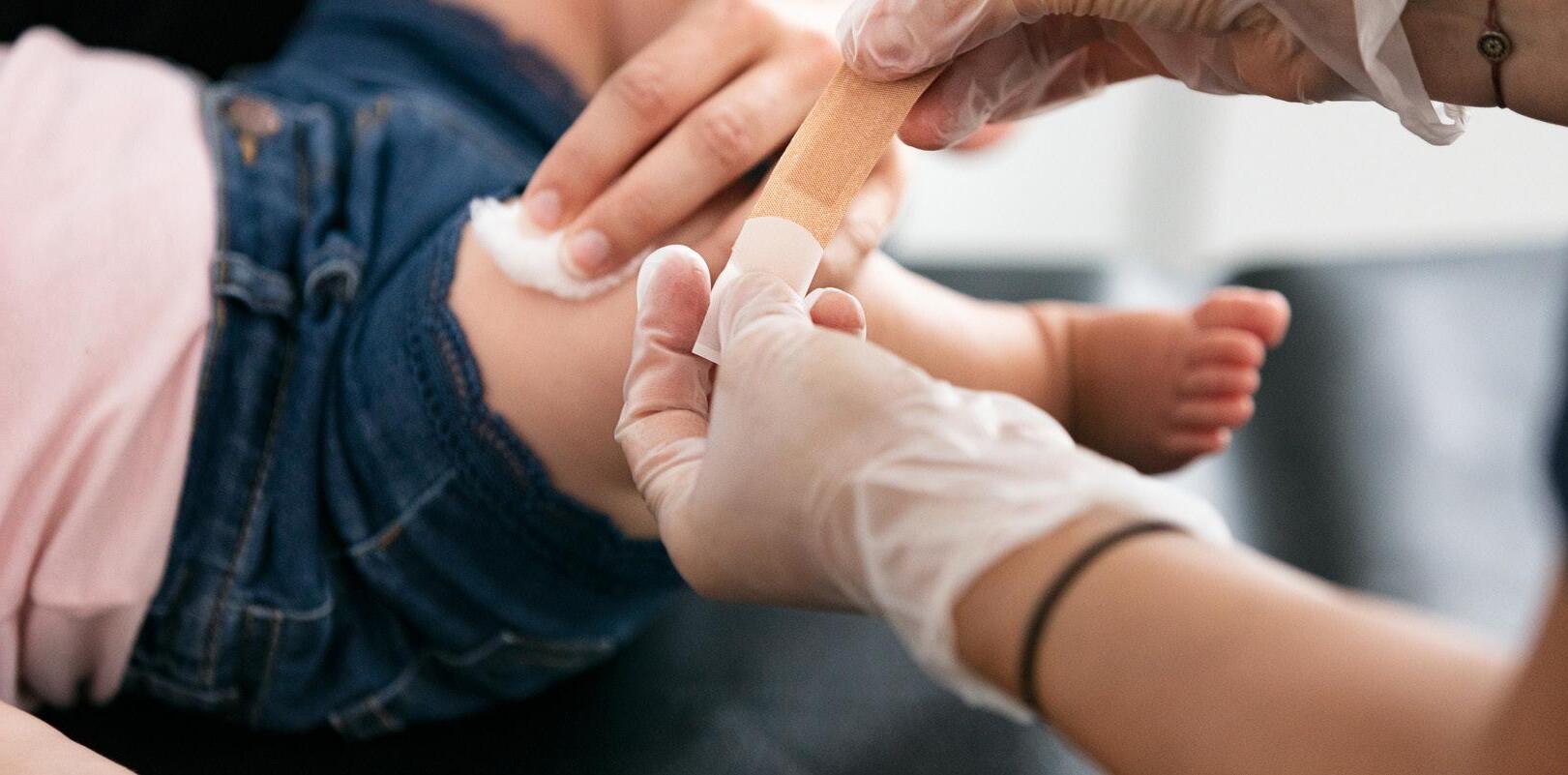
Pediatricians emphasize that vaccinating children on time lets them build critical immunity without overwhelming their systems.
Key takeaways:
• The American Academy of Pediatrics emphasizes that adhering to the recommended schedule is essential to establishing a strong, early defense against disease.
• Vaccines teach the immune system to recognize and fight pathogens safely, offering protection without the risks of contracting the disease.
• As measles cases increase in neighboring communities, experts urge families to get vaccinated and stay up to date.
• If you are unsure of your vaccine status, call the Pediatric Department to find out which vaccines you need and book your appointment.
IN THIS ISSUE:
• National Infant Immunization Week
• Forensic Nursing: Supporting Healing & Justice
• Sexual Assault Awareness Month
• Caring for Your Mind and Body
• Understanding Responsible Drinking
Protecting the Next Generation: Infant Immunization Week 2026
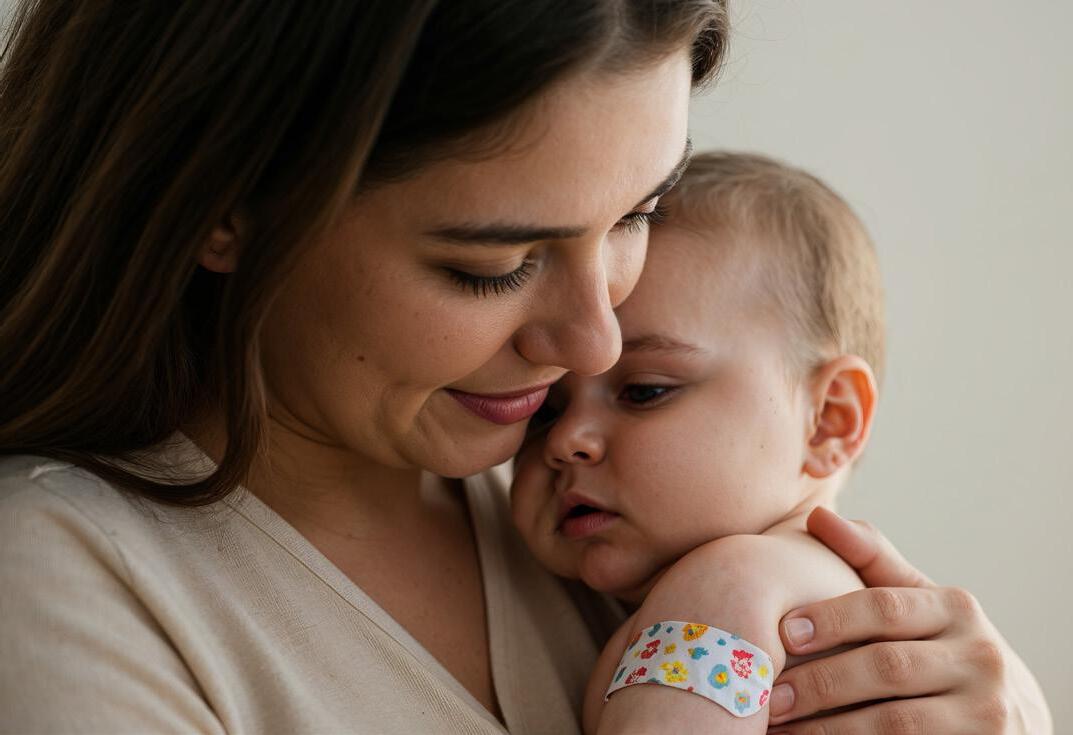
Infant Immunization Week 2026 is an important reminder of the role vaccines play in keeping babies healthy. Vaccines protect infants from serious and potentially life-threatening diseases such as measles, whooping cough, and polio.
This week, healthcare providers, parents, and communities come together to raise awareness of the importance of timely vaccinations and to ensure every child has access to lifesaving immunizations.
Early protection helps build a strong foundation for lifelong health and supports community-wide immunity, keeping vulnerable populations safe.
This year’s campaign emphasizes education, access, and support for families navigating their infant’s immunization schedule.
Parents: Schedule a conversation with your pediatrician, mark key vaccination dates, and prepare questions about vaccine safety.
Communities: Organize and promote local clinics, distribute resource materials, and host events to celebrate babies’ immunization milestones. Join Infant Immunization Week to help prevent outbreaks and ensure infants have the healthiest start possible.
Call your nearest GRHC Pediatrics location today to schedule an appointment and keep your child protected.
Hu Hu Kam Memorial Hospital
Phone: 520-562-3321 ext. 2149
Komatke Health Center
Phone: 520-550-6000
Hau’pal Health Center
Phone: 520-796-2600 ext. 2149
Forensic Nursing: Supporting Healing & Justice
Gila River Health Care forensic nurses are registered nurses with special training. They provide trauma-informed medical care and help with the legal process by assessing injuries and collecting evidence. Survivors of any age receive compassionate care in a safe space. They have access to medical treatment, emotional support, and proper documentation, whether they decide to report the incident or not. *
Besides trauma-informed care, GRHC forensic nurses offer services and support that respects culture. They understand historical trauma and assist survivors in navigating tribal, state, and federal systems to improve access to care, advocacy, and prevention.
Role of the Forensic Nurse
• Provide medical care for victims of sexual assault, domestic violence, and other types of abuse
• Collect and document forensic evidence accurately
• Offer emotional support, education, and referrals
• Collaborate with law enforcement, tribal authorities, and social services
• Advocate for patient rights and community safety
Patients can get care and support anytime, day or night, even if they don’t want to report the incident to law enforcement. * Forensic nurses respect each person’s choices and offer care that moves at their pace. By working with community partners, they help survivors start healing and make the community safer.
Gila River Health Care is dedicated to supporting survivors with trained professionals who provide culturally respectful, trauma-informed care. If you or someone you know has experienced abuse, please reach out to the SANE Nursing Department, available 24/7 at (520) 562-5151.
*Victims under age 18 are a mandatory report to law enforcement.
Violence Statistics (U.S.)
• Approximately 36% of women and 17% of men experience sexual violence in their lifetime.
• Over 84% of Native American women report experiencing violence.
• Native communities often face barriers to reporting and accessing care.
RAISING AWARENESS: Sexual Assault Awareness Month
April Marks Sexual Assault Awareness Month (SAAM), a time to raise awareness about sexual violence and encourage prevention. Sexual assault can affect anyone, regardless of age, gender, or background, with impacts that are both physical and emotional. By educating ourselves and our communities, we help create safer environments and support those affected. Small steps, like learning about consent, advocating respect, and speaking openly about the issue, make a difference.
Supporting Survivors and Accessing Resources
If you or someone you know has experienced sexual assault, know that support exists. Reach out to hospitals, clinics, or local organizations that offer confidential services, such as crisis lines, counseling, and guidance on reporting options. Seeking medical care, counseling, or advocacy services can help you begin the healing process. Taking steps to seek help is a brave and important part of recovery—no one must face this journey alone.
Promoting Prevention and Community Engagement
Awareness means more than responding to incidents—it also requires prevention. Communities can act proactively by providing education on consent, healthy relationships, and bystander intervention. Attending workshops, sharing resources, and promoting respectful communication at home, and in the workplace, all build a culture that discourages sexual violence. Together, we foster safer environments where everyone feels supported and heard.
Supporting Survivors: You Are Not Alone
April is Sexual Assault Awareness Month (SAAM), a time to empower survivors and educate our communities about prevention and support. If you or someone you know has experienced sexual assault, it’s important to know help is available. Local crisis centers, confidential hotlines like the National Sexual Assault Hotline (RAINN: 1-800-656-HOPE), and healthcare providers offer safe spaces to access care, talk through your experience, and plan for healing. Remember, reaching out for help is a sign of strength, and you do not have to face this journey alone.
Medical Care and Trauma-Informed Support
Healthcare providers deliver trauma-informed care, focusing on listening, support, and empowering survivors without judgment. If you seek care after an assault, a sexual assault forensic exam (“rape kit”) offers medical treatment, preventive care for STIs and pregnancy, and preserves evidence if you report. Providers conduct exams in a safe, confidential environment and recognize that trauma triggers varied reactions—freezing, dissociation, or numbness—all normal and never a survivor’s fault.
Consent, Healthy Relationships, and Community Action
Understanding consent is crucial to preventing sexual assault. Consent is a clear, voluntary, ongoing agreement in every setting, including digital spaces. Respectful communication, setting boundaries, and healthy relationships create safer communities. Loved ones support survivors by listening, believing their experiences, and avoiding blame. In April, wearing teal, sharing resources, and participating in programs show solidarity and promote the theme: “Together We Act, United We Change.” By spreading awareness and taking action, we contribute to a culture of safety, respect, and healing.
Caring for Your Mind and Body
April is National Stress Awareness Month. Stress is normal, but chronic stress can affect sleep, mood, blood pressure, and overall health. Early signs include fatigue, irritability, headaches, and trouble focusing. Small routine changes bring balance to mind and body.
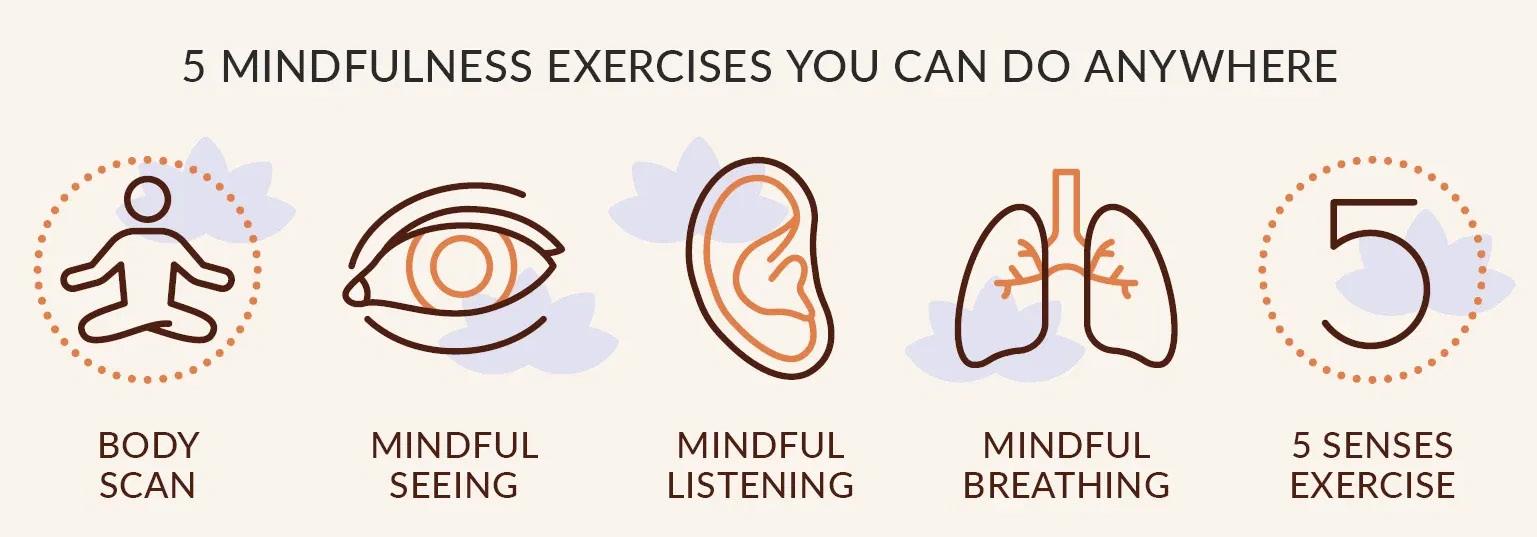
Practice simple mindfulness to reduce stress. Set aside five minutes a day for slow, deep breathing: inhale through your nose for 4 seconds, hold for 4 seconds, and exhale through your mouth for 4 seconds.
Stretching, walking outdoors, or keeping a gratitude journal can also calm your mind and lift your mood.
Limit screen time before bed and keep a regular sleep schedule to support emotional wellness and resilience.
If stress becomes overwhelming, reach out to a trusted friend, family member, or healthcare provider to talk about how you’re feeling. Explore local stress management resources such as counseling services, support groups, or wellness programs. Set aside regular time to focus on your mental health—start with a simple activity and build small, consistent habits for lasting improvements.
Understanding Responsible Alcohol Use
April is recognized as Alcohol Awareness Month—a time to reflect on our relationship with alcohol and its impact on our health. While moderate drinking may be safe for some adults, excessive or frequent use can increase the risk of liver disease, heart problems, certain cancers, and mental health challenges. Moderate drinking is defined as up to one drink per day for women and up to two drinks per day for men. Understanding these guidelines can help you make informed choices and support a healthier lifestyle.
Screening tools can help identify whether alcohol use may be risky. Simple questionnaires like the AUDIT-C (Alcohol Use Disorders Identification Test – Consumption) can provide insights into your drinking habits and highlight areas for improvement.
If you notice that drinking is interfering with work, relationships, or daily responsibilities, or if you need alcohol to relax or feel normal, these can be early signs that additional support may be beneficial.
Recognizing the signs of alcohol dependence is key to getting help early. Look out for cravings, withdrawal symptoms when not drinking, increasing tolerance, and unsuccessful attempts to cut back. Support is available through healthcare providers, counseling services, and community programs, including local support groups such as Alcoholics Anonymous.
Taking proactive steps to understand and manage alcohol use not only protects your physical health but also supports your mental and emotional well-being.
Celebrating Neurodiversity
Autism Acceptance & Occupational Therapy
April marks both Autism Acceptance Month and Occupational Therapy Month, offering a unique opportunity to highlight the value of neurodiversity and the ways occupational therapy (OT) supports individuals of all abilities. Autism is a spectrum, meaning each person experiences it differently, with unique strengths, challenges, and ways of interacting with the world. Embracing and understanding neurodiversity fosters inclusion, reduces stigma, and helps communities recognize the talents and perspectives that individuals with autism bring to daily life.
Occupational therapy plays a critical role in supporting neurodiverse individuals by helping them build the skills needed for daily living, social engagement, and independence. For children, OT can support fine motor development, sensory processing, and school-related tasks, while for adults, it may focus on executive functioning, job skills, or adapting routines to manage sensory sensitivities. Therapists work collaboratively with clients and families to create personalized strategies that enhance comfort, confidence, and participation in meaningful activities.
Raising awareness about autism and the benefits of occupational therapy empowers individuals, families, and communities. By understanding neurodiversity and seeking appropriate support, people can improve their quality of life, promote independence, and celebrate individual strengths. Whether through therapy, education, or simple acts of acceptance, everyone can help create an environment where neurodiverse individuals thrive.
TIPS FOR HEALTHY FEET DID YOU KNOW
•The average human takes over 216 million steps in their lifetime.
•The average human walks over 75,000 miles or three times around the earth in their lifetime
•There are 52 bones in your feet or over ¼ of all bones in the body
•There are 66 joints and over 100 muscles, tendons, and ligaments.
•There are over 250,000 sweat glands in the soles of our feet that excrete 1 cup of moisture daily.
•Babies feet grow rapidly. By age 1, most have reached nearly ½ of their adult size.
•Every day, our feet absorb over a million pounds of force.
•Approximately 2 million Americans develop a diabetic foot ulcer each year.
FOOT PROBLEMS > 75% of people will experience foot problems in their lifetime
COMFY SHOES > Shoes should fit comfortably right away. Always leave a whole thumb’s width between your longest toe and the end of the shoe.
TRIMMED NAILS > Nails should always be trimmed straight across and avoid trimming into corners you cannot see and avoid ripping toenails
GROWING FEET > Feet often flatten as we age - even though the bones do not grow, the fallen arch makes our feet longer.
FOOT PROBLEMS > Only elders have foot problems. COMFY SHOES > It is normal to need to “break in” a pair of shoes
TRIMMED NAILS > Cutting a ‘ V’ notch in the middle of the toenail will prevent/treat an ingrown nail.
GROWING FEET > Feet always stay the same size
1. Inspect your feet daily, including the bottoms of your feet. A good time to check is after bathing.
2. Use a handheld mirror to see those hard-to-see/hard-toreach places.
3. Dry well in between toes after bathing to reduce the risk of athlete’s foot.
4. Use lotion on dry skin areas to avoid cracks/fissures. It is best to apply within 15 minutes after bathing, sparing the spaces between toes.
5. Replace walking shoes every six months or 500 miles whichever comes first
6. Do not walk barefoot. Well fitted shoes serve as armor to protect your feet from the environment.
If you have questions or would like to schedule a podiatry appointment:
GILA RIVER HEALTH CARE RESOURCES
Hu Hu Kam Memorial Hospital
Number: (520) 562-3321
Behavioral Health
Customer Service
Ext 7100
Ext 1177 / 4017
Dental Ext 1209
Imaging
Infusion Clinic
6008
6609
Dental Ext 6015
Ext 1232
Ext 1219
Inpatient Clinic Ext 1218
Laboratory Ext 1220
Life Center
Ext 7940
Optometry Ext 7365
Patient Registration Ext 1204
Pharmacy Refill Line
Ext 1270
Physical Therapy Ext 1230
Podiatry Ext 1258 Primary Care
Ext 1495
Purchased Referred Care Ext 6025
Women’s Health Clinic Ext 1400
Hau’pal (Red Tail Hawk) Health Center
Number: (520) 796-2600
Audiology Ext 2965
Behavioral Health
Customer Service
Ext 2620
Ext 2619
Dental Ext 2682
Imaging
Infusion Clinic
Ext 2655
Ext 1219
Inpatient Clinic Ext 1218
Laboratory
Life Center
Ext 2651
Ext 2657
Optometry Ext 2690
Patient Registration
Physical Therapy
Ext 2737
Ext 2715
Podiatry Ext 2664
Primary Care
Purchased Referred Care
Ext 2697
Ext 5000
Women’s Health Clinic Ext 2693
6044 Laboratory
6016
6470 Optometry
Patient
6012
6006
Pharmacy Refill Line Ext 1303
Physical
Podiatry
6213
6520
Primary Care Ext 6000
Purchased Referred Care Ext 5000
Women’s Health Clinic
6110
(800)
Gila River Indian Community District Service Centers