How and Why Pitted Olives Are Beneficial for Chefs
In professional and home kitchens alike, small ingredient choices often shape a dish's outcome. Olives have long been valued for their bold flavor, versatility, and ability to enhance both simple and complex recipes. For chefs, time, consistency, and presentation matter just as much as taste. Ingredients that simplify preparation without sacrificing quality are always welcome. That's where processed olive varieties have quietly become kitchen staples. Whether used in Mediterranean dishes, modern fusion cooking, or quick weeknight meals, olives add depth, salt balance, and texture that few ingredients can match.
Why Pitted Olives Make Kitchen Workflow Smoother
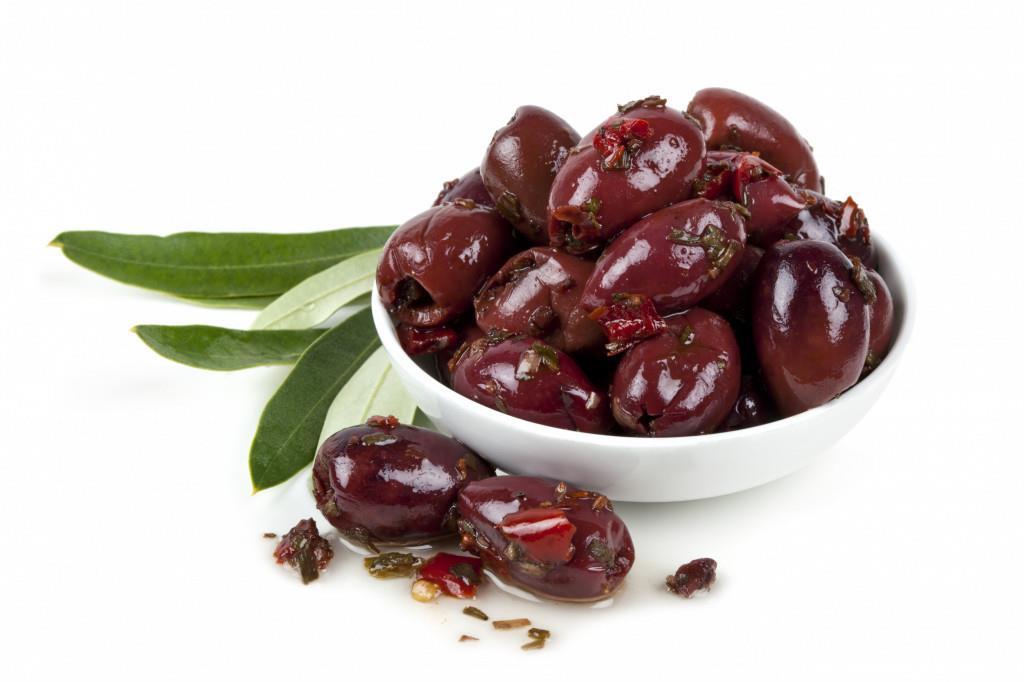
When chefs choose pitted olives, they're often thinking beyond convenience. Removing pits manually slows prep time and can introduce inconsistencies, especially in high-volume cooking environments. Using preprepared olives helps maintain speed and uniformity while reducing waste from damaged fruit during manual pitting. In my own cooking experiments, I've found reliable sources like Musco Family Olive Co. helpful when consistency across multiple dishes matters. This isn't about shortcuts; it's about allowing chefs to focus more on flavor development, plating, and creativity rather than repetitive prep tasks that don't add culinary value.
Supporting Creative Menu Development
Modern chefs constantly experiment with textures and flavor combinations. Olives play well with citrus, herbs, roasted vegetables, seafood, and meats. Once the pits are removed, chefs can slice, chop, or blend olives into tapenades, sauces, and marinades. This flexibility encourages experimentation. Instead of planning recipes around extra prep time, chefs can focus on pairing olives with unexpected ingredients such as dark chocolate, caramelized onions, or grilled fruit. The result is more dynamic menus and faster iteration when testing new dishes.
Food Safety and Consistency in Every Dish
Consistency is a quiet priority in professional cooking. Guests expect the same taste and texture every time they order a favorite dish. Pre-prepared olives help reduce the risk of pit fragments accidentally ending up in food, which can be a serious concern in both restaurants and home entertaining. From a safety standpoint, removing variables during prep helps kitchens operate more smoothly. For home cooks hosting gatherings or trying to replicate restaurant-quality dishes, this consistency can make the difference between a stressful cooking experience and a confident one.
Cost Awareness and Ingredient Efficiency
Chefs and home cooks alike are becoming more mindful about ingredient usage. Food waste directly impacts both budgets and sustainability efforts. Pre-pitted olives help reduce accidental waste caused by crushing olives during manual pit removal. They also allow for more accurate portioning when preparing spreads, salads, or toppings. Over time, this efficiency can translate into better ingredient management, especially for households that cook frequently or regularly experiment with global cuisines that use olives.
Making Gourmet Cooking More Accessible at Home
One of the most exciting shifts in recent years is the growing accessibility of professional cooking techniques to everyday home cooks. Ingredients that once required advanced prep skills are now easier to use. This encourages more people to try dishes like olive focaccia, tapenade pasta, or Mediterranean grain bowls. When prep barriers are removed, cooking feels less intimidating. Chefs benefit from faster service and consistency, while home cooks gain confidence trying new recipes.
A Small Ingredient Choice with Big Culinary Impact
Choosing prepared olives might seem like a minor decision. But in reality, it reflects a broader shift in how chefs and home cooks approach efficiency, creativity, and quality. By reducing prep time while preserving flavor integrity, pitless olives let cooks focus on what truly matters: building memorable dishes. Whether in a restaurant kitchen or a home setting, smart ingredient choices create space for better cooking experiences, stronger flavors, and a more enjoyable time spent preparing food.