"People often see the disability first. Here at GGC, they see me first. They just accepted it as part of mebut not all of me."
-Riley Crawford
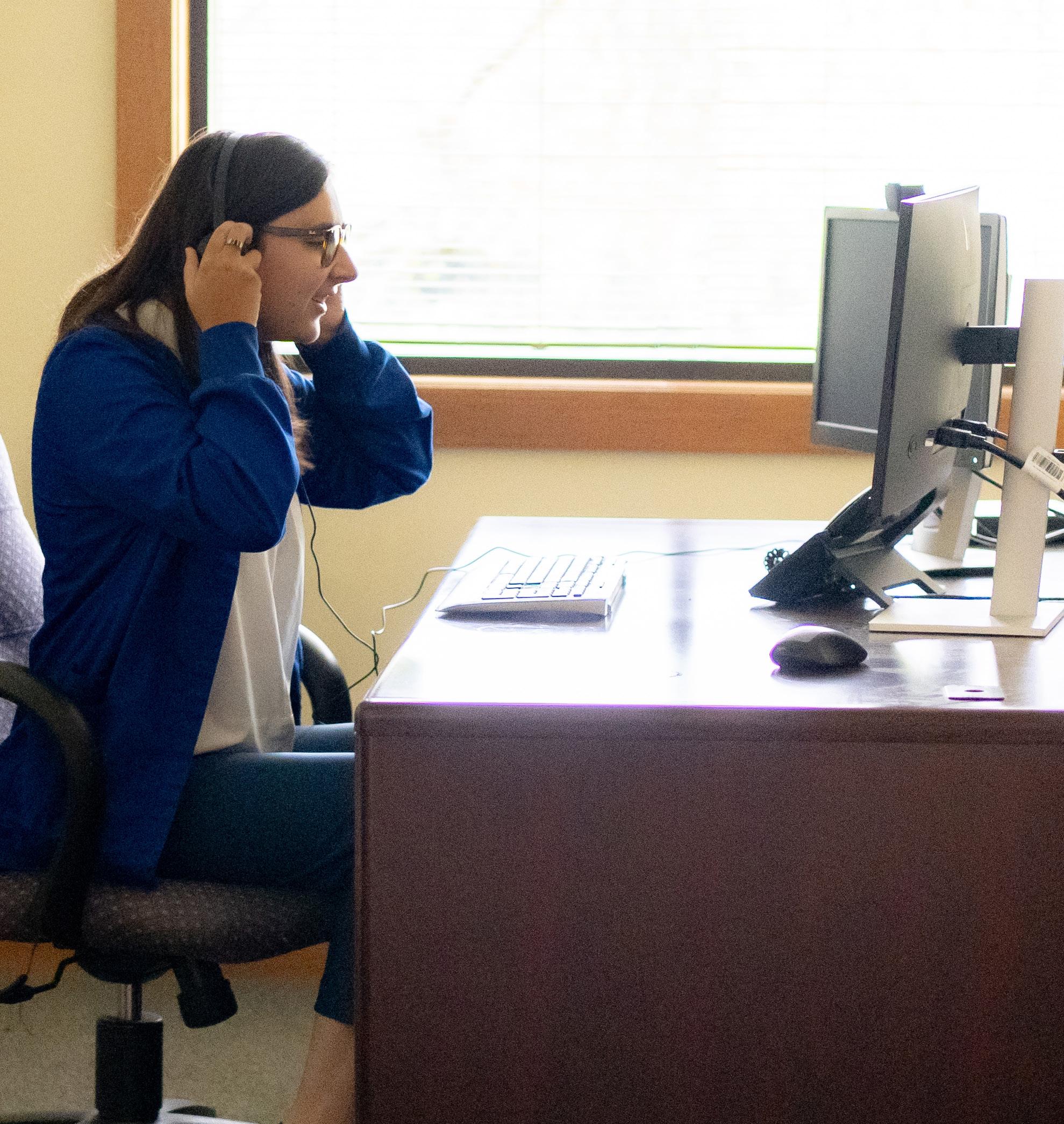

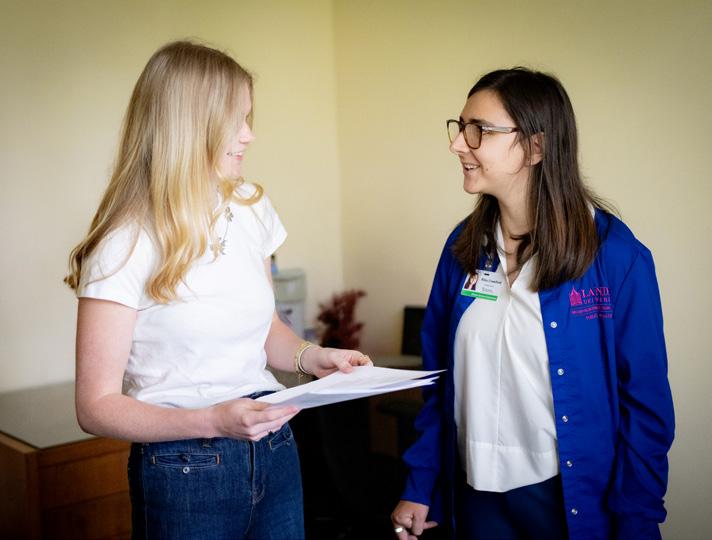
"People often see the disability first. Here at GGC, they see me first. They just accepted it as part of mebut not all of me."
-Riley Crawford
For Greenwood Genetic Center intern Riley Crawford, the path to a career in genetics isn’t just academic—it’s personal.
A senior at Lander University, Riley is studying public health with a certificate in genetic studies and preparing for a future in genetic counseling. Her interest in the field grew not only from scientific curiosity, but from lived experience.
Diagnosed in infancy with Leber Congenital Amaurosis Type 1 (LCA1), a rare genetic condition that causes significant vision loss, Riley has spent her life navigating a world not always designed with her in mind. But rather than narrowing her path, that experience has helped define it.
Riley’s vision loss made her first career choice – to be a nurse like her mother -
inaccessible. Instead, she found a new direction in genetic counseling—one that still allows her to focus on patient care, advocacy, and education.
Her motivation is rooted in a moment her family never forgot.
When Riley was a baby, her parents noticed something wasn’t quite right. She wasn’t visually tracking objects, and her eyes moved involuntarily—a condition known as nystagmus. After a series of appointments, her mother received a life-changing phone call: her child had LCA and would be blind.
“That was all they were told,” Riley said. “Just the diagnosis.”
With her mother’s medical background, Riley’s family was able to find specialized care and support, but she knows that
many others are not as fortunate.
“A lot of families get a diagnosis like that and don’t know what to do next,” she said. “Genetic counseling, to me, is about being there in that moment—explaining what’s happening but also helping people find resources and support. Not just giving them a name.”
During her semester-long internship at GGC, Riley has gained hands-on experience supporting the clinical team - processing referrals, reviewing patient information and routeing cases to the appropriate clinic.
It’s detail-oriented work—and work that relies on accessible technology. Riley uses screen-reading software called JAWS (Job Access With Speech), which reads digital content aloud and allows her to navigate systems efficiently.
Beyond the technical experience, Riley says one of the most valuable parts of her internship has been simply being immersed in the environment—observing how genetic professionals communicate, collaborate, and support patients. She also had the opportunity to connect with GGC researcher, Dr. Gavin Arno, who has expertise in inherited retinal conditions— an area closely connected to her own diagnosis (see p.6).
Equally meaningful has been Riley’s experience with the culture at GGC. “Usually there’s an awkward conversation about disability,” she said. “There wasn’t one here, which was really refreshing. They just accepted it as part of me—but not all of me.”
“People often see the disability first,” Riley said. “Here at GGC, they see me first.”
After graduation, Riley plans to continue building her skills through a specialized training program for individuals who are blind, before pursuing a role as a genetic assistant—maybe even returning to GGC in the future.
Her long-term goal remains clear: to support individuals and families navigating the same uncertainty that her family once experienced.
“The biggest thing about both disability and genetics is that they’re always evolving,” she said. “It’s constant learning, constant adapting. You never stop growing.”
For Riley, that mindset isn’t just a perspective—it’s a calling.
FOUR A's
GGC's Precision Medicine Initiative



ACCESS - Remove barriers and improve access to genomic testing and services.
ANALYSIS - Generate and analyze genomic and clinical data through the validation of new technologies and data systems.
ANSWERS - Diagnose each patient in a timely manner and identify potential treatments through GGC's Genomic Discovery Program.
ACTION - Lead patients to a personalized treatment or therapy for their genetic condition.

GGC's eVisits offer a convenient and secure genetics visit to support families impacted by autism spectrum disorder.
GGC is now offering eVisits for individuals with a confirmed diagnosis of autism spectrum disorder (ASD), providing a flexible and accessible way to connect with a genetics provider. Designed to improve access and convenience, eVisits allow patients and families to communicate through a secure online portal—without the need to schedule a specific appointment time. GGC has already used eVisits with great success for families served through BabyNet's early intervention programs and for patients with hearing loss, demonstrating how effective this care model can be when a physical exam is not necessary.
For individuals with ASD who do not have additional health concerns, recommended genetic testing can be fairly straightforward. An eVisit can streamline this process, allowing patients to move forward with testing sooner rather than waiting for an in-person appointment. The goal of this testing is to try to identify a genetic cause for autism—information that can help guide care, inform family planning, and connect patients with appropriate resources.
During an eVisit, patients respond to questions from their provider at their own pace and may be asked to upload information, such as recent photos or medical details. The genetics provider carefully reviews all submitted information to deliver a thorough assessment and personalized recommendations. This may include guidance on genetic testing or determining whether a follow-up in-person or virtual visit would be beneficial. eVisits eliminate the need for travel, reduce wait times, and give patients direct access to a genetics professional making them a convenient and effective option for many families.
To learn more about autism eVisits, scan the QR code to the right.

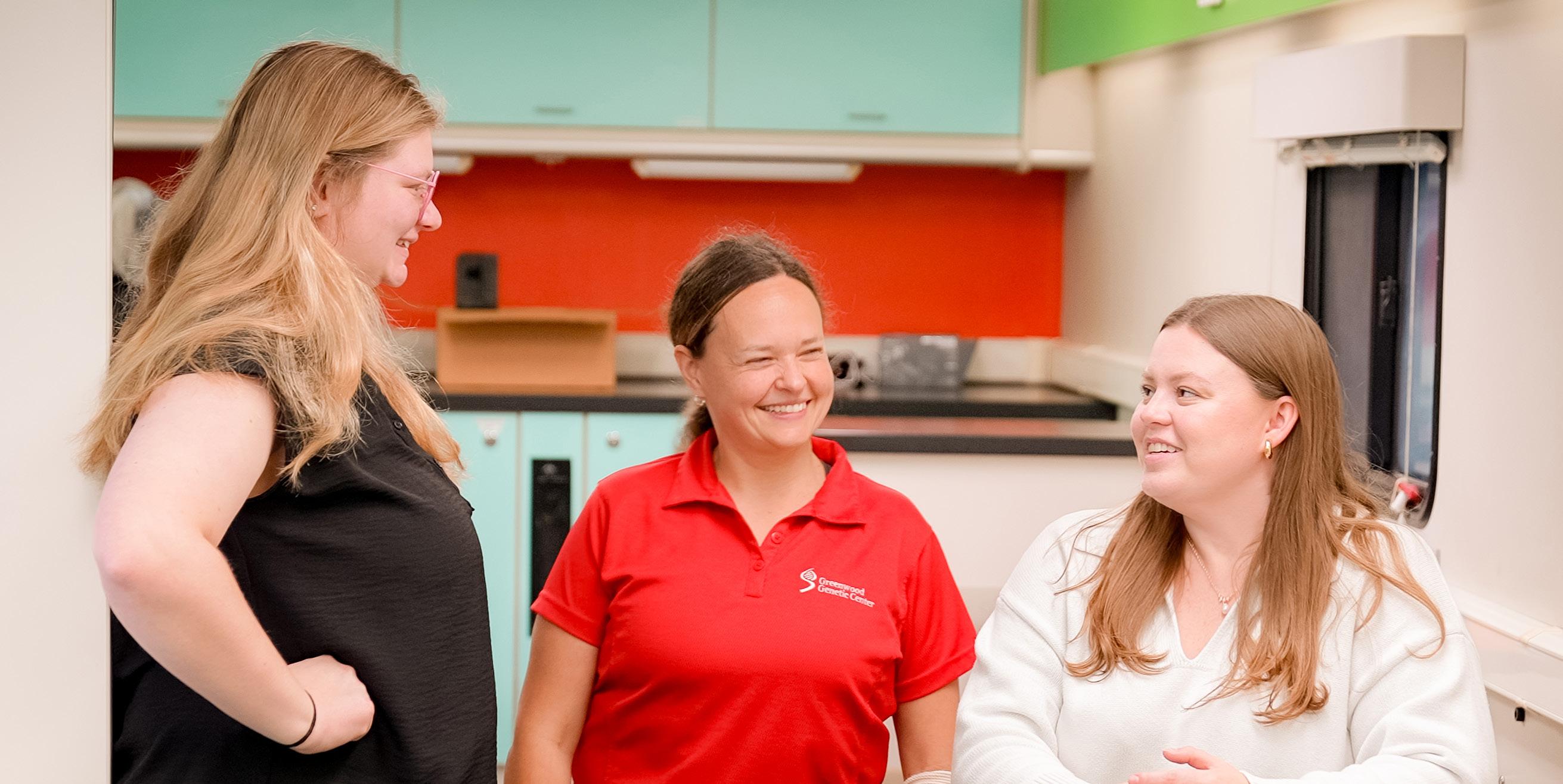
For 16 years, GGC’s Education Outreach Program has opened doors for students across South Carolina—bringing hands-on genetics experiences into classrooms and inspiring curiosity about science and healthcare careers.
For Arnise Wright, that early exposure became a calling.
As a student at Goose Creek High School, Wright encountered genetics firsthand through GGC’s mobile lab during her AP Biology class. The experience sparked an interest in the field and introduced her to a career path she had never before considered.
Wright went on to major in biology at Wofford College, complete an internship with GGC, and now serves as a genetic assistant in the Center’s Charleston Clinic. She has also been accepted into the genetic counseling master’s program at the Medical University of South Carolina—an achievement that reflects the lasting
impact of meaningful, hands-on science education.
Even for students who do not pursue careers in genetics, the Outreach Program provides valuable skills that extend far beyond the classroom. According to teacher surveys, one of the program’s greatest strengths is its ability to promote inquiry, critical thinking, and real-world problem solving—skills students can carry into any future profession.
Despite operating with a small team of just three instructors, GGC’s Outreach Program traveled more than 12,800 miles and visited 105 schools this year, demonstrating an ongoing commitment to expanding access to engaging, real-world science education across the state.
For students like Arnise Wright, that access can be life-changing— transforming a single classroom experience into a future in genetics.

During the 2025–2026 school year, GGC’s Outreach team engaged more than 6,000 students across 23 counties.

Surveys revealed a 10% increase in student interest in pursuing STEM careers after their outreach experience.

“GGC’s outreach program had an impact on me at an early age. That experience sparked my interest in pursuing a career in genetics… I am truly grateful for the role it has played in shaping my career.”
- Arnise Wright

• 92% of students learned new information
• 91% found the experience interesting
• 90% felt more confident in a lab setting
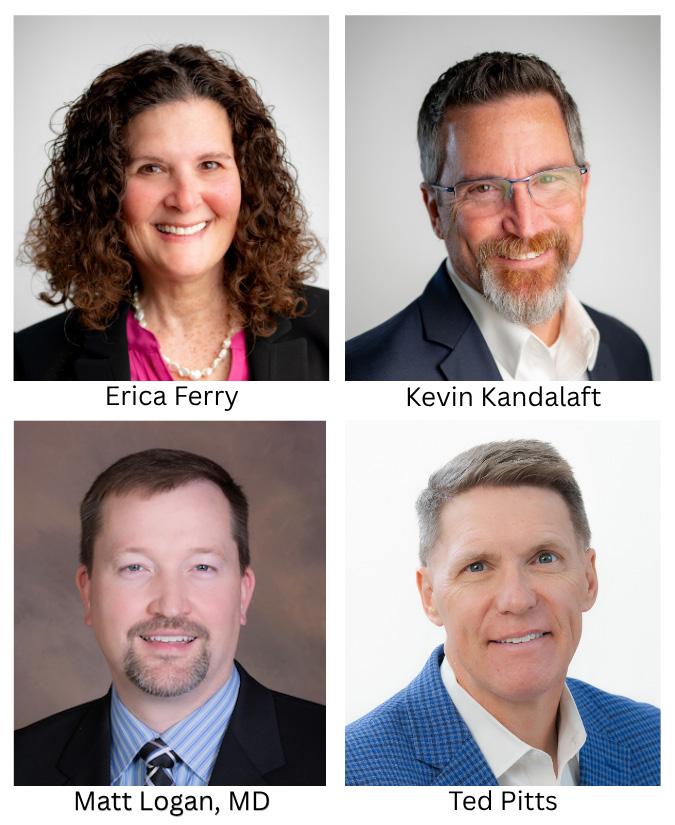
GGC welcomed several new board members in 2026.
"These commited and talented individuals each bring a unique skillset and perspective to the goverance of the Greenwood Genetic Center and GGC Foundation," said Steve Skinner, MD, GGC's president and CEO. "We welcome their enthusiasm, expertise, and advocacy."
Erica Ferry, president and CEO of Erica Ferry & Associates LLC, has joined the GGC Foundation Board of Trustees.
Kevin Kandalaft, retired UnitedHealthcare executive, has joined the GGC Holdings Board and the GGC Foundation Board of Trustees.
Matt Logan, MD, president and CEO of Self Regional Healthcare, has joined the GGC Board of Directors.
Ted Pitts, president and CEO of Wilson Kibler Commercial Real Estate, has joined the GGC Holdings Board.
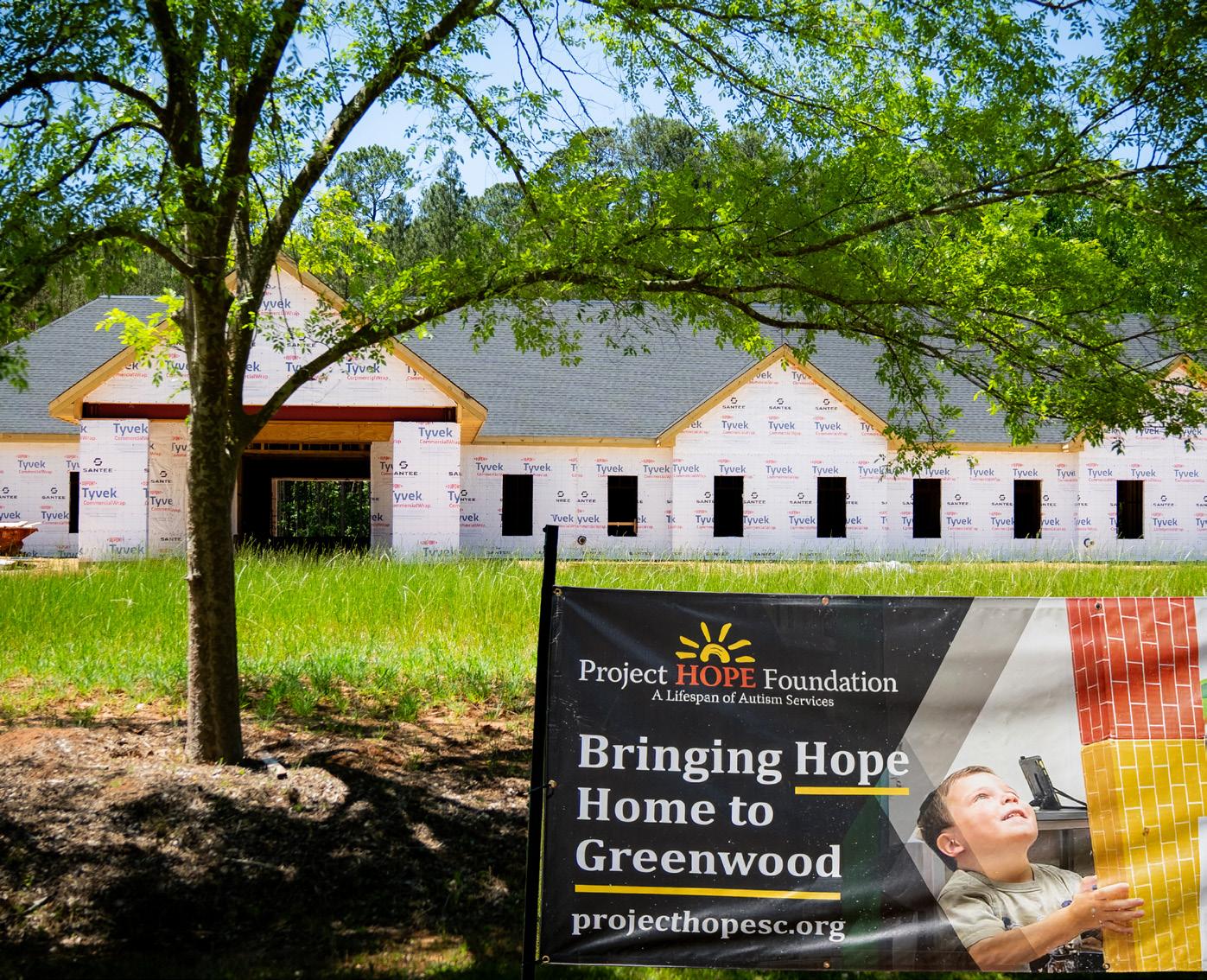
Read more about these new GGC board members at ggc.org/about/the-newsroom/
GGC President and CEO Steve Skinner recently shared an ambitious vision for the future of the Greenwood Genetic Center Partnership Campus — a 150-acre space designed to become a regional destination for care, education, employment, and community support.
At the center of this vision is a collaboration between GGC and Project HOPE Foundation to create a comprehensive campus serving individuals with autism and other neurodevelopmental disorders across every stage of life. Construction is already underway on Project HOPE Foundation’s new facility, with plans to welcome more community partners in the future.
The campus would combine the strengths of both organizations: Project HOPE Foundation’s nationally recognized Applied Behavior Analysis (ABA) programs and GGC's expertise in clinical genetics, diagnostic testing, and research. Together, the goal is to provide coordinated, compassionate care in one location.
Families could access diagnostic evaluations, genetic testing, ABA
therapy, speech and occupational therapy, and ongoing medical support without leaving campus. Plans also include holistic wellness programs, life skills training, college transition support, and workforce development opportunities for therapists and special education professionals.
The vision extends beyond healthcare. Inclusive employment opportunities — such as a coffee shop, lodging, and conference space — would offer meaningful job training while creating a welcoming community hub.
To help guide future growth, the GGC Foundation is working with Studio Main to develop a comprehensive Master Plan for the Partnership Campus.
“This vision is about possibility,” Skinner said. “Where research informs care, education leads to employment, and community truly means everyone belongs.”
Learn more about this vision by scanning the QR code.

When families arrive at GGC after years of unanswered questions, they are often carrying the weight of an exhausting journey. They have seen specialists, undergone countless tests, and still hear the same difficult answer: “We don’t know.”
For many living with rare genetic conditions this search for answers can feel endless.
That is where Dr. Gavin Arno and his team step in.
Dr. Arno, Associate Director of Research at GGC, is a leading scientist in ophthalmic genetics and inherited retinal disorders. He joined GGC in 2024 from London at Moorfields Eye Hospital, the UCL Institute of Ophthalmology, and Great Ormond Street Hospital for Children, where his laboratory spent more than a decade advancing the understanding of genetic eye disease.
Over the course of his career, Dr. Arno has helped shape the field of inherited retinal disease (IRD) research. He has pioneered the use of whole genome sequencing to uncover causes of retinal disorders and has contributed to several novel gene discovery projects that identified new genetic causes of vision loss.
At GGC, Dr. Arno continues this mission by working across divisions to better understand how rare genetic changes lead to disease. He also leads an NIH-funded COBRE research project in collaboration with the Clemson University Institute for Human Genetics and plays a key role in the Center’s Genomic Discovery Program—efforts aimed at pushing the boundaries of what can be found in the genome and how those discoveries translate to patient care.
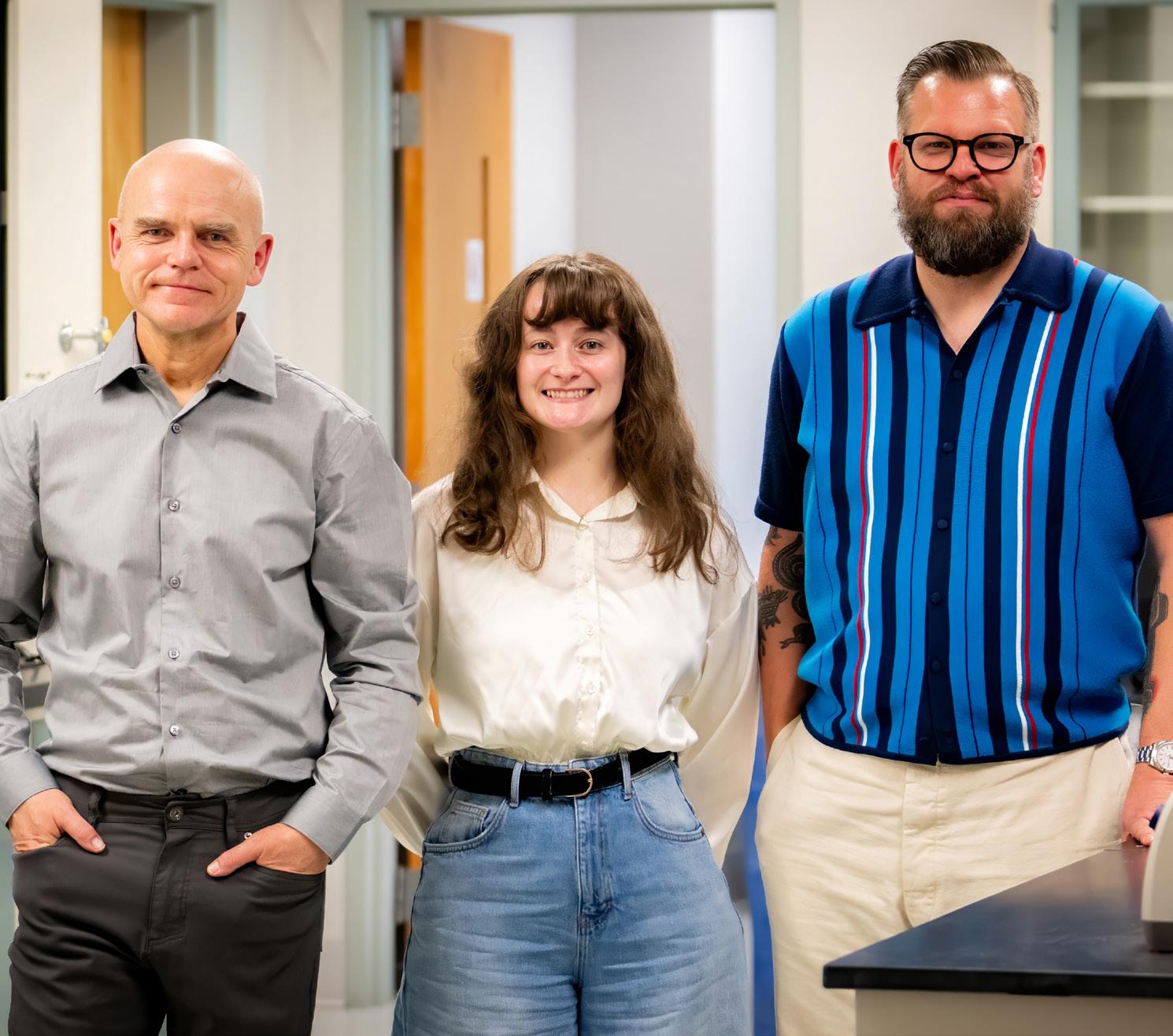
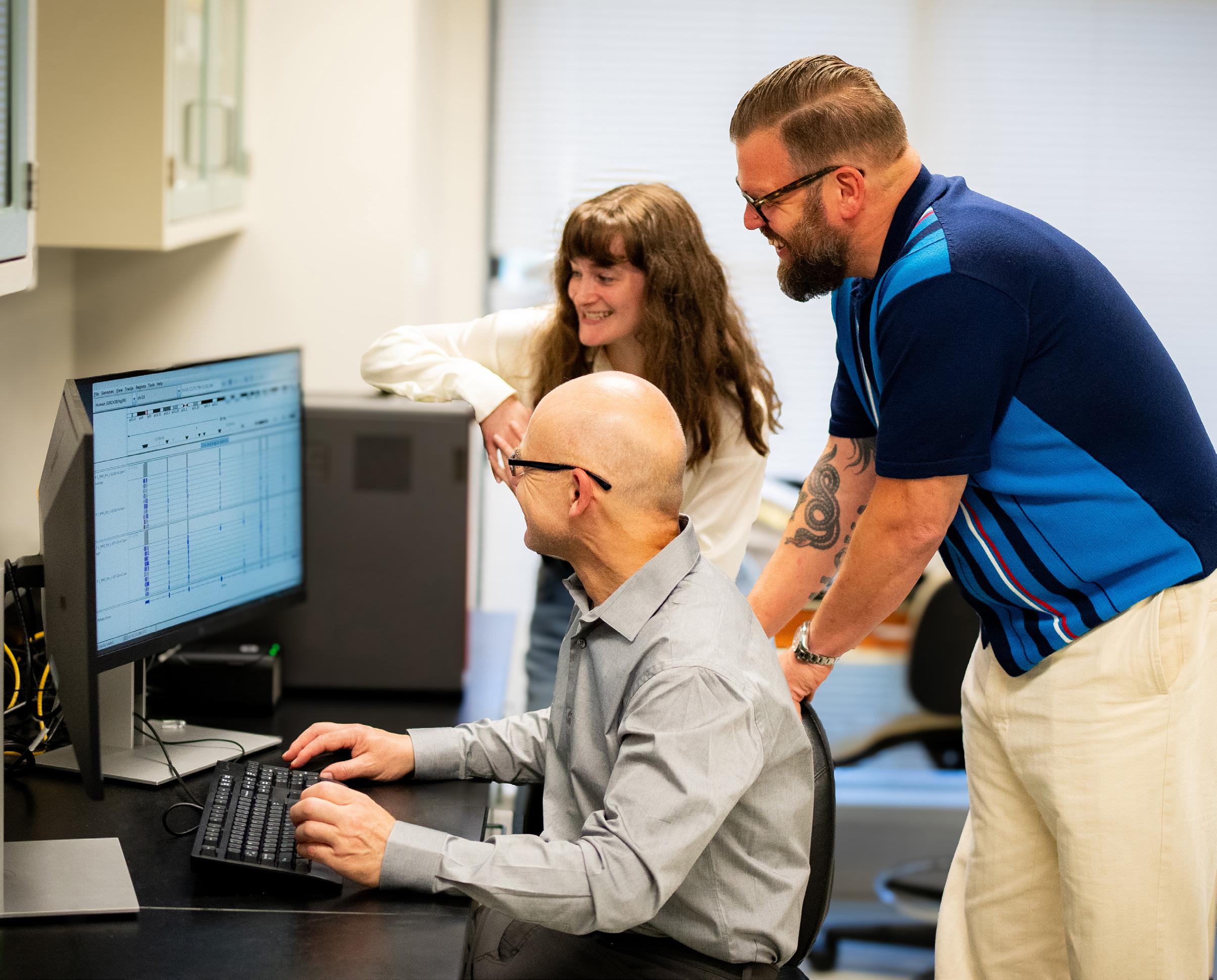
Working alongside him are Madeline Bellanger, PhD, a bioinformatics postdoctoral associate, and staff scientist, Bruno Poplawski, PhD, MB(ASCP), MASCP, and together, the team tackles some of the most complex unsolved genetic cases at GGC.
While traditional genetic testing can identify many known causes of disease, some answers remain hidden in difficult-to-read regions of the genome. Dr. Arno’s team uses advanced technologies, including long-read sequencing from Oxford Nanopore Technologies, to uncover structural changes and hard-to-detect variants that may be responsible for disease.
They also focus on “variants of uncertain significance”—genetic findings that cannot immediately be labeled as damaging or benign. The team carefully reanalyzes the data, applies additional studies when possible, and searches for evidence that can turn uncertainty into clarity.
Dr. Arno’s team never loses sight of the fact that behind every genome is a family waiting for answers, many of whom have spent years navigating
uncertainty about a child’s vision loss or a progressive eye condition. Even when a cure is not yet available, a precise diagnosis can bring clarity, access to accurate genetic counseling, and eligibility for clinical trials.
Each case is reviewed with care because small details in DNA can have lifechanging meaning.
Dr. Arno’s impact extends far beyond GGC. He continues to collaborate internationally, including contributions to large-scale initiatives such as the UK 100,000 Genomes Project, leadership roles in global variant curation efforts for retinal disease, and advisory and academic appointments with institutions including University College London and research partners in Japan. These collaborations help ensure that discoveries made in one part of the world can benefit patients everywhere.
Through innovation in genomic science and a commitment to families facing rare disease, Dr. Arno and his team are helping transform uncertainty into answers—and, step by step, turning unresolved questions into hope.
A $1.1M federal investment expands Campbell Alzheimer’s Initiative to advance mitochondrial-based therapies and accelerate neurodegenerative disease research.
GGC has received $1,106,000 in Congressionally Directed Spending through the U.S. Department of Health and Human Services to support advanced research equipment for the Carroll A. Campbell Jr. Alzheimer’s Initiative. The collaborative effort between GGC, MitoSense, and the U.S. Veteran’s Administration is focused on developing innovative treatments for Alzheimer’s disease and other neurodegenerative disorders.
Secured with the support of U.S. Senator Lindsey Graham, the funding will provide advanced equipment critical to expanding Alzheimer’s research at GGC.
The Initiative is exploring a novel therapeutic approach developed by MitoSense called Mitochondria Organelle Transplantation (MOT™). Because mitochondrial dysfunction is a hallmark of Alzheimer’s disease and other dementias, researchers are studying whether healthy donor mitochondria can restore cellular energy, slow disease progression, and
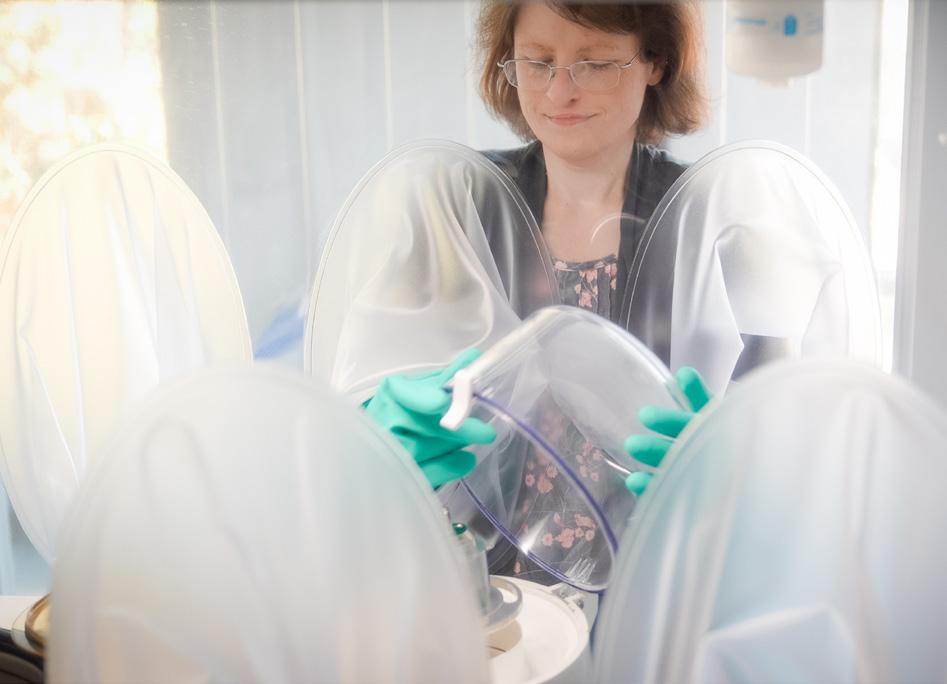
potentially prevent disease onset. The approach may also have applications for ALS, Parkinson’s disease, and rare pediatric mitochondrial disorders.
“This new funding allows us to acquire the sophisticated tools needed to evaluate the benefits of mitochondrial transplantation and move this promising therapy closer to patients,” said Rich Steet, PhD, Director of Research at GGC.
Launched with $2 million in state funding in 2024 from the office of South Carolina Governor Henry McMaster, the Initiative honors former Governor Carroll A. Campbell Jr., who died of Alzheimer’s disease in 2005.
“For our family, this Initiative represents hope — honoring our father’s legacy while working toward a future with effective treatments for Alzheimer’s,” said Mike Campbell, son of former Governor Carroll Campbell. Senator Graham noted that investments like these are helping South Carolina’s

medical research community advance promising therapies for Alzheimer’s and related diseases.
The federal funding will support the purchase of major research instruments, including a superresolution confocal microscope and a high-sensitivity mass spectrometer. These tools will help researchers track transplanted mitochondria, measure cellular energy production, and identify biomarkers of disease progression and treatment response. Researchers hope the technology will accelerate efforts to better understand disease mechanisms and evaluate potential new therapies.
Neurodegenerative diseases affect South Carolinians at rates above the national average, including the state’s more than 400,000 veterans. By expanding GGC’s research capabilities into adult neurodegenerative diseases, the Initiative is expected to improve patient outcomes, reduce long-term healthcare costs, and strengthen South Carolina’s leadership in genetic and neurological research.
GGC will host a public event to share the science, progress, and potential behind the Carroll A. Campbell Jr. Alzheimer’s Initiative. This event marks the return of the Science on Tap series of community events designed to highlight scientific efforts in the community.
The presentation will take place on Thursday, September 17 at 6:00 p.m. in the auditorium of the J.C. Self Research Institute on GGC’s Greenwood campus.
The event is free to attend, and light refreshments will be provided.
GGC and partners are connecting providers with expert genomic care across the Southeast through a new virtual eConsult network.
GGC is collaborating with the University of North Carolina at Chapel Hill and Emory University on a new project to improve care for those with rare diseases across the Southeast.
Rare diseases affect about 1 in 10 people, yet many patients face long, frustrating journeys to get an accurate diagnosis. Primary care providers often lack access to genetics specialists, especially in rural or underserved areas. This new project, the Southeastern Genomic Medicine eConsult Network (SEGMENT), has been recently funded by the National Institutes of Health and aims to bridge that gap.
SEGMENT will create a secure, virtual eConsult system that allows healthcare providers to quickly connect with genetics experts across these institutions. Instead of waiting months for an in-person appointment, providers can submit
For more than two decades, brothers Heath and James Hutchinson and their family have been on a journey to uncover the cause of their rare neurodevelopmental condition.
Heath, 25, and James, 23, have been patients at GGC since early childhood after both boys showed signs of developmental delay, autism, microcephaly, and intellectual disability. Although years of advanced genetic testing failed to provide answers, the family never stopped believing, and GGC clinicians and researchers never stopped searching for that elusive diagnosis.
Their mother, Dr. Kyllan Hutchinson, a pediatrician, first became concerned about Heath during infancy when he struggled with feeding, had low muscle tone, and missed developmental milestones. Two years later, James was born with many of the same
patient-specific questions electronically and receive expert guidance on testing, diagnosis, and care. This approach helps patients get answers faster and begin appropriate treatment sooner.
Through its relationships with BabyNet and the SC Office of Intellectual and Developmental Disabilities, GGC will play a key role in reaching children and families with rare genetic conditions in rural communities.
Over the next five years, SEGMENT is expected to support thousands of eConsults annually across South Carolina, North Carolina, and Georgia. By connecting providers to expert knowledge more efficiently, the program aims to reduce the time to diagnosis, decrease healthcare costs, and improve quality of life for patients and their families.
features, strengthening suspicions of an underlying genetic condition.
Over the years, the brothers’ samples remained part of GGC's ongoing research efforts as new technologies emerged and scientific knowledge advanced. Eventually, reanalysis of earlier genetic testing uncovered a rare variant in the RPS4X gene on the X chromosome.
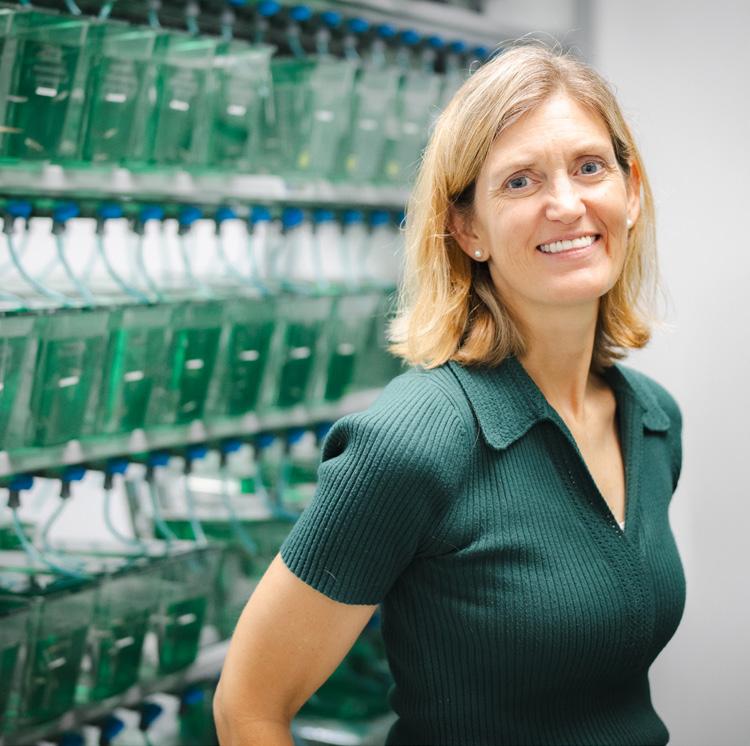
That discovery led to additional work, including studies led by Dr. Heather Flanagan-Steet, Associate Director of Research, revealing that reduced RPS4X protein disrupts typical brain development in both zebrafish and cell studies. Together with evidence
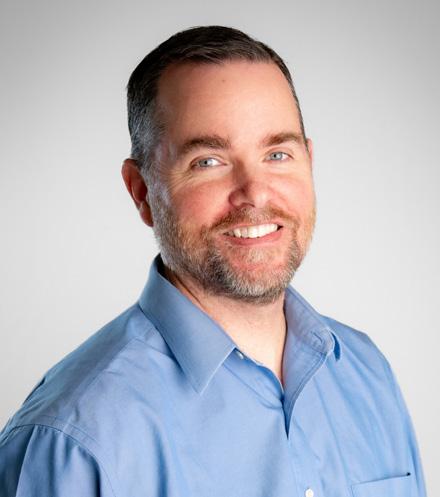
Mike Lyons, MD Director of Clinical Services;
Curry Chair
"Through this collaboration, we’re connecting non-genetics providers to the right expertise –shortening the diagnostic journey and bringing answers and hope to more families across our region."
from five other similarly impacted individuals around the world, the findings established a newly recognized X-linked neurodevelopmental syndrome, recently published in npj Genomic Medicine.
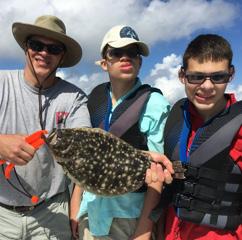
Today, their mother describes Heath as thoughtful and intelligent, with a love of books, puzzles, and fishing, while James is outgoing and determined, passionate about trains, hunting, reading, and family time. Reflecting on the yearslong search for answers, their mother expressed deep appreciation to the GGC clinicians and researchers who “never gave up,” saying the family is profoundly grateful for their dedication and hard work.
State-of-the-art genomic test identifies genetic variants that are often missed by other testing methodologiesleading to more rare disease diagnoses.
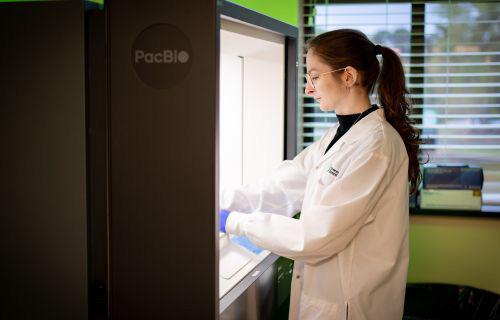
GGC's Diagnostic Laboratory launched long-read genomic sequencing as a clinical test in April, marking a significant advancement in genetic testing for patients with complex and previously undiagnosed conditions.
With this implementation, GGC becomes the first laboratory in the southeast—and only the second in the United States—to offer standalone longread sequencing as a clinical diagnostic service.
Unlike traditional short read sequencing methods, which analyze DNA in small fragments, long-read sequencing can examine much larger stretches of DNA in a single read. This capability allows for more accurate detection of complex genetic variants and regions of the genome that have historically been difficult to analyze.
“For many patients and families, the journey to a diagnosis can be long and frustrating,” said Mike Friez,
PhD, Director of GGC’s Diagnostic Laboratories. “By bringing longread sequencing into our clinical laboratory, we are opening new doors for individuals who have remained undiagnosed despite prior testing. This technology enables us to see parts of the genome that were previously inaccessible, offering new hope for answers.”
Patients who may benefit most from long-read sequencing include those with suspected genetic conditions that have remained undiagnosed after standard testing, individuals with complex neurological or developmental disorders, and cases where structural genomic changes are suspected.
By providing a more comprehensive view of the genome, long-read sequencing can increase diagnostic yield, reduce the need for multiple rounds of testing, and accelerate the path to personalized care.
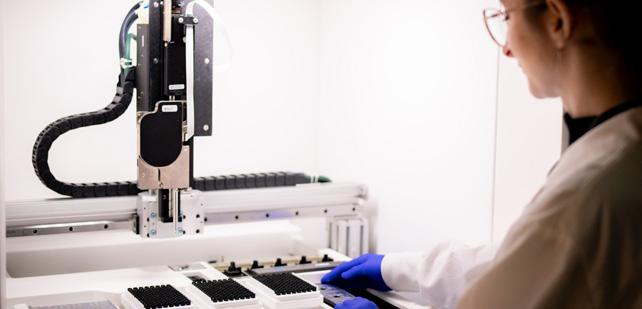
Key benefits of long-read sequencing
• Enhanced detection of complex variants that are often missed by conventional methods
• Improved analysis of repetitive and hard-to-sequence regions of the genome
• Greater clarity in identifying diseasecausing mutations, leading to more precise diagnoses
• Potential to shorten the diagnostic journey for patients and families

The GGC Foundation’s Keys for Care dueling pianos fundraiser on January 22 raised over $55,000 in support of the Care Reimagined campaign. The sold-out event at the Greenwood Country Club brought together community members, sponsors, and supporters for an energetic evening of music and impact.
Guests enjoyed lively dueling piano performances, audience participation, and an atmosphere centered on patient stories highlighting the importance of genetic care and diagnosis.
Attendees heard from Laura Bratton, who spent more than 30 years without a diagnosis before finding answers through GGC research, and
learned about Abbie Montgomery's family, whose journey with GGC has made the Center a trusted source of care and support.
“These stories illustrate what’s possible when expertise, compassion, and commitment come together,” said Cady Nell Keener, Executive Director of the GGC Foundation.
“Because of the generosity in the room, we can expand access to care and deliver answers to more families.”
Proceeds support the Care Reimagined campaign, which aims to expand access to genetic services, shorten diagnostic journeys, and advance treatments that improve quality of life.
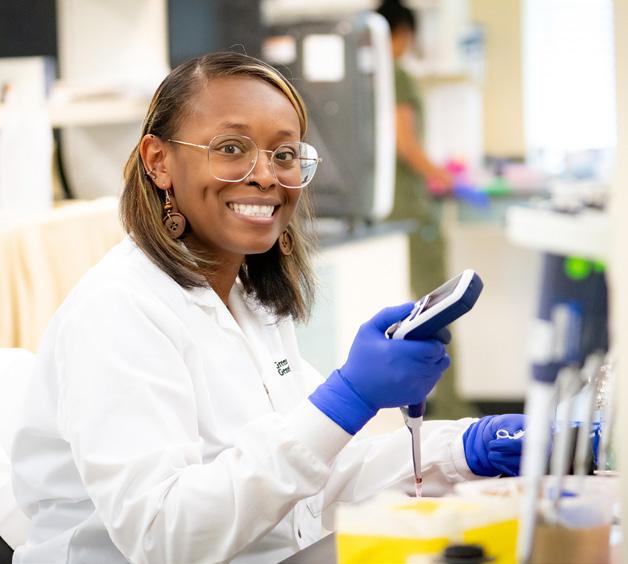
GGC's faculty and staff are the driving force behind GGC’s mission, bringing expertise, compassion, and innovation to everything they do. We are proud to recognize their continued impact through these welldeserved promotions, reflecting their commitment to delivering the highest quality care.
Shelby Gardner has been promoted to Centralized Medical Scheduler
Brittany Hennigan (pictured above) has been promoted to Molecular Technologist, Level IV
Daniel Howard has been promoted to Clinical Molecular Analyst
Latoya Hughes has been promoted to Team Lead in GGC's Charleston office
Seth Shearin has been promoted to Molecular Technologist, Level II
Ben Weaver has been promoted to Software Developer, Level II
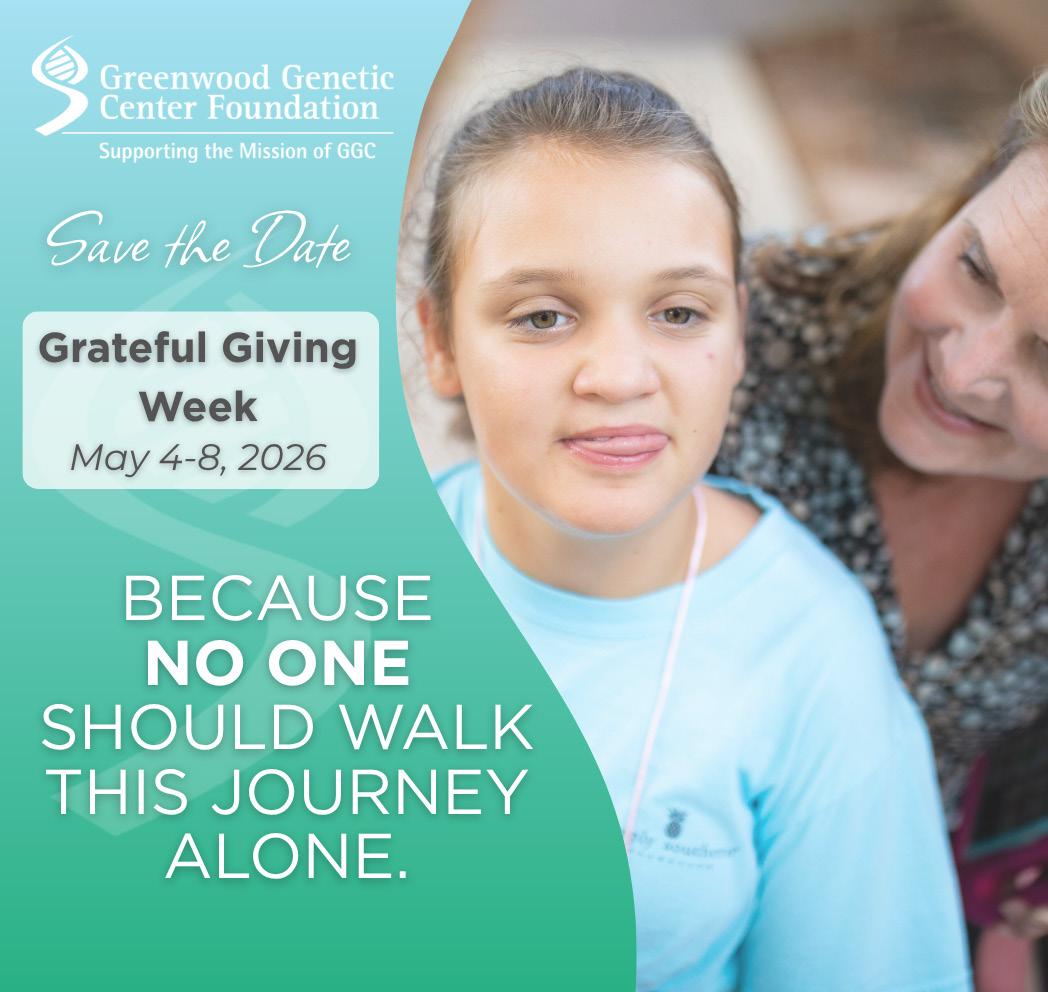
The GGC Foundation celebrated its first Grateful Giving Week, May 4–8, highlighting how GGC’s compassionate care, advanced technologies, and innovative research support patients and families throughout their genetic journey.

During the week, the Foundation raised over $28,000 in support of the Care Reimagined campaign while sharing inspiring stories from families, donors, faculty, and staff.
Supporters shared why giving to GGC is meaningful to them, while families offered powerful stories of compassion, perseverance, and hope. Employees also joined in the celebration through Spirit Week themes, activities, and prizes recognizing their dedication to GGC’s mission.
Scan the QR code to meet donors and see family stories sharing the importance of GGC's mission.

The neon green t-shirts easily cut through the light drizzle at the 12th annual Race the Helix –Upstate on March 7 at Lake Conestee Nature Park in Greenville, SC. 240 participants— employees, GGC families, and community supporters—enjoyed the 5K race and 1-mile run/walk raising more than $24,000 for the GGC Foundation’s GGC Cares Fund, which helps uninsured and underinsured patients access genetic services, testing, and treatment.
“Race the Helix is more than a community event—it’s a powerful reminder that no family should have to navigate a genetic diagnosis alone,” said Cady Nell Keener, Executive Director of the GGC Foundation. “Every dollar raised helps remove barriers to
care and connect patients with the support they need.”
The event also featured a raffle supported by generous Upstate businesses and sweet treats from Mak & Cheesecakes, a Greenville business owned by a family who has benefited from GGC’s services.
Save the date for Race the Helix – Greenwood on Saturday, September 19, 2026, on GGC’s Greenwood campus. Registration is open at runsignup.com.
Race the Helix – Upstate was presented by Bionano, Countybank, Greenwood Capital, Principal Financial, and Frank and Cathy Witney, with additional support from local and national sponsors.
The GGC Foundation's Grateful Family Program is a way for those who have experienced GGC's compassionate care and expertise firsthand to express their gratitude by sharing their story, honoring their GGC caregiver, or starting a Facebook fundraiser. By paying it forward, families can ensure that the next patient to walk through our doors has an opportunity to receive the same high-quality care and the answers they deserve.
Visit ggc.org/grateful-family to learn more and see Michael's story at the QR code below.