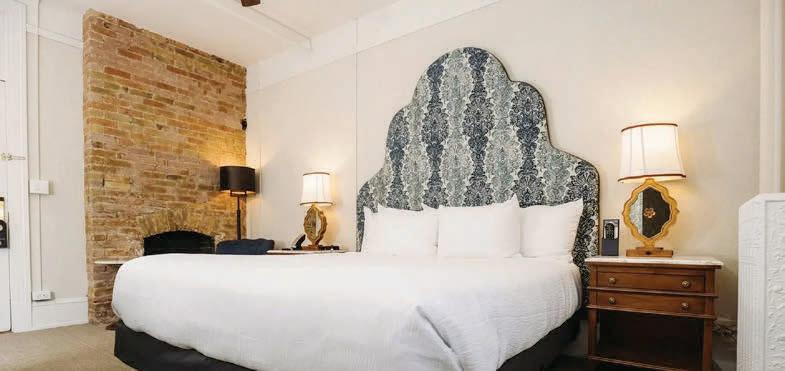
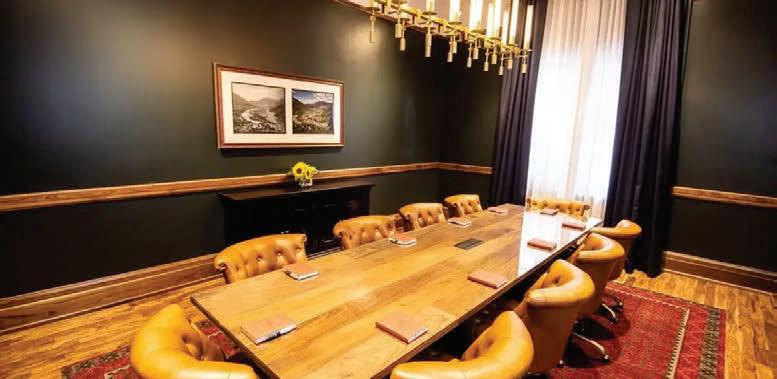
GET UP TO 20% OFF WHEN YOU BOOK 10 OR MORE HOTEL ROOMS FOR YOUR NEXT EVENT.
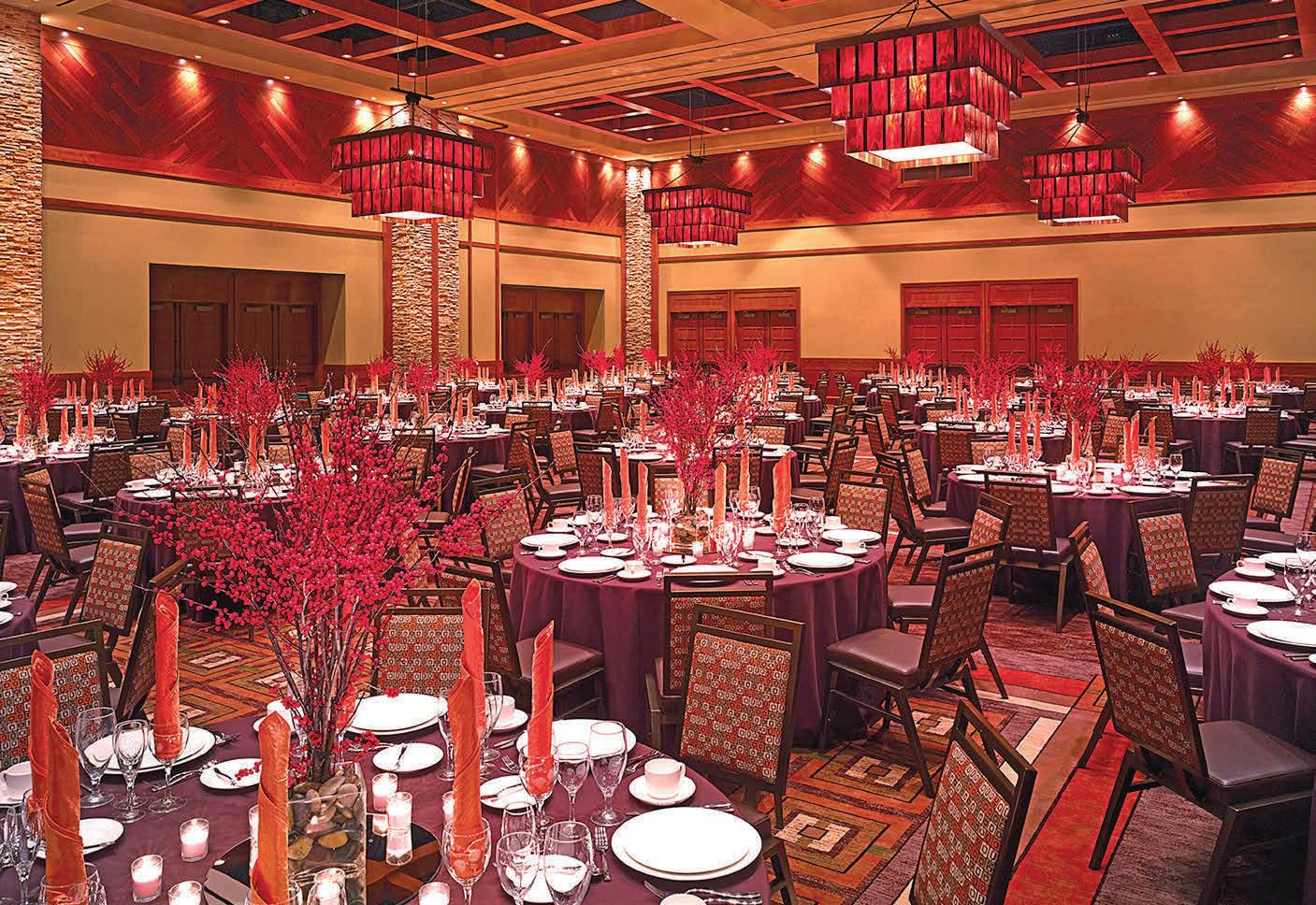
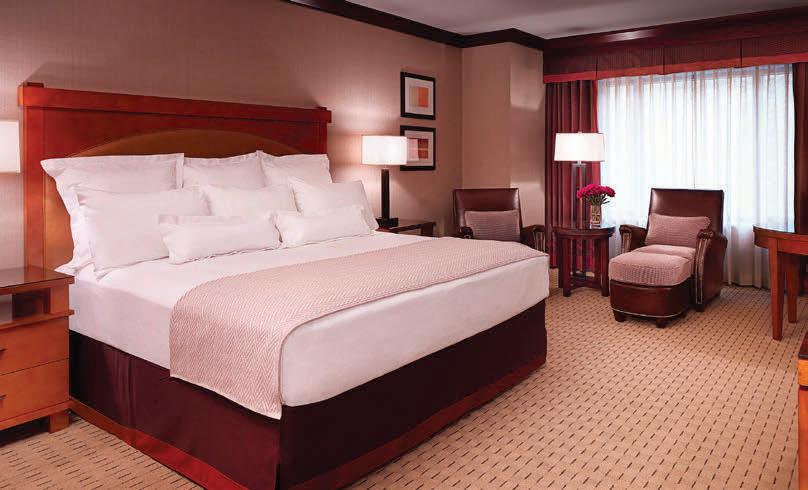
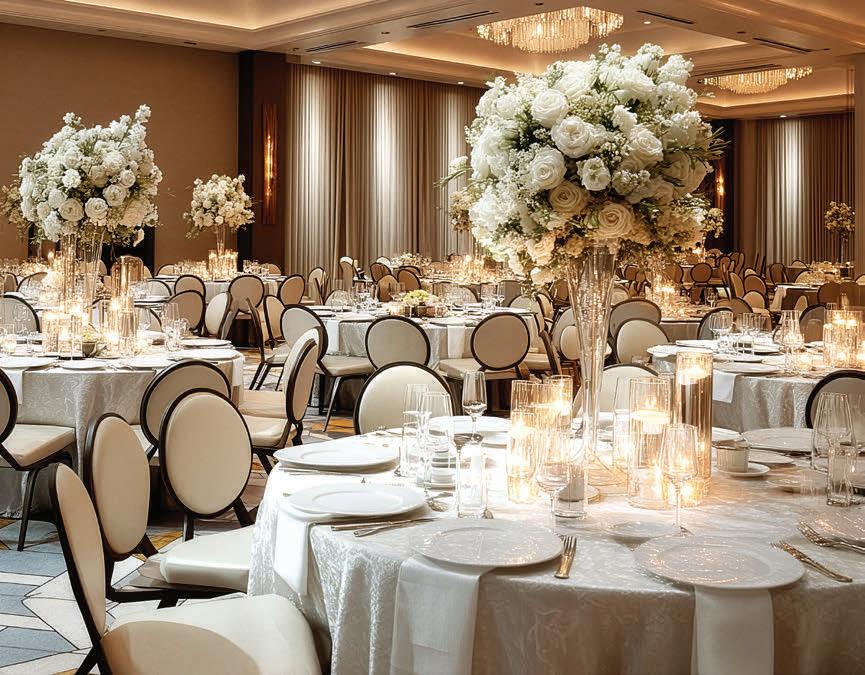
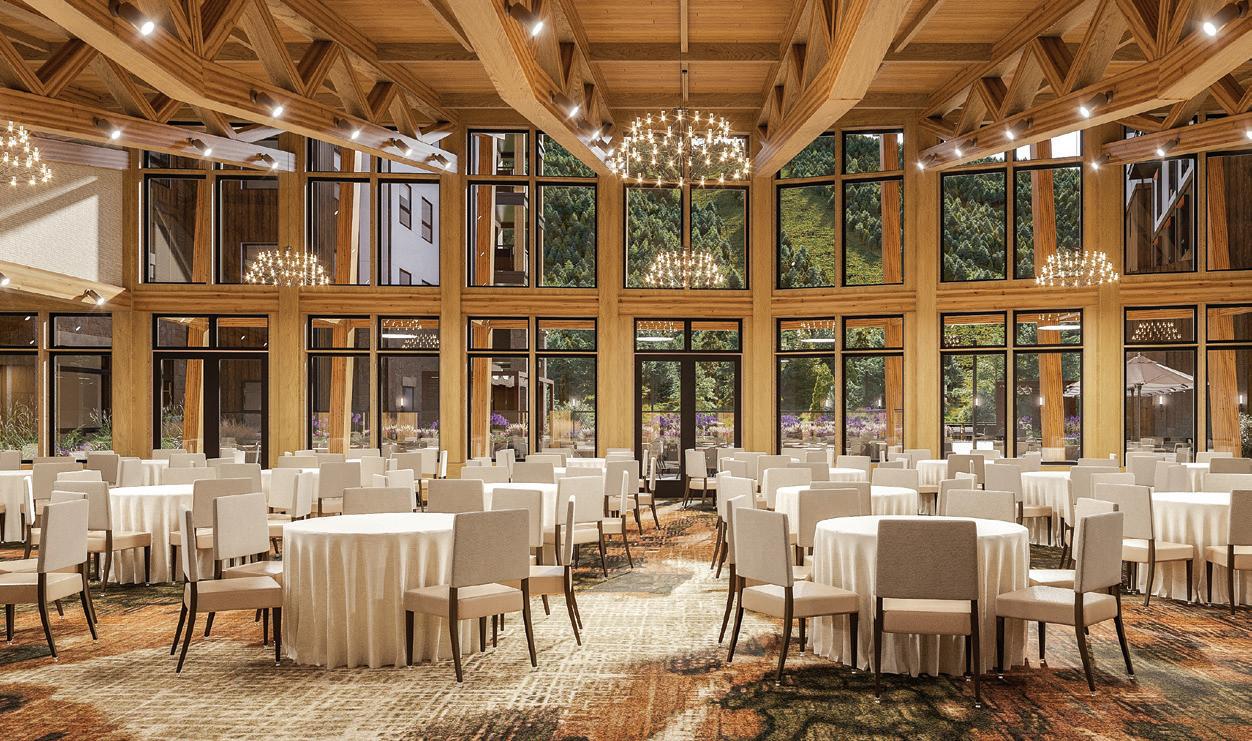
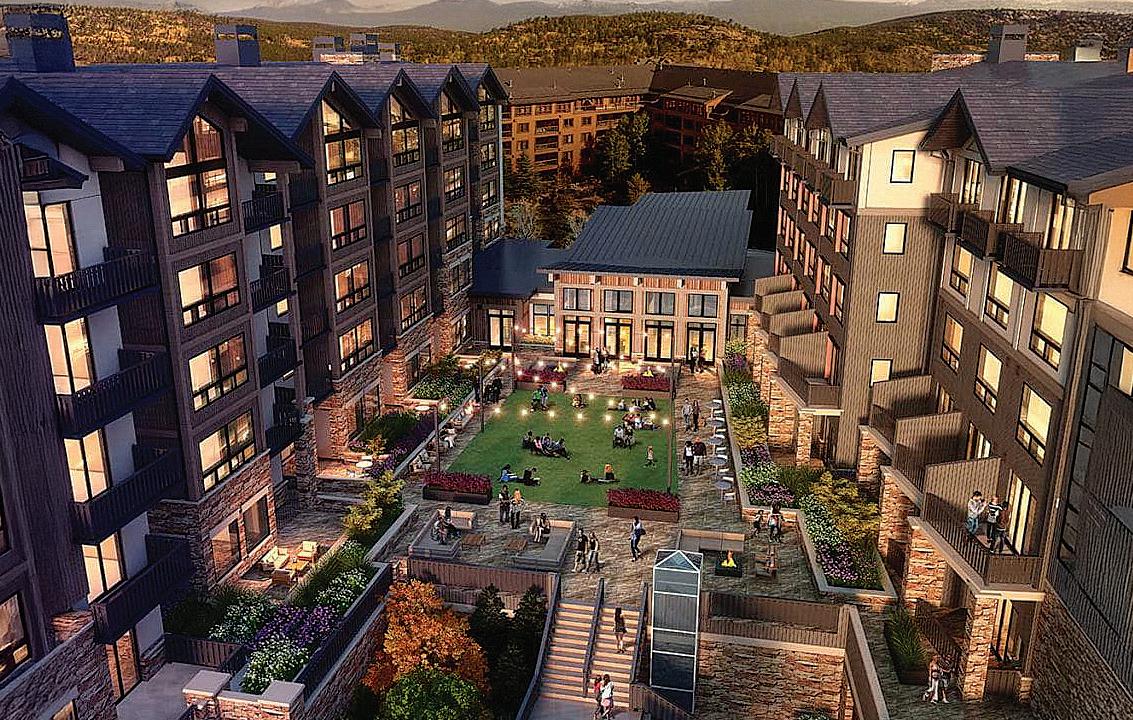
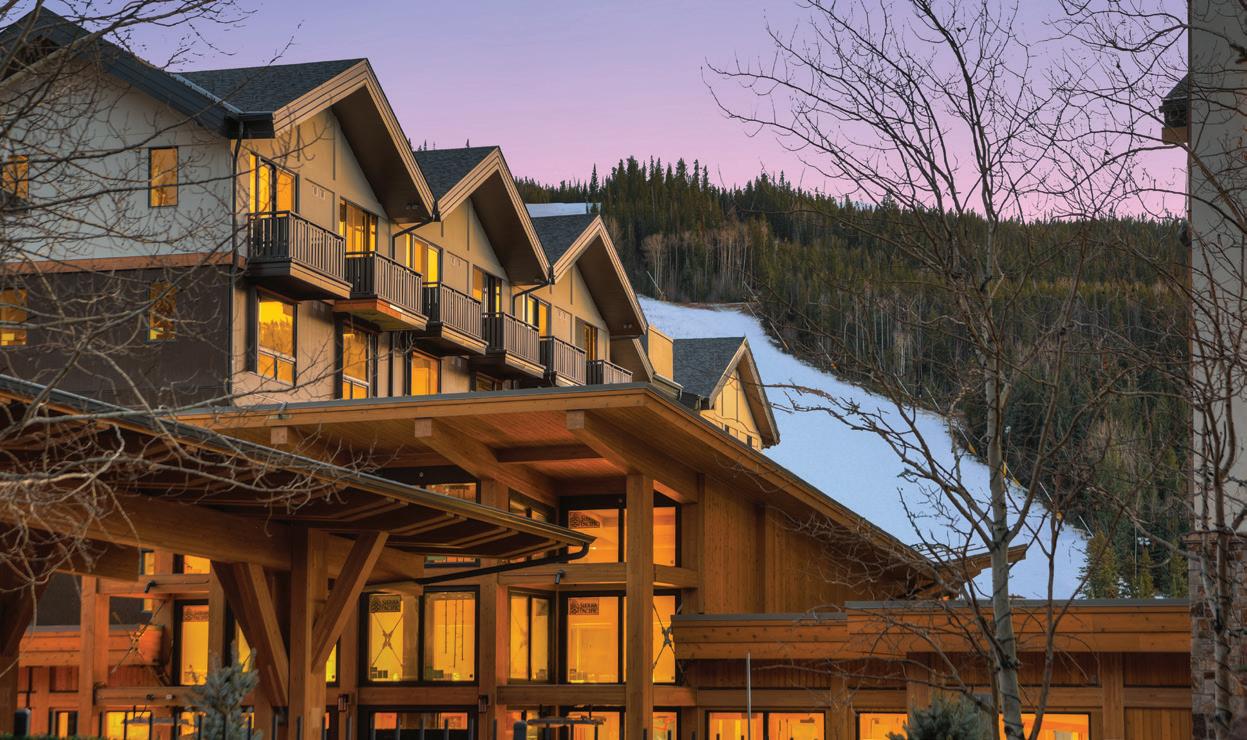
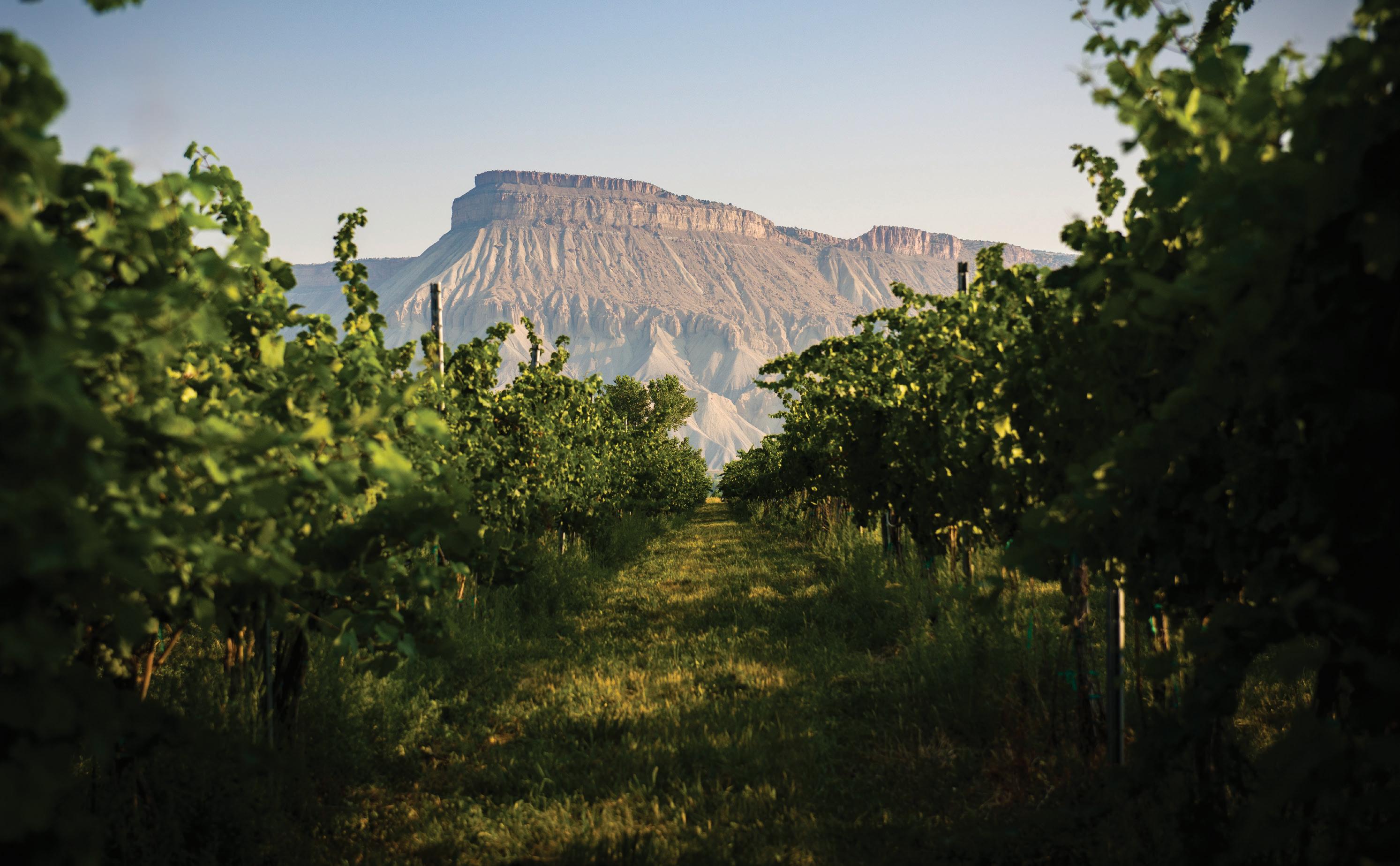
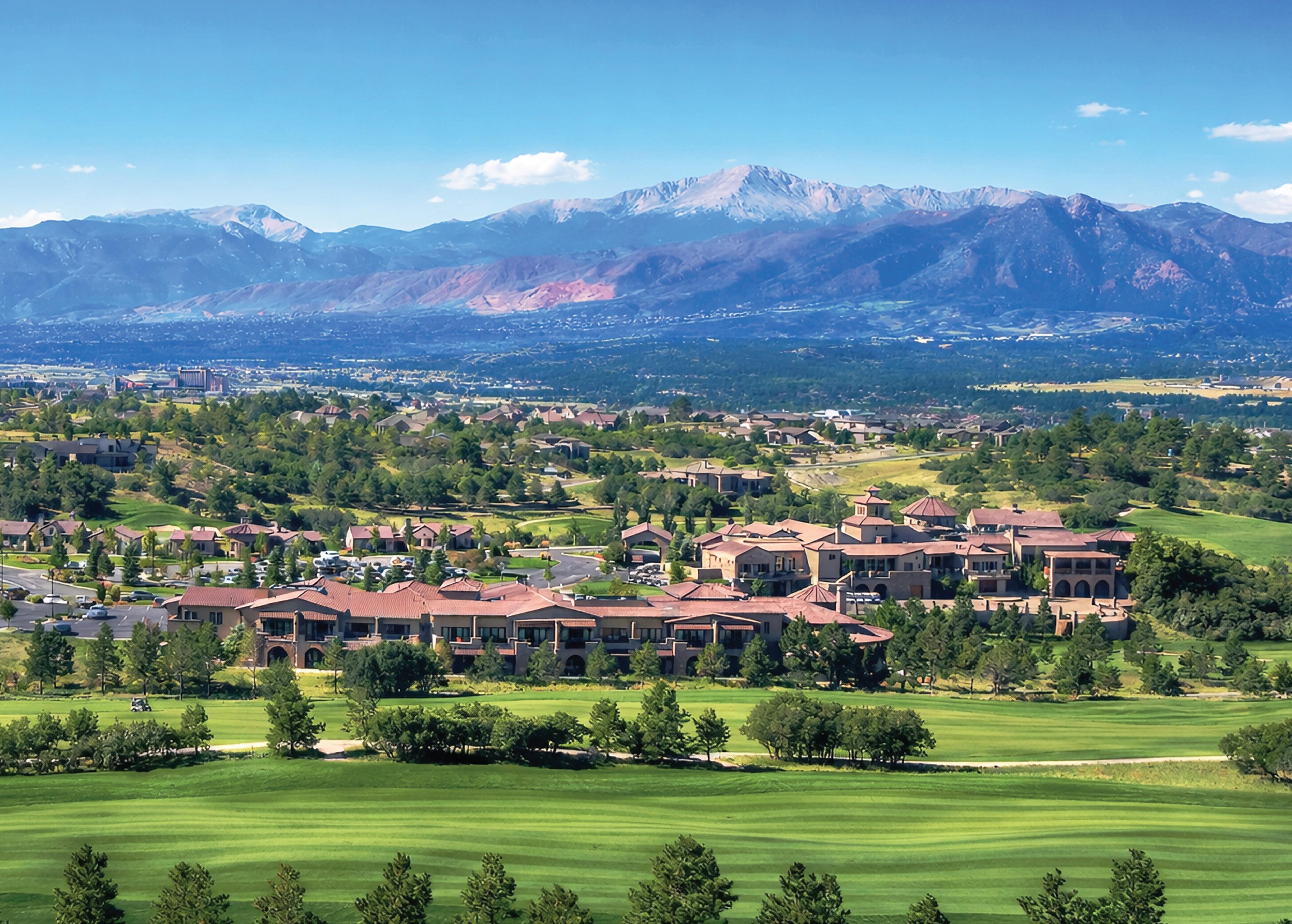
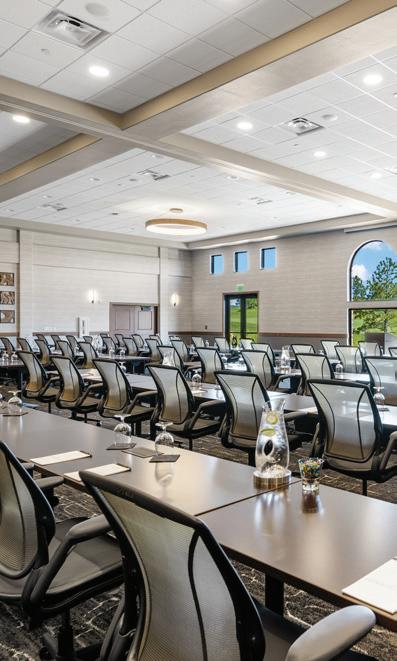
Experience one of Colorado’s premier meeting destinations, featuring 15,000 square feet of flexible meeting and event space set against the scenic Rocky Mountains. From adaptable indoor venues—including a grand Ballroom—to inviting outdoor settings, our space is designed to host gatherings of every size and occasion. Call 720-946-4200 or email ASBH-SalesTeam@pennentertaiment.com and mention code COMMAG. Valid Sunday through Thursday. Restrictions may apply.
Recognition & Connection
BY BETH BUEHLER
Colorado incentive trips are less about excess and more about meaningful moments and lasting impact
Reinforce your planner toolkit with inspiring ideas, pro tips, and handy products 12 Destination
Grand Junction delivers a genuine vibe, a ordability, and a refreshing change of pace on the Western Slope 16 Trend Report
Ensure attendee safety and event security with attentive planning and thoughtful procedures
22 Industry Update
Get the inside scoop on meetings and events industry news in Colorado 26 Snapshots
The MIC Conference brings over 1,000 industry professionals together and announces a new name
Brad Buchanan is leading the evolution of Denver’s National Western Center
PHOTO COURTESY TELLURIDE SKI RESORT
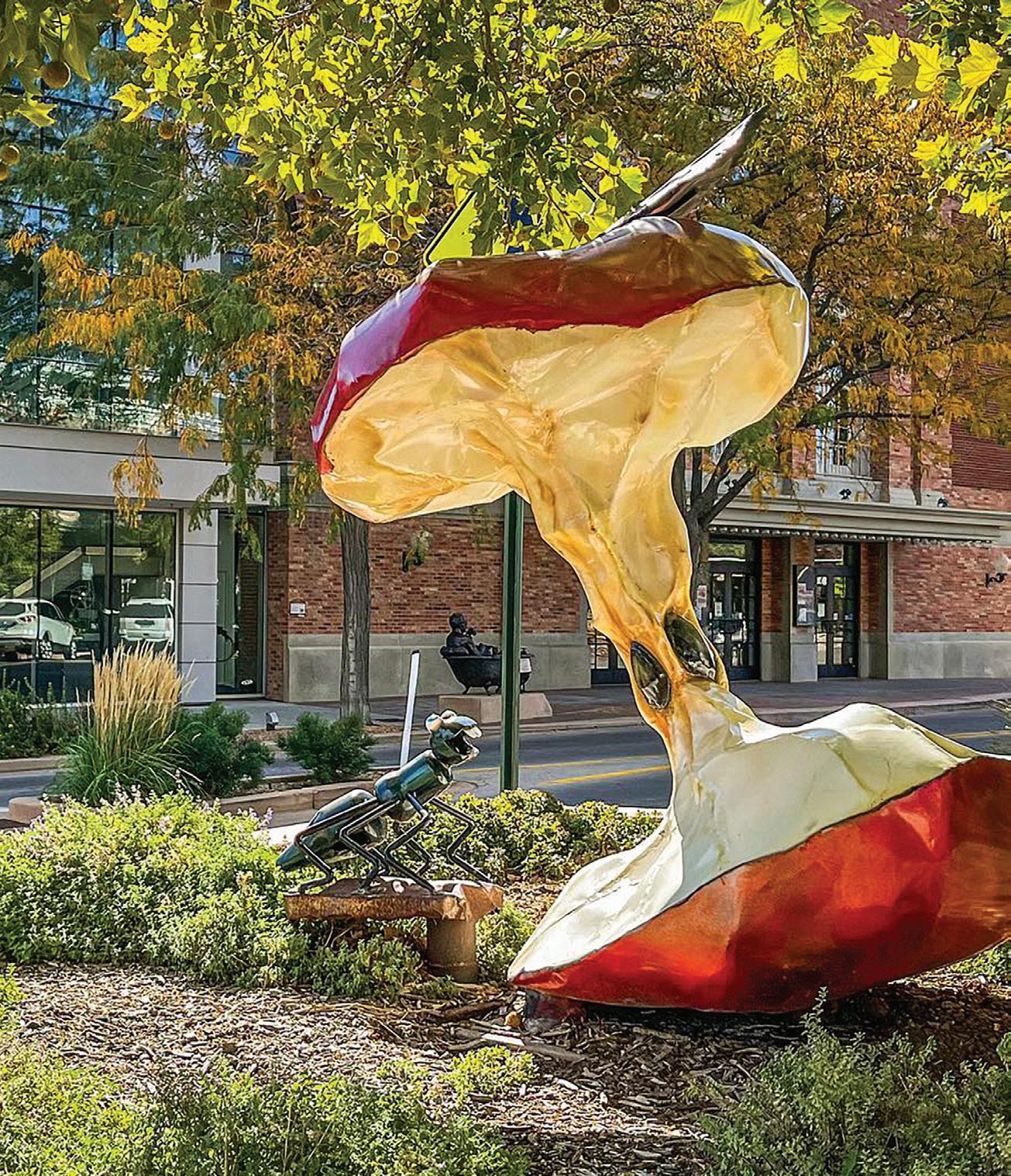
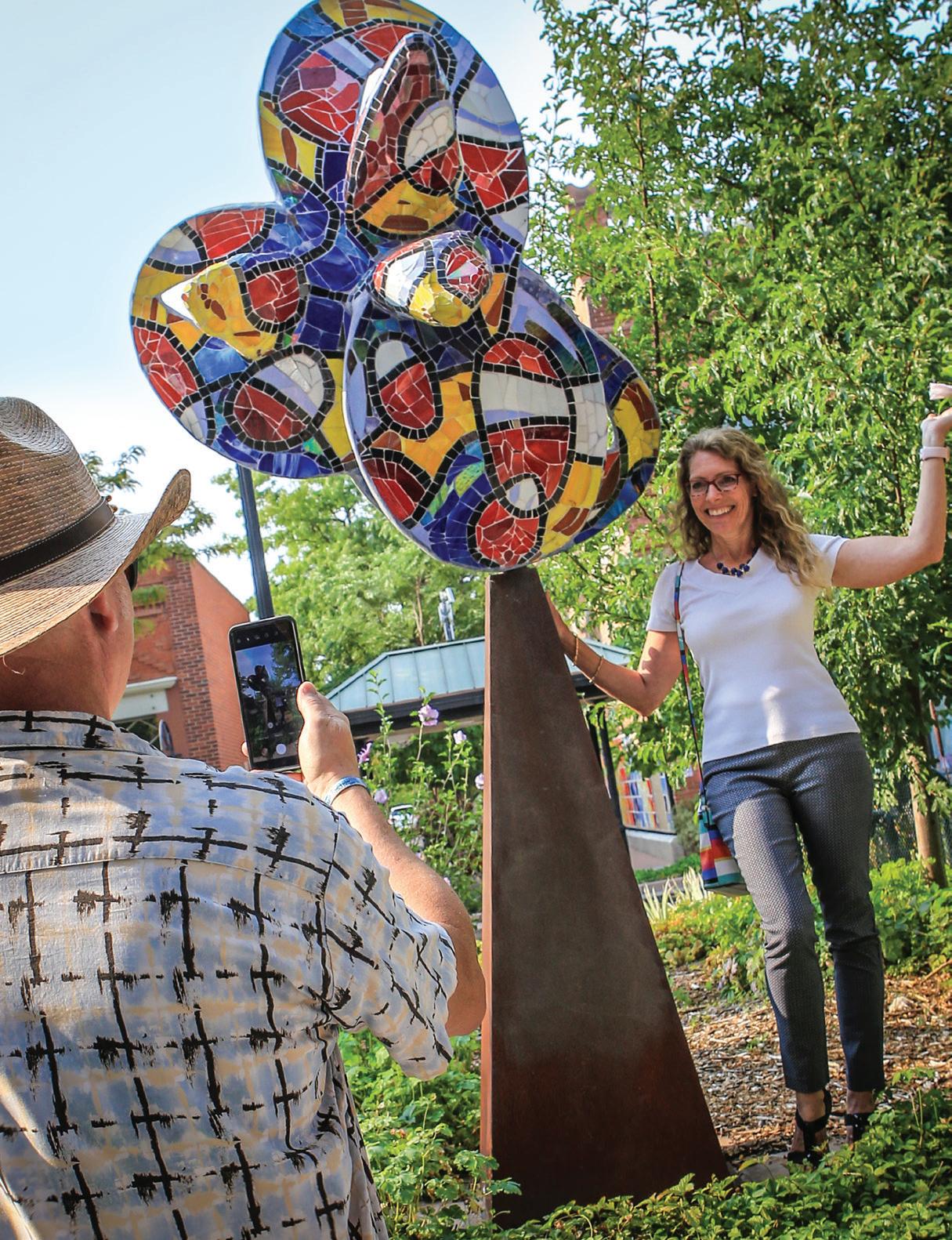
“Breakfast” sculpture by Terry Burnett in downtown Grand Junction
12
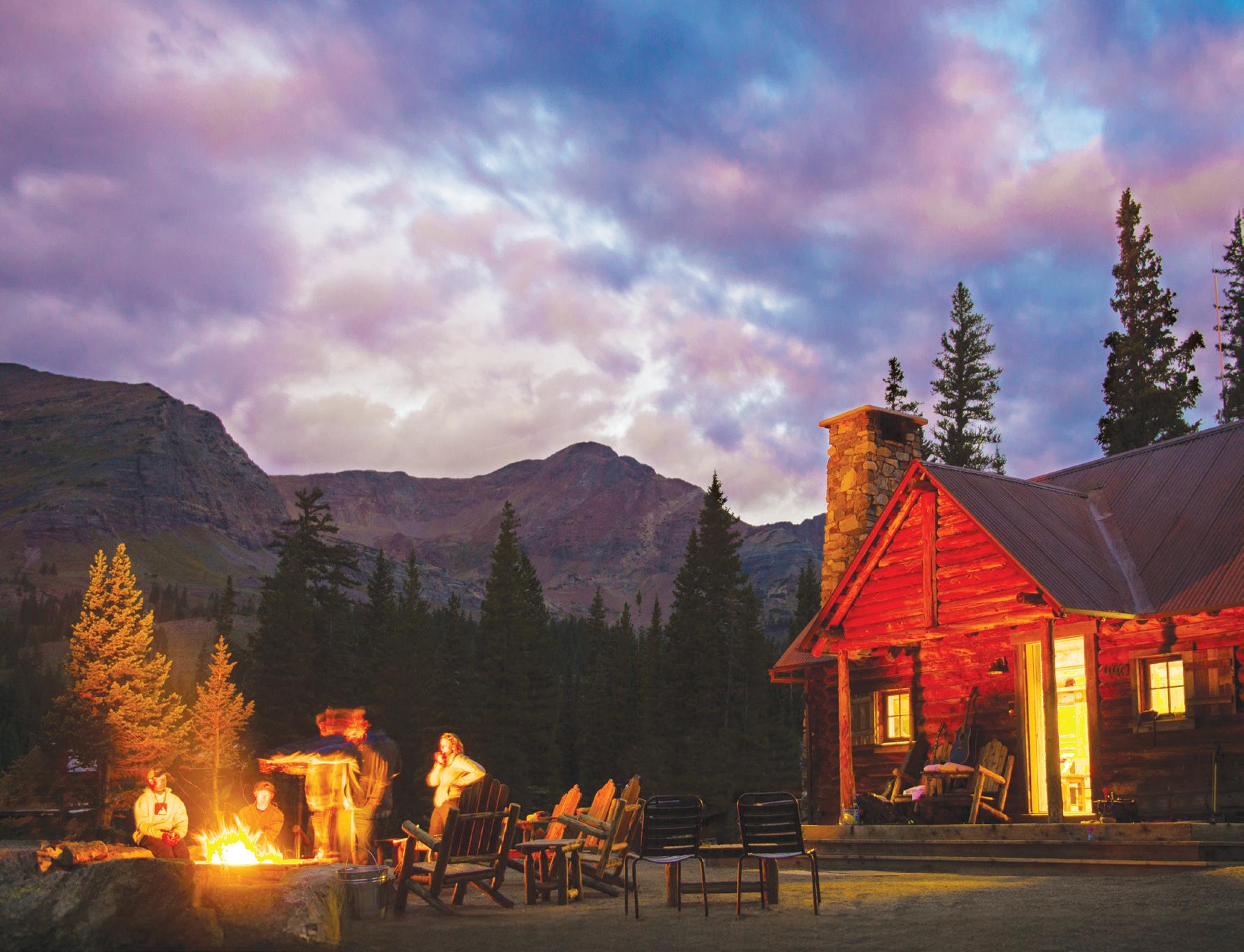
Eleven’s Movie Cabin at Lake Irwin, near Crested Butte 18
Nuggets of Wisdom
» GLOBAL DMC PARTNERS of Washington, D.C., an international network of destination management companies and event-service providers, brought industry leaders from across the world to Lisbon, Portugal, for its annual Connection conference in January. When reading about the insights from this gathering every year, I always learn helpful information. This year’s conference location also caught my attention, reminding me of when I joined five friends two years ago on an eight-day hiking trip in northwest Portugal that meandered through small villages, with some leisurely days spent in Porto. Before sharing more about this memorable adventure of mine, let’s take a highlevel look at the Connection program from January this year. One of the primary topics addressed during the event is the critical forces reshaping the global meetings, incentives, conferences, and exhibitions industry, ranging from macroeconomic uncertainty and budget pressures to shifting attendee expectations and the transformative power of artificial intelligence (AI).
meetingsmags.com/colorado meetingsmags
As noted in a prepared statement following the event, Global DMC Partners President and CEO Catherine Chaulet shared during her opening keynote that uncertainty has become the new baseline, with geopolitical shifts, persistent inflation, tariff and visa complexities, and AI disruption all creating challenges. In addition, she added, budgets might appear stable, but buying power has eroded as costs continue to rise; return-on-investment measurement must evolve from attendance and satisfaction metrics to business impact; and program agendas feature more meaningful pacing and destination immersion. Chaulet also recommended considering secondary destinations for value and freshness.
These observations jive with this issue of Colorado Meetings + Events . Our Destination story highlights unexpected Grand Junction, while the main feature covers why Colorado is a must-consider for incentive trips—which brings me back to Portugal. It’s key to find area activities that inspire those who are being rewarded for performance and spotlight the characteristics of the host city. My friends and I left Portugal absolutely enchanted with our hiking route organized by On Foot Holidays of Salisbury, England, along with the lodging, people, culinary scene, and attractions we encountered along the way. While this wasn’t an incentive trip, it demonstrates a formula that helps ensure happy travelers—and attendees.
BETH BUEHLER Editor bbuehler@greenspring.com
meetingsmags.com/colorado
PRESIDENT TAMMY GALVIN
ASSOCIATE PUBLISHER – NATIONAL SALES JENNIFER MAX 952-200-4878 | JMAX@GREENSPRING.COM +
SPONSORSHIP, PARTNERSHIPS + PR MANAGER ELISABETH WULF
MARKETING + COMMUNICATIONS SPECIALIST LUCY MULLEN
DIRECTOR OF BUSINESS OPERATIONS KATHIE GORECKI
ACCOUNTING ASSOCIATE AUSTIN SCHMELZLE
AUDIENCE DEVELOPMENT DIRECTOR GERI WILSON
SENIOR CIRCULATION MARKETING COORDINATOR DAVID BENVENUTO
REPRINTS
For high-quality reprints of 500 or more, call 612-371-5849 or email danderson@greenspring.com.
For address changes, ordering single copies, cancellations, or general questions about your subscription, please contact customer service at 866-660-6247.
9401 James Ave. S., Suite 152, Bloomington, MN 55431 Phone 612-371-5800 Fax 612-371-5801
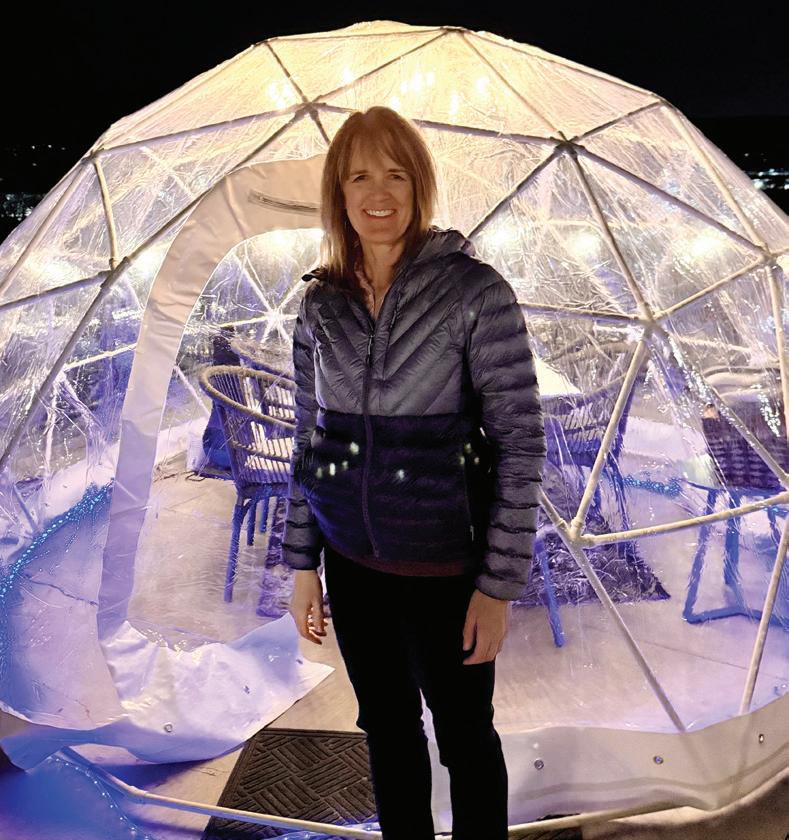
Editor Beth Buehler in front of Hotel Maverick’s dining snow globes in Grand Junction
REDEFINE YOUR EXPECTATIONS
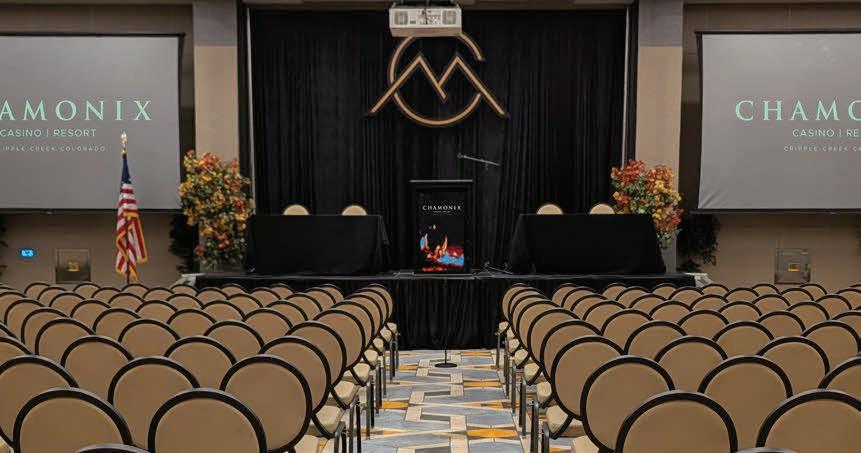
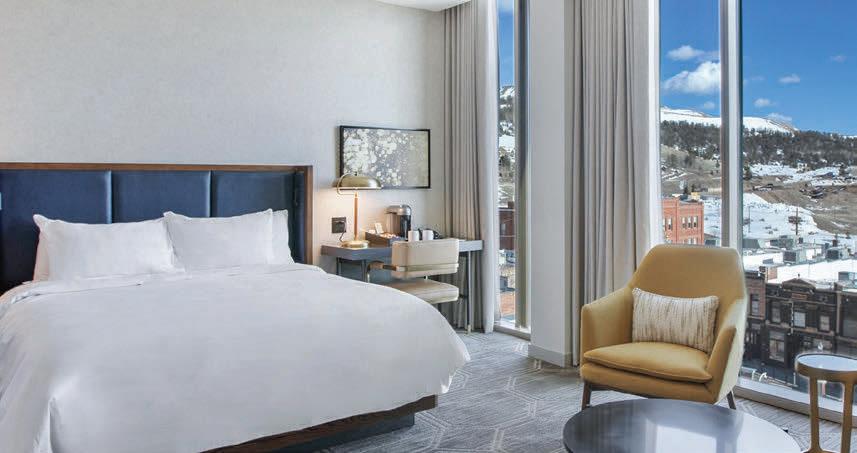
Set in the majestic Rockies in historic Cripple Creek, Chamonix Casino Resort has redefined the mountain escape meeting experience.
Offering exceptional value, versatile meeting space, luxury townhouse suites, and personalized service set the tone for events that feel seamless from start to finish.
Beyond the resort, Cripple Creek offers a wealth of unique Colorado attractions that enhance meetings and group experiences. Attendees can explore scenic Rocky Mountain hiking trails, discover paleontology at Florissant Fossil Beds National Monument, encounter wildlife up close at the Colorado Wolf and Wildlife Center, or step into Colorado’s rich mining heritage at the Cripple Creek District Museum.
Back at the resort, indulge in fine dining at 980 Prime, recharge at the spa, or enjoy casino thrills all in one place.
More than a meeting, it’s a destination experience that’s distinctly Colorado and effortlessly elevated. Visit CHAMONIXCO.COM and meet the new gold standard.
PARK EVENT CENTER
BREAK THE BARRIERS
Maximize attendance and participation by identifying and responding to language-service needs BY LINDEN
M. BAYLISS
Plannersknow reach matters, and ensuring all attendees have equal access to content is a critical part of that. Language services, including interpretation (for spoken words), translation (for written words), closed captioning, and live captioning (also known as CART) can be important tools for including attendees who are deaf, hard of hearing, or have limited English proficiency. To accommodate all language and hearing abilities, planners must first understand what the needs are and how to plan for them.
Identify Attendee Needs: One of the easiest and most effective ways to evaluate language-service needs is by simply asking your audience on registration forms, of which you should consider creating multiple translations. A question like, “Do you require language or accessibility services?” can reveal lots of helpful attendee information early in the planning process, including interpretation, translation, or captioning requirements. Identifying common languages spoken in the host city and reviewing attendee demographics data from past events also can help you anticipate demand for language services.
Assess Application Methods: Once needs are identified, determine which event elements require language support. Common touch points include keynotes and breakout sessions, slide decks, signage, websites, mobile apps, welcome packets, and postevent materials, among others. Remember to give interpreters and live captioners relevant documents ahead of the event so they have time to familiarize themselves with any
pertinent terminology. And don’t overlook logistics— for example, larger events might require headsets, audio channels, interpreter rotation schedules, or dedicated interpretation booths.
Enlist the Pros: For help finding a quality, accredited language services professional, the American Translators Association, based in Alexandria, Virginia, has a free Language Services Directory searchable by language and service type. Organizations like Chicago-based Interprenet also support in-person, remote, and hybrid events.
Helpful Tech: Zoom provides an interpretation feature for webinars and virtual meetings, and tools powered by artificial intelligence (AI) like Wordly aid in providing captioning and translation at scale. Keep in mind that while AI can be an easy-to-use, cost-effective tool, it is not always 100% accurate and often lacks the ability to identify nuance, idioms, or cultural references. Therefore, employing human professionals remains the gold standard. atanet.org | interprenet.net | wordly.ai
COMPILED BY BETH BUEHLER
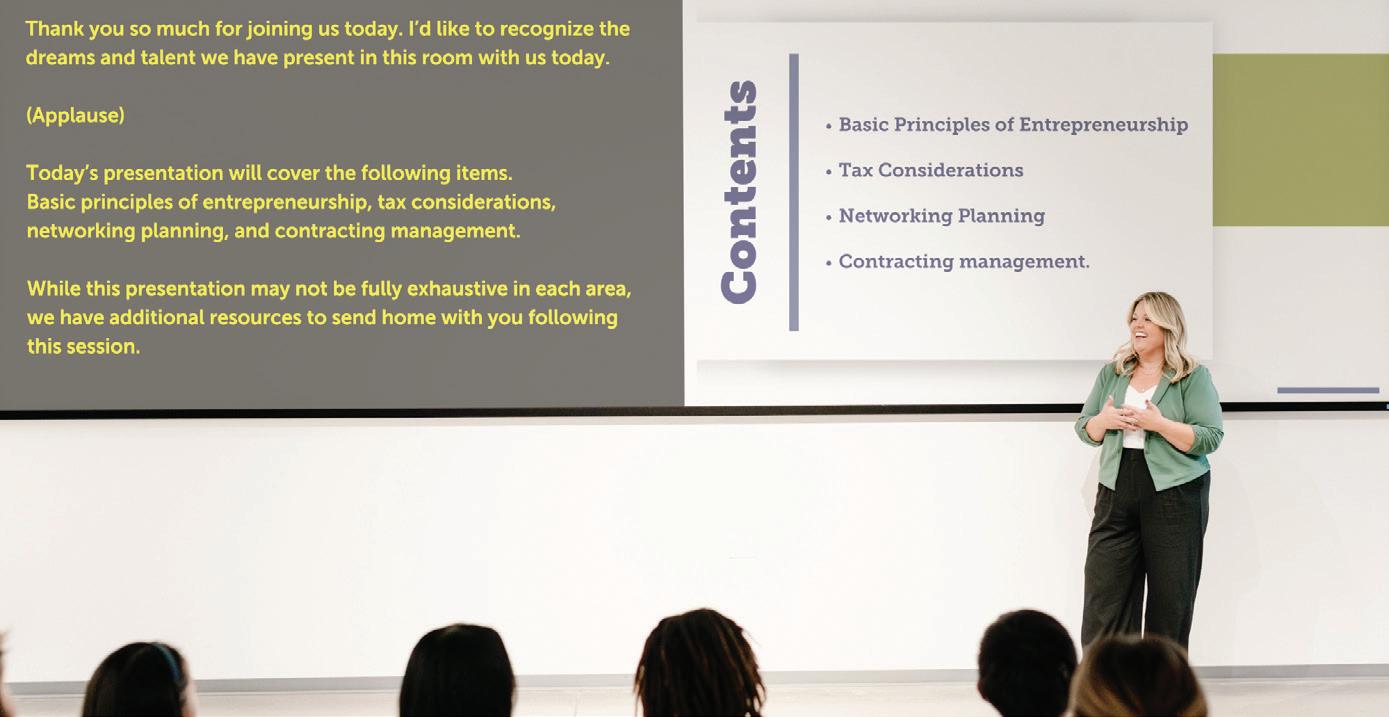
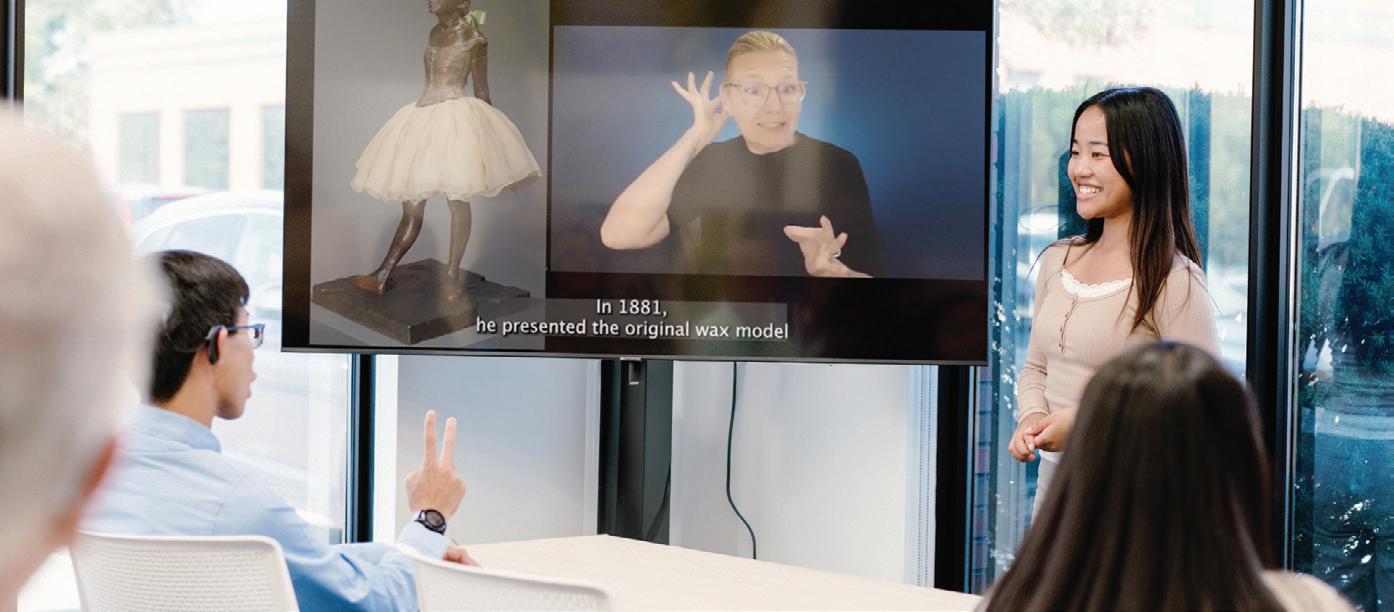
Interpreter in action; Right, from above: Live captioning; Video with closed captions and American Sign Language overlay
Jasmine Rice is the founder of Denver-based VoiceQuest Agency, which helps organizations design humancentered events and speaker experiences that create connection, engagement, and meaningful professional development.
NOT BORED—BURNED OUT
Planners must rethink how to design conferences and internal events to restore attendee energy and create meaningful engagement
BY JASMINE RICE
Last July, I attended an event-producer conference, and my expectations were high from the start. The closing keynote was a big-name headliner, the person everyone had been waiting for all week. That should have been the moment that brought the room back to life after several long days. Instead, it felt boring and disconnected from the audience. The topic did not reflect what people had experienced during the conference, and the awkward pauses only made the room more uncomfortable. One by one, attendees began reaching for their phones.
Two rows in front of me, a woman spent the entire keynote emailing and texting. This conference cost more than a thousand dollars to attend—likely paid for by her employer—and she spent most of it in her inbox. And honestly, I did not blame her.
There is a growing assumption in the events industry that disengagement means boredom. So, planners react by booking bigger names for keynotes, jam-packing the agenda with more sessions, or having better swag bags. But what if the audience is already burned out when they walk into the room?
Today’s professionals live in a cycle of backto-back meetings, overflowing inboxes, and the pressure to produce more with fewer resources. Meetings exist simply because they are scheduled, not because they are always necessary.
Companies invest thousands of dollars to send employees to conferences or to bring in speakers for professional development workshops, and the last
thing professionals want from any type of event is to feel as depleted as they do during a normal work week. They want motivation, inspiration, practical knowledge, and to feel that their time is respected.
The events that are most impactful to me are not the ones with the most packed agendas or the biggest names on stage. They are the ones designed with a real understanding of what people want when they walk into the room—shorter presentations, space to pause and reset between sessions, and conversations that feel intentional instead of transactional.
Most importantly, they want an experience that creates genuine connection, such as speakers who open the floor for questions and answers after their session, or prompt discussion topics that invite audience participation. Real connection matters, because burnout often isolates people, and connection is what helps them reengage instead of shutting down.
That closing keynote last July was not just a missed opportunity; it reflected something deeper happening in the events industry. Audiences are not tuning out because they are bored—they are tuning out because they are burned out.
The best things event planners can do is to intentionally design experiences and choose presenters that restore energy and create real connection. If attendees leave your event feeling more energized than when they walked in, you did something right.
voicequestagency.com
TEAM FUN AROUND COLORADO SPRINGS
» ONE OF COLORADO SPRINGS’ major advantages is how easily a meeting or event there can evolve into a deeper Colorado experience. Within an hour, attendees can transition from conference sessions to historic towns; dramatic landscapes; and unforgettable, Rocky Mountain adventures.
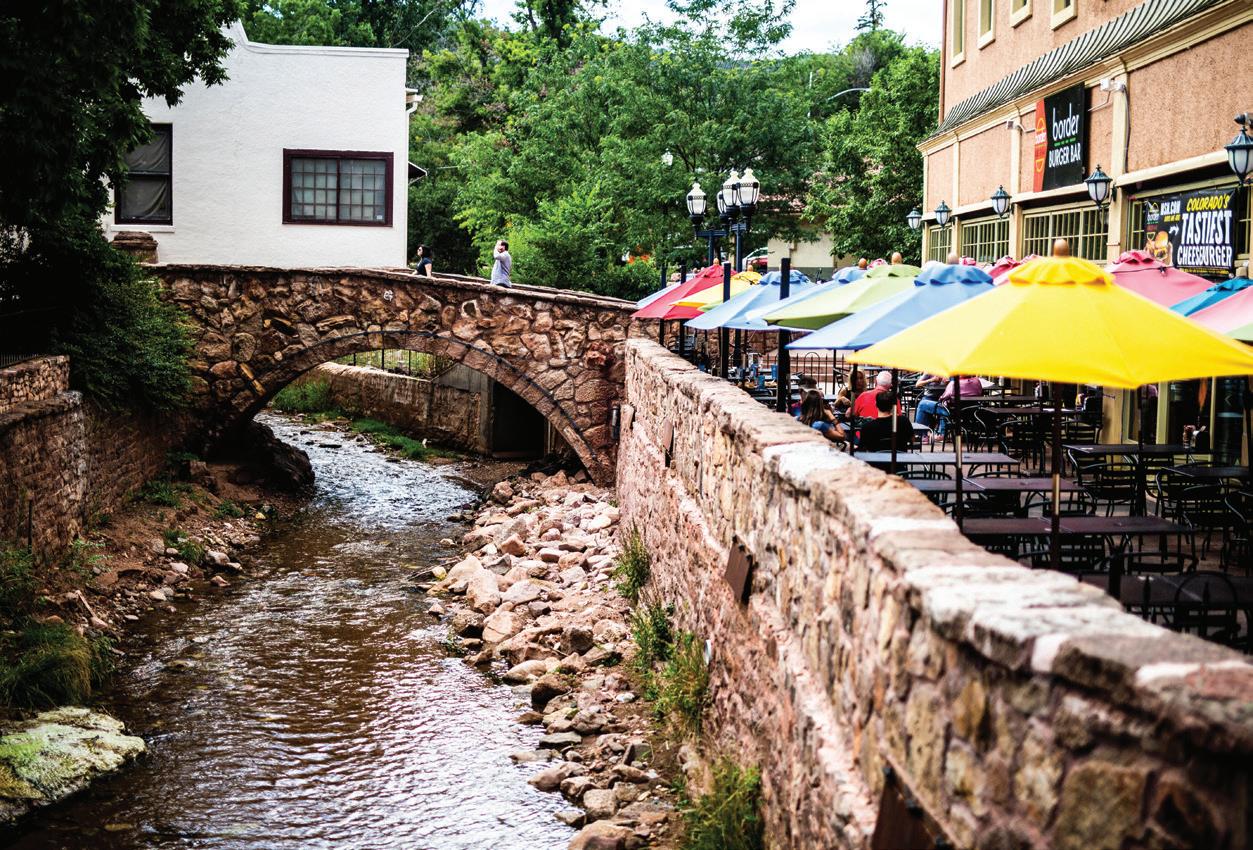
Manitou Springs, only 6 miles west of downtown Colorado Springs, is an eclectic mountain town known for its vibrant arts scene and natural mineral drinking springs. Groups can explore galleries and boutiques, sample area cuisine, hike the 2,744-step Manitou Incline, check out Cave of the Winds Mountain Park, and ride to the top of Pikes Peak on The Broadmoor Manitou and Pikes Peak Cog Railway. manitousprings.org
Heading 45 minutes south of Colorado Springs to Cripple Creek feels like stepping back into Colorado’s gold-rush era.
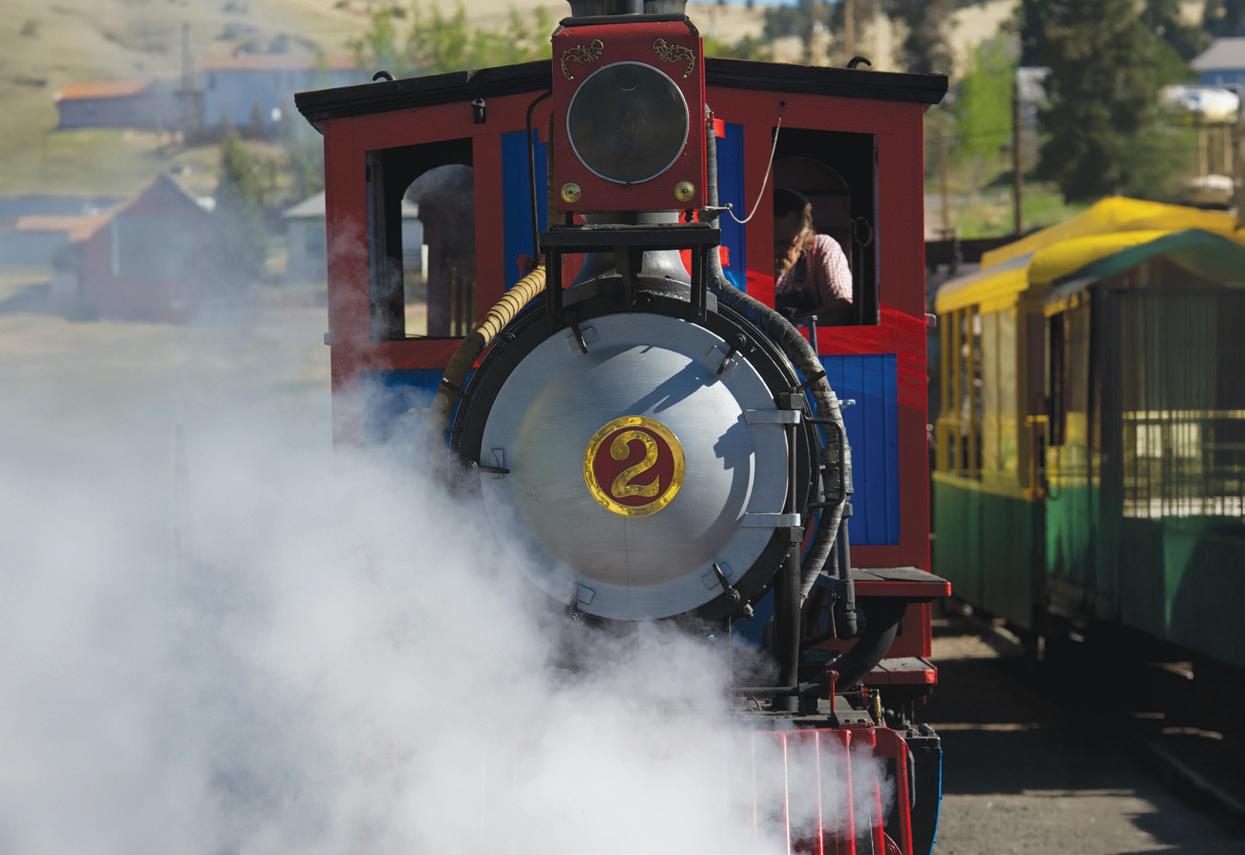
Groups can explore historic mines, ride the Cripple Creek & Victor Narrow Gauge Railroad, enjoy casual networking at one of the town’s casino properties, and attend productions at Butte Theater. Chamonix Casino Hotel accommodates groups from five to 500 with 26,000 square feet of function space. Make sure to watch for donkeys that freely roam the streets from mid-May through mid-October. cityofcripplecreek.com
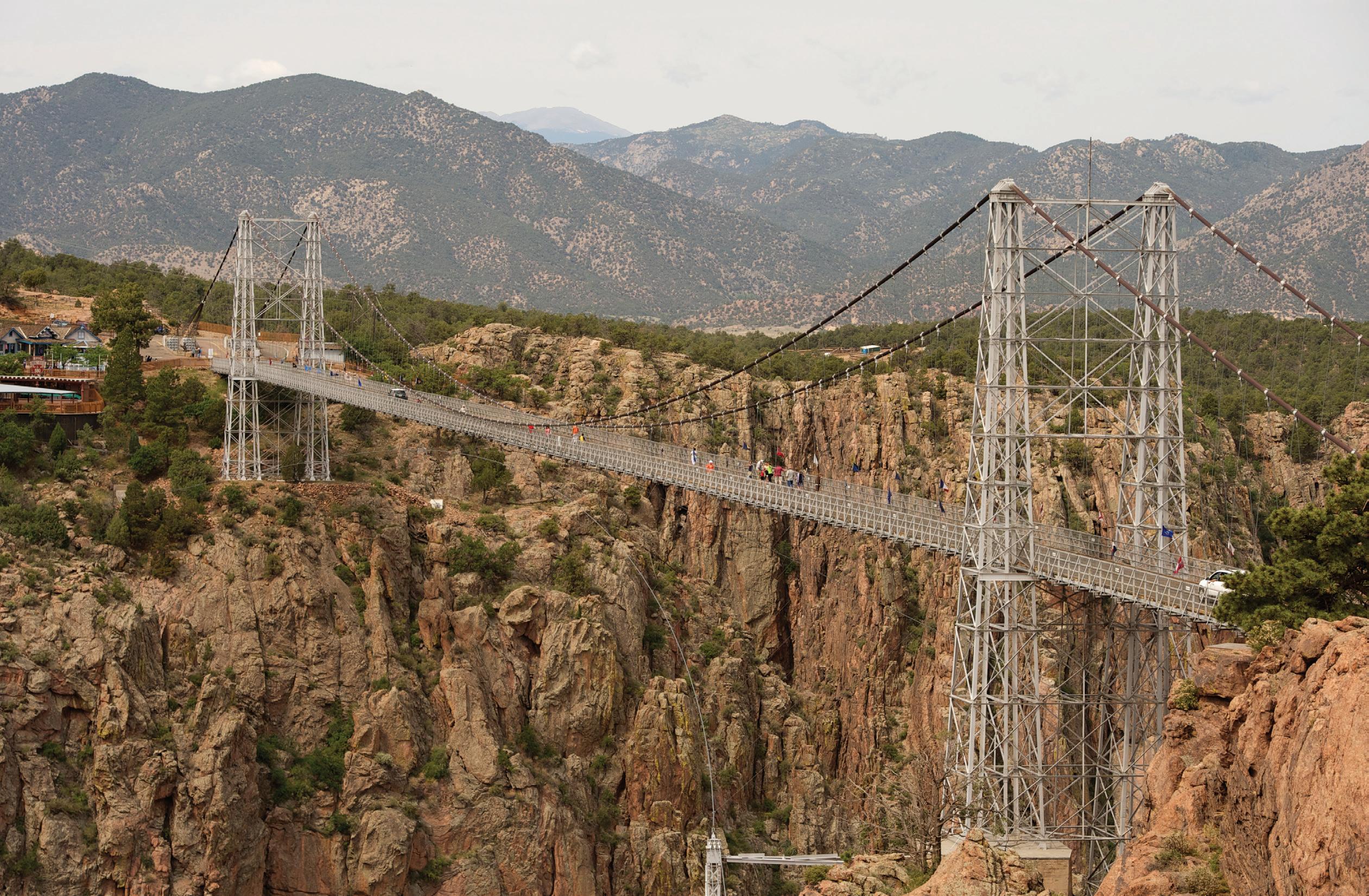
Located west of Cañon City and about an hour from Colorado Springs, Royal Gorge Bridge & Park delivers some of the state’s most dramatic visuals. Royal Gorge Bridge spans the Arkansas River nearly 1,000 feet below and serves as the centerpiece for group-friendly adventures at the amusement park. Attendees also can ride the Royal Gorge Route Railroad and raft the Arkansas River. royalgorgebridge.com | royalgorgeroute.com
Royal Gorge Bridge & Park near Cañon City
Downtown Manitou Springs; Right: Cripple Creek & Victor Narrow Gauge Railroad
TEAM-BUILDING SURPRISES: CANDLES, PLANTS & SHOES
» LOOKING FOR A MEMORABLE WAY to bring attendees together when hosting meetings and events in Fort Collins? The northern Colorado community, and nearby Bellvue, offer three unique options for team-building fun that involve getting your hands dirty.
Stems & Roots, a houseplant boutique in Old Town Fort Collins, offers a terrarium bar, plant swaps, and workshops, and sells all the tools needed. Works by 10 area artists add to the atmosphere. thestemandroots.com
Burn. Candle Bar has pour-your-own candle experiences that use soy wax and nontoxic scents, as well as reusable vessels that can be refilled repeatedly. The shop also has a DIY Perfume Experience and sells handcrafted room sprays, linen sprays, and diffusers. burncandlebar.com
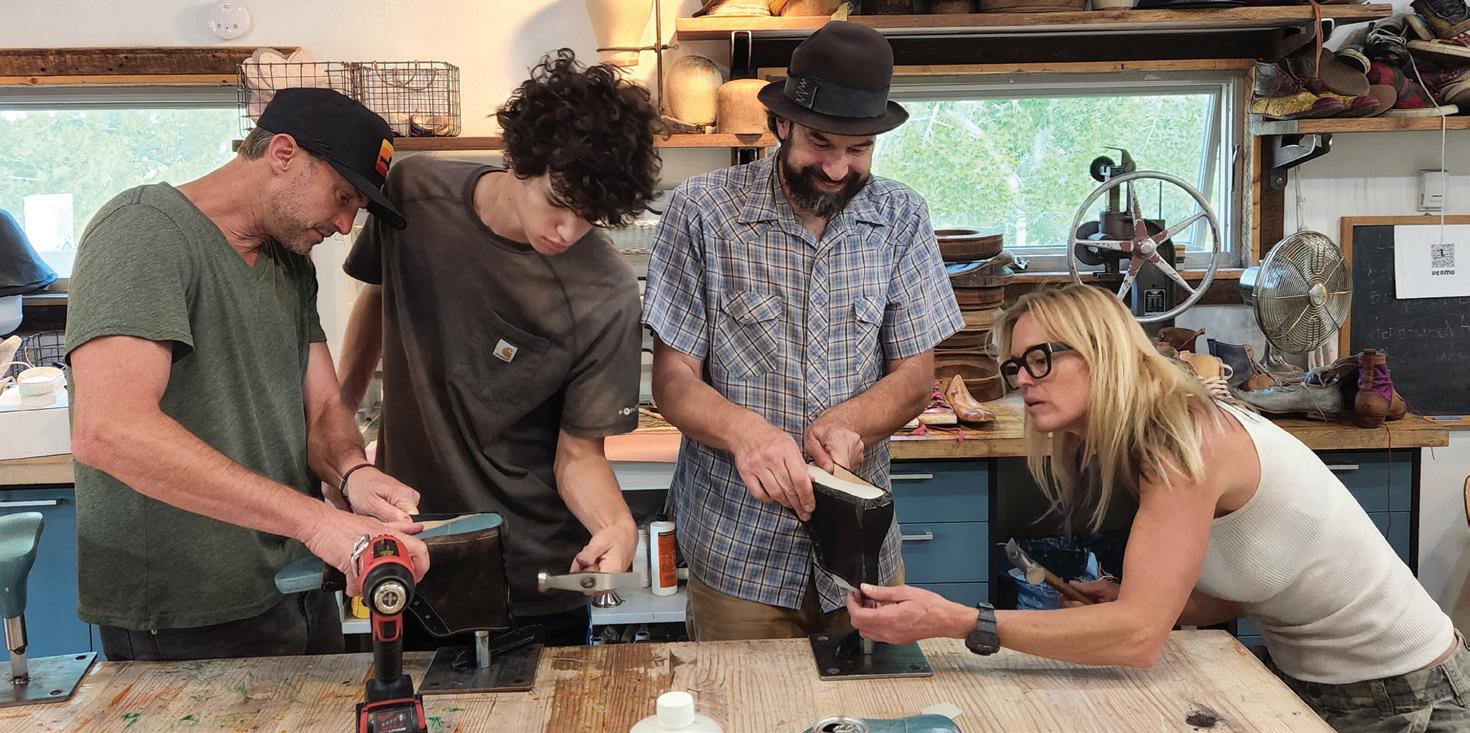
Colorado Shoe School in the small town of Bellvue, 15 miles from Fort Collins, presents workshops that guide attendees through the process of making shoes, fanny packs, and leather journal covers entirely by hand. Participants can walk out with the satisfaction of upcycling repurposed materials and learning a new skill. coloradoshoeschool.com
Colorado Celebrates 150th Birthday
» THROUGHOUT THIS YEAR, Colorado will commemorate 150 years of statehood while also celebrating 250 years of American independence. Here are a few fun facts about the Centennial State from the Colorado Tourism Office that can be used for group trivia questions. Colorado has:
• 58 mountain peaks that top out at over 14,000 feet
• 28 ski resorts and areas
• 4 national parks
• 9 national monuments
• 3 national historic sites
• 43 state parks
• 26 scenic and historic byways
• 9 scenic and historic railroads
am250co150.org
FINDING A HOME IN EVENTS
Sara Olán-Peterson of Convene OPS shares her love of planning
Sara Olán-Peterson, an independent planner and owner of Convene OPS in Denver, connected with Colorado Meetings + Events to discuss her journey to the industry and what keeps her inspired day to day. She brings more than 15 years of experience to her clients and has taken on a contracted consulting role with Rocky Mountain Event Consultants in support of their work with Meeting Professionals International Rocky Mountain Chapter.
M+E: What prompted you to become a planner?
SOP: Honestly, I didn’t initially plan to be a planner when I was growing up. I wanted to be a polyglot medical interpreter. But after my freshman year of college at Metropolitan State University of Denver and paying for school myself, I had to reconsider the financial reality of that path. A classmate in a group project mentioned studying hospitality, and I was intrigued. It was the potential for diverse experiences and the satisfaction of orchestrating complex logistics that kept me pursuing hospitality.
M+E: What keeps you motivated?
SOP: Two things keep me going: the work itself and the people. There’s always a new mental challenge in creating efficient processes and systems, which feeds my love of learning and problemsolving. But honestly, it’s the industry family that’s irreplaceable. I have been blessed to meet some amazing and brilliant people.
M+E: How do you keep approaches fresh and unique?
SOP: My approach evolved significantly after the height of the COVID-19 pandemic. I realized I had spent years working harder instead of smarter, always taking on more without much work-life balance. Rather than only focusing on unique attendee experiences, I also focus on operational efficiency. I started dabbling with automation and artificial intelligence (AI), creating systems that eliminate redundant work. Now I run a consulting business that includes optimization consulting, full and partial event management, and project-based planner support. My focus is on using automation where it makes sense, leveraging AI when it adds value, and freeing up time to focus on the strategic work and passion projects that matter.
I think it’s worth noting that innovation doesn’t always require a big budget or elaborate production. Some of the most impactful changes I have implemented cost nothing except time to set up systems thoughtfully. convene-ops.com
Group workshop at Colorado Shoe School in Bellvue
KINDRED RESORT
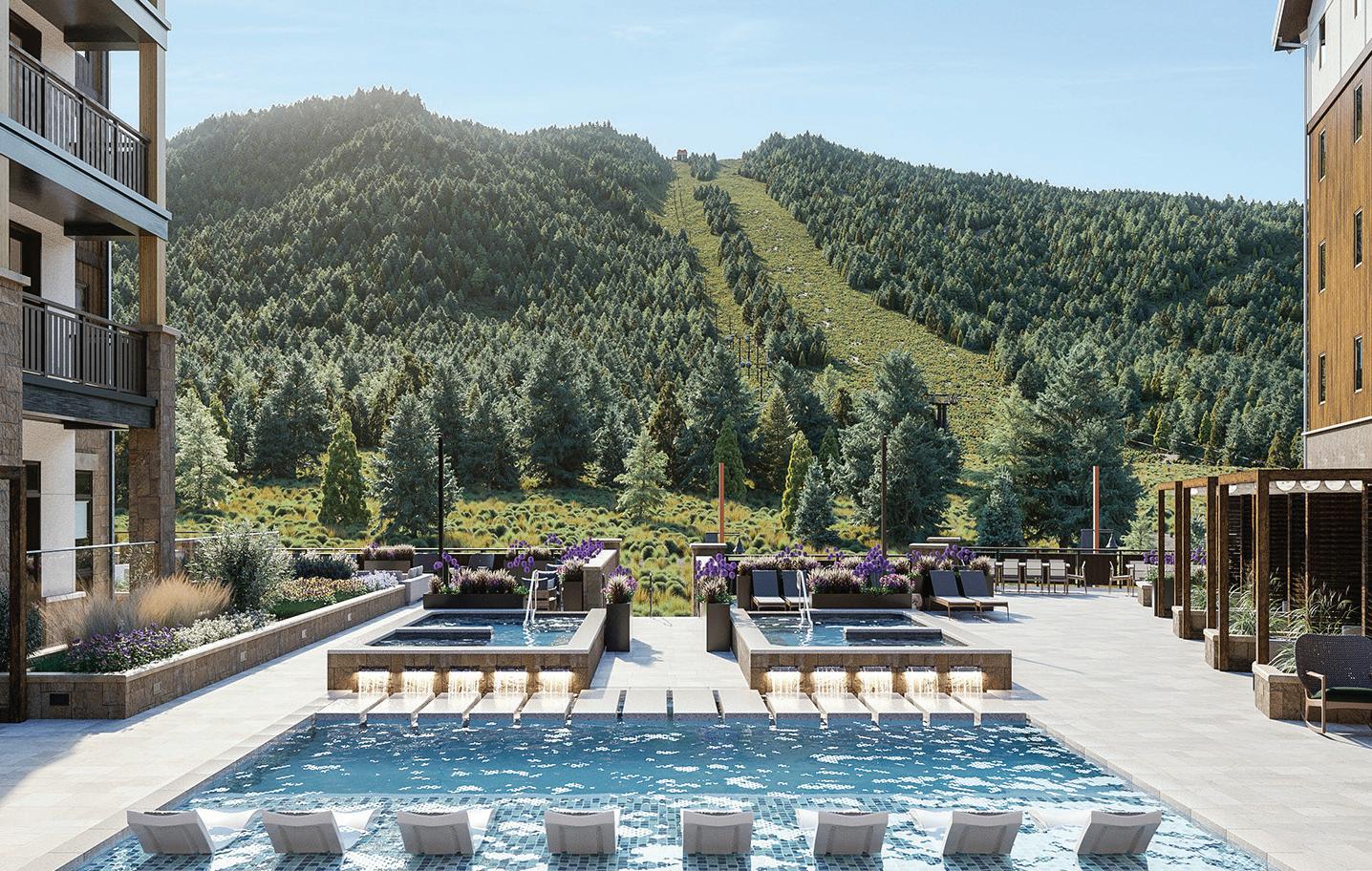
Luxury arrived in Summit County this summer with the opening of Kindred Resort in Keystone. Just 90 minutes from Denver International Airport, Kindred offers true mountainside access in the heart of the Rockies. For planners, the resort presents a more intimate alternative along the Interstate 70 Mountain Corridor—it’s where every detail is intentionally crafted to bring people together.
The resort’s 107 thoughtfully designed guest rooms and 95 spacious private residences reflect a refined, modern alpine sensibility. Each guest room feels like a relaxed and natural extension of the surrounding landscape.
The experience flows naturally from where you rest to how you gather. Kindred Resort offers more than 10,000 square feet of flexible meeting and event space, anchored by the Mountain Vista Ballroom. Filled with natural light and framed by floor-toceiling views of Dercum Mountain, the ballroom is set slopeside and staged perfectly for impactful functions. With two dedicated breakout rooms, the venue supports both large-scale groups and more intimate, collaborative sessions. A light-filled prefunction area ensures seamless flow for meetings, team building, and creative collaboration. The Kindred Courtyard extends the experience outdoors, featuring a beautiful lawn, integrated fire pits, and breathtaking alpine views.
Where Kindred truly distinguishes itself is in the moments between meetings. Curated experiences are thoughtfully woven into these moments throughout your stay, spanning culinary, wellness, and outdoor adventure.
The culinary program is designed as a collection of experiences, from chef-driven dining and cooking classes to private tastings, customizable catering menus, and full restaurant buyouts.
Each dining venue offers a distinct setting for gatherings, with Kinji Sushi bringing the first sushi restaurant to Keystone and The Goodz Tavern delivering elevated comfort classics in a lively mountainside setting. Lula’s Restaurant centers the resort with a warm, family-style approach to seasonal alpine ingredients, emphasizing rustic flavors and shared plates. The lobby bar and lounge, Kindred Spirits, completes the scene with craft cocktails and curated whiskey and wine selections.
Wellness offerings invite restoration and balance, with spa services, an outdoor heated pool, oversize hot tubs, and recovery and fitness programming, including guided breathwork and mountaintop yoga. Outdoor adventures connect attendees to the surrounding landscape. Guided alpine hikes, stargazing under clear mountain skies, and seasonal mountain activities inspire exploration and discovery.
Across the property, a curated collection of regional artwork by Nine dot Arts of Denver sparks conversation, adding another layer of mountain spirit. For planners navigating Colorado’s competitive meetings and events landscape, Kindred offers something rare: a sense of place that feels both elevated and approachable. Here, luxury is defined not only by the resort’s design, but also by its immersive nature and how it makes people feel. Kindred’s experiential approach creates memorable moments, deepens relationships, and transforms every gathering into something more. This is campfire luxury.
Western Slope Wonders
Grand Junction’s gorgeous landscapes, artsy downtown, and vineyard vibe create a refreshing alternative for groups
BY BETH BUEHLER
» ON COLORADO’S WIDE-OPEN Western Slope, where red-rock canyons meet vineyard- and orchard-lined valleys, the pace is decidedly unhurried. Grand Junction, the region’s largest city with a population of about 70,000 residents, offers meeting and event groups space to think, diverse places to gather, and activities that naturally inspire connection.
Grand Junction conveniently sits at a crossroads of accessibility. The community is located less than four hours from both Denver and Salt Lake City, yet it feels worlds away from those bustling urban corridors. A big bonus is that getting to Grand Junction is straightforward. Grand Junction Regional Airport provides convenient air service from many destinations, while Amtrak’s California Zephyr route runs from Chicago to San Francisco and has stops across Colorado, including in Denver, Fraser, Granby, Glenwood Springs, and Grand Junction.
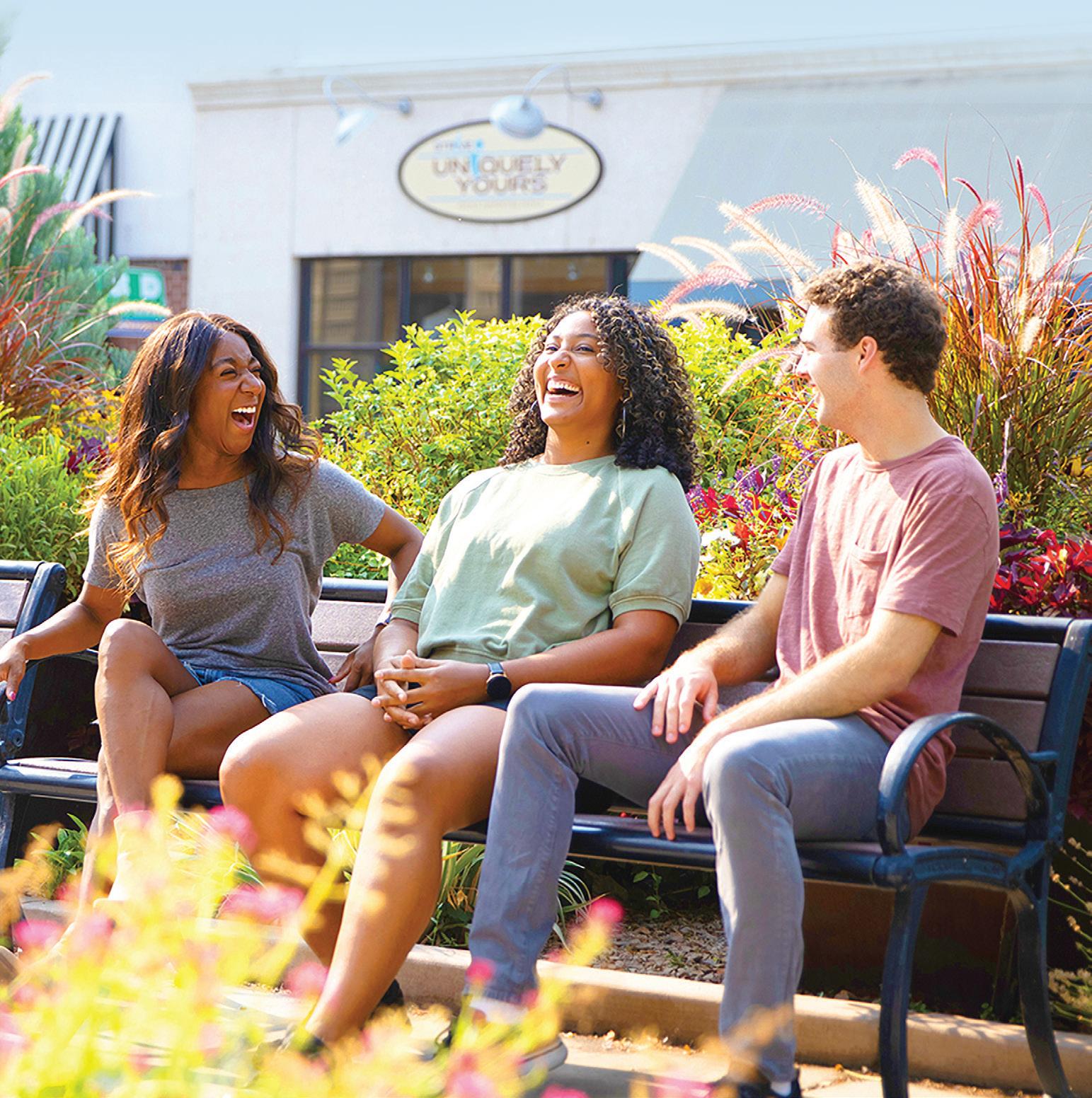
Two of the community’s most-visited areas—downtown and Colorado National Monument—are both easy to access and include meeting experiences. Main Street serpentines through downtown with gentle “S” curves and is framed by trees, gardens, benches, and public art. Attendees might quickly notice the large number of independent boutiques, booksellers, coffeehouses, restaurants, and entertainment sites.
Just 10 minutes from downtown, Colorado National Monument is managed by the National Park Service and is known for towering monoliths, deep red-rock canyons, and the 23-mile Rim Rock Drive. Planners can arrange a memorable breakfast or picnic lunch overlooking the scenic vistas by getting a permit from the
park service for Saddlehorn Amphitheater, an outdoor venue that accommodates up to 150 people for meetings and events.
DOWNTOWN ENERGY
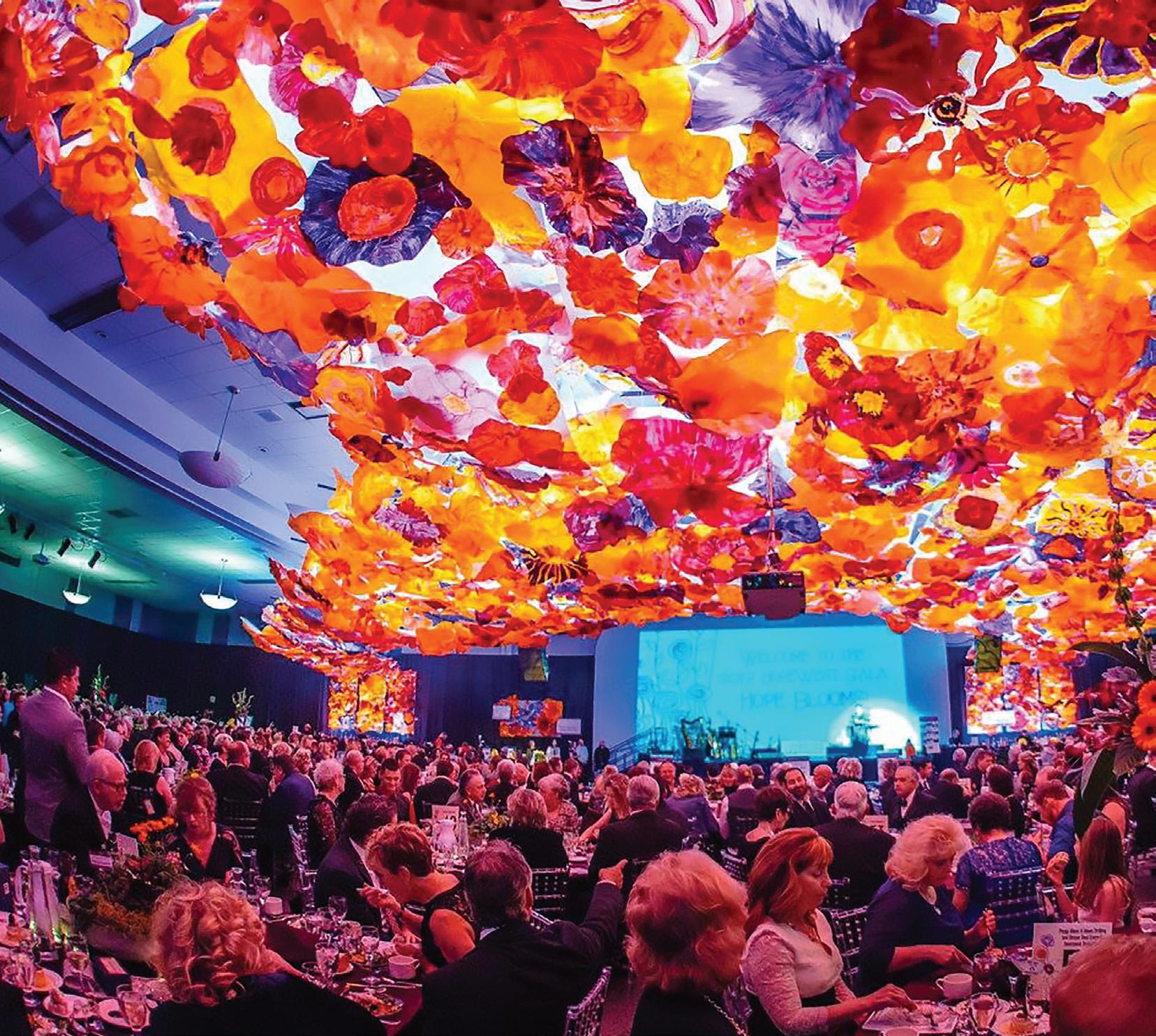
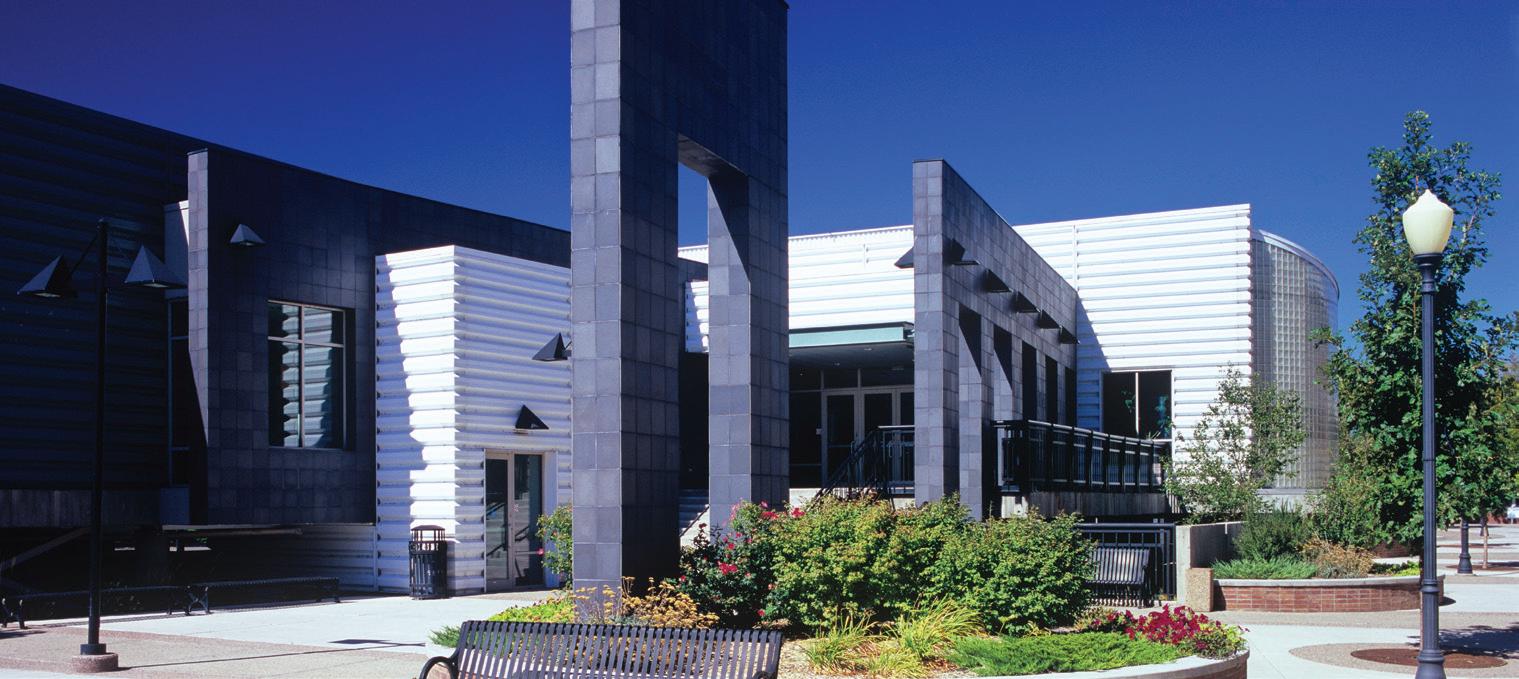
For sizable groups, Grand Junction Convention Center (GJCC), located in the heart of downtown, is the city’s anchor venue. With 23,000 square feet of meeting and event space and the capacity to accommodate up to 2,000 people, the facility features three combinable ballrooms, six additional meeting rooms, an indoor atrium, and a 1,000-square-foot courtyard.
The Ski Area Vehicle Maintenance Institute (SAVMI) based in Lakewood has booked GJCC for its annual conference and trade show since 2007. The gathering, typically held each May, attracts 200 to 300 attendees and uses the entire convention center, as well as meeting rooms at nearby hotels. “Hosting the event at the convention center gives attendees the convenience of walkable hotel accommodations, along with easy access to vibrant nightlife and dining options after the day’s sessions conclude,” says SAVMI Meeting & Event Manager Traci Pastoric.
An off-site event and afternoon of team activities also are part of the agenda. “Monday night we host a barbecue at one of our sponsor’s corporate locations,” Pastoric explains. “[It has] a garage we utilize as a banquet space.” The optional activities for this year’s conference included a trapshooting competition, disc golf, fishing, and a golf tournament.
“Grand Junction is an ideal city for an outdoors-oriented group like ours and is centrally located for many of our attendees,”
Carboy Winery’s Mount Garfield Estate Vineyard near Palisade
she says. “While participants travel from across the U.S., the majority come from Colorado, Wyoming, Utah, and New Mexico, making the location especially convenient.”
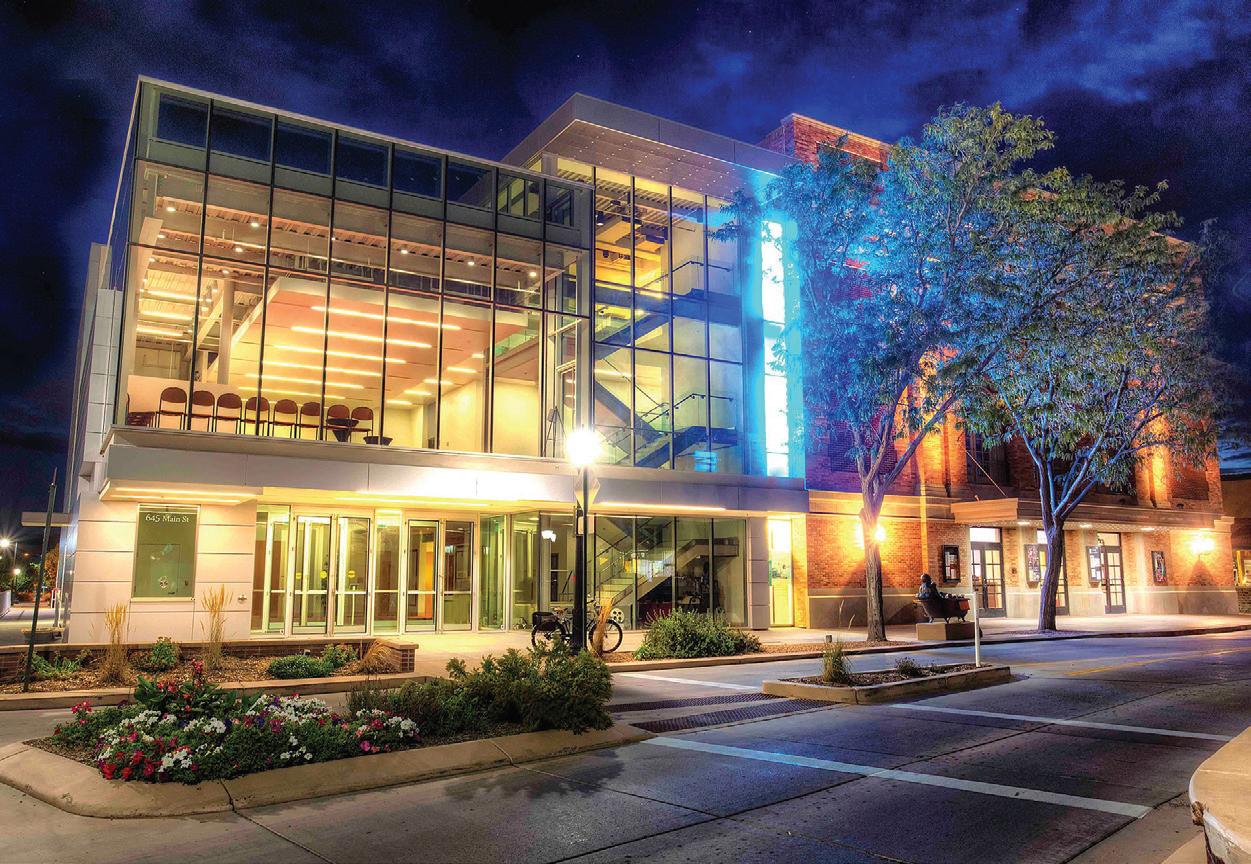
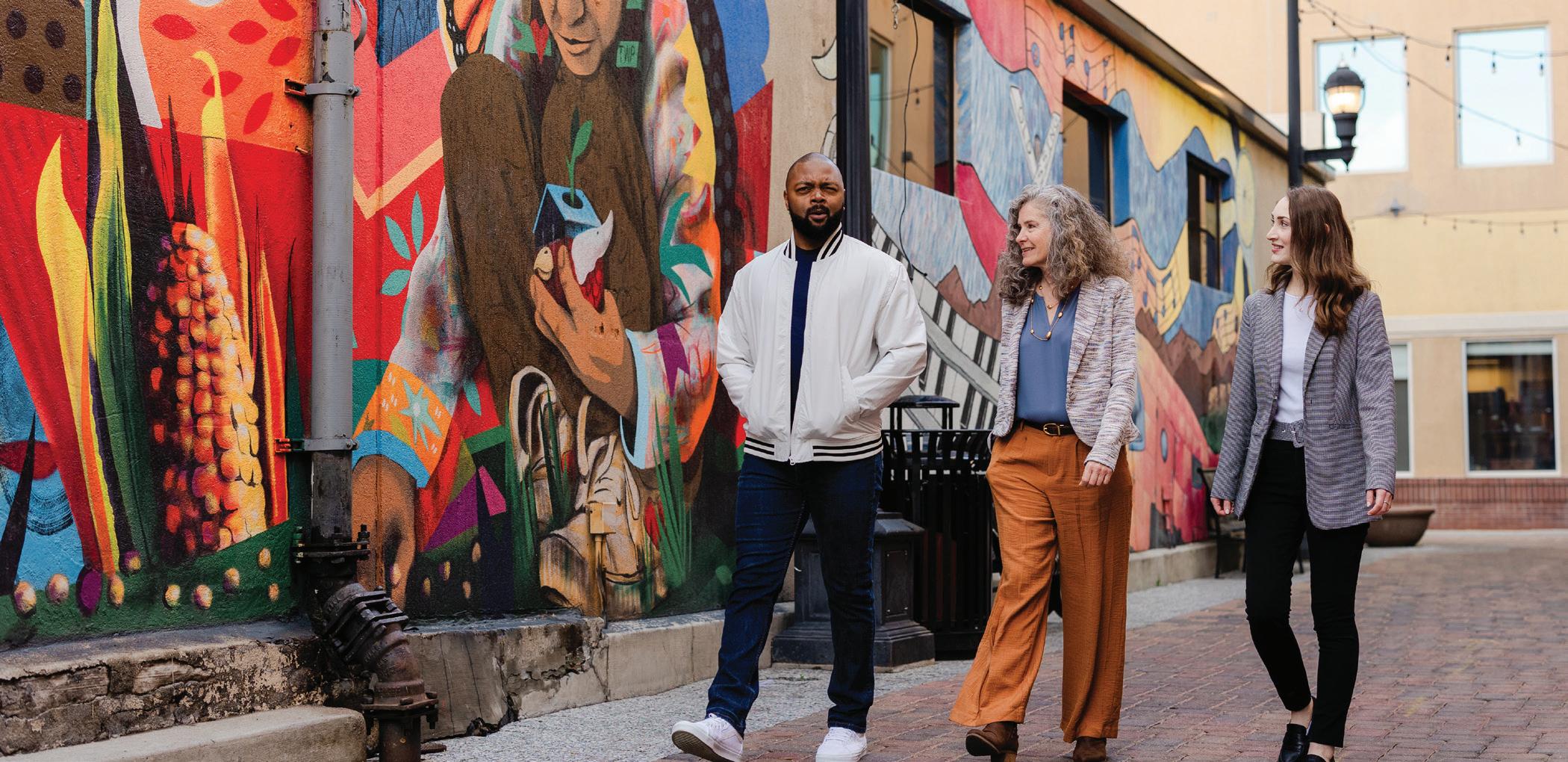
The historic Avalon Theatre is at the opposite end of downtown from GJCC but is within walking distance, making it a fun option for receptions and taking in live entertainment. Built in 1923, the 1,096-seat theater underwent a major renovation in 2014, during which it added a rooftop venue. Strolling between the convention center and theater, attendees might admire one of the largest outdoor art collections in the country. The city’s “Art on the Corner” program has resulted in some 115 sculptures and murals being integrated into the downtown landscape.
GROUP-READY HOTELS
Accommodations in Grand Junction range from name brand to boutique. Surrounding the convention center are familiar options such as Hampton Inn Grand Junction Downtown/Historic Main Street, Fairfield by Marriott Inn & Suites Grand Junction
Downtown/Historic Main Street, SpringHill Suites by Marriott Grand Junction Downtown/Historic Main Street, and Tru by Hilton Grand Junction Downtown. On the boutique side, The Hotel Melrose features 16 rooms and dates to 1908, and it reopened in late 2023 after a full refresh and new ownership. While meeting there, groups can visit the speakeasy bar, The Melrose Spirit Co.
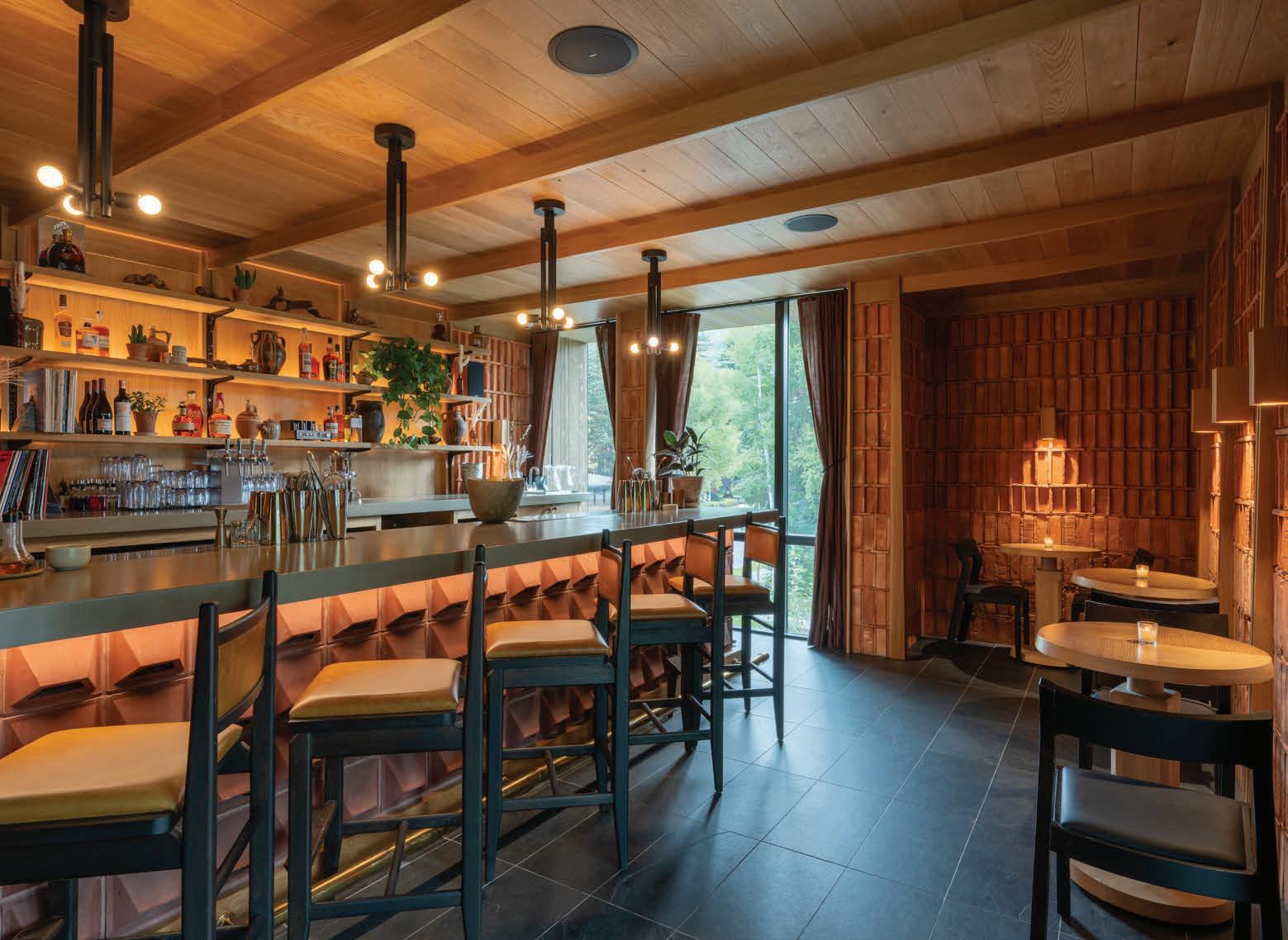
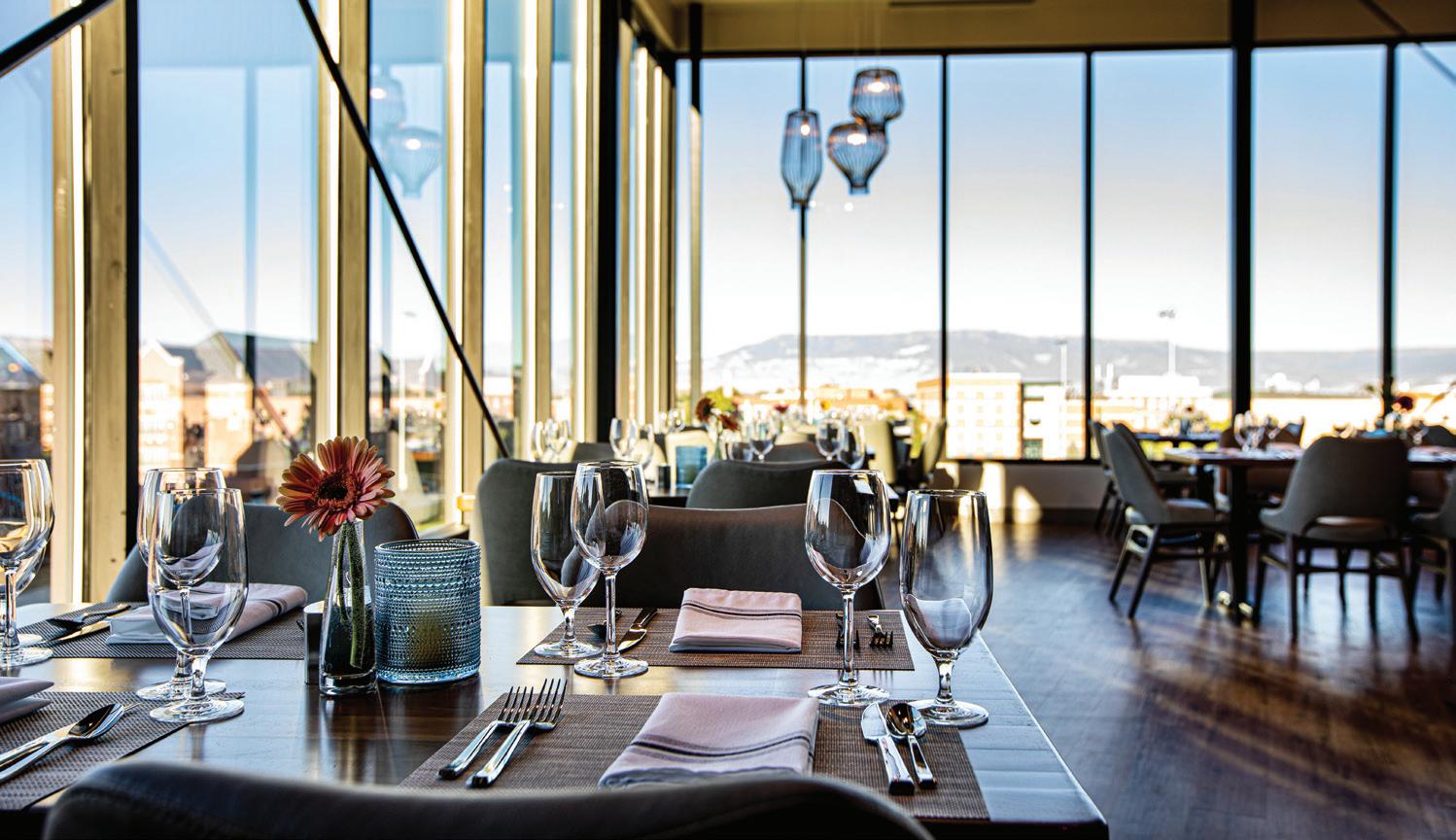
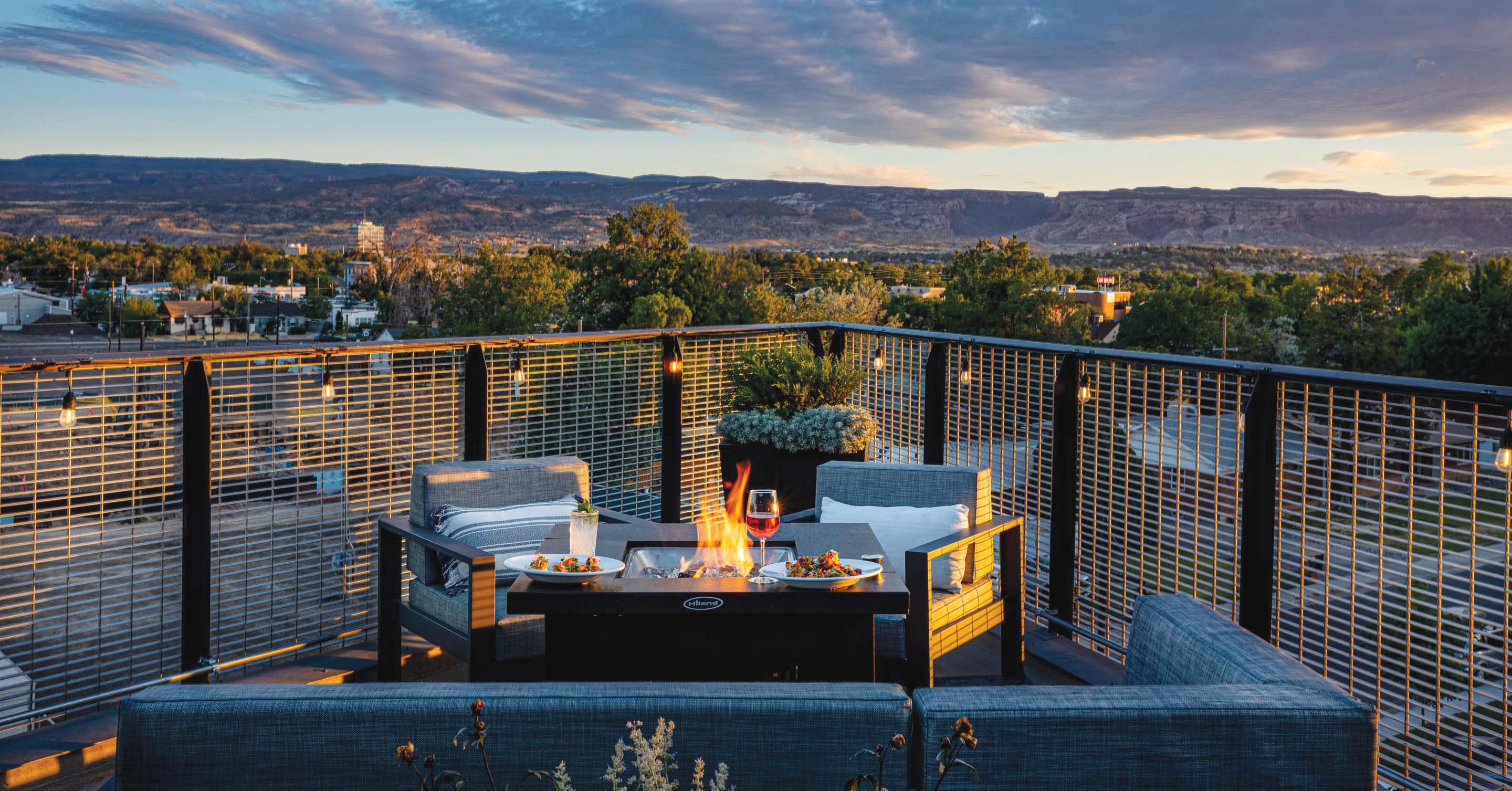
Hotel Maverick, a deluxe boutique option, opened on the Colorado Mesa University campus in 2020 and features 60 guest rooms, The Classroom conference room, and Devil’s Kitchen rooftop restaurant and bar. Two outdoor spaces, Aspen Patio and Grand Terrace, accommodate a maximum of 40 and 185 attendees, respectively. Dinner and drinks are served in snow globe structures and gondolas on the terrace in winter to create an ultramemorable, cozy environment for diners.
The Colorado Center of Excellence for Advanced Technology Aerial Firefighting (CoE) in Rifle held a holiday party for 40 attendees at Hotel Maverick on Dec. 19 last year. “We hosted a beautiful, festive dinner in The Classroom, and reserved a block
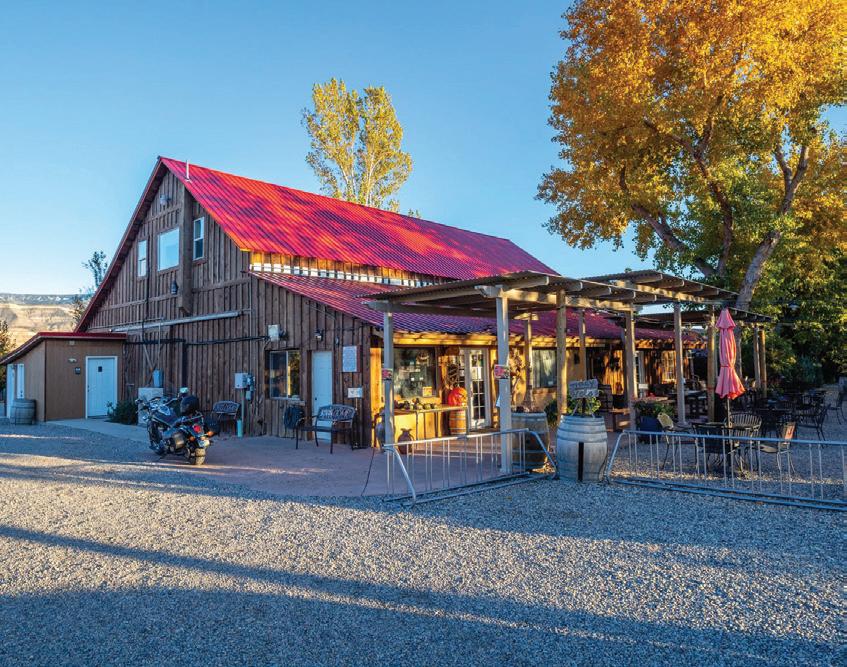
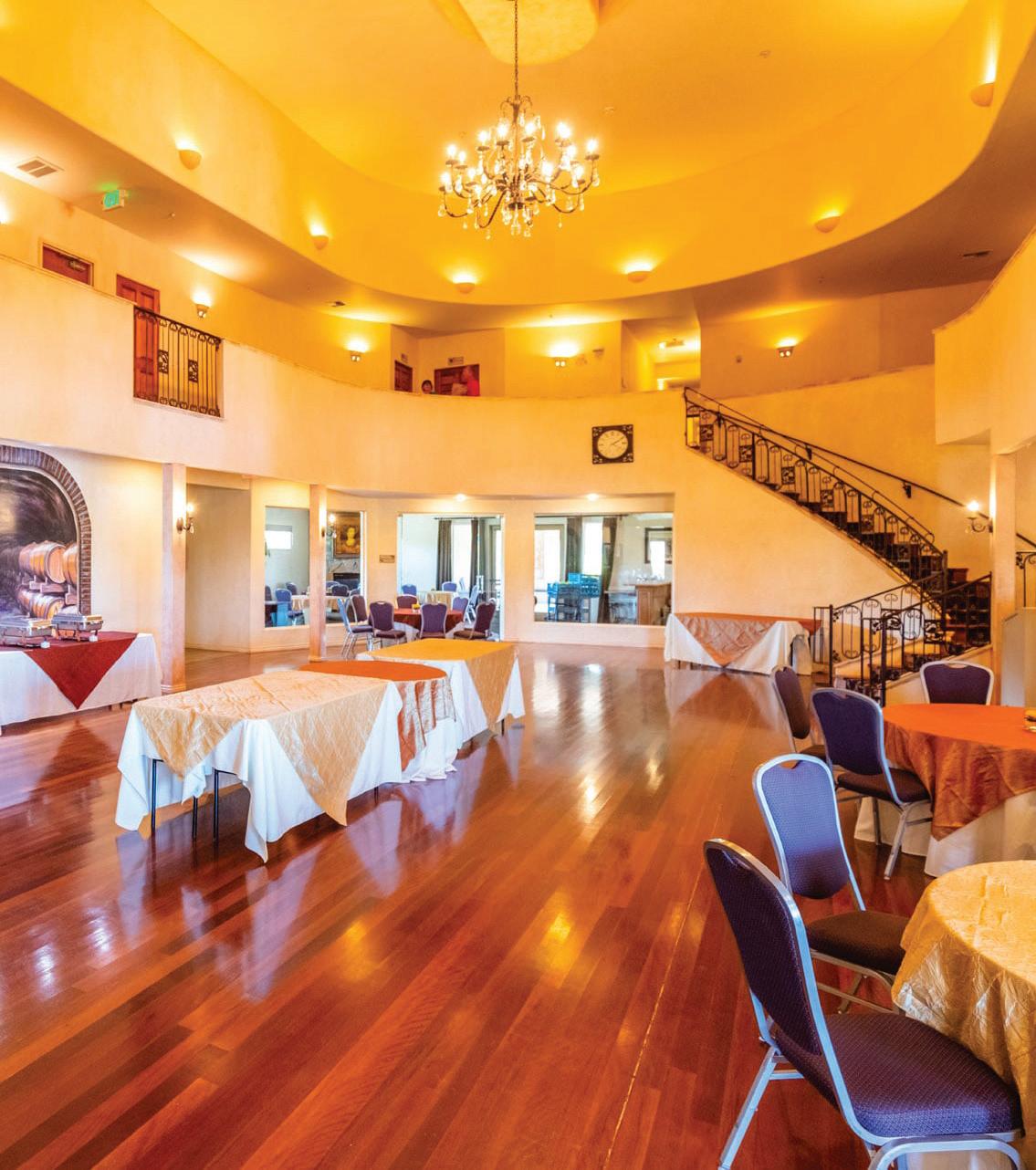
Clockwise from right: Dazzling decor at Grand Junction Convention Center; Devil’s Kitchen at Hotel Maverick; Avalon Theatre; Maison La Belle Vie Winery
of rooms for our out-of-town staff to stay overnight,” says Marketing and Communications Manager Dana Way. “We wanted to provide a fun and unique experience to show our staff how much we appreciate them during the holiday season.”
She adds, “Grand Junction offers a wealth of year-round activities, from touring stunning area wineries to exploring the unique small businesses along Main Street. There is always something engaging for groups to enjoy, especially during the holiday season. You can’t beat the small-town charm of Grand Junction.”
For planners seeking airport-adjacent convenience, DoubleTree by Hilton Hotel Grand Junction is the best option, although other accommodations and venues aren’t far away from the airfield. The property has 273 guest rooms and 12,000 square feet of meeting and event space, including a ballroom.
SIP & RECREATE
What also differentiates Grand Junction is the number of wineries and outdoor experiences available close by. Grand Junction and nearby Palisade (about 12 miles away) form Colorado’s primary wine-producing region, with some 30 wineries.
A few vineyards offer both wine tasting and function space, and some have on-site accommodations as well. Two Rivers Winery & Chateau in Grand Junction has indoor and outdoor event space, a tasting room, and 10 guest suites, making it suitable for small retreats or off-site dinners. In Palisade, Maison La Belle Vie Winery features Amy’s Courtyard with a barn, gazebo, and lawn that accommodate up to 150 attendees; while Denver-based Carboy Winery has a tasting room, second-floor loft, and grapevines at its Mount Garfield Estate Vineyard near Palisade.
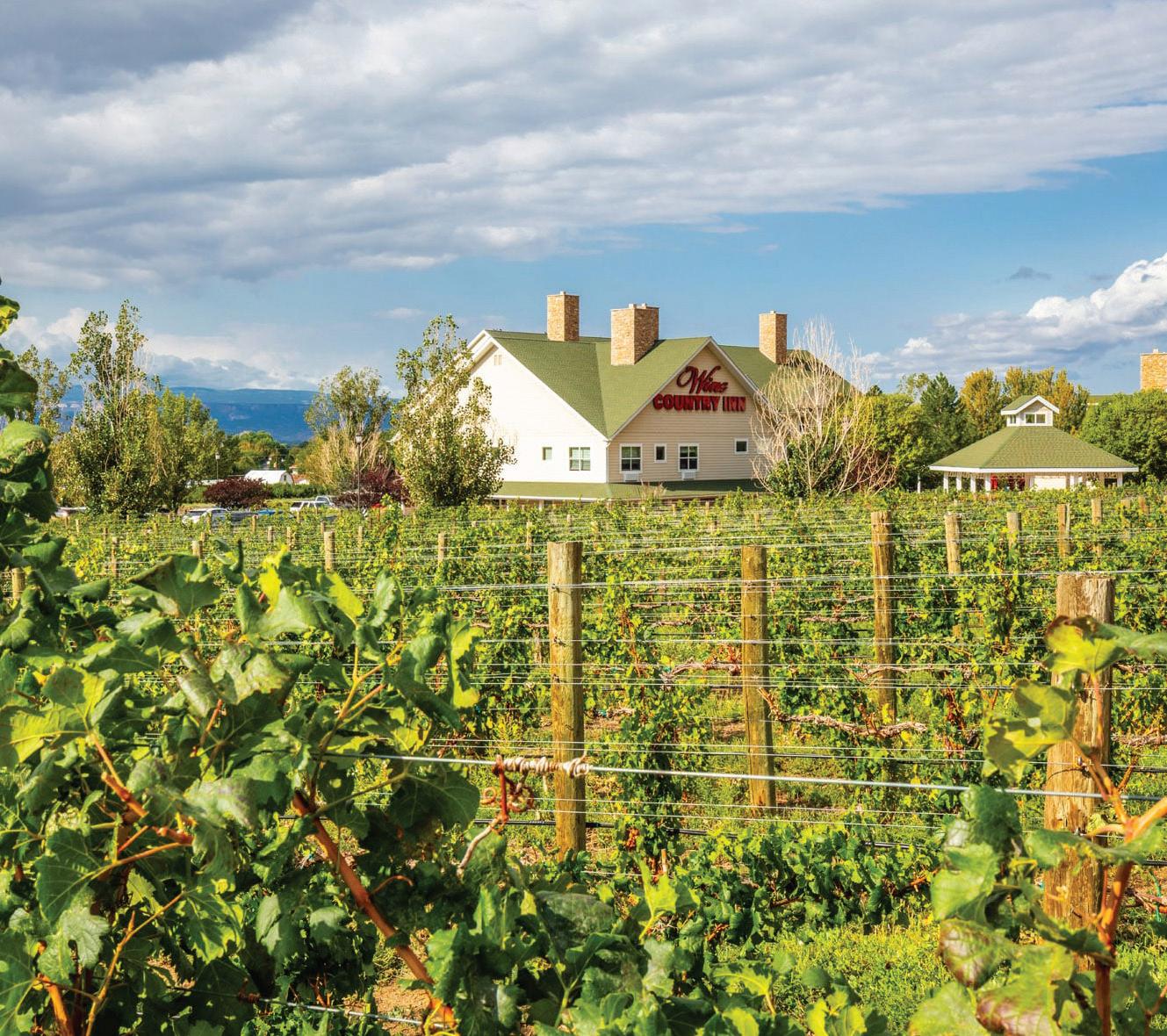
For larger events, Wine Country Inn sits on 21 acres of working vineyards near Palisade and includes an 80-room boutique hotel,
PHOTOS (CLOCKWISE FROM ABOVE LEFT) Hotel Maverick, Colorado Wine Industry Development Board/John Fielder, Visit Grand Junction (3), Grand Junction Convention Center
Clockwise from above: Hotel Maverick; Wine Country Inn near Palisade; Grand Junction Convention Center
a ballroom that seats 150 people, and the Vintner’s House for retreats and VIP lodging. In addition, an outdoor pavilion hosts up to 575 attendees, and a courtyard accommodates more than 1,800. The adjacent Grande River Vineyards is under the same ownership and hosts fun scheduled events, such as fondue dinners, “Sip-and-Paint” sessions, yoga in the vineyards, and a summer “Live in the Grapevines” concert series.
The region also encompasses the lakes and forests of the Grand Mesa (the world’s largest flat-top mountain) and the fertile Grand Valley, home to orchards, lavender fields, and alpaca farms in addition to vineyards. Hiking, mountain biking, golf, boating, and snow sports at Powderhorn Mountain Resort 40 miles away can be arranged as pre- or postconference activities or as structured outings during a gathering.
At River City Sportplex, it’s winter year-round, as the indoor rink has ice bumper cars to careen around in and hosts cosmic skating nights complete with glow lights and laser shows. Or, book Kodiaxe Throwing Co. to introduce participants to ax throwing.
For meeting and event planners evaluating destinations, Grand Junction presents a compelling combination. The surrounding landscapes provide built-in inspiration and recreation. Wine country venues add sophistication, while the creative district fosters engagement. Perhaps most importantly, Grand Junction remains somewhat undiscovered compared to Colorado’s better-known mountain towns. That sense of discovery can translate into higher attendee satisfaction and stronger participation rates.
In a time when planners are tasked with delivering meaningful experiences rather than simply filling agendas, the Western Slope—and especially Grand Junction—offers authenticity, affordability, and a refreshing change of pace.
visitgrandjunction.com
Clockwise from right: Downtown Grand Junction; One of over 115 distinctive sculptures and murals in Grand Junction’s downtown; Event setup at Two Rivers Winery & Chateau
Safety First
Top tips for ensuring event security amid an ever-changing landscape
BY NATALIE COMPAGNO & GREG FREITAS
» EVENT SAFETY isn’t a checklist—it’s an operational mindset that starts long before doors open and continues after the last attendee leaves. For event planners, safety has evolved from a quiet logistics line item to a defining component of the attendee experience and a key factor in long-term trust of the brand.
The safety lens has widened considerably over the years. Weather contingencies and fire exits remain essential, but today’s planners also prepare for crowd-density issues, medical emergencies, protests, unruly behavior, and unexpected security interventions. Regulatory compliance— including Occupational Safety and Health Administration workplace standards, Americans with Disabilities Act accessibility requirements, and National Fire Protection Association Life Safety codes— forms the baseline, but the expectation now is to build proactively on that foundation with visible, enforceable planning.
Venue selection is the first and most consequential safety decision. Before considering decor, catering, or stage design, seasoned planners evaluate a space with one central question: Can this environment protect the people inside it?
One key factor that affects a venue’s level of safety is its accessibility. While it is often treated as mere compliance, accessibility is viewed by experienced planners as a broader safety indicator. Wide corridors, unobstructed sight lines, logical traffic flow, and generous pathways benefit everyone—not just attendees with mobility needs. Therese Jardine, CEO of Strategic Event Procurement in the Seattle area, puts it succinctly: “If a space is accessible,
“The goal of event safety is that attendees never have to think about it.”
–KALSEY BEACH FOUNDER AND PRESIDENT, DO GOOD EVENTS
it will be safer for everyone.” When hallways are too tight or foyers become bottlenecks, even routine evacuations can turn chaotic. Designing for accessibility inherently supports smoother crowd movement and clearer emergency response.
Infrastructure must also match ambition. Hana Chughtai, founder and “wicked visionary” of Hana April Inc., a creative agency and event-production company based in Eden Prairie, Minnesota, notes that aesthetics alone are never enough. “We have turned down visually stunning spaces because the safety infrastructure didn’t match the ambition we had for the event.” For her team, evaluation includes
exit placement, staffing levels, aisle widths, food and beverage station access, and whether the venue can realistically handle the projected attendee count.
Outdoor venues, pop-ups, and temporary structures require additional scrutiny. Anthony Navarro, creative director at Chicago-based Liven It Up Events, emphasizes that safety planning begins at the conceptual stage. He says, “Safety has to be built into the design of the event from day one—partnering early with law enforcement and fire officials, planning for crowd flow and emergency access, and making sure every team knows exactly how to respond if something happens.”
Coordination with fire and police departments, approval of tenting and fire lanes, and clear emergency vehicle access aren’t afterthoughts—they are non-negotiable event design requirements.
PLANNING FOR THE UNKNOWN
No meeting or event planner anticipates every contingency, but resilient teams prepare gatherings to manage likely
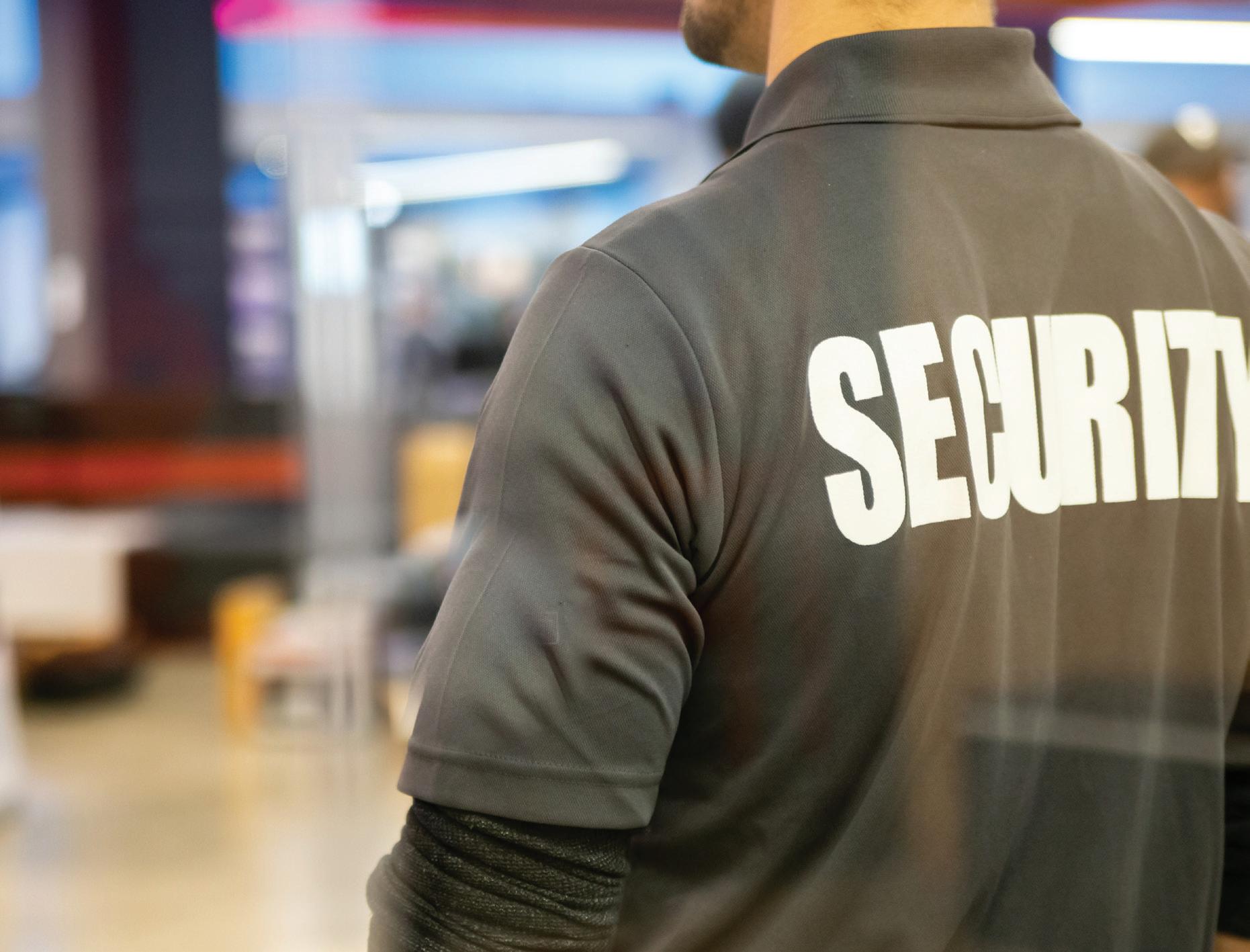
Dedicated security personnel prevent most and manage the remaining unexpected disruptions.
For any event, whether it’s a small conference or large festival, coordination with police and fire departments, approved tenting and fire lanes, and clear emergency vehicle access are nonnegotiable requirements.
possibilities by publishing emergency response plans, designating medical areas, properly training staff, and clearly defining decision-making hierarchies.
Access control has become especially important. Credential checks, visible signage for public and private areas, and dedicated security personnel help prevent unwanted disruptions. Some planners supplement venue security with private teams briefed on key program moments, VIP considerations, and escalation protocols. Others build scripts and preapproved messaging into run-of-show documents, so communication remains calm and consistent if an incident occurs.
Crowd management is equally critical. Capacity isn’t the same as flow. Thoughtful floor plans prioritize aisle width, spacing around tables, and logical movement between sessions and service areas. Emergency lighting, clearly marked exits, and unobstructed pathways are fundamental—but so is ensuring staff members know how to guide attendees quickly and confidently when needed.
Asset protection is another growing focus. Audiovisual equipment, staging infrastructure, and high-value decor represent significant investments. Safeguarding these assets against accidental damage, theft, or vandalism requires controlled access points, proper barricades, and vigilant staffing.
SECURITY AS BRAND STRATEGY
While much of this work is not public facing, its impact is visible in attendee confidence. Kalsey Beach, founder and president of Do Good Events in St. Louis Park, Minnesota, describes safety as an invisible, essential layer of the experience.
“The goal of event safety is that attendees never have to think about it,” she says. “It’s the behind-the-scenes work we invest in so guests can simply show up, feel secure, and trust the experience from start to finish.” That sense of security influences more than an individual event. Attendees who feel unsafe—or who witness poorly managed incidents—are less likely to return. Conversely, calm and coordinated
responses to snafus reinforce perceptions of professionalism and competence.
Jardine emphasizes that planning only matters if it’s enforced. “If you say you are going to do something, you have to do it,” she says. “Otherwise, you lose attendee trust.” Published protocols mean little without consistent enforcement. Whether you’re managing capacity, maintaining sanitation standards, or responding to a medical situation, execution determines perception.
For meeting and event planners, safety has become an operational imperative and a competitive differentiator. Strong safety protocols signal leadership, protect stakeholders, and safeguard reputations. In an environment where attendees are increasingly risk-aware, thoughtful security planning does more than mitigate liability— it builds confidence, loyalty, and a foundation for repeat attendance.
dogoodevents.com
hanaaprilinc.com
livenitup.com
strategiceventprocurement.com
COMPANIES ARE RESHAPING DESTINATION PREFERENCES AND PRIORITIZING MEANINGFUL MOMENTS FOR ATTENDEES
BY BETH BUEHLER
Incentive travel has long been about celebrating success, but today’s programs have evolved beyond luxury perks and packed itineraries. Planners are designing trips that emphasize momentous experiences, authentic connections, and places that leave lasting impressions.
Colorado naturally fits that vision. With eminent mountain towns, iconic resorts, and a central location, the state checks multiple boxes for incentive programs that weave together business, outdoor adventure, and relaxation. While Rocky Mountain destinations remain a focal point, several Colorado Springs properties—including Flying Horse Resort & Club, Garden of the Gods Resort & Club, Cheyenne Mountain Resort, and
The Broadmoor—attract groups seeking a blend of urban convenience, spacious campus settings, multiple dining outlets, golf courses, tennis and pickleball courts, swimming pools, and more.
The demand for fresh destinations and innovative experiences is stronger than ever, according to the 2025 Incentive Travel Index survey spearheaded by the Incentive Research Foundation (based in McLean, Virginia) and the Society for Incentive Travel Excellence (headquartered in Chicago) and released at IMEX America 2025 in Las Vegas last October. “Buyers continue to seek out something new,” says Annette Gregg, CEO of the Society for Incentive Travel Excellence. “Nearly 70% are seeking destinations they haven’t used before, and 63% already have new ones booked
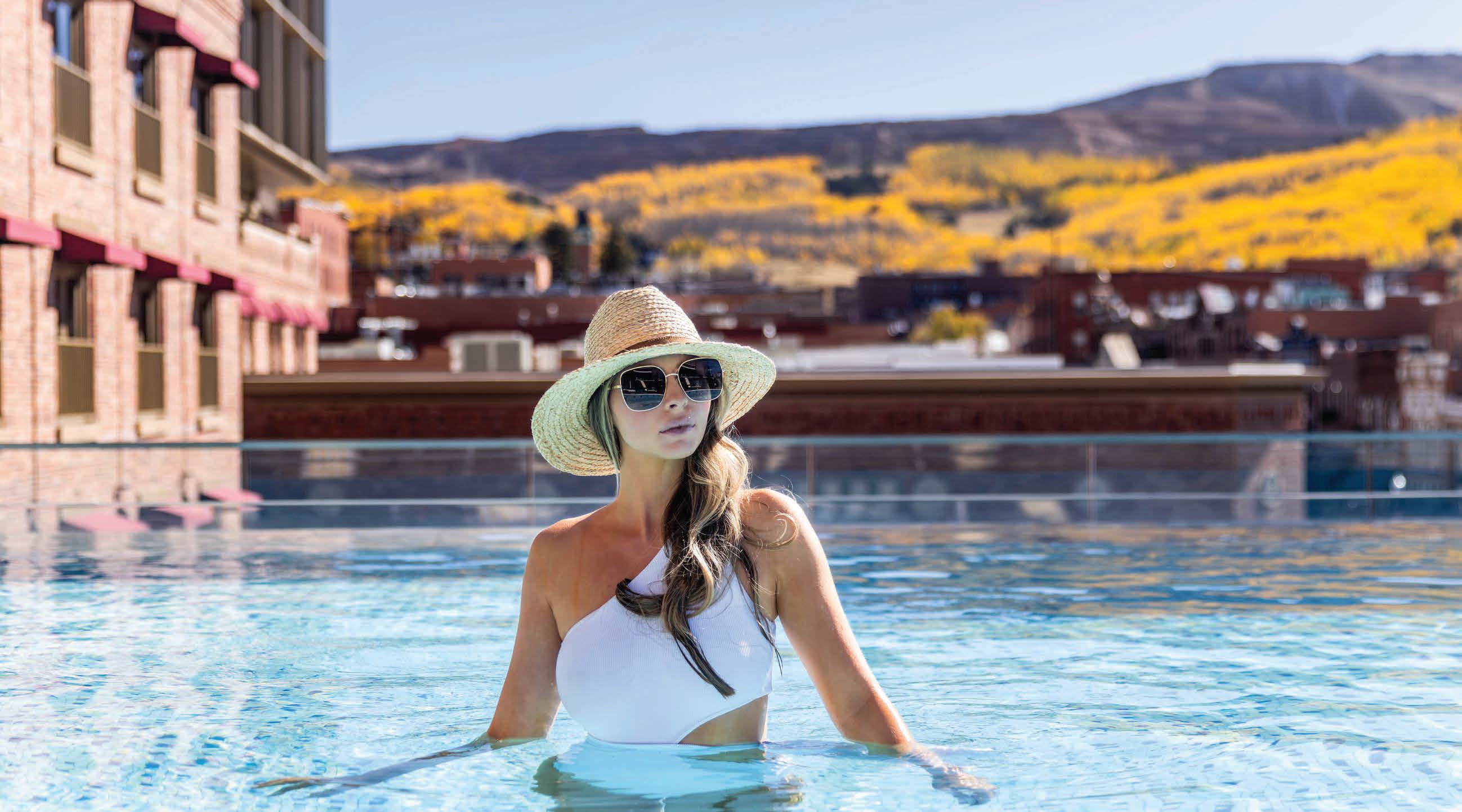
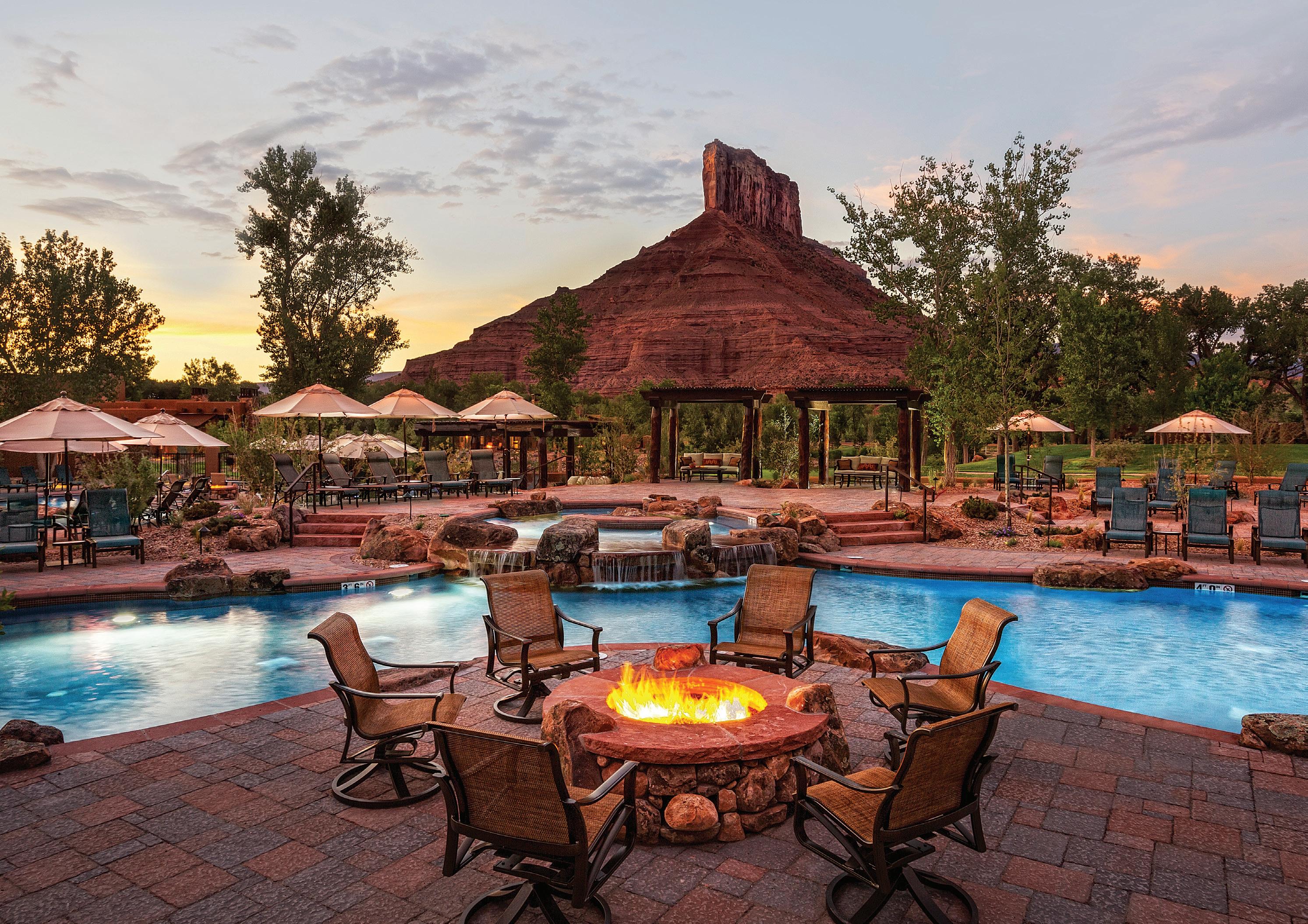
Palisade Pool at Gateway Canyons Resort & Spa
for 2026 or 2027. What hasn’t changed is what matters: Direct air access, top-tier accommodations, and a trusted destination management company remain top priorities.”
Meanwhile, planners are being asked to do more with limited resources. “Incentive professionals are under pressure to deliver more with less—without compromising quality or impact,” says Stephanie Harris, president of the Incentive Research Foundation.
To explore how these industry trends are playing out in realworld programs, Colorado Meetings + Events spoke with incentive trip planners, a corporate client, and hospitality partners who help bring these trips to life. Their experiences reveal how Colorado’s scenic landscapes, diverse communities, and distinctive properties are helping shape incentive travel.
CRAFTING COLORADO EXPERIENCES
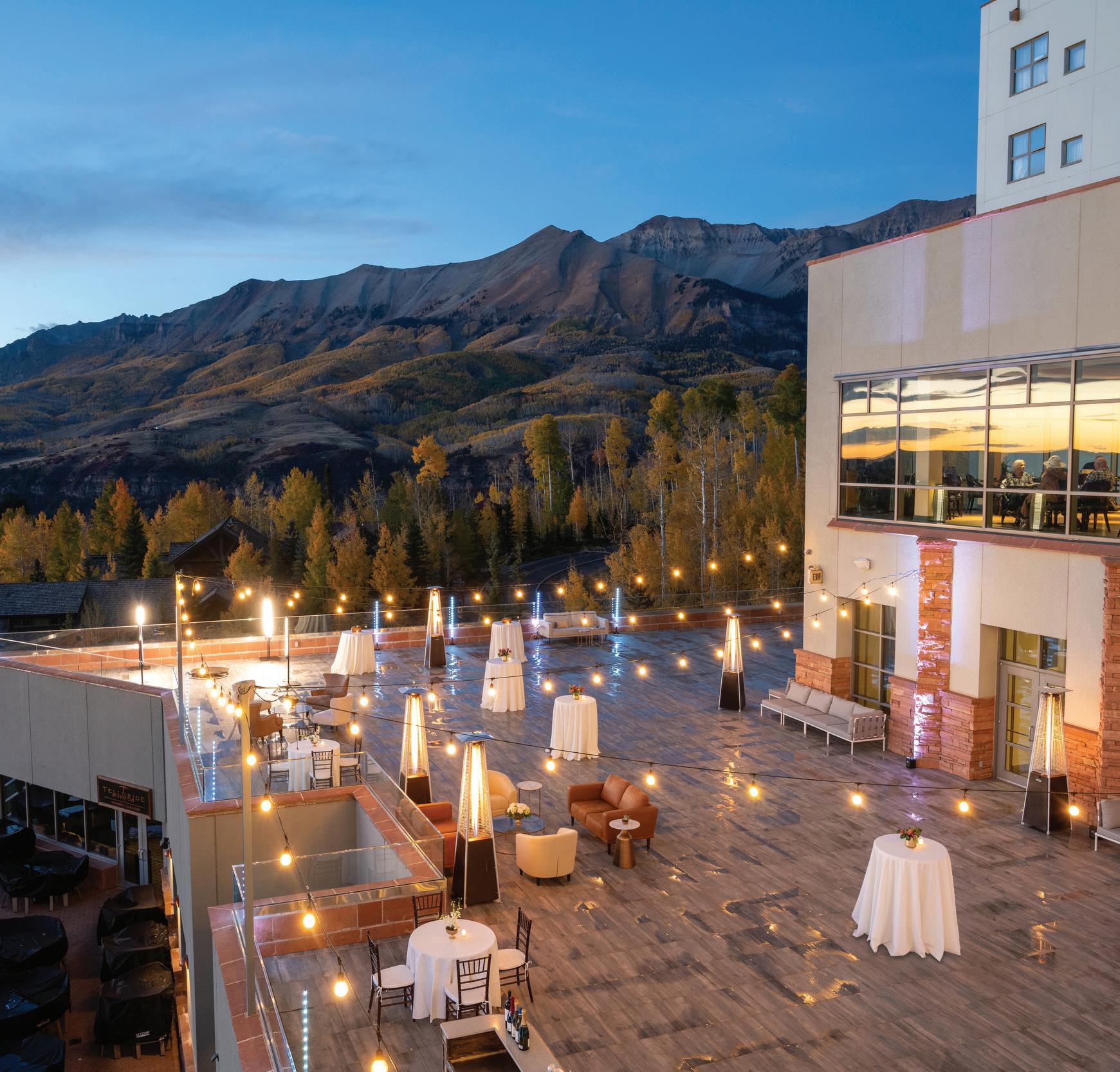
Several years ago, Lynne Roy, owner of Verve Meetings & Events in Evergreen, designed a manufacturing company’s Telluride incentive trip for distributors at The Peaks Resort & Spa in Mountain Village that remains top of mind. Distributors were being bombarded with competing products and “multiple manufacturers within this category offered incentive trips, making the experience all the more important,” Roy says. “The manufacturer’s goal was to position its product as the preferred choice for distributor sales teams while maintaining competitive margins.”
A key challenge from a planning perspective was finding a resort that “balanced scale and intimacy,” she recalls. “The ideal property could not be so large that the group felt lost within it, yet it also needed enough variety and space, so attendees could break away for quieter moments if desired.”
The agenda focused on blending business insights with casual networking and outdoor recreation. Upon arrival, attendees were
“Incentive professionals are under pressure to deliver more with less— without compromising quality or impact.”
–STEPHANIE HARRIS President, Incentive Research Foundation
greeted with gift baskets featuring snacks, branded water bottles, and high-altitude essentials like Liquid I.V. and Emergen-C, and treated to a welcome reception. Gifts left in participants’ rooms later in the trip reflected a mountain experience: Marmot outerwear and Patagonia blankets.
Mornings started with breakfast and business-focused meetings before participants enjoyed snow sports, shopping, and spa treatments. Evenings centered on shared dining experiences designed to strengthen relationships between distributors and the manufacturer’s team. “The goal was to create a setting that felt connected and cohesive for the group while still offering personal retreats and diverse on-site experiences,” Roy says.
For Julie Branstrom, owner of Vista Meetings and Incentives, also in Evergreen, one of her most memorable programs involved a consulting firm hosting 50 international clients for a board meeting and sales kickoff in September 2022. After a long overseas flight, the group spent two nights at Limelight Denver downtown to acclimate to the elevation before heading to the mountains. Their board meeting took place at neighboring Coors Field, home of MLB’s Colorado Rockies.
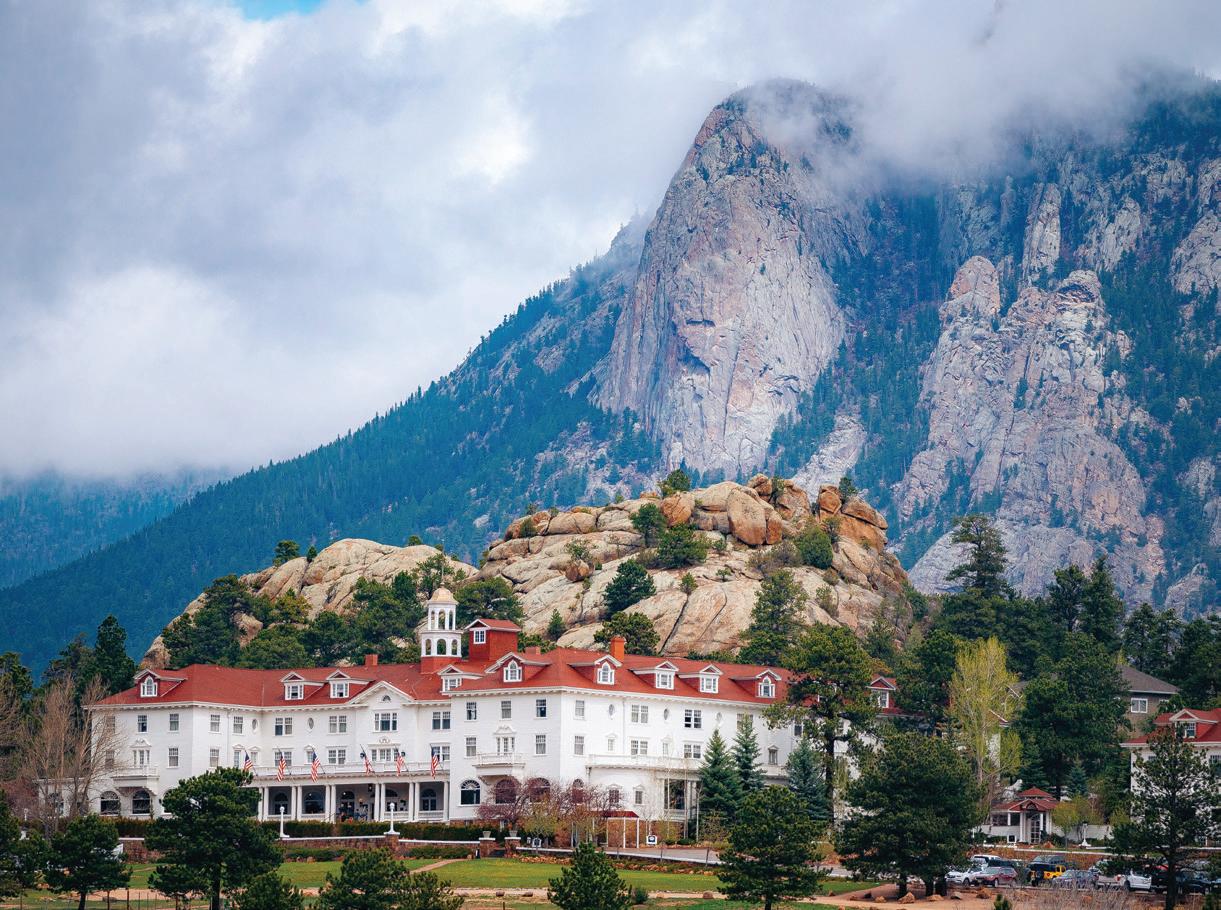
The group then stayed at The Stanley Hotel in Estes Park, where off-site activities included team-building experiences within Rocky Mountain National Park and a Western-themed evening event. “We hosted an authentic Colorado barbecue and implemented fun activities, including taking photos with a live bull, a cowboy boot-fitting station, and Western entertainment,” she says.
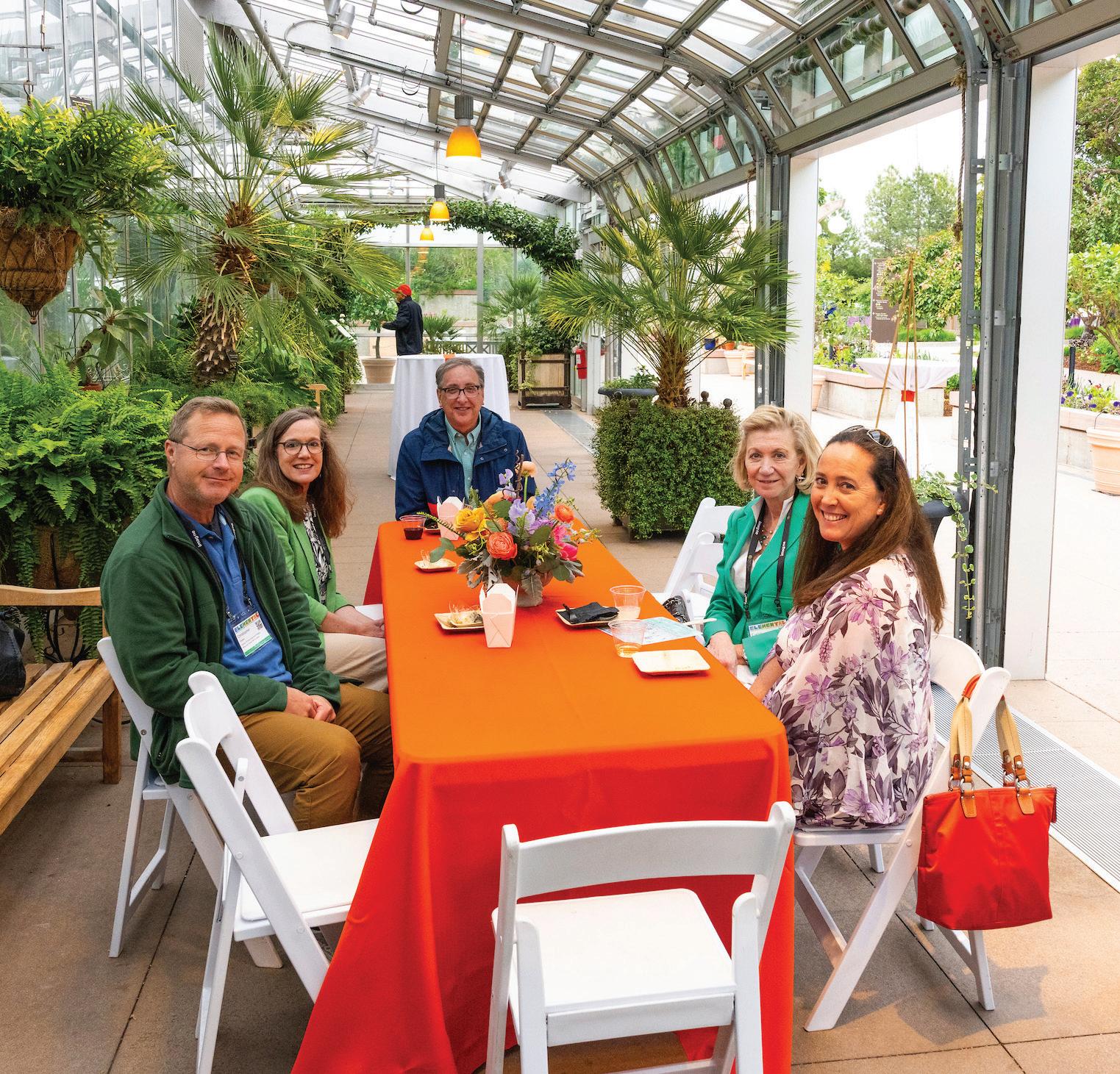
From left: Group dining in Denver Botanic Gardens’ Orangery; The Stanley Hotel in Estes Park
“Our clients are looking to use this time to make authentic and lasting connections with their team members and offer experiences they can’t find anywhere else.”
–JULIE BRANSTROM Owner, Vista Meetings & Incentives
“On their free night, the group loved being able to stroll the shops and bars along the main street, and they felt they had gotten a true taste of an authentic Colorado experience.”
Integrating regional elements and allowing free time to explore is increasingly important to incentive groups. “Our clients are looking to use this time to make authentic and lasting connections with their team members and offer experiences they can’t find anywhere else,” Branstrom explains.
Sometimes, the most successful moments come from surprises. She still fondly recalls one incentive group’s arrival at Denver Botanic Gardens’ York Street location in 2017, anticipating business on the agenda. “They thought they were going to sit in a meeting room,” Branstrom says. “But when they got there, it was simply a lovely garden party. It was a hit.”
Specialized travel companies also shape Colorado incentive experiences. “Colorado has been a home run for EXP Journeys when it comes to corporate and large family groups,” says Maxie Johnson, a lead guide for the luxury travel company based in Solana Beach, California. “This is due in large part to our practice
of anchoring programs in iconic mountain destinations, and then building a high-touch, base-camp experience with easy access to premier scenery and activities.”
The strongest incentive trip results come from “a property that feels exclusive and logistically smooth, paired with choose-yourown-adventure offerings,” she says. “One standout example of this was a ranch outside Aspen, where we created an Old West storyline with historical reenactors; custom town banners; nightly next-day itinerary newspapers; a role-playing scavenger hunt; and activities like all-terrain vehicle rides, shooting, rafting, guided hiking and biking, spa treatments, etc.”
Telluride also is especially strong as a host city for smaller groups as it is easy to “lean into the town’s character and the San Juan Mountains’ wow factor,” Johnson notes. She adds that luxury home bases like Element 52 and shared moments like a guided four-wheel drive tour, alpine cookout at Alta Lakes, and rafting on the San Miguel River are icing on the cake.
A CLIENT’S PERSPECTIVE
From the corporate side, the impact of incentive travel can be significant. LAXcar, a Los Angeles-based transportation company, held a four-day client incentive trip last February. The group traveled by chartered vans to Breckenridge after flying into Denver and stayed at One Ski Hill Place due to its ski-in/ski-out access and convenient meeting and event space.
The first day featured a lunch workshop, snowmobile tour, and dinner at the nearby Hearthstone Restaurant that occupies an 1889 historic home. Strategy sessions and a sunset dinner reached via snowcat were highlights for day two, and the final hurrah was a day of skiing and snowboarding at Breckenridge Ski Resort or a trip to Glenwood Springs for hot springs soaking.
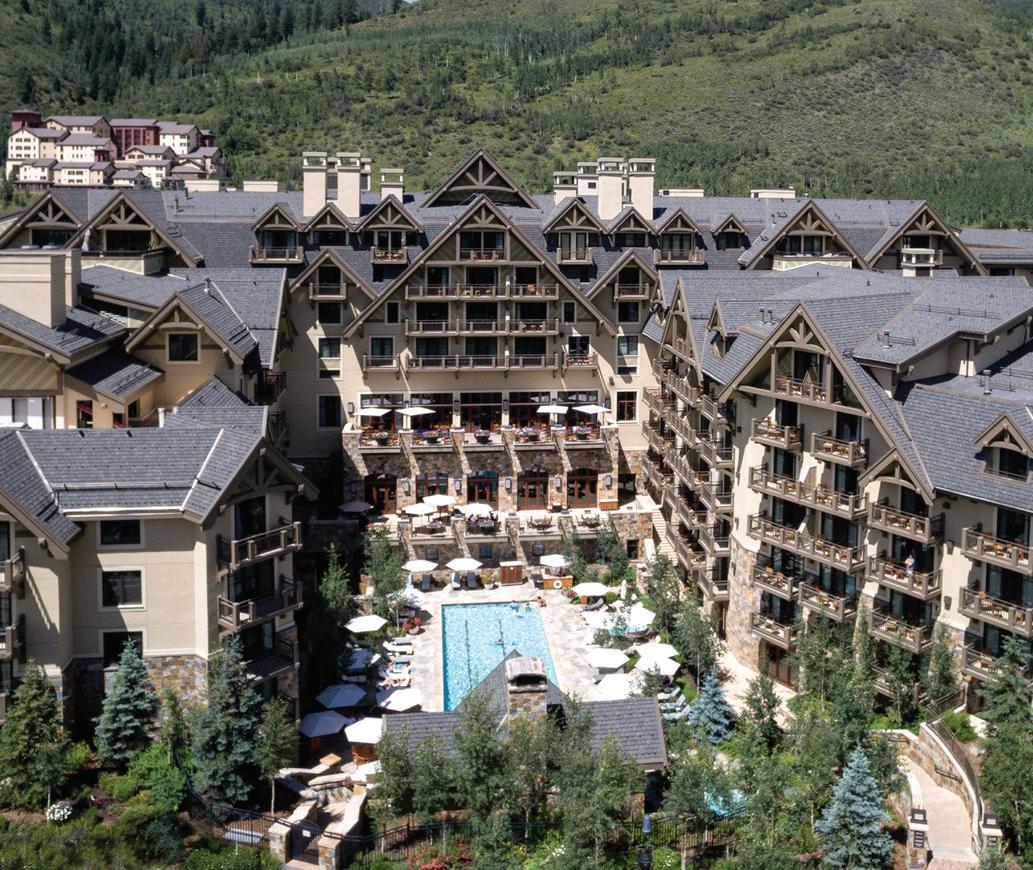
Four Seasons Resort and Residences Vail
Mount Wilson Terrace at The Peaks Resort & Spa in Mountain Village
Out of 42 invitations, 41 clients accepted, which was a testament to the appeal of the destination and agenda, says LAXcar founder and CEO Arsen Misakyan. “There were no early departures, and we saw a 30% increase in engagement scores internally.”
He credits area partners for helping create memorable experiences. “Smaller mountain resorts are more flexible with custom requests than the big conference hotels,” he says. “Instead of tourist packages, locally owned outfitters created exclusive experiences.” Sometimes the most meaningful moments were simple ones. He shares, “People skipped the hotel bar and the après-ski to team up to make a snowman with a view.”
PROPERTIES RAISING THE BAR
Luxury accommodations across Colorado tailor their offerings to meet the evolving expectations for incentive trips. For example, Four Seasons Resort and Residences Vail offers culinary experiences for groups like cooking classes, mixology sessions, and foraging on the mountain or exploring the farmers market with Executive Chef Simon Purvis. “We typically see [groups enjoy] skiing, snowboarding, snowshoeing, and snowmobiling in winter, and, in the summer, clients turn to hiking, rafting, flyfishing, horseback riding, stand-up paddleboarding, mountainside picnics, lake canoeing, lunch with llamas, and mountain biking,” says the resort’s Director of Sales and Events Cody Worden.
The property’s typical incentive group ranges from 20 to 100 attendees. “We have a technology client hosting an incentive trip for 40 people [this September] with the traditional agenda of a hospitality room throughout the duration of their program, a staff office, gifting experience, welcome reception, and farewell dinner.” He adds, “This group will have some off-site dinners at on-mountain cabins, ranches, and social clubs, and is doing off-site team activities through a destination management company, which we typically see with multiday incentives, as they want to truly experience the destination.”
At Gateway Canyons Resort & Spa, located within Unaweep Canyon southwest of Grand Junction, planners will find activities, dining, meeting space, and guest rooms all within the 500-plus-acre footprint. Director of Sales and Marketing Callie
Cornell emphasizes that incentive groups are increasingly seeking host cities like the small community of Gateway that feel private and immersive. “Gateway and Colorado’s Western Slope have become increasingly appealing to incentive groups, because they combine dramatic landscapes, luxury-level experiences, and a sense of exclusivity that’s hard to find elsewhere,” she says.
It’s only fitting that Crested Butte, one of the birthplaces of both mountain biking and extreme skiing, also is where Eleven was founded. The experiential travel company has grown a portfolio of 11 high-end lodges it operates in remote locations around the world that are paired with outdoor experiences. The first, Eleven Scarp Ridge Lodge, in downtown Crested Butte, opened in 2011 and hosts up to 14 attendees with six guest rooms. The adjacent Sopris House adds another four guest rooms.
“Eleven Scarp Ridge Lodge has hosted many corporate events over the years, both in winter and summer,” says Eleven’s Colorado General Manager Rob Layton. “Some groups are entertaining clients, while others are rewarding top performers in their company. We also have put on working retreats that combine our guided activities with daily meetings and other team-building events.”
Every reservation, including incentive and meeting groups, has a dedicated experience manager who makes sure the goals of the trip are met. “A typical day could be a morning budget meeting followed by rock climbing; river rafting; and a family-style, chef-prepared dinner in the lodge that evening,” he says.“Located a block off Elk Avenue, [the property allows attendees to] easily enjoy the Crested Butte nightlife and take in a concert at the nearby Public House, [a restaurant and concert venue].”
As companies rethink how they reward top performers and strengthen client relationships, incentive travel programs are becoming more intentional. Authenticity, personalization, and meaningful connection now carry as much weight as luxury amenities or exotic destinations, and Colorado’s planners, venues, and suppliers stand ready to deliver.
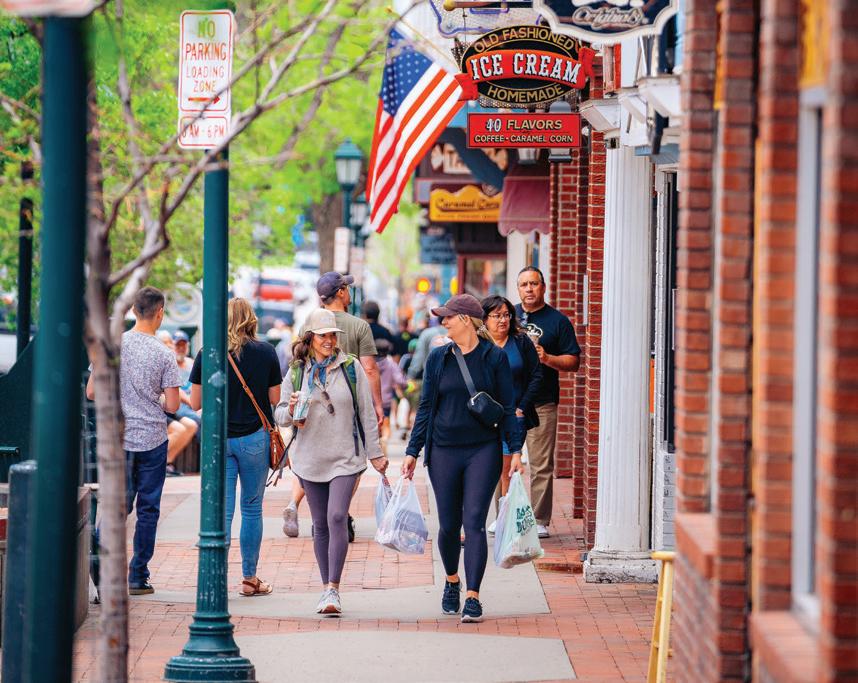
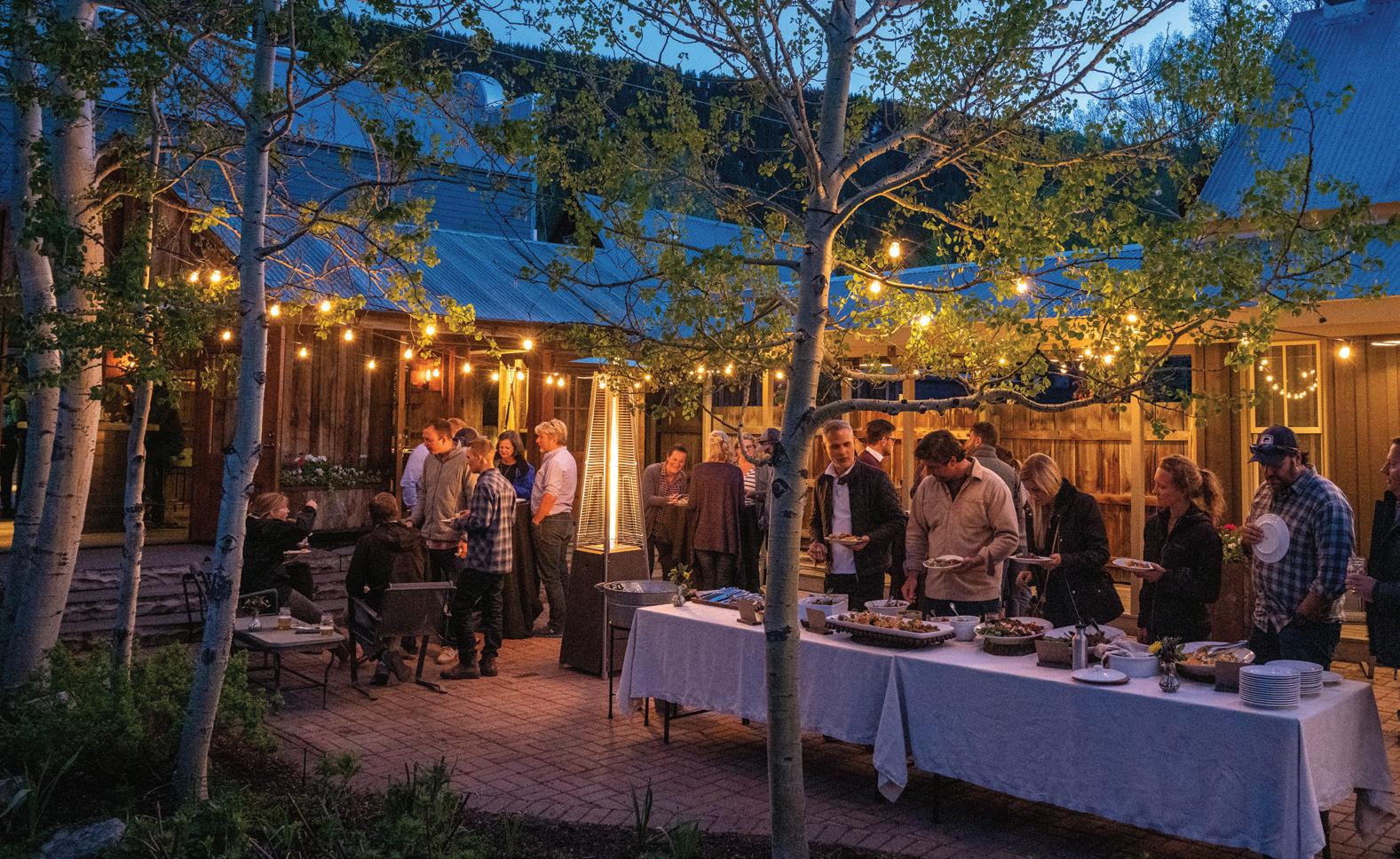
From left: Downtown Estes Park; Patio gathering at Eleven’s Sopris House near Eleven Scarp Ridge Lodge in Crested Butte
Apiary Hotel Takes Flight
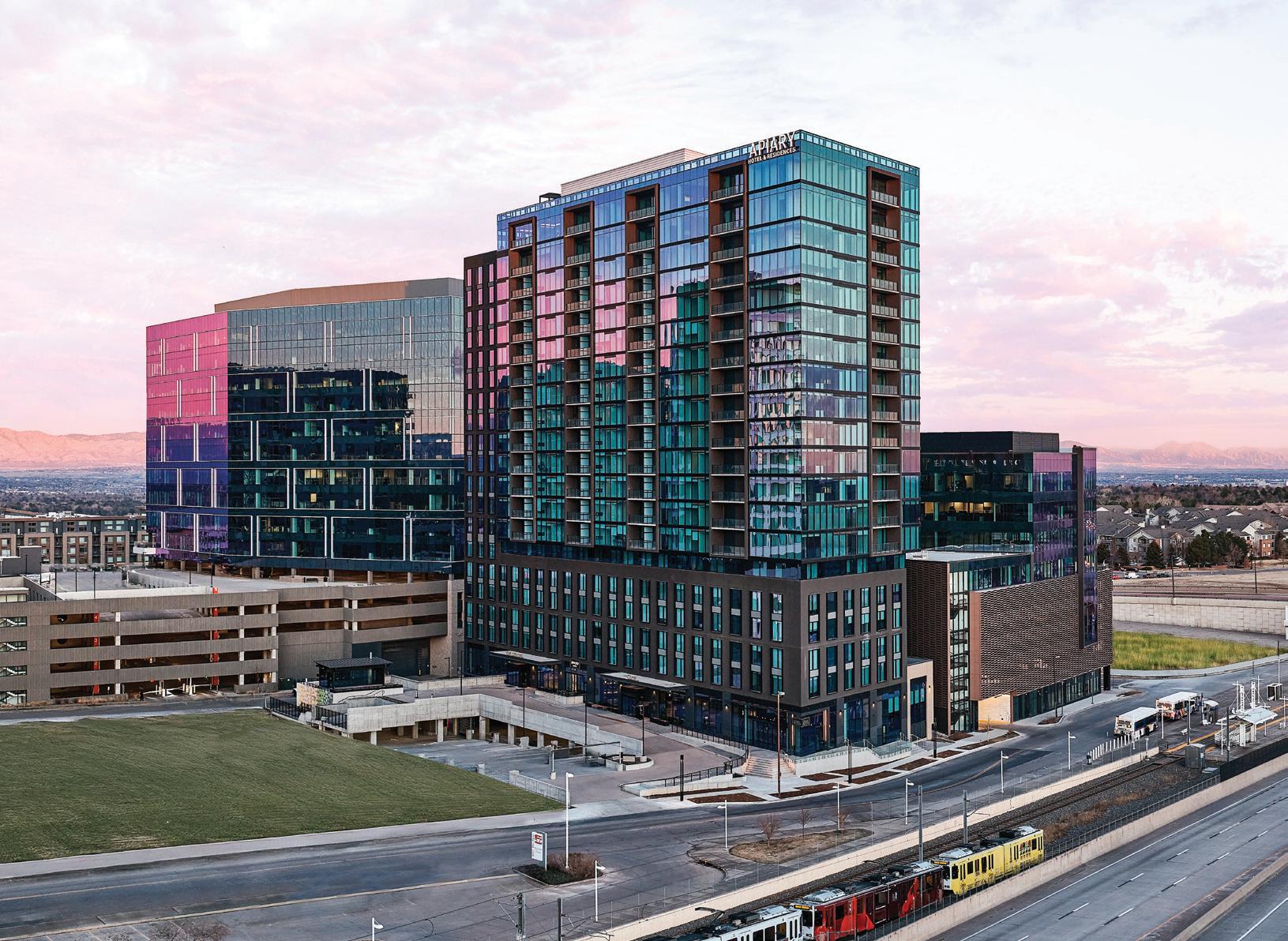
» THE 175-ROOM, all-suite Apiary Hotel, part of Marriott’s Bonvoy Collection, opened in the Denver Tech Center’s Belleview Station neighborhood on Feb. 17. True to its name, Apiary Hotel features bee-inspired imagery throughout the property, and the lobby is a welcoming hive of activity with a multisided fireplace, long communal tables, and lounge seating. Keepers Cocktail Lounge and June Gap Market Cafe are adjacent to the lobby, and guest rooms are equipped with kitchenettes for hands-on meal prep. For small groups and intimate celebrations, Apiary’s 900-square-foot Nectar Room is available.
apiaryhotel.com
HIGH-END MOUNTAIN CUISINE IN CRESTED BUTTE
Two Twelve opened on Crested Butte’s vibrant Elk Avenue in 2024, and it is now offering partial and full buyouts for groups. Executive Chef and Partner Anthony Nelson creates seasonal menus that highlight ingredients sourced from small farms and producers across the Western Slope and greater Colorado. Ideal for both intimate dinner gatherings and larger celebrations, the restaurant delivers an elevated mountain dining experience focused on live-fire cooking that is on full display to diners. Groups can reserve the entire restaurant for a maximum of 72 attendees or only the second floor for up to 36. Both options feature a three-course dinner with wine pairings, beer, and cocktails. A sizable front patio also is available. twotwelvecb.com
People News
Tiffany Eck was promoted to director of destination services and events at Visit Denver following the retirement of Vikki Kelly. Eck and her team are the primary liaisons between meeting planners and the city’s venues, vendors, and resources. She has worked for Visit Denver for more than 20 years and founded its internal Green Team.
South Denver’s new Apiary Hotel hired Alison Mitchell as general manager. With more than 20 years of hospitality leadership experience, Mitchell previously was general manager at Cherry Creek North’s Clayton Hotel & Members Club; The Art Hotel Denver, Curio Collection by Hilton; and Hilton Garden Inn Denver Union Station.
Denver’s Sage Hospitality Group hired Megan Pierce as area director of sales and marketing for The Maven Hotel and The Rally Hotel in Denver. Pierce has been with Sage Hospitality for more than a decade, and she most recently served in the same role overseeing Denver’s Hotel Teatro and The Curtis, A DoubleTree by Hilton Hotel.
Ksenia Poteraj joined Apiary Hotel as director of sales and marketing. Poteraj has held prior leadership roles at The Oxford Hotel, The Crawford Hotel, and Renaissance Denver Downtown City Center, and she also served as dual director of sales and marketing for Hyatt Place Peña Station/ Denver Airport and Hyatt House Denver Airport.
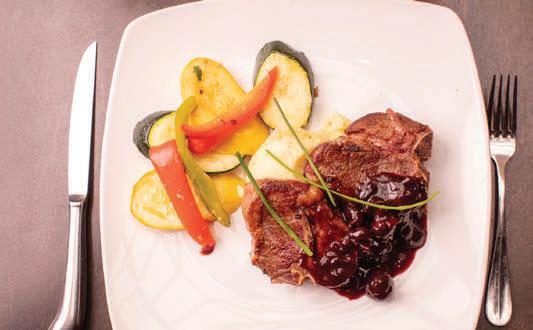
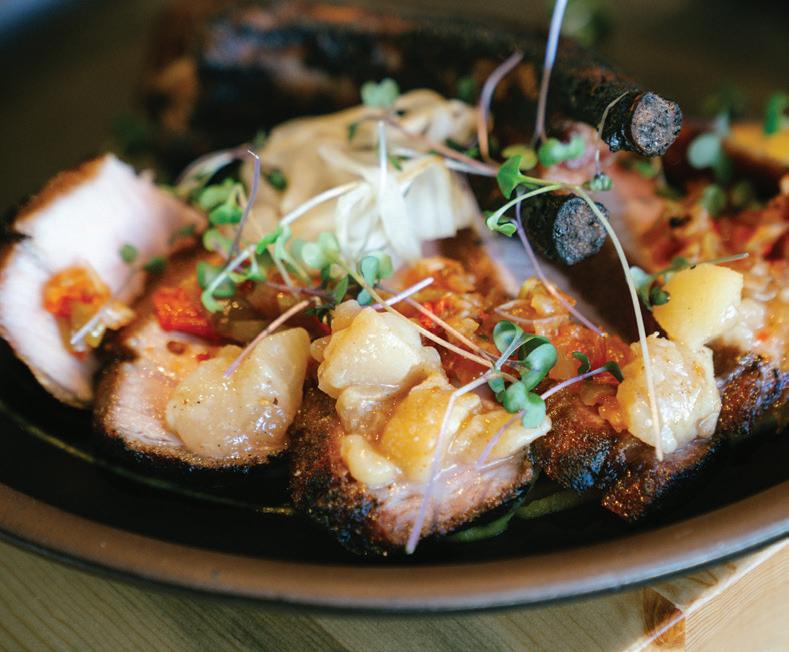
Pork chop with beet miso sauce, pickled pepper, and fennel at Two Twelve
MC&A ADDS IMPRINT EVENTS GROUP
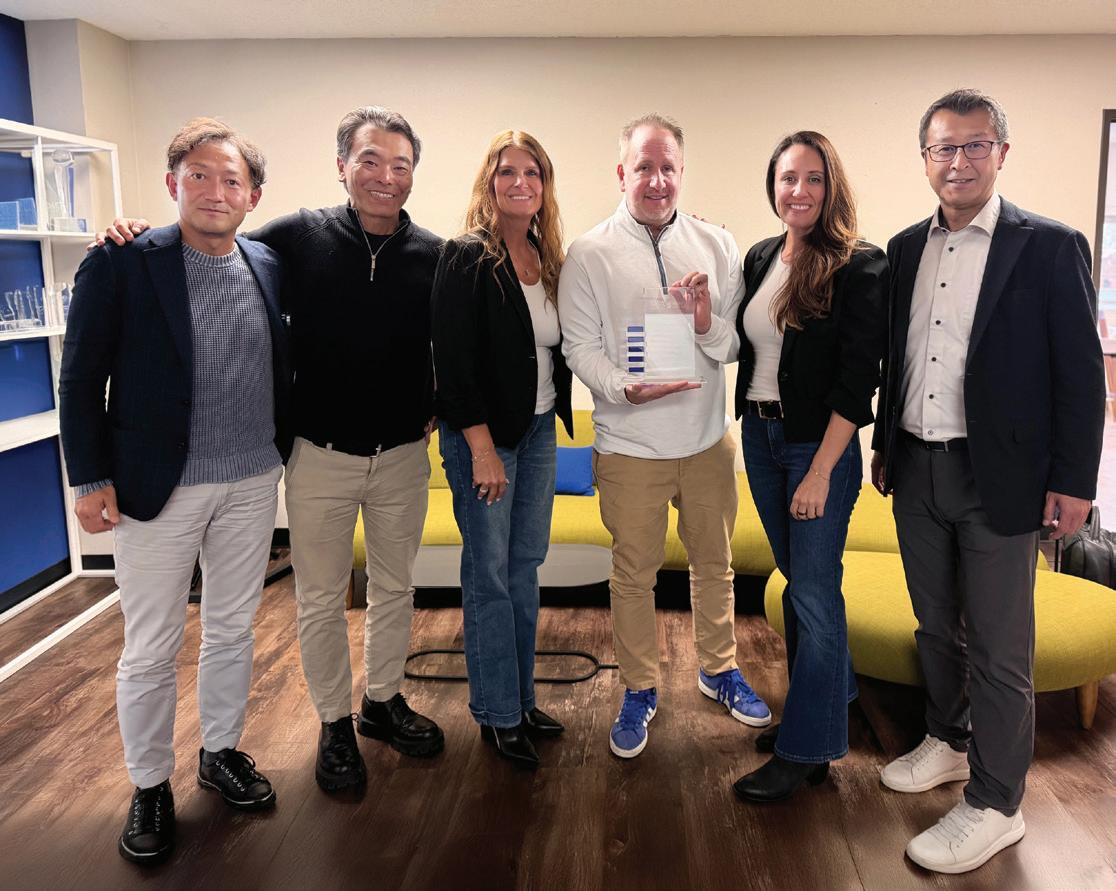
MC&A—a destination management company based in Honolulu and part of the international JTB Americas Group headquartered in Torrance, California— acquired Denver-based Imprint Events Group in February. Imprint will continue to operate as an independent company, with Adriane Hodder remaining president and Nicole Marsh assuming the chief operating officer role, overseeing business operations alongside other MC&A leadership, with Eduardo Kina continuing as MC&A’s CEO.
“This next chapter is about expanding opportunity without losing who we are,” says Marsh, who also is a longtime meetings and events leader in Colorado. “Our shared culture; visionary leadership; and commitment to delivering premium, high-touch experiences remain the same. What’s new is the ability to scale thoughtfully, invest further in our people and capabilities, and accelerate the vision we have been building toward.” In business since 1969, Imprint Events Group is an event strategy and production company with offices in Denver; Las Vegas; and Orlando, Florida.
imprintgroup.com | mcadmc.com
Unique Small-Town Stays
» CONSIDER SHAKING UP THE NORMAL LODGING and venue formula in three of Colorado’s smaller communities, where staying in treehouses, caves, and ranch cabins are the well-worth-it rewards.
Colorado’s first treehouse hotel, Juniper Lodge & Treehouses , opened in Evergreen in 2019 and added more treehouses last year. The lodge has an additional five guest rooms in its main lodge, and two of the planned eight luxury treehouses are completed. Two more treehouses will be available next summer. Group bookings are available for up to 50 people, and there is capacity for 14 overnight stays when arranged at double occupancy. stayatjuniper.com
Honey Rock Landing , an organic working orchard and agritourism retreat in Dominguez Canyon near Delta, opened its Luxury Cave Suites last August. The three 400-square-foot suites are burrowed into the sandstone, with each featuring a king bed and kitchenette on the main floor and two queen beds in the loft. The property also offers farm dinners, tours, and group team-building opportunities to pick fruit. honeyrocklanding.com
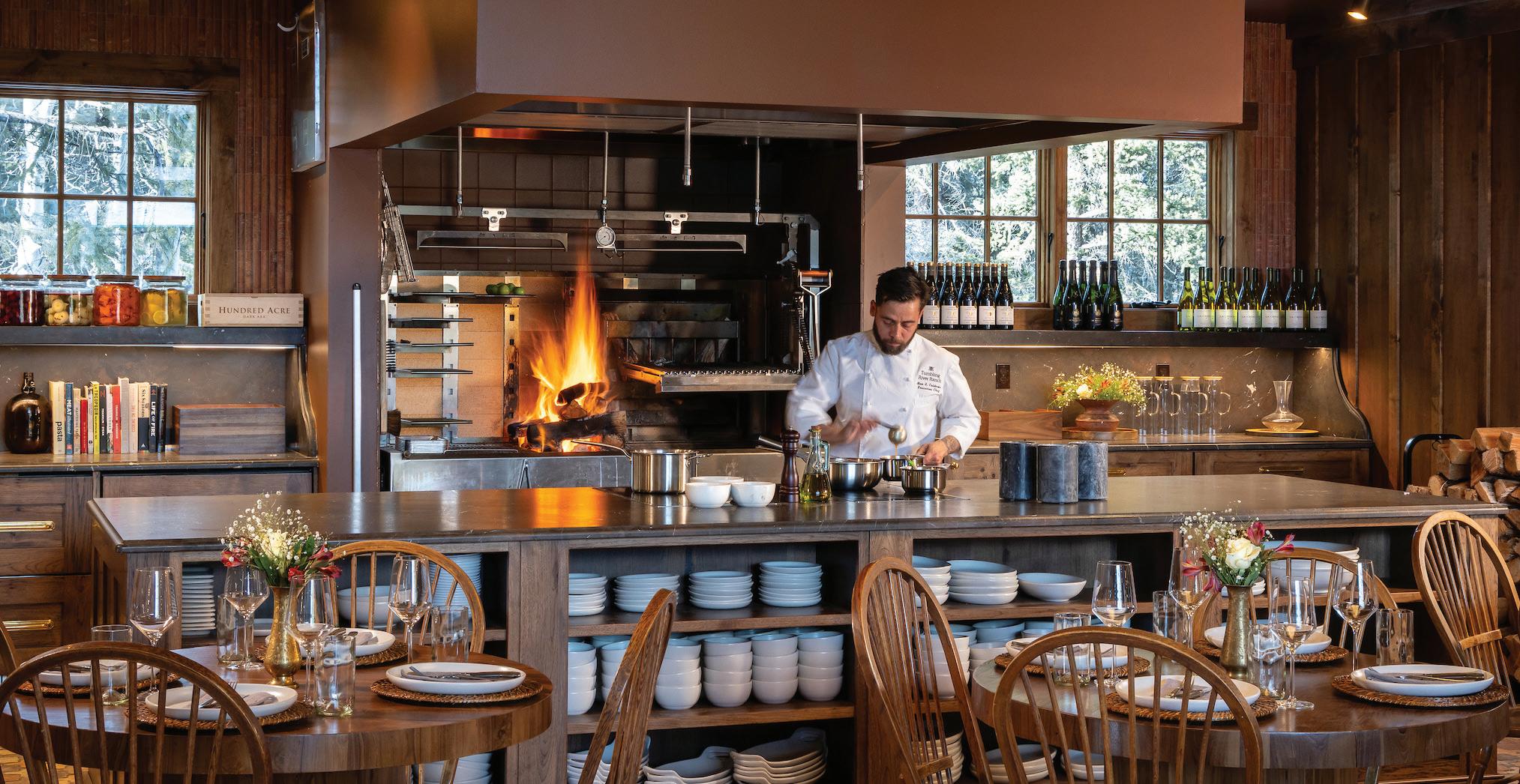
Located in Grant within Pike National Forest, Tumbling River Ranch has been a longtime haven for adventure, and it reopened in February after a two-year, $8 million renovation. Tumbling River added a lodge with a dining room, bar and lounge overlooking Geneva Creek, and an activities room. The ranch created five new guest rooms by repurposing existing buildings, and upgraded 16 existing rooms, including cabins and a four-bedroom ranch house. tumblingriver.com
A LOVE NOTE TO ITALY
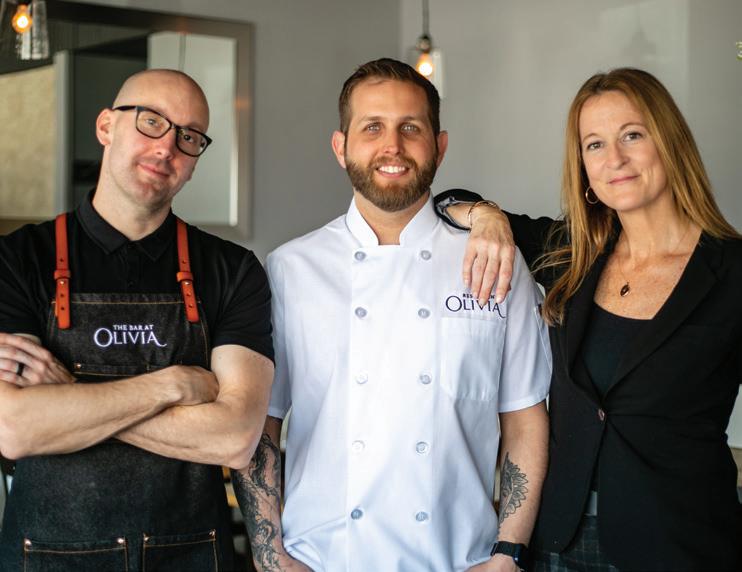
The team behind Michelinrecommended Restaurant Olivia in Denver opened their newest concept, Dear Emilia, in Denver’s RiNo Art District on Jan. 29. Dear Emilia is the three co-owners’ love letter to Italy’s Emilia-Romagna region, widely considered the agricultural heart of northern Italy. Chef Ty Leon, Bar Director Austin Carson, and Hospitality Director Heather Morrison have traveled to EmiliaRomagna together for years, forming lasting relationships with producers and falling in love with the region’s generosity and artistry.
Dear Emilia honors those connections by working with these trusted Italian purveyors, as well as growers and makers around Colorado, the
Mountain West, and the globe who share the team’s commitment to sustainability and responsible stewardship. The culinary experience unfolds inside a 3,700-square-foot space that includes seating for 88 people, a private dining room for up to 22, and six-seat chef’s counter. The 10-seat patio also is available. emiliadenver.com
Tumbling River Ranch in Grant
Tomonori Washizuka, Eduardo Kina, Nicole Marsh, Chris Starkey, Adriane Hodder, and Leslie Servantez
Dear Emilia’s Austin Carson, Ty Leon, and Heather Morrison
COLE OPENS SECOND DENVER RESTAURANT
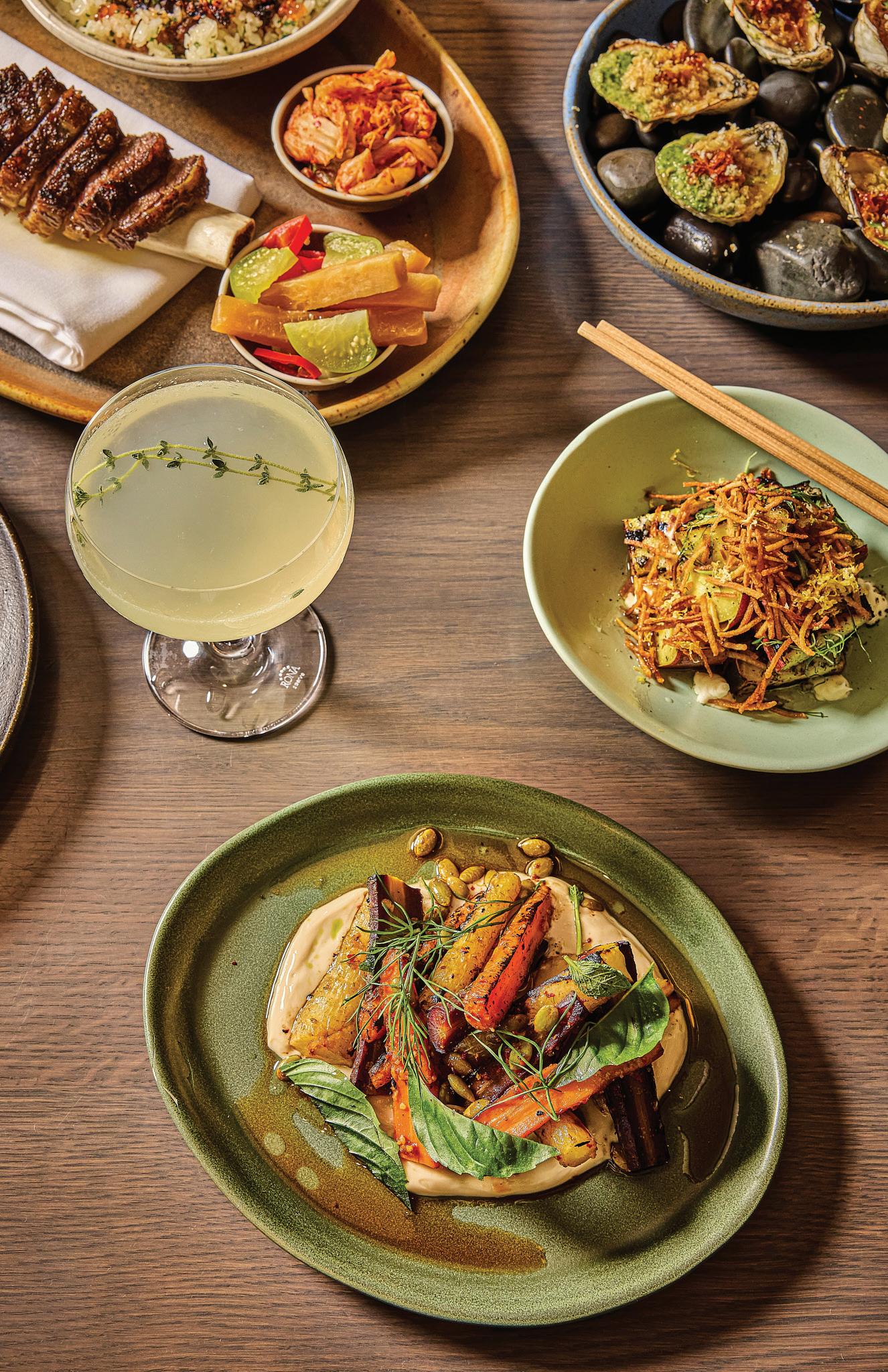
» JAMES BEARD AWARD-WINNING Chef Tyson Cole opened Uchiko Cherry Creek on Feb. 17 in Denver’s Cherry Creek North neighborhood. Uchiko, which can translate to “child of Uchi” in Japanese (Uchi is the name of its parent restaurant), pairs smoke and char with clean Japanese flavors across hot and cold dishes. Diners indulge in hearth-grilled plates like oysters with koji creamed spinach, post oak-grilled sea bass with brown butter dashi, and fourtimes-seared Denver steak, alongside fresh fish flown in daily and shareable dishes like the softshell crab roll and roasted lobster with umeboshi butter. The sumptuous flavors extend to a distinctive bar program featuring craft cocktails, a curated list of Japanese whisky and sake, and an extensive wine list.
Located in the former Ginny Williams Gallery at 299 Fillmore St., Uchiko Cherry Creek honors the legacy of the noted Denver art collector and philanthropist Ginny Williams through rotating art installations that preserve the location’s artistic roots. A 14-seat public dining room and the 14-chair sushi bar provide memorable options for smaller groups. uchiko.uchirestaurants.com
Japanese-inspired plates
Come together with room to Roam
Just one hour from Denver International Airport sits the walkable, charming downtown of Fort Collins. Event venues for every style and size of group make meeting a breeze. Then, you’re free to explore delicious restaurants, inventive breweries and outdoor fun in the Rocky Mountains.
at Uchiko Cherry Creek
MIC Conference Rebrands
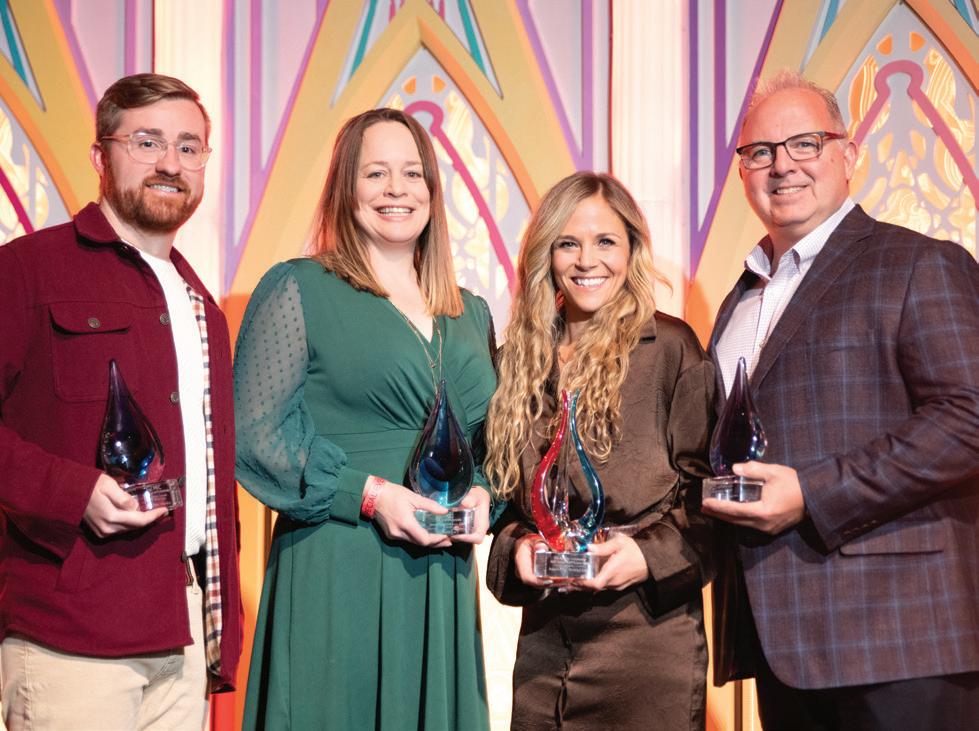
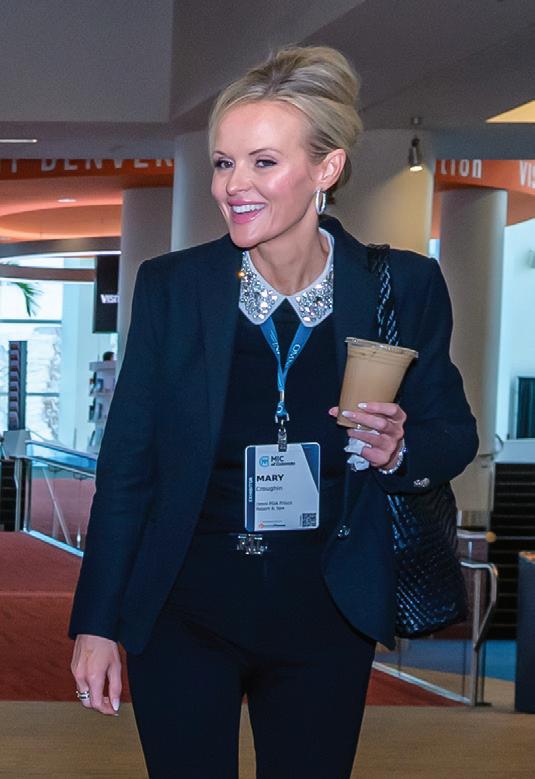
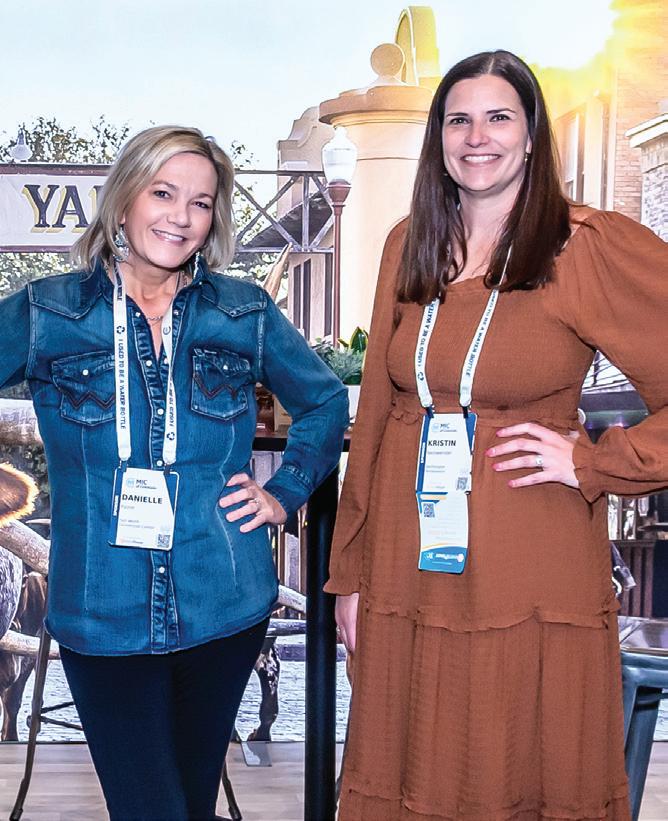
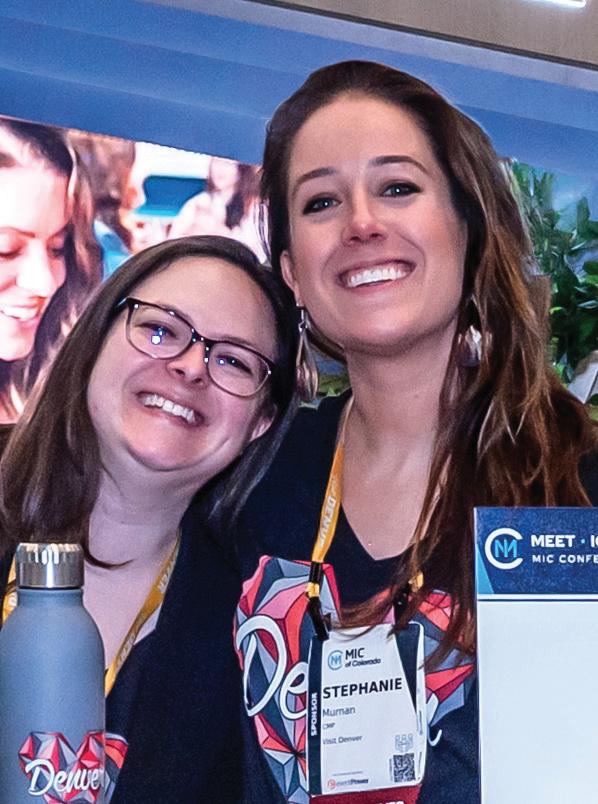
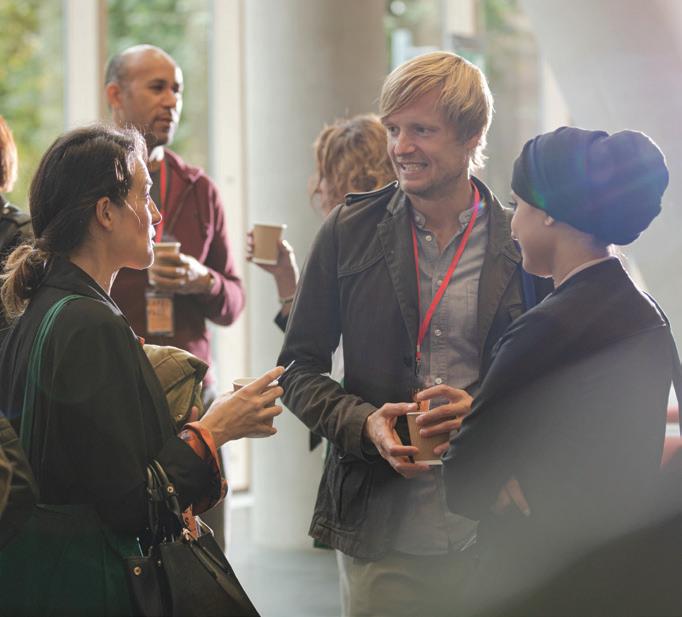
There is a new name for the Meetings Industry Council (MIC) of Colorado Educational Conference & Trade Show, which boils it down to one word: Converge. The name reflects the collaboration that defines MIC— planners, suppliers, leaders, emerging professionals, ideas, and innovation all coming together. More than 1,000 meeting and event professionals attended this year’s Converge, held March 12-13 at Denver’s Colorado Convention Center with educational sessions, national speakers, networking events, and an exhibit hall. MIC of Colorado’s Ignite Awards, held on March 11 at Meow Wolf Denver, also was new this year and honored outstanding community contributions. Save the date for the next Converge event, taking place March 30-31, 2027.
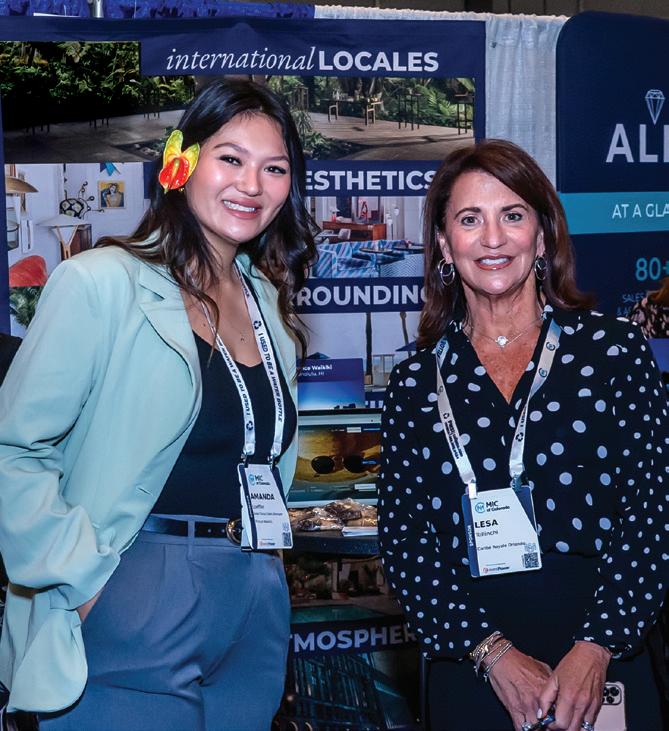
1. Amanda Loeffler and Lesa Tollinchi 2. John Moritz, Lauren Lacey, Angela “Fig” Wirkler, and Jeff D’Entremont
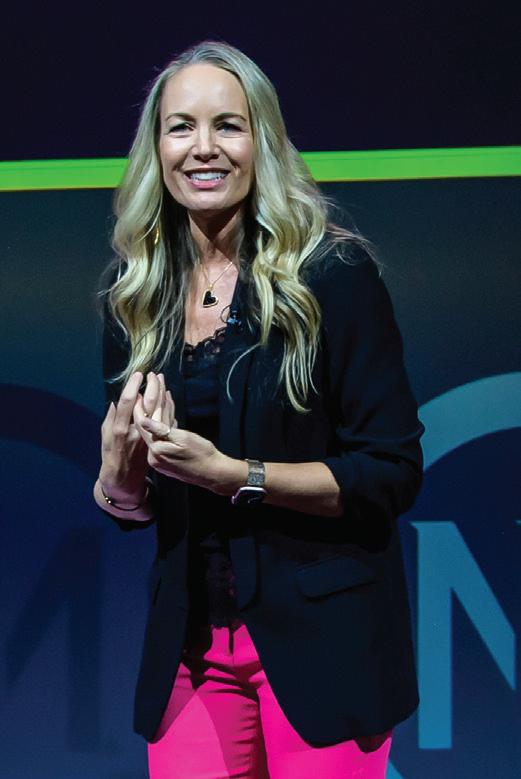
3. Opening keynote speaker Shasta Nelson 4. Mary Croughin
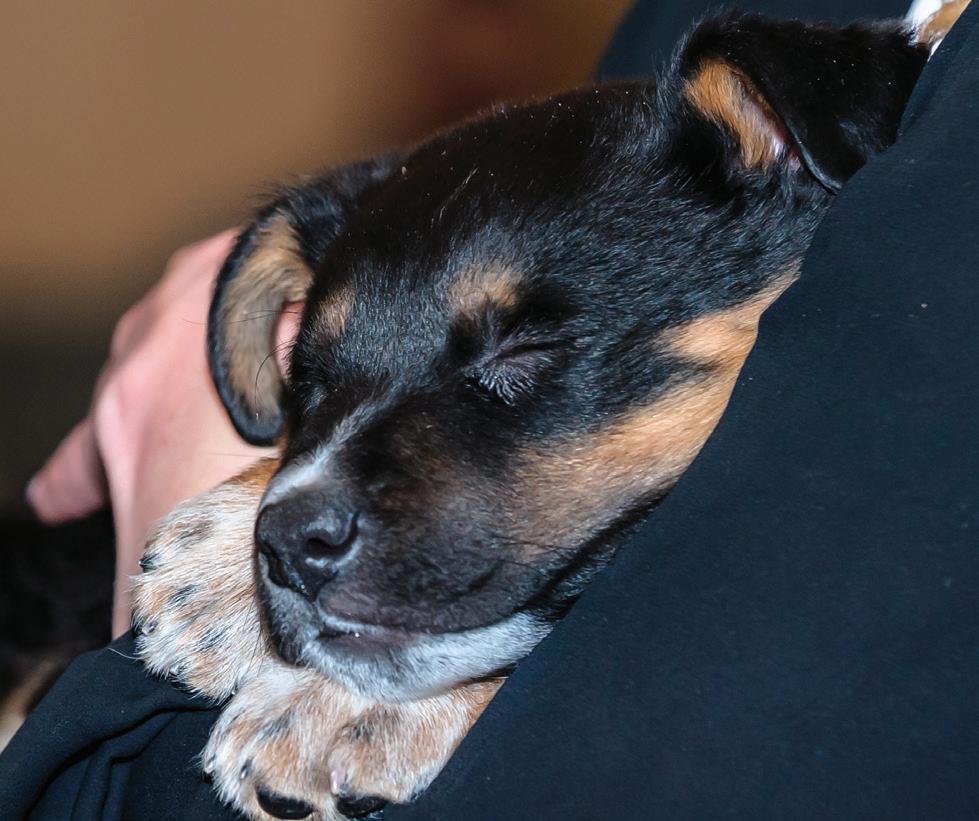
5. Sammy Bianchi and Stephanie Murman 6. Danielle Paine and Kristin Neiswender 7. Puppy cuddling at the Accor booth
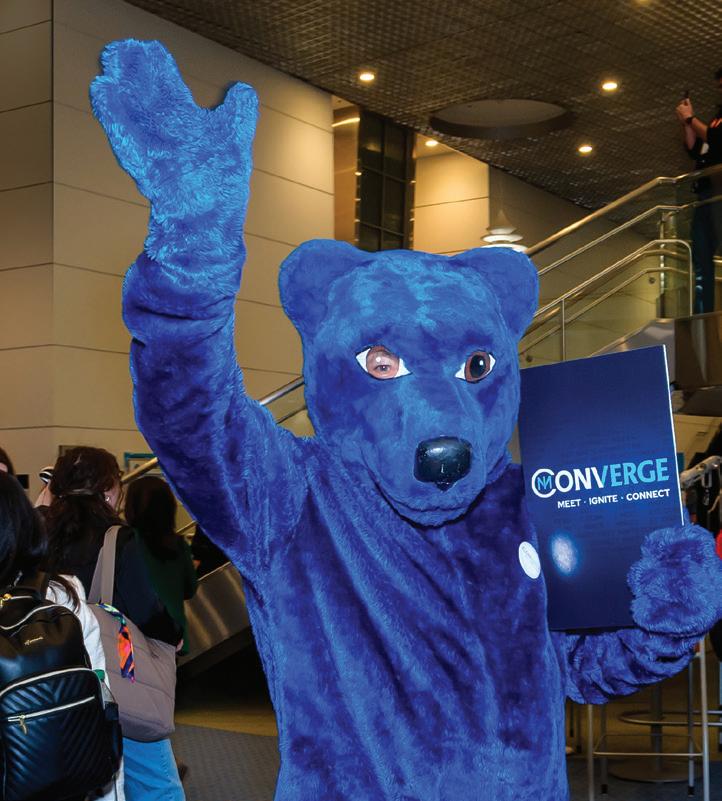
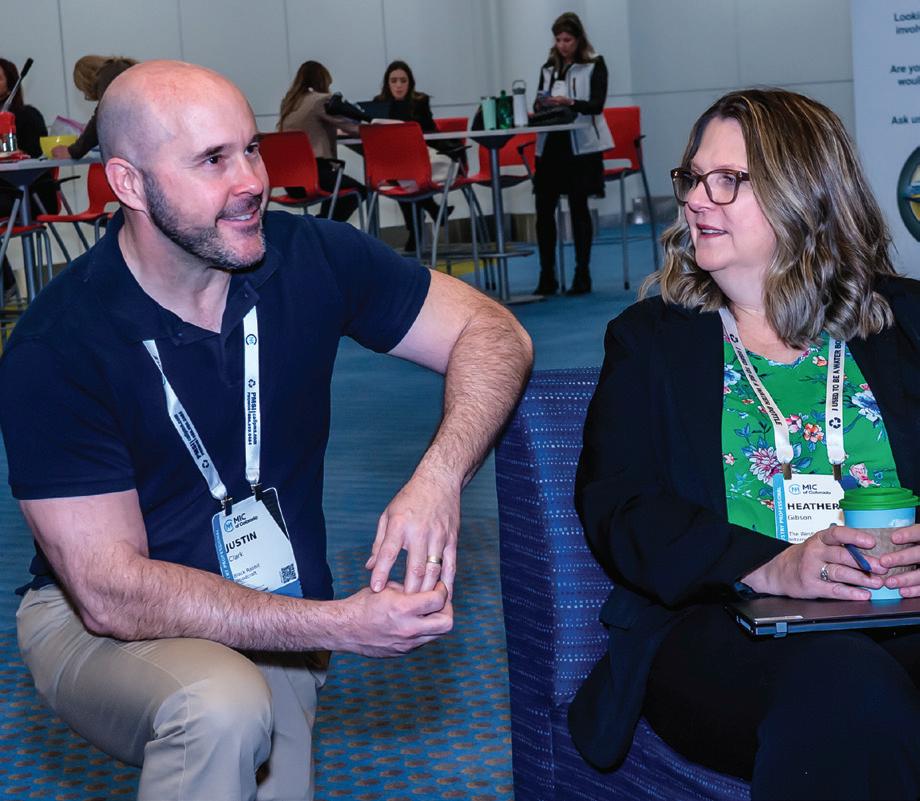
8. Colorado Convention Center’s blue bear mascot 9. Justin Clark and Heather Gibson
To have your meeting or event photos featured, contact bbuehler@greenspring.com
New South Metro Venue
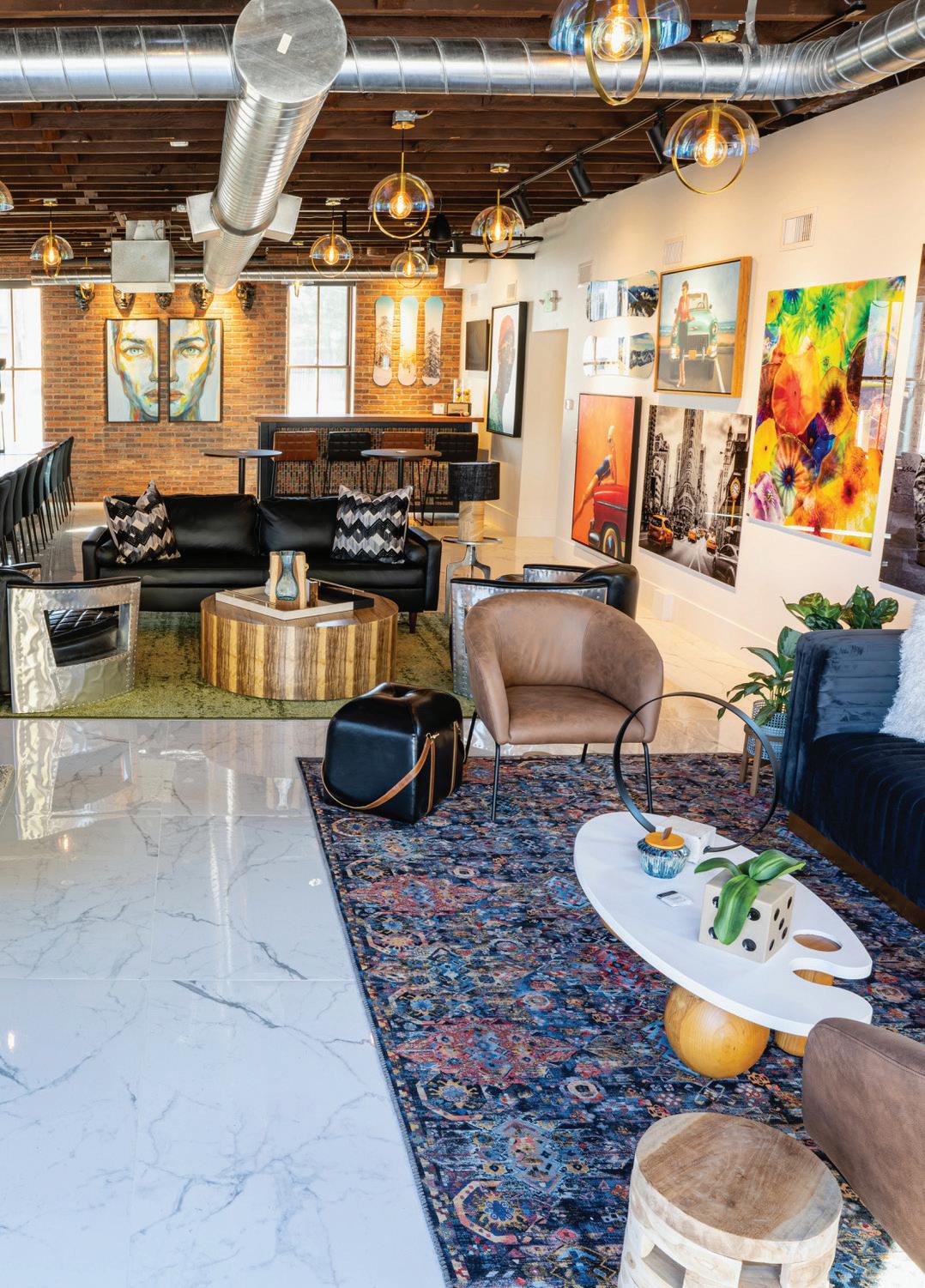
Creative Littleton is more than an event venue—it’s a continuation of a story over 120 years in the making. Located in the heart of downtown Littleton, the historic building has long served as a place where people come together. Today, that legacy lives on with renewed purpose.
Opened in 2024, Creative Littleton transforms the space into a vibrant, thoughtfully curated environment filled with art and distinctive furnishings. The moment attendees walk through the door, they’re met with an energy that feels both elevated and welcoming, a balance that sets Creative Littleton apart from traditional venues.
While the meeting and event space lends itself to a wide range of gatherings, there is a growing focus on off-site meetings, networking events, and client-appreciation experiences. The Creative Littleton team works closely with clients to bring their visions to life, offering as much support as needed to ensure each host feels confident and celebrated.
Rooted in history and community, Creative Littleton embraces sustainability by preserving and reimagining an existing space. The venue also encourages collaboration with area vendors, creating events that not only look good but do good, supporting the community it proudly calls home.
Building a Bold Future
Brad Buchanan leads the transformation of Denver’s National Western Center
BY BETH BUEHLER
Few development projects in Denver carry the scale, history, and ambition of the National Western Center.
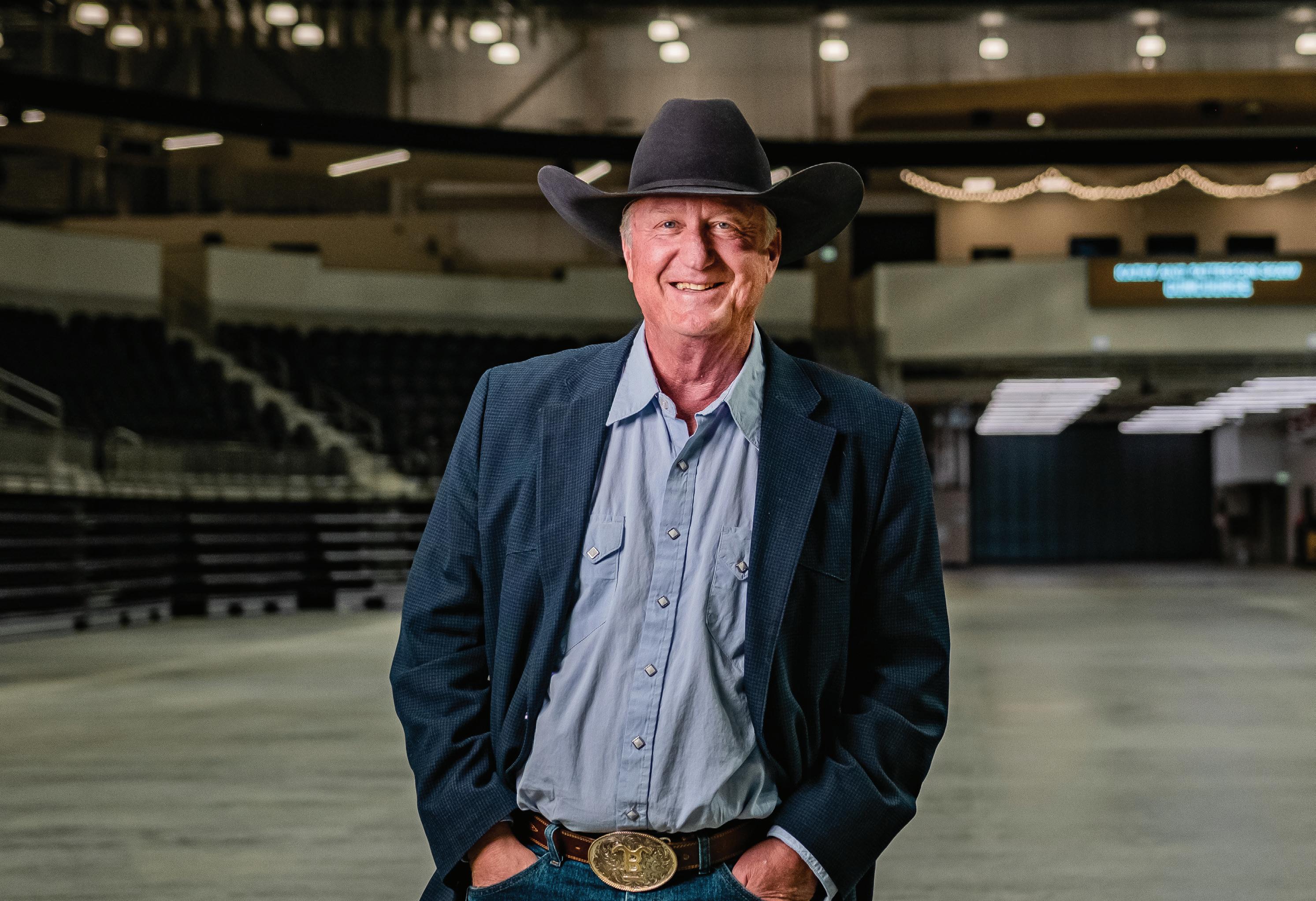
At the helm is Brad Buchanan, CEO of the National Western Center Authority, who, since 2018, has guided the evolution of the historic stockyards into a 250-acre campus for culture, entertainment, education, and agribusiness.
Buchanan’s path to leading the authority blends his experience as an architect and city planner with his personal connections to ranching. He studied environmental design and worked as an architect until he was appointed executive director of Denver Community Planning and Development with the City and County of Denver. These experiences proved invaluable upon stepping into his current role as the CEO of the National Western Center Authority, which is responsible for programming, operations, and maintenance of the campus.
Since 2018, the City and County of Denver has added more than 800,000 square feet of additional facilities on the National Western Center campus, and another 500,000 square feet are in the design process this year. As a result, the campus is quickly becoming an attractive new indoor and outdoor venue option.
“We are adjacent to the South Platte River with 6 acres of open space that are scenic, beautiful, wild, and alive,” Buchanan notes.
The 48,000-square-foot Stockyards Event Center opened in 2022 and features an expo hall, arena, and auditorium. The 350,000-square-foot Livestock Center debuted this January during the 120th anniversary of the National Western Stock Show, which draws some 750,000 attendees. The Livestock Center includes CoBank Arena, an expo hall, a banquet hall, and a 10,400-squarefoot “flex space” with bleacher seating and a video wall.
The two buildings are within a short walking distance of available outdoor spaces and partners’ bookable venues, including Colorado State University Spur’s Hydro, Terra, and Vida buildings and National Western Stock Show’s The Legacy building. Looking ahead, plans include breaking ground for a roughly 400,000-square-foot equestrian center that includes a 700stall barn and an adjacent 160-room hotel, both of which are slated for completion in 2028.
For Buchanan—who also raises both Angus and crossbred Wagyu/Angus cattle with his family at Flying B Bar Ranch in Strasburg—the project reflects both his professional expertise and personal passions. “My whole crazy career has been leading to this very moment,” he says. “I am so blessed to have spent eight years working on this project, especially after developing the master plan for the venue in my prior job.” nationalwesterncenter.com
PHOTO Bruce Tetsuya
Brad Buchanan at the National Western Center’s CoBank Arena