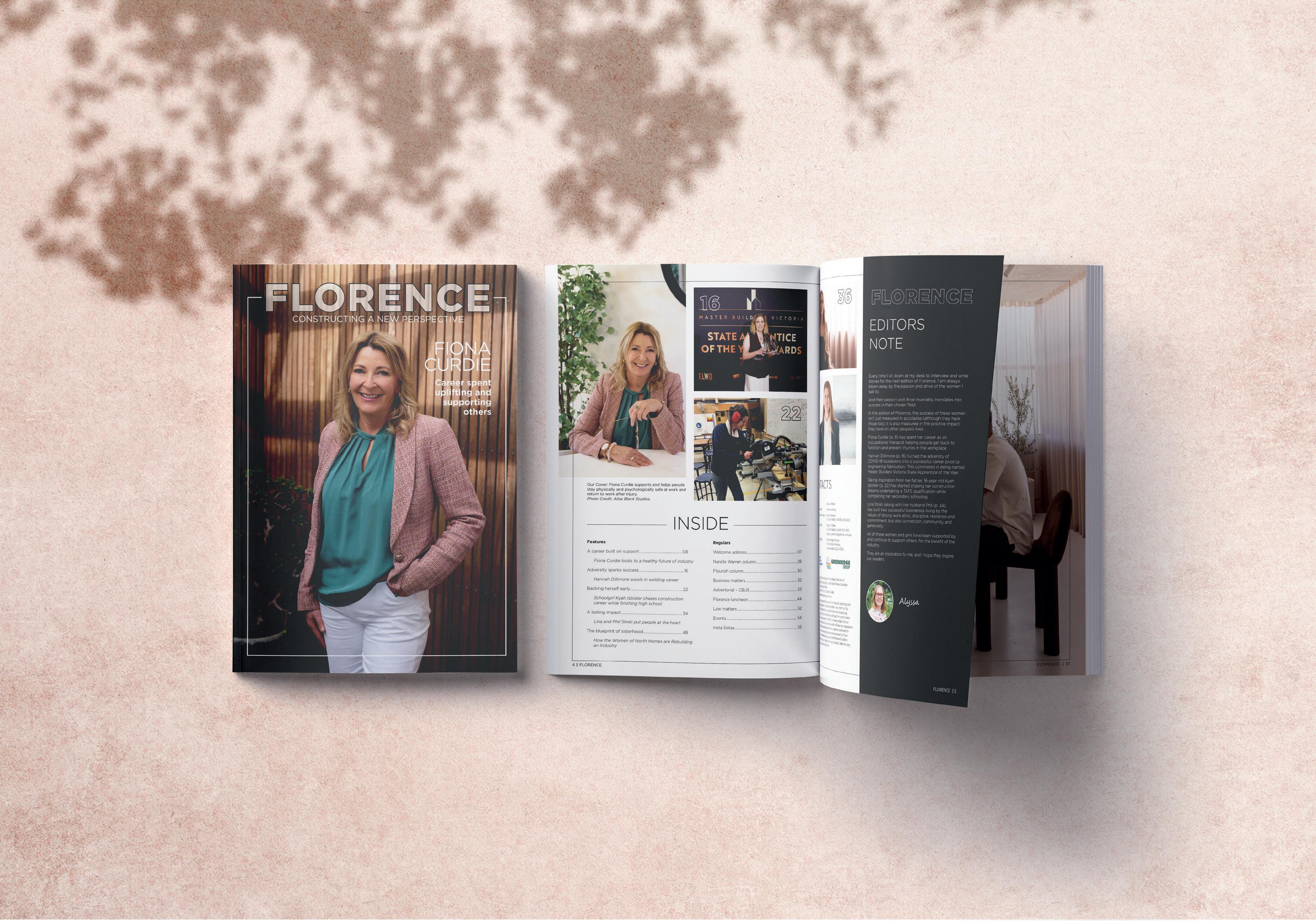
CONSTRUCTING A NEW PERSPECTIVE
CONSTRUCTING A NEW PERSPECTIVE
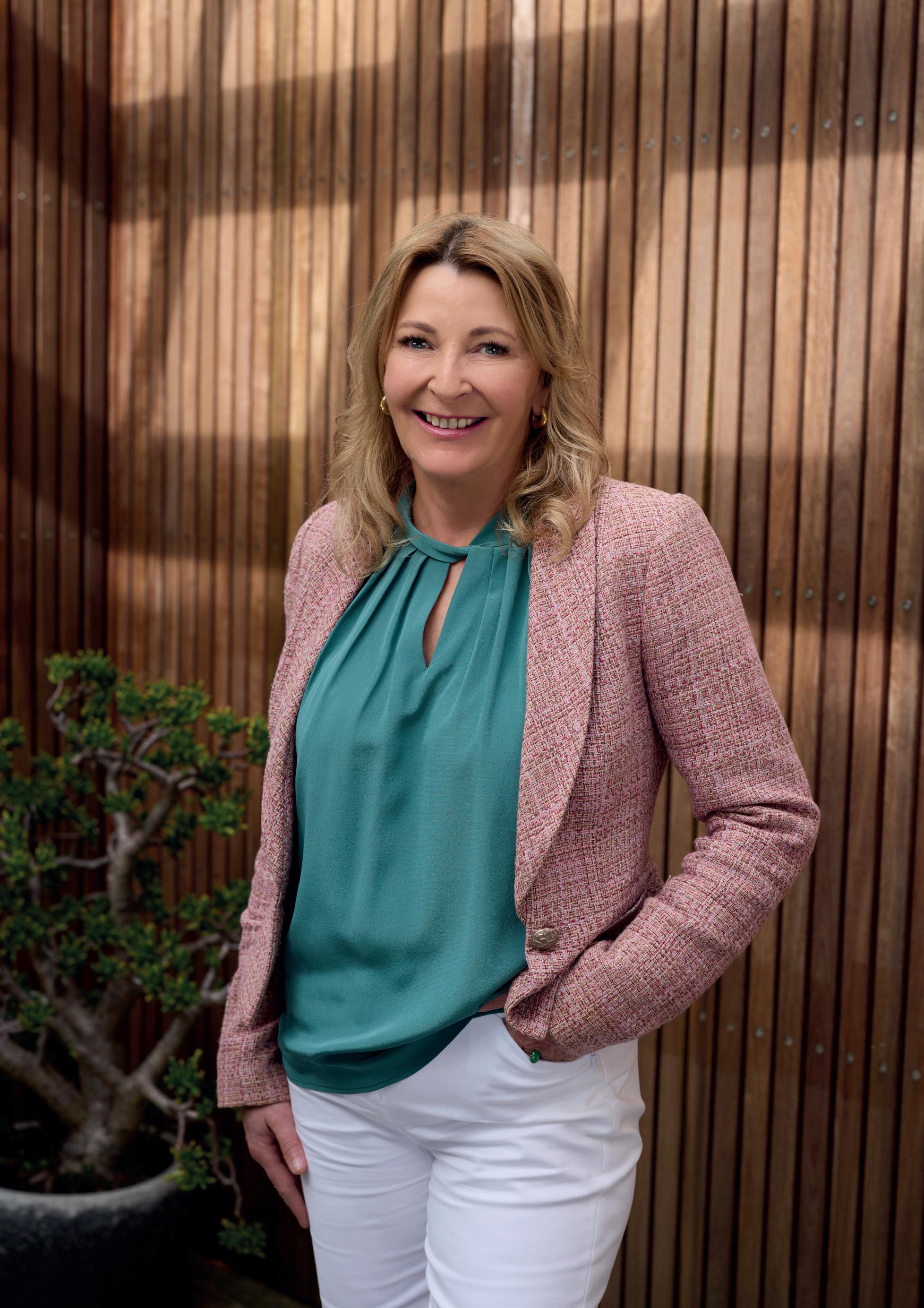
Career spent uplifting and supporting others



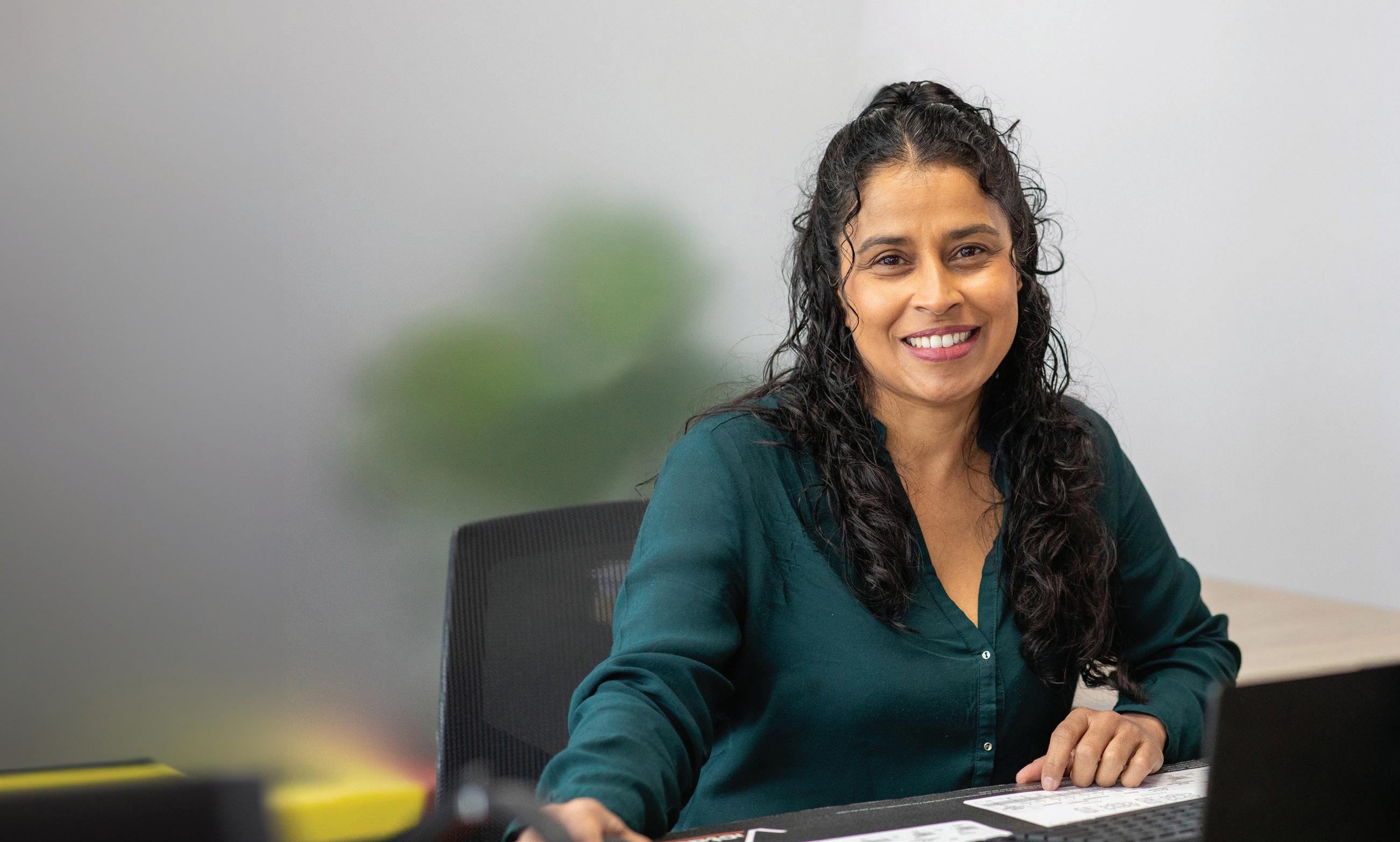
Elaine
M: 0474 180 377
E: elaine.lawler@cbussuper.com.au
Alvin D’Souza
M: 0459 770 247
E: alvin.dsouza@cbussuper.com.au

Chintan
M: 0455 153 442
E: chintan.desai@cbussuper.com.au
Sharlene Jamieson Senior Employer Engagement Manager, NSW
M: 0417 167 313
E: sharlene.jamieson@cbussuper.com.au
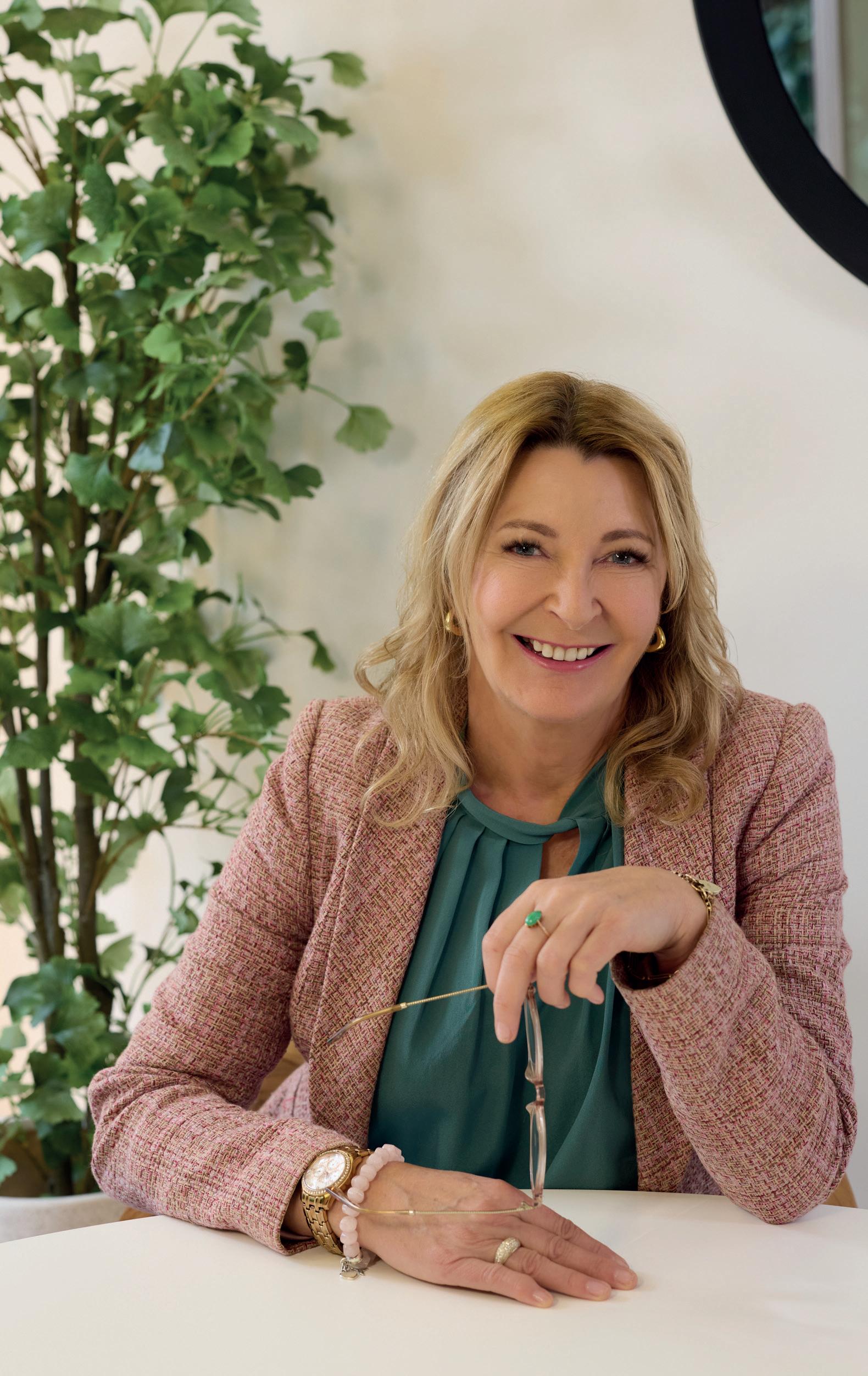
Editor: Alyssa Welke
Editorial Coordinator: Amanda Kelly
Custom Publishing Manager: Kyal Osborne 07 4659 1444 | 0438 425 669
Advertising enquiries: Roger O’Brien 07 4659 1444 | 0419 707 450 roger@greenridgepress.com.au
Designed & Printed by: Greenridge Group, 4 Freighter Avenue, Toowoomba QLD 4350
Greenridge Group is the exclusive Publishing Partner of Florence magazine, in conjunction with the Master Builders Association of New South Wales.
ABN: 97 056 269 713. Ph: (07) 4659 1444
Website: www.greenridgegroup.com.au
This publication is copyright. No part of it may be reproduced, stored in a retrieval system or transmitted in any form or by any means including electronic, mechanical, microcopying, photocopying, recording or otherwise without the permission of Master Builders Association of NSW or Greenridge Group.
Disclaimer: The information contained within Florence magazine is given in good faith and obtained from sources believed to be accurate. The views expressed are not necessarily those of the publisher. Greenridge Group and the Master Builders Association of New South Wales will not be held liable for any opinion or advice contained herein.
Every time I sit down at my desk to interview and write stories for the next edition of Florence, I am always blown away by the passion and drive of the women I talk to.
And their passion and drive invariably translates into success in their chosen field.
In this edition of Florence, the success of these women isn’t just measured in accolades (although they have those too), it is also measured in the positive impact they have on other people’s lives.
Fiona Curdie (p. 8) has spent her career as an occupational therapist helping people get back to function and prevent injuries in the workplace.
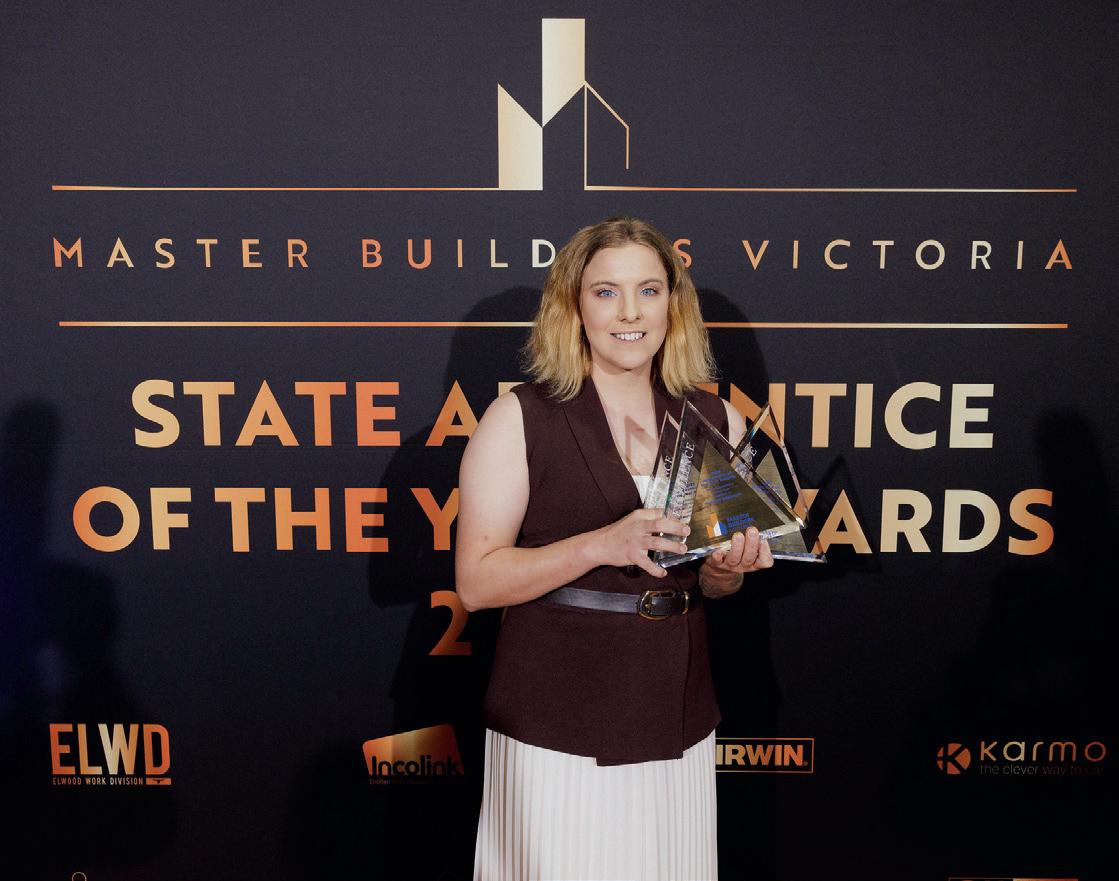
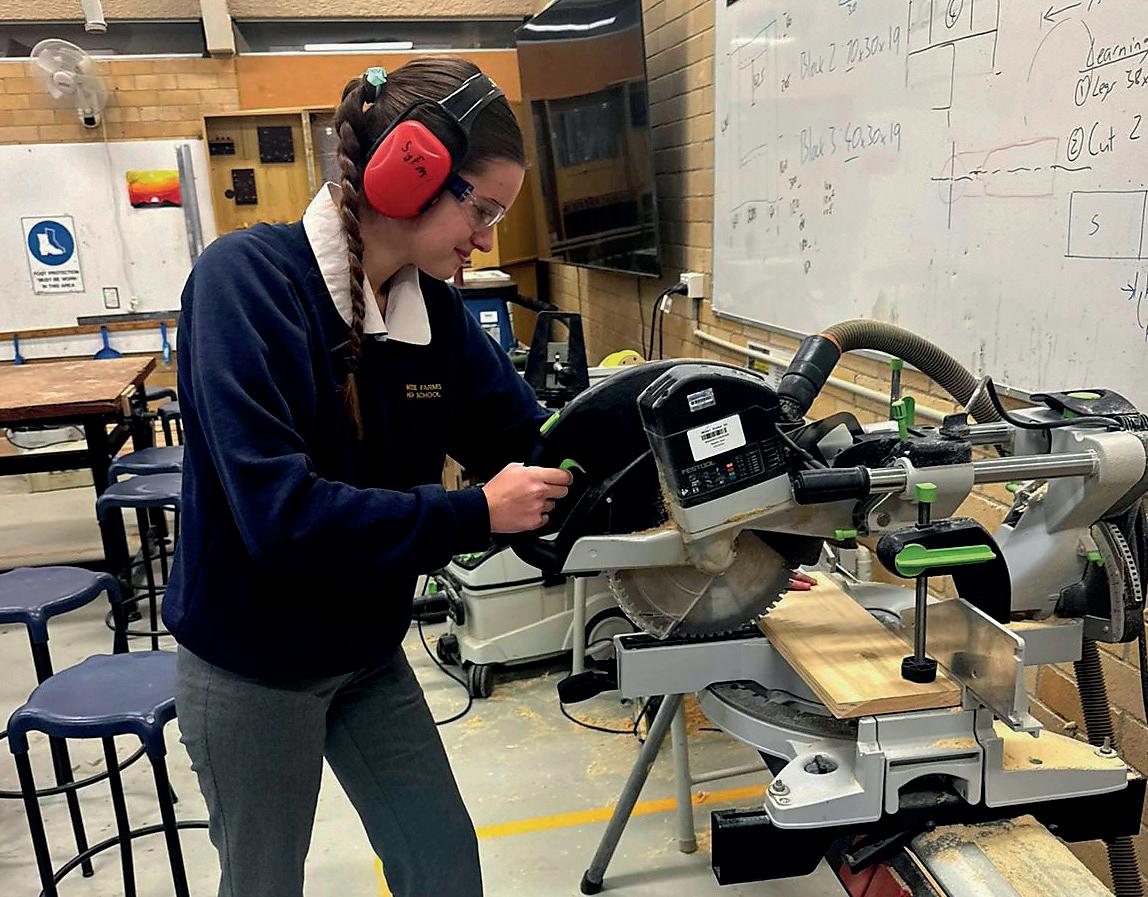
Hannah Dillimore (p. 16) turned the adversity of COVID-19 lockdowns into a successful career pivot to engineering fabrication. This culminated in being named Master Builders Victoria State Apprentice of the Year. Taking inspiration from her father, 16-year-old Kyah Isbister (p. 22) has started chasing her construction dreams undertaking a TAFE qualification while completing her secondary schooling.
Lina Strati (along with her husband Phil (p. 34), has built two successful businesses living by the values of strong work ethic, discipline, resilience and commitment, but also connection, community, and generosity.
All of these women and girls have been supported by, and continue to support others, for the benefit of the industry.
They are an inspiration to me, and I hope they inspire our readers.
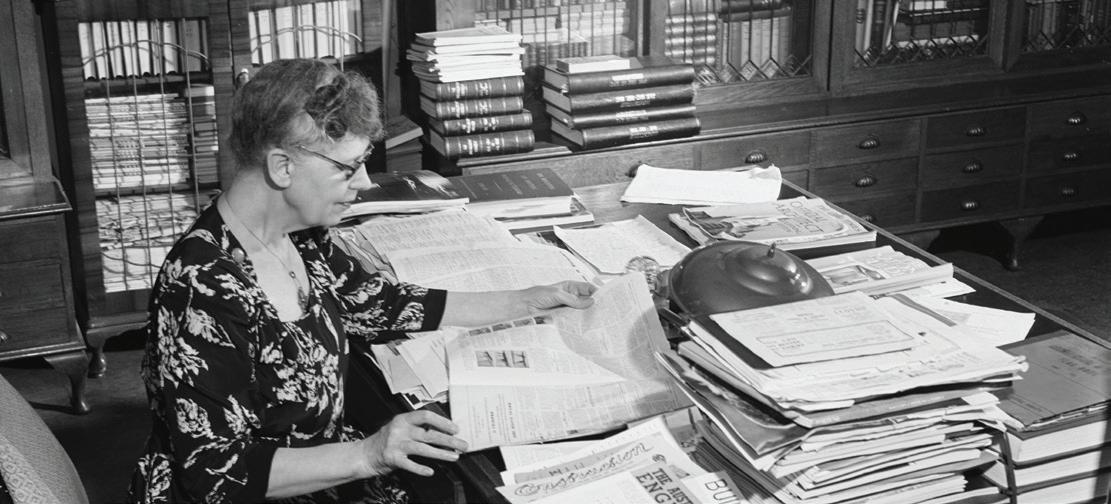
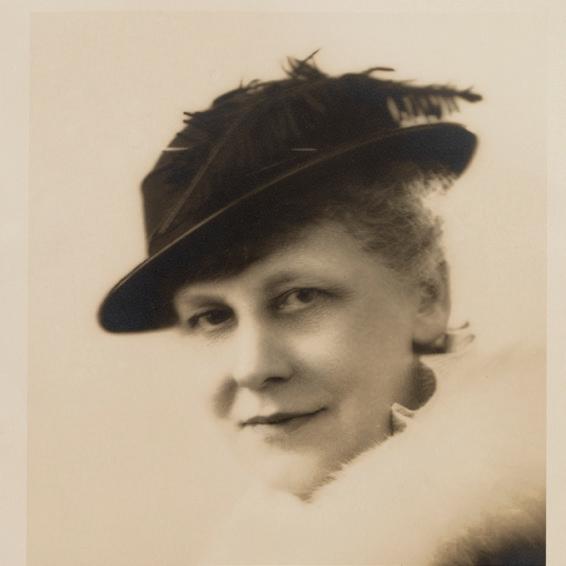
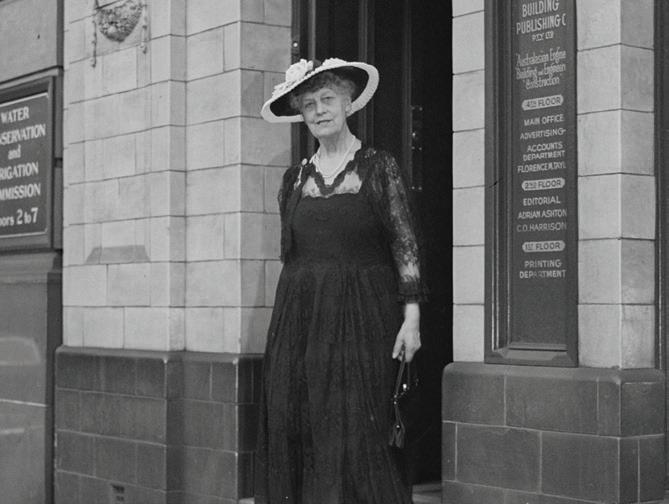
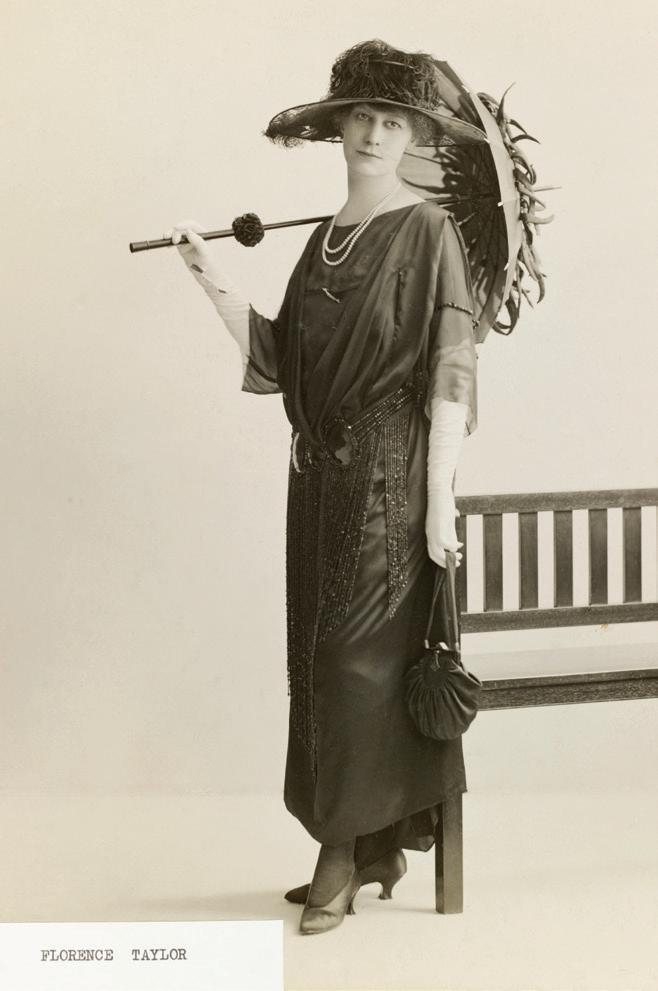
Florence Taylor was a pioneer of women in the construction industry and her legacy is still being felt.
As an architect and publisher, Florence believed in the notion that “a woman to marry, get into the confines of the home and never be articulate in public affairs is a disgrace” and her achievements in the male-dominated architectural industry proves that.
She was known for her energy, determination and outspoken nature, a nature which distinguished her well throughout her colourful career, first as a draftsman and ultimately as a publisher of trade journals.
She was widely respected, even if her questions and criticisms irritated some of her professional colleagues.
Her achievements within both of her fields had an indelible impact on the public acceptance of women in the professions.
She was a tall, striking woman and blue eyes, and was known for dressing (even in the 1930s) in long sweeping skirts and a picture hat decorated with ostrich feathers.
She was born on December 29, 1879, at Bedminster, Somerset, England, and was the eldest daughter of John and Eliza Parsons.
The family immigrated to Australia in 1884, and her father worked in the sewerage construction branch of the Department of Public Works. This gave Florence her first taste of the construction industry, as she assisted her father with his engineering calculations.
It was her father’s death in 1899 that pushed Florence into the architectural industry when she became a draftsman to support her family.
She learned her trade under architect Edmund Skelton Garton, and simultaneously attendee night classes at Sydney Technical College
unit 1904; during her time with Garton’s office she was promoted to chief draftsman.
Once she completed her training she became chief draftsman to J.B. Clamp, who nominated her in 1907 for associate membership of the Architects of New South Wales. Despite his defence of her talent (she “could design a place while an ordinary draftsman would be sharpening his pencil””, the nomination was defeated.
But this did nothing to deter Florence from thriving in the practice of designing homes; it wasn’t until 1920 that Florence was invited to join the Institute of Architects, which she accepted.
On April 3, 1907, Florence married George Augustine Taylor. Florence and her husband were founding members of the Town Planning Association of New South Wales in 1913, and she was its secretary for many years.
Together they started the Building Publishing Co. Ltd, which produced trade journals, three of which Florence edited: Harmony, Young Australia and the Australian (later Commonwealth) Home.
Through their journals they campaigned for urban planning, improved construction methods and better materials; they also promoted the interests of engineers, architects, and builders.
When George died suddenly in 1928, Florence was determined to carry on their business and although eight of the 11 journals they published were forced to cease, she maintained Building (later Building, Lighting and Engineering) (1907-72), Construction (1908-74) and the Australasian Engineer (1915-73) and edited them herself.
She continued to produce town planning schemes but relied on other so draw them as she was unable to spare time from publishing.
Photo Credit: Mitchell Library, State Library of New South Wales and Courtesy ACP Magazines Ltd.
AMANDA KELLY, AWARDS AND EVENTS MANAGER, MASTER BUILDERS ASSOCIATION OF NSW
Writer and philosophical thinker Robert G. Ingersoll is often credited with saying, “We rise by lifting others.”
It may sound like the kind of line you would find on an inspirational poster, but there is a quiet truth at its heart.
When we help others reach their potential, we are often lifted in return.
Whether we are helping someone build new skills, recover from illness or injury, retrain after a career change, or simply offering a friendly face, every act of support helps strengthen the building and construction community we share.
We are made for connection, and because so much of our lives are spent at work, the communities we create there can shape not only how we work, but how we feel while doing it.
In this edition of Florence, we hear from women who have lifted others up, and from those whose paths have been made a little lighter by the
support of colleagues and mentors.
Across these conversations runs a common thread: pride, accomplishment and a shared desire to continue the legacy of lifting others.
At the heart of their stories is the difference it makes when people feel seen, valued and cared for.
Support does not always need to be loud or highly visible. Sometimes it is quiet encouragement, patient guidance for an apprentice, or a practical plan that helps someone find a way through.
And when support does need to be visible, it takes courage to stand up for what is right - to advocate for those still finding their footing, or for those who may not yet feel able to speak for themselves.
That courage can remind people facing adversity that they do not have to carry it alone.
And when people know they are not alone, so much more becomes possible.

ALYSSA WELKE
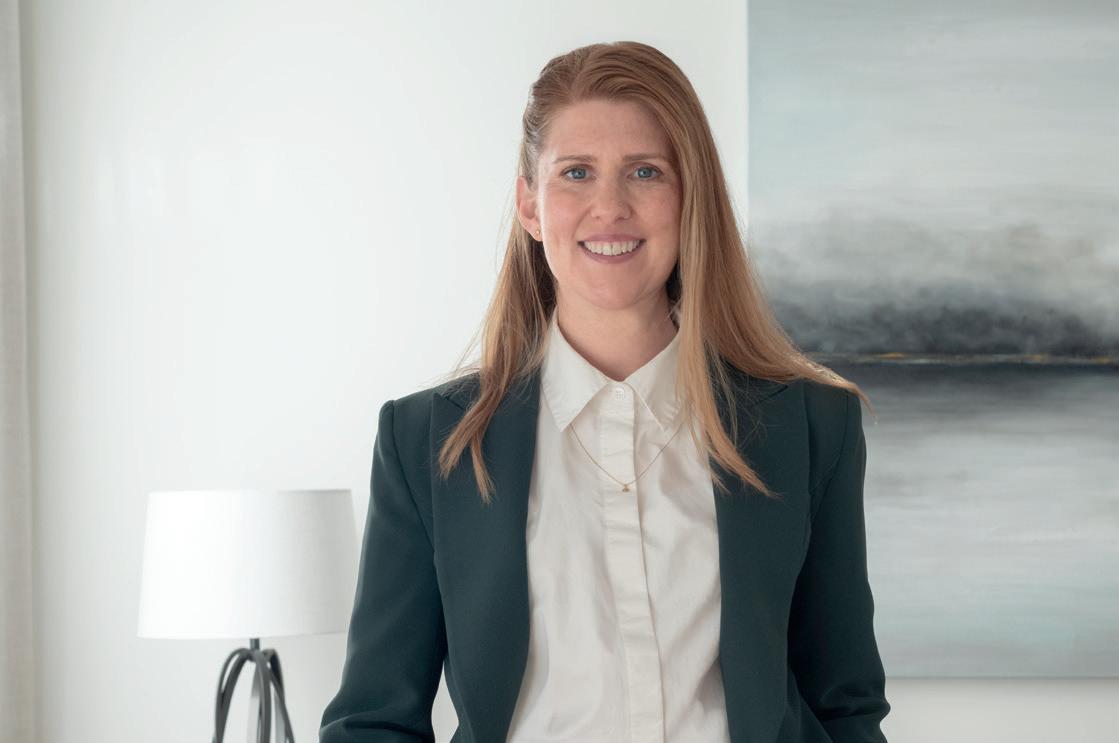
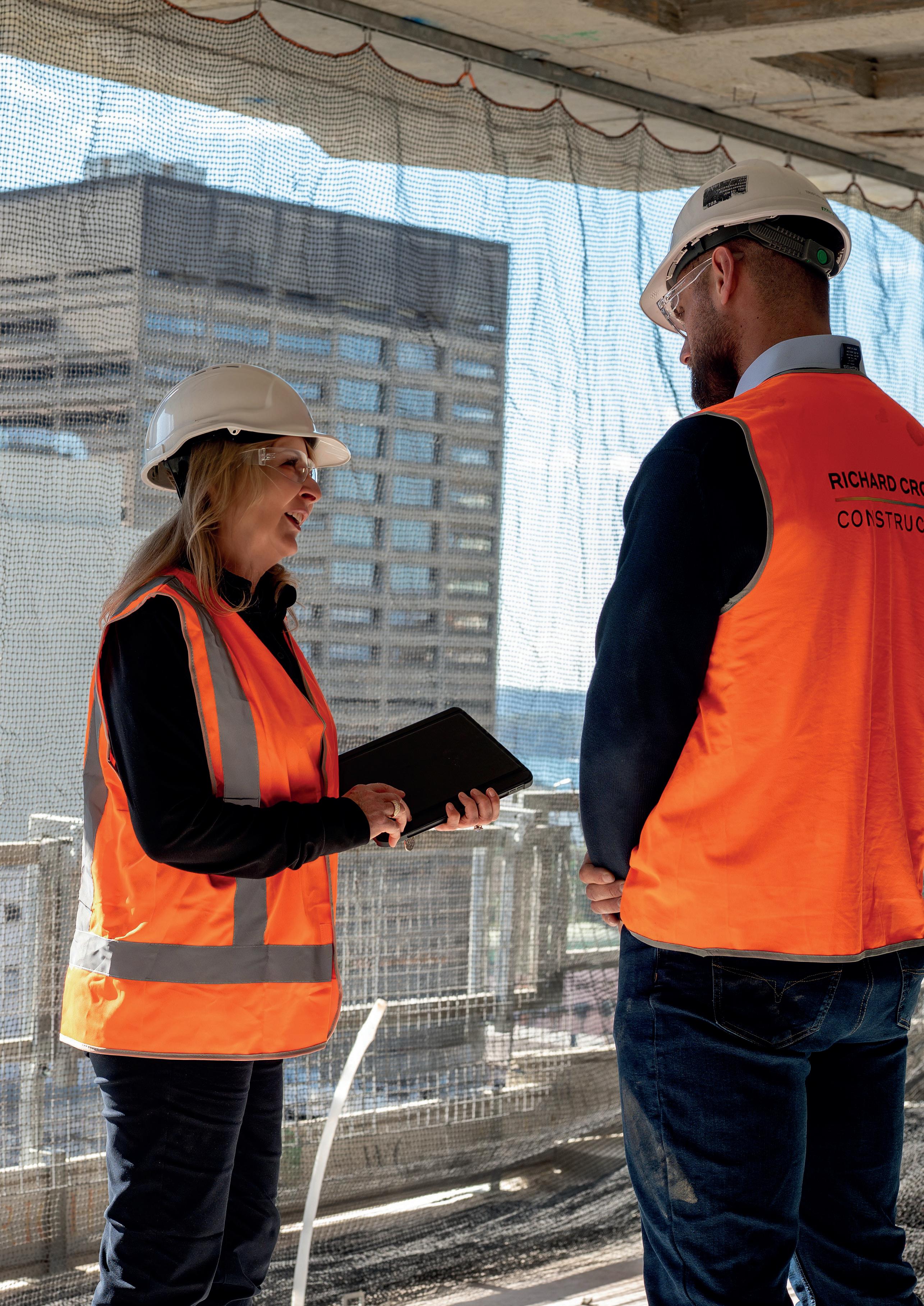
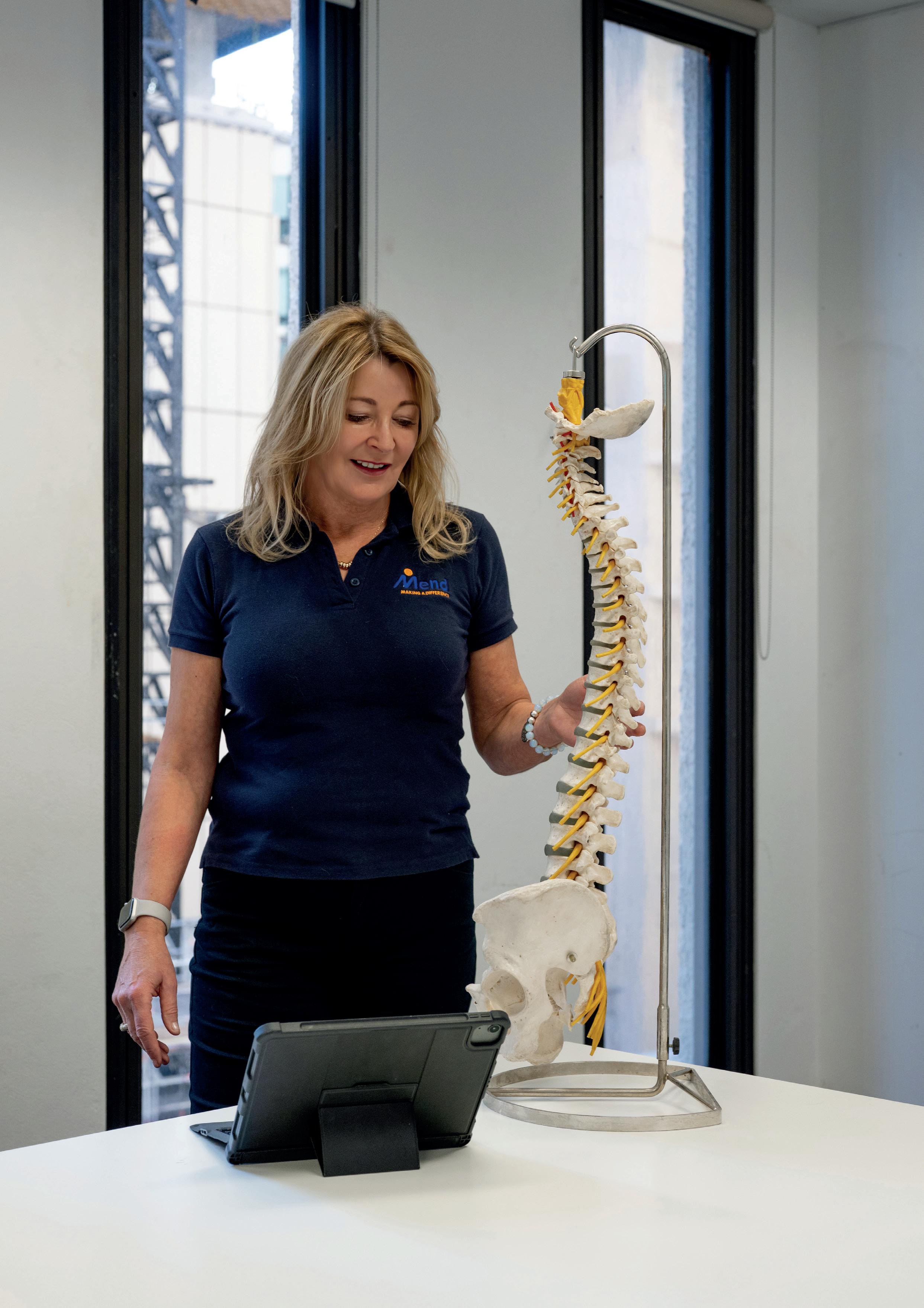
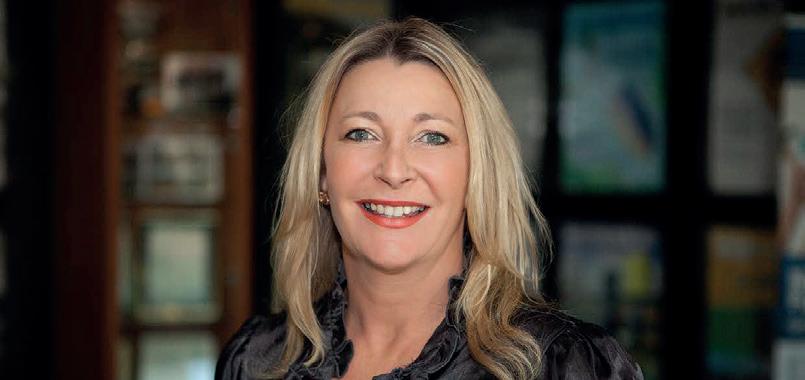
People are the backbone of the building and construction industry, and for Fiona Curdie supporting and helping people stay physically and psychologically safe at work and returning to work after injury isn’t just a job it is a vocation.
As managing director of Mend Services and an occupational therapist, she has been instrumental in pushing change and improvement in workplace health and safety in the construction industry.
Fiona is no stranger to running her own business having set up her first occupational therapy clinic at the age of 26 before joining the Mend Services team in 2002.
As an occupational therapist, Fiona has seen people in their most challenging moments.
“An occupational therapist is part of the allied health professionals, and we have a unique role in the sense that we assist people to get back to function,” she said.
“We have a holistic approach, whether it be at work, school, in the home or community supporting a person to return to their function.
This can include self-care like showering, completing everyday tasks, using a different strategy, modifying their home or provide equipment after any type of injury
“Part of our role in rehabilitation is to actually help people get back to work.”
And across her more than two decades of working at Mend Services, Fiona has assisted countless people to improve their quality of life.
Mend believes people are the key to a successful business, and it’s through people that they can make a positive difference.
The services support both businesses and individuals to achieve through their dedicated team. By really listening, they can identify healthcare needs and tailor services, whether it is for a small or national business.
“We have two roles; one is prevention, promoting health, and the other is actually looking after someone who has an injury or has been in an accident. We can then support them to get back to work,” she said.
“In the construction industry, 46% of injuries are musculoskeletal.
As you can understand, it’s heavy work. These physical injuries are physically less demanding , and we can help with back injuries, shoulder injuries and broken bones. We also managed injuries from falls and head injuries.
“One of the up-and-coming issues we have now is mental health; we’ve been working very strongly with businesses to implement their psychosocial risk management and processes, so that they can ensure (the safety) of their greatest asset - their people.
“The construction industry is dangerous, it is high risk, we still attend to fatalities and critical incidents to provide debriefing and mental health support.
“The industry has worked hard to make changes in the prevention; we primarily managed physical injuries and now we manage psychological risks.
“This will challenge the industry, as it required a cultural change.
“Small to medium enterprises make up most of the industry and are bound by the same legislative requirements of our Tier 1 and Tier 2, and this will be a further issue for them.
“I look forward to the leaders in the industry demonstrating how this can be done effectively.”
Fiona understands how difficult running a business can be, both from first-hand experience, her professional learning while completing her MBA with a major in Human Resources, and from watching her father and grandfather run their surveying business during her childhood.
She grew up in the Northwest of Sydney with her parents and two brothers.
The siblings spent much of their youth being outdoors with Fiona recalling being able to explore the world around them on their bikes, if their chores were completed and they were home before the streetlights came on.
She also recalls seeing her father and grandfather working in their business.
“My dad was a surveyor within the construction and civil industry and he worked on some of the larger projects such as the third airport runway and Sydney Harbour tunnel, so I was used to hearing about the challenges, the complexity and his passion of being part of building something,” she said.
“My father worked in my grandfather’s established surveying business.
My grandfather emigrated to Australia in his teens from Scotland and worked with many businesses such as Stuart Brothers, Kell and Rigby, Richard Crookes and AW Edwards to name a few.
“I still recall getting the Arnott’s Christmas gift each year as he was the primary surveyor with the build of the original Arnott’s factory.”
Fiona understands the strain owning and running a business can put on people, but she also understands with the right support, it can help businesses and their employees thrive.
She recalls seeing her father and grandfather go through the downturn in the late 1970s and the constant juggling of workload and ensure the pipeline of work was secure.
“Running a business is not for the faint hearted and operating in the construction industry presents it’s own unique financial constraints,” she said.
“I witnessed this watching my grandfather and father operating their firm. The constant juggling of projects, tendering for the pipeline and the waiting, to see if they would be successful.
“I recall the downturn and the need to reduce the workforce, not taking a wage and investing more assets to survive the period.
“Although daunting, it gave me exposure to the positives and negatives of running a business, understanding of the additional variables and risks in the building industry.
“So, the opportunity to be at Mend allowed me to use this unique exposure I had, health skills and building industry knowledge. I did not shy away.”
Mend was first established as a not-for-profit in 1989 by the Master Builders Association of New South Wales alone and it became a joint venture in the early 2000, with the MBA and CFMEU.
Being owned by the two peak bodies gave it strength as an industry specialist but also had its challenges.
“I started working at Mend in 2002, and as a young woman entering the industry, I had to overcome significant bias,” she said.
With environmental changes, the not-for profit was not a financially sustainable model.
With agreement from the board, in 2009 Mend became a Pty Ltd and Fiona was appointed the managing director.
“Being linked to the industry remained central to our approach with a continued focus on its two key stakeholders: the employers and workers,” she said.
“We continue to work with building and construction companies 24 years later and value
supporting small to medium enterprises, who are the backbone of this industry.
“Cross diversification has been required across the business; when I started, 95% of the work was purely the rehabilitation of injured construction workers, now we provide extensive preventative training, health assessments, health programs and work in multiple states on the eastern coast.”
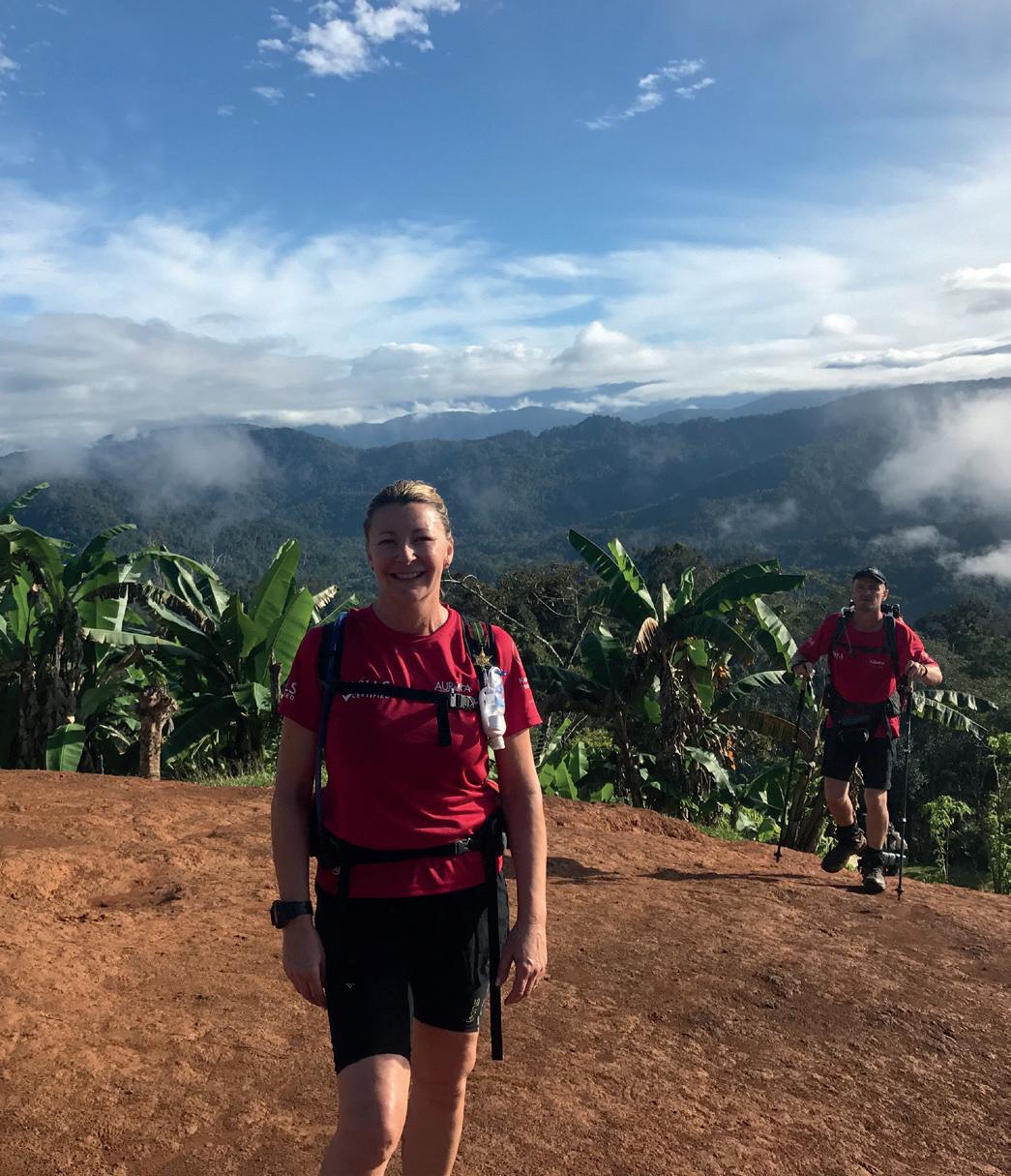
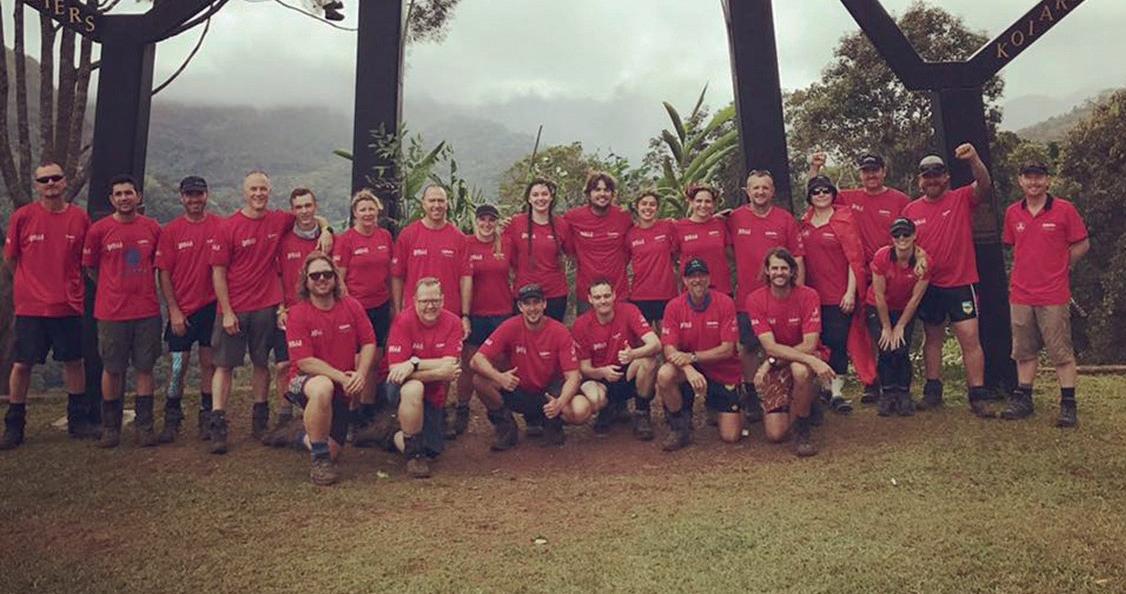
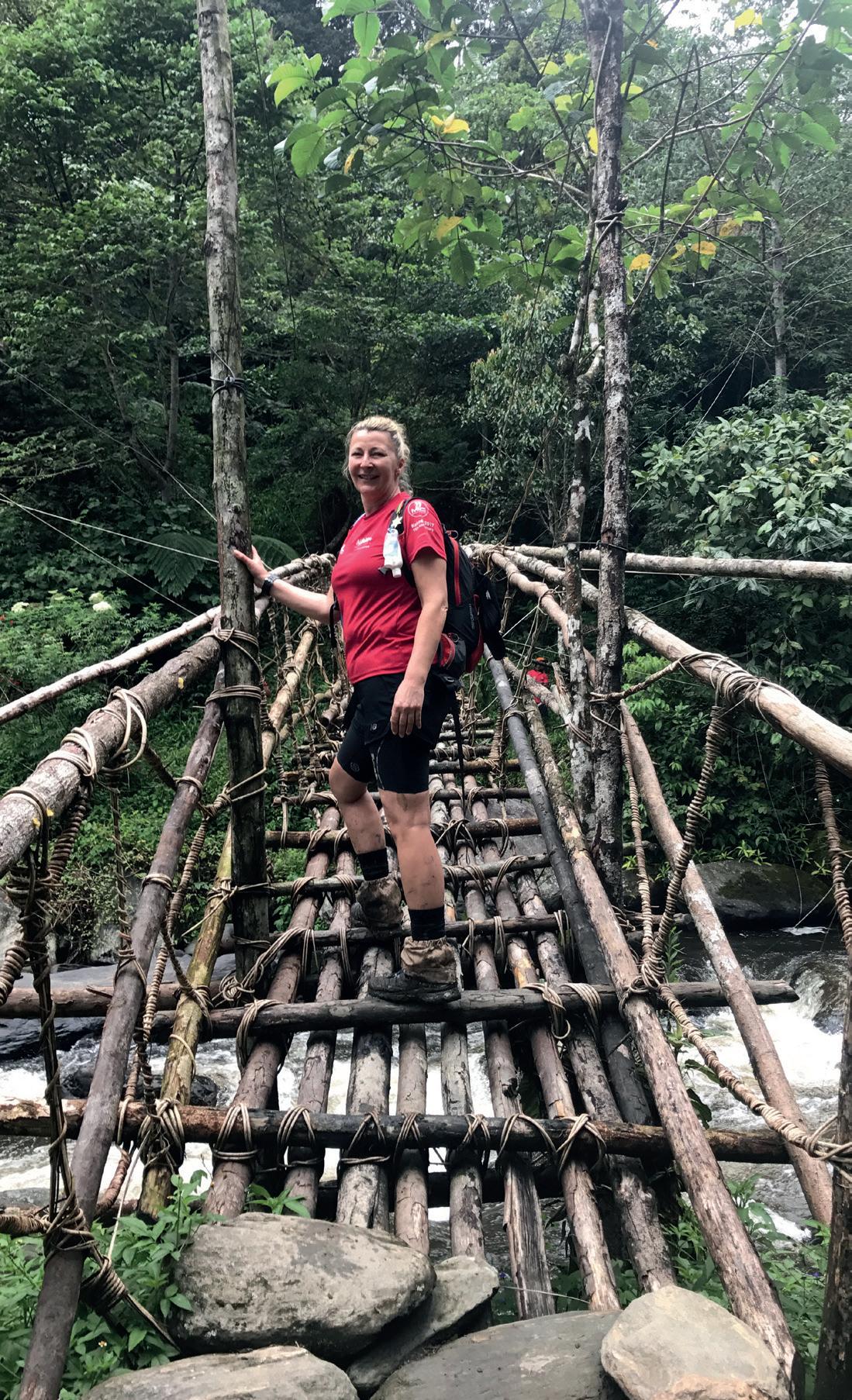
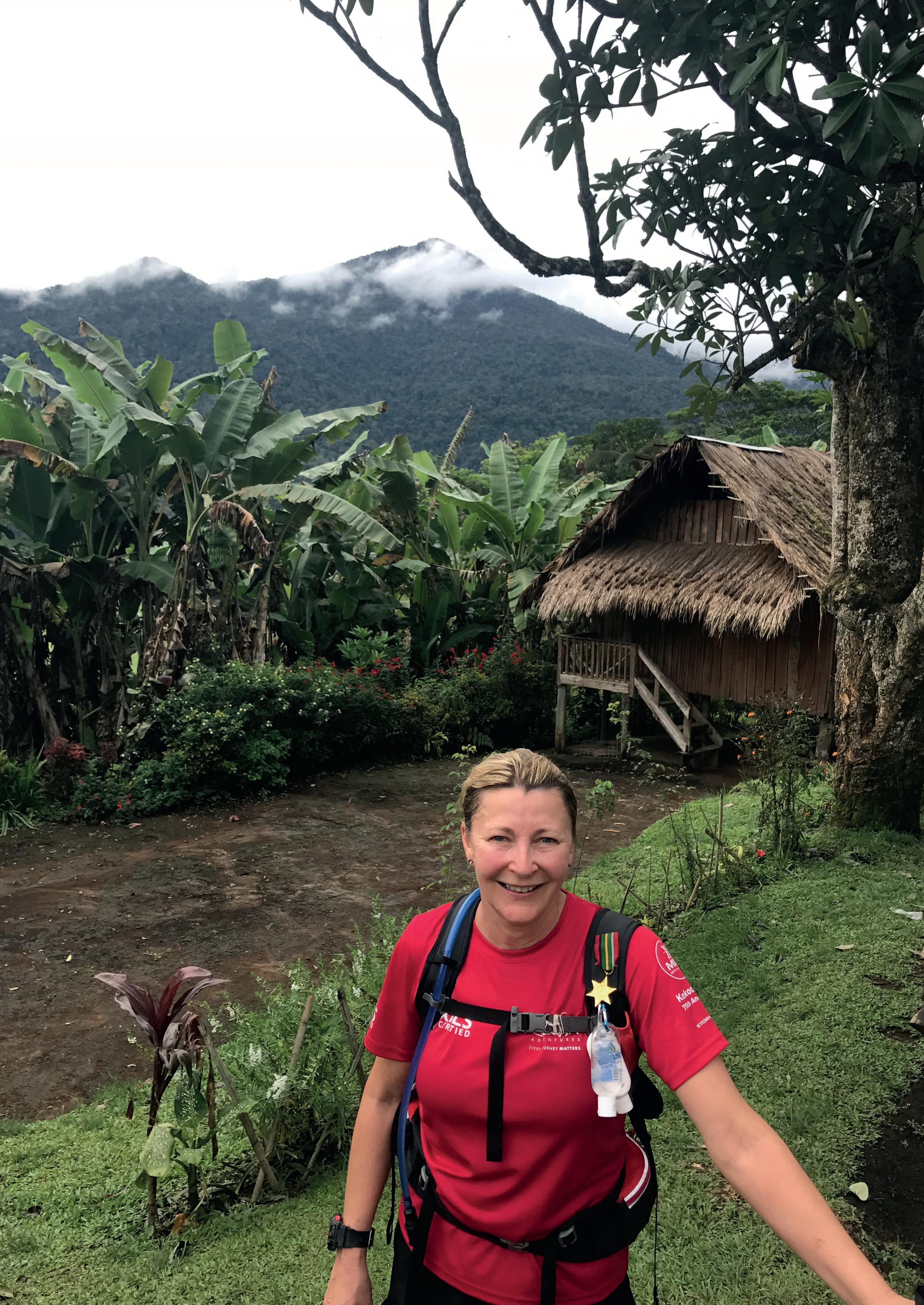
In 2017, Fiona was challenged by the general manager to do the Kokoda trail as a fundraiser to prevent suicide in the building and construction industry.
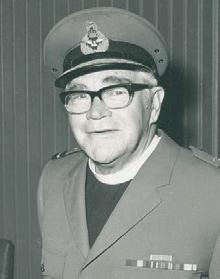
“It was a challenge close to my heart as my grandfather served in World War II in Papua New Guinea”.
During her trek she proudly wore his Pacific Star Medal in recognition of her grandfather and all the incredible veterans who served.
“It was challenging both physically and mentally, and it was a turning point in my own self believe,” she said.
“The imprint of the four Kokoda pillars resonated: Courage, Endurance, Mateship and Sacrifice.
“These pillars remind me of the building industry that we work in, its values and strengths.”
Fiona knows that business owners can’t do it all and that their team is vital to success; she also recognises that mentors have played an important role in her success.
“The business would not be where it is today or my leadership without the endless support but more importantly belief by the Mend team,” she said.
“A number of my team have been with the businesses for 20 years or over and we are fondly named ‘Menders’. We have a mantra to go the extra mile with our clients. “The team at Mend keep me grounded with honesty, sometimes with honesty I would rather not hear, but I am grateful.
“And that is why, we believe that by caring, for other people, we will get outcomes; these are only achieved by valuing people, looking for their strengths, trying to emphasis and understand a client’s journey while providing a safe place for them to grow — making a positive difference in people’s lives.
“In the building and construction industry, you must value your people, look at how as an industry we can get a balance of work and personal life, have flexible workplaces and support the next generation while keeping the strength of the established building culture.”
ALYSSA WELKE
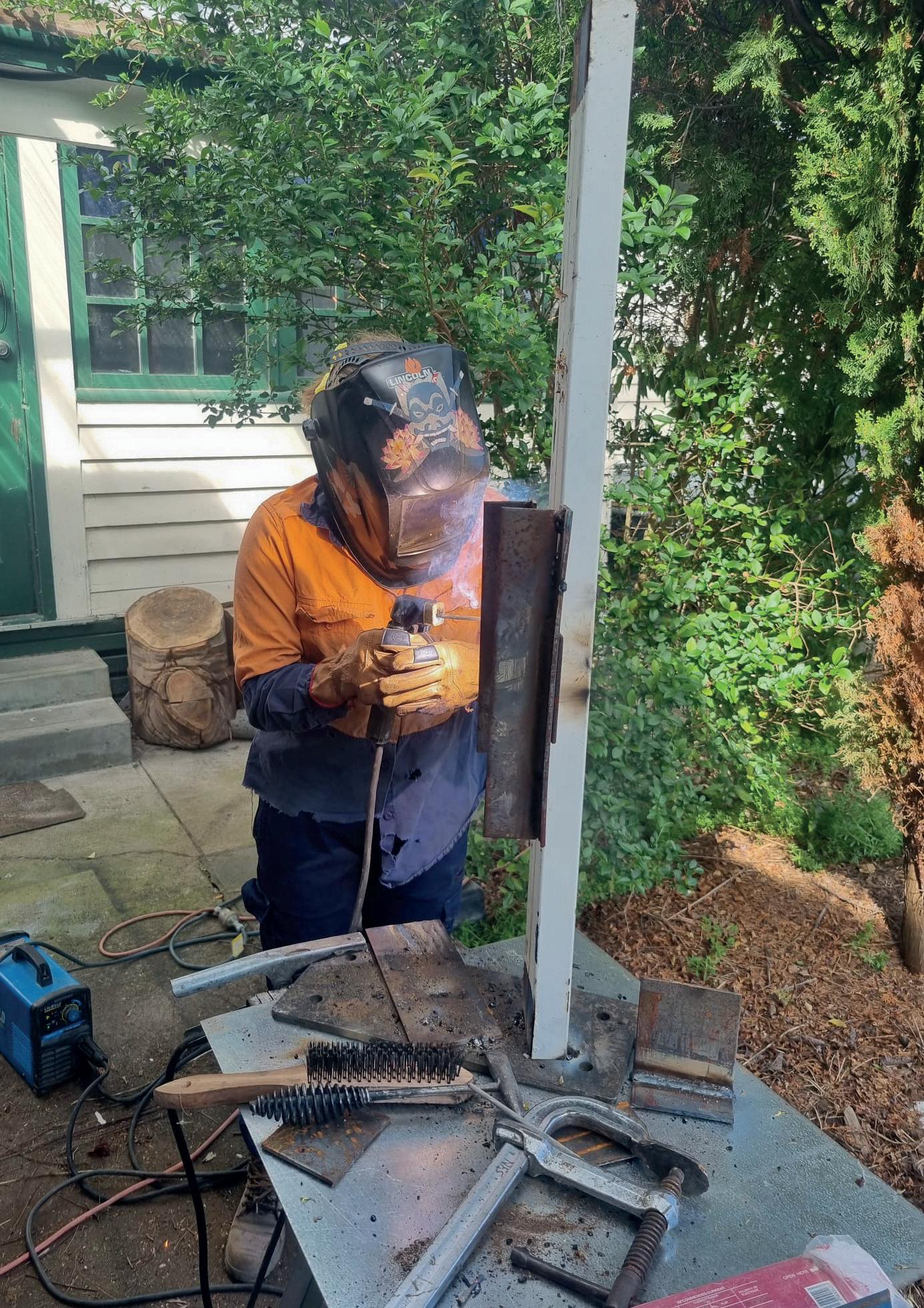
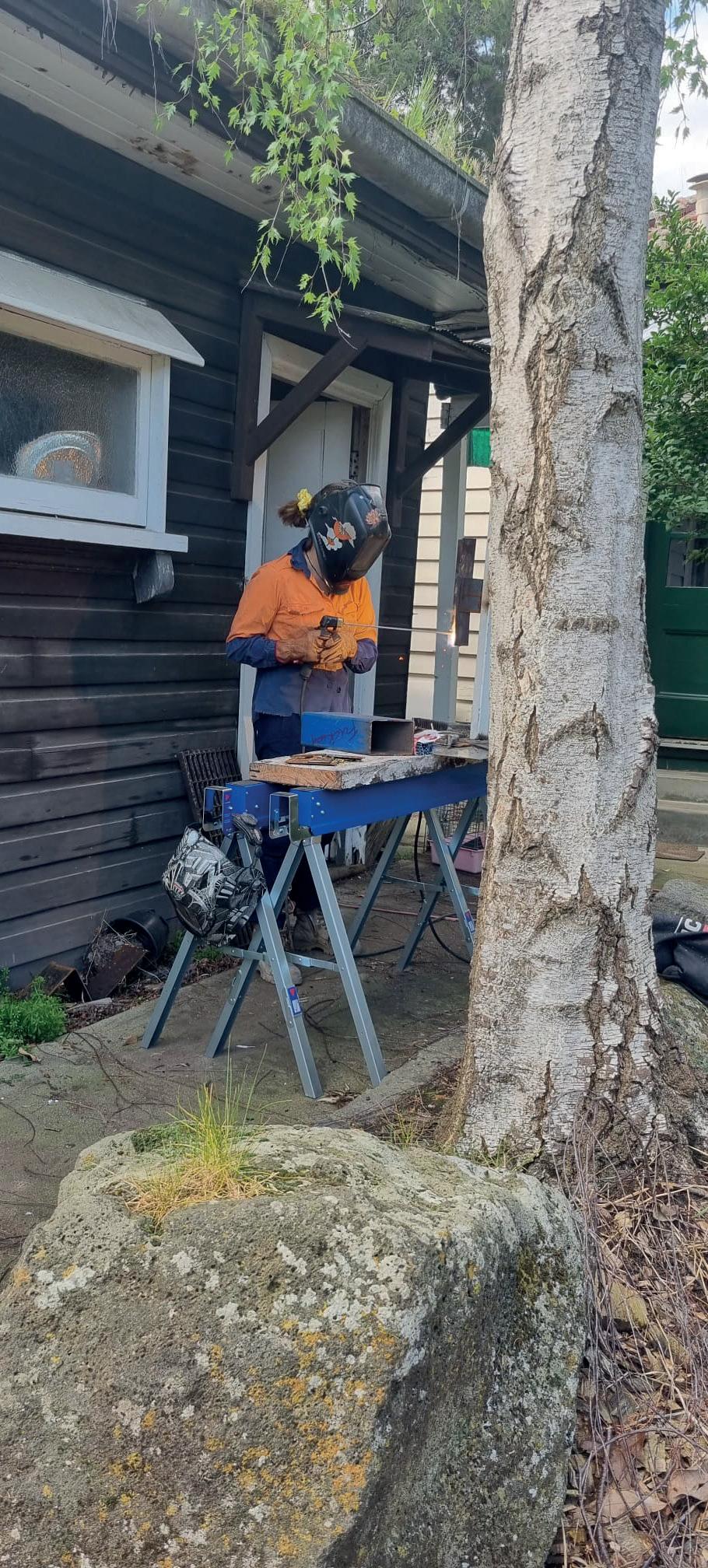
What does a make-up artist and a welder have in common? It sounds like the beginning of a bad joke, but the answer is simple for Hannah Dillimore – she’s what the two have in common.
For the south-east Melbourne-based trade fabricator, COVID-19 lockdowns forced a change of career path from being a make-up artist.
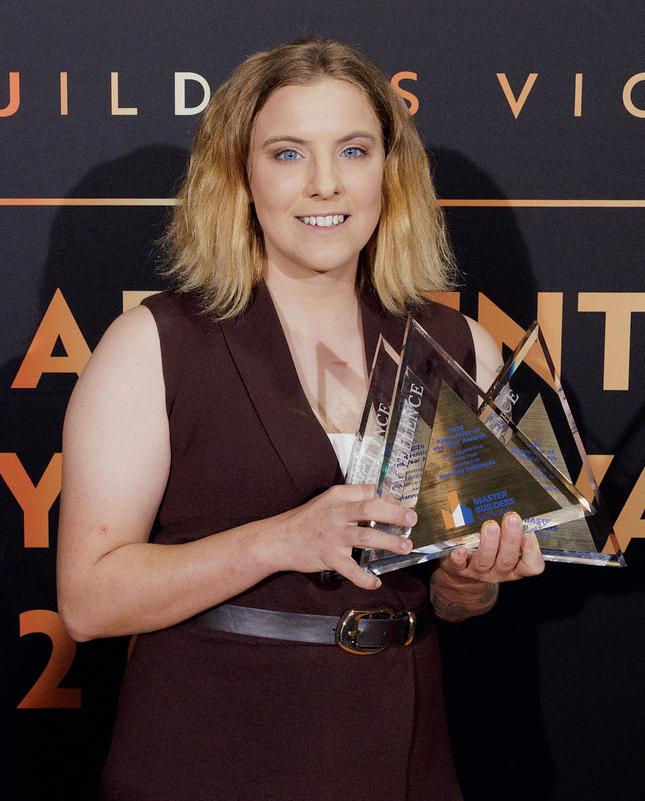
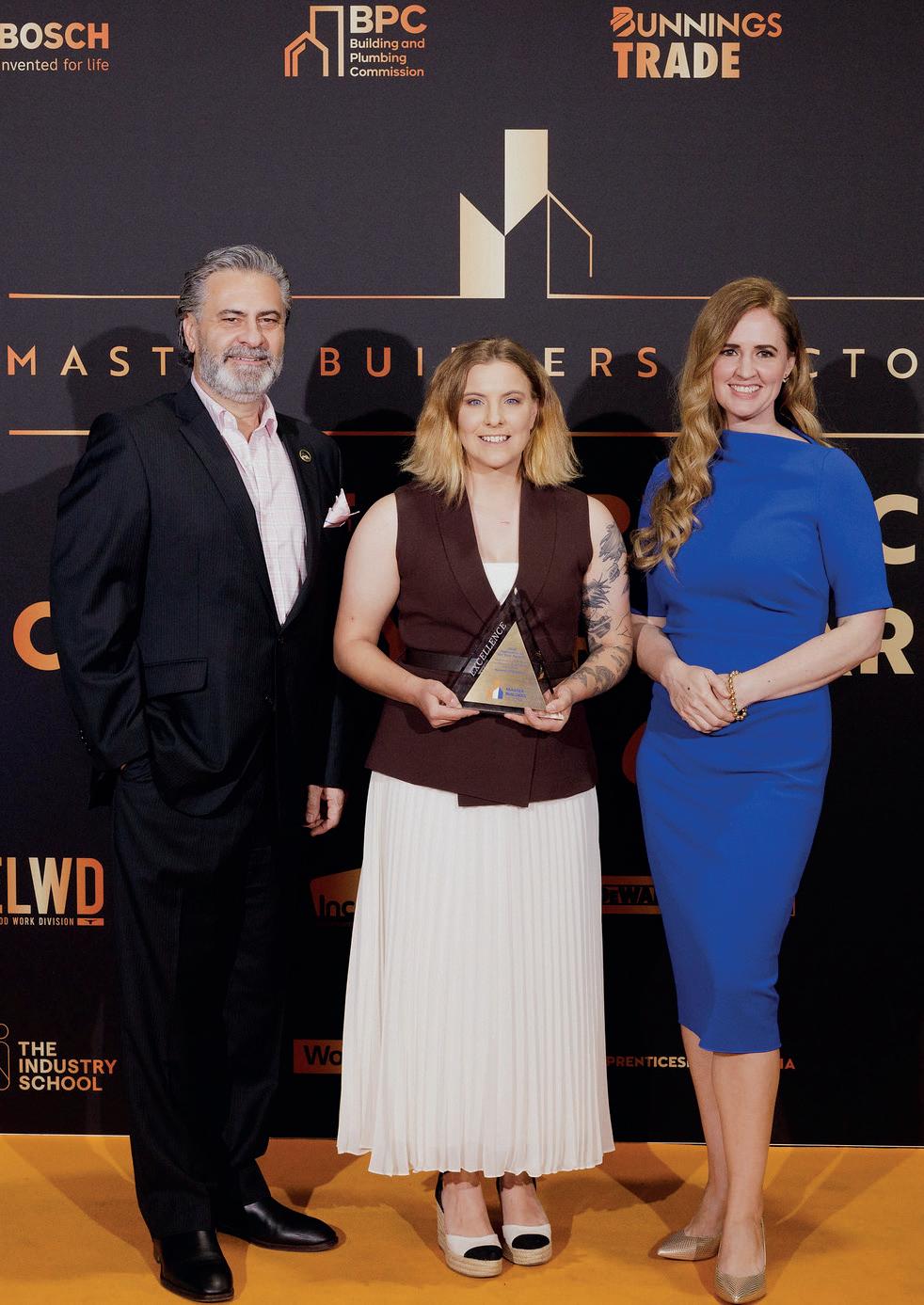
The unexpected spark that sent Hannah on her new career path culminated in her being awarded Master Builders Victoria State Apprentice of the Year and the Excellence in Trades Award at a ceremony in front of more than 750 guests at Marvel Stadium earlier this year.
Twenty-seven-year-old Hannah became interested in her trade after seeing an advertisement seeking welders in Antarctica.
While she wasn’t quite ready to head to the South Pole, the opportunity ignited her curiosity and set her on a path closer to home.
She set about finding an apprenticeship and had interviewed at a couple of other workplaces but found her employer through word of mouth.
Her determination paid off when she approached NuForm Steel Fabrications, which agreed to hire her as an apprentice. She was trained by Murray Mallee Training Company.
“I was really, really lucky,” she said. “I had mentioned it to my mechanic.
“I mentioned it to him, and he goes, ‘Oh, I have a mate who, who has a fabricating company. Here’s his details. Go have a, go have a talk with him.’
“So I went, and I had a chat with him. I was interested in it, but they did like kind of one thing, and same thing,
“So, I mentioned it to family friend, he goes, ‘my family friend, my friend owns this company, which is company that I’m at currently, go have an interview with him, here’s his number, called him up.’
“I had an interview on the Friday, and I started work on the Monday, so I was very lucky.”
She knows how difficult it can be for women to find a trade apprenticeship – she’s heard of women going door-to-door looking for work and facing multiple rejections.
She is grateful for the word of mouth of people around her and encourages women to use their networks and even training organisations to help find the right job.
Hannah worked with NuForm Steel Fabrication for her entire apprenticeship and continues to work with the company.
Recognising Hannah’s passion, drive and commitment to learning, the team at NuForm Steel invested in her potential — a decision that has now led to statewide recognition for her work.
Hannah was amazed when her employer came to her asking if she was okay for them to nominate her for the MBV Apprentice of the Year awards.
She said her employer had always been supportive and encouraging of her throughout her apprenticeship.
“They were always telling me how good I was, and I really strived to be really good,” she said.
“On the night (of the awards) to see all of these people; all these amazing apprentices, all my age, girls, boys, doing just amazing things.
“I has a little bit of hope (I’d win the State Apprentice of the Year award) but I was like, wow, there’s no way; that guy is awesome; that dude over there, he’s so amazing; she’s done awesome stuff. How can I possibly compete with that?
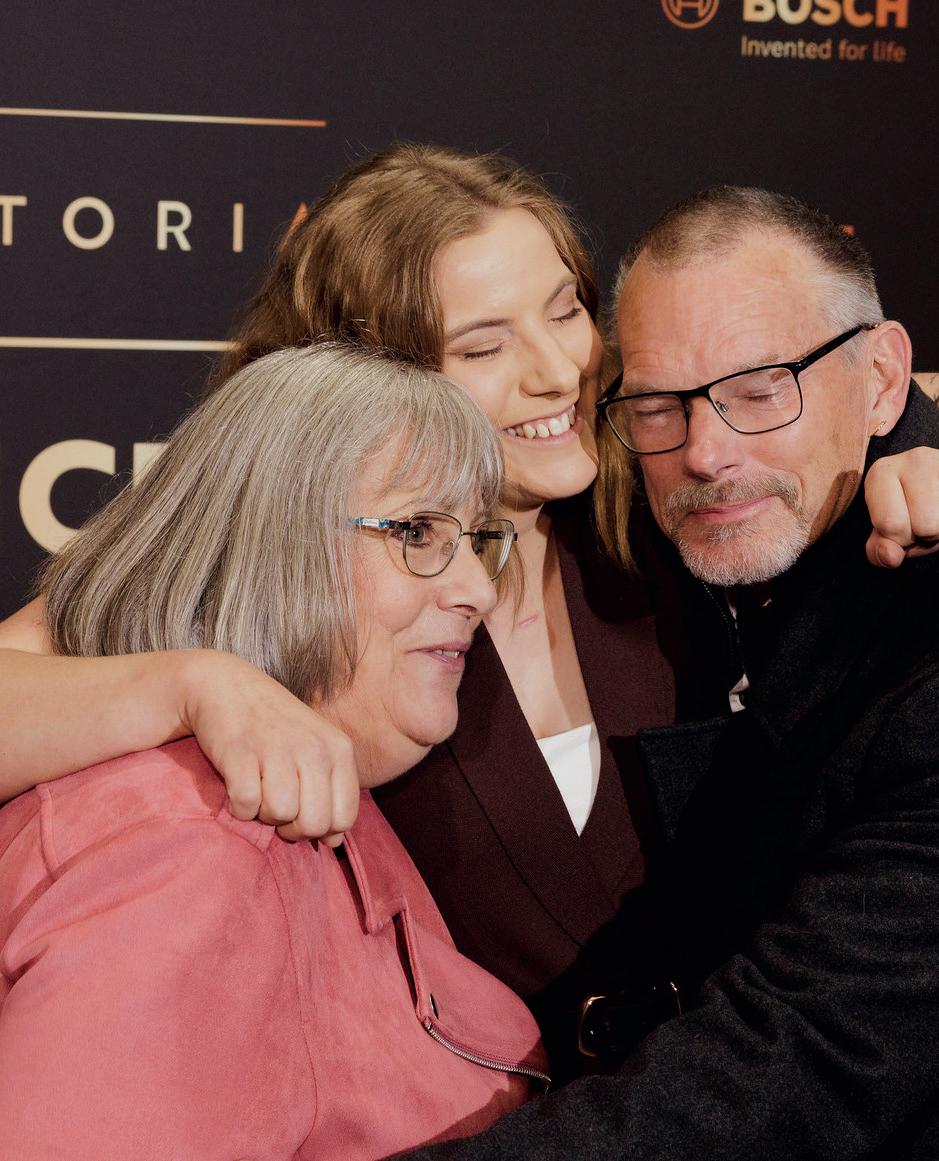
“It was the biggest surprise was on the night, just knowing who I was sitting in a room with.”
Award judges were impressed by Hannah’s tenacity and ‘can do’ attitude, approaching every task without hesitation and consistently giving 110 per cent.
Her work ethic, resilience, and willingness to take on any challenge set her apart both on the building site and beyond.
In addition, her skills, strength, and positivity are second to none.
And while the world of welding fabrication may seem a far cry from the make-up artistry world, Hannah was surprised by how much overlap there was.
Her employer is a custom fabrication business so they make anything that can be made out of metal, be it handrails, steel staircases, balustrades, to structural components and even more obscure things like brass toilet roll holders.

Some of the more notable projects Hannah has worked on include a swimming pool slide structure and, on the Bendigo Law Courts, redevelopment project.
“There are some really interesting things that that we can do, and I’ve been kind of coined in the factory as being the girl who does all like the really niche things,” she said.
“I do a lot of aluminium work as well; we don’t get a lot of it, but when it does come in, I tend to do it because it’s a bit more delicate.
(With the Bendigo Law Courts project we) did a lot of work there. After the whole building was completed, they have an artwork, it’s an Aboriginal artwork on their columns, they pretty much charged me with figuring out how to hang this really heavy artwork on these columns. That was interesting, that was fun.
“I get all the really niche, weird one-off type of things. I asked them, ‘why do you keep giving me the stuff’ and the answer was ‘we’ll never do it again and you just enjoy it, don’t you?’ and I was like, ‘yeah, I do. It’s a challenge, it’s good’.
“I was actually really surprised how much from my makeup course I could actually incorporate into fabrication,” she said.
“You would think it’s so different in terms of the work that you do, the scope of work, but a lot of like techniques and discipline, I guess, are very similar.
“A lot of trades are an art, and I think that’s why I
gravitated towards it so much, because I’m really, really artistic.
“That’s where the makeup thing came, and it’s such an artistic thing to do, and people don’t realize how artistic being in a trade can be, but the people there that night, everyone like had that.”
Now that she has completed her apprenticeship, Hannah understands exactly what it is like to stand where new apprentices are today.
Not only is she an outstanding tradesperson, but she has also become a valued mentor for others considering or entering the industry — proving what’s possible through hard work, resilience and self-belief.
“I want to encourage more women to consider an apprenticeship. I hope to become a role model for others and help them realise that, with a bit of determination, you can do anything,” she said.
“I really do like teaching; when we get new apprentices, and even just the apprentices that we have at the moment, they like working with me, because I like working with them, because I’ve got the patience for them, I know exactly what it’s like to be in their position.
“I’ve worked with people who don’t want to share their knowledge, but I’m more than happy to help more apprentices.
“I love my job; it can’t be replaced by AI, and I can apply my skills anywhere. I may even finally get to go to Antarctica.”

ALYSSA WELKE
Picking school subjects are one of the most difficult decisions many teenagers face; they weigh up their interests, what they think their career path may be, and what subjects are they best fit for that career.
For 16-year-old Kyah Isbister, choosing to drop science to pursue a Certificate II in Construction Pathways was a relatively straightforward choice; she wasn’t enjoying her science subject as much as she thought she would.
The course explore different trades in the building industry and helps students develop a broad range of foundational skills across joinery, shopfitting, carpentry and bricklaying and blocklaying to help students decide which trade apprenticeship they may want to complete.
It is a nationally recognised course so students can train in one state and take a work opportunities in another state without needing to upskill.
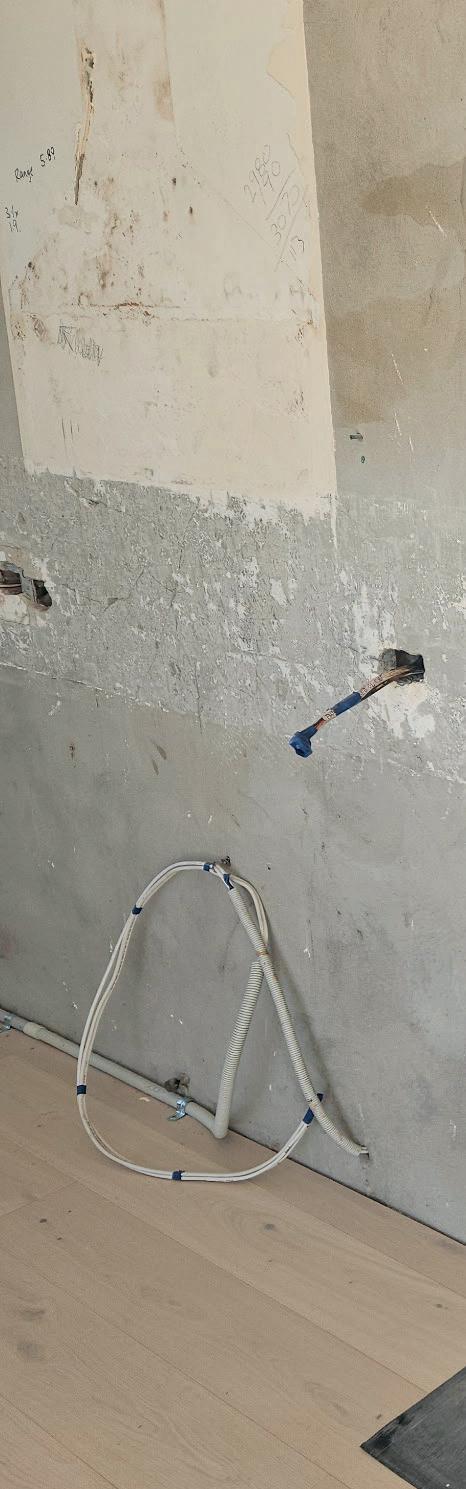
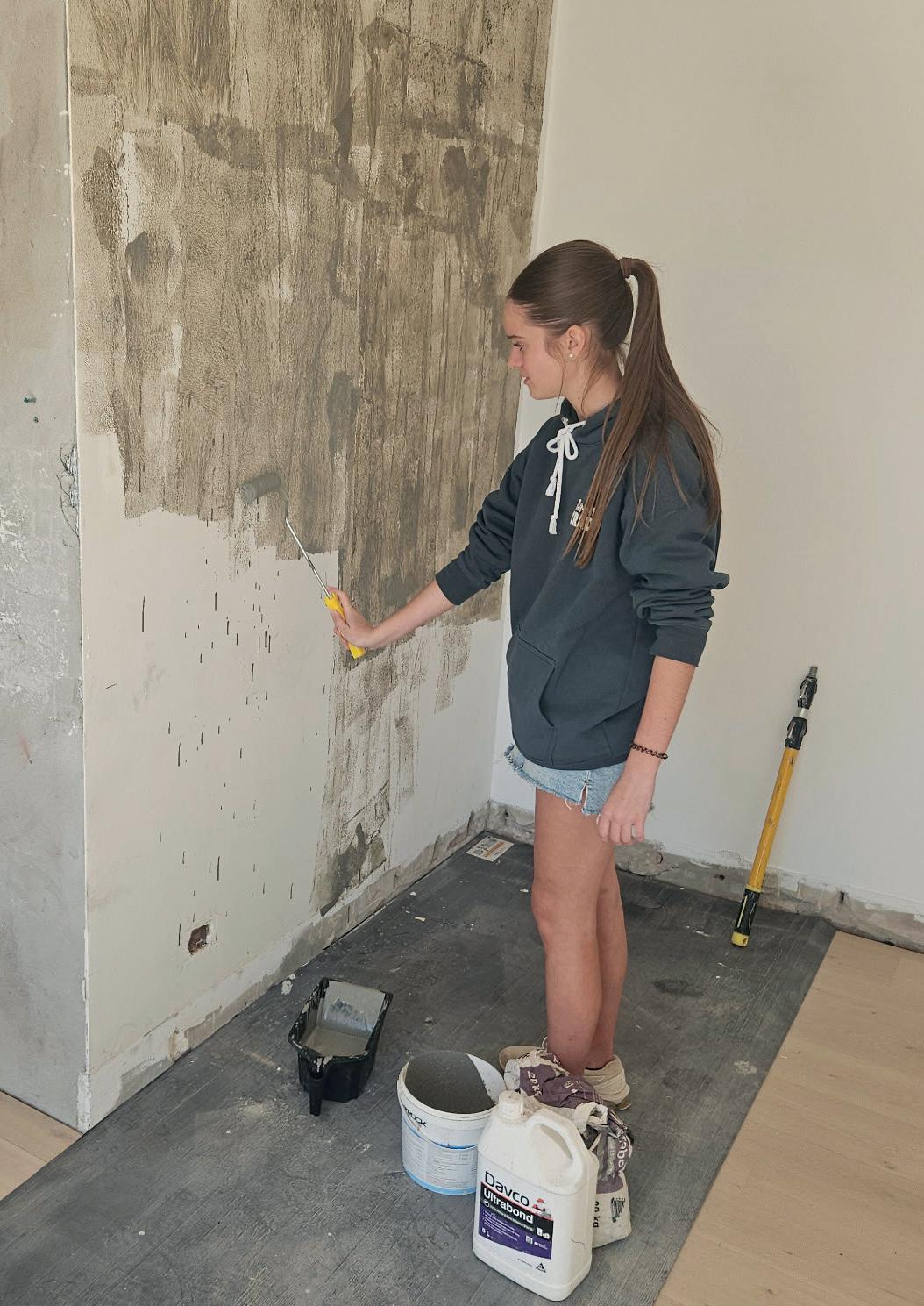
Learning outcomes through a mixture of theory and practical course work, learn to:
• Work with hand and power tools,
• Follow supervisors direction,
• Complete a basic construction project,
• Understand plans and take measurements, and
• Apply safety principles.
As well as learning these core skills, students are prepared for opportunities within their chosen field by forming industry networks with peers and teachers, being trade ready for an apprenticeship in their chosen field of construction or carpentry by building a strong pathway to continue study to become a qualified tradesperson.
The hands-on nature of construction also appealed to Kyah.
“I am definitely enjoying it and am so glad I made the change,” Kyah said.
“It will take me two years (Year 11 and 12) to complete this course. Within it, there is a combination of both practical and theory work, as well as two weeks of work placement across both years.
“The best advice I have received in relation to making this choice, is to follow your heart and do what makes you happy, because it is the thing that you could pursue and make a career out of.
“I have always been told to just give everything a go no matter what because you don’t know what will happen or how it will be if you don’t try. Giving construction a go has honestly been one of the best decisions I have made and I haven’t looked back since.”
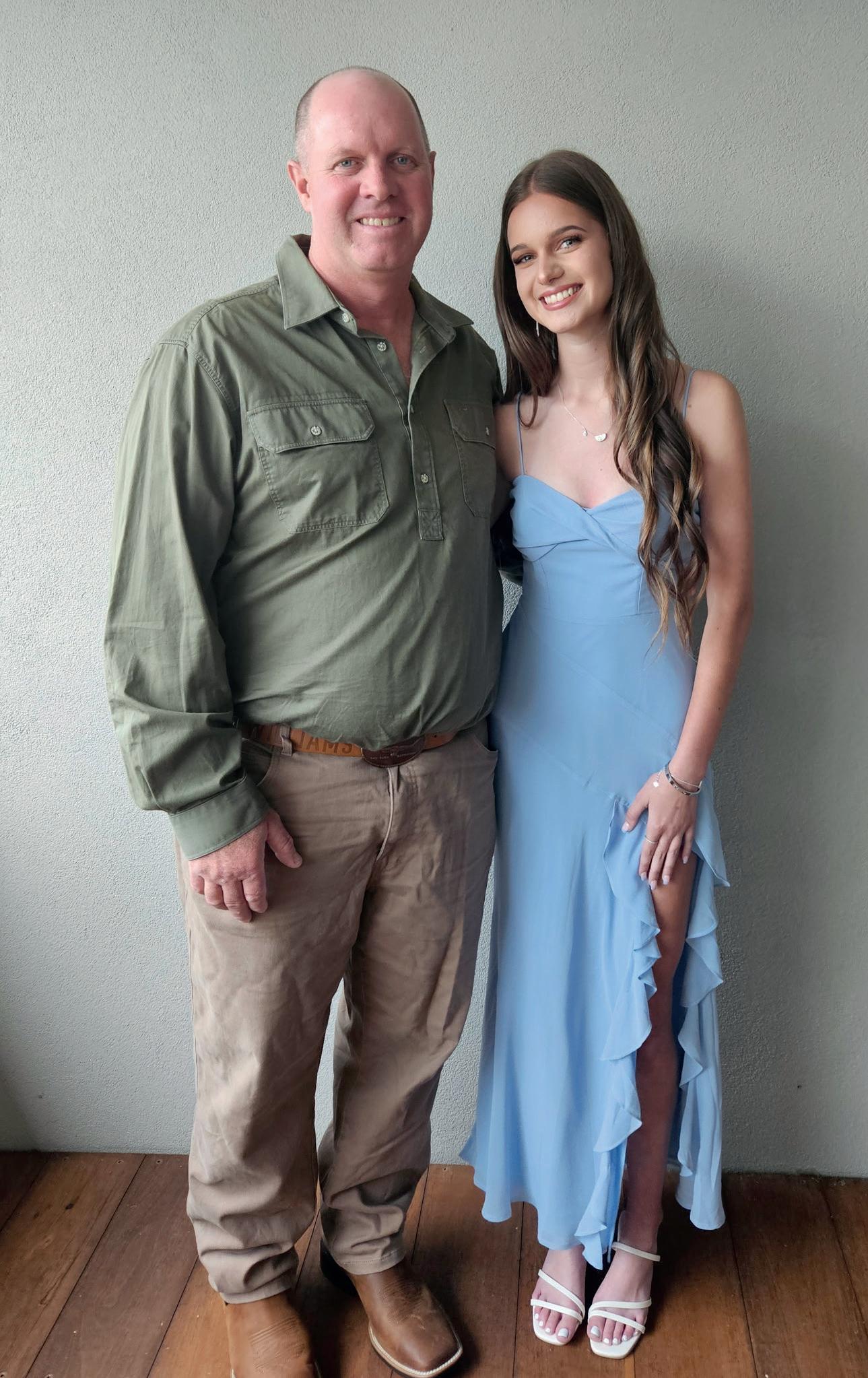
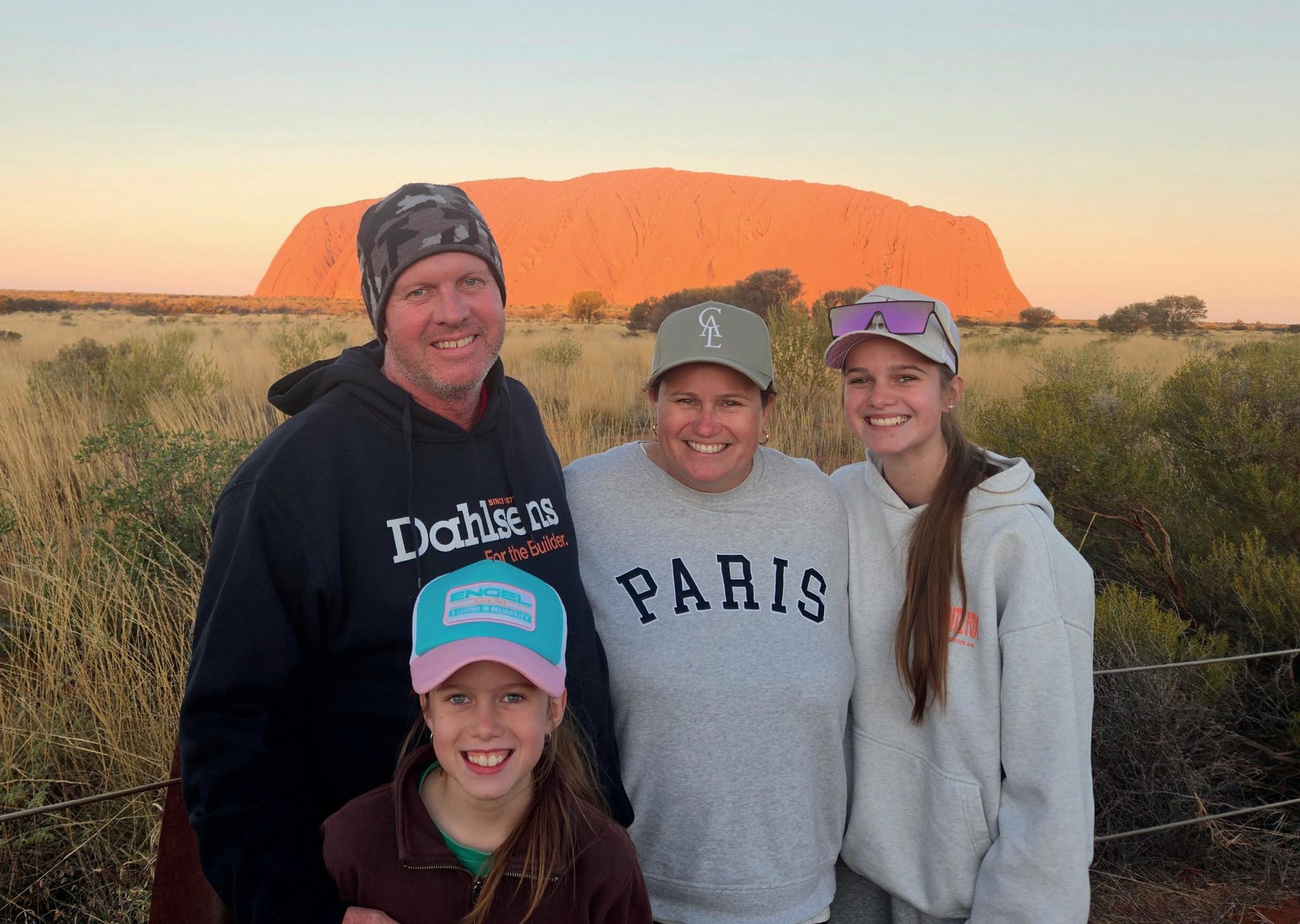
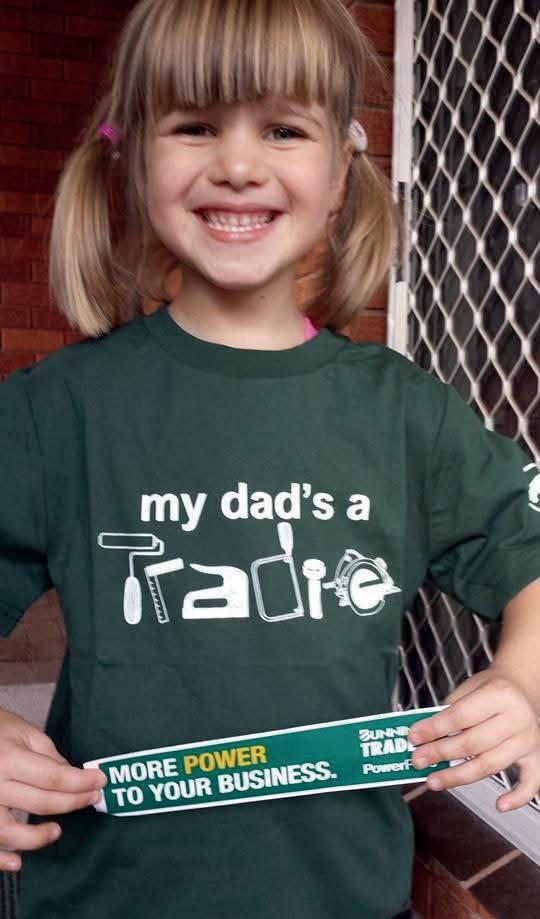
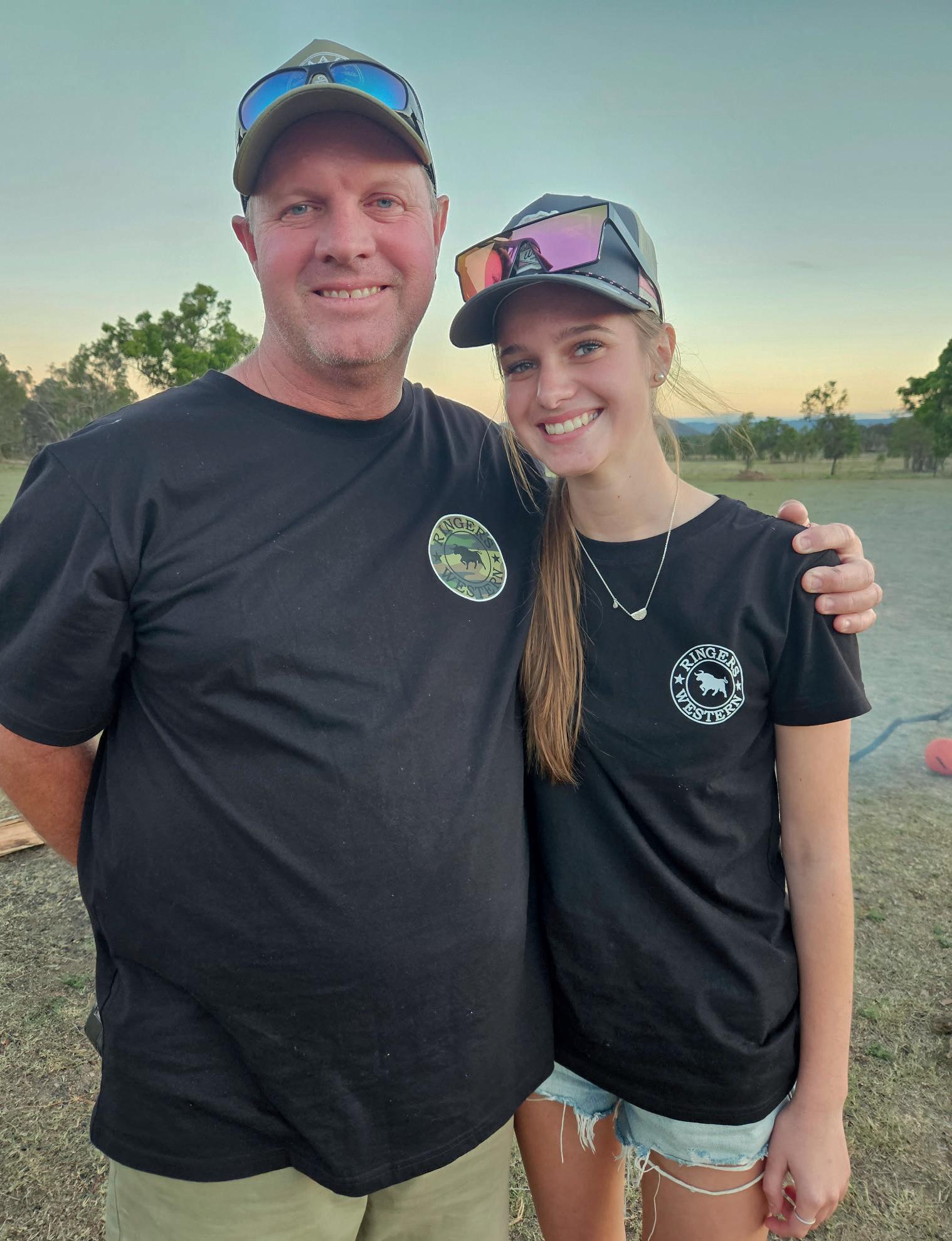
“I would love to and see myself potentially working in Construction in the future. I would like to follow in my Dad’s footsteps and either pursue carpentry or some sort of trade,” she said.
In addition to her construction course, Kyah, who is from a north-west Sydney suburb, is also studying Standard English, Standard Mathematics, Textiles, Hospitality (TAFE/VET) and Community and Family Studies. Luckily for her she is able to complete both her TAFE/VET courses through her high school and doesn’t have to travel to a different campus.
Studying this construction course, while also completing high school will give Kyah a headstart in the construction industry, should she pursue a career in it like she is planning to.
“My Dad is a builder and works for a company here in Sydney. He has worked within the industry for over 30 years and has shared his interest and knowledge with me.
“I have always enjoyed growing up around this and always enjoy helping him with different projects.
“Throughout the school holidays, I sometimes go to work with my Dad and I have been able to experience what it is like, but also develop my understanding and knowledge of the industry.
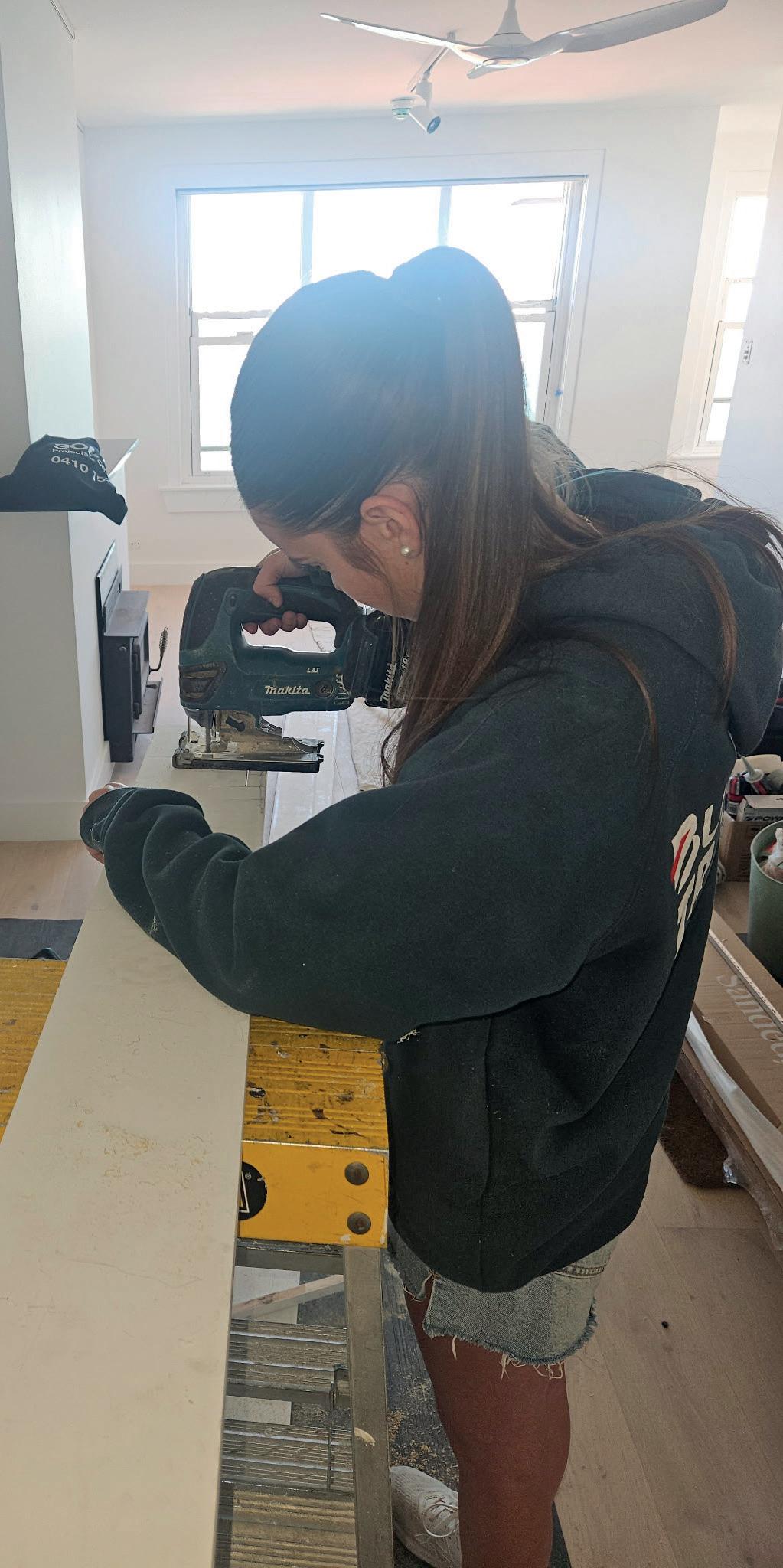
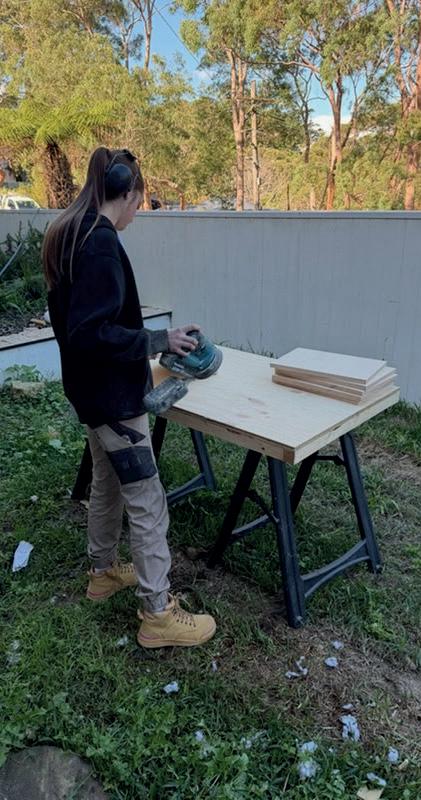
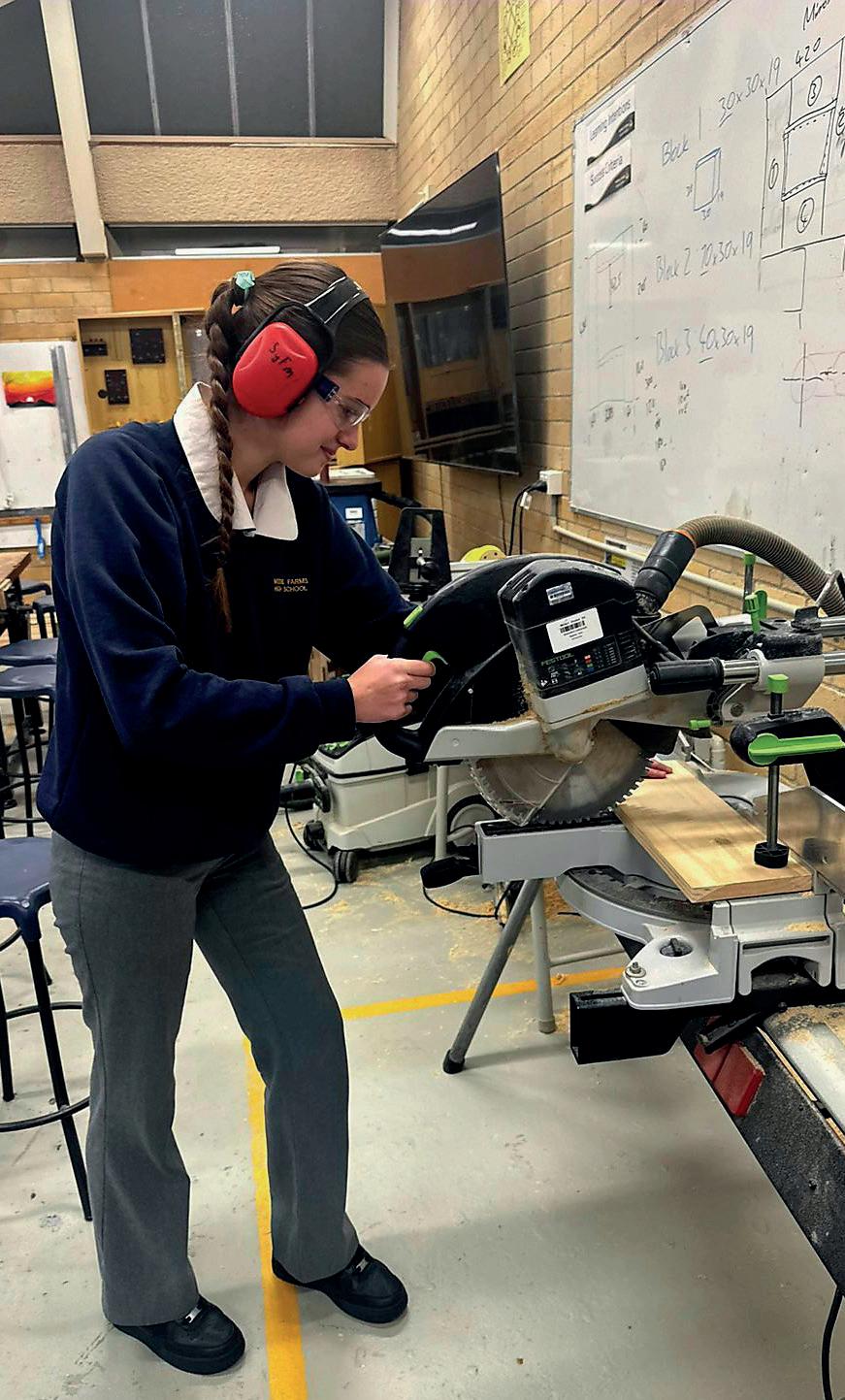
“Growing up and having my Dad as a role model in my life has definitely inspired me and influenced my decisions on pursuing this.
“I am so grateful to have been given experience like this and to have grown up, being involved and learning from what my Dad does.”
And seeing other girls also pursue careers in construction is something Kyah would like to see more of.
She doesn’t want girls to be scared to have a go and learn the useful skills they can learn from exploring construction as an option.
“If you enjoy more practical work and don’t mind getting a bit dirty, it is definitely something worth giving a shot,” she said.
“It is a great way to build confidence, independence, and different useful skills.
“Don’t let gender stereotypes and the label of ‘a male dominated field’ affect your decisions on exploring construction as an option, because if you have the right mindset and give it a solid attempt, you can achieve anything you put your mind to and will be just as capable as anyone else.”
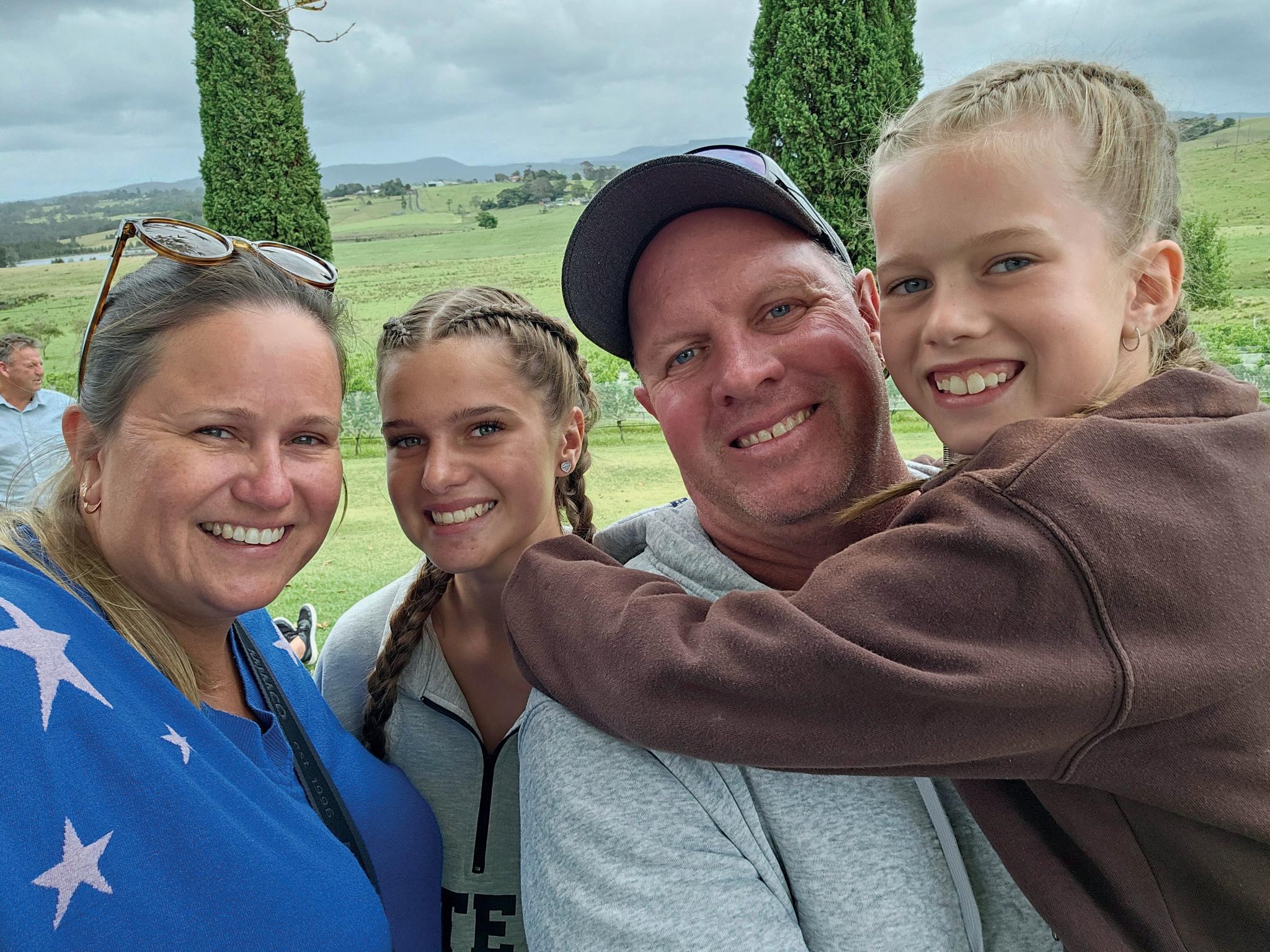
When Kyah first approached her parents Brad and Fiona Isbister, who is a learning support officer at the K to 12 specialised school, with this idea they
weren’t surprised and proud of her wanting to follow her dream.
Kyah has always been interested in helping her dad with projects around the house and she will hone both her hard and soft skills within the construction industry.
“I hope she will develop the skills working with her hands as well as learning to liaise with, manage, and communicate well with others,” Brad said.
“I think she will use these skills to further develop a long and successful career within the industry.
“I am supporting her by trying to give unbiased advice about the reality of the industry, knowledge, and guidance coming from my own personal experiences.”
Along with encouraging Kyah, the Isbisters want girls to consider construction as a career pathway for them.
“My advice to young girls would be to give it a go as you have every right to be part of this industry and not to let others deter you from what you want, as life is too short not to do what you love,” Fiona said.
“My advice to young girls considering this as an option, would be to give everything a go as it can be a very rewarding career seeing your hard work pay off when delivering projects to client,” Brad said.
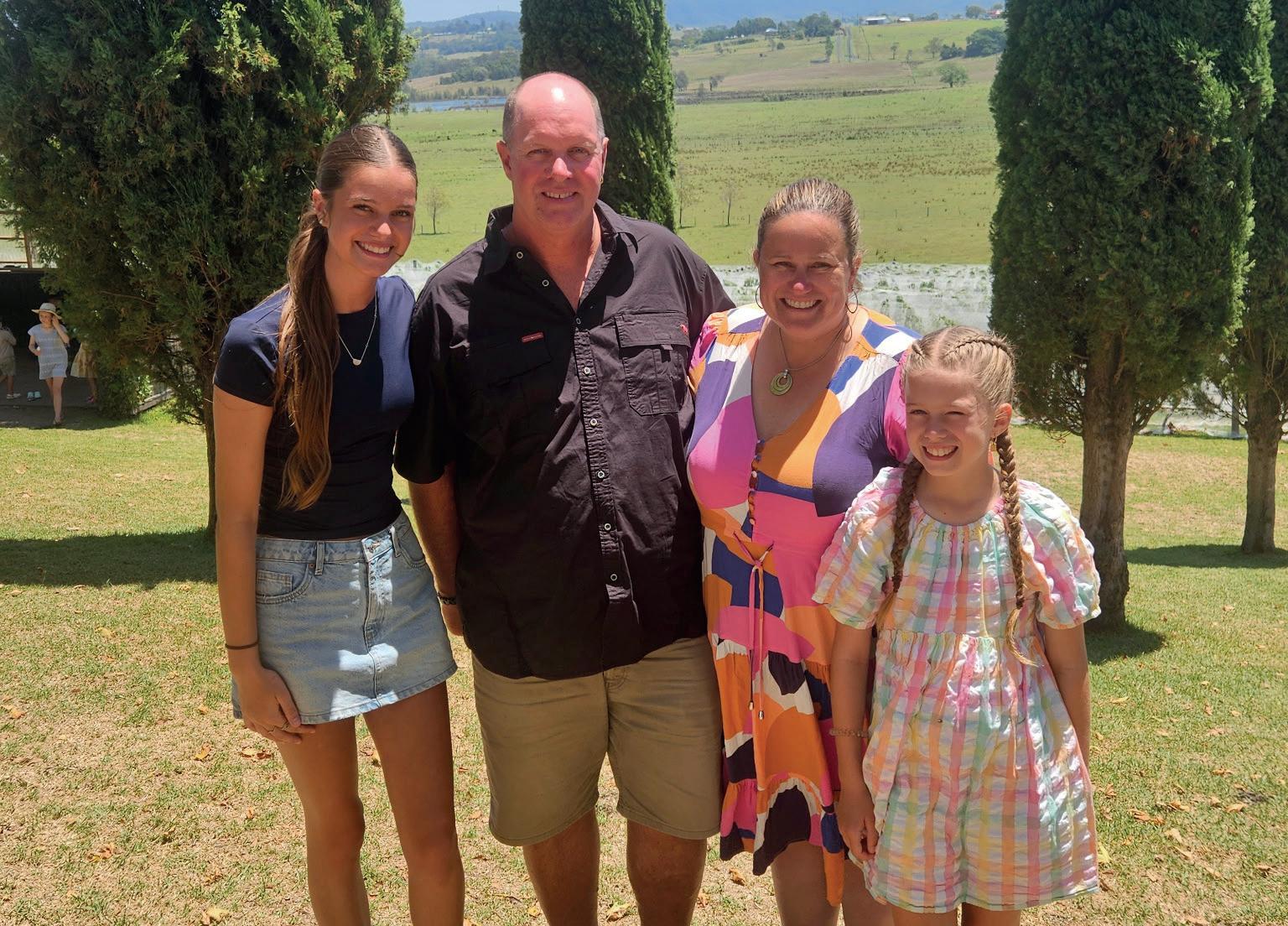

On the weekends, I ocean swim from Manly to Shelley Beach.
Technically, it is part of my exercise routine. It is good for my body, my fitness and my energy. But if I am honest, that is only part of the reason I keep going back.
The ocean is my happy place.
There is something about stepping into the water that changes the pace of my thoughts. The noise of the week softens. The to-do lists, emails, deadlines, conversations and responsibilities that have been circling in my mind seem to lose their urgency. Stroke, by stroke, breath by breath, I feel myself return to the present moment.
By the time I come out of the water, I feel calmer, clearer, rejuvenated. The stresses of the week feel, quite literally, washed away.
For me, ocean swimming is not just exercise. It is a mental reset.
But all of us need some version of that reset. It may not be the ocean. It may not be swimming;
it may not even look like exercise in the traditional sense. But as women, with careers, businesses, teams, families, households, relationships, pets, friendships and endless mental lists, we need regular moments that bring us back to ourselves.
Movement can be one of those moments.
When life is already full, being told to exercise can feel like being handed one more task. Many women are already managing the visible workload of life, and also the invisible one: remembering, planning, organising, anticipating and keeping everything moving. We notice when children are tired, when a partner is under pressure, when a parent needs support, when the household is running low, when work needs more from us. But we are not always as quick to notice when we are the ones running on empty.
This is why movement should not be framed as another demand on women. It is not a punishment. It is not an indulgence. It is not something we earn only after everyone else is sorted. Movement is one of the ways we protect our health, including our mental health.
In a demanding, deadline driven industry such as building and construction, this matters. Resilience is often spoken about as the ability to keep going, push through and deliver. But real resilience also requires recovery. Our ability to lead, build, care, communicate, make decisions and show up for others is closely connected to how well we look after ourselves.
And increasingly, the science supports what many of us feel from experience: physical activity is not only about weight, appearance or fitness. It is also about mood, focus, sleep, stress, confidence, mental clarity and emotional wellbeing.
Regular physical activity has been shown to support both Physical and mental health. It can reduce symptoms of anxiety and depression, support brain health and improve overall wellbeing. Research looking at physical activity intervention in adults has also found benefits for symptoms of depression, anxiety and psychological distress across a wide range of people.
That does not mean exercise is a magic cure, and it does not replace professional care when someone needs support. If you are struggling, it is important to speak with your GP, a psychologist, counsellor or other trusted health professional. But it does mean movement deserves to be taken seriously as part of our mental health toolkit.
Why does it help? Part of the answer is physical. Movement can influence brain chemicals linked with mood, help reduce stress, release tension in the body, improve energy and support better sleep. It can also create a sense of achievement and selftrust, particularly when we keep a small promise to ourselves and repeat it consistently.
There is another part of the answer that is harder to measure but just as real. Movement gives us a pause. It shifts us out of our heads and back into our bodies. It brings us into our breath, our surroundings and the present moment. It creates space between the pressure of the day for the person carrying it.
For many women, and, that space can be powerful.
The word exercise can sometimes feel intimidating, as though it has to involve a gym membership, a six-week challenge, a strict programme, expensive activewear or a perfect routine. But movement comes in many forms. It might be swimming, walking, Pilates, strength training, yoga, dancing, cycling, gardening, stretching, team sport, a morning walk with a friend, taking the stairs or doing a quick lap around the block between meetings.
The best form of movement is often the one you will actually do. Even better, it is the one you enjoy enough to return to.
For some people, the environment matters too. A walk near water, a bush track, a local park, a quiet street before the day begins, or a beach at sunrise can make movement feel less like a task and more like restoration. Research into blue spaces, such as oceans, rivers, lakes and beaches, suggests that time spent near water can be associated with improved mental wellbeing. But the deeper point
is simple: movement works best when it feels personal, meaningful and possible in real life.
My ocean swim gives me rhythm, breath and quiet. Your reset might be completely different. It might be a weight session that makes you feel strong, a walk with a friend that helps you talk things through, a dance class that brings joy, or ten minutes of stretching on the lounge room floor at the end of the day.
It all counts.
We do not need to wait for the perfect hour, the perfect body, the perfect routine or the perfect season of life. 10 minutes is better than nothing. A short walk is better than waiting until you can do a long one. A gentle stretch is better than telling yourself you have failed because you did not get to the gym.
Australian movement guidelines encourage adults to be active most days, include muscle strengthening activities during the week, reduce long periods of sitting and prioritise good quality sleep. Those recommendations are helpful, but they should be used as guideposts, not as another reason to feel guilty. The most important starting point is to begin where you are.
That might mean putting movement in your diary as though it is an appointment. It might mean meeting a friend so you are less likely to cancel. It might mean packing your walking shoes, joining a local group, moving during a lunch break, walking while you take a phone call, or choosing an activity that feels joyful rather than punishing.
It might also mean lowering the bar, so movement becomes possible. We often think change has to be dramatic to matter, but small actions repeated regularly can be a powerful effect. Consistency does not have to look perfect it just has to be something you can keep returning to.
Perhaps the question is not, “how do I fit exercise into an already impossible week?” Perhaps the better question is, “what kind of movement gives me back to myself?”
As women, we are often praised for how much we can carry. But perhaps true strength is also knowing when to put some of it down.
So, what are you doing to protect your mental health? Are you taking time for you?
Movement will look different from each of us, but its value is clear. It can help us feel stronger in our bodies, steadier in our minds and more present in our lives.
For me, that place is the ocean. When I swim from Manly to Shelly beach, I am reminded that exercise is not only about pushing harder. Sometimes it is about softening, breathing, letting go and creating space between the demands of the week and the person underneath them.
For you it may be somewhere completely different. What matters is finding the thing that helps you breathe again. And sometimes, if we’re lucky, it gives us a place where the week can be washed away.
JANE LANGOF
A column about the power of energy, intention and design — and how our built environment shapes the way we live, work and feel.
nyone here remember the old Australian saying about needing “a Bex and a good lie down”? These days, most women are not reaching for a Bex, but the need for a proper lie down feels more needed than ever.
There is a kind of tiredness I see in women who are capable, busy and used to holding everything together. It is not always the dramatic kind that sends you to bed at 7pm. Sometimes it shows up as brain fog, poor sleep, a short fuse, scrolling at night when you know you need rest, or screaming at the kids like a banshee over something minor.
And it is not just in our heads. The Australian Institute of Health and Welfare reports that almost half of Australian adults experience at least two sleep-related problems. So the question is not only, “Why are we so tired?” but “Why are we
not recovering properly?” Because for many women, the problem is not how long they sleep. It is whether the conditions for proper recovery even exist.
Many women are not tired because they are doing life wrong. They are tired because their energy is being pulled in too many directions, often before the day has even begun.
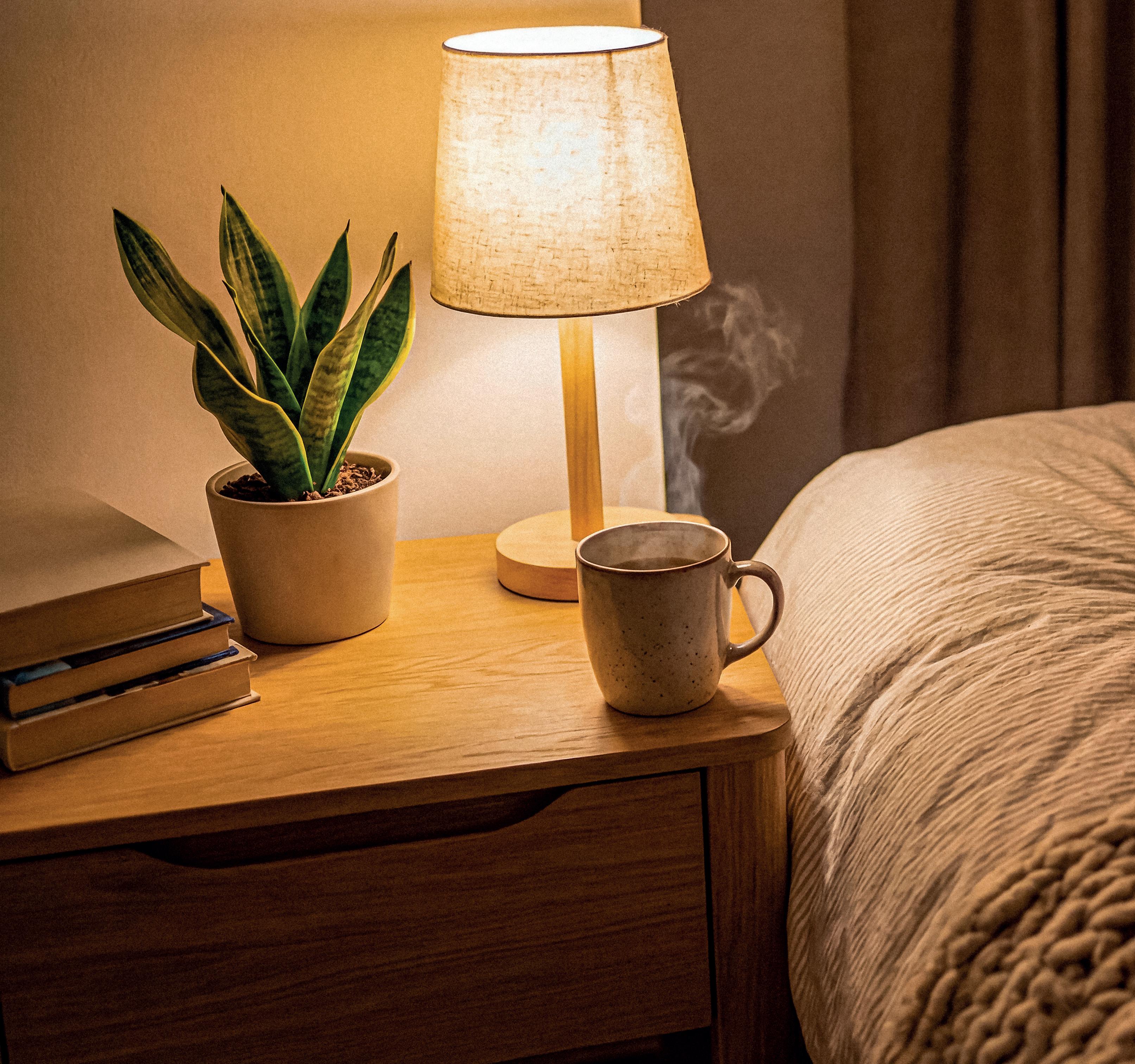
This is where Feng Shui comes in for me, and the bedroom is where I always start. If the room where you are supposed to recover is not working for you, not much else will.
I like the bed sitting against a solid wall rather than floating in the middle of the room or directly under a window. Renovation shows love a bedroom skylight, but I am not a fan. The room ends up

feeling too exposed rather than contained and restful. Beautiful design still needs to support the way the body rests.
One thing people rarely think about is what sits behind the bedhead wall. Is there a meter box, major wiring or heavy electrical equipment back there, interfering with your quality of sleep? Are your phone and charger sitting close to your head? I prefer a bedroom to be as electrically quiet as possible, especially for anyone running on empty.
Visual noise is the other thing I look at. Piles of clothes, work papers and life admin around the bedroom all send a message to your subconscious that there is more to do. The bedroom should support sleep and recovery, not remind you of your to-do list.
The other piece is what you do in the hour before bed. In my own routine, magnesium spray has been a game changer for deeper sleep. I apply it to my lower legs or behind the knees before bed. A few pages of a real book rather than scrolling, and switching from bright overhead lights to lamps in the evening, are simple shifts that help the body understand the day is done.
Rest is not a reward for finishing everything. If that were true, most women would never rest.
Flourishing does not always come from doing more. Sometimes it begins with noticing where your energy is going. Small changes can create powerful shifts in your life, and your bedroom is a good place to start.
YVERITY HARE WWW.TRADIEWIVES.COM.AU
ou’ve probably noticed that AI is everywhere right now. It’s helping us write emails, create social media content, build systems, automate admin tasks and save hours every week. For small business owners who already feel like they’re juggling ten jobs at once, it’s an exciting development. Anything that helps trade business owners reclaim some of their time and reduce the mental load is absolutely worth exploring.
However, as AI becomes more common, I’m noticing something interesting happening alongside it. People are craving human connection more than ever. We’re seeing more AI-generated content online, more automation, more chatbots, and more businesses relying on technology to communicate with their customers. While there’s absolutely a place for all of that, there’s also a risk that businesses start to lose the thing that makes them different - their humanity.
Think about the last time you had a genuinely great experience with a business. The chances are, it wasn’t because their email was perfectly worded or their Instagram caption spoke to you. It was probably because someone showed up, or a real person answered the phone, solved the problem and made you feel like you really mattered. That’s the kind of experience people talk about. That’s the kind of experience that earns great reviews, a referral and a loyal customer for life.
At the end of the day, people don’t choose your business because of a perfectly written email or social media post. They choose your business because they trust you. They choose you because you answered the phone when others didn’t, because you remembered their name, because you took the time to explain something clearly, and because you genuinely cared about the outcome. No AI can replicate that.
In the trade industry, relationships matter more than almost anywhere else. You’re often working in people’s homes, on their most valuable asset and sometimes during stressful or disruptive moments in their lives. Whether you’re a husband and wife team, a family-run business, or managing a growing crew, your
reputation is built on people, not technology. It’s built on trust that’s been earned one job, one conversation, one honest interaction at a time.
In my opinion, AI should be used as a tool, not a replacement. Use it to help write the first draft of a quote or a follow up email, to organise your systems, streamline your scheduling, or save time on the admin tasks that drain your energy at the end of a long day.
Then use that extra time wisely, re-invest it into the things that technology just can’t do for you. Strengthen relationships with your customers, your team, and your community. Show your face on social media instead of just posting polished content. Tell your story - the messy, real, behind the scenes version that people really connect with. Choose to pick up the phone when you could have sent a text, have the conversation that’s easier to avoid and be present - even when it would be faster not to be.
While everyone else is busy trying to automate everything, the businesses that continue to create genuine human connection will be the ones people remember. They’ll be the ones people call back, recommend to their friends and come back to time and time again.
AI might help you work smarter, but being human is what will set you apart.
In a world where automation is quickly becoming the norm, authentic connection isn’t just a nice idea, it could be your greatest competitive advantage.

rom 1 July 2026, employers will be required to pay workers’ super at the same time they pay salary or wages. Cbus Super is here to help you through this important change.
Many employers currently pay super monthly, while others pay quarterly. From 1 July 2026:
• You’ll need to make sure workers are being paid super on their payday
• Contributions must in be workers’ super accounts within seven business days
• If you don’t meet your obligations, the Australian Taxation Office will require you to pay a superannuation guarantee charge.
The good news is that paying super on pay day means fewer liabilities building up over time, which may make managing cash flow easier.
It lines up with payroll processes, which may reduce the administration of making separate super payments.
Payday Super will strengthen Australia’s superannuation system, delivering retirement savings straight into a member’s account to immediately begin earning and compounding.
It’s important to plan ahead, and we’re here to help. Visit cbussuper.com.au/payday-super for detailed information and resources to help you prepare for the upcoming changes.
If you have questions about Payday Super, scan the QR code, or contact Elaine Lawler, Senior Employer Engagement Manager at elaine.lawler@cbussuper.com.au or 0474 180 377 for support.
ALYSSA WELKE
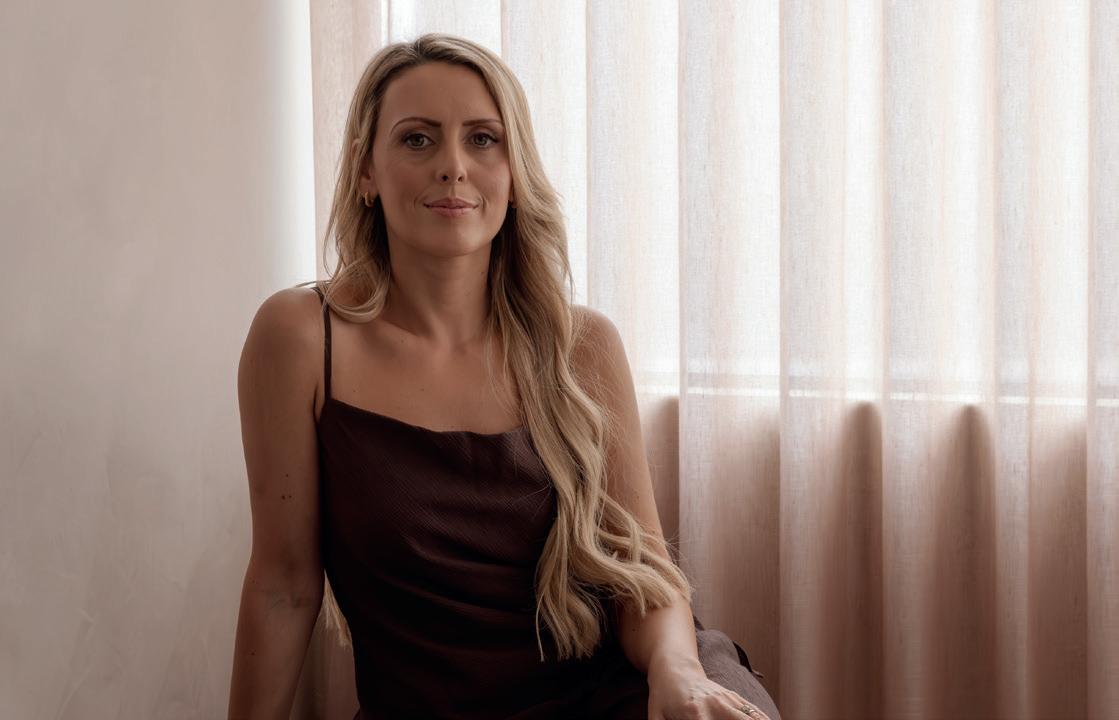
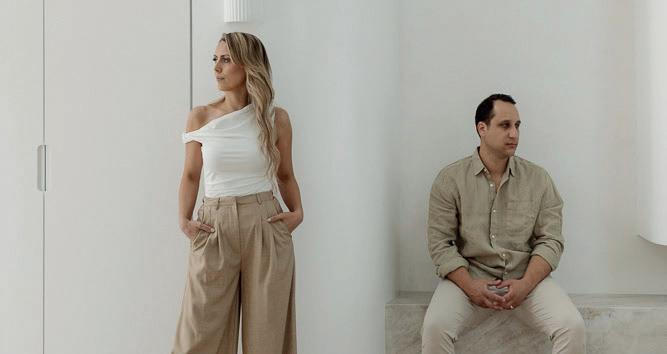
For Lina and Phil Strati, their business has never been confined to bricks and mortar. It’s about building relationships, building communities and creating environments where people feel inspired, supported and connected.
They live by the mantra of leaving people and places better than they found them and knowing that they are building something that will have a lasting impact.
As Co-directors of two businesses, LP Strati Co and Aesthetic Developments, Lina and Phil are no strangers to hard work, discipline and resilience, but everything they do in business is driven by wanting to build genuine human connections and improve other people’s lives.
Lina grew up in a Croatian family in Bondi and Phil in an Italian family in West Hoxton, and they credit
their families with teaching them the values that guide their lives and businesses today.
Values of strong work ethics, discipline, resilience and commitment, but also connection, community, and generosity.
“They taught us that success isn’t measured solely by what you achieve, but by how you treat people along the way,” Lina said.
“Looking back now, it’s clear those early lessons became the foundation for not only the businesses we’ve built, but also the way we choose to lead them.”
Growing up, Lina was always drawn to creative pursuits, from dancing that taught her confidence, discipline and how to express herself to sketching, drawing and creating.
She also always loved connecting with people.
“Whether it was through school, work or everyday life, I’ve genuinely enjoyed getting to know people, hearing their stories and building relationships,” she said.
“I think those two passions, creativity and people, have shaped almost every decision I’ve made, both personally and professionally.”
Phil was naturally inclined to building and working with his hands.
From a young age during summer holidays and weekends, he would help his father and Nonno in the family fruit shop, bagging potatoes, stacking shelves, building displays for the fruits and vegetables, or doing whatever task was required.
“Those early experiences instilled in him the value of hard work, discipline and taking pride in doing a job well,” Lina said.
“More importantly, they taught him the importance of connecting with people, building genuine relationships and understanding that no task is ever beneath you- values that continue to shape the way he leads both in business and in life today.
“He enjoyed figuring out how things worked, creating and fixing things, and there was always a sense of curiosity about how something could be made better.
“Looking back, it’s no surprise that he found his calling in construction.”
Lina finished high school in 2003 and began a career in hairdressing, completing a Certificate IV in Hairdressing before specialising in men’s styling and barbering.
From there, she transitioned into business-tobusiness sales, where she built a seven-year career in the corporate motor industry, specialising in leadership, customer experience and business development.
After Lina and Phil were married in 2015, she decided to pursue her passion for design, embarking on a career in interior design, studying through Coco Republic Design School.
“I initially worked across a range of residential projects, collaborating with other designers, builders and developers,” she said.
“Over time, this evolved into focusing solely on designing the spaces within our own developments.”
Phil completed school in 2006 and immediately began his carpentry apprenticeship.
After qualifying, he went on to complete his Certificate IV in Building and worked for a Tier 2 construction company, where he gained invaluable experience delivering complex residential projects and developed a strong appreciation for quality workmanship, collaboration and disciplined project delivery.
The couple met in 2011 at Lina’s cousin’s 21st birthday, who also happened to be one of Phil’s closest friends.
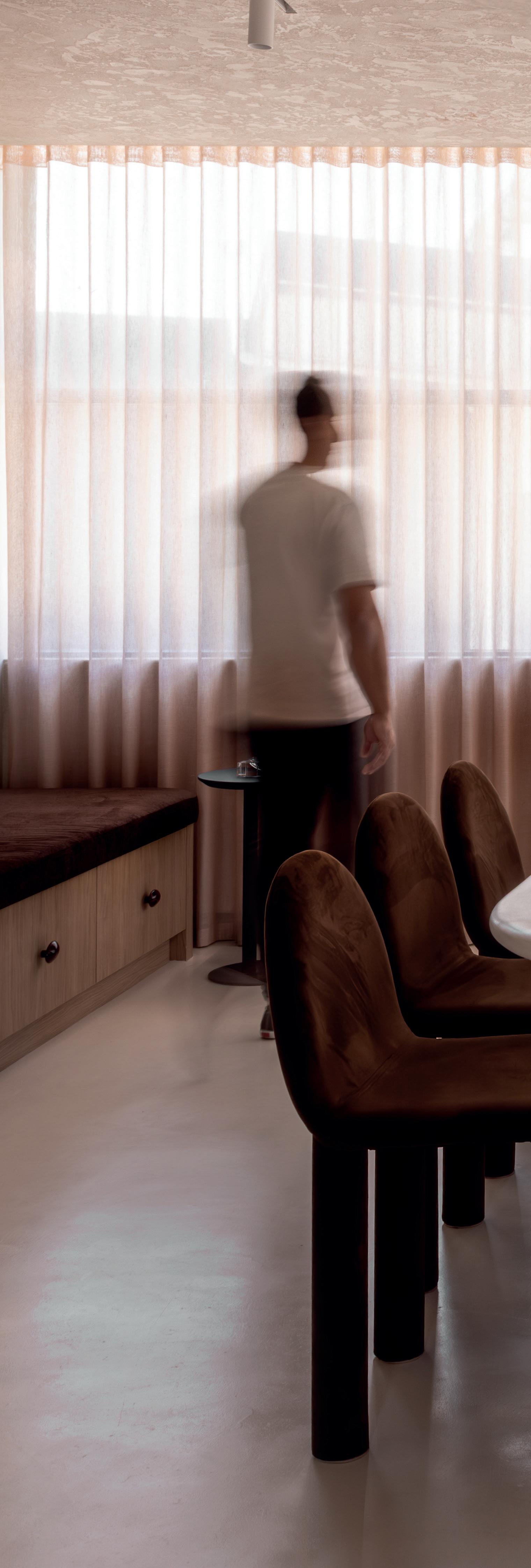
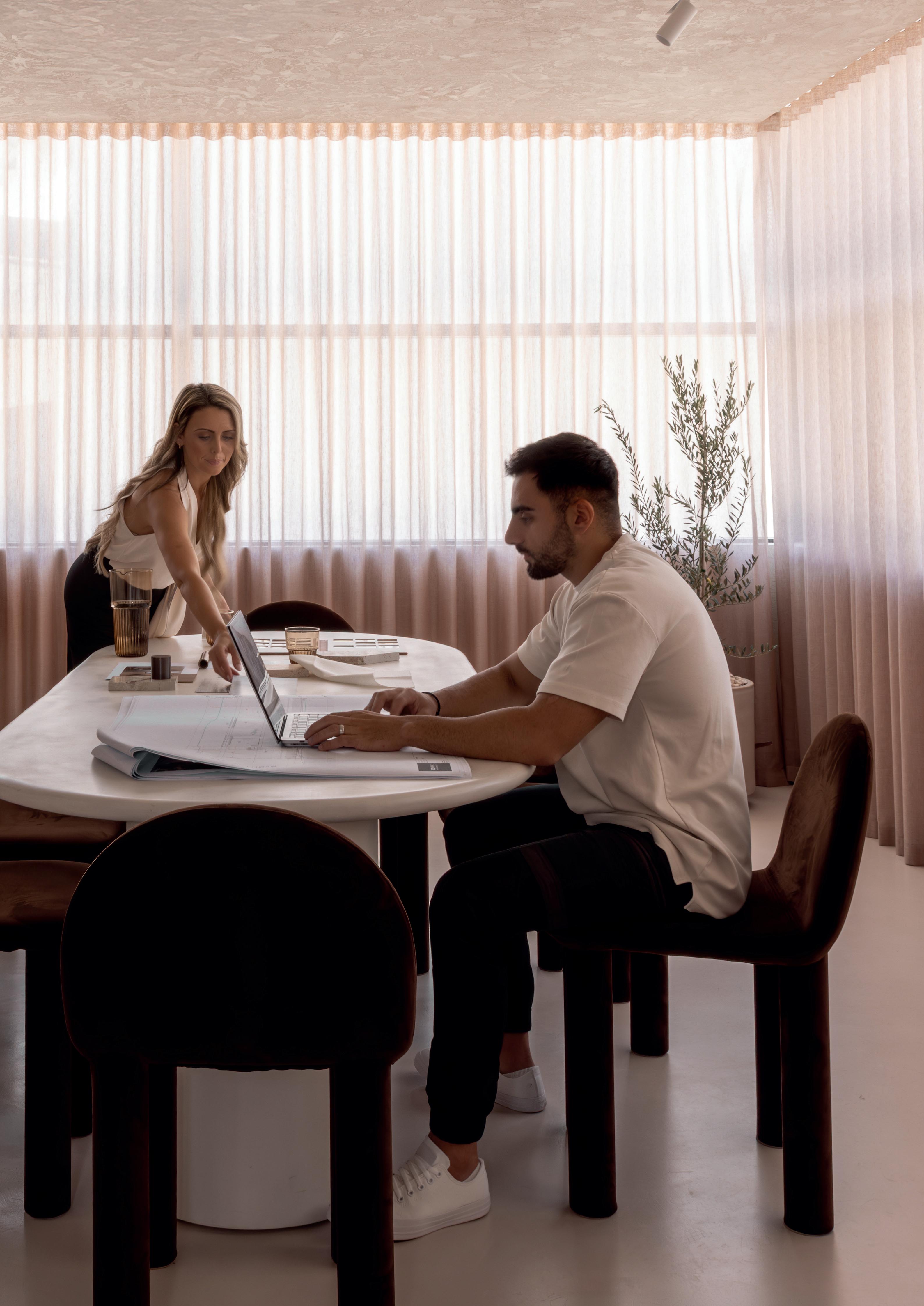
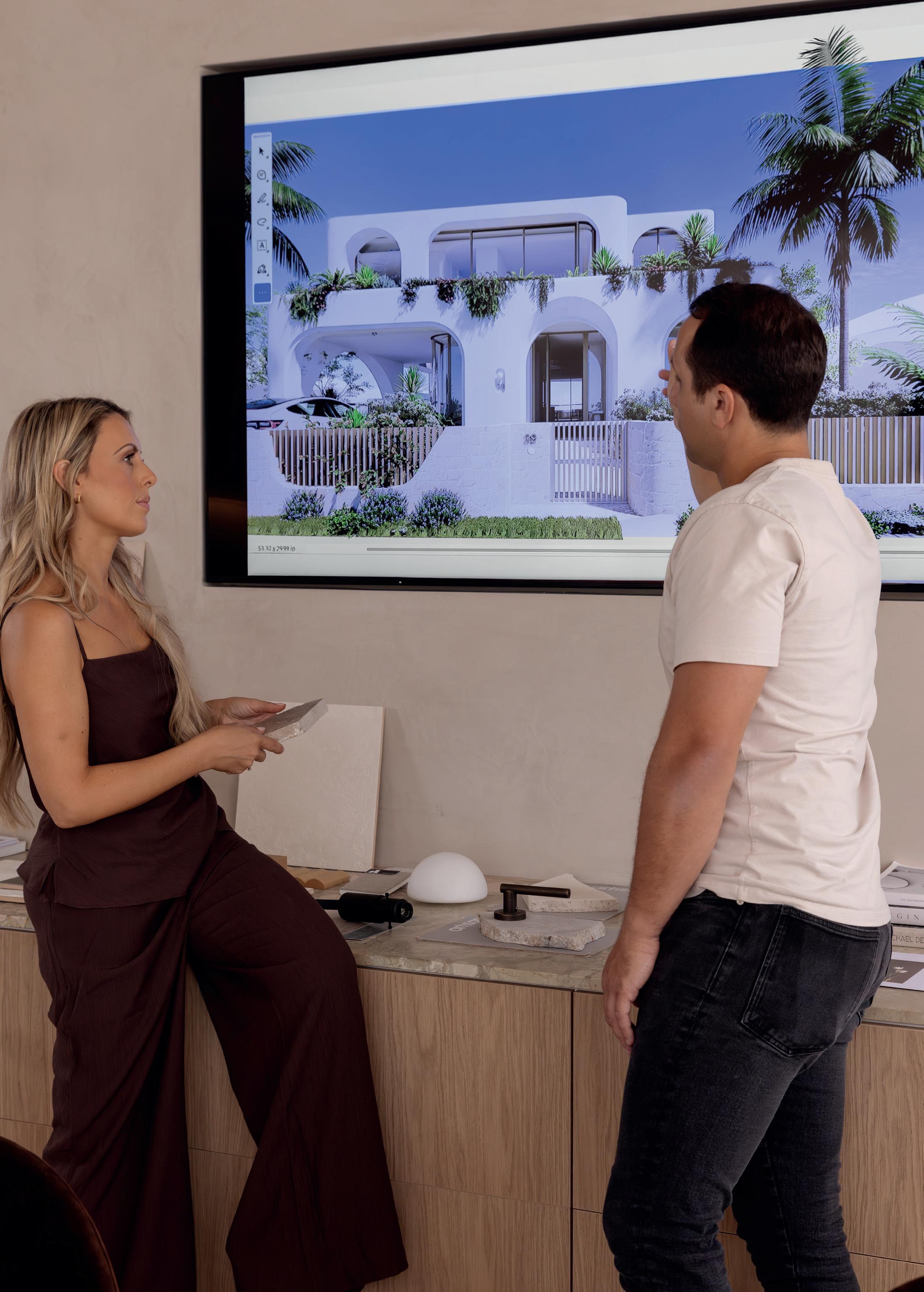
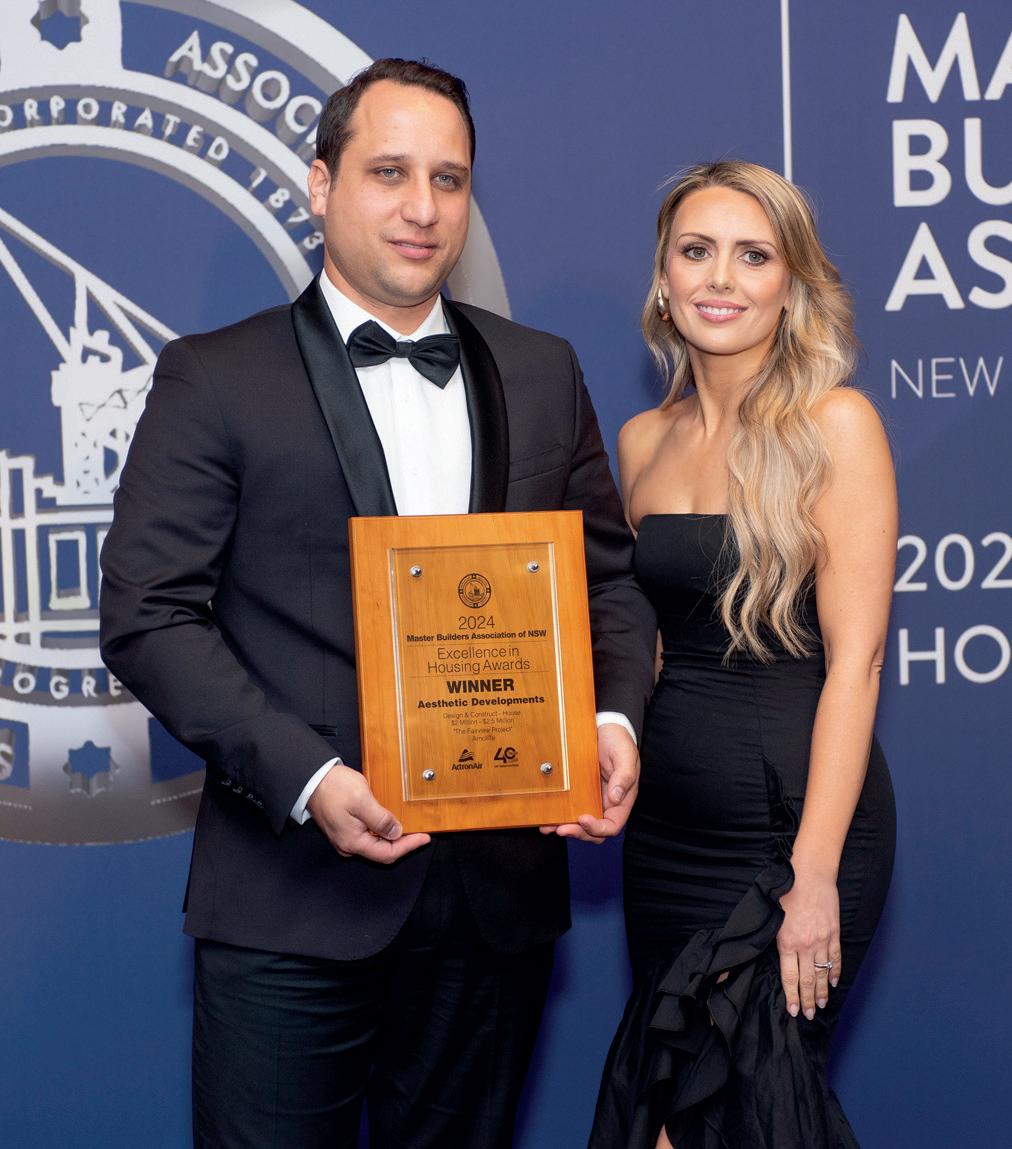
“Phil often says there was an instant connection between us, and before we got married, we decided to move in together,” Lina said. While this was a little unconventional for Phil’s traditional Italian family, it gave them the opportunity to truly understand each other, their goals, interests and how they each showed up on both the good days and the challenging ones.
“We married in 2015 and, after our wedding, spent three months travelling throughout Europe together; one of the most incredible experiences we have ever shared,” Phil said.
“We felt completely free, moving from one day to the next with no real expectations or plans, simply embracing whatever came our way as we explored.
“It was during this time that so much of our inspiration was drawn.
“We often spoke about creating homes that gave you a deep, meaningful connection to your roots, using raw materials and finishes that felt authentic and perfectly imperfect.”
It was on their honeymoon that they decided to take the leap of faith and go into business together, both resigning from their corporate jobs.
“Phil had the technical construction expertise, while I brought the creative vision to the business, along with experience in business development, customer experience and building relationships,” Lina said.
“Together, we believed we had the right foundations to create something that genuinely reflected our shared values, passion and vision.”
Phil oversees the construction and operational side of the business. His role involves leading the project teams, working closely with architects, consultants and subcontractors, and ensuring every project is delivered to the standard they’ve built our reputation on. He’s heavily involved from pre-construction through to completion, overseeing quality, programming, problem-solving and making sure the vision behind every project is successfully brought to life.
Lina’s role spans several areas of the business from leading their interior design and creative direction, to overseeing the branding and marketing, which naturally extends into editorial storytelling, brand collaborations, business development, client experience and strategic partnerships across both businesses.
They work together on the broader direction of the business, focusing on sustainable growth, strengthening systems and operations, nurturing team culture, and ensuring the values they’ve built the business on continue to be reflected in every client and team interaction.
Their two businesses, LP StratiCo and Aesthetic Developments, represent two distinct sides of the same construction story.
LP StratiCo is the engine room of the group. A highly structured insurance building and remedial construction business specialising in complex claims, major loss projects and technically demanding rectification works.
It has been built around strong systems, disciplined delivery and the ability to perform under pressure, often helping clients rebuild during some of the most difficult moments of their lives.
Aesthetic Developments is the creative expression of that experience.
Focused on luxury residential construction and development, Aesthetic Developments brings together architecture, interiors, craftsmanship and considered design to create homes with a strong sense of identity.
But at the heart of Lina and Phil’s business success is their spirit of creating positivity in the world.
“What drives us in business has never been growth for the sake of growth, turnover or building wealth,” Lina said.
“Those things are simply a by-product of creating something meaningful. At our core, we’re driven by people, purpose and the opportunity to leave a positive impact through the work we do.
“I believe opportunities present themselves for a reason, and it’s the choices we make and the way we show up that ultimately shape our path.
“Looking back, that’s exactly what happened with LP StratiCo. We never set out to build a business specialising in complex insurance, remediation and strata projects.
“That opportunity came through a relationship we had built with one of our trades, someone we still work closely with today. We chose to embrace it, and in doing so, it opened a completely new chapter for our business.
“The work itself is incredibly challenging. Many of our clients are navigating some of the most stressful periods of their lives after experiencing significant damage to their homes.
“By the time we become involved, they’re often frustrated, emotionally exhausted and simply looking for someone they can trust. Working alongside insurers, consultants, strata managers and homeowners require resilience, empathy, clear communication and the ability to navigate complex situations with care.
“That experience has shaped us in ways we never expected. It has made us better listeners, better leaders and better business owners.
“At the same time, it has given us the opportunity to continue pursuing our passion for thoughtful, design-led homes through Aesthetic Developments.
“While the two businesses operate in very different spaces, they complement one another beautifully. One continually strengthens our resilience, systems and customer experience, while the other allows us to express our creativity and love of design.
Alongside growing their business, they have grown their family, welcoming their daughters, Ana and Ivy.
Lina said starting a business while navigating fertility challenges wasn’t the path they had imagined for their lives, but through the moments of uncertainty, heartbreak and balancing the emotional weight the experiences taught them resilience, patience and reminded them that some of life’s most meaningful milestones can’t be rushed or controlled.
Becoming parents has completely changed their perspective.
“It has made us better communicators, more compassionate leaders and far more intentional about how we spend our time,” Lina said.
“Our girls are our greatest motivation and the reason we’re constantly striving to build not just successful businesses, but a life we’re proud to share with them.
“For me personally, having two daughters is also a constant reminder that they are always watching. They learn far more from what we do than what we say, and that comes with a responsibility I don’t take lightly.
“That has made me incredibly intentional about the
environment Phil and I are building together. I want our girls to grow up seeing mutual respect, open communication, teamwork and genuine partnership.
“I want them to know they should never settle for a relationship that doesn’t bring out the best in them, and that happiness, respect and kindness should always be the foundation of the life they choose to build.”
As with many small business owners navigating the balance between work and family is still a work in progress for Lina and Phil, as there is so much overlap between the two.
Lina said early on in running their business, they believed balance meant giving equal time to everything, but over time, they’ve realised that’s not always realistic.
Instead, they focus on being fully present wherever they are.
“When we’re at work, we’re committed to our team and our clients,” Lina said.
“When we’re with our girls, we make a conscious effort to put our phones down, be present and create meaningful memories together.
“Whether it’s a trip to the beach, riding our bikes, spending time at the park or travelling as a family, those moments help us reconnect and remind us why we’re working so hard in the first place.
“Losing loved ones unexpectedly has also profoundly shaped our perspective.
After losing my cousin, who was also my goddaughter, and then my mum in a short space of time, we were reminded just how precious life really is.
“Success has a different meaning to us now. Grief has a way of bringing clarity, reminding you to set healthy boundaries, be intentional about who you surround yourself with, both personally and professionally, and never lose sight of what truly matters.”
Lina said their vision extends well beyond the projects they build and as their businesses continue to evolve, so does their desire to create meaningful connections within the industry and the wider community.
“That intention was a big part of why we designed our studio, the way we did.
“We didn’t just want to create an office for our team; we wanted to create an inspiring space that brings people together. A place where industry professionals, creatives and like-minded businesses can collaborate, share ideas and build genuine relationships.
“Today, we’re opening our studio to photographers, content creators, brands and businesses as a backdrop for photoshoots, branding sessions, workshops, podcast recordings and industry events.
“We see it as an extension of who we are and what we value: creating spaces that foster connection, creativity and collaboration.”
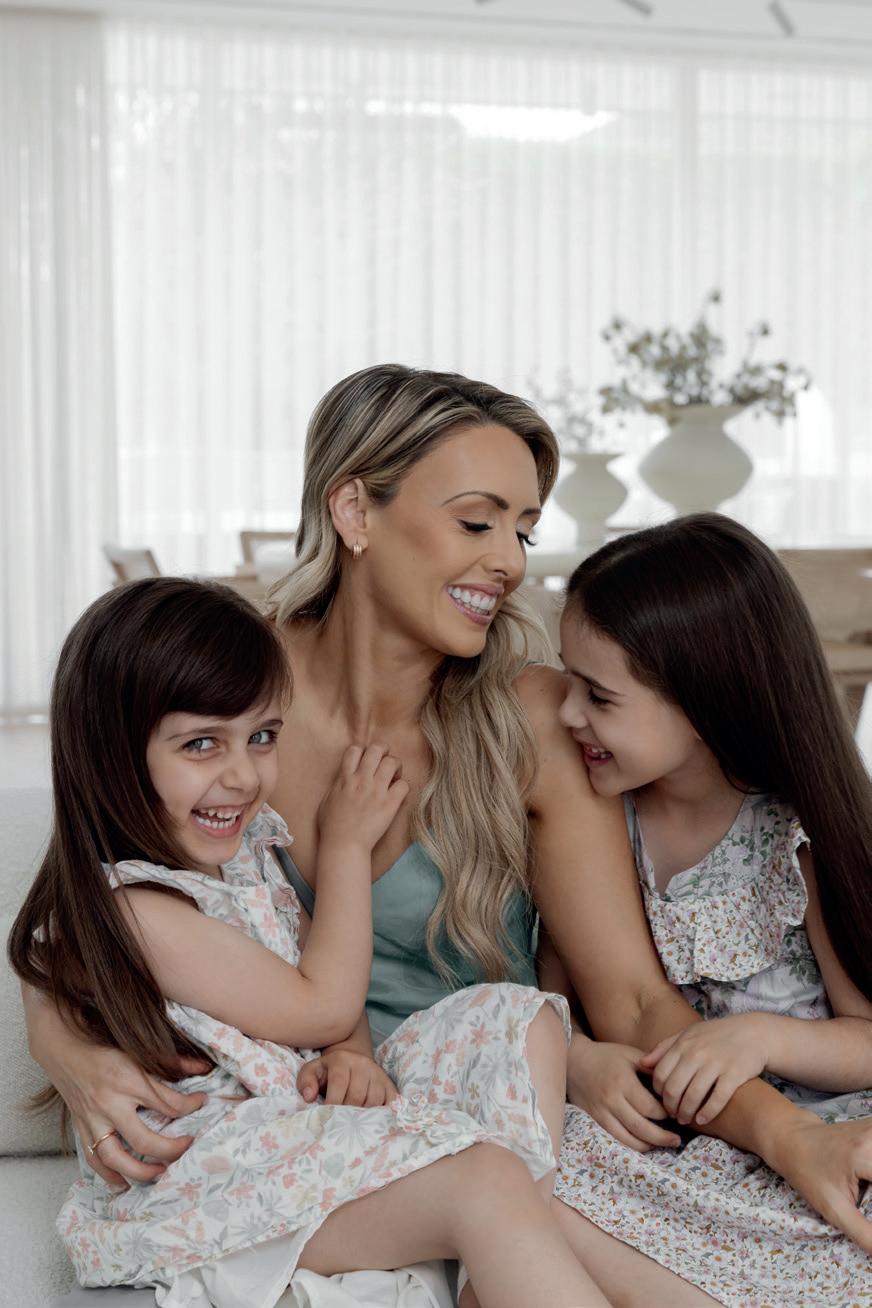
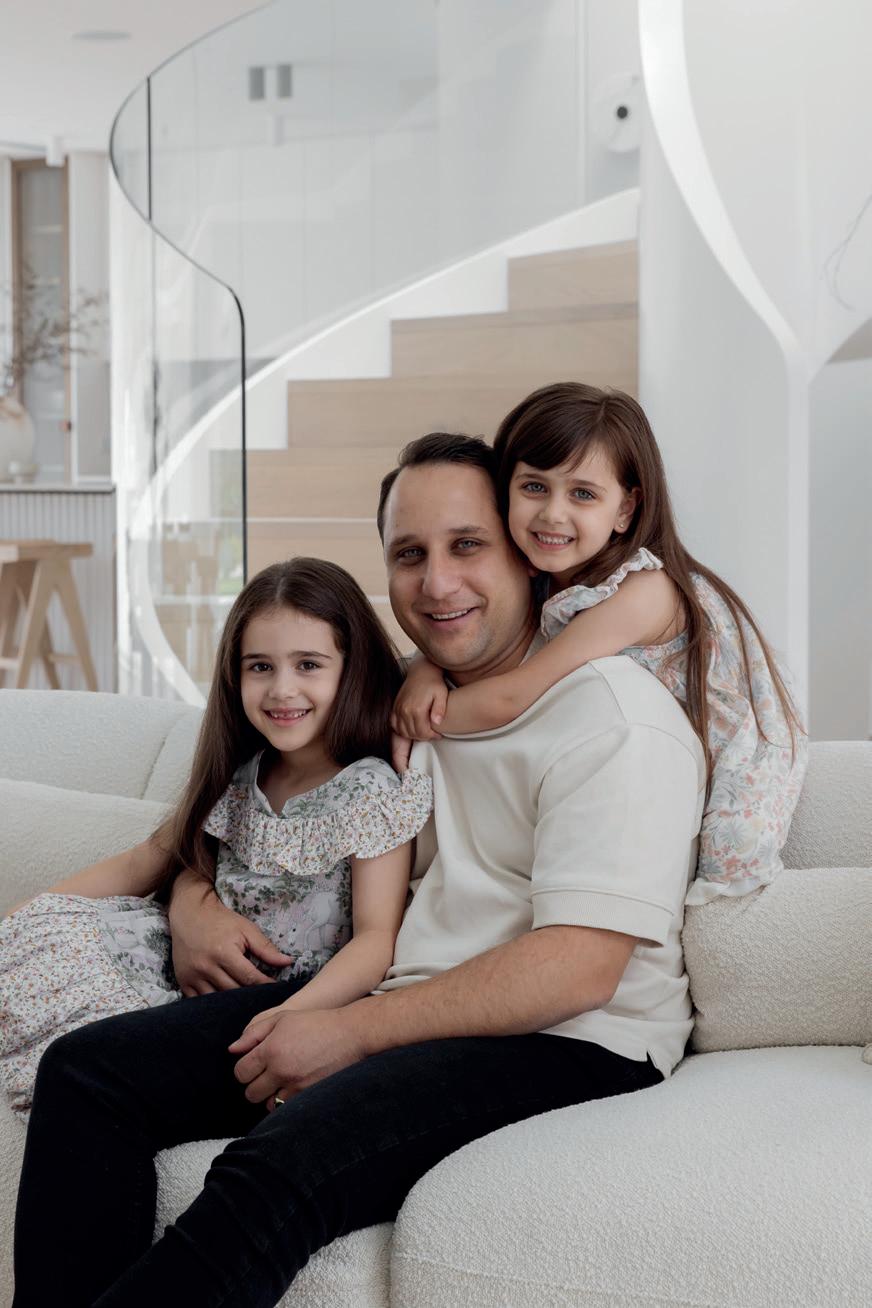
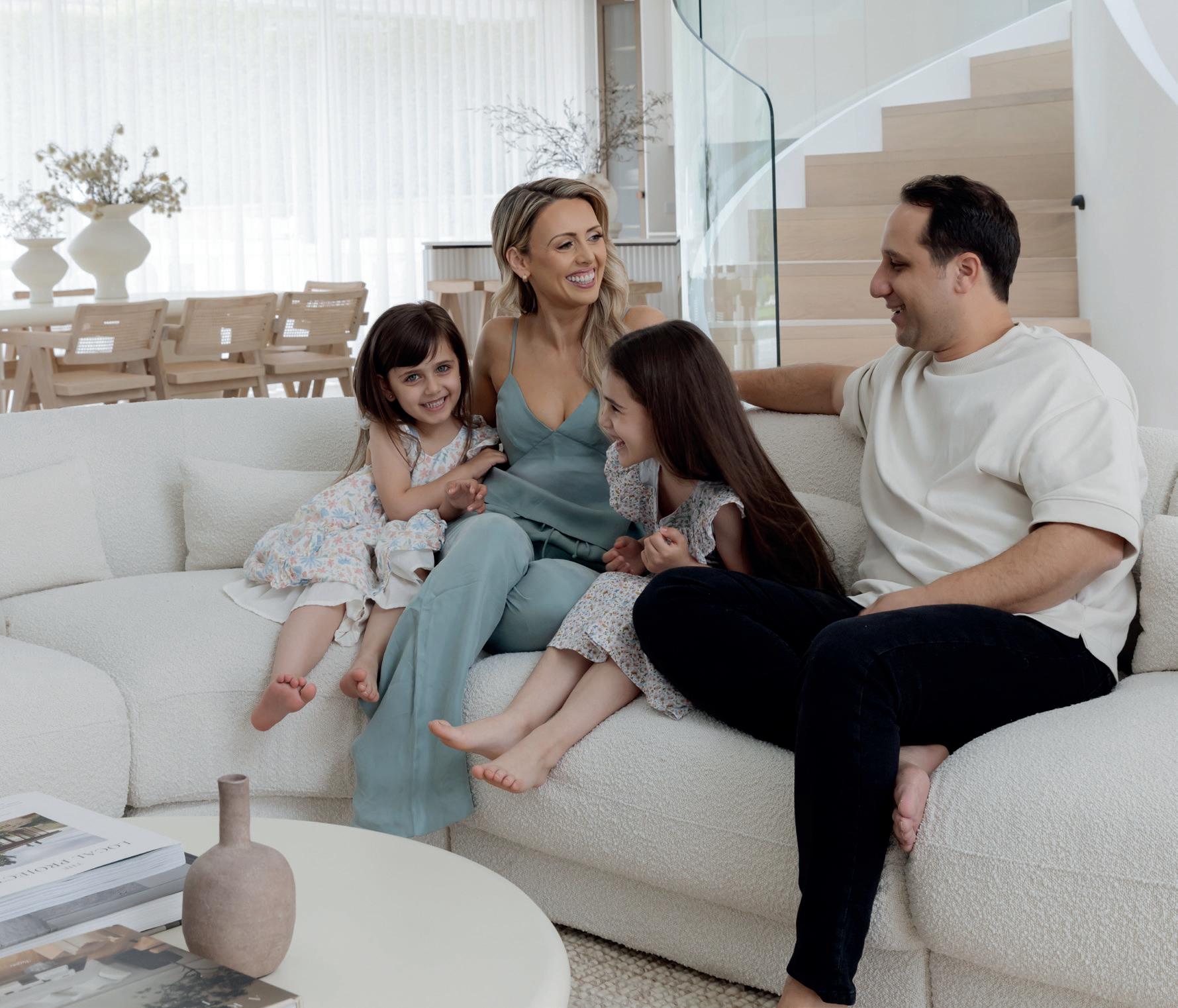
ANNA
SIMMONS, ONEUP BUILDING AND FLORENCE AMBASSADOR
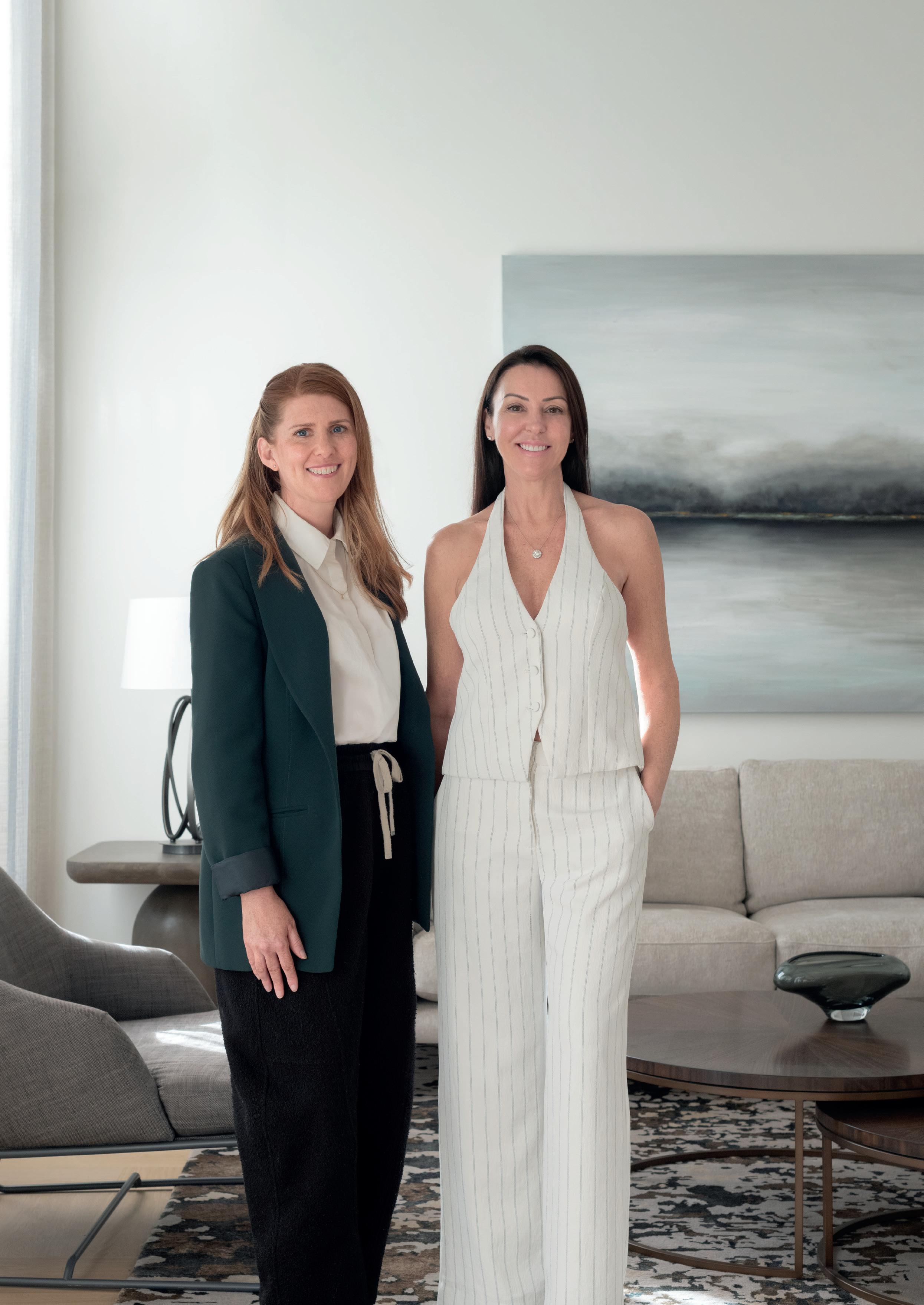
Following our passion and backing ourself
Deborah Rogerson is a woman in the building industry that I truly admire, and so it was a pleasure to be able to take the time to find out more about what makes her tick.
An engineer by qualification, Deborah has over 20 years experience in construction and is a director of Wattle Projects.
At OneUp we’ve been working with Deborah on a high-end residential project, and she also happens to be good friends with a couple we’ve just finished a home for, so we’ve had the pleasure of connecting with Deborah on a number of levels.
Her honesty about the work/life/mum/building industry juggle is refreshing. (I also can only imagine what her first job as a 19 year-old on a tunnelling project must have been like!).
I hope you enjoy Deborah’s story as much as I did.
Ifell into engineering almost by accident. Truth be told, I probably didn’t really appreciate what an engineer was when I started my degree, as I was convinced I’d become an architect.
I enjoyed maths and science, so engineering turned out to be a great fit. More importantly, it equipped me with analytical and problem-solving skills that have been invaluable throughout my career.
I started my professional career in tunnelling with a major civil contractor.
It was a tough gig for a 19-year-old and certainly a baptism of fire. The work was demanding, but I learned an enormous amount and got my hands dirty.
The sites certainly didn’t cater to a large female contingent, if any at all. After almost five years running around in tunnels, however, I began to yearn for a few creature comforts, including a toilet that I didn’t have to share with the blokes on site.
In 2010, I joined a client-side project management firm, which afforded me the best of both worlds in terms of site/office-based work.
Once again, I learned a tremendous amount, but perhaps most importantly, I was fortunate to have a couple of mentors who supported my career and gave me the confidence to back myself.
In my late-twenties, I was probably still a little green, but they believed in me, and I decided to take the leap and start my own business.
Fast forward 13 years, a husband, two children and a growing business later, and the juggle is very real.
Wattle Projects has grown, with offices in Sydney and Melbourne. We are a nimble team of project managers delivering developments across all building classifications from luxury homes to aged care facilities.
As the business expanded, so did my responsibilities, and the balance between leading projects, supporting our team, and being present at home became increasingly complex.
I have two fantastic business partners and, between us, we have seven children. Like many small business owners, we strive for work-life balance, although we don’t always achieve it.
My husband is also an engineer and, without question, my biggest champion. We both work fulltime and share the domestic load equally.
We divide and (try to) conquer. It’s important to us that our children grow up seeing that careers, parenting, and partnership are shared responsibilities.
I want my children, and the next generation of women in construction, to know that women can build successful careers and have a family if that’s the path they choose.
I can see the green shoots of change in my everyday life; when my daughter was in preschool, it warmed my heart to see her and half of her classmates being picked up by their dads.
The children had no idea this wasn’t always considered the norm. To them, it was simply how families worked. That felt like progress.
I love being a mum, but I also love the career I’ve worked hard to build over the past 20 years. There’s no doubt that our reality would not be possible without the village that supports us – long-day care, before and after-school care, grandparents who help out (we would truly be lost without them), and, most importantly, a partner who genuinely shares the load.
When one of the kids is sick, it’s a real conversation about who can take a carer’s day. We coordinate diaries, share calendars and plan our weeks down to the minute.
Does the occasional pang of mum guilt creep in? Of course. But I suspect that feeling exists regardless of whether you’re at work, at home, or somewhere in between.
As women, we’re often our own harshest critics. I believe there is no perfect balance. There is only doing the best you can, supported by the people around you, and having the confidence to pursue the things that genuinely inspire and fulfil you.
For me, that has meant following a career and building a business that I am passionate about, while also embracing the joys and challenges of raising a family.
I hope that by following our passions and backing ourselves, we not only create rewarding careers for ourselves, but also help make the path a little easier for those who follow; just as my own path has been made easier by the women who came before me.
I look forward to a future with more women in construction, more female leaders across our industry and, finally, a few more ladies’ loos onsite.
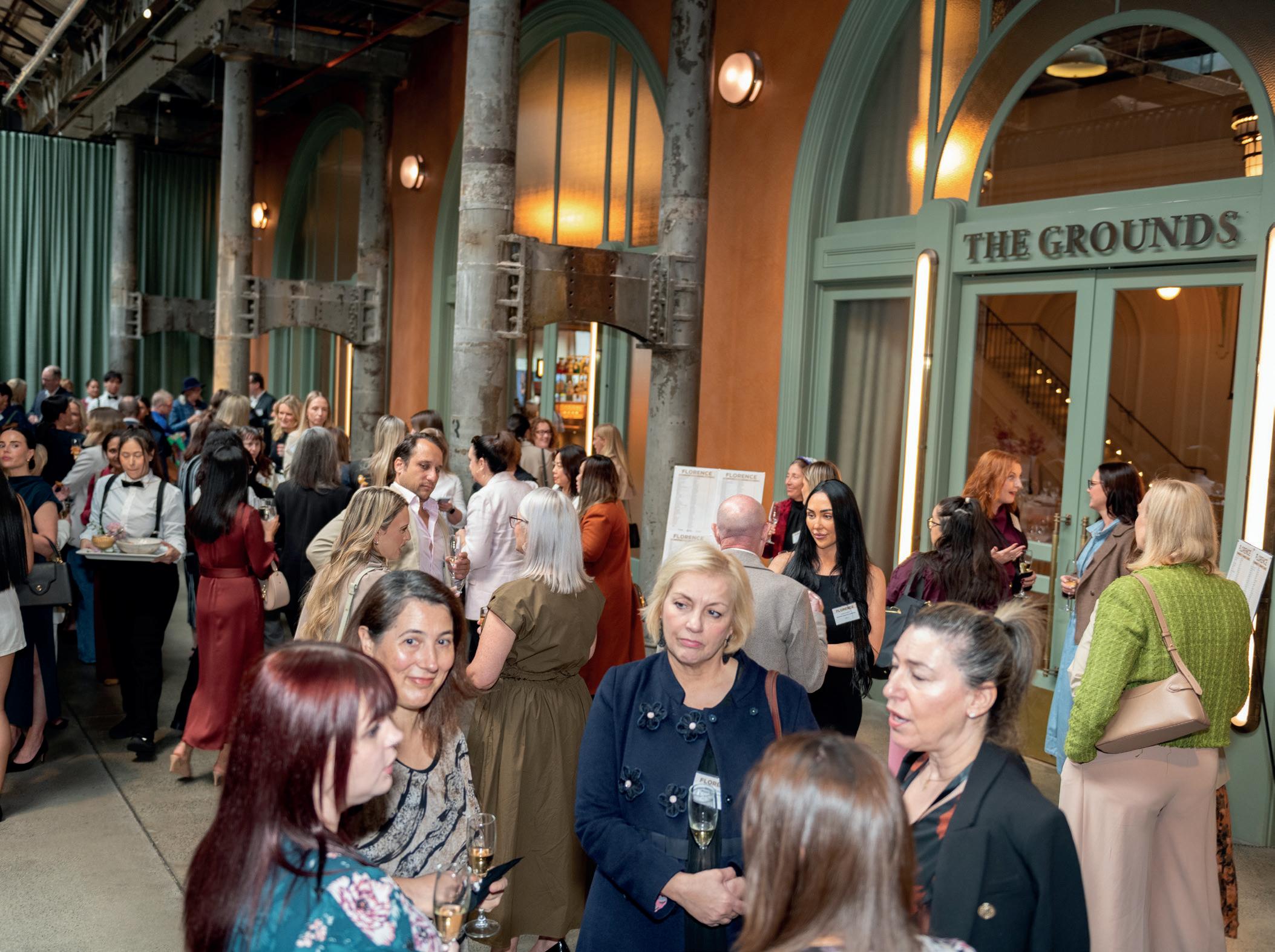
SPECIAL GUEST - JULIE GOODWIN
Master Builders NSW May 2026
DIANA BRAJUHA, FLORENCE AMBASSADOR
“Proceed as if Success is Inevitable.”
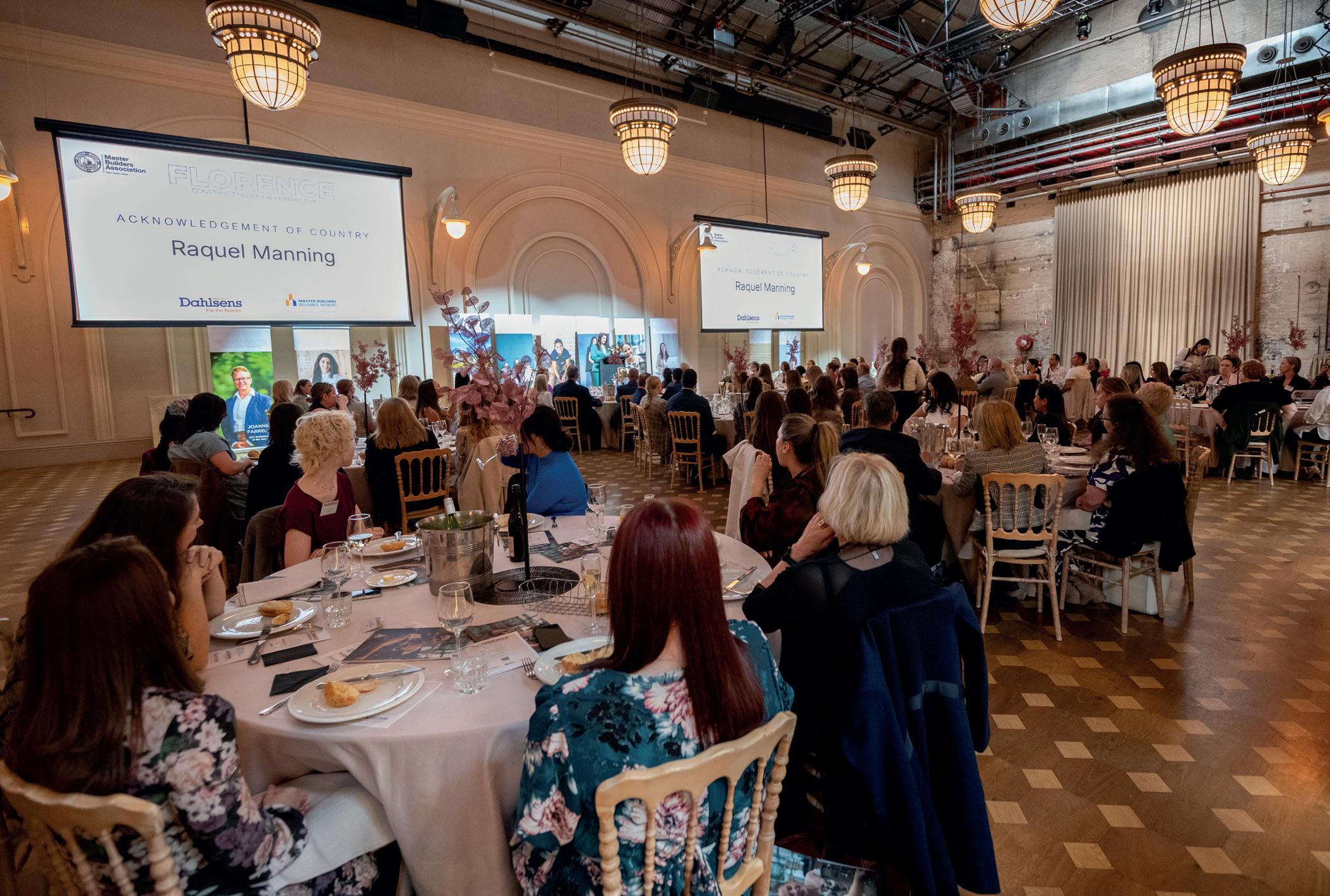
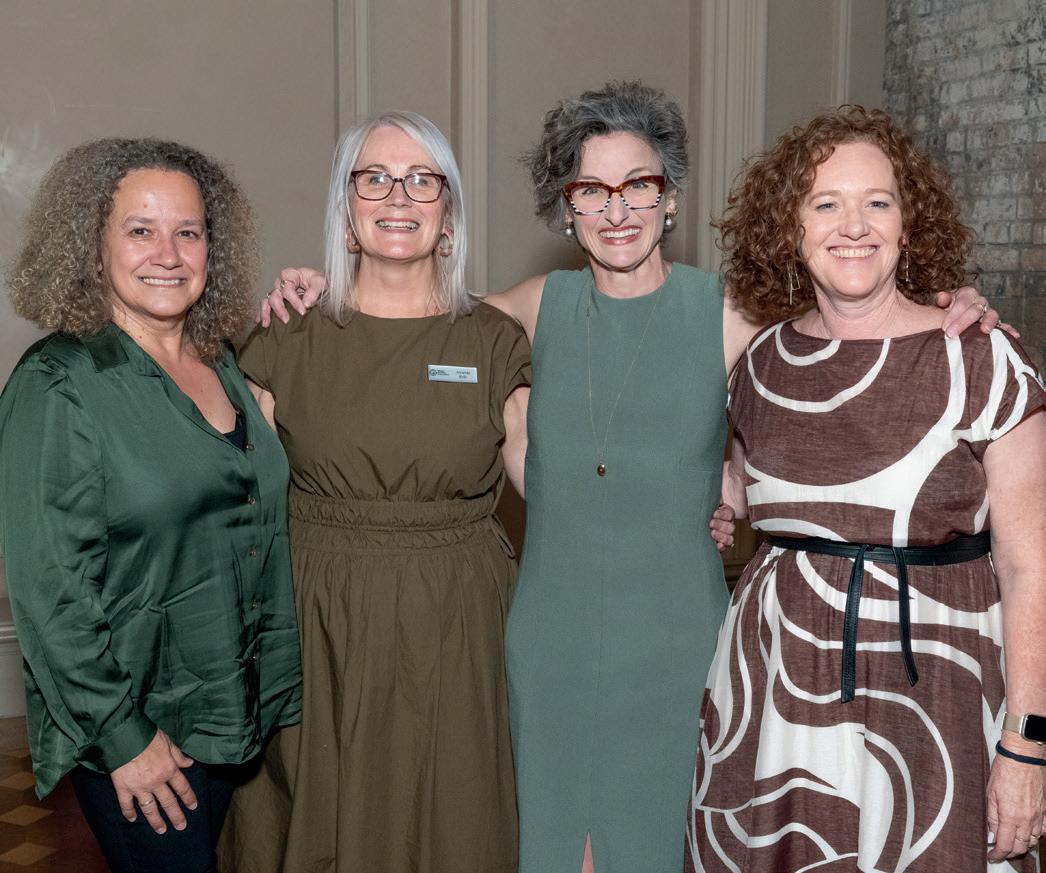
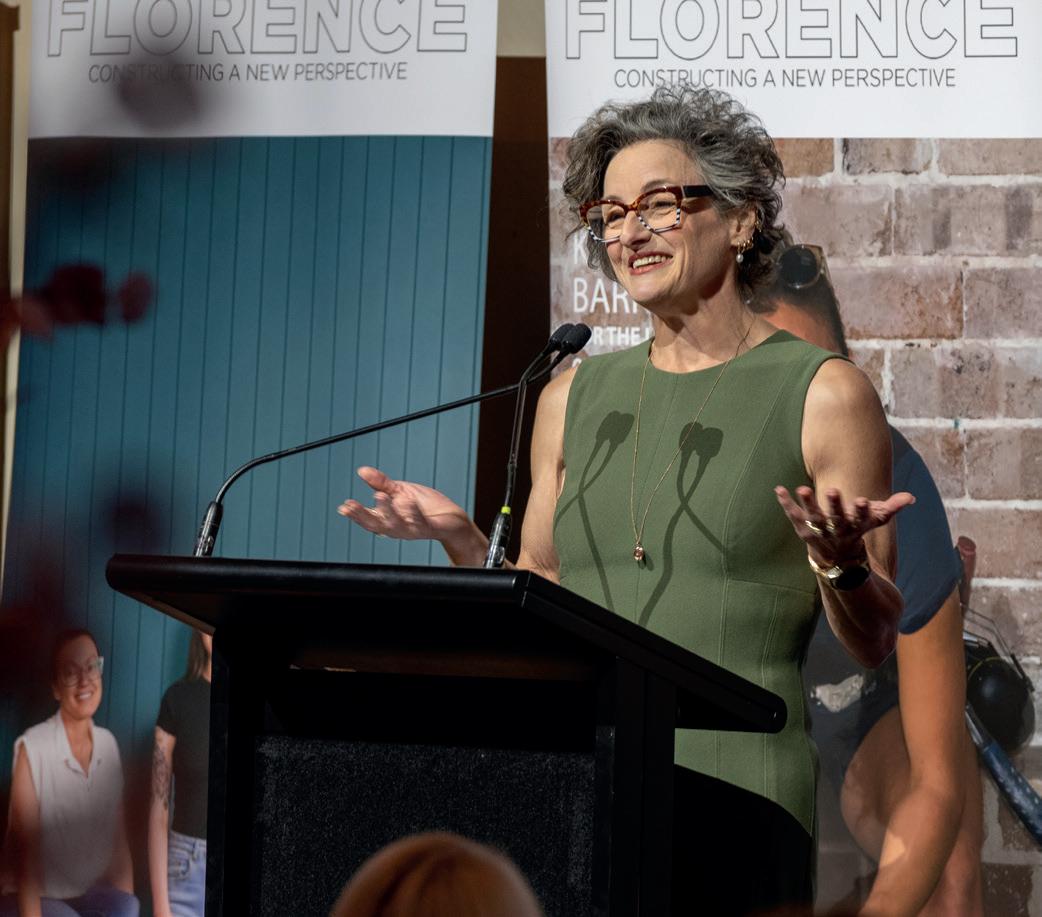
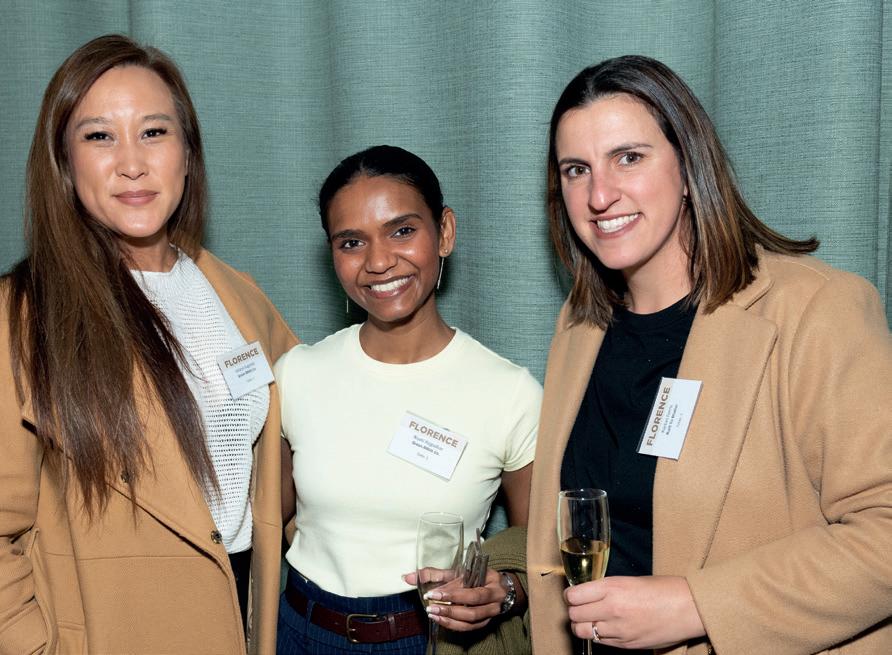
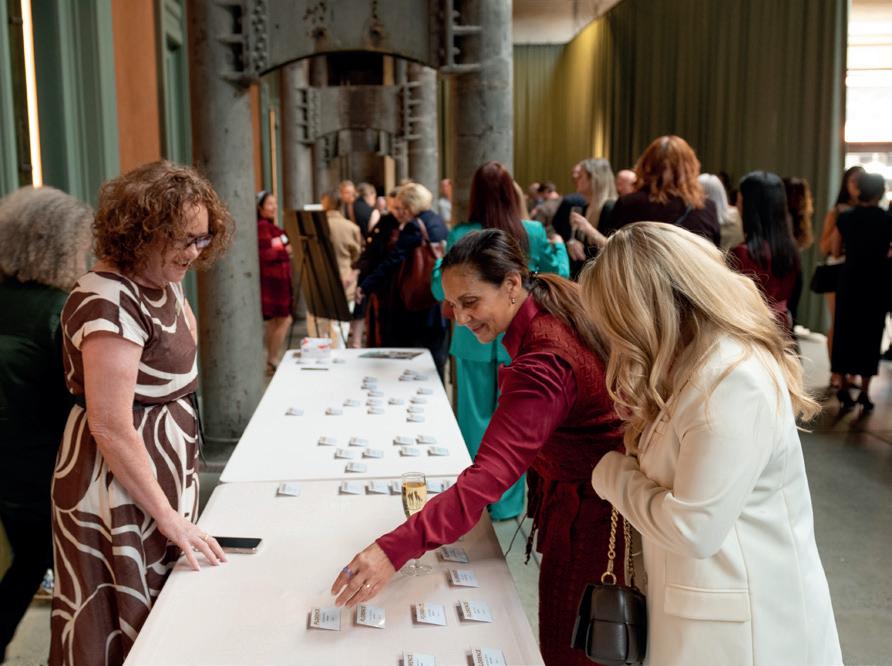
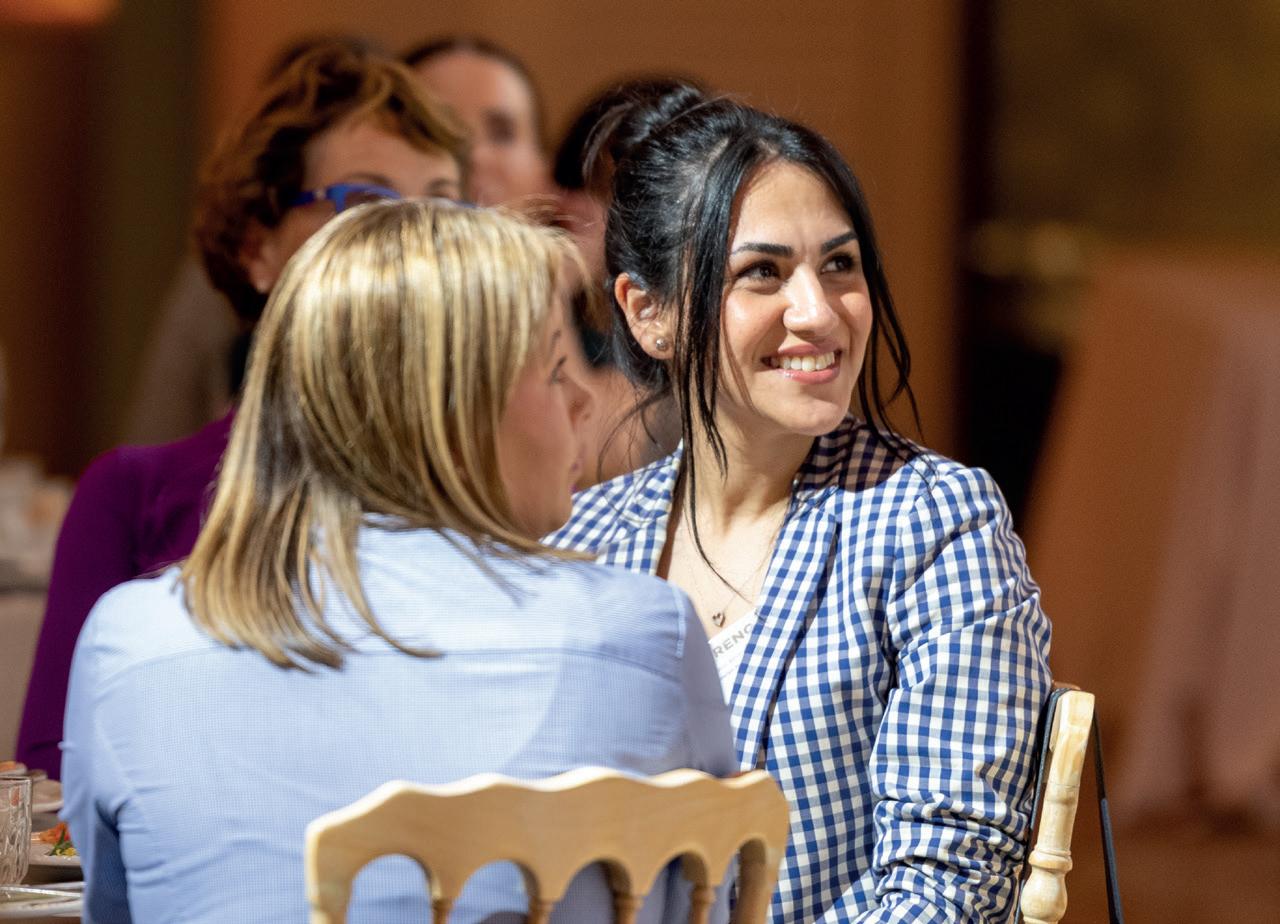
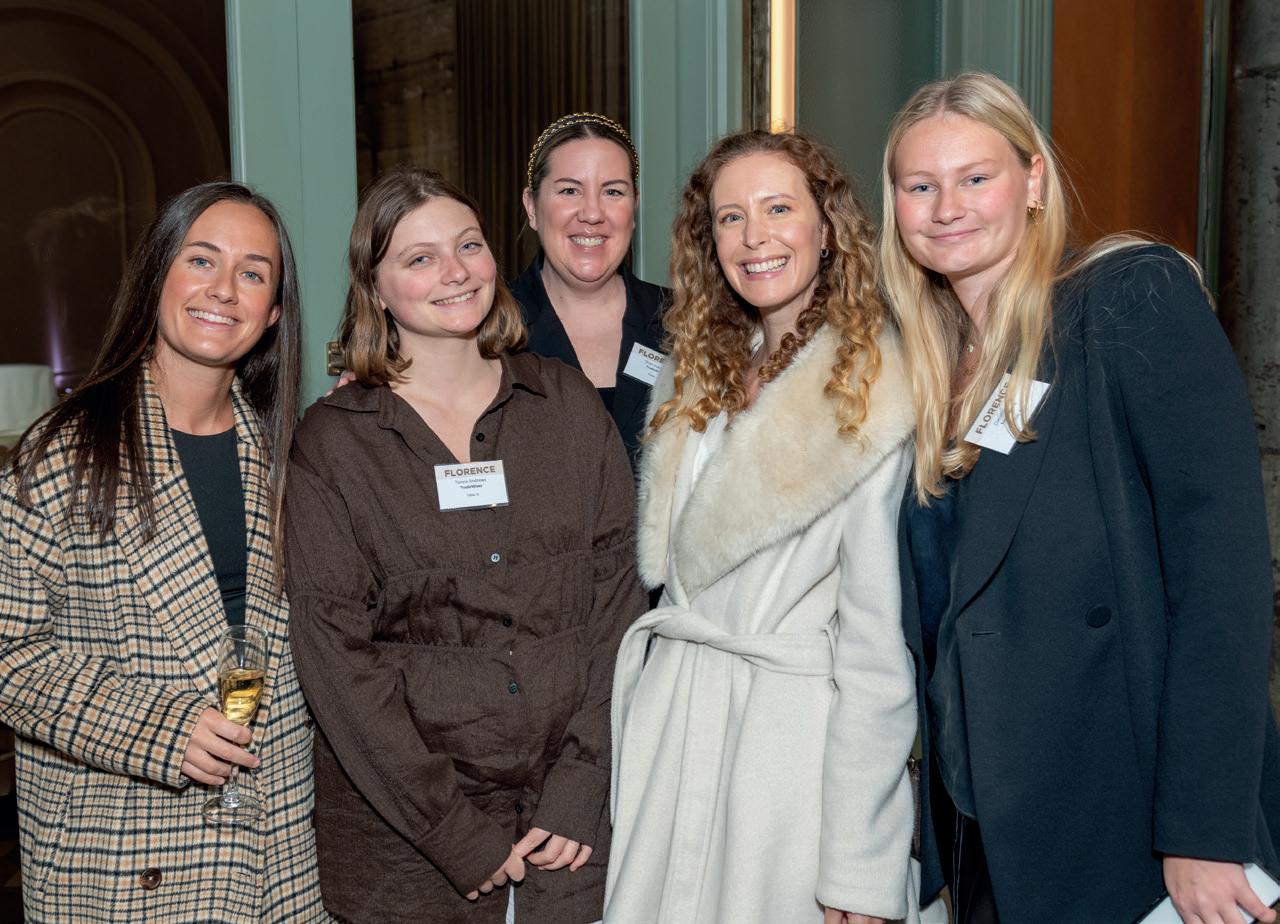
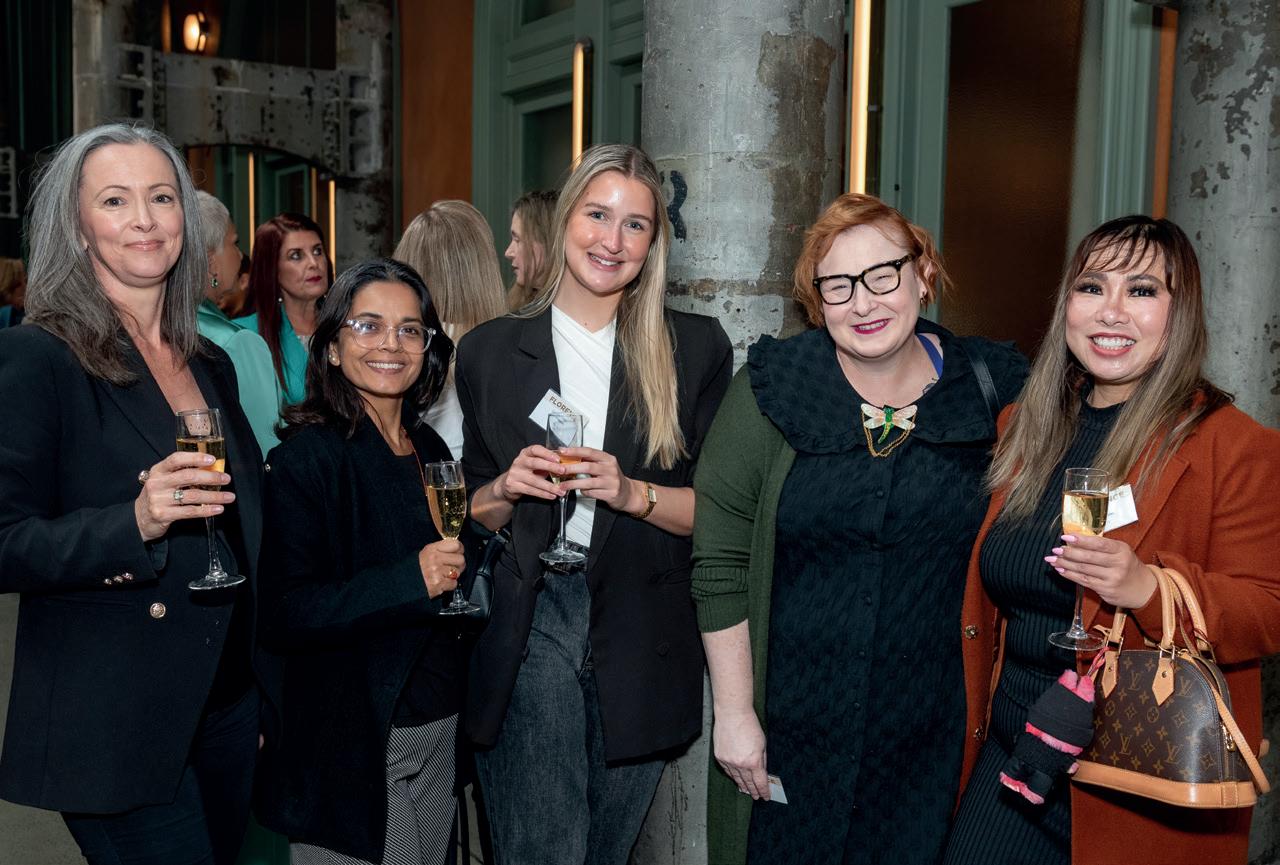
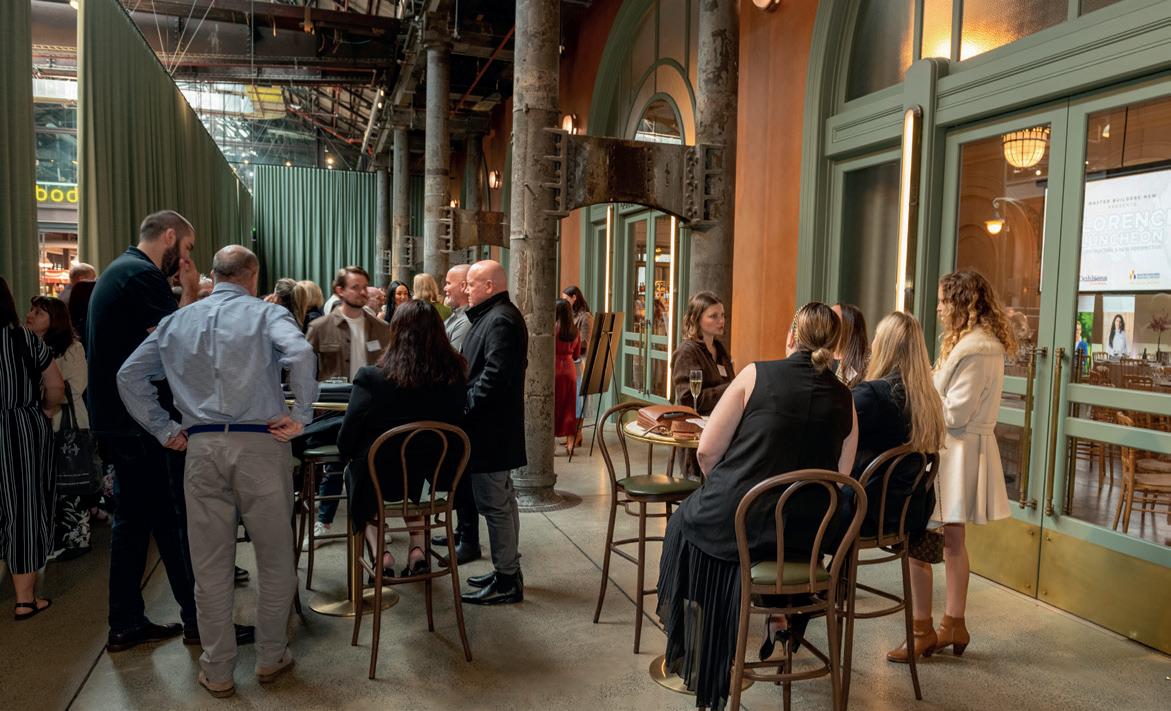
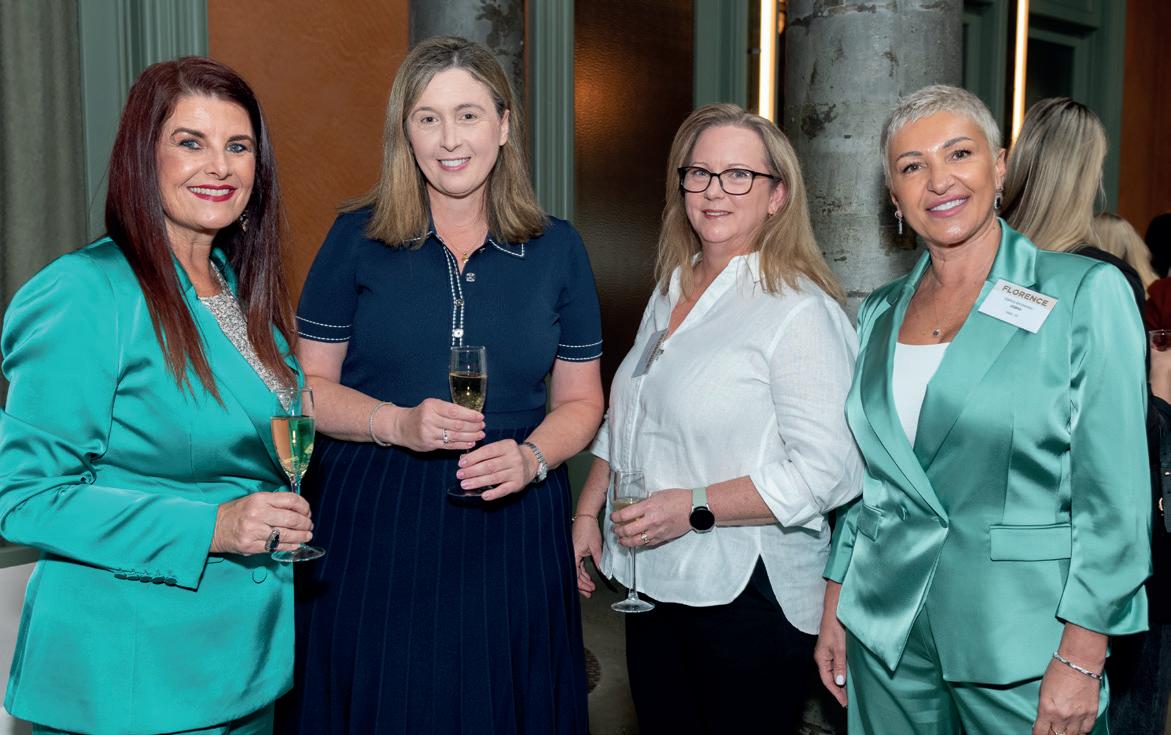
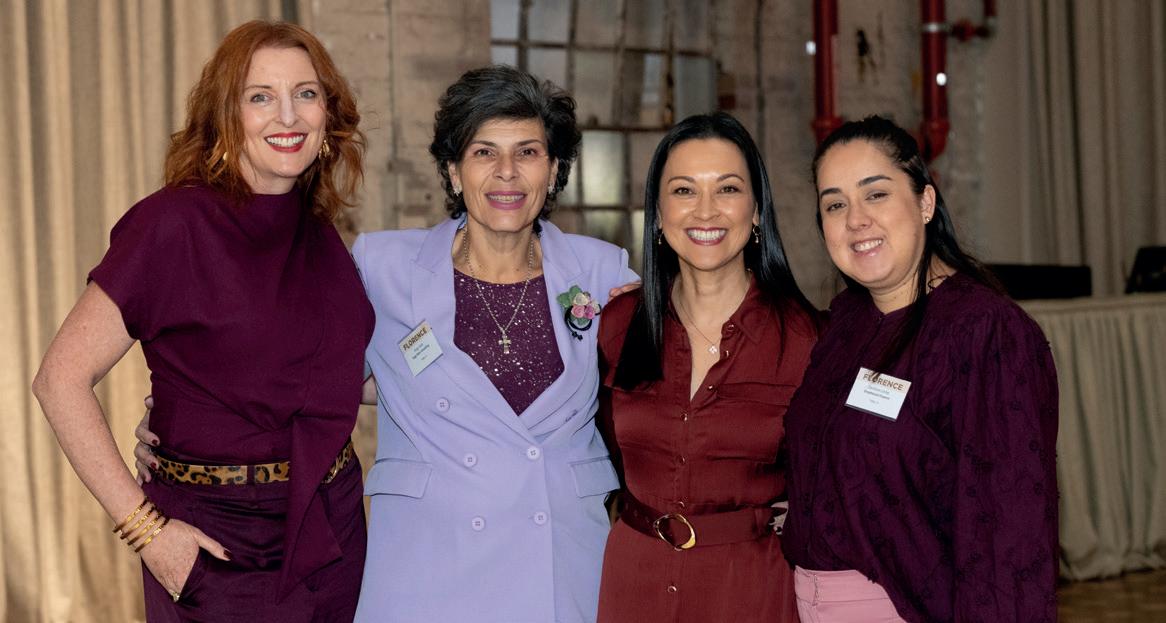
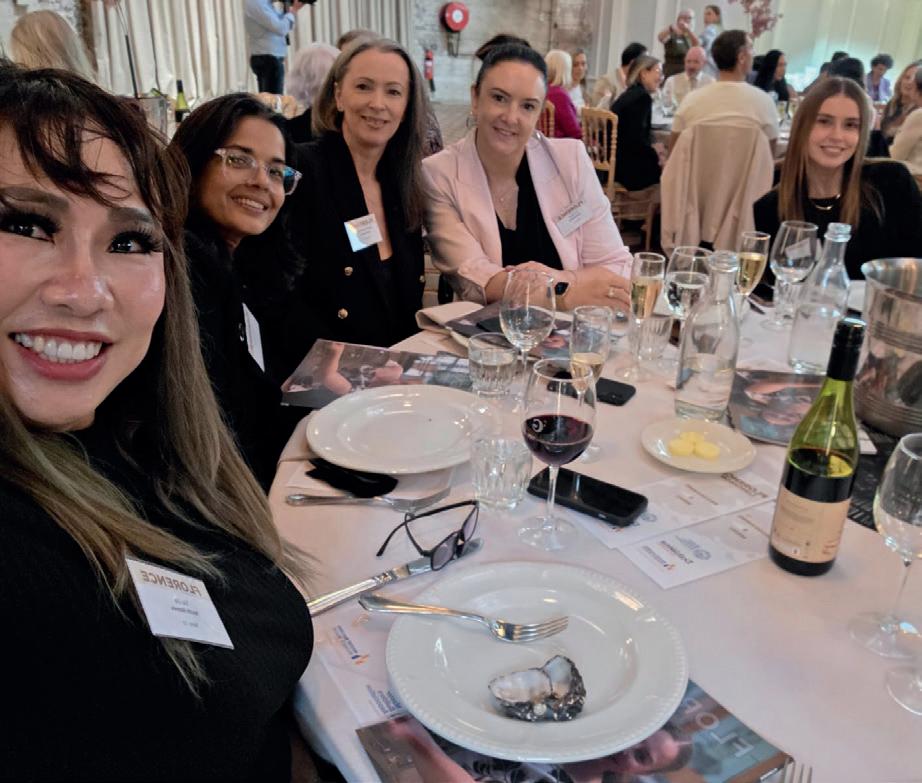
Those words have sat on a fridge magnet in Julie Goodwin’s kitchen for years, and they were the words with which she opened her address at our recent Florence luncheon, held at The Eveleigh on May 8.
Named in honour of Florence Taylor, our pioneering Australian architect, engineer and town planner, Florence celebrates the women shaping not only the built environment, but also the communities that grow within it.
It was fitting that the afternoon was joined together by a theme that extended beyond construction itself: the idea of home.
The Welcome to Country, delivered by Raquel Manning, drew a thoughtful distinction between a house and a home.
Bricks, timber and steel may form the structure, but a home is built through connection, being shared meals, shared stories and the people gathered around a table.
It was the perfect prelude to introduce Julie Goodwin.
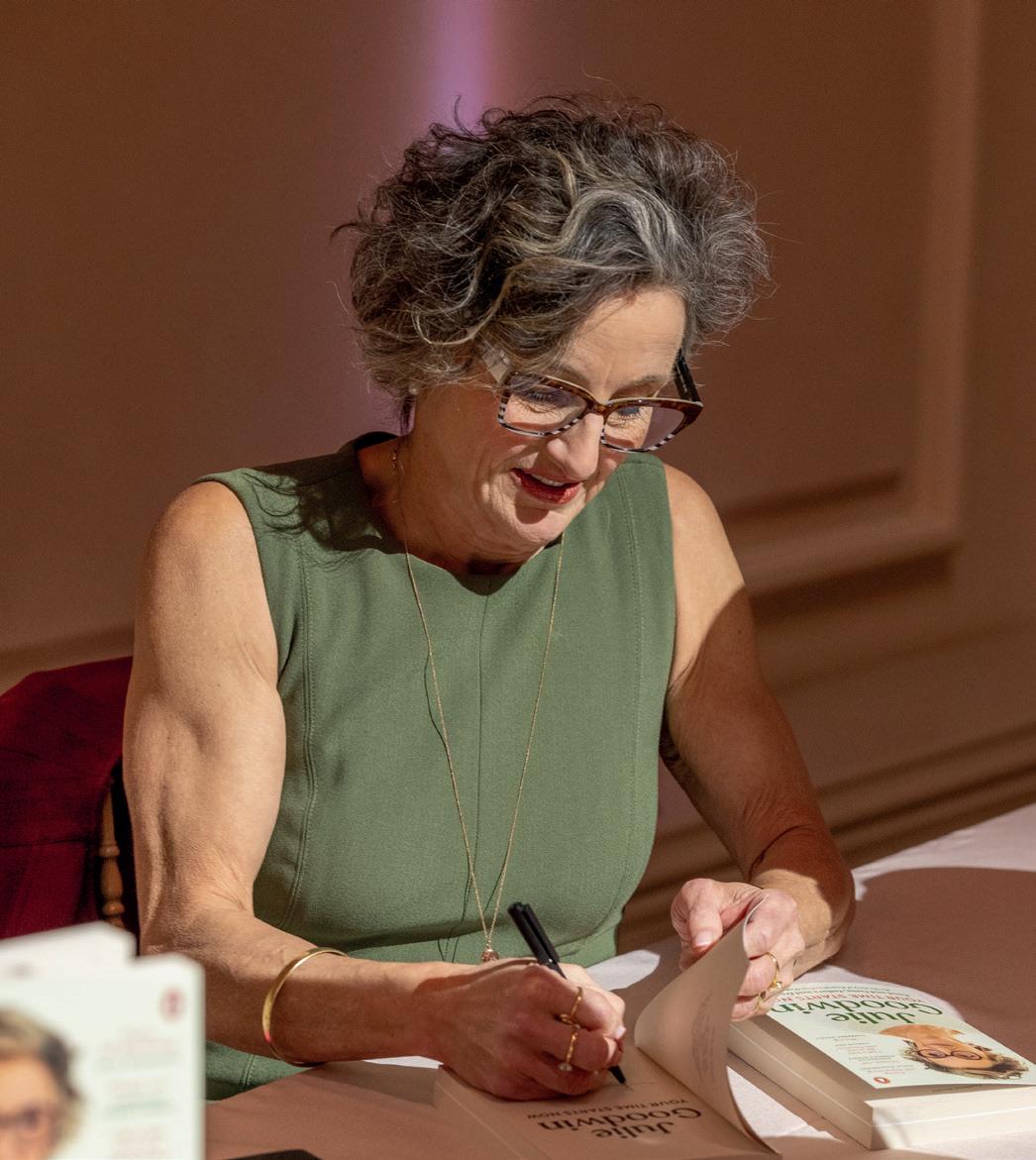
Julie was the inaugural winner of MasterChef Australia, but she did not spend the afternoon cooking or reflecting on her unexpected success in a television competition.
Instead, she delivered something far more valuable, being an honest account of her experiences with mental health and the challenges she has navigated throughout her life.
With warmth and candour, Julie spoke openly about periods of struggle, the ongoing work of maintaining wellbeing, swimming she noted, being a key part of that and the reality that success offers no immunity from hardship.
There was no attempt to simplify the narrative; instead, she spoke about the complexity of living
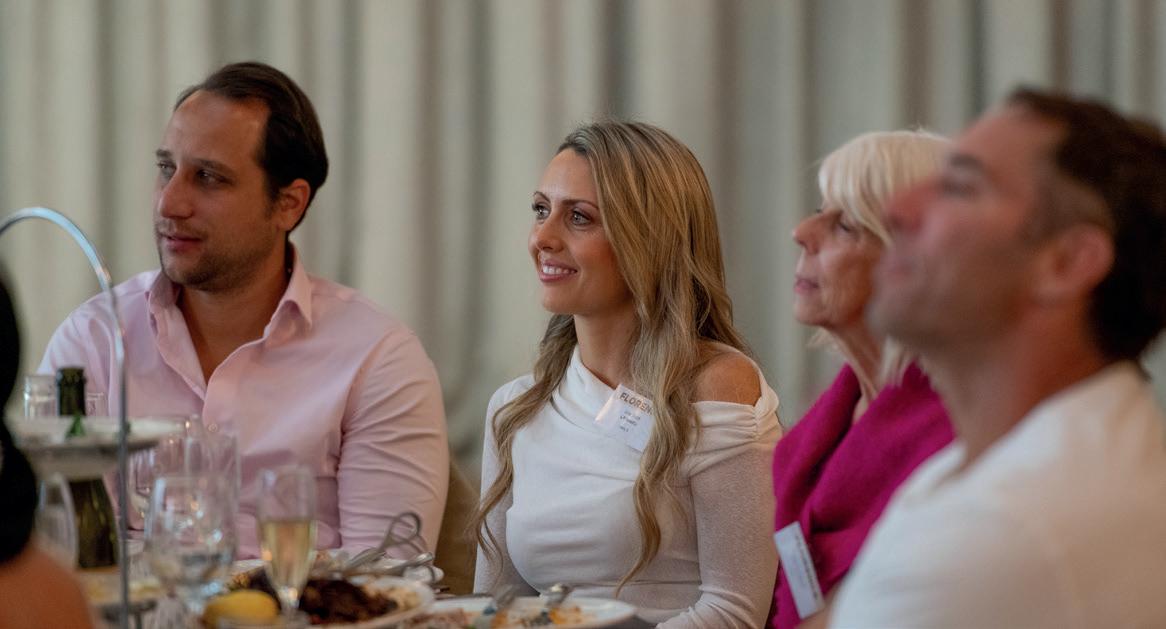
with both success and vulnerability, often at the same time. The effect on the room was clearly noticeable.
Among the stories she shared was the building of her own family home and the lengthy delays that left her cooking for months using little more than a single burner.
What felt like an inconvenience at the time became, unexpectedly, an advantage when she auditioned for MasterChef. While other auditioning contestants struggled to adapt to a limited cooking environment, Julie was simply drawing on skills she had already been forced to develop.
It proved to be a clear advantage from the outset. That fridge magnet, as it turned out, had been quietly proving itself true long before the television cameras arrived.
Julie’s story was a perfect illustration of a broader truth: the experiences we least expect often prove to be the ones that prepare us best for what may come next.
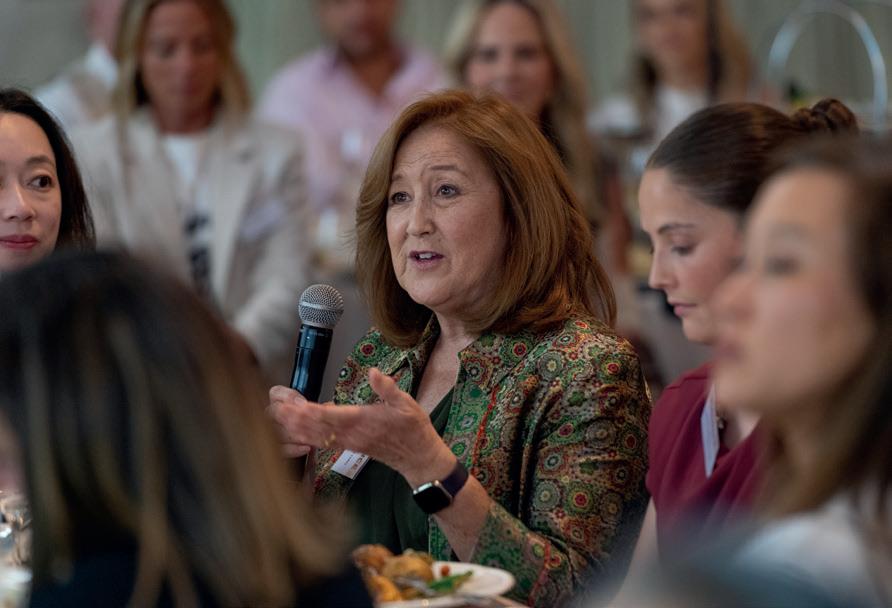
Julie also had time to answer audience questions about cooking and MasterChef.
For those curious about what happens behind the scenes on MasterChef, Julie also answered her most asked question.
Is the food served cold to the judges? Yes, by the time dishes reach the judges, the food is often cold. However, she explained that the judges continually sample the food throughout the cooking process, while the cameras focus on the final presentation and spotless kitchen benchtops. Such is the magic of television.
She also revealed her favourite go-to recipe, her nofail Zucchini slice, which works for breakfast, lunch, dinner or a snack.
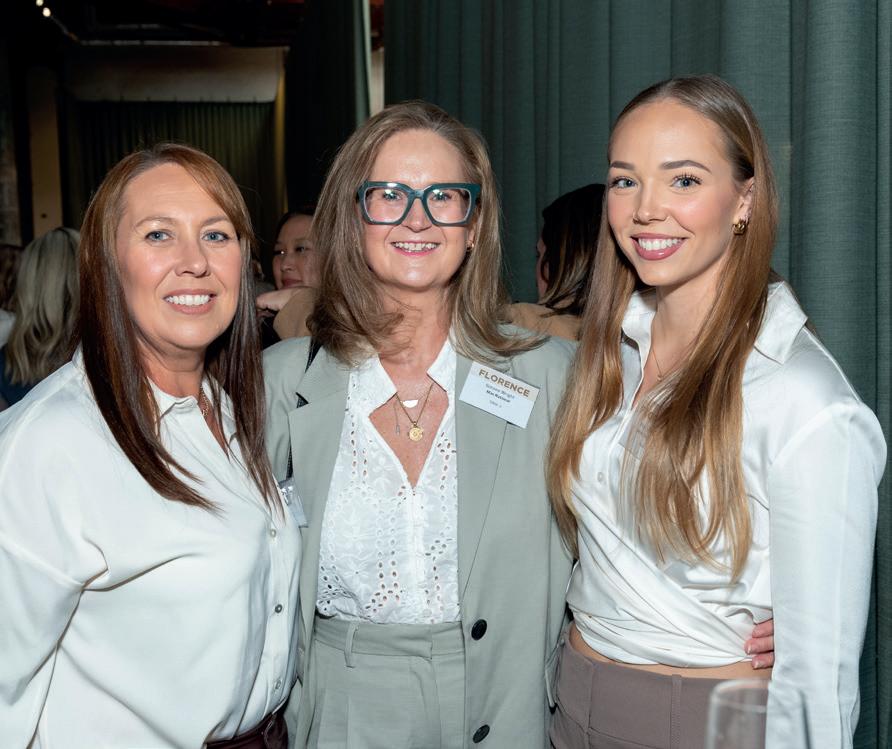
By the close of the afternoon, guests departed with far more than the memory of a delicious lunch and enjoyable conversations with old and new friends.
Julie stayed with us for the entire afternoon, generously giving her time and making everyone feel as though they were catching up with an old friend. She has a remarkable ability to connect with people, not only through her cooking, but through her warmth and generosity of spirit.
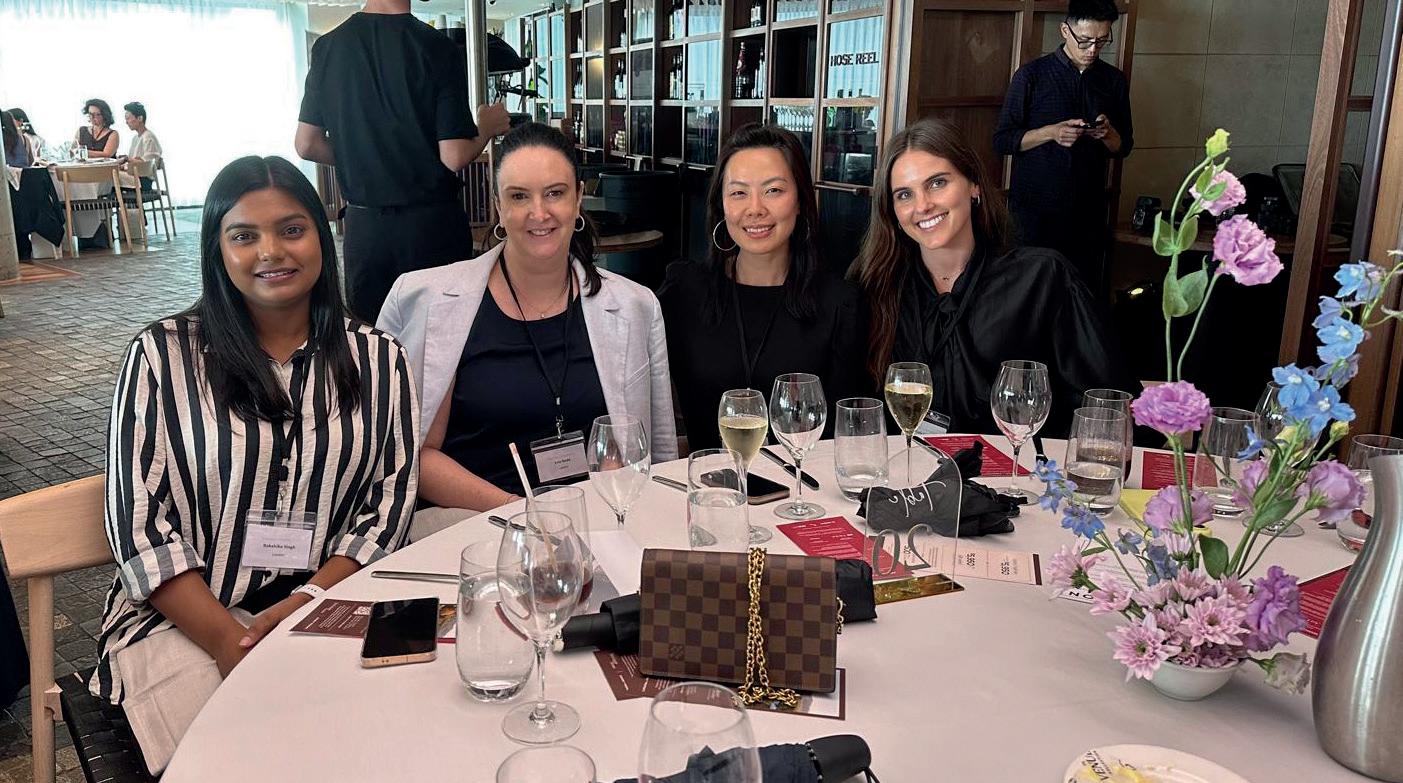
The Florence luncheon was intended to bring us together around a table.
It succeeded in doing that, but it also left us with something more. It was truly my favourite Florence luncheon to date.
“Proceed as if Success is Inevitable.” Not because success is guaranteed, but because showing resilience, believing in yourself and having connections with each other, are often what will help us get there.
MANNING
Construction is an industry built on concrete, steel, and pressure.
It is historically loud, relentless, and unforgiving. But step inside the doors of North Homes, and the architecture immediately shifts. Here, the foundation is built on a different kind of strength: the quiet, unshakable power of women.
In a sector where they are often the exception, the women of North Homes are the rule, making up more than 60% of the workforce.
They are not just filling seats, they are the operational and technical experts, and the heartbeat of the company.
Any given morning at North Homes is driven by meticulous expertise.
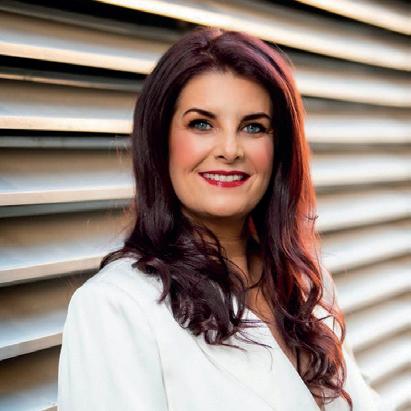
At her desk, Brinda Pyakural is analysing materials and costs.
Entering the industry without any family connections, she leans into the “fine line of precision and detail” that she knows women uniquely bring to the craft.
That same technical rigour is echoed by Stacey Michell, who dives into compliance and codes with
a fierce dedication that honours her mother’s 35year legacy in the male-dominated trades.
For the first time in her career, Stacey isn’t boxed in, she is trusted with the full scope of her capabilities.
Guiding this operational precision is Jo-Anne Robinson.
Having pivoted from commercial trades to events and finally back to construction, she craved a mental challenge.
At North Homes, she found a culture that allowed her to thrive, and she rose to operations manager in just nine months.
While the operational team ensures the structural integrity of the business, the client-facing women breathe life into it.
Erin Rudd, steering the ship as sales manager, brings years of high-stakes corporate experience. She proves every day that a business can harbour elite, high-performing teams, while still prioritising genuine human connection.
When clients walk through the doors, they are guided by women who truly listen.
Caitlin Yorke, whose early curiosity in property was
stifled at just 19 in a heavily male-dominated firm, now thrives as a client project co-ordinator because her leadership actively invests in her ideas.
In the design studio, Maryam Rashid applies the analytical mind of a former chemist to the creative process of homebuilding, ensuring every client feels seen.
There is a powerful lesson here for the broader construction industry: psychological safety is not a soft metric; it is a distinct commercial advantage.
For decades, the sector has operated on the assumption that high-pressure, sink-or-swim environments yield the best results.
The women of North Homes prove the exact opposite.
When employees are free from the exhaustion of constantly proving their right to be in the room, their cognitive bandwidth is entirely redirected toward innovation, problem-solving, and precision.
Because these women feel secure and supported by their peers, they have the capacity to guide families through some of the most complex, high-stakes financial decisions of their lives with absolute clarity.
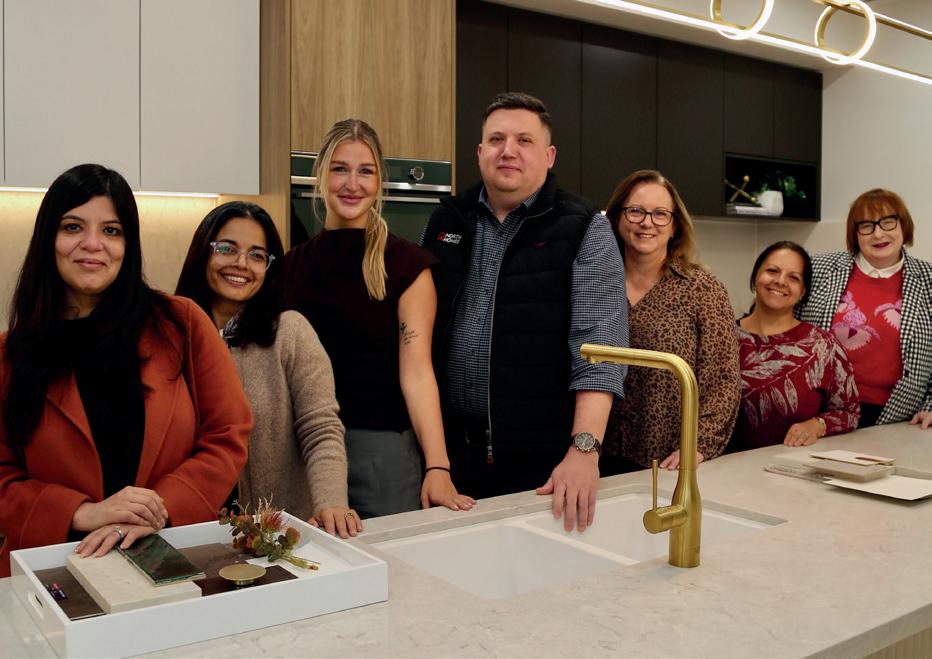
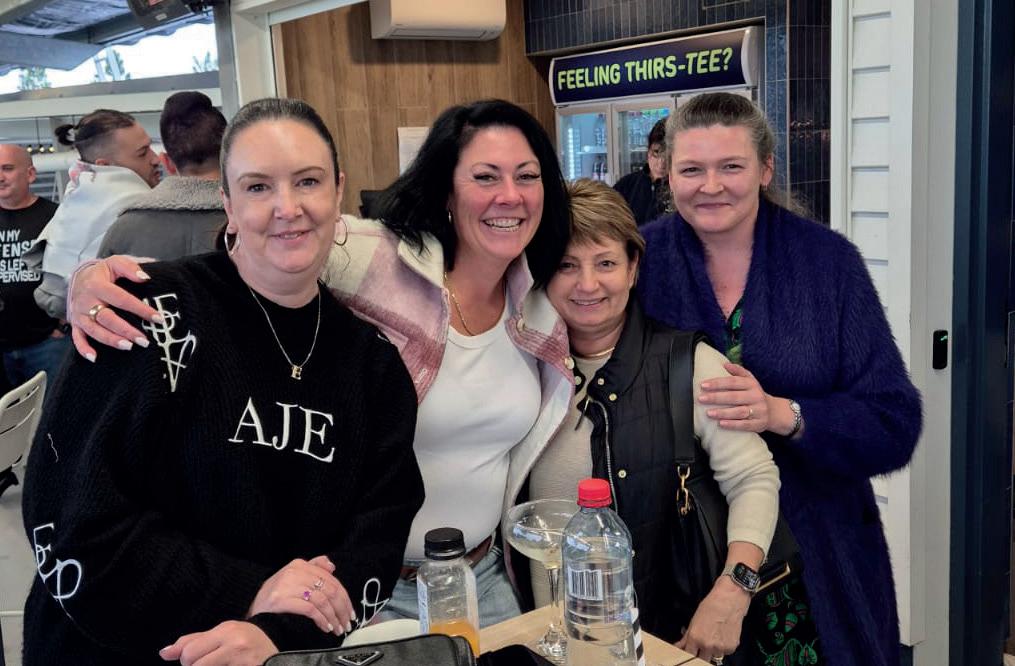
The sisterhood at North Homes teaches us that empathy and operational excellence are not mutually exclusive.
In fact, one fuels the other.
When a business genuinely invests in its people, the return is a resilient, high-performing team that raises the bar for customer experience.
The true marvel of North Homes isn’t just in how these women build houses; it is in how they protect each other.
What makes North Homes extraordinary is not a single policy or program; it’s the everyday humanity that starts from the top.
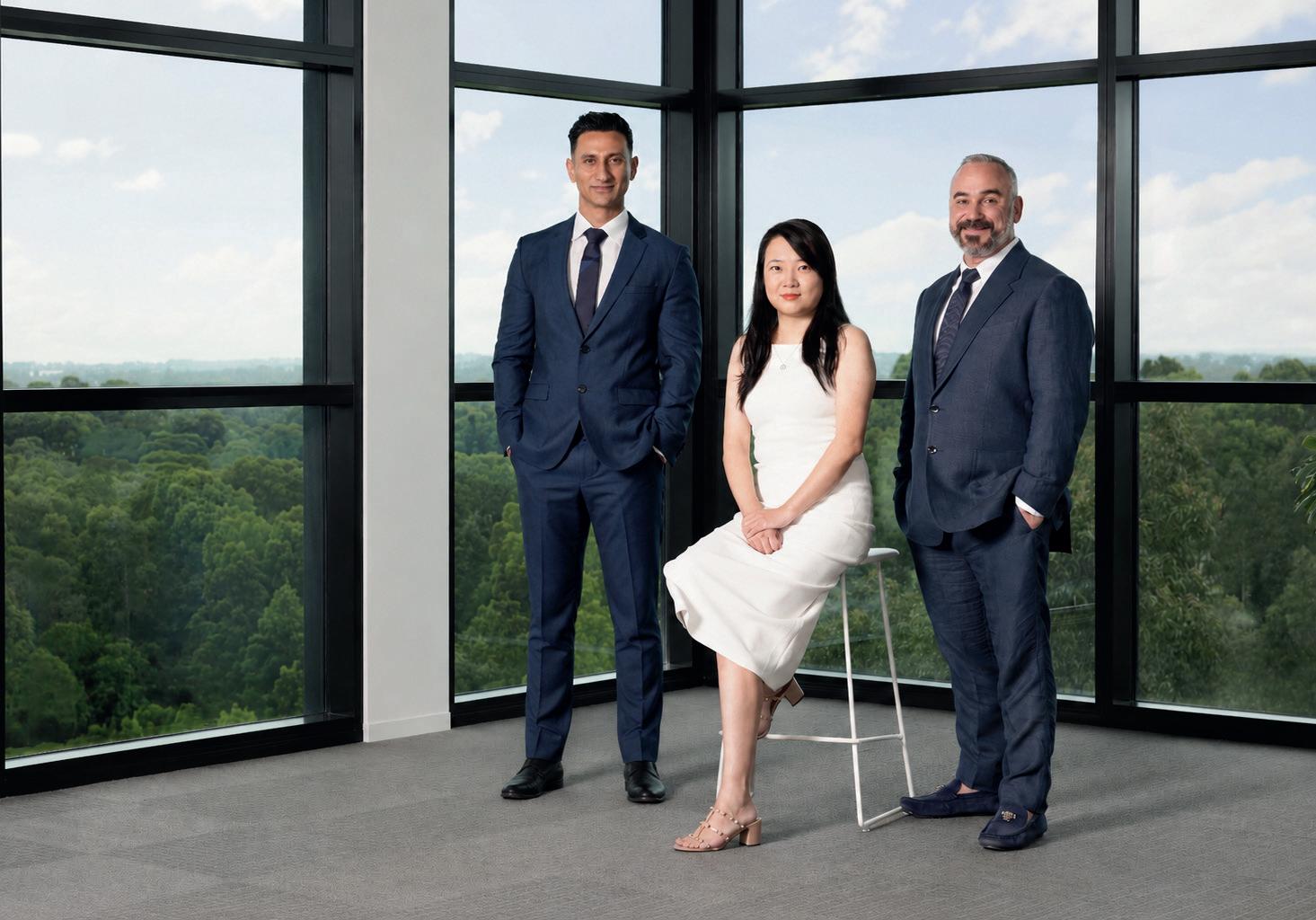
Directors Jim Dionysatos and Rashed Panabig and, together with general manager Dan Holmes and CFO Crystal Feng, lead with a grounded, people first approach.
They pull up a chair and talk like real people. They notice when someone is struggling. They celebrate wins, soften burdens, and create a culture where care is not an afterthought but the absolute foundation.
Because of this leadership, when life shatters the glass, this team catches the pieces.
Rebecca Hall, the executive assistant and operations co-ordinator, knows this firsthand.
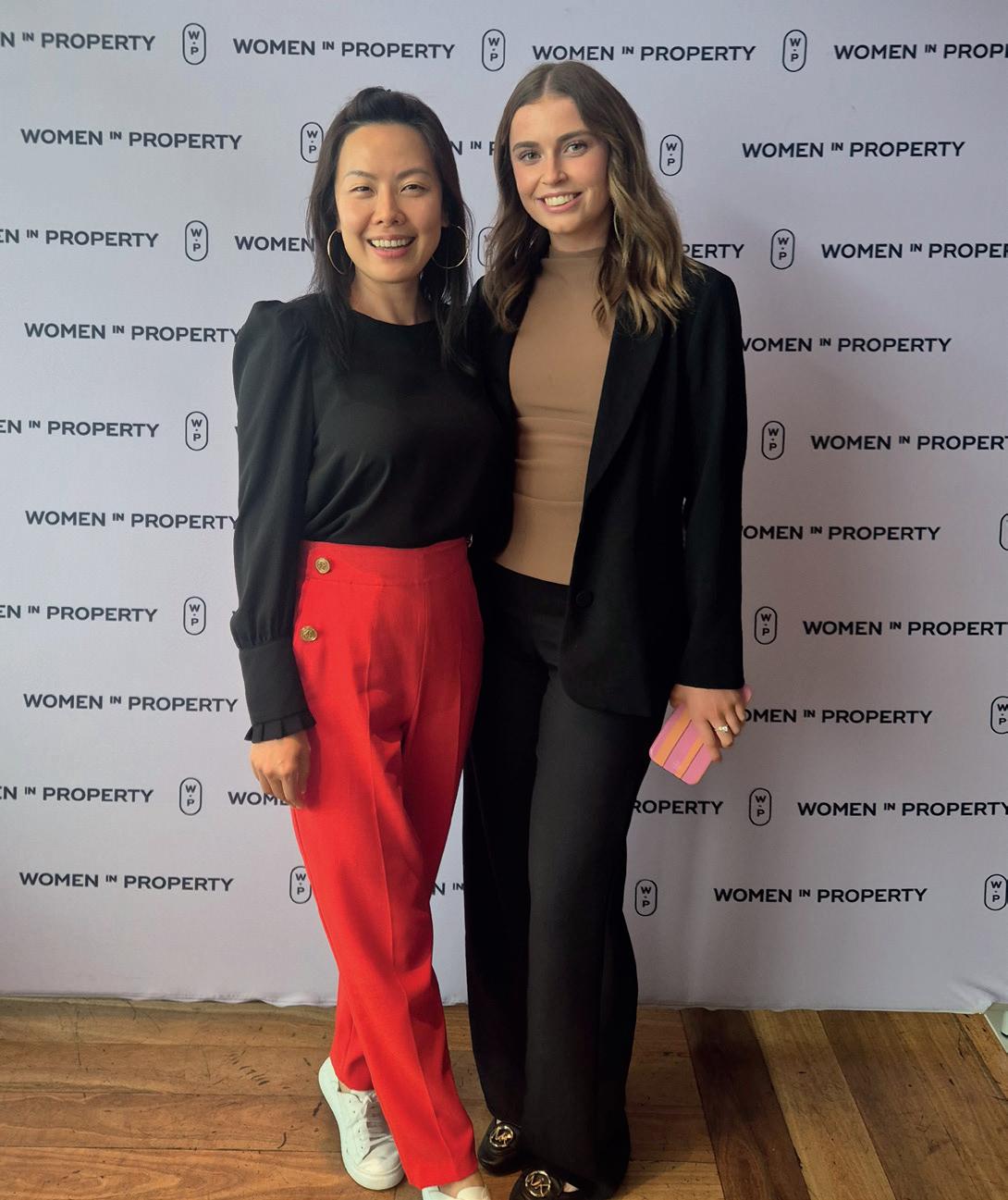
Through a painful divorce, navigating single motherhood, and enduring hospital stays with her daughter, the company became her sanctuary.
“I’m not employee 15,” she said. “I am seen and supported.”
That empathy is not an exception; it is the rule.
When Virginia Barnfather, who transitioned from a two-week temp to a beloved concierge, lost her father, she was met with immediate grace and told to take all the time she needed.
When Maryam’s grandmother fell critically ill overseas just a month into her employment, she was told simply: “Go. Family comes first.”
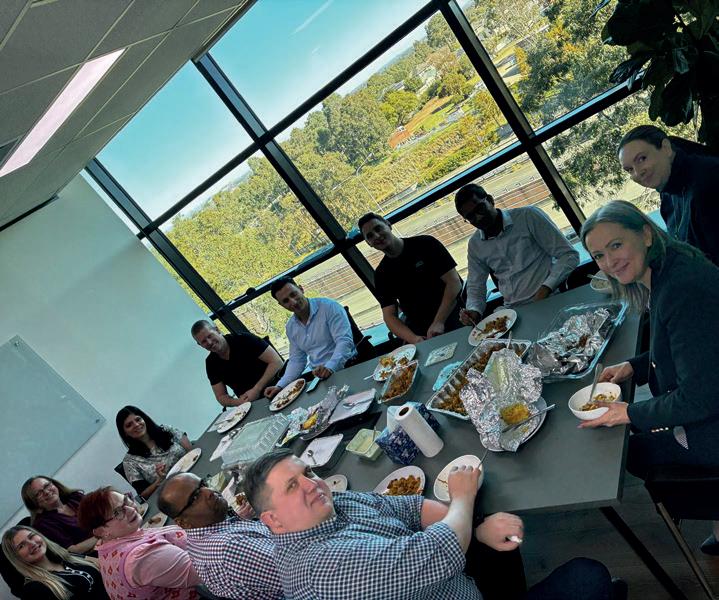
As I left the North Homes office, I kept thinking about the quiet power of these women, their resilience, their generosity, and their instinct to lift one another without hesitation.
In a sector that can so easily harden people, they have chosen softness without losing strength, and professionalism without losing humanity.
Their stories reflect the culture that Jim, Rashed, Dan, and Crystal have nurtured over many years, a culture where people matter, where women rise, and where care is embedded directly into the architecture of the business.
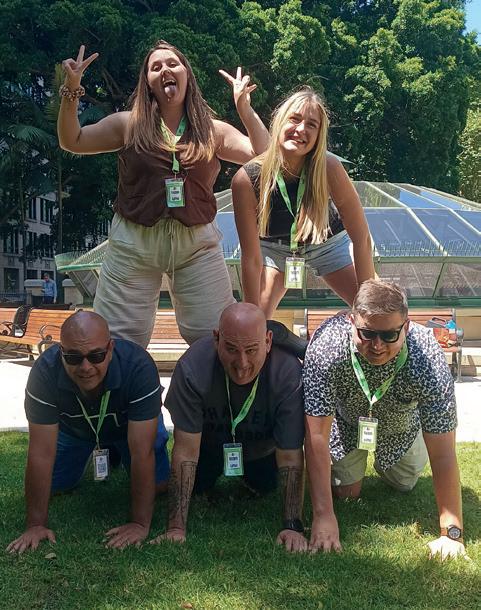
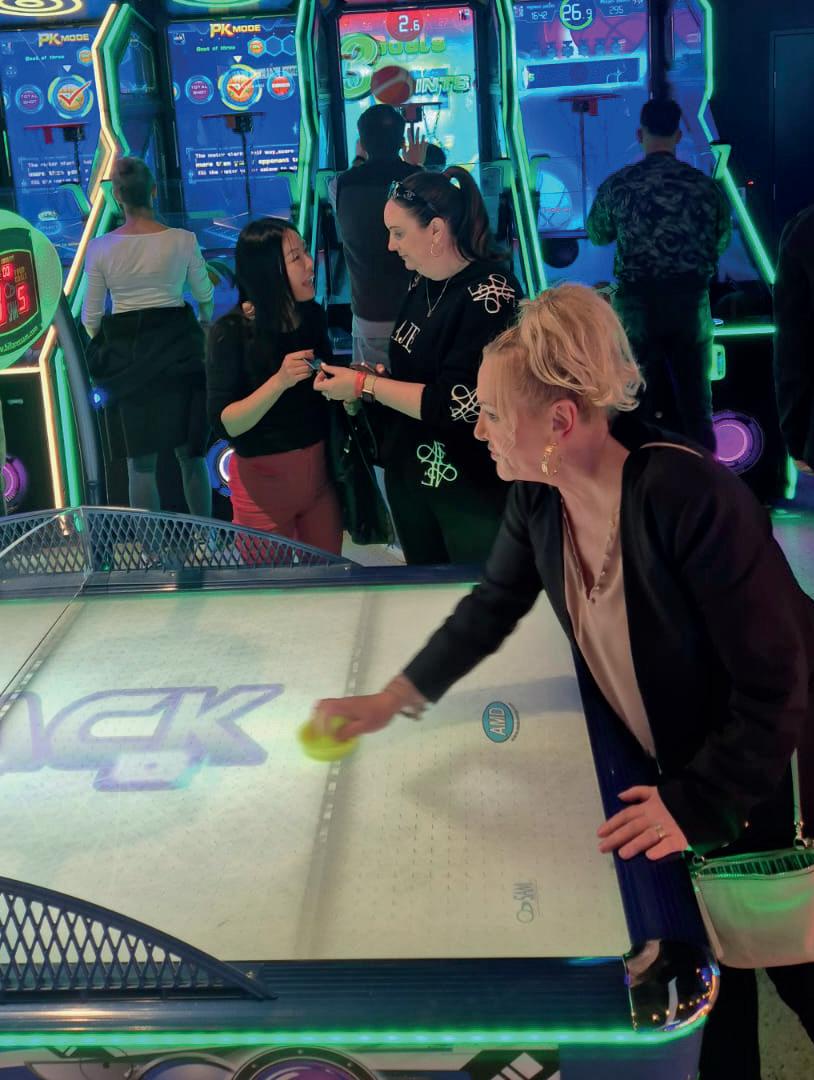
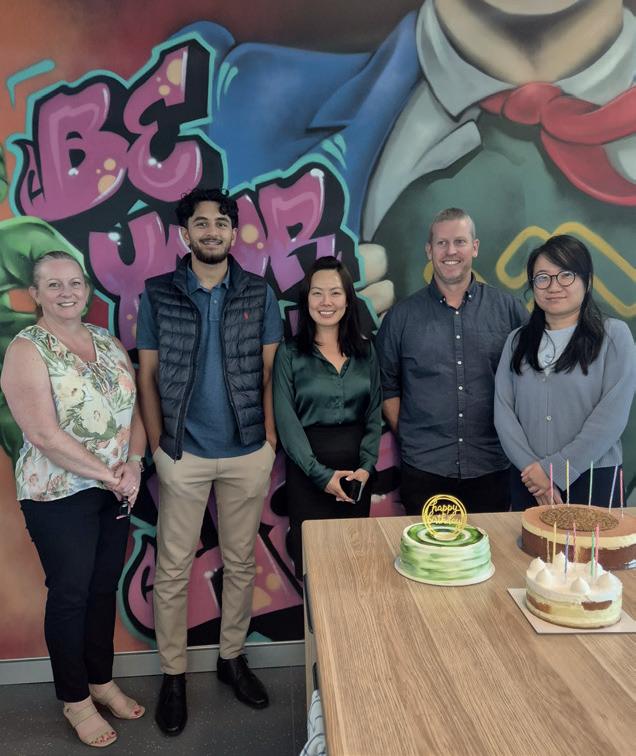
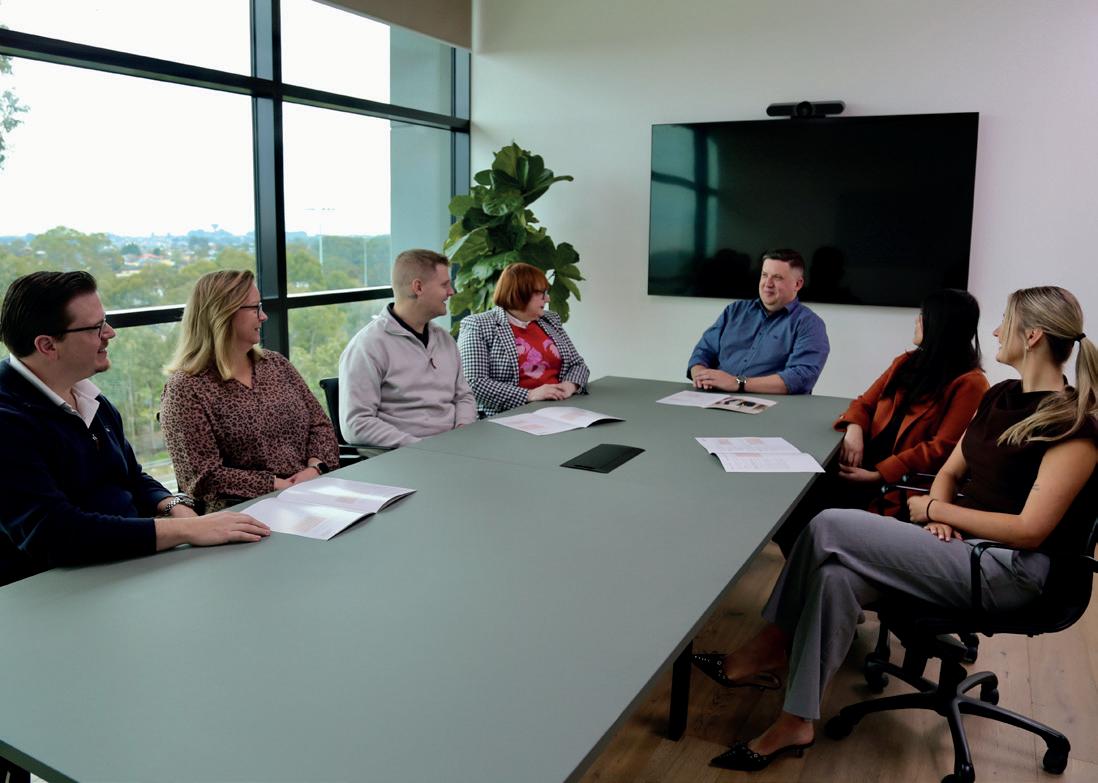
North Homes builds houses, yes. But more importantly, it builds a workplace where women feel at home.
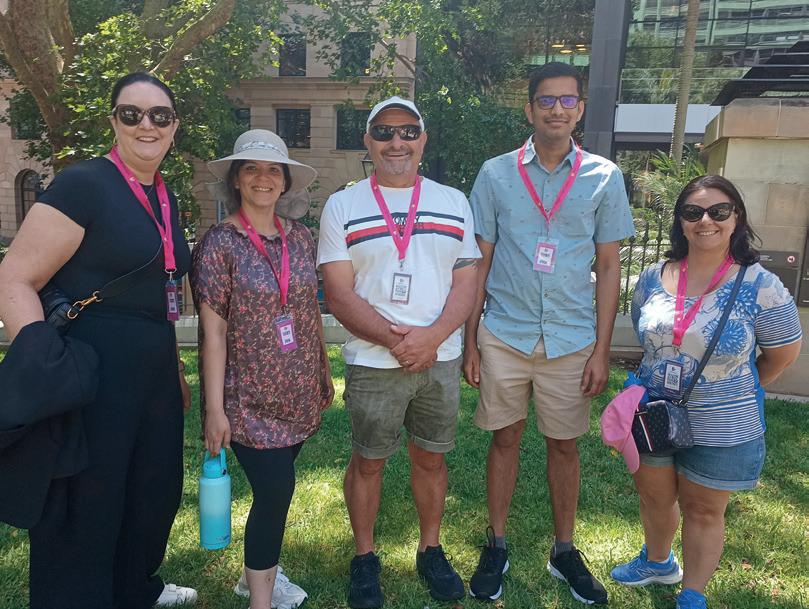
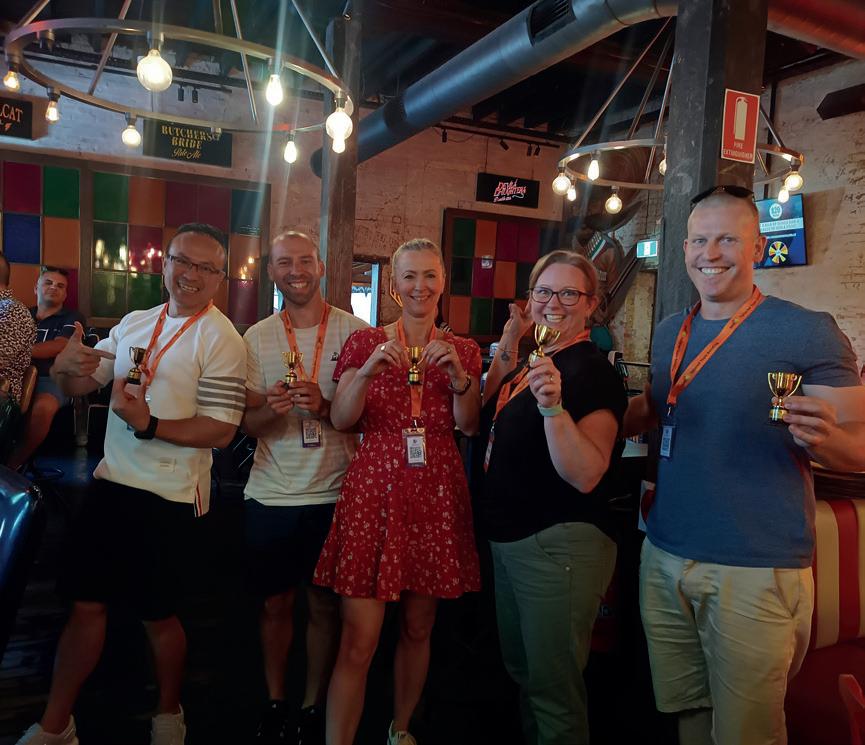
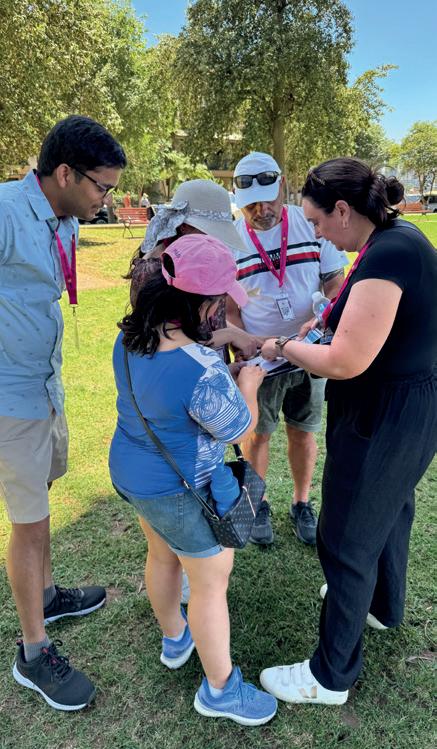
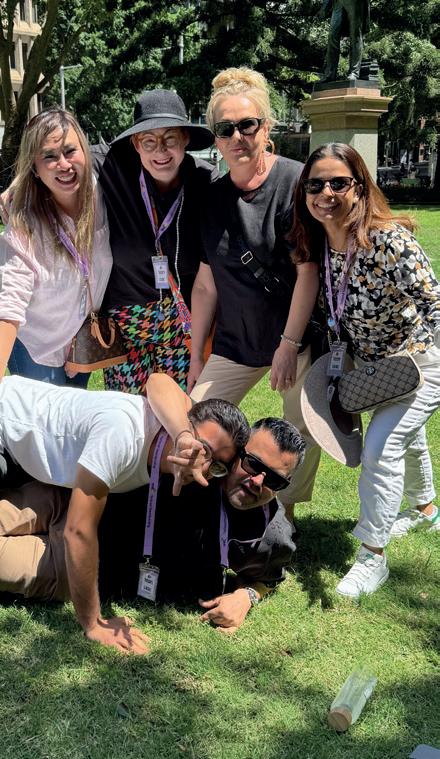
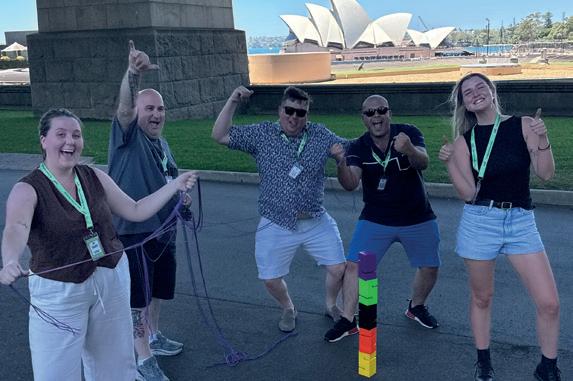
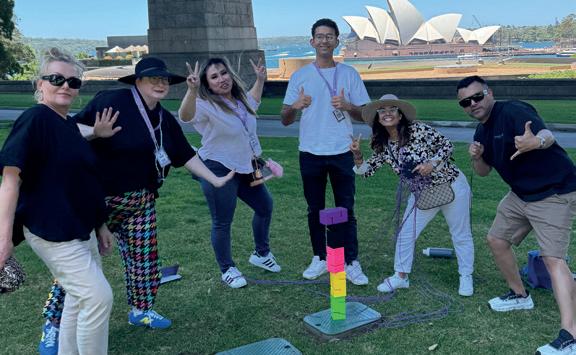
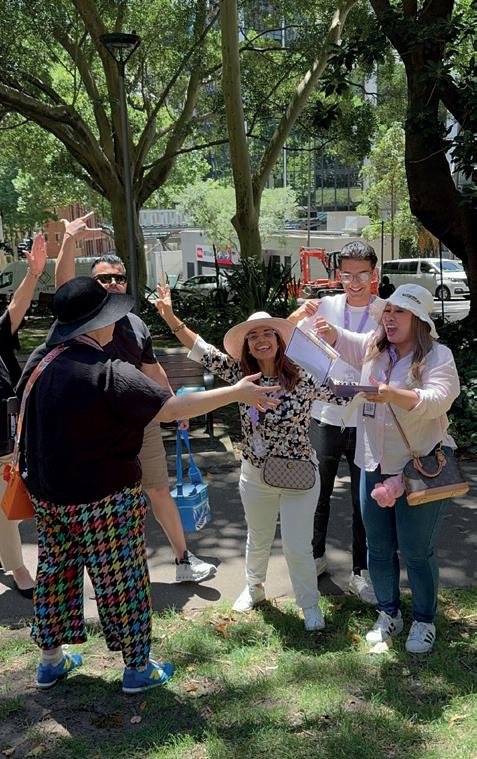
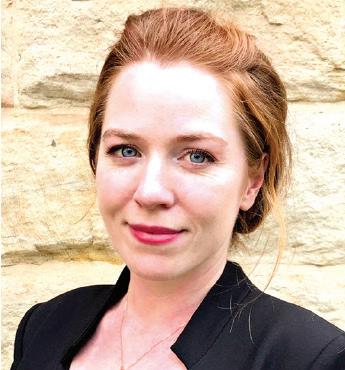
HANNAH SHEPHARD Senior Solicitor, MBA Lawyers

It seems that construction disputes are rearing their ugly heads more and more lately. Owners appear to be more adamant about what they think their entitlements are, and less inclined to negotiate reasonably with the builder, or to compromise. Simultaneously, builders may have difficulties in effectively communicating with owners when they just want to “get on with the job”, or the contract documents may lack clarity which can cause confusion.
This trend has increased in the last five years or so, perhaps aligning with the aftermath of the Covid lockdowns. This may be a generalisation and somewhat “doom and gloom”, however based on the regular advice we provide, people seem to be developing less patience and more unrealistic demands.
These ingredients can result in a melting pot of disputes which can be tricky to resolve. This article outlines some tips to utilise as first steps towards avoiding escalating disagreements.
The general conditions of a contract may include a range of clauses to protect the builder (and the owner) but these can fall short of being able to quickly and effectively resolve an issue if the scope of works and the contract documents are themselves unclear.
Contracts often attach as contract documents such as:
1. Plans / drawings;
2. Specifications;
3. Builder’s quotation;
4. Development consent conditions;
5. Other relevant reports and/or documents.
When all documents form part of the contract, arguments can arise if certain works are shown in the drawings or consent conditions but are not listed in the builder’s quotation and therefore not allowed for in the fixed price. This scenario in cost plus contracts
carries lesser risk, but the premise is the same – the estimate should be based on a set scope of works which is clear to both parties.
Contracts usually contain an “order of precedence” clause to assist in resolving any discrepancies or ambiguities, such as materials to be used or finishing colour selections. However, if there is work shown in the drawings but not listed in the quotation, there is potential for an owner to argue that as the drawings are contract documents, the builder is obligated to carry out that work as part of the fixed price. A helpful special condition to include in the contract, or in the description of works section of the contract is one similar to:
“The builder’s scope of works under the contract is strictly limited to the works set out the builder’s quotation x dated x”.
Furthermore, it is vital for builder to use the exclusions section in a contract to clearly stipulate what works may be shown in the drawings, but for which the builder has not allowed in the contract price.
Classic examples are where the drawings show landscaping or a pool, but this work is not included in the contract scope or price. These are quite obvious examples, which are less likely to cause disputes than nitty gritty items of work which could be hidden in the drawings and then pointed to by the owner part-way through the project.
The principle remains the same, however – the builder must examine the drawings with a fine tooth comb and be cautious to identify in the exclusions section any items of work or particular finishes which are not part of the contract.
In the wake of high-profile incidents such as Opal Tower (2018) and Mascot Towers (2019), the New South Wales government created the Building Commission NSW to address systemic problems in the construction industry, particularly declining building quality and loss of public trust.

We have seen a trend recently of increased instances of owners lodging Building Commission complaints if they do not immediately receive the desired response from their builder.
Some builders raise concerns that they will receive a “black mark” against their business name as soon as the Building Commission becomes involved. This is the not the case. The Building Commission often tries to mediate (at no cost) between the parties to a contract. If the issues are contractual in nature (such as a dispute over a financial matter) the Building Commission will usually provide a letter to the owner advising that there are other options available to them such as the New South Wales Civil & Administrative Tribunal (NCAT).
Where the Building Commission does have power is if the owner is alleging defects. They can investigate and issue a “Rectification Order”. If the builder does not comply with a Rectification Order this is where that “black mark” could be issued for that noncompliance.
It is important for the builder to take the following steps in relation to any Building Commission complaint:
• Communicate with the assigned Building Commission inspector and respond to any requests for information calmly and professionally by the deadline;
• Request to be present at any site inspection(s).
• If a Rectification Order is made and the time for compliance is due to expiry prior to works being completed, request an extension of time from the inspector.
• Keep good records of the cause(s) of any delays.
• If the builder does not agree with the Rectification Order, take immediate action to obtain an independent expert report from a building consultant.
If the Rectification Order is not complied with the Building Commission can issue a “Show Cause Notice” asking the builder to explain why not.
If the builder has taken steps to obtain an independent professional opinion from a qualified and experienced building consultant, they may have grounds to show that they did not comply with the Rectification Order with sufficient cause and therefore a fine or black mark is not warranted.
Since December 2023 a builder can appeal to NCAT against a Rectification Order within 30 days of the date the order was made. An independent report is vital in any NCAT proceedings lodged to appeal a Rectification order.
Dispute resolution clauses
Contracts usually contain dispute resolution clauses. Builders should check what those clauses say and utilise the procedures. Issuing a “Notice of Dispute” can assist the parties to clearly understand what items need to be addressed, and can indicate to the owner that the builder is committed to negotiating in line with the contract and in the spirit of resolution.
Arranging a mediation with an independent third party can also be valuable, as an impartial, accredited mediator usually helps tone down any animosity and keep things commercial and professional.
Expert determination is an option for disputes over defects (or in some instances, legal matters). An expert jointly appointed by the parties is briefed, various procedural matters are addressed, evidence is served, and the expert ultimately makes a decision which is binding on the parties (subject to any maximum threshold for the binding nature, such as $500,000).
In construction, disputes may be inevitable - but costly, prolonged conflict doesn’t have to be. A well drafted contract and a proactive approach to dispute resolution remain the strongest foundations for any successful construction project. Specific legal advice should be sought for individual circumstances.
ASSOCIATION OF NSW 2026
CONSTRUCTION AWARDS
GALA PRESENTATION NIGHT
WHEN: Saturday, October 24 from 7pm.
WHERE: International Convention Centre, Sydney
WHAT: Experience a night of celebration, recognition and entertainment at the Construction Gala Awards Presentation Night. Secure your seats by completing the booking form at https://www. mbansw.asn.au/events/2026-construction-awardsgala-presentation-night. COST: $363 per person.
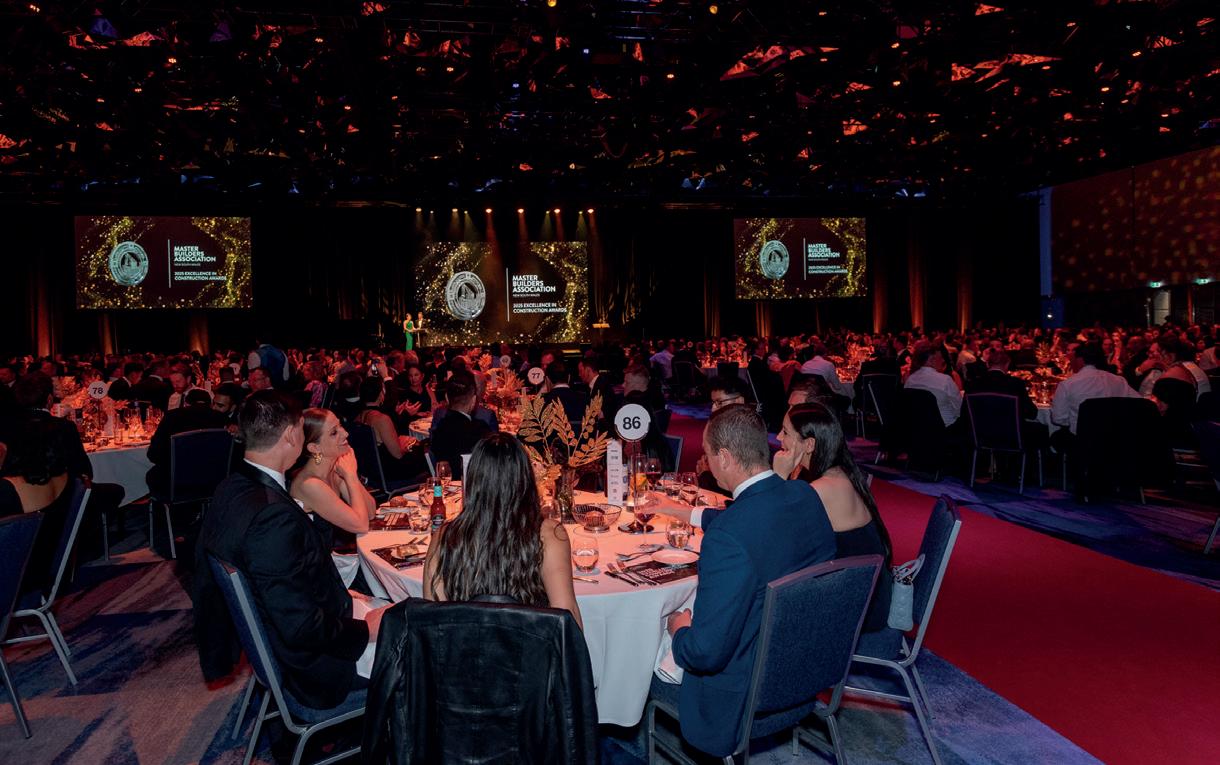
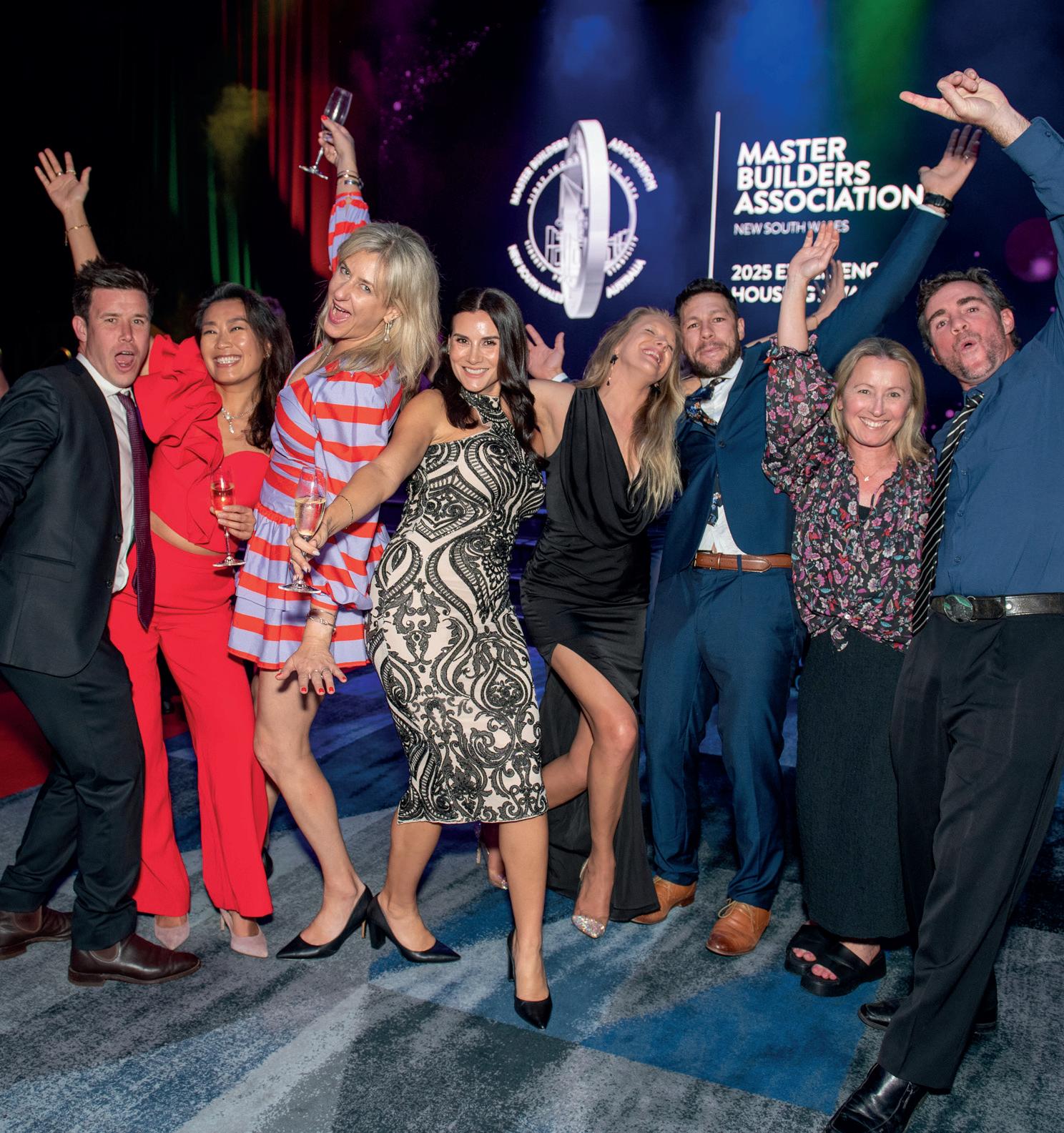
ASSOCIATION OF NSW 2026
HOUSING & POOL AWARDS GALA PRESENTATION NIGHT
WHEN: Saturday, October 10 from 7pm
WHERE: International Convention Centre, Sydney
WHAT: Experience a night of celebration, recognition and entertainment at the Housing & Pool Gala Awards Presentation Night. Secure your seats by visiting https://www.mbansw.asn. au/events/2026-housing-pool-awards-galapresentation-night. COST: $330 per person
WHEN: April 28-29, 2027
WHERE: International Convention Centre, Sydney
WHAT: Sydney Build Expo, Australia’s largest festival of construction, returns to the ICC on 28-29 April 2027, celebrating a decade of connecting the industry in New South Wales and beyond. Following the incredible success of Sydney Build 2026, which wrapped up with over 24,000 attendees, 708 exhibitors from local and international markets, and 560 expert speakers across 16 conference stages, the 2027 event promises to be the most dynamic and engaging yet.
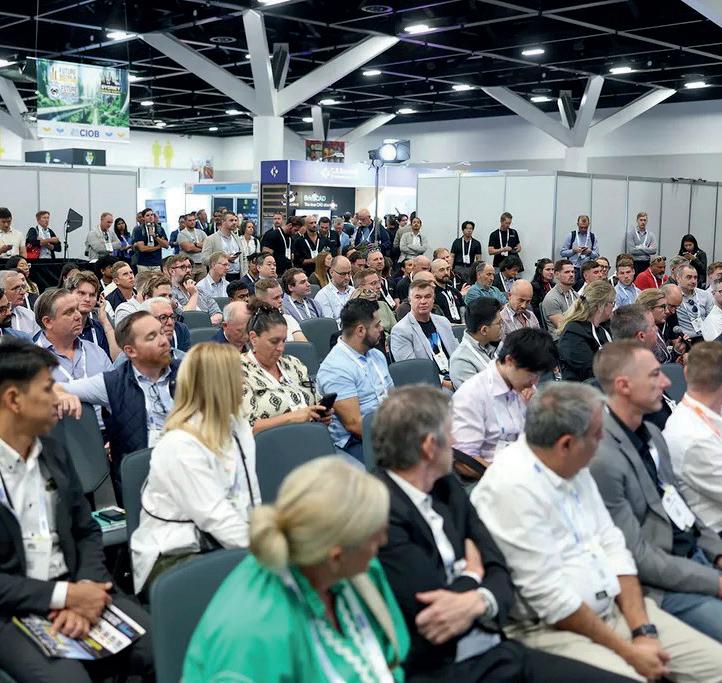
2829
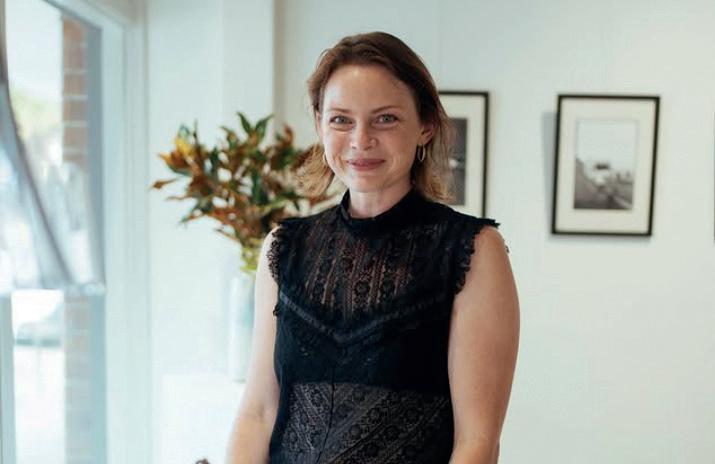
@built_in_kind
Hannah Cheetham (she/they)
Custom furniture, design and inclusive workshops.
Mulubinba – Newcastle
@sparkykatee
Kate | apprentice sparky
Electrician
4th year electrical apprentice
Hobart, Tasmania
@women_hand
Catherine/ Girl painter
Transforming Melbourne homes with colour & care
Professional Girl painter life
Melbourne, Australia
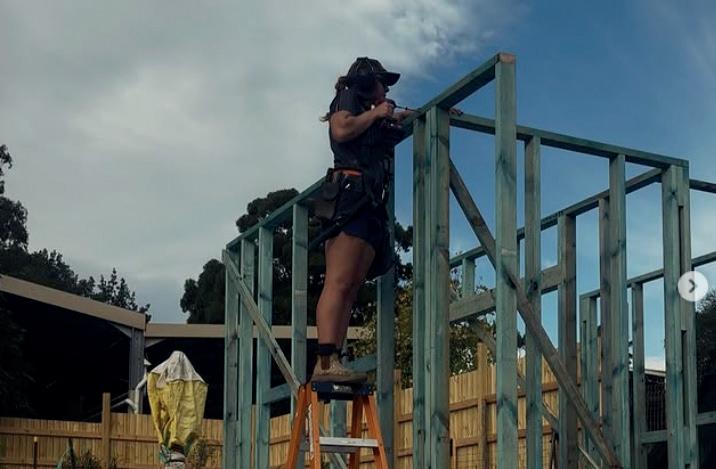
@ccchippychick
chlo
@chloe.aivaliotis
3rd year apprentice chippy mba nsw 2025 apprentice of the year aus-south coast
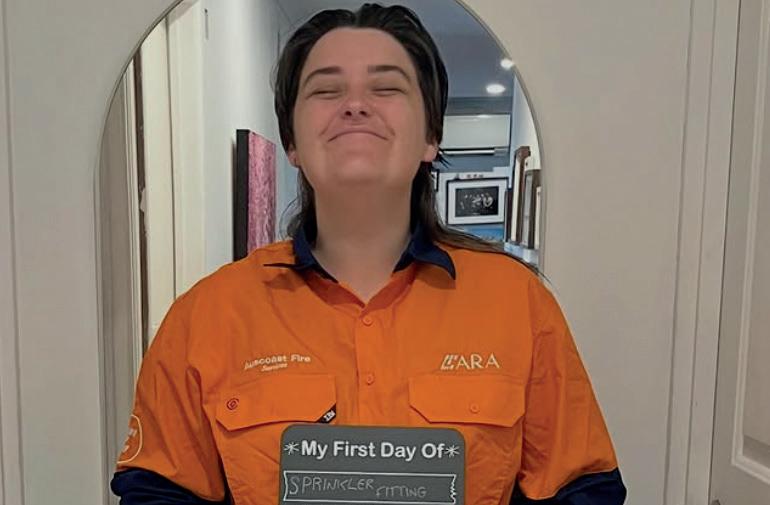
@sprinklesthefitter
Emily
First year sprinkler fitting apprentice
Join me as I lift heavy s***, learn new things, and push myself further and harder than I ever have
@perth_plumberchick
Carly
Digital creator
Carly | Perth | Plumbing pre-apprentice at Next Gen Skills | hoping for any sponsorships or partnerships | #YTG | support a female in a trade