
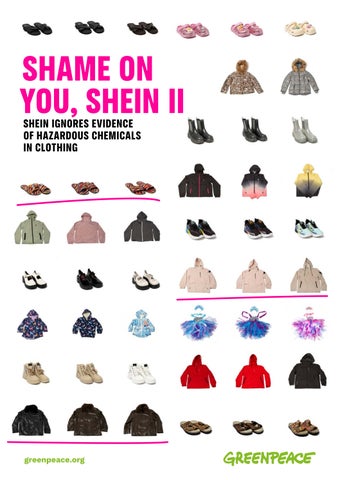

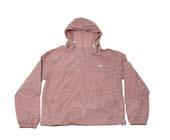
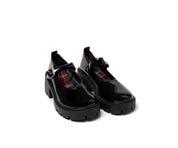
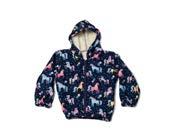
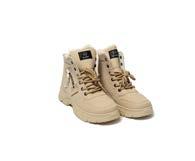
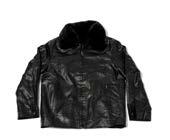
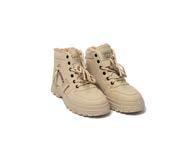
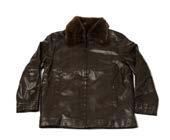
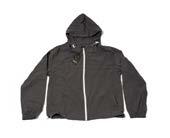
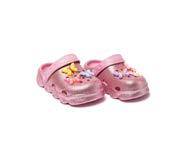
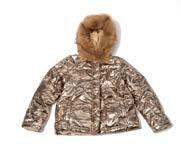
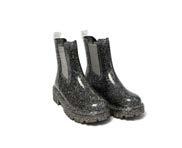
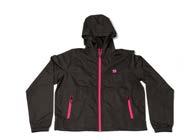
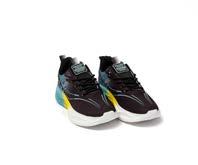
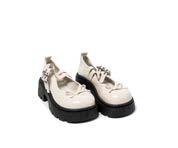
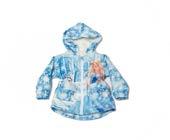
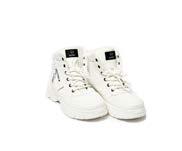
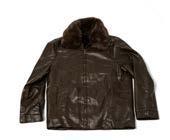
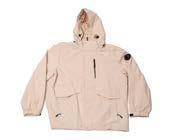
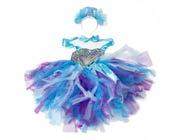
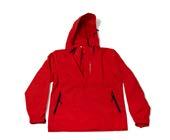
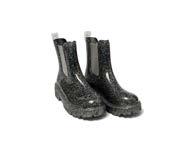
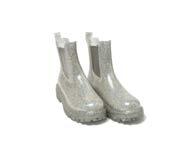
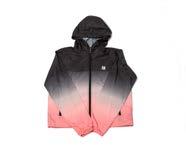
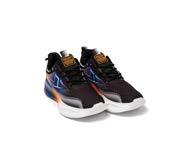
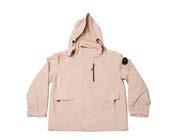
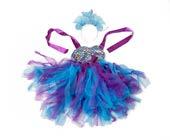
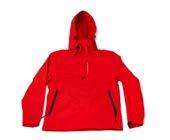

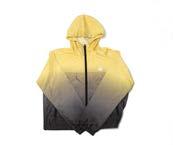
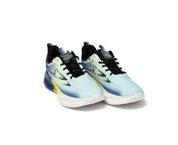
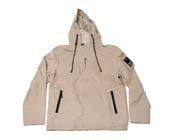

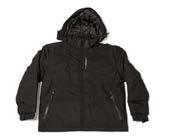
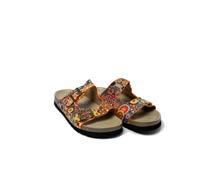
Greenpeace research reveals that Shein is ignoring external warnings regarding hazardous chemicals in its products instead of rigorously investigating them. This behaviour constitutes gross negligence towards both its customers and the environment.
Shein‘s business model takes the destructive fast fashion system to the extreme: Through real-time monitoring of trends, AI-driven designs, and hyperspeed production, Shein floods the market with disposable items. As the world’s most-visited fashion platform, Shein drives young customers into a shopping frenzy, fueled by up to 10,000 new designs daily and manipulative social media marketing. However, the supposedly low price tag comes at a heavy cost — paid for by hazardous chemicals in the clothing and the ruthless exploitation of both people and the environment.
Greenpeace investigations in 2022 and November 2025 have already demonstrated that Shein products frequently contain hazardous chemicals exceeding EU limit values, making their sale on the EU market illegal. In the most recent 2025 study, Greenpeace found that 18 out of the 56 garments and footwear tested (32 percent) exceeded EU limits for hazardous chemicals — some by extreme margins. Other tests, e.g. from the German organisation Stiftung Warentest or the French customs, have also identified a multitude of non-compliant products in recent months when testing Shein products. These violations are therefore by no means isolated incidents.
Yet Shein faces no consequences: through its ”directto-consumer“ model, the company exploits a loophole in EU chemical legislation. Because goods are shipped directly from non-EU countries, mostly China, to the customer‘s doorstep, without EU-based intermediaries or logistics centres, the customers are formally considered as the importers. Consequently, the legal responsibility for complying with safety and chemical legislation is shifted onto individuals. Shein effectively offloads the legal burden of product safety onto the buyers, evading any accountability for itself. As a ”Very Large Online Platform“ (VLOP), Shein
is obligated under the EU’s Digital Services Act to prevent the sale of illegal and dangerous products. Following the publication of Greenpeace’s findings in November 2025, Shein claimed to have removed the affected items from its platform. The company repeatedly declared that consumer trust, product safety, and compliance with EU standards were its top priorities. Shein also pointed to its comprehensive system which it claims it uses to investigate reports of non-compliant products and to scrutinize similar items that could pose a risk, supposedly ensuring such products cannot be relisted.
In this current investigation, Greenpeace took a closer look at how Shein reacts to evidence of hazardous chemicals in its products, what measures are actually taken, and whether contaminated products are still available on the platform. To this end, in December 2025 — roughly four weeks after our 2025 findings were published — Greenpeace ordered products that were identical or highly similar to those that had previously failed compliance testing, items which, according to Shein’s own statements, should no longer have been available on the platform.
Greenpeace ordered 31 selected products from Shein‘s online platform in Germany. This time the focus was on garments and footwear that were identical, or similar in appearance and material properties, to the 18 products flagged in the previous investigation, and therefore highly likely to also contain hazardous chemicals above the EU limits.
Greenpeace therefore carried out a risk assessment, which is Shein‘s legal obligation, and examined the products with the highest risk more closely. In four cases, Greenpeace was able to order completely identical products without any difficulty; in one case, the original product was even available from the same retailer. Greenpeace also ordered 15 products that were identical but with differences in colour or design, nine almost identical products
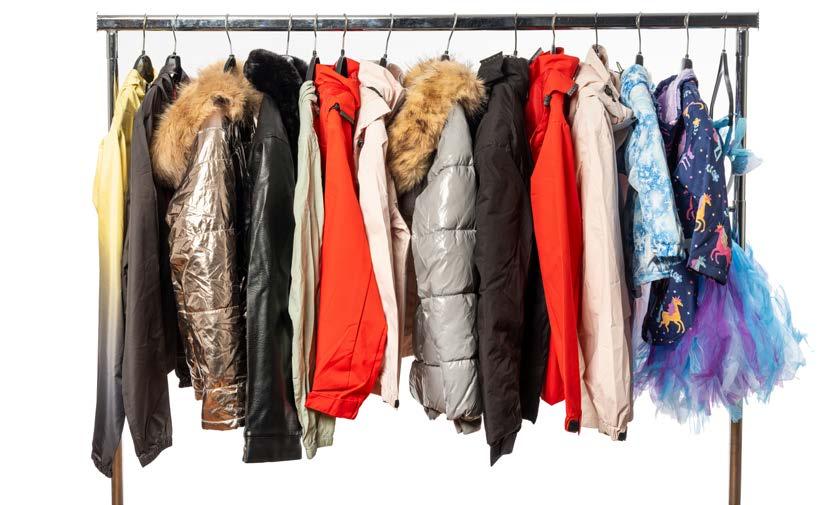
Shein garments tested for hazardous chemicals.
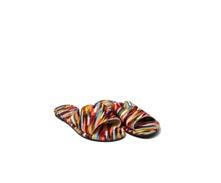
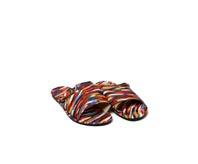
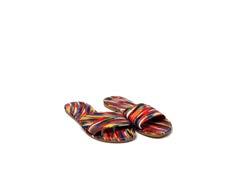
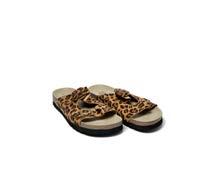
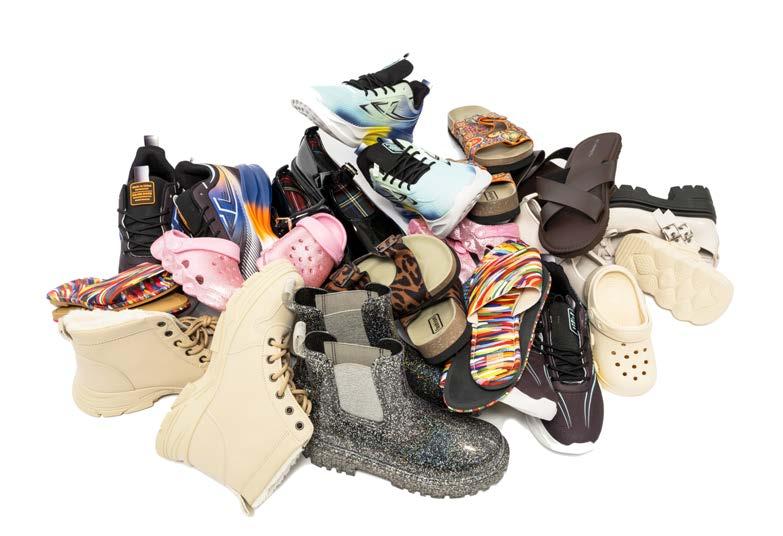
(products with a very high visual similarity) and three similar products from the same product category and made of the same material. For most products, multiple items were identified on the platform that were identical or very similar to the originally flagged products, therefore representing a severe risk of contamination. For example, sandals that were previously tested (FT-50, see photo below) were still available in nine other strap colours with the same non-REACH compliant insole from the same retailer; only the model with the identical strap colour tested by Greenpeace had been removed from the platform.
The results of this investigation highlight Shein‘s total inaction: hazardous chemicals exceeding EU limits were detected in 25 out of 31 tested products (81 percent) — in some cases, in extremely high concentrations.
Following the warnings issued by Greenpeace in November 2025, Shein should have rigorously removed the investigated products and product lines from its platform, only relisting them after an exhaustive safety review. Instead, Shein performed a mere cosmetic fix by removing only the specific product IDs flagged — while identical or near identical items continue to be sold containing the same hazardous chemicals. Consequently, EU customers can still easily order potentially thousands of products
containing hazardous chemicals directly to their homes. What makes this particularly insidious is that by exploiting a loophole in EU regulations, Shein is forcing its customers to bear the legal responsibility for importing these non-compliant goods.
The fact that identical or almost identical products containing the same hazardous chemicals are still available on the platform constitutes gross negligence. Shein’s assurances, that product safety and compliance with EU regulations are ”top priorities“, are entirely hollow. On the contrary, these results prove that Shein is deliberately ignoring evidence of hazardous chemicals in its products. Shein is clearly prioritizing profits over human health and environmental protection and treating EU regulators and its own customers with contempt.
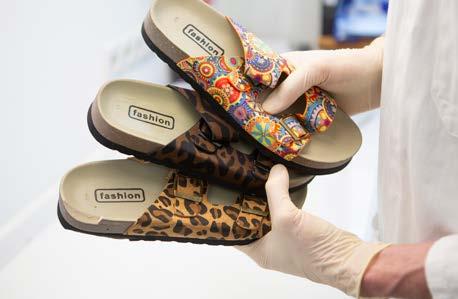
Identical sandals with the same non-REACHcompliant insole (FT-50 + FT-50A + FT-50B).
Fast fashion is a structural problem: The world already produces more than enough clothing for every person on Earth. Despite this, the fast fashion industry continues to flood markets with volumes that far exceed the needs of the world‘s population. Through the exploitation of workers and the environment in manufacturing countries, companies churn out cheap shirts, sweaters, and trousers that are often worn only briefly — if at all — before being discarded. Globally, we are throwing away the equivalent of one truckload of clothing every single second.
To stop this destructive cycle, governments worldwide must introduce a comprehensive AntiFast-Fashion Law, including:
• A fast-fashion levy, to make producers finally pay for the damage caused by their excessive production.
• A ban on fast-fashion advertising, including on social media, to cool down today’s artificially overheated fast fashion frenzy.
• Support truly circular business models, such as second-hand, swapping and repair schemes.
France has already taken an important first step with its Anti-Fast-Fashion Law. Other countries must now follow suit — to create a truly circular textile economy with less waste, longer-lasting, higherquality clothing, and a vibrant culture of repair and reuse.
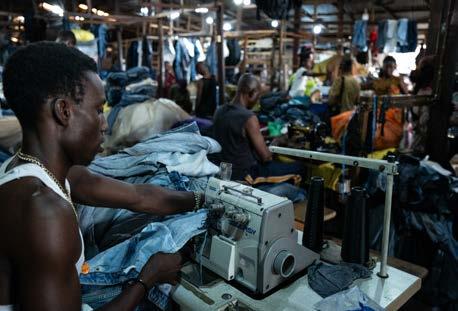
Outdated EU regulations urgently need to be updated so that online platforms such as Shein and Temu can no longer bypass EU law. Greenpeace specifically calls for:
• Extending the application of EU chemicals legislation to all products sold within the EU, including those offered by online platforms;
• Making platforms legally liable under EU law for any breaches, with significant fines for violations;
• Allowing authorities to suspend platforms in cases of repeated violations.
Only binding, enforceable regulation can prevent hazardous chemicals from entering the EU unchecked — and protect the health of consumers and ecosystems worldwide.
Not only is Shein the world’s most visited fashion platform, with over 363 million visitors per month [1], it is also the world's third largest and fastest growing fashion retailer [2]. Every day, Shein publishes thousands of new designs — over 10,000 on record days — taking the fast fashion craze to an extreme. Like no other platform, Shein represents the escalation of the already problematic fast fashion industry. Prices are artificially low, paid for with environmental destruction and exploitation. Shein is criticized worldwide for selling dangerous and illegal products, poor working conditions, massive environmental pollution, greenwashing, copyright infringements, and manipulative sales tactics [3], [4], [5]. Particularly worrying is the fact that Shein is selling products containing dangerous chemicals on a large scale to EU customers — items that are legally prohibited from sale within the EU [6], [7], [8].
Research by Greenpeace in 2022 [9] and November 2025 [8] has already demonstrated that Shein products frequently contain hazardous chemicals exceeding EU limits. In its 2025 research [8], Greenpeace found that 18 of the 56 items examined (32 percent) violate the EU Chemicals Regulation (REACH) — in some cases by extremely high concentrations. Other tests further highlight the systematic failures within Shein’s inventory: in the last six months alone, investigations by German organisation Stiftung Warentest [6], the Austrian NGO Global 2000 [7], and French customs [10], among
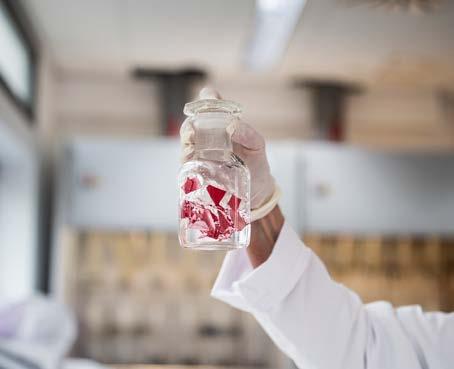
others, have identified a large number of products that are banned from sale in the EU.
As a ”Very Large Online Platform“ under the EU Digital Services Act (DSA), Shein is legally obligated to prevent the sale of illegal and dangerous products and has repeatedly promised to significantly improve its chemical management. Nevertheless, Shein continues to sell vast quantities of clothing containing hazardous chemicals. These products pose a serious threat. By continuing these sales, Shein is endangering human health and the environment — in the manufacturing countries, within the EU, and in the countries where these products are ultimately discarded.
Four weeks after our test results were published in November 2025, Greenpeace Germany conducted this follow-up investigation to address critical questions. How does Shein respond to evidence of hazardous chemicals in its products? Are comprehensive measures being taken, or are the products that were flagged in the previous Greenpeace investigation still available on the platform as well as still contaminated with the same hazardous chemicals?
We checked to see if any of the 18 items identified in the previous tests as containing hazardous chemicals above EU limits were still listed on Shein’s website. In 16 cases Greenpeace found directly comparable products. We were shocked to find four completely identical products still being sold. In total, we ordered 31 products that all shared a high degree of similarity with the reference items from the November 2025 investigation, leading us to suspect that hazardous chemicals exceeding legal limits could be present. These items were resubmitted to a certified, independent laboratory in Germany for chemical analysis.
The results clearly show that Shein ignores external warnings regarding hazardous chemicals in its products instead of rigorously investigating them. Once again, Greenpeace has detected hazardous chemicals above EU limits in 25 of the 31 products tested (81 percent) — in some cases in extremely high concentrations. In this instance, we Sample
specifically tested products that Shein, following Greenpeace’s warnings in November 2025, should have immediately removed from the platform, only relisting them after an exhaustive safety audit. The fact that identical or nearly identical products containing the same hazardous chemicals remain available is grossly negligent. Consequently, the clothing available on Shein’s platform continues to pose a serious threat to human health and the environment.
Our overall conclusion is clear: Despite receiving specific evidence of hazardous chemicals exceeding EU limits in its products, Shein only does the absolute minimum. Its failure to rigorously investigate these warnings proves yet again that Shein prioritizes its profits over human health and environmental protection. Shein‘s promises of product safety prove to be meaningless, and EU regulations are circumvented with the help of loopholes. Customers can still easily order potentially thousands of products containing hazardous chemicals directly to their homes. What is particularly insidious is that by exploiting a loophole in EU regulations, Shein passes the ultimate responsibility for importing non-compliant products onto their young customers to bear.
>>> Click here to read Greenpeace‘s 2025 investigation ”Shame on you, Shein.“
In 2022, Greenpeace conducted its first tests for hazardous chemicals in Shein clothing in the report “Taking the Shine off Shein”. The results were alarming: hazardous chemicals above the legally permitted EU limits were detected in 7 out of 47 products [9]. According to its own statements, Shein recognized the issue and subsequently announced its intention to significantly improve its chemical management, including by: (i) publishing a ”Manufacturing Restricted Substances List“ (MRSL); (ii) expanding internal testing, and; (iii) excluding non-compliant suppliers [11]. Since then, Shein has continued to grow rapidly — and so has the problem [12].
A second Greenpeace investigation in November 2025, tilted ”Shame on you, Shein“ [8], has proven that Shein has never fully implemented their stated intentions. Shein‘s products still contain hazardous chemicals — often vastly exceeding EU limits: 18 out of 56 products (32 percent) violated the legal limits for one or more substances under the EU‘s REACH regulation. A total of five hazardous chemicals were detected above the limits: Seven products (jackets) exceeded the PFAS limit by up to 3,300 times, and 14 products exceeded the phthalate limit values, six of them by a hundred times or more.
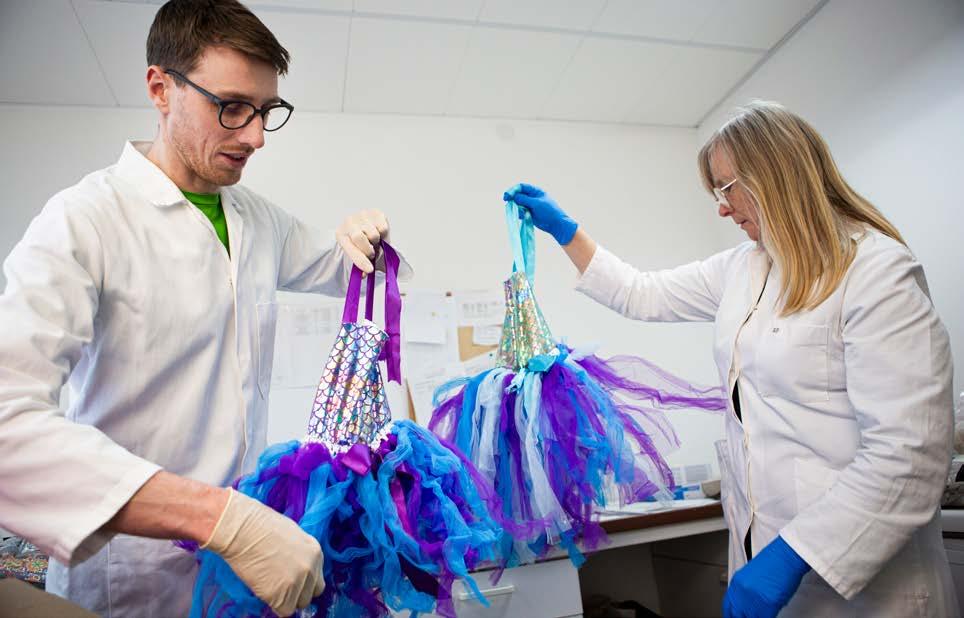
Greenpeace expert Moritz Jäger-Roschko and Ulrike Siemer from the Bremen Environmental Institute comparing the garments.
Independent tests by various other bodies consistently confirm this pattern with Shein’s products. In the last six months alone, numerous investigations have shown that Shein’s violations of EU directives are integral to their system:
• October 2025: German organisation Stiftung Warentest tested 162 products from Shein and Temu — 110 failed to meet EU standards [6].
• November 5, 2025: The Austrian NGO Global 2000 examined 20 garments and shoes from Shein and Temu — 7 products exceeded EU limits for hazardous chemicals [7].
• November 6, 2025: French Customs intercepted 200,000 Shein packages at Charles de Gaulle Airport — 80 percent of the tested products did not comply with applicable legislation [10].
Following the publication of Greenpeace’s 2025 findings, Shein declared that product safety and compliance were ”very important“ and claimed that the affected items had been removed from its platform [13]. During an EU Parliament hearing in January 2026, a high-ranking Shein representative
reiterated that ”consumer trust, product safety and compliance [with EU-regulations] are top priorities for Shein". She claimed that reports from authorities and NGOs regarding non-compliant products are addressed through a comprehensive system, with findings integrated into pre-screening processes to ensure similar items cannot be relisted. Furthermore, she stated that consumers are informed of non-compliant products and the risks they pose [14].
But Shein’s lack of action since that 2025 investigation proves the exact opposite: Contrary to these assertions, Shein ignores warnings about hazardous chemicals and the resulting dangers. Greenpeace test shoppers received no notification regarding any of the non-compliant products that were purchased for testing, even after Shein supposedly removed them. Instead, many of these products remained available for sale in identical or nearly identical forms with the same material composition. Shein’s statements once again prove to be entirely hollow.
In this follow-up investigation into the fastfashion giant Shein, Greenpeace has uncovered a disturbing reality: Shein ignores external warnings regarding hazardous chemicals in its products instead of rigorously investigating them. Products available on the Shein platform continue to contain hazardous chemicals in excess of REACH limit values, posing a massive threat to both human health and the environment.
In December 2025, about four weeks after the publication of the results of the follow-up research, Greenpeace again purchased 31 garments and footwear from Shein‘s online platform in Germany for further investigation (appendix I). The purchases were based on the 18 products that were flagged in the previous Greenpeace investigation from 2025, i.e., those in which hazardous chemicals were measured in concentrations above the EU REACH limits.
Greenpeace researched the availability of the 18 products that were flagged in the previous investigation, and found identical or similar products still being sold on Shein’s online platform, which Greenpeace suspected to be a cause for concern based on their appearance and material composition. For example, a pair of sandals (FT-50, see photo page 4) tested in the previous investigation was still available from the same retailer on the platform in nine other colours with the same problematic insole. Only the specific sandals flagged by Greenpeace had been removed from the platform.

Almost identical: Reference product FT-12 (m) and newly tested products 12A (l) + 12B (r).
For 15 items, we identified two or more identical or similar products. Two examples of each of these 15 items were purchased for further testing, making a total of 30. For one other item (the jacket, FT-47 from the previous investigation) just one related product was identified, which was also purchased for further testing, bringing the total to 31. In only two of the 18 cases from the previous investigation no identical or similar products were identified for follow-up testing. Of the 31 products in the present follow-up investigation, a total of 18 were purchased from the same retailers on the Shein platform as the products in the previous investigation.
The 31 garments and footwear selected were classified into one of the following categories:
• identical products (4);
• identical but a different version (e.g. colour) (15);
• almost identical products (high visual similarity) (9);
• and similar products from the same product category and the same material (3).
The products were sent to the Bremen Environmental Institute, a certified and independent laboratory, to be tested for hazardous chemicals. In the laboratory, the items were tested for the same hazardous chemicals that were found above the legal limits in the corresponding products in the previous investigation. Tests were therefore carried out for perand polyfluoroalkyl substances (PFAS; in particular the fluorotelomers subgroup), phthalates, heavy metals (cadmium and lead) and volatile organic compounds (VOCs) such as formaldehyde, dimethylformamide (DMF), formamide and dimethylacetamide. The same test procedures as in the previous investigation (appendix II) were used. That means, that samples were taken from different parts of the products and tested for hazardous chemicals. If the content of a chemical in a sample exceeds the applicable REACH limit [15], the textile article in question is considered non-REACH compliant. Further details on the test methods are provided in the attached laboratory report (appendix III).
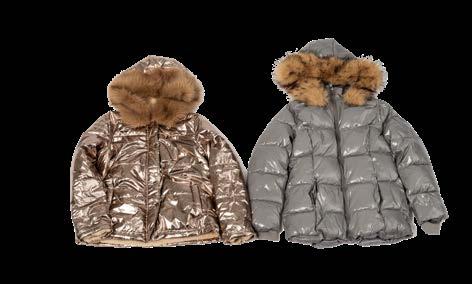
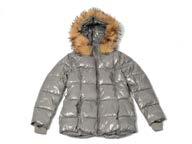
Reference product FT-47 (l) and similar jacket 47B (r) from the same product category, the same material and sold by the same retailer.
25 of the 31 (81 percent) newly tested Shein products contain at least one hazardous chemical in a concentration that exceeds the EU REACH limits. This means that these items are not allowed to be sold in the EU. The hazardous chemicals found above the limits include:
• Phthalates: These endocrine-disrupting plasticisers were detected in 18 of the 22 items tested, at concentrations above the REACH limits ranging from 1,140 to 70,000 mg/kg. This corresponds to between 1.1 to 70 times the REACH limit.
• PFAS: Known as “forever chemicals”, PFAS are persistent in the environment and bioaccumulate in humans, with evidence of causing serious diseases, including cancer. Concentrations of between 1.2 and 620 mg/kg were found in 9 of the 11 products tested. These correspond to between 1.5 to 3,115 times the REACH limit.
• Cadmium and lead: These toxic heavy metals were also found above legal limits in a total of 3 out of 6 products tested, in concentrations up to 126 mg/kg for cadmium (1.3 times the REACH limit) and 2,110 mg/kg for lead (2.1 times the REACH limit).
• VOCs: These toxic volatile organic compounds include dimethylformamide (DMF), which was found in 1 out of 2 products. A 1.3-fold exceedance of the REACH limit was detected.
• Formaldehyde: Also a VOC, this carcinogenic chemical was detected in 2 out of 3 products, exceeding the REACH limit by 2.1 and 8.7 times.
Overall, the hazardous chemicals in the products tested exceeded the EU limits for textiles by 1.1 to 3,115 times This is comparable to the results of the
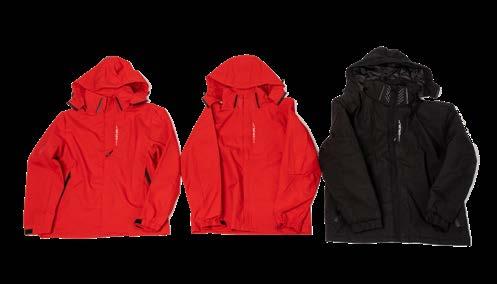
Reference product FT-42 (m) and identical product from the same retailer 42A (l) + identical product but a different colour 42B (r).
previous Greenpeace investigation in 2025. Similar to this study, the highest exceedance of EU limits was found in one of the PFAS results. This value was found in a jacket (FT-48B) that is identical in design to the corresponding reference jacket from the previous investigation, of the same material composition, differing only in colour.
>>> All values can be found in the attached laboratory report in appendix III.
The results for the different product categories are summarized in the following overview:
• Identical and of the same colour (4): Hazardous chemicals were detected in 3 of the 4 products above EU limits. In 2 of these, the PFAS results exceeded the EU limit for textiles by 558 and 1,250 times, and in one of these 2 products, the EU limit for phthalates was also exceeded by 49 times. The garment that exceeded the PFAS limit by 1,250 times comes from the same retailer on Shein platform as the identical garment from the previous investigation in 2025. The third item also exceeded the EU limit for phthalates by 42 times.
• Identical but a different version (15): 13 of the 15 products contain at least one hazardous chemical in a concentration that exceeds the EU limits. The exceedances of the EU limits range from 1.3 times (DMF & cadmium) to 3,115 times (PFAS). The chemicals found in the respective items and the corresponding exceedances of the REACH limits are generally consistent with the results of their corresponding reference products from the previous investigation.
• Almost identical (9): PFAS and phthalates were detected in 7 out of 9 products above the EU
limits, in some cases at concentrations up to 146 times (PFAS) and 67 times (phthalates) higher. The comparison products from the previous 2025 investigation also exceeded the EU limits for these chemicals; however PFAS levels in particular were many times higher in that investigation.
• Similar products (same product category) (3): Two of the three products contain concentrations of PFAS and phthalates that exceed EU limits, as was the case with the reference products. The PFAS levels exceed the EU limits by up to 1,315 times and the phthalate levels by up to 22 times.
Hazardous chemicals in the textiles tested
• Phthalates: Used as plasticisers to increase the flexibility and softness of textiles [16].
Phthalates can be toxic to both humans and the environment: They can disrupt the hormonal system and impair growth, fertility, and the healthy development of children. They exert similar toxic effects on aquatic organisms, with long-term impacts on biodiversity [17].
• Per- and polyfluoroalkyl substances (PFAS): Used in textiles (particularly outdoor products) to make them water, oil, and dirt repellent [18]. PFAS are extremely persistent and mobile in the environment, barely break down and can accumulate over time leading to toxic concentrations in the environment. They pollute groundwater, rivers, and oceans [19]. Some PFAS accumulate in the human body and are suspected of being carcinogenic. They can also disrupt the hormone and immune systems, liver function, reproductive ability, and the healthy growth of children [17].
• Heavy metals: They are used as components of dyes and fixing agents to enhance colour fastness [20].
Lead (Pb): Lead is particularly dangerous to children. It can impair brain development, lower IQ, and disrupt behaviour, as well as cause anemia, growth retardation, and kidney damage. It can also disrupt normal hormonal balance, interfering with the function of the thyroid, adrenal glands, and reproductive systems.
Cadmium (Cd): Cadmium is carcinogenic and can damage vital organs such as the kidneys, lungs, liver, nervous and cardiovascular systems, as well as bones. It can also reduce reproductive capacity and birth weight.
In addition to the risk to human health, these heavy metals are also toxic to aquatic organisms. They accumulate in the food chain, impair organs, disrupt physiological and hormonal functions, and impair the growth and reproduction of aquatic organisms [17].
• Volatile organic compounds (VOCs) – dimethylformamide (DMF) and formamide: From solvents in dyes, coatings, and finishing agents used in textile manufacturing [21]. DMF and formamide can harm unborn children and cause irritation of the skin, eye, and respiratory organs. Long-term exposure can lead to organ damage and in some cases, even cancer [17].
• Formaldehyde: Formaldehyde is used as a finishing agent for wrinkle resistance and dimensional stability in textile manufacturing [22]. Formaldehyde can cause DNA damage that can lead to cancer and hereditary diseases. The chemical is also irritating to the skin, eyes, and respiratory tract [17].
Every year, the global fashion industry produces an estimated 180 billion garments and footwear [23], 10 to 40 percent of which are destroyed without ever being sold [24]. Simultaneously, many purchased items are worn only a few times before ending up in the trash. In Germany, a third of the clothes in wardrobes are rarely or never worn, amounting to a total of around two billion items [25]. Clothes that are hardly ever worn and quickly discarded highlight a central problem in the fashion industry: too many collections are produced too quickly. Every year, far more garments and footwear are manufactured than the global population could ever possibly wear.
This is driven by the destructive fast-fashion system, a business model built on three pillars: 1. high speed, 2. low prices, and 3. short fashion cycles.
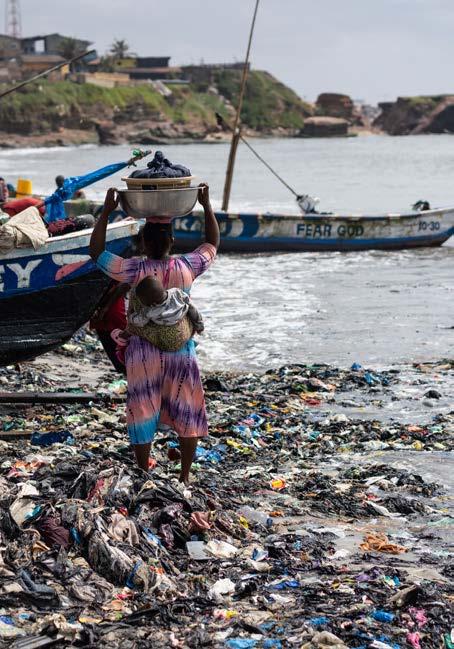
The true price of short-lived fashion is paid many times over by people and the environment. These low prices can only be achieved through poor quality and ruthless exploitation. This combination ensures that clothing becomes a disposable commodity; mountains of textile waste litter entire landscapes in the Global South, while the hazardous chemicals within the fabric endanger human health and pollute the environment. Instead of taking responsibility and providing solutions, fast fashion companies are destroying the environment and further fuelling the climate crisis with their business model [26], [27], [28].
The fast-fashion giant Shein pushes this system to its extreme, acting simultaneously as a manufacturer and an online platform. As a retailer, Shein offers extremely cheap fashion at ”hyper-speed.“ This is made possible through real-time digital monitoring of trends, stolen or AI-generated designs, and a dense network of supplier factories in China,
where workers reportedly produce clothing under inhumane conditions and massive pressure [28], [29].
Since 2023, Shein has also been operating as an online marketplace for fashion, cosmetics, and other goods. In this capacity, Shein is responsible for the app, the website, logistics, and marketing. With 363 million monthly visits, Shein.com is the most-visited fashion website in the world — surpassing Nike, Myntra, and H&M combined [1]. Shein maintains a dominant presence on social media, particularly TikTok and Instagram, targeting Gen Z. The company heavily relies on user-generated content while collaborating with thousands of influencers who promote Shein apparel and drive sales with discount codes [30]. On its app and website, Shein systematically manipulates shoppers using ”dark patterns“: fake discounts, low-stock alerts, and countdown timers create artificial pressure to buy [31]. Combined with prices which are kept low at the expense of human rights and the environment, Shein deliberately creates artificial incentives that fuel hyper-consumption.
Due to the size of the company and the influence exerted by such platforms, Shein is classified by the EU as a very large online platform (VLOP) and is therefore subject to special regulations [32]. Under the EU‘s Digital Services Act (DSA), Shein must fulfill the following obligations to prevent the sale of illegal and dangerous goods [33]:
• Risk assessment and mitigation: As a VLOP, Shein is required to analyze systematic risks posed by its services and take appropriate measures to reduce risk. This includes measures to prevent the sale of illegal products (e.g., textiles that violate the REACH regulation).
• Due diligence in product monitoring: VLOPs must take appropriate and proportionate measures to prevent the sale of illegal goods. The practice of removing only the precise reported products based on their ID — rather than investigating other variations of the same product, or similar products —
directly contradicts the requirement for effective risk mitigation.
• Traceability of retailers: VLOPs must ensure that only retailers whose identity has been verified are allowed on their platform.
Repeated investigations have already clearly demonstrated [6], [7], [8] that Shein sells products containing hazardous chemicals, often far above EU limits. As the current Greenpeace investigation now proves, Shein fails to rigorously investigate, even when there are specific warnings regarding the dangers posed by its products. Shein’s current approach is merely reactive and superficial: Although affected products with the exact flagged ID are removed from the platform, identical products with different IDs, in different colours, as well as slightly different products with the same material composition were re-uploaded or even remained online.
By following this practice, Shein not only bypasses its obligations under the Digital Services Act and the REACH Regulation but also acts with gross negligence toward its customers. This makes it clear that Shein’s promises to prioritize product safety and regulatory compliance are entirely without
substance. By continuing to sell products containing hazardous chemicals on a massive scale, Shein is clearly prioritizing profits over human safety and environmental protection.
What distinguishes platforms like Shein and Temu is the elimination of intermediaries and local warehouses common to other online marketplaces. This distribution model is known as ”directto-consumer.“ Consumers order directly from manufacturers — almost exclusively based in China — via the Shein website, and receive their packages at home via airmail. This business model has seen an explosion in popularity among EU consumers in recent years, leading to a massive surge in smallparcel shipments: In 2024, 4.6 billion packages were delivered to the EU — 145 packages every second. Ninety-one percent of these originated from China, the vast majority from Shein and Temu [34], [35].
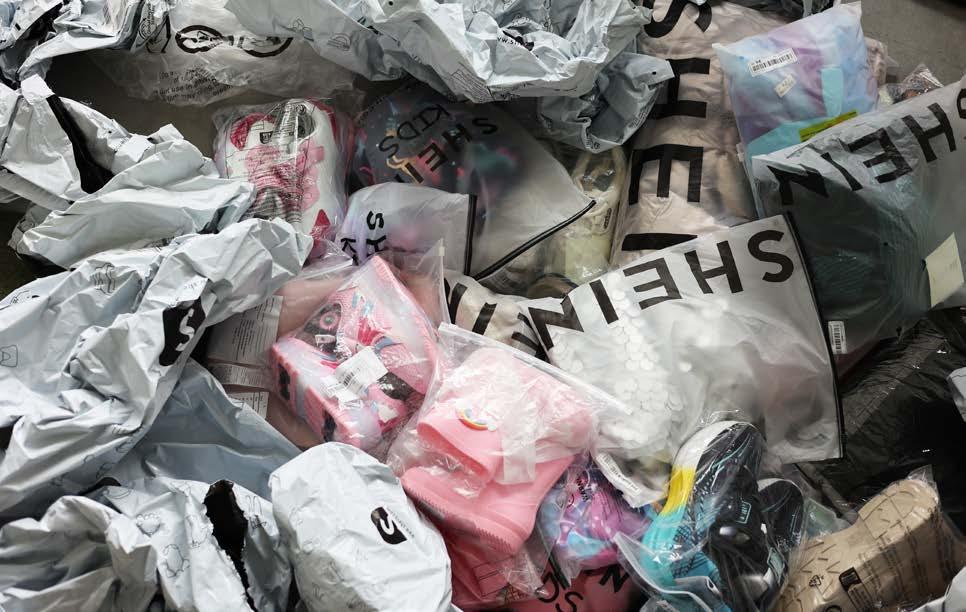
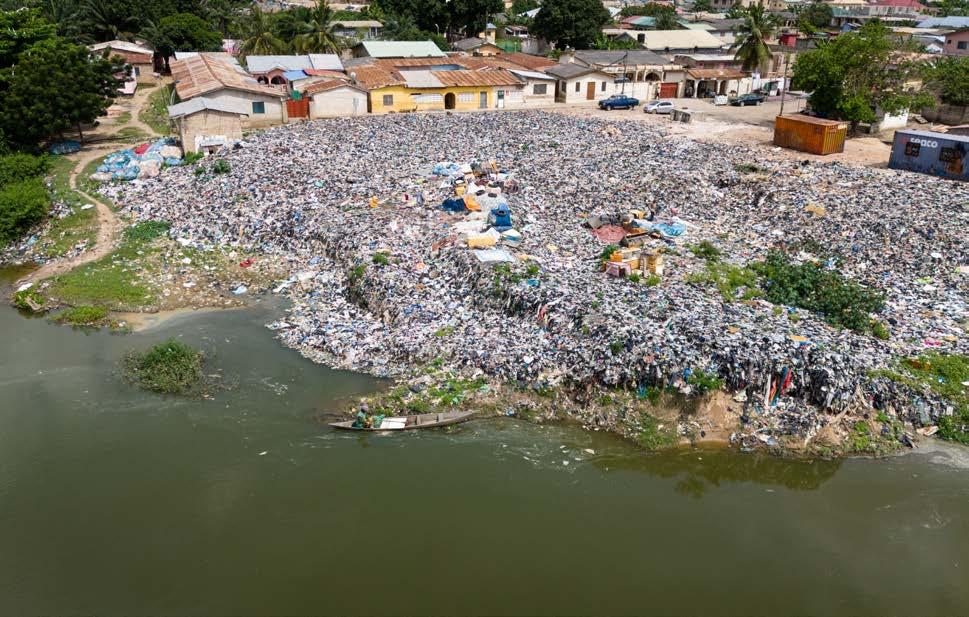
Current EU laws, such as the REACH Regulation and import directives, are ill-equipped for this type of business model. They still operate under the assumption that there is a responsible intermediary based within the EU. Consequently, Shein and Temu systematically exploit both the €150 customs duty exemption and a further loophole in EU chemical legislation, REACH (see section below), thereby endangering human health and the environment. Because there are no intermediaries, customers are technically classified as the importers. This means that, before making a purchase, customers are theoretically responsible for ensuring that the products they buy comply with EU laws, such as the REACH Regulation, and contain no hazardous chemicals. Since Shein does not technically import the products into the EU itself, it has offloaded this legal obligation onto its customers, allowing the company to face no consequences when its products fail to meet REACH standards. As a result, vast quantities of textiles that are legally prohibited enter the EU market — and the people buying them unknowingly place themselves and the environment at risk.
As these investigations clearly demonstrate, not only are hazardous chemicals above EU limits documented in a high proportion of Shein’s clothing and footwear, but when items that violate regulations are flagged, Shein takes no consistent action to remove the products or product lines that violate regulations its platform. Instead, Shein is deliberately exploiting loopholes in EU law to bypass EU chemical law obligations. It is therefore imperative that the EU closes these loopholes and forces Shein to take full responsibility.
To put an end to the destructive fast-fashion system, clear legislation is needed — as this investigation and past experience [36] show, voluntary commitments are simply not enough. The EU and France have taken the first steps with three key regulatory initiatives.
The EU’s REACH chemicals regulation is a cornerstone of European environmental and consumer protection law. It requires companies to register, assess and replace hazardous substances in their products. For clothing, this means no carcinogenic dyes, no hormone-disrupting plasticisers, and no highly toxic “forever chemicals”. Greenpeace has long advocated for strong EU chemicals legislation because it holds manufacturers accountable. However, regulation is outdated and does not take account of modern distribution methods such as those used by large platforms: ”Direct-to-consumer“ business models can deliver products directly from non-EU countries like China to European customers — without REACH verification and without customs checks. Legally, the responsibility lies with individual buyers. As a result, textiles that would otherwise be banned in the EU continue to enter the market. To maintain its credibility as a law enforcer and ensure fairness for other manufacturers, the EU must urgently close this loophole.
France has become the first country in the world to prepare an Anti-Fast-Fashion Law. It plans to introduce a fast fashion levy of up to €5 per item — rising to €10 by 2030 — and a ban on advertising clothing that is particularly harmful to the environment or designed for short-term use. Originally intended to cover the entire fast fashion industry, the law has been narrowed to focus on ultra-fast-fashion platforms such as Shein, Temu and AliExpress following intense lobbying [37]. Nevertheless, it marks a milestone: For the first time, a government is using legislation to curb the fast fashion business model — setting an example for others to follow.
On 16 October 2025, the revised EU Waste Framework Directive entered into force. For the
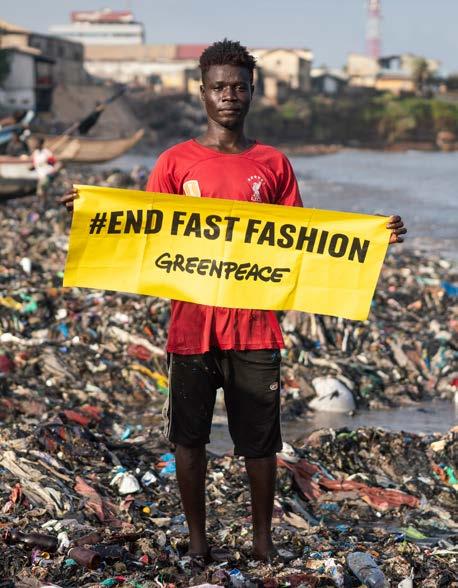
Anti-fast-fashion protest in Jamestown, a fishing town in Accra, where textile waste in the sea poses a massive problem for people and the environment.
first time, the EU has introduced Extended Producer Responsibility (EPR) obligations for textiles. From April 2028, manufacturers will be responsible for their clothing products after disposal and must cover the costs of collection, sorting and recycling. These costs will be financed through fees paid by producers when placing textiles on the market, with contributions modulated to favour sustainable design. The precise criteria for this tiered system have yet to be defined. Member states are required to transpose the directive into national law by June 2027. The textiles EPR is an important first step towards funding the collection and management of textile waste — and, if properly implemented, could create incentives for more sustainable design. Yet it does not address the core problem of fast fashion: overconsumption. To truly end this cycle — and to hold those responsible for pollution, waste, the climate crisis and exploitation to account — much more is needed.
To stop this destructive cycle, governments worldwide must introduce a comprehensive Anti-Fast-Fashion Law.
> A fast-fashion levy, to make producers finally pay for the damage caused by their excessive production.
> A ban on fast-fashion advertising, including on social media, to cool down today’s artificially overheated fast fashion frenzy.
> Support truly circular business models, such as second-hand, swapping and repair schemes.
France has already taken an important first step with its Anti-Fast-Fashion Law. Other countries must now follow suit — to create a truly circular textile economy with less waste, longer-lasting, higher-quality clothing, and a vibrant culture of repair and reuse.
Outdated EU regulations urgently need to be updated so that online platforms such as Shein and Temu can no longer bypass EU law. Greenpeace specifically calls for:
> Extending the application of EU chemicals legislation to all products sold within the EU, including those offered by online platforms;
> Making platforms legally liable under EU law for any breaches, with significant fines for violations;
> Allowing authorities to suspend platforms in cases of repeated violations.
Only binding, enforceable regulation can prevent hazardous chemicals from entering the EU unchecked — and protect the health of consumers and ecosystems worldwide.
Product ID, Picture & Shein SKU
FT - 03 (Reference product 2025 test)
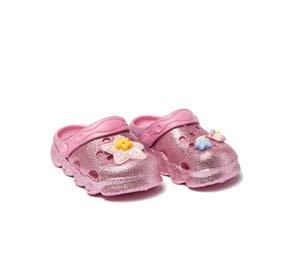
SKU: sk2409257212235785
FT - 03A
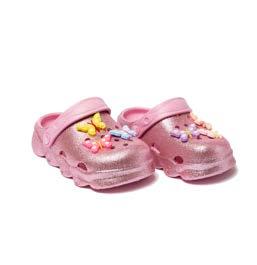
SKU: sk2407118802435944
FT - 03B
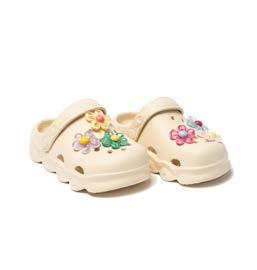
SKU: sk2407118319031115
Identical product but a different version (other pins)
Girls' Flower Clogs Fantastic Clogs
VOCs (+) & Phthalate (DBP, DEHP, DEHtP)
Identical product but a different version (other pins)
Flower Clogs Fantastic Clogs
Phthalate (DEHtP)
Phthalate: DBP (55x)
Flower Clogs Fantastic Clogs
Phthalate (DEHtP)
Product ID, Picture & Shein SKU
05 (Reference product 2025 test)
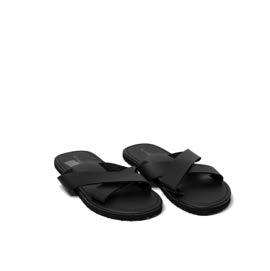
SKU: sx2407065708600234
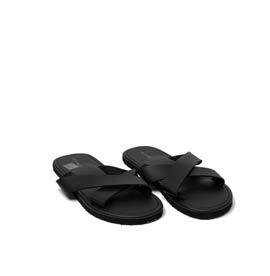
SKU: sx251110788755259290
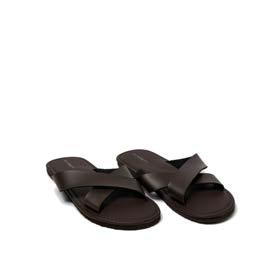
SKU: sm25032136303047341
Shoe
Identical product
Men's Criss-Cross Slide Sandals Qianlixingxieye
Identical product but a different version (other colour)
Men's Criss-Cross Slide Sandals Zudong
Phthalate (DBP, DEHP, DEHtP); PAH & VOCs (+, DMF)
Men's Criss-Cross Slide Sandals Gosuban
Phthalate (DEHP, DINP, DEHtP)
Phthalate: DBP (4.2x) & DEHP (39x)
Phthalate (DEHP, DEHtP)
Phthalate: DEHP (42x)
Phthalate: DEHP (65x)
Product ID, Picture & Shein SKU
FT - 06 (Reference product 2025 test)
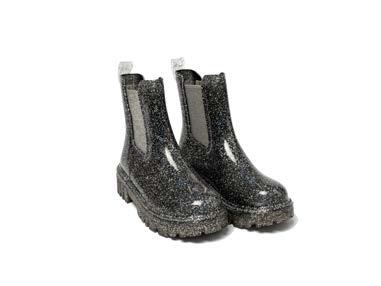
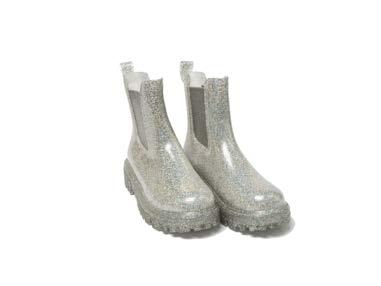
Shoe Women's Rain Shoes
Fashionista's Footwear Closet Phthalate (DBP, DEHP) Phthalate: DBP (71x)
SKU: sx2309268046965801
FT - 06A
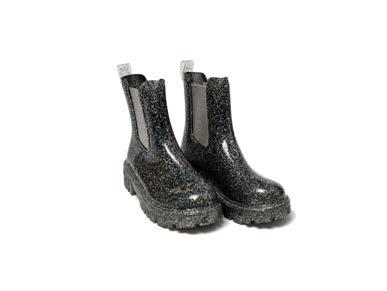
SKU: sx25101223313110610
FT - 06B
Identical product
Women's Rain Shoes
MAOYI Phthalate (DEHP, DEHtP) –
SKU: sx25101223313103412
Identical product but a different version (other colour)
Women's Rain Shoes
MAOYI Phthalate (DBP, DEHtP) Phthalate: DBP (49x)
Product ID, Picture & Shein SKU
- 09 (Reference product 2025 test)
SKU: sx25042395225517988
- 09A
SKU: sx25022752002096108
- 09B
SKU: sx25031008694688502
Shoe
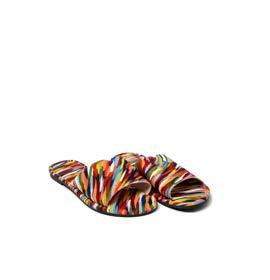
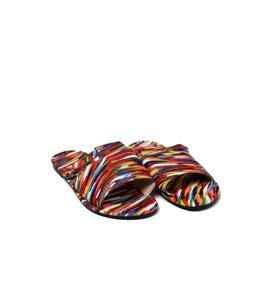
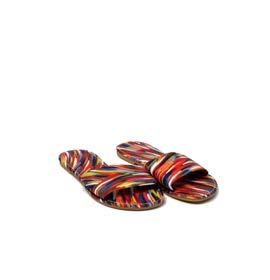
Women's Flat Slip-On Sandals TZLOU
Almost identical product
Women's Flat Slip-On Sandals YAERNZU
Heavy metals (Cd, Pb) & Phthalate (DBP, DEHP, DEHtP, DIP, DnDP)
Phthalate: DEHP (28x), DINP (1.5x)
Heavy metals (Cd, Pb); Phthalate (DBP, DEHP, DIBP, DINP, DEHtP)
Phthalate: DEHP (24x), DBP (2.3x), Sum (26.4x)
Almost identical product Women's Flat Slip-On Sandals Glam Galore Phthalate (DBP) –
Product ID, Picture & Shein SKU
- 10 (Reference product 2025 test)
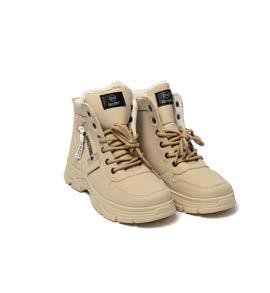
SKU: sx2407298863657451
- 10A
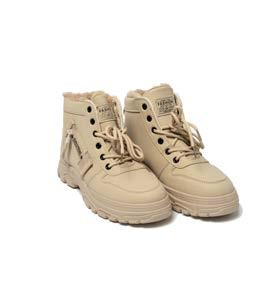
SKU: sx2308108821742544
- 10B
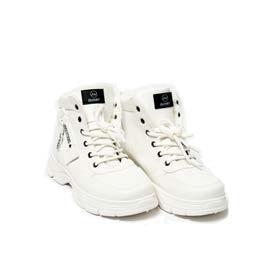
SKU: sx25090537107356731
Shoe
Almost identical product
Women's Plus Size Short Snow Boots
Anfan Shoe
Phthalate (DBP, DEHP, DEHtP, DEP) & VOCs (+, DMF)
Identical product but a different version (other colour)
Women's Plus Size Short Snow Boots
Lyle womens shoes
Women's Plus Size Short Snow Boots dsvszbszd
VOCs (DMF); Phthalate (DBP, DIBP)
Phthalate: DBP (134x) und VOC: DMF (1.1x)
VOCs (DMF & Formamide); Phthalate (DBP, DIBP)
Phthalate: DBP (25x), DIBP (25x), Sum (50x)
DMF (1.3x); Phthalate: DBP (38x), Sum (38.5x)
Product ID, Picture & Shein SKU
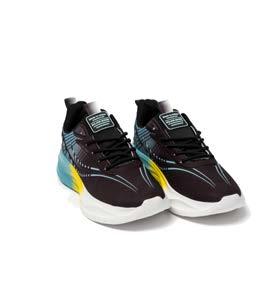
SKU: sm25040683897627921
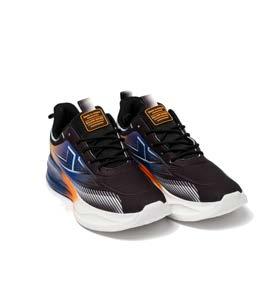
SKU: sm25040663334258030
Shoe
Almost identical product
Men's Lightweight Running Sneakers
JUNTAIXIEYE
Phthalate (DBP, DEHP, DEHtP) & VOCs (+)
Men's Lightweight Running Sneakers
JUNTAIXIEYE
Phthalate (DBP, DEHP, DIBP, DEHtP)
Phthalate: DBP (5x), DEHP (110x)
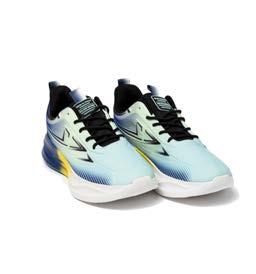
SKU: sm25040663334258031
Almost identical product
Men's Lightweight Running Sneakers JUNTAIXIEYE
Phthalate: DBP (4.9x), DEHP (62x), Sum (67x)
Phthalate: DEHP (24x), Sum (24.7x) FT - 12 (Reference product 2025 test) FT - 12A FT - 12B
Phthalate (DBP, DEHP, DEHtP)
Product ID, Picture & Shein SKU
FT - 27 (Reference product 2025 test)
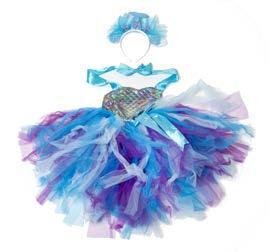
SKU: sk2309192015124624
FT - 27A
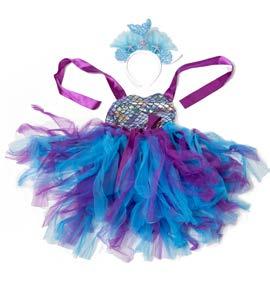
SKU: sk2307044030343582
- 27B

SKU: sk2403086581733966
Dress
Identical product but a different version (other colour)
Girls' Mesh
Mermaid Dress & Headband Set
Identical product but a different version (other colour)
Girls' Mesh
Mermaid Dress & Headband Set
Girls' Mesh
Mermaid Dress & Headband Set
Product ID, Picture & Shein
- 36 (Reference product 2025 test)
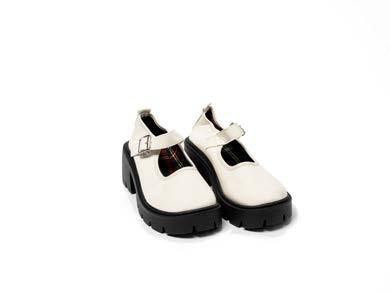
SKU: sx2309025137536549
- 36A
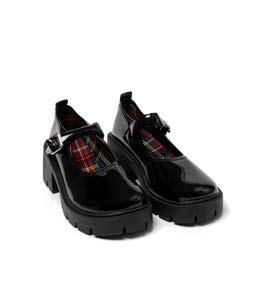
SKU: sx2309025137543592
- 36B
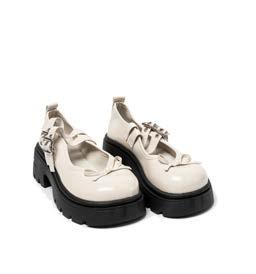
SKU: sx25031311666446147
Shoe
Identical product but a different version (other colour)
Women's Platform
Mary Jane Heels
Almost identical product
Women's Platform
Mary Jane Heels
Xueying
Women's Platform
Mary Jane Heels
Xueying
Heavy metal (Cd); Phthalates (DBP, DEHP, DEHtP) & VOCs (+)
Xueying
Heavy metal (Cd & Pb); Phthalate (DEHP, DEHtP)
Heavy metal: Cd (1.2x) & Phthalate: DBP (1.1x), DEHP (110x)
Heavy metal (Cd & Pb); Phthalate (DBP, DEHP, DEHtP, DMP)
Heavy metal: Cd (1.3x), Pb (2.1x); Phthalate: DEHP (70x), Sum (70x)
Phthalate: DBP (6.3x) DEHP (28x), sum (34.3x)
Product ID, Picture & Shein SKU
FT - 38 (Reference product 2025 test)
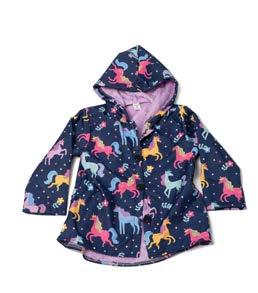
SKU: sx2309025137536549
FT - 38A
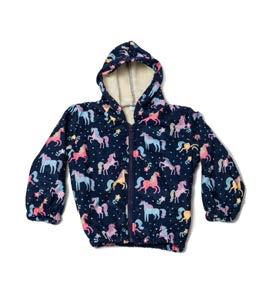
SKU: sk25071169269550195
FT - 38B
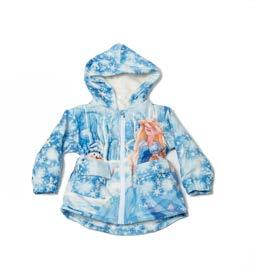
SKU: sk2409305621277423
Jacket
Girls' Unicorn Fluffy Hooded Jacket Shein Everyday Kids
Heavy metals (Sb) & PFAS (8:2FTOH, 10:2FTOH)
PFAS: ∑8:2
FTOH, 10:2 FTOH (1.8x)
Almost identical product
Girls' Unicorn Fluffy Hooded Jacket Mi Dingniu
Similar product from the same product category and material Girls' Unicorn Fluffy Hooded Jacket SHEIN Everyday Kids – –
Product ID, Picture & Shein
FT - 41 (Reference product 2025 test)
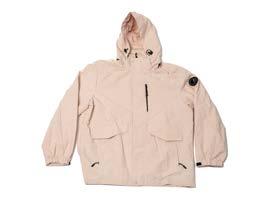
SKU: st2501025550510174
FT - 41A
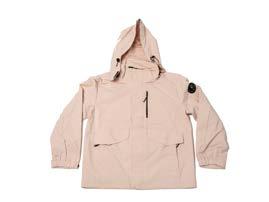
SKU: st25070552662652662
FT - 41B
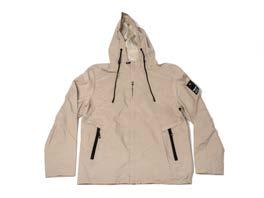
SKU: st2408116209702263
Jacket Women's Hooded Softshell Jacket bomai
PFAS (6:2 FTOH, 8:2 FTOH, 10:2 FTOH) & Phthalate (DBP, DEHP, DEHtP)
PFAS: ∑8:2 FTOH, 10:2 FTOH (634x) & Phthalate: DBP (1.1x), DEHP (120x)
Identical product
Women's Hooded Softshell Jacket SS Yan YU
Similar product from the same product category and material Women's Hooded Softshell Jacket bomai
PFAS (6:2 FTOH, 8:2 FTOH, 10:2 FTOH) & Phthalate (DBP, DEHP, DEHtP)
PFAS: 6:2 FTOH (1.2x)*; ∑8:2 FTOH, 10:2 FTOH (558x) & Phthalate: DEHP (49x), sum (49.3x)
PFAS ( 8:2 FTOH, 10:2 FTOH) & Phthalate (DEHP, DBP, DIBP, DINP, DEHtP, DMP, DEP)
PFAS: ∑8:2 FTOH, 10:2 FTOH ( 13x) & Phthalate: DEHP (14x) DBP (8x), sum (22.1x)
Product ID, Picture & Shein SKU
FT - 42 (Reference product 2025 test)
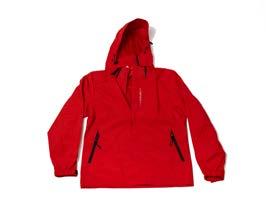
SKU: st2309208171191818
FT - 42A
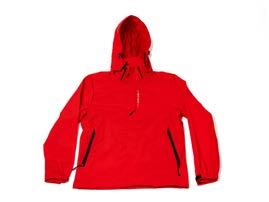
SKU: st2309208171136161
FT - 42B
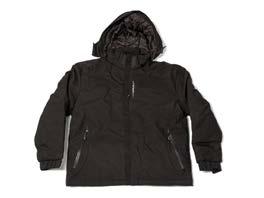
SKU: st2410216893828323
Jacket Women's Outdoor Windproof Jacket QZZR
PFAS (6:2FTOH, 8:2FTOH, 10:2FTOH)
Identical product Jacket QZZR
PFAS (6:2 FTOH, 8:2 FTOH, 10:2 FTOH)
PFAS: ∑8:2 FTOH, 10:2 FTOH (519x)
IIdentical product but a different version (other colour, padded) Jacket Manfinity Sport Corelite
PFAS (6:2 FTOH, 8:2 FTOH, 10:2 FTOH); Phthalate (DEHP, DEHtP)
PFAS: 6:2 FTOH (3.6x); ∑8:2 FTOH, 10:2 FTOH (1250x)
PFAS: 6:2 FTOH (2.7x)*; ∑8:2 FTOH, 10:2 FTOH (1031x); Phthalate: DEHP (3.2x), Sum (3.2x)
Product ID, Picture & Shein SKU
FT - 43 (Reference product 2025 test)
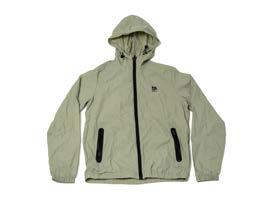
SKU: st2411143707130047
FT - 43A
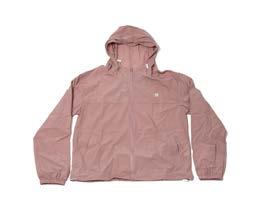
SKU: st2411122912977815
FT - 43B
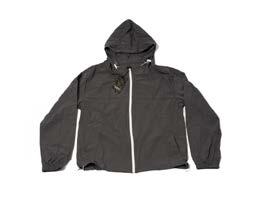
SKU: st25101035352340474
Jacket
Almost identical product
Women's Casual Hooded Rain Jacket In my Nature
PFAS (PFOA, 6:2FTOH, 8:2FTOH, 10:2FTOH)
Almost identical product
Women's Casual Hooded Rain Jacket In my Nature
PFAS (6:2 FTOH, 8:2 FTOH, 10:2 FTOH)
PFAS: 6:2 FTOH (7.6x) & PFAS: ∑8:2 FTOH, 10:2 FTOH (3269x)
PFAS: ∑8:2 FTOH, 10:2 FTOH (146x)
Women's Casual Hooded Rain Jacket In my Nature
PFAS (8:2 FTOH, 10:2 FTOH)
PFAS: ∑8:2 FTOH, 10:2 FTOH (1.5x)
Product ID, Picture & Shein SKU
45 (Reference product 2025 test)
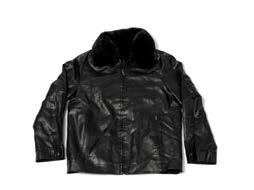
SKU: sm2410191710927828
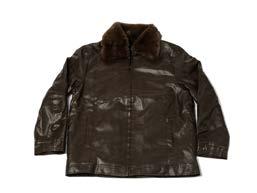
SKU: st25092248384327037
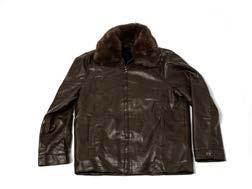
SKU: sm2410191710948816
Jacket
Identical product but a different version (other colour)
Men's Thermal Waterproof Motorcycle Jacket GSUE
Identical product but a different version (other colour)
Men's Thermal Waterproof Motorcycle Jacket Xinghou
Phthalates (DEHP, DEHtP) & VOCs (+)
Phthalate: DEHP (200x)
Men's Thermal Waterproof Motorcycle Jacket GSUE
Phthalate (DEHP, DBP, DEHtP)
Phthalate: DEHP (32x), Sum (32.5x)
Phthalate (DEHP, DBP, DEHtP)
Phthalate: DEHP (35x), DBP (5.4x), Sum (40.4x)
Product ID, Picture & Shein SKU
FT - 47 (Reference product 2025 test)
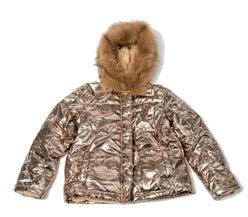
SKU: st2501025550510174
FT - 47B
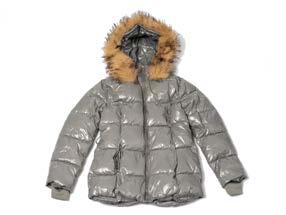
SKU: st2309208171191818
Jacket Women's Shiny Thermal Winter Coat
Shein Clasi
Similar product from the same product category and material Women's Shiny Thermal Winter Coat
Shein Clasi
Heavy metal (Sb); VOCs (+); Phthalate (DEHP, DEHtP); PFAS (8:2FTOH, 10:2FTOH) & Formaldehyde
Phthalate: DEHP (7.2x) & PFAS: ∑8:2 FTOH, 10:2 FTOH (1.8x)
Formaldehyde; PFAS (6:2 FTOH, 8:2 FTOH, 10:2 FTOH); Phthalate (DEHP, DEHtP, DBP)
PFAS: 6:2 FTOH (1.2x)*; ∑8:2 FTOH, 10:2 FTOH (1315x); Phthalate: DEHP (2.3x), Sum (2.5x)
Product ID, Picture & Shein
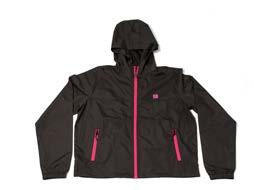
SKU: st2410243521722842
FT - 48 (Reference product 2025 test) FT - 48A
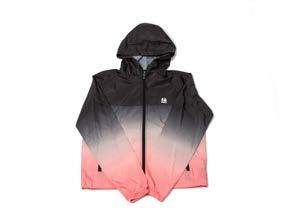
SKU: st2403092232230022
FT - 48B
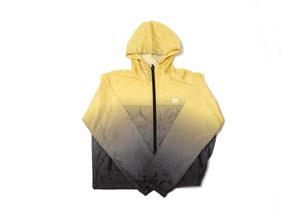
SKU: st25060639672236135
Jacket
Identical product but a different version (other colour)
Women's Casual Hooded Hiking Jacket
Identical product but a different version (other colour)
Women's Casual Hooded Hiking Jacket
In my Nature
PFAS (4.2 FTOH, 6:2FTOH, 8:2FTOH, 10:2FTOH)
PFAS: 6:2 FTOH (140x) & ∑8:2 FTOH, 10:2 FTOH (3.8x)
Women's Casual Hooded Hiking Jacket
In my Nature
PFAS (6:2 FTOH, 8:2 FTOH, 10:2 FTOH)
In my Nature
Formaldehyde; PFAS (6:2 FTOH, 8:2 FTOH, 10:2 FTOH)
PFAS: 6:2 FTOH (5.2x)*; ∑8:2 FTOH, 10:2 FTOH (1500x)
PFAS: 6:2 FTOH (9.2x)*; ∑8:2 FTOH, 10:2 FTOH (3115x)
Product ID, Picture & Shein
FT - 50 (Reference product 2025 test)
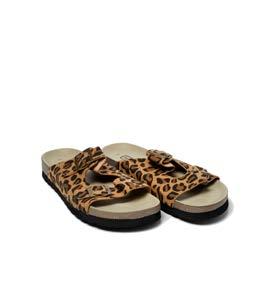
SKU: sx2404042379710014
FT - 50A
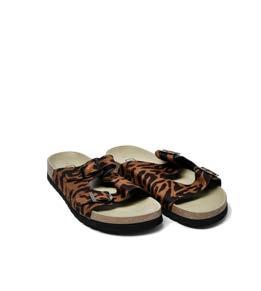
SKU: sx2404042379724704
FT - 50B
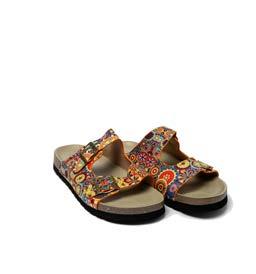
SKU: sx2404042379788455
Shoe
Identical product but a different version (other colour)
Women's Leopard Platform Beach Slides
Heavy metal (Sb, Pb); PAH, Phthalate (DBP, DEHP, DEHtP, DINP) & VOCs (+)
Heavy metal: Pb (2.8x) & Phthalate: DBP (19x), DEHP (33x), DINP (1.4x)
Identical product but a different version (other colour)
Women's Leopard Platform Beach Slides TZCJ
Heavy metal (Cd, Pb); Phthalate (DEHP, DBP, DEHtP)
Women's Leopard Platform Beach Slides TZCJ
Heavy metal (Cd, Pb); Phthalate (DEHP, DBP, DEHtP)
Heavy metal: Pb (1.4x); Phthalate: DEHP (18x)
DBP (21x), Sum (39x)
Heavy metal: Pb (1.7x); Phthalate: DEHP (13x) DBP (48x), Sum (61x)
Abbreviations: SKU (Stock Keeping Unit) und PAH (Polycyclic aromatic hydrocarbons); VOCs (Volatile organic compounds), DMF (N,N-Dimethylformamide), PFAS (Per- and polyfluoroalkyl substances), DBP (Dibutylphthalate), DEHP (Diethylhexyl phthalate), DEHtP (Di-(2-ethylhexyl) terephthalate), DEP (Diethylphthalate), DINP (Di-iso-butylphthalate), DMP (Dimethyl phthalate), FTOH (Fluorotelomer Alcohol), 6:2FTOH (6:2 fluorotelomer alcohol), 8:2FTOH (8:2 fluorotelomer alcohol), 10:2FTOH (10:2 fluorotelomer alcohol), Pb (Lead), Cd (Cadmium), *6:2 FTOH: REACH Threshold of 1 mg/kg applies from October 2026.
REACH-regulated chemicals that were tested and standard test procedures used
Chemicals
Measurement method / standard
Formaldehyde DIN EN ISO 14184-1:2011-12
VOC screening PAW 078:2023-05
Per- and polyfluoroalkyl substances (PFAS) including fluorotelomer alcohols (FTOH) DIN EN 17681-1:2025-06
Heavy metals (acid digestion): Lead and cadmium DIN ISO 16711-1:2016-02 & DIN EN ISO 17294-2:2024-12
Phthalate
DIN EN ISO 14389:2023-01
>>> Full report by the Bremen Environmental Institute
>>> Laboratory report from 2025 with results of the reference products
[1] Statista, „Mode und Bekleidung - Meistbesuchte Websites weltweit 2025“ [Fashion and Clothing – Most Visited Websites Worldwide in 2025]. August 2025. [Online]. Available: https://de.statista.com/statistik/daten/ studie/1379969/umfrage/meistbesuchte-websites-mode-bekleidung-weltweit/
[2] T. Gaudiaut, “Apparel Industry: SHEIN Catches up With Market Leaders,” Statista Daily Data. 11. November 2025. [Online]. Available: https://www.statista.com/chart/35441/leading-brands-global-apparel-industry-by-market-share
[3] tagesschau, „EU wirft Shoppingportal Shein Verstöße gegen Verbraucherschutz vor“ [EU accuses shopping portal Shein of violating consumer protection laws]. 26. Mai 2025. [Online]. Available: https://www.tagesschau.de/wirtschaft/verbraucher/eu-shein-100.html
[4] Reuters, „Greenwashing handelt Shein hohe Geldstrafe in Italien ein” [Greenwashing lands Shein a hefty fine in Italy. 5. August 202]5. [Online]. Available: https://www.handelsblatt.com/unternehmen/handel-konsumgueter/modehandelgreenwashing-handelt-shein-hohe-geldstrafe-in-italien-ein/100146112.html
[5] Bayrischer Rundfunk, „Shein und Temu: EU will Billig-Flut aus China eindämmen“ [Shein and Temu: EU wants to stem the flood of cheap goods from China]. 8. November 2025. [Online]. Available: https://www.br.de/nachrichten/ wirtschaft/shein-und-temu-eu-will-billig-flut-aus-china-eindaemmen,V1sC7s8
[6] Stiftung Warentest, „Gefährliche Waren bei Temu und Shein“ [Dangerous goods at Temu and Shein]. 30. Oktober 2025. Accessed: 4. Februar 2026. [Online].
Available: https://www.test.de/Temu-und-Shein-Gefaehrliche-Schnaeppchen-6253491-0/
[7] Global 2000 und AK Oberösterreich, „Mode mit Nebenwirkung“ [Fashion with side effects]. 2025. [Online].
Available: https://www.global2000.at/publikationen/temu-shein-im-test
[8] Greenpeace, „Shame on You, Shein – Hazardous Chemicals still found in Fast Fashion Products“. November 2025. [Online]. Available: https://www.greenpeace.org/static/planet4-eu-unit-stateless/2025/11/3ad070d9-20251114_ shameonyoushein.pdf
[9] M. Cobbing, V. Wohlgemuth, und L. Panhuber, ”Taking the Shine off SHEIN:A business model based on hazardous chemicals and environmental destruction“. 2022. [Online]. Available: https://www.greenpeace.de/publikationen/ S04261_Konsumwende_StudieEN_Mehr%20Schein_v9.pdf
[10] Ministèree de l’Économie, „Vente de produits dangereux et contenus illicites : le point sur les procédures engagées contre Shein“ [Sale of dangerous products and illegal content: update on proceedings against Shein]. Accessed: 4. Februar 2026. [Online]. Available: https://www.economie.gouv.fr/actualites/vente-de-produitsdangereux-et-contenus-illicites-le-point-sur-les-procedures-engagees-contre-shein
[11] Shein, „SHEIN Conducted Over Two Million Product Safety Tests in 2024, Reinforces Commitment to Product Safety and Sustainability – SHEIN Group“. Accessed: 1. Oktober 2025. [Online]. Available: https://www.sheingroup.com/ corporate-news/shein-conducted-over-two-million-product-safety-tests-in-2024-reinforces-commitment-toproduct-safety-and-sustainability/
[12] Statista, „Estimated annual revenue of Shein from 2016 to 2023“. Januar 2025. [Online]. Available: https://www.statista.com/statistics/1360515/shein-estimated-annual-revenue/
[13] tagesschau, „Gefährliche Chemikalien in Shein-Kleidung“ [Hazardous chemicals in Shein clothing]. 20 November 2025. [Online]. Available: https://www.tagesschau.de/wirtschaft/unternehmen/shein-kleidung-chemikalien-100.html
[14] European Parliament, „Committee on the Internal Market and Consumer Protection Ordinary meeting“. Accessed: 4. Februar 2026. [Online]. Available: https://multimedia.europarl.europa.eu/webstreaming/committee-on-internalmarket-and-consumer-protection-ordinary-meeting_20260127-1430-COMMITTEE-IMCO
[15] Regulation (EC) No 1907/2006 of the European Parliament and of the Council concerning the Registration, Evaluation, Authorisation and Restriction of Chemicals (REACH). 2006. [Online]. Available: https://eur-lex.europa.eu/eli/reg/2006/1907/oj/eng
[16] ZDHC, „Rodmap to zero: Phthalates (including all other esters of ortho-phthalic acid)“. Accessed: 14. Oktober 2025. [Online]. Available: https://mrsl-30.roadmaptozero.com/guidancesheethtml?sheet=16
[17] European Chemicals Agency, „ECHA CHEM database“, ECHA CHEM. Accessed: 3. Oktober 2025. [Online]. Available: https://chem.echa.europa.eu/
[18] ZDHC, „Roadmap to zero: PER–FLUOROALKYL AND POLY-FLUOROALKYL SUBSTANCES (PFAS)“. Accessed: 14. Oktober 2025. [Online]. Available: https://mrsl-30.roadmaptozero.com/guidancesheethtml?sheet=22
[19] Umwelt Bundesamt, „PFAS Came to Stay“, Magazine of the German Environment Agency 1/2020, 2020.
[20] ZDHC, „Roadmap to zero – Total Heavy Metals“. ZDHC. Accessed: 14. Oktober 2025. [Online].
Available: https://mrsl-30.roadmaptozero.com/guidancesheet?sheet=13
[21] ZDHC, „Roadmap to zero – organic solvents“. Accessed: 14. Oktober 2025. [Online].
Available: https://mrsl-30.roadmaptozero.com/guidancesheethtml?sheet=31
[22] P. Piccinini, C. Senaldi, und C. Summa, „European Survey on the Release of Formaldehyde from Textiles“. 2007. [Online]. Available: https://publications.jrc.ec.europa.eu/repository/handle/JRC36150
[23] Statista Market Insights, „Apparel – Worldwide“. Dezember 2024. [Online].
Available: http://www.statista.com/outlook/cmo/apparel/worldwide
[24] OC&C und WGSN, „Doing more with less“. 2023. [Online].
Available: https://mlp.wgsn.com/rs/669-IKC-742/images/WGSN_OC%26C_Doing_More_With_Less.pdf
[25] Greenpeace, „Einstellungen zum Kleidungskonsum – Kleidungsbestand, Tragehäufigkeit und Lebensdauer“ [Attitudes toward clothing consumption—clothing inventory, frequency of wear, and lifespan]. 2025. [Online].
Available: https://www.greenpeace.de/publikationen/Einstellungen%20zum%20Kleidungskonsum.pdf
[26] K. Niinimäki, G. Peters, H. Dahlbo, P. Perry, T. Rissanen, und A. Gwilt, „The environmental price of fast fashion“, Nat Rev Earth Environ, Bd. 1, Nr. 4, S. 189–200, Apr. 2020, doi: 10.1038/s43017-020-0039-9.
[27] Clean Clothes Campaign, „What are the issues plaguing fashion?“ Accessed: 2. Oktober 2025. [Online].
Available: https://cleanclothes.org/faq/why
[28] O. Classen und D. Hachfeld, „Interviews with factory employees refute Shein’s promises to make improvements“. 14. Mai 2024. [Online]. Available: https://www.publiceye.ch/en/topics/fashion/interviews-with-factory-employeesrefute-sheins-promises-to-make-improvements
[29] M. Kläsgen und J. Schmieder, „Fast Fashion: Shein, der vielleicht dreisteste Raubkopierer der Welt“ [Fast fashion: Shein, perhaps the world‘s most brazen pirate], Süddeutsche.de, 11. August 2023. [Online].
Available: https://www.sueddeutsche.de/wirtschaft/shein-temu-ki-fashion-mode-1.6119095
[30] Storyclash, „Inside Shein’s Influencer Marketing Strategy“. 6. Mai 2023. [Online].
Available: https://www.storyclash.com/blog/en/shein-germany-influencer-marketing/
[31] The European Consumer Organisation, „Click to buy (more)“. 2025. [Online]. Available: https://www.beuc.eu/sites/ default/files/publications/BEUC-X-2025-051_How_fast_fashion_giant_SHEIN_uses_dark_patterns.pdf
[32] European Commission, „Supervision of the designated very large online platforms and search engines under DSA | Shaping Europe’s digital future“. Accessed: 4. Februar 2026. [Online].
Available: https://digital-strategy.ec.europa.eu/en/policies/list-designated-vlops-and-vloses
[33] Gregor Schmid, „Der Digital Services Act – ein Überblick“ [The Digital Service Act – An Overview]. Accessed: 4. Februar 2026. [Online]. Available: https://www.taylorwessing.com/de/insights-and-events/ insights/2022/11/digital-services-act-ein-ueberblick
[34] Deutschlandfunk.de, „Billigware aus China – EU und USA verschärfen Kurs gegen Shein und Temu“ [Cheap goods from China – EU and US tighten stance against Shein and Temu], 22. Mai 2025. [Online].
Available: https://www.deutschlandfunk.de/temu-shein-china-zoll-onlineshop-100.html
[35] J. Gräfe, „Wie chinesische Onlinehändler den europäischen Zoll austricksen“ [How Chinese online retailers are circumventing European customs], tagesschau.de, 6. Februar 2024. [Online].
Available: https://www.tagesschau.de/wirtschaft/verbraucher/temu-pakete-zoll-steuern-100.html
[36] Greenpeace, „Self regulation: a fashion fairytale / Part 1: Progress of Detox committed brands on hazardous chemicals and slowing the flow/closing the loop“, 2021. [Online].
Available: https://www.greenpeace.de/publikationen/20211122-greenpeace-detox-fashion-fairytale-engl-pt1.pdf
[37] France 24, „French Senate adopts bill to regulate fast fashion industry“, France 24, 10. Juni 2025. [Online].
Available: https://www.france24.com/en/live-news/20250610-french-senate-to-vote-on-regulating-fast-fashion
Imprint Greenpeace e. V., Hongkongstraße 10, 20457 Hamburg; Phone +49 40 306 18 - 0 Press Office Phone +49 40 306 18 - 340, F +49 40 3 06 18 - 340; presse@greenpeace.de; www.greenpeace.de Political Unit in Berlin Marienstraße 19-20, 10117 Berlin; Phone +49 30 30 88 99 - 0 Responsible for content Moritz Jäger-Roschko Photos Fred Dott (Cover, p. 4 top, 7, 9, 10, 17 – 32); Kevin McElvaney (p. 5, 14, 15); Julius Schrank (p. 4 bottom, 6, 8); Jana Kühle (p. 13); all: © Greenpeace Layout Janitha Banda / Spektral3000 March 2026