













Our Ultrafine Bubble (UFB) nozzle integrates seamlessly with standard shower heads, producing millions of nanoscopic bubbles that penetrate the water stream. These bubbles improve hydration efficiency and enhance cleaning performance at the microscopic level- with just a slight change in water pressure or flow.

By simply adding Mizue to your shower, you’ll awaken your skin’s natural vitality and radiance. Feel the gentle, silky touch of water transformed — delivering deep, lasting hydration while infusing every drop with softness and life-giving energy that refreshes the body, mind and spirit.



I still remember loading my pregnant belly, my two kids, and my grandmother into a minivan and driving to the courthouse in Flint, Michigan to register MamaSuds. No grand plan. No investors. Just a very real need and a stubborn refusal to settle.
Since then, a lot has changed. Our product line has grown. Our branding has evolved.
We moved from my kitchen… to the garage… to a real Soap Shop that now employs ten amazing people.
What hasn’t changed is why MamaSuds exists.
I started this company because I couldn’t find a laundry soap that could do all three things at once:
•Clean cloth diapers properly
•Be gentle enough for a baby’s skin
•Contain zero harmful or hidden ingredients
So I made it myself. From scratch. Real soap. No shortcuts. And then something incredible happened… You told your friends. You told your family. You trusted us with your homes, your laundry, and your kids. That trust is the reason MamaSuds is here today. And I don’t take that lightly.















I felt it in my heart and wept with love and joy!
— Belia Franko Walnut Creek, CA
● OJ¹YA Armor Meditation quickly settles you into ultra-deep, calm, rejuvenating rest
● It’s blissful, soothing, so deeply relaxing, and so powerful that you don’t need to meditate for long hours. ● Just 10-20 minutes daily attacks and dissolves stubborn, deep roots of anxiety, stress and lethargy. ● Brain fog evaporates.







● Your vital energies recharge in minutes . . . it’s the ● perfect antidote to the fatigue and frenzy of life in the real world . . . and ● a rare, ancient beauty secret for health and youthful aging
● OJ¹YA adds core inner strength from deep within. ● Your mind, heart and spirit awaken.
● You feel fresh, renewed and empowered
● Closely guarded for centuries, the timeless secrets of OJ¹YA are now revealed to you on exquisite videos . . . produced with love in our Rainforest. ● We invite you to learn OJ¹YA . . . IT’S A RARE, ancient meditation technique . . . . . . totally effortless . . . and vastly more potent than guided meditations, mindful practices — or those tedious struggles to “focus your mind.”








Dear Readers,
There is a specific kind of magic that happens when women help design the world they want to live in. It’s rarely just about the aesthetic; it’s about the ecosystem.
As we step into March — a month that honors the history and future of women — we find ourselves at a brilliant intersection of sustainability and radical intentionality. In this issue, we explore how women are not just participating in sustainability initiatives, but are fundamentally restructuring them to prioritize community, restoration, and the preservation of legacy.
Our cover story takes us into the heart of ZebraScapes, a Northern Arizona landscaping powerhouse that proves the "seeds" of a great business are often sown at the kitchen table. While Rodney Steidinger’s vision is at the helm, the company’s soul is shaped by his wife, Denise, and their four daughters. Their story reminds us that when we build with the next generation in mind, we build differently — with more heart, more grit, and a deeper respect for the Earth.
We also explore the visionary work of architect Lindsey Wikstrom, founder of Mattaforma. By shifting focus from technical material specs to the human beings they impact, Lindsey challenges us to look past “green” labels and consider who is truly being sustained by the spaces we create. It’s an approach that moves architecture away from cold data and back toward the people and biomes it is meant to protect.
We see this same spirit in our style profile on Kay Sides, the force behind R0AM, whose commitment to bio-based materials proves that ethics and elegance can walk hand-in-hand.
But sustainability isn't only found in the materials we use; it’s found in how we sustain ourselves.
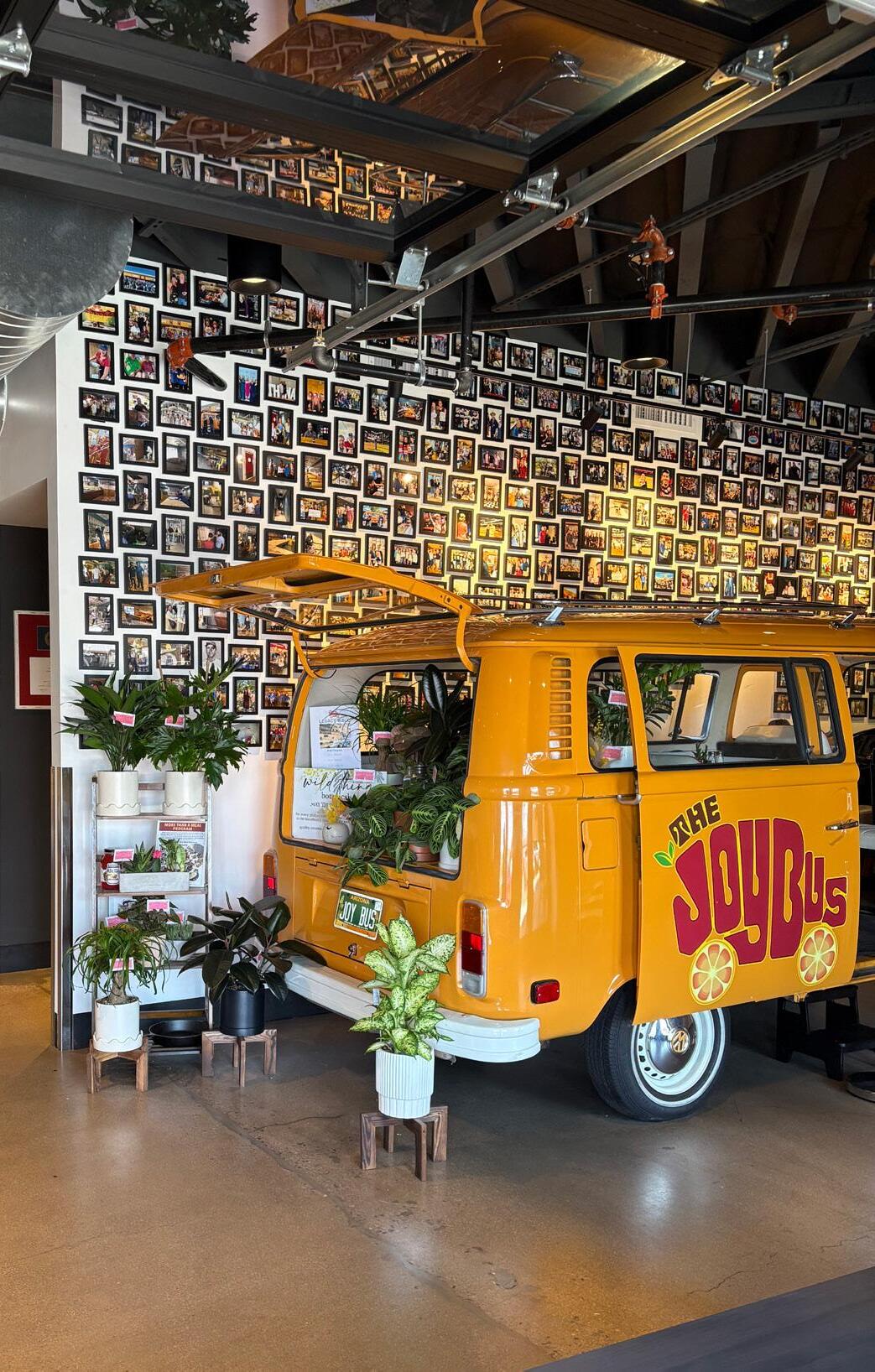
We’re also diving into the "Earlybirds" phenomenon — the rise of womenonly nightclubs that kick off at 6 p.m., along with other social spaces that prioritize joy, connection, and safety all on a timeline that works for women smack in the middle of midlife. We also get our hands dirty exploring the holistic health benefits of gardening, and share the inspiring mission of Jennifer Caraway and The Joy Bus, whose work delivering organic, medically tailored meals to cancer patients is the ultimate example of a "circular economy" of the heart.
Here’s to the women leading the way, tending to the roots of a more intentional future, and ensuring that the world we leave behind is as vibrant as the one we are building today.
Thanks for reading,

Shelby Tuttle Managing Editor
Got a burning question or comment? Reach out at editor@greenlivingmag.com.

Michelle Talsma Everson, writer
Michelle Talsma Everson is a freelance journalist who believes that communication is an art, where the right messaging can tell impactful, vivid stories. Using that art, she has built a career as a journalism and public relations professional in the Valley. Her work has been seen in magazines, newspapers, and online outlets across Arizona and nationally for over a decade. Learn more about her writing at www.mteverson.com.

Misty Milioto is a New Orleans-based freelance writer and editor with more than 20 years of experience working with publications across the country. Most of her work has been with Modern Luxury’s suite of 85-plus regional magazines, and she has also written for publications including Sunset Magazine and Colorado Homes & Lifestyles. She has regular columns in New Orleans Magazine, New Orleans Homes, and New Orleans Brid e. Misty also oversees a luxury lifestyle blog at girlwilltravel. com. She loves everything from exotic destinations and luxury resorts to food and wine — and everything in between.
PUBLISHER
MANAGING EDITOR
ONLINE EDITOR
ART DIRECTION & DESIGN
GRAPHIC DESIGNER
COPY EDITOR
EVENTS MANAGER
STAFF PHOTOGRAPHER
Alison Bailin Batz
Jennifer Burkhart
John Burkhart
Pam Delany
Anna Dorl
Molly Fay Mayson Milanovich
Dorie Morales
Shelby Tuttle
Shelby Tuttle
Sly Panda Design
Melat Alebachew
Erin Wilson
Amanda Rae Arispe Witt
Brett Prince
Angela Fairhurst
Colleen Kern
Misty Milioto
Michelle Talsma Everson
Jen Thorn
Ashley Pacheco
BUSINESS DEVELOPMENT & PARTNERSHIPS
Don Fergus - don.f@greenlivingmag.com
George Heussner - george.h@greenlivingmag.com sales@greenlivingmag.com
CONTACT US AT:
Subscriptions: hello@greenlivingmag.com
Advertising: sales@greenlivingmag.com
Editorial: editor@greenlivingmag.com
480.840.1589 • www.greenlivingmag.com
13845 N Scottsdale Rd, Ste. 201, Scottsdale, AZ 85254




Each winter, Tucson transforms into a global mineral and gem hub. Crystal expert Jamie Inglett advised readers on navigating the massive event with intentionality and responsibility. Suggestions included focusing on just one or two major shows daily to ensure deep exploration. If time allows, revisit booths later, as inventory constantly evolves throughout the season.

With spring right around the corner, allergy season is too! Arizona's dry environment combined with desert plant pollen creates the perfect combination for allergy exacerbation. While there are several over-thecounter options that provide temporary relief, there are also several natural solutions that can help ease symptoms.


Arizona’s agriculture consumes 72% of state water, making conservation critical. To manage climate pressures, technology like drones has become essential for mapping infrastructure, measuring crop health, and ensuring public safety. Companies like Gold Canyon-based Rapid Drone provide the leadership and aerial data necessary to support sustainable development and resource management across Arizona’s most water-constrained and rapidly expanding environments.




A new species of fairy lantern, Thismia selangorensis, has been discovered in Kuala Lumpur’s forests. This rare, translucent plant is a mycoheterotroph, meaning it survives underground by parasitically drawing nutrients from fungi rather than using photosynthesis. Its ethereal, umbrella-like blooms appear irregularly, featuring protective domes and mysterious tentacles. Mirroring the trickery of its folkloric namesake, the plant thrives by "stealing" energy from fungal networks without giving anything back.

The Department of Health and RFK are shifting the food pyramid to prioritize "Real Food" — focusing on proteins, dairy, and fats while demoting whole grains. The overhaul restricts SNAP benefits, excluding certain processed items and foods with added sugars. While supporters praise the nutritional shift, critics warn that de-emphasizing grains and tightening assistance could ignore established science, exacerbate food insecurity, and limit affordable options for low-income families.

Greenland is a vital climate archive, reflecting solar radiation via the albedo effect. However, its rapidly melting sheets of ice are driving sea-level rise while revealing vast mineral wealth hidden beneath. This environmental shift is fueling the current administration's interest in acquiring the island for resource extraction, new shipping routes, and national security. Scientists warn that prioritizing geopolitical expansion over climate change initiatives could jeopardize this indispensable warning system for global tipping points.

Athletes are urging the International Olympic Committee to ban fossil fuel sponsorships. Rising global temperatures not only threaten snow melt during the winter games, but put summer athletes equally at risk for injury from heat exhaustion or heat stroke. Competitors argue that accepting funds from major polluters contradicts the Olympics' sustainability goals and are demanding a policy shift that prioritizes athlete health and the planet's future over lucrative oil partnerships.

Until recently, major retailers routinely destroyed unsold merchandise to protect brand exclusivity. In Europe, 4% to 9% of textiles are destroyed before use, generating 5.6 million tons of CO2. However, on February 9, 2026, new legislation will prohibit companies from destroying unsold textiles and footwear.This ban, part of the EU’s Ecodesign for Sustainable Products Regulation (ESPR), marks a major step toward a circular economy by eliminating senseless waste.



BY ANNA DORL
March 8 marks International Women’s Day, a global recognition of the social, economic, and cultural contributions of women. In our journey toward a more sustainable future, female perspectives and leadership remain vital to navigating the challenges of a changing world. In 2026, living in harmony with our "leading lady," Mother Earth, is more than a choice; it is a time-honored return to the roots of our humanity. In honor of Women’s History Month, we’ve curated a selection of sustainable essentials to help you celebrate the power of female influence in style.
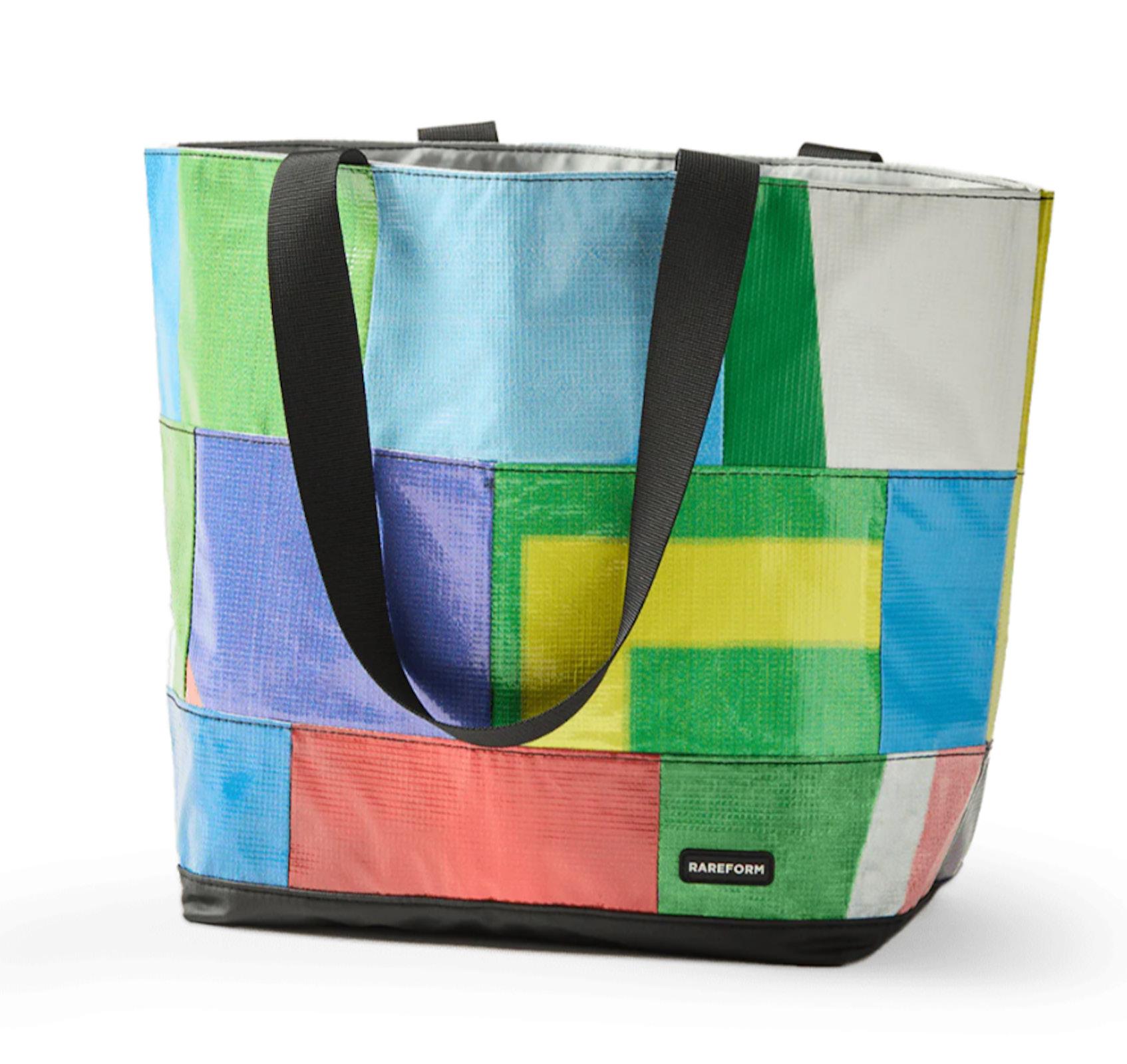
Have you ever wondered what happens to billboards after their time to advertise has run its course? Some take on second lives as reworked materials, like these extremely unique bags from Rareform. These creations are crafted from 80% used billboard vinyl from across the United States, on which messages and images were printed for the world to read from the highways. These bold choices are refashioned into chic and unique accessories, grabbing attention in a new, sustainable way. Rareform’s products are intentionally made: No two bags are identical, and multiple style, pattern, and color collections are available (seen here is the Patchwork Blake Tote). www.rareform.com
Personal safety is a practical reality for many, leading to high demand for reliable self-defense tools. However, traditional options like pepper spray carry the risk of wind blowback, which can affect the user as much as the assailant. REPULS offers a more controlled alternative with its water-based defense spray. Utilizing ammonium propionate to cause temporary eye irritation without permanent damage, the formula is eco-conscious and includes a blue identifying dye. It’s available in various sizes and styles—including this rhinestone-accented case—to suit different needs and preferences. www.repulsdefensespray.com



If you’re into eco-friendly makeup, you may have considered the benefits of zero waste options. Enter Izzy — a company with heart that puts its money where its mouth is. Cofounder Chris Tarling was inspired by his young daughter, Izzy, to create a sustainable beauty company after she walked into his office wearing a shirt that read, “No More Waste.” The brand’s Zero Waste Mascara is plastic-free and boasts a vegan, gluten- and cruelty-free formula inside a reusable, medical-grade tube of stainless steel. Customers can mail their empty tube pack in the reusable provided mailer and receive another clean and full tube of mascara in return. www.yourizzy.com
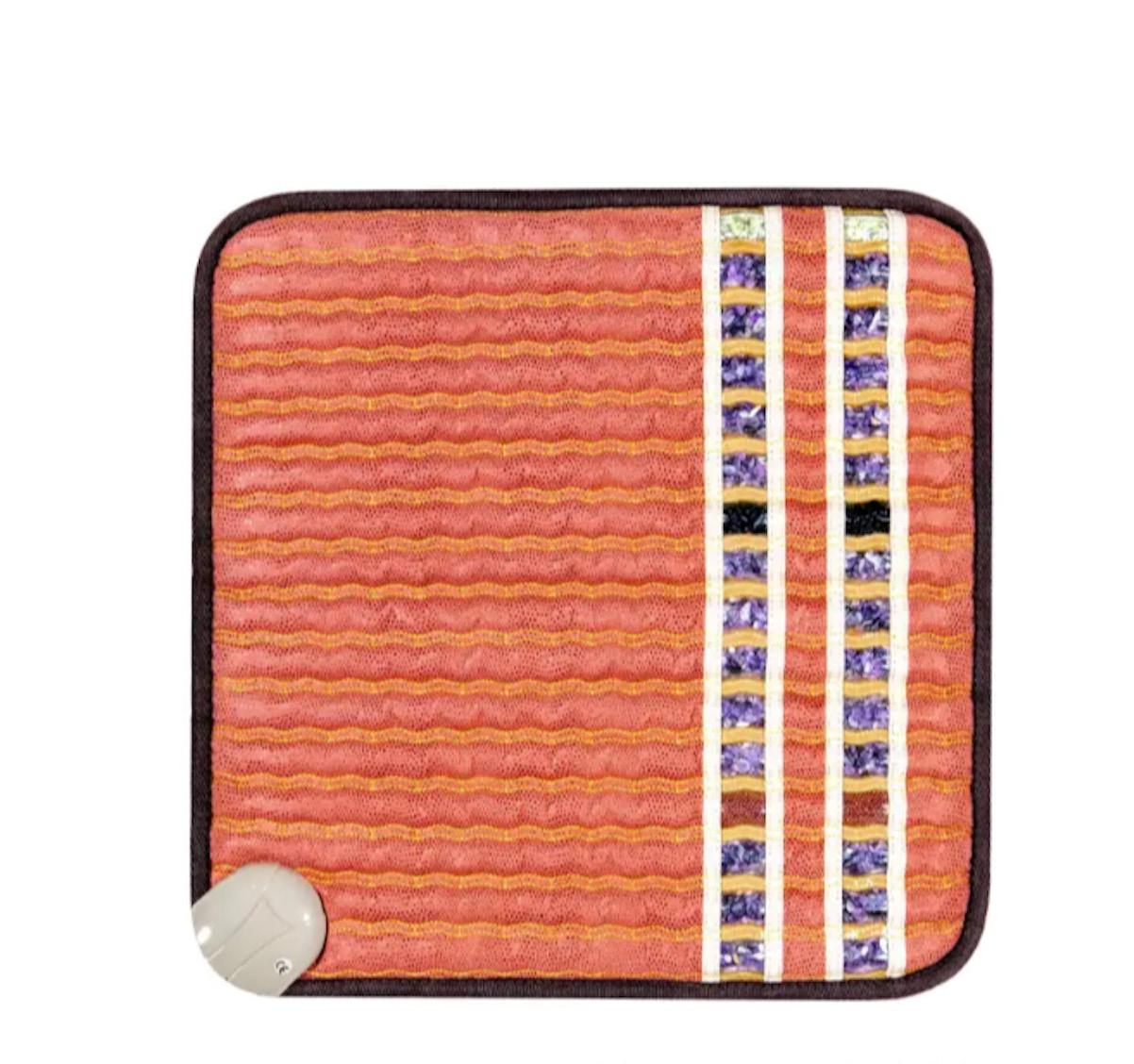
If you’re looking to upgrade your wellness routine, HealthyLine’s Amethyst Heating Pad offers a sophisticated blend of material science and comfort. Unlike standard pads, this version utilizes a combination of FIR (far infrared) therapy and negative ion emission through a blend of intentionally chosen gemstones like amethyst, tourmaline, and obsidian. This specially infused heat is designed for deep-tissue penetration and localized healing. At 18X18”, the pad is versatile enough to treat larger areas like the lower back or to be wrapped securely around a joint for targeted warmth. www.healthyline.com
Cork is one of the most adaptable and sustainable materials on our planet, making it a popular leather alternative. Cork is harvested sustainably from the bark of cork oak trees, without harming the tree and promoting overall forest health. Corkadia offers a variety of products, including the Double-Sided Cork Women’s Belt. Made with a silver half-buckle, the cushiony material of the cork extends to both sides of the belt. This is a versatile item for anyone in need of a practical gift. The belt is available in small, medium, and large sizes, plus a handful of fun colors maintaining the cork composition. www.corkadia.com


BY ANGELA FAIRHURST
CColostrum has been called nature’s original superfood. It’s a nutrient-dense, immune-supporting substance mammals produce in the first days after giving birth. While most people associate it with newborn development, colostrum has become increasingly popular among adults seeking immune, gut, and cellular support. But what exactly is it, how does it work, and why are wellness practitioners turning toward this ancient biological substance?
Colostrum is the early, concentrated form of milk that mammals produce for their offspring during the first 24 to 72 hours postpartum. Thick, golden, and packed with bioactive compounds, it contains a rich mix of antibodies, growth factors, peptides, vitamins, minerals, and prebiotics. Its role is simple but profound: jump-starting immunity and strengthening the gut lining during an infant’s most vulnerable early stage. Today, that same cocktail of natural compounds is being studied and increasingly used for its potential benefits in adults.
Dr. Raj Kalra, MD, a board-certified physician in physical medicine and rehabilitation, pain management, obesity medicine, and lifestyle medicine, explains that “colostrum’s value lies in its synergy.” As one who has spent more than a decade leading physical medicine and rehabilitation and overseeing pain management within one of the
largest medical groups in the United States, Dr. Kalra approaches colostrum through a functional, wholebody lens. His clinical experience gives him a unique perspective on how nutrients that support tissue repair, immunity, and inflammation can influence long-term health and healthy aging.
Colostrum is rich in immunoglobulins (IgG, IgA, IgM), lactoferrin, and cytokines, all compounds that help fortify the immune system. These components bind to harmful bacteria and viruses, helping the body neutralize them before they cause illness. Several clinical studies show that bovine colostrum may reduce the severity and frequency of upper respiratory infections, support healthier immune responses, and help athletes maintain immune stability under stress.
For Dr. Kalra, the appeal is rooted in prevention. “What makes colostrum so compelling is that it doesn’t work in isolation. You’re getting immune support, gut repair, and anti-inflammatory benefits all at once. It’s a rare example of nature giving us a truly integrative wellness tool,” he says.
Much of colostrum’s reputation comes from its ability to support gastrointestinal health. The gut lining is delicate and can become compromised through stress, poor diet, medications, or chronic inflammation. This is often called “leaky gut,” where microscopic openings allow toxins to enter the bloodstream.
Colostrum’s growth factors, especially IGF-1 and TGF-β, help stimulate the repair of the intestinal lining. Its natural prebiotics also support a healthier microbiome.
Dr. Kalra explains, “When the gut barrier breaks down, everything else breaks down with it — immunity, mood, metabolism, even joint and brain health. Supporting gut integrity is one of the most clinically meaningful things we can do, and colostrum is uniquely equipped to help.”
Colostrum contains anti-inflammatory cytokines and peptides that may reduce systemic inflammation. For individuals dealing with chronic pain, autoimmune conditions, or post-exercise recovery needs, this can be valuable.
Dr. Kalra views colostrum through a functional, clinically grounded perspective. “So many chronic conditions trace back to unchecked inflammation,” Dr. Kalra notes, “Colostrum isn’t a magic bullet, but it can support recovery, calm inflammatory pathways, and complement the pillars of lifestyle medicine: nutrition, movement, stress reduction, and restorative sleep.”
The renewed interest comes from a combination of modern need and scientific validation. Today, consumers are more aware of how immunity, gut health, and inflammation influence long-term wellbeing. As a natural supplement, bovine colostrum is accessible, shelf-stable, and biologically similar to human colostrum, making it suitable for adults.
Sourcing also matters. Sustainable farms, coldprocessing, and third-party testing are now standard in high-quality supplements, aligning the product with values that matter to eco-conscious consumers and physicians.
Dr. Kalra emphasizes that colostrum is not a cure-all, but a supportive tool — especially for older adults.
“For aging adults, we’re always looking for ways to maintain function, protect gut health, and strengthen immunity. Colostrum can be a small but meaningful part of that strategy, and it aligns beautifully with the preventive, whole-person approach.”

Whether used for immune strengthening, gut support, or overall resilience, colostrum offers a naturally powerful profile with growing scientific backing. For consumers looking for gentle, evidence-informed wellness support, and for clinicians like Dr. Kalra who blend lifestyle medicine with preventive care, colostrum represents a timeless resource with renewed relevance.
As with any supplement, individuals should consult a healthcare provider before use.

BY MISTY MILIOTO
IIn a world where sustainability has become a buzzword, Kay Sides is quietly proving that conscious design is more than trendy. As the founder and creative director of R0AM, a Los Angeles-based footwear brand, Sides has spent the last seven years crafting shoes that move seamlessly from surf to city — all while minimizing environmental impact.
But for Sides, an Asian American and Pacific Islander (AAPI) female entrepreneur who has shaped brands from Alexander McQueen's McQ to Yohji Yamamoto, sustainability isn’t a marketing strategy. It’s a way of life.
“For me, sustainability has always been a way of living, not something I preach,” she says. “Unless someone is truly living off-grid — fully solar-powered, growing all of their own food, capturing all of their own water — sustainability exists on a spectrum. I live in the modern world, so I focus on making less harmful choices every day.”
Those daily choices extend far beyond her brand. At home, Sides maintains a plastic-free household, composts religiously, and sources wild-caught fish and organic eggs from local, small farmers. She ensures that no animal products or animal testing are involved in the clothing or beauty products she uses.
Sides’ path to footwear entrepreneurship was anything but linear. Born and raised on O’ahu, she spent 95% of her childhood outdoors. It’s this connection to nature that continues to shape her design philosophy today. Her background as a former ballerina, and current surfer and boxer, gives her a unique perspective on what bodies in motion actually need.
“I'm incredibly grateful to have lived a life rooted in movement, the outdoors, and being in motion,” Sides says. “Because of that, I'm extremely sensitive to comfort, balance, and support.”
That sensitivity led to one of R0AM's signature features — customer-molded footbeds that deliver what Sides describes as an “astonishing amount of squish” while still supporting the foot in all the right places.
“I travel constantly for work and for fun, and I need shoes I can walk miles in without my feet or back aching at the end of the day,” she says. “That lived experience informs every design decision I make.”
The impetus for launching R0AM came from an honest gap in the market.

“I was searching for footwear that felt stylish, extremely comfortable, casual yet cool, and consciously made — something that could truly keep up with me and my friends and the many different ways we move through our days,” Sides says. “I wasn't finding anything that checked all of those boxes, so I decided to create it.”
At the heart of R0AM's sustainability story is its use of algae-based BLOOM foam — a material Sides pursued for years before finding the right manufacturing partner.
“Algae technology is incredible,” she says. “It’s a renewable resource and one of the fastest-growing plants on Earth, capable of doubling in size in 24 hours. It requires no deforestation, uses no harmful chemicals to produce, and [it's use] actually helps restore ecosystems — since excess algae in waterways is damaging to the environment. It’s a truly circular material."
But algae foam is just one piece of R0AM’s environmental commitment. The brand uses in-market vegan materials across its entire line, meaning no animals are harmed at any point in the production process. All packaging is fully compostable and sustainably produced. The brand’s materials also include durable, high-flex BIO EVA tread outsoles derived from sugarcane and recycled rubber tread on the soles.
While R0AM’s signature Puffy Sandal — created more than seven years ago when nothing like it existed — laid the foundation, Sides has continued developing new silhouettes. The Foldy and the Cloud have become bestsellers, representing how the brand has evolved.
Most recently, Sides launched The Slip, inspired by Hawaiian “slippah” culture and her deep connection to her birthplace.
“Hawaii is and will always be home,” she says. “I still live my life outdoors as much as possible, and that deeply influences my approach to comfort, versatility, and conscious design.”
It’s important to note that R0AM doesn’t position itself as technical performance footwear.
“The balance comes from creating footwear that’s versatile, durable, and supportive enough to move through real life — from outdoors to city settings — while still feeling elevated and intentional in design,” Sides says. “It’s about lifestyle performance, not athletic performance."
As for what's next, Sides lights up when discussing the upcoming season.
“I’m incredibly excited about Spring and Summer,” she says. “We have so many new designs coming that my team and I are already obsessed with. I’m absolutely a sunshine girl — I bloom brighter in warmer months — and that energy always shows up in our collections.”
For more information, visit www.roamwears.com or follow @roamwears on Instagram.




BY JEN THORN, MD, MPH OF COMMUNITY GARDENS OF TUCSON
GGardens have taken many forms since human food cultivation began about 12,000 years ago. From World Wars I and II “Victory Gardens” and elaborate ornamental backyard gardens, to patio herb container gardens and community gardens, they all have something in common — gardeners who tend to and nurture them. The result of these gardens are not just beautiful flowering plants or the delicious fruits and vegetables they produce, but also the tangible benefits the gardener experiences.
Women in the U.S. face a rising burden of chronic conditions, including cardiovascular disease, type 2 diabetes, and Alzheimer’s. These physical challenges are increasingly compounded by a "silent epidemic" of isolation, anxiety, and depression. Community Gardens of Tucson (CGT) offers a direct, naturebased intervention.
With 21 gardens serving over 400 households throughout Tucson, we’ve witnessed a post-pandemic surge in residents seeking more than just produce. While gardeners often describe a "gut feeling" of wellness, the specific benefits are backed by growing clinical evidence.
As it turns out, gardening can play a role in addressing many of the mental health issues that women currently face. Many studies have shown that gardeners experience a greater sense of community connection, have lower rates of depression, stress, and anxiety, and a higher quality of life in general. In our gardens, we frequently hear that gardeners experience improved mental health just from the opportunity to work in a safe outdoor space. Studies have even shown that gardening provides benefits for older adults with dementia, with improvements in mood, reduced agitation, and fewer falls.
Gardening also introduces physical activity and levels of nutrition that can help improve or even prevent many of the chronic diseases listed above. A recent study of community gardeners illustrated a greater amount of moderate-to-vigorous exercise and greater intake of dietary fiber than those who
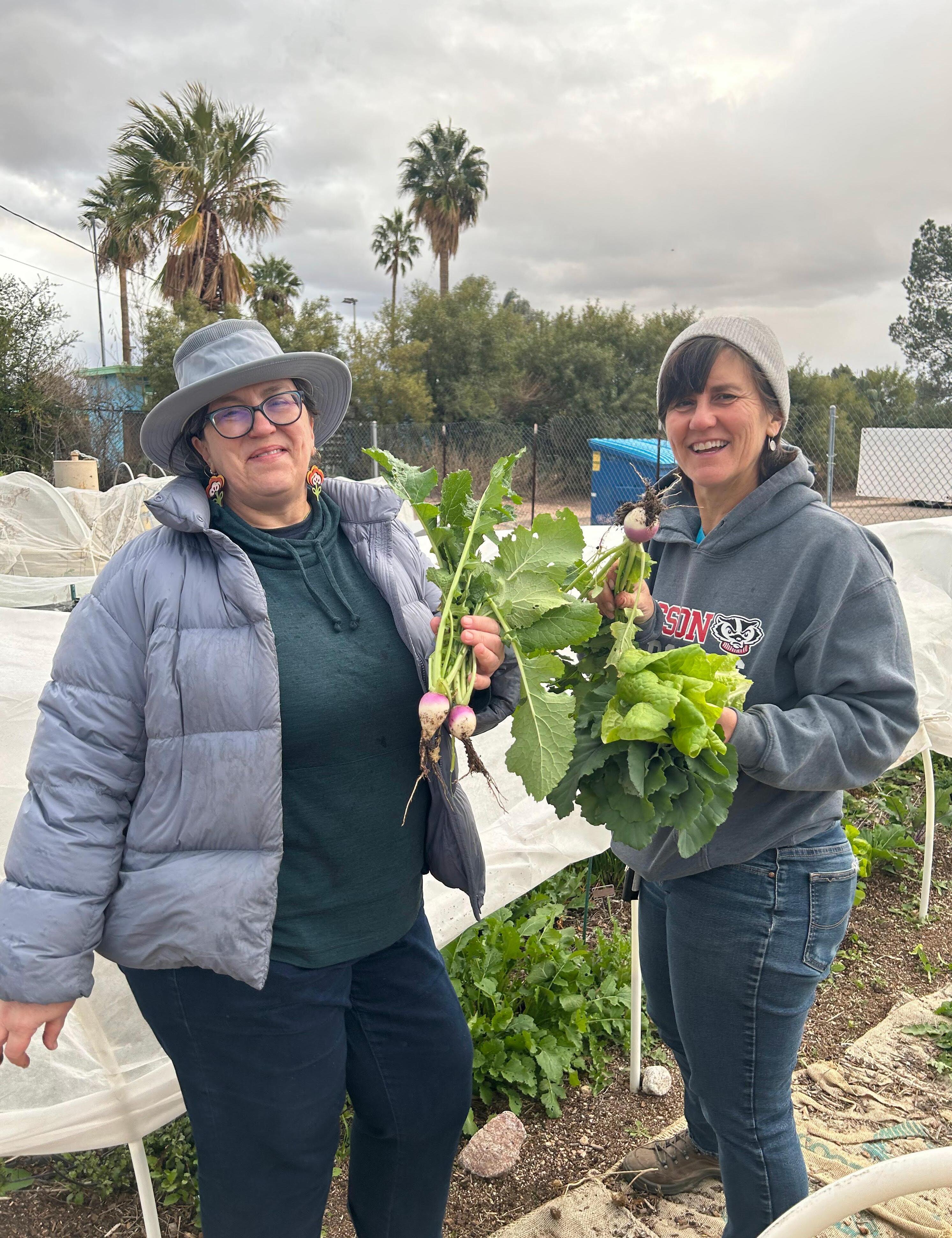
were not gardening — both factors that are associated with reducing risk of cancer and addressing chronic diseases. The physical acts involved in gardening — digging, walking, pulling, squatting — can all contribute to healthy bone maintenance and prevention of osteoporosis.
Finally, the reason that most people garden — delicious, fresh produce picked from the ground — delivers its own health benefits. What is planted, how it is grown, and when it is harvested is entirely up to the gardener. Opportunity abounds to grow produce that is not easily available in local grocery stores. When was the last time you saw nutritional powerhouses like purslane or lambsquarters in your local supermarket? We all know we need to eat more fruits and vegetables, but as it turns out, studies point to gardeners doing this in greater amounts than non-gardeners.
An easy way to start gardening is growing your own small herb garden. Grab a pot or two, fill them with organic soil and seeds for your favorite herbs — like basil, dill, or thyme — set in a sunny spot and keep them damp. You will be rewarded with a delicious addition to your everyday meals in a short period of time. If you want to go bigger, check out opportunities to be a part of a community garden near your home or workplace. However you choose to garden, the most important step is to get started! You might just be having so much fun you don’t notice how good it is for you.

You’re not stuck. You’re disconnected from your truth. Let’s change that together.
Intuitive Insights is a monthly, live experience where Lynn brings her signature no-fluff approach to real-time intuitive guidance. In just one powerful session, you'll clear the emotional static, reconnect with your inner wisdom, and take aligned, grounded action—without bypassing what’s real.
This space is for you if you’re ready to:
Break emotional patterns at the root not just manage the symptoms
Get clear on what’s next without needing to figure it all out alone
Hear the truth beneath the noise of fear, programming, and performance
Reclaim your energy and move forward with confidence and clarity
Live intuitive feedback from Lynn (get called forward, not called out)
Energetic alignment practices that shift you fast
Deep, reflective questions that unlock internal breakthroughs
Practical tools you can apply immediately in real life
This isn’t coaching. It's a lived transformation. Structured soul work.
Held once a month. Always different. Always deep. Spots are limited to keep the work intimate and impactful.

“You
don’t need to be perfect. Just willing.” — Lynn M. Bunch
Lynn blends over 25 years of intuitive development into direct, transformational guidance. This sacred space is structured, strategic, and delivered with soul. Expect to be seen. Expect to shift. Expect results.
You’re invited. Scan to begin. Reserve your spot now
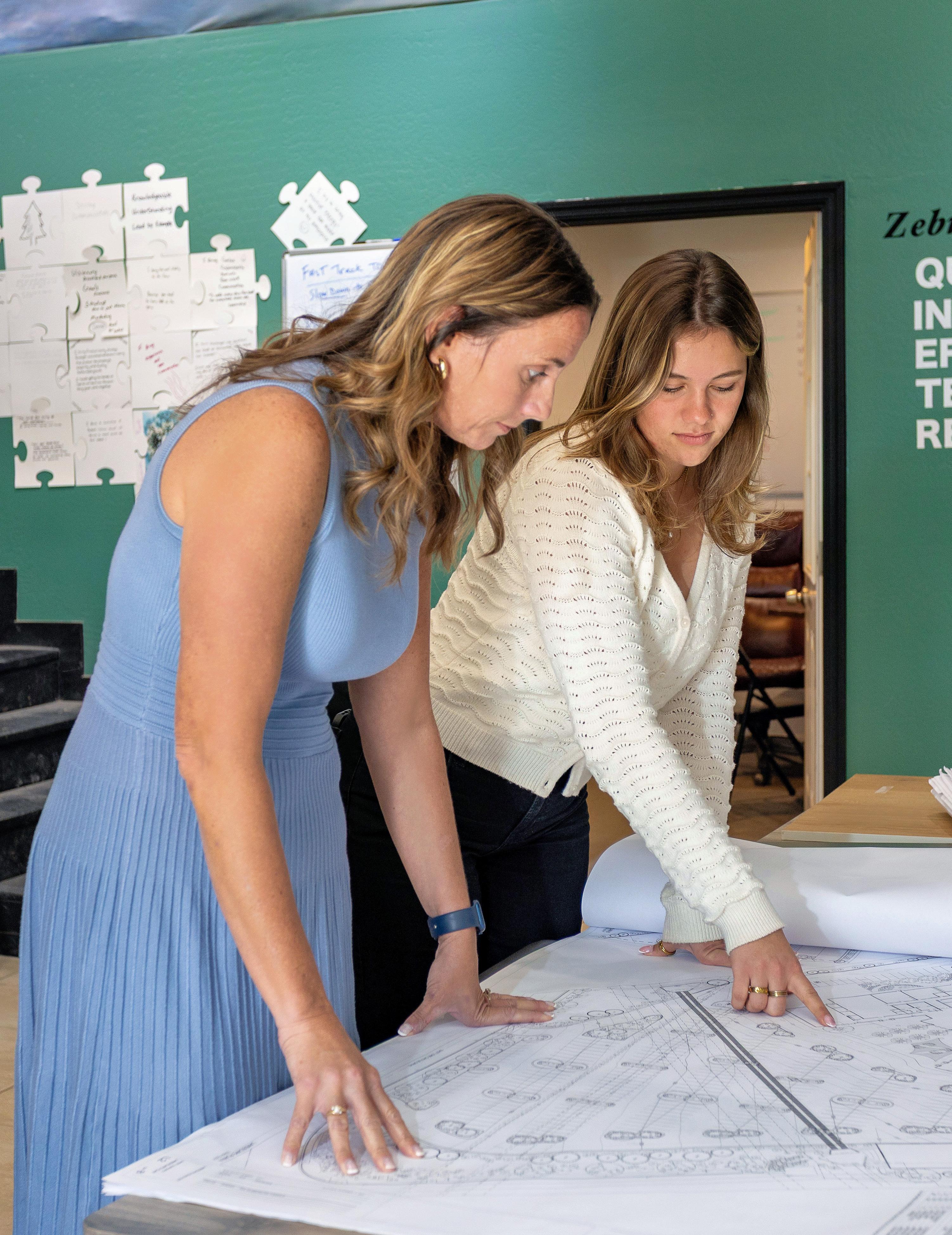
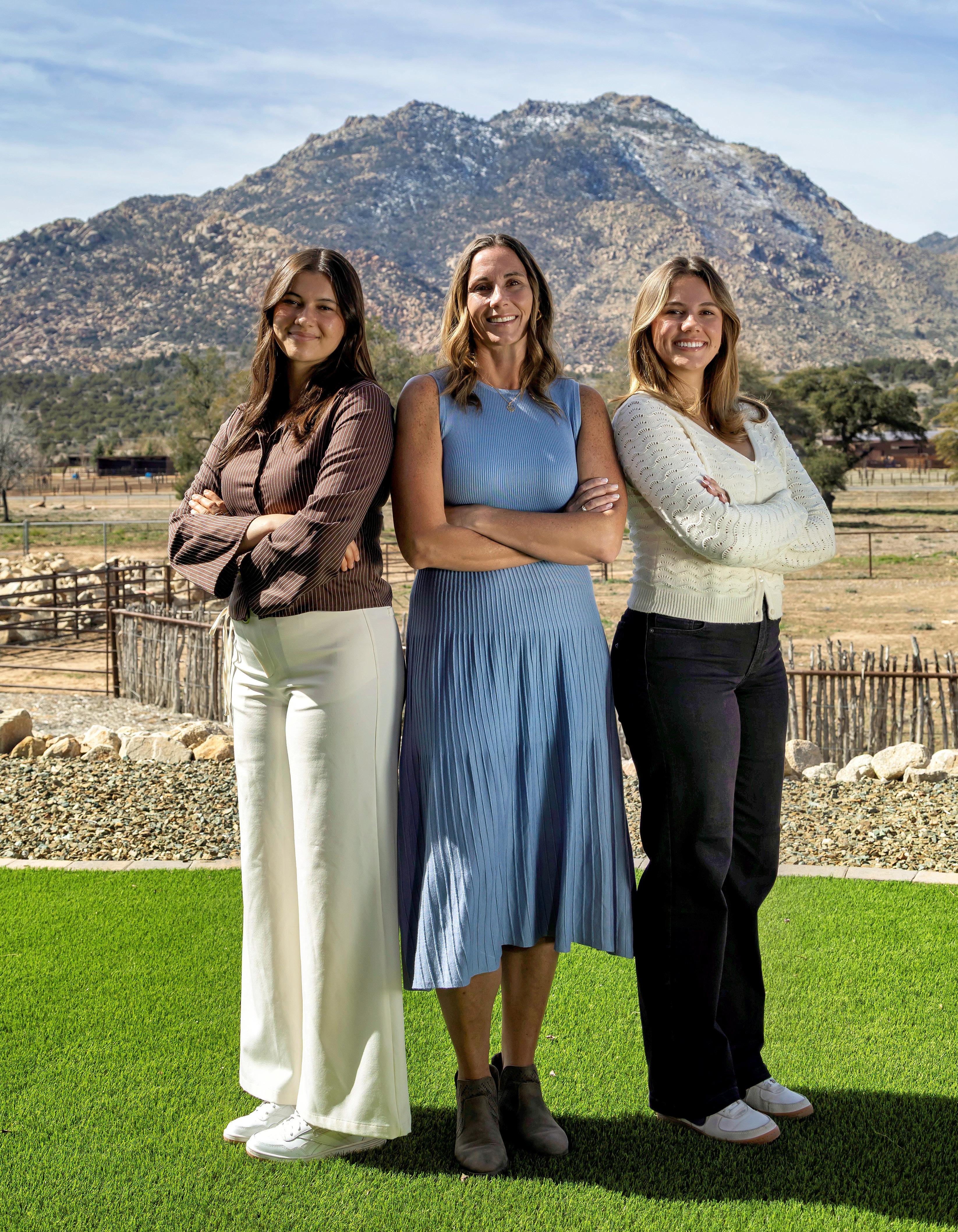
How Denise and Rodney Steidinger are paving a sustainable path for their four daughters
BY SHELBY TUTTLE
IIn the high-desert landscapes of Northern Arizona, sustainability is often discussed in terms of water conservation and soil health. But for Denise and Rodney Steidinger and their daughters, sustainability takes on a deeper, more human meaning: It’s about building a business — and a family legacy — that can weather any storm and empower the next generation of women to lead.
The story of Prescott-based ZebraScapes is a masterclass in American resilience. Following the economic downturn of 2008, Rodney Steidinger found himself looking for a way to provide for his family after the landscaping company he worked for shuttered its doors. In November 2009, Rodney and Denise launched TKHaley Yard Care, named after their three daughters, Trinity, Kiley, and Haley. The early days were defined by grit.
"We put our three very young children in their strollers and walked up and down streets knocking on doors asking if there was any yard work we [could] do," Denise recalls. "That’s how the business began — from very humble beginnings and out of necessity to survive the economy and feed our children!"
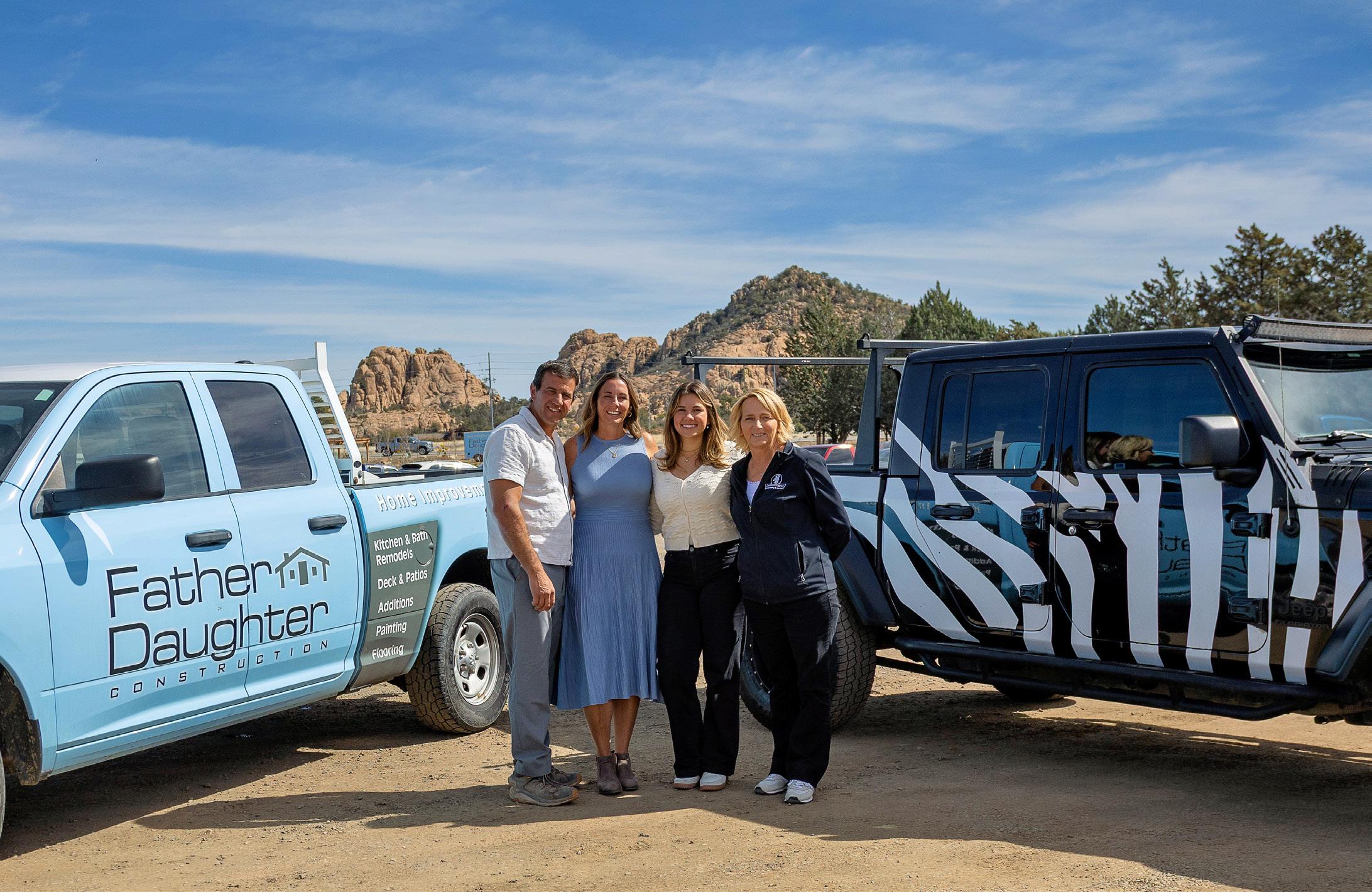
Over time, the family continued to grow — welcoming daughter Ella via adoption in 2014 — and so did the business. In 2015, a simple company rebrand sparked massive growth. Rodney’s vision of a fleet of trucks wrapped in bold zebra stripes led to a catchy change in the company’s name and ZebraScapes was born. The marketing worked.
“The phone was ringing with people saying ‘I saw your truck!’” Denise said. “And we’ve continued to grow year-over-year ever since.”
While the landscaping and construction industries are traditionally male-dominated, ZebraScapes is defined
by the women who anchor its operations. Denise, serving as the chief financial officer, is described as the "financial backbone and strategic steward" of the company. In 2020, she obtained her KB-2 Dual Contractors License, significantly expanding the firm’s design and build capabilities.
"Denise’s leadership goes far beyond spreadsheets," Rodney shares. "She protects the vision. She ensures that growth is sustainable, debt is wise, and opportunities align with long-term goals. She brings integrity, structure, and strategic clarity to the company.”
Joining Denise in the executive suite is General Manager Paula Lemmer, who provides the operational pulse for the entire organization. Paula’s role is one of high-level accountability, ensuring that projects move efficiently from estimate to completion.
“Paula plays a critical role in aligning field crews, project managers, and administrative staff so that communication remains clear and expectations are consistently met,” Denise said. “Her leadership helps transform vision into execution.”
By promoting an "ownership mindset" with all team members, Lemmer has helped transform ZebraScapes from a family business into a structured, highperforming enterprise.
For the Steidingers, empowering their daughters isn't a theoretical concept; it is an operational reality.
Trinity (22) learned the art of hard work on the ZebraScapes maintenance crew while blowing leaves at age 12. She is now the co-owner of Father Daughter Construction, which she launched with her dad in February 2024. The firm focuses on remodeling and reflects a true partnership between the two. Trinity adds a powerhouse of credentials to the table, including a real estate license and even a Series 65 license as a financial advisor.
“Trinity represents the next generation of construction leadership,” Rodney says. “She brings a strong understanding of market value, investment strategy, and property potential. She contributes to real decision making, growth strategy, and the long-term direction of the company.”
Daughter Kiley (20) started her journey as a small business owner as the founder of Lighthouse Coffee while she was still in high school. She’s since joined the family business and serves as the hands-on protector of the company’s image. As the brand and fleet identity coordinator, Kiley personally cuts and installs the custom zebra stripe decals on every new vehicle, ensuring that each vehicle reflects the bold, recognizable identity of the company. From precise
layout and measurement to clean installation, Kiley’s brand leadership and attention to detail makes certain that every fleet addition is consistent with the brand’s standards of professionalism.
"The stripes are more than graphics," Denise explains. "They represent pride, unity, and family ownership."
The couple's hard working third daughter, Haley (17) cleans ZebraScapes and Father Daughter Construction offices every weekend. This strong entrepreneurial spirit among the Steidinger women surrounds youngest daughter Ella (16), who is no doubt being shaped by her sisters’ undeniable business prowess.
Referencing her daughters, Denise notes, “We intentionally create opportunities for growth, responsibility, and confidence-building. We believe strong businesses are built when capable people — women and men alike — are trusted with responsibility, challenged to grow, and supported in their leadership.”
For Rodney, empowering his daughters means giving them confidence, responsibility, and real opportunity.
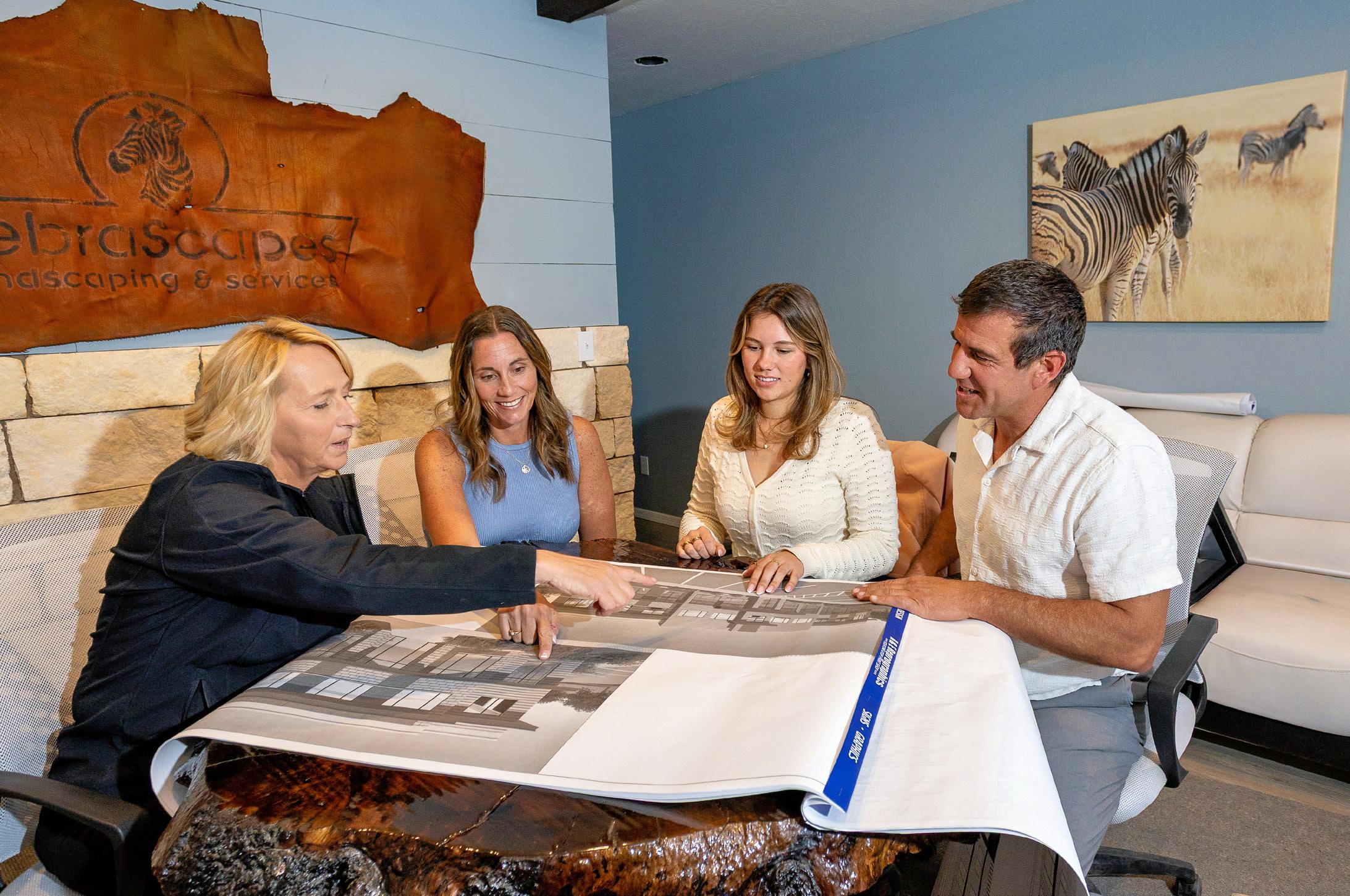
“I don’t want them to grow up thinking they need permission to step into big roles. I want them to see that they already belong there,” he says.
He explains that leadership begins at home by modeling a marriage of equals.
"They see their mom leading as CFO and strategic partner. They see strong women making financial decisions and shaping the company’s direction. That example matters more than any speech I could ever give,” he says. “Daughters raised with confidence, responsibility, and faith won't just survive in today’s society — they’ll help shape it.”
ZebraScapes stands out for its deep-rooted commitment to "environmental wisdom," a philosophy championed by both Denise and Rodney that prioritizes building landscapes designed to thrive in — rather than fight against — the arid Arizona climate. This commitment to the Earth manifests through sophisticated, smart irrigation systems that utilize proper zoning, pressure regulation, and drip technology to ensure every drop of water is used with care and precision.
For the Steidingers, true sustainability is synonymous with durability. They argue that any project requiring replacement within five years is an environmental failure. By prioritizing stewardship over passing trends, the firm focuses on long-term health through strategic erosion control and the selection of droughttolerant plants, ensuring their work serves as a lasting investment for both the homeowner and the land.
"At the core, sustainable design is about responsibility — to the land, to our clients, and to future generations," says Rodney. "Done correctly, sustainability isn’t a limitation. It’s a higher standard."
The Steidingers' commitment to protection and empowerment extends beyond their job sites. The family is deeply involved with Heartland Ranch, a local nonprofit dedicated to rescuing victims of sex trafficking. Drawing from their own journey as foster and adoptive parents, they also advocate for children within the U.S. foster care system, recognizing that "families need support and care" long after an adoption is finalized.
Visit www.zebrascapes.com for more information about ZebraScapes.
How midlife women are reclaiming the nightlife experience
BY MICHELLE TALSMA EVERSON
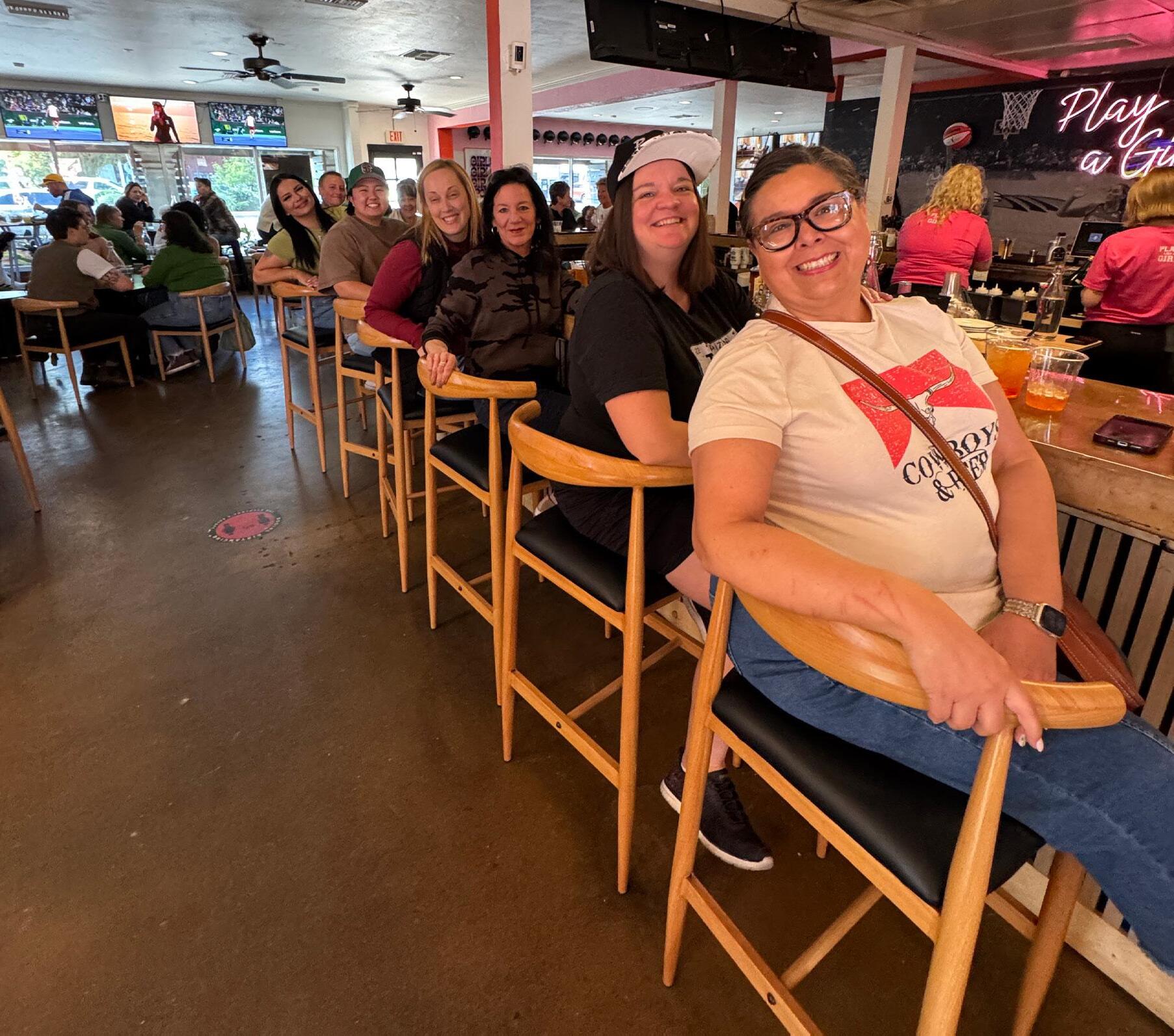

TThe music starts before sunset. By the time the first chorus hits, the energy in the room is already shifting. Heels are kicked off. A woman laughs too loudly — she does not apologize for it. Another, who walked in scanning the exits, is now spinning under a disco light, eyes closed, arms in the air.
For many women in their 30s and 40s, the idea of going out evokes a complicated mix of nostalgia and pragmatism. While memories of packed dance floors and late-night conversations that felt endless and electric still resonate, they’re largely tempered by today’s reality: demanding careers, kids, early alarms, aging parents, and shifting hormones. A sharper awareness of personal safety is top-of-mind, and a desire for connection that feels meaningful rather than performative is where our hearts often lie. Somewhere between the life we remember and the one we currently live, a new model for social life has emerged.
For women seeking connection without the intensity of traditional club culture, women-centered nightlife and community-driven events offer a different version of a night out. From early-evening dance parties to craft-based gatherings and intentionally designed bar spaces, these experiences focus less on excess and
more on belonging. The result is something many women describe as joyful, restorative, and sustainable.
Laura Baginski, co-founder of Earlybirds Club — a roving dance party designed to end before most night clubs open — loved live music and the communal energy that came with it. But as she grew older, late start times felt less exhilarating and more exhausting.
“Coming home at midnight and feeling sleep-deprived the next day is not conducive to having to deal with kids, career, and the many responsibilities we have now,” Baginski said. “So I wanted to capture that feeling of communal catharsis with like-minded people, but at a much more reasonable hour.”
The solution became not just an early-evening dance party, but one specifically geared toward women,


trans, and nonbinary people, featuring throwbacks from the 80s through the 2000s. It began in Chicago without a plan to expand nationally.
“We didn't start out with the idea that this would become a nationally touring concept,” Baginski said. “We thought we'd just stay in Chicago. And that would have been great.”
Instead, demand told a different story. Requests came from across the country. After testing the concept in cities like New York and Los Angeles and receiving the same enthusiastic response, the team realized the appetite extended far beyond one community. Earlybirds now operates in multiple cities across the U.S. and Canada, with plans to continue expanding nationally and internationally.
Amy Robinson, Phoenix ambassador for EarlyBirds Club, says the appeal lies in how intentionally the experience mirrors modern life.
“It doesn’t feel like traditional nightlife,” Robinson said. “It feels like an experience designed for where people actually are in their lives right now.”
Most attendees fall between 35 and 60, with the majority in their 40s and early 50s. The dance floor
pulses not with current club hits but with the songs many loved decades ago — music that carries a memory.
But the biggest difference, Baginski says, is emotional.
“The biggest difference is the non-judgmental, safe space we've created, where people can be their full, weird selves,” she said. “There's no posturing or trying to impress people.”
That freedom resonates deeply with women navigating midlife transitions.
“There’s an unspoken connection middle-aged women have,” Baginski said. “Very few of us are immune to the ups and downs of perimenopause and menopause, of caring for aging parents, of caring for children. We’re all going through this rocky time but we’re also celebrating it. It’s freeing to care so little about what others think of us.”
Earlybirds also builds philanthropy into its model. Ten percent of its portion of ticket proceeds from each event is donated to local nonprofits that uplift women, girls, or gender-expansive communities. The organization donated nearly $40,000 nationwide last year and is on track to triple that this year.
What Earlybirds proves is that timing alone is not the innovation — it is the intention behind it. The earlier start time opens the door, but what keeps women returning is the feeling of being seen without scrutiny. That emotional shift, from performing to participating, is what many women say they have been missing.
For Robinson, the most meaningful part of the evening is not the playlist. It is the shift in being that so many attendees experience.
“People walk in curious or slightly unsure, and then you start to see them soften,” she said. “Laughing more, dancing more, talking to people they didn’t arrive with.”
At some point, the room stops feeling like a collection of strangers and starts feeling shared.
“I love seeing women reconnect with that playful side of themselves,” she said. “It’s like they remember, ‘I love this.’”
For Chicago attendee Nisha Hakhu, that shared energy feels restorative.
“It feels calm, comfortable, and cathartic. It’s a time to clear your mind of life’s chaos. It’s a time to process your week and rejuvenate,” Hakhu said. “All with a positive group of friends and uplifting women. I appreciate nostalgic music, spending time with my friends, and getting home early to sleep,” she added.
but meaningful ways. Staff are attentive without hovering. Music creates energy without aggression. The atmosphere feels celebratory rather than chaotic.
Layout plays a role as well.
“Clear sightlines, open spaces, and areas where people can connect without feeling crowded or trapped make a difference,” Corley said. “When the physical space feels thoughtful, people relax faster. In practice, it means women don’t have to shrink themselves or be on guard.”
There is sometimes a misconception that womencentered bars are exclusionary. Corley pushes back on that idea.

At two of Phoenix’s hotspots — Title 9 Sports Grill and Boycott Bar — owner Audrey Corley has built a similar philosophy into the physical experience of her spaces.
“We’re intentionally creating spaces that feel warm, welcoming, and human,” Corley said. “From the moment you walk in, the goal is for you to feel like you belong exactly as you are.”
On a busy night, that intention shows up in subtle
“Centering women doesn’t mean excluding anyone,” she said. “It means designing spaces with empathy and intention. Everyone is welcome as long as they respect the space and the people in it.”
Leading with values, she adds, is not only communityminded. It is sustainable.
“When you lead with values, people show up, stay loyal, and bring others with them,” she said. “If more spaces prioritize belonging, accountability, and care, everyone wins.”
When Tiffany Menzies moved back to Arizona in 2024, she found herself craving deeper social connections. After choosing sobriety, she began asking how adults actually form friendships outside of work and family circles.
Her answer became Craft & Yap PHX.
“Craft and Yap is the place to make friends and make art,” Menzies said. “Everything is provided. All you have to do is show up.”
Events range from nostalgic movie nights and themed gatherings to platonic speed dating and club takeovers that prioritize play over performance. What began as one gathering has grown into a community of more than 5,500 followers.
“You can go solo or with a group and know this is a space where everyone is looking for the same thing: friendship and a good time,” she said.
Activities ease social anxiety. Themes spark natural conversation. There is a consistent emphasis on inclusivity and removing pressure.
“People come as strangers and truly leave as friends,” Menzies said. “It’s so much bigger than the events.”
These spaces reflect an evolving definition of nightlife — one where balance replaces endurance. By normalizing early end times, nonalcoholic options, and a come-as-you-are attitude, the focus shifts to joy, nostalgia, and shared experience rather than excess.
For many women, the appeal is simple: They want to feel energized rather than depleted, and connected rather than overwhelmed.
The pulse of the music and the energy of the dance floor remain, but the framework has changed. A night no longer needs to be reckless to be memorable; it can be intentional, inclusive, and complete well before midnight.
In an era of intentional living, these spaces offer social energy that replenishes. For women in their 30s and 40s, this isn’t a compromise — it’s a return to something essential: joy on their own terms.

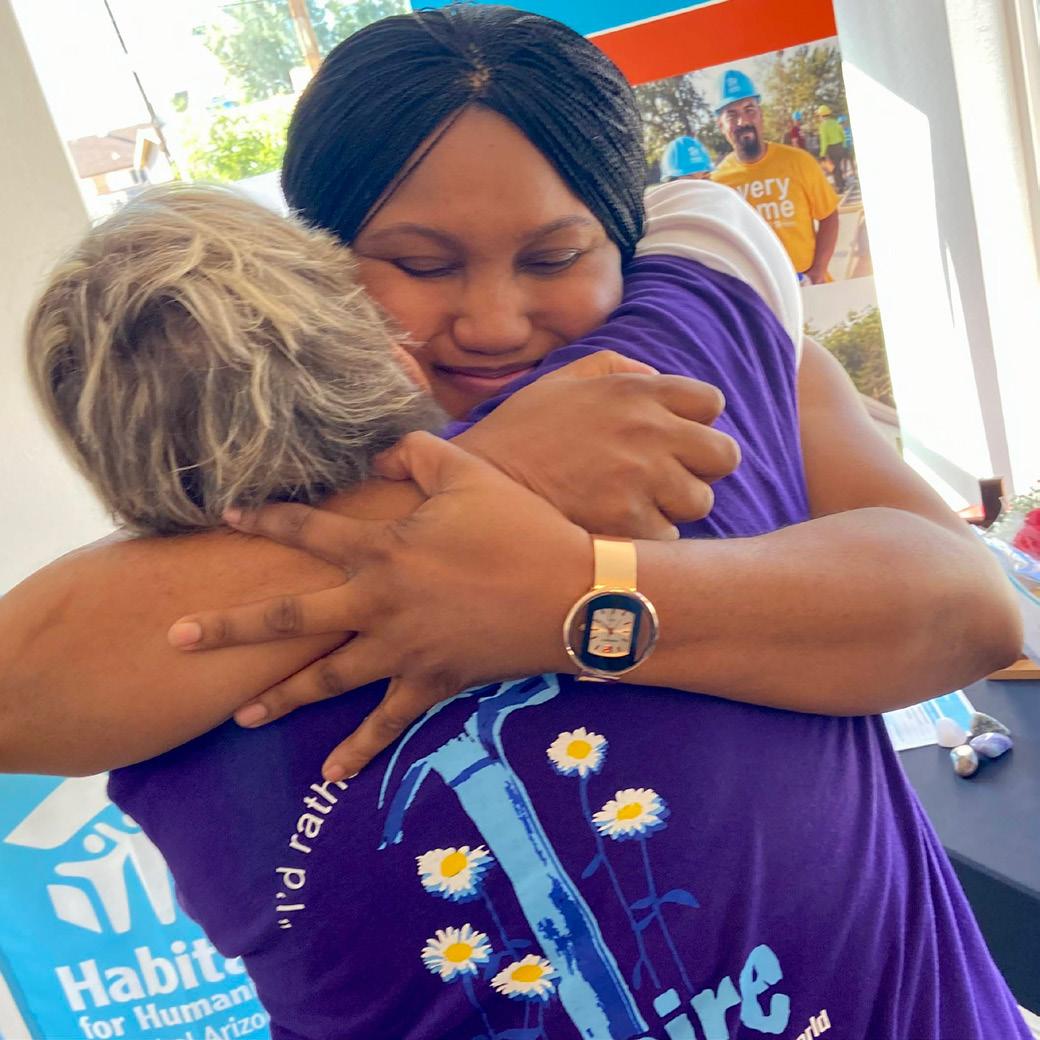
habitatcaz.org/cars
Tammy Bosse - Boss Properties
Heather Sheree Sanders - Sedona Yoga Festival
Shannon Harris - Homeself Neurodesign
Anji Dickson - Steps to Recovery
How do you incorporate sustainability — defined as a holistic approach to balancing environmental, social, and economic needs — into your business?
So many ways… Volunteering personal time to provide leadership and support for advancing sustainabilityrelated policies, programs, eco-initiatives, and ecoconscious candidates for public service. Educating clients, friends, families, and business leaders about how eco and eco-nomic choices can go hand-inhand as a winning combination. Purchasing ecocongruent supplies and equipment. Increasing workplace energy efficiency and much more.

What was the “aha!” moment that led you to integrate sustainability into the core of your business model?
My “aha!” moment probably started when I was in Girl Scouts on a camping trip. I still remember the mantra to this day: “leave nature’s place better than you found it.” That core value led me to incorporate “sustained livability” into so many of my business practices, volunteer activities, and personal life choices.
In your experience, how does a female-led perspective uniquely shape the way a company approaches environmental responsibility?
Women often intuitively connect with the nurturing aspect of nature that provides our life-force energy. Doing well while doing good just feels better than making money for money’s sake. Nurturing what is around us often comes naturally, which can drive us to incorporate eco-conscious values into our business culture and mission.
What is the most significant sustainable milestone your business has achieved recently, and what did it take to get there?
Winning Green Living magazine’s Best “Green” Realtor Award for the fourth time. It took an ongoing, authentic commitment to serving my clients and community by sharing my full-spectrum understanding of how incorporating green building, green principles, lifestyle choices, and an overall green consciousness adds to people’s personal quality of life and to our community’s broader quality of life.
What is one common misconception about going green in your industry that you are actively working to debunk?
There is often resistance for businesses to incorporate green practices and products across the board, including in real estate. The assumption seems to be: “it costs more,” “it’s harder to do,” or “I don’t know how to go green, so I’ll just keep doing what I’m doing.” I relish every opportunity to help debunk these misconceptions. www.bossproperties.com | 602-697-0003















How do you incorporate sustainability into your business?
At the Sedona Yoga Festival, sustainability shapes everything we do. Surrounded by sacred forest land, our decisions are made with care. We eliminated single-use water bottles with refill stations, shifted schedules and materials to QR codes, and require vendors to follow clear waste-reduction guidelines. The hotel features sustainably sourced meals, including thoughtful vegan and gluten-free options.
Sustainability isn’t just environmental. We award scholarships to expand access, compensate presenters through an equity-based model, and invite them to specify what support they need to participate fully. Sedona’s small businesses benefit from the economic impact of our festival. For me, business responsibility is threefold: people, planet, profit. Environmental care, social responsibility, and economic viability must work together.
What is one misconception about “going green” in your industry?
A common misconception about “going green” is that it’s all about aesthetic—reusable cups, eco branding, carbon offsets. These matter, but only scratch the surface. True sustainability is structural: how people are compensated, who has access, and whether the event strengthens the place it occupies. In yoga, we talk about alignment. Business is no different. Stewardship is part of sustainability. When values drive decisions, structure complements creativity and supports meaningful programming.
What advice would you give the next generation of women entrepreneurs?
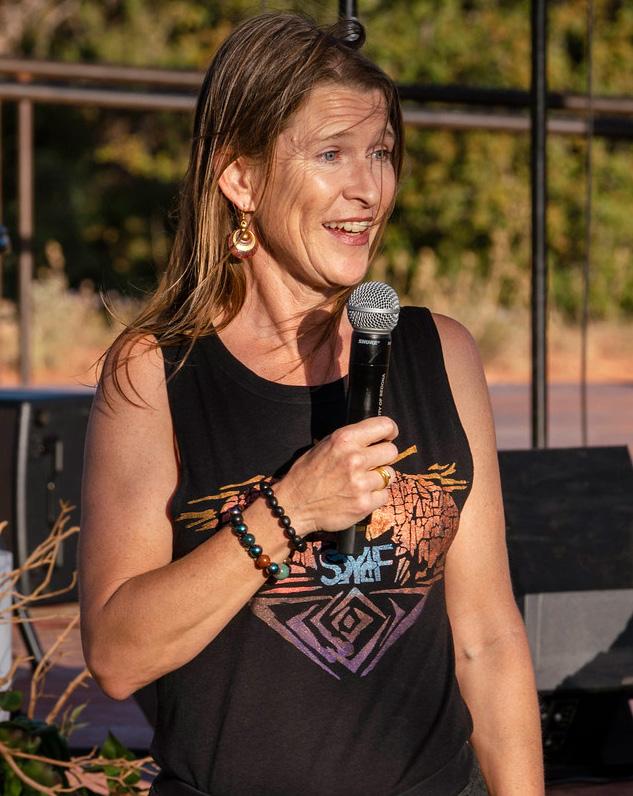
Sedona Yoga Festival April 23-26, 2026
Code: GLAZ3 for 15% off
My advice to the next generation of women entrepreneurs is to start with clarity. Know your values and use them to guide every decision. Build community among stakeholders, not just customers. Profit and purpose aren’t opposed. Financial stability allows you to operate with integrity while creating experiences that participants will carry with them long after they leave, expanding relationships with like-minded people.
What was the “aha!” moment that led you to integrate sustainability into the core of your business model?
For me, sustainability has always been a way of being, not a question of whether we should do things a certain way. It’s about attuning to the natural rhythms of the world and presenting options in my industry that nurture that awareness. My “aha” moment came when I realized that one small, smart decision leads to another, and eventually these choices stack until sustainable behavior and thinking become second nature. When sustainability becomes part of who you are through small, consistent habits, it transforms both your work and life. I love seeing that same realization happen for others.
What is one common misconception about going green in your industry that you are actively working to debunk?

Many people associate “going green” with a single pathway. In reality, there are multiple options, and you need to choose based on your values to make the shift enjoyable rather than obligatory. In interior design, sustainability can mean environmental care, non-toxic materials, or consumption and waste management—but these are not all the same. Eco-friendly or organic materials may break down faster, creating more waste, while synthetic materials may last longer but may have health implications. Understanding these nuances allows informed decisions that are right for your home, family, and lifestyle.
What advice would you give to the next generation of women entrepreneurs who want to build a business that prioritizes both profit and the planet?
The mission for health and sustainability is motivating, but don’t sacrifice your own needs. Giving away too much time, energy, or resources at your own expense can set your mission back. When you care for yourself first, you create greater capacity to make a lasting impact. The more we care for ourselves, the more we can care for others. www.homeselfneurodesign.com | 602-430-4427
How do you incorporate sustainability defined as a holistic approach to balancing environmental, social, and economic needs into your business?
We embrace sustainability through a model rooted in three pillars—people, planet, and profit—balancing environmental, social, and economic well-being. Our mission is to provide access to recovery for individuals lacking financial and social resources. By delivering cost-effective, preventative, and holistic recovery services, we reduce long-term societal costs of untreated mental health and substance use challenges. Through accessible care and integrated healing, we foster balance, stability, and well-being, empowering individuals to reallocate resources toward housing, education, employment, and family stability.
sparked your AHA Moment?
That “aha” moment came during my own recovery journey. I realized the lifestyle I had been chasing—the drive for perfection, monetary achievements, and my idea of “success” was the opposite of what I truly desired. It created separation from the community, the earth, and myself. Through helping others in recovery, everything shifted. I embraced people, planet, and profit, and today I help lead a sustainable model grounded in balance, accessibility, and restoration.
In your experience, how does a female-led perspective uniquely shape the way a company approaches environmental responsibility?
From a young age, I felt called to help “save the planet,” picking up trash in parking lots and recycling at college parties. For 35 years as a female executive, my career centered on power and profitability. Now, working in recovery, I lead with empathy, conscious collaboration, intuition, and a focus on long-term well-being. I believe business can be regenerative—restoring, uplifting, and inspiring—and that profitability and responsibility are partners. Legacy is measured not only in wealth but in the condition of the world we create. I see stewardship as strength and leadership as care for the communities we build, honoring the interconnectedness of people, planet, and prosperity, choosing long-term impact, making wise decisions, and empowering my team to use their strengths.
What is the most significant sustainable milestone your business has achieved recently, and what did it take to get there?
One of our most significant sustainable milestones has been building financial, environmental, and social sustainability simultaneously rather than treating them separately. Securing loans and grants through the United States Department of Agriculture allowed us to invest in long-term infrastructure, including solar energy. Navigating these systems required persistence and education. The shift lowered operational costs, reduced our carbon footprint, and aligned our spaces with our healing philosophy. We also expanded Miracles Happen, our resale store, into an environmental and workforce development

initiative that repurposes donated furniture, reduces landfill waste, provides affordable goods, and equips clients with practical skills, confidence, and purpose.
Launching Konnect Wellness, our outpatient center, provides affordable, accessible care while integrating alumni ownership and leadership opportunities that foster purpose and economic stability. Most recently, The Connection Room, an event center rooted in biophilic design, emphasizes nature, light, and connection, with revenue supporting our mission. These milestones required vision, collaboration, and resilience, marking our evolution from a recovery organization into a regenerative ecosystem that restores people, community, and the environment.
What is one common misconception about going green in your industry that you are actively working to debunk?
A common misconception about “going green” is that it only means improving office facilities. While energy efficiency, solar, lighting, and water conservation matter, true sustainability is about restoring people and recognizing the interconnectedness of human and environmental health. Mental health, family stability, and strong communities are essential to environmental responsibility, and caring for both creates a regenerative model. Sustainability means accessible wellness so financial strain does not prevent care, creating spaces with natural light, outdoor areas, and elements that support nervous system regulation, while teaching clients to reuse resources, reduce waste, and build life skills. Social sustainability strengthens families, rebuilds relationships, and helps individuals move from isolation to belonging, employment, and community contribution as we work to end cycles of trauma and economic instability.
What advice would you give to the next generation of women entrepreneurs who want to build a business that prioritizes both profit and the planet?
My advice to the next generation of women entrepreneurs is to create with courage, act with purpose, and believe in yourself. Lead with passion, trust your intuition, never let fear interfere with your goals, and surround yourself with a supportive tribe of women.
www.stepstorecoveryhomes.org | 866-410-2451
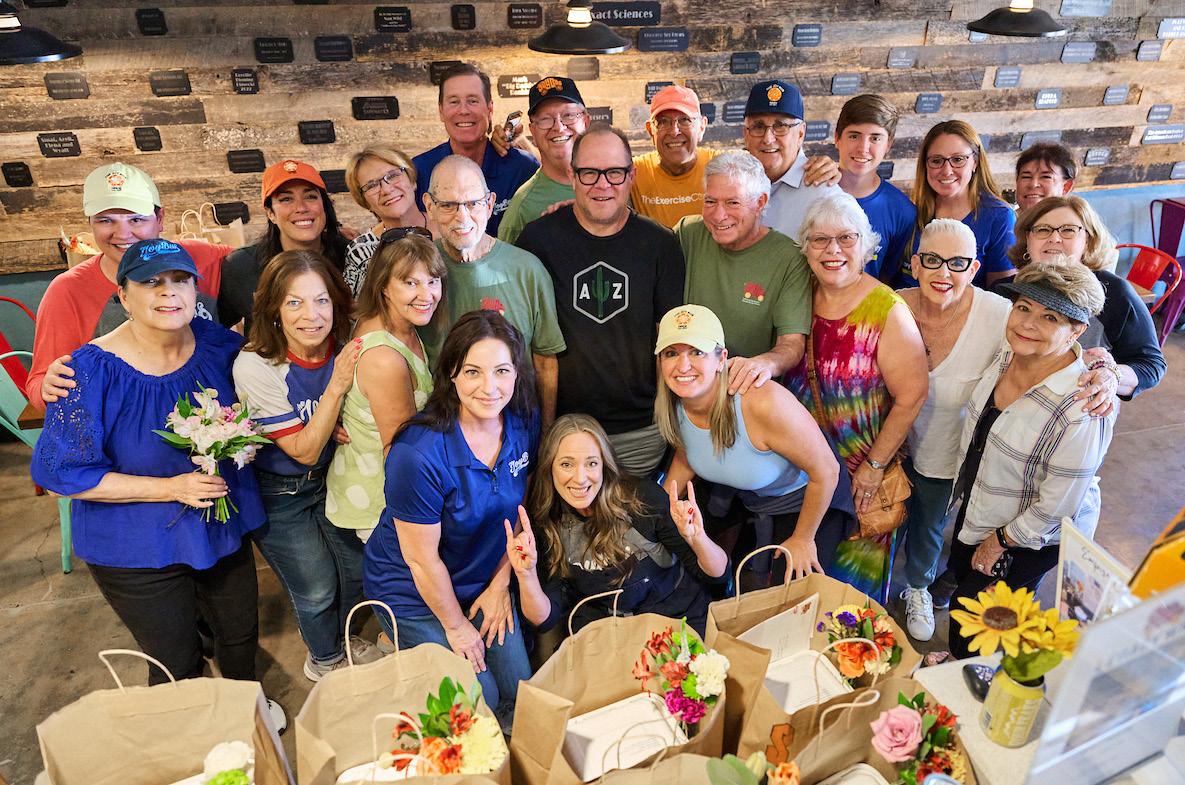
BY ALISON BAILIN BATZ
JJennifer Caraway’s life in food began early. An Arizona native, she entered the restaurant world as a teenager and continued honing her skills while attending Northern Arizona University in the early 1990s. From 1991 through 2003, her career took her to Arizona, Oregon, Mexico, and Spain, working in and eventually owning restaurants.
When Caraway returned to the Valley in 2003, her professional path shifted in a way she could not have predicted. She reconnected with a long-time friend named Joy, who was undergoing treatment for ovarian cancer. During that period, Caraway discovered that the most reliable way to spend time together was by bringing food. Meals created space for conversation, comfort, and normalcy during an otherwise overwhelming chapter.
During one visit, Caraway began thinking about the many cancer patients who did not have a support system bringing meals or checking in regularly. A search for an existing service that could deliver healthy food to homebound cancer patients came up empty. As a result, Caraway began contacting case managers and offering to deliver meals herself. What started as a few referrals quickly grew. By 2011, demand had reached a point where Caraway formally established
The Joy Bus, named in honor of the friend who inspired it. Joy passed away in early 2012, before seeing the full scope of what would follow, but her influence became inseparable from the organization’s mission.
In its early years, The Joy Bus operated out of Caraway’s home, with meals prepared and delivered personally. Growth was steady and organic, driven by referrals from healthcare professionals who saw the impact of nutritious food and human connection on patients in treatment. Volunteers joined the effort, many of them cancer survivors who understood firsthand the importance of being seen and supported.
As the program expanded, Caraway recognized the need for a commercial kitchen. In 2015, The Joy Bus secured one and opened The Joy Bus Diner, a fullservice restaurant designed to support the nonprofit’s work. One hundred percent of diner proceeds fund the meal delivery program, blending Caraway’s culinary background with a sustainable fundraising model.
Over time, The Joy Bus evolved into a hybrid model that addressed both nutrition and isolation, delivering medically tailored meals alongside conversation and companionship.
Continued growth soon required a larger footprint. In recent years, The Joy Bus completed construction on a 6,700-square-foot facility built to support longterm expansion. The space includes a state-of-the-art commercial kitchen, an expanded diner, the Joy Bus Stop Pavilion event space, a teaching kitchen, and an organic food pantry available free of charge to all cancer patients in Maricopa County.
A key catalyst for this next chapter is the More Than a Meal Delivery Project, supported by a Mercy C.A.R.E.S. Community Reinvestment Grant awarded by Mercy Care. The grant funds medically tailored meals paired with volunteer visits for individuals homebound with cancer, reinforcing the organization’s belief that nourishment and human connection must go hand in hand.
The grant aligns with Mercy Care’s broader commitment to advancing health equity and addressing health-related social needs across Arizona. Through grant funding, sponsorships, volunteer efforts, and board participation, Mercy Care has invested more than $38 million in community reinvestment projects in recent years, supporting initiatives that manage chronic conditions, strengthen mental health and well-being, address housing insecurity, and improve overall health outcomes.
With this type of support from other large-scale partners like Dignity Health, The Thunderbirds, and The Arizona Diamondbacks to name a few, The Joy Bus is scaling rapidly. The organization is transitioning from delivering a single hot meal to clients each week to providing five days’ worth of food, all while maintaining signature touches such as fresh flowers and in-home visits. Weekly meal production has grown from a few hundred to more than 1,300, with the infrastructure in place to reach 2,500 home visits per week in 2026.
Education has also become central to the mission. Through its teaching kitchen, The Joy Bus offers programming for patients, caregivers, medical students, and community members interested in nutrition as it relates to cancer and general health. The curriculum reflects Caraway’s years of study into ingredients that support healing and help manage treatment of side effects, balanced with comfort-driven recipes designed to nourish both the body and spirit.
Visit www.thejoybusdiner.com for more information.
BY BRETT VIBBER & HUNTER DUDLEY
Ingredients
Gnocchi Dough
2.2 lbs russet potatoes (about 4-5 large)
2 cups high-gluten flour
2 egg yolks
1 ¾ cup kosher salt
Prosciutto and Sage Cream Sauce
2 cups heavy cream
1 cup diced prosciutto
2 teaspoons sage, chiffonade
¼ cup cold butter, diced small
¼ cup dry white wine
Lemon zest, to taste
Salt and white pepper, to taste
2 tablespoons freshly grated Parmesan cheese
Directions
Gnocchi Dough
Preheat oven to 400 degrees. Lay salt on sheet tray and place potatoes over the salt. Bake until fork tender throughout, about 75 minutes. Once soft, pass potatoes through a ricer or sieve to get a smooth, workable consistency. Spoon potatoes onto a floured surface, make a well, and add egg yolk. Mix to incorporate egg and work in the flour. Continue to knead dough until you form a nice, smooth dough. Let dough rest for about 30 minutes to allow gluten to fully develop. Separate dough into six balls, and roll each one into uniform ropes, dusting as needed to keep from sticking to work surface. Cut ropes into approximately 1-inch dumplings. Roll dumplings on the back of a fork or pasta board to add texture.
Prosciutto and Sage Cream
Bring a large pot of salted water to boil. In a saucepan on medium heat, add in prosciutto and cook to render some of the fat and crisp slightly, then de-glaze the pan with white wine and reduce until nearly dry. Add in sage, a pinch of salt and a pinch of white pepper. Add heavy cream, bring to a simmer and cook to reduce by about half. At this time, put your gnocchi into the boiling water, but do not stir. Once they start to float, strain and reserve a splash of the pasta water. Remove sauce from heat and add in lemon zest to your liking, along with cold butter. Swirl to emulsify butter into the pan sauce. Add gnocchi to sauce and toss gently, being careful not to disturb the dumplings. Add a splash of pasta water if needed. Taste for seasoning, add salt and white pepper if needed. Garnish with showers of freshly grated Parmesan.

Farm Fresh To You and Green Living have partnered to offer a 10% discount on your entire order, including artisanal products and ongoing deliveries of organic farm boxes , when you use the promo code GREENLIVING at checkout.

WWW.FARMFRESHTOYOU.COM



In the web of your thumb and index finger lies the Union Valley acupressure point. Give this point a steady press for a few breaths, release, and repeat to ease stress, melt tension, and encourage gentle detoxification.
*Avoid during pregnancy*
Want to Explore More Natural Ways to Feel Well?

$109 New Patient Visit Schedule an Appointment with the Experts of the Experts Today!
patients.sonoran.edu | 480-970-0000 | 2164 E. Broadway Rd. Tempe, AZ (101 & Broadway)


CONTACT US:
480-621-6041
ArizonaLeechTherapy com 8765 E Bell Rd, #110 Scottsdale, AZ 85260

Mention Green Living to receive a $75 in-office consultation for new clients only. It’s time to take the first step toward feeling better!
Arizona Leech Therapy uses the same medicinal treatment that has been healing people all over the world for the past 3,500 years!
Think leech Therapy is unusual, but the FDA approved leeches in 2004 to treat a variety of diseases and medical conditions in the hospitals throughout the country
Skin Infections/Skin Cancer
Cardiovascular Disease
Type II Diabetes
High Blood Pressure
Varicose Veins
Hemorrhoids
Herpes
Migraines
Prostate
Urology
Other Services
Chinese Cupping
Mustard Leaves and Honey Pulling
Brain Reflexology and Adrenal Activation
And many more conditions, in many cases the leech is removed after a few minutes and often you will start feeling results within hours

BY MISTY MILIOTO
IIn a small cabin nestled deep in Costa Rica’s Osa Peninsula rainforest, Xiñia Villanueva’s story began to unfold. A former gold miner turned ecolodge owner, she didn’t realize she was about to become the heart of a documentary (2.5% — The Osa Peninsula) that would inspire a new model for sustainable travel.
“We met Xiñia at a community gathering in the Osa Peninsula, and she immediately stood out as someone we wanted to spend more time with,” says Eytan Elterman, co-founder of Lokal Travel. “She invited us up to her cabin in the rainforest, and that’s the scene you see in the documentary. As she shared her story of transitioning from gold mining to wanting to work in tourism, we realized she wasn't just part of the film, she was the heart of it.”
Villanueva’s journey from backbreaking mining work to running Descanso El Pizote eco-lodge represents a larger shift happening across the globe. From the Himalayas to the Amazon, women are emerging as leaders in community-based tourism — not
because anyone planned it that way, but because they’re naturally positioned at the intersection of cultural preservation, economic innovation, and environmental stewardship.
When Lokal Travel began building its platform of authentic, locally led travel experiences, the team noticed something unexpected.
“It wasn't intentional from the beginning, but it became clear as we built Lokal that women were often leading some of the most impactful communitybased tourism initiatives,” Elterman says. “Once we recognized that pattern, we became much more intentional about highlighting and supporting women-led projects on the platform.”









Today, Lokal features women-run homestays in the Himalayas, female guides across multiple countries, and women’s cooperatives that offer travelers genuine cultural immersion. But what makes women particularly effective in this space is visibility.
“I don't think it’s about women being better leaders. It’s that in many places, women are already leading the work behind the scenes,” Elterman says. “When tourism is structured in a community-based way, their leadership becomes more visible and more valued. And the experiences often feel more personal, rooted, and relationship driven.”
In India's mountain villages, 22 solar-powered homestays run by local women demonstrate how tourism can transform more than bank accounts. When women become primary earners through hosting travelers, the effects cascade through entire communities.
“Income is only the first layer,” Elterman says. “When women earn directly through homestays, it often increases their confidence and influence in the household, and raises the value of local traditions and knowledge. It becomes a form of economic independence that also shifts social dynamics in a positive way.”
This shift represents a fundamental change in how tourism dollars flow. While traditional tourism sees only about 5% of revenue reach local communities, Lokal’s model ensures that 80% stays local.
“We make this possible by working directly with local tour operators and community partners, rather than sending bookings through multiple middlemen,” Elterman says. “That way, most of what travelers spend goes straight to local guides, hosts, and locally owned businesses.”
What travelers experience when booking through women-led homestays and community initiatives isn’t voluntourism — it’s something distinctly different.
“We tell travelers that Lokal isn’t voluntourism — you're not paying to work,” Elterman says. “You're simply paying for real services like guiding, lodging, meals, and local experiences, and your money supports the people providing them. What feels different is that the experience is more personal and community-led, rather than a typical tourist bubble.”
For those nervous about staying in someone’s home or visiting remote communities, Elterman is refreshingly honest.
“It’s not for everyone, and we’re honest about that,”
he says. “But we do vet our partners carefully and make sure the experiences we offer are safe and wellsupported. For travelers who are open to it, these stays can be some of the most beautiful and transformative parts of a trip. You just have to show up with respect, curiosity, and a willingness to step outside your comfort zone."
The common thread connecting a floating Amazonian lodge, Himalayan homestay, and a Mexican artisan workshop isn’t just local impact — it’s human connection.
“These are all experiences where travelers are stepping into a place through the people who know it best,” Elterman says. “They’re not built around checking boxes or sightseeing, they're built around relationships, culture, and a deeper understanding of where you are.”
Back in the Osa Peninsula, Etterman says that Villanueva is continuing her work.
“[She] is doing well, and it’s been really nice to stay connected over the years,” Elterman says. “Descanso El Pizote is not her full-time livelihood, but tourism continues to supplement her income. She’s constantly making improvements to the space and slowly building it up over time. It’s been encouraging to see her keep investing in it and moving forward.”
The five months that Lokal’s co-founders spent in the Osa making their documentary taught them something that no quick trip could.
“Real impact and real trust take time,” Elterman says. “You can’t learn that as a traveler passing through. At this point, some people in the Osa feel like family to me, and I know they feel the same way.”
As the travel industry grapples with its environmental and social footprint, the path forward may well be illuminated by women like Villanueva — and the countless others around the world who are proving that tourism can be a force for genuine good when it’s built on relationships, respect, and shared prosperity.
For travelers ready to experience this new model, Elterman offers simple advice. “Keep your money in the local economy,” he says. “Eat at locally owned restaurants, stay in locally owned lodges or B&Bs, and hire local licensed guides who actually live in the destination. And when you’re shopping, pay a fair price. Don’t engage in overly aggressive bargaining.”
For more information, visit www.lokaltravel.com.






BY COLLEEN KERN
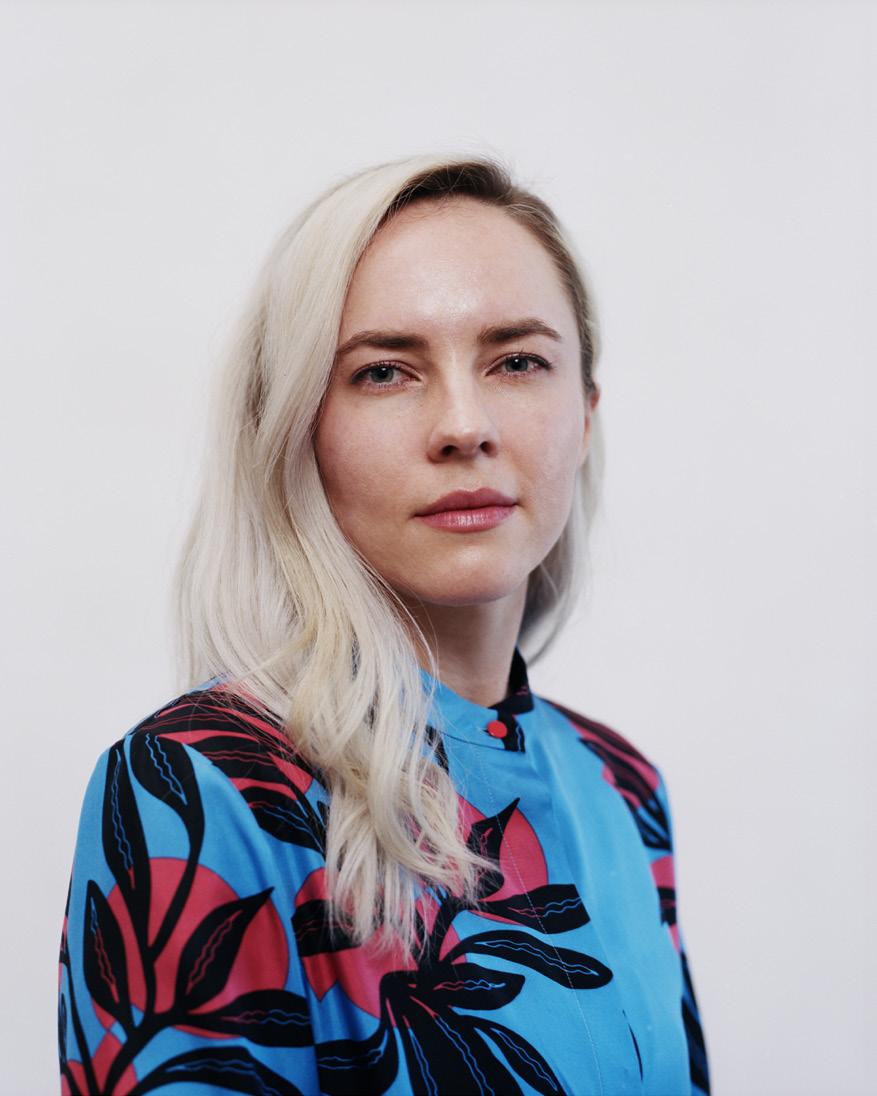
WWhen Lindsey Wikstrom thinks about sustainability, she doesn't start with certifications or checklists. The founding principal and architect at Mattaforma in New York begins with a more fundamental question.
She says, "I stopped asking whether a material is 'sustainable' and started asking ‘Who, exactly, is being sustained by this design?’"
It's this shift from label to responsibility that defines Wikstrom's approach to architecture — one rooted in her Arizona upbringing and sharpened through years of practice in New York. For Wikstrom, sustainability isn't an add-on or a marketing term. It's a framework for making decisions that account for real people, real places, and real consequences.
In her firm's daily work, Wikstrom and her team follow a clear material hierarchy. First, they leverage
what's already on site. Then they prioritize biogenic materials — those derived from living organisms — that fit the project's typology and budget. Next, come reclaimed components. Only after exhausting these options do they turn to high-performing mineral and metal materials, and only where their strength-toweight ratio genuinely earns its place.
This isn't a rigid formula. It requires constant research into building codes, fabricators, and supply chains — work that Wikstrom considers part of the design service itself, not an afterthought. She shares this research transparently with clients and refines it in collaboration with consultants and builders.
Wikstrom's commitment to sustainable design intensifies when someone tells her something is impossible.
"Any time someone says 'that's impossible,' it motivates us to redesign the rules, not just the building," she explains.
This philosophy shows up powerfully in her work on economically aligned multifamily housing, where the stakes are both urgent and ethical. Here, geometry itself becomes a sustainability tool. Rather than accepting the monotony of identical units repeated floor after floor, Wikstrom's firm works at two scales simultaneously: part to whole. They create kits of repeatable elements — most often mass timber — and arrange them in ways that feel aperiodic and surprising.
The result? Homes that residents can identify with, rather than anonymous boxes, all created with limited resources. It's an approach inspired by French architect Jean Renaudie and his book
A Right to Difference, which championed the idea that housing could offer variety and dignity instead of sameness.
One of the biggest misconceptions about sustainable architecture, according to Wikstrom, is that you can simply flip a switch late in the design process — swap in a more efficient mechanical system or substitute one material for another — and call the project green.
"It's never that easy," she says.
To manage the inevitable tensions between sustainability goals and real-world constraints like budgets and timelines, Wikstrom's team aligns early on what defines the project's soul. This shared compass helps everyone stay flexible when cost estimates shift with tariffs, when value engineering enters the conversation, or when surprises emerge in the field.
"That clarity helps all of us stay flexible and adaptable," she notes.
Looking ahead to the next decade, Wikstrom sees one material offering architects the greatest opportunity for environmental impact.
Structural materials shape everything from spatial experiences to span capabilities to assembly logic. Energy systems must be baked in early, when passive climatic responses can still influence building massing, orientation, and program. Sustainable architecture works holistically across scales, from the smallest fastener to the largest landscape element. It only succeeds when the strategy is integrated early enough for the building to become coherent rather than patched together.
"Wood, wood, wood,” she says. “Twenty-three percent of global greenhouse gases are emitted during the manufacturing of steel, aluminum, and concrete."
Even replacing a single concrete column with a wooden one in a tower makes a measurable difference. And for those concerned about deforestation, Wikstrom offers a counterintuitive insight: American forests are growing robustly, and they actually need stronger wood markets to remain healthy. Without economic value, forests risk being cleared for agriculture or urban sprawl — true deforestation. Strong wood markets incentivize regeneration and support healthy, multigenerational forests.
These forests do more than produce timber. They become carefully managed habitats that prevent megafires, control the spread of pests and disease, and mitigate drought — environmental benefits that extend far beyond any single building.
For Wikstrom, sustainable architecture isn't about perfection or purity. It's about asking better questions, making informed tradeoffs, and recognizing that every design decision sustains someone or something. The responsibility lies in being intentional about whom — and what — that sustains.



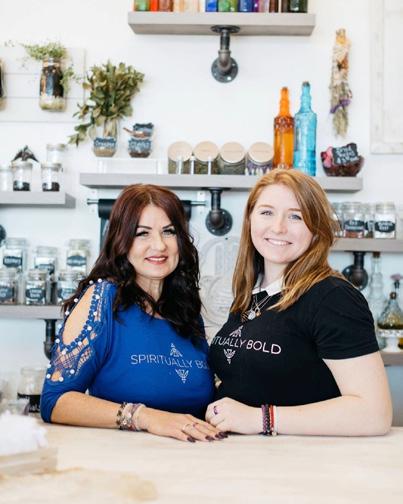
Refresh your space this spring with intentional energy cleansing Explore our curated collection of sage and smudging tools, featuring over 30 ethically sourced herbs from a Native reserve in Colorado We also offer responsibly sourced pheasant and turkey feathers to help guide and clear energy with purpose and grace
Women-owned and locally operated, we’re a family business devoted to supporting your spiritual and emotional healing journey We thoughtfully curate high-quality, certified, ethically sourced products from around the world and handcraft select items in-house, including candles, oils, bracelets, and more each made with intention and energetically cleansed with care Visit us at Scottsdale Promenade we look forward to serving our community. Contact us: contact@spirituallybold com wwwwspirituallybold com
Come visit our store in the Scottsdale Promenade 16255 N Scottsdale Rd , Suite C-8



You can HOPE your lungs
Or you can scan and KNOW









7
El Rio Vivo: River Walk & Art Festival
Learn how art, ecology, and community flow together along the river. This outdoor celebration invites neighbors to explore restored waterways through guided walks, interactive art, and hands-on learning. Expect a relaxed, familyfriendly vibe with space to linger, learn, and reconnect with the living landscape that winds through the city. Free. 8 a.m. to 4 p.m. Liberty Wildlife, 2600 E. Elwood Street, Phoenix.
Celebrate a golden milestone at the Desert Botanical Garden’s annual plant sale. Explore an abundant selection of cacti, agaves, succulents, trees, and shrubs while knowledgeable horticulturists offer guidance to help you choose plants that will thrive in your home landscape. It’s an inspiring opportunity to grow beauty, resilience, and connection to the desert. This reservation-only event features master gardener-led landscape and gardening classes. Free with reservations. Member-only Day on March 12, public sale March 13-15. 7 a.m. to 3 p.m., 1201 N. Galvin Parkway, Phoenix.
Feel the vibrant pulse of Sonora in the heart of downtown. Savor Bacanora, indulge in Sonoran carne asada, and explore Indigenous art and contemporary creativity. Watch traditional dance, enjoy live music, learn the craft of giant tortilla sobaqueras, join cooking classes and mixology labs, and bring
March 7 & 8
Indian Fair and Market
Experience a weekend filled with color, culture, and connection as more than 600 Native artists share their work in an energetic, welcoming setting. Stroll through stunning displays, watch artists at work, enjoy live performances, explore hands-on activities in the family fun zone, and savor local foods. This lively gathering invites all ages to experience creativity, tradition, and community together. Tickets range from $15 to $30. Saturday 9:30 a.m. to 5 p.m., Sunday 9:30 a.m. to 4 p.m. Heard Museum. 2301 N. Central Avenue, Phoenix.
the kids for hands-on fun. A lively celebration of culture, flavor, and cross-border community connection. General admission $15, VIP tickets $55. 11 a.m. to 6 p.m., Heritage Square, 113 N. 6th Street, Phoenix.
Join other early birds at this welcoming monthly gathering at the Riparian Preserve at Water Ranch. Stroll the ponds with a knowledgeable guide, spot seasonal species, and discover why more than 200 species of birds have been recorded here. After the walk, head to a nearby café for coffee, conversation, and a brief, engaging presentation. A relaxed way to connect with nature and new friends. Free, no registration required. 6 a.m. to 9:30 a.m., Gilbert Riparian Reserve, 2757 E. Guadalupe Rd, Gilbert.
Experience the inaugural Skyfire Environmental Film Festival, where compelling films meet meaningful action. Over three days, engage with thought-provoking screenings, community conversations, service projects, and hands-on sustainability experiences. With zero-waste practices and easy transit access, this immersive gathering invites you to connect with local climate solutions, spark dialogue, and turn inspiration into realworld impact alongside fellow changemakers. One-day pass $50, two-day pass $90, three-day pass $130.
Discounts for educators, first responders, and active/retired military members. 5 p.m. to 8 p.m., 50 N. Centennial Way, Mesa.
March 21-22
Celebrate the flavors of the Verde Valley at this lively annual gathering honoring Camp Verde’s pecan growers and local wineries. Sample fresh pecans and regional wines, browse artisan vendors, and soak up the festive atmosphere. It’s a delicious way to explore local agriculture, meet makers, and savor the season's sweet and savory flavors. Free entry. Wine tasting tickets start at $20. Saturday, 11 a.m. to 6 p.m., Sunday, 11 a.m. to 5 p.m. 75 E. Hollamon Street, Camp Verde.
5-April 26
The Fine Art Museum of Sedona Presents: Resonance: Frequency and Legacy
Experience a compelling exhibition uniting the abstract works of Sedona artists Lynnda Pollio and Jan Sitts. Sitts’s decades of intuitive, richly-textured painting meets Pollio’s Frequency Art, a contemporary visual language of color, form, and energetic resonance. Rooted in inner perception rather than representation, the exhibition offers a deeply immersive experience set against Sedona’s striking landscape. Join us for First Friday opening, March 6, 5–7 PM. Museum hours: Thurs-Sunday 1pm-5pm. Free. 2081 W. State Route 89A, Sedona.


A Conscious Evolution Conference in Sedona! Immerse yourself in a four- day journey across yoga, Ayurveda, sound healing, keynotes, trauma - conscious training, immersions, excursions, kirtan, metaphysics, CEUs, kids yoga, and so much more. Nestled in the majestic vortex of Sedona, this is more than an event—it’s a beacon for personal and collective transformation. Passes are available now! Visit our website at SedonaYogaFestival.com to explore presenters, lodging partners, and how to get involved.
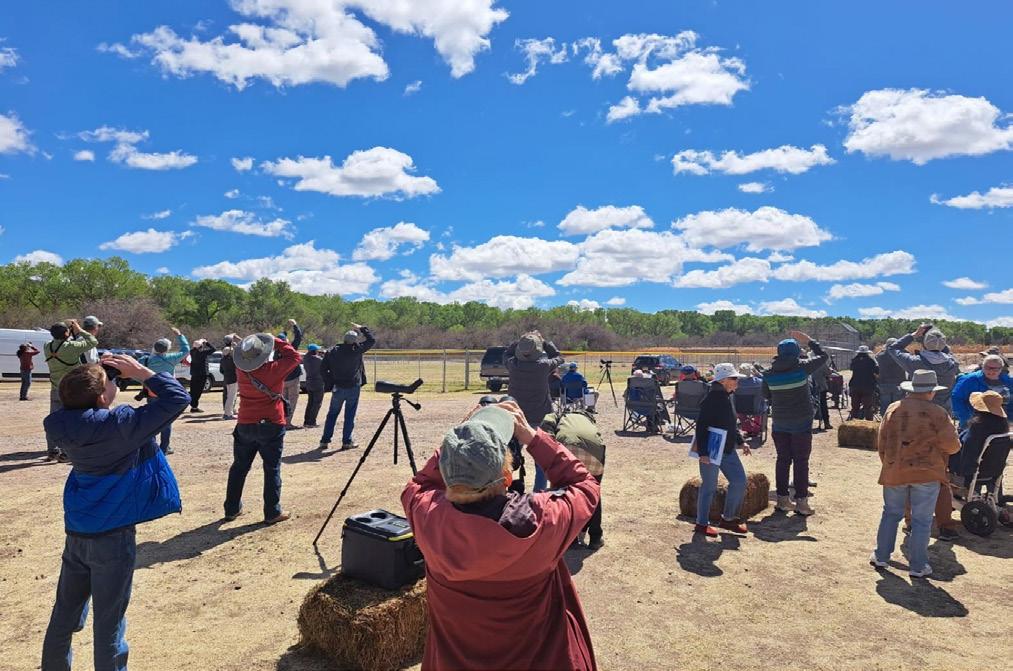
Witness one of Arizona’s most remarkable migration spectacles as hundreds of Common Black Hawks soar above the Santa Cruz River corridor. This multi-day celebration invites visitors to join guided nature walks, free morning bird tours, children’s activities, and expert talks. Meet official hawkwatch spotters, explore optics demonstrations, and learn why this riparian oasis is a true highway for hawks. Free. 8:30 a.m. to 5 p.m., Ron Morriss Park, 31 Calle Iglesia, Tubac.
Refresh your space and spark new ideas at this expansive home and outdoor living showcase. Explore more than 250 exhibitors sharing the latest in design, renovation, landscaping, and sustainable upgrades. Enjoy live demonstrations, artisan markets, pet-friendly features, food trucks, and expert advice throughout the weekend. Special appearances by Christopher Knight add a fun pop-culture moment to this inspiration-filled event. Tickets $8, children under 12 are free, discounts for seniors 65+. 9 a.m. to 5 p.m., Tucson Convention Center, 260 S. Church Avenue, Tucson.
Explore the healing traditions of the desert during this guided walk through Mission Garden’s Moore Medicinal Garden. Discover more than 50 native Southwest plants long valued for their restorative properties, and learn how modern herbalists continue these time-honored practices today. Led by local herbalist Vadi Erdal, this intimate morning experience offers insight, connection, and inspiration rooted in place. $10 registration required. 9 a.m. to 10 a.m., Mission Garden, 946 W. Mission Lane, Tucson.

One of a kind exceptional, efficient, tranquil haven, nestled in the scenic mountain-graced Ahwatukee Equestrian Estates. This gem can be yours now!
Restore your soul and be inspired as you feel the soothing energy inside of this earth-bermed beauty with elegantly curved concrete walls that cradle you like a cocoon. The energy efficient earth-insulated concrete dome structure keeps you safe, secure, comfortable & feeling calm while lowering your utility bills.
Natural light flows through the living spaces from above through the cupola. Relish indoor/outdoor living in the garden patios & spacious backyard with mountain views. Enjoy the use of the community bridal path and horse arena. Live happily, loving the desirable Ahwatukee easy lifestyle with amenities galore! Community center options, golf, parks, hiking, dining, entertainment, community activities, and more! Will go fast! MLS #6986485
Call now while it is available!