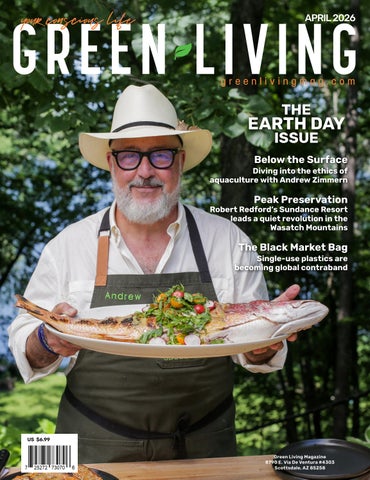
Diving into the ethics of aquaculture with Andrew Zimmern
Peak Preservation
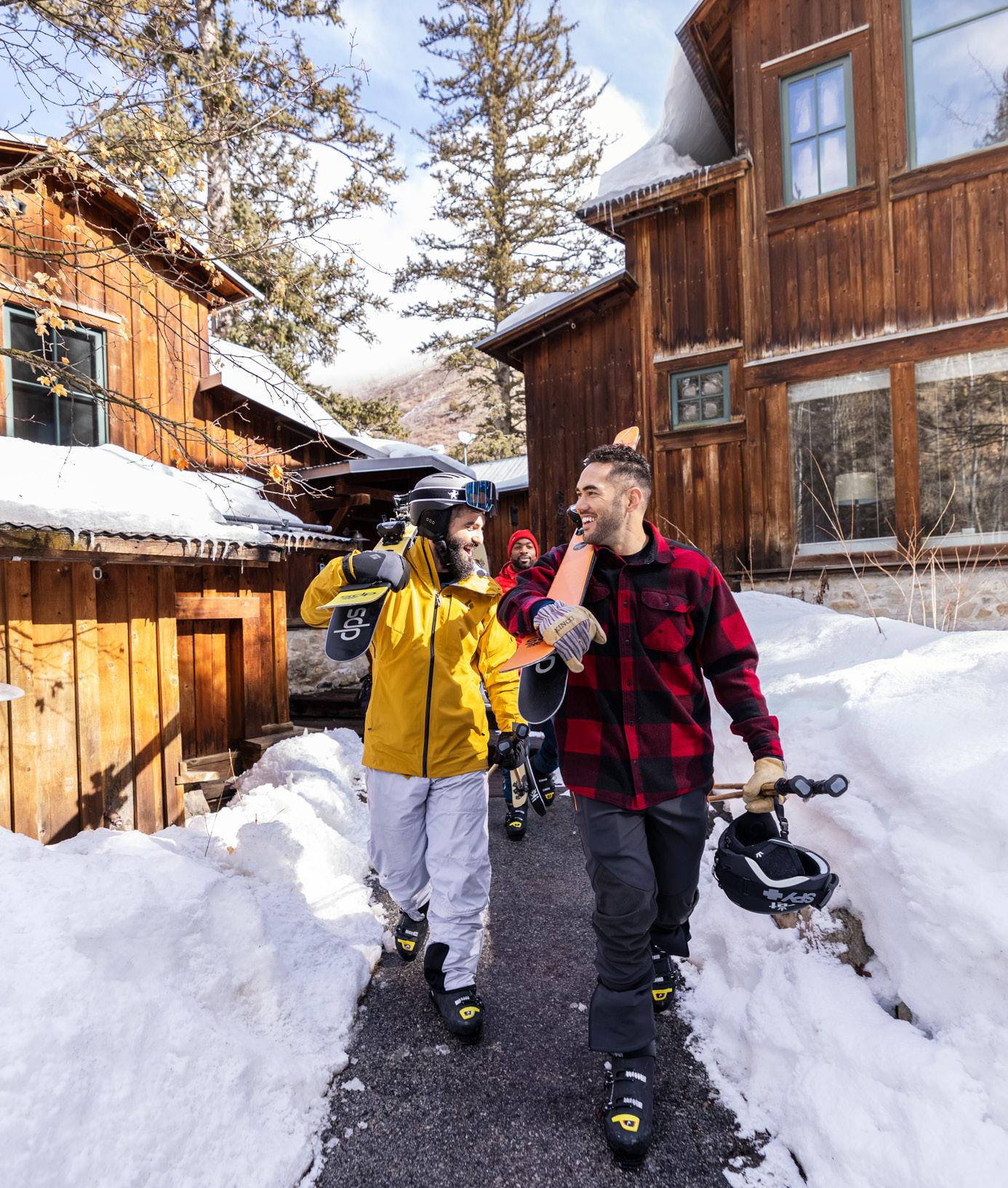
Robert Redford’s Sundance Resort leads a quiet revolution in the Wasatch Mountains
The Black Market Bag
Single-use plastics are becoming global contraband
APRIL 23RD FROM 11:15 AM - 4:00 PM
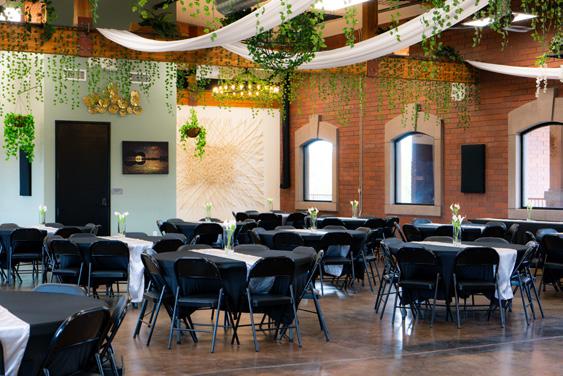
Nina Mason Pulliam Rio Salado Audubon Center 3131 S. Central Avenue, Phoenix, AZ 85040
What will it take to build a more resilient future for Arizona?
Join sustainability leaders, innovators, and community change-makers for an inspiring event exploring real solutions to the environmental challenges shaping our region. The Future of Sustainability in Arizona brings together bold ideas, expert insights, and meaningful conversations to move Arizona forward. From tackling extreme heat to ad vancing clean energy, this dynamic gathering highlights how collaboration can strengthen communities, protect natural resources, and drive long-term economic vitality.
Together, we’ll explore key topics including environmental resilience, clean energy, water security, and the future of healthy, livable communities. Whether you're a policymaker, designer, researcher, or community member, this is your op portunity to connect and help shape a more sustainable future.
Gary Dirks, Sr. Director, Global Futures Laboratory, ASU
12:20 – 1:05 PM – Healthy Communities Panel
Moderator: Tyler Butler, Founder & CEO, Collaboration for Good
Dr. Shad Marvasti, Physician Leader & Author, HonorHealth
Sarah Kearney, Exec Director, Blue Zones
Project Scottsdale
Philip Allsopp, CEO, ORBIS Dynamics, Inc.
Maren Mahoney, Director, Office of Resiliency, Office of Governor Katie Hobbs
1:15 – 1:55 PM - Networking + Engage with exhibitors
2:00 – 2:45 PM – Water Security Panel
Moderator: Clark Princell, President & CEO, Valley Partnership
Heather Macre, Central Arizona Water Conservation District Board member
Patrick Adams, Sr Advisor for Water Policy, Office of Governor Katie Hobbs
Maxwell Wilson, Ph.D, Water Res. Mgmt.
Advisor City of Phoenix
Cynthia Campbell, Director, Policy Innovation, Arizona Water Innovation Initiative, Global Futures Laboratory, ASU
3:55 - 4:00 PM - Closing Remarks
2:50 – 3:30 PM – Networking, Live Music + Happy Hour
Dear Readers,
Some letters are harder to write than others, but this is easily the toughest one yet. This issue marks my last as managing editor for Green Living
In my nearly three and a half years with this magazine, I’ve spent the better part of my time contemplating you, dear reader. I’ve wondered who you are, how you see the world, and what I could do to make a positive impact on it. With any luck, I’ve managed to add a little inspiration to your day — or even ruffle your feathers a bit. Either way, my hope was always to challenge your thinking.
In building this relationship from afar — being a guest in your home and your headspace each month — I’ve come to value what you think of this magazine. I even found myself grateful for the occasional angry note. To me, that heat was a sign of life — proof that you were engaged and that my own views were being tested. We challenge each other daily in this life; it's how we grow. I've learned that you can either let these challenges diminish you, or you can let them expand you. I choose the latter.
While your critiques kept me sharp, the moments that felt most meaningful were when you shared your love for a particular story or expressed gratitude for the amplification of a voice or idea that might have otherwise gone unnoticed. I have so much gratitude for all of it. To those of you who read, commented, and engaged with the work that I and an insanely talented team of writers and designers submitted for your review each month: thank you.
To Green Living publisher Dorie Morales, thank you for giving this former PR girl the space to flex her creative muscles in a new way. Thank you for the creative sovereignty to try new things, and for giving me an opportunity that allowed me to learn so much about sustainability — how far we’ve come, and how much work is left to do.
This role led to some of the most fascinating exchanges of my life. From Jane Goodall and the royal leaders of the Amazon's Kuntanawa tribe, to Kelly Slater, Iliza Shlesinger and others, few can say they’ve been so directly impacted by such intentional human beings.
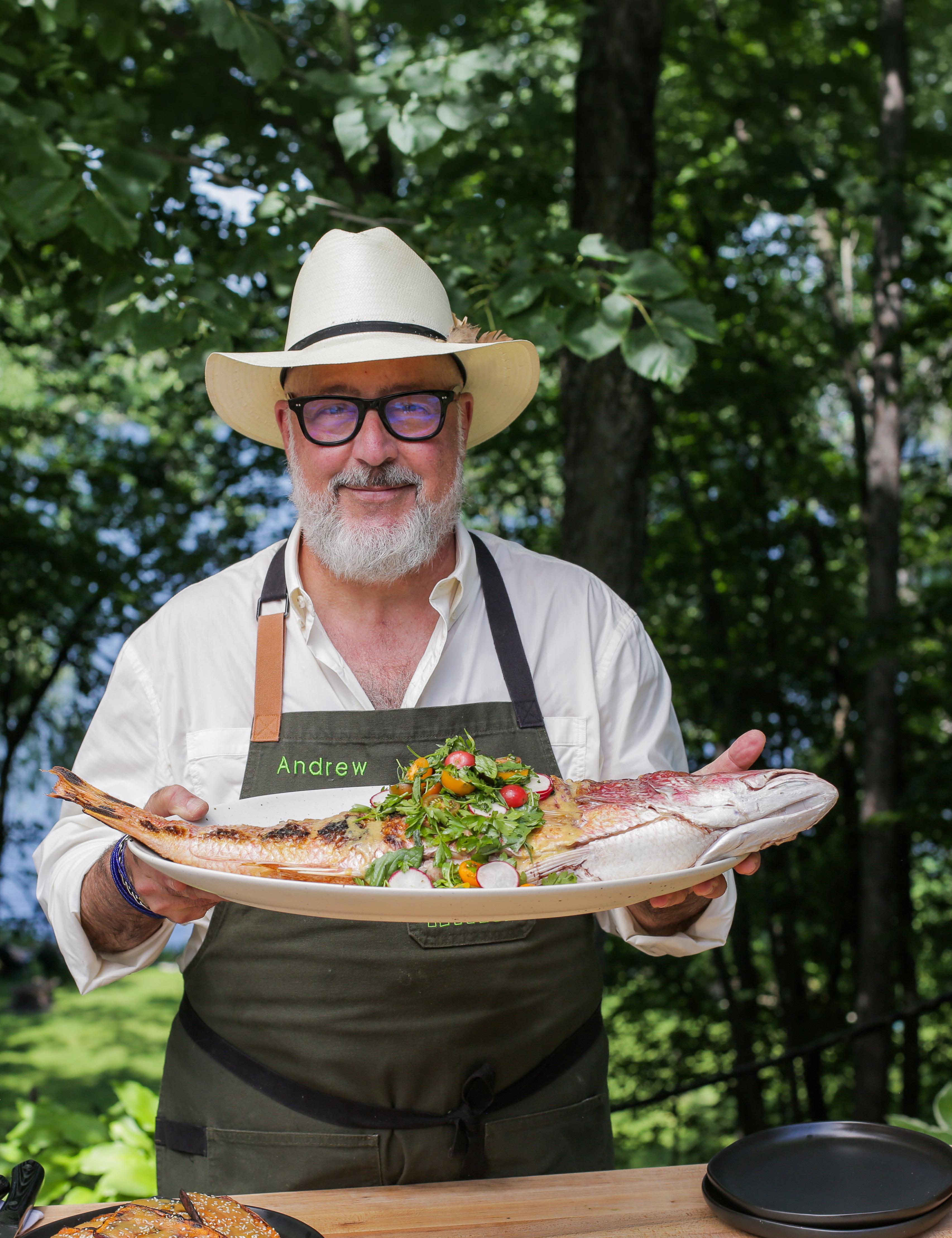
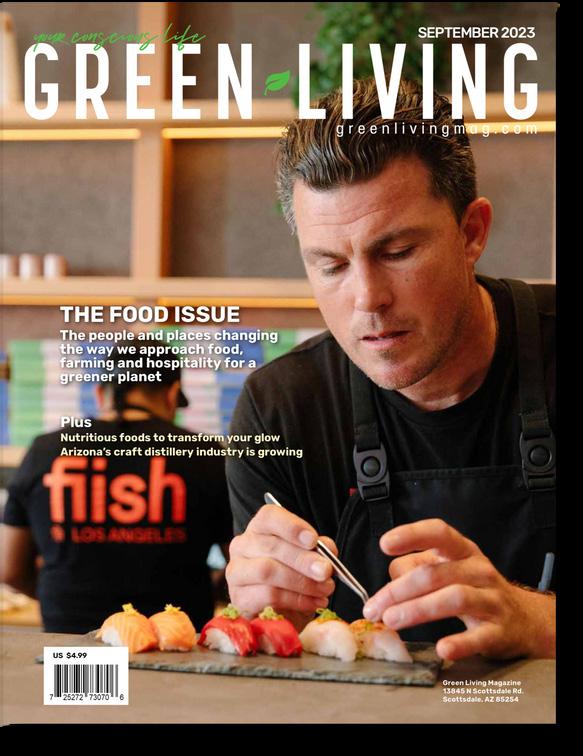
I’m signing off with our annual Earth Day issue and a final interview that I am humbled to have conducted with sustainability advocate and lauded chef Andrew Zimmern. Notably, "AZ" is an expert in aquaculture with a passionate viewpoint on all things seafood, and he provided me with a rapid-fire education that I’m certain you will find as valuable as I did.
PUBLISHER'SNote
Thank you and best wishes
Shelby Tuttle!
I would like to express my gratitude for your service and dedication to Green Living over the last 3 years. Your editorial leadership has been instrumental in growing our audience and keeping our readers loyal.
I have valued our partnership and your ability to bring out the best in our writers. Your strategic insights have made a significant impact on our publication.
I am sad to see you go, I am excited for your next chapter. The Green Team wishes you the best in your future endeavors.
Warm regards, Dorie Morales
Contributor
Seith Leitman, writer
One more time — thanks for reading,
Shelby Tuttle Managing Editor
Got a burning question or comment? Reach out at editor@greenlivingmag.com.
Seth Leitman is a globally recognized environmental expert, bestselling author, and media personality known to audiences worldwide as “The Green Living Guy.” For more than two decades, Seth has served as a sustainable mentor, empowering individuals to live cleaner, smarter, and greener. By masterfully blending science, style, and sustainability, he makes eco-friendly living accessible and actionable for everyone.
LIVING
PUBLISHER
MANAGING EDITOR
ONLINE EDITOR
ART DIRECTION & DESIGN
GRAPHIC DESIGNER
COPY EDITOR
EVENTS MANAGER
STAFF PHOTOGRAPHER
CONTRIBUTORS
Alison Bailin Batz
Jennifer Burkhart
John Burkhart
Pam Delany
Anna Dorl
INTERNS
Lala Amaryllis
Molly Fay
Dorie Morales
Shelby Tuttle
Shelby Tuttle
Sly Panda Design
Melat Alebachew
Erin Wilson
Amanda Rae Arispe Witt
Brett Prince
Colleen Kern
Seth Leitman
Misty Milioto
Michelle Talsma Everson
Mayson Milanovich
Ashley Pacheco
BUSINESS DEVELOPMENT & PARTNERSHIPS
Don Fergus - don.f@greenlivingmag.com
George Heussner - george.h@greenlivingmag.com sales@greenlivingmag.com
SUBSCRIBE TODAY!
CONTACT US AT:
Subscriptions: hello@greenlivingmag.com
Advertising: sales@greenlivingmag.com
Editorial: editor@greenlivingmag.com
480.840.1589 • www.greenlivingmag.com 13845 N Scottsdale Rd, Ste. 201, Scottsdale, AZ 85254
ON THEWeb
Functional Mocktails Take Consumers Beyond the Buzz
Functional mocktails are rising in popularity as people seek healthier ways to socialize without alcohol. Infused with adaptogens and botanicals, these beverages support mood and wellness rather than focusing on restriction. By prioritizing presence and restoration, functional mocktails allow individuals to enjoy social rituals and relaxation while fully honoring their physical well-being.
HEALTH & WELLNESS
Why Hydroxyapatite is Challenging Fluoride's Reign
Hydroxyapatite (HAp) is a "biomimetic" mineral making waves in dental care as an alternative to fluoride. Composing 97% of tooth enamel, HAp repairs teeth by plugging microscopic surface holes rather than coating them. This NASA-pioneered ingredient remineralizes enamel, reduces sensitivity, and whitens teeth without toxic chemicals.
GOOD ATA Celebrates America at 250
To commemorate America’s 250th anniversary, the Arizona Trail Association launched Operation Freedom March. This initiative invites veterans and the public to hike, bike, or maintain the 800mile Arizona National Scenic Trail through July 2026. It emphasizes that freedom, like a trail, requires active care, connection, and a shared commitment to preserving our natural landscapes.
A FREE MONTHLY EXPERIENCE WITH LYNN M. BUNCH
You’re not stuck. You’re disconnected from your truth. Let’s change that together.
Intuitive Insights is a monthly, live experience where Lynn brings her signature no-fluff approach to real-time intuitive guidance. In just one powerful session, you'll clear the emotional static, reconnect with your inner wisdom, and take aligned, grounded action—without bypassing what’s real.
This space is for you if you’re ready to:
Break emotional patterns at the root not just manage the symptoms
Get clear on what’s next without needing to figure it all out alone
Hear the truth beneath the noise of fear, programming, and performance
Reclaim your energy and move forward with confidence and clarity
What You’ll Experience:
Live intuitive feedback from Lynn (get called forward, not called out)
Energetic alignment practices that shift you fast
Deep, reflective questions that unlock internal breakthroughs
Practical tools you can apply immediately in real life
This isn’t coaching. It's a lived transformation. Structured soul work.
Held once a month. Always different. Always deep. Spots are limited to keep the work intimate and impactful.
“You
don’t need to be perfect. Just willing.” — Lynn M. Bunch
Lynn blends over 25 years of intuitive development into direct, transformational guidance. This sacred space is structured, strategic, and delivered with soul. Expect to be seen. Expect to shift. Expect results.
You’re invited. Scan to begin. Reserve your spot now
TRENDINGGreen
Historic Victory for Global Ocean Protection
On January 17, 2026, the UN High Seas Treaty officially entered into force, bringing nearly two-thirds of the world’s oceans under international environmental law. This landmark agreement provides binding mechanisms to create marine protected areas, mandate environmental impact assessments, and ensure the fair sharing of marine genetic resources. After twenty years of negotiations, this treaty marks a monumental victory for global ocean conservation and future biodiversity protection.
The Ocean Cleanup Reaches 45 Million Kilograms Removed
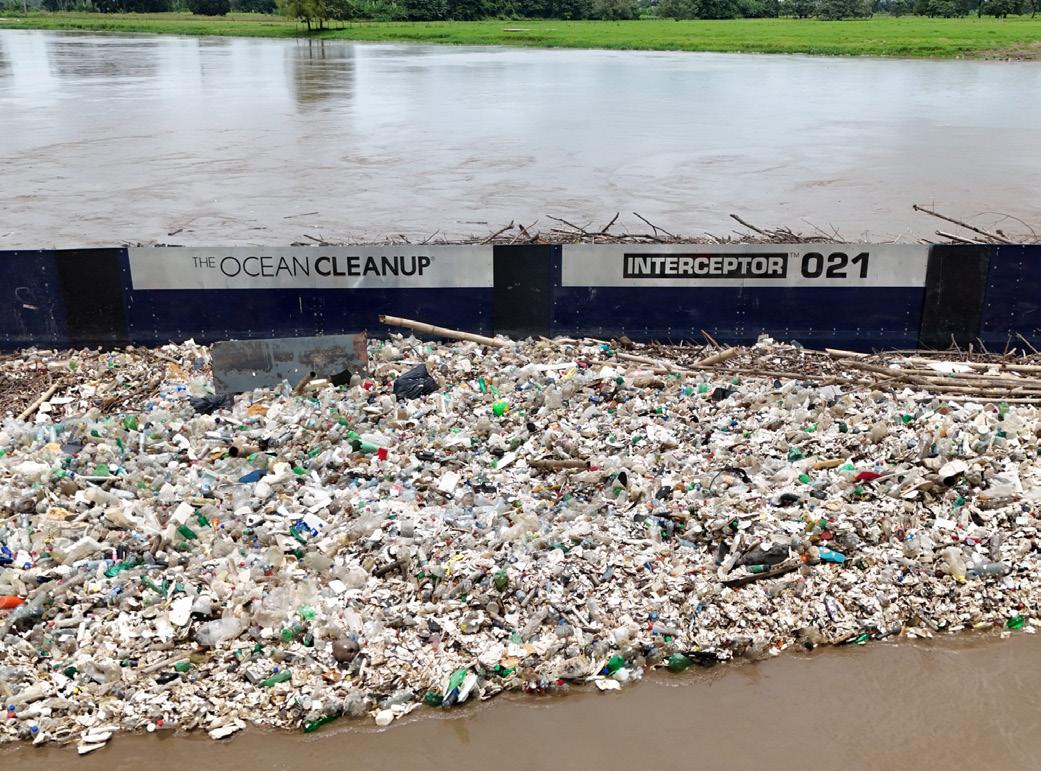
Dutch nonprofit The Ocean Cleanup has crossed a major milestone: More than 45 million kilograms (or about 99 million pounds) of plastic and debris have been removed from oceans and rivers worldwide since operations began. In 2025 — the organization's most productive year yet — it extracted more than 25 million kilograms (about 55 million pounds), the largest annual haul in its history. The nonprofit's goal is to eliminate 90% of all floating ocean plastic by 2040.
U.S. Renewables Set to Break Records in 2026
The U.S. Energy Information Administration projects a record 86 gigawatts of new utility-scale generating capacity in 2026. This is a significant jump from the 53 GW added in 2025. Solar power leads the expansion at 51% of planned additions, followed by battery storage at 28% and wind at 14%. If realized, this would mark the largest annual capacity installation for the American power grid since 2002.
Terraformation Plants 5.4 Million Native Trees—and Counting
Terraformation more than doubled its reforestation efforts in 2025, planting 5.4 million native trees across Africa, Latin America, and Southeast Asia. Their community-led model focuses on restoring biodiverse ecosystems rather than monocultures. In January 2026, the company announced an ambitious goal to triple the global reforestation rate by 2030, aiming to build the operational foundation for foresters to restore 1 trillion trees across the world's tropical forests.
Ocean Bacteria Could Hold Key to Breaking Down Plastic
MIT researchers identified specific ocean bacteria that collaborate to break down biodegradable plastic. In a study published March 16, 2026, the team demonstrated how bacterial pairs work in tandem: One species cleaves the plastic into chemical components while the other consumes the byproducts. Supported by the MIT Climate and Sustainability Consortium, this discovery could revolutionize the design of sustainable materials and microbial recycling systems for cleaner oceans.
Photo by Bernd Dittrich on Unsplash
Photo by American Public Power Association on Unsplash
Photo by Casey Horner on Unsplash
Varicose
Hemorrhoids
Herpes
Migraines
Prostate
Urology Other
Mustard
OUTRAGEOUSCool Stuff
BY ANNA DORL
Earth Day 2026 is a practical reminder that looking after our planet is more important than ever. As our global footprint grows and resources like clean water and plastic-free oceans become more precious, the impact of our daily habits becomes more apparent.
By making sustainable choices and purchases, we help ensure that future generations can enjoy a healthy environment. This spring, we’ve gathered a selection of ecoconscious picks to help you put your values into practice without breaking the bank.
Garden in a Bag
The gift of growing green life is a great present to celebrate Mother’s Day, a loved one’s birthday, or a milestone like a graduation. From Free the Ocean, this Garden in a Bag comes in a smattering of varieties. Pick your plant and occasion variety — options range from mini Christmas trees to sunflowers and cilantro — and let the magic of nature do the rest. Each kit comes with seeds, a leak-proof bag, and OMRI coconut husks to allow drainage. Keep your Garden in a Bag in a convenient sunny spot to keep it growing strong. Each purchase removes 10 pieces of plastic from the planet. https://shop.freetheocean.com
Bamboo Toothbrush Head Compatible with Philips One Toothbrushes
Perhaps you’ve already invested in an electric toothbrush to get into the hard-to-reach places and give your mouth the cleanest future possible. But what if you could make a positive impact for the Earth while brushing your teeth? These bamboo toothbrush heads from MABLE via the Evergreen Collective are an intentional replacement for the plastic variety we’re all used to buying at the store. Crafted to fit atop most Philips One toothbrushes, each head is created from 100% bamboo and is FSC-certified. Its castor bean oil bristles clean teeth gently and effectively. When your brush has served its purpose, just take off the bristles before composting the bamboo base. www.ecoevergreen.co
CHAMP Lite Portable Charger
Electronic waste, also known as e-waste, comes from discarded electronic devices decaying after they’ve served their purpose. What if there were a way to rescue that material and give it new life? Nimble, a certified B Corp and 1% for the Planet member, created the CHAMP Lite portable charger using 72.5% post-consumer plastic. This 5,200 mAh portable charger supports 15W fast-charging for two devices simultaneously. Through their One-for-One Tech Recovery Project, each purchase includes a free mail-in bag to recycle your old e-waste responsibly. www.giftsforgood.com
Round Bolga Basket
If you’re in the market for a fun and functional container that makes a positive impact on our world, look no further. This Round Bolga Basket from Gitzell FairTrade through Ten Thousand Villages uses locally sourced veta vera grass. The baskets are woven together according to traditional heritage by women from the Bolgatanga region of Ghana. Each one is woven while wet and can be reshaped by adding water. With each purchase, buyers add a one-of-a-kind container of color to their home while simultaneously supporting female artisans and their families. www.tenthousandvillages.com
Erdig 13-inch Laptop Sleeve
At some point, every laptop user could use a new case to protect their tech. Upgrade your laptop’s look to Terra Thread’s Fair Trade case from Gifts for Good. This isn't just a sleek, organic cotton shield for your tech; it's a direct blow to food insecurity, with every purchase donating meals via Feeding America. Crafted in India with lead-free zippers and carbonneutral standards, it’s a rare piece of gear that actually respects both the planet and the people who made it. www.giftsforgood.com
EVENTRecap
Green Living’s Health, Wellness & Sustainability Event
On February 21, Green Living ’s Health, Wellness & Sustainability event brought together Arizona community members, wellness leaders, environmental advocates, and the health-conscious curious, for a day of education and connection. The event featured a diverse lineup of expert speakers, hands-on workshops, live entertainment, and interactive experiences curated to highlight the connection between personal well-being and environmental stewardship.
Meredith Simon of Root to Leaf Holistic Healing opened the event with a grounding sound and earthing session, inviting guests to gather around and reconnect with the natural rhythms of their body and environment. Throughout the day, attendees participated in a series of expert-led sessions focused on holistic health, longevity, and practical tools to sustainable living. Sessions featured Dr. Roxane Zamora of Imagine Wellness, who spoke about corrective chiropractic care and addressing root causes of physical dysfunction, and Dr. Cintara Bradley of Sonoran University of Health Sciences, who discussed environmental medicine and the growing awareness around obesity, stress, and hormonal imbalances. Fitness expert Jodi Stokes energized the audience with midday squat demonstrations and a talk on functional fitness for everyday health. Troy Casey from Certified Health Nut encouraged attendees to explore alternative health paths, highlighting the connection between personal vitality and planetary wellness.
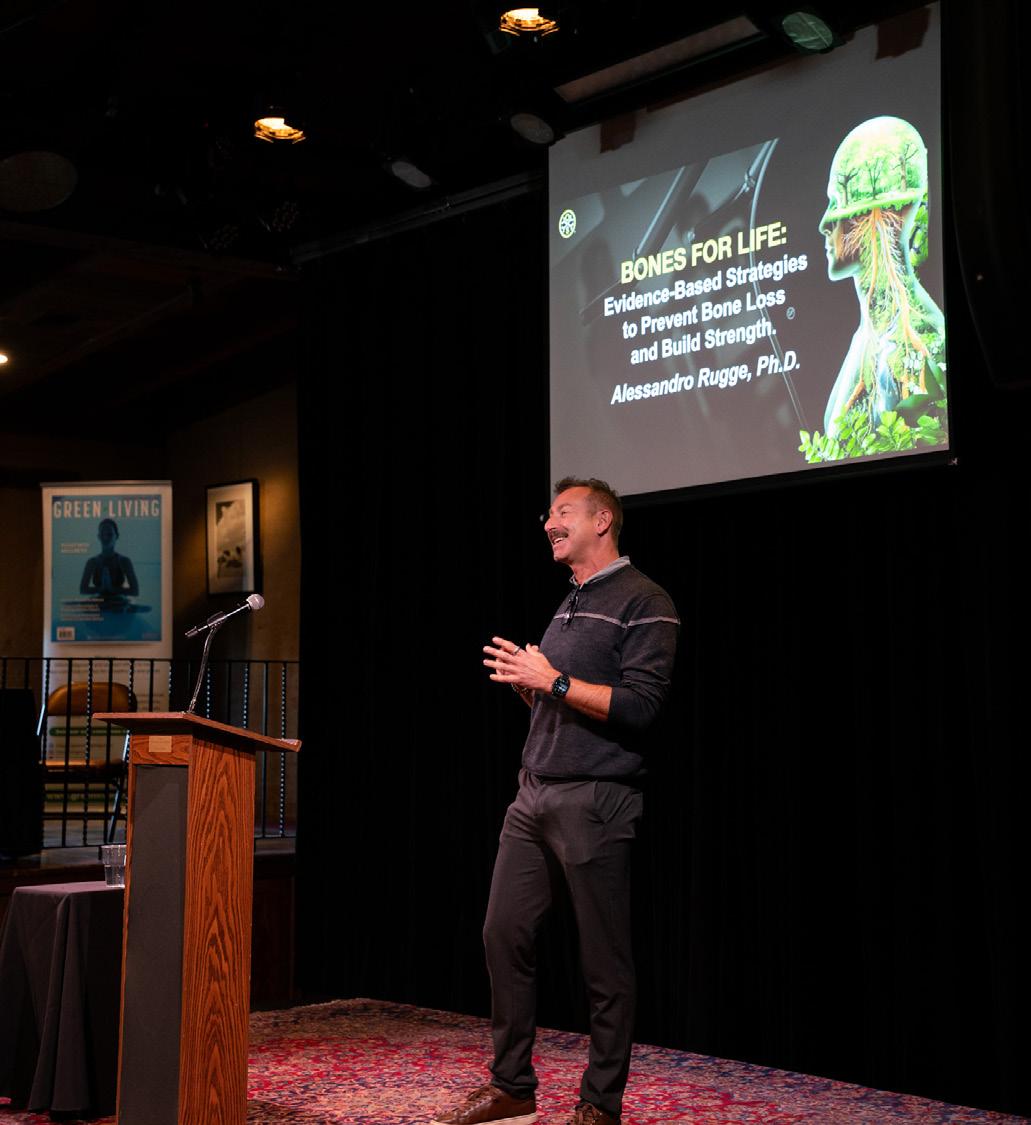
Breaking up the speaker sessions, Erin Miller of StarDust Herbals led a popular Mindful Mocktails workshop, demonstrating how botanical ingredients and herbal blends can be incorporated into everyday rituals for stress relief and nourishment. Additional educational sessions featured Alessandro Rugge, Ph.D., co-founder of Precision Bone Imaging, Dr. David Owers of Quantum Medicine for You, and Dr. Natalie Shaw of Natural Dental Partners who spoke about the importance of holistic dentistry, Beyond the seminars and demos, artistic and musical performances created a lively and engaging atmosphere throughout the day. Attendees enjoyed live music from local artist duo WildeP’lay, a DJ set by DJ G-Lo, coffee and matcha pick-me-ups by TwinBeanz, and a live painting by artist Kader Boly, who added a creative twist by incorporating the event’s atmosphere into his piece. The event concluded with attendees and partners networking, followed by closing remarks from Green Living magazine publisher, Dorie Morales.
Melani Walton, James Stiely, Crystal Daniels, and Ebony Whitaker.
Jake Brady
Alessandro Rugge, Ph.D.
Photos by Brandon Michel
Fantastic, No Plastic!
The countries banning single-use plastic bags around the world
BY COLLEEN KERN
II recently read an article showcasing the results of Ethiopia's single-use plastic bag ban. It made me curious: How are countries around the world reducing our reliance on single-use plastic bags?
Turns out, quite a few countries are making bold moves — and some of the results are already showing.
AFRICA
Ethiopia – Ethiopia's ban on single-use plastic bags took effect on January 31, 2026, with fines for individuals and license suspensions for manufacturers. The EPA Director General reports it is already delivering strong early outcomes and visible improvement.
Kenya – Kenya's 2017 ban carries penalties of up to four years in prison, making it one of the world's strictest on paper. However, plastic bag smugglers and weak enforcement are known to undermine progress. In September last year, the National Environment Management Authority issued a new warning that those caught manufacturing, selling, or importing plastic bags would face fines up to KSh 4 million — the equivalent of $30,000 USD.
ASIA
Bangladesh – In 2002, Bangladesh became the first country in the world to ban thin polythene bags, driven by a national emergency: Plastic waste was clogging drainage systems and worsening devastating floods in Dhaka. Enforcement has been mixed, but the precedent was historic — it inspired over 100 nations to follow suit.
Taiwan – Taiwan's 12-year phased plan began in 2019 with a ban on plastic straws, expanding fees on bags and cups by 2025, with full elimination of single-use plastics targeted by 2030.
AUSTRALIA
South Australia was the first Australian state to ban single-use bags, and today all states and territories have committed to banning various single-use plastics — from cutlery and straws to polystyrene containers — with South Australia's bans continuing to expand through September last year.
EUROPE
Denmark holds the Guinness World Record for the first plastic bag tax, introduced in 1994. It inspired Ireland (2002), Scotland (2014), and Wales (2011) to follow — each reporting plastic bag use reductions of over 70%.
European Union – The EU's Single-Use Plastics Directive banned 10 specific plastic items across all 27 member states in 2021, from bags, plates, and cutlery, to balloons and cotton bud sticks.
NORTH AMERICA
Canada – In 2022, Canada enacted the Single-use Plastics Prohibition Regulations (SUPPR), which prohibit checkout bags, straws, stir sticks, and singleuse cutlery, aiming to meet a target of zero plastic waste by 2030. The listing of prohibited plastic items was upheld by the Federal Court of Appeals in January 2026.
Jamaica – Jamaica banned plastic bags, straws, and polystyrene in 2019 and continues to enforce its policies with a zero-tolerance approach island-wide.
United States – While there is still no national ban on single-use plastic bags, 12 states — California, Colorado, Connecticut, Delaware, Hawaii, Maine, New Jersey, New York, Oregon, Rhode Island, Vermont, and Washington — have implemented comprehensive statewide bans on single-use plastic bags and have expanded legislation to prohibit thicker "reusable" plastic bags that were previously used as loopholes.
SOUTH AMERICA
Chile – In 2018, Chile became the first country in the Americas to ban plastic bags nationally. By 2021, the ban expanded to cutlery and cups at restaurants and takeaway establishments.
Peru banned single-use plastics from all cultural heritage sites and natural parks, meaning tourists can no longer bring plastic bags, bottles, straws, or foam containers into places like Machu Picchu. A national law passed unanimously in 2018 has since expanded those restrictions countrywide.
From bag bans to phased national strategies, the momentum is real and growing. Curious about how plastic pollution is being tackled globally? Global Plastic Action Partnership is a great place to start.
Visit www.globalplasticaction.org for more info.
Betting On Blue Foods
Chef Andrew Zimmern’s case for sustainable aquaculture
BY SHELBY TUTTLE
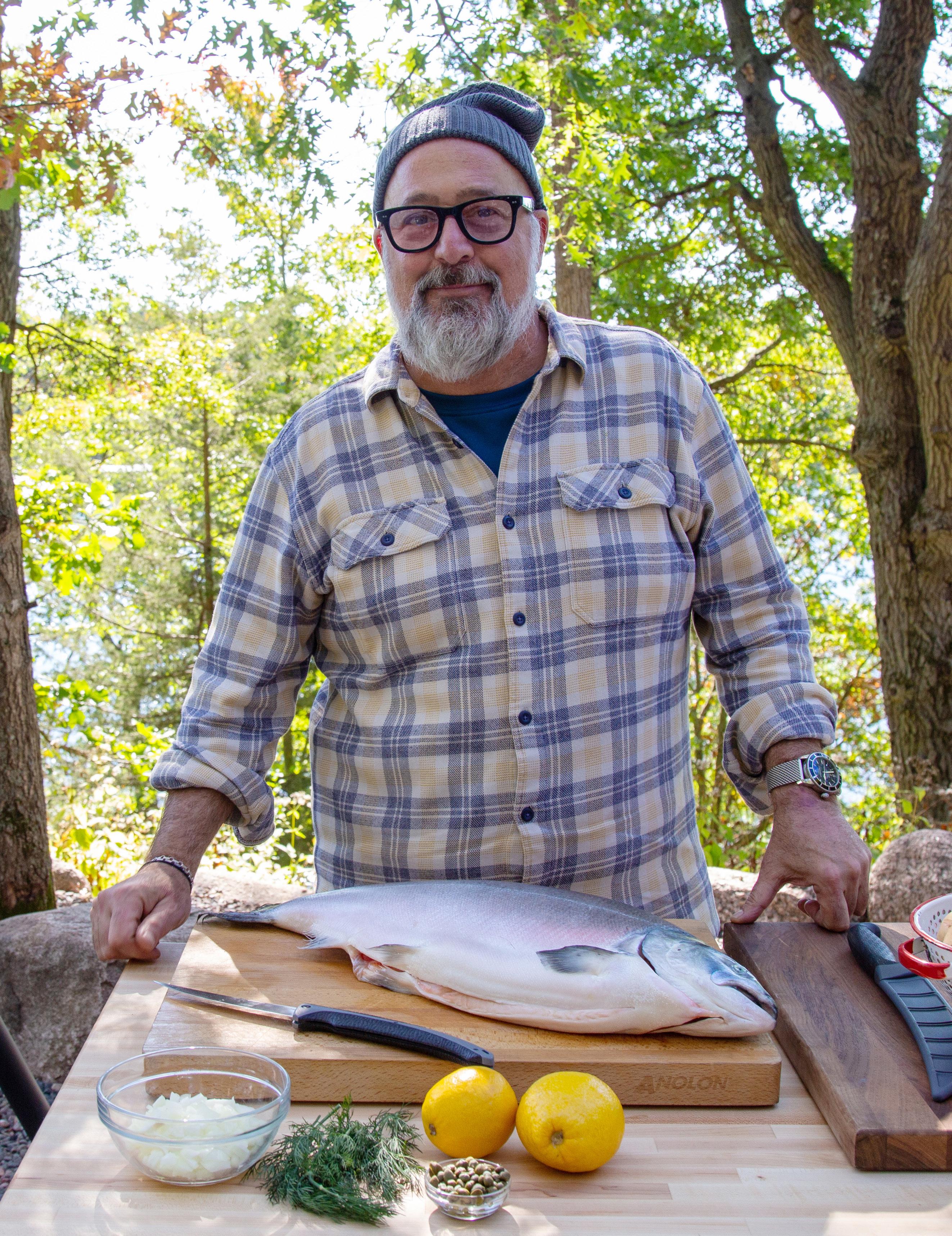
TThe global population is surging toward 10 billion, and with it, the pressure on our food systems is reaching a breaking point. While terrestrial agriculture grapples with the threat of soil, energy, and water bankruptcy, a more sustainable solution is emerging in the form of “blue foods”: Nutrient-dense, wild-caught, or farmed aquatic foods like fish, shellfish, and algae. And while the mention of farmed fish is often met with a skeptical, nose-wrinkled response from both consumers and environmentalists, Emmy-award- and four-time James Beard Award-winning TV personality, chef, and author Andrew Zimmern believes it’s time to dismantle these outdated prejudices.
In 2024, Zimmern collaborated with 13-time Emmy award-winning producer David E. Kelly to produce a three-part documentary called “Hope In The Water.” Focused on creative blue food solutions discovered around the globe, the Emmy-nominated series explores the stories of fish farmers, activists, and innovators who are using aquaculture to build a sustainable future for the planet.
Driven by a desire to combat widespread misinformation, Zimmern and Kelly developed the series as a direct response to their frustration with the 2021 documentary “Seaspiracy.”
“A lot of the information was incorrect. It was extremely biased. It didn’t present an honest set of facts,” Zimmern says.
His chief critique lies in the documentary’s central argument: That the only way to mitigate human impact on marine life is to stop commercial fishing and to cease eating fish entirely.
“Two and a half billion people around the world use [the oceans] as their means of
income and [for] one billion people around the world, it’s their primary resource for food,” Zimmern explains. “You can’t just turn them off. We have a growing planet that’s increasingly hungry and we need to figure out how to feed them,” he says.
Zimmern argues that responsible aquaculture isn't a secondary option to addressing a growing hunger pandemic — it is one of the most critical tools we have for feeding a hungry planet while protecting fragile marine ecosystems.
A RADICAL INDUSTRY TRANSFORMATION
The stigma surrounding aquaculture isn’t entirely unfounded — early practices in the industry often prioritized yield over ecology, leading to concerns regarding environmental pollution and overuse of antibiotics. But Zimmern is quick to point out that the industry has undergone a radical transformation.
“I can’t think of a segment of the food world that has done more to correct its problems than the world of aquaculture,” Zimmern says.
He notes that ten years ago, the use of copper netting — now known to harm both fish and the environment — was commonplace. Today, it is virtually non-existent. The density of fish pens has also been recalibrated, due to research that shows that ponds or pens with fewer fish in them actually produce more finished weight than ponds that are overcrowded.
“A little counterintuitive,” says Zimmern, “but the statistics bored out and so now people don’t overcrowd their pens.”
Perhaps the most significant leap forward is in "feed-conversion ratios." Historically, it took roughly eight pounds of wild-caught feeder fish to produce a single pound of farmed fish. Zimmern notes that technological advances have moved the needle toward a "one-toone system," making the process exponentially more sustainable.
THE WILD-CAUGHT VERSUS FARMED DEBATE
While the romantic image of the wild-caught fisherman remains the gold standard for many, the reality of the wild fishing trade is complex and, at times, devastating for fish populations the world over. While Zimmern notes that American fisheries are largely playing by the rules — respecting no-take zones and catch limits — a few “bad actors” in the international fishing community show little regard for environmental ecosystems and limits.
“There are very large Chinese trawlers that are hauling huge amounts of fish, including bycatch, out of the ocean. There’s dredging going on that's damaging the ocean floor and eliminating plant and coral life that is necessary for fish to sustain themselves,” he says.
Despite this fact, Zimmern notes that the U.S. still imports roughly 75% of the seafood it consumes, and 75% of what is kept here is consumed in restaurants.
To shift these numbers, he believes the solution starts by looking closer to home — not just within our own borders, but inside our own kitchens.
“We have some really amazing American fisheries that need to be supported more. We should be buying more fish from American fisheries. Full stop,” he says.
In the pursuit of consuming more seafood from responsible American sources, Zimmern suggests that consumers must shift the focus away from the 'wild' versus 'farmed' debate.
He jokes, “I’ve never stood in the supermarket and heard someone ask someone who works there, ‘Excuse me, can you direct me to where the wild cow is?’”
He points to a more critical standard: The integrity and quality of the fish itself.
“The vast majority of farmed salmon is equal to the quality and healthiness of wild fish,” he says.
He asserts that much of the confusion and friction in consumer messaging comes from competing interest groups providing “misinformation” to protect their respective market shares.
SHOP THE DISH, NOT THE FISH
Perhaps Zimmern’s most pivotal tip for increasing seafood consumption at home is to abandon a strict adherence to specific ingredients. If the local market’s seafood selection is sparse or the quality fails to meet a shopper’s standards, he insists that they aren’t necessarily out of luck. By prioritizing the integrity of the catch over a predetermined shopping list, home cooks can embrace his most enduring mantra: “Shop the dish, not the fish.”
“So many times, people walk into a market and they’ve got a recipe for fish and chips and it uses cod, but there’s no cod there. And they don’t understand
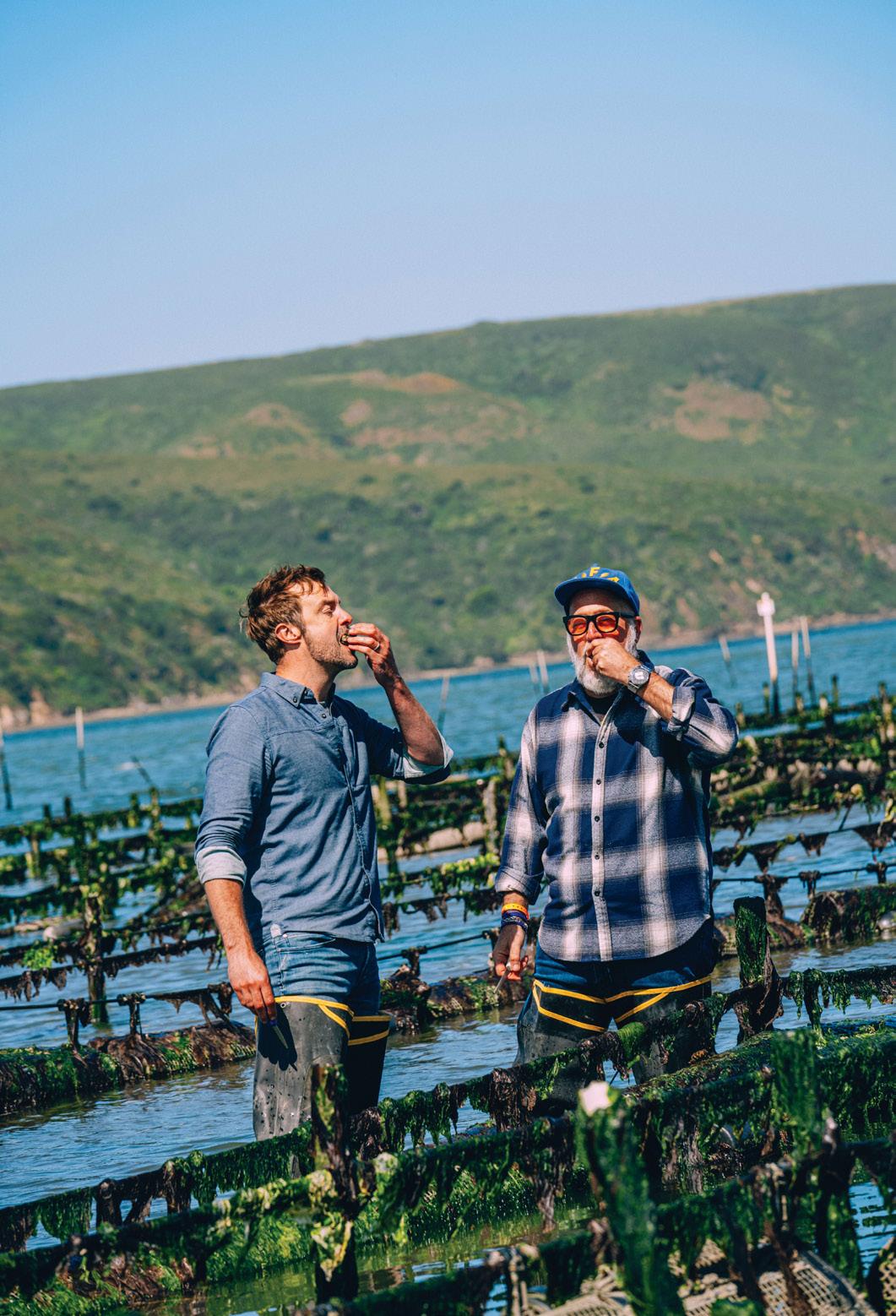
Seaver & Zimmern eating oysters. Photo by Eric Wolfinger
that there’s 15 other flaky, white-fleshed fish that actually fry up beautifully for fish and chips.”
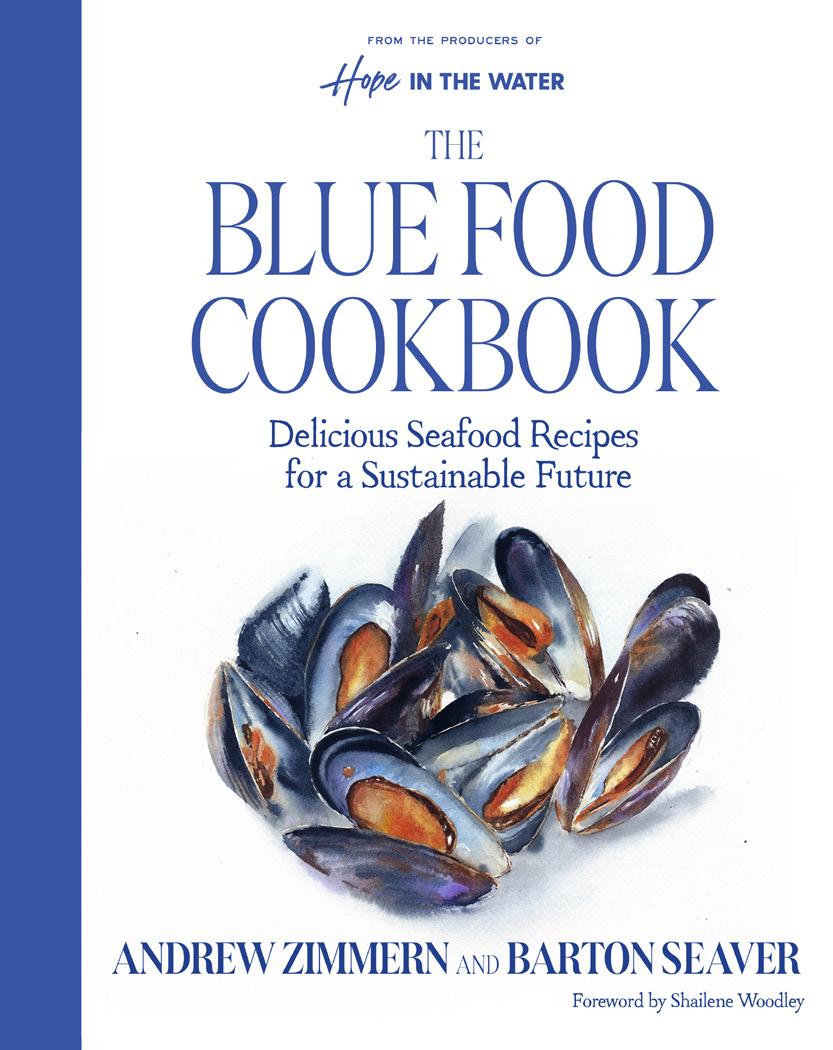
Zimmern's Blue Food Cookbook — released in 2025 and co-authored by leading sustainable seafood expert and educator Barton Seaver — campaigns for the adoption of greater and more ethical seafood consumption by providing readers with the tools needed to adopt a seafood-centric approach at home. This 400-page “seafood bible” of sorts walks readers through the basics of sourcing and storage, essential pantry staples and equipment, and foundational cooking techniques — concluding with a diverse collection of recipes ranging from simple to sophisticated.
Broadening one's "cooking horizons" doesn't require a culinary degree. Zimmern suggests starting with what's familiar — perhaps a quick shrimp scampi, easy tuna poke, or grilled salmon — and then "stretching the boundaries" with other techniques like slow baking, quick searing, or poaching.
A DEMAND FOR FEDERAL OVERSIGHT
For aquaculture to truly succeed in the United States, Zimmern believes we need more than just better farming — we need "legal teeth." He points toward the necessity of standardized regulation to provide a framework for responsible production and his decade-long call for a national “Secretary of Food.” Currently, food regulation is spread across eight different agencies. While these systemic changes are vital for the long-term future of the industry, Zimmern’s immediate advice is far more personal. He offers a simple mantra for the future of public health: “Remember the three S’s — don’t smoke, wear your seatbelt, and eat more seafood.”
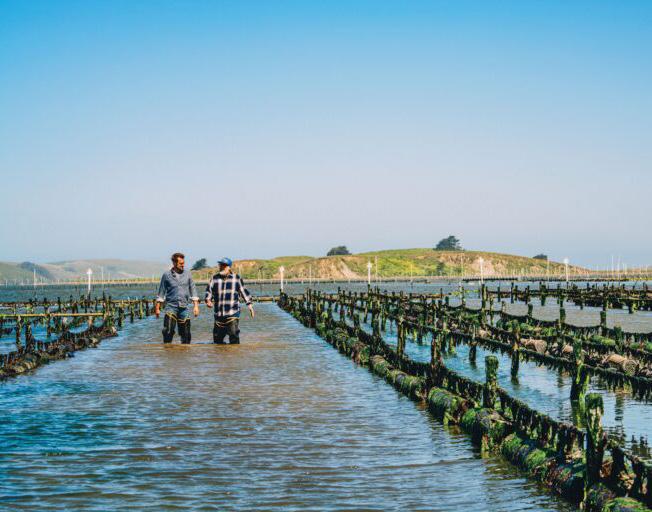
Seaver & Zimmern at an oyster farm. Photo by Eric Wolfinger
Photo by Madeleine Hill
A Blueprint for Balance
How Doughnut Economics reimagines prosperity
BY PAM DELANY
AAround the world, a growing movement known as “Doughnut Economics” is reframing how societies think about prosperity in a finite world. In Arizona, water scarcity, extreme heat, wildfires, fragile soils, and rapid population growth remind us that land and resources are not limitless. The question is not whether limits exist, but how people adapt.
Across the region, ranchers restore grasslands to retain soil moisture. Indigenous seed keepers protect desert biodiversity that survives drought. Urban food organizers rebuild local supply chains, shortening the distance between farm and table. And local wealth advocates work to keep investment circulating locally rather than flowing elsewhere.
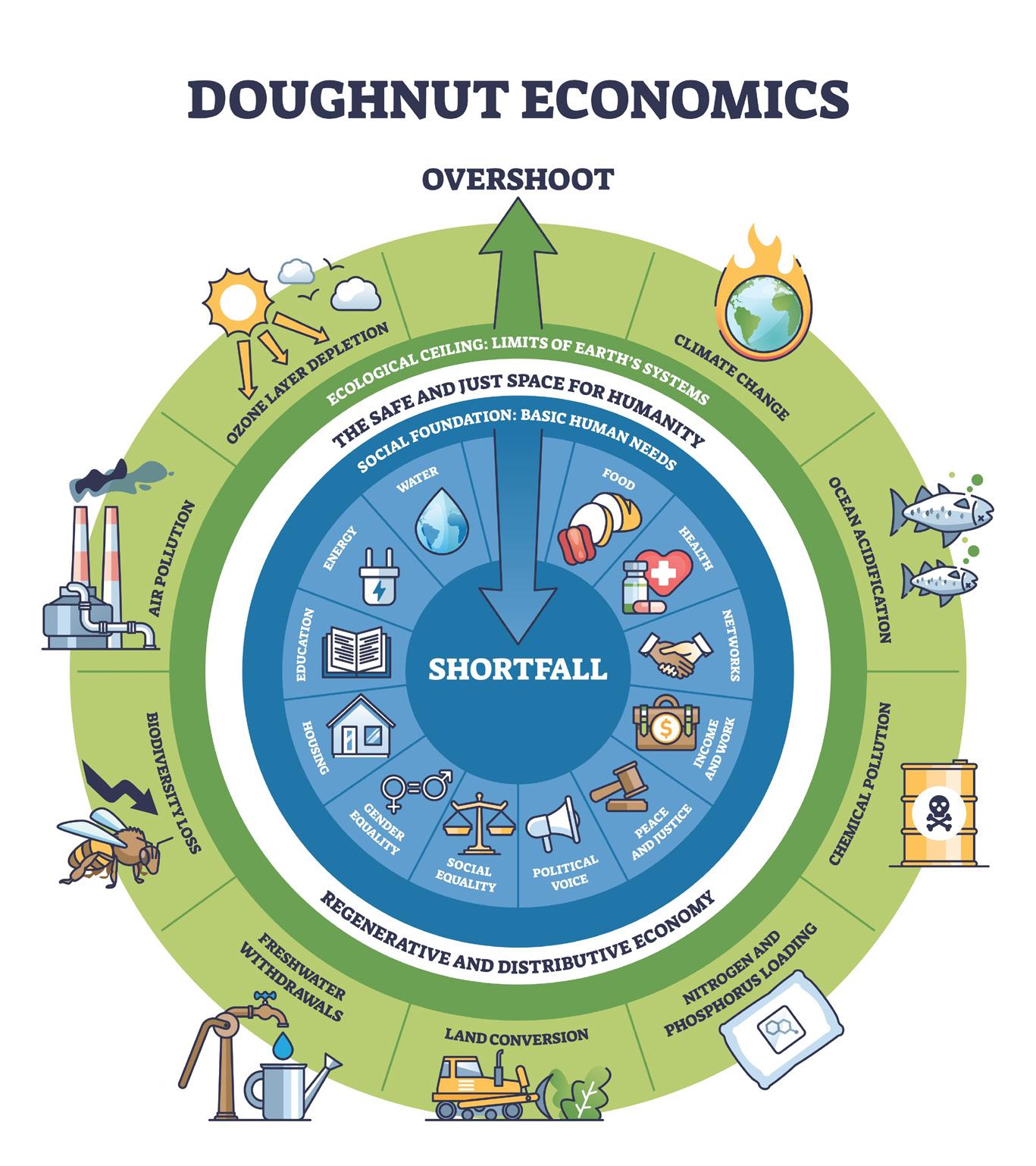
British economist Kate Raworth’s Doughnut Economics model redefines societal success as the ability to meet the needs of all people without overshooting the limits of the planet. Using a doughnut shape as a model, the inner ring represents the social foundation: The minimum standards every person deserves, including food, healthcare, education, housing, and political voice. Falling into the center
hole means people lack those essentials. The outer ring represents planetary boundaries, including climate stability, healthy soils, and biodiversity. Crossing that outer ring means humanity is pushing Earth’s lifesupport systems beyond safe limits.
Between those two rings lies what Raworth calls the “safe and just space for humanity” — the balance between human well-being and ecological stability.
At first glance, some might interpret Doughnut Economics as a rejection of growth. But in practice, it asks a deeper question about economic prosperity, in which growth is measured not solely by economic output — gross domestic production or GDP — but by how well society can thrive without destroying the planet or leaving populations behind.
In other words, success is not measured simply by the size of the pie, but by whether the pie nourishes everyone and is baked in a way that does not damage the kitchen.
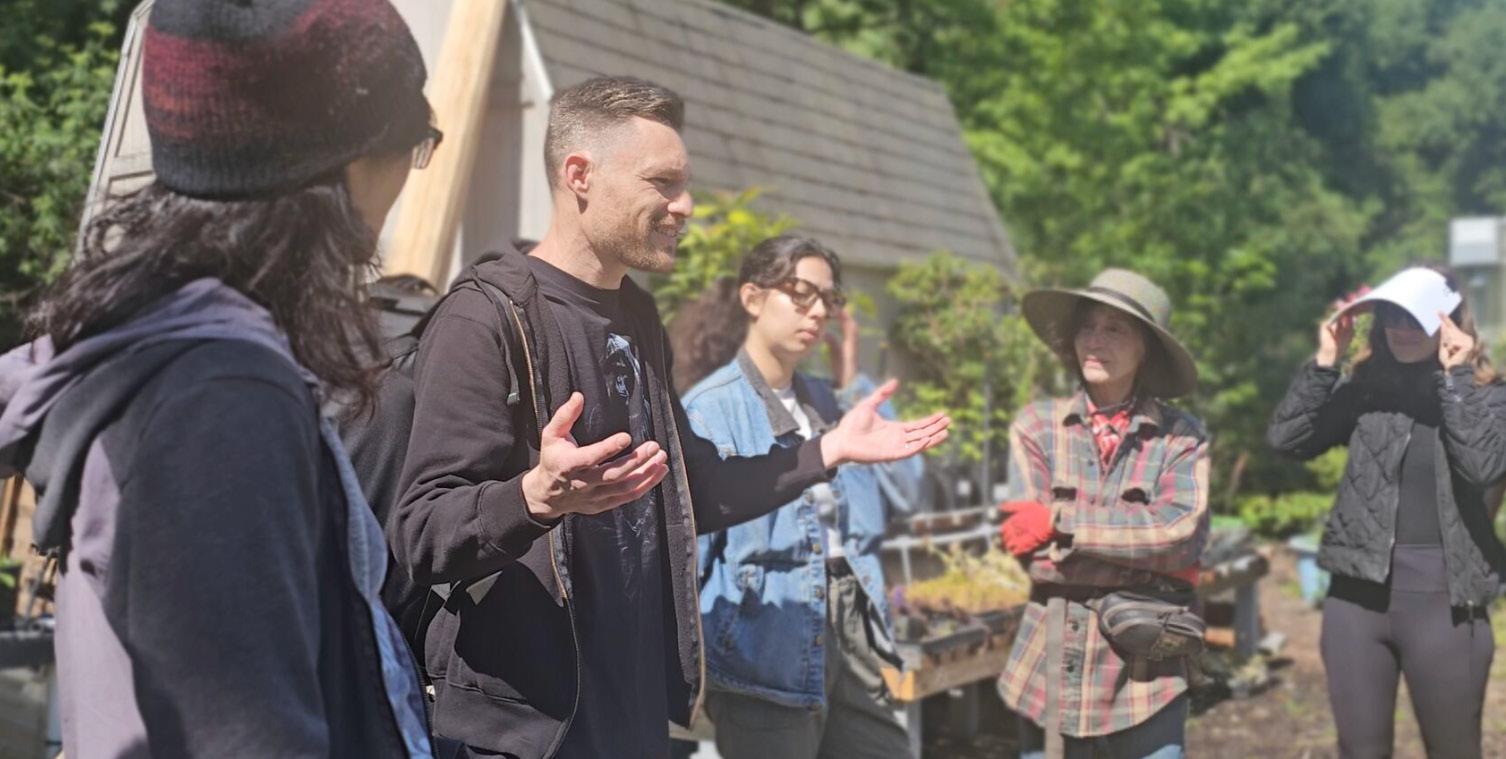
To bring this concept closer to home, California Doughnut Economics Coalition co-leaders Rebecca Pan and Della Duncan, based in San Francisco, recently offered perspectives on how the model might resonate with families and communities in Arizona.
“Right now, most economists focus on one question: How do we grow the economy? Doughnut Economics asks a better one: How do we help people thrive within the limits of the Earth?”
“Living inside the Doughnut looks like ordinary, practical choices that are good for our families, our communities, and nature,” they explain. “Buying less stuff you don’t actually need, and choosing secondhand when you can. Eating a little less meat, not necessarily zero, just less. Making sure your home is well insulated so you’re not literally heating the sky.”
In a water-scarce region like Arizona, thriving within ecological limits feels particularly crucial.
“In a place like Arizona, thriving within ecological limits mostly comes down to being smart about resources with many solutions that are surprisingly practical,” Pan and Duncan note.
They point to desert landscaping instead of grass lawns, low-flow fixtures, thoughtful irrigation, and rainwater collection as everyday steps that households can take to live well and within environmental limits.
Community design matters, too. Neighborhoods that allow people to walk or bike for their daily needs reduce both water use and transportation emissions.
Food choices also play a role. According to the Arizona Department of Water Resources,
about 72% of water is used for irrigated agriculture.
“That means what we eat can matter even more than how long we shower,” Pan and Duncan explain.
Most importantly, Doughnut Economics encourages people to reconsider how they define success.
Pan and Duncan suggest that families start by asking a simple but powerful question: How do we currently measure a good life?
“In Doughnut Economics, one useful guide is the idea of the ‘inner ring’ — making sure everyone has enough,” they share.
That might include nourishing food, a safe home, access to healthcare and education, and enough financial resilience to handle unexpected challenges. But the concept goes beyond individual households.
Around the world, communities are increasingly experimenting with different ways to measure growth. Pan and Duncan explain that no place on Earth currently lives fully within the Doughnut. They share how Raworth often points out that, “according to the Doughnut, there is no developed country.” Still, some places are moving in promising directions.
One of the most widely cited examples is Amsterdam, which formally adopted the Doughnut Economics framework following the COVID-19 pandemic. City leaders now evaluate policy through the dual lens of meeting residents’ needs and respecting ecological limits.
After the COVID pandemic, the city formally embraced the framework as a guide to public policy. City leaders began evaluating housing, development, and economic initiatives through two lenses: Whether residents’ needs are being met and whether ecological limits are respected.
Costa Rica offers another example of how ecological stewardship and human well-being can operate synergistically. The country produces nearly all its electricity from renewable resources and has restored large areas of forest over the past several decades. One policy even pays landowners to preserve forests rather than clear them.
As Pan and Duncan note, “[Costa Rica] consistently ranks among the happiest countries in the world despite having a fraction of the United States’ per-capita income.”
The lesson is that prosperity is not always tied to higher consumption but can emerge from systems designed to sustain both people and nature.
Some countries have gone even further by redefining how success itself is measured. Bhutan introduced Gross National Happiness as a national framework that evaluates progress through environmental health, cultural preservation, community well-being, and psychological fulfillment, alongside economic activity. The idea challenges the longstanding assumption that gross domestic product alone defines prosperity.
While governments influence broader economic policies, families participate in microeconomics every day. Every purchase, investment, and consumption decision quietly shapes the marketplace.
Supporting businesses that buy from local suppliers, choosing products designed for reuse rather than disposal, purchasing food from regenerative farms, and investing in neighborhood initiatives are ways households can influence economic systems without waiting for large-scale policy change.
For Arizona, that shift may feel surprisingly familiar. The desert has always demanded balance between human ambition and ecological limits. Indigenous water governance systems, desert-adapted architecture, and modern innovations like Tucson’s waterharvesting infrastructure all reflect a long tradition of living with the land rather than overpowering it.
It may also involve redefining prosperity in quieter ways. A well-shaded street. Clean air after a monsoon storm. Children playing outdoors without extreme heat. A local economy where businesses, workers, and ecosystems support one another.
In the end, Doughnut Economics is more of a compass and less of a rigid blueprint. It asks communities to design economies that honor both people and the planet.
In many ways, the desert has always taught Arizonans the lesson Doughnut Economics now puts into economic language: Prosperity must respect the limits of the land. The key takeaway is that families have the power every day to shape a thriving, sustainable community through thoughtful choices about spending, consumption, and local investment. As Kate Raworth writes, the real question is not how fast economies grow, but whether they help people “thrive in balance with the living world.”
A local festival for Doughnut Economics takes place in San Francisco.
AI’s Hidden Thirst
What Arizona’s data center boom means for water
BY MICHELLE TALSMA EVERSON
AArtificial intelligence may feel invisible, but in Arizona, its footprint is anything but. Behind every AI search, chatbot prompt, or image generator is a network of massive data centers — physical facilities that require land, energy, and often significant amounts of water to operate. As Arizona continues to grow as a major U.S. market for data centers, the conversation is shifting from expansion to resources.
Some estimates suggest that a single large data center can use up to two million liters (over half a million gallons) of water per day, primarily for cooling. In a desert state already navigating long-term water challenges, that figure is drawing increased attention.
Still, experts say the issue is more nuanced than it may appear.
“Most people experience AI as something abstract — a chatbot, an image generator, or a search tool,” said Chris Deaton, executive director of the Responsible Innovation Lab. “But behind those interactions is a very physical infrastructure. AI is infrastructure now. It is not something we can choose to do without.”
That shift from software to infrastructure changes the conversation. Like electricity or telecommunications, AI requires long-term planning, resource management, and public accountability.
A GROWING FOOTPRINT IN A WATER-STRESSED REGION
Arizona’s appeal to data center developers is no accident. The state offers available land, a relatively low risk of natural disasters, and a growing technology ecosystem anchored by semiconductor manufacturing and cloud computing.
But growth has raised questions at the local level. In recent years, communities such as Chandler have engaged in public debate over proposed data centers, with residents raising concerns about water use and long-term sustainability.
According to Sarah Porter, director of the Kyl Center for Water Policy at Arizona State University, data
centers are one piece of a much larger water landscape.
“In spite of the region’s significant urban growth and industrial development over the last few decades, agriculture still uses more water than any other sector,” Porter said, referencing a recent Kyl Center report examining large water users in central Arizona.
The report underscores that while data centers are drawing scrutiny, agriculture remains the dominant water user in the region. Called “From Copper, Cattle and Cotton to Chips and Cloud Computing,” the report found that while comprehensive data on water use by data centers is still limited, most facilities in central Arizona are served by municipal providers with a Designation of Assured Water Supply (DAWS) from the Arizona Department of Water Resources. Under this designation, providers must demonstrate they can meet projected water demand for decades before approving new development, helping protect existing users as new high-volume customers come online.
“The DAWS process protects existing water users from impacts of new high-volume users and forces providers to consider what types of water demand they want to take on,” Porter said.
In some cases, large water users may rely on unreplenished groundwater, a scenario that warrants careful scrutiny from policymakers given Arizona’s broader water challenges.
NOT JUST WATER, BUT ENERGY
Water is only part of the equation. Data centers also require large amounts of electricity, and energy
production can carry its own water demands depending on the source.
“Indirect water consumption for data center power needs is also an important consideration,” Porter said.
Arizona utilities have improved water efficiency as they incorporate more renewable energy and natural gas, though future demand remains uncertain.
For Deaton, this highlights the need for a more grounded conversation.
“The key question isn’t whether these systems use resources. That’s an established given,” he said. “All infrastructure does. The real question is how responsibly they are designed and managed.”
Responsible innovation frameworks push that thinking further, encouraging companies to ask who benefits from new technologies, who may bear unintended costs, and how risks are addressed before systems scale.
That means shifting the focus toward transparency, planning, and engineering decisions rather than treating AI as purely digital.
TECHNOLOGY IS EVOLVING, AND SO ARE EXPECTATIONS
Not all data centers use water in the same way. Cooling systems, which drive most water use, range from water-intensive evaporative cooling or closedloop systems that reduce consumption, to newer air-cooled or immersion technologies that can significantly limit or eliminate water use.
“We’ve found that data centers use a range of cooling technologies,” Porter said. “Communities should insist that data centers they serve have a water use plan that meets the community’s needs.”
To reduce water consumption, some companies are exploring alternatives such as liquid immersion cooling and air-cooled systems. Others are using recycled or non-potable water where available.
“There is definitely progress happening,” Deaton said. “We’re seeing experimentation with zero-water cooling systems, renewable-powered data centers, and AIoptimized energy efficiency.”
Those innovations are driven by both environmental concerns and cost. More efficient systems are often less expensive to operate over time.
Still, transparency varies.
“Communities often don’t have clear visibility into resource use or long-term infrastructure planning,” Deaton said. He emphasized that the conversation should move away from whether to build and toward how to build responsibly through collaboration between industry, policymakers, and communities.
LOCAL CONTROL AND POLICY TOOLS
In Arizona, water policy decisions largely happen at the municipal level. Cities manage water delivery and establish policies for large users, which means approaches can differ across the region.
A recent Kyl Center report found that 10 municipal water providers, serving more than four million Arizonans, have adopted ordinances or other measures to regulate large-volume water users. Chandler was the first city in the United States to implement such an ordinance.
These policies help define expectations between communities and developers, including how water use is managed and what benefits projects bring.
“They capture the community’s expectations in terms of the return on investment from a high-volume user,” Porter said.
For residents, that means local engagement can influence how projects move forward.
WHAT COMES NEXT
As AI continues to expand, so will the infrastructure behind it. For Arizona, the challenge is balancing economic opportunity with environmental limits.
Deaton said the focus should not be on slowing innovation but guiding it responsibly.
“Responsible growth means recognizing two realities at the same time: AI infrastructure is becoming economically essential, and the Southwest has real environmental constraints,” he said.
That means improving efficiency, increasing transparency, and strengthening long-term planning around water and energy use.
“The goal isn’t to slow innovation,” Deaton said. “It’s to ensure the systems we build today remain viable as we manage this transition.”
For Arizona, that balance will shape not just the future of technology, but the sustainability of the communities supporting it.
habitatcaz.org/cars
Recipes
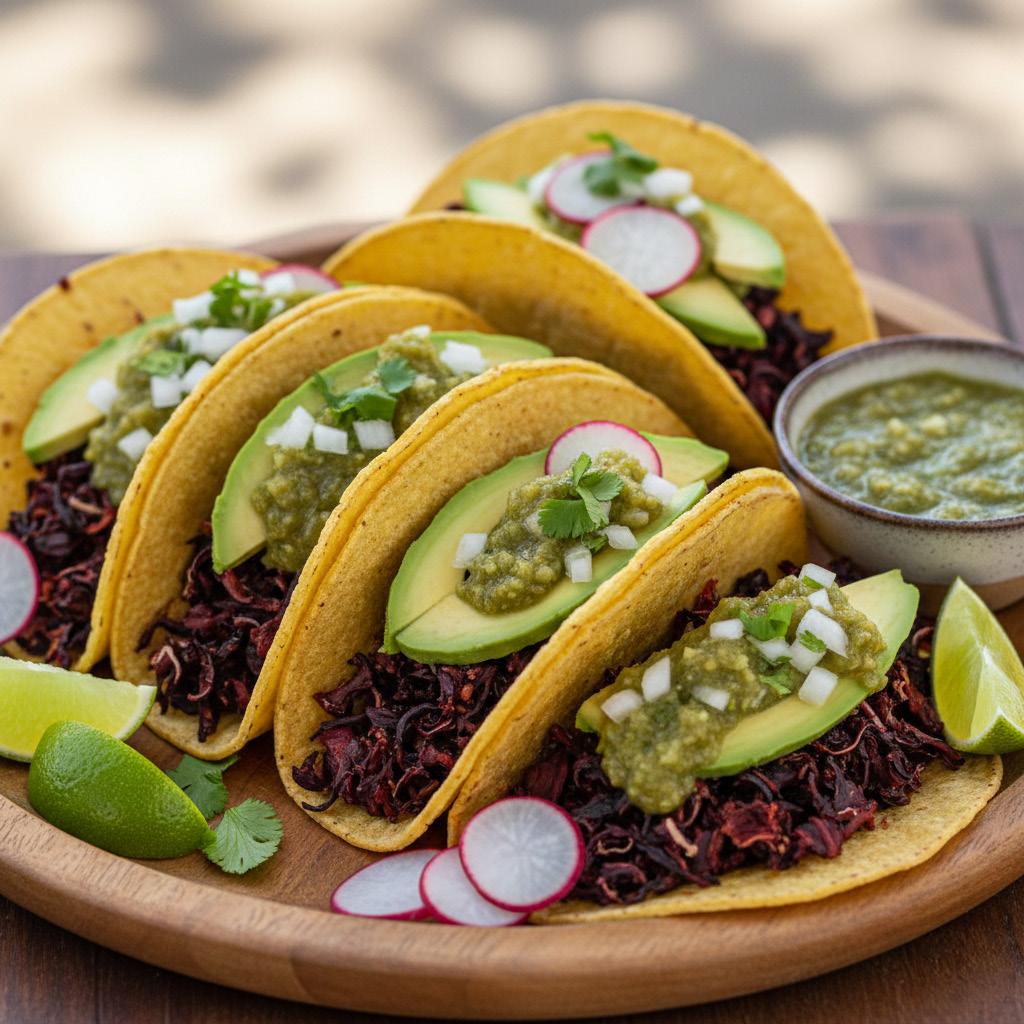
Bene Vivendo’s Tacos de Jamaica (Vegan
Hibiscus Tacos)
Ingredients
The Filling
2 cups dried hibiscus flowers
1 tablespoon olive oil
1 onion, chopped
2 cloves garlic, minced
Salt and freshly ground black pepper, to taste
18 corn tortillas, warmed
2 slices fresh pineapple, chopped
1 small onion, finely chopped
½ bunch cilantro, chopped
2 limes, cut into wedges
Salsa Verde
10 fresh tomatillos, husks removed
1 avocado, peeled, pitted, and diced
¼ onion, chopped
2 serrano peppers
1 clove garlic
2 tablespoons chopped fresh cilantro
Salt to taste
Directions
Rinse the dried hibiscus flowers under cold water to remove any dust or grit. Place the flowers in a medium pot with one liter of water and bring to a boil for 10 minutes. Remove hibiscus from heat and allow to steep for at least two hours, until hibiscus is very soft. Drain well.
Heat oil in a large skillet over medium heat and cook one onion and two cloves of garlic until soft and translucent, about two minutes. Stir in drained hibiscus and season with salt and pepper. Cook for five minutes, stirring constantly, until hibiscus turns a deep red color.
In a blender, combine tomatillos, avocado, ¼ onion, serrano peppers, one clove of garlic, and two tablespoons of cilantro. Blend until smooth and season with salt, as needed.
Warm corn tortillas in a skillet. Divide hibiscus mixture among tortillas and top with pineapple, onion, and cilantro. Serve with Salsa Verde and lime wedges.
Andrew Zimmern’s Vietnamese-Style Caramelized Shrimp (Tom Rim)
SERVES 4 TO 6
Ingredients
2 pounds fresh shrimp, head-on
4 garlic cloves, very thinly sliced
2 shallots, very thinly sliced (about 3/4 cup)
1 teaspoon salt
1 teaspoon ground white pepper
3 tablespoons sugar
1 tablespoon chicken bouillon powder
3 whole hot dried chiles
2 teaspoons dark soy sauce
5 to 6 tablespoons toasted rapeseed oil*
3 tablespoons fish sauce
3 scallions, cut into 2-inch lengths
Cooked rice
*This is known as caiziyou in Chinese. The toasted flavor makes all the difference. I get mine at themalamarket.com.
Directions
Cut off the top 3/4 inch of the shrimp heads using scissors (the sharp bony part). Cut off the legs and remove the tail shell by jiggling the tail feathers until they release. Remove the rest of the shell. Using a sharp knife, lightly score the shrimp along the back side and remove the vein.
Place the shrimp in a bowl and add the garlic, shallots, salt, pepper, sugar, bouillon powder, chiles, and soy sauce and toss to combine. Cover and marinate in the refrigerator for at least 8 hours or overnight.
Heat the oil in a wok set over high heat. When the oil is beginning to smoke, swirl it around and add the shrimp, pouring from the bowl into the wok all at once. DO NOT STIR. Use a rubber spatula to get all the contents of the bowl into the wok and spread the shrimp up the sides of the wok. Cook for 4 to 6 minutes, until the sugar is caramelized and thickened. Toss the contents of the wok and cook for another 2 minutes. Add the fish sauce and cook for 2 more minutes. Add the scallions and cook for another minute, tossing well. Serve with plenty of hot rice.
Excerpted from The Blue Food Cookbook by Andrew Zimmern and Barton Seaver in collaboration with Fed By Blue. Excerpt provided by Harvest, an imprint of HarperCollins Publishers.
Rooted by Redford
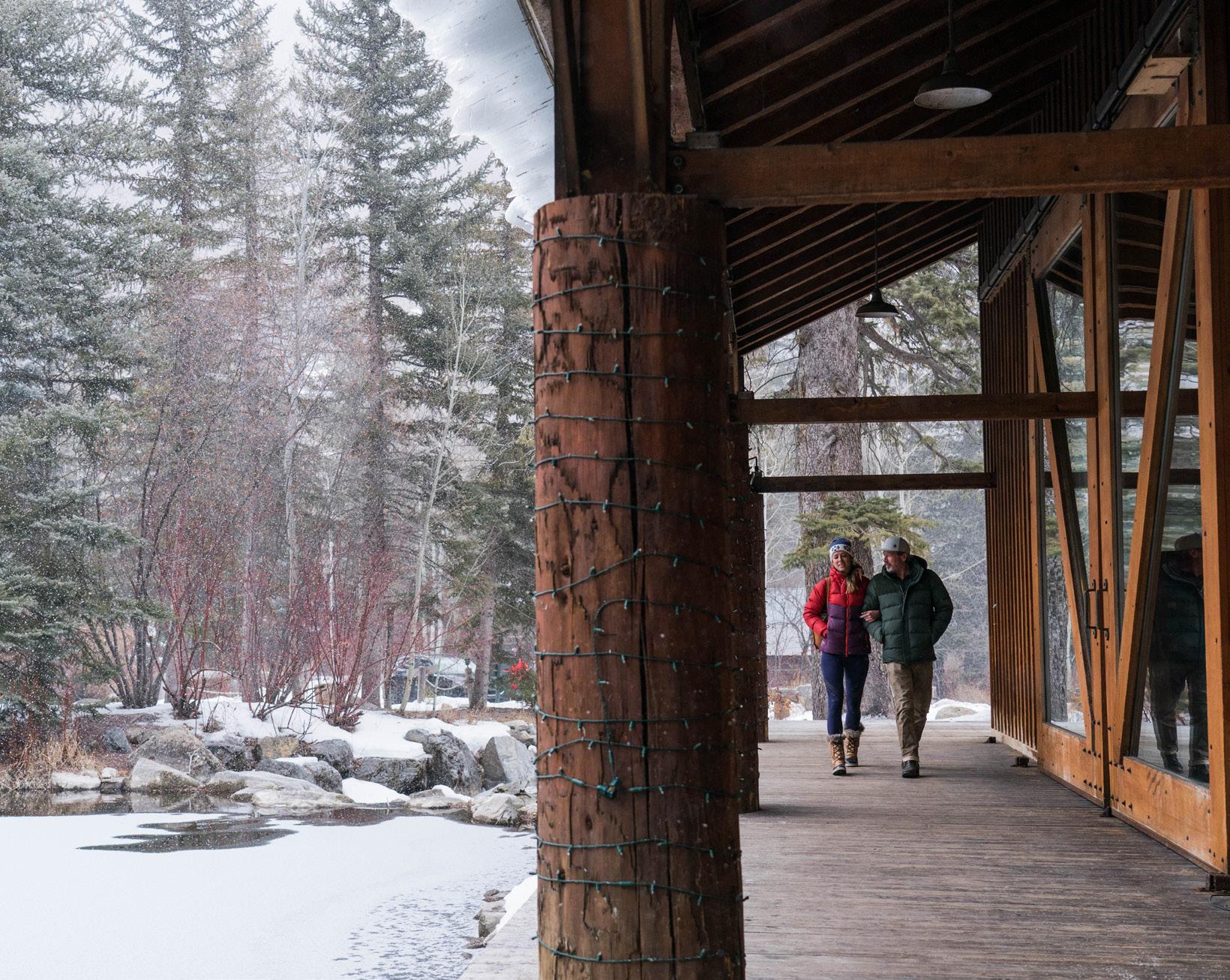
Sundance Mountain Resort blends conservation, creativity, and adventure in Utah’s Wasatch Range
BY ALISON BAILIN BATZ
LLong before sustainability became a buzzword in hospitality, Robert Redford had already woven it into the DNA of Sundance Mountain Resort.
When the actor, filmmaker, and environmental advocate first discovered the alpine land beneath Utah’s Mount Timpanogos in the late 1960s, he saw more than a potential ski resort. He saw a landscape worth protecting. When he purchased the property in 1969, his intention was not expansion but preservation, ensuring the mountain could remain both wild and welcoming for generations to come.
More than five decades later, Sundance still operates according to that philosophy. Today, 3,343 acres surrounding the resort are permanently protected under conservation easements, safeguarding the forests, wildlife habitats, and viewsheds of Provo Canyon. Development has been intentionally limited, allowing the resort to remain intimate in scale while still delivering the kind of refined mountain experience travelers expect from a luxury destination.
In an era when many mountain resorts have grown into sprawling villages, Sundance stands apart as something quieter, more thoughtful, and deeply rooted in the land itself.
SUSTAINABILITY AS A WAY OF LIFE
The resort offsets 100% of its energy use with renewable sources, and water conservation is equally central to operations. The resort has invested in upgraded snowmaking systems designed to increase efficiency while reducing water consumption. Across the property, bathrooms and kitchens feature low-flow fixtures, while waterless urinals are being installed to further reduce water usage.
Even irrigation systems have been redesigned with sustainability in mind. Traditional sprinkler systems are gradually being replaced with drip irrigation, minimizing water waste while keeping landscapes healthy.
Courtesy of Utah Tourism
The environmental commitment extends to transportation, as well. Electric vehicle charging stations are available throughout the property, while guests who arrive with four or more passengers receive complimentary parking as an incentive to carpool. The resort also partners with Utah Transit Authority and local transportation provider The Ryde to offer alternative transit options for visitors and employees alike.
Waste reduction is another cornerstone of Sundance’s philosophy. A no-plastic-bag policy is enforced across the resort, composting programs divert organic waste from landfills, and an on-site glass-blowing studio transforms used bottles into art pieces, plates, and drinking glasses that are reused throughout the property. It is a circular system that turns yesterday’s wine bottle into tomorrow’s water glass.
LAND FIRST, ALWAYS
Perhaps the most significant sustainability achievement at Sundance is the one that guests may not immediately notice.
More than 70% of the resort’s land has been permanently protected from development, including portions preserved through partnerships with organizations such as the Sundance Nature Alliance. The property also collaborates with the Wild Utah Project to support wildlife research and with Great Basin Wildlife Rescue to rehabilitate injured birds and return them to their natural habitat.
A NEW CHAPTER: THE INN AT SUNDANCE
Located in the heart of the Resort Village just steps from the Outlaw Express lift, the property features two wings connected by a covered bridge spanning a mountain stream. Inside, expansive windows frame Mount Timpanogos, while intricate woodwork and a curated mix of regional and international art echo Sundance’s long-standing relationship with creativity. Guests can ski directly to a dedicated valet and boot room before retreating to the warmth of the Living Room lounge. A wellness and fitness center offers yoga and movement classes, while the Inn Gallery showcases rotating works that reinforce Sundance’s deep connection to the arts.
Included with every stay is access to the Springs at Sundance, an exclusive relaxation experience
While Sundance has always prioritized preservation over growth, the resort entered a new chapter in early 2026 with the debut of the Inn at Sundance Mountain Resort.
The 63-room, ski-in, ski-out property represents the most significant lodging addition in the resort’s history. Designed to elevate the guest experience without compromising the resort’s environmental values, the inn blends contemporary comfort with natural materials and thoughtful design.
reserved for overnight guests. Overlooking Mount Timpanogos, the springs feature two hot tubs, a plunge pool, and a barrel sauna.
EASIER THAN EVER FROM ARIZONA
American Airlines recently launched a nonstop flight from Phoenix Sky Harbor International Airport to Provo Airport, placing the resort within easy reach. From the airport, the drive to Sundance takes roughly 30 minutes through scenic Provo Canyon.
Courtesy of Utah Tourism
The route, often referred to as the Provo Scenic Skiway, winds past limestone cliffs, alpine forests, and the winding Provo River before arriving at the base of Mount Timpanogos. It is the kind of arrival that feels like entering another world.
WINTER ON THE MOUNTAIN
During winter, Sundance offers 540 skiable acres set within more than 4,000 acres of conserved land. The terrain ranges from beginner-friendly groomers to powder-filled bowls and tree-lined glades that reward experienced skiers with quiet runs and dramatic views. For guests who prefer a slower pace, Nordic skiing trails weave through stands of aspen, while snowshoe routes provide peaceful access to the surrounding wilderness.
Night skiing illuminates portions of the mountain several evenings each week, adding another dimension to the winter experience.
SUMMER IN SUNDANCE
When the snow melts, the mountain transforms into a summer playground.
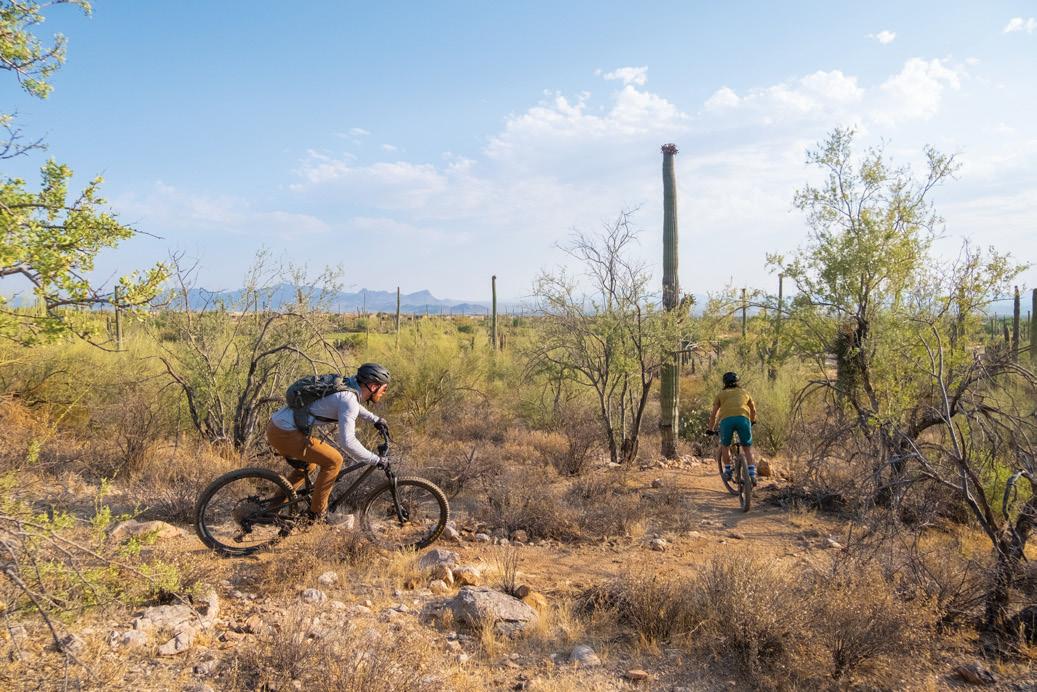
Miles of hiking and mountain biking trails wind through aspen groves and pine forests, offering views of Mount Timpanogos and the surrounding Wasatch Mountains. Scenic lift rides provide effortless access to panoramic vistas, while zipline tours deliver a dose of adrenaline above the treetops. Fly fishing along the Provo River is another favorite summer pastime, with cold mountain waters known for healthy trout populations. Horseback riding excursions traverse alpine meadows and forested trails, allowing visitors to experience the landscape at a more contemplative pace.
Art and culture remain central to the Sundance experience year-round. Guests can participate in creative workshops and explore artisan shops featuring goods made from natural and recycled materials, or visit the on-site glass-blowing studio to peruse or purchase functional works of art.
A LEGACY THAT ENDURES
Robert Redford once said that if a root is planted deeply enough, what blossoms will inspire others. At Sundance Mountain Resort, those roots run deep.
Guests arrive for skiing, hiking, art, or relaxation, but many leave with something more lasting: A renewed appreciation for the natural world and the realization that travel, when done thoughtfully, can protect the very places that inspire it.
Photo by Kunde Michael.
Courtesy of Sundance Mountain Resort
Photo by Chandler Tommy
The State of the EV Union
Why 2026 is the year America (and Arizona) actually plugs in
BY GREENLIVINGGUY | @SETH_LEITMAN
SSomething shifted in 2026. Electric vehicles stopped being a culture war flashpoint and started being just… cars. Good ones, actually.
For years, EV adoption felt like it belonged exclusively to coastal cities and Tesla evangelists. Meanwhile, the rest of America watched from the sidelines, skeptical about range, confused about charging, and tired of being lectured about saving the planet.
Now, the conversation has changed. And Arizona is right in the middle of it.
THE DATA DOESN'T LIE: EVS ARE GOING MAINSTREAM
The latest “EVs for All America” report reveals something fascinating. Conservative resistance to electric vehicles is easing: Not because of better climate messaging, but because the vehicles themselves are simply better.
Performance matters more than politics. Lower maintenance costs matter more than virtue signaling. Technology matters more than team affiliation.
Here's the thing: Americans don't buy products to make statements anymore. They buy products that work. And increasingly, EVs are outperforming gas vehicles on the metrics that actually matter to drivers.
Sure, 15 states still dominate roughly 80% of EV sales. California leads the pack, as expected. But Arizona has quietly become a key player in what industry insiders call the “Battery Belt”: A manufacturing corridor that's reshaping American auto production.
Lucid Motors manufactures its high-end Air sedans in Casa Grande. Battery component suppliers are setting up shop across the state, drawn by favorable business conditions, proximity to critical supply chains, and access to solar power.
Arizonans aren’t just buying EVs. We’re building them.
THE POLITICAL FOG IS LIFTING
For too long, EV conversations got hijacked by partisan talking points. One side preached environmental salvation. The other side warned about government overreach and grid collapse. Most people tuned out both extremes.
What's happening now is more practical. Drivers are discovering that EVs accelerate faster, require fewer trips to the mechanic, and cost less to fuel. They're quieter on road trips. They handle Arizona heat better than expected (modern battery thermal management systems are no joke). And they come loaded with tech features that make traditional vehicles feel dated.
This isn't about saving the planet, though that's a nice bonus. It's about driving a better car.
The shift shows up in the data. Arizona now has nearly 130,000 registered electric vehicles, giving us more EVs per capita than Texas or Florida. We rank tenth nationally for EV registrations. That growth didn't happen because Arizonans suddenly became climate activists. It happened because the vehicles got good enough to compete on their own merits.
ONE PLUG TO RULE THEM ALL: NACS CHANGES EVERYTHING
Remember when every EV manufacturer had its own charging standard? That nightmare is ending.
Tesla's North American Charging Standard (NACS) is becoming universal. Ford adopted it. GM followed. Rivian signed on. So did Mercedes, Nissan, Volvo, and nearly every other manufacturer. By the end of 2026, virtually every EV sold in America will use the same charging port.
This matters more than most people realize: charging anxiety. The fear of being stranded with an incompatible plug was one of the biggest barriers to EV adoption. That barrier just disappeared.
Tesla's Supercharger network, the most extensive and reliable charging system in the country, is now accessible to nearly everyone. Suddenly, long-distance travel feels a lot less risky. Range anxiety is becoming less of a concern as infrastructure catches up to demand.
For Arizona drivers, this is huge. Our state is perfect for road trips: Phoenix to Flagstaff, Tucson to Sedona, day trips to the Grand Canyon. With universal charging and expanding networks, those trips are no longer a gamble.
ARIZONA'S INFRASTRUCTURE BUILDOUT IS FINALLY HAPPENING
Here's where 2026 gets interesting for Arizona specifically. After years of planning, construction on our first federally-funded EV charging stations begins this year. Eighteen stations received conditional awards in late 2024, and they're breaking ground now. Each station will feature at least four 150-kilowatt DC fast chargers: Powerful enough to recharge most EVs in 30 minutes or less. They'll be spaced no more than 50 miles apart along designated alternative fuel corridors, creating a connected charging backbone across the state.
Even better, a federal court ruling in January 2026 resolved a dispute that had withheld approximately $1 billion in promised EV infrastructure grants nationwide. Phoenix is receiving $15 million from that settlement, enabling additional charging development beyond the initial NEVI program.
The timing couldn't be better. Arizona already has more than 1,490 public charging stations, with over 1,300 Level 2 chargers and 183 DC Fast stations. That's solid infrastructure for current demand. But with EV sales accelerating, we need more. And now, the funding and construction timelines are finally aligning.
This isn't theoretical anymore. By 2027, Arizona will have a substantially more robust charging network than we do today. That makes EV ownership viable for more people, including those who can't charge at home.
WHAT THIS MEANS FOR ARIZONA DRIVERS
Let's get practical. If you're considering an EV in Arizona right now, here's what's working in your favor. Infrastructure is expanding fast. The combination of federal funding, private investment,
and companies like EVGo expanding their supercharger networks means charging options are multiplying. You're no longer limited to Tesla's network or a handful of scattered stations.
Vehicle options are better than ever. Whether you want a luxury sedan (Lucid Air), a practical SUV (Rivian R1S, Ford Mustang Mach-E), or an affordable commuter (Chevy Equinox EV), there's something for every budget and lifestyle.
Operating costs are a plus, as well. Arizona's electricity rates are relatively low compared to gasoline prices. Most EV drivers report fuel savings of $1,000+ per year. Add in lower maintenance costs (no oil changes and fewer brake replacements), and the math becomes even more compelling.
If you care about emissions, great! Transportation is Arizona's largest source of greenhouse gases, and EVs help address that. But there are a host of other reasons to consider an EV.
THE BIGGER PICTURE
America's EV transition is happening, but it's not happening the way anyone predicted. It's not driven by mandates or moral crusades. It's driven by better products, falling costs, and practical infrastructure improvements.
Arizona is perfectly positioned to benefit from this shift. We have manufacturing capacity. We have abundant solar power to charge vehicles cleanly. We have a growing charging network. And we have a population that values performance and practicality over political posturing.
The question isn't whether EVs will succeed in Arizona. The question is how quickly the infrastructure and market will scale to meet rising demand. Based on what's happening in 2026, the answer looks encouraging.
BY JENNIFER & JOHN BURKHART
HeShe GREENShe’s GREENHe’s
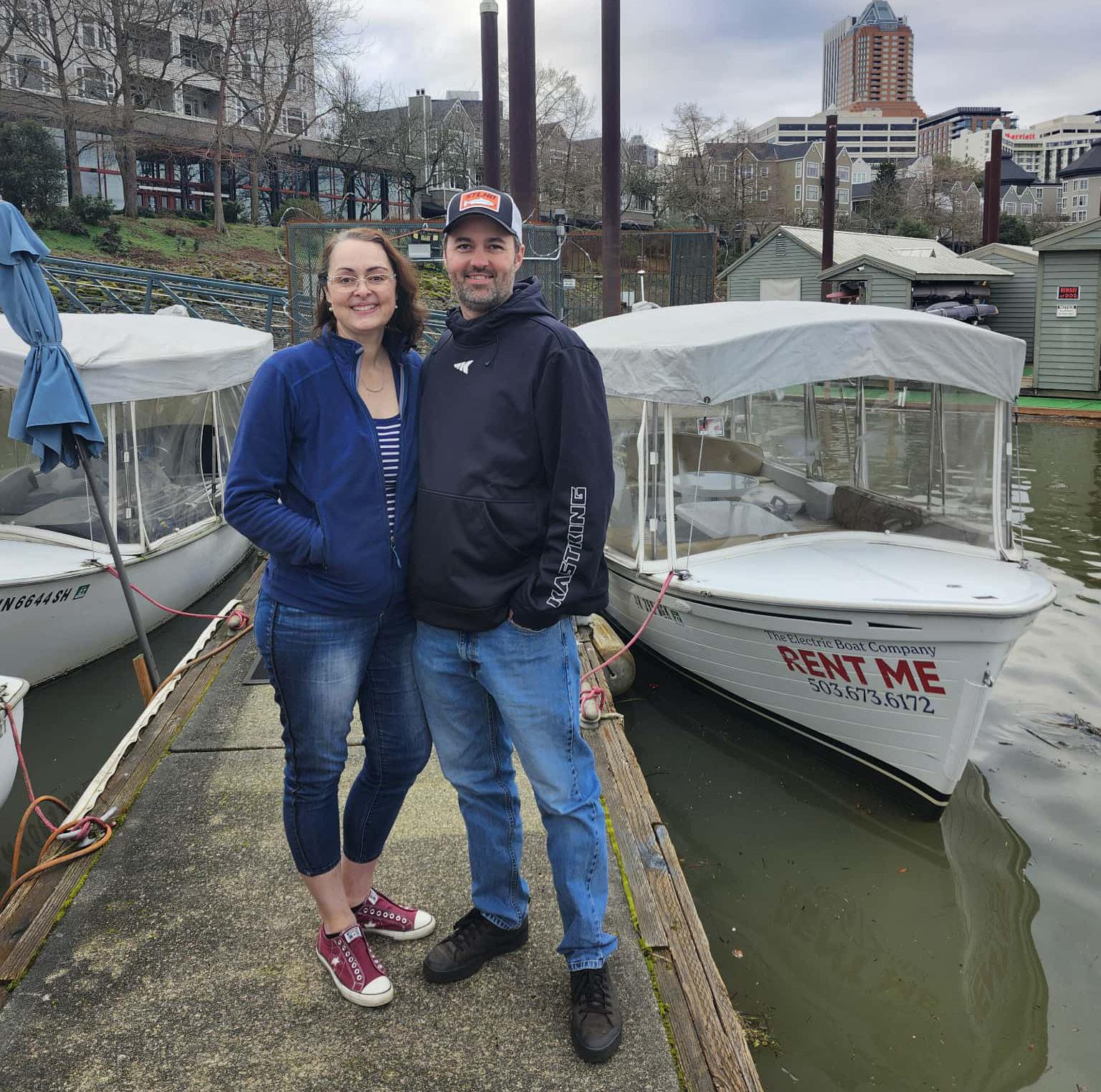
He Said: We decided to take an aquatic adventure this month and rented an E-boat. Not a yacht. Not a speed-boat. An electric boat. Top speed: 7 miles per hour. That's the speed of a motivated duck, by the way. I know this because a duck caught up to us trying to see if we had any food. We rented this speed demon from a local river boat company. They tossed some life jackets at us and gave some operational instructions, which were brief, because this boat had only a steering wheel and a lever for forward and reverse. The worker shoved us off the dock and I punched the accelerator forward, expecting the surge my electric car has in sport mode. Nope. We puttered out of the marina so slowly, Jen asked, "Are we moving?" "I think so," I responded. At this point I realized we were taking this floating motor couch onto a major river. I started having fears of being run over by a speed boat or an oil tanker. Technically, I was the captain. Did that mean I had to go down with the ship if we sank? Thankfully, the river was empty except for a few yacht tubs (a hot tub boat). I wouldn't mind trying that next, Green Living... wink wink. We cruised around taking in the sights from a perspective rarely seen, and it was lovely. The time clicked by quickly and soon I had to dock this pig. Now, with a regular boat, you usually have a loud motor that drowns out the people on the dock saying, "Hey, that guy has no idea what he's doing!" Not with an electric boat, though. After multiple humiliating attempts, I managed to line our boat up with the dock and get it tied on... phew! A small child on the pier gave me a thumbs up in the way one encourages a toddler who has successfully used a spoon. And yet, as I stepped off the boat, hair mildly wind-swept (from our blistering duck-speed), I felt oddly triumphant. Would I rent one again? Absolutely. Not because I mastered it — I did not — but because for two gentle, humming hours, I experienced the rare luxury of moving slowly on purpose.
Aye, Aye, Captain!
A great way to honor Earth Day this month is to find a more eco-friendly way to do things that you already do. It could be something simple — like swapping out your old incandescent light bulbs (they DO still exist) for LEDs or favoring nontoxic laundry detergent sheets over liquid detergents in bulky plastic containers. But maybe you've done all that and want to up your game. Well, you could gather your family or friends and have a "green" outing, like renting an electric boat! Obviously, a sail boat would be the best Earth-friendly option here, but since neither of us know how to sail, we decided to captain a little battery operated vessel and take a serene tour on the river.
She Said: I know power boats are very fun and exciting, but they blast gross exhaust into the water and the air. And who wants to lose their hats, sunglasses, and a perfectly aligned spine anyway? We enjoyed a much calmer boating experience on an electric 10-seater vessel. It felt weird to be handed a boat when I have no experience being a captain, other than in video games! But after a quick intro, we were off and it was clear that steering would be a piece of cake, especially at a top speed of 7 miles per hour. It was fun to see the city from a different perspective, especially floating underneath bridges. Sure, we got a great look at the architecture, graffiti, and bird poo, but it was fascinating how the cars driving above sounded oddly like thunder! We had fun waving enthusiastically at boats cruising by and had plenty of giggles as we tootled around, often spinning donuts until dizzy. This little boat had a party vibe to it and is best suited for sharing with friends or family. Plenty of seating, a couple of tables and cup holders, and a bluetooth speaker lend themselves to a good time. And yes, of course we played sea shanties and talked like pirates! How could we not? We really enjoyed this adventure and recommend anyone to try it out. There's just something about being out on the water. It's relaxing, especially if you're on a craft that is quiet. ‘Tis Captain Jen — fare thee well, me hearties — ‘till we cross paths again!
GREENScenes
Upcoming Events Throughout Arizona
April
22
Celebrating 35 Years of Conservation
Celebrate the spirit of Earth Day with the Desert Foothills Land Trust at an evening devoted to protecting the Sonoran Desert. Guests gather for a festive dinner, lively music, and a silent auction featuring works by talented local artists. The night honors decades of conservation success while bringing the community together to champion the beauty, wildlife, and wild landscapes that make Arizona’s desert foothills so extraordinary. $250 ($150 tax-deductible), includes dinner. 5 p.m. to 8 p.m., Sanderson Lincoln Pavilion, 101 Easy Street, Carefree.
April 22
Earth Day Stadium Walk 2026
Celebrate sustainability in motion at ASU’s Mountain America Stadium on the Coca-Cola Sun Deck. Participants circle the stadium in a symbolic three-lap walk honoring the environmental, economic, and social pillars of sustainability. Along the way, explore booths from community partners, enjoy light snacks, play games, and gather fresh ideas for weaving greener habits into everyday life. Free. 9 a.m. to 11:30 a.m., 500 E. Veterans Way, Tempe.
April
23
Sunsets and Sips!
Revel in a golden-hour evening at Taliesin West that celebrates the spirit of travel and the open road. Wander through Frank Lloyd Wright’s desert camp as vintage images and rare film clips bring early road adventures to life. Enjoy live music, scenic
CENTRAL ARIZONA
April 23
The Future of Sustainability in Arizona
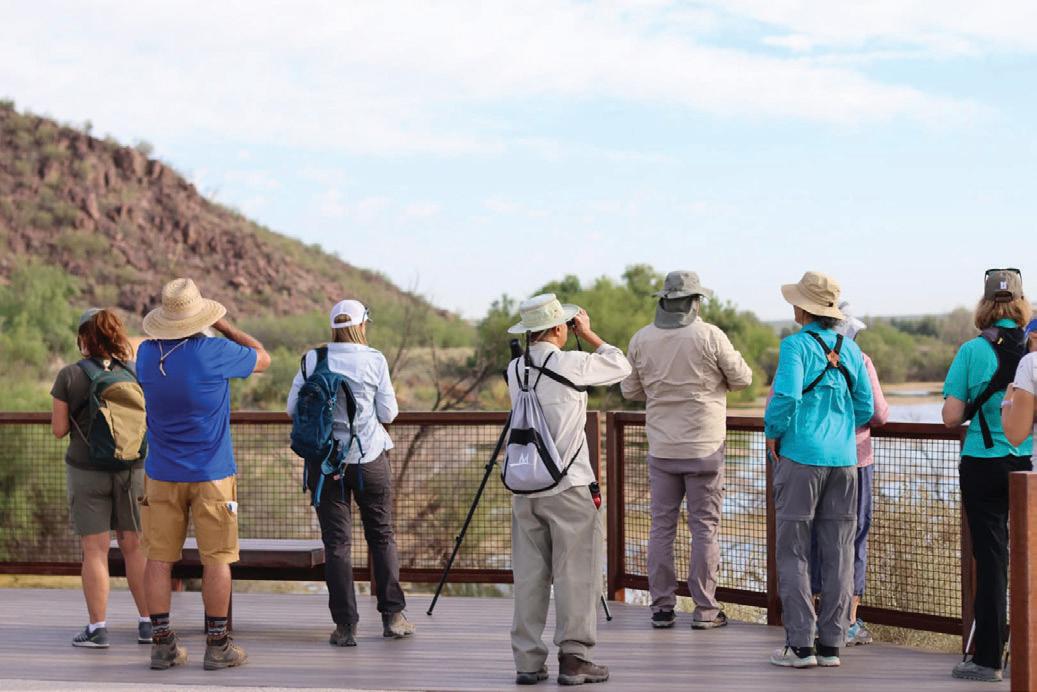
Save the date for an inspiring gathering focused on the path forward for sustainability in Arizona. Visionary leaders, innovators, and community changemakers will come together to share ideas, spark conversation, and explore solutions shaping the state’s future. Expect thoughtful dialogue, fresh perspectives, and meaningful connections that celebrate progress while imagining bold possibilities for a thriving desert region. 11:15 a.m. to 4 p.m., Nina Mason Pulliam Rio Salado Audubon Center, 3131 S. Central Avenue, Phoenix.
sunset strolls, and a relaxed outdoor atmosphere with drinks and light bites — an inviting way to toast design, history, and Arizona’s desert beauty. Adults $35, under 21 $20, 5 p.m. to 8 p.m., Frank Lloyd Wright’s Taliesin West, 12621 N. Frank Lloyd Wright Boulevard, Scottsdale.
April 25
Sustainability Fest
Discover a full day of hands-on inspiration for living more sustainably at Arizona Science Center. Explore interactive exhibits and activities on composting, recycling, seed germination, and reducing your carbon footprint. Meet local sustainability partners, experiment with earth-friendly ideas, and spark curiosity about our changing planet — an engaging outing for families, curious minds, and anyone eager to live a little greener. Activities are free with ASC admission; Adults $33.95; Students/Military/Seniors $20.95; Children 17 and under $16.95. 10:30 a.m. to 4 p.m., 600 E. Washington Street, Phoenix.
April
26
Wish Tree Earth Day
Celebrate community and care for wildlife at Liberty Wildlife during a joyful spring gathering inspired by a beloved children’s book. Visitors add heartfelt wishes to a mesquite tree, meet animal ambassadors, and enjoy a thrilling flight demonstration. Guests may even have the chance to help release rehabilitated birds — an uplifting moment that reminds everyone how small actions can help nature soar. Free. 10 a.m. to 1 p.m., 2600 E. Elwood Street, Phoenix.
NORTHERN ARIZONA
April 18
Earth Day Celebration at Red Rock
Celebrate Earth Day surrounded by Sedona’s breathtaking red rocks with a lively day of nature-inspired discovery. Enjoy wildlife presentations, guided hikes, hands-on kids crafts, and interactive booths from community partners sharing ways to protect our planet. Explore games, prizes, and outdoor learning while connecting with the plants, animals, and landscapes that make this desert region so extraordinary. Free. 10 a.m. to 2 p.m., Red Rock State Park, 4050 Red Rock Loop Road, Sedona.
April
23-26
Sedona Yoga Festival
Immerse yourself in a soulful gathering of movement, wisdom, and community set against Sedona’s legendary red rocks. This multi-day conference invites participants to explore yoga, Ayurveda, meditation, metaphysics, and sound healing alongside inspiring keynotes and outdoor excursions. With classes for every level, it’s a vibrant space to expand awareness, connect with like-minded seekers, and experience the desert landscape's powerful energy. Pass prices vary. To receive 15% off passes when registering, please use Green Living magazine promo code: GLAZ. Multiple venues, Sedona.
April
24-26
Becoming an Outdoors-Woman
Step into a welcoming weekend hosted by the Arizona Wildlife Federation, designed to spark confidence and curiosity in the outdoors. Women gather in the pines to explore skills from plant identification and fly fishing to archery, map reading, and kayaking. Choose hands-on workshops led by passionate experts, share meals in cozy cabins, and enjoy evening adventures such as bird walks, yoga, and wild game tastings, all while making new friends along the way. The $425 fee is all inclusive. Friday through Sunday. Friendly Pines Camp, 933 E. Friendly Pines Road, Prescott.
SOUTHERN ARIZONA
April 9-12
Agave Heritage Festival
Explore the remarkable world of agave at a lively celebration of borderlands culture, sustainability, and desert traditions. Discover seminars, tastings, culinary experiences, art, and field excursions that highlight the agave plant’s deep roots in regional history. With expert speakers and creative events throughout Tucson, it’s a spirited way to savor culture, flavor, and the desert's resilience. Ticket prices, dates, times, and locations across Tucson vary.
April 10
Surviving Summers in Territorial Tucson Before AC - Lecture Series
Step back into Tucson’s early days with guest lecturer Ken Scoville and discover how desert residents stayed cool long before air conditioning. Through stories of thick adobe homes, shade trees, outdoor sleeping, and evening business hours, this engaging talk reveals the ingenuity that helped a growing desert town thrive in intense heat. It’s a fascinating glimpse into resilience, adaptation, and the creative spirit of the Old Pueblo. Tickets are $25. 2 p.m. to 3 p.m., Tucson Auto Museum, 4825 N. Sabino Canyon Road, Tucson.
April 18
Native Nations Day
Experience the living cultures of the Southwest at Presidio San Agustín del Tucson Museum during a vibrant celebration of Indigenous heritage. Enjoy traditional Deer and Basket Dance performances, cultural presentations, and hands-on demonstrations such as flintknapping and basket weaving. Visitors can also savor frybread and browse art by local Indigenous makers while honoring thousands of years of history in southern Arizona. General admission adults $9; children 6-13 $6; free for museum members and children 5 and under.
10 a.m. to 3 p.m., 196 N. Court Avenue, Tucson.
Uncertainty is just the flip side of opportunity
The markets are inherently volatile. It’s in their nature, whether in response to world events, rising inflation, or a change in interest rates. But sometimes that volatility can work to your advantage.
Reviewing your investment strategy and altering it, if necessary, can help you weather economic uncertainty and keep you on track to achieving your objectives.
Contact us today. We can help keep your goals in focus, no matter what mood the markets are in.