
Cancer Breast awareness
This October, let’s unite for early detection and support for all fighters. Together, we’re stronger!
Early Detection Saves Lives

Supporting The Fighters, Admiring The Survivors, & Honoring The Taken
Breast Cancer Awareness Month: What to know about your mammogram
EDITOR’S NOTE: Deborah Vaughn, RN, MSN, is Chief Nursing Officer at Starr Regional Medical Center.
October is Breast Cancer Awareness Month – a time for all of us to acknowledge the impact breast cancer can have on our lives, and to learn about the ways we can keep ourselves healthy. Breast cancer is a health risk for many people, with one in eight women expected to develop the disease during her lifetime. Thankfully, breast cancer is very treatable – if detected early. For women who are at risk, scheduling screening mammograms on a regular basis is an essential part of managing your health.
This October, add Breast Cancer Awareness Month to your calendar, and ask your provider if it’s time for your mammogram. Here’s what you need to know about this potentially life-saving screening.
What is a mammogram?
A mammogram is a low-dose x-ray of your breast, designed to spot abnormalities that may be signs of cancer. Once it reaches a later stage, breast cancer might feel like a small, hard lump in your chest, but in early stages it may feel like nothing at all. By scheduling preventive screenings, you are more likely to detect breast cancer in these early stages, when treatments are most effective.
When should I get a mammogram?
Most women should get their first mammogram at age 40. After that, you should schedule a mammogram every one to two years, depending on your age, genetic histo-
ry, and other risk factors. Women who are at a higher risk of cancer should be screened each year, while women who are 55 or older may only need to get their mammogram every two years. Ask your primary care provider what screening schedule is right for you.
What happens during my mammogram?
When you arrive for your mammogram, you will undress from the waist up and change into a gown. Make sure not to wear any deodorants, lotions or perfumes on your upper body on the day of the exam, as these may interfere with the screening process.
A female technician will help you position your breasts one at a time between two plastic imaging plates. These plates will gently squeeze your breast, flattening the tissue as your technician takes x-ray pictures from multiple angles. This process will take 20 to 30 seconds. You may feel some discomfort, but it’s important to remain in this position as it allows for clearer images using less radiation.
Once your screening is complete, a radiologist will review your x-rays and send your doctor a report. If your doctor spots something unusual, they may request a second mammogram or a breast ultrasound. Remember: Most suspicious findings are not cancer. It’s common to get unusual findings after your first mammogram, because your doctor does not have previous images for comparison. Often, an unusual finding is just a spot of dense tissue or the



result of an unclear image. If this is your first mammogram, don’t worry! Some women feel concerned that the screening will be painful, but today’s medical equipment is designed to make your experience as comfortable as possible. Celebrate Breast Cancer Awareness Month by scheduling your mammogram this October, and know that you’re taking an important step in managing your breast health for the years to come.
To learn more about your risk for breast cancer, take our Health Risk Assessment at StarrRegional.com/mammo
To get connected to a provider, call 423374-6571or visit StarrRegional.com

Vaughn
BREAST CANCER AWARENESS | TREATMENT
Talking to Your Oncologist
Researchers have recently found effective communication makes a difference in whether a breast cancer patient survives.
A recent survey conducted among nearly 1,000 members of the Breastcancer.org community highlights the significant effect of communication quality on whether a patient adheres to the cancer treatments. According to the survey results, patients who perceived their providers as poor communicators were less likely to follow through with their prescribed treatment plans.
These findings were presented by Dr. Fumiko Chino, a radiation oncologist at Memorial Sloan Kettering Cancer Center, during the 2024 American Society of Clinical Oncology (ASCO) meeting.
SURVEY INSIGHTS
The survey revealed clear, empathetic communication is a cornerstone of effective patient-provider relationships. Dr. Chino emphasized that when patients feel misunderstood or inadequately informed, their trust in the medical team diminishes, leading to reduced compliance with treatment protocols. This non-adherence can have severe consequences,
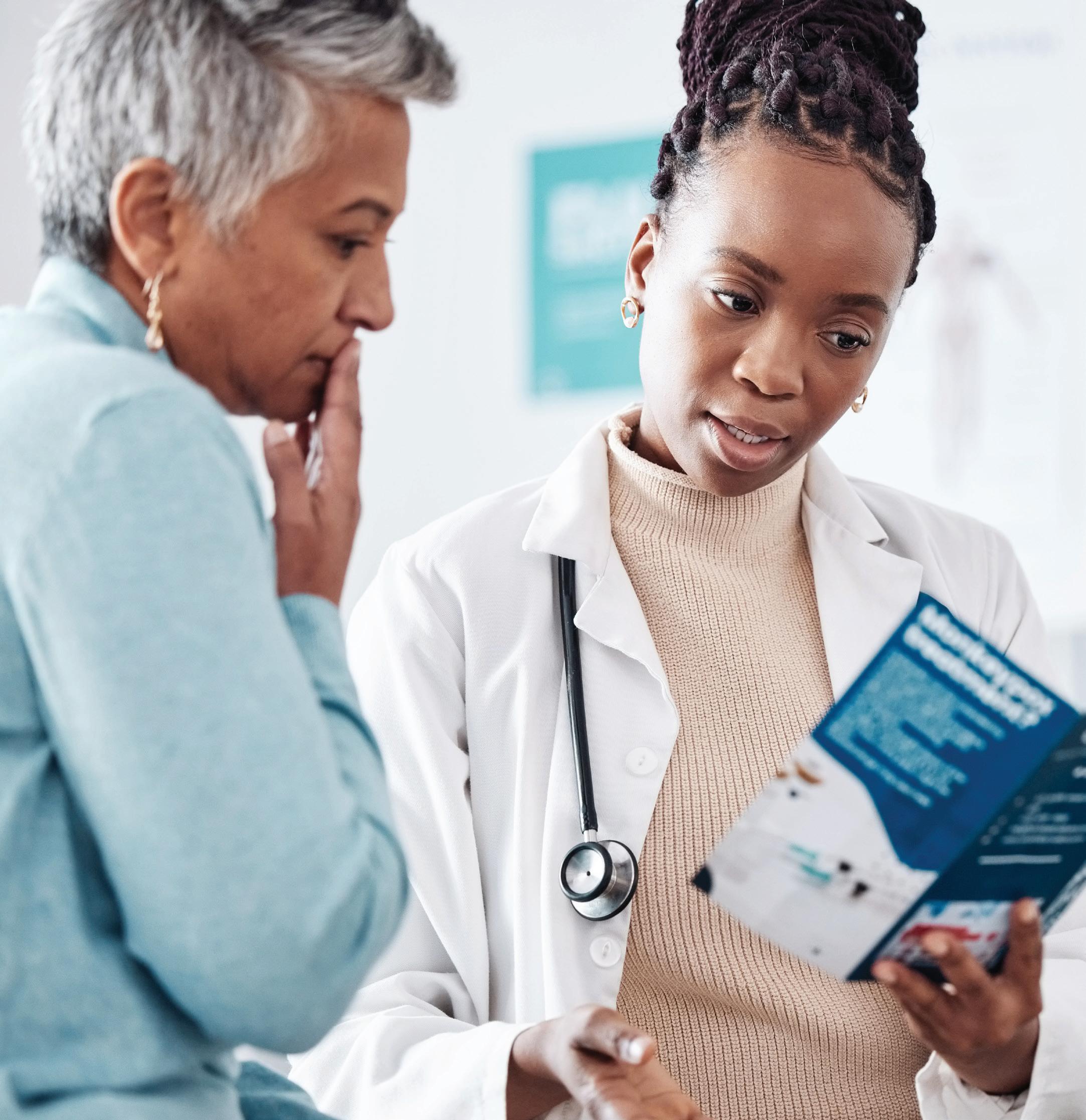
potentially affecting the prognosis and overall survival rates of breast cancer patients. Effective communication involves the transfer of information and the emotional support and understanding that patients need during their cancer journey.
Patients reported feeling
more confident and committed to their treatment plans when their oncologists took the time to explain their diagnosis, treatment options, potential side effects and expected outcomes comprehensively. Conversely, those who experienced rushed consultations
concerns before your appointments. This ensures all pertinent topics are addressed, and it helps keep the conversation focused and efficient.
Sharing fears, symptoms and side effects honestly allows oncologists to provide the best possible care. It’s essential to communicate openly about any difficulties in adhering to treatment plans.
Medical jargon can be confusing. Patients should feel empowered to ask their oncologists to explain complex terms or procedures in simpler language. Writing down important information or recording the conversation (with the oncologist’s permission) can help patients remember details and review them later.
Having a trusted friend or family member present can provide emotional support and help in understanding and recalling information discussed during the appointment. Patients should ensure they understand the next steps in their treatment plan before leaving the appointment. If instructions are unclear, they should ask for clarification.
or felt their concerns were dismissed were more likely to skip appointments, delay treatments or discontinue therapy altogether.
TIPS FOR IMPROVING COMMUNICATION WITH YOUR ONCOLOGIST
Make a list of questions and
Many health care providers offer online portals where patients can send messages, request prescription refills and access test results. These can be valuable tools for ongoing communication. Taking an active role in one’s conversations with oncologists can significantly improve one’s health care experience and outcomes.
BREAST CANCER AWARENESS | TREATMENTS
Effects on the Immune System
Breast cancer treatments are designed to target and destroy cancer cells, but they can also have significant effects on the body’s immune system.
Understanding these effects is crucial for managing side effects and maintaining overall health during and after treatment. Here’s a closer look at how common breast cancer treatments interact with the immune system.
CHEMOTHERAPY
Chemotherapy is one of the most widely used treatments for breast cancer. It targets rapidly dividing cells, a hallmark of cancer cells. However, chemotherapy does not discriminate between cancer cells and other rapidly dividing cells, such as those in the bone marrow, which produce white blood cells crucial for immune function.
Chemotherapy can significantly reduce the number of white blood cells, particularly neutrophils, leading to a condition called neutropenia. This makes patients more susceptible to infections. The body’s reduced ability to fight infections can result in prolonged fatigue and general weakness.
Patients should practice good hygiene, avoid large crowds and steer clear of sick individuals. In some cases,

doctors may prescribe growth factors to stimulate white blood cell production or antibiotics to prevent infections.
RADIATION THERAPY
Radiation therapy uses high-energy rays to target and kill cancer cells. While it is localized to the breast area, it can still affect the immune system, particularly if lymph

nodes are included in the treatment field.
Radiation can damage healthy cells in the treated area, leading to localized immunosuppression. Damage to the lymphatic system can lead to lymphedema, a condition characterized by swelling due to lymph fluid buildup, which can compromise local immune function.
Patients should take extra care of the skin in the treated area to prevent infections. Regular exercise, compression garments and manual lymphatic drainage can help manage lymphedema.
HORMONE THERAPY
Hormone therapies, such as tamoxifen or aromatase inhibitors, are used to treat
hormone receptor-positive breast cancer by blocking the effects of estrogen.
Hormone therapies generally have a less direct effect on the immune system compared to chemotherapy or radiation. However, they can still affect overall health and well-being, indirectly influencing immune function.
Some studies suggest that hormone therapy can slightly increase the risk of certain infections.
Regular check-ups can help monitor any side effects and manage them promptly. Maintaining a healthy diet, regular exercise and adequate sleep can support overall immune function.
TARGETED THERAPY AND IMMUNOTHERAPY
Targeted therapies, such as HER2 inhibitors, and immunotherapies, like checkpoint inhibitors, represent advanced treatment options that work by specifically targeting cancer cells or boosting the immune system to fight cancer.
Immunotherapies can enhance the immune system’s ability to recognize and destroy cancer cells. These therapies can sometimes lead to immune-related adverse effects, such as inflammation of healthy tissues.
Patients receiving these therapies require close monitoring for immune-related side effects. Early intervention for side effects, such as using corticosteroids for inflammation, can mitigate complications.
Our personalized approach includes screenings and preventive care, diagnosis and treatment, and guidance and access to resources throughout your cancer journey. Rest assured, the individualized care you need is right here. From the routine to the unforeseen, count on us.
© ADOBE STOCK
BREAST CANCER AWARENESS | BODY IMAGE
Wearing a Bathing Suit After Surgery
Breast cancer surgery, whether it involves a lumpectomy, mastectomy or reconstruction, brings about significant changes to a woman’s body.
These changes can make the thought of wearing a bathing suit seem daunting. However, with the right approach, finding and wearing a bathing suit after breast cancer surgery can be an empowering and positive experience. Keep in mind that even women who haven’t had breast cancer surgery feel self-conscious wearing a bathing suit.
UNDERSTANDING YOUR NEEDS
Depending on the type of surgery you’ve had, you may have different needs. For example, a mastectomy might require a suit with pockets for prostheses, while reconstruction might necessitate a specific fit to accommodate new contours. Understanding your unique needs is the first step in finding the perfect bathing suit.
Look for suits that offer good support and are comfortable. Soft fabrics, adjustable straps and higher necklines can provide additional comfort and coverage, which can be especially important if you have

scars or sensitive skin postsurgery.
SHOPPING FOR THE RIGHT BATHING SUIT
Numerous brands specialize in post-mastectomy swimwear, offering a range of stylish and functional options. Companies like Amoena, Anita, and Lands’ End have collections designed specifically for breast cancer survivors. These suits often feature built-in bras, pockets for prostheses, and higher cover-
age for scars.
“We can sew a pocket into any suit we sell at no charge,” said Rose Tabile, women’s active wear manager at Nordstrom’s department store in King of Prussia, Pennsylvania. Nordstrom stores also usually carry Amoena and It Figures suits. Consider custom-made bathing suits for the best fit. Some boutiques and online retailers offer tailored swimwear based on your measurements and specific
instead of having a reconstruction surgery, consider purchasing swim forms. Weighted forms are good for everyday use, but may be uncomfortable when swimming. Swim forms are options that are less dense and float better. They are made from clear silicone and can attach into the bathing suit with fabric tabs.
WEARING YOUR BATHING SUIT CONFIDENTLY
If you use breast prostheses, look for suits with built-in pockets. Swim forms are designed specifically for water use and can provide a natural look and feel. Ensure your prosthesis is secure and comfortable for active use. If you have visible scars, consider suits with higher necklines or stylish coverage options like tankinis or swim dresses. Rash guards and swim shirts can also provide additional coverage and UV protection.
needs. This can be particularly beneficial if standard sizes do not provide the desired fit or support.
If possible, try on several styles of swim suits to find what feels best. Many stores have knowledgeable staff who can assist you in finding a suit that meets your needs. If shopping online, check return policies to ensure you can try different options without commitment.
If you use breast forms
Remember, confidence comes from within. Focus on how you feel rather than how you look. Surround yourself with supportive friends and family, and choose swimwear that makes you feel comfortable and beautiful. Finding the right suit may take time, and your preferences might evolve as your body heals and changes. Be patient with yourself and the process.
Wearing a bathing suit after breast cancer surgery is a testament to your strength and resilience. Celebrate your journey and embrace this new chapter with pride.
BREAST
Managing Treatment Costs
Facing a breast cancer diagnosis is overwhelming both emotionally and financially.
Managing the costs of treatment is a crucial aspect of care.
Breastcancer.org warns the costs of breast cancer go beyond paying for medical procedures and medication. Other expenses include the transportation to and from a treatment center, child care while you are having a treatment and specialized diets. Some people may also be facing loss of income from taking time off work.
MANAGING HEALTH INSURANCE
Familiarize yourself with your health insurance policy. Know what is covered, including hospital stays, treatments, medications and diagnostic tests. Pay attention to co-pays, deductibles and out-of-pocket maximums. Using health care providers within your insurance network can significantly reduce costs. Verify that your oncologist, hospital and any specialists are in-network. Some treatments require pre-authorization from your insurance company. Ensure your health care provider obtains this approval before proceeding with treatments to avoid unexpected bills.

“We give patients the diagnosis codes, the procedure codes, and encourage them strongly to call their insurance company to see if they need any pre-certifications and pre-authorizations and for information about co-pays and deductibles,” said Annette Hargadon, CRNP, breast surgery specialist at the Lankenau Medical Center in Pennsylvania. Maintain detailed records of
all medical bills, insurance claims and correspondence. This can help track expenses and resolve disputes with insurance companies. Many hospitals and cancer treatment centers offer financial assistance programs.
These programs can help cover costs not paid by insurance, including co-pays and deductibles.

MANAGING COSTS WITHOUT INSURANCE
If you lack insurance, investigate available coverage options. Medicaid provides health coverage for low-income individuals, and the criteria vary by state. The Affordable Care Act (ACA) marketplace offers plans that may be subsidized based on your income. Numerous organizations
provide financial aid to breast cancer patients. The American Cancer Society, Susan G. Komen Foundation, and CancerCare offer grants and assistance programs to help cover treatment costs.
Many hospitals have financial aid programs for uninsured patients. These programs can reduce or even eliminate medical bills based on your financial situation. Participating in clinical trials can provide access to cutting-edge treatments at no cost. Clinical trials often cover the cost of medications and related health care expenses.
TIPS FOR LOWERING MEDICATION COSTS
Whenever possible, opt for generic medications instead of brand-name drugs. Generics are significantly cheaper and equally effective. Many pharmaceutical companies offer prescription assistance programs for patients who cannot afford their medications. Programs like the Partnership for Prescription Assistance can help you find these resources. Medication prices can vary widely between pharmacies. Use online tools like GoodRx to compare prices and find discounts. Doctors often have samples of medications. Ask your oncologist if they can provide samples to help reduce your costs.
If you take a medication regularly, ask your doctor to prescribe a 90-day supply. Many pharmacies offer discounts for buying in bulk.
BREAST CANCER AWARENESS | TERMINOLOGY
Understanding Pathology Reports
Receiving a breast cancer diagnosis is a challenging and emotional experience, and interpreting the pathology report can be daunting.
This critical document contains detailed information about the cancer, which guides treatment decisions.
KEY COMPONENTS
Patient information: This section includes your name, date of birth and medical record number to ensure the report is correctly matched to you.
Specimen information: Details about the tissue sample, such as where it was taken from (e.g., biopsy, lumpectomy, mastectomy), the date it was collected, and the type of procedure performed.
Diagnosis: This is the most crucial part of the report, providing the specific type and characteristics of the breast cancer.
DETAILED ANALYSIS
The pathology report will specify the type of breast cancer. The most common types are:
• Invasive ductal carcinoma (IDC): Cancer that starts in the milk ducts and invades surrounding tissue.

receive signals from these hormones to grow, and hormone therapy may be effective. HER2-positive cancers have higher levels of a protein that promotes cell growth and may respond to targeted therapies like trastuzumab (Herceptin). The Ki-67 marker indicates the proportion of cancer cells that are actively dividing. Higher Ki-67 levels suggest more aggressive cancer.
ADDITIONAL INFORMATION
Pathologist’s comments are detailed observations and any additional findings the pathologist considers important. The summary and recommendations section may include suggestions for further testing or treatment options based on the findings.
WHAT TO DO NEXT
Measured in centimeters, tumor size helps determine the stage of cancer. Generally, smaller tumors have a better prognosis. The tumor grade describes how much the cancer cells resemble normal cells under a microscope. The grade can be:
• Grade 1 (low): Cancer cells look somewhat like normal cells and tend to grow slowly.
• Grade 2 (intermediate): Cancer cells look more abnor-
• Invasive lobular carcinoma (ILC): Cancer that begins in the lobules (milk-producing glands) and spreads to nearby tissues.
mal and grow moderately.
• Grade 3 (high): Cancer cells look very different from normal cells and tend to grow quickly. Margins indicate whether cancer cells are present at the edges of the removed tissue.
• Negative (clear) margins: No cancer cells at the edges.
• Positive margins: Cancer cells are present at the edges, which might mean more surgery is needed.
Lymph node involvement indicates whether cancer has
spread to the lymph nodes.
Node-negative means no cancer in the lymph nodes. Node-positive indicates that cancer is present in the lymph nodes, indicating a higher likelihood that it has spread.
Tests to determine the presence of specific receptors on the cancer cells help discover the presence of estrogen receptors (ER), progesterone receptors (PR) and HER2 status. Positive ER and PR status means the cancer cells may
Your oncologist will explain the findings and how they affect your treatment plan. Don’t hesitate to ask questions or request clarifications. If you’re unsure about the report or recommended treatment, a second opinion can provide additional perspectives and reassurance.
Understanding your pathology report empowers you to make informed decisions about your treatment and care. By familiarizing yourself with its components and discussing the details with your healthcare team, you can navigate your diagnosis with greater confidence and clarity. Knowledge is power, and staying informed is a vital part of your journey.
A Promising Frontier
Immunotherapy
has emerged as a groundbreaking treatment for various types of cancer, including breast cancer.
Unlike traditional therapies such as chemotherapy and radiation, which directly target cancer cells, immunotherapy harnesses the body’s immune system to recognize and fight cancer. This innovative approach offers new hope for patients, especially those with advanced or treatment-resistant forms of the disease.
The immune system is the body’s natural defense mechanism, constantly patrolling for and eliminating foreign invaders like bacteria and viruses. Cancer cells, however, often develop ways to evade immune detection, allowing them to grow and spread unchecked. Immunotherapy enhances the immune system’s ability to detect and destroy cancer cells. This can be achieved through various mechanisms, including immune checkpoint inhibitors, which block proteins that prevent immune cells from attacking cancer.
FDA-APPROVED IMMUNOTHERAPY DRUGS
The FDA has approved two notable immunotherapy drugs for the treatment of breast

cancer: Jemperli (dostarlimab) and Keytruda (pembrolizumab).
Jemperli is an immune checkpoint inhibitor that targets the PD-1 receptor on immune cells. By blocking this receptor, Jemperli enhances the ability of the immune system to recognize and attack cancer cells. It is specifically approved for patients with mismatch repair-deficient (dMMR) or microsatellite instability-high (MSI-H) tumors, which are more likely to respond to immunotherapy. Specialized testing of the tumor tissue identifies these genetic markers.
Keytruda is another
immune checkpoint inhibitor that targets the PD-1/PD-L1 pathway, preventing cancer cells from evading immune detection. Keytruda has shown effectiveness in treating triple-negative breast cancer (TNBC), a particularly aggressive form of the disease. It is approved for use in combination with chemotherapy for patients whose tumors express the PD-L1 protein, as determined by an FDA-approved test. Keytruda is also approved for high-risk early-stage TNBC in combination with chemotherapy as neoadjuvant treatment and then continued as a single agent as adjuvant treatment after surgery.
DETERMINING WHETHER IMMUNOTHERAPY IS RIGHT FOR YOU
Determining whether immunotherapy is suitable for a breast cancer patient involves several factors:
Biomarker testing: The presence of specific biomarkers such as PD-L1 expression, dMMR, or MSI-H status can indicate a higher likelihood of response to immunotherapy. These biomarkers can be identified through tissue testing.
Type of breast cancer:
Immunotherapy has shown particular promise in treating certain subtypes of breast cancer, such as triple-negative breast cancer. The type and
stage of cancer play a crucial role in treatment decisions.
The patient’s treatment history, including previous responses to other therapies, can influence the decision to use immunotherapy. It is often considered for patients who have not responded to traditional treatments.
A patient’s overall health and ability to tolerate potential side effects are important considerations. Immunotherapy can cause immune-related side effects that need to be managed carefully. Consulting with a health care provider is essential to make an informed decision about whether immunotherapy is the right course of treatment.
Walking Can Reduce Fatigue
Fatigue is a common and debilitating side effect of chemotherapy for breast cancer patients.
Recent findings presented at the American Society of Clinical Oncology (ASCO), however, reveal a promising strategy for mitigating this issue: Walking.
According to the study, women undergoing chemotherapy for early stage breast cancer who engaged in low to moderate-intensity walking experienced significantly less fatigue.
The study focused on women who walked at a low intensity (less than 2.5 mph) for 2.5 to 4 hours per week or at a moderate intensity (2.6–4.5 mph) for about 1 to 2.5 hours per week. Remarkably, these women were 43% more likely to report reduced fatigue compared to those who did not engage in regular walking.
THE CHALLENGE OF EXERCISE DURING CHEMOTHERAPY
Exercise is widely recommended to help alleviate fatigue among cancer patients. The standard guidelines suggest 150 minutes of moderate-intensity or 75 minutes of vigorous-intensity exercise per week. However, meeting these recommendations can be particularly challenging for individuals undergoing chemotherapy due


to the physical and emotional toll of the treatment.
The study’s findings demonstrate that even low-intensity exercise can make a substantial difference in managing fatigue. The women in the study did not need to engage in strenuous activities to experience benefits. Simply walking at a leisurely pace for a few hours a week was enough to improve their energy levels and overall well-being.
For women receiving chemotherapy, these results
provide a more attainable exercise goal. The prospect of engaging in vigorous physical activity can be daunting, but knowing that lower-intensity walking can also be effective might encourage more patients to incorporate this manageable form of exercise into their routines.
TIPS FOR INCORPORATING WALKING INTO YOUR ROUTINE
Begin with short walks and gradually increase the duration
as you feel more comfortable. Even 10 minutes a day can make a difference. Aim for a cumulative total of 2.5 to 4 hours of walking each week at a pace that feels comfortable to you. You don’t need to reach this goal immediately; work up to it over time.
Having a friend or family member join you can make walking more enjoyable and provide additional motivation. Pay attention to how you feel during and after walking. If you experience any pain or excessive fatigue, reduce the
intensity or duration of your walks. Consistency is key. Incorporate walking into your daily routine, whether it’s a stroll around your neighborhood, a walk in the park or even laps around your house. Mix up your walking routes to keep things interesting. Exploring new paths or parks can make your walks more enjoyable. Consult your health care providers before starting any new exercise regimen to ensure it is safe and appropriate for your individual circumstances.
What to know about breast cancer recurrence
Millions of women across the globe are survivors of breast cancer. Those women serve as inspiration to millions more individuals, even as they bravely live with the threat of recurrence.
The Cleveland Clinic notes that most local recurrences of breast cancer occur within five years of a lumpectomy, which is a common breast cancer treatment during which cancer cells and a small margin of healthy breast tissue are removed. Even if recurrence is unlikely and/or beyond a woman’s control, the lingering notion that breast cancer return at any moment can be difficult to confront. Learning about recurrence could calm the nerves of breast cancer survivors and their families.
Defining recurrence
A second diagnosis of breast cancer does not necessarily mean women are experiencing a recurrence. The Cleveland Clinic notes that breast cancer that develops in the opposite breast that was not treated and does not appear anywhere else in the body is not the same thing as recurrence. Recurrence occurs when the cancer is detected in the same breast in which the disease was initially detected. Breastcancer.org notes that cancer found in the opposite breast is likely not a recurrence. How recurrence happens
Treatment for breast cancer is often very successful, particularly in patients whose cancer was discovered early. Recurrence can happen when single cancer cells or groups of cancer cells are left


behind after surgery. Breastcancer. org notes that tests for cancer cannot detect if single cancer cells or small groups of cells are still present after surgery, and a single cell that survives post-surgery rounds of radiation therapy and chemotherapy can multiply and ultimately become a tumor.
Types of breast cancer recurrence
There are different types of breast cancer recurrence, including:
• Local recurrence: The Cleveland Clinic notes that a local recurrence diagnosis indicates the cancer has returned to the same breast or chest area as the original tumor.
• Regional recurrence: A regional recurrence means the cancer has
come back near the original tumor, in lymph nodes in the armpit or collarbone area.
• Distant recurrence: A distant recurrence indicates the breast cancer has spread away from the original tumor. The Cleveland Clinic notes this is often referred to as stage 4 breast cancer. This diagnosis indicates the tumor has spread to the lungs, bones, brain, or other parts of the body.
The risk of recurrence
Johns Hopkins Medicine notes that certain variables unique to each individual affect the risk of breast cancer recurrence. This is an important distinction, as women who have survived breast cancer but are concerned about recurrence should know that they will not necessarily experience one,
even if a first-degree relative or friend did. The type of cancer and its stage at diagnosis can elevate risk, which also is highest during the first few years after treatment.
The Cleveland Clinic notes that women who develop breast cancer before age 35, which is uncommon, are more likely to experience a recurrence. In addition, women diagnosed with later stage breast cancers or rare forms of the disease, including inflammatory breast cancer, are more likely, though not guaranteed, to experience a recurrence.
The fear of breast cancer recurrence can be tough for survivors of the disease to confront. Sharing concerns with family members and a cancer care team could help survivors overcome their fears.
Help Reduce Your Breast Cancer Risk
Many
Breast cancer treatments can affect immune system
Treatment for breast cancer is highly effective.
Five-year survival rates for breast cancer have increased dramatically in recent decades and much of that success can be credited to cancer researchers and campaigns designed to inform women about the importance of screenings.
Breast cancer is highly treatable, but treatment typically leads to some unwanted side effects. According to Johns Hopkins Medicine, women undergoing treatment for breast cancer may experience a host of side effects, including fatigue, pain, headaches and dental issues.
Cancer treatments, most notably chemotherapy, also can take a toll on women’s immune systems.
Why does chemotherapy affect the immune system?
Cancer is caused by an uncontrolled division of abnormal cells in the body. According to Breastcancer.org, chemotherapy targets these abnormal cells, but also can affect fast-growing cells that are healthy and normal.
So chemotherapy can damage cells throughout the body, including those in bone marrow. When bone marrow is damaged, it’s less capable of producing sufficient red blood cells, white blood cells and platelets.
Breastcancer.org notes that the body is more vulnerable to infection when it does not have enough white blood cells.
Does chemotherapy always weaken the immune system?
The effects of chemotherapy on the immune system depend on various factors. According to Breastcancer.org, a patient’s age and overall health may influence the effects of chemotherapy on their immune systems.
Young, healthy patients may be less vulnerable to infections from weakened immune systems than aging, less healthy patients. However, Susan G. Komen notes that the median age for breast cancer diagnosis in the


United States is 63, so many patients are likely to be affected by the impact that treatment can have on their immune systems.
The length of treatment and amount of medicines patients receive also can affect the impact of chemotherapy on patients’ immune systems. Breastcancer.org notes that being administered two or more chemotherapy medicines at once is more likely to affect the immune system than just one medication.
Other treatments
Chemotherapy is not the only treatment that can affect breast cancer patients’ immune systems. The Cancer Treatment Centers of America® notes that surgery, radiation, CAR T-cell therapy, stem cell transplants and even immunotherapy can affect the immune sys -
Surgery can overtax the immune system and compromise its ability to prevent infections and heal wounds caused by the procedure. Like chemotherapy, radiation therapy can damage healthy cells and lead to an increased risk of infection.
And while immunotherapy is designed to boost the immune system by helping it recognize and attack cells more effectively, it also can lead to an overactive immune system that attacks healthy cells.
Cancer treatment is often highly effective. However, patients may need to work with their physicians to combat treatment side effects that can adversely affect their immune systems.
tem.
Advanced screenings for total breast health.

LiveLiFeHealthiest Your LiveLiFe
October is Breast Cancer Awareness Month – the perfect time for all women to think about their breast health. We’re here with the care you need, o ering 3D mammography for early breast cancer detection. A 3D mammogram scans from multiple angles, detecting signs of cancer that might be invisible to traditional screening. And it’s not just mammograms – our commitment to your breast health includes breast MRI, ultrasound, biopsies and more.
This October, get the screenings you need so you can live your healthiest life.