
A Salute to Agriculture
Agriculture has strong effect on economic development
FROM METRO CREATIVE GRAPHICS
Though it’s easy to look at the tech industry and think this increasingly influential sector is what makes the world go round, something closer to the very core of the Earth may be what’s driving your economy.
The agricultural sector plays a strategic role in a nation’s economic development and prosperity. From the earliest days, agriculture has been heralded as playing a crucial role in North American culture. Farmers who grow produce and raise livestock for meats and other products have long exemplified what it means to work hard and take initiatives to be self-sufficient.
The symbiotic nature of agriculture and the economy is noticeable when examining the ups and downs of each. This is because food production and the potential of agriculture extends beyond the fields and local food stands. These resources impact supply chains and other markets. A strong agriculture base influences other employment sectors like food manufacturing, biotechnology, hospitality, machinery building, and much more, while a weak agriculture can adversely affect those sectors.
While it can be difficult for residents of developed nations to visualize agriculture’s effect, one only needs to turn to impoverished and developing nations to
see just how big an impact agriculture can have on an economy. Agriculture provides food and raw materials, eventually creating demand for goods produced in nonagricultural sectors. Also, food provides nutrition that can serve as the foundation of a healthy nation. Earning a living in agriculture strengthens purchasing power, which fuels other markets. Eventually, farming can pave the way for development, including roads, markets, shipping services, exporting, and many other sectors.
Agriculture is an important economic building block. An especially important sector, the agricultural industry, when supported, can contribute greatly to sustained economic growth.







A quick look at Tennessee farming
The USDA Census of Agriculture for 2022 was released on Feb. 13, 2024, and provides some interesting observations regarding a changing agriculture in Tennessee. While the number of farms and the land in farms across the state declined from 2017 to 2022, the value of agriculture production as well as the overall impact of agriculture in communities across the state showed growth.
The number of farms decreased from 69,983 in 2017 to 63,105 in 2022. The acreage also declined from 10,874,238 acres in 2017 to 10,732,951 in 2022.
Market value of agricultural products sold increased from $3,798,934,000 in 2017 to $5,161,034,000 in 2022.
However, total farm production expenses also climbed, up to $4,421,208,000 in 2022 from $3,360,912,000 in 2017.
Greene County is the top county in Tennessee in the number of farms with 2,344. Finishing out the top 10 were: Giles (1,457), Lincoln (1,450), Wilson (1,443), Maury (1,442), Bedford (1,357), Washington (1,288), Hawkins (1,283), Rutherford (1,270), and Sumner (1,248).
The top 10 Tennessee counties in the number of farms with sales direct to consumers were: Greene (96), Blount (92), Wilson (87), Rutherford (79), Maury (78), Knox (77), Cumberland (74), Lincoln (68), Sullivan (65), and Marshall (62).
McMinn County made the top 10 Tennessee counties in the value of agritourism and recreational sales with $535,000.
There was a 99.6% increase in the value of food sold directly to retail markets and food hubs for local/regionally branded products in the state, jumping from $30,163,000 in 2017 to $60,204,000 in 2022. The number of farms with food sold directly to retail markets and food hubs for local/regionally branded products also saw a 164.4% increase, climbing from 458 in 2017 to 1,211 in 2022.
In 2022, 1,770 farms were used for vegetables and vegetables for sale, covering 19,571 acres.
Of all the farms in Tennessee, the following number grew these vegetables in 2022:
Asparagus- 79 farms
Lima beans- 51 farms
Snap beans- 610 farms
Beets- 127 farms
Broccoli- 147 farms
Brussel sprouts- 35 farms
Cabbage (Chinese)- 77 farms
Cabbage (head)- 210 farms
Cabbage (mustard)- 22 farms
Cantaloupes and muskmelons- 202 farms
Carrots- 153 farms
Cauliflower- 49 farms
Celery- 34 farms
Collards- 97 farms
Cucumbers and pickles- 481 farms
Eggplant- 106 farms
Garlic- 160 farms
Gourds- 53 farms
Herbs- 151 farms
Honeydew melons- 25 farms
Horseradish- 4 farms
Kale- 170 farms
Lettuce (all)- 240 farms
Lettuce (head)- 81 farms
Lettuce (leaf)- 181 farms
Lettuce (Romain)- 75 farms
Mustard greens- 124 farms
Okra- 427 farms
Onions (dry)- 154 farms
Onions (green)- 207 farms
Parsley- 59 farms
Peas (sugar and snow)- 69 farms
Peas (green)- 102 farms
Peas (southern, cowpeas, blackeye, crowder)- 173 farms
Peppers (bell, excluding pimentos)- 497 farms
Peppers (other)- 339 farms
Potatoes- 505 farms
Pumpkins- 301 farms
Radishes- 132 farms
Rhubarb- 9 farms
Spinach- 116 farms
Squash (including zucchini)- 454 farms
Sweet corn- 605 farms
Sweet potatoes- 214 farms
Tomatoes (open ground)- 895 farms
Turnip greens- 169 farms
Turnips- 106 farms
Watermelons- 376 farms
Of all the farms in Tennessee, the following number grew these selected orchard, fruit, nut and berry crops in 2022:
Noncitrus fruits (all)- 1,392 farms
Apples- 825 farms
Apricots- 59 farms
Avocados- 2 farms
Cherries (sweet)- 92 farms
Cherries (tart)- 86 farms
Figs- 139 farms
Grapes (including muscadines)- 472 farms
Kiwifruit- 8 farms
Nectarines- 42 farms
Olives- 2 farms
Pawpaws- 62 farms
Peaches (all)- 523 farms
Pears (all)- 452 farms
Persimmons- 145 farms
Plumcots, pluots and other plum-apricot hybrids- 12 farms
Plums and prunes- 215 farms
Plums- 215 farms
Nuts (all)- 472 farms
Almonds- 9 farms
Chestnuts- 160 farms
Hazelnuts- 54 farms
Pecans- 269 farms
Walnuts (English)- 108 farms
Blackberries- 490 farms
Blueberries- 737 farms
Elderberries- 92 farms
Raspberries- 158 farms
Strawberries- 166 farms
Of the farms in Tennessee, the following number grew floriculture and other specialty crops in 2022:
Bedding/garden plants- 384 farms
Cut flowers and cut florist greens- 182 farms
Foliage plants- 71 farms
Potted flower plants- 182 farms
Hemp- 12 farms
Tobacco transplants- 10 farms
Vegetable transplants- 85 farms
Total greenhouse vegetables and herbs227 farms
Greenhouse tomatoes- 172 farms
Mushrooms- 36 farms
Cultivated Christmas trees- 214 farms
Christmas trees (cut)- 73 farms
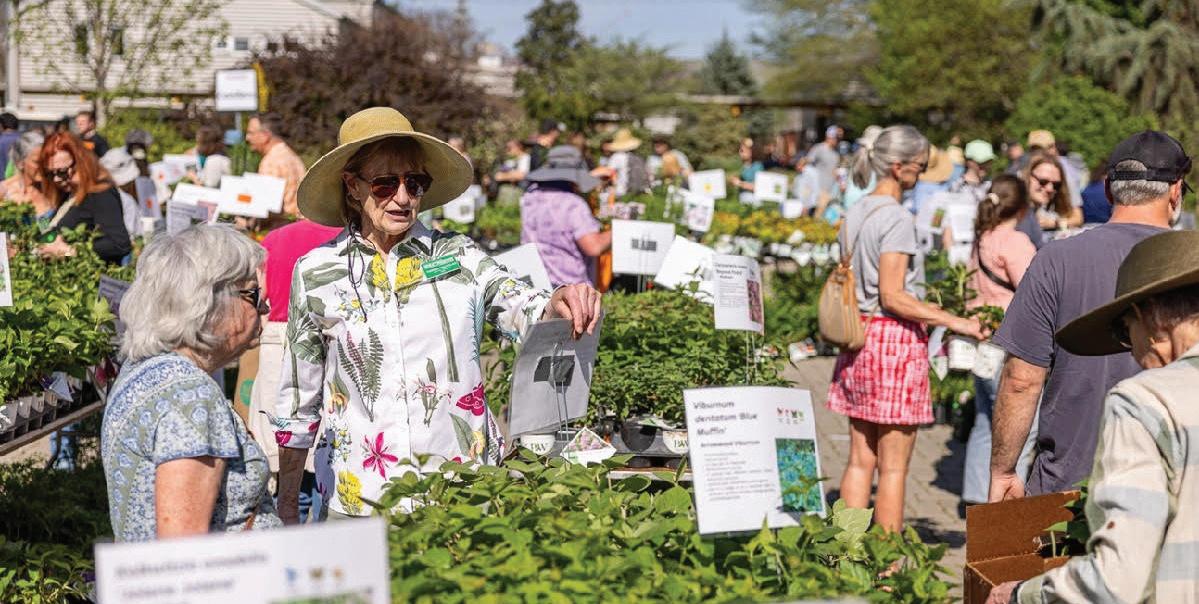
UT Gardens Spectacular Spring Plant Sale is April 11
Fill your garden with exceptional plants from the University of Tennessee Gardens Spectacular Spring Plant Sale. Thousands of thoughtfully curated plants will be available for purchase on Saturday, April 11, from 9 a.m. to 2 p.m. The sale will include a wide array of edible plants, shade-loving plants, native perennial flowers, woody shrubs, tropicals and more.
Several selections will be highlighted at the featured plant tent this year including an annual herb, an incredible selection of heirloom tomatoes, a flowering shrub and a unique herbaceous perennial.
• Herb and flower lovers alike will delight in six different varieties of gomphrena. The cheerfully colored spherical flowers on this warm-season herb can be grown simply for beauty or saved as a dried flower to add a light floral flavor and an attractive tint to herbal tea blends. Choose from plants that bloom true red, deep pink, light pink, two-tone pink and white, orange or pure white.
• Heirloom tomato fans take note: more than 25 distinct strains of tomatoes including many with historical ties to Tennessee, will be on sale.
• The featured flowering shrub is called deutzia. This small, easy-to-grow, mounding shrub grows to about 4 feet tall and wide and boasts an amazing display of spring blooms. Take your pick from ‘Yuki Kabuki’ with pink flowers or ‘Snowflake’ with white flowers, and enjoy the handsome glossy foliage on both.
• The final specially presented plant will be a cultivar of the regionally native Carolina phlox known as Phlox carolina ‘Kim’. This gorgeous, pink, early summer bloomer is renowned for its sturdy, handsome appearance and excellent resistance to powdery mildew.
As always, professional horticulture staff and Tennessee Master Gardeners will be available to answer questions and provide

design advice.
The UT Gardens, Knoxville, is located on the UT Institute of Agriculture campus at Neyland and Jacob Drives. For a listing and prices of the huge selection of plants on sale or to a become a member, visit utgardens.tennessee.edu/locations/Knoxville.
The University of Tennessee Institute
of Agriculture is comprised of the Herbert College of Agriculture, UT College of Veterinary Medicine, UT AgResearch and UT Extension. Through its land-grant mission of teaching, research and outreach, the Institute touches lives and provides Real. Life. Solutions. to Tennesseans and beyond. utia.tennessee.edu.




Decades of Good Work and Good Cheese
BY ALFRED EZMAN alfred.ezman@news-herald.net
In 1987, John and Celia Harrison purchased interest in Sweetwater Valley Farms and its dairy business. They became the sole owners of the farm in 1992.
The farm is famous in Loudon County for its general dairy. And, in particular, it is known for cheese.
Sweetwater Valley Farm general manager Max Waibel recently talked to the Loudon County News-Herald about the cheese business and how much they produce on a yearly basis.
“Cheese gives us an opportunity to pull some milk out of the marketplace and put more value into it,” Waibel stated. “In 2025, we harvested nearly 70 million pounds and processed around six million pounds of it into cheese.”
Once the cheese is made, it is sold in a shop located next to the cheese processing plant that guests can visit. The main flavor that the shop sells is cheddar — both sharp and mild.
“A benefit of cheese is that it ages like wine or whiskey would,” Waibel said. “Mild cheese is younger. However, after several months, a longer-aged cheese can turn sharp for a different taste.”
HOW CHEESE IS HARVESTED AT SWEETWATER VALLEY FARMS
From January to August each year, Sweetwater Valley Farms harvests their milk for cheese in barns that contain hundreds of cows.
There are machines that do the milking of the cows known as Lely Astronaut Automatic Milking Robots. According to their website, Sweetwater Valley Farm is the home of Tennessee’s first Lely XL robotic facility.
A cow walks into the machine itself with tubes that attach to the udder’s teats and collect the milk.
“With the robots being used, a barn can have around two workers in it as opposed to a dozen or so,” Waibel said.
This makes milking less of a hassle
and sometimes more efficient for Sweetwater Valley Farms.
UPGRADES ON THE MILKING ROBOTS IN 2026
Waibel revealed a big renovation that Sweetwater Valley Farms is undergoing in 2026.
The farm is taking milking robots a step further and adding a rotary milking parlor to their farms. The rotary will replace the lely robots and our old conventional parlor. The rotary itself is not robotic but we will have some robotics in the building and lots of automation.
These machines are designed to milk dozens of cows at once. These new rotaries can make milking even more efficient as opposed to the Lely machines that are currently operating at Sweetwater Valley.
“We are super excited for those,” Waibel said, referencing the incoming rotaries.
THE SWEETWATER VALLEY FARM CAFE & FARM TOURS
Aside from the farm, milking and cheese processing itself, Sweetwater Valley Farms also has a cafe. From the lunchtime hours of 11 a.m. to 3 p.m., guests can visit the cafe when it is open Tuesday through Saturday.
The cafe’s menu features upgraded
grilled cheese sandwiches, milkshakes and coffee. The cheese and milk in the food comes straight from the farm itself.
Waibel’s wife played a big role in the cafe’s opening in the fall of 2019. He talked more about the value it provides to Sweetwater Valley Farms.
“People like coming here and spending time at the farm,” Waibel said. “So
we needed to find more ways to sell our product to them. The cafe is a great way to do that in addition to the cheese shop by the plant.”
Guests can also take one-hour guided tours with a professional guide.
Tours of the farm are $16 for adults, $10 for children between the ages of three and eleven, and free for children who are two years old and younger.
People can walk through the different features of the farm and take a look at the history of Sweetwater Valley Farm and even look at the dairy and cheese-making process.
Waibel talked about why the tours are important and the variety of different people who attend them.
“We believe it is important for our community to understand what we do as a dairy farm,” Waibel said. “So, we open up parts of our farm and show it.
“We get a variety of people visiting — (all the way) from other dairy farmers to people who have never seen a cow before.”
For more information on Sweetwater Valley Farms, you can visit sweetwatervalley.com.
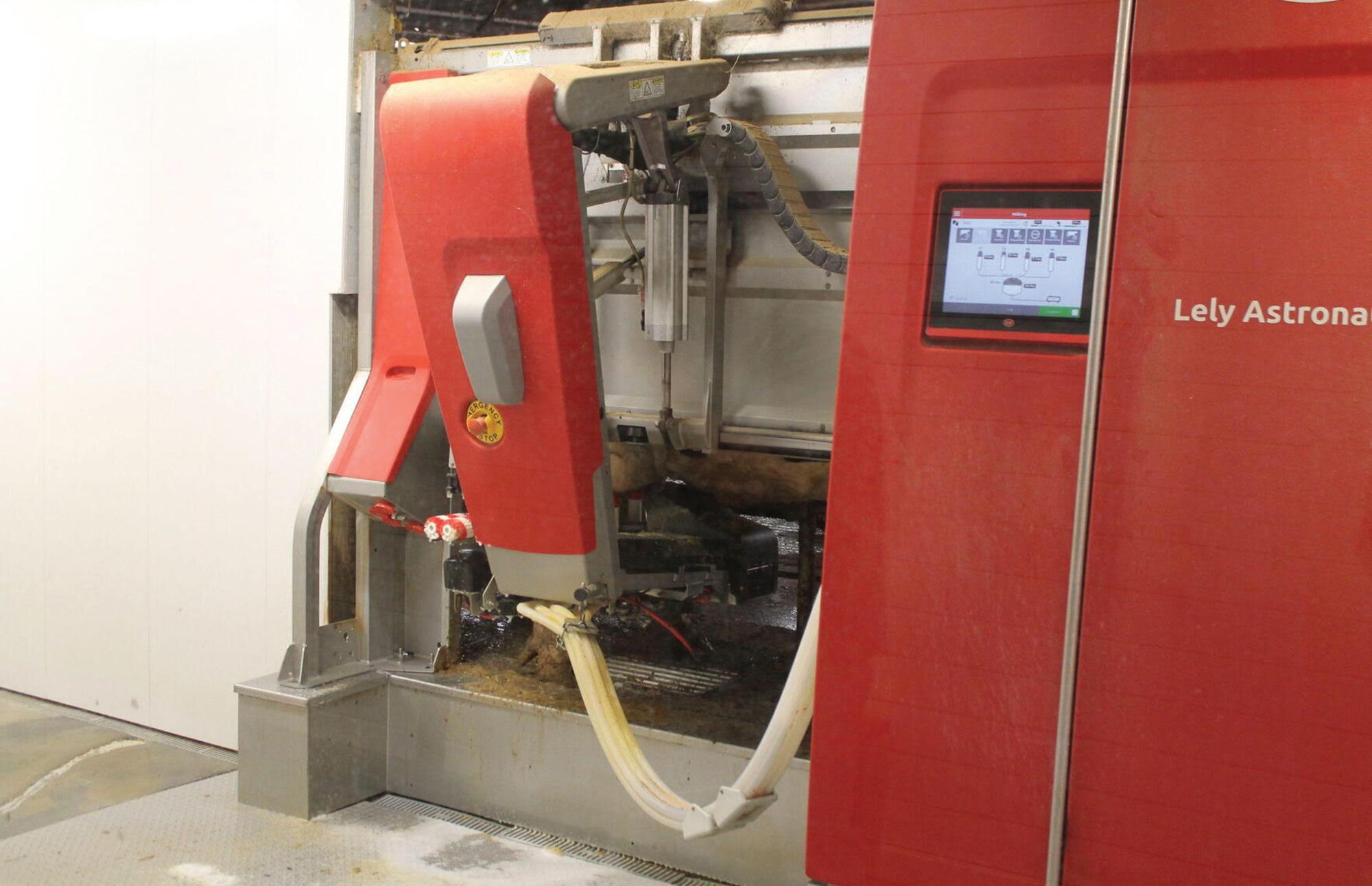

PHOTO BY ALFRED EZMAN | NEWS-HERALD
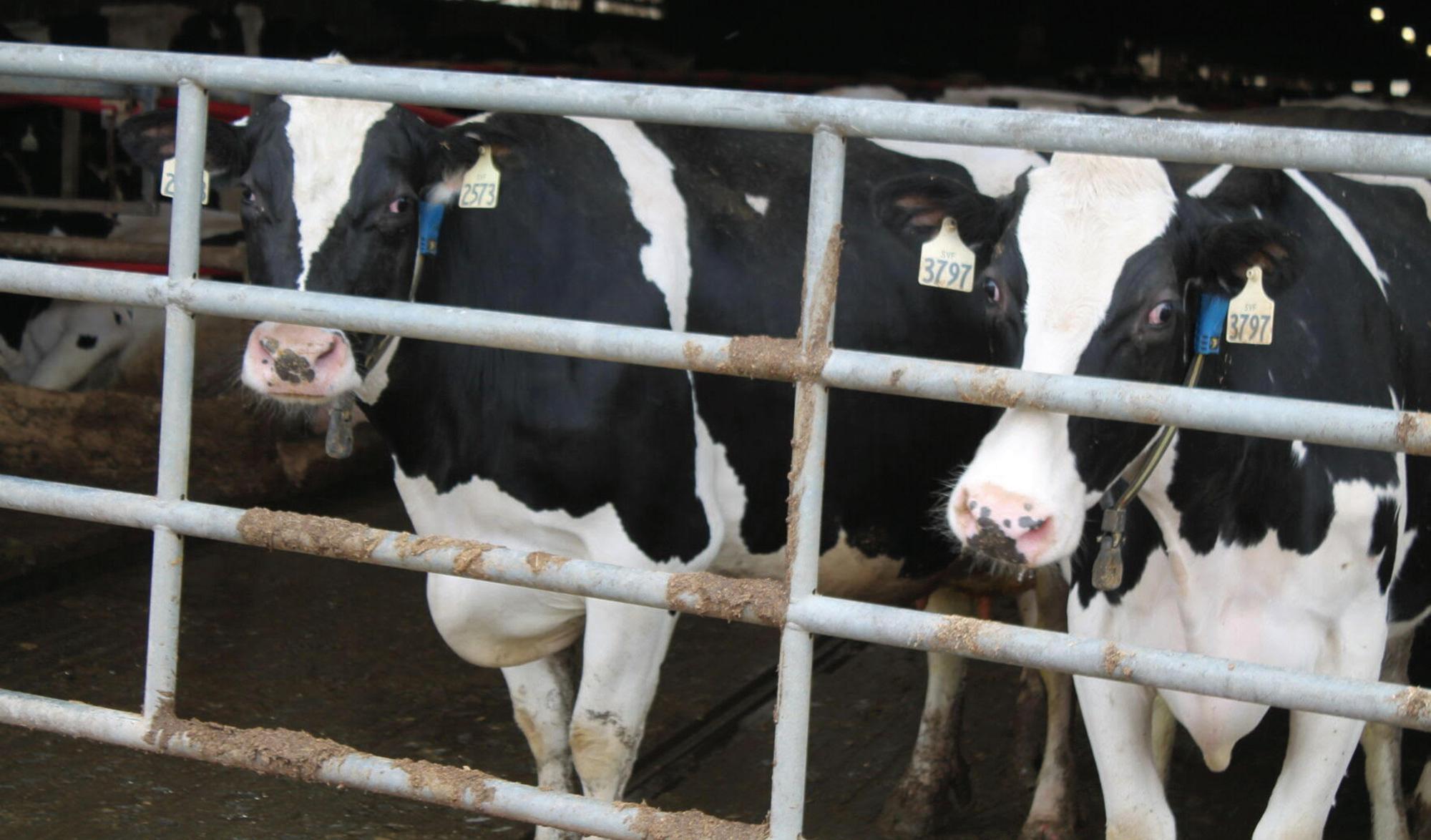
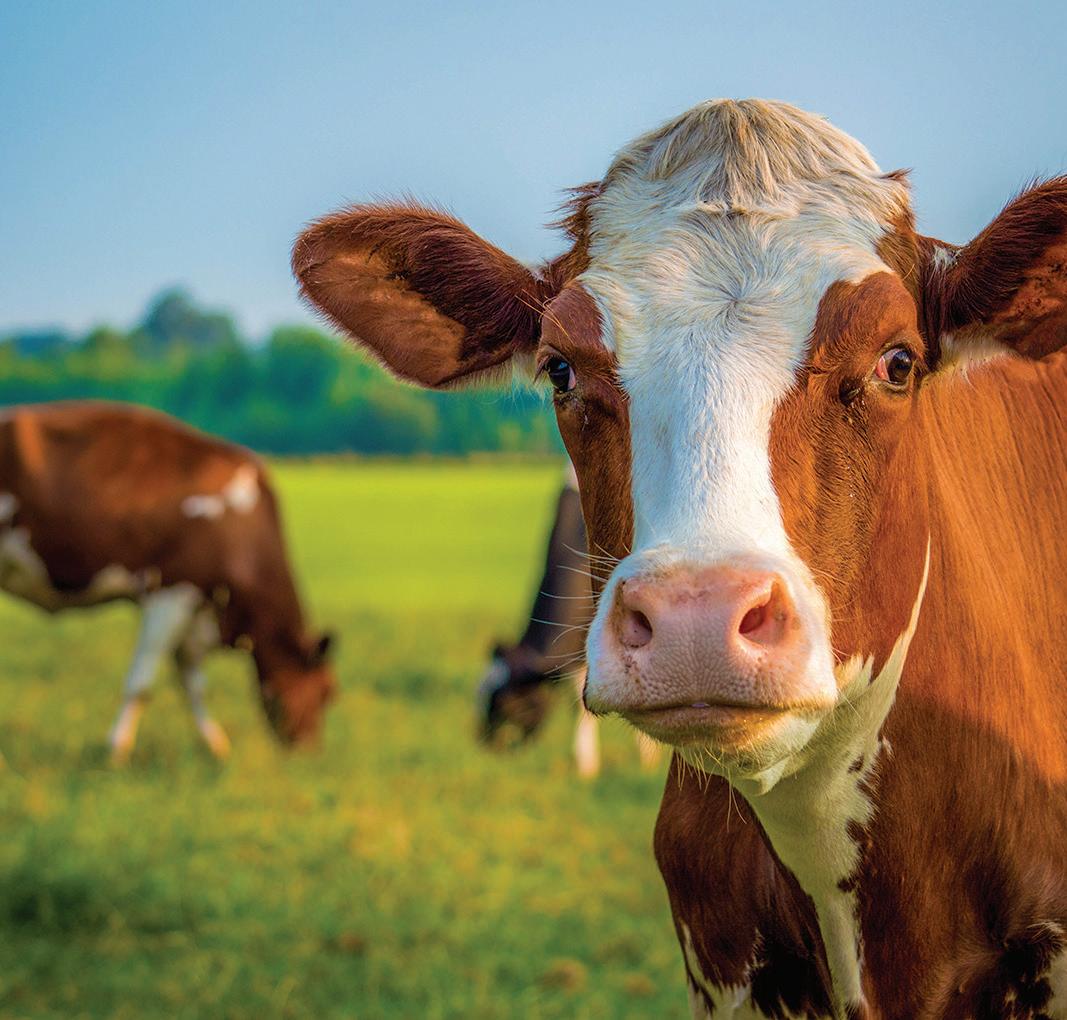
The cows are the star of the show with dairy processing at Sweetwater Valley Farms.
PHOTO BY ALFRED EZMAN | NEWS-HERALD
One of Sweetwater Valley Farm’s Lely astronaut milking robot going through the process of milking a cow.




• NewTires .One Owner .Ramp Brackets
• NewBrakes.12’ Deck


Southeast TN Beef Summit to be held in Athens
Beef and forage production and marketing, cost of synchronizing and breeding beef cattle, replacement heifer selection and updates on new technology and equipment for the beef industry are topics to be discussed during the Southeast TN Beef Summit.
Scheduled for April 24, at the McMinn County Expo Center in Athens, the event is free to attend. Pre-registration is required by April 17.
Doors open at 7:45 a.m. EDT for registered participants to check in. A 4-H breakfast fundraiser will be avail-
able between 7:45 a.m. and 9 a.m.
This year’s keynote speaker, Justin McKee from the Cowboy Channel, will begin his presentation at 8:55 a.m. He will discuss how to tell “our ag story” and the importance of promoting agriculture.
Following the keynote discussion, researchers and Extension specialists from the University of Tennessee Institute of Agriculture will conduct the three rotating 35-minute educational sessions from 10:30 a.m. to 12:30 p.m.
In addition to the educational ses-
sions, the summit will host the largest beef trade show in southeast Tennessee. The morning sessions will be followed by a catered country cooking lunch with all the “fixin’s.”
To register go online to mcminn. tennessee.edu and click on the Beef Summit button on the home page. The event is free for participants. There is a fee for exhibitors. Sponsorships are also available. Contact UT Extension McMinn County at 423-745-2852 or UT Extension Meigs County at 423-334-5781 for more information.
The program will be held at the McMinn County Expo Center (inside the Athens Regional Park), in Athens, Tennessee. The expo will begin at 8 a.m. EDT and conclude at 1:45 p.m.
The University of Tennessee Institute of Agriculture is comprised of the Herbert College of Agriculture, UT College of Veterinary Medicine, UT AgResearch and UT Extension. Through its land-grant mission of teaching, research and outreach, the Institute touches lives and provides Real. Life. Solutions. to Tennesseans and beyond. utia.tennessee.edu.
Pick Tennessee Products unveils new website to better connect consumers with local producers
The Tennessee Department of Agriculture announces the launch of an updated Pick Tennessee Products website, offering a more streamlined way for consumers to connect with local farmers, producers and artisans across the state.
The website redesign follows continued growth in the Pick Tennessee Products program, which includes nearly 3,200 active members. The updated site focuses on improving the user experience and strengthening connections between Tennessee consumers and local Tennessee producers.
“Tennessee’s farmers and artisans are at the heart of our communities, and this updated Pick Tennessee Products website makes it easier than ever for people to find and support them,” Agriculture Commissioner Andy Holt said. “By improving the way consumers connect with local producers, we’re strengthening our agricultural economy and celebrating the quality that sets Tennessee products apart.”
The new website offers an improved interactive map, cleaner visuals and a more cohesive design. Enhancements also reflect refreshed branding across the platform. Navigation and search functions have been simplified to help users more easily find local producers and access current information.

The Pick Tennessee Products website, www. picktnproducts.org, is the go-to resource for finding program members. Whether the user is looking for produce, specialty foods, farm experiences, artisan crafts or wood products, using the website provides users with accurate information and a seamless experience to find local producers.
Pick Tennessee Products is TDA’s producer-
focused marketing program that connects consumers to farm-direct and locally made products across Tennessee. Tennesseans interested in joining the program can find information online on the Pick Tennessee Products application.
Pick Tennessee Products is dedicated to promoting and supporting Tennessee’s agricultural and forestry products.






MOOCHAS GRACIAS

Thanks to everyone in agriculture for their dedication to helping our community and economy thrive!
Daily-Post Athenian & Advocate & Democrat

Simmons Bank has served generations of farmers since 1903. Whether you want to prepare for next season, upgrade equipment, buy livestock or expand your operation, talk to us. Our agricultural lending specialists can provide the expertise and financing solutions to support your success, season after season.
Proud sponsor of the moments that matter.

Scan the QR code or visit simmonsbank.com/locations to find a location near you.
Equal Housing Lender. All accounts subject to approval. Simmons Bank NMLS #484633.


















UT Extension office offers variety of programs
The U niversity of Tennessee/Tennessee State University Extension office in Monroe County provides Real. Life. Solutions.
UT Extension helps Tennesseans to improve their quality of life and solve problems through the application of research and evidencedbased knowledge about agriculture and natural resources, family and consumer sciences, 4-H youth development, and community development.
The UT Extension office for Monroe County is located in the JP Kennedy Building in Madisonville. There are four Monroe County extension
agents to serve your needs.
Greg Austin and Morgan Davis specialize in 4-H youth development. Rebecca Layman is the family and consumer sciences agent and Jonathan Rhea covers agriculture and natural resources. Megan Abernathy is the administrative assistant who helps with all programs areas to meet the needs of clientele.
The four core areas under the Family and Consumer Sciences (FCS) umbrella are Human Development, Community Health, Consumer Economics and Nutrition and Food Safety. That is why you may find an FCS class on
parenting skills and later in the same day, a discussion on how to talk with your doctor about health care costs.
Basically, FCS is education to help offer clients choices to help improve their health and well-being.
Most classes are free but there are a few which require a registration fee. Classes are offered at various locations throughout the county and are advertised in local newspaper and through the UT Extension Monroe County Facebook page.
The 4-H youth development program in Monroe County is available for young
people in grades 4 through 12th. 4-H encourages diverse groups of youth to develop their unique skills and talents to the fullest potential. Youth actively participate in activities, events, and projects at the county, region, and state levels.
Examples of programming can include school 4-H clubs, livestock shows, judging teams, and summer 4-H camp in Greeneville. “Learning by doing” through hands-on activities and community involvement empowers 4-H members to develop and strengthen life skills.
In agriculture and natu -
ral resources, programs are offered to educate farmers and landowners on the latest management practices needed to solve problems and improve production and marketing.
Programs offered in Monroe County include Master Beef Producer, Master Farm Manager, Beef Quality Assurance, Soil Testing, and Farm Management thru the UT Manage Program. For more information, please visit Monroe County’s UT Extension Office or contact their office at 442-2433. All programs are provided on a non-discriminatory basis.
Farm Credit Mid-America returning millions to farmers in TN
At a time when farmers continue to navigate tight margins, elevated input costs and ongoing market uncertainty, Farm Credit Mid-America will return $280 million in net earnings to eligible customer-owners this March through its patronage program, with $39.1 million returning to Tennessee farmers.
Customers commonly use patronage payments to pay down operating or term debt, offset spring input and planting costs,
reinvest in equipment, land or on-farm improvements, and strengthen working capital and financial resilience
This year’s distribution brings the total amount of net earnings returned to customers over the past 10 years to more than $1.75 billion, underscoring the strength of Farm Credit Mid-America’s diverse portfolio and commitment to support farmers through both good and challenging times.
“Returning capital to our
customers is just part of how we do business as a cooperative,” said Jason Alexander, Farm Credit Mid-America senior vice president of agricultural lending in Tennessee. “Our customers manage risk every day. Patronage gives them a little extra flexibility, whether that’s strengthening their balance sheet, improving cash flow or helping them plan for the season ahead.”
Farm Credit Mid-America is a farmer-owned cooperative, mean-
ing customers are also owners. Through patronage, a portion of the cooperative’s earnings is returned to eligible customerowners based on the level of eligible business they conduct with the Association. Patronage is an annual decision made by Farm Credit Mid-America’s board of directors.
Farm Credit Mid-America serves agricultural producers, rural homeowners and agribusinesses across Arkansas,
Indiana, Kentucky, Missouri, Ohio and Tennessee. In addition to patronage, the cooperative invests roughly $5 million annually in rural communities through education, leadership development, youth programs and support for the next generation of agriculture.
To learn more about Farm Credit Mid-America’s patronage program, eligibility requirements and customer-owner experiences, visit fcma.com/patronage.
Greg Austin Morgan Davis Rebecca Layman
Jonathan Rhea Megan Abernathy






What is “Agritainment”?
Courtesy of Farm Bureau of Tennessee
You may not have heard the word “agritainment,” but if you’ve been to a corn maze or pumpkin patch in the fall, you’ve taken part in it.
Agritainment, also known as agritourism or farm tourism, is a business that combines entertainment and education with agriculture on a farm or ranch.
Hayrides, pumpkin patches, petting zoos, farm education play areas, corn mazes, farm tours, pony rides...
These unique small businesses aren’t just fun for the whole family – they provide remarkable value to Tennessee’s economy, too. In 2022, there were 715 farms in Tennessee offering recreation and education activities to locals and tourists alike. Agritainment farms have grown in popularity over the years, bringing in over $24 million in value in 2022. That’s $10 million in growth since 2017.
Some agritainment businesses function primarily as farms or ranches throughout the year and only offer seasonal activities, while others may provide fun, educational things to do with your family all year long. Take Holiday Acres Farm in Ethridge, Tennessee, for example. From flower picking in the spring to a corn maze in the fall, to a farm-to-market learning center and nature trail,

Did you know? Small farms are the lifeblood of rural communities
According to the Farm Bureau, 97% of American farms are owned by families. Small family farms make up the majority of farms nationwide and operate a higher share of acres altogether than any other farm size.
It is important to note that the distinction family farm does not necessarily always mean a smallscale operation. Ten percent of
farms owned by families generate more than $350,000 in annual revenue.
Despite this, small-scale farms are mired in a long-term decline, according to recent U.S. Department of Agriculture reports. Driven by economic pressures, government policies generally are favoring large operations, consolidation and tighter competition.