Great Smoky Mountains National Park

The Official Newspaper of the Smokies • Summer 2026
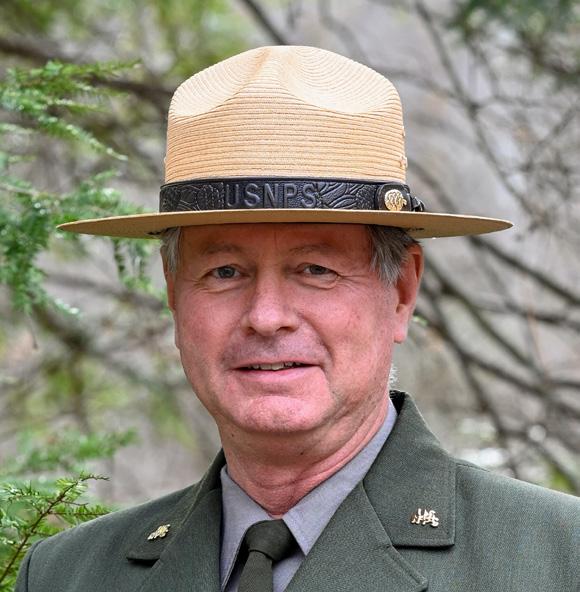
Welcome to Great Smoky Mountains National Park! It’s a pleasure to have you here, and I hope your time in the Smokies will be memorable and rewarding.
Having grown up near the eastern edge of the Smokies, I cherish countless memories from my days in the park. My family’s vacations often consisted of camping or backpacking, and some of my fondest experiences were trips to Walnut Bottom with my dad and brother. These formative adventures instilled in me a deep appreciation for the National Park Service and the value of preserving our natural spaces.
My professional journey began years ago on the Blue Ridge Parkway. Since then, I’ve had the privilege of working in 15 different
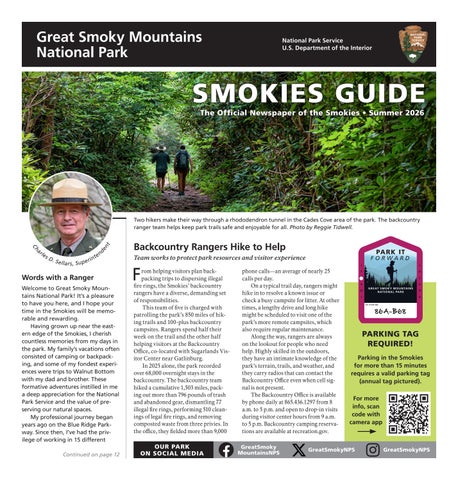
Team works to protect park resources and visitor experience
From helping visitors plan backpacking trips to dispersing illegal fire rings, the Smokies’ backcountry rangers have a diverse, demanding set of responsibilities.
This team of five is charged with patrolling the park’s 850 miles of hiking trails and 100-plus backcountry campsites. Rangers spend half their week on the trail and the other half helping visitors at the Backcountry Office, co-located with Sugarlands Visitor Center near Gatlinburg.
In 2025 alone, the park recorded over 68,000 overnight stays in the backcountry. The backcountry team hiked a cumulative 1,503 miles, packing out more than 796 pounds of trash and abandoned gear, dismantling 77 illegal fire rings, performing 510 cleanings of legal fire rings, and removing composted waste from three privies. In the office, they fielded more than 9,000
phone calls—an average of nearly 25 calls per day.
On a typical trail day, rangers might hike in to resolve a known issue or check a busy campsite for litter. At other times, a lengthy drive and long hike might be scheduled to visit one of the park’s more remote campsites, which also require regular maintenance.
Along the way, rangers are always on the lookout for people who need help. Highly skilled in the outdoors, they have an intimate knowledge of the park’s terrain, trails, and weather, and they carry radios that can contact the Backcountry Office even when cell signal is not present.
The Backcountry Office is available by phone daily at 865.436.1297 from 8 a.m. to 5 p.m. and open to drop-in visits during visitor center hours from 9 a.m. to 5 p.m. Backcountry camping reservations are available at recreation.gov.

PARKING TAG REQUIRED!
Parking in the Smokies for more than 15 minutes requires a valid parking tag (annual tag pictured).

For full closure information on all park roads, trails, and facilities, visit nps.gov/grsm and click “Alerts.”
• Cades Cove Loop Road is closed to vehicles on Wednesdays from May 6 through September 30 to allow for non-motorized recreation.
• Heintooga/Round Bottom Road and Straight Fork Road are closed due to hurricane impacts.
Sugarlands, Oconaluftee, and Cades Cove: open 9 a.m.–5 p.m. June through September (Cades Cove 7 a.m.–3:30 p.m. on Wednesdays).
Kuwohi: Open 9 a.m.–5 p.m. June and September; 9 a.m.–6 p.m. July and August
GSM Institute at Tremont: open 10 a.m.–4 p.m. Monday–Saturday.
Local shuttle services offer convenient transportation to and from the park’s most iconic destinations. Routes, schedules, pricing, and pick-up/drop-off locations vary. Visit go.nps.gov/grsmshuttles for a list of authorized concessioners.
In summer, the Smokies are often hot, hazy, and humid by mid-June. Most precipitation occurs as afternoon thundershowers. By mid-September, a pattern of warm, sunny days and crisp, clear nights begins. However, cool, rainy days may also occur.
See pages 4, 5,6. 7, and 10 for events and ranger activities, inquire at visitor centers, or visit go.nps.gov/ grsmcalendar for a full calendar.
The National Park Service maintains developed campgrounds at ten locations in the park, two of which are open yearround. There are no showers, and hookups are available only at Look Rock Campground (closed in winter). Circuits for special medical uses are offered at Cades Cove, Elkmont, and Smokemont.
Campsite reservations are required at all park campgrounds. Sites may be reserved up to six months in advance. Camping is permitted only in designated sites.
Make your reservation online at recreation.gov or call 877.444.6777.
Site occupancy is limited to six people and two vehicles (a trailer is considered one vehicle). The maximum stay is 14 days.
Campsites for larger groups are located at Big Creek, Cades Cove, Cataloochee, Cosby, Deep Creek, Elkmont, and Smokemont. Reservations are required and may be secured up to a year in advance. For more information, visit nps.gov/grsm.
To prevent the spread of destructive pests, only USDA- or state-certified heat-treated firewood may be brought into the park. Campers may gather dead and down wood in the park for campfires. Find purchase locations at firewoodscout.org.
Picnic areas at Cades Cove, Deep Creek, Greenbrier, and Metcalf Bottoms are open year-round. Heintooga closes October 12; Big Creek, Cosby and Look Rock close October 25; Twin Creeks closes October 31; Chimneys closes November 30. Reserve pavilions at recreation.gov.
LeConte Lodge (accessible by trail only, closes November 25) provides the only lodging in the park. Reservations required. 865.429.5704, lecontelodge.com.
There are no gas stations, charging stations, showers, or restaurants in the national park. Limited food options are available in visitor centers and camp stores. See map on pages 8 and 9 for restroom locations.
Reserve the Appalachian Clubhouse or Spence Cabin at Elkmont for daytime events at recreation.gov. Cabin and clubhouse close October 31.
Pets are allowed in campgrounds and along roads as long as they are restrained on a leash no longer than six feet. Pets are not allowed on park trails, except for Gatlinburg and Oconaluftee River trails.

Most park roads are too narrow and heavily traveled for safe or enjoyable bicycling. Bicycles are permitted on park roads but prohibited on trails except Gatlinburg, Oconaluftee River, and lower Deep Creek and Indian Creek trails. Helmets are required by law for persons age 16 or under and strongly recommended for all.
Cades Cove Loop Road is open exclusively to cyclists and pedestrians on Wednesdays from May 6 through September 30. Bikes may be rented at the Cades Cove Campground Store from 9 a.m. to 3 p.m. Bike rental opens early at 7 a.m. on vehicle-free Wednesdays. 865.448.9034.
Some 550 miles of park trails are open to horses. See park trail map for trails and rules. The Anthony Creek, Cataloochee, and Tow String horse camps are open. Camps at Big Creek and Round Bottom remain closed due to storm damage. Visit recreation.gov for availability.
Three concession horseback riding stables offer rides from March through November.
• Cades Cove 865.448.9009 cadescovestables.com
• Smokemont 828.497.2373 smokemontridingstable.com
• Sugarlands 865.436.5470 sugarlandsstables.com

Fishing is permitted year-round in the park, but a Tennessee or North Carolina fishing license is required. Either state license is valid throughout the park, and no trout stamp is required. Fishing with bait is prohibited. Special permits are required for the Qualla Boundary and Gatlinburg, and licenses are available in nearby towns. A free fishing map with a complete list of all park fishing regulations is available at visitor centers.
In the Smokies backcountry, the greatest challenge might be deciding where to go. The park service maintains more than 100 campsites and shelters dispersed throughout the park’s trail network. All overnight stays require a permit and reservation at a designated campsite. See below for help as you prepare for your next adventure:
1. Get the map. Go online to view the park’s official trail map (go.nps.gov/grsmmaps), which shows all park trails, campsites, and shelters. Park rules and regulations are also listed here. You can purchase the printed version of the trail map for $1 at any park visitor center or online at SmokiesLife.org.
2. Plan your trip. Call the park’s Backcountry Office at 865.436.1297 any day between 8
a.m. and 5 p.m. or drop into the office located within Sugarlands Visitor Center for trip planning help during visitor center hours, 9 a.m. to 5 p.m.
3. Get a permit. Make your reservation and get your permit online at recreation.gov, or by calling or visiting the Backcountry Office at Sugarlands Visitor Center.
Reservations and permits are required for all overnight stays in the backcountry. The cost is $8 per person per night, with a $6 processing fee for each permit. Reservations may be made up to one month in advance. Backcountry camping permit holders are not exempt from parking tag requirements.
Summer hikers should be especially aware of the dangers of dehydration, heat exhaustion, and hyponatremia—the combination of increased water intake and inadequate sodium and electrolyte levels. Drink when thirsty; rest and eat often. Always carry an ample supply of water, snacks, and sun protection. Know your limits. Reduce the risk of hypothermia, a danger even in summer, with layered clothing and rain gear. See page 11 for more hiking tips and trip essentials.
The only two pet-friendly trails in the Smokies are the Gatlinburg Trail in Tennessee and the Oconaluftee River Trail in North Carolina.
Learn the BARK principles so you and your pet can have a safe and fun visit in the Smokies.
Take the BARK pledge:
B ag and bin your pet’s waste
A lways leash your pet
R espect wildlife
K now where you can go
1–SEPTEMBER 6, 2026
Event schedules are weather-dependent and subject to change. More programs listed on pages 6–7. For a full list, inquire at a visitor center or visit: go.nps.gov/grsmcalendar
NORTH DISTRICT (near Gatlinburg, TN)
Following the River—Nature and History Intertwined: Ever wanted to be a history detective? Join a ranger on a 2-mile roundtrip hike to search for signs of early settlers of the Smokies, learning about natural and cultural history along the way.
Hands-on Citizen Science: Join a ranger on an exciting science adventure to learn about tracking blooming trees, searching for lichens, spotting birds, and sampling stream life. Find out how data collection is done in the park.
Vital Signs of the Smokies: Join a ranger for a walk or talk about the Smokies’ “vital signs,” observations that can help us better understand the challenges this fragile ecosystem faces and appreciate the beauty around us.
A Walk Through the Past—History of Daisy Town: Visit the popular non-ghost town of the Smokies and learn about the birth of tourism in these mountains, before the national park was formed.
Junior Ranger Ramble: Join a ranger for a walk, talk, or guided activity to learn more about natural and cultural history and become a steward of the park. Topics vary daily. Check Sugarlands Visitor Center for more information.
Bear with Us!: Come learn all about an iconic symbol of Great Smoky Mountains National Park—black bears!
Life in the Appalachians—Walker Sisters Cabin Hike: Take a 2.2-mile roundtrip hike through the woods to the Walker Sisters Cabin, learning about the communities, religion, education, and “modern” conveniences of the folks who once lived in these mountains.
Stream Splashers: Embark on a hands-on splash in the water with a ranger to learn about the health and history of our Smokies streams. Water shoes recommended. Participation limited to 25. Weather-dependent.
Wildlife Wonders: Wondering about wildlife in Great Smoky Mountains National Park? Come learn about some of the animals that call the Smokies home.
SOUTH DISTRICT (near Cherokee, NC)
Wild about the Smokies: Get the inside scoop on where to spot wildlife like bears and elk—and how to do it safely. Learn about their behavior, habitat, and ongoing conservation efforts.
Down on the Farm: Immerse yourself in Smokies history! Rangers and living historians will demonstrate skills like blacksmithing, fence-making, and hearth cooking on which families once depended to make their living in the Smokies. Program topic varies. Check the Oconaluftee Visitor Center for more information.
Kuwohi Unveiled—Wild Wonders and Culture Await: Discover Kuwohi’s ranger program, where engaging talks illuminate the wonders of local wildlife, ecology, and cultural heritage. Gain unique insights into the area’s natural and historical riches while deepening your appreciation of Kuwohi.
Stream Splashers: Get ready for a splashing good time discovering the magic of local streams, learning about aquatic life, and connecting with the environment. Water shoes recommended.
Evening Program: Grab your chair or blanket and gather at the grassy area between C and D loop at Smokemont Campground for an unforgettable evening program featuring the ranger’s favorite Smokies topic.
Discover Nature After Dark: Join a ranger-led night hike to explore nature after dark. Discover nocturnal wildlife, learn about the stars, and experience the forest’s unique sights and sounds during a safe, guided adventure.
Old-Time Music Jam: Join in with local musicians playing old-time songs on traditional Appalachian instruments such as the mountain dulcimer. All experience levels and instruments welcome.
CADES COVE (near Townsend, TN)
Stream Splashers: Learn about and look for the critters found in park waterways while discovering what they reveal about the health of our streams. Be prepared to get wet. Closed-toed shoes recommended.
Cove Life: Step into the past and learn more about what it was like to live in the Cades Cove community by exploring the cabin where the cove’s first permanent European settlers lived.
Drop into History: Watch (and possibly try) historic demonstrations related to life in Cades Cove. Offerings vary from day to day but may include blacksmithing, music, quilting, storytelling, doll-making, or weaving.
Tiny Wonders: Take a peek at the smaller side of life in the Smokies. Join a ranger to see what tiny critters you can find when you take the time to look closely.
Wild About Bears: Join in on a short chat about bears in the Smokies, what to do if you see one, and how it takes all of us working together to keep them healthy and wild.
Seedy Species in the Smokies: Join a ranger to learn more about harmful invasive species being monitored in the park, how they are managed, and what you can do to help prevent their spread.
Cades Cove Evening Program: Partake in this long-standing park tradition at the Cades Cove Amphitheater and join a ranger for the campground’s evening program.
Thursday,
Saturday (first and third week each month starting June 20) 8:30 p.m. June–August, 8 p.m. September
Saturday (second and fourth week each month starting June 27) 9 p.m. June–July, 8:30 p.m. August, 8 p.m. September
Sunday (third week of the month) 1 p.m.
Visitor Center porch

July 4th marks the 250th anniversary of the signing of the Declaration of Independence in Philadelphia, Pennsylvania—and the birth of the United States of America. Explore the legacy of this history-changing event during your visit to the Smokies this summer.
Whether your visit takes you to Tennessee or North Carolina, there’s a museum nearby to help you explore the significance of the 250-year milestone.
In Cherokee, North Carolina, the Museum of the Cherokee People offers a special exhibit that tells the story of America’s founding through Cherokee eyes. “Unrelenting: Cherokee People and the American Revolution” is a first-of-its-kind exhibit that uses scholarship, historic objects, and contemporary art to examine this pivotal moment in history. It is open daily from 9 a.m. to 5 p.m., with ticket sales closing at 4 p.m. Learn more at motcp.org.
The Great Smoky Mountains Heritage Center in Townsend, Tennessee, will hold its Independence 250 Concert on Saturday, July 4, 6:30–9 p.m. The evening will feature a 35-piece American brass band, live portrayals of historically relevant characters in 1776 Revolution-era costume, and complimentary American flags for the first 300 guests. A fireworks display in downtown Townsend will follow. A $10 donation is suggested for admission. Learn more at gsmheritagecenter.org. Photo of art by Laura Walkingstick courtesy of the Museum of the Cherokee People.


Great Smoky Mountains National Park is commemorating the country’s 250th anniversary by highlighting American—and Appalachian—values like resourcefulness, resilience, and creativity through a series of free public quilting programs. The “Fabric of Appalachia” will include a multi-week virtual quilt-along and three in-park quilting bees.
Beginning the week of July 4, the virtual quiltalong will feature a different Appalachian quilt block pattern each week on the park’s social media pages. Posts will include a print-
able pattern, hand-sewing instructional video, and stories about each design’s history and meaning.
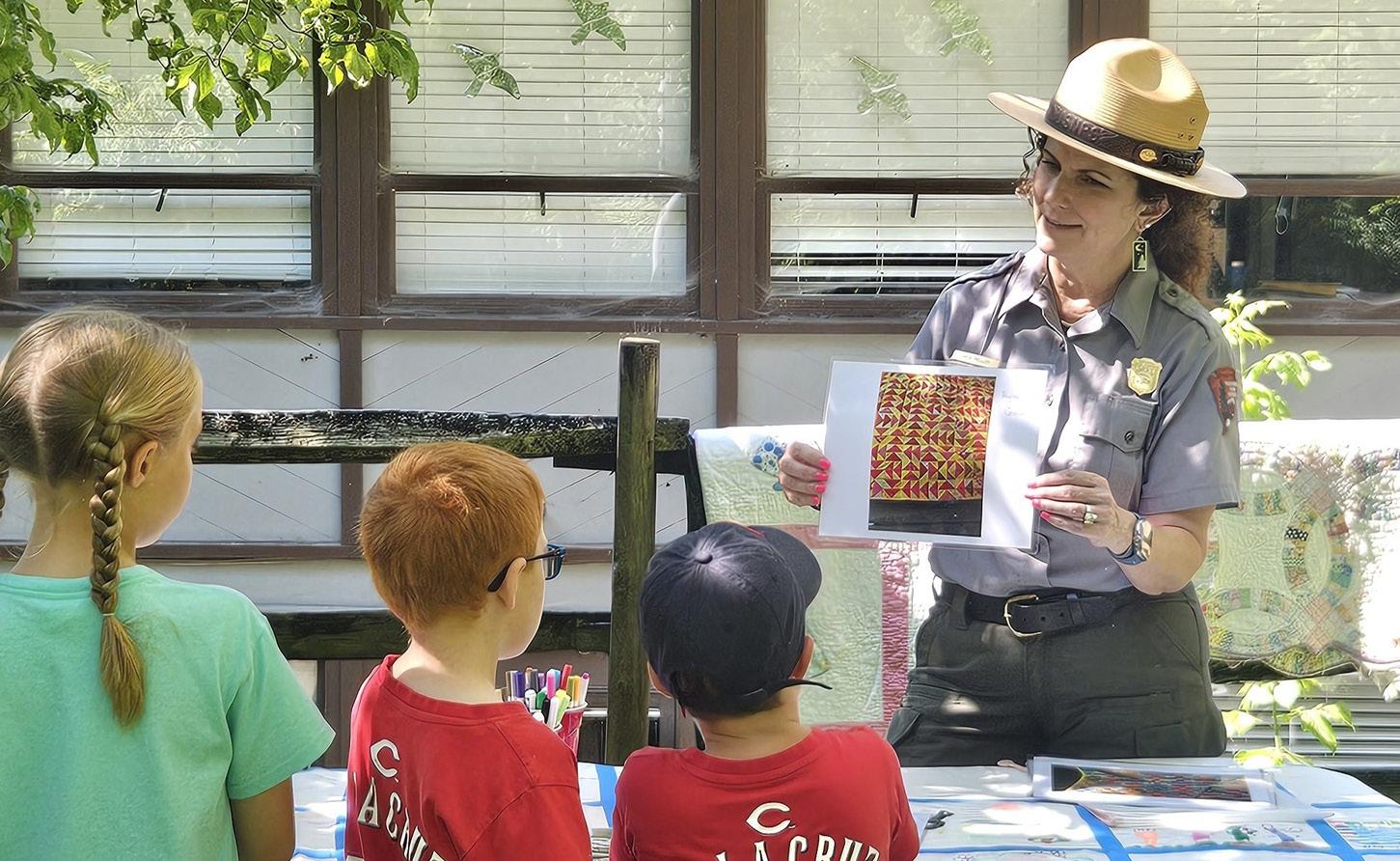
In-person quilting bee events (see below) are open to seasoned quilters and first-timers alike. Participants can bring their own materials or use park-provided fabric, thread, and needles. Sample from quilting bee pictured.
Cades Cove July 25 10 a.m.–2 p.m. Cades Cove Orientation Shelter (before Loop Road)
August 22 10 a.m.–2 p.m. Sugarlands Training Room (beside Visitor Center)
Oconaluftee September 19 10 a.m.–2 p.m.
Oconaluftee Visitor Center porch
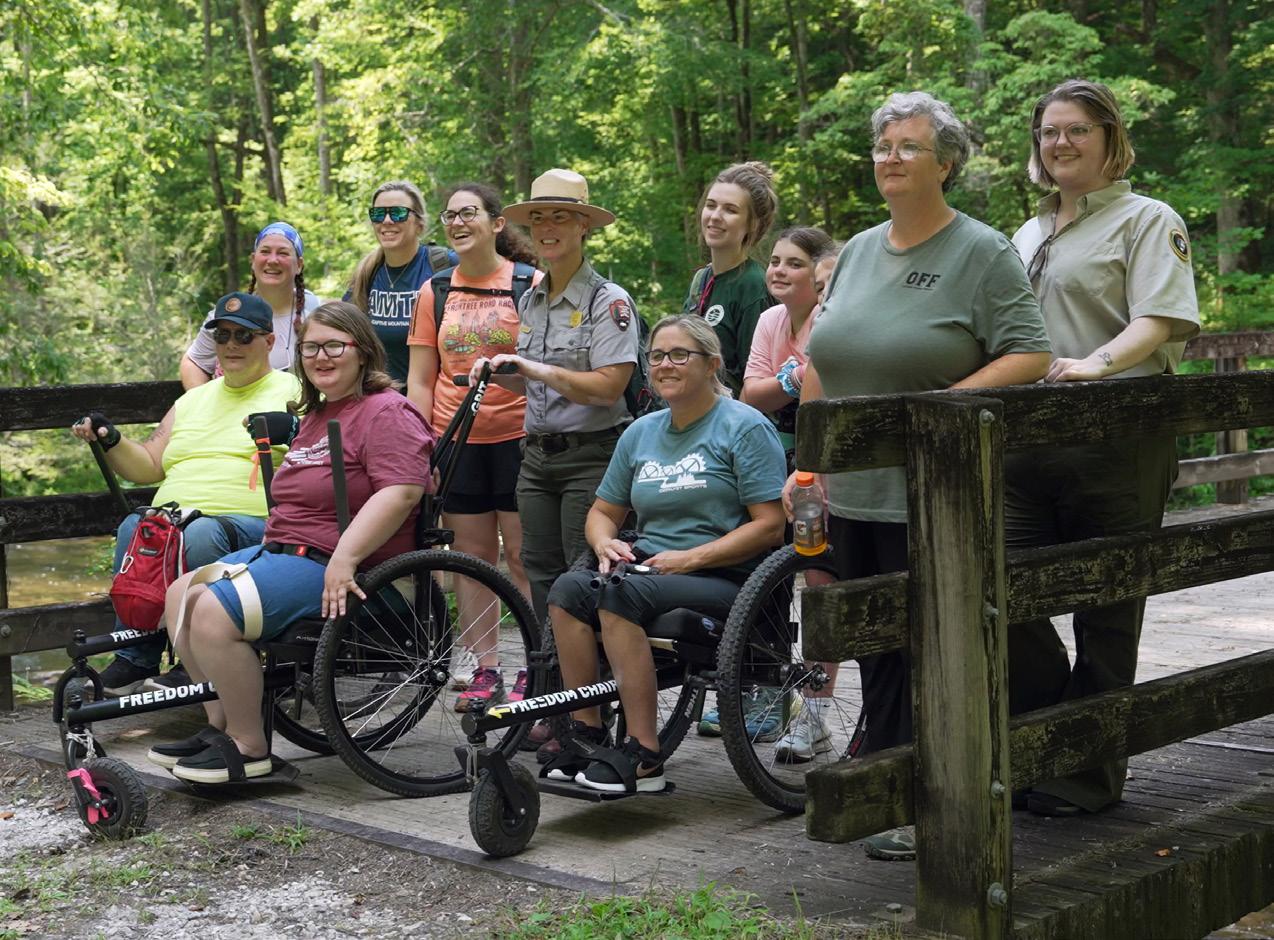
Adventure awaits all visitors in Great Smoky Mountains National Park, regardless of ability or accessibility needs. Through a partnership with Catalyst Sports, the park will offer six ranger-led adaptive excursions this year, with a free wheelchair checkout program allowing visitors to explore the park on their own schedule.
Registration is required for ranger-led programs to ensure availability of volunteers and equipment, and group size is limited. Participants may also bring their own equipment. Summer programs are shown in the table to the right. For fall events, visit the park calendar at nps.gov/grsm/planyourvisit/calendar.htm
Through September, park visitors can also borrow a GRIT Freedom Chair at no charge to explore the 15 miles of approved trails in the park. These manual, offroad-capable wheelchairs are designed to navigate uneven terrain, including dirt, rocky areas, and even some water crossings. Adult chairs have
an 18-inch seat width and junior chairs have a 12-inch seat width.
These chairs are available for free checkout on a first-come, first-served basis from April to November at Sugarlands Visitor Center near Gatlinburg and Oconaluftee Visitor Center near Cherokee. Reservations are available May to October by contacting GRSM_ Mobility_Device_Checkout@nps.gov three to 30 business days in advance.
Users should be able to sit upright, maintain head control using only a lap belt, and safely transfer in and out of the chair independently or with help from a companion. While park staff and volunteers are not trained to assist with transfers, volunteers are happy to serve as trail companions. To rent a chair, users need to have a companion with them, and while a park volunteer can fill this role, so can a friend or family member.
To learn more about adaptive programs, visit catalystsports.org/greatsmoky-mountain-adaptive-hike-bike.
Biking
*morning and afternoon sessions available
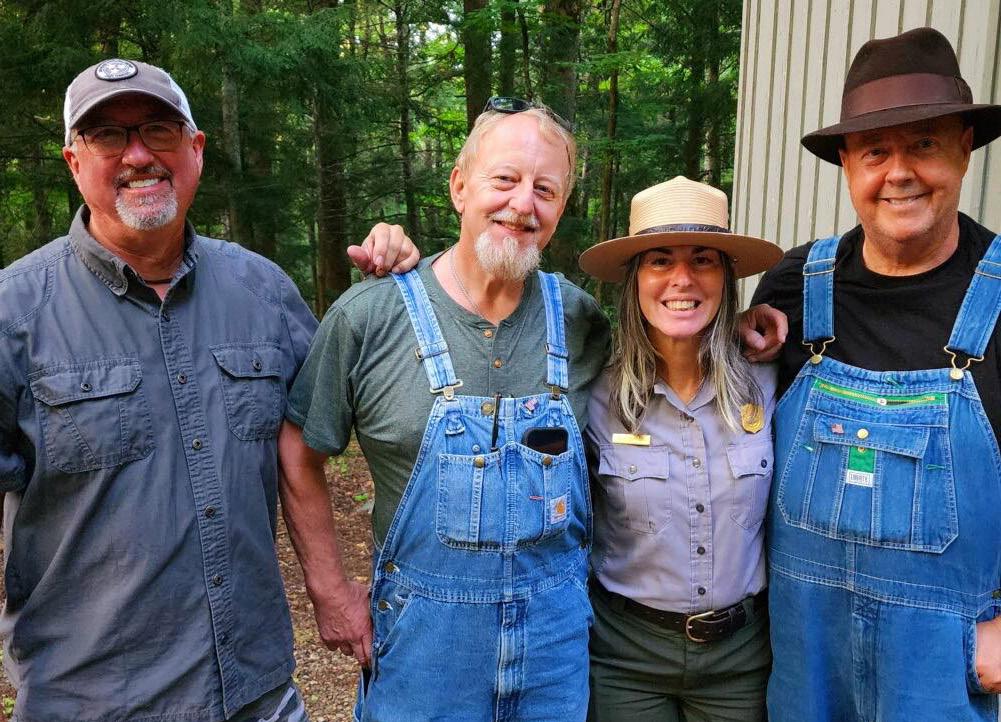
Visitors of all ages are invited to join park rangers and special guests on select Fridays in Cosby this summer from 7–8 p.m.
These accessible ranger-led programs are held at the Cosby Campground amphitheater and celebrate the rich cultural and natural history of the Cosby area, exploring Cherokee storytelling and dance, mountain music, and moonshiners.
Mountain Edge Band: Enjoy traditional bluegrass music and stories of Cosby families.
Cherokee Storytelling and Dance: Learn about Cherokee culture through dance, music, and storytelling featuring members of the Eastern Band of Cherokee Indians.
Moonshiners: White lightning, mountain dew, moonshine! Come distill myth from fact as you learn details of making moonshine in the mountains from moonshine legends.
19 7 p.m.
26 7 p.m.
Parking tags may be purchased at locations designated by these symbols on the map:
Automated Fee Machine (AFM)
• Available 24 hours per day
• Accepts credit/debit only
• Daily and weekly tags only
Located at Sugarlands Visitor Center, Cades Cove Loop Entrance, Metcalf Bottoms Picnic Area, Newfound Gap, Oconaluftee Visitor Center, Deep Creek Picnic Area, Kuwohi, Greenbrier, Cosby, Big Creek, Townsend Wye, Look Rock, and Cataloochee.
• Open business hours (see page 2)
• Accepts cash or credit/debit
• Daily, weekly, and annual tags available
Located at Sugarlands, Great Smoky Mountains Institute at Tremont, Cades Cove, Oconaluftee, and Kuwohi.
Parking tags are available outside the park at Great Smokies Welcome Center in Townsend, Gatlinburg Welcome Center, Swain County Visitor Center in Bryson City, and select area businesses.
For all purchase locations, see go.nps.gov/grsmfees.
Heintooga/Round Bottom Road and Straight Fork Road closed due to hurricane impacts Laurel Falls Trail closed for construction through fall 2026 Mingus Mill closed for repairs All
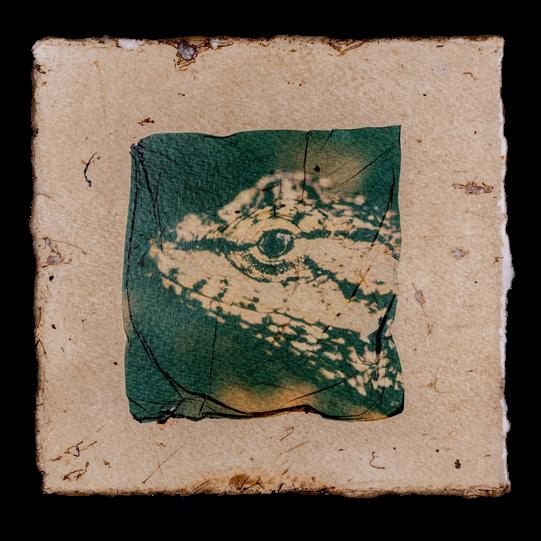
Every year, the park’s Artist-in-Residence Program offers a handful of talented artists the chance to spend a month in the Smokies, its natural beauty inspiring works in watercolor, textile, film, and countless other mediums. This program also offers visitors a unique opportunity to participate in creative and engaging programs hosted by the artists.
Funded by Friends of the Smokies, the Artist-in-Residence Program runs from June through November each year. To see if an artist is offering a program during your visit, check the park calendar at nps.gov/grsm/planyourvisit/ calendar.htm.
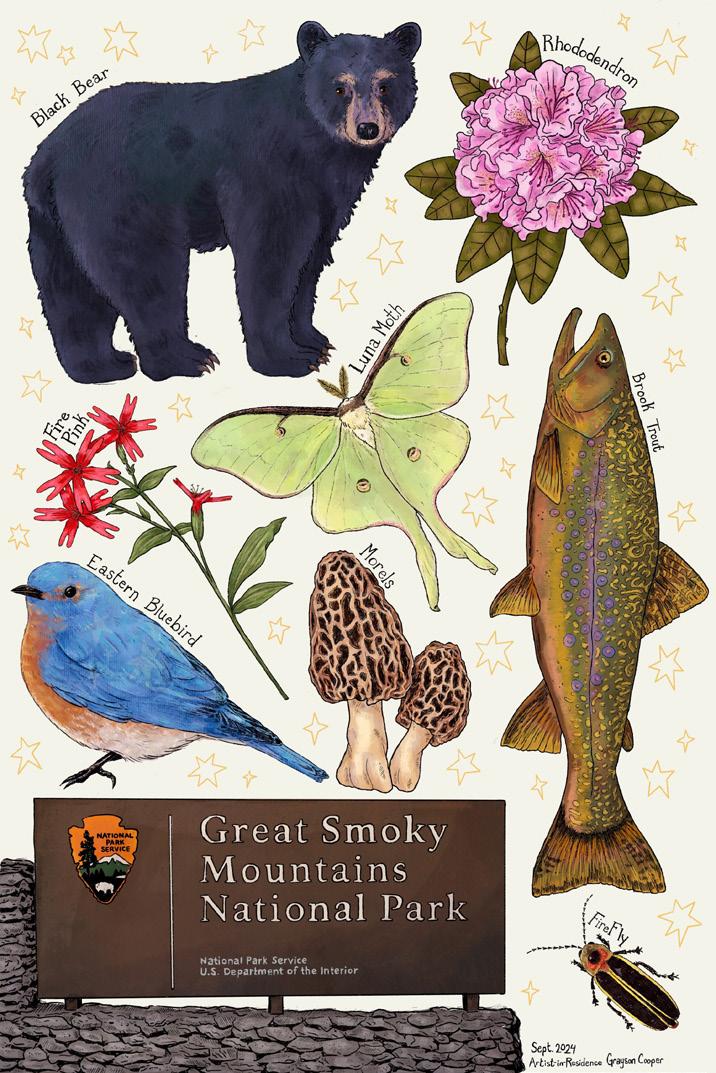
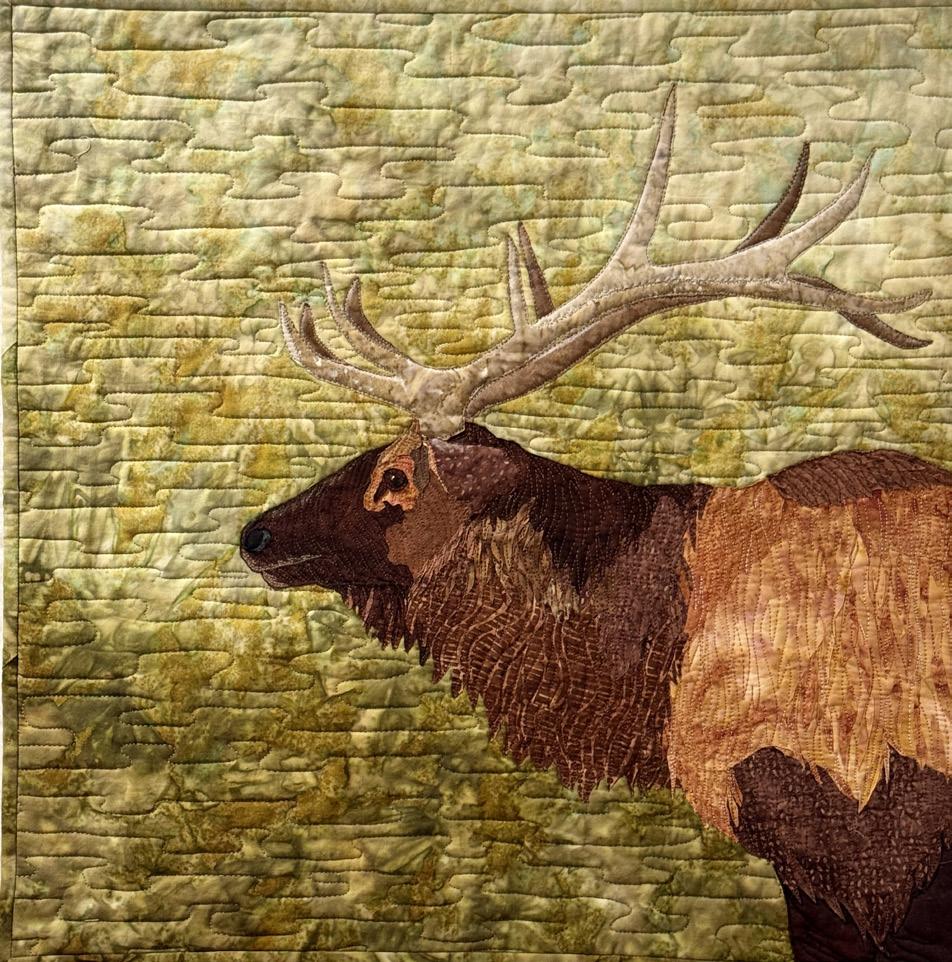
A selection of works from 2024 Smokies Artists-in-Residence Nicki Allen (elk), Grayson Cooper (nature illustrations), Kyle Petersen (lizard), Anna Marie Pavlik (ferns), and Lauren Connolly (leaves).


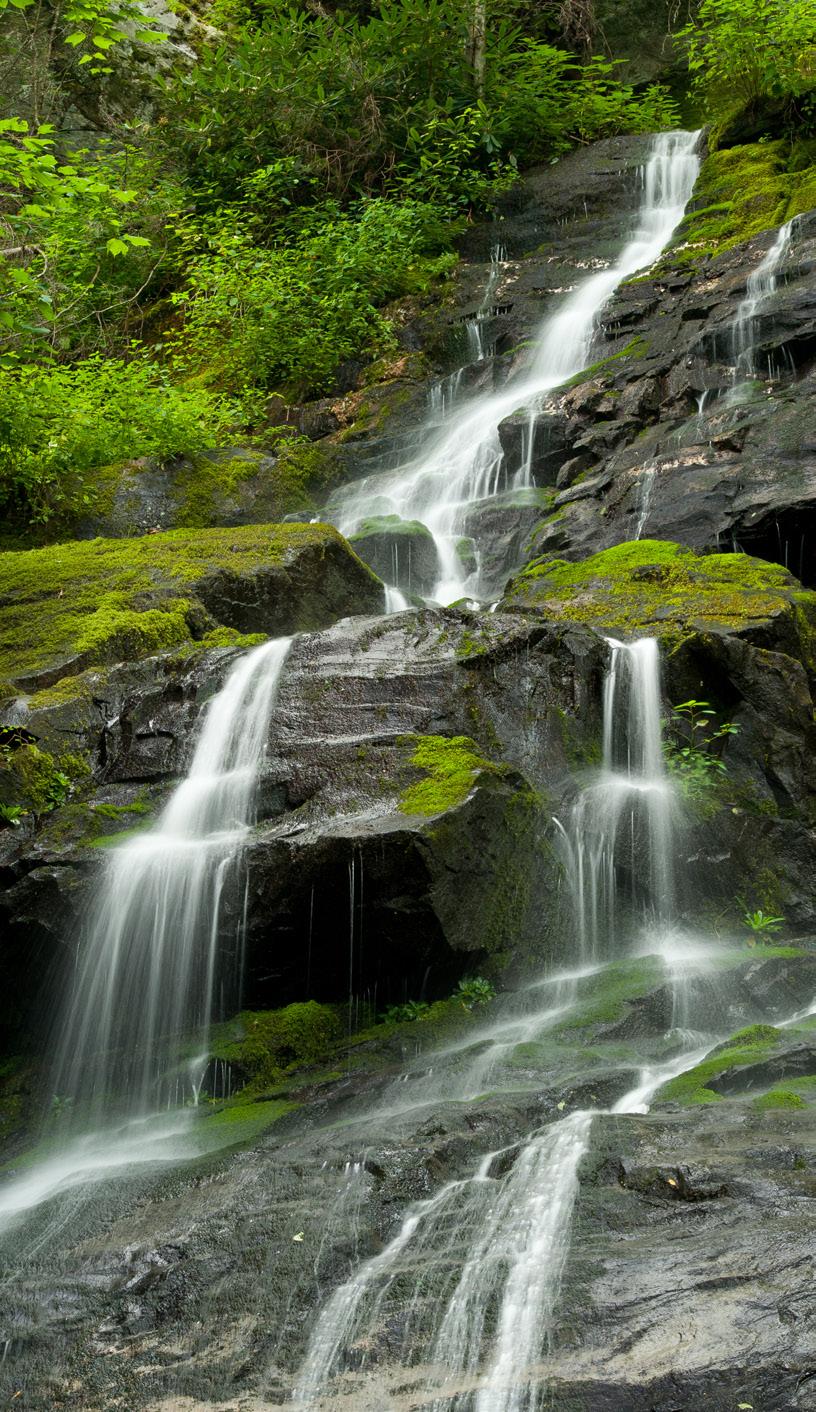
With more than 800 miles of maintained trails, Great Smoky Mountains National Park is bursting with opportunities for everything from intense backcountry adventures to family-friendly strolls.
Laurel Falls Trail is closed this summer, but for a different waterfall experience consider hiking 4.4 miles roundtrip to visit 90-foot Hen Wallow Falls in the park’s Cosby area. For an easier walk, check out Cataract Falls near Sugarlands Visitor Center, accessed with a 0.7-mile roundtrip hike.
A map of all park trails is available for free download at nps.gov/ grsm, and visitor centers sell both maps and hiking guides. Pets are not permitted on any park trails except for the Gatlinburg and Oconaluftee River trails. Hen Wallow Falls photo by Timothy Wildey.

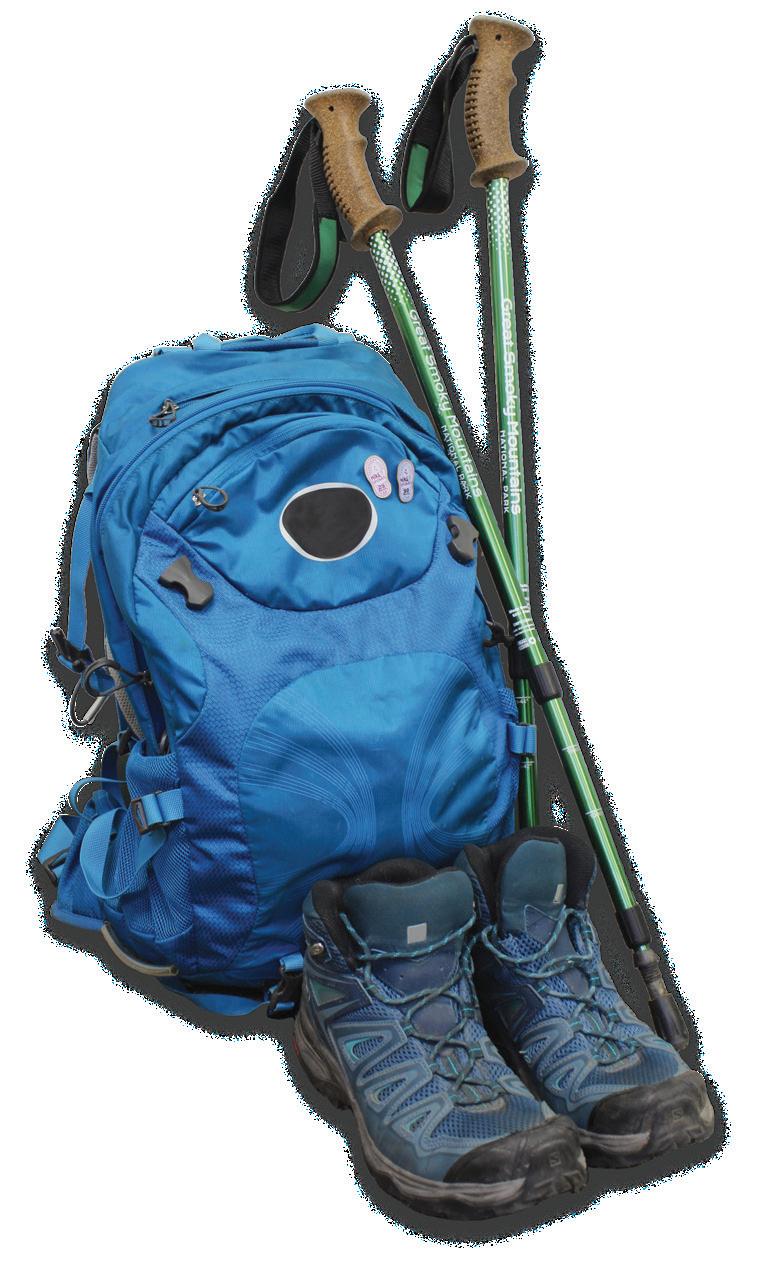
• Traction support like microspikes and hiking poles
• Navigation —map, compass, and knowledge of how to use them
• Water and food
• Warm extra layers
• First aid kit
• Headlamp or flashlight
• Rain gear and pack cover or waterproof bags
• Emergency whistle
• Sun protection with sunscreen, sunglasses, and hat
• Repair kit with multi-tool or knife
• Fire starter
• Shelter —emergency tent or tarp
Tell someone where you’re going, stay on established trails, pack the essentials, and know what to do in case of an emergency. Let the NPS Backcountry Office help you plan and prepare for your hike. Call 865.436.1297, 8 a.m.–5 p.m. daily
Trail maps and many more of these items can be purchased at any park visitor center. Visit nps.gov/grsm/planyourvisit/hikingsafety for more hike planning tips.
• Call 911 if you can acquire a signal.
• Remain with any injured parties until help arrives. Use what basic first-aid techniques you know, but do not attempt invasive intervention unless you are medically trained.
• Use an emergency whistle to issue a series of three spaced blasts every few minutes to alert rescue crews. If you are in an open area, display brightly colored clothing or gear.
YOUR CELL PHONE IS NOT
• a strong light source
• always going to have service
• always going to be charged
Words with a Ranger
Continued from page 1
National Park Service units, most recently serving as the superintendent of New River Gorge National Park and Preserve in West Virginia before returning to my roots in the Smokies.
Throughout my career, I’ve been fortunate to hold many rewarding roles, and being superintendent of the country’s most-visited national park is both challenging and fulfilling. The Smokies team—comprised of dedicated park staff, partners, and volunteers—works tirelessly to ensure every visitor enjoys a safe, exceptional experience. Whether welcoming guests at visitor centers, leading educational programs, maintaining facilities, caring for roads and trails, preserving our cultural and natural resources, enforcing park rules, or assisting those in need, our team’s commitment to your visit is unwavering.
As I settle into this role, I’m eager to build upon the success of the Park it Forward program. Please remember, if you plan to park for more than 15 minutes, a parking tag is required. The revenue from these tags remains in the park, helping us enhance your experience. We look forward to reopening Laurel Falls and introducing new parking spaces later this year, all funded in part by Park it Forward. Your ongoing support truly makes a difference.
Ahead, we face challenges like recovering from Hurricane Helene’s impact on the North Carolina side and completing several road construction projects, all designed to improve your experience. I am confident the Smokies team will rise to meet these tasks.
Thank you for visiting. We hope you enjoy your time here—I ask that you help us protect Great Smoky Mountains National Park by following park rules and please, stay safe during your visit.
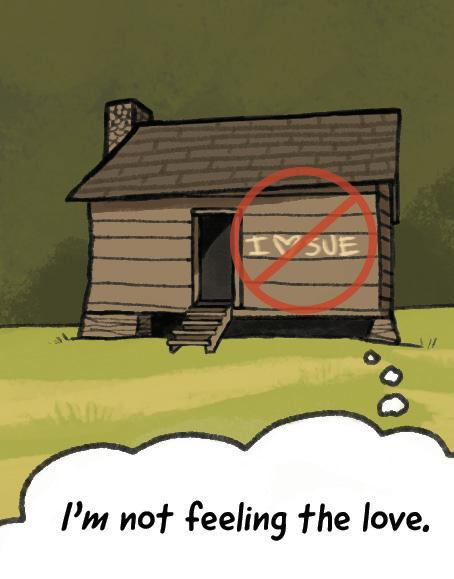
Writing on or carving into trees, stones, or structures can cause permanent damage—it’s also a crime! Taking a photo is always a better way to remember your time in the Smokies and helps preserve the park for others too.
Help protect bears by packing out all trash and food waste and using bear-proof dumpsters in the park.



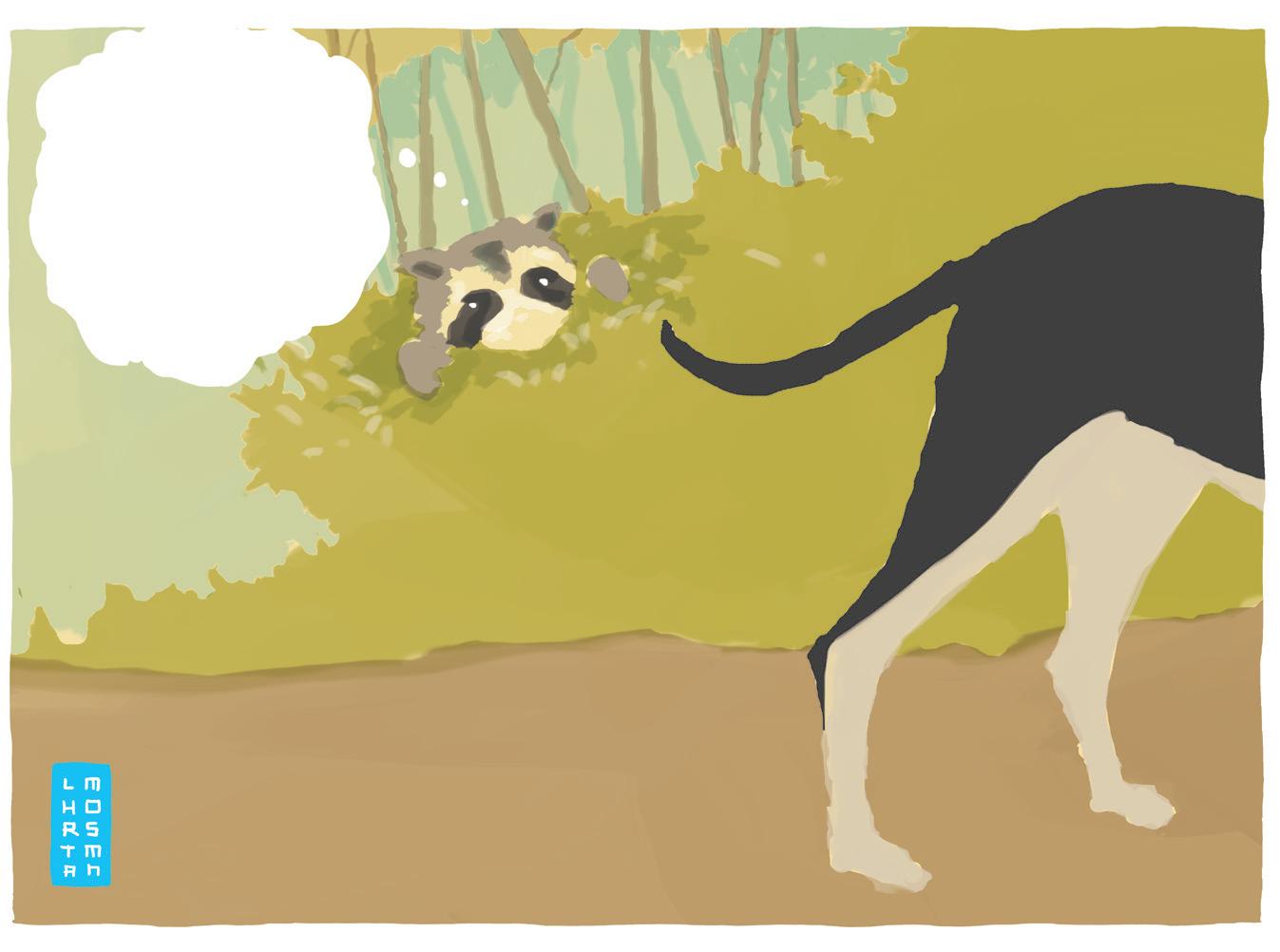
Remember that the Gatlinburg Trail and Oconaluftee River Trail are the only pet-friendly trails in the park. All pets must be kept on a leash no longer than six feet at all times.
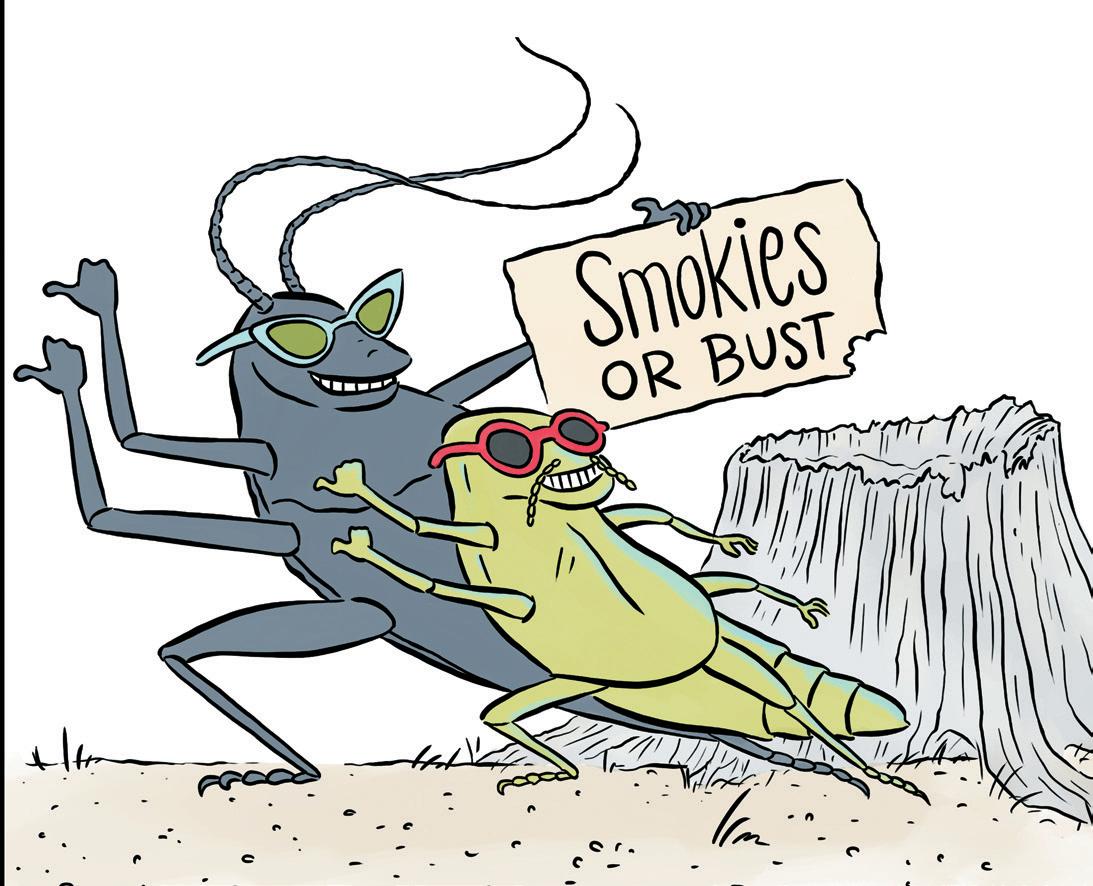
Use only heat-treated or dead and down wood within the park. Harmful pests can hitchhike into the park on your firewood, which could kill millions of trees.
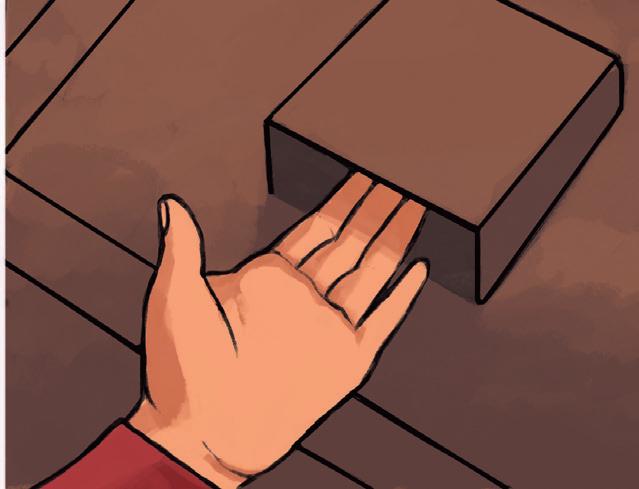
ALWAYS USE THE RULE OF THUMB


When viewing wildlife, hold your arm out straight. If you can’t cover the animal in your line of sight with your thumb, you’re too close!
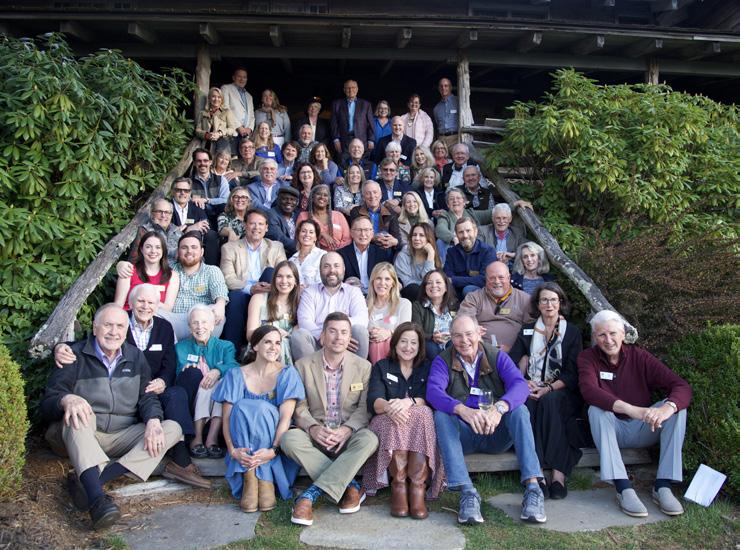
Help protect this special place for future generations! Consider joining our nonprofit park partners described on this page. They, along with over 1,600 National Park Service volunteers, help serve park staff and address many needs across the park’s 522,000 acres, maintaining this natural resource for millions like you who visit each year.
As the park’s philanthropic partner, Friends has raised more than $100 million to give to the park since 1993, helping:
Great Smoky Mountains Institute at Tremont is an environmental education center inside the park that connects people to nature through immersive, multi-day experiences. The institute promotes curiosity and inspires learning for thousands of students and adults each year.

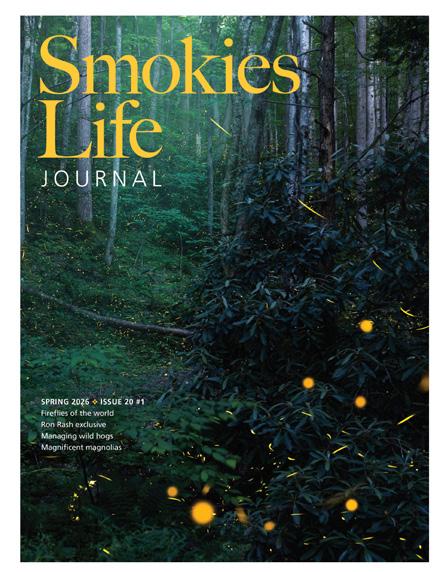
Smokies Life operates the park’s bookstores and publishes books and other media about natural and cultural resources. Since 1953, Smokies Life has given more than $54 million toward scientific and historic preservation efforts. Members, known as Park Keepers, stay informed through:
• a subscription to the award-winning semi-annual, full-color Smokies Life Journal
• digital access to this quarterly newspaper and the Smokies LIVE blog, which includes “Word from the Smokies”
• 15 percent off books and other products at visitor centers and on the web store
• access to expert-led group hikes, backpacking excursions, and educational sessions
Join by visiting SmokiesLife.org , or call 888.898.9102, ext. 257.
• Trails Forever crews improve trails
• Forever Places crews preserve historic structures
Adult programming includes the Southern Appalachian Naturalist Certification program, photography courses, a writer’s conference, backpacking adventures, professional development for teachers, wilderness first responder training, and a naturalist-led adult summer camp.








• protect bears, elk, and other animals
• supply search and rescue crews with training and equipment
• improve park access for people with mobility needs
• fund educational programs and transportation for school children
• monitor air and water quality while restoring native species’ habitat
• protect trees from invasive insects Friends raises money through events, business sponsorships, memorials and honorariums, private gifts, and specialty license plate sales in North Carolina and Tennessee. Visit FriendsOfTheSmokies.org to donate.
Youth summer camps and school field trips allow kids ages 4 to 17 (and sometimes their families) to explore the national park for days at a time and connect with nature through new, empowering, discoveryoriented experiences.
Visit GSMIT.org for program information. Photo by Rich Bryant.


Since 1998, DLiA has collaborated with the National Park Service, scientists, and community members on the All Taxa Biodiversity Inventory. This ambitious effort aims to identify every species living in the park and understand their roles in relation to one another and within the ecosystem.
The ATBI has documented more than 12,000 species previously unrecorded in the Smokies, including over 1,000 new to science. This research informs critical conservation decisions.
DLiA engages people of all ages through outreach and education programs, inspiring stewardship of the natural world and fostering the next generation of nature advocates. Learn more and join the effort at DLiA.org
Record life in the park with the iNaturalist app! DLiA.org

13 5 species of
25 0
ds + 2, 90 0 + species
3, 50 0 species of f ungi +
miles of streams
500,000 acres of land
84 8 miles of tr ails +
Park planners and landscape architects have lots to consider when they plan a project, like how it could affect plants and animals, impact historic artifacts, or change the view.


The Smokies get more than 10 million visits a year. We want people to enjoy the park, but to protect it for future generations, we need to know what impacts we are having on it. Find a busy place and spend some time observing.
Where are you? Why do people come to this spot?
What resources need to be protected? (A stream? Rocks? Birds? Historic buildings? Sounds?)

What are visitors doing? What are they attracted to? What are they passing by without noticing?

What impacts are people having at this site?
CAUTION: Some regional roads have closures or delays due to storm damage. Check smartway.tn.gov/traffic and drivenc.gov for information. See center map for park road closures.
© (closedinwinter)

Information
General park info:
865.436.1200
nps.gov/grsm
Backcountry info:
865.436.1297
smokiespermits.nps.gov
Emergencies 911 Cherokee Police
828.497.4131
Gatlinburg Police
865.436.5181
Avoid the fine
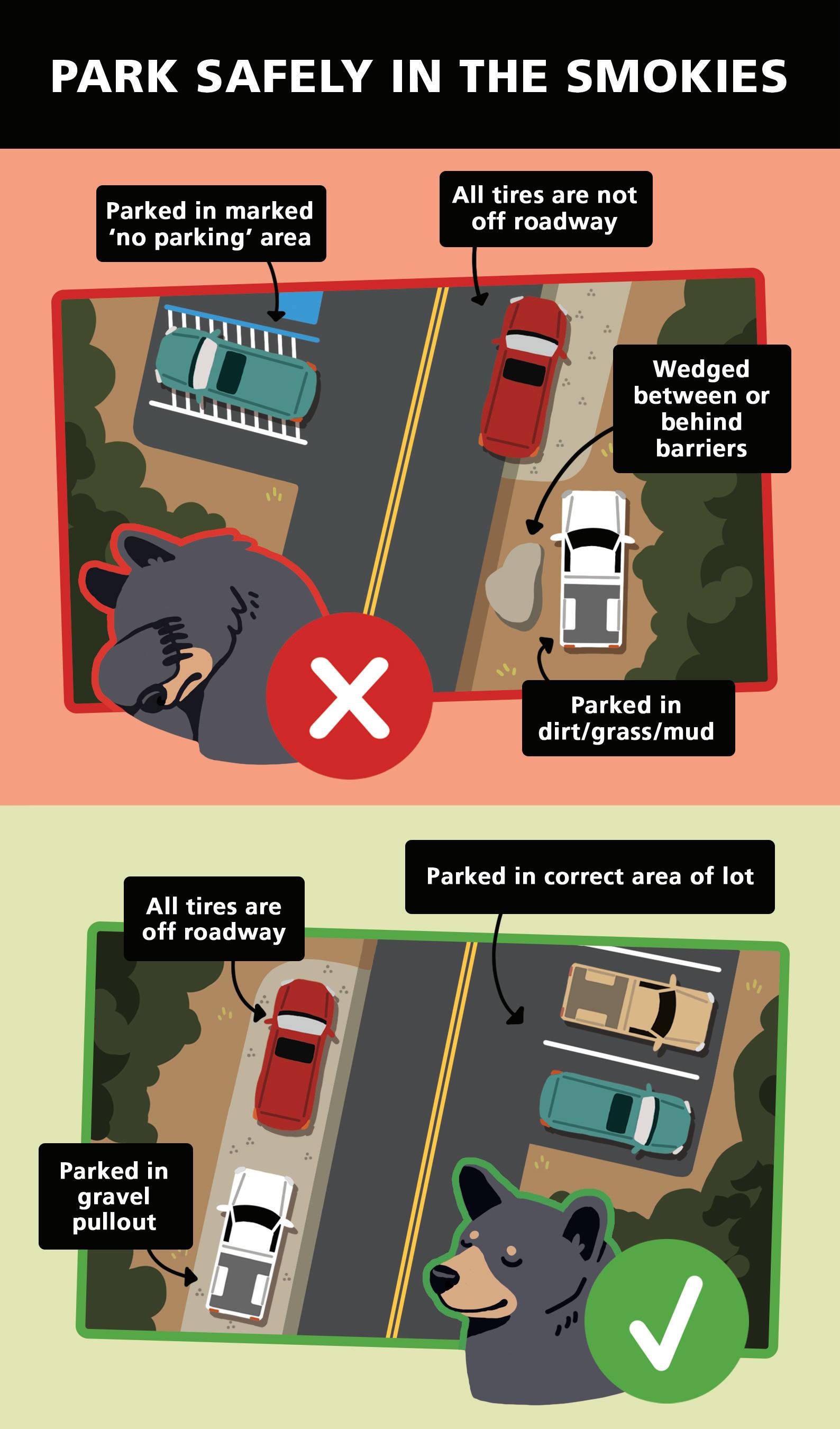
A valid parking tag must be displayed when parked for more than 15 minutes anywhere in the park. Pets are permitted only on the Gatlinburg and Oconaluftee River trails, which allow dogs on a leash. Persons feeding wildlife are subject to a $5,000 fine. Picking or digging plants is prohibited in the park.
Accessibility
Restrooms at Cades Cove, Oconaluftee, and Sugarlands visitor centers are fully accessible. For more information about accessibility, go to nps.gov/grsm/planyourvisit/accessibility.htm.