
GREATER SHEPPARTON CITY COUNCIL
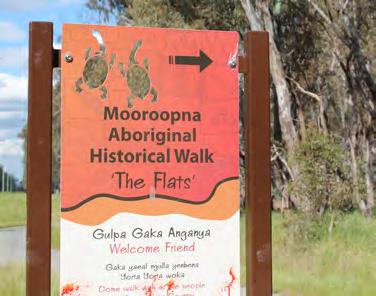


We, the Greater Shepparton City Council, acknowledge the Yorta Yorta Peoples of the land which now comprises Greater Shepparton. We pay respect to their tribal Elders, we celebrate their continuing culture and we acknowledge the memory of their ancestors.


Part Two: Performance Report
Details how we have set about achieving the goals of the 2021-2025 Council Plan. Includes what we have undertaken to achieve economic, social and environmental outcomes, and the capital works we have completed over the last financial year.
the corporate governance and statutory information.
Part
Presents the audited performance and financial statements detailing our financial performance over the last financial year A quick and easy-to-read summary of the finances is provided to make the finances easy to understand and transparent.
I am pleased to present the 2022-2023 Annual Report, reporting against the second year of the Council Plan 2021-2025. This report outlines what Council has undertaken to achieve its strategic direction over the last financial year, against the five Council Plan themes. Many actions in the Council Plan are well underway, and work will continue to ensure the outcomes identified are delivered for the benefit of our region.

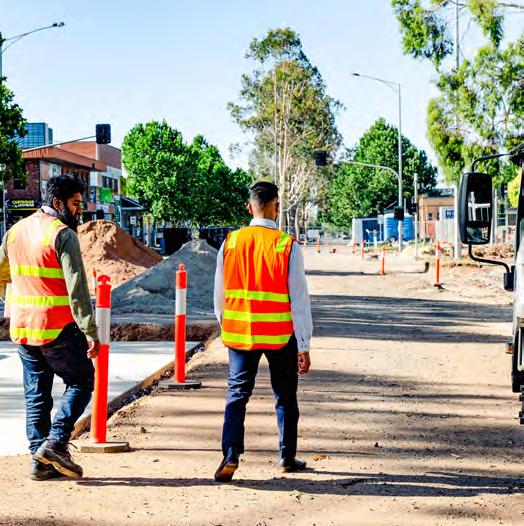
of one-way traffic bringing increased business and creating a more inviting and modern central business district. Stage 4 of the Welsford Street redevelopment was also completed, along with the Wheeler Street and New Dookie Road intersection upgrade. Council were also proud to officially open the $4 million Vibert Reserve redevelopment in February this year, which has already been greatly utilised by the Shepparton south community.
Over the past 12 months we have continued to support our local business sector and have worked closely alongside industry to boost the region’s visitor economy. As part of this we launched our new destination brand Shepparton and Goulburn Valley, helping position Greater Shepparton’s reputation as a leading regional destination.
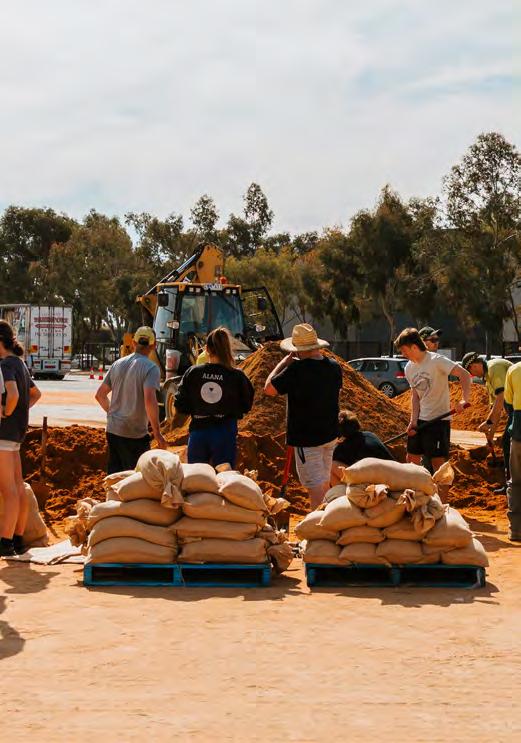
The past 12 months have been a challenging one for Greater Shepparton. The municipality was inundated with floodwaters in October 2022, leaving families isolated, our two largest towns Shepparton and Mooroopna separated, and damage to thousands of homes, businesses, buildings and community assets. Despite this, the community spirit and resilience shown by residents was truly remarkable. The community stepped up to support one another and did whatever was needed to ensure affected residents had access to food, water and other necessities. We had hundreds of people turn out to the Shepparton Showgrounds each day to help fill sandbags and further support was provided to help people place those sandbags around their homes. While it was an extremely tough time, our residents should be so proud of the way they handled the situation with such strength and compassion.
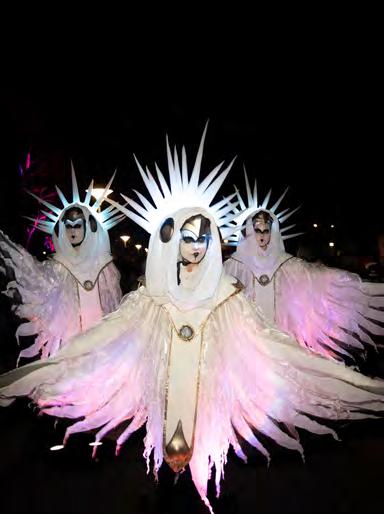
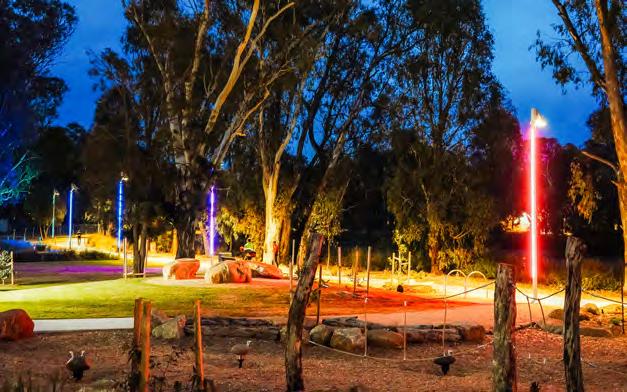
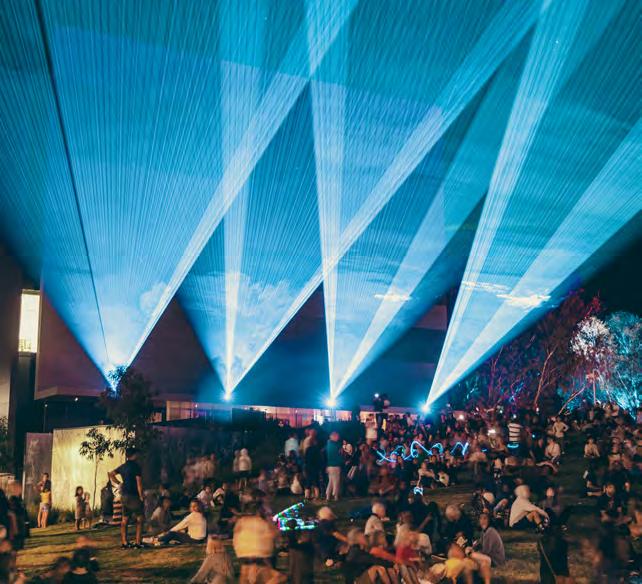
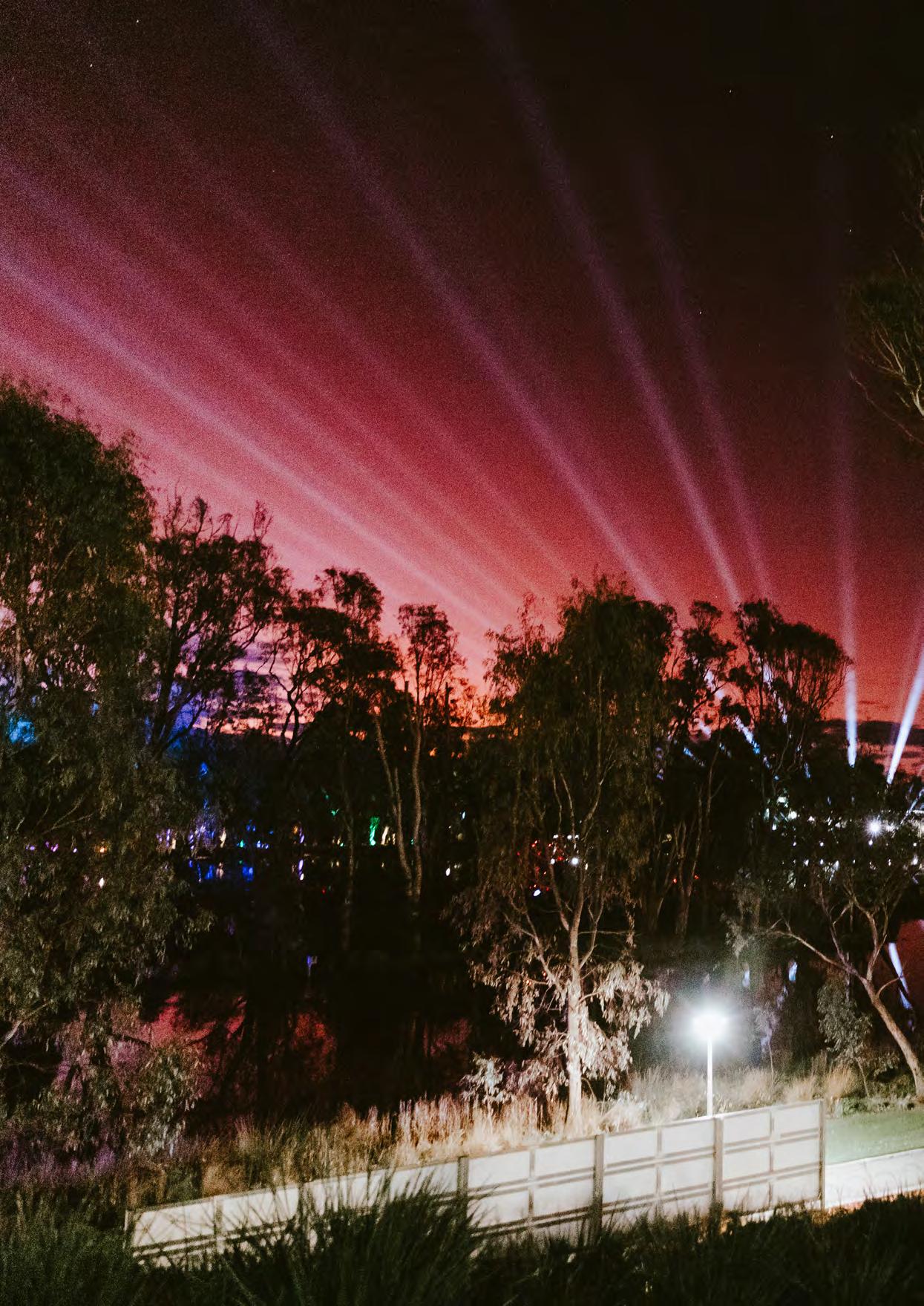
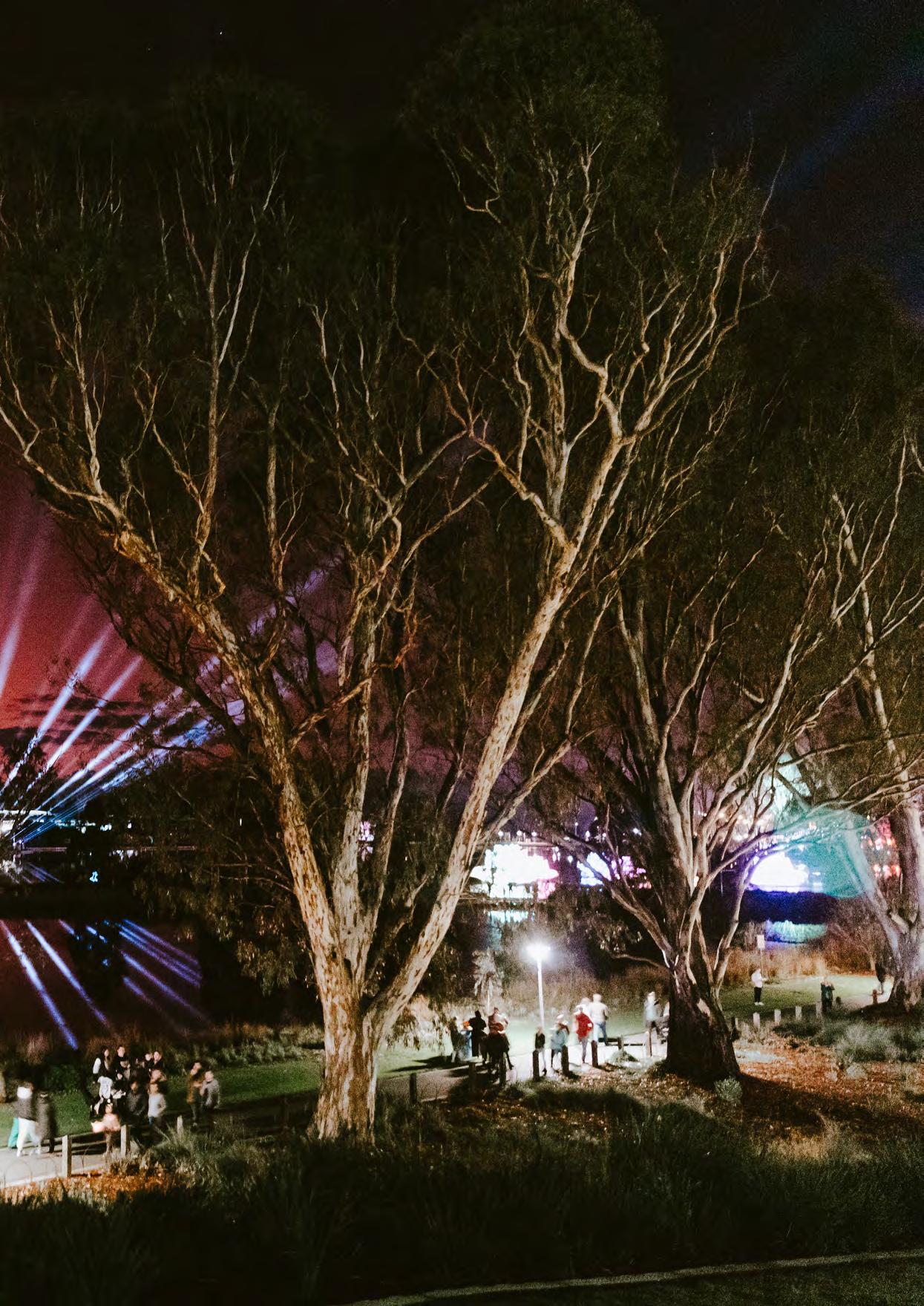
Despite this hardship, our region still experienced many highs throughout the year. We saw the return of some popular events, such as the Illuminate festival and Converge on the Goulburn, which brought thousands of residents and visitors to the Victoria Park Lake precinct to celebrate our region’s cultural ties, creativity and innovation. Our region’s sporting facilities were also put to good use, with many sporting events held here including the AFL V/Line Cup, VACSAL Basketball Tournament, Northern Victorian Show Jumping Classic, and the Softball Victoria Masters Championships.
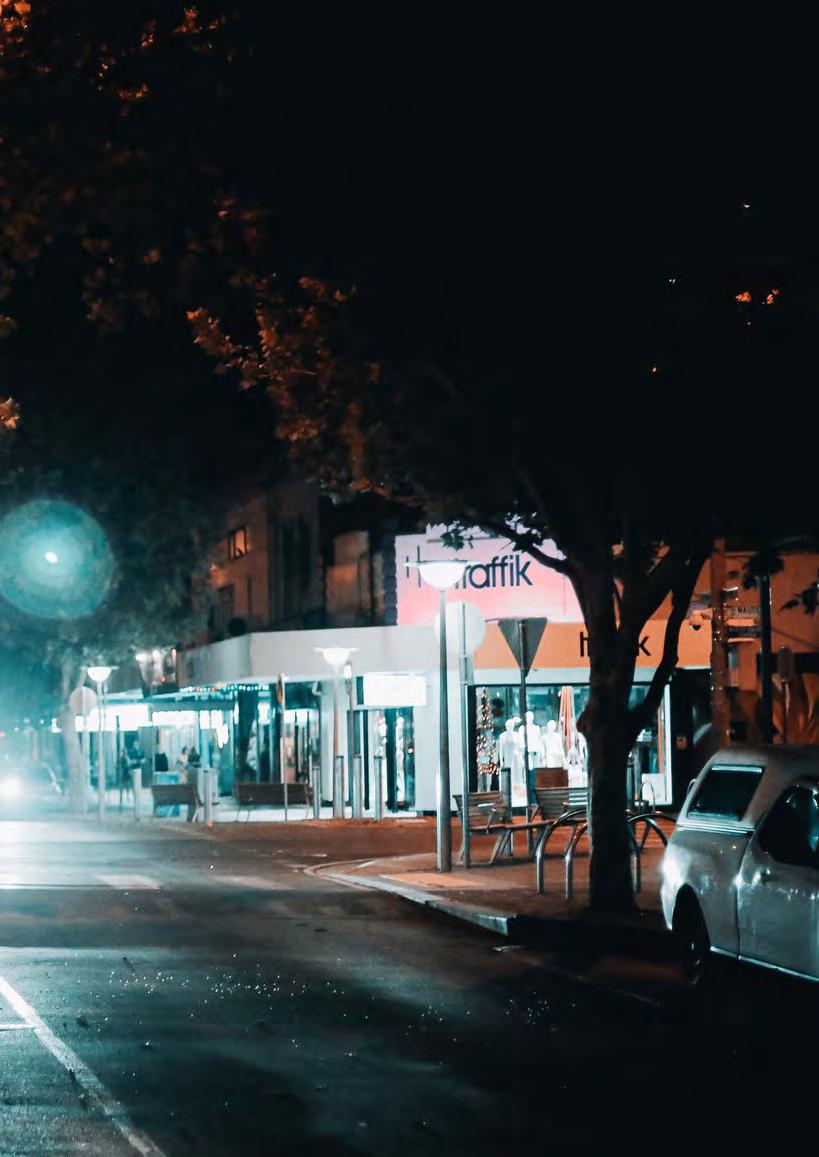
We saw the completion of several major infrastructure projects for the region, including the redevelopment of the former Maude Street Mall. This project revitalised the space with the introduction
This new brand would have been taken to global levels during the 2026 Commonwealth Games. We were extremely excited that Greater Shepparton was announced as the fifth host city for the regional Victoria Commonwealth Games in October 2022, with our region set to host a suite of cycling events and the BMX racing competition. This ambitious regional Victoria model was launched right here in Shepparton over five years ago and works were already underway to ensure we were ready to welcome thousands of athletes, visitors and spectators to the region. We were extremely disappointed to see this idea scrapped, and our focus has now shifted to ensure Greater Shepparton receives a share of the funding on offer.
I hope you get a chance to read the Annual Report and discover all of the great things that are being undertaken to assist our region’s growth. This is your community and your continued support, ideas and opinions are welcome.
I was extremely grateful to be re-elected to Mayor in October 2022 for a two-year term, and I look forward to continuing to lead the region on its continued success. I am proud to call Greater Shepparton home and I am excited to see the community thrive and achieve great things over the next 12 months.
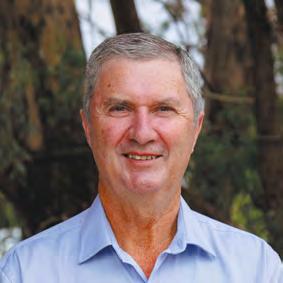
Cr Shane Sali Mayor, Greater Shepparton City Council
It is my pleasure to present the Annual Report for the 20222023 financial year. This document provides an extensive overview of the achievements of the organisation over the past 12 months, and outlines the actions still underway to achieve the goals of the Council Plan 2021-2025.
The past 12 months were a challenge for Greater Shepparton City Council and the wider municipality, however it was also one which showcased our region’s strength, resilience and can-do spirit.
The daily operations of our organisation came to a halt in October 2022 when the region was inundated with floodwaters. Our efforts turned to response, with staff from all areas of the organisation redeployed into the community to assist with the flood response. This included staff working in logistics and asset protection, in the Incident Control Centre, Municipal Emergency Control Centre, Emergency Relief Centres and any other roles required. Staff were also deployed to assist with the more than 4,000 initial impact assessments, with over 400 of these properties having significant flooding throughout. This was a difficult task for staff, especially for those living in the areas hardest hit by floodwaters. A number of staff were forced to evacuate their own homes due to flooding, however despite this, they continued to turn up to work to support the wider region and other residents needing assistance.
I was so proud to see how quickly the organisation stood up, redeployed staff and assisted the region throughout this extremely difficult situation. This work is still ongoing, close to a year later, and Council is continuing through the recovery phase. We are still dedicated to the region’s ongoing recovery, and detailed evaluations, investigation and further planning is underway to ensure the region is equipped to withstand any future emergency situations.
Aside from this, Council has resumed its business as usual operations and we managed to achieve many milestones over the past 12 months which we can now look back on with immense pride.
Our region’s environment and sustainability was at the forefront of many actions achieved during the financial year. We adopted the RiverConnect Strategic Plan 2023-2028, which is an important document outlining the future priorities and goals to improve the region’s connection to our rivers. Our RiverConnect team were involved in another successful National Tree Day in July 2022, with more than 150 people planting 1300 native trees at Huggard Drive in Mooroopna, and celebrated another World Rivers Day in September 2022.
Further achievements in the sustainability and environment space involved Council rolling out Stage One of the Kerbside Transition Project in March this year. This saw changes to the kerbside collection frequencies for Kialla and Tatura, with these changes expected to be rolled out to the rest of the municipality in late 2023. Our region is committed to reducing green waste contamination in the red lid bin and working towards the State Government’s Waste and Recycling Policy targets. We look forward to seeing the positive changes which flow from this project, including an improvement in the contents which end up in landfill.
Over the past 12 months, Council has continued advocating to the state and federal governments for the important infrastructure projects which our region desperately needs. Following the disappointing cancellation of the 2026 regional Victorian Commonwealth Games, we will continue this work to ensure the needs of Greater Shepparton, including the Shepparton Sports and Events Centre and the Shepparton Bypass, are understood and recognised.
I would like to take this opportunity to thank all staff who continue to adapt to the changing needs of our organisation and our community.
A significant proportion of our projects in the past 12 months were delivered on time and on budget despite the many challenges which we were presented, which is a true credit to staff.
Thank you also to the Mayor and the Councillors for their leadership and direction in what has been a very busy and challenging year.
Peter Harriott Chief Executive Officer

This report provides a comprehensive account of Council’s achievements, challenges and aspirations for the future.
The Local Government Act (2020) requires all councils to present an Annual Report at a meeting of Council open to the public by no later than 31 October 2023.
The report details our performance against our commitments as set out in the Council Plan 2021–2025 and provides an analysis of our financial performance. This report also demonstrates the breadth of our operations and the diversity of services delivered on a daily basis to the Greater Shepparton community.
The Annual Report is an opportunity to acknowledge all of the great things that have happened across the municipality over the past 12 months and note the challenges that have marked the year.
We hope you enjoy reading about the 20222023 year and we thank our community for their continued support and direction.
The diagram below details how planning, measurement and reporting are undertaken at Council. Council Plan
Vision, goals and strategies
How have we gone
Plans
What, how, who and why Budget
How services and projects will be funded
The Council Plan, developed in consultation with our community, details the vision, goals and strategies to guide Council’s actions and work over a four-year period.
Council’s Financial Plan describes how Council will resource the needs and aspirations of the Community Vision and Council Plan while ensuring long-term financial sustainability. The Budget sets out funding for projects and services to be undertaken in the short term.
Departmental Business Plans provide a roadmap as to how services and projects will be delivered and sets out key performance indicators to be achieved.
The Annual Report describes progress in achieving the overall goals of the Council Plan and reports the results at the end of each financial year.
This report is designed to serve both the needs of the Greater Shepparton community by informing them of what Council has been doing, how we’ve followed through on the Council Plan and how we performed over the past 12 months, as well as to meet legislative requirements.
The report presents the information that our community might find most interesting at the start, with information that is more detailed and specific, such as the Financial Report, contained towards the back of the document.
The report is divided into:
Find out all about Greater Shepparton and your Council.
Details how we have set about achieving the goals of the Council Plan.
Includes what we have undertaken to achieve our strategic direction over the last financial year in the areas of vibrant and diverse economy, community leadership, environment and climate emergency, infrastructure and technology, and social responsibility and wellbeing, as well as our Sustainability Report.
Presents the Corporate Governance and statutory information.
Presents the audited performance and financial statements detailing our financial performance over the last financial year. A quick and easy-toread summary of the finances is provided to make the finances easy to understand and transparent.
We are keen to hear any thoughts or ideas regarding the Annual Report. If there is information that you think needs to be included or any ideas on how we can improve the document, please let us know at council@shepparton.vic.gov.au
For every $100 of rates income, you are helping fund your local community in these ways:
$100
























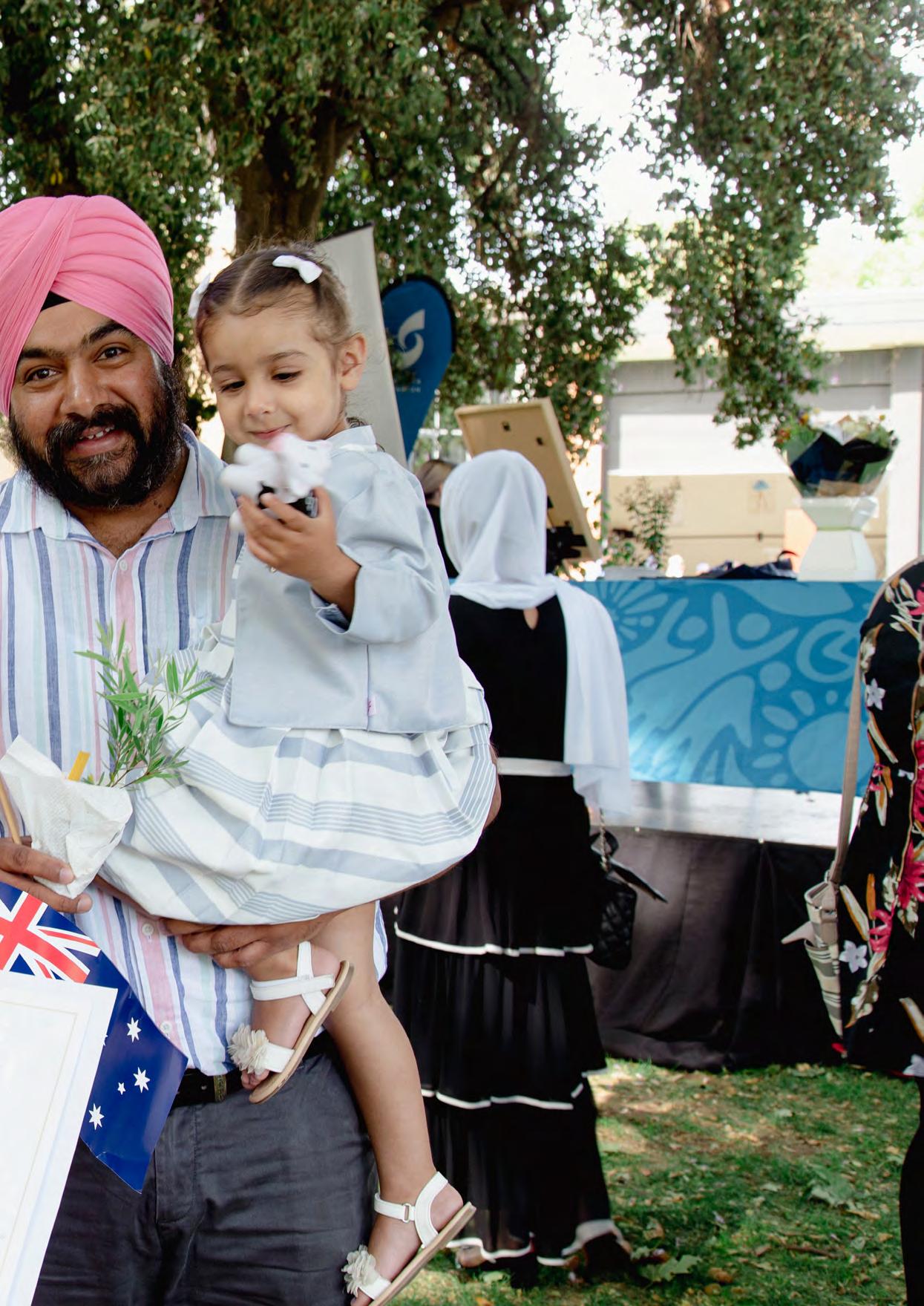
A diverse, vibrant and connected community valuing accessible opportunities for everyone. We adapt and respond in a way that is innovative, sustainable and accountable. We acknowledge where we have been and look forward to where we are going. Together we are Greater!


Population
The population forecast for 2023 is 70,424, and is forecast to grow to 81,905 by 2036.
to 45 to 1112 to 1718 to to 3435 to 4950 to 5960 to 6970 to 8485 +
1718 to 2425 to 3435 to 4950 to 5960 to 6970 to 8485 +
1,742 people over the age of 85.
3.9% of Greater Shepparton’s population identify as Indigenous or Torres Strait Islander.
17.4% of people were born overseas, compared with 12.4% in Regional VIC.
17.6% of people spoke a language other than English at home.
4,932 people (or 7.2% of the population) reported needing help in their day-to-day lives due to disability.
Education and Child Care
16 children’s services sites.
14 Council run kindergartens.
26 primary schools.
Liveability
1 state secondary school.
36.1% of people aged over 15 years had completed Year 12 schooling (or equivalent).
5 private and catholic secondary schools.
3 tertiary education providers.
Median house valuation of $292,696
$377,365 lower than the median house valuation for Victoria.
Median unit valuation of $218,672
$307,512 lower than the median house valuation for Victoria.
Median house rental of $300
$100 lower than the median house rental for Victoria.
Median unit rental of $240
$159 lower than the median house rental for Victoria.
Gross Regional Product was $4.14 billion.
Manufacturing had the largest total exports by industry, generating $1,122 million in 2021/2022.
Manufacturing had the largest total imports by industry, generating $1,243 million in 2021/2022.
Construction had the highest local sales, generating $1,355 million in 2021/2022.
Value of building approvals was $315 million in the 2021/2022 financial year.
Health Care and Social Assistance most productive industry, generating $513 million in 2021/2022.
In 2021/2022, the total tourism sales in the City of Greater Shepparton was $216.0m, the total value added was $107.8 million.
In the five years up to 2021/2022, there were an average of 11,090 international visitors to the City of Greater Shepparton. Average length stay for international visitors was 31.4 days, higher than the average for Victoria.
Domestic visitor nights 718,588; Domestic daytrip visitors 547,383; Figures are for 2021/2022.
17% of the population earned an income of $1,750 or more per week. More residents worked in Health Care and Social Assistance than any other industry. More professionals than any other occupation.
31,250
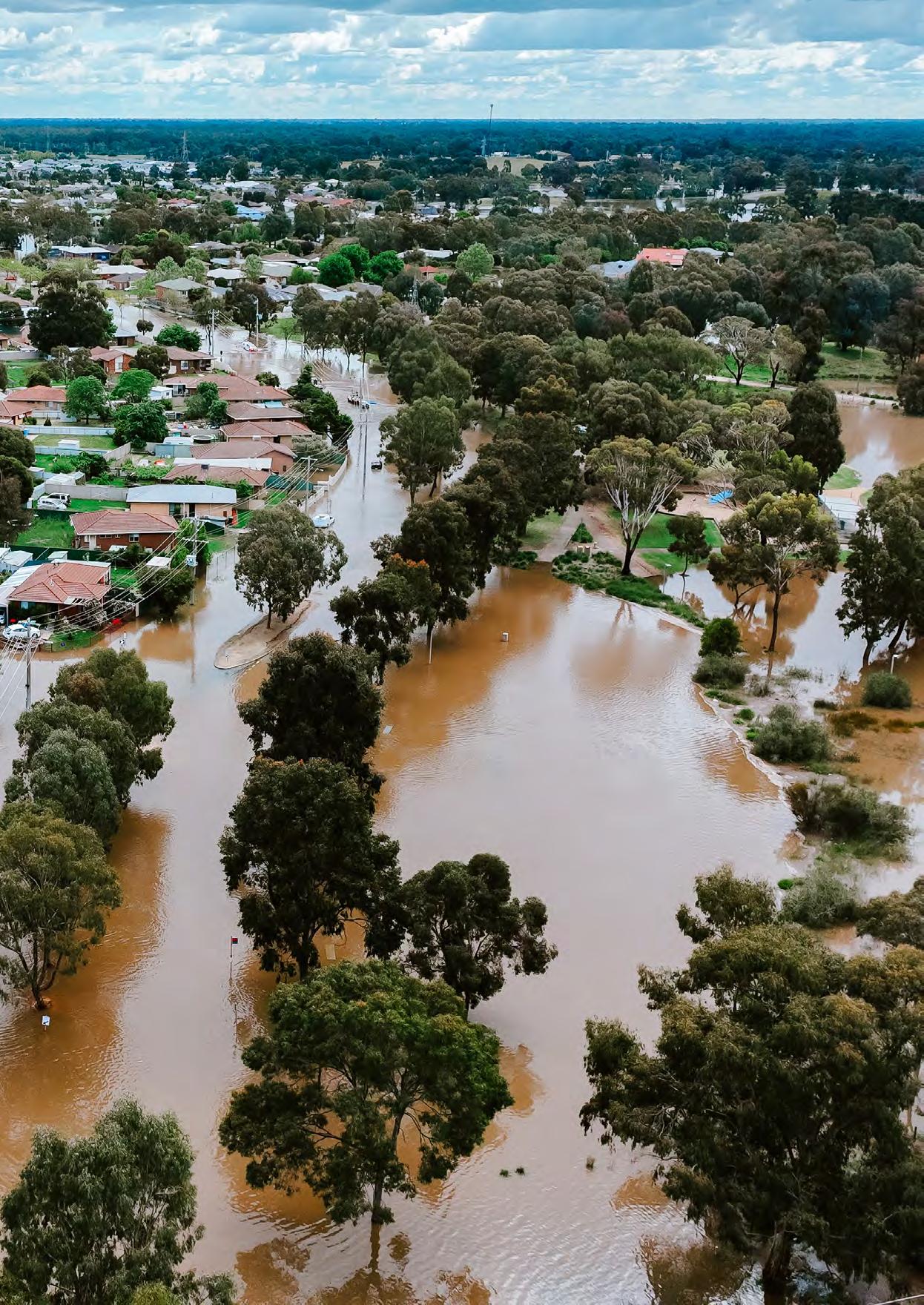
The October 2022 flood event had a significant impact on the Greater Shepparton region.
A rainfall event that occurred across the Goulburn and Broken catchments from 12-14 October 2022, with 48 hour rainfall totals exceeding 200mm in some areas, caused widespread flooding. This coincided with full dams and saturated soils off the back of successive La Nina weather years.
Further rainfall events across southern New South Wales and the Upper Murray catchments triggered major flooding on the Murray system.
The nature and timing of these events resulted in large parts of Greater Shepparton and its infrastructure being inundated with flood waters for a prolonged period, extending from early October into November.
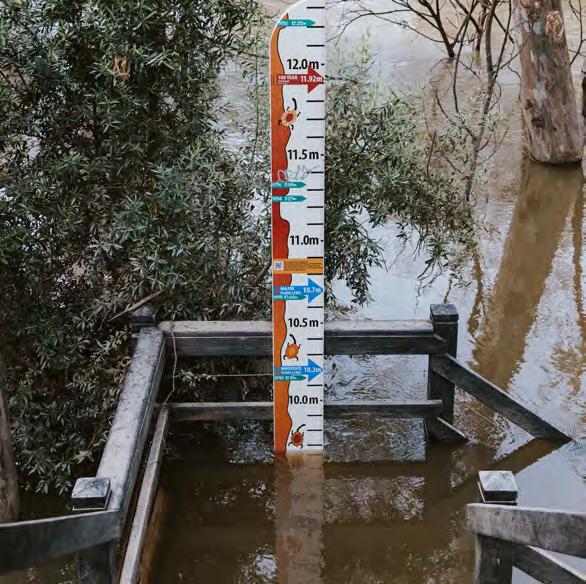
The Goulburn River at Shepparton peaked at 12.03 metres at the new Shepparton gauge.
Many towns and areas in our municipality were impacted, including Murchison, Mooroopna, Old Toolamba, South West and North West Shepparton (close to the rivers), Bunbartha, Undera, Arcadia, Coomboona, Kialla, Kialla West, Mooroopna North, Orrvale, Shepparton East and Shepparton North.
At the peak of the flood the Peter Ross Edwards Causeway, the main river crossing between Shepparton and Mooroopna was closed, isolating thousands of residents and highlighting the critical importance of establishing a second, floodresilient, river crossing for Greater Shepparton.
Council made a significant contribution to the emergency response via the Incident Control Centre and elsewhere, supporting the lead agency VICSES to fulfil the following functions:
• Logistics coordination
• Asset protection strategies, including sandbagging and pumping
• Communications and engagement
• Establishment and management of emergency relief centres in Shepparton and Tatura
• Mosquito management, food safety, and animal management activities related to the emergency
• Completion of secondary impact assessments
• Recovery coordination at the municipal level Community agencies including, but not limited to, FoodShare, GV Cares, Ethnic Council and Rumbalara, made profound contributions to supporting our local community during this extremely difficult time.
The impact of the floodwaters was significant. Initial assessments indicated over 4,200 properties were potentially impacted in Greater Shepparton. Over 6,000 secondary (follow up) assessments were conducted by Council which indicated up to 900 properties were damaged at a level varying from total or partial destruction, to a level of damage where residents could safely inhabit dwellings.
The loss of agriculture, including horticulture, was significant along with impacts to kilometres of fencing and roads.
Council commenced the transition from response to recovery on 25 November 2022.
There are still many residents who continue to work through their individual recoveries, depending on the level of impact to their homes and businesses.
In response to the flood event, Council hosted a recovery hub throughout November 2022 which received over 1,100 visits. Since this time, a ‘mobile’ hub model has been used with numerous recovery events held in impacted communities and Council has worked closely with Emergency Recovery Victoria, the Goulburn Flood Recovery Service (case management service) and the Red Cross, among others, to support impacted community members.
Regional and municipal recovery leads, Emergency Recovery Victoria and Council, are working to shape Greater Shepparton’s recovery. This work is informed by a Municipal Recovery Committee comprising of government, agency, community stakeholders and sub working groups to address the social, economic, built and natural environment pillars of recovery, as well as to consider Aboriginal culture and healing.
Some specific focus areas for Greater Shepparton’s recovery include:
A number of Greater Shepparton residents remain in temporary accommodation sourced either through private means or with the assistance of Emergency Recovery Victoria.
The Victorian Government’s Shepparton and Mooroopna Housing Taskforce is developing options for housing for displaced residents, particularly for people experiencing vulnerability and disadvantage. Initiatives underway include the Homes @ Home pilot (involving placing caravans on properties), temporary housing in the Vara-Ville and Shepparton Holiday Village caravan parks, and the reinstatement of Aspen Lodge Caravan Park.
An investigation and design for upgraded drainage in the Lenne Street neighbourhood of Mooroopna is underway. Priorities for upgrading drainage, penstocks, and pump infrastructure are being identified in order to lessen the impact of flash flooding, and wherever possible, riverine flooding.
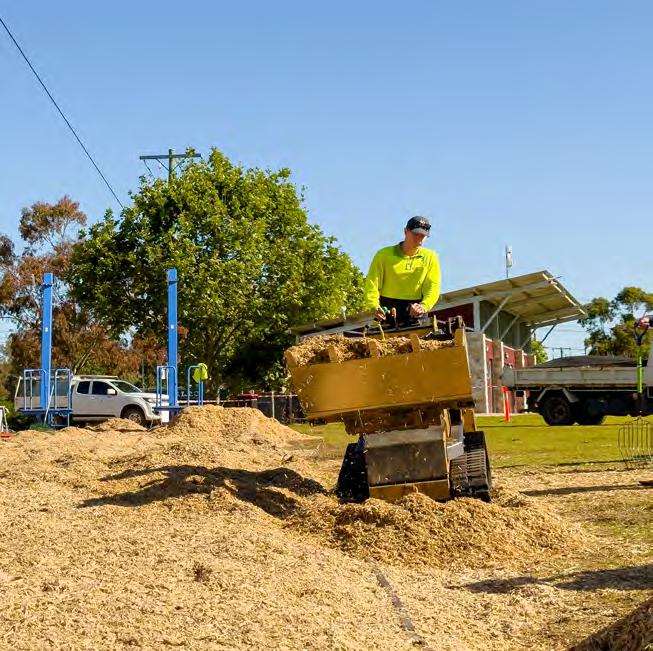
Surveys have been completed for flood impacted sealed and unsealed roads in the municipality. Remediation of unsealed roads is complete and Council is progressively working through its program of works for flood-impacted sealed roads.
Support was provided to impacted residents with the removal of flood affected waste and used sandbags from properties to kerbside, which were then disposed of. Public skip bins were also placed throughout the municipality.
Approximately 13,500 tonnes of flood affected waste was received by Council, (which does not include the volumes collected by Victorian Government-appointed contractors). Disaster Relief Australia and community groups such as the Mooroopna Football Netball Club played a role in cleaning up flood waste in the community.
While Greater Shepparton has periodically experienced flooding, a changing climate is predicted to bring more frequent, and extreme weather events. New thinking about preparedness and resilience for communities and infrastructure is required to reduce the severity of the impacts of flooding on the Greater Shepparton community. Areas of focus include the need to build a second (flood resilient) river crossing, enact a buyback scheme for our most vulnerable properties, and implement a state wide flood planning approach.
Local properties, Council assets, waterways, parks, and roads all suffered considerable damage, with several important Council services impacted, including but not limited to Aquamoves, Riverlinks Eastbank, Victoria Park Lake Caravan Park, KidsTown, Princess Park Recreation Reserve and the Mooroopna Recreation Reserve.
Council’s Flood Recovery team continues to work with community members impacted by the flood event, including to identify local recovery priorities.
Council is using the experience of the October 2022 flood event to inform continuous improvement of its emergency management arrangements. Independent after action reviews have been held with the Municipal Emergency Management Planning Committee, internal staff and community agencies.
Greater Shepparton City Council’s main responsibilities are to set the overall directions and goals for the municipality and then monitor their implementation and success.
The tools for setting these directions and goals are the major strategic plans. These include the Council Plan, the Strategic Resource Plan, the Municipal Strategic Statement and the Municipal Public Health Plan. The most important of these are the Council Plan and the Strategic Resource Plan. Both of these are four-year plans which set the objectives and strategies of our Council and calculate how these may be resourced.
Greater Shepparton City Council is governed by nine elected Councillors, and operates in accordance with the Local Government Act 2020. As a local government authority, Council exercises a wide range of government functions and powers for the “peace, order and good government” of our municipality.
Greater Shepparton City Council is one of the largest regional councils in Victoria and we strive to achieve our community’s vision of a “Greater Shepparton”.
As a local government, we protect and strengthen Greater Shepparton’s economic prosperity and the health, wellbeing and safety of our residents.
We endeavour to plan and build a connected regional community which is safe, easy to navigate and provides a healthy and prosperous lifestyle, now and into the future. Our purpose is to deliver services, implement strategic initiatives and develop policies and plans that are in the best interests of our community.
We are committed to making a difference in our community and creating a Greater Shepparton that provides access to world-class educational and employment opportunities, and health and wellbeing facilities.
Greater Shepparton City Council delivers in excess of 120 services for our community, some of which include:
For families, children and young people
• Best Start program
• Child care services
• Learn to Swim
• Playgroups
• Immunisation
• KidsTown
• Kindergartens
• Maternal and Child Health
• Youth Development
For older people and those with disabilities
• Access and inclusion
• Positive ageing
• Senior Citizen’s Centres For business
• Building and planning permits
• Building services and inspections
• Business and industry development
• Food safety regulation programs
• Greater Shepparton Business Centre
• CBD and small town placemaking
• Investment attraction
• Major event acquisitions and attraction
• Designated Area Migrant Agreements
• Parking permits and enforcement
• Support for energy efficiency upgrades
• Tourism development and destination marketing
• Trading permits
• Greater Shepparton Visitor Centre
• Workshops and training
• Aboriginal community engagement
• Activities in the Park
• Advocating for the needs of our community with the state and federal governments
• Aquamoves and rural outdoor pools
• Building permits
• Collection and management of waste
• Community planning and community development
• Creating and maintaining recreation, parks and gardens and sporting facilities
• Drainage services
• Emergency management and flood recovery
• Enforcing local laws
• Engineering Services
• Environmental education
• Environmental management
• Events and community festivals and activities
• Festive decorations and programs
• Graffiti removal and prevention
• Hosting citizenship ceremonies
• Libraries, via Goulburn Valley Libraries
• Maintaining of playgrounds, play equipment and community facilities
• Managing facilities such as Tatura Park, Shepparton Sports Stadium, Shepparton Showgrounds and Victoria Park lake
• Multicultural development
• Managing road and footpath maintenance
• Parking permits
• Pet registrations
• Provision of funding and grants for community facilities, sport, art, community, youth, sustainability and communitybased events and regional towns
• RiverConnect
• Riverlinks venues: Eastbank and Westside
• School crossing supervisors
• Shepparton Aerodrome
• Shepparton Regional Saleyards
• Social and gender equity
• Safety programs and awareness, including Safer City Camera Network
• Sports Stadiums
• Street lighting and signage
• Streetscaping and tree planting programs
• Undertaking strategic planning to ensure that Greater Shepparton has a sustainable and prosperous future
• Victoria Lake Caravan Park
• Internet Of Things (IOT) LoRaWAN Network
In July 2022, Council ceased providing Commonwealth Home Support Programme (CHSP) services (meals on wheels, home modifications, access and support, and social connections) after earlier exiting from services delivered under Home Care Packages in 2020.
The decision was influenced by changes to the way aged care services will be funded and delivered by the Australian Government in future, and by declines in the number of community members accessing CHSP services from Council.
Council worked over several months to assist interested clients to transition to receiving services from the incoming provider for meals on wheels, Community Accessability, and to the incoming provider for other CHSP services, Calvary Community Care.
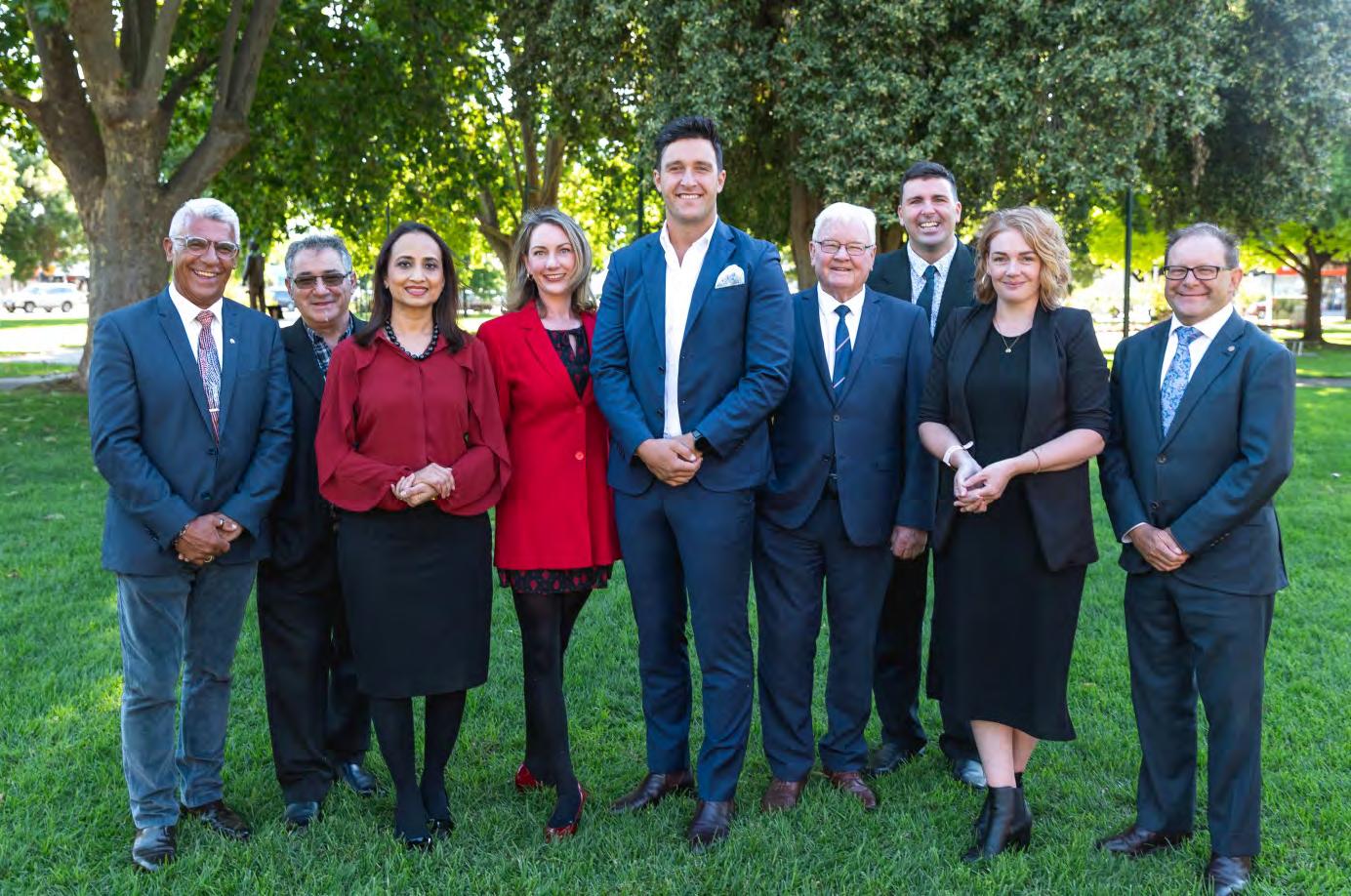
Greater Shepparton City Council comprises of nine democratically-elected Councillors who represent our community. As the locally-elected representatives, they advocate on behalf of residents and undertake key tasks such as approving the Council Plan and Council Budget. They have a responsibility to manage Council’s assets, provide a wide range of services and facilities and ensure finances are allocated in the best interests of the whole community.
The current Council was elected at the 2020 general election to provide leadership and strategic direction for the municipal district.
On 27 October 2022, Cr Shane Sali was elected Mayor of Greater Shepparton for a two-year term. A countback was held on 16 January 2023 to fill the vacancy created by Cr Kim O’Keeffe’s resignation on 28 November 2022. Cr Ben Ladson was successful in his appointment and completed the oath or affirmation of office on 19 January 2023. On 7 February 2023, Cr Anthony Brophy was elected Deputy Mayor for a one-year term.
Our current Councillors are listed on the following pages, including information regarding the Councillors key areas of interest.
Having been born and raised in Shepparton, I have a great passion and appreciation for our region and what makes it so special.
I attended school in Greater Shepparton, play football for a local team, built my career and am now raising my three wonderful children here alongside my wife Lirie.
I started my career in telecommunications and later joined our family business to further advance my business skill set across our three retails stores. Having worked in the industry for many years, I understand the true importance of the community supporting our local business sector and ensuring investment and economic growth continue within the industry.
I am committed to the Goulburn Valley community, in particular my Albanian heritage, having sat on the Shepparton Albanian Society for the past 13 years. I appreciate the strength of the multicultural community who call Greater Shepparton home and I recognise how fortunate we are to have such a diverse and unique history right here in our region.
Since being elected to Council in 2020 I have learnt a great deal about local government and the needs and desires of our residents. I was fortunate enough to be elected to Mayor in 2022 for a two-year term.
Throughout my time as Mayor the region has faced extreme hardship with the ongoing effects of the pandemic and the October 2022 floods, which saw hundreds of homes inundated with flood waters. While these experiences were extremely tough for the entire region, it was a true honour to lead the community through its immediate response and ongoing recovery. The strength and resilience shown by residents during this time was incredible, and for that the community should be so proud
I look forward to seeing what can be achieved in the coming years to continue the positive growth of Greater Shepparton, alongside the eight other proactive and passionate Councillors.
It is exciting times ahead for Greater Shepparton as we continue to attract investment to our region, creating a better place to raise your family and the place you are proud to call home.
Cr Anthony Brophy, Deputy Mayor
Deputy Mayor
until 27 October 2022.
Re-elected to Deputy Mayor on 7 February 2023
I grew up, was schooled, worked, volunteered, raised a family and have been connected to the community of Greater Shepparton virtually all my life.
My experience includes retail, politics, leadership, wellbeing, the public sector as well as additional studies. Combine my association with sporting clubs, service organisations and the media, and I bring to Council a unique set of skills, passion, enthusiasm and teamwork philosophy.
As a Councillor, I focus on what our community needs. Where are the gaps that need filling and what future strategic direction we need to steer towards to ensure we are the best regional centre in Victoria.
We have an incredibly diverse community that underpins the strength of our region. Our industries, our agriculture, our lifestyle, our families, our small towns and our sporting and event facilities work in with our strong retail and wonderful hospitality sectors. So much to love about Greater Shepparton.
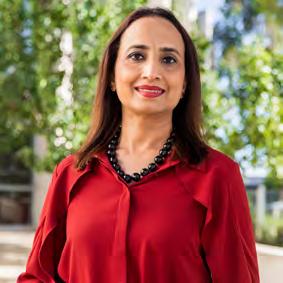
Cr Seema Abdullah
Master of Information Systems (MSc. Analysis, Design and Management of Information Systems)
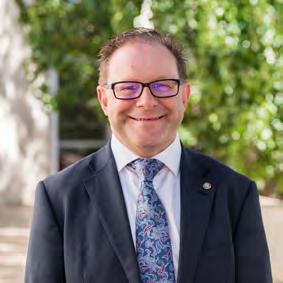
Master of Business Administration (MBA)
Bachelor of Science
Certified Project Management Professional, Project Management Institute (PMI, USA)
Graduate of Australian Institute of Company Director
I grew up in Pakistan and migrated to Australia in 2004. I lived and worked in Melbourne for five years before moving to Shepparton in 2009 with my husband and two children. By profession I am a certified Project Manager and have work experience of more than 20 years from Pakistan, Malaysia and Australia.
There are many things that are great about the Shepparton region. We have a strong sense of community, multicultural mix, diversity, beautiful lakes, rivers, river walks, trees, open spaces, sporting facilities and a relaxed pace of life within two hours of Melbourne.
Regional cities play an important role in the overall growth and sustainability of Victoria and Australia. Having lived in Shepparton for the last 14 years I see myself as a proud ambassador of regional lifestyle. I strongly believe in advocating for everything needed to enhance the liveability of regional cities.
It is my aim to foster diversity and inclusion in every aspect of Council’s service delivery and community engagement. To me it is imperative that Council’s programs and policies are reflective of the diverse social and economic needs of our community.
I am looking forward to be part of a Council that takes lead in acknowledging and removing barriers and disadvantages experienced by people from various sections of our community such as the indigenous community, ethnic minorities, refugees and new migrants, the elderly, people with disabilities and the LGBTIQA+ community.
Being on Council will allow me to play a strong role in areas that I am passionate about e.g. gender equality, early childhood education and support, environment and climate change action plan, affordable housing and an efficient and effective public transport system, to name a few.
As we know, SAM opening, the Maude Street Mall re-development and the Mooroopna Integrated Early Learning Centre are some of the significant projects commenced in my previous Council term which came to fruition in recent years. I am excited to see the outcomes of Council’s past decisions and advocacy and look forward to contributing to many more, to ensure enhanced liveability outcomes for Shepparton, Mooroopna, Tatura and our small towns.
I was born in Shepparton, and I live with my wife Rita on a rural property in Shepparton East.
My wife and I have two daughters and three grandchildren. Born and raised on a farm, I have also worked for large corporations, as well as operating family-owned businesses.
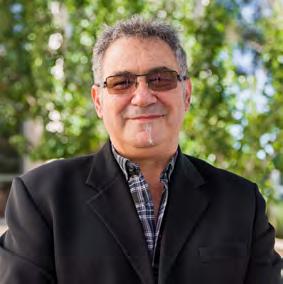
I have lived in Shepparton for most of my life and my family is a third generation of Shepparton residents.
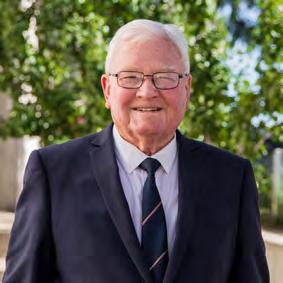
My vision is to revitalise Greater Shepparton by attracting industry and other substantial employers to our municipality, for the benefit of all.
I believe that a successful Council is at the core of economic and community progress – a belief I aim to uphold. Clear and focused advocacy, combined with direct action policy is, I believe, the more effective way forward to address the equal challenges and opportunities that inevitably lie before us.
I was involved in the real estate industry for 35 years and in that time have owned two real estate offices, working mainly in commercial and residential real estate sales and property management and auctioneering. I served as Director of the Real Estate Institute of Victoria (REIV) for nine years and held the role of Victorian State President of the REIV.
This is my second term as a Councillor, previously serving as Mayor from 20082011. I offer my vast experience in public authorities when assessing policies that come before Council for determination.
We need positive, conservative and consistent leadership as we recover from COVID-19, and I will assist fellow councillors to achieve those aims.
I will continue to examine the burden of rates on commercial, industrial, rural and residential ratepayers, assist in producing positive climate change outcomes, assist outlying communities, address our water and environmental challenges and advocate for ratepayers.
I will also assist in the development of proper planning processes.
We must assist our major tourist attractions such as SAM and the Botanic Gardens to grow and prosper as national destinations. The Eastbank Lake Project will get my ongoing focus as well.
A very proud Yorta Yorta man, born in Mooroopna and lived in the Goulburn Valley most of his life. Father of two wonderful children.
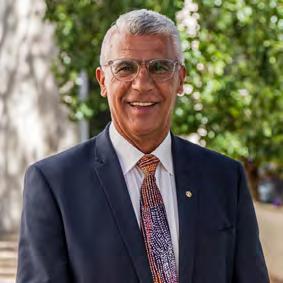
Attended school in Shepparton and also Melbourne University with two degrees in Education.
Holds a position as a representative of various Boards. An active member within the community, community sport and an Aboriginal artist in a number of mediums.
Elected to the Greater Shepparton City Council in 2020, as the first indigenous person elected as Councillor.
I am looking forward to the opportunity to become an effective and informed Councillor who can act as a positive role model for all of the Aboriginal community and create a positive pathway for our future young Indigenous leaders.
I look forward to the various challenges that will be presented to Council by our broader community and the opportunity to delve into the needs of those in our Greater Shepparton region, being able to lead our community positively and proactively in future projects and developments.
I am proud to call Greater Shepparton home, along with my beautiful wife and adorable son.
I attended school in the region, graduating from Wanganui Park Secondary College and later La Trobe UniversityShepparton Campus, completing a Bachelor of Arts followed by a Diploma in Education.
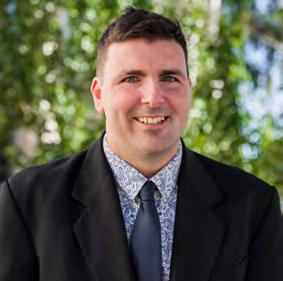
My time is mostly spent teaching students with a disability, an immensely rewarding role which I have undertaken for the past eight years.
I have owned a small business in Shepparton for the past four years which I have found to be a great opportunity to connect with locals within the community. Because of this, I have a good understanding of the needs of small business owners and the importance of supporting locals and helping our region’s economy continue to thrive.
Continuing to make Greater Shepparton an attractive place to call home, leveraging our existing strengths, and improving liveability, sustainability, and affordability across the board are key objectives for me whilst on council.
My ultimate goal as a Councillor is to encourage others to be proud of where we live.

I am very honoured to be a part of this term’s team of Councillors, who represent a wide variety of our diverse communities and who each bring to the table different and important perspectives, experiences and skillsets. I greatly enjoy working with this driven and innovative team that continue to push Greater Shepparton forward.
We are in the midst of an important and exciting moment in time, with the opportunity to action the climate emergency and to forge a region that thrives economically, protects and celebrates its environment, and nurtures and empowers its people.
With my passion for social justice and community development, I aim to focus on doing the little things well with care and transparency, on making sure each of our community members feels heard and seen, and on creating a Greater Shepparton that is the most accessible and inclusive it can possibly be.
Post-graduate Diploma in Primary Care Nursing - University of Melbourne Bachelor of Nursing - Deakin University

Graduated the Company Director Course
I am a local nurse and mother of three, who was first elected as a Councillor during 2012. I am a former Director of Kyabram District Health Service (2021-2023) and former Director of the Waste and Resource Recovery Group (2012-2016).
Greater Shepparton is a magnificent place to be. Our strong points of difference include river frontages, unique small towns, strong retail sector and innovative agricultural industries. As Greater Shepparton grows into an important regional centre, it is imperative we keep up with investment, infrastructure, services, employment and culture.
I look forward to working with other Councillors to deliver beneficial community outcomes. Our diverse backgrounds offer a variety of robust opinions and debate that best serves our municipality as a whole. Councillors have flagged interest in greater involvement in small towns, international promotion for investment, environmental sustainability, and ensuring all constituents are empowered through broad communication.
My values are transparency, collaboration and respect. As a nurse, I will take a public health approach toward Council matters and strive to bridge the gap between organisational goals and community expectations. My philosophy is that no one should be left behind.
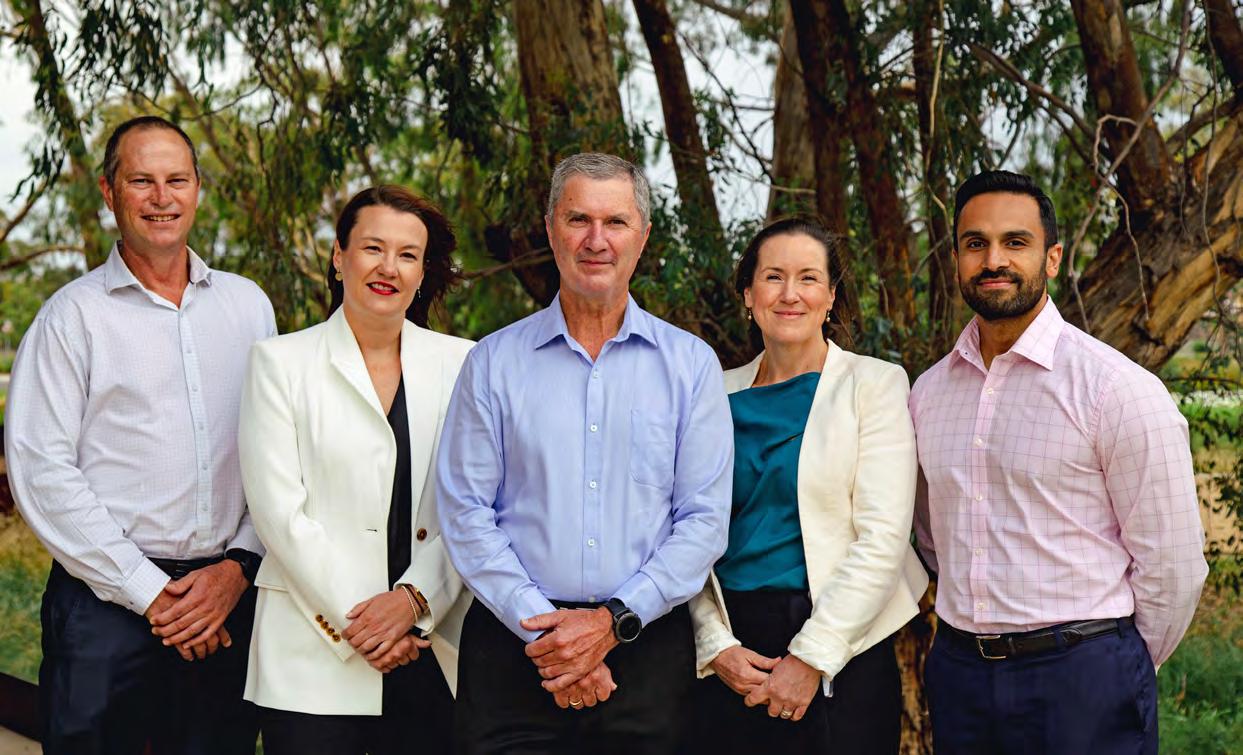
The Greater Shepparton City Council is led by the Chief Executive Officer (CEO) with the support of the Executive Leadership Team which comprises four Directors. The CEO and the Directors meet weekly to plan, co-ordinate and monitor the progress of Council’s goals and strategic direction, financial management and statutory responsibilities. The team operate in accordance with the organisational values and the organisation’s governance principles.
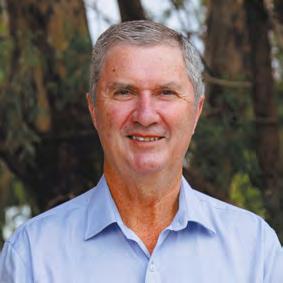
Peter Harriott
Bachelor of Civil Engineering
Masters of Business Administration
Building Surveyor Certificate
Engineer for Water Supply Certificate
Municipal Engineers Certificate
Harvard Kennedy School Graduate
Graduate Diploma from the Australian Institute of Company Directors
Peter has worked throughout Victoria and South Australia in local government over the past 35 years.
Peter has an interest in our changing climate and the impact our human footprint has on it. He believes action is required to ensure a sustainable future for our way of life and economic growth. He also places importance on culture and the arts, as well as ensuring we all have a knowledge of the truth of our past settlement of the land.
As the Chief Executive Officer, Peter is responsible for:
• Assisting the Council in the update and implementation of longterm strategic directions.
• Providing leadership and authoritative advice to the Council and Committees on the strategic directions, policies and review mechanisms for Council.
• Promoting and representing the Council to governments and government authorities in order to gain support and investment to achieve Council goals and best outcomes for Greater Shepparton.
• Leading and developing the Council to ensure that it maintains its status as a high-functioning organisation, and that its functions are benchmarked against best national and international practice.
Louise Mitchell
Bachelor of Arts (Hons)
Diploma of Leadership and Management
Master of Public Policy and Management

Louise commenced her role as Director Community with Greater Shepparton City Council in January 2022.
She has over 20 years’ experience in the public sector in a variety of court and tribunal, Victorian Government, and not-for-profit agencies.
Louise brings relevant experience in major capital projects, regulation and compliance, early years, social policy reform, targeted service delivery for vulnerable communities, stakeholder and community engagement, and strategic communications.
Louise is committed to providing accessible, inclusive, and quality services, shaped by the needs of local communities.
As Director Community, Louise is responsible for:
• Active Living
› Aquamoves
› KidsTown
› Outdoor Pools
› Health and Wellbeing
› Stadiums
• Early Years Services
› Early Childhood Education and Care
› Maternal and Child Health Services
• Community Wellbeing, Safety, and Strengthening
› Aboriginal Community Engagement
› Community Planning and Neighbourhoods
› Community Safety
› Community Engagement, including Multicultural Engagement
› Gender Equality
› Youth Development
› Access and Inclusion
› Positive Ageing
• Creative City and Performing Arts
• Libraries, through Goulburn Valley Libraries
• Emergency Management
Chris Teitzel
Certified Practicing Accountant
Graduate Certificate in Management
Bachelor of Business
Chris has been with Greater Shepparton City Council as Director Corporate Services since 2014 and has over 30 years local government and private sector experience in both Queensland and Victoria. Chris has held many senior roles including CEO, Director Community and Environmental Services, Director Corporate Services and Manager Finance as well a position of Commercial Manager in the private sector. Chris is also a current Director and the Company Secretary for Shepparton Art Museum Limited, and is the Chairperson of the Goulburn Valley Football Netball League’s Audit and Risk Committee.
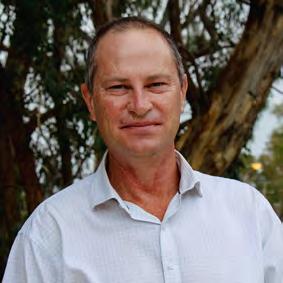
As the Director Corporate Services, Chris is responsible for:
• Finance and Rates
› Accounting Services
› Financial Analysis
› Financial Reporting
› Rates and Revenue
• Information and Communication Technology
› Application and Development
› Infrastructure and Cyber Security
› ICT Projects and Administration
› ICT Helpdesk
• Corporate Governance
› Contracts and Procurement
› Corporate Planning
› Governance
› Information Management
› Risk and Assurance
• Communications and Engagement
› Customer Service
› Community Connections
› Digital Media and Design
Chris is a strategic, community-focused individual with exceptional corporate governance, finance and operation planning skills. Chris has a strong interest in the important role local government plays in improving the economic and environmental sustainability of communities in regional Australia. He is focused on delivering cost-effective and efficient services to the Greater Shepparton region and ensuring the ongoing financial sustainability and good governance of Council.
› Greater Shepparton Partnerships and Marketing
› Marketing and Communications
• People and Development
› HR Systems
› Learning and Development
› Occupational Health and Safety
› Payroll
› People and Workforce
Director Infrastructure
Gary Randhawa
Advanced Diploma in Civil Engineering
Bachelors in Civil Engineering
Majors in Municipal and Transport Engineering
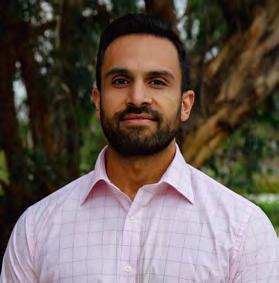
Gary commenced his role as Director Infrastructure with Greater Shepparton City Council in January 2022.
Gary has worked in local government across both New South Wales and Victorian Councils over the past 12 years, and brings relevant experience in corporate governance, best practice asset management, waste management and resource recovery, project delivery and framework, stakeholder relationships, contract management and gender equity.
Gary has a strong community focus and a passion to connect with the local communities, working collaboratively on delivering long term sustainable initiatives for our wonderful communities and future generations. He believes that local government, in the hierarchy of government bodies, plays the most important role in representing local communities to ensure effective and efficient service delivery.
As the Director Infrastructure, Gary is responsible for:
• Projects Delivery
› Capital Works Planning
› Project Management Office
• Parks, Sport and Recreation
› Park Construction
› Parks and Park Furniture Maintenance
› Public Open Space
› Sports Facility Development and Maintenance
› Recreational Planning
› Management of Shepparton’s Urban Forest and Rural Trees
• Engineering and Assets
› Design Services
› Development Engineering
› Asset Condition Surveys
› Asset Inspections
› Asset Management Planning
› Property Services
› Saleyards
› Victoria Lake Holiday Park
› Traffic Engineering
› Transport Strategic Planning
• Infrastructure Maintenance
› Aerodrome Management
› Building Maintenance
› Fleet and Stores
› Drainage
› Footpaths
› Kerb and Channel
› Road Construction
› Roads and Road Furniture Maintenance
› Street Sweeping
› Resource Recovery Landfill
› Litter Bins
› Street Collections
› Transfer Stations
• Resource Recovery
› Litter Bins
› Street Collections
› Transfer Stations
Geraldine Christou
Bachelor of Business
Graduate
Australian Institute of Company
Directors
Williamson
Leadership
Graduate
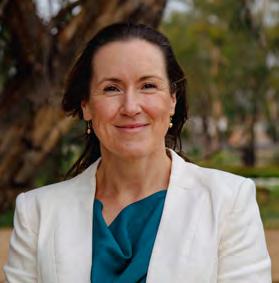
Geraldine was appointed to the position of Director Sustainable Development in January 2018, after seven years leading the Economic Development team at Council.
Having grown up in Shepparton and raised a family here, Geraldine is very passionate about the community in which she lives. Geraldine has extensive experience in local government, having worked in the sector for over 17 years, following 12 years in the private sector ensuring a thorough understanding of the challenges that business and industry face. Geraldine has subsequently developed strong connections with the sector, working with them to facilitate new investment, growth and implement sustainability measures and maintain global competitiveness.
Geraldine has strong links to our community, representing Council on a number of boards and committees including the La Trobe University Regional Advisory Board, Rail Freight Alliance and the Regional Development Australia Hume Committee. Geraldine has been a strong advocate on a number of key regional issues including passenger, high speed and inland rail, Goulburn Valley Highway (Shepparton) Bypass, CBD revitalisation, water security and is a member of the Shepparton Central Rotary Club. Geraldine also recently graduated from the Williamson Leadership Program.
Geraldine is working hard to ensure that the level of infrastructure and services for our community supports sustainable growth of the municipality and allows capitalisation of our many unique attributes.
As the Director Sustainable Development, Geraldine is responsible for:
• Economic Development
› Business Centre
› Business and Industry Development
› Business and Industry Promotion
› Events
› Visitor Economy
› Grants Facilitation and Advocacy
• Environment
› Animal Management
› Environmental Health
› Immunisation
› Mosquito Management
› RiverConnect
› Sustainability and Environment
• Planning and Building Services
› Building Approvals
› Building Enforcement
› Local Laws
› Parking
› Statutory Planning
› Strategic Planning
Greater Shepparton City Council is one of the north-east region’s largest employers. We employ approximately 907 staff in a variety of permanent and temporary roles on a full-time, part-time and casual basis. Three-quarters of our staff also live within the municipality. This means our people are able to bring a local passion, perspective and knowledge to the services they provide.
Council provides a range of flexible employment arrangements. Roughly two-thirds of staff are female. The table below demonstrates a significant portion of the female workforce is made up of part-time and casual staff at different levels within the organisation. Council has also commenced reporting on persons who identify with a self-described gender.
There has been a slight increase in the full-time equivalent workforce of approximately 1.8 per cent. However, actual headcount has only increased by nine people. Some of these people have been placed in roles that specifically relate to emergency management and flood response, but can also be explained by the recruitment and backfill of positions which had been vacant in previous years since the pandemic.
There has been a large change within the workforce over the past 12 months with the attrition rate nearing 26 per cent. This is extremely high in comparison with Council’s average attrition rate of 11 per cent and is due, in part, to the ‘Great Resignation’ that organisations across every industry have experienced in the last year. The October 2022 flood event impacted staff both personally and professionally, with a large number of staff being redeployed into other areas to assist with flood response, flood recovery and Secondary Impact Assessments.
Organisational Chart as of June 2023
As a local government organisation and a business, it is important we understand our current workforce and Legislative framework under which we operate.
The Local Government Act 2020 requires Council to have an organisational structure and the necessary employees in place to effectively manage the operations in accordance with the Council Plan. The Council’s existing organisational structure is based on functional activity and common objectives in order to meet the community’s needs, provide quality and efficient services, support the stimulation and strengthening of the local economy and provide efficient and effective administration of the organisation.
Under the existing organisational structure, a range of full-time, part-time and casual staff are employed with a diverse skills base across a wide range of professions and disciplines. The Greater Shepparton City Council Enterprise Agreement 2020 was agreed by the Fair Work Commission and came into effect on 16 June 2021, with an expiry date of 30 June 2024. The Agreement is underpinned by the National Employment Standards, the Victorian Local Authorities Award 2001 and the Nurses and Midwives (VPHSSIE) Enterprise Agreement 2016 – 2020 (or its replacement). The agreement encourages workplace flexibility and multiskilling and delivers to employees’ sound terms and conditions of employment. Improved conditions negotiated included, amongst other things, improved work flexibility and family friendly clauses plus broader access to certain types of leave.
Constant reviewing of the organisational structure and functionality is undertaken by Council. This is conducted using a Job Analysis and Authority to Recruit process that requires all Directors and Managers to strategically review a position in the structure when it becomes vacant. This process is also to be followed when there is a request for a new position to be placed into the organisational structure, including roles which are externally funded, or when additional hours or budget are requested for a current position. This allows for a constant strategic review of the organisational structure. Service Planning also assists the organisation to ensure that the best possible value is being provided to the community through appropriate resourcing of service delivery functions.
Recruitment has continued to increase in 2022/2023 due to a large number of employees vacating positions for various reasons – moving interstate, higher paid opportunities in other areas, or career changes. This is indicative of the ‘Great Resignation’ being experienced throughout 2022 following the COVID-19 pandemic. Whilst the number of vacancies has increased, the total number of applicants has decreased with Council struggling to fill vacancies with suitably experienced and qualified people. Some of these vacancies may be the result of one role being advertised a number of times due to having no suitable applicants in the first round.
YearNo. of positions externally advertised No. of applicants No. of positions filled 2018/20192062190157 2019/20201712092125 2020/20212351566163 2021/20223501874209 2022/20234371728218
Child Safe organisation
Council introduced a Child Safe Policy in 2018, in response to recommendations to implement Child Safe Standards, resulting from the Child Wellbeing and Safety Amendment (Child Safe Standards) Act 2015. This Policy affirms that Council is committed to promoting and protecting the interests and safety of children, and acknowledges that everyone working at Greater Shepparton City Council is responsible for the care and protection of children and reporting information about child abuse.
The initial seven Child Safe Standards have since been updated to eleven Child Safe Standards which were implemented on 1 July 2022. These new standards clearly embed child safety in organisational culture and governance, specifically promote safety of Aboriginal children, and include requirements to better involve families and the broader community in our organisations efforts to provide safe environments for the children and young people in our care. Council has therefore reviewed its processes and practices and implemented actions to ensure compliance with the new standards and the revised Child Safety and Wellbeing Policy.
Learning organisation
Council prides itself on being a learning organisation, one which is committed to providing ongoing learning and development opportunities for all employees. The strategic vision is to enable its employees to achieve multiskilling, increase flexibility, and enhance productivity, performance, personal development and career development opportunities.
Council will continue to provide learning and development opportunities to:
• Achieve corporate objectives, initiatives and priorities, as set out in the Council Plan and individual departmental business plans
• Enable continuous improvement for both individuals and teams
• Implement and improve quality management systems
• Enable effective job and work design
• Improve career opportunities and job satisfaction of employees
• Provide specific skills to ensure the effective and efficient operation of the organisation
• Build and grow our leaders for the future
One of the purposes of learning and development programs is to ensure that employees acquire and utilise the specialist skills and knowledge, managerial and interpersonal skills required to perform the duties of their current position and to prepare them for the future requirements of Council in meeting the needs of the community. Following the pandemic, more online opportunities have presented themselves and an improvement in technology and accessibility has increased the online learning provisions, whilst at the same time staff have been more confident to attend in-person conferences and development opportunities. With the events of the past 12 months having a big impact on staff’s health and wellbeing, a large focus for learning and development has been on mental health, developing resilience, and dealing with difficult customers.
The Local Government Act 2020 states the Chief Executive Officer is responsible for developing and maintaining a Workforce Plan. The aim of reviewing and building the Workforce Plan is to ensure that Council is strategically planning to meet the needs of its current workforce, but also that Council is planning for what its workforce in the future will look like. There are an increasing number of departments within Council that are difficult to recruit for, whether the market is too competitive or the quantity of qualified candidates are not available. Therefore, Council is including a ‘Grow Our Own’ strategy within workforce planning, taking advantage of progressive roles within departments and increasing the number of apprentices and graduate appointments.
The plan also aims to implement strategies to address the following key areas within the workforce:
• Gender equality
• Diversity and inclusiveness
• Aboriginal employment


When a staff member leaves Council after 20 (or more) years of service, they receive a letter from the Mayor and are recognised at Council’s All Staff Meetings.
The following staff members left in 2022-2023 after more than 20 years:
• Jennifer Whitford - 26 years
• Toni Phillingham - 25 years
• Adrian McCann - 25 years
• Anthony Bice - 27 years
• Jackie Vibert - 25 years
Staff are recognised for their length of service and receive a certificate signed by the CEO and the Mayor. Those that have completed 10 years of service or more also receive gift vouchers. The recipients for the 2022-2023 financial year are detailed below:
5 Years
• Dean Bailey
• Gerald Bertone
• Alice Biddle
• Gary Blum
• David Booth
• Kerri Christie
• Bevo Cleeland
• Marcus Daniel
• Andrew Dowell
• Jasmine Floyd-Daly
• Stephanie Gooding
• Stacey Griffiths
• Drew Griffiths
• Nikea Grinter
• Sarah Hardwick
• Amy Hawking
• Trent Howard
• Colin Jack
• Lauren Kendall
• Yolande Kerr
• Wayne Kimmorley
• Erika Kluenner
• Shuren Kumaravelu
• Rachelle Lye
• Jodie Lynch
• Wendy Mathews
• John Orr
• Sharnie Patching
• Carmel Redmond Perkins
• David Ross
• Alicia Rowan
• Henry Shattock
• Lee Smith
• Fiona Wallace
• Elise White
• Nicholas Williamson
• Vince Zampaglione
10 Years
• Michael Carrafa
• Sarah Casey
• Melanie Collett
• Cassandra Fairless
• Sammy Hempenstall
• Rosie Henry
• Melissa Irvine
• Beth Ivory
• Cheryldene Kane
• Nicole Kriss
• Joy Lees
• Mardi Qose
• Bonny Schnorrenberg
• Beth Sheargold
• Narelle Willing
• Nicole Wilson
15 Years
• Erjola Bace
• Suzanne Carkeek
• Daryl Chalcraft
• Geraldine Christou
• David Giles
• Russell Hardie
• Nic Hutton
• Gary Jones
• Sarah Lewis
• Christine McDougall
• Andrew Moore
• Maria Nardella
• Chris Williams
20 Years
• Darren Buchanan
• Phil Giddens
• Adrian McCann
• Geoff McConnell
• Caroline Taylor
• Jackie Vibert
• Belinda Whitelaw
30 Years
• Martin Rennie
• Tina Zappala
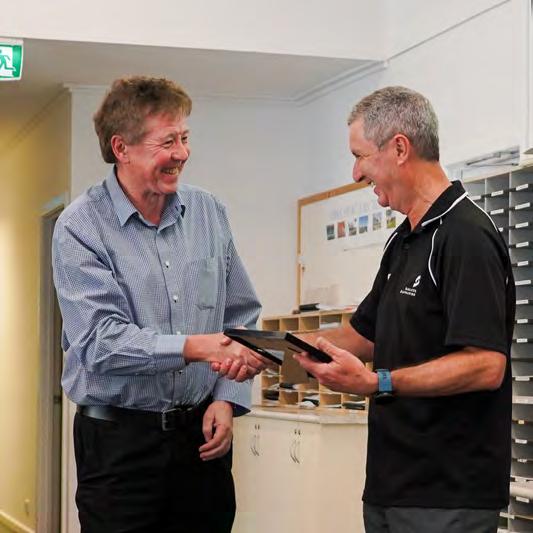
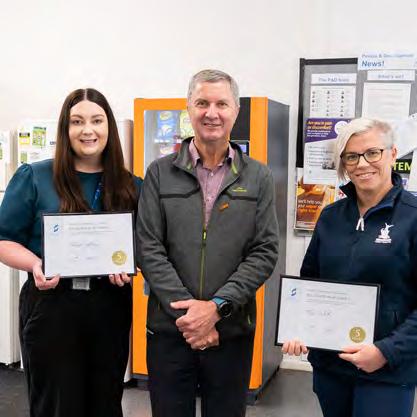
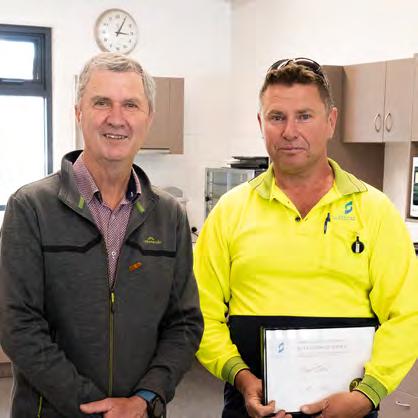


Council undertakes a number of employee health and wellbeing initiatives and programs. These are aimed at providing employees with information, tools and website links enabling them to make healthy choices which benefit them, whilst creating significant advantages for Council that include improved productivity, engagement and retention and the ability to attract the best employees.
Pre-Employment Screening is utilised as part of the recruitment process to ensure that all preferred candidates have the ability to carry out the inherent requirements of the role and that no potential employee is put at risk in a position that does not suit them physically. It also enables Council to make reasonable adjustments to the role or workplace to ensure the best person for the role is not disadvantaged in any way.
Inherent Physical and Cognitive Requirement Assessments are carried out on all roles within Council. These assessments are used to inform the Occupational Therapists conducting the Pre-Employment Screening to assess the applicant’s suitability to perform the role he or she has applied for. They can also be used to assist treatment providers and the Early Intervention Officer with injury management and determine suitable duties, where appropriate, for return to work planning.
Council is committed to ensuring all employees across the organisation have access to information and training regarding health and wellbeing. Any request to work from home as part of a Flexible Work Arrangement is only approved once a full OHS assessment of the home work space is completed by the Team Leader OHS, in order to ensure all work spaces are safe and compliant with relevant ergonomic requirements.
The EAP provides a confidential portal through which people are able to access a range of professional services at no cost to them. Council’s EAP provider is called Converge International and they were chosen specifically for their ability to provide a local face-to-face service and also assistance through specialist helplines (ATSI, Eldercare, Family and Domestic Violence and LGBTIQA+). The utilisation rate of EAP’s services amongst Council staff and their families between July 2022 and June 2023 was 6.3 per cent, in comparison to the Public Administration/Government benchmark of 7.3 per cent. This is an increase of 2 per cent on the previous reporting period.
The information provided by Converge International for the July 2022 to June 2023 period indicates the following:
• The gender ratio shows that 80 per cent of EAP clients during this period were female
• 65 per cent of clients worked full time
• 29 per cent of clients were in the 40 – 49 age group
• 70 per cent of issues reported were personal compared to 30 per cent work related
During this period, 141 appointments were utilised with each client receiving an average of 2.6 sessions per EAP issue and a maximum of four appointments per issue. (Note, some clients may have contacted EAP more than once for a range of issues). Face-to-face appointments account for 35 per cent, which is a huge shift back to in-person Counselling provision following the pandemic, with only 6 per cent of clients receiving face-to-face appointments last year. 52 per cent of clients received assistance via telephone and 13 per cent received assistance through video conferencing. Two critical response appointments were also organised in this period to support staff following the October 2022 floods and working in extremely stressful environments throughout the flood recovery response.
The top four personal issues were:
1. Ongoing stress
2. Anxiety
3. Spouse/partner
4. Death or bereavement
The top three work related issues were:
1. Work trauma/injury
2. Workload/time pressure
3. Bullying/harassment
Council takes its responsibilities for providing a safe workplace very seriously. OHS Committee meetings are held on a quarterly basis for each Directorate which is attended by all Directorate Managers and Health and Safety representatives. A bi-annual Strategic OHS Committee is attended by all Directors and chaired by the CEO. This format enables improved engagement at all levels of Council staff and ensures a more strategic overview and application of the safety culture within Council. Health and Safety representatives across the organisation are receiving improved training and being empowered to become more actively involved in promoting the safety culture.
Management of both work-related and nonwork-related injuries continued to be a focus for early intervention. Employees incurring an injury either inside or outside of work are offered appointments free of charge at Council’s provider Work Healthy Australia. If the employee’s injury or illness prevents them from fulfilling the inherent requirements of their role, Council’s Early Intervention Officer works with the provider and the individual to develop a care plan or a return to work plan to assist them to return to work or stay at work.
By having the assessment undertaken and comparing it to the documented inherent requirements of the role, it is possible to create a list of specific tasks that the employee will or will not be able to undertake and build a care plan or return to work plan around these tasks. If possible, alternative duties are sought to keep the employee in the workplace. These are not necessarily in the same role or department as the employee’s substantive position. By utilising Work Healthy Australia and working closely with the employee and their supervisor, results show the majority of employees suffering some kind of injury are able to remain on full duties and full hours throughout their treatment period.
Council actively utilises these early intervention strategies to reduce its Work Cover premiums and lost time injuries. If the employee does put in a Work Cover claim and is unable to work for a period of time, Council works closely with the employee’s treating practitioners and concentrates on providing return to work plans that will enable the employee to attend work in some capacity.
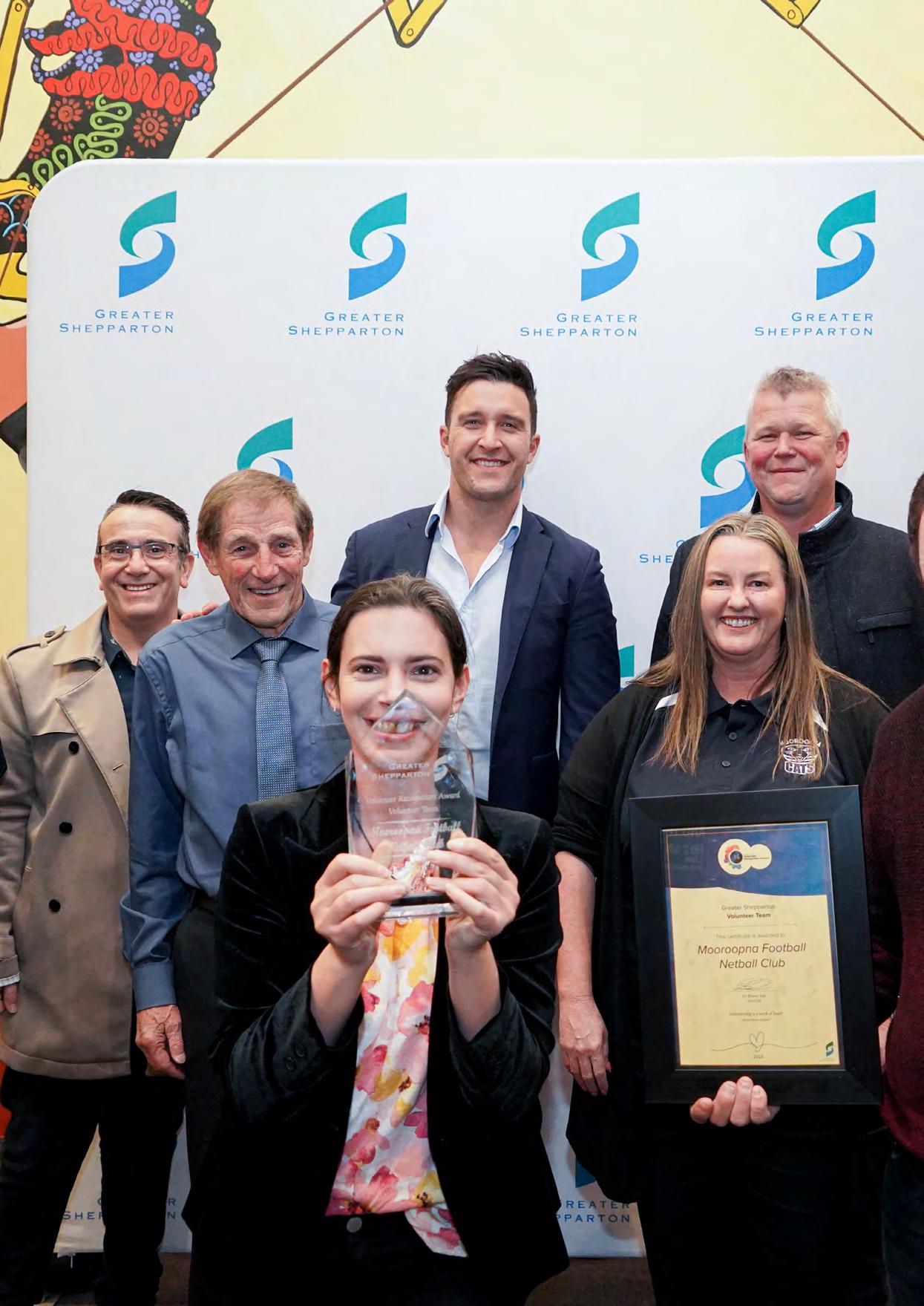

Greater Shepparton has a vibrant volunteer culture that actively supports a variety of community groups, organisations and venues. Volunteering strengthens the fabric of our society, provides a sense of belonging, and builds positive relationships.
Council recognises the services and support volunteers provide to our community. Council has been particularly appreciative of the volunteerism shown during the COVID-19 pandemic, during the floods which impacted the Greater Shepparton Local Government Area (LGA) in October 2022, and in the ongoing flood recovery phase. Council has approximately 500 volunteers across more than 10 departments and programs. Some of the Council programs and departments that utilise volunteers include:
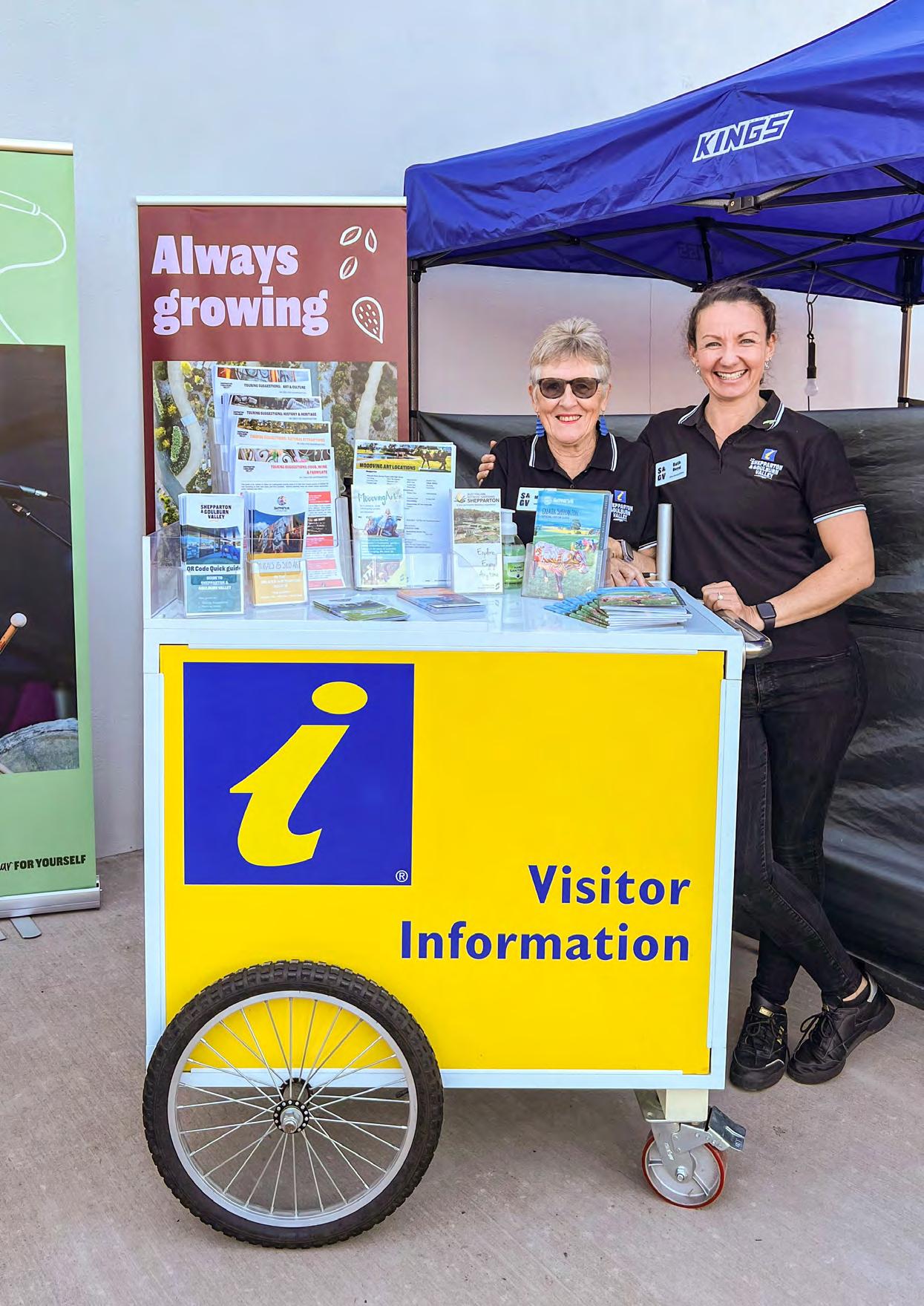
• Events and Tourism Department – Visitor Information Centre, event support
• Community Wellbeing Department – Community Planning Committees, Community Asset Committees, Youth Committee
• Early Years
• Sustainability and Environment Department – One Tree Per Child Program, Cussen Park Advisory Group
• Parks, Sport and Recreation Department – Friends of the Australian Botanic Gardens Shepparton
Council facilitates the Greater Shepparton Volunteer Managers Network.
External to Council, the Volunteer Managers Network consists of volunteer managers, coordinators and volunteer organisations from across the municipality. Network members share resources to explore, evaluate and enhance the function of volunteering and volunteer management. The Network consists of 35 organisations who usually meet every ten weeks. The core purpose of the Network is to share knowledge and information resources. The Network varies the locations of meetings to enable a better understanding of the assets which exist in the community. This has resulted in an increased sharing of knowledge, and the creation and fostering of links and partnerships.
In the 2022-2023 financial year, the Network met at FamilyCare, Goulburn Valley Hospice, Greater Shepparton City Council, and the Shepparton South Community Centre at Vibert Reserve.
Council will co-design and deliver a plan of actions in conjunction with volunteers, community, and volunteer involving organisations across Greater Shepparton. Key areas of focus will be:
Promotion
• Promote and inform on the benefits of volunteering
Recruitment
• Implement leading practices and high-quality standards
Support
• Ongoing commitment to volunteer participation, support and development Celebrate and recognise
• Volunteers are appreciated, acknowledged and celebrated
Better impact
Council has continued the implementation of the volunteer management software ‘Better Impact’ to enable Council to better recruit, manage, retain and acknowledge volunteers. This software will move Council toward a best practice model. It will ensure consistency in the recruitment of, communication with, and management of those who volunteer for Council programs. Better Impact will also enable accurate reporting of volunteer numbers and impact, and mitigate risks associated with managing volunteers.
The Greater Shepparton Visitor Centre were the first of Council’s volunteer involving programs to adopt the Better Impact model.
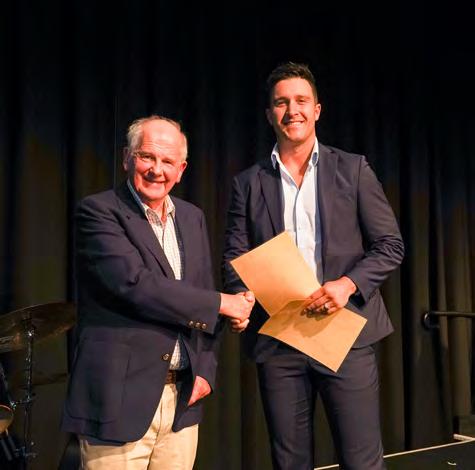
2023 saw the largest ever Greater Shepparton Volunteer Recognition Awards in its 14 year history.
The Awards were held in May, during National Volunteer Week, at Riverlinks Eastbank and were livestreamed to ensure people could tune in from any location. The Awards ceremony was attended by approximately 260 people and the livestream was viewed by over 1800 people.
The ethos of the Awards is to encourage and celebrate community and grassroots volunteering, as well as to provide opportunities for participation. The theme of the 2023 Volunteer Awards was ‘Volunteering Through Generations’.
In line with the 2023 theme, participation by community members who have made a positive impact to people of all ages through their volunteering was integral. Those engaged to participate in the 2023 Awards included:
• Denni Bathman and Noah Moore as Emcees
• Entertainment by Raiyan Galvin as well as the Splinter Group Band
• Videographer by Tom Nethersole
• Video featuring the Goulburn Valley Seniors Association Inc.
The number of nominations was the largest in the history of the Awards, with 42 nominations received across the four categories of:
• Young Volunteer: 12 to 25 years of age.
• Adult Volunteer: 26 years of age and over.
• Volunteer Team: A group of two or more people.
• Long Serving Volunteer: 15 years or more service.
The Award recipients were decided by an independent assessment panel that consisted of two community members and one senior Council Officer.
In the lead up to the Volunteer Recognition Awards, the community were invited to submit photos, stories, and videos of volunteers making a difference during and immediately after the October 2022 flood event. The submissions from this were presented as guests arrived for the Awards ceremony.
The COVID-19 pandemic had a negative impact on rates of volunteerism across Victoria. This impact was also felt across volunteer involving organisations in Greater Shepparton, with organisations struggling to retain existing volunteers and recruit new volunteers.
Research indicated there was a steady decline in volunteer numbers across Victoria (up to 50 per cent). Whilst COVID 19 continues to impact on rates of volunteerism, anecdotal evidence suggests this trend is starting to lessen, with volunteers returning to regular volunteering roles.
In 2023 the National Strategy for Volunteering 2023-2033 was released. The National Strategy is evidence based and informed by peer reviewed volunteering research papers, with a view to capturing evidence on a wide range of topics relating to volunteering.
The focus areas of the National Strategy are:
• Individual potential and the volunteer experience
• Community and social impact
• Conditions for volunteering to thrive
On a state level, the Victorian Government’s Victorian Volunteer Strategy 2022 – 2027 ensures volunteering is inclusive and accessible – particularly for First Nations, multicultural and disabled people.
Council will continue to facilitate both internal and external Volunteer Managers Network and will also continue to ensure its Volunteer Policy aligns with the national standards of volunteering.


This part of the Annual Report provides a summary of how we are performing in the five key themes identified in the 2021-2025 Council Plan.
The strategic goals that we are aiming to achieve are:
Community Leadership
We will prioritise our leadership in the community to celebrate our cultures, people and places that makes Greater Shepparton a unique, vibrant, diverse and liveable region.
Social Responsibility and Wellbeing
We will support the mental and physical health and wellbeing of all in our community, ensuring universal access to information, services, housing, healthcare and learning opportunities.
Vibrant and Diverse Economy
We will focus on driving economic development and establishing a strong, adaptive, sustainable and thriving region supported by agriculture and a diverse range of industries that provide employment and other opportunities to the community.
Infrastructure and Technology
We will focus on the planning of our region’s requirements to enable delivery of technology and infrastructure to meet the current and future needs of the community
Environment and Climate Emergency
We will prioritise our environment and take urgent action to reduce emissions and waste in order to protect public health and create a region that mitigates and adapts to climate change.
We will prioritise leadership in the community to celebrate our cultures, people and places that makes Greater Shepparton a unique, vibrant, diverse and liveable region.
Objectives:
• Communities have resources and abilities to self-advocate
• Call for substantiative First Nations constitutional change and structural reform
• Council provides customer service that meets the needs of the community
• Youth leadership is fostered, encouraged and embraced
• Good governance and sustainable financial management
• Provide a high profile collaborative advocacy role










All community engagement undertaken in accordance with procedures
Asset renewal and upgrade as a percentage of total depreciation
Council decisions made at meetings closed to the public / Number of confidential items on agenda
Council will work in partnership with the youth sector to develop collaborative approaches, responsive and coordinated services for the ultimate benefit of all young people - Number of initiatives and programs delivered
Customer Service over the last 12 months

participation of First Nations and nonFirst Nations community members
Positive results in the 202122 Community Satisfaction Survey

Small towns receive Aboriginal art installations
Council continuing to advocate for key infrastructure priorities
Flood emergency impact on Council services
Council’s Customer Service Counter to re-open Monday to Friday Greater Shepparton Reconciliation Week community event
Council adopts second Reconciliation Action Plan
Council seeks community feedback on future initiatives
We will support the mental and physical health and wellbeing of all in our community, ensuring universal access to information, services, housing, healthcare and learning opportunities.
Objectives:
• Leave no one behind
• Recognise First Nations history and advance reconciliation
• Welcome and embrace multicultural communities and their cultures
• Address issues contributing to homelessness
• Support for families and children at all stages of their learning and development
• Community members are supported to achieve and sustain physical, emotional and creative wellbeing

for supporting programs and infrastructure for
and children at all stages of their learning and development
Council continues to work with our established partners in the multicultural community to foster and develop ongoing leadership and partnerships - Percentage of meetings
Implement the Best Start Early Years Plan
Implement the Creative City Strategy
the Gender Equity Plan
the Greater Shepparton Health and Wellbeing Action
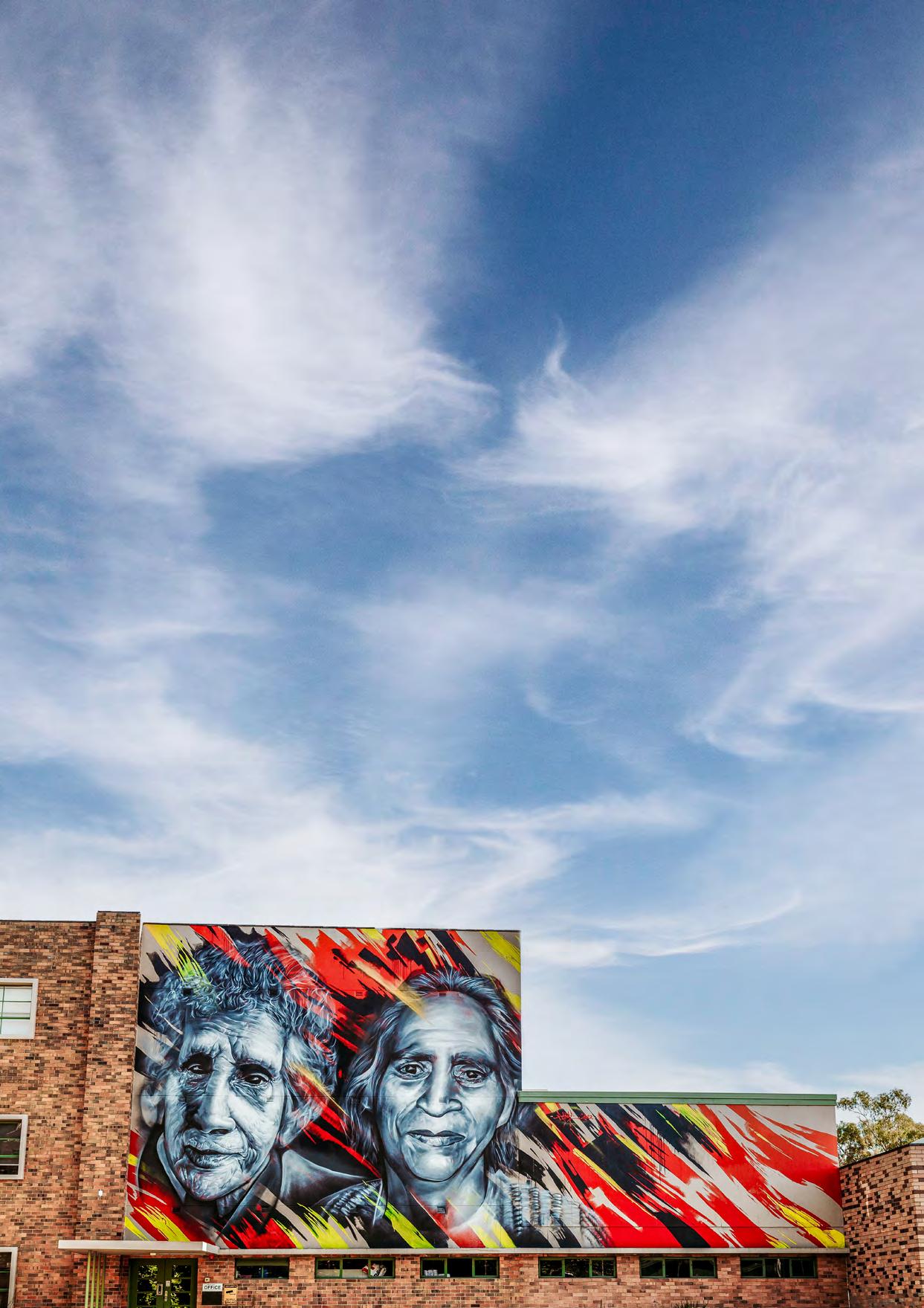
Improving the early years outcome data through Early Childhood Education and Care Programs (0-5 years) and the Best Start Early Years Alliance - AEDC (Australian Early Development Census) results
Support the implementation of the Goulburn Murray Regional Prosperity Plan (GMRPP) - percentage of meetings attended
Action Plan adopted for LGBTIQA+ Advisory Committee
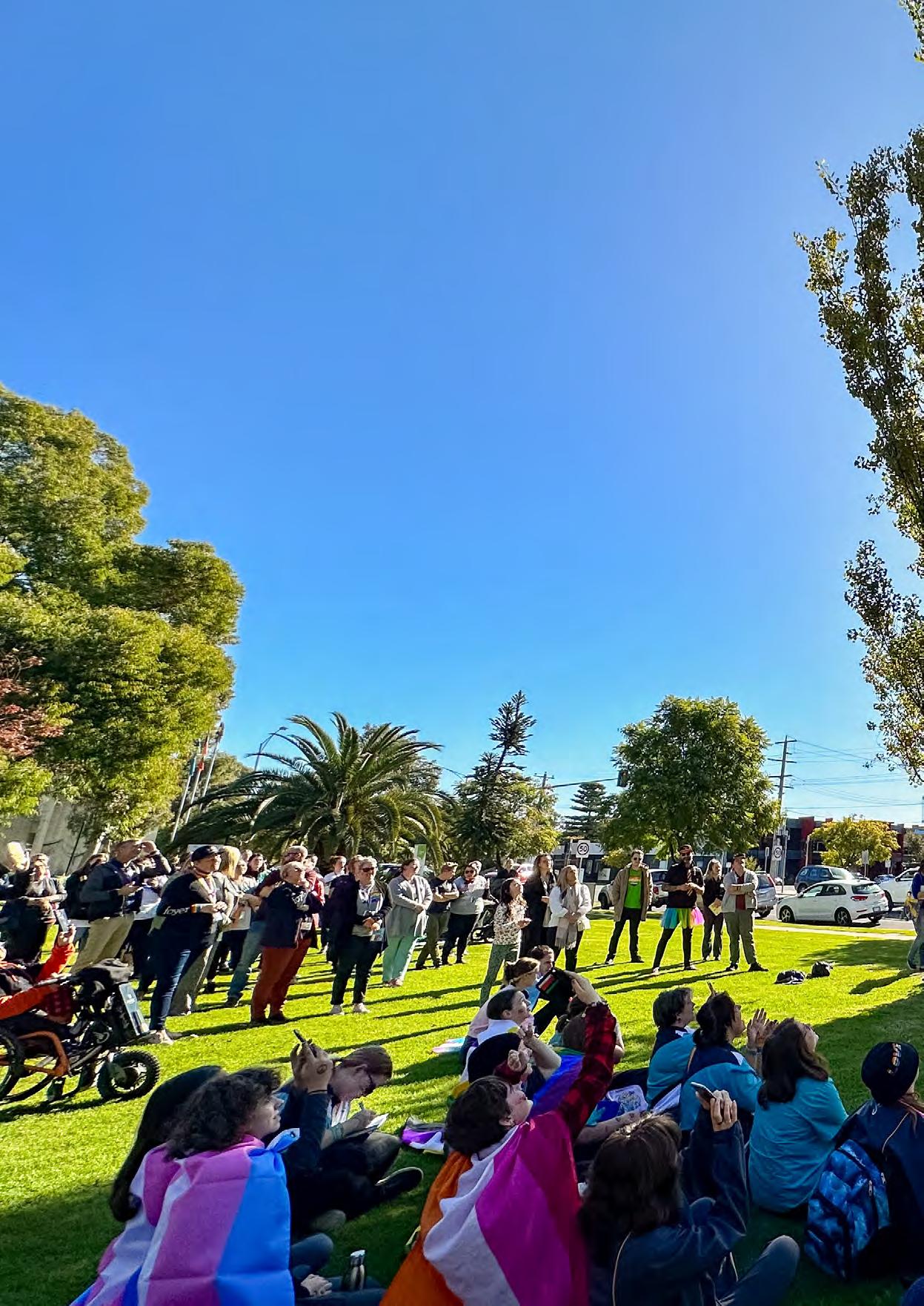
Second Creative City Networking Session a success
Mooroopna Community Plan 2022-2026 outlines priorities for the town
Annual Best Start Book Drive success
Council to develop Multicultural Action Plan for Greater Shepparton
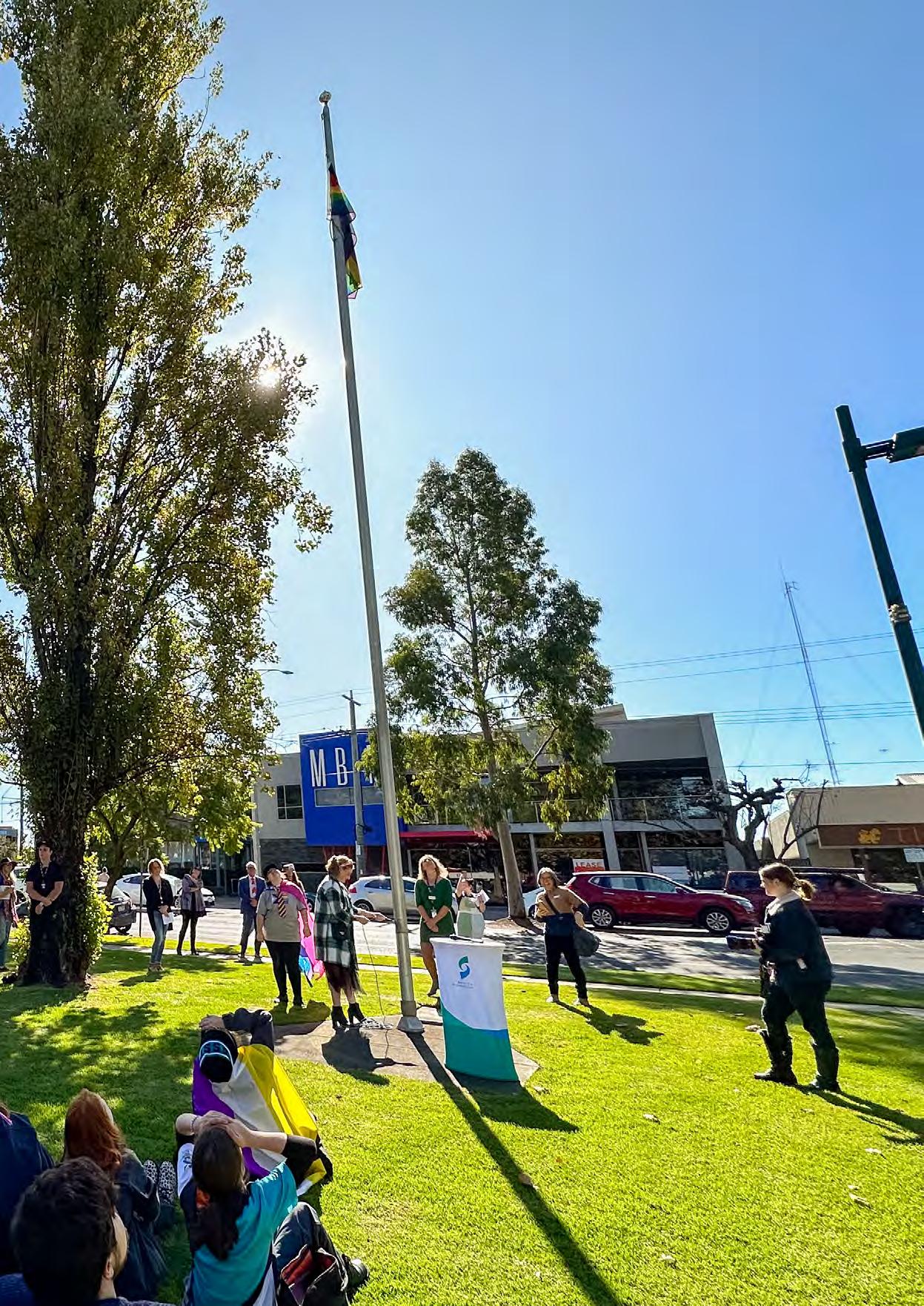
Positive Ageing Strategy consultation opens
Access and Inclusion Grants opening soon
Representatives appointed to Affordable Housing Reference Group
We will drive the visitor economy by growing visitor experiences and major events that provide employment and other opportunities to the community. Our economic development will focus on establishing a strong, adaptive, sustainable and thriving region supported by agriculture and a diverse range of industries.
2
Objectives:
• Encourage and facilitate investment and expansion
• Attract people to live, work, study and remain in our region
• Expanded educational opportunities
• Maximise utilisation and investment return on Council assets
• Expand Greater Shepparton’s visitor economy
• Efficient land use planning to encourage and support future development
• Enhancing water security in our region
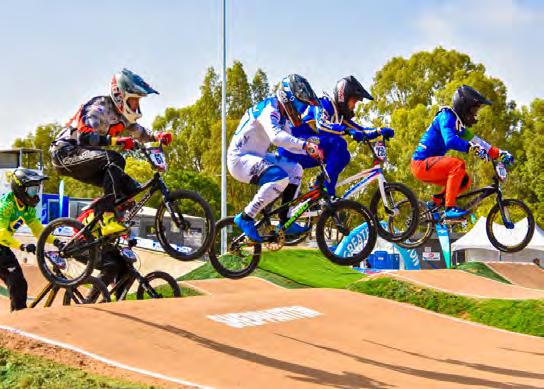

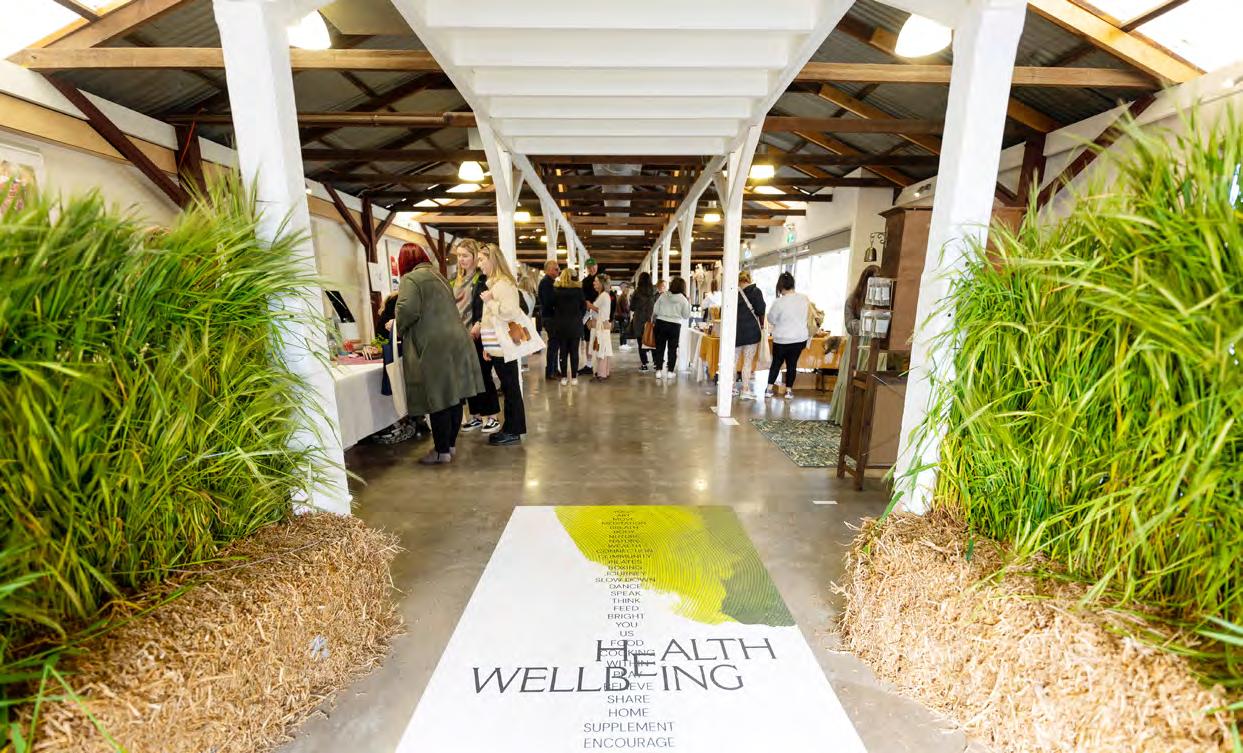
Council adopts Shepparton Sports City Master Plan
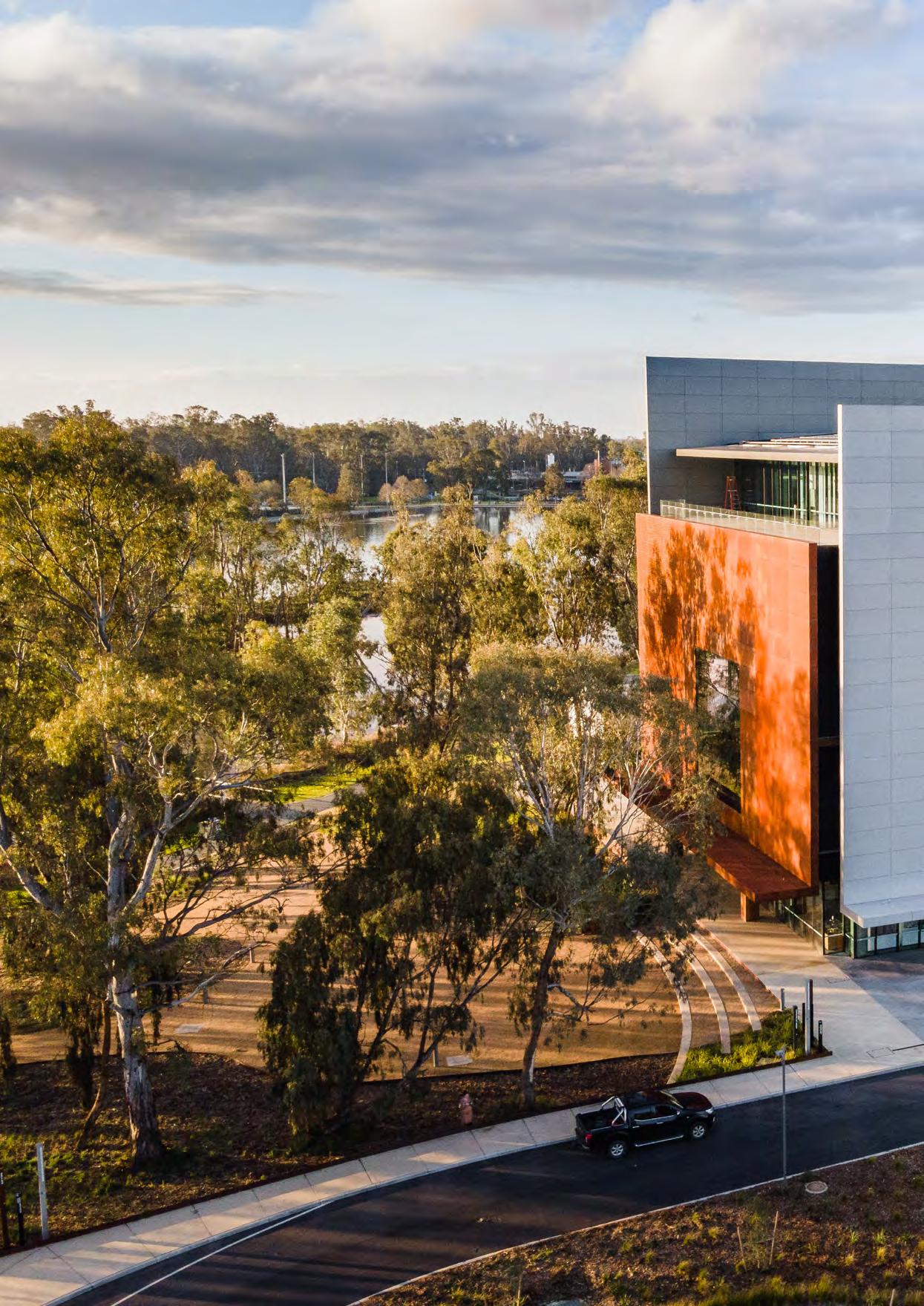
Greater Shepparton’s visitor economy evolving in 2023
Council awards important contracts for the community
GAME ON – Shepparton locked in for Victoria 2026
Council adopts Shepparton North Structure Plan
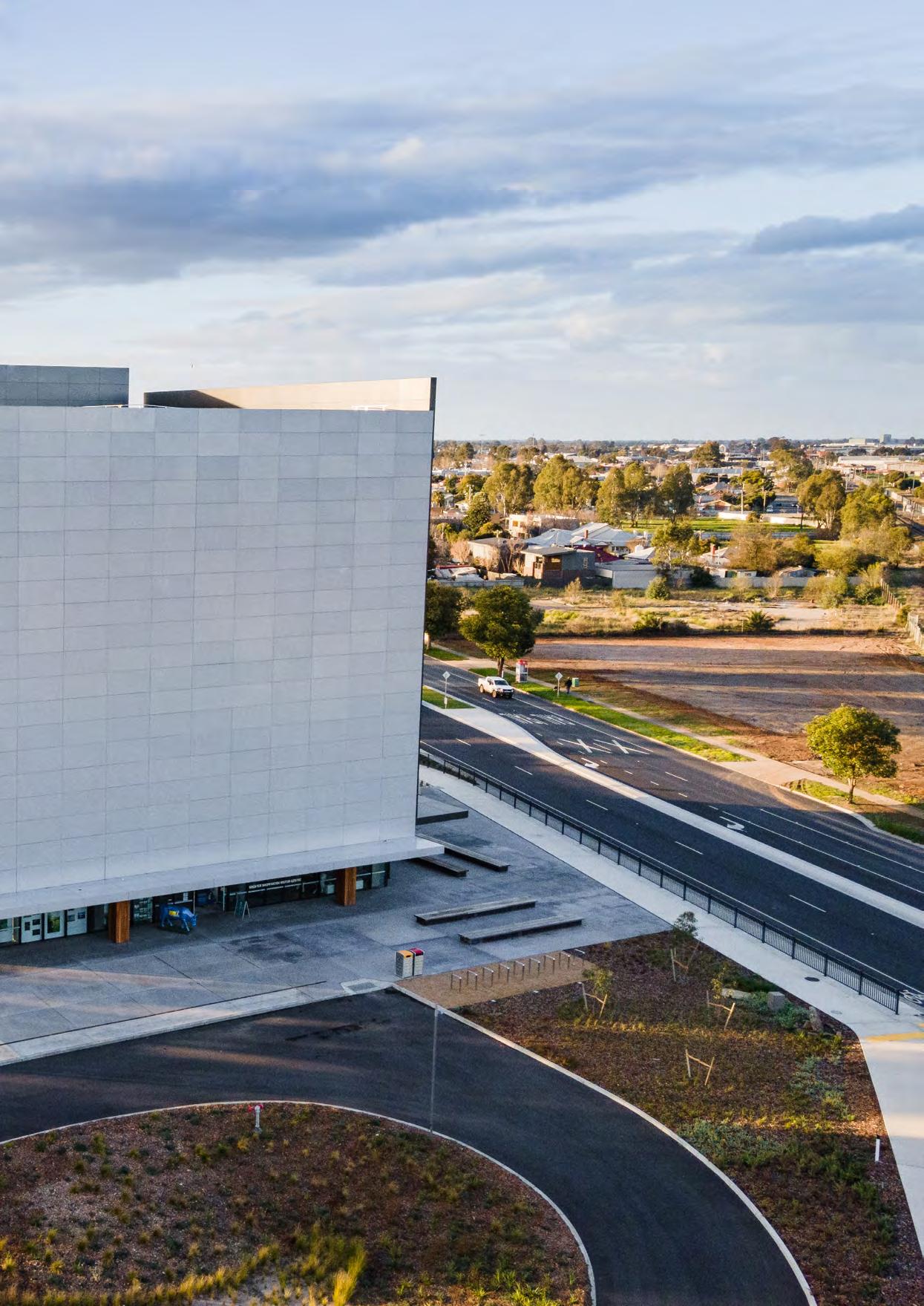
Council note Toolamba and District Community Plan 2023-2027
Council adopts assessments for future community infrastructure
Input sought for Economic Development, Visitor Economy and Major Events Strategy
We will focus on the planning of our region’s requirements to enable delivery of technology and infrastructure to meet the current and future needs.
Objectives:
• Create a smart city
• Plan, prioritise and communicate asset maintenance and new asset delivery
• Reliable, efficient, affordable and accessible transport
• Progress housing and business development opportunities
• Develop and improve community and recreation facilities


Measures
the redevelopment of Vibert Reserve
of detailed design for the Shepparton Sports and Events Centre
Conduct a high level investigation into innovative public transport trial alongside a traditional transport model
Joint User Agreements with State Government for Community and recreation facilities
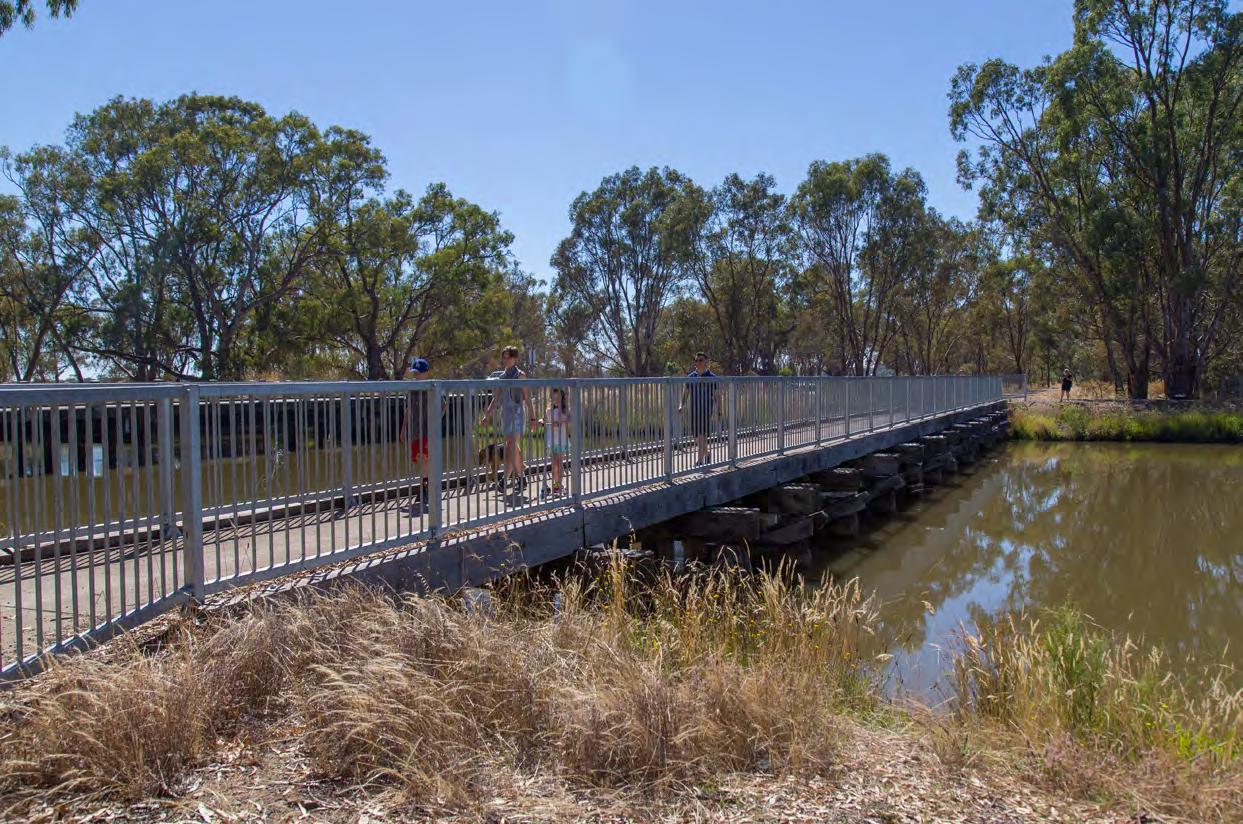
Nixon Street receives $2.1 million upgrade
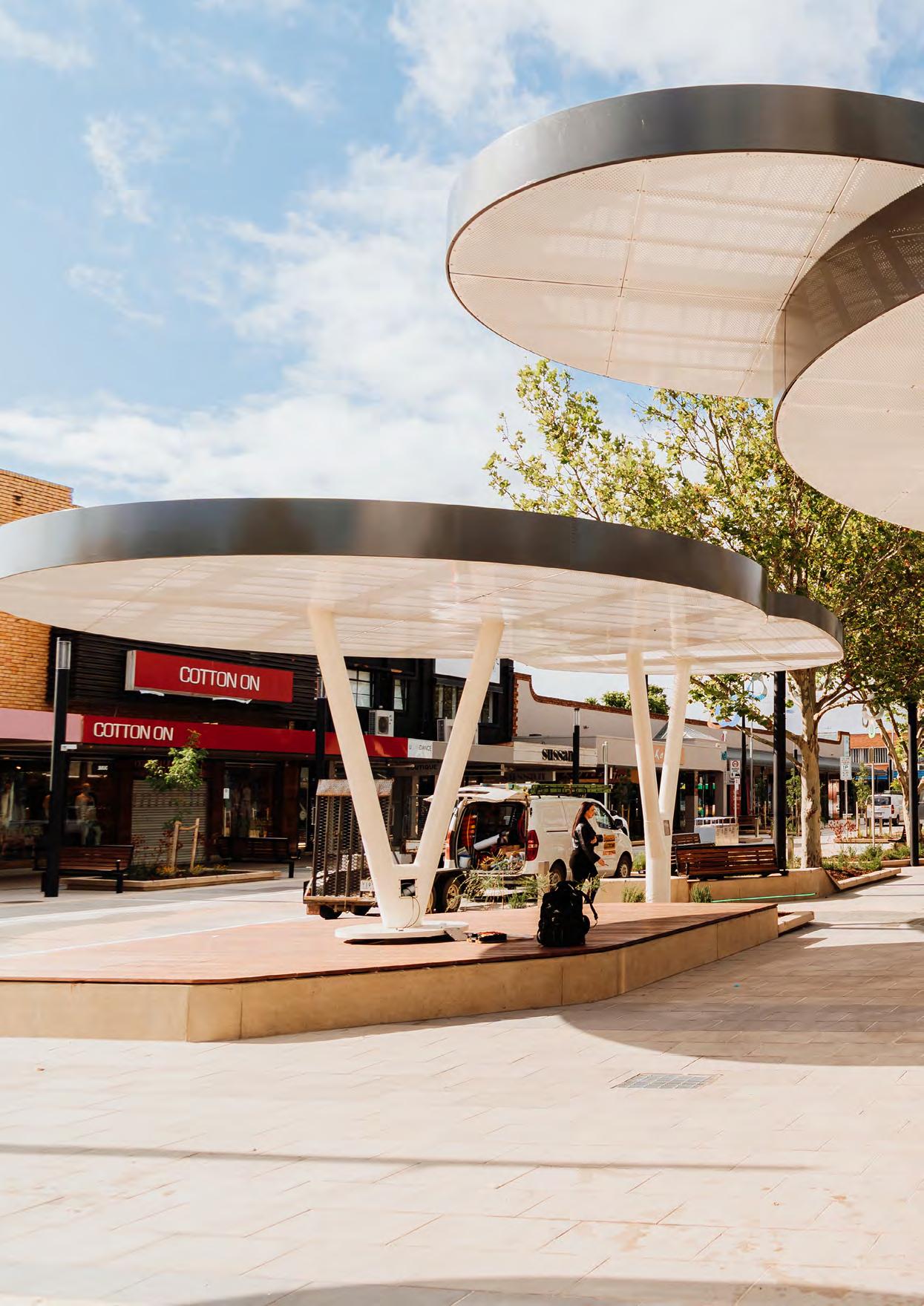
Vibert Reserve official opening
for major Shepparton CBD intersections
Council pleased to see VLocity trains for the Shepparton line
Funding allocated for GV Link revised detailed design
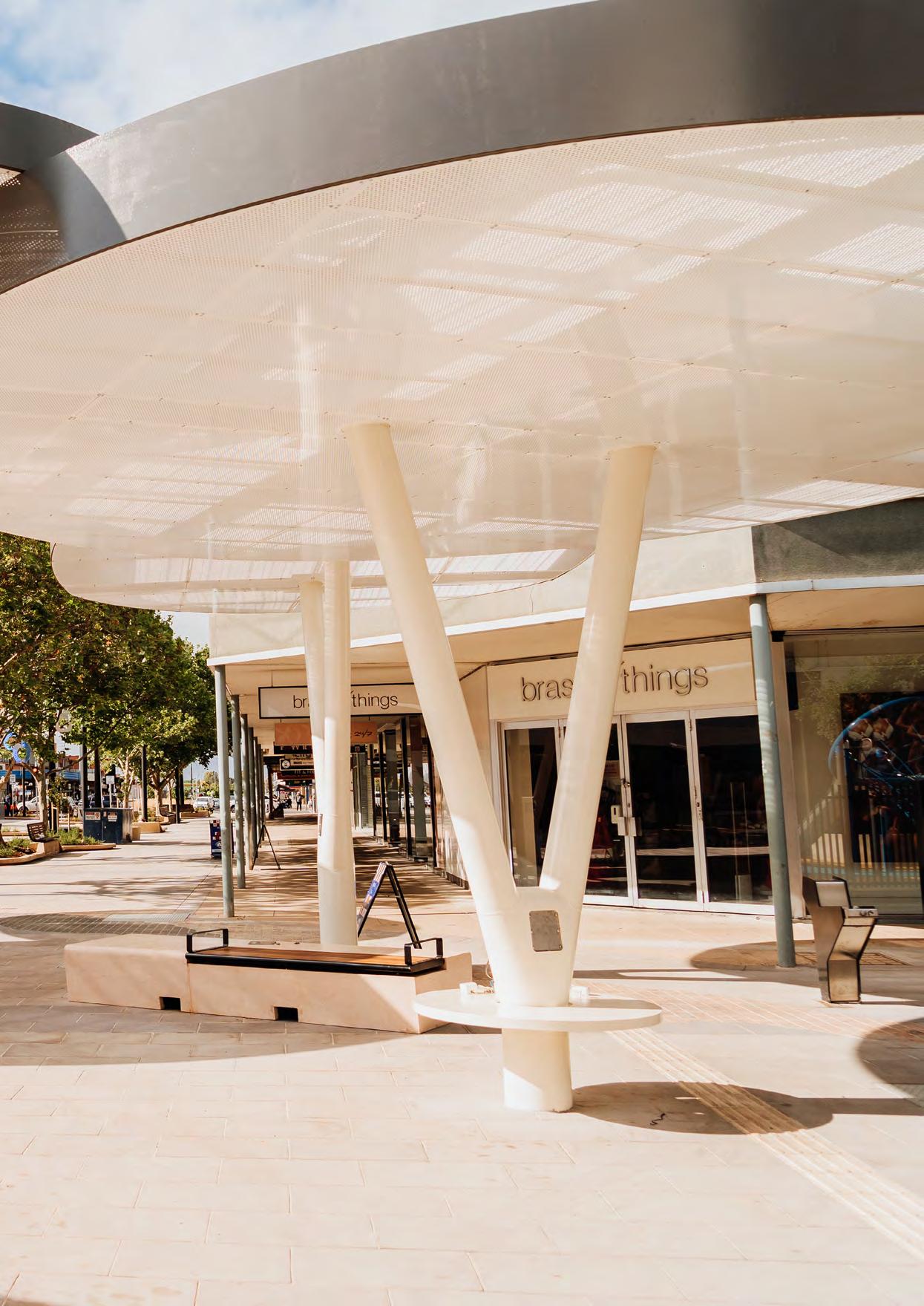
Redeveloped mall opening to traffic
Goulburn Valley Highway Bypass talks continue
Welsford Street Redevelopment Stage 4 works
We will prioritise our environment and take urgent action to reduce emissions and waste in order to protect public health and create a region that mitigates and adapts to climate change.
Objectives:
• Reduce carbon emissions in our community
• Conserve and improve biodiversity and our natural environment, and protect and improve river health
• Support a circular economy and reduce waste to landfill
• Drive climate change mitigation and adaptation
Measures of Success:
of renewable energy research report which assesses the possibility of agriculture and renewable energy co-existing
of report into viability of facility for glass recycling and sorting centre opportunities
Continue with our One Tree Per Child program - Number of plants
Deliver the actions from the RiverConnect Strategic Plan 2022 – 2026
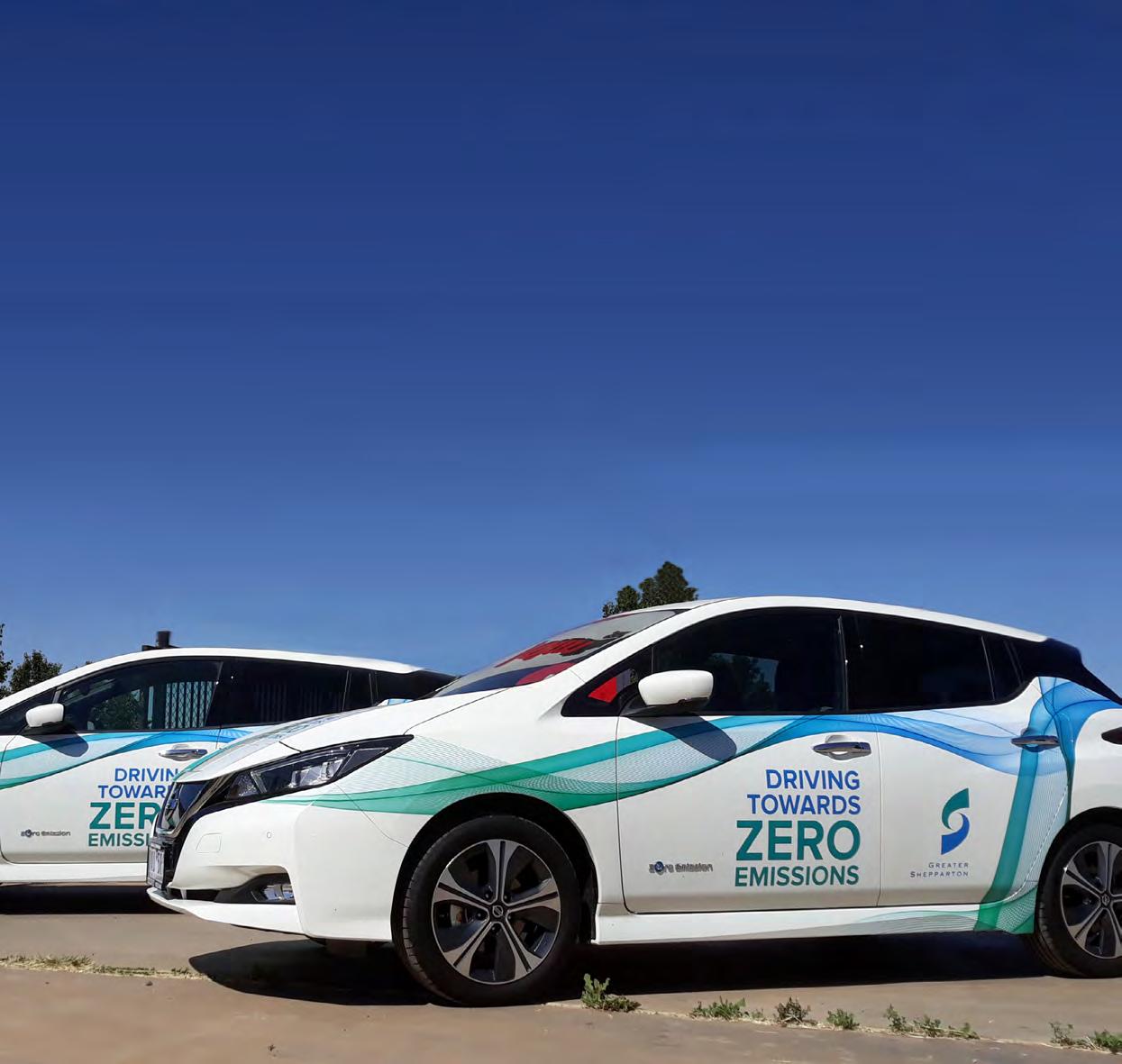
Changes to Council’s kerbside rubbish collection service
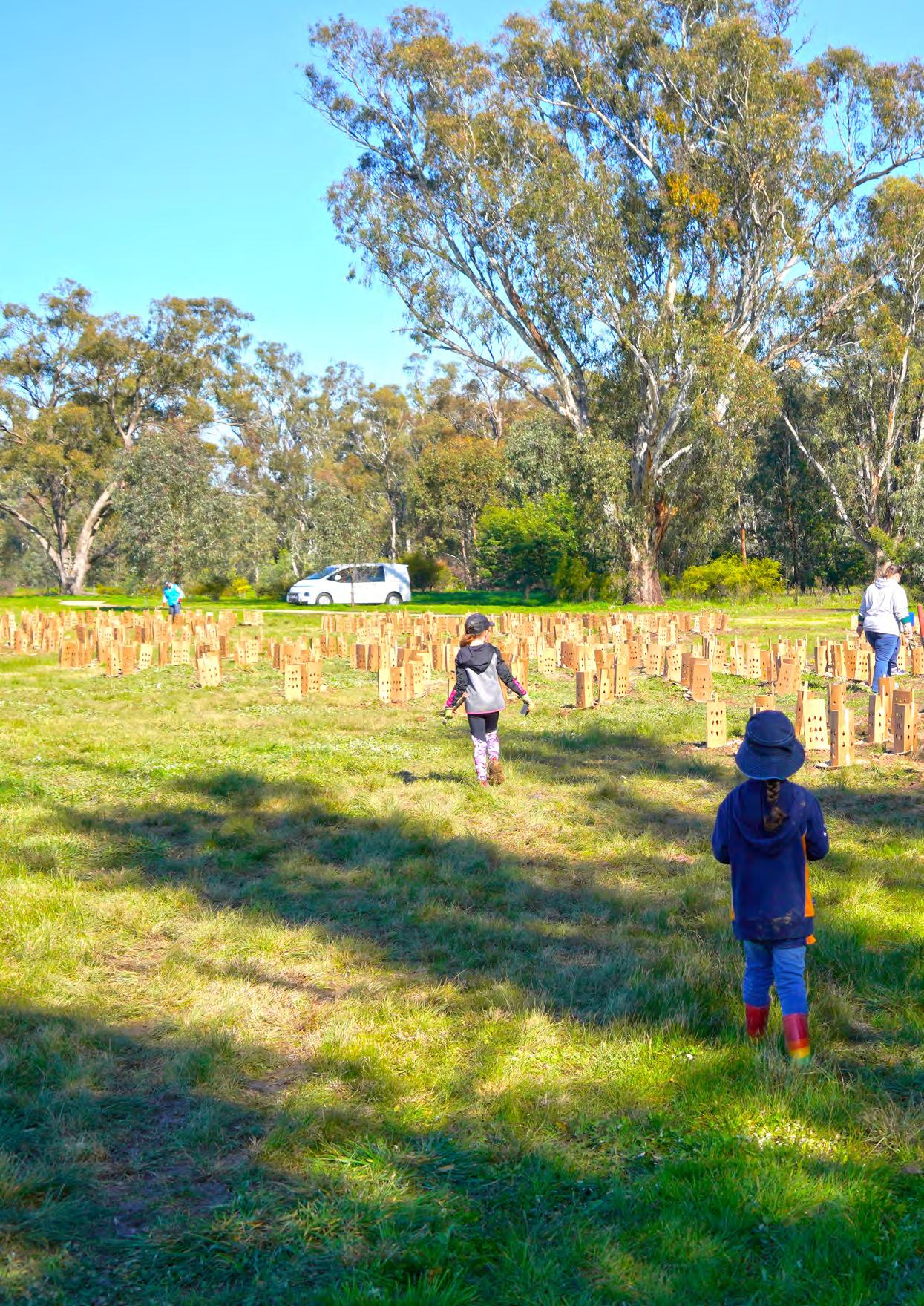
Update on current mosquito situation
National Tree Day a success in Greater Shepparton
Goulburn Murray Climate Alliance 15 years
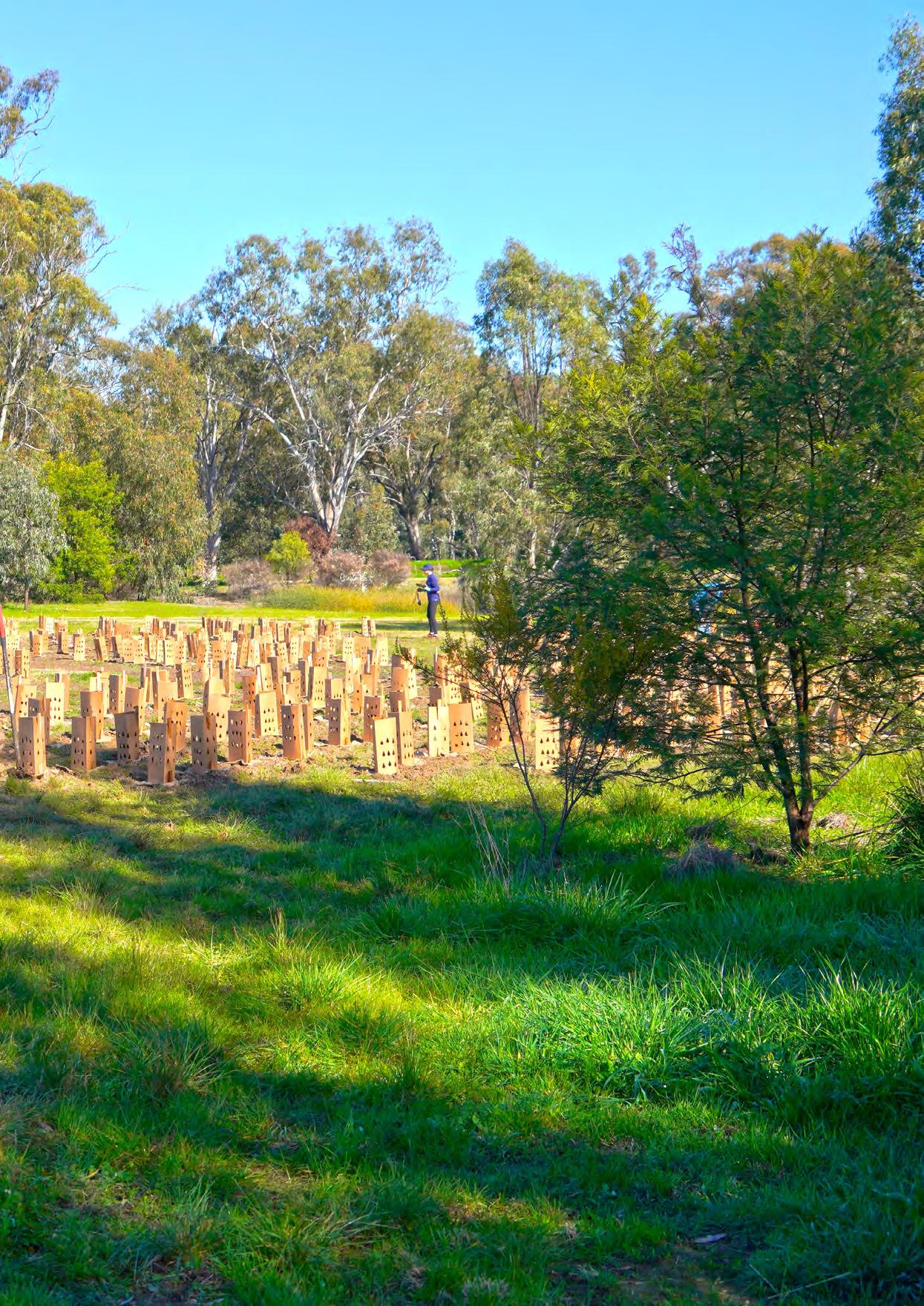
Mooroopna sand hills permanently closed to vehicles
Council’s VECO contract sees largest ever emissions reduction
RiverConnect Strategic Plan launched











Council’s Animal Management team aim to make Greater Shepparton a safe and harmonious place to live, where quality of life is not negatively impacted by irresponsible pet owners.
The team have had a busy year working through the actions of the Domestic Animal Management Plan, to address issues including registration and identification of dogs and cats, nuisance animals, dog attacks, dangerous or declared dogs, domestic animal businesses, puppy farms and animal welfare issues. Animal Rangers are available to provide advice and guidance on various animal issues.
During the October 2022 flood emergency, the Animal Management team supported the community and its animals through crisis, including working 24/7 at the Emergency Relief Centres, attending animal rescues, assisting residents to evacuate their animals and providing care for the animals at the Shepparton Animal Shelter.
Over the last 12 months the team has also achieved the following outcomes:
• Extensive service review of the department to ensure we are providing the best value for money service to our community’s animals
• Occupational Health and Safety review
• Unique and specific training to ensure officers are appropriately trained
• Issued desexing vouchers to those in need
• Welcomed Melbourne University Veterinary students to the animal shelter to run an outreach desexing program for dogs and cats
• Responded to over 2,000 requests and reports from the community
• Monitored and inspected all declared dangerous, menacing and guard dogs
• Implemented Puppy Farm and Pet Exchange Register legislation
• Provided a 24-hour Animal Emergency Response service
• Successfully prosecuted 100 per cent of serious dog attack and animal cruelty incidents at court
• Promptly investigated animal welfare, cruelty and puppy farm reports
• Participated in the State Government Cat Management Study
Only 11 per cent of cats and 22 per cent of dogs were desexed
During 2021-2022, 91 dogs and 197 cats were surrendered, compared to 168 dogs and 393 cats in the past 12 months 2021-2022 Past 12 months
Only 8 per cent of cats and 78 per cent of dogs were microchipped
Shepparton Animal Shelter
Over the past 12 months, the Shepparton Animal Shelter has supported and cared for 688 dogs, 1258 cats, plus rabbits, guinea pigs, pigeons, goats, cattle and sheep. The team has directly seen the impact the cost of living pressures are having on the community’s animals, with the numbers of surrendered animals almost doubling. During 2021-2022, 91 dogs and 197 cats were surrendered, compared to 168 dogs and 393 cats in the past 12 months.
Of the animals entering the shelter:
• Only 11 per cent of cats and 22 per cent of dogs were desexed
• Only 8 per cent of cats and 78 per cent of dogs were microchipped
• Only 2 per cent of cats and 23 per cent of dogs and were registered with Council
• 19 dogs were seized for serious dog attack or for being abandoned
• 7 deceased dogs and 44 deceased cats were collected by Rangers after being hit by cars on our roads
• 136 cats were euthanased for being feral
• 388 lost dogs and 54 lost cats were reunited with their owners
The Shepparton Animal Shelter launched several new marketing campaigns to increase animal adoption rates, including:
› Three very successful ‘We’re at Catpacity’ adoption events for cats on weekends
› ‘Adopt don’t shop’
› ‘It’s a pawfect Match’ dog adoption
• As a result:
› 131 dogs and 516 cats have been adopted from the shelter
› 47 dogs and cats were relocated to another animal shelter for adoption
• Works continue to improve the Shepparton Animal Shelter facilities to ensure best practice care is provided.
The Animal Management team continues to focus on a number of issues including the large semiowned cat population and the investigation into a brand new animal shelter facility, to allow for community engagement and education activities on responsible pet ownership. We continue to develop targeted media campaigns and to provide the community with a responsive, trusted, knowledgeable resource for pet owners, while providing relevant advice to our residents.



Registered premises management
• Annual registrations processed:
› Food premises – 693
› Hair/beauty/tattooists – 154
› Accommodation – 52
› Caravan parks – 19
• Inspections of Class 1, 2 and 3 food premises: A total of 440 inspections completed.
• Investigation of complaints relating to registered premises activities: 26
• Temporary food premises management: State-wide Streatrader system ceased to operate in June 2023 and its reporting functionality is no longer available. Streatrader has been replaced by FoodTrader with limited functionality, which does not include reporting features at this stage.
• Food Act reporting to the Department of Health (DH) and Local Government Performance Reporting Framework (LGPRF) reporting on food premises related activity only.
Food sampling
• A total of 17 food samples were collected (11 – Class 2) and six follow-up food samples. The number of unsatisfactory samples was one. Note: The analytical lab used closed in October 2022 at the conclusion of the food sampling program. Due to the October 2022 flood event, a new analytical lab has not been finalised. The food sampling program will recommence in July 2023.
Immunisation
• Public sessions for infants and adults –eight monthly sessions at six locations.
• The number of clients attending Council public clinics annually – 1661.
• The number of vaccines administered - 2890
› Additional clinics were provided in response to Japanese Encephalitis disease threat to public health.
• School Immunisation Program:
› Year 7 students with two visits per year - 3199 vaccines administered (Boostrix – Diphtheria, Tetanus and Pertussis and Gardasil – Human Papillomavirus).
› 936 Meningococcal vaccines provided to Year 10 students.
• Immunisation service provided to businesses on request, particularly Flu vaccinations - 821 Flu vaccines were provided at businesses annually
• Immunisation record requests – 59 annually. Catch-up immunisation programs prepared annually – 75.

Infectious disease management
• Gastroenteritis investigations at institutions eg. Aged care and child care – 22 outbreaks were notified by the Department of Health (DH) and investigated by Council. Single case investigations as directed by DH – 6 cases investigated this year
• Complaint investigation relating to nuisances under the Public Health and Wellbeing Act. Often these are complex investigations which are managed over weeks/months based on complexity of the complaint eg. Odour, noise, spray drift.
• Sharps/syringe management – Free sharps disposal service for diabetic/ medical needs (713 containers disposed of annually) and 20 reports of dumped syringes were collected from public places.
• Monitoring public swimming pools and spas for compliance with chemical and microbiological standards set by the regulations. The Council pools were inspected and samples collected during the summer season. Due to October 2022 floods, no pools were inspected or samples collected.

Mosquito management program
• A seasonal program coordinated from November to April each year, which involves four adult traps set weekly. The trapped mosquitoes are sent to a Melbourne laboratory for identification and arbo-virus testing.
• Due to the October 2022 flood event, mosquito numbers were well above average with approximately 42,000 mosquitoes trapped for the season.
• Murray Valley Encephalitis was detected in the adult mosquito traps in January and February 2023.
• As a result of Japanese Encephalitis detected in piggeries in 2022, adult trapping of piggeries in the Greater Shepparton area continued for much of the year.
• Larval monitoring of 130 sites (such as drainage and depression areas) was managed over the season, with identification and treatment of sites when necessary.
Septic tank management
• Permit applications – 67 were processed, 159 inspections completed this year, 47 Certificates to Use were granted and 185 planning and building referrals were actioned.
Tobacco compliance
• Tobacco retailers – Unfortunately the test purchase program had to be cancelled due to the lack of available test purchase assistants. Council Officers completed additional inspection and education visits and an additional 89 tobacco retailers, 26 outdoor eating and drinking areas and 17 playground areas were inspected.
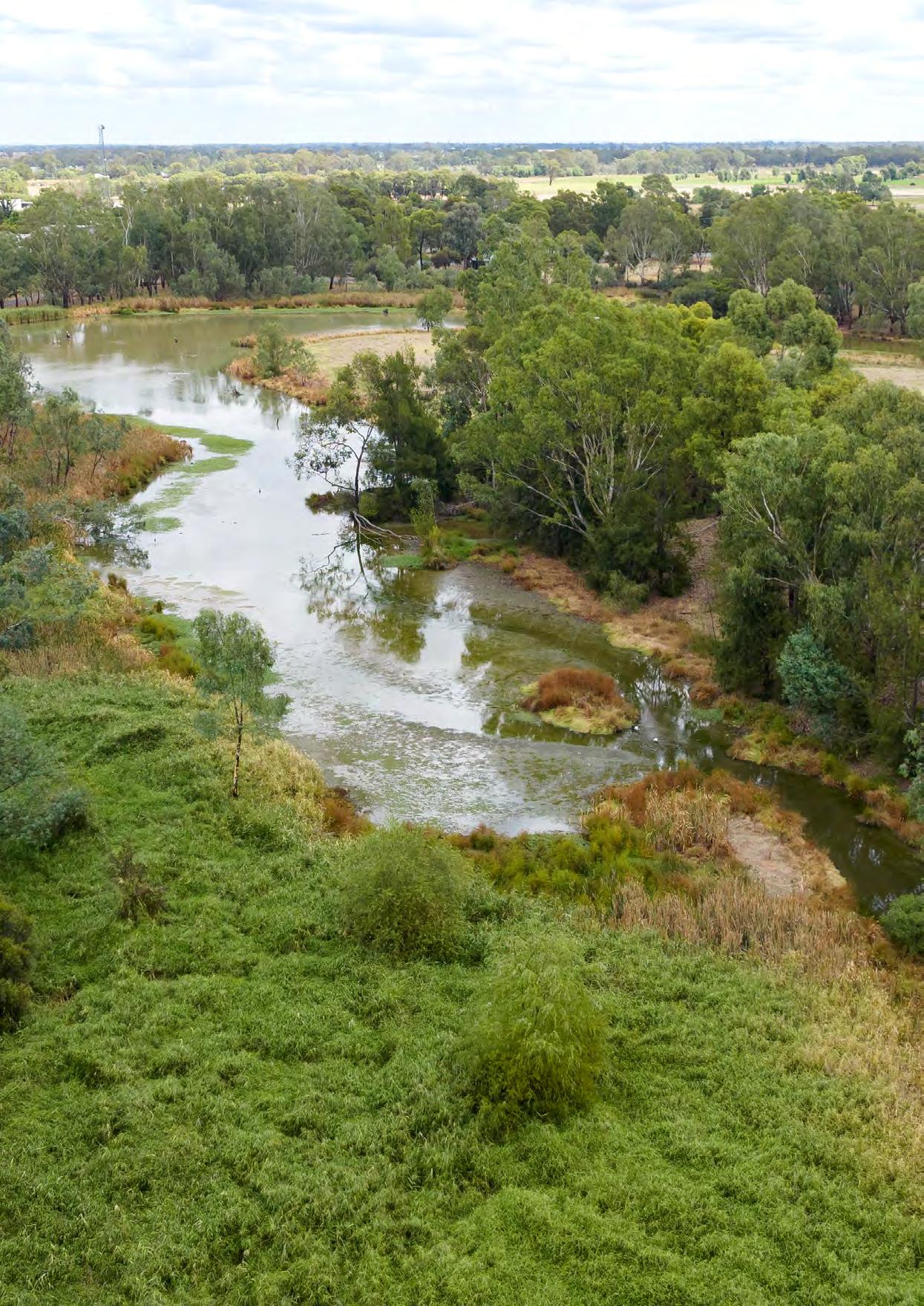
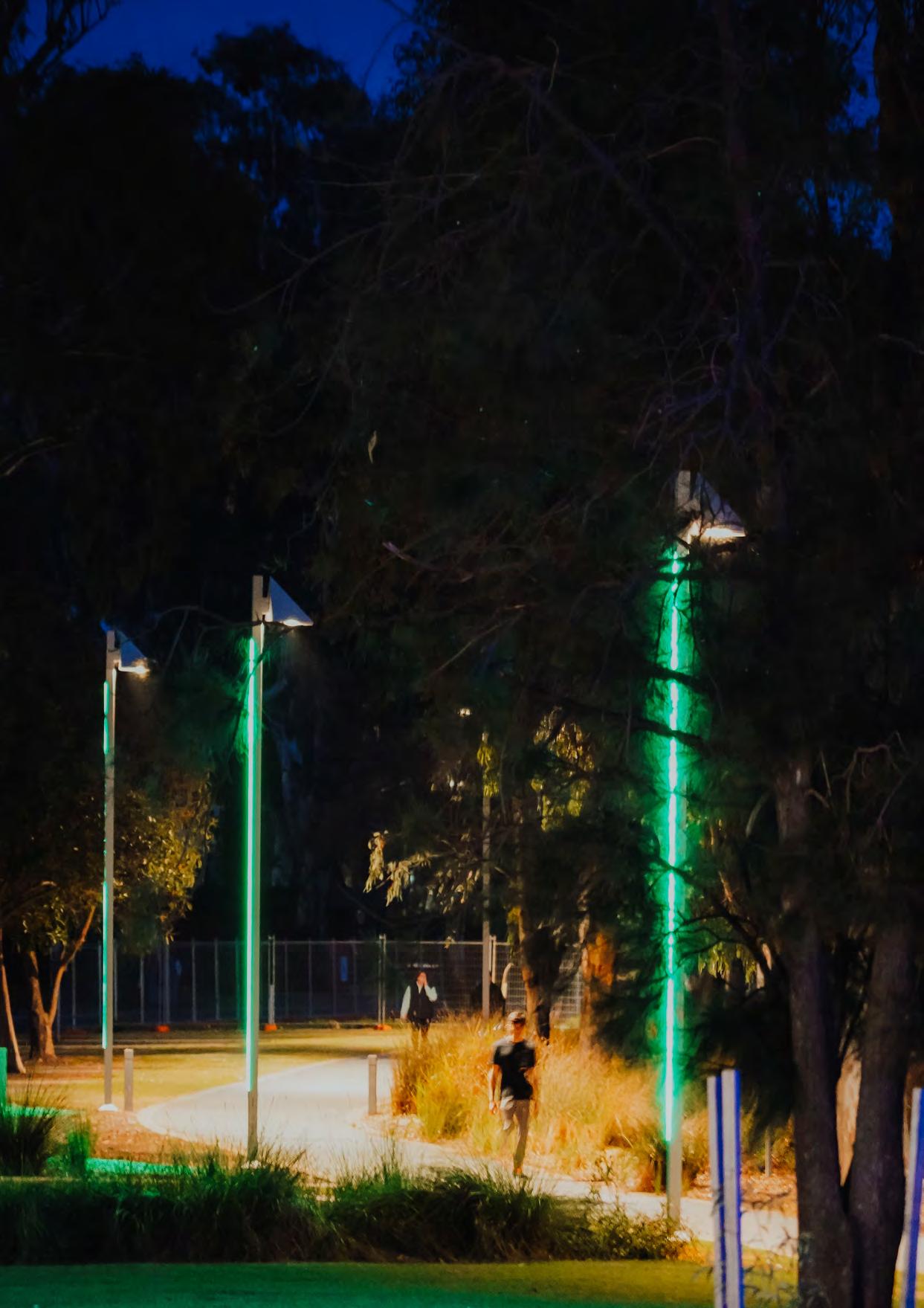
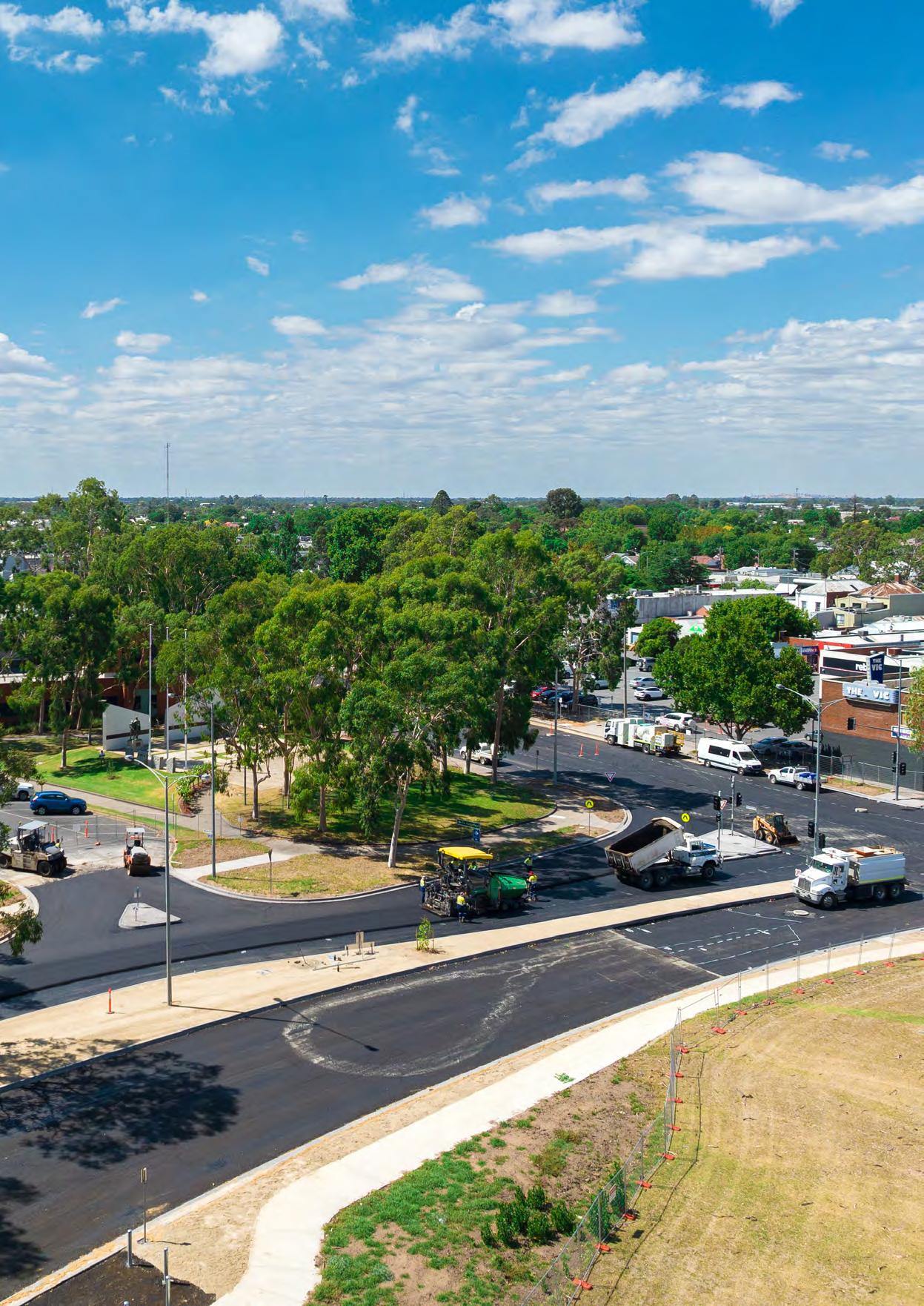
By the end of June 2022, Council had delivered $45 million worth of projects for the 2022/2023 financial year. Below are some of the main projects completed during the financial year. Road
Karibok
Nixon
Council faced challenges in delivering the budgeted $62.6 million capital works program, including the timing of the award of State Government funding for major roads projects, availability of contractors and materials due to the ongoing impact of COVID-19 and significant delays due to the impact of the October 2022 flood event. As a result, the 2023/2024 Budget includes $4.4 million of works carried forward from the 2022/2023 financial year capital works program.
We are committed to planning and actions that will progress our municipality, enhancing and preserving the quality of life for our community, while ensuring that Council is financially sustainable and environmentally responsible.
The 2021-2025 Greater Shepparton Council Plan highlighted a number of key financial principles, in particular a focus on financial sustainability. The Greater Shepparton City Council Financial Plan 2021-2031 was developed to guide how Council resources the delivery of services and infrastructure that the community value and need, while remaining financially sustainable. The challenge is for Council to continue to achieve high levels of service and affordability for the community while maintaining financial sustainability for future generations to benefit.
In planning for our long-term financial sustainability, Council has adopted the following three financial policy statements to assess our financial health and performance.
Council achieved an underlying operating surplus of $7.13 million or 4.62 per cent in 2022-2023. The underlying operating surplus, calculated by removing non-recurrent capital grants, monetary and non-monetary contributions from the accounting surplus of $30.14 million, aims to illustrate the true underlying operating position of the Council. This result is favourably impacted by the early receipt of 100 per cent of the 2023-2024 Federal Financial Assistance Grants in June 2023 and the impact of unwinding of discount rates on the landfill provision.
Council aims to achieve and maintain a true underlying operating surplus. Council’s Financial Plan illustrates challenges in achieving an underlying operating surplus in the next five years, due to pressures of identified financial risks including inflation and rate increases below the rate cap.
Also referred to as Working Capital, liquidity is calculated by measuring Council’s current assets as a percentage of current liabilities. The broad objective of this indicator is to ensure Council has sufficient working capital available to pay bills when they fall due.
At the end of 2022-2023, Council reported a liquidity ratio of 199 per cent which is considered low risk by the Victorian Auditor General’s Office (VAGO). Council aims to maintain a liquidity ratio above 100 per cent.
Council strives to allocate adequate funds towards maintaining its existing infrastructure, while at the same time continuing to deliver the services needed by the community. This is measured by comparing total expenditure on renewal and upgrade of assets as a percentage of depreciation expense, with a target of 100 per cent.
In 2022-2023, Council achieved a result of 101 per cent.
Council will continue to pursue the following strategic actions to support the aspirations of the Council Plan:
• Council adopts the budgeted statement of financial performance (Comprehensive Income Statement), statement of financial position (Balance Sheet), statement of cash flows (Cash Flow) and statement of capital works (Capital Works) as an integral part of the budget setting process for current and future budgets.
• Council aims to achieve an adjusted underlying operating surplus in the next five years to ensure ongoing financial sustainability
• Council will ensure capital expenditure on asset renewal and upgrade projects be given priority over capital expenditure on new assets, to ensure existing assets are properly maintained.
• Council will allocate sufficient resources to reduce emissions where possible, in line with Council’s 2030 Zero Emissions target.
• Council will continue to review its services to identify new efficiencies and embody a culture of continuous improvement.
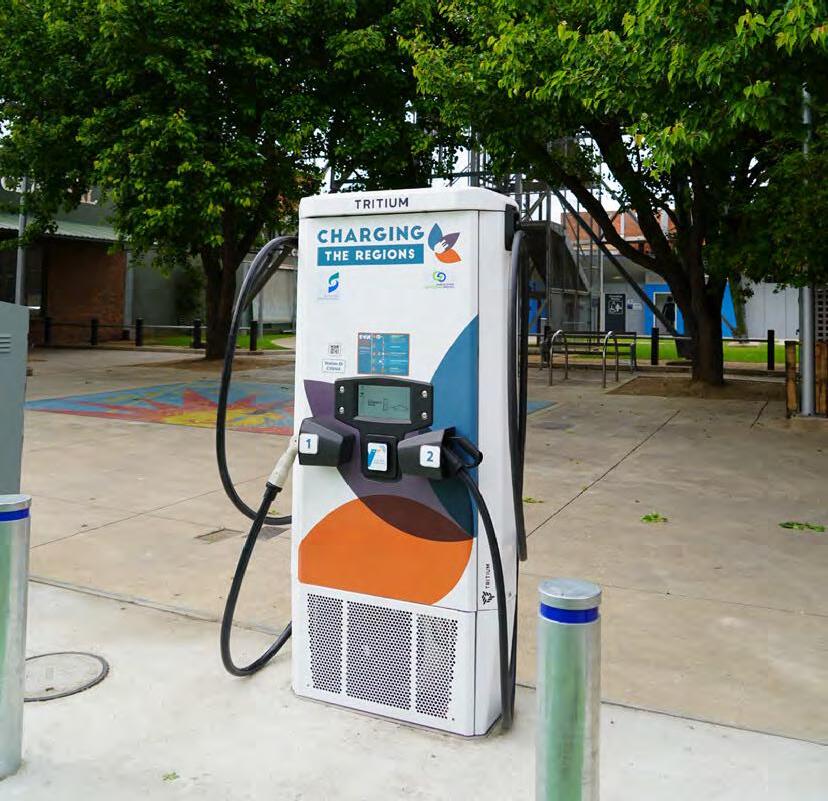
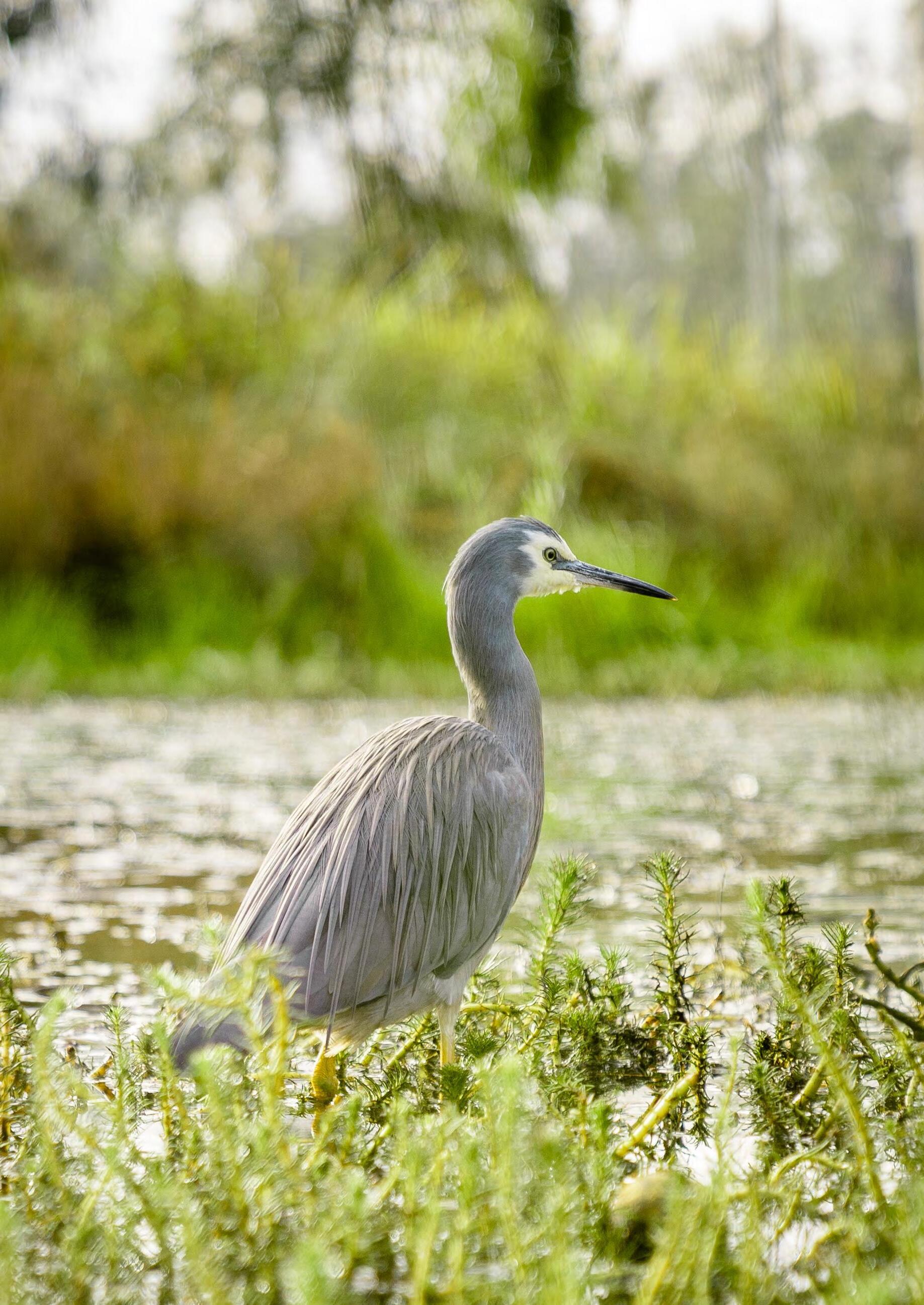
The Environmental Sustainability Strategy continues to be implemented with the following notable achievements:
The RiverConnect Strategic Plan 2023-2028 was developed as a refresh to the focus of the RiverConnect program. In the past year, RiverConnect connected more than 5,700 people with the river and floodplains through a range of activities, classes and workshops.
Key achievements and highlights include:
• Engaged 5,769 people across 89 engagement events
> Hosted popular events including River Rubbish Clean-Ups, Canoeing Along the Goulburn, Turtle Talk, Bats in our Neighbourhoods, National Tree Day, World Wildlife Day and World Rivers Day
> Participated in the Illuminate Festival and Rumbalara Bush Revival planting day
• Inspired 1,816 students from 17 schools, four kindergartens and two home-school/homework clubs
• Featured in 36 media items (increase of five from previous year), including six radio interviews, and increased social media following to 1,962 people (increase of 18 per cent from previous year)
• Completed review, draft, public consultation and subsequent adoption of the new RiverConnect Strategic Plan 2023-2028
• RiverConnect also maintained 48 partnerships and established two new partnerships with the Australian Conservation Foundation and Goulburn Valley Health
The 2030 Zero Emission Plan was adopted in December 2021, providing a pathway to Council’s transition to net zero emissions by 2030. The plan outlines the key areas Council will focus on to transition to net zero emissions by the proposed date, and the actions it will undertake to reach the target for all its operations and services.
The seven themes identified to guide emissions reduction activities are Zero Emission Facilities, Fleet and Plant, Towards Zero Waste to Landfill, Goods and Services, Governance, Our Council and Carbon Sequestration.
Key achievements and highlights include:
• Council facilities continue to be powered by 100 per cent renewable electricity
• Council has commenced the elimination of gas at small Council-owned and managed sites, and at Council-owned and community managed sites.
• Council has commenced the electrification of our outdoor small plant and equipment, replacing fossil fuel energy sources.
• Council has reviewed and updated many policies and procedures to ensure emissions reduction activities are prioritised within Council’s operations and services.
Our Climate Safe Future – Greater Shepparton’s Climate Emergency Action Plan (CEAP) was adopted on 22 June 2022, following the climate emergency declaration by Council on 20 March 2020. The plan provides an eight year roadmap which will guide Greater Shepparton towards an aspirational community target of net zero emissions by 2030.
The CEAP was developed with the community and is underpinned by a strong partnership approach between the local community, businesses and Council. The plan builds on the work Council and the Greater Shepparton community are already doing to reduce emissions, prepare the region for a changing climate, and to maximise opportunities for a more sustainable future. This plan ties in with other local and regional strategies such as the GMID Resilience Strategy, Hume Regional Climate Change Adaptation Strategy, Victoria’s Climate Change Strategy and Goulburn Broken CMA Regional Catchment Strategy.
In March 2023, the CEAP was publicly launched through a community event. Council is now delivering on actions within the CEAP, including engaging more sectors of the community, through projects to empower the community for climate action and planning more climate resilient developments.
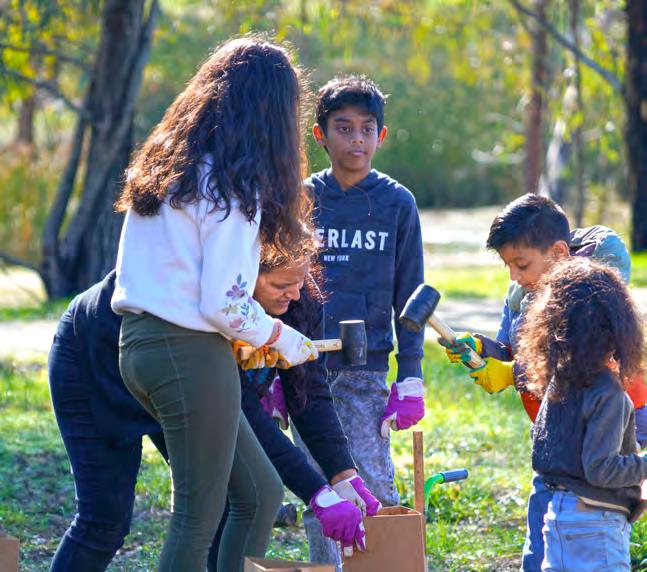
Throughout 2022 and 2023, Council coordinated the Goulburn Youth Climate Change Leadership Project, which was funded by the Department of Environment Land Water and Planning to support young people between the ages of 10-30. The project was designed to facilitate leadership opportunities in climate action for young people, and develop skills to advocate for climate and environmental action in their communities. The program commenced in early June 2022 and 17 participants had the opportunity to engage with industry professionals, take part in facilitation and public speaking training, and learn skills culminating in the delivery of the Youth Leading the World Congress.
In March 2023 (coinciding with the public launch of the Climate Emergency Action Plan), three of the original 17 participants facilitated the Youth Leading the World Congress, which included schools from Greater Shepparton and Strathbogie LGAs, with community members and interested organisations participating in the presentation of the action plans to the community on the final day. The event focused on creating a vision and action planning for a more sustainable future for our community, including school based climate action projects. The action plans of the three participating schools received funding as part of the project.
With a target to plant 24,500 plants each year, the 2022 and 2023 revegetation seasons saw a return to schools being able to undertake One Tree Per Child planting activities, post COVID-19 restrictions. Many schools and community groups have shown their commitment to help revegetate our local environment. The broader community’s dedication to greening our municipality was particularly evident on National Tree Day in 2022, held on Sunday 31 July in Huggard Drive, Mooroopna, with around 160 community members planting over 1,200 indigenous plants.
Electric vehicles in fleet
Council continues its leadership in this space. There are now eleven fully electric vehicles (EVs) in the passenger pool fleet, two plugin hybrid electric vehicles (PHEVs) and one fully electric truck in the heavy fleet to reduce greenhouse gas emissions and pollutions. These vehicles are powered by 100 per cent renewable electricity primarily from onsite solar PV systems, using AC and DC chargers. This further reduces reliance on high carbonemitting fossil-fuelled vehicles. There are also 13 hybrid vehicles in council’s pool vehicle fleet.
Council has continued to support private businesses and companies installing public EV chargers within the municipality. Along with the public chargers in Fraser Street, Shepparton and McLennan Street, Mooroopna, there is now a bank of Tesla super chargers available in Shepparton and a number of local businesses and accommodation providers have installed AC destination chargers for their customers. These ongoing installations will ensure that residents and visitors can confidently switch their vehicles from fossil fuel to electric.
Council awarded $22,854 in Community Sustainability Grants. These grants were awarded to community groups, schools and community asset committees for sustainability activities such as facility upgrades including eliminating gas ovens, installing energy efficient heating and cooling and upgrading to energy efficient lighting, waste reduction activities through composting and installing drinking water taps, improving biodiversity through building nest boxes and native gardens, and promoting education within the community through events to promote all electric cooking.
Council renamed the Waste Department to the Resource Recovery Department in direct reflection of Council’s commitment towards a circular economy and reduction of waste sent to landfill. The Resource Recovery Department facilitates Council’s strategic objectives for effective municipal waste management as a means for identifying, and implementing, carbon abatement solutions towards achieving the Zero Emission Plan’s zero waste to landfill commitment.
• Council’s Resource Recovery Centres (RRCs) located at Shepparton, Ardmona and Murchison process a total of 40,000 tonnes per annum of disposed items.
• 85 per cent of the total volume of disposed items is diverted from landfill per year
• The Shepparton Resource Centre’s ReSale Shop has been closed throughout the 2022-2023 financial year following the residual impacts of COVID-19 and subsequent flood impacts. The Re-Sale Shop will be re-opened next financial year for community to benefit from reuse and repurposing of good quality products like textiles, bicycles, furniture, crockery etc.
• The Shepparton Resource Recovery Centre has converted 20,000 tonnes of concrete and brick debris to recycled product ready for commercial and residential purposes.
• The Shepparton Resource Recovery Centre has converted 8,000 tonnes of organic green waste to 6,500 tonnes of mulch made available free of cost to the community.
Landfill
• Cosgrove Landfill received a total of 27,502 tonnes of municipal and commercial waste in the 2022-2023 financial year.
• The October 2022 flood response and recovery contributed a further 13,500 tonnes of flood affected waste disposed of at Cosgrove Landfill.
Kerbside Transition Program
• The kerbside collection frequency change program, which sees the implementation of a weekly green bin (FOGO - food organics garden organics) and fortnightly red bin (residual waste) collection service commenced for Stage 1 in Kialla and Tatura.
• The enhanced separation of organic material from the red bin will see the kerbside collection frequency change contribute towards achieving the state government landfill diversion targets of 72 per cent by 2025 and 80 per cent by 2030.
Waste education – Supporting behaviour change
In the 2022-2023 financial year, various community engagement events, communication, and information sharing sessions have been conducted. The objectives of these were to increase preparedness and awareness of the community with the paradigm shift in kerbside collection programs, providing opportunity for the community to share their challenges and experiences, enhance capacities through behaviour change for effective waste management and knowledge sharing for making informed decisions on waste.
The Resource Recovery Department connected with more than 3,880 community members through nearly 40 events and pop-ups. The various programs carried out in the 2022-2023 financial year were:
• Resource Recovery Pop-Up Stall Program: A waste education stall at unexpected locations like shopping centres, supermarkets, markets, festivals (like Converge, Summer City Market, Careers Day Out etc.) to normalise discussions around waste and resource recovery.
• Follow Your Rubbish Tour Program: A guided tour for residents, schools and community groups to Cosgrove Landfill, Shepparton Resource Recovery Centre and Western Composting (where green waste is turned into compost).
• Know Your Waste Program: A guided and focused group discussion on waste management services aimed at breaking myths around waste.
• Detox Your Home Program: A state led annual program on removing chemical and toxic waste from households and diverting them from landfill/or any bins.
• Kerbside Transition Support Program: Focused group discussion and talk to support the community with the kerbside transition and increase their preparedness for the changes.
• Rotten to Ripe Program: An interactive, hands on workshop on the process of food waste to composting and giving it back to earth.
• Trash-onerous Story Telling Program: A sorting waste story for toddlers.
• Trash Me In Program: A trash sorting game to educate on sorting and segregating waste correctly.
• Clean Up Program: An on-site clean up initiative to increase awareness on the ill effects of open dumping and littering.
A reach of 22,000 followers on Facebook and 3,000 followers on Instagram was achieved through social marketing and communications, with nearly 70 social media posts on topics such as what goes in which bin, the kerbside transition program, illegal dumping and clean up.
The State Government banned single-use plastics from 1 February 2023 which had the Resource Recovery Department working closely with Council’s Events team to transition events into single-use plastic free events.
Council is supporting local business and enterprise for a smooth transition to use of alternative products. The Plastic Free July Program will see a range of events and activities to build understanding of alternative products.
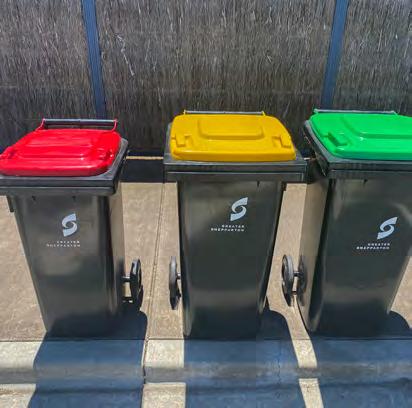
Council manages a number of Gross Pollutant Traps (GPTs) that collect waste from our stormwater system, prior to the system discharging to our rivers and wetlands. These traps are cleaned out three to four times a year.
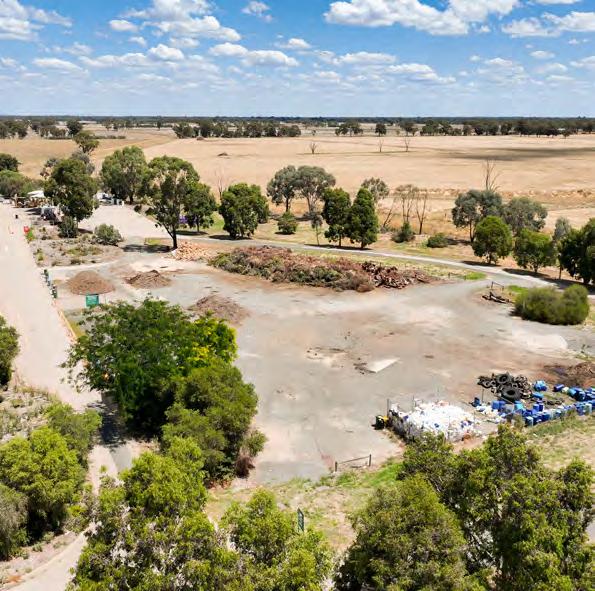
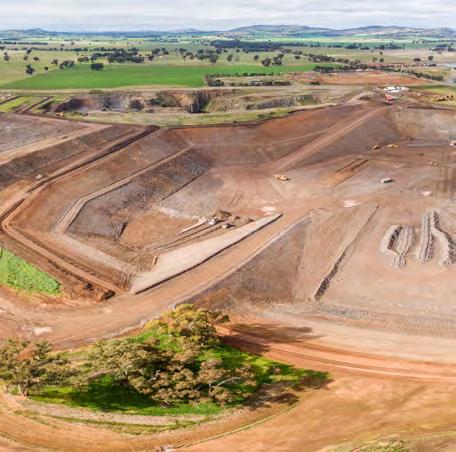
Council has a range of strategies and action plans to ensure that diversity is respected, that there is equity in the services that Council delivers and that social connectedness is nurtured. Council is committed to those that live in Greater Shepparton to enable them to enjoy a high-quality lifestyle that provides opportunities to reach their full potential. This includes providing services and taking actions that foster a good quality of life for all in regards to health, housing, education, employment and safety.
The Reconciliation Action Plan (RAP) (Innovate) July 2023 – July 2025 outlines Council’s commitment to reconciliation and to ensuring Aboriginal and Torres Strait Islander Peoples and cultures are respected, acknowledged and celebrated. The Innovate RAP builds upon the work undertaken in Council’s Reflect RAP, and focuses on developing and strengthening relationships through engaging staff and stakeholders in activities that promote reconciliation. The RAP Working Group, comprising of internal and external stakeholders, will lead and monitor the implementation of the RAP.
The Best Start Early Years Plan 2020 –2025 reinforces Council’s commitment to the children and families in the municipality. The plan consists of five key themes:
• Play
• Learn
• Thrive
• Voice
• Share
Each theme provides opportunities to trial small projects that, if successful, can be scaled up to meet the varying needs of children and families in the municipality. These projects work across various Council services including kindergartens, long day care centres, maternal and child health and playgroups. In addition, stakeholder partnerships enable projects to be more broadly trialled and implemented.
Community Planning is planning for the future of an area that is led by the community. The purpose of Community Planning is to give local people greater ownership over their small town or neighbourhood, by empowering individuals and groups to take a proactive role in shaping the future of the areas in which they live.
Through information gathering, identification of community assets (community resources) and community engagement, Community Plan Groups are established. Groups are then supported by Council to develop a Community Plan and a list of actions that the group would like to achieve.
Council partners with Community Plan Groups to implement their plan through advocacy, seeking funding opportunities and building the skills and capacity of the group. Community Plans are reviewed periodically to ensure priorities continue to be relevant to the community.
The Greater Shepparton Empowering Communities Project, funded through the Department of Justice and Community Safety, is a two and a half year initiative which aims to facilitate community-led solutions to address local issues of public safety.
Greater Shepparton is culturally and linguistically diverse, with over 17 per cent of residents speaking a language other than English at home. Community consultation has provided the foundation for the development of a new Multicultural Action Plan (MAP) for Council. The MAP will be presented to Council for adoption in late 2023.
The Greater Shepparton Housing Strategy 2011 was developed to respond to existing and future housing needs across the municipality, up to the year 2031. It includes objectives, strategies and actions to guide housing delivery and sets a long-term direction for future residential growth across Greater Shepparton. The strategy informs and guides decision-making by landowners, Council, service authorities and the general community about residential land, and housing needs and locations.
The Affordable Housing Strategy: Homes for People 2020, takes a specific focus on issues surrounding the shortfalls of safe, affordable, and appropriate housing across the municipality. It includes objectives, strategies and actions to support the provision of emergency and social housing dwellings, along with increased diversity in the size and type of housing stock to enhance community wellbeing, in partnership with local housing providers, property owners, residential developers and other key stakeholders.
This year, Council conducted an audit of Council-owned assets to identify potential Council land holdings which may be suitable for Affordable Housing. In June 2023, Council agreed to proceed to undertake further investigation of a site in Rowe/High Street, including seeking expressions of interest to develop the site for Affordable Housing.
The Greater Shepparton Public Health Strategic Plan 2018 – 2028 and associated Action Plan takes a liveability approach to public health planning. The Strategic Plan and Action Plan aim to address the following liveability indicators in partnerships with key stakeholders and local community members to make Greater Shepparton even more liveable:
• Arts and culture
• Access to food
• Community participation
• Crime and safety
• Education
• Employment
• Health and social services
• Housing
• Recreation facilities and open space
• Sustainable practice and transport
Universal
The Universal Access and Inclusion Plan (UAIP) 2021-2025 is a whole-of-Council approach that guides Council’s priorities and ensures equity for people of all abilities in our diverse and inclusive municipality. The Plan has an associated Action Plan with aims to be achieved over a four-year period.
The Women’s Charter Alliance Advisory Committee provides advice to Council on issues relating to the Victorian Government Women’s Charter and its key principles. A threepoint Action Plan focusing on Gender Equity, Diversity and Active Citizenship guides the key strategic objectives of this Committee, who make recommendations to encourage delivery of initiatives to ensure there are opportunities for the women of Greater Shepparton to access information, share knowledge and be aware of local leadership opportunities. The Advisory Committee has developed its Action Plan 20222025 and Annual Implementation Plan providing the framework for the work of the Committee.
The Youth Strategy and Action Plan 2019-2023 informs how we work in partnership with the youth sector, young people and their families to ensure that young people are provided with every opportunity to actively participate in their community, including those with diverse social, economic or cultural backgrounds.
The Gender Equality Action Plan (GEAP) 2021-2025 was established in response to a broad staff consultation process, including the completion of the People Matter Survey, a series of workshops and a focus group to refine the GEAP. The GEAP is an internal, operational document and tool to articulate a clear vision of gender equality, providing a strategic foundation through the implementation of gender equitable actions and strategies.
With the aim of “unlocking the creative potential of the Greater Shepparton community, enabling creativity in all its forms to enhance liveability, economic growth and social cohesion”, the Creative City Strategy 2022-2027 includes actions that are intended to have a major impact on social sustainability of the municipality. Key directions include championing First Nations art and culture, promoting active participation for all ages and celebrating diversity.
Community consultation has provided the foundation for the development of a Positive Ageing Strategy 2023-2026 for Council. The Positive Ageing Strategy (PAS) will be presented to Council for adoption in late 2023 and is an action of the Council Plan.
The LGBTIQA+ Advisory Committee was established by Council in 2021 with the aim being to act as an advocacy and representative body. The committee supports and informs future Council directions on behalf of the LGBTIQA+ community, provide insight to decision making and ensure inclusive practices across Council. The LGBTIQA+ Advisory Committee Action Plan 2022-2025 and Annual Implementation Plan provides the framework for the work of the Committee.
The Positive Ageing Advisory Committee (PACC) provides a platform where representatives of the ageing community can discuss and provide advice to Council on opportunities and challenges relating to positive ageing within Greater Shepparton. The PAAC will support the implementation and monitoring of the Positive Ageing Strategy through the development of Annual Implementation Plans.
The purpose of the Disability Advisory Committee (DAC) is to provide a platform for advocacy and representation on issues relating to people living with a disability in the community to support and inform future Council directions relating to issues affecting those with a disability, inform good decision making and enhance inclusive practices across Council. The DAC plays a role in monitoring the implementation of Council’s Universal Access and Inclusion Plan.
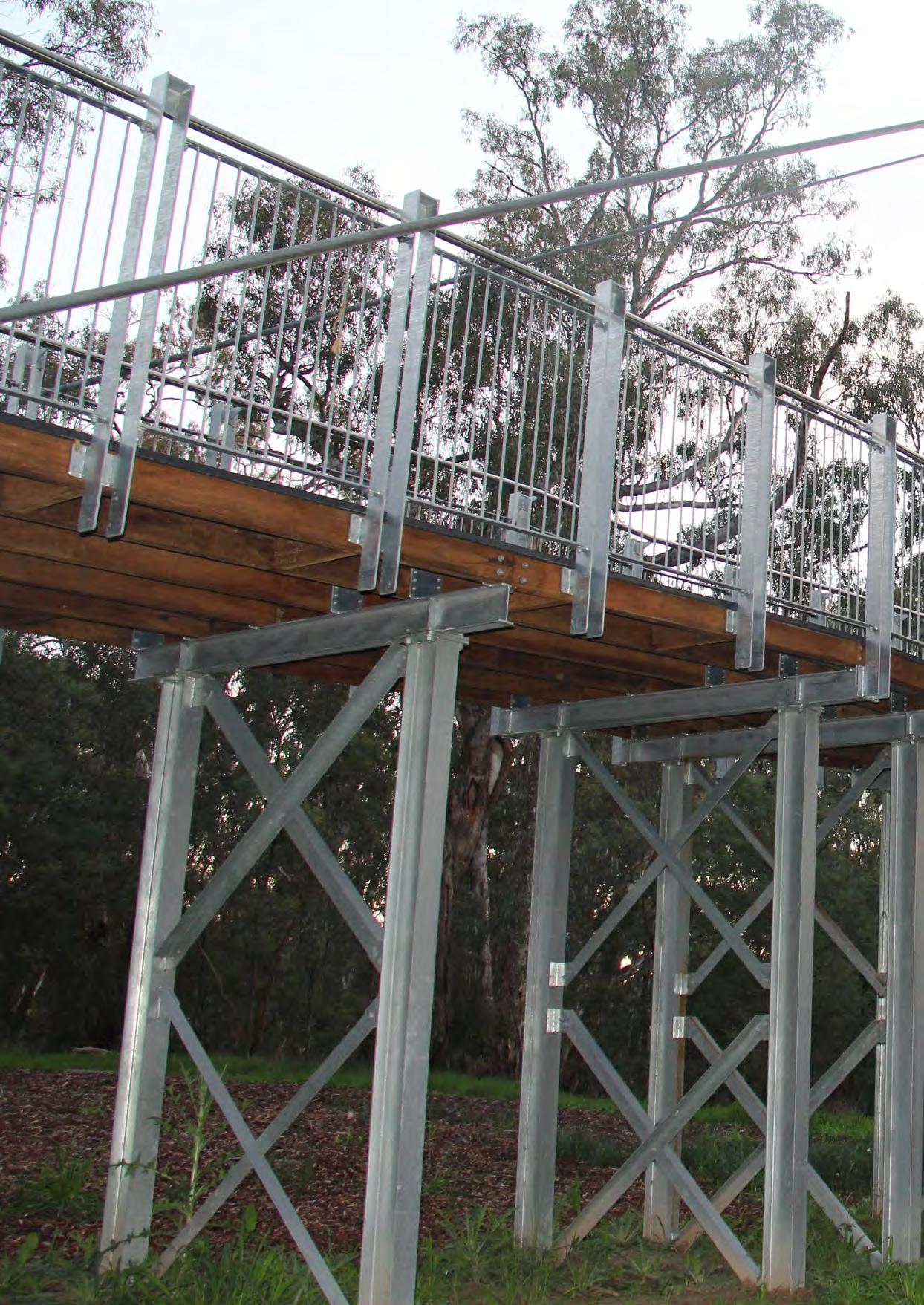
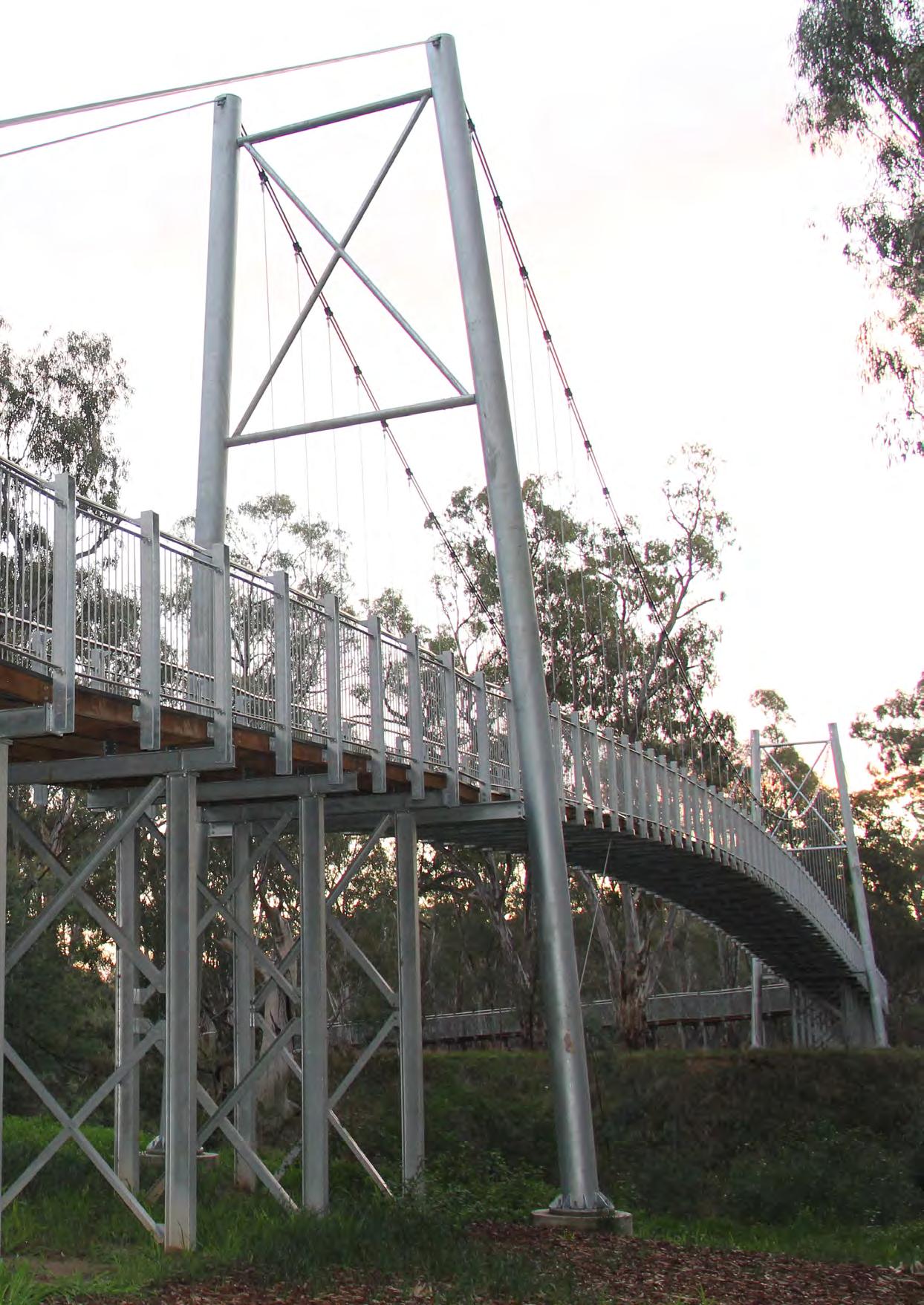
Scheduled Council meetings are held on the third Tuesday of each month, commencing at 3.00pm. Scheduled Council meetings include public question time. Public questions must be submitted five clear business days prior to the Council meeting. Additional Council meetings are also held as required.
There were a total of 16 Council meetings held in 2022-2023, with 11 scheduled and five additional meetings. Meetings of the Council are open to the public unless the Council resolves to close the meeting. Council is committed to transparent governance and therefore Council meetings are only closed by resolution of Council when considering confidential reports.
All Council meetings are now held in the Council Boardroom, at the Welsford Street Council office, however Councillors may participate virtually should they be unable to attend physically, as per the Governance Rules.
The times and venue of Council meetings are advertised on Council’s website and Facebook page. In addition, Council meetings are livestreamed to Council’s Facebook page with recordings then available through the website on YouTube.
In addition to regular Council meetings, there are weekly briefing sessions where Council officers deliver presentations to Councillors on policy matters, projects and initiatives and issues of importance to the Council and the Greater Shepparton community.
Briefing sessions are not decision-making forums. They enable Councillors to ascertain critical information required to assist them in making a formal decision at a Council meeting.
The Councillors set the Council’s direction by making decisions on key issues and policies that affect people’s lives and community prosperity. Council is also responsible for making statutory decisions, adopting policy, advocacy and the appointment of the Chief Executive Officer. Councillors work closely with the Chief Executive Officer to make important decisions and determine service priorities. The Chief Executive Officer then delegates tasks to members of their administration to be actioned.
Councillors are bound by their adopted Code of Conduct in accordance with the Local Government Act 2020. The code outlines legislative requirements and expectations of Councillors when representing their Council and in their dealings with the community, Council staff and each other.
The Mayor is elected by at least a majority vote, where the position becomes the leader of all the Councillors whether they supported an individual or not. What this means is that the Mayor has responsibilities towards, and is accountable to, all Councillors.
The Mayor is the ceremonial head, chairs Council meetings and is Greater Shepparton’s representative at civic, business and governmental meetings and events, and is the official spokesperson for Council.
The following are the Councillors of Greater Shepparton City Council for the 2022-2023 financial year.
Cr Seema Abdullah
Elected to Council on 24 October 2020
Cr Anthony Brophy
Elected to Council on 24 October 2020
Served as Deputy Mayor from 26 October 2021 until 27 October 2022
Re-elected to Deputy Mayor on 7 February 2023
Cr Geoff Dobson
Elected to Council on 24 October 2020
Cr Greg James
Elected to Council on 24 October 2020
Cr Kim O’Keeffe
Elected to Council on 24 October 2020
Served as Mayor from 23 November 2020 until 6 June 2022
Resigned from Council on 29 November 2022
Cr Shane Sali
Elected to Council on 24 October 2020
Served as Mayor from 9 June 2022
Cr Sam Spinks
Elected to Council on 24 October 2020
Cr Fern Summer
Elected to Council on 24 October 2020
Cr Dinny Adem
Elected to Council on 6 July 2022
Cr Ben Ladson
Elected to Council on 16 January 2023
Councillors are entitled to receive an allowance while performing their duties as a Councillor in accordance with Section 39 of the Local Government Act 2020.
The Victorian Independent Remuneration Tribunal made their first determination of Councillor Allowances in March 2022, effective 18 December 2021. Prior to this, Councillor Allowances were set by the Minister for Local Government.
Remuneration of the Councillors of Greater Shepparton City Council for the 20222023 financial year are as follows:
1 July 2022 – 17 December 2022
Mayor - $96,470 per annum (plus 10 per cent Superannuation Guarantee equivalent)
Deputy Mayor - $48,235 per annum (plus 10 per cent Superannuation Guarantee equivalent)
Councillors - $30,024 per annum (plus 10 per cent Superannuation Guarantee equivalent)
18 December 2022 – 30 June 2023
Mayor - $100,637 per annum
Deputy Mayor - $50,319 per annum
Councillors - $31,353 per annum
Note: These values are inclusive of any Superannuation Guarantee Contribution amount, or equivalent, that may be payable under Commonwealth law.
In addition to Councillor allowances, the table below details the expenses, including reimbursements, which were paid by Council during the 2022-2023 financial year, for each Councillor:
The Audit and Risk Management Committee (ARMC) is an independent Advisory Committee to Council, formed pursuant to Section 53 of the Local Government Act 2020.
The primary objective of the ARMC is to assist Council in the effective conduct of its responsibilities for monitoring the compliance of Council policies and procedures, monitoring Council financial and performance reporting, monitoring and providing advice on risk management and fraud prevention systems and controls, and overseeing internal and external audit functions.
The Committee comprises of two Councillor representatives and four independent members appointed by Council.
The membership of the Committee in 2022-2023 was:
Independent members
• Goran Mitrevski (Chair)
• David Kortum
• Stephen Coates
• Vivek Chopra (member until after May 2023 meeting)
Councillor representatives
• Cr Shane Sali – 10 June 2022 - current
• Cr Anthony Brophy – 21 December 2021 - current
The Councillor representatives do not receive an allowance as part of their membership of the Audit and Risk Management Committee.
The current rates for independent members is set at $867 per meeting with the Chair receiving $1096 per meeting.
There were no expenses incurred by the Audit and Risk Management Committee during the 2022-2023 financial year.
Development Hearings Panel Council only has one authorised delegated committee, that being the Development Hearings Panel. This Committee of Council was formed under Section 63 of the Local Government Act 2020.
Development Hearings Panel members include two nominated Councillors, appointed members of Council staff and representatives from designated Councils.
Pursuant to delegated powers, it can consider and determine upon Town Planning / Development Approval Applications which:
• Are referred by Council Officers
• Are recommended for refusal; or
• Have five or less objections lodged. No payment of allowances or expenses to perform the functions associated with this committee where paid by Council in the 2022–2023 financial year.
Pursuant to section 65 of the Local Government Act 2020, Greater Shepparton City Council established 17 Community Asset Committees by resolution of Council on 18 August 2020.
Community Asset Committee members are volunteers and do not receive any individual allowances or expenses to perform their functions. The Community Asset Committees oversee the management of the following facilities:
• Arcadia Recreation Reserve and Community Centre
• Bunbartha Recreation Reserve
• Caniambo Hall
• Central Park Recreation Reserve
• Congupna Recreation Reserve and Community Centre
• Dhurringile Recreation Reserve and Community Centre
• Dookie Memorial Hall
• Dookie Recreation Reserve and Community Centre
• Harston Hall
• Karramomus Hall and Recreation Reserve
• Katandra West Community Facilities
• Kialla District Hall
• Lemnos Recreation Reserve
• Murchison Community Centre
• Tallygaroopna Memorial Hall
• Tallygaroopna Recreation Reserve and Community Centre
• Toolamba Recreation Reserve and Community Centre
Council is committed to ensuring all procurement activities are carried out in a fair, equitable and fully transparent manner and provide optimal value for money and sustainable outcomes.
In accordance with Section 108 of the Local Government Act 2020 and Council’s Procurement Policy, a publicly advertised Request for Tender process is required to be undertaken where the anticipated contract value exceeds $200,000 for goods, services or works. During the 2022-2023 financial year, Council managed formal procurement processes (including Requests for Tender, Requests for Quotation and Expression of Interest requests), most of which resulted in the successful award of a contract during the same period.
Contracts entered into by Council in accordance with S108 of the Local Government Act 2020 and Council’s Procurement Policy for the period 1 July 2022 to 30 June 2023*:
CONTRACT
2300
2291
Shepparton and Ardmona Resource Recovery Centre Upgrades - Detailed Design
Provision of Economic Development, Visitor Economy and Major Events Strategy 2023-2027
2279 GV Trails Exploratory Study
2288
2286
2285
2261
2239
2271
2280
2275
2258
2262
2250
2263
2253
2252
2245
2246
2241
2229
1987
2174
Marlboro Drive Development Road Upgrade
Midland Highway Shepparton East Recreational Path
Monash Park, Shepparton Footpath Renewal
Andrew Fairley Avenue / Lockwood Road / Old Dookie Road, Shepparton - Intersection upgrade
Construction of Florence Street Slip Lane, Shepparton
Construction of Karibok Park, Shepparton - Stage 2
Construction of Stage 3 Echuca Road, Mooroopna - Shared Path
ICT Desktop Hardware Renewal
Construction of Wheeler Street and New Dookie Road, Shepparton, Intersection Upgrade
Welsford Street Stage 4 Upgrade - Fryers Street Intersection Shepparton
Provision of Tree Maintenance Services and Tree Planting Services - Panel of Suppliers – 7 Suppliers
Provision of Heritage Advisory Services 2022-2024
Nixon Street Reconstruction
Installation of Tree Bud Lighting in Shepparton & Tatura
Murchison Rail Trail Bridge Stage 1 Upgrade
Provision of Concrete Services and Associated Works - Panel of Suppliers – 2 Suppliers
Intersection Upgrade - Lancaster-Mooroopna Road / Davies Road, Lancaster
Provision of Facilities Maintenance Services - Panel of Suppliers – 26 Suppliers
Provision of Landfill Waste, Recycling and Organics Transfer and Disposal Services
On-site Crushing of Recycled Concrete / Bricks and Shredding of Green Waste - Panel of Suppliers – 3 Suppliers
*As required by Section 10 (d)(i) of the Local Government (Planning and Reporting) Regulations 2020
Contracts entered into by Council valued above the contract value at which the Council must engage a competitive process under its Procurement Policy, but for which the Council did not invite a tender or seek an expression of interest and which did not meet the conditions for the Council to purchase goods or services without inviting a public tender or seeking an expression of interest for the period 1 July 2022 to 30 June 2023*:
• Nil
*As required by Section 10 (d)(ii) of the Local Government (Planning and Reporting) Regulations 2020
In accordance with Council’s Public Transparency Policy adopted under Section 57 of the Act, the following Council records are publicly available on Council’s website or upon request:
• Council meeting agendas
• Reporting to Council
• Minutes of Council meetings
• Reporting from Advisory Committees to Council through reporting to Council
• Audit and Risk Committee Performance Reporting
• Terms of Reference or Charters for Advisory Committees
• Registers of gifts, benefits and hospitality offered to Councillors or Council Staff
• Registers of travel undertaken by Councillors or Council staff
• Registers of Conflicts of Interest disclosed by Councillors or Council staff
• Submissions made by Council
• Registers of donations and grants made by Council
• Registers of leases entered into by Council, as lessor and lessee
• Register of delegations
• Register of authorised officers
• Register of election campaign donations
• Summary of personal interests
• Any other registers or records required by legislation or determined to be in the public interest
Council also makes available the following records for inspection:
• Submissions received under section 223 of the Local Government Act 1989 until its repeal or received through a community engagement process undertaken by Council; and
• Other records as outlined on Council’s website.
• Various newsletters, reports and handbooks for residents, businesses and visitors to Council
• Information is available on the Council website, at Council offices, or by request
• Members of the public can make different kinds of information requests to the Council, such as informal requests for documents and information
• The Freedom of Information Act 1982 also gives members of the public a right of access to documents that Council holds. Council is committed to, where possible, proactive and informal release of information. A Part II Statement is published on Council’s website in accordance with the Freedom of Information Act 1982.

Council achieved a net accounting surplus of $30.14 million in 2022-2023. The surplus is influenced by non-recurrent capital grants ($14.1 million), contributed assets from new estates and subdivisions ($6.8m million), and other capital contributions ($2.1 million) including Developer Contribution Plans. Excluding these capital items, the true underlying operating surplus was $7.1 million.
This result is also positively influenced by early receipt of 100 per cent of the 2023-2024 Federal Financial Assistance Grants during June 2023 (refer recurrent operating grants) and favourable movement of discount rates used to calculate the landfill provision (refer financing costs).
Council adopted a zero per cent rate rise for the 2022-2023 year, below the 1.75 per cent rate cap. In addition to the cost pressures that present when inflation exceeds revenue growth, Council was also faced with the financial impact resulting from the October 2022 flood event, despite insurances and other funding received. Against a backdrop of increasing cost pressures and rising expectations of service delivery, Council will need to continue working hard to deliver on our adopted Financial Plan strategic actions. Council delivered $42.47 million in capital works during 2022-2023 with asset renewal and upgrade expenditure of $34.22 million, or 101 per cent of the total depreciation expense.
Highlights
• Total Operating Revenues (excluding capital): $154.24 million
• Total Operating Expenses: $147.11 million
• Total Capital Revenues: $23.0 million orks completed: $42.47 million

$17,023,000 9% GRANTS - CAPITAL $15,354,000 4% CONTRIBUTIONSNON MONETARY $6,850,000 2% STATUTORY FEES AND FINES $4,241,000 2% CONTRIBUTIONSMONETARY $4,007,000
$39,603,000 1% OTHER INCOME $2,420,000 10% USER FEES
22% GRANTSOPERATING
$177,244,000
50% RATES AND CHARGES $87,746,000
3%
$3,689,000
1% BAD AND DOUBTFUL DEBTS - ALLOWANCE FOR IMPAIRMENT LOSSES
$1,550,000
42% MATERIALS AND SERVICES
$61,770,000
2022-2023 Capital Expenditure Comparison
$30,000,000
$25,000,000
$20,000,000
$15,000,000
$10,000,000
$5,000,000
$0
2022-2023 Capital Expenditure by Type
the Councillors of Greater Shepparton City Council
Opinion I have audited the financial report of Greater Shepparton City Council (the council) which comprises the:
• balance sheet as at 30 June 2023
• comprehensive income statement for the year then ended
• statement of changes in equity for the year then ended
• statement of cash flows for the year then ended
• statement of capital works for the year then ended
• notes to the financial statements, including significant accounting policies
• certification of the financial statements.
In my opinion the financial report presents fairly, in all material respects, the financial position of the council as at 30 June 2023 and their financial performance and cash flows for the year then ended in accordance with the financial reporting requirements of Part 4 of the Local Government Act 2020, the Local Government (Planning and Reporting) Regulations 2020 and applicable Australian Accounting Standards.
Basis for Opinion I have conducted my audit in accordance with the Audit Act 1994 which incorporates the Australian Auditing Standards. I further describe my responsibilities under that Act and those standards in the Auditor’s Responsibilities for the Audit of the Financial Report section of my report.
My independence is established by the Constitution Act 1975. My staff and I are independent of the council in accordance with the ethical requirements of the Accounting Professional and Ethical Standards Board’s APES 110 Code of Ethics for Professional Accountants (the Code) that are relevant to my audit of the financial report in Victoria. My staff and I have also fulfilled our other ethical responsibilities in accordance with the Code I believe that the audit evidence I have obtained is sufficient and appropriate to provide a basis for my opinion.
Councillors' responsibilities for the financial report
The Councillors of the council are responsible for the preparation and fair presentation of the financial report in accordance with Australian Accounting Standards, the Local Government Act 2020 and the Local Government (Planning and Reporting) Regulations 2020, and for such internal control as the Councillors determine is necessary to enable the preparation and fair presentation of a financial report that is free from material misstatement, whether due to fraud or error.
In preparing the financial report, the Councillors are responsible for assessing the council’s ability to continue as a going concern, disclosing, as applicable, matters related to going concern and using the going concern basis of accounting unless it is inappropriate to do so.

Auditor’s responsibilities for the audit of the financial report
6 October 2023
As required by the Audit Act 1994, my responsibility is to express an opinion on the financial report based on the audit. My objectives for the audit are to obtain reasonable assurance about whether the financial report as a whole is free from material misstatement, whether due to fraud or error, and to issue an auditor’s report that includes my opinion. Reasonable assurance is a high level of assurance, but is not a guarantee that an audit conducted in accordance with the Australian Auditing Standards will always detect a material misstatement when it exists. Misstatements can arise from fraud or error and are considered material if, individually or in the aggregate, they could reasonably be expected to influence the economic decisions of users taken on the basis of this financial report.
As part of an audit in accordance with the Australian Auditing Standards, I exercise professional judgement and maintain professional scepticism throughout the audit. I also:
• identify and assess the risks of material misstatement of the financial report, whether due to fraud or error, design and perform audit procedures responsive to those risks, and obtain audit evidence that is sufficient and appropriate to provide a basis for my opinion. The risk of not detecting a material misstatement resulting from fraud is higher than for one resulting from error, as fraud may involve collusion, forgery, intentional omissions, misrepresentations, or the override of internal control.
• obtain an understanding of internal control relevant to the audit in order to design audit procedures that are appropriate in the circumstances, but not for the purpose of expressing an opinion on the effectiveness of the council’s internal control
• evaluate the appropriateness of accounting policies used and the reasonableness of accounting estimates and related disclosures made by the Councillors
• conclude on the appropriateness of the Councillors’ use of the going concern basis of accounting and, based on the audit evidence obtained, whether a material uncertainty exists related to events or conditions that may cast significant doubt on the council’s ability to continue as a going concern. If I conclude that a material uncertainty exists, I am required to draw attention in my auditor’s report to the related disclosures in the financial report or, if such disclosures are inadequate, to modify my opinion. My conclusions are based on the audit evidence obtained up to the date of my auditor’s report. However, future events or conditions may cause the council to cease to continue as a going concern.
• evaluate the overall presentation, structure and content of the financial report, including the disclosures, and whether the financial report represents the underlying transactions and events in a manner that achieves fair presentation.
I communicate with the Councillors regarding, among other matters, the planned scope and timing of the audit and significant audit findings, including any significant deficiencies in internal control that I identify during my audit.
Travis Derricott as delegate for the Auditor-General of Victoria
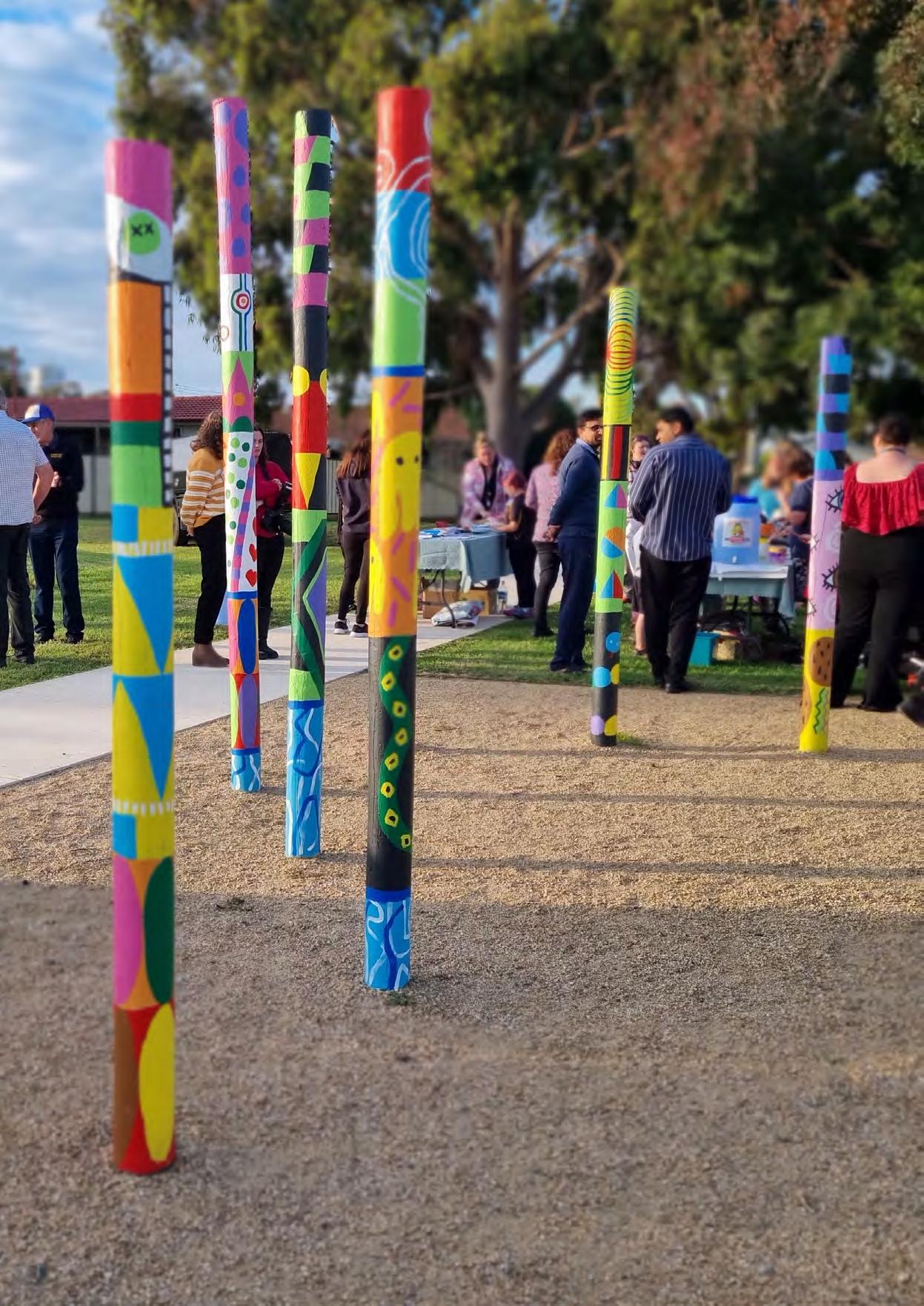
Income Statement For the Year Ended 30 June 2023
The
Balance Sheet As at 30 June 2023
The above balance sheet should be read in conjunction with the accompanying notes.
The above statement of changes in equity should be read in conjunction with the accompanying notes.
The above statement of cash flows should be read in conjunction with the accompanying notes.
The above statement of capital works should be read in conjunction with the accompanying notes.
The Greater Shepparton City Council was established by an Order of the Governor in Council on 18 November 1994 and is a body corporate.
The Council’s main office is located at 90 Welsford Street, Shepparton, Victoria, 3630.
These financial statements are a general purpose financial report that consists of a Comprehensive Income Statement, Balance Sheet, Statement of Changes in Equity, Statement of Cash Flows, Statement of Capital Works and Notes accompanying these financial statements. The general purpose financial report complies with the Australian Accounting Standards (AAS), other authoritative pronouncements of the Australian Accounting Standards Board, the Local Government Act 2020, and the Local Government (Planning and Reporting) Regulations 2020
The Council is a not-for-profit entity and therefore applies the additional AUS paragraphs applicable to a not-for-profit entity under the Australian Accounting Standards.
(a)
Accounting policies are selected and applied in a manner which ensures that the resulting financial information satisfies the concepts of relevance and reliability, thereby ensuring that the substance of the underlying transactions or other events is reported. Accounting policies applied are disclosed in sections where the related balance or financial statement matter is disclosed.
The accrual basis of accounting has been used in the preparation of these financial statements, whereby assets, liabilities, equity, income and expenses are recognised in the reporting period to which they relate, regardless of when cash is received or paid.
The financial statements are based on the historical cost convention unless a different measurement basis is specifically disclosed in the notes to the financial statements.
Judgements, estimates and assumptions are required to be made about the carrying values of assets and liabilities that are not readily apparent from other sources. The estimates and associated judgements are based on professional judgement derived from historical experience and various other factors that are believed to be reasonable under the circumstances. Actual results may differ from these estimates.
The financial statements have been prepared on a going concern basis. The financial statements are in Australian dollars. The amounts presented in the financial statements have been rounded to the nearest thousand dollars unless otherwise specified. Minor discrepancies in tables between totals and the sum of components are due to rounding.
Revisions to accounting estimates are recognised in the period in which the estimate is revised and also in future periods that are affected by the revision. Judgements and assumptions made by management in the application of AAS’s that have significant effects on the financial statements and estimates relate to:
- the fair value of land, buildings, infrastructure, plant and equipment (refer to Note 6.2)
- the determination of depreciation for buildings, infrastructure, plant and equipment (refer to Note 6.2)
- the determination of employee provisions (refer to Note 5.5)
- the determination of landfill provisions (refer to Note 5.5)
- the determination of whether performance obligations are sufficiently specific so as to determine whether an is within the scope of AASB 15 Revenue from Contracts with Customers or AASB 1058 Income of Not-for-Profit (refer to Note 3)
- the determination, in accordance with AASB 16 Leases, of the lease term, the estimation of the discount rate when not implicit in the lease and whether an arrangement is in substance shortterm or low value (refer to Note 5.8)
- other areas requiring judgements.
Unless otherwise stated, all accounting policies are consistent with those applied in the prior year. Where appropriate, comparative figures have been amended to accord with current presentation, and disclosure has been made of any material changes to comparatives.
Goods and Services Tax (GST)
Income and expenses are recognised net of the amount of associated GST. Receivables and payables are stated inclusive of the amount of GST receivable or payable. The net amount of GST recoverable from, or payable to, the taxation authority is included with other receivables or payables in the balance sheet.
During March 2020 a state of emergency was declared in Victoria due to the global pandemic COVID-19 virus, known as coronavirus. A state of disaster was in place from August 2020 to December 2021.
As a result, comparative figures (2022 results) within this report are impacted by restricted activity directions that were in place throughout the financial year, resulting in reduced user fee income for facilities including Aquamoves and Performing Arts and additional grant funding to aid economic recovery. Outstanding rates debtors balances were also impacted due to additional flexibility afforded to ratepayers.
2022/2023 results are not impacted by the COVID-19 pandemic.
On 15 October 2022 Greater Shepparton was impacted by significant flooding. This affected community members significantly, as well as Council operations and assets.
Additional revenue and expenditure falls into 3 categories: National Disaster Recovery Arrangement, Insurance and other financial support.
Initial relief and recovery activities undertaken by Council, in addition to damage to essential infrastructure assets such as roads and bridges are covered under the National Disaster Funding Arrangement (NDFA). Council incurred $3.13 million of expenditure during 2022/23 that will be claimed under this fund, mostly in relation to employee costs and materials and services. Council received an advance payment under this arrangement during 2022/23, with $2.19 million of revenue recognised and a further $2.38 million recognised as unearned income.
Damage to non-essential infrastructure assets such as buildings, plant, fixtures and fittings is covered by insurance. Council incurred $2.76 million of expenditure relating to insured assets in 2022/23, with $1 million of revenue recognised. A contingent asset is disclosed for claims in progress.
Business interruption losses are estimated to be $1.1 million at balance date and are disclosed as a contingent asset as insurance claims are still in progress.
Funding for other relief and recovery programs received in 2022/23 include $1.5m from the State Government Council Flood Support Fund, $512,000 from Emergency Recovery Victoria for Community Recovery Officers, $1.02 million from Emergency Management Victoria for Recovery Hubs and $17,000 for Social Recovery Activities. Income for these programs has been recognised in full in 2022/2023 persuant to AASB 1058 and expenditure against these programs in 2022/23 totalled $365,000, with delivery programmed through until June 2025. Council’s impacted assets have been assessed for impairment, with $3.83m of impairment recognised. Refer note 6.
Outstanding rates debtor balances increased during COVID due to flexibility afforded to ratepayers in repaying outstanding balances and no referral for formal debt collection. This additional flexibility was carried through the flood period, with Council’s rate receivables balance reflecting limited recovery activity. Collection has resumed and Council has a high level of assurance of future collectability of these secured debts.
The performance against budget notes compare Council’s financial plan, expressed through its annual budget, with actual performance. The Local Government (Planning and Reporting) Regulations 2020 requires explanation of any material variances. Council has adopted a materiality threshold of 10 percent and $100,000 where further explanation is warranted. Explanations have not been provided for variations below the materiality threshold unless the variance is considered to be material because of its nature. These notes are prepared to meet the requirements of the Local Government Act 2020 and the Local Government (Planning and Reporting) Regulations 2020.
(i) Explanation of material variations
VARIANCE REFITEM
1Statutory fees and fines
2User fees
More than budget by $1.163m largely due to increased parking infringement revenue and fewer planning scheme amendments and planning panel fees recouped.
Less than budget by $2.153m largely due to decreases in Early Years revenues from user fees, the impact of the October 2022 Flood on facilities including Aquamoves, Performing Arts and the Caravan Park, the closure of the Riverlinks Cafe and lower Saleyard selling fees than anticipated, offset by increased Waste Management fees.
3Grants - operating
4Grants - capital
More than budget by $23.586m largely due to additional grant funding in response to the October 2022 Flood, in addition to early receipt of 100% of the 2023/24 Federal Financial Assistance Grants allocation $16.3m.
Less than budget by $26.017m largely due to capital works budgeted for in 2022/2023, now to be completed in future years, including the Knight and Hawdon Street and Fryers and Thompson Street Intersections and the Strategic Cycling Corridor, due to availability of grant funding. Also impacted by delivery of Maude Street Mall Project under budget.
5Contributions - monetaryMore than budget by $3.304m largely due to timing of developer contributions and funds from insurance claims as a result of the October 2022 Flood.
6Contributions - non monetaryLess than budget by $4.450m largely due to the timing of completion of developer gifted assets.
7Net gain/(loss) on disposal of property, infrastructure, plant and equipment
8Other income
9Materials and services
Less than budget by $2.165m largely due to the write off of assets disposed as part of capital works projects and building assets written off due to October 2022 Flood $926k.
More than budget by $1.364m largely due to additional interest revenues from investment resulting from favourable interest rates.
More than budget by $8.477m largely due to the impact of the October 2022 Flood, including initial relief and recovery, insurance works and immediate asset restoration.
10Amortisation - Intangible assets Less than budget by $186k reflecting the airspace asset consumed through disposal of landfill at Cosgrove 3.
11Bad and doubtful debtsallowance for impairment losses
12Unwinding interest effect for provisions
More than budget by $1.488m mostly due to review of the expected credit loss model for parking infringement debtors.
Unbudgeted variance of $8.730m due to the impact of changes to indexation and discount rates used in the fair value assessment of Council’s landfill provision.
(i) Explanation of material variations
VARIANCE REFITEM
1Land
2Land improvements
3Buildings
More than budget by $324k due to the Farquharson land acquisition, originally budgeted for in 2021/2022 and finalised in 2022/2023.
Less than budget by $445k largely due to SAM Precinct Works being completed under budget and the rebudget of the Katandra West Hall project into 2023/2024, offset by Vaughan and Rowe Street Streetscaping works not budgeted for.
Less than budget by $1.179m largely due to difficulties engaging contractors for building renewals due to the October 2022 Floods, in addition to underspend against the Zero Emissions Project.
4Plant, machinery and equipmentLess than budget by $2.067m largely due to extended lead times for fleet, delaying delivery into 2023/2024.
5Fixtures, fittings and furnitureLess than budget by $147k largely due to carry over of Christmas Decorations and Riverlinks Cyc Lights projects into 2023/2024.
6Computers and telecommunications
7Roads
8Bridges
More than budget by $368k largely due to the addition of the multi-year desktop refresh project and deferral of the firewall upgrade into 2023/2024.
Less than budget by $8.501m largely due to deferral of major roads projects into future years due to availability of grant funding, including the Knight and Hawdon Intersection, Fryers Street and Railway Parade Upgrade.
Less than budget by $451k largely due to the deferral of Watt Road and Toolamba bridge works into 2023/2024.
9Footpaths and cyclewaysLess than budget by $5.939m largely due to the deferral of the Strategic Cycling Project into future years due to availability of grant funding.
10Drainage
11Recreational, leisure and community facilities
12Waste management
13Parks, open space and streetscapes
More than budget by $182k largely due to additional expenditure arising following the October 2022 Flood including Lenne Street Drainage Investigation and Design and other Pump Renewals.
Less than budget by $899k largely due to reduction in budget required to deliver the Vibert Reserve Pavilion Redevelopment project.
More than budget by $298k largely due to a change in scope for the Cosgrove 2 Cell 4 Capping project in order to meet EPA requirements.
Less than budget by $470k largely due to the deferral of the McLennan Street Landscaping project into future years and Bike Jumps project into 2023/2024.
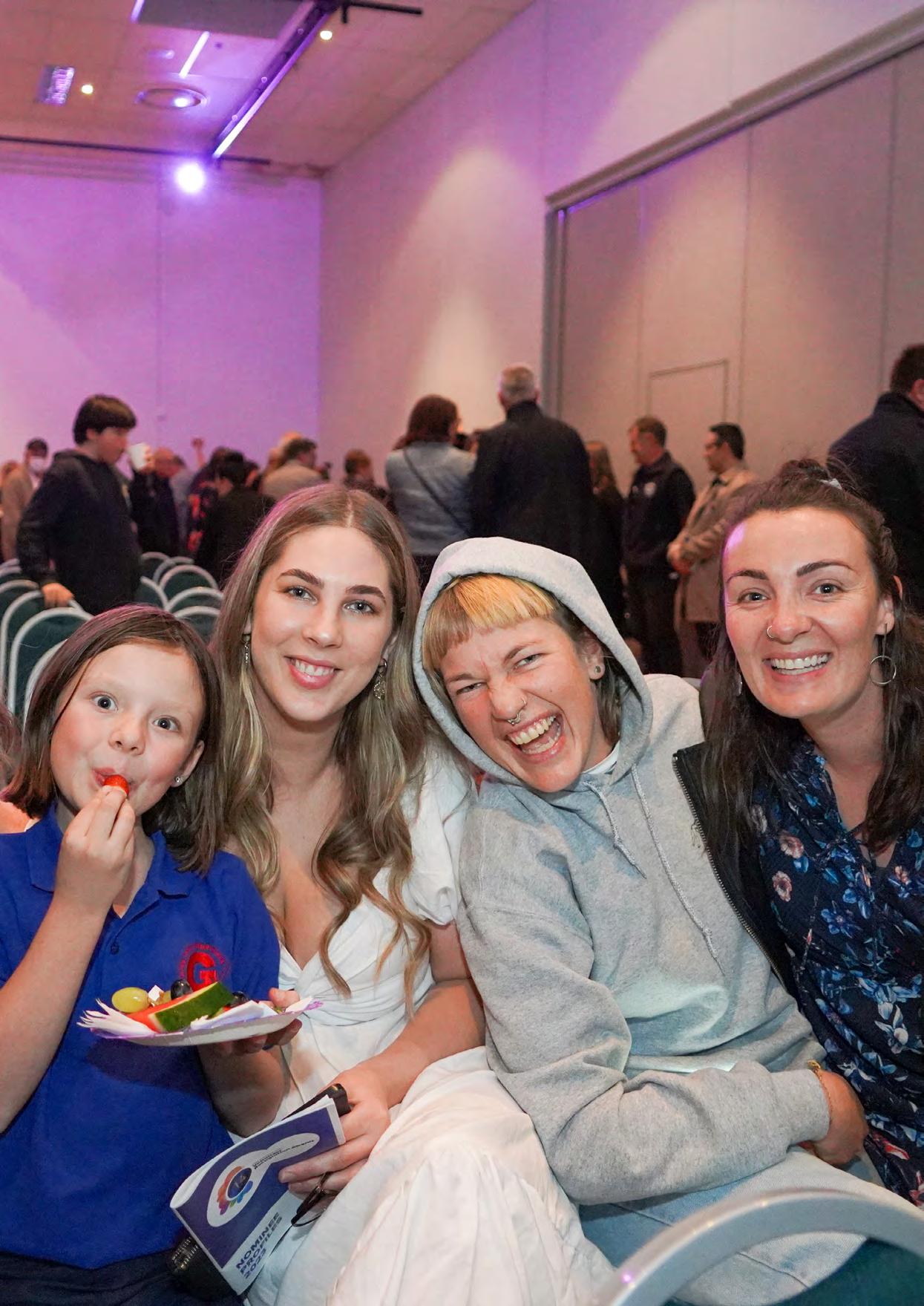
Council delivers its functions and activities through the following Directorates.
2.2.1 Community
The Community Directorate includes services for Community, Early Years, Active Living, Performing Arts, Shepparton Art Museum, Library and Emergency Management.
Corporate Services
The Corporate Services Directorate includes Finance and Rates, Information and Communication Technology, Communications and Engagement, People and Development and Corporate Governance.
Infrastructure
The Infrastructure Directorate services includes Parks Sport & Recreation, Resource Recovery, Project Delivery, Infrastructure Maintenance and Engineering & Assets.
Sustainable Development
The Sustainable Development Directorate provides Building, Planning and Compliance, Environment and Economic Development Services.
2.2.2 Summary of income/revenue, expenses, assets and capital expenses by program
2022 Comparison figures have been restated to allow more accurate comparison due classification adjustments
Council uses Capital Improved Value (CIV) as the basis of valuation of all properties within the municipal district. The CIV of a property is its market value, which takes into account the land and all improvements fixed to the land. The valuation base used to calculate general rates for 2022/23 was $16.246 billion (2021/22 $12.954 billion).
The date of the latest general revaluation of land for rating purposes within the municipal district was 1 January 2022, and the valuation was first applied in the rating year commencing 1 July 2022.
Annual rates and charges are recognised as revenues when Council issues annual rates notices. Supplementary rates are recognised when a valuation and reassessment is completed and a supplementary rates notice issued. 3.2
Statutory fees and fines (including parking fines) are recognised as revenue when the service has been provided, the payment is received, or when the penalty has been applied, whichever first occurs.
User fees are recognised as revenue at a point in time, or over time, when (or as) the performance obligation is satisfied. Recognition is based on the underlying contractual terms.
3.4 FUNDING FROM OTHER LEVELS OF GOVERNMENT
3.4 FUNDING FROM OTHER LEVELS OF GOVERNMENT
OPERATING GRANTS
3.4 FUNDING FROM OTHER LEVELS OF GOVERNMENT
(B) CAPITAL GRANTS
-
GOVERNMENT
- STATE GOVERNMENT
(C) RECOGNITION OF GRANT INCOME
Before recognising funding from government grants as revenue the Council assesses whether there is a contract that is enforceable and has sufficiently specific performance obligations in accordance with AASB 15 Revenue from Contracts with Customers. When both these conditions are satisfied, the Council: - identifies each performance obligation relating to revenue under the contract/agreement - determines the transaction price - recognises a contract liability for its obligations under the agreement - recognises revenue as it satisfies its performance obligations, at the time or over time when services are rendered. Where the contract is not enforceable and/or does not have sufficiently specific performance obligations, the Council applies AASB 1058 Income for Not-for-Profit Entities.
Grant revenue with sufficiently specific performance obligations is recognised over time as the performance obligations specified in the underlying agreement are met. Where performance obligations are not sufficiently specific, grants are recognised on the earlier of receipt or when an unconditional right to receipt has been established. Grants relating to capital projects are generally recognised progressively as the capital project is completed. The following table provides a summary of the accounting framework under which grants are recognised.
INCOME RECOGNISED UNDER AASB 1058 INCOME OF NOT-FOR-PROFIT ENTITIES
REVENUE RECOGNISED UNDER AASB 15 REVENUE FROM CONTRACTS WITH CUSTOMERS
3.4 FUNDING FROM OTHER LEVELS OF GOVERNMENT (continued)
(D) UNSPENT GRANTS RECEIVED ON CONDITION THAT THEY BE SPENT IN A SPECIFIC MANNER OPERATING
at
Unspent grants are determined and disclosed on a cash basis
3.5 CONTRIBUTIONS
Monetary and non monetary contributions are recognised as revenue at their fair value when Council obtains control over the contributed asset.
3.6 NET LOSS ON DISPOSAL OF PROPERTY, INFRASTRUCTURE, PLANT AND EQUIPMENT
The profit or loss on sale of an asset is determined when control of the asset has passed to the buyer or the asset is written off.
Interest is recognised as it is earned.
Other income is measured at the fair value of the consideration received or receivable and is recognised when Council gains control over the right to receive the income.
Water Shares represents the gain on initial recognition of existing Water Shares as an intangible asset per AASB 138
Intangible Assets. These water shares are existing holdings largely resulting from the unbundling of water rights in 2007.
(B) SUPERANNUATION
Council
Refer to note 9.3 for further information relating to Council’s superannuation obligations.
Expenses are recognised as they are incurred and reported in the financial year to which they relate. 2022 Comparison figures have been restated to allow more accurate comparison due to classification adjustments.
Refer to note 6.2 for a more detailed breakdown of depreciation charges and accounting policy.
An allowance for impairment losses in respect of debtors is recognised based on an expected credit loss model. This model considers both historic and forward looking information in determining the level of impairment.
as part of a qualifying asset constructed by Council.
Council recognises the net present value (NPV) of its future liabilities for employee benefits and landfill rehabilitation and aftercare costs. Accounting standards required the effect of any change to the liability caused by movement in indexation and discount rates used to calculate the NPV, known as the unwinding interest effect, to be recognised as a finance cost.
(B) OTHER FINANCIAL ASSETS - CURRENT
Cash and cash equivalents included cash on hand, deposits at call, and other highly liquid investments with original maturities of 90 days or less net of outstanding bank overdrafts.
Other financial assets are valued at fair value, at balance date. Term deposits are measured at original cost. Any unrealised gains and losses on holdings at balance date are recognised as either a revenue or expense.
Other financial assets include term deposits and those with original maturity dates of three to 12 months are classified as current, whilst term deposits with maturity dates greater than 12 months are classified as non-current.
(C) TRADE AND OTHER RECEIVABLES - CURRENT
Short term receivables are carried at invoice amount. A provision for doubtful debts is recognised when there is objective evidence that an impairment has occurred. Long term receivables are carried at amortised cost using the effective interest rate method.
Rates debtors year-end balance has increased compared to prior year mainly due to the continued flexibility Council afforded ratepayers due to the October 2022 Flood (no referral of outstanding debts to formal debt recovery) and in line with the budgeted increase in total rates and charges. This was an extension of provisions afforded to ratepayers throughout the COVID pandemic. Council has a high level of assurance of future collectability of the balances as secured debts and has recommenced debt recovery activity.
The ageing of the Council’s trade and other receivables (excluding statutory receivables) that are not impaired was:
(not yet due)
AGEING OF INDIVIDUALLY IMPAIRED
At balance date, other debtors including sundry debtors with a nominal value of $115,529 (2022: $12,753) were impaired. In determining the value of the provision for doubtful debts required, and expected credit loss model was used, incorporating a combination of historical trends, knowledge of individual issues and forward-looking expected losses. The amount of the provision raised against these debtors was $115,529, (2022: $12,753). Many of the long outstanding past due amounts have been lodged with Council’s debt collectors or are on payment arrangements.
The ageing the receivables have been individually determined as impaired at reporting date was:
5.2 NON-FINANCIAL ASSETS
(A) INVENTORIES
Inventories held for distribution are measured at cost, adjusted when applicable for any loss of service potential. All other inventories, including land held for sale, are measured at the lower of cost and net realisable value. Where inventories are acquired for no cost or nominal consideration, they are measured at current replacement cost at the date of acquisition.
(B) OTHER ASSETS
(C) INTANGIBLE ASSETS
ACCUMULATED AMORTISATION AND IMPAIRMENT
Intangible assets with finite lives are amortised as an expense on a systematic basis over the asset’s useful life. Amortisation is generally calculated on a straight line basis, at a rate that allocates the asset value, less any estimated residual value over its estimated useful life. Estimates of the remaining useful lives and amortisation method are reviewed at least annually, and adjustments made where appropriate. Water shares are measured using the revaluation model per AASB 138 Intangible Assets with fair value determined with reference to the active permanent water share market. Water shares are deemed to have an infinite life and are therefore not amortised.
5.3 PAYABLES, TRUST FUNDS AND DEPOSITS AND UNEARNED
(A) TRADE AND OTHER PAYABLES - CURRENT NON-STATUTORY PAYABLES
(B) TRUST FUNDS AND DEPOSITS - CURRENT
(C) UNEARNED INCOME/REVENUE- CURRENT
Unearned income/revenue represents contract liabilities and reflect consideration received in advance from customers in respect of mainly government grants. Unearned income/revenue are derecognised and recorded as revenue when promised goods and services are transferred to the customer. Refer to Note 3.
Amounts received as deposits and retention amounts controlled by Council are recognised as trust funds until they are returned, transferred in accordance with the purpose of the receipt, or forfeited. Trust funds that are forfeited, resulting in council gaining control of the funds, are to be recognised as revenue at the time of forfeit.
PURPOSE AND NATURE OF ITEMS
Fire Service Levy - Council is the collection agent for fire services levy on behalf of the State Government. Council remits amounts received on a quarterly basis. Amounts disclosed here will be remitted to the state government in line with that process.
Retention Amounts - Council has a contractual right to retain certain amounts until a contractor has met certain requirements or a related warrant or defect period has elapsed. Subject to the satisfactory completion of the contractual obligations, or the elapsing of time, these amounts will be paid to the relevant contractor in line with Council’s contractual obligations.
Borrowings are secured by general rates.
Borrowings are initially measured at fair value, being the cost of the interest bearing liabilities, net of transaction costs. The measurement basis subsequent to initial recognition depends on whether the Council has categorised its interest-bearing liabilities as either financial liabilities designated at fair value through the profit and loss, or financial liabilities at amortised cost. Any difference between the initial recognised amount and the redemption value is recognised in net result over the period of the borrowing using the effective interest method.
The classification depends on the nature and purpose of the interest bearing liabilities. The Council determines the classification of its interest bearing liabilities at initial recognition. At present, all Council’s borrowings are classified at amortised cost.
5.5 PROVISIONS
2023
(A) EMPLOYEE PROVISIONS
CURRENT PROVISIONS EXPECTED TO BE WHOLLY SETTLED WITHIN 12 MONTHS
CURRENT PROVISIONS EXPECTED TO BE WHOLLY SETTLED AFTER 12 MONTHS
AGGREGATE CARRYING AMOUNT OF EMPLOYEE PROVISIONS:
The calculation of employee costs and benefits includes all relevant on-costs and are calculated as follows at reporting date. Annual leave
A liability for annual leave is recognised in the provision for employee benefits as a current liability because the Council does not have an unconditional right to defer settlement of the liability. Liabilities for annual leave are measured at: - nominal value if the Council expects to wholly settle the liability within 12 months - present value if the Council does not expect to wholly settle within 12 months.
Liabilities that are not expected to be wholly settled within 12 months of the reporting date are recognised in the provision for employee benefits as current liabilities, measured at the present value of the amounts expected to be paid when the liabilities are settled using the remuneration rate expected to apply at the time of settlement. Long service leave
Liability for long service leave (LSL) is recognised in the provision for employee benefits. Unconditional LSL is disclosed as a current liability as the Council does not have an unconditional right to defer settlement. Unconditional LSL is measured at nominal value if expected to be settled within 12 months or at present value if not expected to be settled within 12 months. Conditional LSL that has been accrued, where an employee is yet to reach a qualifying term of employment, is disclosed as a non-current liability and measured at present value.
Key assumptions:
Council is obligated to restore the Cosgrove landfill site to a particular standard. The forecast life of the site is based on current estimates of remaining capacity and the forecast rate of infill. The provision for landfill restoration has been calculated based on the present value of the expected cost of works to be undertaken. The expected cost of works has been estimated based on current understanding of work required to reinstate the site to a suitable standard. Accordingly, the estimation of the provision required is dependent on the accuracy of the forecast timing of the work, work required and related costs.
Council reviews the landfill restoration provision on an annual basis, including the key assumptions listed below.
Key assumptions:
Discount rate was obtained from the G100 (Group of 100) and indexation rate was obtained from the Australian Bureau of Statistics (Consumer Price Index forecast).
The Council has the following funding arrangements in place as at 30 June 2023.
The Council has entered into the following commitments. Commitments are not recognised in the Balance Sheet. Commitments are disclosed at their nominal value and presented inclusive of the GST payable.
(A) COMMITMENTS FOR EXPENDITURE
At inception of a contract, all entities would assess whether a contract is, or contains, a lease. A contract is, or contains, a lease if the contract conveys the right to control the use of an identified asset for a period of time in exchange for consideration. To identify whether a contract conveys the right to control the use of an identified asset, it is necessary to assess whether:
- The contract involves the use of an identified asset;
- The customer has the right to obtain substantially all of the economic benefits from use of the asset throughout the period of use; and
- The customer has the right to direct the use of the asset.
This policy is applied to contracts entered into, or changed, on or after 1 July 2019.
As a lessee, Council recognises a right-of-use asset and a lease liability at the lease commencement date. The rightof-use asset is initially measured at cost which comprises the initial amount of the lease liability adjusted for: any lease payments made at or before the commencement date less any lease incentives received; plus any initial direct costs incurred; and an estimate of costs to dismantle and remove the underlying asset or to restore the underlying asset or the site on which it is located.
The right-of-use asset is subsequently depreciated using the straight-line method from the commencement date to the earlier of the end of the useful life of the right-of-use asset or the end of the lease term. The estimated useful lives of rightof-use assets are determined on the same basis as those of property, plant and equipment. In addition, the right-of-use asset is periodically reduced by impairment losses, if any, and adjusted for certain measurements of the lease liability. The lease liability is initially measured at the present value of the lease payments that are not paid at the commencement date, discounted using the interest rate implicit in the lease or, if that rate cannot be readily determined, an appropriate incremental borrowing rate. Generally, Council uses an appropriate incremental borrowing rate as the discount rate. Lease payments included in the measurement of the lease liability comprise the following:
Fixed payments
Variable lease payments that depend on an index or a rate, initially measured using the index or rate as at the commencement date;
Amounts expected to be payable under a residual value guarantee; and
The exercise price under a purchase option that Council is reasonably certain to exercise, lease payments in an optional renewal period if Council is reasonably certain to exercise an extension option, and penalties for early termination of a lease unless Council is reasonably certain not to terminate early.
When the lease liability is remeasured in this way, a corresponding adjustment is made to the carrying amount of the right-of-use asset, or is recorded in profit or loss if the carrying amount of the right-of-use asset has been reduced to zero.
Under AASB 16 Leases, Council as a not-for-profit entity has elected not to measure right-of-use assets at initial recognition at fair value in respect of leases that have significantly below-market terms.
Council currently has 10 peppercorn leases in relation to small parcels of land which permits Council use of the land under lease agreement. Council has been given the right to use these assets by the Victorian Railways Commission, Powercor Australia and the State Transport Authority for the use and maintenance of drainage and culverts along with street beautification and installation of equipment. As at 30 June 2023 Council was not required to value these right-of-use assets at fair value.
Maturity
undiscounted cash flows
AND LOW VALUE LEASES
Council has elected not to recognise right-of-use assets and lease liabilities for short-term leases of machinery that have a lease term of 12 months or less and leases of low-value assets (individual assets worth less than existing capitalisation thresholds for a like asset up to a maximum of $10,000), including IT equipment. Council recognises the lease payments associated with these leases as an expense on a straight-line basis over the lease term.
Variable lease payments (not included in measurement of lease liabilities)
LEASE
Commitments for minimum lease payments for short-term and low-value leases are payable as follows:
Non-current assets classified as held for sale (including disposal groups) are measured at the lower of its carrying amount and fair value less costs of disposal, and are not subject to depreciation. Non-current assets, disposal groups and related liabilities and assets are treated as current and classified as held for sale if their carrying amount will be recovered through a sale transaction rather than through continuing use. This condition is regarded as met only when the sale is highly probable and the asset’s sale (or disposal group sale) is expected to be completed within 12 months from the date of classification.
6.2 PROPERTY, INFRASTRUCTURE, PLANT AND EQUIPMENT (continued) (A) PROPERTY
IN FAIR VALUE
6.2 PROPERTY, INFRASTRUCTURE, PLANT AND EQUIPMENT (continued) (B) PLANT AND EQUIPMENT
6.2 PROPERTY, INFRASTRUCTURE, PLANT AND EQUIPMENT (continued) (C) INFRASTRUCTURE
ACQUISITION
The purchase method of accounting is used for all acquisitions of assets, being the fair value of assets provided as consideration at the date of acquisition plus any incidental costs attributable to the acquisition. Fair value is the price that would be received to sell an asset (or paid to transfer a liability) in an orderly transaction between market participants at the measurement date.
Where assets are constructed by Council, cost includes all materials used in construction, direct labour, borrowing costs incurred during construction, and an appropriate share of directly attributable variable and fixed overheads.
In accordance with Council’s policy, the threshold limits have applied when recognising assets within an applicable asset class and unless otherwise stated are consistent with the prior year.
Council recognises land under roads it controls at fair value.
Buildings, land improvements, plant and equipment, infrastructure, and other assets having limited useful lives are systematically depreciated over their useful lives to the Council in a manner which reflects consumption of the service potential embodied in those assets. Estimates of remaining useful lives and residual values are made on a regular basis with major asset classes reassessed annually. Depreciation rates and methods are reviewed annually.
Where assets have separate identifiable components that are subject to regular replacement, these components are assigned distinct useful lives and residual values and a separate depreciation rate is determined for each component.
Road earthworks are not depreciated on the basis that they are assessed as not having a limited useful life.
Straight line depreciation is charged based on the residual useful life as determined each year.
Depreciation periods used are listed above and are consistent with the prior year.
REPAIRS
Where the repair relates to the replacement of a component of an asset and the cost exceeds the capitalisation threshold the cost is capitalised and depreciated. The carrying value of the replaced asset is expensed.
Valuation of land and buildings were undertaken by a qualified independent valuer LG Valuations (Principal Marcus Hann, Valuer No. 62901). The valuation of land and buildings is at fair value, being market value based on highest and best use permitted by relevant land planning provisions. Where land use is restricted through existing planning provisions the valuation is reduced to reflect this limitation. This adjustment is an unobservable input in the valuation. The adjustment has no impact on the comprehensive income statement.
Specialised land is valued at fair value using site values adjusted for englobo (undeveloped and/or unserviced) characteristics, access rights and private interests of other parties and entitlements of infrastructure assets and services. This adjustment is an unobservable input in the valuation. The adjustment has no impact on the comprehensive income statement.
Any significant movements in the unobservable inputs for land and land under roads will have a significant impact on the fair value of these assets.
A full revaluation of these assets was conducted during 2022/23.
Details of the Council’s land and buildings and information about the fair value hierarchy as at 30 June 2023 are as follows:
Valuation of infrastructure assets has been determined in accordance with an internal valuation undertaken by Team Leader Strategic Assets (Associate Diploma Civil Engineering, Bachelor Technology Civil Engineering).
The valuation is at fair value based on replacement cost less accumulated depreciation as at the date of valuation.
Details of the Council’s infrastructure and information about the fair value hierarchy as at 30 June 2023 are as follows:
June 2023index
June 2022index
June 2021index
June 2023index
June 2023index
June 2023index
June 2023index
June 2023index
street car parks
June 2023index
11,282 June 2022^index
The unit rate calculation used to determine replacement cost of the Roads class of assets has been calculated using the average of the actual prior year developer earthworks instead of the 85th percentile used previously. This was applied effective 30 June 2023 and the methodology will continue for future periods and forms part of the valuation stated above (471,979k).
^Other infrastructure includes Civic regalia which was valued via a full revaluation by external valuer.
DESCRIPTION OF SIGNIFICANT UNOBSERVABLE INPUTS INTO LEVEL 3 VALUATIONS
Specialised land and land under roads is valued using a market based direct comparison technique. Significant unobservable inputs include the extent and impact of restriction of use and the market cost of land per square metre. The extent and impact of restrictions on use varies and results in a reduction to surrounding land values between 50% and 95%. The market value of land varies significantly depending on the location of the land and the current market conditions. Currently land values range between $0.03 and $105.56 per square metre.
Specialised buildings are valued using a depreciated replacement cost technique. Significant unobservable inputs include the current replacement cost and remaining useful lives of buildings. Current replacement costs are calculated on a square metre basis and ranges from $175 to $17202, per square metre. The remaining useful lives of buildings are determined on the basis of the current condition of buildings and vary from 10 years to 100 years. Replacement cost is sensitive to changes in market conditions, with any increase or decrease in cost flowing through to the valuation. Useful lives of buildings are sensitive to changes in expectations or requirements that could either shorten or extend the useful lives of buildings.
Infrastructure assets are valued based on the depreciated replacement cost. Significant unobservable inputs include the current replacement cost and remaining useful lives of infrastructure. The remaining useful lives of infrastructure assets are determined on the basis of the current condition of the asset and vary from 2 years to 100 years. Replacement cost is sensitive to changes in market conditions, with any increase or decrease in cost flowing through to the valuation. Useful lives of infrastructure are sensitive to changes in use, expectations or requirements that could either shorten or extend the useful lives of infrastructure assets.
INFRASTRUCTURE, PLANT AND EQUIPMENT (continued)
IMPAIRMENT - IMPACT OF OCTOBER 2022 FLOOD EVENT
Impacted roads and buildings assets were assessed and as a result the below impairment was recognised. A total of 6,581 road assets were affected across seven assets classes and a single building asset.
(A) INVESTMENTS IN ASSOCIATES
GOULBURN VALLEY REGIONAL LIBRARY CORPORATION (GVRLC) BACKGROUND
The Goulburn Valley Regional Library Corporation is an entity which has been established to serve three northern Victorian councils; the Greater Shepparton City Council, Moira Shire Council and Strathbogie Shire Council. Each Council has two committee representatives on the Board of Directors. Each Member council contributes financial to the operation of the Corporation based on the ratio of their population base. Contribution payments are considered a ‘fee for service’ on a commercial basis and are relative to the services the Corporation provides. The amount of financial contributions does not bring with it any additional voting rights or influence on the library activities and therefore no greater power or control. COUNCIL’S SHARE OF ACCUMULATED SURPLUS/(DEFICIT)
Associates are all entities over which Council has significant influence but not control or joint control. Investments in associates are accounted for using the equity method of accounting, after initially being recognised at cost.
7.1 COUNCIL AND KEY MANAGEMENT REMUNERATION
(A) RELATED PARTIES
PARENT ENTITY
Greater Shepparton City Council is the parent entity.
ASSOCIATES
Interests in associates are detailed in Note 6.3.
(B) KEY MANAGEMENT PERSONNEL
Key management personnel (KMP) are those people with the authority and responsibility for planning, directing and controlling the activities of Greater Shepparton City Council. The Councillors, Chief Executive Officer and Director Community, Director Corporate Services, Director Infrastructure and Director Sustainable Development are deemed KMP.
Councillors
Councillor Seema Abdullah
Councillor Ben Ladson (from January 2023)
Councillor Fern Summer
Councillor Sam Spinks
Councillor Shane Sali (Mayor)
Councillor Anthony Brophy
Councillor Geoffrey Dobson
Councillor Greg James
Councillor Dinny Adem (from July 2022)
CEO
Remuneration comprises employee benefits including all forms of consideration paid, payable or provided by Council, or on behalf of the Council, in exchange for services rendered. Remuneration of Key Management Personnel and Other senior staff is disclosed in the following categories.
Short-term employee benefits include amounts such as wages, salaries, annual leave or sick leave that are usually paid or payable on a regular basis, as well as non-monetary benefits such as allowances and free or subsidised goods or services.
Other long-term employee benefits include long service leave, other long service benefits or deferred compensation.
Post-employment benefits include pensions, and other retirement benefits paid or payable on a discrete basis when employment has ceased.
Termination benefits include termination of employment payments, such as severance packages.
Total remuneration of key management personnel was as follows:
The numbers of key management personnel whose total remuneration from Council and any related entities, fall within the following bands:
Other senior staff are officers of Council, other than Key Management Personnel, whose total remuneration exceeds $160,000 and who report directly to a member of the KMP.
Total remuneration of other senior staff was as follows:
The number of Senior Officers are shown below in their relevant income bands:
Total Remuneration for the reporting year for Senior Officers included above, amounted to:
* Due to a definitional change the comparative figures in this note may not align with the previous year’s annual report, which included disclosure of senior officers as defined in the Local Government Act 1989.
During the period Council entered into the following transactions with related parties.
Payments to Goulburn Valley Regional Library Corporation
Annual fees paid for the provision of library services to the Council. Library services were provided to Shepparton, Mooroopna and Tatura townships, whilst a mobile library serviced nine additional towns within the municipality of the Greater Shepparton City Council.
Payments to Goulburn Valley Regional Library Corporation
Annual fees received for the provision of financial and human resource services, being accounts payable, accounts receivable, asset management, treasury, financial reporting and payroll services.
During the period Council entered into the following other related party transactions
1,2, Payments to entities controlled by key management personnel
3,4,5,6,7,8 Receipts from entities controlled by key management personnel
Receipts from entities influenced by key management personnel
Notes:
1. Payment of $2,390,258 to Shepparton Art Museum (SAM) for funding under agreement (Director of Corporate Services and CEO have an interest).
2. Payment of $3,000 to Albanian Moslem Society for major/minor event grant (Cr Sali has an interest).
3. Receipt of $17,042 from AFL Goulburn Murray (Director of Sustainable Development has an interest).
4. Receipt of $4,132 from Wilmot Road Primary School (CEO has an interest).
5. Receipt of $6,713 from Rumbalara Aboriginal Co-op for Aquamoves and Tipping Services (Cr James has an interest).
6. Receipt of $238,361 from Shepparton Art Museum (Director of Corporate Services and CEO have an interest).
7. Receipt of $615 from Shepparton Albanian Committee (Cr Sali has an interest).
8. Receipt of $1,279 McEwen Road Tennis Club for facility usage (Cr Ladson has an interest).
(B) OUTSTANDING BALANCES WITH RELATED PARTIES
The following balances are outstanding at the end of the reporting period in relation to transactions with related parties
1. Receipt of $238,361 from Shepparton Art Museum (Director of Corporate Services and CEO have an interest) a further $111,938 was outstanding as at 30 June 2023.
2. Receipt of $17,042 from AFL Goulburn Murray (Director of Sustainable Development has an interest) a further $1,080 was outstanding as at 30 June 2023.
3. Receipt of $6,713 from Rumbalara Aboriginal Co-op for Aquamoves and Tipping Services (Cr James has an interest) a further $2,671 was outstanding as at 30 June 2023.
(C) LOANS TO/FROM RELATED PARTIES
There were no loans in existence at balance date that have been made, guaranteed or secured by the council to a related party.
(D) COMMITMENTS TO/FROM RELATED PARTIES
The aggregate amount of commitments in existence at balance date that have been made, guaranteed or secured by the council to a related party are as follows:
1. Provision of flu vaccinations to Goulburn Valley Regional Library Corporation (GVRLC) staff by Greater Shepparton City Council (GSCC).
2. MOU for the provision of administrative services and payment of Admin fees between GSCC and GVRLC.
3. GSCC is committed to paying the annual contributions to GVRLC.
4. GSCC is committed to paying the annual contribution to Shepparton Art Museum (SAM) limited.
Contingent assets and contingent liabilities are not recognised in the Balance Sheet and are disclosed pursuant to AASB 137 Provisions, Contingent Liabilities and Contingent Assets.
Contingent assets are possible assets that arise from past events, whose existence will be confirmed only by the occurrence or non-occurrence of one or more uncertain future events not wholly within the control of the Council.
INSURANCE
As a result of the October 2022 Flood event, Council is engaged in property and business interruption losses insurance claims. At balance date, property claims were submitted but not yet approved by the appointed loss adjustor. Council expects claims submitted in relation to 2022/23 expenditure incurred to create an inflow of approximately $1.51 million.
Council are a member of the JLT Municipal Asset Protection Plan, which is a managed discretionary trust arrangement for property damage claims. A member surplus was anticipated by JLT at balance date, for which Council may receive a distribution during 2023-24.
GIFTED ASSETS
In the course of creating new subdivisions, developers construct infrastructure assets including roads, footpath and drainage that are vested with Council when Council issues a Statement of Compliance. These assets are recognised as revenue (Contributions - Non-Monetary) and capitalised. At reporting date, developers had commenced construction of assets that will eventually be transferred to Council, however Council cannot reliably measure the value of assets involved prior to completion.
(B)
Contingent liabilities are:
- possible obligations that arise from past events, whose existence will be confirmed only by the occurrence or nonoccurrence of one or more uncertain future events not wholly within the control of the Council; or
- present obligations that arise from past events but are not recognised because:
- it is not probable that an outflow of resources embodying economic benefits will be required to settle the obligation; or - the amount of the obligation cannot be measured with sufficient reliability.
LEGAL MATTERS
At balance date Council were awaiting a decision on a matter relating to a Workplace Safety Regulator prosecution which may result in a liability.
Certain new Australian Accounting Standards and interpretations have been published that are not mandatory for the 30 June 2023 reporting period. Council assesses the impact of these new standards. As at 30 June 2023 there were no new accounting standards or interpretations issued by the AASB which are applicable for the year ending 30 June 2024 that are expected to impact Council.
(A)
The Council’s principal financial instruments comprise cash assets, term deposits, receivables (excluding statutory receivables), payables (excluding statutory payables) and bank borrowings. Details of the significant accounting policies and methods adopted, including the criteria for recognition, the basis of measurement and the basis on which income and expenses are recognised, in respect of each class of financial asset, financial liability and equity instrument is disclosed in the notes of the financial statements. Risk management is carried out by senior management under policies approved by the Council. These policies include identification and analysis of the risk exposure to Council and appropriate procedures, controls and risk minimisation.
(B)
Market risk is the risk that the fair value or future cash flows of council financial instruments will fluctuate because of changes in market prices. The Council’s exposure to market risk is primarily through interest rate risk with only insignificant exposure to other price risks and no exposure to foreign currency risk.
Interest rate risk refers to the risk that the value of a financial instrument or cash flows associated with the instrument will fluctuate due to changes in market interest rates. Council’s interest rate liability risk arises primarily from long term loans and borrowings at fixed rates which exposes council to fair value interest rate risk / Council does not hold any interest bearing financial instruments that are measured at fair value, and therefore has no exposure to fair value interest rate risk. Cash flow interest rate risk is the risk that the future cash flows of a financial instrument will fluctuate because of changes in market interest rates. Council has minimal exposure to cash flow interest rate risk through its cash and deposits that are at floating rates.
Investment of surplus funds is made with approved financial institutions under the Local Government Act 2020. Council manages interest rate risk by adopting an investment policy that ensures:
- diversification of investment product;
- monitoring of return on investment; and
- benchmarking of returns and comparison with budget.
There has been no significant change in the Council’s exposure, or its objectives, policies and processes for managing interest rate risk or the methods used to measure this risk from the previous reporting period.
Interest rate movements have not been sufficiently significant during the year to have an impact on the Council’s year end result.
Credit risk is the risk that a contracting entity will not complete its obligations under a financial instrument and cause Council to make a financial loss. Council have exposure to credit risk on some financial assets included in the balance sheet. Particularly significant areas of credit risk exist in relation to outstanding fees and fines as well as loans and receivables from sporting clubs and associations. To help manage this risk:
- Council have a policy for establishing credit limits for the entities council deal with;
- Council may require collateral where appropriate; and
- Council only invest surplus funds with financial institutions which have a recognised credit rating specified in Council’s investment policy.
Receivables consist of a large number of customers, spread across the ratepayer, business and government sectors. Credit risk associated with the council’s financial assets is minimal because the main debtor is secured by a charge over the rateable property.
There are no material financial assets which are individually determined to be impaired.
Council may also be subject to credit risk for transactions which are not included in the balance sheet, such as when Council provide a guarantee for another party. Details of our contingent liabilities are disclosed in Note 8.1(b).
The maximum exposure to credit risk at the reporting date to recognised financial assets is the carrying amount, net of any provisions for impairment of those assets, as disclosed in the balance sheet and notes to the financial statements. Council does not hold any collateral.
Liquidity risk includes the risk that, as a result of council’s operational liquidity requirements it will not have sufficient funds to settle a transaction when required or will be forced to sell a financial asset at below value or may be unable to settle or recover a financial asset.
To help reduce these risks Council:
- have a liquidity policy which targets a minimum and average level of cash and cash equivalents to be maintained;
- have readily accessible standby facilities and other funding arrangements in place;
- have a liquidity portfolio structure that requires surplus funds to be invested within various bands of liquid instruments;
- monitor budget to actual performance on a regular basis; and
- set limits on borrowings relating to the percentage of loans to rate revenue and percentage of loan principal repayments to rate revenue.
The Council’s maximum exposure to liquidity risk is the carrying amounts of financial liabilities as disclosed on the face of the balance sheet and the amounts related to any financial guarantees disclosed in Note 8.1, and is deemed insignificant based on prior periods’ data and current assessment of risk.
There has been no significant change in Council’s exposure, or its objectives, policies and processes for managing liquidity risk or the methods used to measure this risk from the previous reporting period.
With the exception of borrowings, all financial liabilities are expected to be settled within normal terms of trade. Details of the maturity profile for borrowings are disclosed at Note 5.4.
Unless otherwise stated, the carrying amounts of financial instruments reflect their fair value.
Taking into account past performance, future expectations, economic forecasts, and management’s knowledge and experience of the financial markets, Council believes the following movements are ‘reasonably possible’ over the next 12 months:
- A parallel shift of + 1.00% and -1.00% in market interest rates (AUD) from year-end rates of 4.6%.
These movements will not have a material impact on the valuation of Council’s financial assets and liabilities, nor will they have a material impact on the results of Council’s operations.
FAIR VALUE HIERARCHY
Council’s financial assets and liabilities are not valued in accordance with the fair value hierarchy. Council’s financial assets and liabilities are measured at amortised cost.
Council measures certain assets and liabilities at fair value where required or permitted by Australian Accounting Standards. AASB 13 Fair value measurement, aims to improve consistency and reduce complexity by providing a definition of fair value and a single source of fair value measurement and disclosure requirements for use across Australian Accounting Standards. All assets and liabilities for which fair value is measured or disclosed in the financial statements are categorised within a fair value hierarchy, described as follows, based on the lowest level input that is significant to the fair value measurement as a whole:
Level 1 — Quoted (unadjusted) market prices in active markets for identical assets or liabilities
Level 2 — Valuation techniques for which the lowest level input that is significant to the fair value measurement is directly or indirectly observable; and
Level 3 — Valuation techniques for which the lowest level input that is significant to the fair value measurement is unobservable. For the purpose of fair value disclosures, Council has determined classes of assets and liabilities on the basis of the nature, characteristics and risks of the asset or liability and the level of the fair value hierarchy as explained above.
In addition, Council determines whether transfers have occurred between levels in the hierarchy by re-assessing categorisation (based on the lowest level input that is significant to the fair value measurement as a whole) at the end of each reporting period.
Subsequent to the initial recognition of assets, non-current physical assets, other than plant and equipment, are measured at their fair value, being the price that would be received to sell an asset (or paid to transfer a liability) in an orderly transaction between market participants at the measurement date. At balance date, the Council reviewed the carrying value of the individual classes of assets measured at fair value to ensure that each asset materially approximated its fair value. Where the carrying value materially differed from the fair value at balance date, the class of asset was revalued. Fair value valuations are determined in accordance with a valuation hierarchy. Changes to the valuation hierarchy will only occur if an external change in the restrictions or limitations of use of an asset result in changes to the permissible or practical highest and best use of the asset. In addition, Council undertakes a formal revaluation of land, buildings, and infrastructure assets on a regular basis ranging from 3 to 5 years. The valuation is performed either by experienced council officers or independent experts. The following table sets out the frequency of revaluation by asset classes:
Asset class
Land
Buildings
Roads
Bridges
Footpaths and cycleways
Drainage
Revaluation frequency
3 to 5 years
3 to 5 years
3 to 5 years
3 to 5 years
3 to 5 years
3 to 5 years
Recreational, leisure and community facilities3 to 5 years
Waste management
Parks, open space and streetscapes
Aerodromes
Other infrastructure
3 to 5 years
3 to 5 years
3 to 5 years
3 to 5 years
Where the assets are revalued, the revaluation increments are credited directly to the asset revaluation reserve except to the extent that an increment reverses a prior year decrement for that class of asset that had been recognised as an expense in which case the increment is recognised as revenue up to the amount of the expense. Revaluation decrements are recognised as an expense except where prior increments are included in the asset revaluation reserve for that class of asset in which case the decrement is taken to the reserve to the extent of the remaining increments. Within the same class of assets, revaluation increments and decrements within the year are offset.
At each reporting date, the Council reviews the carrying value of its assets to determine whether there is any indication that these assets have been impaired. If such an indication exists, the recoverable amount of the asset, being the higher of the asset’s fair value less costs of disposal and value in use, is compared to the assets carrying value. Any excess of the assets carrying value over its recoverable amount is expensed to the comprehensive income statement, unless the asset is carried at the revalued amount in which case, the impairment loss is recognised directly against the revaluation surplus in respect of the same class of asset to the extent that the impairment loss does not exceed the amount in the revaluation surplus for that same class of asset.
On 31 August 2023, additional information was provided regarding the likelihood of selling all of the properties that were included under Non current assets classified as held for sale note 6.1. It was determined that selling several of these properties within the year was no longer highly probable as required under the standard. As a result these properties will be reclassified from Non current assets classified as held for sale into the appropriate asset classification. As all of the properties impacted are non-depreciable land assets, the financial effect is the movement of $264k from Non current assets classified as held for sale to land assets under Land for the same $264k net value. These properties were included in the revaluation that occurred during the 2022/2023 land and buildings revaluation so there will be no further financial effect of this correction. Other than the matter discussed above, there are no other events that have arisen between the end of the financial year and the date of this report of a material nature likely to affect the operations of the Council in future financial years.
(A) ASSET REVALUATION RESERVES 2023
Assets
The asset revaluation reserve is used to record the increased (net) value of Council’s assets over time.
9.2 RECONCILIATION OF CASH FLOWS FROM OPERATING ACTIVITIES
Council makes the majority of its employer superannuation contributions in respect of its employees to the Local Authorities Superannuation Fund (the Fund). This Fund has two categories of membership, accumulation and defined benefit, each of which is funded differently. Obligations for contributions to the Fund are recognised as an expense in Comprehensive Operating Statement when they are made or due.
ACCUMULATION
The Fund’s accumulation category, Vision MySuper/Vision Super Saver, receives both employer and employee contributions on a progressive basis. Employer contributions are normally based on a fixed percentage of employee earnings (for the year ended 30 June 2023, this was 10.5% as required under Superannuation Guarantee (SG) legislation (2022: 10%))
DEFINED BENEFIT
Council does not use defined benefit accounting for its defined benefit obligations under the Fund’s Defined Benefit category. This is because the Fund’s Defined Benefit category is a pooled multi-employer sponsored plan. There is no proportional split of the defined benefit liabilities, assets or costs between the participating employers as the defined benefit obligation is a floating obligation between the participating employers and the only time that the aggregate obligation is allocated to specific employers is when a call is made. As a result, the level of participation of Council in the Fund cannot be measured as a percentage compared with other participating employers. Therefore, the Fund Actuary is unable to allocate benefit liabilities, assets and costs between employers for the purposes of AASB 119.
FUNDING ARRANGEMENTS
Council makes employer contributions to the Defined Benefit category of the Fund at rates determined by the Trustee on the advice of the Fund Actuary. A triennial actuarial investigation is currently underway for the Defined Benefit category which is expected to be completed by 31 December 2023. Council was notified of the 30 June 2023 VBI during August 2023 (2022: August 2022). The financial assumptions used to calculate the 30 June 2023 VBI were:
Net investment returns 5.70% pa
Salary information 3.50% pa
Price inflation (CPI) 2.80% pa
As at 30 June 2022, an interim actuarial investigation was held as the Fund provides lifetime pensions in the Defined Benefit category. The vested benefit index (VBI) of the Defined Benefit category of which Council is a contributing employer was 102.2%. The financial assumptions used to calculate the VBI were:
Net investment returns 5.5%pa
Salary information 2.5% pa to 30 June 2023, and 3.5% pa thereafter
Price inflation (CPI) 3.0% pa
Council was notified of the 30 June 2022 VBI during August 2022 (2021: August 2021). Vision Super has advised that the estimated VBI at June 2023 was 104.1%.
The VBI is used as the primary funding indicator. Because the VBI was above 100%, the 30 June 2022 actuarial investigation determined the Defined Benefit category was in a satisfactory financial position and that no change was necessary to the Defined Benefit category’s funding arrangements from prior years.
EMPLOYER CONTRIBUTIONS
REGULAR CONTRIBUTIONS
On the basis of the results of the 2022 interim actuarial investigation conducted by the Fund Actuary, Council makes employer contributions to the Fund’s Defined Benefit category at rates determined by the Fund’s Trustee. For the year ended 30 June 2023, this rate was 10.5% of members’ salaries (10.0% in 2021/22). This rate is expected to increase in line with any increases in the SG contribution rate and was reviewed as part of the 30 June 2022 interim valuation. In addition, Council reimburses the Fund to cover the excess of the benefits paid as a consequence of retrenchment above the funded resignation or retirement benefit.
FUNDING CALLS
If the Defined Benefit category is in an unsatisfactory financial position at an actuarial investigation or the Defined Benefit category’s VBI is below its shortfall limit at any time other than the date of the actuarial investigation, the Defined Benefit category has a shortfall for the purposes of SPS 160 and the Fund is required to put a plan in place so that the shortfall is fully funded within three years of the shortfall occurring. The Fund monitors its VBI on a quarterly basis and the Fund has set its shortfall limit at 97%.
In the event that the Fund Actuary determines that there is a shortfall based on the above requirement, the Fund’s participating employers (including Council) are required to make an employer contribution to cover the shortfall.
Using the agreed methodology, the shortfall amount is apportioned between the participating employers based on the pre-1 July 1993 and post-30 June 1993 service liabilities of the Fund’s Defined Benefit category, together with the employer’s payroll at 30 June 1993 and at the date the shortfall has been calculated.
Due to the nature of the contractual obligations between the participating employers and the Fund, and that the Fund includes lifetime pensioners and their reversionary beneficiaries, it is unlikely that the Fund will be wound up.
If there is a surplus in the Fund, the surplus cannot be returned to the participating employers.
In the event that a participating employer is wound-up, the defined benefit obligations of that employer will be transferred to that employer’s successor.
INTERIM ACTUARIAL INVESTIGATION
An actuarial investigation is conducted annually for the Defined
category of which Council is a contributing employer. Generally, a full actuarial investigation is conducted every three years and interim actuarial investigations are conducted for each intervening year. An interim investigation was conducted as at 30 June 2022 and the last full investigation was conducted as at 30 June 2020.
The Fund’s actuarial investigation identified the following for the Defined Benefit category of which Council is a contributing employer:
The VBI surplus means that the market value of the fund’s assets supporting the defined benefit obligations exceed the vested benefits that the defined benefit members would have been entitled to if they had all exited on 30 June 2022.
The total service liability surplus means that the current value of the assets in the Fund’s Defined Benefit category plus expected future contributions exceeds the value of expected future benefits and expenses as at 30 June 2022.
The discounted accrued benefits surplus means that the current value of the assets in the Fund’s Defined Benefit category exceeds the value of benefits payable in the future but accrued in respect of service to 30 June 2022.
A triennial actuarial investigation is being conducted for the Fund’s position as at 30 June 2023. It is anticipated that this actuarial investigation will be completed by 31 December 2023. The financial assumptions for the purposes of this investigation are:
Contributions by Council (excluding any unfunded liability payments) to the above superannuation plans for the financial year ended 30 June 2023 are detailed below:
There were $38k contributions outstanding and no loans issued from or to the above schemes as at 30 June 2023. The expected contributions to be paid to the Defined Benefit category of Vision Super for the year ending 30 June 2023 is $176k.
There have been no changes to accounting policies in the 2022-23 year.
There are no pending accounting standards that are likely to have a material impact on Council.
Greater Shepparton is a vibrant, diverse community located approximately two hours north of Melbourne in the heart of the Goulburn Valley, the food bowl of Australia.
As a growing regional centre with a vibrant cultural mix of people, the community comprises approximately 69,000 residents living within 60 localities. However, Shepparton services a much larger population of approximately 250,000 people as the main service centre for northern Victoria.
Greater Shepparton enjoys a young demographic with growing families, with census data showing the proportion of couples with children was over two per cent above the regional Victorian average, at 26.9 per cent.
Our community is culturally rich with a large proportion of the population born overseas (17 per cent), with many residents immigrating from India, United Kingdom, Italy, Afghanistan, New Zealand, Philippines, Malaysia, Iraq, Albania and Pakistan.
The most commonly spoken languages at home other than English are Punjabi, Arabic, Italian, Persian/Dari, Mandarin, Filipino/Tagalog, Malayalam, Albanian, Turkish and Swahili.
Greater Shepparton is also the home to regional Victoria’s largest Aboriginal community, making up approximately 3.9 per cent of the population.
Two hours north of Melbourne, Greater Shepparton’s central location is a major advantage and has seen our urban centre emerge as the retail, industry and services hub for central Victoria. Located at the intersection of the Midland and Goulburn Valley Highways, Greater Shepparton provides easy access to Adelaide, Sydney, Brisbane and Melbourne.
Greater Shepparton acts as a major industrial, employment and service centre for a wide catchment, including many rural settlements within and beyond its municipal boundaries, with its gross regional product totalling $4.14 billion per annum.
Greater Shepparton forms part of the ‘Food Bowl of Australia’, which accounts for 25 per cent of the total value of Victoria’s agricultural production. We are a national centre for dairy and horticulture, exporting reliable, premium quality fresh and value-added produce via innovative practices and a world class irrigation system. Shepparton is also often referred to as the transport hub of regional Victoria due to its extensive road transport industry.
Major industries for the region include health care and social assistance, manufacturing, construction, retail trade, agriculture, education and training. Greater Shepparton is home to several multinational and iconic companies such as Campbell’s Soups, SPC, Tatura Milk Industries, Unilever, Visy, Pental Soaps and Noumi Limited
These companies utilise Shepparton as their major hub and home to their transport and logistics operations.
On 30 January 2020, COVID-19 was declared as a global pandemic by the World Health Organisation. In March 2020, Victoria declared a state of emergency to respond to the COVID-19 outbreak. During 2021/2022 a number of restricted activity directives were in place that saw the closure or reduced operation of several facilities and non-essential services.
Some of the Council services and facilities impacted were Aquamoves, Sports Stadiums, Performing Arts, Children’s Services, KidsTown and Victoria Park Lake Caravan Park. The financial impact of COVID-19 on Greater Shepparton City Council has been disclosed in the notes to the financial statements.
Following two previous economic and social responses to COVID-19 for the community in 2019/2020 ($1.5 million) and 2020/2021 ($2 million), Greater Shepparton City Council provided direct support to the community through a third program, at an estimated cost of $600,000. Council also adopted a zero per cent rate rise for both the 2021/2022 and 2022/2023 financial years.
On October 15 2022, Greater Shepparton was impacted by significant flooding. This affected community members significantly, as well as Council operations and assets.
Many Council services and facilities were subject to closures and limitations to operations for varied periods, with the inability to access assets due to flood water and subsequent damage. Impacted facilities included Aquamoves, Sports Stadiums, Performing Arts, Children’s Services, Kidstown and the Victoria Park Lake Caravan Park. Council’s road network was also subject to impairment.
To support relief and response activities and repair of assets, Council has received financial support by way of insurance and the Disaster Recovery Funding Arrangement (categories A, B and C).
The financial impact of the October 2022 flood is disclosed in the financial statements.
For the year ended 30 June 2023
INDICATOR/MEASURE
AQUATIC FACILITIES
SERVICE STANDARD
Health inspections of aquatic facilities
[Number of authorised officer inspections of Council aquatic facilities / Number of Council aquatic facilities]
SERVICE COST
Cost of aquatic facilities
[Direct cost of aquatic facilities less income received / Number of visits to indoor aquatic facilities]
ANIMAL MANAGEMENT
TIMELINESS
Time taken to action animal management requests
[Number of days between receipt and first response action for all animal management requests / Number of animal management requests]
SERVICE STANDARD
Animals reclaimed
[Number of animals reclaimed / Number of animals collected] x100
Animals rehomed
(Number of animals rehomed / number of animals collected) x 100
SERVICE COST
Cost of animal management service
[Direct cost of the animal management service / Population)
1100There were no inspections undertaken in 21-22 due to resourcing constraints and the Japanese Encephalitis outbreak. In 22-23 there were no inspections undertaken due to the major flood event and fewer resources available.
$3$15$10$5The cost of aquatic facilities per visit has continued to decrease in 2022-23 due to more visitors and higher income as there were fewer restrictions.
percentage of animals reclaimed increased as a greater percentage of animals were microchipped which enabled easier identification of owners.
$16$17$16$22There has been an increase in animal management costs due to greater number of animals to manage. This increase in costs include higher legal fees due to more prosecutions in 22-23, increase in vet costs, wages and materials.
INDICATOR/MEASURE
FOOD SAFETY TIMELINESS
Time taken to action food complaints
[Number of days between receipt and first response action for all food complaints / Number of food complaints]
SERVICE STANDARD
Food safety assessments
[Number of registered class 1 food premises and class 2 food premises that receive an annual food safety assessment in accordance with the Food Act 1984 / Number of registered class 1 food premises and class 2 food premises that require an annual food safety assessment in accordance with the Food Act 1984] x100
SERVICE COST
Cost of food safety service
[Direct cost of the food safety service / Number of food premises registered or notified in accordance with the Food Act 1984]
GOVERNANCE TRANSPARENCY
Council decisions made at meetings closed to the public
[Number of Council resolutions made at ordinary or special meetings of Council, or at meetings of a special committee consisting only of Councillors, closed to the public / Number of Council resolutions made at ordinary or special meetings of Council or at meetings of a special committee consisting only of Councillors ] x100
2223In 2022-23 due to the major flood event there have been fewer resources available which led to an increase in time to action complaints
2022-23 due to the major flood event there were fewer resources available to conduct food safety assessments.
were 3 Council decisions out of 186 decisions made in meetings closed to the public during 2022-23 compared with 1 decision out of 209 closed to the public in 2021-22.
INDICATOR/MEASURE
CONSULTATION AND ENGAGEMENT
Satisfaction with community consultation and engagement
Community satisfaction rating out of 100 with how Council has performed on community consultation and engagement
ATTENDANCE
Councillor attendance at council meetings
[The sum of the number of Councillors who attended each ordinary and special Council meeting / (Number of ordinary and special Council meetings) × (Number of Councillors elected at the last Council general election)] x100
SERVICE COST
Cost of governance
[Direct cost of the governance service / Number of Councillors elected at the last Council general election]
LIBRARIES
UTILISATION
Library collection usage
[Number of library collection item loans / N umber of library collection items]
RESOURCE STANDARD
Standard of library collection
[Number of library collection items purchased in the last 5 years / Number of library collection items] x100
SERVICE COST
Cost of library service per population
[Direct cost of the library service / Population)
3223There has been a continued increase in physical use of the library collection as part of Covid recovery.
INDICATOR/MEASURE
MATERNAL AND CHILD HEALTH (MCH)
SERVICE STANDARD
Infant enrolments in the MCH service
[Number of infants enrolled in the MCH service (from birth notifications received) / Number of birth notifications received] x100
SERVICE COST
Cost of the MCH service
[Cost of the MCH service / Hours worked by MCH nurses]
SATISFACTION
Participation in 4-week Key Age and Stage visit
[Number of 4-week key age and stage visits / Number of birth notifications received] x100
ROADS
SATISFACTION OF USE
Sealed local road requests
[Number of sealed local road requests / Kilometres of sealed local roads ] x100
CONDITION
Sealed local roads maintained to condition standards
[Number of kilometres of sealed local roads below the renewal intervention level set by Council / Kilometres of sealed local roads] x100
$63$82$78$89The total cost of maternal and child health decreased in 22-23. However, as the number of hours worked decreased in 22-23 due to staffing levels the cost per hour increased compared with 21-22.
18202135There were 424 sealed local road requests in 2022-23 compared with 253 requests in 2021-22. The reason for this significant increase is the major flood event in October 2022.
INDICATOR/MEASURE
SERVICE COST
Cost of sealed local road reconstruction
[Direct cost of sealed local road reconstruction / Square metres of sealed local roads reconstructed]
SERVICE COST
Cost of sealed local road resealing
[Direct cost of sealed local road resealing / Square metres of sealed local roads resealed]
$81$135$186$281The increase in cost in 202223 can be attributed to the Welsford Street Stage 4 upgrade in Shepparton. The high cost was due to the requirement to construct with different layers of Asphalt. The road is in a high trafficked urban area and there were significant other costs including traffic control. This project is not a typical sealed local road reconstruction.
$5$5$7$5In 2022-23 all the roads resealed were rural which cost less due to less traffic control costs and easier areas to reseal, which reduces the cost by area. In 2021-22 there were a lot more urban roads resealed.
STATUTORY PLANNING
TIMELINESS
Time taken to decide planning applications
[The median number of days between receipt of a planning application and a decision on the application]
SERVICE STANDARD
Planning applications decided within required timeframes
[Number of planning application decisions made within 60 days / Number of planning application decisions made] x100
SERVICE COST
Cost of statutory planning service
[Direct cost of the statutory planning service / Number of planning applications received]
43476370In 2022-23 due to the major flood event there were fewer resources available which led to an increase in time to decide planning applications.
$2,032$1,020$853$1,749In 2022-23 as part of flood recovery there were additional costs due to increased use of consultants. Legal costs were higher due to VCAT enforcement matters.
INDICATOR/MEASURE
WASTE COLLECTION SATISFACTION
Kerbside bin collection requests
[Number of kerbside garbage and recycling bin collection requests / Number of kerbside bin collection households] x1000
SERVICE STANDARD
Kerbside collection bins missed
[Number of kerbside garbage and recycling collection bins missed / Number of scheduled kerbside garbage and recycling collection bin lifts] x10,000
SERVICE COST
Cost of kerbside garbage bin collection service
[Direct cost of the kerbside garbage bin collection service / Number of kerbside garbage collection bins]
Cost of kerbside recyclables collection service
[Direct cost of the kerbside recyclables bin collection service / Number of kerbside recyclables collection bins]
$46$45$124$125
$49$54$61$85Net increase to recycling costs as a result of associated price revisions for handling, transport and processing in response to industry price increases.
“Aboriginal child” means a child who is an Aboriginal person
“Aboriginal person” has the same meaning as in the Aboriginal Heritage Act 2006
“active library member” means a member of a library who has borrowed a book from the library
“annual report” means an annual report prepared by a council under sections 131, 132 and 133 of the Act
“class 1 food premises” means food premises, within the meaning of the Food Act 1984, that have been declared as class 1 food premises under section 19C of that Act
“class 2 food premises” means food premises, within the meaning of the Food Act 1984 , that have been declared as class 2 food premises under section 19C of that Act
“critical non-compliance outcome notification” means a notification received by council under section 19N(3) or (4) of the Food Act 1984 , or advice given to council by an authorized officer under that Act, of a deficiency that poses an immediate serious threat to public health
“food premises” has the same meaning as in the Food Act 1984
“local road” means a sealed or unsealed road for which the council is the responsible road authority under the Road Management Act 2004
“major non-compliance outcome notification” means a notification received by a council under section 19N(3) or (4) of the Food Act 1984, or advice given to council by an authorized officer under that Act, of a deficiency that does not pose an immediate serious threat to public health but may do so if no remedial action is taken
“MCH” means the Maternal and Child Health Service provided by a council to support the health and development of children within the municipality from birth until school age
“population” means Estimated Resident Population (ERP) sourced from the Australian Bureau of Statistics, Regional Population Growth, Australia (3218.0)
“target population” has the same meaning as in the Agreement entered into for the purposes of the Home and Community Care Act 1985 of the Commonwealth.
Sustainable Capacity Indicators
For the year ended 30 June 2023
POPULATION
Expenses per head of municipal population
[Total expenses / Municipal population]
Infrastructure per head of municipal population
[Value of infrastructure / Municipal population]
Population density per length of road
[Municipal population / Kilometres of local roads]
OWN-SOURCE REVENUE
Own-source revenue per head of municipal population
[Own-source revenue / Municipal population]
RECURRENT GRANTS
Recurrent grants per head of municipal population
$1,991$2,067$2,106$2,136
$16,783$17,168$17,571$17,383
$1,549$1,752$1,649$1,618
[Recurrent grants / Municipal population] $390$380$452$470 DISADVANTAGE
Relative socio-economic disadvantage
[Index of Relative Socio-economic Disadvantage by decile]
WORKFORCE TURNOVER
Percentage of staff turnover
[Number of permanent staff resignations and terminations / Average number of permanent staff for the financial year] x100
the past two years there has been an increase in the staff turnover rate, which is consistent across the sector and many industries.
“infrastructure” means non-current property, plant and equipment excluding land
“local road” means a sealed or unsealed road for which the Council is the responsible road authority under the Road Management Act 2004
“own-source revenue” means adjusted underlying revenue other than revenue that is not under the control of Council (including government grants)
“population” means Estimated Resident Population (ERP) sourced from the Australian Bureau of Statistics, Regional Population Growth, Australia (3218.0)
“relative socio-economic disadvantage”, in relation to a municipality, means the relative socio-economic disadvantage, expressed as a decile for the relevant financial year, of the area in which the municipality is located according to the Index of Relative Socio-Economic Disadvantage (Catalogue Number 2033.0.55.001) of SEIFA
“SEIFA” means the Socio-Economic Indexes for Areas published from time to time by the Australian Bureau of Statistics on its Internet website
For the year ended 30 June 2023
INDICATOR/MEASURE
AQUATIC FACILITIES
Utilisation
Utilisation of aquatic facilities
[Number of visits to aquatic facilities / Municipal population]
has been increased utilisation of aquatic facilities this year compared with prior years which were impacted through restrictions from Covid-19.
ANIMAL MANAGEMENT
Health and Safety
Animal management prosecutions
[Number of successful animal management prosecutions / Number of animal management prosecutions) x 100
FOOD SAFETY
Health and Safety
Critical and major noncompliance notifications
[Number of critical noncompliance notifications and major non-compliance notifications about a food premises followed up / Number of critical non-compliance notifications and major noncompliance notifications about food premises] x100
GOVERNANCE
Satisfaction
Satisfaction with Council decisions
[Community satisfaction rating out of 100 with how Council has performed in making decisions in the interest of the community]
2020 there were no critical or major non-compliance notifications. In 2019 there was one notification, in 2021 there were six notifications whilst in 2022 there were four notifications which were followed up through third party audits.
INDICATOR/MEASURE
LIBRARIES
Participation
Active library members
[Number of active library members / Municipal population] x100
10%9%8%7%This indicator is calculated using three years of data. Active borrowers were reduced during COVID impacted years due to restricted activity directives. Active borrowers has increased in 2022/23, however as the calculation uses three years of data, the recovery is not evident in the result.
MATERNAL AND CHILD HEALTH (MCH)
Participation
Participation in the MCH service
[Number of children who attend the MCH service at least once (in the year) / Number of children enrolled in the MCH service] x100
Participation in the MCH service by Aboriginal children
[Number of Aboriginal children who attend the MCH service at least once (in the year) / Number of Aboriginal children enrolled in the MCH service] x100
ROADS
Satisfaction
Satisfaction with sealed local roads
[Community satisfaction rating out of 100 with how Council has performed on the condition of sealed local roads]
57575544The community satisfaction of sealed local roads decreased in 2022-23 due to a major flood event in October 2022. There was significant impairment to the road network.
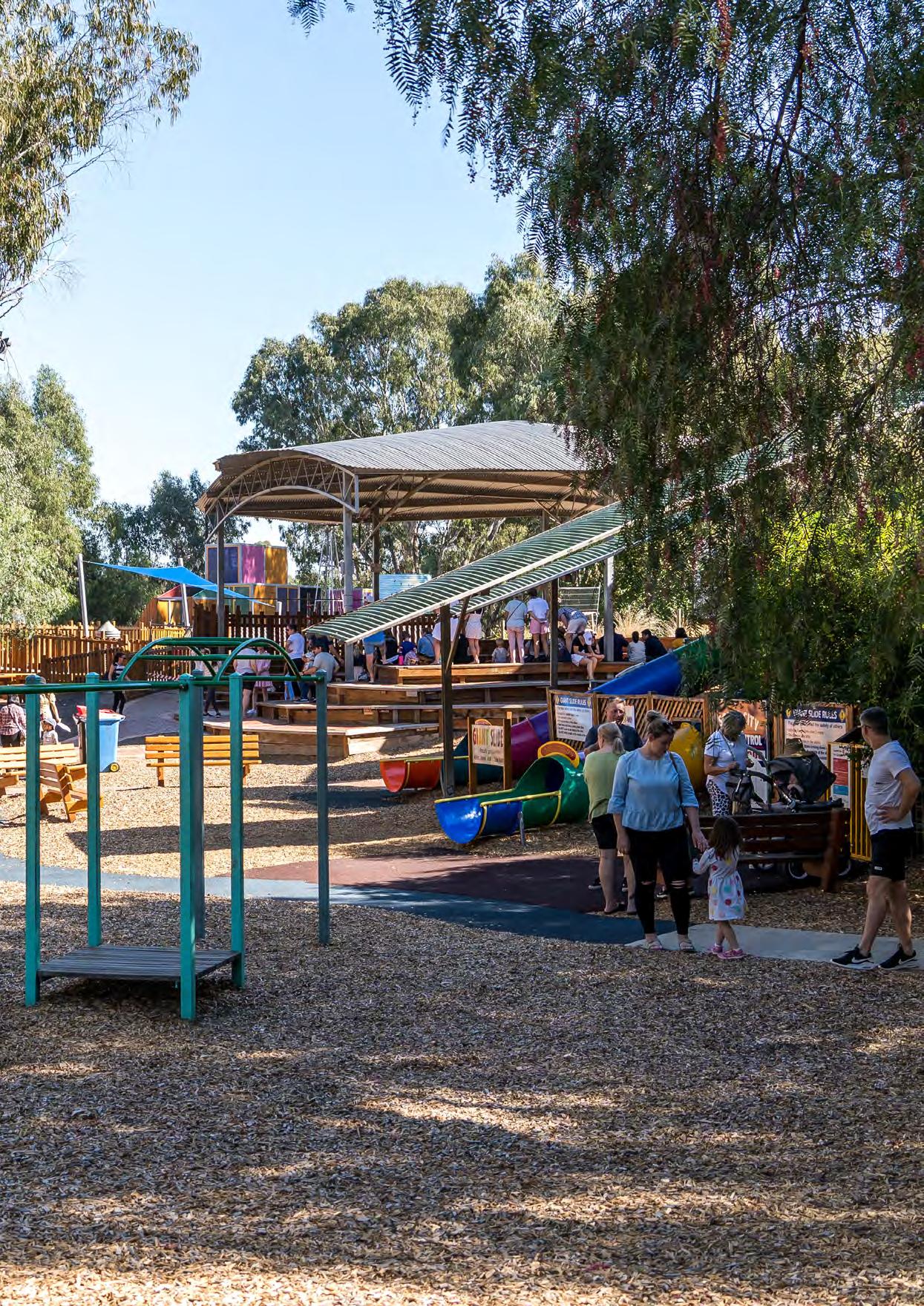
DIMENSION/ INDICATOR/ MEASURE
Decision making
Council planning decisions upheld at VCAT
[Number of VCAT decisions that did not set aside Council’s decision in relation to a planning application / Number of VCAT decisions in relation to planning applications] x100
Waste diversion
Kerbside collection waste diverted from landfill
[Weight of recyclables and green organics collected from kerbside bins / Weight of garbage, recyclables and green organics collected from kerbside bins] x100
“Aboriginal child” means a child who is an Aboriginal person
“Aboriginal person” has the same meaning as in the Aboriginal Heritage Act 2006
“active library member” means a member of a library who has borrowed a book from the library
“annual report” means an annual report prepared by a council under sections 131, 132 and 133 of the Act
“class 1 food premises” means food premises, within the meaning of the Food Act 1984, that have been declared as class 1 food premises under section 19C of that Act
“class 2 food premises” means food premises, within the meaning of the Food Act 1984, that have been declared as class 2 food premises under section 19C of that Act
“critical non-compliance outcome notification” means a notification received by council under section 19N (3) or (4) of the Food Act 1984, or advice given to council by an authorized officer under that Act, of a deficiency that poses an immediate serious threat to public health
“food premises” has the same meaning as in the Food Act 1984
2022-23 there was 1 out of 1 Council planning decisions upheld at VCAT compared to 3 out of 4 in 2021-22
“local road” means a sealed or unsealed road for which the council is the responsible road authority under the Road Management Act 2004
“major non-compliance outcome notification” means a notification received by a council under section 19N(3) or (4) of the Food Act 1984, or advice given to council by an authorized officer under that Act, of a deficiency that does not pose an immediate serious threat to public health but may do so if no remedial action is taken
“MCH” means the Maternal and Child Health Service provided by a council to support the health and development of children within the municipality from birth until school age
“population” means Estimated Resident Population (ERP) sourced from the Australian Bureau of Statistics, Regional Population Growth, Australia (3218.0)
“target population” has the same meaning as in the Agreement entered into for the purposes of the Home and Community Care Act 1985 of the Commonwealth.
For the year ended 30 June 2023
DIMENSION/ INDICATOR/ MEASURE 20202021202220232024202520262027MATERIAL
EFFICIENCY
Expenditure level Expenses per property assessment
[Total expenses / Number of property assessments]
Revenue level
Average rate per property assessment
(General rates and Municipal charges / Number of property assessments)
$4,186$4,308$4,317$4,457$4,734$4,663$4,610$4,664
LIQUIDITY
Working capital Current assets compared to current liabilities
[Current assets / Current liabilities] x100
Actual incorrectly reported as $2,542 with other rates and charges such as Waste Kerbside Collection service fees included in error. Correct 2020 figure $2,219.
in working capital in reporting year is largely reflective of receipt of 100% of 2023/2024 Federal Financial Assistance Grants in advance (received June 2023)
DIMENSION/ INDICATOR/ MEASURE
Unrestricted cash
Unrestricted cash compared to current liabilities
[Unrestricted cash / Current liabilities] x100
OBLIGATIONS
Loans and borrowings
Loans and borrowings compared to rates
[Interest bearing loans and borrowings / Rate revenue] x100
47%47%-9%61%24%-5%-1%0%The favourable movement in unrestricted cash in the reporting year is reflective of an increase in cash compared to other financial assets compared to 2022/2023. Year-end cash balances were also high due to early receipt of 100% of the 2023/2024 Federal Financial Assistance Grant allocation. Reductions in forecast years reflect movement of cash to other financial assets.
19%29%25%21%19%15%11%8%The reduction in loans and borrowings compared to rates reflects repayments during 2022/2023 and no new borrowings. Council has $2m borrowings budgeted in 2023/2024, with no other borrowings planned until the year following the forecast range.
Loans and borrowings repayments compared to rates
[Interest and principal repayments on interest bearing loans and borrowings / Rate revenue] x100
Indebtedness
Non-current liabilities compared to own source revenue
[Non-current liabilities / Own source revenue] x100
Asset renewal and upgrade
Asset renewal and upgrade compared to depreciation
[Asset renewal and upgrade expenses / Asset depreciation] x100
OPERATING POSITION
Adjusted underlying result
Adjusted underlying surplus (or deficit)
3%3%4%4%4%4%4%3%
52%39%39%31%32%28%24%19%Indebtedness has decreased due to both the repayment of loans and the reduction in the carrying value of the Landfill Provision.
108%80%120%101%121%101%79%106%The 2021/2022 result is impacted by the Maude Street Mall upgrade project.
[Adjusted underlying surplus (deficit)/ Adjusted underlying revenue] x100 -1%8%3%5%-5%-1%0%1%The increase in the adjusted underlying operating result is largely due to early receipt of 100% of the 2023/2024 Federal Financial Assistance Grants in June 2023 ($16.3m) and the impact of the discount rates in the fair value assessment of the Landfill Provision ($8.6m) STABILITY
Rates concentration
Rates compared to adjusted underlying revenue
[Rate revenue / Adjusted underlying revenue] x100
Rates effort
Rates compared to property values
[Rate revenue / Capital improved value of rateable properties in the municipality ] x100
Decreasing rates effort in 2022/2023 is reflective of a marked increase to property values for the 2022/2023 rating year (23% increase per Adopted Budget). This remains steady in forecast years as property valuations are difficult to forecast.
“adjusted underlying revenue” means total income other than— (a) non-recurrent grants used to fund capital expenditure; and (b) non-monetary asset contributions; and (c) contributions to fund capital expenditure from sources other than those referred to in paragraphs (a) and (b)
“adjusted underlying surplus (or deficit)” means adjusted underlying revenue less total expenditure
“asset renewal expenditure” means expenditure on an existing asset or on replacing an existing asset that returns the service capability of the asset to its original capability
“current assets” has the same meaning as in the AAS
“current liabilities” has the same meaning as in the AAS
“non-current assets” means all assets other than current assets
“non-current liabilities” means all liabilities other than current liabilities
“non-recurrent grant” means a grant obtained on the condition that it be expended in a specified manner and is not expected to be received again during the period covered by a council’s Strategic Resource Plan
“own-source revenue” means adjusted underlying revenue other than revenue that is not under the control of council (including government grants
“population “means the resident population estimated by council
“rate revenue” means revenue from general rates, municipal charges, service rates and service charges
“recurrent grant “means a grant other than a non-recurrent grant
“residential rates” means revenue from general rates, municipal charges, service rates and service charges levied on residential properties
“restricted cash” means cash and cash equivalents, within the meaning of the AAS that are not available for use other than for a purpose for which it is restricted, and includes cash to be used to fund capital works expenditure from the previous financial year
“unrestricted cash” means all cash and cash equivalents other than restricted cash.
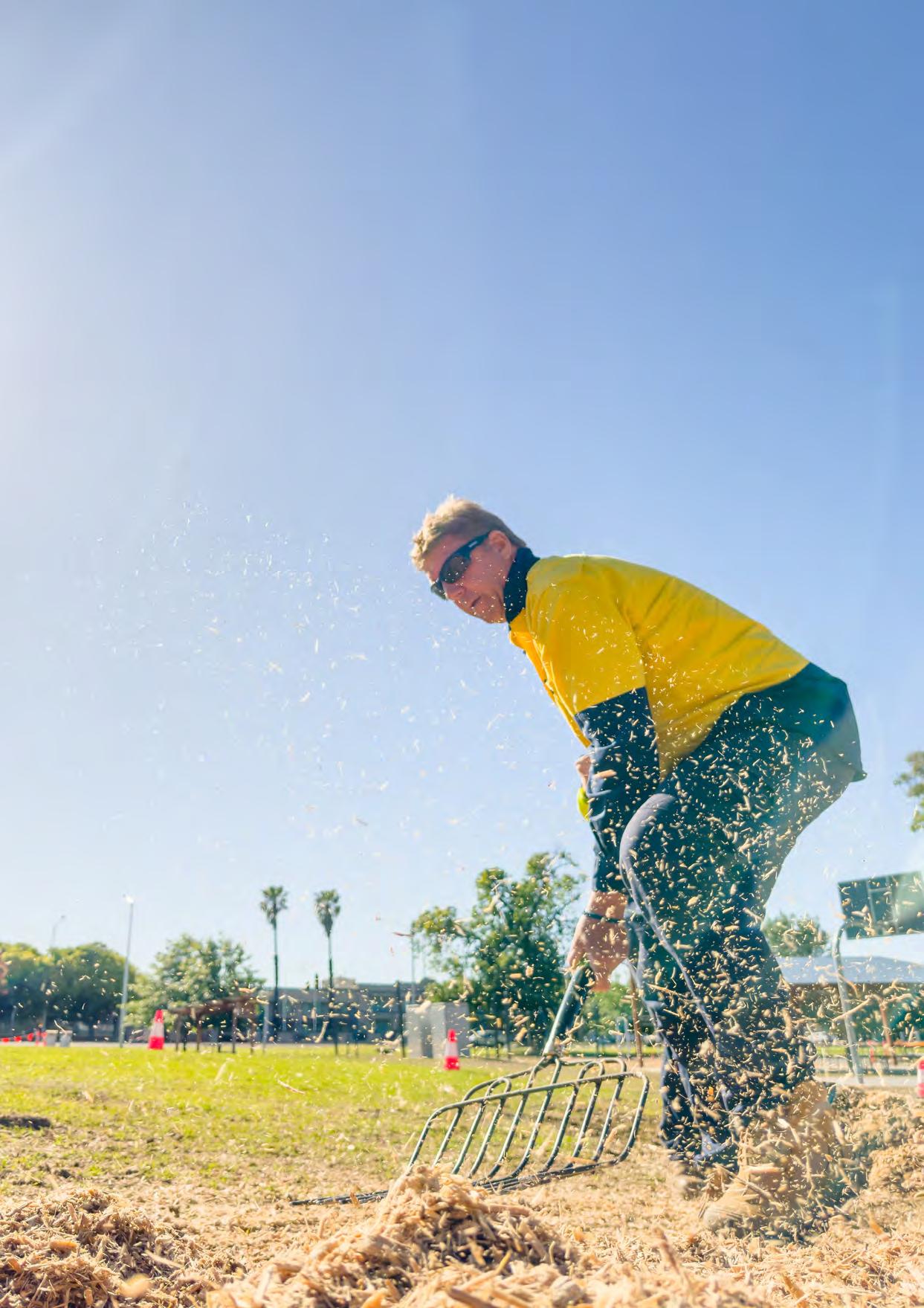
1. Basis of preparation
Council is required to prepare and include a performance statement within its Annual Report. The performance statement includes the results of the prescribed sustainable capacity, service performance and financial performance indicators and measures together with a description of the municipal district and an explanation of material variations in the results. This statement has been prepared to meet the requirements of the Local Government Act 2020 and Local Government (Planning and Reporting) Regulations 2020
Where applicable, the results in the performance statement have been prepared on accounting bases consistent with those reported in the Financial Statements. The other results are based on information drawn from council information systems or from third parties (e.g. Australian Bureau of Statistics).
The performance statement presents the actual results for the current year for the prescribed financial performance indicators and measures as well as the results forecast by the council’s strategic resource plan.
The Local Government (Planning and Reporting) Regulations 2020 requires explanation of any material variations in the results contained in the performance statement. Council has adopted the materiality thresholds as per Appendix B – Materiality Guidelines of the Local Government Better Practice Guide 2022-23 Performance Statement. Explanations have not been provided for variations below the materiality thresholds unless the variance is considered to be material of its nature.
The forecast figures included in the performance statement are those adopted by council in its adopted Budget and Strategic Resource Plan on 20 June 2023. The Strategic Resource Plan includes estimates based on key assumptions about the future that were relevant at the time of adoption and aimed at achieving sustainability over the long term.
Detailed information on the actual financial results is contained in the General Purpose Financial Statements. The strategic resource plan can be obtained by visiting www.greatershepparton.com.au
the Councillors of Greater Shepparton City Council
Opinion I have audited the accompanying performance statement of Greater Shepparton City Council (the council) which comprises the:
• description of municipality for the year ended 30 June 2023
• COVID-19 disclosure
• October 2022 flood disclosure
• sustainable capacity indicators for the year ended 30 June 2023
• service performance indicators for the year ended 30 June 2023
• financial performance indicators for the year ended 30 June 2023
• other information and
• certification of the performance statement.
In my opinion, the performance statement of Greater Shepparton City Council in respect of the year ended 30 June 2023 presents fairly, in all material respects, in accordance with the performance reporting requirements of Part 4 of the Local Government Act 2020 and Local Government (Planning and Reporting) Regulations 2020
Basis for Opinion I have conducted my audit in accordance with the Audit Act 1994 which incorporates the Australian Standards on Assurance Engagements. I further describe my responsibilities under that Act and those standards in the Auditor’s Responsibilities for the Audit of the performance statement section of my report.
My independence is established by the Constitution Act 1975 My staff and I are independent of the council in accordance with the ethical requirements of the Accounting Professional and Ethical Standards Board’s APES 110 Code of Ethics for Professional Accountants (the Code) that are relevant to my audit of the performance statement in Victoria. My staff and l have also fulfilled our other ethical responsibilities in accordance with the Code.
I believe that the audit evidence I have obtained is sufficient and appropriate to provide a basis for my opinion.
Councillors' responsibilities for the performance statement The Councillors are responsible for the preparation and fair presentation of the performance statement in accordance with the performance reporting requirements of the Local Government Act 2020 and the Local Government (Planning and Reporting) Regulations 2020 and for such internal control as the Councillors determines is necessary to enable the preparation and fair presentation of a performance statement that is free from material misstatement, whether due to fraud or error.
Auditor’s responsibilities for the audit of the performance statement
MELBOURNE
6 October 2023
As required by the Audit Act 1994, my responsibility is to express an opinion on the performance statement based on the audit. My objectives for the audit are to obtain reasonable assurance about whether the performance statement as a whole is free from material misstatement, whether due to fraud or error, and to issue an auditor’s report that includes my opinion. Reasonable assurance is a high level of assurance, but is not a guarantee that an audit conducted in accordance with the Australian Standards on Assurance Engagements will always detect a material misstatement when it exists. Misstatements can arise from fraud or error and are considered material if, individually or in the aggregate, they could reasonably be expected to influence the decisions of users taken on the basis of this performance statement.
As part of an audit in accordance with the Australian Standards on Assurance Engagements, I exercise professional judgement and maintain professional scepticism throughout the audit. I also:
• identify and assess the risks of material misstatement of the performance statement, whether due to fraud or error, design and perform audit procedures responsive to those risks, and obtain audit evidence that is sufficient and appropriate to provide a basis for my opinion. The risk of not detecting a material misstatement resulting from fraud is higher than for one resulting from error, as fraud may involve collusion, forgery, intentional omissions, misrepresentations, or the override of internal control.
• obtain an understanding of internal control relevant to the audit in order to design audit procedures that are appropriate in the circumstances, but not for the purpose of expressing an opinion on the effectiveness of the council’s internal control
• evaluate the overall presentation, structure and content of the performance statement, including the disclosures, and whether performance statement represents the underlying events and results in a manner that achieves fair presentation.
I communicate with the Councillors regarding, among other matters, the planned scope and timing of the audit and significant audit findings, including any significant deficiencies in internal control that I identify during my audit.
Travis Derricott as delegate for the Auditor-General of Victoria

Business hours: 8.15am to 5pm weekdays
Customer Service: 9am to 5pm weekdays
In person: 90 Welsford Street, Shepparton
Mail: Locked Bag 1000, Shepparton, VIC, 3632
Phone: (03) 5832 9700 SMS: 0427 767 846
Email: council@shepparton.vic.gov.au
Web: www.greatershepparton.com.au Join the conversation:
Greater Shepparton City Council is NRS friendly. If you are deaf, hearing-impaired, or speech-impaired, we ask that you call us via the National Relay Service: TTY users: 133 677 then ask for (03) 5832 9700.
Speak & Listen users: (speech-to-speech relay) 1300 555 727 then ask for (03) 5832 9700.
Internet relay users: Connect to the National Relay Service via www.relayservice.com.au and then ask for (03) 5832 9700. A hearing loop is also available at Council’s customer service centre and Council meeting rooms.

Interpreter service available.