2026 BOARDING SCHOOLS GUIDE
WHAT SCHOOL?
The Graziher
Schools
Directory
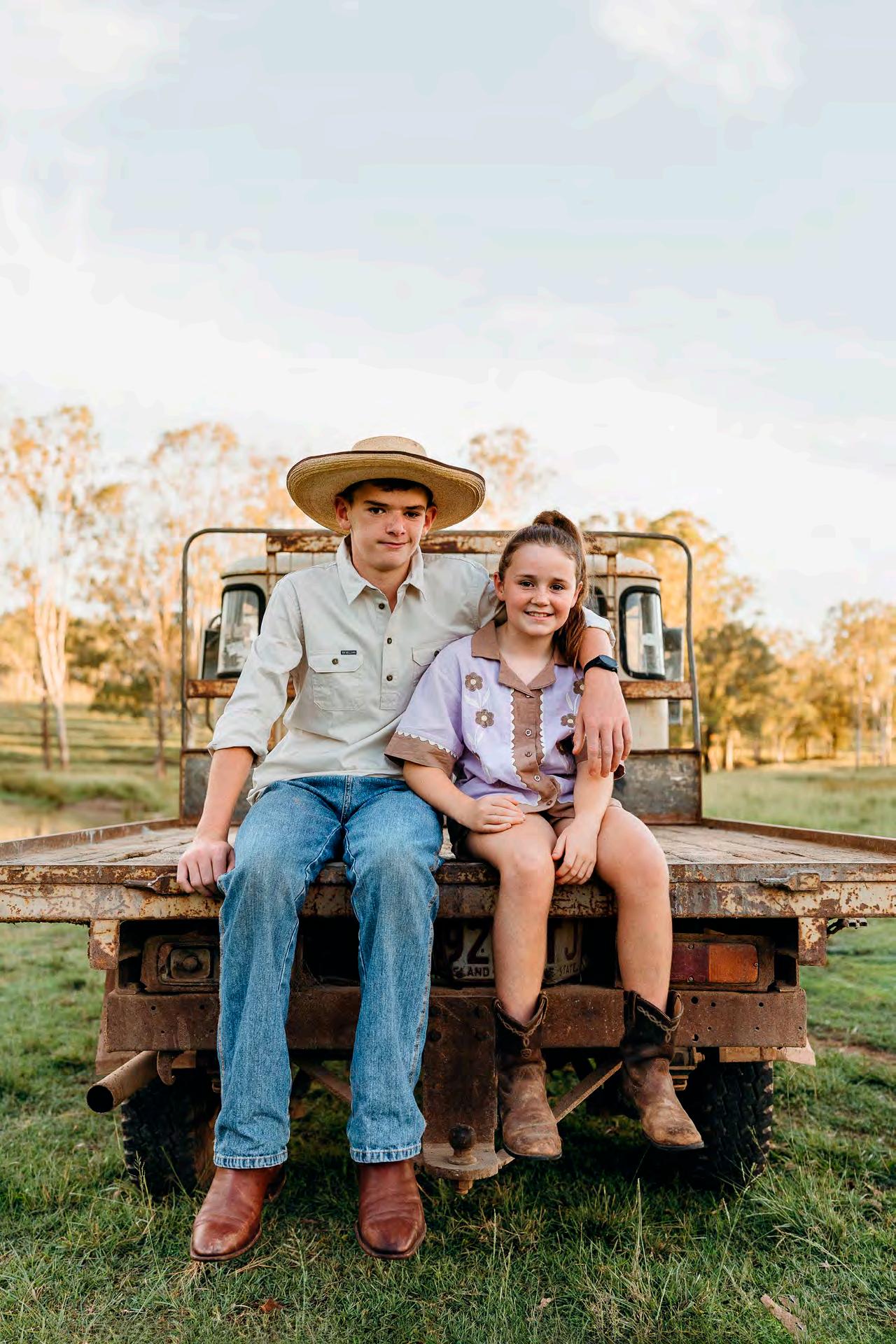
HOME AWAY FROM HOME
A family’s bond with a Queensland school
2026 BOARDING SCHOOLS GUIDE
The Graziher
Schools
Directory
HOME AWAY FROM HOME
A family’s bond with a Queensland school
“Sending a child to boarding school is one of the most selfless things you will ever do as a parent”
EMMA BROWN on her son Louis’s first year away at school
BROUGHT TO YOU IN ASSOCIATION WITH
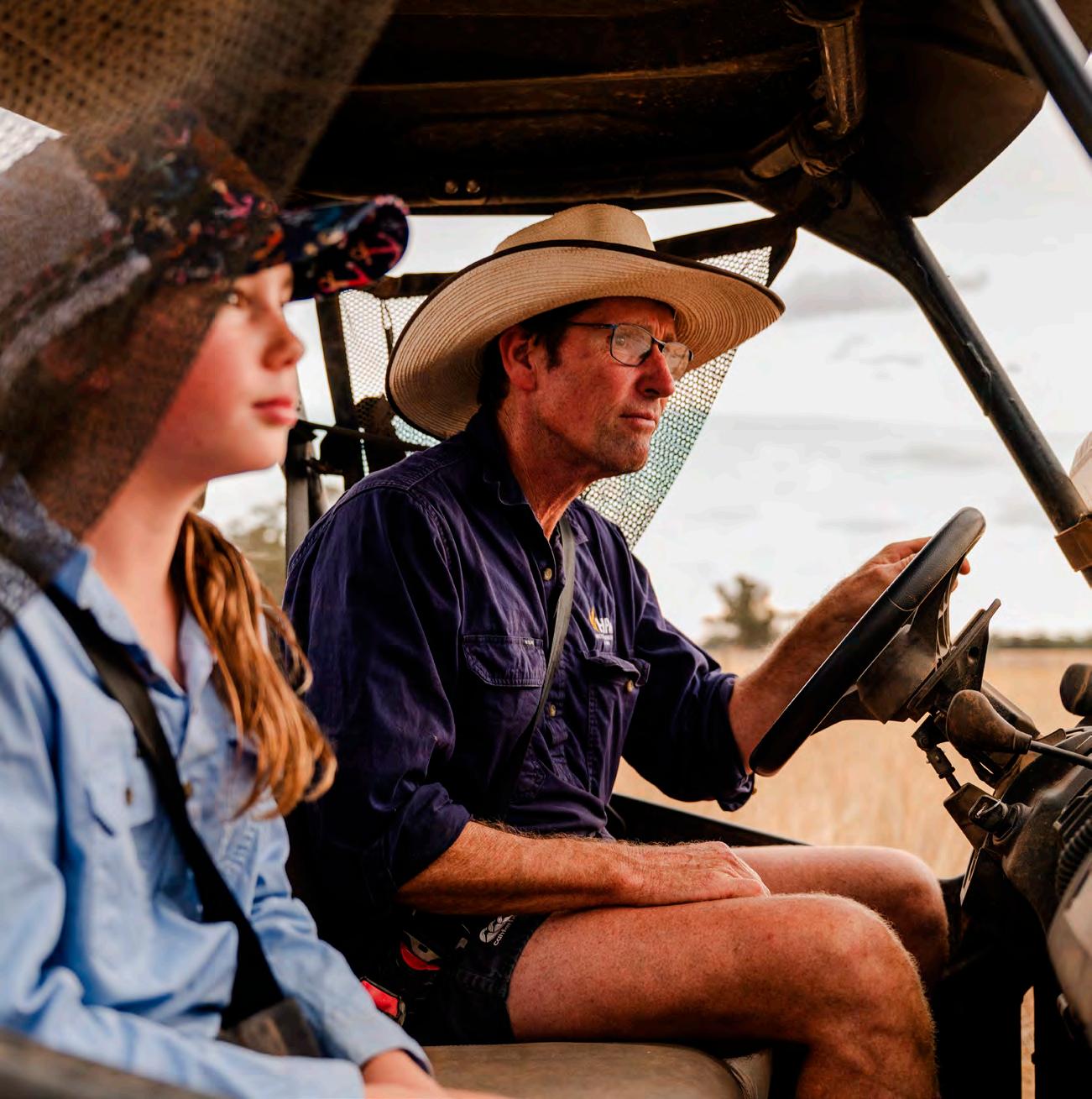
WHEN I HUNG UP the phone after talking to Emma Brown I felt a bit emotional. I thought, am I going crazy? But we had been talking about the decision she and her husband, Lachlan, had made to send their son Louis away to boarding school. And even though those days for me as a parent are over, I really did feel for her. The choice of which school to send your child to, let alone what board ing school, is one of the hardest decisions any parent living in a rural area must make. I have lost count of the number of times I have spoken to my friends about it.
“I think parents often feel it much more keenly than the boarders. In the words of a dear friend, who was told it by another boarding mother, sending a child to boarding school is one of the most selfless things you will ever do as a parent,” Emma explains, in the story on page 6. I know Emma’s story will also resonate with many of you who have faced — or are preparing for — the same decision. Finding a school where children feel understood, supported and surrounded by peers who share a similar upbringing can make all the difference.
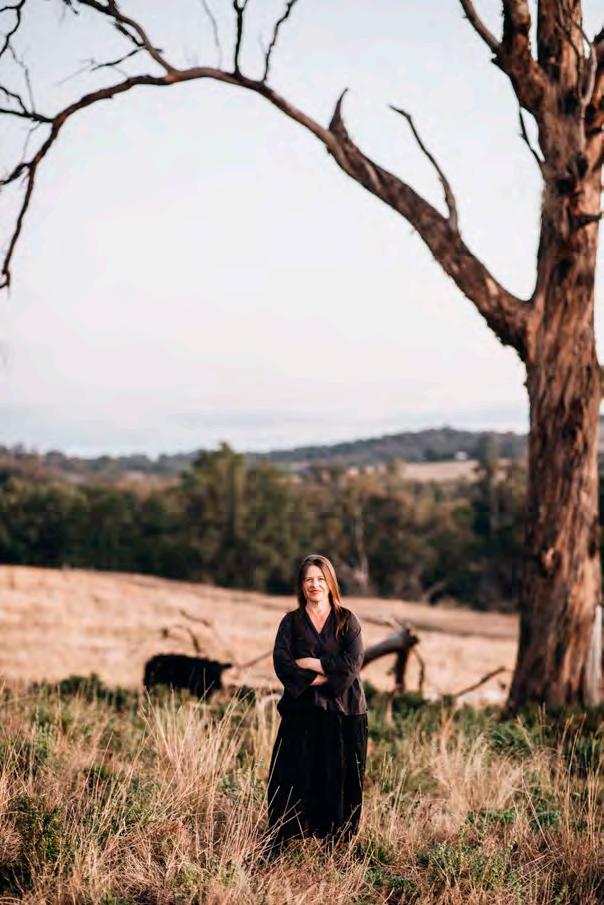
To help families navigating that journey, we’ve compiled our Graziher 2026 Boarding Schools Guide. It brings together information about schools from across the country, offering a starting point for parents considering what might be the right environment for their child as they take that next step beyond the farm gate.
Finding a school where children feel understood, SUPPORTED and surrounded by peers... can make all the DIFFERENCE.
There is one person I wish I had known when my son was still at school because she is the ultimate sounding board when it comes to educating your kids. Amanda Ferrari who runs The Boarding School Collective from her home near Trangie, New South Wales. She will be travelling around the country in 2026 to help parents make their decisions. Make sure you go and see her. Enjoy the issue.

GETTING
“Sending a child
school is one of the most selfless things you will ever do as a parent”
EDITOR’S LETTER
BROAD HORIZONS A leap of faith, deep trust and the most selfless act: a mother-of-two reflects on the boarding experience.
LEGACY OF COURAGE St Hilda’s Old Girl Wendy Henning still gets goosebumps at the sound of students reuniting at the start of term.
2026 BOARDING SCHOOLS GUIDE Our annual listing, featuring more than 30 Australian boarding schools.
LOOKING BACK Emily Herbert, co-host of our Life on the Land podcast, says weekly boarding gave her younger self the best of both worlds.
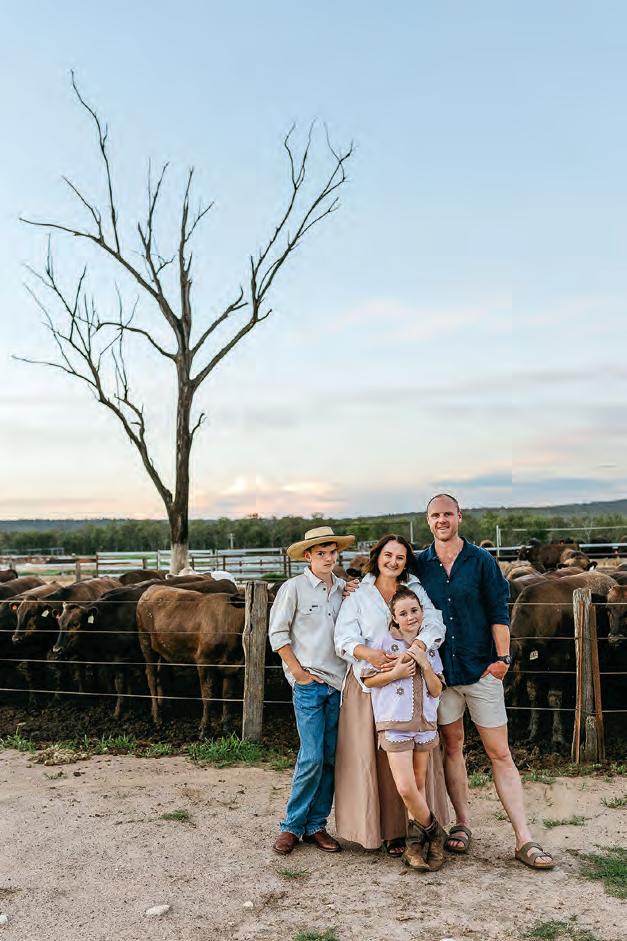
When the time came for their son Louis to go to high school, Emma and Lachlan Brown sought out a country school with rural boarders and a cattle club.
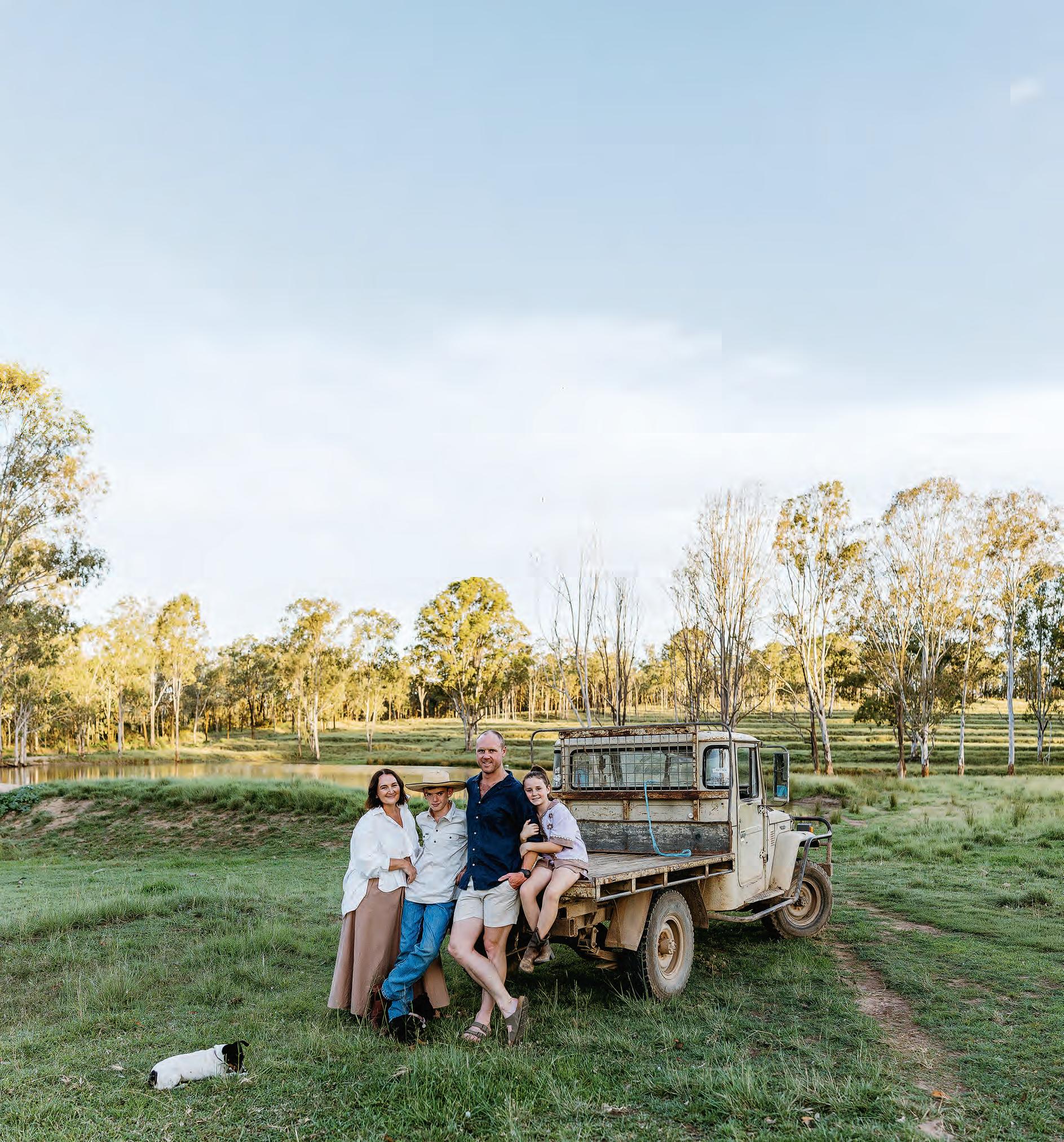
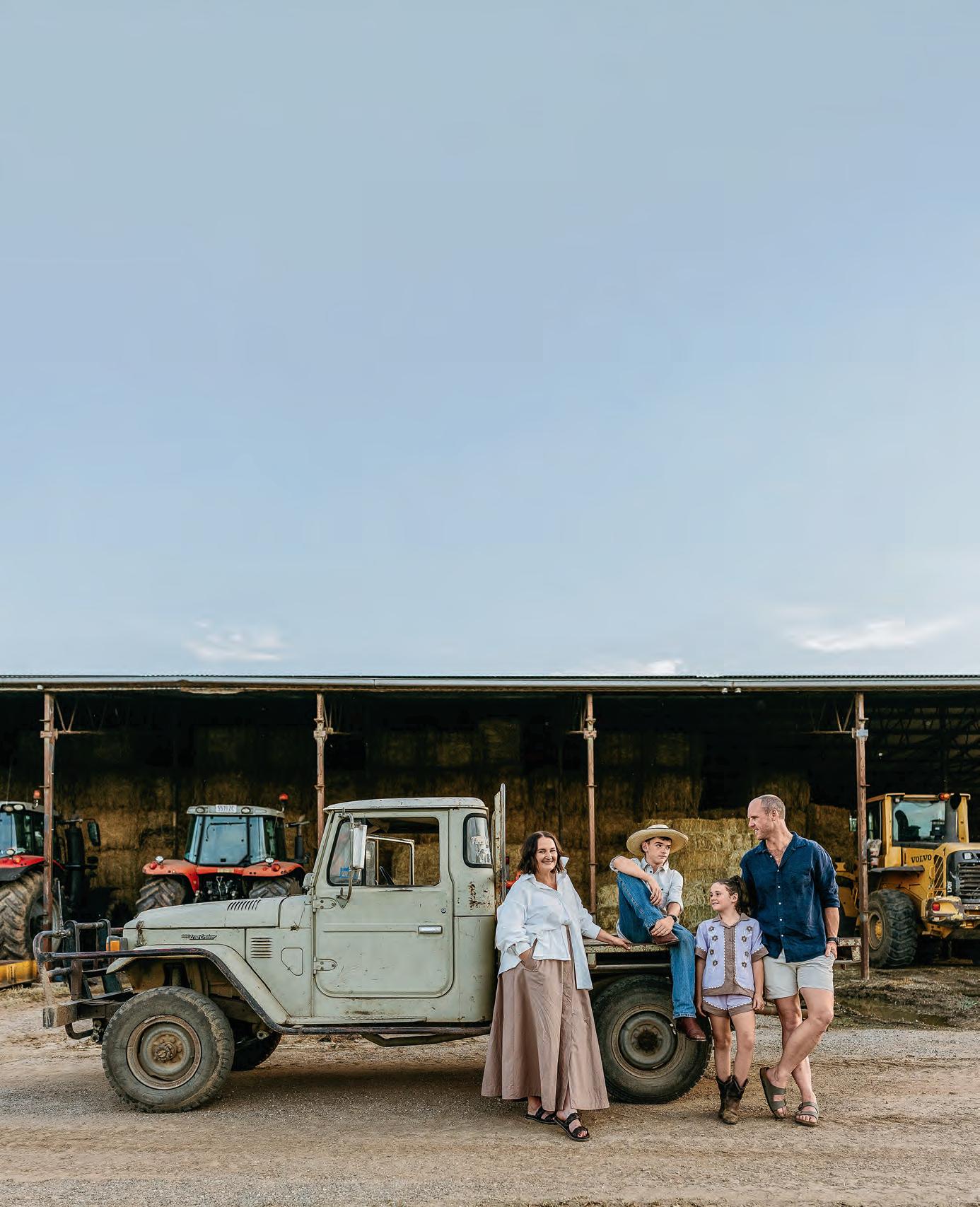
The Brown family share their experience of boarding, likening it to a year-long sleepover with your mates.
Words Grace Quast Photography Pip Williams
MANY COUNTRY FAMILIES know the moment will eventually come when their child leaves home for school, taking with them a little piece of the farm and the family that raised them. In Louis Brown’s case, his parents set out to find a school that would capture the parts of country life he loves most.
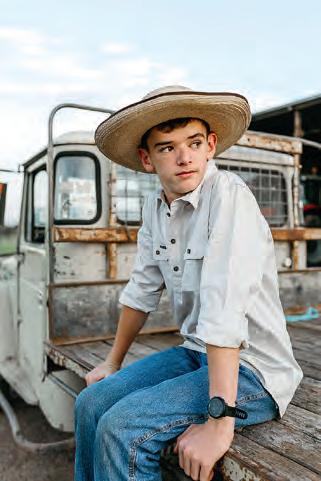
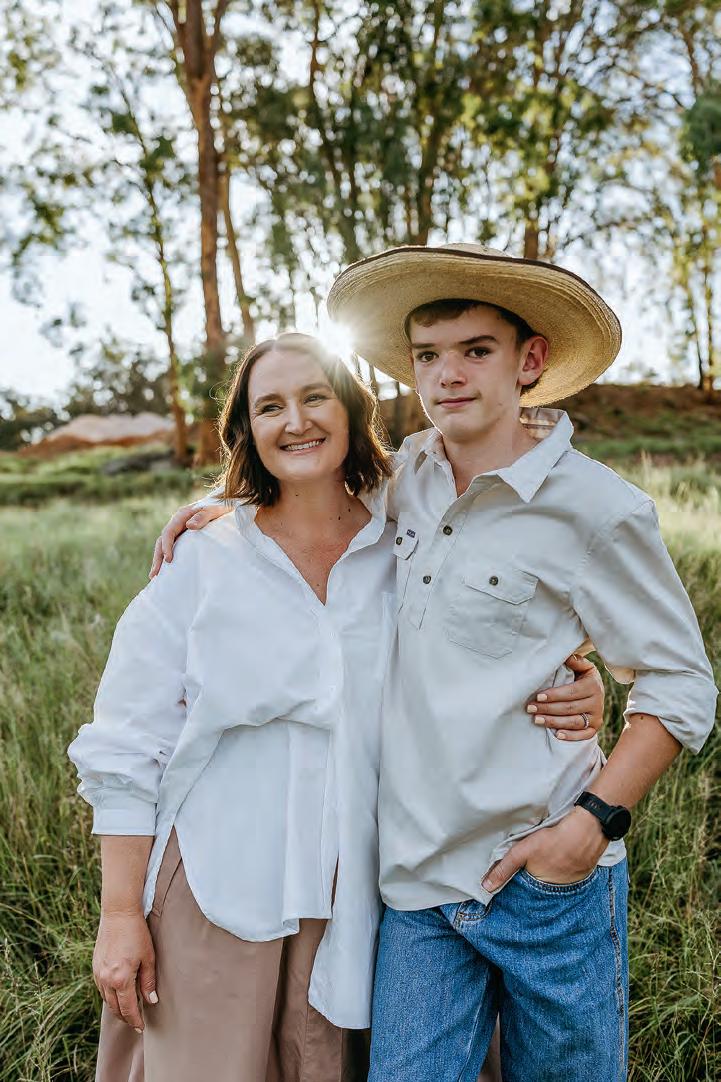
Emma Brown, 43, lives with her husband, Lachlan, 35, and 10-year-old daughter, Frankie, at Pakaderinga in Queensland’s South Burnett region, 25 kilometres from Kingaroy. Things at home have definitely become a little quieter since their eldest, Louis, 12, began boarding at St Brendan’s College in the coastal town of Yeppoon earlier this year. Emma says she was nervous and excited about the change.
“They speak of the leap of faith and the deep trust needed to hand responsibility for your child to strangers, knowing they are going somewhere that will change their life in the most unimaginable and wonderful ways,” says Emma. She adds that it also takes deep trust to believe your child will be as loved and cared for as they would be at home.
She and Lachlan first considered St Brendan’s several years ago, after hearing a friend’s son speak highly of his time there. With a student population of 1060, nearly a third are part of the strong boarding community which appealed to them. However, with a drive of more than 500 kilometres, the couple considered other options, including moving. >
When Louis was in Year 5, Emma and Lachlan attended one of St Brendan’s country dinners, which gave them the opportunity to meet the principal and head of boarding, and also to hear from families who already had boys at the school.
In the end, they decided to make the trip to Yeppoon. And what a trip it is — it takes the Brown family about six hours to drive to St Brendan’s College.
But with Louis now settling in well, the effort is clearly worth it. “A country boys’ boarding school just offered the opportunity of meeting like-minded boys and families — other people who share the unique experience of growing up in rural and remote Australia,” explains Emma.
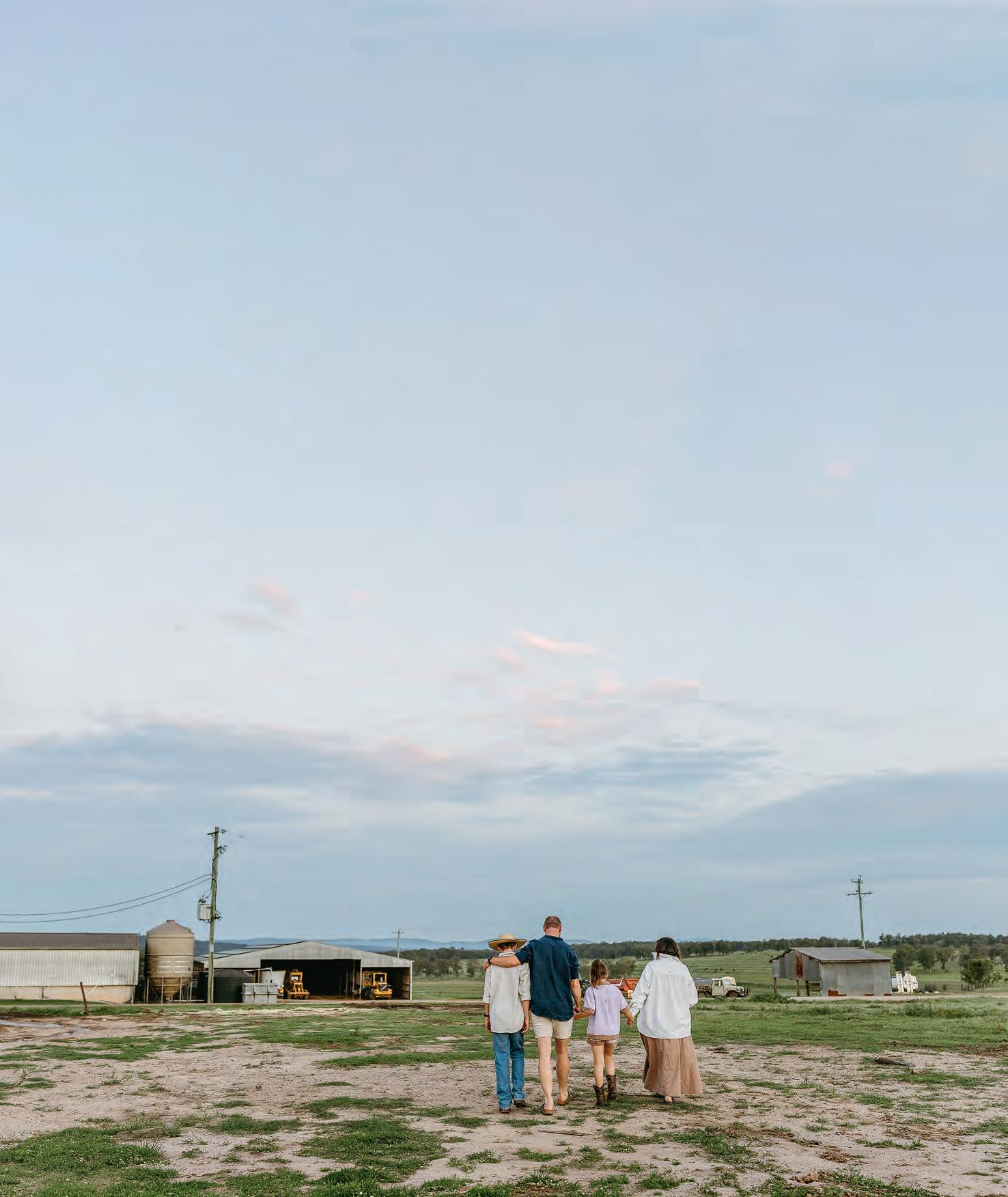
A school community filled with people who understood their life on the land was crucial to this close-knit family. Lachlan is the third generation of the Brown family to be involved in Pakaderinga Pastoral, a 6000-head feedlot that began in 1988. He started working in the family business in 2013,
helping with the construction of feedlot pens before eventually becoming co-director and general manager alongside his father and sister.
Emma, a teacher who grew up on the Sunshine Coast and went to university in Brisbane, worked between Kingaroy and Brisbane early in her teaching career. As their family and the demands of the business grew, she stepped into an administrative role at Pakaderinga Pastoral.
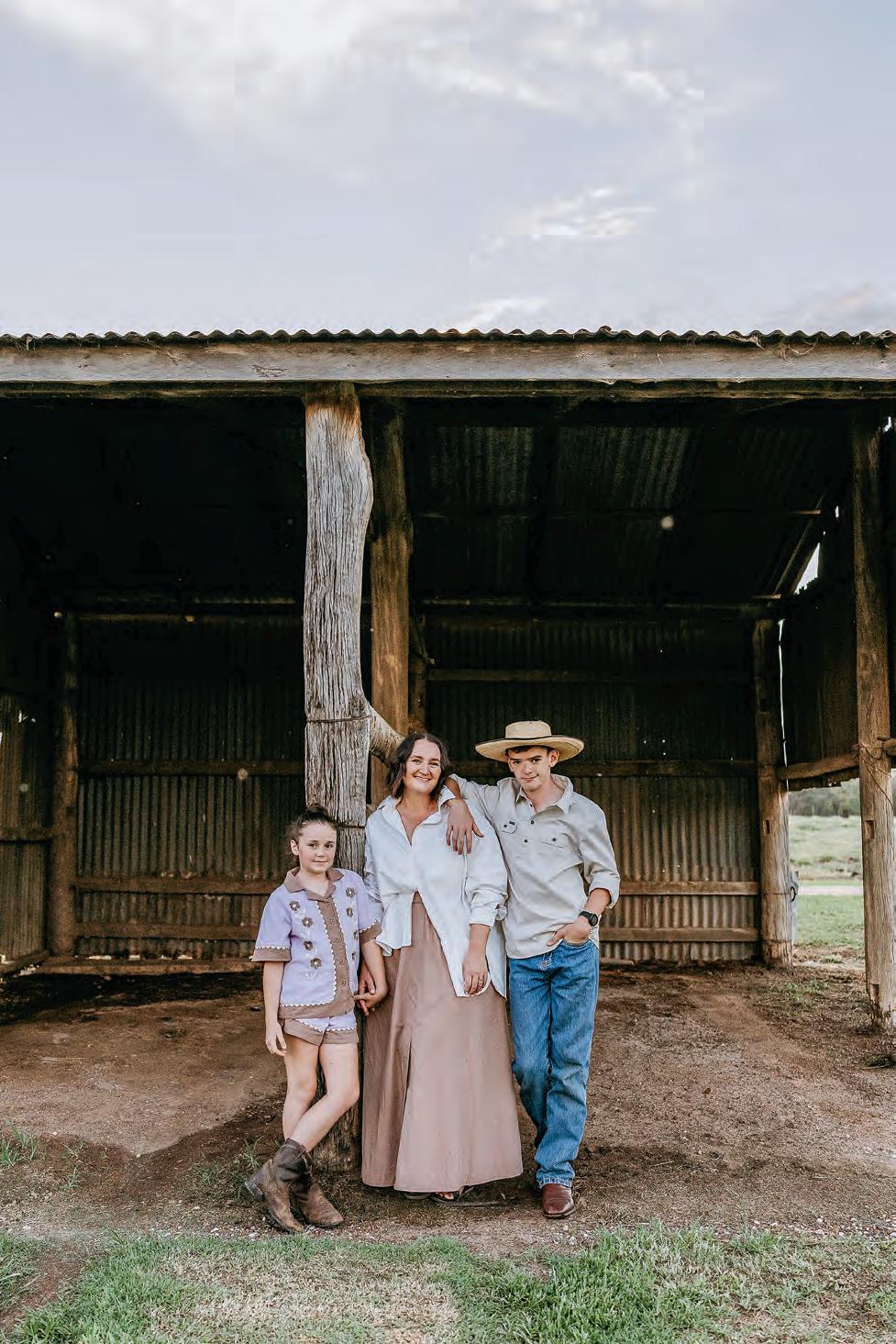
With a staff of 20, the feedlot is never short of hands, but the children love to be involved in the operation. “Louis prefers to jump in a machine, while Frankie enjoys working alongside the stock team,” says Emma.
Life without Louis at home has been an adjustment — a little tidier and quieter — but no less busy, as Frankie’s love of sport takes up most afternoons. When he is at home, Louis and Frankie spend their days exploring on motorbikes, swimming in the dams and enjoying the freedom a rural childhood affords. >
“A
country boys’ boarding school offered the OPPORTUNITY of meeting like-minded boys and families — other people who share the unique EXPERIENCE of growing up in rural and remote Australia.”
Louis had just returned from Yeppoon for the first time when I spoke with Emma. While running errands in town with his mum, he quietly shared how much he was enjoying school — a moment that left her emotional. “We suspected this was the case, given his confidence, enthusiasm and the happy phone calls most evenings,” says Emma. “But to hear him say it was honestly a gift.”
The family had often been told boarding would be a joyful experience — it was once described to the Browns as “a yearlong sleepover with your mates”.
“He is loving the boarding experience. Being our only son, the brotherhood that comes with boarding has been so impactful for him,” says Emma.
Louis is joined by boys from other rural and remote communities including Cunnamulla, Tennant Creek, Windorah and the Torres Strait Islands. “He has loved getting to know his
boarding brothers, comparing experiences and hearing about where everyone has come from,” says Emma.
As for feelings of homesickness — which many parents had warned Emma about — she says it’s something that ebbs and flows. “It’s incredibly hard and sometimes I think parents often feel it much more keenly than the boarders.
“In the words of a dear friend, who was told it by another boarding mother, sending a child to boarding school is one of the most selfless things you will ever do as a parent.”
For now, the Brown family are enjoying hearing about Louis’s adventures, keeping up with Frankie’s afternoon sports and eagerly awaiting the Easter holidays when they will all be together again. g
Visit stbrendans.qld.edu.au for information about boarding, or keep reading for our 2026 Boarding School Guide.
“In the words of a DEAR FRIEND, who was told it by another boarding mother, sending a child to BOARDING SCHOOL is one of the most SELFLESS THINGS you will ever do as a parent.”
with Amanda Ferrari
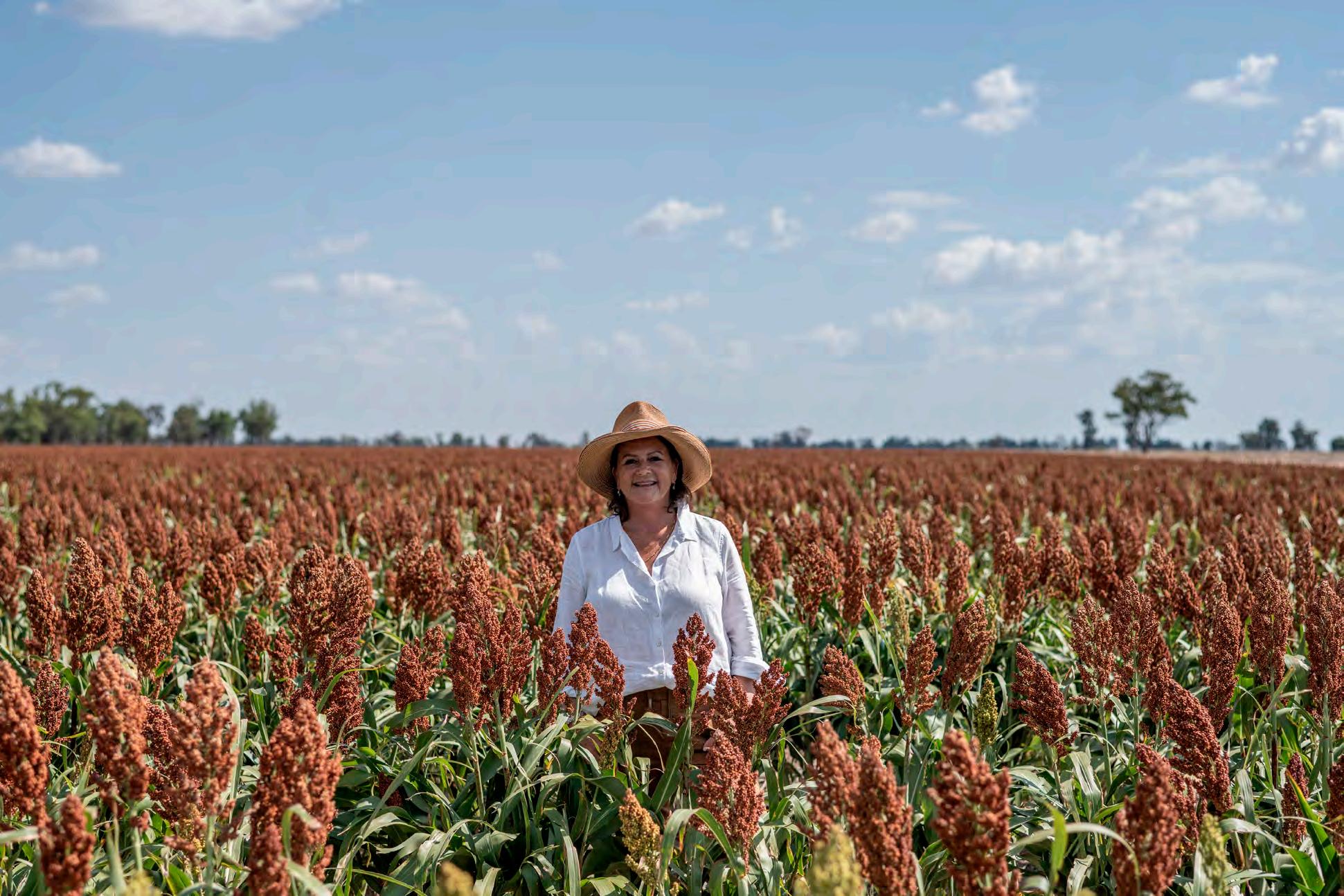
Amanda Ferrari is loud, proud and fiercely passionate about rural and regional Australia. With a personal mantra of ‘lead with love, not ambition’, Amanda takes on her many projects with enthusiasm and grit. At the helm of The Boarding School Collective, Amanda helps families across the country make one of the hardest decisions of parenting — where to send their children for high school.
Her journey to rural living is a hilarious, heartfelt conversation with the episode’s guest host, Graziher’s Editorial Director, Victoria Carey.

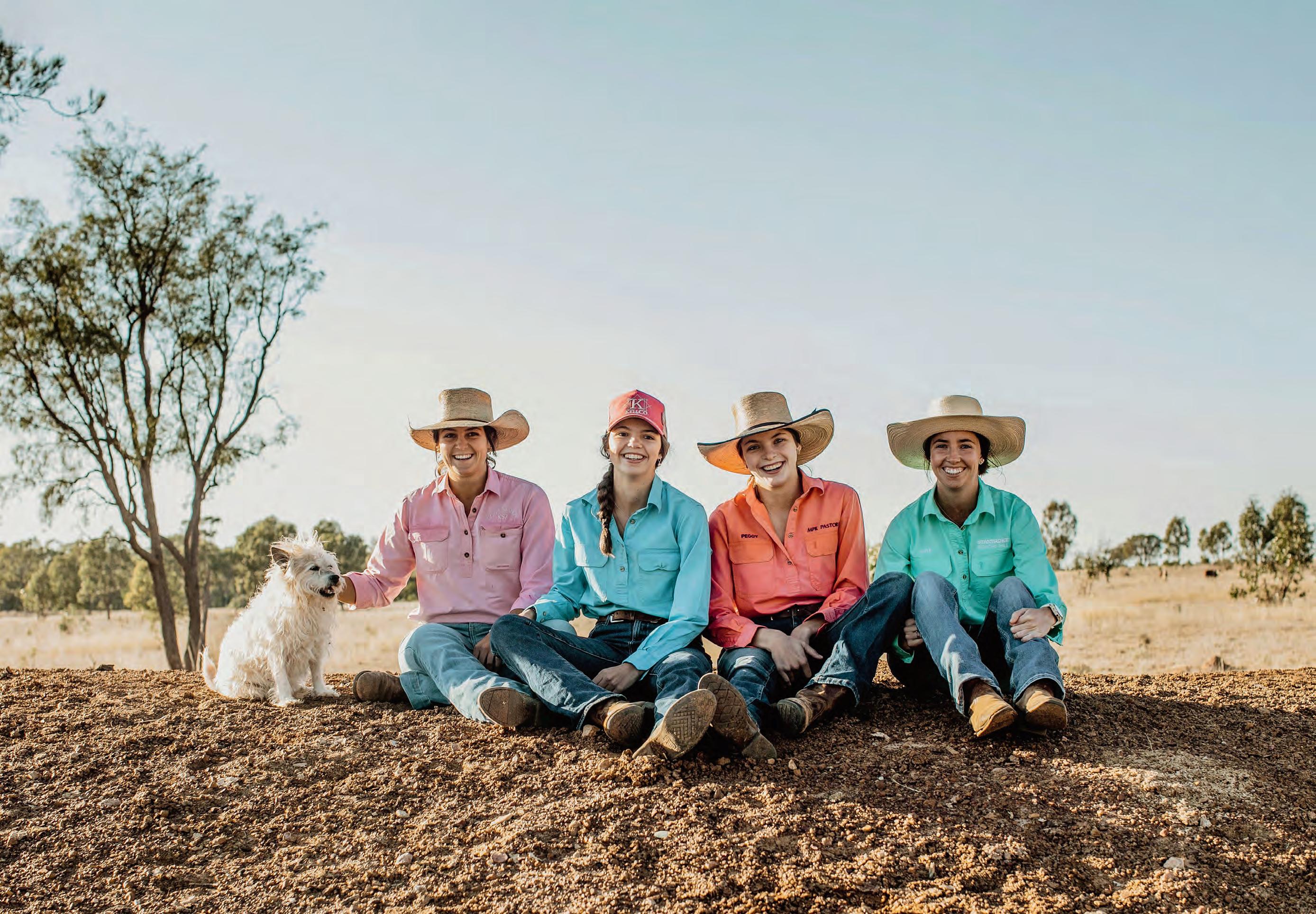
St Hilda’s on the Gold Coast has been a home away from home for three generations of girls from this rural Queensland family.
“To this day, the sound of girls REUNITING at the start of term gives me GOOSEBUMPS,” Wendy says.
IN 1953 , a young girl named Susan Hordern packed her bags and travelled to the Gold Coast to begin boarding at St Hilda’s School. She could not have known then that her decision would shape not only her own future, but those of her daughter and granddaughters as well.
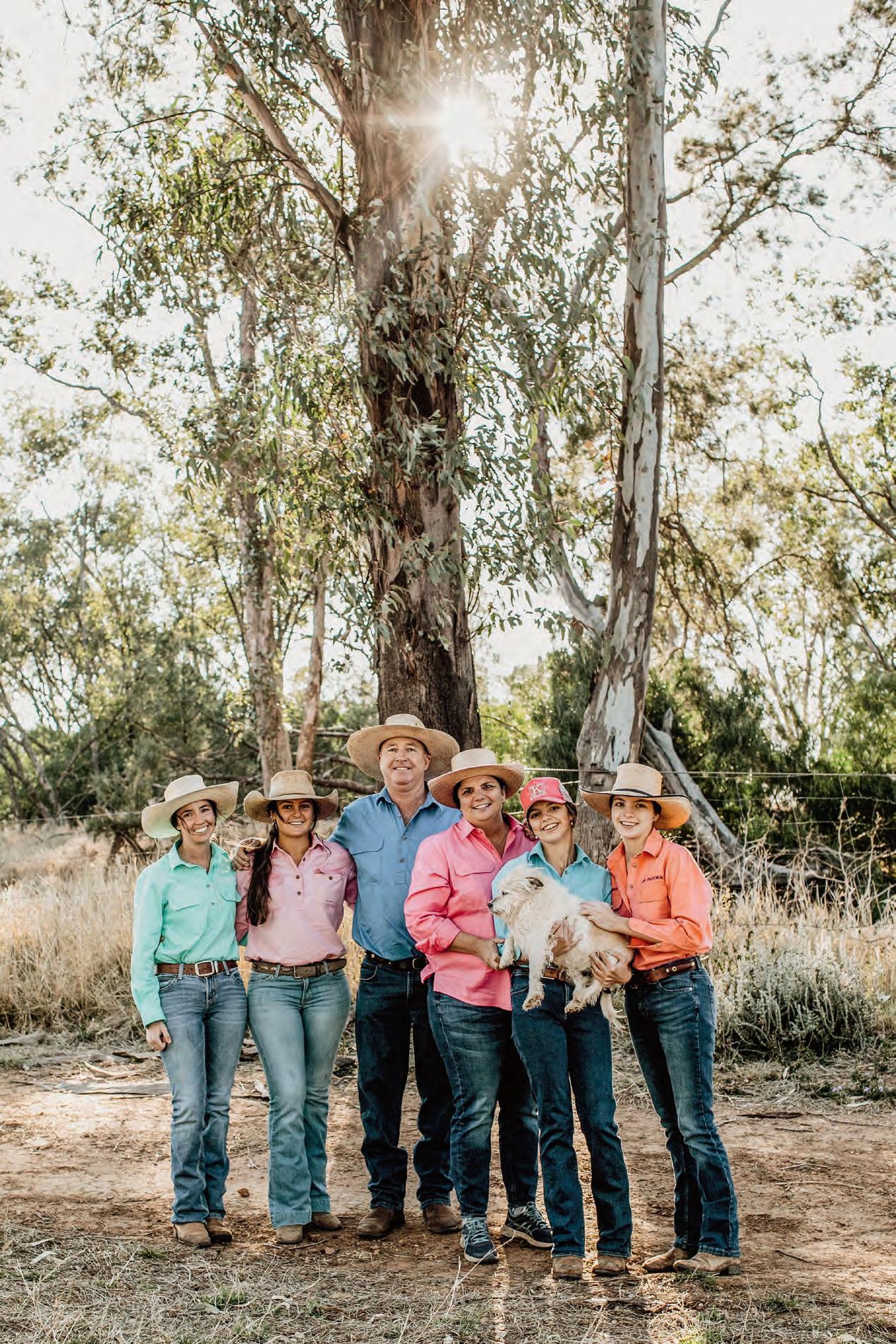
More than 70 years later, her daughter Wendy Henning serves as chair of the school council, while Wendy’s four daughters have all followed the same path through the boarding-house doors. For this rural south-west Queensland family, St Hilda’s is more than a school. It is a legacy.
Wendy grew up on the land and now runs a cattle and mixed cropping business, Merchison Park at Glenmorgan, with her husband, Andrew. Life is busy and varied. One day might involve mustering cattle, the next managing paperwork, and the next coordinating community advocacy work. “My days are so varied,” Wendy says. “Sometimes it’s stock work, sometimes office work, sometimes organising everyone else’s lives.”
But through it all, education has remained a constant thread. Wendy’s mother, Susan, followed her own sisters and aunt to St Hilda’s, and she reflected on her boarding days with deep fondness. The friendships she formed endured for decades.
“Mum was so proud to be an Old Girl,” Wendy recalls. “It was that feeling of pride and opportunity she gave us that ensured my girls have kept this going through another generation.”
That sense of opportunity is at the heart of the all-girls experience. St Hilda’s has long championed the belief that girls can do anything. Today, it remains a leading independent Anglican day and boarding school for girls from Pre-Prep to Year 12, empowering young women with confidence, knowledge and integrity. For rural families in particular, boarding provides access to world-class facilities, extensive co-curricular programs and a sisterhood that lasts a lifetime .
Wendy understands first hand what that access means. She began her schooling at a tiny one-teacher school in western Queensland, sometimes with only four students. Later, as a boarder, she experienced independence and connection in equal measure. “To this day the sound of girls reuniting at the start of term gives me goosebumps,” she says.
In an era before mobile phones, boarders spoke to their parents once a week. Friendships were built face-to-face and forged through shared experiences, from rain-soaked senior camps to school plays and long evenings in the boarding house. “There are still girls I keep in contact with,” Wendy says. “When we see each other, it’s like no time has passed.”
Her own daughters, though with very different personalities, were supported in the same way at St Hilda’s. “They were treated with respect for who they are and supported to learn, thrive and give while feeling loved and valued,” Wendy reflects.
Education for Wendy has never been simply about academic results. It is about character. Her involvement with the Isolated Children’s Parents’ Association (ICPA) reflects a deep commitment to equity in rural education. As the current president of ICPA Queensland, Wendy advocates so that children growing up outside metropolitan areas have access to opportunity, belonging and quality schooling.
“If you have an opinion and want something, then be prepared to stand up and be part of the process,” she says. “Being part of a community is vital for connection and vitality.”
That philosophy echoes St Hilda’s motto, Non nobis solum: not for ourselves alone.
Susan’s generation may have experienced a more formal education, but they were never taught that being female was a limitation. Susan completed a teaching degree and travelled Australia in a modified Volkswagen, ready for adventure. Later, Wendy pursued business studies and built a career in marketing and communications before returning west. Now, her daughters are carving their own diverse paths.
Three generations. One school. A legacy of courage, capability and community. In the paddocks of western Queensland and on the Gold Coast campus overlooking the sea, the message remains the same: when girls are educated with confidence and purpose, they do not simply succeed. They lead.
And for families like the Hennings, one wonders where that legacy will take them in the future. g
Visit sthildas.qld.edu.au for information. To read more real stories and see our 2026 Boarding Schools Guide, go to graziher.com.au
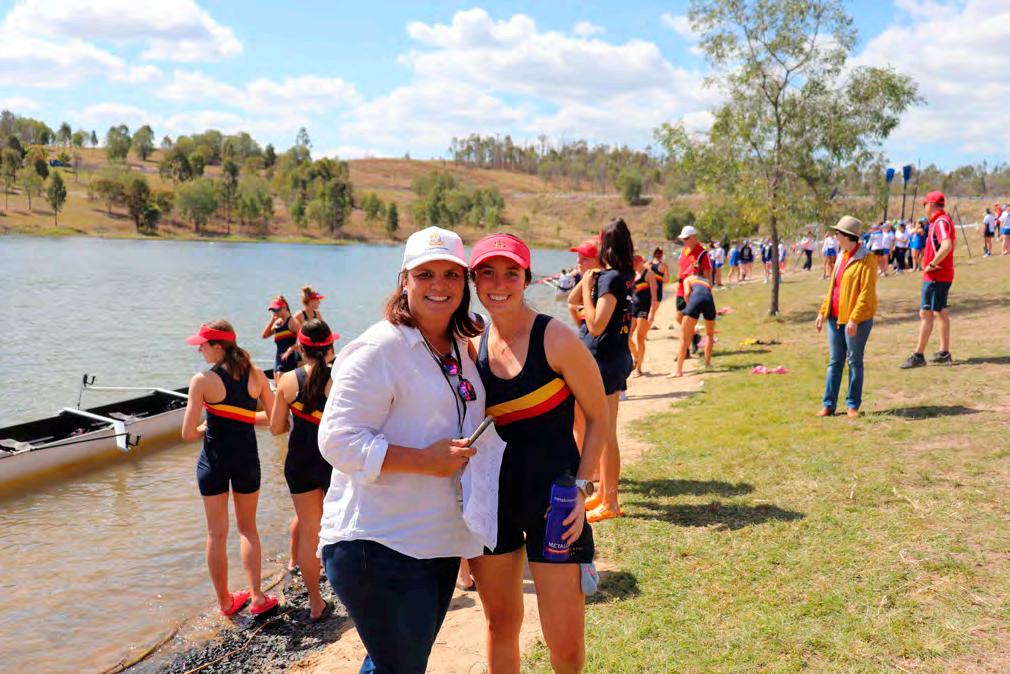
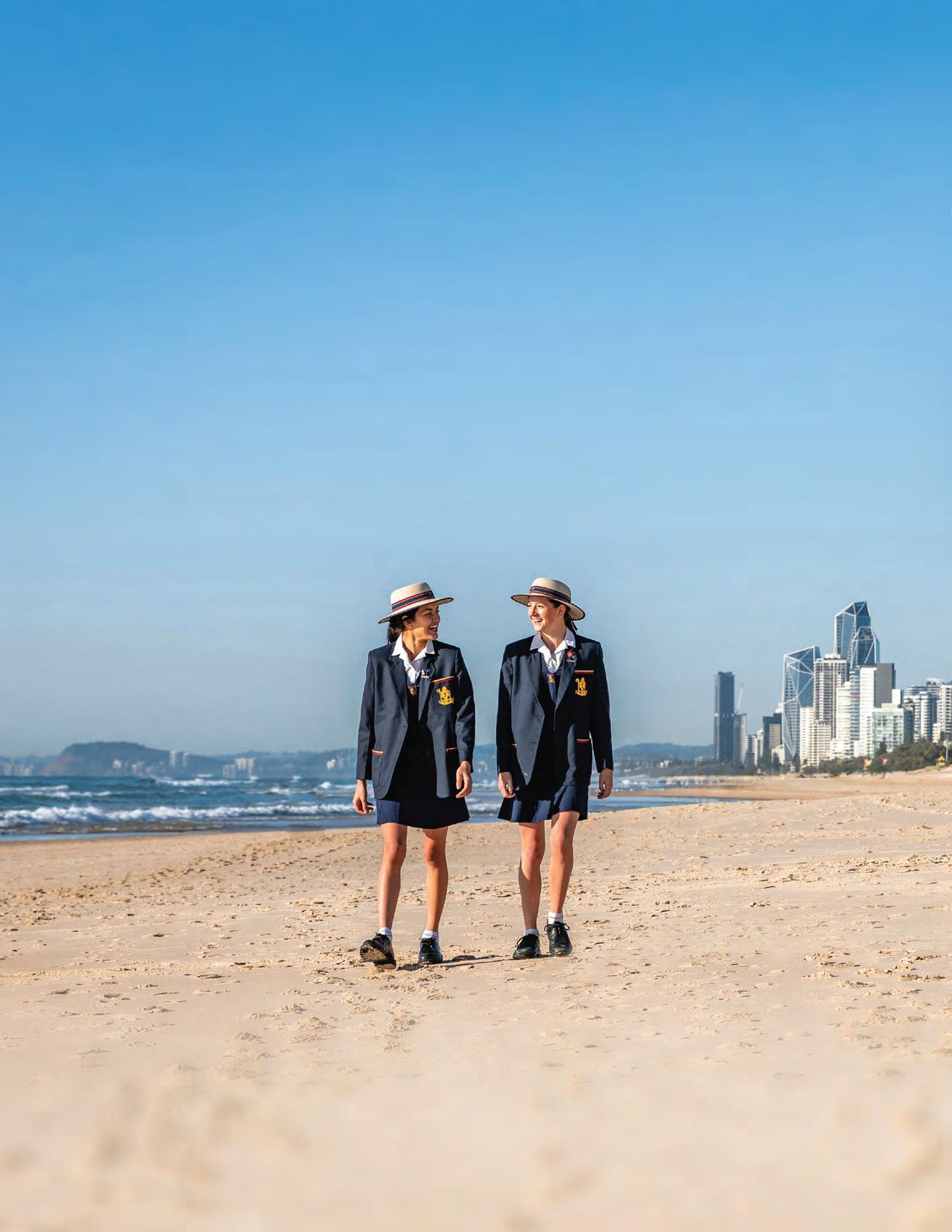
St Hilda’s School is a Pre-Preparatory to Year 12 all-girls’ school that offers an environment where every girl can thrive. Whether it is academics, sports, arts or leadership, your daughter will explore her passions and purpose at St Hilda’s School. Boarding girls from Year 5 to Year 12.
From All Souls to Shore, from Tasmania to Darwin, Graziher’s list of schools will help you make important decisions about your children’s education.
Doing your homework is essential when choosing an educational path for your child. This summary will help you begin that journey with confidence.
With over 100 years of experience, All Souls St Gabriels is a co-educational day and boarding school catering for students from pre-prep to Year 12. The 45 hectare campus offers an impressive range of facilities including their new state-of-the-art design and technology centre and aquatic precinct. allsouls.qld.edu.au
ANGLICAN CHURCH GRAMMAR SCHOOL
Established in 1912, ‘Churchie’ is for boys from reception to Year 12, with boarding from Year 7. With the largest inner-city school campus in Brisbane, Churchie’s mission is ‘the making of men’, aiming to nurture and inspire through four tenets: academic excellence, spiritual awareness, personal growth and service. churchie.com.au
With boarding for approximately 150 students from years 7 to 12, Clarendon provides an exceptional living and learning experience. There is a strong focus on working collaboratively with parents, guardians and students to ensure that house responsibilities are carried out, homework obligations are met, free time is enjoyed and outside commitments are fulfilled. clarendon.vic.edu.au
One of regional Australia’s leading co-educational schools with a flourishing community of more than 1700 students, including around 250 boarders. The main campus has beautiful heritage buildings as well as state-of-the-art, purpose-built learning spaces. There is also a farm campus set on 50 hectares and an off-campus Year 9 experience in the heart of Melbourne’s CBD. bgs.vic.edu.au
This prestigious independent, nondenominational day and boarding school for boys is the second oldest secondary school in Queensland. With boarding for students from years 5 to 12, it provides a family-like community for regional and international students. The school’s motto ‘Nil Sine Labore’ meaning ‘nothing without hard work’, is reflected in outstanding academic results. brisbanegrammar.com
Nestled in the picturesque foothills of Red Hill, ACT, this Anglican day and boarding school is for girls from early learning to Year 12. The heritage boarding house, known affectionately as the BoHo, offers full time, weekly or casual boarding options. CGGS is an International Baccalaureate (IB) World School and authorised continuum school. There are over 100 co-curricular opportunities beyond the classroom. cggs.act.edu.au
Set on 121 hectares in the Southern Highlands of NSW against the backdrop of a stunning natural environment, Frensham is a unique boarding and day school for girls from Preschool to Year 12, offering blend of academic excellence and character development. Established in 1913, the school has more than 70 per cent of the total enrolment in residence, making it the largest boarding school in Australia, despite a relatively small student population of 350. frensham.nsw.edu.au
Haileybury Pangea is an online school for students in years 5 to 12, located in Victoria and the Northern Territory. The school delivers the Australian curriculum using the latest online
learning technology so students have every opportunity to prepare themselves for the world’s top universities. Students attend two to three live lessons per subject per week with the addition of self-paced learning. haileyburypangea.com
Located in the breathtaking Northern Territory city of Darwin, Haileybury Rendall School offers boarding from Year 7. The school has received awards from the Australian Education Awards. Haileybury Rendall School has three boarding houses each with individual and twin shared room options. Sports facilities include a swimming pool, basketball courts and recreational ovals. haileyburyrendall.com.au
IPSWICH GRAMMAR
As Queensland’s oldest grammar school, this independent day and boarding school catering for students from Prep to Year 12. The original school building, known as the Great Hall, still stands today as a monument to more than 160 years of educating boys. A complex of modern facilities includes a precinct of the arts, an auditorium, gymnasium, heated pool and multipurpose sports dome. ipswichgrammar.com
KNOX GRAMMAR
Located in Wahroonga on Sydney’s North Shore, Knox is an independent Uniting Church school, catering for boys from Kindergarten to Year 12, with boarding from Year 7. There are more than 30 sports including rugby, tennis and basketball, plus more than 90 music programs including instrumental and choral performance opportunities. knox.nsw.edu.au
KINROSS WOLAROI SCHOOL
Situated in the picturesque country setting of Orange, NSW, Kinross Wolaroi
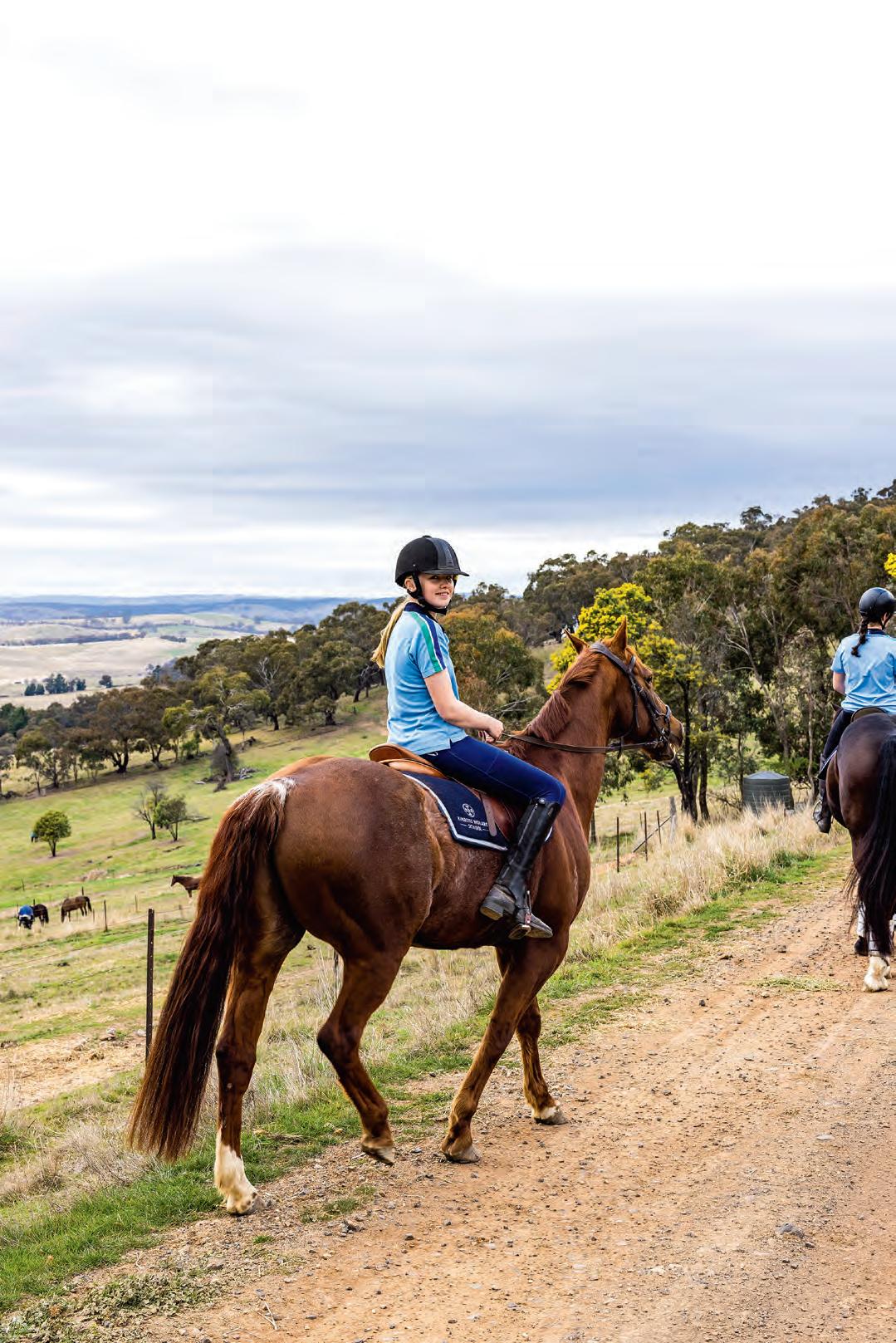
offers co-ed classes from Early Learning to Year 12. The school welcomes over 350 boarders in years 7 to 12, with boys and girls accommodated on separate campuses, providing a supportive environment tailored to their specific needs. In early 2026, the school opened the doors to its new purpose-designed boarding house for year 7 and 8 boys. kws.nsw.edu.au
PEMBROKE SCHOOL
This co-educational day and boarding school is in Kensington Park, just six kilometres east of Adelaide’s CBD. Founded in 1974, it offers Early Learning to Year 12. The curriculum follows inquiry-based learning experiences in the Junior School’s International Baccalaureate Primary Years program, the Australian Curriculum in the Middle School, and the South Australian Certificate of Education (SACE) or the International Baccalaureate Diploma (IB) in the Senior School. pembroke.sa.edu.au
PRESBYTERIAN LADIES’ COLLEGE (PLC) ARMIDALE
Founded in 1887, PLC Armidale has a rich heritage and a reputation for developing women of character. Complementing the excellent internal academic program, a signature feature of PLC Armidale is the ‘Explore, Serve, Journey’ program — a sequence of transformative experiences weaving together the strands of outdoor education, service and pastoral care. plcarmidale.nsw.edu.au
PYMBLE LADIES’ COLLEGE
Situated on 20 hectares of park-like grounds on Sydney’s upper North Shore, this non-selective independent school for girls from Kindergarten to Year 12 has boarding available from Year 7. Founded in 1916, the school’s vision was to educate young women in science and maths at a time when female education was not considered important. Pymble is proud to be the first independent school in Australia to be designated as an Australian Olympic Pathway School by the Australian Olympic Committee. pymblelc.nsw.edu.au
Scots All Saints is an independent Presbyterian co-educational day and boarding college located in Bathurst, NSW. The college provides outstanding learning experiences from Preparatory to Year 12 within an idyllic country setting. Agriculture has a strong history at the school — the farm is on approximately 40 hectares on campus. scotsallsaints.nsw.edu.au
Located on the outskirts of Warwick, Queensland, SCOTS PGC is a Prep to Year 12 co-educational school for day and boarding families. Offering diverse pathways, with some students achieving exceptional academic results, some excelling in school-based apprenticeships or traineeships and others completing a workplace-ready qualification. SCOTS PGC boasts one of the best school equestrian programs in the country, with the opportunity for students to bring their own horses. scotspgc.com.au
“We follow a philosophy of personalised learning and equip our students with the capabilities and values they need to create bright futures.”
Whitsunday Anglican School
Sydney Church of England Grammar School caters for boys from Early Learning to Year 12. Shore is a nonselective school that maintains high standards of academic performance for all students, commensurate to their individual abilities and talents. The co-curricular program is a vital component in which students enjoy opportunities and first-class training facilities for sport — from rowing and rugby, to tennis and taekwondo — music, drama, cadets and more. shore.nsw.edu.au
A Catholic boarding and day school for boys in Years 5 to 12, Nudgee College in Brisbane’s north has developed confident and capable young men since its establishment in 1891. The college’s inclusive co-curricular program encompasses a range of sporting and cultural activities, and the school is also a member of the GPS Association of Queensland. Students are provided with the resources they need to perform at the highest level in sports such as tennis, with 12 courts and fully equipped training facilities on campus. nudgee.com
Situated in the leafy Brisbane suburb of Ascot, St Margaret’s is an independent day and boarding school for girls from Pre-prep to Year 12, offering boarding from Year 5. The school is known for academic excellence and commitment to pastoral care, while offering 21 sports, a thriving cultural program and a strong emphasis on social responsibility. St Margaret’s also provides opportunities to participate in a global exchange program with eight countries including Canada, Japan, South Africa and New Zealand. stmargarets.qld.edu.au
Located on the sunny Gold Coast in Queensland, St Hilda’s is an Anglican day and boarding school for girls from Pre-Prep to Year 12. The school’s motto, ‘Non Nobis Solum’ (meaning ‘not for ourselves alone’), is a key driver at the heart of everything students do. All girls participate in service activities each semester to learn that the purpose of education is to have a positive impact on the world around them.
sthildas.qld.edu.au
Brisbane’s only co-educational boarding school can provide an education for the whole family. Built in 1945, the college comprises two campuses: St Peters Indooroopilly and St Peters Springfield. Both cater for students from Prep to >
Year 12, with boarding at Indooroopilly from Year 6 and Kindergarten students welcomed at Springfield. St Peters is renowned for its academic, sports, music and co-curricular programs. It boasts an iconic outdoor education program for Year 9 students, who spend five weeks living at the Ironbark Centre near Toowoomba, with four key elements: outdoor pursuits, community living, farm skills and environmental awareness. stpeters.qld.edu.au
Located on 21 hectares just six kilometres from the Brisbane CBD, Stuartholme is a Catholic day and boarding school for girls in years 5 to 12. With only 750 students, the school prides itself on being small enough for each student to be personally known, yet large enough to offer an extensive, ever-changing and dynamic range of opportunities. Boarding is at the heart of the school, with staff who genuinely care, individual rooms, an environment that comes close to home. stuartholme.com
Located on the New England Tablelands in north NSW, TAS is a co-educational Anglican day and boarding school with broad academic, co-curricular, adventure and pastoral programs. The school caters for Pre-Kindergarten to Year 12, with boarding offered from Year 6. TAS boasts a 10 hectare ag precinct, Meadowfield, where there is an agriculture classroom, livestock handling outbuilding and a specialised feed storage and machinery shed. as.edu.au
Located alongside the magnificent St Joseph’s Cathedral, TCC is a Catholic co-educational boarding school in central Queensland, TCC offers education from Years 7 to 12 with currently over 1360 students including 200 boarders from across central Queensland and beyond. The college provides a welcoming, nurturing and wholesome environment for students to flourish in separate boys’ and girls’ accommodation. tccr.com.au
With two campuses south-west of Melbourne, The Geelong College is a Uniting Church co-educational school with approximately 1500 students from Early Learning to Year 12, with boarding from Year 7. Founded in 1861, the school’s tight-knit community of boarders comprises just 50 boys and 50 girls. Co-curricular programs include music, drama, public speaking, debating and sport. tgc.vic.edu.au
This co-educational day and boarding school provides education from Early Learning to Year 12 and its regional location means that students are surrounded by an abundance of natural beauty on the campuses and beyond. There are a number of excellent facilities available to students, including an on-site equestrian centre, allowing boarders to agist a horse at the school. hamiltoncollege.vic.edu.au
Specialising in boys’ education for almost 200 years, King’s is known for helping boys develop into young men of good character and integrity. Located in North Parramatta in Sydney, King’s is an independent secondary school offering boarding from Year 7. Boys are encouraged to develop their talents and interests with first-class facilities, including 17 sports fields, nine halls and the renowned King’s Theatre. The King’s uniform, the oldest military uniform still worn in Australia, is symbolic of what it means to be a Kingsman — willing to live a life of service to make an impact for the good of society and others. kings.edu.au
The Southern Highlands campus of The King’s School, Tudor House caters for girls and boys from Pre-Kindergarten to Year 6, with boarding offered from Year 3. Set on 68 hectares, Tudor House offers exceptional indoor and outdoor learning facilities. A blend of historic
buildings, modern classrooms, a welcoming boarding house, bush trails, campsites and excellent sporting facilities give children a unique environment to grow. tudorhouse.nsw.edu.au
Proudly known as Queensland’s largest boarding school, The Rockhampton Grammar School is an independent co-educational boarding and day school established in 1881. Students from Early Learning to Year 12 are welcome, with boarding offered from Year 6. The co-curricular program complements academic pursuits and encourages all students to ‘have a go’. As a leading provider of agricultural education in Queensland, RGS boasts its own demonstration farm and access to a commercial cattle herd. rgs.qld.edu.au
TGS is one of the oldest independent boys’ day and boarding schools in Australia, for students from Prep to Year 12. Boarding is a fundamental component of TGS, with approximately 300 boys who come from all over Australia, Asia, the Pacific and Europe. TGS has recently implemented a bold new learning initiative for years 5 to 12, designed to prepare boys for a rapidly changing world, shaping learning, thinking and application through three important lenses: agriculture, industry, and environment. twgs.qld.edu.au
Located in Mackay, WAS is a leading regional co-educational school for students from Kindergarten to Year 12, with boarding offered from Year 6. The school prides itself on inspiring students through a culture of academic excellence, spiritual awareness, balance through co-curricular pursuits, and service to the community. The school places great importance on helping boarders maintain connections with their lives and communities. was.qld.edu.au g More information about each of these schools is on the following pages.
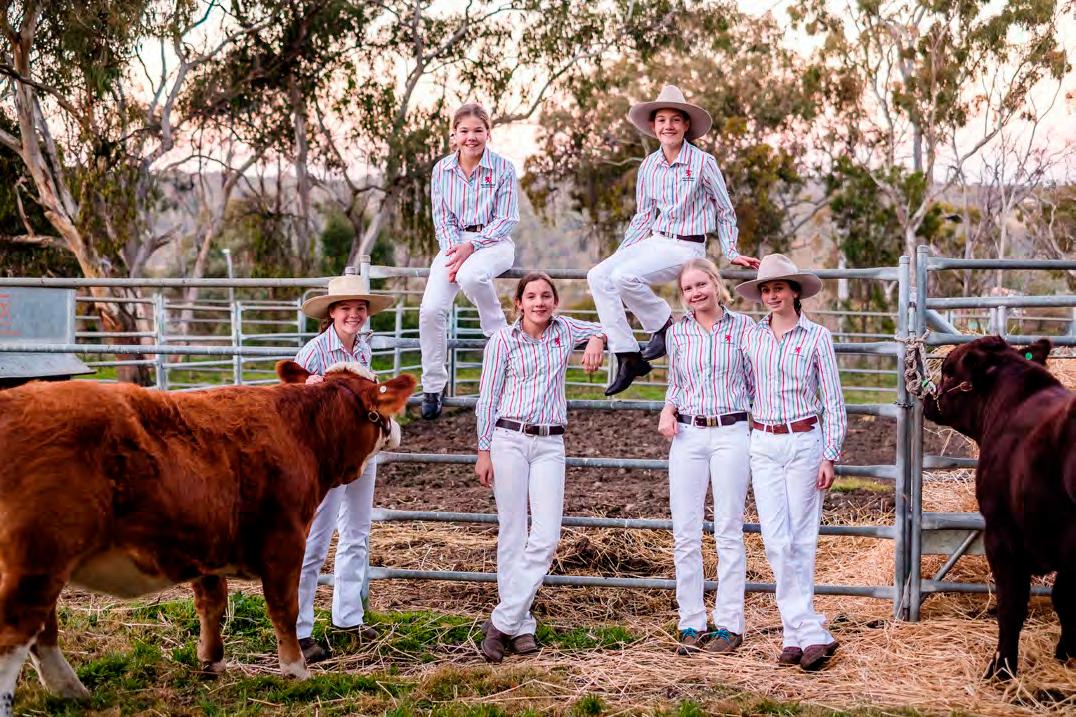
It’s about more than ACADEMICS; it’s about finding a COMMUNITY.
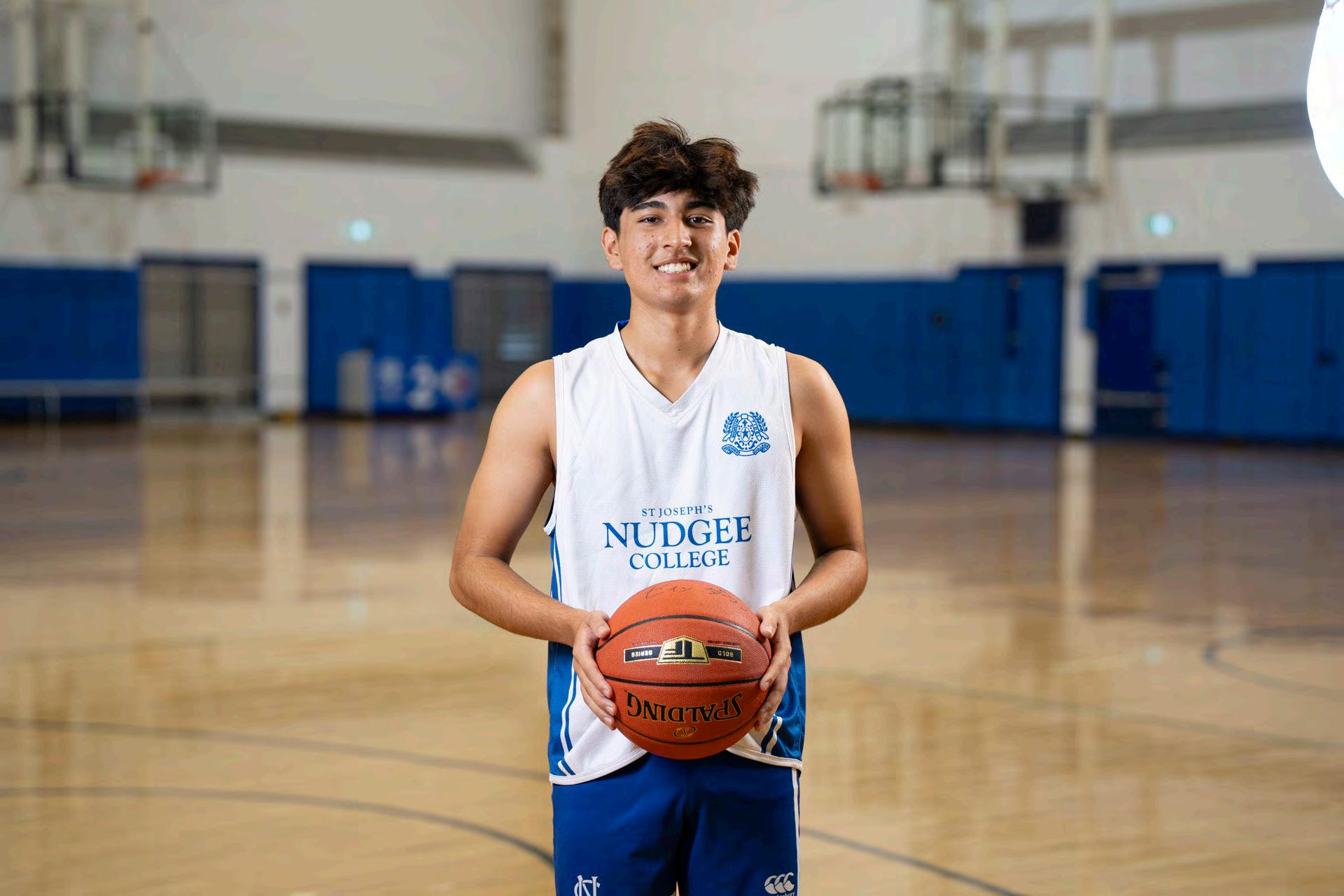
At
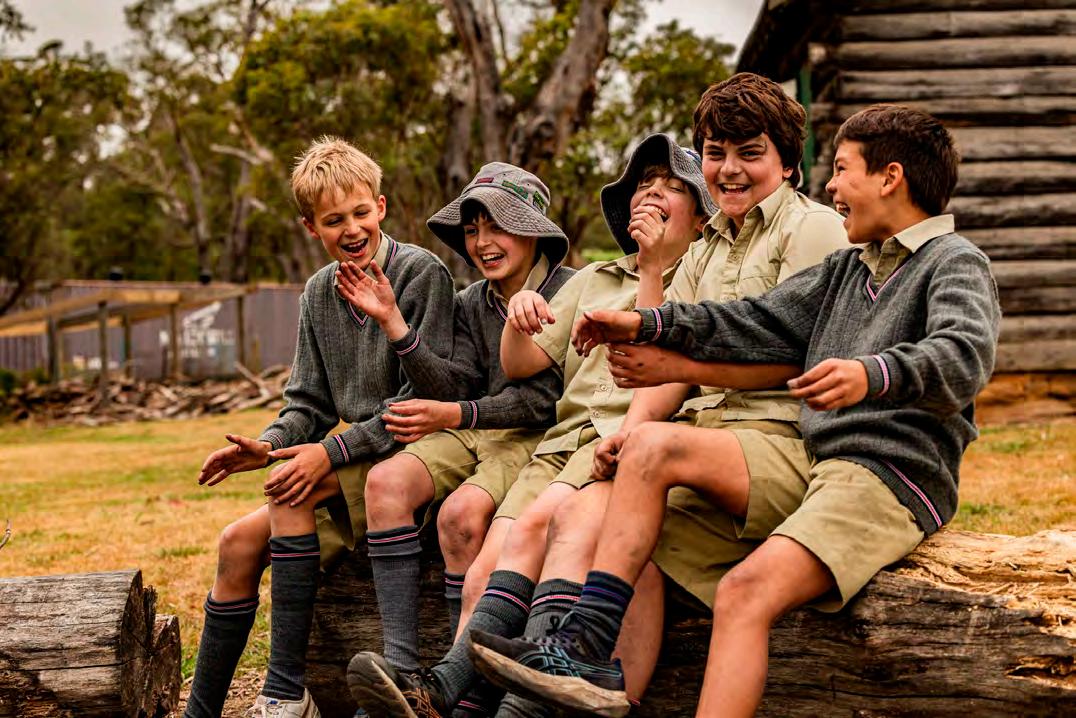
Boarding at Nudgee College is more than just a place to live; it’s a vibrant community where lifelong friendships are built.
FOR MORE THAN 310 student boarders from Queensland, New South Wales and the Pacific, St Joseph’s Nudgee College provides a structured, supportive environment where young men can grow academically, socially and personally.
When the lights go out in the Bathersby Boarding Village, the day doesn’t end; it simply changes tempo. The hum of daytime activity gives way to softer sounds: quiet laughter from a dorm, whispered stories under bunks and the occasional rustle of a midnight snack being retrieved with questionable stealth. These unguarded moments reveal the heart of boarding life: authentic, human and full of connection.
Boarders follow routines that balance study, recreation and wellbeing, while forging strong relationships with peers and mentors. Weekend excursions, clubs and recreational activities allow boys to explore their interests beyond the classroom, while academic tutoring, health services and pastoral care ensure holistic growth.
At the heart of Nudgee’s boarding experience are the House Mothers, whose role extends far beyond supervision. These exceptional women provide guidance, warmth and stability, becoming trusted mentors and role models. From listening after a challenging day to ensuring every boy feels valued, House Mothers form the backbone of the Bathersby Boarding Village.
Dean of Boarding Casey Brealy explains: “What makes us truly distinctive is the incredible people who care for the boys in our community. We are fortunate to have a diverse and dedicated team committed to 24 hour care, support and formation of our young men. Our House Mothers, in particular, bring a nurturing presence that creates a true sense of belonging.”
The Boarding Village consists of four Houses, each led by a Head of House, two Assistant Heads and a House Mother. Together with counsellors, psychologists, academic tutors, recreation staff, nurses and other support personnel, they ensure every boarder is supported physically, mentally, emotionally and socially.
For families in rural or regional areas, Nudgee boarding offers an exceptional education and a nurturing environment. Students travel from as far as Mount Alma, Dirranbandi and Papua New Guinea to join the boarding community, covering thousands of kilometres. Kyee Easton, from Dirranbandi, reflects on the decision to send her Year 7 son, Tom.
“We had our sights set on the college as Tom’s father was an Old Boy of 2001, and he spoke so positively of his time in boarding. We did a tour of the boarding village and loved how friendly the staff were and the impressive facilities; moreover we liked the feeling of home that it encapsulated,” she says.
“I love that Nudgee College boarding takes a ‘village approach’ to supporting our son. It’s a village in both literal and metaphorical senses, as it includes boarding staff, teachers, House Mothers, health staff and more who ensure Tom is supported, valued and cared for. Tom has been keeping us updated on his experience, and his favourite part has been being with all of his mates!”
The boarding experience at Nudgee College is grounded in faith, family, courage and trust. Casey says, “As a Catholic school >

In the classroom or at leisure, Nudgee boys learn confidence and courage.
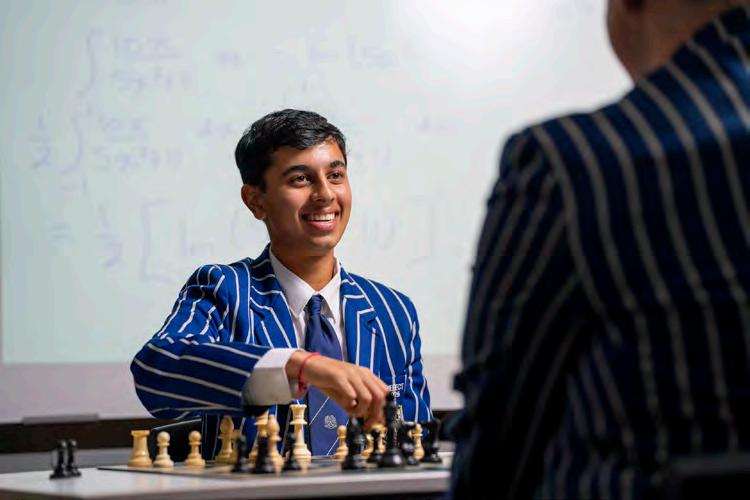
in the Edmund Rice tradition, we challenge our boys to be Signum Fidei, a ‘sign of faith’, in their words and actions. Successful boarding is built on trust between boarders, staff, and families. Our hope is that our boarders leave as fine young men, carrying these values within them and gratitude in their hearts.”
Principal Scott Thomson highlights the enduring role of boarding at the college. “As Nudgee College celebrates our 135th year in 2026, I am reminded daily of the resilience and spirit our boys bring from the bush. Boarding remains the heartbeat of our community, shaping young men ready to face life’s challenges with courage and compassion.”
For generations, regional and rural families have entrusted their sons to Nudgee boarding, confident they will receive a top-quality education and the guidance to grow into capable,
confident young men. Blending tradition with innovation, the college offers structure, freedom, and the opportunity to forge lifelong friendships in a welcoming, inclusive environment. From nervous new arrivals to confident young men ready to lead, the growth of Nudgee boarders reflects both their characters and the support of the people around them. Each boarding house hums with its own personality, laughter and late-night wisdom, yet all are bound by a spirit of shared life. In those quiet hours, boys grow into young men who understand empathy, responsibility and camaraderie, and this is what makes Nudgee boarding more than a place to live; it’s a true community and a home away from home.
Visit nudgee.com for more information about boarding or see our full 2026 Boarding Schools Guide at graziher.com.au
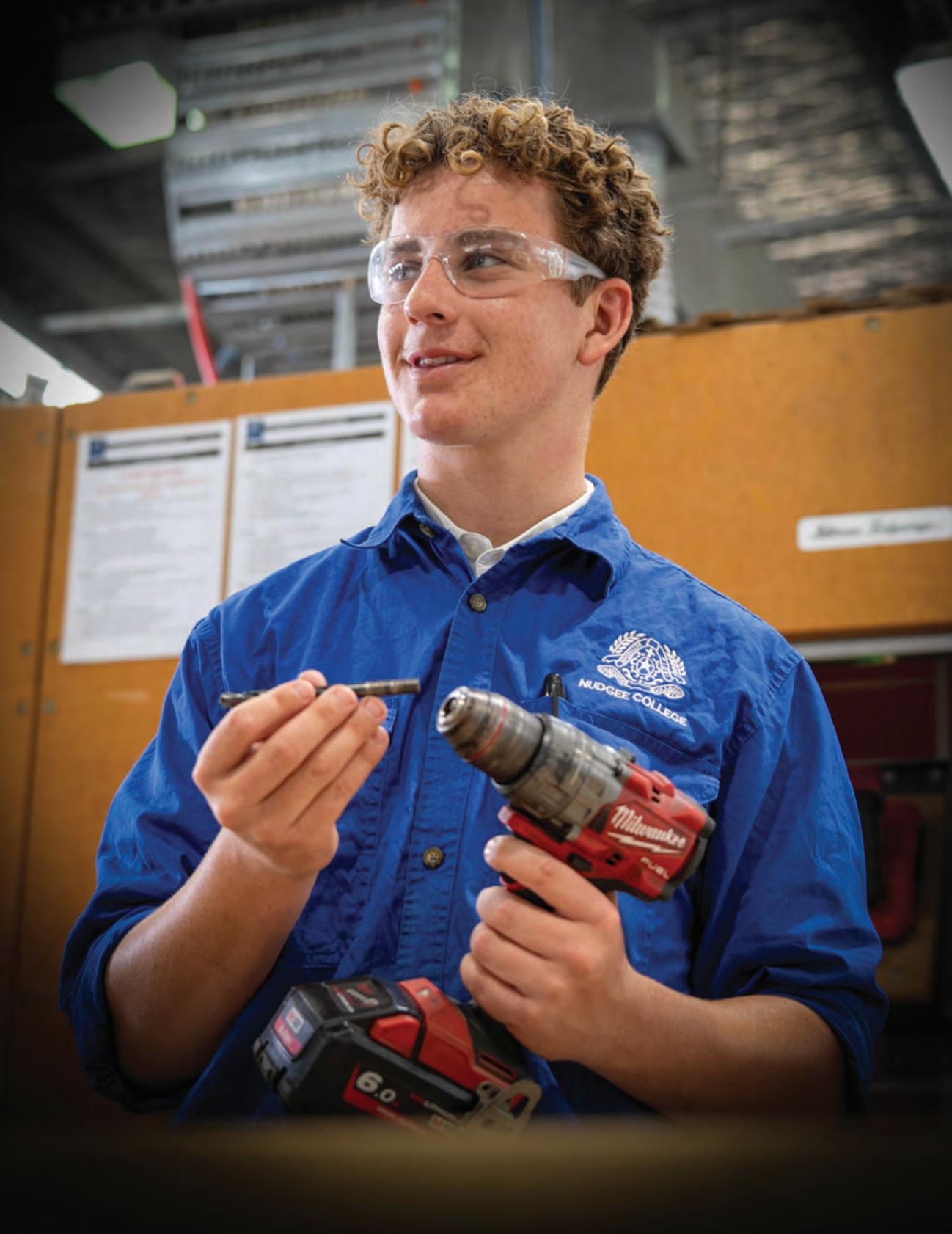


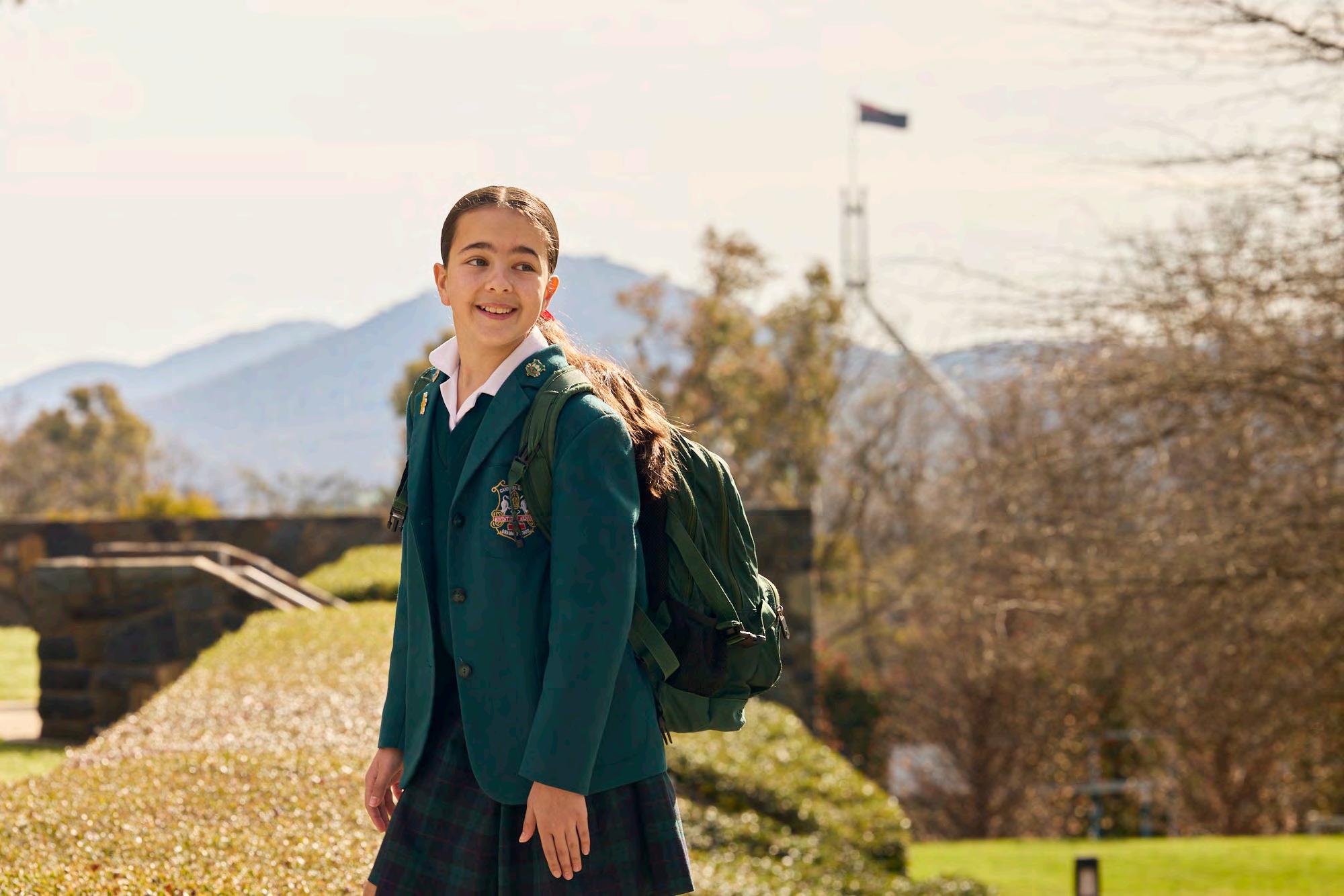
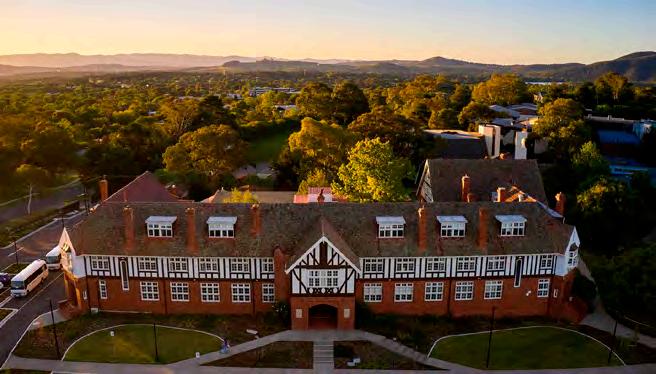
Canberra’s only exclusively female boarding house is an integral part of this school’s 100 year history.
“Respect and HARMONY are championed at CGGS and our boarders are known and VALUED They wake up to a community that feels CONNECTED and in which they are supported.”
THIS YEAR CANBERRA Girls Grammar School (CGGS) celebrates its centenary year, and a 100-year spirit of educational excellence, connection and service to the community.
When the school opened in 1926, it welcomed just 10 students, four of them boarders. Founded by trailblazing women, CGGS continues to foster fearless leadership, visionary thinking, resilience, and a lifelong love of learning, inspiring students from across Australia and around the world to believe that anything is possible.
Located just one kilometre from Parliament House, the school is home to Canberra’s only exclusively female boarding house and is the Australian Capital Territory’s first International Baccalaureate (IB) Continuum school. At CGGS, generations of women have learned and led, navigated change and challenges and formed lifelong bonds within the historic walls of the ‘BoHo’ (Boarding House).
Principal Terrie Jones describes boarding at CGGS as a supportive journey toward greater independence and agency. “Respect and harmony are championed at CGGS and our boarders are known and valued. They wake up to a community that feels connected and in which they are supported to thrive socially and academically,” she says. “The BoHo is a femalefocused residential experience where kindness and compassion shape every interaction, in which everyone belongs. From quality educational and co-curricular options to important health and wellbeing needs, we seek to ensure your daughter will feel safe, understood and cared for at the CGGS boarding house.”
Centrally placed in Canberra’s picturesque inner south, the boarding house is minutes from Australia’s national cultural institutions, high-performance sport facilities, embassies, high commissions and federal government departments. Boarders have access to 10 hectares of beautifully manicured gardens and outdoor grounds, state-of-the-art facilities including an indoor heated swimming pool, gymnasiums, strength and conditioning centre, sports courts, Olympic-standard sports field and purposebuilt centres for STEM, creative arts, design and ICT.
Sarah Lysewycz, Director of Boarding, oversees the complete CGGS boarding experience, managing the many facets of communal living in a learning setting. >
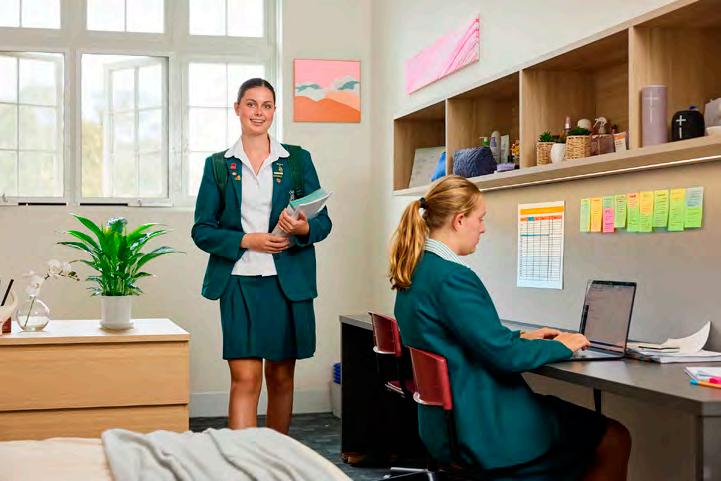
“As both a parent and educator, I hold deep respect for the trust families place in me and the boarding house staff. Each student deserves to feel known, supported and encouraged to grow in confidence and develop their self-efficacy,” says Sarah. “Boarding is not simply residence, but preparation for the world. It is a disciplined, compassionate community where young women learn to live with purpose, resilience and grace, and where they are supported to strive, personally and academically, and make their dreams a reality.”
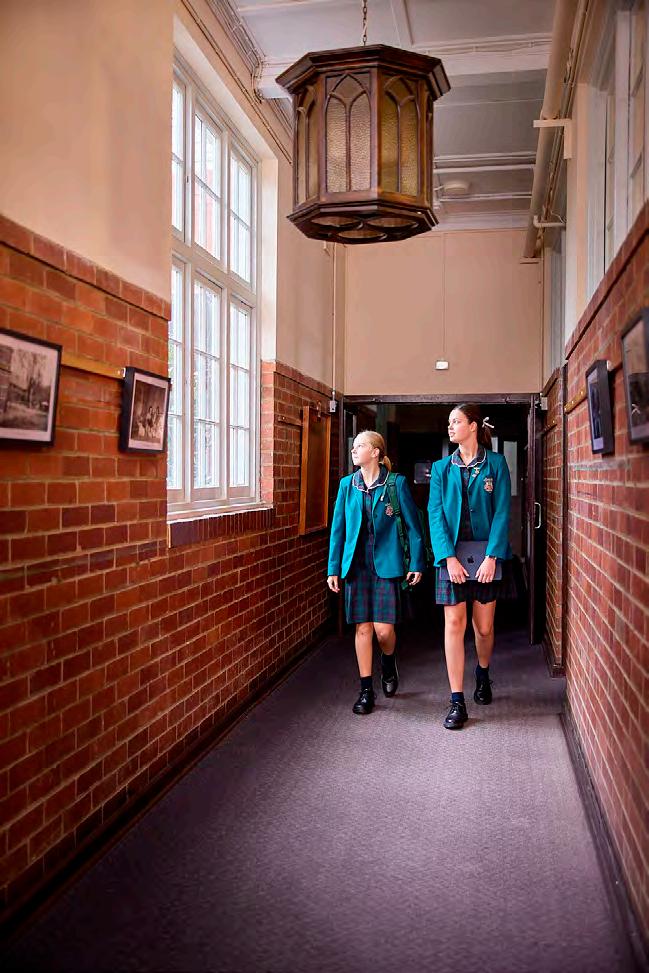
“Boarding is a living EXPRESSION of the school’s heritage. It is a community built on trust, RESPECT and care; every conversation is an OPPORTUNITY to understand.”
Canberra Girls Grammar School celebrates its centenary this year. There have been boarders since the school opened in 1926.
Sarah’s belief is that the quality of surroundings and daily rituals of the boarding house are important forms of learning, shaping interactions whilst providing clarity and consistency.
“Boarding is a living expression of the school’s heritage. It is a community built on trust, respect and care; every conversation is an opportunity to understand, and the boarding house structures — from evening routines to shared meals — are designed to give students a sense of stability and belonging, while nurturing independence and courage.”
The school consistently records some of the strongest academic results in the region, and for the past three years over half of the Year 12 cohort have received early entry offers to the universities of their choice.
Beyond a rigorous, engaging curriculum and supportive pastoral care program, boarders have access to the school’s extensive co-curricular offering, Cygnus at CGGS , designed for a broad, holistic experience with more than 100 options. Every effort is made to ensure boarders have opportunities to explore their passions, discover new talents and find like-minded peers.
Prospective boarders also have the opportunity to apply for the school’s renowned Scholarship and Bursary Program: the Scholarship stream recognises student dedication and excellence in combination with high achievement in sport, music, artistic pursuits or across multiple disciplines; while the Bursary stream is a meanstested option that provides a world-class education to those for whom it may otherwise not be possible. The Bursary stream is open year-round for young women in remote, regional and rural communities seeking an exceptional educational experience.
Discover how CGGS creates an authentic culture of care through a genuine home-and-school-life connection. Enquire today so your daughter can embrace her independence and become resilient, capable and courageous to confidently navigate the path of her choosing. For more information, go to cggs.act.edu.au/boarding

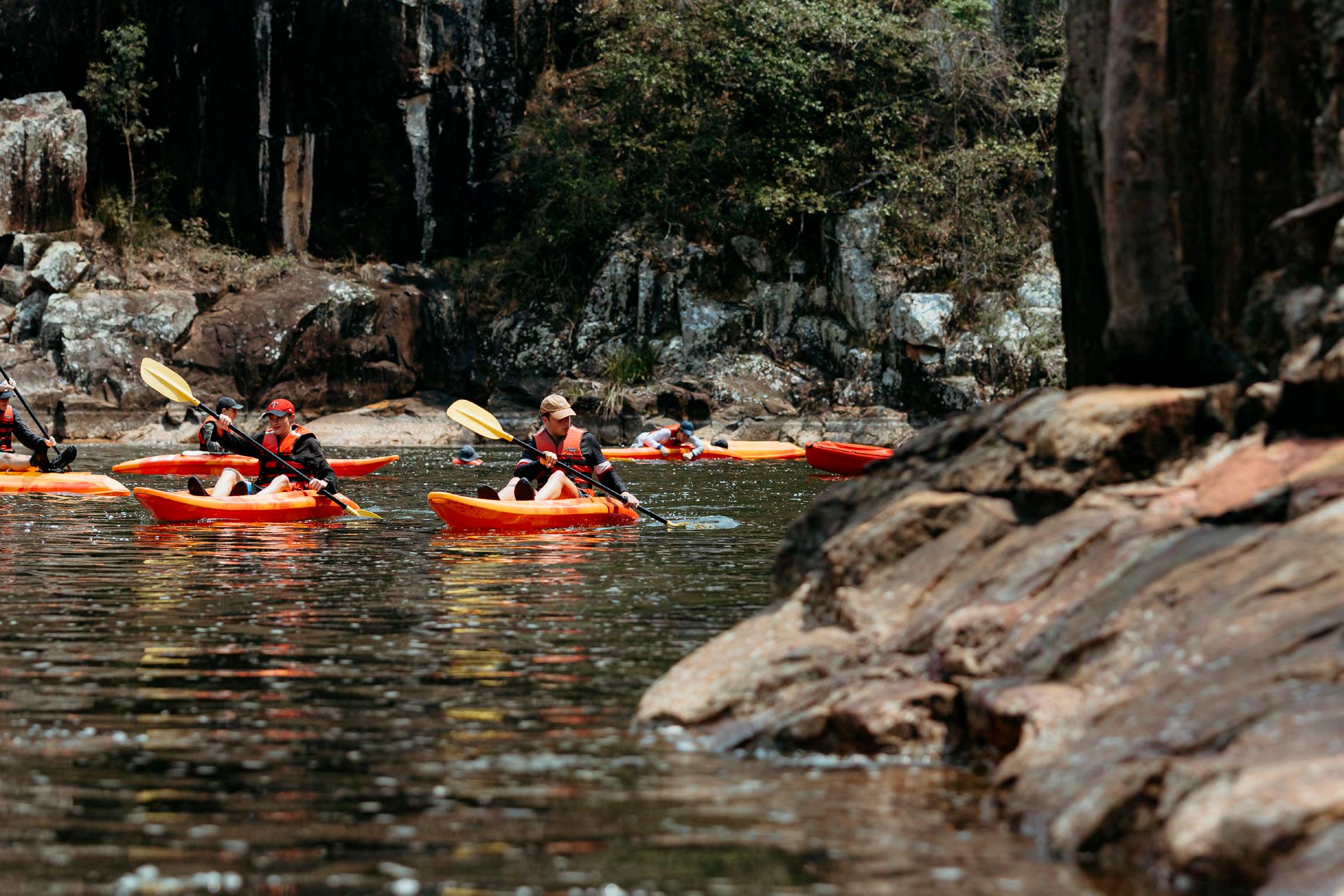
Outdoor education offers an extra dimension at Brisbane Grammar School.
FOR HALF A CENTURY, Outdoor Education at Brisbane Grammar School has not only created memories and lifelong friendships but also shaped well-rounded young men ready to contribute meaningfully to their communities.
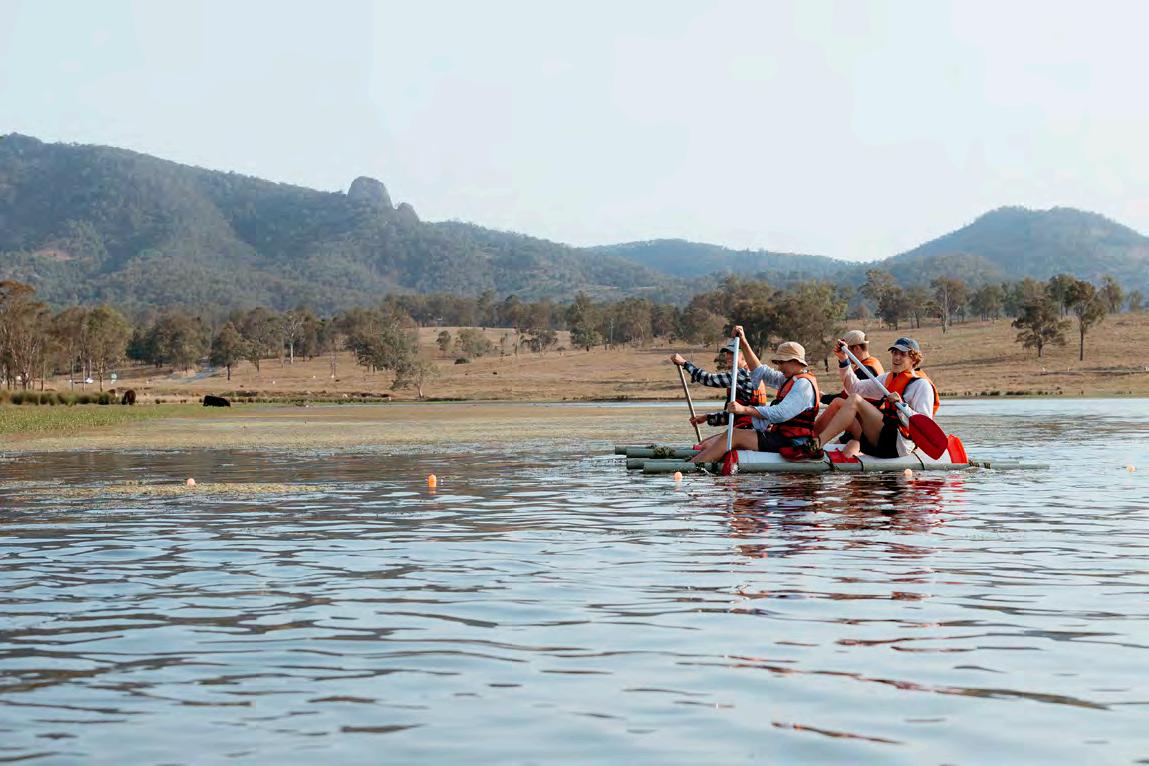
On the shores of Lake Moogerah, 100 kilometres from the Brisbane campus, the school’s purpose-built Outdoor Education Centre, Pepperina Hill, gives students the chance to build resilience, learn teamwork and develop a respect for the natural environment. In 2026, Brisbane Grammar School is proudly celebrating 50 years of Pepperina Hill and the legacy of its Outdoor Education program.
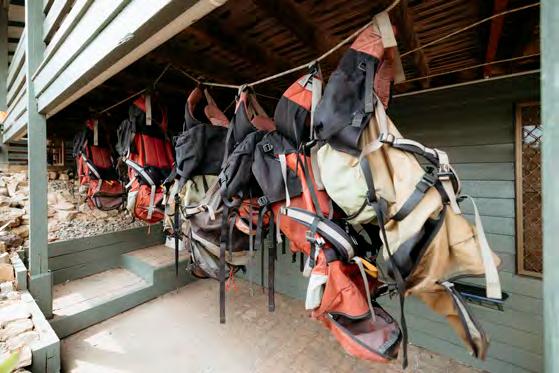
The Outdoor Education program takes boys through a range of experiences on water, on land and at height. On water, they might be swimming, rafting, canoeing, kayaking and learning rescue skills. On land, time is spent bushwalking, navigating, planning routes and learning how to care for environment. When working at height, they challenge themselves with climbing, abseiling, rope courses and exploring natural rock formations.
The school recognises that experiences beyond the classroom offer opportunities for development that cannot easily be replicated elsewhere. Outdoor Education provides the time and space for boys to face challenges, solve problems and work collectively toward shared goals. These moments are often among the most memorable and formative of their school years.
In many ways, Outdoor Education acts as a great equaliser. Some boys thrive in the structure of the classroom, while others discover new confidence in outdoor settings. The challenges and opportunities presented in nature allow different strengths to emerge. Leadership, resilience, teamwork and practical problemsolving become visible in ways that academic settings may not reveal. Boys return to Pepperina Hill each year through to Year 11, gradually building competence and confidence. Younger students learn the basics of living and working together in new environments, while older students take on more responsibility for planning, leading and supporting their peers.
Time spent in natural settings encourages boys to develop an appreciation for the landscapes around them. They learn >
A hundred kilometres from Brisbane, Lake Moogerah is the site of a 50-year-old outdoor education program.
“Fifty
years on, it’s still the same, an ESCAPE into the OUTDOORS where boys are challenged, friendships are forged, and CONFIDENCE is discovered. I lived it then, and now I see my sons living it too.”
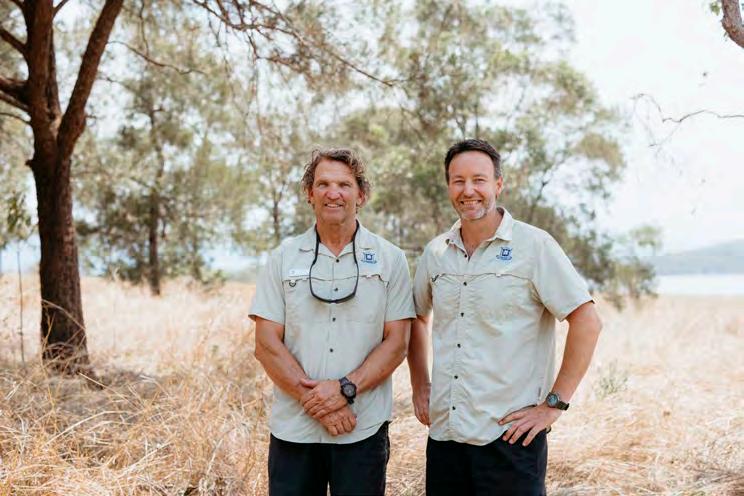
Eddie Barrett, current parent, Old Boy (1996)
about ecosystems, sustainability, and the responsibilities that come with caring for the natural world. Activities at Pepperina Hill often include environmental stewardship such as tree planting, caring for campsites and learning how to protect the natural environment.
Through the generous permission of the Ugarapul people, the Traditional Owners of the land, boys are introduced to the stories, history, and significance of the land through activities that deepen their appreciation of Indigenous culture and Australia’s natural heritage. This perspective encourages respect, humility and a sense of custodianship.
Outdoor Education also allows for the growth of community. Living together in shared accommodation or campsites requires cooperation and contribution. Boys share responsibilities such as preparing meals, maintaining campsites, cleaning shared spaces and caring for equipment. The tasks may seem simple, but these moments teach boys that community matters and its success depends on collective effort
For 50 years, Outdoor Education at Brisbane Grammar School has reflected the school’s commitment to holistic education beyond the classroom. Through the experiences provided at Pepperina Hill, boys develop not only practical skills but also the character, awareness, and responsibility that will guide them long after their time at school.
Visit brisbanegrammar.com for more information.
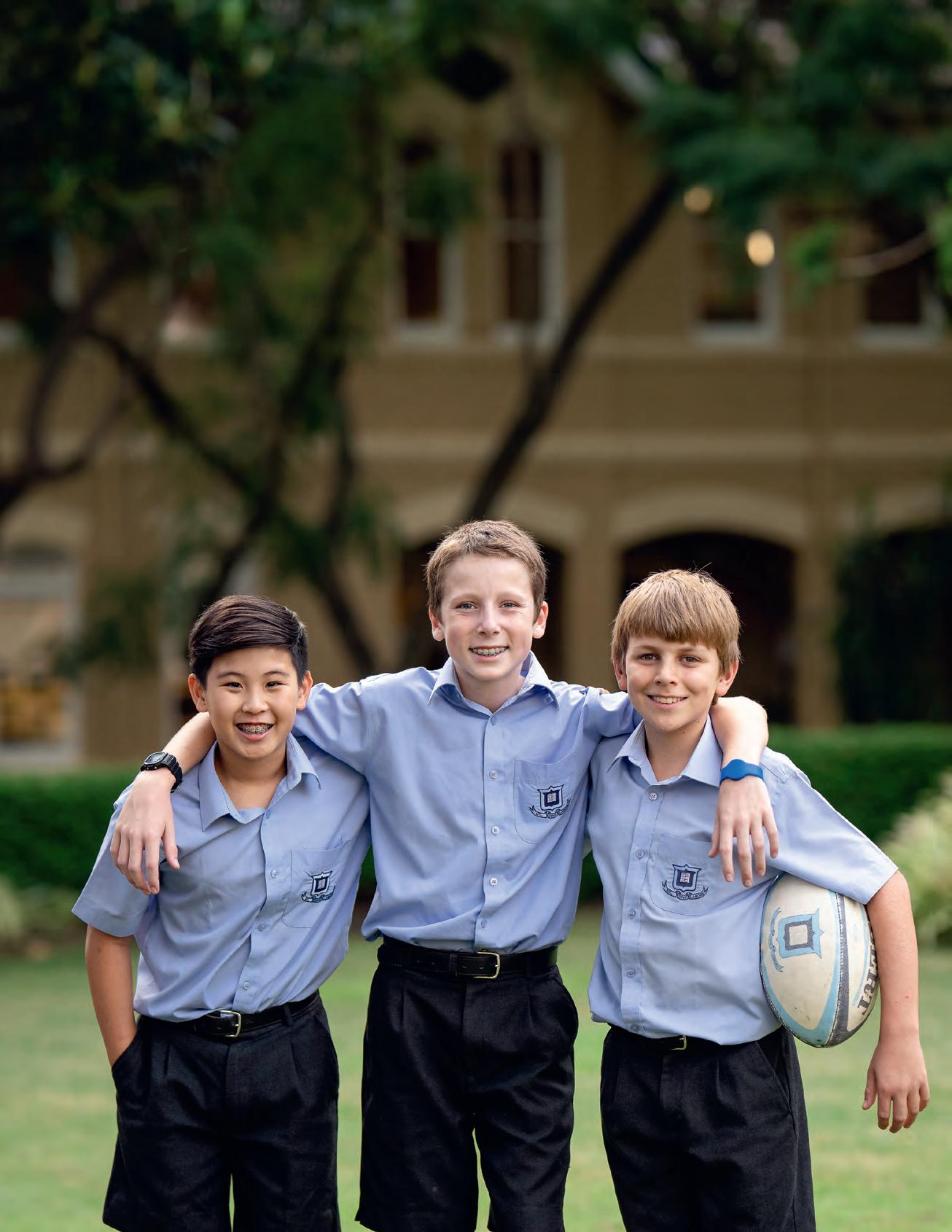
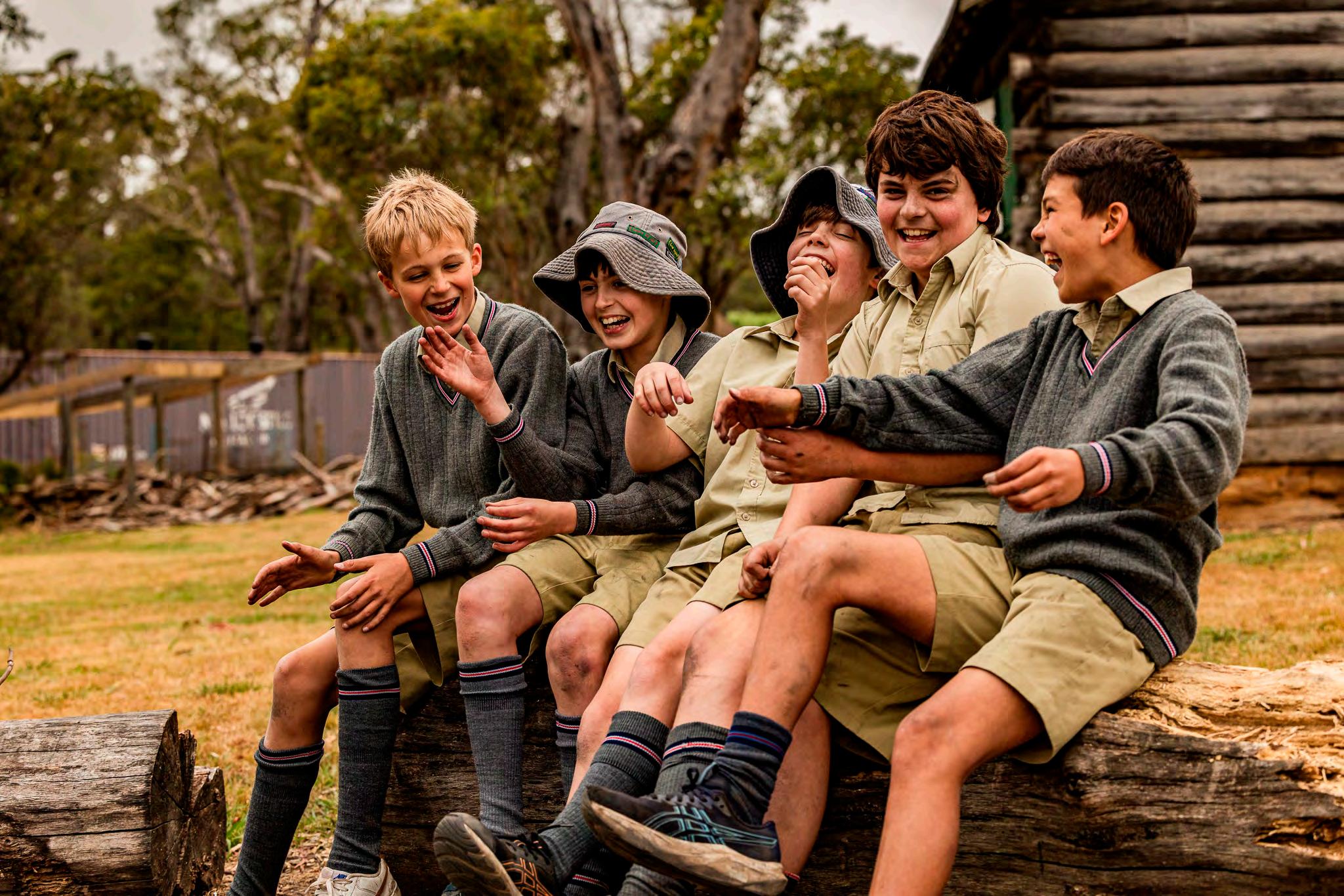
At The King’s School, Tudor House students in Years 3 to 6 are nurtured academically and socially, ensuring a smooth and confident transition to high school.
SET ON 68 hectares in the beautiful Southern Highlands of New South Wales, The King’s School, Tudor House is a co-educational primary boarding school where the unique landscape provides the perfect backdrop for students to live, learn and play, embracing new adventures each day.
Boarders live in Medley House, a large manor house at the heart of the school, where they enjoy all the comforts of home while being supported by caring and professional boarding staff. It is in the cosy dormitory accommodation, where it feels like a sleepover every night, that lifelong friendships are forged.
Head of The King’s School, Tudor House Adam Larby says there are many good reasons to start your child’s boarding adventure in their primary years. “Boarding in primary school helps students become more independent and confident. There is always someone to play with or talk to. The academic benefits of boarding, such as homework support and access to teachers after hours, also set students up for success in senior school.”
“Primary boarding encourages children to develop responsibility, independence and strong social skills in an environment that fosters both academic achievement and personal growth amid endless opportunities.”
As an authorised International Baccalaureate Primary Years Programme (PYP) School, Tudor House challenges students to think independently and take responsibility for their learning. In collaboration with their teachers, students deepen their understanding while building confidence and self-motivation.
“While academics are essential, they are not sufficient for a
remarkable education. Developing social and emotional skills, engaging in challenging experiences and having the freedom to explore are equally important. Many of our students may not have experienced full-team sports or had access to music and other specialist programs. Here, they benefit from a thriving primary school where boarding is central to our approach. They can play with friends, do homework and enjoy the property together after school. These friendships are vital for their development, and the connections formed at Tudor House often last a lifetime,” says Adam.
At The King’s School, Tudor House, the pastoral care program ensures that every boarder feels as though Tudor is an extension of their family. At the same time, maintaining strong connections with families at home remains essential. Students regularly keep in touch with their parents, sharing stories of their days through phone calls and handwritten letters.
Boys at The King’s School, Tudor House have preferential enrolment for Year 7 at The King’s School, Senior School, arriving with established friendships and confidence in boarding life.
“Learning is an adventure at Tudor House. We believe that through an educational approach geared towards adventure, challenge and risk-taking comes the opportunity to develop our students into leaders of the future,” says Adam. Find out more about the co-educational primary boarding adventure at Tudor House by attending one of the school’s regional Meet and Greet events, or by joining one of their boarding webinars. To register, visit tudorhouse.nsw.edu.au
“Primary boarding encourages children to DEVELOP RESPONSIBILITY, independence and strong social skills.”
At
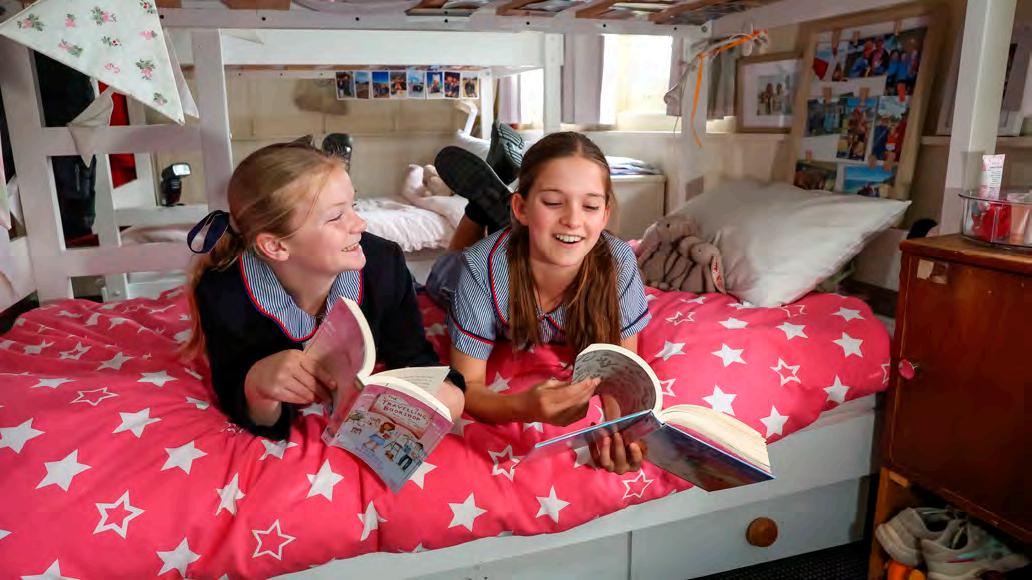
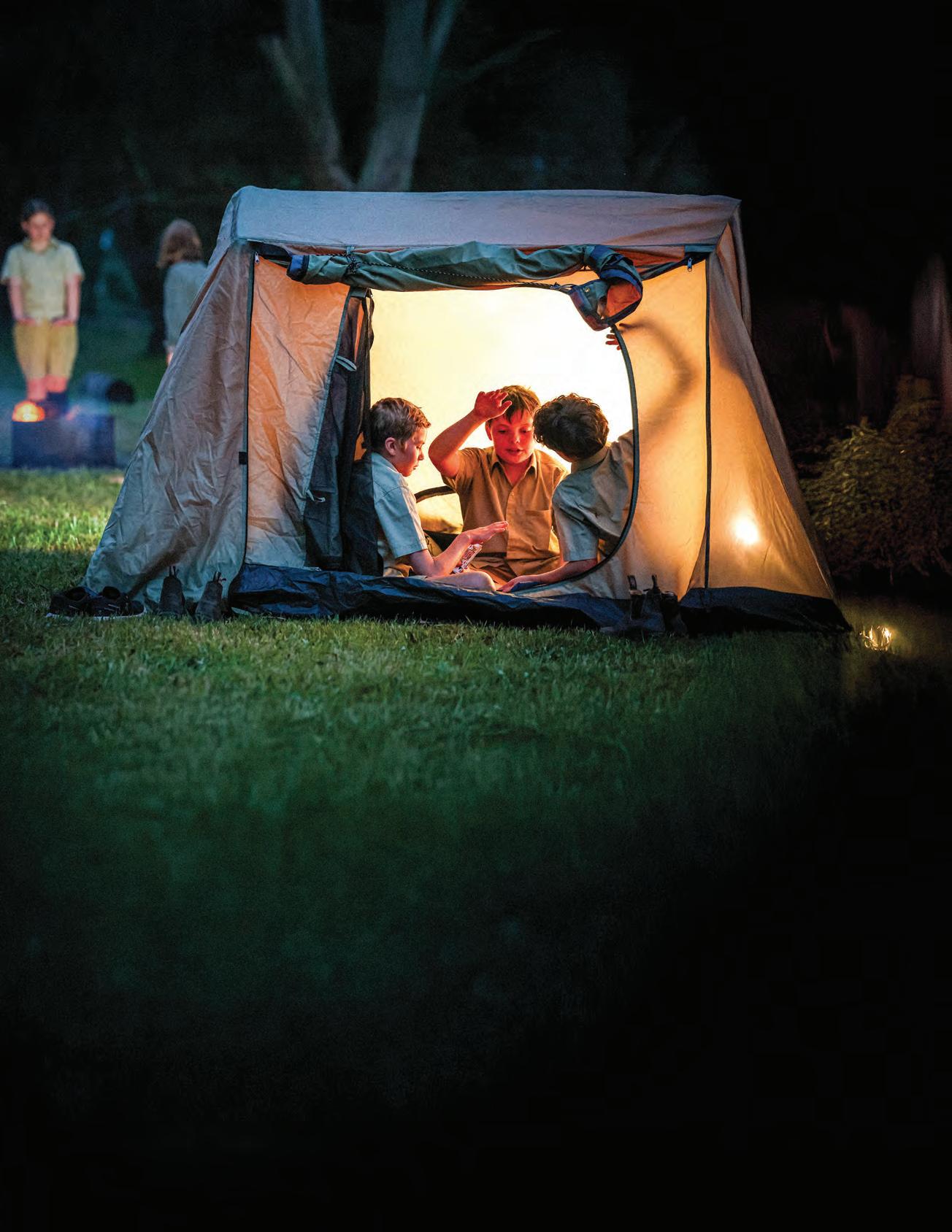

AT THE ROCKHAMPTON GRAMMAR SCHOOL (RGS), boarding is more than a weekday routine or a place to sleep. For many families across Central Queensland, it represents community, opportunity and a formative chapter in life. Few embody this legacy more strongly than the Burnetts, a family whose connection to RGS spans nearly a century.
Current student Millie Burnett, now in Year 12 and 2026 School Captain, is the fourth generation in her family to board at RGS. Her great-grandfather, Stephen Burnett, first arrived as a boarder at the school in 1927, beginning a relationship that would be passed down from one generation to the next. His son Ian followed, then Millie’s parents, Nigel and Beth. Today, when Millie walks through the school campus, she steps into a place that has shaped generations of her family.
For the Burnetts, this continuity is more than coincidence: it is a point of pride.
“Having Millie attend and complete her secondary schooling as the fourth generation of Burnetts at The Rockhampton Grammar School is very special for our family,” Nigel and Beth reflect. “You have to know where you’ve come from to understand where you’re going. All four generations have built lives in agriculture in Central Queensland, and RGS has always been close enough — just a three- to four-hour drive from home — to make a quality education accessible.”
Central to that legacy is the sense of community the family associates with the school. The Burnetts say RGS has provided a foundation for values that run deep through their family: connection, resilience and a commitment to giving back.
When it came time to choose a school for their daughter, Nigel and Beth found themselves drawn back to a place they knew well. “We really value that RGS is co-educational and offers opportunities for personal growth in so many areas,” they explain. The decision was as practical as it was sentimental: close enough to home to remain involved, yet far enough for Millie to grow independently.
As Millie settles into her final years, her parents watch with a mix of nostalgia and pride. Walking through familiar dormitories and hallways, Beth is reminded of her own boarding days. “Walking back into the same dorms and halls where we lived and grew up, seeing Millie experience the same opportunities and enjoyment we did, is incredibly special.”
For Nigel, the memories that return most strongly are those of friendships forged during adolescence that remain with him. He recently attended his cohort’s 30-year reunion. “We all agreed
it felt like only yesterday we were graduating from school back in 1995!” he says. “Boarding at RGS gave me friendships that have endured to this day.”
For Millie, stepping into a school so steeped in her own family history comes with a deep sense of meaning. “It fills me with honour and pride; a sense of belonging and familiarity,” she says.
She often finds herself comparing the school her parents knew with the one she experiences today, noticing what has changed and what remains timeless. “It’s a really special feeling when Mum and Dad share their stories around our coffee table. I get quite mesmerised hearing what went on over 30 years ago. Growing up, I always knew how many connections they made here. I wanted to come to Grammar because I hoped to have the same experience.”
Ask the Burnetts what they remember most about their own boarding days, and their answers come quickly.
Beth recalls the closeness of boarding friendships and the encouragement to try new things: social rowing, tennis, cross-country and bus rides to netball games accompanied by Mr Geddrick. She speaks fondly of her years in the music program, performing in concert bands and playing beneath the stage during school musicals.
Nigel remembers the unique nature of boarding life: how living away from home during one’s teenage years forges resilience and deep friendships. “It builds strength of character,” he says. “That experience had such a positive impact on both our lives that we wanted our children to have it too.”
For Millie, the defining feature of RGS boarding is the support system. “Everyone genuinely cares,” she says. “People make an effort to ensure you feel heard, appreciated and included. Boarding here makes the school spirit feel like a really strong, special force.”
Looking back on their own experiences and watching Millie create hers, the Burnetts encourage new boarders to embrace everything RGS offers. “Make the most of the enormous opportunities,” they advise. “Social, extracurricular and personal growth opportunities here really are amazing. Having a go at as many things as you can enables you to widen your mind, build your network and have a heap of fun.”
They also believe the qualities instilled at RGS stay with students long after they graduate. As Beth puts it: “You gain a sense of belonging to something truly special. Even after you leave, you still feel part of the school community through alumni events and reunions.” >
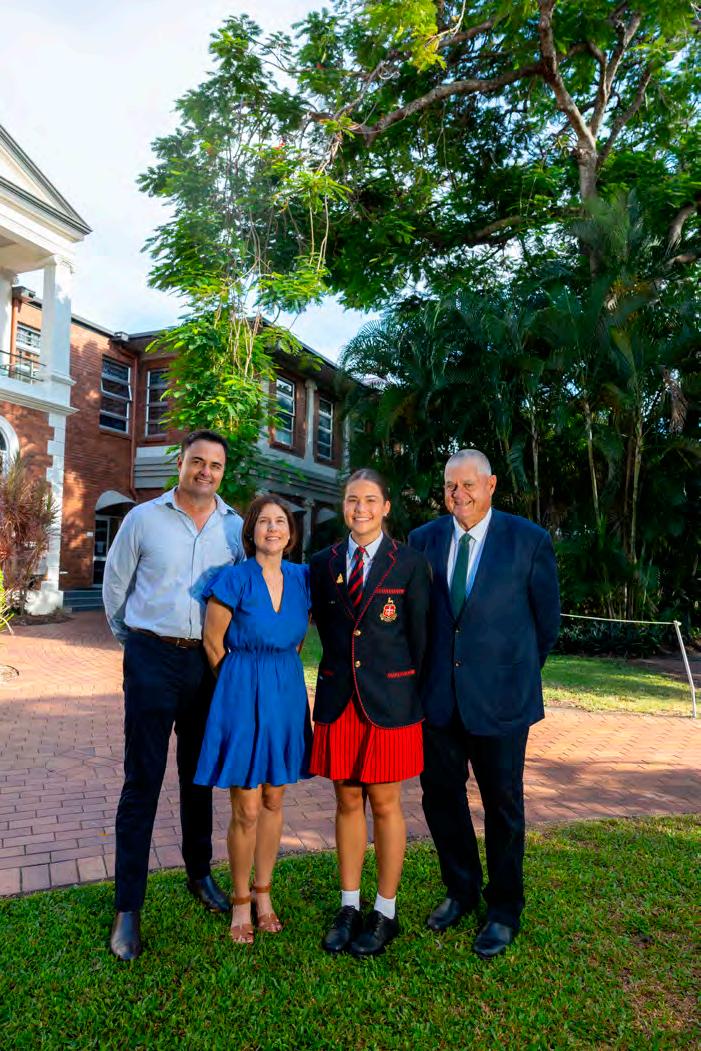
Four generations of the Burnett family have called RGS home.
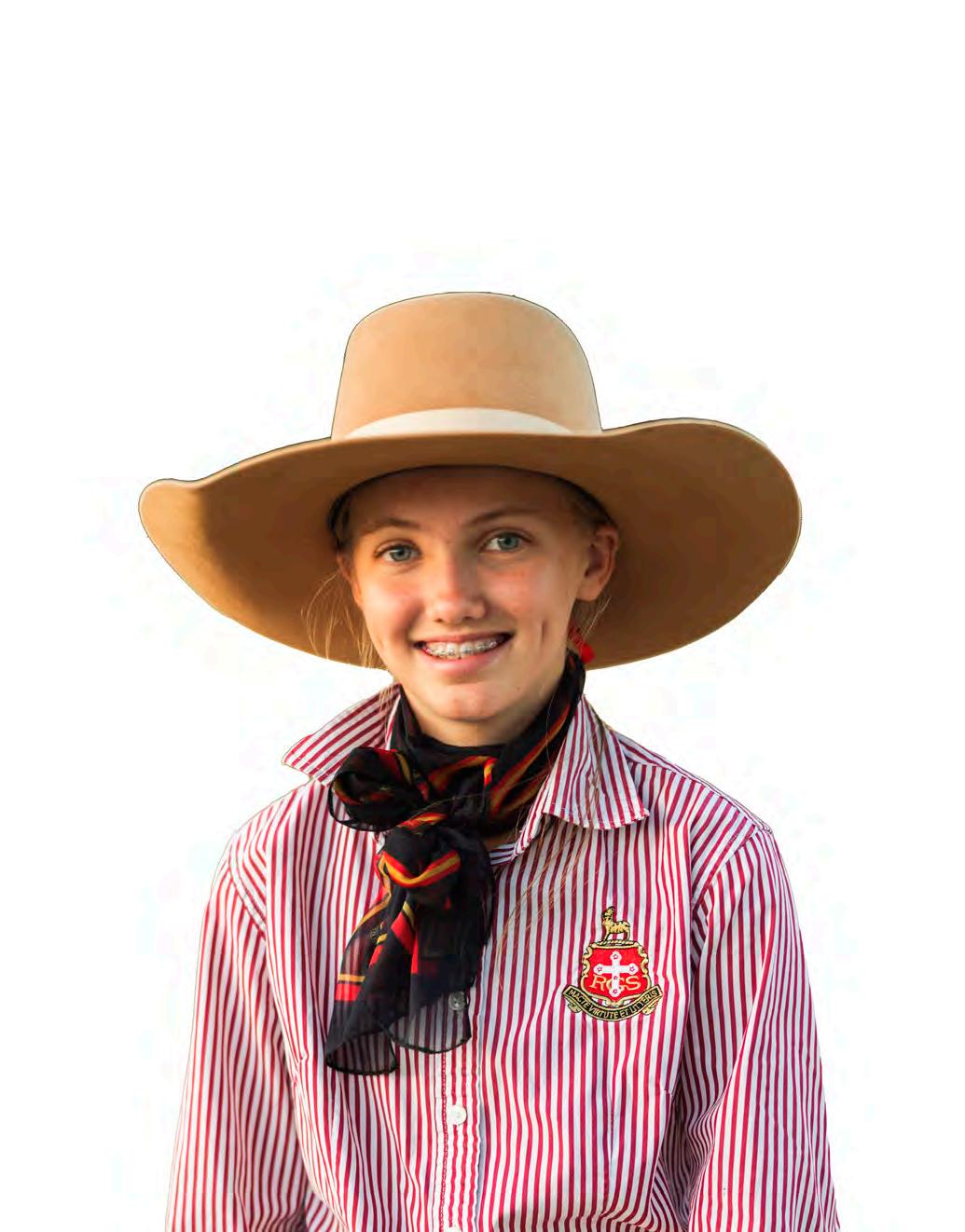
Nigel adds that watching Millie flourish has reminded him of what makes the school distinctive. “RGS places an emphasis on strength of character,” he says. “There is a real focus on caring for and creating a positive environment for students to grow into contributors and leaders in their community.”
For the Burnetts, being part of the RGS story is a privilege — and a powerful reminder of continuity. “It’s a beautiful place to reflect on your school memories,” Beth says. “We’ve all had our own unique journey and the school has changed over the years, but I feel you are always a part of the school when you have so many family members who have grown up at Grammar.”
And what are they most proud of? That despite the passing years, the school remains a constant thread running through their family history. “It’s pretty special that we’ve all walked the same grounds, worn the same uniform and been part of the same community across so many generations,”
Looking ahead, the Burnetts hope the next generation of RGS boarders finds what they found: friendship, inclusion, opportunity and a sense of belonging.
“Boarding gave us a sense of belonging and support that shaped who we are,” they say. “We hope future boarders feel that same support, form those lifelong friendships, and create memories they’ll value forever — just as we have.”
Start your journey at The Rockhampton Grammar School.
Learn more at rgs.qld.edu.au
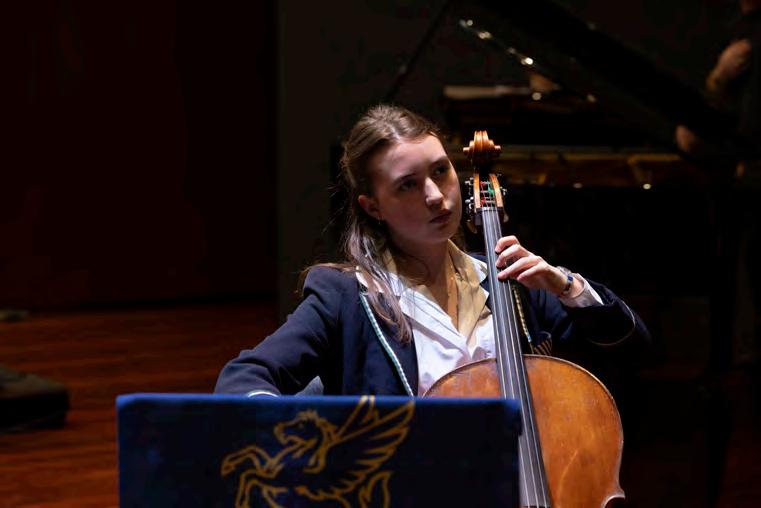
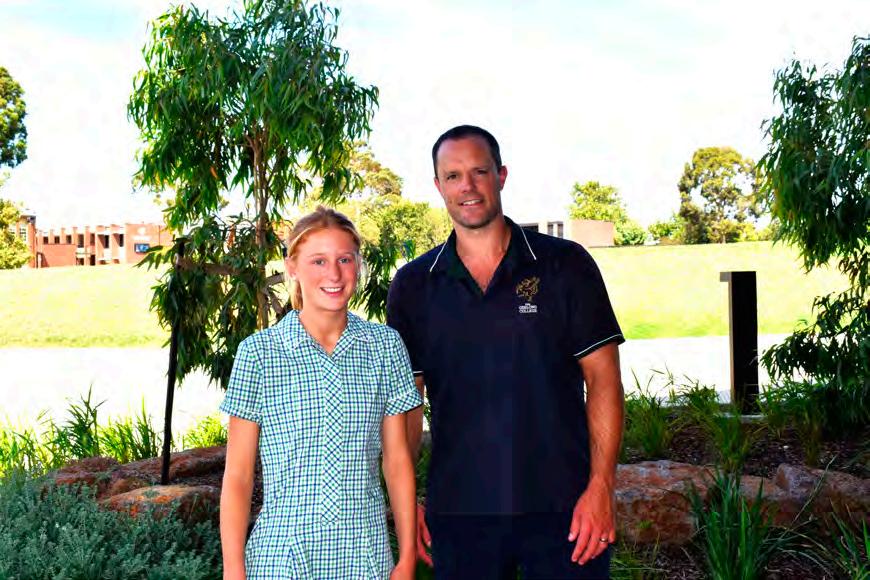
The
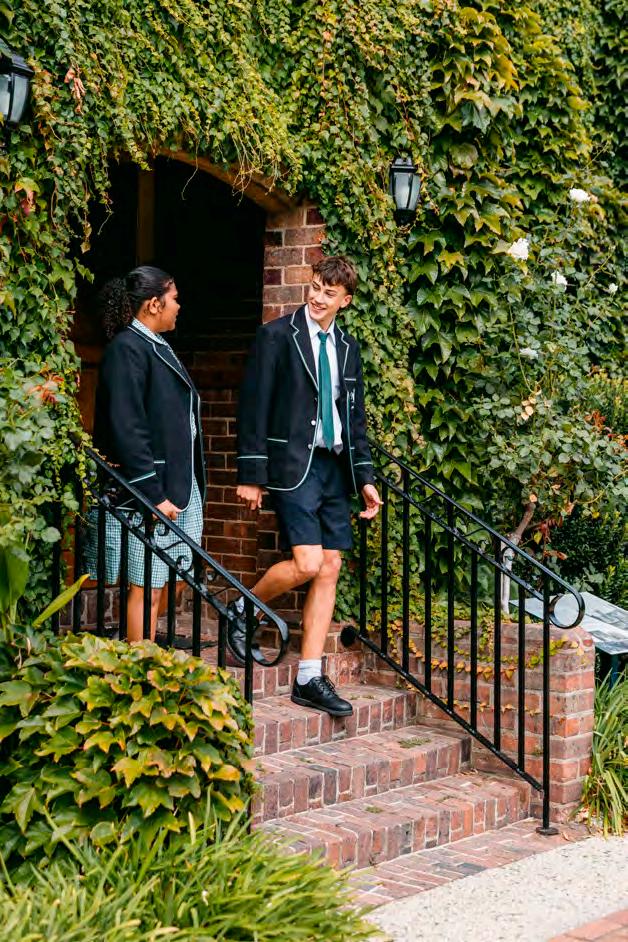
Geelong College understands the importance of boarding that feels like family.
FOR MANY RURAL families, choosing a boarding school is a head-and-heart decision. At The Geelong College, boarding is deliberately small, personal and grounded in care.
Respect shapes everyday life. “When you feel safe and respected, you can be yourself,” says the Head of Boys’ Boarding, Gareth Gilby. That sense of belonging gives children the confidence to grow in independence, knowing trusted adults are beside them at every step.
Families from rural and remote communities consistently point to the strength of relationships. Nicole Conley, whose children board from King Island, says, “The staff know every child personally. They genuinely care, celebrate achievements and are there when things go wrong.” For parents, that level of care matters — especially when home is far away.
Boarding also removes the limits that distance can place on opportunity. Annie Peat, from Bunaloo in New South Wales, chose boarding at The Geelong College so her children could fully access learning, sport and co-curricular life. Her son Fred has embraced those opportunities, while her daughter Alice, who started this year, is settling in and finding her people at her own pace.
For mum Denise McLellan, what stands out most is the people. “The staff made the effort to know our family,” she says. “We’ve always felt warmth, understanding and personalised support.”
Discover how your child could thrive at The Geelong College. Visit us at an Open Day or phone to ask about a personal tour. Visit tgc.vic.edu.au, email admissions@tgc.vic.edu.au or phone (03) 5226 3156 for more information. The next Open Day is May 13.
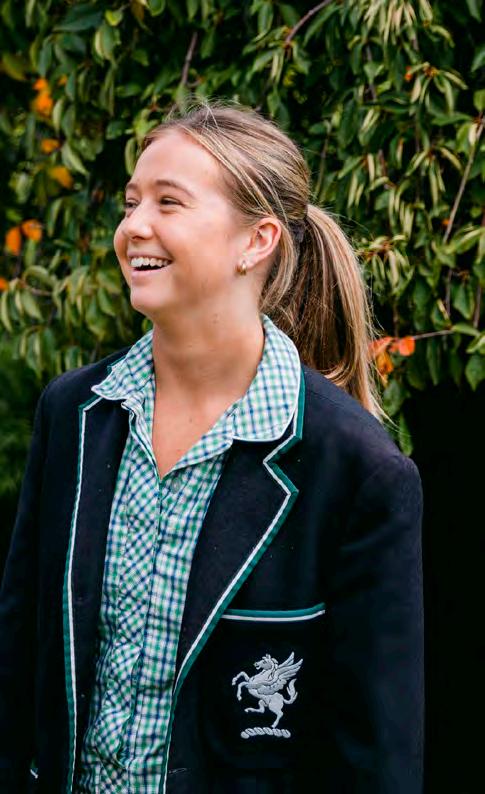
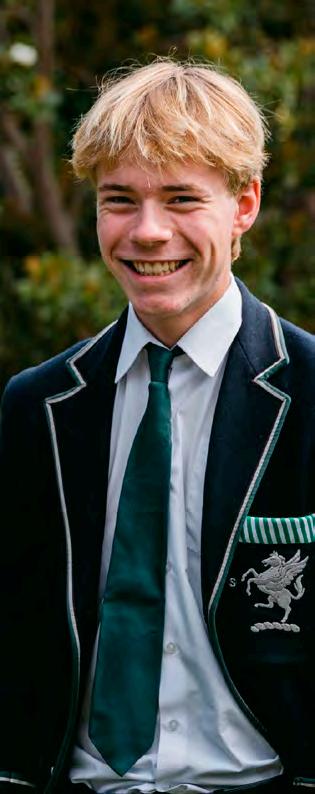
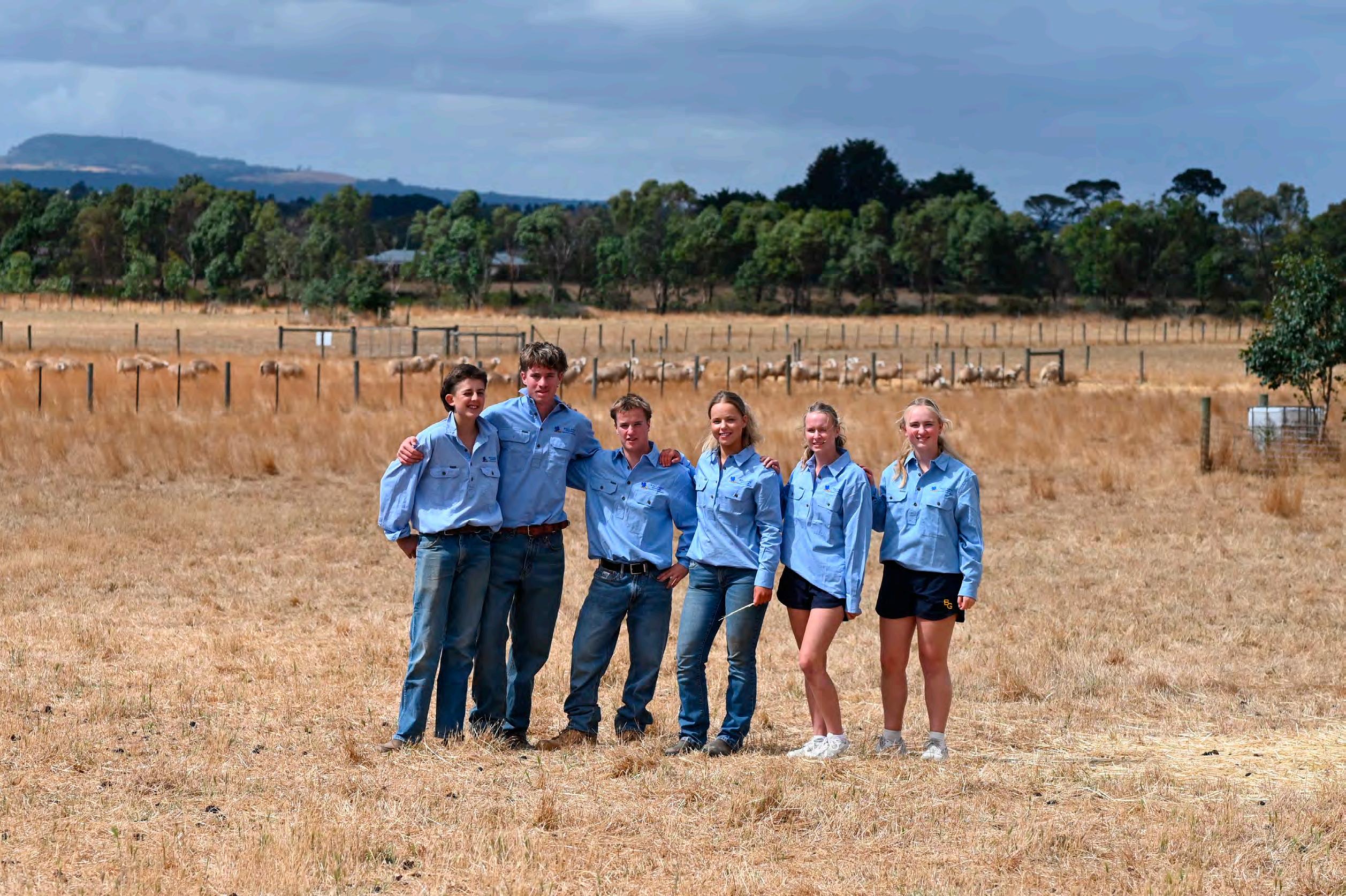
Ballarat Grammar’s farm campus offers a useful outdoor education for rural and regional students.
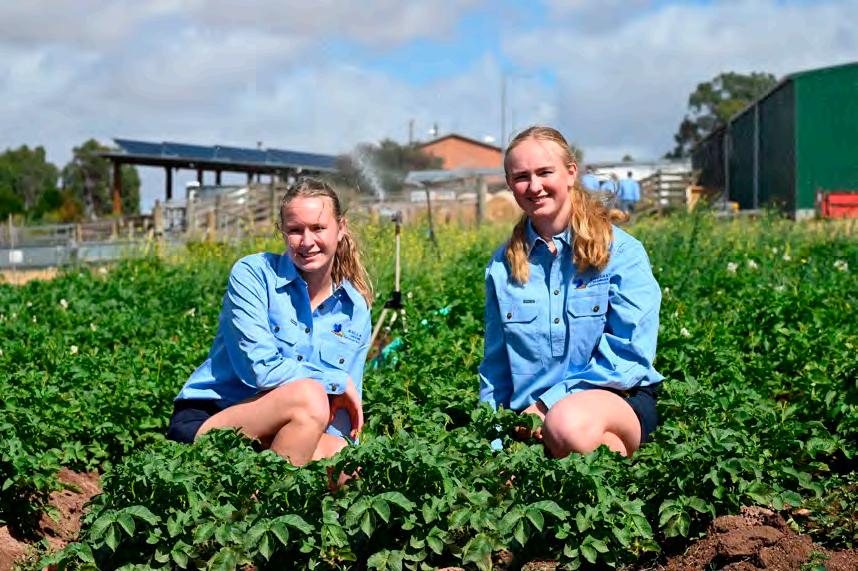
families know something that’s easy to forget in a classroom: the most useful education often doesn’t happen between four walls. It happens outdoors, alongside animals, in changing seasons, when a young person learns that they’re capable of more than they thought.
When it comes to choosing a boarding school, parents from the bush are looking for a place that already understands this and builds on it. Ballarat Grammar, one of Victoria’s most respected co-educational schools, has done exactly that. At its heart is a 50 hectare working farm campus, where hands-on experience is woven into school life from primary through to Year 12.
The Mount Rowan Farm Campus is situated minutes from the main school and runs as a genuine working property. From Year 4, students begin engaging with it through hands-on experiences designed to build curiosity, responsibility, and real-world confidence.
The school’s Mafeking property in the Grampians will soon become the setting for an extended residential program. Students will cook their own meals, manage solar power, grow food, plan expeditions and develop skills in bushcraft, navigation and land management.
The program will also engage deeply with First Nations perspectives, connecting students to the Gariwerd landscape, its ancient rock art and the knowledge of communities who have cared for this country for tens of thousands of years. “It’s a learning opportunity especially valuable for students from rural and regional areas who wish to remain connected to the agricultural sector, or for those discovering it for the first time,” says Emily Cook, Director of Agriculture at Ballarat Grammar.
Ballarat Grammar offers boarding for years 7 to 12. The school places particular emphasis on junior boarding, recognising it as an important first step into secondary school. The program is designed to build independence, lasting friendships and a genuine sense of belonging. For rural and regional families across Victoria and beyond, it offers access to the full breadth of the school’s programs alongside a community that understands where students have come from.
“It’s a learning opportunity especially VALUABLE for students from rural and regional areas who wish to REMAIN connected to the agricultural sector, or for those DISCOVERING it for the first time.”
By Senior School, agriculture becomes a formal area of study, covering animal husbandry, crop management, sustainable farming practices, agribusiness and food systems. Students learn to care for animals, operate equipment, manage seasonal projects and reckon with the environmental realities that are shaping the industry today.
Ballarat Grammar’s working farm will soon be complemented by an extended residential program in the Grampians.
Ballarat Grammar treats agriculture the way it deserves to be treated: as a discipline that draws on science, business, environmental thinking and leadership. The skills students build are as relevant to a career in agribusiness, environmental science or agricultural policy as they are to managing a family property.
The school’s commitment to purposeful, hands-on learning runs deeper than the farm. Outdoor education spans Prep through to Year 12, building resilience alongside academic growth. And there’s something coming that’s worth knowing about.
A Ballarat Grammar education is about producing young people who are ready for whatever comes next, whether that’s university, a profession, or coming home to the land they grew up on. To find out more, visit bgs.vic.edu.au or contact the Admissions Office at admissions@bgs.vic.edu.au to book a tour.
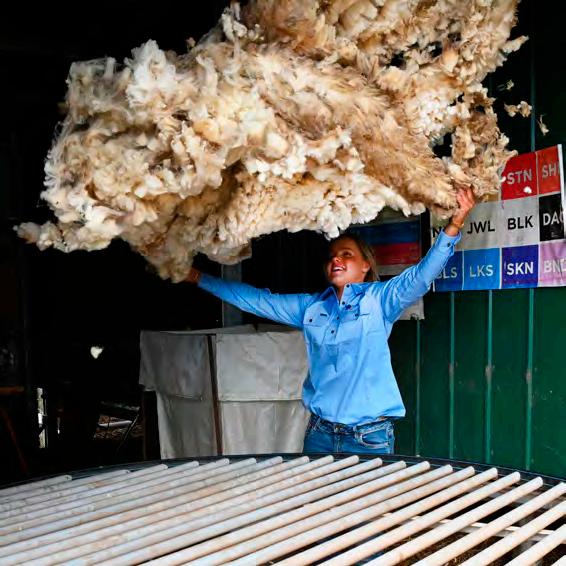
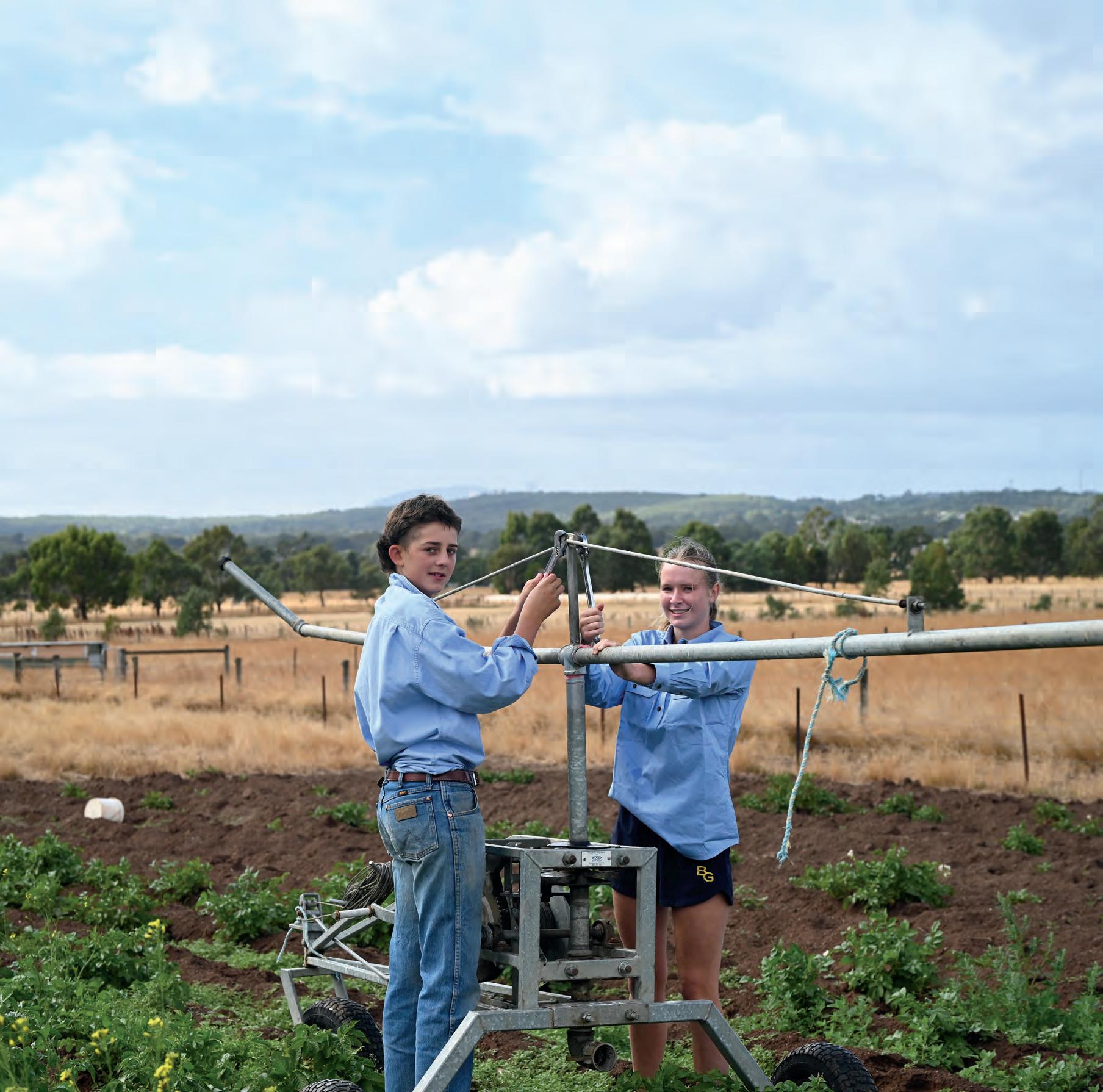
The diverse needs of students can be met in this flexible and comprehensive online learning environment.
FOR MANY FAMILIES, school is defined by traffic, timetables and drop-offs at the school gate. At Haileybury Pangea, it is defined by opportunity.
Students still wear their uniforms. They still greet their teachers and classmates. They still experience structure, challenge and high expectations. But instead of sitting in a physical classroom, they enter a purpose-built digital campus, designed to deliver the academic strength of Haileybury in a way that fits modern lives.
Haileybury Pangea is more than an online school, it is a reimagining of what school can be. A connected learning community without borders, where geography does not limit ambition and learning happens without limits.
Years in development, the model combines live, teacher-led classes with carefully crafted learning resources, collaborative projects and personalised support. Students are seen and known. They contribute to discussions, work in small groups and access one-on-one guidance when needed. This is not independent study in isolation; it is structured, relational and intentionally designed to foster both academic growth and confidence.
For students in regional and remote communities, the impact is profound. Subject choice expands. Specialist teachers become accessible. Pathways that once required relocation are now
available from home; families no longer face the difficult decision of sending children away to access quality education. Students can remain embedded in their communities while receiving a rigorous, future-focused education.
Flexibility is another defining strength. While scheduled classes provide routine and accountability, the broader structure allows students to manage their workload to suit their circumstances: elite athletes can train; performers can rehearse; students with unique commitments can balance their ambitions without compromising their studies. They learn not only the curriculum, but independence, time management and personal responsibility.
Importantly, Haileybury Pangea is not positioned as a replacement for traditional schooling. It is a powerful alternative. An additional pathway that recognises that one size does not fit all.
By combining academic excellence with adaptability, and connection with autonomy, Haileybury Pangea offers families genuine choice. It demonstrates that a great education is not defined by buildings or boundaries, but by the quality of teaching, the strength of community and the belief that every student deserves the opportunity to thrive, wherever they are.
Visit the website at haileyburypangea.com for more information about this flexible learning environment.


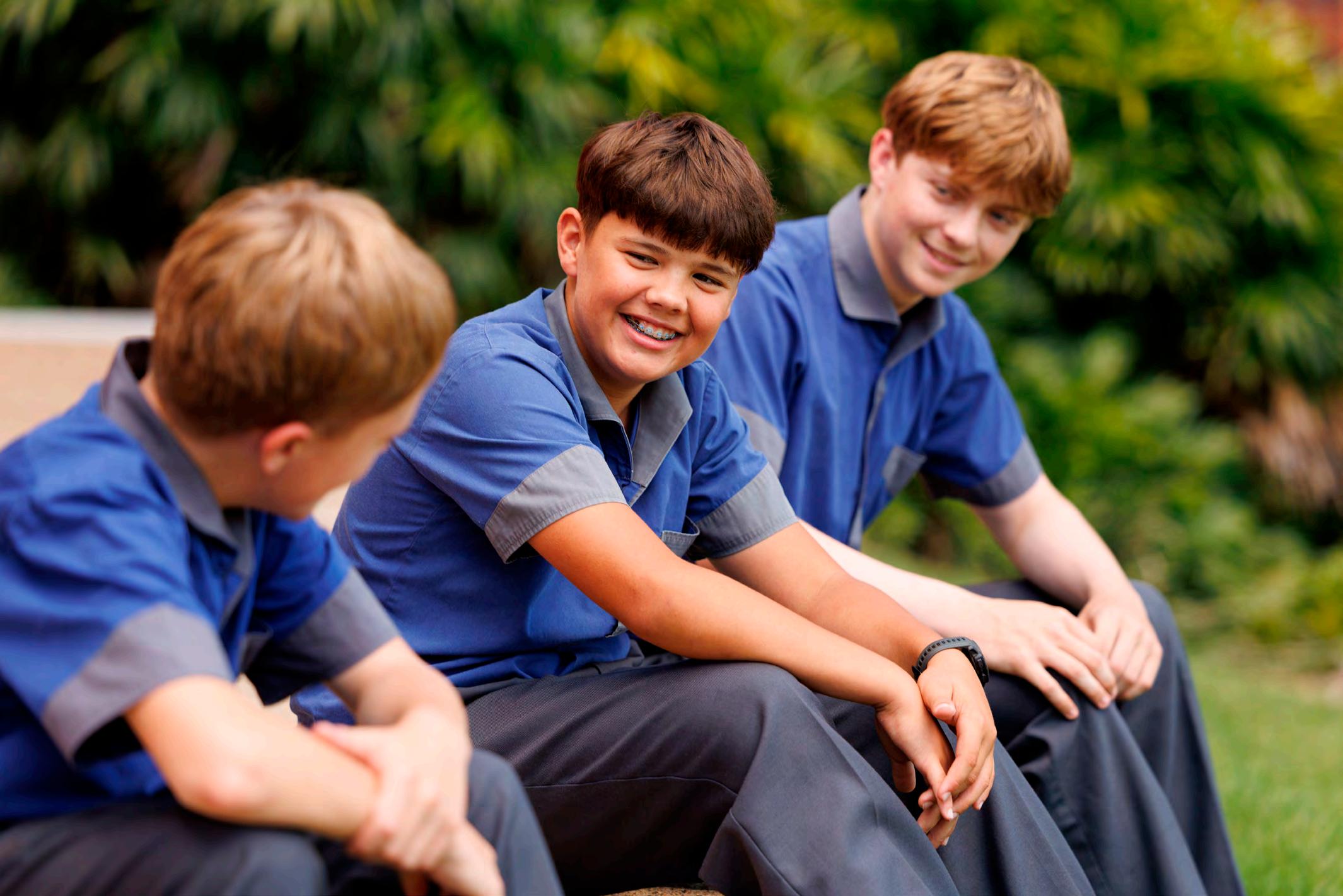
Support and care for individual boarders is the priority at Brisbane’s Churchie.
FOR MANY RURAL FAMILIES, the decision to send a child to boarding school is one of the most significant they will make. At Anglican Church Grammar School, commonly known as Churchie, boarding is more than just a place to stay during term time. It’s a vibrant and supportive community located on a spacious 22 hectare campus in East Brisbane, Queensland, where boys grow into confident and capable young men.
Angus and Chrissy Chandler have lived and breathed Churchie boarding for seven years, as parents of Will, who recently completed Year 12, and Tim, who graduated in 2023.
“As a parent, the decision to send your child to boarding school is not an easy one,” recalls Chrissy. “We remember agonising over it: will boarding be the right fit for our family? Will our boys be happy? Will they make friends? Will someone notice if they are struggling?”
These questions are familiar to many families and reflect the hopes and concerns that come with entrusting a child to a new environment. At Churchie, these concerns are addressed through a strong commitment to student wellbeing.
In the Year 7 Centre, Resident Master Troy Looms and Houseparent Bobby Looms bring decades of boarding experience and a deep understanding of boys beginning their boarding journey. Troy describes their approach as one that balances structure, independence and care.
“It’s about allowing boys to be boys while they learn life lessons throughout their journey with us,” he says. “We create an environment where boys feel not just physically comfortable, but also emotionally supported and genuinely at home in their new boarding life.” >
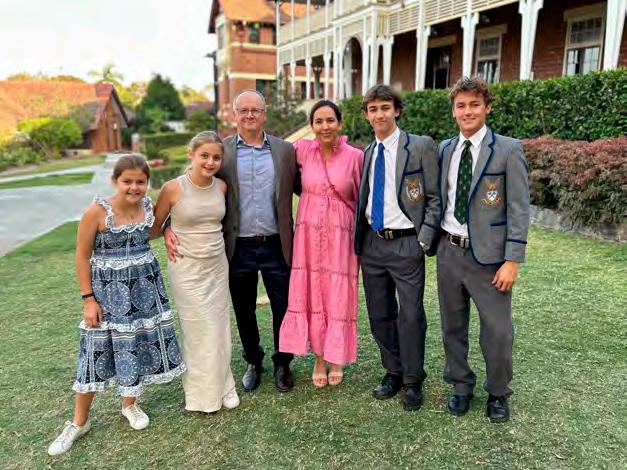
For the Chandlers, the reality of Churchie boarding exceeded expectations. “More than anything, we wanted our kids to have a better boarding and school experience than we had. One where academics, sport, service and the arts would all be valued, and one where we, as parents, would have open and consistent communication with our children and the school.”
The couple describe regular updates on academic progress, ongoing communication from staff, and parent WhatsApp groups as key factors that helped them feel connected, even when they could not attend events in person.
Bobby Looms believes strong relationships are central to successful boarding. She prioritises one-on-one conversations
with each boy, taking time to learn about their interests, family and passions.
“It’s about showing them that we care about who they are beyond just being a boarder,” she explains. “Us being visible and approachable in common areas, joining in casual activities or being available for a quiet conversation helps boys feel comfortable seeking support. When they see you as approachable and willing to engage in their world, they’re more likely to feel comfortable coming to you with concerns or just to share a laugh.”
The Chandlers have seen the impact of this approach first hand. “What we’ve seen since that initial drop-off has been nothing short of remarkable.” Their sons grew in confidence, resilience and independence, thrived academically and became involved in sport, service and co-curricular activities. “The boarding house is not just a place to reside during the term; it’s a home away from home, a family and a support system.”
At Churchie, every boy is known, valued and supported. The nurturing environment created by dedicated staff and engaged families ensures that boarders not only succeed academically but also grow into resilient, compassionate young men. For those considering boarding, the Chandler family’s experience offers reassurance that, at Churchie, your child will be supported every step of the way.
To learn more about Churchie’s boarding program and how it can benefit your son, visit churchie.com.au/boarding or contact the admissions team: (07) 3896 2200 or admissions@churchie.com.au
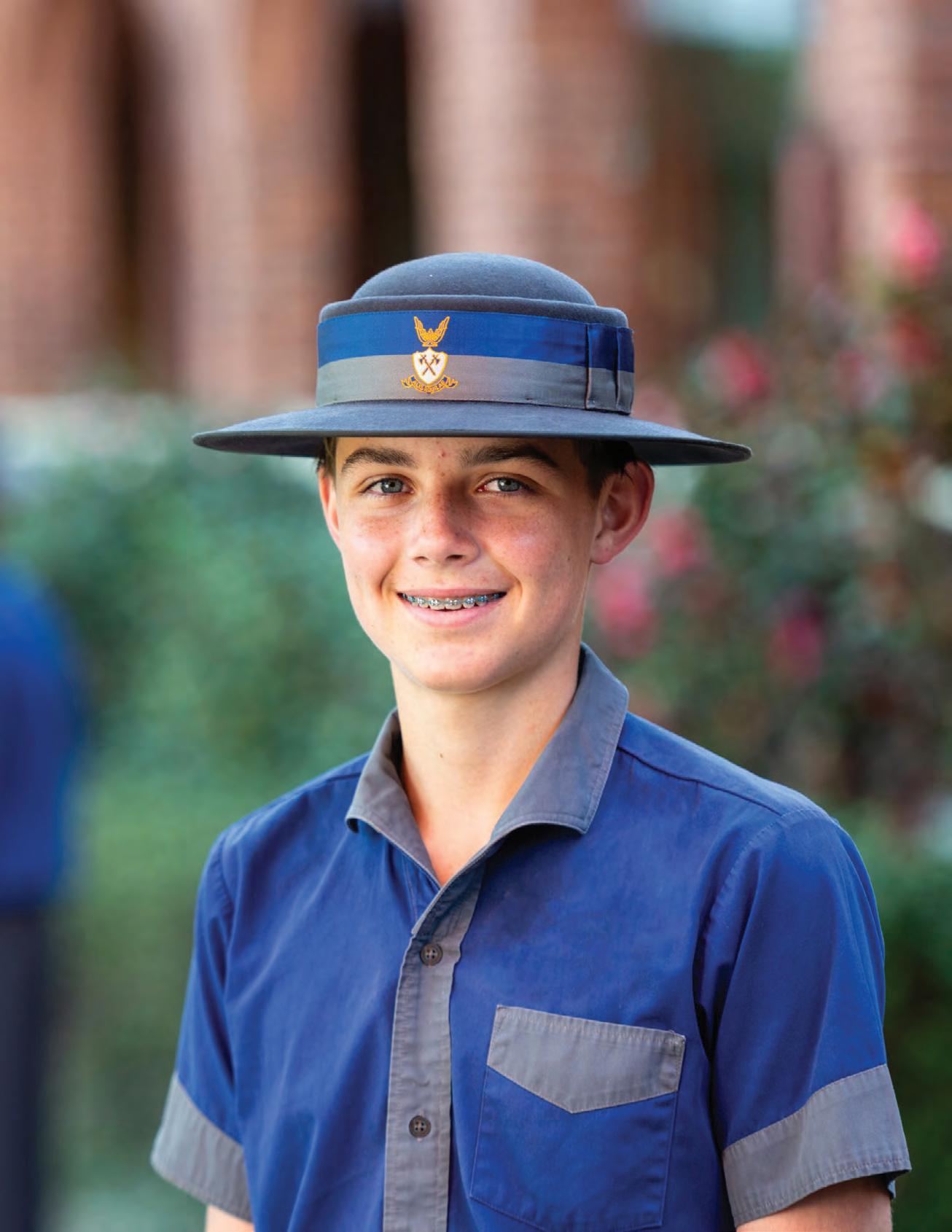

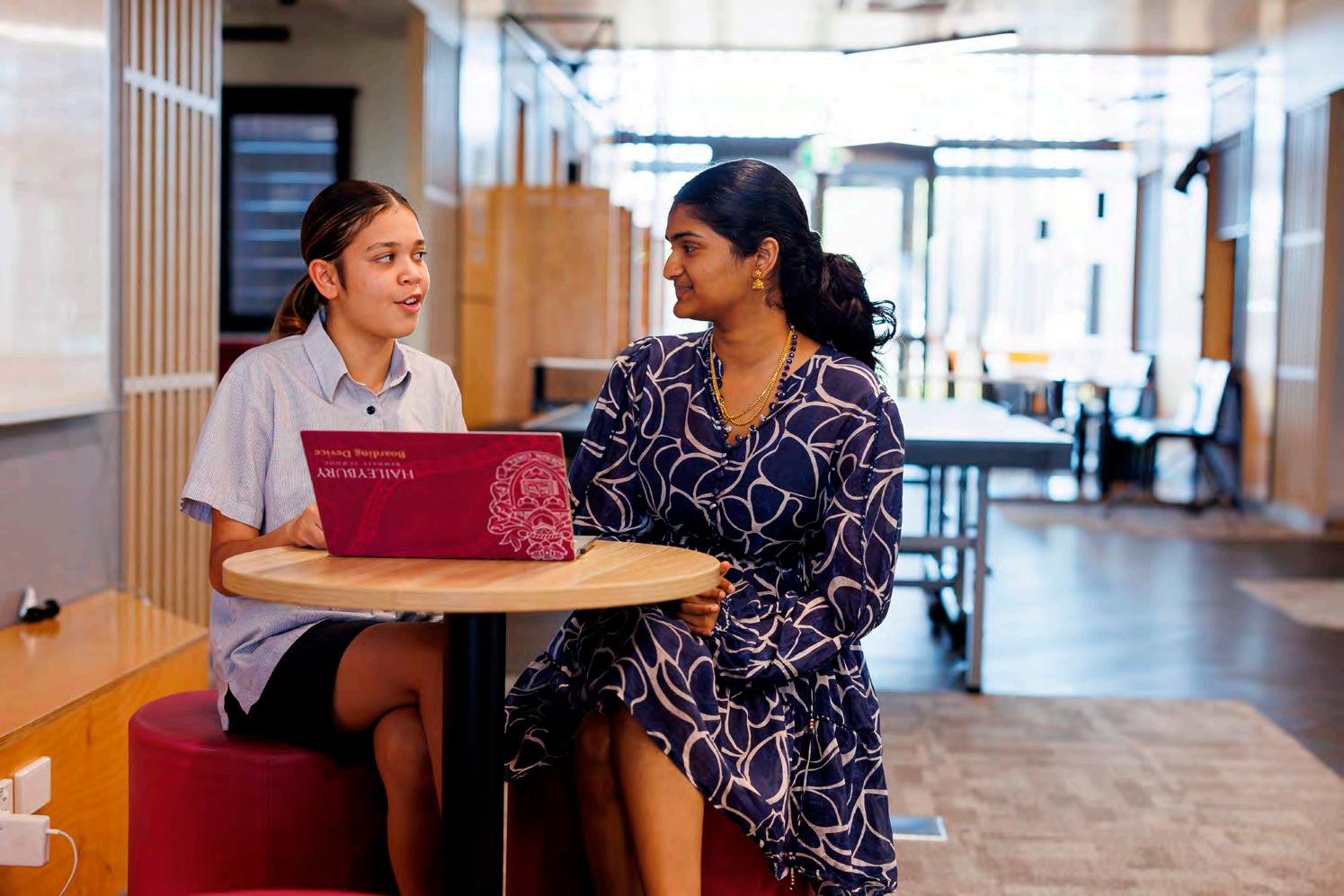
Students from this Darwin boarding school have achieved great success.
HAILEYBURY RENDALL SCHOOL is demonstrating what Northern Territory students can achieve when strong teaching, high expectations and a supportive boarding and day school environment come together. In just eight years of delivering the Victorian Certificate of Education (VCE), the school has achieved its best-ever results.
An impressive 40 per cent of students attained an ATAR of 90 or above, placing them in the top 10 per cent nationally. The median ATAR of 86.5 sets a new school record, while nearly twothirds of the cohort scored above 80, opening doors to a wide range of post-school pathways.
Principal Andrew McGregor says the results reflect what is possible when students are encouraged to aim high and are supported at every stage. “These results set a new benchmark for us and demonstrate what Territory students can achieve when they have access to outstanding teaching and a nurturing boarding and day school community,” he says.
Individual achievements were equally remarkable, including Dux Ethan Christrup’s outstanding ATAR of 99.9 — the highest in the Northern Territory.
As the only school in Darwin offering the VCE alongside the Northern Territory Certificate of Education and Training (NTCET), Haileybury Rendall School provides families with genuine choice. For many students from regional and remote communities, that choice is made possible through the school’s boarding program.
Students from across the Northern Territory live and learn on the school campus, supported by structured study programs, dedicated academic mentoring and strong pastoral care. For remote Indigenous students in particular, boarding provides access to opportunities that would otherwise require them to leave the Territory.
For boarders and day students, the combination of academic rigour, structured routines and a strong sense of belonging creates an environment where they can thrive. Whether pursuing interstate university pathways or specialist fields such as science, engineering, health or commerce, students are equipped with the confidence and capability to succeed.
Visit the website at haileyburyrendall.com.au or email haileyburyrendall@haileybury.com.au for more information.

DARWIN BOARDING SCHOOL
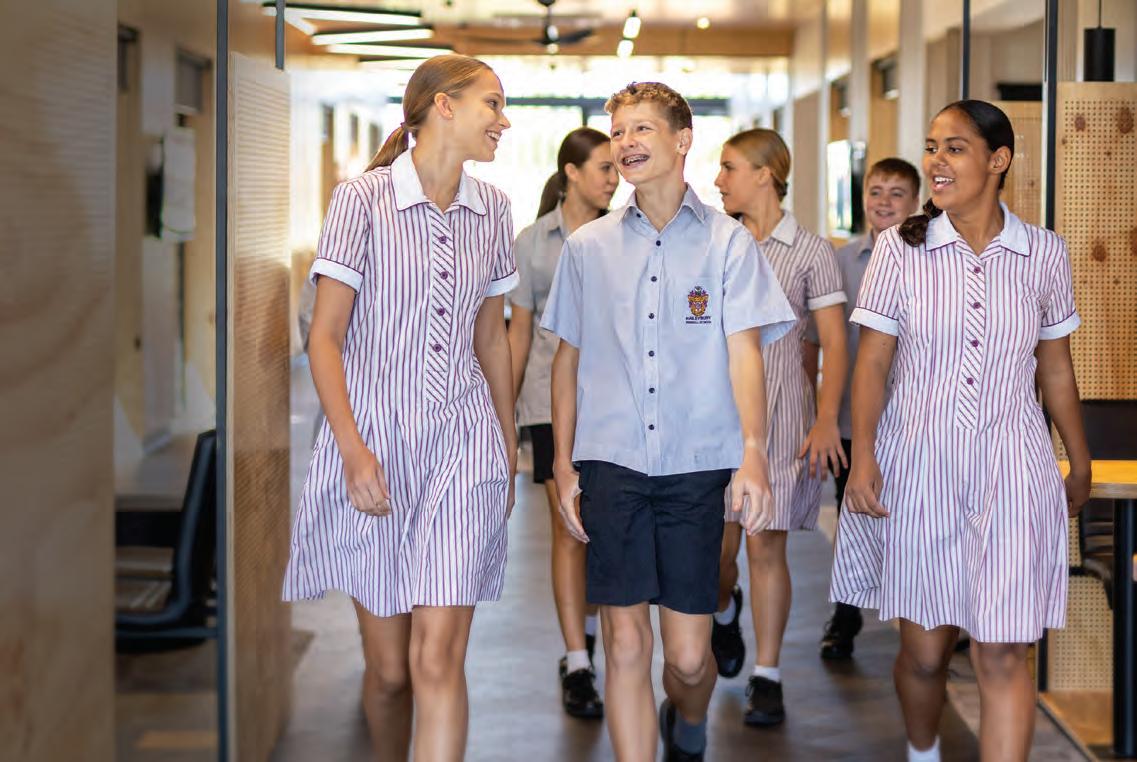
Haileybury Rendall School Boarding isn’t just a place to stay, it’s a place to grow in your own way. To feel safe and supported to be yourself, while connecting to the people around you. That’s the experience we provide for our boarding students. It’s about giving every bright young mind a home base to be their best selves.
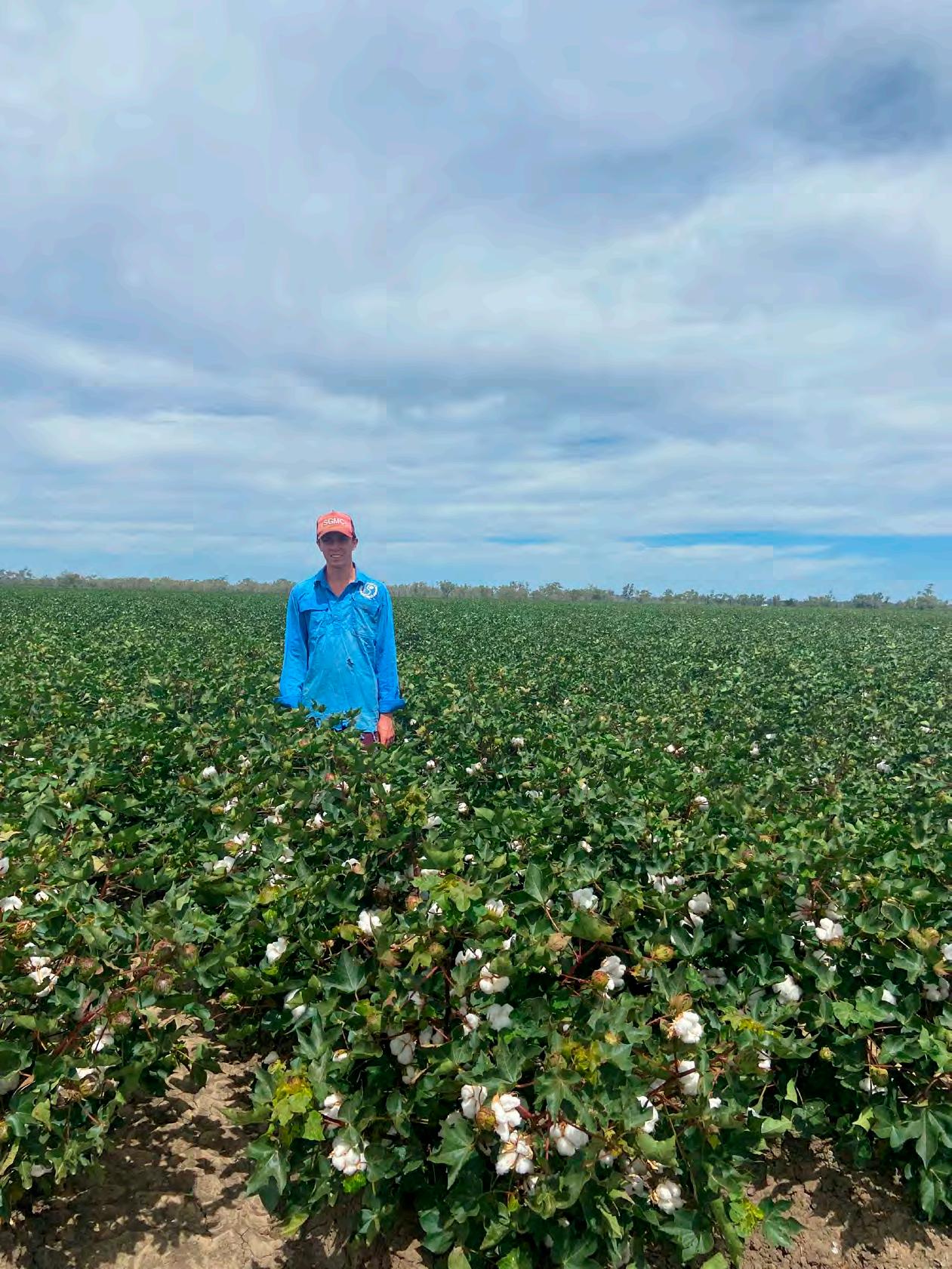
From cotton fields to Scots PGC, James Sweeting’s journey is one of growth, independence and quiet confidence.
page and opposite
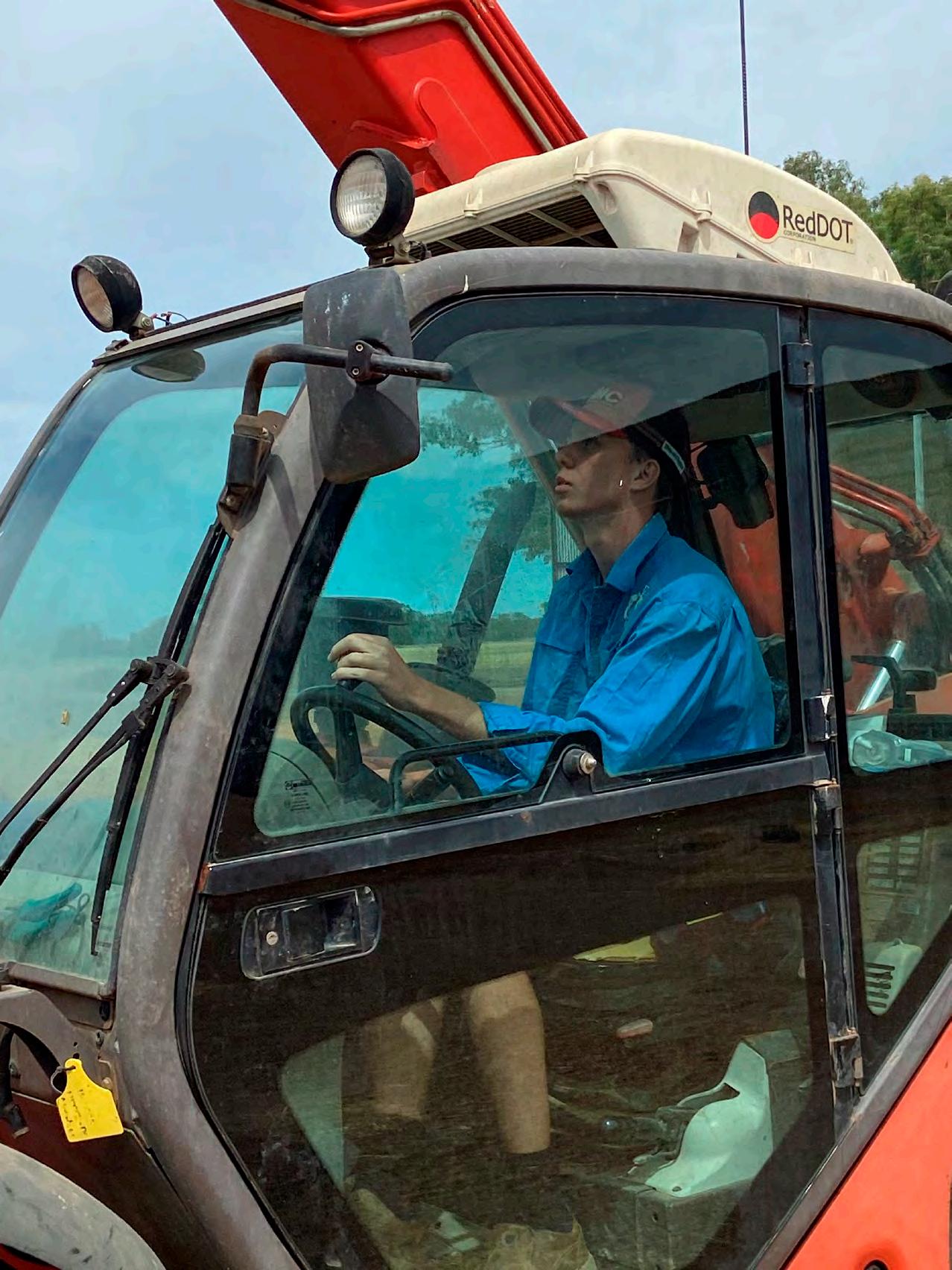
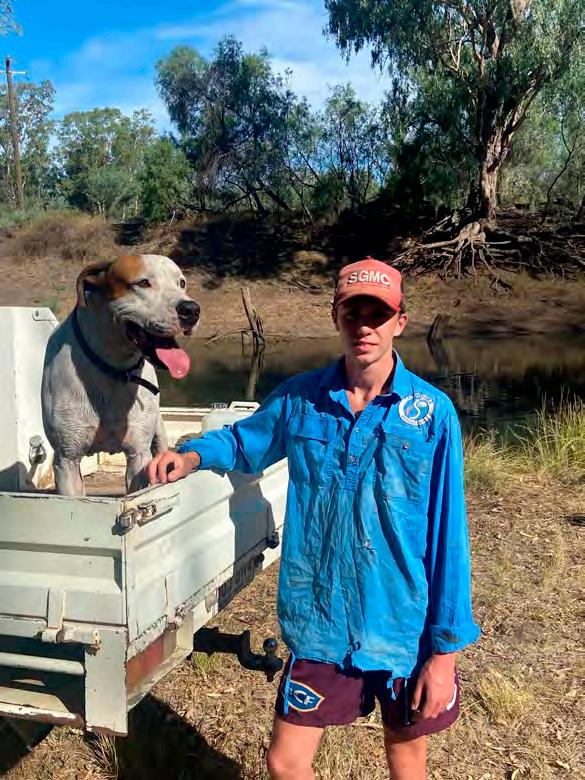
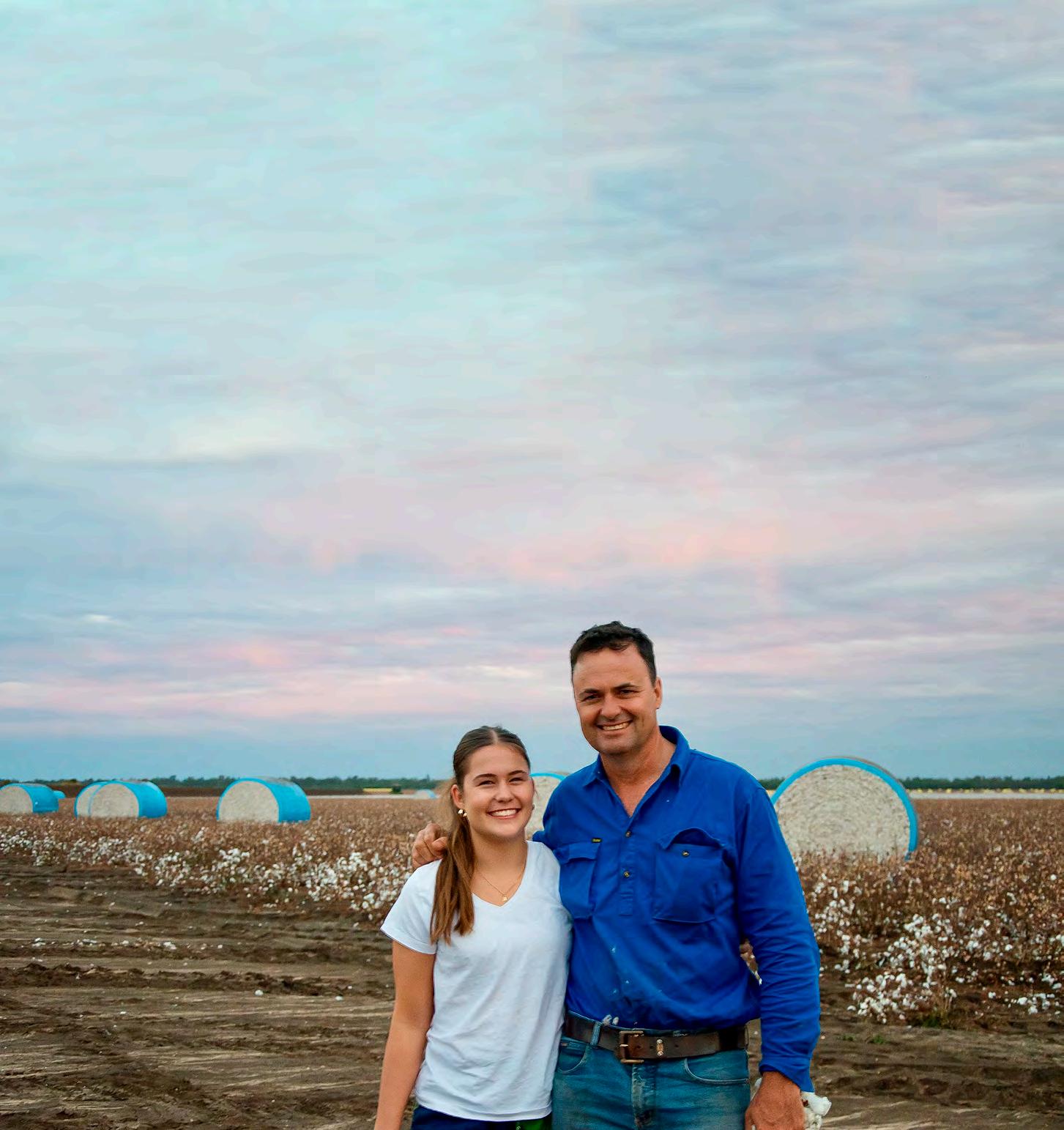
FIVE HOURS WEST of his school, on a 6880 hectare property near Dirranbandi, Queensland, James Sweeting’s life looks much different from that of an urban school teenager. Summer means tending to the cotton crop and harvesting, while winter means preparing the land for the next season. Weekends are spent checking troughs with his dad, fixing whatever needs attention and, if there’s time, heading out for a fish. It is practical, physical work. Purposeful work.
“It depends what’s going on,” James says of a typical day at home. “During summer it’s usually watering and keeping a close eye on the crop. In winter it’s getting everything ready again.”
the physical side of working outdoors. “Sometimes you just miss getting out and doing stuff,” he says.
But boarding, in many ways, surprised him. “Boarding was better than I expected. I have my own room and have quickly learned to be independent. A lot of other places we visited didn’t offer that.”
Having his own room gave him space to think and reset. Structure replaced the natural flow of farm life: early morning wake-up calls; hot breakfast; all-day classes; afternoon training; prep; lights out. Getting used to routines was one of the hardest adjustments for James.
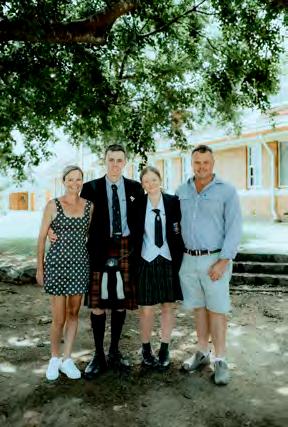
“Boarding was BETTER than I expected. I have my OWN ROOM and have quickly learned to be INDEPENDENT.
A lot of other places we visited didn’t offer that.”
Home is close-knit. Just James, his sister Abby and their parents working side by side. So when the decision came to leave their small state school of about 60 students and head to boarding, it was a significant step. “We needed a better education and more opportunities,” James says simply.
The family toured open days at several schools, but one stood out, particularly the agricultural and engineering pathways offered at Scots PGC in Warwick, Queensland. “I knew straight away,” he says. Abby began in Year 8 and James in Year 10. They arrived together, rural kids stepping into something much bigger.
The first days were nerve-racking.
“I’m a man of few words, so I was pretty nervous,” James admits. Within a couple of days, a few boys walked into his room, introduced themselves and stayed to talk.
“They came to me,” he says. “After I met a few people, it started to feel like home.” He did not struggle with homesickness, though he misses the everyday rhythm of property life: the dogs,
“At home, I just go with the flow,” he says. “Here, it’s on you to make sure you do what you need to do and manage your time effectively.” Time management and independence are skills he recognises he might not have developed in quite the same way at home.
He rings his parents at least once a week, sometimes more. Interestingly, he says that boarding has strengthened those relationships.
“I think it’s made me more connected to Mum and Dad because I don’t see them as much.” Distance has created a deeper appreciation.
James has not left the land behind. His subjects — including agriculture, engineering and business as part of a WorkWay pathway — reflect his background. He hopes to secure a trade apprenticeship after school, possibly in building or another practical field.
“I want to get some sort of trade,” he says. “Something hands-on.”
Most of his friends share rural backgrounds, so conversations about harvests, water runs and property life are understood without explanation. And when he goes home for holidays, there is balance.
Boarding has given him perspective; not distance from home, but a broader view of it. Some of his strongest memories are simple ones. Late-night chats. Card games of 500 in the early weeks of term. Cups of tea shared between boys who arrived as strangers and quickly became close mates.
When asked what he would say to a family unsure about boarding, his answer is steady. “It’s a good experience. And it definitely helps kids develop into strong young people.”
James is modest about his growth, but clear in what he has gained: independence, confidence, responsibility and the ability to manage himself. “I’m glad I’m here, boarding has really opened my eyes,” he says.
For rural families weighing up a similar decision, his story offers quiet reassurance. The land still shapes him; boarding is simply helping him build what comes next.
Visit scotspgc.com.au to find out more.
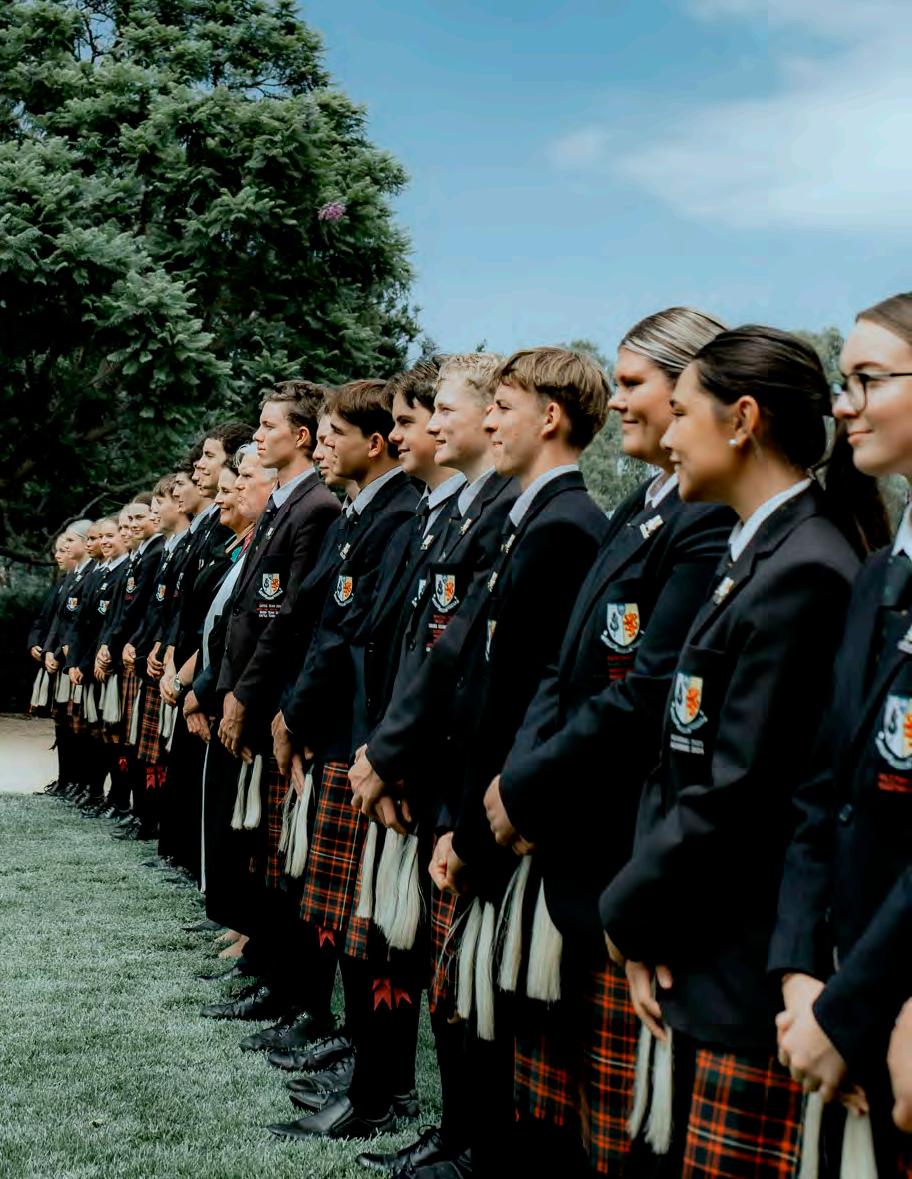
Boarding at Pembroke School offers a home away from home in Adelaide.
PEMBROKE IS a co-educational, non-denominational day and boarding school located in Adelaide’s leafy Kensington Park just 3.5 kilometres east of the CBD. Recognised for academic excellence and a broad, inclusive program, the school offers both the South Australian Certificate of Education (SACE) and the International Baccalaureate Diploma Programme (IB DP).
Pembroke has a proud history of boarding, welcoming students from around Australia and the world to their home away from home. With accommodation for girls and boys from years 7 to 12, it offers a unique opportunity for boarders to live in a strong and diverse community that delivers outstanding education and care in an atmosphere of friendship and fun.
Adelaide, South Australia’s vibrant capital, is consistently ranked as one of the world’s most liveable cities. Internationally renowned for its arts and cultural festivals and sporting events, the city is a pulsating heart of energy and diversity complemented by globally acclaimed produce and hospitality. For Pembroke’s boarders, Adelaide offers a safe and friendly environment, affordable cost of living, reliable public transport, lively recreational activities and wonderful places to visit, such as the charming Adelaide Hills and beautiful beaches.
United by the spirit of ‘Two Houses — One Home’, Pembroke boarding provides two residential facilities. The main boarding house is next to Haslam Oval and across the road from the King’s Campus for Middle School. Turner House is located on nearby Girton Campus, which is specifically designed for senior boarders, complementing the Senior School’s unique young adult, pre-university environment.
Safety, security and wellbeing are the highest priorities, with staff on duty 24 hours a day, seven days a week. Pembroke School’s learning and caring culture guides the way through residential, pastoral and academic support of the highest calibre.
The remarkable facilities at Pembroke include a stunning al fresco area, the school pool, Haslam Oval sports precinct and a new dining room for boarders on King’s Campus. While boarders cannot access residential wings other than their own, large common recreational areas provide opportunities for boarders to socialise together.
Professional caterers provide boarders with excellent meals — the weekly menu is healthy, varied and created specifically for the nutritional needs of fast-growing teenagers.
All boarders are encouraged to make the most of the many and varied activities Pembroke has to offer and to play an active part in the life of the school, both in their studies and co-curricular pursuits. Students leave the Pembroke boarding experience with a lifetime of memories and connections, primed to take on the world.
For more information, visit pembroke.sa.edu.au
“It’s a great experience having the opportunity to be in Adelaide. And having a group of family, a group of mates, it’s an experience you wouldn’t get anywhere else.”
JULIAN, 2025 GRADUATE
“The day I arrived, I had no idea what to expect. I knew nothing about boarding houses and how they operated, or how I would carry out my normal routine. It was amazing to me how each staff member was so dedicated to the care of all students. As well, as a community of boarders, we all constantly stepped up to help someone in need, even for the little things like a spare toothbrush or the maths homework you forgot to do.”
ALEX, 2020 GRADUATE
“I’ve met so many people over the years and it’s basically our home away from home: we’re all like siblings here. Boarding means a lot to me. I started in Year 7, so it’s been a long ride, and coming from a really small town to a big city, it was a big change, but it was for the good.”
ABBEY, 2024 GRADUATE
In Victoria’s Western District, The Hamilton and Alexandra College offers world-class facilities, exceptional opportunities and a welcoming community.
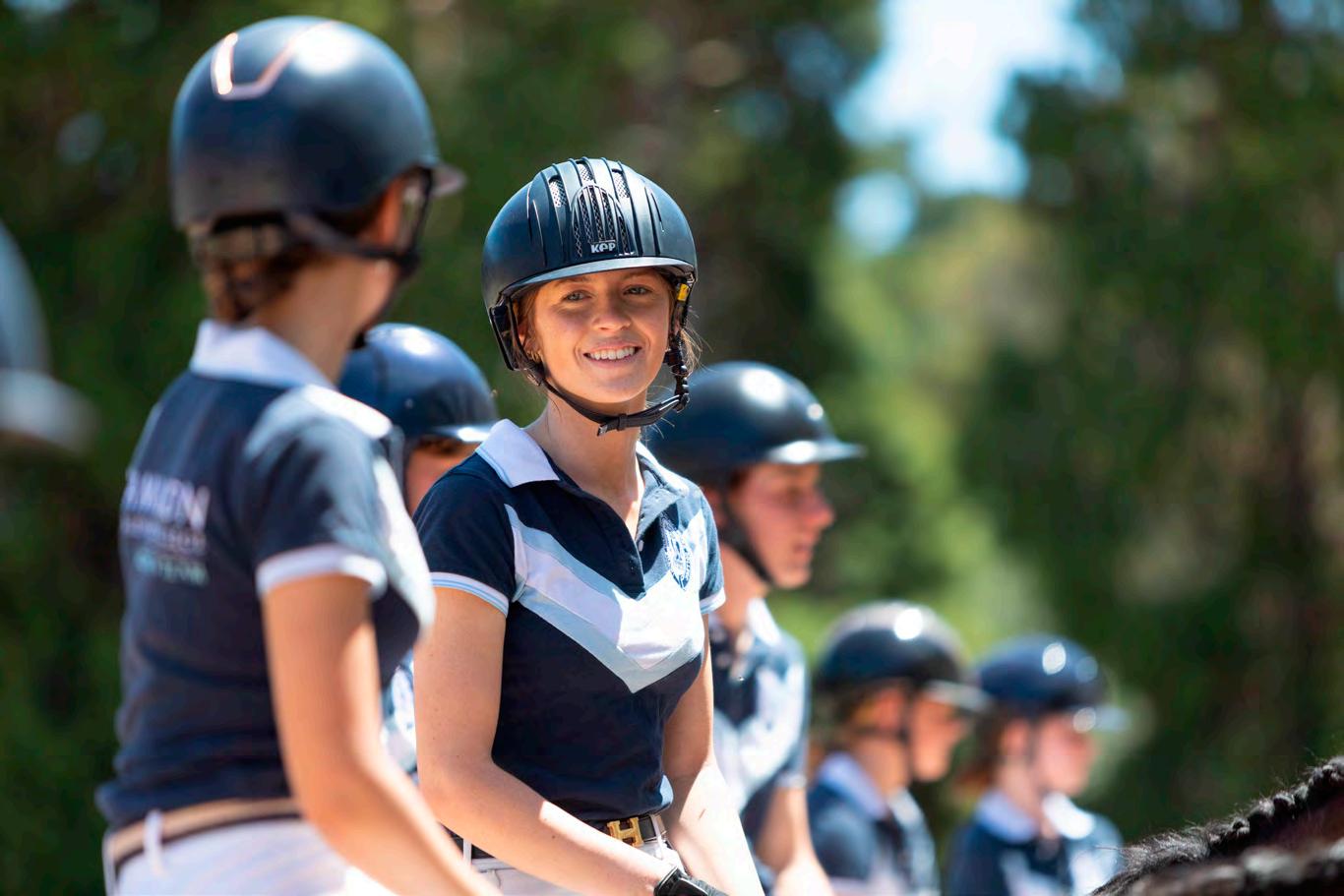
IN THE HEART of Victoria’s Western Districts, world class facilities and exceptional opportunities await students at The Hamilton and Alexandra College. With an extensive music and performing arts centre, multipurpose courts, a rock-climbing wall, lush ovals, and an equestrian centre featuring an Olympicsized indoor arena and onsite agistment facilities, there is something for every student at Hamilton.
Dedicated teaching staff at The Hamilton and Alexandra College empower each student to achieve their best by instilling confidence, curiosity and tenacity. With small class sizes fostering individualised support, this tailored approach delivers strong academic outcomes while nurturing a sense of belonging within the school community.
Students of the college not only graduate with impressive results, they also graduate equipped to be successful in tertiary study or vocational pathways. They are encouraged to think critically, be creative, to solve problems, and gain experiences at school that allow them to confidently follow their passions. Students excel in music, the arts, sciences, sport or a combination of disciplines and are guided by experienced staff to lean into the careers of the future, and to be curious.
For many students, The Hamilton and Alexandra College experience is enriched through the welcoming boarding community. Boarding at Hamilton is more than accommodation — it is a genuine home away from home. Students live and learn
in a caring environment where strong relationships are formed, routines provide stability and support is always close at hand. Boarding fosters independence, responsibility, and a strong sense of belonging, helping students grow in confidence as they learn to manage their time, support one another, and contribute to a close-knit community. For many students living in regional communities, boarding also provides an exceptional opportunity to partake in weeknight sporting and extracurricular activities that they may otherwise not be able to do.
Sport is a cornerstone of the college experience, playing a vital role in building confidence through enjoyment, challenge and teamwork. With a wide range of sporting opportunities available, there is something for every student. Whether representing the college in athletics, cricket, netball, swimming, rowing, hockey, equestrian, or clay target shooting, students strive for improvement and are supported every step of the way by our dedicated, passionate sporting staff.
At The Hamilton and Alexandra College, confidence is not left to chance. It is intentionally developed through every aspect of the student experience, from academic achievement and sport to co-curricular involvement, boarding life and a strong community. The result is a graduate who is not only well-educated but self-assured, adaptable and ready to step confidently into the future.
Visit hamiltoncollege.vic.edu.au for more information.

and
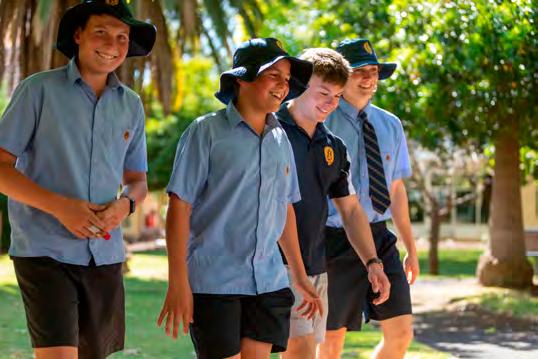
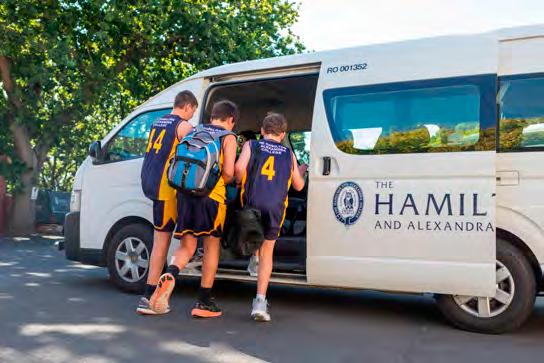
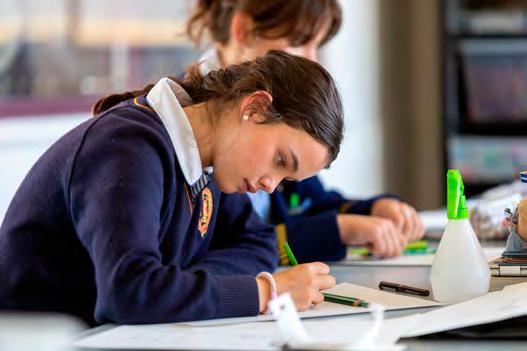
Boarders at The Hamilton and Alexandra College forge firm friendships and have a strong sense of belonging.
Our boarders achieve great academic outcomes, and they learn the skills needed to prepare for life beyond school under the guidance of our caring & exceptional staff. All of our students have the opportunity to explore a wide variety of activities to discover their interests and passions, expand their thinking, and graduate with confidence for the future.
For further information contact our Registrar, Susie Holcombe on +61 3 5572 1355 or admissions@hamiltoncollege.vic.edu.au or visit hamiltoncollege.vic.edu.au
boarding is a welcoming bridge to friendship and success.
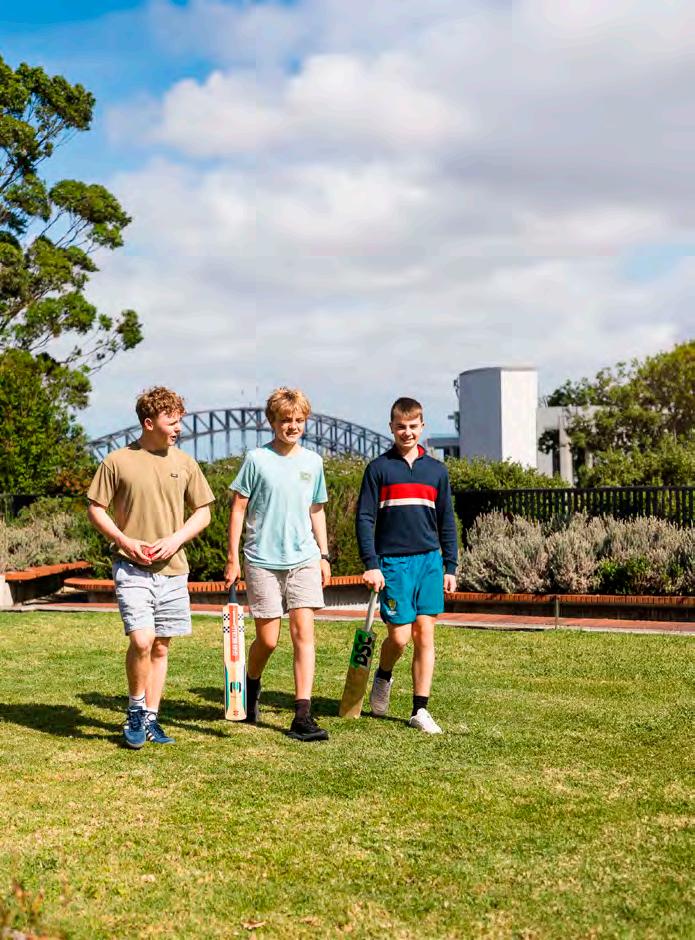
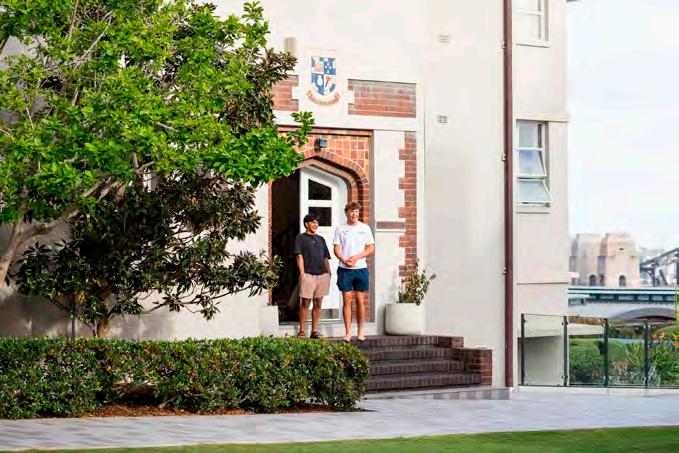
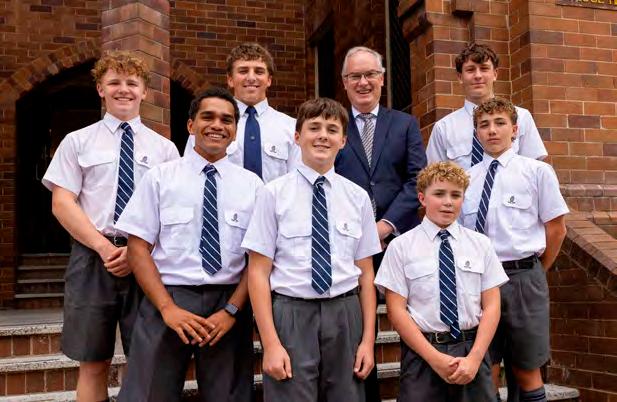
FOR MANY REGIONAL families, the decision to send a son to boarding school is not made lightly. It carries with it care, concern, and, often, an ache at the thought of distance. Sydney Church of England Grammar School (Shore) understands the many considerations that come with this decision. For more than a century, Shore’s boarding houses have welcomed boys from across New South Wales and beyond, offering a genuine home away from home.
At the heart of the Shore boarding experience are the four Houses, each with its own character and history, yet united by a shared purpose: to ensure every boy is known and valued. Within days, corridors feel familiar and routines take shape. Houses quickly become a home.
Boys share mealtimes, prepare for classes alongside one another, and return each afternoon to a House where stories of the day are exchanged over homework or a game on the oval. Weekends are filled with sport, time in the city and relaxed moments back in the House. Independence grows steadily, supported by adults who care about each boy’s welfare and academic and social progress.
For regional families in particular, reassurance matters. You want to know your son will be looked after as you would look after him yourself. The Housemasters live on site with their families; they know the boys well, stay in close contact with parents, and work alongside academic and wellbeing staff to support each student’s development. Pastoral care is not an add-on; it is woven through every moment of boarding life.
And then there is friendship. In shared rooms and through shared experiences, bonds form quickly. Roommates become best mates. Older boys mentor younger boarders, guiding them through their first weeks away from home. It is common to see Old Boys return decades later and head straight to their House, drawn back to the place where their strongest friendships began.
Boarding also unlocks access to opportunity. Living on campus allows boys to immerse themselves in school life without the demands of travel. Early morning training, evening rehearsals, extra study sessions and weekend fixtures are part of the natural flow of the week. Shore’s Northbridge playing fields and harbourside campus provide a setting where boys can commit fully to their interests, supported by staff who encourage both effort and balance.
This year marks the beginning of a new chapter for Shore, with the appointment of our 10th headmaster, Dr Peter Miller, who joined Shore in 1989 as the founding Housemaster of Burns House. Those formative years, working with families, shaped his understanding of boys’ education and the importance of strong House culture.
Since then, Dr Miller has led respected schools across Australia and the United Kingdom, including The Geelong College, All Saints’ College in Bathurst and Barker College in Sydney. Under his leadership, Shore remains committed to strengthening both academic rigour and pastoral care, ensuring that boys leave not only well educated, but well formed.
For regional families considering boarding, the question is often this: Will my son find his place? At Shore, the answer lies in the Houses: in the laughter echoing down a corridor after dinner; in the encouragement before an exam. Over time, what begins as unfamiliar becomes deeply personal.
Houses quickly become a home. And boys grow into young men who carry with them the confidence that they are part of something enduring.
For many families, it is that sense of belonging that makes all the difference.
Shore invites all parents/carers, along with their sons, to take part in a tour of the Boarding Houses and campus facilities. Visit shore.nsw.edu.au/boarding/boarding-life-at-shore
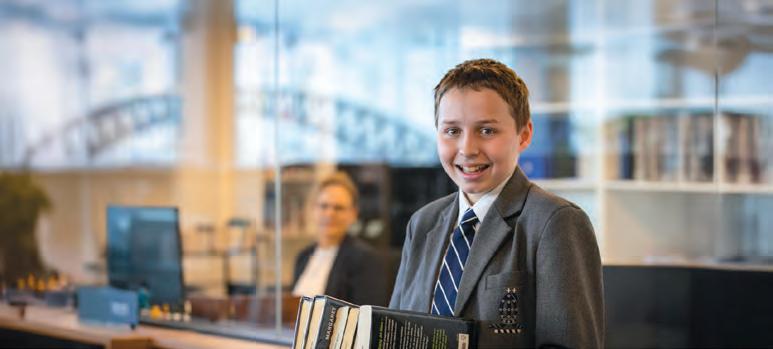
At Shore, we aim to nurture well-rounded individuals through our leading academic offerings, exceptional pastoral care, and a commitment to community service.
Register for a private Boarding Tour today on shore.nsw.edu.au or call Director of Admissions on +61 2 9956 1130 or registrars@shore.nsw.edu.au
Boarding Bursaries are available.
shore.nsw.edu.au
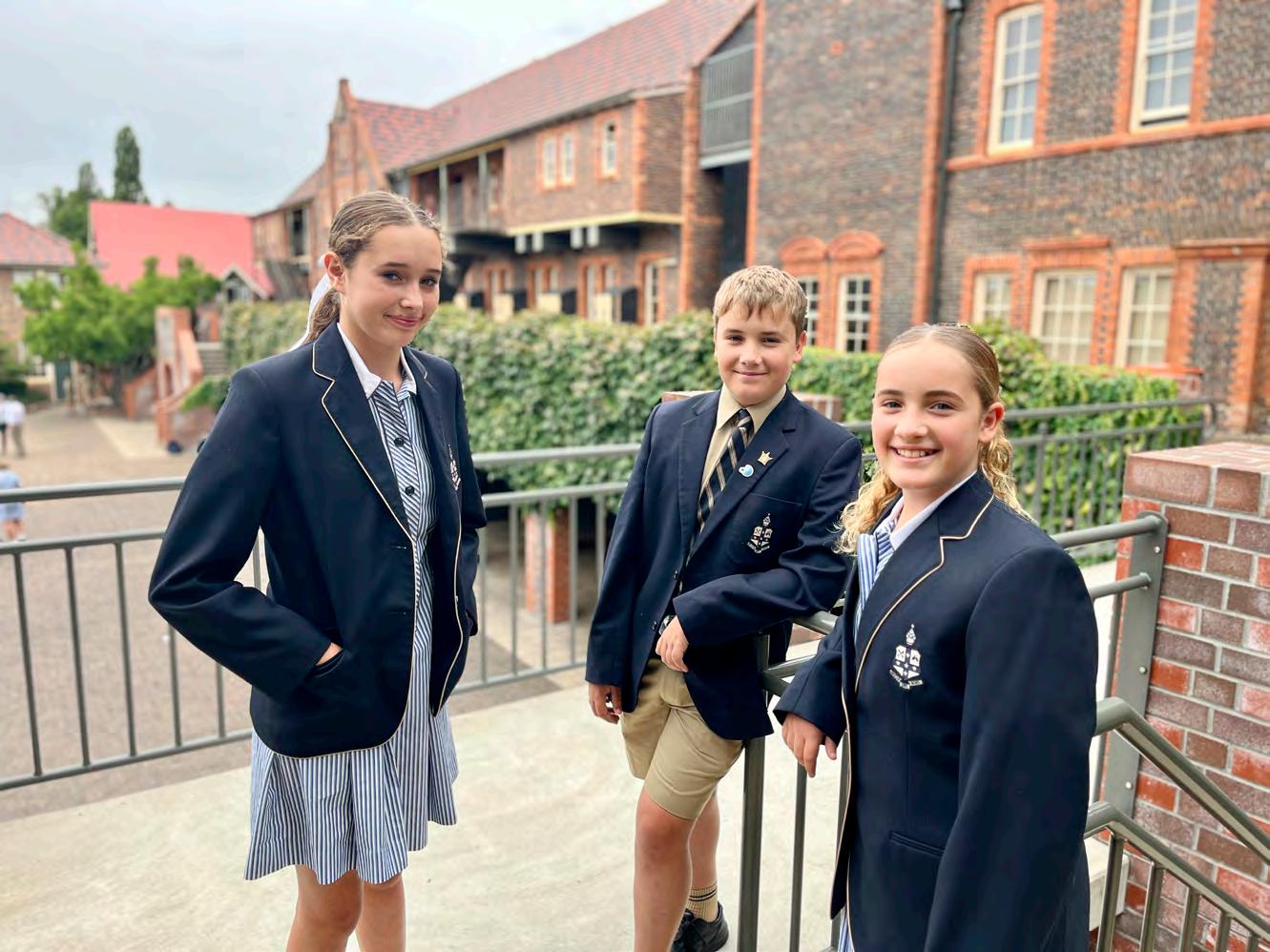
While building character and resilience, the Shannon family are grateful to be together at school.
SIMON SHANNON had always hoped that, one day, his son Campbell might be able to attend his old school. When The Armidale School (TAS) became co-educational a decade ago, it became a possibility for all of his children — and now TAS is the home away from home for Morgan, 15, Campbell, 14, and 12-year-old Emmy.
Simon and his wife, Nadia, say it’s been the perfect fit for their family, who live at Biamble, near Curlewis, between Gunnedah and Quirindi in north-west New South Wales. “A school that is co-ed makes it easier for us as parents to attend the school events and sporting days, as well as allowing our children to maintain their sibling bonds, which is really important to us,” Simon says. “TAS has provided our children with opportunities and experiences that they would not have had access to in our home town. The benefits of boarding — of programs like cadets, service initiatives and the many sporting, music and drama opportunities — have led to our children being more independent, confident and considerate.”
Simon and Nadia say their children are grateful for the opportunity to attend a school like TAS, and they are certainly making the most of it.
Morgan, in Year 10, has been heavily engaged in the school’s service programs, including weekly visits to the nearby Newling Gardens Retirement Village and assisting at a home for disadvantaged boys and girls in Fiji.
“It gives you a sense of accomplishment, and it’s nice to help people. We are fortunate to go to a good school; it’s important
to help others who don’t have the same advantages in life,” Morgan says.
Campbell, in Year 9, has just completed a cadet leadership course which will also contribute to a Duke of Edinburgh Award. Last year he achieved the school’s Triple Crown, an award for students who complete the Coffs Coast Ocean Swims 2km Harbour Swim, Sydney’s City to Surf and the Children’s Cancer Institute’s 19 for 19 challenge in Armidale.
“I also love playing rugby against the Sydney schools and this year I have taken on rowing; it’s been a big commitment, but it’s really been worth it,” he says.
Following her elder siblings, Emmy started at TAS this year. “I was a bit nervous at first and thought I might get lost, but I was also very excited by all the opportunities and having Morgan and Campbell was great support.”
Morgan agrees it’s wonderful all three can attend the same school. “TAS is big enough for us all to do our own thing, but small enough that we can keep an eye on each other,” she says.
It is also a school that is completely connected with, and understands, its community, Simon and Nadia believe.
“We have found that TAS encourages the same values that we as a family expect, such as respect, responsibility, and giving things a go even if you are not good at it. We like that many of the TAS staff and students have a rural background and they encourage the development of good character and resilience above all else,” Nadia concludes.
Visit as.edu.au for more information.
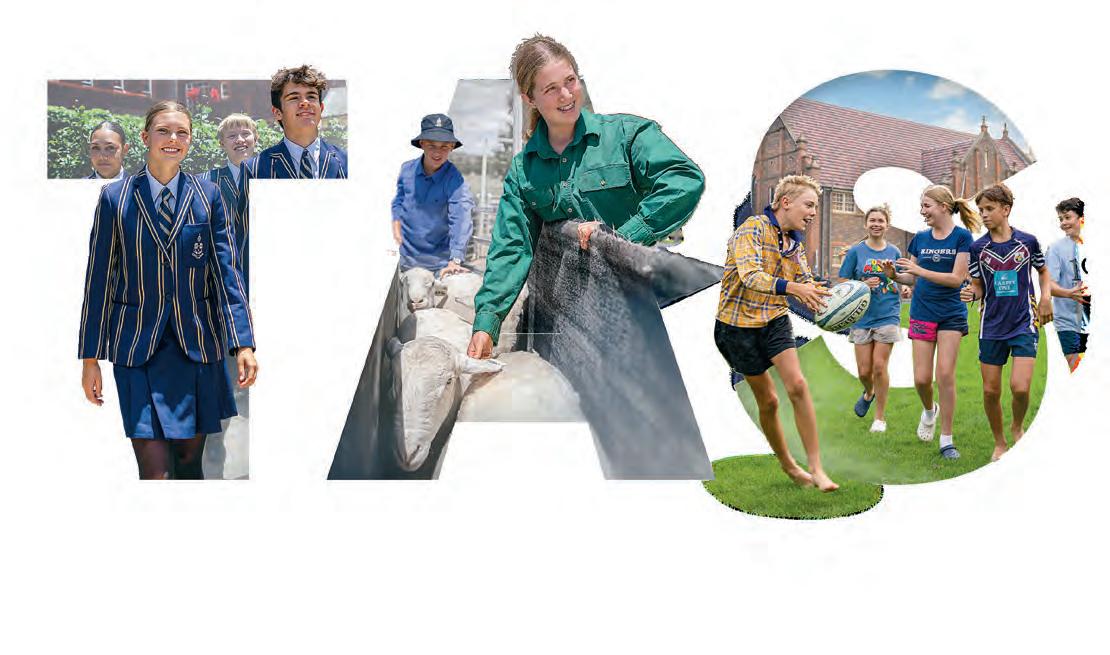
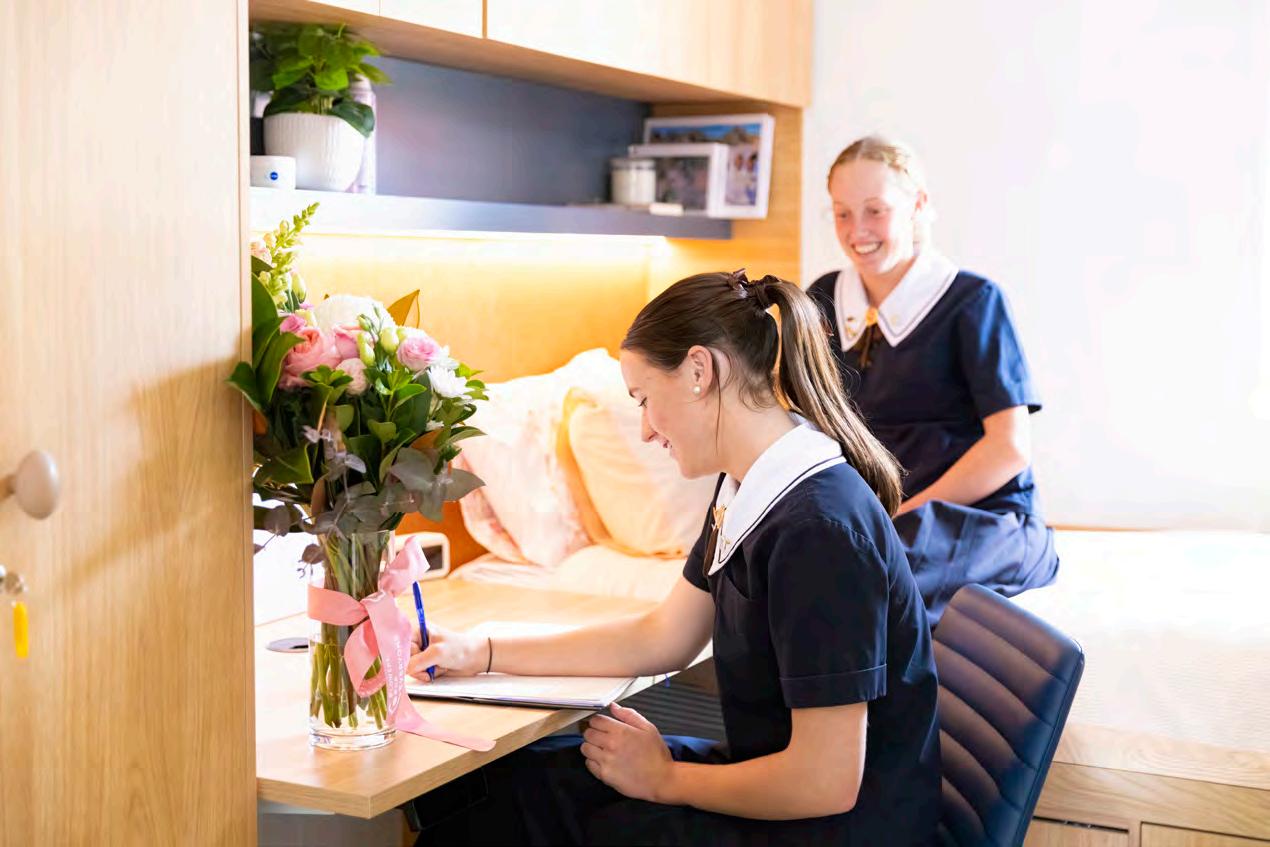
Education and friendship go hand in hand at St Margaret’s in Brisbane.
EDUCATING THE NEXT generation is serious business, but the best days of a child’s life should not be all work and no play.
At St Margaret’s Anglican Girls School in Brisbane, there is joy in the experiences: in the classroom, on the sporting field or the stage; in curiosity and discovery; and in spending time with friends and peers.
This rings especially true for the 185 students who live and learn alongside each other in the boarding house, which is both the literal and figurative heart of the school. For these girls, school days are filled with an engaging academic program and a smorgasbord of sporting and cultural activities through which they can discover their strengths and passions.
When the school day is done, they are enveloped by the supportive, caring boarding community, making memories and building friendships that will last a lifetime.
Joint 2026 Boarder Captain Bridget says, “We experience joy in the boarding house through all the little things, whether it be as simple as a smile from a fellow sister or a chat with our house mum. These moments are always a gentle reminder that we have people to look forward to seeing and people we can talk to in our home away from home.”
In 2025, boarders made the most of the available opportunities, with 18.2 per cent of eligible boarders achieving an ATAR of 99 or above, 72.7 per cent achieving an ATAR of 90 and above and 94 per cent participating in the sporting program, while many boarders embraced opportunities to develop as leaders.
St Margaret’s has, since its inception 131 years ago, been a boarding school of choice for generations of rural and regional
Australian families drawn to the school’s warm sense of community and holistic educational philosophy.
In 2025, St Margaret’s was named Boarding School of the Year for the third time, at the prestigious Australian Education Awards. The school had previously won this category for two consecutive years in 2019 and 2020, and was an Excellence awardee (finalist) in 2022 and 2024.
Head of Boarding Lesa Craven emphasises the most important aspect of a St Margaret’s boarding education is the wellbeing of students, which helps them to flourish academically, socially, emotionally and physically. “We focus on creating a second-home environment where students feel safe, cared for, and supported by dedicated, highly experienced boarding staff,” she says.
The fact that St Margaret’s offers full-time boarding contributes to building this second-home environment and unites the strong, connected boarding community. It also makes for joyful weekends, filled with vibrant programs of planned activities, themed dinners, movie nights, closed weekends and staff-supported excursions, allowing students to develop their independence and strengthen bonds.
For St Margaret’s boarders, joy is in learning, in the journey and in the time spent together.
St Margaret’s will be on the road again this year visiting regional centres. Visit stmargarets.qld.edu.au or scan the QR code for more.

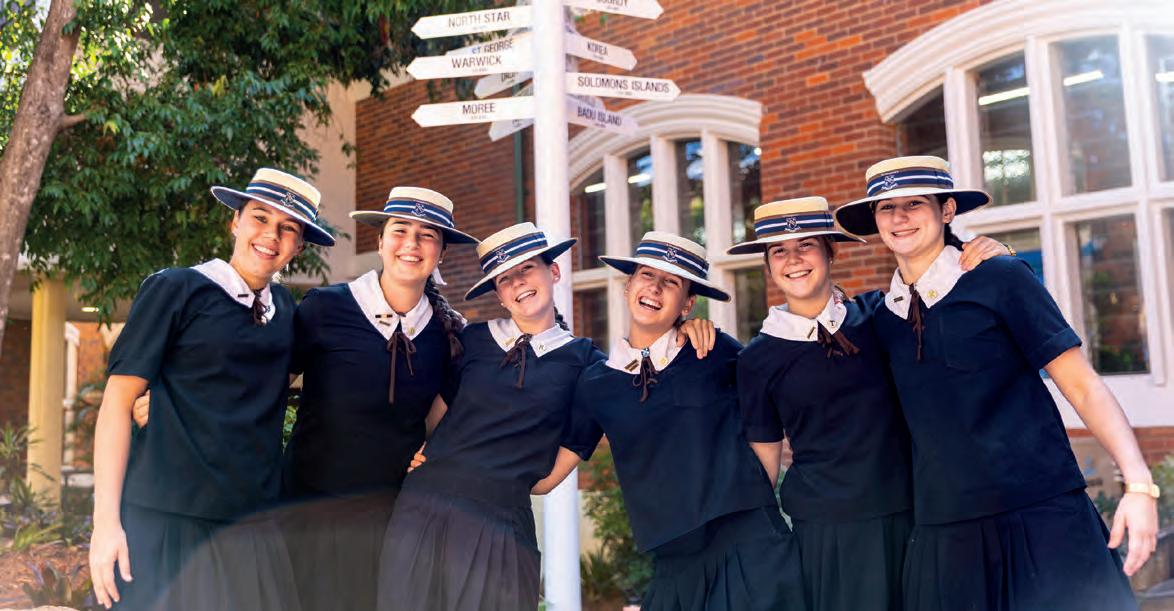
A college captain presents his case for the benefits of boarding at St Peters, Brisbane.
GOING TO BOARDING SCHOOL can be daunting, but it’s also a once-in-a-lifetime opportunity. When Nathan arrived at St Peters Lutheran College as a Year 10 weekly boarder in early 2024, he wasn’t quite sure what to expect. As a committed young cellist, he already knew the college through music, but boarding was entirely new territory. What he discovered, however, surprised him. It wasn’t simply the structure, or the convenience, or the opportunities that come with living on campus. It was the sense of purpose and the people.
Now in Year 12 and a 2026 College Captain, Nathan reflects on how boarding has shaped him. “I was super excited at first just to have so many people around; there’s always someone to talk to,” he says. “As time went on I developed a routine, and now I really appreciate how productive you can be as a boarder.”
The productivity he’s talking about isn’t just about academic focus, although he’s quick to point out that leaving his phone in his room during the day makes studying far easier than it is at home. It’s the ability to balance a demanding music schedule — performing in St Peters Soloists and Chamber Soloists, both senior strings ensembles — schoolwork and the day-to-day rhythm of college life without the usual distractions.
“Between waking up and going to sleep, my day is full, but in a really good way,” he explains. “For me, it’s music, school, and study. For others, it’s sport or different co-curricular activities. Boarding gives you structure and accountability, and I’ve found that incredibly helpful.”
Nathan boards during the school week and returns to his family home in north-west Brisbane on weekends. His parents work
in Melbourne and his older siblings are at university, so the option to board weekly has offered both independence and stability. “Being a weekly boarder fits perfectly with my outsideof-school commitments.”
However, it’s the social side of boarding that seems to have left the strongest mark. “It can be overwhelming at times; there are a lot of boys, but over time, you build those one-on-one connections,” he says. “Now, when I go home on weekends, I miss having people around to talk to before I go to sleep.”
In fact, it’s helped shape how he thinks about leadership. “Leadership at St Peters means contributing to a culture where students help shape the environment, uplift one another and strive toward being the best community we can be,” he says. “I hope to carry this privilege with humility, treating every day, every meeting and interaction as an opportunity to give back.”
He speaks warmly of the boarding staff. “They’re professional, of course, but they’re also great to hang out with. We play table tennis, basketball—they’re part of the community.”
After graduation from St Peters, Nathan plans to study music at the Queensland Conservatorium or at another academy. Whatever comes next, his experience of boarding with its structure, social connections and opportunities has already shaped his pathway.
And, in true St Peters spirit, he’s determined to leave the place better than he found it. “During my captaincy, I hope to help nurture a culture that is selfless and caring, where students feel supported, empowered and inspired to do and be their best.”
Visit stpeters.qld.edu.au for more information.





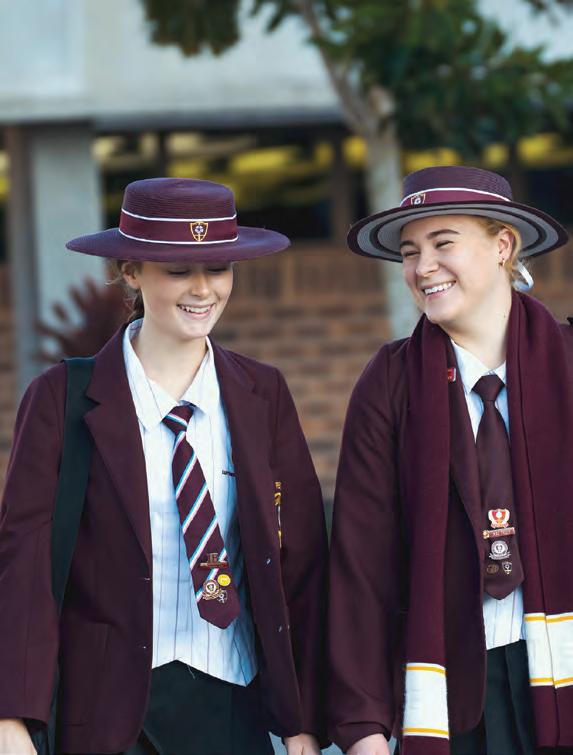











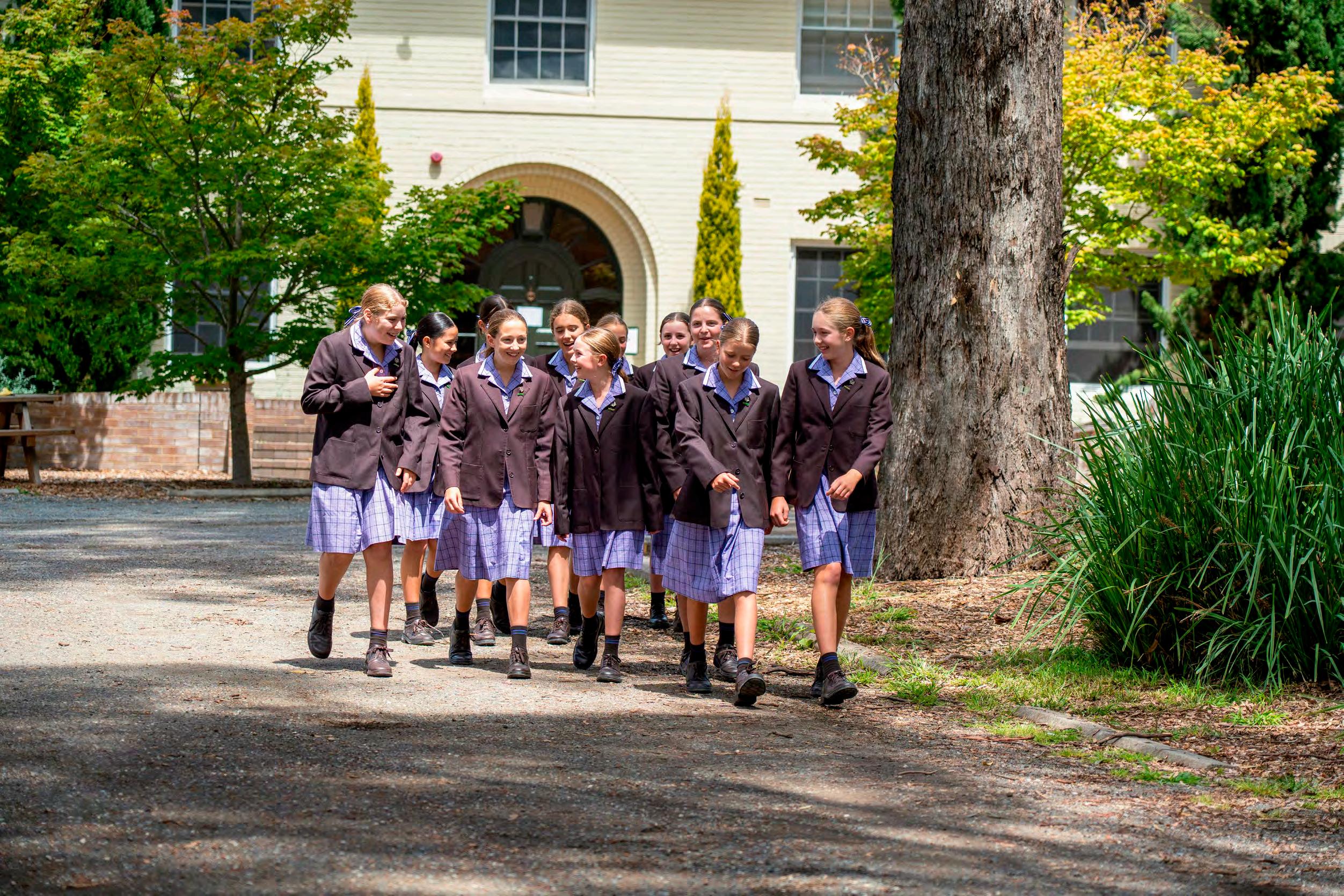
Frensham graduates are recognised in many walks of life by their values, purpose and confidence.
GRIT, GRATITUDE and good humour. These are the qualities Frensham students carry with them long after they leave the school. Frensham graduates are confident without being showy and resilient in the face of challenge. It is often said you can recognise a Frensham girl in a room: purposeful, grounded and generous in spirit. From global changemakers to students shaping their own paths today, this shared character is no accident.
At Frensham, character education is not a new initiative; it is a way of life. Since 1913, this approach has shaped the school’s culture and guided each student’s journey, with wellbeing and values woven into daily experience. Frensham’s philosophy challenges the idea that education is simply the accumulation of individual achievements. While individuality is valued, it is never pursued at the expense of collective responsibility. Students discover their unique gifts in relation to others, through service, collaboration and mutual respect. In this way, character is cultivated within a community.
This philosophy is most fully realised through Frensham’s identity as a boarding school. With more than 70 per cent of students living in residence, Frensham is the largest girls’ boarding school in Australia. Community is not an adjunct to learning; it is the context in which learning takes place. Students live and learn together, sharing daily rhythms of study, meals, recreation and reflection, and develop a deep understanding that their actions affect not only themselves but those around them.
With an intentionally small size of 360 students, boarding at Frensham is a formative educational experience. Dedicated staff, personalised guidance and a strong emphasis on wellbeing, help students develop independence, responsibility and empathy. Programs, staffing and facilities are designed with boarders at the centre, ensuring that all students participate in a full and structured week of school life.
Essential life skills are learned through everyday interactions, from resolving differences to supporting one another and >
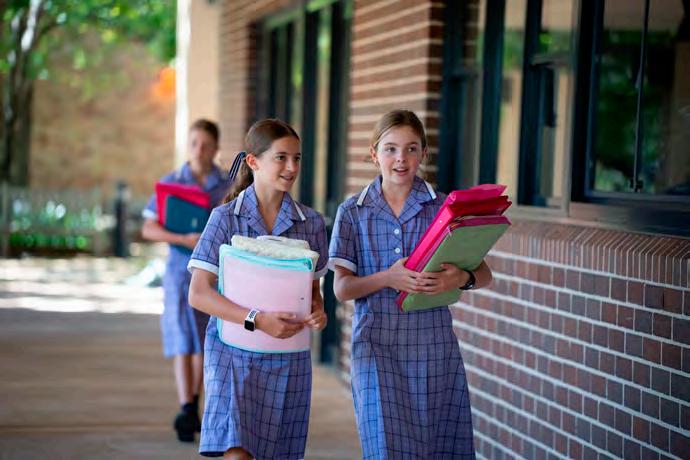
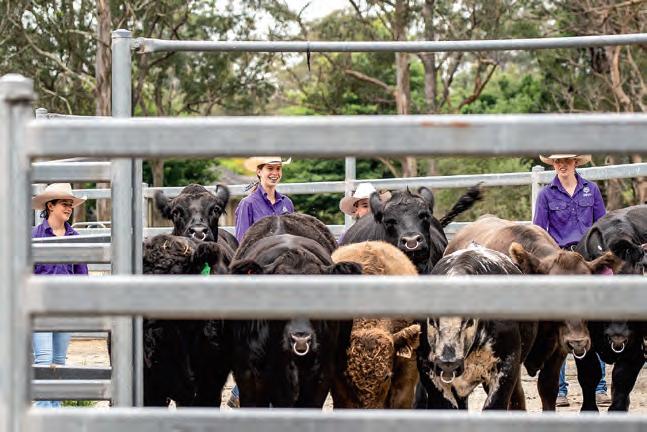
Academic and practical programs are tailored to the needs and character of each girl.
celebrating collective achievements. The Houses are places of warmth, joy and safety, where lifelong friendships are forged and a sense of belonging is sustained.
Frensham is focused on developing future-ready learners through embedded character education and personalised learning. Teaching and learning are guided by the school’s values of connection, collaboration, critical thinking, citizenship, communication and creativity. These are woven through classrooms, co-curricular programs and the broader life of the school. Through targeted support, extension opportunities and personalised pathways, Frensham celebrates growth rather than narrow outcomes. Student agency is strengthened through a broad range of subject choices in the senior years, and Personalised Learning Plans are designed to enable students to pursue passions, set goals and reflect on progress.
By embedding character into every aspect of school life — academic, co-curricular and residential — Frensham prepares its students not only for examinations, but for lives of meaning, contribution and connection. Students flourish as a community committed to shared values and enduring purpose.
Visit frensham.nsw.edu.au for more information about boarding at Frensham and to book a tour of the school.
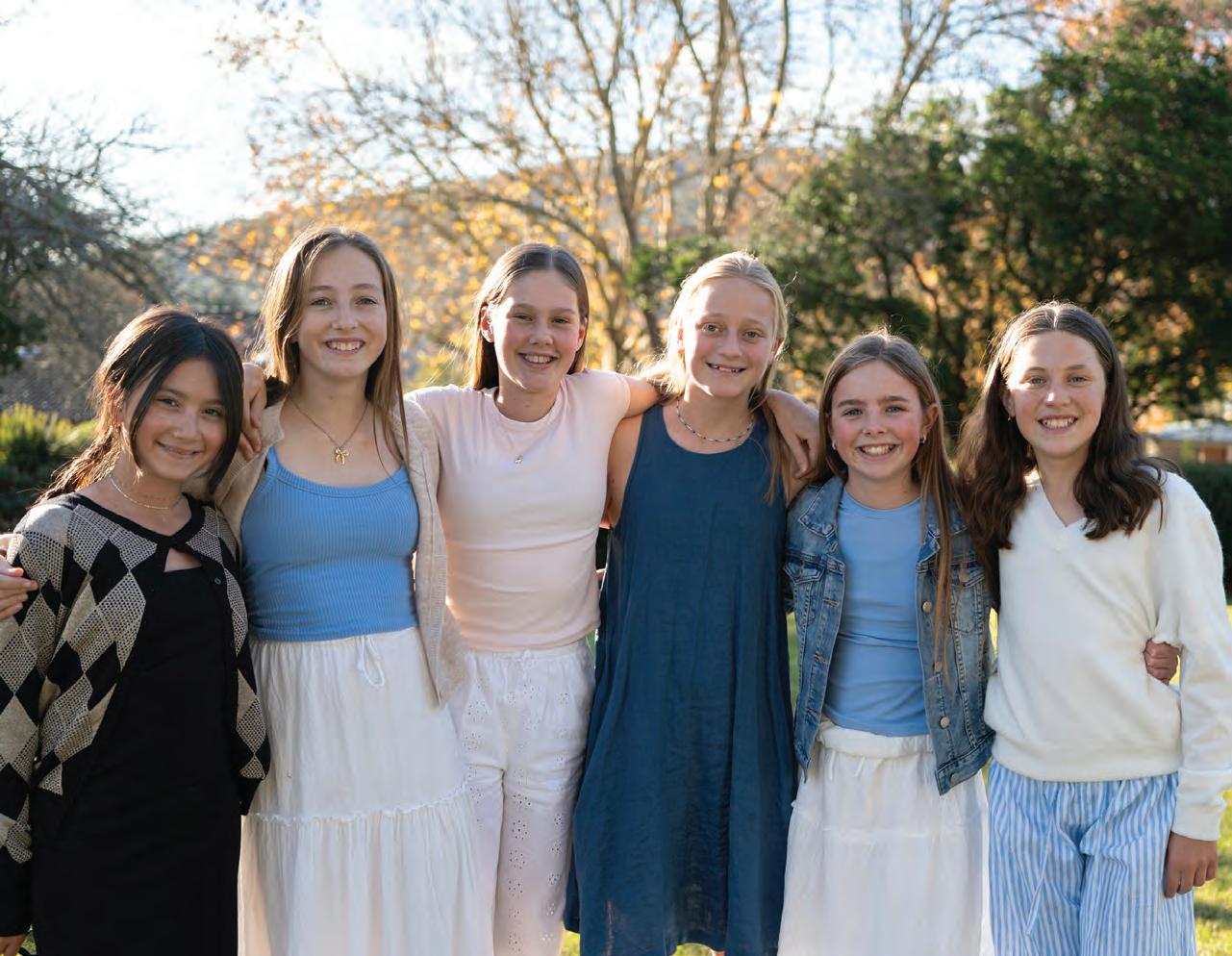
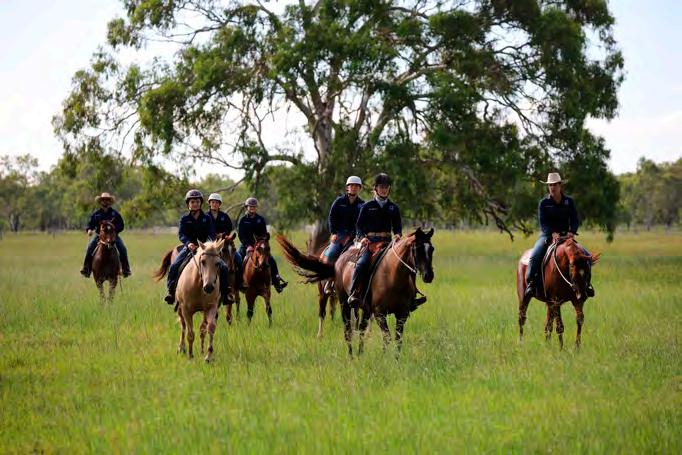
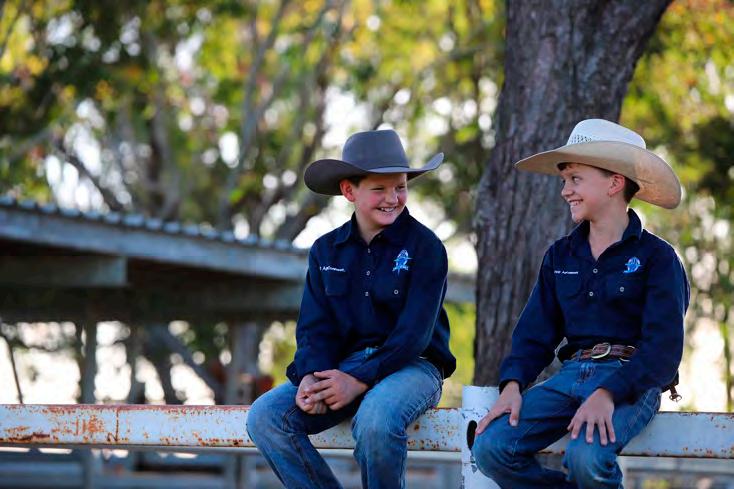
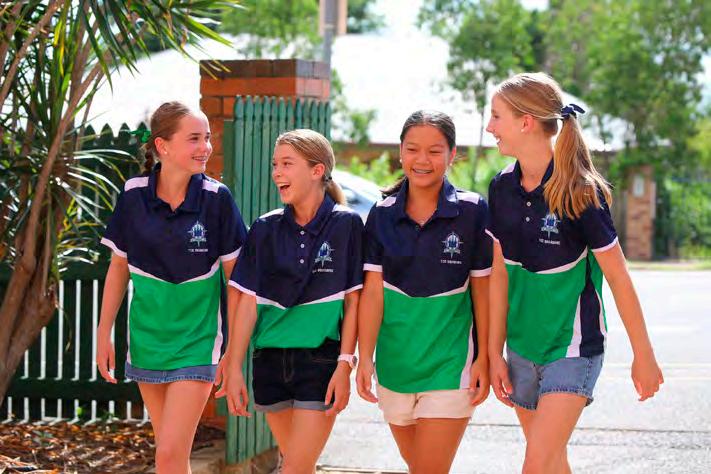
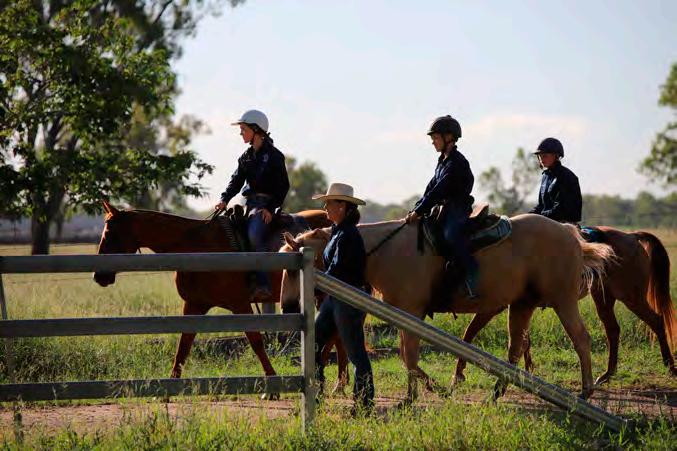
Boarding at TCC is more than a place to stay; it’s a connected community.
THE CATHEDRAL COLLEGE Rockhampton (TCC) is a special place where threads of connection run deep, giving young people the opportunity to grow and thrive. Forged in faith and built on tradition, with a mission to provide opportunities to flourish, TCC believes in the goodness and potential of each young person.
The college stands in the shadow of Rockhampton Catholic Diocese’s St Joseph’s Cathedral, an awe-inspiring icon of Central Queensland that offers students a sacred place to pray and encounter God in its light-filled beauty and majesty. Guided by the Catholic ethos, the college seeks to develop young people in mind, body and spirit by providing a vibrant learning experience for all students. Academic excellence goes hand in hand with sport, culture and personal and spiritual development. This balanced approach allows students to develop into confident, compassionate individuals ready to make a positive difference in the world.
The college is a place where young people discover their purpose and pathway through the many exceptional educational opportunities provided. Boarding at TCC offers comfortable boutique-styled accommodation with attractive features; boarders in years 10, 11 and 12 enjoy their own air-conditioned rooms.
Girls’ Boarding, on the crest of the Athelstane Range, is a short distance from the day campus in the beautifully refurbished Range College with sweeping views of Rockhampton. Within its
walls generations of young girls arrive and then emerge as educated young women enriched and equipped to live a full life. Boys’ Boarding is well situated for young men in the making. Adjacent to the day campus, boys access the college gym, pool and football oval where lasting friendships are formed.
TCC boarding is not only comfortable but is a welcoming community where each boarder is known, cared for and encouraged to succeed. Boarders enjoy specially prepared meals served by the college’s professional catering team. The evening meal is a favourite time of day when boarders gather round the table to share dinner and their day, strengthening the bonds of friendship. Formal Boarding Dinners held once a term offer elegance and camaraderie, further refining social skills and forming confident young men and women.
Study every evening establishes sound habits, developing a discipline to serve boarders for life. Homework tutors, many who are past students of the college, further build a web of connection and support for boarders who are far from home.
Boarding at TCC is much more than simply a place to stay: it is a nurturing Christ-centred community, where connection cultivates flourising growth in young people.
If you would like to find out more, visit tccr.com.au to book a tour or contact the Enrolments Officer.
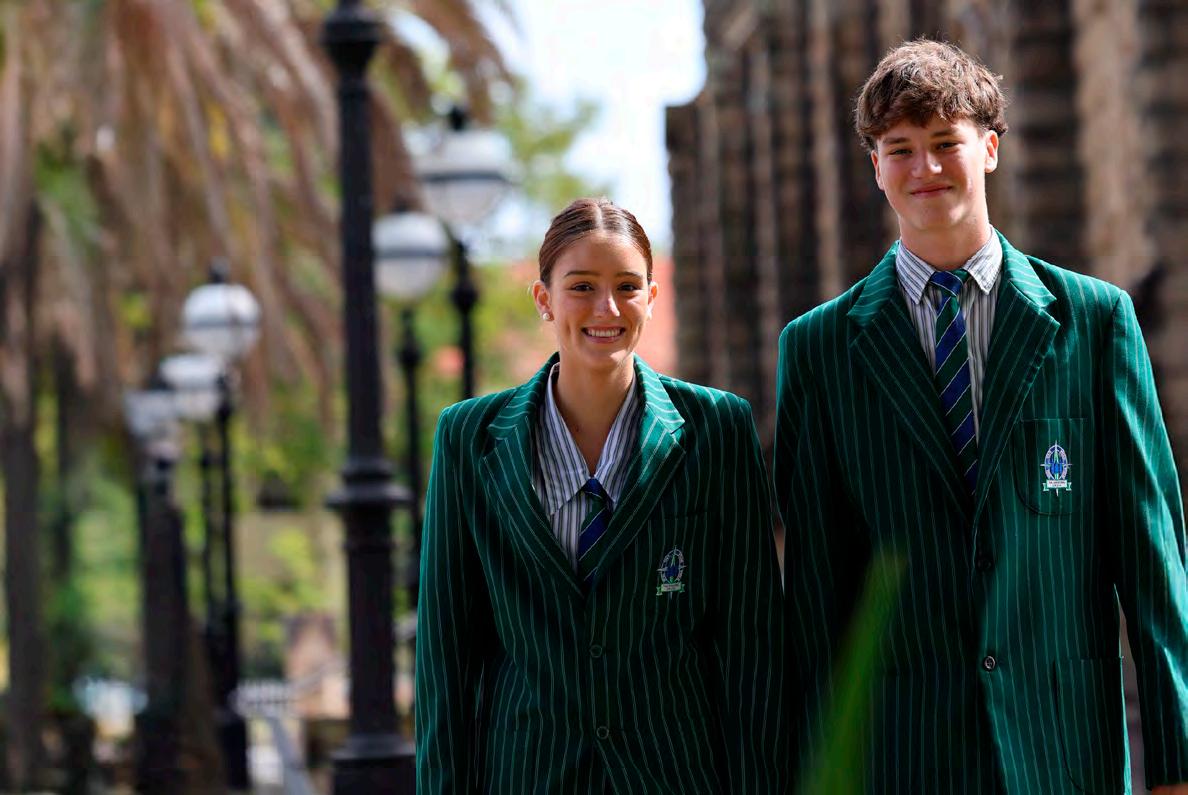


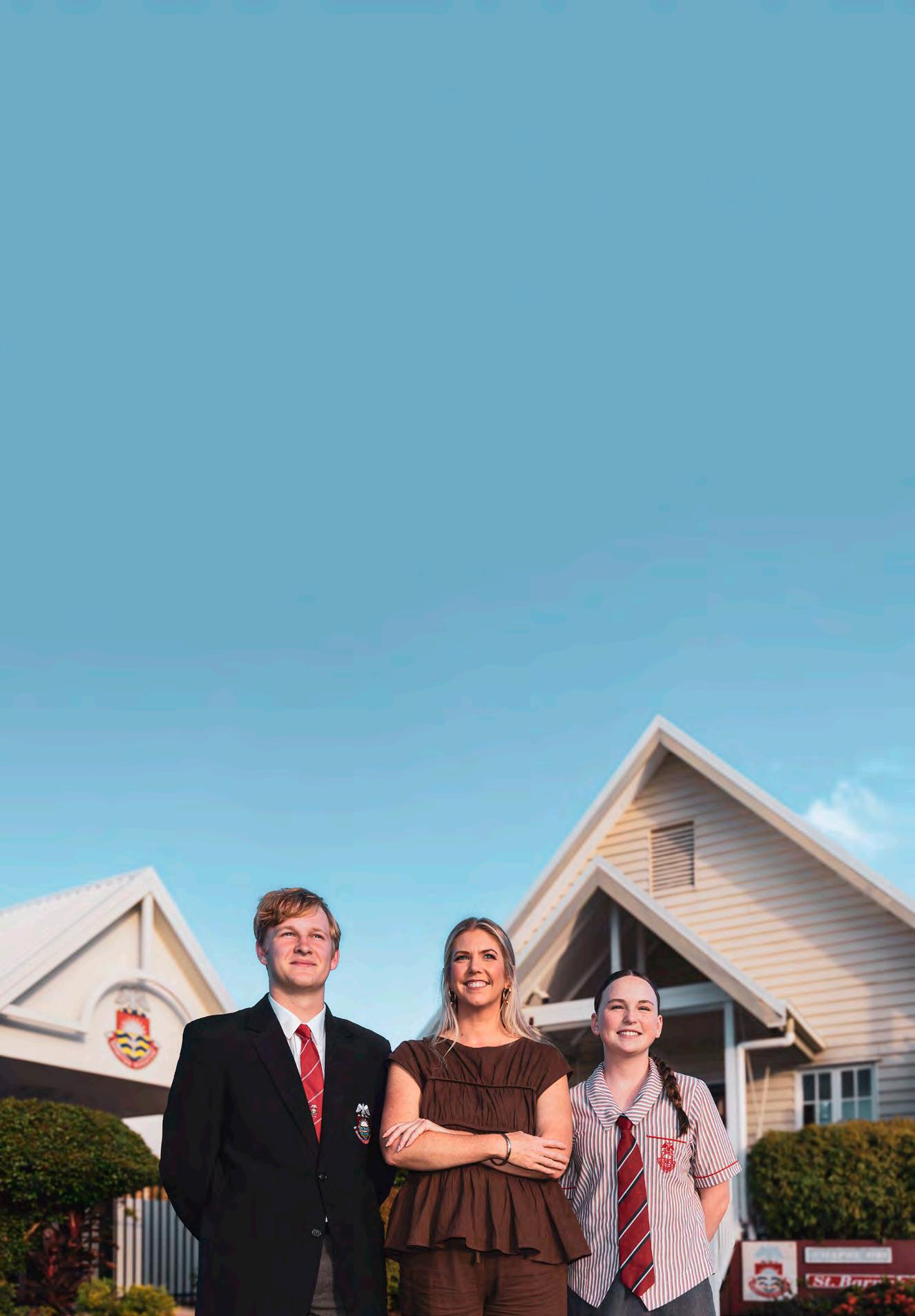
At Whitsunday Anglican School, boarders are encouraged to keep a strong connection with their home towns.
FOR RURAL FAMILIES , boarding school is rarely just about academic results. It is about trust; it is about knowing your child will be supported to grow in independence and character, balanced with connection to the place that shaped them.
At Whitsunday Anglican School in Mackay, Queensland, that balance is central to boarding life. Booth House is home to just 82 students, creating an intentionally small environment where each young person is known and supported closely. Students can return home each weekend on the boarding bus, which travels north to Cannonvale and west to Clermont.
For Year 12 student Byron Goodin, a five-day boarder, finding a balance between community and school life came naturally. Earlier this year, he was recognised for helping rescue two people from the ocean in his hometown of Airlie Beach during severe weather caused by Tropical Cyclone Koji. Despite having no formal rescue training, Byron entered the water alongside other bystanders in dangerous conditions.
Reflecting on the experience, Byron is characteristically modest. “Helping others is just part of who we are,” he says. “It comes from family, my school and the wider community.”
Fellow five-day boarder Sharni Wood was also honoured this year, receiving a 2026 Isaac Region Australia Day award at just 15 years of age. She regularly returns home on weekends, where she MCs Anzac Day services and volunteers at Glenden Rural Interest Group events, while also supporting younger students both at home and within the school.
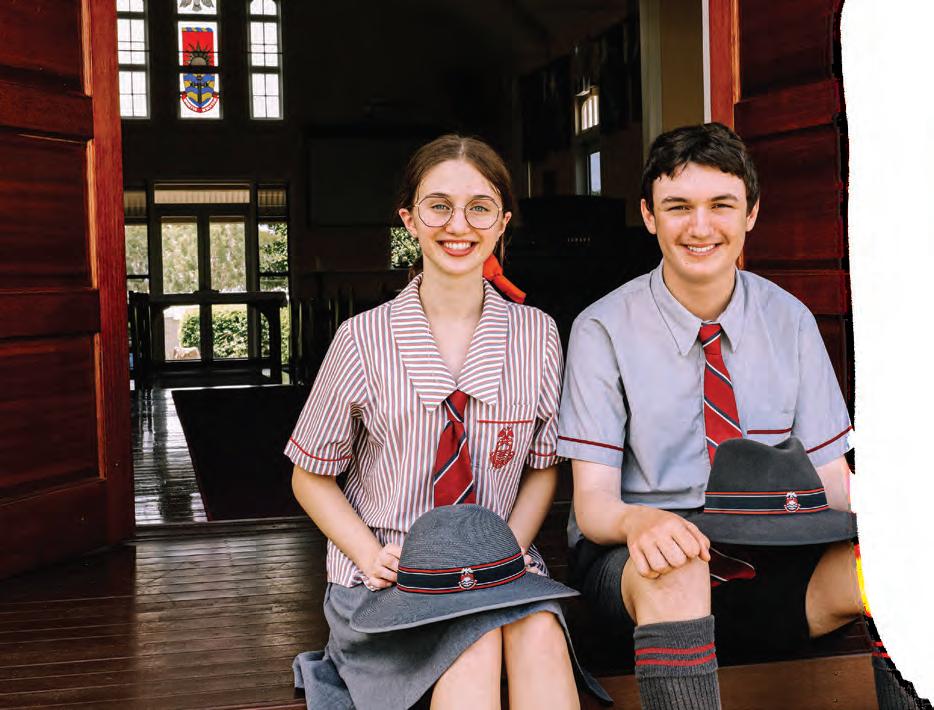
“I don’t do it for recognition; I just like helping the community I’ve grown up in,” Sharni says. “This award makes me want to do even more, and I hope it inspires others to help too.”
Sharni and Byron’s stories reflect a model of boarding that strengthens, rather than replaces, rural identity. Students step into opportunities during the week — structured study, co-curricular programs and leadership pathways — before returning home to be part of station life, sporting clubs and local events.
Head of Boarding Angela Holm said she was immensely proud of the way both Whitsunday Anglican School students had represented their families, hometowns and school.
“To see Byron and Sharni recognised in the communities they care so deeply about is incredibly special,” Angela says. “They are fine young role models and we are very proud of them.”
While not a boarder herself, Year 12 School Captain Amelia Bishop further reflects the school’s culture of service. Named 2026 Young Citizen of the Year at the Mackay Region Australia Day awards, Amelia has built an impressive record of leadership and volunteer work. She described the recognition as affirmation that “ordinary people who are simply committed to their community can make a difference”.
Together, these students represent what many rural families hope for when choosing boarding: young people who return home strengthened in confidence, compassion and capability. Whitsunday Anglican School’s next Open Day is coming soon: visit was.qld.edu.au for more information.


“People don’t realise how academically strong our boarders are,” says Jane Morris.
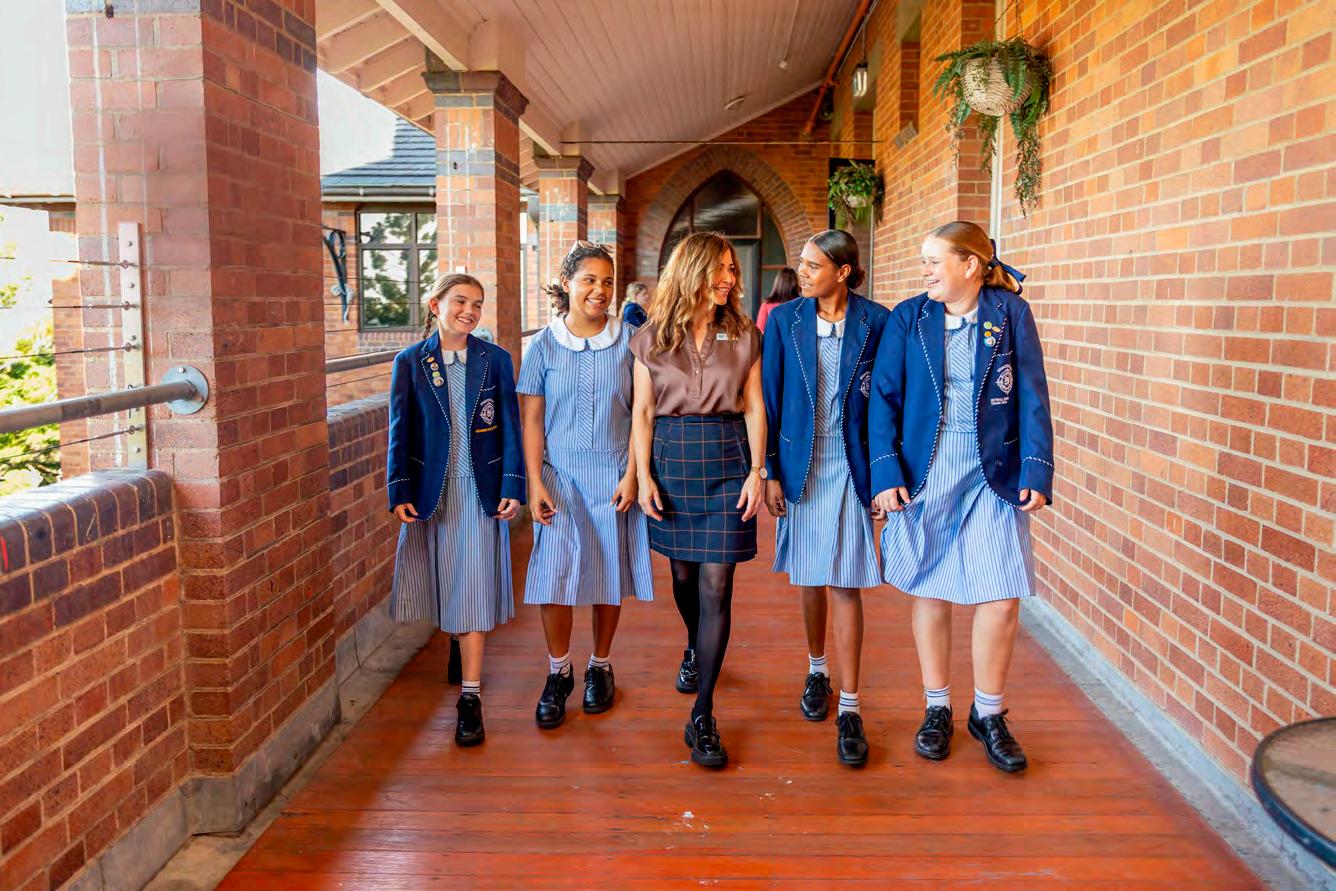
For 105 years, Stuartholme has fostered friendships, growth, and belonging for boarders and day students alike.
STUARTHOLME HAS BEEN a boarding school for 105 years, beginning its journey in 1920 as a home for girls. While it originally operated as a boarding-only school, it has since evolved to welcome day students from across Brisbane and surrounding areas. Today, the integration of boarders and day students creates a vibrant, inclusive environment where friendships flourish across postcodes, time zones and life experiences. This unity strengthens the heart of the school.
From the moment boarders arrive, they are embraced by a community that extends beyond the dormitories. Whether it is baking birthday cakes for girls far from home, offering lifts to weekend sport, or opening their homes on the weekends, day parents play a vital role in helping boarders feel seen, supported, and part of something bigger. “It’s such a simple act, but for a girl celebrating her first birthday away from home, it means everything,” says Jane Morris, the Dean of Boarding. “To be surrounded by friends, with candles glowing and a cake made with love, that’s where belonging begins.”
This sense of belonging is mutual. Boarders bring a richness to the school culture that is both grounding and inspiring. They offer perspectives shaped by rural, remote and international experiences. Their resilience, independence and drive are quietly woven into the fabric of daily life at Stuartholme.
“There’s a particular determination in our boarders,” Jane explains. “They’ve seen hardship, they know the value of hard work, and they bring that energy into everything they do.”
For day students, these friendships offer perspective. Whether
it is hearing stories of life on a cattle station or joining boarders on a trip to Goondiwindi, day girls gain a deeper appreciation for the diversity of life beyond the city. These shared experiences foster empathy, broaden horizons and create bonds that last well beyond graduation.
Academically, the boarding environment also fosters a culture of collaboration and peer support. With structured routines, access to tutors, and a natural rhythm of shared study, boarders often become informal mentors and sounding boards for one another. “People don’t always realise how academically strong our boarders are,” Jane notes. “They’re incredibly collaborative and often help each other refine ideas, review assessments, and stay motivated.”
But perhaps the most powerful impact of boarding at Stuartholme is the way it shapes the entire community. It teaches everyone, boarders and day students alike, that home is not just a place, but a feeling; a feeling found in shared laughter, in latenight conversations, in the quiet support of a friend who understands. It is in the way students learn to care for one another, to listen and to grow together.
In a world that often feels divided, the unity of home and school at Stuartholme is something truly special. It is a reminder that when we open our hearts to one another, we create a community where everyone belongs.
Stuartholme school is proud to continue connecting with rural, remote and international communities through our Out and About Boarding Tours in 2026. Visit stuartholme.com to find out more.
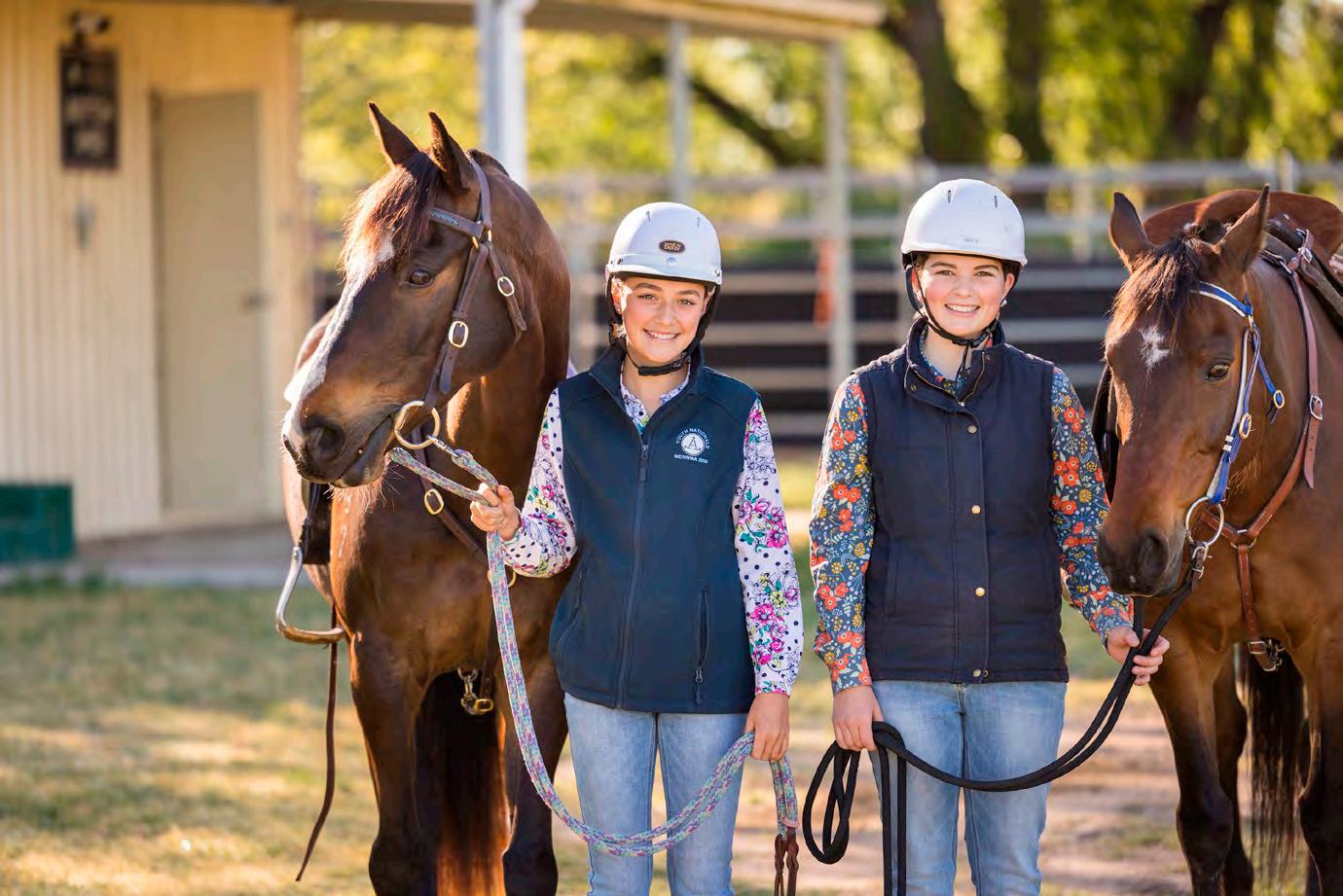
Scots All Saints College offers strong student engagement and access to special interest clubs and co-curricular activities.
SCOTS ALL SAINTS COLLEGE in Bathurst, New South Wales, is known for its open spaces, welcoming community, strong academic offering, co-curricular activities and the college’s proud celebration of uniquely regional learning opportunities.
Set on over 80 hectares, the college is a co-educational day and boarding school that offers specialist programs in agriculture, music, visual arts and performing arts. In addition, the Senior School campus facilities include a farm, a strength and conditioning gym, multiple sports facilities and all boarding facilities for boys and girls from Year 7 to Year 12.
“It is wonderful to see students making the most of the range of recreational and co-curricular facilities we have on campus,” says Head of College Richard Ford. “Of particular interest to many is the strength and conditioning gym, the equestrian centre and the farm, with strong student engagement in the college Equestrian Team and Cattle Team programs.”
Well-appointed boarding accommodation is comprised of four separate houses — two for girls, two for boys — one of which is a newly refurbished boarding house dedicated to Year 7 to Year 9 boys. “The location of all Senior School living and
learning facilities on one campus allows our boarding students to walk to class and easily access after-school tutorial and homework programs, special interest clubs, sport and co-curricular activities,” says Richard.
Extension co-curricular programs are matched with dedicated teachers and professionals who encourage students to explore new challenges. Students have the opportunity to bring their own horse to school with weekly lessons and regular training provided by professionals in show jumping and flat work, cross country and polocrosse.
Families are encouraged to register for the Senior School Day Tours, which occur each term, or call to arrange a personal tour of the campus.
Current Year 5 students looking to enter Year 7 in 2028 are invited to register for the fun and engaging Year 5 Discover High School Day on April 24, 2026.
For enrolment information or to register for an upcoming Senior School Day Tour or Year 5 Discover High School Day, visit scotsallsaints.nsw.edu.au or contact our Enrolments Registrar: enrol@scotsallsaints.nsw.edu.au; (02) 6331 3911.
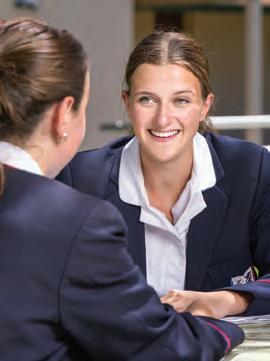
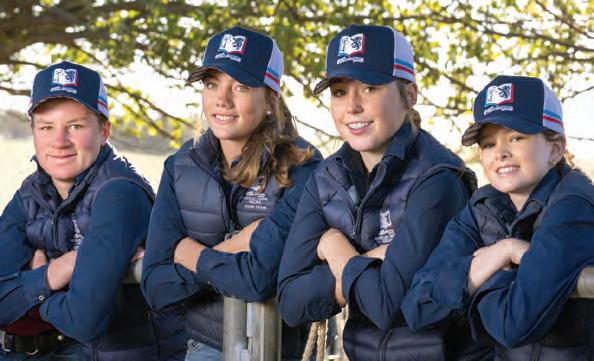
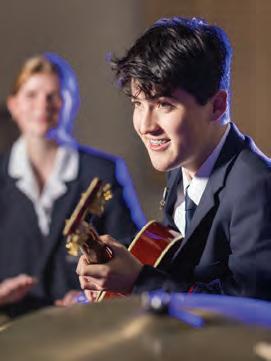
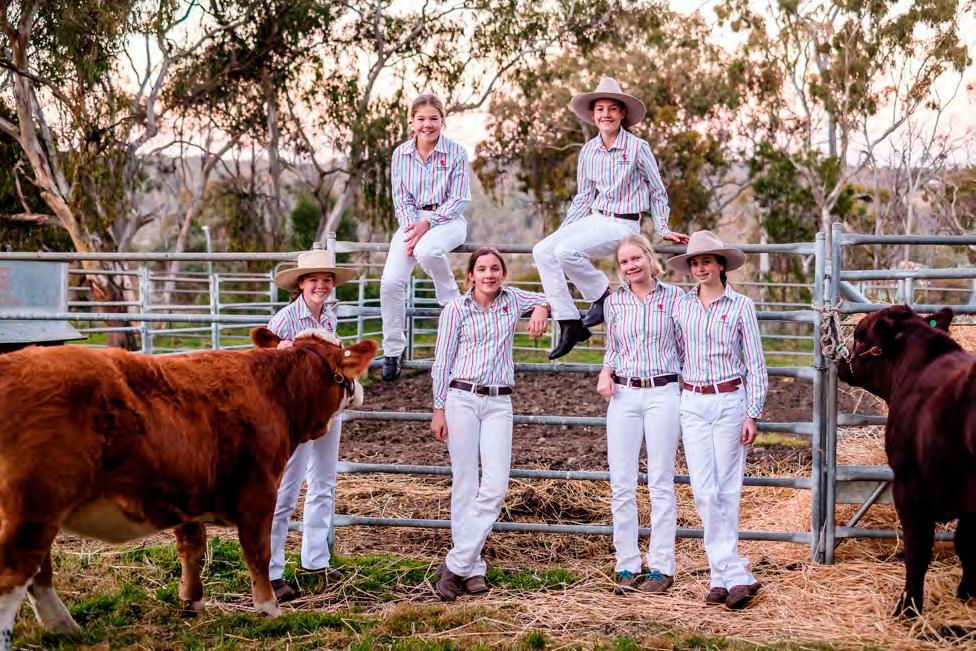
PLC Armidale empowers girls to excel academically and embrace every opportunity.
FOR 139 YEARS, Presbyterian Ladies’ College (PLC) Armidale has equipped young women of character to lead lives of significance and has continued to set the benchmark for academic excellence in the New England region of New South Wales. Outstanding results in both the 2025 Higher School Certificate (HSC) and NAPLAN have reinforced the college’s standing.
In the 2025 HSC, 46 per cent of PLC Armidale students achieved an ATAR above 85, and more than half the cohort were named NSW Distinguished Achievers, reflecting the college’s academic rigour and personalised approach to learning. Recently released 2025 NAPLAN data confirms PLC Armidale as the strongest performing school overall in the region, with students achieving results above the national average and above those of similar backgrounds across most tested areas in years 3, 5, 7 and 9.
Principal Nicola Taylor says the results demonstrate a consistent educational advantage. “These outcomes are the result of academic rigour, strong pastoral care and a culture where every girl is known, supported and challenged to do her best. With an average student-to-staff ratio of six to one, our size allows us to provide genuinely personalised learning pathways that help each girl reach her full potential.”
PLC Armidale offers a dynamic all-girls education from PreKinder to Year 12 for both day and boarding students, with boarding available from Year 5. The college frequently features among the top schools in New South Wales for HSC achievement, and approximately 95 per cent of graduates progress to university, with around a third pursuing science-related degrees.
“Students educated in a focused all-girls setting are more confident asking questions, particularly in mathematics and science, and they develop higher occupational aspirations throughout their schooling,” Nicola says. Academic strength is complemented by the college’s Explore Serve Journey (ESJ) experiential learning
program, which integrates service, leadership and outdoor education through carefully designed rites of passage across both Junior and Senior schools. “Our ESJ program is intentionally designed to support growth and transformation within a strong learning community,” says Nicola.
Head of Senior School Kate Clynch says success across academic, creative, sport, outdoor challenge and vocational pathways highlights the breadth of opportunity available at PLC Armidale. “Our students excel not only in extension academics but also in creative and performance subjects, STEM disciplines, sport and service learning, supported by expert teachers and small class sizes.”
Set on a 17 hectare parkland campus, PLC Armidale provides a tranquil learning environment that supports wellbeing and high performance. Full, weekly and casual boarders enjoy a family atmosphere led by Heads of Boarding Sam Azon-Jacometti, who lives onsite with his wife and young daughters, and Margaret Latham, who has lived in the boarding house with students for more than 20 years.
The College also offers PLC Pathways, a 12-month intensive English (ELICOS) and cultural familiarisation residential program for international secondary students, enriching the college’s globally connected community.
Underpinned by a strong literacy foundation, respectful relationships and an extensive co-curricular program — including STEM, creative and performing arts, Duke of Edinburgh, service learning and the award-winning livestock team — PLC Armidale develops confident, capable young women of character who are ready to thrive.
The college motto, Ad Astra (to the stars) reflects its enduring commitment to academic excellence and personal growth. For more information, visit plcarmidale.nsw.edu.au

Equip her for a life of significance
Boarding from Year 5



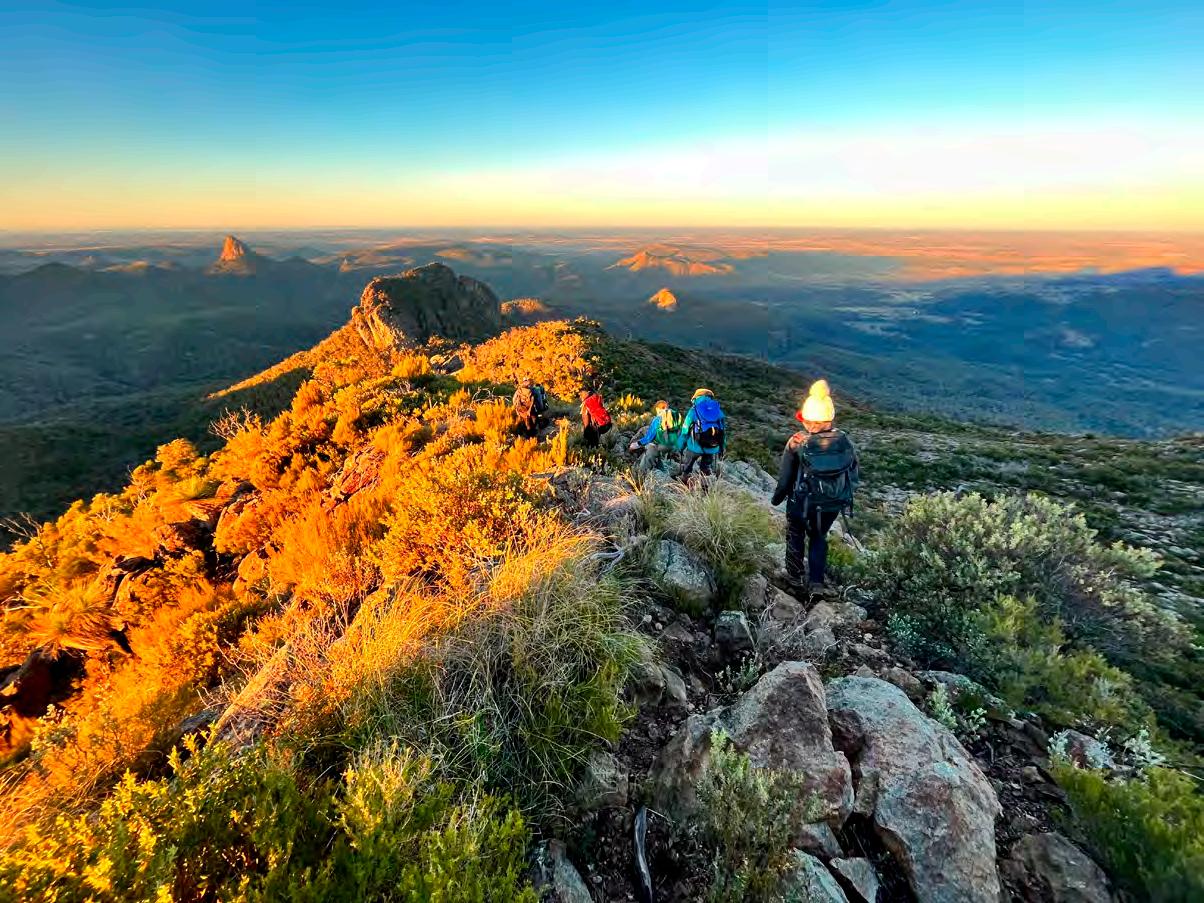
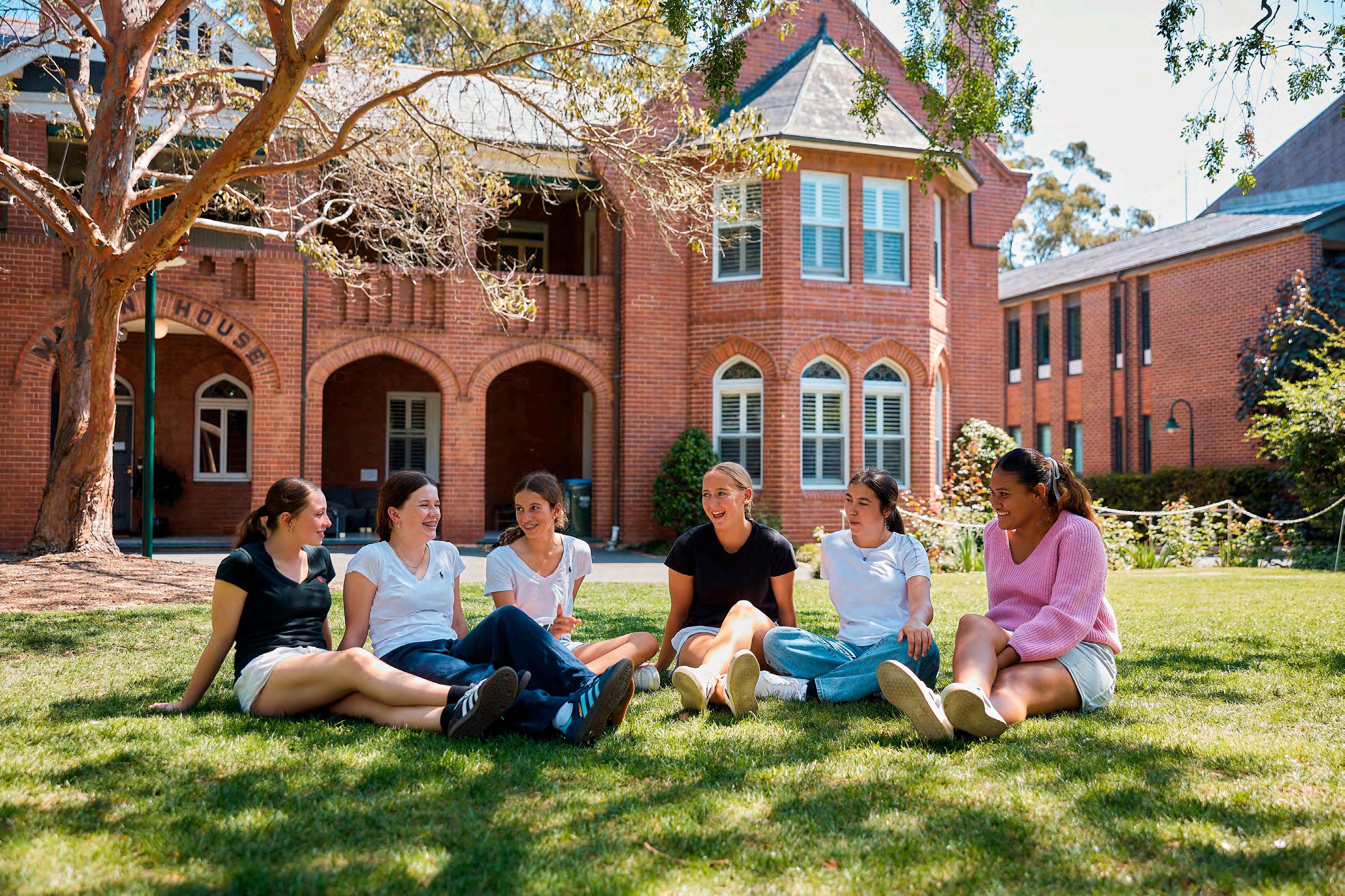
At Pymble Ladies’ College, a strong boarding spirit underpins daily life — a place where girls look out for one another.
THE SPIRIT OF Pymble boarding is welcoming, caring, tenacious, courageous, diverse, inclusive, sporty and fun. The boarding sisterhood is the fabric of residential life at Pymble Ladies’ College and our Boarding Prefect team goes out of its way to acknowledge and celebrate this long-held tenet.
The Big Sister, Little Sister program is an important way in which the boarding sisterhood shines through in everyday interactions. Year 10 and 11 boarders volunteer to be that special peer on whom the youngest boarders can rely. The foundations of these relationships begin long before a new boarder’s first day, with online meetings, a transition day outing and sleepover and correspondence over the holidays. This ensures that new boarders are well equipped and comfortable when starting their Pymble journey. Big Sisters build on this relationship over the year through regular interactions, including shopping trips, weekly ‘tuck-ins’ and by being a trusted sounding board, offering informed and unfiltered advice.
Spirit House Circles are another way of celebrating the special bonds that unite boarders. Each Tuesday night, boarding sisters come together in vertical house groupings for contests, challenges and conversation. With a curated mix of Year 7 through to Year 12 boarders, who stay as a family group over their years in boarding, there is a range of perspectives and lots of fun as the girls build lasting and deep connections with each other. It is through these events that the winners of the hotly contested Angus Cup and Spirit House Cup are determined.
The boarding sisterhood is never more on show than during Boarders’ Week when all things boarding are celebrated. In a series of strategically selected and sometimes hilarious sporting events, the boarders go all out to demonstrate their sporting prowess. Of course, this doesn’t always go to plan, but it is always good fun and wonderful to see boarders uniting across the year groups to win the Day Girls versus Boarders Cup. This fabulous week is also an opportunity to celebrate and thank the wider Pymble family who play such an important role in making living on campus so special.
Recently, Big Sisters took their Little Sisters for a special weekend sleepover at Vision Valley, Pymble Ladies’ College’s outdoor education campus. As Lily and Margaux share below, it was a wonderful adventure.
“Going to Vision Valley with our Little Sisters was such a special experience. It was exciting for us to introduce our Little Sisters to the place that so many of us love.
“We all bonded in the pool, playing games and having fun on the waterslide. We then made our own pizzas with our Little Sisters and ended the night with our own ‘Little Sister and Big Sister’ dance battles and watching a movie in the lodge, all together. The next day, we went crate stacking with everyone working together and cheering one another on. We made so many memories that we’ll cherish for many years to come.”
For more information about boarding at Pymble Ladies’ College, visit pymblelc.nsw.edu.au

Every day is an open day for our Boarding community. We understand that visiting Sydney can be challenging to schedule, so we welcome families for personal tours whenever it suits you.
We also host several special events throughout the year, where our Boarding students lead guided tours and share their experiences of life at Pymble
Boarding and Secondary School Open Event
Thursday 11 June 2026, 2.45pm to 5.30pm
Explore Boarding at Pymble
Sunday 9 August 2026, 12.30pm to 2.00pm Contact
A mentoring program assures that older boys support and encourage younger ones.
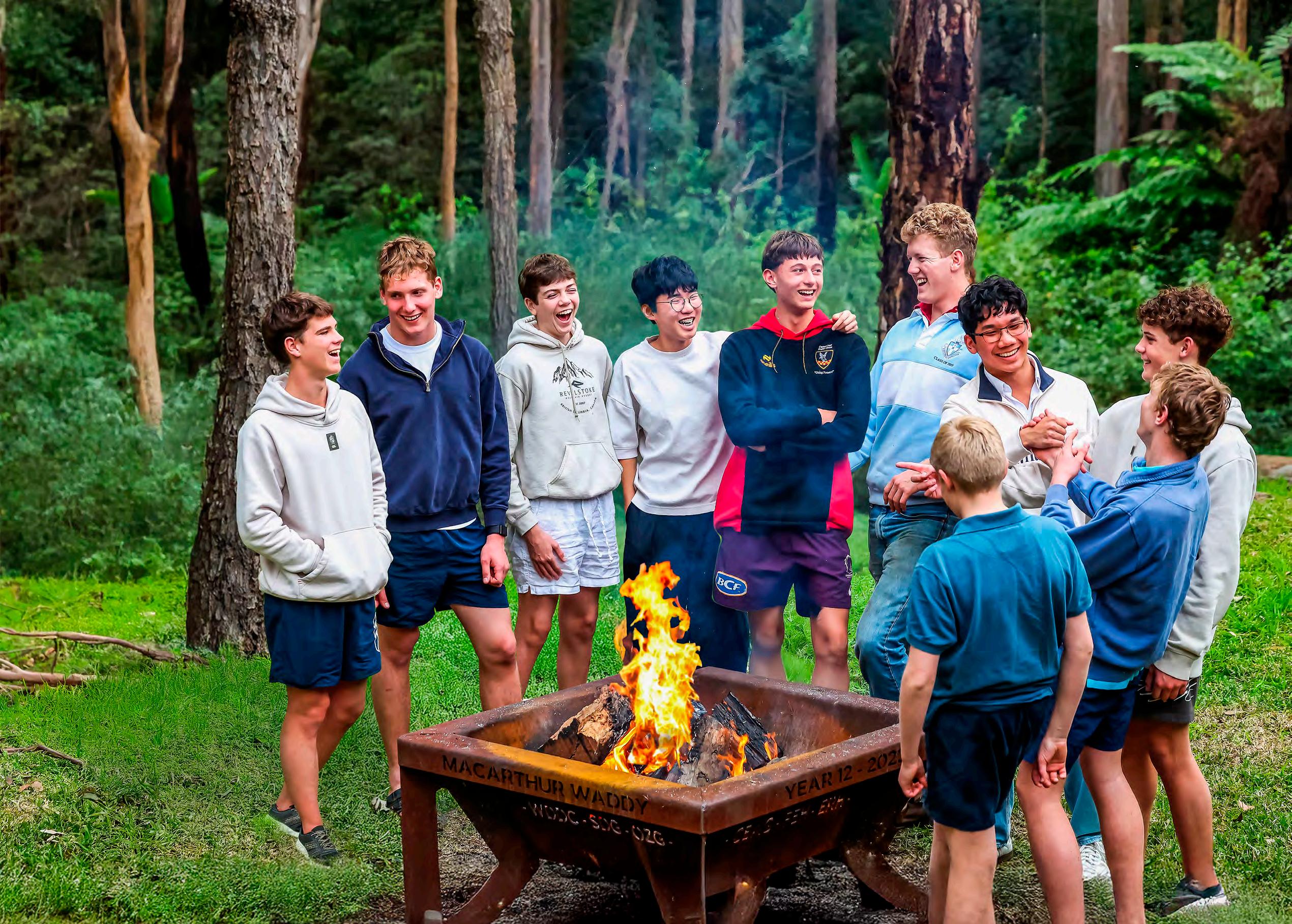
Community commitment underpins everything at The King’s School boarding.
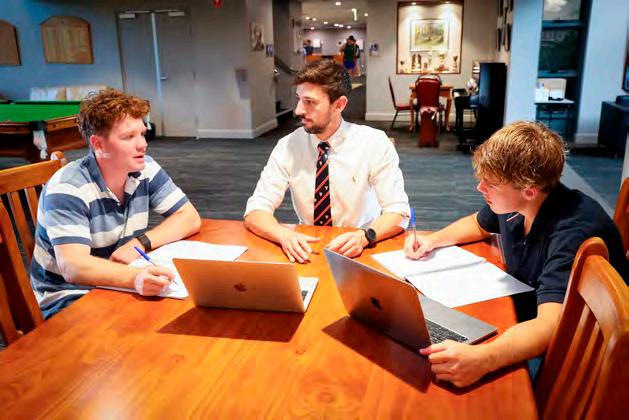
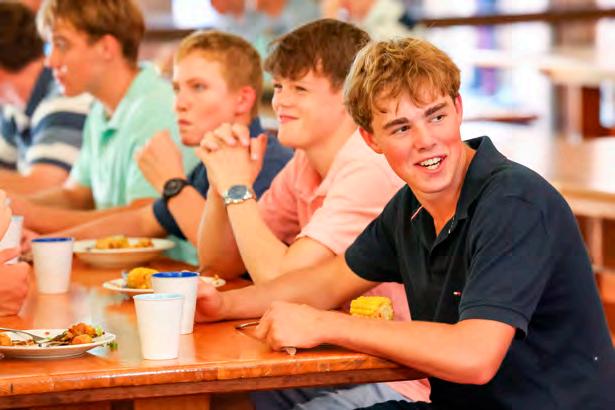
FOR ALMOST 200 years The King’s School has been educating young men of character and integrity, preparing young men to lead with humility and a deep commitment to making an outstanding impact on society. The expansive 130 hectare campus is just 30 minutes from the Sydney CBD, providing an exceptional learning environment for boys in years 7 to 12. With a strong focus on the development of the whole student, the campus supports a rich breadth of curricular and co-curricular offerings.
The school understands that moving away from home can be challenging for boys and their families. To help younger students settle into boarding life, Year 7 boarders are welcomed into their own dedicated space, the beautiful Gowan Brae House. Here they learn the rhythms and routines of boarding life while being guided and encouraged by a round-the-clock team of carers, including a House Mum.
In years 8 to 12, a Vertical Boarding Mentor Program brings together students across different year groups in each of the four senior boarding houses. This sees older students guide and support younger boarders, fostering connection, responsibility and a strong sense of belonging.
King’s commitment to community is embedded in everything the school does. Shared meals, extensive co-curricular clubs and offerings, as well as engaging weekend programs connect students across all year levels with on-site staff, creating a vibrant residential culture.
Beyond mateship and access to the outstanding sporting facilities, boarding also offers boys academic benefits including one-on-one tutoring and after-hours access to the library.
“It’s a place where they live, learn and GROW alongside their mates, where they are SUPPORTED and nurtured by a DEDICATED team of boarding professionals.”
Out-of-school-hours tutoring, engaging programs and shared mealtimes are some of the keys to boarding success at King’s.
Guided by the school’s philosophy of academic excellence and character development within a Christian community, students are encouraged to pursue their full potential, not only for personal achievement, but for the betterment of society.
“Our motto, Fortiter et Fideliter (bravely and faithfully) is not a phrase for the archives but a call to live with humility, courage and a heart for service. Whether in classrooms, on sports fields or through acts of service, our students strive to lead with integrity and inspire by example,” says Reverend Stephen Edwards, Interim Headmaster at The King’s School. “Boarding is at the heart of the school. For our boarders, the school is their second home. It’s a place where they live, learn and grow alongside their mates, where they are supported and nurtured by a dedicated team of boarding professionals. A residential education provides greater opportunities for our students to gain the most from their school experience.”
Boarders are also supported through the school’s Patron Program, in which distinguished Old Boys return to mentor and assist boarders both academically and socially.
“This network within the boarding houses encourages our boys to have a positive attitude and establish healthy habits towards study,” says Reverend Edwards. Discover more about The King’s School boarding adventure by attending one of the school’s regional Meet and Greet events, or by joining one of their boarding webinars. To register visit kings.edu.au
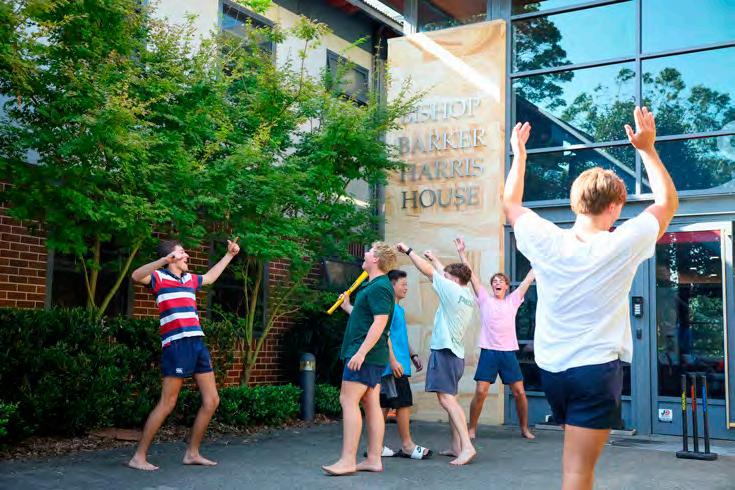
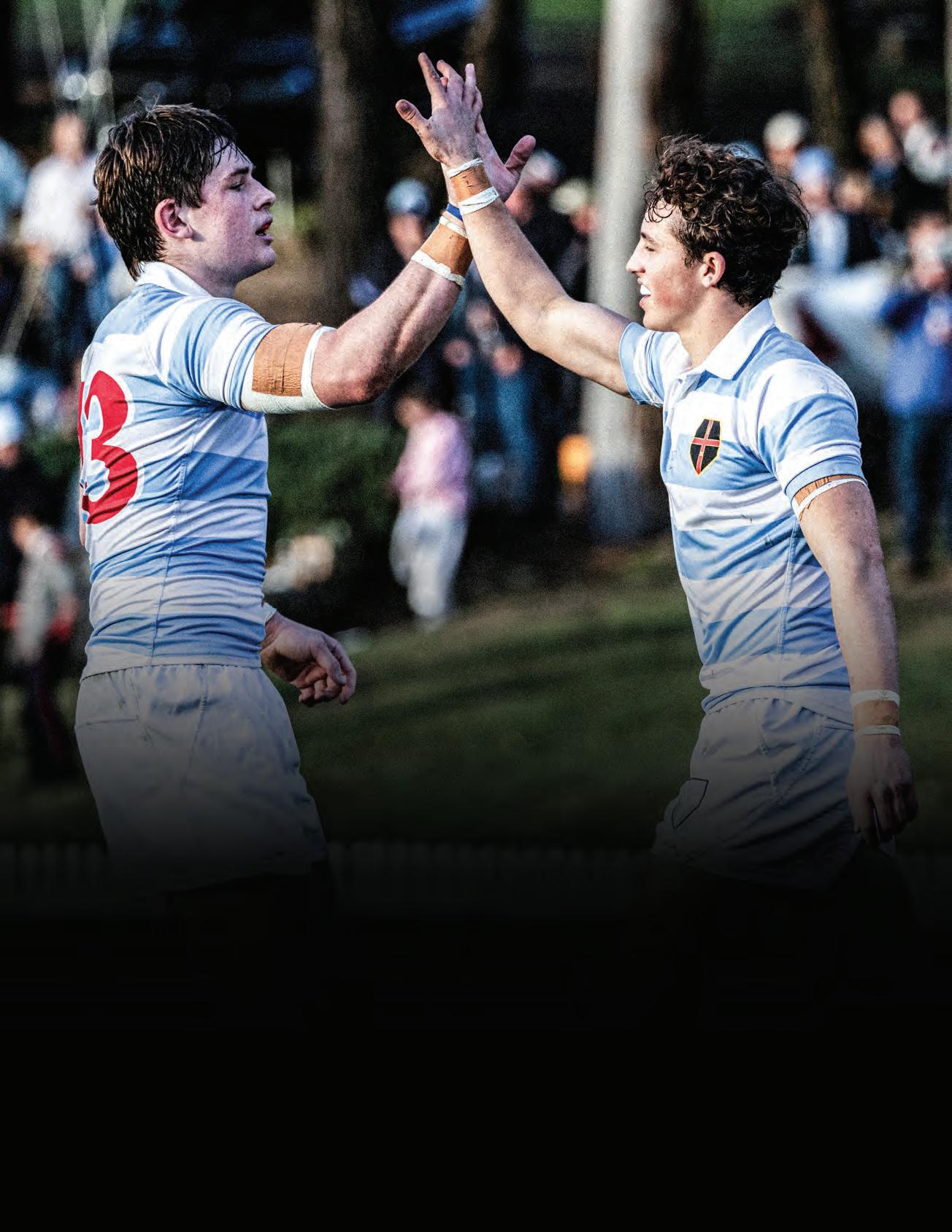

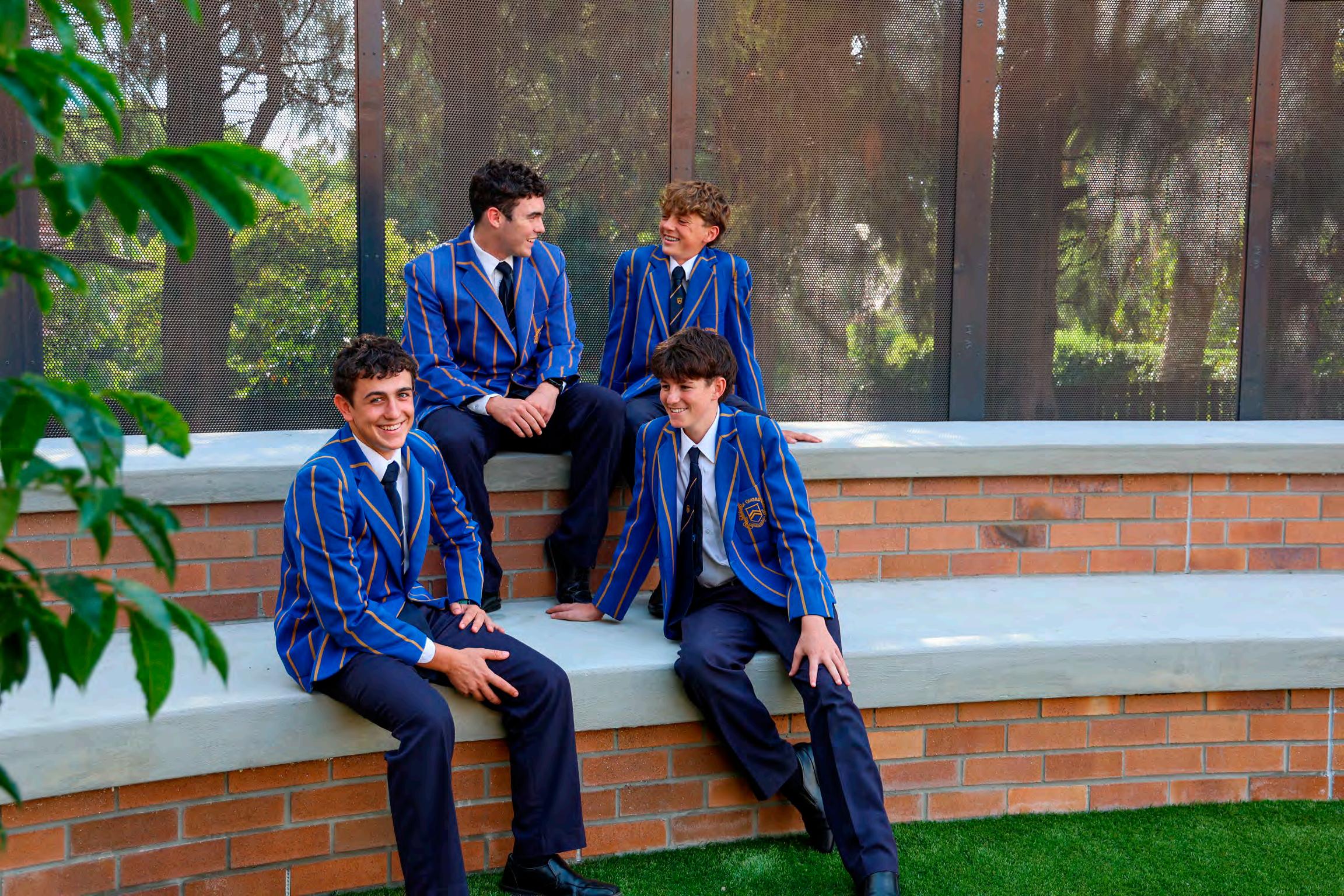
TGS is building the future from the ground up with a new integrated learning initiative.
“These spaces allow learning to move BEYOND THEORY. When students can see why their LEARNING MATTERS, engagement deepens.”
AT TOOWOOMBA Grammar School, the future is no longer an abstract idea discussed in planning documents. It is taking shape through purpose-built learning spaces designed to change how boys learn, think and engage with the world around them.
The Design Engineering and Technology (DET) Centre is now active, while the Agriculture and Industry Centre (AIC) is nearing completion. Together, they form the physical heart of TGX, a new learning initiative that connects students with real world challenges, emerging technologies and the industries shaping the future. Rather than adapting existing buildings to new ideas, the school has taken a deliberate approach. These centres have been designed from the outset to support a different kind of learning; one that values curiosity, collaboration and relevance alongside academic rigour.
Headmaster Dr John Kinniburgh says the buildings are a clear statement of intent for the school. “These centres reflect our belief that great education must be deeply connected to the world beyond the classroom,” he says. “We wanted spaces that invite curiosity, encourage collaboration and allow students to work on problems that genuinely matter. This is about preparing boys not just for exams, but for life.”
The DET Centre offers a clear indication of what this vision looks like in practice. With specialist laboratories, large-scale workshop spaces and a tiered lecture theatre, the building supports active and applied learning. Students move between digital design spaces, fabrication areas and collaborative learning zones. Transparency between disciplines allows learning to be visible and reinforces the connection between theory and practice.
Director of Learning and Innovation Crystal Hede explains that the design process began with learning, not architecture. “We started by asking what kind of learning experiences we wanted our students to have,” she says. “The spaces needed to support experimentation, iteration and teamwork. They needed to feel authentic and connected to the real world.”
While the DET is already in use, anticipation is building around the AIC, which is nearing completion. Purposefully positioned to reflect the school’s regional context, the centre will bring together science, sustainability, technology and industry engagement. Once the centre is complete, students will explore issues such as food production, environmental stewardship and innovation through hands-on learning experiences grounded in real industry contexts.
“These spaces allow learning to move beyond theory,” Crystal says. “When students can see why their learning matters, engagement deepens.”
The AIC and DET provide the physical foundation for TGX, but the program itself connects learning across disciplines and year levels. TGX is built around real world challenges drawn from industry and community contexts. Students work collaboratively, guided by teachers and industry partners, to explore >
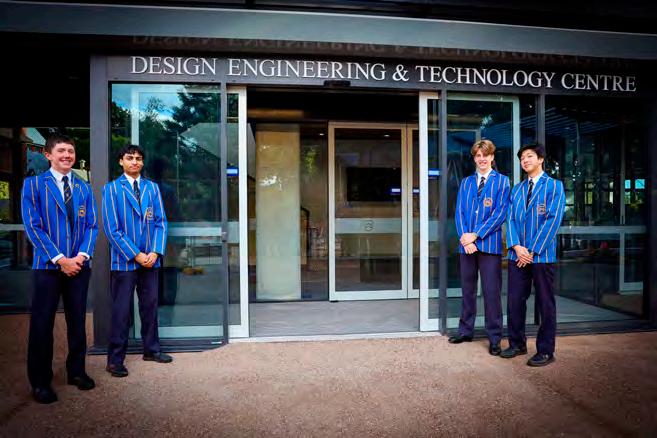
problems that don’t have simple answers. They develop critical thinking, adaptability and confidence through purposeful learning experiences.
Importantly, TGX is embedded within the broader curriculum, strengthening academic learning through practical application.
“We are not choosing between tradition and innovation,” Dr Kinniburgh says. “We are strengthening both. TGX builds on our strong academic foundations and extends learning into spaces where students can see its relevance.”
The close relationship between the AIC and DET is intentional. Students will move fluidly between the two centres as
“We are not CHOOSING between tradition and innovation,” Dr Kinniburgh says. “We are STRENGTHENING both.
The purpose-built DET Centre at Toowoomba Grammar School.
TGX continues to grow, reinforcing the idea that meaningful learning does not sit neatly within subject boundaries.
For a regional school, this investment carries significance beyond the campus. Agriculture, engineering and industry are central to the Darling Downs, and these centres connect learning directly to the region and its future. Industry partnerships play a key role, giving students insight into contemporary work environments and emerging challenges.
“Our students benefit enormously from these connections,” Crystal says. “They see professionals working through the same complexities they are exploring in class.” As students continue learning within the DET and look ahead to the opening of the AIC, the impact is already evident. Engagement is high and conversations are deeper.
“These facilities exist for our boys,” Dr Kinniburgh says. “Their experience will be the clearest measure of success.”
Built with intention and guided by vision, the AIC and DET ensure learning at Toowoomba Grammar School is firmly focused on what comes next.
Visit twgs.qld.edu.au to find out more about TGS and the boarding program at the school.
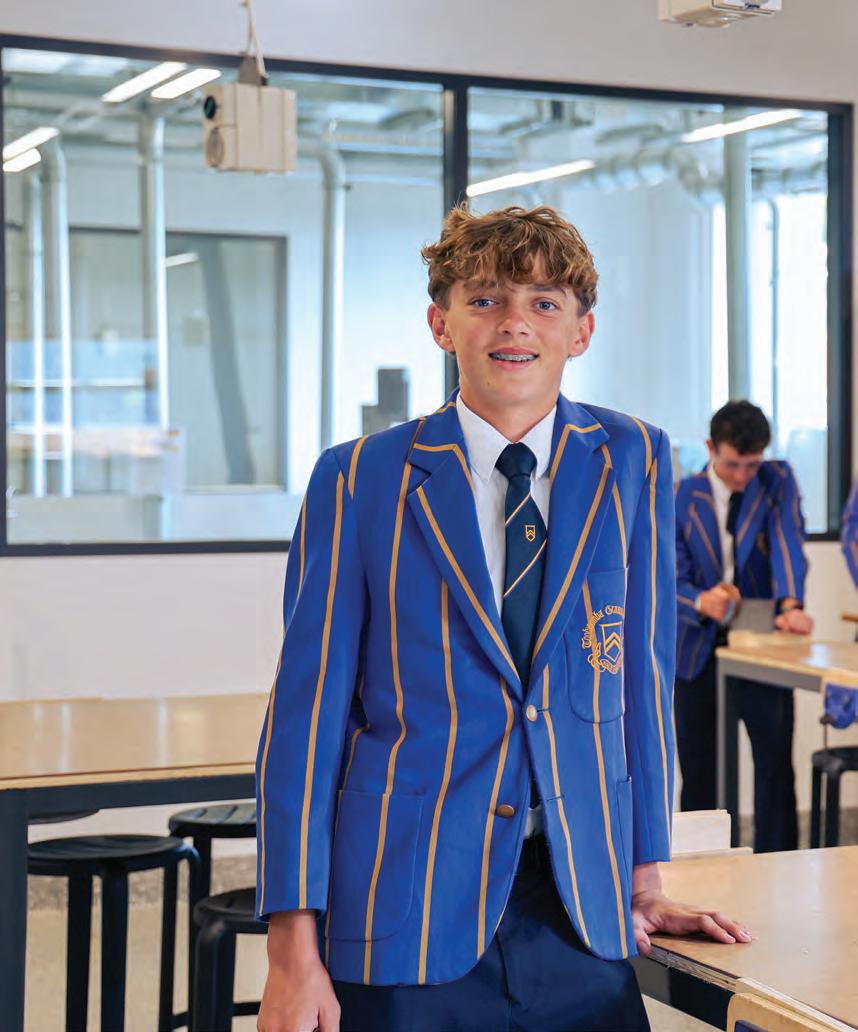
At Kinross Wolaroi School, strong leadership shapes a boarding experience that combines academic excellence, opportunity and genuine community — all within the surrounds of Orange, NSW.
RECONNECTING WITH HIS country roots has been a powerful motivation for one of Orange’s newest educational leaders. When Justin McInnes was appointed Head of Boys’ Boarding at Kinross Wolaroi School at the end of 2025, the move represented far more than a professional step forward. It marked a return to the regional values and sense of community that had shaped his own upbringing.
Following the summer break, he officially commenced the role as the new school year began, bringing with him 17 years of experience from The Scots College, one of Australia’s most established boarding schools. Yet despite the prestige and opportunity of Sydney, the pull of regional life proved stronger.
Growing up in Mudgee, New South Wales, Justin attended a boarding school where he thrived in a community of camaraderie and structure — an experience that continues to shape his philosophy today.
“The idea that you’ve got this close-knit community, these caring people who are always friendly and present, is something that really resonates with me,” he says.
Now settled in Orange with his wife and two young children, he sees the region as an ideal place to live and raise a family.
“It’s a progressive city that has everything you need,” he says. “There’s a strong sense of community here, and that’s incredibly important when you’re raising children.”
His perspective as both educator and parent informs his approach to boarding leadership. He understands that families choosing boarding education are seeking more than strong academic results. They want their children to feel safe, supported and connected; to grow within an environment that values character, responsibility and belonging.
At Kinross, students board within a connected co-educational community that fosters mutual respect and inclusion. Dedicated boarding houses provide structure and pastoral care, while shared meals, weekend activities and co-curricular experiences create opportunities for friendships and personal growth.
Justin’s vision for boarding is both ambitious and grounded in experience. “Fundamentally, we want to make sure that Kinross has a world-leading boarding program,” he says.
That commitment is reflected in continued investment in facilities and student wellbeing. New ‘home away from home’ student accommodation at the Bathurst Road campus is scheduled for completion in mid-2026, providing purpose-built modern spaces designed to enhance comfort, connection and daily life for boarders.
While improved facilities will enrich the boarding experience, Justin believes the true strength of boarding lies in relationships. “Boarding is about people,” he says. “It’s about creating an environment where students feel known, supported and encouraged, where they develop independence and friendships that last a lifetime.”
This new chapter is also shaped by his leadership partnerships with Head of Girls’ Boarding Hannah Whittemore and Principal Timothy Kelly. Together, they are guiding Kinross into a new era that honours the school’s proud 140-year heritage while strengthening its commitment to contemporary wellbeing practices and educational excellence.
Their shared vision recognises that today’s students must be prepared not only for examinations, but for life beyond the school gates. Academic rigour is complemented by opportunities in sport, music, leadership, service and outdoor education — experiences that build resilience, confidence and teamwork.
For families across rural and regional Australia, boarding continues to provide access to exceptional educational pathways. At Kinross, that opportunity is delivered within an environment grounded in country values, where students feel supported, connected and part of a caring community.
As Justin McInnes settles into his new role, his journey has come full circle: from country student to boarding leader, from a regional upbringing to raising his own family in Orange. In the process, he is helping to shape a boarding experience where young people feel at home, supported to achieve their best, and prepared to step confidently into the future.
To learn more, visit the Kinross Wolaroi School website at kws.nsw.edu.au or contact the admissions team on (02) 6392 0300.
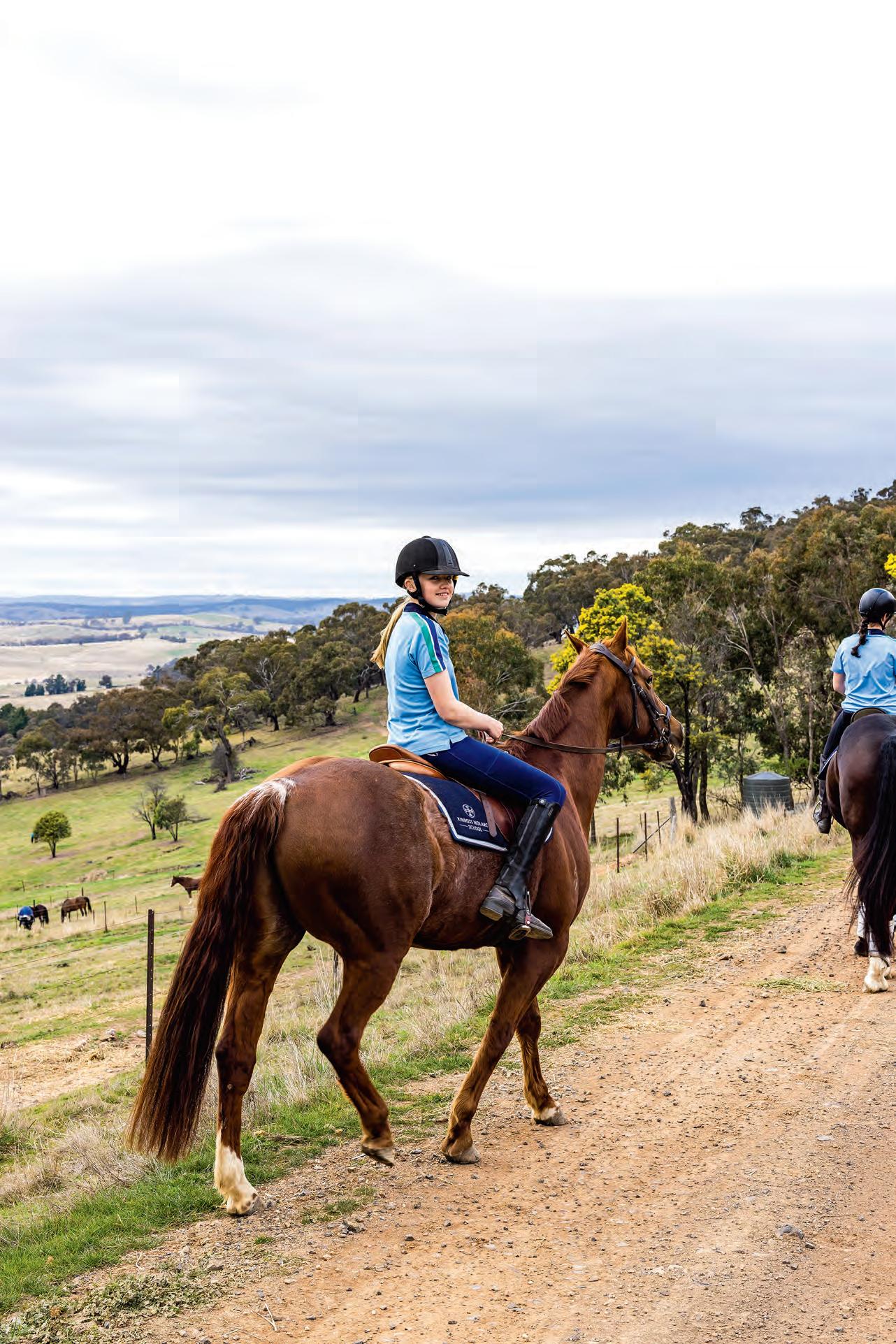
“It’s about creating an ENVIRONMENT where students feel known, supported and encouraged, where they develop INDEPENDENCE and FRIENDSHIPS that last a lifetime.”
Kinross Wolaroi’s equestrian program is one of the co-curricular activities available to boarders.
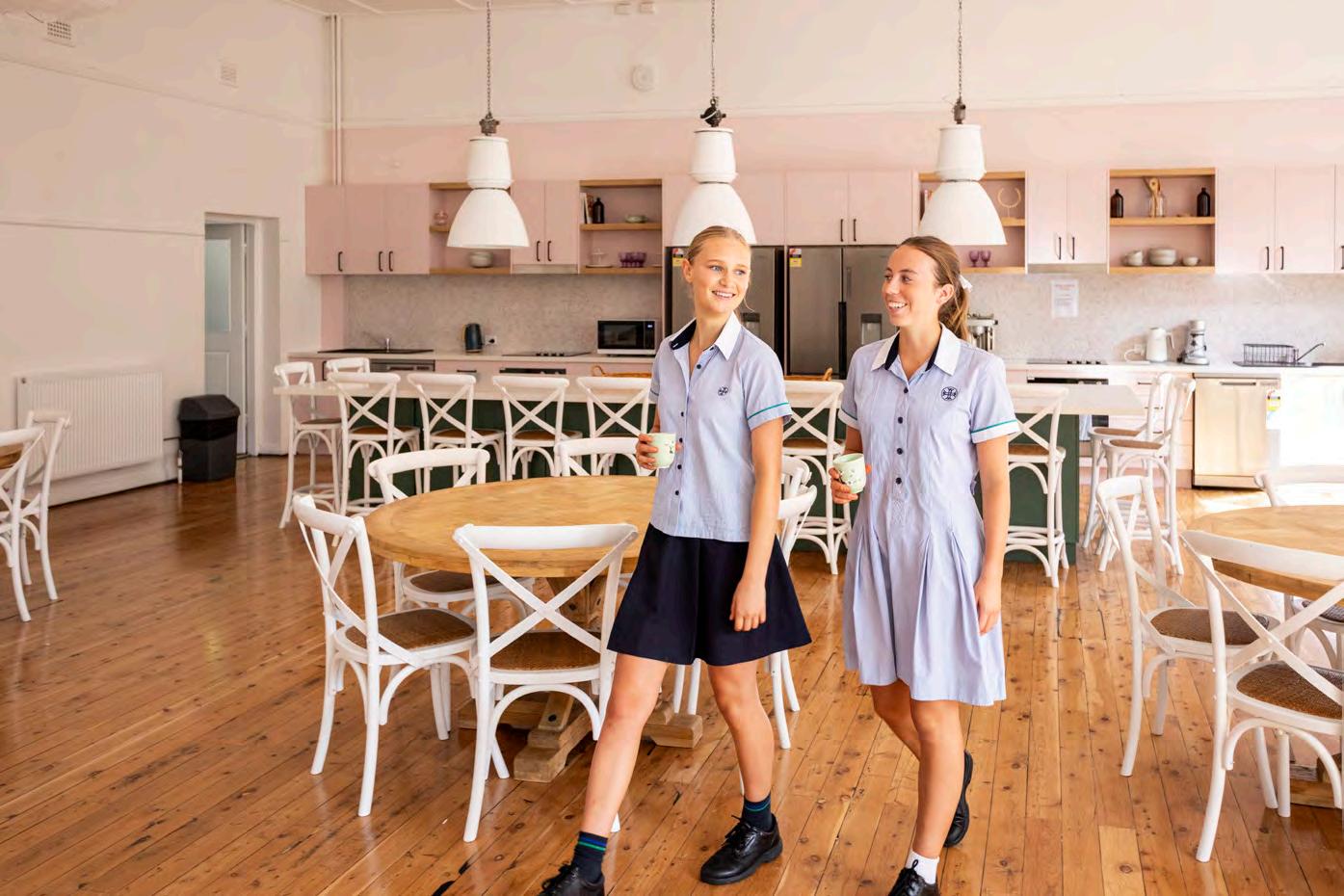
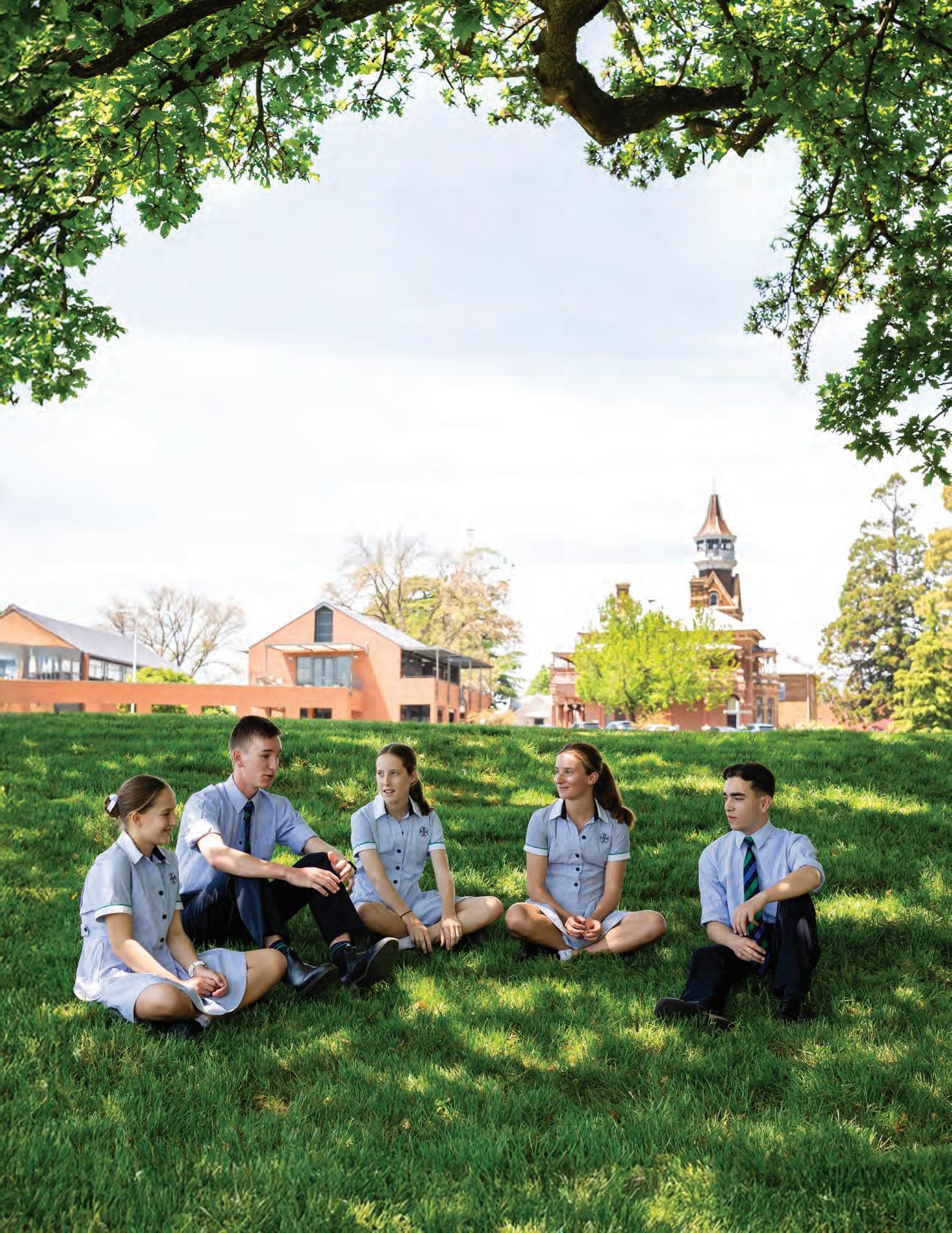
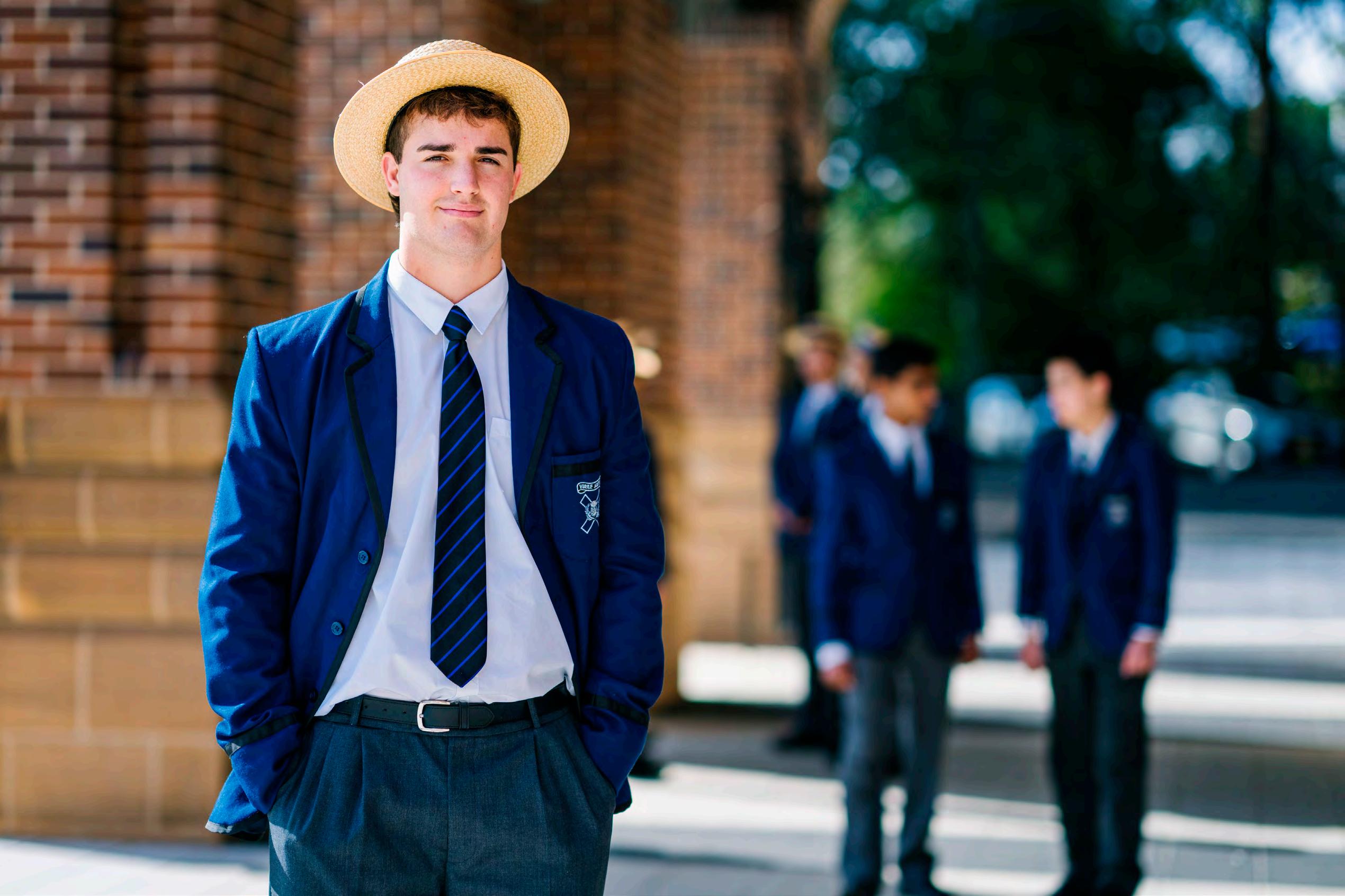
Knox Grammar School boarders come from all over Australia and the world to learn how they can meaningfully contribute to society in the future.
AFTER 13 YEARS at Knox Grammar School, Adam Shaw has recently moved into a pivotal new role as Head of Boarding.
“I’ve worked in many areas of the school where pastoral care and student wellbeing have been a focus,” says Adam. “A large part of that time has been spent in boarding, and it’s been a real privilege. For parents, the most important thing I aim to provide is peace of mind: that their son is not just cared for, but understood and valued.”
The boarding community helps guide students through their formative years, laying a strong foundation for shaping young men of faith, wisdom, integrity, compassion and courage. “It’s a space where character is built, resilience is developed, and lifelong friendships are formed,” says Adam. “Knox Boarding offers a rich and diverse experience for students and families. Boys learn to live well with others; academic support is integrated with pastoral care; and personal growth is a priority. We offer programs that help boys develop life skills, leadership qualities and a strong sense of identity. Our aim is to ensure that our boys are wonderful contributors to their community and, with the Knox Graduate Profile as a focus, our program ensures that development is accelerated in this respect. I want our boys to leave Knox not just with academic success, but with the confidence and empathy to contribute meaningfully to society.”
With more than 200 boarders from across the globe, Knox Boarding offers a multicultural environment where lifelong friendships are forged and global perspectives are nurtured.
“Diversity is one of our greatest strengths,” says Adam. “With boys from rural New South Wales, regional Australia and
international backgrounds, our boarding house becomes a microcosm of the wider world. This fosters cultural competency, broadens perspectives, and teaches boys to value difference.”
The opportunities at Knox are also diverse. “We have a wide range of experiences and programs in particular that are both highlights for our boys and important rites of passage,” says Adam. “These often involve our boys heading off-site to experience another beautiful part of Sydney. The programs achieve stage-specific outcomes as well as enhancing the connection within the boarding house.
“Our academic program is comprehensive and involves an in-depth feedback loop between the day school and boarding program, where boys are supported according to their academic needs by a team of teachers and tutors. Our Student Mentor Program provides strong support for Stage 4 boarders, and valuable leadership and opportunity to develop soft skills for our Stage 5 and 6 boarders.
“We also have a great system in place to incorporate student voice into all that we do through our boarding leadership team and student cultural representatives. The result of this is the creation of things like Back to Country Day, our Boarder Brother trophy program, and a range of fun and engaging activities that are driven by our students.”
We encourage you to tour the boarding house when you’re next in Sydney. Contact Martin Gooding, Head of Engagement, at goodingm@knox.nsw.edu.au or on (02) 9473 9768 to discuss how Knox Boarding could support your family. Visit the school’s website at knox.nsw.edu.au
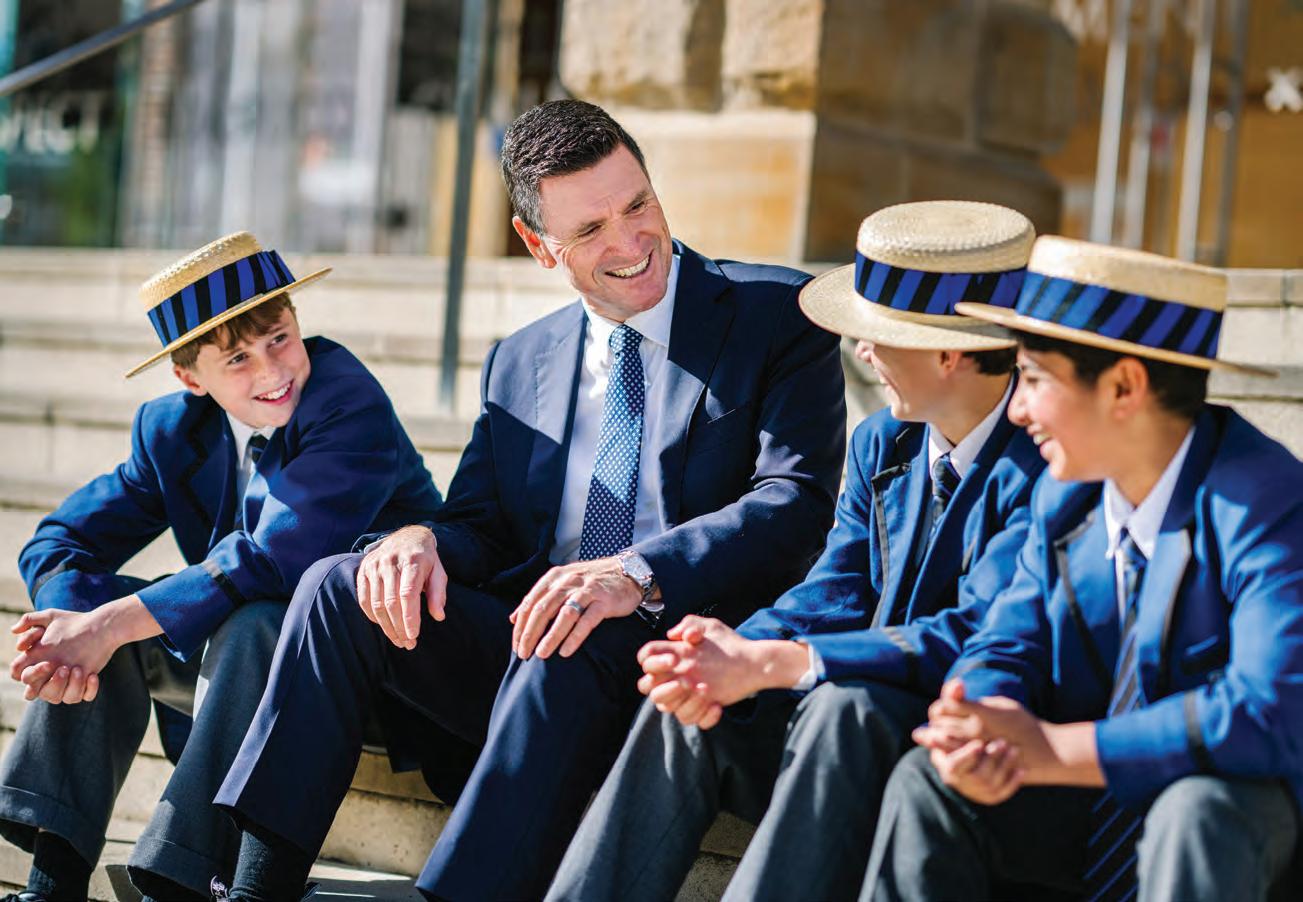
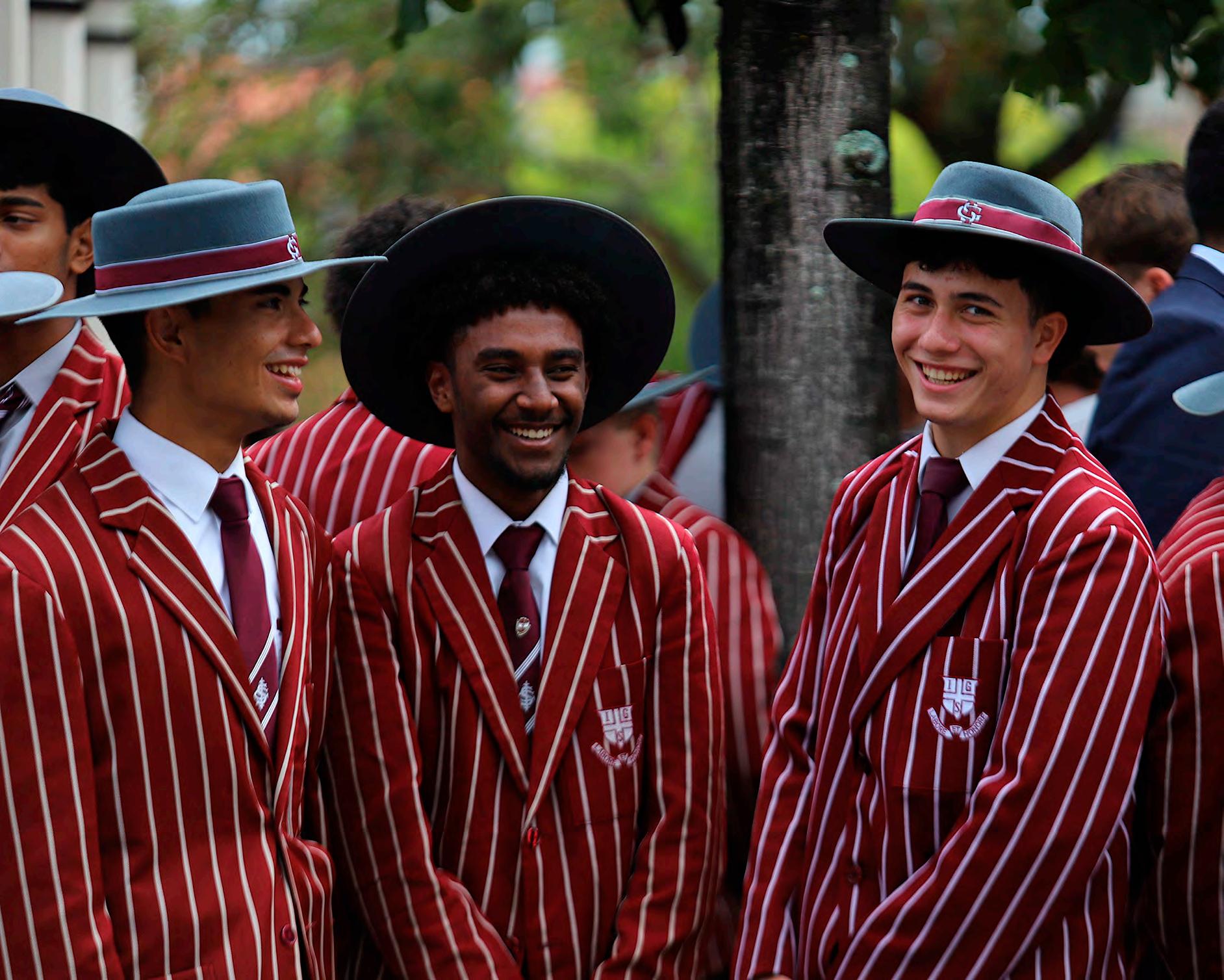
At Ipswich Grammar School, boarding builds character, connection and confidence in boys from across the world.
“As an Old Boy, Ipswich Grammar School SHAPED who I am. The mateship, the INDEPENDENCE, the resilience: these are the LESSONS that extend far beyond school.”
IPSWICH GRAMMAR SCHOOL believes that boys thrive when they are known, understood and supported. Everything they do centres around the needs of each boy: his growth, wellbeing and the character and integrity he develops as a young man. Since 1864, the school has welcomed boarders from across the state, the country and around the world. As one of Queensland’s oldest boarding schools, boarding has always been more than accommodation at Ipswich Grammar School (IGS): it is a home, a brotherhood and a community where boys learn who they are.
Every boy brings his own personality, strengths and ambitions. With more than 160 years of experience educating boys, IGS understands their energy, their curiosity and their need for belonging. Boarding at IGS provides the structure, care and encouragement that allows each boy to grow in confidence — academically, socially and personally.
IGS began with just 16 students, and has since shaped generations of men who have gone on to contribute meaningfully to government, the arts, sport and business. Yet what Old Boys most often speak about is not titles or achievements; it is the friendships, the laughter and the sense of mateship that began here.
“As an Old Boy, Ipswich Grammar School shaped who I am. The mateship, the independence, the resilience you develop: these are the lessons that extend far beyond school. It is a privilege to now help create that same experience for the next generation,” says Old Boy Stewart Drinkeld (Class of 1996), who is now Director of Boarding.
While not every IGS boy is a boarder, every boy feels the impact of boarding on the school’s culture. The diversity of backgrounds, the shared experiences and the spirited energy of the boarders enrich the entire school community. Boarding widens horizons and builds character. It brings together boys from different places and helps them form lifelong bonds.
Life in the boarding house is vibrant and supportive. Boys learn independence while knowing there is always someone looking out for them. They develop social confidence, cultural awareness and the ability to live and work alongside others. They discover their strengths, whether academic, sporting, musical or creative, and are encouraged to pursue them wholeheartedly.
Weekends are filled with connection and activity, team sport, beach trips, theme parks, recreational pursuits and time spent together on the expansive grounds. With a heated pool, gym facilities and open spaces to relax and unwind, boarders have room to grow. Their wellbeing is a shared priority between the Director of Boarding, resident staff, school medical staff, the boarding mum and, of course, Broxy, the much-loved boarding dog who provides comfort and companionship when boys are missing home or navigating challenges. >
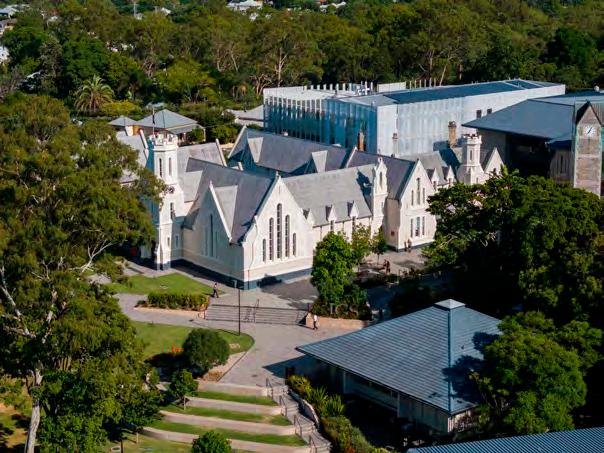
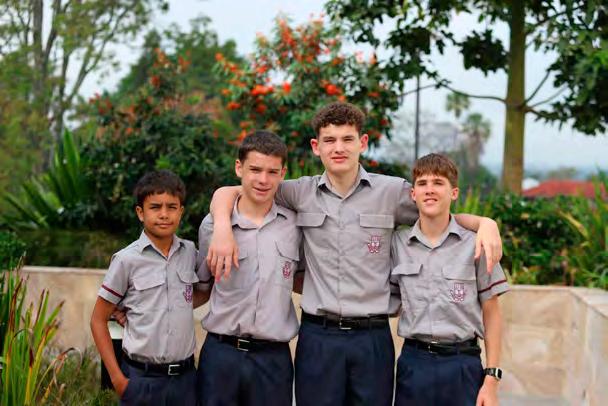
The campus overlooks the city of Ipswich, Queensland, and will soon sport a new purpose-built boarding house.
A purpose-built boarding house, set to open in 2028, has been thoughtfully designed to meet the needs of today’s boys and those of the future. With increased accommodation, flexible communal spaces and contemporary facilities, it reflects a vision of a modern, welcoming and sustainable home away from home. Positioned beside the bottom oval and cascading down the slope near the auditorium, the new four-level boarding house will overlook the oval and out toward the city of Ipswich, a daily reminder to the boarders that they are connected both to their school and to the wider world beyond it.
As the world changes, so too must boarding. The school honours its 163-year legacy while looking ahead with confidence. In 2028, IGS will proudly be the oldest secondary school in Queensland with the newest boarding house, a powerful reflection of the school’s grounding in history, yet forward-looking in care for its boys.
This new chapter honours the generations who came before while creating a home where the next generation of IGS boarders will find friendship, belonging and the confidence to step forward into life.
Visit ipswichgrammar.com for more information.
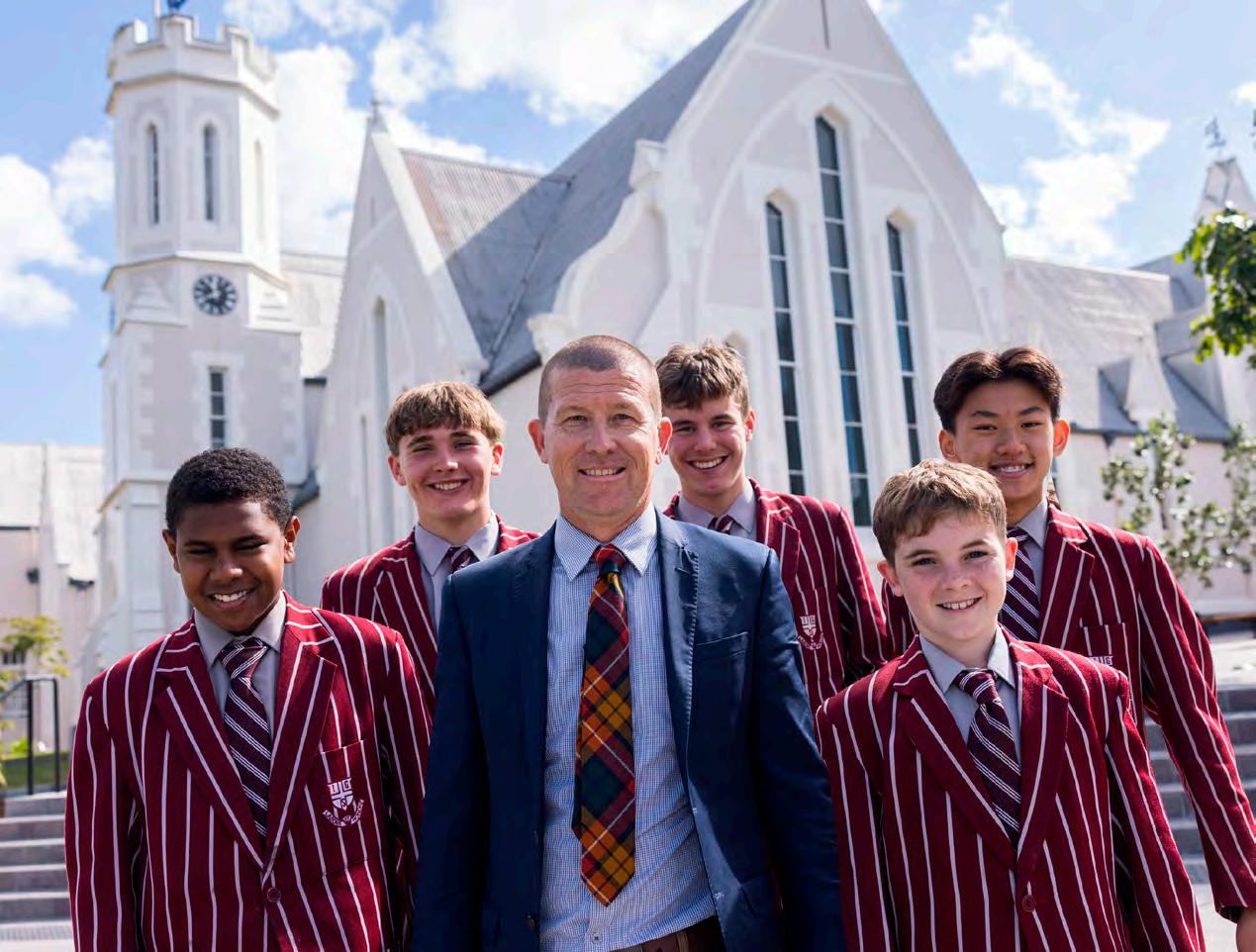
At Ballarat Clarendon College, boarding is built on strong relationships, a supportive community and shared commitment.
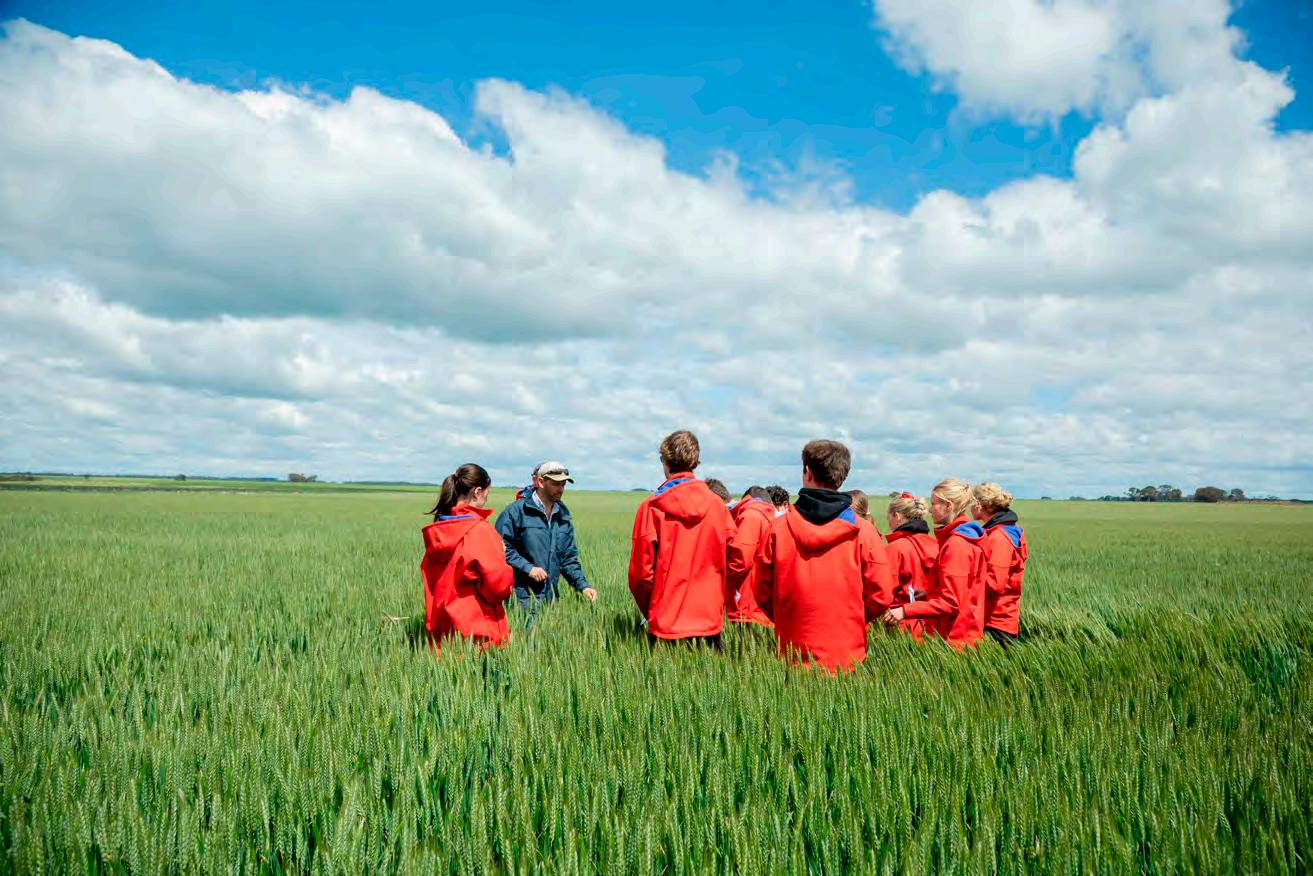
BUILDING AUTHENTIC, collaborative and connected relationships with parents and families is an important and highly valued part of students’ time at Ballarat Clarendon College, Victoria, and it is something that begins well before the students step foot into the boarding houses.
Every connection point matters; from the initial application through to a tour of the school and boarding houses to the enrolment meetings. Every engagement provides an opportunity to build the confidence of boarders and their families that Clarendon is the right choice for them. It’s this close-knit and engaged community of students, parents, teachers and staff that work together to provide a foundation where students feel safe, supported and ready to learn and grow in an environment where they can thrive.
Head of Boys’ Boarding and Head of Girls’ Boarding, both of whom are past students — as well as the wider pastoral care, teaching, operational and health centre staff — work hard to provide a comfortable environment that prioritises the students’ wellbeing while encouraging them to immerse themselves in the vast array of opportunities, activities and resources available. When reflecting on the benefits of boarding, Head of Boarding Dean Griffin says, “Boarding is about building a culture that is both enriching and protective of students. It is about encouraging students to be more outward looking than inward, to be more tolerant than judgemental, more willing to learn than retreating into comfort. It is about building a network of friends that will endure long after school has finished.”
It is with this direction in mind that Clarendon College educators provide opportunities designed to support students to
develop the competencies, skills and capacities they require in life, so that when the opportunity presents itself, they are ready to respond. Clarendon holds a genuine belief that, with the right support, every child can make progress in their learning, and this is reflected both in and outside the classroom.
Alongside the core subjects, a data-driven and enterprise-based agriculture program for students in years 9 to 12 provides an opportunity to develop practical skills, apply innovative technologies and gain real-world experience in modern agricultural practices and agribusiness.
With a community of approximately 150 boarders from years 7 to 12, Clarendon’s professional and dedicated team provides personalised support and compassion in a homely environment. Boarding students’ home towns range across regional Victoria, New South Wales and South Australia. The school offers them an opportunity to live with a wide range of people from all backgrounds, further enhancing their learning experience and building an inclusive community to be extremely proud of.
With more than 60 co-curricular opportunities across the school, students are provided with opportunities to develop confidence, teamwork and broader interests beyond the classroom. A multitude of sporting and physical activities include Ballarat Associated Sports competitions, music ensembles and choir, coding, chess clubs, visual arts and dance. There really is something for each of the boarders to embrace and get involved in. Contact the Admissions team at admissions@clarendon.vic.edu.au or (03) 5330 8220 for further details and to book a personalised tour. Visit clarendon.vic.edu.au/admissions/boarding
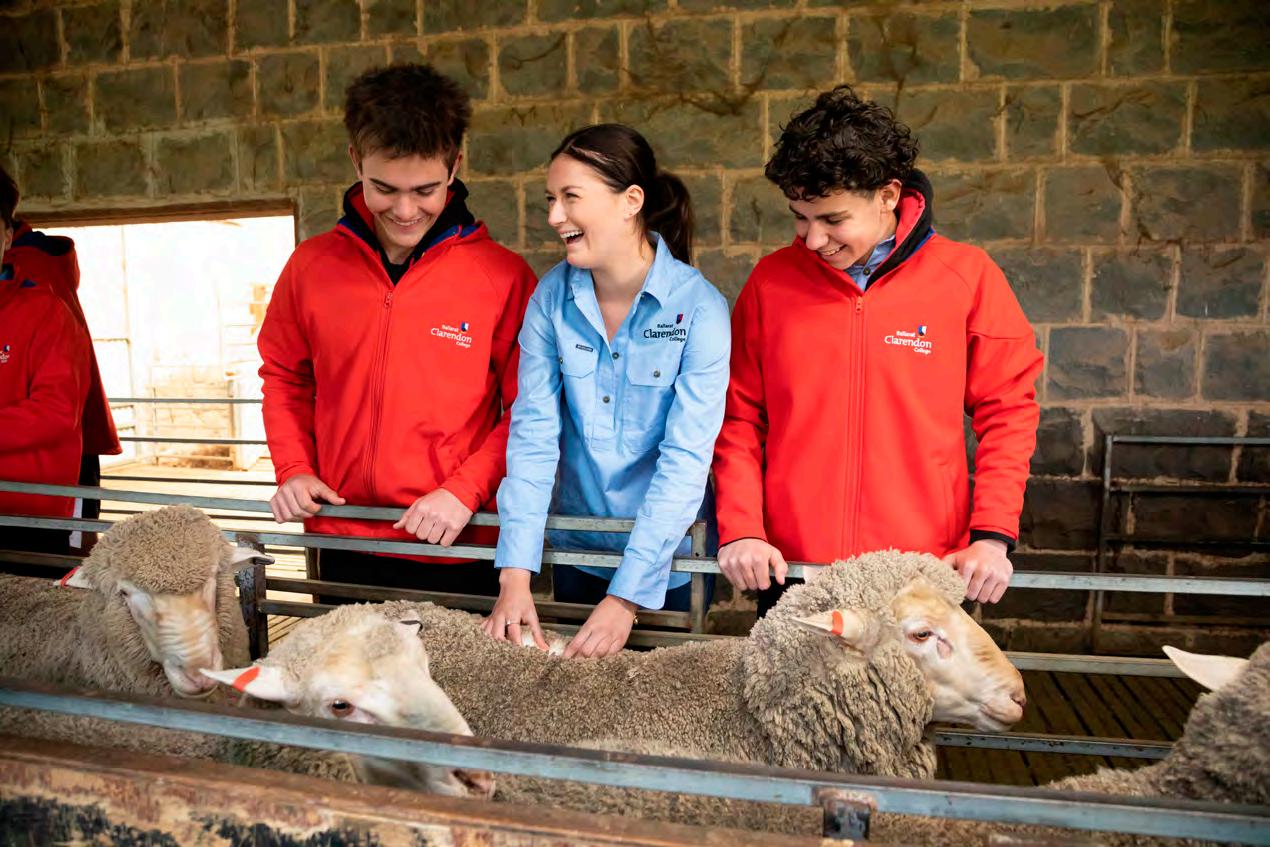
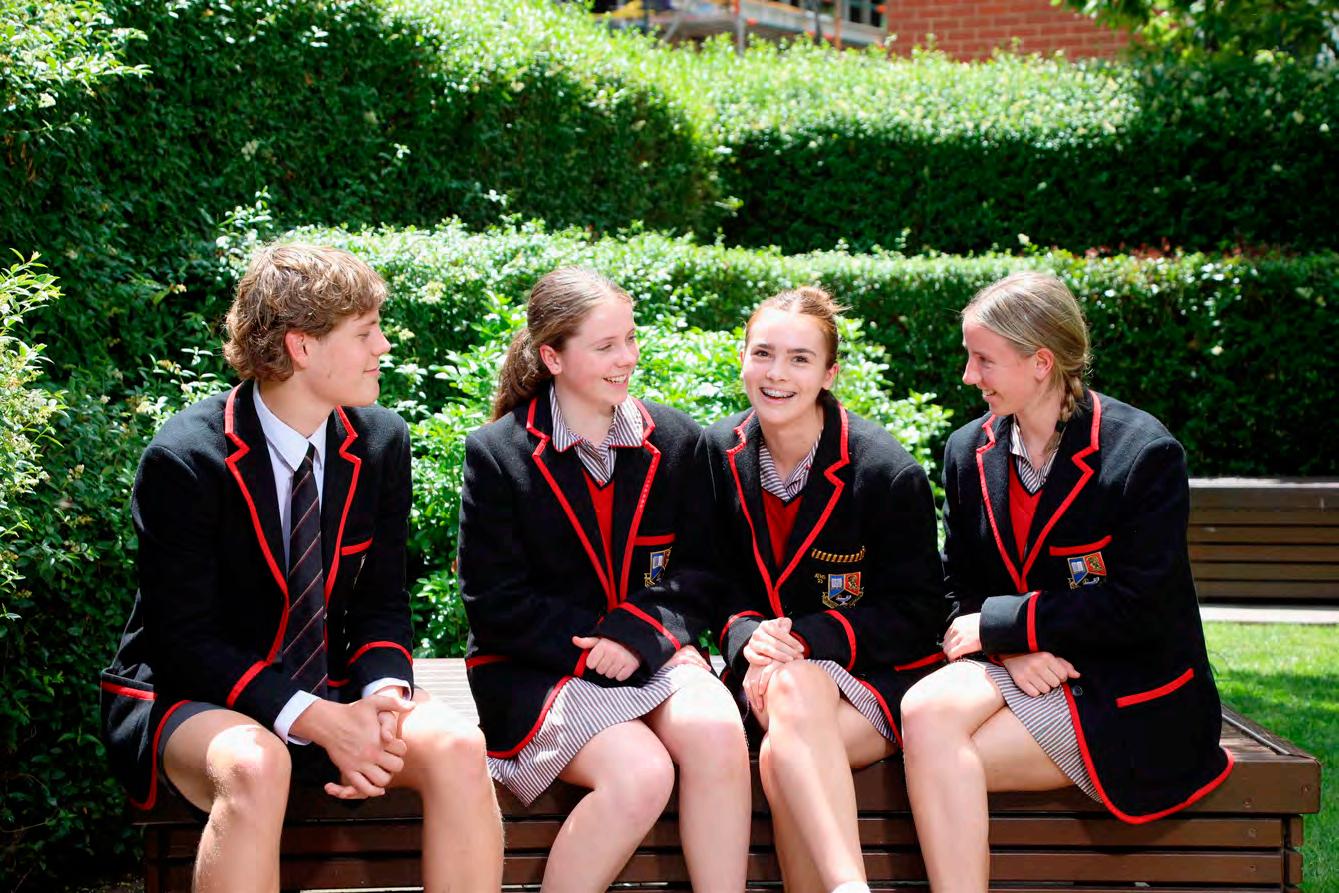
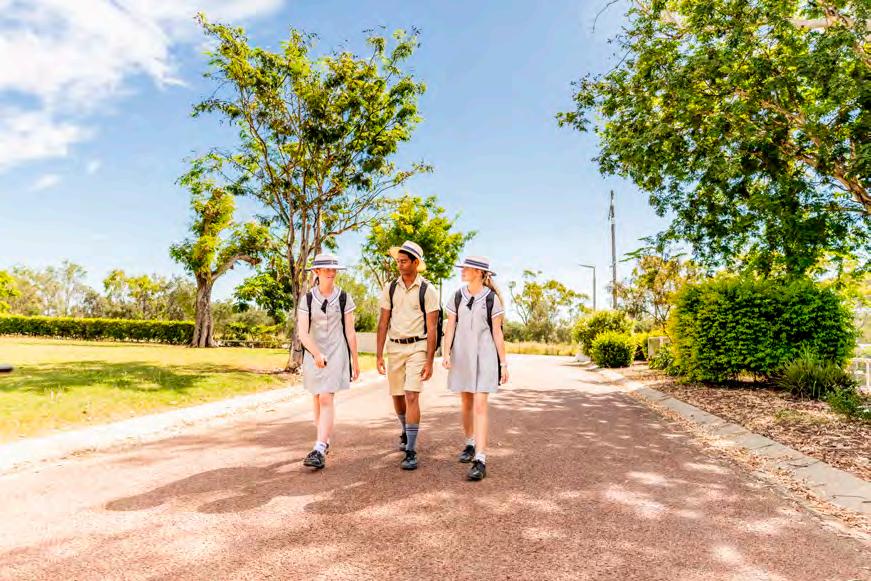
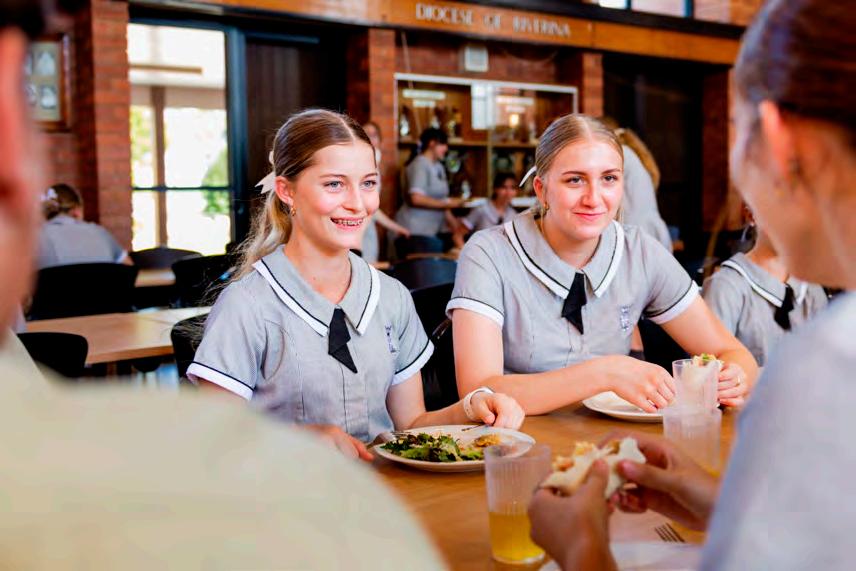
All Souls St Gabriels boarders quickly learn that the school community always has “their back”.
PATTISON DOESN’T SEE herself as a natural leader. In fact, she’s quick to point out that leadership doesn’t always look the way people expect. “Leadership has nothing to do with being the best or the loudest,” she says. “It’s the quiet driver within; the glue that holds everything together.” This belief reflects the way she approaches life: steady, determined and grounded in the values she grew up with in Winton, Queensland.
In small rural communities like Winton, young people learn early that everyone has a role to play; there are long days, strong friendships and shared understanding that hard work and resilience are simply part of life. Those lessons followed Pattison when she left home for boarding school in Charters Towers.
As it is for many rural families, the decision to send her away for school was about opportunity. Boarding at All Souls St Gabriels (ASSG) meant access to a broader range of subjects, sport and experiences that would help shape the future she wanted to build.
For Pattison, sport has always been about more than results. “Sport showed me I’m capable,” she says. “Once you realise that, everything else feels possible.” At training sessions and competitions she discovered confidence, perseverance and the importance of supporting those around her. “You build friendships through the hard moments. That’s where the real strength comes from.” Her sporting experiences have helped shape the quiet leadership style she carries today.
“Leadership has nothing to do with being the BEST
or the loudest.
It’s
the
QUIET DRIVER within; the glue that HOLDS everything together.”
Students
It also meant learning independence. Living away from home for the first time brought new routines, responsibilities and friendships. The boarding house is a place where connections grow naturally, through everyday things like studying together, training for sport or simply relaxing.
support each other in small but meaningful ways — from helping new students settle in and encouraging teammates.
Sport quickly became a defining part of Pattison’s school life. She competes in netball, touch football, athletics and cross country, and her dedication has led to several achievements, including being named age champion in both interhouse and interschool cross country and athletics competitions. She was also selected for the ASSG Firsts girls’ netball team at the Queensland Independent Secondary Schools Netball (QISSN) Carnival in Bundaberg.
This year, Pattison steps into the role of Boarding House Captain, guiding younger students through the journey she once navigated. Leadership in the boarding house often happens in small ways: helping someone settle into new surroundings, encouraging a teammate after a game or making sure everyone feels included. Those everyday moments matter just as much as any formal title, Pattison says of the boarding community. “They’re the people who will always have your back.” Behind her growing confidence are teachers who encourage her to pursue goals and support the balancing act of sport, study and boarding life. “The teachers care a lot,” she says. “They stay after school, run extra sessions or read my assignments again and again.”
After finishing school, Pattison hopes to study pharmacy, combining her interest in science with a desire to help people in practical ways. For now, though, she is focused on continuing to grow as a student, an athlete and a leader.
And if there is one thing Pattison’s journey shows, it’s that leadership doesn’t always arrive with a spotlight. Sometimes it grows quietly, shaped by community, opportunity and the values learned long before a title ever comes along.
Visit allsouls.qld.edu.au for more information.
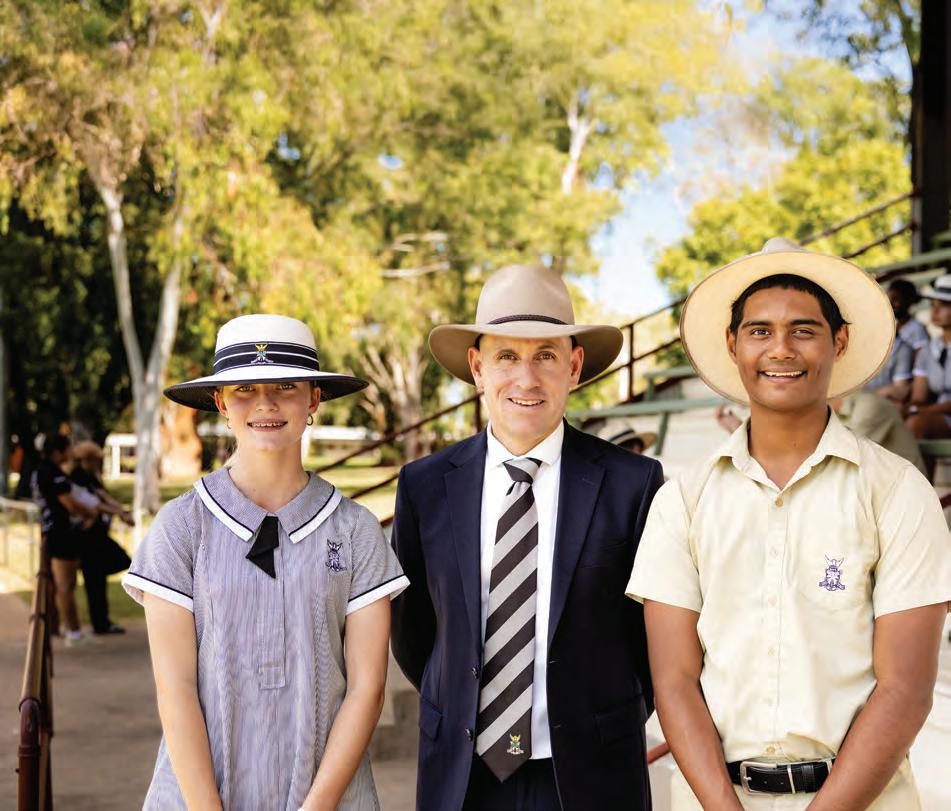

Though Emily Herbert pined for her family — and horses — as a young boarder, she later loved the independence of school life.
WHEN I WAS asked to write about my experience at boarding school, I wasn’t sure I could contribute much. For one thing, I was a weekly boarder; we lived just an hour and a bit away from my school in Tamworth. It seemed a less interesting option than those who travel hours — if not days — to attend school, who see their families only a handful of times per term. My experience seems soft, swaddled, cotton-wrapped in comparison. I went home on a Friday afternoon to my sisters, my folks, my beloved horse. Also, it was well over two decades ago (gulp). Could I really remember what role boarding school played in the formation of my personhood? I don’t look back and think about whether I loved it or loathed it. It isn’t rendered in my biography as a traumatic blip, nor does it reign as a golden-hued era of glory. It is a fact: a dot point in my résumé. But as I think back, snapshots of memory swim, light-marbled, to the surface. I find myself reminiscing with nostalgia and warmth of a time when things felt and I think they really were — simpler.
I was a weekly boarder for years 7, 8 and 12 at Tamworth’s Calrossy Anglican School, an easy drive from our family property 20 minutes west of Gunnedah. A scholarship opened the door for me to head to the (relatively) big smoke, so I hopped on a bus on Monday morning and came home at the end of the week.
There was a sort of warming bliss in this middle ground, a gentle limbo, a sweet spot between full-time boarding and life as a day student. Weekly boarding offered me the chance to become a little more skilful in managing time and life; to be with friends; play early-morning and after-school sport; to skip along the shoreline of independence and then return home to domestic bliss each weekend. This suited me: extroverted, social, sporty, interested in learning, but also keenly dependent on my family.
Things I remember from the beginning: Sunday night doldrums ahead of the early Monday mornings; bus sickness and pervading shyness among all the other highschoolers who seemed apart, alien in their coolness and lit up with the ease of being older; trying to jam my weekend bag into my locker — and failing. Pining for home, my sisters, the smell of Mum’s moisturiser at night, my horse.
Then: that sense of a sleepover every night, six mates lined up in our row of single beds. A housemistress saying, again, “Girls, please, go to sleep!” Experiencing those giggles that levitate your whole body in hilarity-fuelled transcendence — a type of spiritual mirth. Sport: water polo games on a Monday night; dragging feet at dawn to dive into a freezing pool at Thursday morning training. Touch footy under lights; making the representative team. Prep in the library with access to a computer that didn’t have a dial-up that took so long you could make a cup of tea — and drink it — before getting to work. Followed by thrill of all thrills: supper, with all-you-can-drink Milo.
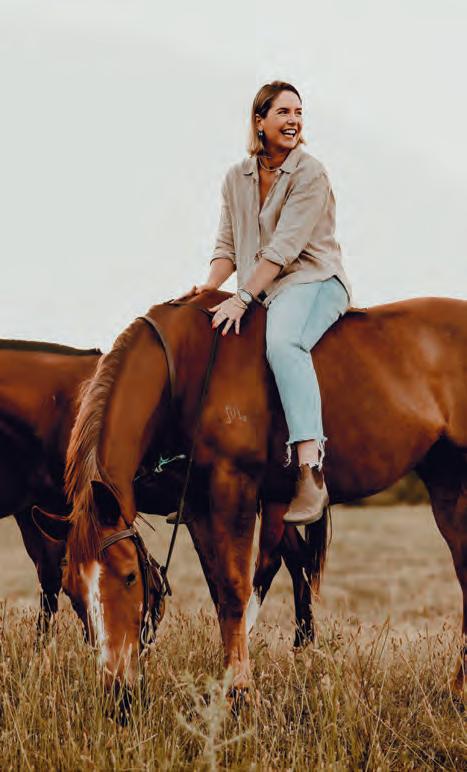
There were plenty of parts that weren’t perfect. The longing to be home, deep in the familiar machine of family; to be out of town in the quiet, the dark, far from the roiling dynamics of teenage girls living en masse.
But there are always pain points on a learning curve: figuring out a coin-operated washing machine; getting myself, a relatively cloistered 12-year-old farm kid, to where I needed to be on time; organising my things and knowing where my stuff was. Fast tracking my knowledge of boys, tampons, the right length for a pair of shorts, how to shave your legs — (apparently you could shave above the knee, despite Mum saying definitely not!) — all thanks to my boarding sisters who were general geysers of knowledge.
Lining up in the hallway, waiting for the payphone to either call my boyfriend at a local boys’ school for however long one dollar lasted or dialling home collect. Receiving snail mail: letters I still look at from my grandmother in New Zealand, her familiar, round, loopy writing on the front of the envelope. A sparkly pink lipstick arriving in a card from Mum, the day of my first dance.
In Year 9, my family moved closer to Tamworth so my younger sister and I could be day students. Back to riding our horses in the peach warmth of summer evenings during the week, washing up after dinner, Milo rations.
Then, in Year 12 when I had early morning classes and extracurriculars coming out of my ears, I went back to weekly boarding, and this is where it really came into its own. I loved it. The independence, the ability to walk down the street, the freedoms of living in town, the access to the library and my teachers after class. Hot lunches. Car sharing to parties, our common room, a room to myself. Friends next door to borrow study notes, clothes or biscuits. Being allowed to focus on schooling with no chores. The camaraderie of belonging, of community. It turns out that for me, boarding was integral to my becoming, in various stages throughout my adolescence; drip fed in increments that worked perfectly for me. Just enough, arriving when needed. g




ON SALE NOW
A Nuffield scholar shares her research into on-farm decision-making and we meet 50 amazing rural women who are making a difference.
Don’t miss the celebration of Graziher’s 50th issue!