PROJECT 2E: COMPREHENSIVE DESIGN: AN IN-
DEPTH STUDY OF A CULTURAL PERFORMANCE CENTER
Jared Gray IV ARCH313
Prof. Kris Lawson
Jared Gray IV ARCH313
Prof. Kris Lawson
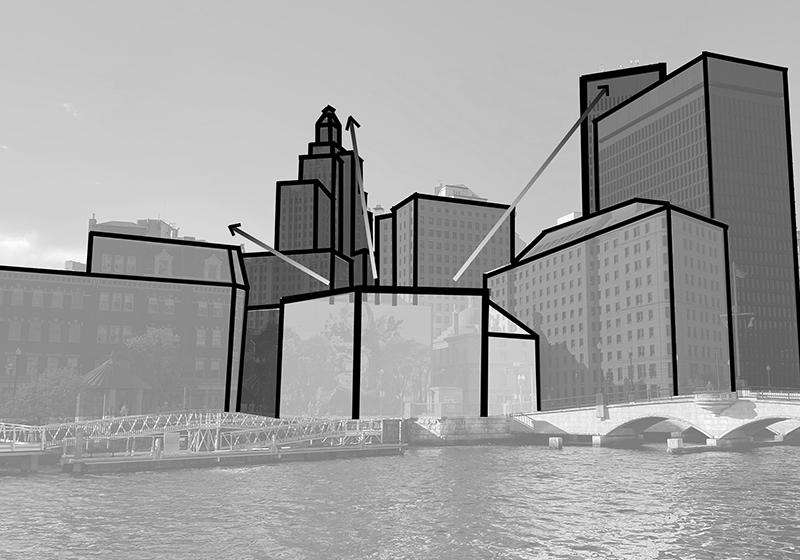
An ideal building mass would compliment the stepping of surrounding highrises.
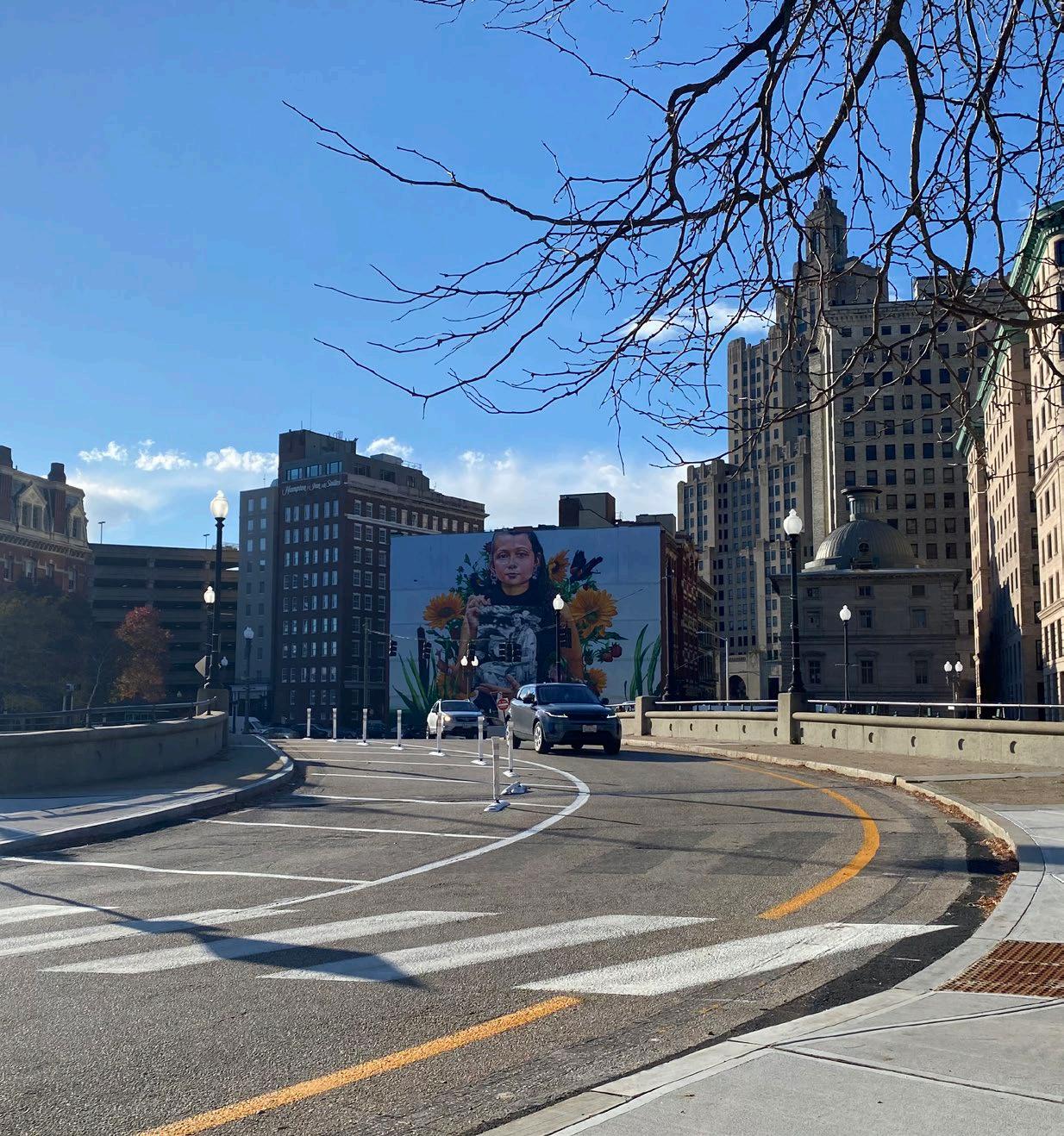
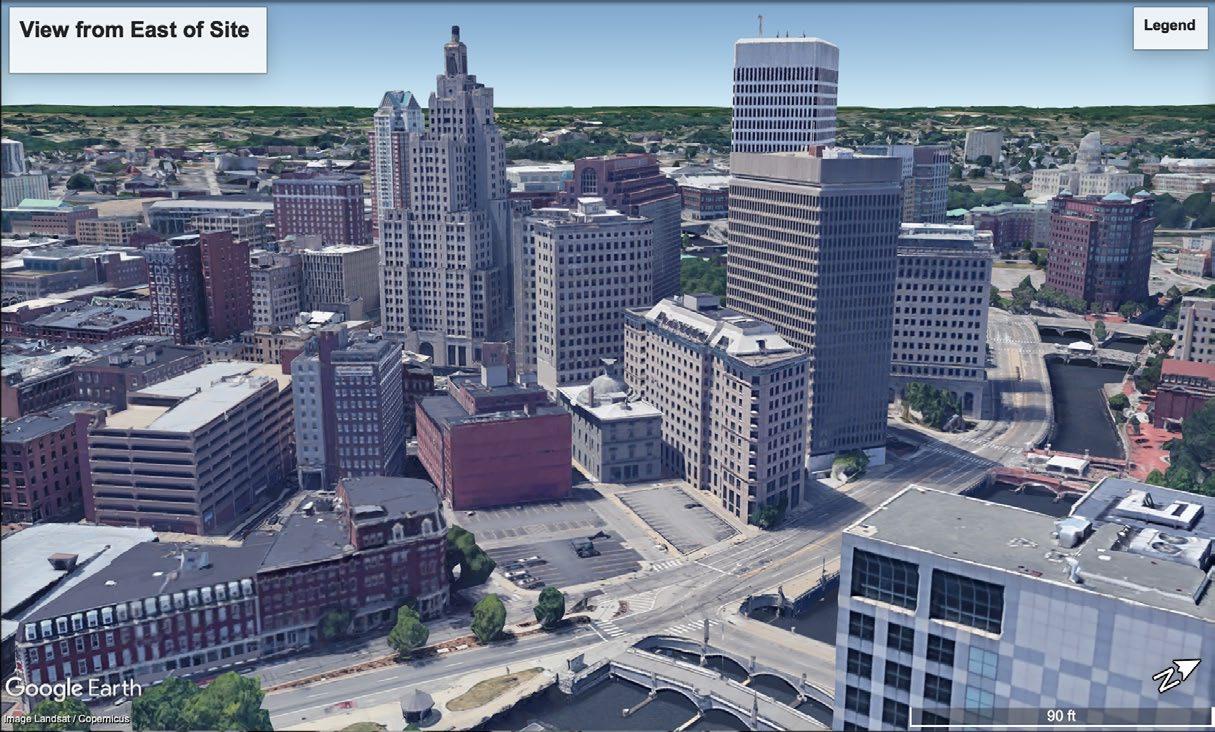
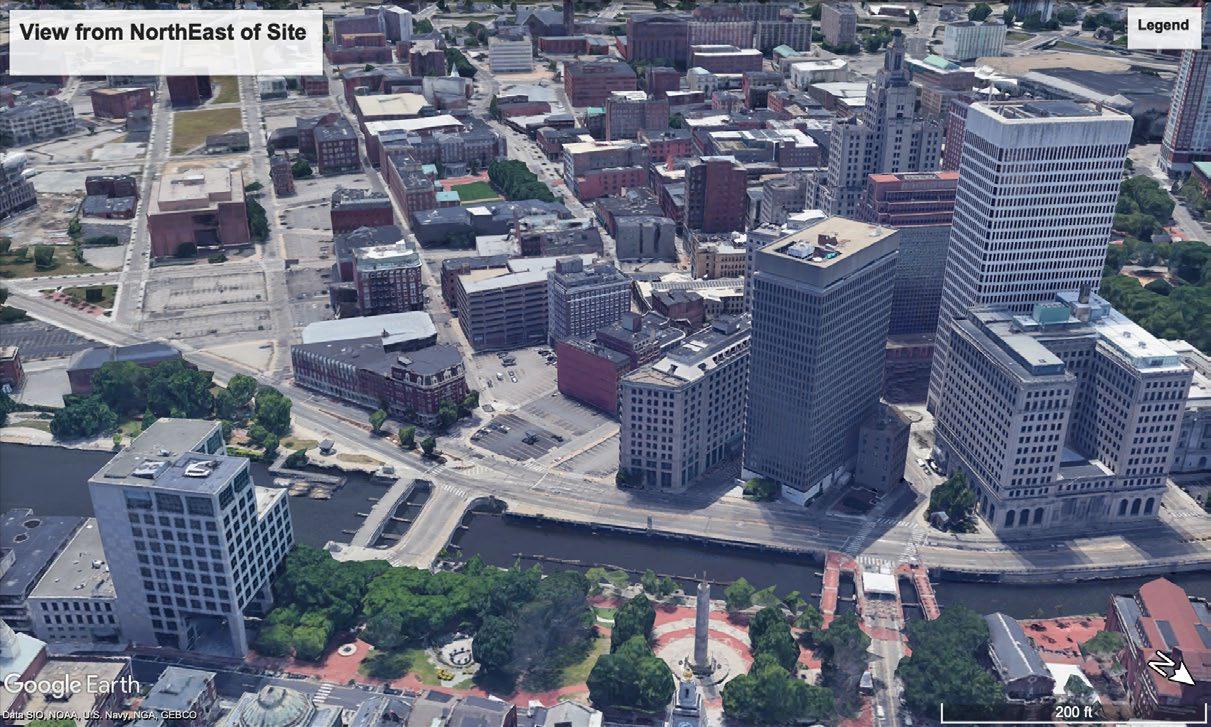
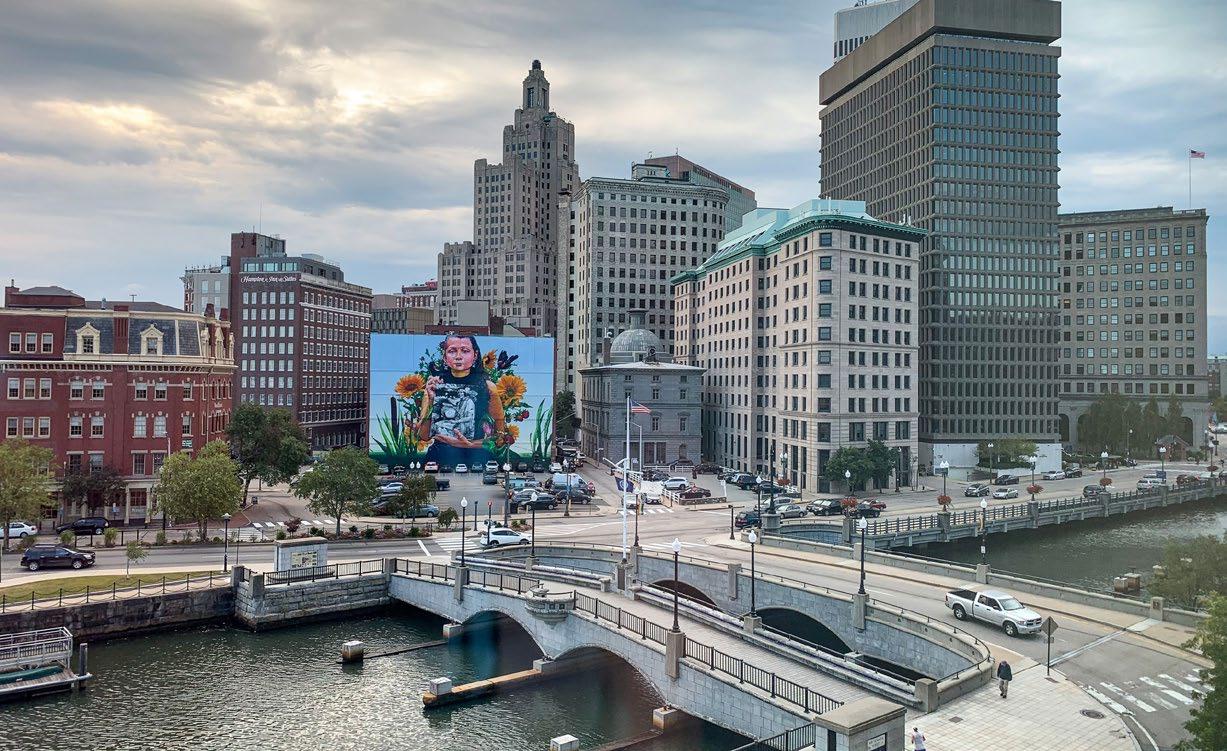
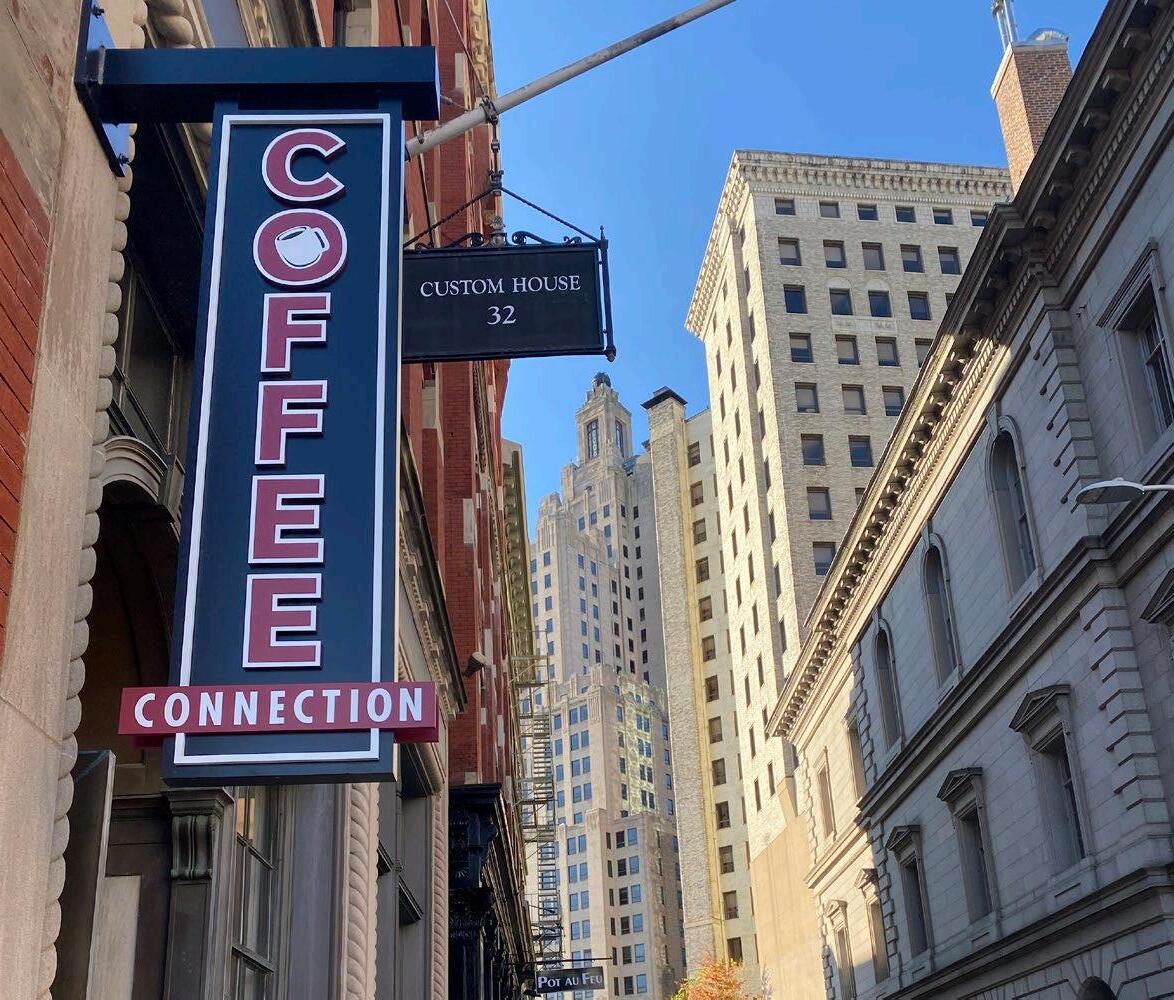
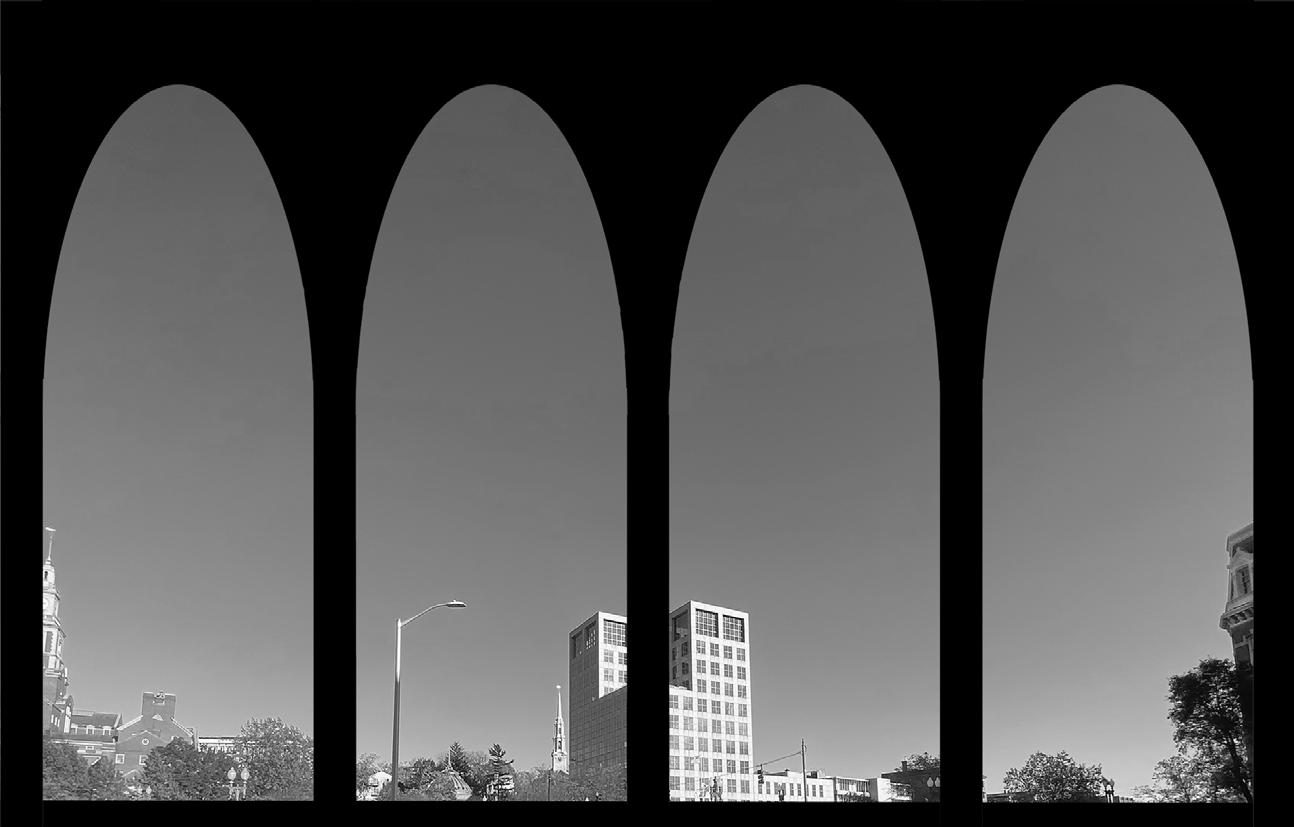
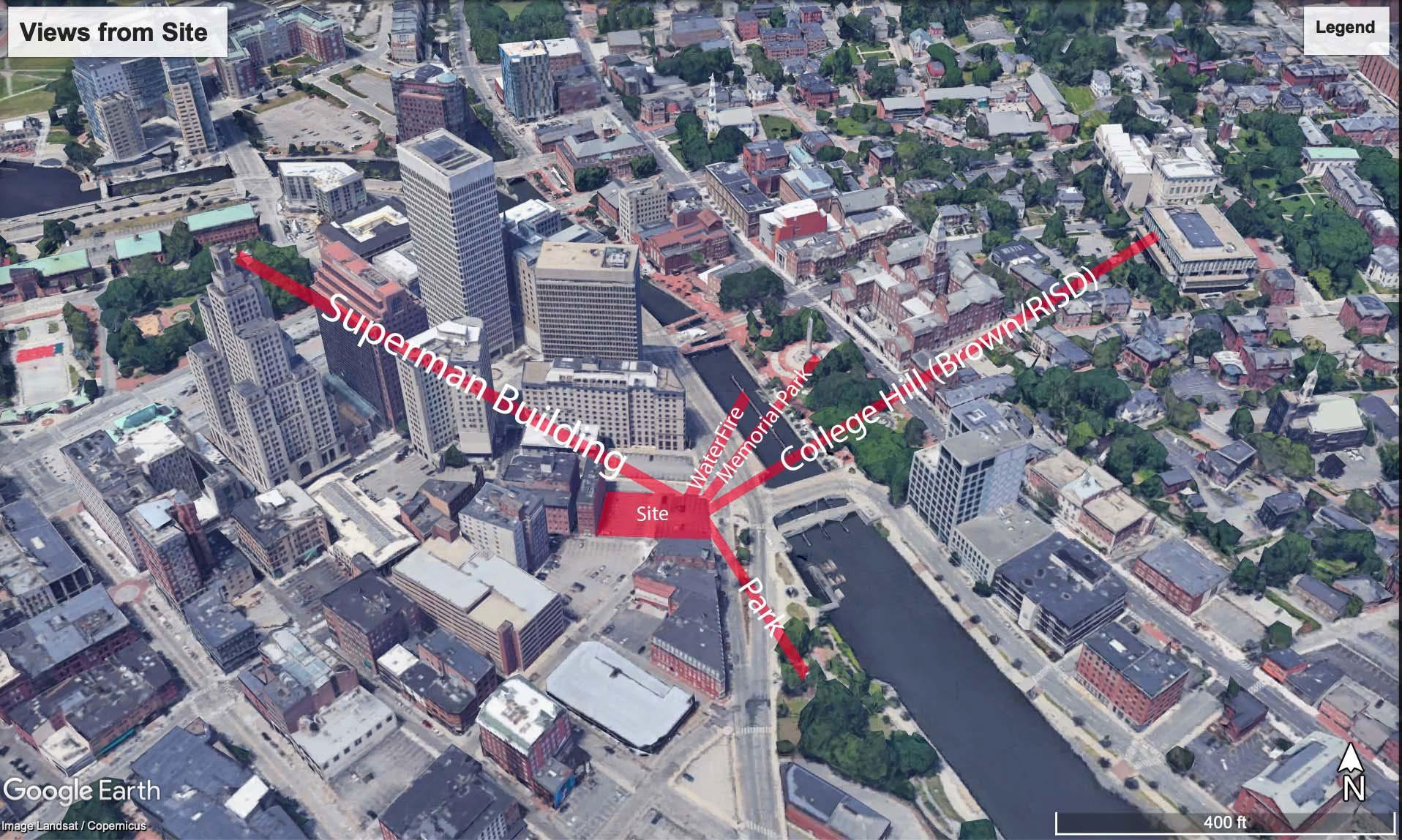

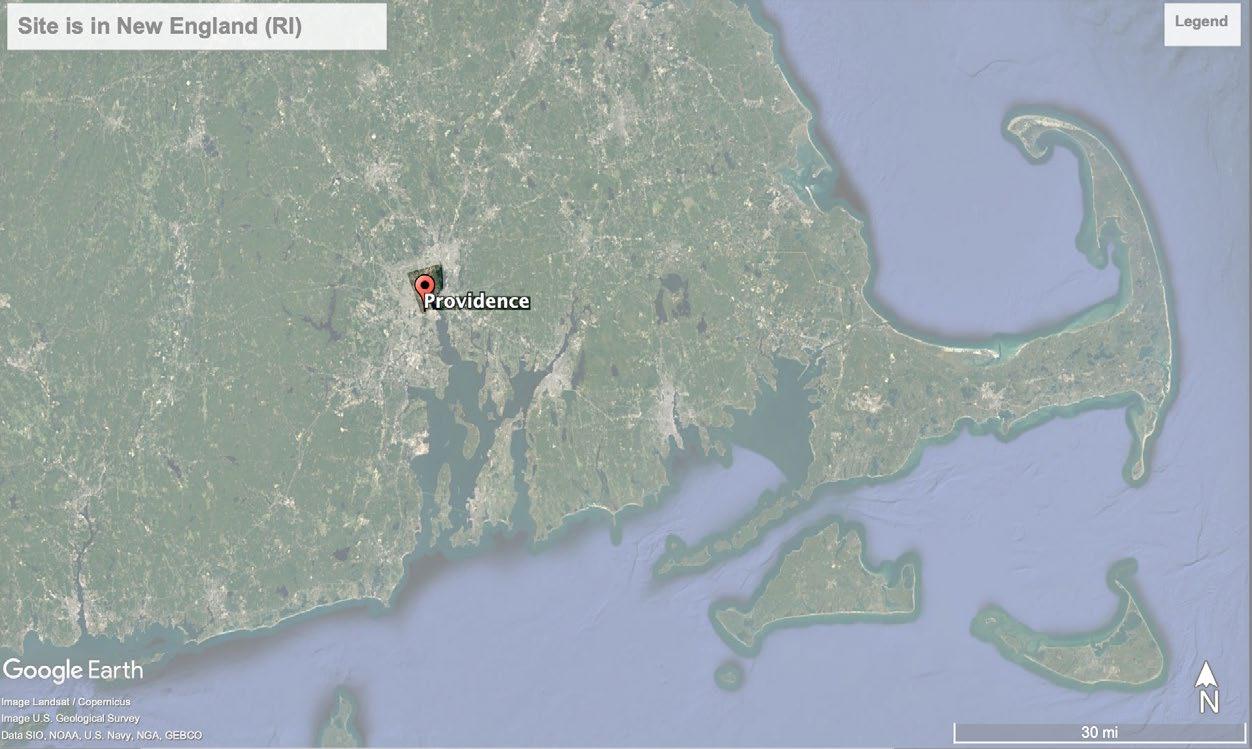
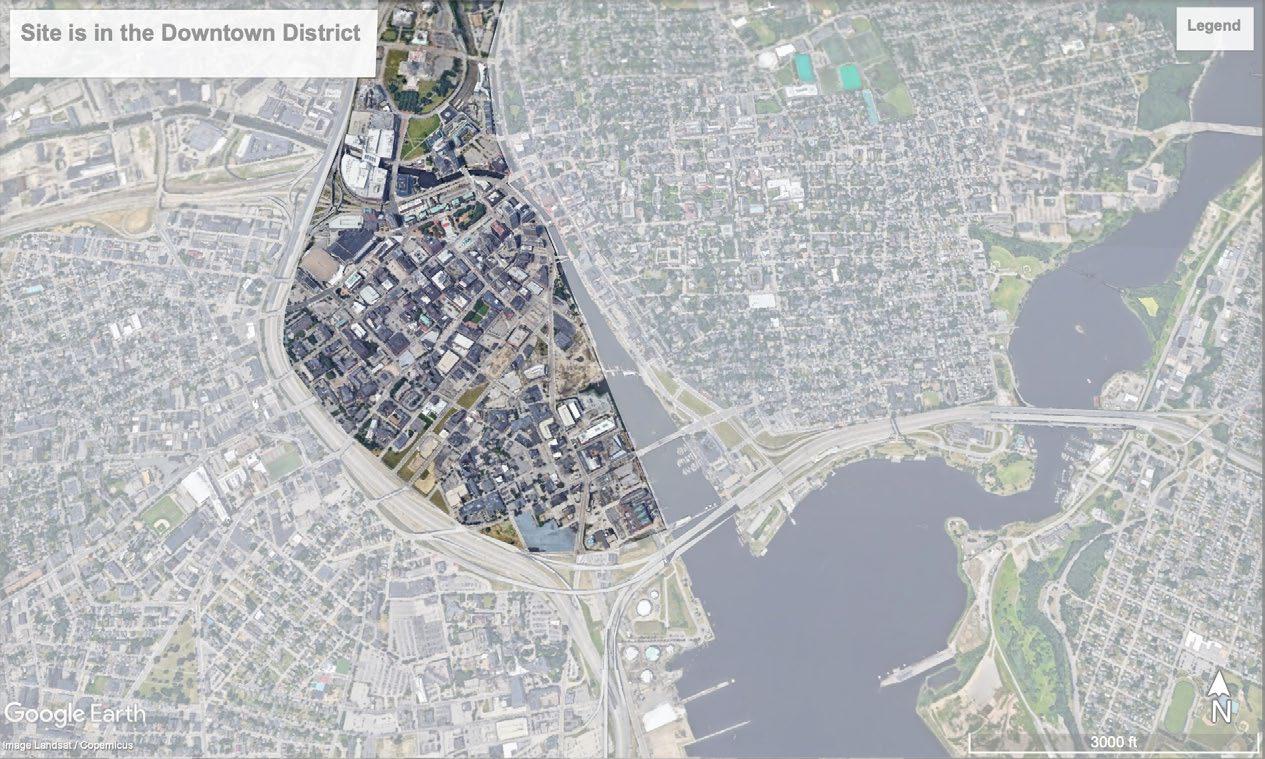
An elevated position on the site would allow for views down to Waterfire and maximum views of College Hill.
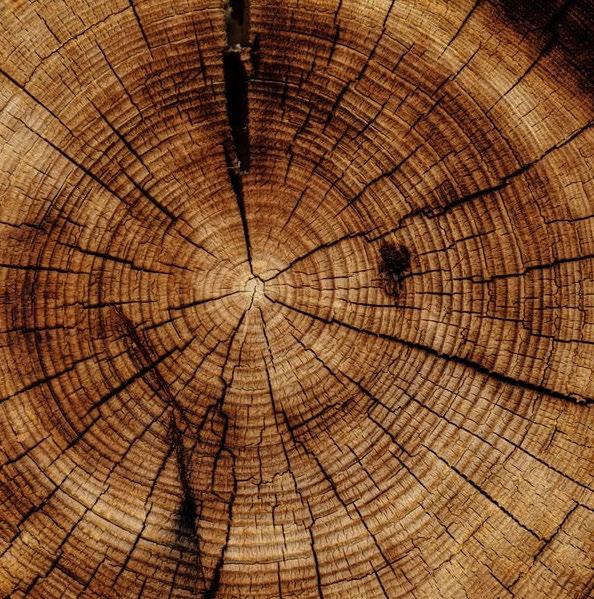
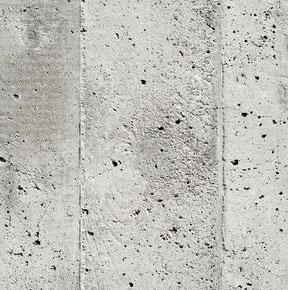
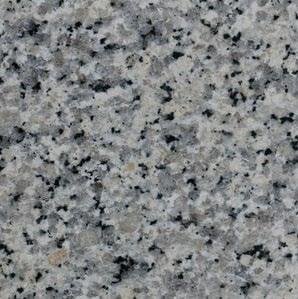
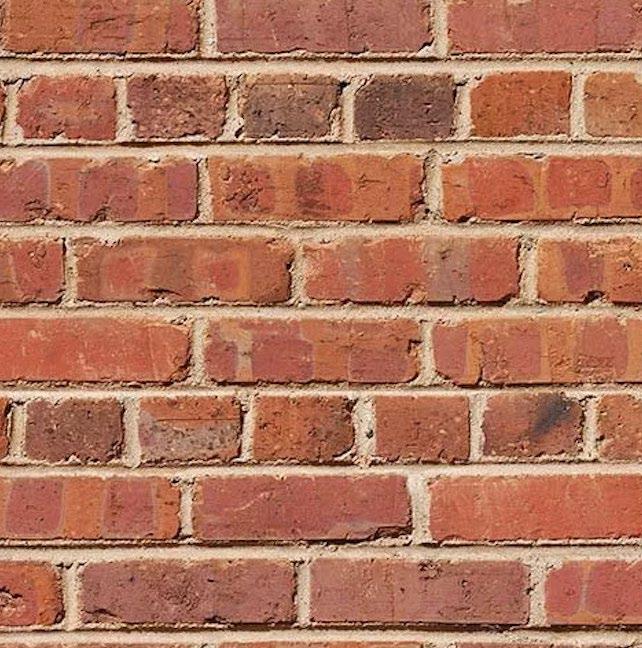
S u r r o u n d i n g M a t e r i a l s
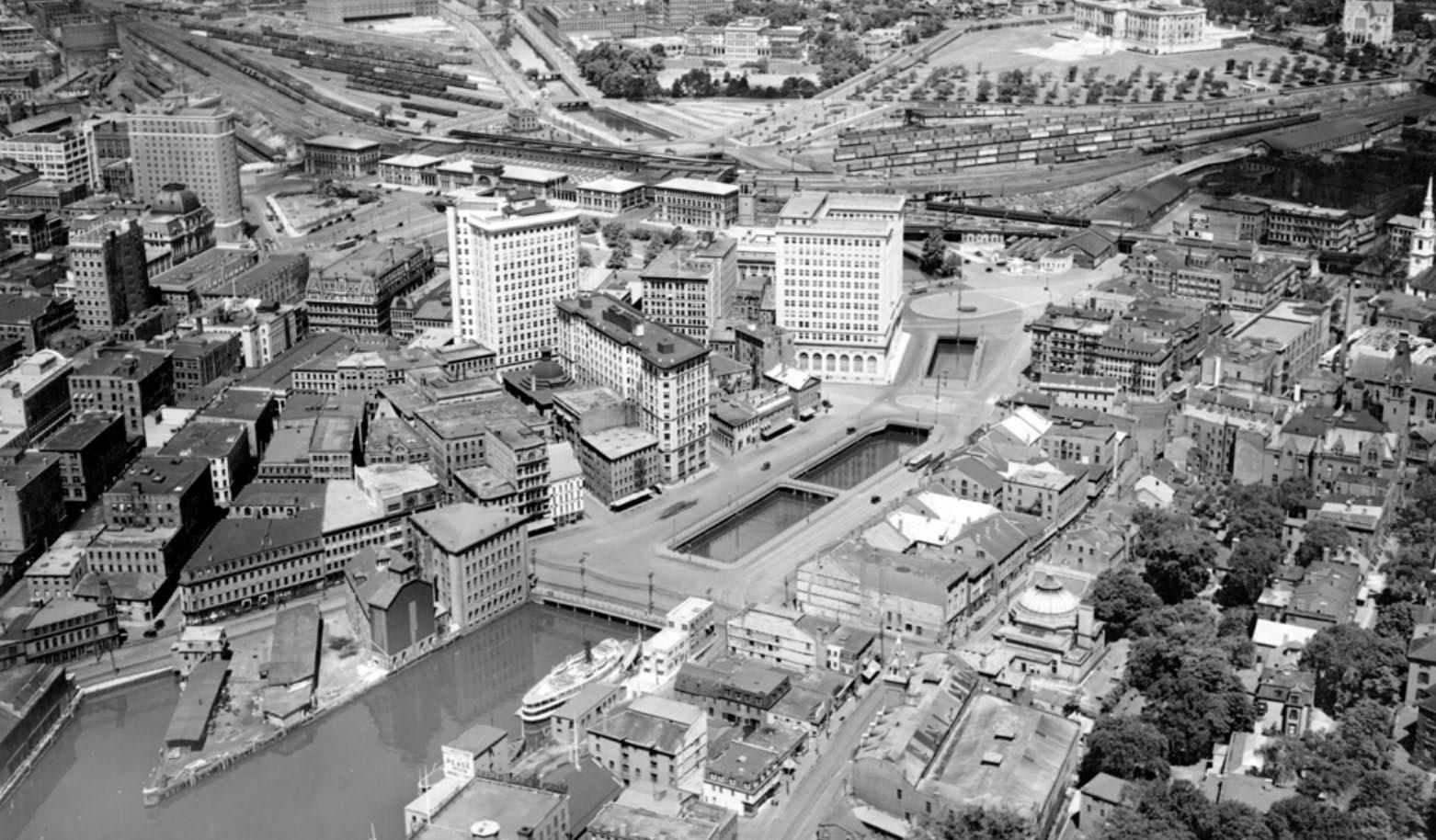
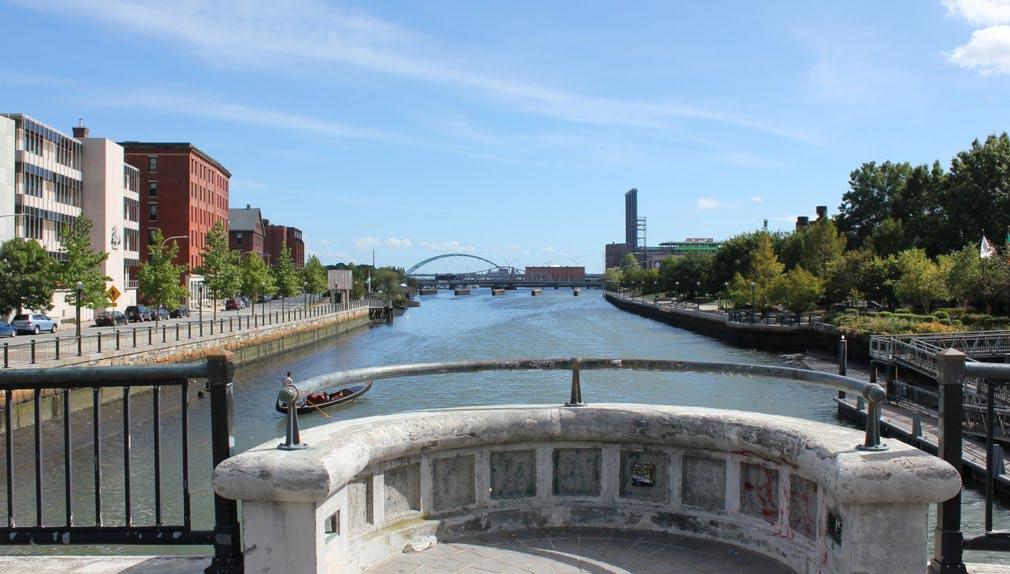
The three rivers that converge in downtown Providence are the Providence River, the Moshassuck River, and the Woonasquatucket River. In the 1840s, the rivers, which came together just south of the site of the present-day State House, were partly covered in order to build tracks for the railroad system in downtown
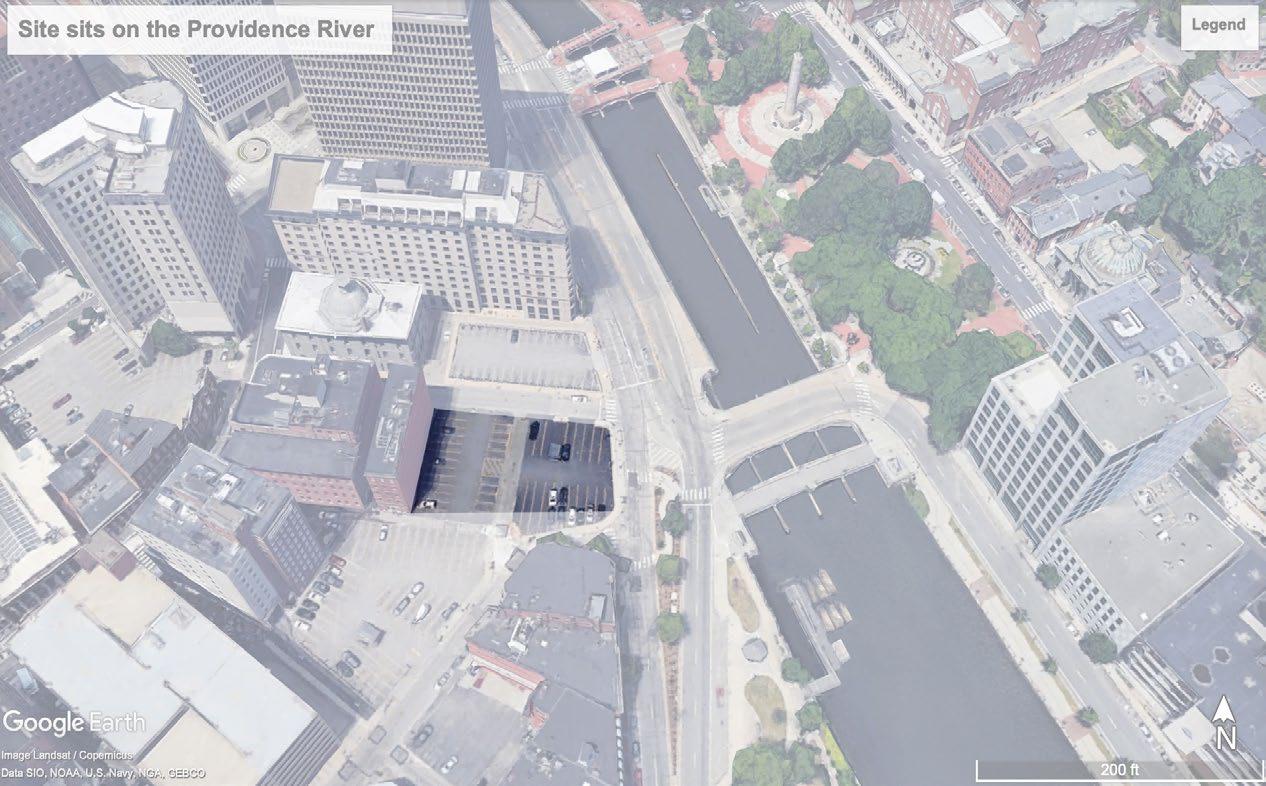
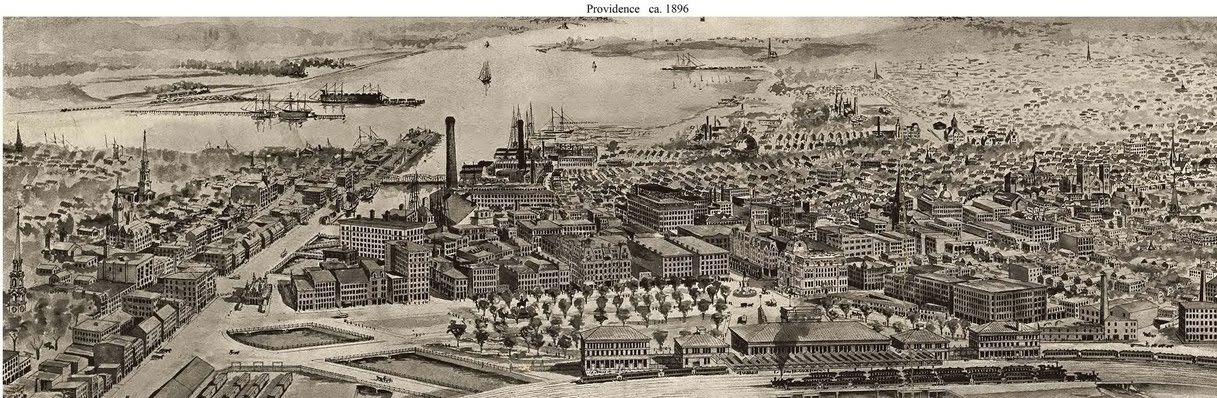
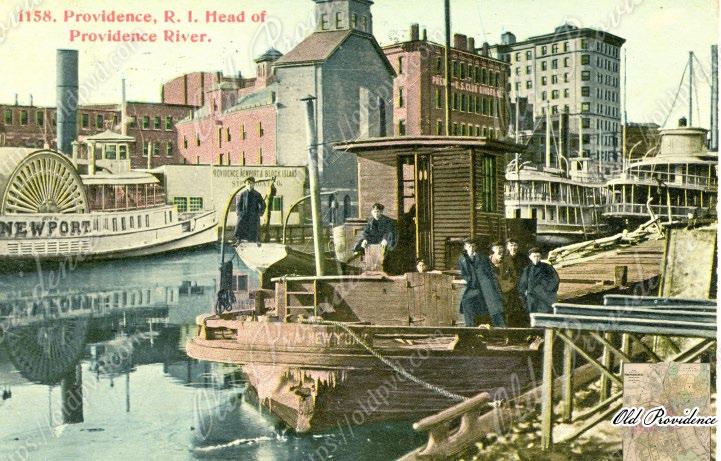
This picture shows how much Providence has changed since 1896, at the time it was growing rapidly. A lot of the river that is revealed today is pictured as being covered. The site is situated next to Providence’s historic harbor.
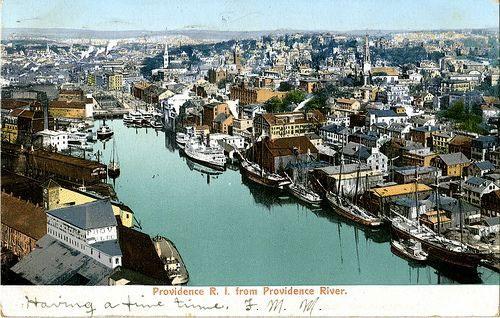
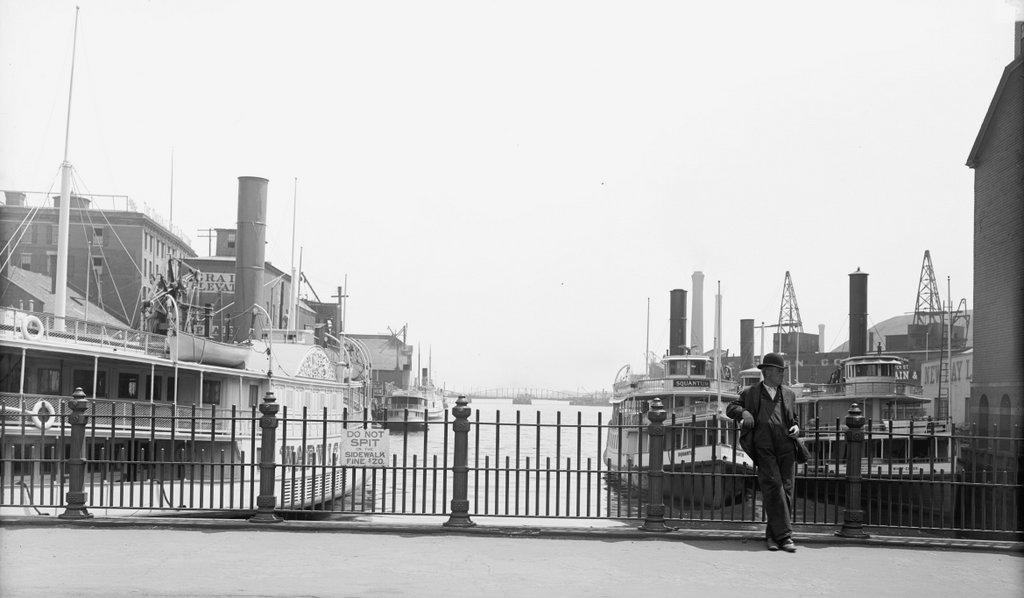
Sail and steam vessels at dock in the early 1900’s in Providence’s Old Harbor. The City’s maritime history peaked between 1790 and 1820, when Providence ships by the hundreds sailed to all seven seas.
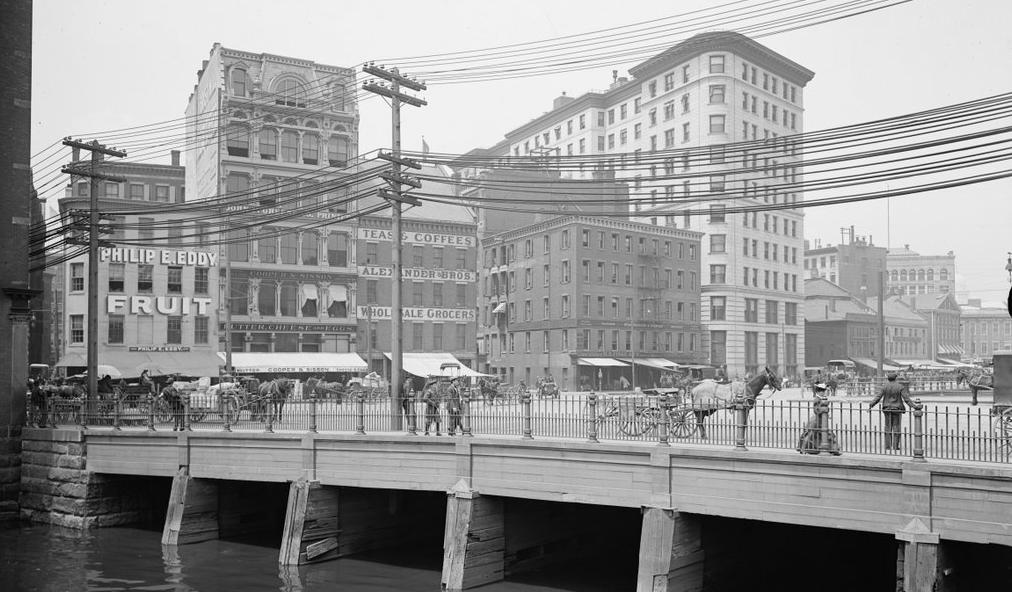
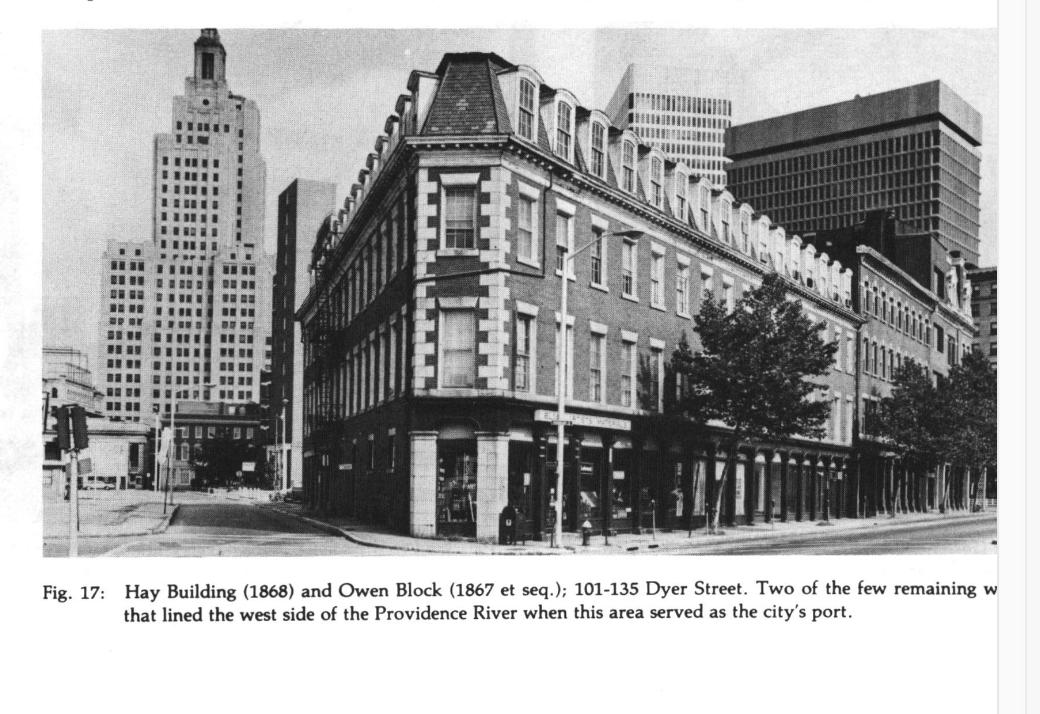
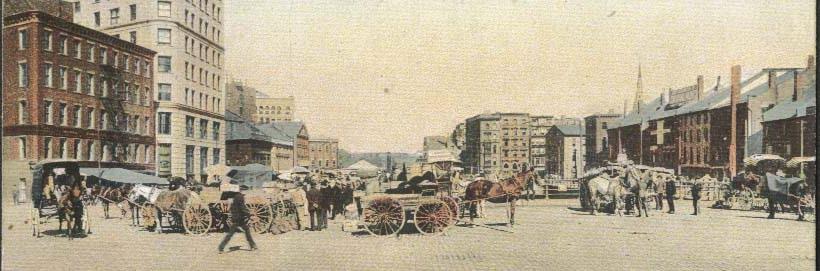
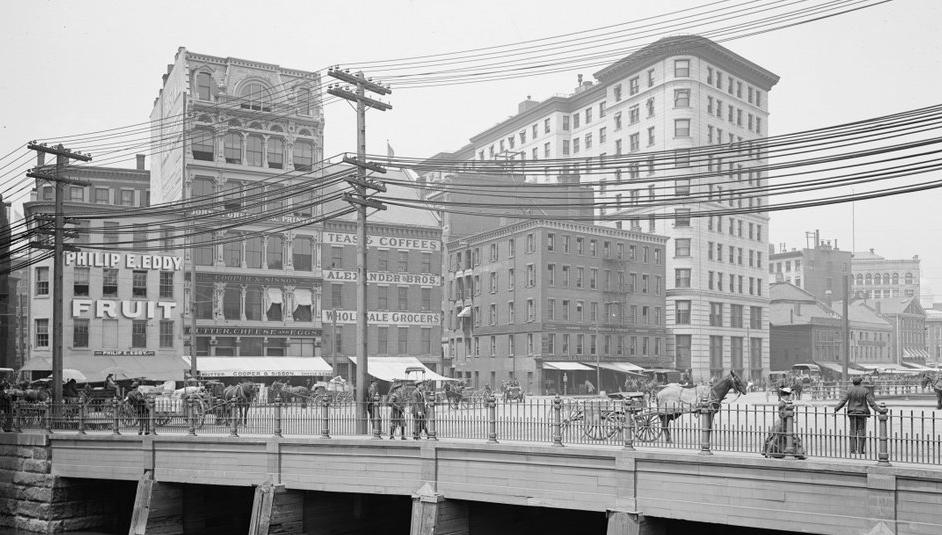
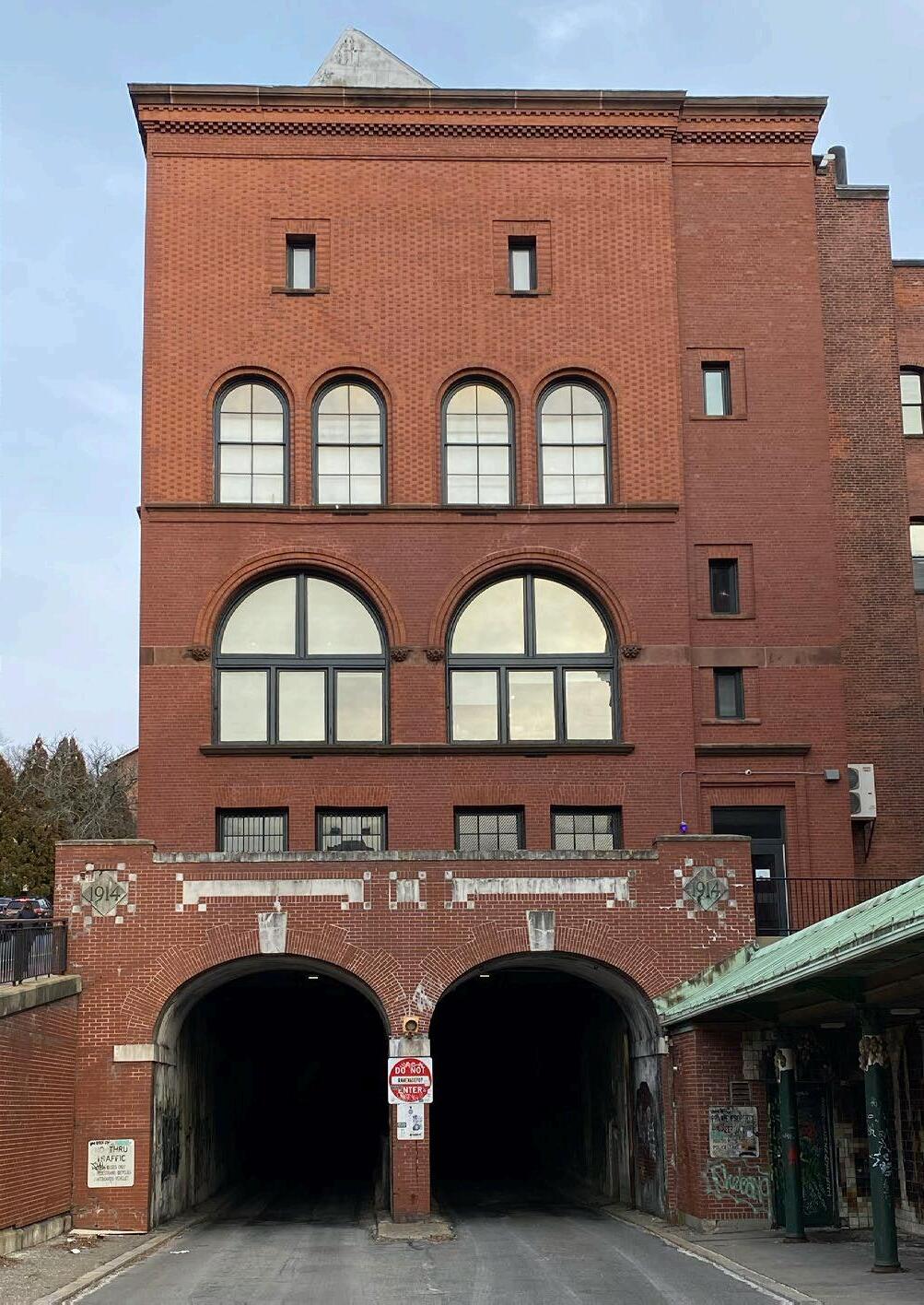
These images show the structure that once stood on our site (on Dyer Street), they appear to be grocery stores and a printer shop. In front of the site was a large open space that seems to function as both a node of traffic and interaction. The image in the bottom left down the Old Port area in its hay day.












The site once had a set of three buildings, the one on the left had a curved corner, was 4 stories and sold fruit. The middle building was 6 stories tall and sold butter, milk, eggs, cheese and printers. The building on the right was also 4 stories and had a gable roof, they were also a grocery store and sold teas and coffees. A design tactic could be to use the old structures geometry to influence the new design.



















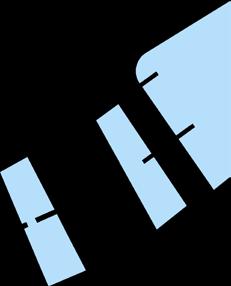
























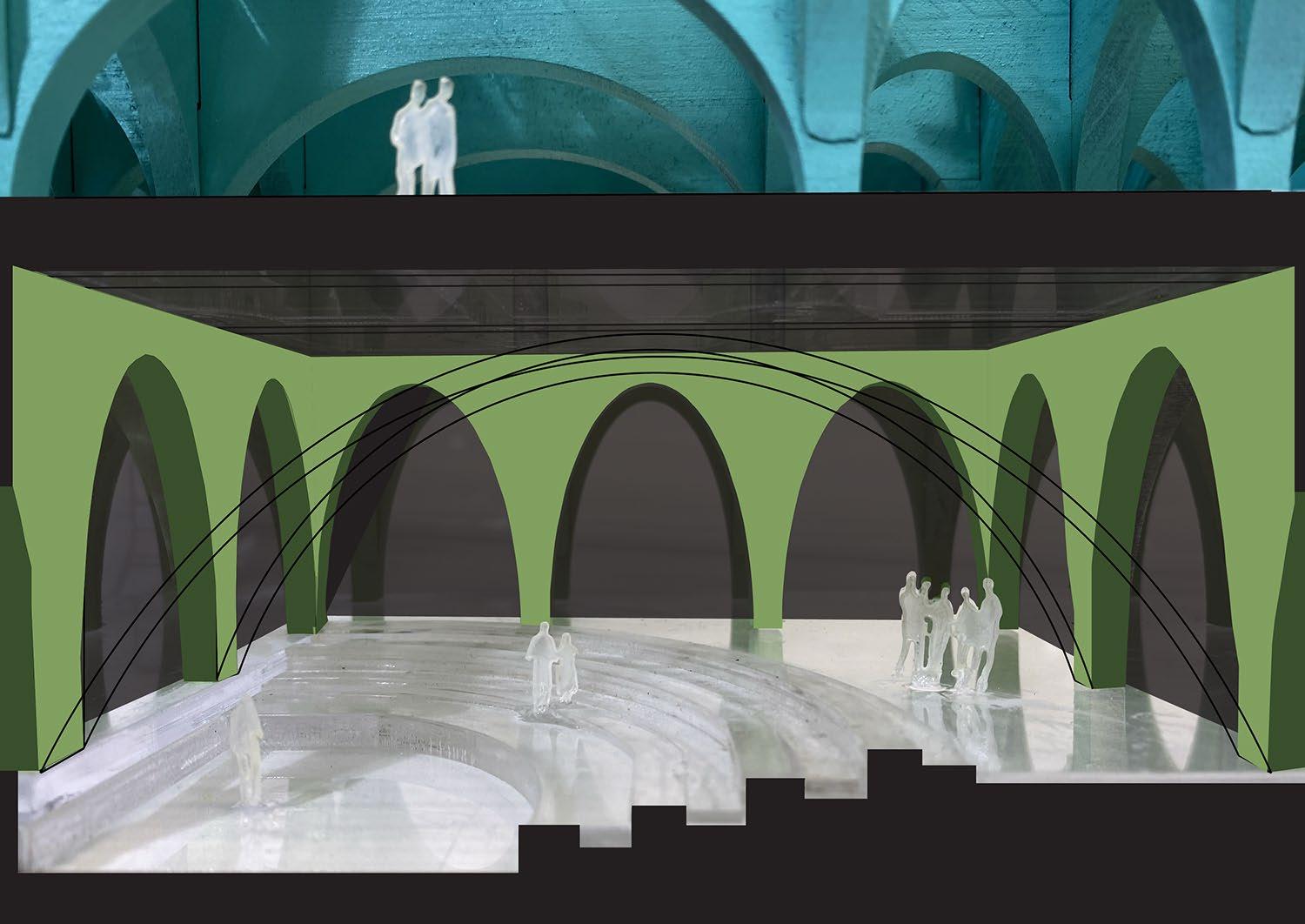
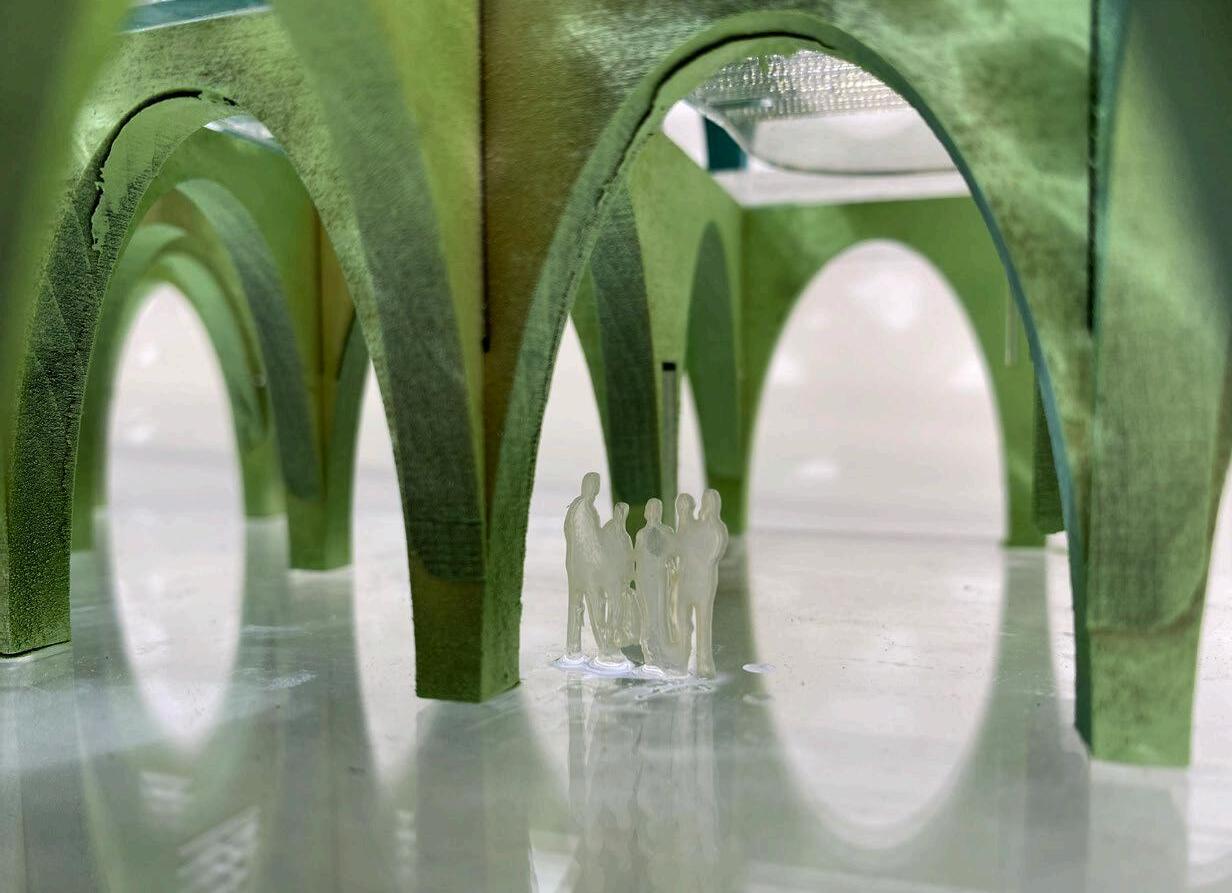
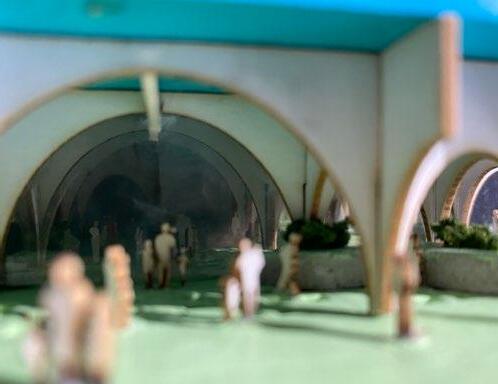
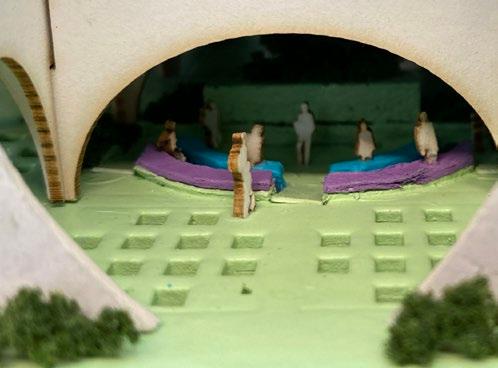
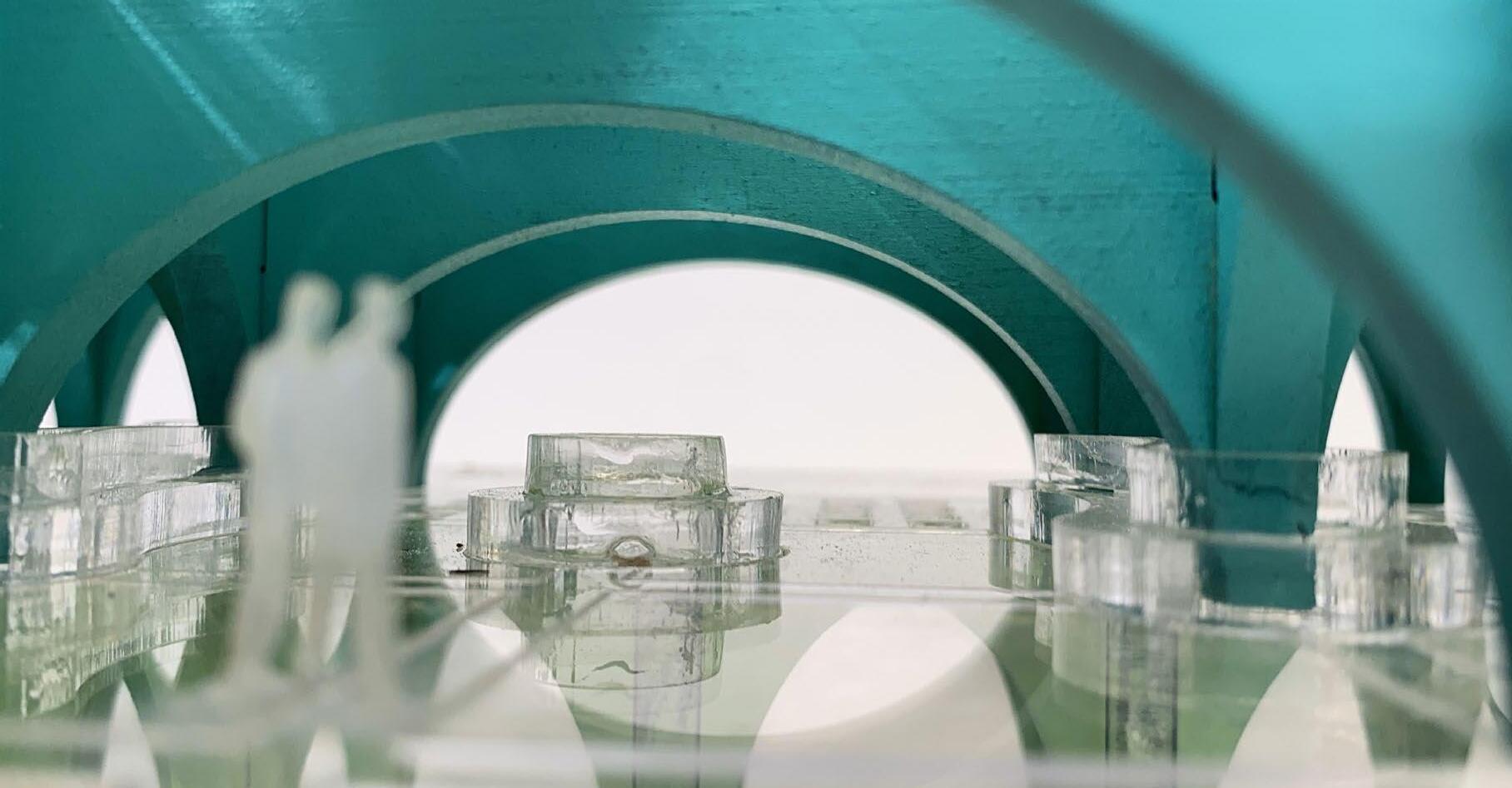
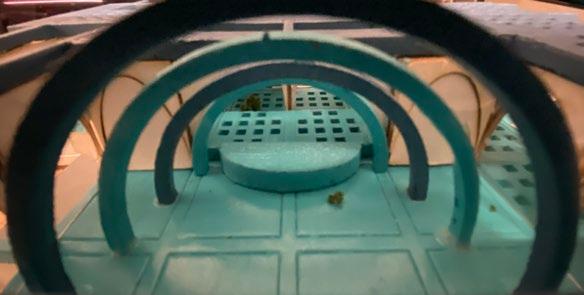
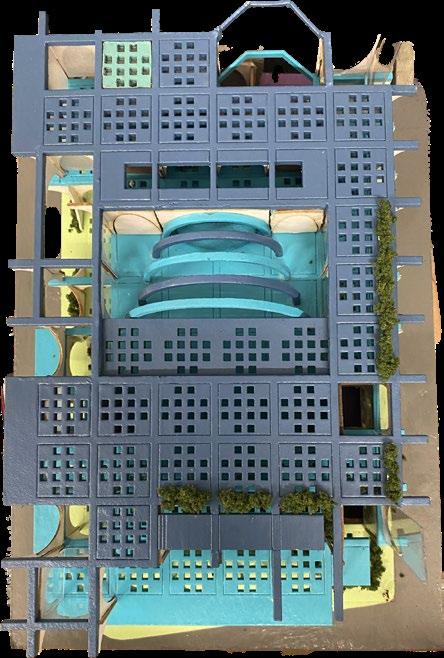
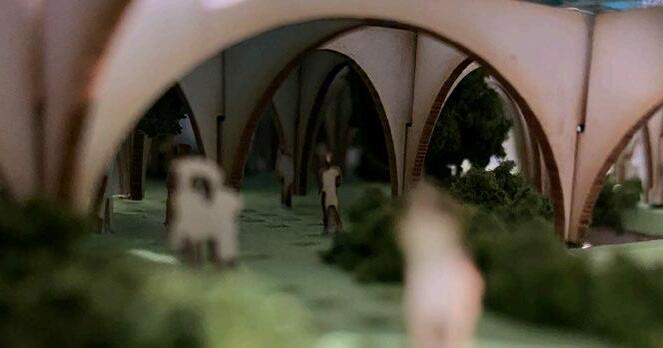
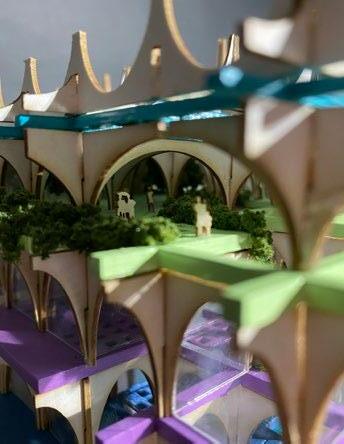
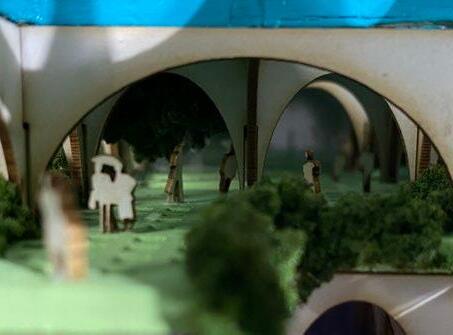
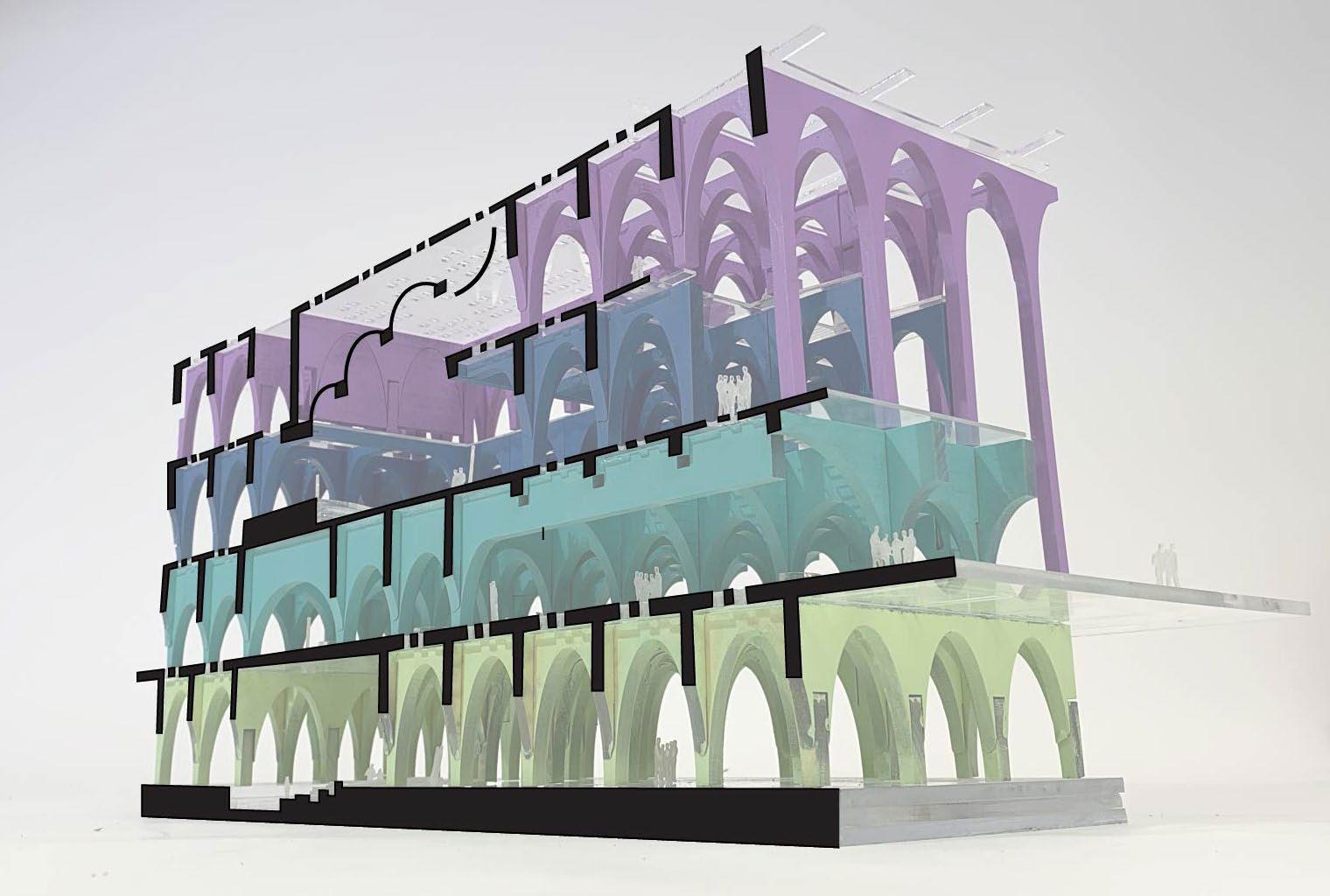
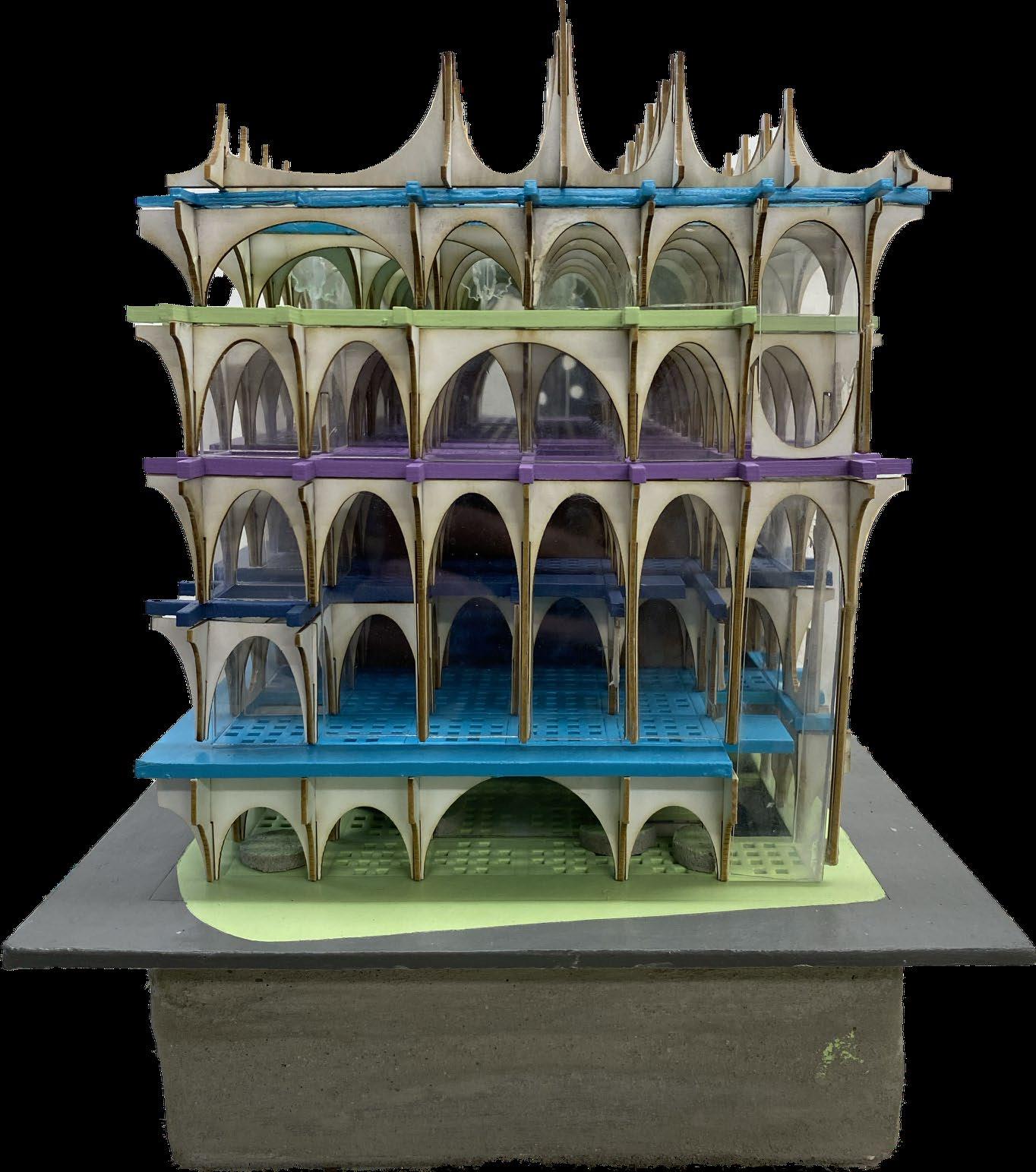
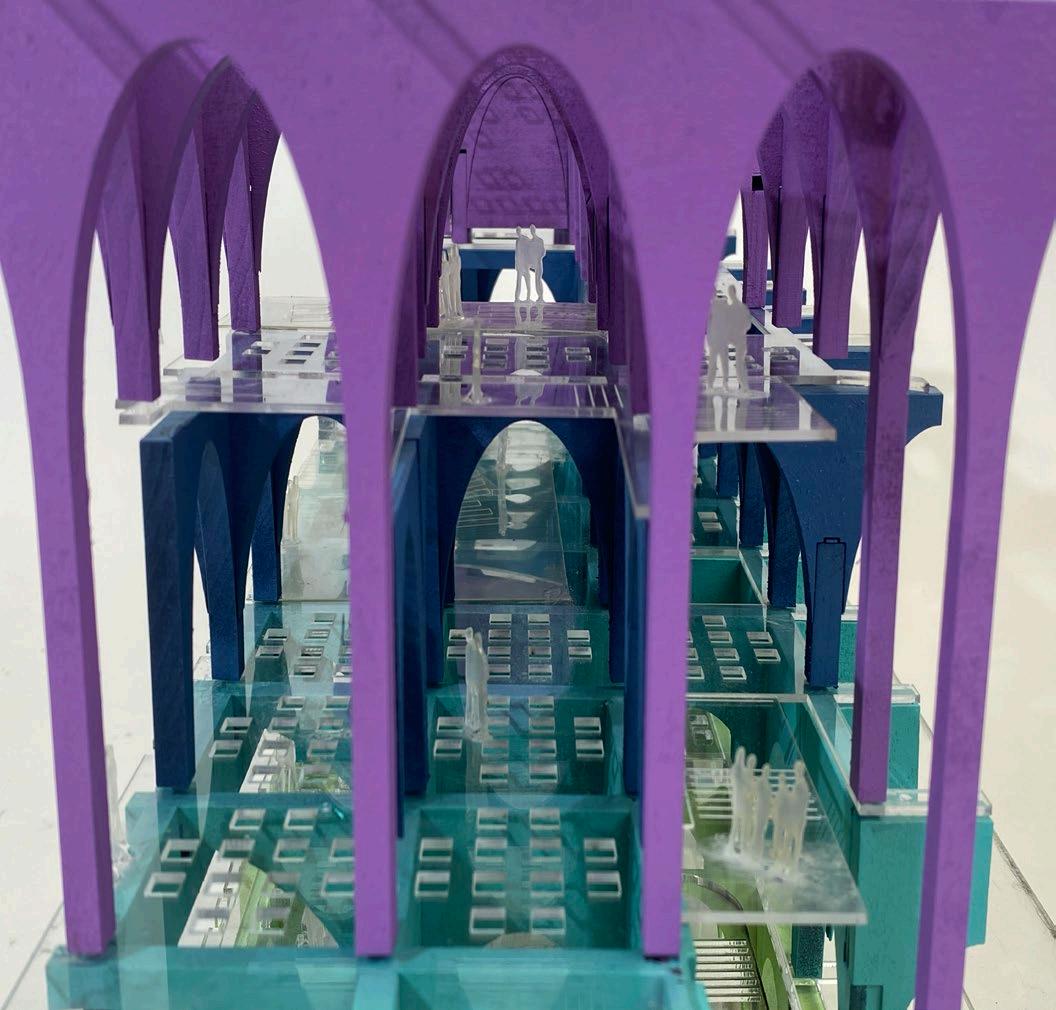
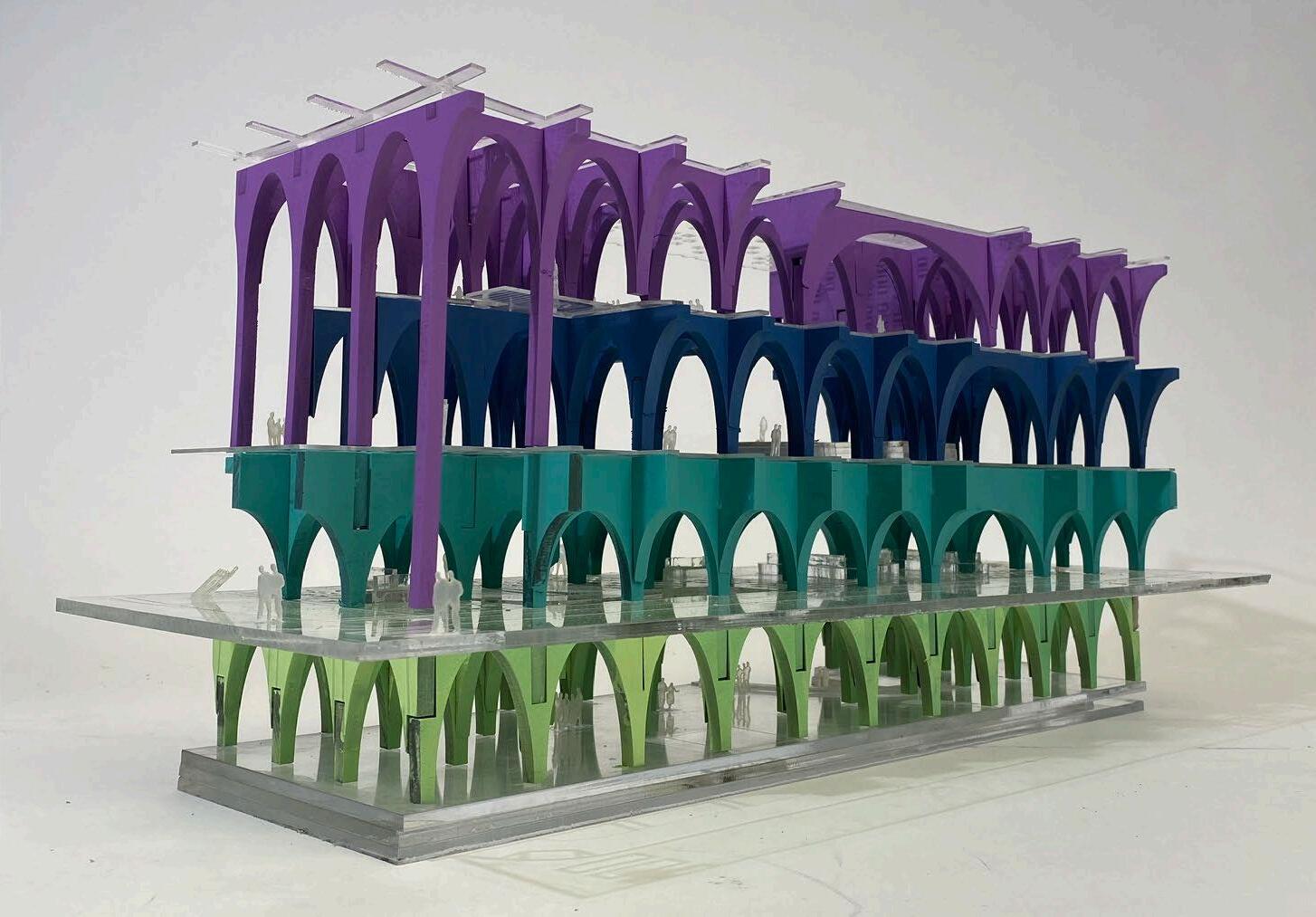
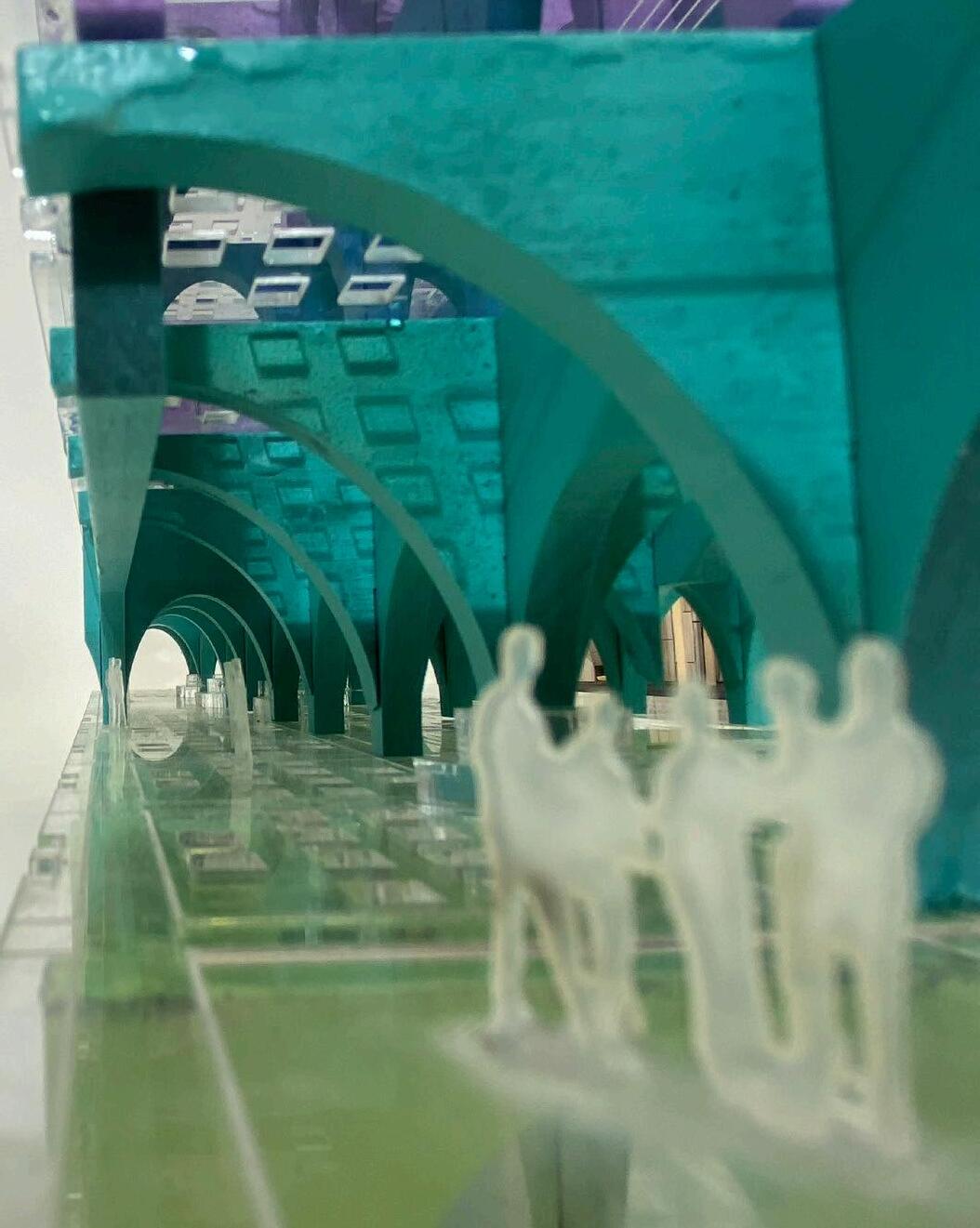
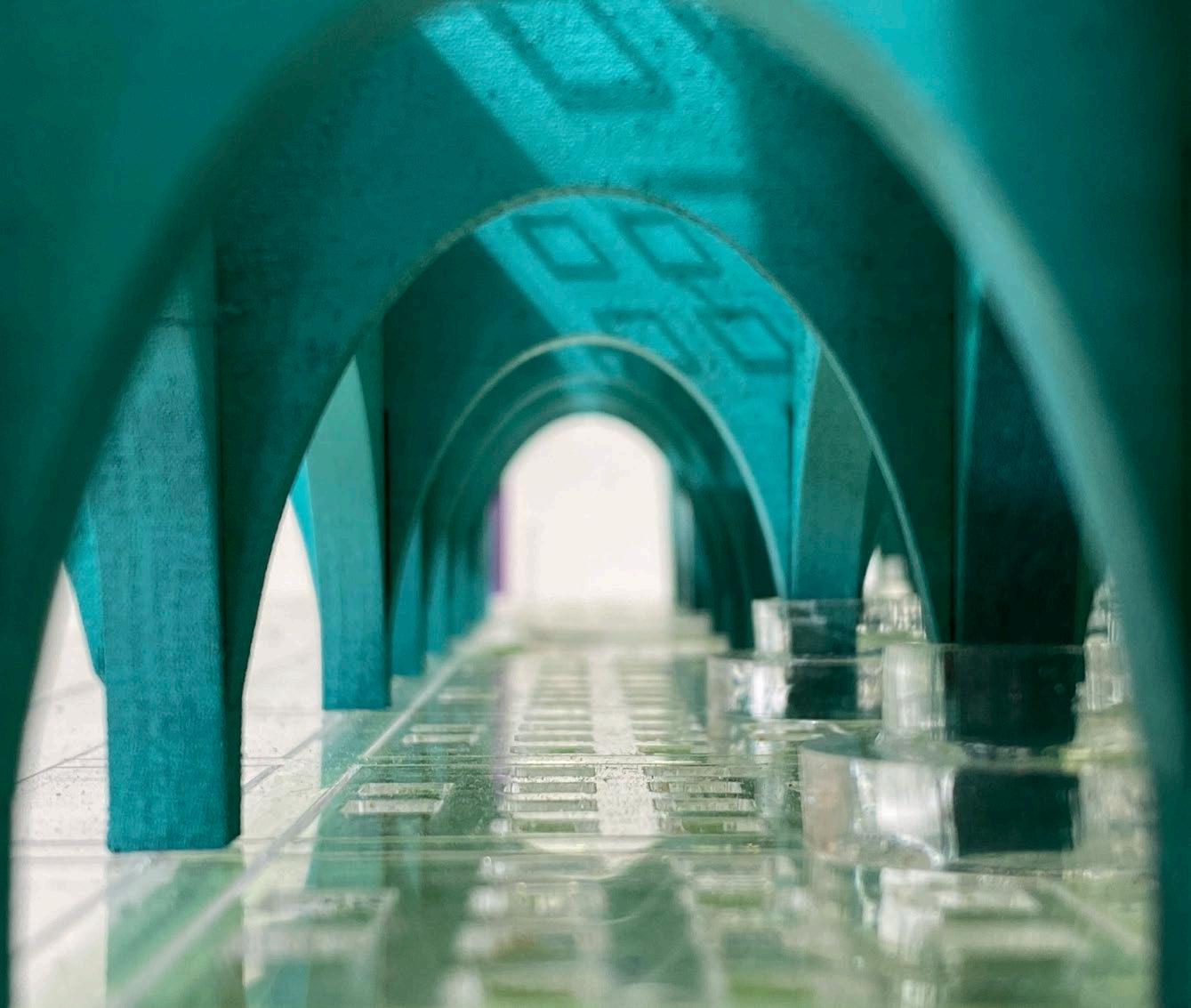
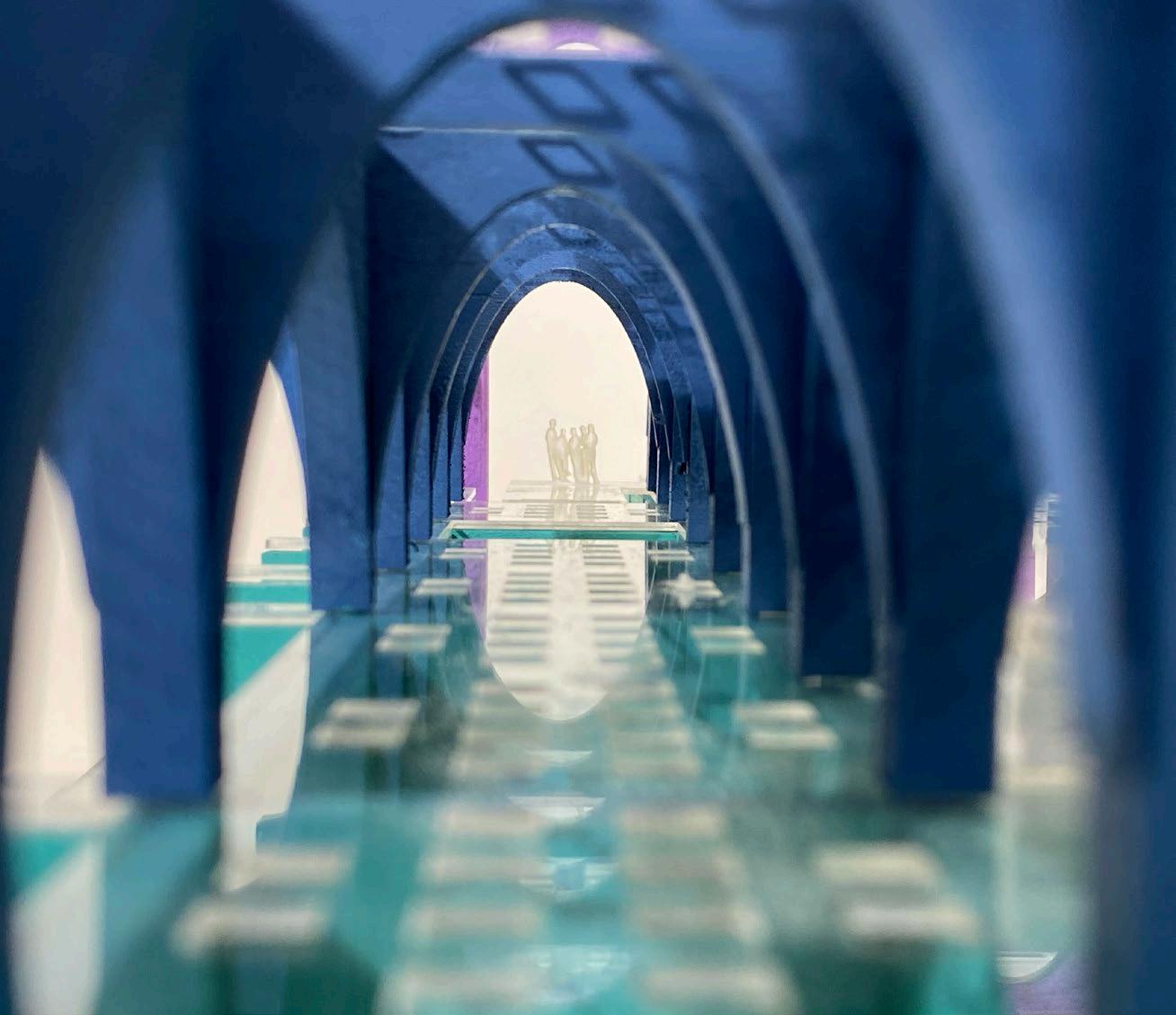
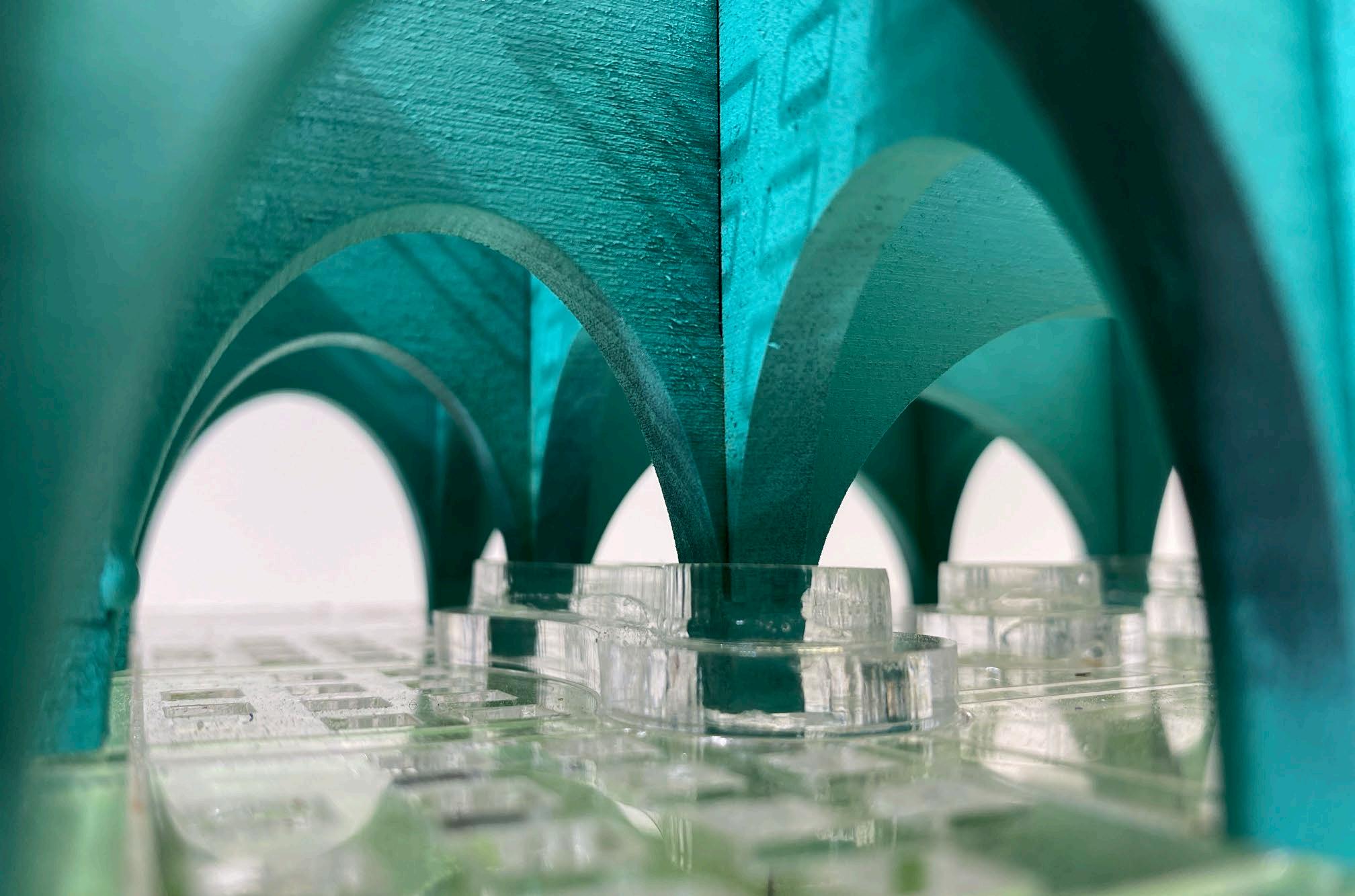
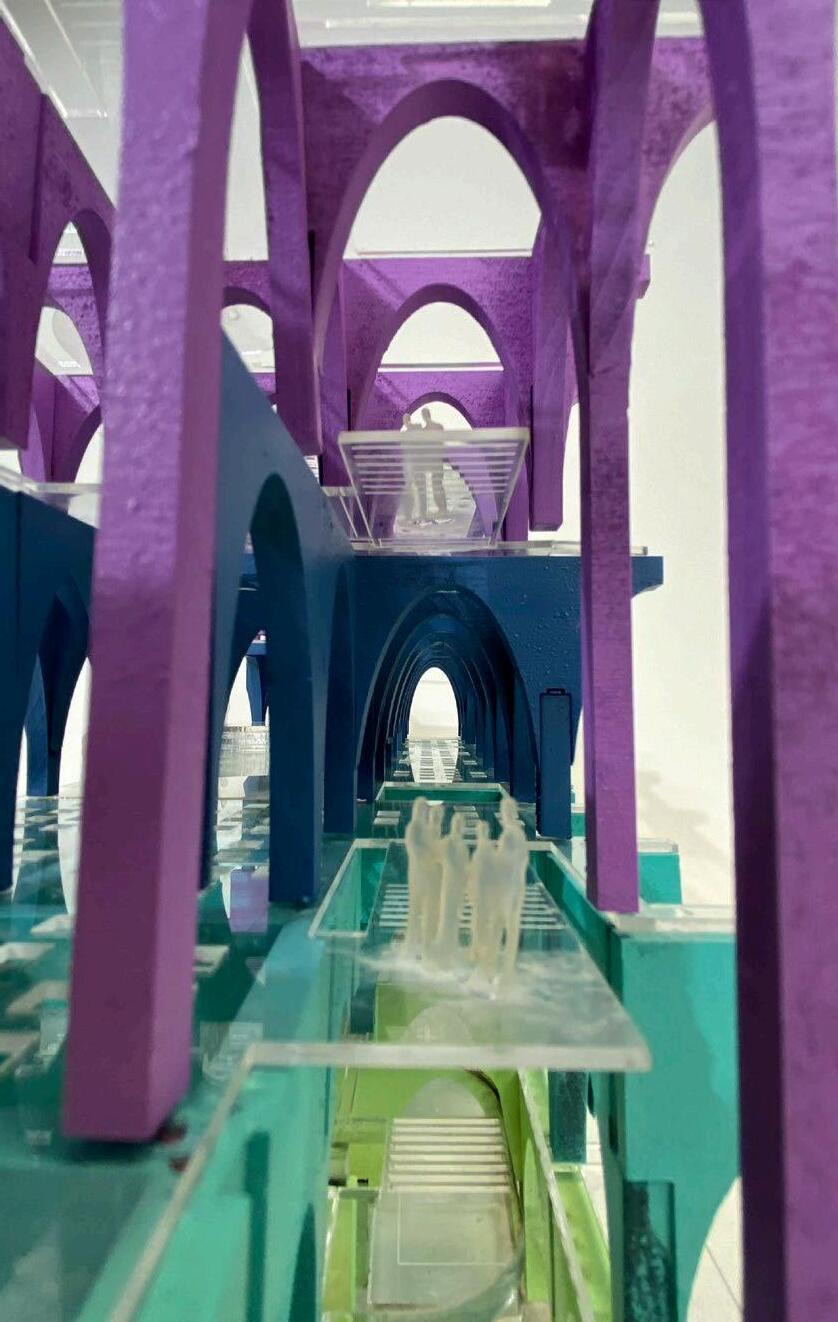
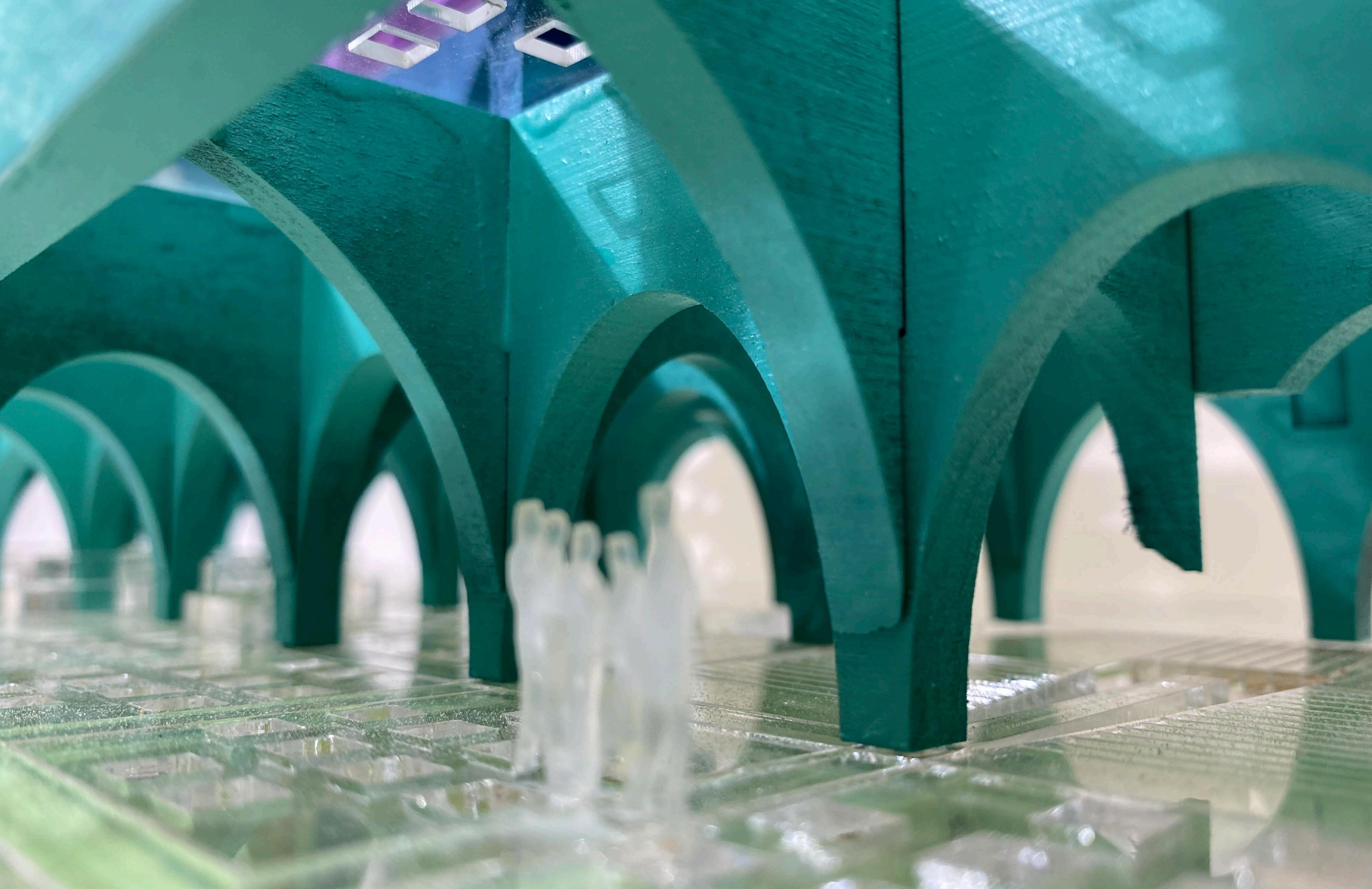
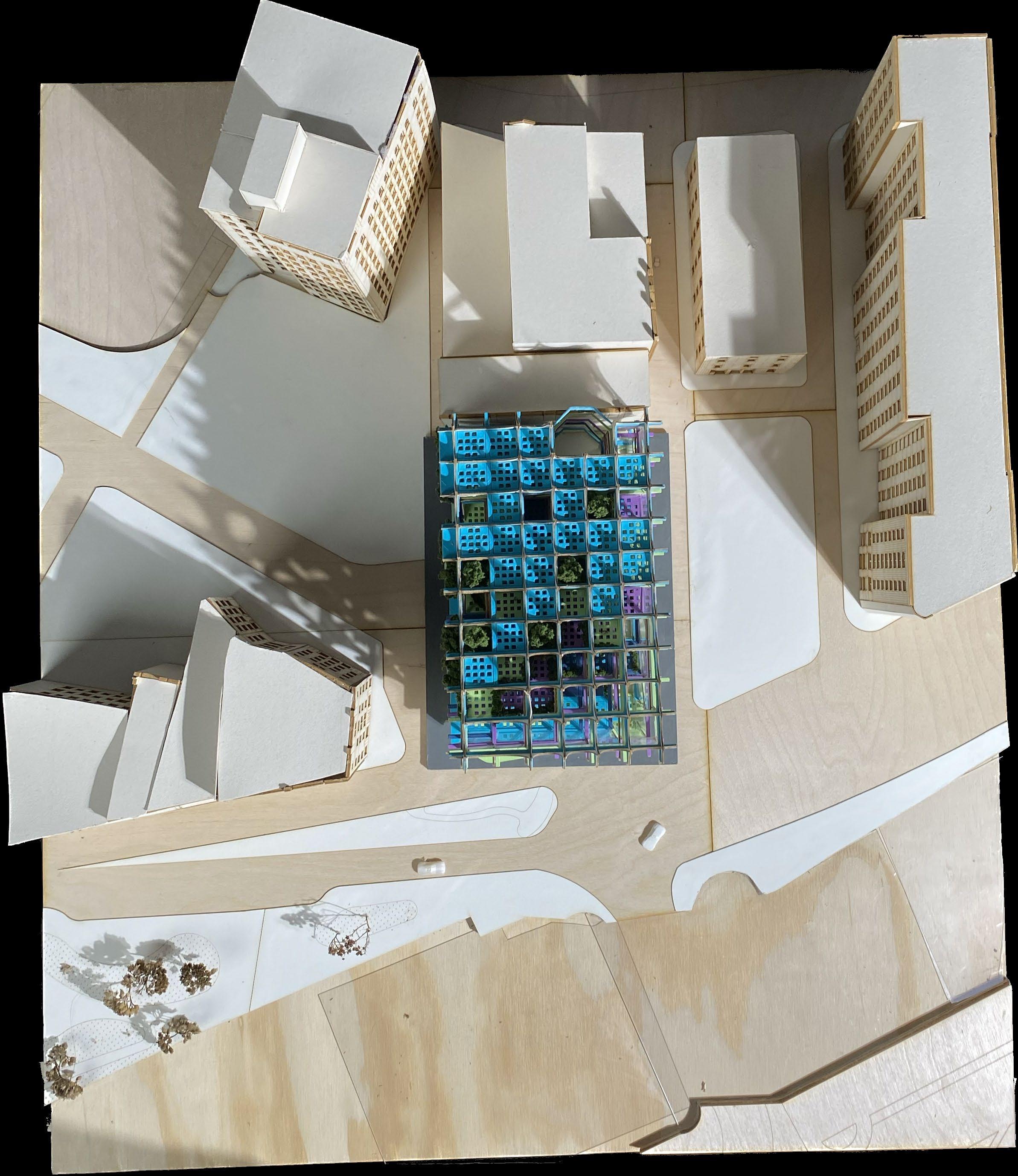
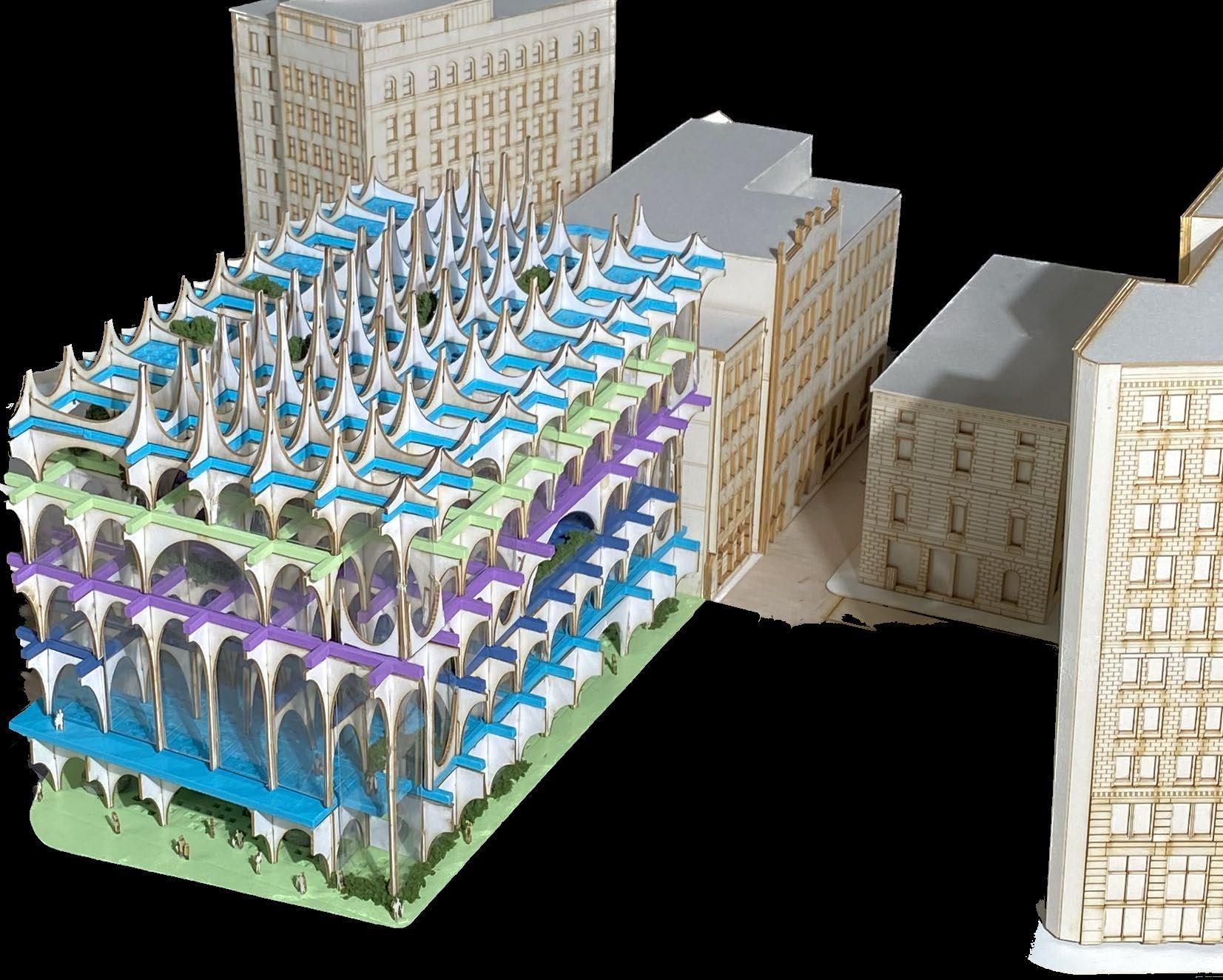
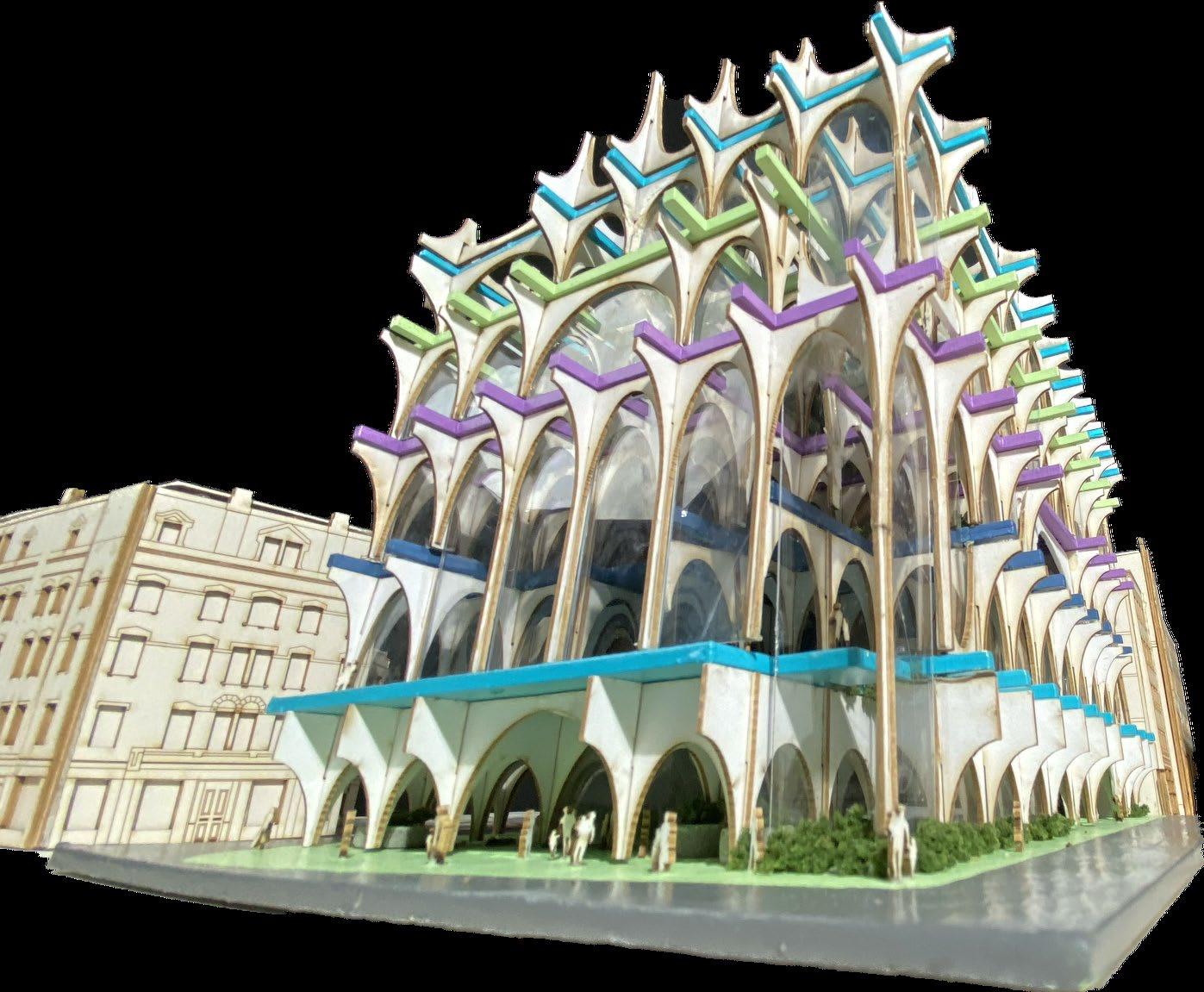
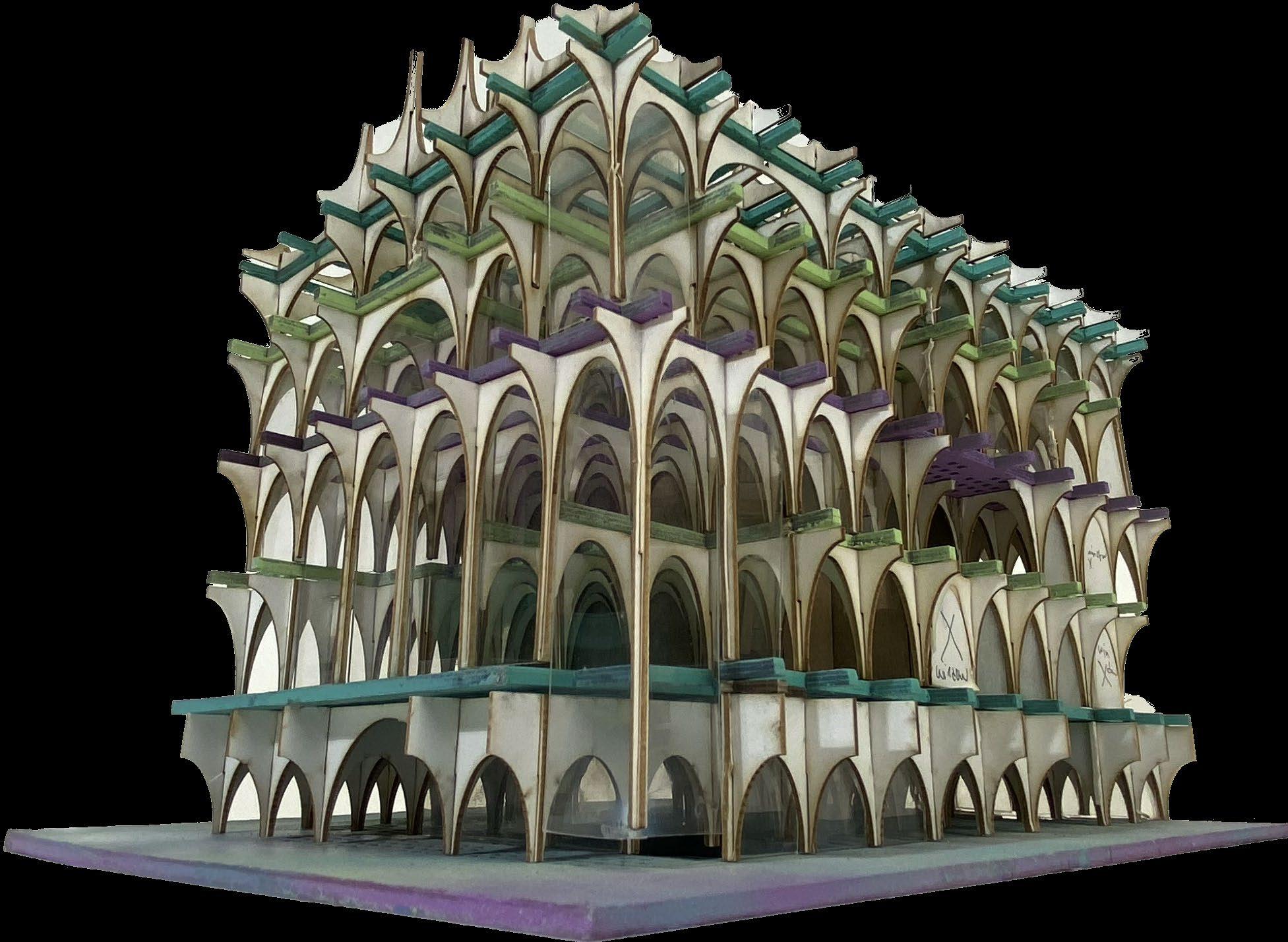
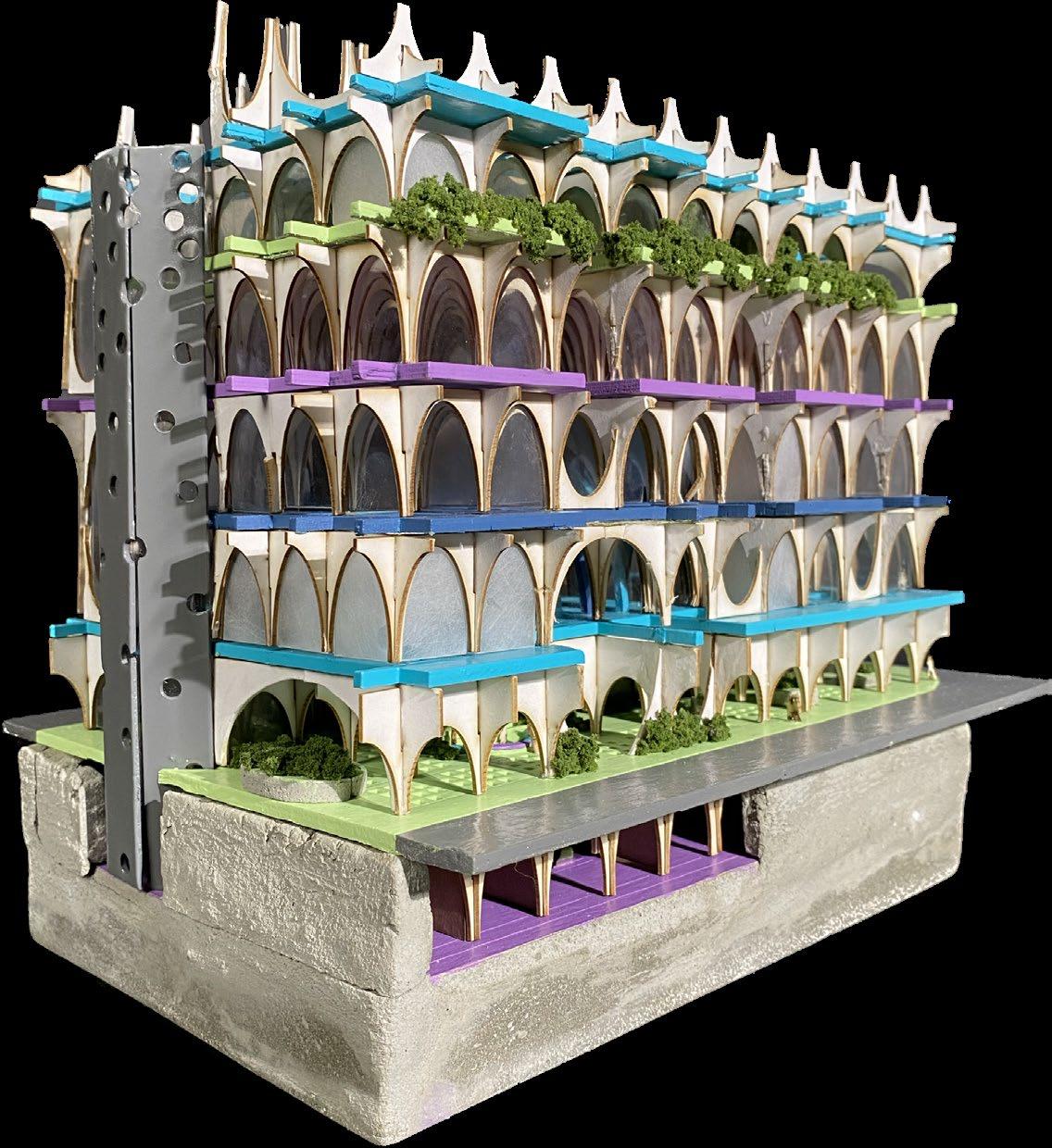
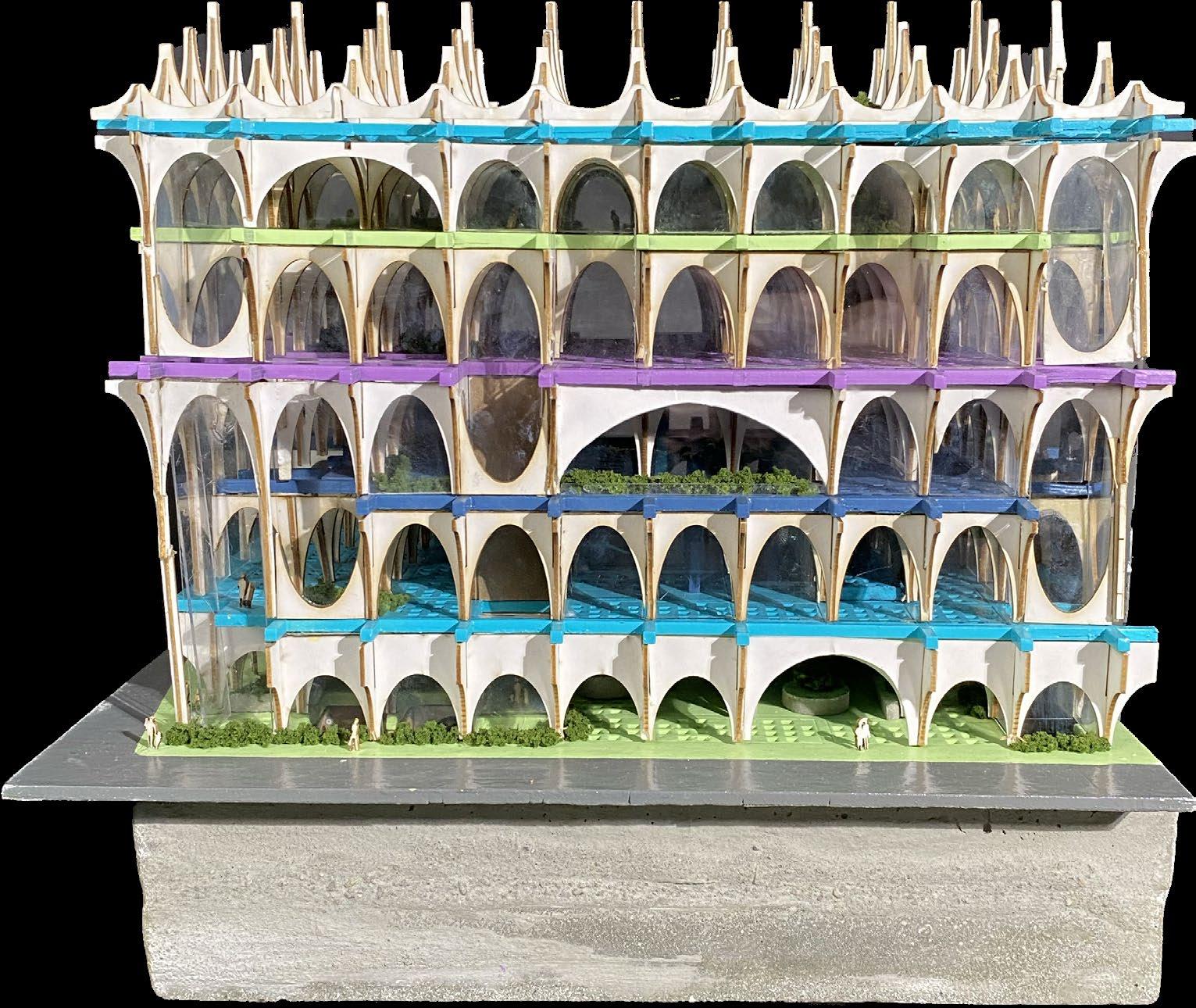
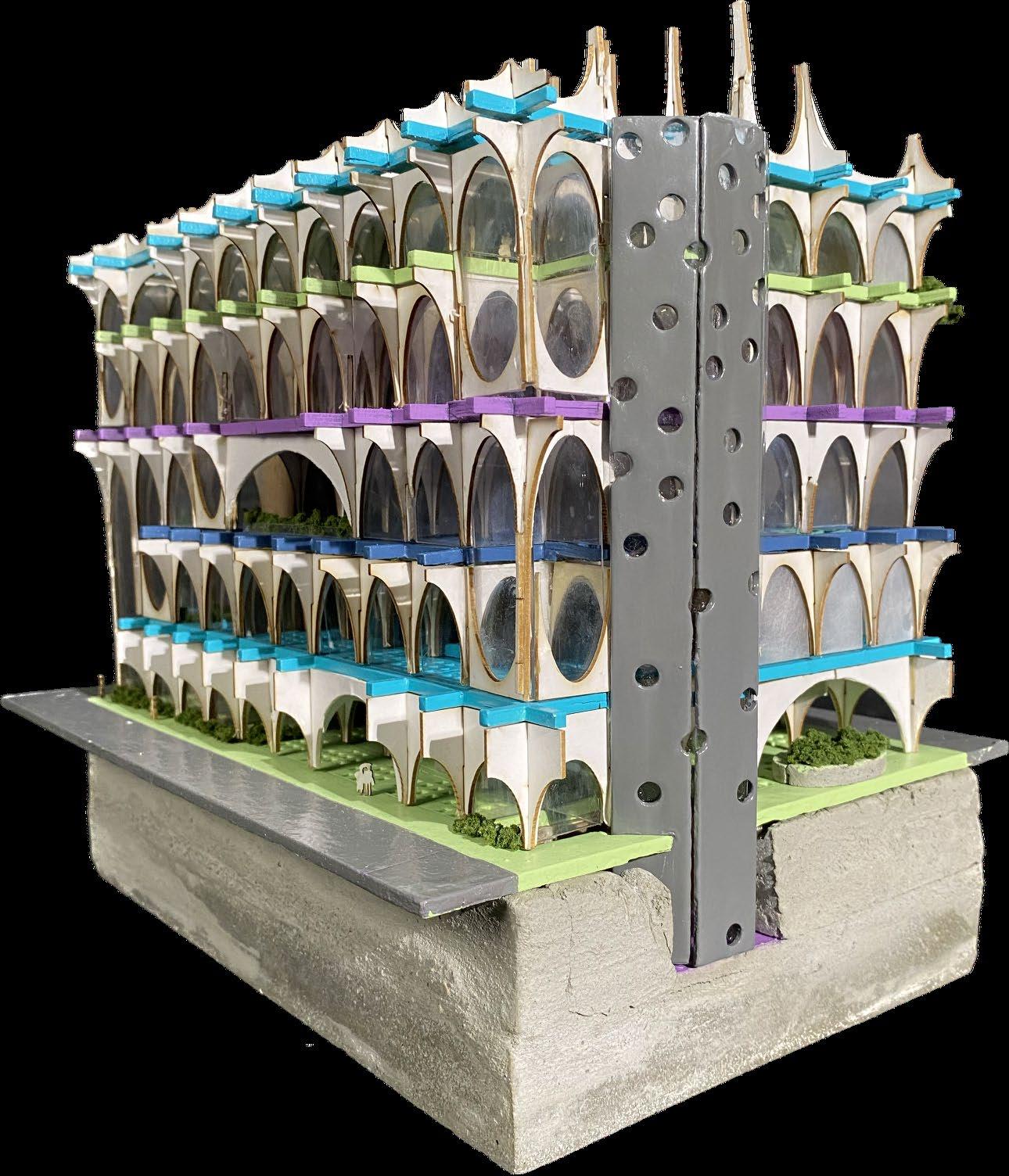
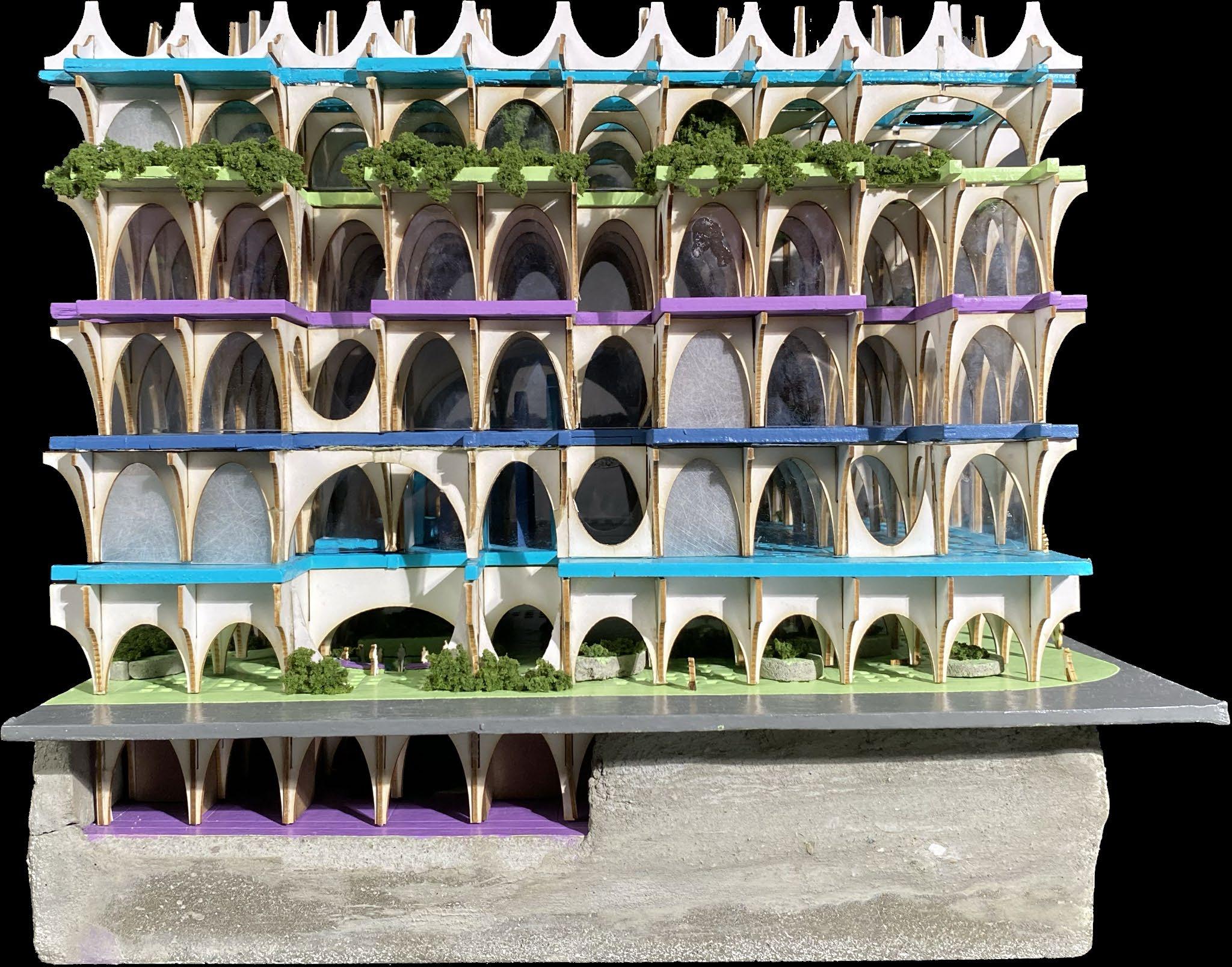
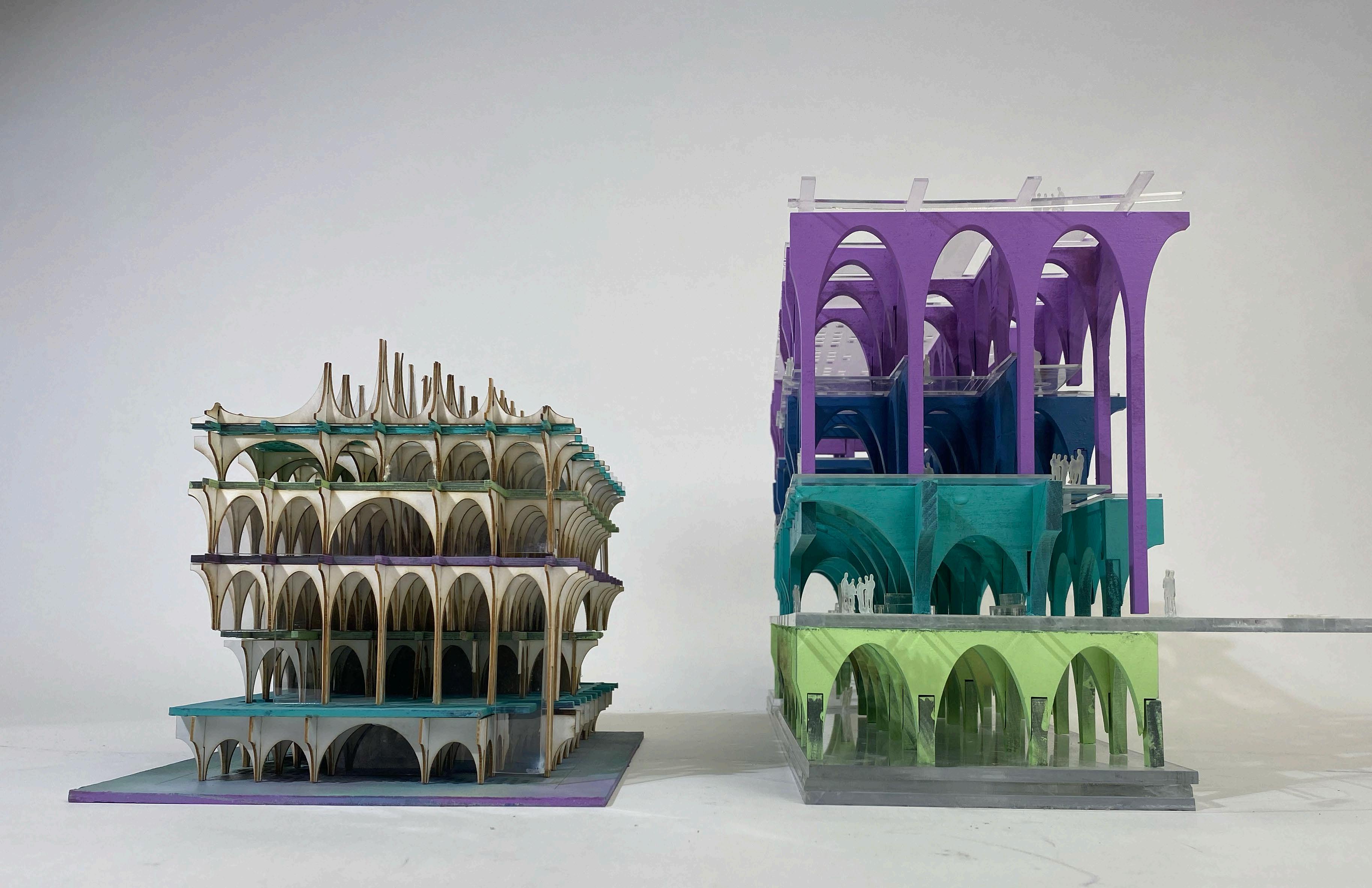
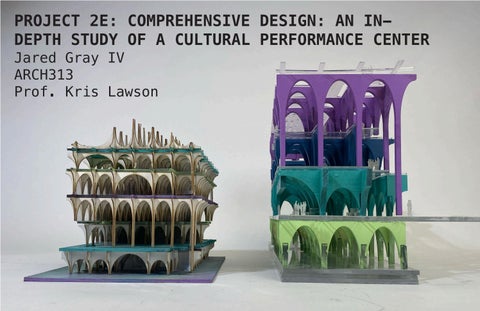
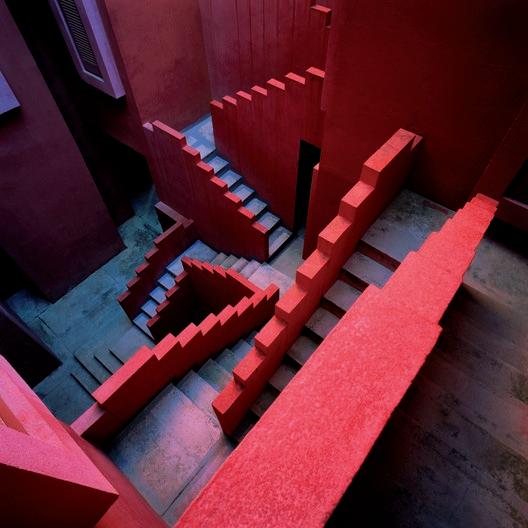
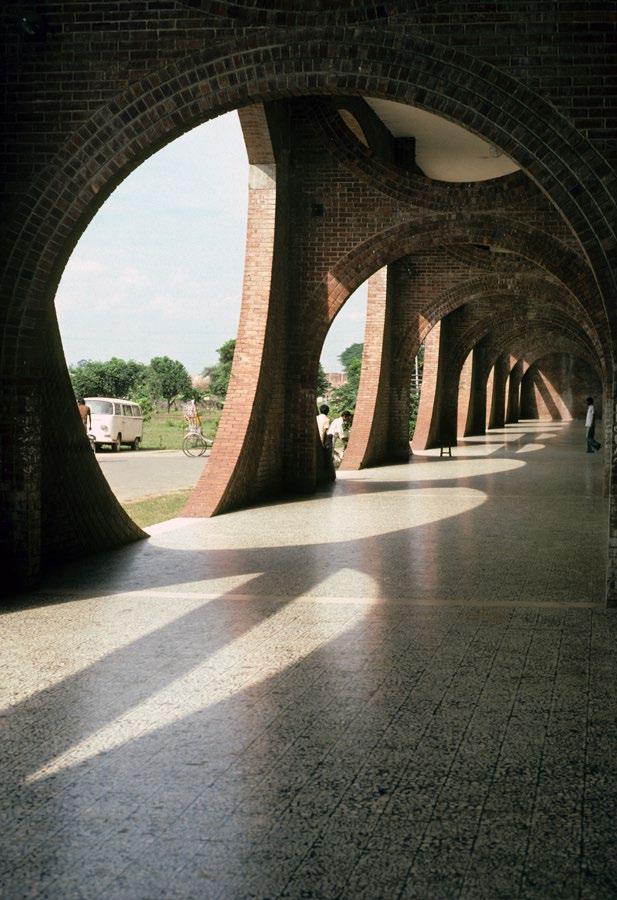
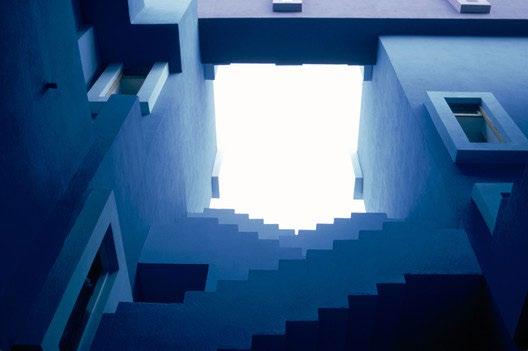
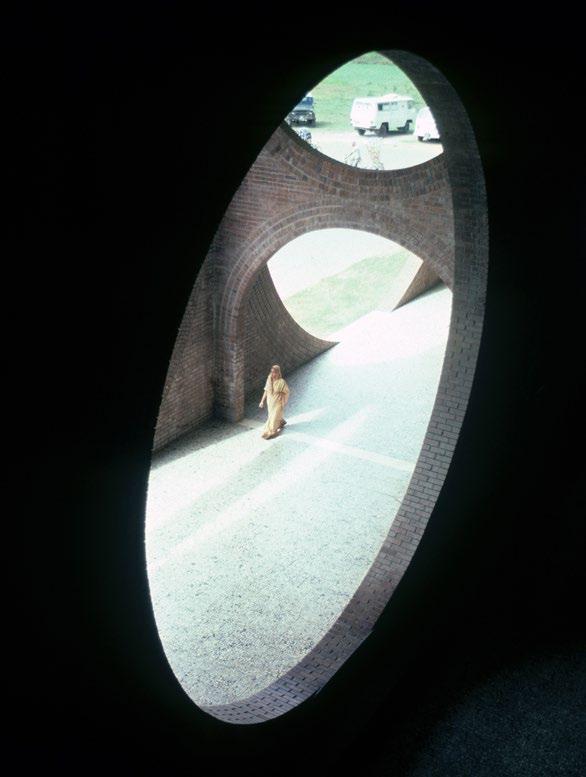
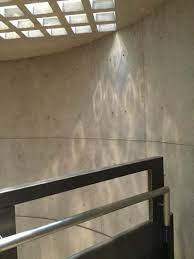
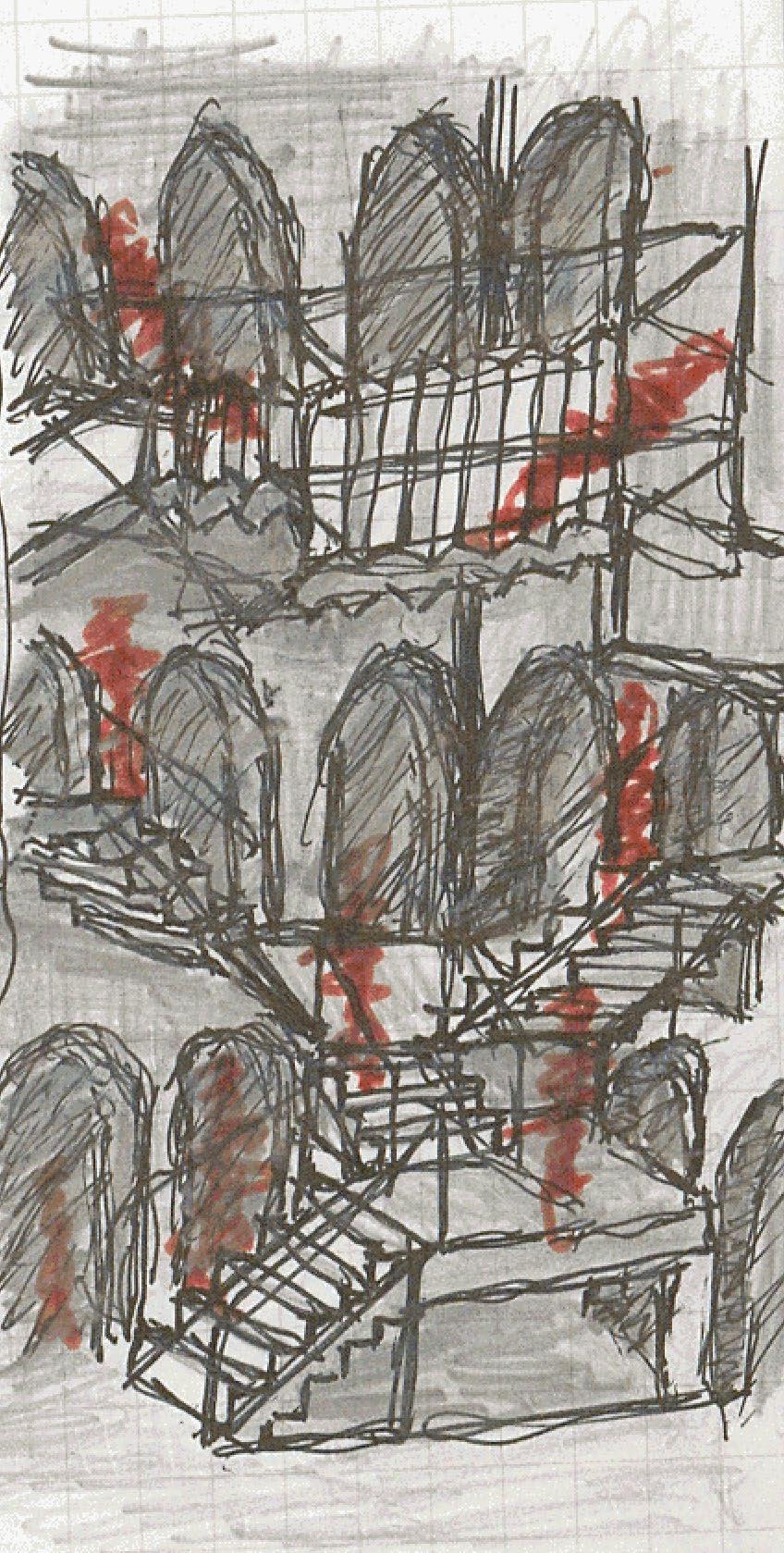
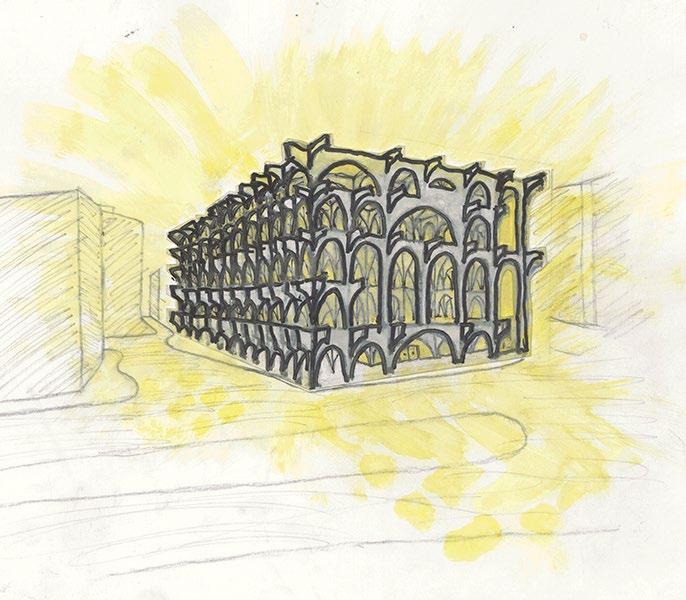
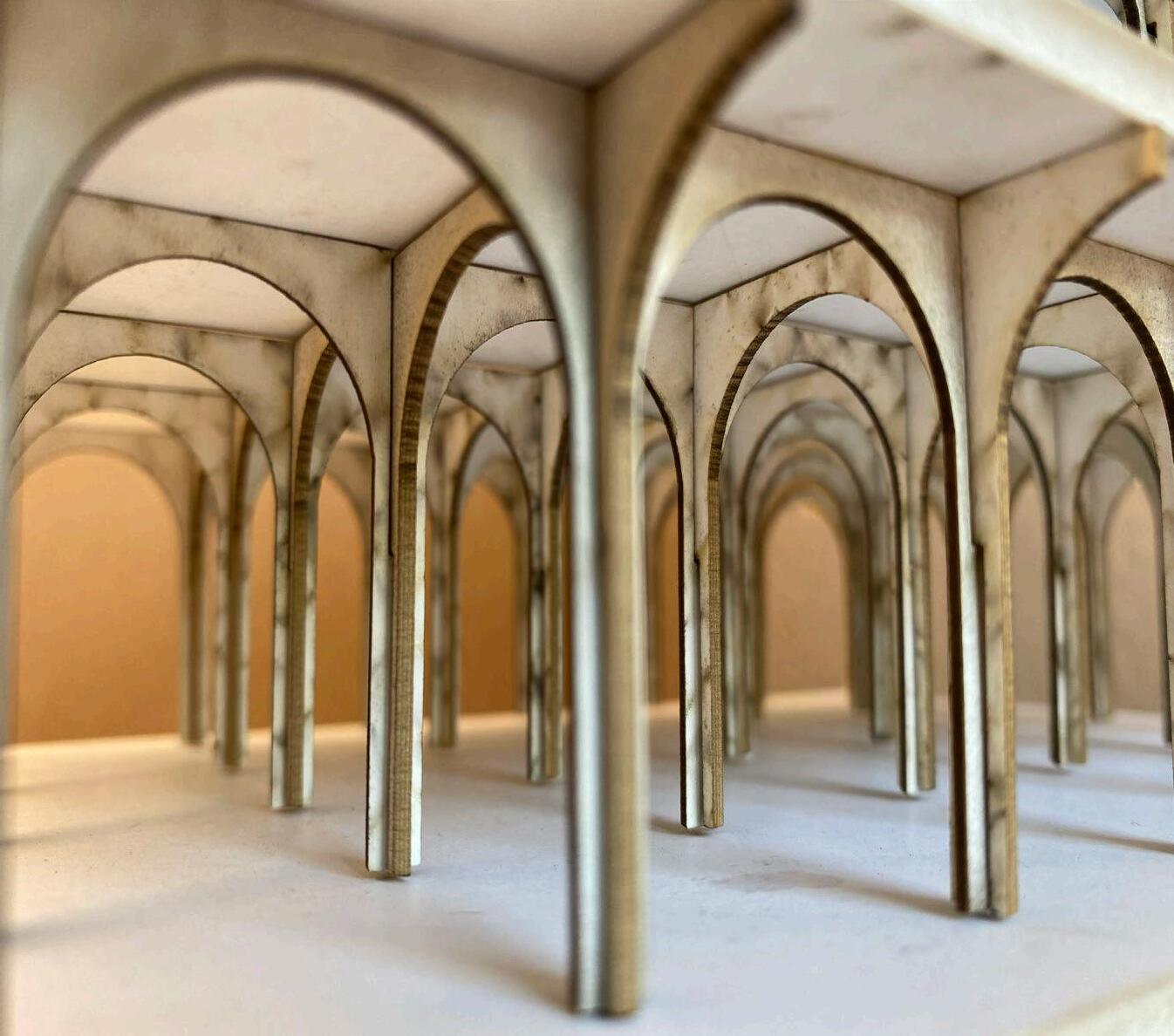
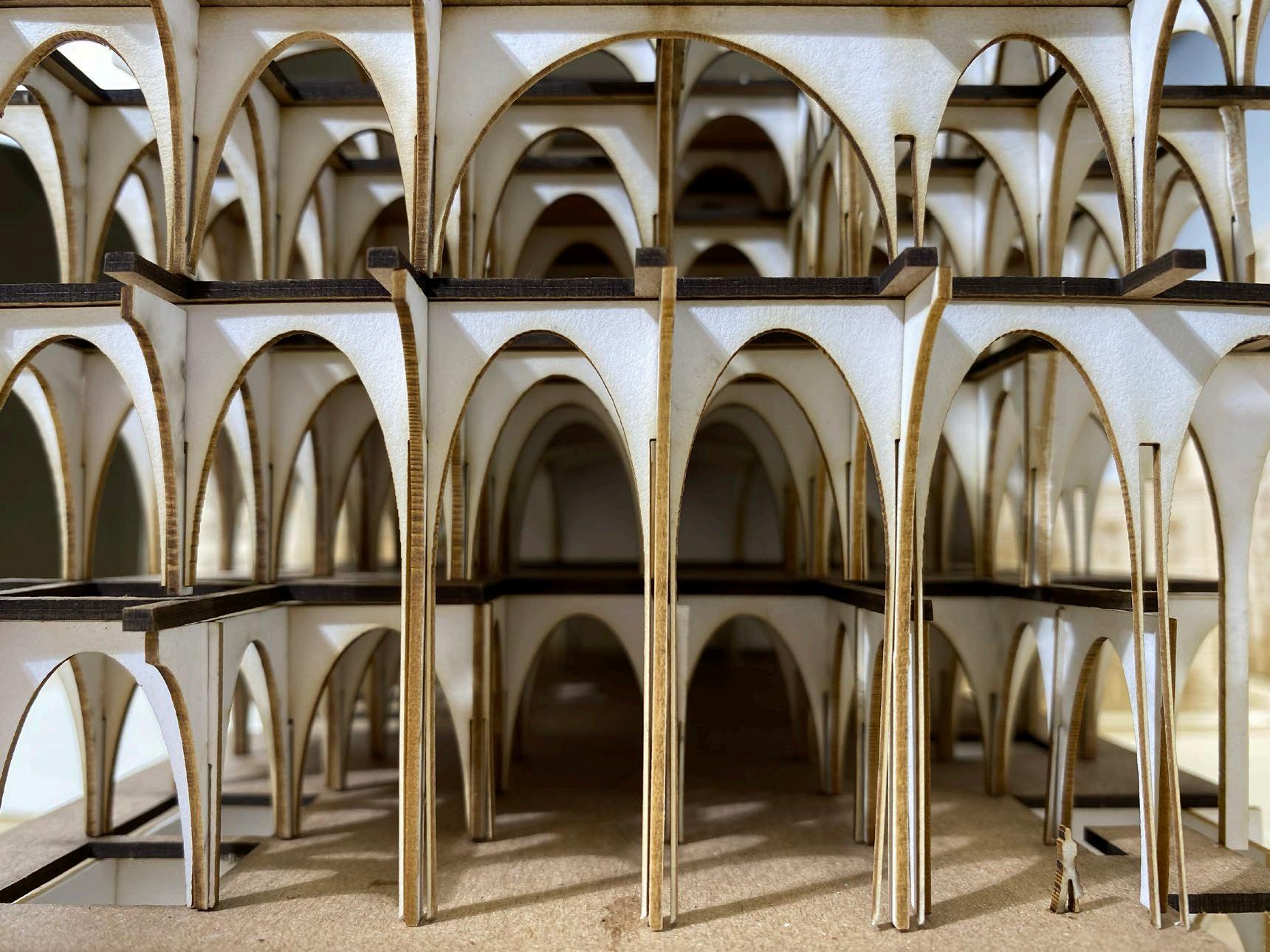
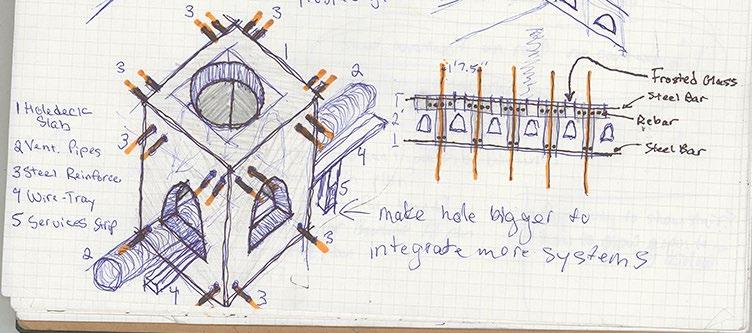
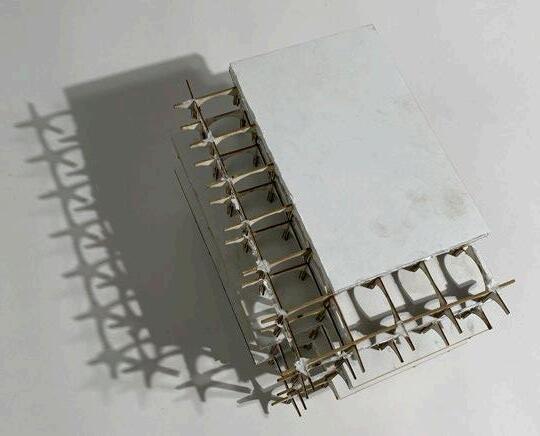
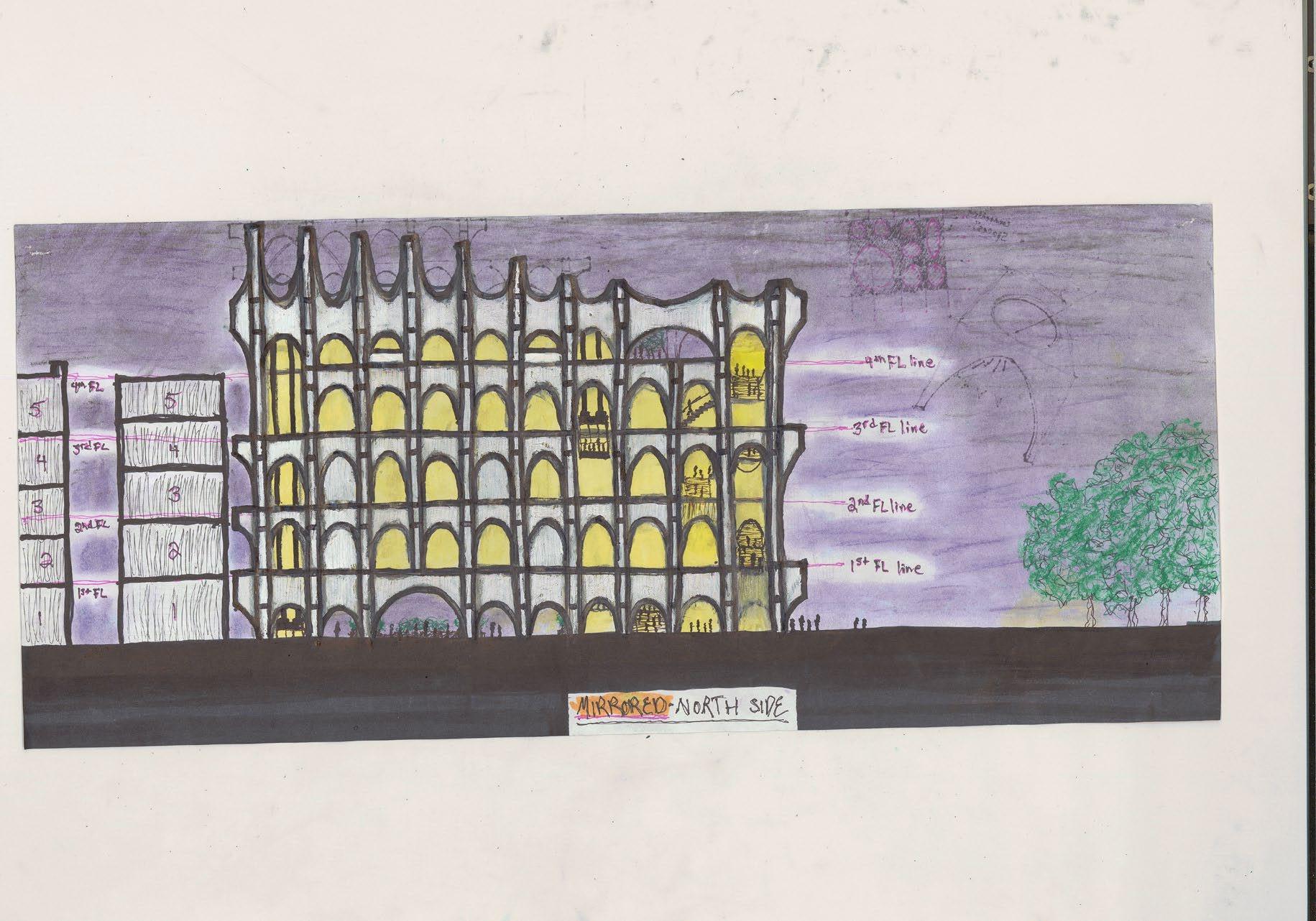
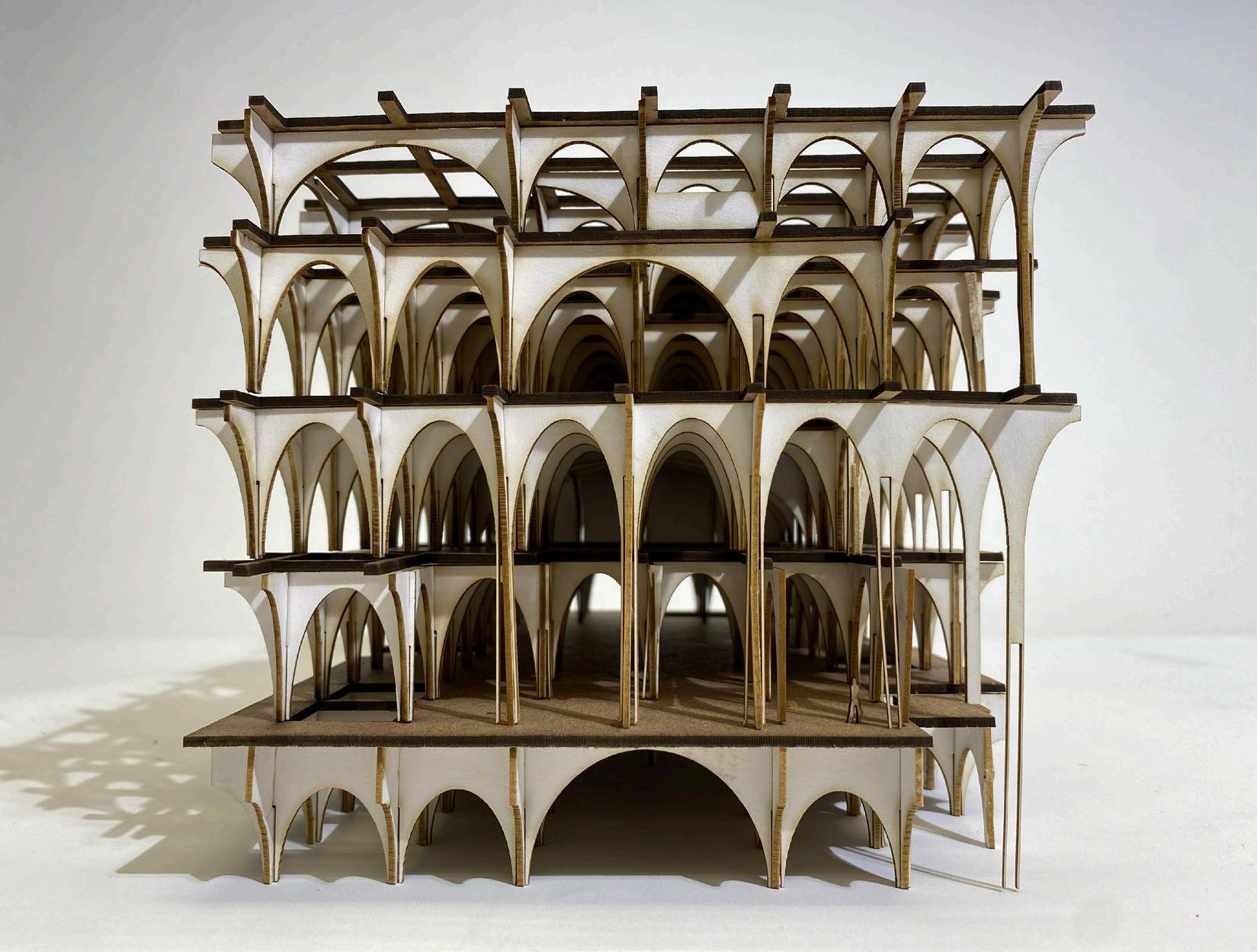
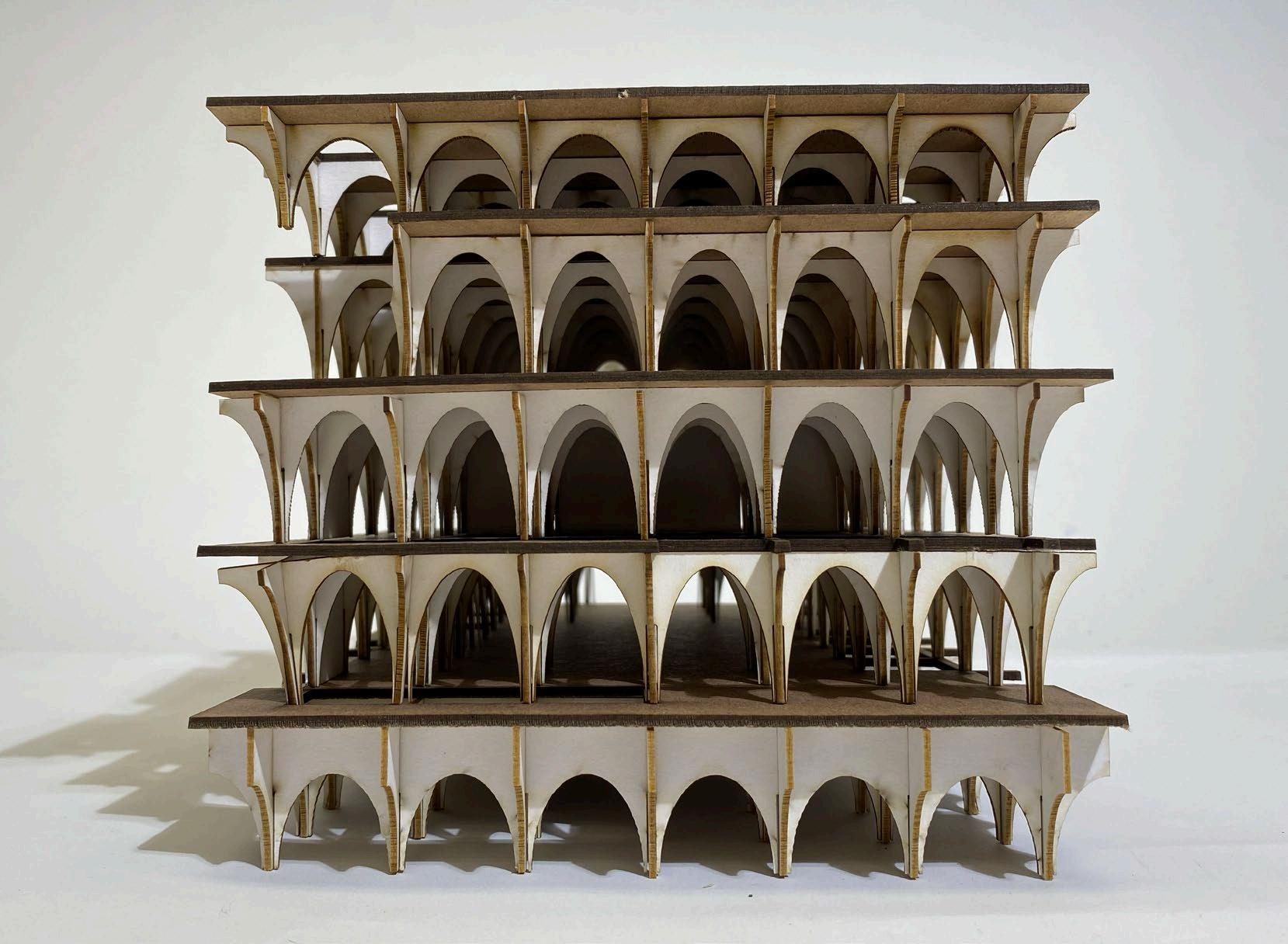
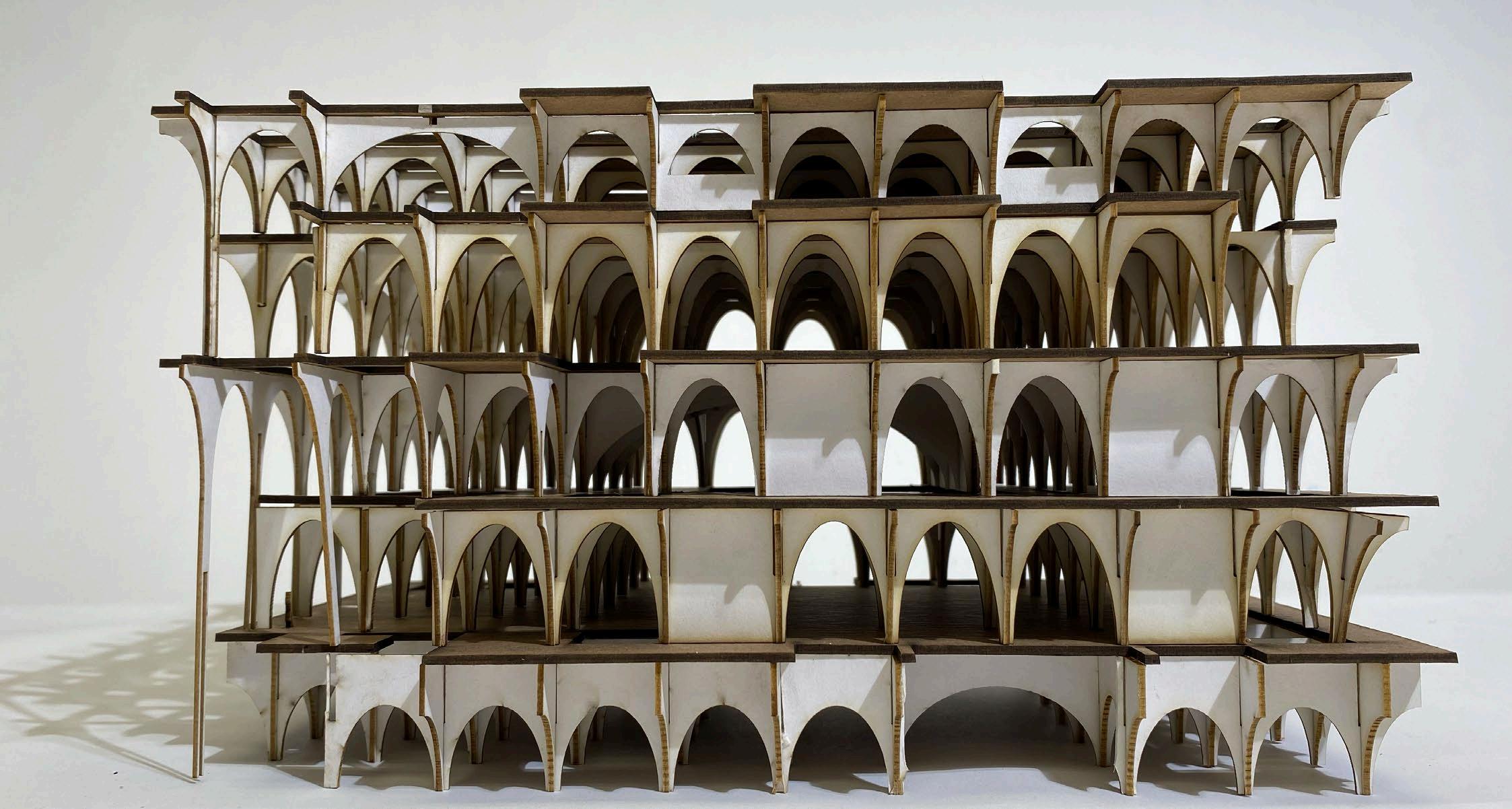
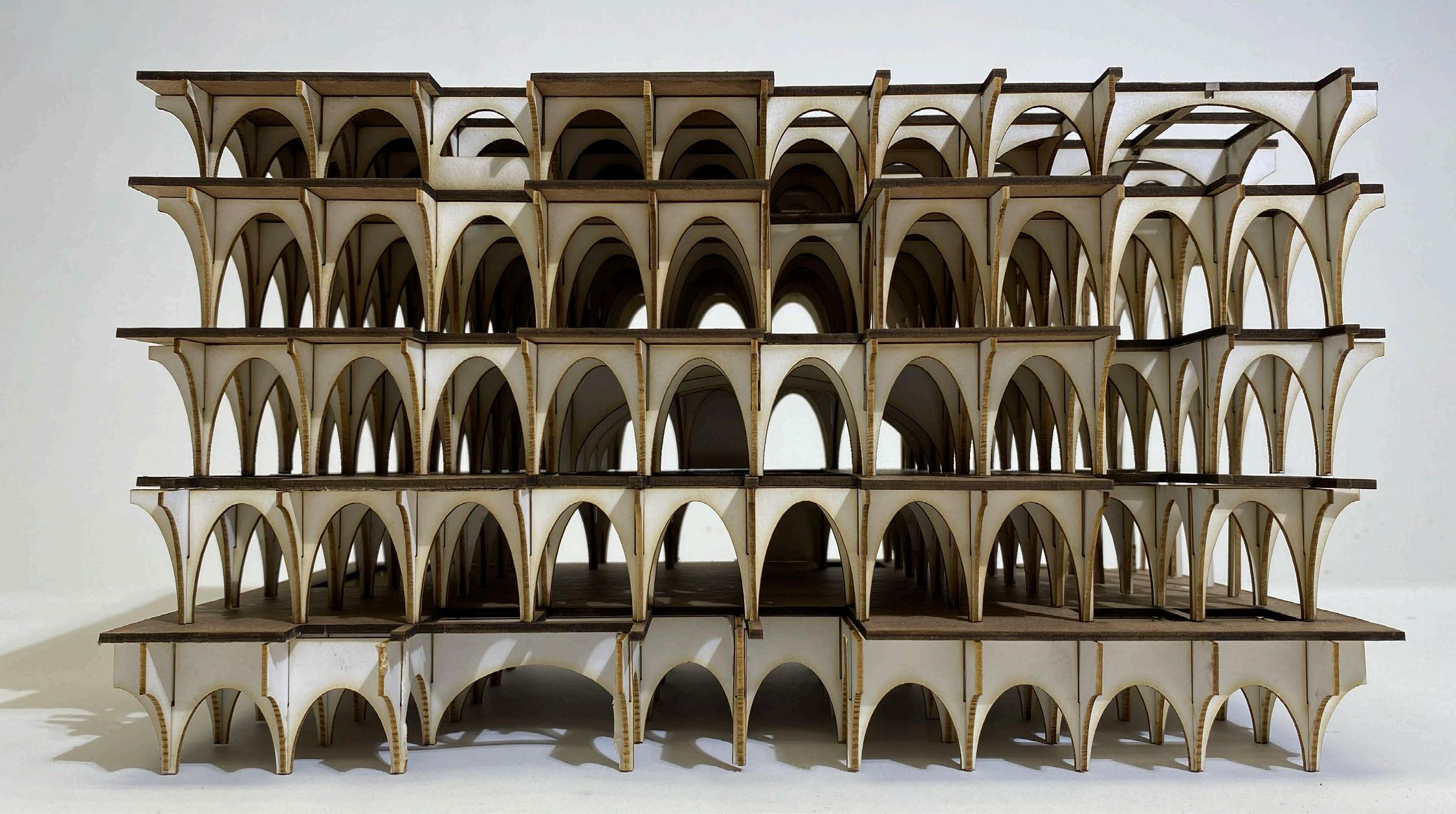
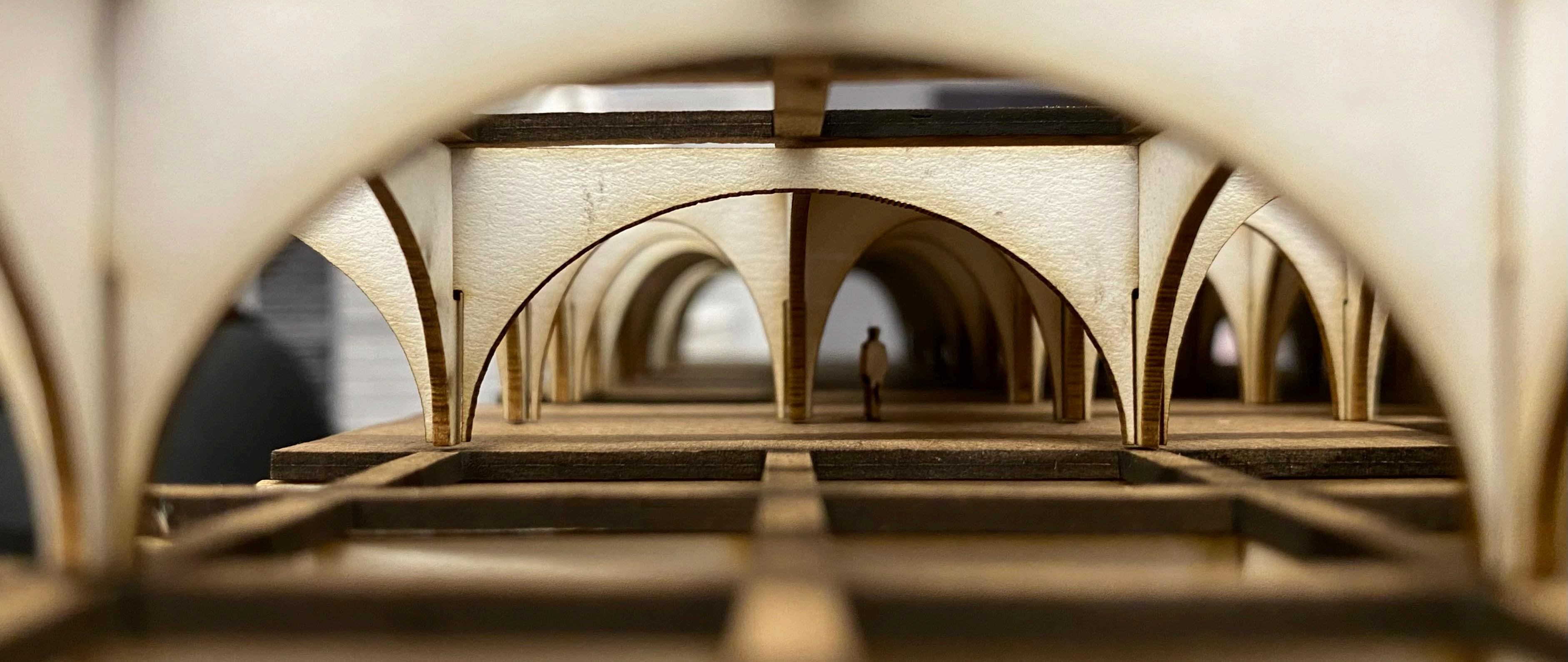
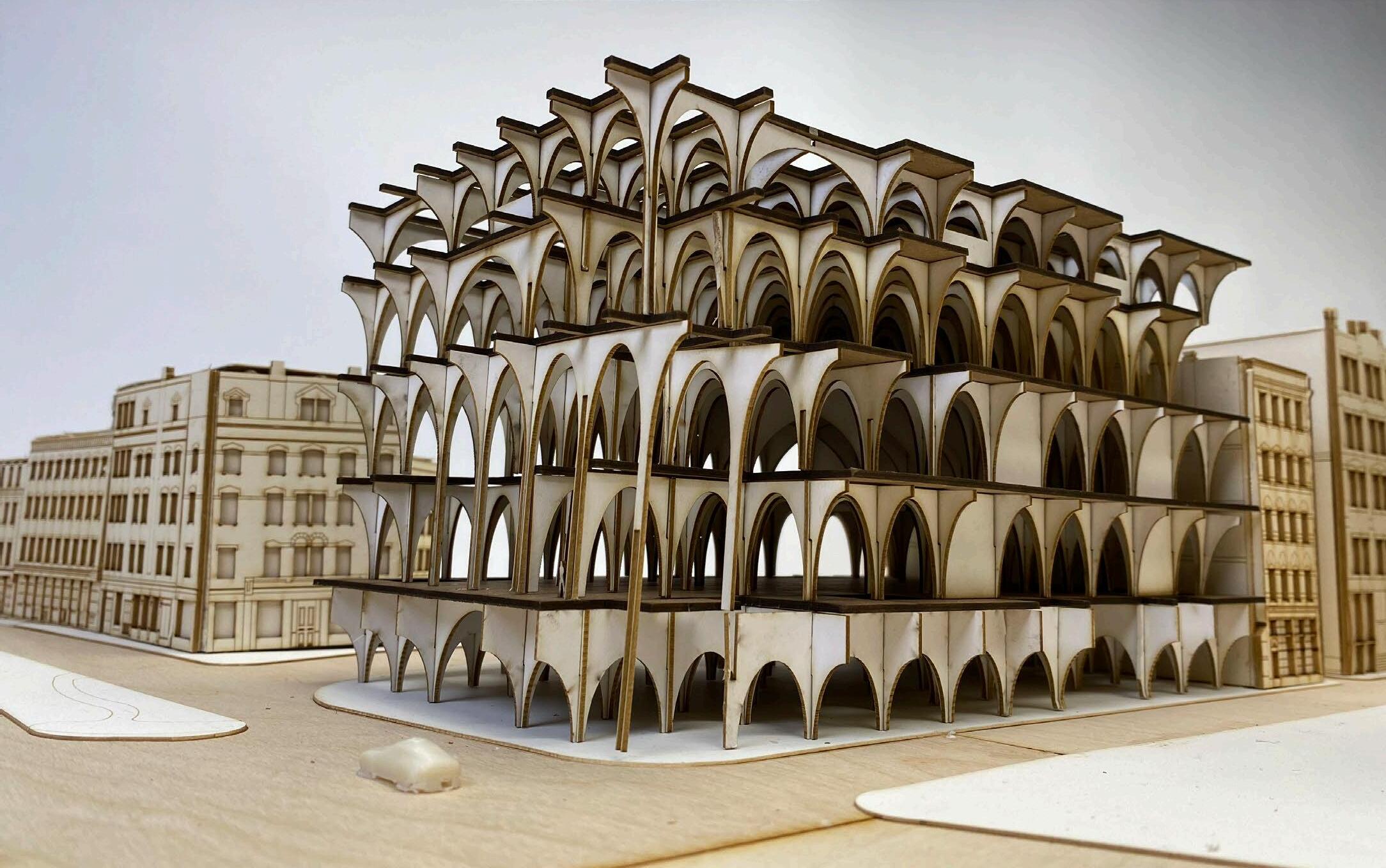
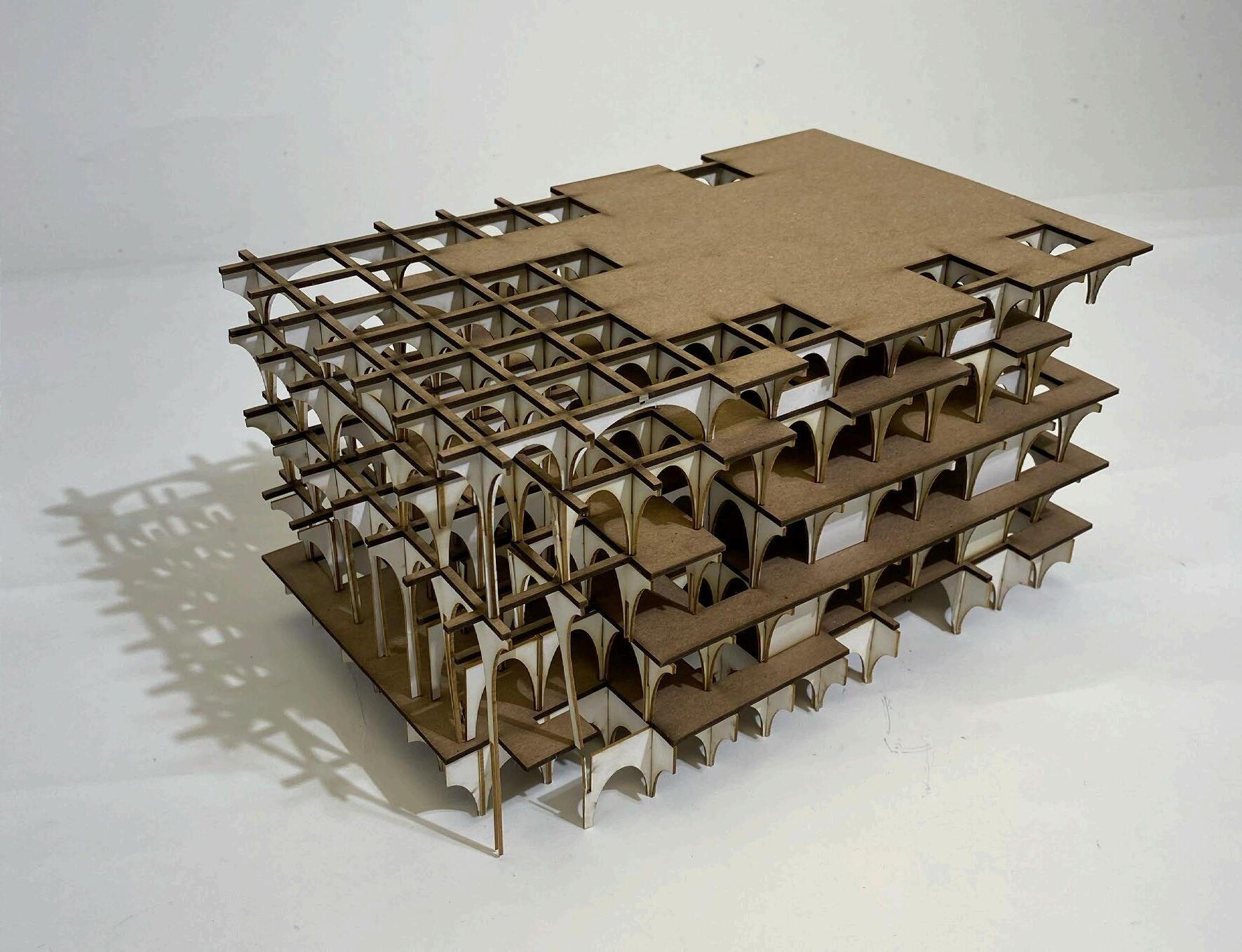
The design began with a cube, composed of a 7x11x6 grid of evenly spaced columns. Then columns were removed as needed responding to program but the sections of the floor system were removed to create an atrium-like space in the front of the building that would respond to the topography of the steep College Hill across the River. The atrium with its network of columns, arches and snaking stairways and walkways was inspired by MC Escher Drawings and Ricardo Bofill; Louis Kahn was also a heavy influence. Pourous floors in combination with light wells bring natural light throughout the building. The floor system is a dyed concrete waffle slab that can accommodate electrical cables and ductwork within it, saving space on each floor. The arches are mostly uniform on each floor but variation occurs in response to program.
1. The structure creates the architecture
2. Take advantage of scenic views when possible- arches create framed views/scenes of College Hill, Providence, RI
3. Create green space/ a roof terrace
4. Respond to historical and current context through the buildings facade geometry and 1st floor lines
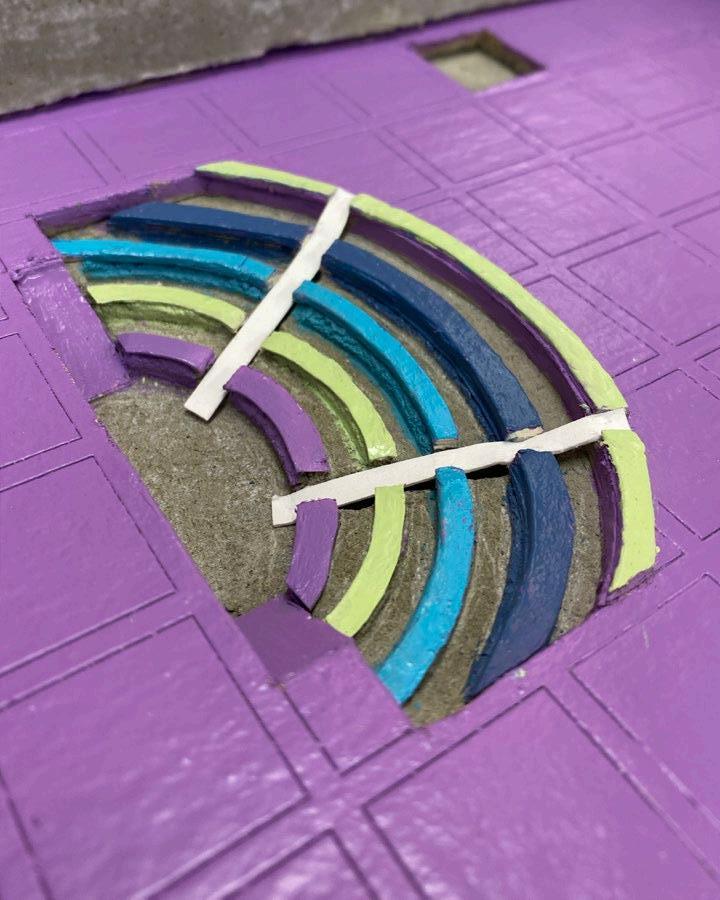
5. Morphology: Atrium is a reflection of College Hill’s topography- reflected in negative space created by pulling back floor plates away from the front facade gradually as the building rises
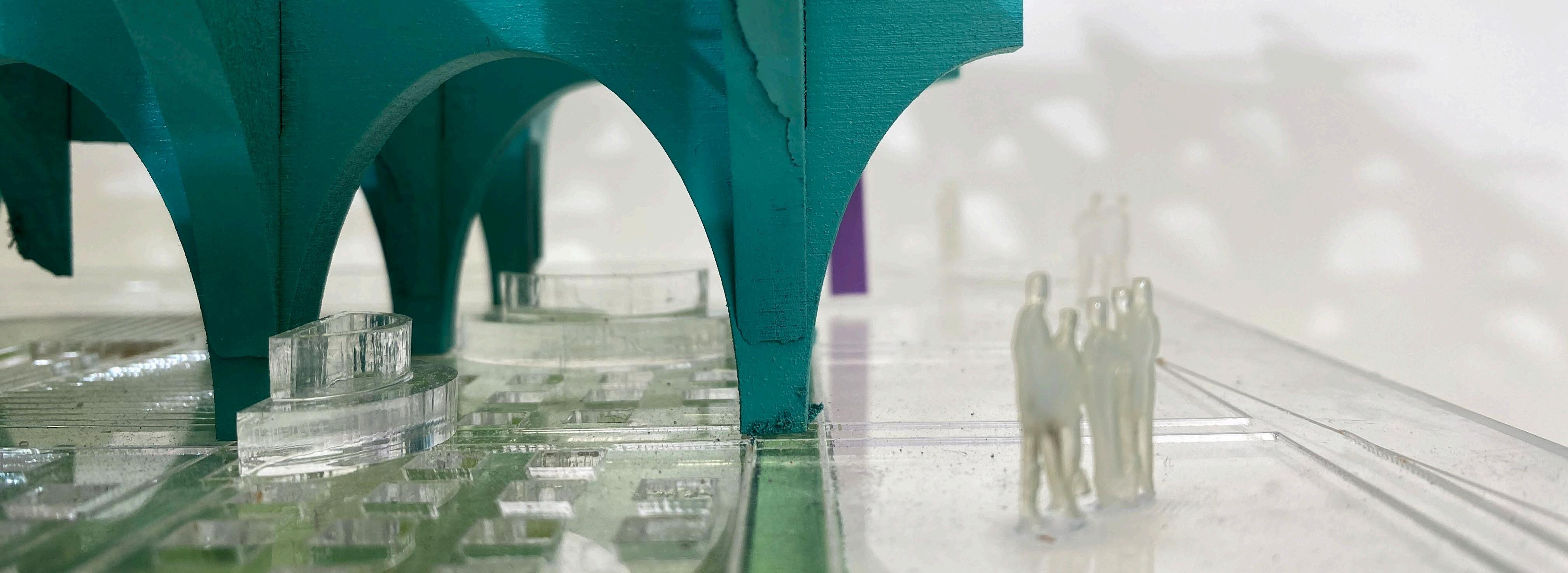
6. Current site has a lot of pedestrian traffic (crossing through)- make the building mostly open and porous enough at the ground floor to have high pedestrian and urban connectivity
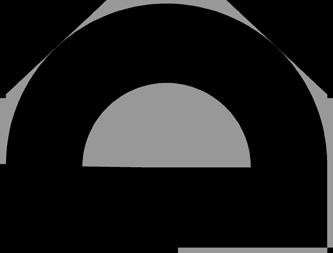
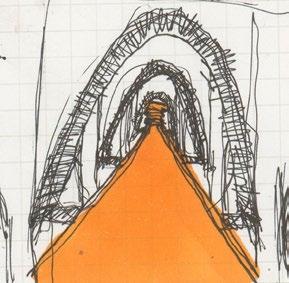
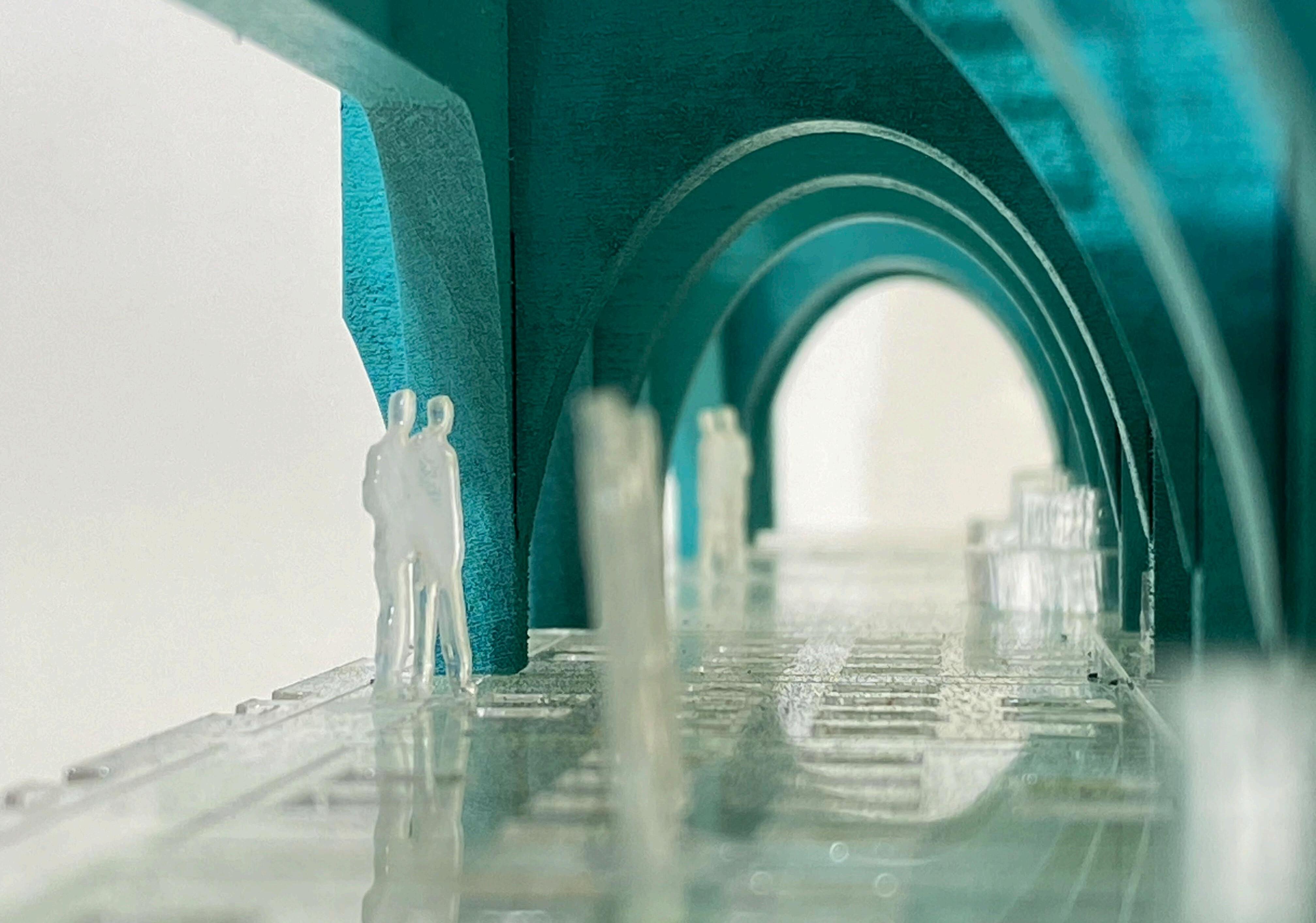
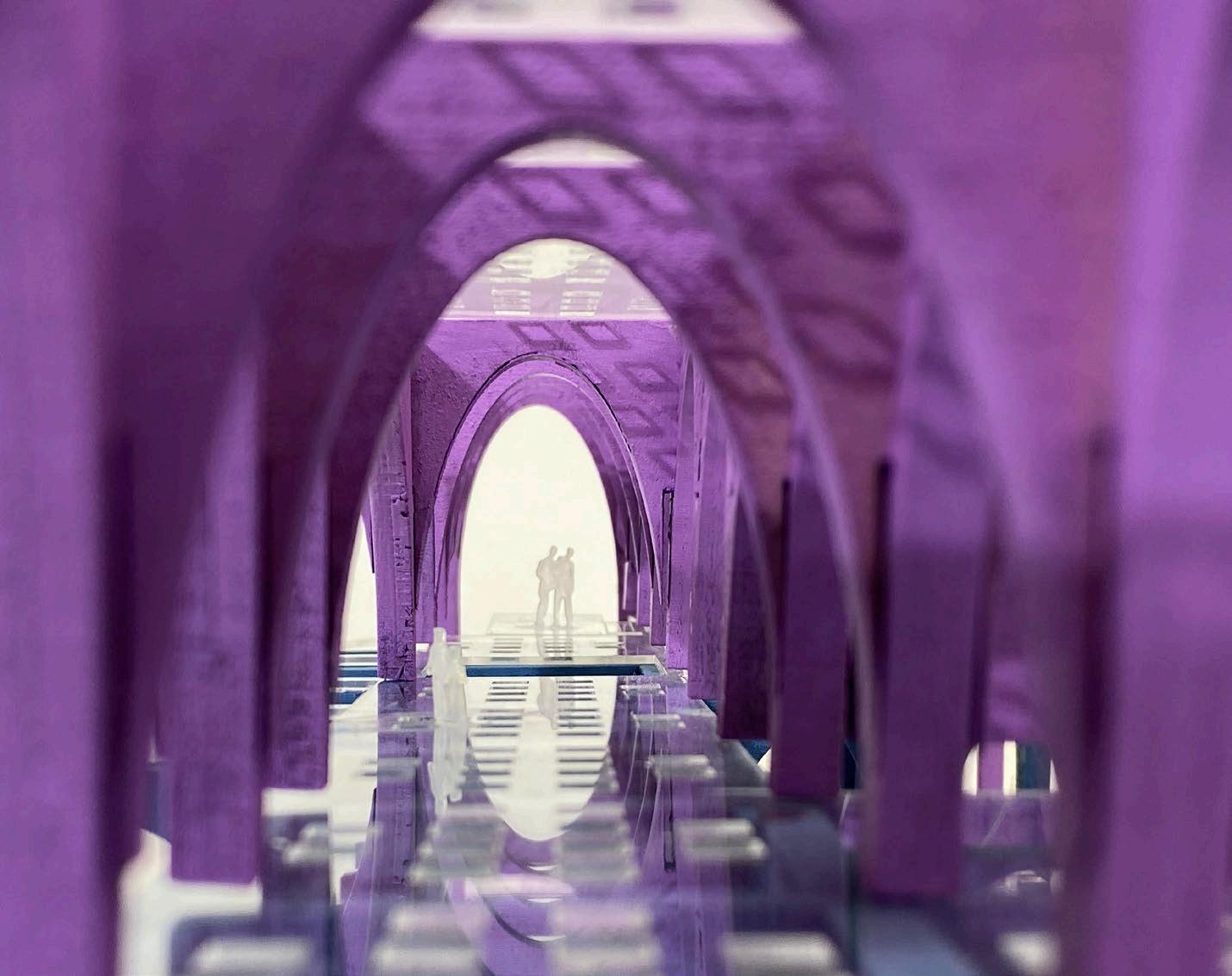
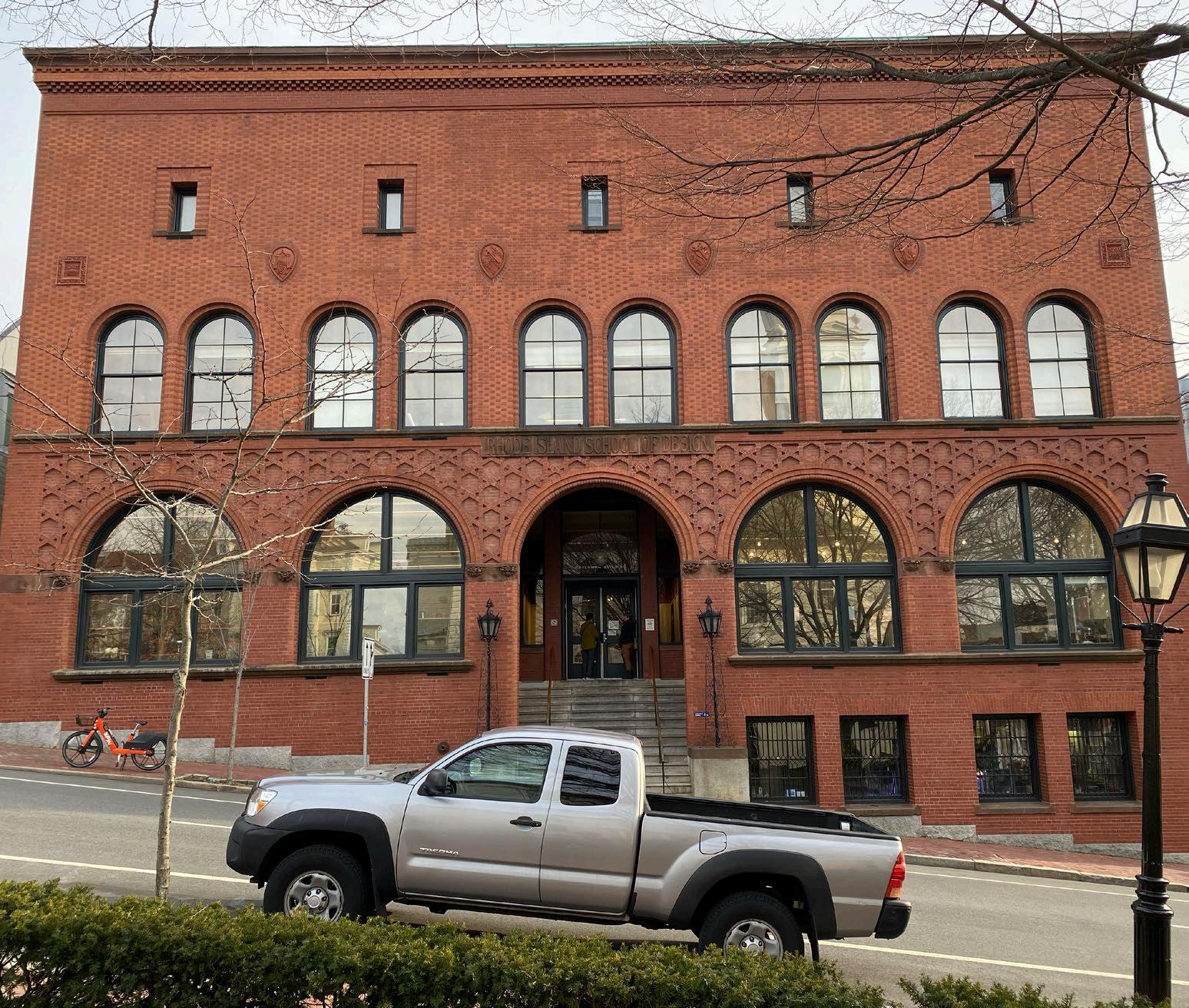
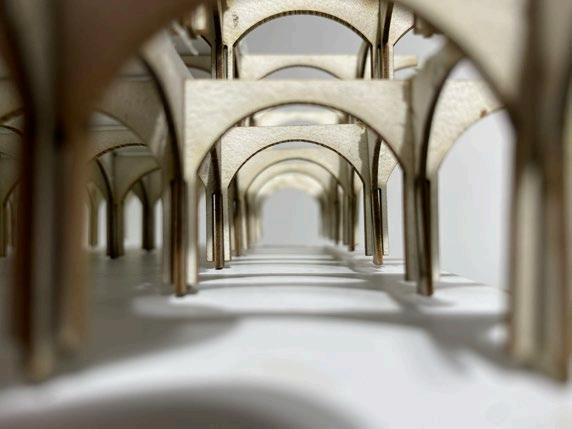
7. Arches were chosen for structural capabilities and spatial quality (also a common motif in downtown Providence)
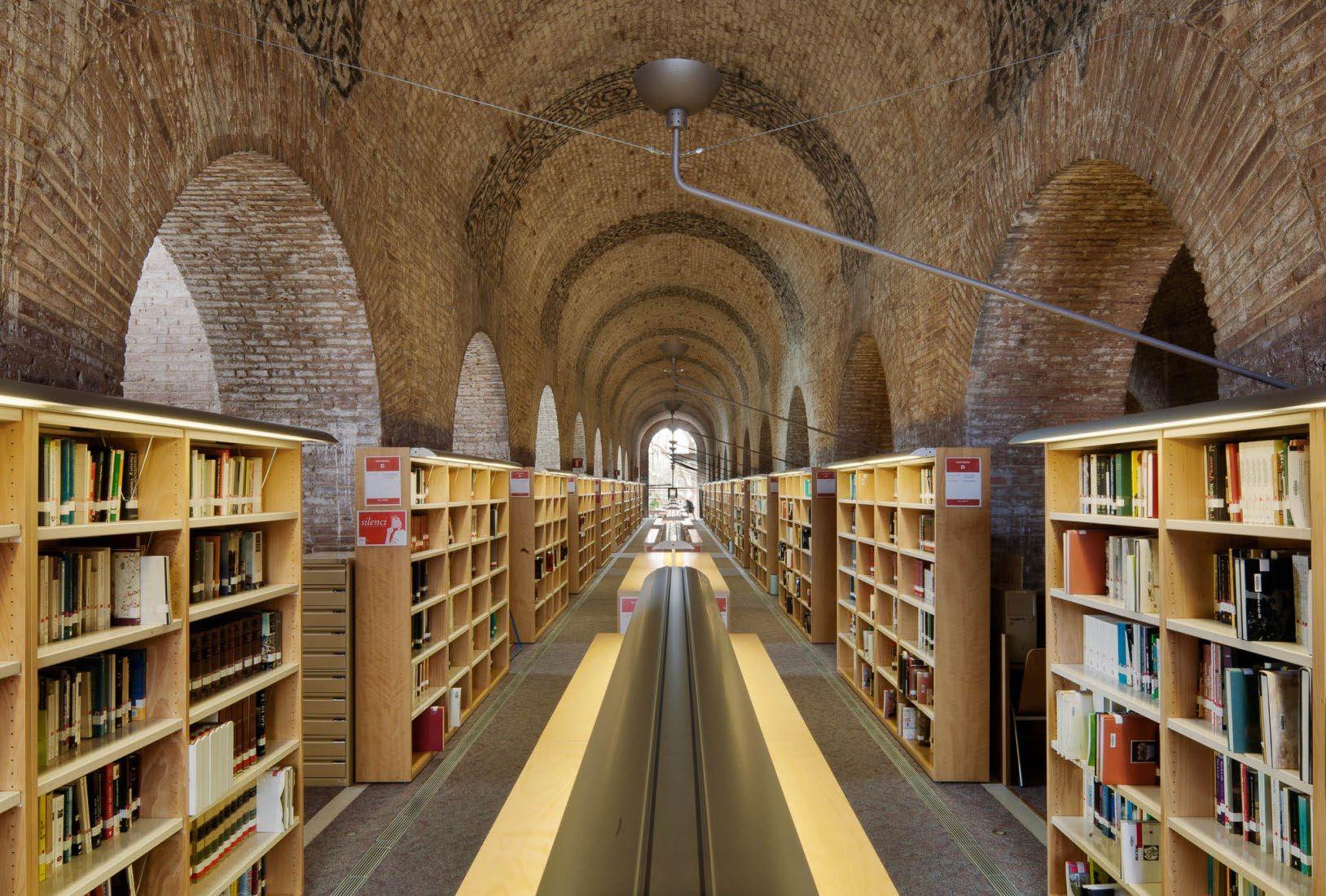
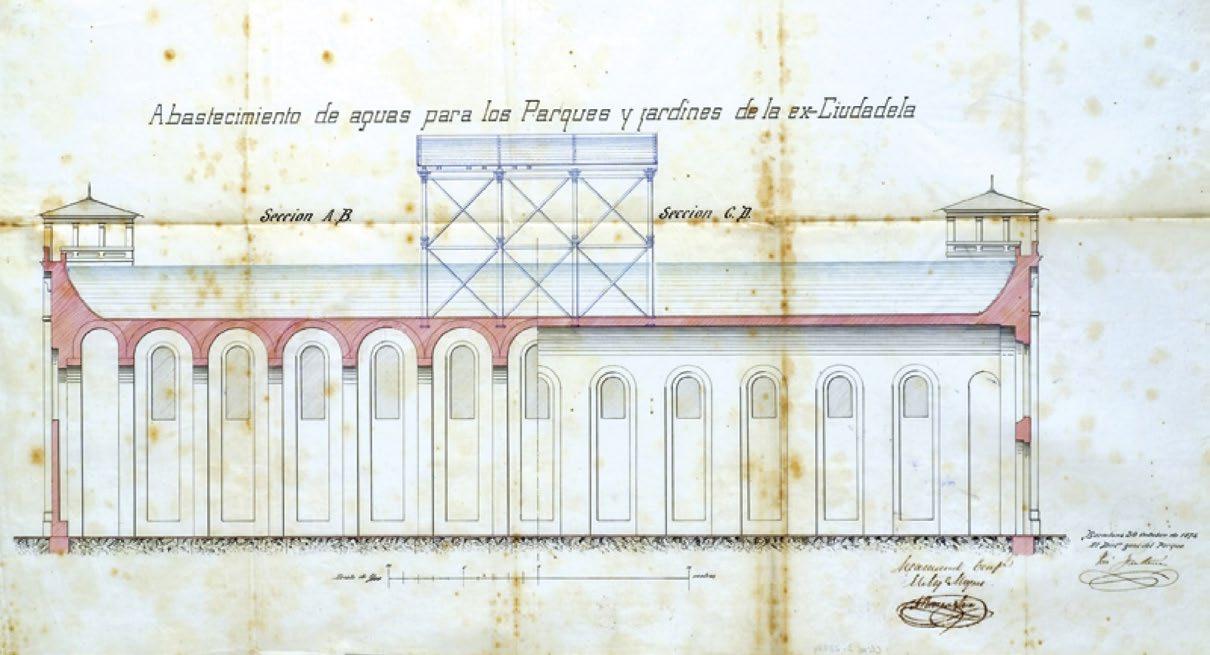
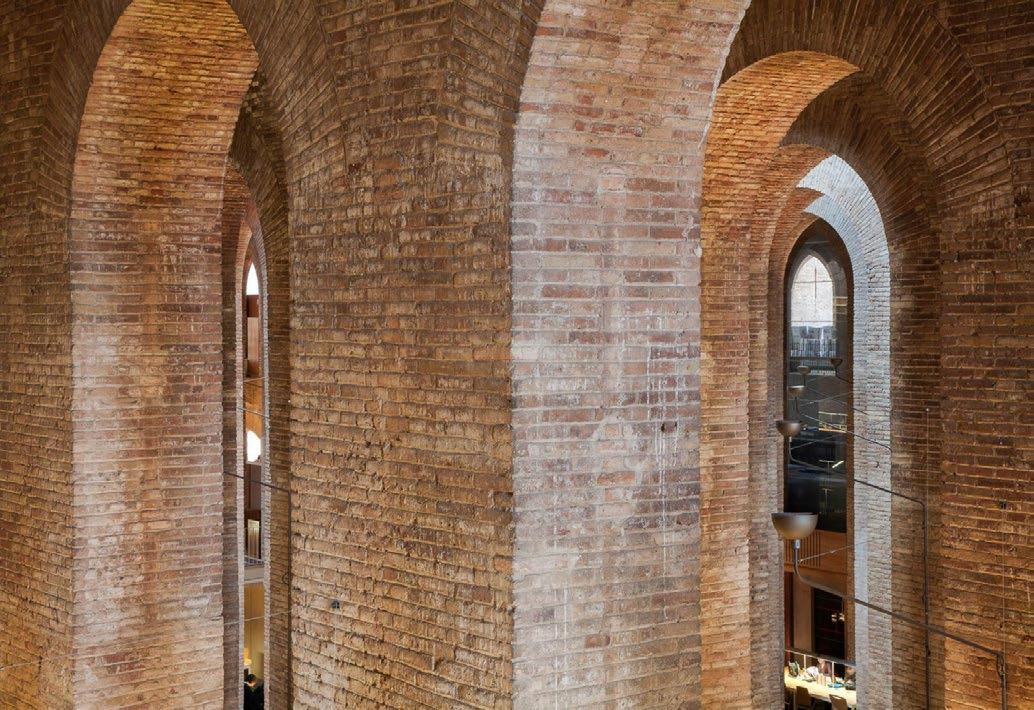
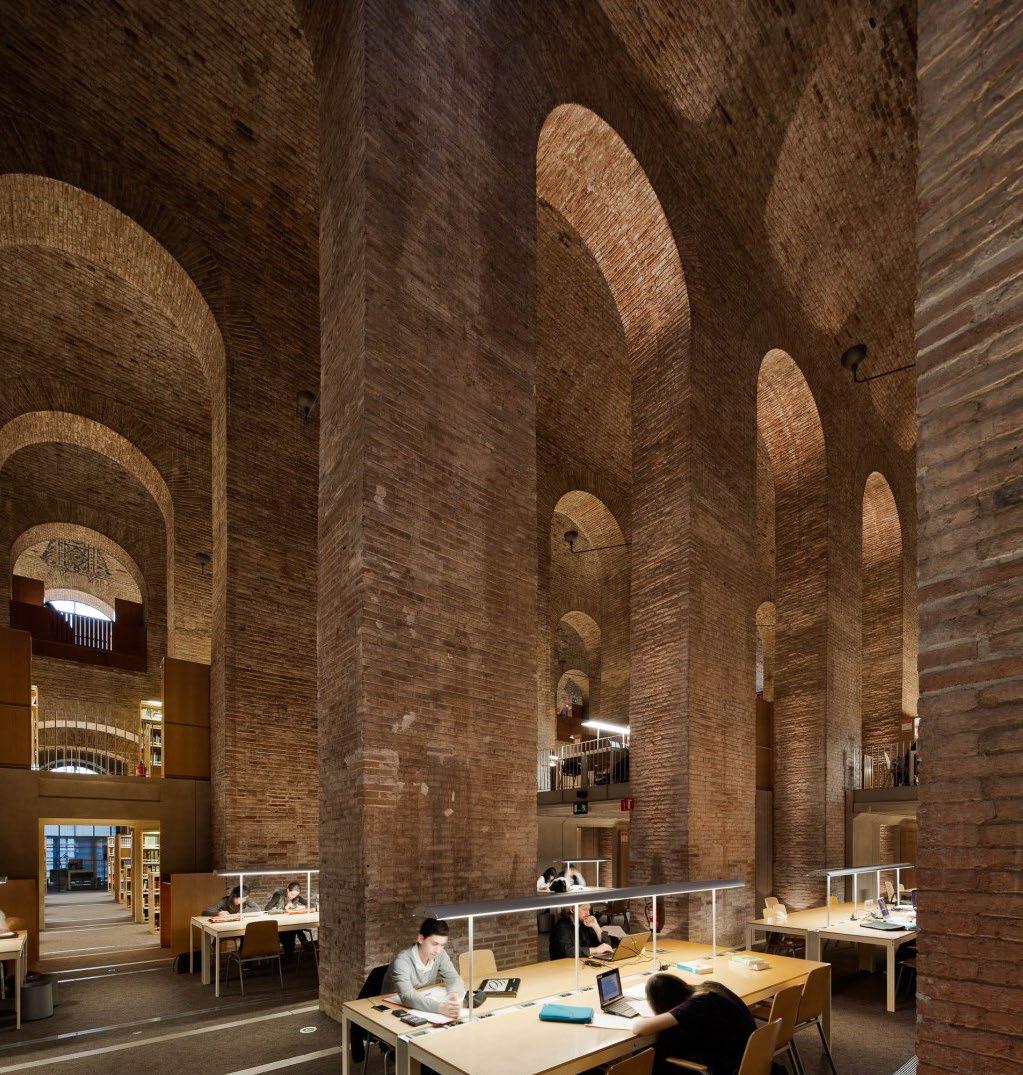
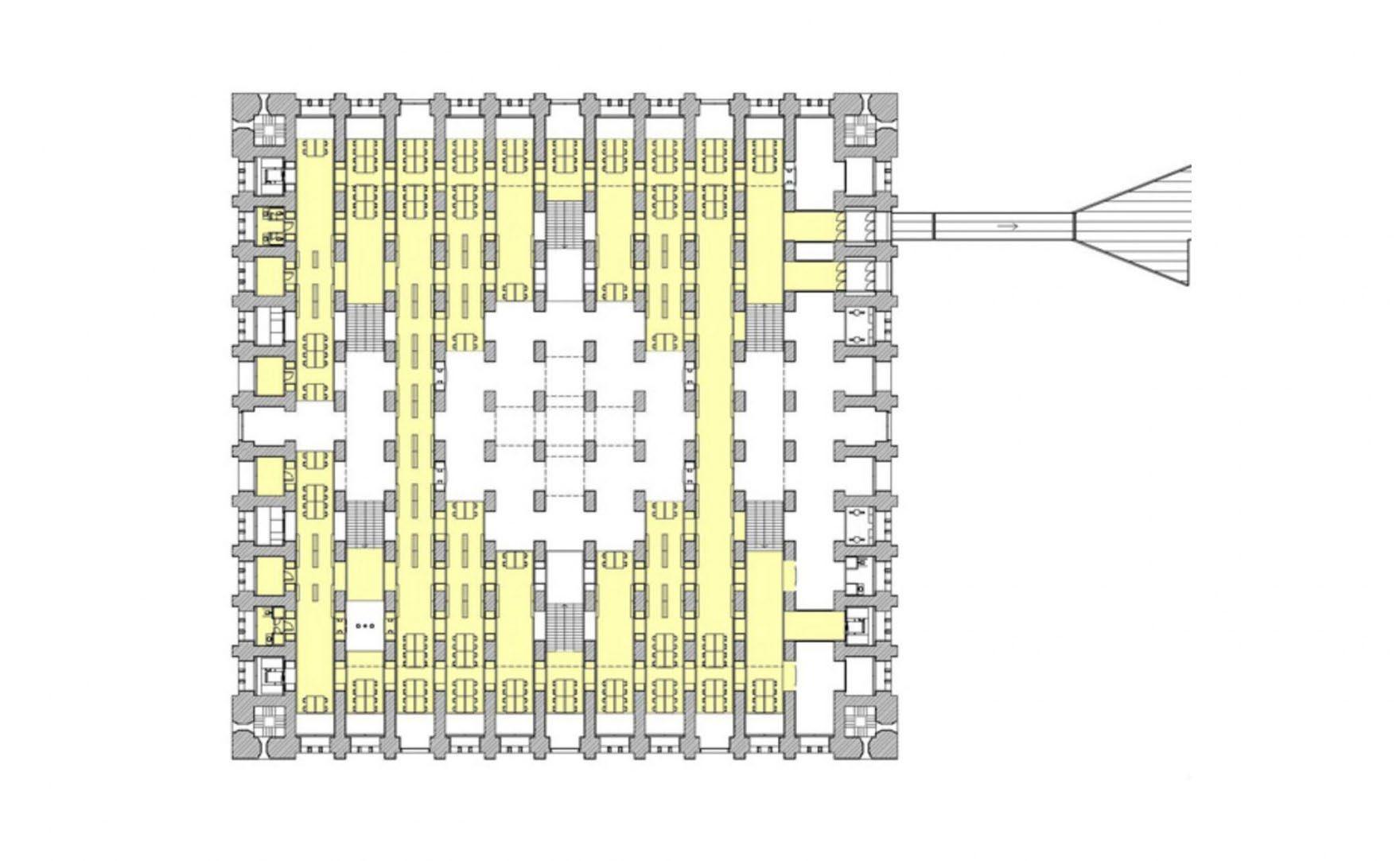
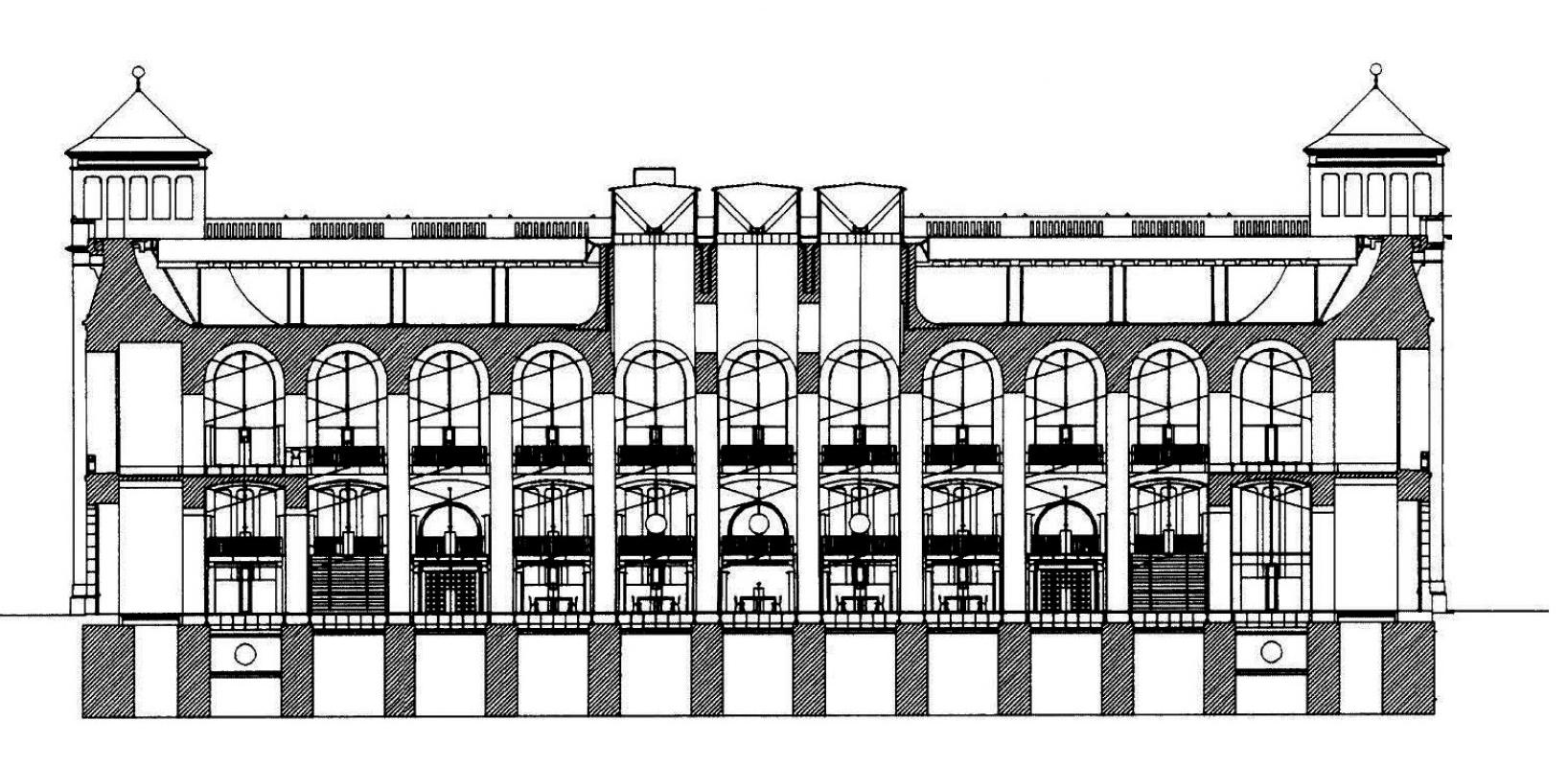
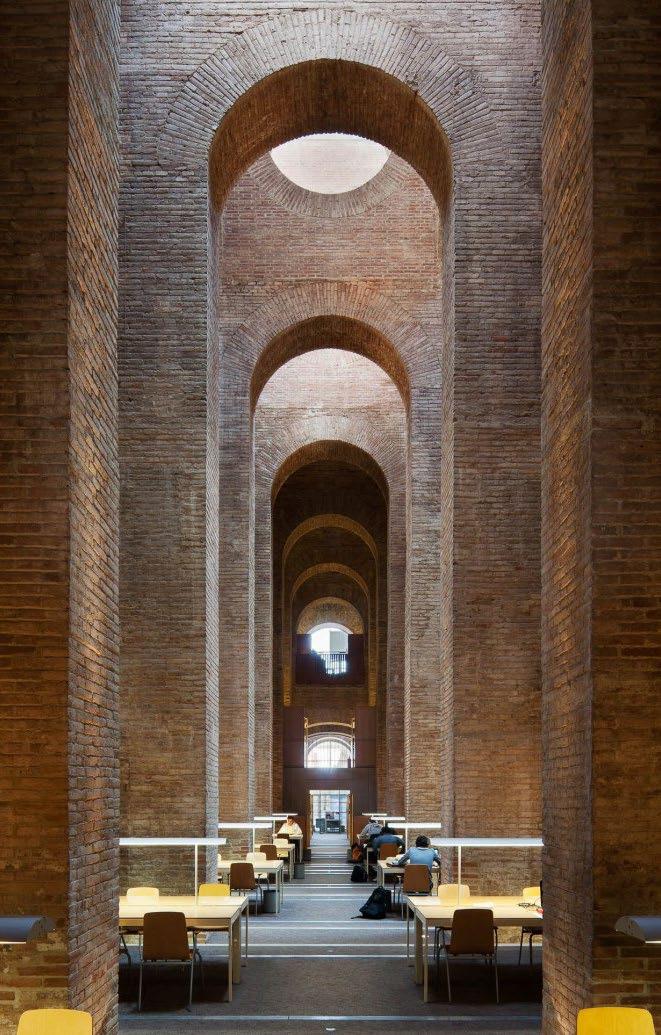
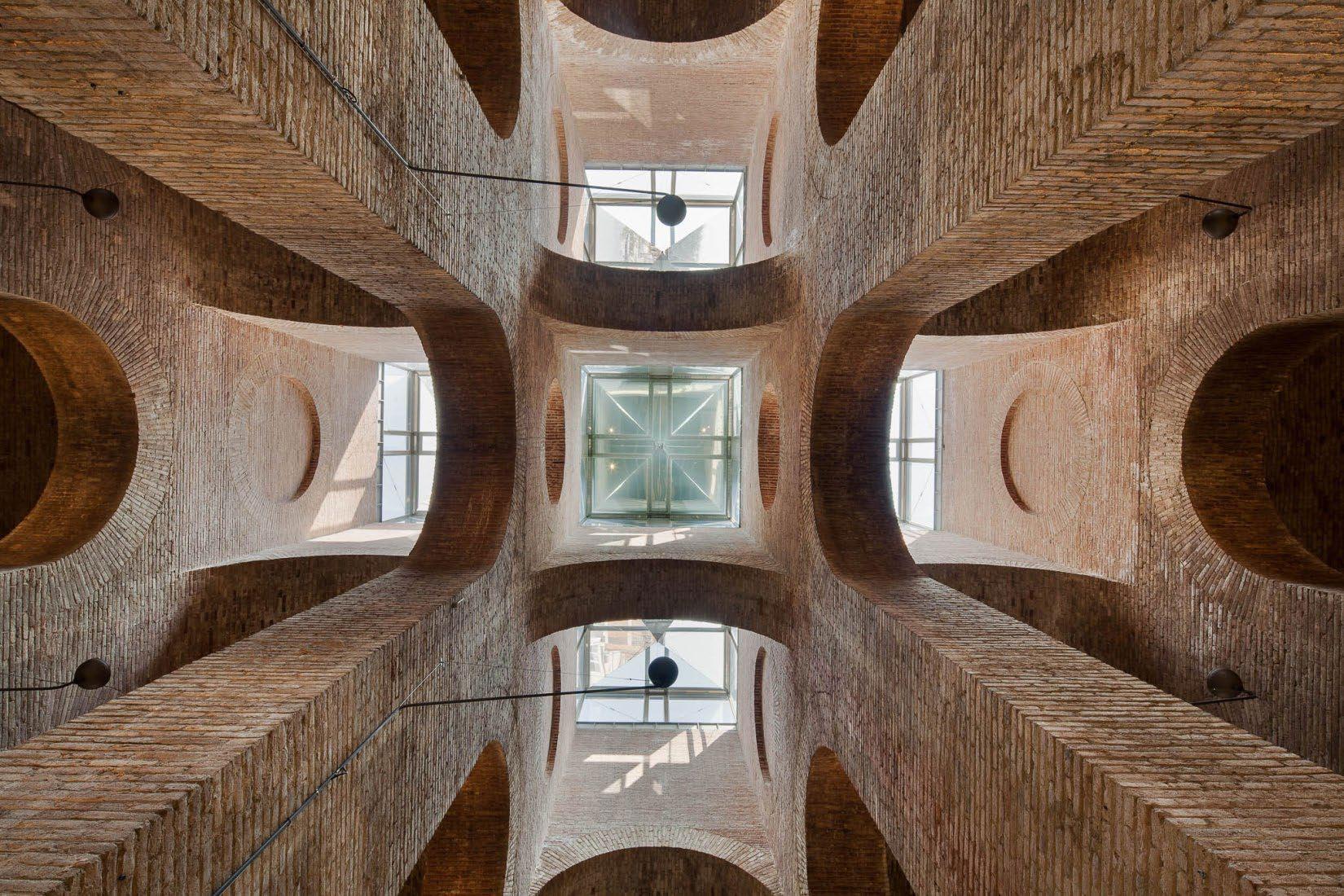
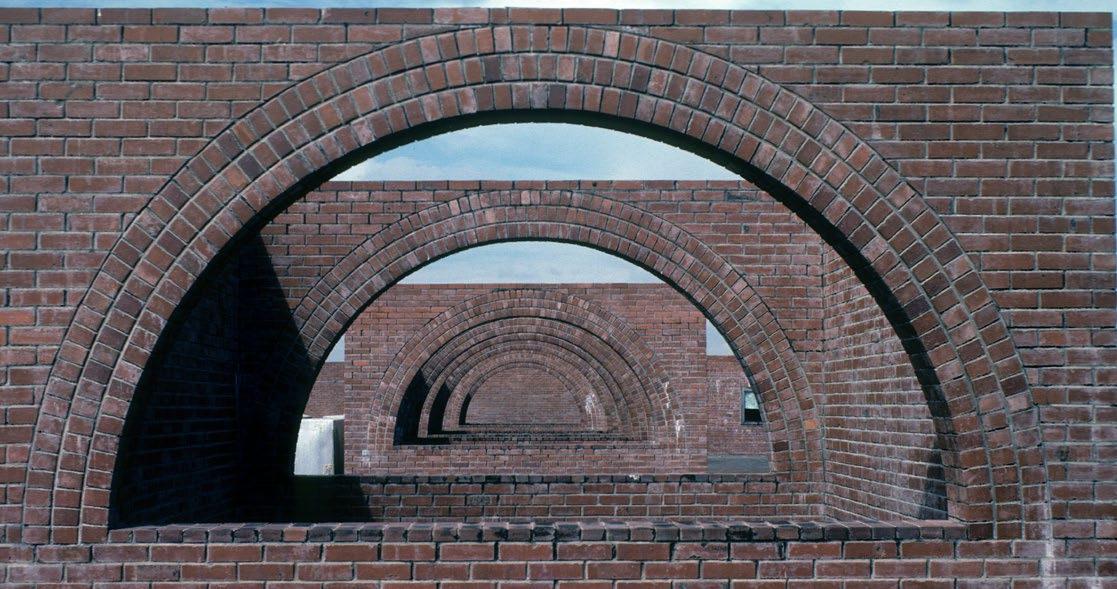
a. Inspiration for the arches derived from visiting a project that a young Antoni Gaudi had his hand in, Diposit de les Aigues (Campus de la Ciutadella) which was a copy of a Roman prototype comprising a labyrinth of parallel arches of 14 meters in height. The arches cross over a barrel vault and extend as if by mirror along its 65 meter of depth (was originally a water tower for the nearby park’s waterfallsthen municipal asylum-then a garage-was also a pavilion for the Exhibition of 1888)
Conclusion: Combine historical context with modern ideas (Louis Kahn) to create an imaginative building that inspires creativity to its inhabitants.
i p o s i
a r c e l o n a


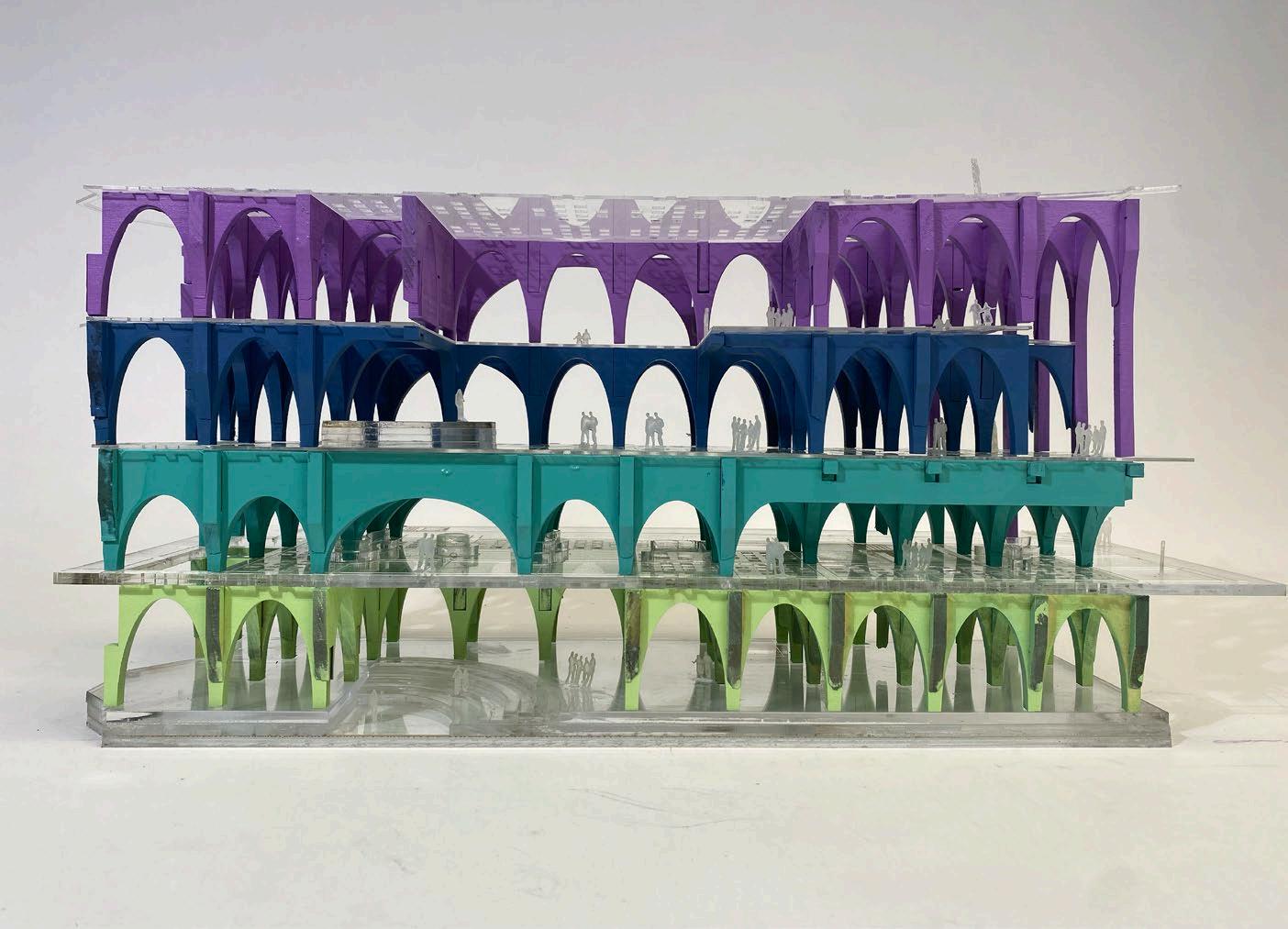
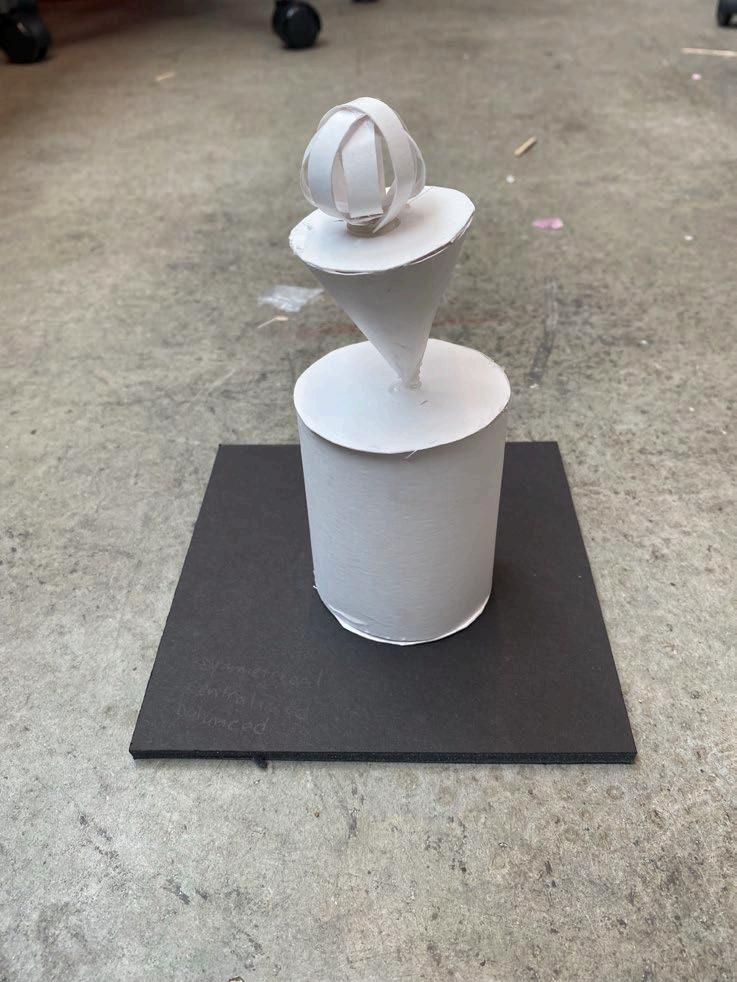
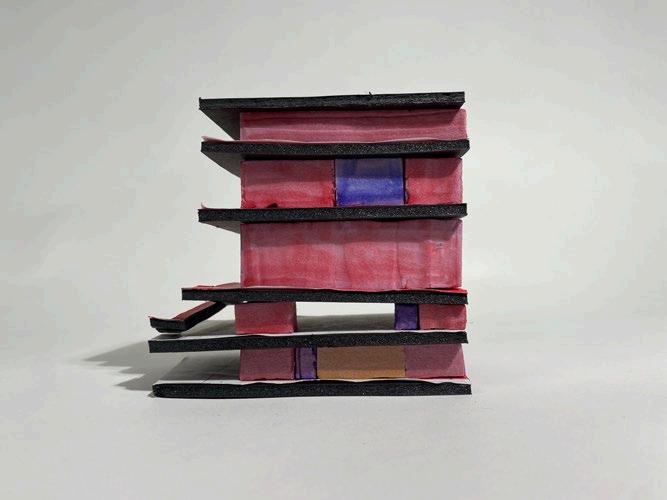
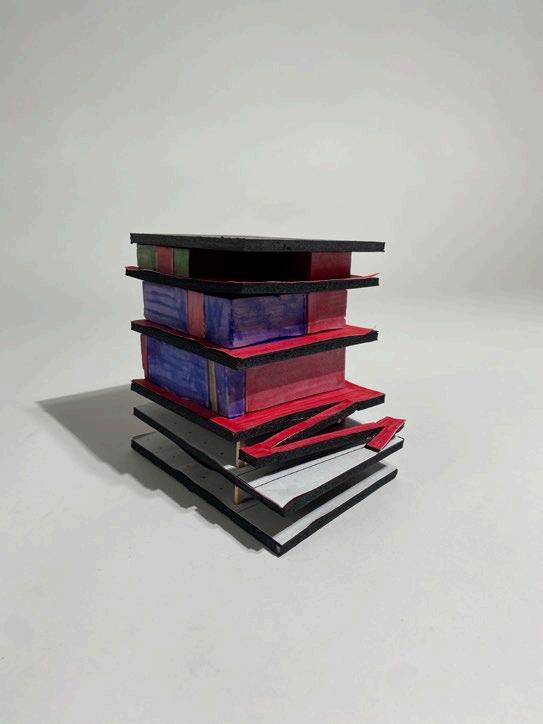
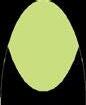
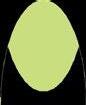
This design concept focuses on verticality and stacking of spaces to create floors centered around a particular program. A system of columns in a grid formation provides structure and drives the design with a rationalist approach. The building is lifted off the ground to account for parking and the varying floor to ceiling heights are in response to program.























































































































































SERVICE
SUPPORT


PRE-FUNCTION
CIRCULATION PERFORMANCE