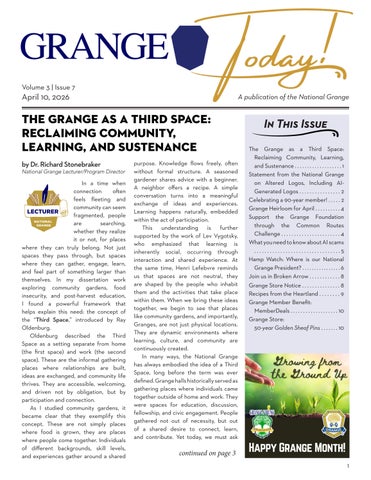
The Grange as a Third Space: Reclaiming Community, Learning, and Sustenance
by Dr. Richard Stonebraker National Grange Lecturer/Program Director
In a time when connection often feels fleeting and community can seem fragmented, people are searching, whether they realize it or not, for places where they can truly belong. Not just spaces they pass through, but spaces where they can gather, engage, learn, and feel part of something larger than themselves. In my dissertation work exploring community gardens, food insecurity, and post-harvest education, I found a powerful framework that helps explain this need: the concept of the “Third Space,” introduced by Ray Oldenburg.
Oldenburg described the Third Space as a setting separate from home (the first space) and work (the second space). These are the informal gathering places where relationships are built, ideas are exchanged, and community life thrives. They are accessible, welcoming, and driven not by obligation, but by participation and connection.
As I studied community gardens, it became clear that they exemplify this concept. These are not simply places where food is grown, they are places where people come together. Individuals of different backgrounds, skill levels, and experiences gather around a shared
purpose. Knowledge flows freely, often without formal structure. A seasoned gardener shares advice with a beginner. A neighbor offers a recipe. A simple conversation turns into a meaningful exchange of ideas and experiences. Learning happens naturally, embedded within the act of participation.
This understanding is further supported by the work of Lev Vygotsky, who emphasized that learning is inherently social, occurring through interaction and shared experience. At the same time, Henri Lefebvre reminds us that spaces are not neutral, they are shaped by the people who inhabit them and the activities that take place within them. When we bring these ideas together, we begin to see that places like community gardens, and importantly, Granges, are not just physical locations. They are dynamic environments where learning, culture, and community are continuously created.
In many ways, the National Grange has always embodied the idea of a Third Space, long before the term was ever defined. Grange halls historically served as gathering places where individuals came together outside of home and work. They were spaces for education, discussion, fellowship, and civic engagement. People gathered not out of necessity, but out of a shared desire to connect, learn, and contribute. Yet today, we must ask Volume 3 | Issue 7 April 10, 2026

Statement from the National Grange on Altered Logos, Including AI-Generated Logos
The National Grange is committed to protecting the integrity and legal standing of our name, logos, emblem, and visual identity.
Creating new or modified “Grange” logos, emblems, or visual marks, including those that alter the traditional seven-sided emblem with the GRANGE banner and the wheat and P of H markings in the center, is unauthorized and violates our trademark rights. All official Grange branding elements are legally protected, and unauthorized reproduction, modification, or creation of derivative logos—including those generated through AI—may compromise these protections and place both individual Granges and the national organization at legal and reputational risk.
To ensure consistency and compliance, all Granges must use only approved logos and visual materials provided or authorized in writing by the National Grange.
Community, Pomona, State, and Subordinate Granges may not create alternative or AI-generated versions of official marks that alter any elements of the marks, including the “shield” emblem.
For guidance on approved branding and promotional materials, or approval of proposed new logos and visual materials, please contact the National Grange Communications Department
Protecting our shared identity ensures that the Grange’s legacy, reputation, and advocacy work remain strong for generations to come.
As a reminder, under Article 4.18.1 of the National Grange of the Order of Patrons of Husbandry Digest of Laws, all registered and non-registered trademarks, logos, copyrights and other intellectual property related to, used by and associated with, the Order are the legal property of the National Grange. National Grange is the owner of U.S. Trademark Registrations for a variety of GRANGE Trademarks including GRANGE (U.S. Registration Nos. 1,872,429, 4,135,668, 3,974,240, 4,266,408, and 3,792,978), NATIONAL GRANGE (U.S. Registration No. 1,817,894), NATIONAL GRANGE OF THE ORDER OF PATRONS OF HUSBANDRY (U.S. Registration No. 1,816,827), GRANGE FOUNDATION (U.S. Registration No. 1,782,923), and the Grange Logo (U.S. Registration Nos. 1,824,368, 4,021,798, and 4,062,361), and has been using its GRANGE mark since 1876 in connection with a variety of goods and services. National Grange has local, county, and state locations throughout the United States, which use the GRANGE marks under license from the National Grange, and subject to specific usage guidelines, rules, regulations and prohibitions that may be adopted by the National Grange from time to time.
Celebrating a 90-year member!
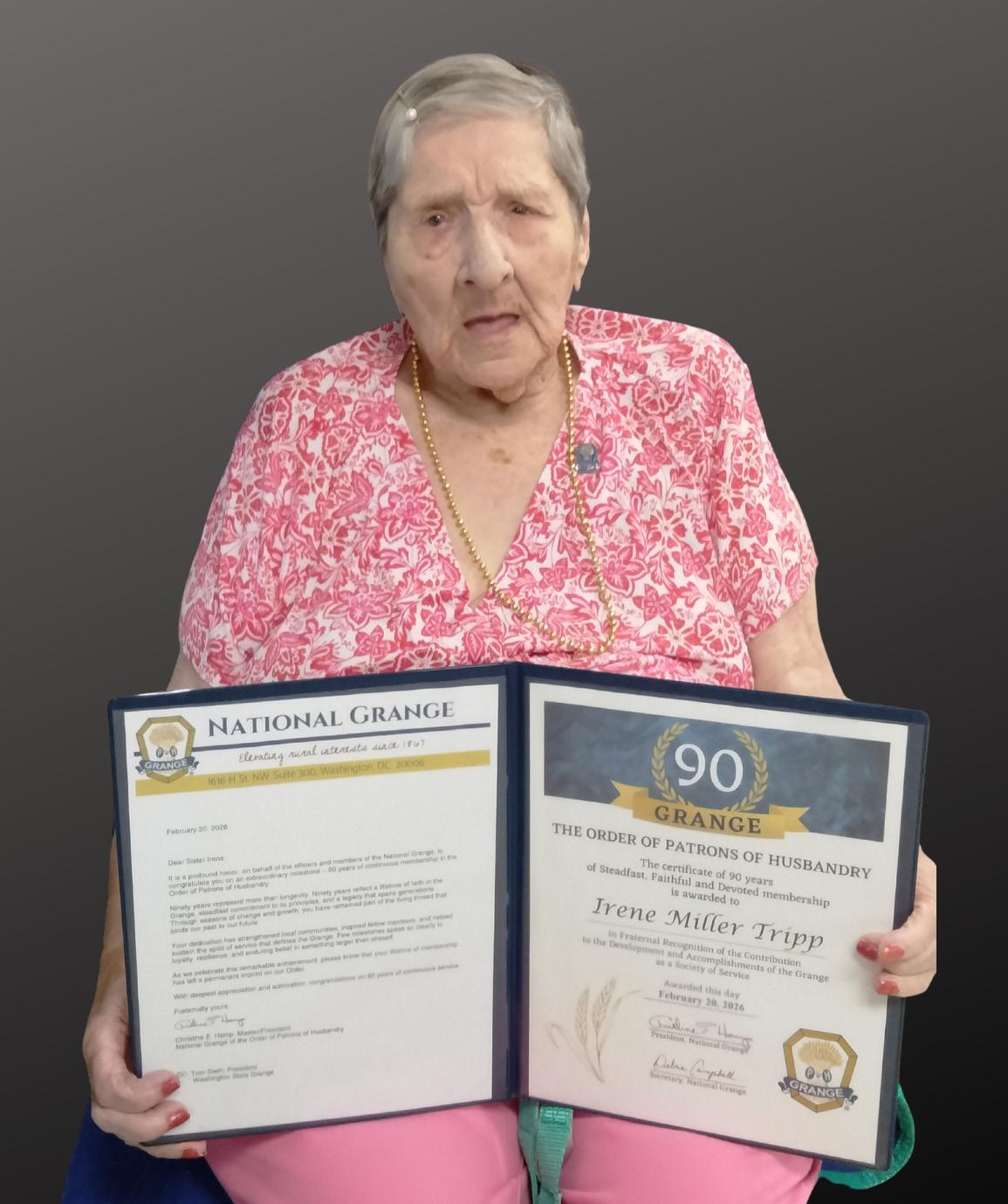
The National Grange sends our congratulations to Irene Miller Tripp who is a member of Newaukum Grange #198 in Washington, where she joined in 1936.
Now 102 years old, Irene celebrated her 90-year membership anniversary in March!
Congratulations Irene, and thank you for your dedication to the Grange!
Third Space
ourselves an important question: Are we still functioning as a true Third Space?
In some cases, the answer may be yes. In others, we may find that our spaces have become more structured, more formal, and less accessible than they once were. While structure has its place, the strength of a Third Space lies in its openness and flexibility. To remain relevant and impactful, we must be intentional about reclaiming and reimagining the Grange as a place where people feel welcome to simply show up, engage, and belong.
This is where Project Sustenance offers a meaningful opportunity. At its core, Project Sustenance is focused on addressing food insecurity, increasing food literacy, and strengthening local food systems. But when viewed through the lens of the Third Space, it becomes something even more powerful. It becomes a vehicle for creating environments where people can connect with food, and with one another, in ways that are both practical and transformative.
A community garden becomes more than a source of fresh produce; it becomes a hub of interaction and shared learning. A cooking demonstration becomes more than instruction; it becomes a collaborative experience that builds confidence and community. A food distribution effort becomes more than a service; it becomes an opportunity to engage, educate, and empower.
One of the key insights from my research is the importance of what I describe as the “seed to plate to pantry” continuum. Addressing food insecurity is not just about providing access to food, it is about ensuring that individuals have the knowledge and skills to use that food effectively. This includes understanding how to prepare meals, how to preserve food, and how to make the most of available resources.
The Third Space plays a critical role in this process. It creates an environment where learning is not confined to formal instruction but is instead woven into everyday interactions. A member teaching others how to can vegetables, a group preparing a meal together, or a conversation about stretching a food budget, these are all moments of learning that occur naturally within a shared space. They are accessible, practical, and deeply impactful.
Reclaiming the Grange as a Third Space does not require a complete transformation. It requires a shift in perspective. It means recognizing that every interaction, every gathering, and every initiative has the potential to serve as a learning experience. It means creating spaces that feel welcoming and inclusive, where people are encouraged to participate in ways

Coffee shops, restaurants, barber shops, parks, and churches serve as Third Spaces for many people - where informal gatherings can lead to engagement and education. In this article, Stonebraker suggests that the Grange can serve in the same capacity, to connect people in a meaningful community space.
that are meaningful to them. This might look like opening the hall for informal community gatherings, hosting “learn and share” evenings, or creating hands-on opportunities that invite participation rather than passive attendance. It means valuing conversation as much as programming, and connection as much as content.
The opportunity before us is significant. In a world where many people feel disconnected from their food, from their neighbors, and from meaningful community spaces, the Grange can fill that gap. We can be the place where people gather, where they learn, and where they find a sense of belonging. But this will not happen by chance. It requires intention. It requires us to think critically about how we use our spaces and how we engage with our communities. It requires us to embrace both our history and the evolving needs of the world around us.
The Grange was never meant to be just a meeting, it was meant to be a movement rooted in education, service, and community. By embracing the concept of Third Space and aligning it with initiatives like Project Sustenance, we can bring that vision to life in a way that is both relevant and impactful. Because when we create spaces where people can gather, learn, and connect, we are doing more than sustaining communities, we are strengthening them.
And in doing so, we ensure that the Grange remains not just a part of our history, but an essential part of our future.
Editorial photo via Canva
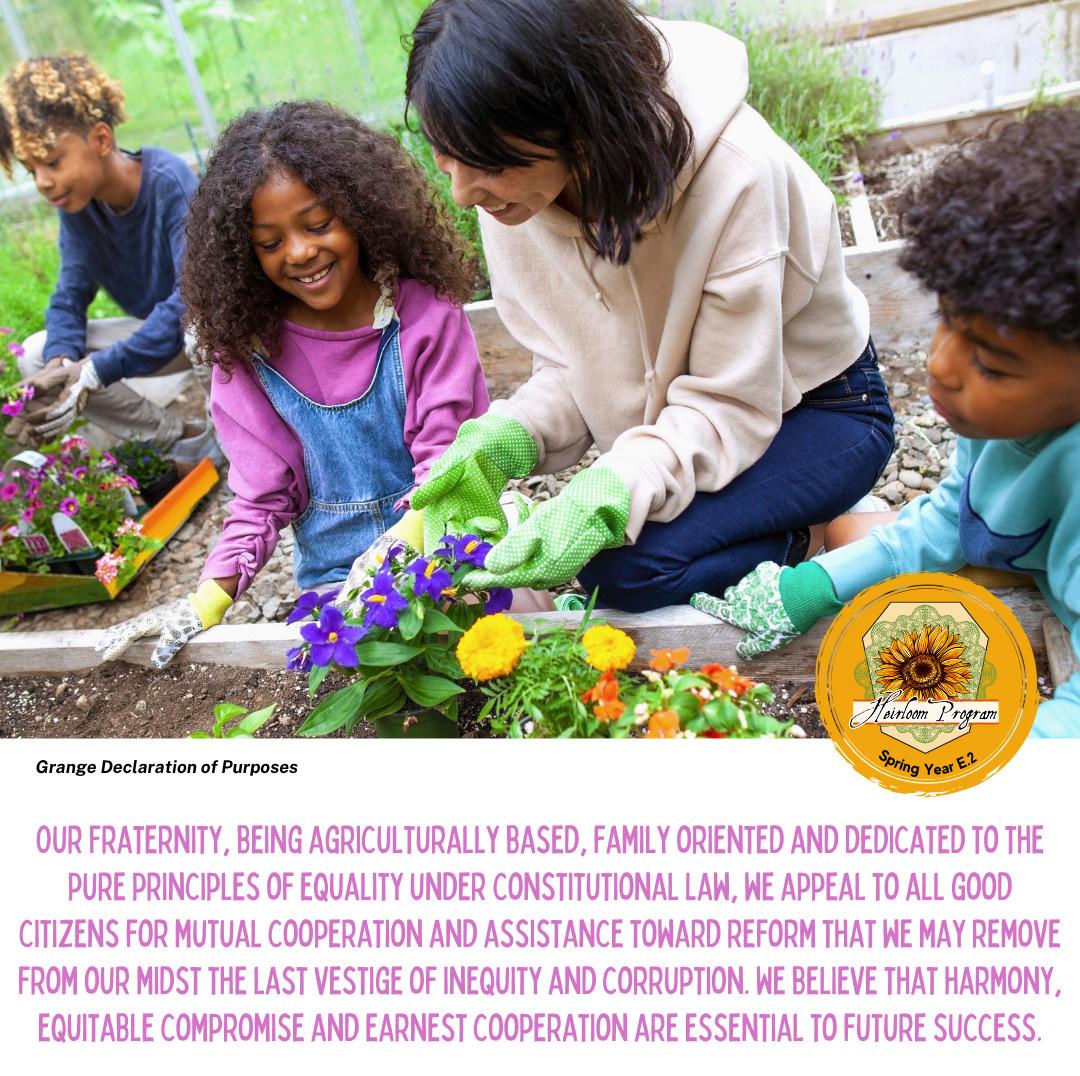
Use the Grange Heirloom Program to teach your members and the community about some of the key cornerstones of the Grange. Materials are available at http://www.nationalgrange.org/heirloom-program
You are welcome to choose any of the Grange Heirlooms at any time. We are currently in “Year E,” running through February 2027.
Use the hashtag #GrangeHeirloom when you share these important pieces of our work and history on social media.
Support the Grange Foundation through the Common Routes Challenge Grange Heirloom for April
Through April, the Grange Foundation is encouraging members and friends of the Grange to celebrate unity through movement by participating in the Common Routes: Choose Your Challenge event.
This virtual -thon allows individuals to support the work of the Grange Foundation at the level and with the activity of their choice, from running a 10K to taking a few long Sunday drives. Pets and children can even take part!
“The idea is simple - use your time on the move to reflect on the impact the Grange has had on your life or community and share that with others,” Grange Foundation Chairman John Benedik said. "You can choose how you want to participate, when you want to participate and in doing so, you’ll move the Grange Foundation forward into 2026 and beyond.”
Adult and Junior racers will receive a cooling towel and sticker pack. If you sign up a child under 5, you will receive a special waterproof “Baby’s first 5k” sticker.
You can even choose to have your pets get in on the fun by signing them up to take part in the pup strut - though it’s
open to any pet you’d like to participate. They will receive an event-branded pet bandana.
Racers are encouraged to have friends register and enjoy being on the move together, but they may also want to secure sponsors. By encouraging people who do not wish to race to sponsor you, you’ll be helping the Foundation and entered into our contest for “biggest fundraisers.” Just tell your friends and family to click the donate button on the website, select their amount and choose “Other” and enter your name under the On Behalf Of option.
To honor the idea that you can choose your challenge and move any way you’d like, we’ve also created a Sunday Driver
and passenger category. Sunday drivers will receive a keychain and sticker pack. Passengers will receive an event sticker pack.
Finally, if you don’t want to race or drive but still wish to support the Grange Foundation and have your name added to the event supporters, you can register as a cheerleader.
Registration is open through Grange Month (April)!
When you register however, you will receive a digital bib so you can show your support and participation on social media platforms. Print the bib and hang it at your hall or office to encourage others to take part. Swag items will be sent by mail.
“This is a great way to get a friend to support the Foundation and learn why the Grange is important to you while walking, running, biking, riding or doing any other type of movement that you choose,” Grange Foundation Associate Amanda Brozana said. "No matter what mode of movement you choose, we challenge you to share the value of Grange with others through this event."
Register here: https://runsignup.com/ grangefoundation
What you need to know about AI scams
Courtesy of BrandPoint
You’ve probably heard about the amazing things artificial intelligence (AI) can do, from quickly creating written content and images to making videos that appear real, even when they’re fake. Unfortunately, this easily accessible technology is also used by fraudsters to fool people into sharing personal information, investing in fake schemes, or giving scammers their money.
When AI technology is so good at faking - and personalizingscams, what can consumers do to protect themselves?
“From AI-generated emails and texts to cloned voice messages, calls, and deepfake videos, today’s scammers have many tools at their disposal,” said Chief Postal Inspector Gary Barksdale. “But if you’re alert and understand fraudsters’ typical methods, you can stay one step ahead of them.”
The U.S. Postal Inspection Service is sharing some red flags that can help you avoid AI-generated traps and what you or a loved one can do if you are a victim of fraud.
How to spot a scam that uses AI
AI is being used in many different types of fraudulent schemes including quick phishing attempts in the form of emails or texts supposedly from a reputable company, “long cons” like romance, investment, or cryptocurrency scams, and even scams claiming to be “tech support.” If you get a text, email, call, or voice message requesting or demanding your response, watch for these things:
• Skimpy social media. The “person” contacting you has an inconsistent or thin social media footprint - few friends, recent account creation, comments that don’t seem natural, or images that don’t match name/profile details.
• Odd website/email address. Tiny misspellings, weird fonts, non-secure websites asking for login information, or a return email address that doesn’t match the website domain asking for information (Example: john.doe@ USPSUS.com when USPS.com is the actual domain name).
• Requests to communicate off-platform. Does the message sender insist on speaking via WhatsApp, Telegram, or a separate, private email address? If so, platform security protections won’t apply.
• Audio/video inconsistencies. Lip-sync timing seems off, weird lighting/jerky motion, or a voice that doesn’t quite match the person you know.
• Too-good-to-be-true offers. Does the sender promise guaranteed high financial returns or “exclusive” private opportunities? They likely won’t pay out.
How to protect yourself
Even if you think the person or company contacting you is legitimate at first, always double check by going straight to the source.
Go directly to the company website, or contact the person the way you normally contact them, rather than clicking a provided link or responding to the text, email, or call.
Follow these tips to avoid falling prey to scams:
• Never send money to someone you know online only, especially via cryptocurrency, wire transfer, gift cards, or prepaid reload methods.
• Beware of financial requests. Requests to “loan me money to buy a ticket” or “invest via this private wallet” are warnings to STOP and verify.
• Enable multi-factor authentication (MFA). Protect your email, social, and financial accounts.
• Use payment methods with buyer protection. Credit cards and escrow services are safest when transacting with unknown parties.
• Avoid sharing personally identifiable information. Providing your full date of birth, Social Security number, photos of IDs, or home address can enable identity theft.
• Keep devices and software updated. Also use antivirus software plus a password manager for strong, unique passwords.
• Be cautious with “too helpful” strangers. If someone offers to set up an investment account or “help” you sign up, slow down and verify.
• Inform your contacts. Warn friends and family if you see a suspicious contact pretending to be you.
Actions to take if you’re the victim of a scam
If you or a loved one falls victim to a fraudster, take immediate action:
• Stop communication with the scammer. Preserve all messages and transaction records.
• Contact your bank/payment provider immediately. Ask them to help you stop or trace transfers.
• Change passwords and enable multi-factor authentication (MFA), especially if you shared login information.
• Place fraud alerts and a credit freeze with the three main credit bureaus. Also place alerts with your bank and credit cards if you shared sensitive financial data.
• Contact local police. If you lost significant sums of money or were threatened, the police need to be notified.
• If you used cryptocurrency, contact law enforcement immediately. Tracing is difficult, but reported early, there may be a chance of recovering your funds.
Most importantly, report fraud. You can report it to the Postal Inspection Service, the Federal Trade Commission, or the FBI’s Internet Crime Complaint Center (IC3). You should also report the profile and messages to the platform where the contact occurred.
Finally, seek support! Scams also cause emotional harm, so talk to trusted friends, family members, or a counselor.
If you believe you’ve been the victim of any scam connected to the U.S. Mail, contact postal inspectors at 877-876-2455 or www. USPIS.gov/report. For more information on fraud prevention, visit www.USPIS.gov/ncpw-2026.
Hamp Watch: Where is our National Grange PResident?
This monthly feature highlights where National Grange President Chris Hamp has been and what she’s been up to. Do you want to see her in your neighborhood or at your Grange event? Email her at champ@nationalgrange.org. This week, we’re looking back at March.
2:
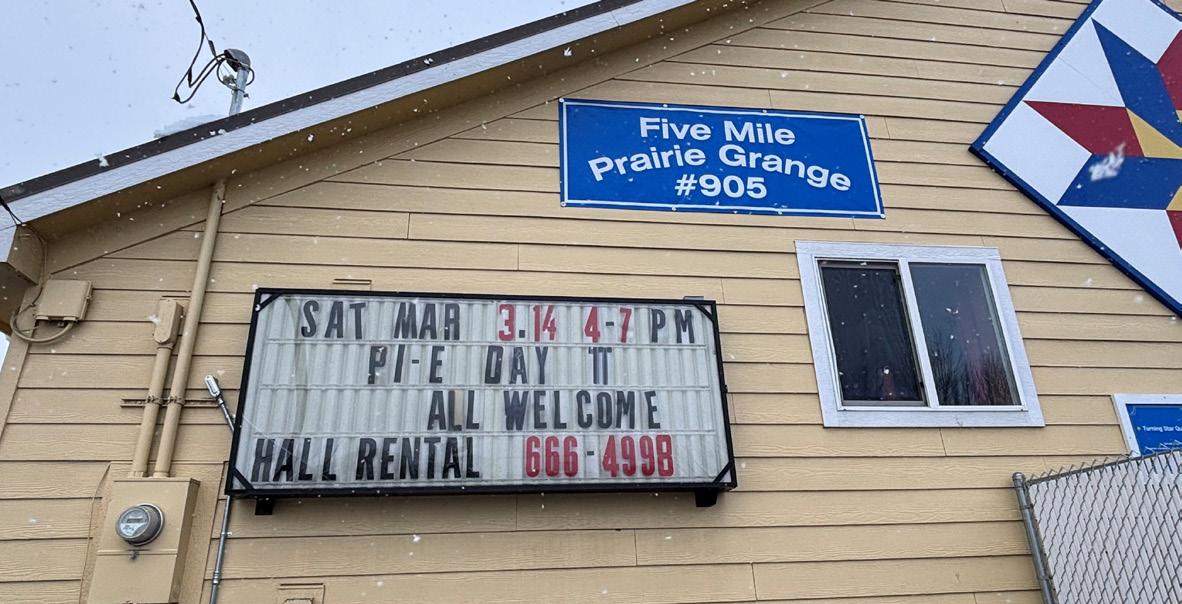
March 14: Five Mile Prairie Grange has been bringing the community together over free pie for years. Meet your elected and appointed officials. Meet your neighbors. Eat pie!
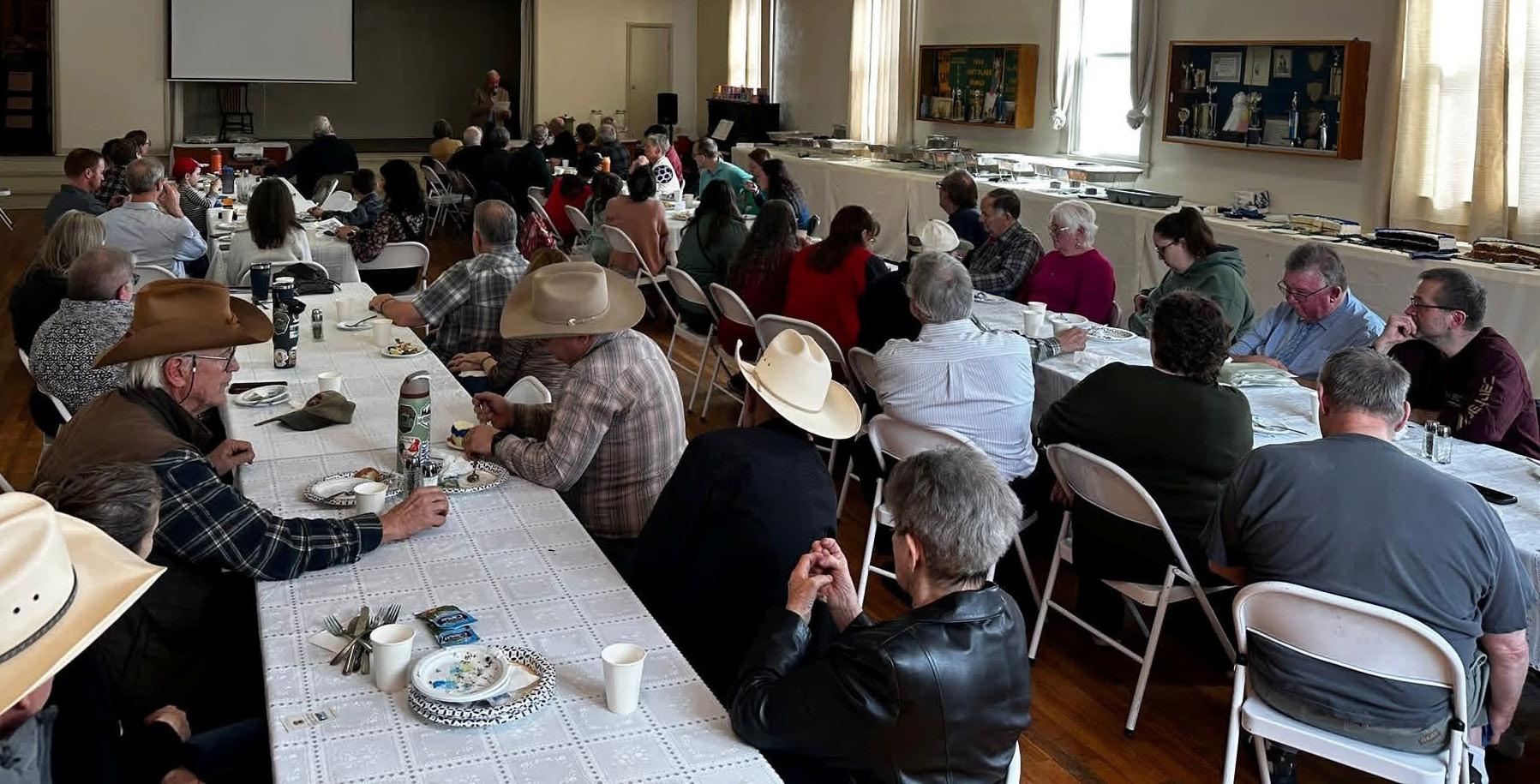
March 15: I had the opportunity to address the crowd who showed up for the 100th anniversary celebration of Central Grange #831 (WA).
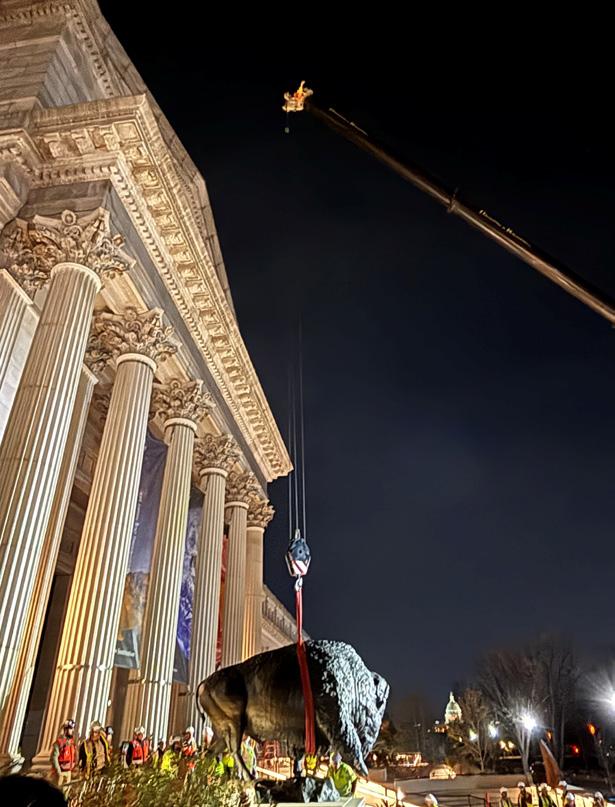
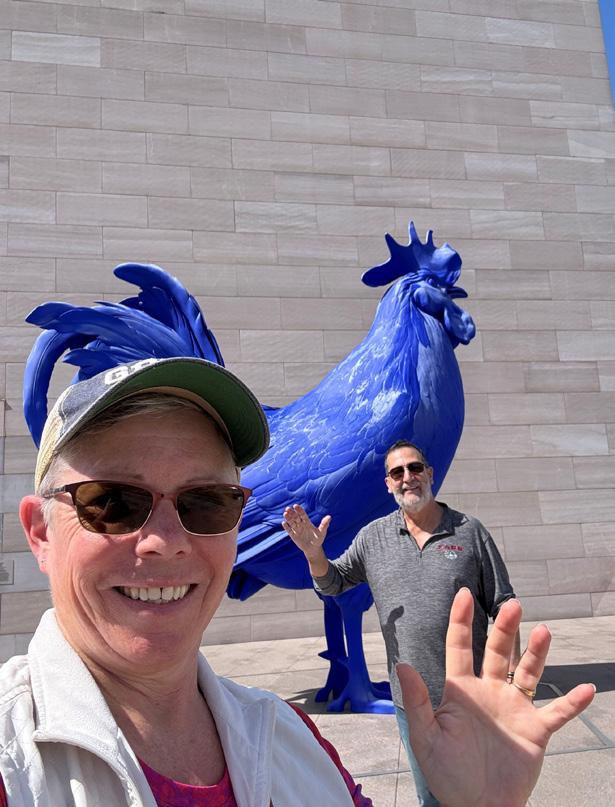
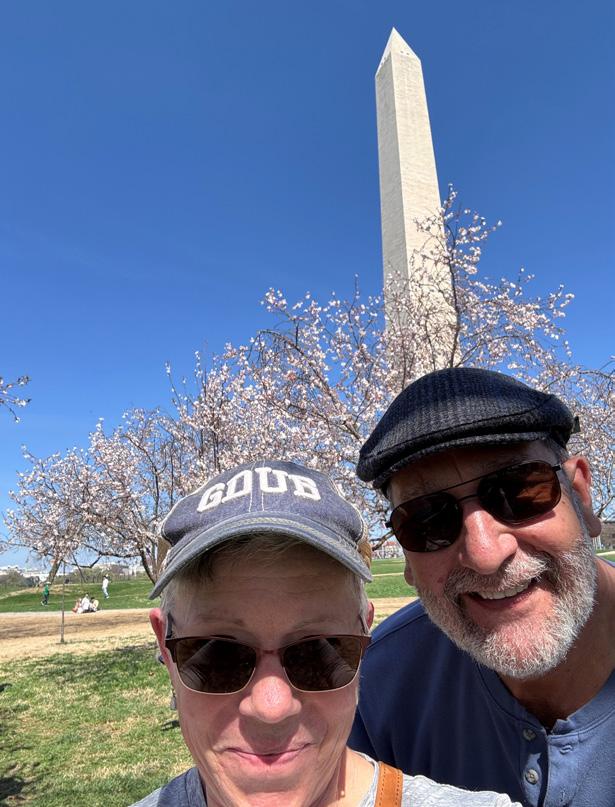
March 19-23: There is never a dull moment during a trip to DC. The First Dude and I never fail to find new and interesting things to see and do.
March
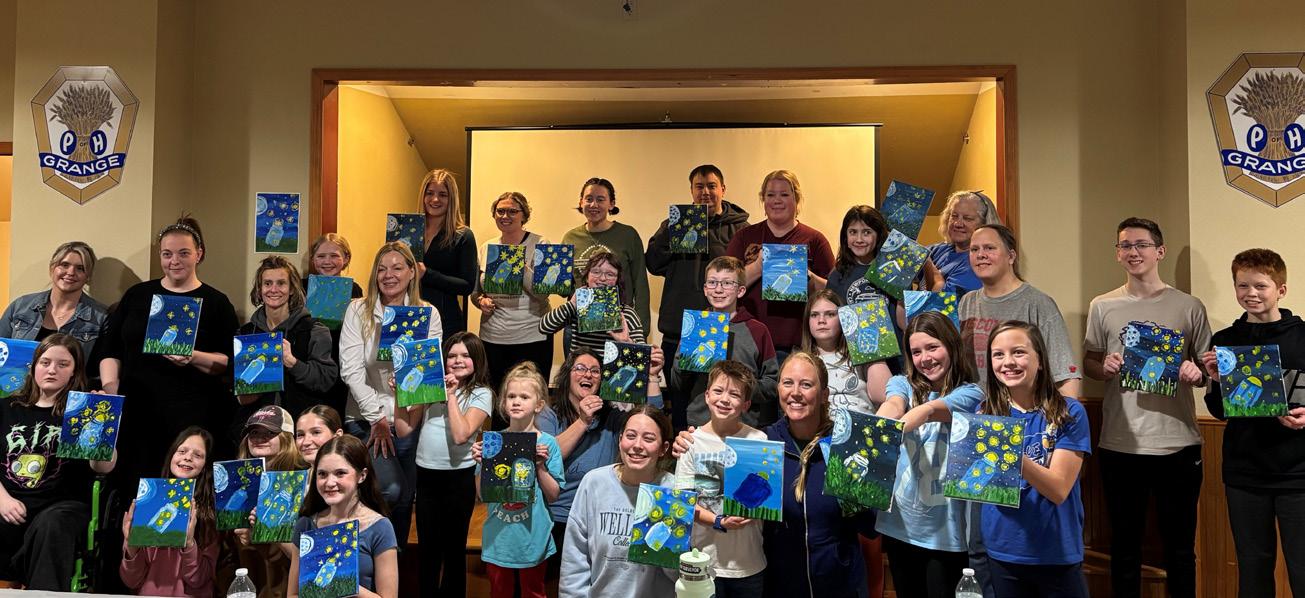
The March activity at Five Mile Prairie Grange was Paint-n-Snack. A super fun and inexpensive activity that filled the hall.
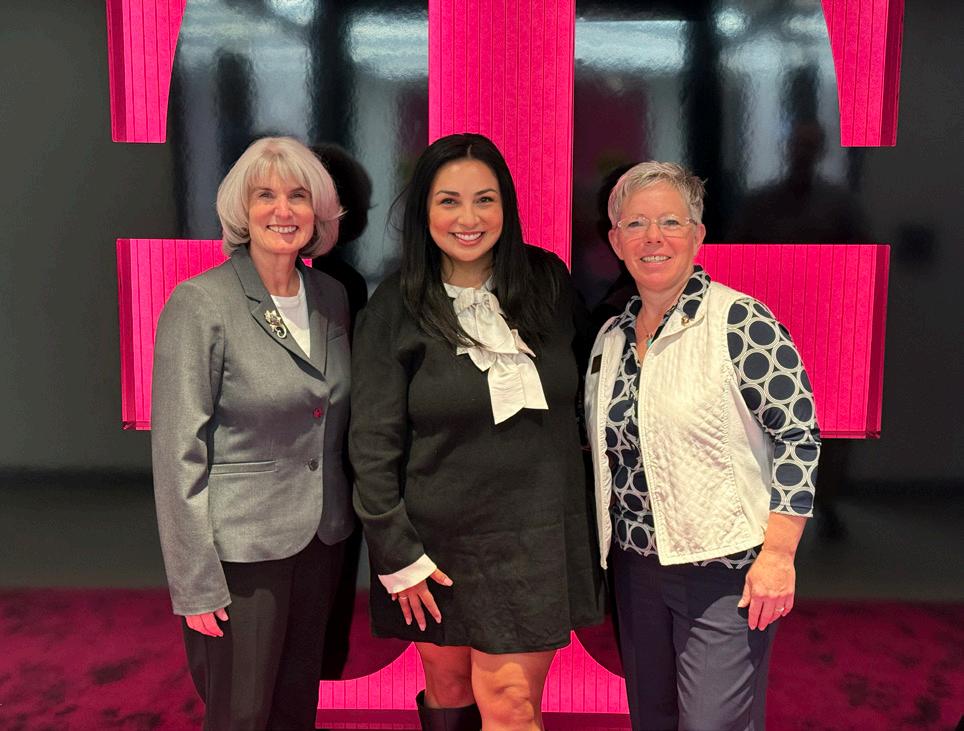
March 24: It was a pleasure to meet with the National Rural Education Association members who were in DC for their annual Hill Day event. (Above and at right)
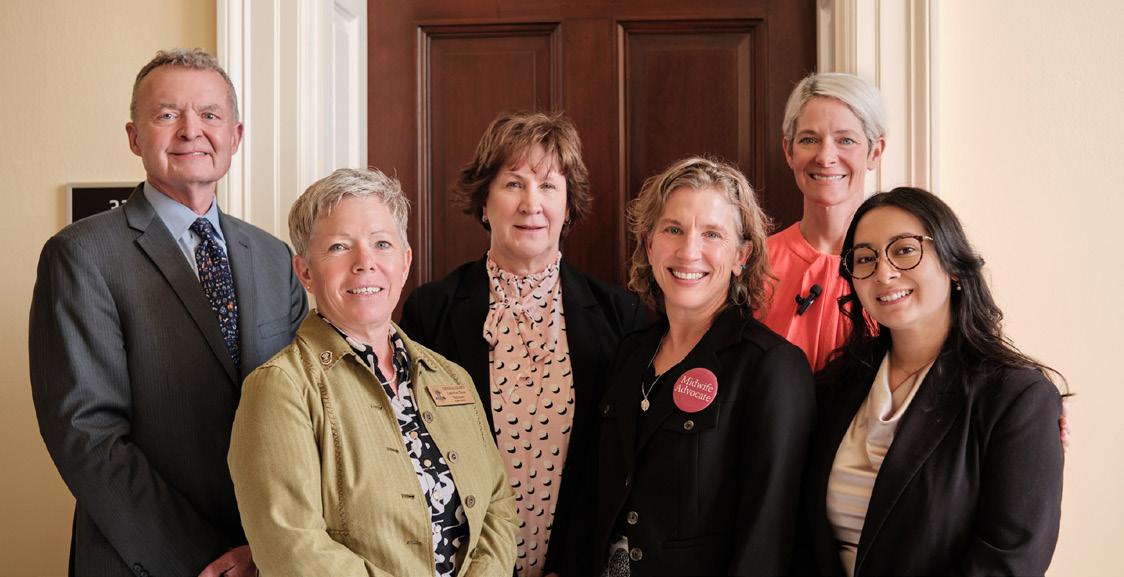
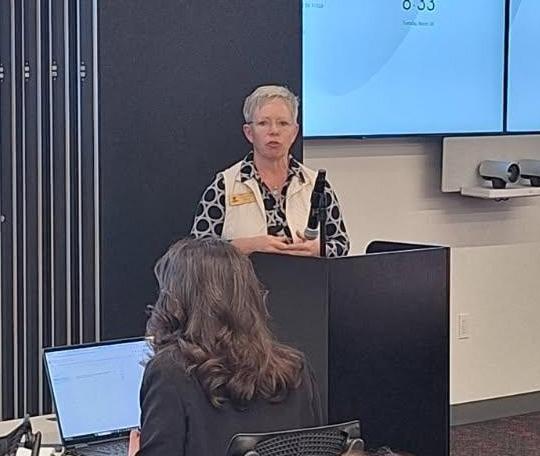
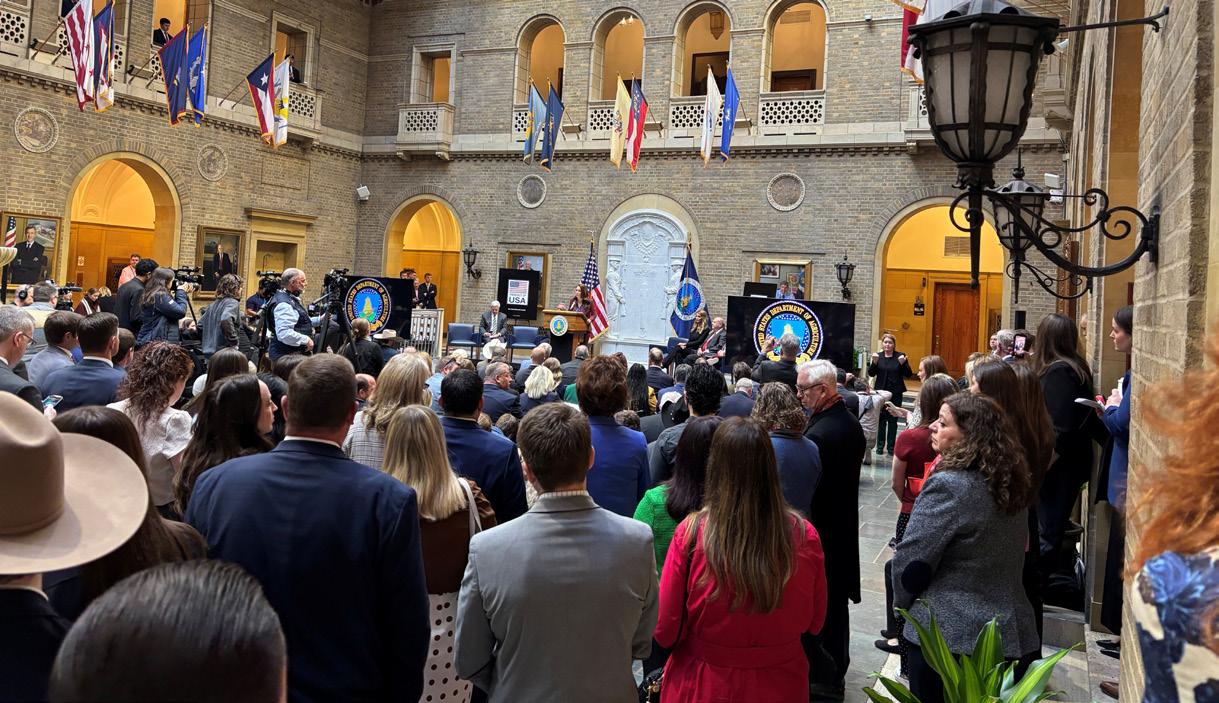
March 24: We had the opportunity to be present to hear Secretary Rollins and Secretary Kennedy speak at the Ag Day event at the USDA.
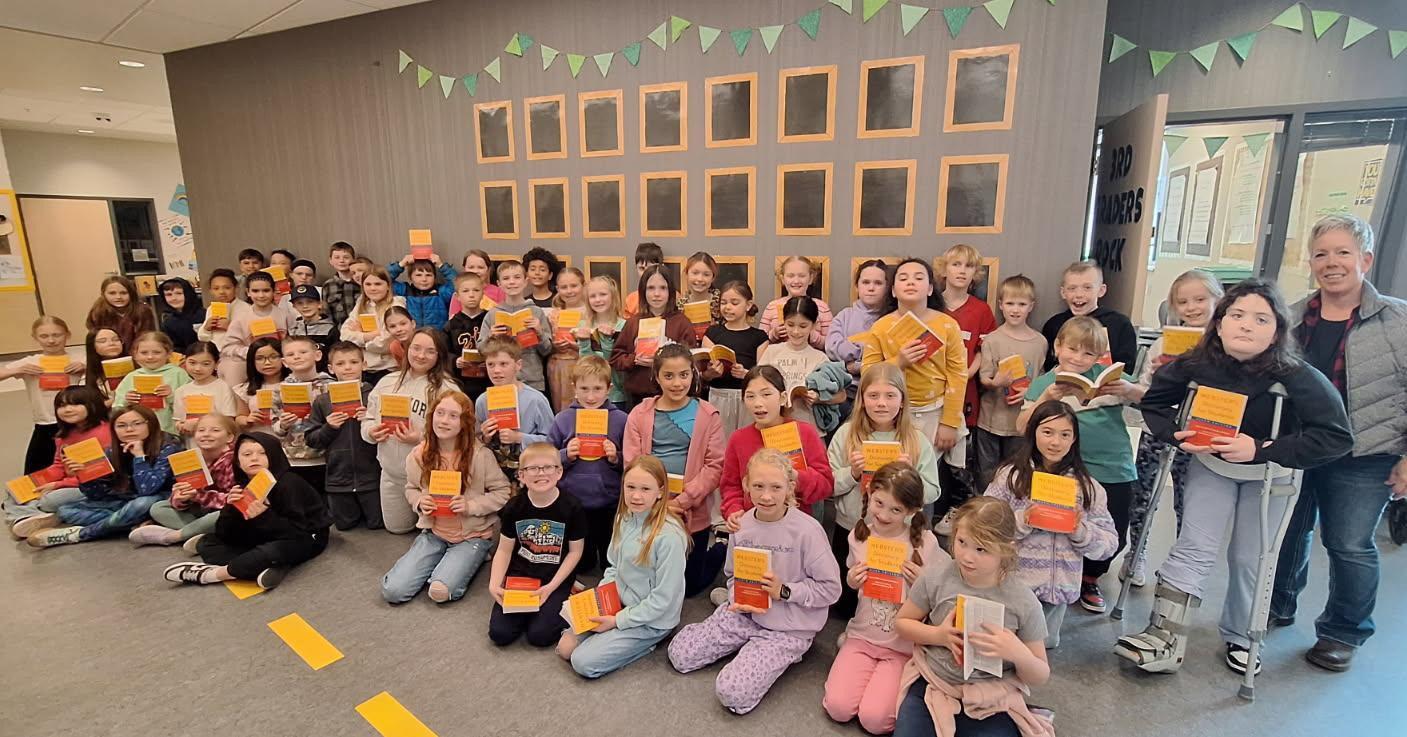
March 31: I helped present dictionaries to the three third-grade classes at Skyline Elementary School. I’m not sure which is tougher – speaking as part of a panel on Capitol Hill or answering questions from 3rd graders!
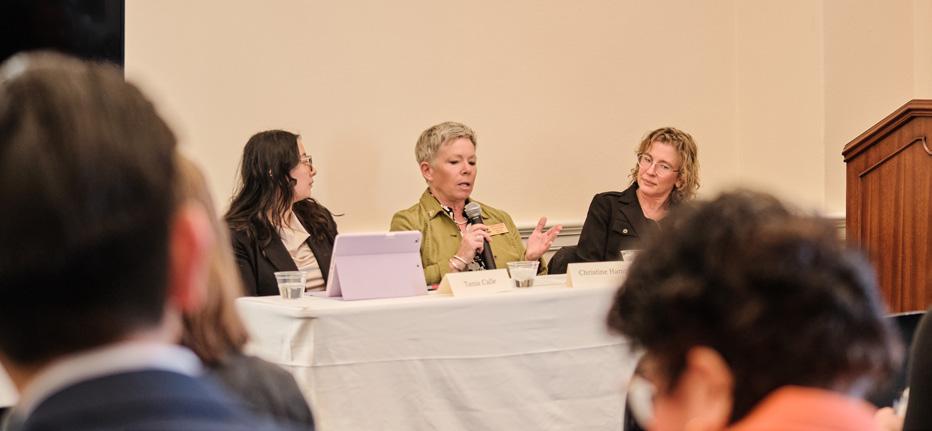
March 25: It was an honor to be part of HealthyWomen’s Capitol Conversations panel on rural women’s health. (Above & Below)
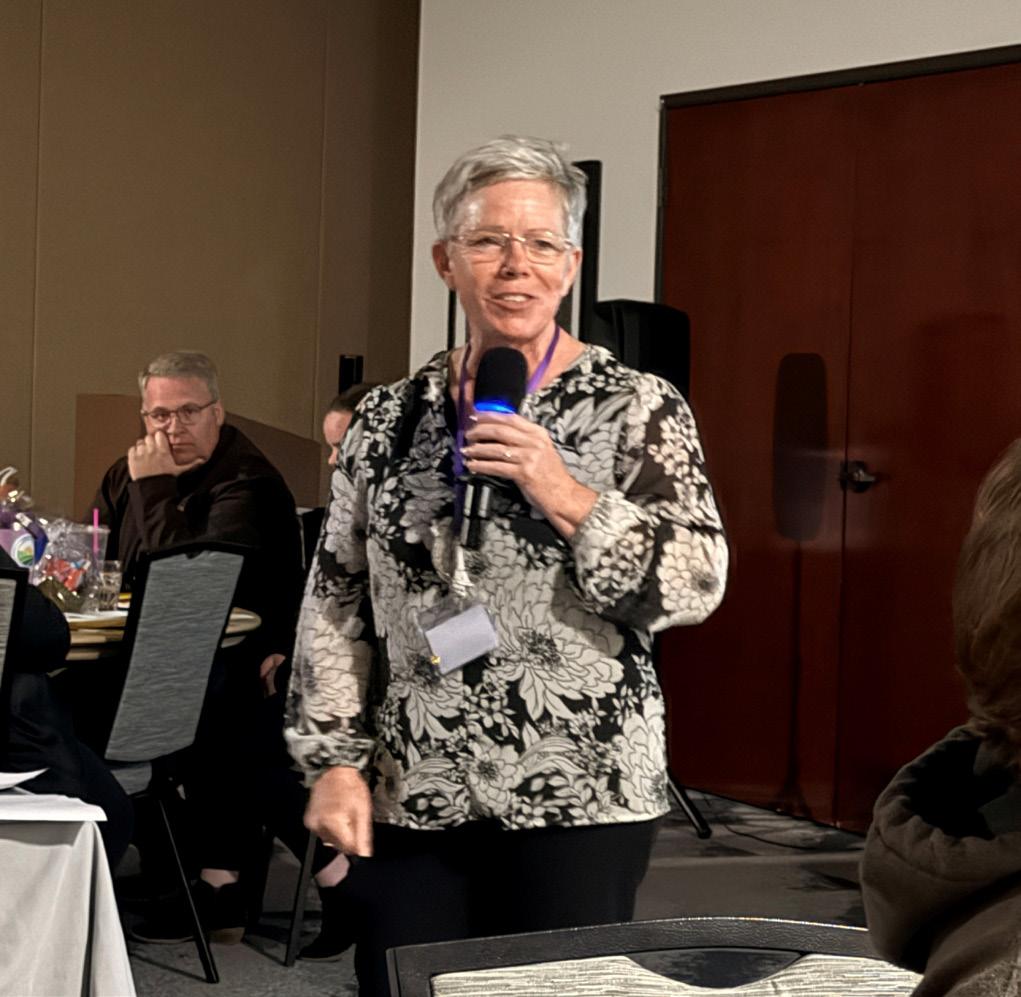
March 28: I presented a workshop at the Western Region Leaders’ Conference in Boise, Idaho, titled, “Go Forth & Be Awesome: The Next Era of the Grange Starts Here.”
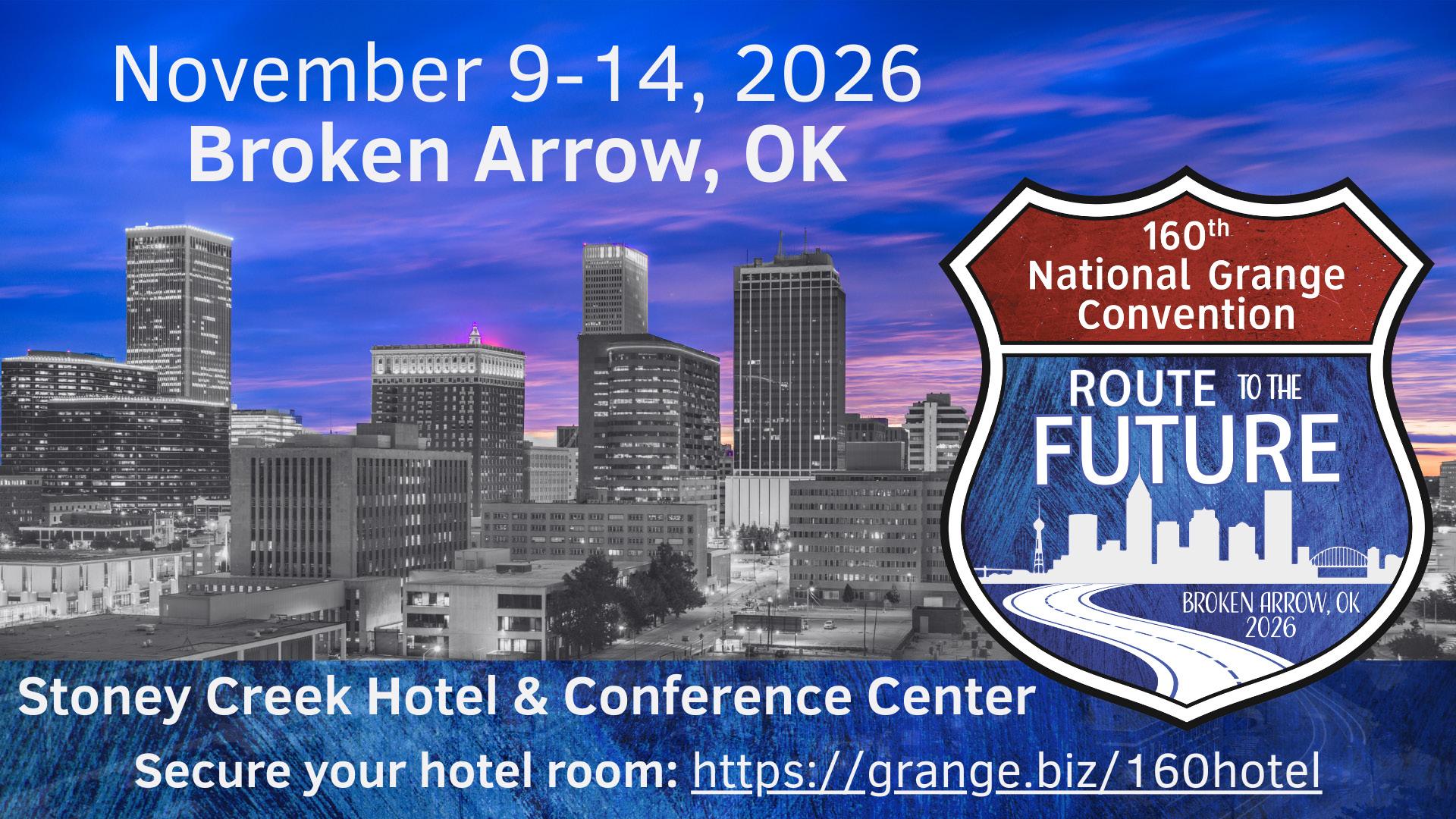

Beginning May 1, two changes will take place in the Grange Store:
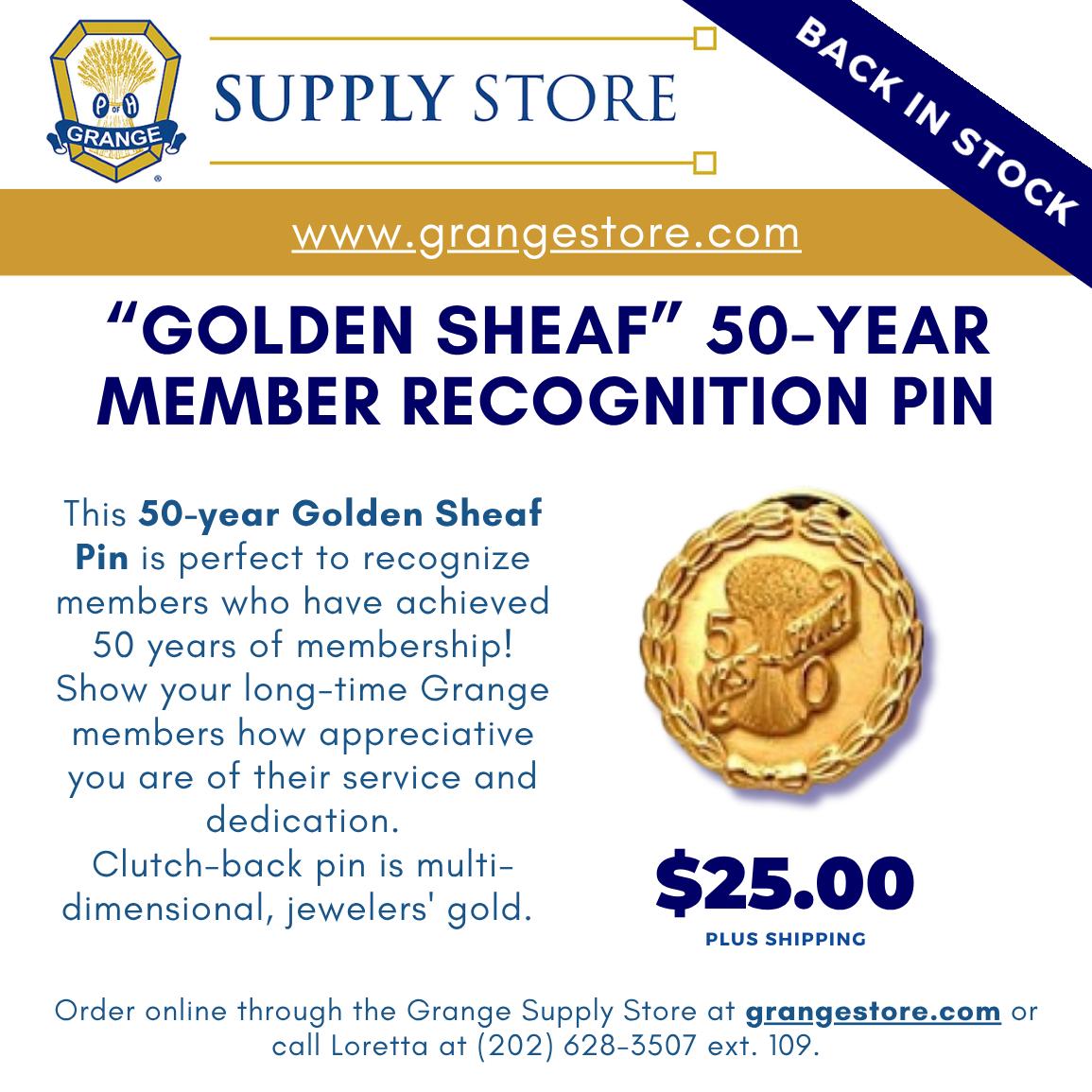
The price of Golden Sheaf, Sliver Star, and 75year Awards, as well as 80- and 85-year letters will increase to $15.00 each plus shipping
Additionally, shipping rates - which have remained unchanged for nearly a decade - will increase as shown on the chart at right.
Thank you for understanding, and we look forward to continuing to serve you and your Grange’s needs!

The America’s 250th Grange Workgroup is celebrating our country’s 250th Anniversary by “throwing back” to some classic recipes from Grange cookbooks. Do you have favorite recipes that evoke the American spirit which you would like to see published again? Send them to Lew Gaskill at olgaskill@comcast.net. Please include which Grange cookbook your recipes come from.
This week’s recipes come from the Williamsburg Massachusetts Grange #225 Community Cook Book of 1952
Tuna Casserole
1 can mushroom soup
1 can tuna fish
1 cup white sauce
1 can peas (drained) or 1 package frozen peas (cooked)
4 hard-cooked eggs
Potato chips
Courtesy of Marjorie P. McKusick (a personal note in Lew’s copy of the book says “whole family likes this”
Make white sauce by mixing 2 Tablespoons flour with 2 teaspoons melted butter. Add 1 cup milk and stir over low heat until smooth. Add mushroom soup and stir until smooth. Add tuna fish, peas, and eggs which have been cut into small pieces.
Put in casserole dish. Break potato chips fine and sprinkle over top. Bake until brown at 375 degrees for 20 to 30 minutes.
Ruby Cranberry Coffee Cake
1 1/2 cups sifted flour
2 teaspoons baking powder
1/2 teaspoon soda
1 teaspoon salt
1/2 cup sugar
1/2 cup chopped nuts
1 cup mashed bananas (3)
1 egg beaten
1/4 cup melted shortening
4 slices cranberry jelly
1/4 cup sugar
16 pecan halves
Courtesy of Mrs. Arthur LaMagdelaine
Sift together flour, baking powder, soda, salt and 1/2 cup sugar. Add nuts, mix well. Combine bananas, egg and shortening. Mix well. Add to flour mixture. Mix until smooth.
Pour into greased 8” x 8” x 2” inch pan. Cut slices of cranberry jelly 1/4 inch thick and then into quarters. Place pieces of jelly evenly on top of batter. Put a pecan half on top of each piece of jelly. Sprinkle entire top with 1/4 cup of sugar. Bake at 400 degrees for 30 minutes.
Grange Member Benefit: MemberDeals

Access exclusive savings on everything from car rentals to hotels, even tickets to theme parks, performances, and sporting events.
Shop savings and deals on computers, jewelry, phones, vision, and more! There’s no end to the things you can find at MemberDeals.
Savings include:
• Walt Disney World & Disneyland
• Universal Orlando & Universal Studios Hollywood
• Sea World
• Six Flags
• Busch Gardens
• Knotts Berry Farm
• LEGOLAND
• Hersheypark
• Sesame Place
• Water Parks
• Zoos & Aquariums
• Hotels
• Shows, Sports, & Concerts
• Movie tickets at AMC, Regal and more
• Rental Cars (Avis, Budget, Hertz, & others)
• Shopping Deals
• and much more!
Visit
https://www.memberdeals.com/nationalgrange/?login=1 today to start saving.