Investigating the concept of topos in the homonymous works of Michel Foucault – Christos Papoulias Heterotopias and Hypertopos.
(discours),
Abstract
Modernity is often characterized as a consciousness of discontinuity. This rupture (first interpretation of the title) with the continuum of time, formed the basis for a thorough observation of the present (Charles Baudelaire), which is a capable condition of transformation, of a way of thinking, of a method, of tools and mechanisms of logos (discours). Where logos is the context of the mental, of consciousness, the way people perceive things (Foucault). Modernism is also defined as a persistent process of the present, not related to the discovery of a potential hidden narrative, but as an invention or reinterpretation of the always same.
Starting from this point, the research draws from Foucault’s vocabulary (“Les Mots et les Choses”, “L’ Archéologie du savoir”), the mechanism (apparatus) of thought and therefore the methodology it will run through, to examine the concept of topos, while hoping to reveal and unfold the principles and consequences of an indigenous transformation of what is told, both different and transcendent.
Research’s field will be the writing of the subjects themselves, M. Foucault - Chr. Papoulias, as it emerges from two different thoughts standing side by side.
The section, whether it is an interpretive tool, through an archeology of knowledge (Foucault), or intentional architecture gesture (second interpretation of the title) of the Erichthonian Museum (Papoulias), is most of all a common ground based on the subjectivity of their common space, which is the language itself (third interpretation of the title), and will be approached as a borderline situation, as a threshold to a heterotopology for systematic description of “different” places, “of other spaces”, both mythical and real of the space in which we live in (heterotopias). Mental or linguistic, but at the same time self-referential to its materialistic nature, both heterotopic as hypertopic, the approach of the section, is more like a moving line, a passage to the different, the perverted· rather than one established teleological situation.
The research paper aspires to function as a diagram (Deleuze), a machine that makes others speak, not to represent but to transform what is already told, like a superimposition of maps or words which will make visible what is invisible, just because it is very much on the surface of things (Foucault).
Overhead the albatross
Hangs motionless upon the air
And deep beneath the rolling waves
In labyrinths of coral caves
An echo of a distant time
Comes willowing across the sand
And everything is green and submarine
And no one called us to the land
And no one knows the where’s or why’s
Something stirs and something tries
Starts to climb toward the light
Strangers passing in the street
By chance two separate glances meet
And I am you and what I see is me
And do I take you by the hand
And lead you through the land
And help me understand
The best I can
And no one called us to the land
And no one crosses there alive
No one speaks and no one tries
No one flies around the sun
Almost everyday you fall
Upon my waking eyes
Inviting and inciting me
To rise
And through the window in the wall
Come streaming in on sunlight wings
A million bright ambassadors of morning
And no one sings me lullabys
And no one makes me close my eyes
So I throw the windows wide
And call to you across the sky
Floyd - Echoes
Pink
Terrain Vague
I.
II.
III. Apparatus
IV.
V.
Terrain Vague*
Terrain Vague
1. Jorge-Luis Borges, Άπαντα Πεζά, (Αθήνα: Ελληνικά Γράμματα, 2005) σελ.273-275.
2. Michel Foucault, Dits et Écrits, 360, Des Espaces Autres. Διάλεξη
Ερευνών, 14 Μαρτίου 1967, Architecture, Mouvement, Continuité, τχ. 5, Οκτώβριος 1984, σελ. 46-49.
3. Νικόλαος-Ίων Τερζόγλου, Ιδέες
Εικοστό Αιώνα, (Αθήνα: Νήσος, 2009) σελ. 348.
4. Michel Foucault, Ετεροτοπίες και άλλα Κείμενα, (Αθήνα: Πλέθρον, 2012) σελ. 108.
5. Gilles Deleuze, Φουκώ, (Αθήνα: Πλέθρον, 2005) σελ. 103.
6. Η έννοια της Μη Κανονικότητας
“Les Anormaux”,
Foucault.
7. Michel Foucault,
8.
Michel Foucault.” (Διδακτορική
2010), σελ. 8-9, doi 10.12681/eadd/21785.]
9. Michel Foucault, Οι
1993) σελ. 11-19.
10. Sempre Iniziare:
(Αθήνα: Futura, 1998) σελ. 33-42.]
11. Gilles Deleuze, Φουκώ, (Αθήνα: Πλέθρον, 2005) σελ. 204.
12. Julio Cortazar, Κουτσό, (Αθήνα: Όπερα, 2018) σελ. 495.
13. Gilles Deleuze, Φουκώ, (Αθήνα: Πλέθρον, 2005) σελ. 202.
14. Εφεξής, όπου χρησιμοποιείται
ερευνητικής εργασίας.
15. Michel Foucault, Ετεροτοπίες
“Τομή”, με
κεφαλαίο, θα παραπέμπει
Κείμενα, (Αθήνα: Πλέθρον, 2012) σελ. 269.
16. Gilles Deleuze, Φουκώ, (Αθήνα: Πλέθρον, 2005) σελ. 48.
17. Michel Foucault, Τρία
18. Για τον Nietzsche, η
, (Αθήνα: Πλέθρον, 2011) σελ. 37.
- Erfindung-
Foucault,
19. Gilles Deleuze,
20. “
Erfidung
24 Terrain Vague
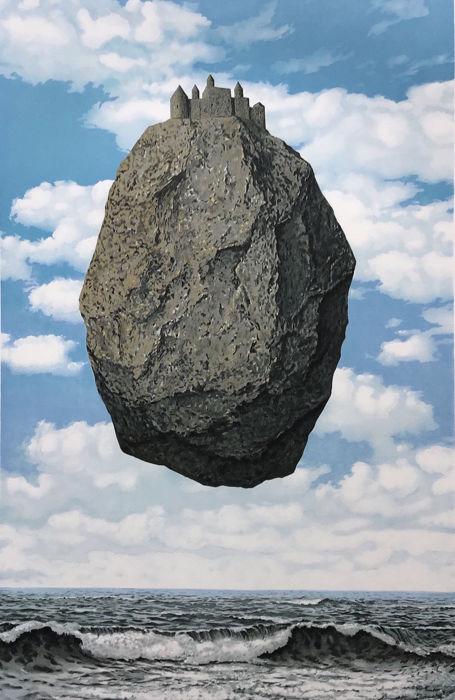
The Castle of the Pyrenees, Rene Magritte (1959)
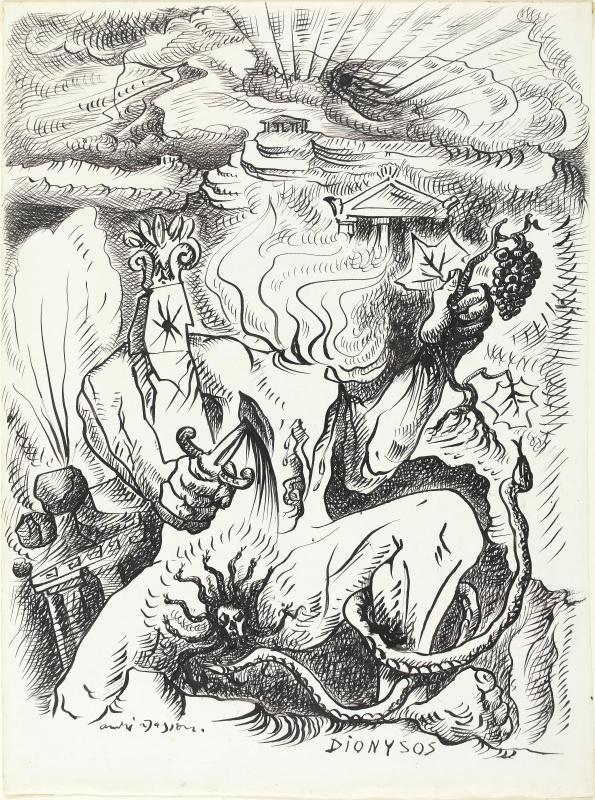
1. Dionysos, André Masson (1936)
1.
2.
[René Girard,
4. Sempre Viva:
5.
2009) σελ. 222. 6. Ernst Cassirer, The Philosophy of Symbolic Forms, Vol. 2: Mythical Thought, (London: Yale University Press, 1955) σελ. 73-82.
7.
8.
9.
2009)
226]
10. Claude Lévi-Strauss, “The Structural Study of Myth.”, The Journal of American Folklore, Vol. 68, No. 270, Myth: A Symposium (Oct. - Dec., 1955) σελ. 428-444.
11.
12.
“Η
του Michel Foucault.” (Διδακτορική
Πανεπιστήμιο Αθηνών, 2010), σελ. 35-36, doi 10.12681/eadd/21785.]
13. Rosalind E. Krauss, The Originality of the Avant-Garde and other Modernist Myths, (London: MIT Press, 1986) σελ. 12-13.
14. Φράση του Michel Foucault στη
του 1977: The Confession of the Flesh
15. Roland Barthes, Mythologies, (New York: The Noonday Press, 1991) σελ. 109-116.
16. H έννοια
του Friedrich Nietzsche.
17. Thijs Lijster, “The interruption of myth: Walter Benjamin’s concept of critique.”, Conceptions of Critique in Modern and Contemporary Philosophy, (London: Palgrave Macmillan, 2012) σελ. 156 - 174.
18. Χρήστος Παπούλιας, Υπερτόπος, (Αθήνα: Futura, 1998) σελ. 64
19. Βάση: Base Materialism κατά τον Georges Bataille, αυτό
την υλική τους υπόσταση.
20. Αντώνης Μαστραπάς, Η Πόλις και
(Αθήνα:
Πατάκη, 2003) σελ. 11.
21. Ό.π., σελ. 12.
22. Joan Breton Connelly, Το Αίνιγμα
23. Ό.π., σελ. 73 και σελ. 172.
24. Ό.π., σελ 172-173.
25. Ο Απολλόδωρος (180 π.Χ. – περ.110
26. Joan Breton Connelly, Το Αίνιγμα
27.
[Joan Breton Connelly,
28.
29. Joan Breton Connelly,
Breton Connelly,
(Αθήνα:
2016) σελ. 37.
34. Joan Breton Connelly,
176-180.
35.
36.
37. Joan Breton Connelly,
38. Η ίδια
39. Ερέχθειο.
40. Joan Breton Connelly, Το Αίνιγμα
41. “
2016)
185.]
“Vers une Architecture.
Vers L.C. Contre: 16+9
42. Joan Breton Connelly, Το
43. Ό.π., σελ. 406.
Futura, 2010)
Girard,
2016) σελ. 189.
[Joan Breton Connelly,
Le Corbusier,
in a name?:
Robert McCabe
Πατάκη, 2003) σελ. 80.
3. Gottfried Gruben,
Καρδαμίτσα, 2000) σελ. 216.
4. Ό.π., σελ. 217-218.
5. Χωροθετημένος
6. Ό.π., σελ. 219-220.
7. “...
Futura, 1998) σελ. 63.]
8. Gottfried Gruben,
2000) σελ. 220-224.
9. Ένας
10. Gottfried Gruben, Ιερά
2000) σελ. 224.
11. Ό.π., σελ. 225-227.
12. Joan Breton Connelly, Το
(Αθήνα: Εκδόσεις
2016) σελ. 152.
13. Giorgio Agamben, What is an Apparatus?: And Other Essays, (California: Stanford University Press, 2009.) σελ. 1
14. Χρήστος Παπούλιας, Υπερτόπος, (Αθήνα: Futura, 1998) σελ. 42.
15.
16.
Yehuda Safran: Sempre Iniziare:
17. Χρήστος Παπούλιας,
18. Ό.π., σελ. 61-66.
19. Όπως οι επισκέπτες
20. Ό.π., σελ. 88
21. Ό.π., σελ. 65-66.
22. Ό.π., σελ. 90-91.
23. Ό.π., σελ. 91.
24. Michel Foucault, Ο
Futura, 1998) σελ. 41.]
, (Αθήνα: Futura, 1998) σελ. 6.
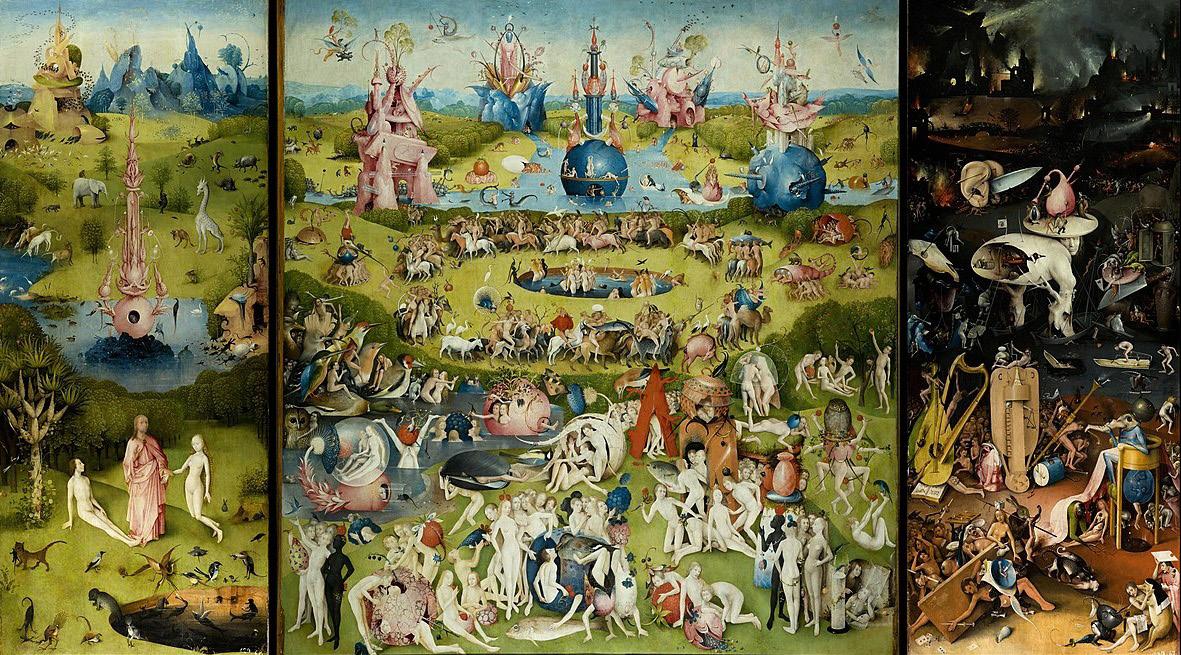
The Garden of Earthly Delights, Hieronymus Bosch (1490-1510)
III. Apparatus*
“What I’m trying to pick out with this term is, firstly, a thoroughly heterogeneous ensemble consisting of discourses, institutions, architectural forms, regulatory decisions, laws, administrative measures, scientific statements, philosophical, moral and philanthropic propositions–in short, the said as much as the unsaid. Such are the elements of the apparatus. The apparatus itself is the system of relations that can be established between these elements. Secondly, what I am trying to identify in this apparatus is precisely the nature of the connection that can exist between these heterogeneous elements. Thus, a particular discourse can figure at one time as a programme of an institution, and at another it can function as a means of justifying or masking a practice which itself remains silent, or as a secondary reinterpretation of this practice, opening out for it a new field of rationality. In short, between these elements, whether discursive or non-discursive, there is a sort of interplay of shifts of positions and modifications of function which can also vary very widely. Thirdly, I understand by the term ‘apparatus’ a sort of — shall we say — formation which has as its major function at a given historical moment that of responding to an urgent need. The apparatus thus has a dominant strategic function. […]The apparatus is precisely this: a set of strategies of the relations of forces supporting, and supported by, certain types of knowledge.” 1
Michel Foucault, The confession of the flesh (interview)
*Apparatus (english dictionary) may refer to: 1. a collection of instruments, machines, tools, parts, or other equipment used for a particular purpose, 2. a machine having a specific function, 3. the means by which something operates, 4. any group of organs having a specific function, 5. process of an activity.
1-4.
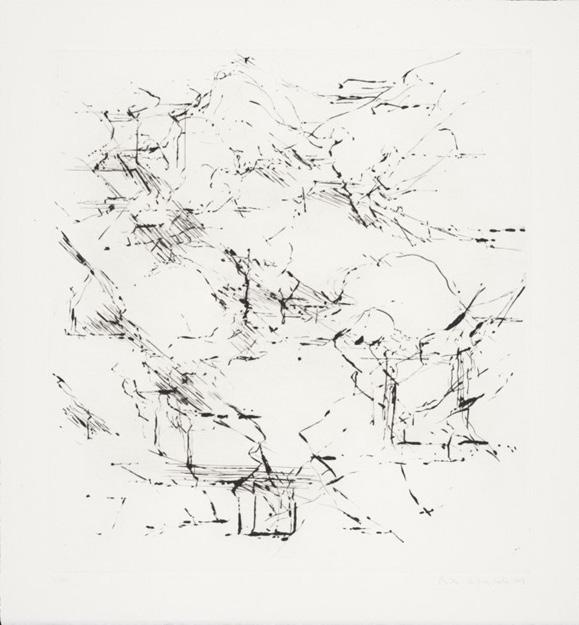
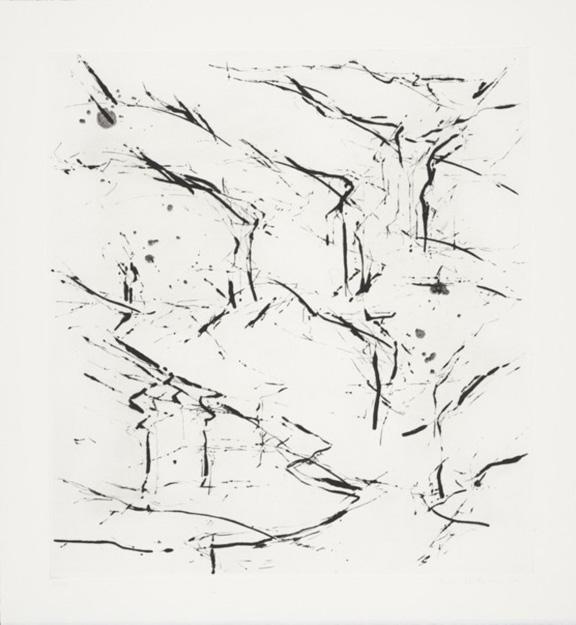
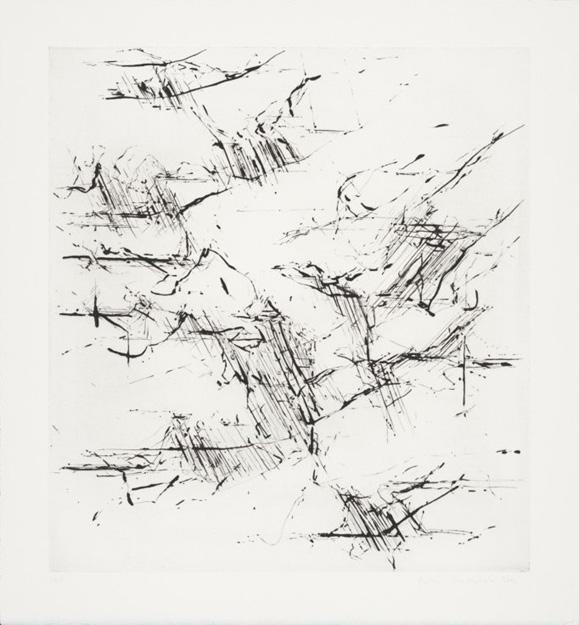
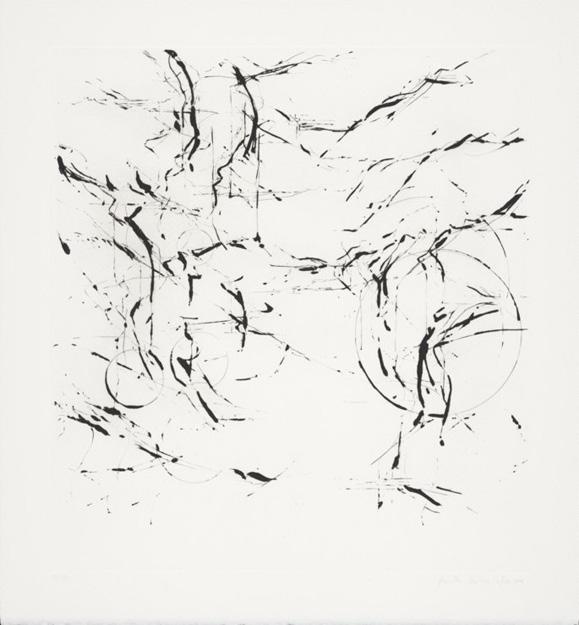
Ten Etchings, Britta Huttenlocher (Galerie Hein Elferink)
(The confession of the flesh
Agamben
modus operandi. 9
“Further expanding the already large class of Foucauldian apparatuses, I shall call an apparatus literally anything that has in some way the capacity to capture, orient, determine, intercept, model, control, or secure the gestures, behaviors, opinions. or discourses of living beings. Not only, therefore. prisons. mad houses. the panopticon. schools. confession. factories. disciplines. juridical measures. and so forth (whose connection with power is in a certain sense evident), but also the pen, writing, literature, philosophy, agriculture, cigarettes. navigation, computers, cellular telephones and-why not-language itself, which is perhaps the most ancient of apparatuses -one in which thousands and thousands of years ago a primate inadvertently let himself be captured, probably without realizing the consequences that he was about to face.”
σχετικής αρχής: “I invite you therefore to abandon the context of Foucauldian philology, […] in order to situate new apparatuses.” 12
Foucault
Charlie Chaplin.
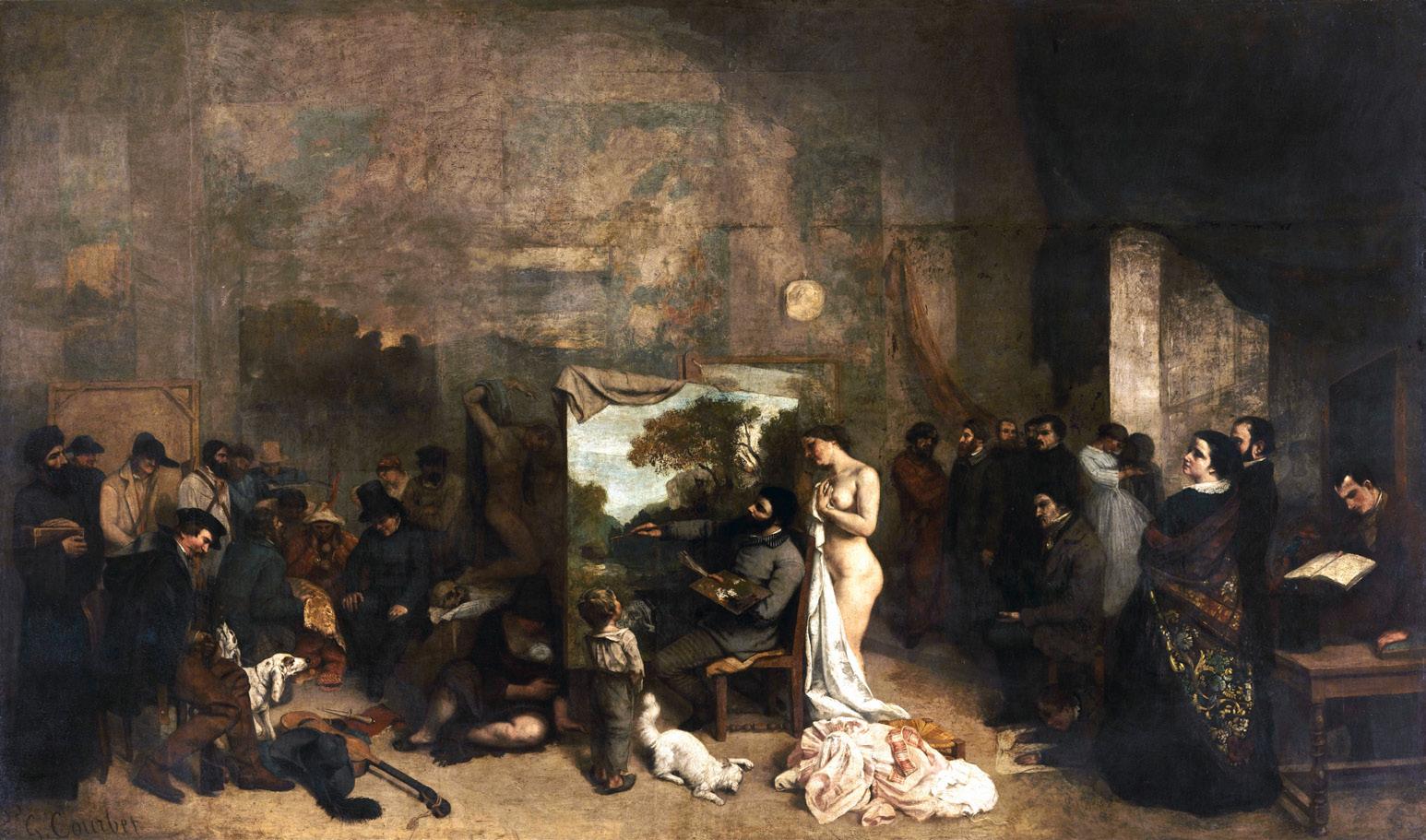
6. L’ Atelier du peintre, Gustave Courbet (1854-1855)
1. Προκείται περισσότερο για συζήτηση (και
μεταξύ των Michel Foucault, Alain Grosrichard, Gerard Wajeman, Jaques-Alain Miller, Guy Le Gaufey και άλλων
τέταρτο τόμο
Ιστορίας της Σεξουαλικότητας του M. Foucault. [Michel Foucault, Power/Knowledge: Selected Interviews and Other Writings, (New York: Pantheon Books, 1980) σελ. 194-228.]
2. Gilles Deleuze, Φουκώ, (Αθήνα: Πλέθρον, 2005) σελ. 19 και σελ. 51.
3. Χρήστος Παπούλιας, Υπερτόπος, (Αθήνα: Futura, 1998) σελ. 13.
4. Πέτρος Μετάφας, “Η πολιτική του Michel Foucault.” (Διδακτορική διατριβή, Εθνικό και Καποδιστριακό Πανεπιστήμιο Αθηνών, 2010), σελ. 31, doi 10.12681/eadd/21785.
5. Ο «λόγος» αναφέρεται σε μια ομάδα αποφάνσεων, σε αποφάνσεις που
6. Gesamtkunstwerk: όρος
2010), σελ. 36, doi 10.12681/eadd/21785.]
Richard Wagner.
7. Giorgio Agamben, What is an Apparatus?: And Other Essays, (California: Stanford University Press, 2009.) σελ. 1.
8. Γιώργος
σελ. 193-197.
9. Giorgio Agamben, What is an Apparatus?: And Other Essays, (California: Stanford University Press, 2009.) σελ. 8-12.
10. Ό.π., σελ. 14.
11. Dispositif
[Michel Foucault, Power/Knowledge: Selected Interviews and Other Writings, (New York: Pantheon Books, 1980) σελ. 194-228.]
12. Giorgio Agamben, What is an Apparatus?: And Other Essays, (California: Stanford University Press, 2009.) σελ. 13.
13. Michel Foucault, Επιλογή από τα Dits et Écrits, (Αθήνα: Στιγμή, 2011) σελ. 73-74.
14. Gilles Deleuze, Φουκώ, (Αθήνα: Πλέθρον, 2005) σελ. 68-72.
15. Michel Foucault, Οι Λέξεις
(Αθήνα: Εκδόσεις Γνώση, 1993) σελ. 23.
16. Michel Foucault, Ο Στοχασμός
Μπλανσό, (Αθήνα: Πλέθρον, 2016) σελ. 15-20.
17. Gilles Deleuze, Φουκώ, (Αθήνα: Πλέθρον, 2005) σελ. 83.
18. Gilles Deleuze, Φουκώ, (Αθήνα: Πλέθρον, 2005) σελ. 83-84.
19. Συνέντευξη του Michel Foucault στο Nouvelles Littéraires στις 17 Μαρτίου 1975,
’68. [Gilles Deleuze, Φουκώ, (Αθήνα:
20. Michel Foucault, Ετεροτοπίες
21. “Με
(Αθήνα:
2005) σελ. 84.]
2012) σελ. 107.
[Michel Foucault,
Dits et Écrits, (Αθήνα:
22. Michel Foucault, Ετεροτοπίες και
23. Michel Foucault, Η Αρχαιολογιά
24. Στον Foucault
Κείμενα, (Αθήνα: Πλέθρον, 2012) σελ. 107-108.
(Αθήνα: Εξάντας, 1987) σελ. 198-202.
διανυσμάτων. [Gilles Deleuze, Φουκώ, (Αθήνα: Πλέθρον, 2005) σελ. 136.]
25. Gilles Deleuze, Φουκώ, (Αθήνα: Πλέθρον, 2005) σελ. 48.
26. Michel Foucault, Η Αρχαιολογιά της Γνώσης, (Αθήνα: Εξάντας, 1987) σελ. 268-290.
27. Michel Foucault, Οι Λέξεις και Τα Πράγματα: Μια Αρχαιολογία των Επιστημών
(Αθήνα: Εκδόσεις Γνώση, 1993) σελ. 11.
28. Ό.π., σελ. 11-15.
29. Michel Foucault, Επιλογή από τα Dits et Écrits, (Αθήνα: Στιγμή, 2011) σελ. 24.
30. Πέτρος Μετάφας, “Η πολιτική του Michel Foucault.” (Διδακτορική διατριβή, Εθνικό
Καποδιστριακό Πανεπιστήμιο Αθηνών, 2010), σελ. 280, doi 10.12681/eadd/21785.
31. Michel Foucault, Επιλογή από τα Dits et Écrits, (Αθήνα: Στιγμή, 2011) σελ. 81.
32. Michel Foucault, Τρία Κείμενα για τον Νίτσε, (Αθήνα: Πλέθρον, 2011) σελ. 37.
33. Ό.π., σελ. 50.
34. Πέτρος Μετάφας, “Η πολιτική του Michel Foucault.” (Διδακτορική διατριβή,
Πανεπιστήμιο Αθηνών, 2010), σελ. 122, doi 10.12681/eadd/21785.
35. “That’s all any of us are: amateurs. We don’t live long enough to be anything else.”, Charlie Chaplin.
36. Gilles Deleuze, Φουκώ, (Αθήνα: Πλέθρον, 2005) σελ. 87.
37. Ό.π., σελ. 91.
38. “Υπάρχουν
σκύβουν στην κλειδαρότρυπα. [Michel Foucault, Επιλογή από τα Dits et Écrits, (Αθήνα: Στιγμή, 2011) σελ. 46.]
39. Gilles Deleuze, Φουκώ, (Αθήνα: Πλέθρον, 2005) σελ. 93-103.
40. Michel Foucault, Ετεροτοπίες και άλλα Κείμενα, (Αθήνα: Πλέθρον, 2012) σελ. 260-261.
41. Gilles Deleuze, Φουκώ, (Αθήνα: Πλέθρον, 2005) σελ. 50.
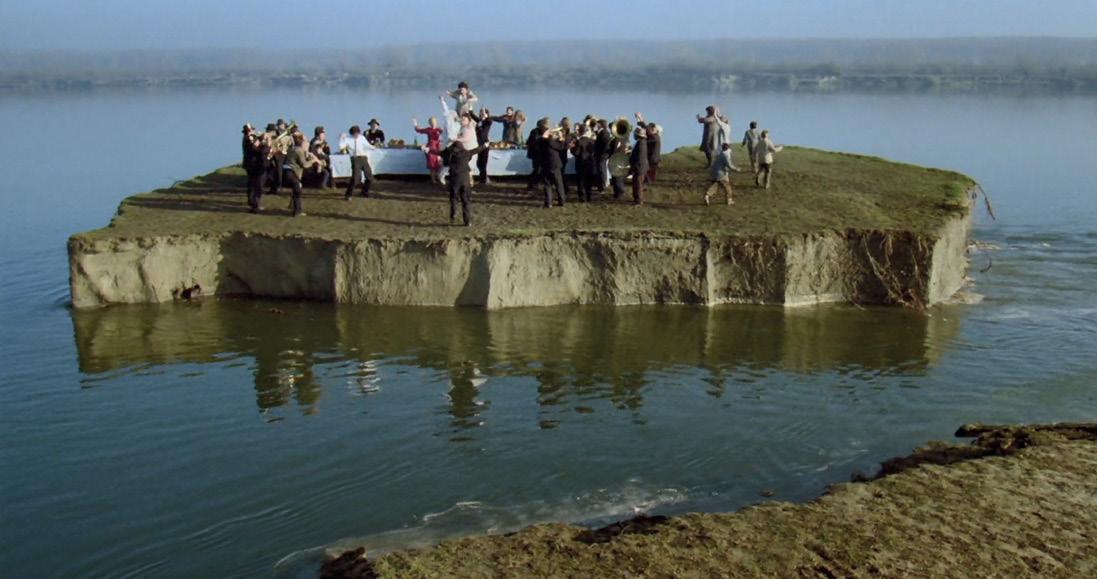
1. Underground, Emir Kusturica (1995)
“Le navire, c’est l’hétérotopie par excellence. Dans les civilisations sans bateaux les rêves se tarissent, l’espionnage y remplace l’aventure, et la police, les corsaires.” 1
Michel Foucault, Des espaces autres
Michel Foucault
Modernité
Charles Baudelaire (1821-1867),
Nabokov:
Baudelaire
“By modernity, I mean the ephemeral, the fugitive, the contingent, the half of art whose other half is the eternal, the immutable.”
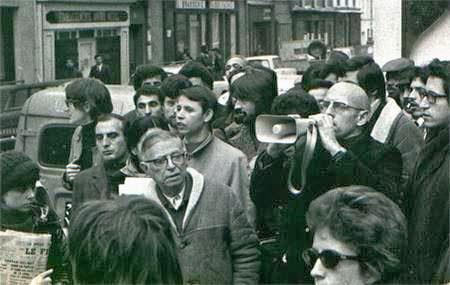
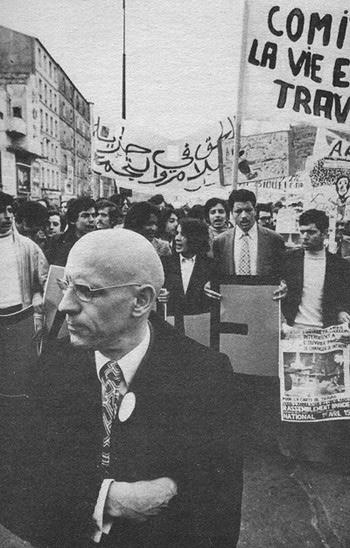
2. Ο Michel Foucault στην Goutte d’Or στο Παρίσι (1971)
“I would even assert that inspiration has something in common with convulsion, and that every sublime thought is accompanied by a nervous shock, more or less violent.”
Charles Baudelaire, The Painter of Modern Life
Baudelaire
Baudelaire
Mémoire involontaire, “will to remember”
Ο Henri Bergson
Matière et Mémoire
[will to remember].
3. o Le Corbusier
(1911)
(Ruins in Reverse)
James D. Faubion,
δ. Heterology: The science of what is completely other. The term agiology would perhaps be more precise, but one would have to catch the double meaning of agio (analogous to the double meaning of sacer), soiled as well as holy. [Denis Hollier, Against Architecture: The Writings of Georges Bataille, (Massachusetts: MIT Press, 1989) σελ. 98]
ε. Informe: A dictionary begins when it no longer gives the meaning of words, but their tasks. Thus formless is not only an adjective having a given meaning, but a term that serves to bring things down in the world, generally requiring that each thing have its form. What it designates has no rights in any sense and gets itself squashed everywhere, like a spider or an earthworm. In fact, for academic men to be happy, the universe would have to take shape. All of philosophy has no other goal: it is a matter of giving a frock coat to what is, a mathematical frock coat. On the other hand, affirming that the universe resembles nothing and is only formless amounts to saying that the universe is something like a spider or spit. [Yve-Alain Bois and Rosalind Krauss, Formless: A User’s Guide, (New York: Zone Books, 1997) σελ. 5]
[Yve-Alain Bois and Rosalind Krauss, Formless: A User’s Guide, (New York: Zone Books, 1997)
ζ. In that way it [heterology] leads to the complete reversal of the philosophical process, which ceases to be the instrument of appropriation, and now serves excretion; it introduces the demand for the violent gratifications implied by social life […] Heterology addresses the violence and agitation of sacred and profane excesses, but not to integrate it usefully within a system: concerned with what is ‘resolutely placed outside the reach of scientific knowledge’, it stands opposed to the appropriations of science and philosophy. The aim is neither to limit nor to assimilate the character of heterogeneous elements, not to return the other to system or stasis, but to follow the dis-equilibrating energies toward an expression of ‘the urges that today require worldwide society’s fiery and bloody Revolution.’ [Georges Bataille, Visions of Excess: Selected Writings, 1927-1939, (Minneapolis: University of Minnesota Press, 1985) σελ. 97-102.] “Τέλος,
(Untitled 2010)
[Préface à la transgression: hommage à Georges Bataille]54
Foucault, τον Georges Bataille. To
Sempre iniziare.
We don’t have all the answers but we have the right questions
Deleuze.
Foucault
Bataille,
2.
3. Michel Foucault,
4. Ό.π., σελ. 33.
5. Χαρακτηρίζουμε
6. Gilles Deleuze, Φουκώ, (Αθήνα: Πλέθρον, 2005) σελ. 84.
7. Ό.π., σελ. 13.
8. Ουτοπία, Thomas More (1516)
9. Michel Foucault, Ετεροτοπίες
10. Ό.π.
11. Ό.π., σελ. 261.
(Αθήνα:
2012) σελ. 260.
(Genève: Skira, 1983)
έργο ‘Ο Ανδαλουσιανός
Charles Baudelaireles,
13. Vladimir Nabokov, Το Μάτι, (Αθήνα: Ερατώ, 1993) σελ. 140.
14. Georges Bataille, Η Λογοτεχνία
Κακό: Baudelaire, Blake, Sade, Proust, Genet, (Αθήνα: Πλέθρον, 1979) σελ. 28-35.
15. Charles Baudelaireles, Ο Ζωγράφος της Μοντέρνας Ζωής, (Αθήνα: Εκδόσεις Παπαδόπουλος, 2018) σελ. 40.
16. Michel Foucault, Τι Είναι Διαφωτισμός, (Αθήνα: Έρασμος, 1988) σελ. 26-27.
17. Ό.π., σελ. 41.
18. Charles Baudelaire, Curiosités esthétiques
19. Michel Foucault, Τι Είναι Διαφωτισμός, (Αθήνα: Έρασμος, 1988) σελ. 28-31.
20. Michel Foucault, Ετεροτοπίες και άλλα Κείμενα, (Αθήνα: Πλέθρον, 2012) σελ. 261-262.
21. Georges Bataille, Η Λογοτεχνία και το Κακό: Baudelaire, Blake, Sade, Proust, Genet, (Αθήνα: Πλέθρον, 1979) σελ. 24.
22. Walter Benjamin, “Για την Έννοια της Ιστορίας”, Κείμενα 1934-1940: Επιλογή, (Αθήνα: Άγρα, 2019) σελ. 725.
23. Michel Foucault, Ετεροτοπίες
24. Φιγούρες του Baudelaire: ο χαρτοπαίχτης,
(μεταξύ άλλων).
25. Οι περισσότερες
Magasins de Nouveautés
Benjamin,
(Αθήνα: Πλέθρον, 2012) σελ. 263.
[Walter Benjamin,
27. Walter Benjamin, “Παρίσι,
2019) σελ. 690.
28.
Φιλοσοφία της Ιστορίας, (Αθήνα: Ουτοπία, 1983) σελ.12.]
30. Walter Benjamin, “Παρίσι, η
(Αθήνα: Άγρα, 2019) σελ. 696.
31. Michel Foucault, Ετεροτοπίες και άλλα Κείμενα, (Αθήνα: Πλέθρον, 2012) σελ. 264.
32. Ο κόσμος του Baudelaire
ο Baudelaire στην έννοια των correspondances (ανταποκρίσεις -ποιήμα). [Walter Benjamin, “Ορισμένα μοτίβα στον Baudelaire”, Κείμενα 1934-1940: Επιλογή, (Αθήνα: Άγρα, 2019) σελ. 190.]
33. Walter Benjamin, “Ορισμένα μοτίβα στον Baudelaire”, Κείμενα 1934-1940: Επιλογή, (Αθήνα: Άγρα, 2019) σελ. 190-202.
34. Ό.π., σελ. 151-155.
35. Contrary to historical objects, however, lieux de memoire have no referent in reality; or, rather, they are their own referent: pure, exclusively self-referential signs. This is not to say that they are without content, physical presence, or history; it is to suggest that what makes them lieux de memoire is precisely that by which they escape from history. In this sense, the lieu de mimoire is double: a site of excess closed upon itself, concentrated in its own name, but also forever open to the full range of its possible significations. [Pierre Nora, “Between Memory and History: Les Lieux de Mémoire”, Representations, No. 26, Special Issue: Memory and Counter-Memory. (California: University of California Press, 1989), σελ. 7-24.]
36. Walter Benjamin, “Ορισμένα μοτίβα στον Baudelaire”, Κείμενα 1934-1940: Επιλογή, (Αθήνα: Άγρα, 2019) σελ. 204.
37. Michel Foucault, Ετεροτοπίες και άλλα Κείμενα, (Αθήνα: Πλέθρον, 2012) σελ. 265.
38. Χρήστος Παπούλιας, Υπερτόπος, (Αθήνα: Futura, 1998) σελ. 84.
39. James D. Faubion, Modern Greek Lessons: A Primer in Historical Constructivism, (Princeton University Press, 1995) σελ. 12.
40. Γιώργος Τζιρτζιλάκης, Υπο-Νεωτερικότητα και Εργασία του Πένθους
Καστανιώτης, 2014) σελ. 49-56.
41. Δημήτρης
2007) σελ. 79.
42. Γιώργος
νιώτης, 2014) σελ. 88-91.
43. Michel Foucault,
44.
2014) σελ. 15-24.
45. Ό.π., σελ.90.
46. Ό.π., σελ. 98.
47. Γράφει ο Roland Barthes
2012) σελ. 259-260.
Cy Twombly: “The line is a visible action. The line, however supple, light, or uncertain it may be, always refers to a force, to a direction; it is an energon, a labor which reveals - which makes legible - the trace of its pulsion and its expenditure.” [Ernst van Alphen, “The Gesture of Drawing”, Gestures of Seeing in Film, Video and Drawing, επιμ. Asbjørn Grønstad,
Henrik Gustafsson, Øyvind Vågnes, (UK: Routledge, 2016) σελ. 110.
48. Georges Bataille, Η Ιστορία του Ματιού, (Αθήνα: Άγρα, 2009) σελ. 19.
49. Michel Foucault, Ετεροτοπίες και άλλα Κείμενα, (Αθήνα: Πλέθρον, 2012) σελ. 14.
50. Ό.π., σελ. 267.
51. Κάτι που ενδεχομένως να έλεγε ο Bataille ως Against Architectue. Η
form follows function του
αρχιτεκτονική.
52. Yve-Alain Bois and Rosalind Krauss, Formless: A User’s Guide, (New York: Zone Books, 1997) σελ. 13-27.
53. Michel Foucault, Ετεροτοπίες και άλλα Κείμενα, (Αθήνα: Πλέθρον, 2012) σελ. 268.
54. Ό.π., σελ. 9-36.
55. Κυρίως μέσω των περιοδικών Documents και Minotaure.
56. Juliette Feyel, “The resurgence of the Sacred in Georges Bataille’s contribution to Documents.” , Georges Bataille, from “Heterogeneity” to the Sacred, (University of Paris X-Nanterre, 2006) σελ. 16-18., (https://www.academia.edu/2021073/Georges_Bataille_From_Heterogeneity_to_the_Sacred_ Proceedings_)
57. Michel Foucault, Ετεροτοπίες και άλλα Κείμενα, (Αθήνα: Πλέθρον, 2012) σελ. 10.
58. Ό.π., σελ. 27.
59. Gilles Deleuze, Φουκώ, (Αθήνα: Πλέθρον, 2005) σελ. 201.
60. Ό.π., σελ. 202.
61. Ό.π., σελ. 203.
62. Michel Foucault, Ετεροτοπίες και άλλα Κείμενα, (Αθήνα: Πλέθρον, 2012) σελ. 27.
Zerkalo (Ο
Andrei Tarkovsky (1975)
Bataille.
(Encyclopedia Britannica)
1966, A Child’s Attic and other Antics,
1966, A Child’s Attic and other Antics
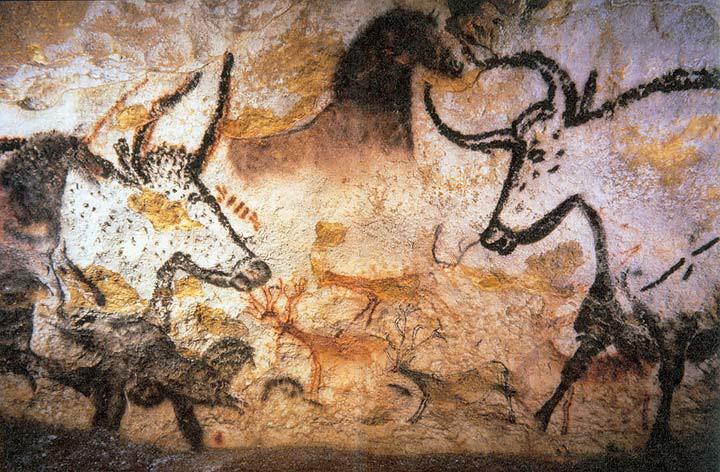
3. Lascaux Cave, Buffalos, horses and deer,
Bataille/Mauriche Blanchot).
δ. Art and Architecture can meet only on the grave stone. Adolf Loos: “only a very small part of architecture belongs to art: the tomb and the monument. Everything else that fulfills a function is to be excluded from the domain of art.”
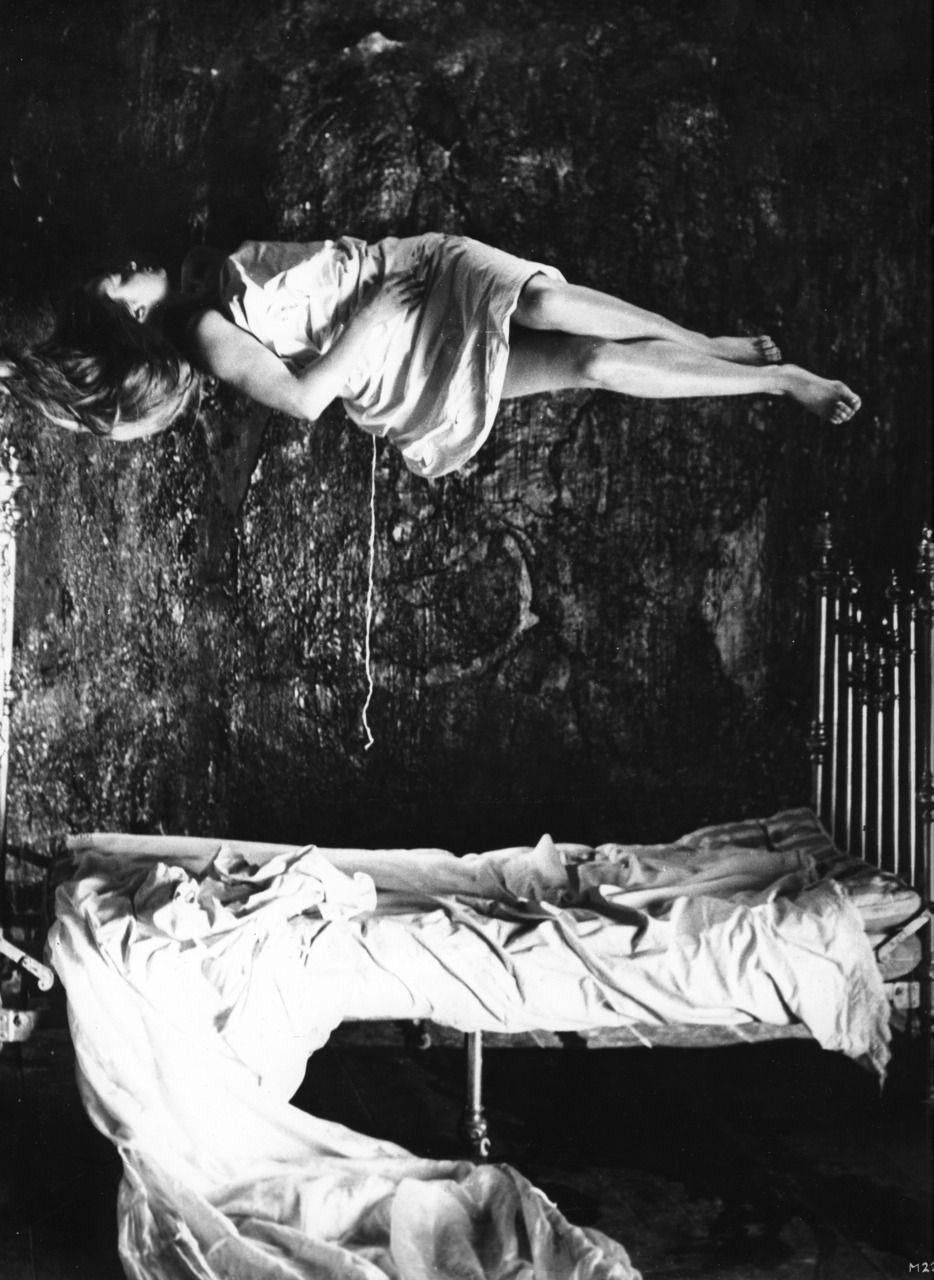
8. Η Elizaveta “Lila” Nikolska
2. Michel Foucault,
3.
4. Michel Foucault,
5. Ό.π.,
6.
14.
Friedrich Nietzsche
7. Δανειζόμαστε από τον Δημήτρη Δημητριάδη και
Κατεύθυνση, του Georges Bataille, την έννοια του πρόσ-τυχου. [Georges Bataille, Η Ιστορία του Ματιού, (Αθήνα: Άγρα, 2009) σελ. 9-27.]
8. Χρήστος Παπούλιας, Υπερτόπος, (Αθήνα: Futura, 1998) σελ. 12-13.
9. Ό.π.
10. Γιώργος Σεφέρης, Κίχλη, (Αθήνα: Ίκαρος, 1947)
11. Ανδρομάχη Γκαζή, “Από
Αρχαιολογία και Τέχνες, 70, (Αθήνα, 1999) σελ. 39-46.
12. Τέτοιος τόπος, άξιος αναφοράς αποτελεί
13. Susan M. Pearce, Μουσεία, Αντικείμενα και Συλλογές, (Θεσσαλονίκη:
σελ. 16.
14. Ό.π., σελ. 138-139.
15. Susan M. Pearce, Μουσεία, Αντικείμενα
2002)
2002) σελ. 133-136.
16. Eilean Hooper-Greenhill, Το Μουσείο
Πειραιώς, 2006) σελ. 19-22.
17. Ό.π., σελ. 22-28.
18. Ό.π., σελ. 165-174.
, (Αθήνα:
19. Χρήστος Παπούλιας, Υπερτόπος, (Αθήνα: Futura, 1998) σελ. 84.
20. Ό.π., σελ. 61.
21. Ό.π., σελ. 89-92.
22. Ο Kundera πιστεύει στην
23. Χρήστος Παπούλιας, Υπερτόπος
(Αθήνα: Futura, 1998) σελ. 63.
24.
25.
161-177.]
26. Χρήστος Παπούλιας, Υπερτόπος, (Αθήνα: Futura, 1998) σελ. 63.
27. Ό.π., σελ. 31-40.
28. Περιγραφή
Yehuda Safran
, (Αθήνα: Futura, 1998) σελ. 41.]
29. Χρήστος Παπούλιας, Υπερτόπος, (Αθήνα: Futura, 1998) σελ. 64.
30. Βλέπε Σημείωση 47, Κεφάλαιο 4, για χειρονομία - gesture.
31. Ό.π., σελ. 81-82.
32. Michel Foucault, Ετεροτοπίες και άλλα Κείμενα, (Αθήνα: Πλέθρον, 2012) σελ. 263.
33. Χρήστος Παπούλιας, Υπερτόπος, (Αθήνα: Futura, 1998) σελ. 81-83.
34. Η έννοια
35. Michel Foucault, Ετεροτοπίες
36. Χρήστος
37. Ό.π., σελ. 82-83.
38. Ό.π., σελ. 64.
39. Ό.π., σελ. 84.
40. Ό.π., σελ. 84-87.
41. Ό.π., σελ. 33-41.
(Αθήνα: Πλέθρον, 2012) σελ. 263-264.
Υπερτόπος, (Αθήνα: Futura, 1998) σελ. 82.
42. Ό.π., σελ. 88.
43. Ό.π., σελ. 89.
44. Michel Foucault, Ετεροτοπίες και άλλα Κείμενα, (Αθήνα: Πλέθρον, 2012) σελ. 265-267.
45. Ό.π., σελ. 266-267.
46. Ό.π.
47. Χρήστος Παπούλιας, Υπερτόπος, (Αθήνα: Futura, 1998) σελ. 89.
48. Ό.π., σελ. 92-95.
49. Michel Foucault, Η Αρχαιολογιά της Γνώσης, (Αθήνα: Εξάντας, 1987) σελ. 222-267.
50. Michel Foucault, Ετεροτοπίες και άλλα Κείμενα, (Αθήνα: Πλέθρον, 2012) σελ. 260-261.
51. Στο δοκίμιό του – Το Σπίτι του Αστερίωνα –, ο Borges συμβολίζει το 14 με το άπειρο. [JorgeLuis Borges, Άπαντα Πεζά, (Αθήνα: Ελληνικά Γράμματα, 2005) σελ.273-275.]
52. Χρήστος Παπούλιας, Υπερτόπος, (Αθήνα: Futura, 1998) σελ. 64.
53. Michel Foucault, Τι Είναι Διαφωτισμός, (Αθήνα: Έρασμος, 1988) σελ. 45.
54. Χρήστος Παπούλιας, Υπερτόπος, (Αθήνα: Futura, 1998) σελ. 64.
55. Η επιθυμία
Michel Foucault.”
2010), σελ. 430-432, doi 10.12681/eadd/21785.]
56.
(1935)]
57. Αρχιτεκτονική ή Επανάσταση; [Le Corbusier, Για μια αρχιτεκτονική, (Αθήνα: Εκκρεμές, 2004) σελ. 243.
58. Gilles Deleuze, Φουκώ, (Αθήνα: Πλέθρον, 2005) σελ. 152.
59. René Girard, Η Βία και το Ιερό: Το Εξιλαστήριο Θύμα, (Αθήνα: Πλέθρον, 2017) σελ.478-525.
60. Gilles Deleuze, Φουκώ, (Αθήνα: Πλέθρον, 2005) σελ. 68-69.
61. Michel Foucault, Οι Λέξεις
Εκδόσεις Γνώση, 1993) σελ. 23.
62. Όλα
νιώτης, 2014) σελ. 75.
65. Michel Foucault, Ετεροτοπίες και άλλα Κείμενα, (Αθήνα: Πλέθρον, 2012) σελ. 256-258.
66. Γιώργος Τζιρτζιλάκης, Υπο-Νεωτερικότητα
νιώτης, 2014) σελ. 63-64.
67. Ό.π., σελ. 53-56.
68. Χρήστος Παπούλιας, Υπερτόπος, (Αθήνα: Futura, 1998) σελ. 91.
69. Susan. Pearce, Μουσεία, Αντικείμενα
, (Αθήνα:
, (Θεσσαλονίκη: Εκδόσεις Βάνιας, 2002) σελ. 106-111.
70. Samuel Beckett, Cascando
71. Απόσπασμα του 1881, πιθανότατα
Αυγή. [Georges Bataille, Η Εσωτερική Εμπειρία, (Αθήνα: Πλέθρον, 2018) σελ. 54.]
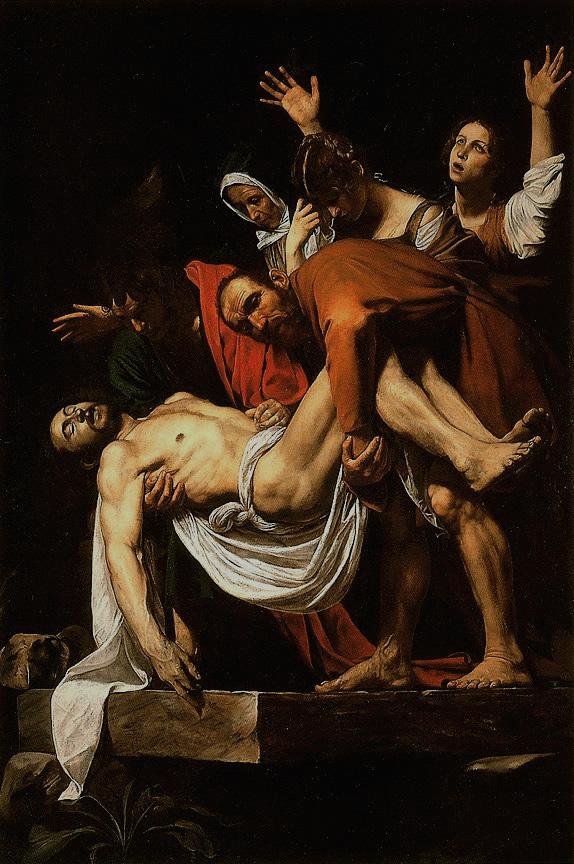
12. Deposizione, Caravaggio (1602-1604)
Ernst Bloch
1.
2.
3.
Πένθους, (Αθήνα: Εκδόσεις Καστα-νιώτης, 2014) σελ. 15.]
4. Gilles Deleuze, O Νίτσε και η Φιλοσοφία, (Αθήνα: Πλέθρον, 2002) σελ. 323.
5. Georges Bataille, Η Εσωτερική Εμπειρία, (Αθήνα: Πλέθρον, 2018) σελ. 196-213.
6. Ό.π., σελ. 320-325.
7. Νικόλαος-Ίων Τερζόγλου, Ιδέες
Εικοστό
(Αθήνα: Νήσος, 2009) σελ. 149150.
8. Θανάσης Λάγιος, Stirner, Nietzsche, Foucault: Ο
, (Αθήνα: Futura, 2012) σελ. 157-160.
9. Michel Foucault, Τρία Κείμενα
10. Θανάσης
Stirner, Nietzsche, Foucault: Ο
(Αθήνα: Futura, 2012) σελ. 166-172.
11. Αναφορά
Stirner, Nietzsche, Foucault: Ο
12. Gilles Deleuze, Φουκώ, (Αθήνα: Πλέθρον, 2005) σελ. 211-223.
13. Ό.π., σελ. 223.
2011) σελ. 12-13.
(Αθήνα: Futura, 2012) σελ. 239.]
14. Friedrich Nietzsche, Έτσι μίλησε ο Ζαρατούστρα, (Πανόπτικον, 2010) σελ. 22.
15. Θανάσης Λάγιος, Stirner, Nietzsche, Foucault: Ο
, (Αθήνα: Futura, 2012) σελ. 211-222.
16. “Θεέ μου, Θεέ μου γιατί μ’ εγκατέλειψες;” [Georges Bataille, Η Εσωτερική
, (Αθήνα: Πλέθρον, 2018) σελ. 249.]
17. Ό.π., σελ. 213.
18. Friedrich Nietzsche, Έτσι μίλησε ο Ζαρατούστρα, (Πανόπτικον, 2010) σελ. 25.
19. Θανάσης Λάγιος, Stirner, Nietzsche, Foucault: Ο Θάνατος του Θεού και το Τέλος του Ανθρώπου, (Αθήνα: Futura, 2012) σελ. 24. Από: Fr. Nietzsche, Η Χαρούμενη Γνώση.
20. Πέτρος Μετάφας, “Η πολιτική του Michel Foucault.” (Διδακτορική
Καποδιστριακό Πανεπιστήμιο Αθηνών, 2010), σελ. 428-429, doi 10.12681/eadd/21785.
21. Ό.π., σελ. 429.
22. Ό.π., σελ. 429-430. ή στο Gilles Deleuze, Φουκώ, (Αθήνα: Πλέθρον, 2005) σελ. 211-226.
23. Γιώργος
(Αθήνα: Futura, 2002.)
24. Ό.π. 25.
27.
https://antonas.wordpress.com/2012/09/17,
2014) σελ. 88-91.
29. Αναφορά
Form follows
2014) σελ. 15-21.]
30. Le Corbusier, Για μια αρχιτεκτονική, (Αθήνα: Εκκρεμές, 2004) σελ. 243.
31. Ernst Bloch & The0d0r W. Adorno, Κάτι
(Αθήνα: Έρασμος, 2000) σελ. 17.
1. Michel Foucault (and the Iranian Revolution 1978-1979)
1. Αντονάς, Αριστείδης. ‘Η Αθήνα και το Κενό’. Works on Architecture and Literature, 2012, https://antonas.wordpress.com/2012/09/17, Ημερομηνία πρόσβασης 30/09/2020
2. Αρτινός, Αποστόλης. Η Ελάχιστη Δομή: Σκηνές της
Αποστόλης Αρτινός. Αθήνα: Κριτική, 2014.
3. Γκαζή, Ανδρομάχη. “Από
αιώνων”. Αρχαιολογία και Τέχνες, 70. Αθήνα, 1999.
4. Δημητριάδης, Δημήτρης.
Ίνδικτος, 2007.
5. Θεοδωρακόπουλος, Ιωάννης Ν. Πλάτωνος
6. Λάγιος, Θανάσης. Stirner, Nietzsche, Foucault:
.
Futura, 2012.
7. Μαστραπάς, Αντώνης.
2003.
8. Μετάφας, Πέτρος,
9.
2013.
Michel Foucault.”
Συμμετρία, 1999.
10. Παπαδόπουλος,
της Υπαίθρου, επιμ. Κώστας Μανωλίδης και Θεοκλής Καναρέλης. Αθήνα: Ίνδικτος, 2009.
11. Παπούλιας, Χρήστος. Υπερτόπος. Αθήνα: Futura, 1998.
12. Σεφέρης, Γιώργος. Κίχλη. Αθήνα: Ίκαρος, 1947.
13. Σεφέρης, Γιώργος. “Πάντα Πλήρη
14. Τερζόγλου,
15. Τζιρτζιλάκης, Γιώργος.
16.
17.
Corbusier,
Richard Scoffier.
Αθήνα: Ίκαρος, 1984.
2009.
18. Χουρμουζιάδης, Γιώργος. Λόγια από Χώμα. Σκόπελος: Νησίδες, 1999.
19. Agamben, Giorgio. What is an Apparatus?: And Other Essays. California: Stanford University Press, 2009.
20. Barthes, Roland. Mythologies. New York: The Noonday Press, 1991.
21. Bataille, Georges. Η Εσωτερική Εμπειρία. Μετ.
Πλέθρον, 2018.
22. Bataille, Georges. Η
Αθήνα: Άγρα, 2009.
23. Bataille, Georges. Η Λογοτεχνία και το Κακό: Baudelaire, Blake, Sade, Proust, Genet. Μετ. Ελένη Βαρίκα. Αθήνα: Πλέθρον, 1979.
24. Baudelaire, Charles. Ο
Αθήνα: Εκδόσεις
25. Baudelaire, Charles. Τα Άνθη
2018.
Gutenberg, 2018.
26. Benjamin, Walter. Θέσεις
Αθήνα: Ουτοπία, 1983.
27. Benjamin, Walter. Κείμενα 1934-1940: Επιλογή.
Άγρα, 2019.
28. Bloch, Ernst and Adorno, The0d0r W. Κάτι Λείπει: Μια
ουτοπικής
2000.
29. Bois, Yve-Alain and Krauss, Rosalind. Formless: A User’s Guide. New York: Zone Books, 1997.
30. Borges, Jorge Luis, Άπαντα Πεζά. Μετ. Αχιλλέας Κυριακίδης.
2005.
31. Cassirer, Ernst. The Philosophy of Symbolic Forms, Vol. 2: Mythical Thought. London: Yale University Press, 1955.
32. Connelly, Joan Breton. Το Αίνιγμα
2016.
33. Deleuze, Gilles and Guattari, Felix. Κάφκα: Για μια Ελάσσονα Λογοτεχνία. Μετ. Κωστής Παπαγιώργης.
34. Deleuze, Gilles. Ο
2002.
35. Deleuze, Gilles. Φουκώ. Μετ. Τάσος Μπέτζελος.
2005.
36. Faubion, James D. Modern Greek Lessons: A Primer in Historical Constructivism. Princeton University Press, 1995.
37. Feyel, Juliette. “The resurgence of the Sacred in Georges Bataille’s contribution to Documents”. Georges Bataille, from “Heterogeneity” to the Sacred. University of Paris X-Nanterre, 2006. (https://www.academia.edu/2021073/Georges_Bataille_From_ Heterogeneity_to_the_Sacred_Proceedings_)
38. Foucault, Michel. Power/Knowledge: Selected Interviews and Other Writings. New York:
Pantheon Books, 1980.
39. Foucault, Michel. Η Αρχαιολογία της Γνώσης. Μετ.
Εξάντας, 1987.
40. Foucault, Michel. Επιλογή
Στιγμή, 2011.
41. Foucault, Michel. Ετεροτοπίες
Πλέθρον, 2012.
42. Foucault, Michel. Ο Στοχασμός
Πατσογιάννης. Αθήνα: Πλέθρον, 2016.
43. Foucault, Michel. Ο Ωραίος Κίνδυνος. Μετ. Νίκος Ηλιάδης. Αθήνα: Άγρα, 2013.
44. Foucault, Michel. Οι Λέξεις και Τα Πράγματα: Μια
Ανθρώπου. Μετ. Κωστής Παπαγιώργης.
45. Foucault, Michel. Οι Μη Κανονικοί: Παραδόσεις
Εκδόσεις Γνώση, 1993.
2019.
46. Foucault, Michel. Τι Είναι
1988.
47. Foucault, Michel. Τρία
2011.
48. Girard, René.
2017.
49. Gruben, Gottfried. Ιερά
50. Hooper-Greenhill, Eilean. Το
2000.
2006.
51. Krauss, Rosalind E. The Originality of the Avant-Garde and other Modernist Myths. London: MIT Press, 1986
52. Le Corbusier. Για
2004.
53. Lévi-Strauss, Claude. “The Structural Study of Myth.”, The Journal of American Folklore, Vol. 68, No. 270, Myth: A Symposium, Oct. - Dec., 1955.
54. Lijster, Thijs. “The interruption of myth: Walter Benjamin’s concept of critique.”, Conceptions of Critique in Modern and Contemporary Philosophy. London: Palgrave Macmillan, 2012.
55. Nabokov, Vladimir. Το Μάτι. Αθήνα: Ερατώ, 1993.
56. Nietzsche, Friedrich. Έτσι
2010.
57. Nietzsche, Friedrich. Διονύσου
1917.
58. Nora, Pierre. “Between Memory and History: Les Lieux de Mémoire”, Representations, No. 26, Special Issue: Memory and Counter-Memory. California: University of California Press, 1989.
59. Pearce, Susan M. Μουσεία, Αντικείμενα
2002.
60. Van Alphen, Ernst. “The Gesture of Drawing”, Gestures of Seeing in Film, Video and Drawing. Επιμ. Asbjørn Grønstad, Henrik Gustafsson, Øyvind Vågnes. UK: Routledge, 2016.
Μέρος Πρώτο
The Castle of the Pyrenees, Rene Magritte. Original Title: Le Chateau de Pyrenees, 1959. Oil on Canvas, 200x145cm, Israel Museum, Jerusalem, Israel. (Πηγή: wikiart.org)
Ερεχθέας
1. Dionysos, André Masson. L’œuvre Dionysos, 1936. 48x35,5cm, Musée national d’art moderne, Paris. (Πηγή: https://www.centrepompidou.fr/fr)
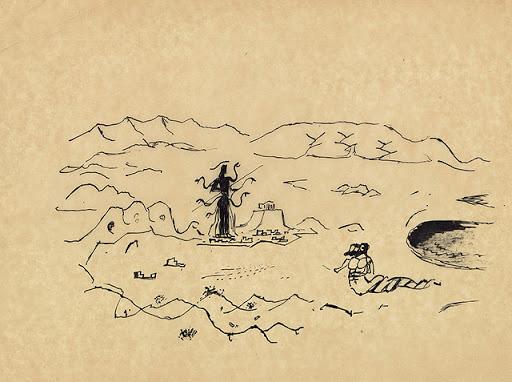
2. Από την ενότητα Αττικά (1930 - 1950), Δημήτρης
Μελάνι,
Μπενάκη. (Πηγή: http://oldwww.benaki.gr/)
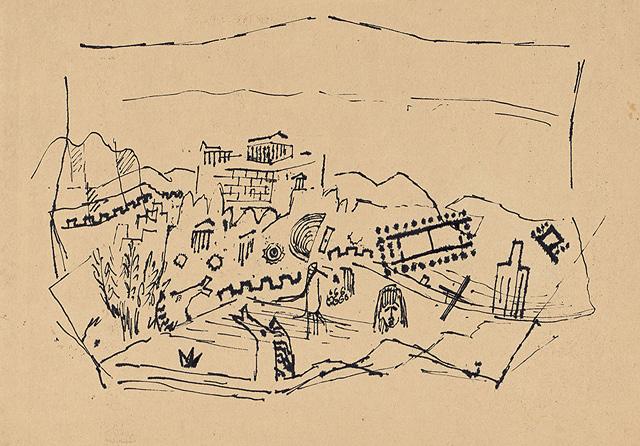
3. Από την ενότητα Αττικά (1930 - 1950), Δημήτρης
(Πηγή: http://oldwww.benaki.gr/)
Το Όνομα
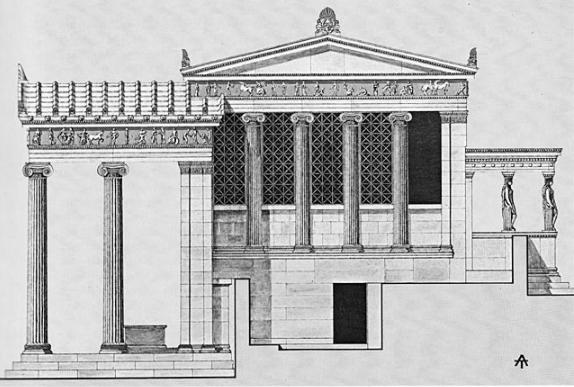
1.Ερέχθειο, Robert McCabe. Χρονογραφία
(1837 – 2017) της Αρχαιολο-γικής
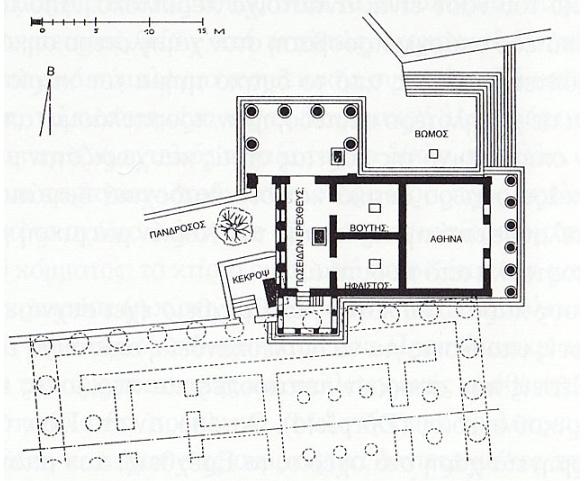
2. Ερέχθειο, κάτοψη. (Πηγή: Αρχαιολογία
Αθηνών. http://archaeologia.eie. gr/archaeologia/gr/)
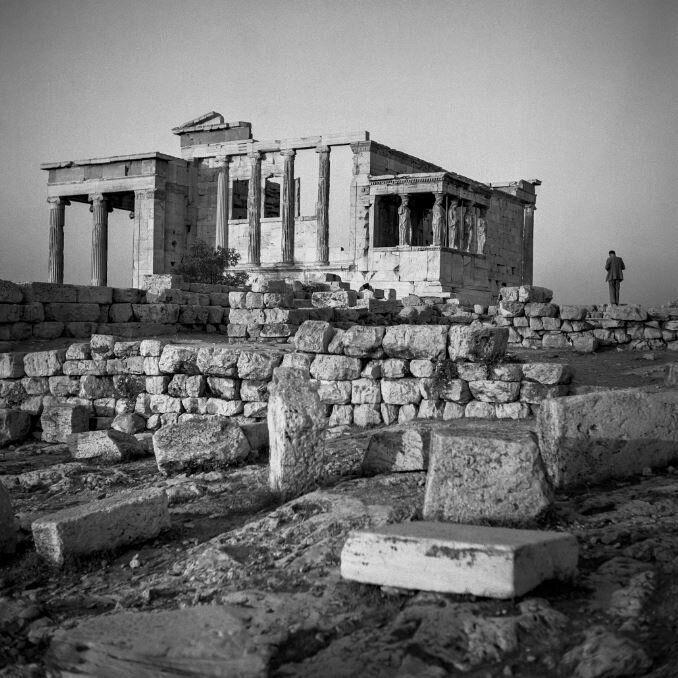
3. Ερέχθειο, δυτική όψη. (Πηγή:
http://archaeologia. eie.gr/archaeologia/gr/)
4. Σχέδιο εγκατάστασης
Χρ. Παπούλια - Υπερτόπος, Εκδόσεις Futura)
Μέρος Δεύτερο
The Garden of Earthly Delights, Triptych, Hieronymus Bosch, 1490-1510. Oil on oak panel, 220x389cm, Museo del Prado, Madrid, Spain. (Πηγή: https://www.museodelprado. es/en)
Apparatus
1. No. 5, Ten Etchings, Britta Huttenlocher. 10 dry points, 52x48cm, Galerie Hein Elferink, Netherlands. (Πηγή: http://www.heinelferink.nl/)
2. No. 7, Ten Etchings, Britta Huttenlocher. 10 dry points, 52x48cm, Galerie Hein Elferink, Netherlands. (Πηγή: http://www.heinelferink.nl/)
3. No. 8, Ten Etchings, Britta Huttenlocher. 10 dry points, 52x48cm, Galerie Hein Elferink, Netherlands. (Πηγή: http://www.heinelferink.nl/)
4. No. 10, Ten Etchings, Britta Huttenlocher. 10 dry points, 52x48cm, Galerie Hein Elferink, Netherlands. (Πηγή: http://www.heinelferink.nl/)
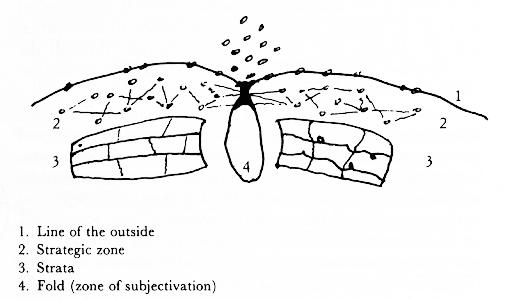
5. Διαγραμματική αναπαράσταση του Foucault. (Πηγή: Αρχείο Foucault - Φουκώ, G. Deleuze, Εκδόσεις Πλέθρον)
7. L’ Atelier du peintre, Gustave Courbet, 1854-1855. Oil on canvas, 361x598cm, Musée d’Orsay, Paris, France. (Πηγή: https://www.musee-orsay.fr/)
1. Στιγμιότυπο
Emir Kusturica, 1995.
2. Ο Michel Foucault στην Goutte d’Or στο Παρίσι το 1971. (Πηγή:
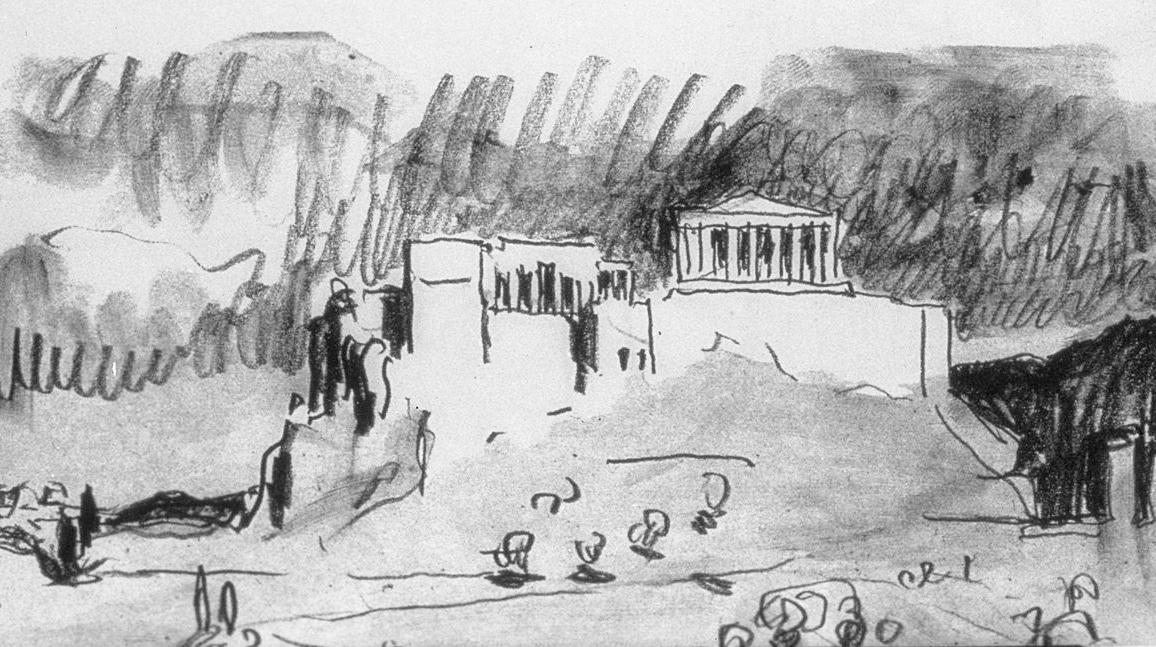
3. Σκίτσο του Le Corbusier από την
Ακρόπολη το 1911. o Le Corbusier στην Ακρόπολη (1911) (Πηγή: Le Corbusier between sketches. A graphic analysis of the Acropolis sketches - S. Harris, doi: http://dx.doi.org/10.4995/LC2015.2015.911)
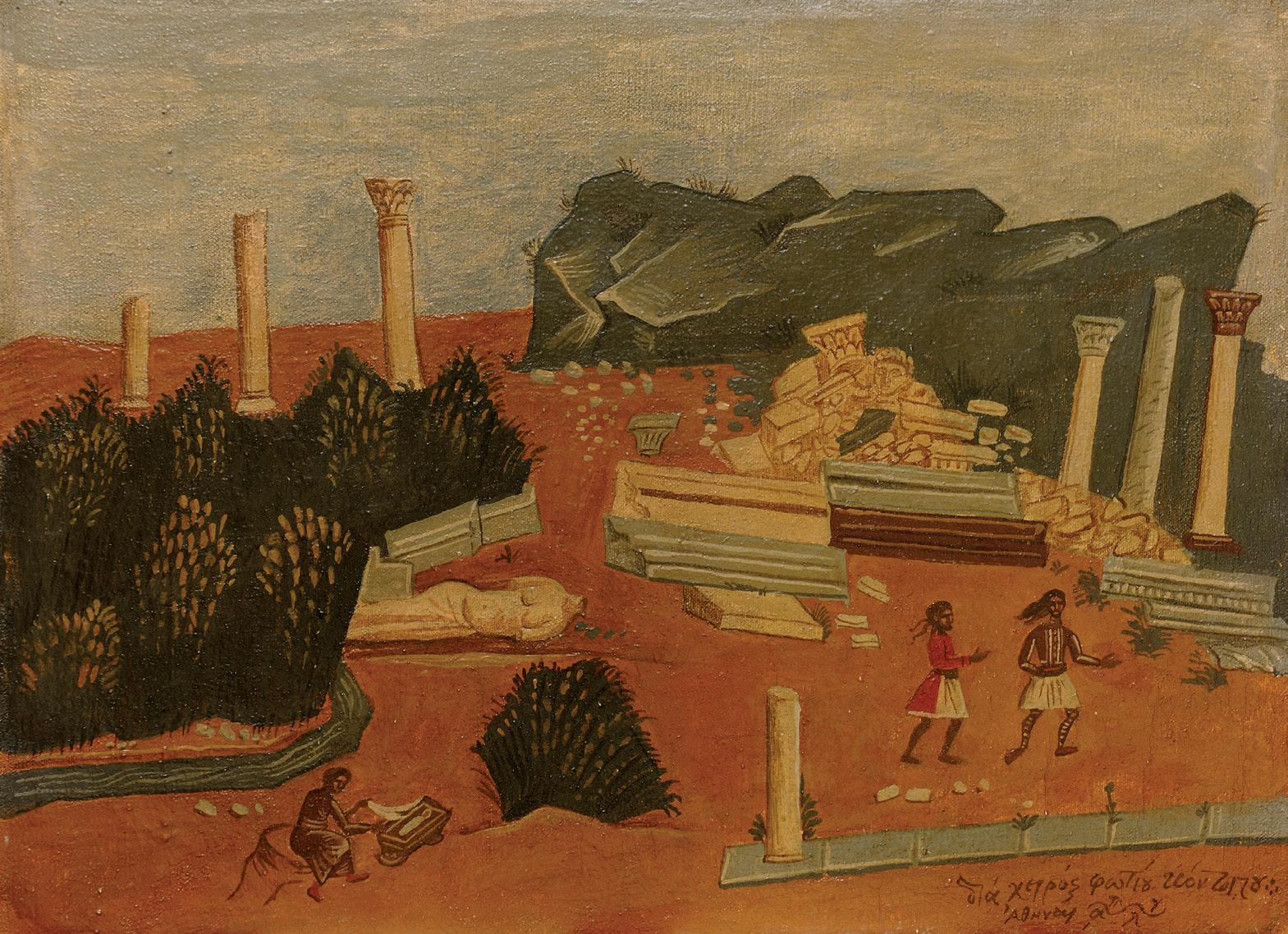
4. Η Ελλάδα των τριών κόσμων, Φώτης Κόντογλου, 1933. Ελαιογραφία σε μουσαμά, 31,5x43cm, Παράρτημα Κέρκυρας
Εθνικής Πινακοθήκης και Μουσείου Αλεξάνδρου
Σούτζου. (Πηγή: http://corfu.nationalgallery.gr/)
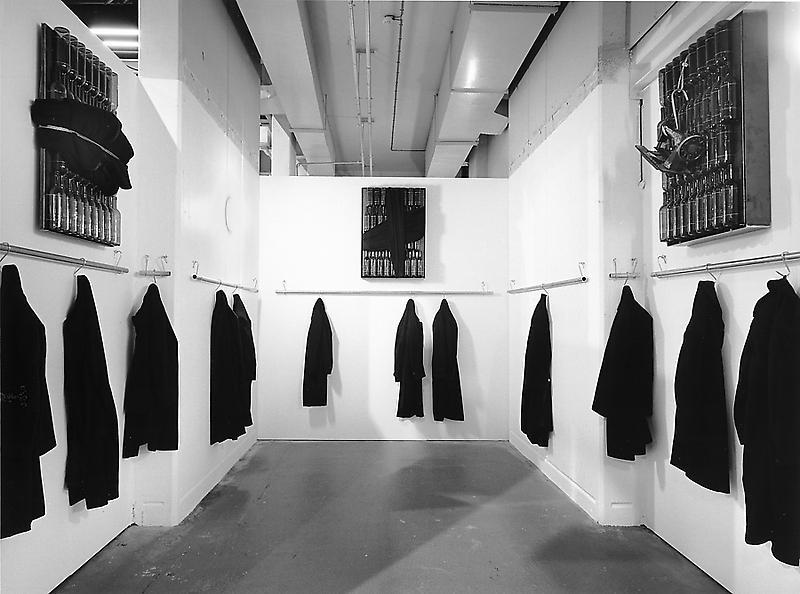
5. Τα μαύρα παλτό
Untitled 2010. Γκαλερί Sprovieri, Ambika p3, University of Westminster London. (Πηγή: https://www.sprovieri.com/)
Μέρος Τρίτο
Ο Αρχιτέκτονας
Zerkalo (Ο Καθρέφτης)
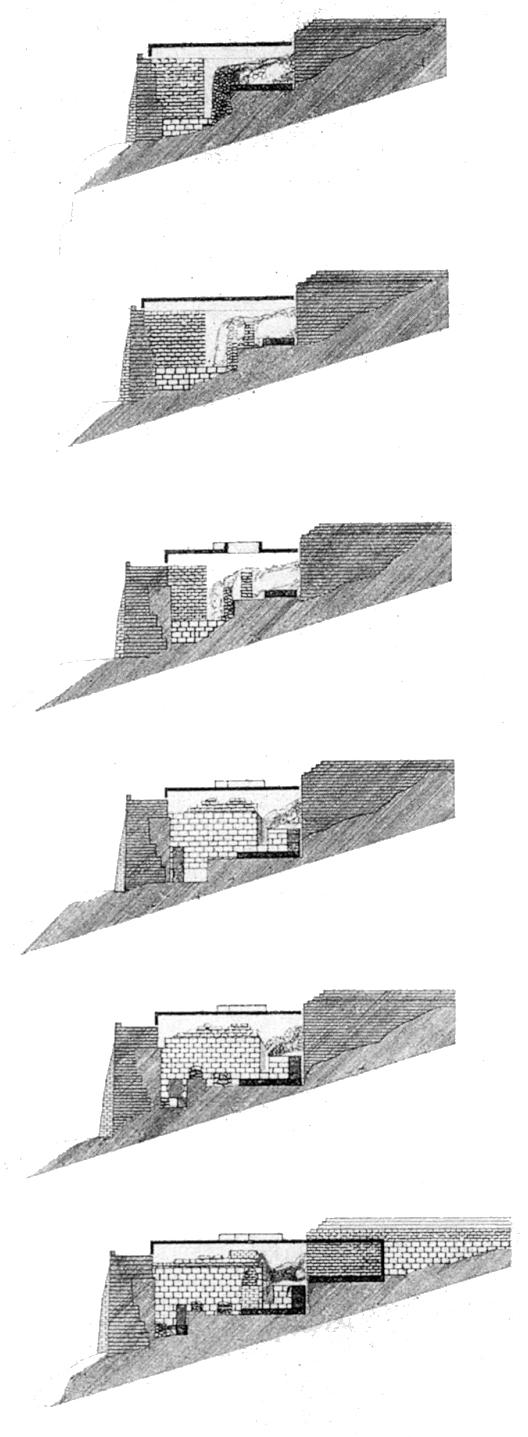
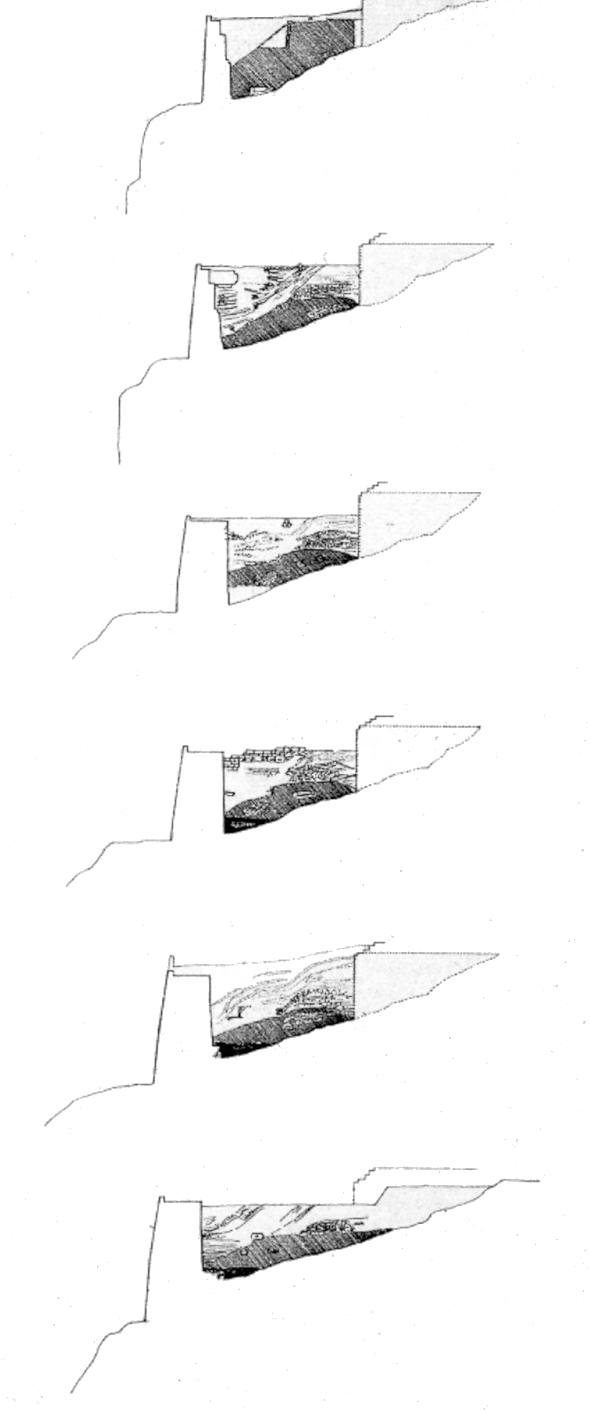
1. Εριχθόνειο Μουσείο, κάθετες
Futura)
Andrei Tarkovsky, 1975.
(Πηγή:
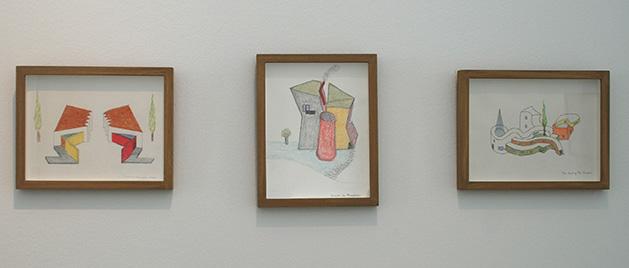
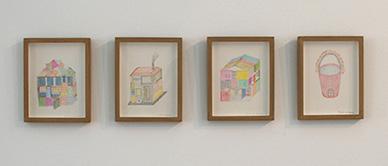
2. Σχέδια του Χρ. Παπούλια από την έκθεση: 1966, A Child’s Attic and other Antics. Γκαλερί
Καμχή, Μεταξουργείο. (Πηγή: https://www.rebeccacamhi.com/el/)
3. Lascaux Cave, Buffalos, horses and deer, τοιχογραφία παλαιολιθικής εποχής. Montignac, France. Part of Prehistoric Sites and Decorated Caves of the Vézère Valley. (https:// en.wikipedia.org/wiki/Lascaux)
4. Αρχαιολογικές
Υπερτόπος, Εκδόσεις Futura)
5. Ταφικό μνημείο στη
6. Ταφικό
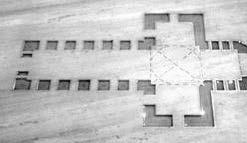
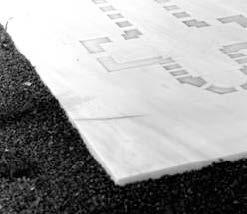
7. Εριχθόνειο Μουσείο, αρχικό
Εκδόσεις Futura)
Παπούλια - Υπερτόπος,
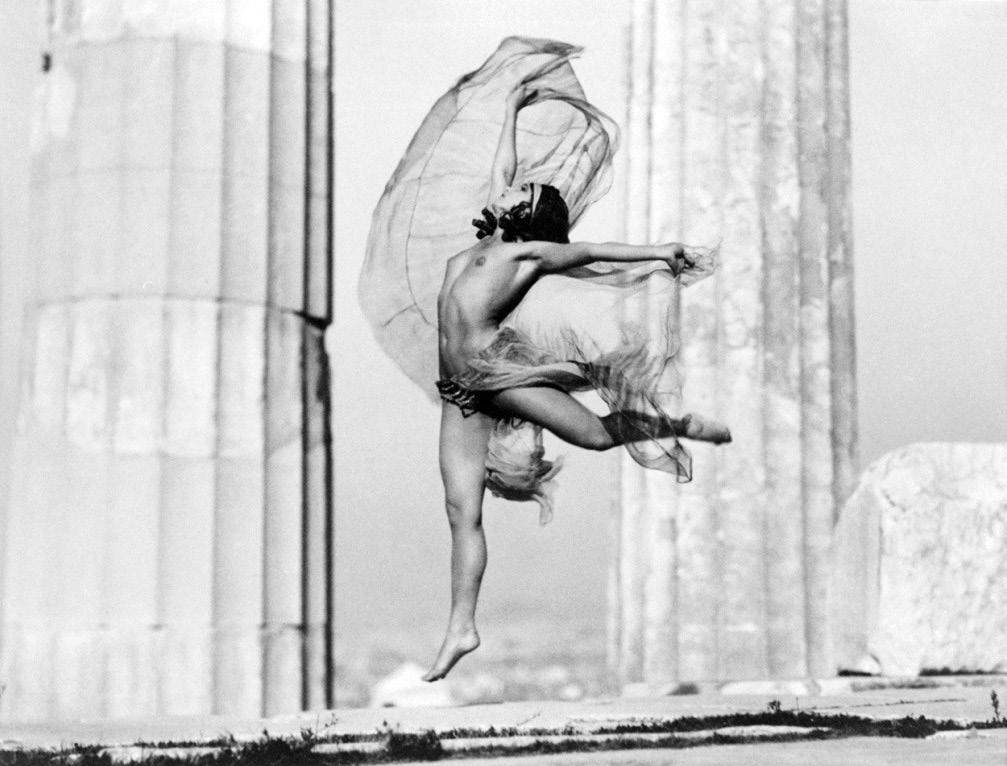
8. Η ρωσίδα χορεύτρια Elizaveta “Lila” Nikolska στον Παρθενώνα. Αθήνα, Νοέμβριος 1930. Έλλη Σεραϊδάρη-Σουγιουλτζόγλου (Nelly’s), Μουσείο Μπενάκη. (Πηγή: https://www. benaki.org/)
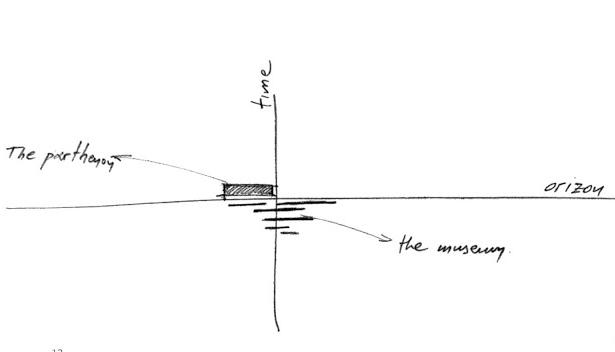
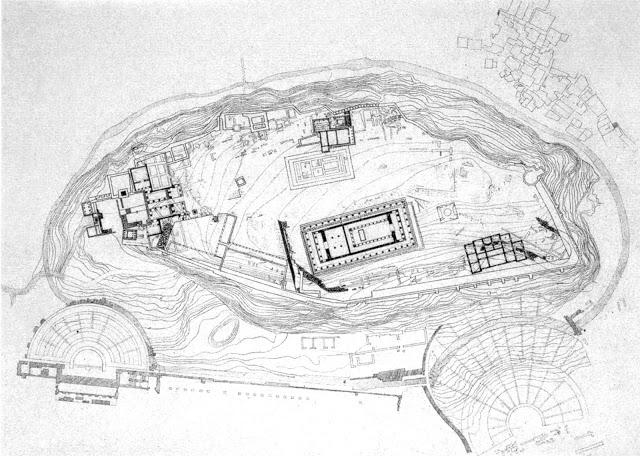
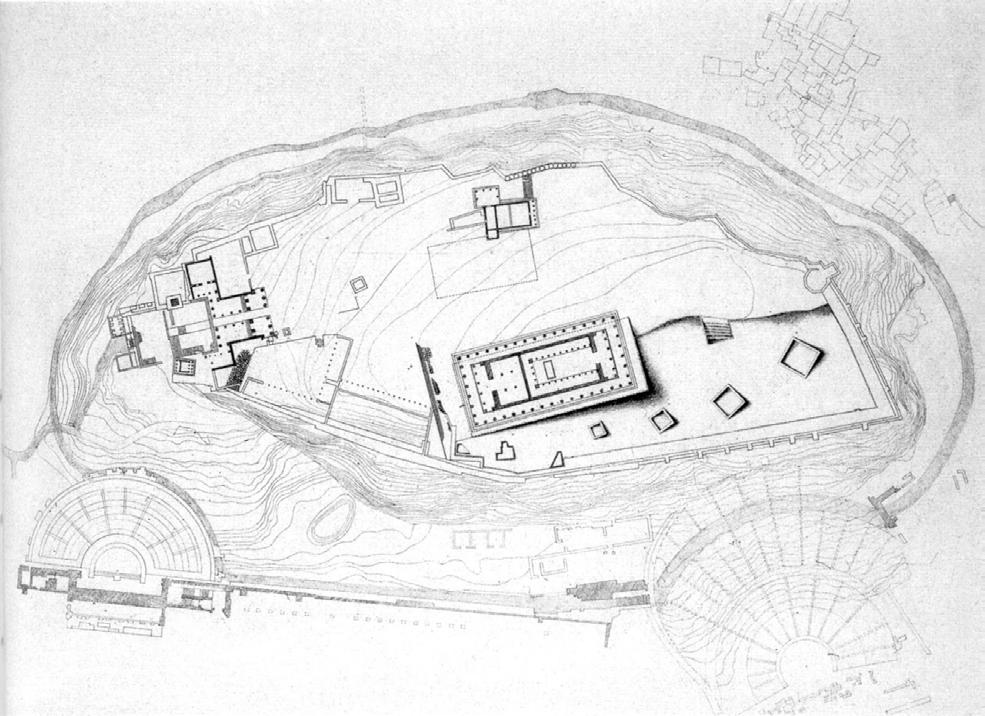
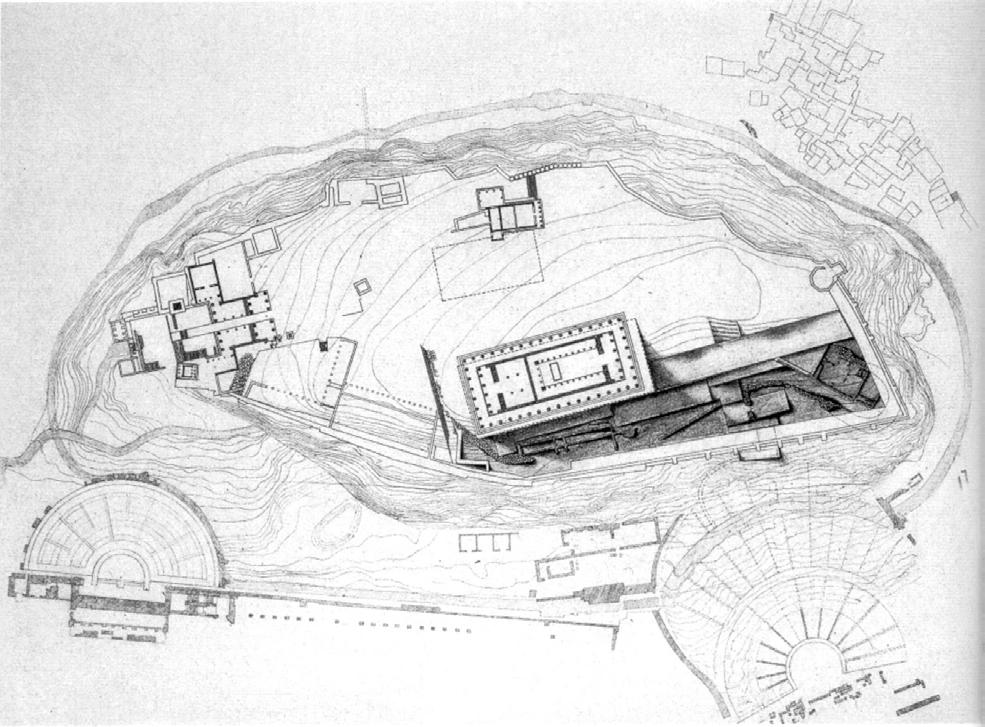
9. Κάτοψη του βράχου της Ακρόπολης, δεξιά το
μουσείο. (Πηγή: αρχείο του Χρ. Παπούλια - Υπερτόπος, Εκδόσεις Futura)
10. Εριχθόνειο Μουσείο, κάτοψη οροφής. (Πηγή: αρχείο του Χρ. Παπούλια - Υπερτόπος, Εκδόσεις Futura)
11. Εριχθόνειο Μουσείο, κάτοψη εσωτερικού. (Πηγή: αρχείο του Χρ. Παπούλια - Υπερτόπος, Εκδόσεις Futura)
12. The Entombment of Christ, Michelangelo Merisi da Caravaggio. Original title: Deposizione, 1602-1604. Oil on canvas, 300x203cm, Pinacoteca Vaticana, Vatican City. (Πηγή: http://www.museivaticani.va/)
1. Ο Michel Foucault
1978-1979. (Πηγή: Foucault and the Iranian revolution: Gender and the seductions of Islamism. University of Chicago Press, 2010.)
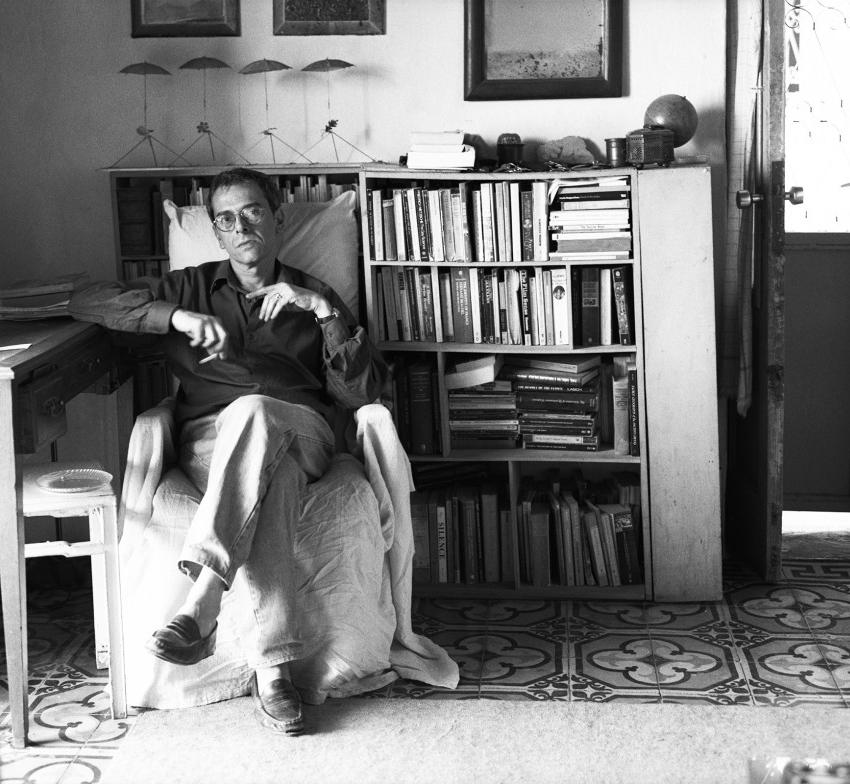
2.
(Πηγή: www.lifo.gr)