




1.1 | abstract
In the end of 18th century, the European landscape was shaken by the industrial revolution and the emergence of capitalism. The newly shaped social, financial and political conditions changed radically this landscape, thus affecting the very structure of cities. As a result, cities’ form and character changed according to the needs that capitalism imposed. Cities started becoming more touristic, more commercial, while every connection with their past and their history was disrupted. The effect of this was that cities’ substantial evolution became impossible.
Those new conditions, which gradually changed urban structures, created, in the passage of time, the need to restore the social identity of cities and to relieve the latter from the speculative character that had been adopted thus far. Necessary elements in the re-definition of the character and historical identity of cities are deep knowledge and respect towards their past and historical path, which are crucial in the awakening of collective memory of both the place and its citizens. However, although the above tools to activate the collective memory of the place are necessary and may, indeed, lead to urban reformation, uncritical adherence to the past and tradition might conceal the risk of backward-looking evolution and idealization of the “glorious” past.
Respect towards the past and return to the routs are deemed fundamental for a modern urban center. However, it shall not be forgotten that, at the same time, adaptation to modern every day social and economic needs is also imperative. Such needs change, in turn, historic centers into focal points of cultural, historical and social activity, as well as into poles of collective memory.
The present paper examines the need to connect the historical past of cities with their modern pace and structure, and the need to achieve historical continuation. Having taken into account the above considerations, the paper aims at offering an extensive presentation of the ways in which the historic centers of cities may be retrieved, as well as of the ways in which the collective memory of the place may be awakened, by assessing a variety of methods of strategic management of historic centers and the latter’s re-introduction into modern cities.
1.2
1.3



Baudelaire:
1
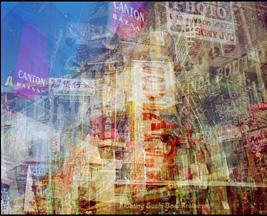
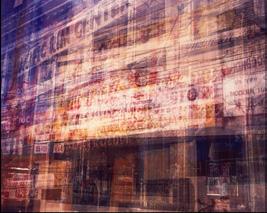
εικόνα 3 | Doug Keyes, Chinatown, San Francisco, 2004
εικόνα 4 | Doug Keyes, International District, Seattle, 2003
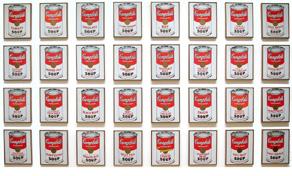
εικόνα 5 | Andy Warhol, Campbell Soup Cans, 1962
εικόνα 6 | Andy Warhol, Oranges, from Space Fruit: Still Lifes, 1979

(βλ. Brotchie
1995, Duffy 1995, Jensen-Butler 1997),
, J. 1995, σ. 31).
7
Από
στη Fifth Avenue
Wall Street,
While (2001)
2.5 | προαστικοποίηση-περιαστικοποίηση
λειτουργιών
επιχειρηματικές λειτουργίες.
λόγους χωροταξικούς και λειτουργικούς, για την καλύτερη
οργάνωση και εγκατάσταση
εγκαταστάθηκαν
(Scott 1997:323).
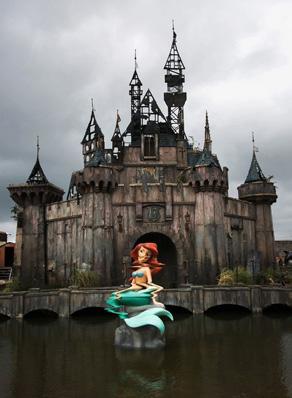
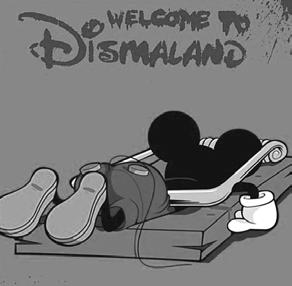
9 | Bansky, Dismaland
1985)».12
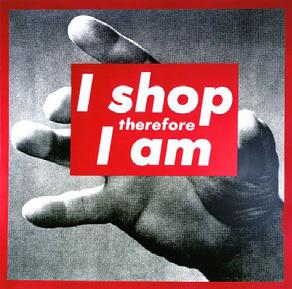
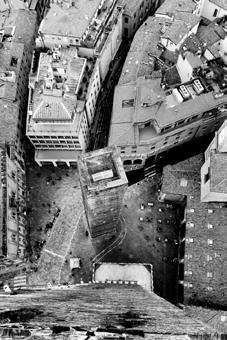
Συμπερασματικά,



13
εικόνα 13, 14, 15 | John Batho, 1998


19 Jodelet D., Memoire de masse: le cote morale etaffectif de l’ histoire, Bulletin de psychologie, 405, XLV, 1992, σελ. 239-256
20 Halbawchs Maurice,
22 Le Goff Jacques,
Halbawchs
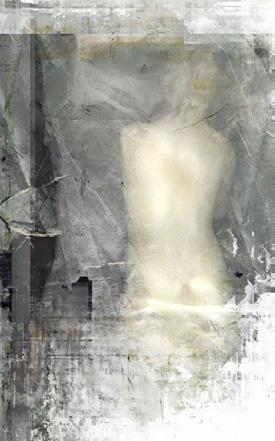
εικόνα 17 | D. Diogo de Menezes Square | Miguel Arruda Arquitectos Associados
3.4
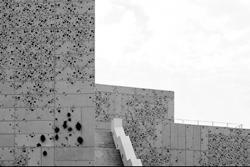
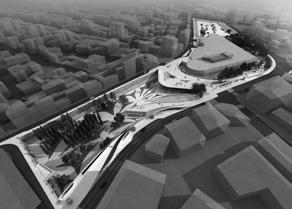
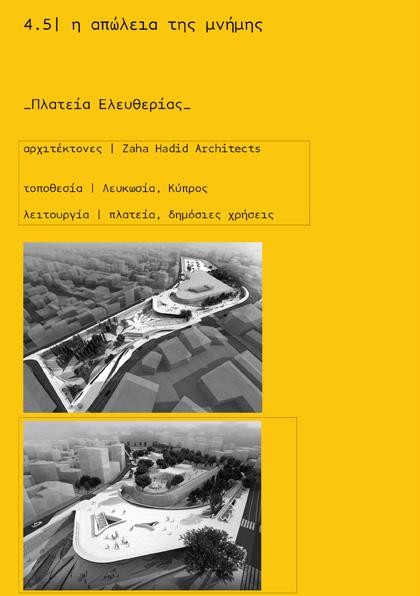
| Zaha Hadid
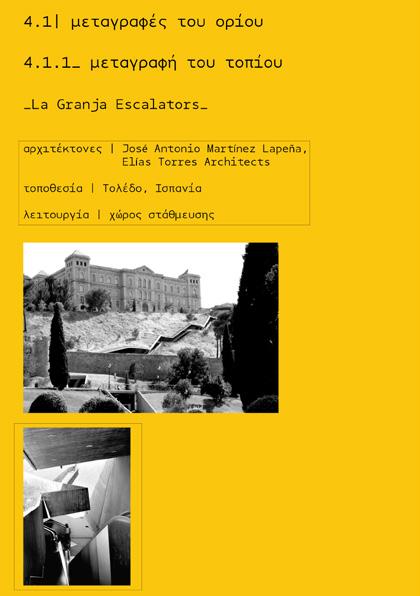
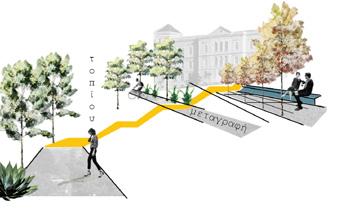
εικόνα 20 | La Granja Escalators | Elias Torres Architects, Jose Antonio Martinez Lapena
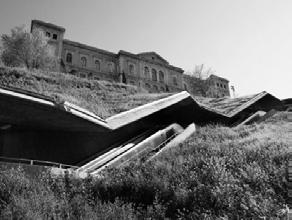
Αυτό
29 http://estia.hua.gr/file/lib/default/data/10774/theFile
30 Benevolo
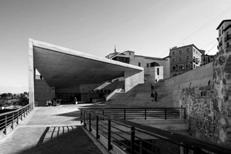
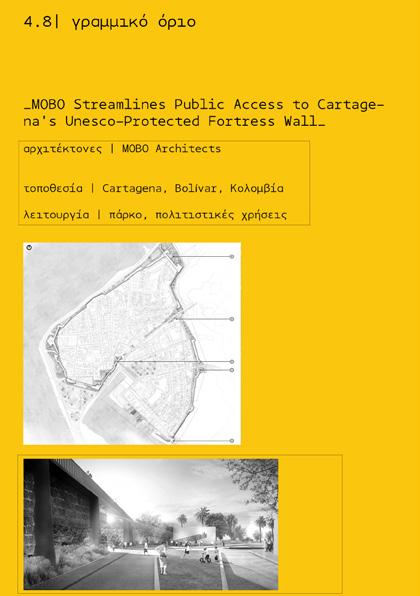
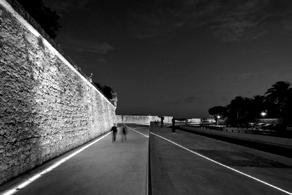
εικόνα 22 | MOBO Streamlines Public Access to Cartagena’s UNESCO-Protected Fortress Wall
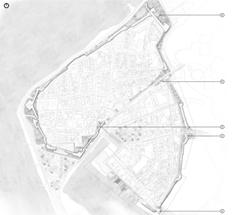




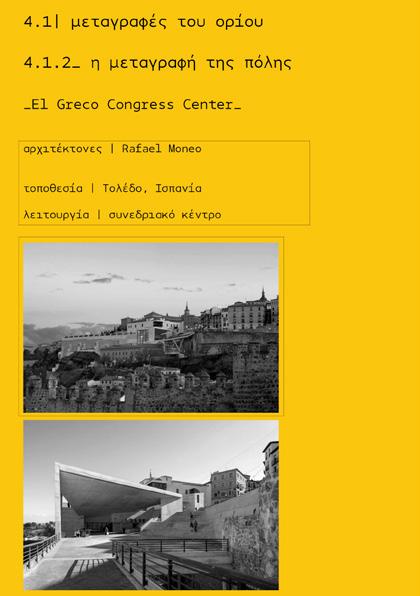
Ο Rafael Moneo
Joan Busquets
del Miradero”.
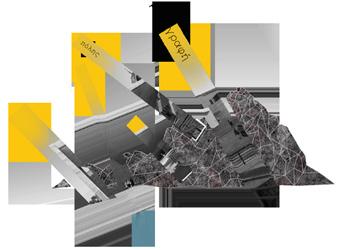
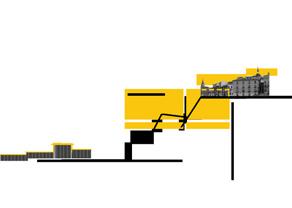
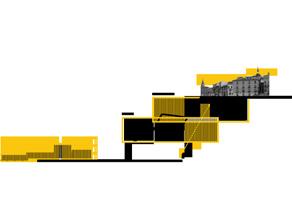
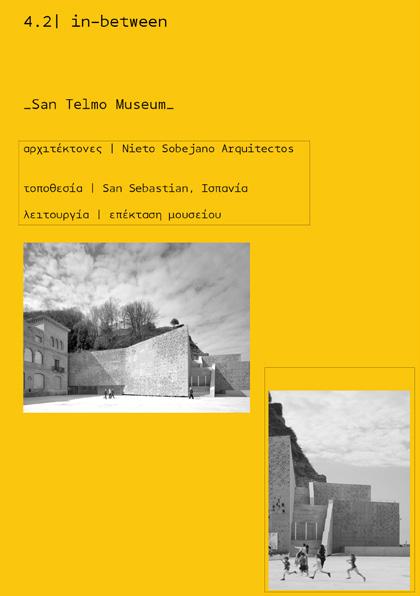
Leopoldo Ferran
Agustina Otero
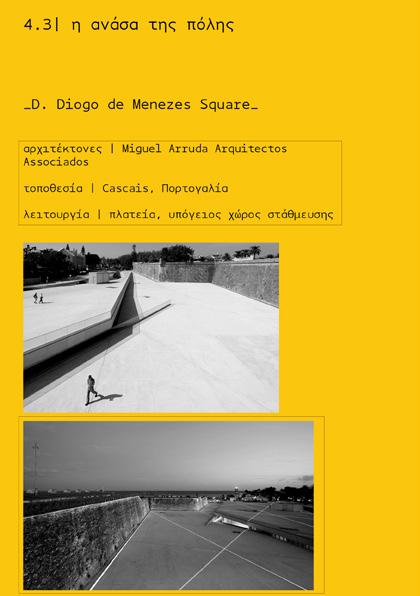
Cascais
Miguel Arruda Arquitectos Associados
D. Diogo de Menezes
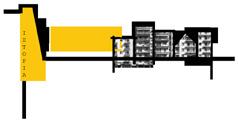
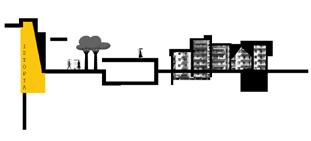
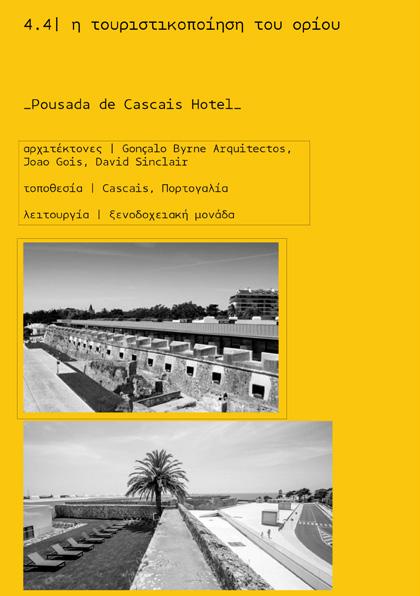
Cascais όπου οι Miguel
Arquitectos Associados
Arruda
D. Diogode Menezes, οι Goncalo Byrne Arquitectos, Joao Gois, David Sinclair
Arquitectos Associados
Miguel Arruda
Miguel Arruda Arquitectos
Goncalo Byrne
Arquitectos, Joao Gois, David Sinclair