


0. ΠΕΡΙΛΗΨΗ
1. ΕΙΣΑΓΩΓΗ
2. ΜΕΡΟΣ
2.1.
2.2
2.3
2.4
2.5

Key Words: 5) public space, inclusive design, physical and mental health, women, children, elderly disabled
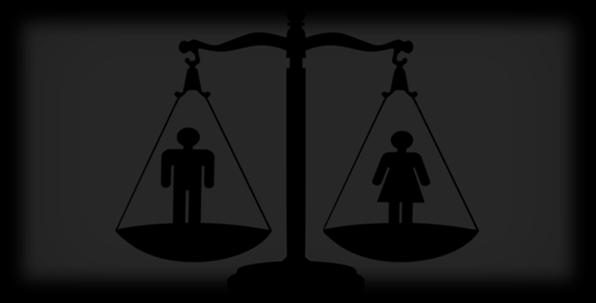
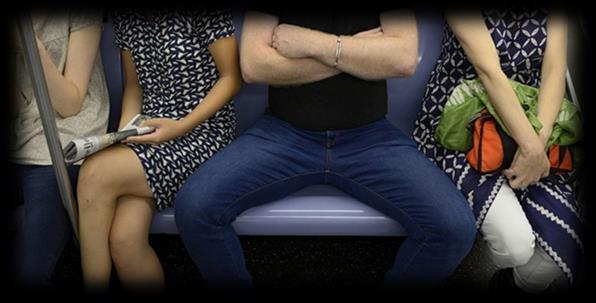
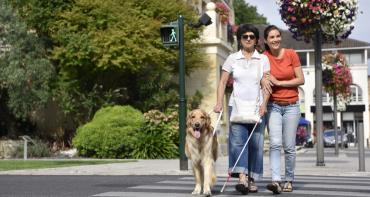
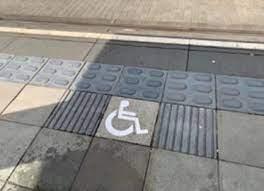
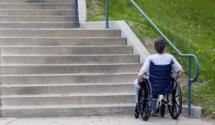
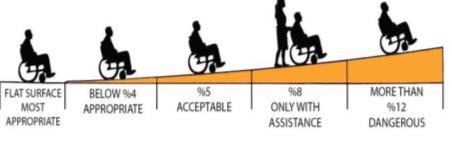
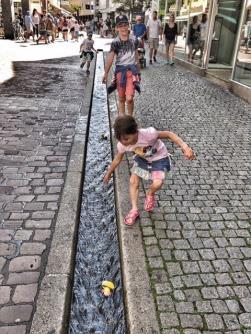
This thesis investigates how public spaces affect the mental and physical health of their users. Specifically, it focuses on four categories of users that are not considered taken into consideration as much as needed in the design the planning of public spaces. These categories are women, children, the disabled and the elderly. Public spaces are now constructed entirely commercially and with a middle-aged white well-to-do male as the design model. Therefore women, in the first place, do not usually find public places to rest and relax at any hour of the day without having a constant worry in their minds, whether they will be attacked by someone who may possibly be hiding behind the thickly-planted bushes and in the poorly-lit park. In addition, the public hygiene and baby care areas do not meet the needs of their daily life. Second, when it comes to children, the scale is changing, it gets smaller. But this is something that is not particularly taken into account in the design of playgrounds, or other public spaces that concern childhood. Rather we observe poorly made toys and benches which do not correspond to the scale of the children. In addition, the streets are not closed at certain times for public play. Which is quite problematic for children as there may be accidents with the long term effect of parents not encouraging them to go out and play with their friends as they consider public places to be dangerous. Thirdly, regarding the disabled, the lack of inclusive planning in public spaces, suitable for people with mobility, mental, audio-visual problems, is strongly observed. At the same time, one can also notice the lack of well-made sidewalks, and the tables from shops on public sidewalks which do not facilitate the passage of people with special needs. Fourth, elderly is literally the least included category in the design of public spaces, to the point of non-existence. There is no infrastructure in public spaces for activities of older people. Finally, in this thesis analyses successful, well-designed examples in public spaces for these four categories of people from European and other cities worldwide.













1.


δημόσιος, ο [ dimosios] :

2.


(Mitchell,2022),
Mitchell & Staeheli, 2006)
& Swyngedouw (eds.) 2015)
(Shaftoe, 5, Arendt, Ποπόσκι, 713). Σύμφωνα
Nahal Sohbati, , Rivka Weinstock (2017)




( Nahal Sohbati, , Rivka Weinstock (2017)
Superkelin



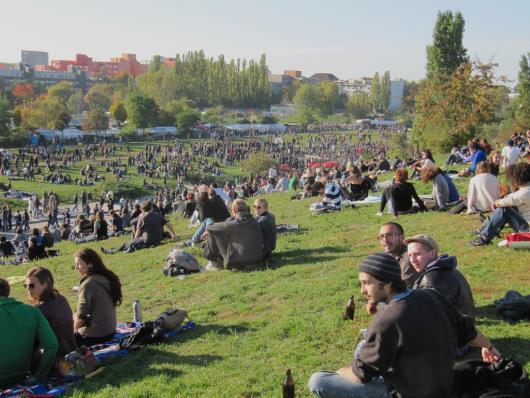
Carmona M., Heath T., Oc T., Tiesdell S: «Η

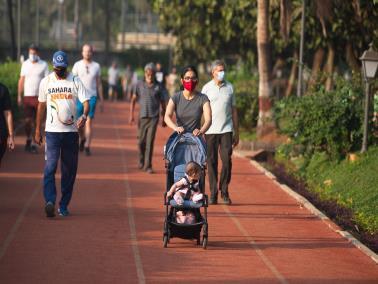
Doreen Massey


Γυναίκες

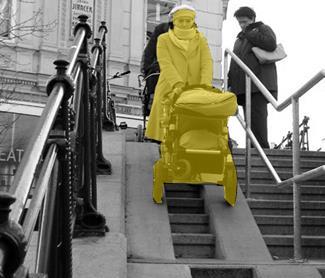
(Wateraid,2021).



(Black Hat,2022






Stella Young,2021

(Abdol Aziz Shahraki, 2021).

ΠΑΙΔΙΑ


(Jane Wood, 2020).


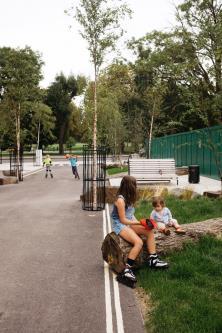
(Yu Bao , Ming Gao, Dan Luo
Lord Zhou, 2021).
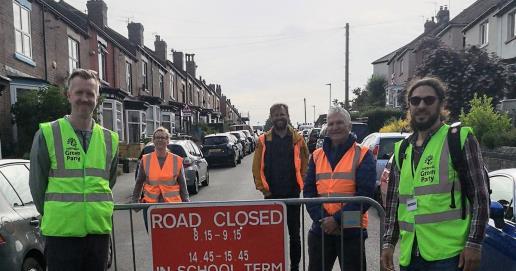
Sheffield school closed off the roads to parents - and here's what happened, YorkshireLive
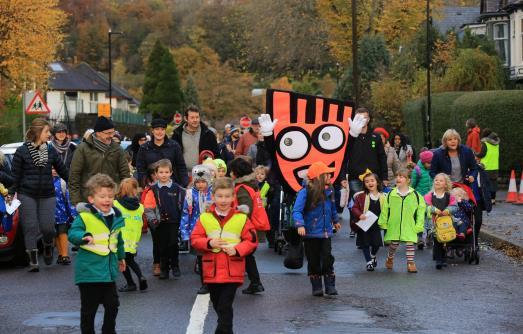


(AGE Platform Europe, 2020).



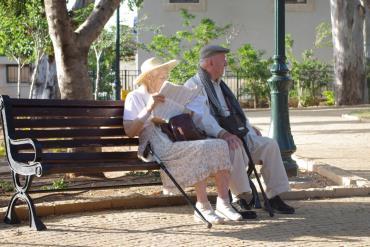
(Ignacio Foyatier,2021).
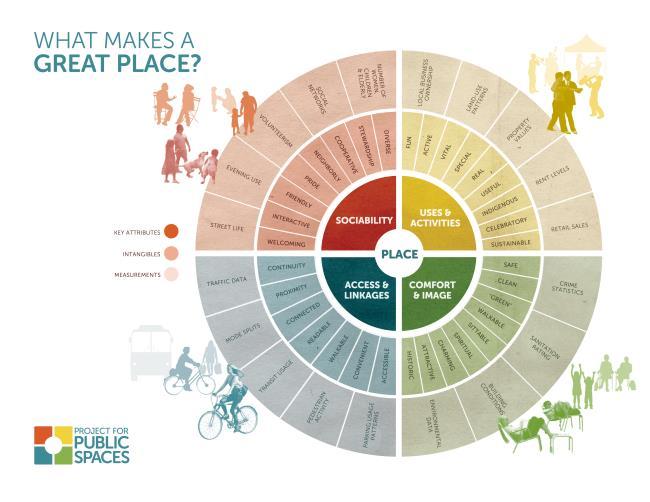
You Asked, We Answered:6 Examples of What Makes a Great Public Space, Project for public spaces
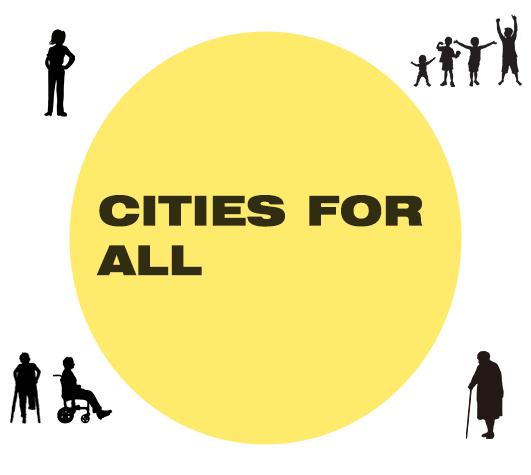




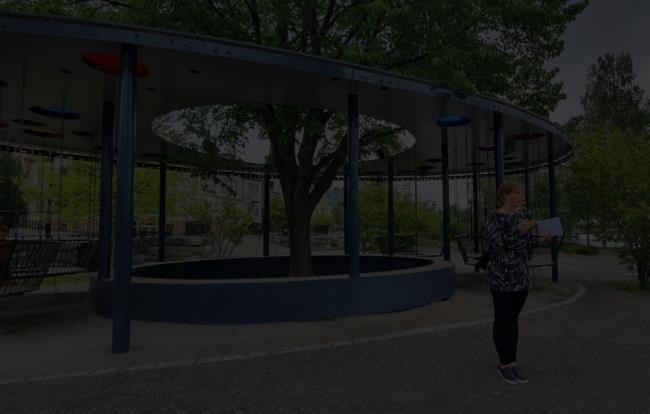
Gustafsson (Marilia Matoso,
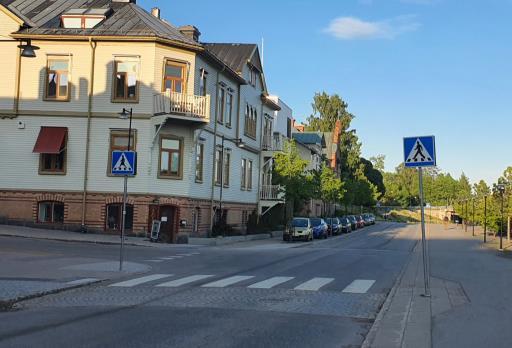
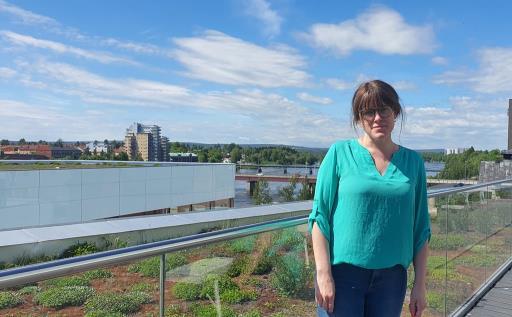


(Kelsey E. Thomas, 2017).
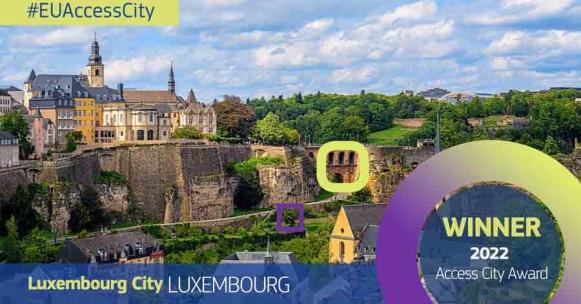
Luxembourg City wins 2022 Access City Award for becoming more accessible to persons with disabilities, Employment, Social Affairs & Inclusion
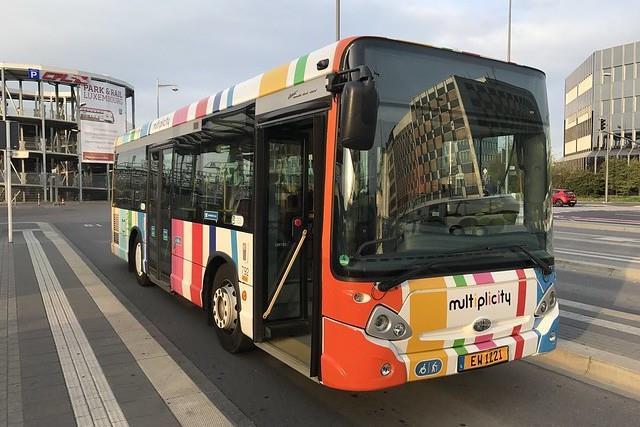



Rotterdam

KaBOOM,
Playful City
(Bernard van Leer Foundation, 2018).
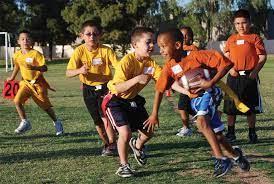
Tempe is once again recognized by KaBOOM! as a Playful City USA community for its commitment to keeping kids active through accessible playspaces and youth sports programs.










▪ Abdol Aziz Shahraki (2021), Urban planning for physically disabled people’s needs with case studies
▪ Ben Small (2016), Make cities safe and inclusive for older people, says new HelpAge report ahead of Habitat III, HelpAge International
▪ Bernard van Leer Foundation (2018) , Child-friendly urban design - Observations on public space from Eindhoven (NL) and Jerusalem (IL)
▪ Black Hat, Δικαιώματα των ΑμεΑ part 01
■ Camilla Julie Hvid, Daniel Hojniak, Healthy buildings, cities and you – How to design future living environments
■ Case Studies – Darling Quarter(2020)
■ Cory Lee(2021), 7 reasons Walt Disney World is one of the most wheelchair accessible destinations
■ Ignacio Foyatier(2021), How to Make Public Spaces Inclusive for an Ageing Society
■ Jagannath Thejas (2018) , Theories on Public Spaces: A Case Study of Trafalgar Square, Medium.
■ Kelsey E. Thomas(2017), Stockholm Suburb Is Transforming Public Square With Women in Mind
■ Marilia Matoso (2022), Redesigning Cities for Women, ArchDaily
■ Nahal Sohbati, Rivka Weinstock (2017) , Δημοκρατικός Δημόσιος Χώρος , CMG
■ Stella Young (2021), The biggest barrier for people with disability is how society disables them
■ URBANA, Έμφυλες διαστάσεις του αστικού χώρου: παρουσίαση των δράσεων της ομάδας UrbanaΕκδήλωση 23/4/2021
■ Wateraid (2021) , Female-friendly public and community toilets: a guide for planners and decision makers
World health Organization, Disability considerations during the COVID-19 outbreak
■ Yu Bao , Ming Gao, Dan Luo και Lord Zhou (2021), Effects of Children's Outdoor Physical Activity in the Urban Neighborhood Activity Space Environment
■ Αφροδίτη Ντρισμπιότη (2021) , Inclusive Schoolyards | Patis coeducatius | Το σχολικό προαύλιο, ένας χώρος συμπερίληψης
■ Αθανασία Ευαγγελίου (2019) , Η παραγωγή
Carmona M., Heath T., Oc T., Tiesdell S
Doreen Massey