
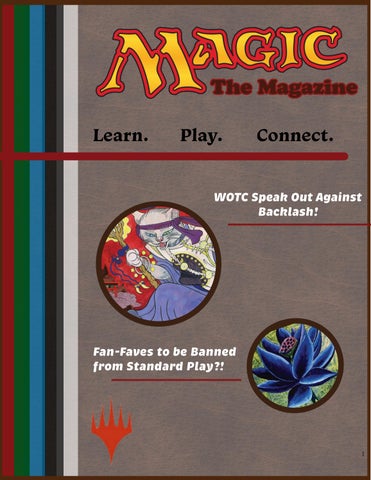
The Magazine Fan-Faves to be Banned from Standard Play?! WOTC Speak Out Against Backlash! Learn. Play. Connect.
Magic: The Magazine

3
Magic: The Magazine
Magic: The Gathering is the oldest known trading card game, and still remains one of the most recognizable franchises in the world. With around 40 million players worldwide, it is also among the most popular TGCs in the world. With 30 years of history behind it, Magic has had an extraordinary impact on players across the world. Even today, it continues to bring in new fans daily and expand its influence on the world of gaming.
Magic was created by mathematician and inventor Richard Garfield and published by Wizards of the Coast (who would later acquire Dungeons & Dragons) in 1993. It quickly garnered popularity among card game and fantasy fans alike. They appreciated the fantasy elements, strategy, and nearly unlimited ability to customize decks. Since then, there have been over 100 unique sets released in Magic’s universe and over 25000 cards between them. Even with this long and storied pedigree, many players both new and old do not know the small details of the franchise.
Wizards of the Coast was formed in 1990. A year later in 1991 they were approached by Garfield about developing a game called RoboRally; however, Wizard’s founder Peter Adkinson feared it would be too expensive for the company to produce. He asked Garfield to create a game that was easier to make and portable, to which Garfield responded with Magic. It was fully released in 1993 and quickly won several awards, including Mensa’s Top Five Mind Games.
Following its 1993 release, Magic: The Gathering steadily gained a large player base. Considering the longtime popularity of Dungeons & Dragons and other fantasy table-top games of the late 80s and early 90s, a community was very quickly established. Wizards of the Coast did not acquire D&D until 1997, but the community was small enough at the time to overlap in a major way. In 1995, Mark Rosewater was hired as a designer for the game, and would go on to become one of the most recognizable contributors to Magic’s quality and success. By 2016, well over 20 billion cards had been printed for Magic, which by then also included vast amount of ingame lore. Magic was no longer just a game -- it had become a full fantasy franchise in itself.
 Photo Courtesy of Wizards of the Coast

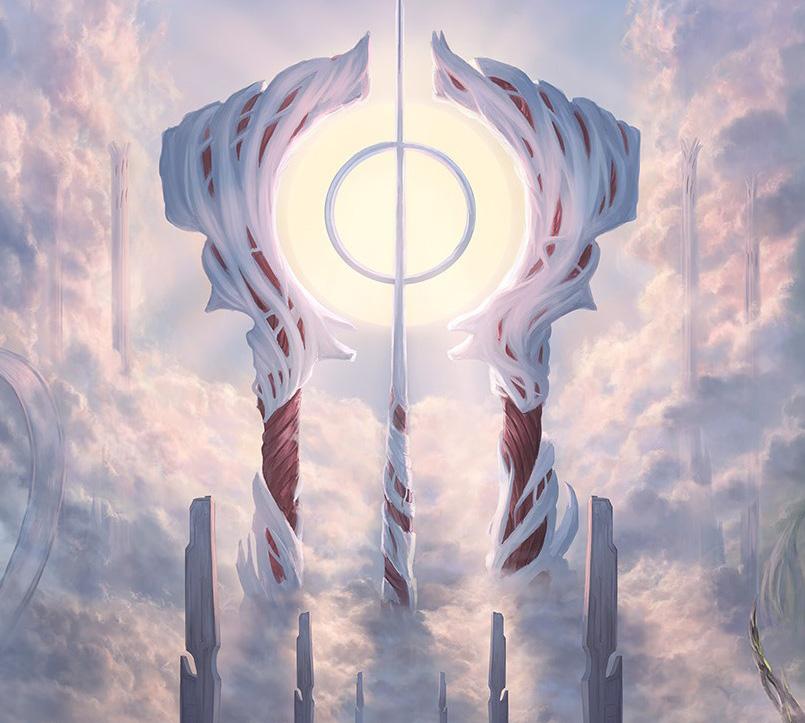
Not for the faint of heart, this new expansion explores the Dark AGe of Dominia, when impassioned magicians delved into macabre forms of magic that ultimately destroyed them. Over seventy NEW spells, creatures, and artifacts still linger from this era. waiting for you to add their power to you Magic: The Gathering deck. If you crave knowledge more than sanity, come take a walk in The Dark!

Purchase Your Own Booster Pack Now!

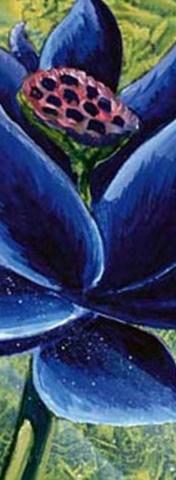
1. The first set wasn’t actually called “Alpha”
As more and more cards were printed each year, the set became known as Alpha, with the next set officially titled Unlimited Edition, becoming known as Beta.
2. The game used to be hilariously small. Originally players only had a mere 306 cards to deck build with. Granted, some of those cards, like the power 9, are some of the most powerful cards ever printed, but still.
3. The used to get artists’ names wrong all the time.
Considering there were only a few hundred cards and a handful of artists, you think they could have gotten their names right. But in the game’s 3rd edition, also called Revised Edition, alone there were several cards misprinted with the wrong artist attribution.
4. Early cards had Bible verses on them. Instead of the flavorful world-building snippets of text we get on modern MTG cards, original printings of the set took quotes from real world sources. Durkwood Boars for example quotes Mark 5:13. And, very appropriately, Piety features a quote from the Qur’an.
5. They straight up forgot to include some cards!
When Alpha was first printed, no one knew what was missing because… no one had seen Magic cards before. But there were two cards that were one hundred percent supposed to be in the set. The first was Circle of Protection: Black. A card which feels very weird to not include because all of the other Circles of Protection (Circle of Protections? Surgeons General?) were printed in the set as intended.
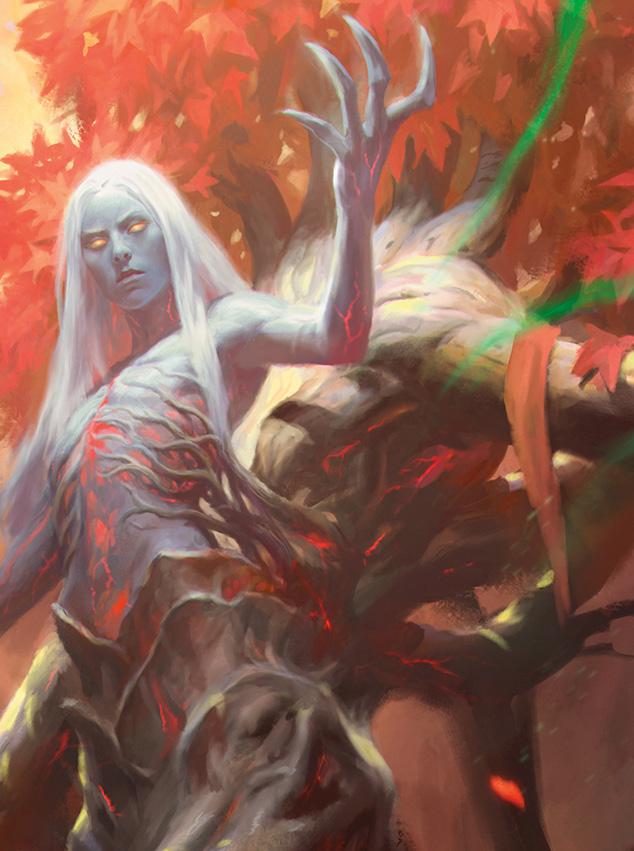
 Photo Courtesy of Wizards of the Coast
How to start a game of:
Learning how to play Magic: the Gathering can be quite intimidating, but it’s well worth it. In this MTG beginner’s guide, we’ll aim to make it simple and give you everything you need to play your very first game of Magic: The Gathering. Magic is a trading card game full of challenge, excitement, and endless variety. But it’s not exactly an easy card game to learn. There are many different versions of the game, so it’s not obvious where to begin, and the comprehensive list of MTG keywords might as well be an astrophysics textbook. It’s easy to assume you have to know how to build an MTG deck or the intricacies of the MTG Stack before getting started. The prospect of diving in can be so scary that some players will call it quits before they even get going. To ensure that doesn’t happen to you, we’ve prepared this no-nonsense guide to playing Magic: The Gathering. In Magic: The Gathering players take it in turns to attack each other and play their cards. But you don’t just sit around waiting for your turn to come back again – there are some sneaky tricks you can play on your foe’s turn, to thwart their every move.
We go into more detail on the exactitudes of different MTG phases
Photos Courtesy of Wizards of the Coast By: Matt Bassil
In a game of Magic, both players will take it in turns to play mystical spells and attack each other’s life total with an ever-growing army of fearsome creatures. Over the course of a game, you’ll both get access to more mana, a resource which will allow you to play even bigger and better cards.
To play a basic game of MTG, you’ll each need 60 card decks. These will contain an army to wallop your opponent with, as well as powerful spells to turn the tide of battle.
We wouldn’t recommend building your own deck for your first game. If you’re interested in multiplayer, casual fun, these great precon Commander decks will get you started. If you’re more interested in strategic, two-player matches, the starter kit below is a good option. Or you could try playing online, making use of the best MTG Arena decks.
Once you’ve got a deck, the next thing to do is shuffle your cards and play. You can find the basic rules online, but for now we’ll help you
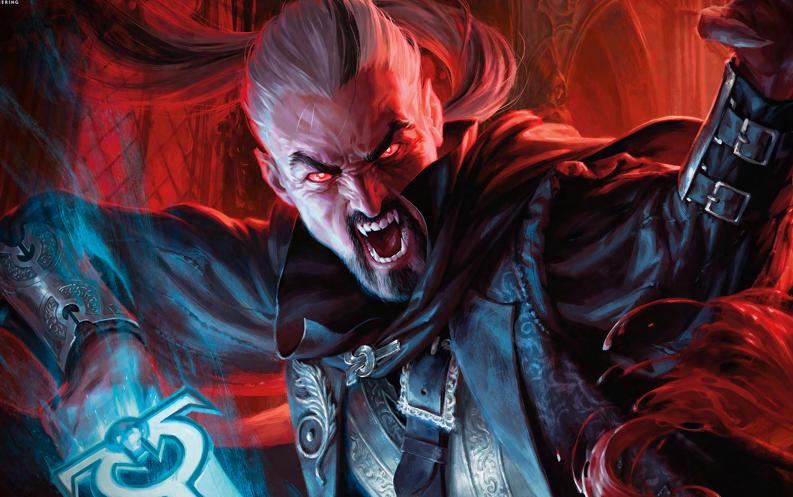
Sir Odric is a master tactician who lives on the plane of Innistrad. He lost a son to a werewolf and he was turned into a vampire by Henrika Domnathi.
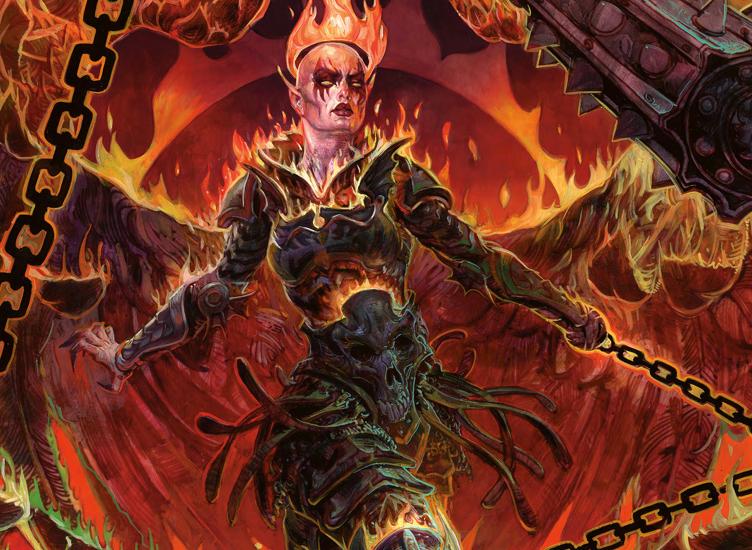
Zariel is a red-aligned archdevil, featured in Dungeons & Dragons: Adventures in the Forgotten Realms.
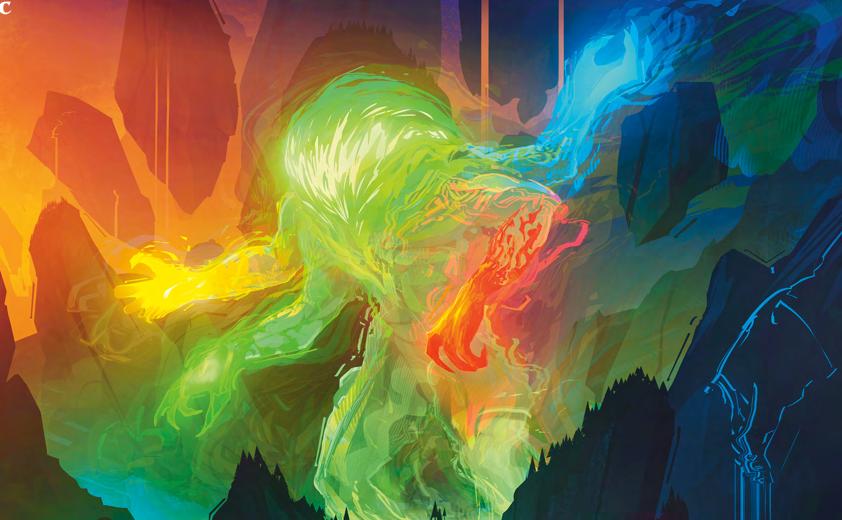
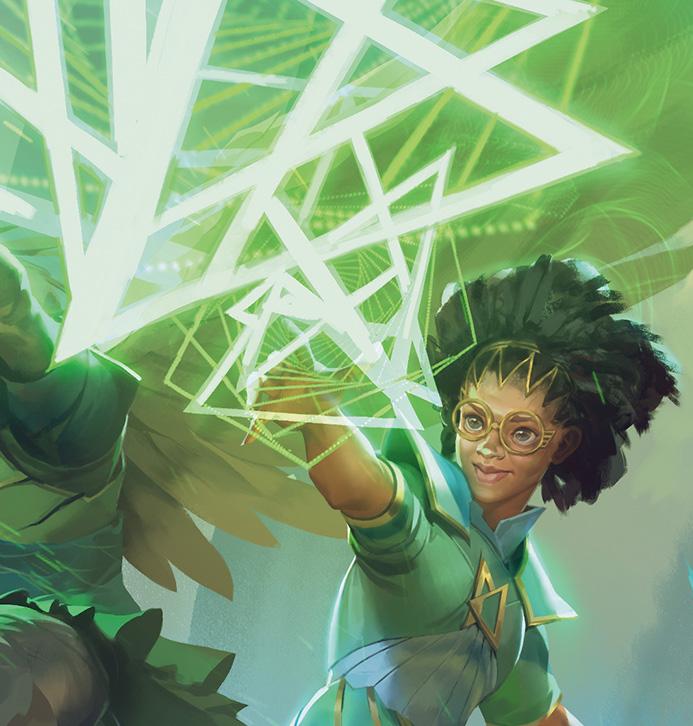
Omnath, also known as the “flickering heart”. is a divine manifestation of the wild and chaotic mana of Zendikar, an elemental being that can be found in some incarnations of many creation myths of the plane.

Elesh Norn was the Praetor of the white-aligned Machine Orthodoxy, which led New Phyrexia.She was called The Mother of Machines, Grand Praetor, or Grand Cenobite by her followers.
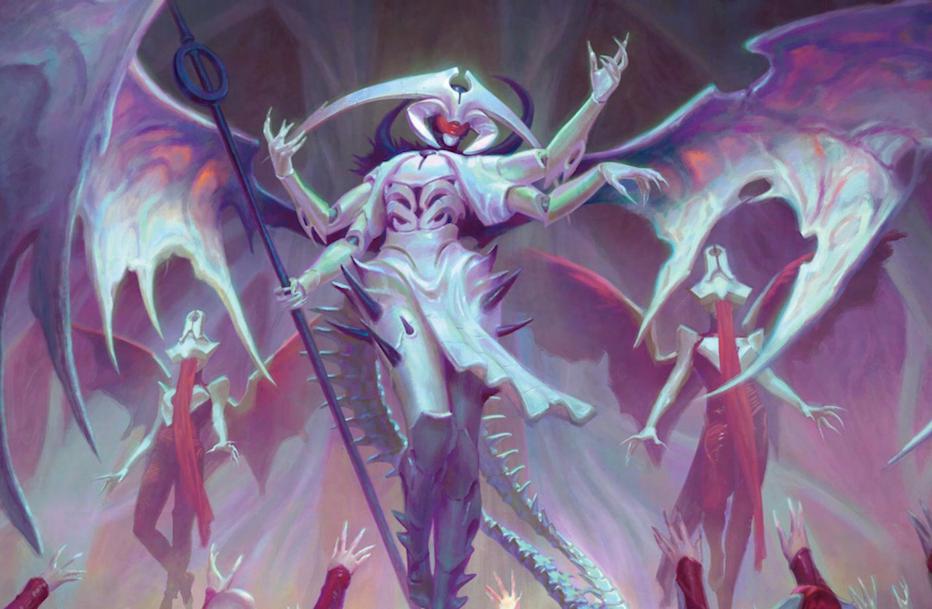
New Phyrexia is the metal plane inhabited by Phyrexians who arose from the glistening oil after the defeat of Yawgmoth and the original Phyrexians.
Created as Argentum by the planeswalker Karn and later renamed Mirrodin, the plane was formerly inhabited by various races taken from other planes via the soul traps invented by its warden, the mad golem Memnarch. After Memnarch was overthrown and his designs thwarted, many of the plane’s inhabitants disappeared in the Vanishing, returning to their original planes, while those who remained were invaded by the Phyrexians lurking below the plane’s surface. The Phyrexians succeeded in taking over the plane, driving the defeated Mirrans (the native, non-Phyrexian inhabitants of the plane)
into hiding while the Phyrexians were free to repurpose the plane into New Phyrexia. Several years later, under the tyrannical rulership of the Mother of Machines Elesh Norn, New Phyrexia attempted to invade the entire multiverse. However, despite remarkable early successes (including the full or partial conquests of numerous planes), the Phyrexians were defeated in a decisive final strike upon the world’s core by a combined coalition of Planeswalkers, Mirran survivors, and the war hosts of Zhalfir. During this final battle, New Phyrexia switched places in the fabric of existence with the formerly phased out Zhalfir, locking the plane away from the multiverse.
Argentum was an artificial world created by the planeswalker Karn and renamed after the Mirari by its warden Memnarch. The outer sphere of the plane has a circumference of 1400 kilometers, with a diameter of around 450 kilometers. Mirrodin’s environments and inhabitants are mixed organic and metallic. From sharp razorgrass that grew fast enough to impale unfortunate humans, to oceans that flowed with an unusual form of quicksilver, even the most delicate flower was made of metal. The intelligent beings who walked Mirrodin were no less strange, an odd mish-mash of muscle and steel. Artifact creatures also walk the planet. Some seem to have come about naturally, while some have artificially been created.
By the time of New Phyrexia’s Invasion of the Multiverse, food and water on the plane were scarce. According to Kaito
Shizuki and Kaya Cassir, the plane’s spiritual side is “sterile,” with no ghosts inhabiting the plane despite the tremendous death it had experienced. Its atmosphere is laden with ozone.
According to Phyrexian Field Reports there initially existed three spheres in Mirrodin: the surface, the interior, and the furnaces. The Phyrexians worked to add further spheres in an attempt to recreate the original nine-sphered Phyrexia.