How to Create Mouth-Watering Food Advertisements
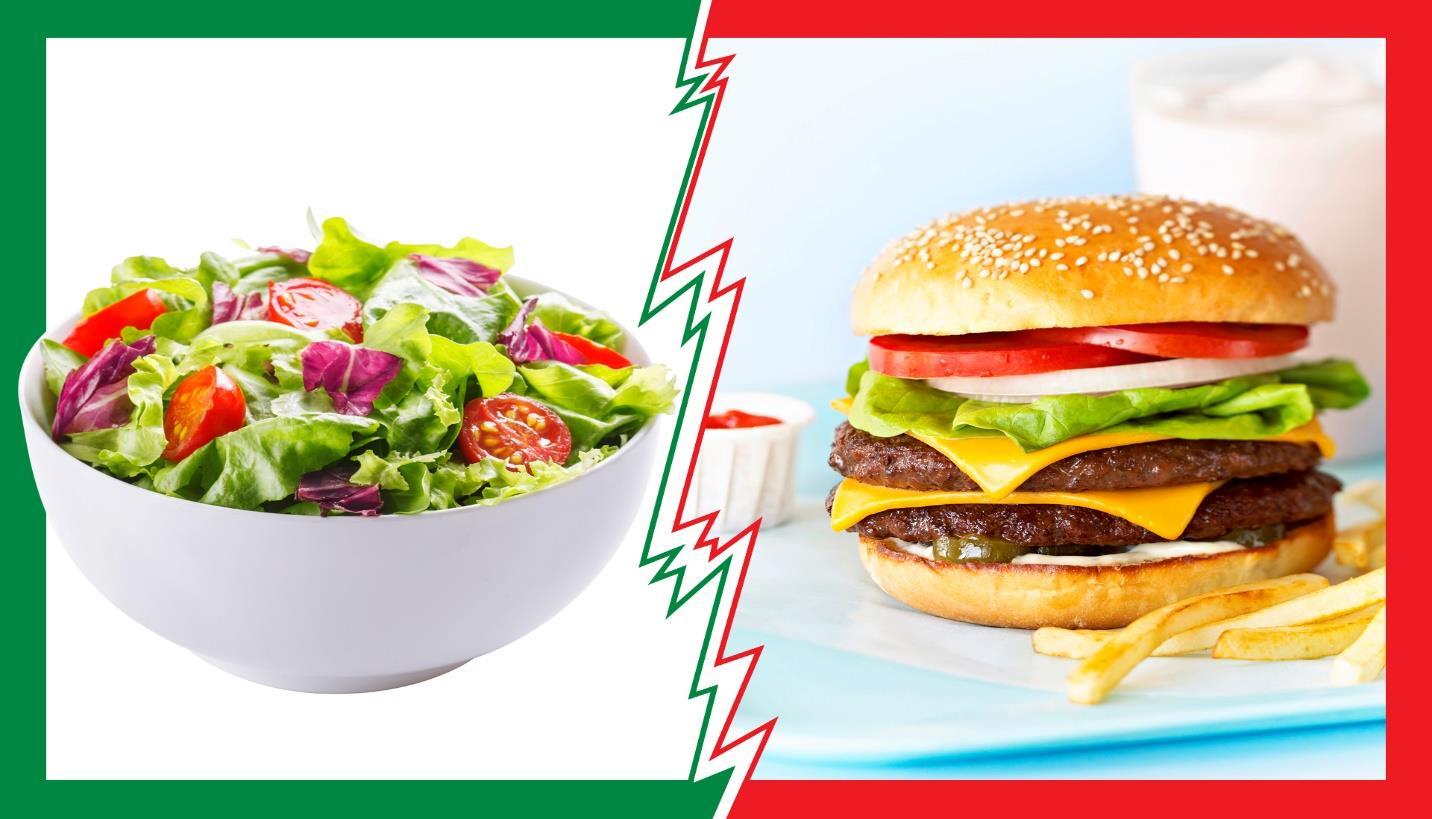
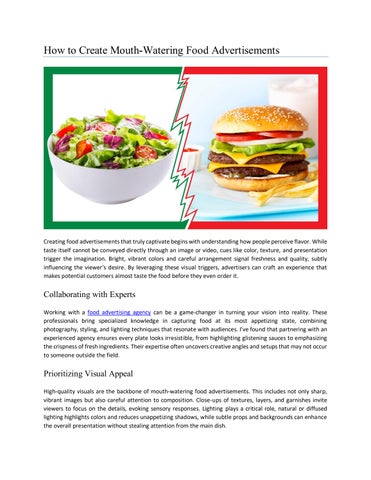
Creating food advertisements that truly captivate begins with understanding how people perceive flavor. While taste itself cannot be conveyed directly through an image or video, cues like color, texture, and presentation trigger the imagination. Bright, vibrant colors and careful arrangement signal freshness and quality, subtly influencing the viewer's desire. By leveraging these visual triggers, advertisers can craft an experience that makes potential customers almost taste the food before they even order it.
Collaborating with Experts
Working with a food advertising agency can be a game-changer in turning your vision into reality. These professionals bring specialized knowledge in capturing food at its most appetizing state, combining photography, styling, and lighting techniques that resonate with audiences. I've found that partnering with an experienced agency ensures every plate looks irresistible, from highlighting glistening sauces to emphasizing the crispness of fresh ingredients. Their expertise often uncovers creative angles and setups that may not occur to someone outside the field.
Prioritizing Visual Appeal
High-quality visuals are the backbone of mouth-watering food advertisements. This includes not only sharp, vibrant images but also careful attention to composition. Close-ups of textures, layers, and garnishes invite viewers to focus on the details, evoking sensory responses. Lighting plays a critical role, natural or diffused lighting highlights colors and reduces unappetizing shadows, while subtle props and backgrounds can enhance the overall presentation without stealing attention from the main dish.
Telling a Story
People connect with stories, even in food advertising. Rather than simply showing a product, framing it within a context can evoke emotion and aspiration. Whether it's a cozy breakfast scene, a celebratory dinner, or a bustling street food stall, situational storytelling helps viewers imagine themselves enjoying the meal. This narrative layer transforms a static image into a dynamic experience, making the advertisement more memorable and persuasive.
Engaging Multiple Senses
Although food is visual in advertising, successful campaigns often appeal to more than just sight. Descriptive language in captions, videos, or voiceovers can evoke aroma and flavor, enhancing the sense of taste in the audience's mind. Words like "crispy," "succulent," or "velvety" stimulate the imagination, bridging the gap between visual perception and sensory desire. Pairing these cues with subtle sound effects like the sizzle of a pan can deepen the impact.
Consistency Across Platforms
Mouth-watering food advertisements are most effective when consistent across all channels. From social media to menus, packaging, and website visuals, maintaining cohesive imagery and messaging reinforces brand identity and builds recognition. This consistency also ensures that the appetizing qualities of the food remain clear, no matter where the potential customer encounters it, creating a seamless journey from curiosity to purchase.
Measuring Impact and Refining Approach
Finally, analyzing the response to food advertisements helps refine future campaigns. Metrics such as engagement rates, click-throughs, and sales provide insight into which visuals and narratives resonate most. By learning from this feedback, marketers can continuously elevate the appeal of their content, ensuring that every advertisement not only captures attention but also drives appetite and action.