SUSTAINABILITY REPORT 2025
Sustainability at the Core of Industrial Growth
For 16 years, GPIC has reported with integrity, demonstrating how our operational performance drives our long-term, sustainable value.
SUSTAINABILITY REPORT 2025
Sustainability at the Core of Industrial Growth
For 16 years, GPIC has reported with integrity, demonstrating how our operational performance drives our long-term, sustainable value.
The GPIC Annual Sustainability Report presents the Gulf Petrochemical Industries Company’s financial, operational and environmental, social and governance (ESG) performance. It provides stakeholders with a comprehensive, transparent and balanced account of the Company’s overall performance, strategic direction and long-term outlook.
The Report demonstrates how GPIC creates and sustains value through operational excellence, disciplined financial management, robust risk governance and responsible business practices. Throughout the reporting period, sustainability remained fully embedded within corporate strategy, governance structures and operational decision-making. ESG considerations are integrated into performance management, capital planning and enterprise risk processes, reinforcing the Company’s resilience and competitiveness.
This approach reflects GPIC’s firm belief that financial performance and sustainable value creation are interconnected and mutually reinforcing. By aligning economic results with environmental stewardship and social responsibility, the Company strengthens long-term business continuity and stakeholder trust. The Report also reflects GPIC’s continued alignment with the Kingdom of Bahrain’s Economic Vision 2030 and national development priorities, supporting economic diversification, energy transition objectives and human capital development.
Historically, GPIC issued its Sustainability Report on a biennial basis, while publishing its Annual Report each year to present overall Company performance, including financial and operational results.
Beginning with the 2025 reporting cycle, GPIC has consolidated both publications into a single Annual Sustainability Report. This unified reporting structure enhances transparency and provides stakeholders with a cohesive view of financial performance, operational delivery and ESG outcomes within one integrated framework. By combining these disclosures, GPIC strengthens the connection between strategy, governance, risk management and sustainability performance, offering a clearer understanding of how the Company generates longterm value.
This report covers GRI disclosures from 1 January 2024 to 31 December 2025. While the annual financial report covers the period from 1 January 2025 to 31 December 2025. Material events occurring between the reporting period end and Board approval have been disclosed where relevant.
GPIC operates exclusively within the Kingdom of Bahrain and has no subsidiaries. Accordingly, this Report encompasses all Company operations and activities across its ammonia, methanol and urea production facilities, covering the full scope of its financial, operational, environmental and social impacts.
During the current reporting cycle, GPIC enhanced its data governance, monitoring, and validation processes across key environmental, social, and operational indicators. Data collection methodologies, system boundaries, calculation approaches, and source-level monitoring were refined for material topics including waste management, workforce metrics, greenhouse gas emissions, energy consumption, and other ESG indicators.
Improved system integration and more granular data inputs resulted in the restatement of certain prior-year figures to enhance consistency, accuracy, and alignment with reporting and assurance requirements. These restatements reflect methodological improvements only and do not indicate changes in underlying performance.
GPIC values stakeholder feedback and welcomes suggestions, comments, and engagement through its dedicated channel at gpic@gpic.com. This commitment to dialogue and transparency reflects GPIC’s dedication to continuous improvement and openness in sustainability reporting.
It gives me great pleasure to present GPIC’s Annual Sustainability Report 2025, presenting a comprehensive reflection of our performance, resilience, and continued commitment to responsible growth. This integrated format underscores our belief that business success and sustainable development are inseparable pillars of long-term value creation. The Sustainability Report is in its eighth edition and has been prepared in accordance with the GRI Sustainability Reporting Standards and marks another important milestone in our company’s sustainability journey.
It also underscores our long-held commitment towards meeting the ambitions of responsible growth, ethical business conduct and decarbonization. While we provide detailed reporting across various dimensions of environmental, social, and governance targets, sustainability at GPIC has moved beyond reporting; it now drives real action and measurable progress across our operations, as highlighted in this report. The past year has tested industries across all sectors, as geopolitical tensions fueled economic uncertainty and market volatility, while evolving environmental expectations strained the sustainability agenda. Despite these challenges, GPIC delivered strong profitability and operational performance underpinned by robust safety standards, prudent governance, and disciplined financial management. Our achievements would not have been possible without the trust and support of the leadership of the Kingdom of Bahrain and our shareholders, and the dedication of our people.
Growth and Sustainability remain firmly embedded at the core of GPIC’s strategy in guiding our decisions, shaping our innovations, and informing how we engage with our communities. Our alignment with global frameworks such as the UN Sustainable Development Goals (SDGs) and key industry principles reflects our commitment to transparency, accountability, and long-term stewardship, consistent with our heritage and track record. In 2025, we accelerated our efforts across critical areas:
Our operational achievements reflect the strength of our processes and the professionalism of our people. We delivered reliable plant performance, maintained exceptional health, safety and environmental records, and advanced several strategic initiatives that enhance our competitiveness and prepare us for future growth.
We continued to reduce our emissions intensity and improve energy efficiency through operational enhancements and investments in increasing our mangrove footprint. These efforts reinforce our support for national and regional decarbonization pathways.
Our commitment to our workforce development, community engagement, gender empowerment, and youth initiatives remains central to who we are. We continue to invest in our employees’ growth and wellbeing, fostering an inclusive environment where talent flourishes. As we look ahead, we remain optimistic and determined. GPIC’s long-term strategy is grounded in diversification, technological advancement, environmental stewardship, and the continuous enhancement of human capital.
These priorities will position us to thrive in a rapidly changing global landscape and reinforce our contribution to national economic development and global sustainability objectives. GPIC is proud of its successes and achievements, and this would not have been possible without the outstanding support and guidance of the Kingdom of Bahrain’s wise leadership, His Majesty King Hamad bin Isa Al Khalifa and HRH Prince Salman bin Hamad Al Khalifa, Crown Prince, Deputy Supreme Commander and Prime Minister and His Highness Shaikh Nasser bin Hamad Al Khalifa, His Majesty’s Representative for Humanitarian Works and Youth Affairs, National Security Advisor and Commander of the Royal Guard, and Bapco Energies Chairman, whose progressive vision and policies have formed the bedrock upon which GPIC and other companies in the Kingdom of Bahrain have been able to thrive.
On behalf of the Board of Directors of GPIC, we are all very grateful for this support and proud to contribute to the nation’s success and prosperity. Our deepest appreciation is also extended to all the government institutions in the Kingdom of Bahrain and our honourable shareholders – Bapco Energies, SABIC Agri-Nutrients Investment Co of the Kingdom of Saudi Arabia, and the Petrochemical Industries Company (PIC) of the state of Kuwait for their continuous support and encouragement. I would also like to acknowledge sincere appreciation to my fellow members of the Board of Directors for their wisdom and informed guidance, and to the hard work and dedication of GPIC’s management team. Together, we will continue to build a resilient, innovative, and sustainable organization, one that honours the company’s rich legacy while embracing the future with confidence and purpose.
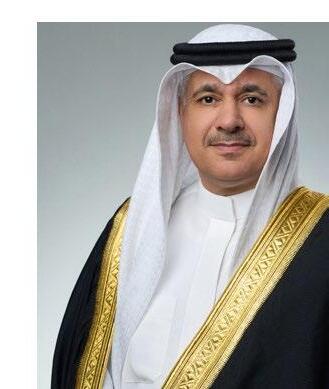
H.E. Eng. Kamal Bin Ahmed Mohammed Chairman
Our Valued Shareholders, Partners, and Stakeholders,
It is my privilege to present the Gulf Petrochemical Industries Company’s (GPIC) first integrated Annual and Sustainability Report for 2025. In presenting this combined format, we strive to enhance transparency and reinforce our core belief of business excellence and sustainability as inseparable drivers of our company’s long-term success.
2025 has been defined by heightened geopolitical strains, stringent global regulations, shifting markets, and lingering supply chain disruptions. Despite these challenges, GPIC demonstrated exceptional resilience and operational discipline. Through loyalty and commitment to GPIC, our people ensured reliable performance across all production plants, achieving record outputs in the combined production of urea, ammonia, and methanol. This was accomplished while maintaining the highest standards in health, safety, and environmental responsibility – a reflection of our steadfast ambition to overcome challenging circumstances.
In this complex operating environment, the agility and resilience of our employees also underpinned a strong financial performance, led by disciplined cost management, targeted market positioning, and continuous optimization initiatives. This contributed to driving returns for our shareholders while we continued to pursue our strategic aims of investing in the long-term potential of GPIC’s future trajectory.
Sustainability has long been an integral part of our culture and decision-making. In this reporting cycle, we continued to strengthen our sustainability roadmap, aligning our targets with emerging regional and global standards and regulatory expectations, including developments around climate action, human rights protections, and biodiversity preservation.
Our commitment extends across three fundamental pillars:
We intensified efforts to minimize emissions, conserve resources, and integrate advanced technologies that support a lower-carbon future. These initiatives form the backbone of our alignment with global climate goals and national sustainability ambitions.
We take pride in nurturing the well-being and development of our employees, empowering women and youth, and contributing to our communities through education, safety, and environmental awareness programmes. Our people are the heart of GPIC - the drivers of our achievements and ambassadors of our values.
Our governance framework continues to evolve to ensure ethical conduct, regulatory compliance, and transparent reporting, reinforced through our continued engagement with global organizations such as the UN Global Compact, IFA, AFA, GPCA, NSC (USA), RoSPA (UK), and GRI. These partnerships strengthen our accountability and help advance sustainability across our industry.
Guided by our 2040 Strategy, we seek to expand our product portfolio and feedstock dependency through diversification, growth, and decarbonization. Our industry plays a crucial role as one of the most influential drivers of economic growth, forming the backbone of industrialization and countless products from plastics and synthetic fibers to fertilizers, pharmaceuticals, and advanced materials. This vast ecosystem offers many opportunities for GPIC to expand, remain competitive, agile, and create value for its shareholders and future generations. As part of this long-term strategy, our ambition is not to only innovate and expand into new areas of growth, but to also embed sustainability into every facet of our organization.
I extend my deepest appreciation to our shareholders for their steadfast commitment and trust in GPIC over the years, and to our Board of Directors for their strategic guidance that continues to underpin the company’s continued success. I am also grateful to every member of the GPIC family for their unwavering dedication and diligence. Your efforts make our achievements possible.
As we continue our journey, we reaffirm our commitment to excellence, responsibility, and sustainable progress, today and for decades to come.
Yasser A.Rahim Alabbasi Chief Executive Officer

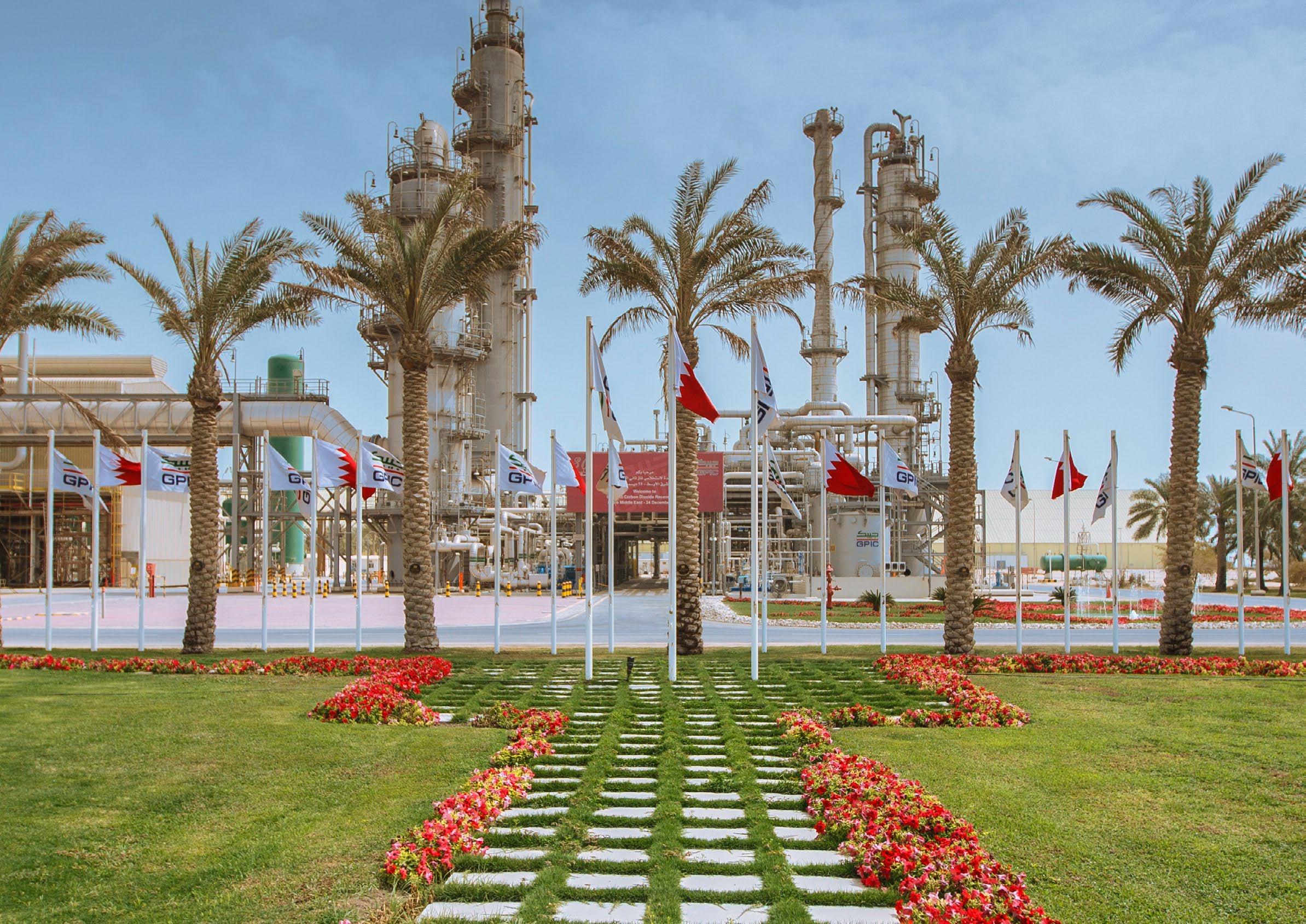
Built on operational excellence.
Driven by long-term value.
Founded in December 1979, the Gulf Petrochemical Industries Company (GPIC) was established as a pioneering joint venture in the Kingdom of Bahrain. The Company is equally owned by BAPCO Energies (Kingdom of Bahrain), SABIC Agri-Nutrients Investment Company (Kingdom of Saudi Arabia), and the Petrochemical Industries Company (State of Kuwait), each holding a 33.3% share. This tripartite ownership structure reflects strong regional collaboration and a shared commitment to industrial development.
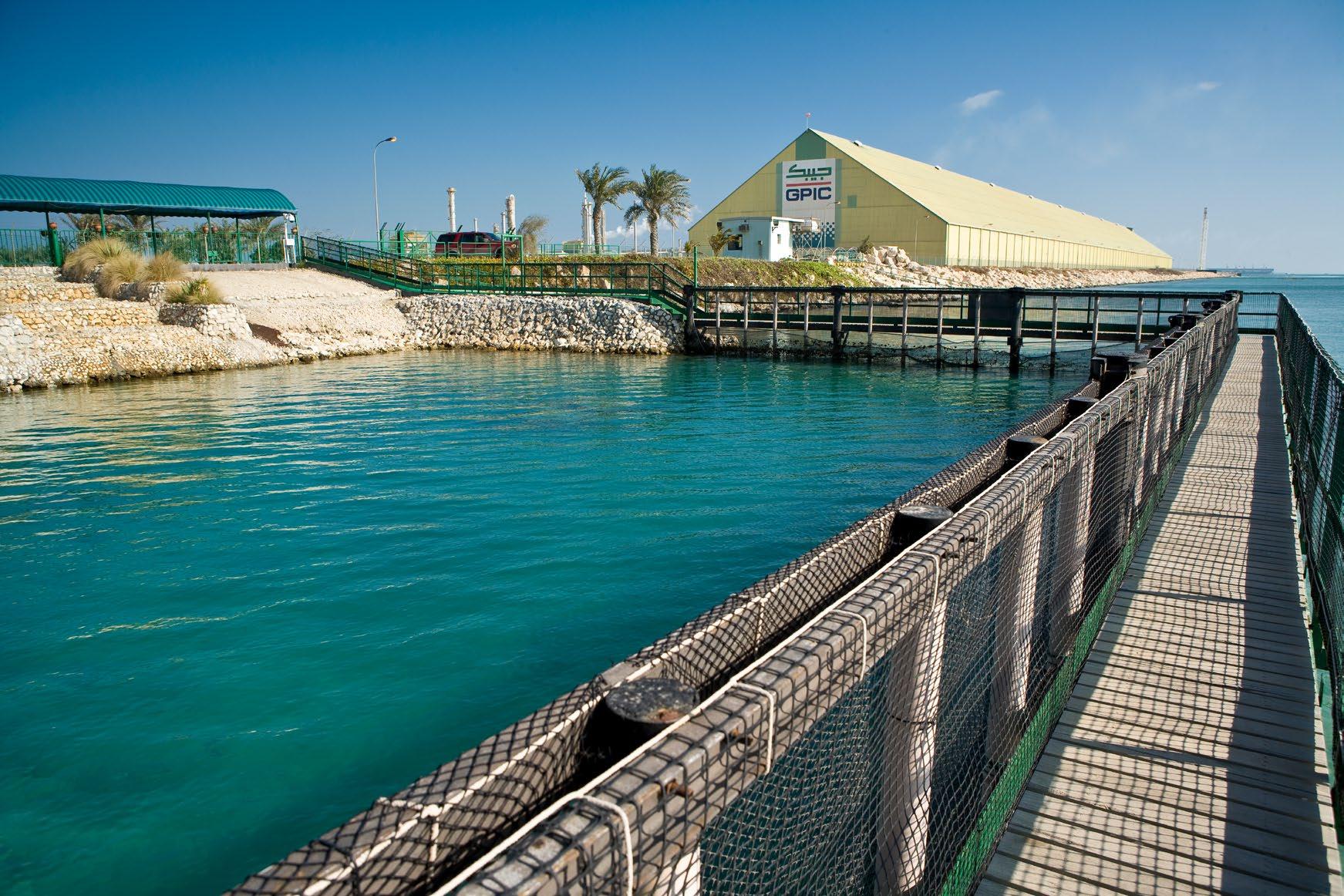
Headquartered in Sitra, GPIC operates a fully integrated petrochemical complex, covering approximately 60 hectares of reclaimed land. The facility combines production plants, utilities, laboratories, workshops, storage areas, and administrative buildings within a single operational ecosystem designed for efficiency, reliability, and environmental stewardship. Using locally supplied natural gas as feedstock, GPIC produces ammonia, methanol, and granular urea, serving both agricultural and industrial markets globally.
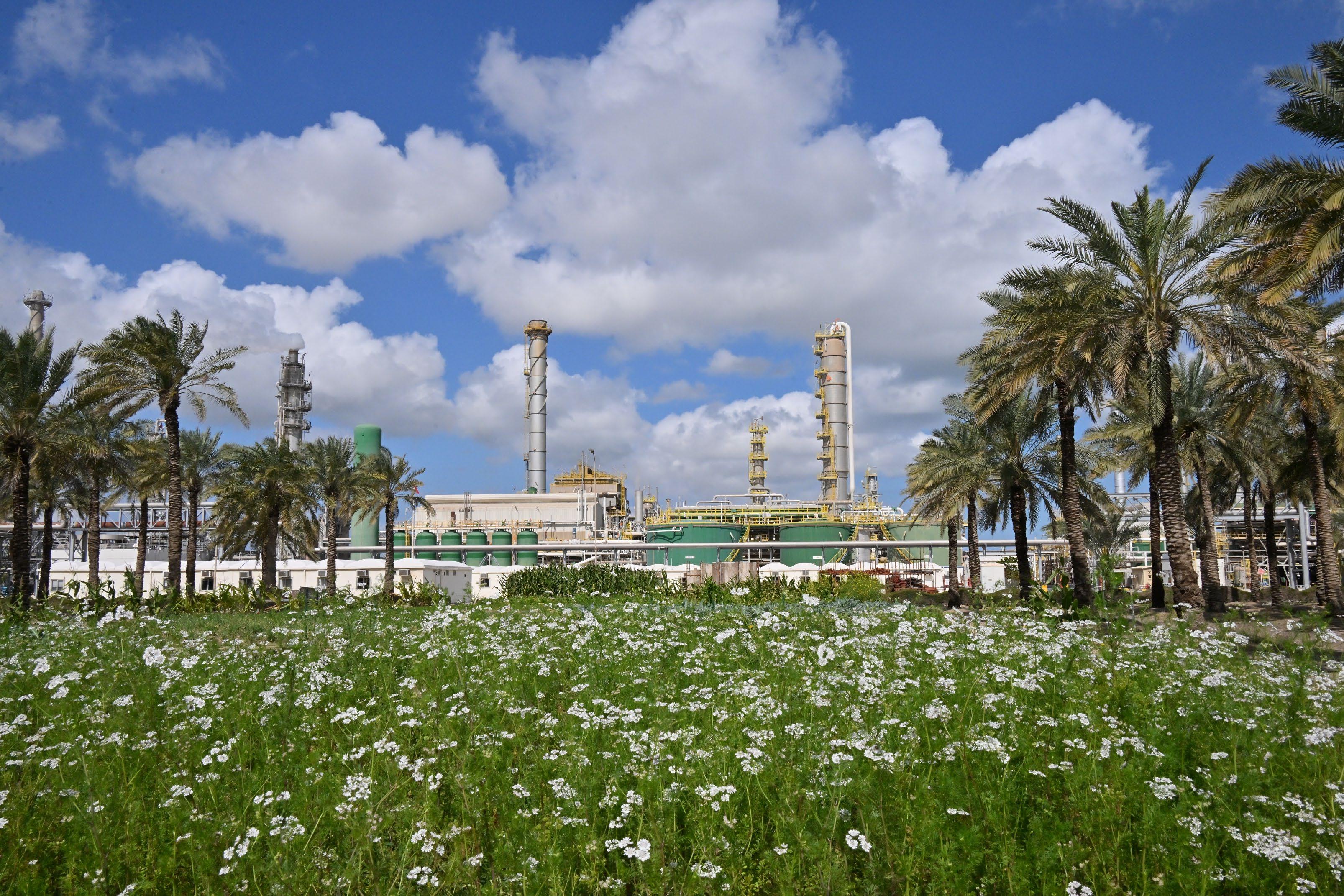
Environmental protection has been embedded in GPIC’s strategy since its inception. The Company considers itself a regional role model in environmental stewardship and was the first industrial organization in the region to implement practical on-site demonstration projects to validate its environmental performance. Within the industrial complex, GPIC has developed a range of biodiversity initiatives, including a fish farm, bird sanctuary, mangrove plantations, palm tree plantations, herbal gardens, and other landscaped green areas. These projects demonstrate that industrial operations and ecological preservation can coexist within a single integrated site.
As one of Bahrain’s leading industrial enterprises, GPIC plays a substantial role in supporting national economic growth. The Company contributes approximately US$ 265 million annually to Bahrain’s economy through natural gas procurement, local contractor engagement, employment and professional development of Bahraini nationals, energy consumption, and broader commercial activities.
Our Vision
To become a leader in chemicals and agri-nutrients that pursues excellence and sustainability.
Our Mission
Manufacture and deliver sustainable chemicals and agri-nutrients and continuously pursue profitable growth.
Climate change mitigation has remained a strategic priority. In 2009, GPIC commissioned the Middle East’s first Carbon Dioxide Recovery (CDR) plant. The facility captures approximately 450 metric tons of carbon dioxide per day from reformer flue gases, significantly reducing greenhouse gas emissions and enhancing overall carbon management performance. This early investment positioned GPIC as a regional leader in emissions management and climate-responsive industrial practices.
GPIC is governed by a Board of Directors representing the three shareholder states, providing strategic oversight and ensuring alignment with long-term value creation objectives. Executive management oversees day-to-day operations, maintaining a disciplined focus on performance, risk management, sustainability, and stakeholder engagement.
Over more than four decades of operations, GPIC has demonstrated that industrial growth, environmental responsibility, safety excellence, and economic contribution are mutually reinforcing priorities. The Company remains committed to strengthening its role as a responsible producer, a trusted employer, and a strategic asset to the Kingdom of Bahrain.
With a workforce of 463 employees, GPIC continues to invest in national talent development, operational excellence, and technological advancement. Through its supply chain partnerships, local procurement practices, and capacity-building initiatives, the Company reinforces its position as a key contributor to Bahrain’s industrial resilience and economic diversification.
GPIC operates under a robust and internationally recognized Safety, Health, and Environmental (SHE) Management System. The Company’s integrated management framework ensures systematic risk identification, operational control, regulatory compliance, and continuous improvement across all activities.
This sustained commitment to safety and environmental excellence has been recognized globally. GPIC has received numerous prestigious awards, including the Sir George Earle Trophy from the Royal Society for the Prevention of Accidents (RoSPA), United Kingdom, and the R.W. Campbell Award from the National Safety Council, the United States. These recognitions reflect the maturity, effectiveness, and leadership of GPIC’s Health, Safety, and Environmental management systems.
As of the end of the reporting period, GPIC employs a total of 463 employees. All employees are based in the Kingdom of Bahrain, with a strong emphasis on Bahraini national development through training, scholarships, and graduate engineer programs.
Gender Profile Age Distribution
Employee development is guided by competency-based training programs and leadership development plans, ensuring that career progression aligns with our growth strategy. We also invest in well-being initiatives, including workplace health and safety programs, community engagement, and social support measures that foster a safe, inclusive, and motivating work environment. In addition to our direct employees, GPIC engages non-employee workers, primarily contractors, to support our operations. These workers are fully integrated into GPIC’s Health, Safety, and Environmental (HSE) management systems. GPIC prioritizes contractor’s safety at the same level as employee safety. In 2025, contractors total hours worked reached 911,848 with zero fatalities and zero recordable workrelated injuries.
Methanol
GPIC produces ammonia as a primary product and key feedstock for fertilizer and other industrial applications. As a fundamental component in the nitrogen value chain, ammonia supports agricultural productivity and various downstream industries. Production is managed with a focus on efficiency, safety, and environmental performance.
471,201 MT
Ammonia Produced
Amounts Exported (%)
Methanol is a versatile chemical used in the manufacture of formaldehyde, plastics, resins, solvents, and fuel applications. GPIC’s methanol production serves a broad range of industrial sectors while maintaining consistent quality and operational performance. Ongoing process optimization supports efficiency and responsible operations.
446,057 MT
Methanol Produced
Urea is a widely used nitrogen fertilizer that contributes directly to global agricultural output. GPIC’s urea production supports crop nutrition and food supply chains worldwide. Operations prioritize reliability, product quality, and effective resource management.
723,386 MT
Urea Produced
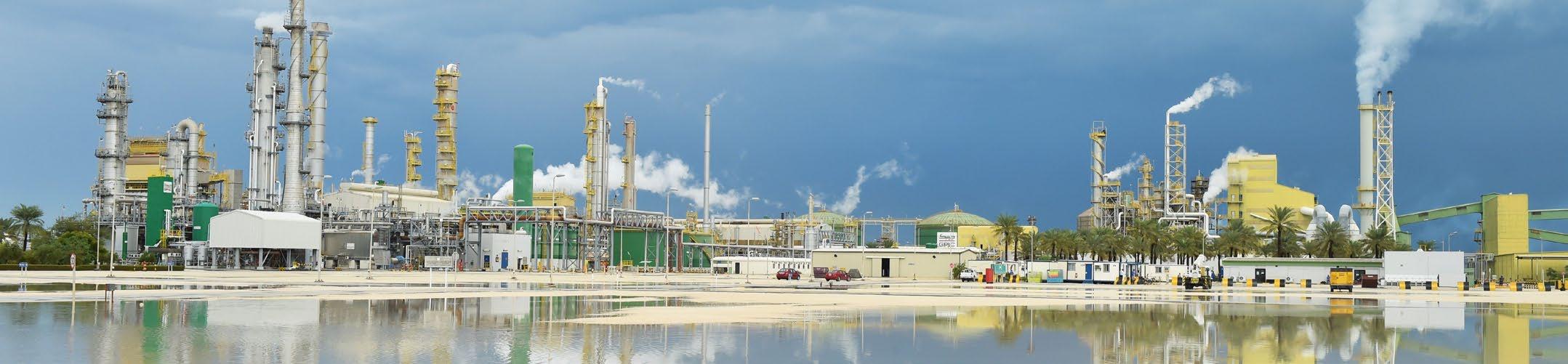
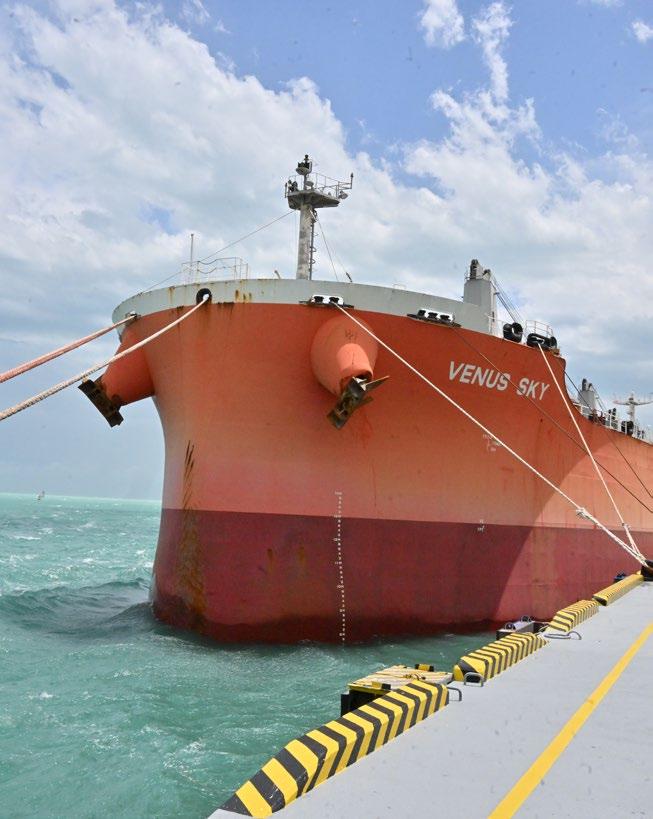
GPIC operates from the Kingdom of Bahrain and serves a well-established network of international markets across Asia, Europe, the Americas, Africa, and Australia. The Company’s global footprint reflects long-standing commercial partnerships, diversified market access, and a balanced product portfolio comprising ammonia, methanol, and urea. By supplying essential inputs to agricultural and industrial sectors worldwide, GPIC supports food security, manufacturing value
Export Highlights - 2025
1.27M MT
Exported via 64 shipments
9
Shipments of Ammonia Exported
chains, and broader economic activity beyond its national borders. This geographic diversification enhances market resilience and underpins sustainable revenue generation. In 2025, GPIC further strengthened its international presence, delivering consistent export performance across key agricultural and industrial economies. Its diversified products mix and strong positioning in highdemand regions reinforced its standing as a reliable global supplier.
~70.8%
Top 3 Urea Markets (Australia, India, Brazil)
35
Shipments of Methanol Exported
~30%
Australia share of total Urea volume
20
Shipments of Urea Exported

Production & Export Snapshot 2025 Awards
1,640,644 MT 98.7% On-Stream Factor
Cumulative Production Average Combined Production Rate
0.5% Above Budget
4,556
4.8% Exports Above Budget MT/Day
8,233 MT
Production Above Budget
1,272,354 MT Total Exports
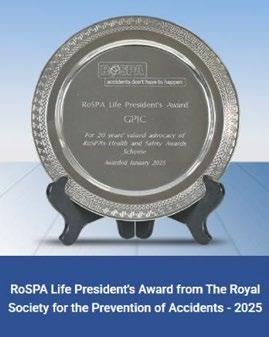
Royal Society for the Prevention of Accidents (RoSPA) Life President Award 2025
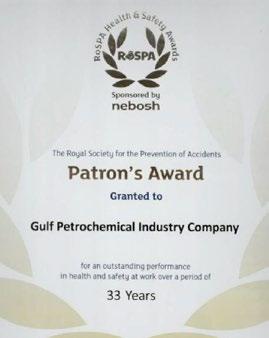
Royal Society for the Prevention of Accidents (RoSPA) Patron’s Award 2025
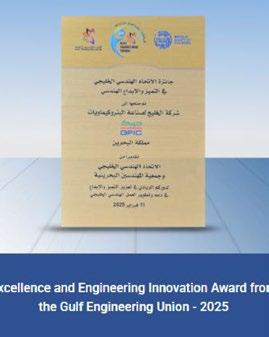
Excellence and Engineering Innovation Award Gulf Engineering Union 2025
Memberships and International Sustainability Frameworks.
Quality Management Systems
ISO 9001
Business Continuity Management Systems
ISO 22301
Inspection Bodies
Requiremen
ISO 17020

Responsible Care Management System
RC 14001
Memberships and International Sustainability Frameworks.
Environmental Management Systems ISO 14001 IT Security Management Systems ISO 27001 Energy Management Systems ISO 50001
Occupational Health & Safety Management Systems ISO 45001

31000
Global and Regional Industry Associations

International Safety and Professional Organizations


National Safety Council (NSC – USA)

Royal Society for the Prevention of Accidents

Effective governance guides decision-making and ensures risk is managed in support of responsible growth.
GPIC’s governance structure ensures strategic oversight, policy direction, and alignment with national and international sustainability standards. Our Corporate Governance framework has been developed to establish a standard set of expectations and good governance practices that will assist the Board and its Committees.
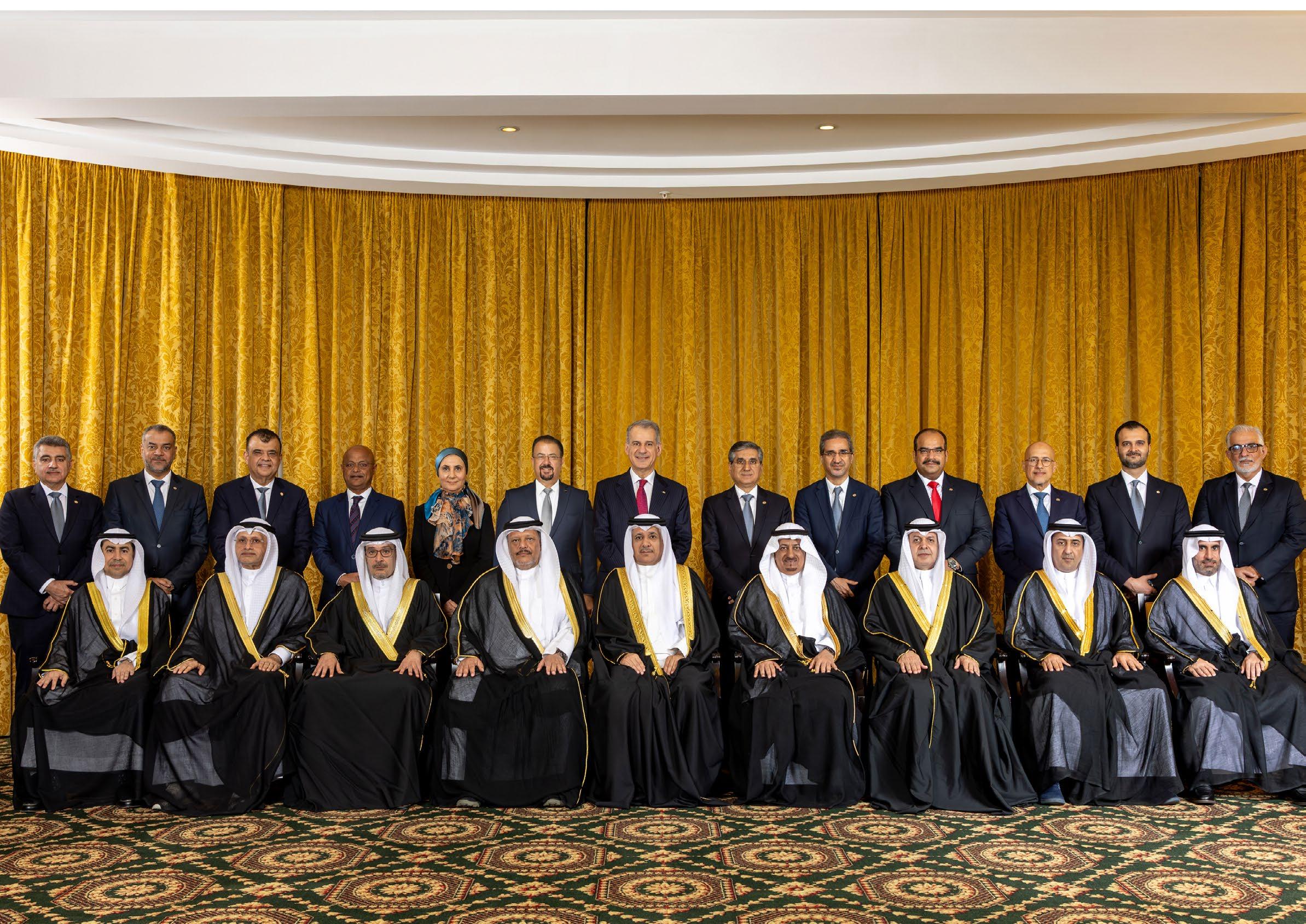
Our Board of Directors comprises nine non-executive members, equally nominated by GPIC’s three shareholders. All nine directors, including the Chairman, serve in a non-executive capacity, ensuring objective oversight.
Our Board integrates management of material sustainability topics, such as economic performance, GHG emissions, and climate adaptation, into corporate risk oversight and decision-making. These topics are integrated into corporate governance, risk oversight, and strategic decision-making processes.
As the highest governance authority, the Board is responsible for setting strategic direction, including the integration of ESG priorities. This composition reflects a strong blend of senior leadership and government representation, bringing deep expertise in energy, petrochemicals, industrial development, and corporate governance.
GPIC’s Board of Directors comprises nine non-executive members, equally nominated by its three shareholders:
• BAPCO Energies
• SABIC Agri-Nutrients Investment Company
• Petrochemical Industries Company (PIC)
All Board members are non-executive, with three serving as independent directors, including the Chairman. This balanced composition ensures equitable representation, strong independent oversight, and deep regional industrial expertise.
In accordance with GPIC’s governance framework:
• The Chairman is elected from among the Bahraini Board members.
• The Deputy Chairman is elected from either the Saudi or Kuwaiti Board members on a rotational basis.
• Each Board member serves a three-year term and is eligible for reappointment.
• The Chairman does not hold executive responsibilities, reinforcing the separation between oversight and management.
The Board defines GPIC’s strategic direction and safeguards its long-term sustainability. Its responsibilities include:
• Approving Vision, Mission, and Corporate Values
• Endorsing long-term strategy, including the GPIC Growth Strategy 2040
• Approving major capital investments and portfolio decisions
• Overseeing enterprise risk management
• Ensuring the integrity of financial reporting and internal controls
• Monitoring regulatory compliance
• Retaining ultimate accountability for sustainability and ESG oversight
In December 2023, the Board approved renewed corporate values and endorsed the Growth Strategy 2040, establishing a disciplined roadmap for expansion, operational excellence, and sustainable value creation.
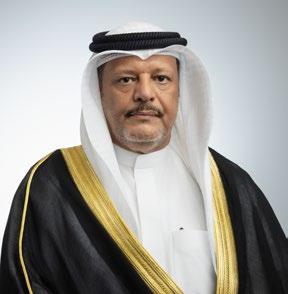
(*) On 17 February 2026, H.E. Dr. Mohamed bin Daina was appointed as Chairman.
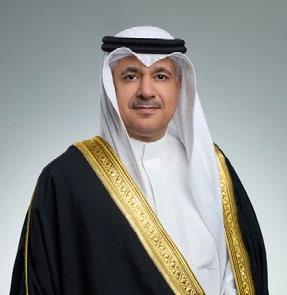

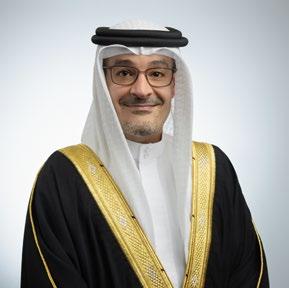
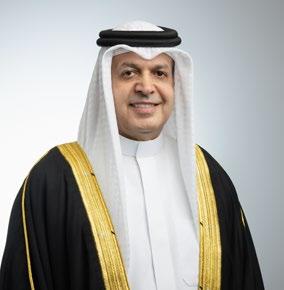
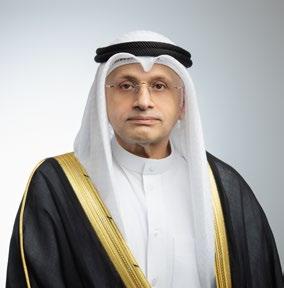
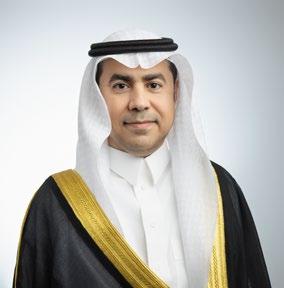

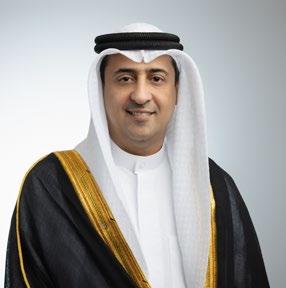
To ensure structured oversight and effective delegation of responsibilities, the Board has established three standing Committees operating under approved charters that define their mandates, authority, composition, and reporting obligations. Each Committee functions within delegated authority while remaining accountable to the Board through formal reporting and documented recommendations.
The Audit, Finance and Risk Committee assists the Board in maintaining the integrity of financial reporting, overseeing internal controls and the internal audit function, safeguarding the independence of external auditors, supervising enterprise risk management, and monitoring regulatory compliance. Through these responsibilities, the Committee provides independent assurance on financial discipline, prudent capital stewardship, and the management of risk exposure.
The Remuneration, Nomination and Governance Committee oversees Board and senior leadership nominations, succession planning and leadership continuity, governance compliance, and the development of remuneration frameworks aligned with performance objectives. Remuneration policies are structured in accordance with Bahrain labor Law, the Bahrain Corporate Governance Code, and GPIC’s internal HR framework. Compensation structures are policy-driven, performance-linked, and administered with appropriate confidentiality safeguards.
The Board Project Steering Committee is established to provide dedicated strategic oversight and governance supervision of the Blossom Project. The Committee ensures that the Project remains fully aligned with the Company’s strategy, shareholder objectives, and the approved business case, while maintaining strict adherence to the Board-approved Schedule of Authorities and governance framework. It exercises structured oversight of key project controls, including scope, cost, schedule, risk, and quality, ensuring disciplined execution and effective risk management throughout the project lifecycle. The Committee also ensures the timely escalation of material issues and critical decisions to the Board, enabling informed, transparent, and accountable decision-making at the highest governance level.

Board members are nominated in accordance with Bahrain’s Commercial Companies Law and the Corporate Governance Code, and the Chairman is by secret ballot. Collectively, the directors bring expertise in engineering, business, and economics.
The Board possesses collective competence in sustainability matters through a combination of relevant professional experience, industry knowledge, and ongoing exposure to environmental, social, and governance considerations. Board members bring diverse backgrounds that support informed oversight of sustainability-related risks and opportunities, including health and safety, environmental management, regulatory compliance, and stakeholder engagement. Sustainability topics are integrated into Board discussions as part of strategic decision-making, ensuring that long-term impacts are considered alongside operational and financial performance.
All GPIC employees, including managers and senior leaders, are required to comply with the Company’s Code of Conduct and Professional Ethics, which reinforces integrity, ethical decision-making, and clear reporting mechanisms for misconduct.
The Code mandates prompt disclosure of any actual or potential conflicts to management and the Legal & Compliance Supervisor. At the governance level, the Board operates under a formal Conflicts of Interest and Disclosure Policy, while employees follow a documented procedure to declare and manage conflicts.
An annual Conflict of Interest Declaration is required from Executive Management and employees in sensitive functions such as Procurement, Finance, Logistics, Marketing and Corporate Communications, ensuring transparency and strong ethical oversight across the Company.
Critical concerns are escalated by the CEO to the Board through quarterly reports, committee discussions, or emergency meetings. These mechanisms ensure that material topics, such as economic performance, energy and raw material costs, climate resilience, cybersecurity, and regulatory compliance - are regularly addressed at the highest level of governance. Through this process, the Board maintains active oversight of issues of strategic, operational, and reputational significance.
GPIC applies a clear delegation of authority framework that defines roles, responsibilities, and decision-making limits across all levels of the organization. Responsibilities are assigned in line with organizational structure and competency to ensure accountability, operational efficiency, and effective risk management. The framework is periodically reviewed to maintain alignment with corporate objectives, governance standards, and regulatory requirements, supporting transparency and sound decision-making throughout the Company.

The Board appoints the Chief Executive Officer and defines his authority, responsibilities, and remuneration. Under the CEO’s stewardship, Executive Management is responsible for day-to-day operations and implementation of Board-approved strategies.
Authority cascades through a structured delegation framework formalized in the Board-approved Schedule of Authorities Policy, clearly defining approval thresholds, accountability lines, and internal control responsibilities.
The Executive Management is responsible for:
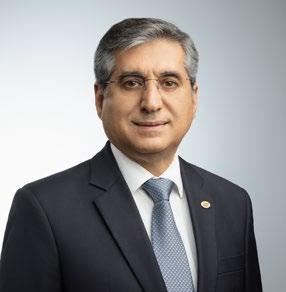






The CEO reports directly to the Board on performance, risk, and sustainability matters, ensuring alignment between oversight and execution.




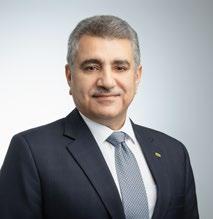
GPIC operates under a clearly defined governance and management framework that establishes accountability, transparency and effective oversight across all levels of the organization. The structure reflects the Company’s ownership model, with the Board of Directors providing strategic direction and supervision, supported by specialized Board Committees. Executive Management is responsible for implementing strategy, managing risk and overseeing operational performance through defined functional and business units. This structured framework ensures clear reporting lines, informed decision-making and alignment between corporate strategy and day-to-day operations.
• Corporate Governance Policy
• Schedule of Authorities
• Integrated Quality, Health & Safety, and Environment Policy
• Responsible Care Policy
• Energy Management Policy
• Enterprise Risk Management and Business Continuity Management Policy-(Business Resilience Policy)
• Finance and Investment Policy
• Procurement Policy
• Inventory Management Policy
• Information Security Policy
• HR Policy
• Vehicle Policy
• Credit Card Policy
• Accounting Policy
• Code of Conduct Policy
• Cybersecurity Policy
• Dividends Policy
External audits:
• Statutory
• Joint Shareholders
• Quality
• Environment
• Occupational Health & Safety
• Responsible Care
• Business Continuity
• Energy • IT Security
Internal audits:
• Quality
• Environment
• Occupational Health & Safety
• Responsible Care
• Business Continuity
• Energy
• IT Security
Others:
• Independent Benchmarking
• Insurance Survey
Committees at Functional Level
• Sustainability & ESG Reporting Committee
• Energy Management Committee
• Training Committee
• Safety & Responsible Care Committee
• Health Committee
• Environmental Activities Committee
• Resilience Committee
• Process Safety Management Committee
• Social & Club Committee
Committees / Councils at Management Level
• Executive Management Council
• Safety, Health & Environment Council
• Equal Opportunities Council
• Management & Union High Council
The Code of Conduct and Professional Ethics defines GPIC’s ethical foundation, covering:
• Anti-corruption and fraud prevention
• Conflicts of interest and fair dealing
• Respect for human rights and labor standards
• Environmental and health & safety responsibilities
The Code applies to the Board, Executive Management, employees, and contractors. It is publicly available in Arabic and English and was updated in 2023 to reflect evolving regulatory and international best practice requirements.
Ethical commitments are operationalized across governance systems and business processes, including:
• Procurement and supplier qualification procedures
• Structured tendering and bidding processes
• Contractual obligations for suppliers
• Risk governance and internal control frameworks
• Human capital and performance management systems
• ISO-certified management systems (ISO 9001, 14001, 45001, 50001, 27001)
This integration extends responsible conduct expectations across the value chain.
Formal grievance and whistleblowing channels are accessible to employees and external stakeholders through management lines, HR, Legal & Compliance, labor unions, and public communication channels.
All concerns are handled confidentially under a strict non-retaliation policy. Where adverse impacts are identified, GPIC commits to legitimate and transparent remediation processes supported by documented tracking and continuous improvement mechanisms.
GPIC maintains a zero-tolerance stance toward corruption, bribery, and unethical conduct.
Governance safeguards include:
• Corporate Governance Policy
• Code of Conduct Handbook
• Public Whistleblowing Hotline
• Segregation of Duties Matrix
• Declaration of Conflicts of Interest Policy
• Structured Tendering and Bidding Procedures
• Schedule of Authorities
All Board members, Executive Management, and employees receive anti-corruption training. GPIC strictly adheres to applicable Bahrain laws and relevant international standards. No
Incidents of Corruption


Complementing its anti-corruption framework, GPIC is firmly committed to promoting fair competition and ethical market practices across all jurisdictions in which it operates. The Company conducts its commercial activities in full compliance with applicable competition laws and international fair-trade principles.
GPIC strictly prohibits any conduct that may distort market integrity, including collusive arrangements, price manipulation, market sharing, or any abuse of competitive position. Competition compliance is embedded within commercial decision-making, contract management, and tendering processes, supported by appropriate governance oversight. No incidents of anti-competitive behavior or related regulatory actions were recorded during the reporting period.
The CEO communicates material matters to the Board through quarterly meetings, board committee sessions, formal reports, and emergency meetings when necessary.
During the reporting period, matters reviewed included:
Market volatility and product price fluctuations
Rising feedstock and energy costs
Geopolitical and regional security risks
Cybersecurity enhancement initiatives
Financial resilience and liquidity management
Environmental and process safety compliance
Incidents of Anti-competitive Behavior
This structured engagement ensures proactive oversight and informed strategic decision-making.
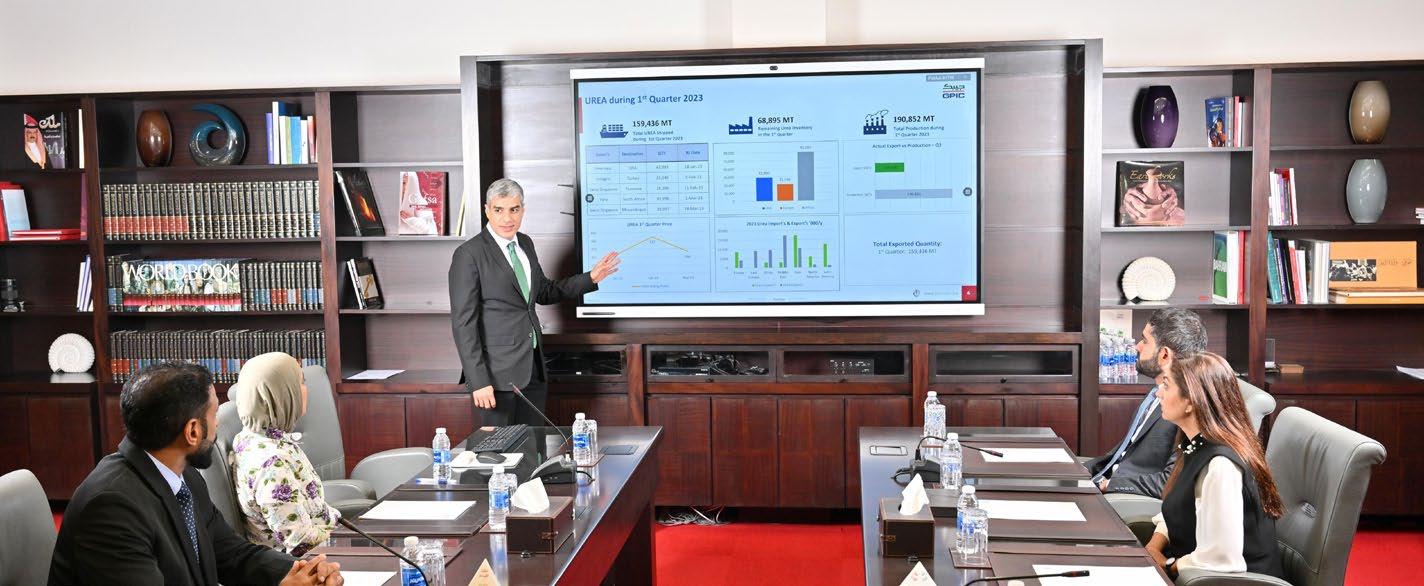
GPIC maintained full compliance with applicable environmental, labor, economic, and social regulations, and no fines or sanctions for non-compliance were incurred during the reporting period.
Sustainability disclosures and ESG indicators are internally verified and prepared in accordance with the Global Reporting Initiative (GRI) Standards. The report undergoes structured internal review and validation processes prior to publication.
Oversight of compliance and sustainability reporting is embedded within GPIC’s governance framework. The Board and its Committees receive regular updates on regulatory developments, enterprise risk management, and ESG performance to ensure transparency, accountability, and alignment with applicable standards.

ZERO
Fines or Sanctions for Regulatory Non-compliance
100%
Compliance with Applicable Environmental, Labor, Economic & Social Regulations
GPIC maintains a strong focus on eliminating all forms of forced labor, child labor, and modern slavery from our operations and supply chain. Aligned with international conventions, local labor laws, and the UN Global Compact Principles 4 and 5, our approach is rooted in protecting human rights, ensuring decent work, and fostering a culture of dignity and fairness for all.
We recognize that modern slavery can take many forms, including forced labor, child exploitation, and human trafficking, and that vigilance, transparency, and accountability are essential to prevention. Accordingly, GPIC:
Enforces strict compliance with Bahrain’s labor laws and international human rights standards.
Maintains a zero-tolerance policy toward child labor and forced labor across all operations. Integrates human rights due diligence into risk management and supplier assessments.
Collaborates with stakeholders, industry peers, and the UN Global Compact network to strengthen ethical supply chains.
Promotes awareness and education among employees and contractors on labor rights and responsible business conduct.
Through these efforts, we strive to ensure that every aspect of our business respects the rights, freedoms, and well-being of all individuals involved.

2012
GPIC has aligned its operations with the Ten Principles of the UN Global Compact.
GPIC aligns its sustainability strategy with internationally recognized frameworks, including the United Nations Global Compact (UNGC) and the United Nations Sustainable Development Goals (SDGs). The UNGC’s Ten Principles guide responsible business conduct across human rights, labour, environment, and anti-corruption, while the SDGs provide a global blueprint for sustainable development. As illustrated, these principles are closely interconnected with multiple SDGs, demonstrating how responsible corporate practices contribute to broader environmental protection, social development, and economic resilience.
10 Principles of the UN Global Compact
Businesses should support and respect the protection of internationally proclaimed human rights.
Make sure that they are not complicit in human rights abuses.
Businesses should uphold the freedom of association and the effective recognition of the right to collective bargaining.
The elimination of all forms of forced and compulsory labour.
The effective abolition of child labour.
The elimination of discrimination in respect of employment and occupation.
Businesses should support a precautionary approach to envirnmental challenges.
Undertake initiatives to promote greater environmental challenges.
Encourage the development and diffusion of environmentally friendly technologies.
Buinesses should work against corruption in all its forms, including extortion and bribery.
End poverty in all its forms everywhere.
End hunger, achieve food security and improved nutrition and promote agriculture.
Ensure healthy lives and promote wellbeing for all at all ages.
Ensure inclusive and equitable quality education and promote lifelong learning opportunities for all.
Achieve gender equality and empower all women and girls.
Ensure availability and sustainable management of water and sanitation for all.
Ensure access to affordable, reliable, sustainable and modern energy for all.
Promote sustained, inclusive and sustainable economic growth, full and productive employment and decent work for all.
Build resilient infrastructure, promote inclusive and sustainable industrialization and foster innovation.
Reduce inequality within and among countries.
Make cities and human settlements inclusive, safe, resilient and sustainable.
Ensure sustainable consumption and production patterns.
Take urgent action to combat climate change and its impacts.
Conserve and sustainability use the oceans, seas and marine resources for sustainable development.
Protect, restore and promote sustainable use of terrestrial ecosystems, sustainability manage forests, combat desertification, and halt and reserve land degradation and half biodiversity loss.
Promote peaceful and inclusive societies for sustainable development, provide access to justice for all and build effective, accountable and inclusive institutions at all levels.
Strengthen the means of implementation and revitalize the global partnership for sustainable development.
Enterprise Risk Management (ERM) is a core enabler of GPIC’s commitment to resilient operations, sustainable growth, and business continuity. GPIC adopts an integrated and inclusive approach to risk management, encompassing the systematic identification of risks and close collaboration with stakeholders across all phases of resilience. Through proactive risk assessment, GPIC seeks to mitigate potential threats or minimize their impact should they materialize. Particular emphasis is placed on protecting critical infrastructure to ensure the uninterrupted supply of essential products and services to customers.
GPIC pursues its strategic objectives and maximizes shareholder value through rigorous risk oversight embedded within its corporate governance framework. The Company maintains a disciplined approach to identifying, assessing, and managing uncertainties that may affect performance or strategic direction. The Resilience Committee provide early identification and escalation of emerging and material risks arising from internal operations or external geopolitical, market, and regulatory developments.
GPIC operates under a robust Enterprise Risk Management Policy aligned with the ISO 31000 Risk Management Guidelines. This framework ensures a consistent, transparent, and internationally benchmarked approach to protecting the Company’s assets, reputation, and operational performance, while supporting informed decision-making at all levels.
GPIC applies a structured and continuous risk management cycle to ensure risks are identified, assessed, and managed effectively across the organization. The process includes:
Risk Identification
Conducted through workshops, internal and external audits, incident investigations, and environmental scanning.
Monitoring and Reporting
Ongoing review through dashboards, key risk indicators, and management reporting.
Risk Mitigation
Implementation of preventive and corrective control measures.
Risk Assessment
Evaluation of likelihood and impact using a standardized enterprise risk matrix.
Risk Prioritization
Ranking risks based on severity and alignment with GPIC’s risk appetite.
GPIC applies the internationally recognized Three Lines of Defense model to ensure effective control, oversight, and assurance:
First Line Risk Ownership: Operational departments are responsible for identifying and managing risks within their day-to-day activities.
The Chief Executive Officer (CEO) holds overall responsibility for the implementation of GPIC’s risk management policy and framework. Oversight at the highest level is provided by the GPIC Board of Directors, primarily through the Board Audit, Finance & Risk Committee.
Second Line Risk Oversight: Risk Management, HSE, Compliance, and related functions establish frameworks, provide guidance, and monitor adherence.
Third Line Independent Assurance: Internal Audit provides independent assurance on the adequacy and effectiveness of internal controls and the ERM framework.
GPIC’s integrated risk management framework is embedded into company-wide decision-making processes, providing a standardized structure for risk identification, assessment, and mitigation. This integration enhances the ability of departments to achieve their objectives while demonstrating to shareholders, regulators, and global customers that GPIC maintains a transparent and well-governed risk profile.
Risk processes are embedded within GPIC’s Integrated Management System (IMS), ensuring consistent application across all manufacturing plants and administrative functions.
The Board Audit, Finance & Risk Committee meets quarterly to oversee the effectiveness of the ERM framework and to review GPIC’s principal business risks. Its responsibilities include:
• Review of ERM Reports: Assessing key enterprise risks reported by the ERM & Business Excellence Section.
• Evaluation of Control Systems: Reviewing the effectiveness of internal, financial, and risk management controls.
• Board Advisory Role: Providing recommendations on the adequacy of mitigation measures and the management of risk exposures.
At the management level, all GPIC departments are represented on the Resilience Committee, which serves as the central coordinating body for enterprise risk management. The Committee oversees strategic, tactical, and operational risks, ensuring organizational preparedness and resilience.
To embed risk management within daily operations, the Resilience Committee includes designated Risk Champions from each department. These Champions play a critical role by:
• Collaborating with risk owners and subject matter experts to identify and assess departmental risks.
• Coordinating the implementation of mitigation actions aligned with operational objectives.
• Leading periodic risk assessments to ensure GPIC’s risk profile remains current and accurate.
• Promoting accountability and reinforcing a culture where risk management is integral to decisionmaking.
GPIC maintains a zero-tolerance approach to any actions that compromise the safety and security of employees, contractors, the public, or the environment. This commitment underpins the Company’s “Safety First” culture and adherence to Responsible Care® principles.
Similarly, GPIC enforces zero-tolerance toward ethical breaches, regulatory non-compliance, integrity violations, or misuse of intellectual property.
GPIC fosters a strong risk culture in which every employee acts as a custodian of the Company’s standards and values. Through the Integrated Management System (IMS), targeted training programs, and clearly defined procedures, employees are empowered to:
Mitigate threats through disciplined compliance with controls and procedures.
Collectively, these efforts strengthen GPIC’s resilience against geopolitical uncertainty and volatility in global energy markets, while securing sustainable value creation for the Kingdom of Bahrain and GPIC’s shareholders.
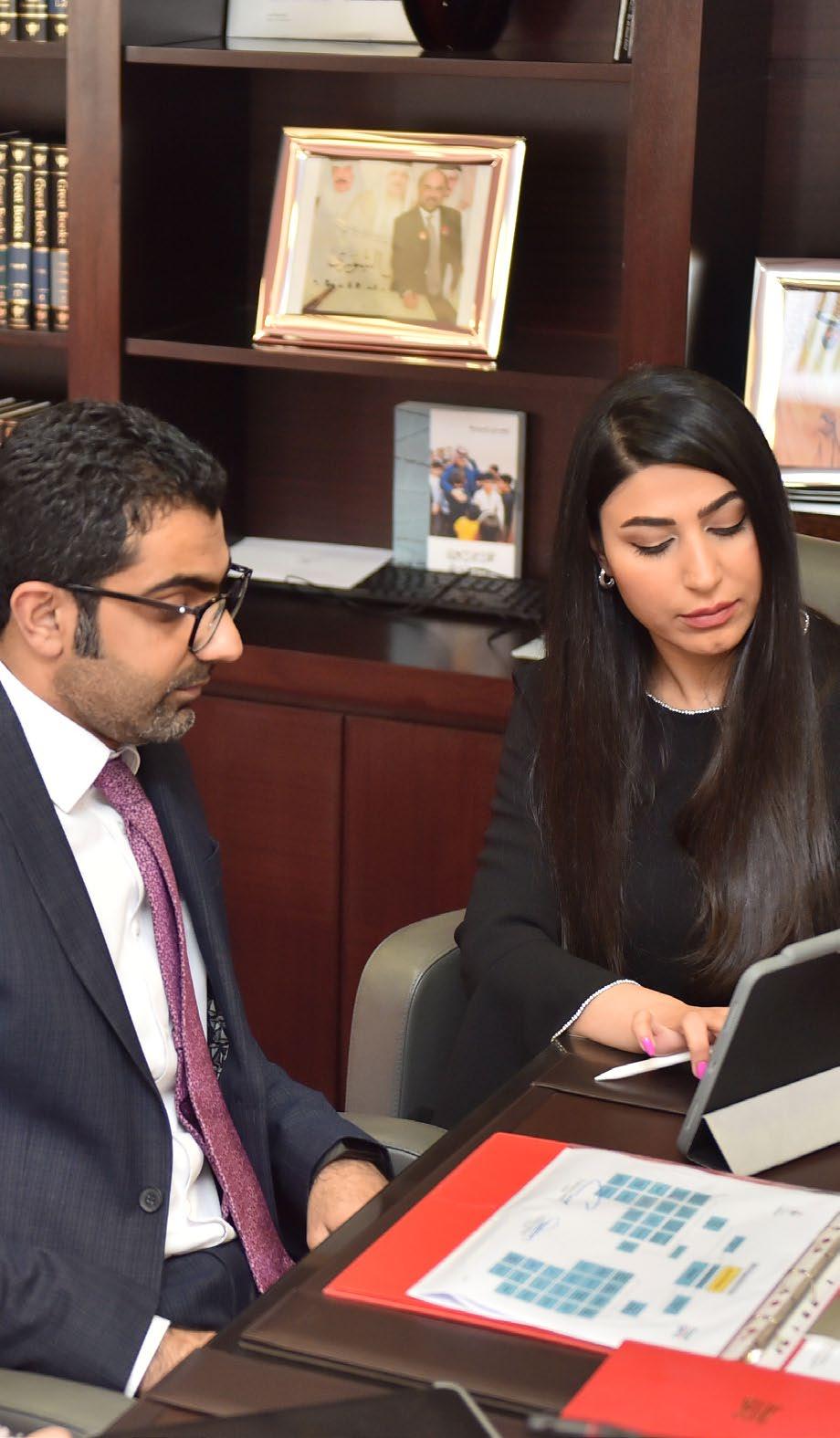

In 2025, the global and regional operating environment for the petrochemical industry was shaped by elevated geopolitical and geoeconomic uncertainty, persistent supply chain disruptions, and sustained cost pressures. Ongoing conflicts in key regions, particularly within the Gulf, continued to affect logistics reliability and risk premiums, resulting in periodic production disruptions, shipping delays, and increased insurance and freight costs.
Geoeconomic fragmentation, including evolving trade barriers, tariffs, and regulatory realignments, further increased market and operational uncertainty. These pressures were compounded by volatility in energy and feedstock prices, driven by geopolitical developments and uneven global economic growth.
Supply chain vulnerabilities were evident through intermittent feedstock availability, rising transportation costs, and tightening labor markets. In parallel, the intensification of cybersecurity threats and heightened stakeholder expectations relating to environmental, social, and governance (ESG) performance introduced additional strategic and operational risks for the sector.
GPIC conducts regular reviews of its risk profile to identify, assess, and manage principal risks that could materially affect the achievement of its objectives. The Company’s current principal risks include:
During 2025, GPIC identified several emerging risks primarily associated with geoeconomic fragmentation, regional geopolitical developments, energy and feedstock price volatility, supply chain disruption, and the escalation of cyber threats. These risks had the potential to impact production continuity, operating costs, market access, and information security.
GPIC proactively addressed these risks through enhanced enterprise-wide risk monitoring, diversification of suppliers and markets, and the strengthening of business continuity and crisis management arrangements. In parallel, the Company implemented cost optimization and energy efficiency initiatives and reinforced cybersecurity and information security controls. As a result of these measures, GPIC successfully maintained operational stability, protected its assets, reputation, and safeguarded business performance throughout the year.
Proactive
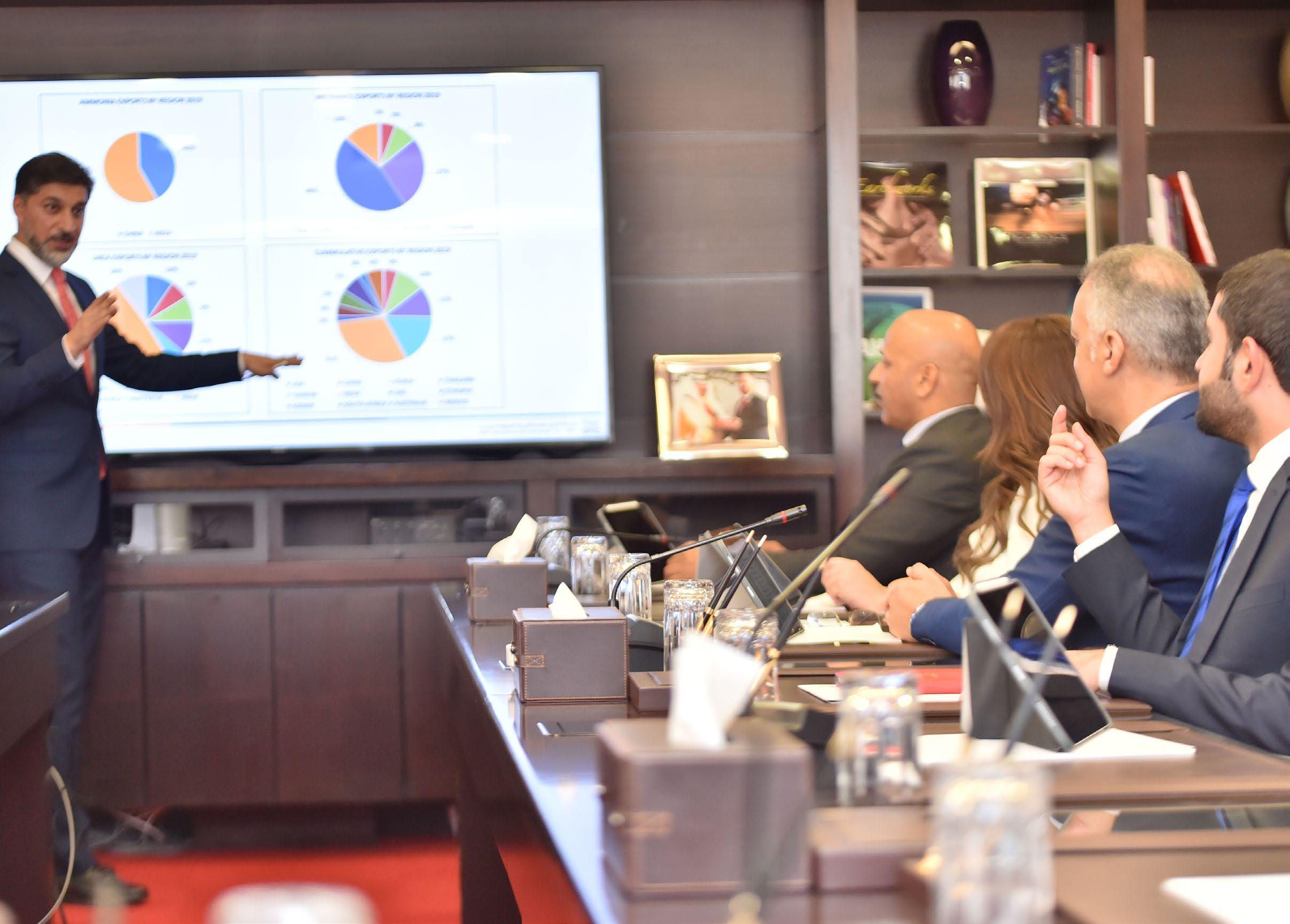
Strategic clarity transforms ambition into measurable outcomes.
GPIC applies a structured materiality assessment process to identify, evaluate, and prioritize sustainability topics that are most significant to its operations and stakeholders. The methodology integrates stakeholder engagement, enterprise risk management, regulatory considerations, and strategic planning to ensure that sustainability priorities remain aligned with business objectives, operational realities, and long-term value creation.
A comprehensive stakeholder mapping exercise forms the foundation of the process. Stakeholders are identified and assessed based on their influence on GPIC and the extent to which GPIC’s activities may impact them.
The following stakeholder groups are considered within the assessment framework:
Each stakeholder category is evaluated to determine the appropriate level and method of engagement. Structured and ongoing interactions enable GPIC to capture stakeholder expectations, emerging sustainability risks, and areas of concern. These insights directly inform the identification and evaluation of material topics, ensuring that priorities reflect both stakeholder perspectives and business significance. Once the category of stakeholders is identified, mechanisms of engagement were approved along with key topics of interest both to the stakeholders and to GPIC, as shown in the following table:
Stakeholder Group Mechanism for Engagement Key Topics
Shareholders
Employees
Quarterly Board meetings (minimum four annually)
• Formal financial reporting and disclosures- Internal and external audit reviews
• Company-wide forums and executive meetings
• Regular management and sectional meetings
• Labor Union meetings
Functional committees and councils
Intranet and internal communications
Company publications and newsletters
Conferences and presentations
Suggestion schemes and shift talks
Local Community Government and Regulators
Community visits to GPIC facilities
• Environmental awareness lectures in schools
• Media engagement and public communication
• Social investment initiatives
• Conferences and official engagements
• Participation in policy forums and advisory groups
• Coordination with local authorities on projects
• Regular engagement with regulators
Government audits and inspections
Representation in committees and task forces
Market and economic outlook
• Financial performance and cost optimization
• Growth and expansion projects
• GPIC 2040 Growth Strategy
• Investment opportunities
• Financial statements and audit oversight
• Talent recruitment and workforce planning
• Employee satisfaction and engagement
• Competency development and performance review
Health and safety
Retention and benefits
Work ethics and culture
Community support and development
• Environmental education and awareness
Stakeholder Group Mechanism for Engagement Key Topics
Distributors
Customers
Media
Day-to-day operational communication
• Meetings and contractual discussions
• Phone and written correspondence
• Responses to media inquiries and interviews
• Conferences and speaking engagements
• Corporate website updates
• Press releases and newsletters
• Event coverage and executive interviews
Conferences and speaking engagements
Correspondence and sharing information
Surveys and benchmarking participation
Capacity-building support
NGOs and Academia
• Legal and regulatory compliance
• Policy alignment and information exchange
• Labor standards and employee rights
• Environmental impact management
• Alignment with Bahrain Vision 2030 Waste management and resource sustainability
Regional and International Organizations
• Conferences and global forums
• Position statements on sustainability matters
• Surveys and benchmarking initiatives
• Participation in advocacy committees
• Board representation where applicable
• Online and shipment-based feedback forms
• Buyer surveys and audit meetings
• Customer evaluation forms per consignment
Quarterly and group stakeholder meetings
Ongoing engagement initiatives
Corporate reputation
• Sustainability of products and services
• Sustainability and CSR performance
• Corporate achievements and best practices
• Reputation enhancement
• National value contribution
Environmental protection and socio-economic development
Strategic partnerships
Collaboration opportunities
• Adoption of international best practices
• Global network development
• Knowledge exchange and expertise
• Strengthening reputation and goodwill
• Environmental, social, and economic performance
• Mutually beneficial partnerships
• Collaboration and opportunities
Suppliers and Contractors
Supplier conferences and workshops
Ongoing operational communications
Formal supplier meetings
Contractor feedback mechanisms
Long-term partnerships
Fair treatment and competitive practices
• Sustainability of products and services
• Responsible sourcing of raw materials
• Human rights and workforce responsibility
Following the identification of stakeholder groups and engagement mechanisms, GPIC implemented a structured double materiality assessment to determine its material ESG topics. The process combined contextual impact evaluation with stakeholderdriven financial risk analysis to ensure comprehensive coverage of both impact and financial dimensions of materiality.
The assessment commenced with a broad identification of potential ESG topics relevant to GPIC’s sector, operational footprint, and strategic objectives. This screening phase incorporated industry research, peer benchmarking, and cross-functional consultation across Operations, Maintenance, Technical Services, Procurement, Finance, Marketing, IT, SSHE, Risk and Compliance, Sustainability, and Executive Management. This approach ensured that the preliminary list of topics reflected sector-specific exposure, regulatory developments, operational priorities, and emerging sustainability trends.
Impact materiality evaluates the extent to which GPIC’s activities influence the economy, environment, and society. To ensure contextual accuracy and analytical rigor, the impact assessment incorporated both industry and geographical considerations.
GPIC categorized its sector as chemical manufacturing and used this classification to contextualize industry-level exposure. Each identified material topic was evaluated on a unified scale, indicating how the chemical manufacturing industry performs in that area compared to other industries. Where the industry demonstrates comparatively weaker performance or higher inherent risk, the potential impact score is correspondingly higher. This assessment provides an objective understanding of sector exposure without evaluating GPIC’s individual performance.
As GPIC operates within Bahrain, each material topic was also assessed in relation to national environmental, economic, and social indicators. This ensured that local operating conditions, regulatory context, and country-level sustainability challenges were appropriately reflected in the evaluation.
In parallel with the impact analysis, GPIC assessed sustainability-related risks and opportunities that may influence financial performance, operational continuity, and long-term value creation.
Engagement was conducted through online surveys and interviews. A total of 137 survey responses were received, from both internal and external stakeholders. Internal participation represented a broad cross-section of the organization across operational, technical, administrative, and executive functions, while external respondents included representatives from commercial partners, financial institutions, and other business stakeholders. Participants were invited to rank identified ESG topics based on significance and to identify those perceived as presenting the most substantial financial risks or opportunities to GPIC.
Senior Management, Superintendents, Supervisors, Engineers, Technical Specialists, HR, IT, Procurement, Finance, Internal Audit, SSHE, Risk & Compliance
Sales Representatives, Banking & Corporate Relationship Managers, Insurance Representatives, Construction & Project Managers, Sustainability Professionals, Customers, Suppliers Internal
The results of the industry assessment, geographical assessment, stakeholder engagement, and financial risk evaluation were consolidated using predefined scoring criteria and normalized to enable comparative prioritization. The consolidated outcomes were subsequently reviewed and validated by management to ensure alignment with GPIC’s corporate strategy and enterprise risk management framework. Through this structured and multi-dimensional methodology, GPIC ensured that its material topics reflect sector exposure, geographical context, stakeholder expectations, and financial implications, fully aligned with the principles of double materiality.
The materiality assessment identified the topics most significant to our stakeholders and most critical to GPIC’s long-term performance. These priority areas will receive focused attention within our strategy, risk management, and performance monitoring processes.
The assessment highlights Economic Impacts as central to value creation, alongside key environmental priorities such as GHG Emissions, Climate Resilience and Transition, Air Emissions, Water and Effluents, Waste, and Biodiversity. It also reinforces the importance of Asset Integrity and Critical Incident Management, and Occupational Health and Safety in ensuring safe and reliable operations, as well as strong governance and social practices, including Anti-Corruption, Employment Practices, and Non-Discrimination and Equal Opportunity.
Economic Impacts
GHG Emissions
Climate Adaptation, Resilience and Transition
Asset Integrity and Critical Incident Management
Occupational Health and Safety
Air Emissions
Anti-Corruption
Water and Effluents
Waste
Biodiversity
Employment Practices
Non-Discrimination and Equal Opportunity
Supplier Social Assessment
Forced Labor and Modern Slavery
Anti-Competitive Behavior
Building on the materiality assessment, GPIC systematically maps its most significant ESG topics to the principal risks that could affect operational performance, regulatory compliance, financial stability, and long-term resilience. This integrated approach ensures that material sustainability priorities are embedded within the Company’s Enterprise Risk Management framework, enabling proactive identification, mitigation, and monitoring of environmental, social, and governance-related risks across the value chain.
Volatility in global fertilizer and petrochemical markets, fluctuations in natural gas feedstock costs, and exchange rate movements may affect GPIC’s revenues and profitability.
Emerging carbon regulations, pricing mechanisms, and export disclosure requirements (e.g., The European Union’s Carbon Border Adjustment Mechanism [CBAM]) could increase compliance costs and impact global competitiveness.
Climate
Global decarbonization policies and physical climate impacts such as extreme heat, dust storms, and severe weather may disrupt operations and long-term resilience.
Air Quality Compliance Risk
Non-compliance with NOx, SOx, and particulate emissions standards can lead to regulatory penalties, reputational damage, and strained community relations.
Industrial activities near Bahrain’s coastal areas may affect marine ecosystems through effluents, land use, or thermal discharges, potentially leading to community or regulatory backlash.
Waste Management and Liability Risk
Improper handling of hazardous or non-hazardous waste, such as catalyst residues and sludge, may result in environmental liabilities and reputational loss.
High dependence on desalinated water in a water-scarce region and risks of effluent noncompliance could disrupt operations and affect GPIC’s social license to operate.
Failures in asset integrity, process safety, or incident management (e.g., ammonia leaks, explosions) can cause severe disruptions and harm to workers and reputation.
Exposure to operational hazards can lead to injuries, higher insurance costs, and reduced workforce morale and productivity.
Talent
Competition for skilled professionals and gaps in workforce development may hinder productivity and innovation.
Inequality or discrimination in hiring, promotion, or treatment of migrant workers may damage morale and compliance with ESG norms.
Labor
Potential forced labor or unsafe conditions in supply chains may expose GPIC to reputational and compliance risks in export markets.
Competition
Breaches of antitrust or fair competition laws could lead to legal disputes, fines, and loss of market position.
Bribery, fraud, or unethical practices in procurement or contracting could undermine governance integrity and lead to sanctions.
Dependence on international suppliers for feedstock, chemicals, and spare parts introduces risks of disruption, price volatility, and social/human rights concerns across the supply chain.
Building on the outcomes of its materiality assessment, which identified the ESG topics most significant to stakeholders and the business, the Company has established a focused sustainability strategy aligned with the high, and medium-high priority areas. This strategy is integrated into enterprise risk management, operational planning, and governance oversight. Centered on environmental stewardship, social responsibility, and ethical governance, GPIC’s ESG pillars translate material priorities into measurable goals, operational controls, and performance outcomes that support longterm value creation. Aligned with international standards and national objectives, the framework ensures that strategic direction remains responsive, accountable, and impact-driven.
GPIC’s Environmental Stewardship pillar focuses on minimizing the environmental footprint of its petrochemical operations while enhancing operational efficiency and climate resilience. Environmental considerations are embedded within process design, capital investment planning, and operational management, ensuring alignment with decarbonization pathways and resource optimization objectives.
Environmental Material Topics:
• GHG Emissions
• Climate Adaptation, Resilience and Transition
• Air Emissions
• Water and Effluents
• Waste
• Biodiversity
GPIC recognizes that workforce safety, human capital development, and community engagement are fundamental drivers of operational reliability and sustainable growth. The Social Impact pillar ensures that employees, contractors, and communities are protected, empowered, and engaged throughout GPIC’s operations.
Social Material Topics:
• Occupational Health and Safety
• Employment Practices
• Non-Discrimination and Equal Opportunity
GPIC’s Governance pillar ensures accountability, transparency, and ethical conduct across all operations. Governance structures integrate ESG oversight into corporate strategy, enterprise risk management, and operational decision-making processes.
Governance Material Topics:
• Economic Impacts
• Anti-Corruption
• Asset Integrity and Critical Incident Management
Gas Emissions
To improve the overall carbon footprint of the complex
Reduce Scope 1 and Scope 2 emissions by 20% by 2030.
1. Number of enhancement projects have been studied by the consult ants and they are in FID stage.
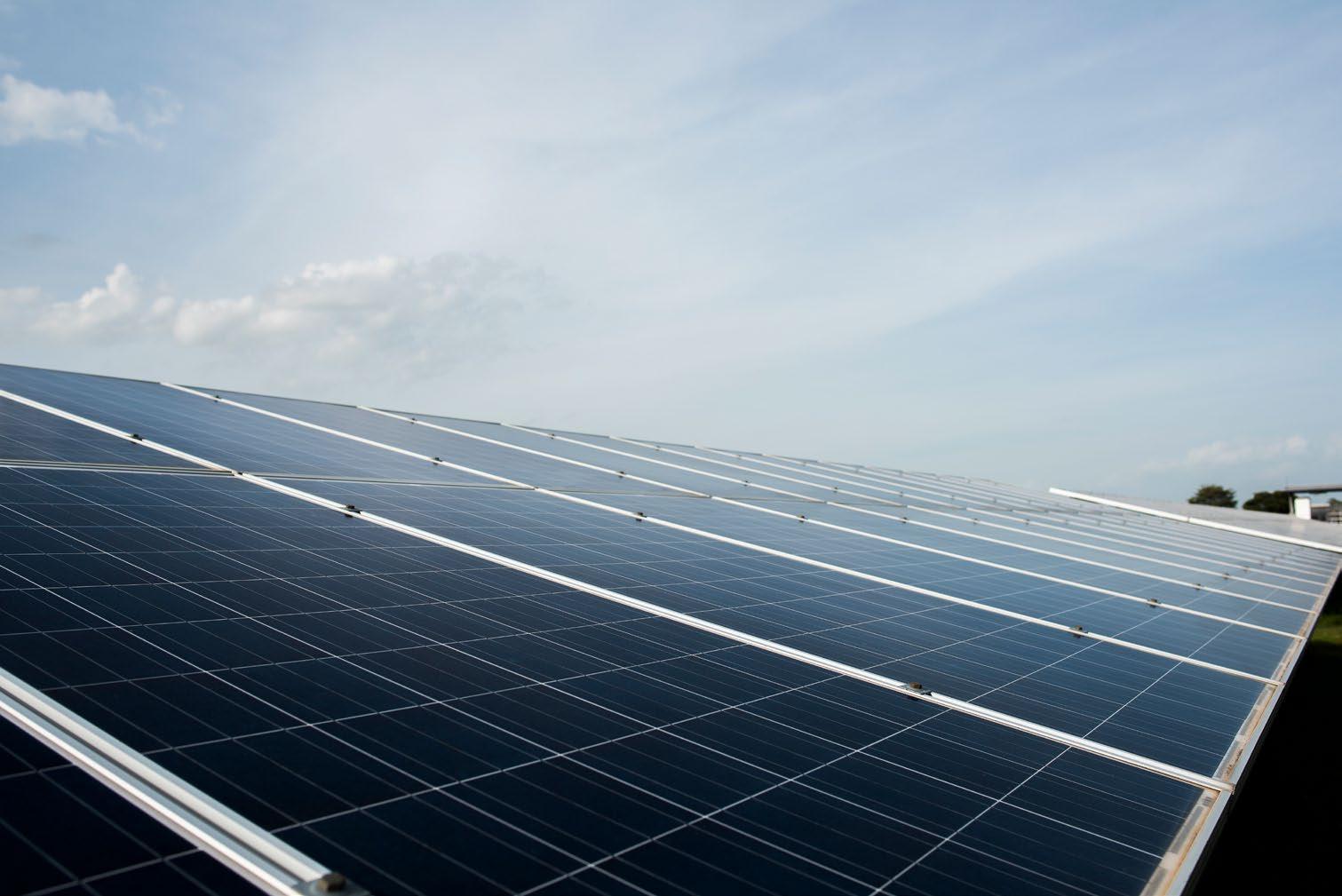
2. Solar panels generation 600 kw solar completed in 2025.
3. Installation of additional 2.4 MW solar panels by 2030.
4. Recovery of waste gases from various streams to reduce overall fuel consumption such as Ammonia refrigeration waste gases and Methanol flash gases.
5. Continue the monitoring, review, and verification (MRV) mechanis m of key metrics to facilitate continuous progress tracking, performance improvement, and benchmarking against historical emissions data.
6. Explore GHG digitalization aimed at enhanced GHG transparency, data monitoring, verification and reporting. Deploy suitable digital solutions such as Enablon, S phera, or other integration and consolidation tools.
7. Plantation of Mangrove to offset carbon emissions as a natural base solution.
Climate Adaptation, Resilience and Transition
To strengthen GPIC’s operational resilience against climate-related risks while enabling an economically viable transition toward lower-carbon and energy-efficient operations.
Air Quality Emissions
Waste Management
Explore and embrace latest technology to further decrease emissions.
Reduction in energy consumption per saleable product ton (Gcal/MT) by 8% in 2030.
Reduce scope 1 and 2 emissions by 20% by 2030.
Water and Effluents
Minimize non-hazardous and hazardous waste to landfill.
Reduction in air emissions (SOx, NOx & Urea Dust) 5% by 2030 compare to 2015.
1. Number of enhancement projects have been studied by the consult ants and they are in FID stage.
2. Solar panels generation 600 kWp solar completed in 2025.
3. Installation of additional 2.4 MW solar panels by 2030.
4. New urea granulator nozzles to reduce dust emissions and CO2 emissions has been installed resulted in reducing the frequency of granulation washes.
5. Establish a monitoring, review and verification (MRV) mechanism of key metrics for continued progress tracking and improvement.
1. Explore technology of reformer and boiler burners to further de crease emissions.
2. Ensure boilers and plants running at optimum and efficient loads
3. Continue online monitoring of all stacks emissions.
4. Ambient air quality monitoring mobile station.
5. Procurement of additional three Air Quality Monitoring Stations (AQMS) to enhance air quality monitoring.
6. Continue utilization of excess steam from Urea Plant to stop CD R auxiliary boiler.
7. Continue the monitoring, review, and verification (MRV) mechanis m of key metrics to facilitate continuous progress tracking, performance improvement, and benchmarking against historical emissions data.
Zero Hazardous waste to landfill.
Minimize non-hazardous waste to landfill by 25% by 2030.
Zero non-hazardous waste to landfill by 2040.
Ensure full regulatory compliance in effluent discharge
Maintain 100% compliance with regulatory effluent discharge standards annually.
1. Exploring opportunities with local markets to repurpose specific waste streams that could not be reused internally but could create value for other industries.
2. Continue to reduce waste generation at source.
3. Enhancing recycling through proper waste segregation at source and also through better awareness and monitoring to reduce non hazardous waste.
4. Adherence to environmental management such as ISO 14001.
1. Conduct periodic water balance studies to identify losses and i nefficiencies.
2. Explore implementing real-time monitoring of effluent discharge parameters (pH, temperature, ammonia, COD).
3. Collaborate with national authorities on marine discharge monit oring programs.
To protect, preserve and enhance biodiversity in and around GPIC’s operational boundary while promoting ecological stewardship.
Zero significant environmental incidents impacting biodiversity.
1. Maintain and expand GPIC’s internal green belt and landscaped z ones.
2. Maintain and expand biodiversity facilities such as the Fish Farm and Bird Sanctuary, enhancing habitat quality and supporting native species conservation.
3. Support mangrove nursery and tree planting initiatives in the broader community to improve coastal and terrestrial ecosystems.
4. Conduct marine biodiversity monitoring near seawater intake and discharge points.
5. Implement ecological risk screening prior to major capital proj ects.
6. Implement spill prevention and containment upgrades to protect marine ecosystems.
Reducing our scope 1 & 2 emissions by 20% by 2030, 30% by 2035 and carbon neutral by 2060
Implementation of projects related to reduction of consumption of natural gas and energy (four projects were studied and assessed for feasibility).
Installation of 3 MW of new on-site solar capacity (0.6 MW completed as Phase 1 in 2025).
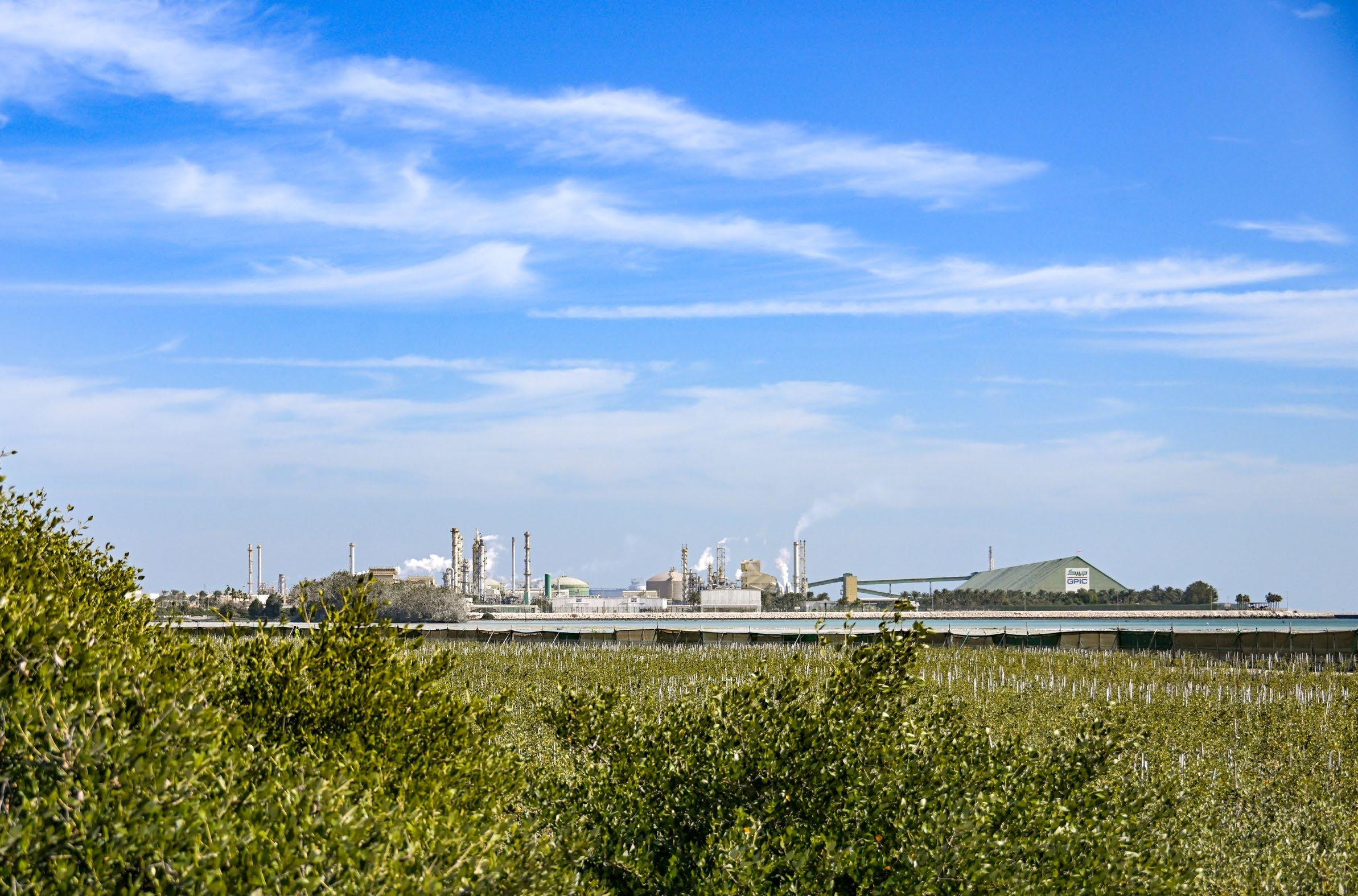
Plant 250,000 mangroves and other species on site to improve biodiversity and sequester CO₂ (more than 257,000 planted as of 2025).
Invest in carbon capture utilization and storage projects with parent company.
Occupational Health & Safety
To maintain a high level of health & safety at GPIC site at all times.
TRIR- Total Recordable Injury Frequency Rate: <0.5 by 2028 and 0.3 by 2033.
ZERO LTIR- Lost Time Injury Incident Rate
Non-Discrimination and Equal Opportunity
To ensure gender equality within the organization.
Zero discrimination incidents (current zero)
Employment Practices
To ensure GPIC is a healthy workplace retaining competent and skills workforce.
Maintain Retention Rate at 98% (current 98%)
1. SHE/Employees/Year: 4 hours. Employees participation in SHE meetings: 70%.
2. Safety mock drills to assess emergency response: 12/Year.
3. Health awareness among employees.
4. Periodic Medical checkup program.
5. Periodic audit assessments.
6. Implementation of international Health & safety Management System ISO 45001 & RC 14001 and best practices.
7. Health & safety Culture Survey.
8. Participate in HSE Performance benchmarking periodically.
9. Association with international HSE bodies to increase contribution and learning with respect to health & safety management.
10. Conduct campaigns for health, safety and wellbeing, such as, awareness weeks on topics such as heat awareness, working at heights, ergonomics, volunteering (has a direct impact on social and community initiatives), physical fitness, etc.
11. Conduct programs focused on promoting safety culture of employees at work and at home.
12. Promote mental health through monthly newsletters.
1. Gender equality is part of GPIC's corporate governance policy.
2. GPIC committed to UN Global Compact's ten principles since 2012.
3. GPIC committed to UN Global Compact's Women Empowerment Principles (WEPs) since 2014.
4. GPIC is part of the Bahrain Government's equal opportunity council,
5. Female representation in GPIC's labor union, Various cross functional committee's at GPIC have a fair representation of women employees.
6. Promote and foster a culture of respect, anti-discrimination, equal opportunity, etc.
1. Continue to provide employees better development through career progression & training and development.
2. Investing in developing and maintaining a competitive compensat ion, rewards and benefits package.

Economic Impacts
Anti-Corruption
To generate sustainable economic value for shareholders, employees, suppliers, and the Kingdom of Bahrain while ensuring long-term industrial resilience and responsible growth.
Maintain strong EBITDA performance aligned with shareholder expectations.
Asset Integrity and Critical Incident Management
To ensure GPIC business activities conducted according to GPIC Code of Ethics.
Number of corruption incidents recorded: Zero (Current zero)
1. Implement GPIC 2040 Growth Strategy.
2. Explore Sustained Profitable Growth Projects.
3. Evaluate and mature growth opportunities (capacity optimization, debottlenecking, downstream integration, or strategic partnerships).
4. Continuous Market Monitoring & Commercial Optimization
5. Diversify export destinations to reduce concentration risk and maximize margin realization.
6. Optimize product allocation across regions based on netback analysis and freight economics.
7. Explore premium and specialty market segments where feasible.
8. Cost Optimization & Operational Efficiency Program
9. Implement structured cost optimization initiatives across utilities, procurement, logistics, and maintenance.
10. Enhance energy efficiency per saleable ton to improve margin res ilience.
11. Prioritize local supplier development and strategic sourcing partnerships.
12. Enhance procurement planning to support local industrial ecosystem growth.
13. Evaluate opportunities to increase downstream value capture within Bahrain.
14. Maintain conservative leverage and strong liquidity management.
15. Integrate enterprise risk management into investment and commercial decisions.
1. Conducting internal audits covering all GPIC functions.
2. GPIC Segregation of Duties Guideline and Matrix
3. Whistleblowing hotline
4. GPIC Declaration of Conflicts of Interest Policy
5. Code of Ethics awareness & Training program.
6. Annual internal audits to evaluate the effectiveness of the existing corporate governance frameworks and identify areas for improvement.
7. Conduct comprehensive training program for the executive leadership team to enhance their knowledge on ESG matters.
8. An anonymous 24-hour hotline (our “General Auditor Hotline”) that is open to all our stakeholders (ranging from our employees to our suppliers) to report any suspected misconduct, including allegations related to bribery or corruption.
9. All employees and suppliers are required to comply with our Cod e of Conduct and must confirm every year that they have read, understood and will comply with the Code.
To ensure safe, reliable and resilient operations through robust asset integrity management and effective critical incident preparedness.
Conduct minimum 12 emergency response drills annually.
Zero major process safety incidents.
1. Implement comprehensive Asset Integrity Management System aligned with international standards (API, ISO, RC 14001).
2. Conduct Risk-Based Inspection (RBI) for critical static and rotating equipment.
3. Implement predictive maintenance technologies (vibration analysis, thermography, corrosion monitoring).
4. Periodic HAZOP and LOPA studies for process units.
5. Maintain updated Emergency Response Plan (ERP) and Crisis Management Framework.
6. Conduct joint emergency drills with Civil Defense and national authorities.
7. Digitalize maintenance and integrity management systems.
8. Monitor leading and lagging Process Safety Indicators (Tier 1–4).
9. Conduct third-party integrity audits and benchmarking assessments.
10. Continuous training of emergency response teams and incident command structure.

Responsible growth drives enduring economic value.
GPIC recognizes Economic Impacts as a significant material topic, given our significant contribution to the Bahraini industrial and economic landscape. Our operations generate substantial direct and indirect economic value, supporting national growth and contributing to long-term prosperity. GPIC’s direct contributions include dividend distributions to shareholders, tax payments to the Government of Bahrain, salaries and benefits to employees, and procurement expenditures directed toward suppliers and contractors.
Beyond our direct financial contributions, GPIC’s activities create a broad spectrum of indirect economic impacts. These include advancing the local manufacturing ecosystem, generating sustainable employment, and strengthening the economic well-being of local communities. Our integrated business model drives local value creation by supporting small and medium enterprises, promoting industrial partnerships, and developing skills within the national workforce.
As a core contributor to Bahrain’s manufacturing economy, GPIC actively fosters an enabling business environment that extends benefits across our value chain. We prioritize local supplier engagement, encourages knowledge transfer, and maintain a high rate of Bahraini employment, reflecting our role as both an economic catalyst and a responsible corporate citizen. Through these actions, GPIC continues to align our financial success with sustainable economic development, ensuring long-term value creation for all stakeholders.
Performance ratios are used to monitor financial stability, operational efficiency, and responsible capital allocation.
Purchase Made in Bahrain Finance Charges Paid to Banks
Contributions and Payments

Our plant operations consistently run safely, reliably, and efficiently, maintaining strong production performance while upholding the highest quality standards across all products.
The table below presents our total combined production, along with a breakdown of individual product volumes and the corresponding total exported quantities:
2%
1.64
0.3%
The on-stream factor, capacity utilization, and utilization factor for all products at GPIC are consistently maintained at optimal levels. As reflected in the data, performance has remained strong across the years, with the exception of 2022, which was a scheduled turnaround year and therefore recorded lower percentages. These sustained high rates underscore the Company’s strong operational reliability and the effectiveness of its preventive maintenance and asset management practices.
On-stream Factor
Managing today’s impact while advancing toward a lower-carbon and more resilient future.
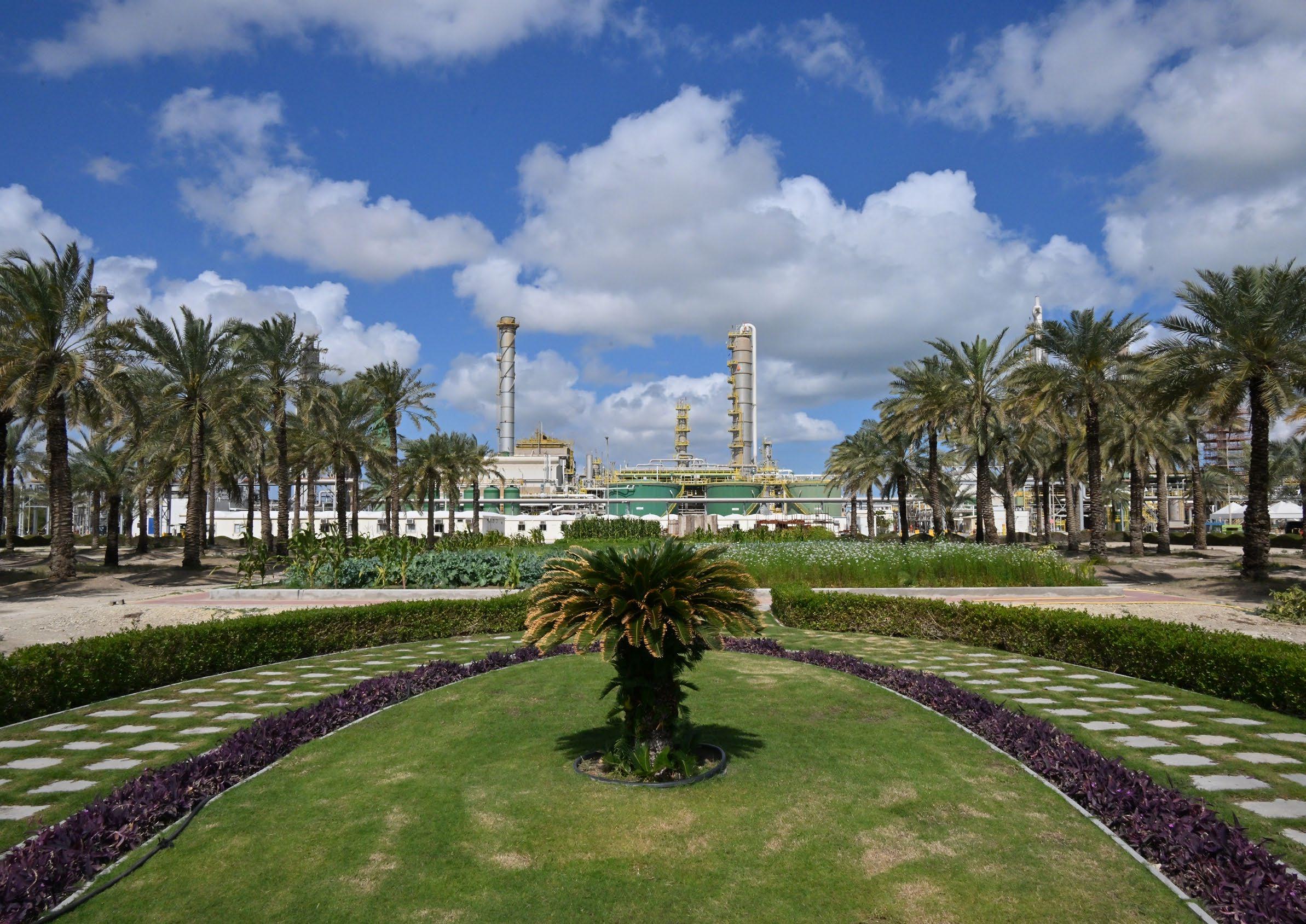
GPIC is committed to responsible operations, with environmental protection and sustainability at the core of our business practices. Our policy ensures full compliance with national regulations and alignment with international standards, reflecting our dedication to accountability, transparency, and continuous improvement.
We integrate environmental considerations across all aspects of our operations, including energy efficiency, emissions management, effluent treatment, waste reduction, and biodiversity protection. Energy performance is continuously improved through process optimization and adoption of cleaner technologies. Effluents are treated and managed to safeguard water resources, while waste is reduced through recycling and safe disposal practices. Biodiversity is actively protected and enhanced through dedicated projects that preserve ecosystems surrounding our facilities.
As part of our broader decarbonization strategy, GPIC implements measures to reduce both direct (Scope 1) and indirect (Scope 2) emissions through operational efficiency, energy optimization, and cleaner technology adoption. This includes the ongoing operation of a large-scale carbon capture and utilization (CCU) facility, renewable energy integration, and upgrades to energyintensive systems. These actions form a clear roadmap toward lower-carbon production and improved environmental performance, supporting both national and global climate goals. This commitment is reinforced by our integrated Environmental and Energy Management Systems, certified under ISO 14001, ISO 50001, and RC 14001, which provide a structured framework for monitoring, reporting, and continual improvement. Through these systems, GPIC ensures that environmental responsibility is embedded into our strategy, decision-making, and daily operations.
Our governance framework assigns clear roles and accountabilities for environmental performance across departments. Oversight of emission reduction and energy management initiatives are maintained through periodic management reviews and sustainability reporting, reinforcing transparency and accountability at every organizational level.
At GPIC, environmental responsibility is embedded at the very core of our values. It shapes how we operate, ensuring that our actions reflect both compliance with national legislation and alignment with international standards. We view environmental care not as an obligation, but as a commitment to sustainable growth and responsible stewardship.
During the reporting period, GPIC achieved full compliance with all environmental requirements, demonstrating our dedication to maintaining the highest standards. Beyond compliance, we actively track and monitor all our key performance indicators (KPIs) across greenhouse gas and air emissions, energy efficiency, water and effluent management, waste reduction, and biodiversity protection. This systematic approach allows us to measure progress, identify opportunities for improvement, and continuously enhance our environmental performance.
By embedding responsibility into our operations and rigorously monitoring our KPIs, GPIC ensures that sustainability is not only part of our strategy but also a daily practice that drives long-term value for our stakeholders and the environment.
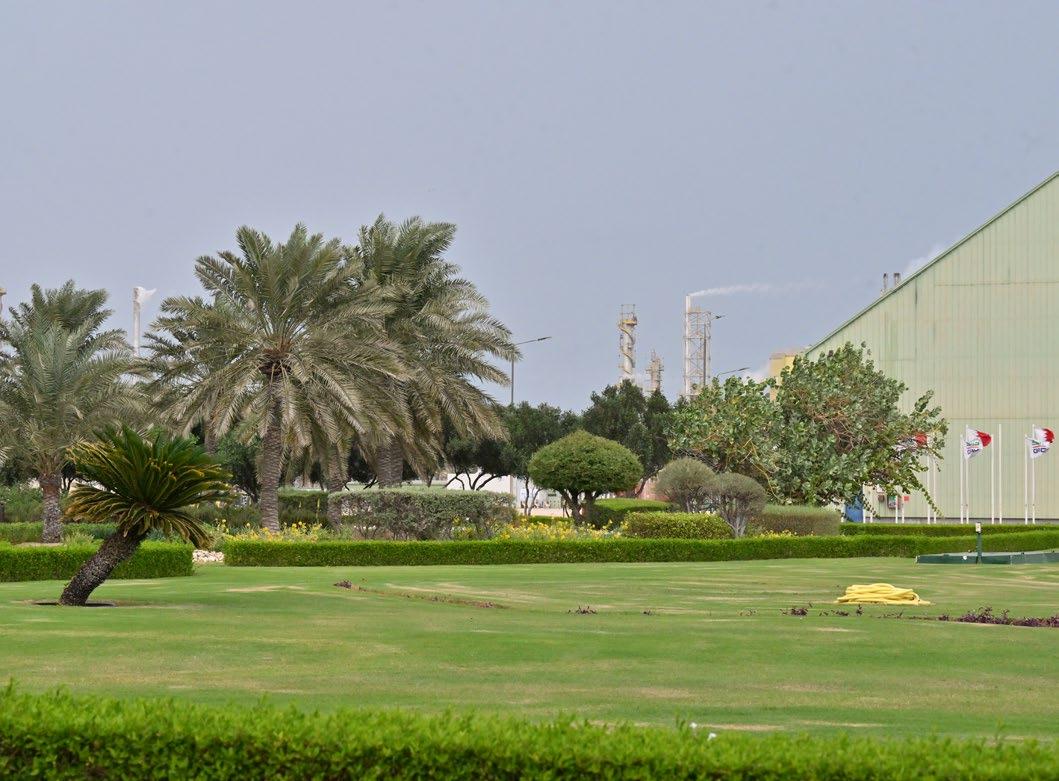
At GPIC, emission management and control are recognized as one of our highest-priority material topics. As fertilizer and petrochemical producers of ammonia, methanol, and urea, we place strong emphasis on ensuring that emissions from our operations are regularly monitored, controlled, and managed to avoid adverse impacts on the environment.
Our approach goes beyond compliance. We actively benchmark our performance against international organizations and industry associations such as the Gulf Petrochemicals and Chemicals Association (GPCA) and the International Fertilizer Association (IFA). This ensures that our practices remain aligned with global best standard and reflect our commitment to continuous improvement.
Emission control is integrated with our production targets, reinforcing the principle that operational excellence and environmental responsibility must go hand in hand. We track our GHG emissions through defined KPIs, ensuring that our monitoring and reporting remain consistent with national commitments and international standards.
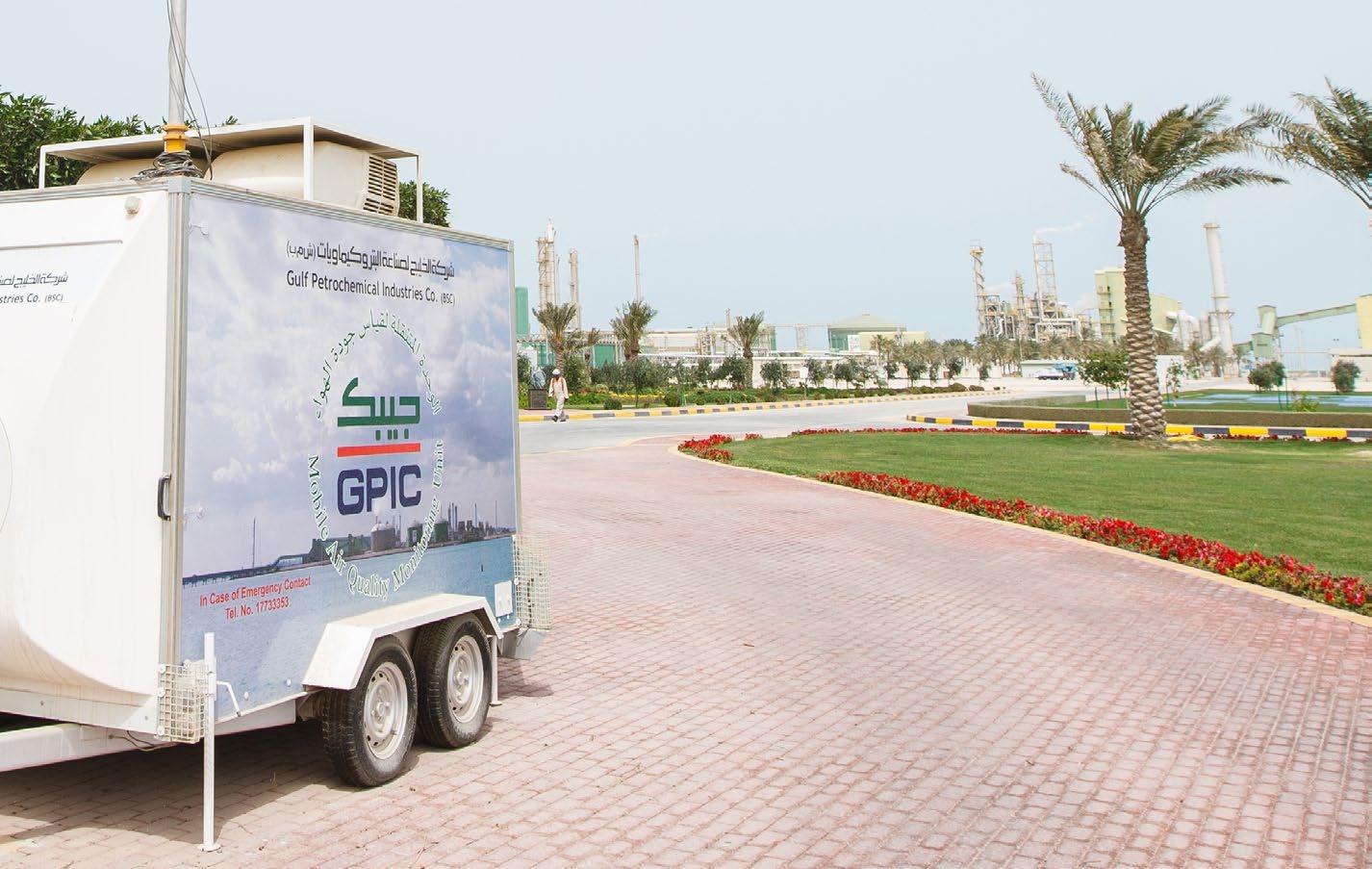
GPIC applies a structured and disciplined approach to managing GHG and air emissions through our integrated Environmental and Energy Management Systems, certified under ISO 14001, ISO 50001, and RC 14001. These certifications provide assurance that our operations are guided by internationally recognized frameworks for environmental responsibility, energy efficiency, and Responsible Care.
Our management systems emphasize proactive risk identification, compliance assurance and continuous improvement. By embedding environmental responsibility into daily operations, we ensure that emission control is not treated as a stand-alone activity but as an integral part of our production and decision-making processes. This approach strengthens accountability, enhances transparency, and supports our long-term sustainability objectives.
GPIC continues to set benchmarks for emission management within the regional petrochemical industry, reinforcing our role as a leader in environmental responsibility and sustainable operations.
GPIC quantifies and reports greenhouse gas (GHG) emissions using IPCC methodologies and calculation approaches, applying a structured methodology to ensure accuracy and reliability. We use Tier 2 site-specific emission factors, derived from actual gas analyses, to reflect the composition and characteristics of the fuels used in our operations. Where sitespecific data are not available, Tier 1 default emission factors are applied. Since 2024, GPIC has introduced a monthly GHG emissions reporting system, with results shared directly with management and stakeholders. Any deviations are immediately communicated, investigated, and justified, ensuring accountability and enabling timely corrective measures. This approach has strengthened our ability to closely track emissions and implement effective control measures.
Our emissions are also tracked continuously through Continuous Emission Monitoring Systems (CEMS), providing live data on emission performance. In 2024, GPIC commissioned the Environmental Control Center, the first of its kind in the Kingdom of Bahrain, enabling real-time monitoring of emissions across our operations. In addition, GPIC operates an air quality monitoring station to measure ambient air quality around our facility. Regular Air Quality Index (AQI) reports are issued to ensure that the air surrounding GPIC’s boundaries remains within permissible limits, safeguarding the environment and the health of neighboring communities. Moreover, we are in the process of installing three additional monitoring stations to enhance air quality surrounding the complex.
GPIC’s direct (Scope 1) emissions arise primarily from stationary combustion, industrial processes, flaring, fugitive releases, and refrigerant use. Indirect (Scope 2) emissions result from the electricity purchased to power our operations.
We place strong emphasis on monitoring stack emissions from our boilers and gas turbines. These are continuously tracked to ensure efficient combustion and to minimize nitrogen oxides (NOx) and sulfur oxides (SOx).
Real-time monitoring systems provide detailed insights into stack performance, allowing us to optimize operations, reduce environmental impacts, and maintain compliance with stringent regulatory requirements.
In addition, fugitive emissions, flare efficiency, and ambient air quality are monitored through online systems and mobile stations, ensuring full alignment with Bahrain’s environmental regulations.
We report our emissions to the Supreme Council for Environment (SCE) on a quarterly basis, with inspections conducted to verify compliance and ensure that our analyses meet required standards. In both 2024 and 2025, GPIC’s emissions remained fully compliant, with no concerns raised. In addition to greenhouse gases, GPIC monitors emissions of ozone-depleting substances (ODS) in line with the Montreal Protocol.
We have implemented measures to phase out ozone-depleting compounds, particularly Class II hydrochlorofluorocarbons (HCFCs), which are controlled refrigerants. The ozonedepleting potential (ODP) of each compound is calculated using Montreal Protocol factors, ensuring accurate reporting and responsible management.
GHG emissions intensity was high in 2022 reflecting the scheduled plant turnaround, which is a planned and essential activity to enhance asset reliability, optimize performance, and ensure long-term operational integrity.
In 2023, following the successful completion of the turnaround and stabilization of operations, emissions intensity decreased as the plant operated under optimized and steady-state conditions.
From 2024 onward, intensity showed a gradual increase, consistent with normal operating conditions and the natural aging of catalysts, which can incrementally affect energy efficiency over time.
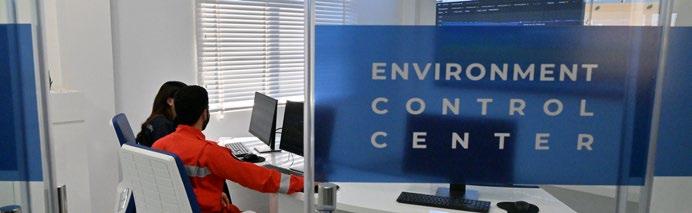
Direct (Scope 1) GHG Emissions
Indirect (Scope 2) GHG Emissions
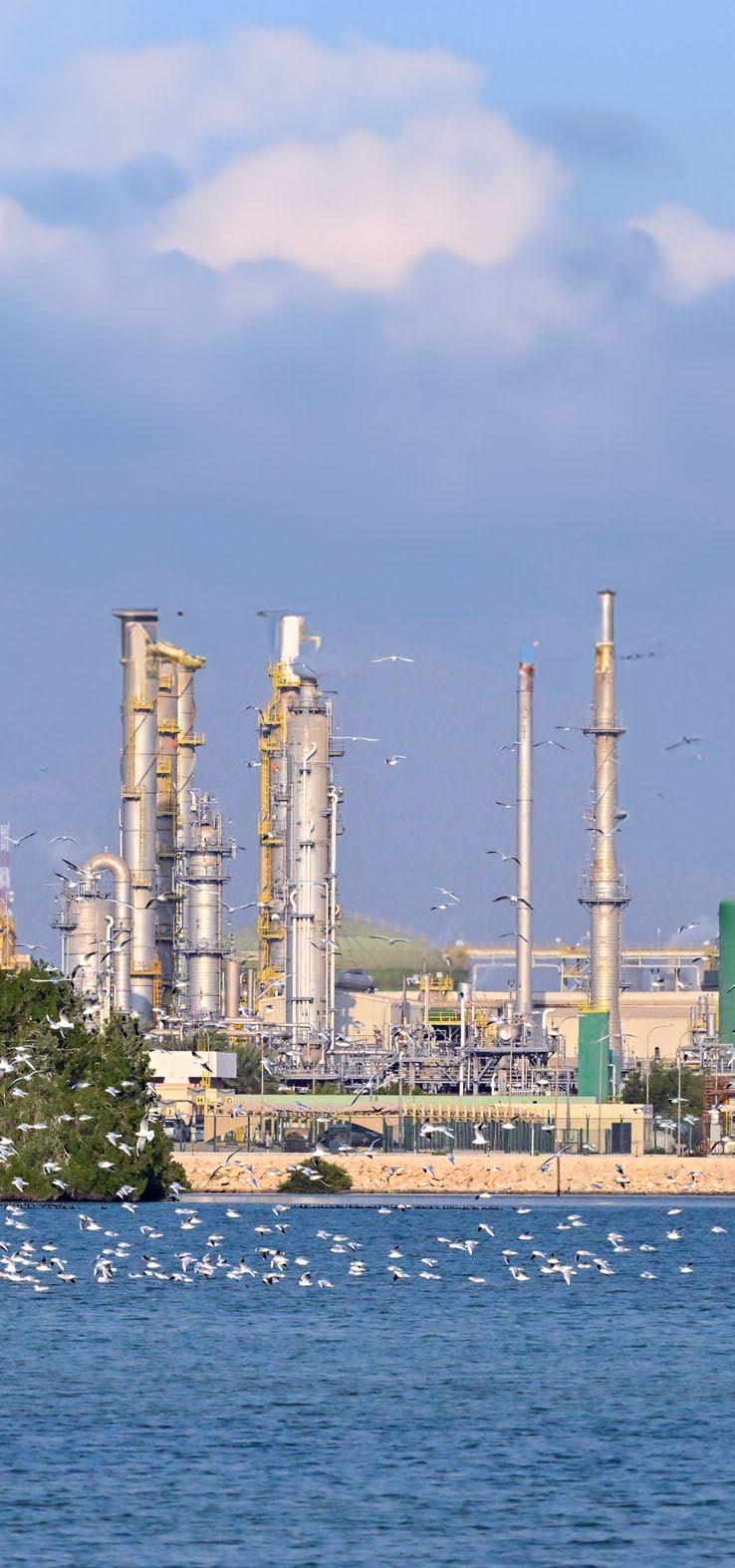
The manufacturing of fertilizers is relatively clean but highly energy-intensive. At GPIC, natural gas is the primary raw material for producing ammonia, and methanol, with the greatest environmental impact arising from greenhouse gas (GHG) emissions during ammonia and methanol production, as well as from fossil fuel-fired boilers and gas turbines.
From the design stage, GPIC prioritized minimizing GHG emissions by embedding environmental protection and resource optimization into plant design and operating philosophy. This long-standing approach has ensured that emissions remain low while meeting the needs of modern society. Operational reliability and high onstream factors are central to GPIC’s philosophy, as uninterrupted, energy-efficient operations result in lower emissions. Globally, energy-efficient plants are recognized for emitting fewer greenhouse gases, and GPIC has consistently pursued this path. Since 1985, GPIC has significantly improved energy efficiency and reduced emissions: energy consumption per ton of product has decreased from 11 Gcal/ton to 7.57 Gcal/ton.
These achievements have been realized through reliable operations and a series of energy-saving projects, including the debottlenecking project in 1989, the startup of the urea plant in 1998, and the commissioning of the Carbon Dioxide Recovery. The CDR unit recovers 450/tons of CO₂ per day from methanol reformer stack emissions, converting it into additional methanol and urea. On an annual basis, this reduces around 0.12 million tons of CO₂ emissions, and since 2009, approximately 2.03 million tons of CO₂ have been mitigated through the CDR unit alone.
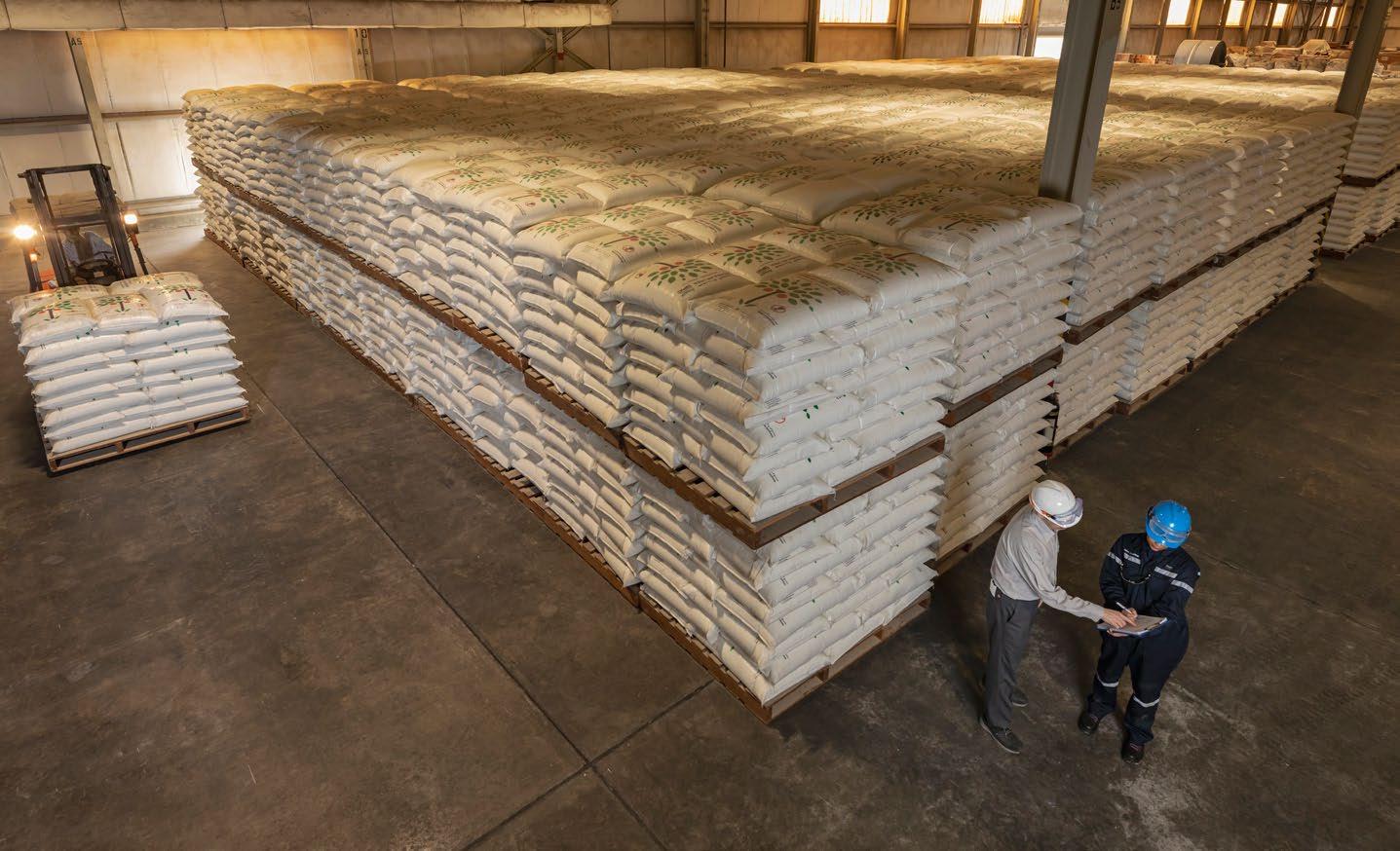
Energy savings achieved through targeted initiatives highlight our focus on continuous improvement. Although the level of savings varies year to year depending on operational priorities and project cycles, the consistent implementation of energyefficiency programs has contributed to measurable reductions in overall demand. Energy intensity indicators further illustrate GPIC’s performance. Despite fluctuations linked to production volumes and operational conditions, the long-term trajectory shows improved efficiency over years. This reflects our emphasis on reliable operations, process optimization, and the integration of advanced technologies such as carbon capture and utilization.
Together, these results demonstrate GPIC’s ability to balance large-scale production with responsible energy management, reinforcing our commitment to sustainability and our role in advancing national and global climate goals.
GPIC continues to advance renewable energy initiatives that support Bahrain’s vision for a sustainable future and align with the Company’s long-term 2040 Strategic Plan. A key achievement has been the installation of a solar energy system integrated into the roof structures of the employee parking area. This project demonstrates GPIC’s commitment to clean energy, reducing reliance on conventional sources while contributing to environmental preservation.
The system has delivered strong results since commissioning. In 2025 alone, total solar energy generation reached over 1 million kilowatt-hours, while cumulative generation from April 2024 to the end of 2025 exceeded 1.7 million kilowatt-hours. In addition, the project has achieved CO₂ savings of 742.52 metric tons over a 20-month period, underscoring its direct contribution to reducing greenhouse gas emissions. Real-time monitoring displays installed at the facility provide transparent reporting of energy performance, allowing precise calculations of savings and highlighting the environmental benefits achieved.
This initiative forms part of GPIC’s broader strategy to gradually expand renewable energy capacity, integrate cleaner technologies, and strengthen energy efficiency. By embedding such projects into its operations, GPIC reinforces its role as a leader in sustainable petrochemical production and contributes meaningfully to national and global climate goals.
1.7 MILLION KWH
Electricity generated from the Solar Plant
742.5 TCO₂e
Offset from the Solar Plant

At present, carbon regulations such as CBAM are not directly applicable to GPIC. However, recognizing the potential for future developments in global carbon policies, GPIC has established a proactive roadmap beginning in 2026 to assess possible risks and implications. Data collection systems are already in place to ensure readiness, allowing the Company to respond effectively should such requirements arise.
GPIC’s broader decarbonization strategy provides a strong foundation to address these emerging challenges. Through operational efficiency, energy optimization, adoption of cleaner technologies, and the integration of renewable energy projects such as solar power and carbon capture utilization, GPIC is actively reducing both direct and indirect emissions. These initiatives not only strengthen compliance readiness but also minimize potential exposure to future regulatory costs.
By embedding decarbonization into its long-term strategy, GPIC ensures resilience against evolving carbon regulations while supporting Bahrain’s national climate objectives and the Company’s target of achieving carbon neutrality for Scopes 1 and 2 emissions by 2060. This forward-looking approach positions GPIC to adapt smoothly to regulatory changes, safeguard competitiveness, and reinforce its role as a leader in sustainable petrochemical production.
Sea level rise is recognized globally as a critical climate risk with potential impacts on coastal infrastructure and industrial complexes. While GPIC’s operations are not currently directly affected, the Company has proactively reviewed the resilience strategy for sea level rise issued by the Supreme Council for Environment. This review was undertaken to understand the potential implications such scenarios might have on GPIC’s facilities and to identify measures that would strengthen preparedness.
Through this assessment, GPIC has begun evaluating how sea level rise could affect its complex and has integrated readiness planning into its broader climate adaptation and resilience framework. By aligning with national strategies and embedding resilience measures into its sustainability roadmap, GPIC ensures that it remains prepared for future climate challenges. These efforts reinforce GPIC’s ability to adapt to evolving risks while supporting Bahrain’s national climate objectives and global efforts to mitigate the impacts of climate change.
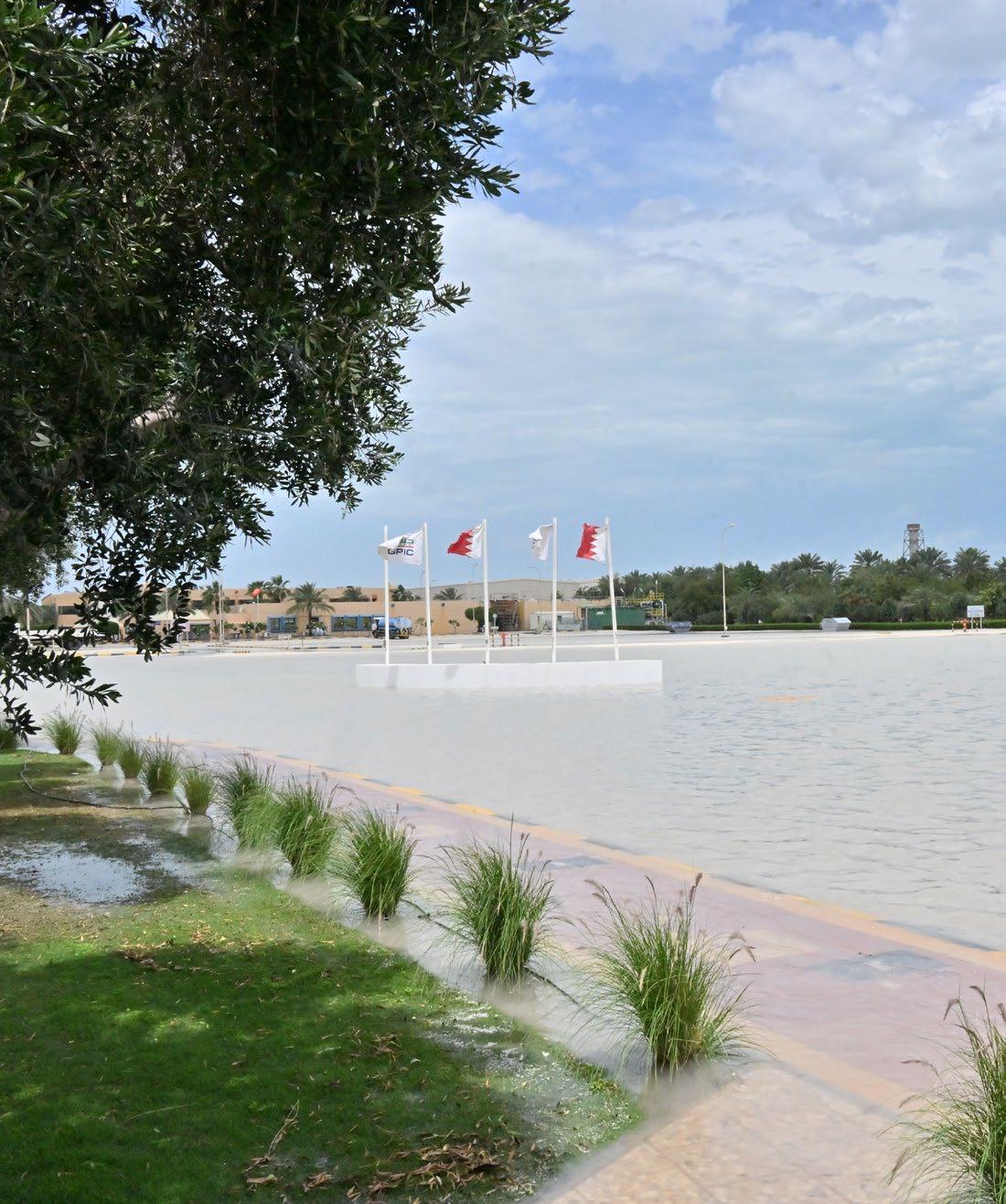
At GPIC, carbon costs and abatement opportunities are qualitatively considered within investment evaluations and operational efficiency studies. We continue to review international practices and explore introducing an internal carbon assessment framework to support long-term planning in anticipation of regional or global carbon pricing mechanisms.
GPIC periodically assesses potential exposure to international carbon taxation and border adjustment mechanisms through scenario-based evaluations. These analyses are integrated into our financial and strategic planning processes to identify and mitigate potential impacts. We also maintain close coordination with Bahraini regulatory agencies and export customers to stay informed of carbon-related trade requirements.
GPIC has implemented a range of initiatives to improve process efficiency and reduce greenhouse gas emissions. These include catalyst and process optimization in ammonia and methanol plants to enhance conversion efficiency, energy integration, and heat recovery projects that reduce fuel gas consumption. We also operate a CO₂ recovery and utilization system, where process CO₂ is captured and converted into urea and methanol, effectively minimizing direct emissions. We have initiated the implementation of solar energy projects within our plant operations and continue to expand their integration as part of our renewable energy strategy. Simultaneously, we monitor advancements in carbon capture, utilization, and storage (CCUS) technologies, as well as low-carbon hydrogen solutions, recognizing their potential to further support future emission reductions.
GPIC employs a robust risk management framework aligned with ISO 31000 to continuously track and assess financial and operational risks associated with carbon regulations. Key risk indicators, including fuel consumption, process efficiency, and emission intensity, are monitored to ensure a proactive response to evolving compliance requirements.
GPIC has initiated internal assessments to evaluate alignment with Bahrain’s Nationally Determined Contributions (NDCs) and national pathways toward net zero by 2060. These analyses inform GPIC’s future decarbonization planning and ensure consistency with the Kingdom’s sustainability commitments.
GPIC is monitoring developments in low-carbon product certification and product-level carbon disclosure, recognizing their increasing relevance in international markets.
GPIC has long recognized that climate change is not a distant concern but a daily operational challenge. Rising Gulf temperatures and evolving global climate regulations have made energy efficiency and emission reduction central to our strategy. In 2009, GPIC took a transformative step by commissioning the Middle East’s first (CDR) Plant, capturing 450 tons of CO₂ per day, equivalent to nearly 0.12 million tons each year, and repurposing it as feedstock for urea and methanol production.
This early investment marked the beginning of a comprehensive decarbonization pathway. Since then, GPIC has invested more than USD100 million in sustainability-focused projects.
Through the adoption of ISO 50001 energy management systems, we continue to optimize our use of natural gas, steam, and electricity, achieving close control on all energy parameters and effort of optimization. These collective actions contribute toward our target of reducing Scopes 1 and 2 emissions by 20% by 2030 and our long-term ambition of reaching net zero by 2060.
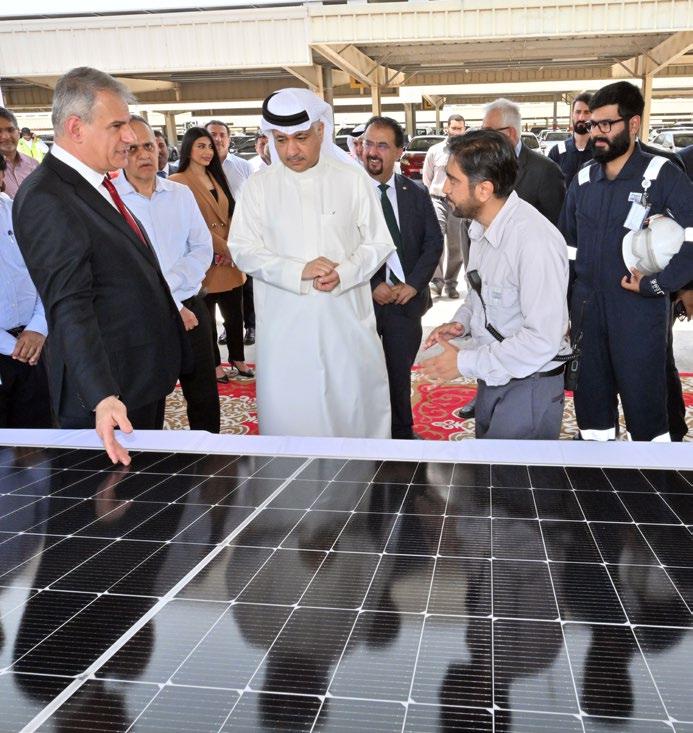
Sustainable water management is a cornerstone of GPIC’s environmental responsibility. Operating in Bahrain’s arid climate, where freshwater resources are scarce, GPIC relies primarily on seawater desalination to meet operational requirements. This makes it essential to ensure efficient use of water resources and to safeguard the surrounding marine environment from any adverse impacts.
Water is a critical resource for our operations, particularly in the production of ammonia, methanol, and urea, where it is vital for steam generation, cooling systems, and various auxiliary processes. GPIC applies a structured management approach to water use, emphasizing recovery and reuse. Process and steam condensates are treated through steam stripping and polishing systems to maximize recycling, improving both water and energy efficiency. In 2012, GPIC replaced chlorine derived from seawater with sodium hypochlorite for disinfection, significantly improving operational safety. During peak summer months, seawater intake increases by approximately 33% to maintain cooling efficiency under high ambient temperatures. Despite these seasonal variations, GPIC ensures that all water use, recycling, and discharge activities comply with national legislation, international standards, and the best available practices.
In addition, GPIC is integrating water performance indicators into its sustainability dashboard to align with GRI 303 disclosures and Bahrain’s national water management goals. Regular internal audits and external verifications ensure transparency, accountability, and continuous improvement in water efficiency and compliance. This integrated approach supports long-term water security, environmental protection, and sustainable production, reinforcing GPIC’s commitment to responsible resource management in Bahrain’s challenging climate.

GPIC operates near the sea and a rich marine environment, making effluent management a critical responsibility. We ensure that our operations do not pose adverse effects on the marine ecosystem through continuous monitoring and rigorous analysis of effluent streams. All effluents discharged into the sea are analyzed prior to release and maintained well within compliance levels, often significantly below the limits stipulated by national legislation.
Through efficient operations, operational excellence, and preventive maintenance, GPIC consistently achieves high performance in effluent management. In the reporting period, GPIC maintained 100% compliance with effluent discharge requirements. Effluent data is reported quarterly to the Supreme Council for Environment in the presence of their inspectors, ensuring transparency and accountability. Quality checks are conducted both at the discharge points and at the marine outfall, covering parameters such as pH, ammonia, methanol, ethanol, total organic carbon (TOC), chlorine, and temperature. Importantly, there have been zero complaints related to effluent discharges during this period, underscoring the effectiveness of our management systems.
Since 1996, GPIC has built a fish farm located near the main seawater outfall. This serves as a practical demonstration of how industry and nature can coexist. Fish from the farm are regularly tested to confirm they are free of contaminants and remain healthy, reinforcing that effluent discharges are not impacting the marine environment. This initiative provides tangible evidence of environmental stewardship and builds trust with stakeholders.
To benchmark performance, GPIC compares effluent results with industry peers through the Gulf Petrochemicals and Chemicals Association (GPCA) and the International Fertilizer Association (IFA). These comparisons allow GPIC to measure performance against global best practices and continuously improve. In addition, groundwater monitoring is conducted against established baselines to detect any potential leaks that could contaminate groundwater and reach the sea, ensuring a holistic approach to environmental protection.
Compliance with Effluent Discharge Requirements.
Since 2023, GPIC has also introduced environmental mock drills to strengthen preparedness for emergency scenarios related to seawater protection, such as chemical spills or oil spills. These drills simulate potential incidents and test the effectiveness of response protocols, ensuring that teams are trained, equipment is ready, and coordination with regulators is seamless. By practicing proactive response measures, GPIC enhances resilience and safeguards the marine environment against unforeseen risks.
This integrated approach ensures compliance, protects Bahrain’s marine environment, and demonstrates GPIC’s commitment to sustainable operations and environmental stewardship.
A rigorous monitoring regime is in place, including:
sampling and laboratory analyses performed jointly with the Supreme Council for Environment (SCE).
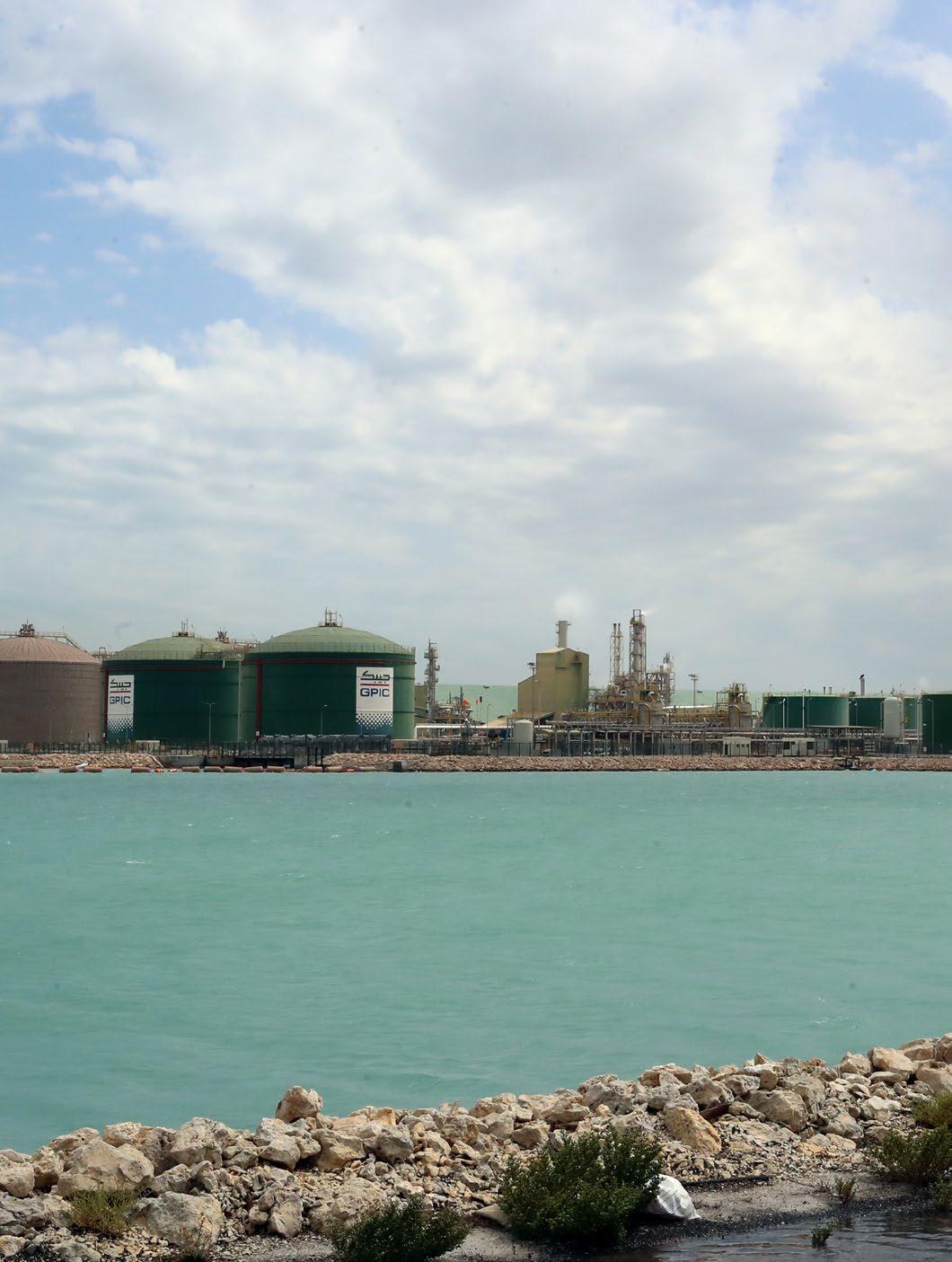
Water and Effluent Performance Highlights
Maintained 100%
Compliance with Bahrain environmental legislation under Ministerial Order No.03 of 2021 Water Standards.
Incidents related to non-compliant water discharges.
Reportable environmental incidents involving significant spills.
Performance Indicators
Water withdrawal
Total water withdrawal
Seawater withdrawn
Purchased
(municipal and third-party)
Water Consumption and Recycling
GPIC follows an integrated waste management approach, treating waste as a potential resource rather than a liability. Every waste stream generated is assessed as an asset, with its profile carefully evaluated to identify opportunities for value creation wherever possible. This philosophy ensures that materials are managed responsibly while contributing to operational efficiency and sustainability.
Since 2020, GPIC has successfully achieved zero hazardous waste to landfill by identifying alternative disposal mechanisms and applying the 4Rs philosophy: Reduce, Reuse, Recycle, and Recover across all operations. This milestone reflects our commitment to minimizing environmental impact and maximizing resource efficiency.
Our waste management strategy extends beyond compliance to innovation. Non-hazardous waste streams are repurposed or recycled through partnerships with specialized contractors, while internal initiatives focus on reducing waste generation at source. Continuous monitoring, segregation, and tracking systems ensure transparency and accountability in waste handling.
Through this integrated approach, GPIC not only reduces environmental risks but also creates tangible value from waste streams, supporting long-term sustainability and reinforcing our role as a pioneer in responsible industrial practices.
GPIC’s first measure in its integrated waste management strategy is reducing waste at the source. This has been achieved through extending the life of critical materials such as catalysts and resins by ensuring effective and efficient operations. Fewer shutdowns and startups mean longer catalyst life and significantly less waste generation, particularly important, since catalyst waste represents the majority of GPIC’s total waste. Robust preventive and corrective maintenance schedules further strengthen this effort, minimizing unnecessary waste across operations.
In 2025, GPIC expanded its approach by exploring opportunities with local markets to repurpose specific waste streams that could not be reused internally but could create value for other industries. These materials were collected, segregated, and tested for practicality of reuse or repurposing. Building on this success, GPIC has developed a plan for 2026 to repurpose and reuse high-generation waste streams, ensuring that waste is transformed into resources wherever possible.
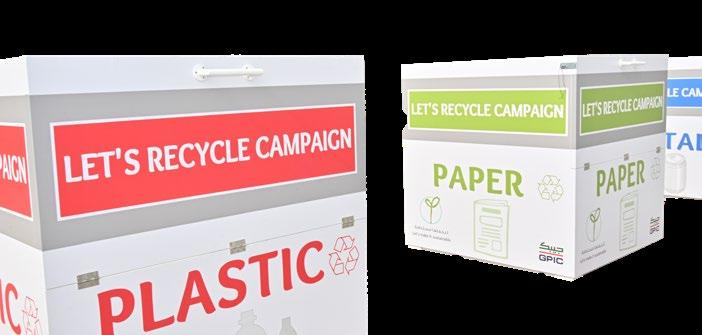
All GPIC’s spent catalyst, (the Company’s largest waste stream) is recycled through export to international recycling facilities. As part of its commitment to responsible care, GPIC also initiated a program in 2025 to visit and inspect the facilities receiving its waste. These inspections ensured proper collection, storage, and disposal practices in line with environmental legislation, and confirmed that GPIC partners only with environmentally responsible companies. Such visits will continue as part of GPIC’s ongoing accountability measures.
To track progress, GPIC has established Key Performance Indicators (KPIs) to reduce general waste production, setting a baseline for continuous improvement. Since 2014, GPIC has implemented employee-driven recycling initiatives, segregating plastic, paper, metal, and cardboard to reduce landfill contributions. This long-standing program reflects GPIC’s belief that sustainability is a shared responsibility, and that every action, big or small, contributes to a greener future.
Maintained employee-driven recycling initiatives (plastic, paper, metal, cardboard) ongoing since 2014, reducing general waste sent to landfill. Achieved ZERO
Engaged with waste management partners to explore opportunities for expanding the recycling market in Bahrain.
Established KPIs and baselines to track and reduce general waste production, embedding continuous improvement into waste management practices.
Hazardous waste generation decreased significantly in 2023 compared to 2022, followed by a relatively stable level in 2024 and a further reduction in 2025. 2025 through extending the life of materials such as catalysts and resins through effective and efficient operations, Less shutdowns and start-ups ensures longer catalyst life and lesser waste generation and robust preventive maintenance and corrective maintenance schedule.
100% compliance with hazardous waste regulations and licenses.
Evaluated reuse opportunities for high-generation waste streams, with plans to repurpose and recycle them starting in 2026.
Recycled all spent catalyst waste, GPIC’s largest waste stream, through export to international recycling facilities.
Strengthened accountability by inspecting partner facilities in 2025 to ensure proper waste collection, storage, and disposal in line with environmental standards.
Focused on alternatives to incineration, identifying waste streams that can be reused or recycled to support national sustainability goals and circular economy principles.
0.96 90.1 0.02
Conducted site visits and assessments of partner facilities to evaluate options for increasing the proportion of waste directed to recycling.
Liquid waste remains one of the more complex challenges in industrial operations due to the limited treatment resources available in the local market. GPIC has taken proactive steps to address this issue, ensuring that all liquid waste is managed responsibly and in line with environmental standards.
A key achievement has been the recycling of 100% of spent oil through approved recycling facilities, guaranteeing that this critical waste stream is safely diverted from disposal.
Recognizing that liquid waste cannot be discharged with effluents, GPIC has implemented strict segregation practices to treat it as a distinct category requiring specialized handling. To strengthen its infrastructure, GPIC constructed a double high-density polyethylene (HDPE) lined evaporation pond in 2014, with a capacity of 1,000 m³.
This facility provides secure containment and controlled evaporation of liquid waste generated during plant turnarounds. The solid residues left behind are then transferred to authorized hazardous waste facilities, ensuring safe and compliant disposal.
Where possible, GPIC minimizes liquid waste generation at the source and explores opportunities to recycle it back into the system. These measures reflect the Company’s commitment to innovation and sustainability, even in areas where market solutions remain limited. By combining infrastructure investment, strict segregation, and recycling initiatives, GPIC continues to demonstrate responsible liquid waste management.

At GPIC, reusing waste is at the heart of our sustainability vision. We believe that discarded materials can be transformed into valuable resources, and we actively promote this principle through education and community engagement.
In celebration of World Environment Day, GPIC’s Environment Committee launched the “Trash to Treasure: The Plastic Reuse Challenge.” This initiative encouraged employees’ children to creatively repurpose plastic waste, turning it into functional and imaginative items.
By giving new life to discarded materials, the program highlighted the importance of reuse as a practical solution to reduce waste and support circular economy principles. Participants across three age groups (8–10, 11–13, and 14–16 years) showcased inventive ways to transform plastic into useful objects, demonstrating that waste can be a starting point for innovation rather than an end.
Their projects reinforced the message that reusing materials is not only environmentally responsible but also a way to unlock creativity and inspire sustainable habits.
The 9 winners were honored in a ceremony attended by GPIC’s leadership. CEO Eng. Yasser Al Abbasi praised the children for their ingenuity and environmental awareness, while commending parents for instilling sustainability values at home. Through initiatives like Trash to Treasure, GPIC demonstrates that reuse is a powerful tool for sustainability.
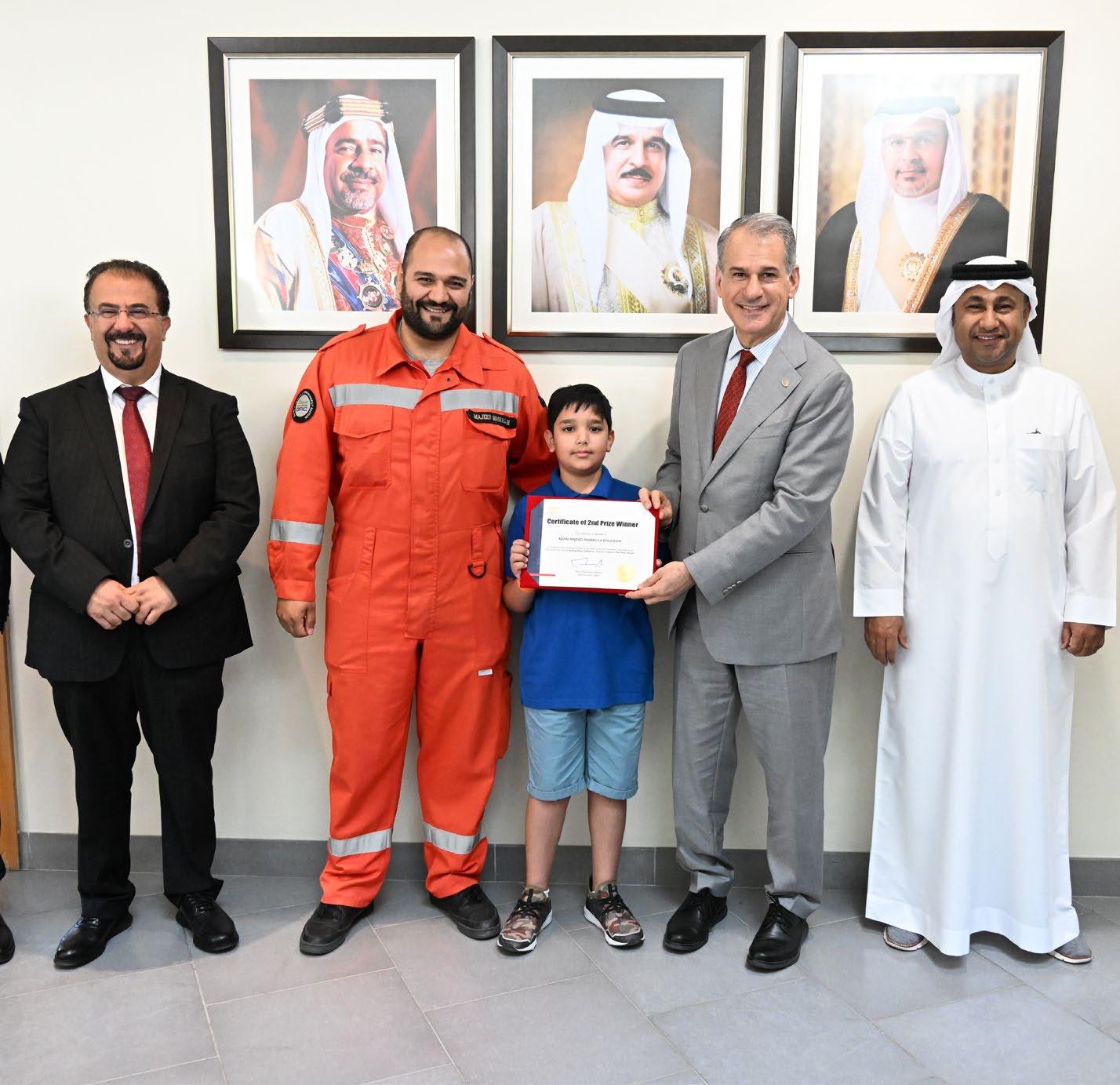
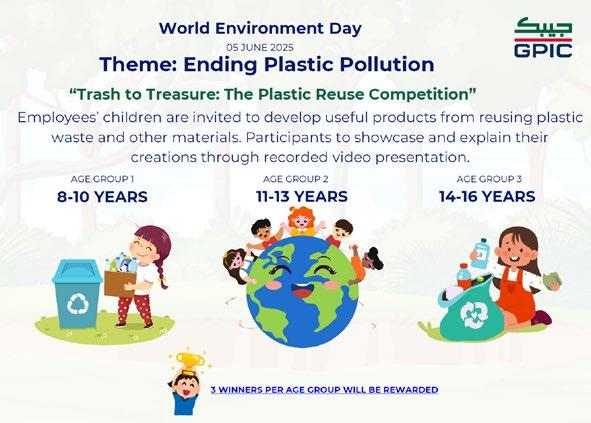
Waste Generation by Type
An additional 9.4 m³ of generated ceramic balls are not accounted for in this figure.
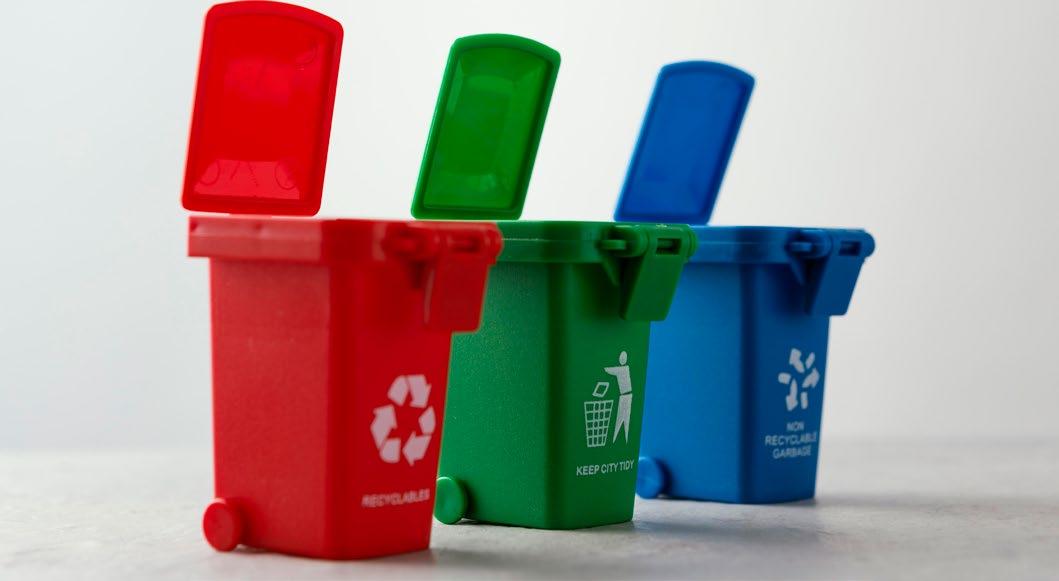
Total waste directed to disposal
ii This figure has been restated to zero, as incineration was previously classified as waste diverted from disposal in 2022 and has been reclassified as waste directed to disposal in accordance with GRI 306.
iii The reported figure includes spent catalyst generated in 2022 that was sent for recycling and treated in 2025 accordingly, it is recognized in the year of treatment.
iv This figure includes paper and cardboard waste sent for recycling, together with
plastic and metal.
Total Waste Diverted from Disposal
waste disposed by incineration (with energy recovery) Non-hazardous waste disposed by incineration (without energy recovery)
waste disposed by landfilling
iv Includes legacy hazardous waste generated in prior years and treated during 2022; accordingly, the incinerated quantity may not reconcile with waste generated in the same reporting year.
v Includes waste generated in 2022 and 2024 that was treated by incineration in 2025 and is therefore reported in the year of treatment.
vi Asbestos waste from the replacement of legacy water lines; in accordance with regulatory requirements, disposal is limited to landfilling.

Biodiversity is the foundation of resilient ecosystems and sustainable development. Recognizing the intrinsic value of nature, GPIC views biodiversity conservation not only as an environmental responsibility but also as a vital component of long-term business sustainability. Our strategy is built on the principle that industry and nature can thrive together through thoughtful stewardship and collaborative action. By integrating biodiversity considerations into our operations, we aim to safeguard natural habitats, protect species diversity, and foster ecological balance.
Through initiatives such as mangrove restoration, a fish farm and bird sanctuary, as well as indigenous plant preservation, we demonstrate a holistic approach that combines scientific expertise with community engagement. These efforts reflect our commitment to protecting marine and terrestrial ecosystems while empowering local communities to become active custodians of their environment. Ultimately, our biodiversity programs embody a vision of coexistence where economic growth and environmental preservation reinforce one another to create lasting value for future generations.
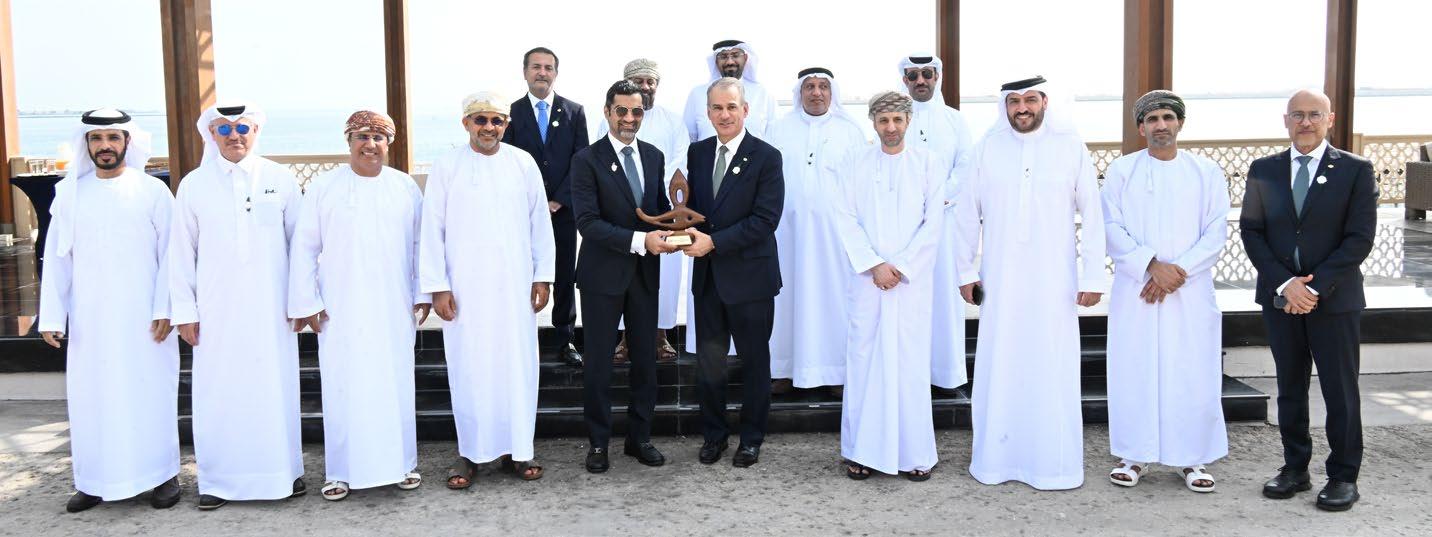
GPIC’s biodiversity initiatives have been strengthened through strategic partnerships and cross-sector collaboration within the Kingdom of Bahrain. In 2024, GPIC has successfully implemented large-scale mangrove plantation projects along GPIC coastlines. These efforts were made possible through close cooperation with the Prime Minister’s Office, the Ministry of Municipalities, and the Supreme Council for Environment. The joint commitment of all parties has resulted in a remarkable %98 survival rate of the mangrove plantations, underscoring the effectiveness of coordinated action.
As Bahrain was updating its National Biodiversity Strategy and Action Plan (under UNEP’s Convention for Biological Diversity), GPIC were involved as a stakeholder with Bahrain Supreme Council for Environment and engaged in workshops to provide extensive feedback on the strategy. In 2015 GPIC launched a Green wave campaign promoting for Biodiversity programs in partnership with the UNEP, through which we are planting local trees in ten schools per year in order to promote green spaces and biodiversity awareness amongst the younger generation.
Through these partnerships, GPIC demonstrates its role as a responsible corporate citizen, contributing to both policy development and grassroots engagement in support of Bahrain’s sustainability agenda.

Recognizing the critical role of mangroves in carbon sequestration, shoreline stabilization, and biodiversity enhancement, GPIC places special emphasis on mangrove restoration as a nature-based solution to mitigate climate change and strengthen coastal ecosystems. In partnership with the Supreme Council for Environment under a memorandum of understanding, GPIC has implemented a long-term restoration program around its complex. Since launching the initiative in 2001 with 1,500 saplings, the program has expanded significantly, with 257,994 mangrove trees planted between 2024 and 2025 (101,494 in 2024 and 156,500 in 2025).
The project focuses on Avicennia marina, a resilient species well adapted to harsh coastal conditions. To ensure genetic diversity, seeds are sourced from Oman (93%) and Bahrain (7%), contributing to a 98% survival rate in 2024 through phased planting and careful site preparation. The initiative includes continuous monitoring of soil conditions, growth rates, and carbon sequestration, along with dedicated maintenance for at least one year after planting. Beyond implementation, GPIC shares its expertise with stakeholders, including participation in Bahrain Tree Week, promoting wider adoption of ecosystem restoration practices across industries.




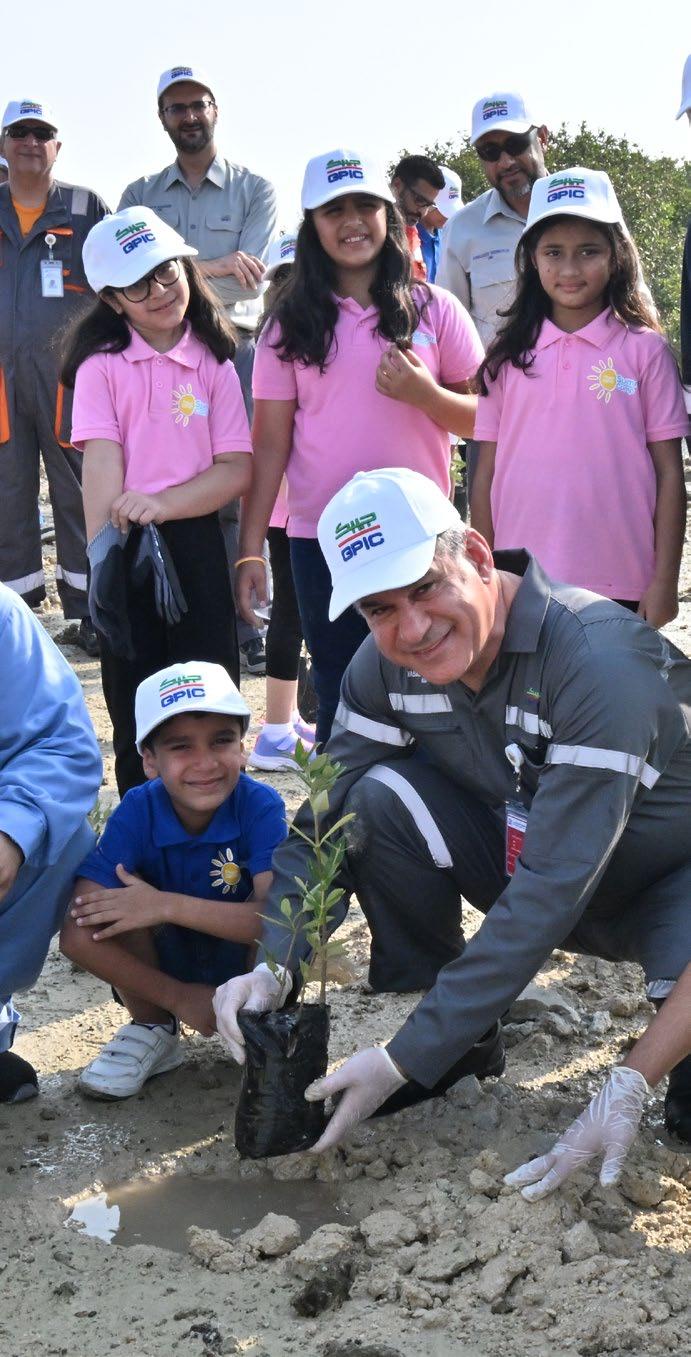

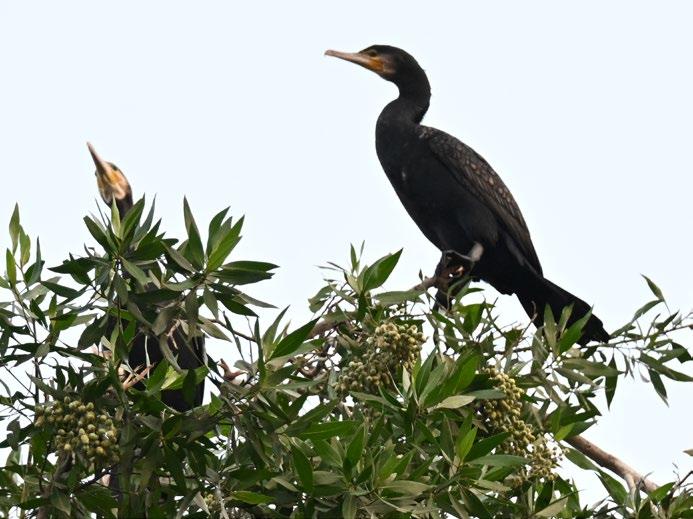
Established in 2001, the GPIC Bird Sanctuary demonstrates the integration of biodiversity protection within an industrial setting. Located inside the Company’s premises, the sanctuary provides refuge to more than 80 species of migratory and resident birds annually. It is managed to ensure safe habitats and access to food sources, thereby supporting the conservation of avian biodiversity.
The sanctuary also functions as a natural educational site, welcoming schools and visitors to raise awareness of local ecosystems.
To further support community education, GPIC has published a dedicated booklet documenting the bird species found within the sanctuary. This resource reflects the Company’s environmental values and contributes to knowledge-sharing among stakeholders.
Through ongoing management and awareness initiatives, the sanctuary contributes to biodiversity conservation, environmental education, and the promotion of coexistence between industrial operations and nature. Monitoring of species presence and habitat conditions is conducted regularly to assess ecological outcomes and ensure continuous improvement.

Since 1996, GPIC has established a fish farm at the seawater outfall area within our complex, making it one of the first industrial facilities in Bahrain to integrate aquaculture into its sustainability framework. The initiative was expanded in 2012 in response to declining local sea bream populations caused by overfishing. To date, the facility has bred and released more than one million fish into Bahraini waters, directly supporting the replenishment of marine biodiversity. In the reporting period alone, 3,620 fish were released across various marine areas in the Kingdom of Bahrain in collaboration with the Fish Directorate under the Ministry of Municipality and Agriculture.
The fish farm is managed under sustainable practices, with breeding, feeding, and release activities conducted in line with ecological best practices. This program contributes to the conservation of marine species, supports local fisheries, and demonstrates GPIC’s long-term commitment to biodiversity protection within and beyond its operational boundaries.


Covering approximately 1,200 square meters, GPIC has developed two indigenous gardens that serve as living repositories of Bahrain’s natural heritage. These gardens feature traditional herbs, aromatic plants, and desert flora, ensuring the conservation of species that hold ecological and cultural significance. A notable highlight is the Neem Tree Garden, established in 2019, which now includes more than 150 trees. This project underscores GPIC’s ongoing efforts to restore native species that are increasingly threatened by urbanization.
103,959




As part of its long-term vision for environmental stewardship, GPIC has established a Green Belt within its complex, dedicated to the preservation of native plant species. This initiative reflects the Company’s commitment to biodiversity and sustainable land use.




The specimen trees within GPIC include a variety of species such as medicinal herbs, aromatic plants, and neem trees. The number of mangroves indicated reflects the actual quantity planted; yet, the total is expected to be higher over time due to natural reproduction processes.
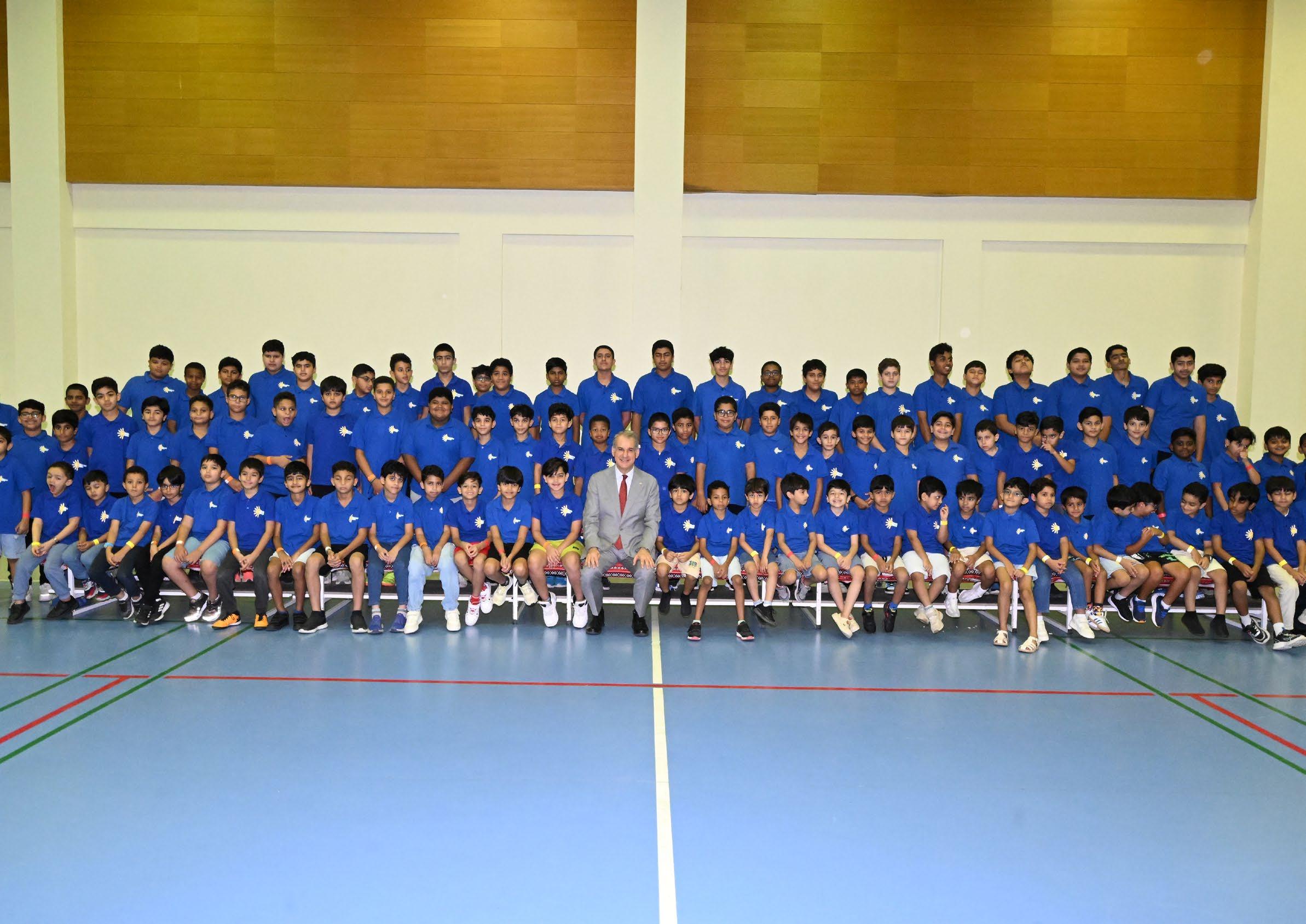
Our true value lies in the opportunities we create, the lives we uplift, and the communities we empower.
At GPIC, we recognize that sustainability extends beyond environmental stewardship and economic performance, it is equally about people. Our social responsibility initiatives are designed to foster a safe, inclusive, and supportive environment for our employees, while also creating meaningful impact within the wider community.
We place strong emphasis on employee well-being, safety, and professional development, ensuring that our workforce is empowered to contribute to both company success and societal progress. Through training, health and safety programs, and continuous engagement, GPIC nurtures a culture of care and responsibility.
Beyond the workplace, GPIC actively invests in community outreach, education, and social development projects. From supporting schools and universities to organizing awareness campaigns and cultural events, we strive to build stronger connections with society and inspire future generations.
Our commitment to social sustainability is guided by the belief that people are at the heart of progress. By aligning our operations with community needs and global sustainability goals, GPIC continues to create shared value, ensuring that our growth contributes positively to the wellbeing of employees, families, and the broader community.
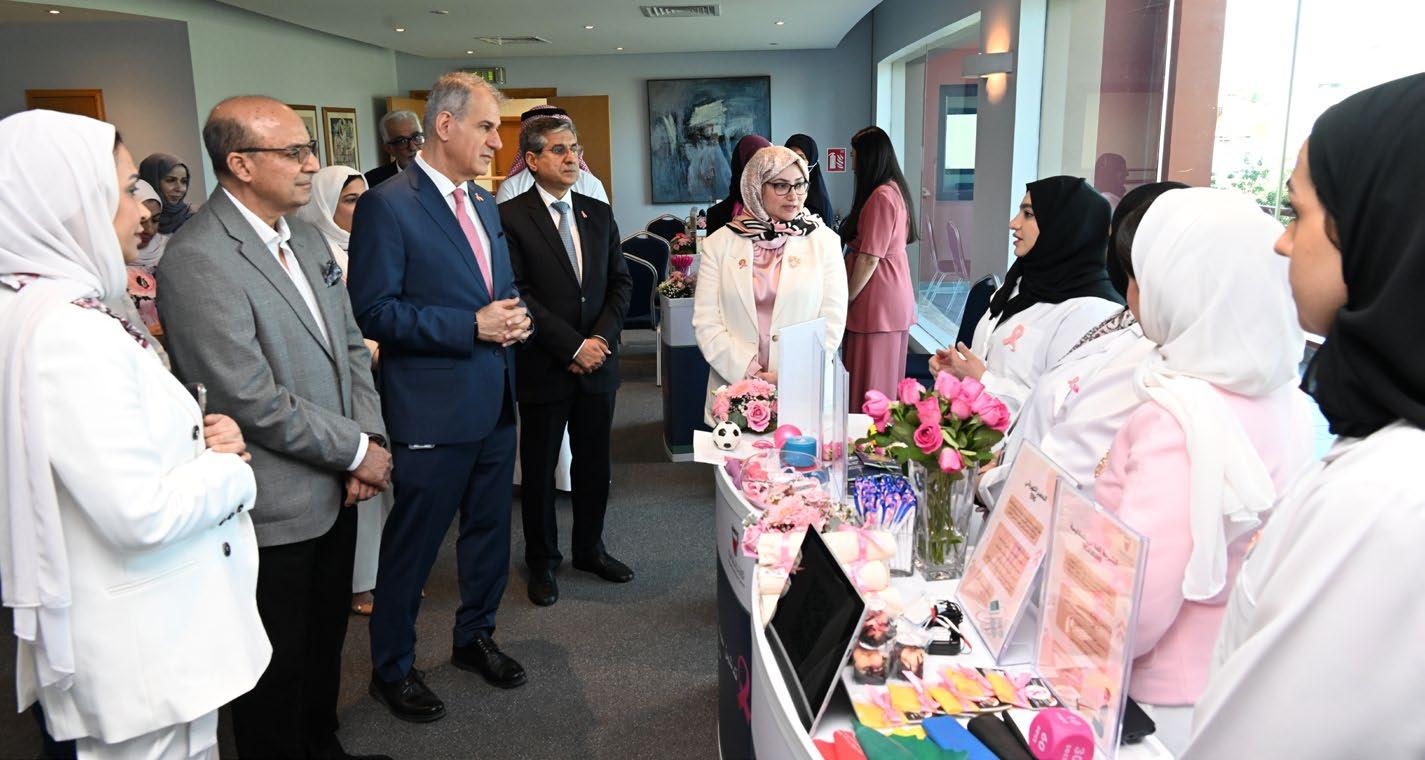

Non-discrimination and equal opportunity are embedded within GPIC’s governance framework and human capital strategy. As a company operating in a globally competitive industrial sector, fostering an inclusive workplace strengthens talent attraction and retention, enhances decision-making quality, and reinforces organizational resilience. These efforts align with SDG 5 (Gender Equality), SDG 8 (Decent Work and Economic Growth), and Bahrain’s national development priorities.
Promoting diverse representation across gender, nationality, age, and professional background remains a strategic priority to support balanced workforce participation and sustainable growth. GPIC considers inclusion a structural business requirement that drives performance, innovation, and long-term competitiveness.
GPIC’s management of diversity and inclusion is rooted in a culture of respect and equality. Equal opportunity and ethical leadership remain integral to fostering a workplace culture where individuals are valued, trusted, and empowered to perform at their highest potential, while contributing meaningfully to organizational objectives. We maintain a strict zero-tolerance policy toward discrimination, as defined in our Organizational Discrimination Policy. This commitment is led by the Equal Opportunities Council and fully supported by the CEO, ensuring accountability and inclusion across all levels of the Company. Furthermore, we uphold strict adherence to Bahrain Labor Law and international labor standards, including non-discrimination based on gender, nationality, age, or any other personal characteristic.
Participatory decision-making structures ensure that all employees have a voice, supported by transparent communication, labor union collaboration, and active inclusion committees. The Human Resources Department, Equal Opportunities Council, and Ladies Working Committee are key to identifying and addressing barriers to inclusion.
All employees undergo regular performance reviews under the SAP S/4HANA Performance Management System, which is designed to ensure fairness and transparency in career progression regardless of gender or background. Women are encouraged to participate in technical training, leadership coaching, and mentorship initiatives that build capacity for future advancement.
Gender diversity forms part of GPIC’s broader human capital and inclusion framework and is aligned with the UN Women’s Empowerment Principles. As of the reporting period, women represent approximately 7% of the total workforce and 10% of leadership positions. Progress in female representation is supported through structured workforce planning, targeted recruitment campaigns, and mentorship initiatives designed to strengthen internal talent pipelines. Flexible work arrangements are also implemented where operationally feasible to enhance retention and career continuity. Oversight is provided through the Equal Opportunities Council, which monitors gender-related policies, reviews workforce data, and ensures alignment with internal governance requirements and applicable labor regulations.
Compensation and promotion decisions are governed by formal job grading structures and clear eligibility criteria to ensure objectivity and consistency. Entry-level wages, salary adjustments, and advancement opportunities are determined based on role requirements, qualifications, performance, and experience, irrespective of gender, age, or nationality. GPIC conducts periodic external salary benchmarking exercises to validate market alignment and maintain competitiveness within the industrial sector. A gender-neutral pay structure is applied across comparable roles and levels, supported by internal reviews to confirm equitable compensation practices and prevent structural disparities.
Tolerance for Discrimination
Embedded through policy and leadership oversight.
To support working parents, GPIC provides paid childcare time following maternity leave, integrated within standard working hours without salary reduction. Mothers are entitled to one hour per day until the child reaches six months of age and 30 minutes per day until the child turns one. This measure supports early child development while facilitating workforce participation and retention. The provision reflects a structured approach to employee welfare that balances operational requirements with family support considerations, contributing to long-term workforce stability and engagement.
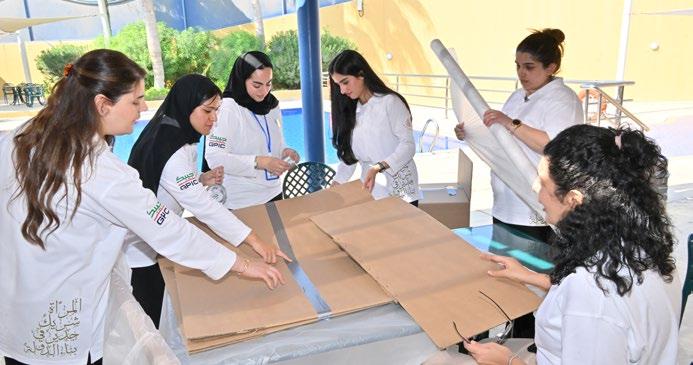
We continued to invest in Bahraini talent, reaching 97% national workforce representation. Furthermore, 100% of senior management at our significant location of operation is hired by the local community. We define “senior management” as Departmental Managers and above and define “local” as Bahraini nationals. The significant location of operation for this disclosure is the GPIC Complex, which includes all departments.
This reflects GPIC’s strong commitment to national talent development and alignment with Bahrainization goals, contributing to sustainable employment and national workforce empowerment.
Management Composition by Age, Gender, and Nationality

Retention & New Hires
98%
Employee Retention maintained across the reporting period.
90% of new hires are under 30, enhancing GPIC’s future talent pipeline.
Employee turnover rate
Employees exited during the year
Women exited during the year
Men exited during the year
Employees exited under 30 years
Employees exited aged 30-50 years
Employees exited over 50 years
Total new employee hires
New hires under 30 years
Employee headcount is reported as a year-end figure, while new hires and exits reflect movements during the reporting period; minor variances are attributable to timing and payroll cut-off differences.
The employee turnover rate has remained low and stable, indicating strong retention performance and workforce engagement. Consistency in turnover levels reflects effective human capital management practices and a supportive work environment that promotes longterm employee commitment.
Parental leave provisions are implemented in line with national labor regulations and internal human resources policies. Both female and male employees are eligible for parental leave, reinforcing shared family responsibilities and inclusive workforce practices. Reintegration is managed through structured return-to-work coordination between employees and line management to ensure continuity in responsibilities and performance objectives. Retention rates following parental leave are monitored to assess effectiveness and identify opportunities for further improvement in worklife integration.
Men entitled to parental leave
Women who took parental leave
Men who took parental leave
Women returned to work after parental leave
Men returned to work after parental leave
Women still employed 12 months after return Men
Demonstrating sustained workforce support and effective parental leave practices. Return-to-Work and 12-Month Retention Rate
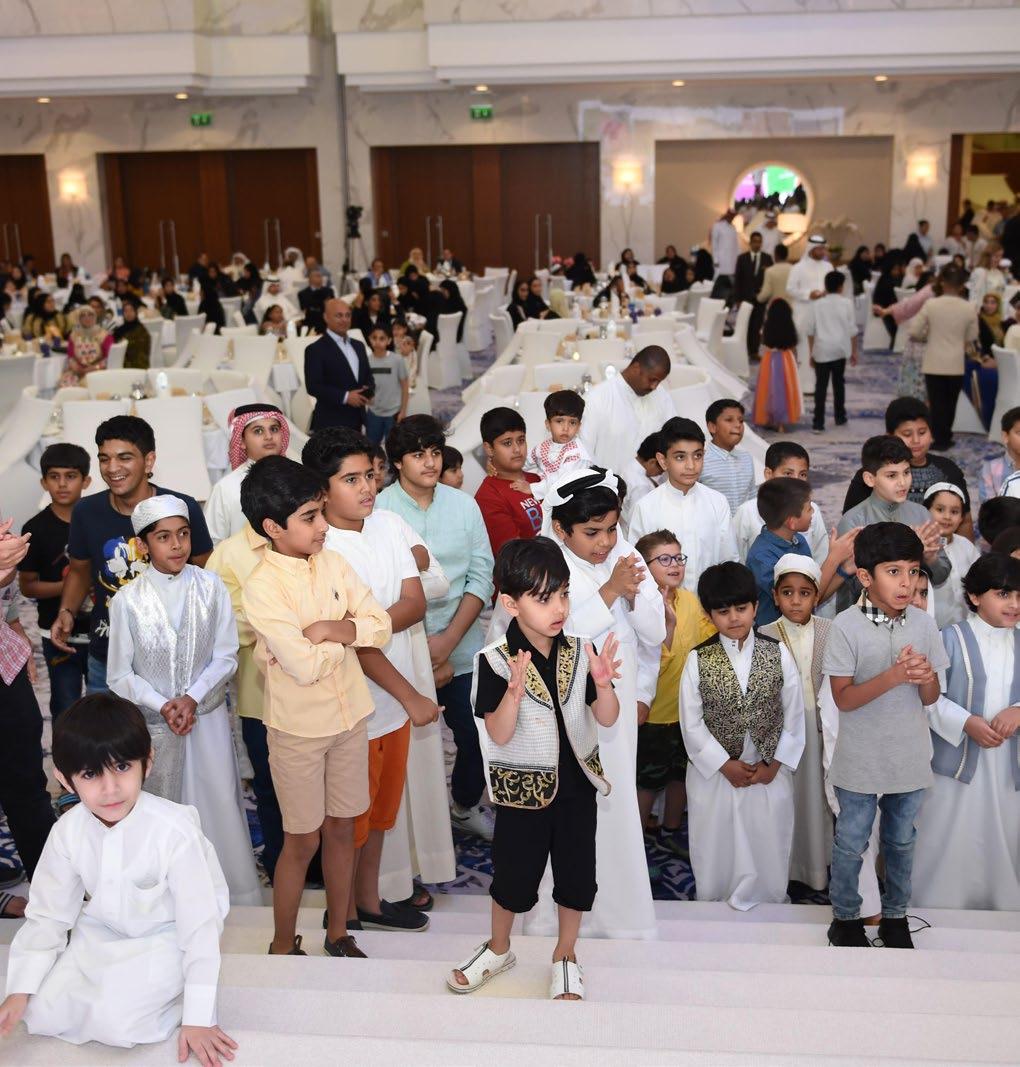
GPIC operates in a highly technical industry where continuous workforce upskilling is essential. Training and development drive innovation, operational safety, and business continuity. This area is fundamental to GPIC’s contribution to SDG 4 (Quality Education) and SDG 8 (Decent Work and Economic Growth). As technology evolves, workforce readiness is critical to maintaining competitiveness.
GPIC’s management approach to people development is guided by a Competency-Based Framework, which integrates technical, behavioral, and leadership competencies into each employee’s career path. Performance and growth are managed through the SAP S/4 HANA Performance Management System, which links individual KPIs with departmental and corporate goals, fostering transparency and shared accountability. GPIC s vision, mission, and core values are integrated into personal training and development plans, supported by regular coaching, performance evaluations, and feedback sessions. Goals and KPIs are clearly communicated through shift talks, department meetings, and internal communications, ensuring every employee understands their contribution to GPIC’s overall success. Furthermore, every employee is evaluated annually on both Core Competencies and Technical/Functional Competencies, ensuring fairness, transparency, and growth.
Through initiatives such as the Graduate Engineers Program, Junior Leadership Program, and the Leadership Trust Coaching Culture Initiative, employees are equipped with the technical and leadership skills required for the future of the petrochemical industry. Annual training plans are customized to bridge competency gaps and promote continuous learning, supported by partnerships with academic institutions and professional bodies.
Workforce development and employee well-being are strategic priorities that directly influence safety performance, productivity, and business continuity. Our approach ensures that every individual is supported and motivated to contribute to sustainable growth while aligning with GPIC’s 2040 Growth Strategy. As the business evolves, the empowerment, health, and safety of our workforce will continue to define our operational resilience and long-term value creation.
Responsibility for people and talent development lies with the Human Resources Department and the Training and Development Department, with support from the Equal Opportunities Committee, Ladies Working Committee, and the Labor Union. Together, these bodies ensure employees are meaningfully represented in shaping workplace culture, training priorities, and professional development initiatives.
This system links individual Key Performance Indicators (KPIs) to corporate goals and enables tailored development plans. The Company delivers training through initiatives like:
During the reporting period, we strengthened our people development framework by delivering several transformative initiatives that expanded learning access, enhanced leadership capability, and advanced diversity and nationalization targets. Furthermore, GPIC invested USD 1,198,633 in 2025 in employee training and development, averaging USD 2,588 in 2025 per employee per year.
As a result, GPIC conducted 373 training events in 2025 and delivered 43,494 training hours across the organization, ensuring that all employees received formal development opportunities.
Employees receive regular coaching, performance evaluations, and career development sessions. Department meetings, shift talks, and internal communications ensure alignment and engagement with learning objectives.
USD 1.98 Million
Invested in employee training and development
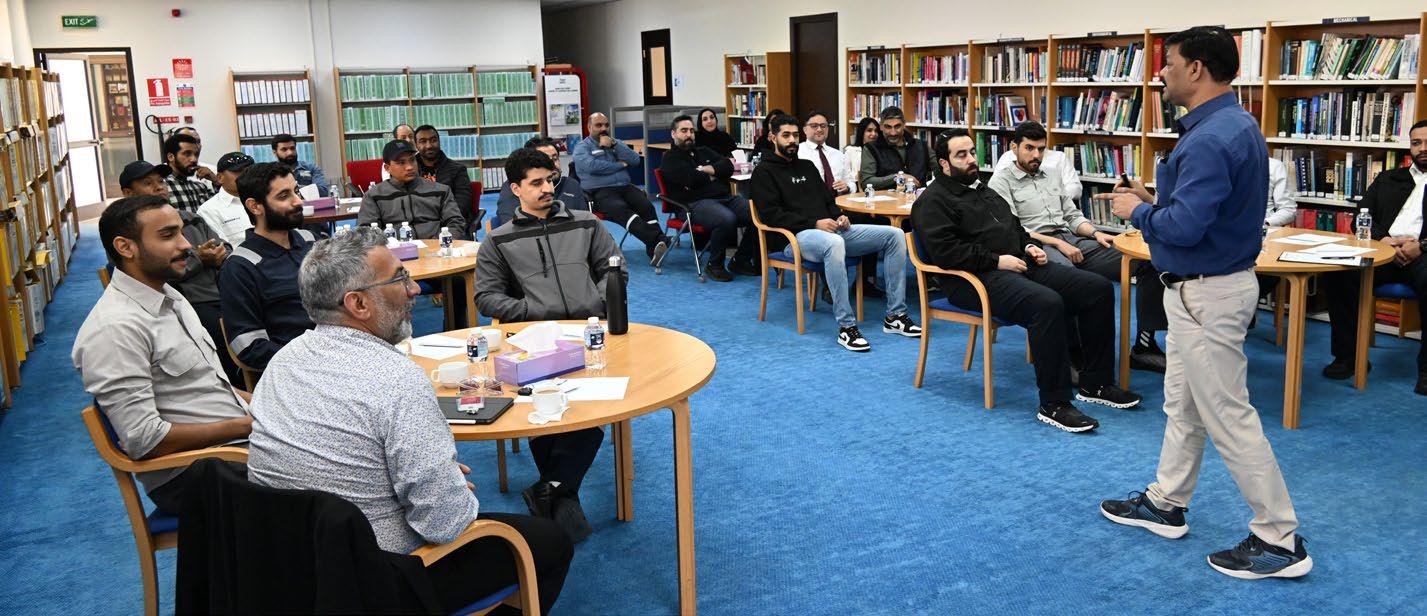
Employees who underwent training
Total training hours – management staff
Management staff attending training
Non-management staff attending training
Total training hours – non-management staff
Management staff trained
Non-management staff trained

Actions and Achievements
43,494
Total training hours
578 Employees trained
100 Hours
Average training per management employee
73.5 Hours
Average training per non-management employee +41%
Increase in non-management average training hours since 2022
+72%
Increase in total training hours since 2022
In alignment with our strategic objectives and Bahrain’s labor regulations, we design our compensation and benefits programs to ensure fairness, competitiveness, and long-term sustainability. Recently, we introduced an enhanced Early Retirement Policy for Bahraini nationals, improving access to retirement benefits while maintaining GPIC’s financial stability and operational continuity.
Our benefits framework includes a defined benefit plan and a range of complementary offerings, including a savings plan, comprehensive health and life insurance coverage for employees and their families, and additional welfare initiatives that promote financial security and well-being throughout each career stage.
These programs are reviewed periodically to ensure continued compliance with national legislation and actuarial best practices, as well as to align with GPIC’s broader sustainability and human capital development goals.
GPIC ensures that all employees receive a competitive base salary that aligns with prevailing market standards in the region. Entry-level wages are determined objectively based on the nature of the job, level of responsibility, and required qualifications, without any influence from gender or other personal characteristics. To maintain external competitiveness and internal equity, GPIC periodically benchmarks the Company’s compensation structure against market peers and minimum wage regulations. This process ensures that all entry-level wages are consistently higher than the legal minimum wage applicable in Bahrain. Additionally, salary reviews are conducted to reflect market shifts and uphold fair and transparent compensation practices across all job levels.
At GPIC, employee benefits are structured according to employment type and contractual obligations, in full compliance with Bahrain’s labor laws and aligned with global responsible employment practices.
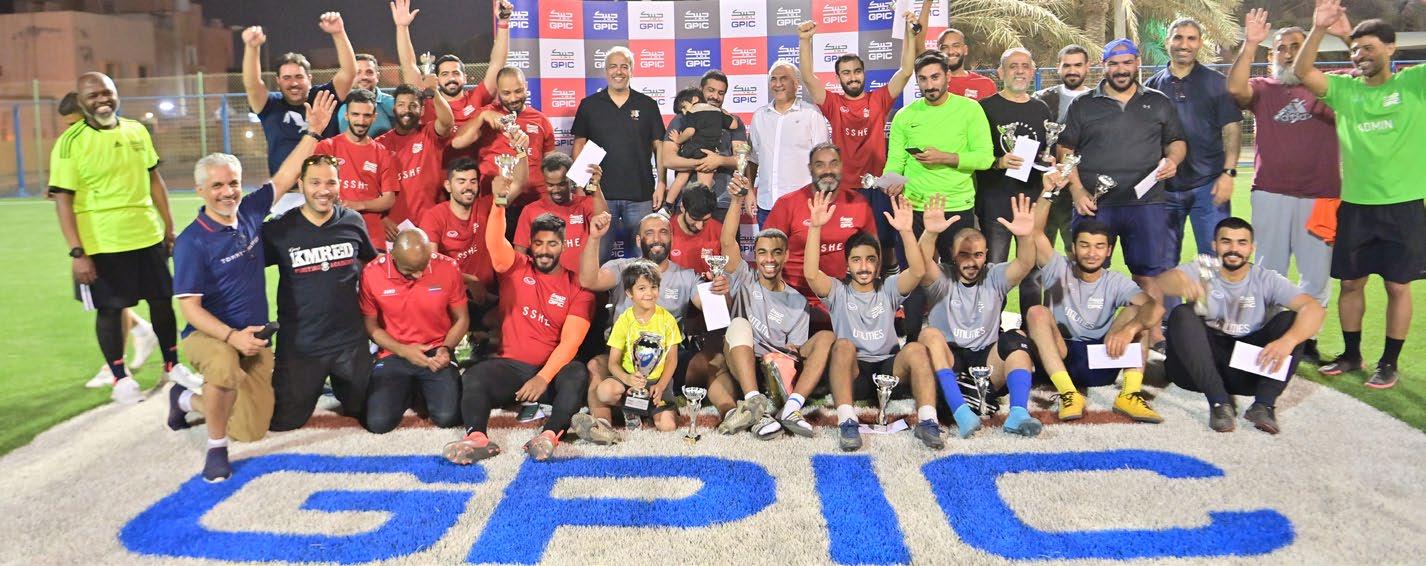
All full-time employees are entitled to a comprehensive benefits package that includes:
Life insurance
Healthcare coverage
Disability and invalidity coverage
Parental leave
Retirement provisions
Wellness and training programs Access
These benefits are designed to promote long-term employment, support career growth, and safeguard the overall well-being of employees and their families.
For temporary or part-time employees, benefits are provided in accordance with their contract terms and the nature and duration of their employment. While long-term or contributionbased benefits may not apply to all non-permanent roles, GPIC maintains a fair and respectful approach for all categories of workers. The Company ensures that every employee, regardless of employment status, operates under safe, healthy, and supportive working conditions.
This approach reflects GPIC’s commitment to equity, legal compliance, and the application of international best practices.
GPIC maintains full compliance with all applicable labor and employment regulations. A strong and structured engagement model with the Labor Union ensures ongoing collaboration and open dialogue on workplace matters.
Fair labor practices are upheld through clearly defined agreements that balance employee rights with operational efficiency. Safety remains a foundational principle of GPIC’s culture, supported by robust occupational health and safety systems and consistently strong performance metrics. While not all international labor standards mandate minimum notice periods for operational changes, GPIC has proactively integrated such protocols into labor contracts. GPIC establishes these notice periods in consultation with stakeholders and reviews them periodically to ensure alignment with national laws and operational realities.
Communication between senior management and employees is transparent and timely. Regular joint committee meetings with the Labor Union provide a formal platform to address:
• Occupational health and safety
• Workplace welfare
• Administrative concerns
• Suggestions for continuous improvement
In addition, open forums and feedback channels ensure employees across all functions can express their views and contribute to organizational development.
GPIC is focused on protecting and promoting the rights of our workforce, including the right to freedom of association and collective bargaining.
These rights are embedded in GPIC’s Code of Conduct and Professional Ethics, which is signed annually by all employees. The policy explicitly guarantees that employees may organize and participate in collective bargaining processes without any risk of retaliation or discrimination.
Labor union representatives are active participants in regular consultations with executive management. These meetings provide opportunities to address employee concerns and collaboratively improve working conditions and overall employee experience.
Importantly, GPIC maintains an inclusive approach that extends to all employees, including non-Bahraini nationals, who are welcome and encouraged to participate in the labor union. This inclusive policy reinforces GPIC’s commitment to a transparent, respectful, and empowering work environment, where every employee can safely advocate for their rights and contribute to organizational success.
Our continued investment in people development, innovation, and employee well-being has earned GPIC several prestigious regional and international recognitions in the reporting period, reflecting our leadership in human capital management:
Excellence in Talent, Well-being, and Employee Experience
BSCM Excellence Award
Workplace Wellness and Well-being
Recognized GPIC’s proactive programs promoting physical and mental wellbeing across the workforce.
HRM Summit Award
Excellence in Talent Acquisition
Acknowledged our commitment to attracting, developing, and retaining local and international talent through structured initiatives. GCC GOV
Innovation in Employee Experience
Highlighted innovative HR practices and digital transformation efforts enhancing engagement, inclusion, and performance.
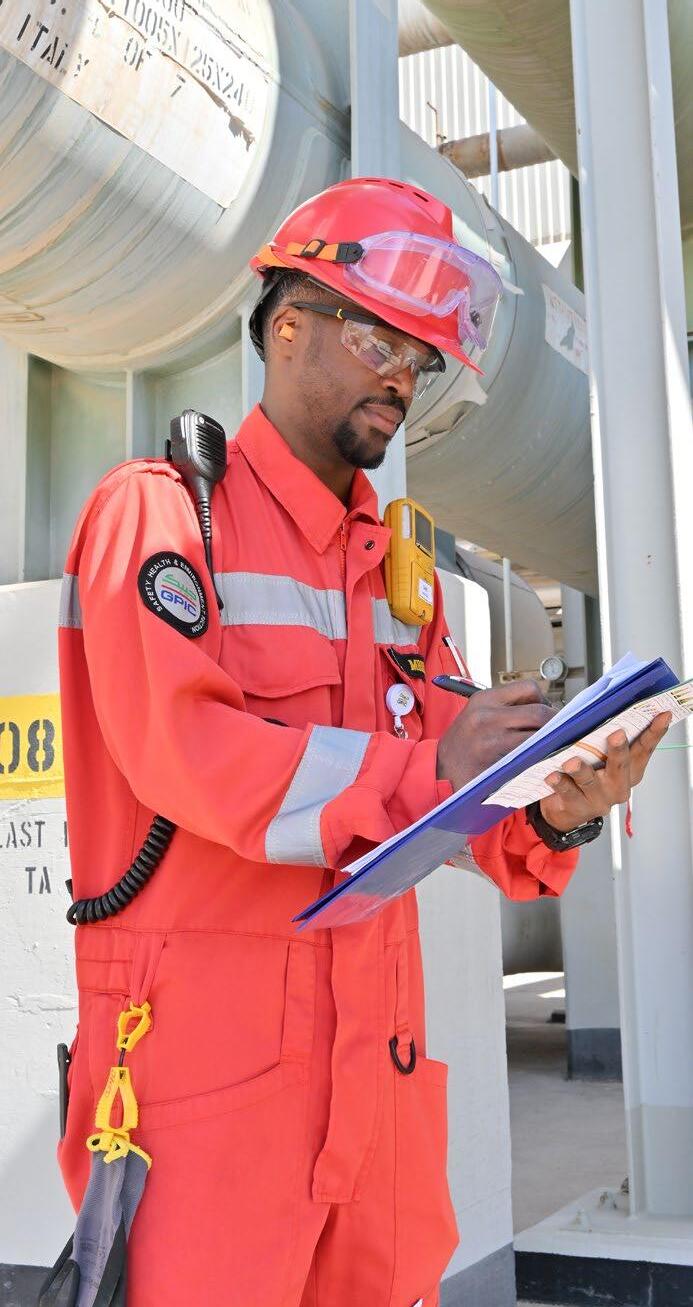
We have fully integrated Safety, Health, and Environment (SHE) management systems across all levels of our organization. Certified under ISO 45001, ISO 31000, ISO 22301, and RC 14001, these systems ensure that our processes align with the highest international standards. Oversight is provided by the Safety, Health, and Environment Council, chaired by senior management and supported by our Safety, Security, Health, and Environment Department (SSHED).
Additionally, our proactive and comprehensive approach to protecting the occupational health of our workforce covers all environments, from production plants to offices and field operations. We conduct rigorous workplace risk assessments to identify potential hazards and implement targeted education and training programs that reinforce safe practices.
Our preventive health framework includes regular medical screenings, health evaluations, and counseling sessions for all employees, complemented by accessible on-site medical care. We also collaborate with external medical and public health experts to strengthen emergency preparedness and exposure control in line with international standards.
Given the high-risk nature of our operations, we implement specialized preventive measures for key exposure areas such as hearing conservation and confined space safety. Our health protection system focuses on identifying hazards, reducing risks, and continuously verifying the effectiveness of our controls. Furthermore, we extend comprehensive health insurance and medical benefits to all employees and their families, and promote wellness through preventive, diagnostic, and treatment programs.
All accidents and near-miss events are recorded in the GPIC SAP Manarah Incident Management system, ensuring that each case is systematically tracked and analyzed. A root cause analysis is conducted for every incident, and corrective and preventive actions are implemented to avoid recurrence. A dedicated Standard Operating Procedure (SOP) governs the reporting and investigation process to ensure consistency and transparency.
Our approach to OHS is grounded in our Zero Harm philosophy, which affirms that all incidents are preventable and that every individual has the right to a safe and healthy workplace. This commitment defines how we operate, plan, and measure success, and extends beyond compliance, shaping every decision we make.
In the event of a significant incident, such as a lost-time accident, an Accident Investigation Committee is convened to conduct a detailed inquiry into the underlying causes. For major incidents, GPIC applies the internationally recognized TapRooT methodology to identify root causes and drive longterm safety improvements.
A cornerstone of our management approach is the visible and active involvement of senior leadership across operational areas. In 2025, senior managers and department heads reinforced the ‘Leadership and Commitment’ pillar of our SHE Strategy through structured Leadership Site Visits and Superintendent SHE Inspections. Superintendents maintain ongoing tactical oversight, and their inspection findings are systematically escalated to Department Heads and the SSHE Council for timely action.
These visits and inspections serve as a unified platform for direct engagement with technicians and contractors, enabling leaders to observe safe work practices firsthand while addressing operational challenges and corrective measures. This process strengthens our commitment to ‘Consultation and Participation’ as outlined in our Integrated Policy, ensuring that frontline insights from Superintendent inspections are elevated to executive leadership for informed resource allocation and continuous safety improvements.
We maintain open and timely communication between management and employees through regular meetings between GPIC leadership and the Labor Union. These forums provide space for constructive dialogue on topics ranging from health and safety to administrative and welfare concerns. Furthermore, the Labor Union plays an essential role in governance. All health and safety committees have employee representation, and the Labor Union Chairman serves on the SHE Council, ensuring that workforce perspectives are reflected in every safety-related decision. Additionally, we conduct contractors’ safety meetings monthly to share trends in incidents, near misses, best practices, lessons learned, and areas for improvement.
We ensure that every employee can share feedback, raise concerns, and contribute ideas through structured forums, suggestion channels, and the Company intranet. This open communication culture fosters trust, engagement, and shared accountability in sustaining our high standards of safety and well-being. As such, employees are encouraged to report hazards at any time, directly to their supervisors or to the SSHED. All incidents and near misses are documented in our SAP Manarah Incident Management System, which enables transparent, real-time reporting and provides whistleblower protection. Significant incidents, such as lost-time accidents, are investigated by our Accident Investigation Committee using the TapRooT methodology to ensure root causes are identified and corrective actions implemented.
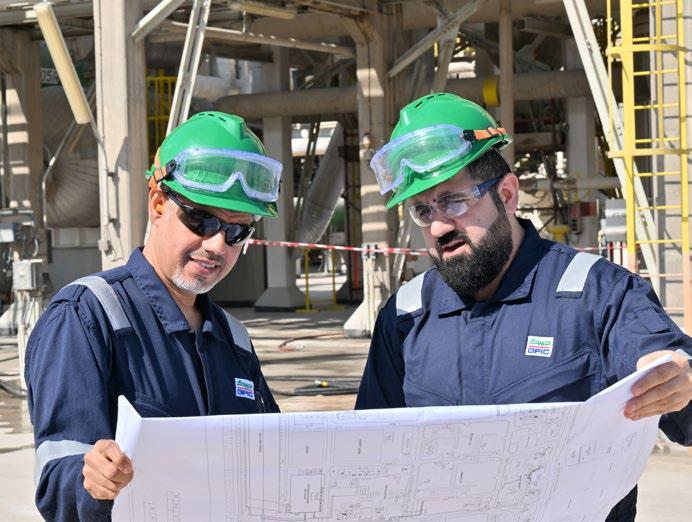
We implement a rigorous Risk Management Protocol that covers both enterprise-level and operational risks, including OHS. This protocol is governed by a comprehensive Standard Operating Procedure (SOP) and supported by regular employee training. Each assessment is reviewed through our Risk Management Portal before approval, ensuring thorough oversight and accountability.
GPIC implements a robust and structured risk management framework to identify actual and potential occupational health and safety (OHS) risks across the entire lifecycle of our operations, products, and services. This approach is strengthened by our ISO 45001 certification, ensuring that our processes are grounded in a risk-based methodology.
Our risk-based approach extends to contractors, suppliers, vendors, and other business partners, with OHS requirements embedded in their prequalification and evaluation processes to ensure alignment with our safety and ethical standards. This approach is guided by a formal Standard Operating Procedure (SOP) and supported by employee training and a digital risk management portal with built-in workflows. Each risk assessment undergoes a thorough review and approval process before implementation.
At the enterprise level, oversight is provided by the Resilience Committee, which is responsible for the regular review of Company-wide risks.
All risks are reviewed periodically according to severity: lowlevel risks every three years, medium-level risks annually, and high-level risks continuously. Any new or foreseeable risks are promptly added to our Risk Management Framework.
Furthermore, we apply this risk-based approach when working with contractors, suppliers, vendors, and other business partners, ensuring that OHS requirements are embedded in their prequalification and evaluation processes.
This approach covers all stages of our activities, from design and production to logistics and maintenance. When engaging with contractors, suppliers, and vendors, we extend our safety expectations beyond our own workforce. OHS performance and compliance are integral to the prequalification and selection process, ensuring that all partners align with our standards of safety and ethical conduct.
Regular audits, training, and engagement sessions are conducted to strengthen safety awareness and accountability across the value chain. By integrating OHS into every business relationship, we ensure that our safety culture extends beyond our gates, reinforcing our commitment to protecting people, operations, and communities.
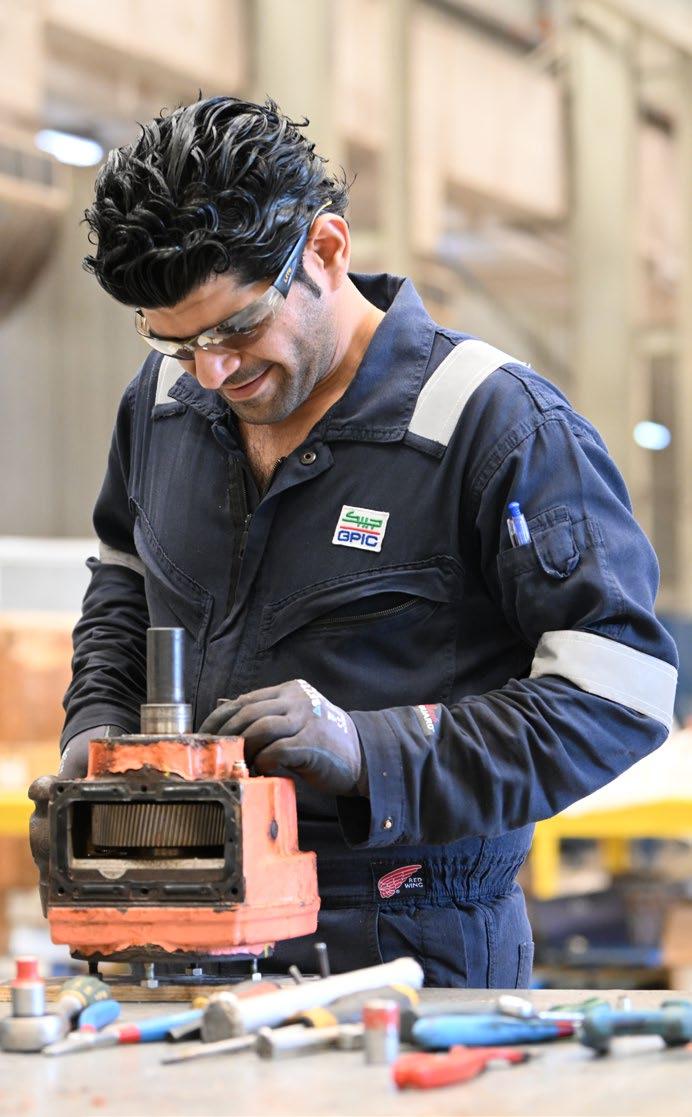
At GPIC, process safety is a central pillar of our operational integrity. We are committed to maintaining a high level of process safety performance across all operations by implementing the full suite of OSHA Process Safety Management (PSM) elements. Our goal is to achieve zero Process Safety Incidents, as reflected by a Process Safety Total Incident Rate (PSTIR) of zero and a Process Safety Total Incident Severity Rate (PSTISR) of zero throughout the reporting period.
Our PSM framework includes regular internal and external audits to assess implementation and system effectiveness. The accident and incident database is reviewed periodically to ensure compliance and identify improvement opportunities. Lessons learned from process safety near misses and incidents are systematically shared across the organization to strengthen awareness and reinforce preventive controls.
Through continued monitoring, follow-up on all PSM-related events, and employee engagement initiatives, we foster a proactive culture of process safety that emphasizes continuous learning, risk prevention, and operational excellence.
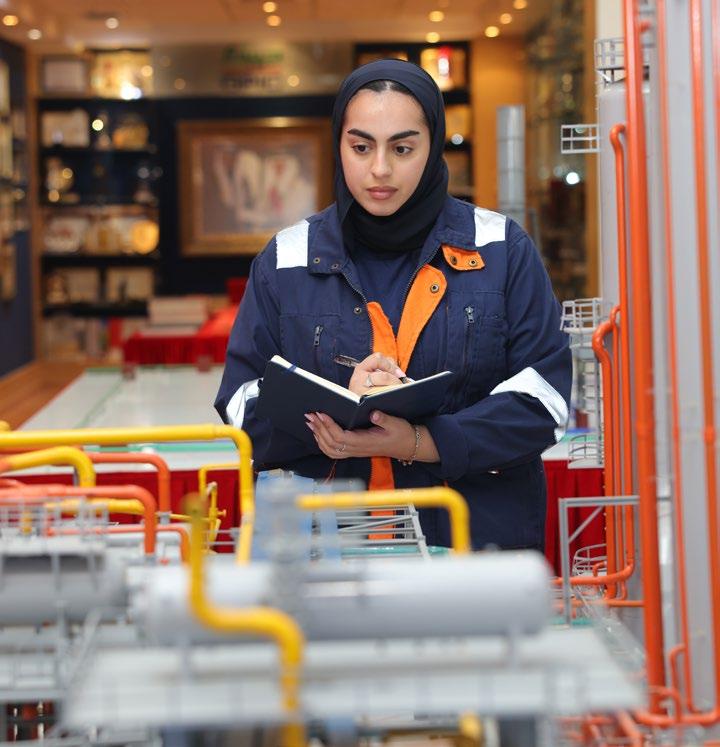
GPIC’s emergency preparedness and response systems are designed to safeguard employees, contractors, assets, and surrounding communities. Our SSHED oversees comprehensive emergency management procedures that include 24 safety mock drills annually, ensuring preparation for potential scenarios such as fire, chemical release, or process upsets.
We maintain an integrated Emergency Response Plan (ERP) that aligns with Bahrain’s civil defense and regulatory requirements. Coordination with national authorities, neighboring industries, and local emergency services ensures effective communication and collaboration during any potential incident.
To reinforce readiness, we conduct regular awareness campaigns, training exercises, and simulated drills involving internal teams and external stakeholders. Our adherence to ISO 45001, RC 14001, and ISO 22301 (Business Continuity Management) supports the robustness of our emergency preparedness framework.
GPIC places the utmost priority on safeguarding the health, safety, and well-being of neighboring communities. Operating within a highly regulated industrial zone, we maintain close collaboration with Bahrain’s environmental and safety authorities to ensure full compliance and risk mitigation.
We are proud to report zero grievances or incidents from local communities during the reporting period, reflecting the strength of our preventive controls and transparent engagement practices. GPIC integrates Responsible Care Security and Environmental Codes into all operations, conducting regular security vulnerability assessments and integrating community safety scenarios into all emergency response plans.
Our community engagement extends beyond compliance: we conduct environmental awareness campaigns and openhouse educational visits for all operational sites. Through these efforts, we aim to sustain a safe coexistence between industrial activity and community well-being, reinforcing public trust in our operations.
All our SSHED and governance policies empower workers to withdraw from any work situation they reasonably believe may pose a risk of injury or ill health. This right is reinforced by our Code of Conduct and corporate governance framework, which ensures protection against any form of retaliation.
Our OHS commitment is formalized in our Occupational Health, Safety, and Environment Policy, endorsed annually by our Chief Executive Officer, and aligned with Bahrain’s national regulations and international frameworks.
Our key commitments include:
Upholding our Zero Harm Policy, which affirms that all injuries and illnesses are preventable.
Empowering every worker with the Right to Refuse Unsafe Work without fear of reprisal.
Ensuring transparent reporting and rootcause analysis for every incident, applying the TapRooT methodology.
Conducting regular Safety Perception Surveys in collaboration with the National Safety Council (NSC).
Responsibility for OHS is shared across all levels of the organization, from our Board of Directors and Executive Management, who oversee strategic performance, to every employee who contributes to maintaining a culture of safety, accountability, and care.
At GPIC, we believe that continuous learning and capability building are fundamental to sustaining a safe, efficient, and high-performing organization. Developing our people is more than a strategic priority; it is a core element of our corporate culture. Every employee follows a personalized development plan designed to strengthen technical and behavioral competencies, aligned with both individual aspirations and organizational goals.
Our approach to employee growth combines structured training programs, on-the-job learning, and professional development opportunities. These include secondary studies, business-related learning exchanges, and participation in community initiatives that broaden employee perspectives while reinforcing our values of safety, responsibility, and teamwork.
To enhance performance tracking and accountability, we utilize the Performance Management System (PMS) integrated within SAP S/4HANA, which supports transparent evaluation of progress, skills, and training needs.
Within our comprehensive OHS training framework, we provide both general and specialized safety training to ensure our workforce and contractors are equipped to manage operational risks effectively. These include mandatory first aid, firefighting, emergency response, and process safety training.
In addition, GPIC’s 24-hour on-site medical center ensures access to preventive and emergency healthcare services, while regular medical check-ups and health campaigns strengthen employee well-being.
Additionally, training programs include:
Generic OHS training for all employees, covering Company-wide safety principles and emergency procedures.
Specialized OHS training for technical and operational personnel focusing on process safety, hazard management, and confined space protocols.
Mandatory First Aid Training for all employees.
Modeled Emergency Response Training (MERT) to prepare staff for coordinated responses to potential incidents.
Advanced Firefighting and Emergency Response Courses for designated safety and emergency response personnel.
Through this structured approach, we ensure that every member of our workforce is competent, confident, and capable of upholding GPIC’s commitment to Zero Harm.
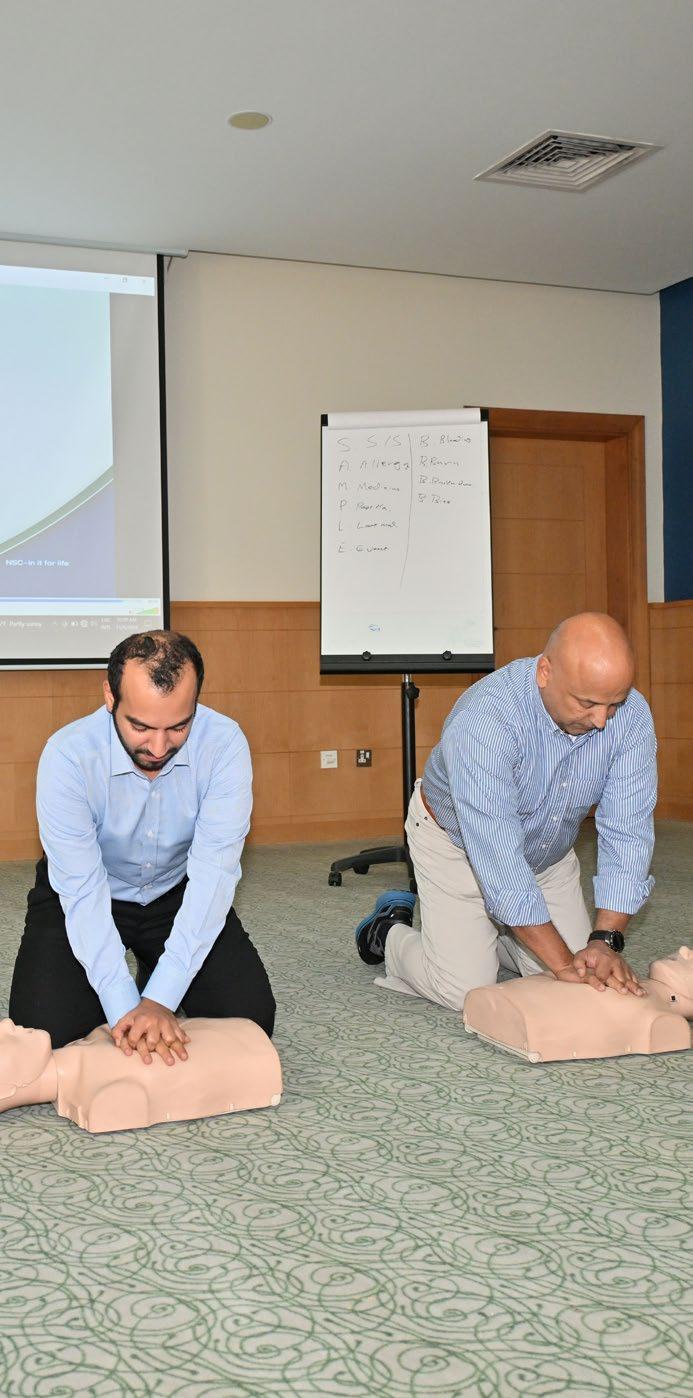
Our commitment to health and well-being extends beyond occupational safety to encompass holistic physical, mental, and emotional wellness. We recognize that a healthy workforce is essential to productivity, engagement, and long-term success. We offer a variety of health and wellness programs that address both work-related and personal health concerns, designed to promote preventive care and overall quality of life. These include:
Periodic medical check-ups to screen occupational diseases and monitor employee health.
Influenza vaccinations provided to employees and contractors.
Health awareness presentations delivered across departments to promote proactive care.
Regular newsletters and educational materials issued by the Health Committee, offering knowledge and tips across medical specialties.
The Smoke-Free GPIC Campaign, promoting tobacco-free lifestyles.
The “Beat the Heat” Campaign focuses on heat stress prevention during the summer months.
An Obesity Management Program supporting healthy weight and nutrition.
Mammograms, breast ultrasounds, and abdominal and pelvic ultrasounds arranged for all GPIC women employees and employees’ spouses as part of cancer screening initiatives.
Blood donation drives organized as part of GPIC’s corporate social responsibility program, supporting community health.
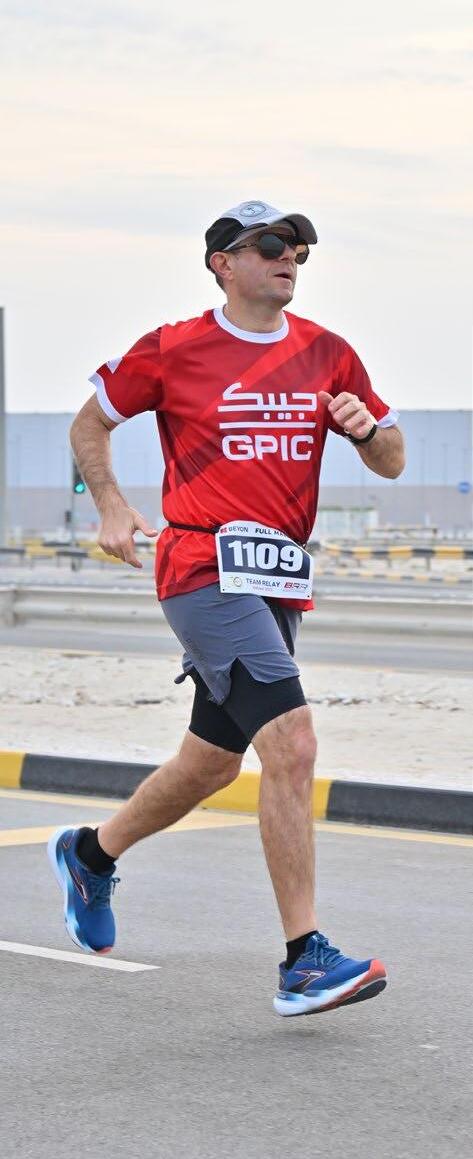
2
4
Blood donation drives organized
Health awareness presentations delivered
6 Health Committee newsletters published
206 Periodical Medical Check-ups conducted
Injury prevention is a critical concern for GPIC due to the inherently high-risk nature of petrochemical operations. Tasks involving elevated temperatures, high-pressure systems, and hazardous materials present daily risks to both employees and contractors. As such, the prevention of workplace injuries, especially high-consequence and recordable incidents, is an ethical imperative and a key enabler of business continuity and regulatory compliance.
GPIC adopts a proactive and data-driven approach to injury management, embedded within the Occupational Health and Safety framework and guided by clear policies and structured accountability. Central to this approach is the Zero Harm Policy, under which every injury is considered preventable. Incidents, including near misses, are treated as indicators of systemic gaps rather than individual fault, reinforcing a culture of learning, accountability, and continuous improvement.
In alignment with ISO 45001, ISO 31000, ISO 22301, and RC 14001 standards, structured Standard Operating Procedures are established for reporting and managing injuries. All incidents are logged in a centralized system, enabling real-time tracking and follow-up. In the event of serious injuries, a dedicated Accident Investigation Committee conducts an indepth review using the TapRooT methodology to identify root causes, implement corrective actions, and prevent recurrence.
Together, these practices form a resilient injury management system that safeguards workforce health and safety.
995,994
911,848
Top Management recognizes exceptional contributions through the Safety Champion Award launched in 2024. Granted quarterly, this award identifies individuals who demonstrate full compliance and outstanding proactive behaviors, such as early hazard identification. This reinforces a culture where leadership and the workforce are aligned, rewarding those who go beyond compliance to protect their colleagues and their facilities.
National Safety Council (NSC) Ergonomic Pledge:
In 2025, GPIC demonstrated its commitment to musculoskeletal health by signing the National Safety Council (NSC) Ergonomic Pledge. This partnership provides us with a specialist framework to proactively identify and reduce ergonomic risks, such as repetitive strain or poor posture, across our diverse industrial and administrative operations. This systematic approach to health ensures that we address both visible industrial hazards and the more subtle, long-term occupational health risks that affect employee longevity and quality of life.
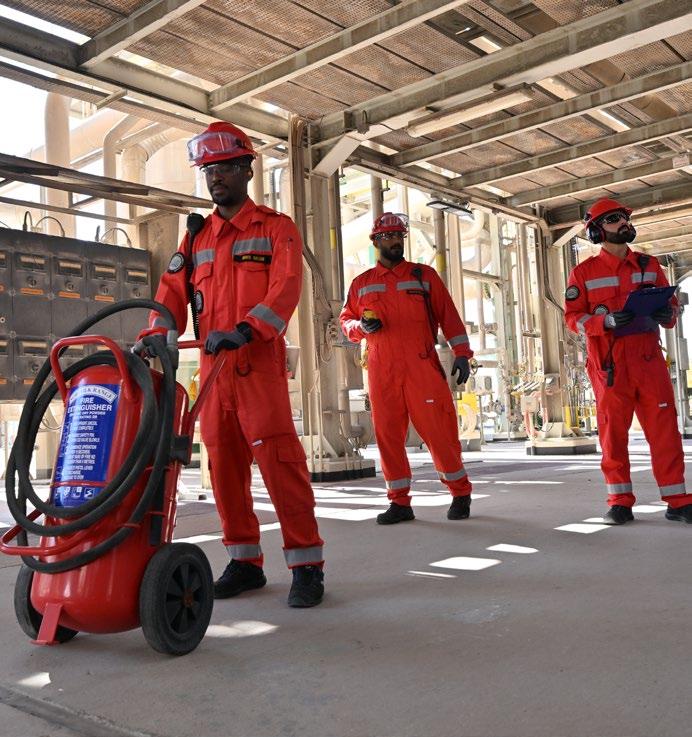
In 2025, Executive Management launched the SHE Excellence Strategy (2025–2027), a three-year roadmap designed to achieve safety maturity through Proactive, Reactive, and Predictive pillars. This commitment is anchored by our Integrated Policy, signed by the Chairman and CEO, which serves as a constitutional mandate to provide necessary resources, training, and participation opportunities for all employees and contractors to prevent work-related injury and ill health.
By setting clear strategic objectives aligned with Bahrain’s 2030 Vision, senior management provides the vision necessary to sustain our milestone of over 43 million hours without a losttime accident.
Number of fatalities as a result of work-related injury
Rate of fatalities as a result of work-related injury
Number of high-consequence work-related injuries
Rate of high-consequence work-related injuries
Number of recordable work-related injuries
Rate of recordable work-related injuries
Total
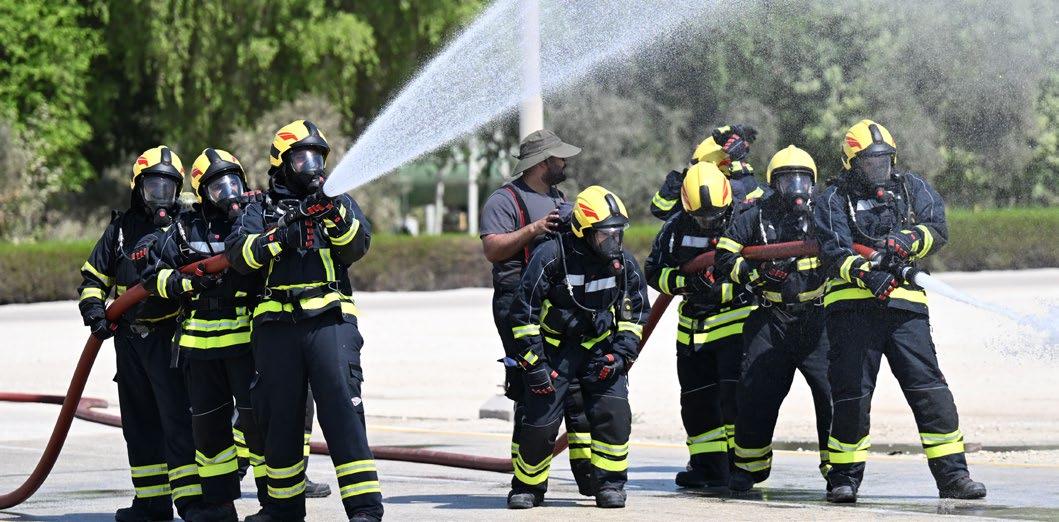
Sustaining over 43.4
without a lost-time injury reflects a deeply embedded culture of safety leadership and operational discipline
Fatalities due to work-related injuries
Fatality rate due to work-related injuries
High-consequence work-related injuries (excluding fatalities)
Rate of high-consequence work-related injuries
Recordable work-related injuries
Rate of recordable work-related injuries
Total
Safety Drills
and Environmental Emergency Drills Conducted
Ensuring accurate, transparent, and comprehensive product information is a cornerstone of GPIC’s commitment to customer health, safety, and trust. Our products, primarily ammonia, urea, and methanol, are widely used across sectors including agriculture, energy, and manufacturing, where proper handling, storage, and application are essential to prevent harm to people and the environment. Transparent labeling and responsible marketing practices enable our customers to make informed and safe decisions regarding product use, contributing directly to occupational and public health, regulatory compliance, and sustainable value creation. Our Corporate Communications Department, in coordination with Operations, HSE, and Product Stewardship teams, oversees product labeling, packaging communication, and marketing compliance.
This systematic management ensures that GPIC products not only meet but exceed regulatory and stakeholder expectations for health and safety transparency throughout our products’ lifecycle.
Our approach to product labeling includes:
Product labeling includes identification, sourcing, composition, safety instructions, and disposal guidance. Specific labeling for urea packaging to ensure clear communication of agricultural use and safe handling.
Each of our products undergo detailed labeling that provides essential information for safe and informed use. Labels communicate product identity, composition, sourcing, and handling requirements. Urea packaging includes specific agricultural application and safety instructions.
Through these actions, GPIC ensures that all customers receive complete and accurate product information, minimizing potential health risks and enabling responsible use.
Development of Product Concept
Regular compliance checks and internal reviews to confirm alignment with international safety and labeling standards (e.g., ISO 9001, ISO 14001, and RC 14001).
Collaboration with stakeholders (SABIC AgriNutrients, and PIC) to ensure health and safety information is accurately conveyed through Material Safety Data Sheets (MSDS/SDS).
Research and Development
Certification
Ongoing staff training on product communication and marketing ethics to maintain transparency and compliance with all customer-facing materials.
Manufacturing and Production
Marketing and Promotion
Storage, Distribution and Supply
Use and Service
Disposal
Reuse / Recycling
GPIC’s products fall into two categories: (1) Urea and Ammonia, used to enhance agricultural productivity, with strict safety controls; and (2) Methanol, used in fuels, pharmaceuticals, and households, handled under rigorous safety standards. The Company continually invests in improving energy and resource efficiency.
Products are already established, and no in-house R&D is conducted.
GPIC holds multiple certifications, including ISO 9001, ISO 1400 1, ISO 45001, PAS 99, RC 14001, ISO 27001, ISO 31000, ISO 22301, ISO 50001, Halal Methan ol, and IFA Protect and Sustain Product Stewardship.
Manufacturing operations are governed by strict health, safety, and environmental controls under ISO 45001 and RC 14001. Comprehensive risk asses sments, process safety management systems, and emergency preparedness measures ensure safe production.
Product marketing is managed by shareholder companies (SABIC Agri-Nutrients and PIC), with all health and safety information communicated through Material Safety Data Sheets (MSDS).
Health and safety risks are managed and communicated through Sa fety Data Sheets (SDS) and robust transport safety protocols.
End users receive product safety information, labeling, and SDS to ensure safe handling and application.
Not applicable to GPIC’s products.
Ammonia is exported and recycled internally for urea production, maximizing material efficiency.
Ensuring the safe, reliable, and compliant operations of critical infrastructure is central to GPIC’s operational framework. Guided by international standards such as ISO 45001 (Occupational Health and Safety Management), ISO 31000 (Risk Management), and RC 14001 (Responsible Care), our approach to asset integrity management is integrated into the broader Safety, Security, Health, Environment Department (SSHED).
Asset integrity principles are embedded across several core functions and systems at GPIC, ensuring risks associated with equipment failure, process disruptions, and highconsequence incidents are actively managed.
GPIC’s asset integrity management approach emphasizes proactive maintenance, continuous monitoring, and adherence to best-in-class engineering and safety practices. Preventive maintenance schedules are established for all critical equipment, supported by digital maintenance management systems that track inspection intervals, maintenance activities, and reliability trends. Regular risk-based inspections are conducted to detect potential failures early, supported by predictive techniques such as vibration analysis, thermography, and corrosion monitoring.
All assets are categorized based on criticality to ensure that safety and process-sensitive equipment receive enhanced oversight. The system is aligned with our SSHED framework, integrating lessons learned from incident investigations and near-miss analyses into future maintenance plans. Emergency response protocols and shutdown systems are periodically tested to verify operational readiness.
Through these integrated controls, GPIC minimizes the likelihood of equipment failure and ensures the continuity, reliability, and safety of our production assets in compliance with international safety and environmental standards.
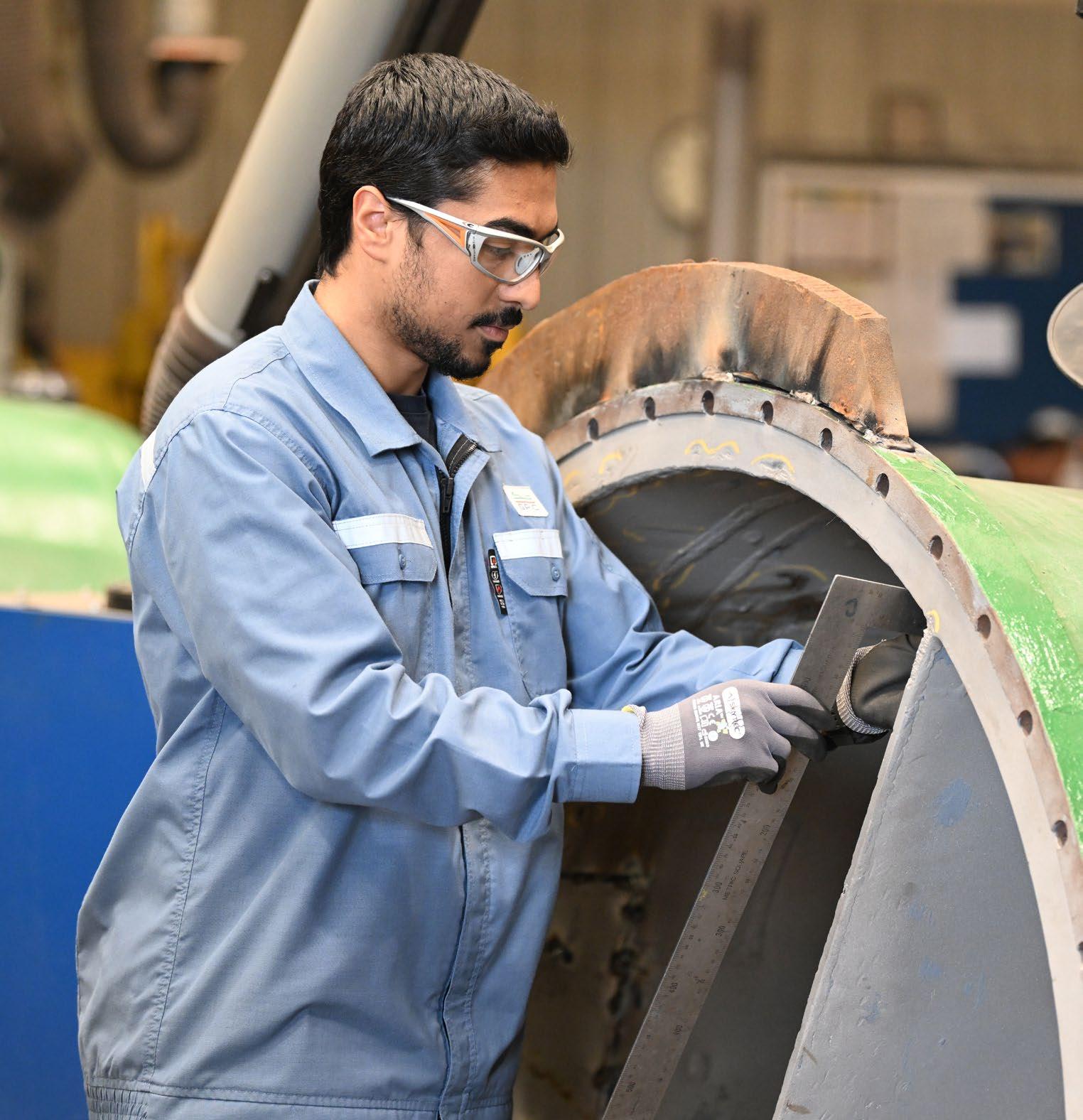
Our adherence to ISO and GRI 11 Oil and Gas Sector frameworks ensures we apply globally accepted risk-based methodologies throughout the asset lifecycle, starting with design and installation through operation, inspection, and decommissioning. GPIC’s approach is guided by key risk and incident management policies and procedures, including the Safety, Security, Health, Environment, and Quality Policy, the Asset Integrity and Reliability framework, and the Emergency Preparedness and Response procedures. These are complemented by the Risk Management framework, ensuring risks are systematically managed across the asset lifecycle in alignment with ISO and GRI 11 frameworks.
Certified Management Systems:
Conducted to focus on identifying failure modes and critical control points across fixed and rotating
systems.
ISO 17025 for testing and calibration of equipment and systems critical to process control and safety
ISO 17020 for inspection functions related to operational and environmental compliance
GPIC maintains robust internal protocols for managing high-consequence scenarios. These include comprehensive emergency response and evacuation procedures, regular fire and safety drills, and mechanical integrity reviews for critical equipment. We also conduct incident investigations and root-cause analysis following any unplanned event to ensure corrective actions are effectively implemented and shared across departments. These practices strengthen our readiness to prevent, respond to, and recover from potential critical incidents while safeguarding personnel, assets, and the environment.
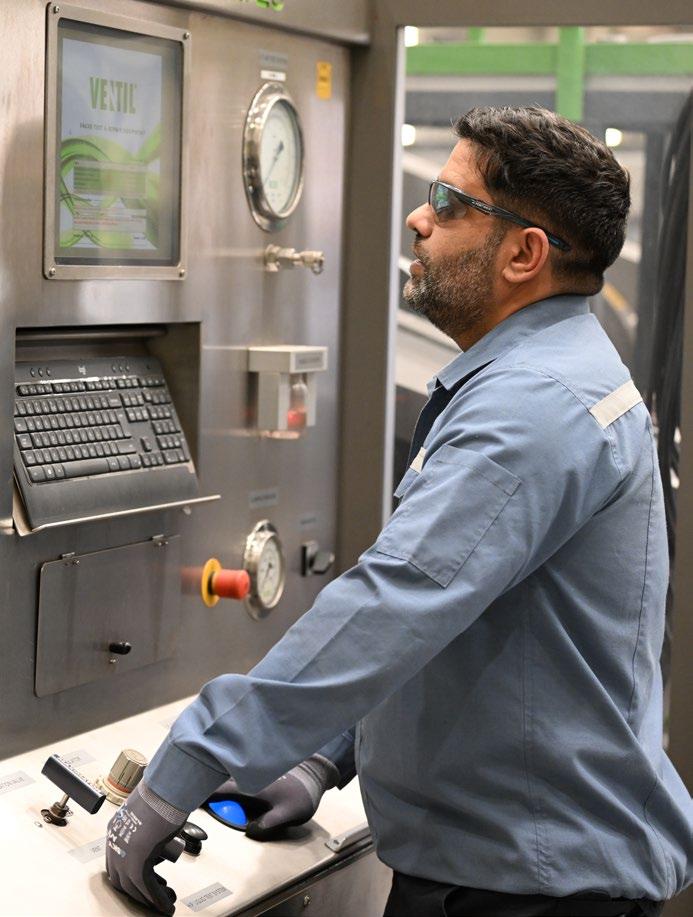
Our suppliers play a significant role in maintaining product quality, safety, and environmental performance. By embedding environmental and social criteria in supplier selection, we ensure alignment with our strategy, standards, and policies, as well as Bahrain’s national sustainability priorities.
GPIC continues to enhance supply chain resilience within our integrated governance and risk management framework. Oversight of procurement, supplier ethics, and local sourcing is embedded within the Board’s sustainability governance structure and supported by the Resilience Committee, Audit, Finance and Risk Committee, and the Sustainability and ESG Reporting Committee.
Supplier due diligence is reinforced through compliance with Bahrain’s procurement regulations and GPIC’s Code of Conduct, ensuring that suppliers meet strict environmental, safety, and labor standards. Supplier risk assessments and performance reviews are conducted under the Company’s ISOcertified management systems, which guide evaluation and sustainability criteria, ensuring that sustainability expectations are met across the value chain.
We prioritize suppliers located within Bahrain to strengthen the local economy and reduce the environmental footprint associated with logistics. Supplier selection considers:
• Ability to meet technical and quality requirements
• Certification in Safety, Health, and Environment (SHE) management systems
• Proven performance and reliability
• Availability of service facilities within Bahrain
• Compliance with ethical labor practices and Responsible Care principles
All new suppliers undergo a comprehensive prequalification process that includes screening technical, financial, health, safety, environmental, and social areas. Regular supplier audits, including those conducted at third-party manufacturing sites, ensure compliance with our EH&S expectations and contractual obligations.
GPIC’s procurement policy emphasizes transparency, integrity, and fairness. We maintain zero tolerance for corruption, coercion, or undue influence in supplier relationships. Our HR and procurement departments jointly ensure that conflicts of interest are disclosed and addressed promptly. We actively promote Responsible Care and adhere to international standards to enhance sustainability across the supply chain. Training and “Safe Handling” guides are provided for all relevant personnel managing hazardous materials, reinforcing safe and responsible operations. Our focus is on:
• Enhancing risk monitoring through the SAP Manarah digital platform to track incidents and ensure timely mitigation.
• Expanding local procurement to reduce exposure to international logistics disruptions and associated emissions.
• Strengthening engagement with suppliers through Responsible Care training and sustainability workshops.
• Maintaining compliance verification through internal audits, SHE Council oversight, and third-party reviews.
• Continued screening of all new suppliers using environmental and social criteria.
• Ongoing emphasis on local supplier engagement, with 35.5% share of locally based suppliers.
• Enhanced monitoring of global supply chain risks and logistics disruptions.
• Strengthened collaboration with suppliers on Responsible Care principles and ethical labor practices.
• Integration of supplier sustainability performance into GPIC’s broader risk and resilience framework.
Proportion of Spending on Local Suppliers
At GPIC, we recognize that our success is deeply intertwined with the well-being and prosperity of the communities we serve. Our approach to Corporate Social Responsibility (CSR) focuses on creating long-term value through education, skill development, environmental responsibility, and community partnerships. Guided by our belief that sustainable growth must include social inclusion and empowerment, we actively support initiatives that strengthen the social fabric of Bahrain and promote educational and empowerment opportunities for all.
Our CSR and community engagement efforts prioritize youth development, education, agriculture awareness, and environmental protection. These focus areas reflect GPIC’s role as a corporate leader and a responsible community partner.
We believe that empowering individuals, especially youth, creates a lasting impact. GPIC’s community programs are designed to develop knowledge, foster leadership, and promote innovation while strengthening Bahrain’s social and economic fabric.
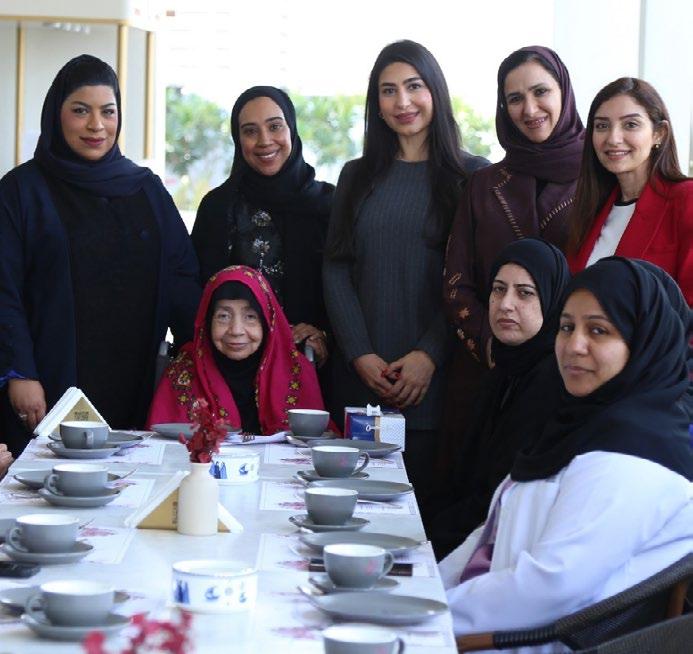
Our approach is aligned with the UN Global Compact Principles 6–4 and supports the United Nations Sustainable Development Goals (SDGs), reflecting our broader commitment to internationally recognized standards for responsible business conduct.



















GPIC places special emphasis on nurturing Bahrain’s young talents, equipping them with the skills, confidence, and mindset to lead in a rapidly changing world.
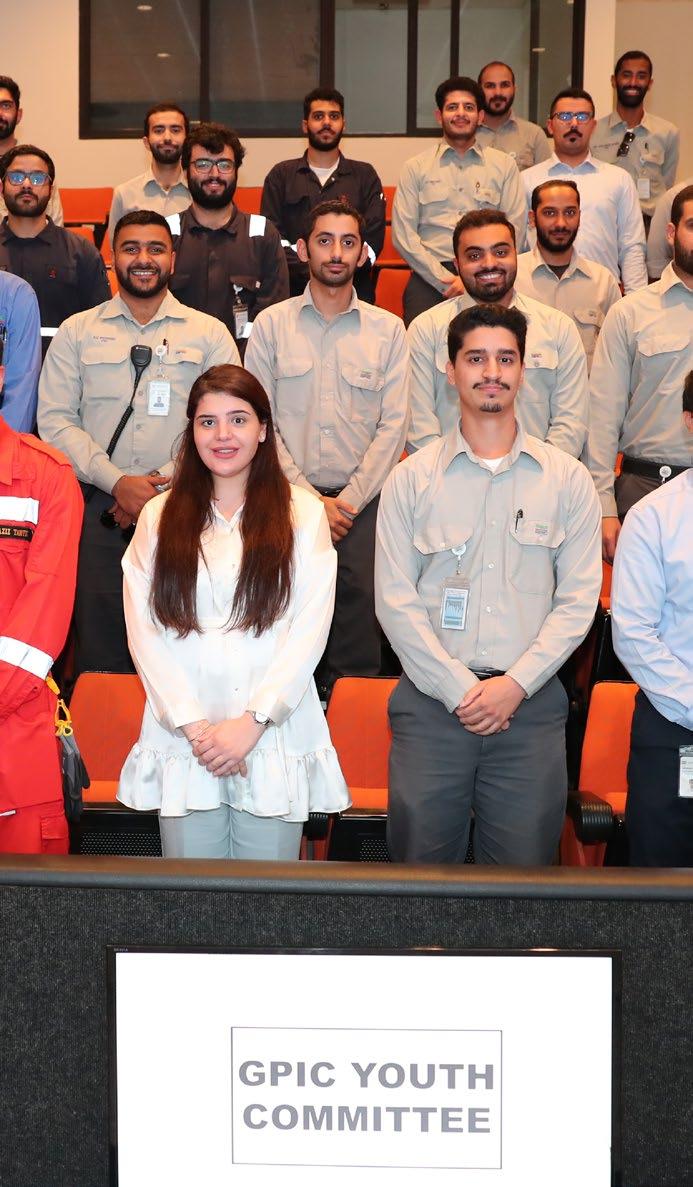
In response to research highlighting gaps in communication and leadership skills among university graduates, GPIC developed a Junior Leadership Framework to help support the transition from academia to industry. The program cultivates critical soft skills such as teamwork, interpersonal communication, and professional confidence, complementing academic qualifications with practical workplace readiness.
This structured, year-long training journey is designed to accelerate the professional development of new graduate engineers. The program includes three defined phases: a one-month orientation, a one-month plant process familiarization stage, and a ten-month on-the-job training phase. Through direct mentorship and applied learning, participants build deep operational knowledge, technical capability, and foundational leadership skills aligned with GPIC’s operational standards.
GPIC welcomes industrial trainees from universities and technical institutions across Bahrain, providing handson training and exposure to real-world operational environments. These trainees gain valuable technical and professional experience under the guidance of GPIC’s engineers and supervisors, helping prepare the next generation of industrial leaders.
Established in 2016, GPIC’s Youth Committee promotes innovation, collaboration, and leadership development among young professionals. The committee provides a structured platform for engagement, enabling emerging talent to contribute ideas and participate in sustainability-driven initiatives that support organizational performance and long-term value creation.
GPIC sees youth development and environmental education as long-term investments in Bahrain’s future. Through close collaboration with educational institutions, GPIC creates opportunities for students to explore sustainability, innovation, and responsible environmental practices in meaningful and practical ways. These programs help shape a generation that is confident, skilled, and prepared to support the Kingdom’s sustainability ambitions.
In partnership with InJAz Bahrain, an affiliate of Junior Achievement Worldwide, GPIC employees volunteer to deliver workshops in schools across the Kingdom. These sessions focus on entrepreneurship, leadership, and workplace skills. Between 2019 and 2023, dozens of employees, both women and men, participated in mentoring programs that reached hundreds of students across Bahrain.

The Environmental Research Program is designed to cultivate scientific curiosity, innovation, and environmental responsibility among secondary school students across the Kingdom of Bahrain. Through this initiative, students are encouraged to undertake practical, research-based projects that address real-world environmental challenges, bridging classroom theory with applied learning. The environment research program has been a resounding success helping to foster a culture of environmental awareness and responsibility among young people in Bahrain. By providing tools and resources they need to conduct independent research and explore environmental issues. GPIC is helping to develop a new generation of environmentally conscious and engaged citizens.
This program has been instrumental in promoting environmental education, research skills among students and encouraging the development of innovative solutions to environmental challenges. The program also provides an opportunity for students to explore environmental issues of interest to them and to develop their research skills through hands-on investigation and experimentation. Additionally, the research program provides opportunity for community engagement by involving students in project that address local environmental issues. Over successive academic years, schools across Bahrain have actively participated in the program, embedding environmental research into their curricula and fostering a culture of inquiry, experimentation, and sustainability. Over successive academic years, schools across Bahrain have actively participated in the program, embedding environmental research into their curricula and fostering a culture of inquiry, experimentation, and sustainability.
The program has demonstrated 21 years of consistent dedication to environment education and youth empowerment
The program fosters environmental awareness, scientific inquiry, and innovation among school students
Annual competitions, financial sponsorship and expert evaluation empower impactful environment research topics
The program strengthens partnerships between industry, academia, and education shaping future environmental leaders
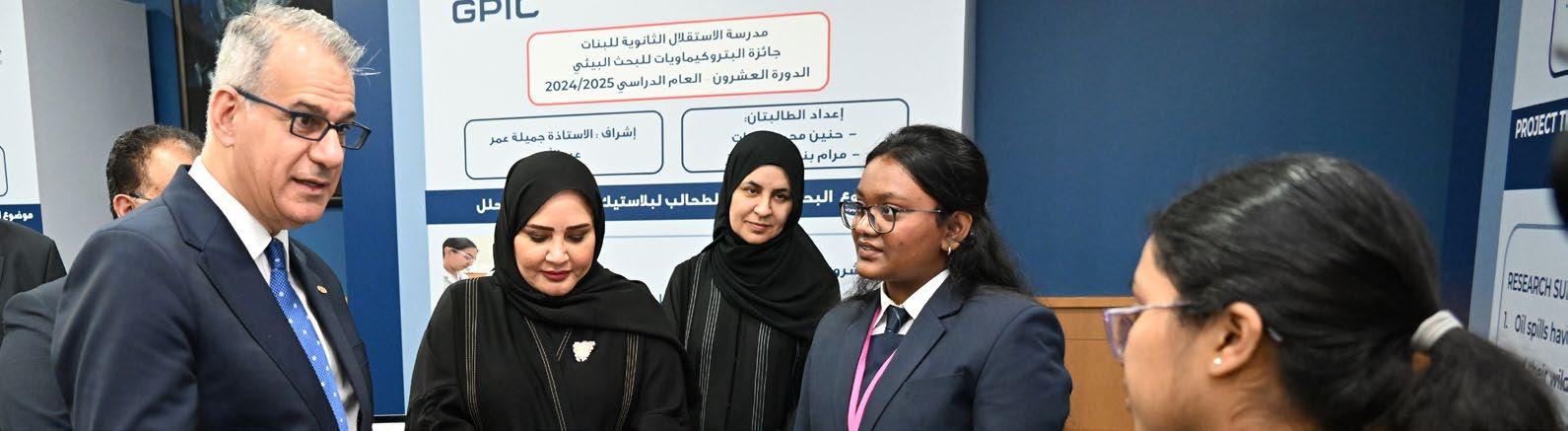
Environmental Lectures Program:
The Environmental Lectures Program reflects GPIC’s commitment to knowledge-sharing and community engagement in advancing sustainability awareness. Through this initiative, GPIC visit schools across the Kingdom to deliver structured, age-appropriate sessions on sustainability, environmental conservation, and climate change.
These lectures go beyond traditional presentations, incorporating interactive discussions, real-world case studies, and practical examples drawn from GPIC’s own operational experience. By connecting industrial practices with environmental responsibility, the program helps students understand how sustainable development principles are applied in real-life settings.
Through dialogue and engagement, students are encouraged to adopt responsible environmental behaviors in their daily lives and to recognize their role in protecting natural resources. The program contributes to fostering a generation that is informed, environmentally conscious, and prepared to support Bahrain’s long-term sustainability ambitions.
Launched in 2001 through collaboration between GPIC and the Ministry of Education.
Content
& Interactive Learning Methods
The lectures have continually evolved, updating content to address current environmental challenges and new educational trends.
The GPIC program has educated over 37,000 students from various schools across Bahrain.
Environment awareness extends beyond schools and dedicated volunteers and strong partnerships.
Key statistics Academic year 2024/2025
Environment Lectures Program
40
Schools Receiving Environmental Awareness Lectures
1,007
Students Benefited from Environmental Lectures
Environmental Research Program
32 Schools Participating in Environmental Research Program
83
Research Topics Submitted
20
Research Topics Shortlisted
In 2015, GPIC, in collaboration with the United Nations Environment Program (UNEP) and the Ministry of Education, launched the Green Wave Campaign as part of its broader commitment to environmental stewardship and community engagement. The initiative promotes afforestation within public schools while raising environmental awareness among students. Through the program, GPIC supports the planting of local tree species across school campuses, contributing to greener learning environments and encouraging long-term sustainability practices among younger generations.

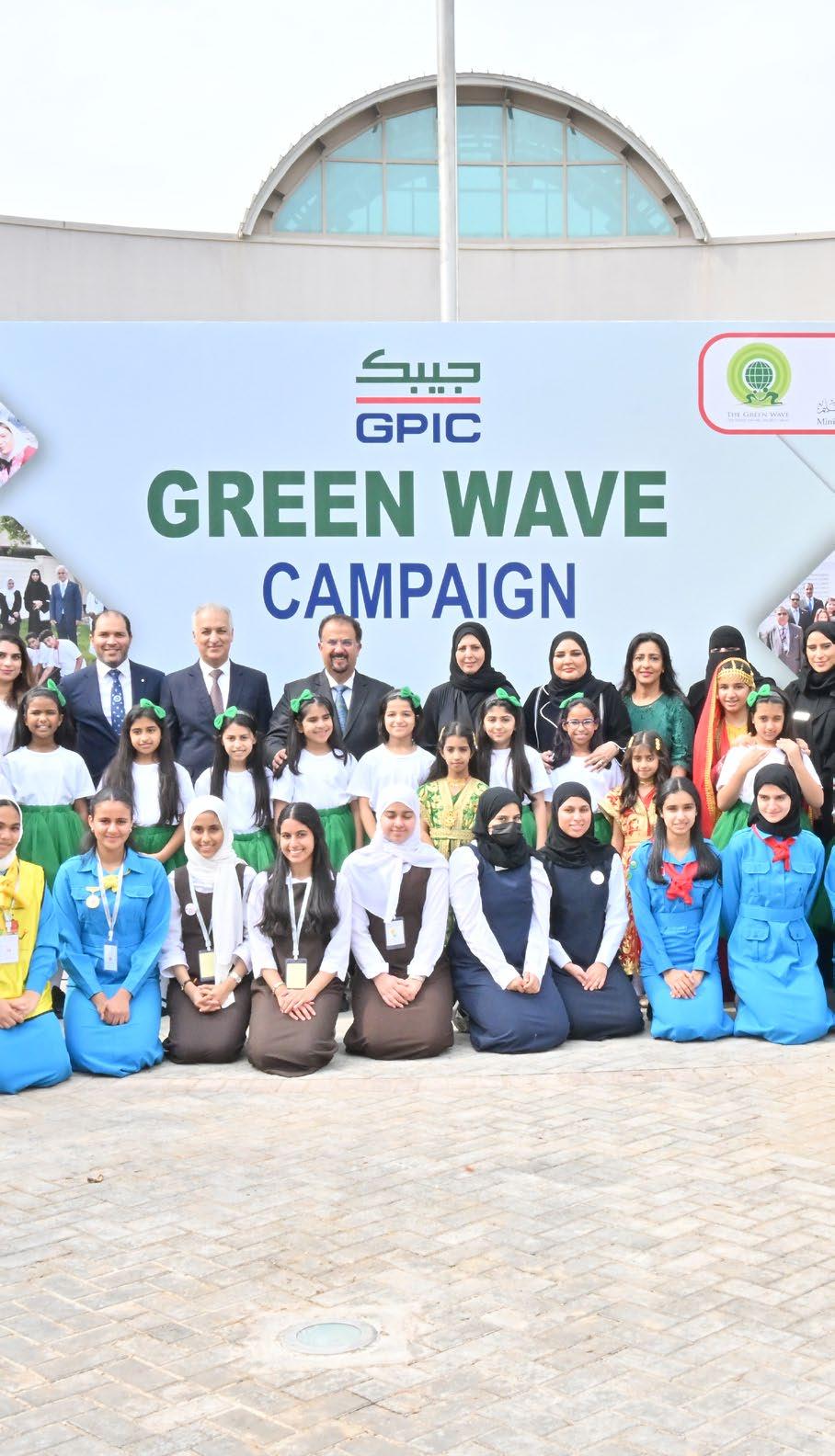
GPIC’s commitment to the agricultural community is reflected in its ongoing support for farmers and promotion of sustainable farming practices. GPIC annually provides over 50 tons of urea fertilizer to Bahraini farmers through the Ministry of Works and the National Initiative for Agricultural Development, under the patronage of Her Royal Highness Princess Sabeeka bint Ibrahim Al Khalifa.
Furthermore, we developed and distributed “The Urea Guideline” handbook: an educational resource to help farmers maximize crop yield while ensuring safe and efficient fertilizer use.
Through its Agri-Nutrient Committee, GPIC organizes workshops, newsletters, and awareness sessions to increase employees’ and community members’ understanding of sustainable agriculture and food security.
Moreover, GPIC’s annual community competitions, such as the Best Home Garden Contest and the Share a Plant Initiative, foster environmental awareness and celebrate homegrown sustainability efforts.
GPIC’s community investment initiatives are designed to support a wide range of social priorities across Bahrain, reflecting its commitment to inclusive and sustainable development. Through targeted programs spanning education, youth empowerment, health and environmental awareness, social welfare, and broader community initiatives, GPIC works to strengthen social resilience and address evolving community needs. The following indicators provide an overview of beneficiary reach across key program categories, demonstrating the breadth and diversity of GPIC’s community engagement efforts.
Beneficiary Entities (Education Support)
Beneficiary Entities (Public Safety, Health, and Environment)
Beneficiary Entities (Youth Support)
Beneficiary Entities (Orphans Support)
Beneficiary Entities (Special Needs Support)
Beneficiary Entities (Elderly Support)
Beneficiary Entities (Sports initiatives)
Beneficiary Entities (Women Support)
Beneficiary Entities (General Community Investment)
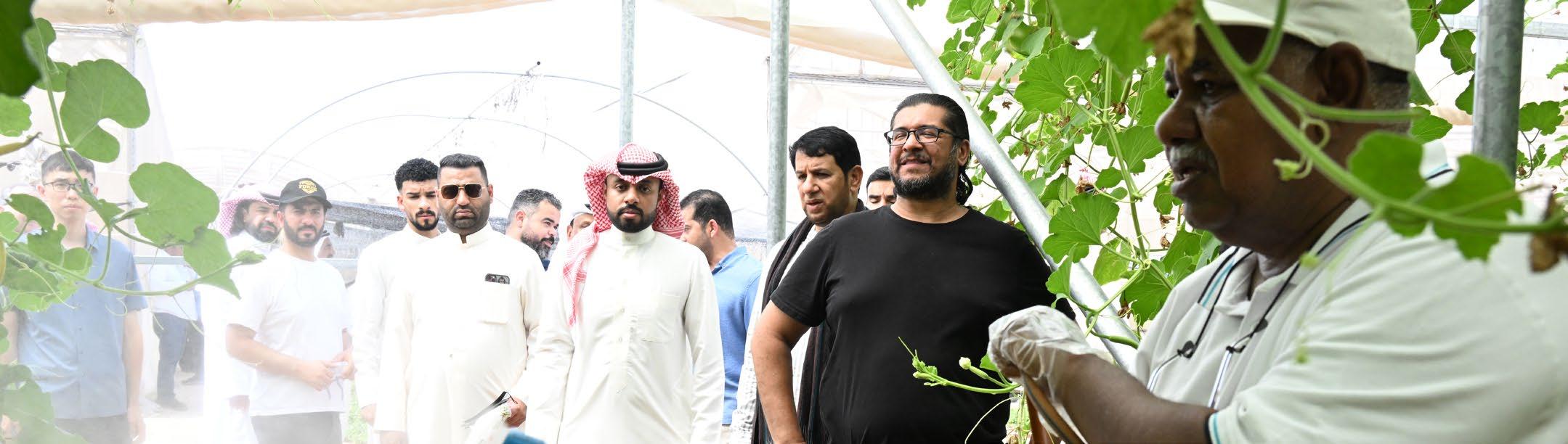
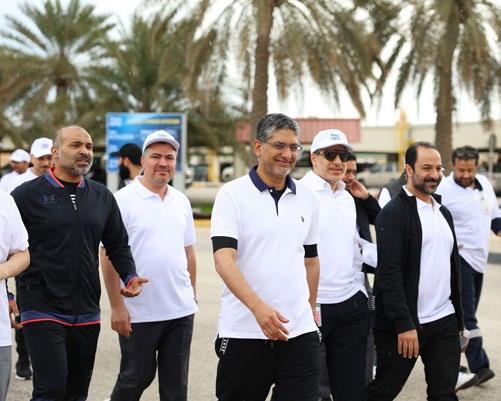
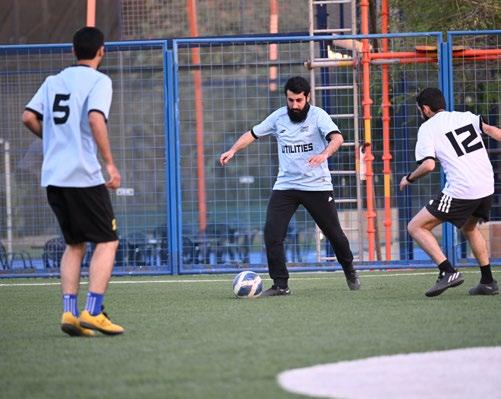
Inauguration of the Industrial Training Program

Hosting of the 6th GPCA Responsible Care Conference
Events Hosted by GPIC (2025)
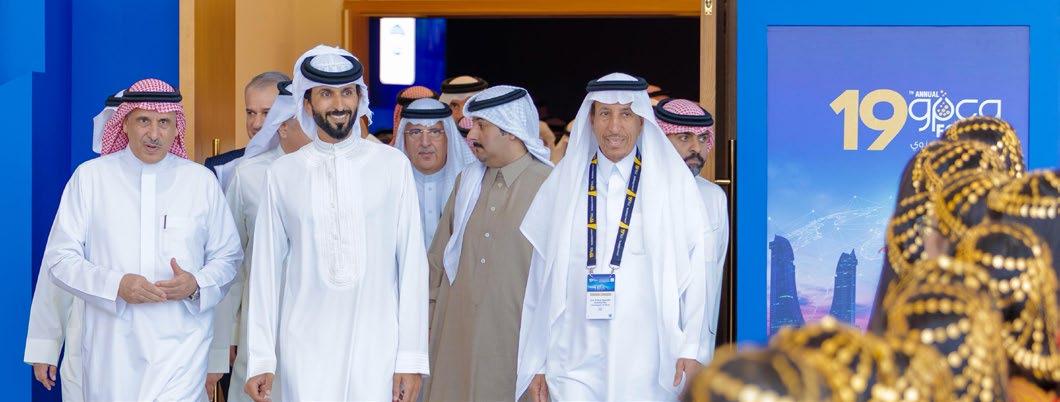
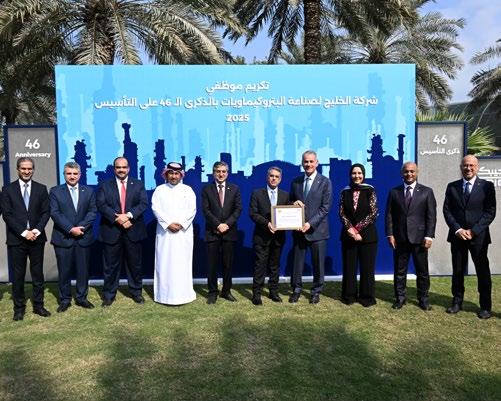
Hosting of the 19th GPCA Annual Forum
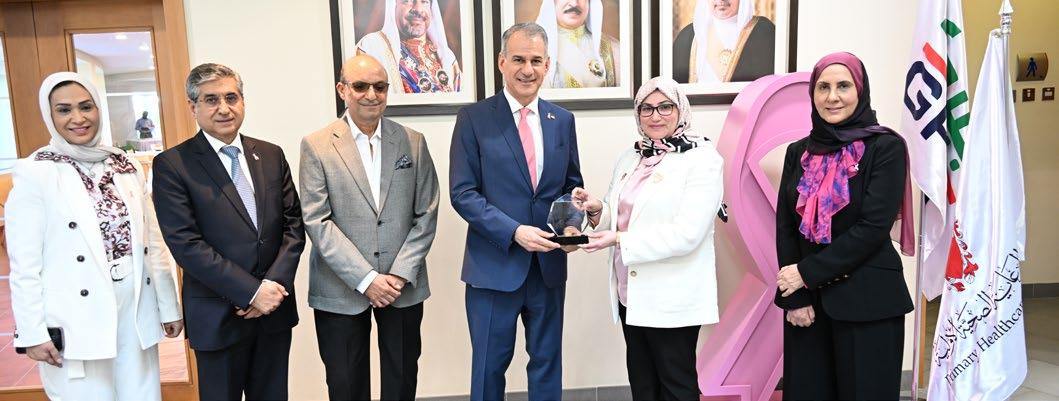
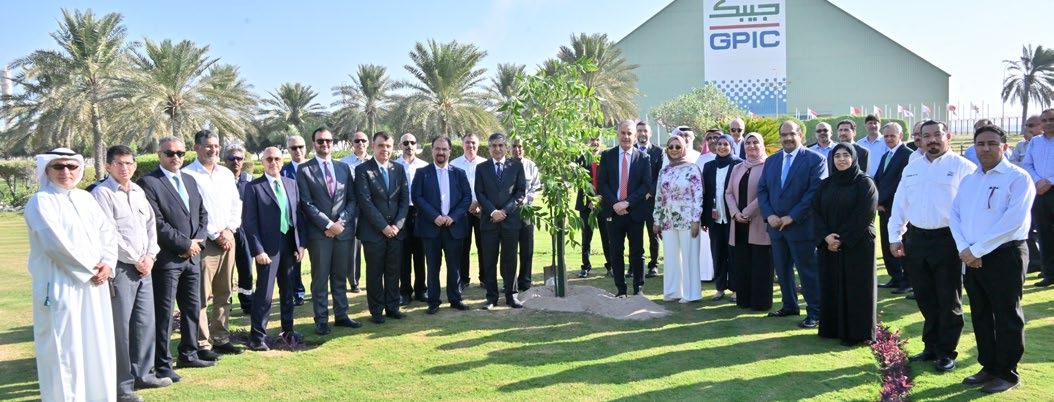
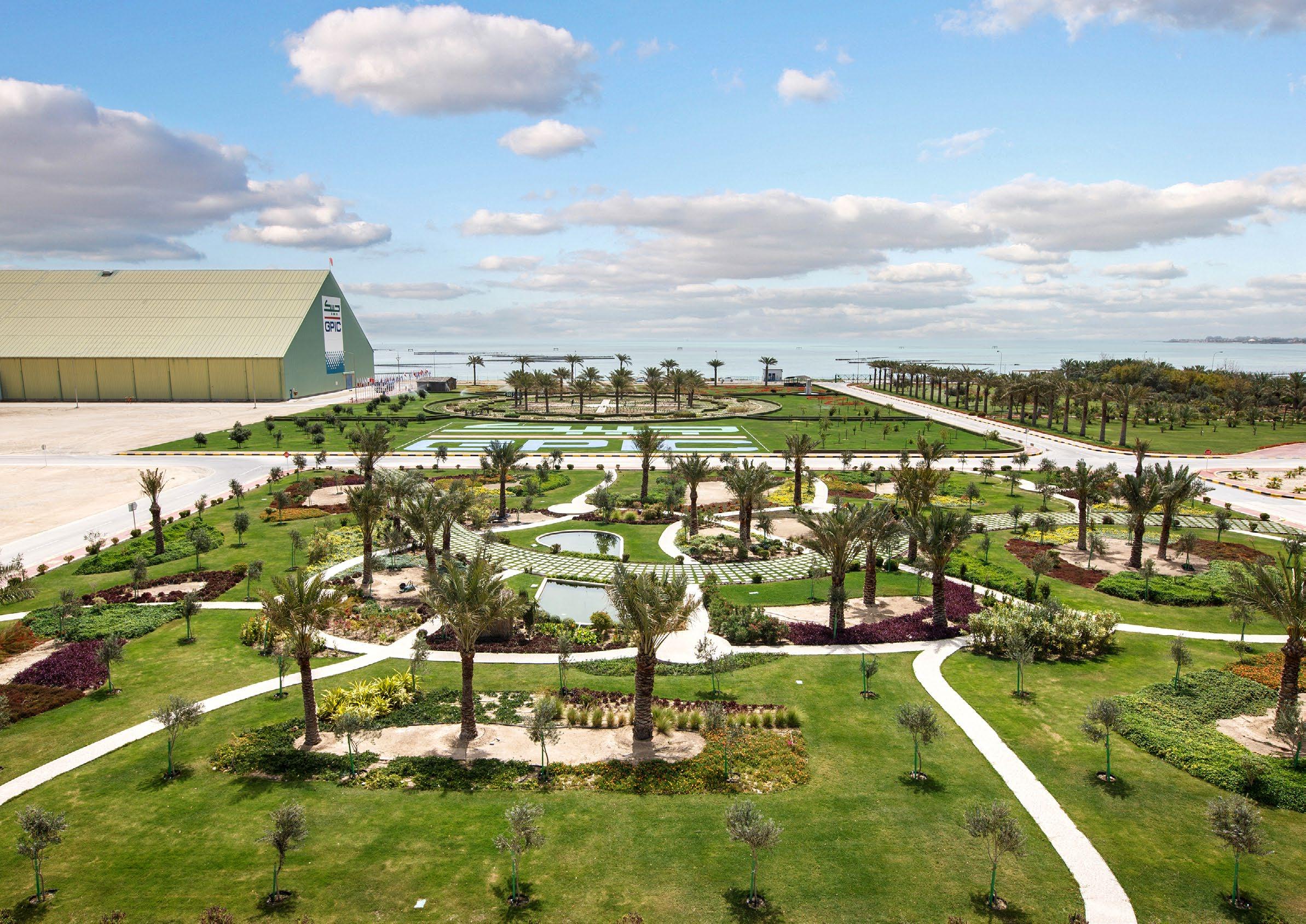
Abbreviation
AFA
CBAM
CEMS Continuous Emission Monitoring Systems
CSR
ESG
Social and Governance GHG
GPCA
GPIC
GRI
HSE
Petrochemicals and Chemicals Association
Reporting Initiative
Safety, and Environmental
IFA International Fertilizer Association
IPCC Intergovernmental Panel on Climate Change
IPPU Industrial Processes and Product Use
ISO International Organization for Standardization
KPI / KPIs
Performance Indicator(s)
MRV Monitoring, Review and Verification
NSC
Safety Council
ODP Ozone-Depleting Potential
ODS Ozone-Depleting Substances
PM₁₀ Particulate Matter (PM₁₀)
PMS Performance Management System RC 14001
UNEP
UNGC
VOC
For the Content Index – Advanced Service, GRI Services reviewed that the GRI content index has been presented in a way consistent with the requirements for reporting in accordance with the GRI Standards, and that the information in the index is clearly presented and accessible to the stakeholders. The service was performed on the English version of the report
GRI Services reviewed the correct mapping of the GRI disclosures presented in the GRI content index to Sustainable Development Goals (SDGs), based on the ‘Goals and targets database’ tool available from GRI website.
Statement of Use GPIC (Gulf Petrochemical Industries Company) has reported in accordance with the GRI Standards for the period 1/1/2024 to 31/12/2025 GRI 1 Used GRI 1: Foundation 2021
Applicable GRI Sector Standard GRI 11: Oil and Gas Sector 2021

GRI 2: General Disclosures 2021
2-1 Organizational details About GPIC (Pages 9-14)
2-2 Entities included in the organization’s sustainability reporting
2-3 Reporting period, frequency and contact point
2-4 Restatements of information
2-5 External assurance
About this Report (Pages 3-4)
About this Report (Pages 3-4)
About this Report (Pages 3-4)
This report has not been externally assured.
2-6 Activities, value chain and other business relationships About GPIC (Pages 9-14)
2-7 Employees 8, 10 About GPIC (Pages 9-14)
2-8 Workers who are not employees 8 About GPIC (Pages 9-14)
2-9 Governance structure and composition 5, 16 Governance Structure (Pages 16-21)
2-10 Nomination and selection of the highest governance body 5, 16 Governance Structure (Pages 16-21)
2-11 Chair of the highest governance body 16 Governance Structure (Pages 16-21)
2-12 Role of the highest governance body in overseeing the management of impacts 16 Governance Structure (Pages 16-21)
2-13 Delegation of responsibility for managing impacts Governance Structure (Pages 16-21)
2-14 Role of the highest governance body in sustainability reporting Governance Structure (Pages 16-21)
2-15 Conflicts of interest
Ethical Governance and Responsible Conduct (Page (22-25)
GRI 2: General Disclosures 2021
2-16 Communication of critical concerns
2-17 Collective knowledge of the highest governance body
2-18 Evaluation of the performance of the highest governance body
2-19 Remuneration policies
2-20 Process to determine remuneration
2-21 Annual total compensation ratio
2-22 Statement on sustainable development strategy
2-23 Policy commitments
2-24 Embedding policy commitments
2-25 Processes to remediate negative impacts
2-26 Mechanisms for seeking advice and raising concerns 16
2-27 Compliance with laws and regulations
2-28 Membership associations
2-29 Approach to stakeholder engagement
2-30 Collective bargaining agreements
Ethical Governance and Responsible Conduct (Page (22-25)
Governance Structure (Pages 16-21)
Governance Structure (Pages 16-21)
Governance Structure (Pages 16-21)
Governance Structure (Pages 16-21)
Confidentiality Constraints The annual total compensation ratio is omitted as GPIC maintains fair and equitable compensation practices; however, detailed remuneration data is not disclosed due to employee data privacy and confidentiality considerations.
Statement from the Chairman (Page 5); Statement from the CEO (Page 6)
ESG Pillars and Goals (Page 36-40)
ESG Pillars and Goals (Page 36-40)
ESG Pillars and Goals (Page 36-40)
Ethical Governance and Responsible Conduct (Page (22-25)
Ethical Governance and Responsible Conduct (Page (22-25)
Certifications and Accreditations (Page 14)
Stakeholder Engagement (Page 31-33)
Labor Relations (Page 74)
Adaptation, Reslience, and
GRI
305-6
Climate Adaptation, Reslience, and Transition (Page 52-53)
GRI 305: Emissions
Climate Adaptation, Reslience, and Transition (Page 52-53); GHG and Air Emissions (Page 47-51) Air Emissions
GRI 3: Material Topics
GRI 305: Emissions
GRI 416: Customer
3-3 Management of material topics
305-7 Nitrogen oxides (NOx), sulfur oxides (SOx), and other significant air emissions
Materiality and Engagement Methodology (Page 31-35)
12, 14, 15 Air Emissions (Page 48)
416-1 Assessment of the health and safety impacts of product and service categories Air Emissions (Page 48); Product Health and Safety (Page 82)
GRI 3: Material Topics
3-3 Management of material topics Materiality and Engagement Methodology (Page 31-35) GRI 101: Biodiversity
(Page 60-64)
(Page 60-64) 11.4.4
Identification of biodiversity impacts
with biodiversity impacts
11.4.6
Direct drivers of biodiversity loss
(Page 60-64)
(Page 60-64) 11.4.7
(Page 60-64)
Constraints
GPIC applies structured, role-based remuneration policies to promote fair and equitable pay, while salary and gender-specific compensation data remain confidential under internal governance and data privacy requirements.
Supplier Social Assessment
GRI
As we reach the final chapter of our sustainability report for this year, we will continue to narrate our legacy throughout our 46 years sustainability journey for as long we can show our dedication and commitment to close one chapter and open a new one with renewed energy, determination and confidence in our ability to make a positive impact and uphold GPIC›s legacy of excellence.
On behalf of GPIC,we would like to thank everyone involved and committed to making our journey successful by all means. Let us embrace the challenges ahead with a new drive to ensure that our path forward remains one of innovation, sustainability, and enduring impact.
For all of our stakeholders and readers, we value your feedback as it helps us grow broad, bigger, and better. Please contact us for any feedback or comment by sending an email to the Sustainability Reporting team at gpic@gpic.com or by sending your feedback directly online.
Published on March 19, 2026