


Queridos lectores,
Con enorme entusiasmo les doy la bienvenida a la quinta edición de Gourmand. Este número es un homenaje a uno de los placeres más universales y evocadores: el chocolate.
El Caribe, con su riqueza cultural y su historia ligada al cacao, nos invita a descubrir cómo este fruto ha trascendido fronteras y épocas para convertirse en símbolo de celebración, sensualidad y creatividad. Exploramos las experiencias sensoriales que despierta el chocolate: su aroma profundo, su textura sedosa w3ey ese sabor que oscila entre lo dulce y lo amargo, capaz de evocar memorias y emociones.
Viajamos también a sus orígenes, conociendo el recorrido del cacao hasta las plantaciones que hoy son parte esencial de la identidad caribeña. Cada grano cuenta una historia de tierra fértil, manos laboriosas y tradiciones que se renuevan con cada generación.
En Gourmand creemos que la gastronomía es un puente hacia la cultura, la memoria y el disfrute. Por eso, esta edición celebra al chocolate no solo como ingrediente, sino como experiencia completa: un viaje sensorial que nos conecta con la naturaleza, con la historia y con nosotros mismos.
Gracias por acompañarnos en este recorrido. Que cada página sea una invitación a saborear, descubrir y celebrar la magia del chocolate en todas sus formas.
Con afecto,
Dear readers,
With great enthusiasm, I welcome you to the fifth edition of Gourmand. This issue pays tribute to one of the most universal and evocative pleasures: chocolate.
The Caribbean, with its cultural richness and history intertwined with cacao, invites us to discover how this fruit has transcended borders and eras to become a symbol of celebration, sensuality, and creativity. We explore the sensory experiences that chocolate awakens: its deep aroma, its silky texture, and that flavor that dances between sweetness and bitterness, capable of evoking memories and emotions.
We also journey to its origins, tracing the path of cacao to the plantations that today remain an essential part of Caribbean identity. Each bean tells a story of fertile soil, diligent hands, and traditions renewed with every generation.
At Gourmand, we believe that gastronomy is a bridge to culture, memory, and enjoyment. That is why this edition celebrates chocolate not only as an ingredient, but as a complete experience: a sensory journey that connects us with nature, with history, and with ourselves.
Thank you for joining us on this journey. May each page be an invitation to savor, discover, and celebrate the magic of chocolate in all its forms.
Warmly,


by Mario Pagán
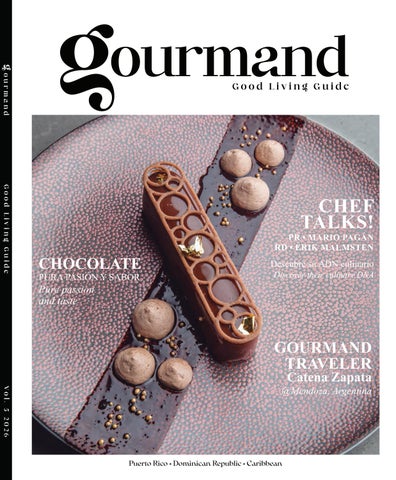
CHOCOPANA: GIANDUJA MOUSSE DE CHOCOLATE Y AVELLANA, GUINEÍTOS EN ALMÍBAR, 5 SPICE TUILE, CHOCOLATE GANAGE
PR • Chef Mario Pagán
MĀRO • LA CENTRAL • MARIO PAGAN + CHAYOTE (FL)
RD • Chef Erik Malmsten
O.LIVIA OSTERIA • O.LIVIA RESTAURANT • OKAZU
• Maridaje • Historia • Chocobar
• Cócteles • Excursiones
• Pairings • History • Chocobar
• Cocktails • Cacao Tours


@ MENDOZA
Visita exclusiva a esta icónica bodega argentina
Exclusive visit to this iconic Argentinian winery
68
Impresionante cata de vinos y menú de degustación
Amazing wine tasting and three course tasting menu
76
Fine Dining & Premium Wines @ Levittown


Good Living Guide
Puerto Rico • Dominican Republic • Caribbean
DIRECTORA • DIRECTOR
Roselyn O’neil
EDITORA • EDITOR
Yvonne Brown Ieromazzo
PERIODISTA • STAFF WRITER
Orlando Jerez
DISEÑO • DESIGN
Albert Polanco
AUTORES INVITADOS • GUEST WRITERS
Thomas Sartori Spot 21 • Hospitality Lab
Carlos Mejía Mixólogo de Model M.I.X.
FOTOGRAFÍA • PHOTO
• Javier Celado
• Mario Pagán Group • FoodHall Group
• Kahkow • Chocolate Cortés • ChocoPunto • Catena Zapata
• Casa Vigil—El Enemigo • SERRANO-Heart’s Photo & Film
• Awasi Mendoza • Sancho Pan • Bottles Guaynabo Veuve Clicquot • Dave & Buster’s • Erica Reyes
EDITORIAL info@gourmandintl.net
VENTAS • SALES sales@gourmandintl.net
REP. DOMINICANA
José Eduardo García 849-450-2579
PUERTO RICO Lourdes Rivera 787-402-0433
GOURMAND ES UNA PUBLICACIÓN DE
C/ 2, Villa Marina Sur, No. 8, Sto. Dgo. D.N, República Dominicana Tel.: 829-688-0256 @Gourmandintl • https://issuu.com/gourmandguideintl
Gourmand
Prohíbe la reproducción total o parcial de su portada, artículos y secciones fijas de la misma. No se hace responsable de las opiniones vertidas por los colaboradores o encuestas realizadas en sus artículos.


Siempre buscando nuevas maneras de explorar distintas facetas del fascinante mundo culinario, en esta edición estrenamos una nueva sección: CHEF TALKS!
A través de entrevistas exclusivas con Gourmand, buscamos revelar la visión, inspiración y evolución de los más prestigiosos chefs del ámbito local e internacional.
Y quisimos hacer el debut en grande con dos grandes del Caribe: Chef Mario Pagán y Chef Erik Malmstem.
Como ambos son hiper creativos y productivos, tanto en la cocina como en los negocios, más allá de crear y operar un restaurante, cada uno ha desarrollado su propio grupo gastronómico.
Para reflejar esta extraordinaria coincidencia, el estreno será aún más especial. Luego de cada Chef Talk, reseñamos el más reciente restaurante que Mario ha inaugurado en Puerto Rico, Maro en Santurce, y Erik en República Dominicana, Osteria O.livia en Blue Mall-Santo Domingo.
También repasamos otros que integran el Mario Pagán Group (Mario Pagán Restaurant y La Central en SJU y Chayote en Florida) y el FoodHall Group (Okazu, O.Livia Brasserie).
Esperamos que esto te de una mejor idea del sello distintivo de Chef Mario y Chef Erik, así como del ADN gastronómico de estos pioneros que han elevado la escena restaurantera puertorriqueña y dominicana a otro nivel.
Always looking for new ways to explore different facets of the fascinating culinary world, in this edition we are launching a new section: CHEF TALKS!
Through exclusive interviews with Gourmand, we seek to reveal the vision, inspiration and evolution of the most prestigious chefs in the local and international arena.
And we wanted to make a big splash of this debut with two greats of the Caribbean: Chef Mario Pagán and Chef Erik Malmstem.
As the two are hyper-creative and productive, both in the kitchen and in business, instead of just creating and operating one restaurant, each has developed their own gastronomic group.
To reflect this extraordinary coincidence, the section’s premiere will be even more special. So, after each Chef Talk, we’ll review the most recent restaurant that Mario has opened in Puerto Rico, Maro in Santurce, and Erik in the Dominican Republic, Osteria O.livia at Blue Mall Santo Domingo.
Also, we’ll review others that are part of the Mario Pagán Group (Mario Pagán Restaurant and La Central in SJU and Chayote in Florida) and the FoodHall Group (Okazu, O.Livia Brasserie).
We hope this will give you a better idea of the distinctive style of Chef Mario and Chef Erik, as well as the gastronomic DNA of these pioneers which have taken the Puerto Rican and Dominican restaurant scene up to another level.

SANTO DOMINGO
O.LIVIA OSTERIA
@ BLUE MALL
O.LIVIA RESTAURANT
@ PIANTINI
OKAZU
@ PIANTINI

SAN JUAN
MĀRO
@ SANTURCE
MARIO PAGÁN RESTAURANT
@ CONDADO
LA CENTRAL BY MARIO PAGÁN
@ DISTRITO T-MOBILE
ORLANDO
CHAYOTE BARRIO KITCHEN
@ WINTER PARK

Pura creatividad y versatilidad en el universo gastronómico: desde restaurantes nórdico-japones e italianos hasta aceite de oliva y cerveza artesanal
Yvonne Brown Ieromazzo
Al igual que la cocina de fusión, el Chef Erik Malmsten es una mezcla de dos mundos: nació en Suecia de madre dominicana y padre sueco. Durante su evolución culinaria de casi dos décadas, ha ido integrando saberes y sabores de otras cocinas y culturas, hasta convertirse en uno de los chefs más versátiles y creativos en República Dominicana. Allí, no solo opera varios restaurantes de FoodHall Group, sino que también lidera otros proyectos gastronómicos a nivel personal, como son sus propias marcas de cerveza artesanal y aceite de oliva.
Al preguntarle cómo empezó todo, Erik recuerda: “Crecí entre cocineros y meseros en el restaurante de mi padre en Suecia. Toda la vida familiar giraba alrededor de eso y desde los 15 años trabajaba allí. Al poco tiempo, mi padre me envió a Little London, el restaurante de un amigo, el chef alemán Manfred Bauhaus. Comencé en el área de vegetales y aprendí a recibirlos, seleccionarlos, pelarlos y procesarlos. Era una operación de alta velocidad, no fine dining, y poco a poco fui probando distintas áreas. Y cuando comencé mis estudios de arte culinaria, ya manejaba la estación de pescados”.
Cuando tenía apenas 18 años, Erik se fue a vivir a New York. “Trabajé en Acquavit, un restaurante 2 estrellas Michelin. Me expuse a un mundo rock and roll con un alto nivel de cocina y un ambiente bien competitivo. New York me marcó, pues mi pasión por Japón comenzó allí”.
Luego regresó a Suecia y fue invitado a una importante competencia culinaria. “Competí varias veces a nivel nacional. Me tomó casi dos años prepararme, hasta que en 2005 gané la oportunidad de representar a Suecia como commis o junior chef en la Copa Mundial de Chefs, Bocuse D’Or, en Lyon, Francia, donde fui finalista”.
Y la misma chaqueta de chef con la que participó en el Bocuse D’Or, hoy la exhibe enmarcada con mucho orgullo en uno de sus restaurantes.
“Después de la competencia me contrataron como chef privado para un megayate en el Mediterráneo. Aunque había viajado mucho a Italia con mi familia, ahí le comencé a enamorarme de la cocina italiana”, explica Chef Erik.
En ese tiempo, le surgió la oportunidad en Suecia de abrir su primer negocio, Tempu Sushi, un sushi bar en la entrada de un supermercado. También participó como chef en un programa de TV en el que iba a ciudades universitarias a cocinar con pocos ingredientes.
“Tú no te gradúas de chef. Te gradúas de cocinero. Lo de chef es algo que te ganas a través del tiempo con tu experiencia, tu sudor y tu trabajo y tu visión” añade.
Fue entonces cuando decidió tomar medio año sabático y visitar su familia materna en Santo Domingo. En ese momento su padre le dijo y predijo: “si te quedas más de tres meses allá, no regresas”.
Tan pronto pisó suelo dominicano, lo contrataron en AKA Sushi Bar, que estaba en la misma esquina donde ahora están ubicados dos de sus restaurantes: O.livia Restaurant y Okazu Nordic-Japanesse Cuisine. Y en el verano, luego de otra temporada en el Mediterráneo, regresó a Santo Domingo para luego abrir el AKA Asian Bistro en noviembre 2007.
De ahí en adelante, comienza su proceso fusionar cocinas y tomar el control de las decisiones gastronómicas. Pero aclara: “Por más que mezcle cocinas, mi esencia es europea, por mi técnica y mi forma de emplatar. Disfruto mucho la verdadera cocina de fine dining francés y sentarme a comer comida cruda, sashimi, pescados. Y me encanta hacer risotto”.
Gourmand pudo ser testigo de ello, pues durante la entrevista preparó un risotto de brodo di pollo y lo cubrió con las famosas trufas blancas de Alba. Así tuvimos la suerte de probar este exquisito manjar italiano.
Chef Erik es actual co-propietario y Chef Ejecutivo de FoodHall Group, el grupo gastronómico más diverso de la República Dominicana. Desde hace 13 años, ha operado bajo altos estándares internacionales de calidad, liderando el sector ofreciendo experiencias culinarias únicas.
Su filosofía se basa en una idea clara: la gastronomía es vivir a través del sabor. En cada bocado hay una emoción y en cada gusto se despierta el deseo de compartir. Es esta unión de sabor, emoción y compartir lo que define tanto a Chef Erik como a FoodHall Group.
Esta empresa cuenta con un modelo de negocio exitoso y un crecimiento sostenido dirigido a públicos diversos. Actualmente opera tres restaurantes principales: Okazu Nordic Japanese, O.Livia Brasserie y más recientemente, Osteria O.Olivia, que en 2025 abrió sus puertas en Blue Mall, Santo Domingo.
Chef Erik es un alma innovadora, tanto en el ámbito culinario como empresarial. Por esto ha creado otros negocios gastronómicos propios que le permiten canalizar sus “jugos creativos”.
Estos incluyen la Pizzería Cyrano en Ciudad Colonial. “El Hotel Billini me compró el derecho de la franquicia y la operan ellos. Yo mantengo un centro de producción de algunos ingredientes necesarios para su elaboración, como las salsas y la masa”.

Este concepto surgió durante la pandemia, al igual que su “Caja Gourmet”, que se hizo famosa durante esa época de encierro general.
Chef Erik también ha incursionado en el apasionante mundo del aceite de oliva. “En 2019 estaba visitando a Massimo Botura en Italia cuando recibí una llamada de Bernardino Sani, el enólogo y CEO de Argiano, quien lo invitó a su bodega en Montalcino y le ofreció hacer su ‘private blend’ de aceite de oliva”.
Así se estrenó con su “aceite de autor”, y desde entonces hace su propio blend de Aceite de Argiano, que ya va por la séptima edición.
Erik es un apasionado de los viajes, la música y el arte, que son su mayor fuente de inspiración. Esa es la fuerza detrás de su incesante deseo de innovación, que ahora se extiende al creciente mercado de la cerveza artesanal.
Acaba de lanzar su propia línea que incluye dos variedades de cervezas. Primero salió Salt, cerveza tipo lager, a base de sal marina, cáscara de limón amarillo y semillas de cilantro. Este gastro-beer, con un nivel de alcohol 5, es ideal para tomar en el día con comida y maridar con mariscos, camarones, ostras, pescado crudo y sushi. Y pronto sale Pepper, un Ale un poco más complejo, con pimienta rosada y bitterness. Perfecta para tomar en la noche con carnes y BBQ.
Así que pendientes a la próxima aventura gastronómica de Chef Erik, quien asegura: “Uno no se gradúa de chef. Uno estudia para ser cocinero y la experiencia, creatividad, visión y tesón te hacen chef”.


Pure creativity and versatility in the gastronomic universe: from nordic-Japanesse and Italian restaurants to olive oil and craft beer
Like fusion cuisine, Chef Erik Malmsten is a mix of two worlds: he was born in Sweden to a Dominican mother and a Swedish father. During his culinary evolution of almost two decades, he has been integrating knowledge and flavors from other cuisines and cultures, becoming one of the most versatile and creative chefs in the Dominican Republic. There, he not only operates several restaurants of the FoodHall Group, but also leads other personal gastronomic projects, including his own brands of craft beer and olive oil.
When asked how it all started, Erik recalls: “I grew up among cooks and waiters in my father’s restaurant in Sweden. All family life revolved around that and I worked there since I was 15 years old. Soon after, my father sent me to Little London, the restaurant of a friend, German chef Manfred Bauhaus. I started in the vegetable area and learned how to receive, select, peel and process them. It was a high-speed operation, not fine dining, but little by little I was trying different areas. So, by the time I started my culinary art studies, I was already managing the fish station.”
When he was just 18 years old, Erik went to live in New York. “I worked at Acqua Vit, a 2-Michelin-star restaurant. I was exposed to a ‘rock and roll’ world with an haute cuisine and a very competitive environment. New York marked me, because my passion for Japan began there.”
He then returned to Sweden and was soon invited to an important culinary competition. “I competed in several at the national level. It took me almost two years to prepare, until 2005, when I won the opportunity to represent Sweden as a commis or junior chef at the Chefs’ World Cup, Bocuse D’Or, in Lyon, France, where I was a finalist.”
The same chef’s jacket with which he participated in the Bocuse D’Or, today he proudly displays it framed in one of his restaurants.
“After the competition I was hired as a private chef for a megayacht in the Mediterranean. Although I had traveled a lot to Italy with my family, that’s when I began to fall in love with Italian cuisine,” explains Chef Erik.
At that time, the opportunity arose in Sweden to open his first business, Tempu Sushi, a sushi bar at the entrance of a supermarket. He also participated as chef in a TV program in which he went to university cities to cook with few ingredients.
“You don’t graduate as a chef. You graduate as a cook. Being a chef is something that you earn over time with your experience, your sweat and your work and your vision,” he adds.
It was then that he decided to take a half-year sabbatical and visit his maternal family in Santo Domingo. At that moment his father told him and predicted: “if you stay more than three months there, you will not return.”
As soon as he set foot on Dominican soil, he was hired at AKA Sushi Bar, which was on the same corner where two of his restaurants are now located: O.livia Brasserie and Okazu. And in the summer, after another season in the Mediterranean, he returned to Santo Domingo to later open the AKA Asian Bistro in November 2007.
From then on, he begins his process of merging cuisines and taking control of gastronomic decisions. But he clarifies: “As much as I mix cuisines, my essence is European, because of my technique and my way of plating. I really enjoy the real French fine dining cuisine and sitting down to eat raw food, sashimi, fish. And I love making risotto.”
Gourmand was able to witness this, because during the interview he prepared a brodo di pollo risotto and covered it with the famous white truffles from Alba. This is how we were lucky enough to try this exquisite Italian delicacy.
Chef Erik is now co-owner and Executive Chef of FoodHall Group, the most diverse gastronomic group in the Dominican Republic. For 13 years, it has operated under high international quality standards, leading the sector by offering unique culinary experiences.
Its philosophy is based on a clear idea: gastronomy is living through flavour. In each bite there is an emotion and in each taste the desire to share is awakened. It’s this union of taste, emotion and sharing that defines both Chef Erik and FoodHall Group.
This company has a successful business model and sustained growth aimed at diverse audiences. Currently it operates three main restaurants: Okazu Nordic Japanese, O.Livia Brasserie and most recently, Osteria O.Olivia, which in 2025 opened its doors in Blue Mall, Santo Domingo.
Chef Erik is a very creative soul, both in the culinary and business fields. That’s the reason he also owns other gastronomic businesses that allow him to keep his creative juices flowing.
These include Cyrano Pizzeria in the Colonial City. “The Billini Hotel bought the right to the franchise from me and they operate it.

I maintain a production center for some ingredients required for their preparation, such as sauces and dough.”
This concept arose during the pandemic, as did his “Caja Gourmet”, that became famous during that time of general confinement.
Chef Erik has also ventured into the exciting world of olive oil. “In 2019 I was visiting Massimo Botura in Italy when I received a call from Bernardino Sani, the winemaker and CEO of Argiano, who invited him to his winery in Montalcino and offered to make his private blend of olive oil.”
This is how he launched his first “signature oil”, and since then, has been making his own blend of Argiano Oil, that already reached its seventh edition.
Erik is very passionate about travel, music, and art, which are his greatest source of inspiration. That is the force behind his relentless desire for innovation, which now extends to the growing craft beer market.
He just launched his own line that includes two types of beers. First came Salt, a lager beer with sea salt, lemon peel and coriander seeds. It is a gastro-beer, with an alcohol level 5, ideal to drink during the day with food and pair with seafood, shrimp, oysters, raw fish and sushi. And soon comes Pepper, a slightly more complex Ale, with pink pepper and bitterness. Perfect to drink at night with meats and BBQ.
So stay tuned for the next gastronomic adventure of Chef Erik, who assures: “You don’t graduate as a chef. You study to be a cook and experience, creativity, vision and tenacity make you a chef.”
@cheferikmalmsten @FoodHallGroup

O.livia Osteria es un homenaje vivo a la tradición y sofisticación de la cocina toscana, en pleno corazón de Santo Domingo. Inspirado en la arquitectura de Casa Argiano, fabulosa bodega de los Brunello en las colinas de Montalcino, este restaurante captura con elegancia el alma de esta región italiana, desde su diseño hasta cada detalle del servicio.
Considerada una “hermana” de O.Livia Restaurant, Osteria es la más reciente creación del equipo de FoodhallGroup, bajo la dirección del Chef Erik Malmsten. Su cocina apuesta por ingredientes sencillos pero de altísima calidad, honrando la esencia de la gastronomía italiana en su forma más pura.
Con un ambiente cálido, rústico y acogedor, O.livia Osteria ofrece una experiencia sensorial completa que transporta a
los comensales a las colinas y viñedos del centro de Italia. Su coctelería complementa la propuesta con creaciones que ya son un referente en la ciudad.
Ubicada en BlueMall, primer piso del ala nueva, el restaurante cuenta con un elegante salón principal, una terraza y espacios privados, repletas de arte y encanto, ideales para encuentros íntimos o eventos especiales.
Su área de delicatessen invita a prolongar la experiencia en casa con una exclusiva selección de productos italianos y especialidades propias.
O.livia Osteria no es solo un lugar para comer. Es una invitación a vivir la Toscana, plato a plato, copa a copa.


O.livia Osteria is a living tribute to the tradition and sophistication of Tuscan cuisine, in the heart of Santo Domingo. Inspired by the architecture of Casa Argiano, the fabulous Brunello winery in the hills of Montalcino, this restaurant elegantly captures the soul of this Italian region, from its design to every detail of the service.
Considered a “sister” of O.Livia Restaurant, Osteria is the most recent creation of the FoodhallGroup team, under the direction of Chef Erik Malmsten. Its cuisine is committed to simple but very high quality ingredients, honoring the essence of Italian gastronomy in its purest form.
With a warm, rustic and welcoming atmosphere, O.livia Osteria offers a complete sensory experience that transports diners to the hills and vineyards of central Italy. Its cocktails complement the proposal with creations that are already a benchmark in the city.
Located in BlueMall, at the new wing’s first floor, the restaurant features an elegant main lounge, a terrace, and private spaces filled with art and charm, ideal for intimate gatherings or special events.
And its delicatessen area invites you to prolong the experience at home with an exclusive selection of Italian products and its own specialties.
O.livia Osteria is not just a place to eat. It is an invitation to live Tuscany, dish by dish, glass by glass.


Take a look at the other two restaurants of Chef

O.livia es mucho más que un restaurant. Es un rincón europeo donde el arte, la cultura y la gastronomía se entrelazan para ofrecer una experiencia única.
Inspirado en la calidez y el estilo de vida mediterráneo, O.livia combina la sofisticación de una brasserie europea con la sensación acogedora de sentirse en casa.
Cada plato está cuidadosamente elaborado con ingredientes frescos y de alta calidad, rindiendo homenaje a las tradiciones culinarias del Mediterráneo, pero con un toque contemporáneo. Arancini de langosta, dumplings de escargot, pizza provençal, linguini stroganoff, tagliata de sirloin o pato, y “steak & foie”, son algunos de los más icónicos.
Ya sea para una comida entre amigos, una cena especial o una pausa con vino y buena conversación, O.livia te invita a disfrutar con todos los sentidos en un ambiente que celebra lo bello de la vida.

O.livia is much more than a restaurant: it is a European corner where art, culture and gastronomy intertwine to offer a unique experience.
Inspired by the warmth and Mediterranean lifestyle, O.livia combines the sophistication of a European brasserie with the cozy feeling of feeling at home.
Each dish is carefully crafted with fresh, high-quality ingredients, paying homage to the culinary traditions of the Mediterranean, but with a contemporary twist. Lobster arancini, escargot dumplings, pizza provençal, stroganoff linguini, sirloin or duck tagliata, and steak & foie, are among the most iconic.
Whether it’s for a meal with friends, a special dinner or a break with wine and good conversation, O.livia invites you to enjoy with all the senses in an atmosphere that celebrates the beauty of life.


Okazu es un restaurante de cocina Nórdico-Japonesa, donde la pureza del norte de Europa se encuentra con la delicadeza de Japón.
Esta fusión única da vida a platos que sorprenden por su elegancia, equilibrio y frescura, combinando técnicas ancestrales con ingredientes seleccionados cuidadosamente para resaltar sabores puros y auténticos. Cada preparación es una experiencia sensorial que celebra la estética y el respeto por el producto.
En un ambiente cálido y acogedor, Okazu es el lugar ideal para disfrutar con amigos, compartir en familia o realizar reuniones de negocios, siempre en torno a una mesa que inspira conexión y descubrimiento gastronómico.
Okazu is a Nordic-Japanese cuisine restaurant, where the purity of Northern Europe meets the delicacy of Japan.
This unique fusion gives life to dishes that surprise with their elegance, balance and freshness, combining ancestral techniques with carefully selected ingredients to highlight pure and authentic flavors. Each preparation is a sensory experience that celebrates aesthetics and respect for the product.
In a warm and welcoming atmosphere, Okazu is the ideal place to enjoy with friends, share with family or hold business meetings, always around a table that inspires connection and gastronomic discovery.


Visionario
culinario y pionero de
la “Nueva Mesa Latina” y la cocina “Pacífico-Latina”
Mario Pagán es mucho más que un gran chef. Es un orgulloso embajador de la cocina puertorriqueña, conocido por su innovadora visión de preparar platos locales clásicos con un toque moderno. Durante más de 20 años, ha estado a la vanguardia de elevar la herencia culinaria de su país en el escenario mundial con su estilo culinario distintivo, que puede describirse como un vibrante tapiz de sabores y tradiciones latinas salpicado con el uso creativo de ingredientes frescos de temporad, yas sea locales o de otras cocinas.
Nacido y criado en Puerto Rico, el amor del chef Mario por la comida comenzó desde muy joven. Le gustaba ver a las mujeres de su familia preparar deliciosas comidas caribeñas, lo que despertó una curiosidad por la cocina que sigue viva hoy en día. Se mudó a Miami para estudiar arquitectura, pero poco después decidió dedicarse a su verdadera pasión: la gastronomía.
“Solía cocinar para mis compañeros de la universidad y siempre les encantaba. Inspirado por sus comentarios —y por las palabras de uno de ellos que me dijo que mi comida ‘tenía mucho sentido’— busqué varios trabajos a tiempo parcial en la industria de restaurantes hasta que finalmente conseguí uno como ensaladero con la Chef Carmen González, quien me acogió bajo su ala. Y el resto, como dicen, es historia”, recuerda con cariño.
El chef Mario recibió su educación formal en la prestigiosa Universidad Johnson & Wales en Florida y luego perfeccionó sus
habilidades culinarias bajo la tutela de chefs reconocidos de la zona, como Pascal Oudin y Norman Van Aken. Más tarde conoció al chef que se convirtió en su mentor, Alfredo Ayala, famoso pionero de la cocina nativa moderna en Puerto Rico.
“Un amigo me presentó al chef Ayala durante unas vacaciones de verano en Puerto Rico, y durante la reunión, después de probar su versión del buñuelo boricua, almojábana de arroz, supe que quería trabajar con él”.
Después de casi seis años con Ayala en sus dos restaurantes —Chayote en Condado y Su Casa en Dorado— Mario compró Chayote en 2000, convirtiéndolo en el primero de muchos más.
Impulsado por su creatividad y determinación inagotables, tanto en el mundo de la cocina como en los negocios, Mario abrió otros restaurantes de alta cocina que se convirtieron en referentes en San Juan: Lemongrass Pan-Asian Latino en el Caribe Hilton Hotel (2005), Laurel Kitchen Art Bar en el Museo de Arte de Puerto Rico (2010), Sage Steak House en Olive Boutique Hotel en Condado (2013) y Raya (2018).
El chef Mario Pagán es actualmente el propietario y cerebro culinario detrás de tres de los restaurantes más reconocidos de Puerto Rico, todos gestionados con la invaluable ayuda de su equipo del Grupo Mario Pagán, liderado por Gustavo Calderón como chef ejecutivo y la gerente Paola Ramos.
Su restaurante insignia, MARIO PAGÁN RESTAURANT, ha estado sirviendo lo mejor de la cocina puertorriqueña moderna desde que abrió sus puertas en Condado en 2016. Desde entonces, ha seguido siendo una de las favoritas, tanto de los locales como de los visitantes que buscan disfrutar de platos sabrosos y refinados en un entorno elegante y relajante a la vez.
Después llegó LA CENTRAL DE MARIO PAGÁN, el Rum Bar-bacoa steakhouse tropical, en el popular Distrito T-Mobile, junto al Centro de Convenciones PR en San Juan. Su cocina caribeña activa los sentidos en cada bocado y el uso creativo del ron en sus platos y bebidas te dejará con ganas de más, todo ello en un entorno espectacular inspirado en la plantación de caña de azúcar (o “central azucarera”).
Y ahora sigue redefiniendo el panorama culinario de Puerto Rico con la apertura en Santurce de su aventura culinaria más reciente: MĀRO. Adopta la innovadora cocina Pacífico-Latina, que combina con arte la fusión asiática con vibrantes sabores latinos y caribeños, ejemplificando la visión y pasión del chef Mario por una cocina audaz de inspiración global.
Además de dirigir este trío de joyas gastronómicas en San Juan, el chef Mario amplió sus horizontes culinarios con la apertura de su primer restaurante en Estados Unidos: CHAYOTE Barrio Kitchen. Situado en Winter Park, en el corazón de Downtown Orlando en Florida, donde hay una gran población puertorriqueña, este se ha convertido en piedra angular del movimiento “Nueva Mesa Latina” desde su apertura en 2023.
Como si todo eso no fuera suficiente, desde 2016 el chef Mario también ejerce como Director Culinario en el Dorado Beach Resort & Golf Club, donde supervisa cuatro restaurantes del GRUPO PRISA — Panella, Encanto, Barlovento y Su Casa — asegurando que cada menú refleje los verdaderos sabores puertorriqueños y caribeños.
La filosofía del chef Mario para la cocina se centra en respetar los ingredientes y promover la sostenibilidad. Es un firme defensor de los agricultores, pescadores y productores locales, asegurando el futuro de la agricultura y el suministro de alimentos en Puerto Rico. Su compromiso con estos principios le ha valido un puesto en la Asociación de Chefs de Diplomacia Culinaria del Departamento de Estado de la Fundación James Beard, y formó parte de su delegación en la Exposición Mundial de Milán 2015. También participa activamente en esfuerzos globales para educar sobre el tema.
Chef Mario ha ganado reconocimiento más allá de la cocina como chef destacado en “NEXT IRON CHEF” (Temporada 3) de Food Network y presentador de sesenta programas de cocina en FOX Latino, incluyendo “Sabores de Ensueño” y “Boricuas”. Ha coescrito libros como “Cocinas del Mundo: Caribe” y “La Gran Cocina Caribeña”.

Una de las colaboraciones más significativas del Chef Mario ha sido con el Chef José Andrés, concienciando y apoyando World Central Kitchen y Chefs for Puerto Rico. También se ha asociado con Discover Puerto Rico, la organización de marketing de destinos de la isla, para representar el pilar de la gastronomía en la campaña turística global #LiveBoricua.
Cuando le preguntan sobre tres tendencias de consumo en los restaurantes, él indica que “la gente ahora está más dispuesta a probar nuevos sabores y combinaciones atrevidas, espera no solo disfrutar de una comida de calidad sino también vivir experiencias increíbles, y están tomando más los populares mocktails.”
La trayectoria del chef Mario Pagán es un testimonio de su pasión, creatividad y dedicación para elevar la cocina puertorriqueña en el escenario mundial. Su enfoque innovador y su compromiso con la sostenibilidad le convierten en un verdadero visionario culinario. Estamos deseosos de ver qué otros conceptos de restaurantes y recetas maravillosas está cocinando para sorprendernos.

Mario Pagán is much more than a great chef. He is a proud ambassador for Puerto Rican cuisine known for his innovative take on classic local dishes with a modern twist. For over 20 years, he has been at the forefront of elevating his homeland’s culinary heritage on the world stage with his distinct culinary style, which can be described as a vibrant tapestry of Latin flavors and traditions sprinkled with his creative use of fresh, seasonal ingredients, both local or from other cuisines.
Born and raised in Puerto Rico, Chef Mario’s love affair with food began at a very young age. He enjoyed watching the women in his family prepare delicious Caribbean meals which sparked a curiosity for cooking that remains alive today. He moved to Miami to pursue an architecture degree, but shortly after decided to pursue his true passion: food.
“I used to cook for my college roommates and they always seemed to love it. Inspired by their feedback —and the words of one who told me that my food ‘makes a lot of sense’— I held several part-time jobs in the restaurant industry until I finally got one as salad maker with Chef Carmen González, who took me under her wings. And the rest, like they say, is history,” he fondly remembers.
Chef Mario received his formal education at the prestigious Johnson & Wales University in Florida and then honed his culinary skills under renowned chefs in the area, such as Pascal Oudin and Norman Van Aken. He later met the chef who became his mentor, Alfredo Ayala, a famous pioneer of modern native cuisine in Puerto Rico.
“A friend of mine introduced me to Chef Ayala during a Summer vacation in Puerto Rico, and during the meeting, after I tasted his version of the boricua rice fritter, almojábana de arroz, I knew right there I wanted to work with him”.
After nearly six years with Ayala for at both of his restaurants —Chayote in Condado and Su Casa in Dorado— Mario purchased Chayote in 2000, making it his first of many more to come.

Driven by his endless creativity and drive, both in the cuisine and the business world, Mario went on to open other fine-dining restaurants that became trend-setters in San Juan: Lemongrass Pan-Asian Latino at the Caribe Hilton Hotel (2005), Laurel Kitchen Art Bar at the Puerto Rico Museum of Art (2010), Sage Steak House at Olive Boutique Hotel in Condado (2013) and Raya (2018).
Chef Mario Pagán is currently the owner and culinary mastermind behind three of Puerto Rico’s most esteemed restaurants, all managed with the invaluable help of his team at the Mario Pagán Group, led by Gustavo Calderón as Executive Chef and Paola Ramos as manager.
His flagship, MARIO PAGÁN RESTAURANT has been showcasing modern Puerto Rican cuisine at its best since it opened its doors in Condado in 2016. It has since remained a favorite of the locals and visitors looking to experience flavorful and refined dishes in a relaxing, yet elegant environment.
Then came LA CENTRAL BY MARIO PAGÁN, a Rum Bar-bacoa tropical steakhouse located in the trendy Distrito T-Mobile, next to the PR Convention Center in San Juan. Its Caribbean cuisine will activate the senses in every bite and the creative use rum in its and dishes and drink will leave you asking for more, all amidst a spectacular setting inspired by the sugar cane plantation (known as “central azucarera”).
He now continues to redefine Puerto Rico’s culinary landscape with the opening in Santurce of his most recent culinary adventure: MĀRO. By embracing the innovative Pacífico-Latina Cuisine, it artfully blends Asian fusion with vibrant Latin and Caribbean flavors, which exemplifies Chef Mario’s vision and passion for bold, globally inspired cuisine.
In addition to running this trio of gastronomic jewels in San Juan, Chef Mario broadened his culinary horizons with the opening of his first restaurant in the USA: CHAYOTE Barrio Kitchen. Located in Winter Park, in the heart of Florida’s Downtown Orlando where there is a large Puerto Rican population, it has become the cornerstone of the “Nueva Mesa Latina” movement since it opened in 2023.
As if that wasn’t enough, since 2016 Chef Mario also serves as the Culinary Director at the Dorado Beach Resort & Golf Club, where he oversees four restaurants of the PRISA GROUP — Panella, Encanto, Barlovento and Su Casa— ensuring each menu reflects the real Puerto Rican and Caribbean flavors.
Chef Mario’s philosophy for the kitchen centers on respecting ingredients and promoting sustainability. He is a staunch supporter of local farmers, fishermen, and producers, ensuring the future of Puerto Rico’s agriculture and food supply. His commitment to these principles has earned him a place in the James Beard Foundation’s State Department Culinary Diplomacy Chefs Partnership, and he was part of their delegation at the 2015 Milan World Expo. He is also active in global efforts to educate on this issue.
Chef Mario has gained recognition beyond the kitchen as a featured chef on Food Network’s “NEXT IRON CHEF” (Season 3) and host of sixty cooking shows on FOX Latino, including “Sabores de Ensueño” and “Boricuas.” He has co-authored books such as “Cocinas del Mundo: Caribe” and “La Gran Cocina Caribeña.”
One of Chef Mario’s most significant collaborations has been with Chef José Andrés, raising awareness and support for World Central Kitchen and Chefs for Puerto Rico. He has also partnered with Discover Puerto Rico, the Island’s destination marketing organization, to represent the gastronomy pillar in the global tourism campaign #LiveBoricua.
When asked about three consumer trends in restaurants today, he says that “people are more willing to try new flavors and risky combinations, now expect not only quality food but also an amazing experience, and are drinking more the popular mocktails.”
Chef Mario Pagán’s journey is a testament to his passion, creativity, and dedication to elevating Puerto Rican cuisine on the world stage. His innovative approach and commitment to sustainability make him a true culinary visionary. We cannot wait to see what other marvelous restaurant concepts and recipes he is cooking up to amaze us.

Cocina Pacífico-Latina vibrante en un ambiente muy chic
Con la apertura de su restaurante más reciente, el chef Mario Pagán adopta un estilo culinario que mezcla artísticamente sabores latinos y caribeños con influencias del Pacific Rim.
Esta nueva Cocina Pacífico-Latina ejemplifica su visión innovadora y pasión por un menú audaz de inspiración global. Como piedra angular de este emocionante concepto, MĀRO promete una experiencia gastronómica inolvidable que celebra la fusión cultural y la creatividad culinaria.
“Siempre tuve deseos de hacer algo parecido a la fusión californiana-asiática del restaurante Pacific Time en Miami, y ahora he logrado mi propia versión en MĀRO, mezclando nuestros sabores latinos con ingredientes de toda la región del Pacífico. Aquí no solo usamos wagyu de Japón, sino que casi todo el marisco proviene de lugares como Filipinas, Hawaii y Nueva Zelanda”, explicó el Chef Mario.
Diseñado por Nono MĀRO, que se traduce del japonés como “yo mismo” pues refleja la esencia de Chef Mario, está ubicado en Santurce. Desde que entras a este lugar, sabes que tu experiencia allí será ultra especial. Este espacio cosmopolita y sofisticado fue creado por Chef Mario en colaboración con el arquitecto George Stewart y el legendario diseñador puertorriqueño Nono Maldonado.
“Este fue el último gran proyecto de interiorismo de Nono, quien falleció el año pasado justo antes de la inauguración. Recuerdo cuando vino aquí por primera vez y luego de ver el espacio vacío, su reacción fue decir: “aquí puedo crear un drama”. Y eso precisamente fue lo que hizo, un espacio muy dramático con toda la elegancia que lo caracterizaba”, comenta Chef Mario, quien no solo consideraba a Nono su gran amigo por más de 30 años, sino también su familia.
Nono, quien además diseñó otros dos restaurantes de Mario — Sage y Mario Pagán—, escogió el coral como un “accent color” lo cual le añade un toque muy chic, que es su sello distintivo. Este tono tan poco común, aparece desde el menú hasta el tapizado de las sillas, las servilletas y las franjas en los paneles del techo flotante.
Maridaje perfecto de arte y comida
En MĀRO no podían faltar las obras de arte. Es que Mario es un verdadero apasionado del arte y coleccionista. Siempre le gusta integrar obras de su colección personal a sus restaurantes, especialmente de artistas puertorriqueños.
“Qué mejor manera de comer una comida rica que hacerlo mientras se disfruta de una copa y una obra de arte”, asegura Mario, quien comisionó varias pinturas y esculturas de artistas puertorriqueños para MĀRO, donde cada plato se siente como una “pequeña obra de arte” por su plateo tan original e impactante.
Sorpresivos contrastes de texturas y sabores
Con solo leer los nombres de algunos de estos platillos, te das cuenta que se trata de un nuevo lenguaje culinario, donde la fusión de ingredientes latinos y orientales nos hablan de sorpresivos contrastes de texturas y sabores.


Eel con foie gras y guayaba. Jamón Ibérico Sando con kewpie tankatsu. Tuna Poke Pegao con hijiki y furikake. Ora alcapurrias con spicy salmon tartare. Croquetas de wasabi. Shrimp longaniza gyoza. Duck Nachos con chicharrón. Hokkaido de scallop, crab y chili crunch de piña. Bacalaíto con ahí tuna y house sofrito. Wagyu roll con enoki y boniato crunch. Edamame con trufas.
Entre los platos principales sobresalen: Kawai Shrimp Mofongo, costillas con salsa BBQ de guayaba, Black Cod con miso coco y enoiki agridulce, Berenjena Vietnamita.
Todos suenan tan atractivos y emocionantes que es bien difícil escoger solo uno. Lo recomendable es seleccionar varios para compartir. Y al probarlos, vivirás experiencias sensoriales como nunca antes.
Coctelería a otro nivel
Además de ofrecer una carta con vinos ideales para maridar con la cocina Pacifico-Latina, la coctelería de MĀRO está a otro nivel. Liderada por el galardonado mixólogo Aramis Castillo, el menú de tragos incluye una espectacular versión del whisky coco, Isuki Coco, decorado con ralladura de coco tostado, el refrescante Lemon Berri y un glorioso Lichi Mai Tai.
Con trago en mano, te lanzarás a una verdadera aventura culinaria en MĀRO. You’ll feel the magic when Criollo meets Pacific!


Vibrant Pacific-Latin cuisine in a very chic atmosphere
With the opening of his latest restaurant, Chef Mario Pagán embraces a culinary style that artfully blends Latin and Caribbean flavors with Pacific Rim influences.
This new Pacific-Latin Cuisine exemplifies his innovative vision and passion for a bold, globally inspired menu. As the cornerstone of this exciting concept, MĀRO promises an unforgettable dining experience that celebrates cultural fusion and culinary creativity.
“I’ve always wanted to do something similar to the Californian-Asian fusion at Pacific Time restaurant in Miami, and now I’m doing my own version at MĀRO, mixing our Latin flavors with ingredients from across the Pacific region. Not only do we use wagyu from Japan, but almost all of the seafood comes from places like the Philippines, Hawaii and New Zealand,” explained Chef Mario.
Designed by Nono MĀRO, which translates from Japanese as “myself” because it reflects the essence of Chef Mario, is located in Santurce. From the moment you enter this place, you know that your experience there will be ultra special. This cosmopolitan and sophisticated space was created by Chef Mario in collaboration with architect George Stewart and the legendary Puerto Rican designer Nono Maldonado.
“This was the last major interior design project by Nono, who passed away last year just before the opening. I remember when he came here for the first time and after seeing the empty space, his reaction was to say: “here I can create a drama”. And that’s precisely what he did, a very dramatic space with all the elegance that characterized him,” says Chef Mario, who not only considered Nono his great friend of over 30 years, but also his family.
Nono, who also designed two of Mario’s other restaurants – Sage and Mario Pagán – chose coral as an “accent color” which adds a touch of chic, which is his hallmark. This unusual shade shows up from the menu to the upholstery of the chairs, the napkins and the strips of the floating roof panels.
The works of art could not be missing in MĀRO. That’s because Mario is a true art lover and collector. He always likes to showcase works from his personal collection into his restaurants.
“What better than being able to eat a delicious meal while enjoying a drink and a work of art,” says Mario, who commissioned several paintings and sculptures by Puerto Rican artists for MĀRO, where each dish feels like a “small work of art” due to its original and striking presentation.


Surprising contrasts of textures and flavors
Just by reading the names of some of these disshes, you realize that it is a whole new culinary language, where the fusion of Latin and oriental ingredients speak to us of surprising contrasts of textures and flavors.
Eel with foie gras and guava. Sando Iberian ham with kewpie tankatsu. Tuna Poke Pegao with hijiki and furikake. Ora alcapurrias with spicy salmon tartare. Wasabi croquettes. Shrimp longaniza gyoza. Duck Nachos with pork rinds. Hokkaido of scallop, crab and pineapple chili crunch. Bacalaíto with tuna and house sofrito. Wagyu roll with enoki and sweet potato crunch. Edamame with truffles.
Among the main dishes: Kawai Shrimp Mofongo, ribs with guava BBQ sauce, Black Cod with miso coconut and sweet and sour enoiki, Vietnamese eggplant
They all sound so attractive and exciting that it is very difficult to choose just one. It is advisable to try several to share. And when you taste them, you will live sensory experiences like never before.
Cocktails on another level
In addition to offering a wine list ideal for pairing with Pacific-Latin cuisine, MĀRO’s cocktails are on another level. Led by award-winning mixologist Aramis Castillo, the drinks menu includes a spectacular coconut whiskey, Isuki Coco, decorated with toasted coconut zest, a refreshing Lemon Berri, and the glorious Lychee Mai Tai
With drink on hand, you’ll embark on a true culinary adventure in MĀRO, where you’ll feel the magic when Criollo meets Pacific!
MĀRO
Ave. Ponce de León #1311 Santurce, San Juan, PR (787) 727-3050
www.marosanturce.com www.marosanturce.com
@marosanturce
@chefmariopagan


El exitoso grupo gastronómico de Mario Pagán opera actualmente cuatro restaurantes: tres en Puerto Rico y uno en Florida.
Previo a este artículo, puedes leer una reseña detallada del más reciente —MARO @ Santurce— y ahora te presentamos un álbum fotográfico que refleja el ambiente y esencia de los otros tres:
• MARIO PAGÁN RESTAURANT @ CONDADO
• LA CENTRAL @ DISTRITO T-MOBILE, SAN JUAN
• CHAYOTE BARRIO KITCHEN @ WINTER PARK
Aunque cada uno tiene su estilo particular, todos llevan el sello distintivo de Mario Pagán: clásicos platos puertorriqueños, caribeños o latinos con un sorpresivo toque moderno.
Después de chequearlos, te animamos a probarlos, pues son el mejor testimonio de la pasión, creatividad y dedicación elevar la cocina puertorriqueña del Chef Mario Pagán, quien recién ganó el premio de gastronomía APUGA 2025 en la categoría Galardón Global.
Mario Pagán’s successful gastronomic group currently operates four restaurants: three in Puerto Rico and one in Florida.
Prior to this article, you can read a detailed review of the most recent one —MARO @ Santurce— and now we present you with a photo album that reflects the ambiance and essence of the other three:
• MARIO PAGÁN RESTAURANT @ CONDADO
• LA CENTRAL @ T-MOBILE DISTRICT, SAN JUAN
• CHAYOTE BARRIO KITCHEN @ WINTER PARK
Although each one has its own particular style, they all bear the hallmark of Chef Mario: classic Puerto Rican, Caribbean or Latin dishes with a surprising modern twist.
After checking them out, we encourage you to try them, as they are the best testimony of the passion, creativity and dedication to elevate the Puerto Rican cuisine of Chef Mario Pagán, who recently won the APUGA 2025 gastronomy award in the Global Award category.
www.mariopagan.com/mprestaurants


Desde balances delicados hasta contrastes inesperados
Hablar de maridaje con chocolate es entrar en uno de los terrenos más complejos de la gastronomía. Durante años se ha repetido que “el chocolate va con vino tinto”, pero pocas combinaciones generan tantas desilusiones como esta afirmación aplicada sin criterio.
El chocolate no es simplemente dulce. También es amargo, graso, persistente y cambiante. Su amargor natural, su larga persistencia gustativa y su capacidad de modificar la percepción del vino hacen que el maridaje sea especialmente delicado. A esto se suma un factor esencial: no existe un chocolate, sino múltiples estilos definidos por el porcentaje de cacao, la presencia de leche, la manteca de cacao, el método de elaboración y el origen.
Uno de los errores más frecuentes es enfrentarlo con vinos de alta acidez y tanicidad. En lugar de equilibrarse, estos elementos tienden a amplificarse negativamente, generando sensaciones secantes y agresivas. Por eso, el chocolate no pide vinos “duros”, sino bebidas redondas, envolventes y de estructura amable, capaces de acompañar sin competir
Los clásicos que siguen funcionando
Los vinos fortificados dulces siguen siendo el punto de partida más lógico. El Oporto, por su volumen, dulzura y persistencia, es un aliado natural del chocolate negro. Pero no está solo: el Madeira, con su complejidad oxidativa, y el Banyuls, cálido y mediterráneo, ofrecen maridajes extraordinarios, especialmente con chocolates intensos.
Existen también opciones más peculiares, como el Barolo Chinato, cuyo amargor elegante y perfil especiado dialogan de forma sorprendente con chocolates de alto porcentaje de cacao. Son maridajes menos inmediatos, pero profundamente interesantes.
Chocolate intenso y destilados
Cuando el chocolate supera el 70 % de cacao, el maridaje se abre a otra dimensión. Destilados como el coñac, el armañac o ciertos rones de crianza —persistentes y complejos—, acompañan de forma magistral el amargor del cacao, utilizando el alcohol como vehículo aromático y no como protagonista.
El valor del descubrimiento
Algunos de los mejores maridajes no nacen de la teoría, sino de la experiencia. Un ejemplo revelador es el chocolate blanco de buena calidad con una grappa aromática, servida ligeramente fría. La cremosidad y dulzura del chocolate encuentran un contraste elegante en la sequedad y frescura del destilado, dando lugar a una combinación inesperada y refinada.
Cuando el chocolate deja de ser “puro”
El maridaje se vuelve aún más interesante y complejo cuando el chocolate deja de ser un producto “puro” e incorpora aromatizaciones o ingredientes añadidos. Cada elemento agregado modifica su comportamiento en boca y, por ende, las reglas del juego.


Un chocolate aromatizado incrementa inevitablemente su intensidad y persistencia aromática. La presencia de sal aporta sapidez, ingredientes ácidos introducen tensión y frescura, y en algunos casos aparecen notas picantes, como ocurre con chocolates que incorporan peperoncino o incluso jalapeños. A esto se suma un cambio fundamental en la textura cuando hay inclusión de frutos secos, semillas u otros sólidos, aumentando lo que en cata definimos como “suculencia gustativa”.
Todo esto genera un chocolate más expresivo, más largo en boca, más demandante. Y a nivel de maridaje, se busca identificar qué ha cambiado en el chocolate.
Frente a un aumento de intensidad aromática y persistencia, necesitaremos bebidas capaces de acompañar esa profundidad sin desaparecer. En cambio, cuando aparecen acidez, amargor o picante, el enfoque puede ser opuesto: buscar productos que contrasten, suavicen o envuelvan esas aristas, aportando redondez y equilibrio.
Maridar chocolate no es aplicar fórmulas rígidas, sino escuchar el producto, aceptar su complejidad y atreverse a explorar. Porque muchas veces, las combinaciones más memorables aparecen precisamente donde nadie estaba mirando.

Talking about pairing with chocolate means stepping into one of the most complex gastronomic territories. For years, the idea that “chocolate goes with red wine” has been endlessly repeated, yet few combinations generate as much disappointment as this claim when applied without criteria.
Chocolate is not simply sweet. It is also bitter, fatty, persistent, and ever-changing. Its natural bitterness, long finish in the mouth, and ability to alter the perception of wine make pairings particularly delicate. Added to this is an essential factor: there is no single chocolate, but multiple styles defined by cocoa percentage, the presence of milk, cocoa butter, production methods, and origin.
One of the most common mistakes is pairing chocolate with wines high in acidity and tannins. Rather than balancing each other, these elements tend to amplify one another negatively, producing drying and aggressive sensations. Chocolate does not call for “hard” wines, but for round, enveloping beverages with a gentle structure—capable of accompanying without competing.
The classics that still work
Sweet fortified wines remain the most logical starting point. Port, with its volume, sweetness, and persistence, is a natural ally of dark chocolate. But it is not alone: Madeira, with its oxidative complexity, and Banyuls, warm and Mediterranean in character, offer extraordinary pairings, especially with intense chocolates.

There are also more unconventional options, such as Barolo Chinato, whose elegant bitterness and spiced profile engage in a surprising dialogue with high-cocoa chocolates. These are less immediate pairings, but deeply compelling.
When chocolate exceeds 70% cocoa, pairing enters another dimension. Spirits such as cognac, armagnac, or certain aged rums—persistent and complex—accompany the bitterness of cocoa masterfully, using alcohol as an aromatic vehicle rather than as the protagonist.
Some of the best pairings are born not from theory, but from experience. A revealing example is high-quality white chocolate paired with an aromatic grappa, served slightly chilled. The creaminess and sweetness of the chocolate find an elegant contrast in the dryness and freshness of the spirit, resulting in an unexpected and refined combination.
chocolate is no longer “pure”
Pairing becomes even more interesting and complex when chocolate ceases to be a “pure” product and incorporates flavorings or added ingredients. Each addition alters its behavior on the palate and, consequently, the rules of the game.
Flavored chocolate inevitably increases its aromatic intensity and persistence. The presence of salt adds savory depth; acidic ingredients introduce tension and freshness; and in some cases spicy notes appear, as with chocolates that include chili, peperoncino or even jalapeños. Texture also changes fundamentally when nuts, seeds, or other solids are added, increasing what in tastings we define as “gustatory succulence.”
All of this creates a more expressive, longer-lasting, more demanding chocolate. From a pairing perspective, the key is to identify what has changed in the chocolate.
When aromatic intensity and persistence increase, we need beverages capable of matching that depth without fading away. Conversely, when acidity, bitterness, or heat appear, the approach may be the opposite: seeking products that contrast, soften, or envelop those edges, bringing roundness and balance.
Pairing chocolate is not about applying rigid formulas, but a matter of listening to the product, embracing its complexity, and daring to explore. Because often, the most memorable combinations emerge precisely where no one was looking.
Antes de ser tentación, el chocolate fue ritual. Antes de ser postre, fue bebida sagrada. Su historia comienza en la profundidad de las selvas de Mesoamérica, donde los pueblos Olmecas, Mayas y Aztecas veneraban el cacao como un regalo de los dioses.
No era dulce, ni sólido, ni cotidiano. Era amargo, espeso y poderoso. Una bebida reservada para sacerdotes, guerreros y gobernantes, preparada con granos de cacao molidos, agua y especias, servida en ceremonias que conectaban lo humano con lo divino. De hecho, la palabra chocolate proviene del término “xocolātl”, que en la lengua náhuatl significa “agua amarga”.
Para los mayas, el cacao simbolizaba la vida misma. Para los aztecas, era tan valioso que se utilizaba como moneda. Se decía que el dios Quetzalcóatl lo había entregado a los hombres como un tesoro, y quizá por eso su consumo estaba rodeado de respeto y solemnidad. El chocolate no se bebía por placer, sino por significado.
Tras la llegada de los europeos al Nuevo Mundo, el cacao inició su viaje y cruzó el océano. Cuando Hernán Cortés lo llevó a España en el siglo XVI, el brebaje oscuro despertó curiosidad y rechazo. Pero bastó un toque de azúcar, vainilla y canela para que Europa se rindiera a su encanto. El chocolate dejó de ser amargo y comenzó su romance con lo dulce. Se convirtió en símbolo de lujo en las cortes, un secreto bien guardado de la nobleza y en una moda que pronto conquistó todo el continente.
Con la Revolución Industrial, el chocolate cambió para siempre. De bebida exclusiva pasó a tableta popular. Nacieron las primeras fábricas, se perfeccionaron técnicas, se mezcló con leche y se volvió accesible, cotidiano y universal. Lo que antes fue privilegio de dioses y reyes terminó en manos de niños, enamorados y soñadores.
Hoy, el chocolate es memoria, emoción y cultura. Es consuelo y celebración. Es infancia, pasión y arte. Cada bocado guarda siglos de historia: selvas antiguas, rituales sagrados, viajes oceánicos y revoluciones industriales. Dulce o amargo, negro o con leche, el chocolate sigue siendo lo mismo que fue en su origen: una experiencia que despierta los sentidos y conecta al ser humano con el placer más profundo.


Before becoming a temptation, chocolate was ritual. Before being a dessert, it was a sacred drink. Its story begins deep in the jungles of Mesoamerica, where the Olmec, Maya, and Aztec peoples revered cacao as a gift from the gods.
It was neither sweet, nor solid or common. It was bitter, thick, and powerful. A beverage reserved for priests, warriors, and rulers, prepared with ground cacao beans, water, and spices, and served in ceremonies that connected the human with the divine. In fact, the word chocolate comes from the Nahuatl term xocolātl, meaning “bitter water”.
For the Mayas, cacao symbolized life itself. For the Aztecs, it was so valuable that it was used as currency. It was believed that
the god Quetzalcoatl had bestowed it upon humankind as a treasure, and perhaps for that reason its consumption was surrounded by respect and solemnity. Chocolate was not consumed for pleasure, but for its meaning.
After Europeans arrived in the New World, cacao went on a journey and crossed the ocean. When Hernán Cortés brought it to Spain in the 16th century, the dark brew sparked both curiosity and rejection. Yet it took only a touch of sugar, vanilla, and cinnamon for Europe to surrender to its charm. Chocolate ceased to be bitter and began its romance with sweetness. It became a symbol of luxury in royal courts, a closely guarded secret of nobility, and a trend that soon conquered the entire continent.

With the Industrial Revolution, chocolate changed forever. From an exclusive beverage, it became a popular bar.
The first factories were born, techniques were refined, milk was added, and chocolate became accessible, common and universal. What had once been the privilege of gods and kings ended up in the hands of children, lovers, and dreamers.
Today, chocolate is memory, emotion, and culture. It is comfort and celebration. It is childhood, passion, and art. Each bite holds centuries of history: ancient jungles, sacred rituals, ocean crossings, and industrial revolutions. Sweet or bitter, dark or with milk, chocolate remains what has always been: a sensory experience that awakens the senses and connects human beings with the deepest form of pleasure.

Todo comienza en silencio, bajo la sombra húmeda del trópico. El cacao nace en el interior de una mazorca de colores intensos que crece directamente del tronco del árbol, como si la naturaleza quisiera recordarnos que lo extraordinario surge desde la raíz. Al abrir, aparecen los granos cubiertos por una pulpa blanca y dulce: ahí inicia el largo y delicado proceso que dará vida al chocolate.
La primera etapa es la fermentación, un paso esencial que dura varios días. Los granos se colocan en cajas de madera y se cubren para que la pulpa fermente de forma natural. En este momento, el cacao desarrolla sus primeros aromas y pierde el amargor crudo que lo caracteriza en estado natural. Sin fermentación, no hay chocolate.
Luego viene el secado, generalmente al sol. Los granos se extienden sobre superficies amplias y se remueven constantemente para reducir la humedad y fijar los sabores. El cacao comienza a oscurecerse, a concentrar su carácter y a prepararse para el siguiente viaje.
Ya secos, los granos pasan al tostado, donde el calor despierta definitivamente los aromas que reconocemos como chocolate. Orlando Jerez
Después se descascarillan y se muelen hasta obtener una pasta espesa y brillante: la masa de cacao, que es la base de todos los chocolates del mundo. A partir de aquí, el proceso continua con refinado, conchado y templado, dependiendo del tipo de chocolate que se desee crear.
Este recorrido —mezcla de tradición, paciencia y precisión— puede vivirse de forma cercana y educativa en dos proyectos de ecoturismo creados por el Grupo Rizek, productores de cacao en República Dominicana desde 1905 y de chocolate desde 2011.
El Sendero del Cacao Excursión que se realiza en el mágico marco de la Hacienda La Esmeralda, propiedad de la familia Rizek, localizada en San Francisco de Macorís, provincia Duarte. Allí se puede apreciar el proceso de transformación desde la mazorca del cacao hasta su conversión en chocolate. Los visitantes se sumergen en el fascinante mundo de la Hacienda al tiempo que disfrutan y cooperan con la reforestación del planeta, al plantar simbólicamente un árbol de cacao. Esta singular experiencia es naturaleza, conocimiento y diversión.

Kahkow Experience— Espacio que celebra el cacao dominicano desde su origen hasta su transformación final. El visitante descubre tanto el proceso como la historia, la cultura y el valor humano detrás de cada grano, conectando el chocolate con sus raíces y con quienes lo hacen posible.
Kahkow también es el nombre del primer chocolate gourmet dominicano, en honor a su ingrediente principal, el cacao, igual que como lo escriben los mayas. Es elaborado por una de las empresas del Grupo, Rizek Cacao SAS, y preparado por manos dominicanas con los mejores ingredientes. Este chocolate fino está disponible con un 55%, 62%, 70% y 82% de cacao.
Tanto las tabletas gourmet como los exquisitos bombones y trufas de chocolate, los puedes conseguir en las tiendas Kahkow en Blue Mall (Punta Cana y Santo Domingo), así como en Santiago de los Caballeros (Ave. Juan Pablo Duarte #172) y KahKow Experience (Ciudad Colonial).
Para el Grupo Rizek, es vital promover la cultura y el conocimiento del cacao, aprovechando la gran curiosidad y sed de saber de los amantes del chocolate. Porque entender el cacao es comprender que cada tableta guarda un viaje completo: de la tierra a las manos, y de las manos al corazón.
It all starts in silence, beneath the humid shade of the tropics. Cacao is born inside a pod of intense colors that grows directly from the tree trunk, as if nature wished to remind us that the extraordinary emerges from the roots. When the pod is opened, the beans appear, covered in a sweet white pulp: this is where the long and delicate process that gives life to chocolate begins.
The first stage is fermentation, an essential step that lasts several days. The beans are placed in wooden boxes and covered so the pulp can ferment naturally. At this moment, cacao develops its first aromas and loses the raw bitterness that defines it in its natural state. Without fermentation, there is no chocolate.
Next comes the drying process, usually under the sun. The beans are spread out over wide surfaces and constantly turn to reduce moisture and lock in flavors. The cacao begins to darken, to define its character, and to prepare for the next stage of its journey.
Once dried, the beans go on the roasting stage, where the heat definitively awakens the aroma we recognize as chocolate.


They are then cracked and ground until a thick, glossy paste is obtained: a cocoa mass, which is the foundation of all the chocolates in the world. From here on, the process continues with refining, conching, and tempering, depending on the type of chocolate one wishes to create.
This journey —a blend of tradition, patience, and precision— can be experienced up close in an educational and immersive way through two ecotourism projects created by Grupo Rizek, producers of cacao in the Dominican Republic since 1905 and chocolatiers sin 2011.
The Cacao Trail — A tour that takes place in the magical setting of Hacienda La Esmeralda, owned by the Rizek family and located in San Francisco de Macorís, Duarte province. There, visitors can witness the transformation process from the cacao pod to its conversion into chocolate. Guests immerse themselves in the fascinating world of the hacienda while also enjoying and contributing to the reforestation of the planet by symbolically planting a cacao tree. This unique experience offers nature, knowledge, and enjoyment combined.
Kahkow Experience — A space that celebrates Dominican cacao from its origin to its final transformation. Visitors discover not only the process, but also the history, culture, and human value behind each bean, connecting chocolate to its roots and to the people who make it possible.

Kahkow is also the name of the first Dominican gourmet chocolate, in honor of its main ingredient, cacao, but written as the Mayas. It is produced by one of the Group’s companies, Rizek Cacao SAS, and crafted by Dominican hands using the finest ingredients. This fine chocolate is available with 55%, 62%, 70%, and 82% cacao.
Both the gourmet chocolate bars and the exquisite chocolate bonbons and truffles can be found at the Kahkow stores: Blue Mall (Punta Cana and Santo Domingo), Santiago de los Caballeros (Ave. Juan Pablo Duarte #172) and the Kahkow Experience (Colonial City, SD).
For Grupo Rizek, promoting cacao culture and knowledge is essential, harnessing the curiosity and thirst for understanding of chocolate lovers. Because to understand cacao is to understand that every bar holds a complete journey: from the earth to the hands, and from the hands to the heart.
Atracción vivencial en la Zona Colonial
Orlando Jerez
Kahkow Experience no se recorre, se vive. Desde que entras, el cacao te envuelve: en el aroma, en la historia y en la invitación constante a tocar y probar. Aquí no eres espectador, sino parte del proceso.
El viaje comienza entendiendo el origen. El visitante descubre cómo nace el cacao dominicano, cómo se cultiva, se fermenta y se seca, hasta llegar al momento clave: la transformación.
Entonces sucede algo especial: ¡comienza la fase de manos a la obra! Y es que en Kahkow Experience, puedes hacer tu propio chocolate, moler cacao, mezclar ingredientes y darle forma a una creación personal. Un recuerdo comestible que conecta directamente con la tierra y con el sabor y saber ancestral.
La experiencia continúa con la degustación. Chocolate en distintas intensidades, aromas y texturas que se prueban con calma, aprendiendo a reconocer matices y diferencias. El chocolate se aprecia, no se devora. Cada bocado cuenta una historia y confirma por qué el cacao dominicano es reconocido a nivel mundial.
Entre pausas y descubrimientos, llega un momento inesperado y reconfortante: el té de cacao. Una bebida suave, aromática y sorprendente, que revela otra forma de disfrutar el fruto, más cercana a la tradición y al bienestar. Un sorbo que invita a bajar el ritmo y a escuchar al cacao desde otra perspectiva.
Antes de salir, la experiencia se completa en la tienda. Tabletas artesanales gourmet, bombones y trufas de chocolate, cacao en polvo y gran variedad de productos derivados esperan para ser llevados a casa. No son simples compras. Mas bien, son recuerdos con sabor y piezas de una historia que continúa más allá de esta visita inmersiva y transformativa.
En Kahkow Experience, el cacao se aprende, se crea y se disfruta. Es lugar idóneo donde el cacao y el chocolate se viven con los cinco sentidos. Y al final, te lo llevas contigo en tu alma y tu corazón.


An immersive attraction in the Colonial Zone
Kahkow Experience is not a tour you visit, but one you live. From the moment you step inside, cacao surrounds you: in its aroma, in its story, and in the constant invitation to touch and taste. Here, you are not a spectator, but rather, a part of the process.
The journey begins with understanding the origin. Visitors discover how Dominican cacao grows, how it is cultivated, fermented, and dried, until it reaches the pivotal moment: the transformation.
Then something special happens: the hands-on phase begins! At Kahkow Experience, you can make your own chocolate, grind cacao, mix ingredients, and shape a personal creation. An edible memory that connects directly with the land and with ancestral knowledge and flavor.


The experience continues with a tasting. Chocolate in different intensities, aromas, and textures are sampled slowly, learning to recognize nuances and differences. Chocolate is appreciated, not devoured. Each bite tells a story and confirms why Dominican cacao is recognized worldwide.
Between pauses and discoveries comes an unexpected and comforting moment: cacao tea. A gentle, aromatic, and surprising beverage that reveals another way to enjoy the fruit, even closer to tradition and well-being. A sip that invites you to slow down and listen to cacao from a different perspective.
Before leaving, the experience is completed in the shop. Gourmet artisanal chocolate bars, bonbons and truffles, cocoa powder, and a wide variety of cacao-derived products await to be taken home. These are not simple purchases. Rather, they are flavorful keepsakes and pieces of a story that continues beyond this immersive and transformative visit.
At KahKow Experience, cacao is learned, created, and enjoyed. It is the ideal place where cacao and chocolate are experienced with all five senses. And in the end, you take it with you, in your heart and soul.
Kahkow Experience
Calle Las Damas 102 Zona Colonial, SD Lunes a domingo, 10am a 8pm 809-547-2166
info@cacaotour.com @kahkowexperience

Paraíso de choco-holics & brunch-lovers
Yvonne Brown Ieromazzo
Derrretido de queso con spread de cocoa. Bombones con ron o piña colada. Espresso Chocotini y otros cocteles con un inesperado choco twist. Estos son solo algunas de las comidas y bebidas chocolosalmente creativas que podrás saborear en el singular Chocobar Cortés del Viejo San Juan.
Tanto el menú como las paredes del local, ubicado en la calle San Francisco, celebran la centenaria tradición de Chocolate Cortés. Fundada en República Dominicana en 1929, esta empresa familiar expandió sus operaciones a Puerto Rico en 1937, y desde entonces se ha convertido en el procesador de cacao y chocolate más grande del Caribe.
Entre los platos en los que el chocolate brilla como ingrediente estrella figuran el Chocolate French Toast, con crema Bavaria de vainilla, piña salteada en mantequilla y sugar crust de chocolate, así como los Pancakes de vainilla-choco con mermelada de fresas y glaze de canela.
Al visitar Chocobar no puedes dejar de tomar las batidas Choco-frío o una buena taza de chocolate caliente con la receta original boricua, que lleva queso cheddar derretido. Viene en distintas variedades, incluyendo: puertorriqueño tradicional, Puerto Rican 70% Dark, Americano con marshmallows, Mocha con espresso, Vienna con whipped cream, Moctezuma con chili y Europeo extra espeso.
Tienen un menú de brunch disponible todo el día, todos los días. Los huevos estrellados en mangú con longaniza y la Mallorca Ibérica —con jamón serrano, queso manchego, mantequilla de chocolate blanco y guayaba— son algunos de los favoritos.
La selección de aperitivos abarca desde croquetas del día y tostones con guacamole hasta bacalaítos y empanadillas de guayaba con queso.
Para un final feliz, nada mejor que los postres de chocolate elaborados por los expertos pastry chefs y chocolatiers de Cortés. Llaman la atención el Rico Chocolate Cake con praline y mousse, el Fudge Brownie y el espectacular Bellota Cake con un mousse de chocolate oscuro 70% servido en la colorida semilla de cacao con crema de coco, cookie crumble y 7-spice sponge cake.
Si deseas es algo liviano para endulzarte el día, puedes optar por uno de los pastries horneados diariamente en la casa: quesito relleno de queso crema con un twist de chocolate, croissant (sencillo, relleno de crema de chocolate o de hazelnut), chocholate chip Madelaines, churros servidos con la salsa de chocolate Cortés. Y si no te puedes quedar, te los puedes llevar 6 piezas en la “Cajita de Delicias”.


Barras y Bombones de variados sabores
Quizás te puedas decantar por un Bombón Sampler de 6 piezas o llevarte los Bombones de Chocolate Oscuro en cajitas de regalo de 6, 12 o 18 piezas, en un surtido de exquisitos sabores a escoger: New Dubai Chocolate, hazelnut, pistachios, café, coco, coquito, ron, piña colada, dulce de leche, raspberry, double chocolate.
En el Chocobar siempre encontrarás las últimas novedades en tabletas de chocolate Cortés, como la Dubai con pistachios y ajonjolí, y el Key Lime, rellena de crema de limón, merengue y galleta Biscoff. ¡Cuando la pruebas, sientes una explosión de sabor en tu boca!
FORTEZA, el gourmet de Cortés
También consigues la serie completa de Forteza, las barras de chocolate gourmet que Cortés lanzó desde 2011. Esta fue nombrada en honor al fundador de la empresa, ya que es su segundo apellido.
La marca de chocolate de alto nivel Forteza tiene dos líneas:
• Origins es la barra de chocolate premium puro con la mejor selección de cacaos. Viene en 4 variedades: 80% cacao (100% de PR), 72% cacao (combo PR y RD), 70% cacao (100% RD) y 65% cacao (PR y RD) con almendra.
• One Bar es una sola barrita de chocolate oscuro o con leche, combinada con sabores que no son muy comunes, como parcha caramelizada, coquito, almendra, caramelo picante y sal de mar.
Diferencia en el perfil de sabor del cacao del Caribe Según explica Ignacio Javier Cortes Sheehab, VP Ejecutivo de Chocolate Cortés, quien dirige la operación en Puerto Rico: “El cacao de PR es mucho más suave, terrestre, balanceado que el de RD. El de RD es mucho más intenso de sabor y color (más oscuro). No se puede llevar a un nivel de concentración de 80. Uno de 70% de RD es más fuerte que uno de 80% de PR”.
En Puerto Rico, Cortés opera dos restaurantes Chocobar (Viejo San Juan y Condado), además del Chocobar to Go en San Patricio Plaza.


Grilled cheese with cocoa spread. Chocolates with rum or piña colada. Chocotini espresso and other cocktails with an unexpected choco twist. These are just a few of the chocolossally creative foods and drinks that you can savor at the unique Chocobar Cortés in Old San Juan.
Both the menu and the walls of the premises, located on San Francisco Street, celebrate the centuries-old tradition of Chocolate Cortés. Founded in the Dominican Republic in 1929, this family-owned business expanded its operations to Puerto Rico in 1937, and has since grown into the largest cocoa and chocolate processor in the Caribbean.
Among the dishes in which chocolate shines as a star ingredient are the Chocolate French Toast, with Bavarian vanilla cream, butter sautéed pineapple and a chocolate sugar crust, as well as the vanilla-choco Pancakes with strawberry jam and cinnamon glaze.
When visiting Chocobar you can’t miss the Choco-frío smoothies or a good cup of hot chocolate with the original Puerto Rican recipe, which has melted cheddar cheese. It comes in different varieties, including: traditional Puerto Rican, Puerto Rican 70% Dark, Americano with marshmallows, Mocha with espresso, Vienna with whipped cream, Moctezuma with chili and European extra thick.

They have a brunch menu available all day, every day. The scrambled eggs in mangú with sausage and the Iberian Mallorca —with Serrano ham, Manchego cheese, white chocolate butter and guava— are some of the favorites.
The selection of appetizers ranges from the day’s croquettes and tostones with guacamole to bacalaítos and guava-cheese dumplings.
For a perfect ending, there is nothing better than the chocolate desserts made by the expert pastry chefs and chocolatiers of Cortés. The Rico Chocolate Cake with praline and mousse, the Fudge Brownie and the spectacular Bellota Cake with a 70% dark chocolate mousse served in the colorful cocoa pod with coconut cream, cookie crumble and 7-spice sponge cake are striking.
If you want something light to sweeten your day, you can opt for one of the pastries baked daily at home: quesito stuffed with cream cheese and a chocolate twist, croissant (simple, filled with chocolate or hazelnut cream), chocholate chip Madelaines, and churros served with the signature Cortés chocolate sauce. And if you can’t stay, you can take along 6 pieces in the Box of Delights or “Cajita de Delicias”.
Truffles and bars in various flavors
You may also opt for a 6-piece Sampler Bonbon or take the Dark Chocolate Bonbons in gift boxes of 6, 12 or 18 pieces, in an assortment of exquisite flavors: New Dubai Chocolate, hazelnut, pistachi, coffee, coconut, coquito, rum, piña colada, dulce de leche, raspberry, double chocolate.
At Chocobar you will always find the latest Cortés chocolate bars, such as the Dubai with pistachios and sesame, and the Key Lime, filled with lemon cream, meringue and Biscoff biscuit. When you try it, you feel an explosion of flavour in your mouth!
FORTEZA, Cortés’ gourmet bar
You also find the complete series of Forteza, the gourmet chocolate bars that Cortés launched since 2011. This was named in honor of the founder of the company, since it is his second surname.
The high-end chocolate brand Forteza has two lines:
• Origins is the pure premium chocolate bar with the best selection of cocoas. It comes in 4 varieties: 80% cocoa (100% PR), 72% cocoa (PR and RD combo), 70% cocoa (100% RD) and 65% cocoa (PR and RD) with almond.
• One Bar is a single bar of dark or milk chocolate, combined with flavors that are not very common, such as caramelized passion fruit, coquito, almond, spicy caramel and sea salt.
Difference in the flavor profile of Caribbean cocoa
According to Ignacio Javier Cortes Sheehab, Executive VP of Chocolate Cortés, who heads the operation in Puerto Rico: “The cacao from PR is much smoother, more terrestrial, balanced than the DR. The RD is much more intense in flavor and color (darker). It cannot be brought to a concentration level of 80. One with 70% of DR is stronger THAN one of 80% PR.”
In Puerto Rico, Cortés operates two Chocobar restaurants (Old San Juan and Condado), in addition to a Chocobar to Go in San Patricio Plaza.


CHOCOBAR CORTES
VIEJO SAN JUAN
Calle San Francisco #210
CONDADO
Condado Palm Inn, Lobby
CHOCOBAR TO GO
San Patricio Plaza, Piso 2
(787) 722-0499
chocobar@chocolatecortes.com @chocobarcortes

Algo que distingue a ChocoBar es su creativa coctelería, sobre todo los tragos a base de chocolate. La oferta de cocteles chocolicious es tan diferente y sugerente que merece una mención por separado.
Ese es el caso del Espresso Chocotini (Tito’s vodka, espresso, Kahlúa, dark chocolate) o el Choco Martini (Tito’s vodka, irish cream, milk chocolate).
Y ni hablar del Coquito Cortés, una versión de la tradicional bebida navideña puertorriqueña con chocolate, ron, coco y canela, y el borde con ralladura de coco y chocolate en el borde del vaso.
Y como no todos los cocteles tienen la suerte de ser un “Don”, el Chocobar creó Don Ignacio, un trago en honor al padre de Ignacio Javier. La atrevida mezcla lleva ron Barrilito 3 Estrellas, cognac, sirop con especias, vermut, bitters y un borde con delicioso Chocolate Cortés.
Aquí se comprueba que el chocolate siempre es apasionante, no importa si es sólido o líquido.
Something that distinguishes ChocoBar is its creative cocktails, especially chocolate-based drinks. The chocolicious drinks are so different and suggestive that it deserves a separate mention.
That is the case of the Espresso Chocotini (Tito’s vodka, espresso, Kahlúa, dark chocolate) or the Choco Martini (Tito’s vodka, irish cream, milk chocolate).
Not to mention the Coquito Cortés, a version of the traditional Puerto Rican Christmas drink with chocolate, rum, coconut and cinnamon, and the rim with grated coconut and chocolate on the rim of the glass.
And since not all cocktails are lucky enough to be a “Don”, Chocobar created Don Ignacio, a drink in honor of Ignacio Javier’s father. The daring blend has 3 Star Barrilito rum, cognac, spiced sirop, vermouth, bitters and a rim with delicious Cortés Chocolate.
Here you can see that chocolate is always exciting, no matter if it is solid or liquid


Mabel Rodríguez


Orlando Jerez
En el este de la República Dominicana, entre caminos rurales y el aroma profundo del cacao recién tostado, se encuentra ChocoPunto by Mabel, una marca que ha convertido el chocolate en una experiencia sensorial, científica y cultural.
ChocoPunto ofrece visitas guiadas a su fábrica en La Estancia, en el municipio de San Rafael de Yuma. Desde Santo Domingo, toma casi dos horas en vehículo por la Autopista del Coral. Los visitantes observan todo el proceso de elaboración: desde la selección del grano hasta el moldeado final de las tabletas. Se aprende sobre fermentación, tostado, perfiles aromáticos y técnicas de refinado.
También realizan catas, permitiendo explorar porcentajes de cacao como 70%, 78% y 95%, identificando notas florales, frutales o tostadas en cada pieza. Y llevan a cabo maridajes con Ron Barceló varias veces al mes. Un romelier guía la experiencia, explicando cómo los matices del ron dominicano dialogan con el cacao. Es una celebración de dos de los grandes tesoros del país.
ChocoPunto tiene una tienda en el hotel Barceló Santo Domingo que permite a locales y turistas descubrir la marca sin salir de la capital, participar en catas y adquirir sus productos premiados.
La historia de ChocoPunto comienza en 2016, aunque su esencia viene de mucho antes. Sus fundadores llegaron al país con una experiencia adquirida en Venezuela, donde fueron propietarios de una finca de cacao y desarrollaron chocolates de alta calidad. Esa herencia cacaotera, unida a la riqueza del cacao dominicano, dio origen a este proyecto que hoy es referencia internacional.
Detrás de la marca hay dos visiones que se complementan de manera extraordinaria. Por un lado, el Dr. Antonio Lizarán —especialista en Medicina Deportiva con formación en Barcelona y Roma— aporta el rigor clínico al proceso. Su enfoque convierte el chocolate en un aliado del bienestar.
Por otro lado, Mabel Rodríguez es la maestra sensorial detrás de cada tableta. En sus manos, el cacao criollo se transforma en una experiencia compleja, elegante y auténtica. Su capacidad para “leer” el grano dominicano y aplicar técnicas de fermentación y secado perfeccionadas en Europa
El portafolio de ChocoPunto incluye tabletas de alto porcentaje de cacao, versiones con nibs, opciones endulzadas con alulosa y ediciones especiales premiadas. Cada producto refleja un equilibrio entre tradición, innovación y precisión técnica.
La marca ChocoPunto by Mabel ha conquistado más de 150 premios internacionales. Entre estos destacan la medalla de oro en la Academia del Chocolate de Londres en 2022, donde además fueron reconocidos por la mejor tableta del concurso. También han sido galardonados en el Salón del Chocolate de San Francisco, y su chocolate 95% fue incluido entre las 100 mejores tabletas del mundo. A nivel nacional, ganaron medalla de oro para su chocolate oscuro 70% y medallas de bronce para sus presentaciones 78%.
En cada tableta de ChocoPunto hay historia y pasión, y en cada visita, una invitación a redescubrir el cacao dominicano desde una nueva perspectiva.
In the Dominican Republic’s eastern region, amidst rural roads and the deep aroma of roasted cocoa, there lies ChocoPunto by Mabel, a bran, a brand that has turned chocolate into a sensory, scientific and cultural experience.
ChocoPunto offers guided tours of its factory in La Estancia, located in the municipality of San Rafael de Yuma. From Santo Domingo, it takes almost two hours by car along the Autopista del Coral. Visitors observe the entire production process: from the selection of the grain to the final moulding of the tablets. You learn about fermentation, roasting, aromatic profiles and refining techniques.
They also conduct tastings, allowing them to explore percentages of cocoa such as 70%, 78% and 95%, identifying floral, fruity or toasted notes in each piece. And they carry out pairings with Ron Barceló several times a month. A romelier guides the experience, explaining how the nuances of Dominican rum dialogue with cacao. A celebration of two of the country’s great treasures.
ChocoPunto has a store in the Barceló Santo Domingo hotel that allows locals and tourists to discover the brand without leaving the capital, participate in tastings and purchase its award-winning products.


The history of ChocoPunto begins in 2016, although its essence comes from much earlier. Its founders came to the country with the experience gained in Venezuela, where they owned a cocoa farm and developed high-quality chocolates. This cocoa heritage, together with the richness of Dominican cocoa, gave rise to this project that today is an international reference.
Behind the brand there are two visions that complement each other in an extraordinary way. On the one hand, Dr. Antonio Lizarán –a specialist in Sports Medicine with training in Barcelona and Rome– brings clinical rigour to the process. Their approach turns chocolate into an ally of well-being.
On the other hand, Mabel Rodríguez is the sensory teacher behind each tablet. In your hands, Creole cacao is transformed into a complex, elegant, and authentic experience. His ability to “read” the Dominican grain and apply fermentation and drying techniques perfected in Europe
ChocoPunto’s portfolio includes high-percentage cocoa bars, nib versions, allulose-sweetened options, and award-winning special editions. Each product reflects a balance between tradition, innovation and technical precision.
The ChocoPunto by Mabel brand has won more than 150 international awards. These include the gold medal at the London Chocolate Academy in 2022, where they were also recognized for the best bar of the contest. They have also been awarded at the San Francisco Chocolate Hall, and their 95% chocolate was included among the 100 best bars in the world. At the national level, they won a gold medal for their dark chocolate 70% and bronze medals for their presentations 78%.
In each ChocoPunto bar there is history and passion, and in each visit, an invitation to rediscover Dominican cacao from a new perspective.
www.chocopunto.do


Cada año, Madrid se convierte en el epicentro del turismo global con la celebración de FITUR, la Feria Internacional de Turismo, un espacio donde países, regiones y marcas se reúnen para proyectar su identidad, fortalecer alianzas y definir el rumbo del turismo mundial. Del 21 al 25 de enero de 2026, Puerto Rico y República Dominicana volvieron a decir presente en este escenario internacional.
Para ambos países, esto fue una oportunidad de reforzar su posicionamiento mundial como destinos integrales que comparten una visión: destacar la riqueza cultural, la herencia histórica y la diversidad de experiencias que definen al Caribe contemporáneo.
Dominicana, ya consolidada en el mercado europeo, apostó por resaltar productos emblemáticos que forman parte de su identidad nacional. Entre ellos, el café ocupó un lugar especial. Los visitantes a su stand disfrutaron de una taza de Café Santo Domingo, uno de los principales productores del país. Cada sorbo les permitió reafirmar el café como símbolo de tradición, calidad y orgullo nacional.
Puerto Rico, por su parte, apostó por una narrativa que integrara turismo, gastronomía y agricultura, destacando el valor de sus productos locales y el talento humano que los respalda. El café se convirtió en un eje central, no solo como bebida, sino como experiencia cultural y de conexión.
El café como experiencia turística Tuve el honor de fungir como embajadora del café puertorriqueño durante FITUR 2026, responsabilidad que asumí con profundo respeto por la industria cafetalera y por las generaciones que la han sostenido.
Más allá de brindarlo, queríamos posicionar el café de PR como un producto de alto valor en el turismo gastronómico y agroturístico. Para ello, ofrecimos “masterclasses” dirigidas a profesionales del sector turístico y al público general. Estas no se limitaron a una explicación técnica, sino que se diseñaron como experiencias educativas y sensoriales, donde el café se convirtió en un vehículo para contar historias de origen, territorio y familia.
Los participantes tuvieron la oportunidad de conocer las particularidades del café cultivado en el centro montañoso de Puerto Rico, una región históricamente cafetalera que ha sido clave en el desarrollo económico del país. A través de degustaciones guiadas, se presentaron cafés de dos haciendas representativas: Hacienda Tres Ángeles en Adjuntas, y Hacienda Moraica en Orocovis, finca de la cual formo parte como tercera generación.
Cada café permitió apreciar perfiles de taza distintos, influenciados por factores como la altitud, el microclima, el suelo y los procesos de beneficiado. Más allá de las notas sensoriales, cada degustación abrió un espacio para hablar de las personas detrás del café, de las familias que trabajan la tierra y de la importancia de preservar este legado.
También se ofrecieron degustaciones de fusiones de café y alcohol. Esta tendencia en crecimiento refleja la capacidad del café para adaptarse a nuevos formatos y públicos. Estas propuestas innovadoras despertaron gran interés, demostrando que el café puede ser un elemento versátil dentro de la oferta gastronómica y turística.
Café, identidad y hospitalidad
El café es mucho más que una bebida. Es un símbolo de encuentro, conversación y hospitalidad. En el Caribe, el café siempre ha formado parte de la vida cotidiana y las celebraciones. También es una de las expresiones hospitalarias más genuinas. Ofrecer una taza de café es abrir la puerta a la historia, a la cultura y al corazón de un país.

Every year, Madrid becomes the epicentre of global tourism with the celebration of FITUR, the International Tourism Fair, a space where countries, regions and brands meet to project their identity, strengthen alliances and define the course of world tourism. From January 21 to 25, 2026, Puerto Rico and the Dominican Republic were once again present on this international stage.
For both countries, this was an opportunity to reinforce their global positioning as comprehensive destinations that share one vision: to highlight the cultural richness, historical heritage and diversity of experiences that define the contemporary Caribbean.
The Dominican Republic, already consolidated in the European market, highlighted emblematic products that are part of its national identity. Among them, coffee occupied a special place. Visitors to their booth enjoyed a cup of Café Santo Domingo, one of the country’s leading coffee producers. Each sip allowed them to reaffirm coffee as a symbol of tradition, quality and national pride.
Puerto Rico, for its part, opted for a narrative that integrated tourism, gastronomy and agriculture, highlighting the value of its local products and the human talent that supports them. Coffee became a central axis, not only as a drink, but as a cultural experience and connection.
Coffee as a tourist experience
I had the honor of serving as an ambassador of Puerto Rican coffee during FITUR 2026, a responsibility that I assumed with deep respect for the coffee industry and for the generations that have supported it.
Beyond serving it, we wanted to position PR coffee as a high-value product in gastronomic and agritourism tourism. To this end, we offered “masterclasses” aimed at professionals in the tourism sector and the general public. These were not limited to a technical explanation, but were designed as educational and sensory experiences, where coffee became a vehicle to tell stories of origin, territory and family.
Participants had the opportunity to learn about the particularities of coffee grown in the mountainous center of Puerto Rico, a historically coffee-growing region that has been key to the country’s economic development. Through guided tastings, coffees from two signature haciendas were presented: Hacienda Tres Ángeles in Adjuntas, and Hacienda Moraica in Orocovis, a farm of which I am part as a third generation.
Each coffee allowed different cup profiles to be appreciated, influenced by factors such as altitude, microclimate, soil and processing. Beyond the sensory notes, each tasting opened a space to talk about the people behind coffee, the families who work the land and the importance of preserving this legacy.


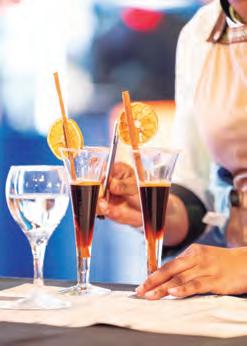

Tastings of coffee and alcohol fusions were also offered. This growing trend that reflects coffee’s ability to adapt to new formats and audiences. These innovative proposals aroused great interest, demonstrating that coffee can be a versatile element within the gastronomic and tourist offer.
Coffee, Identity and Hospitality
Coffee is much more than a drink. It is a symbol of encounter, conversation and hospitality. In the Caribbean, coffee has always been a part of everyday life and celebrations. It is also one of the most genuine hospitable expressions. To offer a cup of coffee is to open the door to the history, culture and heart of a country.

Catena Zapata es una de las bodegas más emblemáticas de Argentina y una de las más prestigiosas e influyentes en del mundo. La familia Catena es reconocida a nivel global por su papel pionero en resucitar el Malbec argentino y llevarlo a otro nivel, así como por descubrir los terroirs de gran altitud en Mendoza.
Nicolás Catena Zapata es el único sudamericano en haber recibido tanto el premio Man of the Year de Decanter como el Distinguished Service Award de Wine Spectator. El Viñedo Adrianna, propiedad de la familia, ha recibido doce puntuaciones perfectas de 100 puntos por parte de los críticos internacionales más influyentes, y es considerado el “Grand Cru de Sudamérica”.
Importantes medios especializados internacionales han otorgado numerosos reconocimientos a Catena Zapata. En 2025, fue nombrada la Marca de Vino Más Admirada del Mundo por Drinks International y en 2023, obtuvo el primer lugar como mejor viñedo del mundo en el ranking de The World’s 50 Best Vineyards. Todo esto reafirma su liderazgo en la viticultura moderna a través de la fusión entre ciencia, arte, sostenibilidad y pasión.
Gourmand recibió una invitación exclusiva para visitar la bodega en Agrelo, Luján de Cuyo, una de las zonas vitivinícolas más reconocidas de Mendoza. Primero hicimos un fascinante recorrido por las instalaciones y luego participamos de una cata guiada con el reconocido enólogo Ernesto “Nesti” Bajda, figura clave del equipo técnico de Catena Zapata. Aquí le contamos la maravillosa experiencia…


Antes de comenzar el recorrido, degustamos un maravilloso espumoso D.V. Catena Nature, elaborado con el Méthode Traditionnelle. Qué pena que solo es para consumo local en Argentina y no lo exportan, pues estaba realmente estupendo.
Muy apropiado el mensaje en su etiqueta amarilla que leía: “Dedicó su vida a mejorar el cultivo de la vid mendocina con una pasión y un esfuerzo inigualables”. Y es que aplica tanto a Domingo Catena, segunda generación Catena, a quien está dedicado este vino, como a todos los miembros de la familia.
Entre burbujas, aprendimos un poco más sobre la historia, visión y legado enológico de la familia Catena, que opera esta centenaria empresa desde 1902.
Entonces procedimos a visitar el interior del moderno edificio, reconocido mundialmente por su arquitectura única, con un diseño muy llamativo inspirado en una pirámide maya. Esto se debe a que Nicolás, era un gran admirador del trabajo científico y artístico de esa avanzada civilización. Esta instalación alberga las áreas de producción y añejamiento, incluyendo decenas de barriles de diferentes materiales y colores: desde la tradicional madera hasta piedra y acero.


Una vez finalizamos el interesante recorrido, nos dirigimos al área de la cava privada. Allí nos recibió el enólogo de Catena Zapata, Nesti Bajda, quien nos brindó un recorrido enológico por algunos de los vinos más representativos del portafolio de la bodega, cuidadosamente seleccionados para mostrar la diversidad del terroir mendocino y la precisión técnica de la casa vitivinícola.
La primera parte incluyó los vinos de la nueva lína Catena Appellation, inlcuyendo el Tupungato Chardonnay, Vista Flores Malbec, San Carlos Cabernet Franc y el Agrelo Cabernet Sauvignon.
También tuvimos la increíble oportunidad de probar otros tres grandes vinos Catena Zapata:
Birth of Cabernet 2021—Cautivó con su profundidad aromática, estructura firme y una interpretación artística del Cabernet Sauvignon como símbolo de unión entre naturaleza e historia.
Malbec Argentino 2022—De aromas florales intensos, frutas negras y taninos sedosos, rindió homenaje al legado y renacimiento del Malbec en Argentina.
Nicolás Catena Zapata 2021—Cuvée insignia de la bodega, ofreció una expresión sofisticada y estructurada del Cabernet Sauvignon, Malbec y Cabernet Franc.
Cada uno de estos vinos reflejó la diversidad, profundidad y precisión enológica que distinguen a Catena Zapata, consolidando su reputación como líder de la viticultura argentina a nivel mundial. Aquí le compartimos más detalles de algunos de ellos…


CATENA APPELLATIONS: TRIBUTO AL TERRUÑO MENDOCINO
Desde 1995, el Catena Institute of Wine ha realizado numerosos estudios de los viñedos mendocinos, examinando el suelo, la altitud, la biodiversidad y el microclima, con el fin de entender cómo cada factor moldea los aromas y sabor del vino. Este enfoque científico ha demostrado que la identidad del vino argentino no se limita solo a la altura, sino que se encuentra en una red diversa de terroirs, cada uno con su propio estilo y expresión.
En 2021, un estudio realizado por el Dr. Roy Urvieta demostró que vinos de la uva Malbec, originarios de distintas áreas geográficas “apelaciones” de Mendoza, Argentina, poseen perfiles químicos y sensoriales distintivos, permitiendo así la previsión de la añada y el origen del vino, y por ende, confirmando la existencia de terroirs distintivamente mendocinos.
Los vinos Catena Appellations resaltan los sabores de las apelaciones mendocinas y sus respectivos terroirs: desde los suelos calcáreos de Paraje Altamira a las formaciones aluvionales de Lunlunta, representando décadas de estudios y un legado familiar que data de 1902.
Este innovador “super cab” es una de las expresiones más audaces y conceptuales del portafolio de Catena Zapata. Resultado de años de investigación, microvinificaciones de precisión y viticultura de altura en los Andes mendocinos, este vino busca capturar la esencia más pura del Cabernet Sauvignon y su conexión con el terruño.
Fue concebido por las hermanas Catena — Laura (científica y Directora General de Catena Zapata) y Adrianna (historiadora), ambas doctoras y viticultoras de la cuarta generación Catena.
Birth of Cabernet propone una reflexión profunda sobre el vínculo entre el ser humano y la naturaleza. Su etiqueta, recientemente galardonada con el Best Design and Packaging Award en la London Wine Fair 2025, combina arte, historia y narrativas ancestrales.


Malbec Argentino
HASTA SHAKIRA HABLA DE ESTE MALBEC ARGENTINO
A finales del pasado año, Shakira publicó un video sobre las cuatro mujeres presentes en la etiqueta del Malbec Argentino de Catena Zapata con el siguiente mensaje: “Este es un vino argentino. ¿Adivinen cómo se llama? Es un Catena Zapata. Son cuatro mujeres que no lloran, sino que facturan, jaja. ¡Vamos a probarlo!”
Durante su gira Las Mujeres Ya No Lloran, la ícono internacional del pop destacó el Catena Zapata Malbec Argentino 2022, creado por dos mujeres—Laura y Adrianna Catena— así como el simbolismo de su evocadora etiqueta, que rinde homenaje a cuatro mujeres que desempeñaron roles fundamentales en la trayectoria del Malbec hacia su reconocimiento global.
La artística etiqueta es un tributo al viaje épico de la uva Malbec, desde sus nobles orígenes en Francia hasta su renacimiento en los viñedos de altura de Argentina.
A través de una ilustración por Rick Shaefer, el vino presenta cuatro figuras femeninas, cada una representando un capítulo clave en la historia del varietal:
- Leonor de Aquitania: simboliza el nacimiento del Malbec en el Viejo Mundo, donde la uva alcanzó por primera vez su relevancia.
- La Inmigrante: representa a los exploradores y aventureros que llevaron el Malbec a través del Atlántico, introduciendo la variedad en el Nuevo Mundo.
- La Filoxera: personifica la devastación que borró el dominio del Malbec en Francia, una tragedia que finalmente hizo posible su desarrollo en otros países.
- Bodega Catena Zapata: encarnada por Adrianna Catena, representa la abundancia del Nuevo Mundo y el renacimiento moderno del Malbec.
Esta publicación de Shakira pone de relieve la creciente presencia del vino en la cultura popular y destaca cómo Malbec Argentino continúa resonando más allá del mundo del vino, como símbolo de historia, empoderamiento y legado.
Para información y visitas: www.catenawines.com @CatenaWines

Catena Zapata is one of the most emblematic wineries in Argentina and one of the most prestigious and influential in the world. The Catena family is recognized globally for its pioneering role in resurrecting Argentine Malbec and taking it to another level, as well as for discovering the high-altitude terroirs in Mendoza.
Nicolás Catena Zapata is the only South American to have received both Decanter’s Man of the Year award and Wine Spectator’s Distinguished Service Award. The family-owned Adrianna Vineyard has received twelve perfect scores of 100 points from the most influential international critics, and is considered the “Grand Cru of South America”.
Important international specialized media have granted numerous recognitions to Catena Zapata. In 2025, it was named the World’s Most Admired Wine Brand by Drinks International and in 2023, it won first place as the world’s best vineyard in The World’s 50 Best Vineyards ranking. All this reaffirms its leadership in modern viticulture through the fusion of science, art, sustainability and passion.
Gourmand received an exclusive invitation to visit the winery in Agrelo, Luján de Cuyo, one of the most recognized wine regions in Mendoza. We first took a fascinating tour of the facilities and then participated in a guided tasting with the renowned winemaker Ernesto “Nesti” Bajda, a key figure in the Catena Zapata technical team. Here we tell you about the wonderful experience...
Before starting the tour, we tasted a wonderful D.V. Catena Nature sparkling wine, made with the Méthode Traditionnelle. What a pity that it is only for local consumption in Argentina and they do not export it, because it was truly reat.
Very appropriate the message on its yellow label that read: “He dedicated his life to improving the cultivation of the Mendoza vine with an unparalleled passion and effort” seemed very appropriate. That’s because it applies both to Domingo Catena, second generation Catena, to whom this wine is dedicated, and to all members of the family.
Between bubbles, we learned a little more about the history, vision and winemaking legacy of the Catena family, which has operated this century-old company since 1902.
We then proceeded to visit the interior of the modern building, recognized worldwide for its unique architecture, with a very striking design inspired by a Mayan pyramid. This is because Nicolas was a great admirer of the scientific and artistic work of that advanced civilization. This facility houses the production and aging areas, including dozens of barrels of different materials and colors: from traditional wood to stone and steel.
Once we finish the interesting tour, we go to the area of the private cellar. There we were welcomed by Catena Zapata’s winemaker, Nesti Bajda, who gave us an oenological tour of some of the most representative wines in the winery’s portfolio, carefully selected to show the diversity of Mendoza’s terroir and the technical precision of the wine house.
The first part included the wines of the new Catena Appellation line, including the Tupungato Chardonnay, Vista Flores Malbec, San Carlos Cabernet Franc and the Agrelo Cabernet Sauvignon.
We also had the opportunity to taste three other exceptional wines by Catena Zapata:
Birth of Cabernet 2021—Captivated with its aromatic depth, firm structure and an artistic interpretation of Cabernet Sauvignon as a symbol of union between nature and history.
Malbec Argentino 2022—With intense floral aromas, black fruits and silky tannins, paid tribute to the legacy and rebirth of Malbec in Argentina.
Nicolás Catena Zapata 2021—The winery’s flagship cuvée, offered a sophisticated and structured expression of Cabernet Sauvignon, Malbec and Cabernet Franc, with remarkable aging potential.
Each of these wines reflected the diversity, depth and winemaking precision that distinguish Catena Zapata, cementing its reputation as a leader in Argentine viticulture worldwide. Here we share more details of some of them...


Since 1995, the Catena Institute of Wine has carried out numerous studies of Mendoza’s vineyards, examining the soil, altitude, biodiversity and microclimate, in order to understand how each factor shapes the aromas and flavor of the wine. This scientific approach has shown that the identity of Argentine wine is not limited only to altitude, but is found in a diverse network of terroirs, each with its own style and expression.
In 2021, a study conducted by Dr. Roy Urvieta showed that wines from the Malbec grape, originating from different geographical areas “appellations” of Mendoza, Argentina, have distinctive chemical and sensory profiles, thus allowing the prediction of the vintage and the origin of the wine, and therefore, confirming the existence of distinctively Mendoza terroirs.
Catena Appellations wines highlight the flavors of Mendoza’s appellations and their respective terroirs: from the calcareous soils of Paraje Altamira to the alluvial formations of Lunlunta, representing decades of studies and a family legacy that dates back to 1902.
This innovative “super cab” is one of the boldest and most conceptual expressions of Catena Zapata’s portfolio. The result of years of research, precision microvinifications and high-altitude viticulture in the Mendoza Andes, this wine seeks to capture the purest essence of Cabernet Sauvignon and its connection with the terroir.
It was conceived by the Catena sisters —Laura (scientist and General Director of Catena Zapata) and Adrianna (historian), both doctors and winegrowers of the fourth generation Catena.
Birth of Cabernet proposes a profound reflection on the bond between human beings and nature. Its label, recently awarded the Best Design and Packaging Award at the London Wine Fair 2025, combines art, history and ancestral narratives.


At the end of last year, Shakira posted a video about the four women present on the label of Catena Zapata’s Argentine Malbec with the following message: “This is an Argentine wine. Guess what is called? It is a Catena Zapata. They are four women who do not cry, but bill, haha. Let’s try it out!”
During her Las Mujeres Ya No Lloran tour, the international icon highlighted the Catena Zapata Malbec Argentino 2022, created by two women—Laura and Adrianna Catena—as well as the symbolism of its evocative label, which pays tribute to four women who played fundamental roles in Malbec’s journey to global recognition.
The artistic label is a tribute to the epic journey of the Malbec grape, from its noble origins in France to its rebirth in the high-altitude vineyards of Argentina.
Through an illustration by Rick Shaefer, the wine features four female figures, each representing a key chapter in the varietal’s history:
- Eleanor of Aquitaine: symbolizes the birth of Malbec in the Old World, where the grape first reached its relevance.
- The Immigrant: represents the explorers and adventurers who brought Malbec across the Atlantic, introducing the variety to the New World.
- Phylloxera: personifies the devastation that erased the dominance of Malbec in France, a tragedy that finally made its development possible in other countries.
- Catena Zapata Winery: embodied by Adrianna Catena, it represents the abundance of the New World and the modern renaissance of Malbec.
This post by Shakira highlights the growing presence of wine in popular culture and highlights how Malbec Argentino continues to resonate beyond the world of wine, as a symbol of history, empowerment and legacy.
information and visits:
Great fortuitous meeting between two wine greats

Al finalizar la degustación en Catena Zapata, ocurrió algo maravilloso, casi milagroso. Coincidieron en el cellar dos enólogos argentinos de fama mundial: Ernesto Badja y Alejandro Vigil.
Llamado el “Messi del vino”, Vigil servía de anfitrión a un grupo de aficionados del vino que fueron a visitar esta bodega, la cual él considera “su otra casa”. Es que sus raíces se encuentran allí, ya que, durante mucho tiempo, fue el enólogo jefe de Catena Zapata, cargo que ahora ocupa Badja. Además, es el socio y “hermano del alma” de Adrianna Catena, con quien opera la bodega Aleanna (fusión de sus nombres).
Creador de los famosos vinos El Enemigo y Gran Enemigo, Alejandro le dio un fuerte abrazo a Nesti y comenzaron a charlar y reir como viejos amigos. Ese encuentro fortuito abrió las puertas a Gourmand para sumergirse en el fascinante “Universo Vigil”, y experimentar parte de lo que ya se ha convertido en un espacio de culto: Casa Vigil.
At the end of the tasting at Catena Zapata, something wonderful, almost miraculous, happened. Two world-famous Argentine winemakers met at the cellar: Ernesto Badja and Alejandro Vigil.
Called the “Messi of wine,” Vigil hosted a group of wine aficionados who came to visit this winery, which he considers “his other home.” His roots lie there, since, for a long time, he was the chief winemaker of Catena Zapata, a position now held by Badja. In addition, he is the partner and brotherly of Adrianna Catena, with whom he operates the winery Aleanna (a fusion of their names).
Creator of the famous finos El Enemigo and Gran Enemigo, Alejandro gave Nesti a big hug and they began to chat and laugh like old friends. That fortuitous encounter opened the doors for Gourmand to immerse himself in the fascinating “Vigil Universe”, and experience part of what has already become a cult space: Casa Vigil.

Sandro Guilimondi Director de Vinos de La Bodega de Mendez & Co., distribuidor exclusivo de El Enemigo en Puerto Rico.
Wine Director of La Bodega de Mendez & Co., Exclusive distribuidor of El Enemigo in Puerto Rico.

DESCUBRE SU ESENCIA EN CASA VIGIL-EL ENEMIGO
De espíritu vanguardista e incansable, el afamado enólogo Alejandro Vigil se esfuerza constantemente por canalizar su inmensa creatividad, desafiando los límites de la viticultura y la enología tradicional.
Ha sido multipremiado internacionalmente y considerado “Ones to Watch” por la revista Decanter como uno de los enólogos más influyentes en el mundo, donde se le conoce como “El Messi del Vino”.
En junio de 2018, Vigil logró los primeros 100 Puntos Parker para dos vinos argentinos con el Gran Enemigo Single Vineyard Gualtallary 2013 y el Adrianna Vineyard River Stone 2016. Así se convirtió en el primer enólogo latinoamericano que recibe 200 puntos de Robert Parker. En 2025, repitió la calificación máxima de 100 Puntos Parker a El Enemigo As Bravas Malbec 2018 y lo catalogaron como “un clásico contemporáneo por el cual se debe medir el Malbec argentino”.
Alejandro vuelca toda su pasión por el vino, el arte y la gastronomía en Casa Vigil-El Enemigo. Fundada en 2015, esta “bodega con alma” está localizada en Chachingo, Mapiú, a 30 minutos en auto de Mendoza, justo al lado de la casa donde Alejandro vive con su familia.

Al llegar a Casa Vigil te recibe un maravilloso huerto con todo tipo de especies, vegetales exóticos, más de 50 variedades de tomates y flores comestibles que utilizan en el restaurant, y siguiendo la filosofía farm-to-table, apoyan a pequeños productores de la región para abastecerse con ingredientes locales y de estación.
El menú está diseñado para ir acompañando lo que la tierra puede ir dando en cada momento y busca transmitir los paisajes de Mendoza a través de la comida que acompaña los vinos de la Bodega Aleanna, ubicada en esos mismos predios, la cual es una colaboración de Alejandro con Adrianna Catena.
Entre amplias vistas y cautivadoras obras de arte —tanto en el jardín escultórico como en las paredes de la bodega— aquí se vive una experiencia inolvidable que incluye preciadas recetas familiares e increíbles vinos.
Uno queda hipnotizado por la acogedora arquitectura, impregnada de la rica narrativa de la Divina Comedia de Dante, con la cual Alejandro le rinde homenaje poético a sus raíces. Y es que siempre recuerda con mucho cariño y admiración a su abuelo materno Tristán, un inmigrante italiano que recitaba versos de la Divina Comedia. Su nonno le mostró el camino entrelazado con la naturaleza y el estudio de la tierra.
En Casa Vigil, Alejandro nos invita a un mundo onírico, regido por los sentidos y las emociones, recreando algunos pasajes dantescos a través de su perspectiva única y personal.

El summiller Lucas Valeverde nos guió por una cata alucinante en la cual pudimos apreciar distintos terroirs mendocinos y como la combinación de suelos y alturas define el carácter del vino.
Primero degustamos tres blancos de El Enemigo —Chenin 2021, Semillón 2022, Chardonnay 2022— y un Gran Enemigo Torrontés 2022. Se podía detectar una gran diferencia entre el suelo arcilloso de los dos primeros, ambos de la zona de Luján de Cuyo, y el calcáreo profundo de los dos últimos, procedentes de Gualtallary, Tupungato.
Luego pasamos a unos tintos de El Enemigo muy especiales, todos del 2022. Comenzamos con un Syrah-Viognier, seguido por el Bonarda, uva poco conocida fuera de Argentina, pero de sorprendente sabor. Entonces llegamos al Cabernet Franc —la uva
papá del Cabernet Sauvignon— y entendimos por qué a este lugar se le conoce como “La Casa del Cabernet Franc”, y terminamos con un Malbec. Cuando uno toma un vino como este, solo puedes exclamar: ¡Mendoza es Malbec!
Entonces llegamos a las grandes ligas y degustamos cinco etiquetas del GRAN ENEMIGO, todos tan diferentes como exquisitos. Red Blend es un Tinto Mendocino de 2022, y los otros tres, son Single Vineyard:, Chacayes 2021, El Cepillo 2022 y Agrelo 2021. Este último fue el gran favorito, por votación popular.

Al concluir la cata, disfrutamos de un glorioso y super sabroso menú de tres pasos. Y no se podía esperar menos del restaurante en Casa Vigil, ganador de dos Estrellas Michelin 2025.
Para activar las papilas gustativas, comenzamos degustando el aceite de oliva de la casa, Corazón de LunLunta, una mezcla de 50% arauco y 50% arbeuquina, con una acidez de 0.3% que lo hace memorable.
De entrada, la clásica empanada argentina, pero de osobuco cocinado en Cabernet Franc, que lo llevó a otro nivel, acompañado con salsa tártara. Como plato principal, una costilla de ternera con demiglace, cocinada al horno durante 12 horas, con una refrescante ensalada de variedad de tomates, huacatay, maní, olivas negras y cebolla en pickle. No hay duda que de carnes y vinos ¡sí que saben los argentinos!
El postre fue un verdadero manjar: helado de manzana con texturas de manzanas, crema inglesa de nuez moscada y vainilla. Y para acompañar, un Losange Extra Brut que resaltaba su delicado sabor.
TIENDA
Al salir de Casa Vigil puedes hacer una parada en la tienda, donde consigues todos los vinos de El Enemigo, Gran Enemigo, así como variedad de etiquetas de Catena Zapata y otros productos de Vigil, libros y artículos de interés para los amantes del vino.


Agustín Paiva (guía) y Lucas Valeverde (cata), summelliers de Casa Vigil

With an avant-garde and tireless spirit, the famous winemaker Alejandro Vigil constantly strives to channel his immense creativity, challenging the limits of viticulture and traditional oenology.
He has received many international awards and considered “Ones to Watch” by Decanter magazine as one of the most influential winemakers in the world, where he is known as “The Messi of Wine”.
In June 2018, Vigil achieved the first 100 Parker Points for two Argentine wines with the Gran Enemigo Single Vineyard Gualtallary 2013 and the Adrianna Vineyard River Stone 2016. He became the first Latin American winemaker to receive 200 points from Robert Parker. In 2025, it repeated the maximum rating of 100 Parker Points to El Enemigo As Bravas Malbec 2018 and cataloged it as “a contemporary classic by which Argentine Malbec should be measured.”
Alejandro pours all his passion for wine, art and gastronomy into Casa Vigil-El Enemigo. Founded in 2015, this “Bodega with a soul” is located in Chachingo, Mapiú, 30 minutes by car from Mendoza, right next to the house where Alejandro lives with his family.
When you arrive at Casa Vigil you are greeted by a wonderful garden with all kinds of herbs and spices, exotic vegetables, more than 50 varieties of tomatoes and edible flowers that are used in the
restaurant. Following the “farm-to-table” philosophy, they support small producers in the region to stock up on local and seasonal ingredients.
The menu is designed to accompany what the land can give at all times and seeks to transmit the landscapes of Mendoza through the food that goes with the wines of Bodega Aleanna, which is located in the premises and is a collaboration of Alejandro with Adrianna Catena.
Between expansive views and captivating artwork –both in the sculpture garden and on the cellar walls– you can enjoy an unforgettable experience that includes treasured family recipes and incredible wines.


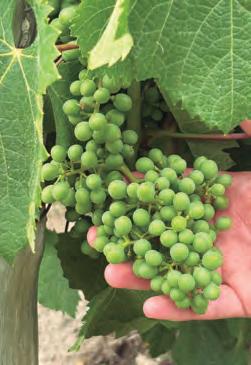
One is mesmerized by the cozy architecture, imbued with the rich narrative of Dante’s Divine Comedy, with which Alejandro pays poetic homage to his roots. And it is that he always remembers with great affection and admiration his maternal grandfather Tristán, an Italian immigrant who recited verses from the Divine Comedy. He showed him the path intertwined with nature and the study of the earth.
At Casa Vigil, Alejandro invites us to a dreamlike world, ruled by the senses and emotions, recreating some Dantesque passages through his unique and personal perspective.

Summiller Lucas Valeverde guided us through an amazing tasting in which we were able to appreciate different Mendoza terroirs and how the combination of soils and heights defines the character of the wine.
First we tasted three whites from El Enemigo —Chenin 2021, Semillón 2022, Chardonnay 2022— and a Gran Enemigo Torrontés 2022. A great difference could be detected between the clay soil of the first two, both from the Luján de Cuyo area, and the deep calcareous soil of the last two, from Gualtallary, Tupungato.
Then we move on to some very special El Enemigo reds, all from 2022. We start with a Syrah-Viognier, followed by Bonarda, a grape little known outside Argentina, but with a surprising flavor.
Then we came to Cabernet Franc – the father grape of Cabernet Sauvignon – and understood why this place is known as “La Casa del Cabernet Franc”, and we ended up with a Malbec. When you drink a wine like this, you can only exclaim: Mendoza is Malbec!
Then we arrived in the big leagues and tasted five labels of the GREAT ENEMY, all as different as they were exquisite. Red Blend is a 2022 Mendocino Red, and the other three are Single Vineyard:, Chacayes 2021, El Cepill 2022 and Agrelo 2021
The latter was the great favorite, by popular vote.


At the conclusion of the tasting, we enjoyed a glorious and super tasty three-course menu. And you couldn’t expect anything less from the restaurant at Casa Vigil, winner of two Michelin Stars 2025.
To activate the taste buds, we start by tasting the house olive oil, Corazón de LunLunta, a blend of 50% arauco and 50% arbeuquina, with an acidity of 0.3% that makes it memorable.
For starters, the classic Argentinian empanada, but with ossobuco cooked in Cabernet Franc, which took it to another level, accompanied by tartar sauce. As a main course, a beef rib with demiglace, cooked in the oven for 12 hours, with a refreshing salad of a variety of tomatoes, huacatay, peanuts, black olives and pickle onions. There is no doubt that Argentines do know about meat and wine!
Dessert was a real delicacy: apple ice cream with apple textures, nutmeg crème anglaise, and vanilla. And to accompany it, a Losange Extra Brut that highlighted its delicate flavor.
On leaving Casa Vigil you can make a stop at the shop, where you can get all the wines of El Enemigo, Gran Enemigo, as well as a variety of Catena Zapata labels and other Vigil products, books and articles of interest for wine lovers.
INFO & TOURS www.universovigil.com www.casaelenemigo.com +54 261 341-1729
En el corazón de la más importante región vitivinícola de Argentina, se encuentra un lugar idílico donde los amantes del vino pueden celebrar una boda de ensueño y brindar por el amor eterno.
Se trata de Awasi Mendoza, el exclusivo wine lodge de la cadena hotelera Relais & Châteaux, anclado en 55 acres de viñedos en la zona de Luján de Cuyo, al pie de la majestuosa Cordillera de los Andes, cuyos picos nevados ofrecen el escenario perfecto para una ceremonia realmente única y memorable.
Allí precisamente, tuve la oportunidad de asistir a una de las bodas más románticas, conmovedoras y especiales de mi vida: la de mi sobrino José Javier Balmaceda, y su amada María Ailén Tula.
Él puertorriqueño, de padres mendocinos, y ella, argentina, de Buenos Aires, Javi y Ailú deseaban marcar el inicio de su vida matrimonial en este mágico lugar, que fue donde se conocieron, y que entonces se llamaba Cavas Wine Lodge.
El evento fluyó como el buen vino. Cuando los invitados llegaban, eran recibidos con el espumoso rosé, Béquignol Pet Nat. La recepción fue al aire libre, rodeado de increíbles vistas con viñas en flor y montañas. Sirvieron unos aperitivos fabulosos, entre los que no podía faltar la tradicional empanada mendocina rellena de carne.
Cuando empezó a anochecer, nos trasladamos al salón principal para la cena, que estuvo sencillamente espectacular, con un menú basado en el concepto “farm-to-table” y elaborado con ingredientes frescos de temporada. Estuvo acompañada de varios vinos de la casa, incluyendo dos exquisitos tintos— Malbec y Bonarda Reserva. Y brindamos por la salud y felicidad de los novios con un espumoso brut.
Awasi Mendoza cuenta con unas espectaculares villas privadas construidas en el peculiar estilo tradicional local, cubiertas de cal blanca en formas orgánicas, que parecen crecer como parte del viñedo. Organizan actividades especiales durante la celebración de la vendimia (marzo-abril), como recoger uvas a mano, aprender técnicas tradicionales de elaboración de vino, y asistir a la centenaria Fiesta de la Vendimia.
Awasi es ideal para los “destination weddings”, que están tan de moda, ya que cuenta con una colección de cinco lodges ubicados en algunos de los destinos más icónicos de América del Sur. Además del de Mendoza, en Argentina también opera uno arrimado a las famosas cataratas en Iguazú. En el norte de Chile se encuentra el del Desierto de Atacama y en el extremo sur, el de la Patagonia, con vistas de las imponentes Torres del Paine. El de Santa Catarina en Brazil, tiene unas vistas increíbles al archipiélago Três Ilhas. Cada destino ofrece experiencias únicas, según el ambiente y la cultura del lugar.


Al concluir la velada, solo nos quedó decir: ¡Que vivan los novios, que viva el amor y que viva el vino mendocino!


In the heart of Argentina’s most important wine region, lies an idyllic place where wine lovers can celebrate a dream wedding and toast to eternal love.
It’s called Awasi Mendoza, the exclusive wine lodge of the Relais & Châteaux hotel chain, anchored in 55 acres of vineyards in the Luján de Cuyo area, at the foot of the majestic Andes mountain range, whose snow-capped peaks offer the perfect setting for a truly unique and memorable ceremony.
It was precisely there that I had the opportunity to attend one of the most romantic, moving and special weddings of my life: that of my nephew José Javier Balmaceda, and his beloved María Ailén Tula.
While he is from Puerto Rico and his parents are from Mendoza, she is from Buenos Aires, Argentina, but Javi & Ailú wanted to mark the beginning of their married life in this magical place, which was where they met, and was then called Cavas Wine Lodge.
The event flowed like fine wine. When guests arrived, they were greeted with the sparkling rosé, Béquignol Pet Nat. The reception was outdoors, surrounded by incredible views with flowering vines and mountains. They served fabulous appetizers, among which the traditional Mendoza empanada stuffed with meat could not be missing.
As dusk began to fall, we moved to the main room for dinner, which was simply amazing, with a menu based on the “farm-to-table” concept, made with fresh seasonal ingredients. It was accompanied by several wines from the house, including two exquisite reds— Malbec and Bonarda Reserva. And we toasted to the health and happiness of the bride and groom with a bubbly sparkling brut.
Awasi Mendoza has spectacular private villas built in the unique traditional local style, covered with white lime in organic shapes, which seem to grow as part of the vineyard. They organize special activities during the harvest celebration (March-April), such as picking grapes by hand, learning traditional winemaking techniques, and attending the centuries-old Grape Harvest Festival.
Awasi is ideal for destination weddings, which are so fashionable today, as it has a collection of five lodges located in some of the most iconic destinations in South America. In addition to the one in Mendoza, there is also one in Argentina near the famous waterfalls in Iguazú. In the north of Chile is the one in the Atacama Desert, and in the extreme south, the Patagonia lodge with views of the imposing Torres del Paine. The Santa Catarina lodge in Brazil has incredible views of the Três Ilhas archipelago. Each destination offers unique experiences, depending on the environment and culture of the place.
At the end of the evening, we only had to say: Long live the bride and groom, long live love, and long live Mendoza wine!!!
SERRANO. Heart’s Photo & Film @serrano_photo_film www.diegoserrano.com.ar +5492615999989
AWASI MENDOZA info@awasi.com @awasiexperience http://www.awasi.com 011 54 9 261 533-5203 1-888-880-3219
La Guía Michelin comenzará a calificar las bodegas de vino a nivel mundial. Además de otorgar sus famosas “Estrellas” a restaurantes y hoteles, ahora también evaluará las experiencias al visitar los viñedos y bodegas, y les dará 1, 2 ó 3 “Racimos” Michelin, según el ranking obtenido.
Como primera fase, en 2026 Michelin evaluará solo la Borgoña y Burdeos en Francia, antes de expandirse a más regiones vitivinícolas.
Vale la pena aclarar que Michelin no calificará el vino en copa, sino la experiencia del visitante. Para ello, van a considerar aspectos como hospitalidad, recorridos, sala de cata, storytelling y valor educativo.
Y es que ya no basta con hacer buen vino. Ahora también importa cómo recibes al visitante en tu bodega, como cuentas tu historia, cómo haces sentir al visitante. Porque el vino solo abre la puerta, mientras la experiencia decide si el visitante vuelve.
Aunque el objetivo de esta nueva clasificación es servir de guía al enoturismo global, esta podría influenciar a los consumidores, incluso redefinir cómo se evalúa el vino a nivel mundial, ya que Michelin tiene un peso importante en el mundo gourmet.
Michelin ya había comprado la publicación Wine Advocate de Robert Parker, que otorga los Puntos Parker a los vinos. Y esta medida estratégica ahora le permite calificar a un ecosistema completo de lujo para los amantes del buen comer, el buen beber y el buen vivir, como son nuestros lectores de Gourmand.


The Michelin Guide will begin to rate wine cellars worldwide. In addition to awarding its famous “Stars” to restaurants and hotels, it will also evaluate the experiences when visiting the vineyards and wineries, and will give them 1, 2 or 3 Michelin “Grape Bunches”, depending on the ranking obtained.
As a first phase, in 2026 Michelin will evaluate only Burgundy and Bordeaux in France, before expanding to more wine regions.
It’s worth to point out that Michelin will not rate the wine in the glass, but the visitor’s experience. To do this, they will consider aspects such as hospitality, routes, tasting room, storytelling and educational value.
It is no longer enough to make good wine. Now it also matters how you welcome the visitor in your winery, how you share your story, how you make the visitor feel. Because wine only opens the door, while experience decides if the visitor returns.
Although the objective of this new classification is to serve as a guide to global wine tourism, it could greatly influence consumers, even redefining how wine is evaluated worldwide, as Michelin has an important weight in the gourmet world.
Michelin had bought Robert Parker’s Wine Advocate publication, which awards Parker Points to wines. So, this strategic measure now allows it to qualify a complete ecosystem of luxury for lovers of good food, good wine and good living, such as our Gourmand readers.


Veuve Clicquot hizo la presentación oficial en Puerto Rico de la más reciente edición de su cuvée de prestigio: La Grande Dame 2018. Esta añada excepcional encarna la elegancia, precisión y carácter que han definido a la Maison desde 1772 y rinde homenaje a Madame Clicquot, la primera mujer en dirigir una casa de champagne.
La presentación coincide con un hito especial: 25 años de añadas de La Grande Dame, una línea que celebra el legado femenino y la expresión más refinada del terruño de Champagne.
La Grande Dame 2018 refleja la filosofía enológica de Madame Clicquot, quien veía en el Pinot Noir la capacidad de producir “los vinos blancos más finos”. Con 90% Pinot Noir y 10% Chardonnay, esta edición logra una armonía entre estructura, frescura y delicadeza aromática, consolidándose como una de las interpretaciones más elegantes del Champagne contemporáneo.
Maridaje con la gastronomía puertorriqueña
Desde 1972, La Grande Dame se concibe como un tributo a la audacia de Madame Clicquot. Ese espíritu pionero cobró vida en Puerto Rico durante un evento celebrado en Cocina Abierta, donde Veuve Clicquot rindió homenaje a 11 mujeres que encarnan los valores de la Maison.
Destacó un menú de degustación creado para acompañar la estructura y frescura de La Grande Dame 2018. Desde hour d’oeuvres de influencias caribeñas y asiáticas, hasta una tostada de maíz con tartar de atún junto a Veuve Clicquot Yellow Label, cada plato fue concebido como un tributo sensorial a las homenajeadas.
El crudo de pez león maridó con la tensión del Veuve Clicquot Vintage 2015, mientras que las langostas braseadas al carbón resaltaron la elegancia de La Grande Dame 2018. El cierre, un postre de milhojas, frutos rojos, agua de rosas y naranja junto a Veuve Clicquot Rosé, celebró la diversidad y riqueza de la gastronomía local.
Fundada en Reims en 1772, Veuve Clicquot mantiene vivo su lema histórico: “Una sola calidad, la mejor.” Madame Clicquot revolucionó la industria en el siglo 19 con innovaciones como la mesa de removido, primer vintage y primer rosé ensamblado. Su espíritu de audaz sigue inspirando a la Maison y a los amantes del champagne alrededor del mundo.

Veuve Clicquot made the official presentation in Puerto Rico of the most recent edition of its prestigious cuvée: La Grande Dame 2018. This exceptional vintage embodies the elegance, precision and character that have defined the Maison since 1772 and pays homage to the vision of Madame Clicquot, the first woman to lead a champagne house.
The presentation coincides with a special milestone: 25 years of La Grande Dame vintages, a line that celebrates the feminine legacy and the most refined expression of the Champagne terroir.
La Grande Dame 2018 reflects the winemaking philosophy of Madame Clicquot, who saw in Pinot Noir the ability to produce “the finest white wines”. With 90% Pinot Noir and 10% Chardonnay, this edition achieves a harmony between structure, freshness and aromatic delicacy, consolidating itself as one of the most elegant interpretations of contemporary Champagne.

Since 1972, La Grande Dame has been conceived as a tribute to the audacity of Madame Clicquot. That pioneering spirit came to life in Puerto Rico during an event held at Cocina Abierta, where Veuve Clicquot paid tribute to eleven women who embody the values of the Maison.
A tasting menu created to accompany the structure and freshness of La Grande Dame 2018 stood out. From Caribbean- and Asian-influenced hour d’oeuvres to corn toast with Meyer tuna tartare and Veuve Clicquot Yellow Label, each dish was conceived as a sensory tribute to the honorees.
Lionfish raw paired with the tension of the 2015 Veuve Clicquot Vintage, while charcoal-grilled lobsters highlighted the elegance of the 2018 La Grande Dame. The closing —a dessert of millefeuille, red fruits, rose water and orange together with Veuve Clicquot Rosé— celebrated the diversity and richness of the local gastronomy.
Founded in Reims in 1772, Veuve Clicquot keeps alive its historic motto: “One quality, the best.” Madame Clicquot began to revolutionize the industry in the 19th century with innovations such as the stirring table, the first vintage, and the first assembled rosé. Her spirit of boldness, optimism and vision continues to inspire the Maison and champagne lovers around the world.
@mendezwineselection @mdzco @veuveclicquot

En medio del silencio inusual que trajo la pandemia, cuando los supermercados se quedaban sin levadura y el tiempo parecía estirarse, nació una historia que hoy se sirve en rebanadas. Una historia hecha de harina, agua y constancia. Así nació Sancho Pan en Santo Domingo, de la mano de su creador, Edmundo Houellemont.
Todo comenzó con un simple antojo: pizza. Pero, sin delivery, sin levadura comercial y con la firme decisión de hacerlo todo en casa, Edmundo recurrió a un conocimiento ancestral: la levadura existe en el ambiente y el pan, desde los tiempos de los egipcios, se elaboraba con fermentación natural. Harina, agua y un proceso lento dieron origen a su primera masa madre, un organismo vivo que requería cuidado, atención y disciplina.
Durante semanas, alarmas nocturnas marcaban el ritmo de alimentación de esa mezcla burbujeante. La masa madre (también conocida como levadura salvaje o sourdough), es impredecible, cambia según el entorno y exige paciencia. No por nada muchos la comparan con una mascota: si no se cuida, muere. Pero el resultado valía cada desvelo.
Un pan distinto a todo lo conocido: más digestivo, con menor impacto en los niveles de azúcar, más amable para personas con sensibilidad al gluten y cargado de los beneficios propios de los alimentos fermentados. En ese primer horneado, Edmundo entendió algo esencial: el pan puede
ser memoria, cultura y placer. Entendió también por qué una amiga alemana decía extrañar tanto el pan de su país.
La masa madre siguió viva. El pan empezó a regalarlo a amigos y familiares, hasta que llegaron las peticiones claras: “no me lo regales, véndemelo, quiero más”. Con el empuje de su círculo cercano, el apoyo en redes y una inversión que ya era tanto emocional como material, Edmundo decidió dar el paso y emprender.
Así nació Sancho Pan, un nombre inspirado en el pan, la panza y el icónico Sancho Panza: humano y sin pretensiones. Una marca que surge desde el amor, el apoyo colectivo y el respeto por lo artesanal.
Hoy, Sancho Pan se define por su pan de masa madre, elaborado con fermentación lenta y levadura salvaje. Todo hecho de manera artesanal, desde casa, con el mismo cuidado del primer día.
Su menú ofrece panes en diferentes versiones, como Blanco e Integral Clásico, además de sabores especiales como Chocolate Amargo, Hierbas Aromáticas, Pomodoro, Coco, Mango y Parmesano. Y solo puedes ordenarlos via whatsapp +1 (829) 977-3359.
Sancho Pan sigue creciendo de boca en boca y en redes, @sancho.rd, demostrando que incluso en los momentos más difíciles, algo bueno puede fermentar.

In the midst of the unusual silence brought by the pandemic, when supermarkets ran out of yeast and time seemed to stretch, a story was born that today is served in slices. A history made of flour, water and perseverance. This is how Sancho Pan was born in Santo Domingo, by the hand of its creator, Edmundo Houellemont.
It all started with a simple craving: pizza. But, without delivery, without commercial yeast and with the firm decision to do everything at home, Edmundo resorted to ancestral knowledge: yeast exists in the environment and bread, since the times of the Egyptians, was made with natural fermentation. Flour, water and a slow process gave rise to his first sourdough, a living organism that required care, attention and discipline.
For weeks, night alarms marked the rhythm of feeding this bubbling mixture. Sourdough (also known as wild yeast or masa madre), is unpredictable, changes according to the environment and demands patience. It is not for nothing that many compare it to a pet: if it is not taken care of, it dies. But the result was worth every sleepless night.
A bread unlike anything else known: more digestive, with less impact on sugar levels, kinder for people with gluten sensitivity and loaded with the benefits of fermented foods. In that first baking, Edmundo understood something essential: bread can be memory, culture and pleasure. She also understood why a German friend said she missed her country’s bread so much.
The sourdough was still alive. He began to give the bread to friends and family, until the clear requests came: “don’t give it to me, sell it to me, I want more”. With the push of his close circle, the support in networks and an investment that was already both emotional and material, Edmundo decided to take the step and start a business.


Thus, Sancho Pan was born, a name inspired by bread, belly and the iconic Sancho Panza: human and unpretentious. A brand that arises from love, collective support and respect for craftsmanship.
Today, Sancho Pan is defined by its sourdough bread, made with slow fermentation and wild yeast. All made in an artisanal way, from home, with the same care as the first day.
Its menu offers breads in different versions, such as White and Classic Wholemeal, as well as special flavors such as Dark Chocolate, Aromatic Herbs, Pomodoro, Coconut, Mango and Parmesan. And you can only order them via whatsapp +1 (829) 977-3359.
Sancho Pan continues to grow by word of mouth and on social media, @sancho.rd, proving that even in the most difficult moments, something good can ferment.

Yvonne Brown Ieromazzo
Hablando de panes, en Guaynabo hay una panetteria-ristorante italiano que se ha convertido en punto de encuentro obligatorio en Plaza Caparra (como si necesitáramos otra excusa, además de Marshall’s, para visitar este centro comercial).
Se trata de FORNAIO Fine Gastronomy, la nueva aventura culinaria del chef Alberto Gianati, quien reside hace más de 20 años en Puerto Rico, donde fue dueño original de Casa Italia. También ha trabajado en importantes restaurantes alrededor del mundo, desde Japón hasta Hollywood, y hasta ha sido chef de la cena de los premios Oscar.
Ahora Chef Gianati nos regala este lugar con una panadería y pastelería de primera en un ambiente relajado y casual, ideal para desayunar y almorzar.
El quiche de Fornaio está a otro nivel, ya sea vegetariano o Lorraine. Los sándwiches están preparados con exquisitos panes —croissants, brioche, ciabatta e ingredientes de primera, como pastrami de res wagyu, salmón ahumado, surtido de quesos y embutidos italianos importados.
La focaccia es pura perfección. Puedes pedirla en sándwich (prosciutto di Parma, mozzarella y parmigiano), o sencilla con tres diferentes toppings: cebolla, romero o queso mascarpone con aceite de trufas. Y tienen pizzetas y panzerotto (mini calzone) bien livianas y crujientes.
Para el almuerzo o la cena, Fornaio tiene un menú sabroso y liviano, con platos clásicos de la cocina italiana. Entre los aperitivos más distintivos se encuentran: vitello tonato de ternera, arancini de risotto a la siciliana, carpaccio de filete de res con esencia de trufa y finísima de pulpo con espárragos, alcaparra y limoneta.
La polenta con asiago, setas silvestres y sofrito de salvia es un plato muy especial para el Chef Gianati, pues rinde homenaje a su padre, Enrico, quien era especialista en elaborar polentas. Además, continua el legado familiar, pues aún hornean el pan en su casa de Italia.
El menú de platos principales incluye una variedad de pastas con proteína o vegetales, y varias salsas clásicas a escoger. El gnocchi con cordero y espinacas y el ossobuco con risotto de setas silvestres que están para chuparse los dedos y exclamar: mamma mia!
Además, hay un menú de especiales del día. Si estás en una onda light, varias ensaladas a escoger, y para acompañar estos ricos platos, cuentan con una buena selección de vinos italianos.
Los postres de Fornaio están de show, comenzando por las tartas —limón, manzana crujiente, pera y almendra, amaretto— continuando con los favoritos italianos —panacotta, tuscany cantucci, tiramisú— y terminando por las galletas y bizcochos.
Y si ya no te queda espacio, tanto la pastelería como los panes los puedes pedir para llevar. Además de los ya mencionados, hay distintas variedades de panes, como multigranos, rye, challah, challa con uva pasas, sourdough con cranberry & walnuts, brioche buns, chibattini Rolls y biga baguettes. Una verdadera especialidad en Fornaio, que significa panadero en italiano.
No hay duda que en Fornaio, chef Gianatti pone en acción su mantra: “la buena comida debe hacerse con amor, cariño y atención a los detalles”. Y eso se siente en cada bocado.


Speaking of breads, in Guaynabo there is an Italian panetteria-ristorante that has become a mandatory meeting point in Plaza Caparra (as if we needed another excuse, besides Marshall’s, to visit this shopping center).
This is FORNAIO Fine Gastronomy, the new culinary adventure of chef Alberto Gianati, who has lived in Puerto Rico for more than 20 years, where he was the original owner of Casa Italia. He has also worked in important restaurants around the world, from Japan to Hollywood, and has even been chef at the Oscars dinner.
Now Chef Gianati gives us this place with a first-class bakery and pastry shop in a relaxed and casual atmosphere, ideal for breakfast and lunch.
Fornaio’s quiche is on another level, whether it’s vegetarian or Lorraine. The sandwiches are prepared with exquisite breads – croissants, brioche, ciabatta – and top-notch ingredients, such as wagyu beef pastrami, smoked salmon, assorted cheeses and imported Italian sausages.
Focaccia is pure perfection. You can order it in a sandwich (prosciutto di Parma, mozzarella and parmigiano), or simple with three different toppings: onion, rosemary or mascarpone cheese with truffle oil. And they have pizzetas and panzerotto (mini calzone) very light and crunchy.
For lunch or dinner, Fornaio has a tasty and light menu, with classic dishes of Italian cuisine. Among the most distinctive appetizers are: veal vitello tonato, Sicilian risotto arancini, beef fillet carpaccio with truffle essence and very fine octopus with asparagus, caper and lemonette.
Polenta with asiago, wild mushrooms and sage stir-fry is a very special dish for Chef Gianati, as it pays tribute to his father, Enrico, who was a specialist in preparing polenta. And the family legacy continues, as they still bake bread at home in Italy.
The main course menu includes a variety of protein or vegetable pastas, and several classic sauces to choose from. The gnocchi with lamb and spinach and the ossobuco with wild mushroom risotto that are finger-licking and exclaiming: mamma mia!

There’s also a menu with the day’s special. For those on the lighter side, they offer several salad dishes to choose from. And to accompany these delicious meals, of course they have a good selection of Italian wines.
The desserts are on display, starting with the cakes – lemon, apple crisp, pear and almond, amaretto – continuing with the Italian favorites –panacotta, tuscany cantucci, tiramisu – and ending with the cookies and biscuits.
And if you don’t have space left, both pastries and breads can be ordered to take away. In addition to the breads already mentioned, there are different varieties, such as multigrains, rye, challah, challa with raisins, sourdough with cranberry & walnuts, brioche buns, chibattini Rolls, and biga baguettes. A true specialty of Fornaio, meanin breadmaker in Italian.
There is no doubt that chef Gianatti puts his mantra into action: “Good food should be made with love, care, and attention to detail.” And you sure can feel that in every bite at Fornaio.
@FornaioPR
Avenida Roosevelt #1498
Plaza Caparra, Guaynabo, PR (787) 680-0606

Yvonne Brown Ieromazzo
Ya se me había olvidado lo que era llegar a un restaurante y que te recibiera su dueño. Pero qué bien se sintió ser atendida con tanto esmero y acompañarte en el proceso de seleccionar ricas tapas y los platos del menú a la carta. Sobretodo, que te guiaran hasta conseguir el vino perfecto para maridar tu comida o sugerirte un licor digestivo.
Por eso, cuando uno llega a La Bodeguita de Luis, no se quiere ir. Este restaurante en Levittown es uno de esos lugares donde uno siempre va a pasarla bien y comer mejor en un ambiente relajado y acogedor.
La historia de La Bodeguita está sazonada con tradición, resiliencia y evolución, según explica su dueño, Luis Hernández Rosario: “En este local siempre hemos tenido un negocio familiar. Mi abuelo comenzó hace más de 50 años con una tienda de verduras, que luego se convirtió en un colmado. Hace 30 años yo asumí las riendas, y como me gustaba el vino, comencé a traer algunos de mis preferidos y luego licores. Estos sólo se vendían para llevar. Durante el paso del huracán María el negocio se inundó, así que remodelamos y añadimos la barra de stainless steel que sigue aquí. Luego vino la pandemia y estuvimos cerrados un año y medio. Entonces decidí hacer el restaurant”.
Es en ese restaurant, donde el Chef Joel Alvarado elabora exquisitos platos y tapas, todos con mariscos frescos y carnes premium. Según Luis, esto es posible gracias al excelente grupo de suplidores que tiene, lo que garantiza la gran frescura y calidad del producto. Después de todo, la comida solo es tan buena como sus ingredientes.


“Además de 3 pescadores locales de Toa Baja, tengo a Pedrito, de la Tasca del Pescador, como suplidores de pescado. Compramos a La Ceba el cerdo local, orgánico, certificado, como son los cachetes y el cochinillo. Mientras que May’s Ochoa es mi proveedor de cordero para cortes como Picanya y chuletas. Todos son grass fed, por lo que no tienen un sabor tan fuerte”, dijo Luis.
Por eso, cuando llegas a La Bodeguita de Luis siempre encuentras pescados y mariscos frescos: cola de langosta de 1 lb o langosta caribeña (por peso de 2 lbs en adelante), chillo, cartucho y capitán para degustar entero, frito o al horno. Y los cortes de carnes son de angus de primera: Churrasco, Rib Eye 20-22oz, Porter House 40oz, New York 16oz y Tomahawk (3 lbs).
El menú de tapas es variado y tentador. Probé unos dátiles rellenos de queso de cabra con bacon, romanesco y nueces que estaban fabulosos. También me llamaron la atención las croquetas de arroz con corned beef y alioli de trufas, y el asopotage con arroz, gandules, cilantro y chorizo.
Entonces llegó una ensalada de carrucho que estaba divino. A sugerencia de Luis, la acompañé con un extraordinario Mandolás 2022 de Oremus. Es un vino blanco seco de la línea TEMPOS de Vega Sicilia elaborado con la variedad Furmint de la región de Tokaji en Hungría.
Como plato fuerte, devoré el Chulekan, un corte especial filete de cerdo acompañado de un rico arroz con vegetales. Lo acompañé con un ligero y refrescante Albariño de Fefiñanes, III Año, 2021. Este es una de las muchas opciones de vinos que Luis tiene en su cava para recomendarte. La vasta selección incluye tanto etiquetas populares como uvas poco conocidas, por lo que es ideal para ampliar tus horizontes en el mundo del vino.
El ambiente en La Bodeguita de Luis se torna extra especial en las Noches de Jazz, con música instrumental en vivo por el galardonado músico puertorriqueño Edgar Abraham. Puedes disfrutarlo todos los miércoles y jueves de 6pm a 10pm y domingos de 1pm a 6pm.


Chocolate Whiskey – ¡lo mejor de dos mundos!
Cuando Luis se enteró que esta edición de Gourmand estaba dedicada al chocolate, nos sorprendió con un shot del Chocolate Whiskey de Ballotin. Este espíritu premium combina la exquisitez del chocolate gourmet con la suavidad del buen whiskey. Es elaborado con los mejores ingredientes para asegurar un sabor y calidad excepcional. Probamos la versión que también tiene Peanut Butter y hay una con Caramelo. El Ballotin Original Chocolate Whiskey es distribuido en Puerto Rico por Serrallés. Y como postre, disfrutamos de una crema catalana de chocolate que estaba gloriosa.
Chocolate Whiskey – the best of both worlds!
When Luis found out that this edition of Gourmand was dedicated to chocolate, he surprised us with a shot of Ballotin’s Chocolate Whiskey. This premium spirit combines the exquisiteness of gourmet chocolate with the smoothness of fine whiskey. It is made only with the best ingredients to ensure exceptional flavor and quality. We also tried one with Chocolate Peanut Butter and there is also a Chocolate Caramel version of the Ballotin Original Chocolate Whiskey, distributed in Puerto Rico by Serrallés. For dessert, we had a chocolate Catalan cream that was truly glorious.
I had already forgotten what it was like to arrive at a restaurant and be greeted by its owner. But how good it felt to be served with so much care and being accompanied in the process of selecting delicious tapas and dishes from the menu. Above all, feeling they guide you to get the perfect wine to pair with your meal or suggest a digestive liqueur.
That’s why, when you arrive at La Bodeguita de Luis, you don’t want to leave. This fine dining restaurant in Levittown is one of those places where you will always eenjoy great food and have a good time, all in a relaxed and cozy atmosphere.
The history of La Bodeguita is seasoned with tradition, resilience and evolution, as explained by its owner, Luis Hernández Rosario: “In this location we have always had a family business. My grandfather started over 50 years ago with a vegetable shop, which later became a grocery store. 30 years ago I took the reins, and since I liked wine, I began to bring some of my favorites and then liqueurs. These were only sold to go. During Hurricane Maria the business was flooded, so we remodeled and added the stainless steel bar that is still here. Then came the pandemic and we were closed for a year and a half. After that, I decided to open the restaurant.”
It is in that restaurant, where Chef Joel Alvarado prepares exquisite dishes and tapas, all with fresh seafood and premium meats. According to Luis, this is possible thanks to the excellent group of suppliers it has, which guarantees the great freshness and quality of the product. After all, food can only be as good as its ingredients.
“In addition to 3 local fishermen from Toa Baja, I have Pedrito from the Tasca del Pescador as fish suppliers. We buy local, organic, certified pork from La Ceba, such as cheeks and suckling pig. While May’s Ochoa is my supplier of lamb for cuts like Picanya and chops. They are all grass fed, so they do not have a strong flavor,” said Luis.


why, when you arrive at La Bodeguita de Luis you always find fresh fish and seafood: 1 lb Lobster Tail or Caribbean lobster (weighing 2 lbs and up), chillo, cartucho and capitán, fried or baked. And the meat cuts are top angus beef: Churrasco, Rib Eye 20-22oz, Porter House 40oz, New York 16oz and Tomahawk (3 lbs).
The tapas menu is varied and tempting. I tried some dates stuffed with goat cheese with bacon, romanesco and walnuts that were fabulous. I was also struck by the rice croquettes with corned beef and truffle aioli, and the asopotage with rice, pigeon peas, coriander and chorizo.
Then came a carrucho salad that was simply divine. At Luis’ suggestion, I accompanied it with an exceptional Mandolás 2022 from Oremus. This dry white wine of the Vega Sicilia’s TEMPOS line, is made with the Furmint variety from the Tokaji wine region in Hungary.
As main course, I devoured the Chulekan, a special cut of pork fillet accompanied by a delicious rice with vegetables. I accompanied it with a light and refreshing Albariño de Fefiñanes, III Year, 2021. This is one of the many wine options that Luis has in his cellar ready to be recommended. The vast selection includes both popular labels and little-known grapes, making it ideal for broadening your wine horizon.
The atmosphere at La Bodeguita de Luis becomes extra special during Jazz Nights, with live instrumental music by award-winning Puerto Rican musician Edgar Abraham. You can enjoy it every Wednesday and Thursday from 6pm to 10pm and Sundays from 1pm to 6pm.
Ave. Boulevard Levittown
Toa Baja, Puerto Rico
(787) 230-8139
(787) 309-9371
labodeguitadeluisfinedining@gmail.com
@labodeguitade.luis

Brindando por su primer año de coctelería creativo
Situado en uno de los corredores de arte y entretenimiento más vibrantes de Puerto Rico, Aurora se ha convertido en el destino de cócteles premium en la Calle Cerra, sirviendo bebidas cuidadosamente elaboradas con sabores locales y técnicas inspiradas globalmente, cada una diseñada para seducir los sentidos.
A menudo descrito como un cocktail lounge inspirado en los bares speakeasy, Aurora eleva la escena mixológica moderna de Puerto Rico mediante el uso de ingredientes premium, técnica precisa y un menú en constante evolución.
Este bar chic de Santurce marcó su primer aniversario con una celebración de cuatro días que reunió algunos de los nombres más influyentes de la isla en mixología, cultura cóctel e innovación en bares. La serie combinaba bartenders invitados, vida nocturna impulsada por DJs y una hospitalidad inmersiva, de diseño vanguardista, subrayando su reputación como un cocktail bar imprescindible tanto para locales como para turistas visitantes.
Aurora fue fundada por el empresario local Guillermo Rivera, cuyo camino en la hostelería comenzó temprano en El Grillón cash & carry, un negocio familiar que más tarde compró y siguió supervisando, reforzando su conexión con el barrio de Santurce y su pulso creativo.
“Me enorgullece celebrar el primer aniversario de Aurora, un destino único donde se pueden vivir experiencias inmersivas mientras comparten tapas y disfrutan de cócteles creativos que superan sus expectativas, todo en un entorno lujoso definido por la elegancia y el servicio de primera”, dijo Guillermo Rivera, propietario de Aurora.
Bartenders invitados
La serie de aniversario reunió a equipos icónicos de bar y mixólogos galardonados detrás del bar de Aurora’s. Cada día contaba con un equipo diferente de jugadores poderosos.
• Roberto Berdecía y Leslie Cofresí, cofundadores de La Factoría, reconocida entre las 50 mejores barras del mundo
● Manolo López Millán y Chris Cheah, cofundadores de Machete Cocktail Bar, conquistaron con sus cócteles exclusivos y narración tras la barra.
• Aramis Castillo, ganador del Puerto Rico World Class 2025 y director de bar en MĀRO, se unió a Jorge Buch de Colmena crear cócteles de alta gama que mantuvieron a los invitados regresando al bar toda la noche.
El mixólogo jefe de Aurora, Derek Champlin Ayala, colaboró con los bartenders invitados para destacar la técnica y creatividad que están moldeando el próximo capítulo de la cultura del cóctel en Puerto Rico: uniendo su propia perspectiva científica con un estilo diseñado para ser accesible y memorable.

“Fue un placer colaborar con mixólogos en la cima de su carrera y ser una parte esencial del éxito de Aurora en su primer año al crear un menú de cócteles que combinaba mi pasión por la mixología con una formación científica en gastronomía molecular”, dijo Derek Champlin Ayala, jefe de mixología.
Cócteles Exclusivos de Aniversario
El aniversario de Aurora contó con un cartel que reflejaba la gama característica del bar: desde perfiles brillantes y refrescantes hasta versiones más profundas y con espíritu definido:
● Tarta de lima—un cóctel inspirado en el postre que convierte un clásico en una experiencia elaborada en bar. Vodka, amaretto y licor de cacao blanco con galletas Graham, milkpunch y lima.
● Rocío de la Mañana—floral, fresca y vibrante. cocci americano (vino fortificado estilo vermut) y vodka con un buen lavado de ricotta, lichi y jarabe fresco de frambuesa.
● El Huerto—sabores “del jardín a la copa” con contraste dulce y salado
● Isla Verde—toques de isla con matices tropicales
● Ocaso—un cóctel audaz y con un toque de espíritu espiritual, diseñado para la intensidad y la profundidad
Es que, en Aurora, los cócteles no son solo bebidas. Están diseñados como experiencias sensoriales, definidas por el aroma, la textura y la narración, e informadas por técnicas e ingredientes extraídos de culturas de todo el mundo.
Su menú de cócteles se combina perfectamente con bocados seleccionados en un ambiente íntimo y sensual. Los platos estilo tapa incluyen panceta de cerdo en salsa barbacoa, ceviche de atún con agua de tigre de coco, patatas fritas con trufa y tempura de gambas.
Aurora, que significa amanecer, recibe su nombre de la calle justo detrás, y el diseño de sus dos principales áreas de bares refleja los colores del amanecer por un lado y el crepúsculo por el otro. Abre viernes y sábados, de 6pm—2am, y jueves y domingos de 16pm a 1am.


Set in one of Puerto Rico’s most vibrant arts & entertainment corridors, Aurora has become the premium cocktail destination on Calle Cerra, serving drinks carefully crafted with local flavors and globally inspired techniques, each designed to seduce the senses.
Often described as a speakeasy-inspired cocktail lounge, Aurora elevates modern mixology scene with the use of premium ingredients, precise technique, and an ever-evolving menu.
The chic Santurce bar marked its first anniversary with a four-day celebration that brought together some of the island’s most influential names in mixology, cocktail culture, and bar innovation. The series blended guest bartender takeovers, DJ-driven nightlife, and immersive, design-forward hospitality—underscoring its reputation as a must-visit cocktail bar for locals and travelers alike.
Aurora was founded by local entrepreneur Guillermo Rivera, whose hospitality journey began early at El Grillón cash & carry, a family business he later purchased and continued to oversee—deepening his connection to the Santurce neighborhood and its creative pulse.
“I am proud to celebrate Aurora’s first anniversary, a unique destination where inmersive experiences are lived while sharing tapas and enjoying creative cocktails that go beyond their expectations, all in a luxury ambiance defined by elegance and a first-class service,” said Guillermo Rivera, Owner of Aurora.
Guest Bartender Takeovers
The anniversary series brought together iconic bar teams and award-winning mixologists behind the Aurora’s bar. It featured a different team of power players each day.
• Roberto Berdecía and Leslie Cofresí, co-founders of La Factoría, recognized among the World’s 50 Best Bars.
• Manolo López Millán and Chris Cheah, co-founders of Machete Cocktail Bar, charmed with exclusive cocktails and behind-the-bar storytelling.
• Aramis Castillo, Puerto Rico World Class 2025 winner and Bar Director at MĀRO, joined forces with Jorge Buch of Colmena to create elevated cocktails that kept guests returning to the bar throughout the night.


Aurora’s Chief Mixologist, Derek Champlin Ayala, collaborated with the guest bartenders to spotlight the technique and creativity shaping Puerto Rico’s next chapter in cocktail culture—bridging his own scientific lens with a style designed to be approachable and memorable.
“It was a pleasure to collaborate with mixologists on top of their game and be an essential part of Aurora’s success during its first year by crafting a cocktail menu that blended my passion for mixology with a scientific background in molecular gastronomy,” said Derek Champlin Ayala, Chief Mixologist.
Signature Anniversary Cocktails
Aurora’s anniversary featured a lineup that reflected the bar’s signature range—from bright, refreshing profiles to deeper, spirit-forward builds:
● Key Lime Pie—a dessert-inspired cocktail that translates a classic into a layered, bar-crafted experience. Vodka, amaretto and white cocoa liqueur with graham crackers milkpunch and lime.
● Rocío de la Mañana—floral, fresh, and vibrant. cocci americano (vermouth style fortified wine) and vodka with a fat wash of ricotta, lychee, fresh raspberry syrup.
● El Huerto—“garden-to-glass” flavors with sweet and savory contrast
● Isla Verde—island-vibe touches with tropical nuance
● Ocaso—a bold, spirit-forward cocktail built for intensity and depth
At Aurora, cocktails aren’t just drinks. They are designed as sensory experiences, defined by aroma, texture, and storytelling, and informed by techniques and ingredients drawn from cultures across the world.
Its cocktail menu is perfectly paired with curated bites in an intimate, sexy ambiance. The tapa-style dishes include pork belly in a barbecue whisky sauce, tuna ceviche with coconut tiger water (“agua de tigere”), truffle fries and shrimp tempura.
Aurora, which means dawn, is named for the street right behind it, and its design of its two main bar areas reflect the colors of daybreak on one side and the dusk on the other. It is open Fridays and Saturdays, 6pm— 2am, and Thursdays and Sundays, 6pm-1am.

Al fin desearás que sea lunes, gracias a los nuevos Martini Mondays en Bottles Guaynabo. Dirigida a los amantes del buen vivir y beber, esta nueva propuesta semanal celebra la versatilidad del martini como ícono de la coctelería clásica.
Todos los lunes, los clientes podrán disfrutar de una cuidada selección de martinis a precio preferencial durante todo el día y todos son elaborados con ingredientes de alta calidad y una ejecución impecable, en colaboración con Grey Goose. Y los puedes disfrutar tanto en el restaurante como en el área de la barra, creando el escenario ideal para comenzar la semana.
Bottles Guaynabo se ha consolidado como un espacio de referencia para la coctelería en Puerto Rico, ofreciendo además una experiencia gastronómica de primer nivel que integra calidad, platos diseñados para compartir y opciones cuidadosamente pensadas para el maridaje. Esta oferta se complementa a la perfección con una de las selecciones de vinos más completas y reconocidas de la Isla.
Martini Mondays refuerza el posicionamiento de Bottles Guaynabo como un punto de encuentro para el público que valora la gastronomía y el ambiente, siempre apostando por experiencias innovadoras que conectan con la comunidad foodie de Puerto Rico.
Fundado en 1996 en Guaynabo como una tienda de vinos, Bottles ha evolucionado y se ha consolidado como una de las instituciones gastronómicas más emblemáticas de Puerto Rico por su consistencia durante 29 años. Y ahora también opera un restaurante en Dorado.
You’ll finally wish it was Monday, thanks to the new Martini Mondays at Bottles Guaynabo. Aimed at lovers of good living and drinking, this new weekly proposal celebrates the versatility of the martini as an icon of classic cocktails.
Every Monday, customers can enjoy a carefully selected selection of martinis at preferential prices throughout the day and all are made with high-quality ingredients and impeccable execution, in collaboration with Grey Goose. And you can enjoy them both in the restaurant and in the bar area, creating the ideal setting to start the week.
Bottles Guaynabo has established itself as a benchmark space for cocktails in Puerto Rico, also offering a first-class gastronomic experience that integrates quality, dishes designed to share and carefully thought out options for pairing. This offer is perfectly complemented by one of the most complete and renowned wine selections on the island.
Martini Mondays reinforces Bottles Guaynabo’s positioning as a meeting point for the public that values gastronomy and the environment, always betting on innovative experiences that connect with the foodie community of Puerto Rico.
Founded in 1996 in Guaynabo as a wine shop, Bottles has evolved and established itself as one of Puerto Rico’s most iconic gastronomic institutions for its consistency for 29 years. Y ahora también opera un restaurante hermano en Dorado.


La reconocida franquicia global Dave & Buster’s, eleva oficialmente el nivel de entretenimiento en la República Dominicana con la apertura de su primer local en el país y el primero en América Latina.
Ubicado en el piso cuatro de BlueMall Santo Domingo, este brinda una propuesta única que combina experiencias interactivas con gastronomía americana en un ambiente social vibrante. Este modelo insignia de la marca —Eat, Drink, Play & Watch— transforma el “eater-tainment” (comer-disfrutar) en una experiencia moderna, social y multidimensional.
El local cuenta con un impresionante espacio de 3,200 m², diseñado para entretener tanto a familias y jóvenes como al público corporativo. Este incluye: Zona Arcade con más de 98 juegos, Bowling con juegos como Hyper Bowling y Flyin’ Ducks, Social Bays con tres espacios para celebraciones y eventos, Zona Watch con pantallas de 480” para vivir el deporte en gran formato. Además, área de Restaurante + Bar con cocina americana moderna y bebidas premium.
La llegada de Dave & Buster’s a RD representa un hito en la estrategia de expansión internacional de la marca y es posible gracias a una alianza con Grupo Pais. Este conglomerado dominicano es líder en desarrollos comerciales en el Caribe por más de 30 años y opera exitosas franquicias globales como Starbucks, Pandora y Swarovski.
“El compromiso de Dave & Buster’s con una oferta de entretenimiento y gastronomía de clase mundial conecta con la demanda local de experiencias innovadoras”, dijo Juan Carlos Pais, CEO de Grupo Pais.
Con más de 222 establecimientos en América del Norte —incluyendo más de 175 en Estados Unidos, dos en Canadá y dos en Puerto Rico— Dave & Buster’s continúa su expansión internacional con 33 nuevos locales en desarrollo, incluyendo dos en República Dominicana.
The renowned global franchise Dave & Buster’s, officially raises the level of entertainment in the Dominican Republic with the opening of its first location in the country and the first in Latin America.
Located on the fourth floor of BlueMall Santo Domingo, it offers a unique proposal that combines interactive experiences with American cuisine in a vibrant social environment. This flagship model of the brand –Eat, Drink, Play & Watch– transforms the “eater-tainment” into a modern, social and multidimensional experience.
The space has an impressive 3,200 m² designed to offer memorable experiences to families, young people and corporate audiences. It includes: Arcade Zone with over 98 games, Bowling with Hyper Bowling and Flyin’ Ducks games, Social Bays with three private spaces for celebrations and group events, Watch zone with screens up to 480” to experience sports in large format. In addition, a Restaurant and Bar area with modern American cuisine and premium drinks.
The arrival of Dave & Buster’s in the DR represents a milestone in the brand’s international expansion strategy and is possible thanks to an alliance with Grupo Pais. This Dominican conglomerate has been a leader in business development in the Caribbean for over 30 years and operates global franchises, such as Starbucks, Pandora and Swarovski.
“Dave & Buster’s commitment to world-class entertainment and dining is perfectly connected to the local demand for innovative experiences,” said Juan Carlos Pais, CEO of Grupo Pais.
With more than 222 locations in North America—including more than 175 in the U.S., two in Canada and two in Puerto Rico—the company continues its international expansion with 33 additional ones under development, including two in the Dominican Republic.


Gourmand participó en la Feria Internacional de Turismo (FITUR) en Madrid, España, con el objetivo de conectar con empresas de distintos sectores y fortalecer su enfoque en turismo y gastronomía, dos pilares clave de la industria. Esta experiencia reafirma el potencial de Gourmand como medio tradicional, capaz de generar visibilidad, conexiones estratégicas y contenido de valor en escenarios internacionales.
Esta 46ta. edición de FITUR, celebrada en el recinto ferial IFEMA Madrid, contó con una participación importante de República Dominicana a través del stand-país del Ministerio de Turismo, donde el ministro David Collado destacó la diversidad, competitividad y atractivo del destino. De igual forma, participó activamente ProDominicana, y su directora ejecutiva, Biviana Riveiro, se reunió con importantes empresas extranjeras, promoviendo el ante mercados de inversión, alianzas estratégicas y nuevas oportunidades de negocio.
FITUR también fue escenario para impulsar nuevos acuerdos orientados a fortalecer el turismo gastronómico, una apuesta estratégica para el país, representada por Giancarlo Bonarelli, presidente de ADERES, quien destacó el valor de la gastronomía dominicana como motor de desarrollo, diferenciación y proyección internacional.
Representantes de Gourmand también visitaron el stand de Puerto Rico —que protagonizará FITUR en 2027 como País Socio— para forjar nuevas alianzas comerciales con ese mercado donde tenemos una gran presencia.
De esta manera, FITUR se consolida como una plataforma clave para el posicionamiento de República Dominicana, donde medios como Gourmand continúen aportando visibilidad y narrativa a los sectores que impulsan el crecimiento del país.
Gourmand participated in the International Tourism Fair (FITUR) in Madrid, Spain, with the aim of connecting with companies from different sectors and strengthening its focus on tourism and gastronomy, two key pillars of the industry. This experience reaffirms Gourmand’s potential as a traditional medium, capable of generating visibility, strategic connections and valuable content on international stages.
This 46th edition of FITUR, held at the IFEMA Madrid fairgrounds, had an important participation from the Dominican Republic through the country stand of the Ministry of Tourism, where Minister David Collado highlighted the diversity, competitiveness and attractiveness of the destination. Likewise, ProDominicana actively participated, and its executive director, Biviana Riveiro, met with important foreign companies, promoting investment markets, strategic alliances and new business opportunities.
FITUR was also the stage to promote new agreements aimed at strengthening gastronomic tourism, a strategic commitment for the country, represented by Giancarlo Bonarelli, president of ADERES, who highlighted the value of Dominican gastronomy as an engine of development, differentiation and international projection.
Gourmand officials also visited the Puerto Rico stand – which will star at FITUR in 2027 as a Partner Country – to forge new commercial alliances with that market where we have a large presence.
In this way, FITUR consolidates itself as a key platform for the positioning of the Dominican Republic, where media such as Gourmand continue to provide visibility and narrative to the sectors that drive the country’s growth.


Nuestra identidad celebra lo local, lo auténtico y lo bien hecho. La experiencia se completa con una propuesta culinaria curada por nuestro Chef Ejecutivo Efraín Cruz, donde los sabores de Puerto Rico se reinterpretan con creatividad, carácter y un profundo respeto por el producto.

Hyatt Centric llega a Puerto Rico para marcar un nuevo punto de encuentro en Isla Verde. Ubicado a solo pasos de la playa, Hyatt Centric San Juan – Isla Verde conecta a los viajeros con lo mejor del destino, incluyendo acceso al exclusivo Vivo Beach Club, donde el ritmo del Caribe se vive frente al mar.
Descubre más de Hyatt Centric www.hyattcentricsanjuanislaverde.com 787-253-9000
