The driving force behind my work is the ability to design for people, creating spaces that have a meaningful impact.
In this portfolio, I showcase projects of various scales and disciplines, including institutional, healthcare, and master planning.
Each project reflects my passion for architecture and my commitment to making a difference—for both the communities I design for and my own journey as a designer.
EDUCATION
Rhode Island School of Design
Master of Architecture | 2023 - 2026, current
School of the Art Institute of Chicago
Bachelor of Fine Arts in Interior Architecture | 2019 - 2022
WORK EXPEREINCE
CannonDesign
Interior Design Intern | St. Louis, Jun-Aug 2025
MGA Partners Architects
Architecture Intern | Philadelphia, Jun - Aug 2024
The Yiddish Arts and Academics Association
Design Intern | San Diego, Feb - May 2023
SKILLS
Modeling Rhino Revit
Rendering Vray Lumion
Adobe Ilustrator Photoshop InDesign Lightroom
Interacting Figma
cindyliulzh@gmail.com
ZIHAN LIU
SAIC Interior Architecture Studio 4, Spring 2022
Instructor: Odile Compagnon
RISD Architecture, Spring 2023
Instructor: Gabriel Feld
RISD Architecture, Fall 2024
Instructor: Anne Tate
SAIC Interior Architecture Capstone, Fall 2022
Instructor: Brent Hussong
RISD Architecture, Fall 2024
Instructor: Anne Tate
RISD Architecture, Spring 2025
Instructor: Juan Balsa
Collective art and architecture works
SENSATION OF SPACE
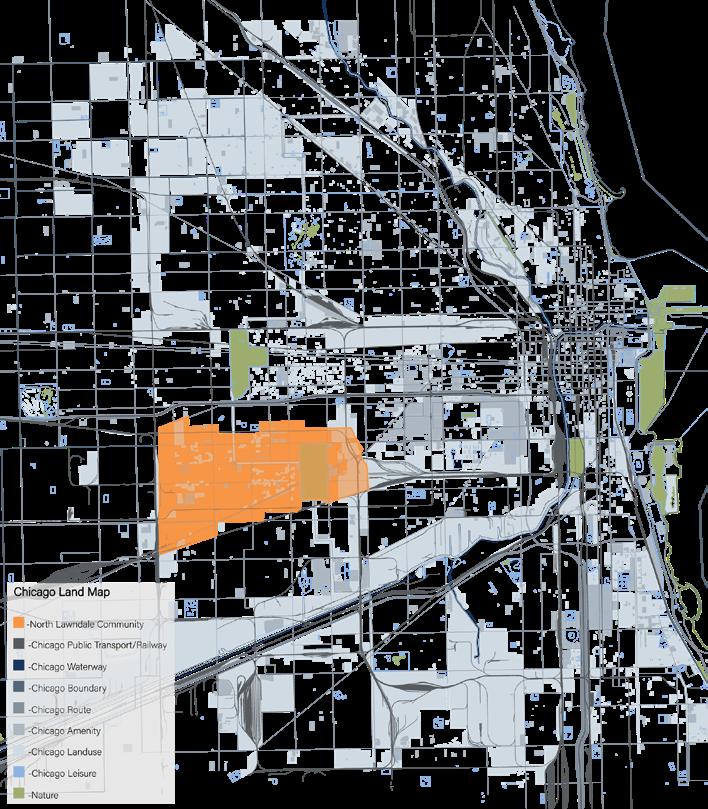
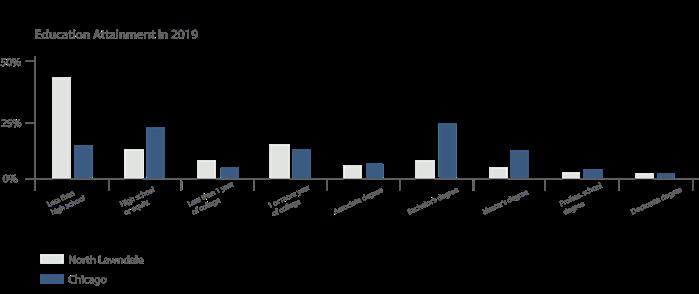
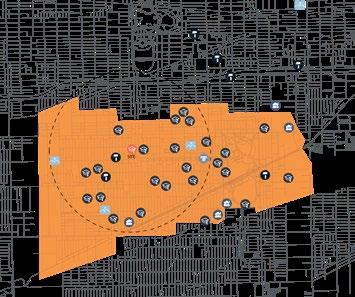
North Lawndale, Chicago, IL
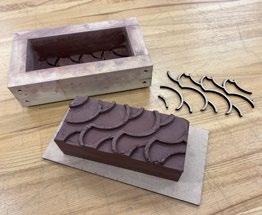
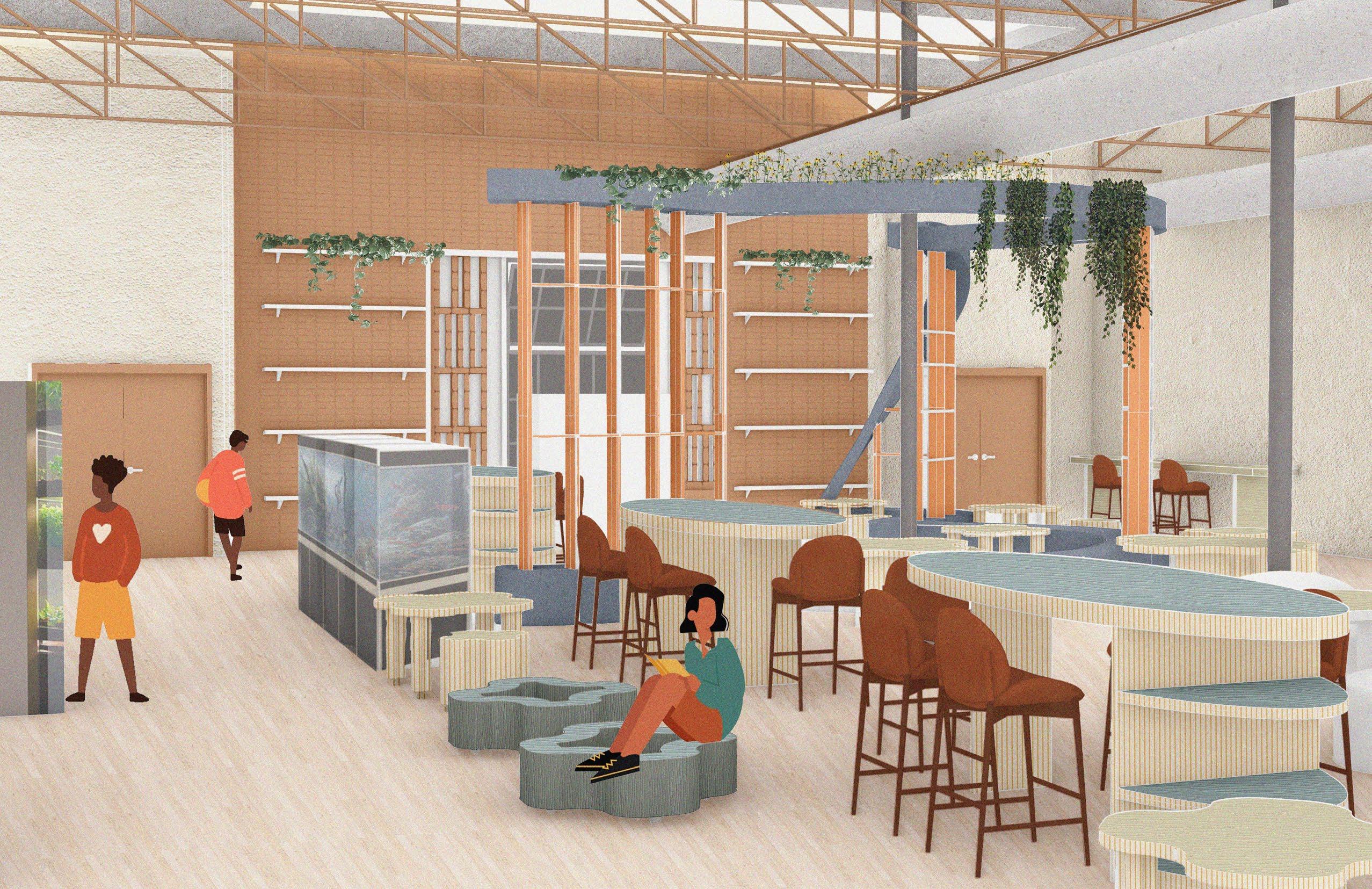
The project allows for the continuation of ceramics activities, in North Lawndale, between the CCA Academy, an alternative high school and Soil Lab, a team of architects looking for anchoring of their architecture biennial project in the community.
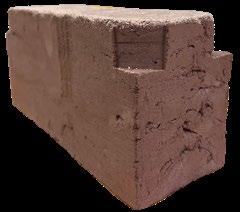
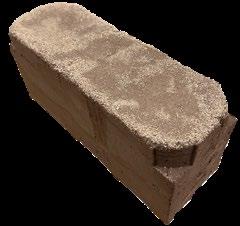
The purpose of the project is to create a place for students to develop their own personal interests along their path to graduation, and to build up connections between the school and the community through brick making, ceramics, and group activities.
Situated in the heart of North Lawndale on the west side of Chicago, the CCA charter school project strives to transform CCA into more than just an educational institution with a ceramics studio for students. The overarching goal is to establish a community art center that showcases and celebrates the rich cultural heritage of the African American community, benefiting a broader audience.
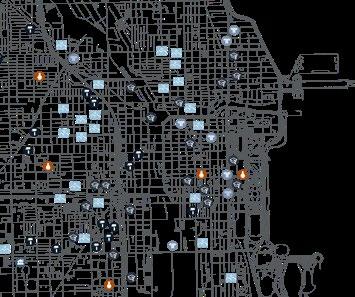
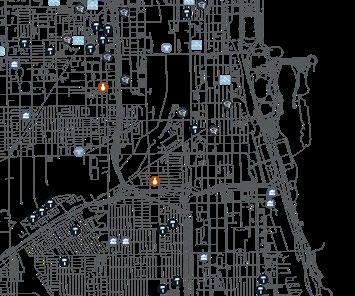
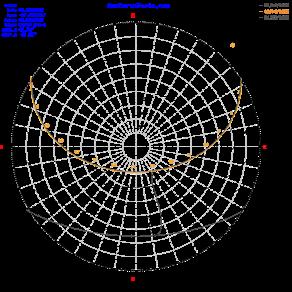
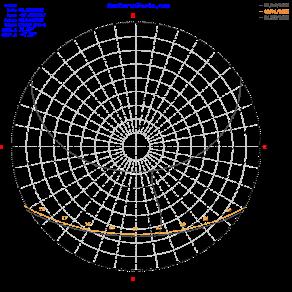
Wind analysis of Chicago determines wind direction, playing a crucial role in establishing optimal air circulation within the ceramic studio. The eastward wind, in particular, proves to be the gentlest, effectively mitigating the risk of indoor temperature decline when windows are opened during the winter season.
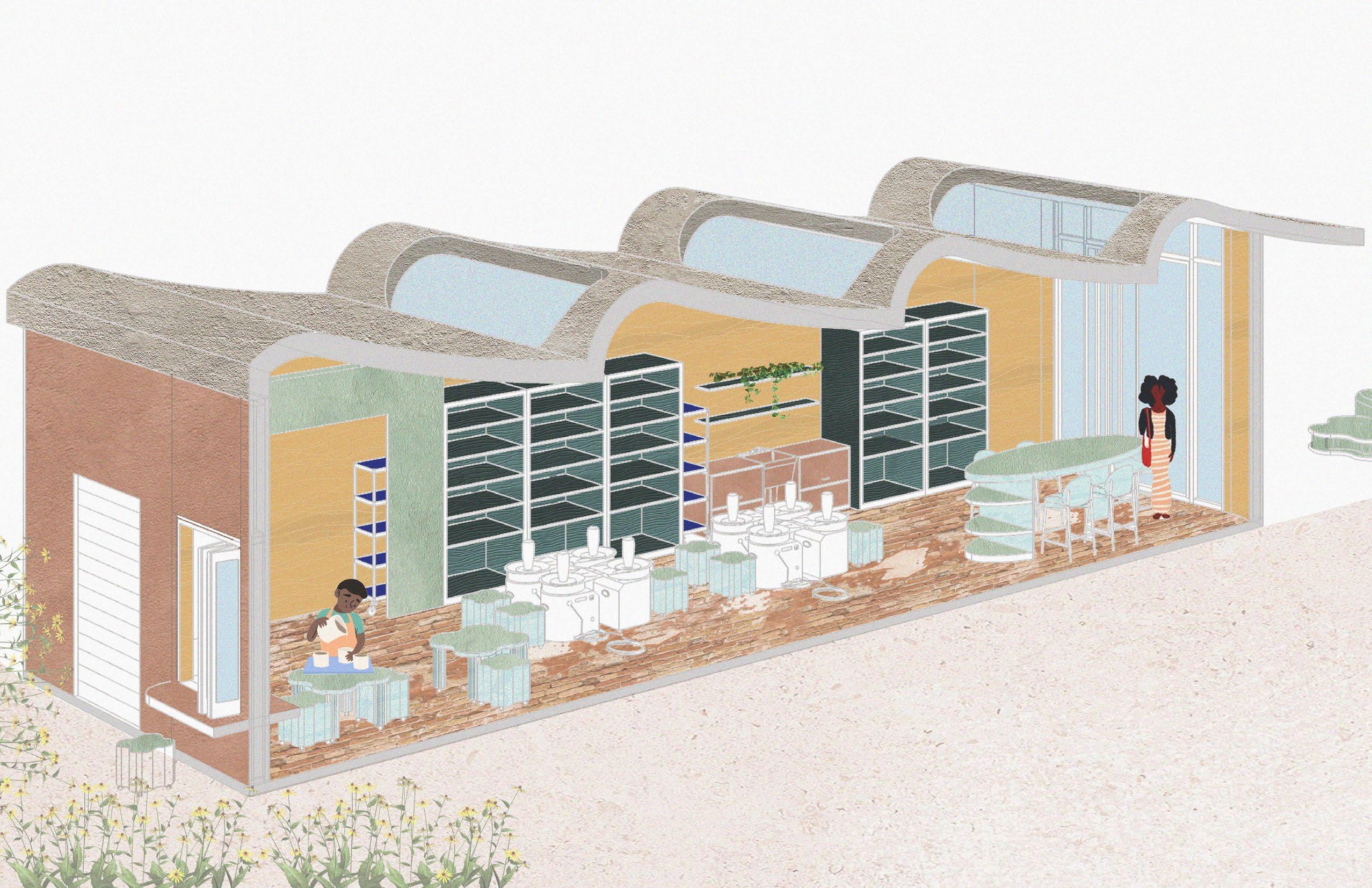
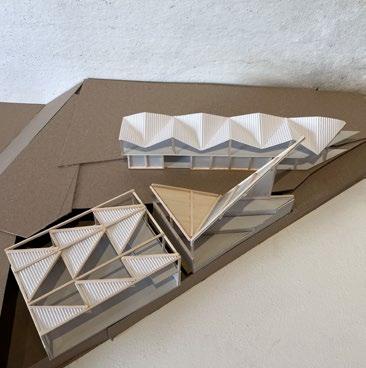
CCA’s Clay Studio and Pavillion:
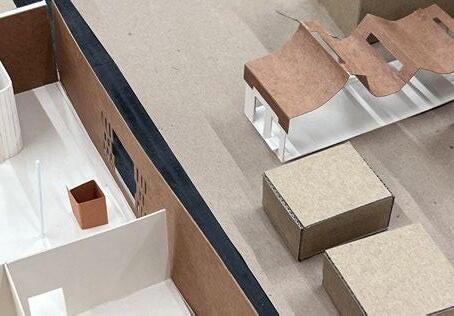
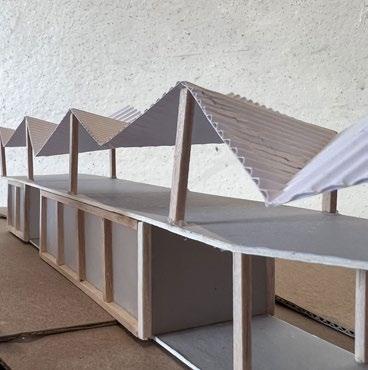
Provides a space for clay making and biology activities and to build connections with the outside world the pavilion with a wavy roof carries the wish forward, plants and flowers surround the small house.
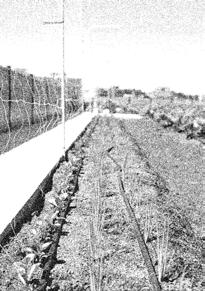
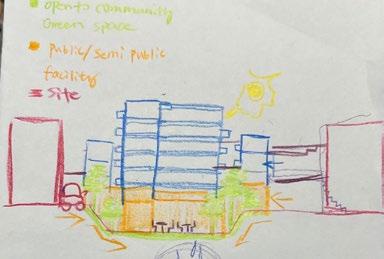
The site will be divided into two distinct sections: one designated for semi-public use, specifically tailored for the teaching lab, while the other portion is reserved for residential purposes. Acting as the nexus between these two functions and groups of people, the kitchen and outdoor garden space will serve as pivotal connecting elements.
Folding windows serve for interior and exterior interactions Rolling garage door for loading between studio and classrooms
Concept Model:
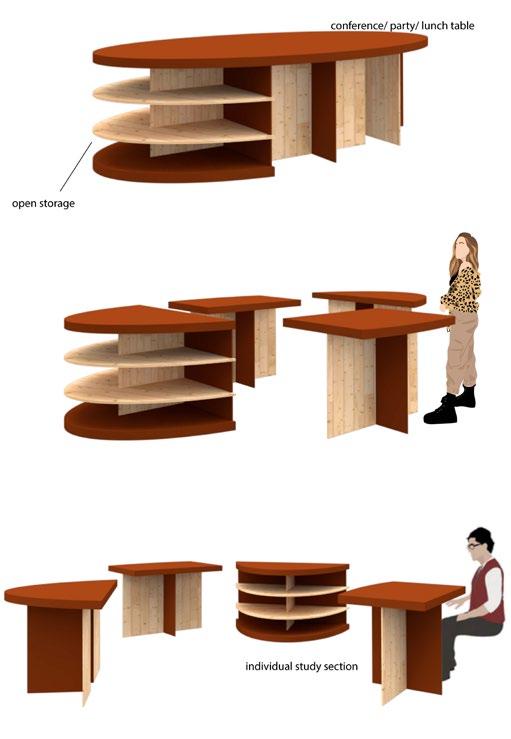
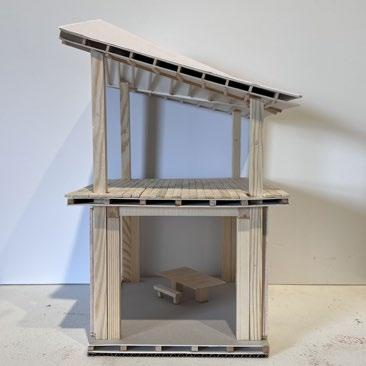
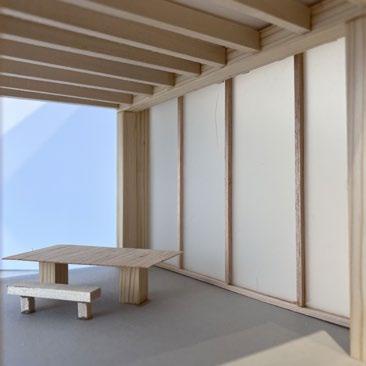
Ceramics studio with fully customized furniture sets, serves for different suage in daily scene
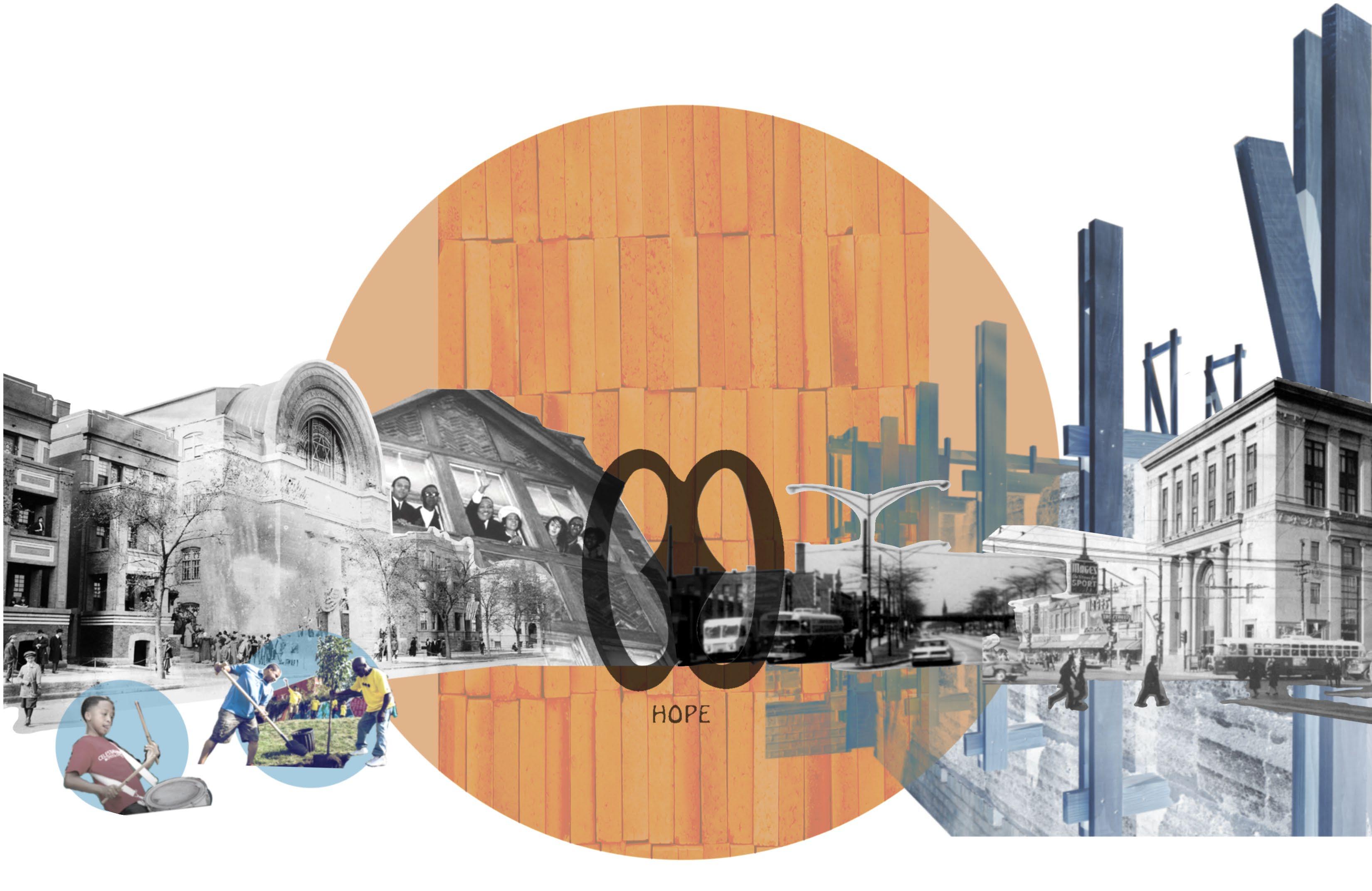
Shape inspired by the “hope” symbol, bricks bonding together represent the culture and city are linking tight.
Furniture Design:
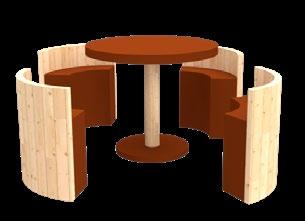
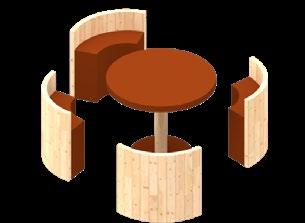
Continuation of the concept model, a set of furniture paired with style of the interior to finalize the comfort of space. The shape of the furniture borrows from the hope symbol and adds a layer of playfulness to the school.
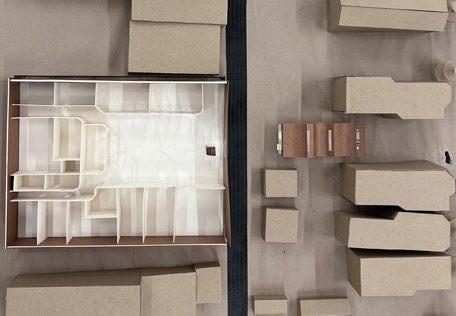
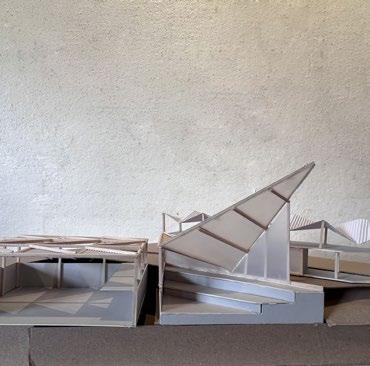
Physical Model: Relationship with contaxt
My concept is to bring yearning to the environment and for people to feel hope when engaging with the space. My design is inspired by the Adinkra symbol for “hope”, Nyame biribi wo soro. This symbol has a half circle or rounded shape, or rectangles and circles overlapping each other, the overlap represents the powers above, watchful and protective.
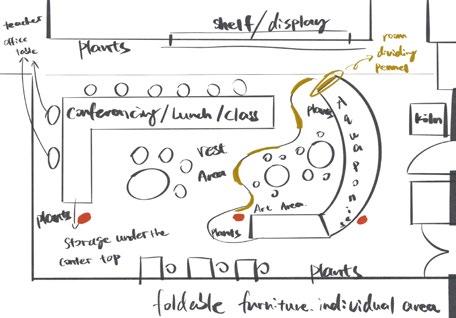
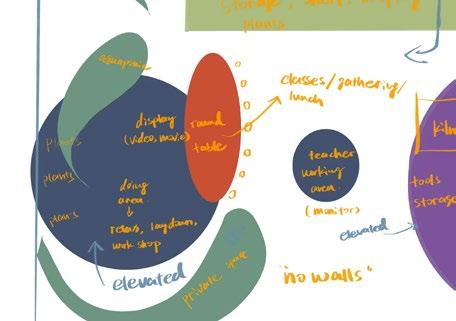
The interior layouts have embedded rounded corners, to purposefully soften the visual boundaries and guide people so that they focus on what the space provides. The indoor multi-used space serves as a clay-making space, lunch room, study room, lounge, aquaponics hub, and celebration space. The furniture is designed to maximize mobility and allow students and faculty to create activity areas based on schedule.
ENVIRONMENT OF HEALTH
West Loop, Chicago, IL
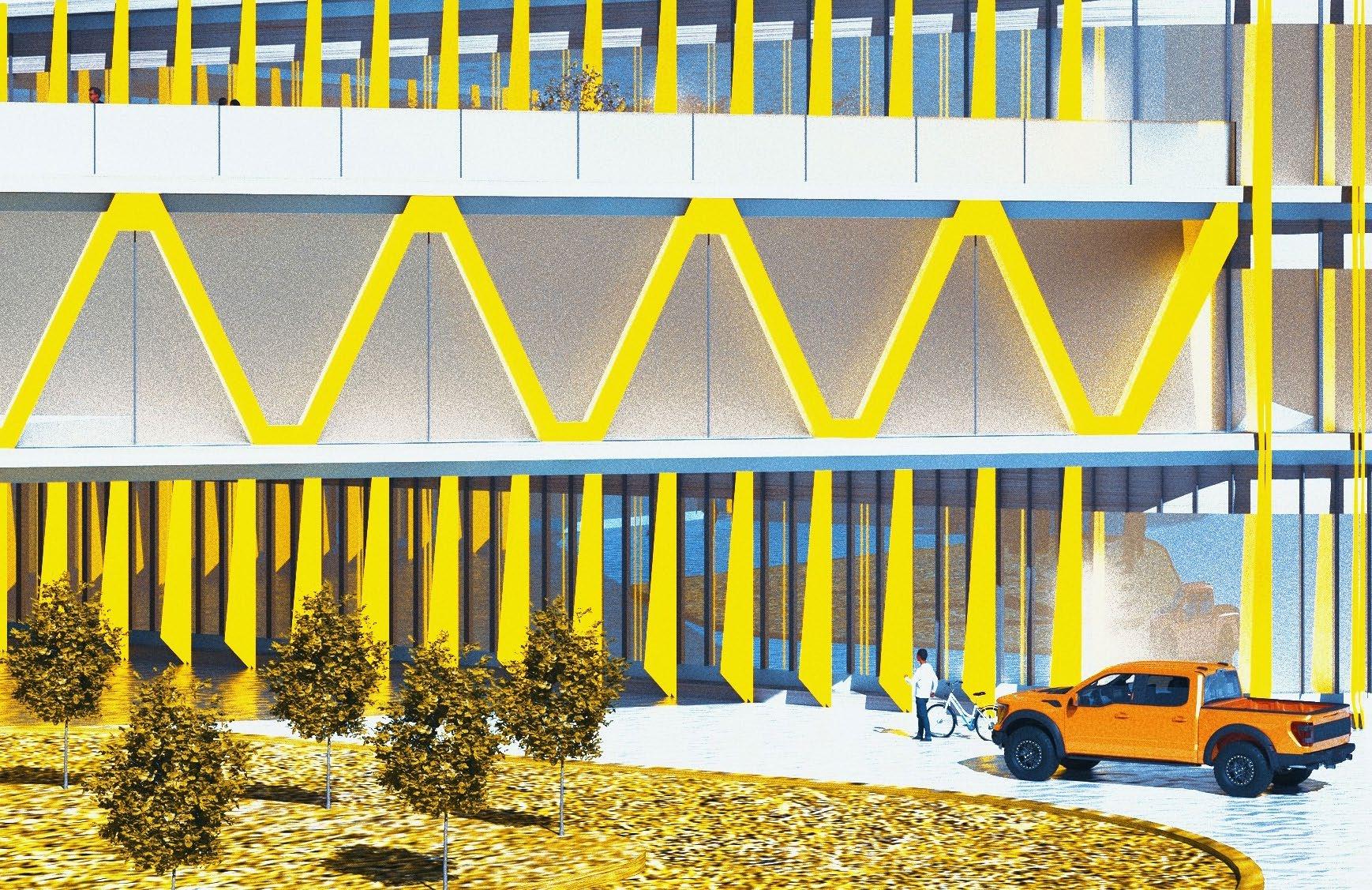
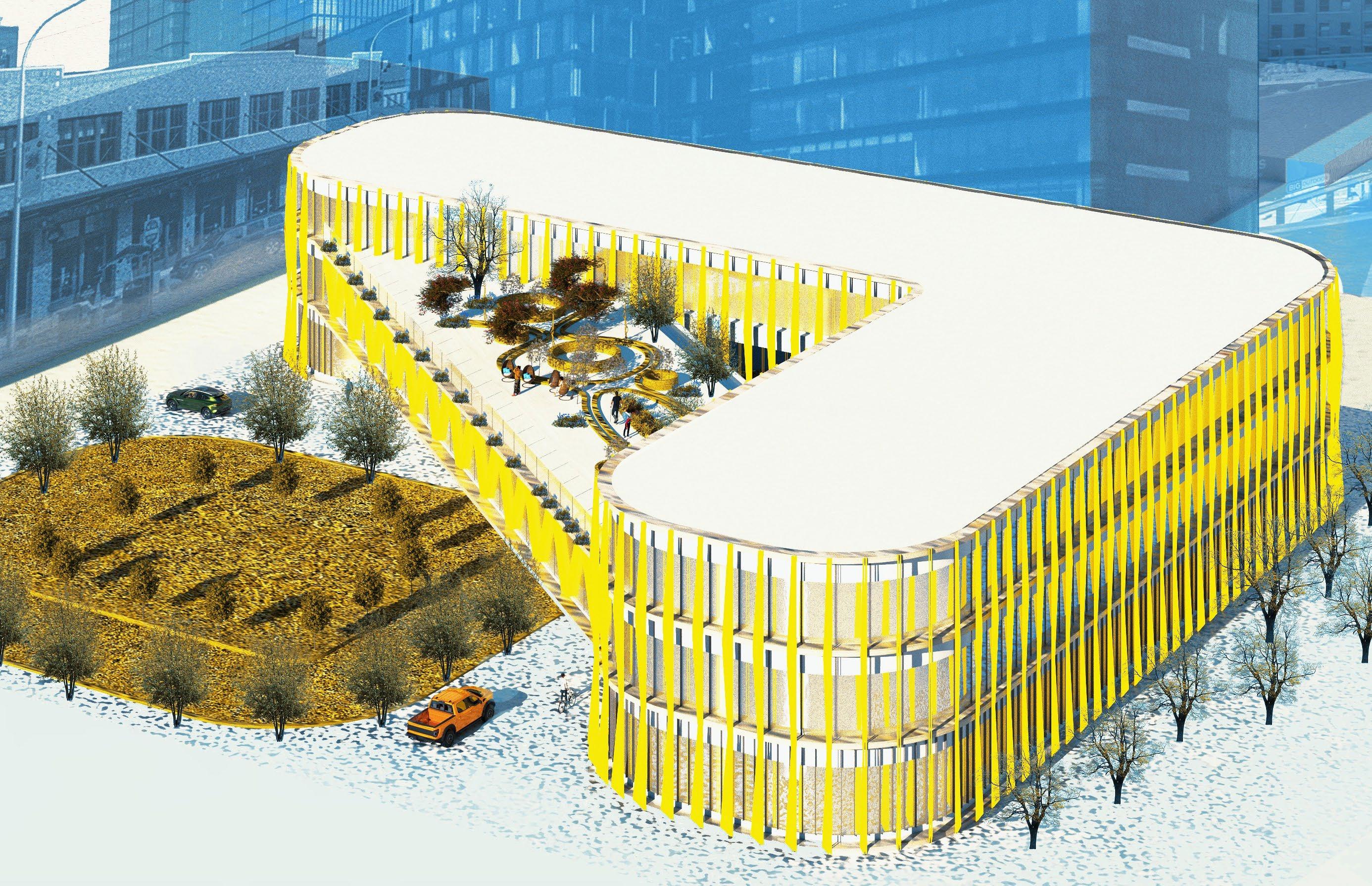
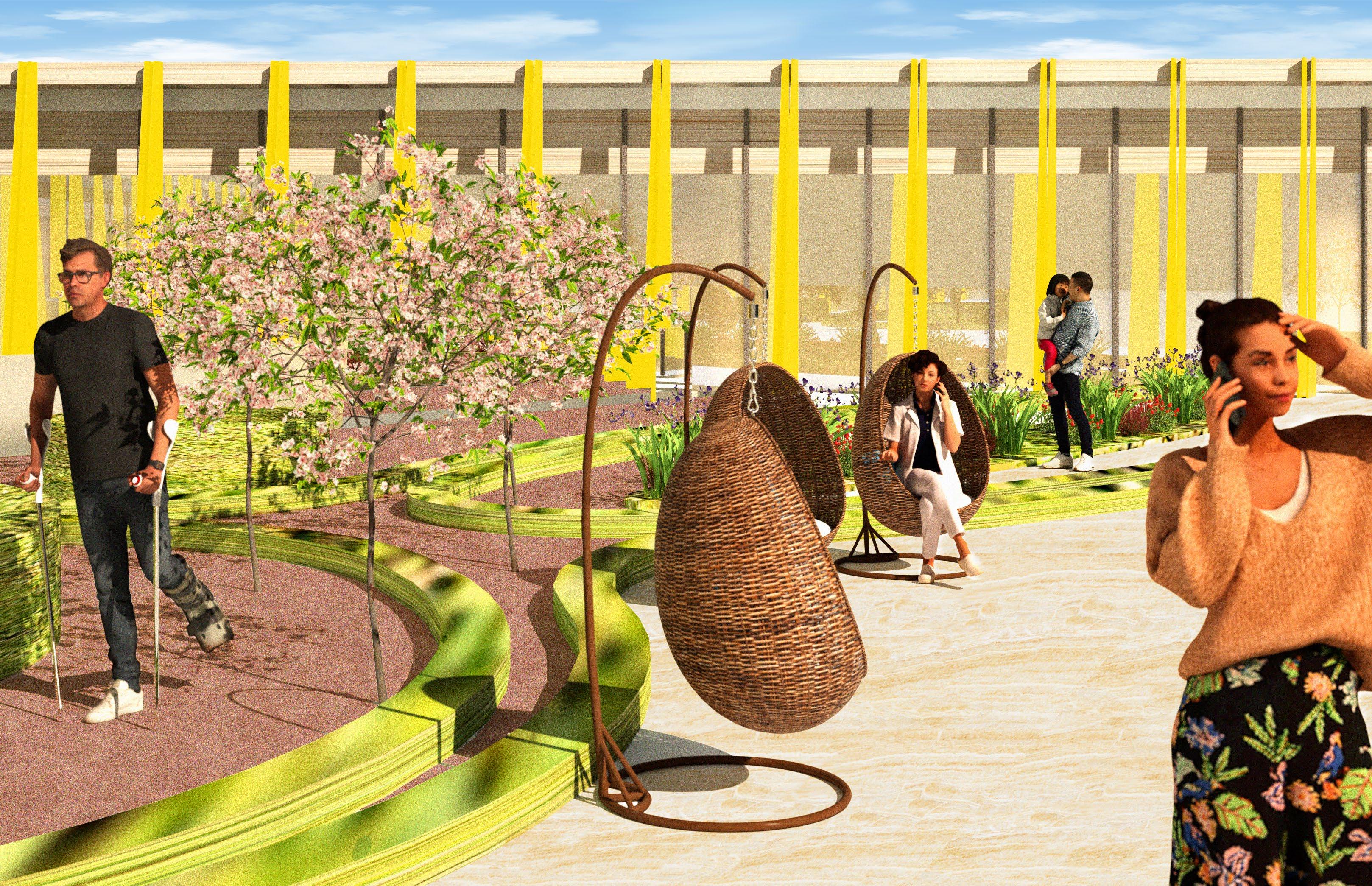
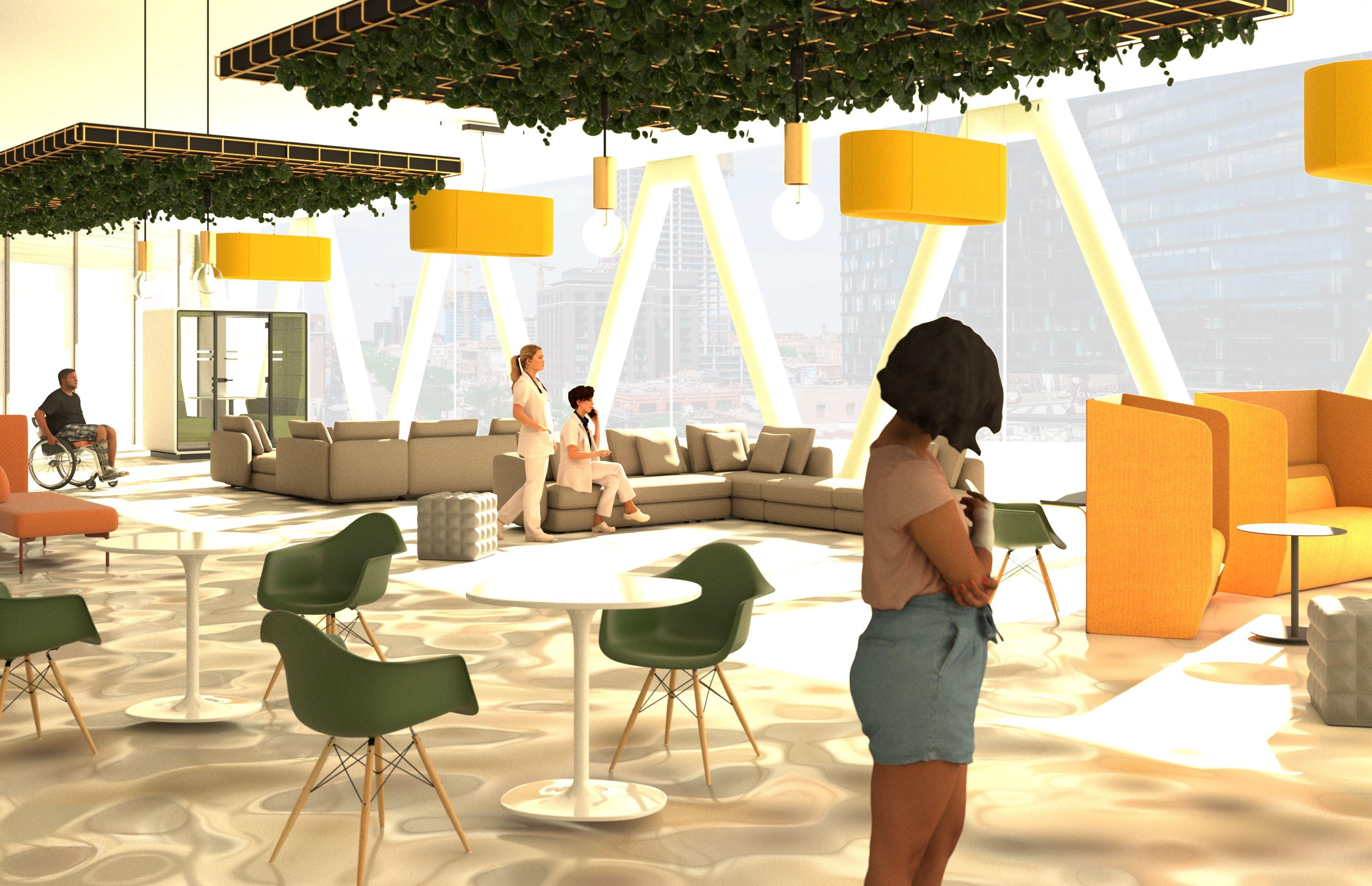
This undergraduate Capstone project locates at the heart of Chicago West Loop, which gives a great opportunity to explores the integration of design and psychology to create a healthcare environment that prioritizes patient well-being. While health is a fundamental human need, visiting a hospital or healthcare center can often be a stressful experience.
This project aims to reduce stress levels by designing a space that fosters healing for both patients and staff. The principles of architectural psychology serve as the foundation for this design, guiding the creation of a safe and calming environment.
The outdoor garden is located on the third floor “hypotenuse” of the building; while indoor ones are located each floor as highlight moments of the interior.
Massing Diagram
This project is still ongoing, the development focuses on creating a safe and supportive environment for both staff and patients, prioritizing mental well-being in daily life. A rooftop garden offers an outdoor healing space with a scenic view of Fulton Market and downtown, designed for use during the summer. Inside, a dedicated lounge provides a communal resting area primarily for staff, recognizing their essential role in the healthcare community. This high-quality space is designed for stress relief, social interaction, and mealtime, enhancing overall well-being and workplace comfort.
REBEL HOME
Rio de Janeiro, Brazil
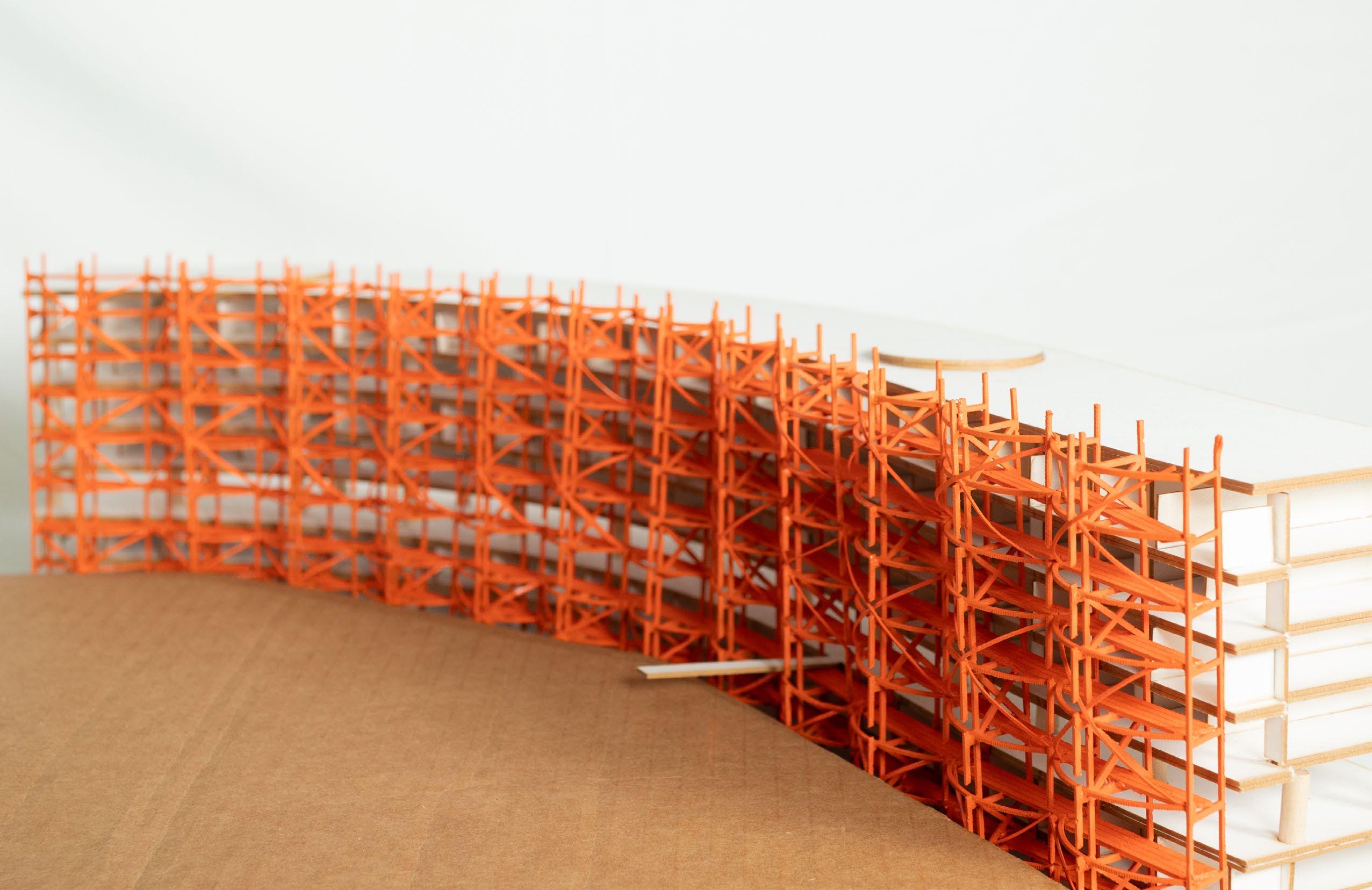
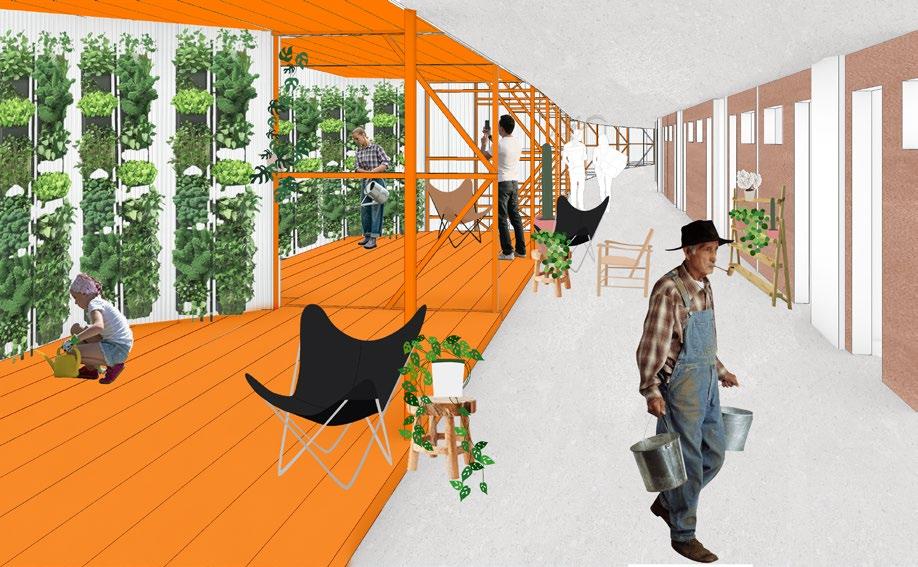
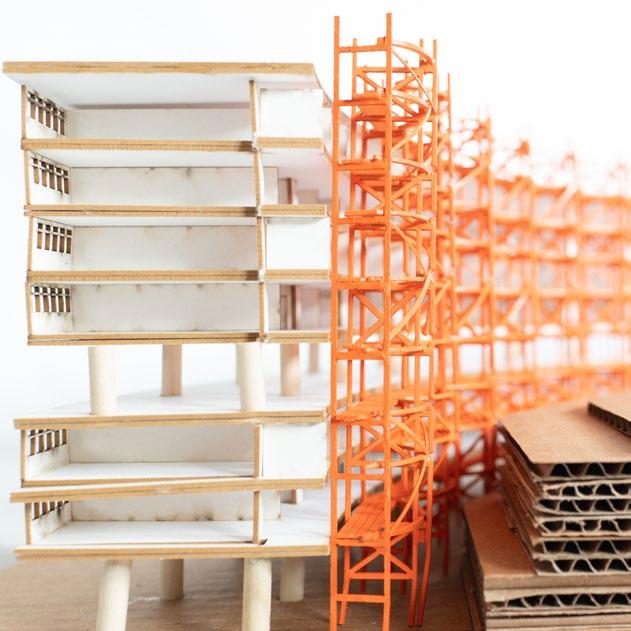
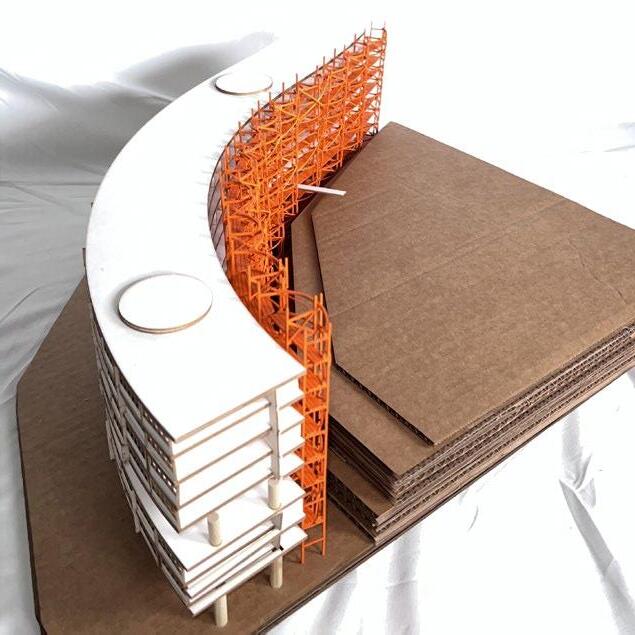
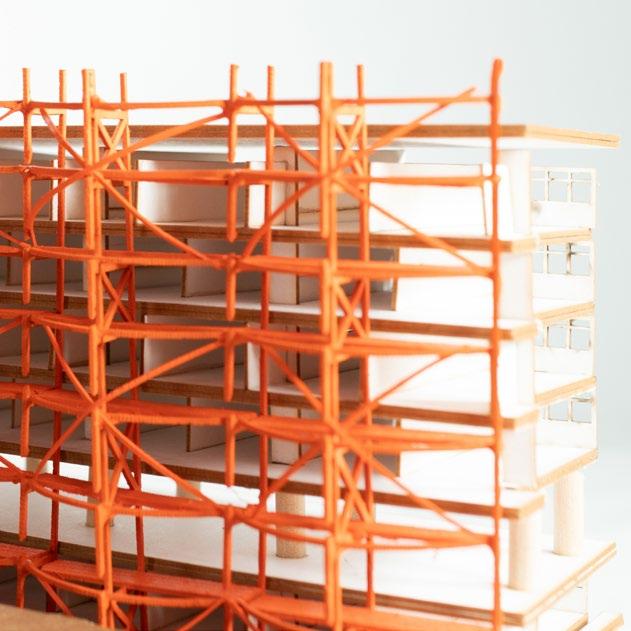
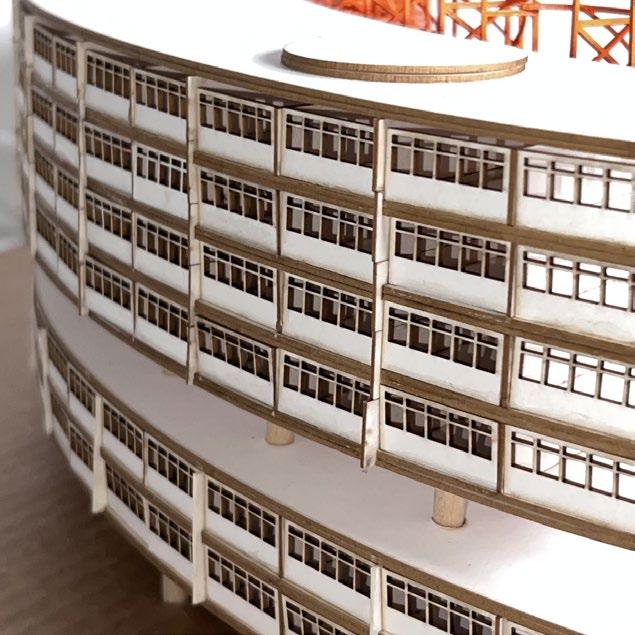
In this project, reimagined the Pedregulho Housing Complex through adaptive reuse. The housing units were upgraded to be more efficient and suited to contemporary living, while a scaffolding system was introduced on the east façade to support vertical farming. People can access this structure both from the community hallway and directly from their unit windows, allowing for a balance between private gardening and community engagement.
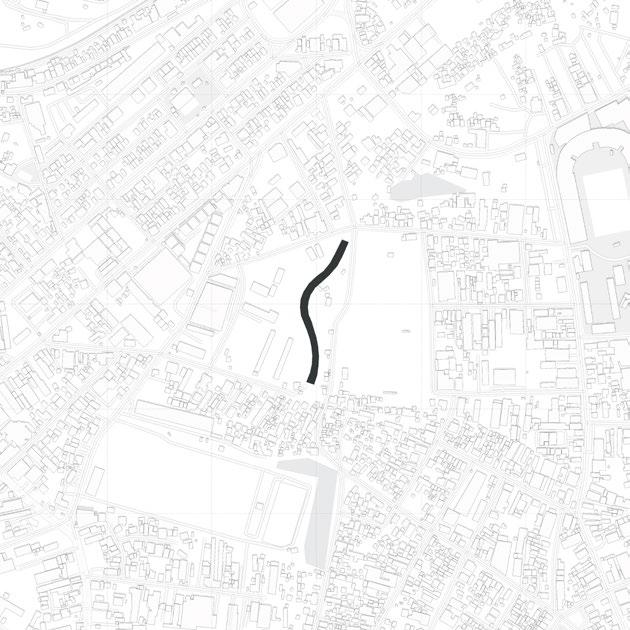
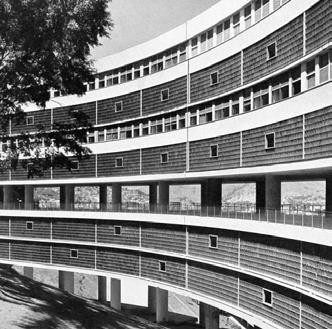
The Pedregulho Housing Complex is located in Rio de Janeiro, where its form follows the topography and overlooks Guanabara Bay.
Designed by Affonso Eduardo Reidy in the late 1940s, it was conceived as the ironic modernist social housing project that integrated collective living, and architectural experimentation for lower income community.
Rio de Janeiro
The Pedregulho Housing Complex documentation drawing
A temporary, flexible scaffolding system, can be removed or repurposed in the future, enabling the complex to adapt to changing needs while promoting sustainability and social well-being.
Residents can access the vertical farming structure privately from the second-level lofts of their units, enjoying individual views into their own vertical gardens, while the odd-numbered floors remain openly accessible to the community, encouraging shared farming activities and collective gathering.
04 CONSTRUCT & SPIRITUALITY
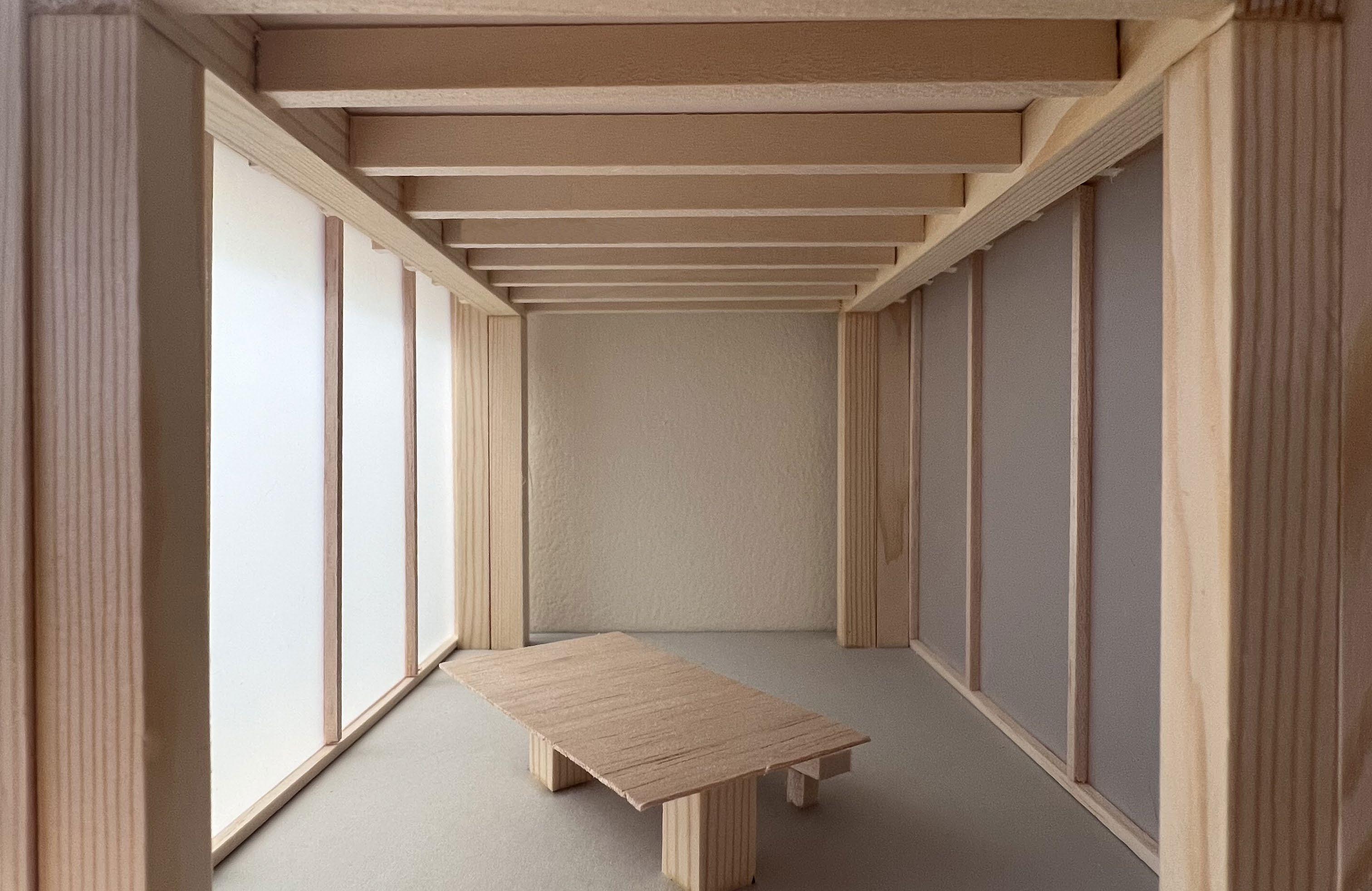
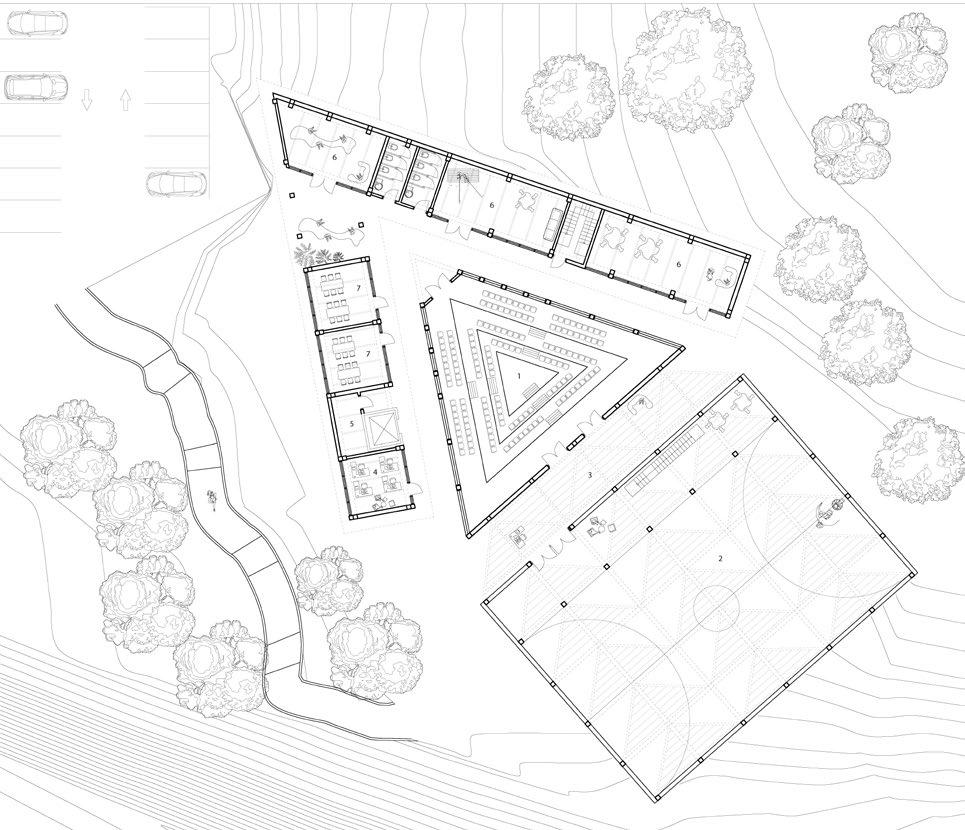
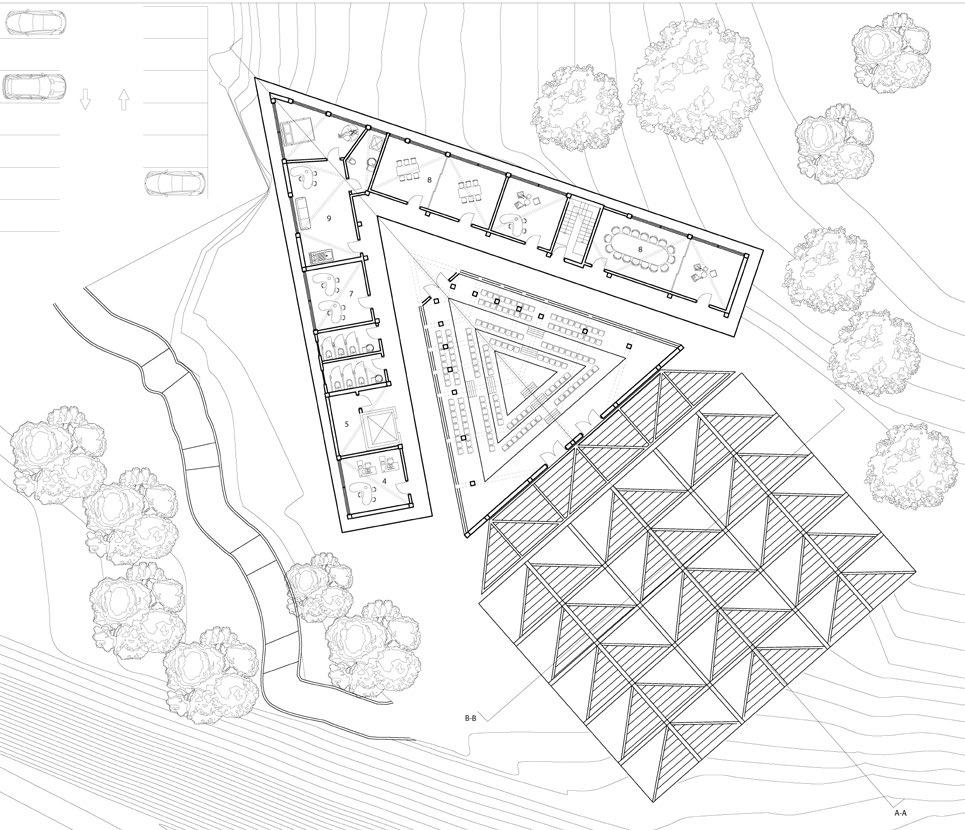
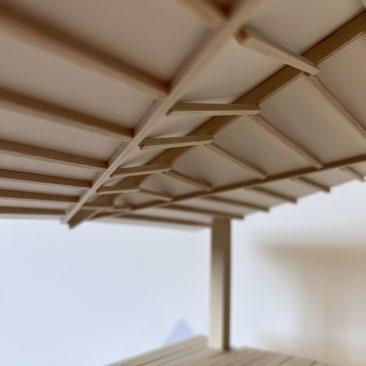
A thoughtfully designed community center that harmonizes spiritual meditation with physical movement. The space transitions fluidly from dynamic activity to stillness, bridging the gym and meditation areas. Encircling these primary spaces, activity classrooms serve as a unifying element, reinforcing the interplay between motion and stability.
BOSTON NEW MARKET MASTERPLAN
New Market, Boston, MA
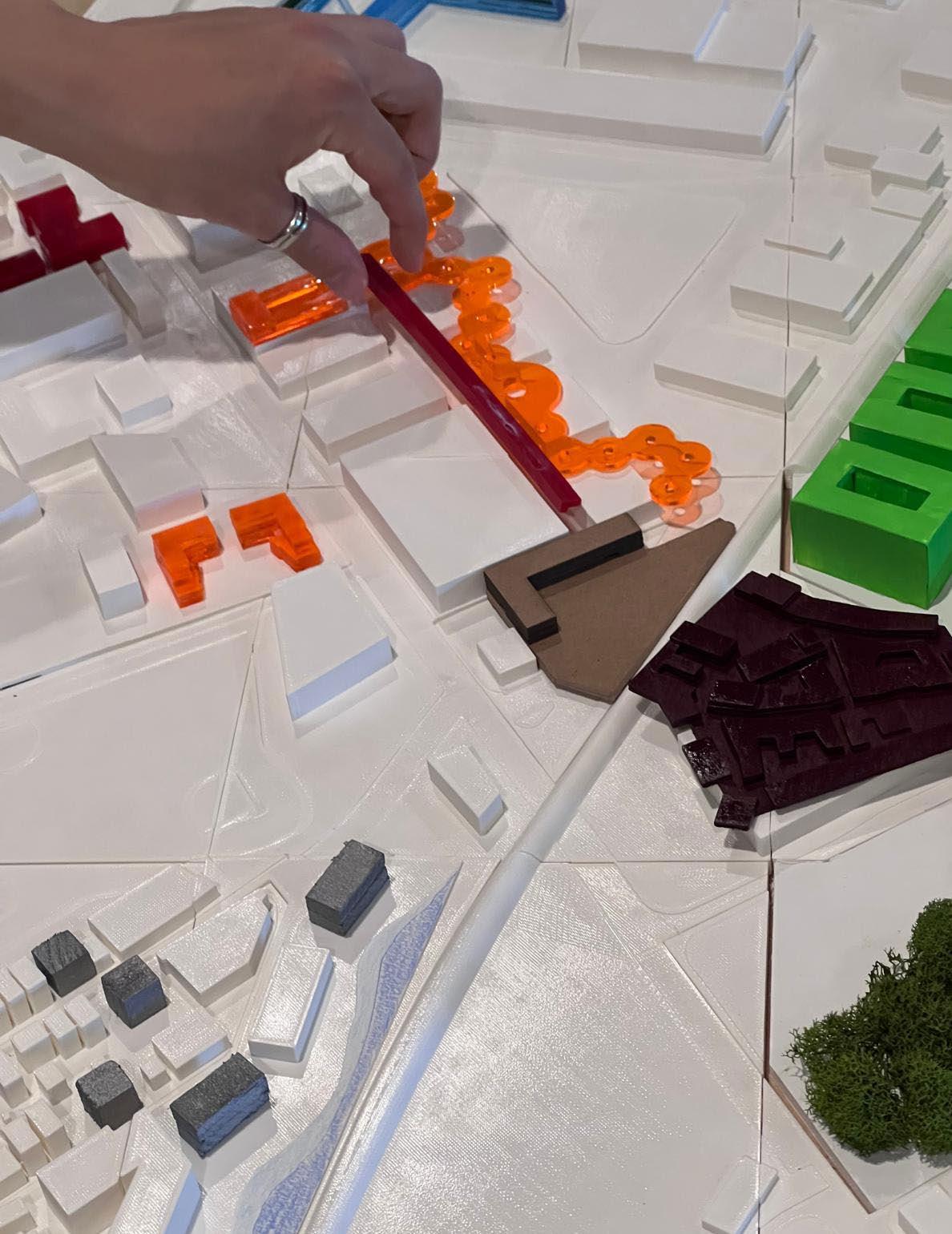
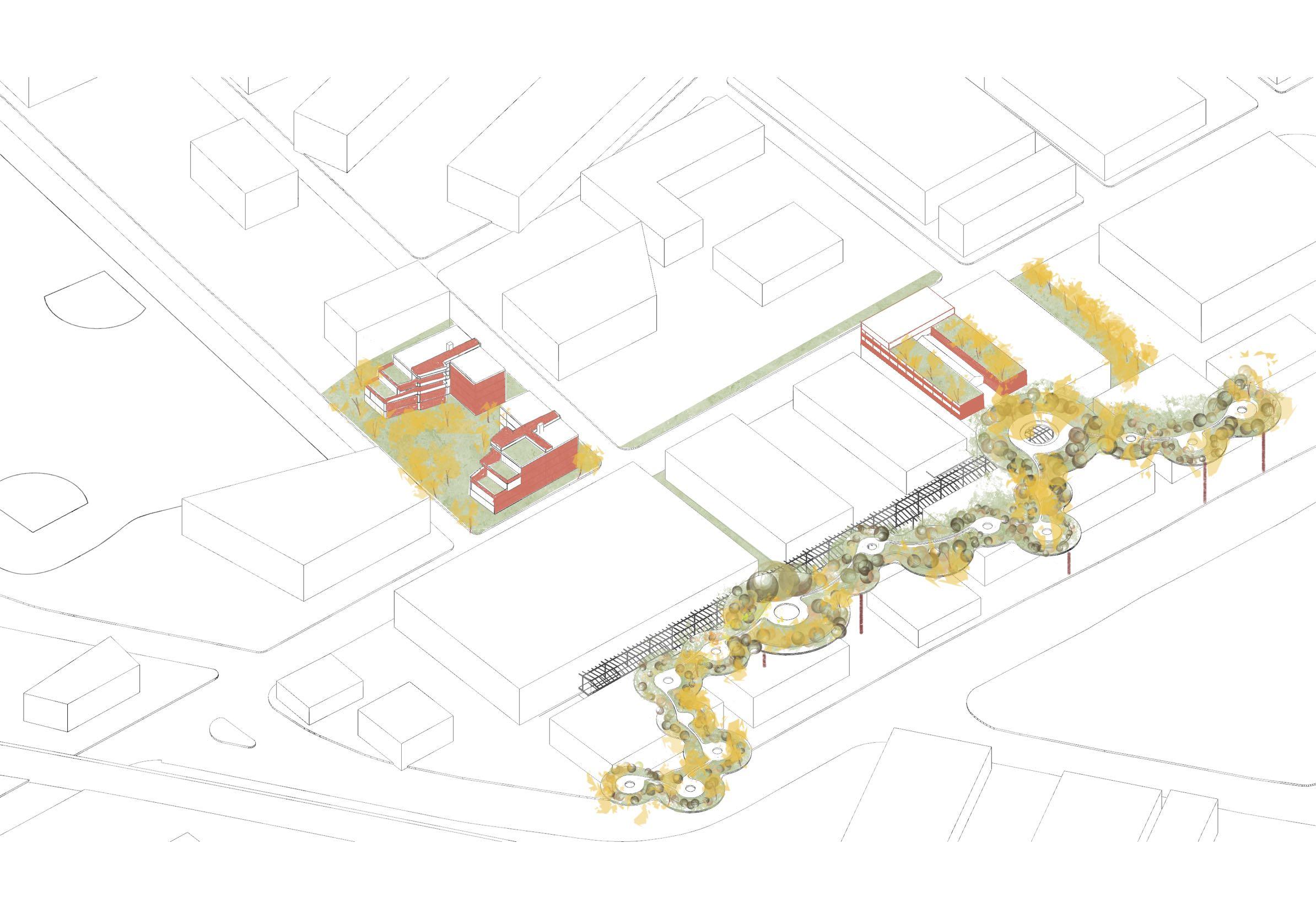
This project analyzes Boston’s New Market as a site for future development and opportunity, addressing the district’s existing challenges while emphasizing the need for social housing and infrastructure. The master plan repurposes a vacant building into SRO housing for low-income workers and integrates a pedestrian bridge featuring wetlands and a rainwater collection system, enhancing resilience against rising sea levels and promoting sustainability.
Pleasured to collab with Hymin Kaya Lee
How should housing be participate within Industrial Zones? What are possibilities?
Shuttles provided by Newmarket Business Asso. connecting locations with MBTA and neiborhoods
Only 3 % of vacancy within industrial zone, where opportunities are
?
banks and markets surve whole Boston area Addiction care, healthcare, recovery center..
parking areas for wharehouses and food banks
island occured, where orgnizations bring in urban farming
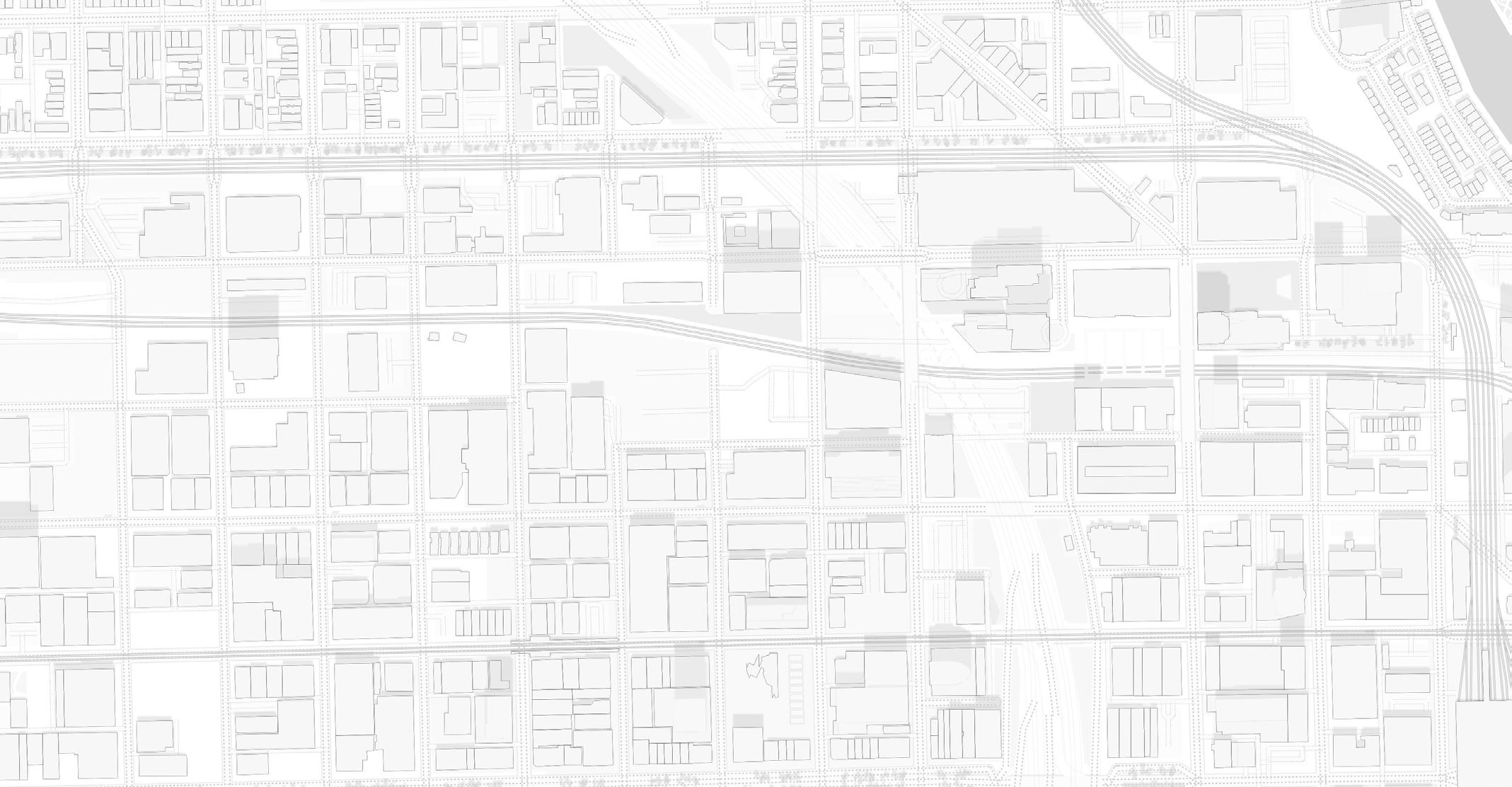
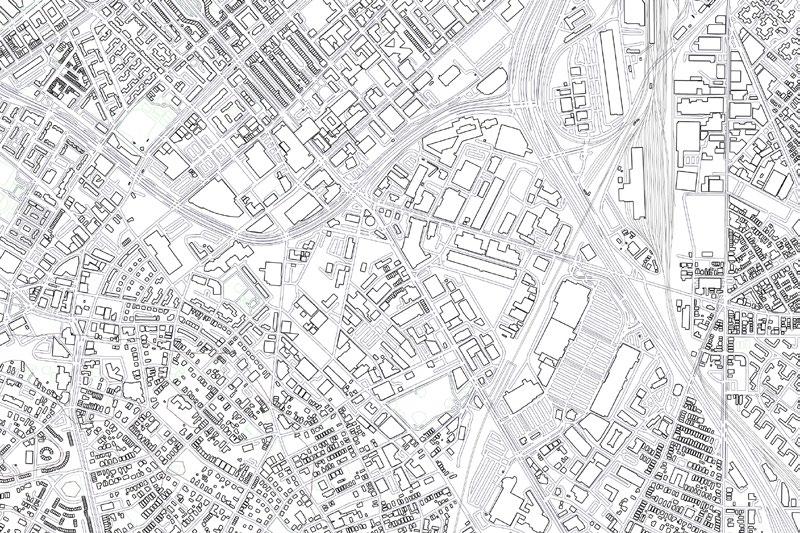
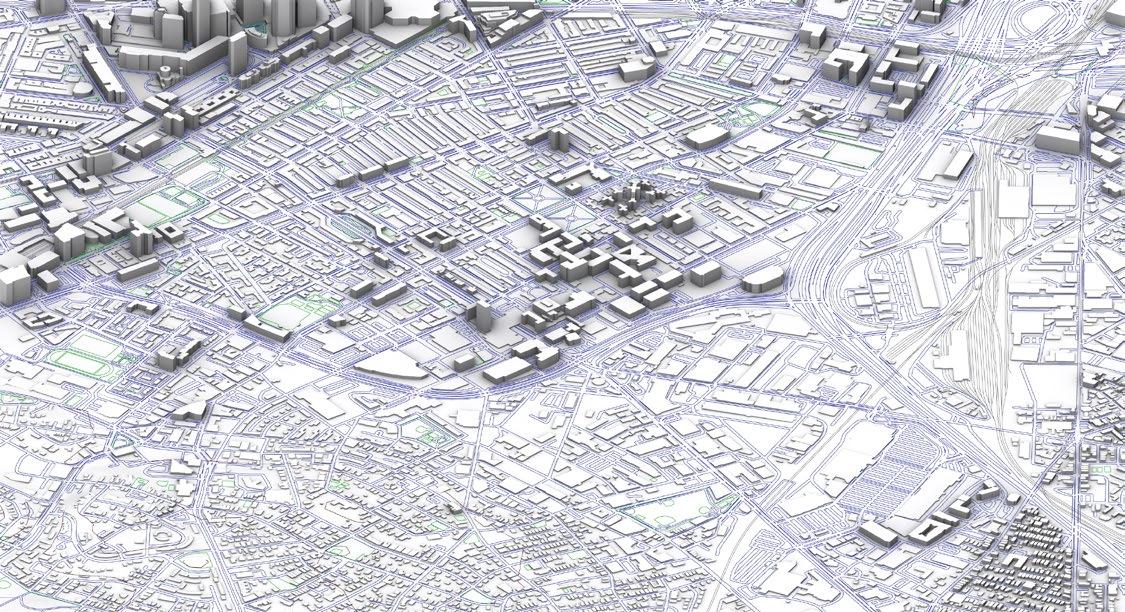
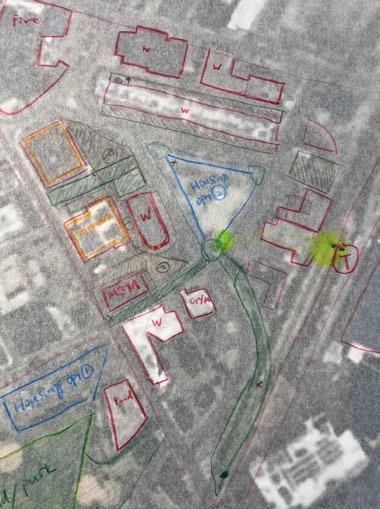
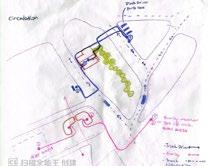
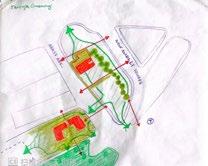
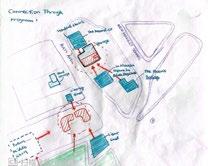
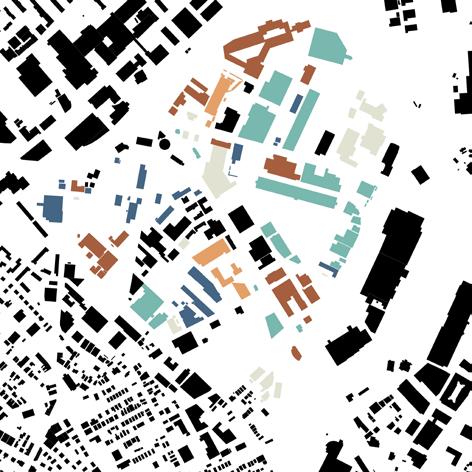
This project analyzes the unique location of the New Market area through transportation, circulation, and figure-ground relationships.
Context plays a crucial role in identifying challenges and guiding solutions. The goal is to reimagine the district, creating a more efficient business hub while enhancing walkability and connectivity.
Inspired by Boston’s spirit of care and opportunity, this project adopts the circle as a central design element, symbolizing the New Market Business District’s vital role in the city’s logistical network.
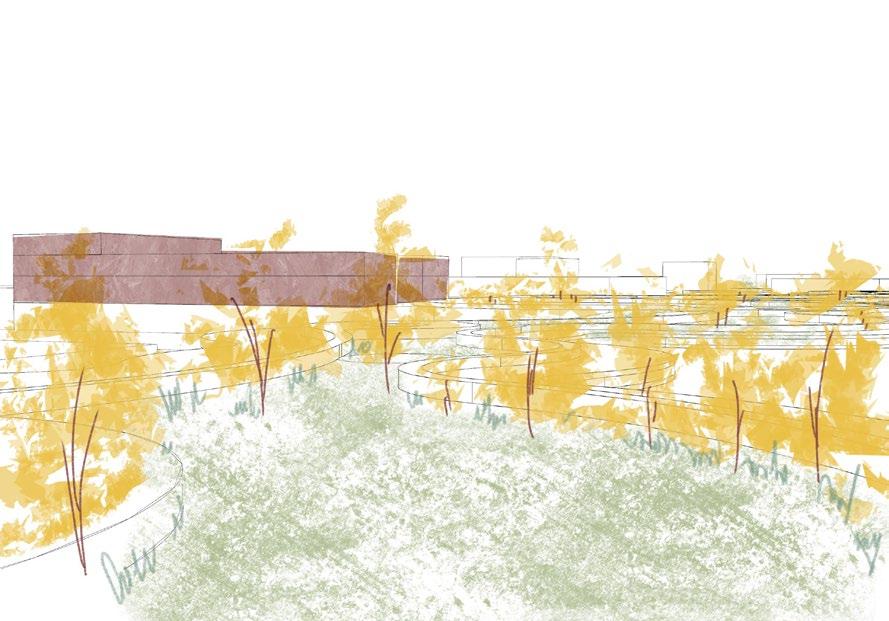
An elevated pedestrian bridge with wetland and rain water collective system spans across the truck parking station—a triangular island at the center— connecting factories, the T stop, and SRO housing. This intervention enhances walkability, fostering a more accessible and integrated urban experience.
06 PUERTO RICO WATER PROPOSAL
Central Aggirre, PR
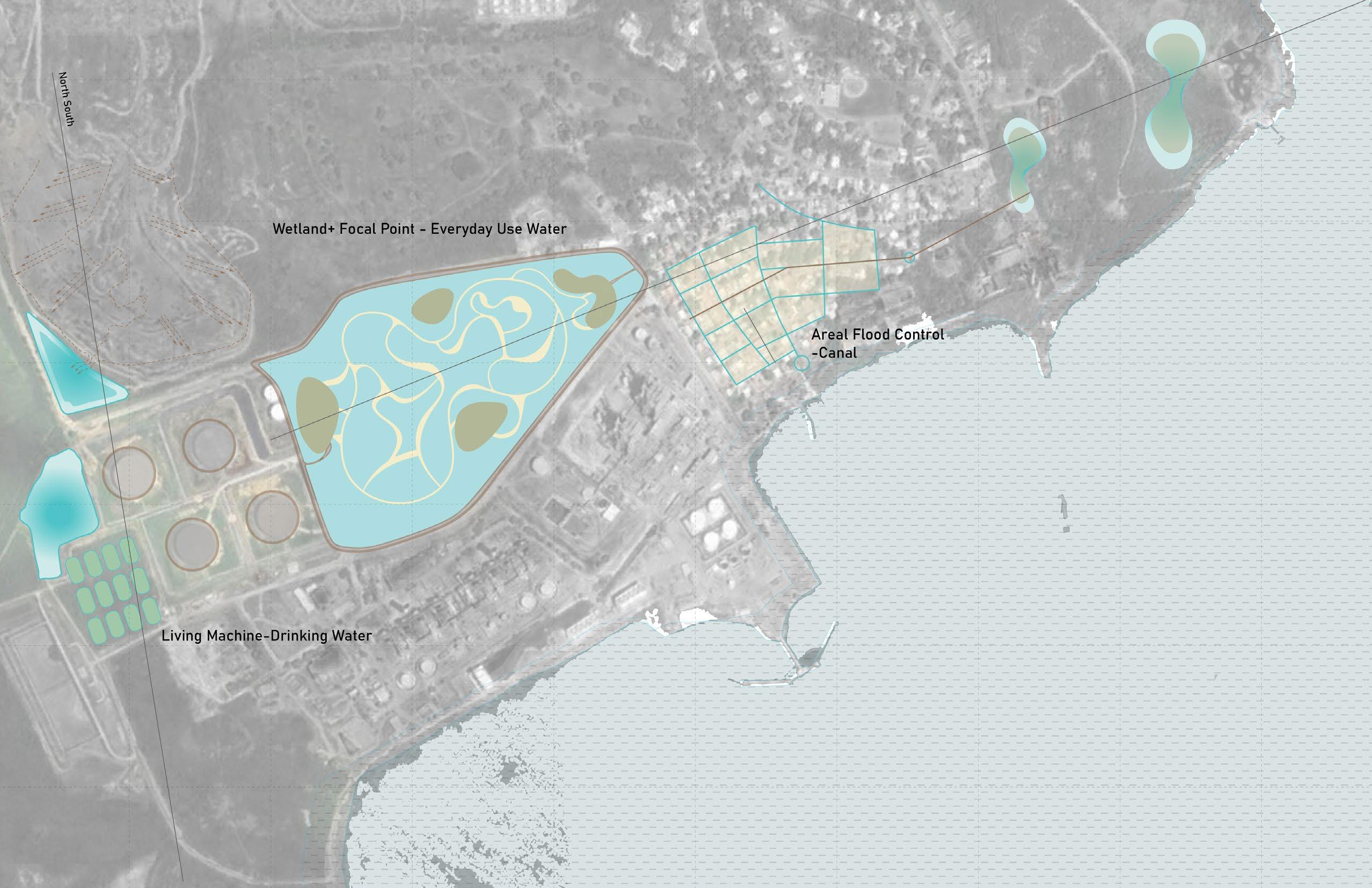
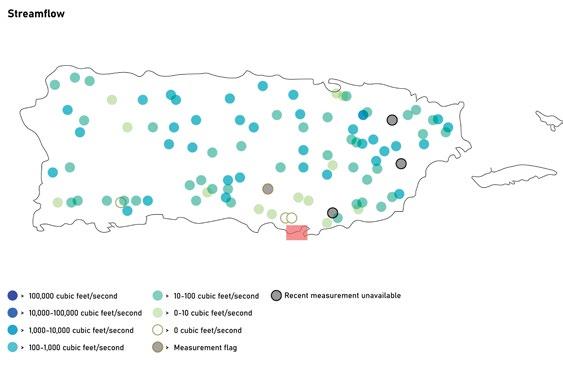
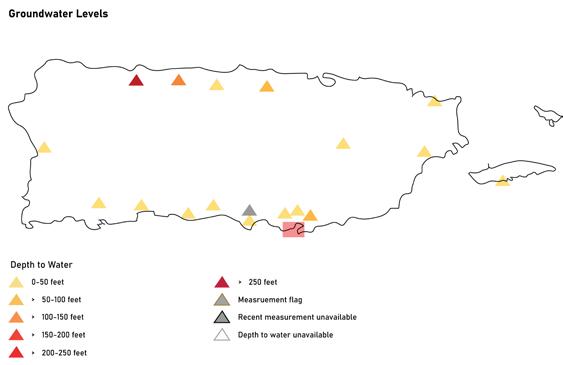
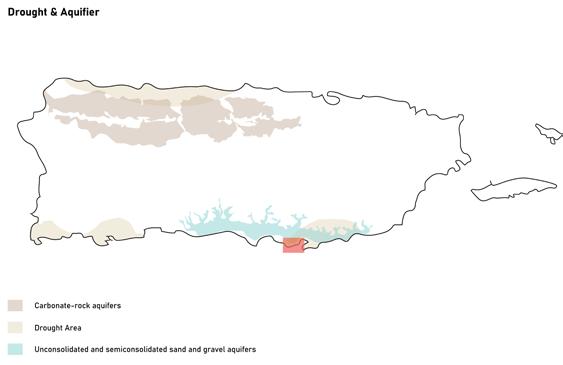
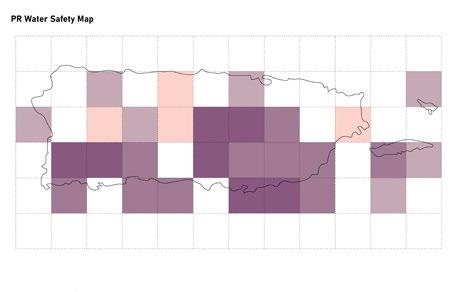
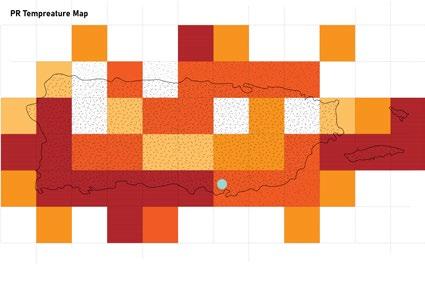
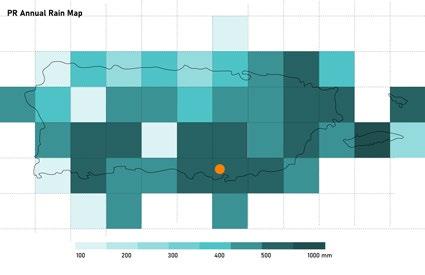
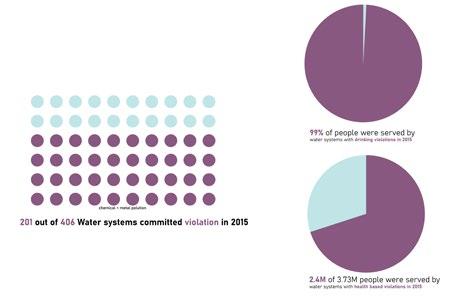
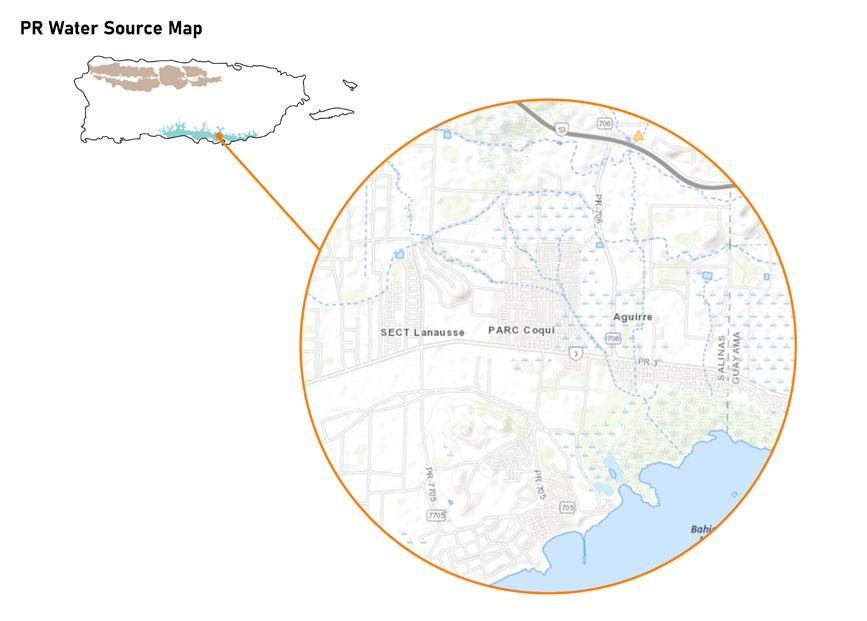
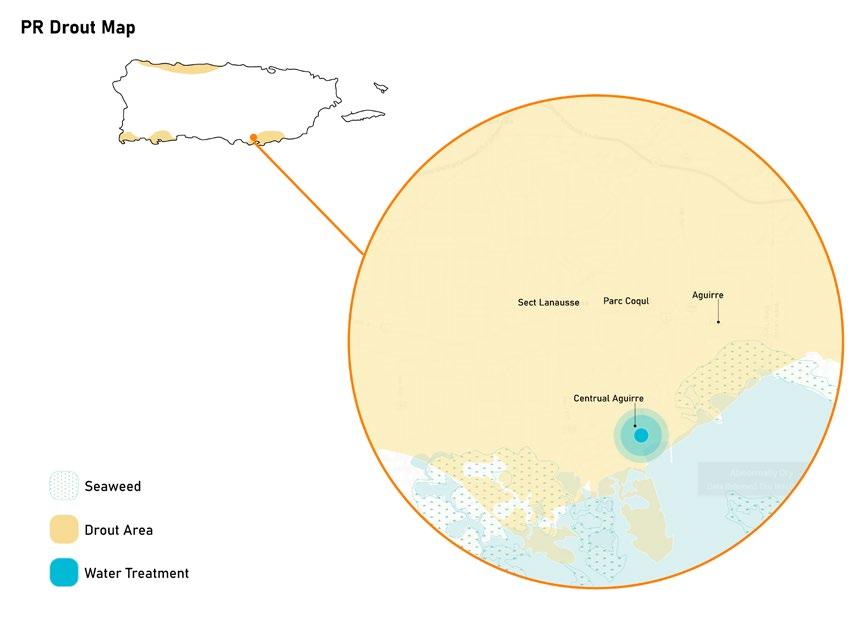
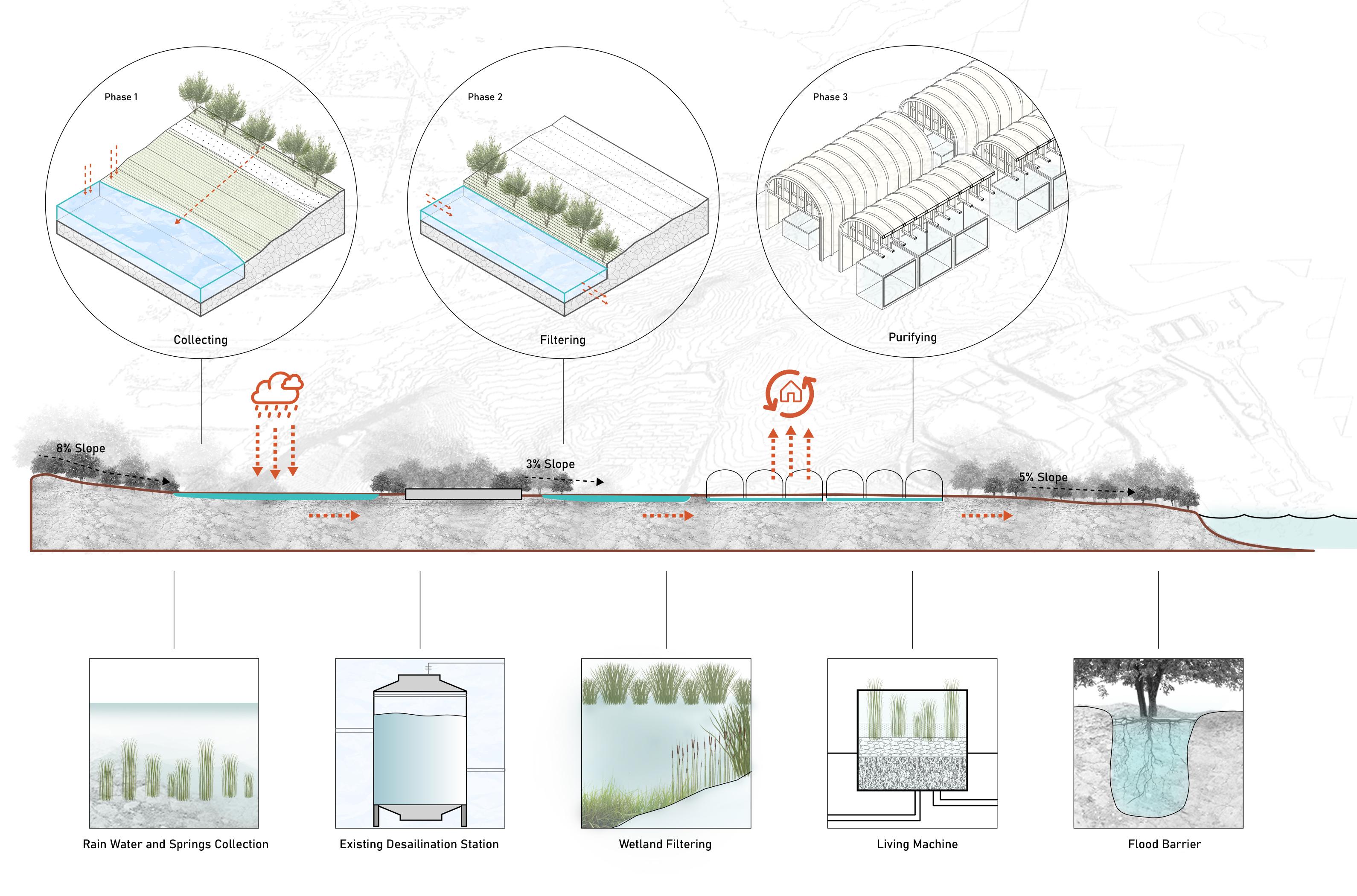
Examining the ongoing urban challenges in Puerto Rico, particularly in the aftermath of Hurricane Maria (2017), this project proposes a design strategy that responds to local issues and urban conditions. By integrating living machine systems at various scales, it establishes a resilient and sustainable water filtration network—ensuring access to safe, drinkable water through wetlands and biofiltration, even in the absence of power.
A pleasure to collaborate with Hymin Kaya Lee and Zhengguang Lance Li.
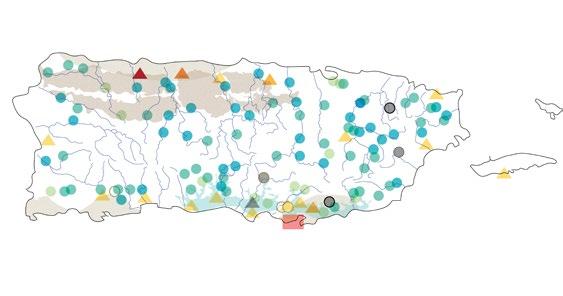
The unique location and climate make this project particularly significant, emphasizing urban planning strategies that prioritize water security.
Through mapping and diagrams, the project highlights water as the most critical resource— one that is often unsafe in the area, underscoring the urgent need for intervention.
Addressing the challenges of both drought and wet seasons, the design proposes a resilient, energy-independent strategy to ensure a reliable and secure water source for residents yearround.
ENFILADE
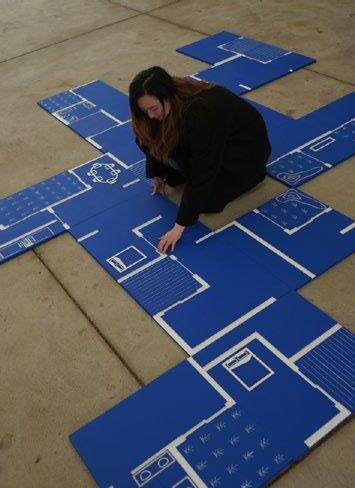
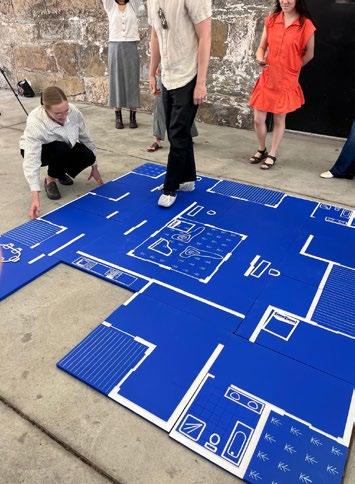
Proposing a way of living through giving the power back to people of how they want to live through a set of game. Using mdf bords, adapting the game strategy to interact with critics and classmates.
Each person has their own way of living, but usually architect and interior designer has the “power” to design how should people live. There are unspoken rules, but in this game, there are several modular units which include corridor, garden, kitchen, bathroom, livingroom and bedroom, people who participate could choose how the floorplan could be, through the process of interaction, they could redefine what is the way of living and give back the power of design decision to people who acturally connect with it.
BEYOND
WINTER ESSENTIALS
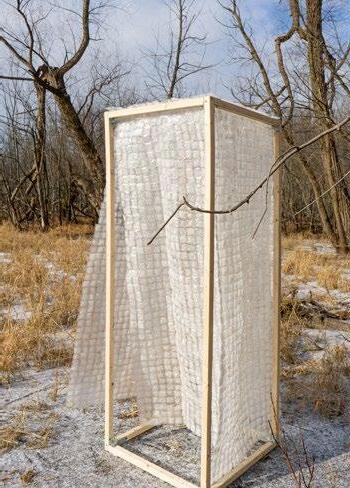
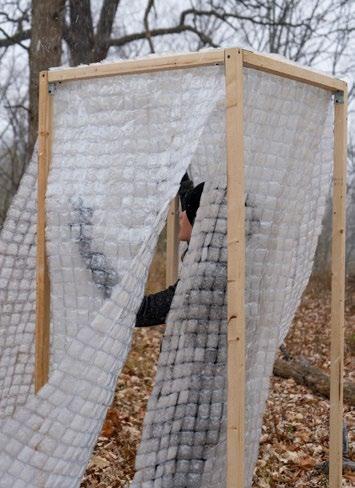
Supposing a house is living, necessities of care became demand. Warmth and will in the cold sustains essential comfort and fundamental needs. A rustic exploration of wooden construction on the outside warmed by the down jacket components designed for the harshest elements. This home is a daring juxtaposition of both natural and synthetic human ingenuity.
SAIC BFA Show 2022
Pleasured to collaborate with Jamie Chen
MEDITATION
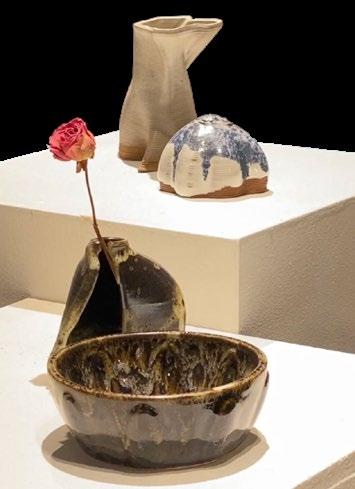
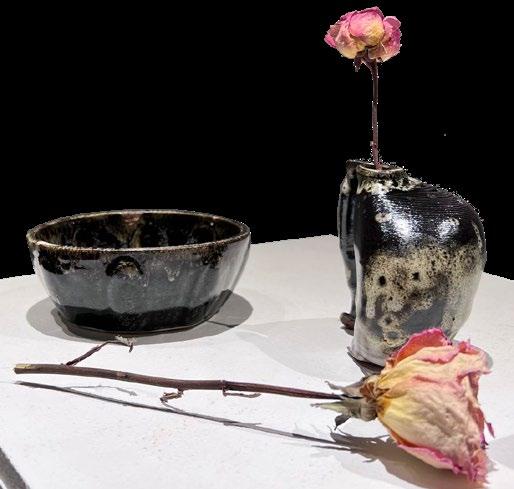
A set of ceramics work 3D printed by a special machine, with high contracting glaze, representing the YinYang. They echoing with each other and provide a atmosphere of meditation in an environment.
BROOCH
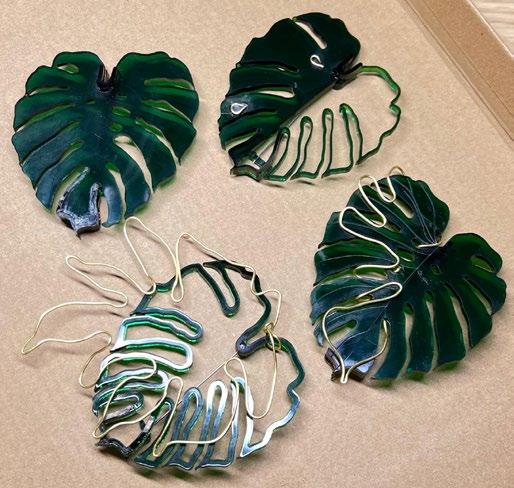
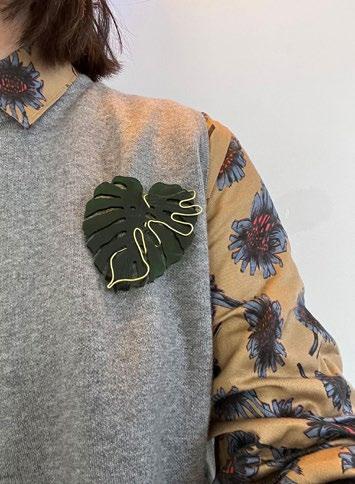
A set of Monstara brooch explored one form, multiple transfermation.
Pleasured to collab with Cecelia Liu
CHILDREN’S DAYCARE
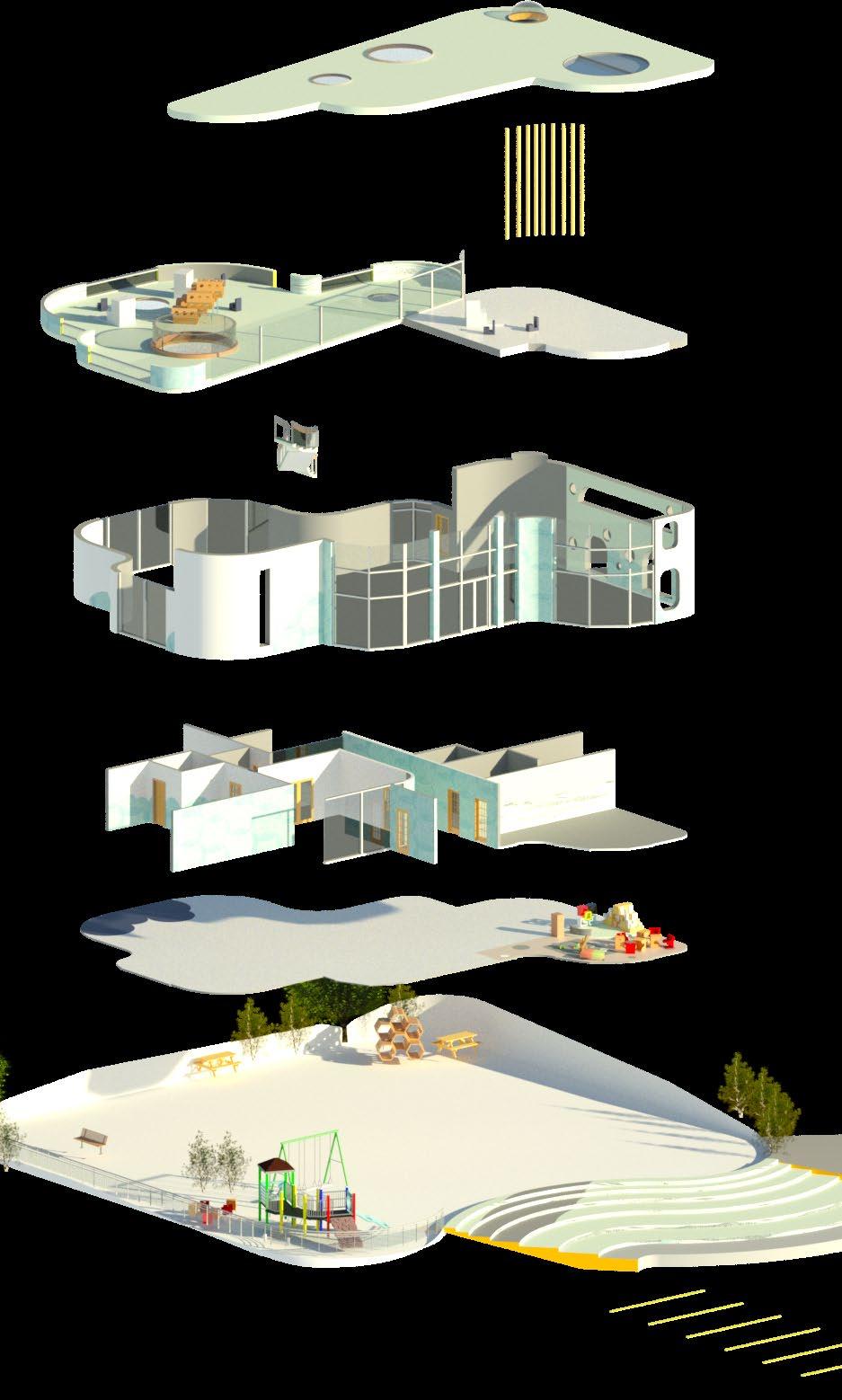
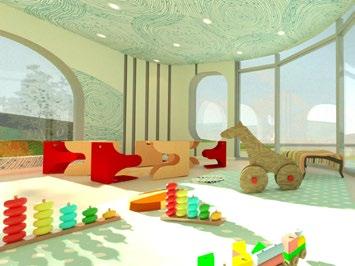
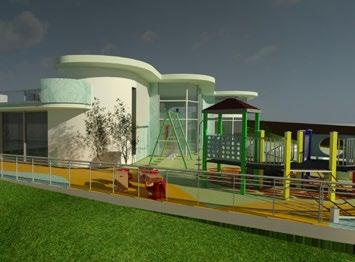
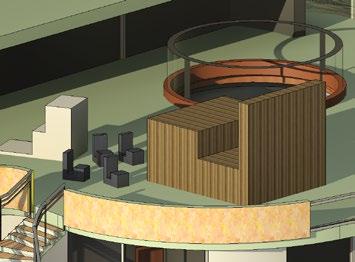
A children’s daycare project focusing on planning and rendering in Revit. It is for Revit learning and practicing purpose.
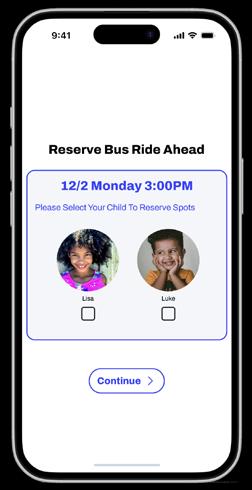
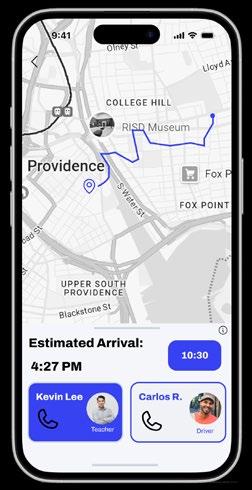
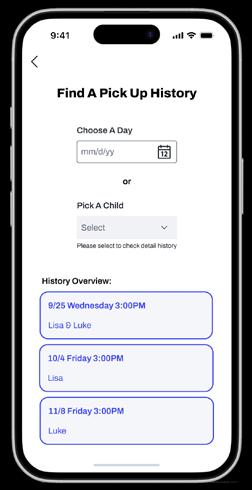
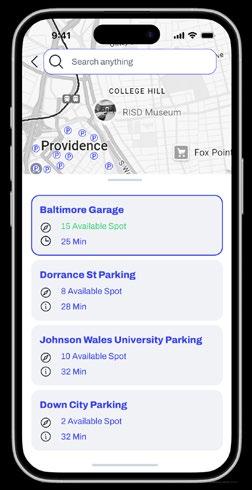
UIUX - HOW TO IMPROVE DT PVD
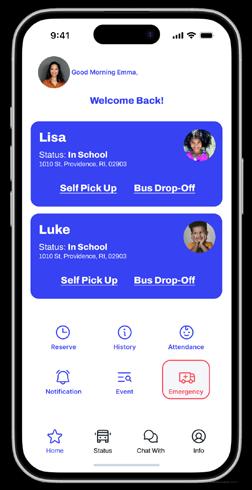
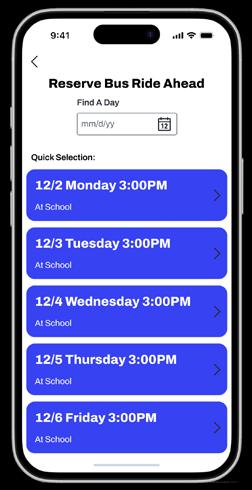
Using UIUX as a tool to identify what needs to be improved in downtown Providence area, and come up with an app to solve the problem. This is a app which build connection between school and parents, which allow a mlevel up security for kids pick up and drop off tracking.