
CELEBRATING 150 YEARS OF THE OPERAGOODSPEED HOUSE!
CELEBRATING 150 YEARS OF THE OPERAGOODSPEED HOUSE!
A
The Snow Goose: A Dream Takes Flight
Designing The Snow Goose
Leaving Your Legacy
Save the Dates!
You Can Make Our Wish(list) Come True
Sponsor Spotlight: Stonington Vineyards
150 Years of the Goodspeed Opera House
Making Memories with Andrew Lloyd Webber
Brush Up on The Paint Shop
Goodspeed Games: Crossword Puzzle
is a publication of Goodspeed Musicals
MEMBERSHIP & ANNUAL FUND MANAGER
Rebekah Moses | 860.615.0365 | rmoses@goodspeed.org
BOX OFFICE | 860.873.8668
ADMINISTRATIVE OFFICES | 860.873.8664
PRIVATE MEMBER LINE | 860.873.3414
WEB | goodspeed.org
EDITOR | Rebekah Moses
DESIGNER | Katie Desjardins
CONTRIBUTORS
Katie Desjardins
Donna Lynn Hilton
Sarah Kayser
Will Kenny
Vanessa Logan
Rebekah Moses
Amanda Stern
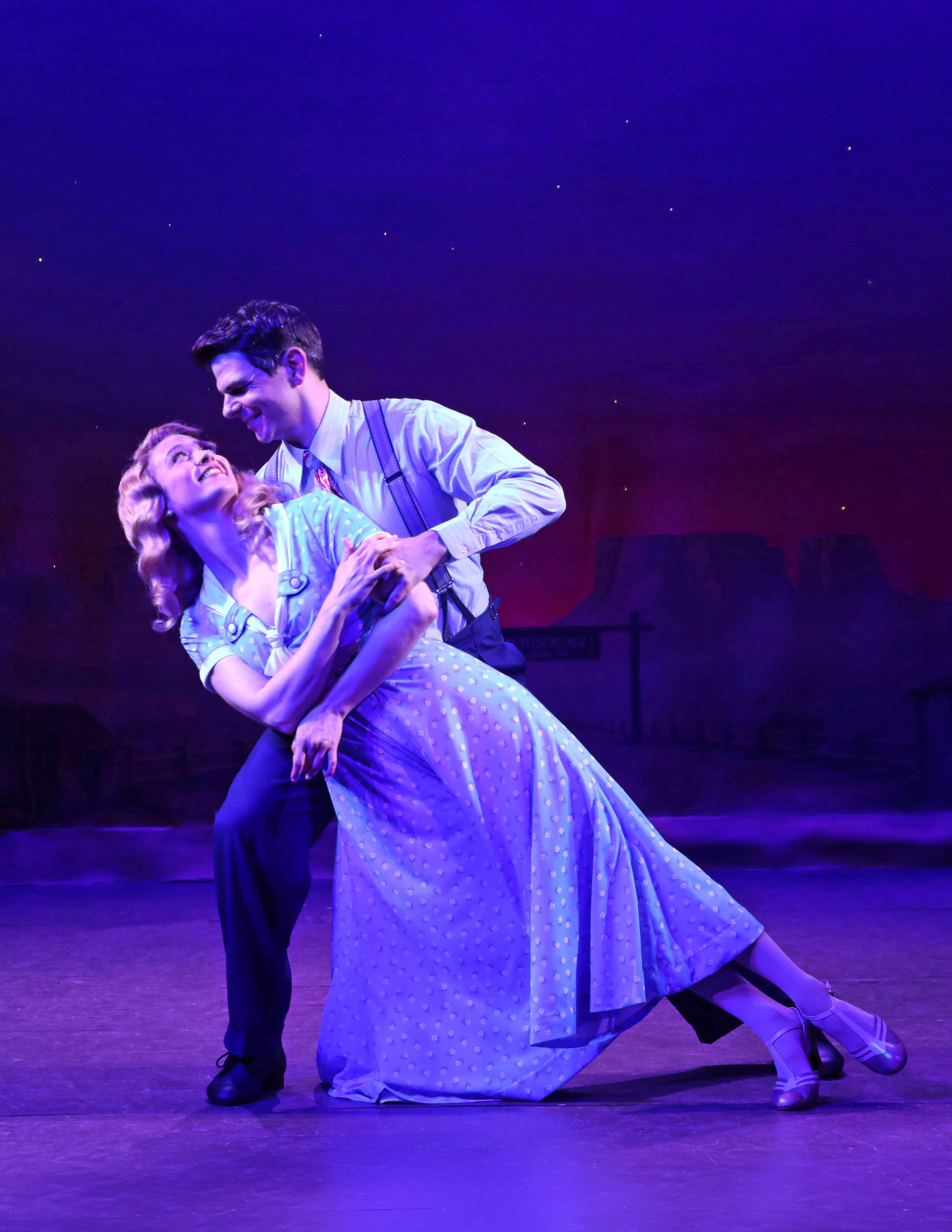
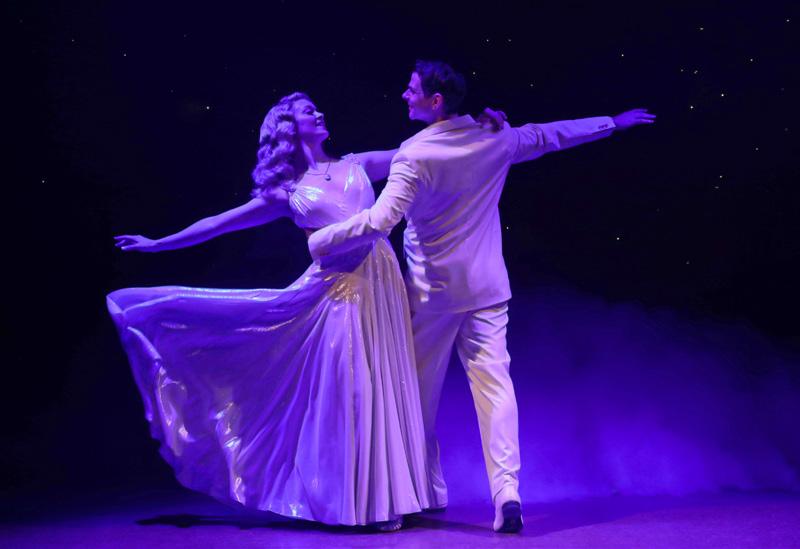
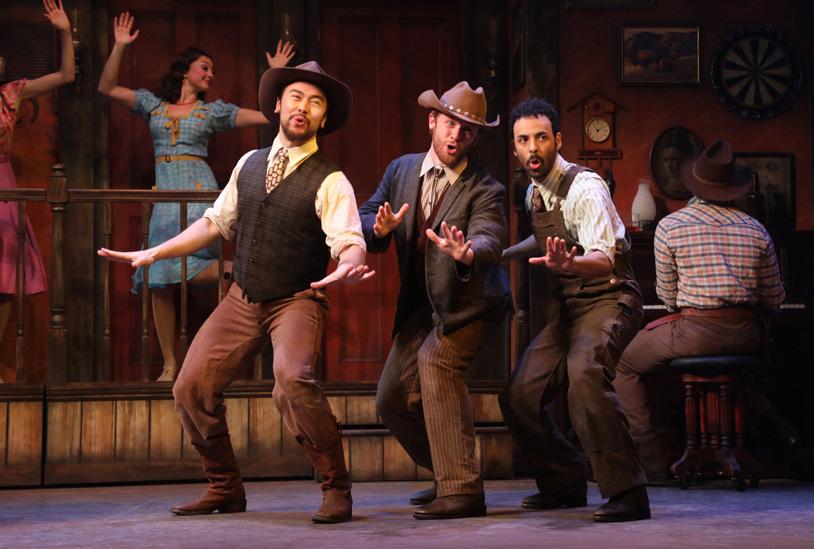
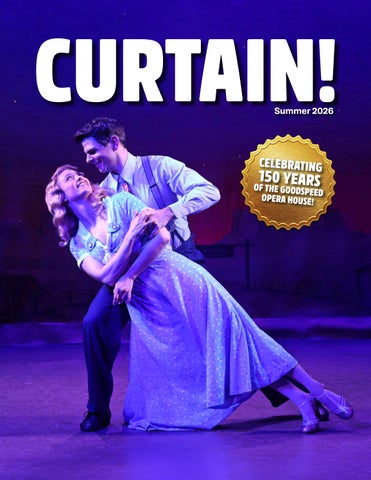
Cover Photo: Brittany Zeinstra and Will Burton in Crazy For You, photo by Diane Sobolewski.
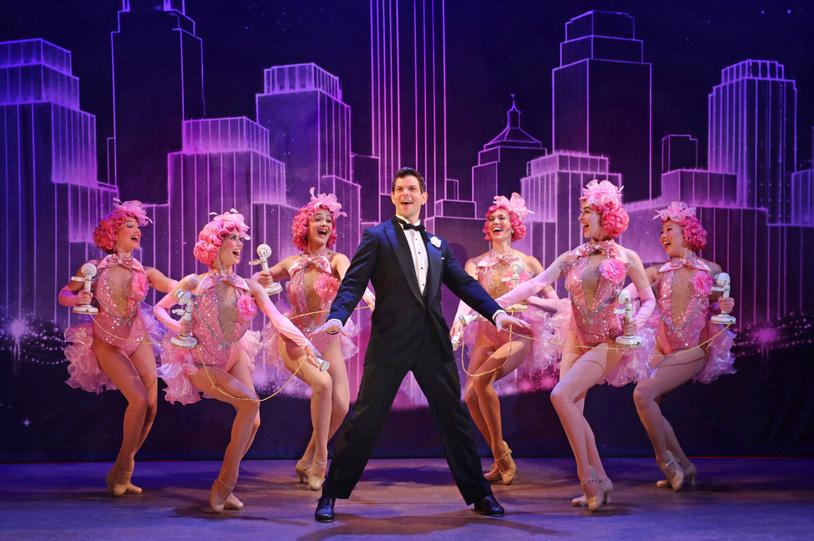
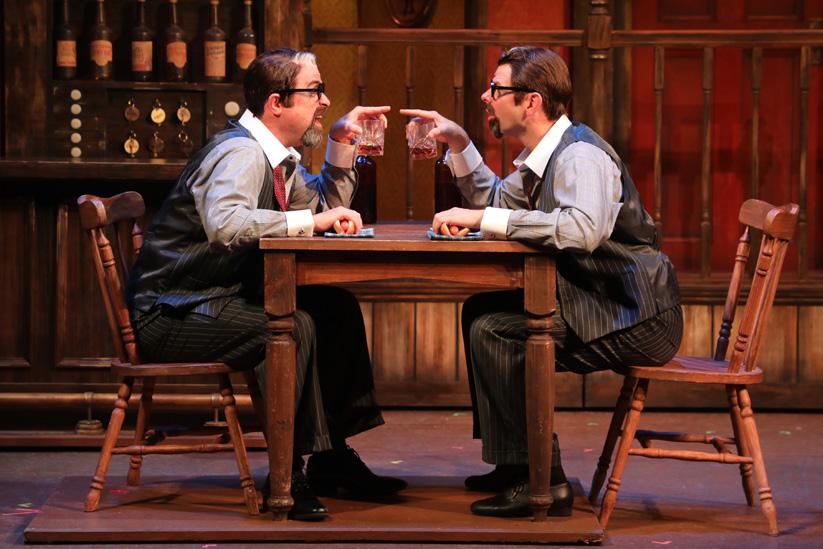
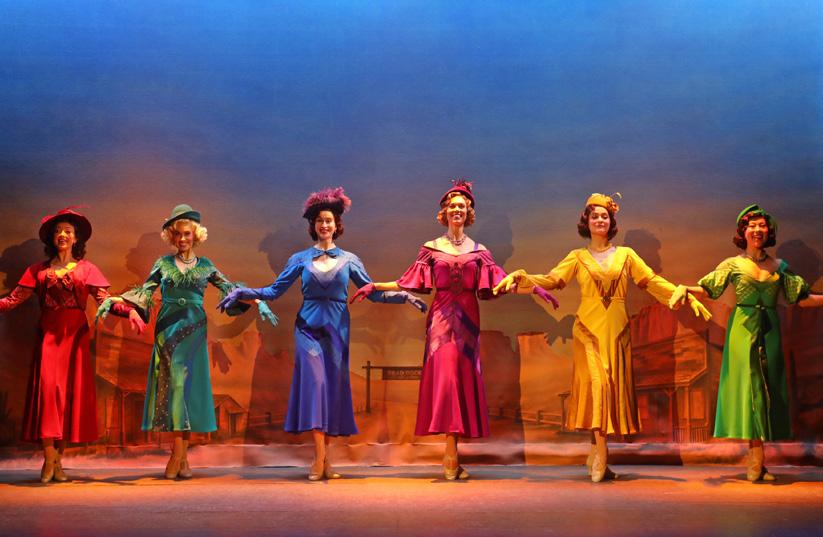
Crazy For You photos to the
and Will
and Will
Dear Friend,
It is summer on the Connecticut River, and we have cleared the sand from our stage to transition into the toetapping tunes of George & Ira Gershwin’s Crazy For You. This is a special summer as we celebrate America 250 and the 150th anniversary of the Goodspeed Opera House!
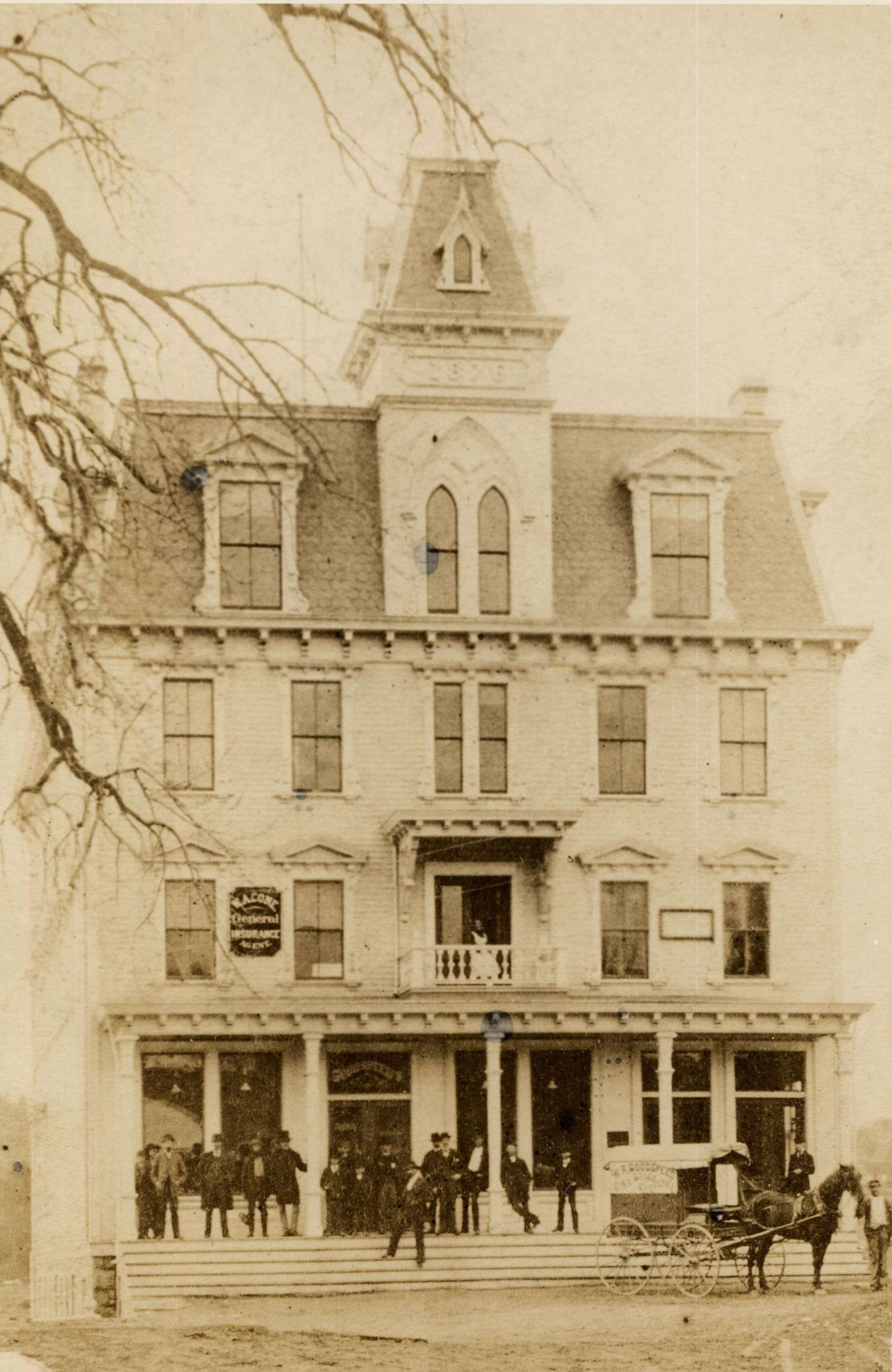
In 1876, William Goodspeed built an ornate Victorian opera house in his hometown of East Haddam, and it quickly became a gathering place for the community. The Goodspeed Opera House hosted the town’s post office, general store, docks, and other markets in the levels beneath a beautiful theatre that produced traveling shows and community celebrations. William’s vision placed this remarkable theatre on the map. But our landmark has been sustained for generations by the generosity and dedication of those who believed in its impact.
We all owe a special debt to “the Saviors of the Goodspeed,” Libby M. Kaye and Marian D. Terry. These remarkable women—alongside Vivien Kellems, the Muriel and Lynde Selden Family, and other visionaries—founded The Goodspeed Opera House Foundation in the late 1950s to protect the Opera House from demolition.
Mrs. Terry and Mrs. Kaye understood that saving the Goodspeed Opera House meant more than preserving a building; it was about preserving a community. We are indebted to them and to all of those that followed their good lead because they believed future generations deserved this beautiful place where artists could create, audiences could gather, and stories could come alive.
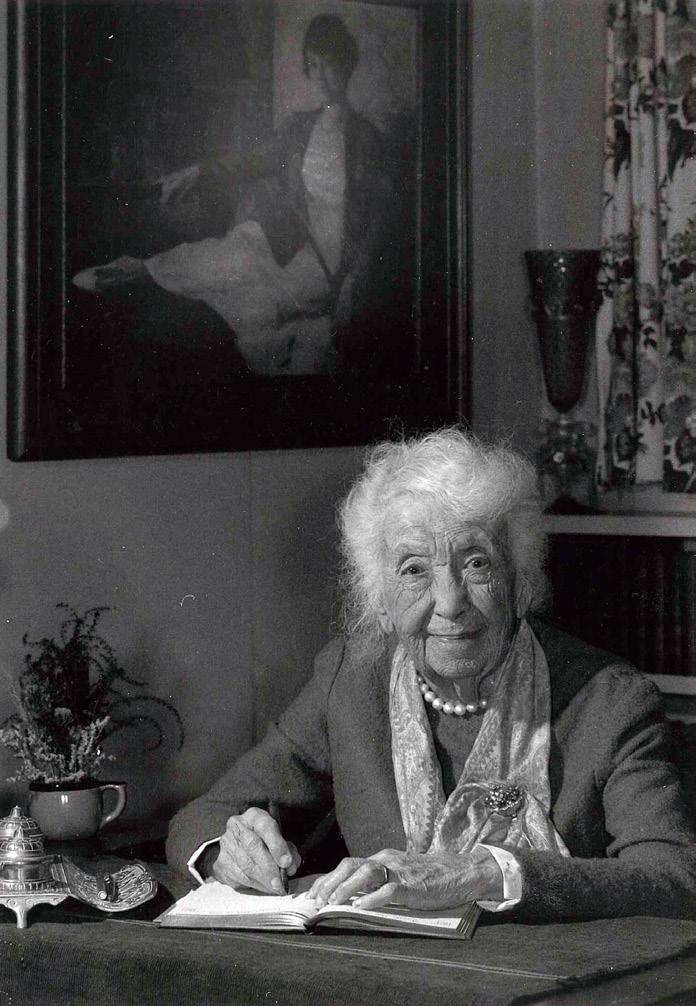
A portrait of Marian Terry has long hung in the Managing Director’s office. It was one of the first things to greet Vanessa when she joined Goodspeed last August. Over this past year, her presence has become a reminder to us both that we are not simply caretakers of a theatre but stewards of a legacy entrusted to us by those who came before.
As we celebrate the 150th Anniversary of the Goodspeed Opera House and reflect on our nation’s 250th anniversary, we hope you will look toward the future with us. We honor those early champions not only by remembering them but by continuing their work.
Thank you for being a Goodspeed advocate. Together, we ensure the Goodspeed Opera House continues to open its doors for generations to come.
With Gratitude,
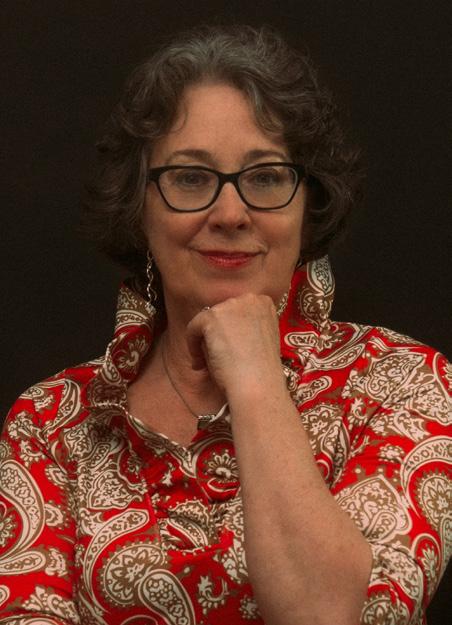
Donna Lynn Hilton Artistic Director
Vanessa Logan Managing Director
The Great Marsh lies on the Essex coast between the village of Chelmbury and the ancient Saxon oyster-fishing hamlet of Wickaeldroth. It is one of the last of the wild places of England, a low, farreaching expanse of grass and reeds and half-submerged meadowlands ending in the great saltings and mud flats and tidal pools near the restless sea.
[The first paragraph of The Snow Goose: A Story of

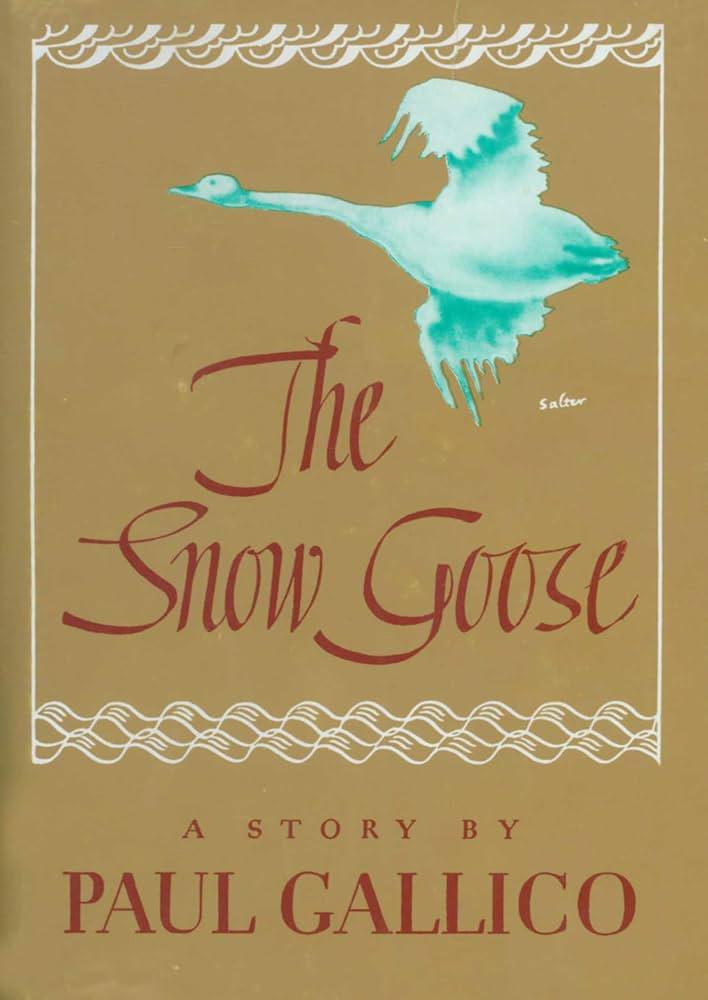
The origins of The Snow Goose date back more than 80 years to 1940, when Paul Gallico’s short story The Snow Goose: A Story of Dunkirk was first published in The Saturday Evening Post.
The story was later expanded into a novella and published on April 7, 1941. More than 44 years later, Goodspeed’s Artistic Director Donna Lynn Hilton was given that novella for Christmas in 1985 and instantly fell in love with Gallico’s beautiful prose.
encounters an isolated and reclusive man called Philip Rhayader. The two of them begin to heal the bird together. A friendship is formed that not only changes their lives but impacts the entire community and saves the lives of many as the story progresses. It’s a parable about friendship, ultimately, and more deeply, our connection to the natural world and our place in it.”
While developing the musical, Claire and Scott decided to take a research trip to a little fishing town on the Essex coastline. Claire explains, “We went to a local pub where there’s a big tradition of singing folk songs and telling stories in a communal setting.” Inspired by what they heard, the pair started to write their own folk song that was heavily inspired by that English tradition.
“I have always felt it could sing,” mused Hilton. And in 2020, she banked on that instinct when she needed a big idea to pitch to the board of trustees at her interview to become Goodspeed’s first Artistic Director. Clearly the trustees were impressed, because Hilton was hired. In 2022, she optioned the book and commissioned Scott Gilmour and Claire McKenzie to write the musical.
“Since then,” said Hilton, “we have lovingly developed the show through multiple readings and workshops as well as a very popular appearance in our 2024 Festival of New Musicals."
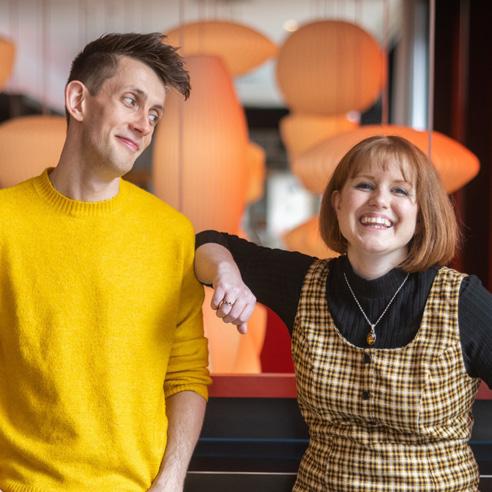
Scott Gilmour & Claire McKenzie are recent recipients of the prestigious Jonathan Larsen Grant and have written, developed and produced over 20 new works together, including Hi, My Name Is Ben which had a developmental production at Goodspeed’s Terris Theatre in 2019.
The Snow Goose tells the story of Frith, a girl who finds a wounded snow goose in the marshlands surrounding her home on the Essex coast of England. Scott Gilmour explains, “She finds the wounded bird, and, panicked, looks for somewhere to take it to be healed. She runs to a nearby lighthouse and
“From there, it has expanded into a slightly more epic score,” says Claire. “And our goose, obviously has its own sound. We’re using instruments like the English horn to represent that character as well as a box harmonium, which is very much like the reeds and the sound of the English countryside.”
"Claire and Scott's score is an extraordinary example of music supporting the needs of scene work, and it truly soars," says resident music director Adam Souza. "Goodspeed's onstage 9-piece orchestra will bring this evocative sound to life, featuring a blend of contemporary art song and English traditional music with an exciting pop sensibility. I'm most excited to bring a new sound to our audience and to be onstage with our company of actors to tell this touching story."
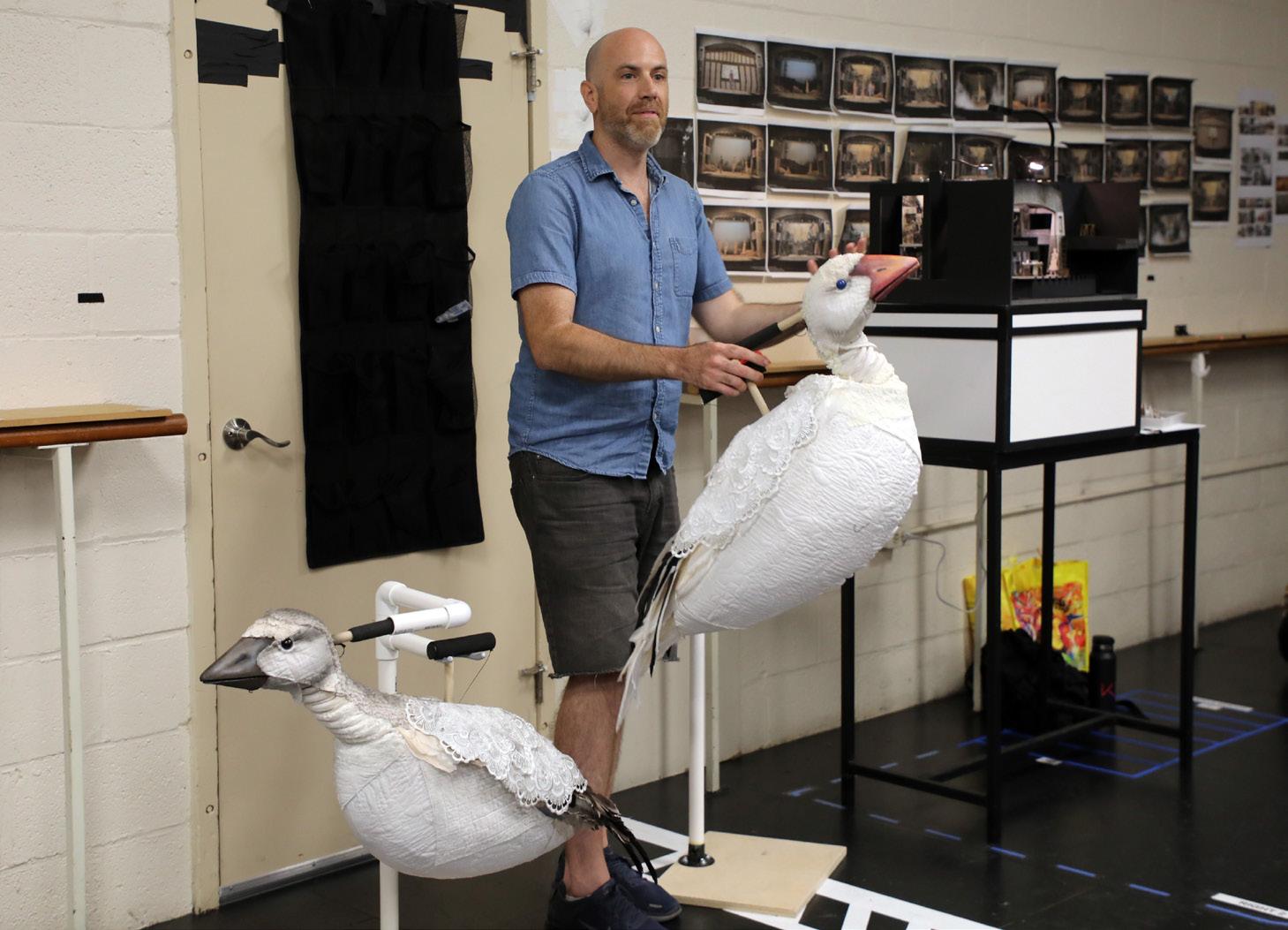
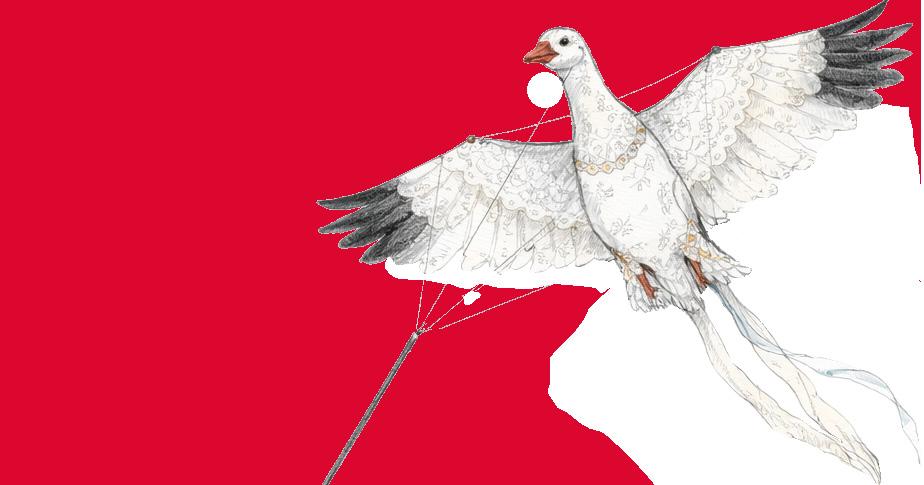
Director Marshall Pailet describes the musical as “a sweeping tale of love, purpose and the value of life featuring a character who is... well... a snow goose.” But we can’t train an actual goose and bring it on stage, so we had to figure out how to represent this very important character (named Princess). That’s when acclaimed puppet designer Nicholas Mahon joined the team.
“One of the things I love about working with Marshall is that he approaches the creative process by asking, 'What does this want to be?' rather than 'What should this be?’” says Mahon. “It begins with the belief that the characters and the story already carry a soul of their own, and our work is to listen for it. That spirit guided our initial puppetry workshop. I built a simple prototype—less a finished design than a gathering of ingredients—so we could play, experiment, and discover what felt alive. Different materials and gestures emerged for different moments, each chosen for the emotion it could express. The performers themselves became an essential part of the design, their presence woven into the life of the puppet. In creating the next version of Princess, we continue in that same spirit: bringing together objects, materials, movement, and human presence until something unexpected begins to breathe—until a collection of parts becomes a living story.”
“She will fly above the stage, around the balcony, and directly over your head—she will bring you joy and tears, but never will you lose sight of what truly brings her life: a community of artists,” says Pailet.
The character of Philip is described in the first pages of the novel as “…a lonely man. His body was warped, but his heart was filled with love for wild and hunted things. He was ugly to look upon, but he created great beauty. It is about him, and the child who came to know him and see beyond the grotesque form that housed him to what lay within, that this story is told.”
Donna Lynn Hilton explains, "Research suggests many possible explanations for Philip’s physical presentation. That said, given the novel was penned several decades ago, and the words we use to describe disability and difference are wildly different today than they were at that time, it is likely we will never know Philip's diagnosis. But it is true that Philip’s physical presence is a factor in the story. Early in the development of the musical, we committed to authentic representation by physically disabled artists for the stage production."
"Portraying disability on stage is not just about representing circumstance, it's about representing culture," said Talleri McRae, the accessibility consultant for The Snow Goose. She continued, "When a theatre casts an actor who lives with their disability every day, who understands the nuances of being disabled by inaccessible environments on a regular basis, their performance is so often light years ahead of a performer who is 'putting on' a disability only for the time they are on stage. Furthermore, the design, direction, and other storytelling elements often benefit from authentic casting as well. Responsible representation lives in the details—and casting actors with disabilities is a great way to explore the nuts-andbolts specifics of what having a disability looks like and feels like in a tangible way—and then share that with an audience."
"This is not the first time recently that Goodspeed has committed to authentic representation across our work," says Hilton. "Audiences will recall seeing that choice reflected in Private Jones and A Complicated Woman at The Terris, and at The Goodspeed with South Pacific, to name just a few. These choices require that our entire organization—from the front of house team to the production team, the marketing team, to the creative team in the rehearsal studio— consider a wide variety of perspectives and allow those perspectives to shift our practices. That we become comfortable working through the fear that we may not get it ‘right’. That we learn, and grow, and become more compassionate humans by working
to see things through the eyes of people whose lived experiences might be very different from our own in some ways, and very similar in others."
As an accessibility consultant Talleri McRae's job is to advise organizations, productions and creative teams, in order to meet the needs of artists and audiences. She explains that for The Snow Goose, she has "supported the good work of the writing and directing team, and offered lots of language to the casting team, the production team, and Goodspeed staff members." She remarks, "It's interesting, isn't it, that as a society, we don't have a lot of practice talking about disability? Sometimes folks just need permission to say the words."
In the rehearsal room, McRae "supports the creative and stage management teams to be sure that artists with disabilities have as many of their needs met as possible. It's a dream job for me—I get to be a part of rehearsal, witness a story coming together, and support people as they come up with creative, accessible solutions."
Hilton affirms that "The commitment to authentic representation has enriched The Snow Goose immeasurably. In truth, it is defining The Snow Goose. And, as a result, we are creating a piece of theatre unlike anything ever experienced at The Goodspeed."
After years of writing, rewriting, and development, The Snow Goose will finally begin its world premiere flight on August 28. “We’re thrilled that we actually get to premiere the show for the first time at Goodspeed very soon,” said Scott Gilmour. “It’s an exciting time and I can’t wait to see the goose fly.”
“If you are a fan of new musical theatre, you absolutely don't want to miss the show,” says Hilton. “It brings together a great number of elements to tell a beautiful, heartfelt story. There's puppetry, there's a magnificent score, and there's beautiful staging by Marshall Pallet and Misha Shields. Goodspeed audiences who loved Anne of Green Gables and Maggie are going to love this show and be part of helping us move it to the next stage of its life. Now you will be able to say: ‘I saw it first at Goodspeed.’ Thrilling, isn’t it?”
Still need tickets?

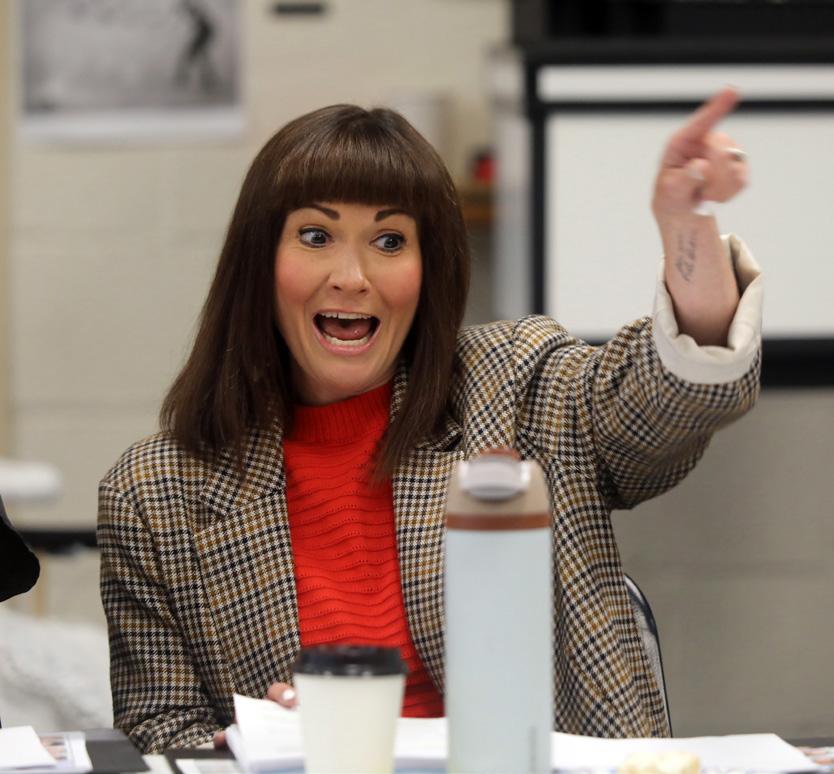
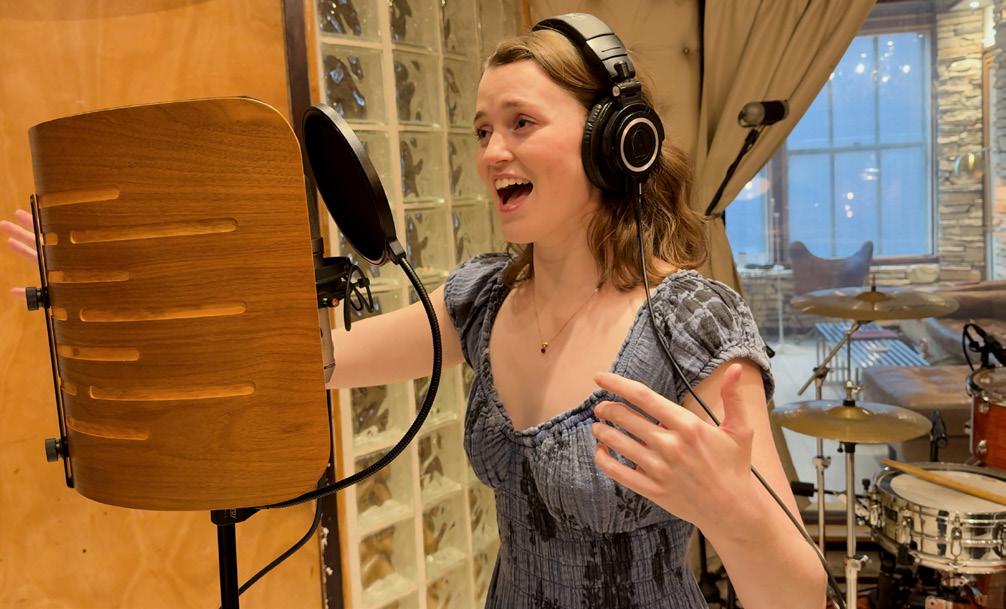
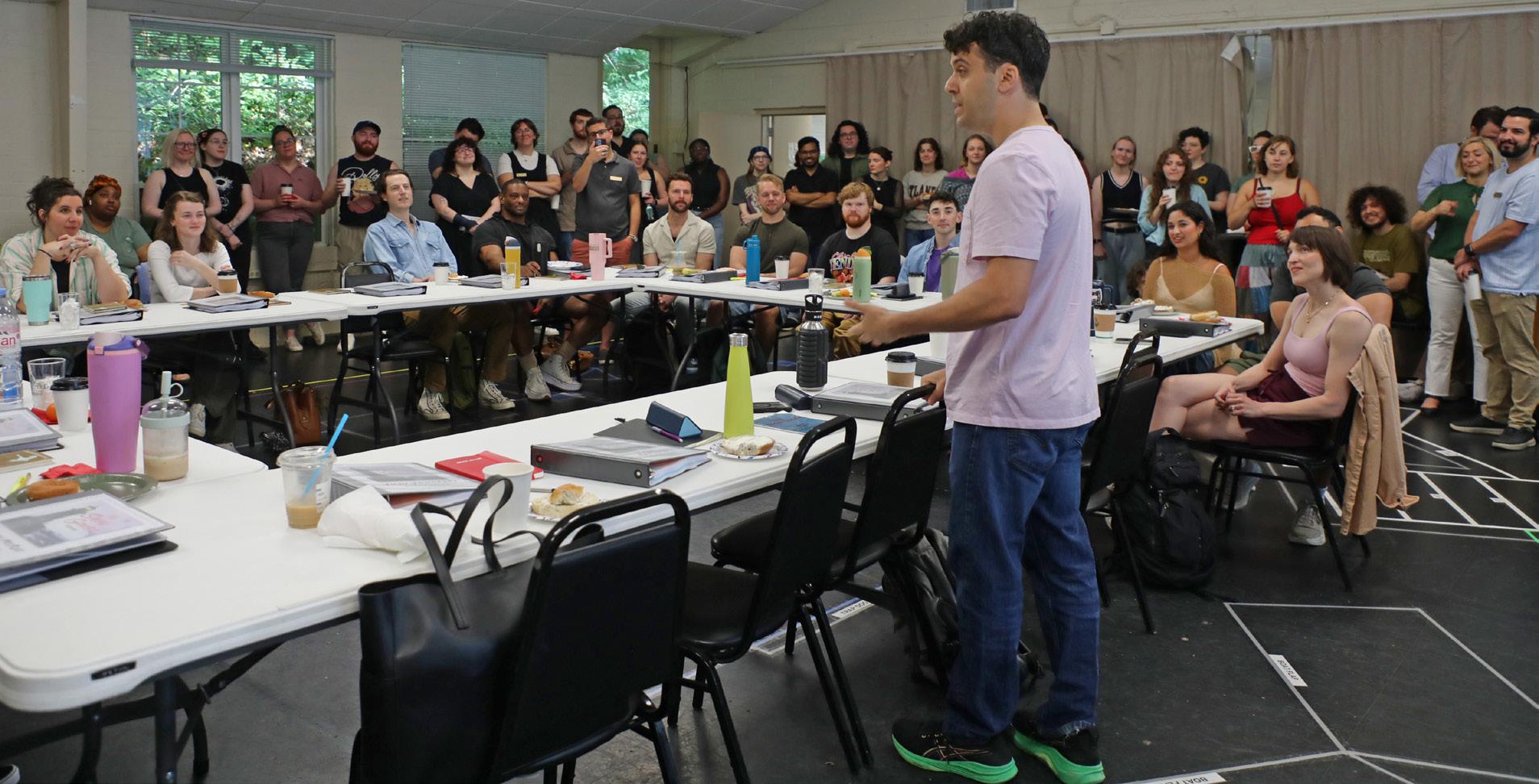
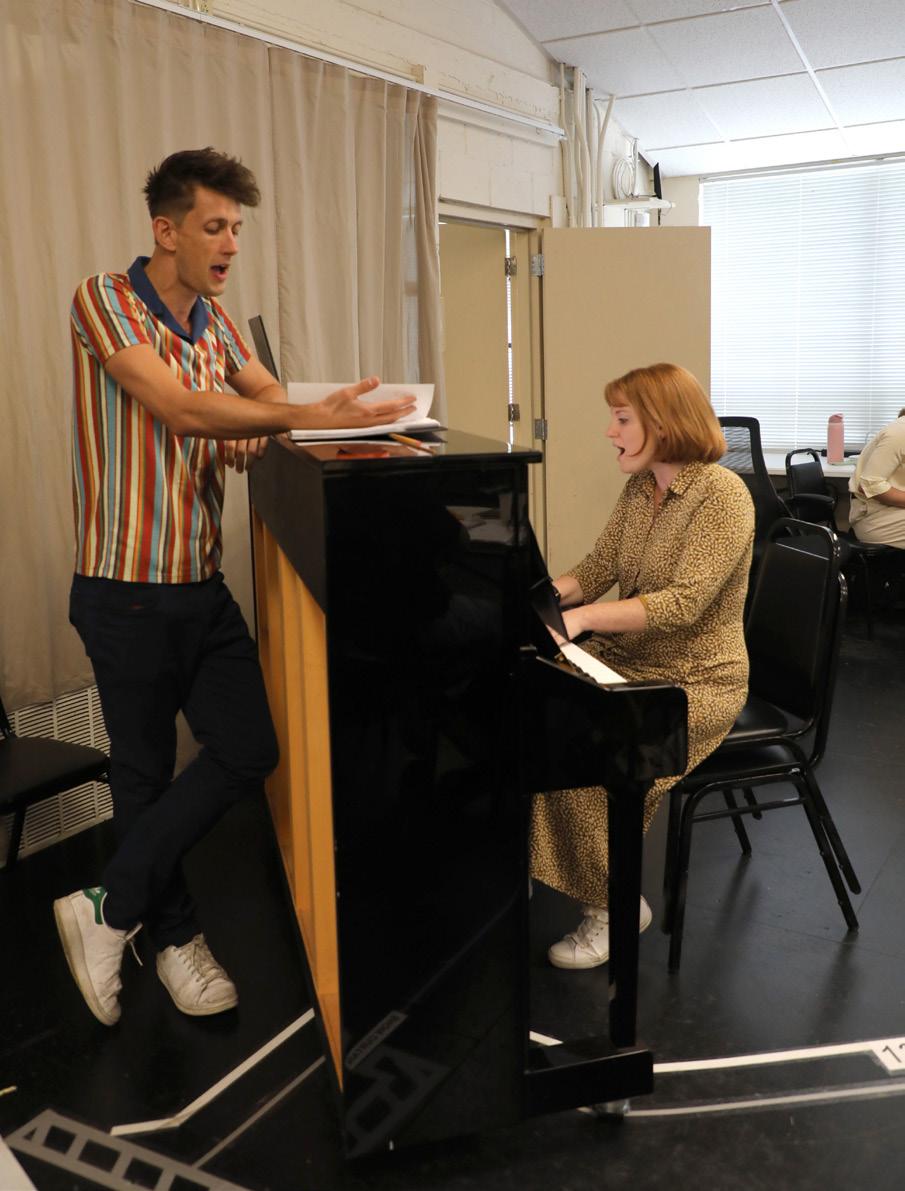
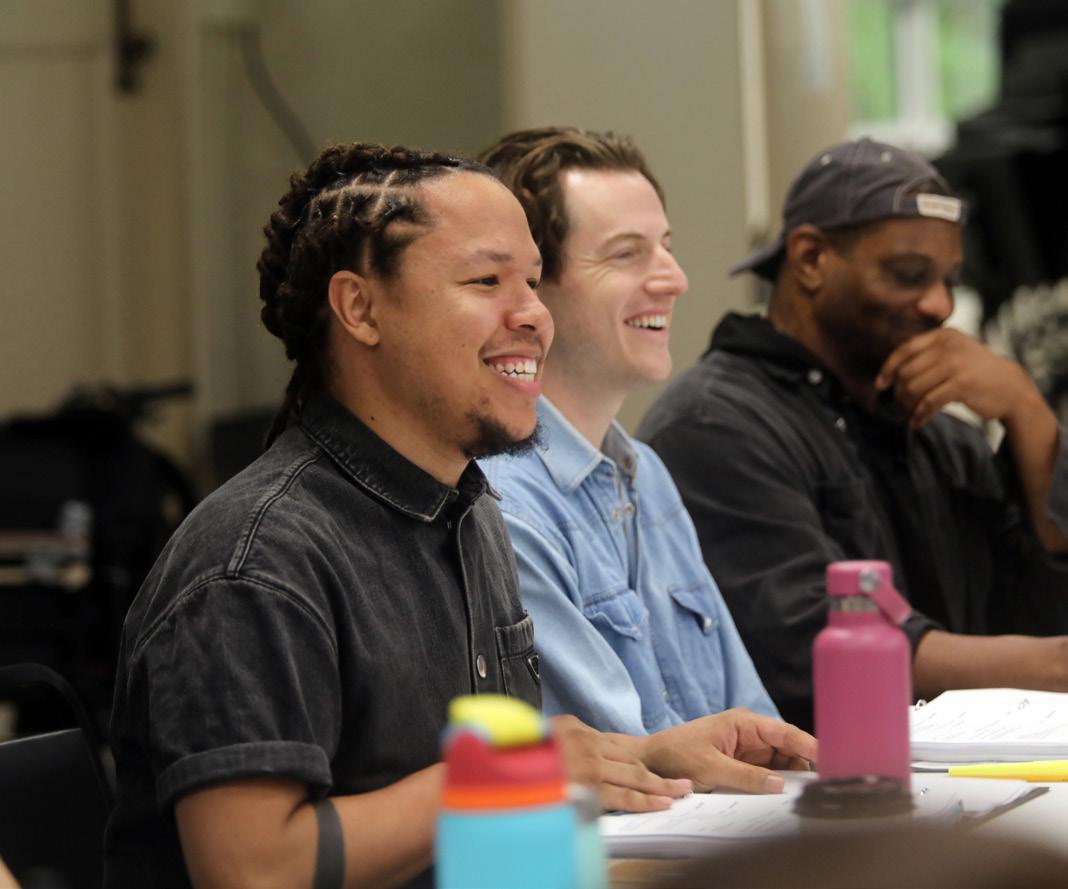
PHOTOS: (Top left to bottom) Director Marshall Pilait discusses his vision for the musical with the company and staff at the first day meet-andgreet; writers Scott Gilmour and Claire McKenzie perform a song during the first read thru; Eric Graise (Philip Rhayader), Sam Sherwood (The Bard), and David Aron Damane (Garrick) at the first read through; Amy Hillner Larsen (Ms. Rumsey) at the first rehearsal. Photos by Diane Sobolewski.
BY KATIE DESJARDINS | ASSOCIATE DIRECTOR OF MARKETING
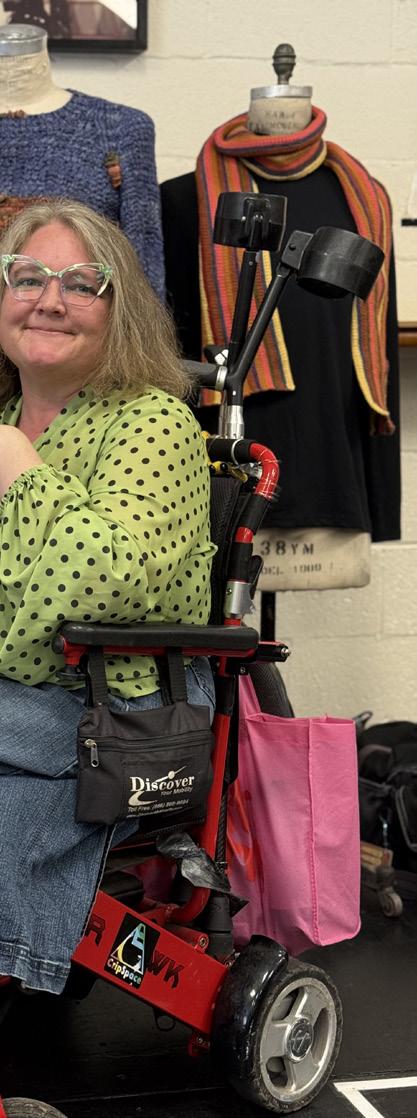
Why did you decide to become a costume designer, and specifically, to design for disabled people?
I fell in love with theatre at a very young age. I was Dorothy in The Wizard of Oz in kindergarten, but it wasn’t until eighth grade that I discovered costume design. We watched a video about Queen Elizabeth I, and when I saw her wardrobe, I knew I had to make one of those gowns. I learned how to thread a sewing machine, made an Elizabethan gown, and I’ve been designing costumes ever since.
Right out of high school, I had the opportunity to work with PHAMALY Theatre Company in Denver, Colorado. Soon after, I became their costume designer. The entire company was made up of disabled performers, and that became my standard. I’ve designed more costumes for disabled performers than abled performers.
What’s interesting is that I came to PHAMALY as a disabled designer without realizing I would be designing for disabled performers. It wasn’t something I sought out. We just fit together. In a way, Disability theatre found me.
What is your design philosophy?
My design philosophy is rooted in Disability. I bring a Disability lens to every production because it is how I move through and understand the world. That perspective shapes the questions I ask about every character. What are their disabilities, what is their vocation, and how has that affected their clothing? Clothing holds the history of a person’s life, and I use those questions to uncover the story the costume needs to tell.
I draw from Disability culture, history, scholarship, and lived experience as sources of design knowledge. That perspective informs every aspect of my work, whether I’m designing disabled characters or not. Disability is not simply part of my identity. It is the foundation of my artistic practice.
Are there any special skills or considerations needed when designing for disabled people?
I wouldn’t use the word "special" because, in the end, everybody has a body. Designing costumes always means thinking about how clothing moves, where it puts pressure on the body, how someone gets dressed, and what they need to do on stage. Those are considerations for every performer. With disabled performers, they simply become essential.
As a visibly disabled designer, I also find that I enter the fitting room differently. Many disabled performers have spent their lives being stared at or asked intrusive questions about their bodies in public. There’s often an immediate understand ing that allows us to have more open conversations about their bodies, their movement, and what they need from their costume. That trust becomes part of the design process.
Designing for disabled performers is collaborative. Disabled people are experts in their own bodies, and the best de signs come from listening, experimenting, and creating together.

What excites you about designing The Snow Goose?
The Snow Goose is a story about relationships, but it’s also a story about isolation, community, care, and love. What excites me most is the opportunity to imagine what Disability culture might have looked like in this world.
I’m interested in what happens when Disability culture becomes part of the design process from the very beginning. Theatre has largely taught audiences what disability is through stories created by abled people. Disability is often constructed to elicit emotion rather than being rooted in the history, culture, and lived experience of disabled people.
The other thing that excites me about working on a new musical is that no one knows exactly how it will end. A new piece is always evolving, and it has the potential to surprise everyone involved, including the designers.
Tell us about your designs for The Snow Goose. What was your inspiration? What research goes into creating costumes for the specific time and place of this show?
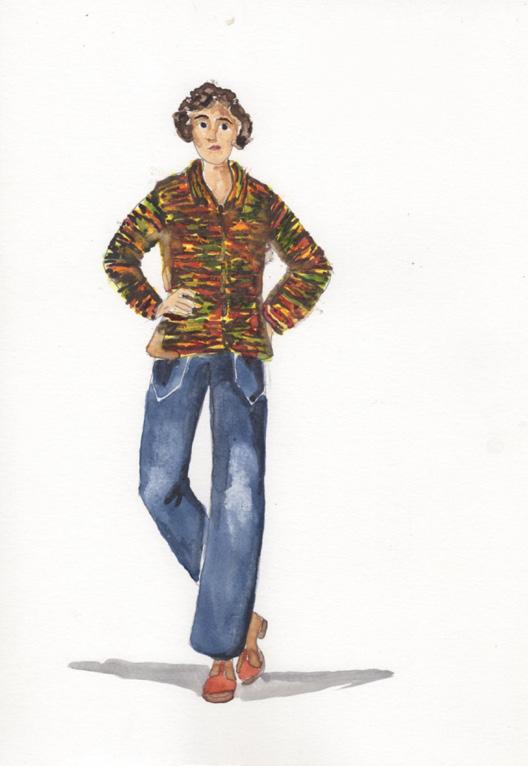

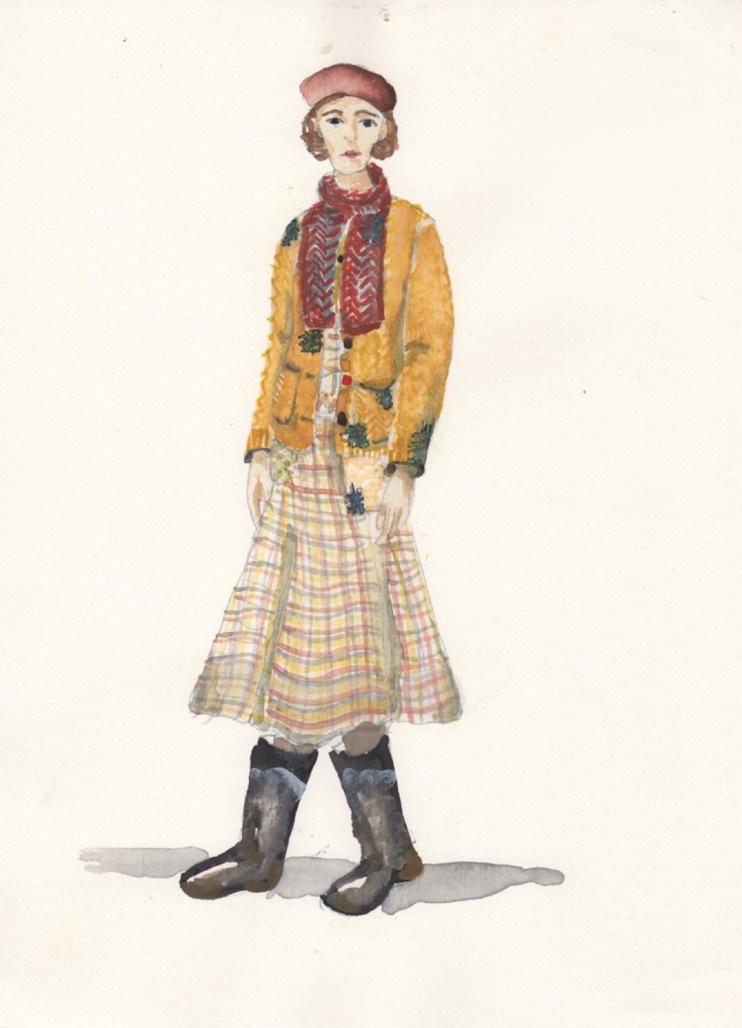
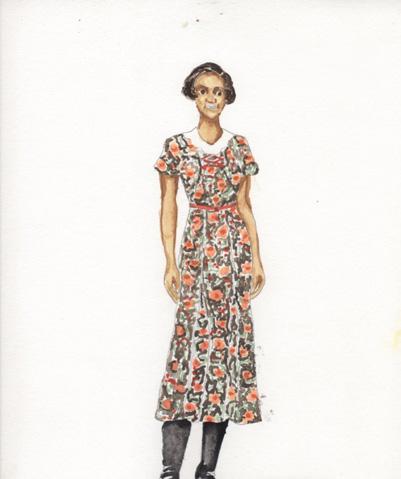
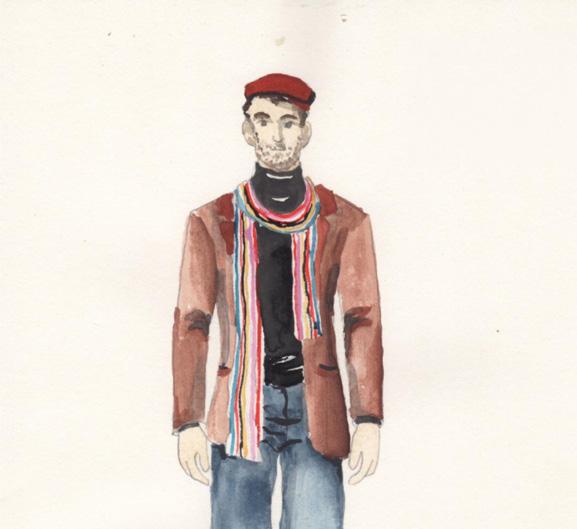
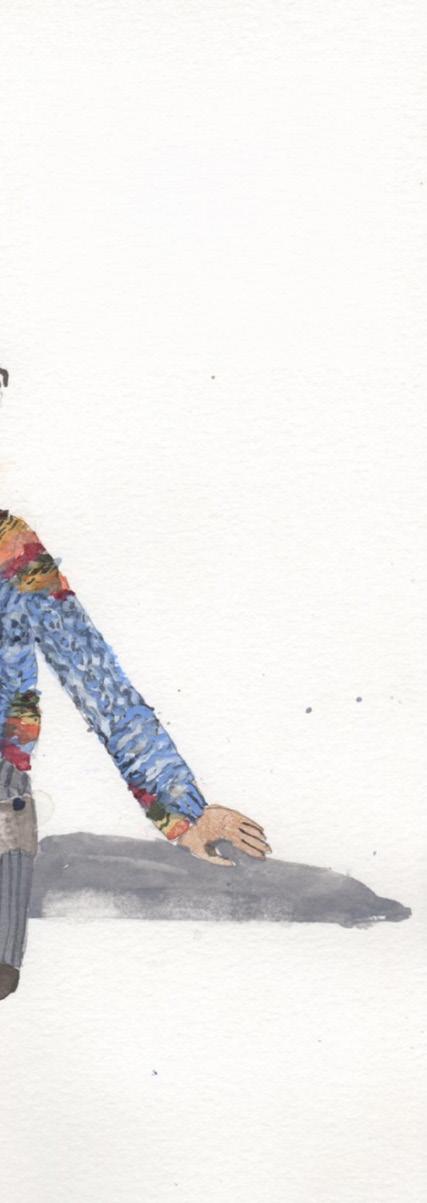
My research started with the world of the play. Rural fishing villages in Essex in the 1930s looked very different from the fashionable image many people associate with that decade. There is a quiet, utilitarian quality to the clothing. Garments were made to work, to last, to be repaired, and often to be handed down. That history naturally led me to knitwear.
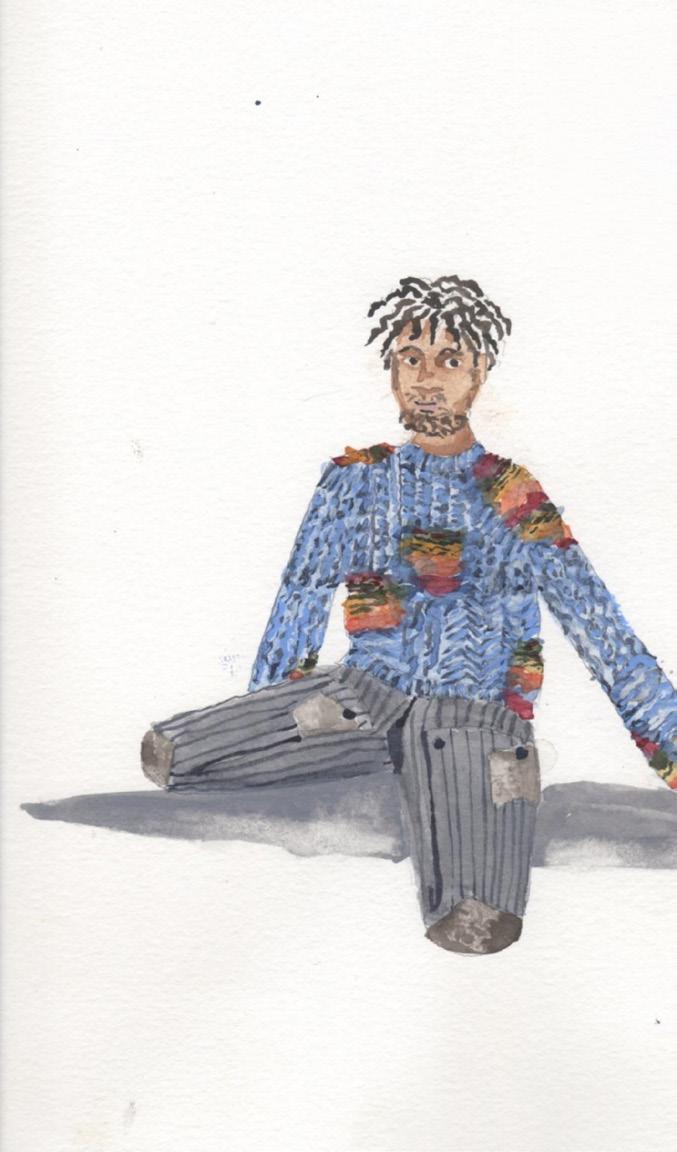
a disabled fisherman living in the Essex marshes in the 1930s. Disabled people were there, but they were rarely the ones preserving or telling their own stories. Designing Philip meant imagining a visual history that was never recorded.
Philip looks wild to the eye, but he’s actually quite ordered. As an artist, he takes discarded objects and transforms them into sculptures, finding beauty where others might not think to look. I wanted his clothing to reflect that same way of seeing the world. Somewhere during the design process, his sweater became a Crip artifact. It carries Philip’s history and offers another way of understanding who he is.
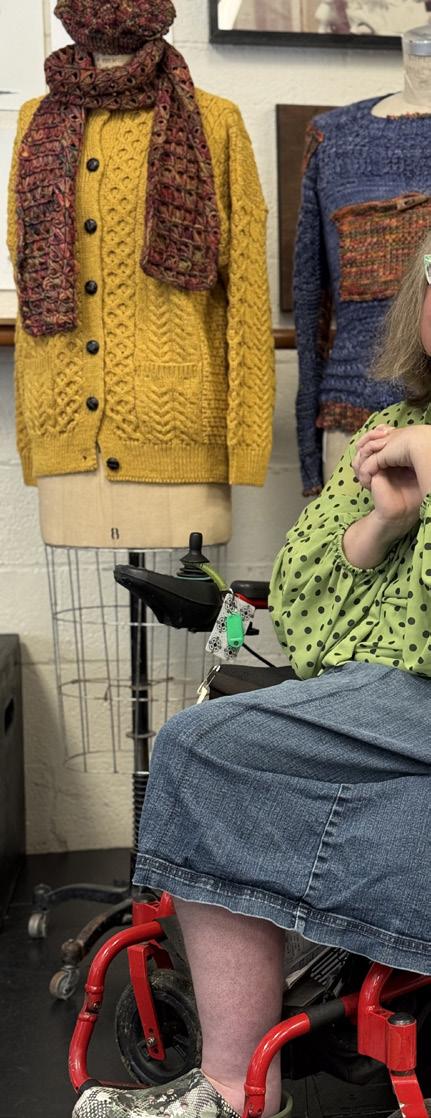
The knitwear also gave me the opportunity to bring Disability culture into the making of the production itself. Frith’s hat and scarf were created by Annie Jose, a disabled fiber artist. I love finding opportunities to include disabled artists in the creative process. It allows Disability culture to exist not only in the story being told, but in the way the story is made.
Although the research grounded the designs, the color palette came from somewhere more personal. When I first read the script, I kept picturing the sunset over the marsh. The palette grew from those luminous evening skies: warm golds, amber, apricot, peach, coral, rose, lavender, and deep violet. Those colors became the emotional landscape of the production. My hope is that they not only capture the beauty of the marsh, but gently pull the audience’s eye into the story and invite them to experience the world through that landscape.

Knitting has long been part of fishing communities. In some places, villages developed their own distinctive sweater patterns that identified where someone came from. I loved the idea that knitwear could become another way of telling the story of this community, and it grew into a design element that runs throughout the production.
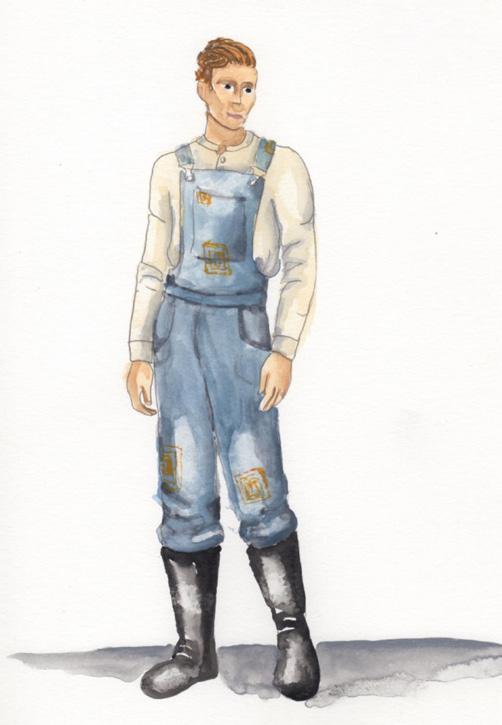
There are almost no photographs of
I’d like to thank Goodspeed Musicals, Donna Lynn Hilton, Michael Fling, and Marshall Pailet for this opportunity. This production marks an important milestone in my career because opportunities like this have rarely existed for disabled costume designers. Disability has only recently begun to be recognized on stage through disabled performers. We have hardly begun to think about disability behind the scenes, let alone imagine disabled people as costume designers, directors, or other members of the creative team.
Part of my work has been documenting these experiences. To my knowledge, I’m the only person writing in English from the perspective of a disabled costume designer. If we don’t record our history, our ideas, and our practice, they’ll continue to be absent from the profession.
Tuesday, Aug 4
7:30pm at The Terris Theatre
Member Insider Event: The Snow Goose
Monday, Aug 10
11am on The Goodspeed Front Plaza
50th Annie-versary Celebration
Friday, Aug 28
The Snow Goose begins
Tuesday, Sept 29
Member Insider Event: Annie
Tuesday, Oct 6
2027 Season Announcement Event
Tuesday, Oct 11 - 21
London & Paris Tour
Friday, Oct 30
Annie begins
Dates are subject to change. Please check your specific member benefits for access to the events listed above.
Questions?
Contact Rebekah Moses: rmoses@goodspeed.org 860.615.0365
BY WILL KENNY | INDIVIDUAL GIVING & CIVIC RELATIONS OFFICER
Adonor recently asked, “Imagine if Goodspeed didn’t exist,” and the question has stayed with me. As the Goodspeed Opera House celebrates its 150th anniversary, it feels even more profound. Looking at this remarkable building today, it is easy to assume it has always been here and always will be. The Opera House was built in 1876 as a place where a community could gather. Nearly a century later, another generation stepped forward when its future was uncertain. Libby M. Kaye, Marian Howe Terry, Vivien Kellems, Albert Selden, the Selden family, and countless others refused to let this place disappear. They gave their time, leadership, money, and conviction because, like you and me, they believed this theatre was important.
Without their generosity and civic spirit, there would have been no Annie, All Shook Up, or Shenandoah. No new musicals finding their first audiences. No artists honing their craft. No evenings spent laughing until our sides hurt, wiping away tears in the dark, or leaving the theatre seeing the world a little differently than when we arrived. Goodspeed is where we have come with family and friends to share in the ritual of theatre, where we all have made memories that feel inseparable from the theatre itself. The legacy of those who saved the Opera House is greater than the building; it is the life that has continued inside it.
For me, joining the William H. Goodspeed Legacy Society was an opportunity to become part of that tradition, one that began long before any of us arrived and, I hope, will continue long after we are gone. One step I have taken is naming Goodspeed Musicals as a charitable beneficiary of my donor-advised fund. Starting this while still in my early thirties gives the fund time to grow and allows me to continue supporting Goodspeed annually through Membership, campaigns, and special events. Legacy planning is not reserved for a particular age or stage of life; it begins when we decide something is worth supporting.
The Opera House has stood for 150 years because people stepped forward when their moment came, and I am honored to be inspired by the legacy left by donors who include Goodspeed in their estate planning.
If Goodspeed has been part of your life, I hope you will consider what role you might play in its next chapter. Perhaps that means including Goodspeed in your estate plans, naming the theatre as a beneficiary of a retirement account, life insurance policy, or donor-advised fund, or simply beginning a conversation about the possibilities. It would be a pleasure to hear your own Goodspeed story and to speak with you about the many ways a legacy gift can reflect what this place has meant to you.
The Goodspeed Opera House is still here because generations before believed it should be. Now it is our turn to carry it forward.
When you come to Goodspeed Musicals, the cast, crew, and creatives that make each show possible are usually out-ofstate visitors to Connecticut. Longtime Goodspeed supporters may already know that Goodspeed maintains over 30 residential properties, multiple production facilities, and—of course—our historic 150-year-old theatre on the river. Just like when guests come to stay in your own home, supporting the people we host in our home requires a lot of work—and supplies! This season alone, we will host approximately 350 arts professionals in East Haddam, each arriving to bring extraordinary theatre to our community.
Supporting the artists that bring Goodspeed’s work to life can take many forms. One meaningful way is by helping us provide the essential items they rely on every day. By donating items from our Amazon Whishlist, you’re directly helping offset the rising costs of housing and production requirements, while ensuring that our artists have the provisions they need.
Support Goodspeed and our visiting artists in this personal, impactful way by checking out our Amazon Wishlist at the link below!



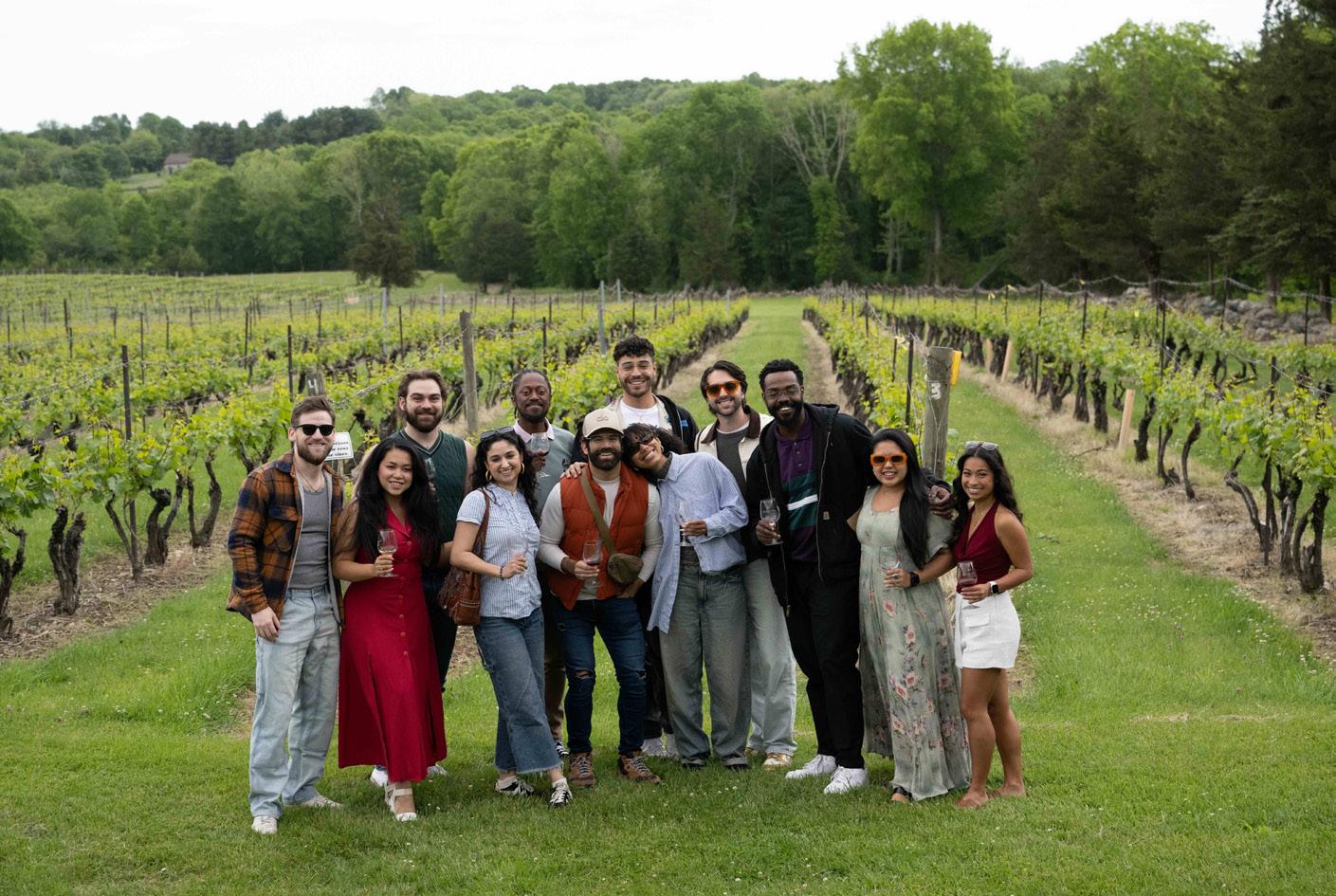
If you've ordered a drink at the Goodspeed bar or attended a wine tasting at a Member Insider Event, you may already recognize this name. If you don't, we’re thrilled to introduce you to Stonington Vineyards as Goodspeed’s 2026 Bar Sponsor.
Founded in 1987 on 58 rolling acres in the Stonington Uplands, the vineyard has spent nearly four decades building a reputation for quality, craftsmanship, and community. Winemaker Mike McAndrew has been with Stonington since its founding, earning a reputation for premium European-style wines that have won numerous awards over the years.

After purchasing the vineyard with her family in 2025, Ann Houston began an immediate effort to engage with their community. For Ann, supporting Goodspeed is personal. As both the vineyard's new owner and a dedicated Goodspeed Trustee, her investment in this partnership runs deeper than a business decision.
"Goodspeed Musicals has long been a treasured cultural institution, bringing exceptional creativity, storytelling, and artistry to all that they do with a strong sense of community. As a Trustee and Owner of Stonington Vineyards, we are proud to support Goodspeed this season as a corporate sponsor and to deepen our partnership by sharing our wines with patrons, artists, and supporters throughout the season!"—
Ann Houston, Owner


BY REBEKAH MOSES | MEMBERSHIP & ANNUAL FUND MANAGER
For decades, Goodspeed
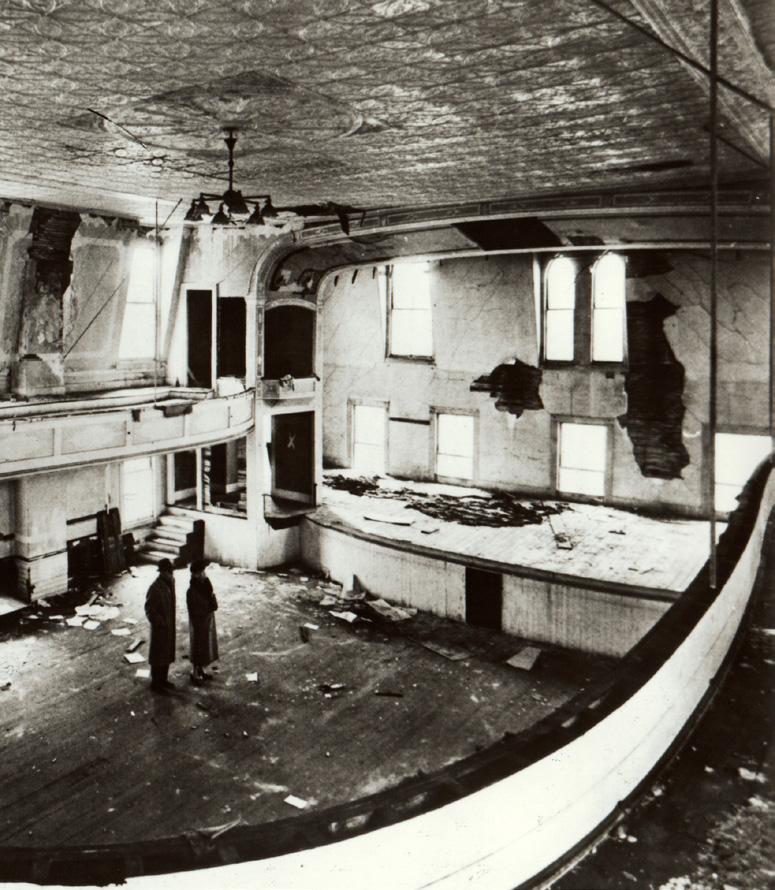
Musicals has been the beneficiary of the incredible community built around our landmark home, The Goodspeed Opera House. In 1876, 87 years before Goodspeed Musicals was founded, the Opera House was constructed— financed by local businessman and lover of the performing arts William Goodspeed. The 6-story wooden structure—the tallest on the Connecticut River—quickly became a cornerstone of everyday life. Locals frequented the building not only to procure household provisions but to enjoy a variety of live performances. It is incredible to picture fellow theatre lovers setting foot in this very building 150 years ago to enjoy performances with family and friends, just as we do today. This continued legacy would not be possible without the group that fought to keep this structure standing during threats of demolition.
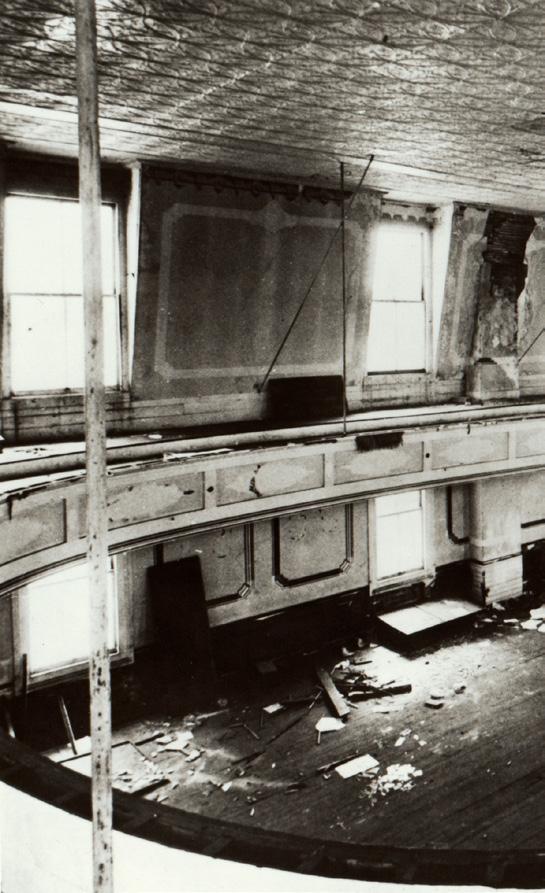
In this issue’s foreword, Donna Lynn and Vanessa highlight the incredible work of this brave group, appropriately coined the “Saviors of the Goodspeed.” Their effort to preserve this beautiful venue ensured that the arts would return and stay vibrant in their community. Despite the state of disrepair the building had fallen into throughout the early 20th century, they could see a vision of what it would become. Similar to live theatre, they pictured a place that existed just out of reach—a seemingly impossible dream. Through their campaign efforts to make this vision a reality, they exemplified what an appreciation for the performing arts enables communities to build. While watching each show with fellow audience members, Goodspeed patrons can imagine worlds that exist
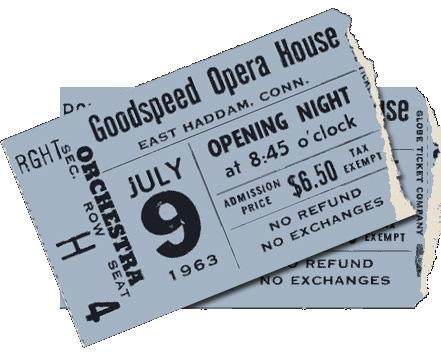
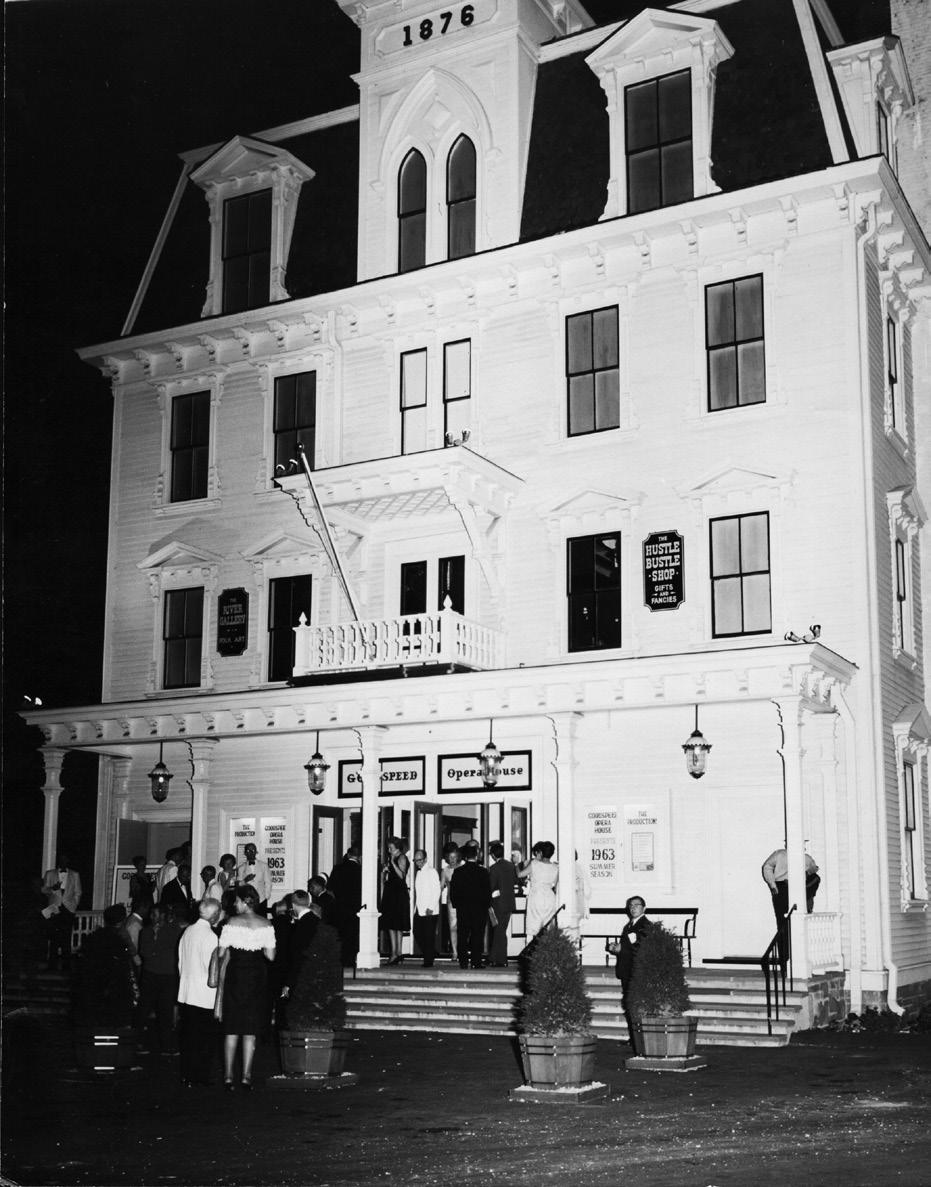
outside their own. They are often inspired to turn desires into reality, much like the Saviors, whose love for this building launched a long journey that ultimately resulted in the doors reopening in 1963 for Goodspeed Musicals’ inaugural production, Oh, Lady! Lady!.
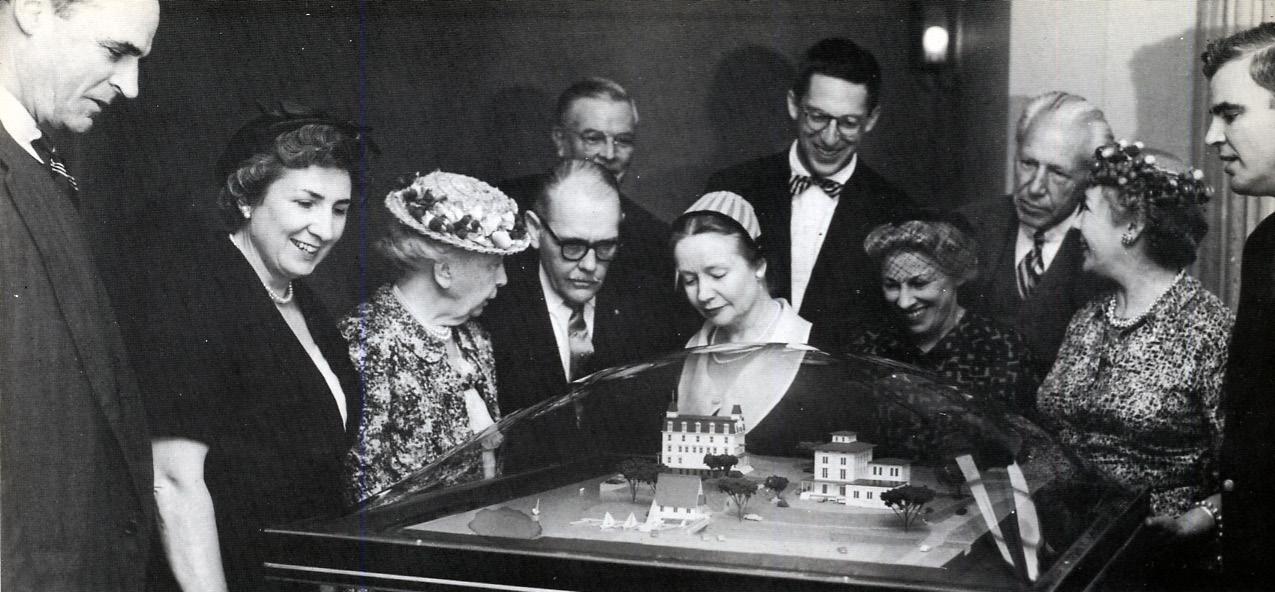
As we’ve moved through the past 63 years, Goodspeed could not have built this beautiful community without our historic home in East Haddam. Whether you find inspiration, education, or entertainment here, this is what the Saviors hoped for this revived space. Our deepest gratitude goes towards Libby Kaye, Marian Howe Terry, the Muriel and Lynde Selden Family, Vivien Kellems, and many more original members of the Goodspeed Opera House Foundation. Their work makes our continued legacy possible.
There was a time when Marian and Libby dreamed of a world where the front doors of the Opera House opened again to their beloved community. Now, Goodspeed is proud to welcome 100,000 people through the front doors year after year, keeping their vision alive each and every day.
WATCH a video | READ the full timeline

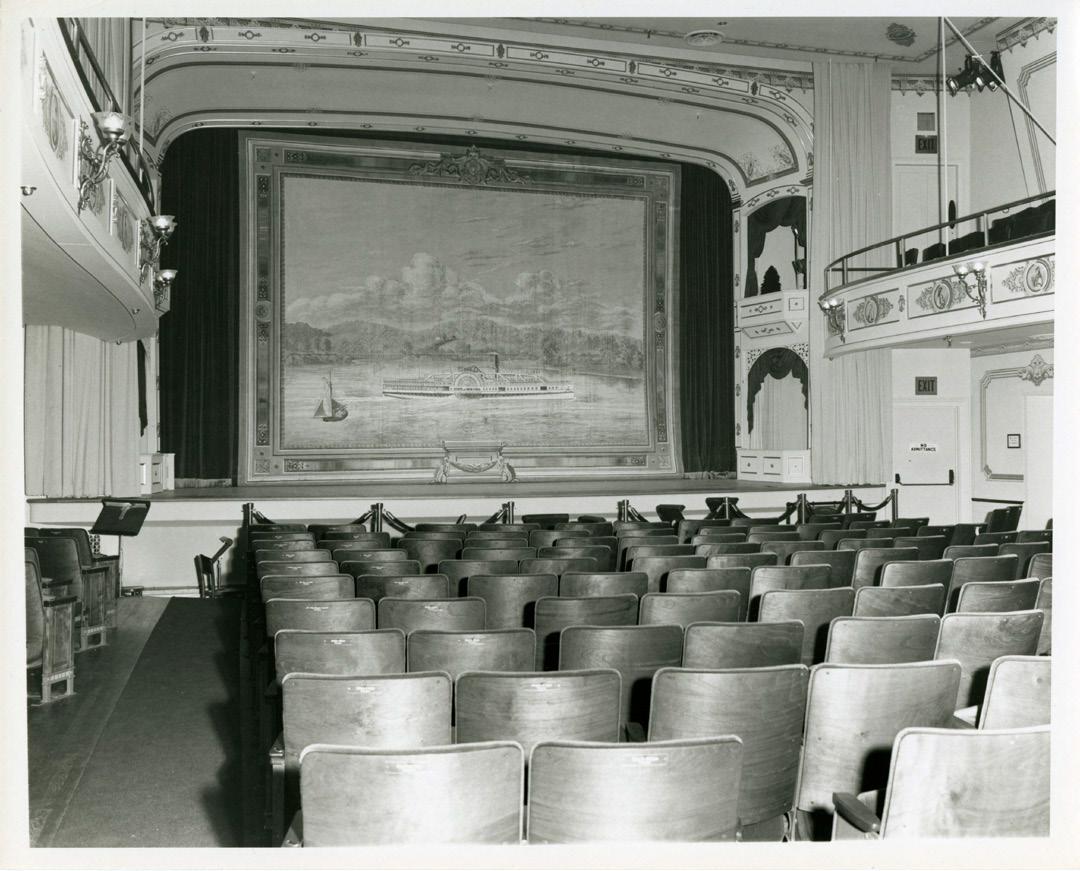
PHOTOS: (Top left to bottom) The Opera House interior, 1960; Trustees and founders of the Goodspeed Opera House Foundation view the architect's model of the restoration; tickets to the very first performance in 1963; the Opera House on opening night, 1963; inside the remodeled theatre, 1963.
This summer, we’ve set out to raise $150,000 to celebrate 150 years of our landmark home. If you and your loved ones have been impacted by the work that takes place here, we hope you will join us in this anniversary celebration. Your gift will provide for the preservation needs of our historic building while honoring the millions of memories made here by the community that has kept these 6-stories standing for well over a century.
BY AMANDA STERN EVENTS & CORPORATE RELATIONS MANAGER
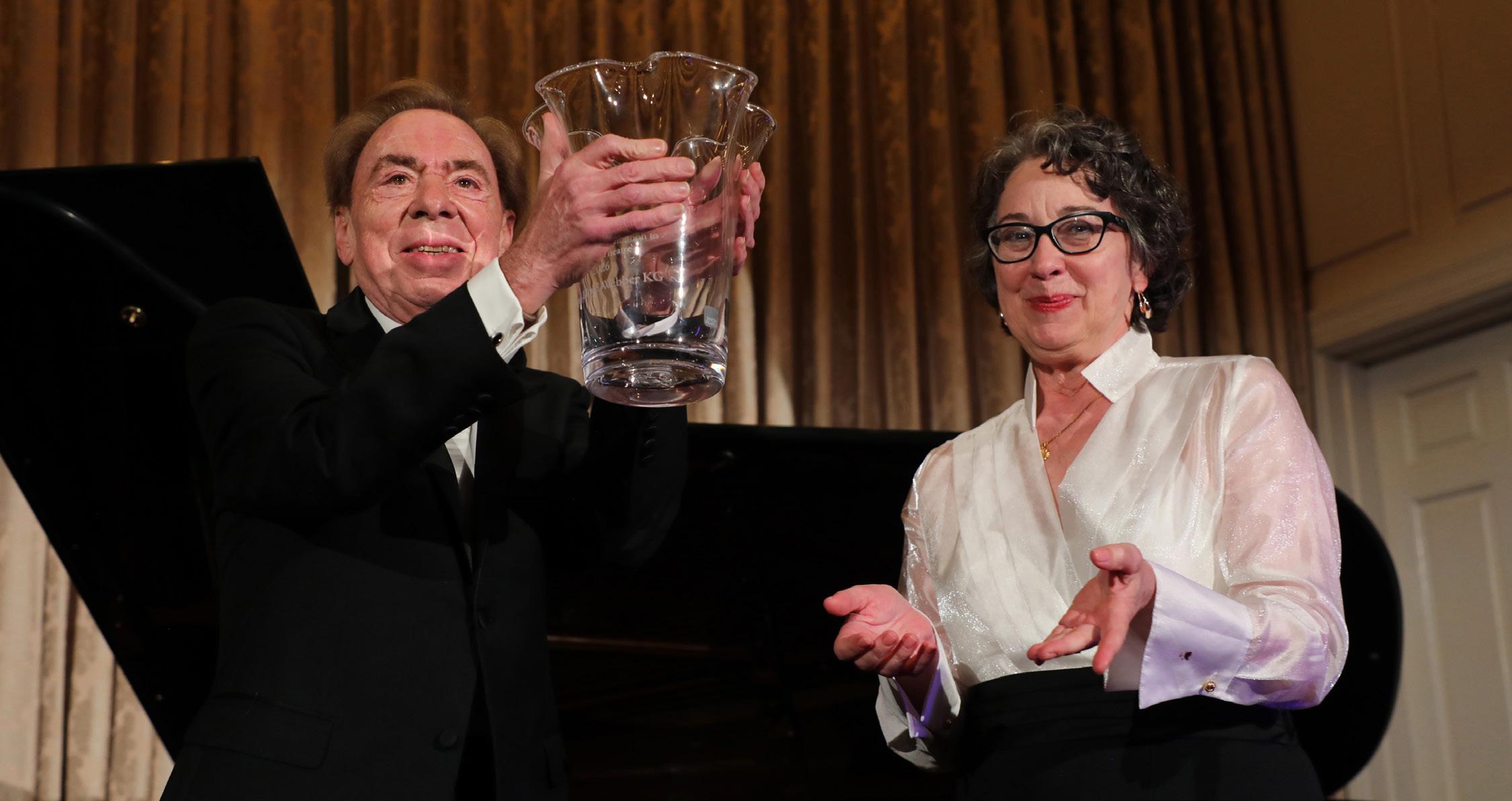
The New Haven Lawn Club ballroom erupted into thunderous applause as Andrew Lloyd Webber took the stage to accept the Outstanding Contribution to Musical Theater award at Goodspeed’s Annual Gala & Auction on Saturday, May 30.
More than 250 Goodspeed supporters were in attendance to pay homage to Lord Lloyd Webber, and he graciously used his time on stage to shine a light back onto Goodspeed:
“All through the evening, I’ve been hearing all these extraordinary initiatives that Goodspeed has been doing, and the performers it’s nurturing, and the new work that it’s nurturing. And therefore, it is vitally important that we all support this magnificent Goodspeed Opera House...if we don’t have a place like Goodspeed, then [it’s] going to be more and more difficult for new performers and new writers to find their spiritual home.”
It was a full circle moment, as Lloyd Webber himself found a home at Goodspeed in 1996 when we produced By Jeeves at The Terris Theatre.
While Lord Lloyd Webber’s remarks were the highlight of the evening, attendees were also treated to musical performances from the Andrew Lloyd Webber catalogue. Mamie Parris opened the evening entertainment with “Don’t Cry for Me Argentina” from Evita, followed by her iconic rendition of “Memory” from Cats (Parris starred as Grizabella in the 2016 Broadway revival).
Later, attendees were treated to stunning performances from even more Goodspeed alumni. Omar LopezCepero stunned the room with “Close Every Door” from Joseph and the Amazing Technicolor Dreamcoat, “Heaven on Their Minds” from Jesus Christ Superstar, and “All I Ask of You” from Phantom of the Opera with Parris. Later, Amy Hillner Larsen performed “Unexpected Song” from Song & Dance and “Half a Moment” from By Jeeves in duet with John Scherer. To close the entertainment portion of the evening, Scherer danced on stage while singing the delightful “Banjo Boy” from By Jeeves
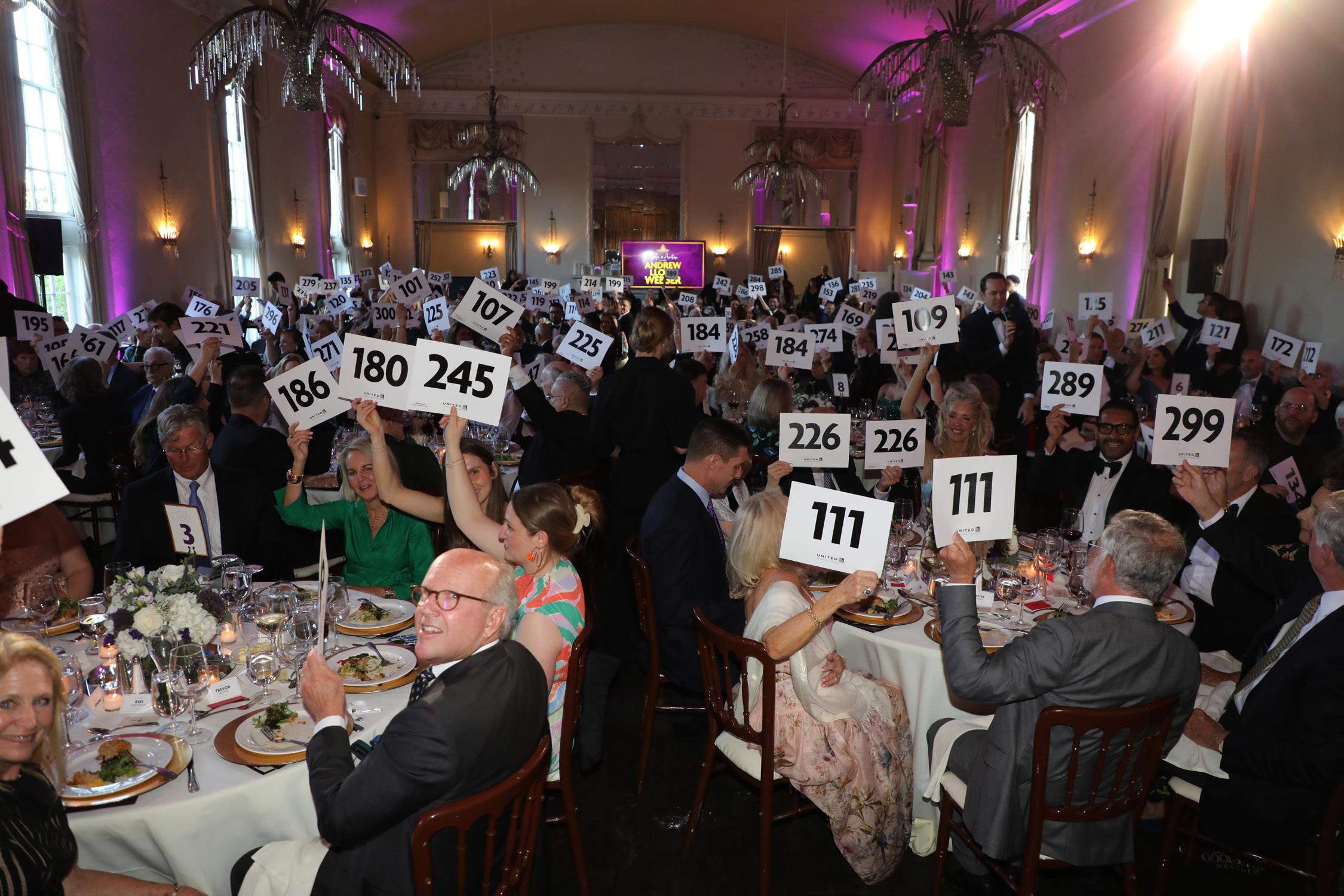
Auctioneer and emcee Pat Tully brought his inspiring high energy and humor to the evening. He encouraged attendees to bid on a slate of unique auction items and to raise their paddles in a pledge of support during the fund-a-need portion of the evening. Though attendees were able to watch the pledged support accrue on screens in the ballroom, it wasn’t until after the event that the final totals were calculated. Thanks to the support of donors, sponsors, and trustees, we raised a record-breaking $597,000. We were so moved to witness the joy shown by everyone who attended, volunteered, and performed. For those that attended, thank you for your incredible generosity.
Save the date for next year’s Gala & Auction, scheduled for Saturday, May 22, 2027!
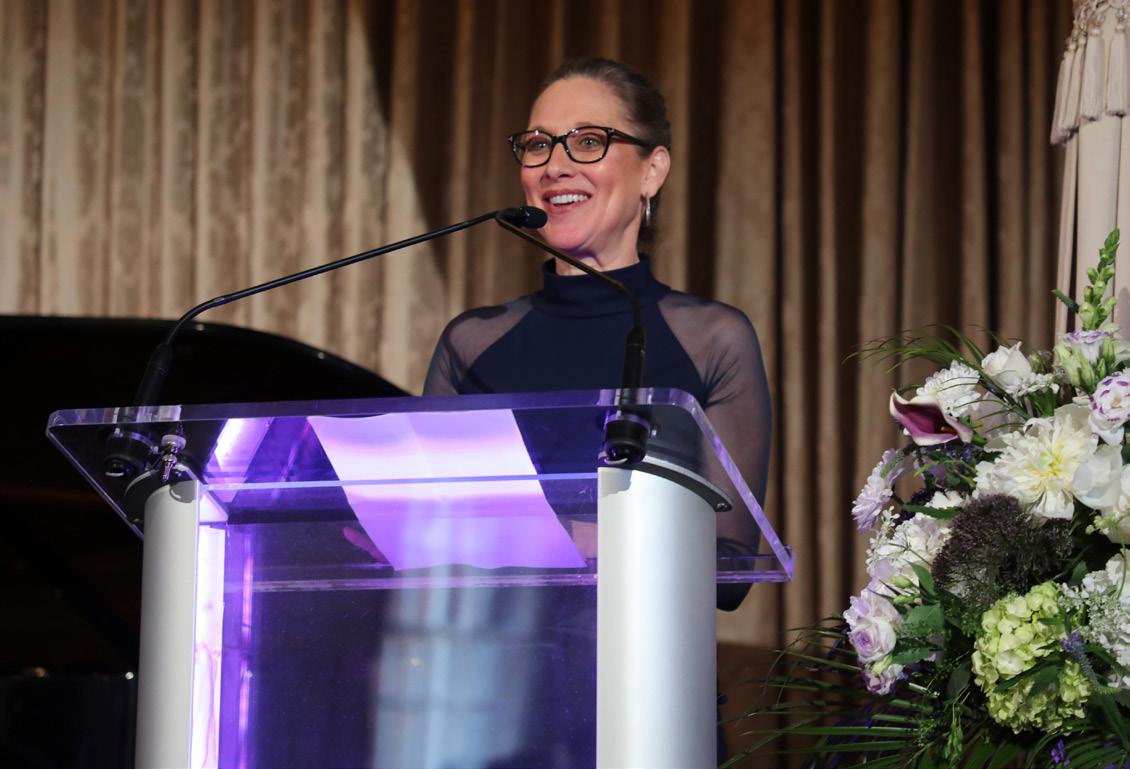
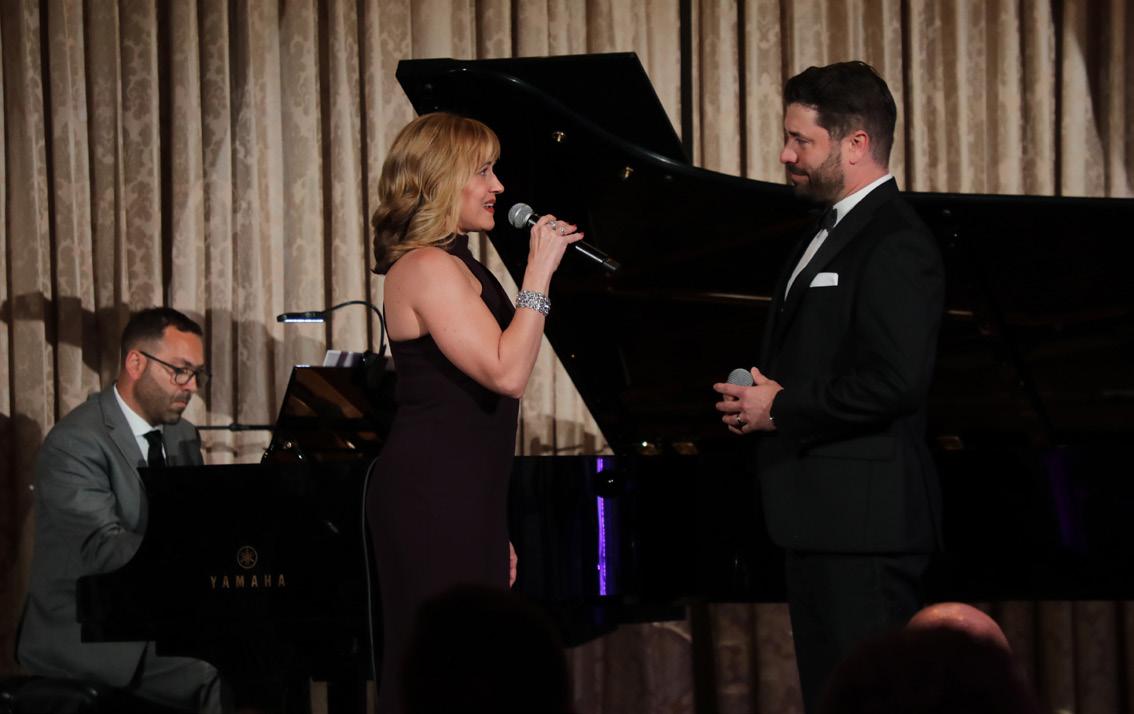
PHOTOS: Gala attendees raise their paddles in support of Goodspeed; Managing Director Vanessa Logan gives a welcome speech; Adam Souza, Mamie Parris, and Omar Lopez-Cepero perform "All I Ask of You," Artistic Director Donna Lynn HIlton presents the award to Lord Lloyd Webber.
BY SARAH KAYSER | MARKETING/GRAPHICS ASSISTANT
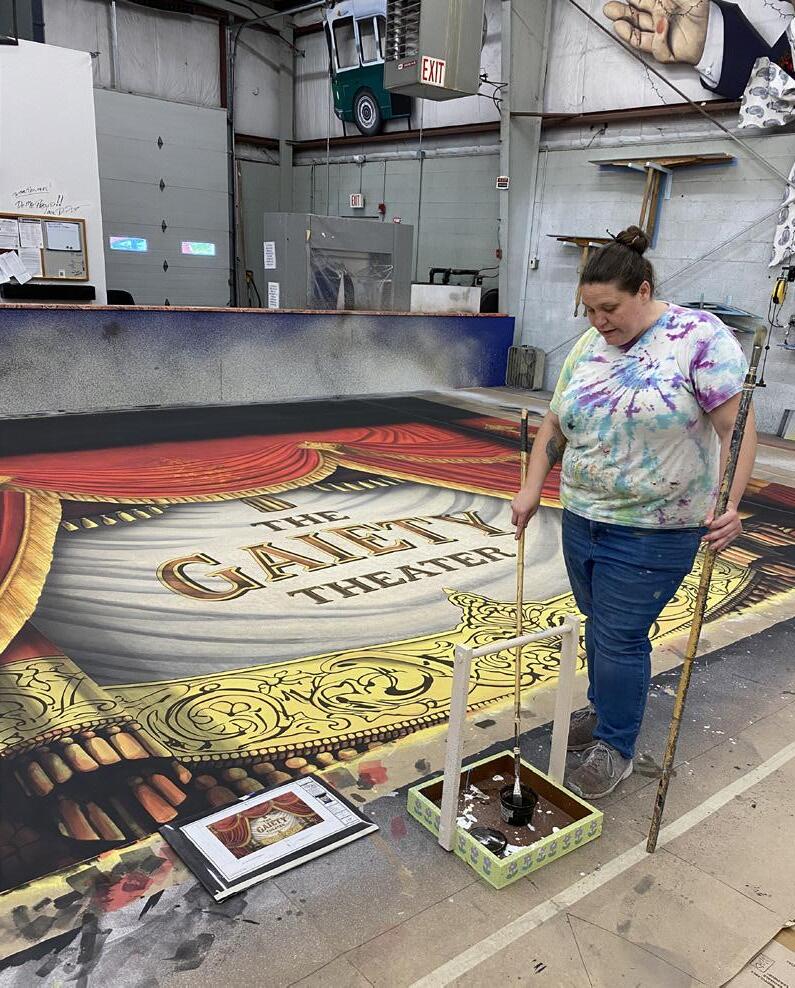
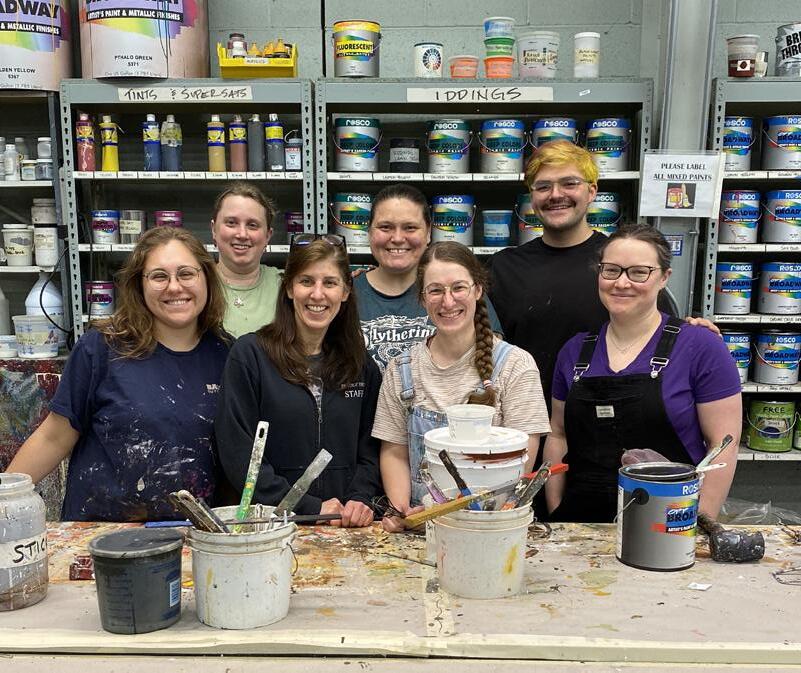
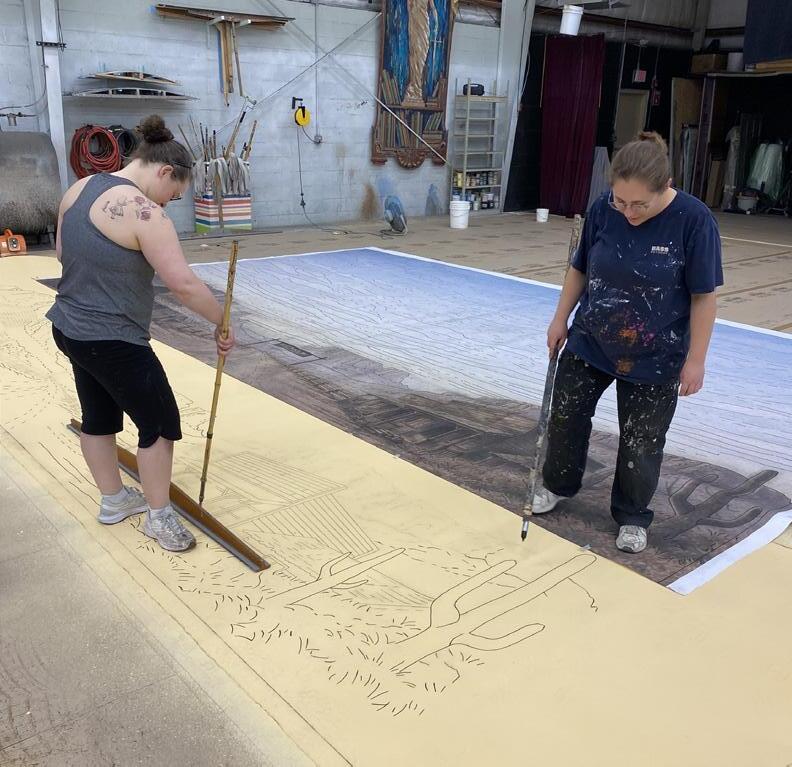
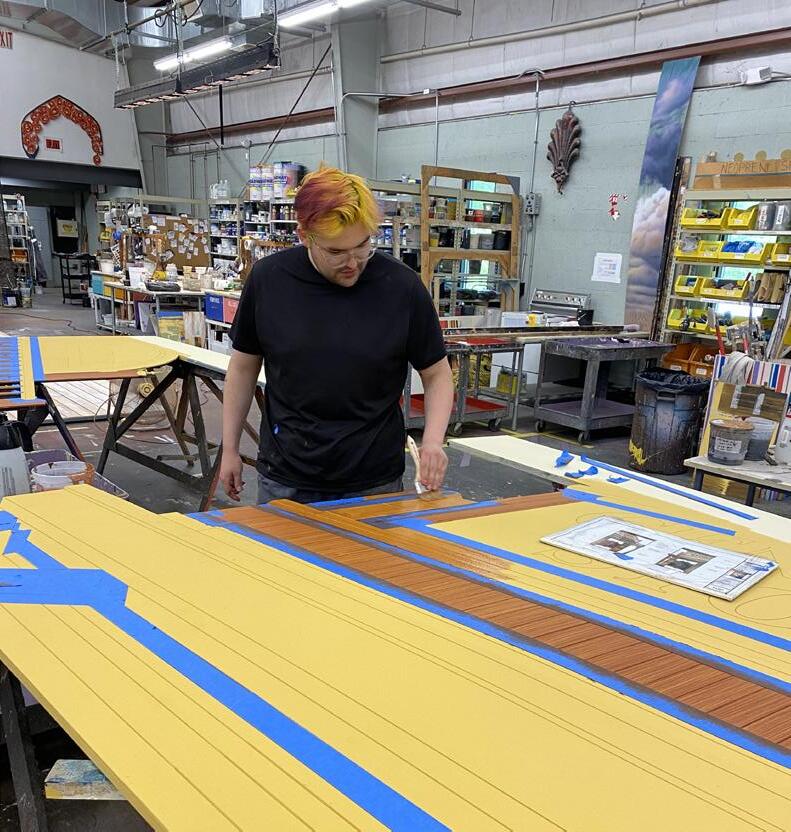
In terms of setting the stage, no one knows how to bring a scene to life quite like our talented team of scenic artists. At Goodspeed’s paint shop, just up the street from the Opera House in East Haddam, our artists work tirelessly to create giant backdrops, interactive set pieces, and tiny details that bring our performances up to the high caliber you’ve come to expect on the Goodspeed stage.
Each set piece begins in the hands of a contracted scenic designer. Once they’ve created their vision for the show, they work with our resident production staff to create a plan on how a piece will be engineered and painted to work for our stage, the show, and the budget. This usually entails photo references, some samples and mockups, and a lot of back and forth…which can take quite a while (as all good things do)! On a show as big as Crazy For You, there are a large variety of set pieces that need to be completed before tech week begins. The set and handpainted backdrops for Crazy For You began production in mid-April.
Many talented artists work in the paint shop, headed by their fearless leader Carla Tiezzi. Carla has been the charge scenic artist at Goodspeed since 2008, starting with Emmett Otter’s Jug Band Christmas (one of her favorite shows to work on to date). As the charge scenic artist, she works closely with the scenery, lighting, and stage management teams to keep their pre-show schedule on track. “Every show is different, so that makes it more fun and exciting,” Carla says. “I’m fortunate to have the skilled painters I have. That is key to this game. Otherwise, the timeframe and budgets do not allow for what we do.”
On a tight schedule and budget, our shops love getting creative to make sure that the world-class theatre you expect from Goodspeed can still take center stage. You may recognize some of the set pieces for Crazy For You from previous shows: The Gaiety Theatre’s red curtain drop was previously painted for The Mystery of Edwin Drood (2024), and the gold proscenium lining the stage has been repurposed from A Chorus Line (2025). All three shows share a Scenic Designer: the incredibly talented Ann Beyersdorfer, making it the perfect way to reclaim some of this gorgeous work already created and give our painters more time to create new work for the show.
The most common thing that is painted for the Goodspeed stage is wood, in all sorts of shapes and forms. As Carla says, “We paint wood to look like wood, we paint wood to look like marble, we paint wood to look like metal.” A secret of their process is something Carla calls The 30-Foot Rule: “If you’re 30 feet away, does it look like wood? Can you see the wood grain? If you can't… then we didn’t do our job.” Working to create textures and materials that really feel like you’re in the wild west, the streets of New York, or somewhere in between is just one of the scenic artist’s many skills. Next time you’re in the theatre, keep an eye on the set. The labor, skill, and time taken brings the world of each show to life for you to enjoy!
And, just for fun, some of the paint shop staff shared favorite shows they’ve worked on at Goodspeed—do you remember these sets?
Rachel: The Music Man
Ashley: The 12
Evan: The Mystery of Edwin Drood
Miranda: Thoroughly Modern Millie
April: Passing Through
Put your Goodspeed knowledge to the test! (Hint: many of these answers can be found in this
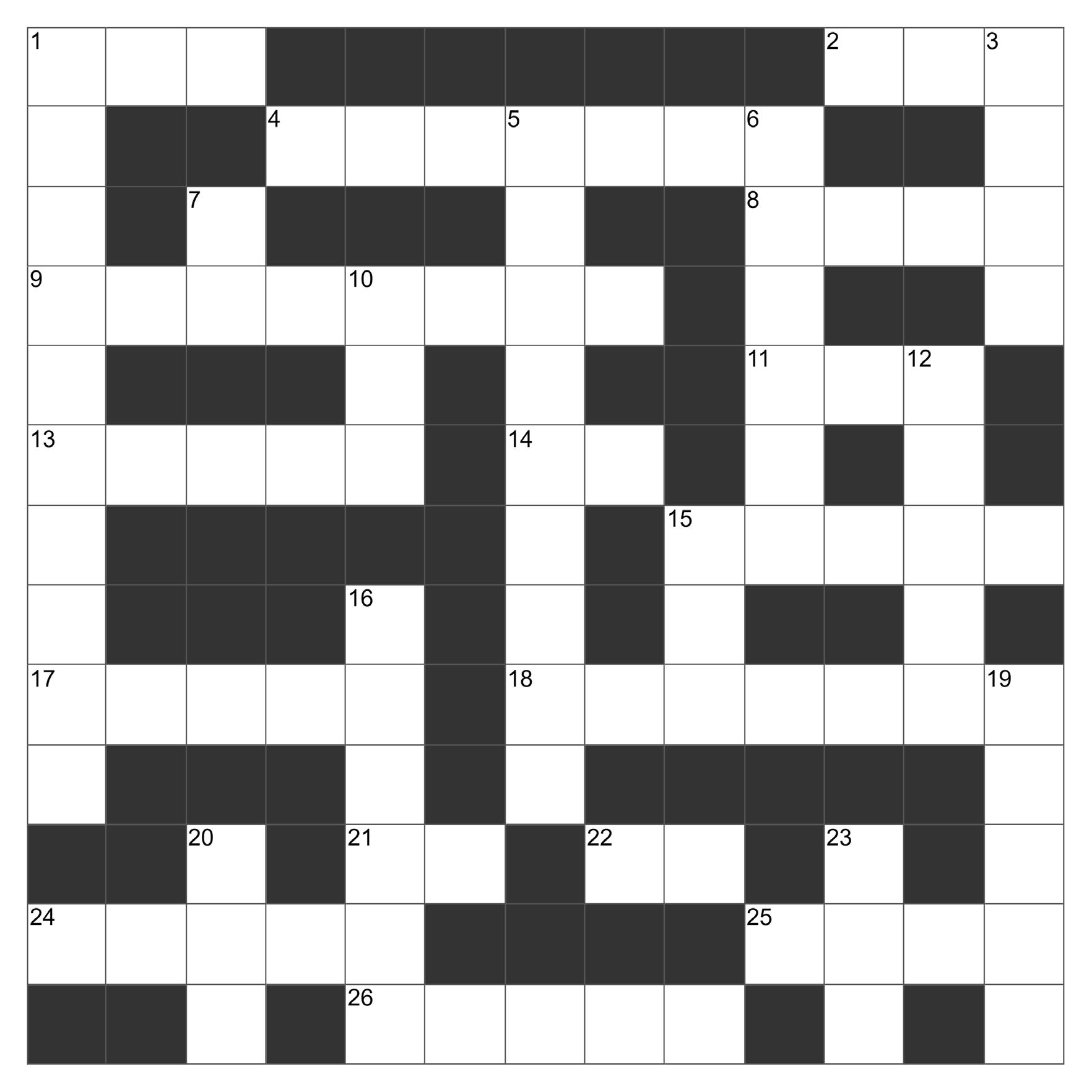
1. Where you can (usually) find the orchestra playing at each performance!
2. Useful tool used in theatre to amplify a performers voice, for short
4. In 1960, what did locals "rip" in celebration of the Opera House renovation? AKA, the "______-ripping party"
8. Goodspeed has long been considered the____ of the American Musical
9. The sun will come out... when?
11. Popular dance style that appears frequently in this summer's production of Crazy For You
13. Director of Goodspeed’s Crazy For You, Michael_____
14. The "initials" of the arts organization you know and love...
15. You're "never fully dressed" without what?
17. This Charge Scenic Artist has been at Goodspeed since 2008! _____ Tiezzi
18. _________ of The Opera House
21. Comes after "Sol", musically
22. Every set piece or prop seen on our stage is made where?
24. This musical had its world premiere at Goodspeed in 1976 and celebrates its 50th Anniversary this year!
25. Most common material painted for the Goodspeed stage
26. It has been 150 _____ since the Goodspeed Opera House was built in East Haddam
1. Where one might drop a letter or a convenient feature on the Opera House ground floor in 1877
3. Who might you find backstage during showtime?
5. The winged animal that appears in this season's new musical, based on the beloved book
6. What does the cast of Crazy For You "got"?
7. The busy department that takes care of everyone staying on the Goodspeed campus, for short
10. This material, usually on the floor, is instead found on the walls of the Goodspeed elevator
12. Much like Bobby and Polly in Crazy For You, characters that live vastly different lives might be considered "_____ Opposites"
16. Connecticut River ______, home to The Goodspeed
19. Annie's beloved mutt
20. It is this talented scenic designer's third time designing for Goodspeed in three consecutive years: ___ Beyersdorfer
23. Generally, what do actors often do at curtain call?
)