I first read Gabrielle Calvocoressi’s poem after a particularly difficult breakup. I was visiting a friend in London. It was summer, people were spilling onto the streets outside pubs, where the Euros were showing on wall-mounted TVs. I remember the heat, the irregular shouts from football fans, the way everyone’s mood seemed lifted and light under the sun. My friend was trying to cheer me up. We were having a cold drink on a wooden table on a busy street. She ordered food for the table, an assortment of shared plates, seemingly the only available option in London in those days. There were edamame beans and soy sauce tubs - and a little bowl full of silken tofu cubes, finely diced chillies sprinkled over the top. I bit into one of the cubes, it melted on my tongue, simultaneously fresh, spicy and tangy. I don’t know how they did that (How did they do it? Wish you could be here to talk about it like it was so important).
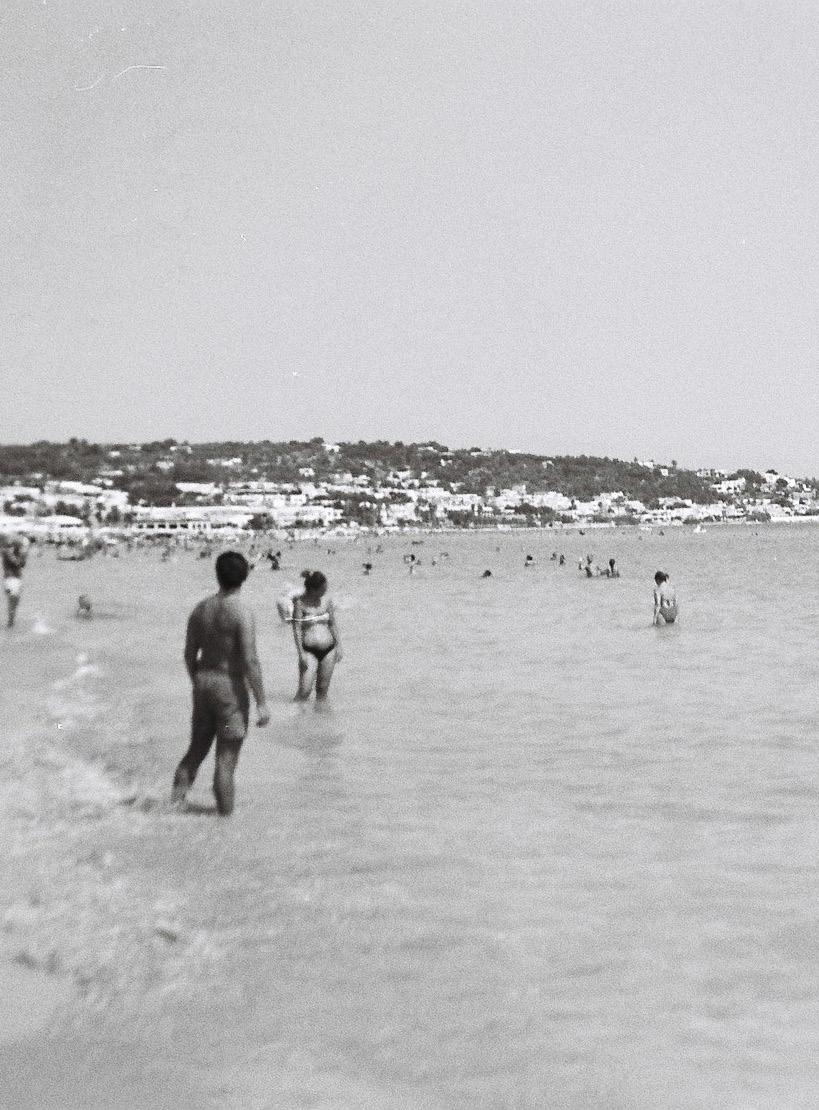
As my friend watched me enjoy the tofu, she pulled up Calvocoressi’s poem on her phone and showed it to me. As most good poems do, it changed my gaze and soothed my pain. There’s beauty alongside the sad, complexity in pain. We might miss someone but we’re also able to call to mind the exact taste of cold chilli tofu. Our shared memories live on in each other.
It’s been a pleasure to read and see how the poem has affected other people. From poems about loss, to photography capturing some of the loneliness in the poem, I have been honoured to receive such lovely submissions for this issue. I hope you enjoy them as much as I have, dear reader.
Clara January 2026
The sweetness
Billie George Croucher
Dear friend,
I am writing you this letter I won’t send, because I could have acted better, then. When a silence fell between us - like a log in the woods. The ones we would explore as kids, with the dogs, dreaming of great, big mugs of hot chocolate. Cocoa powder dropped in boiling milk. The film that would form on the top! We’d break it up with our wooden spoon, and share the flecks between us. Sometimes, we’d burn our tongues, but it was worth it - for the sweetness.
I wonder if you still allow yourself a cup, every now and again? Right now, mine’s an instant decaf. I had to hack at the compacted granules, and at the base of my cup I see: not some obvious symbol of my loss, but a shape - that could have been the start... of one of our scribble games! Oh, wait.
I hope you do allow yourself that cup. Just like I wish I could have cheers’ed you better. Back then, when it seemed your life was just beginning, and mine was in tatters all over the floor. Didn’t have the shreds to celebrate you. Couldn’t spare the confetti. Just as you couldn’t be there to console me... The bass quaking beneath your searched-for-weeks shoes, reached all the way through the heart rate monitor line, don’t worry.
Never spoke of it. Perhaps we never will, never need to. I just want you to know I haven’t forgotten the sweetness. And as for the burnt tip of my tongue, that’s just the tip of my pencil, now. For this, and for all the memories,
Thank you.
Louise Bullock
Every time we talk, we mention everything except the thing between us. Some moments the thing between us is so narrow I could step over it. Other days it’s wide again, full of unnamed things. Like that river between our neighborhoods, the one that only remembers it’s a river after it rains. I still call it a river even when it’s dry, but you say it hasn’t earned the name.
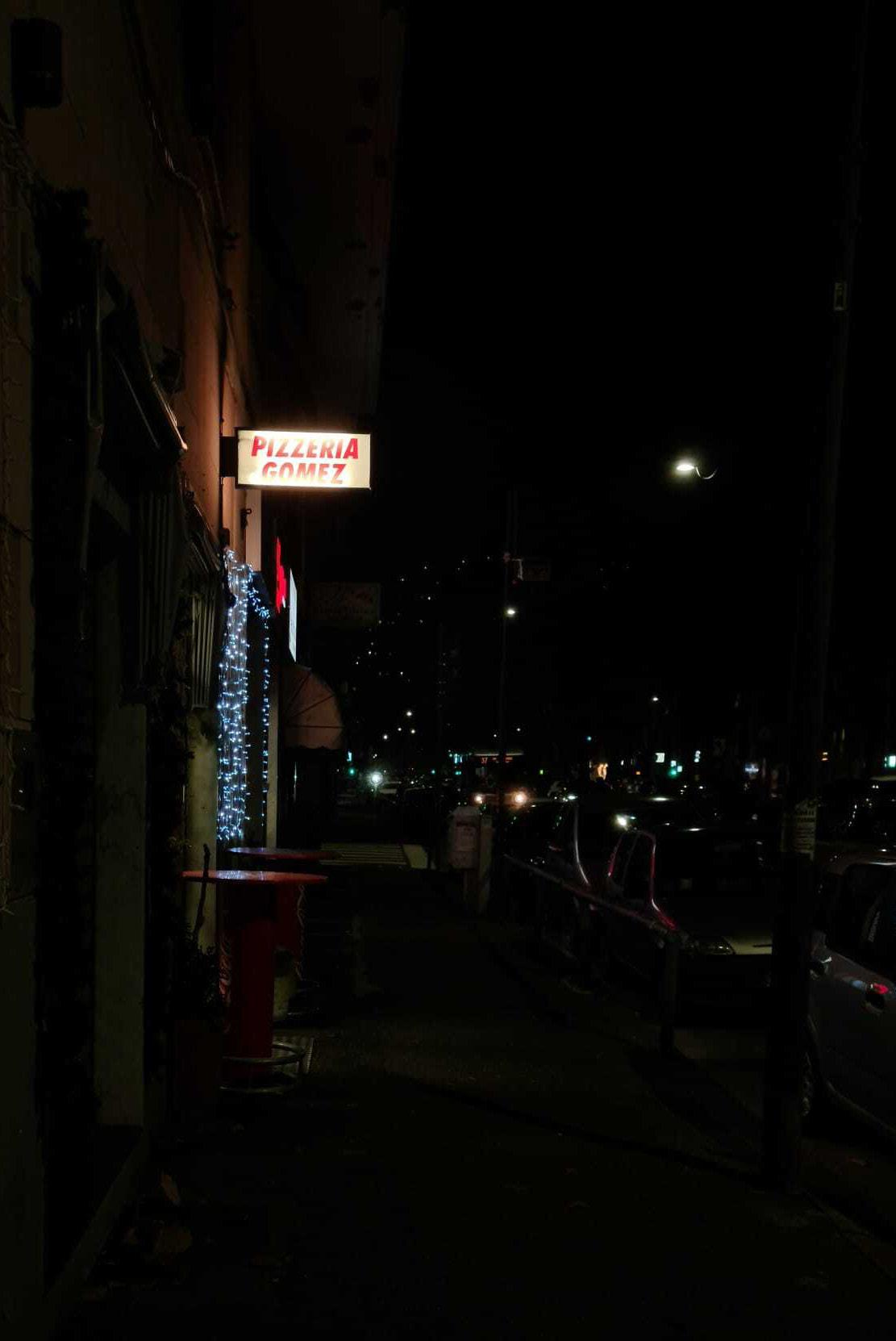
You mention a pizzeria I should try. It’s close to where I live. You say the name and now every time I walk past it, I think of you. That is at least twice a day, every day. Last time we talked you mention it again, asking if I’ve tried it yet. I don’t dare to go inside, scared to overwrite the thought of you with a real memory. Though that’s not what I tell you. Instead I laugh and say I forgot about it, what was it called again? Right, Gomez.
Louise Bullock is a writer, architect and artist based in Genoa, Italy.
For Me
Robert Walton
Every second or so, a fresh stitch. While I read another chapter, comfy on the sofa. Go out to the kitchen, brew a pot of coffee. You knit, knit, stitch by stitch, row by row. Click-click. I can’t see it growing, can’t see it taking a shape that will fit my body though you showed me a photo on the front of the pattern – young model with a sweep of hair, trim beard, sporting a snug sweater –click-click. And you’d held a tape-measure to my spine, one hand balanced on my neck, the other knuckled at my coccyx, bone on bone, as you leaned in to figure the length, then looped it under my arms and around my chest – as your finger slips a loop of wool around a needle now, tugs it in and slides it under, and over – and stretched the tape down from shoulder to wrist: straightened my arm, bent my elbow, jerked it straight again like a toy doll. Calculated. Jotted numbers. Click-click. How broad? How long? How many? You know my body’s statistics better than I do. As my mother did when she knitted that green vee-neck jumper I never wanted to take off: as I grew older, taller, I pulled at the cuffs and hem, willing them longer, though my heart shrank when she tried it on my brother, said it would do. I glance up from the page when you pause to count, easing the stitches along the abacus-rod in bunches of ten. Resume. As the garment gathers in your lap, you drop deep into the flow. The seconds tick on for me, click-click, to the day you’ll watch me roll the neckline over my head, slide my arms into sleeves, warm myself in its completeness. You’ll run your hands over my body, nudging the seams to the lines you want. Stand back, assess. Hands on hips, I strike a mannequin pose. Feel the knotted fibres of each stitch: in each stitch, the scent and texture of your touch.
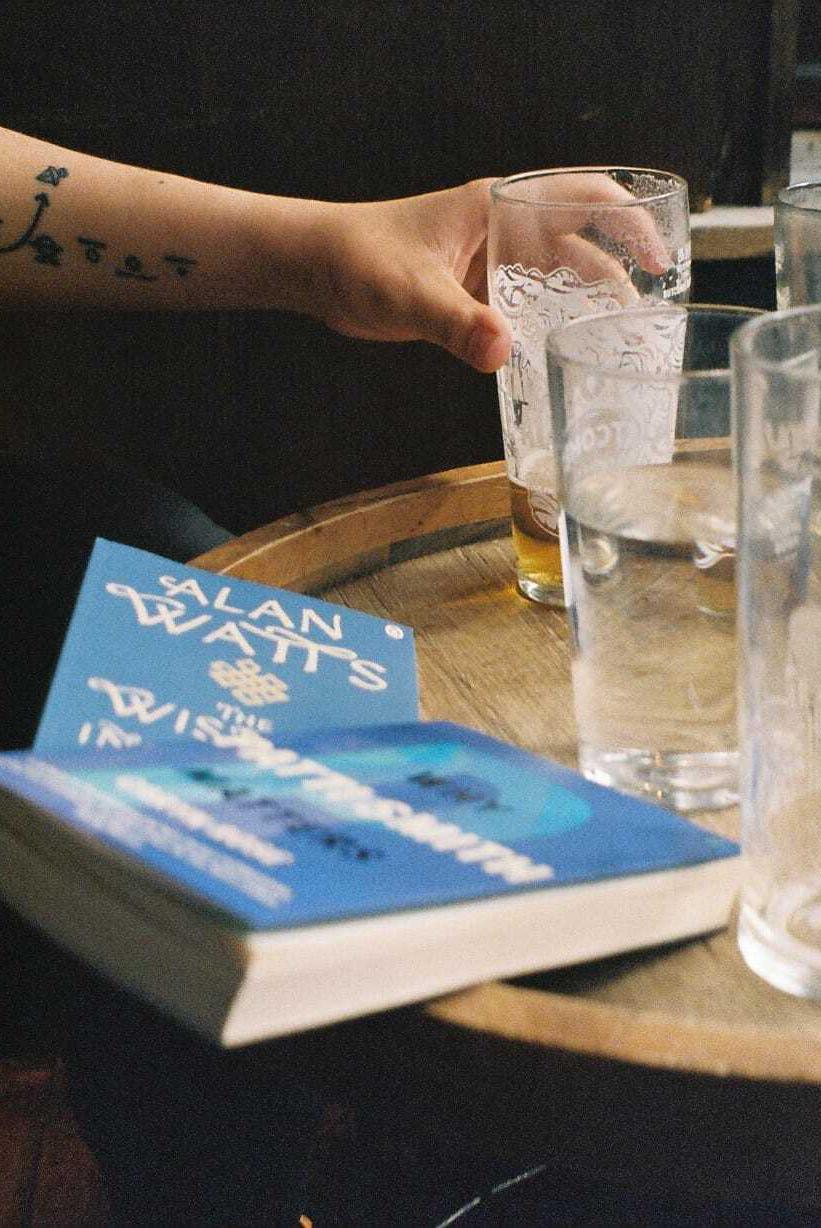
Missing
Clara Bullock
Remember the vietnamese place down the roadwas it called Viet Pho? Saigon?
We’d always order two dishes, swap half-way through (what’s yours is mine).
Fresh chillies, sweet and sour sauce dripping down our chins, point and laugh at each other.
Over cocktails, which you drank like juice, we’d talk about filmshave you seen the one with Hugh Grant he’s the villain, spilling soliloquies, and why did you hate it?
Cycle back home together in the rain, splashing through puddles, lean our bikes against each other in the basement. I’d fall asleep to the sound of your TV heard through the wall we shared. What happened to that place? Is it still there?
Clara Bullock is a queer poet and music journalist. Her poetry has been published in Good Bones Zine and I Wanna Be Magazine. She lives with her cat and her collection of misshapen pottery in Bristol, UK.