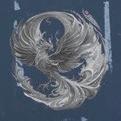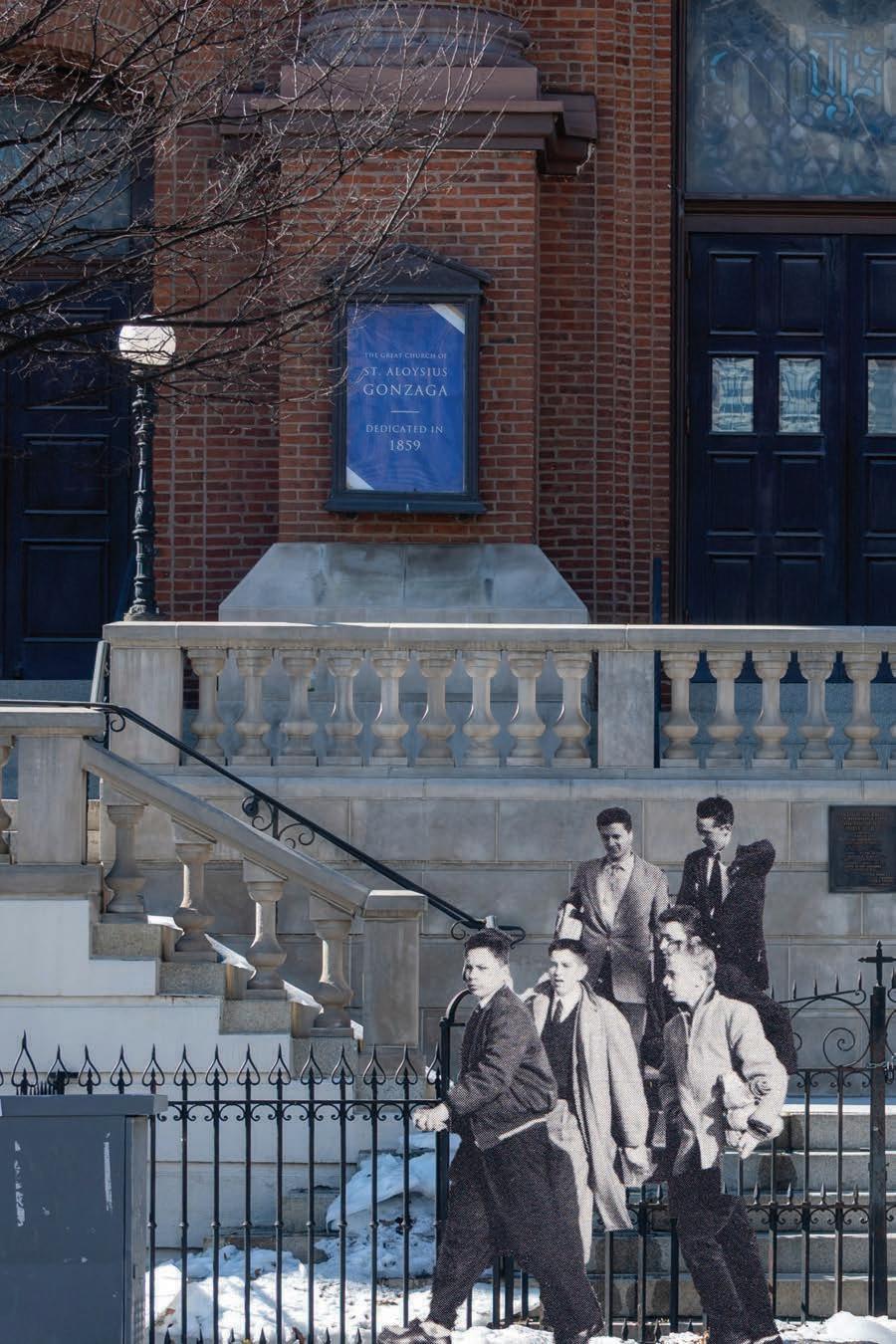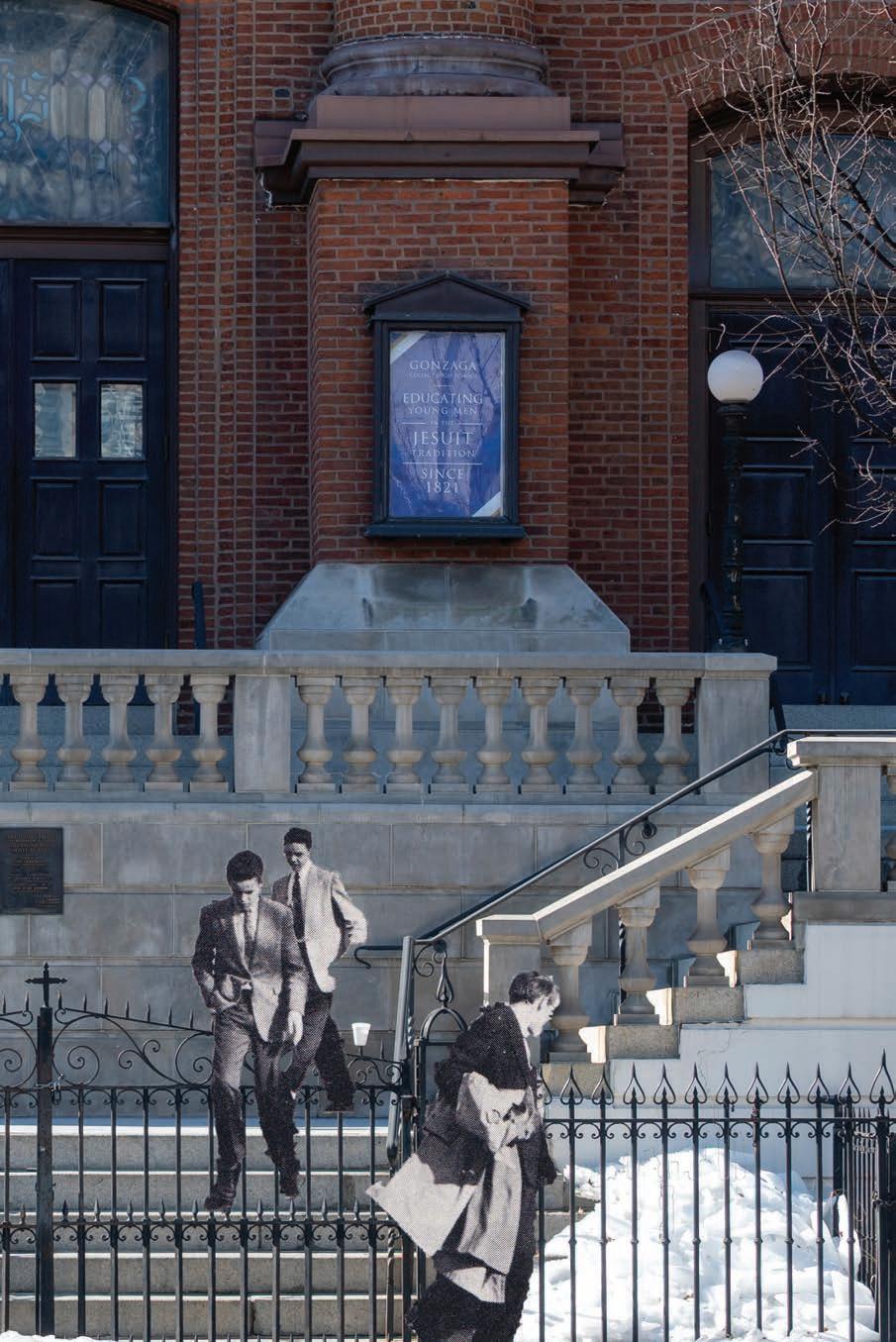
The Phoenix 2026
Editor’s Welcome
Dear Gonzaga Community,
The Phoenix has risen again!
In a time of deep academic and athletic stress, take some time to decompress, sit back, relax, and enjoy the creativity and passion of this work.
Get lost in each story and poem. Get inspired by photos and artwork. See Gonzaga through an unexpected lens.
Year in and year out,
The Phoenix rises to reflect the hard work and talent of Gonzaga Men. The Phoenix reminds us that Gonzaga is much more than a place of competition and achievement, it is a place where curiosity and creativity abound.
So take a breath, slow down.
Let these works challenge you, inspire you, and maybe even push you to create something of your own.
AMDG, Walker Bobb Phoenix 2026, EIC
The Phoenix 2026 - Volume XLI
EDITOR IN CHIEF
Walker Bobb ‘27
EDITORS
Kai Rock ‘26, Justin Han ‘28 Joseph McPherson , John Rice
EDITORIAL COMMITTEE
Walker Bobb ‘27, Christian Clarke ‘27, Charlie Konrad ‘27, Justin Han , Joseph McPherson , John Rice ‘28, Kai Rock ‘26
MODERATOR
Dr. Harry Rissetto
SPECIAL THANKS
Mr. Joe Ross, Mrs. Shelly Farace, Mr. Matt Duffy, Ms, Molly Flynn, Mr. Ciaran Freeman, Mr. Steve Beaulieu, Mr. Andrew Bevilacqua, Ms. Sarah Blair, Ms. Kathleen Clark, Mrs. Teresa Jackson, Ms. Mary Kate Kimiecik, Mr. Bill Pierce, Ms. Kylee Piper, Mr. Joe Sampugnaro, Mr. Randy Trivers, Mr. Patrick Welch, Ms. Shannen Milletary, Ms. Emily Murray, Enzo Bunag , Joey Bunag , Tobin Choquette , JP Loyko ‘24, James White ‘24, Nick Gaston , Peter Mildrew , Liam Downing , Michael Kennedy , Henry Sullivan , Lucas Scheider Gali anes , Ethan Tobey , Alex Gomez , Rylan Madison , Tommy Boyce , uinn Aitchison , Luke Allen , Holden Madison, , Chris Hrdy , Kevon Turner , Matt Buckley , Joe Dahut , Christian Forte , Matt Druckenbrod , Dominic Plantamura , Andrew Richard , John Morabito , Aaron Clark , Daniel Sweet , Tom Robertson , Matt Weider , Johannes Schmidt , Will Felker , and all students who submitted art and literature for consideration.
Table of Contents
Nathaniel EzraAllen Mbuyamba
Noah Casteel
Chase Peterson -
David Curry -
Noah Casteel
Isaac Ithalie
Dante Maddox -
Allen Mbuyamba
Jackson Lehman -
Braden Eggstaff
Hayden Curteman 23
Harper Pruitt -
Chase Peterson 26
AJ Capati -
Isaac Ithalie
Mikyas Fissehazion -
Braden Eggstaff
Kai Rock -
Aamir Uthman 35
Kai Rock 36
Charlie Konrad 37
AJ Capati 38
Charlie Waller -
AJ Capati -
Brian Rubio 43
Braden Eggstaff
Alexander Jorgenson 45
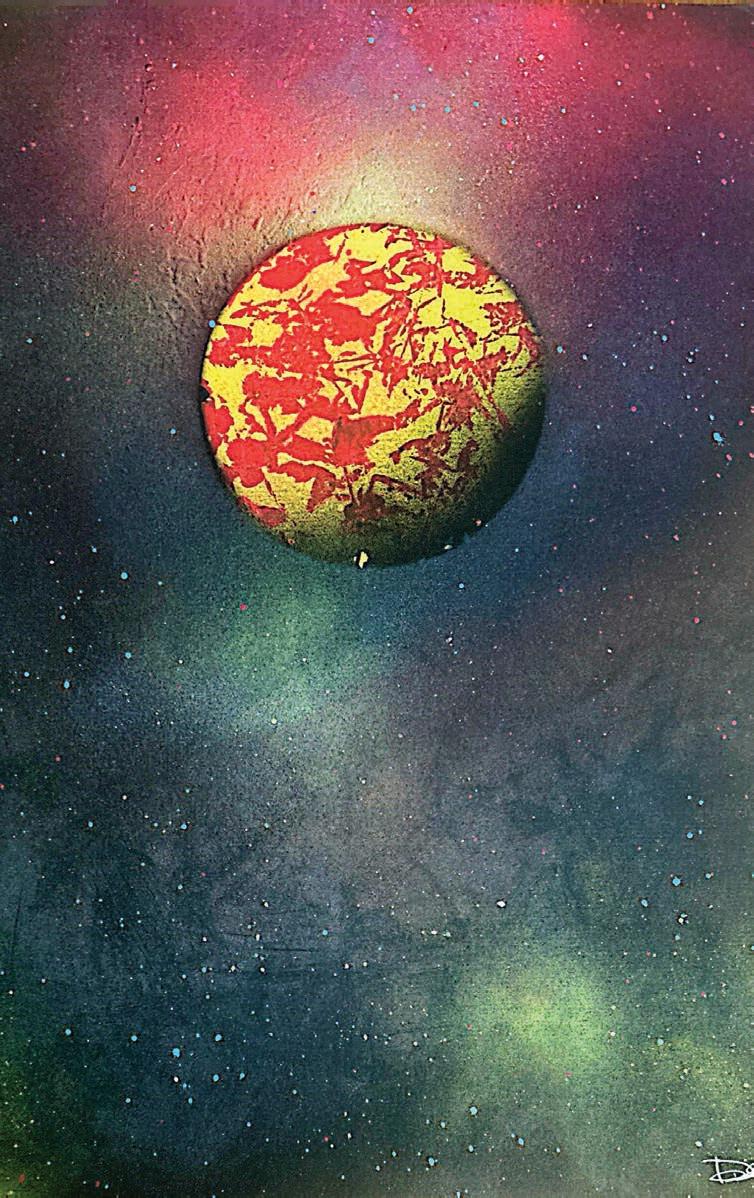
Cover Art: Cullen Larrabee ‘27
Kai Rock 46
Adam Ford Redd Jr.
Simon Nguyen 48
Aamir thman
Patrick Manetto -
Christian Borno 52
Simon Nguyen 53
Brian Rubio 54
Liam Fore
Alexander Jorgenson 56
Spencer Mallard
Tommy Maxwell
Declan Schnabel
Adam Ford Redd Jr.Samuel Gmyr 62
Brian Rubio 63
Adam Ford Redd Jr.
Diego MateoVelasquez Frias
Braden Eggstaff
Chase Peterson 67
AJ Capati -
Austin Flanigan
Joe Kennett
Matteson Kelhart
Patrick Manetto -
Chase Peterson -
Aamir Uthman 80
Table of Contents
Everett Eckart
Carson Goode 82
Gregor Bernhard 83
Zack Blume 84
David Curry 85
Noah LaGrange86
Diego Mateo -
Velasquez Frias
Dylan Waits 88
Aiden Williams
Henry Greif
Colin Loyko
TJ Corcoran
Nick ates
Joseph Portolese
avier Baugh
Chase Hogg
Andrew Ruddy
Colin Loyko
Austin Flanigan
Jack Tovornik
Austin Darke
Everett Eckart
Thomas Hanfling
Justin Han
Will Cormier
Andrew Ruddy
JJ Dutton
Tyson Harley
Aiden Williams
Thomas Hanfling
Caeden Donley
avier Baugh
Tommy Maxwell
Justin Han
Tommy Maxwell
Caleb Mchugh
Martin Branado
Noah LaGrange
Noah LaGrange
Everett Eckart
Cullen Larrabee
Caleb McHugh
Justin Han
Henry Graser
Martin Branado
Wyatt Johnson
Brian Rubio
Caleb Mchugh
Langston Blair
Andrew Ruddy
Wyatt Johnson
Peter Hoffman
Peter Hoffman
Henry Greif
Andrew Ruddy
Satya Steele
Justin Han
Carson Goode
Giles Pilkerton
JJ Dutton
PJ Garayta
Ryan Casteel
PJ Garayta
John Brady
Aiden Williams
Joaquin Sullivan
Caeden Donley
Chase Hogg
JJ Dutton
JJ Dutton
Martin Branado
Andrew Ruddy
Joe Lacuesta
Sully Mallek
Sully Mallek
Brian Rubio
Thomas Hanfling
Ryan Dunn
Caleb McHugh
Dedication
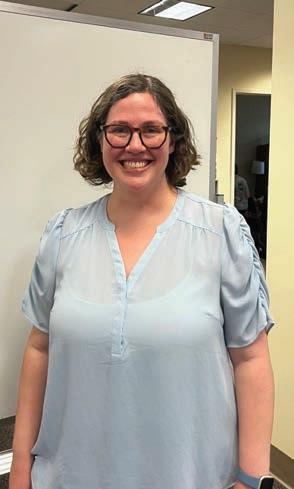
Beloved Mrs. Dunn, the legendary teacher who transformed the Choir program to its current electric state, leads her classroom with individual dedication to each and every one of her students. She thrives in compassion, authenticity, and most remarkably, an unmatched energy of welcome. Her students speak about her with utmost love and respect, because of the truly positive impact she has made on all of their lives. As her time as a teacher on Eye Street comes to an end, we all wish her the best, and thank her for the unconditional love she has shown all her students. Congratulations, Mrs. Dunn. and Eye Street will miss you
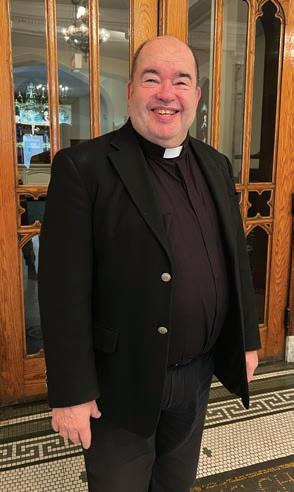
The Phoenix polled a group of fourteen seniors and asked “Fr. Harry Geib, SJ in one word?” We heard: caring, happy, inviting, crazy, charismatic, outgoing, extroverted, friendly, funny, inclusive, encouraging, sociable, warm. We love these adjectives, and like to see the Phoenix in kinship with Fr. Harrybirds of a fiery feather. Fr. Harry is the most popular guy on Eye St. Few have touched the hearts and lives of the many as you did. Thank you for all the lessons and laughs you have given us. Your love for life and love for us made our Gonzaga experience truly second to none. We love you and are eternally grateful!
Raining
Nathaniel Ezra
People and I never really mix well I often hear the deafening sirens
They take place as my legs turn into jelly My forehead, arms, and chest. Raining. Raining.
I like the rain.
It’s the only time I can walk away from it all. It’s the only thing that can cover up the anxiety I feel. The wetness isn’t sweat. It’s the rain. It is. Raining.
I recognize how cursed I am. That my being warrants glances, warrants subjugation, even warrants abuse.
From the eyes to the fists, they all fall upon me. Almost as if it always was. Raining.
It’s me.
When I feel the touch of the cop on my shoulder, I know It’s me.
When I wince in pain at the glances piercing my skin, one at a time, I know It’s me.
It’s always me, and I wish that God would make it so that it was always. Raining.
It’s the only attention I get. Solely for me. Only for me. The same confrontation repeats, but this time it was. Raining.
He pulled us aside. I was with a white friend. Looking at us with those cold, blue eyes He told that friend “You go.” He told me “You stay.” All while it remained. Raining.
I realized that it wasn’t me I realized that I was black.
God, I wish that it was never. Raining.
To hear Raining read by the author, Nathaniel Ezra, please scan the QR Code

Run Boy Run Allen Mbuyamba
Run boy run better not slow down the ol’ boat leaves at 12 o’clock!
Creep boy creep make sure you stay low don’t let them hunters catch you lurk!
Breathe boy breathe make sure you stay calm another voice crack might take you back!
Win boy win you’re almost there your ol’ pal freedom’s bout’ a mile away!
To see and hear Run Boy Run read by Nasir Newton of Columbia Elementary School, please scan the QR Code

For Charles Casteel, Sr. 1947-2025
The Casteel Heart
Noah Casteel
Although etched with 77 years of life his hands were soft, warm — Too alive to belong to an old man Hand held, pulse in hand — was it his, or was it mine?
Or was it one of our signals: a squeeze meant water, a look meant discomfort.
Words hide behind a knot in my throat, tightening with each unusual, silent breath he takes.
The hum of the machine pervades the house that was once filled with laughter, now anxiously waiting.
Memories surround us, begging to be revisited once more like the stories we shared on Sundays.
There my grandfather lay, plagued by the familiar Casteel heart — I wait here, grateful that the same pulse that beats in my hand, beats in my chest as well.
To hear The Casteel Heart read by the author, Noah Casteel, please scan the QR Code

2026 Parkmont Poetry Contest Winner
Conversations
Chase Peterson
Walk steady, Son, even when the pavement feels like it’s judging you. Some streets remember the blood of men who looked like us.
And I feel those memories press on me when a cruiser slows down. Why does fear taste metallic when the lights flash red and blue, Dad?
Because danger wears a uniform that doesn’t always see your innocence. So keep your hands where their eyes can follow them.
But why must my body speak safety before my mouth speaks truth?
Truth comes second when survival is first. Give a firm handshake, Son—let the world feel you stand tall.
I’ve seen men stand tall and still get folded by someone else’s fear.
Then stand even stronger; strength is a message they can’t erase.
But some messages get twisted before they’re even heard.
That’s why you measure your tone, your steps, your pride— not as weakness, Son, but as strategy.
Sometimes strategy feels like shrinking to fit their comfort.
It’s not shrinking— it’s surviving until the world grows big enough for you. Protect your name, protect your peace, protect your breath.
I want more than breath, Dad; I want space to live loud.
Then live loud when you’re safe, and wise when you’re watched.
I’m learning to carry both— joy in one hand, caution in the other.
Good. That balance is how you make it home.
To hear Conversations read by the author, Chase Peterson, please scan the QR Code

2026 Parkmont Poetry Contest Winner
An Elegy to Young David David Curry III
With legs too short to see beyond their shoulders, your heart stood taller than your eyes could see.
Your hair held in organic rows, tightly threaded till time wore it down.
Your broken smile, a calming path for a voice, always an octave higher than the rest, singing beautiful tunes of laughter and words you practiced for hours.
You listened closely to the subtleties, searching for the quiet truths amongst the carefully tuned claims. Your efforts were rarely reciprocated, the mask learned faster than your favorite color.
Competition and fun could be uttered in the same breath as you moved with explosive grace at recess, never fearing a fall or misstep.
With a naive heart, you wished to leave without permission. You prayed for curfews later than the street lights, and you begged to watch TV after dark, too immature, to know your sacrifice.
You lost the ability to dance without counting eyes, and to speak without fear of being called something you are not.
Your wish to grow up was your wish to forever be changed.
You are missed: the authenticity of your joy, the light in your dark brown eyes, and the unforgiving movements on the dance floor.
To hear An Elegy to Young David read by the author, David Curry III, please scan the QR Code

2026 Parkmont Poetry Contest Winner
But Me?
Noah Casteel
After Learning of Gonzaga’s history with slavery For Isaiah
The students held books, but me? chains. Teachers called the students Mister… but me? boy.
They tell me now my name has been found in old archives: “Isaiah, black boy for expenses to St. Thomas…$82.00.”
Eighty-two dollars to send me back, eighty-two dollars to forget me.
His name was written too, the one who followed orders, the one who took me back.
“Mr. Jerome Mudd, S.J., teacher of second grammar.”
Written with reverence, written with a last name.
Father Kholmann was remembered too, he has a building bearing his name. But me?
I have a line in a ledger.
To hear But Me? read by the author, Noah Casteel, please scan the QR Code

2026 Parkmont Poetry Contest
Innocence
Isaac Ithalie
I remember when the world was rounded and soft when doors closed without meaning more than night and fear lived only in stories that were make believe
The change did not arrive loudly. It came with discrete warnings, In headlines I was finally old enough to understand. In the moment I saw certainty leave my parents’ faces.
Now the same streets feel narrower rooms, darker than ever and safety feels borrowed, not promised.
I missed the child who did not know to be careful and slowly, I learned to carry the weight of seeing.
To hear Innocence read by the author, Isaac Ithalie, please scan the QR Code

Love Dante Maddox
In response to She Walks in Beauty by Lord Byron
Her elegance depicted. “She walks in beauty, like the night Of cloudless climes and starry skies; And all that’s best of dark and bright Meet in her aspect and her eyes” a depiction deluded from reality a truth, in disguise
You failed to mention The dark portion of her soul inside the tranquilizing glow mistaken for the sun’s radiating warmth, enclosing the unsettling darkness fueled by numerous desires Countless having enormous worth As though a balance scale is being crushed by the earth, and weighed down by a pebble
So again I say You failed to mention
The dark portion of her soul inside Or maybe you did, but just a word A heartbreaking clue you forgot to provide Now look at me , I started to rhyme… The rhythm of your words, the beauty of your speech The gaze of your sienna iris wanders into the dark blaze that ignites the entirety of your soul leaving only the embers to behold. Your depiction, Your beauty has infected my heart like the deadliest virus Now look at me , I’m captivated
Fake
But it was the truth, in disguise
You talked about love
Like a fairy tale story, An emotion that wields power like love equals mc2. You only capture the beauty of the girl The infatuation, a fake love what about the human you denied The girl, who has an unwavering pride. The woman who loves puppies, who loves to write who loves to sing, or even the girl who just wants to be ______.
Regardless of who she is the lovers road stretched across time will be Bumpy, Smooth, delightful, And a fright a never ending cycle of occasional fights.
Love isn’t easy or magical, love isn’t even fair
It’s words like yours that make the true magic of love disappear.
To hear Fake Love read by the author, Dante Maddox, please scan the QR Code

What Does it Really Mean to be “Black and Proud?”
Allen Mbuyamba
A white friend of mine once asked me:
Why didn’t you smile during the Black History Month assembly?
The question startled me as I had no proper rebuttal
I watched him hold his chin up and chest out when we read
Jefferson or sang Mozart in Ms. Bader’s class
I saw him stand tall and proud while we recited the Pledge of Allegiance
I seen him grin as brothers joaned about whose complexion was darker
I vow the next person who asks Why don’t you smile?
I’ll look them dead in the eye and say:
my skin smiles for me
The Last $30 Jackson Lehman
Sweating in the sun on the barren sagebrush plains of Pine Ridge, South Dakota was not on my summer bucket list. I was already over it when our flights had been cancelled, and Mr. Pugliese, our chaperone, defied democracy by driving seven classmates and me 1,400 miles to the Oglala Lakota Reservation. However, I soon realized I was standing in the presence of a sacred ceremony that was centuries old: the Sun Dance, a ceremony that not long ago was made illegal by the U.S. Government under the Code of Indian Offenses, where participating could lead to losing rations, imprisonment, or worse. I was standing in a place sacred to the Lakota and bearing witness to a five-day ceremony involving fasting, drumming, long hours of dancing, and physical sacrifice through piercing the skin as an offering to the creator. The ritual means renewal of community and reconnecting with the land, giving thanks, seeking visions, and making deep spiritual sacrifices in service of others and the creator.
Despite hearing story after story about how amazing the Sun Dance is, I was initially bored. There were no beds, no A/C, no phones, and the aroma of our tent confirmed that its inhabitants were eight high school boys. The plains stretched for hundreds of miles in every direction, and we worked all afternoon setting up shade tarps and running errands for the tribe.
The second morning, Mr. Pugliese huddled us in a circle to discuss what the next days entailed. A Lakota boy, around our age, suddenly appeared out of nowhere. “I’m trying to sell this painting,” he stated. We took one look at the painting, and everyone tried their best to avoid eye contact. The ‘painting’ was clearly a printed picture with a frame that had seen better days. After what felt like an eternity, I broke the silence. “What do you want for it?” The boy shot back in an instant: “How much you got?” After an inhumane amount of beef jerky, sticky buns, and other convenience store snacks from the two-day van ride, I was down to thirty dollars. I froze, unsure what to say. My friends held back awkward smiles. I hadn’t made eye contact with the boy since his response, but I could feel him
staring through me. Paul, my close friend, looked at me like Judas, grinned, and said, “You still have that thirty bucks, right?” The boy instantly said, “I’ll take it.” My classmates could barely suppress their laughter. Mr. Pugliese was not smiling. I could see that he was trying to read me to see what I would do.
I folded like a piece of paper and handed the boy the cash. At the time, I felt like the biggest sucker. After he left me holding the most worthless piece of junk, my friends guffawed uncontrollably.
I turned around to watch my money walk off into the horizon. The boy returned to a pickup truck that looked like a block of rust with a smashed windshield and a missing hood. Out of the cab hopped a man in his mid-forties, followed by a tiny boy no older than six. The boy showed them the money, and the kid jumped up and down excitedly. I turned around to see Mr. Pugliese looking at me with a faint grin. He gave me a knowing nod and walked away.
That night at the campfire, I learned about the brutal reality for Indigenous people living on the Pine Ridge reservation: the 89% unemployment rate, 60% poverty rate, and the lowest life expectancy in the entire U.S. I heard from generations of Lakota suffering racism, economic exclusion, and dispossession. I am a proud American, but our country is far from perfect. After my experience at Pine Ridge, I want to work to make it better.
The painting has a permanent place on my dresser.
Dreams?
Braden Eggstaff
Response to “Dreams” by Langston Huges
But what if dreams never come?
Insomnia breaks me every night
Props me awake…
I watch the time…
Pass me by…
Until my tired eyes bleed tears And my mouth is caked dry
If a lack of dreams makes life barren, Then what am I?
A broken-winged bird That cannot fly?
School of Friends Hayden Curteman
Friends are at the forefront of life, always present, friends mold you into the man you are and will become, friends are like shoes, the right shoe fits.
But, over time the shoe might become too small.
Gonzaga has taught me that shoes are important, Constantly on your feet, Defining your life whether you know or not; However, the feet that fit them tell the story.
Woosh! You’re twelve years old again.
Thinking about how much fun you had with a large group of friends, wait, waiting, waited for the imperfect foot to find its perfect shoe.
Now, knowing the shoes are more meaningful when there are three great shoes that you wear all the time, rather than fifty pairs you never touch, only to say that you own fifty.
Less is more, when more means loose-fitting shoes.
I
Promise Harper Pruitt
In the desert miles outside of Nogales, Arizona, I noticed something out of the corner of my eye that didn’t belong. I walked away from my classmates and bent down, curious to look. I wiped sand from the photo, revealing the faces of two children. My mom has photos of my brother and me just like it: two smiling kids posing for a moment, locked in time. Who were these kids? What happened to the person who carried this?
The kids in that photo, the feeling that I had stumbled on someone’s personal moment… it all lingered into the next day. My group returned to the Kino Border Initiative Center where we’d been helping migrants. That morning, I served breakfast and worked with children, who were laughing without a care about the world around them. A young boy named Aaron excitedly showed me toys that he had brought from Ecuador. I barely knew any Spanish, but we spoke mostly through smiles and gestures. We played together with his toys he so willingly and proudly shared. When it came time to leave, I assured him we would be back. Disconnecting felt awkward. He offered a quick hug and a goodbye as he ran off.
In no situation at the Kino Center were personal details spared by the young or old. Mothers candidly spoke later the next day of harrowing trips. One by one, they told story after story about their passages. A woman named Graciela broke down while recounting her journey. Standing in the safe confines of Kino, she recalled cartel members brutally killing people as she navigated her son, Aaron, to safety. Graciela had told Aaron they were “going on vacation” during the miles of treacherous travel. I looked over at him playing games with an old iphone, laughing at the noise. Were the kids in the photo “on a vacation”? What had become of them?
The next day with the Nogales Border Patrol was a striking contrast. Crisp uniforms suggested toughness. Instead, the officers stood humbly, solemnly even. They didn’t talk like enforcers; they talked like parents, neighbors who understood the weight of their work. That morning, one said, they had found a
child drugged by the cartel in order to be trafficked. One officer remarked that sometimes they do what they do because it is their job. There wasn’t pride in his voice, just exhaustion. At that moment, I realized the border creates pain on both sides, even for the wards who wear the badge.
We were told when talking to visitors of Kino that we should never use the word “promise.” What felt like an easy, child-like lesson suddenly became complex. On one side, you have families like Aaron and Graciela, who promise themselves that they will finally escape their dangers and find a better life. In talking to members of Kino or the Border Patrol officers, they promise they are trying their best in their work.
It felt like a promise that my group and I were there to help and to learn. Promise is an intensely personal word. I promise myself I will never forget or never stop wondering about the children in the desert photo. I promise to remember Aaron and think of him always “on vacation” and with hope. I promise to live as boldly as Graciela, who risked both her life and the life of her son crossing the border. I promise to feel and be present in life, to make a difference.
Becoming
Chase Peterson
A contrapuntal poem that can be read in columns or straight across
A young lion wanders corridors, An echo trembles across open plains, fur bright as dusk flame, grass bending under unseen weight. The walls hum with voices of others,Savanna hums with voices of ancestors, yet none speak his tongue. yet none answer his calls.
Laughter rings, branches snapping, Hyenas grin with sharpened teeth marking difference as distance. marking territory as exile. In the den, shadows swell too wide, In the cave, memory claws at stone, crowns pressed heavy destiny pressed heavy on a head too young. on a spirit alone.
But the roar gathers in the chest,And the horizon bends to listen, stronger than silence. brighter than nightfall. The lion steps into the circle, The kingdom shifts into balance, flame no longer hidden. crown no longer burden.
Freedom Bears Silence
AJ Capati
To finally let go of everything not in a storm of rage or defeat, but with a breath that carries the weight of what was. The peace found not in triumph, but in flowing with a past failed plan.
To not drop everything in frustration, but to set it down gently with understanding.
If I’m falling, it means I’ve reached my highest. And maybe that’s what is missed that the fall isn’t failure, But the flight in reverse.
The final resting place isn’t cold or warm, it isn’t punishment or reward it is freedom.
Not a void, but wings.
Not shimmering fairy tale wings, but wings stitched from all I’ve bore. Wings made of every time I’ve fallen threaded with pain, with unsaid words, with feathers not of silk, but of the silence I carried while enduring what no one saw.
And maybe, in a quiet way, death and freedom are the same.
Not because life ends, but because the struggle does. Because the weight leaves your shoulders, and you’re no longer running toward or from, just being, released, whole, finally untouched by expectation.
Takoma Park Nights
Isaac Ithalie
Nights at Takoma Park the smells of cut grass warm dirt after the sun goes down.
The swingset creaks, chains cold against my hands. The cracked courts, white lines fading, and the echo of a bouncing ball fills the air like a heartbeat.
Walking past the slide where my knees once scraped, past the bench where parents used to wait, now that bench is empty.
Takoma grew me, trading bruised elbows for deeper thoughts. Here, I realize some places remember us even when we are trying to move on.
Dichotomy
Mikyas Fissehazion
“When I grow up, I want to be in the NBA.” A burst of laughter came from my right. I swung my head. “Why are you laughing?” I asked. He responded, “Man, your handles suck, and you can’t play defense to save your life.” I shot back, “You’ve got so many jokes, what do you want to be?” He paused, smiled, and said, “I don’t know, but whatever it is, I’ll make so much money I’ll buy a team and sign you… because your trash game ain’t ever getting better.” We both burst out laughing, yet something in those words indirectly meant we’d be friends for a long time. I attended private Catholic schools my whole life, from kindergarten through high school. As a kid, conversations at school and at home often revolved around the same topics: sports, school, and friends, but as I grew older, the differences became sharper. At my predominantly white Catholic school, conversations centered around politics, weekend plans, and sports, while in my predominantly Black neighborhood, the conversations shifted toward the pressures of dropping out and navigating the violence that often surrounded us. I lived between two worlds, constantly shifting my voice, my attitude, and even my sense of belonging to fit one space built on opportunity and another on survival.
In that in-between space, I found one steady figure, my neighbor and closest friend, Paquette. He was only a year older, but he felt like a big brother. Paquette wasn’t like the other kids in the neighborhood; he was thoughtful and resourceful. On his own, he learned to fix the broken air conditioner for his mom. When we played basketball and other kids started cursing, he told them to stop because my parents didn’t like it. Once, when a few older boys tried to take my ball, Paquette stepped in front of me and told them they’d have to go through him first. That was who he was: loyal, protective, and compassionate.
As we grew older, our paths diverged. I leaned into school, sports, and service work while Paquette grew distant. A year later, I stopped by his house, hoping to reconnect. His mom, Ms. Liz, opened the door with a tired smile. She was always smiling, but this time I could tell something was wrong. When I asked
about Paquette, the air grew heavy, and her voice trembled as she explained that he had fallen in with the wrong crowd and she didn’t want me hanging out with him anymore. It stunned me to realize she was trying to protect me from her own son. Here I am lying on my bed, scrolling through my phone. It’s the weekend - no worries in the world, no thoughts - just scrolling. My mom walks into the room, her face troubled, almost like she didn’t know what to say. She sat beside me and said a few words I barely registered until “Paquette was arrested.” My mind went from blank to racing. My throat was dry. I couldn’t form a single question. At that moment, life didn’t feel real. Reality hit me, forcing me to face what I had been avoiding. Even though I had walked the same streets, gone to the same parks, and faced the same temptations, I had been given the privilege of education and stability.
In the end, who I have become resulted from the choice I made to use the privilege given to me to combat the struggle surrounding me. I did not conform to the crowd around me, yet I did not forget the reality around me. Instead, I use empathy born from my duality to gain that understanding of standing between two worlds and refusing to abandon either. So ‘Are we still friends?’ Honestly, I don’t know the answer to that question. But I do know neither of us is making it to the NBA.
Ode to Nothing
Braden Eggstaff
You can’t write an ode to nothing
Nothing carries you through the day
Nothing can make you happy
Nothing never goes away
You can’t write an ode to nothing
Nothing makes you feel alive
Nothing writes a script for you
Nothing never dies
You can’t write an ode to nothing
Nothing else can reassure
Nothing is void from everything,
Nothing is pure
You can’t write an ode to nothing
Because there’s nothing to forbid
You can’t write an ode to nothing
Oh well- oh wait, but I just did
of The Wanderer Kai Rock
There is a man stranded on an island lost and alone, deserted and destitute, he sits under a slanting palm, retreating to the shade. Looking out into endless navy blues, half crazy, he ponders a possibility.
Birds seem to circle, they flaunt their feathers and mock, “What kind of Bird is this that cannot fly? He sits on the sand and marvels at the sky. We bathe in clouds and sun rays with pride, this Bird is weak, he sits and hides.”
“I’m not a Bird” the Man replies, “I’m just a Man who’s drifted by.”
“A Man? All alone?” squawks the pretty Bird. “Join us man, become one with our flock.”
“No.” says the Man, “I am me and nothing else.”
Parried, the pretty bird is plucked of its petty pride, “How pathetic is this Man! You will never taste our waters above, you will die below, and fade into sand.”
Ballad
“I’m not a Bird!” declares the man, “I don’t fly and I don’t squawk, I drink from the water below and I walk. I’m all alone on this island, but I’ll never change. I know that across these deep blues, there is another land, with another man. Standing tall and proud, and someday I know I’ll find him. Today, tomorrow, or when I fade into the sand. One day I will too be able to stand.”
In Memory of A Stranger Aamir Uthman
I still remember the way you used to ___, How you smelled like ___, And your ___ personality, I miss you.
My mother told me you passed, I was distraught. I saw her tears So in turn I feigned despair, As I tried to remember your face.
Before our conversation is over, I needed to ask you Who were you again?
I appreciated your birthday gifts What were they again? I remember you holding me as a child, But where were we again?
I don’t remember, because it never mattered until you passed.
You never mattered until you passed. At least to me.
Conquering
Kai Rock
It’s not every day you stumble upon a mountain.
Behold its jagged teeth and crass crevassesits sharp beauty and undulating rhythm.
I cannot resist the shining peaksthe winds, the trees, and bird’s tweets.
I cannot resist its breathless gloryits seductive and suffocating mystery.
So I climb upon the mountain, elevating step by step.
Lifting, flying, further into sky, an Icarus, they say.
They cannot hear the beckoning rocks, or see its thrilling winks.
Yet still I rise on towards the sun, appearing like an eagle;
And soon the battle I have won, appearing to be a miracle.
But all the while I kept my feet planted firmly in fertile soil.
To some, I seek to leap through clouds, but I’ve promised to cry, sweat, and toil.
A Dying Torch
Charlie Konrad
Allusion to “The New Colossus” by Emma Lazarus
The mother of exiles. A behemoth of world-wide welcome. A beacon of hope and freedom. She stands tall. A sight of solace for the tired masses. Torch in hand, A representative of welcome For a country’s embrace.
But are we still who we claimed to be? Huddled masses are now caged. We refuse the tired, the poor. Exiles are shackled, Sent to places unfamiliar. Refuge is no longer given. Is Lady Liberty now meaningless? Does her torch now shine in vain?
What
Happened To The New Colossus?
AJ Capati
Oh, Lady Liberty, how your flame saves Imagine arriving on that boat and seeing The New Colossus of Opportunity. Your bright beacon is the imprisoned’s lightning
Your soft words of comfort to me
You call for the tired, the poor, those who yearn to breathe free. How us wrecked refuse and homeless stain our original cloth
Is yet abstract art to yours
You turn our skins of different shades into one blood
Blood that cannot be sorted into race.
A blood that defeats a “racial purity”
Oh, Lady Liberty, how they’ve replaced your torch with ignorance.
As my sister’s blood stains the pages
As my brother can no longer love his own
As they drag me to the camps I helped fund I hope to see your flame be lit again.
Two Worlds
Charlie Y. Waller
I wear the face of two worlds
I was raised in a void
Not a home, not a culture
Not belonging
As I bear the domain
Locked in stifling chains
The notions of mine
Drift between disputed lines
Each moment, so mournful and strong
As both sides pull along I ought to be headstrong
For the decision I make will be wrong
As if the answer lies within The ruminations knot, writhe, and spin Torn apart
Nothing can save a broken heart
With mere reflection of the two worlds
My head twirls
For the decision will be lifelong Oh God, where do I belong?
I stand on the thread, The worlds so far apart, For I am only a kid
Navigating with no chart
As the two worlds overlap I search for a map
I follow routes of young and old who’ve tapped Yearning to be held in one’s lap
As I know no answer will suffice
The pain and suffering I am destined to entice
I fall to the illusion, of the exclusion
And will never harness the solution
The pain will be indefinite
For the topic is delicate
Interview the question
It will evermore summon the suffering
The pain will be suffocating
As I confront the man in the mirror
I see the reflection of my intersection
For the joy of life is stolen
The curse will never be broken
Shadows stretch where light should be A weight that crushes endlessly
Unknowing, no hand to hold
Leaves everlasting nights, dark and cold
Why me? I ask the lord
He has no word
For all my days, I shall live in the sorrow
Wearing the face of two worlds
Selective Empathy
AJ Capati
You speak as if this violence could never knock on your door. Until it does.
Only then do you rage, cry out, name it evil–because the blood spilled is not another nameless, faceless child, gunned down in a classroom, a statistic in a country that worships the trigger.
Where was your grief for the parents who buried backpacks with their children? Where was your trembling voice for Gaza’s rubble graves, for streets turned to ash by political violence dressed up as policy?
Two lawmakers in Minnesota–cut down.
More names added to a ledger you never turned the page to read.
But now, because the victim is yours, because he looks like you, because he speaks your tongue, you weep.
This is not fate, but the echo of beliefs sharpened into weapons, a system you kept whole, a machine you refused to change.
Selective empathy–that is the violence too.
It says: your pain matters, theirs does not.
And the truth, the unbearable truth, is that the fear you feel now is the fear thousands of families have carried every single year–their doors kicked in by bullets, their homes dissolved in fire, their children’s names woven only in mourning.
Violence has always been political. It has never been contained.
Now, you finally notice the smoke.
Where did you go? Are you still there?
Brian Rubio
I never noticed you were gone, that you had packed your bags and left. At first you were counting months go by, but at some point you started counting years.
The world grew smaller without warning, and your shoes no longer fit. They no longer lit up like they once did; You must’ve felt so scared.
The thought of tomorrow started to Weigh you down. Here’s the truth mijo: The world wants answers, not theories. They look at our performance, not our effort. They look at our skin color, and not our heart. And as the tests of life become harder we lose our curiosity and passion without ever realizing it.
But you survived through it.
I had always thought you left, that you had died without me noticing. But sometimes at night I still hear your stupid little laugh, and I realize you didn’t leave.
You packed your bags and simply learned To hide.
The Other Side
Braden Eggstaff
The Other Side’s the place for me
A place of sure stability
With clear blue skies, Grass so green, I wonder why I’ve never seen
A place so perfect, A place so clear
Just name a place that’s far from here
I’ve heard of it so many times
My spirit climbs and climbs and climbs
For a perfect place- the Other Side
There’s nothing that I wouldn’t do
Would someone please just take me to The place I never have to hide
I’ll see you on the Other Side
Ode Alexander Jorgenson
How sought after you are quiet hour, when the world exhales, and clocks forget to tick, you come in soft as a held breath.
streetlights hum their low lullaby, notifications fall asleep, and even worries, know how to sit still,
in you, thoughts stretch out, unrushed, unjudged ideas wander like loose pages, finally finding a desk,
you are the space between deadlines, the pause, before tomorrow’s troubles, the moment where I remember, I am more than what I owe,
stay a little longer, quiet hour, let the night keep its secrets, and let me keep this calm, before the noise comes back
Losing Sleep
Kai Rock
When I breathe in the stale air of the workplace under the sleepy buzz of bright lights clock ticking face wrinkling night growing
when I sway in cool twilight silent and still except for the steady coo of my breath
when I curl in the warm gloom of my too soft—too firm mattress as my phone stares into my eyes
I hear the stars whisper a sacred dream
Hope: bends me into its mold
burns me in the cold sings a lullaby of light
Hope keeps me up at night
Wake.
From your sleep
Not My Way
Adam Ford Redd Jr.
Another day, has unsealed its keep
Now you’ll work, Work until you weep Til your hands hurt, Til your life’s worth, Is seven hundred dollars to me
Everyday you’ll know your pay
A ball of cotton sounds right today
What a gracious master you must have, To give you something, when most would laugh I think I’ll tempt you with a chance, A chance at freedom you won’t pass
What did I wrong
I can’t understand
But now he’s gone Out from my hands
To greener pastures, One may hope In greener pastures, I do know
Gabriel you suffered so much
Your struggle neverending, never just I hope and pray you found a way
To get to heaven and embrace the day
For now you’ll always wake
Whether it be noon or daybreak
Everyday, and you’ll get to live your way
The Pursuit of Knowledge
Simon Nguyen
I used to think the world was simple
And that there was right and left and wrong and right Then came Socrates’s whisperings of doubt in my ear And my entire world flipped upside-down
I used to talk more than I would listen
And when I listened, I wasn’t really listening Usually waiting for my turn to speak And my words would be as fruitless as the stuffed animals I used to keep with me
Now I know:
The more that I learn
The less that I know
The farther I walk into to a limitless library
The more I know that I do not know
A paradox that wrestles with my mind, keeping me awake at night
Which has lead me to understand That in such an endless pursuit of knowledge The finish line moves farther away Even when I try running faster
Intelligence is the man who states “I know nothing” While foolishness is the boy who claims to know it all And the more I listen, learn and comprehend I grow one small step closer to grasping That wisdom is not found in knowing every answer
Nor is not found upon reaching a final destination But found within the journey
That the pursuit of knowledge takes us on
Son’s Response
Aamir Uthman
I heard you ma, ‘Cause I’se seen you climbin’ that stair, Toilin’, strugglin’, Trudgin’ on, No matter what splinter or nail Lied on that next step.
So I guess I’ll take after you, I aint’ gon turn my back Or set down on ‘em steps Jus ‘Cause ion like what’s on em.
Imma keep climbin’ And imma stomp out every torn board, And imma lay out carpet behind me So the ones that come after me can climb higher.
Enemy for the People
Patrick Manetto
They should be a man. The studies show that they are usually considered more threatening. I write “man” on the top of the page, right under the heading: “Public Enemy.” I also think they should be older. Not aged but also not young. That way can create a long backstory. I write “35-55” on the next line.
A larger propaganda crew will work on the backstory. They’ll find unsolved crimes from the past and rewrite them so that my character committed them. They need to be careful, though, lest another person involved in these crimes decides to snitch that my character isn’t real. That’s a problem for another day though. Right now, I just need the basics.
The hardest part, they said, is going to be making this criminal prevalent enough that we will be able to use them as an excuse to police the city but not too prevalent that it will seem odd that we haven’t caught them yet. I write “prevalent but not too much” on the next line.
I sit for a minute, tapping my pencil against the desk. The idea hits and I sit up, nodding, as I write “leader of wider gang” down on my paper. I think this part is important. We can’t have our main criminal getting caught but we will need something to show the public. They’ll get suspicious if we don’t have anything to show for our effort.
This is a good start. I can already see the wanted poster. An older man with long hair and an unkept beard. Underneath the picture, a list of historic crimes will be mentioned, as well as something about the gang he leads. It should be just scary enough to let Corporal Kel put more troops into the city but not too threatening that the king gets involved.
They told me that it was inevitable that the king would have interest in this new criminal we were chasing but that I should make that take as long as possible. By the time he starts getting suspicious, the city should be under Kel’s control. Again, I think, chastising myself, that is a worry for another day.
Right now I need to come up with the specifics about his gang. Should they be a roving group or a more spread out team. I decide on a more spread out team and write “large criminal
operation” under the previous line. In a stroke of brilliance, I write “infiltrated government” under that. As much distrust in the government as possible, the better. It will give us an easy target to blame when the king dies.
Now I need to start thinking about the crimes that this “criminal” will commit. It needs to be something large for the first one. Maybe a murder. I write that down. Then I cross it out. Too messy. Next to the crossed out “murder” I write “kidnapping.” That should be perfect. Someone high profile, but not high enough to draw the king’s continued attention. We could even keep the victim alive. Ransom them back for a good profit. This way, the tales of what these people were capable of would spread faster. On the next few lines, I write some more ideas for good, secondary crimes: “Murder”, “Arson”, “Vandalism”. We need these crimes to seem like the work of an organized group. No petty robberies will do.
I look over what I have so far:
Public Enemy
Man
35-55
Prevalent but not too much
Leader of wider gang
Large criminal operation
Infiltrated government
Muder, kidnapping
Murder, arson, vandalism
It’s a good start. Corporal should be pretty happy. I lean back in my chair, imagining the conversations that the citizens will have about this later. I can just imagine them saying “I heard he has a spy in the king’s court” or “Did you hear what they did in that other city” or most hopefully “I’m glad Kel and his men are here to keep us safe.”
I smile to myself as I close up my notebook. I just need to show this to them and I should be good for the night. If I do good on this, maybe they’ll give me an upstairs office.
Same Country, Different Views
Christian Borno
“I’m certain you’ll never understand,” I say, attempting to keep my cool. “You speak about equality, as if it already exists.”
You shake your head.
“All I know is it isn’t where it needs to be I just want us to be past this, and not keep looking back.”
I let out a small laugh, one that’s not amusing to anyone. “Move on? From what? History? From the way the world still perceives me?”
“I understand your frustration,” you say softly. “I wish that I saw it from your perspective, and not take wild guesses all the time.”
I whisper back, “Easy to say when the world hasn’t ever questioned you if you belong, Or assumed you don’t have knowledge, without even knowing you.”
The space around us is so filled with words, They almost choke the atmosphere.
Finally, you say, “I do not mean any of this in a dismissive, disrespectful way. I want to help, it’s just… I feel stuck, like I can’t help without hurting you even more.”
Outside the window, the flag on the porch waves in rhythm with the wind, The red and white separated.
Neither of us breaks this silence. Two people of the same country, Two people who believe they are right, Two people who fear being wrong, Two people, wanting to make sense of what we both experience.
The Cage I Carry With Me
Simon Nguyen
Always patiently waiting in my pocket for when it’s needed
Always needed for one thing or another each day and yet I wish it wasn’t
A mental cage, an electric fence, a prison cell that I lock myself in Right in front of my face even when I cannot see it
Sometimes the problem arises from my urge to use it
Sometime the issue is one I refuse to admit
But no prison cell with one bar has held a prisoner captive For if the phones of others did not exist, neither would my problems
Never do I feel more accomplished after using it
Never does it offer me anything more than the temporary feeling of escape
From a world filled with conflict and hardship and weariness
Yet also one with love and beauty and things worth more to me than any metal device
So I take to my feet and rip off the chains that tether me to my screen
So that I can embrace the special moments of my life that no media platform can come close to giving me
And I remember my values and my friends and my family and my love and my God
And my phone, my greatest tool and greatest enemy, I set down
Complicated Brian Rubio
“Why don’t you love me?”
You stay dead silent at the question, As though words were a cancer you were trying to avoid.
You never understood, Never took my words seriously when I truly meant every single one.
I don’t ask that you love me like a man loves his wife. I simply want you to make me feel like you truly understand me the way I understand you.
Though if I’m asking this question again, I question if I really do.
“Why can’t you love me?”
Feelings Change
Liam Fore
I feel joy in the dusk and joy in the dawn. This joy comes and goes, but faith always stands tall. There are times of sadness, I cannot lie. Times when all I can do is crawl away and sigh. It’s the beauty of life, nothing stays. Everything we love eventually goes its separate ways. It brings us a feeling, either happy or sad, And urges us to remember what we once had. A range of feelings consume our life. It teaches us to love or hate like a knife. Feelings change and so do me and you. We have to appreciate and savor everything we do.
Between the Clock and the Window Alexander Jorgenson
“Are you coming?” the future asks, tapping its foot across the hallway.
“I’m thinking,” says the present, staring out the window at nothing.
“You’ve been thinking for years,” future now a little irritated
“And you’ve been rushing me,” the present says, folding its arms.
The clock interrupts, ticks like a warning. “I don’t wait for either of you.”
The future smirks. The present sighs.
Outside, the light changes. Inside, no one answers.
But my feet move anyway.
Narrowing Time
Spencer Mallard
As I walk through the wooded pathway, With vines brushing past my shoulders, I approach the steep edge of the cliff. While I look at the colors of the sky During the vivid, radiant golden hour, I hear the breeze pick up, blowing my hair.
The birds chirping around me, singing wonderful songs, But the leaves that fall down, Signifying the end of warmth, Descend past me, to below the cliff, And I see the far drop from under my feet.
Then, I smell the humid air, The scent of life and nature, Nourishing my profound admiration Like a doe feeding its kin.
The taste of the autumn smoky wind, The color-changing trees, Gives perspective to the limited time we have.
The time that is narrowing, Slowing as we progress.
Time, we don’t abundantly have.
Same place every year
Same month of August
Same Old Sound Tommy Maxwell
Same feeling of stillness
Same old sound
It’s the wave that never crashes
Or the water that doesn’t touch your toes
The boat that never moves
The breeze that blows calmly
Suddenly you don’t want to leave
The minutes slow down
The sun stays perched on the horizon
The past is gone, the future is gone
What’s left is only you
And the same old sound
Home Run
Declan Schnabel
This was the moment I’d dreamt of. 2–1 count. Down four. Two men on, bottom of the seventh.
I see the pitch, a mistake. He hung it, I don’t miss it .
The ball jumps off my bat, farther, farther
Then it’s gone.
I round the bases as the field erupts, teammates yelling, the crowd cheers.
And for a second, everything slows, this was the moment I’d dreamt of.
XVI
Adam Ford Redd Jr.
In an old day and age
I stood up high upon a throne
Looked out on my kingdom, the lands were my own
I financed the wars, the people, the whores
Everyone loved me, my legacy atoned
My friends were kings!
My servants the nobility!
They all knelt before me
Before their King, before their Lord
Lies had no place inside such a court
I never did like such a disgracing report
My friends were true!
My enemies knew who Would cut them down where they stand
I held up the greats!
I was the pillar of their ways!
Everyone envied me!
Then one time I sat viewing a play
When revolutionaries came to end my day
Forced from my home, to a castle overgrown
Why, what drove them this way?
Everyone loved me!
All envied me!
Yet somehow I lost my sway
My power, I had signed it away
Months trailed on, and then someone, Revolutionaries, waited at the gate, To invite me to my final resting place.
Brought onto the stage through crowds of many an age Chanting as I passed by.
I, their miserable king! Their once loved lord! Who never did hurt them once! What hath possessed them, what hath taken, Their thoughts from ill to insane?
The drums began, as did the chants of man I knew this was my end. I, who was once loved. Who held up greats. Now I was nothing more than them. And as it fell, that mighty blade Did take an honest man’s life that day, Did take a monarch’s claim to fame, The king was gone at last, The Lord was laid to rest.
Home
Samuel Gmyr
Representing so much more than it should.
Just like the others all around it, but there for someone, only bricks and wood.
Glows at night, but quiet at day,
It is more than just a building I say.
I wouldn’t make another if I could,
For I love it so, as anyone would.
You are welcome inside, as inside, everyone shows their care, You could not hurt the love inside, even if you dare.
Oh the inside, the strongest part is the love,
Beautiful and as graceful as if it were a dove above.
It is my Rome.
For this is home, my home.
Field of Comfort
Brian Rubio
When the world rejects me, I feel there’s only one place to go. Where the grass is uneven and scratchy and new memories grow.
A place far enough away that the world quiets its noise. The rocks by the fence listen better than the world does. They listen to me laugh and they listen to me cry. They listen to all my problems without ever batting an eye.
The field doesn’t ask me to play; it asks me to stay to watch my problems fly away.
The Atheist
Adam Ford Redd Jr.
Somedays I look up at the sky and realize that I’m in a drought, Right now I’m looking all around yet this only serves to reassure my doubts. I’m so thirsty a question comes to form in my mouth. “How come the knowledge is all gone? When did we come unbound?”
Once more, I’ve said it all before We lost our greatest trait. Humanity, it gives up more than it can take. To understand my thirst I feel I must take a stand You see my thirst is not for drink, But for knowledge that is lost to man.
Living in this empty world I yearn to learn my place. I search for God and find much more Maybe our knowledge was just misplaced? In revelation I begin to ask, “What could I have done? How come I’m chosen, above everyone?”
Nowadays I look up at the sky and realize that I have no doubts. Yesterday I turned a page and opened up my mind. Today I stare up at the sky, and now I see the stars before me, filled with the knowledge that I’ve been found.
The Horrors I See Diego Mateo Velasquez Frias
Why did I have to go?
Mom, why did you take me outside?
Why could I not be left alone in my cold dark prison?
Why did I have to go?
The thick rush of red splattering everywhere from the tips of their crevices
Seeing lines of figures stand up and drop to become toys a second later.
The results of their ignorance make them lie still in a dirty ditch.
Mom, why could I not be left alone with Wilbur the Ghost?
The soul who drives me mad yet still keeps me sane?
Why did I have to go?
Mom, my dreams are now transparent I cannot sleep at night, seeing only the goats and sheep Mom, why did you make me open my hand?
There was vomit for hours, hunger for days, yet not one bloody eye
Mom, why could you not just leave me alone?
And she asked me; Braden Eggstaff
“What is love?”
Love is not a truth
You can’t discern it
Love is not a trophy
You can’t just earn it
If love were a feeling
You could change it
If love were a puzzle
I would rearrange it
Nothing to me is more unknown
But it’s still something I’ve been shown I shake my fists at the sky above;
“What the hell is love?”
An Almost Alphabet
Chase Peterson
After every attempt, I rehearse the collapse before the climb. Backbone turns to water when eyes turn toward me.
Choices feel like cliffs, and I fear the wind will win.
Dreams tremble beneath the weight of expectation. Even silence can sound like disappointment. Fear drips slowly, like a faucet I can’t fix.
Ground feels unsure, even when I’m standing still.
Heartbeats become warnings instead of anchors. I imagine failure before I taste possibility.
Just the start line feels like a judgment.
Kindness toward myself is always the first casualty.
Ledges appear where I need bridges.
My courage stalls in the doorway.
Nothing feels small when doubt magnifies it.
Oblivion seems safer than being seen trying.
Promise feels brittle in my hands.
Quiet shame coils like smoke beneath my ribs. Risk doesn’t whisper—it roars.
Shadows of “not enough” cling like wet clothes. Trying feels like stepping into a spotlight I never asked for.
Underneath my calm, panic braids itself tight.
Victory feels fictional; failure feels familiar.
Wondering who I’d be without this fear hurts most.
Xylophone bones—fragile, echoing, unsure.
Yet I stand here anyway, trembling inside my skin.
Zero certainty—but still, a pulse that wants more.
Distance
AJ Capati
I don’t just want to be alone, I want a reason for it.
Not silence that I chose, but silence that chose me. Not empty rooms I could leave, but a horizon that won’t let me go.
If I were stranded on an island, somewhere the maps forget, then this ache would make sense. The distance would have a name. The quiet would have a cause.
People would say, of course he’s alone: look where he is. And I could finally stop explaining something I don’t know how to explain.
Because right now, I’m surrounded, voices, faces, movement, and still it feels like standing knee-deep in water no one else can see.
I want the kind of loneliness that comes with waves and salt and sky, not this invisible kind that follows me through crowded rooms.
On an island, the wind would answer for me. The ocean would speak in reasons. Every empty space would be honest.
And maybe then, with no one to reach and nowhere to go, I could stop asking why it feels this way.
Maybe then being alone would finally feel like truth instead of question.
An Ode to Something Horrible
Austin Flanigan
Horrible, horrible, horrible.
Let me tell you about this horrible thing. It’s that thing that leads us away. It’s the thing that is taking away your children.
How does one sleep at night if they dare stand for this horrible atrocity?
Hide it from your kids . Hide it from your parents.
Make sure no one knows about it.
Brainwash the masses.
Make sure no one knows about it.
If one dares to break free make sure they don’t get away.
If one dares to talk out make them regret it
Sew strings onto their arms
So they won’t dare question you Make them puppets without a show.
How dare man think.
Man burnt the Garden of Eden. Man made those concentration camps. Man sacrificed those hearts.
Yet despite all of man’s flaws
Man is still good. Man still needs that horrible thing
So go out
Give them what they want Freedom
Awake or asleep I lie
Lucid Dream
Joe Kennett
The red clouds dance in the sky
Falling a raindrop burns my skin
Standing here feels like a sin
No clue where my body lies
Birds above let out witch like cries
My feet burn from the boiling sand
This place has a murderous brand
Dust in my throat it’s hard to breathe
What I see with my eyes I can’t believe
Don’t know if my body and mind are on the same planet
How did I get here I don’t understand it
New Day New Mindset
Matteson Kelhart
Confusion, Confusion, Confusion. Everyone looks the same.
Confusion, Confusion, Confusion. This world is a shame.
Confusion, Confusion, Confusion. The Earth is already tamed.
Confusion, Confusion, Confusion. This is all driving me insane.
But, Happy, Happy, Happy. There is finally unity.
I’m Happy, Happy, Happy. There is love.
Happy, Happy, Happy. The world is finally one community.
Happy, Happy, Happy. Feel like flying high like a dove.
Steel Paradise Patrick Manetto
Daylight shone through the drapes and birds could be heard singing back and forth. David’s eyelids lit up, even as he squeezed them shut. A crash from the kitchen pulled him out of bed and got him running to see what the problem was.
His little brother, Al, sat on the ground surrounded by pots and pans that had fallen from the cupboard. The toddler seemed okay, mostly just annoyed at his current situation. David’s mother came running in a second later and immediately began fussing over little Al. After she had gotten him back in his chair with a bowl of grain, which the toddler began spooning on his head, she turned to David, grinning.
“The day is finally here,” she said, reaching up to hug David around the neck, which was awkward considering David had gotten his father’s height, not his mothers.
“So,” she continued, busying herself with his breakfast, “you’ll be back in a week right. I can’t wait to hear all about Janzford. I’ve heard it is the most wonderful place, everyone there knowing how to make the most beautiful things.”
“I’m sure it is mom,” David said, unable to hide his own excitement. Very few people were chosen to become traders. It had been David’s goal since he was young, just like his father. They were some of the only people who got to leave the city and the surrounding area. As the king often said, they were what put Ranzial on the map.
As David was bringing his dishes to the washpot, his mom walked over and laid a hand on his shoulder. He laid the dishes down and turned to her. Her eyes were slightly teared and she held something out to him. It was a golden band for his wrist.
Confused, David took it and held it up to the light.
“It was from your father,” his mom said in a soft voice. “It was the last thing he gave me before he left on his last trip. I want you to have it to remember him. He would be so proud of you.”
David nodded, slid the band onto his wrist, and hugged his mother.
One hour later, David closed his door behind him and start-
ed on his way towards the castle.
Ranzial Central was located on a large hill, the castle at the top. Flowing down were thatched homes where the city residents lived. David made his way to the main thoroughfare, a straight, cobbled path from the castle gates down to the city gates.
The weather was beautiful, the only clouds being large, white, puffy ones. The sun was bright and warm but not too bright or too warm. As usual, the city seemed to be in perfect harmony with itself and with nature.
The walkway was lined with merchants and their stalls. Already people were out doing their daily tasks. Parents carried their children that were too young for school from stall to stall. Merchants shouted for attention, trying to entice passersbys with delicious scents or beautiful Janzfordian products. Gardeners tended to plants that lined the walkway while a smiling worker repaired a broken section on one of the many fountains.
As usual, the bustle of activity excited David. He had always felt so lucky to live in this city. They heard news of the outside kingdoms, always fighting and killing each other. What they had in Ranzial really was special. Instead of dominating other people, they stayed small and sold their grain in exchange for peace. This had let them become a near perfect city, liked by all their neighbors and economically prosperous. Now David was ready to take his part in making the city what it was.
Marshall of Trade, Thaddius Banler watched as the new traders filled into the horse drawn cart. The sixteen young men and women were eager and excited to begin. They were handpicked by lower Marshalls for their leadership and problem solving. They were also the most likely to be willing to keep the secret.
The last one to get into the cart was a tall boy who looked even more eager than the rest. He carried a small bag in which Banler assumed was the lunch his mother had packed for him. Banler recognized him from the description. He would need to be extra careful with this one, considering his family history.
“Well then,” Banler said, looking at the sea of young faces, “This looks like as good a lot as any. I can not wait to teach you all the subtle skills that bring Ranzial its legendary prosperity.
With that, let’s be off.” He knocked against the cart wall and they began on their way.
The scenery as you left Ranzial Central was beautiful. The rolling hills were covered with the small homesteads of the farmers who tended the land. This close to the harvest, the fields were an amber gold that seemed to reflect the sun.
The picture looked different as they got farther away. Once you could only just make out the castle on top of the hill, the homesteads began to change. They were more run down and closer to the roadway. The people who lived in them knew a completely different world from the citizens of the city.
After another hour or so of riding, listening to the young soon-to-be traders chatting, Banler began to see the first of the forts. The young ones began to take notice as well, seeing the humble homes change into towering stone citadels. There was still beautiful farmland stretching from all directions but this was unkept by the soldiers.
When the smoke started appearing on the horizon, Banler stood up and began his speech.
As usual, the youth began with surprised and chilled looks on their faces. This was not easy to take in. Learning one’s true place in the world never was. As they got closer and closer to the smoke clogged city of Janzford, though, they slowly began nodding along with him.
In reality, Banler was less a trader and more a politician. His ability to change people’s minds was essential for his job. No one came to him wanting to do what needed to be done, but after a short talk, they were usually all willing.
Just as he finished his speech, the cart reached the city gates. As always, Ranzial’s “prized trading partner” had shipments upon shipments ready to be transported to the city. The cheaply made goods would sell well in Ranzial Central.
The cart continued farther inward, past the factories and mills where the citizens of Janzford worked hard under the eye of Ranzialian watchers. Crews carrying huge boxes of precious minerals could be seen snaking in from the South where the mountains were. The cart stopped at the city square, home to the traders base of operations.
“I understand that this is hard to take in,” Banler said,
addressing the line of young adults as they got out of the cart, “but this is how we survive. Instead of killing those we conquer, as others do, we give them a purpose, to work for the betterment of others lives. Today you will begin to take part in making Ranzial the most powerful nation in the world.”
Fifteen of the sixteen men and women went quickly to their new posts. One was more hesitant. The tall boy who had been so eager remained, looking Banler up and down. Banler smiled and walked over to the boy. This one would take some extra convincing.
“What is the matter son,” Banler asked in a fatherly voice.
The boy actually laughed a little. “Whats the matter, the matter is that our lives are lies.” He gestured to the city around him. “We live thinking we are doing our part to contribute to society but in reality we are here profiting off the back of these people.”
Banler nodded, then walked over to a waiting crate. He pulled off the top and took out a gleaming red ruby the size of his thumb. It was encased in gold and had a hook to attach it to a necklace. He turned back and held it out for the boy to look at.
“From Yenchal,” Banler said in a soft, controlled voice, “Ever heard of that city?”
“No” the young man responded in a hushed tone.
“Not somewhere many of us have been. Fifty years ago, it was a war zone. Two groups fighting for control of a small city and its surrounding mineral filled mountains. One would take control of the city and force the other out. Then the exiled group would come back in, slaughter the citizens, and retake the city. This had been going on for hundreds of years. They weren’t even able to use the riches of the mountains they were fighting over. Thousands were dying and thousands more were going to die.
“Then we came in and ended that war. Now, instead of fighting, they make us these beautiful things. Instead of fearing death every day, they have been given a mission in life.” He pushed the ruby into the boys’ hand. “Take that home and give it to your mother now,” Banler said with a smile.
The boy just looked at the ruby, laying in his hand.
“Look son,” Banler said, changing his tone to be more forceful, “ the world is not a nice place. It is either what you see around you or constant fighting. A city as grand as Ranzial would be destroyed and everyone you know slaughtered.” He paused for a second, watching the boy’s face. Then he looked the boy right in the eyes and said “I trust you will do what is right for you and yours.” With that Banler turned and left the boy. He truly hoped he made the right decision. It had been a pain the last time a trader had decided to go rouge. It had been two months since her son had left to become a trader and he had been back a few times. After his first trip, Ella had felt something was wrong with her son. He was not his cheery usual self. She assumed it was the stress of the new job. As time progressed, however, the light had returned to his eyes. It made her happy to see her son happy doing what he loved, all the while making the lives of his neighbors better. She felt pride whenever she bought a Janzfordian plate or bowl, knowing her son had helped to bring it to her.
As she brought a plate of food over to the table for herself and her youngest son, Ella found herself fingering the little gold encased ruby she had come to wearing around her neck.
Voices That Built Chase Peterson
You may not know our names, but we were here.
I am Claudette Colvin, fifteen years old, refusing to move my body nine months before you learned another woman’s name. I sat tall, and the world began to shift, even when no one was watching.
I am Tupac Shakur, spitting truth in lyrics and rhymes, telling stories the streets already know. I turned anger into voice, hope into rhythm, and refused to let silence win.
I am Fred Hampton, painting the community with action, feeding the hungry, teaching the youth, raising fists, opening doors, a Black Panther planting power in every block. They killed me young, but the movement could not be silenced.
I am Bill Russell, more than a jersey, more than a court. They saw a champion, but I spoke for equality, stood for justice, refused to let their narrow vision define me. I carried more than a ball—I carried a voice.
We were there. In buses, in streets, in neighborhoods, in courts, in songs, in the fight for justice. History may overlook our names, but it cannot erase our impact.
We spoke. We organized. We resisted. We refused to be silenced.
So when you think of greatness, look beyond the trophies, beyond the rhymes, beyond the headlines. Look at the work we have done for our people
We were here. We are still here. Now it’s your turn— stand tall, speak loud, carry the courage forward.
Words Aamir Uthman
If I could go back in time, I’d have so much advice to give him and so many words of correction. But I knew how he would act, And how the conversation would go.
Stop fighting those kids, stop reacting to their hurtful words. Alright, I will.
He’d already been told this more times than he could count, But he was so stuck in his ways and habits, and his reality was so depressing, that all he could do was load his feelings and frustrations into a couple of hollow words that he threw out in an attempt to get me off his case.
If only he had someone to tell me for him Back when it mattered most, Maybe I would’ve turned out differently.
Carson Goode
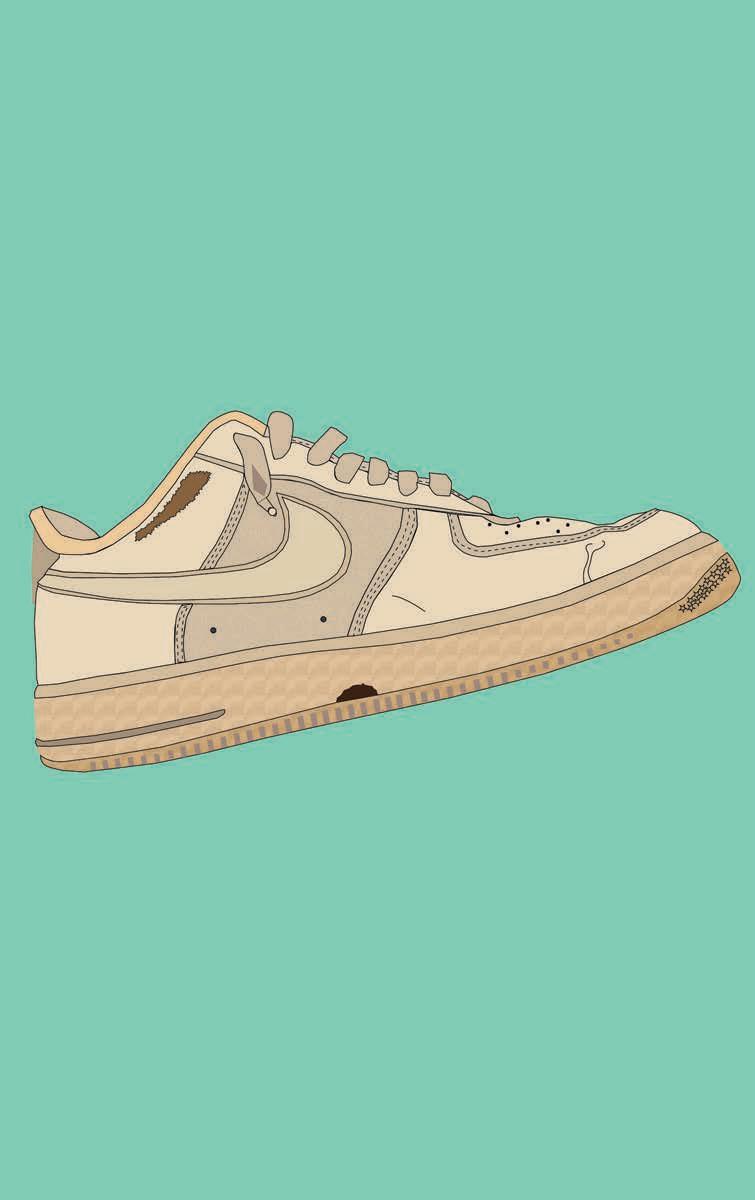
Zach Blume
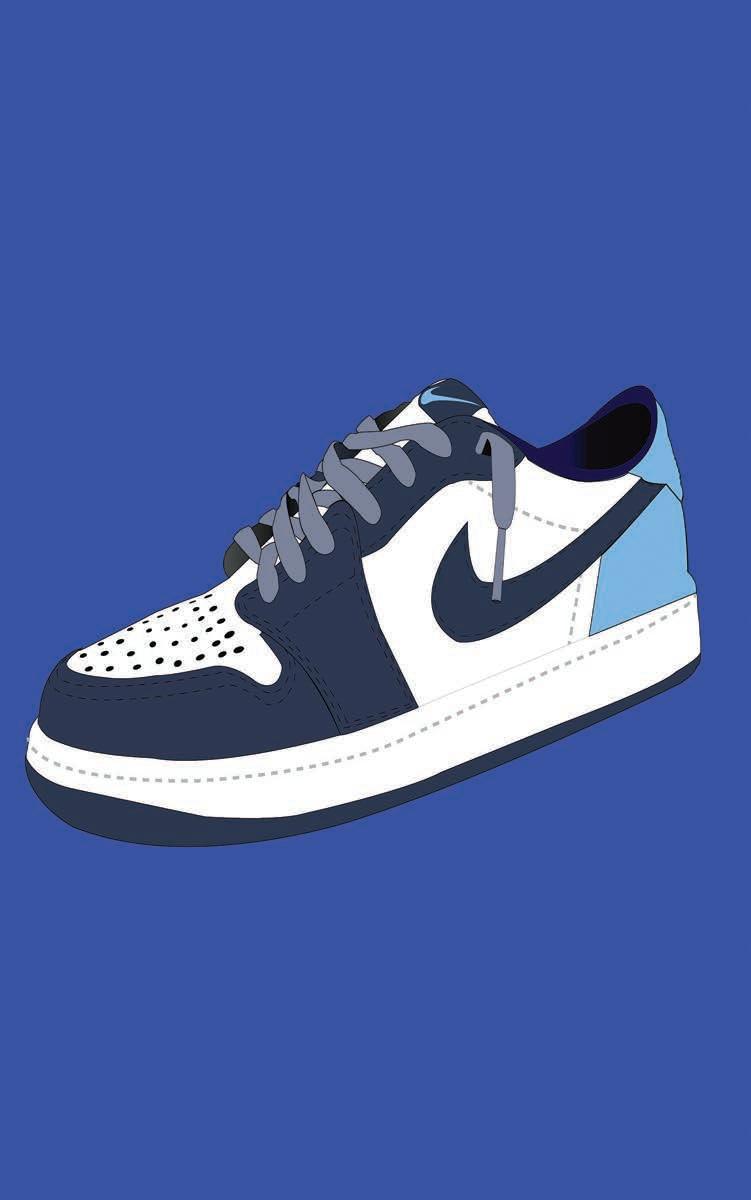
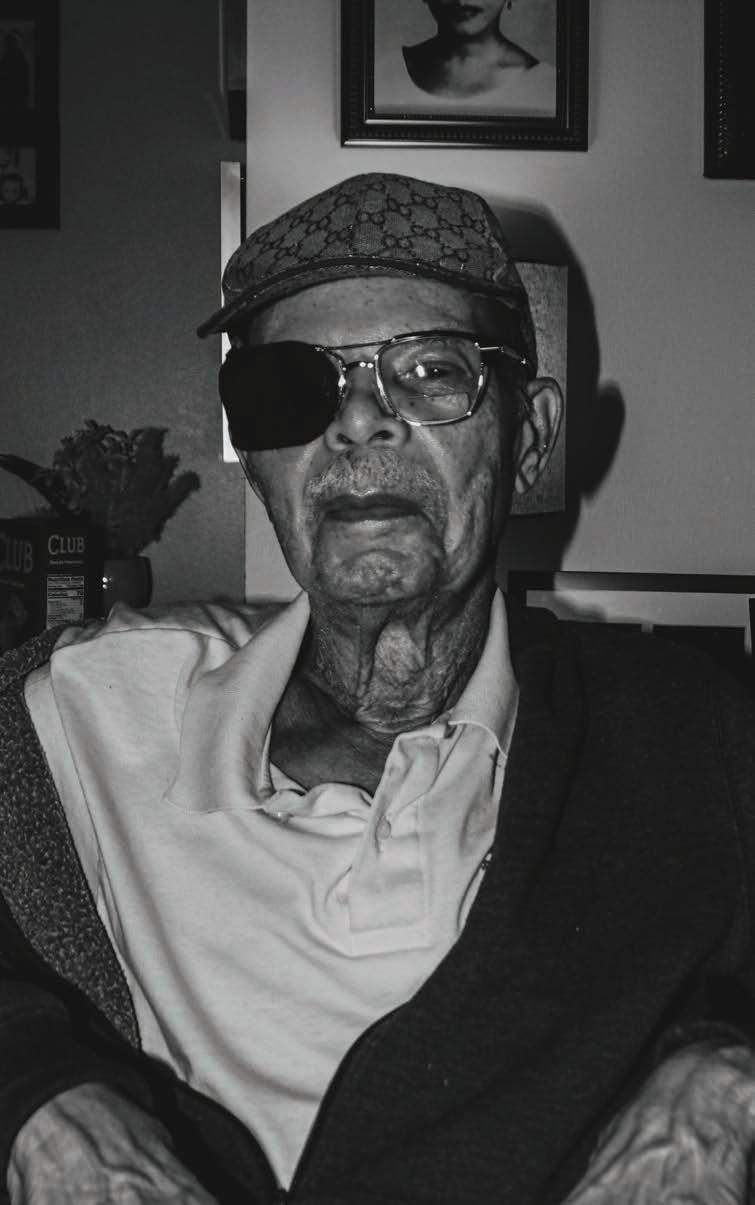
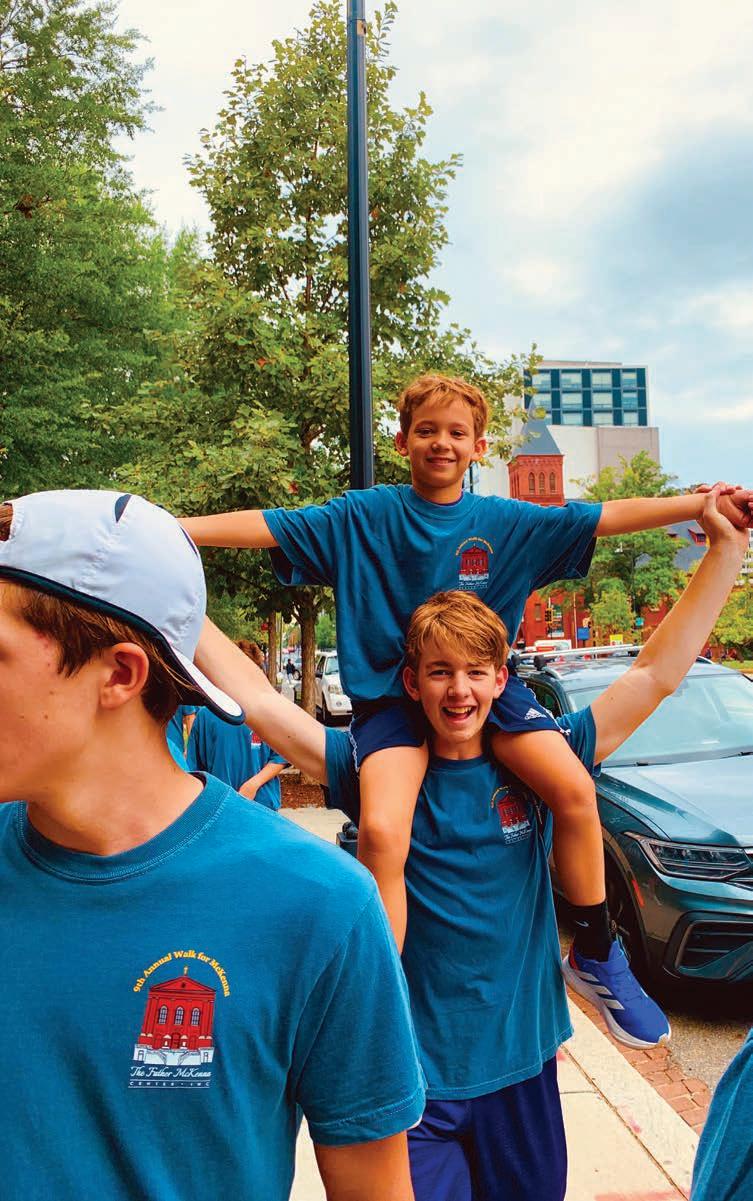

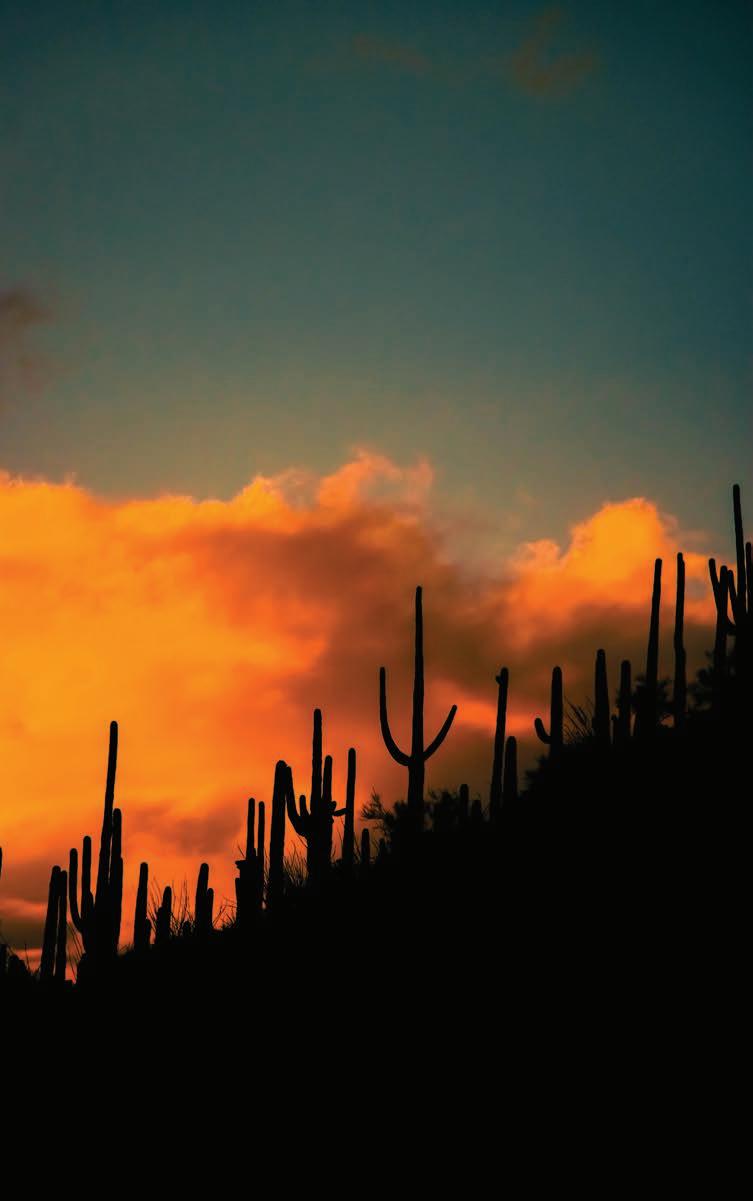
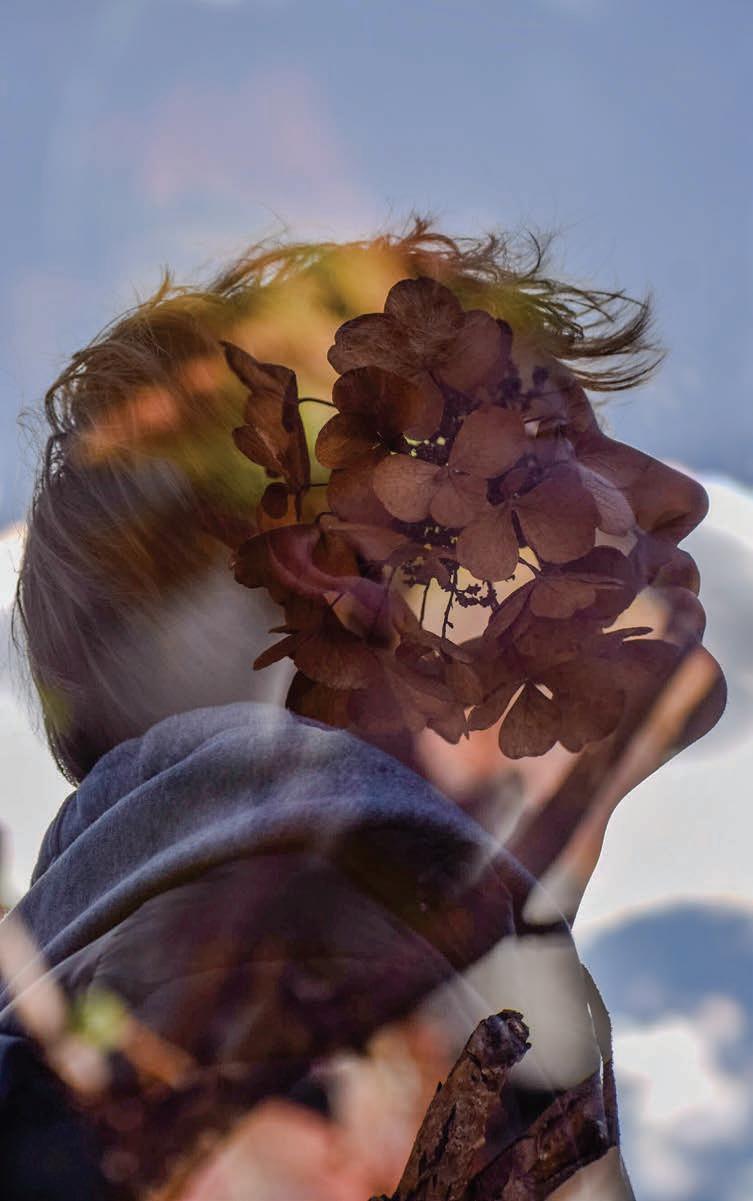
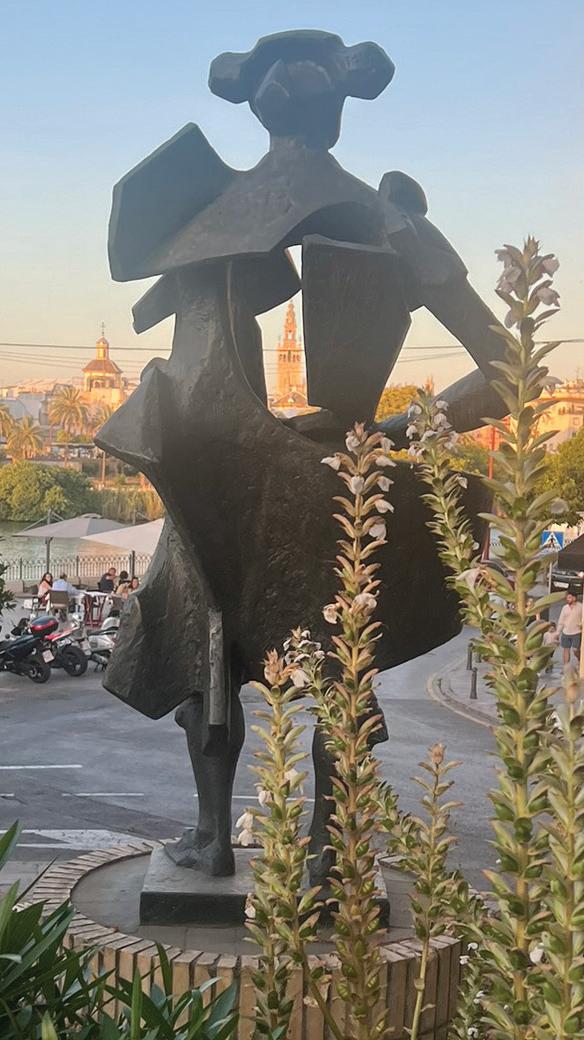
Jack Tovornik
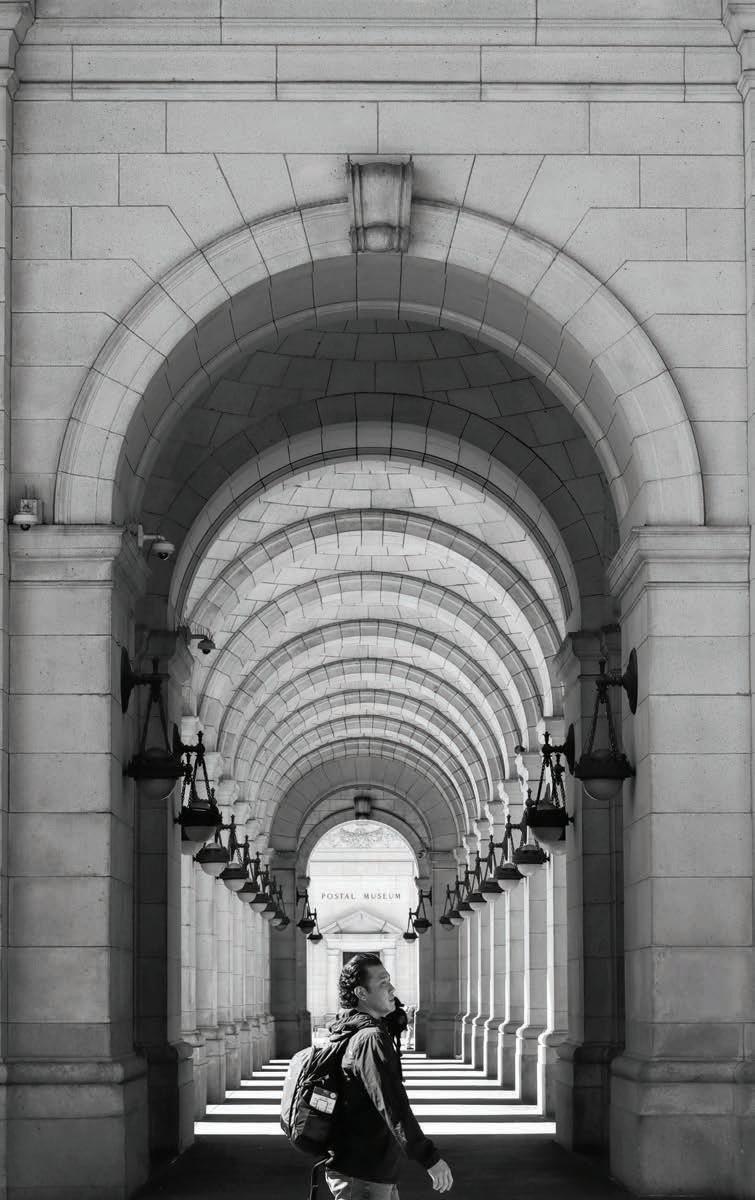
Andrew Ruddy



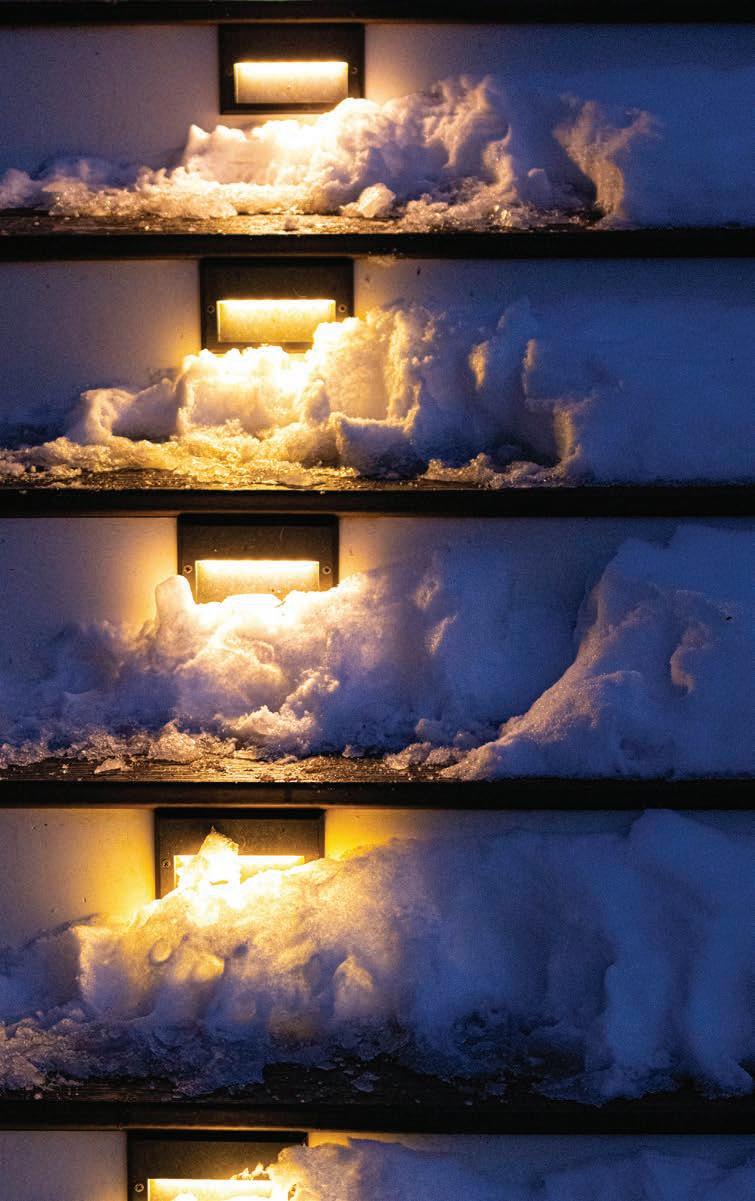
Xavier Baugh

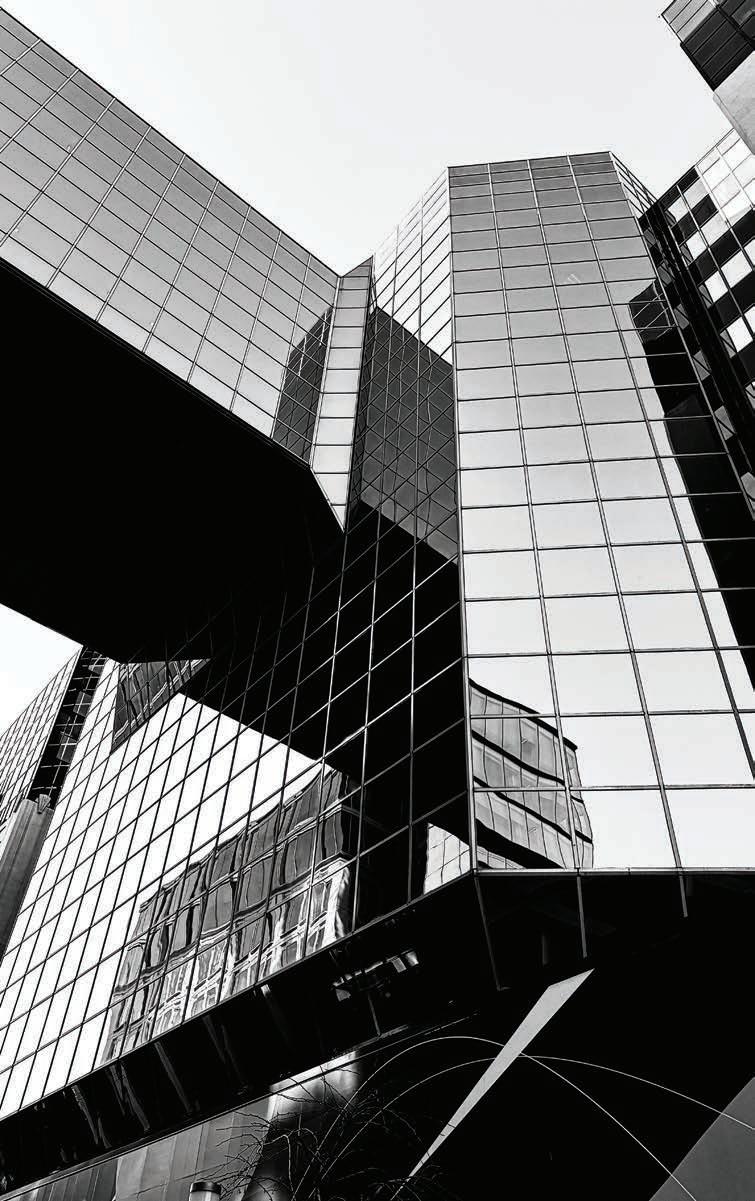
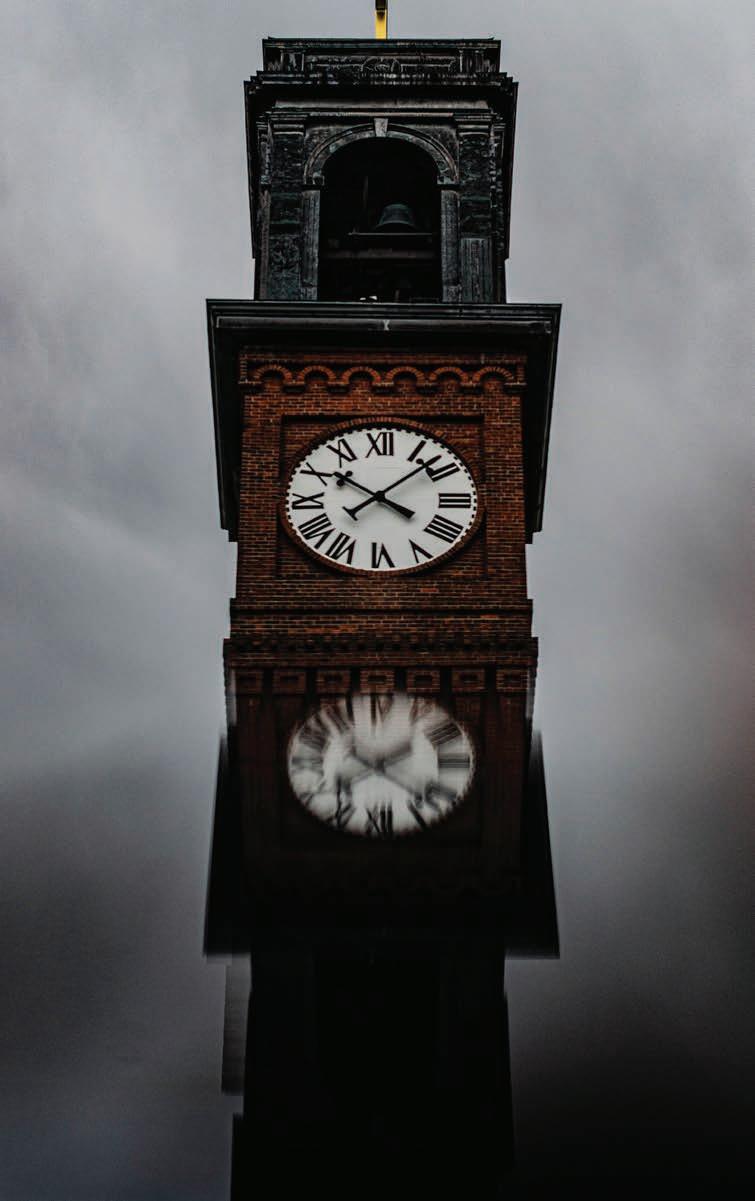
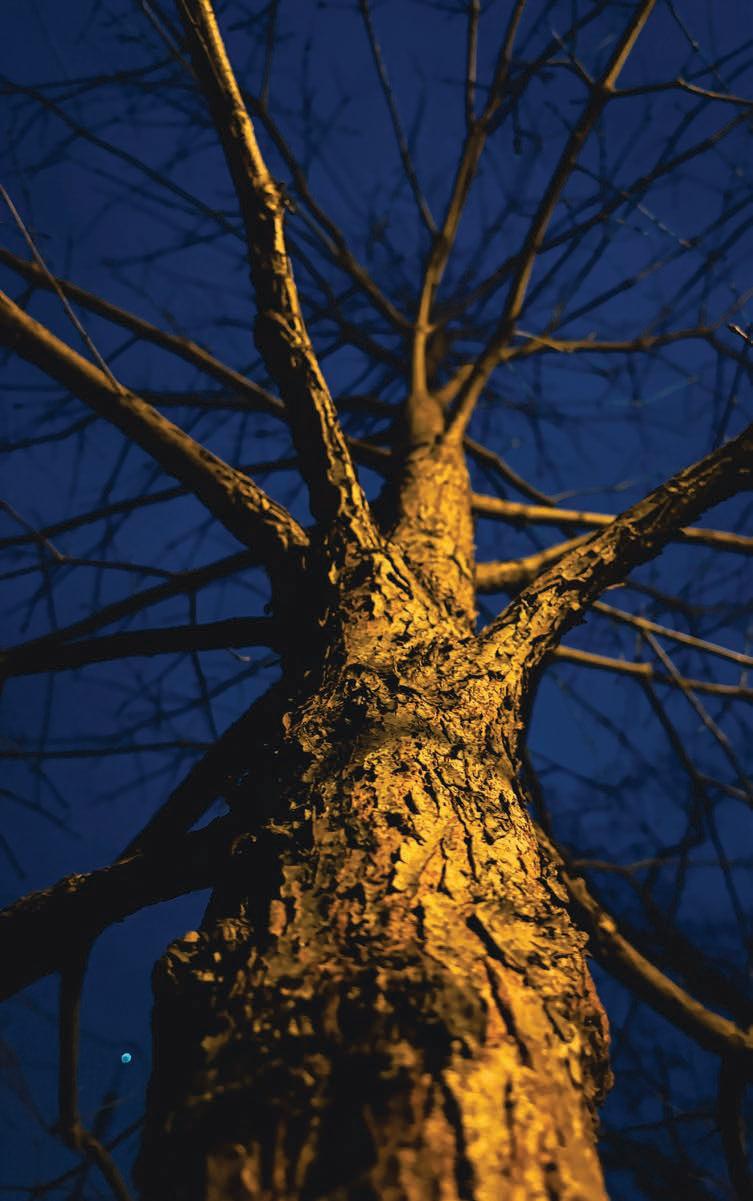
Everett Eckart
Cullen Larrabee
Caleb McHugh
Justin Han
Henry Graser
Martin Brandao
Wyatt Johnson
Brian Rubio

Caleb McHugh
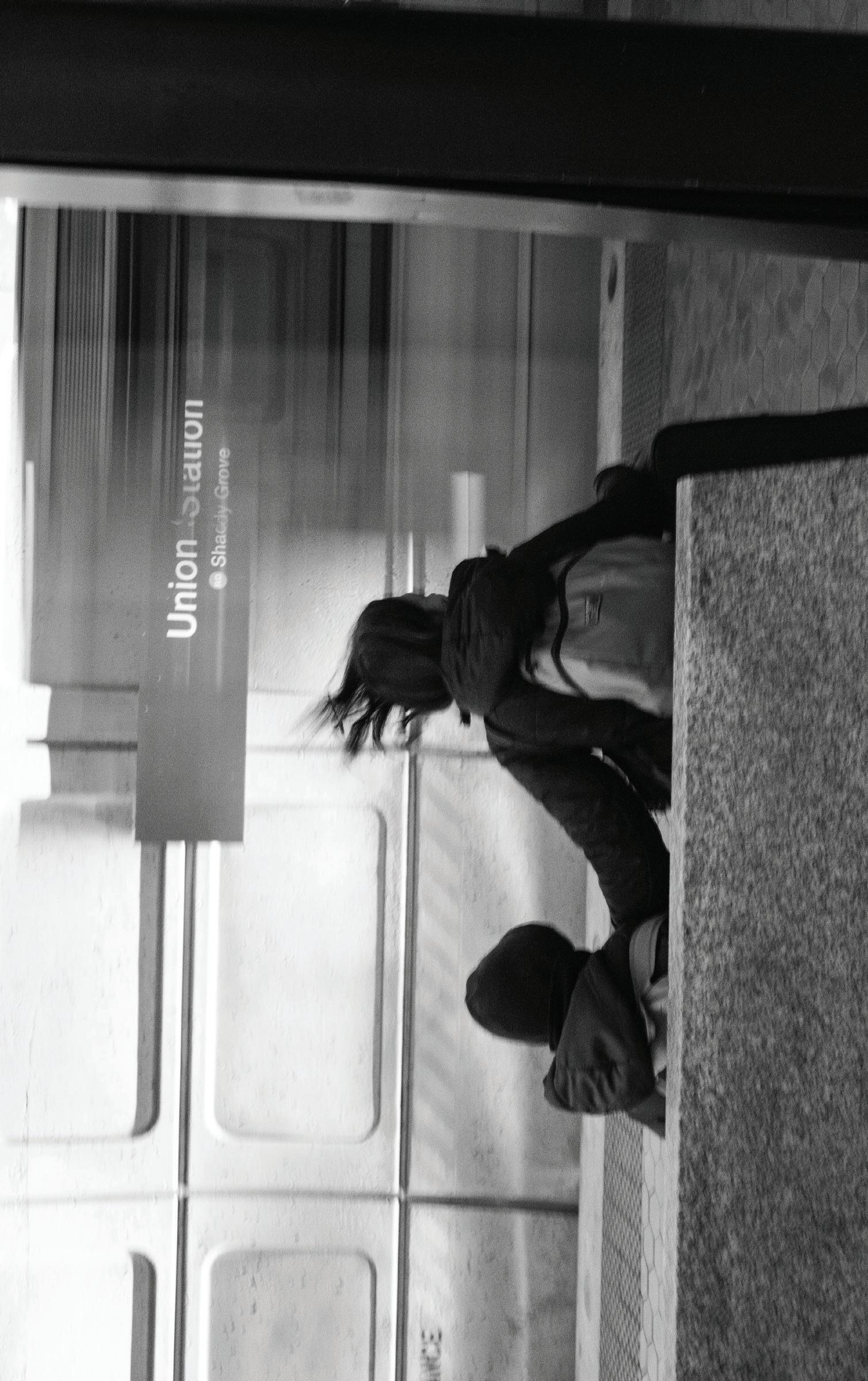
Langston Blair
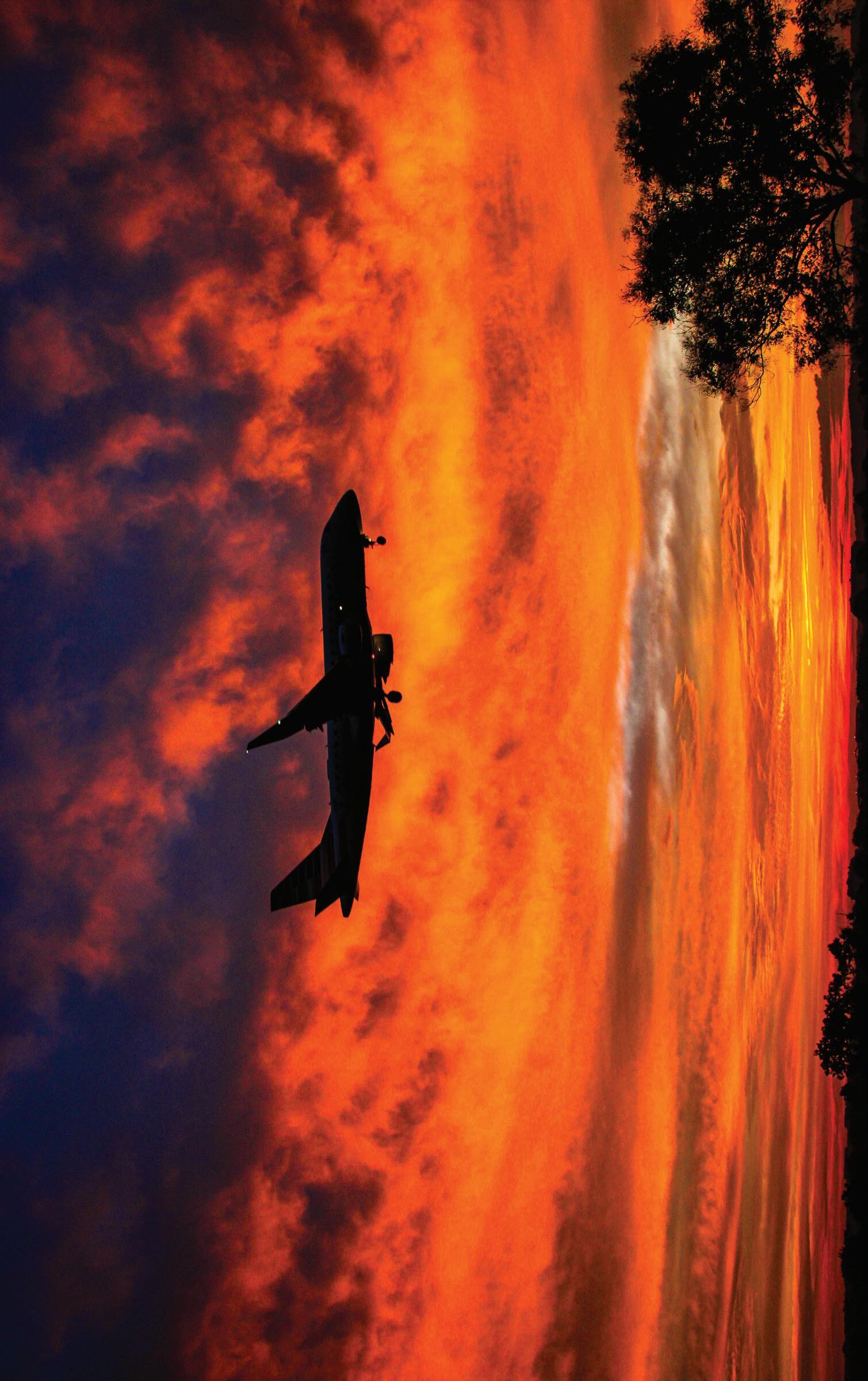
Andrew Ruddy
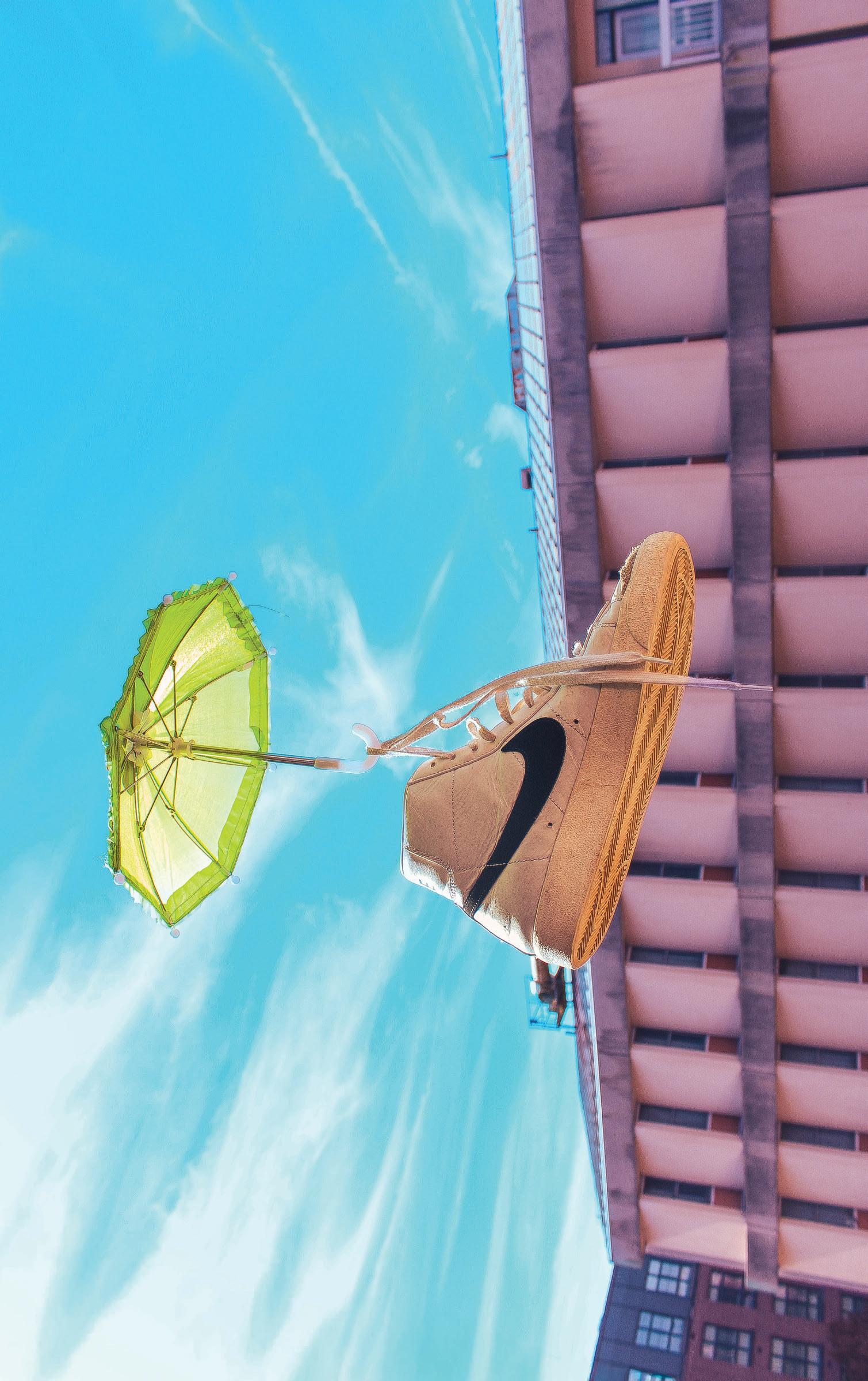
Wyatt Johnson
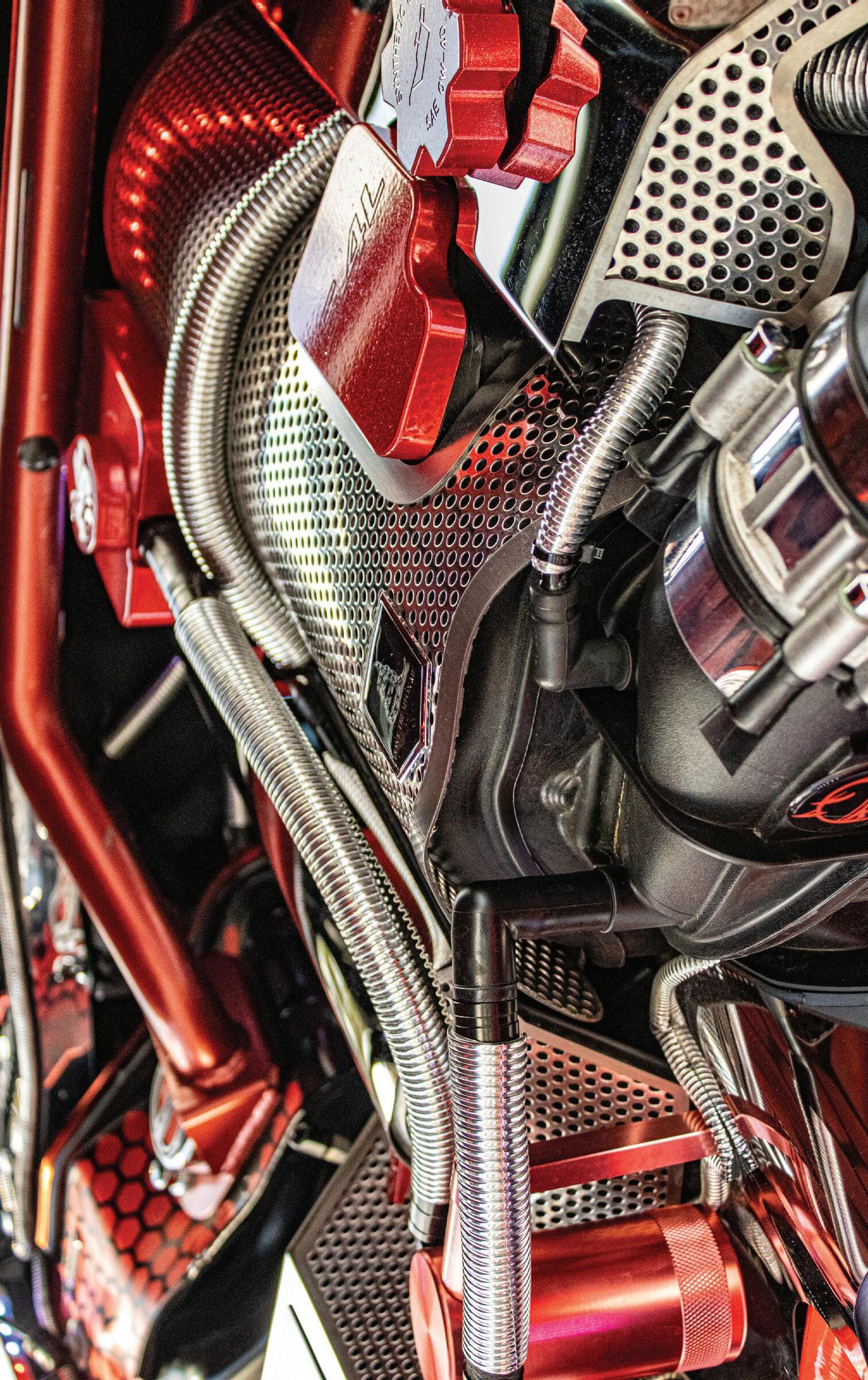
Peter Hoffman
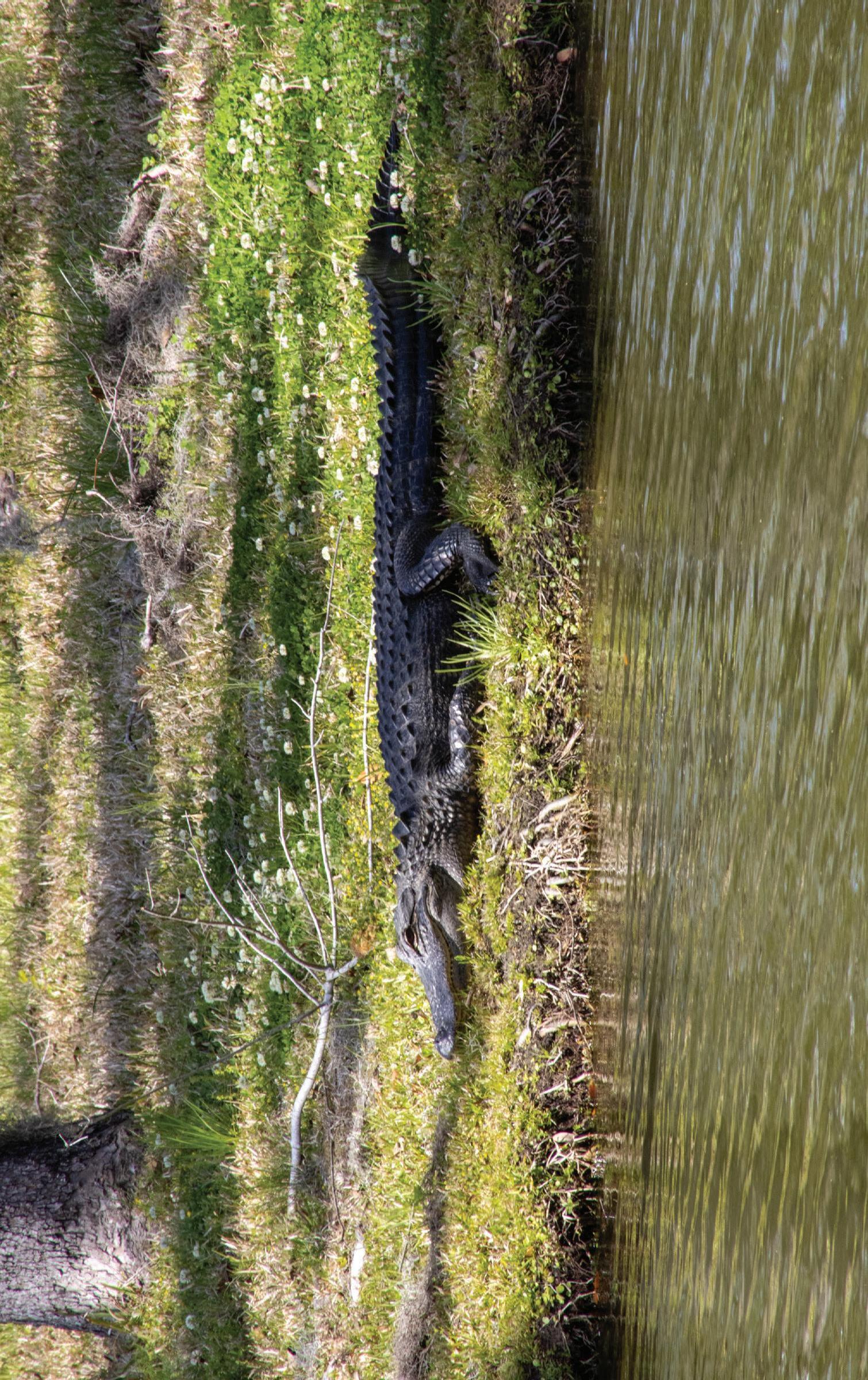
Peter Hoffman
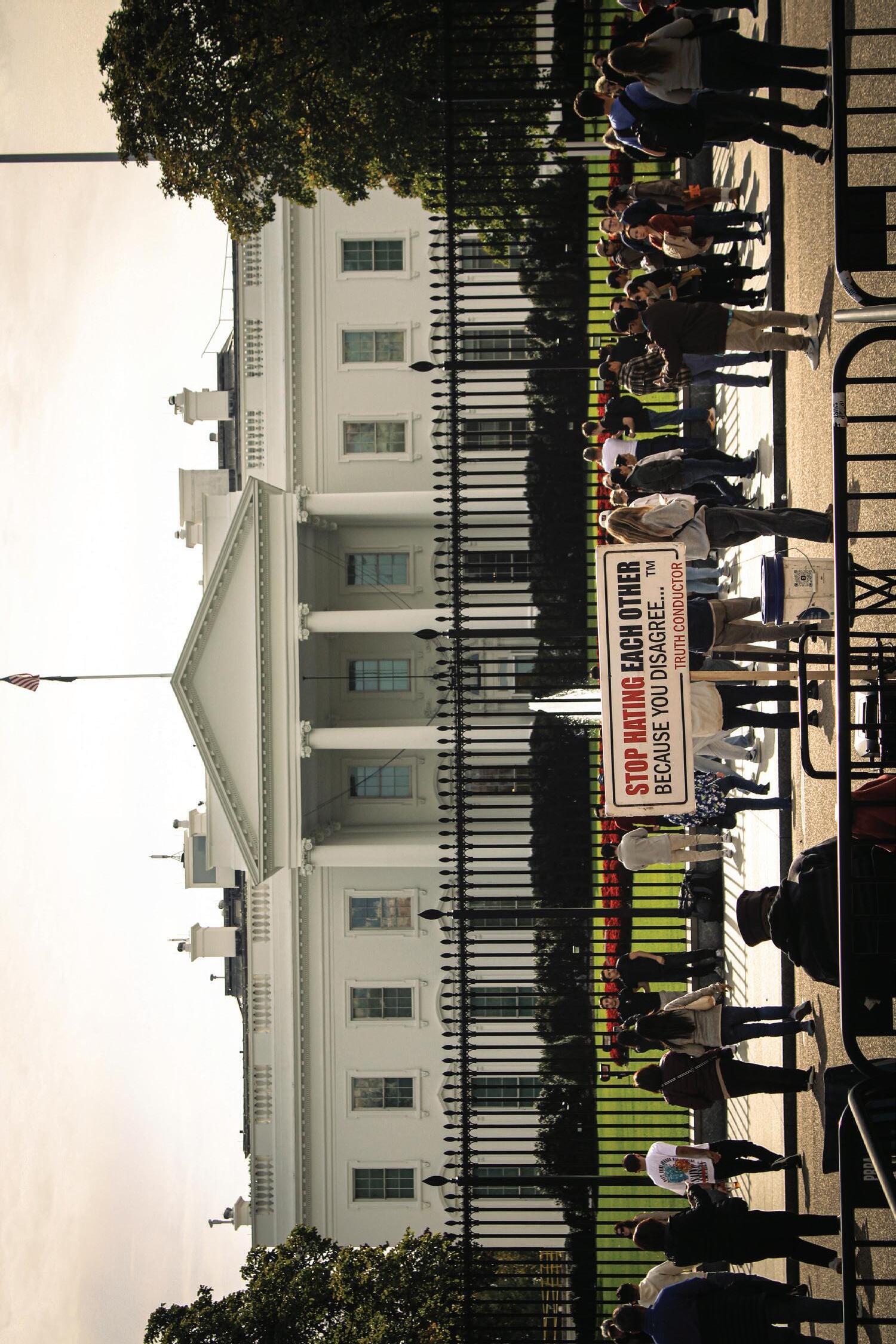
Henry Greif
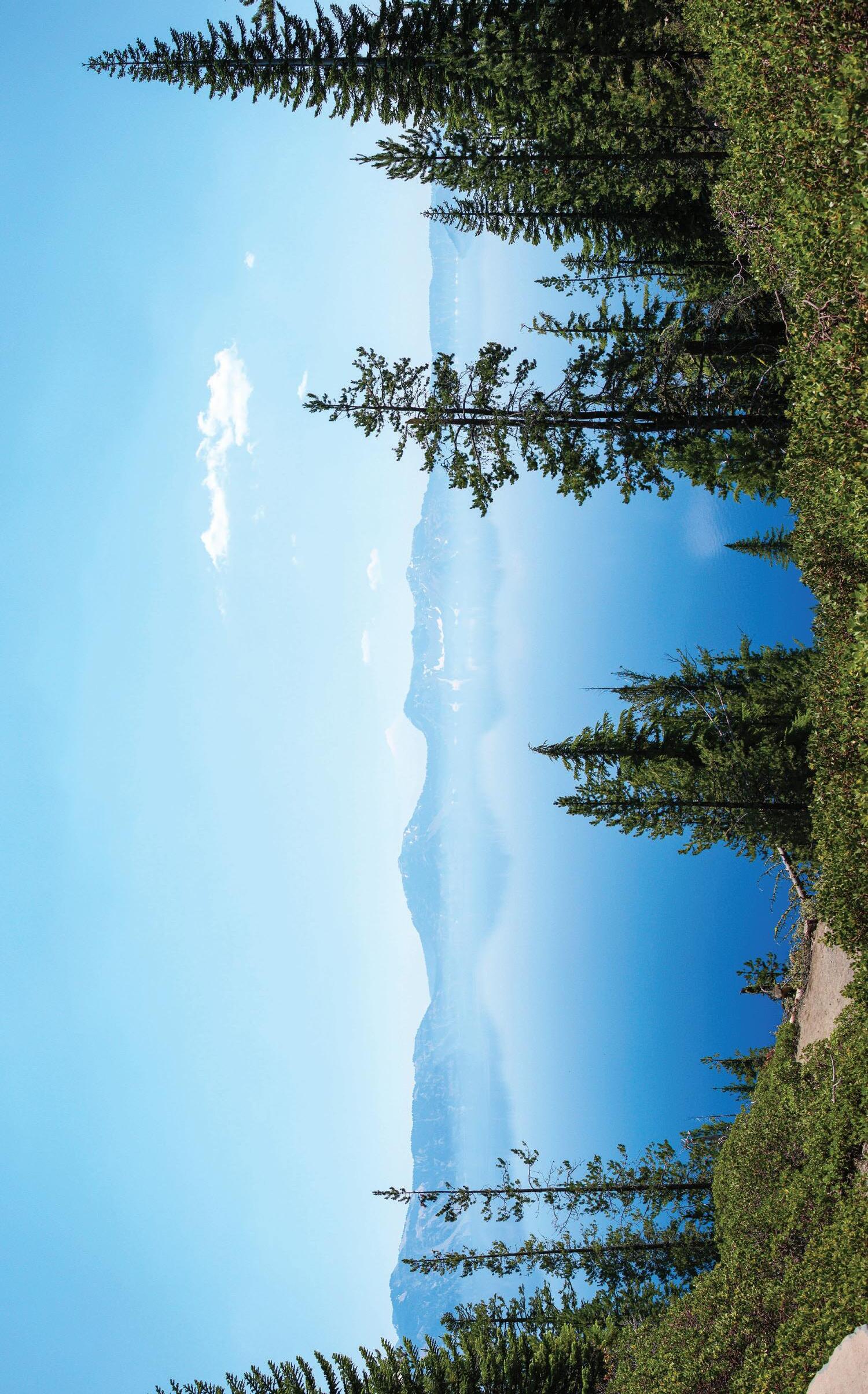
Andrew Ruddy
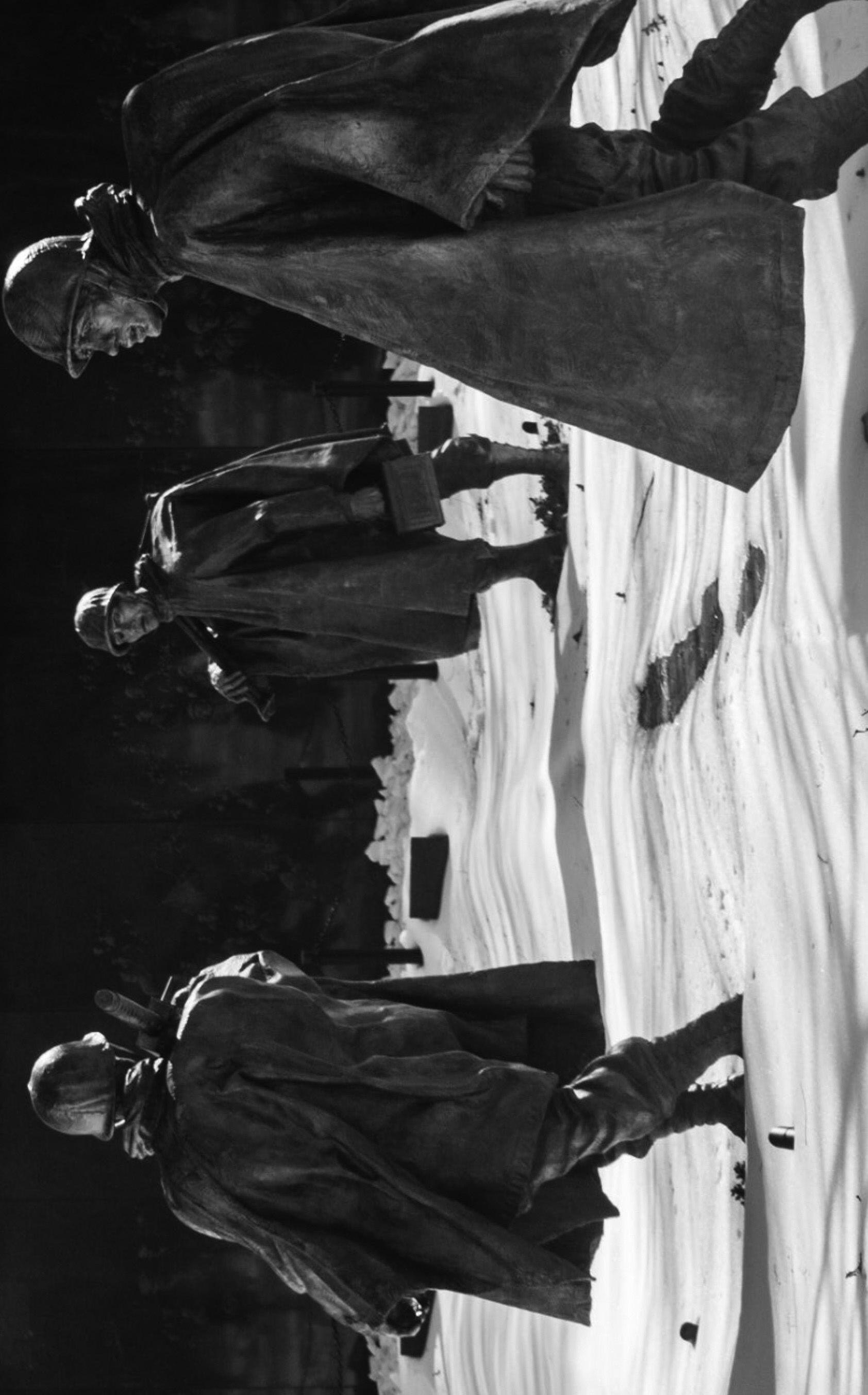
Satya Steele
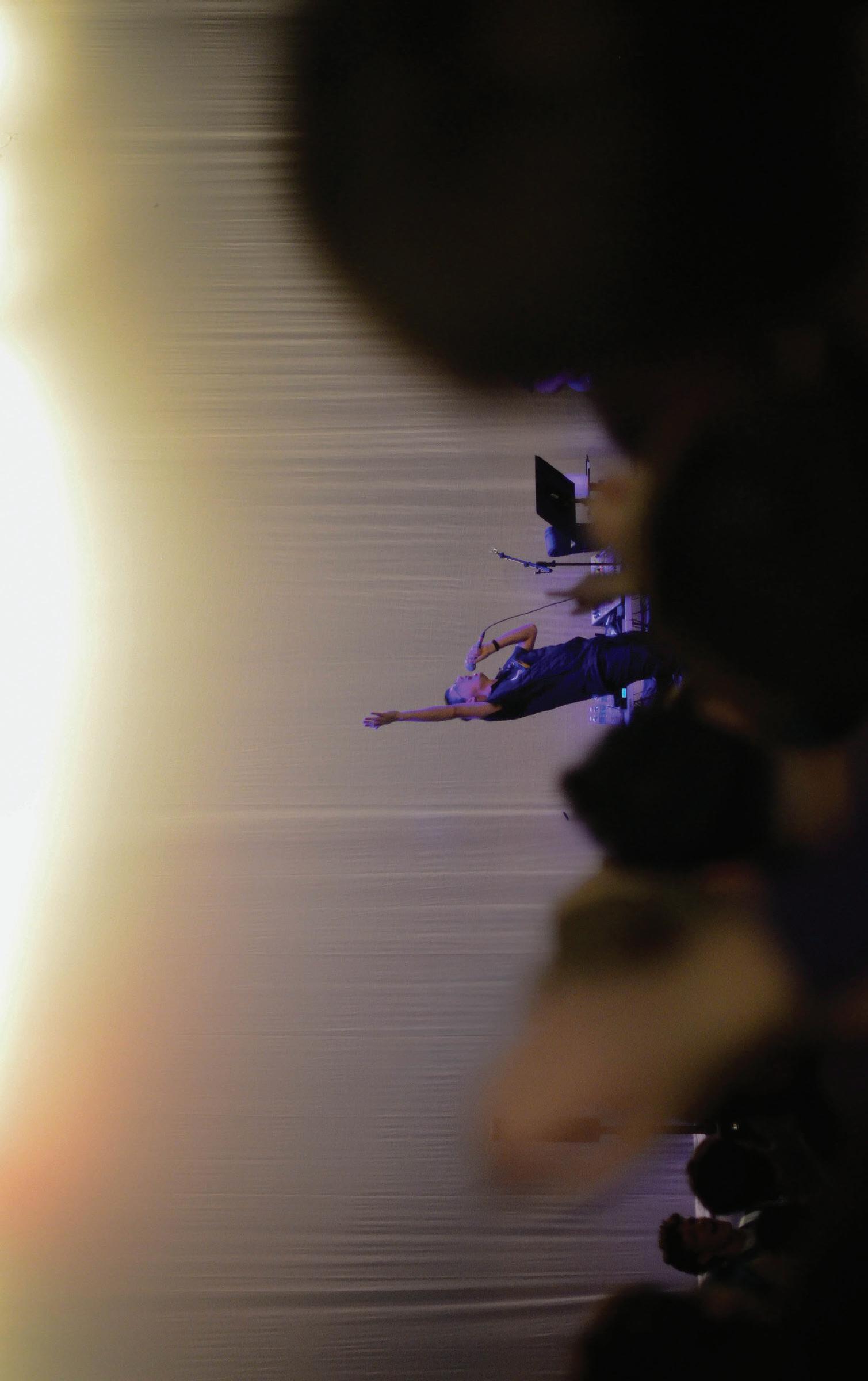
Justin Han
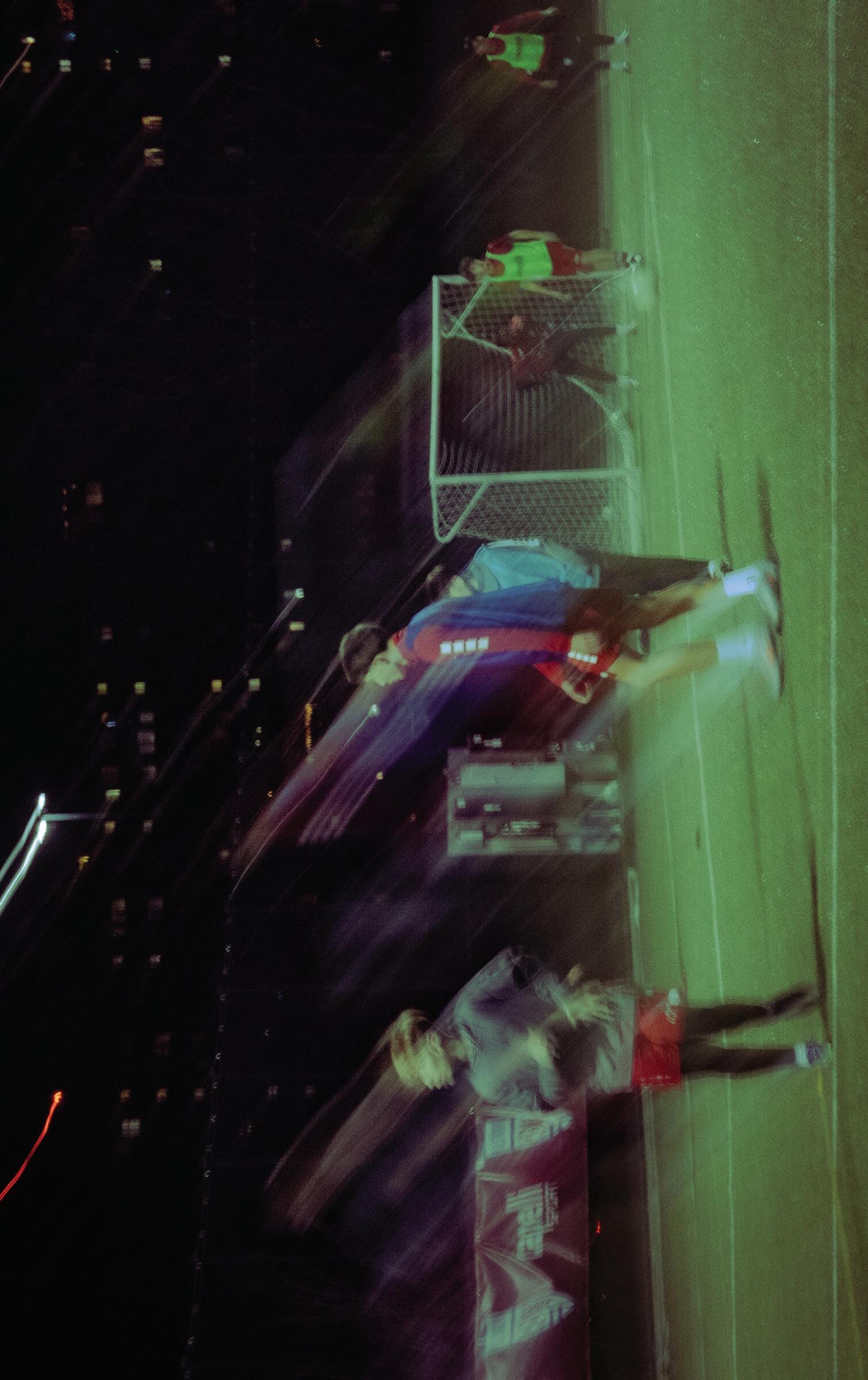
Carson Goode
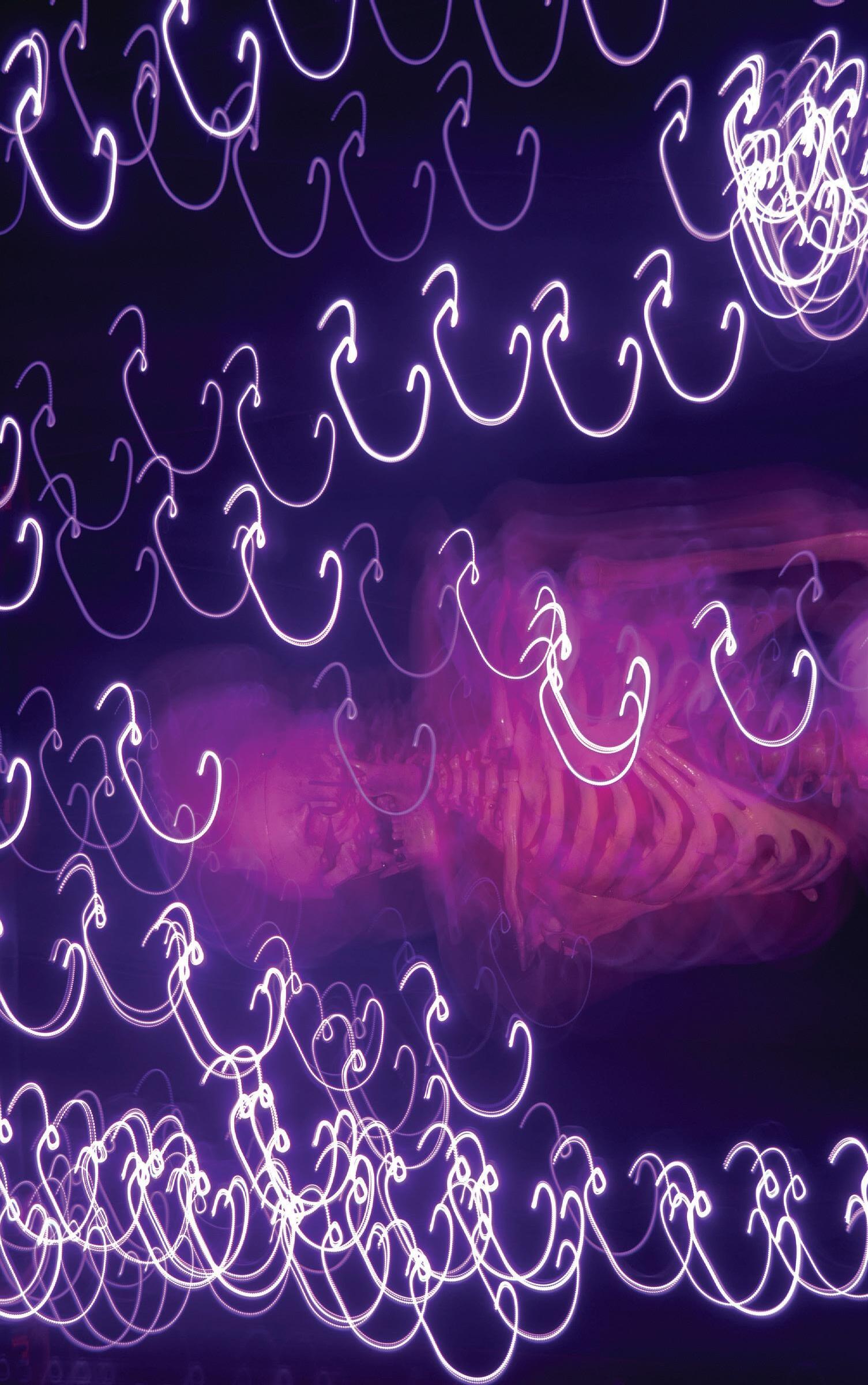
Giles Pilkerton
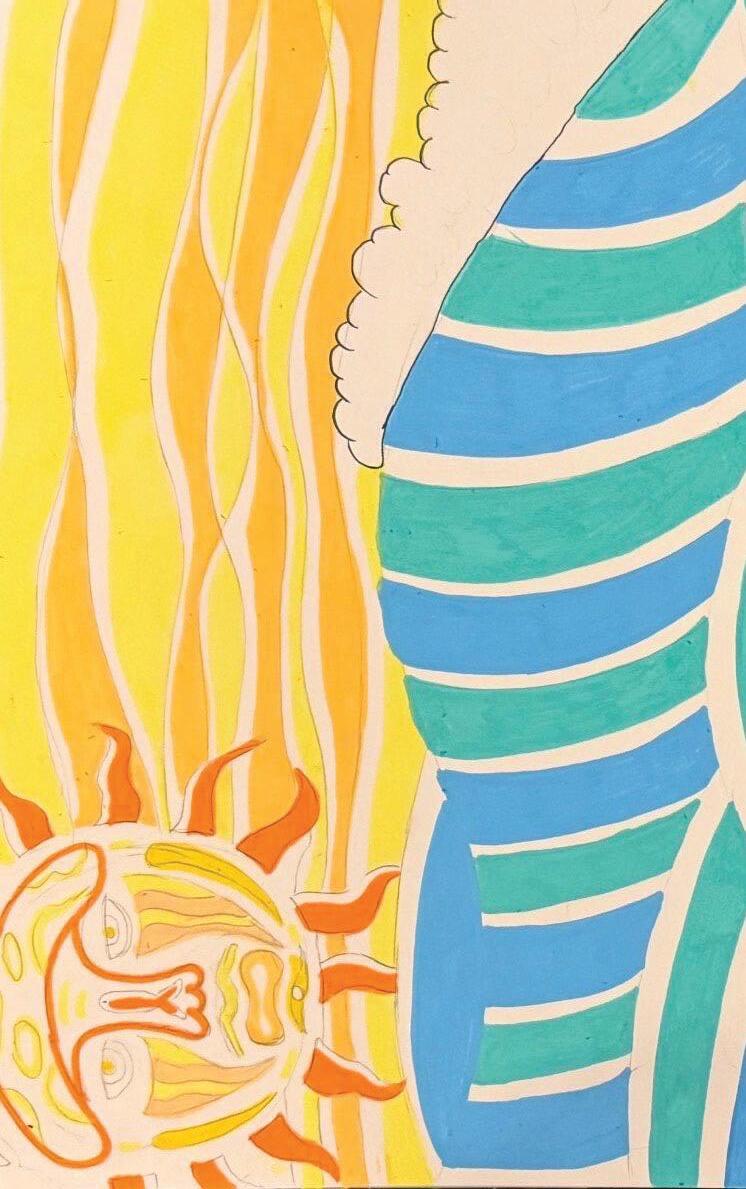
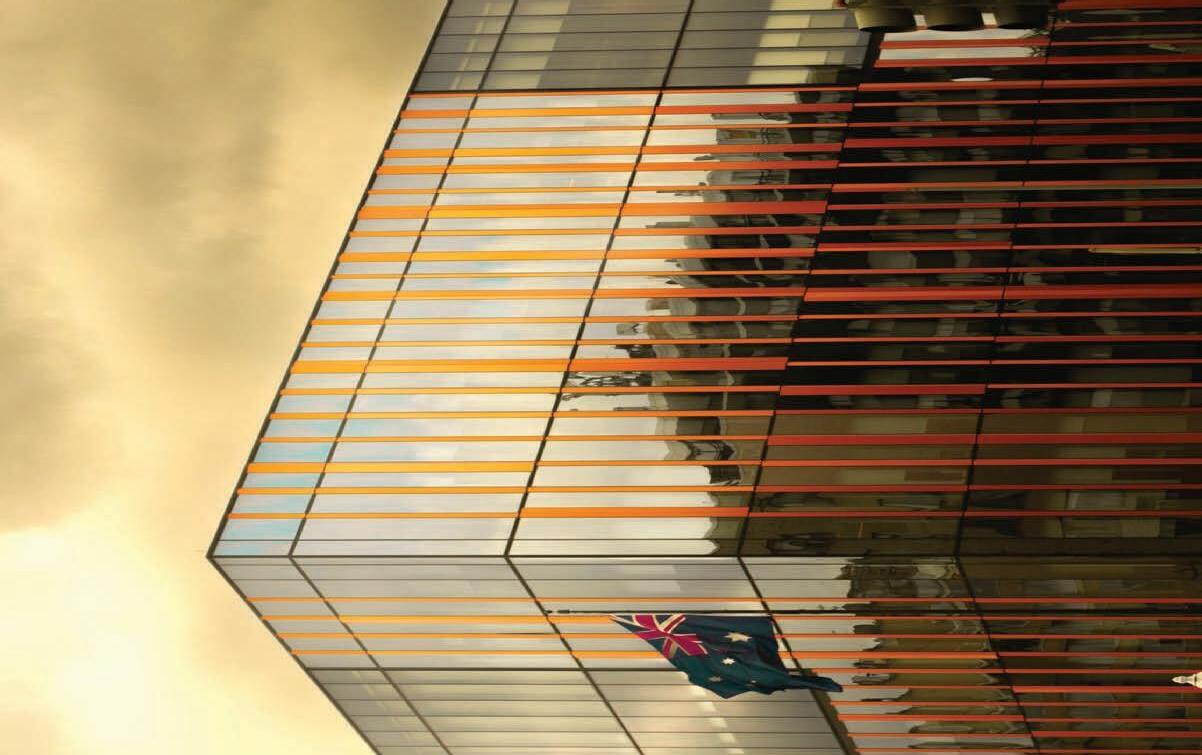
PJ Garayta
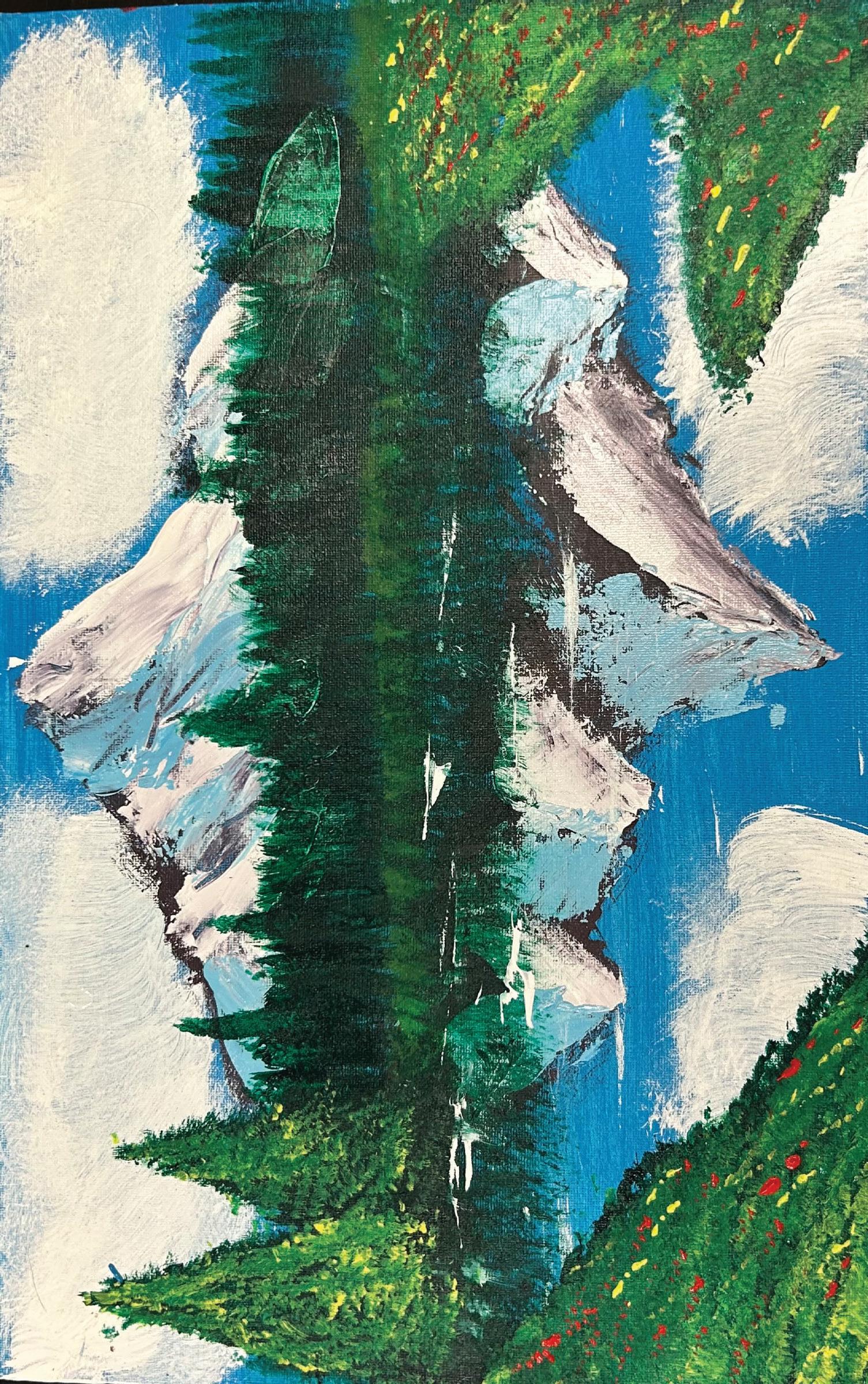
Ryan Casteel
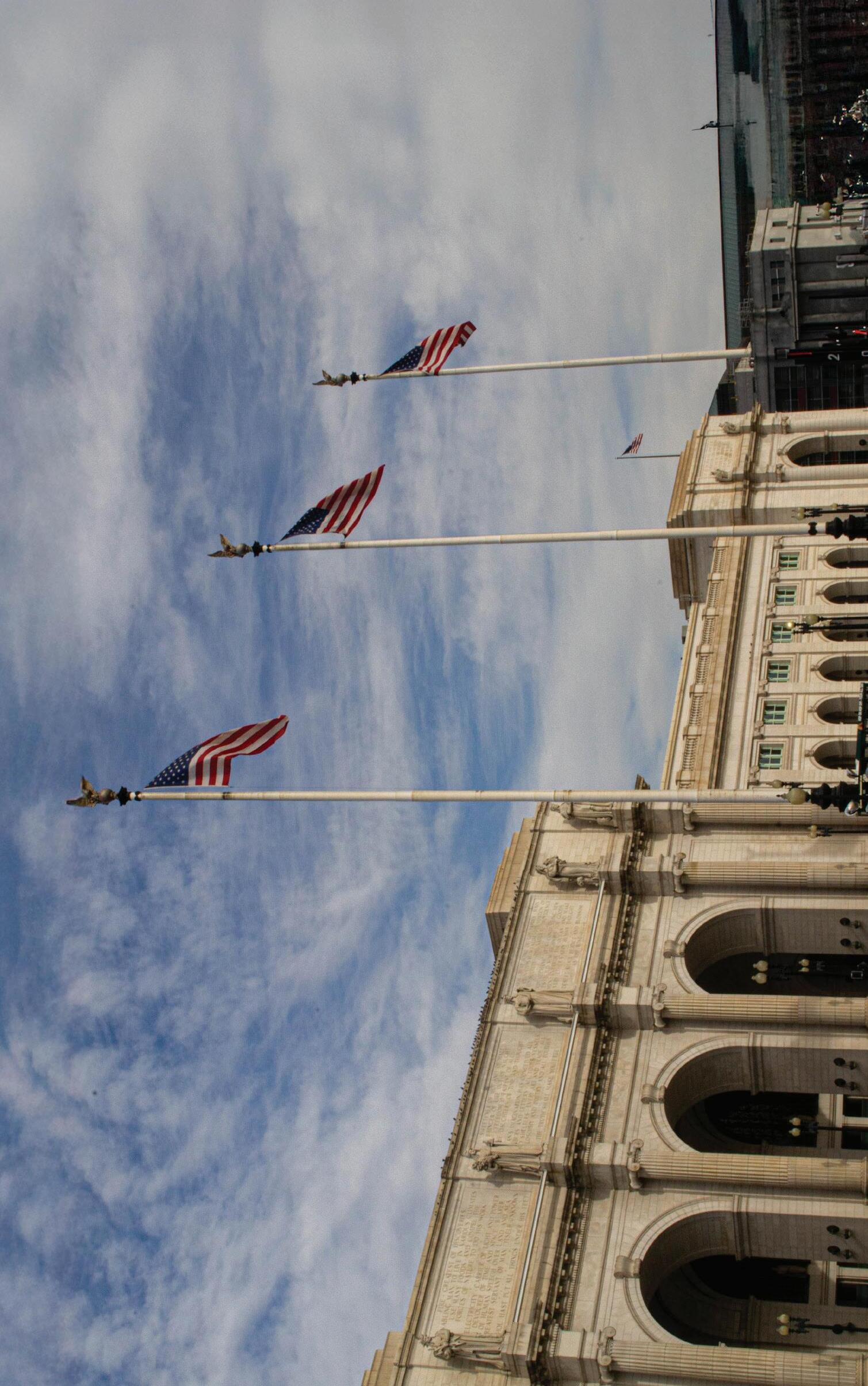
PJ Garayta
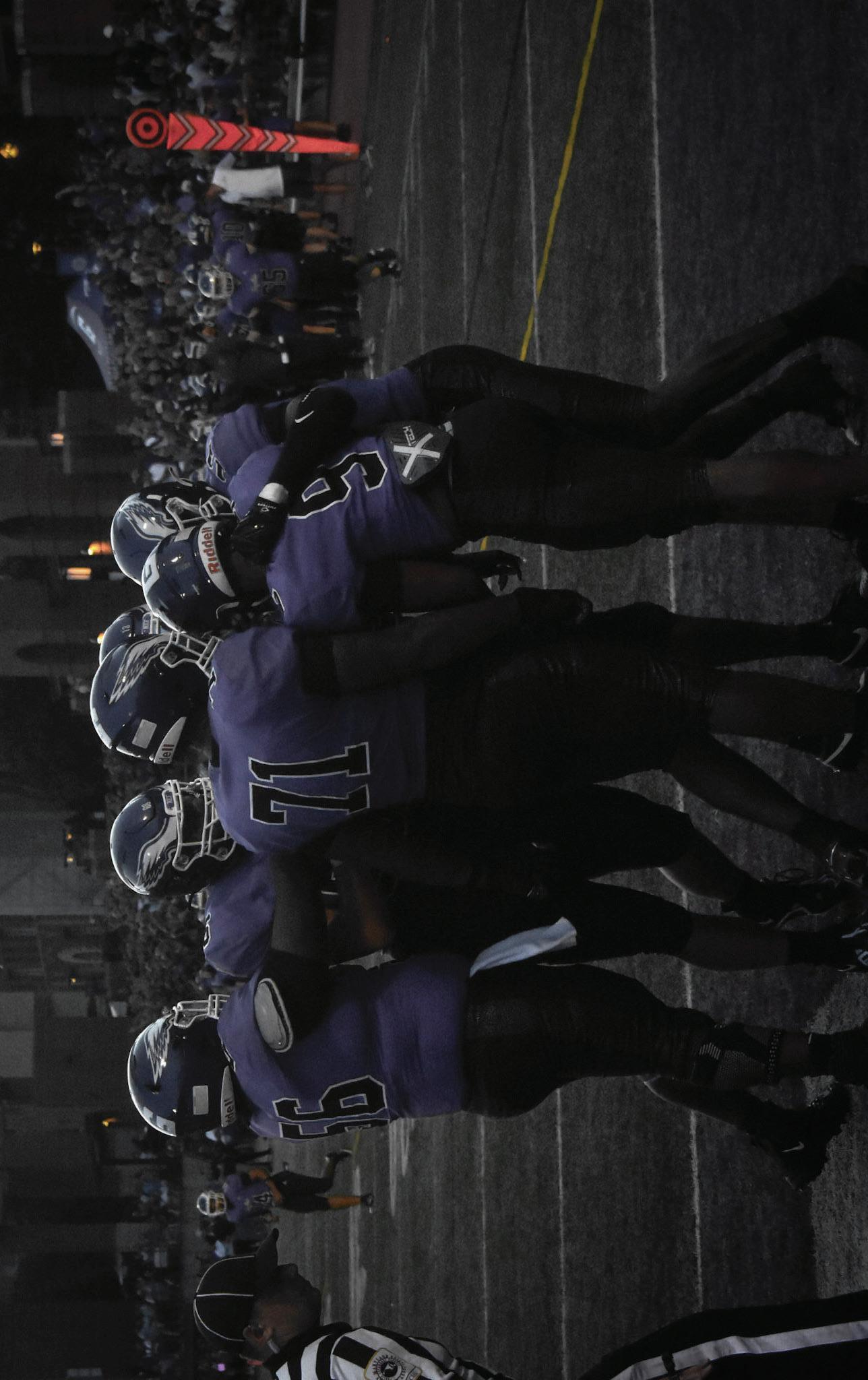
John Brady
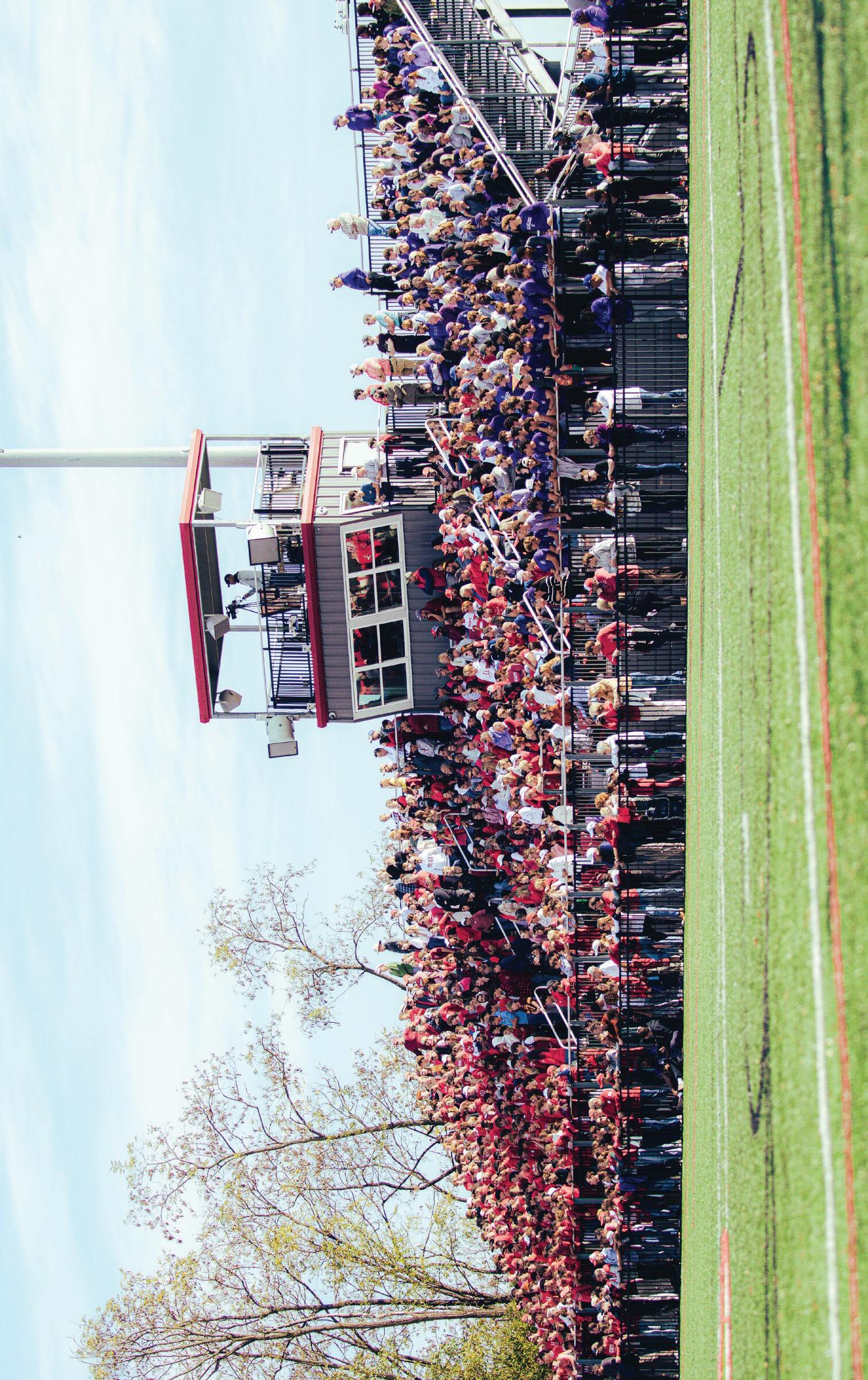
Aiden Williams
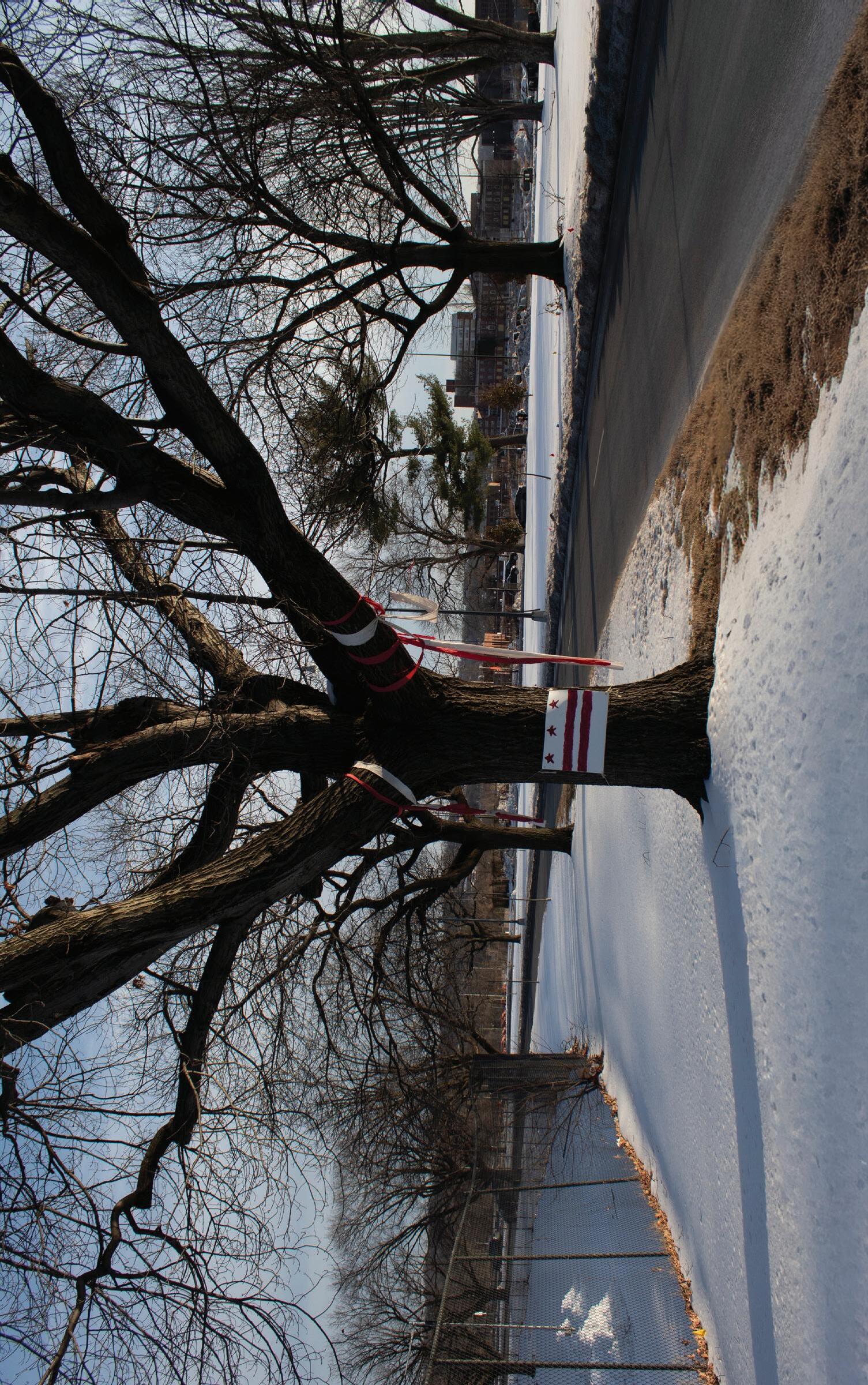
Joaquin Sullivan
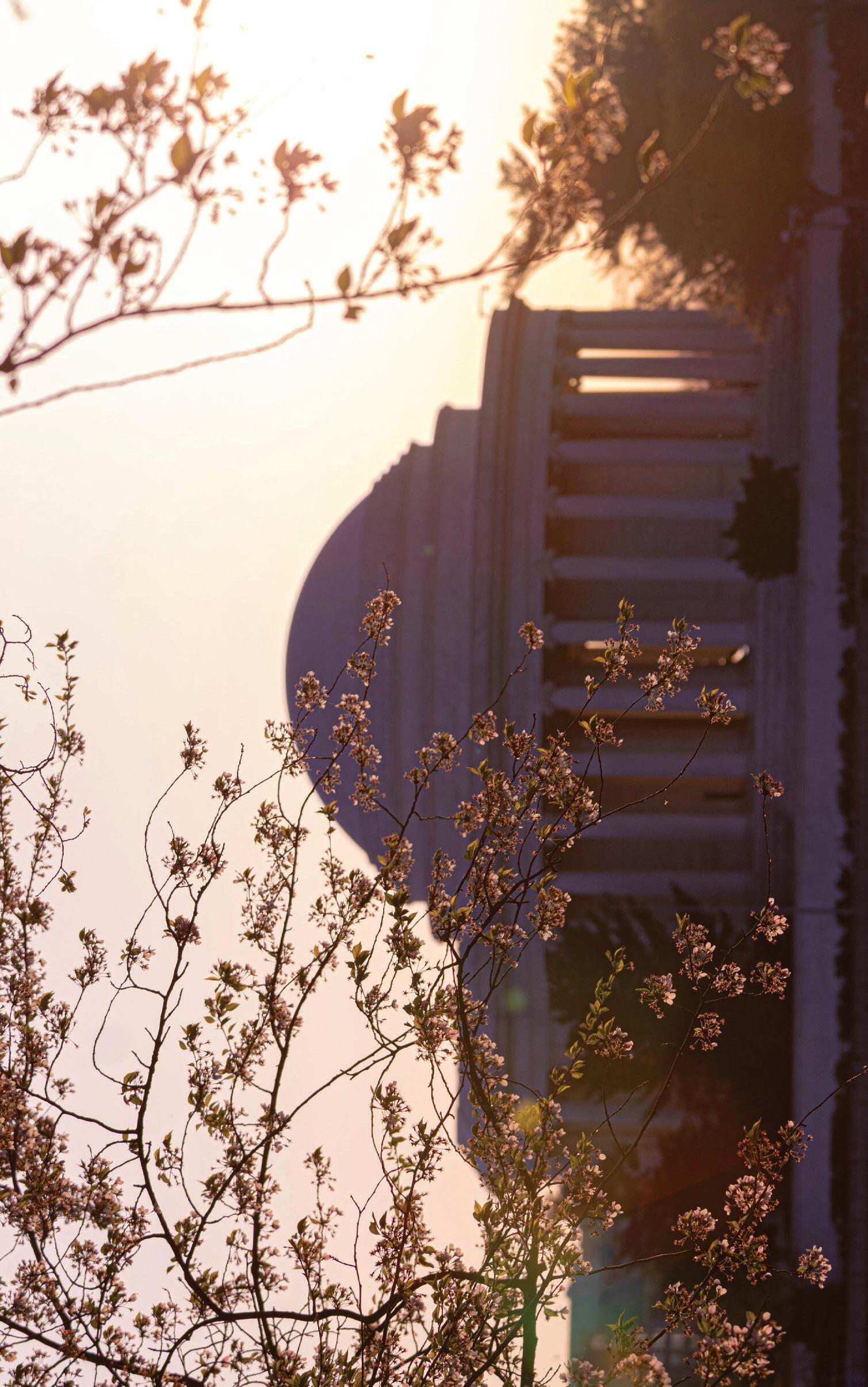
Caeden Donley
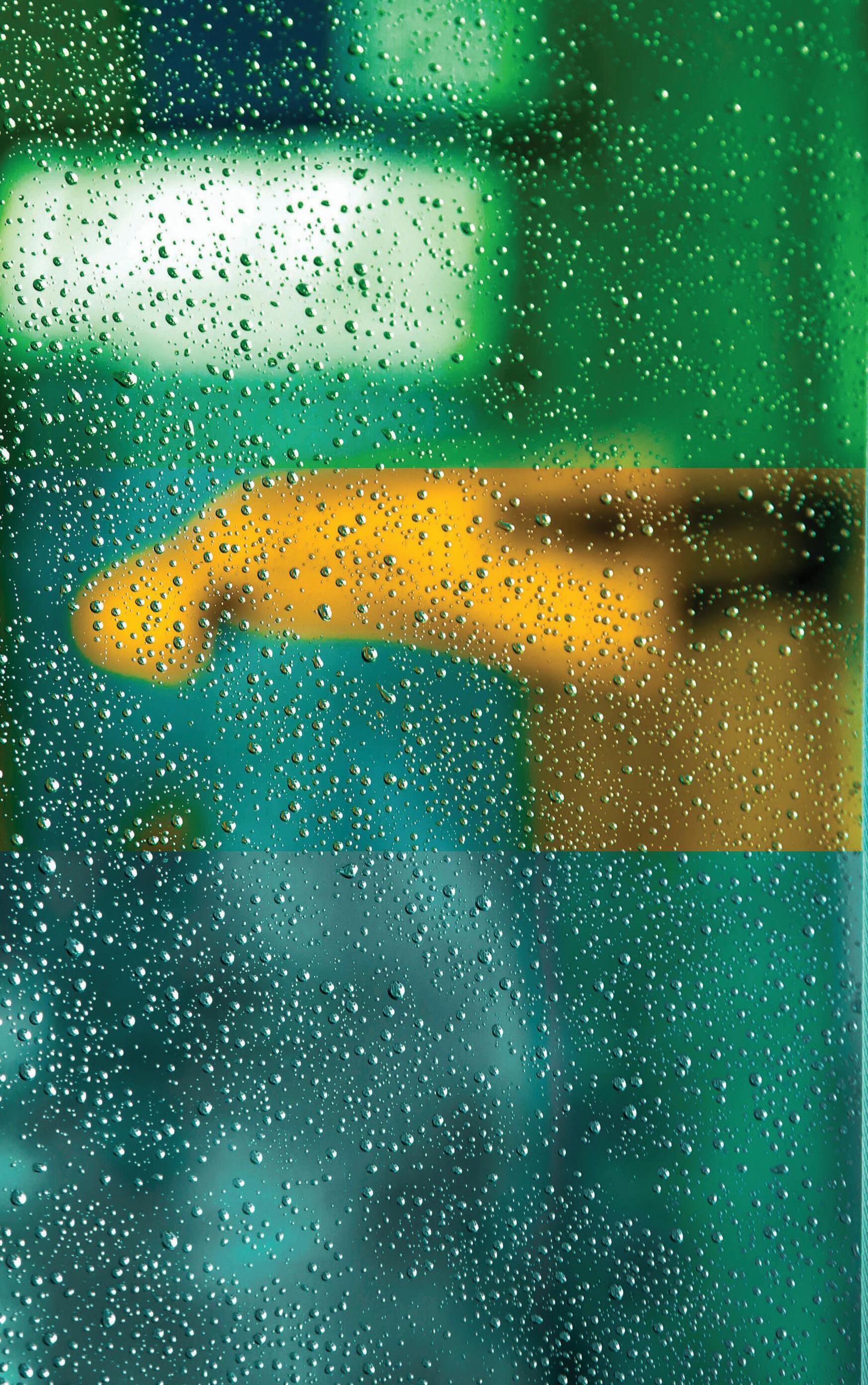
Chase Hogg
Matrin Brandao
Andrew Ruddy
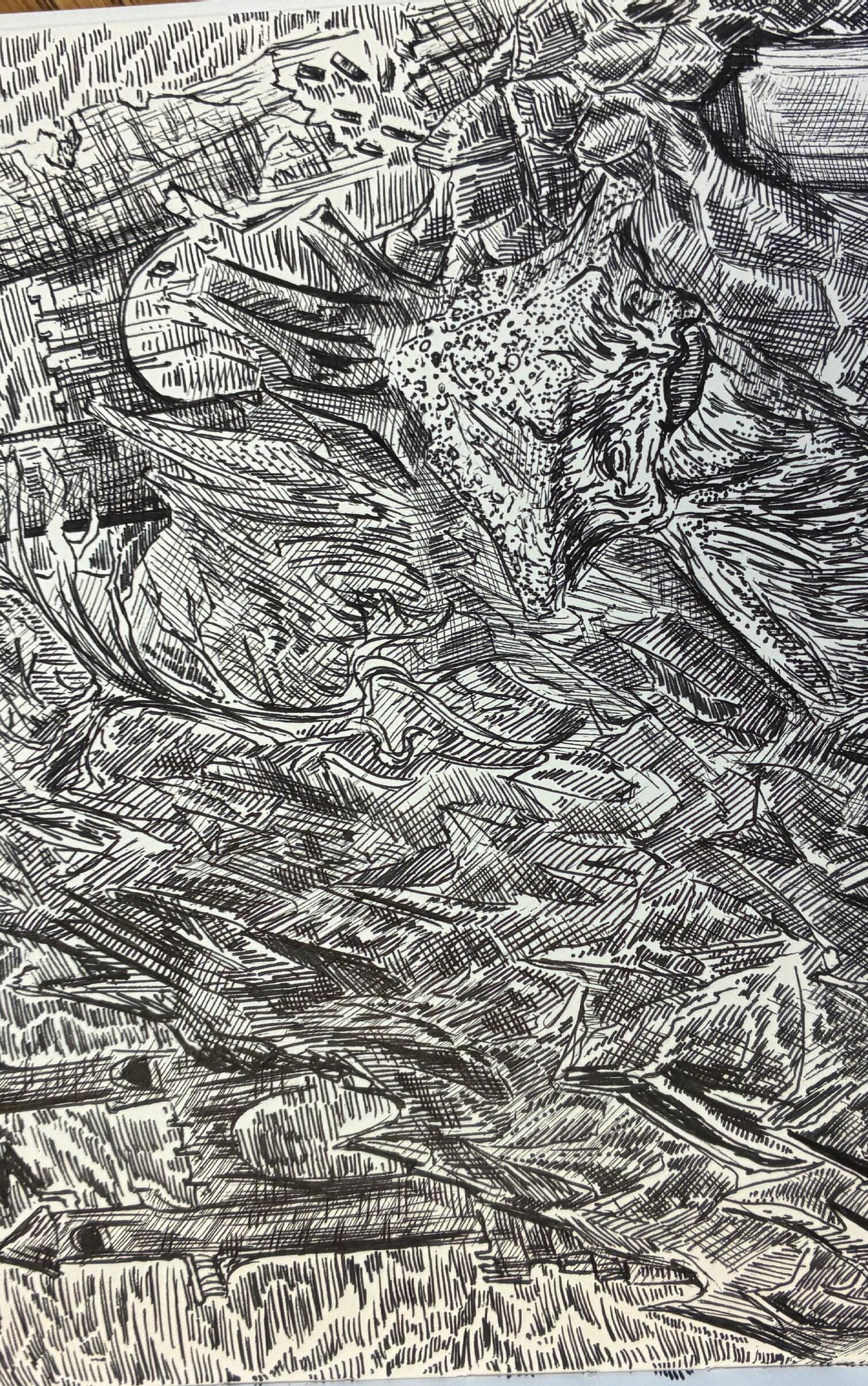
Joe Lacuesta
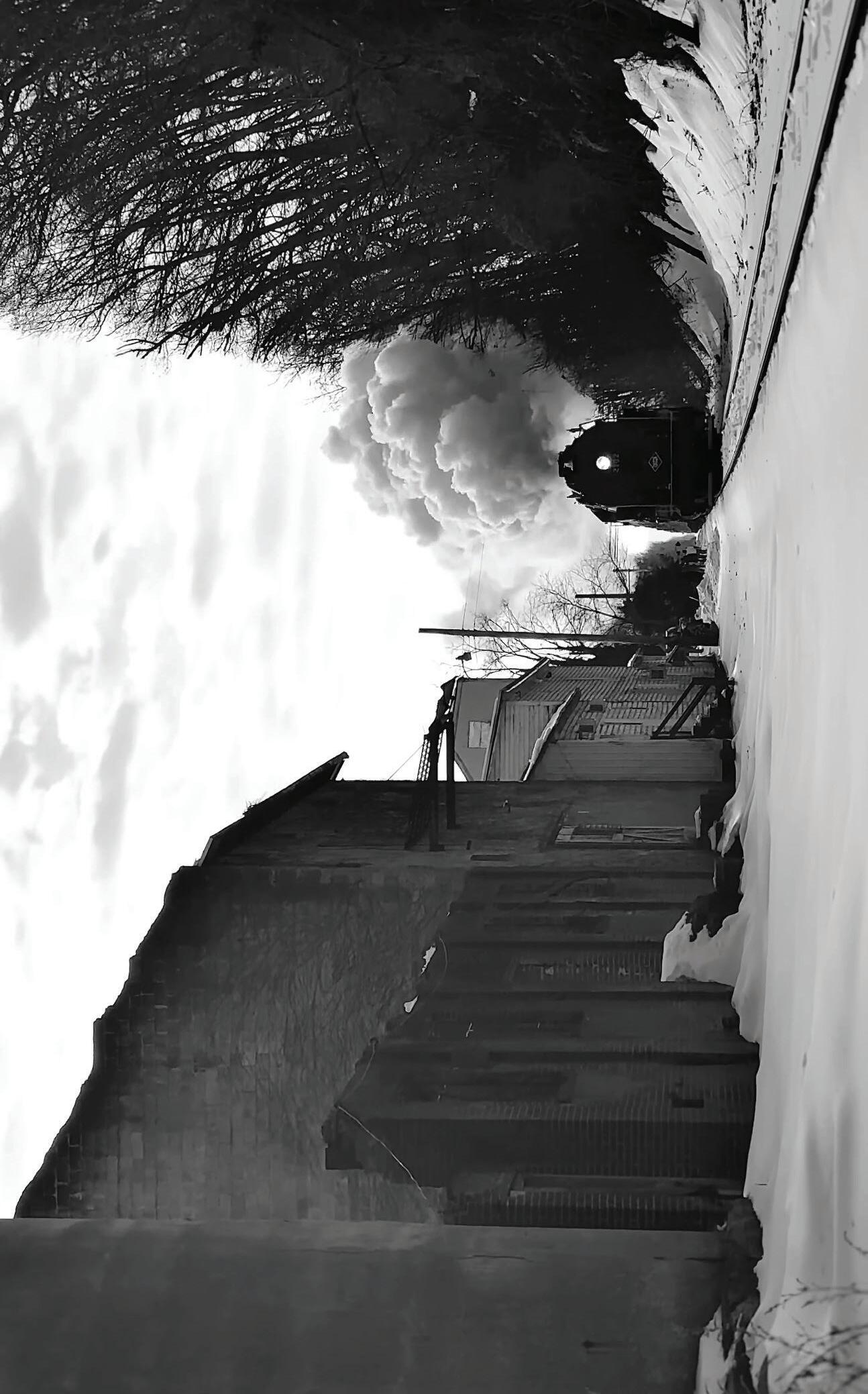
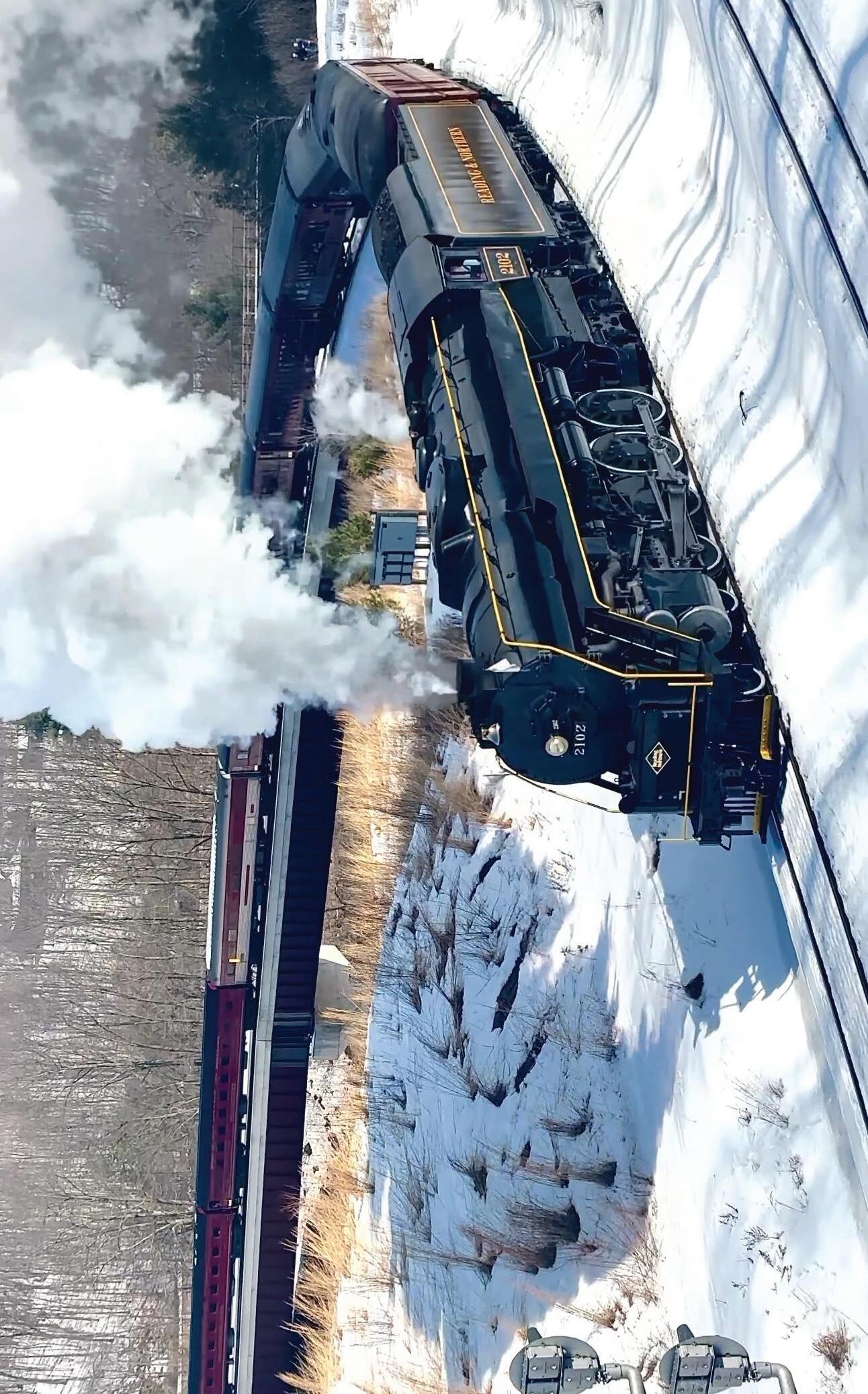
Sully Mallek
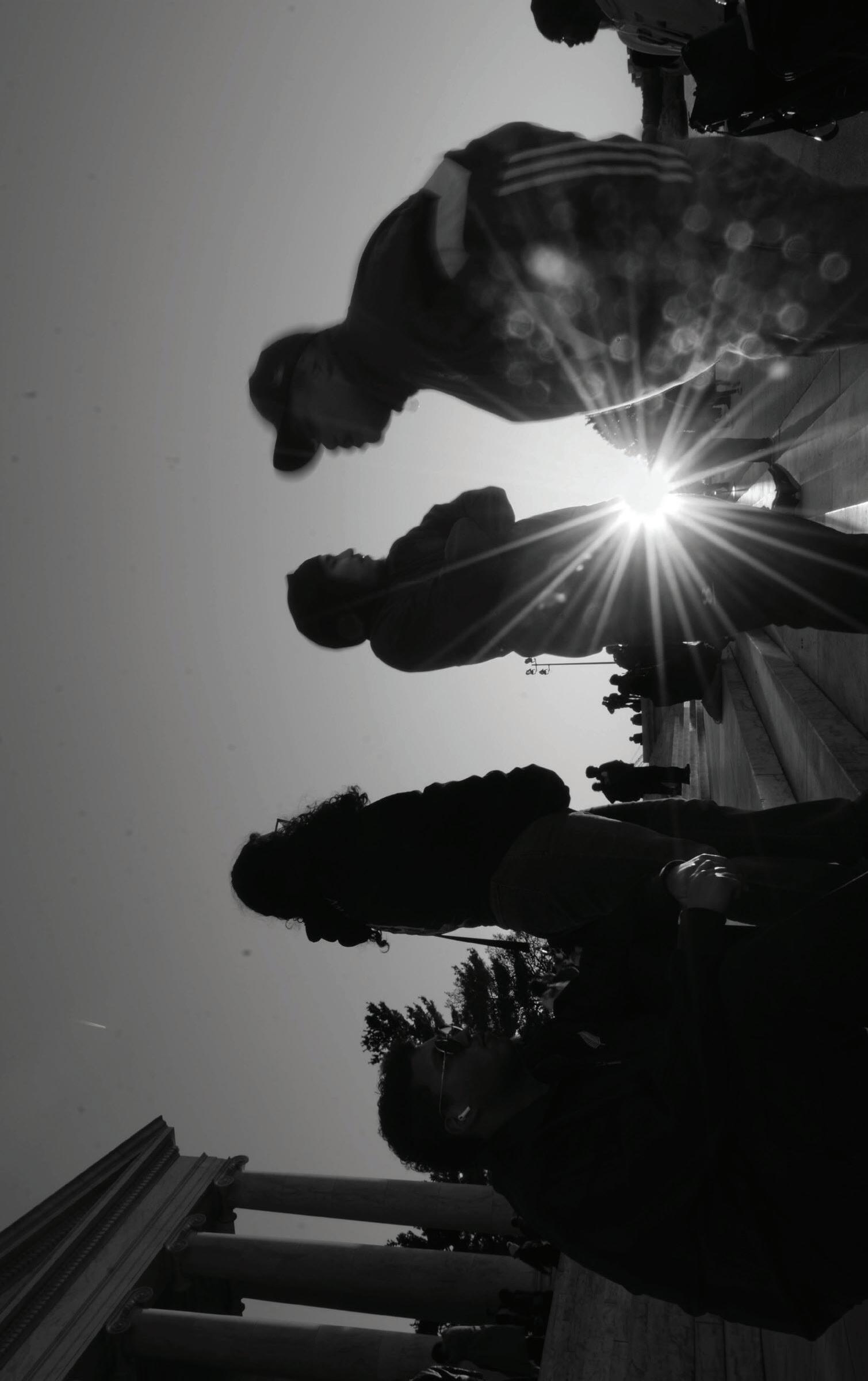
Brian Rubio
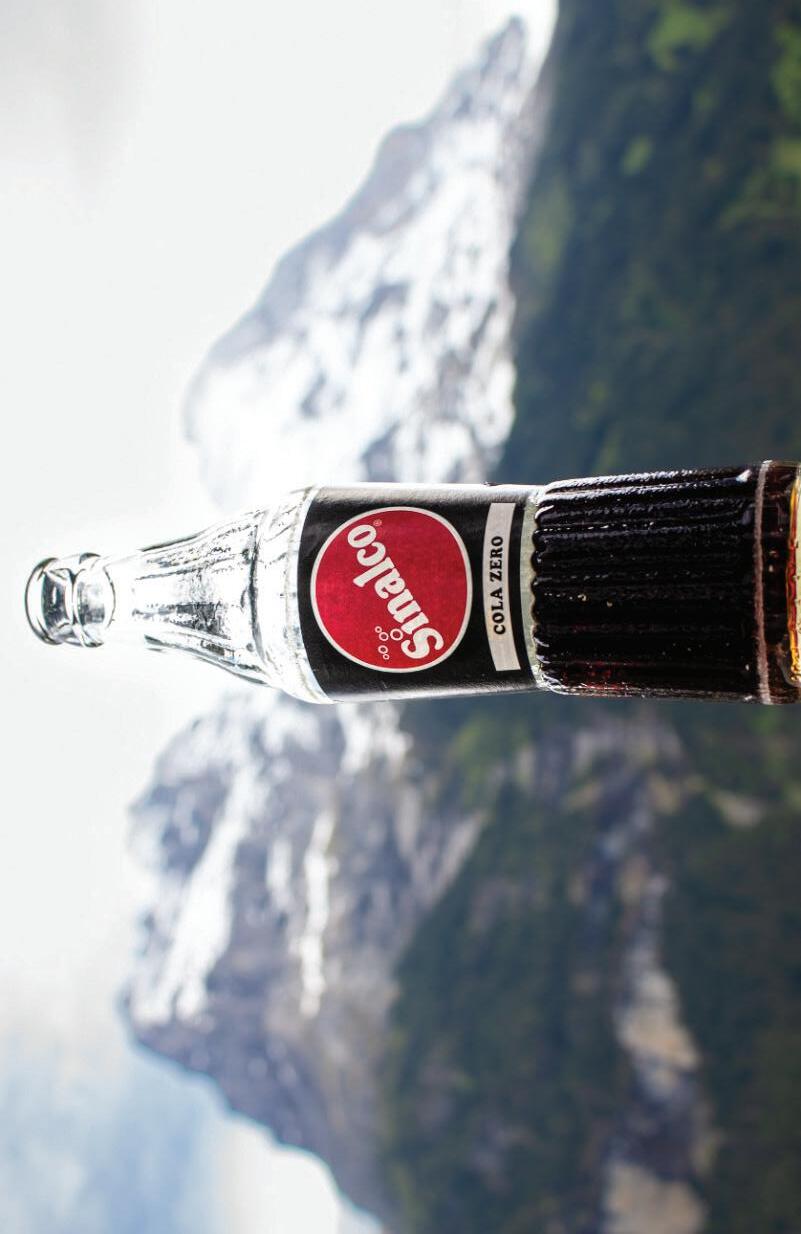
Thomas Hanfling
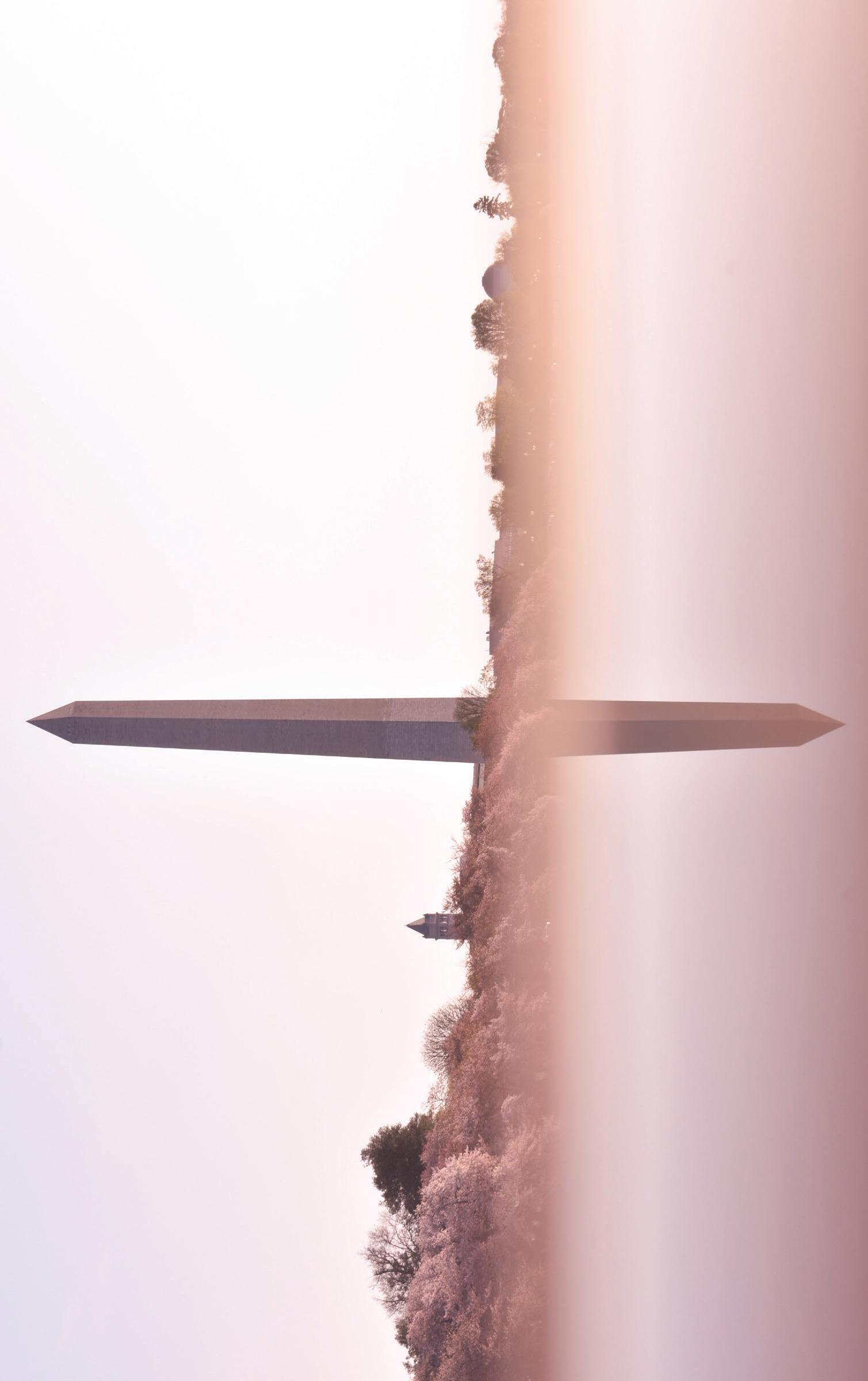
Ryan Dunn
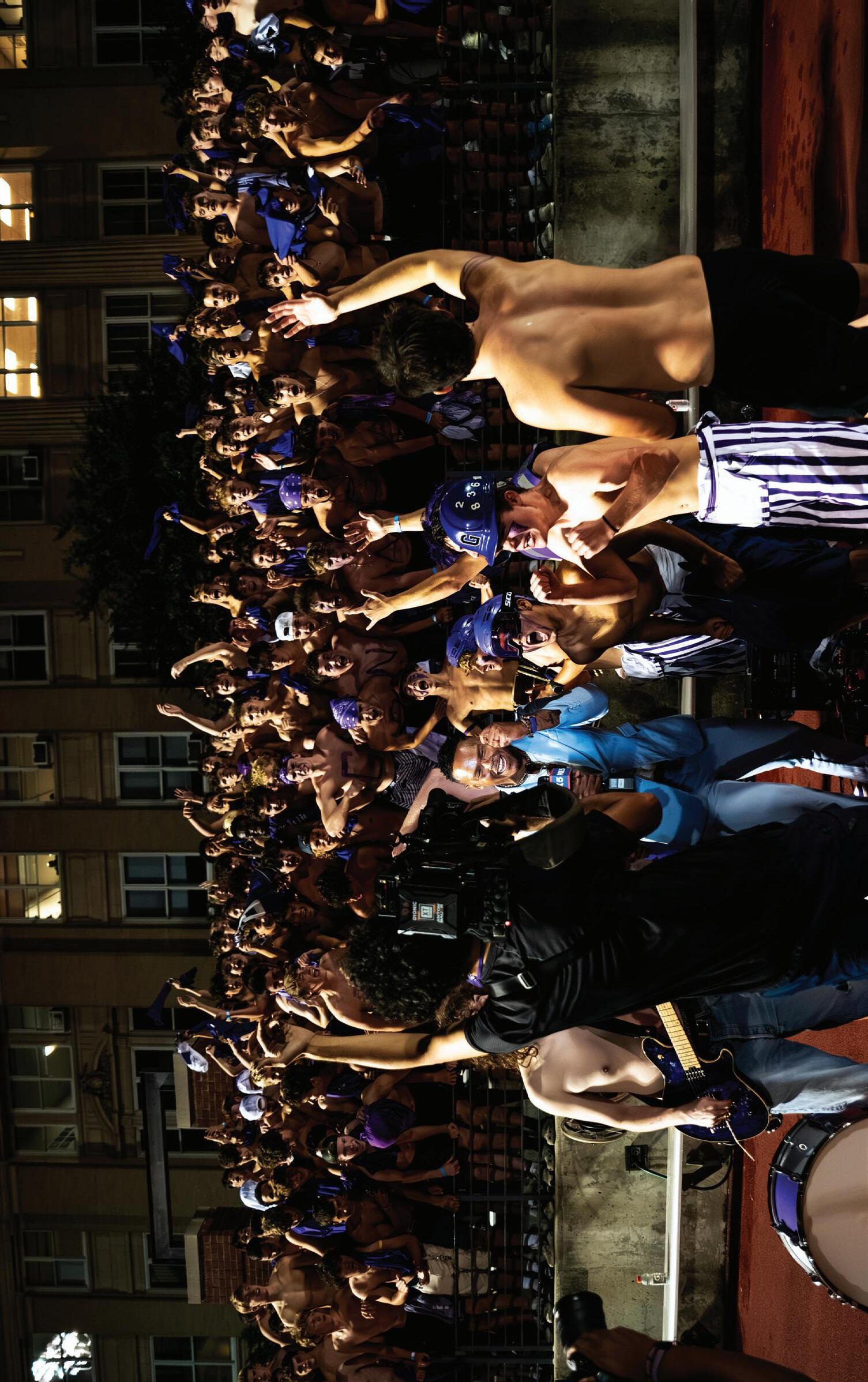
Caleb McHugh
Mission
The Phoenix, established in 1979, serves as an annual collection showcasing student artistic and literary works.
Policy
The Phoenix is an after-school extracurricular activity that works independently from other school programs. All student content is welcomed and considered for publication. Throughout the year works of art and lit are submitted by our 940-member student body and selected for publication by editorial staff members. 1050 copies are produced and distributed to students, faculty, and staff.
Colophon
The Phoenix is printed by Graphic Visions in Gaithersburg, MD. The cover is 80# gloss white, #1 sheet, aqueous coated, printed 4/4. Text is #70 gloss GV house brand. Binding is glue perfect. The staff used Adobe InDesign and Photoshop. Typefaces include Cambria for body text, artists names and pagination.
Gonzaga College High School 19 Eye Street, NW Washingon, DC 20001
c/o Dr. Harry Rissetto 202-336-7100
hrissetto@gonzaga.org
The 41st volume of The Phoenix was published on May 11, 2026