


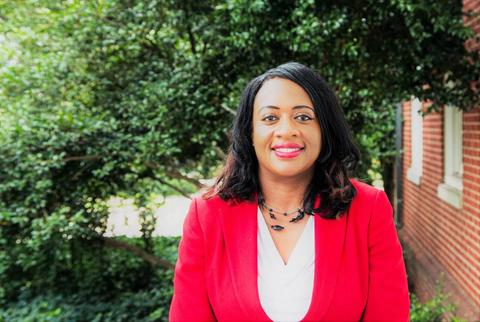
Robin Kelley, Ph.D.
Chief Diversity Officer
Dear Gonzaga Community,
History does not sleep in these streets. It breathes It waits for the sound of her footsteps
She comes carrying everything, love worn like armor, truth that holds even when it costs her, and a faith that doesn't fade.
She leads. She bends the arc towards justice. She clears the pathway. On the shoulders of women who carved their names into institutions that tried to forget them, she stands, as a door held open. With a warm embrace.
Justice is her north star. Justice that takes root, that spreads, that grows, that outlasts her time because that’s her purpose. On purpose.
She moves like water over stone. Patient, persistent, shaping the world through practice and prayer. Slowly towards change. The stone hardly notices but one day it gives.
The architecture of her vision is a feeling and knowing of belonging. It is her mantra. The grammar of how she leads. How she succeeds.
Not for accolades. Not for the praise. Not for the dollars. Not for the numbers. For the women and everyone else who will stand where she stood and feel the ground already broken.
She is the light and the fire both breathtaking and necessary The moment when the two finally meet.
Please enjoy this month's Diversity Digest issue, which is filled with information about Women's History Month and much more.
Sincerely,

Robin Kelley, Ph.D. Chief Diversity Officer

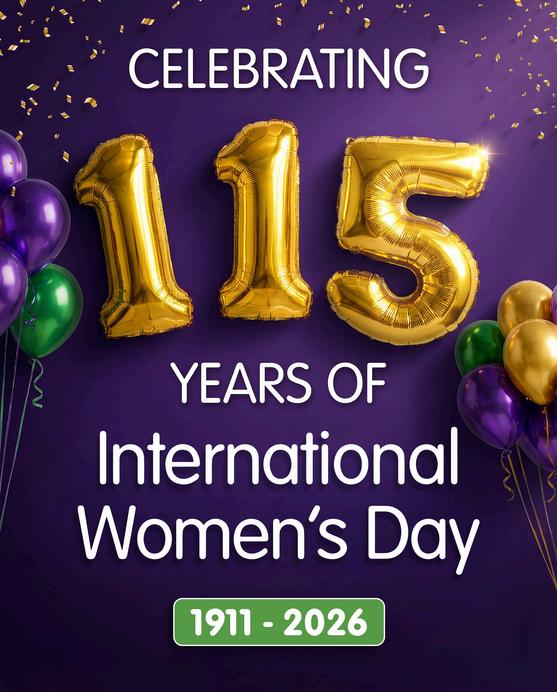
From 1911 to 2026, has marked 115 years since International Women’s Day was officially recognized. In the early 1900s, it was a time of significant industrial growth and social chain. Where women were speaking out against unfair working conditions, lack of voting rights, and limited access to education and employment Over time, these movements have gained momentum, and have become an important symbol of women’s strength, resilience, and determination.
This year the global campaign is “Give to Gain”, a call for collective generosity and forge for gender equality. A reminder of the challenges that remain. In many parts of the world, women still face gender wage gaps, barriers to healthcare and education, gender-based violence, and systemic underrepresentation. International Women’s Day encourages individuals and communities to reflect on these issues and take meaningful steps towards change. Through education, advocacy, mentorship, or simple acts of support, where everyone contributes to building a more inclusive and equal society.
International Women’s Day is about unity and empowerment. It reminds us that gender equality benefits everyone, it is not just a women’s issue alone. It is a social, economic, and an essential human right that supports everyone. Where women are given equal opportunities to succeed, communities grow stronger, economies improve, and societies become more just.

1776
Abigail Smith Adams, the first lady, wrote her 'Remember the Ladies' letter on March 31 urging Continental Congress to consider women's rights and protections. When they were drafting new laws for the newly independent nation of America which, on July 4, adopted the Declaration of Independence.
The first organized strike by women textile workers in New York City on March 8, calling for fair working conditions with a shorter work day and decent wages, alongside equal rights.
Clara Zetkin, the leader of Women's Office for the Social Democratic Party in Germany. Fosters the idea of an International Women's Day at the Second International Socialist Women's Conference, receiving unanimous support from over one hundred women representing 17 countries.
U.S. President Jimmy Carter proclaims the week of March 8 National Women's History Week
The National Women's History Project in the U.S. was successful in the petitions to Congress for all of March to celebrate women's contributions. Passes a federal law in March of 1987 as Women's History Month.
One of the largest global IWD march in Mexico City on March 8, with hundreds of thousands of participants. March 9 is #UNDÍASINNOSOTRAS, 'A Day Without Us,' where women disappear by not going to work, school, or public spaces To highlight women's importance and work in Mexican society
There was a rise in women's groups that created long-term advocacy like Women Deliver, Zonta International, Soroptimist International, and International Federation of Business and Professional Women.
IWD marks 115 years of collective action, advocacy, and progress toward gender equality IWD has helped drive transformative change Each generation has built on the courage of those before it, pushing boundaries and redefining what is possible.

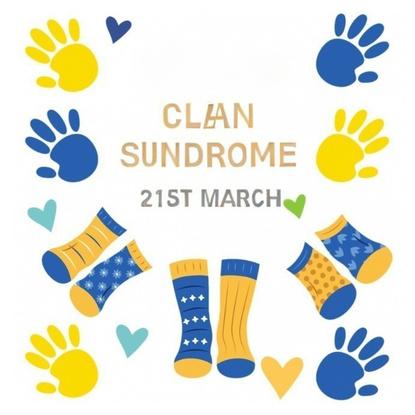
World Down Syndrome Day is a global awareness day reminding everyone worldwide of the importance of inclusion, advocacy, and fair treatment for people with Down Syndrome. It is celebrated every year on March 21st, which matches the 3 copies of chromosome 21, which is unique to people with Down Syndrome
World Down Syndrome Day was officially recognized in 2012, but it actually started 6 years earlier, in 2006, when Down Syndrome Association Singapore launched and hosted the WDSH website on behalf of Down Syndrome International In an effort to raise awareness, the United Nations and other international organizations asked that all individuals observe 3/21 to support people with Down Syndrome.
Every year, there is a different theme for WDSD. These unique global campaigns help promote DS awareness, encouraging others to join together in support The theme for 2026 is "Together Against Loneliness," highlighting the serious issue of loneliness, which disproportionately affects people with Down Syndrome and other intellectual disabilities. It emphasizes that real inclusion and meaningful social connections are key to combating loneliness.
https://www.worlddownsyndromeday.org/
Want to learn more about this day LOOK into these websites: https://ndss.org/world-down-syndrome-day

Each Year, Read Across America Day, also recognized as Dr. Seuss Day is celebrated on March 2nd , promotes the joy of reading mainly among children but adults as well. This celebration calls all children and youth in every community across the united states to celebrate reading and encouraging them to read where ever they are, making reading more fun. Along with promoting reading, the day also celebrated the legacy of Dr. Seuss as his whimsical and rhymes have since become central to the festivities
The National Education Association (NEA) has been leading the Read Across America initiative since 1998. Their primary purpose is to work for the betterment of public education. Reading has been promoted across the nation with events organized in libraries, schools, book clubs, and communities. Teacher and group organizers can also take pledge and post their idea on the NEA's website. This way more attention and attendance are draw to the different events.
Resources:
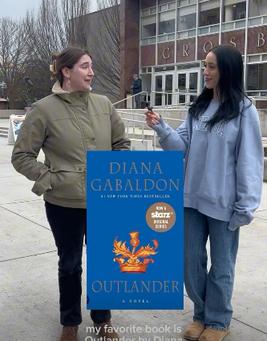
Click the link below to see what Zags are reading.
https://www.instagram.com/reel/DVZu1zlgWM8/?
utm source=ig web copy link&igsh=MzRlODBiNWFlZA==
Most of us have heard of the Me Too movement, but when and how did it start?
In 1997 Tarana Burke, the creator of the movement had a chance encounter with a child in her youth camp. The child chose Tarana to share her story with, and Tarana had the realization that she was not alone At first, she shut the child out, not being able to confront her own pain; let alone help another. All she could heard in her head was the message: “Me Too.”
Tarana asked herself many questions. When your life is forever changed by sexual violence, where can you turn? Who can help you? What are the words you need to hear the most?
That’s when it became a public message. In 2006 the hashtag was created and posted on MySpace by Tarana, now an established survivor and activist. It began as a resource for support and a community of advocates who were determined to interrupt sexual violence wherever it happened. Their goal was to bring healing where none existed before.
It grew into the movement we know today in 2017 to draw attention to the magnitude of the problem: sexual abuse, harassment, and rape culture. Me Too is meant to empower those who have been sexually assaulted through a show of empathy, solidarity, and strength in numbers by sharing personal experiences of sexual assault.
The movement blew up in 2017 when multiple exposures of sexual abuse allegations came against film producer Harvey Weinstein. Celebrities such as Alyssa Milano and Jennifer Lawrence encouraged women to use the phrase Me Too in social media posts to spread awareness of the problem. This led to thousands of allegations coming out and numerous people being terminated or cancelled in Hollywood. This seemed to happen overnight. In only a six-month span, the Me Too message had spread globally to all languages, where woman could finally share their story.
What is Me Too today? The Me Too International organization was formed and is still fighting to bring awareness to sexual assault, harassment, and rape culture. They are focused on assisting all survivors: young people, queer, trans, disabled, and all communities of color It is important to note Me Too is not only for women. It is inclusive of all genders in the hopes to spread awareness and heal through community outreach. The also work to dismantle systems that allow sexual violence to continue in our world. This includes calling out and asking for perpetrators to take accountability for their actions
What is the goal of Me Too? To live in a world where one day, no one has to say, “Me Too”. Me Too website: https://metoomvmt.org/get-to-know-us/history-inception/
It can be confusing to understand and navigate Gonzaga’s policies and procedures as they relate to Title IX, Harassment and Non-Discrimination, and bias incidents. Below, we have answered some frequently asked questions that have come up in the training we conduct across campus.
If you would like to ask us a question about the Title IX or Harassment and NonDiscrimination policies or grievance processes, scan the following QR code:

What should I do if I witness inappropriate conduct?
If you witness sexual misconduct, discriminatory or harassing behavior, or you become aware of such behavior, you are strongly encouraged to report the behavior to the Office of Inclusive Excellence/Title IX. Gonzaga University is committed to the elimination and prevention of discrimination, harassment, and sexual misconduct on our campus, and therefore, seeks the assistance of all students, faculty, and staff to report incidents of discrimination and harassment.
What protection is there against retaliation if I make a report or file a complaint?
Gonzaga University specifically prohibits retaliation in any way against an individual who files a report or complaint of discrimination, harassment, or sexual misconduct in good faith Gonzaga University also prohibits retaliation against any individual who participates in the investigation of a report or complaint. In the event that retaliation occurs, Gonzaga University will respond quickly and pursue disciplinary action if appropriate.
Does Gonzaga University have a mechanism for identifying repeat offenders?
The Director of Harassment and Discrimination Prevention/Title IX Coordinator tracks all reports and complaints of discrimination, harassment, and sexual misconduct in order to identify any patterns of behavior, at risk populations, and/or repeat offenders
I’ve experienced discrimination and/or harassment by a non-University employee or student. What are my options?
You are encouraged to report all acts of discriminator or harassment. While the University’s ability to take disciplinary action against an individual who is not an employee or student (such as a vendor, contractor, or unaffiliated individual using social media) is limited, the University can nonetheless take steps to remedy the effects of discrimination and harassment, including by offering support and resources to affected individuals.
How does the University address a concern about an anonymous perpetrator?
You are encouraged to submit a report about anonymous behavior or conduct, such as graffiti, messages sent through social media, or offensive comments by a stranger
Even when Gonzaga University cannot take disciplinary action against a perpetrator, it can take action to remedy the effects of their conduct, including by offering support and resources to affected individuals.
If you would like to ask us a question about the Title IX or Harassment and NonDiscrimination policies or grievance processes, scan the following QR code:

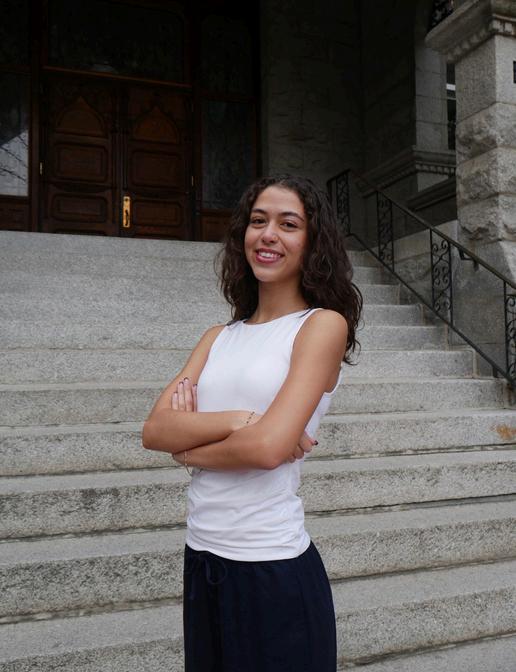
Alexis Perez is a Communication Studies major with a minor in Political Science at Gonzaga University, driven by a strong interest in understanding the world and making a meaningful impact within it. She was drawn to these fields because they provide the tools to navigate complex social and political landscapes while empowering individuals to contribute to positive change Looking ahead, Alexis hopes to pursue a career in the legal field, where she can continue advocating for others and engaging with issues that matter.
Her involvement with The Women’s Network (TWN) at Gonzaga began in a simple but meaningful way through social media. After seeing posts that reflected a welcoming and supportive community, she was inspired to learn more. When the opportunity to apply for the executive board arose, she took the initiative to reach out and became involved through the application process Now serving as Vice President of Finance and DEI efforts, Alexis plays an active role in both the operational and community-building aspects of the organization. For her, joining TWN was about more than involvement; it was about helping create a stronger sense of community for women and allies on campus, particularly for students who may feel overwhelmed or out of place in a new environment
Through her work with The Women’s Network, Alexis hopes to encourage young women to pursue their goals with confidence, even when those goals may feel out of reach. She believes that building strong relationships and cultivating inclusive spaces makes it easier for students to step outside of their comfort zones. Especially during Women’s History Month, she sees the importance of fostering environments where empowerment, support, and shared ambition can thrive
One of the most impactful academic experiences for Alexis came from a communications project in which she interviewed a director from the Lincoln LGBTQ+ Resource Center. Through this experience, she gained valuable insight into what it takes to build inclusive, supportive communities where individuals feel seen and valued. This perspective has stayed with her and continues to influence how she approaches her work in TWN, particularly in advancing its diversity, equity, and inclusion efforts and creating welcoming spaces for all students.
Her time at Gonzaga, and specifically her involvement in The Women’s Network, has played a key role in shaping her leadership skills. Alexis has grown more confident in stepping into unfamil
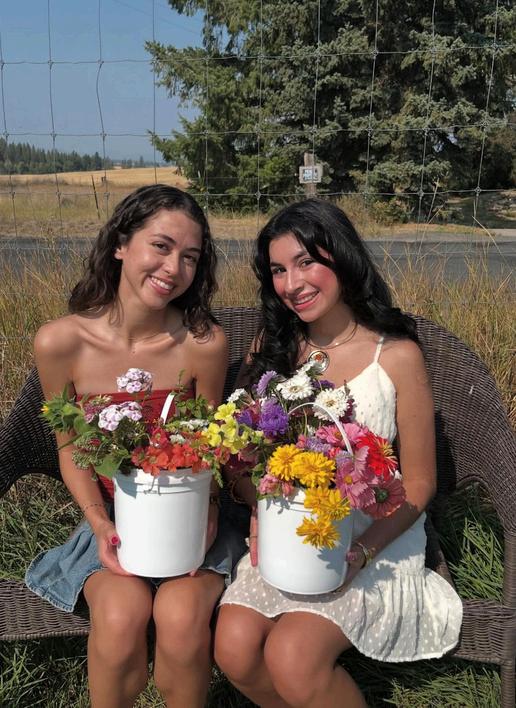
She has learned to embrace discomfort and accept that not having all the answers is part of the process, a mindset that will continue to guide her both personally and professionally
For students considering getting involved on campus, Alexis offers the advice of, don’t hesitate She emphasizes that organizations are eager to connect with new members and value the unique perspectives each individual brings By taking that first step, students may discover opportunities, connections, and growth beyond what they initially imagined.
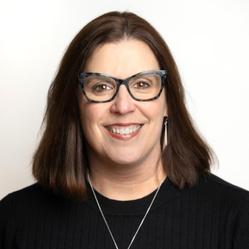
University Core Director | Professor, English Department
Teaching Faculty, Women, Gender, and Sexuality Studies
Ann Ciasullo, University Core Director and Professor in the English Department, also serves as teaching faculty in Women, Gender, and Sexuality Studies at Gonzaga University Through her work in literature, gender studies, and the University Core, Ciasullo is dedicated to fostering curiosity, empathy, and thoughtful dialogue among students.
Ciasullo’s connection to Gonzaga began long before she became a professor. A Spokane native, she first attended Gonzaga as an undergraduate, graduating with a major in English and French and a minor in Political Science. During her time as a student, she realized she wanted to pursue a career in academia
She went on to earn her master’s degree from Washington State University and later completed her Ph.D. at the University of Kentucky. After finishing her doctoral studies, Ciasullo began her teaching career at the University of Oregon While there, a friend from graduate school reached out to let her know about a faculty opportunity at Gonzaga. She applied and joined the university in 2008. Now with more than 18 years of teaching experience, Ciasullo credits much of her path to mentors who shaped her journey, particularly Mary Jo Bona, one of the founding faculty members of Gonzaga’s Women’s Studies program. During her graduate studies at Kentucky, Ciasullo began exploring feminist theory and courses focused on gender across disciplines. Recognizing the value of connecting these ideas to literature, she saw an opportunity to cross-list courses and contribute to the growth of gender studies at Gonzaga For Ciasullo, literature and gender studies offer powerful ways for students to better understand both themselves and others. She believes that one of the core values of studying literature, especially within a Jesuit educational environment, is empathy.
Reading, she explains, allows us to enter into other people’s perspectives and experiences. Through literature, students can explore different identities, cultures, and worldviews in ways that deepen their understanding of the world around them. Her work in Women, Gender, and Sexuality Studies further expands this perspective by examining how power operates through systems such as gender, race, and class. These frameworks shape how stories are told and how individuals and communities are represented.
Ciasullo also emphasizes the importance of curiosity in the learning process. Asking questions about characters, narratives, and social structures is central to both literary analysis and the broader Jesuit mission of reflection and inquiry. For her, curiosity is a key trait that helps students build richer intellectual and personal lives.
Ciasullo’s teaching approach encourages students to engage with texts from multiple perspectives. In one of her upper-division literary theory courses, students explore how different analytical lenses can shape interpretations of the same work. For example, students might examine a novel by prioritizing social class, gender, or race, and then compare how each perspective changes the way the story is understood. Rather than identifying a single “correct” interpretation, the goal is to recognize how different frameworks reveal different dimensions of meaning. This approach naturally fosters inclusive dialogue in the classroom. Each new group of students brings their own experiences and perspectives to the conversation, often uncovering insights that deepen the collective understanding of a text.
One of the most meaningful aspects of Ciasullo’s work has been helping create spaces where students feel heard and valued.
In the classroom, she finds it especially rewarding to make visible the experiences of students who may otherwise feel invisible or marginalized.
Beyond the classroom, Ciasullo led the Gender and Pop Culture Series for a decade, organizing events three times each semester where students could present research and projects from their courses. The series provided a platform for students to share their work and engage the campus community in conversations about gender and culture.
She also served as chair of Women, Gender, and Sexuality Studies, where she collaborated with students to develop a minor in the field. The initiative grew out of student activism, with students approaching the department to advocate for expanded opportunities to study gender and social justice topics at Gonzaga.
As conversations about diversity, equity, and inclusion continue to evolve nationally, Ciasullo believes the work of Women, Gender, and Sexuality Studies is more important than ever Her courses often bring together students from a wide range of majors, allowing them to explore issues of representation, power, and identity through an interdisciplinary lens She emphasizes that diversity and inclusion are not abstract concepts but essential tools for understanding differences and working toward equity. In both English and gender studies, language plays a central role in shaping how people interpret the world. By encouraging students to read carefully and think critically about language, Ciasullo hopes to help them recognize the power words hold and the responsibility that comes with using them thoughtfully and inclusively
In her role as University Core Director, Ciasullo is also working on initiatives that extend learning beyond the classroom. One project she is particularly excited about involves collaborating with Housing and Residence Life to connect academic conversations with residential life.
“Language
is the way we understand the world,” she says, emphasizing the importance of examining how meaning is created and communicated.
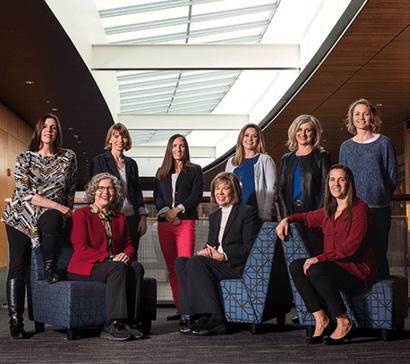
The goal is to create more opportunities for curiosity-driven discussions within residence halls, blending curricular and co-curricular learning experiences By encouraging dialogue in spaces where students live as well as learn, the initiative aims to foster deeper engagement and reflection throughout students’ four years at Gonzaga Through her teaching, leadership, and dedication to inclusive learning, Ciasullo continues to shape spaces where students are encouraged to ask questions, explore new perspectives, and better understand the world around them.
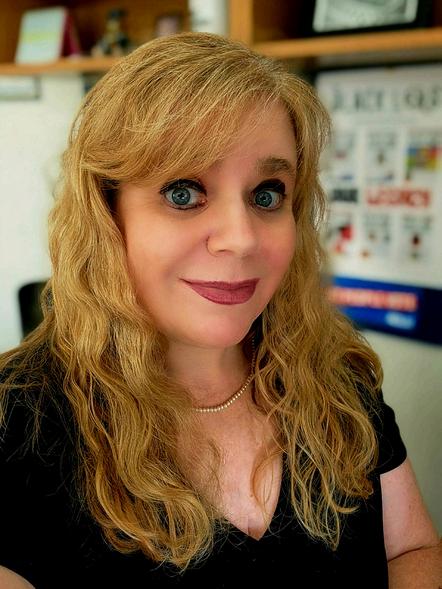
Nichole Bogarosh, Director of the Center for Student Involvement at Gonzaga University, brings a strong background in communications, cultural studies, and higher education leadership to her role. She is deeply committed to fostering student engagement, belonging, and advocacy across the Gonzaga community Bogarosh’s professional journey began in strategic communications, where she worked with businesses and nonprofit organizations across the Pacific Northwest.
She later earned a doctoral degree in Cultural Studies from Washington State University, focusing on Media Studies with a specialization in Gender Studies. She went on to teach for many years, primarily at Whitworth University, within the Communication Studies Department and the Women’s and Gender Studies program During her time there, she also served as the director of Women’s and Gender Studies, where she discovered a strong interest in university administration alongside her teaching.
Eventually, Bogarosh sought an opportunity to focus more on student engagement and leadership development outside the classroom. When the position of Director of the Center for Student Involvement at Gonzaga, closely aligned with her experience and passions, became available, she decided to pursue it.
As Director of the Center for Student Involvement and Student Media, Bogarosh works closely with students as they build community and develop leadership skills through clubs, events, and service initiatives Her favorite part of the role is advising students as they engage with the Gonzaga community and the broader Spokane area.
Through the Center for Student Involvement, students can discover organizations that reflect their interests, values, and identities. They can join existing clubs, step into leadership roles, or even create new organizations through the club recognition process. These opportunities help students find community while building leadership and organizational skills that extend beyond their time at Gonzaga Bogarosh has long centered belonging and inclusion in her work in higher education. Her academic background in Cultural Studies and Gender Studies continues to shape how she approaches student leadership development and campus programming.
“I really enjoy seeing classroom learning carried out in non-classroom experiences,” she explains.
“Learning happens beyond the classroom, and a truly well-rounded education depends on both great classes and opportunities to apply those skills in practice.”
She believes that a well-rounded student experience requires exposure to diverse perspectives, beliefs, and traditions. These experiences help students grow into thoughtful leaders who value cultural diversity and practice servant leadership.
This commitment appears across multiple areas of her work from teaching courses that examine issues like racism, sexism, homophobia, and classism in media, to supporting cultural student organizations at Gonzaga. In particular, she works closely with clubs within the Unity Alliance of Cultural Clubs (UACC) and collaborates with the SpikeNites events team to promote cultural events and programs across campus
During her time at Whitworth University, Bogarosh also became deeply involved in raising awareness about gender-based violence. Her interest in this work grew during her doctoral research, which explored the representation of women in film, including portrayals of violence against women.
Recognizing the broader societal impacts of gender-based violence, she worked with students to establish a Take Back the Night program at Whitworth. The annual event brought attention to issues such as sexual assault, harassment, and domestic violence while raising fund Northwest and its work supporting survivors.
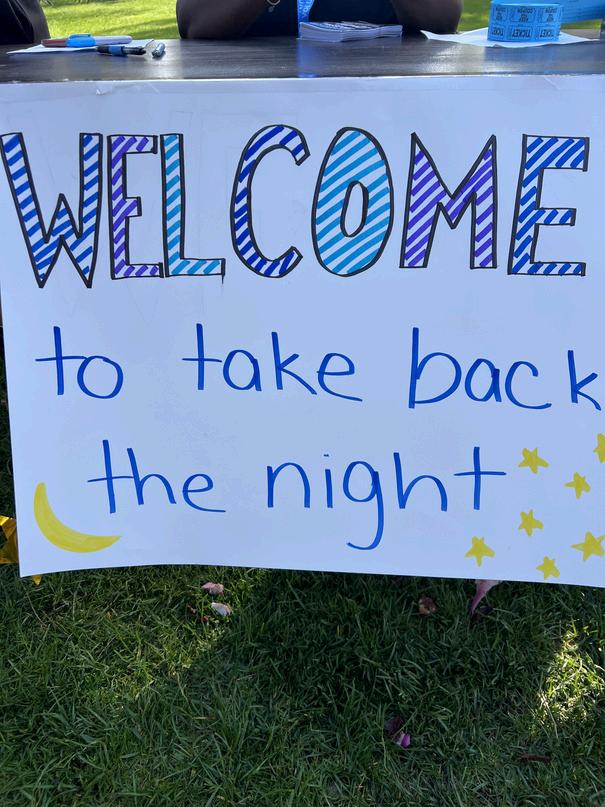

Launching and overseeing multiple successful iterations of the event remains one of Bogarosh’s proudest professional accomplishments. For students who want to create safer and more equitable campus spaces, Bogarosh offers a simple but powerful message: use your voice. “If you see something and it doesn’t sit right with you, say something,” she says. Whether advocating for policy changes, amplifying important messages, writing opinion pieces, or organizing with others who share their concerns, students have many avenues to influence their communities.
She also reminds students that they do not have to advocate alone. Gonzaga’s campus community includes faculty, staff, and fellow students who are ready to support and guide those working to create more inclusive spaces.
Ultimately, Bogarosh believes that college is a time for students to grow as critically reflective leaders By putting their values into action and developing skills in advocacy, communication, and collaboration, students can make meaningful contributions to building safer and more equitable communities both on campus and beyond.
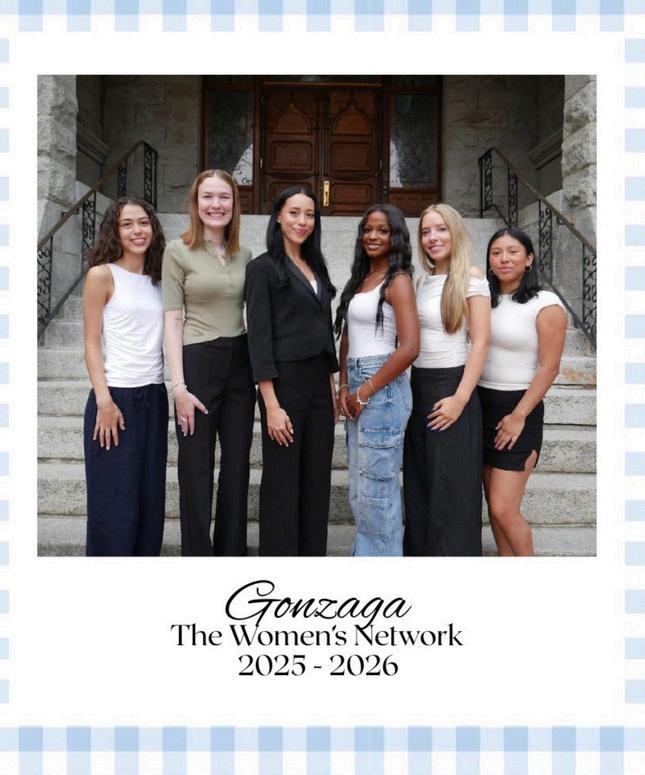
The Women’s Network (TWN) is the largest collegiate women’s networking organization in North America. With 120 chapters across the United States, Canada, and Ireland and a community of 60,000+ members, TWN connects students and recent graduates to, industry leaders, career opportunities, professional development resources, and mentorship experiences. TWN is dedicated to helping members build authentic connections, explore diverse career paths, and develop strong leadership skills that last beyond college.
The TWN Gonzaga chapter launched in 2022, and we are now celebrating our fourth year on campus. Since its founding, the chapter has continued to grow in membership, programming, and impact. Ashlinn Aguayo, joined TWN as a freshman and has been actively involved in building and strengthening the community from its early years, now serving as the club's President. Throughout the academic year, TWN hosts a variety of events designed to support both personal and professional growth, including guest speaker events, career and professional development workshops, networking opportunities, and social gatherings.
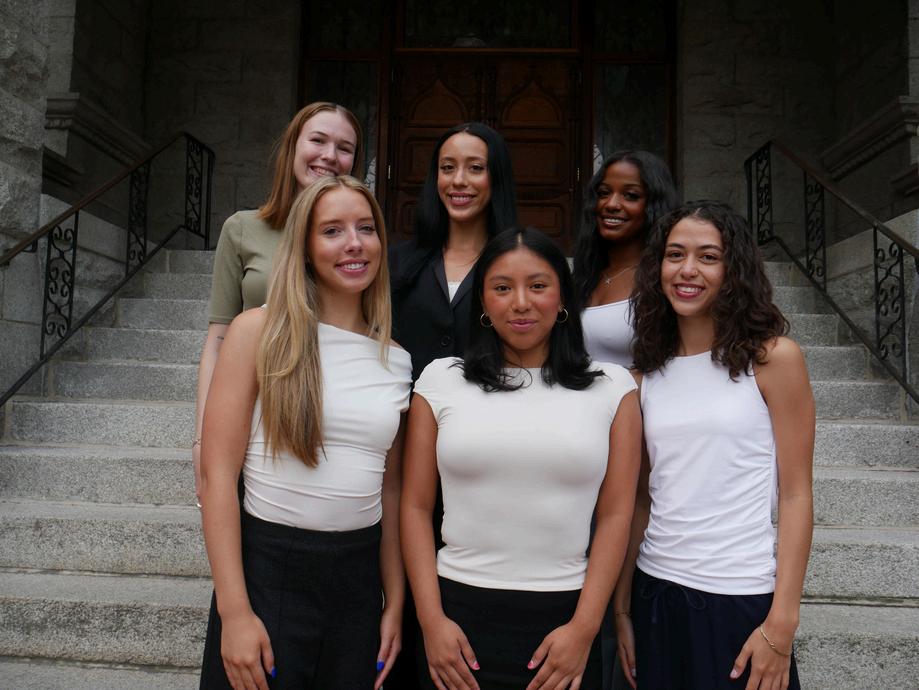
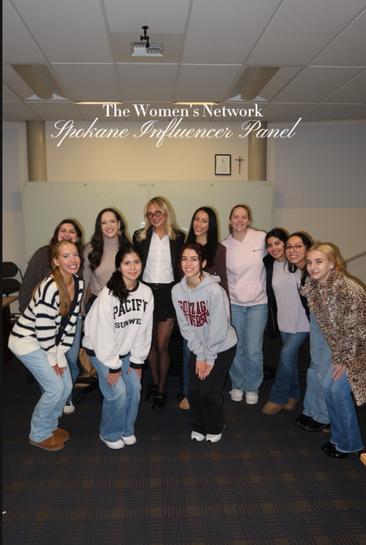
For those who would like to get involved with TWN Gonzaga or know more, fill out the membership form: bit.ly/jointwn and follow the Instagram @thewomensnetwork gonzaga.
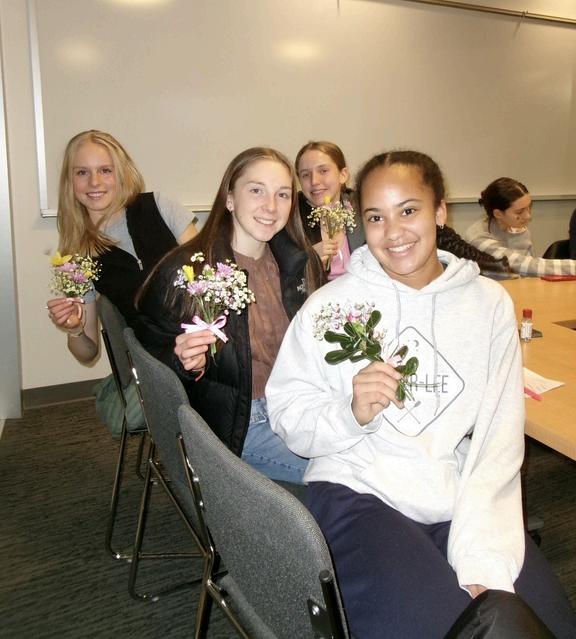

Based on a true story of during 1926 following competitive swimmer Gertrude Trudy Ederle, who was the first woman to ever swim across the English Channel Rising with the support of her sisiter and trainers, she overcame the obstcales of adversity and animosity of the partriarchal society. She rised through the ranks of the Olymic swimming team and completed the 21-mile trek from France to England.
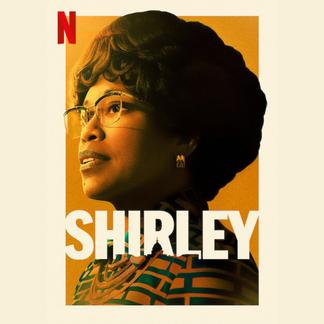
The film is focused on Shirley Chisholm, the first Black woman elected to Congress to the first Black candidate to run for a majority party This film follows the challenges and impacts of her 1972 Democratic presidential nomination run, in the political battle and pursuit to reach the highest position possible.

This documentary shares the stories following activist, Kareem Weaver, that believes literacy is the most important civil right and a first grade teacher, Sabrina Causey. This documentary puts focus on minorities children, in fighting to provide the younger generation with the foundational key for long-term success, the ability to read
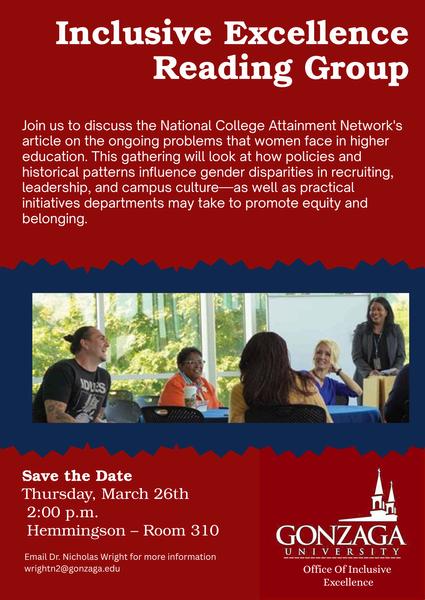
About: This month, we will discuss the article “Despite Progress, Women in Higher Ed Still Face Barriers.” The conversation will focus on gender inequities in higher education and how institutions can support equity and belonging We will reflect on policies, barriers women face in leadership, and how campus culture is shaped by history. Read the article here: https://www.ncan.org/news/696085/Despite-ProgressWomen-in-Higher-Ed-Still-Face-Barriers htm
Where: Hemmingson, Room 310 (La Storta)
When: Thursday, March 26, 2026 | 2:00 PM
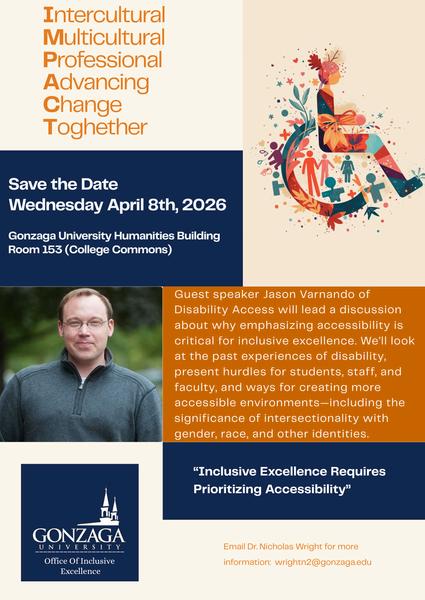
About: Inclusive Excellence Requires Prioritizing Accessibility will feature guest speaker Jason Varnando (Disability Access). In this session, we’ll talk about the history of disability and how it shapes the campus environment today. We’ll also discuss the barriers that students, staff, and faculty with disabilities still face in higher education, ways we can make our spaces more accessible, and why it’s important to understand how disability connects with other identities like gender and race.
Where: Humanities Building, Room 153 (College Commons)
When: Wednesday, April 08, 2026 | 12:15 PM
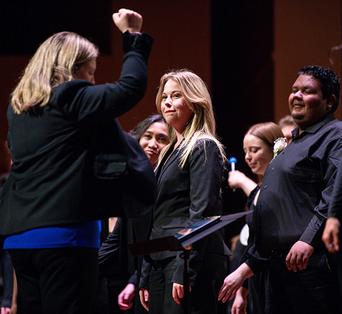
About: Come Celebrate with the Whitworth and Gonzaga University choirs as they present a joint send-off concert before traveling to perform at the American Choral Directors Association Northwest conference in Tacoma Both Choirs are honored to represent Spokane at this prestigious event and are excited to share their program with their hometown.
Where: Myrtle Woldson Performing Arts Center, Coughlin Theather
When: Tuesday, March 03, 2026 | 7:30 pm -9:00 pm
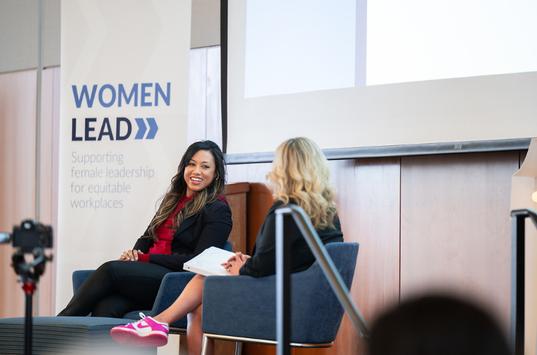
About: For over ten years, the Women Lead spring Conference has been Spokane’s premier annual gathering designed to support and elevate women in leadership roles across the region’s professional, nonprofit, and academic communities. The event convenes a diverse array of speakers and facilitators who address timely themes such as leadership development, professional growth and personal well-being. Ticket $199
Where: Hemmingson Center at Gonzaga University
When: Wednesday, March 11, 2026 | all day
The Tempest
About: The Tempest- Often regarded as William Shopkeeper’s final play- is a culmination of everything that makes him remarkable. An enchanted island somewhere in the Mediterranean Sea plays host to a slew of memorable characters - humans, monsters, and spirits. Inspired by the director’s work with the Hunter Heartbeat Method, eleven actors create and inhabit this island setting, utilizing body and voice to explore themes of love, betrayal, forgiveness, and what it means to be alive Age recommendation: 8+ and Tickets: $12
Where: Insert Text Here
When: Insert Text Here
Ballet Hispanico New York
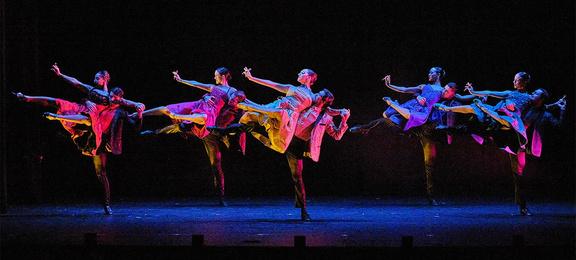
About: Ballet Hispanico New York is the nation’s leading Hispanic/Latine dance company and the largest cultural institution of its kind in the United States. Ballet Hispanico celebrates Latino cultures through bold contemporary dance that blends ballet technique, social dance, and Afro-Latin rhythms across the Americas. They deliver performance that feels intimate, urgent, and celebratory. Tickets: $25-$48
Where: The Myrtle Woldson Performing Arts
When: Sunday, March 22, 2026 | 7:30 pm

Cultural Events
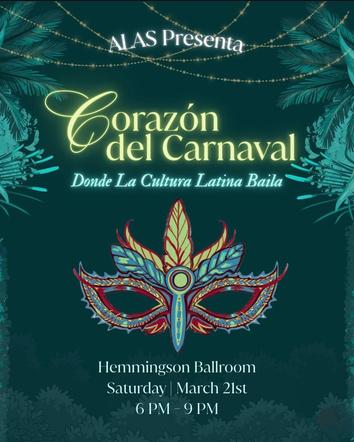
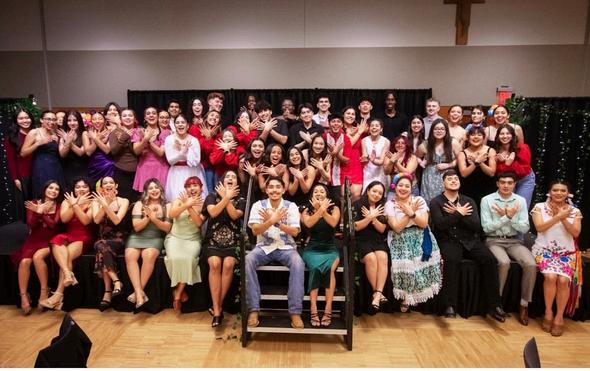
Corazon Del Carnival: Donde la Cultura Latina Baila
About: Association of Latin American Students (ALAS) at Gonzaga University is a student-run club that celebrates Latin American culture and creates a welcoming community on campus ALAS is a place where students are able to build friendship and community through fun activities throughout the year, along with learning about important historic events throughout Latin American countries, helping students learn, connect, and feel a sense of belonging.
The Association of Latin American Students’ cultural festival theme is Corazon del Carnival: Donde la Cultura Latina Baila. All carnivals across the world are full of life, filled with people connecting through music. Music plays a significant role in people’s lives. Music allows people to express both their feelings and culture, and not simply that, but it also brings people together, whether it’s just vibing or dancing to it. The Corazon del Carnival: Donde la Cultural Latina Baila will take place on March 21st, where ALAS will be showcasing the liveliness and heart of Latina America Carnival celebrations through music, performances, and much more.
Where: Hemmingson Ballroom
When: Saturday, March 21, 2026 | 6:00 pm - 9:00 pm
First Friday Art Walk
About: First Friday Art Walk in Downtown Spokane creates a monthly cultural experience where visitors explore local galleries, meet artists, and enjoy live performances while supporting Spokane’s creative community
Where: Downtown Spokane
When: Friday, Mar 06, 2026 | 3:00 PM - 7:00 PM
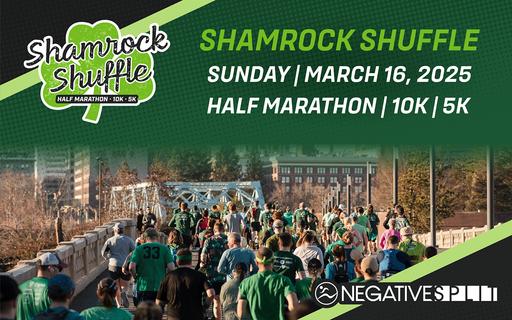
About: Shamrock Shuffle in Spokane offers a festive St. Patrick’s Day themed running event where participants of all fitness levels can walk or run through scenic downtown routes while celebrating community health and seasonal traditions
Where: Riverfront Park
When: Sunday, Mar 15, 2026 | 8:10 AM
About: The Leprechaun Gold Scavenger Hunt at Riverfront Park provides an interactive outdoor activity where families search for hidden gold coins throughout the park that can be redeemed for carousel rides and prizes.
Where: Riverfront Park
When: Sunday, Mar 15, 2026 | 10:00 AM - 1:00 PM

Dumpling Fest Spokane
About: Dumpling Fest Spokane offers a citywide culinary experience where attendees visit participating restaurants to sample dumplings inspired by diverse cultural traditions across the Spokane food community
Where: Downtown Spokane restaurants
When: Wednesday, Mar 18, 2026 | 5:00 PM - 7:00 PM

Medal Madness Run
About: Medal Madness Run in Spokane provides a community-focused race event featuring multiple distance options that allow runners and walkers to enjoy outdoor trails while promoting fitness and recreation.
Where: Ben Burr Trail
When: Saturday, Mar 28, 2026 | 8:30 AM

Scale House Market
About: Scale House Market in Spokane offers a local artisan shopping experience where visitors can browse handmade goods, artwork, and crafts while supporting regional makers and small businesses
Where: Scale House
When: Saturday, Mar 28, 2026 | 11:00 AM - 4:00 PM
Enjoyed this issue of Diversity Digest?
Subscribe for future editions and tell us what you think!

Follow us on Instagram: @gonzagadiversity
Questions? Comments? Have an idea for an article?
Email us at inclusiveexcellence@gonzaga.edu
EDITORIAL BOARD
Ashlinn Aguayo
Ik Idumwonyi
Robin Kelley, Pd.D.
Araceli Lopez
Vy Nguyen
Kristina Poffenroth
Reese Ramey
Idalia Bucio Rodriguez
Brice Yates, Ph.D., CDP