
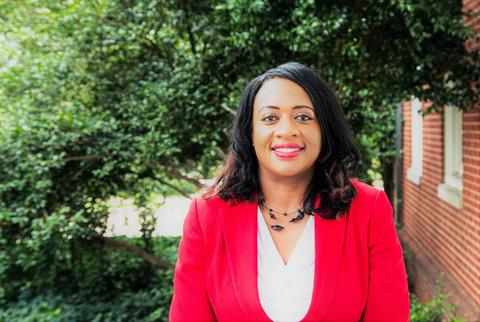
Robin Kelley, Ph.D.
Dear Gonzaga Community,
Each February offers us the opportunity to observe Black History Month, which is a time to honor the contributions, achievements, and resilience of Black and African American individuals, both throughout history, now, and within our own communities.
Our Jesuit mission calls us to live out the values of social justice, solidarity, and cura personalis. This month, I encourage you to deepen your own personal commitment by engaging in the events, discussions, and initiatives happening across campus and in the Spokane region. These opportunities allow us to celebrate Black history and excellence while confronting racial injustice, injustice for all, and discerning how we can be positive agents of change. Our mission also challenges us to be people for and with others, building a community where everyone feels seen, heard, valued, and empowered.
Remember Dr. Martin Luther King, Jr. said, “"The arc of the moral universe is long, but it bends toward justice." Although at times it may seem sometimes that things are changing slowly, things will eventually change. Part of change is learning and growing. I invite you to learn from the stories featured in this month's Diversity Digest, which highlights Black, African American leaders, Black history, and the lived experiences of Black Americans
In solidarity and gratitude,

Robin Kelley, Ph.D.

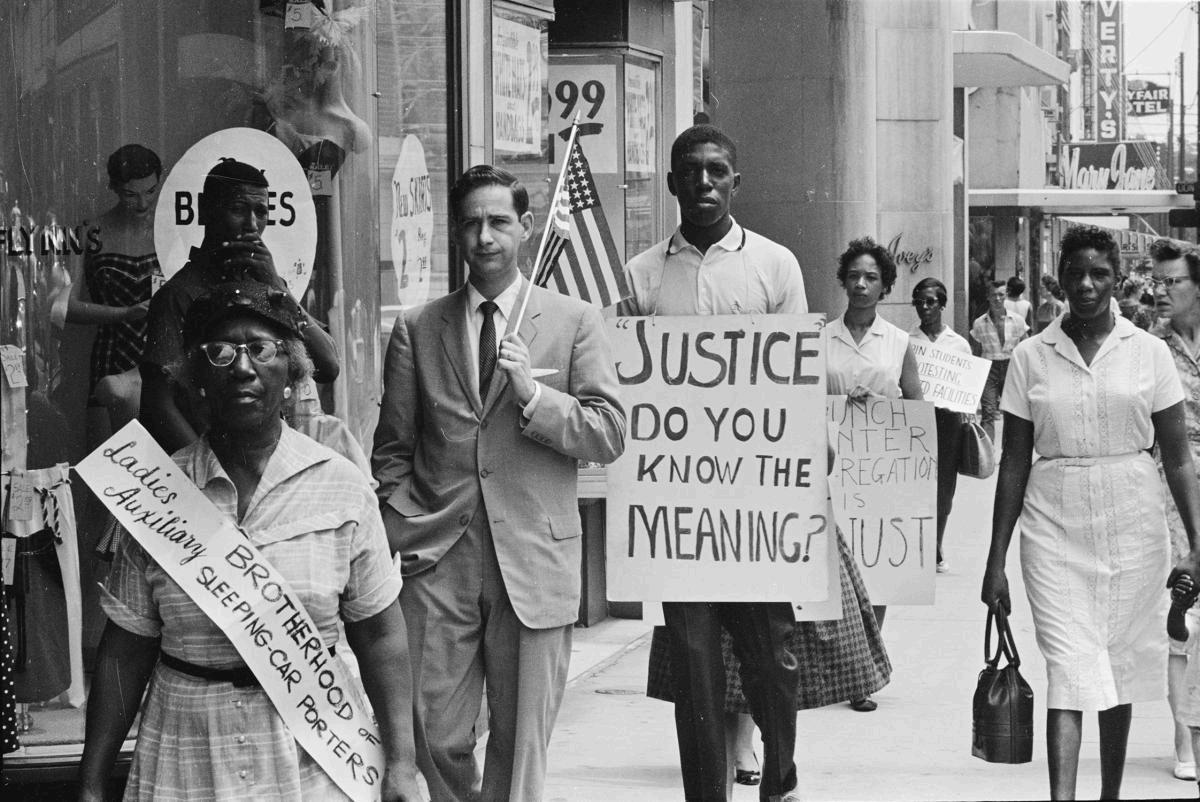
National Black History Month is more than a celebration, it is an opportunity for reflection, recognition, and collective growth The observance highlights Black achievement and a fresh reminder of systemic racism and provides visibility to people and organizations creating change. Each February is the chance to honor the achievements, resilience, and contributions of Black Americans whose stories have shaped the cultural, social, and political landscape in the United States. In 1926, historian Carter G. Woodson set out to designate a time to promote and educate people about Black history and culture, first envisioning the second week of February to foster this national reflection with the birthdays of Abraham Lincoln and Frederick Douglass, which in 1976 expanded so that this reflection of Black history and culture was for the entire month of February.
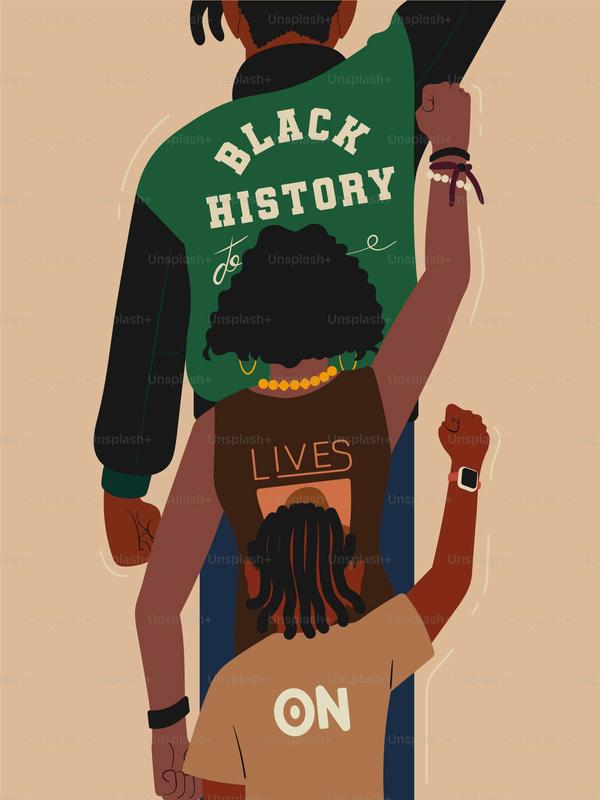
This year, 2026 marks the 100th anniversary where the nation federally recognizes the history of Black Americans. Prompting reflection not only on the accomplishments that have occurred, but the work that continues to matter. From Martin Luther King Jr., Malcolm X, and Harriet Tubman to countless unsung heroes that have shaped a deep awareness and understanding to build a more inclusive society. Acknowledging both the struggles and triumphs within Black history, cultivating an accurate picture of the nation’s past and a more hopeful vision for its future.
At Gonzaga University, we take this opportunity to encourage all of us to engage, learn, and act. It reminds us that honoring history is not passive, but a commitment to equity, representation, and unity. By recognizing the impact of Black Americans, we at Gonzaga take an important step toward building a stronger, more culturally aware community where every story is valued. Through February, we will highlight stories of Black Americans that have created a lasting impact, sharing resources for advocacy and empowerment.
Shirley Chisholm was a pioneer American politician, educator, and activist being one of the most influential Black leaders of the 20th century. Born in Brooklyn, New York on November 30, 1924, to immigrant parents from Barbados and Guyana She grew up valuing education, perseverance, and community service. Prior to entering politics she worked as a nursery school teacher and a consultant to the New York City Division of Day Care, becoming involved in advocating for educational equity and social support. She joined various organizations to uplift marginalized voices, shaping the path she would take throughout her career.
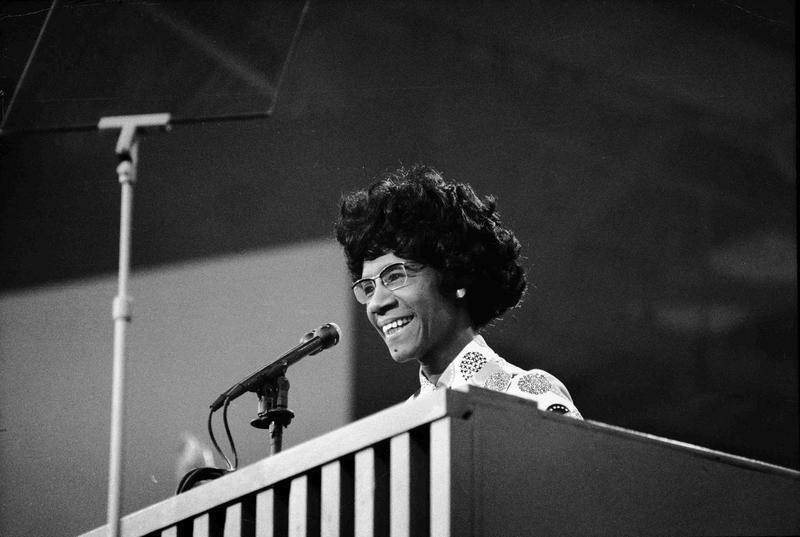
In 1968, she became the first Black woman elected to the United States Congress, representing New York’s 12th Congressional District for seven terms. She earned a reputation for independence, courage, and refusal to be silenced. During her time in Congress, she focused on issues such as racial and gender equality, affordable education, child welfare, and economic justice. She also became a co-founder of the Congressional Black Caucus and helped expand opportunities for women and minorities in government. Her groundbreaking achievement came in 1972 when she became the first Black woman to run for President of the United States under a major political party. Her campaign challenged political barriers and inspired generations of activists, leaders, and everyday citizens to envision a more inclusive democracy. Although she did not win the nomination, her courage reshaped American politics and opened doors for future candidates of color and women Today, Shirelet Chisholm is remembered as a fearless trailblazer whose vision, determination, and advocacy continues to influence movements for equality and justice.
Thurgood Marshall was an influential central figure in the advancements of civil rights for Black Americans pursuing racial justice Born in 1908 in Baltimore Maryland, he grew up in a segregated society that denied African Americans equal rights and opportunities. Despite the obstacles that lay ahead of him, he excelled academically and fought through rejection because of his race and strove through great achievements where he graduated first in his class at Howard University School of Law, which shaped his lifelong commitment to fighting against racial discrimination through the law
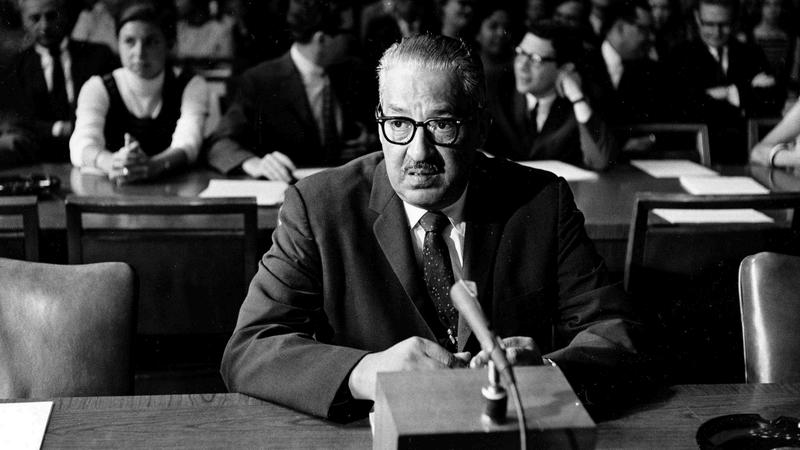
Working as a lawyer, civil rights advocate, and Supreme Court Justice, he transformed the nation’s legal landscape, helping to dismantle generations of racial segregation He became the NAACP chief legal strategist, where over the course of his career he argued 32 cases before the U.S. Supreme Court and won 29 of them. He is most famous for his victory in Brown v. Board of Education in 1954, where the Supreme Court struck down racial segregation in public school “separate but equal” as inherently unequal. In 1967, he was appointed to the U.S Supreme Court, making him the first African American Justice in history, where he became known for his commitment to justice, human rights, and equality
Thurgood Marshall's constant fight for the rights of marginalized and the oppressed led him to be a key figure of Black history. His legal victories helped dismantle segregation in education, housing, transportation, and public services; that opened doors for future generations. Challenging laws across the country, he made civil rights gains possible and brought a powerful voice to institutions. Inspiring generations to come, his ability to break down racial barriers in places where Black Americans were long excluded. He continues to be an influence to modern discussions about justice, equality, and civil rights in the dedication for equality.
Lunar New Year celebrates the arrival of spring and the start of a new year on the lunisolar calendar. It is the most important holiday in China and is also widely celebrated in Korea, Vietnam, and many overseas Asian communities. The holiday is a time for families to reunite and honor traditions.
In China, Lunar New Year, also called the Spring Festival, is celebrated over fifteen days. Families decorate their homes with red paper cuttings and lucky couplets, clean the house, and shop in festive markets. The main event is the New Year’s Eve reunion dinner, featuring symbolic dishes like whole fish for abundance and good fortune. The celebration ends with the Lantern Festival, when people eat sweet rice balls, and children carry lanterns.

In the Chinese zodiac, 2026 is the Year of the Horse. Different cultures across Asia celebrate Lunar New Year in their own unique ways.
To learn more, visit: LINKhttps://asia si edu/whats-on/events/celebrations/lunar-new-year-celebration/
Observed each year on February 20, the World Day of Social Justice reminds us that sustainable peace and prosperity depend on fairness, dignity, and opportunity for all. The 2026 theme, “Empowering Inclusion: Bridging Gaps for Social Justice,” calls on governments, institutions, and communities to take meaningful action to close the social and economic divides that persist across the globe.
In an era defined by economic uncertainty, climate change, and rapid technological change, inequality continues to shape who has access to opportunity Empowering inclusion means dismantling the structural barriers that limit full participation in economic, social, and political life. This requires targeted investments in education, workforce development, and quality job creation, especially for young people, women, Indigenous communities, migrants, and other marginalized groups Strong social protection systems are also essential to shield individuals from economic shocks and prevent deeper poverty.
The 2026 theme also underscores the importance of a just transition to sustainable development As economies move toward green industries and digital innovation, progress must not come at the expense of vulnerable workers. Equitable access to new technologies, retraining initiatives, and community-led economic strategies can ensure that transformation creates opportunity rather than displacement Empowering Inclusion: Bridging Gaps for Social Justice is both a moral imperative and a practical necessity. As inclusive development strengthens social cohesion, fosters innovation, and promotes long-term stability.
For more information, click the link below. https://www.un.org/en/observances/social-justice-day


Random Acts of Kindness Day is celebrated on February 17 every year in the U.S since 1995. This day serves as a reminder that even small gestures can have a profound impact on individuals and communities, encouraging people to engage in acts of kindness to foster a culture of compassion and empathy. These acts of kindness can be as simple as holding the door for someone, complimenting someone’s outfit, taking to custodial staff and professors, and smiling and greeting students and campus staff.
The Random Acts of Kindness movement started in the San Francisco Bay Area in 1983 after
Anne Herberts, a writer from Berkeley and activist, published the book "Practice Random Acts of Kindness and Acts of Senseless Beauty." Afterwards the kindness movement began to spread in surrounding communities.
In 1991, the movement gained traction when a local woman noticed the phrase written on a wall in her neighborhood. She shared it with her husband, who then introduced it to his 7th-grade students. One of the students happened to be the daughter of a columnist for the San Francisco Chronicle, which led to wider media coverage. In 1993, the phrase and the movement were further popularized by the publication of the book "Random Acts of Kindness" by Conari Press, inspiring hundreds of thousands of people to participate and helping maintain the movement's continuity. In February of 1995, the first national Random Act of Kindness Day took place with participants coast to coast
To learn how can YOU participate in this movement, visit: https://www.randomactsofkindness.org/the-kindness-blog/5-the-historyof-random-acts-of-kindness-day-february-17th
As Gonzaga University prepares to host its production of The Vagina Monologues, this moment offers an opportunity to highlight the V-Day movement and its roots in the play. The V-Day movement began on February 14 , 1998, emerging from The Vagina Monologues, as a global movement dedicated to ending violence against all women and girls V, formerly known as Eve Ensler, broke ground with this play by challenging the stigma around women’s experience with sexuality and violence, and creating space for people to come forward and break the silence about their own stories. th
With the power of art and activism, V-Day advocates have worked hard to reduce genderbased violence. They have raised significant funds to build safe houses, advocate for better laws, create rape crisis centers and domestic violence shelters, and to support survivors and their families across the globe. The V-Day movement has helped so many survivors from around the world find the resources they need to seek help and empower them to break the silence and stigma they face. The organization states, “We believe that if we listen to women, address the impact of rape culture, and employ an intersectional paradigm, a different consciousness can emerge across the globe” (Swan and Cullman, 2022). They remind us that meaningful change begins by listening to and respecting survivors of sexual violence.
Even though each monologue shares a person’s individual, unique story, the survivors often share many of the same emotions and experiences. Many describe the institutional indifference, denial within families, a general disregard for victims (especially in marginalized communities), and the ongoing normalization of rape culture. Speaking out provides an opportunity to push back against these obstacles and find an outlet for the suffering that survivors have experienced. By breaking the silence, stigma around sexual violence is lessened and someone in the audience may be moved to seek the support they need.
While so much progress has been made in the effort to end violence against women since the first production of The Vagina Monologues, it can be hard to see a light at the end of the tunnel with what is happening in the world today. It is important to recognize that at this moment, so many women and girls are facing new struggles. Across the globe, political instability and conflict makes women and children more vulnerable to violence and sexual slavery. It is essential that we not only recognize what has been accomplished since the first performance but also continue to challenge the normalization of rape culture and advocate for the rights survivors deserve.
The Vagina Monologues was a trailblazing start to the V-Day movement, helping women and girls break the silence across the globe. As you attend Gonzaga’s production, remember the history of the play and the impact it has had on the fight against gender-based violence.
Swan, Susan Celia, and Purva Panday Cullman. (2022, April 8). Say it, stage it: V-day at 20. V-Day. www.vday.org/ say-it-stage-it-v-day-at-twenty-by-susan-celia-swan-and-purva-panday-cullman-from-the-20th-anniversaryedition-of-the-vagina-monologues-by-eve-ensler/
It can be confusing to understand and navigate Gonzaga’s policies and procedures as they relate to Title IX, Harassment and Non-Discrimination, and bias incidents Below, we have answered some frequently asked questions that have come up in the training we conduct across campus.
A Title IX Advisor accompanies a party (Complainant or Respondent) of a Title IX case to meetings related to the resolution process, advises the party on that process, and conducts cross-examination for the party at the hearing, if one is held.
Do both the Complainant and the Respondent in a Title IX case get a Title IX Advisor?
Yes, both parties have the right to a Title IX Advisor of their choosing Each party may select whomever they wish to serve as their Title IX Advisor, as long as the Title IX Advisor is eligible and has no institutionally conflicting roles (such as being a Title IX Coordinator, a supervisor who would implement sanctions in the event of a finding of responsibility, or a witness in the process).
can
The Title IX Advisor may be a friend, family member, attorney, neighbor, or other individual Parties also have the right to choose not to have a Title IX Advisor in the initial stages of the resolution process, but at the hearing stage, the party without a Title IX Advisor would be appointed Title IX Advisor to conduct the cross-examination during the hearing. The party can reject the appointed Title IX Advisor in favor of selecting their own Title IX Advisor, but the party cannot proceed in the hearing without a Title IX Advisor present. This is the case because the parties are not permitted to directly cross-examine each other or any witness
The parties may be accompanied by their Title IX Advisor in all meetings and interviews at which the party is entitled to be present. Title IX Advisors should help the parties prepare for the meetings and interviews. Title IX Advisors are expected to advise ethically and with integrity (i.e., not permitting a party to lie or to present false evidence)
Gonzaga University cannot guarantee equal Title IX advisory experiences, meaning that if one party hires an attorney to serve as their Title IX Advisor and the other party does not hire an attorney, Gonzaga University is not obligated to provide an attorney Advisor for the other party.
All Title IX Advisors are subject to the same University policies and procedures, whether they are attorneys or not. Title IX Advisors are expected to advise without disrupting proceedings. Title IX Advisors should not address the University officials in a meeting or interview unless they are permitted to do so by the investigators, for instance to ask procedural questions Title IX Advisors are not permitted to make presentations or opening/closing statements during any meeting or proceeding (including during a hearing). Title IX Advisors are also prohibited from speaking on behalf of the advisee to the Investigator(s) or the Decision-maker (at a hearing), except during the cross-examination at the hearing.
Although the Title IX Advisor generally may not speak on behalf of their advisee, the Title IX Advisor may consult with their advisee, either privately as needed, or by conferring or passing notes during any resolution process meeting or interview. For longer or more involved discussions, the parties and their Title IX Advisors should ask for breaks to allow or private consultation.
Is my Title IX Advisor allowed access to information collected as evidence during the Title IX case?
The University expects that the parties may wish to have documentation and evidence related to the allegations of Title IX-Sexual Misconduct with their Title IX Advisors. Parties may share this information directly with their Title IX Advisor or other individuals, if they wish. If the party wants the University to share documentation and evidence with Title IX Advisors, the University will provide the party with a FERPA authorization to disclose consent form to sign. The authorization will remain in the Title IX file
If you would like to ask us a question about the Title IX or Harassment and NonDiscrimination policies or grievance processes, scan the following QR code:

At Gonzaga University, senior Alyssa Johnston-Guzman has redefined what student leadership can look like; grounded in advocacy, driven by curiosity, and centered on community. A political science major with double minors in leadership studies and public relations, Alyssa is a firstgeneration college student from San Diego, California, and comes from a family of immigrants These identities have shaped the way she shows up in academic spaces and leadership roles, grounding her work in advocacy and representation.
Alyssa’s involvement with the Gonzaga Student Body Association (GSBA) began during her freshman year when she decided to run for freshman senator. What started as a leap of faith quickly became a defining part of her college experience. She was eager to understand how the university made decisions and wanted to push for progress where she saw opportunities for growth. That curiosity, asking “why” behind certain policies and processes, continues to guide her leadership style. After serving as Advocacy Coordinator and Chief of Staff, she now leads the organization as GSBA President.
In her role as GSBA President, unpredictability is the norm rather than the exception. Alyssa regularly meets with senior administrators, including the Vice Provost of Student Affairs, as well as deans, campus partners, and students. Her weeks often reflect the campus climate, whether that means collaborating with the Office of Health Promotion, the Office of Inclusive Excellence, or Campus Security. She finds beauty in the unpredictability of her schedule, noting that the constant exposure to new perspectives keeps her on her toes and challenges her to think critically
g g y p
in tangible ways. Among the issues she is most passionate about are suicide prevention and mental health awareness. In moments of political and social uncertainty, she believes it is especially important to balance diverse perspectives while remaining firm in standing up for what is right. As a first-year senator, she brought the Clothesline Project to campus, a sexual assault awareness gallery where survivors and supporters anonymously shared stories and messages on T-shirts displayed in Hemmingson Center The exhibit served as a powerful visual reminder of solidarity and helped spark deeper conversations around advocacy and survivor support.
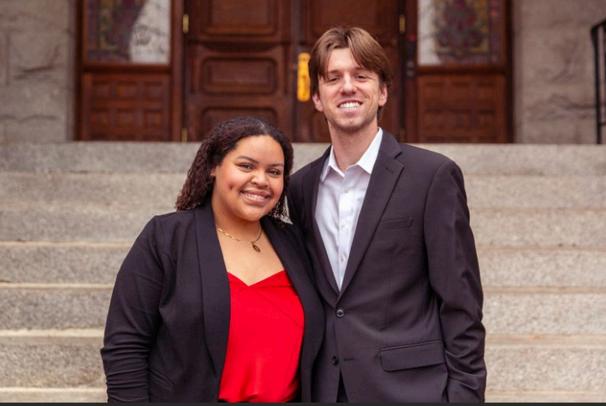
When she later ran for GSBA President alongside Vice President Charlie MacDonald, their campaign centered on practical, student-focused goals. In addition to prioritizing transparency and stronger communication with university leadership, the two set a clear objective: championing the creation of Mobile ZagCards to modernize campus accessibility After taking office, GSBA partnered with Information Technology and Auxiliary Services to bring the initiative to life. As part of a beta testing group, they worked to ensure accessibility and safety were at the forefront before the campus-wide rollout. For Alyssa, seeing students use Mobile ZagCards in their daily routines is a meaningful example of how campaign ideas can evolve into real, lasting change.
This year s GSBA motto, meeting students where they are, reflects Alyssa s intentional approach to leadership. While it can be easy for student leaders to remain in administrative spaces, she prioritizes attending club meetings, engaging with cultural organizations, and expanding outreach beyond traditional settings
Through consistent communication with club presidents and cross-collaboration initiatives, she has worked to ensure more students, especially those from underrepresented backgrounds, have a seat at the table She has also been intentional about inviting new voices into rooms with administrators. For Alyssa, inclusion requires proactive effort, whilst serving as GSBA President has shaped her growth in profound ways.
As a woman of color at a predominantly white institution, she has learned to embrace discomfort and uncertainty as opportunities for transformation.
A quote that continues to guide her reads,
“Forget the risk and take the fall. If it’s what you want and what you believe in, then it is worth it all.”
She encourages students who may not see themselves represented in leadership to take risks, say yes to opportunities, and resist the pressure to follow a perfectly linear path. Some of her most meaningful experiences have come from stepping into spaces that initially felt unfamiliar.
Looking ahead, Alyssa hopes GSBA remains a driving force for advocacy as Gonzaga navigates an evolving national landscape. She envisions a future where student leaders continue to balance diverse perspectives and where the university remains rooted in its Jesuit mission treating every community member with dignity.
For students considering involvement, her message is clear: leadership is not about titles, but about purpose. It begins with showing up, asking questions, and believing that your voice belongs in the room.

Kristopher Hill, M.A.
Assistant Professor of Integrated Media, Director of Journalism
For Assistant Professor of Integrated Media and Director of Journalism Prof. Hill, the path into journalism has always been rooted in curiosity, community ties, and a deep interest in public life Drawn to reporting through his political science studies and the influence of “great professors” who encouraged him to ask big questions, Hill found himself captivated by the power of storytelling and public accountability.
He went on to build a decade-long career at The Spokesman-Review, Spokane’s daily newspaper, first interning there in 2013 before returning as a reporter and editor. “I loved taking experiences from the newsroom to the classroom—that was my favorite thing to do,” he reflects.
Hill began teaching two sections as an adjunct professor at Gonzaga in 2017, and the work quickly resonated In the fall of 2023, he joined the full-time faculty, bringing with him ten years of newsroom experience and a commitment to preparing students for thoughtful, ethical, community-centered journalism.
For Hill, conversations about representation and equity are not ancillary, they are foundational to journalism. He speaks candidly about the industry’s long-standing demographic gaps: “Journalism is largely dominated by white men,” he notes, acknowledging the responsibility educators have to broaden that landscape.
In his courses, students examine potential biases, discuss the democratic purpose of journalism, and analyze the profession’s ethical codes.
A guiding mantra he returns to is the classic charge; “comfort the afflicted and afflict the comfortable.”
“That’s really an exercise in empathy,” Hill explains.
“Journalism at its best is about people and the stories of people. It should be an opportunity for all people to create.
So how do we elevate those voices?”
His classes take on that challenge directly, encouraging students to understand a multitude of perspectives and reflect on how their own lived experiences shape the stories they tell.
Right now, Hill is particularly excited about a course on conspiracy theories, not because of sensationalism, but because of what it teaches about responsible reporting “It’s about acting in good faith, ” he says. “How do we prepare journalists for an increasingly hostile society? Especially when covering social movements or protests? There’s a resilience we need to build into the curriculum.”
His aim is to train young reporters not just to navigate difficult environments, but to do so ethically, calmly, and with a commitment to truth. With the rise of influencers and creators, Hill sees today’s media ecosystem as both promising and challenging. “People are trading in authenticity, ” he says, “so how can journalists demonstrate it? Too often political elites push narratives that just aren’t true, and young people are presented with false dichotomies about neutrality.” He stresses that neutrality isn’t the real measure of journalistic integrity rather understanding multiple sides and recognizing your own biases is And that, he says, brings the focus back to representation. “Our newsroom needs to reflect our community. More women, more diversity. Representation matters.
The transition from newsroom to classroom means giving up some of the instant feedback loops reporters rely on But for Hill, that’s part of what makes teaching so meaningful He especially appreciates students who eagerly seek edits and want to improve. Seeing former students “performing journalism” out in the world, publishing stories, leading projects, or joining newsrooms is the reward that keeps him motivated.
According to Hill, one of the biggest hurdles today’s reporters face is a crisis of credibility, not necessarily in journalists’ actions, but in public perception. “We’re presented with an epistemological dilemma, ” he explains “People question authority broadly, and journalism gets caught in that. Media literacy helps, but it’s only part of the solution. ”
What institutions can do, he says, is teach students to own mistakes, seek accountability, and champion reliability.
He hopes the next generation will continue to adhere to ethical standards and trust that people will value difficult truths.
At the end of the day, what fuels Hill’s work is simple: the energy and enthusiasm of young storytellers “People still want to do this—journalism, ” he says with clear appreciation Even small moments—like just helping a student revise a bulletin or hearing that his teaching helped someone succeed keep him committed to the craft. “There’s an energy,” he says. “The enthusiasm of young people is what keeps me going.”
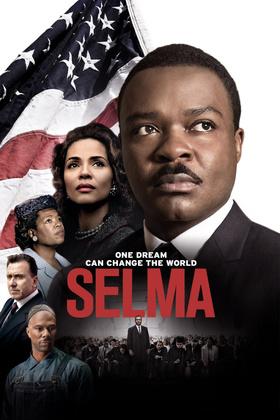
Selma is a movie based on the 1965 Alabama voting rights marches, (specifically) the 54-mile march from Selma to Montgomery led by Dr. Martin Luther King jr. Which was a pivotal in securing the voting rights act. The film focuses on the tumultuous events leading up to this, including "bloody Sunday" and the political negotiations between MLK and president Lyndon B. Johnson
"Selected Poems of Langston Hughes" is a comprehensive, author-curated collection featuring works from throughout his career, highlighting the Black experience in American through the 1930s and beyond The poems blend jazz and blue rhythms with vernacular language to celebrate Black culture, resilience, and identity while addressing themes of racial inequality and the enduring struggle for the "American Dream"

"Random Acts of Kindness," Published by Conari Press, is an inspiring collection of true stories and quotes that celebrate small, voluntary gestures of goodness. The book was inspired by the phrase "random acts of kindness" and by the people involved in the movement at the time. It was written as a tribute to the small, individual expression of kindness that motivate ad inspire others to participate in this movement
About: The Vagina Monologues emerged from playwright Eve Ensler’s interviews with more than 200 women First performed as a solo piece, the work has now grown to a global phenomenon, to call for an end to violence against women and girls, and to celebrate and unpack the female experience. Proceeds from the production benefit Spokane YWCA in its work to end violence and racism Age Recommendation: 12+. Ticket:$12
Where: Magnuson Theatre, College Hall
When: Thursday, February 12 at 7:30 p.m.
Friday, February 13 at 7:30 p.m.
Saturday, February 14 at 7:30 p.m.
About: Rising Tide is a dance celebrating the female choreographic voice in the Inland Northwest. Featuring diverse works by local choreographers, the performance blends powerful storytelling with a wide range of movement styles. This vibrant production uplifts both artists and audiences through imagination, artistry, and connection. Tickets: $18 - $35


Where: Myrtle Woldson Center - Coughlin Theater
When: Friday, February 20 | 7:30PM th
About: The Jazz Program will feature all seven Gonzaga Jazz Ensembles in a 1-hour concert of a variety of styles including classic jazz, big band jazz, contemporary/experimental jazz, and jazz-rock fusion. Tickets: $10 - $15
Where: Myrtle Woldson Center - Coughlin Theater
When: Thursday, February 26 | 7:30PM th

Cultural Events
Harlem Renaissance
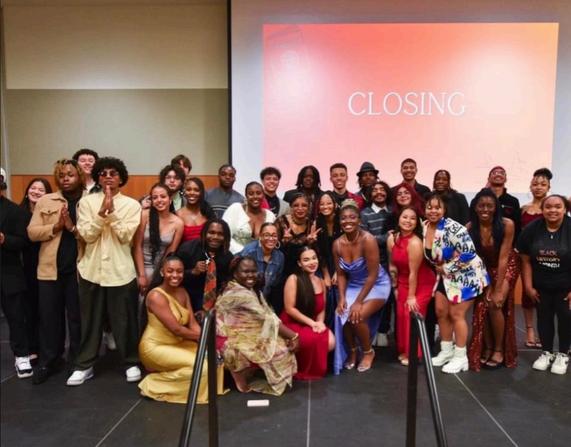
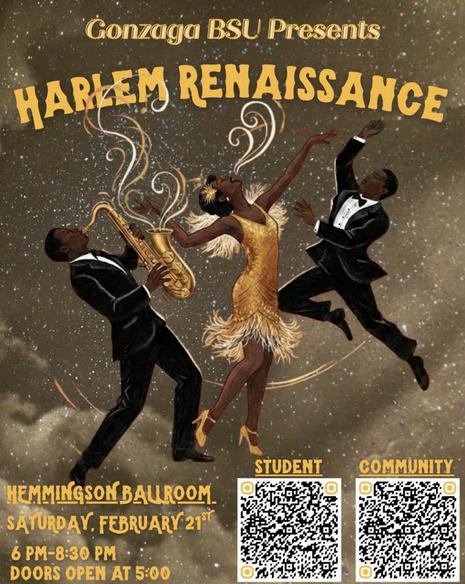
About: The Black Student Union BSU was founded in 1975, where it strived to develop and promote for more understanding of Black culture and create a community among its students, staff within the Spokane area. In promoting values of respect, social justice, and a sense of community at Gonzaga. The Black Student Union presents their Harlem Renaissance theme cultural event A historical moment during the 1920s and 1930s that lead African Americans to seek a new lifestyle. The Harlem Renaissance provided opportunities for intellectuals and artists where for the first time gained national recognition and where Black creativity began to flourished. The 2026 Harlem Renaissance will take place on February 21 where BSU seeks to showcase Black excellence and resilience through time and space. A commitment to present how the Harlem Renaissance has influenced modern Black culture today.
Cultural Events
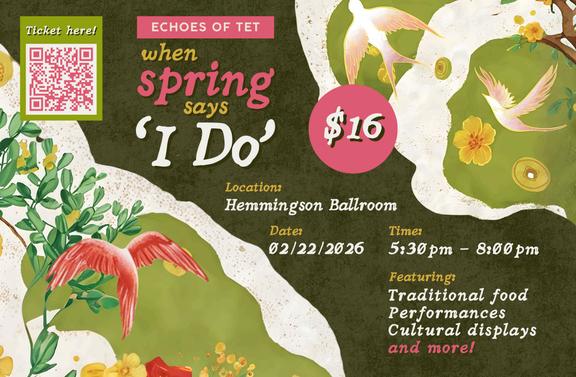
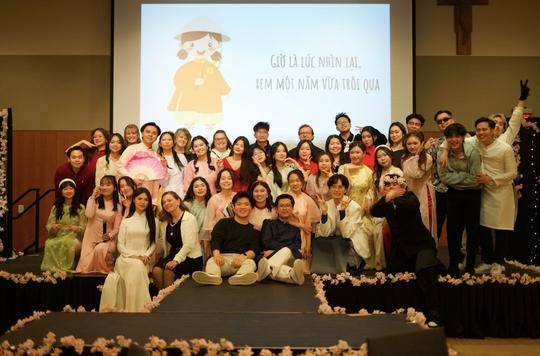
About: Vietnamese Student Association (VSA) at Gonzaga University is a student-run club that celebrates Vietnamese culture and creates a welcoming community on campus. Founded in 2021, the organization was created to bring together Vietnamese and Vietnamese-American students while also welcoming anyone interested in learning more about Vietnam’s traditions and heritage VSA focuses on building friendships, encouraging leadership, and sharing culture through fun and meaningful events throughout the year. The club often partners with other multicultural organizations and campus offices to promote diversity, inclusion, and cultural understanding. The highlight of VSA’s year is its annual Lunar New Year celebration, called Echoes of Têt This signature event showcases Vietnamese traditions through performances, music, fashion, and traditional food, giving the Gonzaga community a chance to experience and enjoy Vietnamese culture. The 2026 Echoes of Têt celebration will take place on February 22 and is expected to bring together hundreds of students, staff, and community members. As VSA continues to grow, the club remains committed to creating spaces where culture is shared, identities are celebrated, and lasting connections are made.
Where: Gonzaga University, Hemmingson Ballroom
When: Sunday, February 22nd | 5:30PM - 8:00PM
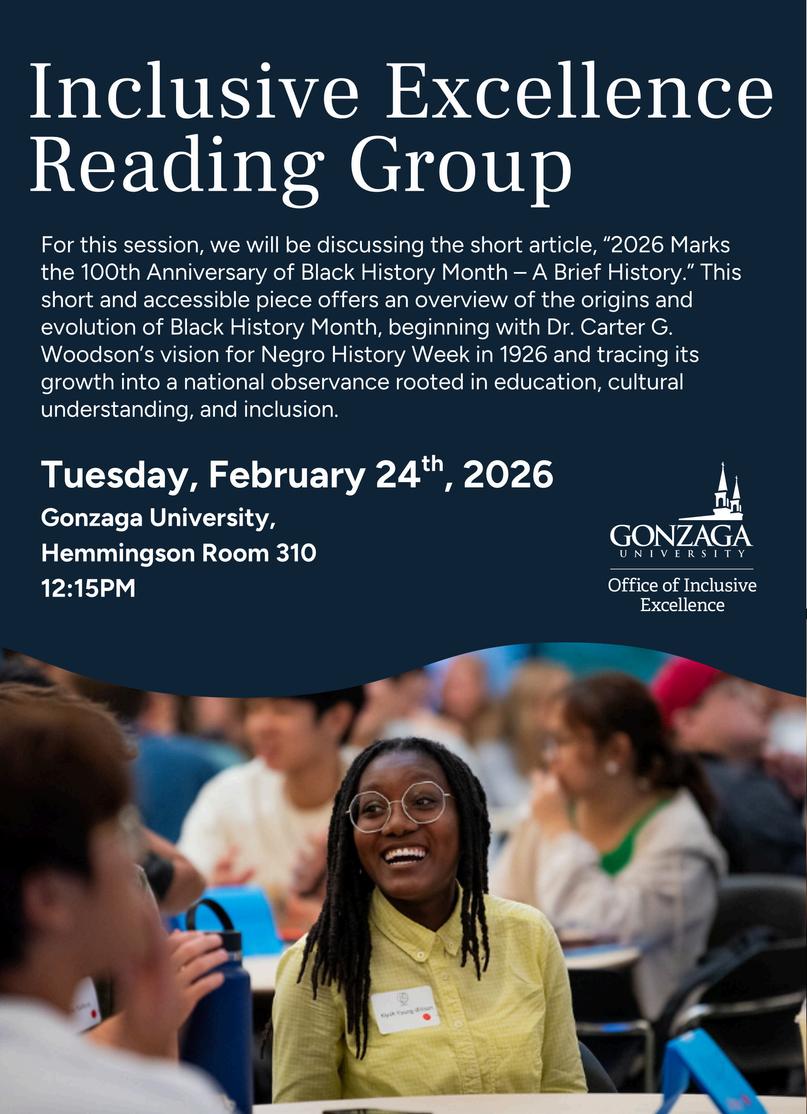
About: For this session, we will be discussing the short article, “2026 Marks the 100th Anniversary of Black History Month – A Brief History ” This short and accessible piece offers an overview of the origins and evolution of Black History Month, beginning with Dr. Carter G. Woodson’s vision for Negro History Week in 1926 and tracing its growth into a national observance rooted in education, cultural understanding, and inclusion.
Where: Hemmingson 314
When: Tuesday, Feb 24, 2026 | 12:15PM
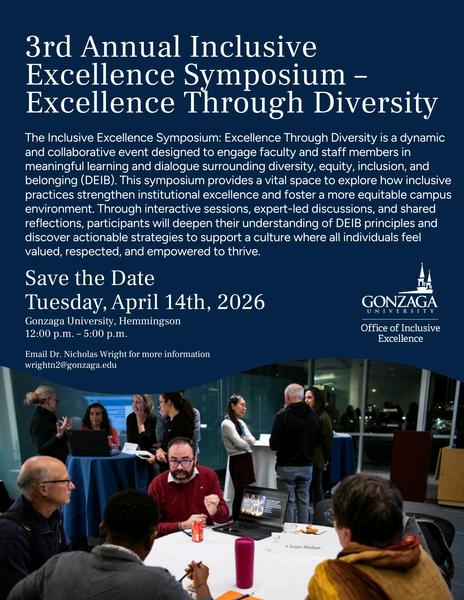
About: Office of Inclusive Excellence is hosting the 3rd Annual Inclusive Excellence Symposium titled “Excellence Through Diversity.”
Where: Hemmingson Ballroom
When: Wednesday, Apr 14, 2026 | 12:00 PM - 5:00 PM
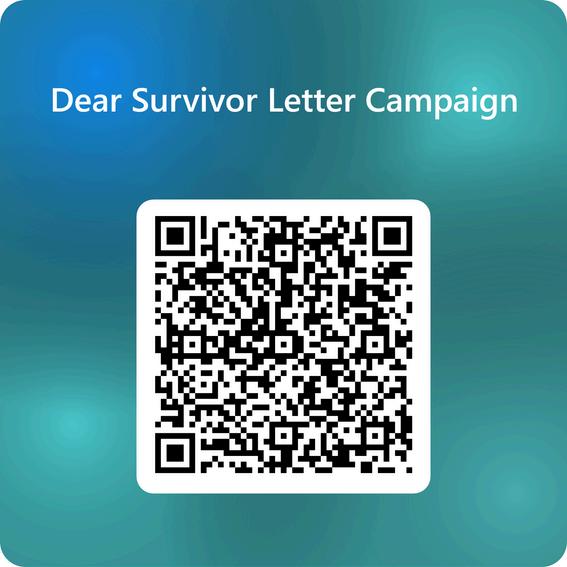
Dear Survivor Letter Campaign
About: The Office of Inclusive Excellence is collecting Dear Survivor Letters in preparation for Sexual Assault Awareness Month in April. Scan the QR code for more information (QR Code to be emailed).
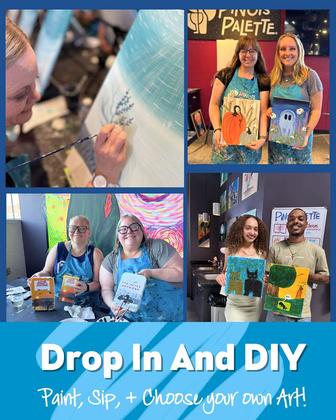
About: Drop In Paint And DIY at Pinot's Palette in Spokane offers a flexible, self-guided painting experience where attendees can choose from over 125 designs, paint at their own pace without an instructor, or create custom projects like candles and home decor.
Where: Pinot’s Palette
When: Friday, Feb 06, 2026 | 1:00 PM
About: “Back & Forth” is an art exhibition at Terrain Gallery featuring work by Jen Erickson and Kate Lund The show explores themes of memory, nature, and personal stories through abstract and symbolic artwork.
Where: Terrain Gallery
When: Friday, Feb 06, 2026 | 5:00 PM
Shaun Cassidy

About: Shaun Cassidy is a former teen pop star who became a successful TV writer and producer, known for shows like Cold Case and New Amsterdam, while also supporting charity work.
Where: Bing Crosby Theater
When: Friday, Feb 06, 2026 | 8:00 PM - 9:30 PM
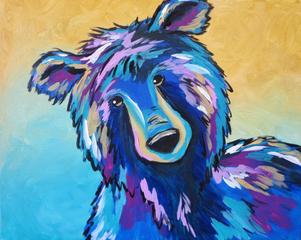
About: This is a 21+ paint-and-sip class with a fun animalthemed project. ID is required. No refunds. Rescheduling requires 24 hours’ notice Late cancellations or no-shows receive class credit (minus a $12 fee) valid for 60 days.
Where: Pinot’s Palette
When: Saturday, Feb 07, 2026 | 12:00 PM - 2:00 PM

Beautiful Roses
About: "Beautiful Roses" by Pinot's Palette is a guided painting session where guests create a romantic, vibrant bouquet of roses, typically featuring customizable colors and flower options
Where: Pinot’s Palette
When: Saturday, Feb 07, 2026 | 3:30 PM - 5:30 PM
About: Clarion Brass, Spokane’s 14-member mega-brass group, has been exciting audiences since 1992 with bold, original arrangements. Conducted by Andrea Olsen, their concerts feature high-energy music from many styles and eras Join them for a powerful performance at St. John’s Cathedral.
Where: The Cathedral of St. John the Evangelist
When: Saturday, Feb 07, 2026 | 7:30 PM - 9:00 PM
Jerry Seinfeld
About: Comedian Jerry Seinfeld brings his newest stand-up show to the First Interstate Center for the Arts in Spokane on February 20, 2026. Known for his everyday humor, Netflix specials, and Comedians in Cars Getting Coffee, Seinfeld continues to perform for audiences around the world
Where: First Interstate Center for the Arts
When: Friday, Feb 20, 2026 | 7:30 PM - 9:00 PM
Voices - A Community Celebration
About: A concert presentation of songs from musicals throughout the ages, featuring some of our community’s finest talents.
Where: Spokane Civic Theater
When: Feb 20 - 22, 2026 Friday & Saturday: 7:30 PM | Sunday: 2:00 PM




Enjoyed this issue of Diversity Digest?
Subscribe for future editions and tell us what you think!

Follow us on Instagram: @gonzagadiversity Questions? Comments? Have an idea for an article? Email us at inclusiveexcellence@gonzaga.edu
EDITORIAL BOARD
Ashlinn Aguayo
Coco Haggen
Robin Kelley, Ph.D.
Araceli Lopez
Vy Nguyen
Kristina Poffenroth
Idalia Bucio Rodriguez
Brice Yates, Ph. D., CDP