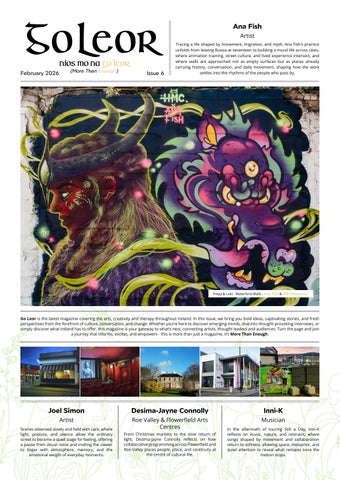
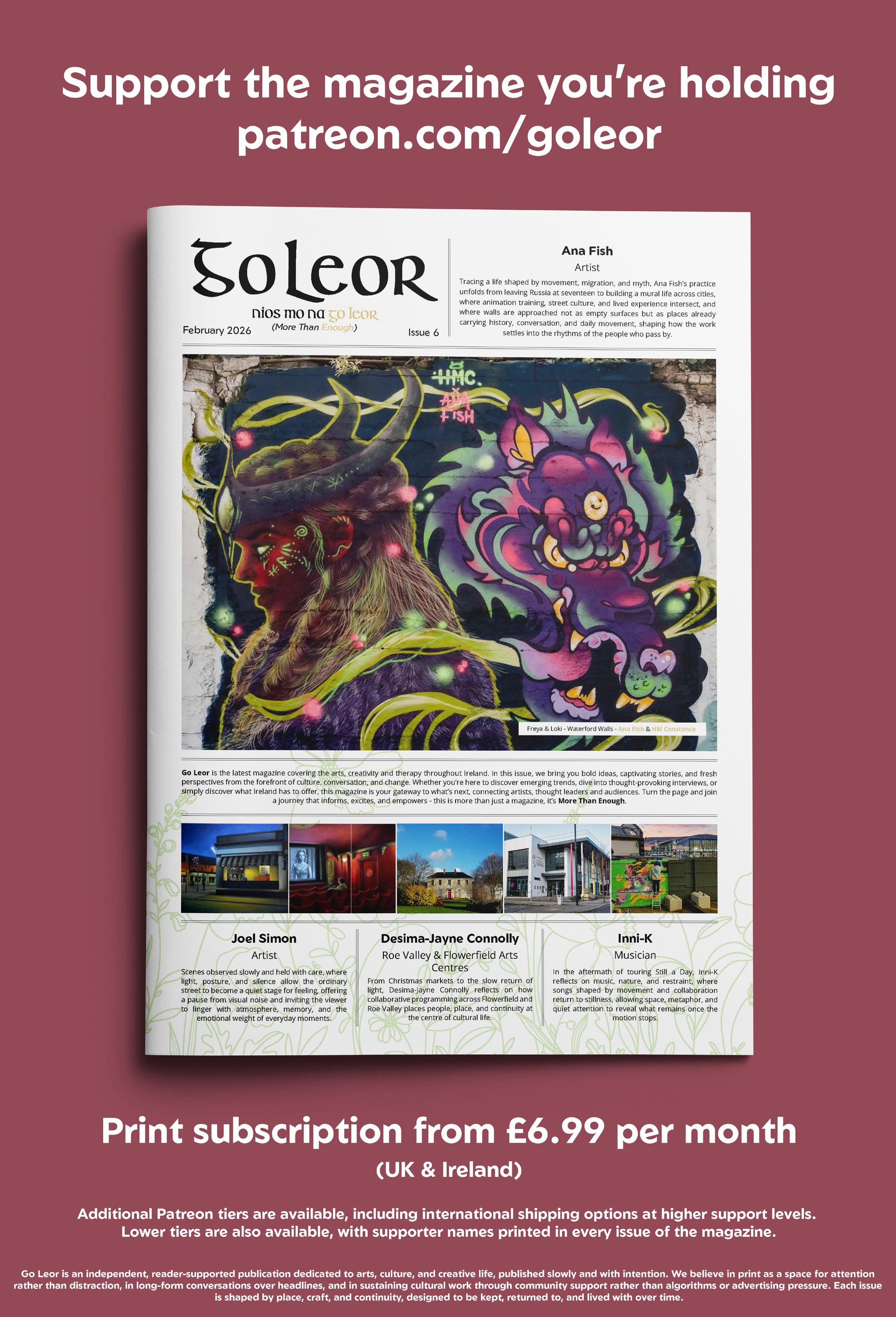
Tracing a life shaped by movement, migration, and myth, Ana Fish’s practice unfolds from leaving Russia at seventeen to building a mural life across cities, where animation training, street culture, and lived experience intersect, and where walls are approached not as empty surfaces but as places already carrying history, conversation, and daily movement, shaping how the work settles into the rhythms of the people who pass by.
Go Leor is the latest magazine covering the arts, creativity and therapy throughout Ireland. In this issue, we bring you bold ideas, captivating stories, and fresh perspectives from the forefront of culture, conversation, and change. Whether you’re here to discover emerging trends, dive into thought-provoking interviews, or simply discover what Ireland has to offer, this magazine is your gateway to what’s next, connecting artists, thought leaders and audiences. Turn the page and join a journey that informs, excites, and empowers - this is more than just a magazine, it’s More Than Enough
Scenes observed slowly and held with care, where light, posture, and silence allow the ordinary street to become a quiet stage for feeling, offering a pause from visual noise and inviting the viewer to linger with atmosphere, memory, and the emotional weight of everyday moments.
From Christmas markets to the slow return of light, Desima-Jayne Connolly reflects on how collaborative programming across Flowerfield and Roe Valley places people, place, and continuity at the centre of cultural life. (More Than Enough)
Desima-Jayne Connolly
Roe Valley & Flowerfield Arts Centres
In the aftermath of touring Still a Day, Inni-K reflects on music, nature, and restraint, where songs shaped by movement and collaboration return to stillness, allowing space, metaphor, and quiet attention to reveal what remains once the motion stops.
Inni-K Musician
Joel Simon Artist
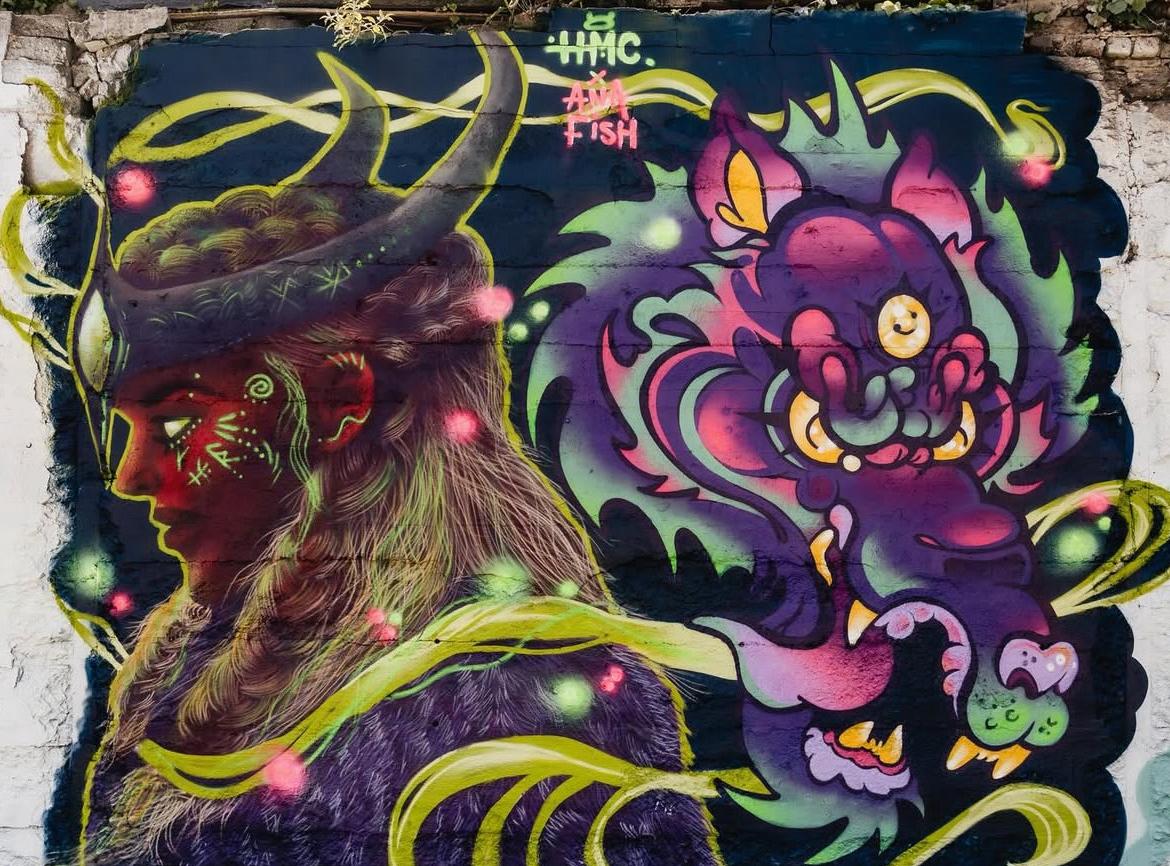
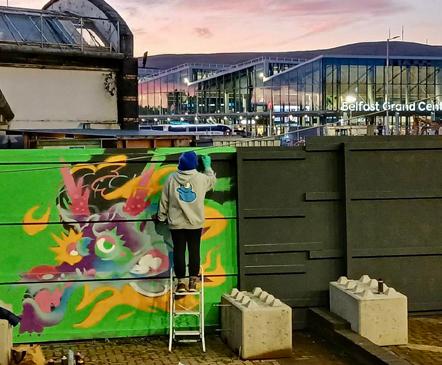
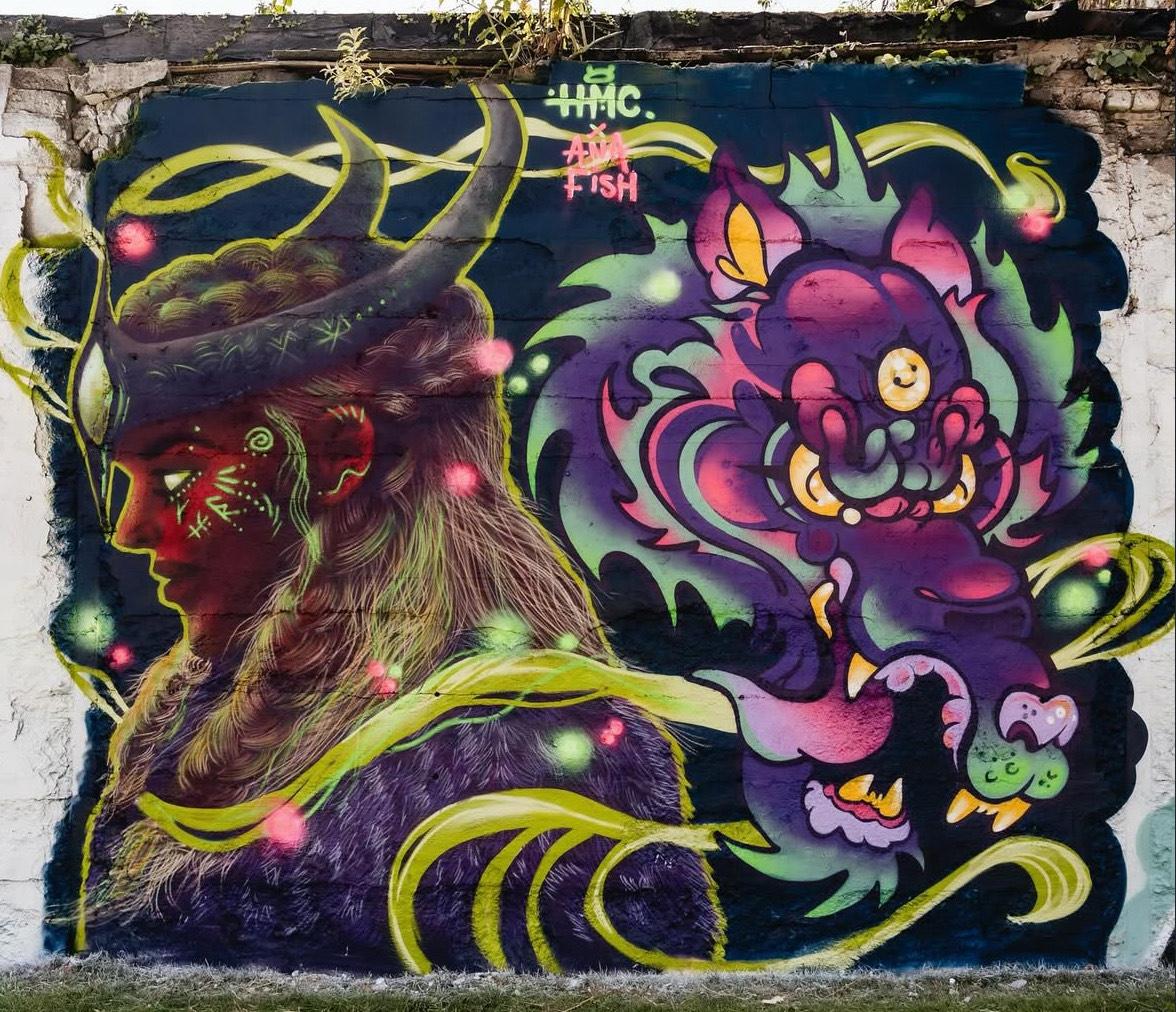
Freya & Loki - Waterford Walls - Ana Fish & HM Constance
We’re always on the lookout for fresh voices, bold ideas, and stories that matter. If you have a topic you’re passionate about, a request for something you’d love to see featured, or an idea you think deserves a platform, we’d love to hear from you. Go Leor is built on conversation and collaboration, and your input helps shape the future of the magazine. Get in touch with the editor via aidan@goleor.co.uk - let’s create something great together.
Interested in advertising with Go Leor? Partnering with us puts your brand in front of a vibrant, engaged audience of curious minds, creative thinkers, and culturally-aware readers who value authenticity and innovation. Our publication reaches a diverse mix of young professionals, artists, changemakers, and trendsetters who are always seeking what’s next. With a focus on creativity, events and exploration, whether you’re launching a new product, promoting an upcoming event, or building brand awareness, we offer tailored advertising opportunities to help you make a meaningful impact. To explore how we can work together get in touch with us at advertising@go-leor. co.uk
By the time this issue reaches you, winter has already done what it always does - slowed things down, stretched the days inward, and asked for a different kind of attention.
Go Leor was due to return in December. Instead, we took a short hiatus. Not a dramatic pause, just a necessary one - shaped by family, by fatigue, and by the reality that meaningful work doesn’t always move on sched-
ule. I’m grateful for the space it gave, and even more grateful for the patience shown by those whose work fills these pages.
As we move into the new year, Go Leor continues with renewed clarity rather than noise - committed to work that unfolds slowly, trusts the reader, and recognises culture not as a series of peaks, but as something lived season by season.
Aidan McGrath
Inni-K Musician
In the aftermath of touring Still a Day, the singer, composer, and multi-instrumentalist considers music, nature, and what remains once the movement stops.
There is a particular quiet that arrives once a tour ends - not silence, but a loosening. A shift from motion into reflection. For Inni-K - a singer, multi-instrumentalist, composer, and songwriter with a deep and intuitive knowledge of sean-nós and the Irish language - finishing the tour for Still a Day brought that change sharply into focus. After months shaped by travel, rehearsal, performance, and promotion, time has begun to stretch again, offering space to take stock of what the work has become and how it now sits with her.
She speaks candidly about finding herself with more space than before - not as absence, but as a necessary pause after sustained motion. The end of a tour brings with it both relief and recalibration.
Learning the Shape of Touring
“There’s always more you learn. Yeah. Every time,” she says. Touring, for her, is never fixed; it is “a constant, refining process,” one that mirrors the way albums themselves are released into an ever-shifting landscape. The work changes, the audience changes, and the structures surrounding music change with them.
This time, the shift was particularly noticeable in how promotion functioned. “The whole landscape of social media really has changed,” she
reflects, noting how difficult it felt to reach even people who already followed her work, with an algorithm behaving in unpredictable ways when it comes to what people see. The effort required to remain visible has grown heavier, demanding time and mental space that often sits uncomfortably beside the quieter labour of making songs.
Where the Music Lives
And yet, touring still revealed something grounding. “People will come anyway - people who are interested will always come,” she says, acknowledging the steady presence of listeners who have followed her work across releases. Those audiences, she adds, “really just love music and love what I’ve been doing and appreciate the progression of my journey.”
Playing live remains the counterweight to the abstraction of online promotion. “The difference between kind of shouting into a void and actually playing for people - that’s what I love doing,” she explains. Being in a room, feeling the music move between bodies, restores a sense of connection that can otherwise feel elusive online.
A Record That Trusts Restraint
Still a Day, her fourth studio album, has unfolded slowly and deliberately, both on record and on stage. It is a body of work shaped by trust and long-stand-
ing collaboration, but also by an increasing confidence in restraint. Compared to earlier releases, it feels less concerned with display and more attentive to atmosphere - allowing songs to breathe, to hold silence, to trust simplicity.
Looking back across her catalogue, she recognises a clear trajectory, but describes this album as “a bit less showy… a bit more instinctual,” shaped by a growing confidence to keep things simple. “It’s really hard to describe your own stuff,” she admits, before adding that the work feels quieter, more settled, and more assured.
Nature as Language
Nature runs quietly but persistently through the album. Her writing often turns instinctively toward the elements when searching for language. “I think all of my writing and all my albums are very nature-based,” she says, drawing inspiration from “the forces, from the elements.”
Water, soil, sky, darknessthese are not decorative images but working metaphors. One song, rooted in compost and the natural world, reflects her fascination with unseen systems. She describes it as thinking about “that invisible wisdom… the invisible life that’s in everything,” where breakdown becomes the condition for growth. Nature, for her,
offers metaphors that allow experience to be expressed with depth rather than directness. “The power of metaphor is quite magical,” she notes.
Expanding the Sound
Musically, Still a Day expands her palette without abandoning its roots. Voice and fiddle remain central, but they now sit alongside subtle electronics and synthesizers. She began working more closely with synths while travelling, sketching ideas in motion. “I was on a tour bus in Germany… working away on my little synths,” she recalls, building bass lines and textures that later shaped the album.
In the studio, these ideas were refined through close collaboration, most notably with Seán Mac Erlaine, who worked closely with her on shaping and producing the record. Working with a small group allowed space for intuition rather than over-explanation, letting sounds arrive organically.
Collaboration and Trust
That sensitivity to process extends into how she works with others. “It really depends on the person and my relationship with them,” she explains. Some musicians need structure, others instinct. With this record, the collaboration remained deliberately contained. Alongside Seán Mac Erlaine, drummer and percussionist Matthew Jacobson played a key role in giving the songs their rhythmic shape. “It was just the three of us… it’s very contained in that way.”
Rather than strict instruction, she often communicates through feeling and imagerygestures toward tone or energy rather than technical language. Trust, more than control, shapes the work.
Inviting People In
Alongside the concerts, she ran workshops during the tour, inviting audiences into the music itself. Participants learned parts of songs and later joined her on stage.
“It’s just including people,” she says simply, recognising how many want to participate but need encouragement. The result was a soft dissolving of the boundary between performer and listener.
Writing as Process
Songwriting, for her, remains deeply personal - not always autobiographical, but always rooted in lived experience. “I think they’re all very personal… that’s sort of the point for me,” she reflects. Music is a way of understanding life, something she describes as “a really healthy and healing thing to do.”
Not every song is shared. Some remain private, written like letters never sent. Others, like one track built around an internal dialogue, unfold as conversations between parts of herselfbetween change and familiarity, openness and hesitation.
Letting Direction Emerge
Change, she insists, is not something she consciously pursues. “It’s not something that I sit down and decide - it just happens out of the work,” she says. Albums come together when enough songs gather and begin to speak to one another, usually every few years. They form chapters rather than conclusions.
“It still seems like the most exciting project for me,” she says of album-making - a way of marking time, attention, and growth.
Returning to Stillness
Now, with the road behind her, attention turns again to smaller details: light shifting across a room, the steady burn of a candle. “There is nothing more interesting than the everyday things,” she says, reflecting on how attention transforms the ordinary into something expansive.
What Remains
In the aftermath of touring, the songs remain - grounded, patient, and continuing to unfold. Away from schedules and stages, they return to stillness, listening again for what might come next.
Still A Day is available to stream now on Spotify & Apple Music
In the New Year in Cork at The White Horse for ‘Ballincollig Winter Music Festival’, Saturday, 31st January, 2026: whitehorse.ie
And in February in Kildare Town at Solas Bhride Centre for ‘Inni-K in Solas Bhríde!’, Sunday, 1st February, 2026: eventbrite.ie
Find Inni-K’s full discography and links via bandcamp: inni-k.bandcamp.com
Find the latest news via her website: inni-k.com
And keep up with her on social media: @innikmusic
Joel Simon Artist
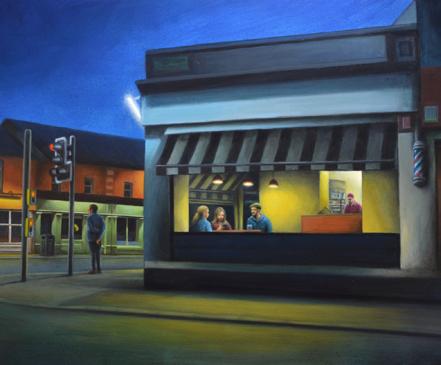
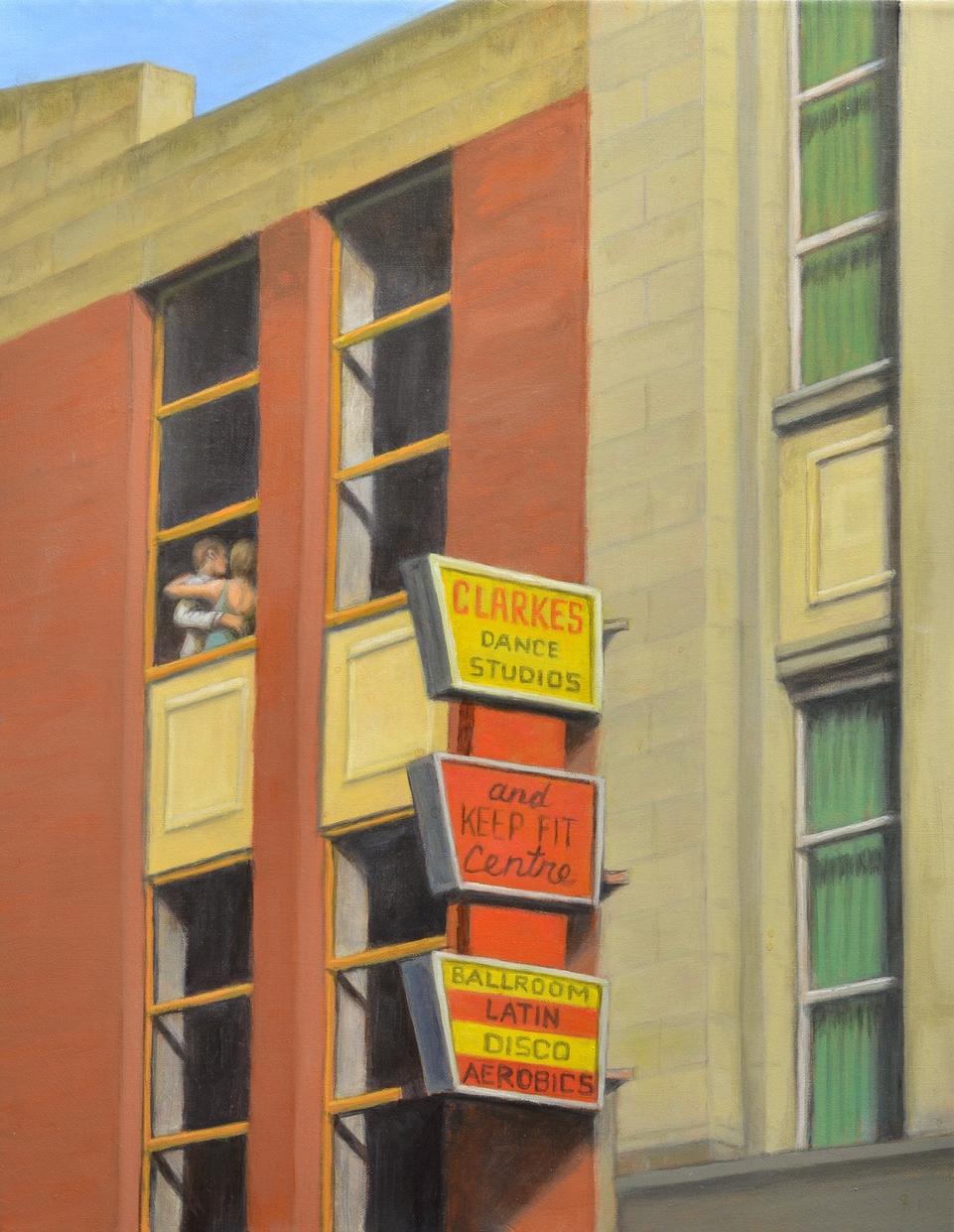
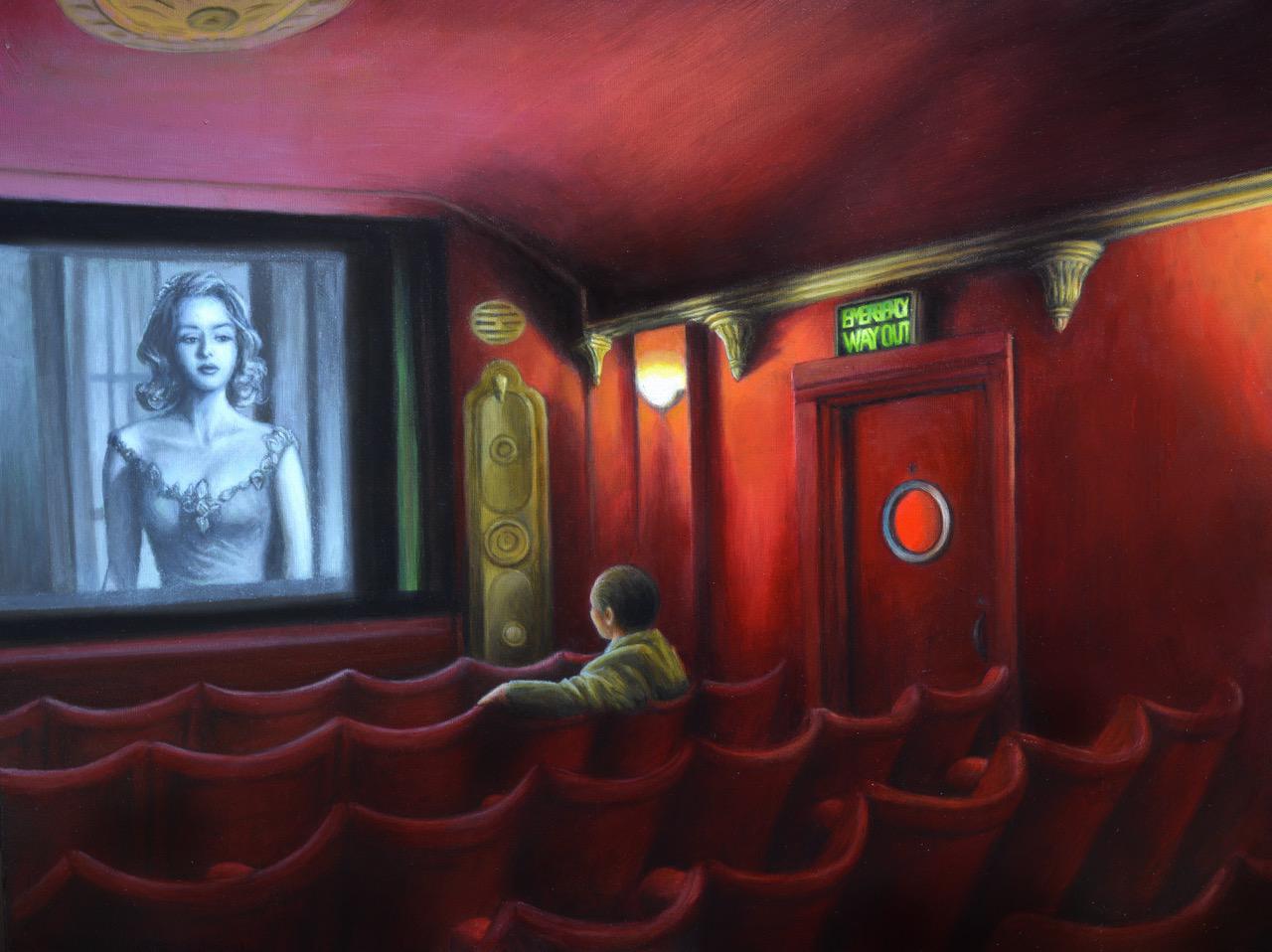
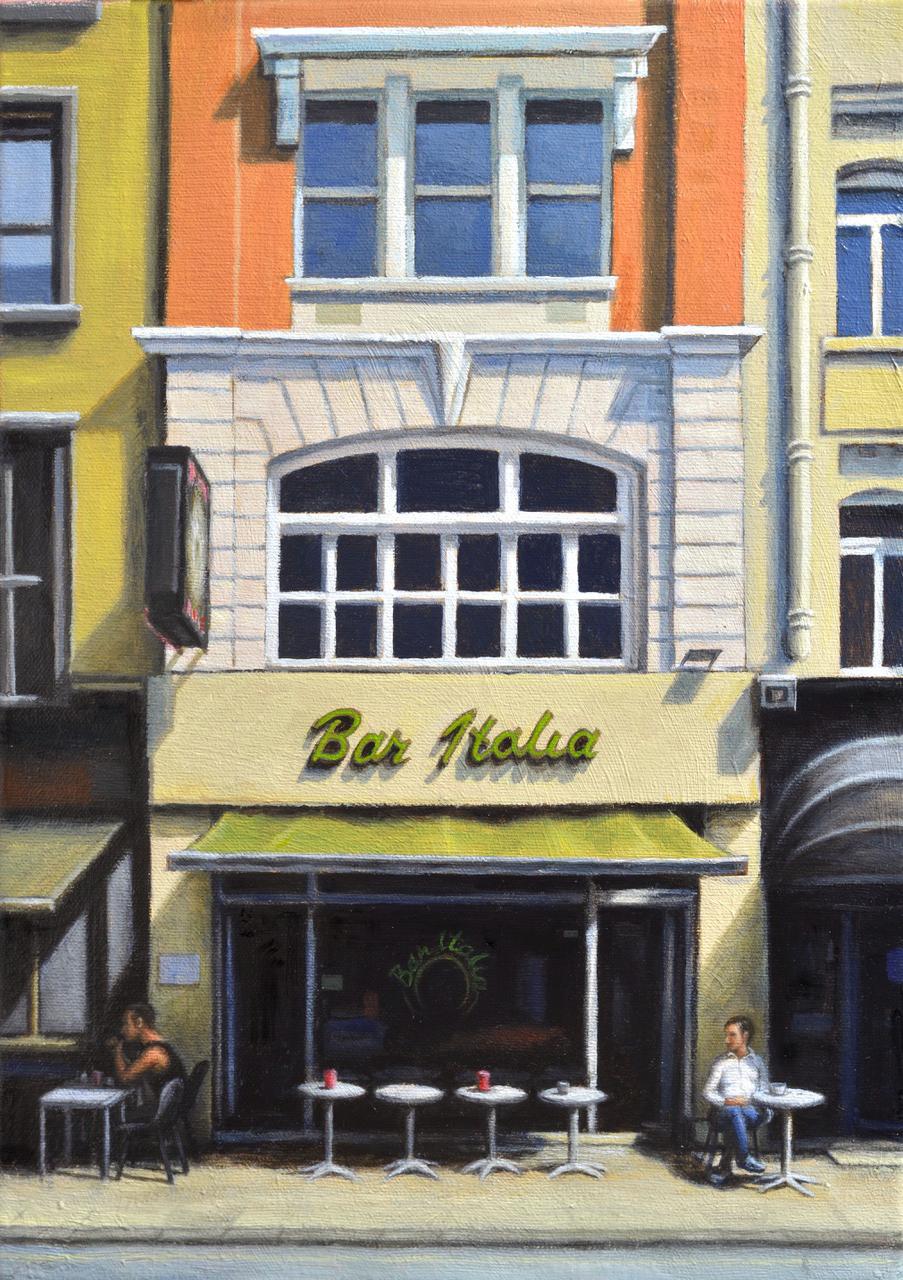
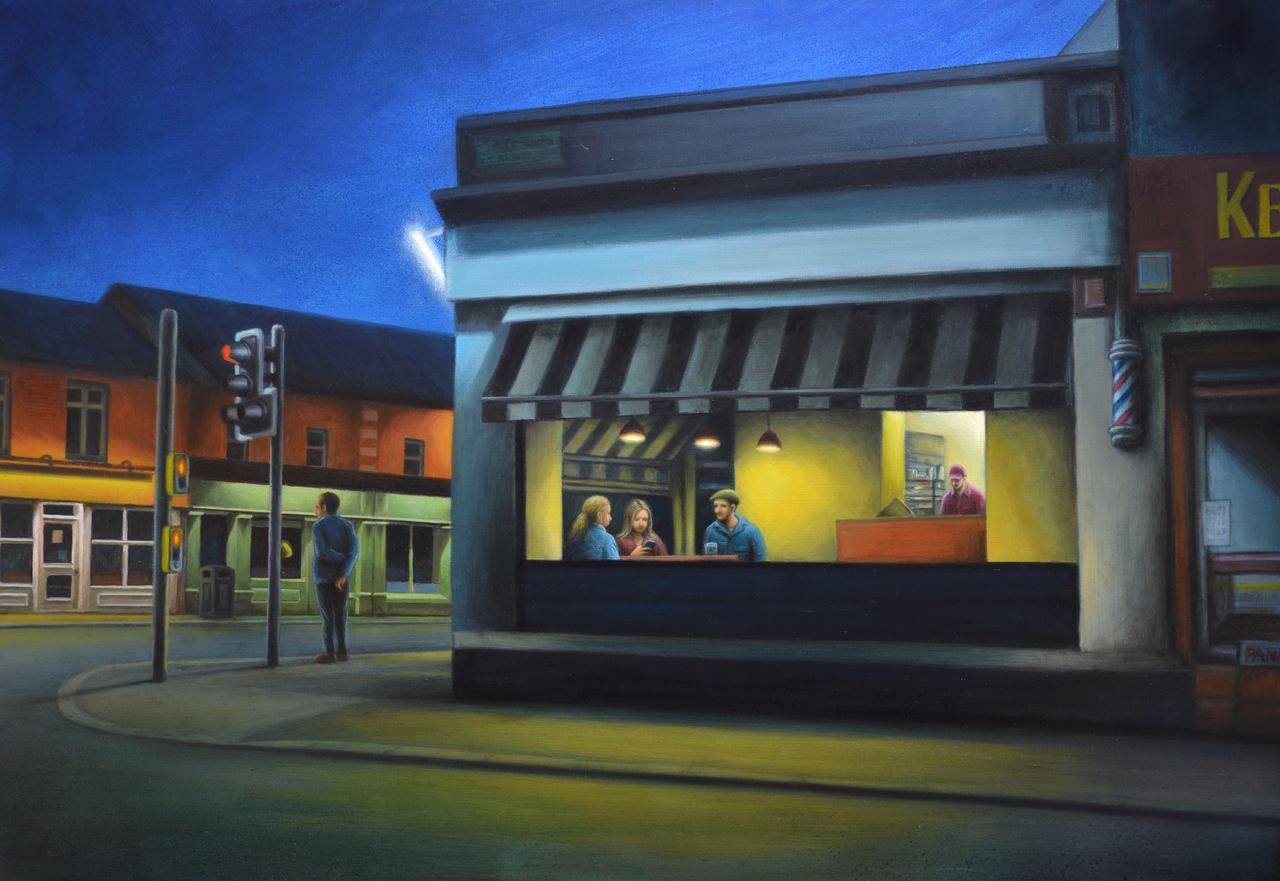
Scenes observed slowly and held with care, where light, posture, and silence allow the ordinary street to become a quiet stage for feeling
Joel Simon’s paintings sit quietly with you. They don’t announce themselves loudly or ask to be decoded immediately. Instead, they invite a slower kind of looking - one shaped by light, atmosphere, and a deep belief in the emotional power of everyday moments. Based in Belfast, Simon works in oil, creating cinematic urban scenes that feel suspended between memory and imagination.
Often rooted in real places and fleeting encounters, his paint-
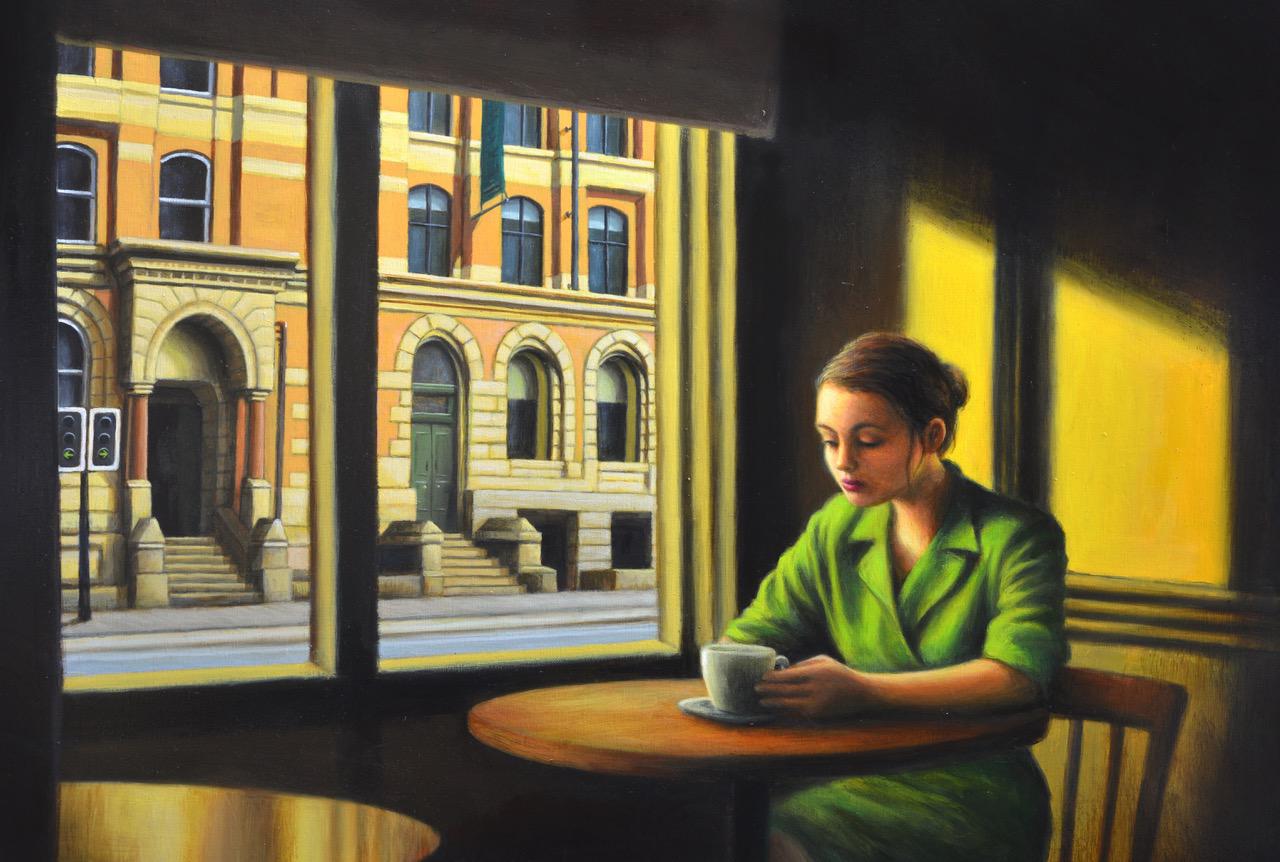
ings feel less like documents of specific moments and more like distillations of mood. A figure waiting for a train, a man in a window on Lombard Street, warm sunlight streaming into a cafe - these are scenes that hover between the ordinary and the heightened, imbued with a sense that something has just happened, or is about to.
His work draws from a European tradition of figurative painting, but it is filtered through the sensibility of someone who spent years thinking in frames,
sequences, and light. The result is a body of work that feels intimate without being insular, nostalgic without being sentimental, and romantic without denying the world’s current complexities.
Working Slowly, Thinking in Stories
Simon rarely approaches a single painting in isolation. Instead, his studio practice unfolds across several canvases at once, ideas overlapping and feeding into one another. At any given
Golden Hour Reverie, Oil on linen
time, there may be four or five works in progress - a streetscape in one corner, a solitary figure in another, a fleeting gesture captured mid-routine elsewhere.
“I generally have a few canvases on the go at the same time,” he says. “I’ve got so many ideasplenty of projects, and plenty more that I haven’t even got the composition for yet.”
This multiplicity is less about productivity than it is about allowing ideas to breathe. Moving between works keeps any single painting from becoming overly fixed too early, allowing intuition to guide decisions around tone, balance, and narrative. Scenes are allowed to shift until they settle into something that feels emotionally true.
For Simon, painting is not about racing toward completion. It is about staying open long enough for a story to emergesometimes subtly, sometimes unexpectedly.
From Street to Canvas
Cities are Simon’s primary source material. Belfast, London, Paris - places walked slowly, observed carefully, and photographed not for accuracy, but for possibility. His process often begins while moving through a city: noticing how light falls across a street, how people occupy space, how architecture frames human presence.
“I work around my holidays,” he explains. “I’ll walk through a place, see a location that really inspires me, and take lots of reference images.”
Back in the studio, those references are treated as raw material rather than instructions. Using digital tools, Simon reshapes scenes entirely.
“I completely change the composition,” he says. “I’ll remove people, add people, simplify it, make it more spare, add in new elements. There’s a lot of compositional work that happens before I ever start painting.”
Only once the image feels resolved - emotionally and visually - does it make the transition to canvas. Oil paint allows him to work slowly, building surfaces gradually and letting light emerge layer by layer.
Linen, Oil, and a Romantic Logic
In recent years, Simon has com-
mitted exclusively to working on linen rather than cotton or wood - a decision rooted as much in feeling as in material logic.
“There’s something about linen I really love,” he says. “The irregularity of the weave, the romance of it. Cotton feels more industrial to me.”
That romance extends beyond texture. Linen’s connection to Belfast’s history - as a nineteenth-century epicentre of the linen trade - carries a quiet resonance for Simon, grounding his work materially in place. There is also a poetic symmetry
Dance Hall Days, Oil on canvas
in his choice of medium.
“I work exclusively in oils,” he notes. “And linseed oil comes from the flax plant as well. There’s a harmony there.”
These are details that most viewers will never consciously register, but for Simon they matter. They slow the act of painting, deepen his connection to the surface, and reinforce painting as a tactile, almost meditative practice.
Light as a Central Character
If people occupy Simon’s paintings, light often leads them. Winter sun slipping between buildings, a warm glow across sandstone façades, illumination pooling softly through windows - these moments are treated with as much care as any figure.
“Portraying light for me is almost as important as por-
traying people,” he says. “The way it seeps through a window or glows inside a space can be incredibly inspiring.”
His appreciation of light is inseparable from his understanding of architecture. Years of studying art history and architectural styles - from baroque to neoclassical - inform how he frames buildings and understands their presence.
Yet it is light that ultimately animates these structures, giving environments a personality of their own. In many of his paintings, place is not a backdrop but an active participant in the narrative.
Dressing the Figure, Holding the Mood
Simon’s figures are grounded in real people - observed on
the street, photographed in passing, or invited to pose - but they are rarely depicted exactly as found. Clothing is altered, gestures refined, silhouettes clarified.
“I tend to depict real people in real positions,” he says, “but I’ll often change their outfits.” Practical considerations aside, this allows him to focus on line, shape, and mood rather than contemporary fashion that might distract from the painting’s atmosphere.
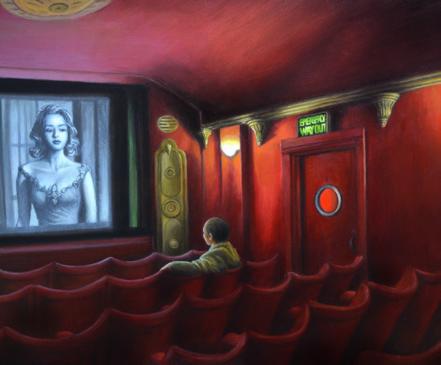
His visual instincts are informed by a lifetime of absorbing classic cinema, vintage photography, and fashion imagery from the 1930s and 40s. Rather than being directly referenced, these influences sit quietly beneath the surface.
“I’ve digested so much of that
Whispers Of The Silver Screen, Oil on canvas
Midsummer
imagery that it’s just there,” he explains. “I kind of know what pose feels natural, what looks right.”
Solace, Romanticism, and Refusal
Simon is clear about what his work is not trying to do. He has little interest in didactic commentary or in mirroring the world’s harshest realities back at the viewer.
“I’m not interested in reflecting the world as it is,” he says. “There’s already so much of that. I’m trying to reinterpret the world in a more beautiful way.”
He loosely situates his work within a romantic tradition - figurative and realistic, but guided by sentiment, idealism, and emotional resonance rather than critique. This approach is not escapism so much as refus-
al: a decision to create images that offer pause rather than pressure.
“I find real solace in the work,” he reflects. “The act of painting makes me very happy. And I’d like to think that some of my paintings bring a bit of that to other people too.”
In an age saturated with bad news and visual noise, this commitment to quiet beauty feels increasingly radical.”
Looking Forward
For Simon, ambition is less about scale or spectacle and more about refinement. Improvement is measured in small increments: cleaner drawing, more confident handling of paint, sharper emotional clarity.
“Improving technically is very important,” he says. “But ultimately it’s about telling narra-
tive stories about people - and doing it better.”
That pursuit keeps him returning to the same cities, the same streets, the same light, seeing them anew each time. Paris and London continue to call him back, not for novelty, but for their inexhaustible potential.
In a world that often moves too fast and asks art to shout, Joel Simon’s paintings remain committed to something quieter: patience, observation, and the enduring power of light to hold a story.
Keep up with Joel via social media: @joel_simon_art
And for more information, prints, original works and commissions visit Simon’s website: joelsimon.art
Late Night Café, Oil on canvas
Ana Fish Artist
Tracing a life shaped by movement, myth, and community - using street art to reclaim space, tell shared stories, and make the everyday world feel safer, softer, and more alive.
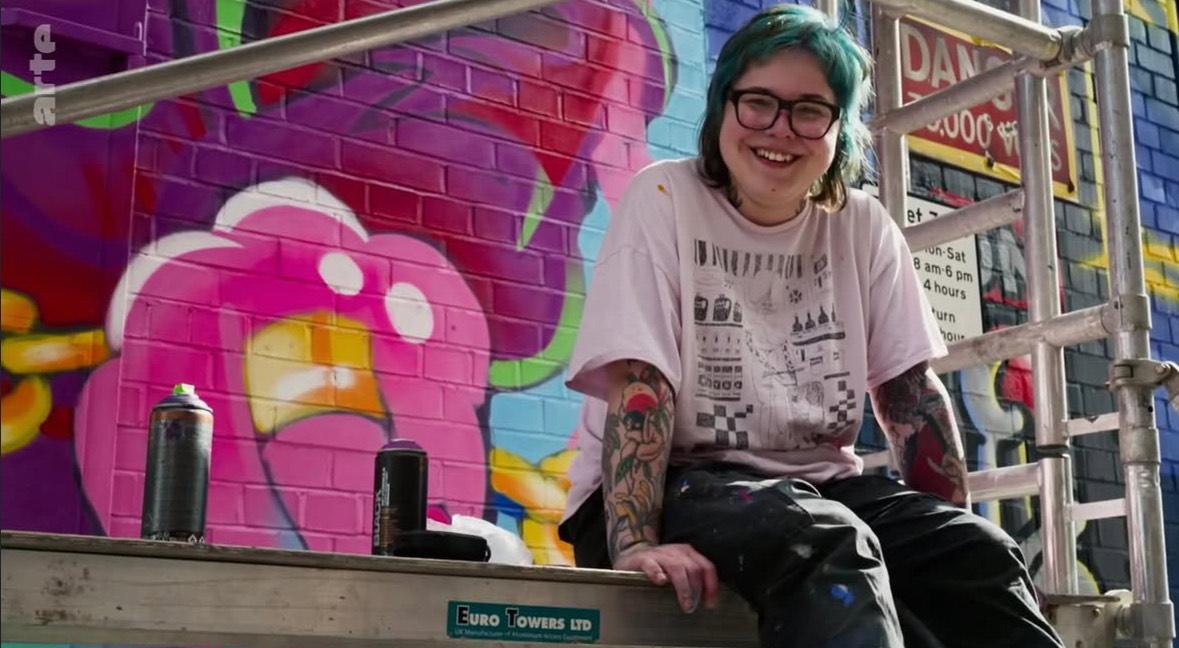
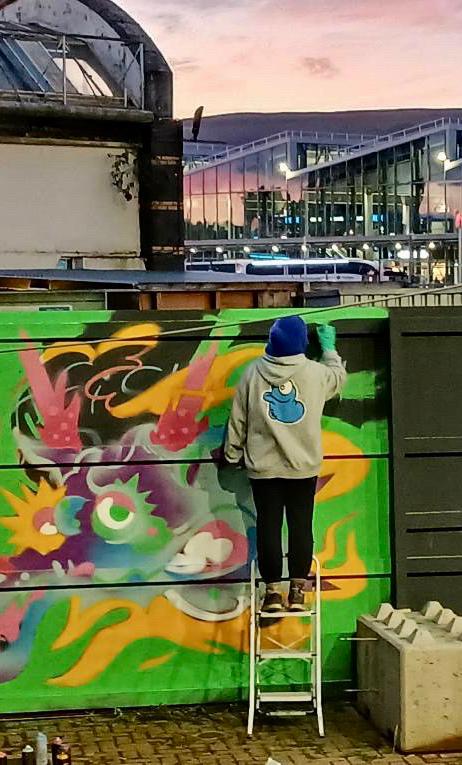
There is a particular openness that runs through Ana Fish’s work - a sense that the figures she paints are not just occupying walls, but actively reclaiming them. That openness mirrors her own path. Born and raised in Russia, Ana moved to the UK at just 17, carrying little more than her sketchbooks, curiosity, and a willingness to figure things out as she went. It was a leap that shaped not only her creative life, but how she understands freedom, community, and what art can do in public space.
Now based in Belfast, Ana balances her mural practice with work in the health service at Ulster Hospital, where she
works as a maternity support worker on the labour ward. It is demanding, grounded work - intensely human, physically and emotionally present. That grounding seems to feed directly into her art. There is empathy in her murals, an awareness of bodies, vulnerability, strength, and care that feels lived rather than theoretical.
Leaving Russia at Seventeen
Ana’s move from Russia to England was decisive and formative. Offered a place at Arts University Bournemouth to study animation, she left home young and never truly returned to live there. Her family remains in Russia, and she stays in touch, but her adult life - learn-
ing how systems work, how to survive independently, how to be herself - unfolded elsewhere.
The UK became not just a place to study, but a place where she could breathe more freely. That sense of displacement, of being between cultures, echoes subtly through her work - figures that feel mythic yet contemporary, familiar yet slightly uncanny, shaped by multiple visual traditions.
Her background in animation still surfaces clearly. She trained as a 2D animator, working with frame-by-frame movement, illustration, and early commissions before murals entered the picture. Winter months, when outdoor painting slows, often
pull her back into that illustrator’s mindset - sketching, stitching, experimenting, rug tufting, and making work simply for the pleasure of it. It is a reminder of why she chose a creative life in the first place.
Street Art as a Way of Belonging
Spray paint, for Ana, began almost accidentally. She tried it on a whim and found she loved the physical act of it - the movement, the immediacy, the scale. But more than the medium itself, it was the people that drew her in.
As an immigrant, she speaks about how the street art community became the first place she truly felt she had “found her people.” Festivals, travel, painting outdoors, meeting artists from wildly different
backgrounds - all of it formed a social fabric that felt welcoming, down-to-earth, and refreshingly unpretentious.
She describes street art as inherently accessible. Unlike galleries, it doesn’t ask permission. It doesn’t demand prior knowledge. It appears in neighbourhoods, invites conversation, and draws in people who might never step into a formal art space. Passersby stop, ask questions, offer opinions. Art becomes part of daily life rather than something removed from it.
That social element is not an add-on to her practice - it is central. Painting, for Ana, is inseparable from travel, friendship, shared meals, late nights, and long conversations. The work is made alongside life, not in isolation from it.
Kingston and Taking Space Back
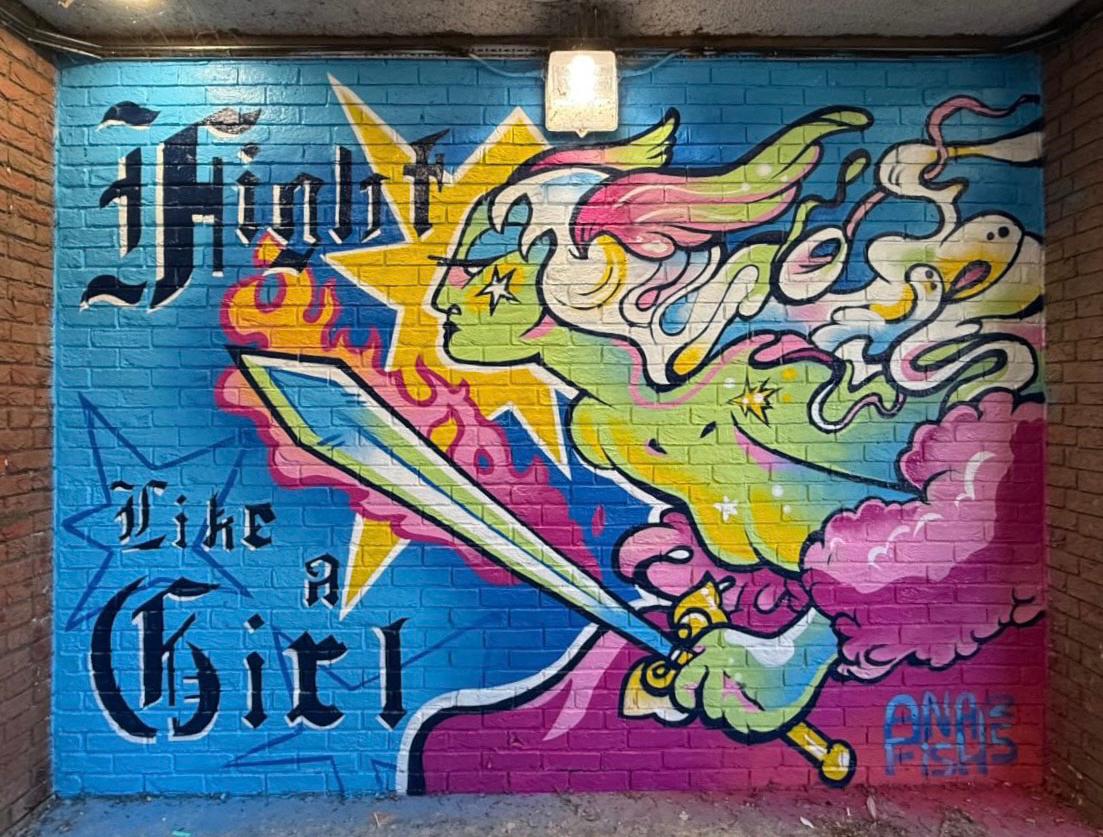
One of the clearest examples of how Ana thinks about place came through her mural for the Kingston Mural Festival. Before she even arrived, organisers Sky High and Roo spoke to her about the area she would be painting in - a location previously ranked as unsafe for women and children.
Murals, had already begun to change that perception. Colour, presence, and visibility were shifting how people moved through the space and how welcome they felt there. For Ana, that context mattered deeply. Her response was a Valkyrie - a figure drawn from mythology, powerful and watchful - accompanied by the words “Fight Like a Girl.” The phrase is confrontational, reclaiming a term often
used dismissively and turning it into a statement of pride and resistance.
The mural was not about decoration. It was about empowerment. About women taking space back. About visibility as a form of safety. Ana speaks about wanting to accentuate that transformation, to honour how street art can actively influence daily life rather than simply reflect it.
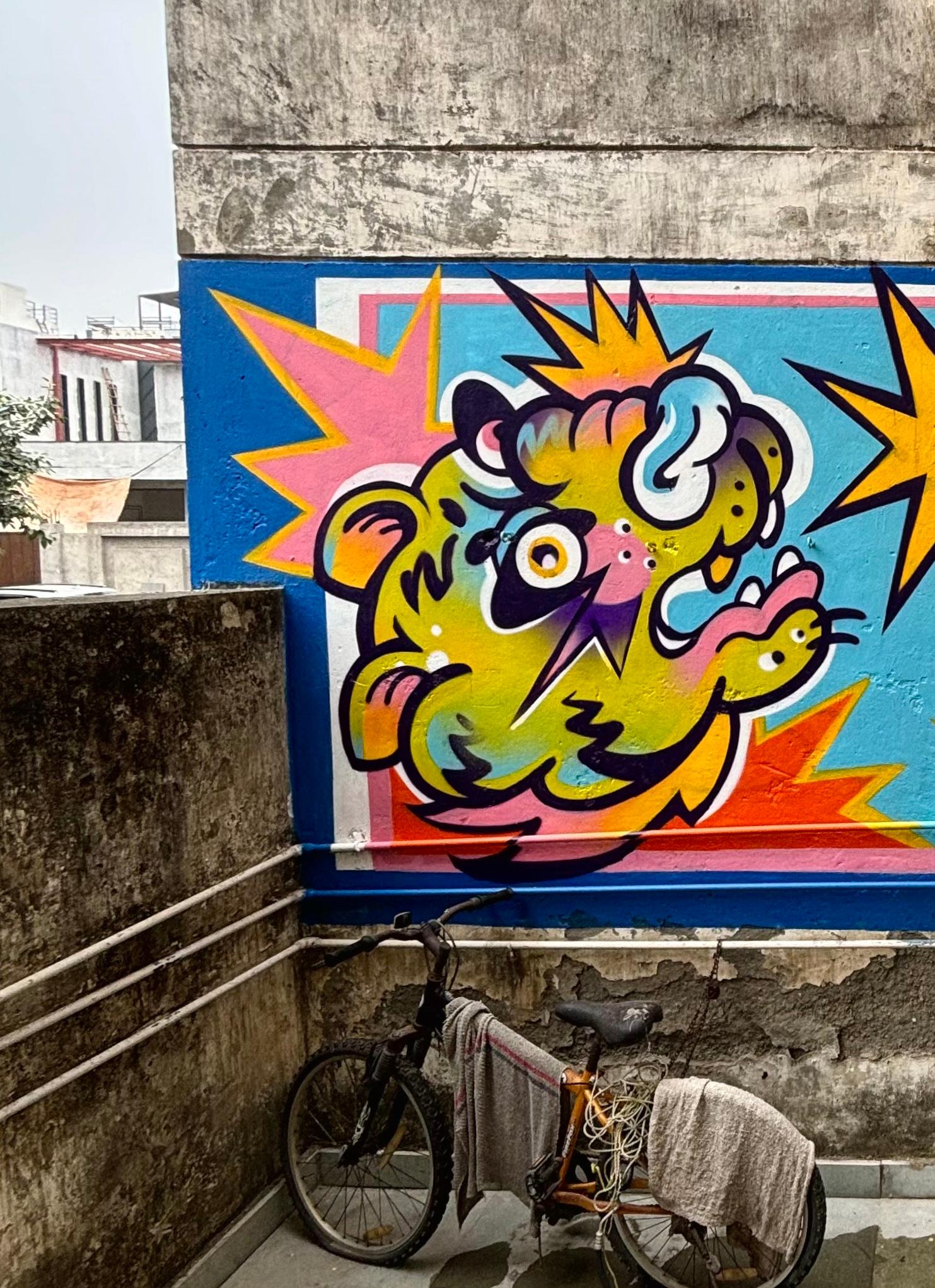
Themes of feminism, queerness, and mental health run consistently through her work. They are rarely heavy-handed. Her figures are cartoon-inflected, colourful, and inviting - a deliberate choice that makes difficult ideas more digesti-
ble, more approachable. The message is there, but it meets people where they are.
Waterford, Friendship, and Norse Myth
That sense of shared experience was equally present when Ana travelled to Waterford with her friend Constance for Waterford Walls. Together, they painted Freya and Loki - two figures from Norse mythology brought into conversation on the wall.
Ana often documents these trips, not just the finished murals but the process around them - the travel, the laughter, the moments between layers of paint. There is something deep-
ly human in seeing an artist enjoy their own work, especially in a field where burnout and isolation are common.
Freya and Loki, like many of Ana’s figures, carry layered meanings. Strength and trickery. Femininity and disruption. Old myths refracted through contemporary concerns. Painted far from their original cultural contexts, they become tools for connection rather than relics.
Armenia and Choosing Gentleness
Ana’s sensitivity to place became even more pronounced during her time painting in Armenia with Femstreet as part
of Dili Fest. Armenia, she notes, does not yet have a strong tradition of street art, and public murals can feel confronting in a more conservative cultural landscape.
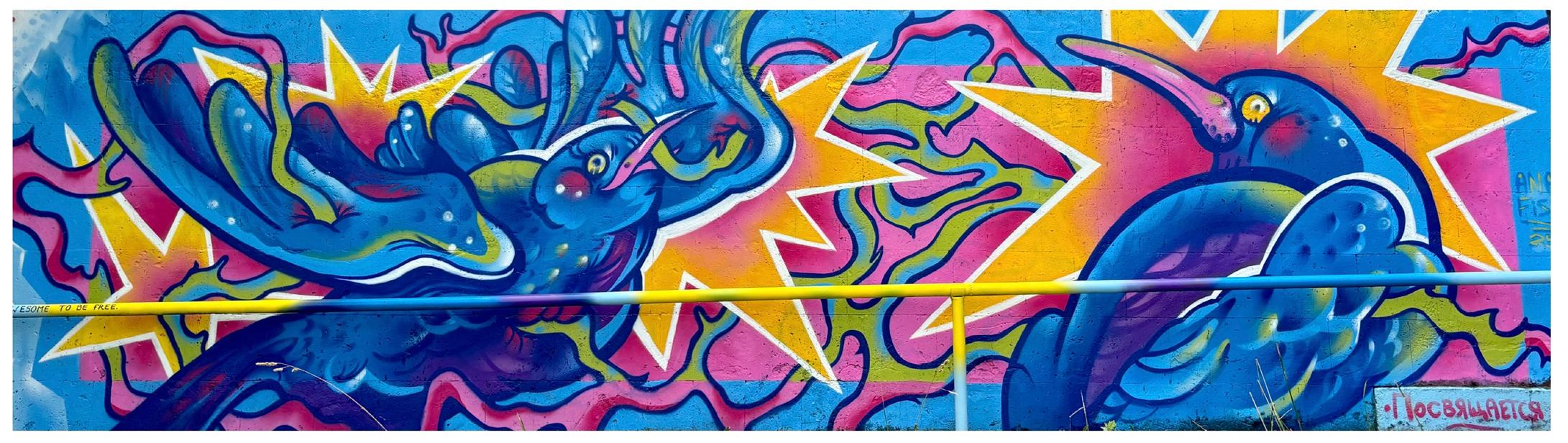
Rather than impose her usual figurative style, she chose to depict blue rock thrushesbirds native to the region. The decision was both practical and poetic. Drawing from nature offered a gentler entry point, something immediately recognisable and less likely to alarm or alienate.
There was also a personal layer. Ana references a Soviet-era film, Blue Bird, which she watched growing up - a story that framed the bird as a symbol of happiness. Painting stylised thrushes in a mountainous nature reserve allowed her to weave together childhood memory, local ecology, and cultural sensitivity.
It is a quiet example of her broader approach - listening first, responding thoughtfully, and understanding that not every wall calls for the same kind of voice.
Working With What the Wall Gives You
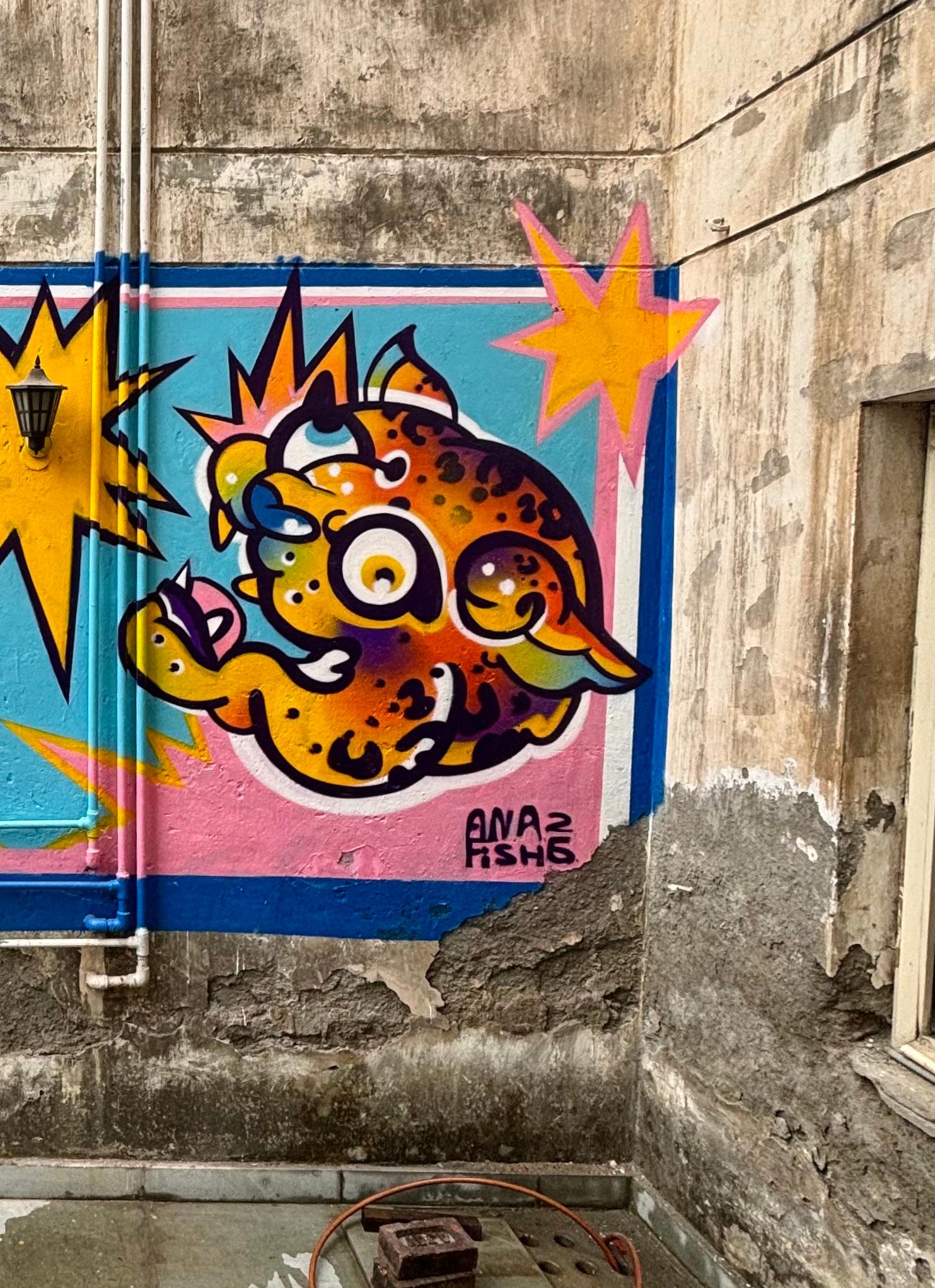
Ana speaks passionately about surfaces. Smooth walls. Damaged walls. Lamp posts, panels, odd architectural interruptions. Rather than fight against them, she tries to incorporate them into the work.
A lantern becomes a glowing star. A curve suggests movement. A car becomes a three-dimensional canvas that wraps the image around itself.
This attention to context is part of what gives her murals their cohesion. They feel embedded rather than imposed, shaped by the urban fabric they sit within.
Looking Ahead to Belfast and Beyond
Looking forward, Ana is excited for Hit the North in 2026. The Belfast-based festival holds particular significance for her. It is local, social, and deeply rooted in the city she now calls home.
She speaks about the joy of welcoming visiting artists, introducing them to Belfast, and watching them connect with the place. For her, Hit the North has one of the strongest social dynamics of any festival she has attended - artists meeting artists, conversations extending long after the paint dries.
Whether working on small walls or large ones, Ana measures progress not by scale but by growth. Is this mural better than the one six months ago? Does it say something more clearly? Does it feel truer?
Painting as a Way of Living
Ana Fish’s practice resists neat categorisation. It is animation-informed but rooted in street culture. Politically aware
but visually inviting. Social by necessity rather than design.
Her murals suggest that art does not have to shout to be powerful. Sometimes it simply needs to show up, take space, and invite people to feel a little safer, a little more seen, as they pass by.
That philosophy - attentive, generous, quietly defiant - runs through everything she makes.
Keep up with Ana via her social media: @ana.fish.art
Desima-Jayne Connolly Roe Valley & Flowerfield Arts Centres
From Christmas markets to the return of light, how collaborative programming at Flowerfield and Roe Valley places people, place and wellbeing at the centre of cultural life.
By the time January arrives, the pace inside Flowerfield Arts Centre and Roe Valley Arts and Cultural Centre has already told the story of a winter well lived. The interview with Desima-Jayne Connolly took place in the thick of December - a period she describes without hesitation as the busiest time of the year.
Christmas programming, venue hires, markets, theatre productions and creative learning all overlap, demanding long hours and long weeks from staff. At Roe Valley alone, the auditorium was filled repeatedly by Limavady Drama Club’s Wizard of Oz, with four to five sold-out performances, each drawing a full house of 221 people. For
Connolly, it is demanding, but it is also affirming - evidence of venues deeply embedded in the rhythm of their communities.
The Flowerfield Christmas Market: Growth With Purpose
The Christmas market at Flowerfield has become one of the clearest expressions of that connection. Beginning modestly in 2016 with around 20–25 makers, it has grown into a fiveweek, static market hosting 49 selected makers from over 90 applications.
What makes it distinctive is its structure. Makers do not have to stand behind stalls week after week. Instead, they set up once, ensure pricing and stock are correct, and Flowerfield becomes their shop until 23 December. Staff manage sales and notifies artists when they need replenishment, allowing makers the freedom to attend other markets across the region while maintaining a constant presence in Portstewart.
By the time of this interviewjust over three weeks into the run - the market had already
generated approximately £33,000, with the previous year finishing at over £41,000. For Connolly, this growth directly reflects one of the arts service’s core objectives: sustained, practical support for professional creative practitioners within the borough.
Curating Variety, Not Wallpaper
Selection is deliberate. Professional status, quality of work, and balance across disciplines all factor into decisions. Connolly is conscious that too much of one medium - ceramics, jewellery, candles - can dilute opportunity rather than enhance it.
Equally important is freshness. Returning visitors expect change. Makers are moved between galleries; familiar corners are reshuffled. It is a retail logic applied thoughtfully to an arts context, ensuring the market remains alive rather than predictable. As standards rise year on year, the market becomes both more competitive and more rewarding for those selected.
Why Winter Belongs to the Arts
September through December is described as the natural high season. Adult creative learning fills quickly as people seek structure and stimulation. Halloween and Christmas bring families through the doors. Summer, by contrast, draws people outdoors.
Rather than resisting this rhythm, programming works with it. Seasonal events anchor the calendar, while January to April planning is already underway before Christmas ends. The new arts guide - signed off just before the holidays - brings with it exhibitions, performances, screenings and workshops de-
signed to carry momentum into the new year.
Looking Ahead: January to Spring Highlights
The post-Christmas programme is expansive and varied, including:
At Flowerfield:
Andy Irvine performs on 27 February, bringing one of Irish folk’s most respected voices to Portstewart.
National Theatre Live screenings begin at Flowerfield, offering access to major productions featuring actors such as Imelda Staunton, Martin Freeman and Jack Lowden.
A solo exhibition by Stuart Quigley runs at Flowerfield from April to May, following the success of his Roe Valley exhibition. Based in Derry, Irish he works with light, colour and form as shifting elements that accumulate and transform over time.
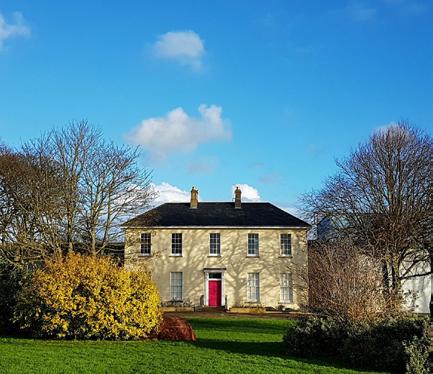
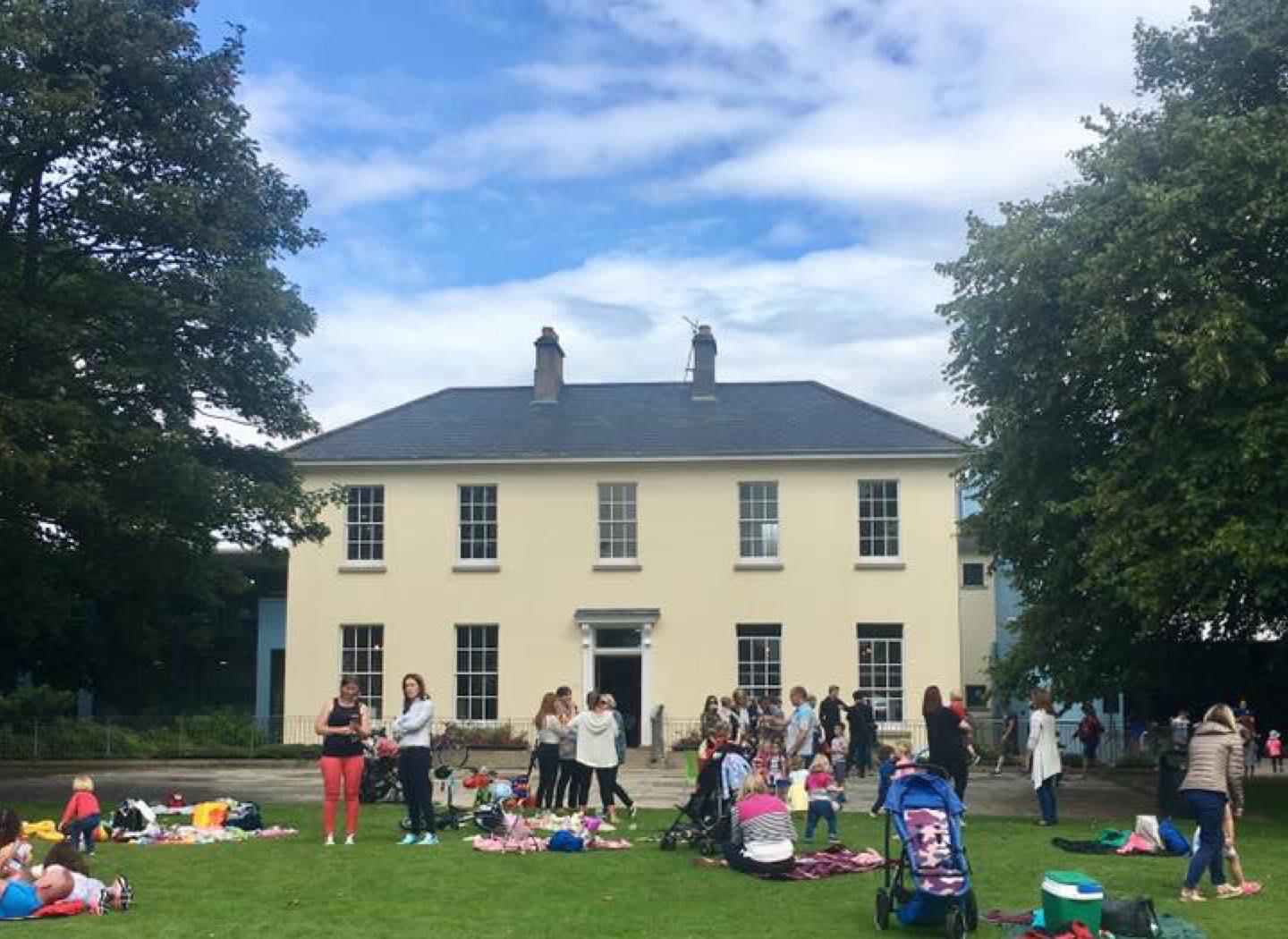
Flowerfield Arts Centre, Portstewart
At Roe Valley:
Roe Valley opens the year with Karl Hagan from January with work blending image and abstraction through photography and digital collage, he creates layered compositions that use fragmented forms and distorted figures to explore memory, the subconscious and the fleeting nature of human experience.
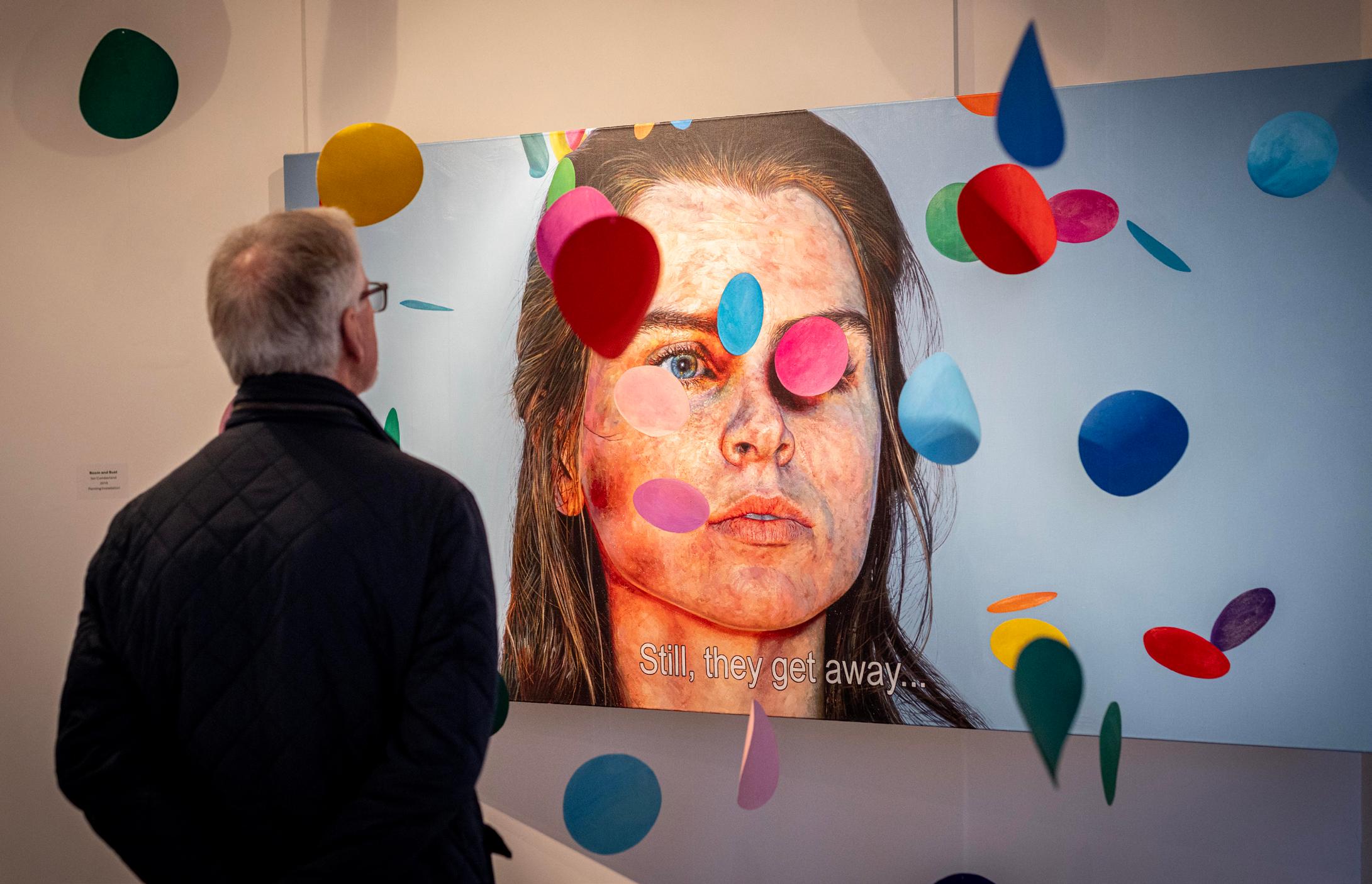
February also brings the Steinbeck Festival partnership. Though independently run, Roe Valley hosts Twelve Paintings - Colin Davidson and Mark Carruthers In Conversation with Marie-Louise Muir, accompanied by the display of Colin Davidson’s large-scale paintings.
March programming also connects closely with St Patrick’s celebrations through Listen to the Land Speak – A Tribute to Manchán Magan, taking
place on 12 March. The event centres on Manchán Magan’s documentary work and writings exploring language, landscape and identity, offering space to reflect on his legacy following his death in October 2025. The screening serves not only as a tribute, but as a continuation of his enduring call to listen more closely to the land beneath our feet and the stories embedded within it.
This is followed on 14 March by Heidi Talbot performing Grace Untold / Gráinne Ní Mháille Neamráite, a powerful musical tribute to Ireland’s women. Through song and storytelling, Talbot explores myth, memory and resilience, drawing from the life of Gráinne Ní Mháille while speaking to wider themes of heritage and voice. Together, the two events March programming events form a thoughtful pairing - rooted in place, history and the act of remembrance,
while still looking forward through creative expression.
At Both Roe Valley and Flowerfield:
A Celebration of Light takes place on 7 February and 14 February, with one free, family-focused event in each centre. These gatherings are conceived as a conscious pause at the hardest point of the year - a moment to acknowledge winter while also gently turning toward what comes next. Drawing together Celtic seasonal festivals, the symbolism of St Brigid, and the rhythms of Chinese New Year, the events are designed to mark the oncoming of spring in both a practical and emotional sense.
Connolly speaks openly about how winters can be especially tough in rural communities, where long nights, isolation and distance are felt more keenly.
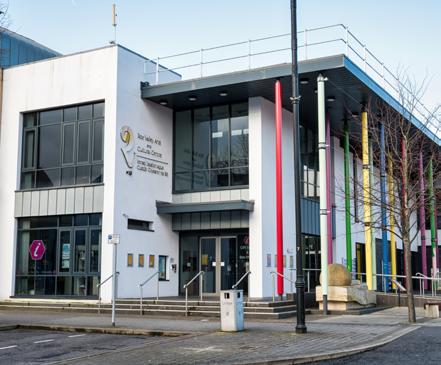
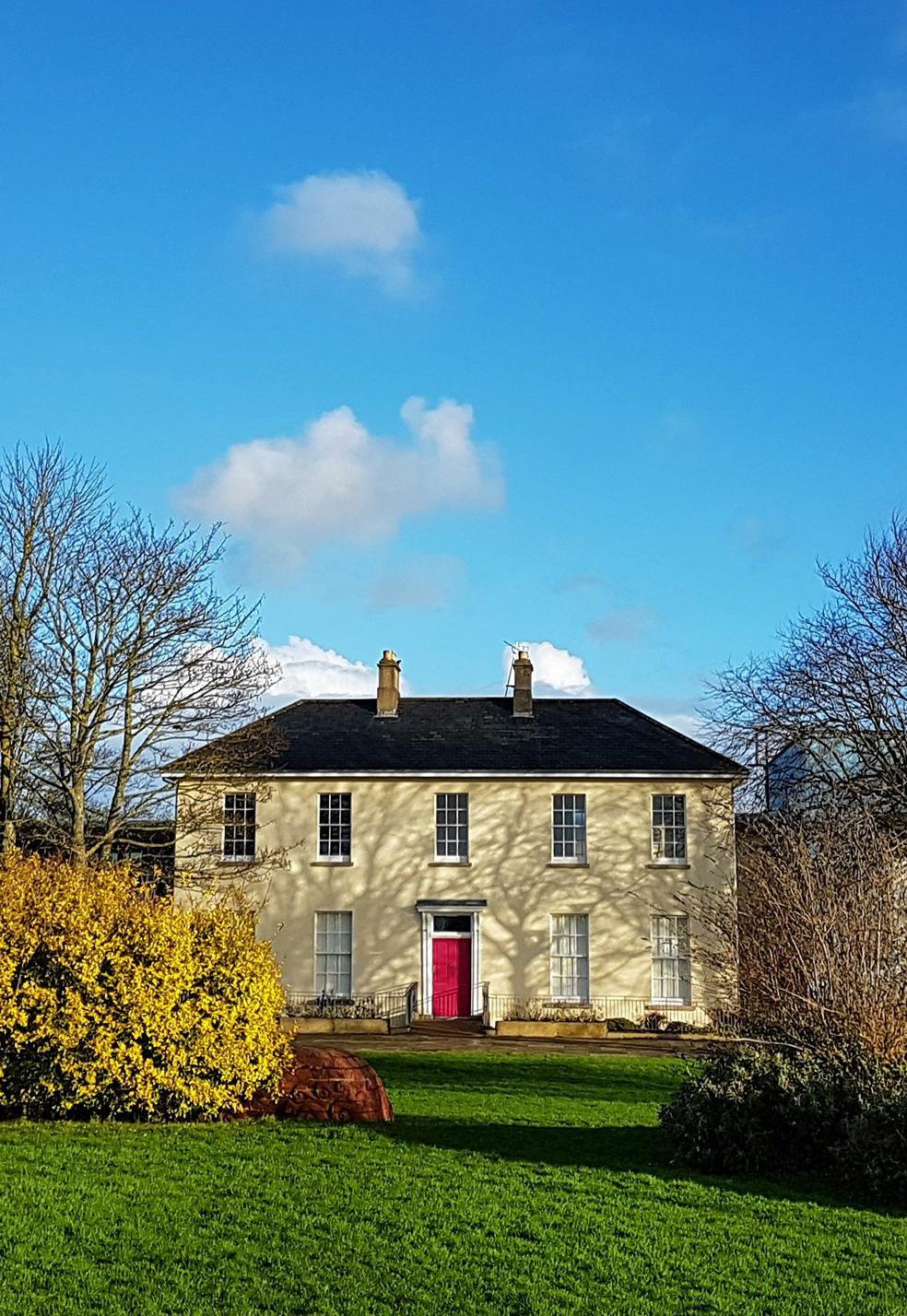
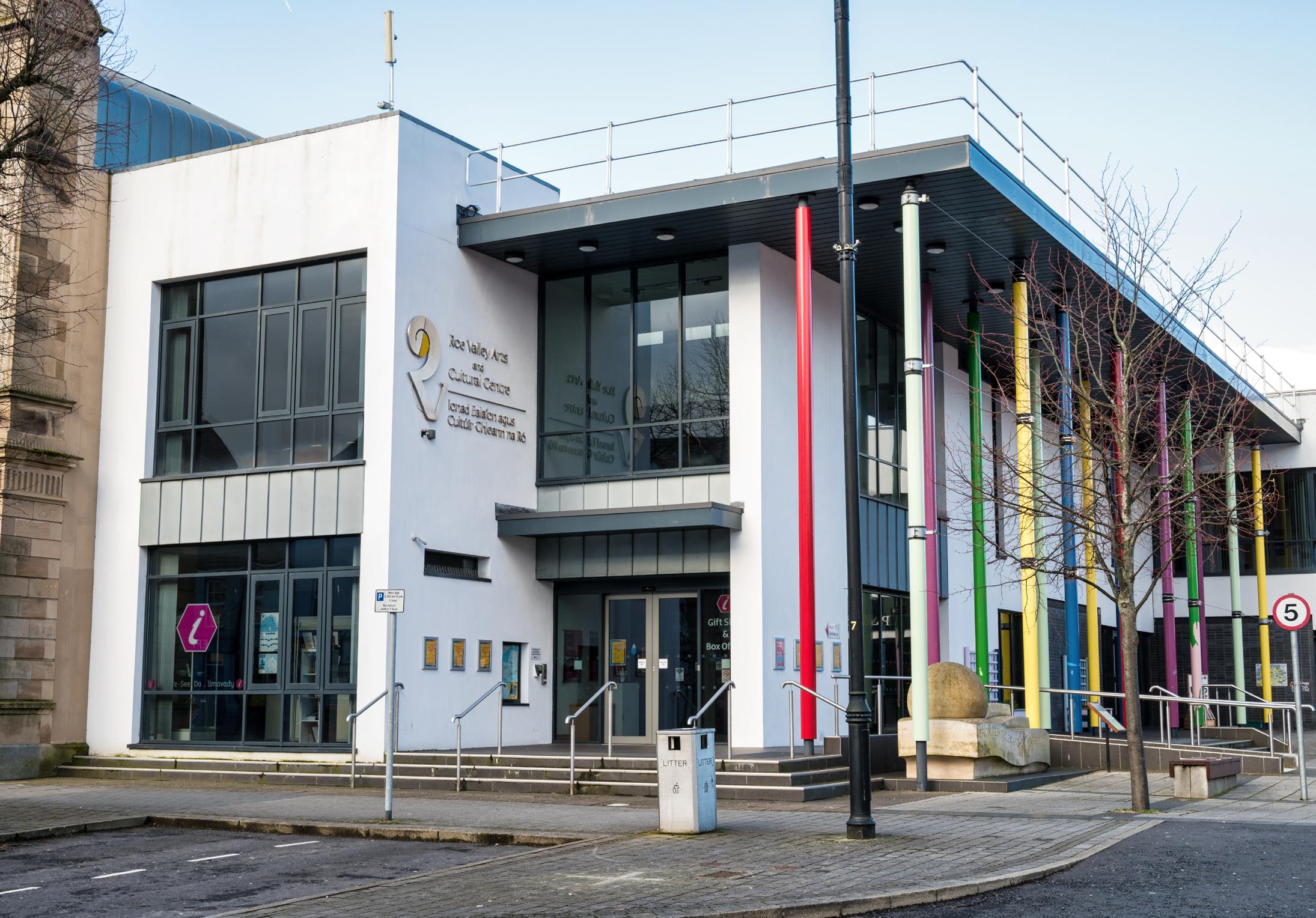
Roe Valley Arts Centre, Limavady
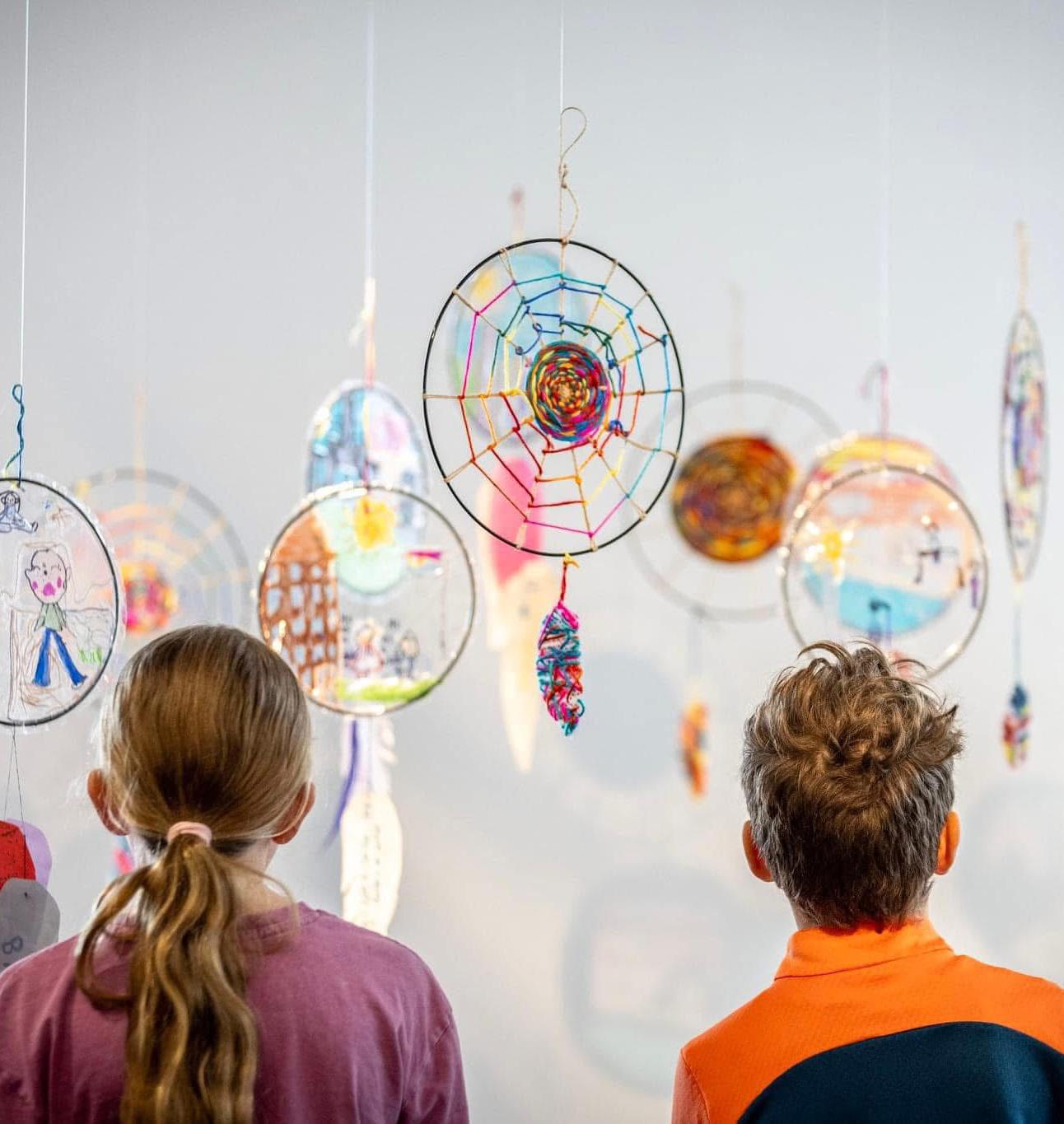
These February events respond directly to that reality, offering a shared experience that welcomes light back in - not abstractly, but through fire-throwing, hands-on craft activities, the making of Celtic crosses, and spaces where families can gather, linger and celebrate together.
Rather than rushing past winter, A Celebration of Light acknowledges it fully, while creating a hopeful threshold into the brighter months ahead - a reminder that seasonal change is not only something we observe, but something we can mark together, creatively and communally.
Redefining What Success Looks Like
Connolly is clear that “bums on seats” is not the sole measure of success. While footfall, participation figures, income generation and accountability targets are meticulously tracked, quality remains the guiding principle.
A classical recital attended by 35 people matters just as much as a sold-out folk concert. What matters is access - offering people the chance to encounter the art they love locally, without travelling to Belfast or Derry, and ensuring the full breadth of creative expression is represented.
Programming as Collective Practice
Decision-making across both venues is a genuinely shared process. Connolly describes programming as a collaborative effort shaped through regular meetings with her core team - Fran Porter, Arts & Cultural Facilities Officer at Flowerfield, and Denise Pemrick, who holds the same role at Roe Valley. They are, as Connolly puts it, her “right-hand women,” bringing ideas forward each season that are then tested through discussion and practical consideration. Touring schedules, budgets, audience overlap with nearby venues, and the realities
of auditorium capacity all factor into these conversations, ensuring ambition is always balanced with realism.
This collective approach also informs what doesn’t make it into the programme. Rather than chasing high-profile names at any cost, the emphasis remains on original artists, singer-songwriters and theatre companies rooted in Northern Ireland. Tribute acts are generally left to third-party hires, allowing the core programme to focus on artists creating new work and contributing to living, local creative ecosystems. Connolly encourages her team to experiment, to programme across genres, and not to be guided solely by what might sell out - placing quality, diversity and integrity at the heart of decision-making.
Creativity as Care
Beyond ticketed events, community engagement runs as a central thread through both
centres. Connolly points to repeat initiatives such as Mums Meet and Make, developed by Amy Donaghey, Arts Marketing & Engagement Officer, as an example of how programming responds directly to lived experience. Designed for new parents with very young children, the initiative creates supported, subsidised spaces where people can meet, have a coffee and engage in creative activity - addressing the isolation that can often accompany early parenthood.
Alongside this sits the Creative Care Programme, delivered in partnership with the Northern Health and Social Care Trust. Renewed from January to April, the programme offers creative workshops for adult and young carers, as well as individuals affected by cancer either personally or within their families. Connolly speaks about creativity here not as escap-
ism, but as shared presence - a space where people can pause, connect, and feel recognised among others who understand similar challenges.
Local, International, and Everything Between
The balance between community art and international work is intentional and carefully held. Recent seasons have included exhibitions drawn from the Hayward Gallery, bringing prints by Joan Miró and Georgia O’Keeffe into local gallery spaces - offering schools and communities access to internationally significant work without the need to travel.
At the same time, Roe Valley has hosted exhibitions by the Pavestone Collective , a student group of adults with learning and physical challenges, alongside the Limavady Art Group - artists who have
been meeting weekly since the centre first opened. For Connolly, this coexistence is essential. It affirms local creativity while expanding horizons, demonstrating that rural arts centres can be both deeply rooted and outward-looking at once.
A Career Built on Access
With a background spanning fine art, museum studies and arts administration - including work in festivals, museums, community arts and heritage organisations - Connolly arrived in Limavady just months before Roe Valley opened as the borough’s flagship arts venue. Building audiences from the ground up required patience, persistence and belief, particularly in a place where public arts infrastructure had previously been limited.
Today, Roe Valley stands as
a point of pride within the community, not because it was imposed, but because it was steadily introduced, nurtured and shaped in dialogue with the people it serves - a relationship built over time rather than assumed from the outset.
Keeping the Doors Open
Running two public venues is, as Connolly notes, “a different beast.” Storm damage, broken lifts, ongoing building
maintenance and last-minute challenges sit alongside curating exhibitions and booking performances.
Much of this labour remains unseen, yet it is essential to keeping the doors open day after day.
What sustains it all is teamworkan understanding shared across staff that these spaces are, at heart, community centres. Not Arts Centres with a capital A,
but places where people gather, learn, celebrate and endure the long winter together, supported by the quiet, consistent work of the teams behind the scenes.
Find the upcoming events at Limavady’s Roe Valley Arts Centre via their website: roevalleyarts.com/events
And upcoming events at Portstewart’s Flowerfield Arts Centre via their website: flowerfield.org/events