
Nuisance dogs out of hand in city
MELISSA UHLES FOR THE SENTINEL
A frequent complaint in Goldendale and the surrounding areas seems to be dogs that get loose and terrorize citizens or livestock.
Another issue when it comes to dogs was mentioned in a recent email to the Sentinel . An anonymous source was having a sustained problem with a neighbor’s dog that constantly barks. This person had not found a satisfying resolution to the problem. The inference was that although there are laws in place, it wasn’t clear if they were enforced, or if legal action on their part would need to be taken. The cost of hiring a lawyer was a concern. The question was raised if this is a universal issue for most residents in the county.
That said, the following information should help inform read-
CONTRIBUTED
DOGS RUNNING AMOK: Goldendale and parts of Klickitat County have seen dogs left unattended on the streets by owners, often causing distress to residents and other animals.
ers of what should be done when dogs become a nuisance in one way or another. After reaching out to the Goldendale Police Department (GPD) to ask about loose dogs and those that continually bark, I received the following response from the
GPD admin: “There is a noise ordinance in place. The number to call is (509) 773-4545 or 911 for any noise ordinance, including a barking dog or a dangerous dog situation. The Goldendale Police Department enforces both dangerous dog complaints and noise
Snyder files Motion to Reconsider
LOU MARZELES
EDITOR
Michael Snyder, plaintiff in a high-visibility defamation suit against three Goldendale individuals, has filed a Motion for Reconsideration in his case. His initial suit, filed against Darlene Williamson, Amanda Derschon, and Leandra Kessinger, was dismissed in Klickitat County Superior Court on March 12 this year based on the judge’s determination that Snyder’s case did not sufficiently meet admissible criteria. Judge Randall Krog has since agreed to reconsider several issues Snyder raised. The court also recently grant-
ed an emergency motion by Snyder to have the court consider new evidence.
Snyder’s Motion for Reconsideration was a formal request to the court to re-examine a decision. It’s used when the person filing believes the court’s decision was legally incorrect or they have newly discovered evidence. The motion outlines specific reasons Snyder asked the court to reconsider its previous order. The reasons were based on Snyder’s belief that the previous order was incorrect, particularly regarding the court’s findings about the defendants’ involvement and the nature of certain statements made. Snyder relied
on Civil Rule 59(a) as the legal basis for the motion. That rule provides that a verdict may be vacated and a new trial granted if certain criteria are met.
Some key points raised by Snyder in the motion include:
• Arguments that the defendants (Leandra June Kessinger, Darlene Williamson, and Amanda Derschon) were administrators of the “Beware of Starcade Pizza Owner” Facebook group, citing admissions by the defendants themselves and other evidence. (The court initially found no basis to determine the defendants were administrators of the site.)
complaints. If there are residents outside city limits, again the number is (509) 773-4545. We do not currently have an animal shelter. We have a contract with our local veterinarian clinic when the Goldendale Police Department impounds a dangerous dog.”
While most larger urban areas have an animal shelter, Goldendale doesn’t. In a 2021 Sentinel article, Diane Jessup wrote about Dogs of the Gorge, a private shelter whose ties were severed from the city of Goldendale in 2020. Unacceptable conditions at this shelter led to this decision. Currently, the only solution is to call the non-emergency line and hope for a satisfying resolution. Of course, if someone knows the dog’s owner, they may be able to try to reach out and solve the issue in a way that works for both parties.
There is another last resort solution. According to RCW 16.08.020, if livestock have been injured or killed by loose dogs, the owner may take lethal measures against the dog to ensure it doesn’t happen again. Following is the exact wording of the law: “It shall be lawful for any person who shall see any dog or dogs chasing, biting, injuring or killing any sheep, swine or other domestic animal, including poultry, belonging to such person, on any real property owned or leased by, or under the control of, such person, or on any public highway, to kill such dog or dogs, and it shall be the duty of the owner or keeper of any dog or dogs so
PLEASANT PICKERS: The world may be in turmoil elsewhere, but all was peace, lilting tunes, and comaraderie at last weekend’s 10th annual Pickers Festival.
State’s long-term healthcare program nears liftoff
CONTRIBUTED
PERSONAL INITIATIVE: Klickitat High School senior Auni Lester, left, and friend Oriona Atchley helped ramp up mobile medical services for their town.
Students take action on medical need
JORDAN MAYBERRY FOR THE SENTINEL
In the rural town of Klickitat, Washington, access to healthcare is a persistent challenge. With the nearest clinic located 22 miles away, many residents struggle to receive even basic medical services. Klickitat High School senior Auni Lester saw the need and decided to take action.
After hearing from an acquaintance about La Clinica, a mobile medical clinic operated by One Community Health that serves rural communities across the Columbia Gorge, Lester paid a visit to its stop in nearby Lyle. “They told me about the mobile clinic coming to Lyle, so I drove down one of the days it was there,” she says. “I talked to Middy [Tighlman] and a few of the other people who worked there and saw how they got it started and how they got it planned.”
After interfacing with the La Clinica, Lester had the idea for the clinic to visit her own community in Klickitat, and in late 2024 her plans went into motion “I started planning in October, but I started advertising in December,” Lester recounts. After only one month of advertising, the mobile clinic made its first visit to the community in January of 2025. Lester’s classmate, Oriona Atchley, joined in on the project, and eventually contributed to the mobile clinic’s visits by participating in job shadowing during its operation, learning its processes by close observation.
La Clinica is staffed by three healthcare professionals, including a Family Nurse Practitioner (FNP), a Licensed Practical Nurse, and a Certified Community Health Worker. Services offered are wide-ranging and supplement communities without immediate access. They are open to the public regardless of income, age, or insurance status. La Clinica’s FNP, Middy Tighlman, was an important contact in realizing Lester’s project.
Lester’s interest in medicine dates back to her early youth, a calling that seemed inevitable as it was inexplicable. “Since kindergarten, I’ve always wanted to work with medicine,” she recalls. “I didn’t really know specifically what, but my dad always bought me health books, and I learned about anatomy. That’s something I’ve always really enjoyed.” It was not just her book knowledge that motivated this project; the places she’s visited also guided her toward this need, “My family and I have been able to travel a lot and see different places—especially living here, too, recognizing the need in impoverished areas with limited access,” Lester says. “That has really motivated me to get on that career path.”
Lester has called Klickitat home going on five years, with the majority of her prior life spent in urban locations in which she was able to see the contrast in healthcare availability between the two areas. “I was able to recognize those parallels of access and then see how limited it was here,” she states. Not only is distance a problem but so is means of transport, as Lester observes: “A lot of people here have limited access to transportation, and so it’s really hard to get appointments and then even just go to the emergency room without an ambulance.” La Clinica watches community response in visited locations to assess whether consistent visits are necessary, often visiting at least three times at a rate of once per month. Since introducing Klickitat to their rotation as part of Lester’s efforts, La Clinica has received a warm reception. “Our town was able to get a positive response and take advantage of that, so now they’re able to come more,” Lester says, with the mobile clinic planning to make monthly visits for the foreseeable future.
The success of this project marks only the beginning for both Atchley and Lester’s journey into
LOU MARZELES
LORRIE FOX FOR THE SENTINEL
2025 marks the third year Goldendale Pharmacy has partnered with the Washington State Health Care Authority (HCA) on their “Lock Up Your Meds” program. In Washington 82 percent of overdose deaths involved opioids in 2023, according to the State Department of Health.
The first of its kind, the program was implemented to combat prescription opioid misuse and prevent overdose deaths and is part of HCA’s “Starts With One” campaign.
Goldendale Pharmacy is one of 15 others across the state participating in the “Lock Up Your Meds” program, dispersing information and free medication locking devices for patients picking up opioid prescriptions. The locking devices provide a way for patients to secure their prescribed opioid medica-
tions, keeping more people safe from opioid misuse. The program runs from March 1 to June 30.
Goldendale Pharmacy owner Jacqueline Eide says before the “Lock Up Your Meds” program, a lot of people didn’t have an option if they didn’t have a locking safe at home. “People would have them in their medicine cabinet or their kitchen,” Eide points out. “And, especially with opiates, most opioid abuse is when people are taking prescription opioids, abusing prescription opiates. They got them from a friend or family member. Having access to a locking device so that either children or others can’t get to those medications is really important.”
The medication locking bags, which resemble money bags, open with a key; the locking prescription vials utilize a four-digit code. “We have both options,” Eide says.
Although the program is closing soon, Eide says that the pharmacy will still have the medical locking devices available free for people to pick up with their prescriptions. Because the pharmacy has participated in the program every year, the organizers have been gracious in letting them keep the locking devices until they are needed. “We hold them over for the following year. They’ve also let us continue to distribute them even outside of the official program.”
The “Lock Up Your Meds” program leverages the trust local pharmacists have in their communities to educate people on how to prevent opiate abuse, distribute free medical locking devices to those who need them, and encourage patients to pledge they will use the locking bags or prescription vials. Dr. Charissa Fotinos, HCA deputy chief medical officer, says,
“Pharmacies play a crucial role in keeping our communities safe and informed. We are grateful to all our local pharmacy partners for their commitment to educating residents about preventing opioid misuse and for promoting responsible medication use across Washington.” At participating pharmacies, between March and April, there have been 297 locking devices distributed, 143 patient conversations about opioid safe storage, and 70 pledges to lock up medications.
“We’ve seen the impact just continuing to grow over the three years that we’ve been doing it,” says Eide. “While we had a huge uptake in the first year, it’s gotten to where people know that we offer the locking devices, locking bags, and locking prescription bottles, and they’re able to ask us anytime. It’s been a great service for the community.”
Catholic bishops ask court to block law breaking seal of confession
The Yakima Diocese of the Catholic Church issued a statement last week amplifying the church’s position against a new state law that would require priests to violate a key church policy.
Representing all Catholic churches in Washington State, the Catholic bishops of Washington asked a federal court late Thursday to block a new state law that forces priests to choose between breaking the confidentiality seal of confession or facing jail time before it takes effect on July 27. The law at issue in Etienne v. Ferguson requires clergy to report abuse if shared within the confines of the confessional. WilmerHale and co-counsel Becket and First Liberty Institute represent Archbishop Paul Etienne, Bishop Thomas Daly, and Bishop Joseph Tyson who filed an initial lawsuit in federal court last week.
The Catholic Church already requires priests to report abuse and neglect to law enforcement and other state authorities. The only exception is if the information is learned during the
sacrament of confession. The new law singles out this specific privilege for clergy but allows protections to remain in place for lawyers.
For hundreds of years, the Catholic Church has upheld the belief that confession is holy and must stay private.
This principle—known as the seal of confession or sacramental seal—requires absolute secrecy from priests about anything said while administering the sacrament.
A priest has a sacred obligation to keep everything he hears during the sacrament of confession completely confidential. The seal is so vital to the Catholic faith that any priest who violates it faces automatic excommunication. Over the centuries, priests have been imprisoned, tortured, and even killed for upholding the seal. Penitents today need the same assurance. Washington’s new law, slated to take effect on July 27, imposes penalties of up to 364 days in jail, a $5,000 fine, and potential civil liability on priests who uphold the seal of confession. Although
the state claims the law is designed to protect minors, it still permits attorneys and others to maintain confidentiality when given identical information.
The Catholic Church in Washington has spent years strengthening its approach to protecting minors and vulnerable adults through its Safe Environment programs, background checks, and reporting policies. Across the Archdiocese of Seattle and the Dioceses of Spokane and Yakima, priests—and all Church personnel—are already required to report suspected abuse to law enforcement or child protection agencies. These policies cover diocesan parishes, schools, and other ministries. The Church supports mandatory reporting except in the narrow instance of the sacrament of confession.
A hearing in the case is likely to occur in the summer of 2025.
“Washington state has no business intruding into the confessional—particularly when they give a free pass to lawyers who have legally protected confidential relation-
ships with clients,” said Mark Rienzi, president and CEO of Becket. “Punishing priests for following the Catholic Church’s millennia-old faith traditions isn’t just wrong, it’s unconstitutional.”
“Confession is a sanctuary for the human soul and must be kept private, not only because it’s a sacred duty of Catholic priests, but also to ensure the faithful are free to participate in this act of reconciliation with their God,” said Jean Hill, Executive Director of the Washington State Catholic Conference.
“We are hopeful the court will recognize this law not only punishes priests but sets a dangerous precedent that erodes trust in sacred practices for all faiths.”
“We are committed to protecting the sacrament of confession and believe the purposes of Washington’s mandatory reporting law can be achieved without infringing on the First Amendment rights of clergy,” said Hiram Sasser, Executive General Counsel for First Liberty Institute.


G oldendale ’ s a ttic

This week’s Goldendale’s Attic Mystery Picture
Is the guy in front accepting an award for shortest man in the room? Or winning a Frankie Valli look-alike contest? He’s certainly
well dressed for the occasion. Where are these guys standing? What was the occasion? When was this? Beats us. All we know is this picture ran
in The Sentinel sometime, lost in the annals of yesteryear. If you know anything about it, please send us an email (info@ goldendalesentinel.com),
or give us a call (509-7733777), or drop in at the office—and remember, you’re welcome to come in and take a look at the original photograph.
L ooking Back
June 10, 1939 – 86 Years Ago
One of Klickitat county’s largest and most important industries, the manufacture of wooden boxes is being recognized this week. In conjunction with the national Wooden Box Week three Klickitat County manufactures, the J. Neils Lumber Company, of Klickitat, the Klickitat Pine Box Company, of Goldendale; and Lawson Lumber Mill, of Goldendale, are cooperating in an educational campaign urging people to use and demand wooden fruit boxes. Every wage earner, farmer or merchant benefits either directly or indirectly from the wealth created by this important local industry.
May 27, 1965 - 60 Years Ago
Girls from Goldendale, White Salmon, Lyle, and Klickitat will vie for the title of Miss Klickitat County at the Saturday evening pageant, sponsored by the Goldendale Jaycees. Girls vying for the title are Vickie Moore, Candace Roe, Glenda Hartz, Nanette Swegle, Diana Lynn MacDonald, Susan Harris, DyAnne Petre.
June 6, 1975 – 50 Years Ago
Wishram: Several folks will remember Roger Warner of Yale University. He spent some time in Wishram living with hobos in the hobo jungle. His purpose was to get first-hand information on tramps for the thesis he was writing for his master’s degree. He also interviewed local people pertaining to the early days. One of those interviewed was Edith Horne. Last week Warner sent her a copy of the Yale Review in which he had a three-page article about Wishram and the hobo’s consulted here.
June 12, 1975 – 50 Years Ago
Centerville – Tuesday evening 8th grade graduates of Centerville grade school numbered two and were Danny Cameron and Tori Bean. Although a small class, the pomp and circumstance that accompanies graduation was present literally and figuratively. The Centerville school gymnasium and auditorium was highly decorated, and the full formalities of graduation were observed for the prospective high school students.
June 6, 1985 – 40 Years Ago
Goldendale’s history of theaters stretches back to about 1911, when the Star Theater was believed to have been operated by two brothers, Charlie and Ralph Pettit. About 1914 it passed into control of Zola Brooks and Lou Camplan who operated it until its sale to Lyman Ward after World War I. Ward operated it during the 1920’s. It changed hands several times during the next 40 years. Throughout its days, the Star was in the same building, on the northside of Main Street in the middle of the block between Grant and Golden Streets. The property was sold in 1972 to provide the West parking lot for the new Rainer Bank. It was then moved a block east to the remodeled Gillenwaters building.
June 2, 2005 - 20 Years Ago
With the Energy Overlay Zone (EOZ) now in effect, major wind power companies with large projects in mind are being attracted to Klickitat County. Cannon Power Corporation announced plans last Friday for the formation of an international wind power development group for the financing and development of over 300 MW of wind energy projects in the Columbia Hills area of Klickitat County. This will be the first project that will go through the EOZ process. The wind project, which doesn’t have a name yet, will be located east of SR 97, paralleling Hoctor Road near Goldendale. The turbines will be erected on a mix of private land and land the Maryhill Museum owns.
—Richard Lefever Klickitat
County Historical Society
Points to ponder:
My nephew has HDADD. He has trouble focusing, but when he does, it’s unbelievably clear.
In 1932 Amelia Earhart flew from Canada to Britain. In 1934 her luggage arrived.
If you don’t go to other people’s funerals, they won’t come to yours.
I wouldn’t say he was large, but he had to move off the beach to let the tide in.
My wife says I have two faults: I don’t listen and something else.
The game warden dies, and Sven and Ole devise a plan for one of them to land the position. So Sven calls the mayor and says, “I hear the game warden died last night. If it’s okay with you, I’d like to take his place.”
The mayor says, “It’s all right with me if it’s okay with the undertaker.”
A flight attendent on a plane asks a passenger, “Would you care for an orange juice?” The passenger replies, “Sure, if it needed me.”
Answer to last week’s Mystery Picture
This picture has been colorized. One person was able to name one person in this photo. Regrettably, the paper on which that
information was written has disappeared, so we are unable to identify the identifier who did the identifying.

OpiniOn
Making the most of summer and avoiding boredom
Goldendale School District’s last day of school for the 2024–25 year is June 13. For students—and let’s be honest, for staff and families too—this often marks a shift to a slower, more flexible pace. At first the freedom of summer can feel like a long-awaited reward. But after a few quiet days, it’s common to hear the familiar phrase: “I’m bored.”
enriching summer. We look forward to welcoming students back for the first day of the 2025–26 school year on Wednesday, August 27.
Guest Column Ellen Perconti, GSD Superintendent
Summer offers a perfect opportunity to grow in new ways. Whether you’re still in school or have long since graduated, the season invites us to explore, learn, create, and connect. Here are some ideas to help make the most of the weeks ahead: Read together. Reading is one of the simplest and most powerful ways to keep minds active. Books can spark imagination, build empathy, and generate rich conversations. Visit the Goldendale Community Library, try a family read-aloud, or encourage your child to start a summer reading challenge. Let curiosity lead the way—from novels to biographies to how-to guides, reading is a pathway to learning and growth. Learn something new. Summer is a great time to explore a new skill or interest. Learning to bake bread, play an instrument, use hand tools, or speak a few words in another language boosts both confidence and brainpower. It can also be a bonding experience— especially when families learn alongside one another. Get outside. We’re fortunate to live in a beautiful area with access to parks, trails, and outdoor spaces. Whether it’s biking, hiking, swimming, or playing in the backyard, time outdoors supports both physical health and mental wellbeing. Even a simple walk together can spark great conversations and build lasting memories.
Create something. Art, music, crafts, writing, or building projects give us opportunities to express ourselves and think in new ways. These activities also teach persistence, imagination, and problem-solving. Staying curious and creative is a lifelong endeavor. Serve others. One of the most meaningful ways to grow is by helping others. Older students might volunteer at the food bank, help a neighbor with yard work, or assist with community events. Small acts of service build a sense of purpose and connection—and strengthen our community in the process.
Balance structure with freedom. While summer is a time for rest and spontaneity, a little routine can help kids (and adults!) feel grounded. Try setting aside regular time each day for reading, outdoor play, or creative activities. Leave space for unstructured exploration, too—some of the best learning happens when we simply follow a question or an idea.
As a community, we all play a role in helping young people grow into thoughtful, capable, and compassionate adults. Whether through mentoring, encouraging summer learning, or simply asking kids what they’re excited about, your involvement matters. We wish you and your family a joyful, safe, and
THE GOLDENDALE SENTINEL
Official newspaper of Klickitat County, Washington
Established 1879 • Published every Wednesday from offices at 117 W. Main Street • Goldendale, WA 98620 • Telephone: (509) 773-3777
Emails: news@goldendalesentinel.com (News, editorial, Letters)
Obits@goldendalesentinel.com (Obituaries)
Classifieds @goldendalesentinel.com (Classified ads and inquiries)
Ads @goldendalesentinel.com
(Display advertising information and inquiries)
Legals @goldendalesentinel.com (Legal and public notices)
Payables@goldendalesentinel.com
Receivables@goldendalesentinel.com
Events @goldendalesentinel.com (Events and activities)
Editorial:
Lou Marzeles, Editor & Publisher
Business and office staff:
Owned by Tartan Publications, Inc.
Leslie Geatches, President, Financial management, Special Section production, Ad Design Naomi James, Bookkeeping


Burn-out has got to go
The Festival of Wheels gave it another try this year. It seems the attendance has dwindled to much lower levels than when the event was new, 10 years ago. There are a lot of competing car shows this time of year, so it doesn’t surprise me .
This year Goldendale Motorsports Association and ABATE brought back the burn-out, which was tried several times in the past with questionable benefits to the town. This year someone had the brilliant idea to use the old skateboard park as a place to stage the return of the burnout. It was held on the concrete slab, a tempting medium for anyone inclined to bum rubber. Rednecks of many degrees, punk kids or maybe the little old lady from Pasadena. I personally was left with a bad taste in my mouth and lungs. Even though I made it a point to stay away from the burn-out and was at my home where I thought I would escape the noise and smoke, when the toxic cloud rose from the park and drifted over the Little Klickitat River Park (the swimming pool) on to the kids and families at the pool and on to me while I was sitting on my property. We were contaminated by the toxins in the smoke, and my eyes and throat were imitated, and my lungs filled with carbon monoxide and other cancer causing toxic compounds
for three hours. I think the city of Goldendale needs to rethink supporting burnouts in our park. Next year don’t issue a permit to any group that wants to burn-out. There are places in the county where it could be held, just not in the city please. I hate toxic smoke, and you should too. On Sept 4 I will be asking the mayor and his administration to make an ordinance forbidding anyone from reckless unsafe burnouts in any ones neighborhood or any street in the Goldendale city limits. I would appreciate some support from like-minded citizens at the council meeting. Let them know how you feel.
Ken McKune Goldendale C
I recently received an updated “Terms for Business and Deposit Account Agreement” from Columbia Bank. I am not in the habit of reading the fine print but for some reason this time I did. I came across an “added” line that I found very concerning. Again, this line is both for personal and business accounts. It reads: “We may refuse to open and account and may close your account at any time for any reason or for no reason at all.”
“For No Reason At All” I particularly found offensive.
I contacted the bank for an explanation. The answer was essentially that “we wouldn’t do that.” Then why is it in your documents, I asked. The answer was to send me up the chain of command. The second person gave the same answer as the first and then was to have me contacted by some-one higher up. That person has not contacted me after more than a week so I am following through on what I told the bank contacts I was going to do—write a letter to the editor to be sure local folks are aware of how Columbia Bank is choosing to deal with its account holders. My concern is that a comment as broad as this opens the door for abuse. I have had no difficulties with our local branch and am sorry that the headquarters has decided to take such a hard line. It ap-pears I will need to look for a bank that does not behave in this manner.
Ken Margraf Goldendale
Letters from the community
Kindness in action
I would like to express my gratitude to Shane and Shana of Bake My Day Cafe for providing lunch for the New Hope Farms open house again this year. Your generosity is appreciated!
James Kreiser Goldendale
We need new representation
The Republican budget and tax bill was approved by the U.S. House. and Rep. Newhouse voted yes for this cruel bill. It gives $3.8 trillion in tax cuts,
which will cost bottom 40% of US households to lose income & resources while the top 1% making around $800,000 will gain enormously. Especially the very top of 0.1%—estimated at a$390,000 gain a year, according to the Congressional Budget Office.
The cruel costs include cutting $715 billion in healthcare—primarily Medicaid, as well as $300 billion from SNAP/Food Stamps. Approximately 7.6 to 10 million people will lose their health benefits and 2.7 million losing food assistance.
District-04 has one of the highest percentages in WA of households relying on Medicaid and SNAP. Rep Newhouse’s vote shows constituents his priorities are not with us. He betrays our working families for the
Guidelines for Letters
benefit of tax cuts for the well-to-do. He has said one of his concerns is the national deficit as a justification for budget cuts, but these tax cuts will increase the deficit enormously—by the trillions of dollars.
(From Economic Policy Institute)
It is worth asking him “How do you justify giving wealthy people more money they don’t need by taking away health & food resources from those in need?” This seems to be the true position of the Republican Party as well—look at their actions. It’s time for new representation in 04 who cares and votes for our interests—not the rich.
Steven
Woolpert White Salmon
Letters to the editor should be original and comment on an issue. Deadline for letters is noon Monday for the same week’s paper.
Requests to keep letters exactly as written when published cannot be honored. All letters are subject to editing for grammar, spelling, clarity, and/or brevity.
There is a suggested length limit of about 300 words.
Unsigned letters (including anonymity requests), letters with fictitious signatures, letters with multiple signatures, or letters to public officials are not accepted. Please keep the tone of letters free of rants, wild speculation, unsubstantiated claims, or pointedly personal comments. Letters that go overboard in these directions will be refused publication.
Writers must include name, city/town of residence, and phone number for verification purposes. (Street address is not required, only city or town.)

H ometown
Graduation was filled with excitement
The big news here in Glenwood was the promotion of our two 8th graders, Brooklyn Branson and Tylor Webster, on the evening of Friday, June 6. It was a nice little promotion program.
Abbie Eldred was their guest speaker and gave them great advice to follow in high school. Travis Miller, Glenwood School board chairman, presented certificates as the students were announced by Superintendent/Principal Bob Rogers. A small but nice reception by the Glenwood Women’s Club was held in the multipurpose room following the promotion program. Welcome to high school, Brooklyn and Tylor.
Saturday was a busy day filled with energy and excitement, and the school gym was packed as time drew near for the afternoon Glenwood High School graduation program. The nine graduates this year were Jayla Avila, Brenna Beeks, Gavin Bensel, Robert Cooper, Devin Gimlin, Shae Jackson, Ty Murray, Christian Tomeo and Tomei’ Tomeo. Many scholarship awards were presented, including the Women’s Club scholarships and the Good Joe and Good Jill character awards, which I had the privilege of presenting to Jayla Avila and Devin Gimlin. Beloved community member Marlene Dewey was chosen by the class to deliver the commencement address, and she gave lots of good advice for the graduating seniors to take with them into their posthigh school endeavors. Jayla Avila gave a very moving valedictory address.
Incoming senior Giana Jackson presented a slide show of the class of 2025, which was followed by a brief address from Jake Eldred, who had the privilege of accompanying the class on their recent senior trip. Mr. Rogers gave a brief address on the completion of the academic requirements and meeting the standards for graduation, then he and Board Chair Travis Miller presented the diplomas. And just like that, it was over, and these young adults have moved on to the next chapters of their lives. We wish them all much success in their colleges and on whatever paths their lives take them.
A little Glenwood cowboy and three Glenwood cowgirls participated in the West Klickitat Posse Saddle Club buckle series playday on Sunday, June 8. Little Branch Monroe in leadline did very well in all his events, then spent a lot of the rest of his time helping his dad Johnathan set up and take down barrels and poles for the various events. Jentry and Jocee Hoctor competed in their age groups and had some great times in their events. Their mom Jaecee did very well in the adult division. Despite the very high heat, the participants did not give up. They just made sure that they and their horses stayed well hydrated. Josh Hoctor was also often out assisting Johnathan with set up and take down of equipment.
The 90th annual Glenwood Ketchum Kalf Rodeo is just a few days away. It’s going to be an exciting time, a great way to treat all the dads for Father’s Day. The rodeo begins at 12:30 p.m. both Saturday and Sunday. In addition to all the usual rodeo roping and riding events, including the wild cow milking, this year’s entertainment includes
the very exciting wild horse races, trick riders, and the Toppenish Cinch Girls’ Drill Team. The very popular Countryside Ride will once again be playing music in the beer garden on Saturday night. There is also a beer garden on Friday night, but I wasn’t sure if there would be live music for that. Please remember the beer garden is not a rodeo dance, whether it’s in the actual beer garden or moved to the dance hall. No minors will be allowed to enter either area during the beer garden hours.
This year our local Washington State High School Rodeo champion barrel racer, Peyton Sanchey, will be competing in the women’s barrels. Another local champion, this one from the Regional College Finals, will not be able to compete in our Glenwood rodeo this year because she will be in Casper, Wyoming for the National College Rodeo Finals in Casper, Wyoming soon as Northwest Regional champion in both breakaway roping and goat tying. This is your chance to come out and watch one of the local champion cowgirls in action in her hometown rodeo and loudly cheer her on. Soon after the Glenwood Rodeo, Peyton will travel to Rock Springs, Wyoming for the High School National Finals.
The Glenwood Fire Adapted Community will meet at the Glenwood Grange Hall on Tuesday, June 17, at 6 p.m. The focus of the meeting will be on preparation for fire season, evacuation planning, and a call for teams to work on the community-wide fall programs. All community members are welcome.
I’m very saddened to share the news of the passing of a much-loved Glenwood lady, Karen Bloom. Karen had many friends and loved horses and hearing about the local kids and her grandchildren’s successes in rodeo competition. She loved attending her great-grandson Luka’s events and special occasions at school and playing cards with the ladies on Thursday afternoons. A memorial service for Karen will be held at the Rodeo dance hall on June 28 from noon to 5 p.m. All are welcome to attend. Her family will prepare hot dogs. Please bring a side dish to share. She will be interred next to her husband Derwin at the Glenwood cemetery that afternoon.
I remember one of the many acts of kindness from Karen. She asked me to bring the cowgirls, Jocee and Jentry Hoctor, over to her house. When we got there, she had a huge box of horse books to give to the girls that her grandchildren had outgrown. There was the complete set of The Saddle Club, many of the Black Stallion series, Smokey the Cow Horse, and so many other classic children’s horse books. It was a wonderful gift these girls enjoyed and still are enjoying. She also brought out a large display board on which she had mounted the dozens of rodeo belt buckles her grandson Wyatt had won through his high school, college, and professional rodeo career. Seeing that great collection has inspired the Hoctor sisters to work to achieve their own great collections of rodeo buckles. Our deepest condolences go to her son Steven, his wife Mandy, Steven’s grandson Luka, and all the rest of Karen’s family. We will all miss her greatly.
Cypress Creek Renewables has announced that three Klickitat County students were selected to receive a 2025 Energizing Tomorrow’s Leaders Scholarship award. They are:
Rowan Shuman – Trout Lake High School
Owen Myra – Goldendale High School
Raina McAllister – Columbia High School
Each student was awarded a one-time $2,500 scholarship to use towards tuition, housing, books, or materials for their post-graduation program of choice. As part of the application process, the students were asked to submit a short video responding to the question, “How does renewable energy affect your future?”
“The applications submitted by this year’s awardees showcased not only academic excellence but also remarkable creativity and
RodgeR Nichols FoR The seNTiNel
When the Department of Homeland Security published their map of “sanctuary jurisdictions,” citing 14 states and about 200 cities and counties in 37 states, some 35 of the 39 counties in Washington were named. Only Douglas, Adams, Yakima, and Klickitat counties were exempted. This came as a surprise to observers, as it targeted the other 16 counties east of the Cascades, some of which are deeply red in voting history.
Five Washington cities appeared on the list: Bellingham, Seattle, Tacoma, Olympia, and Yakima.
The list stemmed from an executive order signed by President Trump on April 28 requiring federal officials to publish a national catalogue of jurisdictions that “obstruct the enforcement” of federal immigration laws. But when the list was published on the Homeland Security website on May 29, it ran into a buzzsaw of criticism and from an unlikely source—The National Sheriff’s Association.
President Sheriff Kieran Donahue of Canyon County, Idaho, said the list was compiled without clear criteria or a way to contest designations, calling it “arbitrary” and urging DHS to take it down.
Many jurisdictions also objected, and the pressure was so intense that by Saturday, June 1, less than 48 hours after the list was posted, it was removed from the website.
passion,” said Sarah Slusser, CEO of Cypress Creek. “We are incredibly proud to recognize these outstanding students and have no doubt their futures are bright.”
The Energizing Tomorrow’s Leaders scholarship program was launched in 2023 to positively impact young people in the communities where Cypress Creek develops and operates solar and battery storage projects, as well as to encourage students to consider careers in renewable energy or other STEM (Science, Technology, Engineering, Math) fields. This year, Cypress Creek was proud to expand the program to ultimately award scholarships to 46 students across 25 counties.
is Calendar of Events listing is FREE! Email your event to events@goldendalesentinel.com or call 509-773-3777.
Are you in need of an eyecatching display ad to highlight your event? Email us at ads@ goldendalesentinel.com. Our friendly, helpful sta would love to help you nd an advertising package that works for your needs and ts your budget! We o er online ads as well—with roughly 22,000 unique hits on our website each month, this is a great way to reach even more people.
June 11, Full Strawberry Moon Celebration: 7 - 9 p.m. at the Field of Stars Boutique at 4 Bickleton Hwy in Goldendale This enchanting evening will o er an opportunity to connect with the energy of the Strawberry Moon while creating meaningful cra s and enjoying delicious treats.
June 13, Home School Showcase: 11 a.m. - 1 p.m. at the Ekone Park Gazebo. All Goldendale area homeschoolers are welcome to attend and participate in a Homeschool Showcase. Bring any item or talent you want to share: science poster, history timeline/map, engine or LEGO build, artwork, musical talent... It’s up to you! All ages welcome. Text or email to sign up: angie. batastini@gmail.com / 760-5836390 June 13- 15, Alder Creek Pioneer Picnic & Rodeo: Community potluck Friday at 5:30. Rodeo Saturday and Sunday at 1 p.m. Carousel rides, live music by Scotty Wilson & Music Medicine on Saturday at 6. Sunday church service at 9:30 a.m. https://www. bickletonrodeo.com/
June 14, White Salmon
Half Marathon and 4 mile: An event sponsored by the Columbia Gorge Running Club at Rheingarten Park in White Salmon. Come enjoy the scenic vistas and gorgeous trails on the hills above White Salmon. e gun goes o at 9:00 a.m. for both the 4 mile and half marathon race. is event is a fundraiser for our White Salmon Cross Country Boosters. We suggest a donation of $35 or more. Booster Club funds help the Columbia High School Cross Country team go
Regular
Happenings
• Free Community Kitchen
To-Go Meals: the 2nd and 4th Monday of every month and every Tuesday, Wednesday, ursday at 5 or 5:30 until the food runs out. Methodist Church on the corner of Columbus and Broadway.
• Alcoholics Anonymous, Goldendale United Methodist Church, 7-8 p.m. every Monday, Wednesday and Friday.Monday
• Dr. Ogden’s Street Jam every Monday at 7 p.m. in front of the Goldendale Senior Center
• Lyle Lions Meeting 6 p.m. the 1st and 3rd Monday of the month. Lyle Lions Community Center.
• Popup Café – 10 a.m. – 2 p.m. Lunch and support group at the Masonic Lodge on Columbus. Café is open weekly on Monday and Wednesday.
• e Coalition for Preventing Abuse in Klickitat County (CPAKC) 4 p.m. every 2nd Monday via Zoom. 509-773-3776 or CPAKC on Facebook.
• Goldendale City Council meetings 6 p.m. 1103 S Columbus 1st and 3rd Monday of every month (Tuesday if Monday is a holiday) https://www. ci.goldendale.wa.us/
• Adult Book Discussion Group meets every third Monday at 11 a.m. – Goldendale Library
• One on One Tech Help 1st Monday of the month 10 a.m. – 1 p.m. at the Goldendale Library, call to set up an appointment 509-773-4487
• Goldendale School Board
Community Events
to running camp, compete in an amazing races around the Northwest, purchase shoes for runners in nancial need, and much more. Additional donations and donations less than $35 will be available at the race. https://ultrasignup.com/register. aspx?did=123539
June 14, ere is No MisSteak - A Father’s Day Event: 604 S Columbus, Dad’s Sourdough Bakery. Two seatings, one at 5 and one at 7. $60/ticket, bring a canned food donation and get $5 o . RSVP to 509250-8011.
June 14, Snowden Wild re Preparedness Open House: 3 - 5 p.m. at the Mountain Brook Fire Station, 959 Snowden Rd. Join us to learn about what you can do to prepare your home and family. Come talk to experts about what it takes to make your property re-wise and get an inside peek at one of our re stations.
June 14 - 15, Ketchum Kalf Glenwood Rodeo: Kicko party Friday night with Ray Lemley at 7 p.m. Saturday and Sunday gates open at 11:30. Parade is Sunday at 11, Cowboy Church Sunday at 9. Visit https://ketchumkalfrodeo.org/ June 16 - July 9, Summer Food Service Program for Wishram School District: 8 am for breakfast and 12 p.m. for lunch. Wishram School District Announces the sponsorship of the Summer Food Service program for children under the age of 18. Eligible children can eat breakfast and lunch at no charge. Questions please contact Sheila McCullough at 509-767-6090.
June 19 - 21 Free Youth Soccer Camp: 9:30 - 11:30 a.m. for ages 7 - 16 at the Epic Youth Center on Roosevelt in Goldendale. Come learn some new skills, make new friends, and play ball! Snacks provided. Preregistration is required through our website epicyouthcenter.org.
June 19 - 21, High Prairie Dumpster Days and Firehouse Sale: 9 a.m. - 4 p.m at 704 Centerville Hwy Dumpsters available for High Prairie residents. Firehouse Sale will be at the same time, with donations and sales. Sale supports the Community Center and our Fire District #14. Questions, call Barbara
Work Session: 2nd Monday of the month at the Primary School Library. goldendaleschools.org/ about/school-board • Goldendale School Board Meeting: 4th Monday of the month at the High School Cafeteria.
Tuesday
• White Salmon-Bingen Rotary Meeting wvery Tuesday at 301 Dewalt Dr, White Salmon.
• Adult Fiber Art Social Circle: 2nd Tuesday of the month from 1:30 - 2:30 p.m. at the Goldendale Community Library
• EPIC Youth Center Games: 3 - 4:30 p.m. every Tuesday. All ages welcome though a release of liabilities and parent agreement of conduct must be on le. Youth under the age of 8 must be checked in by a parent. Visit epicyouthcenter.org for forms.
• Wellness Warriors 3 – 4 p.m. on the 3rd Tuesday of each month at the Goldendale Library Join us as our local health department nurses teach us about di erent wellness topics to keep ourselves safe an healthy. Topics include: Hand Hygiene, Nutrition, Physical Activity, Emotional Health, & Safety/ Injury Prevention. All ages are welcome, topics will be covered at an elementary school level.
• Board of County Commissioners meeting every Tuesday Klickitat County Courthouse, 205 S Columbus Goldendale. Visit www.klickitatcounty. org/643/Board-of-CountyCommissioners for information, agenda, and link for Zoom meeting.
• TOPS Club Inc. – Taking Pounds o Sensibly 10 a.m. the
Parrish at 509-281-0933 or Sharon Aleckson at 509-310-9172
June 20, 2025 Summer Solstice Business Social at the Goldendale Observatory: 6 p.m Celebrate the longest day of the year with the Greater Goldendale Chamber of Commerce at our Summer Solstice Business Social—an evening of connection, community, and stargazing at the iconic Goldendale Observatory. Enjoy refreshments catered by Dad’s Sourdough, network with fellow business professionals, and take in the stunning views as we welcome the start of summer together.
Door Prizes & Giveaway, Silent Auction, Chamber Drawings, Free for Chamber members (Basics tier and above), $15 for freemium and non-members Whether you’re looking to unwind or make new connections, this is the perfect way to mix business with pleasure— under the stars. All Chamber members and guests are welcome
June 20, Wild Woman Trail Runs: We’re back! Registration is live for the 2025 Wild Woman Trail Runs! The 14th annual trail running weekend created by women, for women is going to be better than ever this year We know that trail running provides women a chance to experience their own strength among the beauty of mother nature. This year, we’re crafting a weekend that o ers the grassroots trail running experience we believe every woman deserves. Join us for: Run distances from 4.5 miles (relay leg!) to half marathon, full marathon and 50k. Post-run yoga sessions for restoration. Free camping with epic Mt Adams view. Legendary pre-race potluck dinner and social. All-female expert speaker panel for education, connection and questions. Recovery cold-soak tubs. Whether you’ve never set foot on trails, or are going for that PR, you belong here. Register today and stay tuned as we secure some special elements for this year’s weekend! https://ultrasignup.com/register. aspx?did=122194
June 20, Summer Solstice at Stonehenge: 4 p.m. at the Stonehenge Memorial on Hwy 97 South of Goldendale. Head to the museum on the eve of the
Nazarene Church on Grant and Allyn. Questions? Sally/ojala@ gmail.com.
• KC Fair Board Meetings 1st Tuesday of the month is a Workshop, 3rd Tuesday of the month is a Board Meeting.
• Soroptimist International of Goldendale, 5:30 p.m. the second and fourth Tuesday of the month. Dedicated to helping women and youth in our community and worldwide. All welcome. Contact Betty 509250-3746.
• BINGO night: 3 p.m. on the 2nd Tuesday of the month at the High Prairie Community Center on Struck Rd. Meals and cards for purchase (discounted kids’ meals) Come meet your neighbours and enjoy some family fun! Wednesday
• Pinochle every Wednesday at 1 p.m. at the Goldendale Senior Center on East Main. All are welcome!
• Healing Song Circle: 6:30 –7:30 p.m. every 4th Wednesday of the month, Missing Corner in BZ Corner. By donation $1020, no one turned away. RSVP at laurarosedoctor@gmail.com, 509-637-9425.
• Family Storytime: 10:30 - 11:30 a.m. at the Goldendale Community Library.
• Learn and Play! – 2 – 3 p.m. every 2nd Wednesday of the month at the Goldendale Primary School. Fun and learning for you and your little ones up to 5 years!
• Snowden Community Council Meetings – 1st Wednesday of the month at 6:30 at the Cherry Lane Fire Station
summer solstice for a special campout on Maryhill’s Great Lawn, followed by a sunrise ceremony at Stonehenge Memorial Monument. is inclusive event is for everyone, joining together to welcome summer and set positive personal intentions as the sun rises. More details about this ticketed event will be available soon.
June 20 & 21, Goldendale Annual City Wide Yard Sales: Get ready to turn your clutter into cash! Registration for Goldendale’s Annual City-Wide Yard Sale opens at the May 2nd 2025 Goldendale Home & Garden Show as well as online. Don’t miss your chance to be included in the o cial sale map—all participants must register by 3 p.m. on Tuesday, June 17th. Call 509261-0789 for more information.
June 20 & 21, Centerville Church Rummage Sale and Fundraiser: 9 a.m. - 4 p.m. at the Centerville Grange Hall. Hot dog lunch available along with a silent auction items and lots of sale items.
June 20 - 22, Rootstock Festival: Join us in a new annual celebration of gardening, homesteading, and he art of sustainable living nestled in the enchanting heart of the Columbia River Gorge. ere will be workshops, demonstrations, food vendors, a beer garden, animal corner and live music as well as vendors and artists of all kinds. Call Ivy Carpe 541-788-4557 for more information or visit hiddengemeventsnmore.com
June 21, Summer Bingo for the Family: 6 - 8 p.m. at the Masonic Lodge on Columbus across from the Courthouse. Bring the Family and join us for a night of Bingo! ere will be prizes, snacks, and drinks. Hosted by CPAKC, WAGAP and UMPQUA Bank. For more information call 509-281-2330
June 26, Reptile Man at the Goldendale Library: 11 a.m. - 12 p.m. at 131 Burgen Street. Slither, crawl, and leap into the world of reptiles! e Reptile Man brings amazing live creatures from around the globe, sharing fun facts, expert knowledge, and a bit of humor in this wild and unforgettable show. oregonreptileman.com.
June 27, Rachel Baiman:
• Kiwanis 7 a.m. Simcoe Café 1st and 3rd Wednesday of the month.
• Popup Café – 10 a.m. – 2 p.m. lunch and support group at the Masonic Lodge on Columbus until further notice. Café is open weekly on Monday and Wednesday.
• Lyle Community Council Meetings are the 2nd Wednesday of the month at 6:30, Lyle Activity Center (308 Klickitat). Meetings also available via Zoom https://lylewa.com/about-us. ursday
• Dog Obedience and Agility Classes Fundraiser for the 4H Dog Project. Every ursday at .6 p.m. all summer at Father’s House Fellowship Hall. Proof of vaccinations required Kids and Adults welcome Puppies need 1st series of shots completed 509 -250-1623 for more info
• EPIC Youth Center Games: 6:30 - 8 p.m. every ursday. All ages welcome though a release of liabilities and parent agreement of conduct must be on le. Youth under the age of 8 must be checked in by a parent. Visit epicyouthcenter.org for forms.
• Rosary every ursday evening at 6p.m. at the Holy Trinity Catholic Church 307 Schuster in Goldendale.
• Drinking Democratically 6 - 7:30 p.m. the third ursday of the month. Food and drink available for purchase. Call Carol for location 971-404-1935
• Al Anon Group meets at 7 p.m. at the Nazarene Church 124 W Allyn in Goldendale. Call 509-310-3377 with questions.
• Learn and Play! 10:30 –11:30 a.m. at the White Salmon
Doors open at 6, show starts at 7. $20 advance/$25 day of the show. Nashville singer-songwriter Rachel Baiman brings her erce, thoughtful, and deeply personal brand of Americana, Folk, and Indie-Bluegrass to Trout Lake Hall with a full band! Tickets available now at https://troutlakehall.eventcalendarapp. com/u/37601/360547 – grab yours today! June 28 & 29, Starry Night at the Museum: 6/28 at 4 p.m and 6/29 at 10 a.m. Camp out on Maryhill’s Great Lawn on a starry night for stories, stargazing, and guided telescope viewing with Rose City Astronomers and Troy Carpenter of the Goldendale Observatory. Don’t miss out—tickets for this beloved annual event are selling fast! Each ticket includes a campsite for up to 4 people, evening programs, and museum admission. You must register in advance; space is limited. https://www.maryhillmuseum. org/events/starry-night-at-themuseum-2025
July 4, Demolition Derby & Truck Pull: Gates open at 10 a.m. Tickets are $20 adults, $10 seniors and vets, $10 kids 7-13, under 6 is free. Get ready for a heart-pounding day of adrenaline-fueled action, roaring engines, and explosive entertainment! Trucks, big cars & compact classes Over $9,000 in prize money and trophies, $50 entry fee per car if registered before July 4th $75 Entry Fee per car if registered day of event No registrations accepted a er 12 p.m. July 4th Contact information for Rules, Regulations & Registration: Todd Nunn 509-261-0484. Contact information for Vendors & Sponsors: Micki Robinson at 509-250-2001 or mickij_robinson@yahoo.com
July 5, Bingo oat the Lyle Activity Center: 10 a.m. at 308 Klickitat Street. Anyone under 18 that wants to attend must be accompanied by an adult.
July 11-12, Goldendale’s annual Community Days: Get ready for Goldendale Community Days, the biggest summer celebration in town! is annual event brings the community together for a weekend full of excitement, entertainment, and hometown pride. Car Show –
Library. Stories, songs, puppets, cra s and more for young children (birth through 5yrs) and their parents or caregivers presented by White Salmon Valley Community Library Sta . Free book for each participant provided by the FVRL Foundation.
• Goldendale Grange #49 Meeting – 4th ursday of the month at 6:30 p.m. at 228 E Darland in Goldendale
• Bingo at the Goldendale American Legion ursdayscard packets go on sale 6:30 p.m. game starts 7 p.m. Food available
• Bingo - High Prairie Community Center, 2nd ursday of every month, doors open at 6, starts at 6:30. Questions contact Lori Sweeney 503-260-7129
• WAGAP Mobile Food Bank – 1st ursday of the month: 9-10:30 a.m. Wishram school, 10:45 - 11:30 Wishram Heights Housing, 12–2 p.m. Dallesport Community Center, 3-5 p.m. Lyle Lions Club. 3rd ursday of the month: 9-11 a.m. Trout Lake Baptist Church, 12-2 p.m. BZ Corner Community Building. Call 509-493-2662 ext 208 for more information.
• Narcotics Anonymous, 7 - 8 p.m. weekly at the United Methodist Church, 109 E Broadway Goldendale.
Friday
• Open sewing, knitting, or whatever you do every Friday from 1 - 4 p.m. at Wild Da odil and 3C’s Fabric in their new location $10.
• Lyle Community Game Day 1 p.m. the third Friday of every month at the Lyle Lions Community Center.
• Bingo – 2nd & 4th Friday
Classic rides and custom builds take center stage July 12 from 11 a.m - 4 p.m. Parade, Beer Garden, Live Music, Scavenger Hunt, Class Reunions and more! Dunk Tank, Burn-Out Event, Seattle Cossacks Stunt Team. Don’t miss out on this fantastic weekend of fun, community spirit, and summer vibes! For more info, call e City of Goldendale at 509-773-3771. July 12, Pickleball Tournament: 9 a.m. at the Goldendale High School on Roosevelt St. come early to sign in! Join us in supporting the KVH Memorial Foundation and honoring the memory of Trish Cosner, beloved Goldendale High School teacher & coach. Start your day with friendly competition or simply play for fun in our casual tournament— open to all, no matter your skill level! Each two-person team is guaranteed at least four matches, with every game helping to raise funds for the KVH Memorial Foundation scholarship fund. For questions call (509) 3141594 or email rebeccabare3@ gmail.com. Register at: https:// tinyurl.com/pickleballKVHMF July 14 - 18, Vacation Bible School: 9 a.m.- noon at 59 Bickleton Hwy, the Better Living Center, Seventh-Day Adventist School Become a Junior Archeologist as we dig for buried treasure, uncover Bible Truths, learn about Jesus , fossils, play games and make new friends. For ages 5 - 10. For more information contact Rachelle Fischer 509680-6409.
July 26 & 27, Klickitat Canyon Days: 9 a.m. - 4 p.m. or later! Get ready for some fun in the sun as we celebrate life in the canyon! Check back for 2025 updates! If you’d like to help plan this year’s festivities, please attend our next meeting! Vendors please contact Ivy Carpe 541-788-4557 July 29, Rescue Dogs in Action: 11 a.m. - noon at Daubenspeck Park in Bingen. High- ying fun! Amazing Border Collies show o their skills in entertaining sports and herding demonstrations. Meet the stars of the show a erwards. An event by FVRL White Salmon Community Library. August 13 - 17 Klickitat County Fair and Rodeo: It’s a
of the month, Mt Adams Elks Lodge 124 NE Church Ave, White Salmon. Doors open at 5:30, Bingo at 6 and the Salmon Run Grill is open from 5:30 –7:30
• Knitting and Stitching Circle 10 a.m. – 12 p.m. White Salmon Community Library Saturday
• Goldendale Farmers Market May thru October at the Goldendale Chamber of Commerce on Broadway every Saturday from 9 a.m. - 2 p.m.
• High Prairie Farmers Market 10 a.m. - 2 p.m. the rst and third Saturday of the month. Vendors please cal Bea 509-6370584
• Hope Neighborhood 4:306:00 p.m. 115 E Main Street, Goldendale at the Goldendale Senior Center. A time of fellowship, bible reading, and discussion for those seeking to learn and grow in God’s word.
• Lyle Lions Pancake Breakfast 1st Saturday of every month 7 a.m. -10 a.m. Omelettes and ham and eggs cooked to order. Endless Pancakes. Location: Lyle Lions Community Center 5th & State Street (Hwy 14).
• Columbia Grange meets the 2nd Saturday of every month.
• Goldendale Aglow Lighthouse meets from 10 a.m. - 1 p.m. at the Senior Center 3rd Saturday of every month, 115 E. Main St. Goldendale
• Family Storytimes 10:30 –11:30 a.m. 1st Saturday of the month @ the Goldendale Library Sunday
• Trout Lake Farmers Market: 10 a.m. - 2 p.m. at the Trout Lake Grange Hall
O BITUA RY
Jacque Beebe
Jacque Beebe died May 16, 2025, in Vancouver, Washington.
DSHS to close White Salmon office permanently
People living in Klickitat County will be able to access services like food, cash and medical benefits and other supports online, over the phone and at mobile office events once the DSHS brick-and-mortar office in White Salmon closes permanently on June 30, when the building’s lease is set to expire.
No DSHS staff are stationed currently at the White Salmon location, which has been closed to in-person services since the onset of the COVID-19 pandemic in March 2020. Community Services Office and Home and Community Services division employees at this location have been teleworking since the pandemic and seeing Home and Community Services customers by appointment only in person, in their home or at the Goldendale Community Services Office, or meeting Community Services Office customers’ needs through telephone, online and other in-person service options. For example, the DSHS Mobile Outreach Team has been providing services to the community two times each month, hosted by the WorkSource office located at 107 W Jewett Blvd.
The DSHS mobile office schedule is available at dshs.wa.gov/mobileoffice and on DSHS social media channels.
The closure of the White Salmon office aligns with DSHS’ long-term goal of providing services in a more efficient, innovative way, while meeting customers’ needs and reducing the agency’s brick-and-mortar footprint wherever it makes sense to do so. It also saves the state nearly $77,000 annually in lease costs and facilityrelated expenses in a time
when Washington is also facing a budget shortfall.
The money saved by closing the office will help reduce expenses as well as retain necessary staffing and technology to continue to administer essential services and ensure Washingtonians have access to and are eligible for programs like:
• Supplemental Nutrition Assistance Program benefits.
• Temporary Assistance for Needy Families.
• Aged, Blind or Disabled cash assistance.
• Housing and Essential Needs referrals.
• Services to ensure people are able to get the care they need and age in the setting of their choice.
The Department of Children, Youth and Families still has a presence in this building and plans to vacate the space before June 30.
People can access DSHS community services by calling the Customer Service Contact Center at 877-501-2233 from 8 a.m. to 5 p.m. Monday through Friday or visiting Washington Connection. org. Complete details about how to apply for benefits are available on the DSHS website.
Community members who have questions or concerns about the closure can contact Cheryl EvansHolbrook, Region 1, CSD Regional Administrator, at (509) 713-0663 or cheryl. evans- holbrook@dshs. wa.gov; Dawn Larson, Community Service Office Administrator for the Ellensburg, Goldendale and Toppenish CSOs, at (509) 413-3208 or dawn. larson@dshs.wa.gov; or Tami Rucker, HCS Regional Administrator, at (509) ¸568-3780 or tamara. rucker@dshs.wa.gov.

Average salary in Washington nears $100,000 a year
JERRY CORNFIELD
WASHINGTON STATE STANDARD
Salaries in Washington continued to climb in 2024. The statewide average annual wage reached $95,160 last year, according to the Washington Employment Security Department. That’s 6.8% higher than in 2023, when the average was $89,138.
The increase was driven by a 0.7% boost in employment and a 7.5% hike in total wages and salaries, which grew by nearly $23.5 billion in 2024, the department reported. Statewide, the average weekly wage rose from
$1,714 in 2023 to $1,830 in 2024, according to figures in a department press release. Preliminary data for each county will not be available until later this month. Those numbers will make clear how much King County’s higher-paid workforce pushes up the average.
In 2023, King County recorded an average salary of just over $120,000, followed by Snohomish County at nearly $79,000. Wahkiakum County had the lowest at roughly $43,000 with Okanogan County slightly higher. Overall, in 23 counties, the average yearly salary was under $60,000.
The 2024 figures are
used by the Employment Security Department to calculate minimum and maximum unemployment benefits for new claims opened on or after July 6. Starting that day, the minimum weekly benefit for new claims will increase by $24 to $366. The amount is 20% of the average weekly wage. The maximum weekly benefit will increase by $73 to $1,152. It is calculated as the greater of $496 or 63% of the average weekly wage. No one can receive a weekly benefit amount that exceeds their average weekly wage. The department also uses the average annual wage to
calibrate maximum benefits for Paid Family and Medical Leave claims that are filed starting Jan. 1, 2026. Weekly payments will top out at $1,647 with the minimum amount remaining at $100. Historically, Washington’s annual wage exceeds the national average. The state Office of Financial Management reported in 2022 that Washington had an $83,665 average salary compared to the national mark of $70,282. In September, the federal Bureau of Labor Statistics reported Washington’s average weekly wage of $1,781 ranked higher than every other state.
Mount St. Helens visitor center to reopen this weekend
JACQUELYN JIMENEZ ROMERO
WASHINGTON STATE STANDARD
The Mount St. Helens visitor center is reopening its doors with the first major renovations since it opened in 1986.
The center is now open daily from 9 a.m. to 5 p.m.
Prior to the renovation, exhibits remained largely unchanged since they were first installed nearly four decades ago, and only six years after the volcano erupted. The center closed Sept. 30, 2024, and work began on upgrades with funding from the state.
The $1.1 million renovation will be centered around the Cowlitz Indian Tribe and the 1980 eruption and will feature more tactile, sensory, interactive exhibits tailored to kids and families.
Mount St. Helens is
I may not be much to look at. But I'll shower you with LOVE.
famous for its massive eruption on May 18, 1980, which killed 57 people, blasted away part of the mountain, and spewed about 540 million tons of ash.
The mountain has played a central role in the customs and culture of the Cowlitz Tribe and other Indigenous people across this region. Washington State Parks worked closely with the tribe to highlight its culture and traditions and provide visitors a holistic understanding of the mountain and the tribe’s perspective.
New exhibits include contemporary and historic works by Cowlitz artists and in the Cowlitz language. One of the exhibits includes a new film of a Cowlitz spiritual leader, Tanna Engdahl. Additionally, there are several
short films that highlight the tribe’s use of natural resources.
“Since the eruption, the mountain’s landscape has undergone significant changes. Scientists have since deepened their understanding of both the eruption and ongoing volcanic activity within the mountain,” said Sarah Fronk, a spokesperson for Washington State Parks.
“The exhibits have been updated to reflect current science and to provide a broader story about the mountain’s long history of eruptions,” she added.
Visitors can expect an enhanced experience with hands-on learning through interactive displays and storytelling, along with improvements to the reception desk design and the flow of the building. Accessibility improvements have
also been made inside and outside the building.
Some of the new offerings include a “Makea-Quake” exhibit that lets you create your own shockwaves with a seismograph, a new and improved “walk-in” volcano that takes you inside a replica of the mountain, and a “Volcano Blasters” pinball machine. There are also over 80 historic artifacts, volcanic rocks, a wetland exploration area, and a three-dimensional relief map of the mountain. A new “Junior Volcano Explorer” activity booklet and badge program is also offered to kids.
Admission for children under 7 is free. The cost is $2.50 for youth ages 7 to 17 and $5 for adults.
BAPTIST
Columbus Avenue Baptist, S.B.C. 815 N Columbus, Goldendale, 509.773.4471; Pastor David Beseler, Sun School 9:45am, Sun Worship 11 , Sun Bible Study 6pm, Prayer Meeting Mon 6pm, Youth & Children's groups Wed 6pm; ColumbusABC.org, YouTube, FaceBook. ColumbusABC@embarqmail.com
CATHOLIC - Holy Trinity Catholic 307 Schuster, Goldendale; Father William Byron, 509.773.4516. Sat Eve Mass 5:30pm; Sun Mass 9 & 10:30 . Eve of Holy Days 7pm; Holy Days 9am. Daily Mass Mon-Fri 9am CCD Classes Wed 2:15-3:30pm, K thru grade 6; Wed 7-8:30pm grades 7-12. Confessions every other Saturday noon -1pm
EASTERN ORTHODOX
Ss. Joachim & Anna Orthodox Mission
301 NW 2nd St, Goldendale, 907.317.3828; Rev John Phelps; Sat: 5:30pm Vespers; Sun: 8:15am Orthros, 9:30am Liturgy; Wed: 7pm Youth Group; Fri: 9pm Compline.
Church Directory
GRACE BRETHREN
Community Grace Brethren 1180 S Roosevelt, Goldendale. Pastor Aaron Wirick. 509.773.3388. Sun Service 10:30am in person. Wed: AWANA 2pm. Youth Group 6pm8pm GoldendaleGrace.com. Watch us on Facebook Live: Facebook.com/GoldendaleGrace "Learning - Living - Loving JESUS."
LUTHERAN
Christ the King Lutheran 104 E Simcoe Dr, Goldendale; 509.773.5750. GoldendaleLutheran.org Sunday worship 10am All are welcome.
METHODIST - United Methodist Columbus & Broadway, Goldendale; Pastors Rob Blevins and Larry Gourley; 509.773.4461. Service times: Worship 9:30am; Adult classes 10:45am; Fall & Winter All are welcome. Call the church for regularly scheduled events.
NAZARENE - Church of the Nazarene 124 W Allyn, Goldendale; Pastor Earnie Winn and Pastor Greta Sines. 509.773.4216; Sunday worship 10:45am; Sunday School all ages 9:30am goldendalenaz@gmail.com
NEW LIFE ASSEMBLY of GOD 1602 S Columbus, Goldendale; Pastor Kevin Gerchak, 509.773.4650; Sun. School 9:30am; Morning Worship Service 10:30am; Family Night on Wed. 7pm with programs for ages 3 years through adult.
RIVER of LIFE CHURCH of GOD
2023 Pipeline Rd, Goldendale; Pastors Rod & Cathy Smith, 509.250.0222, Sunday Worship 10:30am; Wednesday Bible Study 7pm RiverofLife222.org
SEVENTH-DAY ADVENTIST
1/2 mile east on Bickleton Hwy. Sabbath School Sat. 9:30am; Worship Service 11am; 509.773.4381.
NON-DENOMINATIONAL
Centerville Community Church 508 Dalles Mountain Road, Centerville, WA 98613; 509.637.3068; Pastor Patti McKern; pastorpatti53@gmail.com; Sunday Worship Celebration 10am "Find refreshment for your soul and friends for your journey."
Father’s House Fellowship
207 S Klickitat Ave, 509.773.4719. Basic Bible Fellowship 9:30am; Worship 10:30am; Tue. 6:30pm Freedom Now Meeting. FHF1880@outlook.com “A Gospel-Centered Church.”
Aging. “We’ve needed something like this for a long time. It’s not perfect. But for people going through a difficult time, it will be a tremendous help.”
Other states are watching.
Like Washington, they face rising costs of care for an aging population, tight state budgets and uncertainties around federal support for Medicaid, said Ben Veghte, director of WA Cares for the Department of Social and Health Services.
“Nobody wants to leave families unprotected dealing with this risk,” he said. “This is seen by many states as a promising model.”
The basics
WA Cares is funded with a 0.58% tax on the paychecks of workers in Washington. It amounts to just under $25 a month for those earning $50,000 a year, rising to $39 a month for those making $80,000 annually.
Collections by the State began in July 2023. A person pays as long as they are working in the state. Deductions stop if they retire, become unemployed or leave the workforce, and resume if the person returns to work.
Beginning on July 1, 2026, those living in Washington who qualify can begin accessing the long-term care benefit,
found chasing, biting or injuring any domestic animal, including poultry, upon being notified of that fact by the owner of such domestic animals or poultry, to thereafter keep such dog or dogs on a leash or confi ned upon the premises of the owner or keeper thereof, and in case any such owner or keeper of a dog or dogs shall fail or neglect to comply with the provisions of this section, it shall be lawful for the owner of such domestic animals or poultry to kill such dog or dogs found running at large.”
Whether a dog is unrestrained, a nuisance, a danger, or in heat, there are certainly multiple laws on the books that apply to dog owners. The laws are similar in the City of Goldendale and in Klickitat County. However, the dollar amount of fi nes does vary.
Goldendale’s animal control law states, “No owner shall fail to exercise proper care and control of his animals to prevent them from becoming a public nuisance.” Goldendale Municipal Code 6.08.040
the healthcare field for these students who comprise Klickitat High School’s graduating class of 2025. Atchley’s plans are to attend Columbia Gorge Community College for nursing studies. For Lester, her goals are longer term. After several different applications, Lester was accepted for the Klickitat County Commissioner’s
which has a lifetime cap of $36,500, adjusted over time for infl ation. Eligible beneficiaries living out of state can tap into benefits starting July 1, 2030. The money can be used to offset expenses like in-home caretaking, respite for family caregivers, equipment, medication and meals for people who are older, injured or disabled. In all, 19 different types of services are covered.
There are two paths to becoming eligible for the full benefit amount – contribute for 10 years or pay in for three years within the last six from the date they apply for benefits. Near-retirees, defined as those born before 1968, who do not become eligible for the full amount will earn a pro-rated share of 10% for each year they work.
A person must work at least 500 hours during the year to earn a qualifying year.
Not every worker is in the program. Before the state started collecting payroll taxes — deemed premiums by the state — those with qualifying private longterm care insurance could opt out. An estimated 413,000 individuals chose this option, according to the Employment Security Department.
A work in progress
This program has
states that a failure to maintain standards for animals will incur a fi ne of $103.
According to the Klickitat County website, “Owners or custodians of dogs within a dog control area as described in Section 6.20.020 shall keep their animals under restraint. Any dog not controlled as provided in this section shall be deemed at large and shall be impounded. Dogs while active in the management of livestock or used for the purposes of legal hunting, i.e., hounds, bird dogs, etc., are exempt from this chapter.”
Regarding barking dogs, the County site states, “It shall be the duty of the county sheriff or animal control officer(s) to respond to and investigate complaints of any dog which by frequent or habitual howling, yelping, or barking annoys or disturbs a neighborhood or the quiet and repose of a complainant, and shall have the authority to issue a citation if warranted. Any dog impounded under the provisions of this chapter shall not be released until
Scholarship, the application for which she fi led right at the deadline; it was one of many options to supplicate her educational expenses. “I wanted to fill out as many local scholarships as possible,” she recalls. This scholarship will cover her educational expenses for her fi rst four years of college at Brigham
faced criticism since its inception.
Some objected to its mandatory nature. Others said it was unfair that if someone stopped working for a while, then returned, they lost credit for the contributions made before the break.
Critics and supporters said there should be exemptions for people who work in Washington but live out of state. And there was pressure to make the benefits “portable,” so if a person moved out of state after paying into the fund, they would be able to access the benefits.
As the pile of concerns grew, the Legislature passed a law in January 2022 delaying the start of payroll tax collections and delivery of benefits by 18 months, providing time to retool in response to critiques.
Changes made since then allow older workers nearing retirement to get partial benefits. The list of exemptions expanded to include people who live outside of Washington but work in the state, spouses of active-duty military service members, those with non-immigrant work visas, and veterans who meet certain disability requirements.
Meanwhile, Let’s Go Washington, a
the owner of such dog shall have paid to the county or made arrangements to pay all fees and charges due as set by resolution of the board of county commissioners.”
The first violation will incur a fi ne of at least $47. The second violation would be a penalty of $95.00, and the third infraction could be $190.
In a 2022, then-State Representative Gina Mosbrucker helped to secure $670,000 for a new animal shelter in Goldendale. It’s now 2025— which begs the question, where is the animal shelter, and is it forthcoming soon?
Karen Elings, chief civil deputy with the Klickitat County Sheriff’s Office, said, “The funding is still available for the animal shelter; it has not been reallocated elsewhere. This dog shelter project is slowly moving forward.”
When asked about a location and timeline for the animal shelter, Elings said, “The approved funding has not been contracted by the Department of Commerce. Public Works completed the pre-contracting forms.
Young University in Provo, Utah. There, she plans to pursue a degree in premedicine with the goal of becoming a physician.
“I just want to be more involved,” Lester says of her decision. “I want to do something where I feel I can make a bigger impact.” Demand for the role was another factor in her decision. “I
conservative political committee, capitalized on the frustrations in 2023, gathering 424,000 voter signatures to put an initiative targeting the program on the ballot. That measure, which was in front of voters last November, sought to make participation voluntary rather than mandatory, allowing workers to opt out whenever they want. Voters defeated Initiative 2124.
As the political fight played out, lawmakers made more revisions. Some seemed to come in direct response to concerns raised by program critics. Almost all reflected recommendations of the Long Term Services and Supports Commission, the panel of legislators, agency representatives and community members tasked with monitoring and implementing the program.
A law passed in 2024 makes the benefit available for those who leave the state if they’ve paid into the fund during their career.
And a few weeks ago, Gov. Bob Ferguson signed Senate Bill 5291, which makes several notable alterations.
It allows workers to rescind their private insurance exemptions and opt in. The period to
This is very much in the infancy stage.”
Seeing an animal shelter come to fruition in Klickitat County would presumably be a welcome addition to the community for situations that can’t be resolved any other way.
Perhaps even better would be to have residents make a greater effort to be a good neighbor. Sure, mistakes happen. But putting an effort in to keep dogs at home, restrained when out, and not allowing them to bark constantly, is a way to show kindness to the dog, livestock, and to fellow neighbors.
For further information about the laws and municipal codes for the city, go to the Goldendale City Hall website: www. ci.goldendale.wa.us/yourgovernment/buildingcode-enforcement/animalcontrol.
Klickitat County’s laws about dogs can be found at: www. ci.goldendale.wa.us/yourgovernment/buildingcode-enforcement/animalcontrol.
wanted something with a little more demand so I could have security in my job too.”
For a town often overlooked in terms of infrastructure and access, Lester and Atchley’s efforts have already made a meaningful difference and likely will continue to do so for years to come.
New State agency on deadly force incidents sees budget cuts
JAKE GOLDSTEIN-STREET
WASHINGTON STATE STANDARD
The night of May 7 was a challenge for Washington’s nascent agency tasked with investigating when police kill people.
The new state Office of Independent Investigations started looking into such cases in December. But only in a swath of western Washington, stretching from the northwestern edge of the Olympic Peninsula to Clark and Skamania counties on the border with Oregon. Lawmakers established the office as an alternative to cops investigating when other cops use deadly force.
Around 9 p.m. May 7 near Poulsbo, officers from the local police department and Kitsap County sheriff’s deputies tried to subdue a man who had a knife after a traffic stop, the Office of Independent
Investigations later reported. Unable to get Justin Moegling, 41, into custody, a Poulsbo officer and Kitsap County deputy reportedly shot him in the head.
The state agency sent 15 investigators to the scene. Minutes before midnight in Ridgefield, a Clark County deputy stabbed Marc Fogle, 54, who was held on suspicion of driving under the influence, after he allegedly tried to steal the deputy’s gun, investigators say. Fogle died from his injuries.
The agency had to reroute a few investigators from Poulsbo to Ridgefield, more than 150 miles away. Others had to come from as far as Spokane to respond. These are two of the four cases the investigative office has responded to in the past seven months. Elsewhere in Washington, teams made up of local detectives from multiple police
departments are the ones investigating after officers kill someone. Creation of the state office was driven by the increased push for police accountability in cases where officers use deadly force, especially against Black people, after the deaths of George Floyd in Minnesota and Manuel Ellis in Tacoma. Now, supporters of the agency say budget cuts passed by the Legislature and signed into law by Gov. Bob Ferguson last month could threaten the fledgling office’s momentum. It took years to get off the ground before December’s launch, having to hire new staff, develop policies and conduct training from scratch. Last month, investigators issued their first report, on a fatal police shooting in Vancouver that came just a few days after the office opened.
rescind exemptions starts Jan. 1, 2026, and ends July 1, 2028. State officials said they’ve heard from people who are interested because premiums for their policies have increased. Others said that the array of changes, such as making it possible to use benefits outside of Washington, made it worth joining.
The new law assures people who get out of the workforce for any period of time will resume building credit toward full eligibility when they return. It also provides automatic exemptions for active-duty military members with offduty civilian work and nonimmigrant visa holders.
And it opens a path for private insurers to create supplemental long-term care insurance policies designed for individuals with WA Cares benefits. This is expected to result in options for long-term care that are more affordable.
As envisioned, WA Cares benefits would cover the deductible of the private plan. So when an individual uses up their benefits, the supplemental private plan they purchase will kick in.
Private plans will need approval by the Office of the Insurance Commissioner. There will be some requirements for the private plans. They must
• Claims that specific statements made by Kessinger regarding alleged convictions of the plaintiff were false and defamatory. The court initially determined the statements Kessinger made were only opinion and did not constitute defamataion. Snyder has now obtained witnesses ready to testify that Kessinger made the claims to them, changing the nature of Snyder’s case.
• Arguments that statements made by Darlene Williamson about cameras and other incidents were provably false and constituted defamation.
• Arguments regarding Amanda Derschon posting under the pseudonym “Beth Dutton” and asserting that her statement about “child trafficking” was
provide at least 12 months of coverage after WA Cares benefits are exhausted and allow people to keep their current care providers when transitioning between programs. The policies must also include options to reduce benefits rather than lose coverage if someone becomes unable to pay increased premiums, and they must cover care provided by qualified family members. Finally, the new law clears the way to test the system for managing eligibility and paying providers. Up to 400 people in four counties — Thurston, Mason, Lewis and Spokane — are to be part of a pilot program that would run from Jan. 1, 2026 up until the formal launch. There’s much work to be done in the next 13 months. Veghte is convinced the payoff will be felt across the state.
Aging is a phase of life “when we’re all extremely vulnerable. I’ve seen it with both my parents how vulnerable you can become when you’re frail and can’t live independently,” he said. “Having a pot of money the family can use to support that person in those times is a tremendous improvement in the quality of life for aging Washingtonians.”
a serious claim, not a joke, especially given her alleged role as an administrator of the group. The court had determined Snyder had not proved Derschon was “Beth Dutton.” Snyder now claims that can be proven with presentation of newly discovered evidence related to the identity of “Beth Dutton” as Amanda Derschon, including a person willing to testify under seal.
• A request for the court to allow the Plaintiff to amend the complaint, citing Civil Rule 15(a). Snyder argued the community is aware of the defendants’ actions and that justice demands the case proceed to trial rather than be dismissed. The court has not yet established a date by which a ruling will be made.
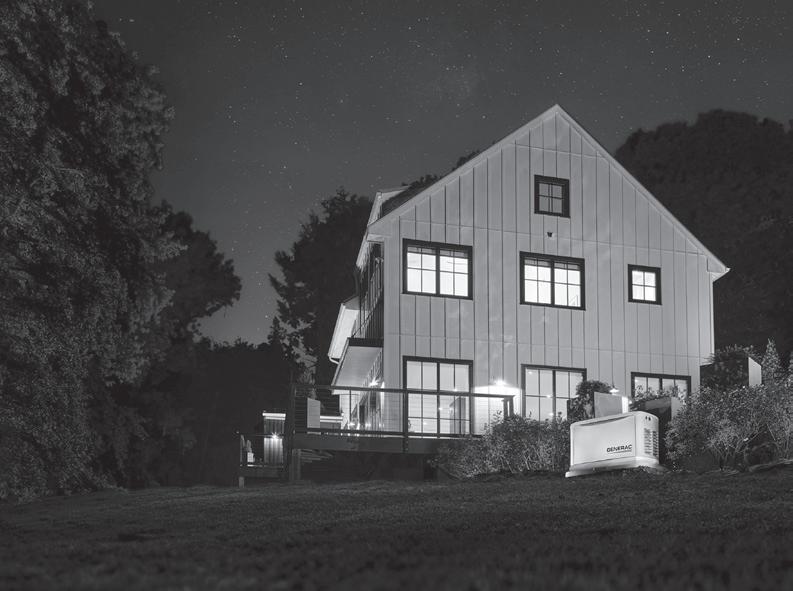
Are you energetic? A quick Learner? Outgoing? Courteous? Professional?
Do you love meeting new people? Learning new things? Making a difference?
The office’s director, Roger Rogoff, still expects to expand the office’s reach to another of its half-dozen regions this year. Where exactly that’ll be remains to be seen. The more dense King and Pierce counties are each considered their own “region.”
Still, community advocates worry about the cuts. Nickeia Hunter, whose brother was killed by police, said it “sends the wrong message” to scale back funding for an agency created in light of “decades of injustice and erasure.”
“While I’m glad to hear Director Rogoff still intends to expand into another region, the reality is that underfunding accountability infrastructure directly undermines trust — especially in communities that have been historically harmed by law enforcement,” Hunter said in an email.
Do you take pride in your accomplishments?
Do you have strong organizational, technical, and written & oral communication, skills with attention to detail?
If these qualities match your experiences and skillset, read on. In this part-time position of 25-30 hours/week, you will support our Marketing Advisor/Ad Sales Rep and will assist in the office, as needed. You must have a good working knowledge of Excel, Word, and Outlook (minimum of 2 years experience with each). Your oral communications and listening skills will need to be outstanding so you can clearly communicate over the phone and in person with all our customers, demonstrating a full understanding of our services and the ability to pass on to other staff members the customers’ needs.
Pay commensurate with experience
E-mail your resumé to Info@GoldendaleSentinel.com. At least three reference from prior/current supervisor/s must be included. Please do not call or visit in person without an appointment.
DOGS from page A1
CLINICA from page A1
SNYDER from page A1
Restaurant Review: Golden Goods Sandwich and Bake Shop
PEtEr “thE travElEr For The SenTinel Golden Goods Sandwich and Bake Shop 111 Oak St. Hood River, OR 97031 (541) 436-3737
Open 7 days a week, 8 a.m. to 3 p.m.
Located in downtown Hood River across from Run For It Supply in a small space that can’t hold more than about 20 people, you will find a very cute vegan sandwich and breakfast cafe that services espressos and other specialty drinks.
They have a welcoming atmosphere, enjoyable music, and a great desire to serve high-quality products. I sampled three of their sandwiches, three of their drinks, and a side salad for this review. The first was their Korean Jackfruit at
$16. It consists of gochujang BBQ, apricot spread, creamy coleslaw, and house pickles. Each sandwich comes with some wonderful fresh-made potato chips. Jackfruit is a common choice for vegan BBQ as it looks and feels and even tastes very much like meat-based shredded BBQ. The texture and appearance of this sandwich was very appealing. I’ve never had a Korean take on it before. It fell on the sweet side. Each topping had a distinct flavor profile of its own. Worth a try.
The next sandwich was their Golden Banh Mi at $16 featuring fried tofu, cabbage slaw, cucumber, shitake pate, and siracha aioli. Bahn Mi are some of my favorite sandwiches. This one uses fried tofu with an excellent texture and pleasant taste. I prefer a stronger vinegar
flavor than this sandwich offers, but for those who like a more mild taste, this is an excellent option. It’s one of the most enjoyable tofus I’ve ever had, and I would try it again.
My final selection was the Mushroom Po’ Boy at $16, which included fried oyster mushroom, lettuce, red onion, tomato, and remoulade. This was my favorite, by far. The texture was amazing and not what I had expected. Rather than soft or chewy, it was far closer in texture and appearance to crispy bacon or even calamari, with a little chewiness at the center. The flavor was fantastic! Lots going on here in the most pleasing ways: a mild heat from the remoulade with saltiness from the fried oyster mushrooms. It was the hardiest of the sandwiches I tried. If you
are looking to go low carb, just stop the bread and ask to pay for some extra mushrooms. This Po’ Boy alone is a reason to come back many times. I have never had mushroom sandwich anywhere near as good as this one.
I sampled their house salad, which is beautifully dressed with a watermelon radish and a grapefruit vinaigrette. They had many drink options, including some fresh-made items you won’t easily find elsewhere. The watermelon juice is 100% natural and fresh squeezed. I also got their strawberry shrub, which is a vinegar-based syrup with both sweet and tart properties. They mix it with sparkling water. Shrub has been around for hundreds of years and is both very healthy and refreshing in hot weather.
I’ve only seen it homemade, so this was a wonderful surprise. I asked them to add extra shrub syrup as they made it less potent than I prefer, and I was in heaven!
Pioneer Picnic and Rodeo this weekend
Erica Kingsbury For The SenTinel
Tucked among the tall pine trees that have whispered in the breeze since pioneer days lies a place that has stood the test of time: Cleveland Park. Rooted in tradition, this historic gathering ground has long served as a meeting place for the Bickleton and Cleveland communities, where early settlers gathered for picnics, games and fellowship, establishing what would become known as the Pioneer Picnic.
Generations of families with roots as deep as the evergreens have passed down a love for this cherished tradition. Today, the annual Pioneer Picnic— and now, the rodeo—holds a special place on the calendar and in the hearts of many, returning each second weekend of June.
It’s an event that has something for everyone. Rodeo fans will enjoy the two-day NPRA-sanctioned rodeo, starting at 1 p.m. Saturday and Sunday. Admission is $12 for adults, $6 for children ages 6 to 12, and free for kids 5 and under. The crowd-favorite merchant cow-milking contest kicks off the action, often including local participants—it’s always a lively start to the rodeo. For early risers, NPRA slack begins at 8 a.m. Sunday in the arena.
Another highlight of the weekend is sure to be the carousel, a rare and beloved treasure with deep historical roots. The 1905 Herschell-Spillman carousel, one of the oldest operating wooden carousels in the nation, is brought to life once a year for the Pioneer Picnic. Painstakingly preserved, each hand-carved and hand-painted horse is a work of art. While you can admire them at the Bickleton Carousel Museum, you
can only ride them during this special weekend, when they are carefully transported and reinstalled on the vintage carousel, to the delight of riders both young and old.
Carousel rides are free during the Friday evening community potluck, which begins at 5 p.m., and are just 50 cents per ride on Saturday and Sunday. Riders planning to take multiple spins can purchase a $20 wristband for unlimited rides throughout the weekend.
At 10 a.m. Saturday, don’t miss the morning program, a long-held tradition honoring a member of a pioneer family. This year, the Alder Creek Pioneer Association will celebrate Susan Wright, the 2025 ACPA president. It’s a heartfelt moment that ties the weekend’s festivities to the community’s deep roots. Grab a bite to eat from a variety of delicious food vendors offering everything from hearty breakfasts and burgers to flavorful Mexican dishes and homemade desserts. Stroll through booths showcasing a wide array of handmade goods, local art, and unique finds—pottery, leatherwork, metal art, western apparel, and more. You’ll even find fun extras like face painting and relaxing chair massages. And don’t forget to pick up your 2025
Pioneer Picnic and Rodeo T-shirt—each year features a fresh, one-of-a-kind design. While cash is always welcome, most vendors now accept credit cards thanks to recent updates from the Alder Creek Pioneer Association trustees..
Stick around after Saturday’s rodeo for a community dance under the stars, featuring Scotty Wilson and Music Medicine, from 6 to 10 p.m. Dance admission is $12 per person with kids ages 6 to 12 admitted for $6. The beer garden will be open during both rodeo performances and the dance.
On Sunday morning, gather again on the dance floor—this time for Cowboy Church at 9:30 a.m., where boots and Bibles come together for a simple, heartfelt service that’s become a favorite Sunday tradition.
The Pioneer Picnic and Rodeo isn’t your average rodeo—it’s an invitation to slow down and reconnect with your roots, enjoy the fellowship of a smalltown community, and kick up your heels on the dance floor or perhaps on a spin around the antique carousel.
While Bickleton is known for its bluebirds, tight-knit community and wide-open skies, the true heartbeat of this town is found in the Pioneer Picnic and Rodeo—a tradition rooted in the spirit
KVH expands imaging capabilities
Klickitat Valley Health (KVH) has announced new advancements in its Diagnostic Imaging services with the recent installation of a new Canon Omnera 500A X-ray machine and two state-of-the-art Philips Elite 7 Ultrasound units. The new Canon X-ray machine installed in May, brings enhanced image quality and faster processing time. Its fully digital system and automated features ensure more consistent imaging and a smoother experience for both patients and providers, improving the ability to detect abnormalities.
In April, KVH added two new ultrasound machines that offer superior image resolution and advanced capabilities for a wide range of diagnostic applications, including obstetrics, vascular imaging, and abdominal studies. The upgrades
improve diagnostic accuracy. These investments follow earlier upgrades to KVH’s imaging department, including the installation of a new Canon CT scanner in 2020 and a Tomosynthesis (3D) Mammography unit in 2022, both of which have significantly improved early detection capabilities and diagnostic precision.
KVH now offers CT calcium scoring to check for early signs of heart disease by detecting calcium buildup in the arteries, helping prevent heart attacks. This is only offered in Portland, Yakima, the Tri-Cities, and now KVH. This test takes about 10 to 15 minutes and requires just two breath holds of 15 to 18 seconds each, along with avoiding caffeine beforehand to help achieve the lowest possible resting heart rate. CT bone density
was also brought on board to help spot signs of weak bones before they break, so treatment can start sooner.
The Tomosynthesis (3D) Mammography gives a clearer, more detailed view of breast tissue, making it easier to detect cancer early and reduce false alarms from overlapping tissues, as well as the addition of new paddles that are curved and can allow mammographers to use less compression during the exam while maintaining quality images.
“Our ongoing investments in medical imaging are part of our mission to bring advanced, accessible healthcare to our rural community,” said Jonathan Hatfield, CEO at Klickitat Valley Health. “We’re excited to offer our patients the same high-quality technology they’d find at larger medical centers right here close to home.”
of the pioneers who came before us, bringing neighbors together then and now.
Dry camping spots are $30 for the weekend. Day parking is free.
The picnic and rodeo grounds are located in Cleveland, three miles southwest of Bickleton. For more information, visit bickletonrodeo.com or check out the Alder Creek Pioneer Association’s Facebook page.
While most entertainment today is digital and ondemand, a weekend among the tall pines, wide-open skies and fresh country air might just be the perfect way to kick off the summer. Join us for an unforgettable weekend of hometown rodeo
action, treasured traditions and small-town charm.
Whether you’re cheering in the grandstands, spinning on the carousel, dancing under the stars or simply soaking in the sense of community, the Pioneer Picnic
and Rodeo promises memories that will last long after the dust settles.
We’ll save you a seat by the arena—and maybe even a piece of pie.

NOTICE OF PUBLIC MEETING
Klickitat County Opioid Abatement Council will hold a regular meeting on June 11th, at 1:00. Please call the Health Department with any questions at 509-773-4565.
Teleconference via zoom, Meeting ID 828 0726 0459 (2306, 2401)
PUBLIC NOTICE
KLICKITAT COUNTY LEAD
ENTITY CITIZENS REVIEW COMMITTEE MEETING
JUNE 17TH, 2025
The role of the Klickitat County Lead Entity Citizens Review Committee (CRC) is to support salmonid recovery by identifying credible and fundable habitat protection and enhancement projects. This process will support related programs and activities that produce sustainable and measurable benefits for fish and fish habitat. This meeting will be held on Tuesday, June 17th, 2025 at 9:00 A.M. at the Pioneer Center, in the Bingen Room. The Pioneer Center is located at 501 NE Washington St, White Salmon, WA 98672. This open public meeting will also be accessible online using Google Meet via the link provided below. Other 2025 meeting dates will be announced in future notices. Meeting Links: Google Meets meet.google.com/rrc-devwzqw
Join by Phone (US) +1 240-812-1268 PIN: 209 399 511# SIP Address 5497856421305@video.klickitatcounty.org ID: 5497856421305
If there are any questions, please contact: Klickitat County Natural Resources Department Email: keatonc@klickitatcounty.org
Phone: 509-773-2410
Office: 115 W Court St, Room 204, Goldendale, WA 98620 (2308, 2402)
PUBLIC NOTICE
KLICKITAT COUNTY LEAD ENTITY TECHNICAL COMMITTEE MEETING
JUNE 12TH, 2025
The role of the Klickitat County Lead Entity Technical Committee (TC) is to provide technical advice to the Klickitat County Lead Entity Citizens Review Committee on the identification, sequencing and prioritization of projects for salmonid recovery and the evaluation of the technical merits of candidate projects submitted to the Citizens Review Committee.
This meeting will be held on Thursday, June 12, 2025 at 9:00 A.M. at the Pioneer Center, in the Bingen Room. The Pioneer Center is located at 501 NE Washington St, White Salmon, WA 98672. This open public meeting will also be accessible online using Google Meet via the link provided below. Other 2025 meeting dates will be announced in future notices. Meeting Links: Google Meets meet.google.com/crr-tiuv-knu
N OTICES
Join by Phone (US) +1 507-571-2092 PIN: 602 976 841# SIP Address 8352678464065@video.klickitatcounty.org ID: 8352678464065
If there are any questions, please contact: Klickitat County Natural Resources Department Email: keatonc@klickitatcounty.org Phone: 509-773-2410
Office: 115 W Court St, Room 204, Goldendale, WA 98620 (2309, 2403)
SUPERIOR COURT OF WASHINGTON COUNTY OF KLICKITAT JUVENILE DIVISION NOTICE AND SUMMONS BY PUBLICATION
1. JOHN DOE, alleged parent and/or anyone else claiming a parental interest in AARON F. HIGHTOWER, DOB: 04/03/23, Dependency Petition #25-7-00011-20 filed February 13, 2025.
A Dependency Petition was filed; A Fact-Finding hearing will be held on this matter on July 15, 2025, at 10:00 a.m. at Klickitat County Superior Court, 205 South Columbus Avenue, Goldendale, WA 98620.
You should be present at this hearing.
The hearing will determine if your child is dependent as defined in RCW 13.34.030(6). This begins a judicial process which could result in permanent loss of your parental rights. If you do not appear at the hearing, the court may enter a dependency order in your absence.
To request a copy of the Notice, Summons, and Dependency Petition, call DCYF at 509.773.7475. To view information about your rights, including right to a lawyer, go to www.atg.wa.gov/DPY DATED: May 7, 2025, by Renea Campbell, Klickitat County Clerk. (2310, 2404, 2501)
IN THE SUPERIOR COURT OF THE STATE OF WASHINGTON IN AND FOR YAKIMA COUNTY
In the Matter of the Estate of CHARLES R. WILLIAMS, Deceased. No. 25-4-00388-39
PROBATE NOTICE TO CREDITORS
RCW 11.40.030
The personal representative named below has been appointed as personal representative of this estate. Any person having a claim against the decedent must, before the time the claim would be barred by any otherwise applicable statute of limitations, present the claim in the manner as provided in RCW 11.40.070 by serving on or mailing to the personal representative or the personal representative’s attorney at the address stated below a copy of the claim and filing the original of the claim with the Court in which the probate proceedings were commenced. The claim must be presented within the
C LASSIFIEDS
nity support that provides an ideal culture for teaching and learning. This position is open until filled. Applicants may contact Principal Kristin Cameron for more details and information: kristin@ centervilleschool.org, 509773-4893. Applicants must have a valid Washington State teaching certificate with minimum elementary or K-8 teaching endorsement. Application available online at: www.centervilleschool. org or by contacting Rose Dove, HR at rose@centervilleschoo.org, 509-7734893. Letters of interest should be addressed to Dr. Ann Varkados, Centerville School, 2315 Centerville Hwy, Centerville, WA 98620. (6.18)
VEHICLES 2011 CHEVY EQUINOX SUV 4WD, 141,600 miles, good tires, leather seats, seat warmers, cd player, well maintained, clean title. $2,800 cash only 509-2500822 9
This Just In....
• Public Notice: Stormwater NPDES and State Waste
Discharge General Permit - City of Goldendale
• Probate Notice to Creditors: Alice Ida Lenoir - Law office of Justin D. Leigh
• Notice of Meeting: 2025-26 Budget and Public Hearings - Centerville School District No. 215
• Notice of Meeting: Klickitat and Skamania County
Joint Accessible Voting Advisory Committee June 16, 2025 - Klickitat County Auditor’s Office
• Klickitat Count Determination on Non-Significance: SEPA 2025-11 Amendment to the Klickitat County Energy Overlay Zone (EOZ) Chapter 19.39 of the Klickitat County Code - Klickitat County Planning Department
• Legal Notice: 2024/2025 General Fund Budget Extension Adoption - Wishram School District
later of: (1) Thirty days after the personal representative served or mailed the notice to the creditor as provided under RCW 11.40.020(1)(c); or (2) four months after the date of first publication of the notice. If the claim is not presented within this time frame, the claim is forever barred, except as otherwise provided in RCW 11.40.051 and 11.40.060. This bar is effective as to claims against both the probate assets and non-probate assets of the deceased.
DATE OF FIRST PUBLICATION: June 4, 2025
Personal Representative: Casey R. Williams
Attorneys for Personal Representative: Pratt Boutillier Kirkevold & Farmer, Pllc
Address for Mailing or Service: 3901 Fairbanks Avenue Yakima, Washington 98902
Telephone: (509) 453-9135
Court of Probate Proceedings: Yakima County Superior Court 128 North 2nd Street Yakima, Washington (2311, 2405, 2502)
PUBLIC NOTICE
City of Goldendale, Sandy Wells, 1103 S Columbus Ave Goldendale, WA 98620, is seeking coverage under the Washington State Department of Ecology’s Construction Stormwater NPDES and State Waste Discharge General Permit. The proposed project, West Darland St Reconstruction, is located at West Darland St from the intersection of Mill St and Darland to the West city limits just pass the intersection of Darland and Railroad Ave. in the City of Goldendale, Klickitat County. This project involves 1.64 acres of soil disturbance for Highway or Road construction activities.
The receiving waterbody is Little Klickitat River.
Any persons desiring to present their views to the Washington State Department of Ecology regarding this Application, or interested in Ecology’s action on this Application, may notify Ecology in writing no later than 30 days of the last date of publication of this notice. Ecology reviews public comments and considers whether discharges from this project would cause a measurable change in receiving water quality, and, if so, whether the project is necessary and in the
LIVESTOCK SEMEN TESTED ANGUS BULLS READY TO WORK 509-773-3363
HAY and BEEF HAY FOR SALE - Smooth Brome SM BALES, delivery available. Matt at 509-2503755. JERSEY BEEF! ¼ AND ½ AVAILABLE. Delivered in the Gorge mattchiles@ horseshoebendranch.net (4.9) PETS BOSTON TERRIERS 8 weeks old and ready now. Have received 1st shots and can deliver. $400 509-2502381 MARKETPLACE WANTED: Egg Cartons: Brought to Grain Growers in Goldendale 509-773-5598.
$500 OR LESS METABO 10” miter saw & Ryobi folding stand, lightly used $100 509-790-9985
RYOBI 13.5 amp corded 16” rototiller, lightly used $100
509-790-9985
BLACK & Decker Portable air conditioner, as new $125
509-790-9985
$16,500 509-250-6154 Goldendale area (6.11)
PROPANE TORCHES, 4, 2 with hoses, & 1 oxy-propane torch with many accouterments $75
2 SENVILLE wall mount mini split units (new in boxes) with insulated line sets and electric cords $150/ea or $250 both 509-790-9985
BROWN leather English club chair and loveseat. Like new $500 509-773-4783
STIHL 18” MS290 chainsaw with Oregon skiptooth chain $300 907-252-1593 IN SEARCH OF old style ground drive manure spreader, working or repairable 509439-1158
ENCYCLOPEDIA Full set of 1966 World Book Encyclopedias $100 509-773-5666 leave a message
BLUE FIG ROLLING SEWING MACHINE CART, purple, 24” x 12” x 20” big enough for two machines $130 509-261-2038
RIMS (4) stock 16” 5 lug $75 Rims 509-342-6923 GUITAR Dobro Style w/ case. $200 509-773-4497 FLIP PHONES Verizon Nano Nokia models – used less than 1 year, model is about 2 years old - $5 each 509464-6039 CAPTAINS TWIN BED, dark brown with drawers and mattress $200. Twin size metal princess bed, white, with mattress $125. Clean, non smoking home. 360-9778286
overriding public interest according to Tier II anti-degradation requirements under WAC 173-201A-320. Comments can be submitted to: ecyrewqianoi@ecy.wa.gov, or ATTN: Water Quality Program, Construction Stormwater Washington State Department of Ecology P.O. Box 47696 Olympia, WA 98504-7696 (2406, 2503)
IN THE SUPERIOR COURT OF THE STATE OF WASHINGTON IN AND FOR THE COUNTY OF KLICKITAT Estate of, ALICE IDA LENOIR, Deceased. Case No.: 20-4-00022-20
PROBATE NOTICE TO CREDITORS (RCW 11.40.030)
PLEASE TAKE NOTICE
The above Court has appointed Larry Lenoir as Personal Representative of Decedents’ estate. Any person having a claim against the Decedent must present the claim: (a) Before the time when the claim would be barred by any applicable statute of limitations, and; (b) In the manner provided in RCW 11.40.070: (i) By filing the original of the claim with the foregoing Court, and (ii) By serving on or mailing to me at the address below a copy of the claim. The claim must be presented by the later of: (a) Thirty (30) days after I served or mailed this Notice as provided in RCW 11.40.020(1) (c), or (b) Four (4) months after the date of first publication of this Notice. If the claim is not presented within this time period, the claim will be forever barred except as provided in RCW 11.40.051 and 11.40.060. This bar is effective for claims against both the Decedent’s probate and nonprobate assets.
First Publication of this Notice: June 11, 2025 Justin D. Leigh (WSBA No. 55307) Attorney for Larry Lenoir Law Office of Justin D. Leigh 106 N. Grant St. | P.O. Box 855 Goldendale, WA 98620 (509) 426-4415 (2407, 2504, 2601)
NOTICE OF MEETING TO ADOPT 2025-26 BUDGET AND CONDUCT PUBLIC HEARING CENTERVILLE SCHOOL DISTRICT NO. 215
FREE firewood – you cut, you haul 541-980-4082
FREE QUEEN MATTRESS Firm, with box support 1 ½ years old 541-980-4082
RIMS, chrome 6 lug Ford w/ studs $300 Goldendale area 509-261-1525
2 Senville 9000 BTU minisplit wall units (new) – $200 509790-9985
AIR CONDITIONER black and decker, portable (7/24) $250 509-790-9985
43” LG TV on quality rolling cart (2023) $100 509-7909985
6 EATON all in one 20 amp breakers (new) $25 each 509-790-9985
HOSS fruit picking bucket, used very little $25 509-7909985 GOLD MINING EQUIPMENT, gold mining dry wash, gold wash for water, 20 ft hose. Call 509-314-0161

KLICKITAT COUNTY, WASHINGTON NOTICE is hereby given, pursuant to RCW 28A.505.050 and RCW 28A.505.060, that the Board of Directors (the “Board”) of Centerville School District No. 215, Klickitat County, Washington (the “District”) will hold a regular meeting on June 24th, 2025, commencing at 6:00 PM in the school modular, located at 2315 Centerville Hwy, Centerville, Washington. The meeting is called for the purpose of fixing and adopting the budget of the district for the ensuing 2025-26 fiscal year. Prior to adoption of the 2025-26 budget, the Board will receive an overview of budget and will hold a hearing at 5:30 PM for the purpose of receiving comments from the public on the 2025-26 budget. Any person may appear at the hearing and be heard for or against any part of the 2025-26 budget, the four-year budget plan, or any proposed changes to uses of enrichment funding under RCW 28A.505.240 2024-2026 approved levy, e.g., educational programs and operation levy. Upon conclusion of the hearing, the Board shall fix and determine the appropriation from each fund contained in the 2025-26 budget and shall, by resolution, adopt the 2025-26 budget, the four-year budget plan summary, and the four-year enrollment projection. 2025-26 budget information is available at the district office for review June 17th, 2025 or may be obtained by contacting Dr. Ann Varkados, Superintendent at 509-7734893
CENTERVILLE SCHOOL DISTRICT NO. 215
KLICKITAT COUNTY, WASHINGTON
Dr. Ann Varkados
Superintendent and Secretary to the Board of Directors (2408, 2505)
NOTICE OF MEETING KLICKITAT AND SKAMANIA COUNTY JOINT ACCESSIBLE VOTING ADVISORY COMMITTEE
A meeting for the Klickitat and Skamania County Joint Accessible Voting Advisory Committee will be held on Monday, June 16, 2025, at 10:30 A.M. The meeting will be in the Mt. Adams Conference Room on the first floor of the Klickitat County Administrative Services Building located at 115 W Court St., Goldendale, WA 98620.
The purpose of this meeting will be to review the 2025 Klickitat and Skamania County Joint Accessible Voting Plan. We welcome anyone to attend. For google meets login information visit the Klickitat County Auditor’s Office website at: http://www.klickitatcounty.gov/1136/ElectionsVoter-Registration.
If you have questions, please call the Klickitat County Elections Department at (509) 7734001 or the Skamania County Elections Department at (509) 427-3730. Heather Jobe, Klickitat County Auditor and Ex-Officio Supervisor of Elections (2409)
Announcements & Notices
ATTENTION READERS: Readers respond to ads at their own risk. If in doubt about a particular offer, check with the Better Business Protection Agency @ 503-3784320 before investing any money. This publication assumes no liability over advertisers. Classified Deadlines: MONDAY 9AM Mid-Week Editions: Loans IT’S ILLEGAL for companies doing business by phone to promise you a loan and ask you to pay for it before they deliver. A public service message from the Federal Trade Commission and the Hood River News, The Dalles Chronicle and the White Salmon Enterprise. Public Notices
KLICKITAT COUNTY DETERMINATION OF NON-SIGNIFICANCE Amendment to the Klickitat County Energy Overlay Zone (EOZ) Chapter 19.39 of the Klickitat County Code.
DATE OF ISSUANCE: June 6, 2025
APPLICANT: Klickitat County Planning Department FILE NUMBER: SEPA 2025-11
PROPOSAL: Klickitat County proposes to amend the Klickitat County Energy Overlay Zone (EOZ) Chapter 19.39 of the Klickitat County Code. The amendments include: Requiring a Conditional Use Permit (CUP) for all industrial solar projects; clarifying that Battery Energy Storage Systems (BESS) are not an accessory use in the EOZ and will require a CUP; and create additional definitions within the EOZ LOCATION OF PROPOSAL: The proposal will apply to all properties within Klickitat County that have the EOZ designation.
DISREGARD
NOTICE OF NON-SIGNIFICANCE: After review of the completed environmental checklists and other information on file the Klickitat County Responsible Official has determined that this proposal will not have probable significant adverse impacts on the environment. Copies of the DNS are available at the Klickitat County Planning Department during normal business hours. The threshold determination and related materials are available and can be obtained on the Planning Department website https://www.klickitatcounty.org/272/Planning-Department also through email at planning2@klickitatcounty. org or in person at the Klickitat County Planning Department, 115 W Court St, Room 302, Goldendale, WA 98620.
COMMENT PERIOD: Comments on the above environmental review will be accepted until 5:00 pm June 26 2025 ADMINISTRATIVE SEPA APPEAL PERIOD: Appeals on the DNS will be accepted until 5pm on July 3, 2025. Appeals must be made to the Board and filed with the Klickitat County Auditor’s office. Appeals shall not be deemed complete without payment of the applicable appeal fees payable to Klickitat County Planning Department. (2410)
LEGAL NOTICE
NOTICE
2024/2025 GENERAL FUND BUDGET EXTENSION ADOPTION
The Board of Directors of Wishram School District #94 will meet for the purpose fixing and adopting the District’s 2024-2025 General Fund Budget Extension. Any person may appear at the meeting and be heard for or against any part of this budget extension. The budget extension adoption will be conducted during the regular Board meeting on Tuesday, June 24th beginning at 5:15p.m. at the Wishram School. (2411, 2506, 2602)
Public Announcement SWCSD#1 Auctioning Two Buses 2003 Thomas School Bus, 78 passenger, caterpillar engine, Allison transmission, mileage 154904, minimum bid $2000 AND 2007 Thomas School
C LASSIFIEDS
Survivors
TOPS OR #443 meets Thursday mornings, 8:30- 10 am. @ Zion Lutheran Church, use elevator entrance only. 10th and Union St., The Dalles, OR. NAMI|Oregon National Alliance on Mental Illness NAMI is the largest education, support and advocacy organization on mental health in the nation. The Mission of NAMI Oregon is to improve the quality of life of persons with mental illness and of their famillies through support, education and advocacy. Under NAMI Oregon sponsorship, NAMI-Gorge providees a monthly support group meeting for caregivers, friends, and family members of persons with mental illness.
Monthly NAMI Gorge inperson meetings are being conducted the first Thursday of every month from 6 to 7:30pm at the Gloria Center at 2505 W. 7th Street, The Dalles. For information on local NAMI Resources, please contact Barbara Telfer: at 541-980-7264 or by email: booklovinbarbarian@ gmail.com. For other NAMI information or resources: NAMI Oregon Support Line 1-800-3436264.
HAVEN: Weekly counseling groups for victims of domestic/teen dating violence or sexual assault. Biweekly educational classes given in Spanish and English for domestic violence. Call Haven, 541-296-1662.
AA in MAUPIN (open), Maupin Community Church, 490 5th St., Thursdays @ 7pm. 24 HOUR AA HOTLINE and meeting information: District 14. 1-833-423-3683 PARKINSON’S Support Group: 1st Thursday of every month, 10:45am11:45am in the Deschutes Room at Waters Edge, 551 Lone Pine Blvd., 2nd Floor.
role model for a 7-year-old boy in The Dalles, who is outgoing, talkative, and fun. He enjoys playing basketball, riding bikes, and building things with Legos. He has been waiting to spend a couple days a month with a mentor who could expose him to more outdoor activities and help expand his reading skills. For more information on how to get involved with G.Y.M., please call Kateel at 541-399-0259.
Gorge Youth Mentoring (G.Y.M.)
a program of The Next Door, is seeking a positive, adult role model for a 12-year-old girl in The Dalles, who enjoys arts and crafts, animals, and going for walks. She has been waiting to spend a couple days a month with a mentor who could get her out of the house and expose her to more outdoor activities. For more information on how to get involved with G.Y.M., please call Kateel at 541-399-0259.
$500 or Less
MATTRESS and Box Spring, full-size. Wrapped and in good condition. Free, but must pickup in Parkdale. 541-386-5351.
YAKIMA Roof Top Bike Carrier. Set of 2 Yakima roof top locking bike racks to fit round crossbars. 42” track, 46” overall length. $75. 541490-7254.
INTERIOR Hollow Core Wood Door. 80” x 28” x 1 3/8” . Very good condition. $25. OBO. 541-296-1289.
INTERNAL Frame Backpack. Dana Design Big Horn. Carrying capacity 3,600 cubic inches and up to 65 lbs. Like new. $175. 541490-7254.
PATIO Chairs (2). Acacia wood with cream colored cushions. $165. 541-4907254.
STUDDED Tires (4) Used 2 seasons locally. P225 65 R17. Good condition. $150. 503-351-0137.
PLOW. 3-Point Plow, 14 inch (2) Bottom. Dearborn Model 10-1 (late ‘40s). It’s all there. Needs a new home! $300. Firm. 541-354-1680. Odell.
WANT to sell something in the Budget Classifieds section? If you’re selling ONE item for $500 for less, we’ll place your five-line ad for free for one week! See the $500 or Less Box for exclusions. Call one of our newspapers to play your ad: Hood River News 541-386-1234 The Dalles Chronicle 541-296-2141 White Salmon Enterprise 509-493-2112
ENGINE Stand. Sturdy. Bolts on at rear with (4) arms. Has swivel for rotating. Good for small block V8. $30. 541-354-1680. Odell.
LENNOX China Service for 12. 68-piece service for 12 Lenox China. Belvidere pattern. $400. 541-490-7254.
FORD Truck Headliner Kit. ‘Fits 48-’52 with Kick Panels and all hardware. New in the box. Black. $180. 541-3541680. Odell.
GLASS Top Sofa Table. Beveled glass top sofa table with carved accents. $135. 56” x 16.5” x 26.25”. 541490-7254. $500 OR LESS Ads run 1 Week FREE!
• Private Party Only • No Commercial Ads
• Items $500 or less
• 5 Lines Free
• Includes print & online Excludes: Food, produce, hay, animals, firewood, fuel, automobiles and garage sales.
JACOB Doll Antique Upright Piano. Needs to be cleaned and tuned. Free. You Haul. 541-806-0859.
WINDOW AC Units (3). All 3 for $50. 541-354-1748.
CHINA Cabinet. White lacquered glass china cabinet.
2.5 Ft wide x 6.9” tall with 3-solid and 2-glass shelves inside for items. Excellent condition, no scratches or blemishes. $339. Call Oscar, 509-904-2762.
Building Materials INTERIOR Hollow Core Wood Door. 80” x 28” x 1 3/8” .
inally $3,600. Now $2,500. Riverside Church. Call Gary, 541-386-5351.
WINDOW AC Units (3). All 3 for $50. 541-354-1748.
Household Merchandise LENNOX China Service for 12. 68-piece service for 12 Lenox China. Belvidere pattern. $400. 541-490-7254. Miscellaneous
MATTRESS and Box Spring, full-size. Wrapped and in good condition. Free, but must pickup in Parkdale. 541-386-5351.
SCHOOL BUSES FOR SALE
The Lyle School District #406 is giving notice per RCW 28A.335.180 of property declared surplus/obsolete by the Board of Directors. The Surplus property is available to public, private schools or general public. Items for bid are one “AS IS” 2003 Bluebird A3RE7800 School bus mileage at 188,765. One “AS IS” 2005 Bluebird A3RE700 mileage at 158,525. Available to view by appointment only. Property will be sold by highest dollar amount, in a sealed bid, with minimum bid to be no less than $2,000.Sealed bids may be mailed, or physically turned in, at the Lyle School District Office. Mailing address is Po Box 368 Lyle WA 98635. Bids will be opened in the June board meeting, and highest bidder notified. Please include contact information in bid. Board meeting to be held June 25rd 2025. For more information contact susan. carabin@lyleschools.org.
PATIO Chairs (2). Acacia wood with cream colored cushions. $165. 541-4907254.
Musical Items DIGITAL Piano. Casio CGP700 Digital Piano. Excellent condition. Paid $875, asking $200. karenann@gorge.net.
Sporting Goods INTERNAL Frame Backpack. Dana Design Big Horn. Carrying capacity 3,600 cubic inches and up to 65 lbs. Like new. $175. 541490-7254.
NOTICE Certain laws and restrictions, as well as registration requirements, apply to the sale of firearms. For more information, contact the Seattle Field Division of the Department of Alcohol, Tobacco and Firearms at 206204-3205. This field division is responsible for Washington, Idaho, Oregon, Alaska and Hawaii. You may also go to www.atf.gov for FAQs and information.
Dogs
PUG PUPPIES
Purebred Pug Puppies ready to find their forever homes now. 3 males, 2 females, born on March 17th. Have been Vet checked, dewormed & received first round of DAPP vaccinations. Asking for $1,200. These puppies are full of personality, playful, cuddly, and incredibly adorable. They’ve been well-loved and are ready to bring joy to your home! Text or call: 541806-1012.
Farm Equipment & Supplies PLOW. 3-Point Plow, 14 inch (2) Bottom. Dearborn Model 10-1 (late ‘40s). It’s all there. Needs a new home! $300. Firm. 541-354-1680. Odell.
QUALITY HOPPER TRAILERS FOR RENT M & D Equipment, LLC Trailers ready for wheat & corn harvest! Call us!
George DesBrisay 541-571-2318
Craig Martin 541-571-8838
Garage/Yard Sales Advertise Your Garage Sale Up to 10 lines Print and Online $25 Prepaid To place your ad contact your local newspaper. Hood River News 541-386-1234 hoodrivernews.com Click Classifieds The Dalles Chronicle 541-296-2141 thedalleschronicle.com Click Classifieds White Salmon Enterprise 509-493-2112 whitesalmonenterprise.com Click Classifieds
ESTATE
fishing stuff, household items, lamps and vintage metal chairs and
lectibles. Auto Parts & Accessories YAKIMA Roof Top Bike Carrier. Set of 2 Yakima roof top locking bike racks to fit round crossbars. 42” track, 46” overall length. $75. 541490-7254. ENGINE Stand. Sturdy. Bolts on at rear with (4) arms. Has swivel for rotating. Good for small block V8. $30. 541-354-1680. Odell. FORD Truck Headliner Kit. ‘48-’52 with Kick Panels and all hardware. New in the box. Black. $180. 541-3541680. Odell. Cars Wheels Deal
Advertise Your Car, Truck, Boat, Motorcycle, Motorhome • 10 Lines • 4 Weeks • Print & Online • 10 Online Photos • Online Map Only $25 hoodrivernews.com or whitesalmonenterprise. com or thedalleschronicle.com Click on “Classifieds” Click on “Place An Ad”
SELL your automobile quickly in our Gorge Classifieds. Place your ad through one of our websites or call one of our newspapers: hoodrivernews.com 541-386-1234 thedalleschronicle.com 541-296-2141 whitesalmonenterprise. com 509-493-2112
Motorcycles MOTORCYCLE
2015 1190 KTM ADV. 35,500 miles. Excellent condition. All tools, bags, riding suits. $7,500 cash. Call 541980-8969 for more information.
Motorhomes MOTORHOME. 2011 Tiffin Phaeton 36QSH, class A diesel pusher. 68,000 miles. Excellent condition $95,500. Call or text 541-387-4269.
Utility Trailers UTILITY TRAILER 2023 Interstate Utility trailer, 16’x6’ tandem axles,5000lb cargo payload. Used three times. $3,900. No trades. Contact me at fireit.mc@ gmail.com.
Apartments for Rent
INDIAN CREEK VILLAGE APARTMENTS, an affordable housing community, is now accepting applications for our 1 and 2 bedroom waiting lists. Income restrictions apply. Professionally managed by Guardian Real Estate Services, an equal housing opportunity provider and employer. Apply online at www.indiancreekvillageapts.com
Hood River Apartment for Rent
Apartment for rent near downtown Hood River stairs! One bedroom/one bathroom, W/D in unit. New kitchen appliances, newly remodeled bathroom. One dog under 30 lbs or one cat with pet deposit. $1500/ month, utilities and trash included except internet/ cable. Ideal for one person. Street parking. Contact 816-510-7700 or 816-5104300 for details. Absolutely no smoking or vaping anywhere on property.
INDIAN CREEK COURT APARTMENTS, an affordable housing community, is now accepting applications for our 1, 2, and 3 bedroom waiting lists. Income restrictions apply. Professionally managed by Guardian Real Estate Services, an equal housing opportunity provider and employer. Apply online at www.indiancreekcourt. com.
PUBLISHER’S
NOTICE All real estate advertised herein is subject to the Federal Fair Housing Act, which makes it illegal to advertiser any preference, limitation or discrimination based on race, color, religion, sec, handicap, familial state or national origin, or an intention to make any such preferences, limitations or discriminations. Familial state includes children under the age of 18 living with parents or legal custodians, pregnant women & people securing custody of children under 19.
tions apply. Professionally managed by Guardian Real Estate Services. This institution is an equal opportunity provider and employer. Apply online at www.homesatsunriseestates.com and www.liveatsunriseestates. com.
Help Wanted HRD TASTING
ROOM ASSOCIATE
Hood River Distillers Tasting Room is seeking an enthusiastic, hard-working individual with a genuine passion for craft spirits and exceptional customer service. Our ideal candidate values hospitality, enjoys engaging with guests, and brings a positive energy to every shift. If you’re excited about the history, production, and flavor profiles of spirits, this could be the perfect opportunity for you. $20/hr + tips Apply at hrdspirits.com
ASSISTANT MANAGER
Secure Storage - Hood River. Assistant Manager. Saturday position and additional hours as needed, 30-45 hours estimated per month. Pay scale $22-25 an hour DOE. Hand deliver resume, cover letter and references (3) list to: 1400 Tucker Rd Hood River, OR 97031 or email application info to: hoodriver@securestorage.com. 541-386-4104.
NOW HIRING
FOSTER PARENTS!
The Next Door, Inc. (TNDI) is hiring full-time foster parents to work with youth, ages 6-18. Applicants must live in Hood River or Wasco Counties. TNDI provides 24-hour support, free training, paid days-off and up to $1800 tax-free/month, for each youth. Bonus also offered for completion of certification! Contact 541308-2207 or visit www.nextdoorinc.org/fosterparent to apply.
SPECIAL EDUCATION
TEACHER
Serving Klickitat (2024-25 SY)
We are recruiting for a Special Education Teacher to serve the Klickitat School District. This position is full time, 185 day contract. $54,308.00$102,360.00 full annual range. Position starts immediately. Apply online: www.esd112.org/ takeroot
CHEF
HOT WOK ROADHOUSE, INC. dba HOT WOK ROADHOUSE RESTAURANT seeks CHEFS (multiple positions available) in Lyle, WA to prep. & cook Chinese styled dishes, plan menu, dev. new dishes, & sup’v culinary staff. Min. Req.: 24 mos. exp. as Chef, Cook, or rel. Resumes to Binghui Ma, Hot Wok Roadhouse, Inc., 600 State St., Lyle, WA 98635.
THE TICKET to a dream job might be a scam. Please be cautious! High-Paying Postal Jobs! No Experience Required! Don’t pay for information about jobs with the Postal Service or Federal Government. Call the Federal Trade Commission toll free @ 1-877-FTC-HELP, or visit www.ftc.gov to learn more. A public service message from Teh Dalles Chronicle and the FTC.
COLUMBIA GORGE NEW IS HIRING AN OUTSIDE MARKETING REPRESENTATIVE
Outside Marketing Representative: Columbia Gorge News is hiring a marketing advisor to service businesses in the area. This position is outside sales for the weekly newspaper in print and online plus niche publications. You must live in the Columbia River Gorge to perform this job. If you are outgoing and like to talk through ideas, this position is for you. The candidate will work from both home and the office. They will need reliable internet, computer, and a smart phone. A vehicle and valid driver’s license with insurance is a must. The candidate will work one on one with small businesses in our community to help them find ways to effectively market their business. The sales position will allow the person hired to work their own schedule to fit the needs of the customers. Weekly sales meetings and trainings required. Must have the ability to multi-task and be selfmotivated. The ability to handle basic excel or word documents, perform math calculations and the willingness to communicate well with customers in person and over the phone are needed. Sales experience a plus but will train the right candidate. This position is mainly MonFri but is somewhat flexible with part-time or full-time hours. Hourly, mileage, plus commissions. Email resume and references to: ChelseaM@GorgeNews. com Columbia Gorge News P.O. Box 390, Hood River, OR 97031. If you have questions, leave a message: 541386-1234 Ext. 100.
SPECIAL EDUCATION TEACHER Serving Skamania (2025-26 SY) We are recruiting for a Special Education Teacher to serve the Skamania School District. This position is .61081 FTE/113 days. $31,915.43 - $60,155.01 full annual range prorated by assignment. Apply online: www.esd112.org/ takeroot
LOOKING for a new job?
Browse employment ads from throughout the Gorge on our classified websites: thedalleschronicle.com
hoodrivernews.com whitesalmonenterprise. com
CARPENTER
WANTED
Full time, for projects throughout the Gorge. Requires minimum of 5 years’ experience with proven ability to perform a variety of construction activities. Pay DOE. Local labor rates & prevailing wage. Hale Construction NW, accounting@ halecon.net, 541-386-5585.
Air Conditioning & Heating
NOTICE Oregon Construction Contractors Law (ORS 701) requires that all businesses that advertise remodeling, repair, home improvements or new construction be reg-
condition, no scratches or blemishes. $339. Call Oscar, 509-904-2762.
GLASS Top Sofa Table. Beveled glass top sofa table with carved accents. $135. 56” x 16.5” x 26.25”. 541-
SALE HOOD RIVER Saturday, June 14 8am to 4pm 1003 5th St. Hood River Lots of items! Antique dresser, hand tools, books, clothes, tents, sleeping bags, sporting goods, garden tools, fine artworkframed & much more!
YARD/ MOVING SALE June 13 & 14 8am to 5pm 4140 Central Vale Hood River
This newspaper will not knowingly accept any adverting for real estate which is in violation of the law. All persons are hereby informed that all dwellings advertised are available on an equal opportunity basis. To complain of discrimination call HUD toll-free at 1-800-669-9777, TTY/TDD: 1-800-927-9275.
SUNRISE ESTATES APARTMENTS, an affordable housing community, is accepting applications for our 1, 2, and 3 bedroom waiting lists. Income restric-
Notice to Contractors
C LASSIFIEDS
STATEWIDE Classifieds:
Replace your roof with the best looking and longest lasting material - steel from Erie Metal Roofs! Three styles and multiple colors available. Guaranteed to last a lifetime! Limited Time Offer - up to 50% off installation + Additional 10% off install (for military, health workers & 1st responders.) Call Erie Metal Roofs: 1-844-800-9166
Prepare for power outages today with a Generac Home Standby Generator. Act now to receive a FREE 5-Year warranty with qualifying purchase. Call 1-888-674-7053 today to schedule a free quote. It’s not just a generator. It’s a power move. Eliminate gutter cleaning forever! LeafFilter, the most advanced debris-blocking gutter protection. Schedule a FREE LeafFilter
estimate today. 20% off Entire Purchase. Plus 10% Senior & Military Discounts. Call 1-888-360-1582
We Buy Houses for Cash AS IS! No repairs. No fuss. Any condition. Easy three step process: Call, get cash offer and get paid. Get your fair cash offer today by calling Liz Buys Houses: 1-888-720-3848 SunSetter. America’s Number One Awning! Instant shade at the touch of a button. Transform your deck or patio into an outdoor oasis. Up to 10-year limited warranty. Call now and SAVE $350 today! 1-888-670-2385
Donate your car, truck, boat, RV and more to support our veterans! Schedule a FAST, FREE vehicle pickup and receive a top tax deduction! Call Veteran Car Donations at 1-877-225-8568 today!
Juneteenth is a federal holiday in the United States celebrated annually on June 19 to commemorate the ending of slavery in the United States.
The holiday’s name, first used in the 1890s, is a portmanteau of the words “June” and “nineteenth”, referring to June 19, 1865, the day when Major General Gordon Granger ordered the final enforcement of the Emancipation Proclamation in Texas at the end of the American Civil War. In the Civil War period, slavery came to an end in various areas of the United States at different times.
Many enslaved Southerners escaped, demanded wages, stopped work, or took up arms against the Confederacy of slave states. In January 1865, Congress finally proposed the Thirteenth Amendment to the United States Constitution for national abolition of slavery.
By June 1865, almost all enslaved were freed by the victorious Union Army, or abolition laws in some of the remaining U.S. states. When the national abolition amendment was ratified in December, the remaining enslaved in Delaware and in Kentucky were freed.
Early celebrations date back to 1866 at first involving church-centered community gatherings in Texas. They spread across the South among newly freed African-American slaves and their descendants and became more commercialized in the 1920s and 1930s, often centering on a food festival. Participants in the Great Migration brought these celebrations to the rest of the country. During the Civil Rights Movement of the 1960s, these celebrations were eclipsed by the nonviolent determination to achieve civil rights but grew in popularity again in the 1970s with a focus on African-American freedom and African-American arts. Beginning with Texas by proclamation in 1938, and by legislation in 1979, every U.S. state and the District of Columbia has formally recognized the holiday in some way. Juneteenth is also celebrated by the Mascogos, descendants of Black Seminoles who escaped from slavery in 1852 and settled in Coahuila, Mexico.
The day was recognized as a federal holiday in 2021, when the 117th U.S. Congress enacted, and President Joe Biden signed the Juneteenth National Independence Day Act into law. Juneteenth became the first new federal holiday since

The meaning of Juneteenth
Martin Luther King Jr. Day was adopted in 1983. Celebrations and traditions The holiday is considered the “longest-running African-American holiday” and has been called “America’s second Independence Day.” Juneteenth falls on June 19 and has often been celebrated on the third Saturday in June. Historian Mitch Kachun considers that celebrations of the end of slavery have three goals: “to celebrate, to educate, and to agitate.”
Early celebrations consisted of baseball, fishing, and rodeos. African Americans were often prohibited from using public facilities for their celebrations, so they were often held at churches or near water. Celebrations were characterized by elaborate large meals and people wearing their best clothing. It was common for formerly en-
celebrations, including red velvet cake and strawberry soda, with red meant to represent resilience and joy. Juneteenth celebrations often include lectures and exhibitions on African-American culture. The modern holiday places much emphasis on teaching about African-American heritage. Karen M. Thomas wrote in Emerge that “community leaders have latched on to [Juneteenth] to help instill a sense of heritage and pride in black youth.” Celebrations are commonly accompanied by voter registration efforts, the performing of plays, and retelling stories. The holiday is also a celebration of soul food and other food with African-American influences. In Tourism Review International, Anne Donovan and Karen DeBres write that “Barbecue is the centerpiece of most Juneteenth celebrations.”
Day for People of African Descent.
History
On September 22, 1862, President Abraham Lincoln announced that the Emancipation Proclamation would go into effect on January 1, 1863, promising freedom to enslaved people in all of the rebellious parts of Southern states of the Confederacy including Texas. Enforcement of the Proclamation generally relied upon the advance of Union troops. Texas, as the most remote state of the former Confederacy, had seen an expansion of slavery because the presence of Union troops was low as the American Civil War ended; thus, the enforcement of the Emancipation Proclamation had been slow and inconsistent there prior to Granger’s order. In all June 19, 1865, was 900 days after the Emancipation Proclamation went into effect, 71
Jubilee, in which enslaved people were freed), took place on September 22, January 1, July 4, August 1, April 6, and November 1, among other dates. When emancipation finally came to Texas, on June 19, 1865, as the southern rebellion collapsed, celebration was widespread. While that date did not actually mark the unequivocal end of slavery, even in Texas, June 19 came to be a day of shared commemoration across the United States—created, preserved, and spread by ordinary African Americans—of slavery’s wartime demise.
Lincoln issued the preliminary Emancipation Proclamation in the midst of the Civil War on September 22, 1862, declaring that if the rebels did not end the fighting and rejoin the Union, all enslaved people in the Confederacy would be freed on the first day
Union Major General Gordon Granger arrived on the island of Galveston to take command of the more than 2,000 federal troops recently landed in the department of Texas to enforce the emancipation of its enslaved population and oversee Reconstruction, nullifying all laws passed within Texas during the war by Confederate lawmakers. The order informed all Texans that, in accordance with a Proclamation from the Executive of the United States, all enslaved people were free:
“The people of Texas are informed that, in accordance with a proclamation from the Executive of the United States, all slaves are free. This involves an absolute equality of personal rights and rights of property between former masters and slaves, and the connection heretofore existing between them becomes that between employer and hired labor. The freedmen are advised to remain quietly at their present homes and work for wages.” Longstanding urban legend places a historic reading of General Order No. 3 at Ashton Villa; but no historical evidence supports this claim. There is no evidence that Granger or any of his troops proclaimed the Ordinance by reading it aloud. All indications are that copies of the Ordinance were posted in public places, including the Negro Church on Broadway, since renamed Reedy Chapel A.M.E. Church.
slaved people and their descendants to make a pilgrimage to Galveston.[
As early festivals received news coverage, Janice Hume and Noah Arceneaux consider that they “served to assimilate African-American memories within the dominant ‘American story.’”
Modern observance is primarily in local celebrations. In many places, Juneteenth has become a multicultural holiday. Traditions include public readings of the Emancipation Proclamation which promised freedom, singing traditional songs such as “Swing Low, Sweet Chariot” and “Lift Every Voice and Sing”, and reading of works by noted African-American writers, such as Ralph Ellison and Maya Angelou. Celebrations include picnics, rodeos, street fairs, cookouts, family reunions, park parties, historical reenactments, blues festivals, and Miss Juneteenth contests. Red food and drinks are traditional during the
Major news networks host specials and marathons on national outlets featuring prominent Black voices.
The Black Seminoles of Nacimiento in Mexico hold a festival and reunion,
days after Robert E. Lee surrendered to the Union on April 9, 1865, and 24 days after the disbanding of the Confederate military department covering Texas on May 26, 1865.
known as el Día de los Negros on June 19. Many former British colonies celebrate Emancipation Day on August 1, commemorating the Slavery Abolition Act 1833. Since 2021, the United Nations has designated August 31 as the International
Early history During the American Civil War (1861–1865), emancipation came at different times in different parts of the Southern United States. Large celebrations of emancipation, often called Jubilees (recalling the biblical
of the year. On January 1, 1863, Lincoln issued the final Emancipation Proclamation, declaring that all enslaved people in the Confederate States of America in rebellion and not in Union hands were freed. Planters and other slaveholders from eastern states had migrated into Texas to escape the fighting, and many brought enslaved people with them, increasing by the thousands the enslaved population in the state at the end of the Civil War. Although most lived in rural areas, more than 1,000 resided in Galveston or Houston by 1860, with several hundred in other large towns. By 1865, there were an estimated 250,000 enslaved people in Texas. Despite the surrender of Confederate General Robert E. Lee at Appomattox Court House on April 9, 1865, the western Confederate Army of the Trans-Mississippi did not formally surrender until June 2. On the morning of June 19, 1865,
On June 21, 2014, the Galveston Historical Foundation and Texas Historical Commission erected a Juneteenth plaque where the Osterman Building once stood signifying the location of Major General Granger’s Union Headquarters believed to be where he issued his general orders.
Although this event commemorates the end of slavery, emancipation for the remaining enslaved in two Union border states, Delaware and Kentucky, would not come until December 6, 1865, when the Thirteenth Amendment was ratified; furthermore, thousands of black slaves were not freed until after the Reconstruction Treaties of late 1866, when tribes such as the Cherokee, Creek, Chickasaw, and others were forced to sign new treaties that required them to free their slaves.
The freedom of formerly enslaved people in Texas was given state law status in a series of Texas Supreme Court decisions between 1868 and 1874.
Check It Out
BethWood,Collection Librarian FortVancouverRegional
You
Beach
whenpublishersrealizedthatsummervacation travel presented an opportunityforlight funbestsellerssetat resortsandbeaches Beachreadsleanintoromance
beach orisland locations,getawaytrips,andsummer
weddings They are lightreads don’trequireintense concentration and contain prettysimple plots Here I’ll
help you pack foryourtrip:
Things toTake to the Beach
•Towels
•Anybook byElinHildebrand(bookstakeplaceon NantucketIsland)
•Coolerandiceoricepacks
• TheSummerPlace byJenniferWeiner-asummer weddingissetatafamilyvacationhome,butthefamily mustovercomechallengesanddysfunctionstomake ithappen
AnybookbyMaryKayAndrews(settingsalongthe lowerEastCoast)
•Sunscreen,SPF30+,preferablymineral-based
• HowStellaGotHerGrooveBack”byTerryMcMillandivorceeStellaheadsoffonaspur-of-the-moment triptoJamaica and meetssomeone
•Cut-upfruit(melon berries oranges)
•Anybook byDebbieMacomber(shewritesabout WashingtonandOregoncoasts)
If you’re aiming to upgrade your cheesy sandwich arsenal, consider thesetipsfromHealthyFamilyProject: • Cook low and slow
sliceofbread
•Sandwiches
•“OneItalianSummer byRebecca Serle- agrief-stricken daughterheadstotheAmalfiCoaston atripthatshe hadplannedtotakewithherbeloved mother
•Wide-brimmedhat
•AnybookbyCarlHiaasen(hewritesaboutFloridain allitsabsurdity)
•Bottlesofwater
• PeopleWeMeetonVacation byEmilyHenry-two collegefriendsreunitefora weeklongbeachvacation
Things to NOTTake to the Beach
•Newsmagazines
•Whiteswimsuits(unlesspre-checkedforsheerness)
•AnybookbyanEnglish philosopher
•Icecreamsundaes
•Businesssuits
•Hardcoverbookswith a pagecounthigherthan300
•Babyoil
BethWoodisaseniorcollectiondevelopmentlibrarian forFortVancouverRegionalLibraries Email herat readingforfun@fvrlorg
New at the Library
FICTION
TheGriffinSisters GreatestHits byJenniferWeiner
OldSchoolIndian byAaronJohnCurtis
“TheOriginalDaughter”byJemimahWei
NONFICTION
“ADumbBirdsFieldGuidetotheWorstBirdsEver” byMattKracht
BoatBaby:AMemoir byVickyNguyen
“The#1DadBook-BetheBestDadYouCanBe-In1Hour!” byJamesPatterson
CHILDREN
AntParty byRossMontgomery
Top10StrangestAnimals byBrennaMaloney
SurviveThisSafari byNatalieD Richards
Upgrade summer luncheswithnutritioustwistsongrilledcheese (Family Features) When the kids are home for summer break, mealprepbecomesamustforbusyfamilies to ensure nutritious foods are on the menu This summer give your kiddos the fuel they need for all their warmweatheractivitiesandadventureswith ahealthytwistonachildhoodclassic One bite into a grilled cheese sandwich and you’re back in your childhood kitchen bringing all the nostalgic vibes you can pass down to your little ones Plus, with nearly of crispinessandflavor breacjmayo-side-up endless combinations there’s a • Experimenting with cheese can Q00k 3-4
Fruit in a grilled cheese may not mozzarella, gouda and brie bring
be the first idea that comes to mind, newfoundflavorprofiles
but these Blackberry Grilled Cheese • Look for the Produce for Kids or Sandwiches offer a juicy slightly tart burst of flavor tucked between crunchy slices of bread Its a sweet savory lunch thats just funky enough toimpresswhileputtingfreshproduce onyourkids’plates
Healthy Family Project logo in your project local grocery store to find brands dedicated to creating a healthier generation
“We love juicy blackberries - not just because theyre delicious, but because theyre packed with fiber, Sandwiches registered dietitian Tony Castillo said “That fiber helps keep you full supports gut health and keeps your energy steady Plus blackberries are loaded with antioxidants and vitamin C, making them a true superfood They’re perfect for baking savory dishesorjustasasnackonthego”
Picky eaters have met their match with Chicken and Apple Grilled Cheese Sandwiches Tender shredded chicken meets tart apple slices ooeygooeycheeseandwhole- Insmallbowl mixmayonnaiseand Repeat withremainingsandwiches grain bread for an unexpected twist mustard;spread on one side of each Serve withpreparedsalad that will have taste buds tingling With minimal ingredients and maximum flavor,they’reidealforbusyweeknights orlazyweekendlunches
Place bread mayo-side-down in skillet Top with cheese and blackberries Add second slice of
Recipe courtesy of Healthy Family
Preptime:5minutes Cooktime:10minutes Servings:4
Serve up more delicious, kid- . 1 tablespoonunsaltedbutter friendly lunches this summer by . 8sliceswhole-grainbread visitingHealthyFamilyProjectcom
Blackberry Grilled Cheese
• 8 ounces sliced rotisserie-style chickenbreast 4slicessharpCheddarcheese
Recipe courtesy of Healthy Family . 1 apple thinly sliced prepared Project
Preptime:5minutes Cooktime:10minutes salad forserving Heat large skillet over mediumlowheat
Servings:2
1tablespoonmayonnaise
• 1 tablespoon mustard
• 4sliceswhole-grainbread
Lightly butter one side of each slice of bread Place bread butterstone-ground side-down in skillet Top with chicken, cheeseandappleslices Topwithslice ofbreadbutter-side-up
• 2slicesprovolonecheese 10-12blackberries,cutinhalf Heatmediumskilletoverlowheat
Cook2-3minutes flipandcook2-3 minutes,oruntilcheeseismelted Remove from heat and cut in half
Myspaceissmallerthanusualthesedays
When my husband Peter and I bought a condo and moved to the city, Peter said we needed a little more room
“I want two bathrooms!” Peter said I’d never had two bathrooms in my home as an adult, but I was certainly fine with the idea in principle Peter wanted a study where, in the mornings he could do what he calls his “brooding”This is when Peter comes up with his finest ideas, I believe, although I cant confirmthisbecauseit is alsothetime of day when he prefers to be left alone to drink his coffee
IalsohavealittleofficewhereIwrite Ithas two doors which I keep wide open, because I like to know what both Peter and my cat Felix are up to But when we got back from Mexico this past spring, our bedroom was flooded, and it has taken this long to get a contractor to begin work So two days ago we moved our bedinto my office Peter thought wed move into his den, but he already has a hide-a-bed sofa and he rolls his bike in there to put it away and of course thereisthemorningbroodingtowork around So I thought it would be easier if we justmovedthebedintomyoffice Imeasured the old bed that Peter had inherited from his parents and determined I had 4 inches to spare between the footboard and the back of my office chair It has not been terrible all in all Felix thinks that lounging in bed right behindme while I type is a great place to be While I used to have a morning commute to



1) Runs 5) Whatfatherknows? 9) Actor'sminimum wage
14)"TheExoticTangelofrom
42)Eyelashes Jamaica"
15)Operastaple 16)Detroitathlete 17)Pfizercreation 18)Ship'spost thatsecures cables 19)Oldanesthetic 20) Remove asa monarch 22) Doesn't proceedopenly 23)A numbershomophone 24)Succumbtogravity 26)Likesomefavorites
ingredient
rival
43)"Trinity"authorUris 44)Shoguns'capital 45)Goal-orientedactivity
46)Wrapyourmindaround
48)Second-person pronoun 49)Old Plymouth model 52)Lose 57)Wordbefore"light"or "sound"
afracas
likeawatermelon
DirectorApatow 2) Fairytalebaddie 3) Oversupply 4) Pleasantexcursion 5) Dogfaced primate gobragh!" 7) Responsibilityforhomebuilders 8) Rat-a9) Officeemployeeofold 10)Givedetails
11)Eastern potentate 12) Bulbused in cookery
13)Ismistaken
21)Cathedral cross
22)Complete,asacrossword
25)They'll holdyourhorses
26)Pertainingtobase8
27)Talk in amonotonousvoice
28) I thinksotoo!"
31)Makewatertight,inaway
32)AMuppet
33)Putanotherway
35)Somecorrosives
38)Window-washingflaw
42)Cheepjoint?
45)Herbin themintfamily
47)Word toa marksman
49)Somesinginggroups
50) Edibleseaweed
51)Whattodo"in thenameoflove"
53)" and
54)Sunblock ingredient
55) Mrs Peacock'sgame
56) Potatoparts
58)Featherygarb
A Smaller Life
Today we’re going to venture into the amazing world of tarantulas. Do you get the heebie jeebies about spiders like I do? Spiders terrify me — all spiders except tarantulas. I have held them, fed them and watched them. Tarantulas are the largest spiders in the world, but they are not out to get you. In fact, they would rather stay away from us. There are over 1,000 different known species of tarantulas around the world. That’s a lot of fuzzy legs crawling around. Hold on tight as we explore the weird and wonderful world of this eight-legged creature.
First, know that tarantulas are not poisonous, they are venomous. Poison is what happens when you eat something, touch something or breathe something in. Venom is injected into you usually by fangs like a spider or snake, or a stinger like on a bee. The best way to remember the difference between venom and poison is, “If you bite it and you die, it’s poison. If it bites you and you die, it’s venom!” The good news is most tarantulas have venom that’s not dangerous to humans. It’s like a bee sting, it’s going to hurt, but it’s not deadly. Some tarantulas, like the Indian Ornamental Tarantula, have stronger venom that can make you feel really sick if you are unlucky enough to get bitten. The best news is that no one has ever died from a tarantula bite.





Tarantulas live on six of the seven continents. You will not find any of these large spiders on Antarctica. The most tarantulas can be found in South America, especially in Brazil, Venezuela, and the Amazon Rainforest. They make their homes in trees, under logs, and in burrows under the ground. Most people don’t think of tarantulas as beautiful, but some of these spiders like the Brazilian pinkbloom tarantula definitely are. The pinkbloom is not the only pretty tarantula. Some think the sapphire gooty tarantula is the most beautiful. While the pinkbloom’s hair is actually pink the gooty’s hair is not blue at all. The gooty hair is made up of millions of teeny, tiny crystals, called nanocrystals. These crystals reflect light and make them appear metallic blue.
Tarantulas don’t just come in a variety of colors but they also come in many sizes. Some of the smallest are less than two inches across and the largest is the goliath bird-eating tarantula from northern South America. The goliath does not normally eat birds even though they could. Who’s gonna stop them? This spider usually eats large insects, small rodents, and amphibians. As a special treat, it may eat a small snake or two. The largest goliath ever found had a body that was almost 5 inches long with a leg span that was 11 inches. Imagine coming across a spider that is almost a foot across!

Tarantulas are ambush predators. That means they wait quietly in the shadows, then strike fast when their dinner walks by! Although they have eight eyes they don’t have the best eyesight, instead, they feel vibrations using tiny sensitive hairs called setae on their legs. When their prey gets close enough, the spider leaps out and uses its fangs to inject its venom. After a while, the venom will turn the prey’s insides to liquid and the spider enjoys a bug smoothie. Sounds gross, but the tarantula enjoys it. Flipping the script, in Cambodia, tarantulas are fried and eaten by humans. I’m not sure I could swallow that unless I was getting paid a lot of money.


The Tarantula Gallery by Danny de Bruyne
Local archer hopes to get to Championships
Zachary Villar
For The SenTinel
Goldendale local Lexi Williams is hoping to find sponsors so she can compete in the archery competition at the 4-H Shooting Sports National Championships in Grand Island Nebraska this year.
Eighteen-year-old Williams has been practicing archery for eight years. She has taken part in archery competitions at the 4-H state level and at county tournaments as well as the yearly competition at the Klickitat County Fair. She qualified to compete at the National Championships this year in Nebraska, but her funding fell out at the last minute. She still hopes to leave for the competition on June 20 if she is able to find new sponsors.
“Every little bit helps,” said Williams. “Whether it’s covering equipment, travel, or entry fees. I’d love the chance to repre -
sent our community and make the most of this oncein-a-lifetime opportunity.”
Williams has always been outdoorsy and a hard worker. Alongside her commitment to archery, she’s been involved with school and community activities and volunteering. She was the 2023 Broken Spur Rodeo Queen and has competed at the state level for the Future Business Leaders of America and Future Farmers of America. Her parents signed her up for Goldendale 4-H Archery Sharpshooters when she was ten years old and it didn’t take her long to realize that she loved it.
“What I like about archery is the peace of it,” said Williams. Even while living in a place that has 50 mph winds, Williams said she enjoys the challenge of practicing archery and finding the peace to make a good shot. She made
plenty of good shots last year at the 4-H state competition where she placed in all three of the archery events and came in 4th overall in the competition. She said that earning a spot at Nationals wasn’t something that happened overnight.
“It took years of consistent effort, dedication, and persistence, especially through challenges like balancing school, sports, and family responsibilities,” said Williams. “Archery has taught me discipline, patience, and resilience—skills that have helped me in every area of my life.”
This trip to the 4-H Shooting Sports National Championships in Nebraska means more to Williams than just competing.
“It’s about reaching a goal I’ve worked toward since I was ten years old, and representing not just myself, but the people and
community who helped shape me. I’d like to still be able to go to nationals, give my all, and make the community that has supported
Legends distributes grants to 135 organizations
Through Yakama Cares and the Community Impact Fund, Legends Casino Hotel distributed $1,086,009.36 to nonprofit organizations supporting area communities on May 28. The Yakama Cares program selected 107 nonprofits to share $511,987 while larger grants supporting law enforcement, fire departments, and other
community services were awarded through the Community Impact Fund. Yakama Cares, an annual event, donates funds to create positive impacts in the communities it serves, and it is funded through the Charitable Contribution fund. Non-profit organizations submit their applications annually between January 1 and March 31.
The impacts of these grants will be felt throughout Central Washington including Yakima, Benton, Franklin, Kittitas, and Klickitat counties. The committee for the Charitable Contribution fund received 320 applications to evaluate for the 2025 distribution. The applications undergo multiple rounds of cuts before the final selection. The
committee bases part of their selection on the areas of need in the community.
The organizations receiving a distribution comprise many communities, and this year, grants awarded range from $1,000 to $15,000 per recipient. Grants include hospice care, fire department support, veteran support, reading programs, aid for
food banks, supplies and assistance for homeless, and more.
The Community Impact Fund seeks to aid larger projects that benefit the community as a whole. This fund is administered by an independent committee including repre -


sentatives
See the accompanying table for contributions made to organizations in Klickitat County.


To improve your chances of being selected and possibly securing the coveted cover (and winning a valuable prize), carefully read & follow these instructions—even if you've submitted in the past:
1. Regarding your camera's settings:
a. Turn of the date/time stamp.
b. Select camera's highest resolution possible.
c. A general rule-of-thumb is that the le size of the jpg photos you submit should be a minimum o 3 MB. Any smaller and it may be too grainy. (Note: our email server will not allow messages at or above 20 MB, so the photo size must be below this.)
2. Submissions must be landscapes or wildlie—we call these naturescapes. Photos containing people will not be accepted. We also discourage (but don't disallow) close-ups; even if they're lovely shots, they are seldom identiable. Please do not take photos from your car. 3. The orientation of your shots MUST BE HORIZONTAL. All vertical shots, no matter how “good,” will be disqualied.
Do not
lename(s) will be lost. Instead, send your submissions as at-
Check the le sizes as you do this. If any photo is less than 3 single email, while staying under the 20MB per email limit. tachments only. You may be able to attach up to 5 photos to a
In the subject line of your email, enter “2026 Calendar 8 MB, its resolution is likely not high enough.
9. Do not re-send photos you've submitted for this contest in Photo rom <your rst and last name>.”
• In promoting and expressing the beauty of Klickitat County, we're seeking landscapes and other outdoor scenes that are unique to our magnicent vistas. Close-ups (of leaves, flowers, streams, or animals, for example) will typically not work because they could be taken almost anywhere in the world and are not distinctly Klickitat County.
• Consider composition: avoid power lines, telephone poles, roads, or other man-made structures that may detract from the subject. (Note that really well-crafted photos tend to keep the main subject of-center. There are many tips online for stunning landscape photography, such as tinyurl.com/DigitalCameraWorld-tips - OR - tinyurl.com/NaturescapePhotos Also check out YouTube!)
E-mail your submissions, as follows: winners. essary time. organized, this courteous practice will save us lots of unnecthe past. While this will require you to keep your photos well
of Toppenish or Wapato, Yakima, the state gaming commission, the Yakama gaming commission, and Yakama Tribal Council.
Contributed
LOOKING TO GET THERE: Lexi Williams of Goldendale wants to go to archery championships competition.
Y C
LOCAL
FUNDS: Yakama Cares distributed these funds to organizations in Klickitat County.