JOEL IN WONDERLAND | YIPPEE KI YAY | CIRCUS CLASS BACKCOUNTRY HUNTERS & ANGLERS | CUPCAKE JEDI
Cranbrook’s Largest GE Appliance Centre
Knowledgeable sales staff are ready to answer all your appliance questions. Visit our working kitchen and try out your new appliance.
grady@kootenaymedia.ca
For article submissions contact:
karen@kootenaymedia.ca | 250.427.0808
Reproduction, in whole, or in part, is strictly prohibited. No part of this magazine may be reproduced or duplicated without the written permission of the publisher. All rights reserved on entire contents. GO Cranbrook Magazine makes every effort to ensure the accuracy of the information it publishes, it is not responsible for any consequences arising from errors or omissions. The opinions expressed in the articles are those of the authors.
GO Cranbrook Magazine is published four times per year and is printed in Canada.
GO Cranbrook is published by: Kootenay Media Ltd.
Layout design by: Lucas Roach | Big Magic Design www.bigmagicdesign.com
07 | Joel in Wonderland
14 | Yippee Ki Yay: Cattle Driven the Old-Fashioned Way
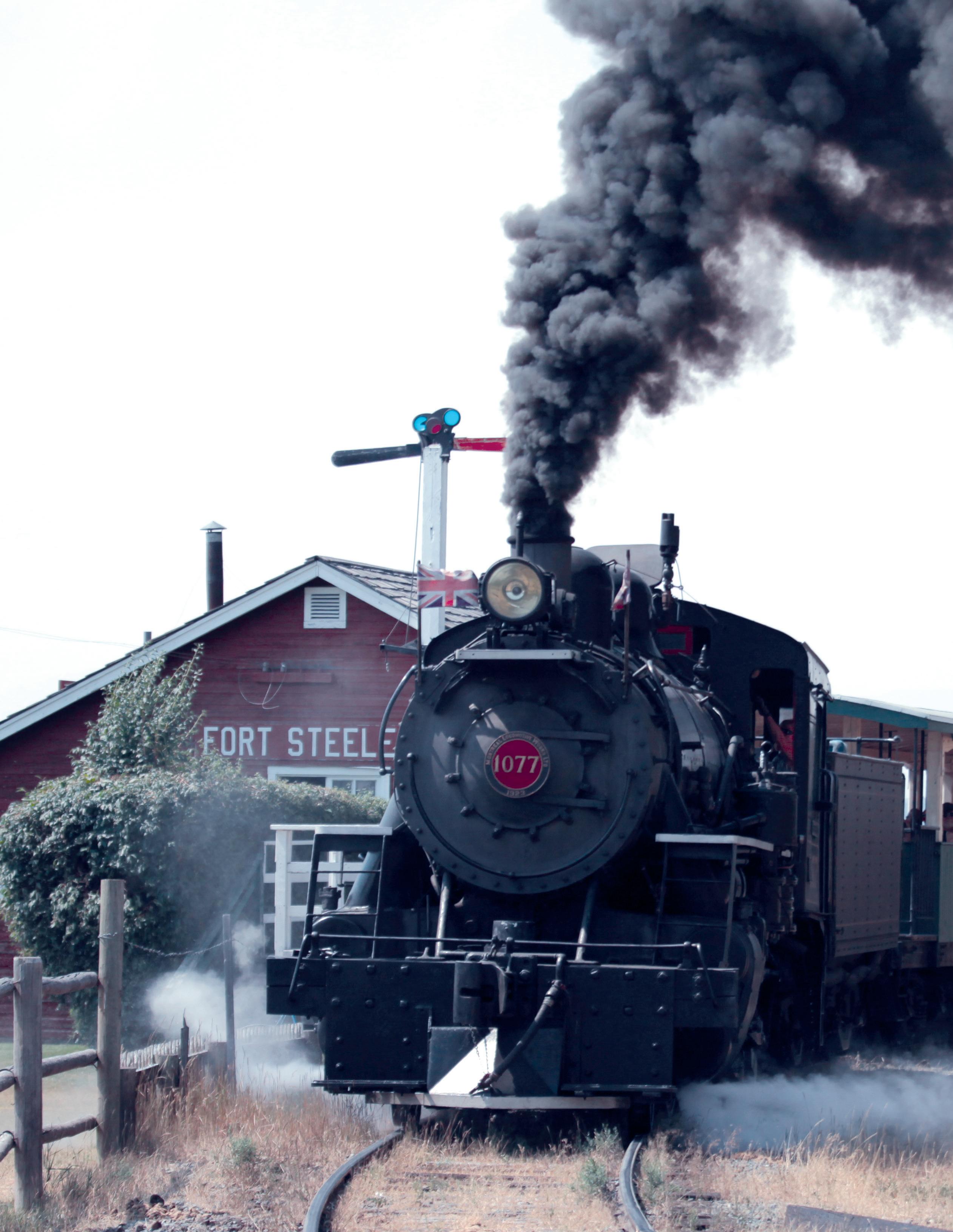
18 | Off Season at the Fort
24 | Circus Class Is Coming to Cranbrook
27 | Mom’s the Word 3: Nest 1/2 Empty
28 | Cranbrook’s Cupcake Jedi
32 | Backcountry Hunters & Anglers: Advocates for Quiet Spaces
36 | Bridging the Digital Divide
managing editor
Karen Vold
sales | distribution
Grady Pasiechnyk contributors
Britt Bates
Danielle Cardozo
Jill Christie
Monica Karaba Huibers
Dave Quinn
W:DanielleCardozo
P:JoelRobison
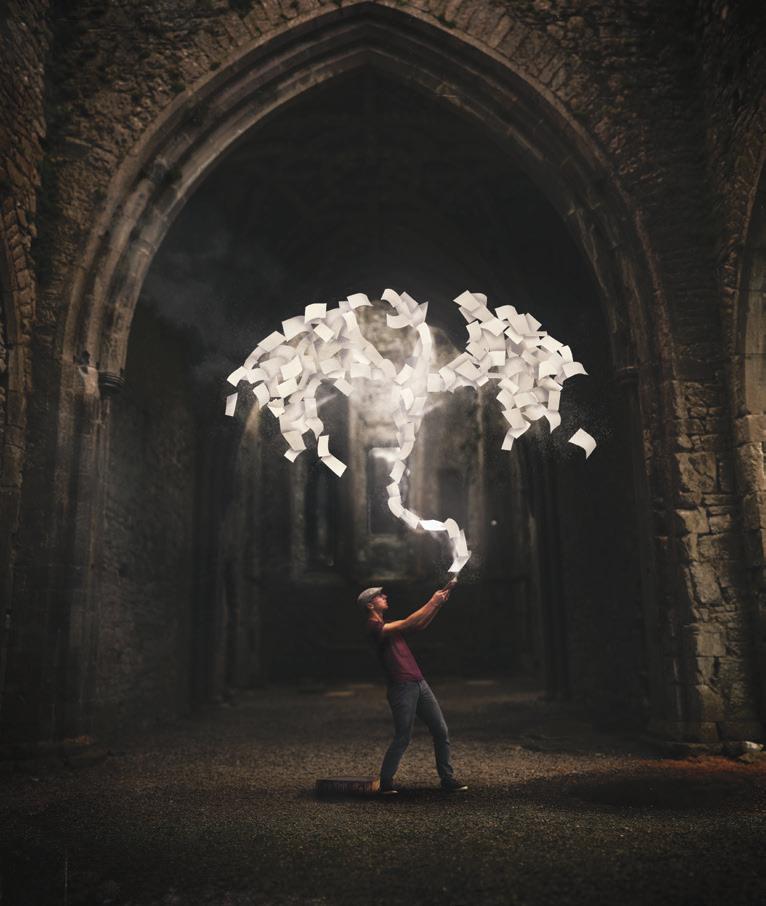
The hot air balloon tattoo peeks out from beneath the sleeve of JoelRobison’sshirt.Ihadseenitbeforeonhissocialmedia.HavingstruggledwithsevereanxietysinceIwasfifteen,Iappreciated thestoryofhishotairballoonsdearly.IamhavinglunchwithJoel atSoulfoodduringhisshortvisittoCranbrook.Hesitsacrossfrom mewithunassumingconfidence.Hehasapleasantsmileanda calmingpresence.
Ifyouhaven’theardofJoelRobison,Ican’ttellyouwhatitisabout himthatismoreimpressive.Thefactthathecreatesimaginative works of art, the stuff ofdreams, is enoughonits own. Or, how at the age of 27, he was hired by Coca Cola and the FIFA World Cuptophotograph84countriesintheirWorldCupJourney.What is most impressive isn’t Joel’s accomplishments or his incredible talent.Rather,it’shispersonalstoryandhisheart.
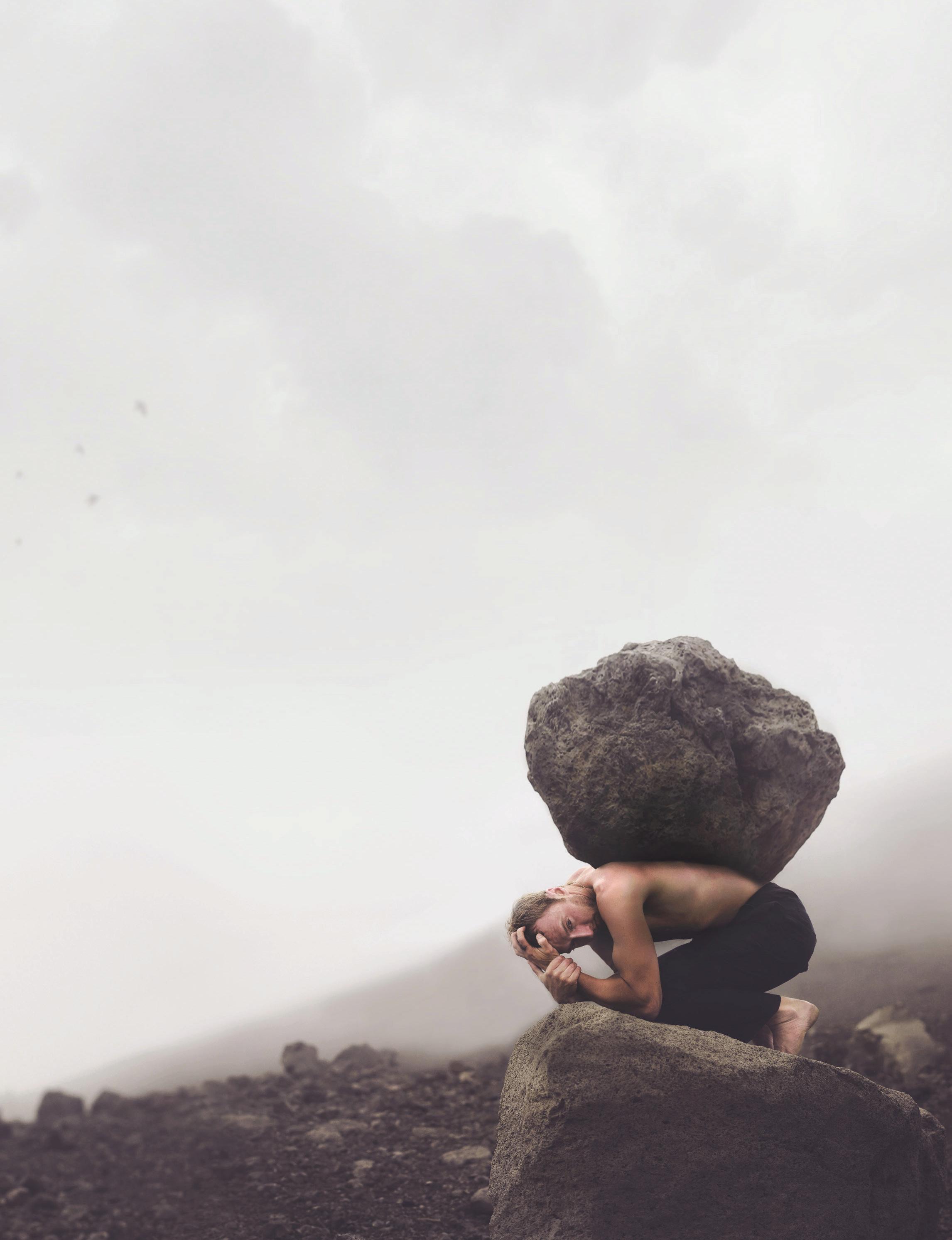
Joel’s story starts like one you may have heard before. It may be your own. Joel was a worrier. He was a child whose mind was consumed with thoughts of concern. So much so that it would distract him from simple tasks. He worried about everything“aboutstraydogsbeingcoldinthewinter,abouttheapplesthat don’tgetpickedatthegrocerystore,aboutthewormsthatIdidn’t rescue from the sidewalk after the rain.” He worried so much that onedaywhenhewasplaguedwithsevereanxietyandinsomnia, ateachergavehimsomemeaningfuladvice:“Joel,imagineahot airballoon.Everytimeyouhaveaworry,Iwantyoutoputitinto aboxandputthatboxintothehotairballoon.Whenitfeelslike you can’t fit any more in, cut the rope and watch it float away, takingyourworrieswithit.”



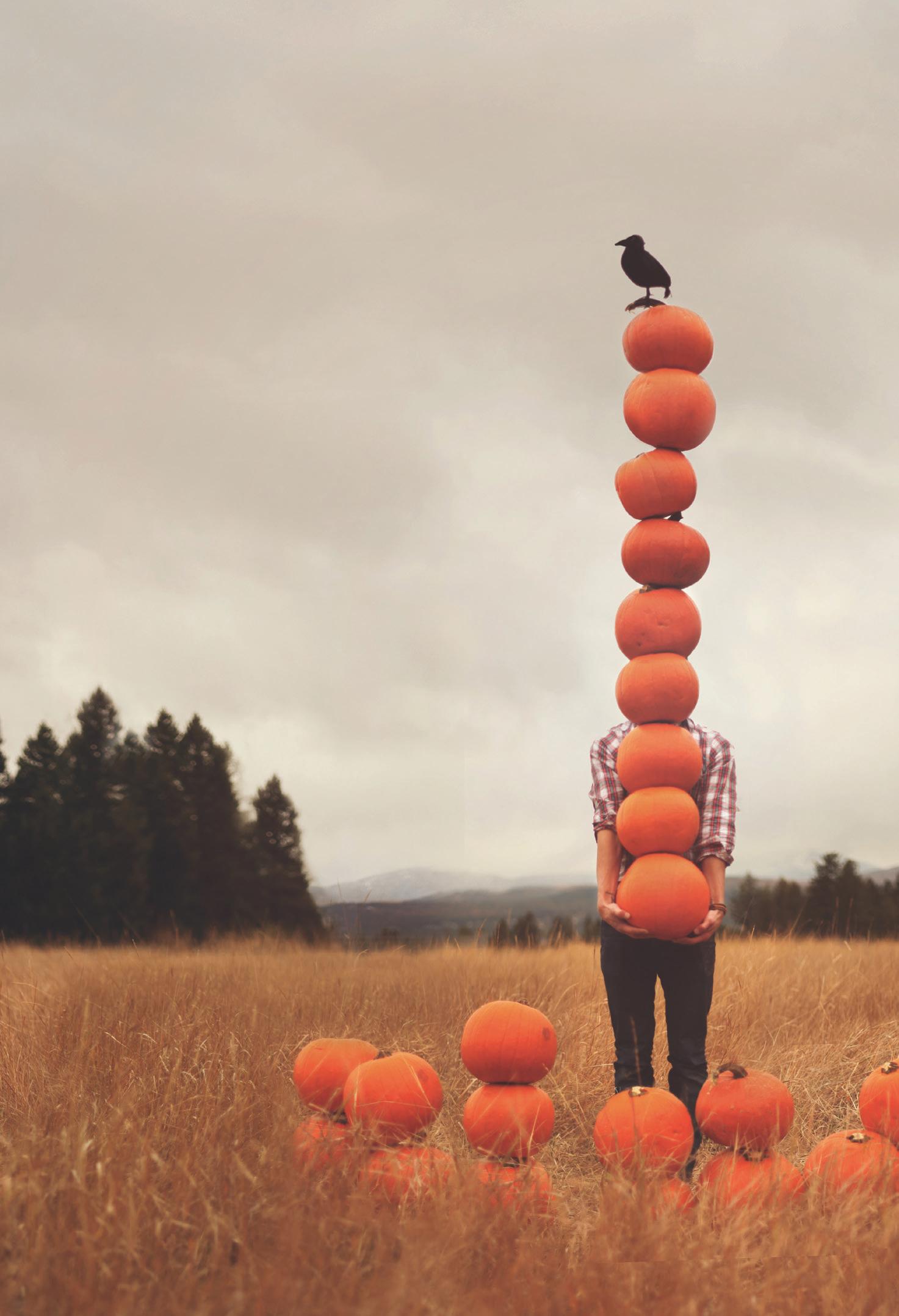
Throughout his photography, you see these hot air balloons frequently. Some are carrying entire houses; others, a simple bicycle. Each image symbolizes a concern or an event from Joel’s life. He speaks openly about his journey, one that seems oddly parallel to a piece of literature we all know:
“The rabbit-hole went straight on like a tunnel for some way, and then dipped suddenly down, so suddenly that Alice had not a moment to think about stopping herself before she found herself falling down what seemed to be a very deep well.”
Joel began dabbling in photography around the same time he started his career as an education assistant at Mount Baker Secondary School, a job he loved dearly. He didn’t start photography with the intent of turning it into a career, as he was fond of the impact he had on students’ lives. Photography wasn’t even something Joel really shared with friends or family. It was simply a way to satisfy his creativity and calm his worries. Nothing more. Nothing less.
It was around this time that the photo-sharing website Flickr rose in popularity, giving Joel a place where he could store and share his fantastical photos. It wasn’t long before he had 20,000 Flickr followers worldwide. It appeared that many were attracted to Joel’s whimsical style because of its ability to transport them into another world.
Joel soon found himself heading down his own rabbit hole, spending more and more time on his new hobby. He would work all day then turn to photography during the evenings and weekends. It wasn’t long before he faced a tough choice - remain in the stable career he loved or follow his newfound passion. It was not a decision he took lightly and not an easy crossroad for someone who worried.
“One day Alice came to a fork in a road and saw a Cheshire cat in a tree. ‘Which road do I take?’ she asked. ‘Where do you want to go?’ was his response. ‘I don’t know,’ Alice answered. ‘Then,’ said the cat, ‘it doesn’t matter.”
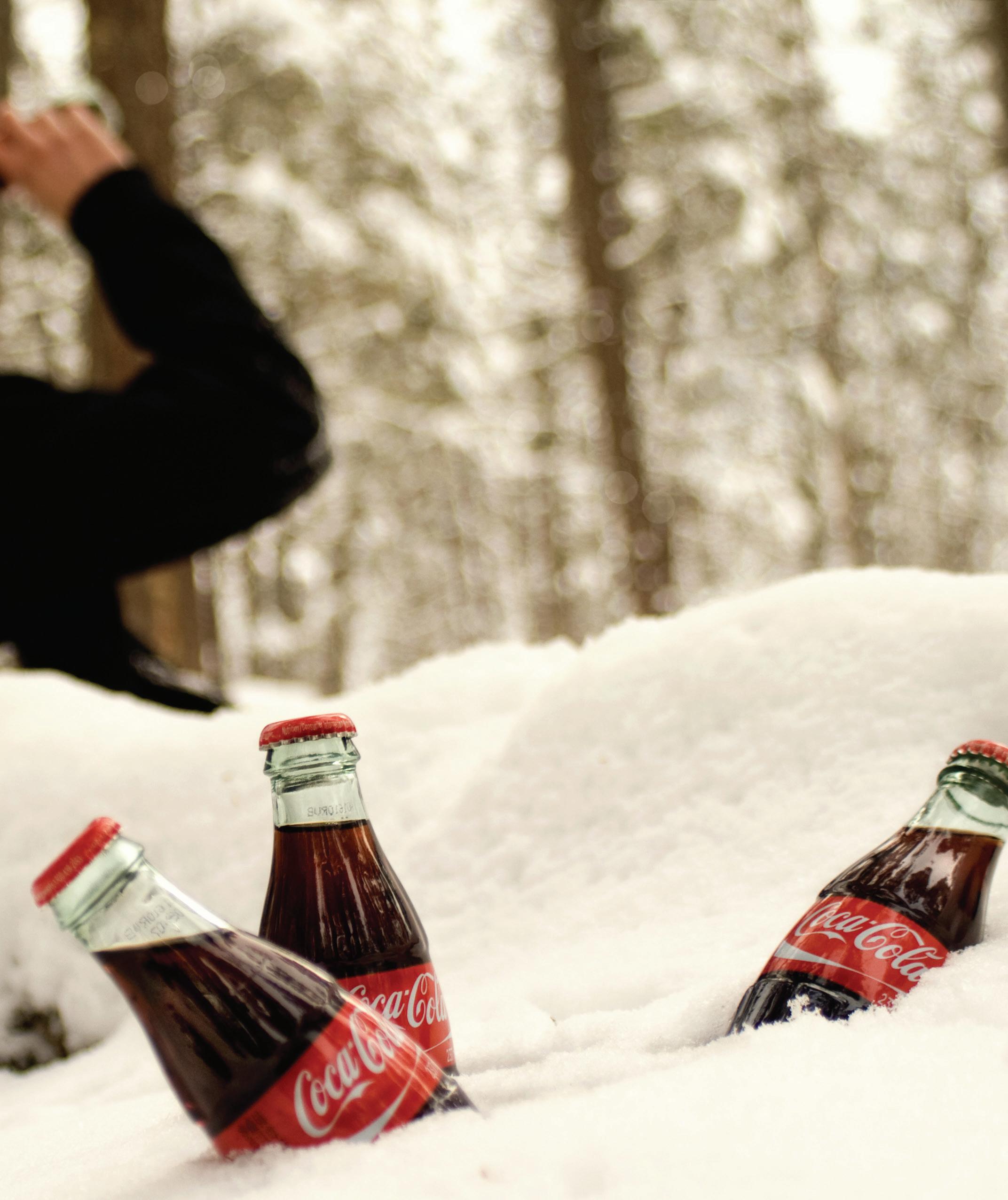
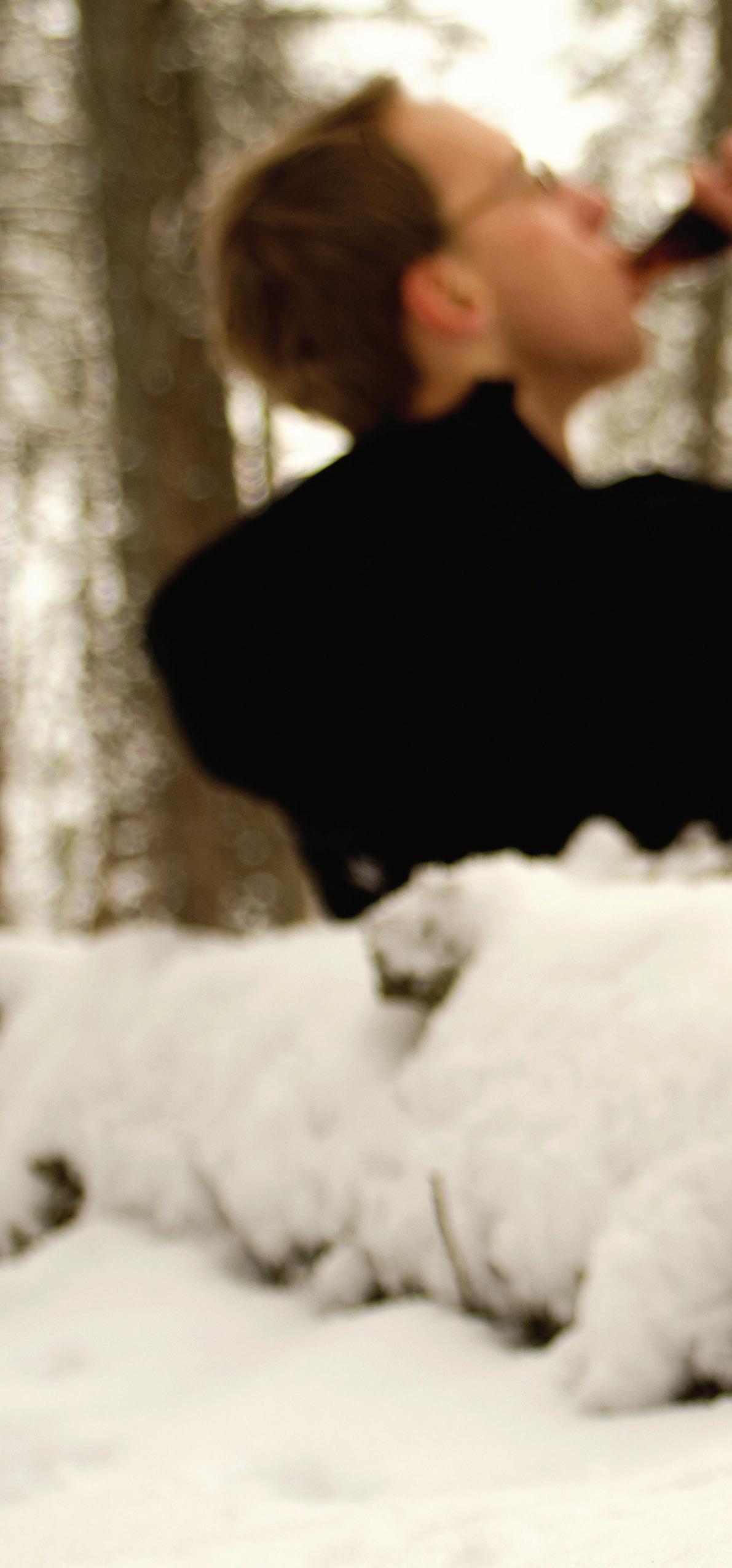
While Joel wasn’t sure where he wanted to be, one of his photos would soon change his entire life. He had taken an imaginative photo of some Coke bottles in the snow and featured it on his Flickr page. It found its way to Coca Cola, who asked if his photo could be shared through its social media. Shortly after that, the company requested that Joel continue his glass-bottle-themed work, hiring him to create a photo collection.
What happened next was something even the most seasoned photographer would not be prepared for. Shortly after the soda pop project, Joel was invited to participate in the adventure of a lifetime. Joel Robison was about to become the exclusive photographer for the Coca Cola FIFA World Cup Journey.
The following week Joel gave his notice to the local school district without being able to reveal much about his reason for resigning or where he was headed next. He laughs recalling how some co-workers expressed concerns for his health.
Over the next nine months, Joel travelled to 84 countries with Coca Cola and FIFA. Joel recalls the day that he found himself photographing soccer players in front of the pyramids. A day as indescribable and magical as the photography that got him there. But when his whirlwind dream assignment finally ended, he found it difficult to come back and adjust to the real world.
“‘But I don’t want to go among mad people,’ Alice remarked. ‘Oh, you can’t help that,’ said the Cat. ‘We’re all mad here. I’m mad. You’re mad.’”
I ask Joel about his anxiety and when he made the decision to become so open about it. He admits that it wasn’t long after he returned from that trip that his roommate pointed out that Joel might want to look closer at his emotional health. He recounts the day that his roommate pulled him aside, letting him know that he was even beginning to look sick.
The days were now quiet and dull. His responsibilities and activities were no longer found on a daily itinerary. He had an excessive amount of time to get inside his own head. Lack of sleep was at its peak. His anxiety began to reach an all-time high. An illness that he had spent his entire life pushing aside finally caught up to him.
Rather than climbing inside of himself to dismantle the illness, he started expressing himself outwardly on his blog and social media. He was overwhelmed, not only by the support he received, but by how many people reached out to share their own stories. It could have been easy for Joel to become overwrought. Instead, he seized a new opportunity and started What It Looks Like, a project he describes as a photographic exploration into the stories of individuals who have experienced depression, anxiety, grief, mood disorders, or any other mental illness. A project which aims to share awareness, end stigma, and create dialogue and open communication around mental health. Instead of asking what it feels like, he asks each person to consider and share “What does it look like?”
“Now, here, you see, it takes all the running you can do, to keep in the same place. If you want to get somewhere else, you must run at least twice as fast as that!”
We continue our lunch and I learn that Joel is an avid runner. Whereas yoga had little appeal because it often provoked more thinking and worrying even though it purports to reduce both; running provided him with the perfect mental solitude. When Joel started running, all of the thoughts in his mind would clear quickly. It soon became therapy, much like his photography.
One night after a little liquid courage and an encounter with some promotional signage, Joel became convinced that he was ready to take on one of his most intense running experiences to date: the London to Brighton Ultramarathon, a 100-kilometer race. His boyfriend encouraged him to reconsider the next morning, but Joel knew in his heart he had to do it. He saw it as a way to honour two late family members he had lost to cancer, one of whom was a four-year-old cousin. Joel also described it as an opportunity to compete with the greatest competitor he had ever known – himself. He finished the race in 16 hours, proud of his accomplishment, but also noting that it was the kind of experience that “needs to happen only once in a lifetime.”
“Why, sometimes I’ve believed as many as six impossible things before breakfast.”
His ultramarathon is just one of many fond experiences Joel has had since making the move to the United Kingdom - a decision he describes as a leap of faith. With no exact location in mind when he left Cranbrook, Joel began exploring rural areas and small suburbs outside of London. He settled on the charming town of Guildford, England, a town with cobblestone walkways and metal placards on pubs, dating as far back as the 1500s. Little did he know, he was about to experience another serendipitous life moment. After living in Guildford for a short time, he learned it was the town that Charles Lutwidge Dodgson- or rather, Lewis Carroll, as he went by in ink- called home for the final 30 years of his life. If you know Joel’s work, it will not be a surprise to hear that he has had a lifelong fondness for Lewis Carroll’s Alice in Wonderland. The famous author is an inspiration for Joel’s artwork. Whimsical settings and classic Carroll characters appear often in his art. It was this realization that gave Joel clarity that he was yet again on exactly the right path.


“Begin at the beginning and go on till you come to the end; then stop.”
While Joel admits to loving England, our conversation brought us back to our shared love of Cranbrook where Joel still owns a home. His love for his family and passion for the community makes Cranbrook his forever home. He also misses his teaching career at Mount Baker and takes comfort in knowing he could return at any time.
“I love telling people where I am from. I am proud to be from Cranbrook,” Joel says. He laughs and tells me about meeting a woman in a London group of expatriates. They started speaking about the weird names of the communities they were
from. Skookumchuck came up. He was taken aback to know that he could be so far away and yet still so incredibly connected to his home.
Hours have gone by. I am about to be late for a meeting, and the waitress is ready to close. We say our goodbyes and walk off in different directions. I sit in my car, stuck in thought. I can’t help but appreciate that I have just gained an even greater admiration - not only for Joel Robison, but for the community we both call home.
To view more of Joel Robison’s exquisite work, you can find him on Instagram, visit his website at joelrobison.com, or search for “Joel Robison Photography”on Facebook.
Cattle Driven the Old-Fashioned Way
W&P: Dave Quinn
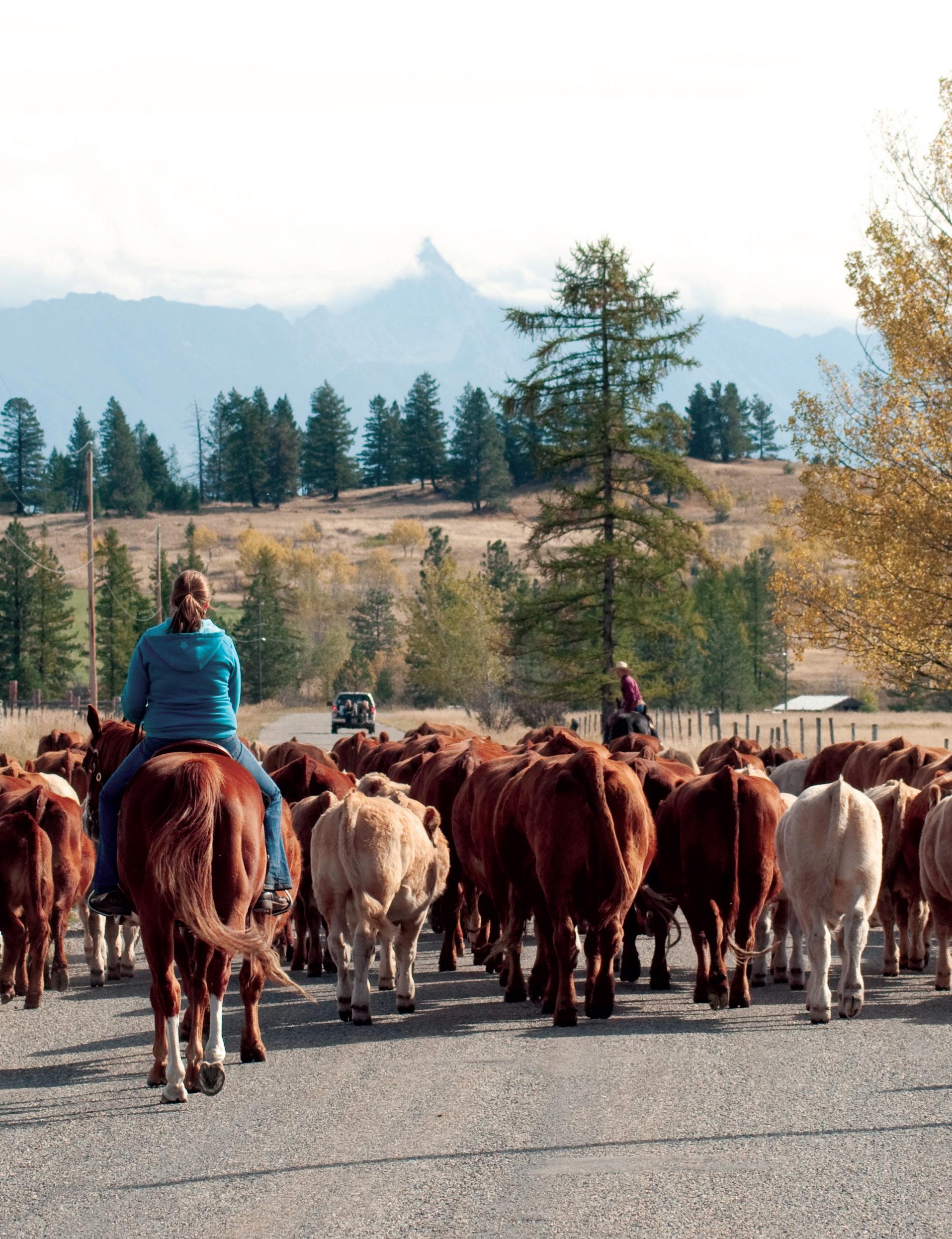
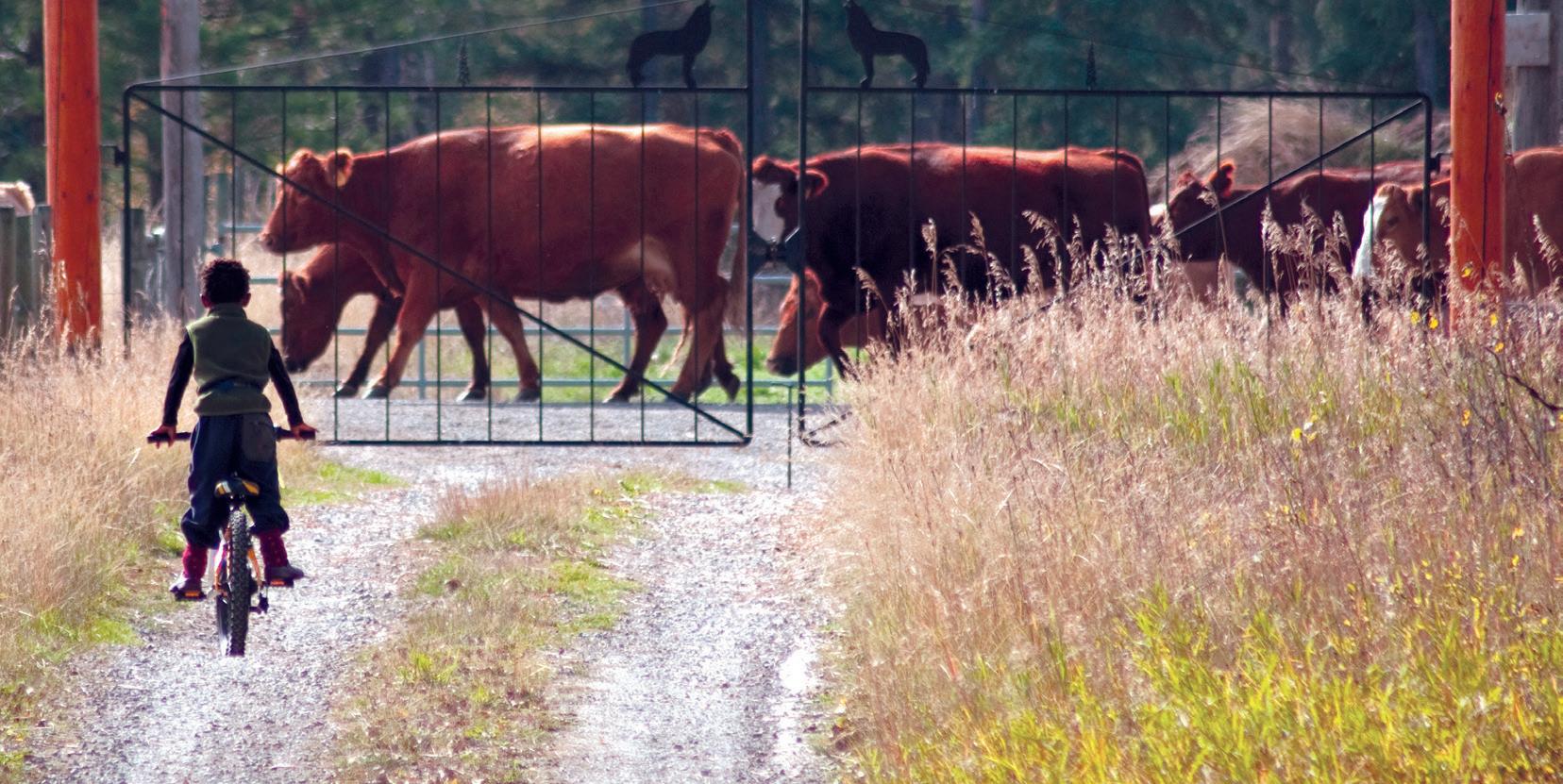
“The cows are coming! The cows are coming!” came the call from my kids as the Pighin Family drove their cattle from the summer range on Teck lands to their home ranch at St. Eugene Mission on the St. Mary’s River. This began at the end of the road named for one of the family forefathers, Angus Pighin. A forerunner on horseback would be the first clue, riding ahead to make sure that everyone’s gates were closed, keeping the cows on the roadway and out of neighbour’s yards and gardens. We’d all hop on our bikes or run to the end of the driveway to watch this exciting, but disappearing, early-fall Kootenay tradition as over 150 cows and calves moo’d and bellowed their way down the road.
No noisy cattle trucks here, the Pighins undertake this annual return of their cattle from the range to their ranch at the St. Eugene Mission the old-fashioned way, using horses and dogs to slowly push the cows along the roadway, covering the 19 kilometers from the end of Pighin Road to the ranch in about five hours.
“We have to use trailers in the spring to move the cows out because the calves are so small they couldn’t make the journey on their own,” explains Clint Pighin, whose Great-Great Uncle Angus homesteaded the land in 1905, and whose family still moves around 80 cowcalf pairs of Angus-Simmental cattle onto the summer range on the same land.
“In the fall, once the calves are grown and can take the journey better, we can push them with horses and dogs,” explains Clint.
“We cut off some distance by cutting through Pine Butte Ranch, but it still is a bit of an all-day effort as it takes a while to round up all the cows in the corral and get them moving.”
Comfy patio, local brews & yummy bites!
Stop into Kimberley Centex Market to fill up on gas, grab fresh produce, local products, fresh baked bread + [stoke] cold pressed juice.
Located at 521 Wallinger Avenue, Kimberley
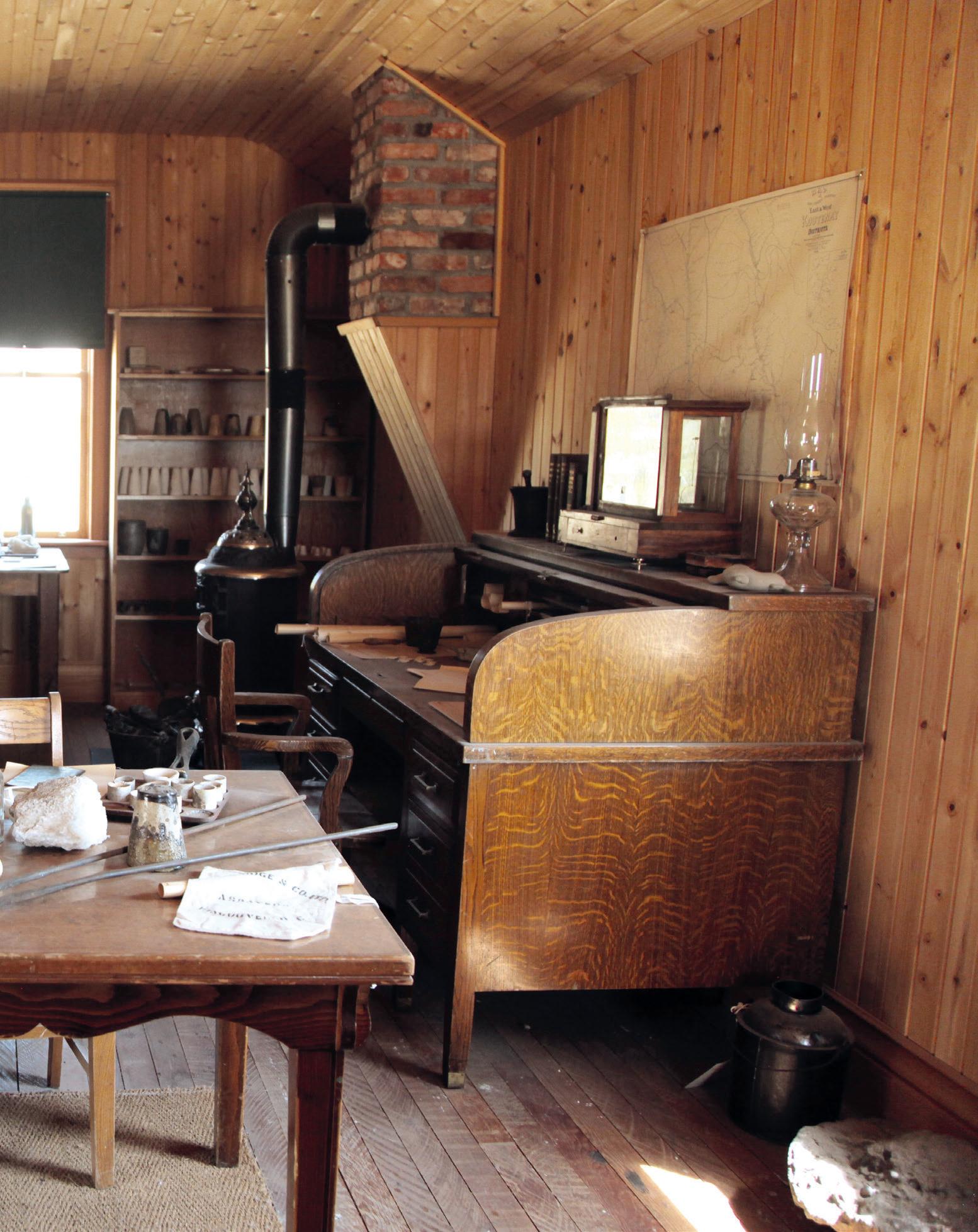
Angus’ homestead way up at the end of Pighin Road is a bit of a local landmark, a popular destination for hikers and Nordic skiers. Cecil Pighin, Angus’ son, was the last resident on the land, living as simply as it gets in a tiny, two-room shack that still stands today. Cecil’s Spartan home, complete with cook stove, desk, countertop hand pump for water from a well in the basement, and sleeping quarters are still maintained by Teck’s Brian Mackenzie. When Teck purchased the land for a buffer zone for the Sullivan Mine Tailings in the mid-1960’s, Pighin negotiated continued access for his cattle to graze on the land and continued to live in his two-room homestead until the mid-1990s. Cecil’s Nephew Ernie, Great Nephew Clint, and their families continue using the summer range homesteaded by Angus 112 years ago.
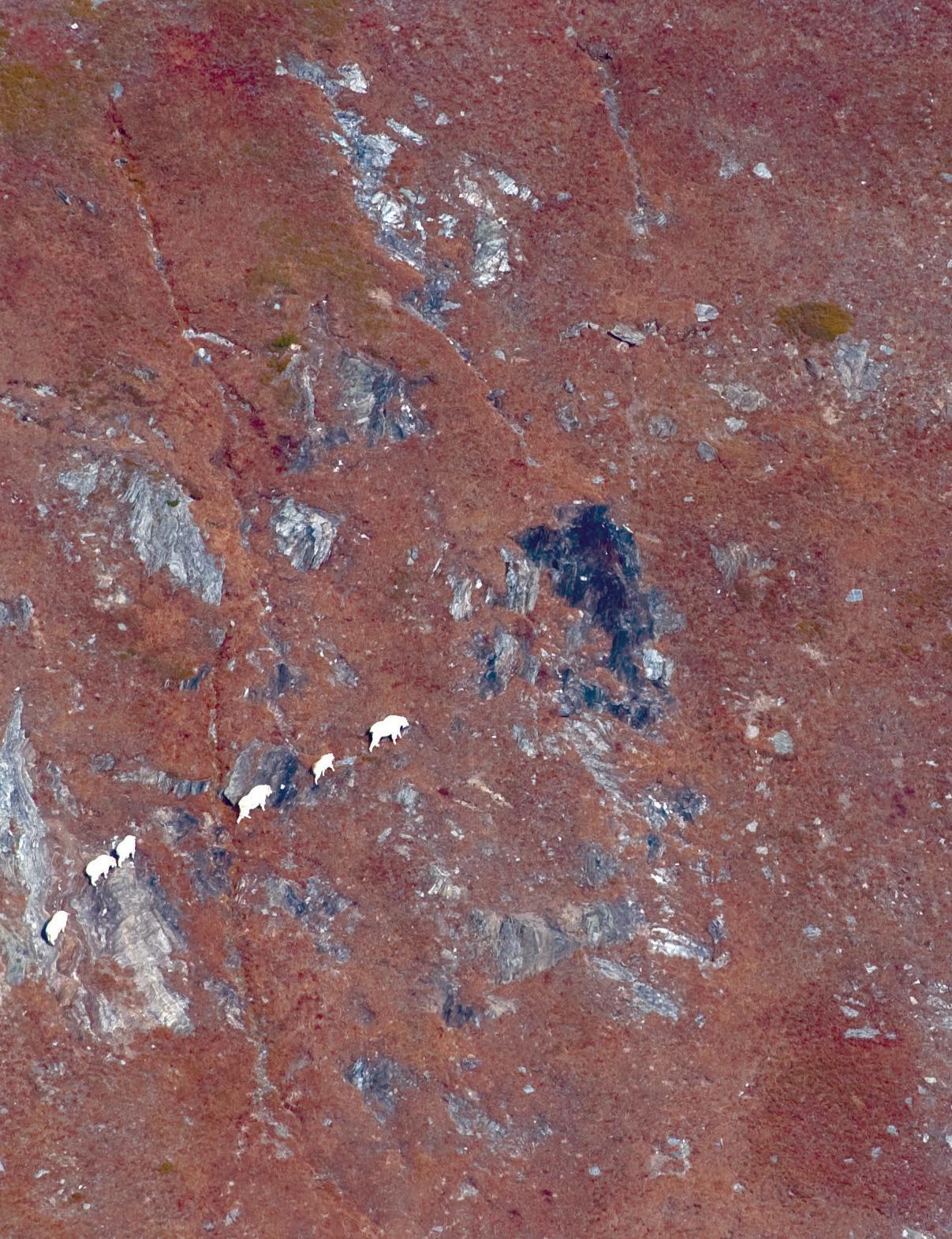
In early spring, the cows and small calves are trailered from the home ranch to the Pighin Road summer range. The huge, white Charolais bulls arrive soon after, and the spring air is full of their bellows as they fight for access to the cows. As the season wears on, the bulls are returned to the home ranch, and as the grass disappears, the cows might get moved back and forth across Pighin Road until it is time to bring the cattle back to the ranch for winter feeding. This is when friends and neighbours show up with horses to help push the cattle down the road, keeping stragglers in line and making sure things move slowly but steadily down the road.
Events like this help define the East Kootenays, a region that rides the line between the pure white of the Powder Highway adrenaline sports and the pure Stetson blue of cattle country. We are just a little too dry and frosty to be a really productive agricultural area like Creston or the Okanagan, but we sure can
grow grass, and grass grows cows. We still have a long way to go for this historic industry in terms of water quality management around cattle and our tiny lakes and pristine streams, and we have some challenges ahead in terms of balancing the needs of cattle with the needs of our abundant wildlife who also rely on the same critical winter range grasses the cows consume. As it stands, wildlife get whatever the cows leave behind, a relationship that forms one pillar of the complex array of challenges facing wildlife in the modern Kootenays. But if eating locally is important to you, we are lucky to have a wealth of options for local, grass-fed beef, and the cattle industry and families like the Pighins have been around as a critical part of the local economy since Europeans arrived. Imported beef from other regions are often fed imported hay from still farther regions, and it requires a lot of diesel to move hay and cows across the country and even across borders before the steak hits the plate.
“Our numbers vary from year to year, but on average we get 10-12 riders with a pilot truck ahead and behind,” says Clint. “In the end, it is likely faster, cheaper, and easier to move them with horses than it would be to truck them.”
The Pighin Road annual cattle drive is still something to celebrate. Sure, traffic gets held up a bit, but the cowboys can always move the cows over a bit to let vehicles trickle past. Yes, the road surface is a bit slick with cow pies for a day or two after, but this is all a small price to pay to glimpse the way things should be: getting things done with a heartbeat and two legs, or four, if you count the horses and dogs.
W: Jill Christie
P: Court Forster
Life sure took an unexpected turn when children become a part of the unit. I’m not sure there was any amount of preparation that would have put my wits in place for what was about to unfold (not that I read a single book). One child felt manageable and two rocked my world. Small beings trying to communicate in a language that was unfamiliar to me, sleepless nights, a world that instantly revolved around food and the clean-up (whether in the kitchen or in the washroom), and a household that made me frustrated. The way I worked through it was to get outside with everyone on board. With this tactic, the demands of my house became irrelevant (out of sight, out of mind), and the simplicity of the outdoors eased the task of mothering. Eat, nap, change, explore, repeat! And so with two husky dogs in tow, I would be out the door nice and early, regardless of the season, prepared with everything that I would need for multiple hours. I loaded everything into the chariot, the pulk, the backpack, or the truck (strapped everyone down) and pulled out of the driveway with a sigh of relief.
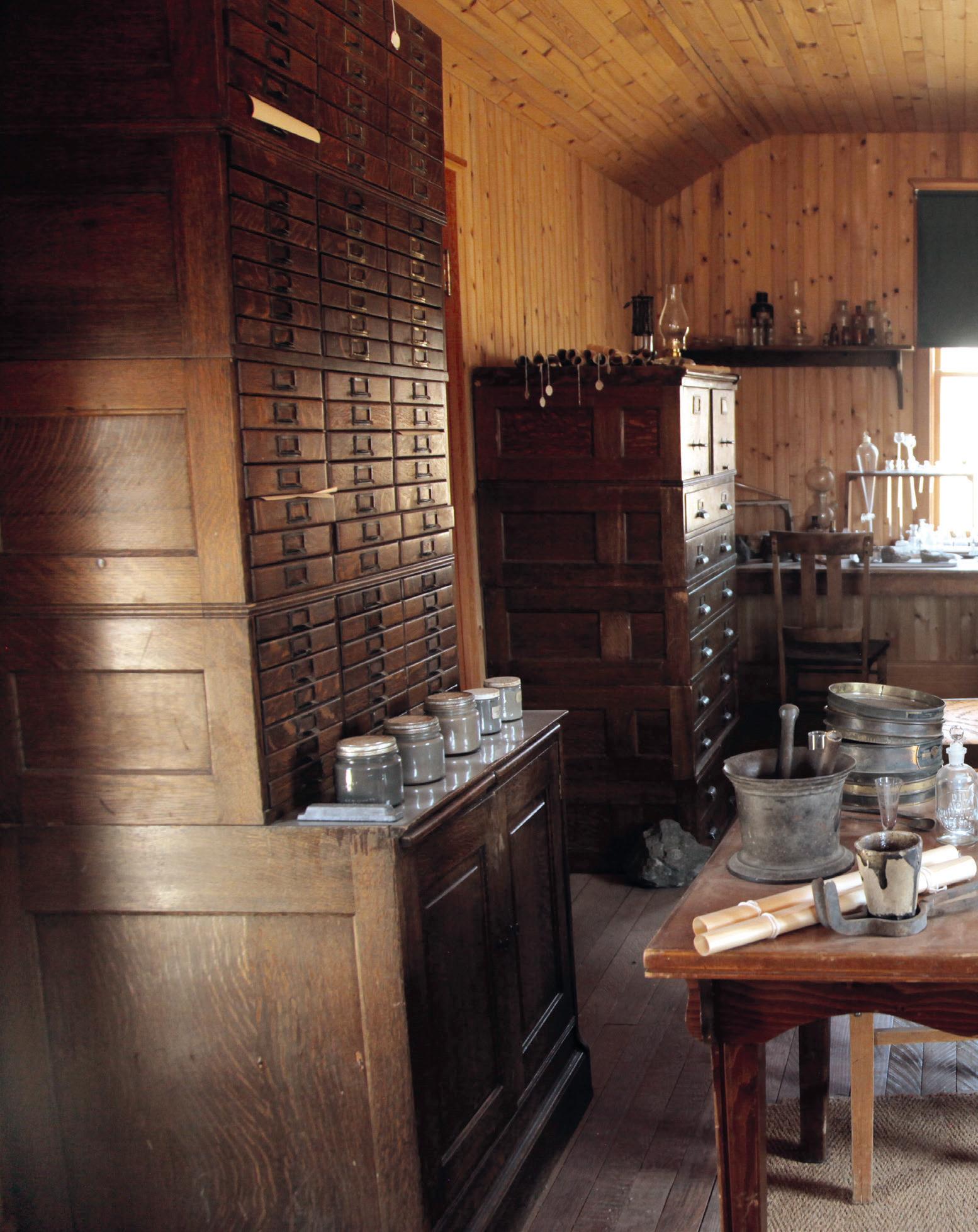
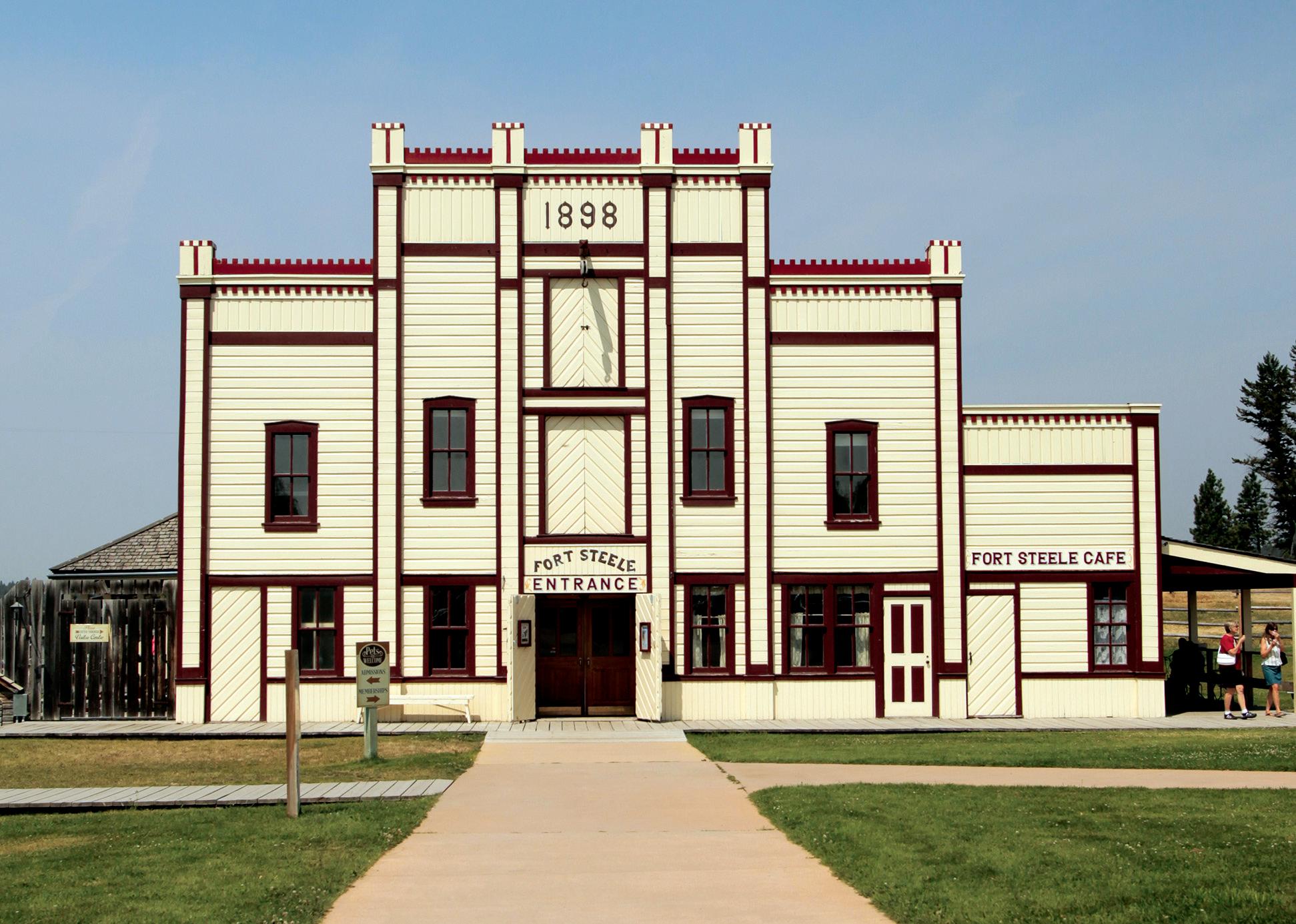
At some point, in the first couple of years with children, I became aware of Fort Steele Heritage Town in the off season. Located 16 kilometers northeast of Cranbrook on highway 93/95, Fort Steele is a historical park where one can immerse themselves into the day-to-day lives of the people from the past.
"It was the quieter, off season, more serene Fort Steele that became my safe haven, week after week, year after year."
During the busy months, one can expect live theatre in the streets, demonstrations of historical trades such as forging, livestock management, gold panning, tinsmith, leatherworking, and farming, as well as rides on the steam train and horse-pulled wagons. The site provides amazing and authentic examples of buildings depicting the lives of folks from around the 1860s. Fort Steele also has the Wildhorse Theatre, which showcases live productions and hosts many seasonal celebrations that attracts hundreds of locals. Although the vibrant and historical site is a must-see each summer, it was the quieter, off season, more serene Fort Steele that became my safe haven, week after week, year after year.
My regular visits began when the summer visitors headed home for the stability and regularity of the school year. I loaded up my truck and we made the 30-minute drive from Meadowbrook to Fort Steele. Each time I crossed over the threshold from modern life to pioneer existence, I felt relaxed and at peace knowing that whatever unfolded would be enough. During the off season, Fort Steele has allowed for an entrance fee in the form of a donation which made frequent visits possible for us. The hardest part of the day was getting the donation into the box without the kids burrowing themselves into the goods, laden upon the shelves, in the General Store. But once the money clanged up against other peoples’ gratuities, we exited left, hit the boardwalk, and left the woes of the modern world behind. The sky was the limit. (And for the record, the sky is the limit at Fort Steele. The site is tucked under Fisher Peak in the front range of the Rocky Mountains. Gorgeous blue dominates the heavens above and the town is situated on a bluff that overlooks the Kootenay River. There is so much skyline to admire, it can calm the soul instantly.)
Exiting the store, the boardwalk signified the beginning of the exploration that was to unfold. Should we stop at the donkeys or the horses? Did it matter what direction we went first? Was it okay for the kids to get soaked in puddles? Was it important to make it around the whole site? No. That was the point of it. Fort Steele, in the off season, has next to no people, animals are behind fences, and there is no traffic of any kind. The buildings are not open and hence there were very few disagreements between me and my kids getting into anything off-limits. Wherever my kids toddled and eventually ran to, I just followed along like a modern-day pack horse. There are so few concerns in that environment that I was able to periodically drift off into my own world, my own thoughts, away from the demands of being a mother, as I followed behind.
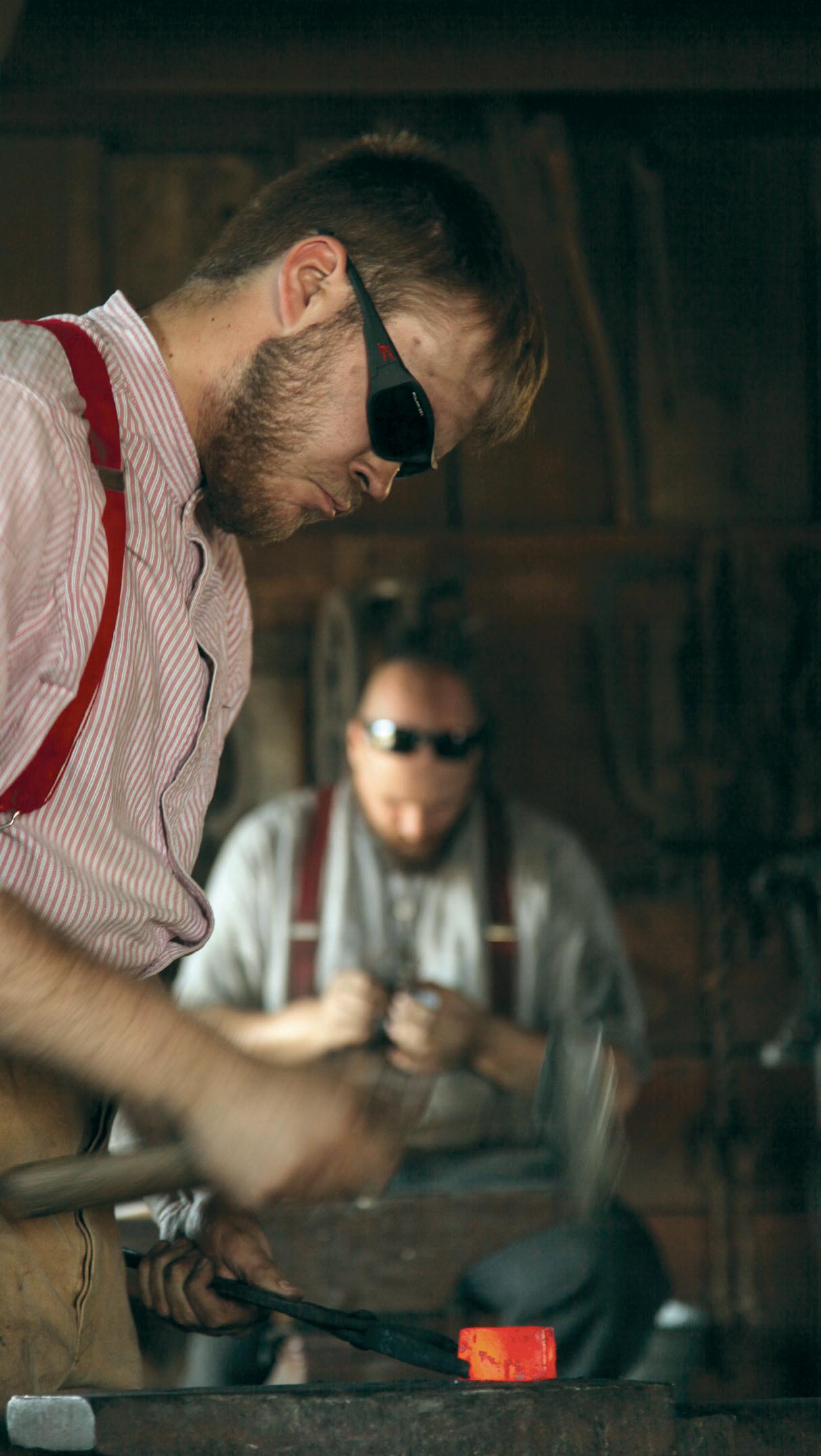
My kids took the lead which led them to puddles, long grass, insects, flowers, and the old-fashioned playground. We climbed the water tower and the fences and checked out the beautiful Kootenay River. Then there were the animals! Sometimes we would get ‘stuck’ at the chicken coop for an hour or more as they fed them dandelions, blades of grass, clover, and more. The sheep, pigs, and horses fueled our day with opportunities for observations and questioning. In the spring the babies arrived! Nothing beat the efforts of clammering over the old orange machinery tucked into a corner, bordering the highway. My boys spent hours doing this, as well as watching the transports and dump trucks race down highway 93/95 at great speeds, hoping for a horn blast. In the winter, we skated on the rink and roasted sausages in the fire pits. Fort Steele has significantly less snow than Kimberley so trudging, carrying, falling through snow with small kids was a non-issue. Is there anything missing? Is this not the best place ever to hang for the day with your kids?

Our trips to Fort Steele required no agenda and no expectations; there was no plan or must dos. I was outside, breathing in the fresh cool air of the Canadian Rockies, most often under the cover of a breathtaking blue veil while my kids were engaged in creative exploration with no boundaries. As long as I had food, water, and multiple changes of clothing, nothing mattered at all! This is what made Fort Steele Heritage Town one of the the best places to play for me and my boys, for years.
For more information on available attractions and hours of operation during the fall and winter dog-friendly “off seasons” at Fort Steele Heritage Town, please vist fortsteele.ca.
A Tradition Of Client Service And Integrity
At CIBC Wood Gundy, we believe there is no better investment than the time we spend getting to know our clients. Understanding their personal and financial goals helps us create a wealth management plan that incorporates all aspects of their life and puts their wealth to work for them – today and in the future.Generations in the Kootenays have relied on the expertise of our Investment Advisors and their teams.
Proudly serving the Kootenays in:
W: Monica Karaba Huibers
P: École Nationale de Cirque
Who hasn’t had the fantasy of wanting to run away with the circus? At about 34, I had the opportunity to indulge in that dream. I was having a third-of-life (not quite mid-life) crisis and feeling particularly stressed out by my high-tech, high-stress urban life in San Francisco. So what did I do? I signed up for circus school, of course! For some reason, it seemed like just what I needed to help me escape the rat race for a bit. It was physically, mentally, and emotionally challenging and forced me to be in the moment focusing on just the next move, be it taking one step forward while teetering on peg stilts two feet above the floor or else climbing an ominous ladder to swing on an even more ominous flying trapeze. Above all, it gave me a new sense of possibility, freedom, and confidence that was lacking in my life at that time.
So when I heard that there were some amazing educators working hard to bring an innovative circus arts curriculum to Cranbrook, I was excited to meet these pioneers and learn more about their vision. As I quickly found out, their objective is quite admirable - to increase the overall well-being and “physical literacy” of children during crucial formative years as well as to prepare future educators to become champions of physical literacy.
With statistics pointing towards an aging population that is increasingly obese and sedentary, physical literacy is gaining importance as a priority in schools throughout Canada. According to Canada’s Physical Literacy Consensus Statement, “Physical literacy is the motivation, confidence, physical competence, knowledge and understanding to value and take responsibility for engagement in physical activities for life.” It encompasses a range of abilities such as running, skipping, throwing overhand, and balancing along with psychological components such as competency and risk taking. It also emphasizes learning many types of physical activities and sports. Children and youth with greater physical literacy have been shown to have more resiliency and self-esteem and are more likely to grow into healthy, happy, well-adjusted adults.
“I think we need to pull out all the stops. We need to provide as many opportunities as we can to help our kids.”
Did you know that our local teachers and educators are way ahead of most others in the province when it comes to implementing the new standards for Physical Health Education? In addition to physical skills and awareness, these standards also include social aptitude, well-being, and mental health criteria. Sandi Lavery, an instructor at the College of the Rockies who teaches in the Kinesiology Department and the University of Victoria’s Teacher Education Program branch and Jodie Pickering, a fellow teacher of Kinesiology at the College who is also engaged in applied research in physical literacy, have been actively studying and preparing current and future educators, coaches, and leaders to deliver quality physical education and health programs that develop strong physical literacy in children and youth as well as diverse populations. Last fall, Sandi and Jodie teamed up with Michelle Sartorel, the current Principal at Laurie Middle School, to pilot a physical literacy project with middle school students that has yielded positive results and opened the doors to some unique and exciting developments.
For the past six years, Michelle has been part of a team working to foster smooth, healthy transitions for children moving from elementary to middle school by promoting ways to enhance student connections and increase self-confidence, so Sandi’s program was a natural fit. Sandi provided the brains and research behind the project, which also gave her college students hands-on training with youth, while Michelle organized the kids for two sets of after-school opportunities. Over the course of their program, the staff were able to measure an increase in physical competence as well as self-esteem and confidence among participating youth who were also able to try new sports such as disc golf, climbing, and martial arts. Meanwhile, the college-level teachers-in-training also developed their skills with practical experience working directly with children.
When Sandi approached Michelle and her colleagues about adding circus training to the mix, they eagerly agreed. Michelle states, “The theory and foundational concepts certainly spoke to me and because middle school is such a tumultuous time for kids and we are seeing more and more anxiety, stress, and at times plain old sadness, I think we need to pull out all the stops. We need to provide as many opportunities as we can to help our kids.” A strong believer in the Arts, Michelle has also helped acquire funding through ArtStarts to incorporate visual and dramatic arts as a means of bringing kids together. Cognitive development through play, theatrical adventures, and visual arts has been a longtime passion for Michelle, and she incorporates these elements into her own teaching practice and philosophy.
As the last piece of their puzzle, Sandi and Jodie gained a strong ally with the distinguished Dr. Dean Kriellaars, Associate Professor with the Department of Physical Therapy, Faculty of Health Sciences at the University of Manitoba. Dr. Kriellaars has been awarded university teaching awards, national and international awards for scientific research and innovation, and community service awards. He works with Canadian Sport for Life, PHE Canada, the Sport Medicine and Science Council of Manitoba, Canadian Centre for Substance Abuse, Cirque du Soleil and the National Circus School, as well as the RCMP on community wellness initiatives. Last March Dr. Kriellaars came to Cranbrook and impressed the community with his presentations at the East Kootenay Regional Science Fair on physical literacy and the importance of multi-sport training. What’s more, he was so impressed with the partnership that SD 5 has with the College that he influenced the educators and researchers at the National Circus School to implement this unique partnership into their study. Regardless of lack of funding on our part, the National Circus School chose to fund the face-to-face circus training instructor course portion in Cranbrook at the end of August to conduct one of their two global trainings for the year.
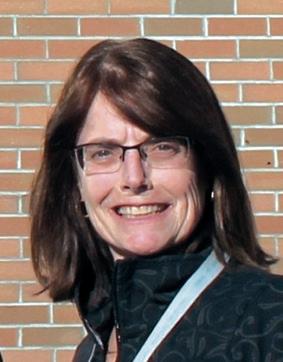
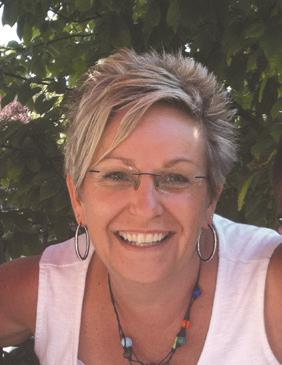
Sandi enthused, “To have the École Nationale de Cirque School come to Cranbrook to deliver the face-to-face portion of the circus trainer course is an amazing opportunity for our whole community. SD 5 and the College of the Rockies have an amazing partnership around physical literacy assessment and delivery, and this project is the most exciting for me so far. We have worked for three years at the elementary school level and now we are able to learn and work with middle school youth.”
The current plan is for Laurie Middle School to begin incorporating circus skills classes for grade 7 as part of its new BC Physical Health Education curriculum this fall. The students who participate in the research project will be assessed by college faculty and students (U. Vic. Teacher Ed. and College of the Rockies Kinesiology students) for their physical literacy, creative play, confidence, and resilience at the start of the classes and then be reassessed next spring. Jaffray School and Fernie School students in grade 7 will also be assessed as control groups for the pilot.
Michelle is excitedly anticipating what this curriculum will mean for her school and for Cranbrook, “I really don’t know what to expect but the mere idea of five trained Cirque du Soleil members coming to share their wisdom with staff from my school, the College, and possibly others in our community is very exciting!
École Nationale de Cirque School has the potential to provide educators with a unique spin on promoting the development of physically literate, well-rounded students and positively impact the reduction of angst
in our kids!” Adds Sandi, “I also think we’ll all have a great time learning to juggle, walk on slack lines, clown around, and maybe even try out some aerials!”
Seven enthusiastic educators from our region will be attending the Cranbrook training – four teachers from Laurie Middle School, two Kinesiology faculty from the College, and one teacher education student. Among them are Tristan Taylor, Ryan Fleming, Bethany Turcon, and Jayme Farnan from Laurie Middle School and Jerrod Bondy from the U. Vic. Teacher Education program. Jayme explained her interest in the program: “I have taught a few Physical Education classes in the past few years and have seen a steady decline in participation and enthusiasm for gym. The youth of today are more sedentary and lack physical literacy skills than those before them; therefore, traditional sports are more difficult for the average student.” She continues, “I feel that teaching circus skills will bring some fun and entertainment to our students. The majority of students are not familiar with these types of activities, therefore the playing field, so to speak, is more level. I also feel that it may help to build self-esteem in some of the non-athletetype students by learning a new physical skill, such as slack lining, juggling, or even unicycle riding! I am excited to push my own limits as well and try something new, really put myself in the students’ shoes.”
Sandi, Michelle, and the many others who have worked so hard to make this program a reality are excited about physical literacy development in Cranbrook and look forward to the ripple effect the new circus arts curriculum may have in generating enthusiasm and enhancing healthy lifestyles throughout the community. Because this is a pilot project only Laurie Middle School will be a part of the circus training this year, but like the physical literacy project that took off in the elementary schools this may well be the beginning of more to come! They hope that this program will continue to expand, and Sandi and Jodie expect to enroll many more schools once a sustainable infrastructure and ongoing financial support can be established.
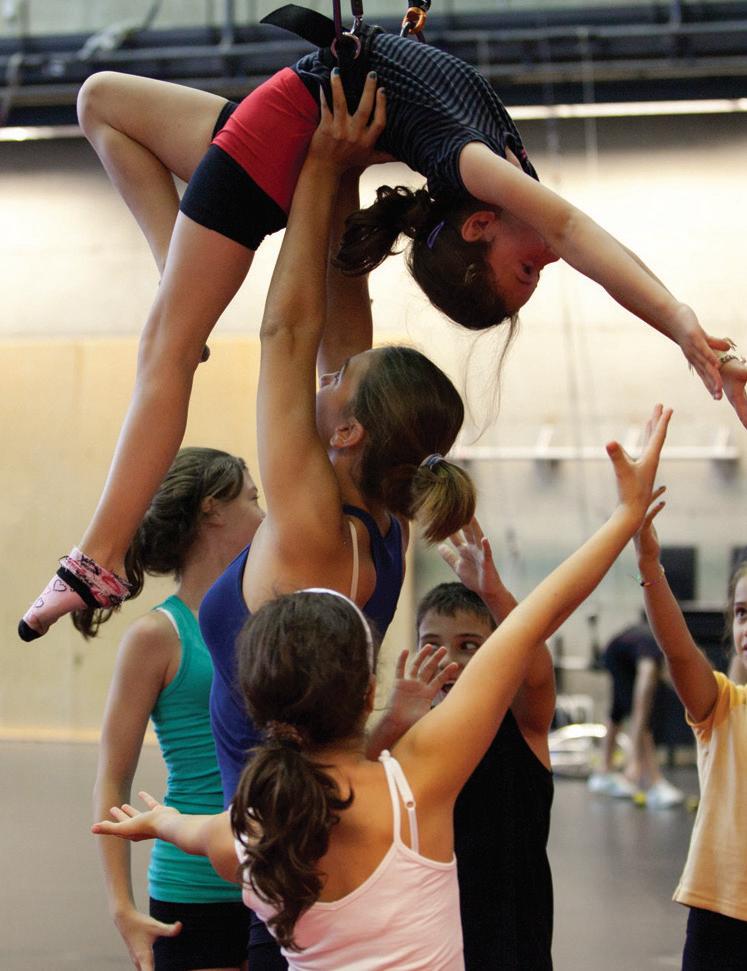
For more information about Cirque School and the exciting teach er training program coming to Cranbrook, please visit http://ecolenationaledecirque.ca/en. You can also contact Sandi Lavery of College of the Rockies at LAVERY@cotr. bc.ca or Michelle Sartorel of Laurie Middle School at Michelle. Sartorel@sd5.bc.ca.
Sandi Lavery (MPE), College of the Rockies
Michelle Sartorel (MED), Laurie Middle School
W: Sioban Staplin
A new generation of laughs comes to Key City Theatre this fall. Moms, dads and aspiring parents will not want to miss this glimpse into the abyss. From the worldrenowned creative team behind the Mom’s the Word series comes a new chapter in their stories of family and fracas. Their kids are grown, their marriages have matured, and their bodies are backfiring. Life does not get any prettier, but it never strays far from ludicrous or poignant as the moms continue to mine their personal history for every embarrassing detail. Filled with insights, secrets, and ribald humour, this brand-new show from the moms you love is both hysterical and deeply touching.
Celebrating the incredible success of the Mom’s the Word series, Artistic Managing Director Bill Millerd says, “The Mom’s the Word Collective started their careers as actors but have developed as writers with an interest beyond performing. They have an intense curiosity for the world in which they live - their children, their partners, their neighbours, and the world outside the stage. They have blazed a trail for others and have also developed as writers individually.”
Long before “mommy bloggers” or blockbuster comedies cashed in on the craze, The Mom’s the Word Collective has been airing motherhood’s dirty laundry. Originally conceived in 1993 by a group of Vancouver actors who became “exhausted, bedraggled amateur mothers,” Mom’s the Word was born when they decided to write a show about it. After the Arts Club Premiere in 1995, Mom’s the Word became an instant international hit. Ten years later, “Mom’s the Word 2: Unhinged” brought stories of teenage torment, and in 2009, both shows were combined to produce the equally beloved “Mom’s the Word: Remixed.”
Noting the impetus behind a brand new production of Mom’s the Word, the Collective adds, “The children are now (mostly) grown and in various stages of leaving home, thinking of leaving home, trying to leave home, returning home, or being kicked out of home. Our marriages have evolved, devolved, or dissolved and it’s time for another installment!”
“Mom’s the Word 3: Nest ½ Empty” is written by and starring Jill Daum, Alison Kelly, Robin Nichol, Barbara Pollard, and Deborah Williams.
Tickets are on sale now for this hilarious live comedy at keycitytheatre.com
FRIDAY // SEPTEMBER 22
Ragmop Theatre – Falling Awake 7:00 pm // All $20
SATURDAY // SEPTEMBER 30
God is a Scottish Drag Queen: The Second Coming 7:30 pm // $35 | $29 | $25
THURSDAY // OCTOBER 26
Kootenanny – John Reischman & the Jaybirds. Guests: Redgirl 7:30 pm // $35 | $29 | $25
FRIDAY // NOVEMBER 10
Arts Club: Mom’s the Word 3 – Nest ½ Empty 7:30 pm // $47 |$41 | $37
TUESDAY // NOVEMBER 28
The Barra MacNeils – Celtic Christmas 7:30 pm // $36 | $29 | $26
THURSDAY // NOVEMBER 30
Mark Ikeda: Storyteller - Sansei 7:30 pm // $31 | $ 25 | $21
WEDNESDAY // JANUARY 24
Cheng 2 Duo 7:30 pm // $31 | $25 | $21
TUESDAY // FEBRUARY 6
Arts Club: Onegin 7:30 pm // $47 | $41 | $37
MONDAY // FEBRVUARY 12
Purple Pirate Two Shows: 10:00 am & 2:00 pm // All $10
SATURDAY // FEBRUARY 24
Anastasia – Ballet Jorgen 7:30 pm // $45 | $39 | $35
SATURDAY // MARCH 10
Joe Trio
7:30 pm // $35 | $29 | $25
THURSDAY // MARCH 15
Black Umfolosi 7:30 pm // $39 | $33 | $29
FRIDAY // APRIL 20
Harry Manx
7:30 pm // $39 | $33 | $29
SATURDAY // APRIL 21
Robinson Crusoe + Friday 2:00 pm // All $10
SATURDAY // APRIL 28
Wes Barker: Stunt Magician 7:30 pm // $30 | $24 | $20 | $10
As of July 31, 2017. Performances and prices subject to change.
W: Dave Quinn
P: Zuchero Media
Cranbrook is known for producing superstars that rise to the top of their game. Cranbrook has produced world-famous NHL players, musicians, craftspeople, and now...cake artists?
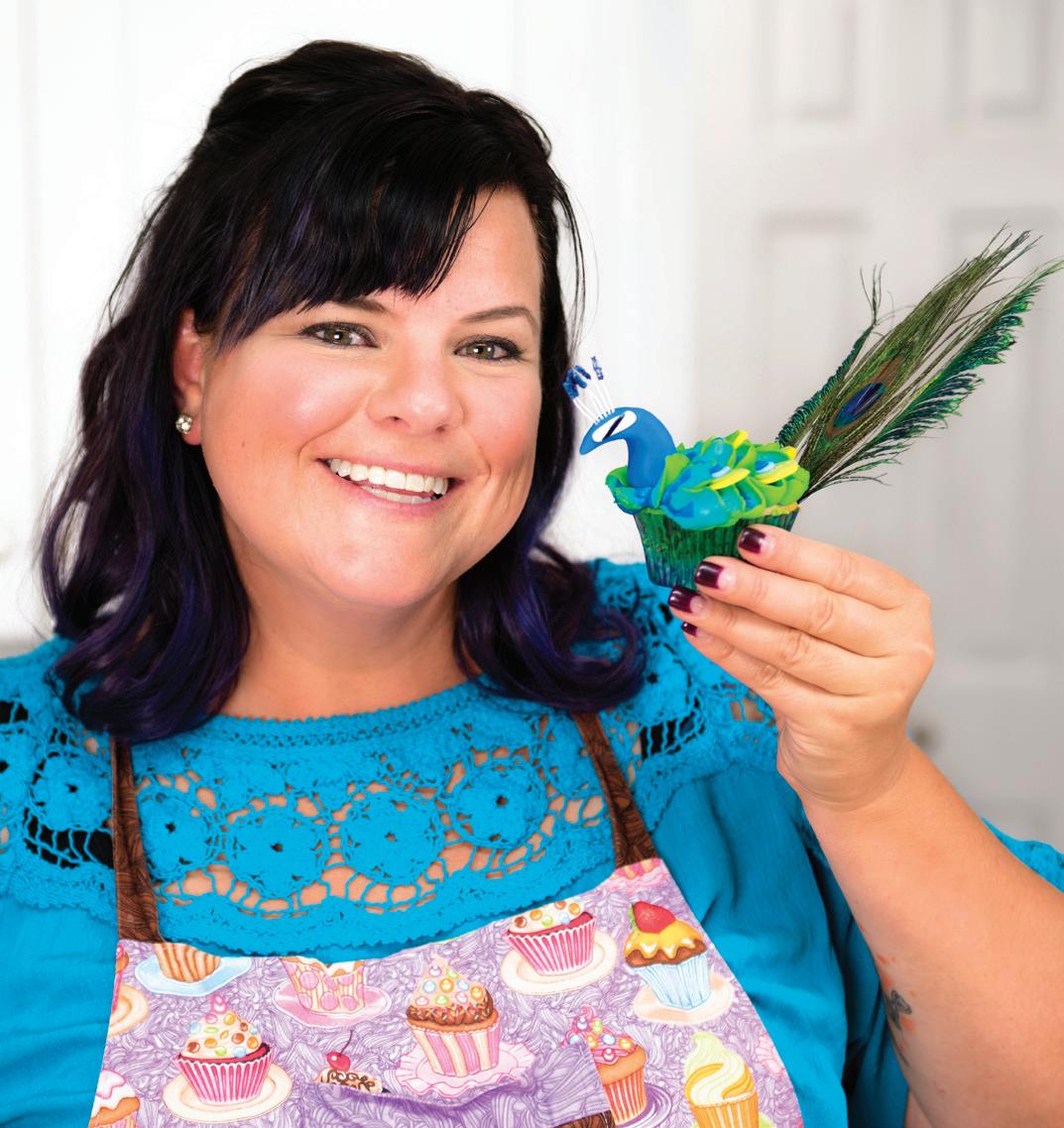
Yes, Cranbrook has its very own cake elite. Thirty-eightyear-old baker, author, and educator Jenn Johns, creator of Cookies, Cupcakes, and Cardio regularly racks up millions of views on her specialty baking YouTube channel. Her online avatar picture is her at 18-months old with her first cake creation, evidence of a lifelong penchant for creative baking.
From her early professional baker beginnings in 2011 as JJ’s Custom Cakery in Cranbrook, Johns quickly branched out from the local farmers’ markets and custom cupcake and cake orders to reach a broader global audience online. At the time she was still a practicing kindergarten teacher in Cranbrook, juggling a part-time baking passion that was gathering massive momentum online.
In 2015, Johns left a teaching career behind to pursue her true passion: creating online content about baking and decorating cakes, cookies, and cupcakes. Her cakes really speak for themselves and put those of us who struggle to create the perfect flapjack to shame. Shiny cakes. Soft-drink shaped cakes. Movie character cakes. Kaleidoscope-coloured cakes. 3D cakes. Popcorn cakes. The sky seems to be the limit for Jenn Johns where cake creations are concerned.
“OUR MOST POPULAR CONTENT SO FAR IS OUR RAINBOW CAKE YOUTUBE VIDEO, WHICH HAS 32 MILLION VIEWS SO FAR.”
While all this eye candy is certainly enticing, Johns’ cakes still have to taste incredible as well, and she has some great advice for novice bakers:
“Make sure to master your flavours first, because no matter how nice your cake looks, if it doesn’t taste amazing, it’s forgettable.”
“My favourite cake today is definitely angel food cake. Tomorrow? Who knows!?” exclaims Johns.
“I am really enjoying my most recent cake I decorated, a geode cake,” says Johns, referring to a rock-candy-filled cake creation straight out of some magical, imaginary geological mine.
“I do miss the kids and the families I got to work with in my kindergarten class,” says Johns of her shift from full-time teaching to her current, sugarcoated career.
“Also, I sometimes miss the regular schedule. We film all our YouTube videos at night, so our schedule is the opposite of most of the public.”
Between managing a presence on Pinterest, Tumblr, Instagram, Flickr, Google +, Twitter, Facebook, LinkedIn, her blog, and the YouTube videos, social media is a big part of her life outside the kitchen.
It is also something people love about her work. Johns’ social media stats are as impressive as her cakes: over 550,000 likes on her Facebook page, nearly 50,000 followers on Google +, and over 2 million subscribers to her YouTube channel. With this amount of social media presence, Johns is social media gold and has translated that popularity into a career to envy.
“Our most popular content so far is our Rainbow Cake YouTube video, which has 32 million views so far.”
In 2013, Jenn was selected by YouTube to be a part of their Creator Accelerator program. This led to a six-month endeavor with YouTube elites and fellow YouTube creators, hosted at the YouTube Space in Los Angeles.
The stardom surprises Jenn and has led to some of her favourite baking experiences.
“I love the meet and greets with fans, specifically during VidCon in Anaheim, California, where hundreds of people lined up to meet me,” says Johns. “Me! Why me?!”
Who doesn’t love cake, after all?
W&P: Dave Quinn
The North American wilderness advocacy group, the Backcountry Hunters & Anglers, takes its lead from historical figureheads that include Aldo Leopold and Theodore Roosevelt as well as from modern conservation heroes like Jim Posewitz.
Roosevelt had a strong conservation ethic, centered around hunting and the conservation of game species. His goal and directive was to “Preserve large tracts of wilderness...for the exercise of the skill of the hunter, whether or not he is a man of means.”
Leopold took a broader view, not limited to a hunting lynchpin, and advocated for wilderness for wilderness’ sake. In 1935, Leopold wrote, “This country has been swinging the hammer of development so long and so hard that it has forgotten the anvil of wilderness which gave value and significance to its labors. The momentum of our blows is so unprecedented that the remaining remnant of wilderness will be pounded into road-dust long before we find out its values.”
Jim Posewitz took this historic conservation vision and made it a modern conservation ethic when
he founded Orion, The Hunter’s Institute and wrote four books including the classic Beyond Fair Chase: The Ethic and Tradition of Hunting as well as Inherit the Hunt and Rifle In Hand . These books have become compulsory reading for almost every state’s hunter education program.
While these strong values have resonated long and loud throughout the United States, Southern Canada and the Kootenays, in particular, are beginning to feel the pinch of wilderness lost, with the loss of opportunity for those who enjoy access to quiet, nonmotorized landscapes.
BHA’S MISSION
Backcountry Hunters & Anglers seeks to ensure North America’s outdoor heritage of hunting and fishing in a natural setting, through education and work on behalf of wild public lands and waters.
“WE NEED WILD PLACES TO FIND SOLITUDE AND PUSH OURSELVES; AND THE NEXT GENERATION WILL NEED THESE PLACES, TOO. “
Anyone who walks or hunts knows the reality all too well. While some wildlife adapts well to increased motorized recreation and traffic, most does not, and for many of us, the ultimate outdoor experience, whether it is hunting, fishing, or just wandering the wild, requires true wilderness. Time and again hikers, anglers, and hunters alike have seen the paradise they have grown to love slowly eroded by both industry and illegally-cut ATV trails, which drastically increase cumulative motorized activity. Science and anecdote align to show that a range of animals, from wolverine and grizzly to cow elk with calves will abandon areas when motorized activity increases past a certain threshold.
The Elk Valley’s Bill Hanlon is the provincial Chair of the British Columbia Backcountry Hunters & Anglers, and the first international chapter of BHA.
“They aren’t making any more wild land,” stated Hanlon.
“What we have now is all we have left and I feel it is my duty as a backcountry hunter and angler to step up and speak on its behalf. We need wild places to find solitude and push ourselves; and the next generation will need these places, too. A few like-minded individuals and I appreciated what BHA stood for and we felt we needed that message in BC, so we formed the BC chapter in February of 2014.” Today, with membership from across the province, BC BHA boasts a steadily increasing active membership. The BC BHA Chapter hosts the annual Hunting Film Tour as its main fundraiser, organizes hands-on, field-based habitat enhancement projects like our annual boots-on-the-ground habitat work party in cooperation with The Nature Trust of BC, and meets every second Tuesday of the month at 7 pm at Cranbrook Heritage Inn.
Local initiatives include establishing a local access guide for the southwestern region of the East Kootenays, similar to what already
exists for the Elk Valley; organizing the overwhelmingly supported wildlife management roundtable ahead of the 2017 election; and looking into the concept of an Access Guardian for the Rocky Mountain Trench and surrounding areas, similar to the successful program already in place in the Elk Valley.
BHA is the fastest growing conservation organization in North America now with chapters in 35 states and two provinces. Alberta is the second international chapter incorporated in March of 2017.
Large wild landscapes, secure and productive habitats, healthy fish and wildlife populations, and quality experiences – that’s what we’re all about at Backcountry Hunters & Anglers. After all, hunting and fishing isn’t what we do – it’s who we are. The BC Chapter of Backcountry Hunters & Anglers is focused on keeping wild places wild for everyone to enjoy.
W: Britt Bates
P: Grady Pasiechnyk
It wasn’t evident from the start that Kootenay Computer in Cranbrook would skyrocket from being a local IT solutions provider, helping businesses with all the support and services for their computer needs, into something much bigger. At the start, Sebastiaan van der Horst, the owner, was happy to just put his computer skills to work with local businesses and organizations. But things took an unexpected turn when they launched a program that makes an enormous difference in Cranbrook’s community.
“We had all the computers in the Chamber replaced,” David Hull, Executive Director of the Cranbrook Chamber of Commerce, explains to me. “We were wondering what to do with the old ones.” The suggestion arose to donate them to a small handful of refugee families from Syria and Myanmar that had recently relocated to Cranbrook and Kimberley. So that’s where they went after being refurbished by Kootenay Computer. This wasn’t a one-off donation, however. The question arose: “ Where else can we take this?”
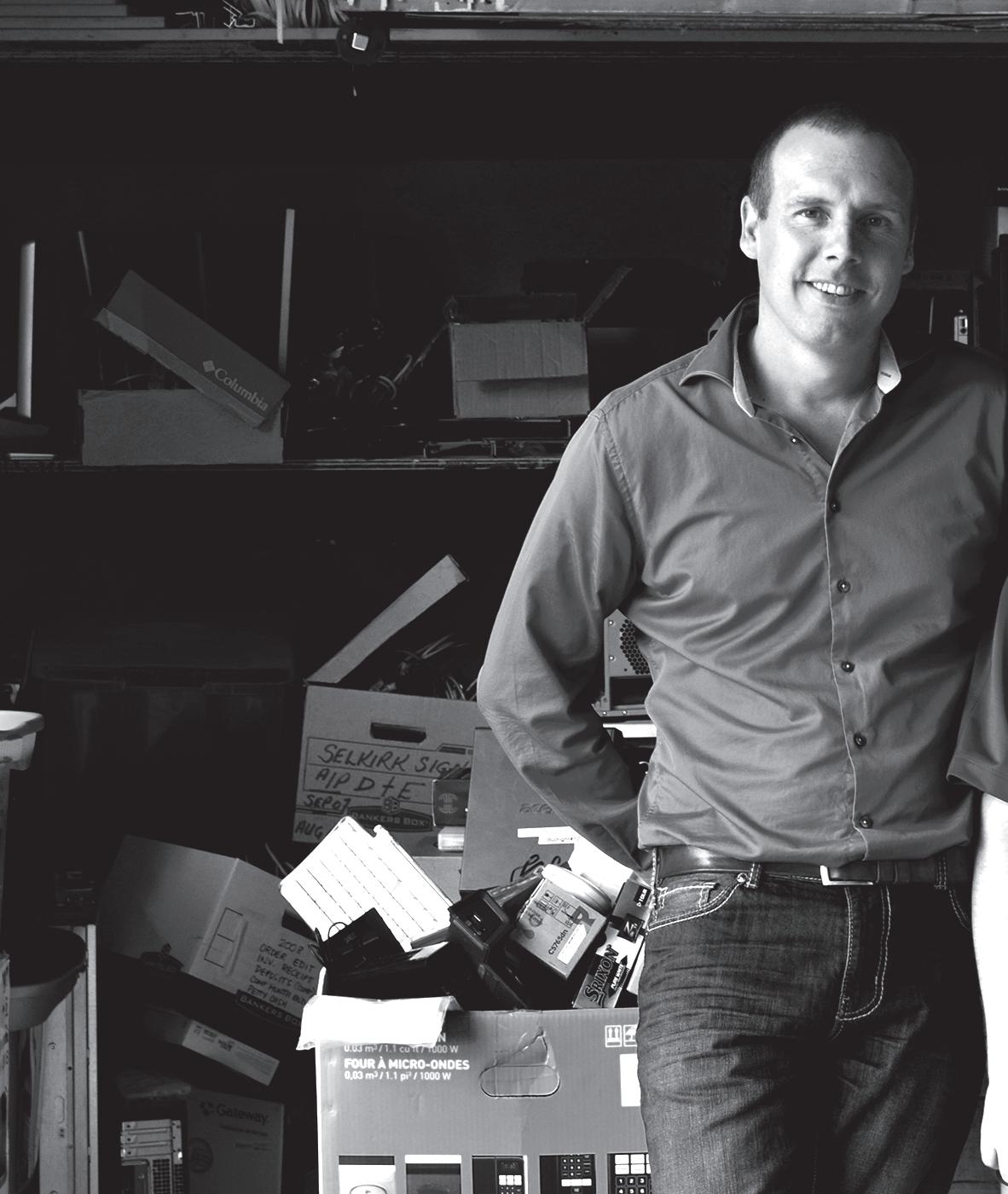
“There’s something we call a digital divide,” Hull tells me. He is referring to how ubiquitous and necessary computers have become in our everyday lives. Only a decade ago, owning a personal computer was a luxury, but now we need one for many of our daily tasks: kids’ homework, taking courses, banking, applying for a job, or even checking the bus schedule. Unfortunately, not all local families are in a position to purchase a computer, hence the divide in privilege that is ever widening. Upon realizing this, Kootenay Computer and the Cranbrook Chamber of Commerce decided to join forces and create an ongoing donation program.
There’s an important third party in this powerhouse of a team: the Cranbrook Salvation Army. “They’re the perfect addition because they are already intrinsically involved in the community and have the experience and systems to determine what the needs are.” David’s enthusiasm for the program comes through in his voice. The Salvation Army is responsible for determining where in the community the needs are the greatest, so that the refurbished computers can be distributed as effectively as possible. They make their way to homes of families in need, women’s shelters, and the Cranbrook Boys and Girls Club, for help with homework.
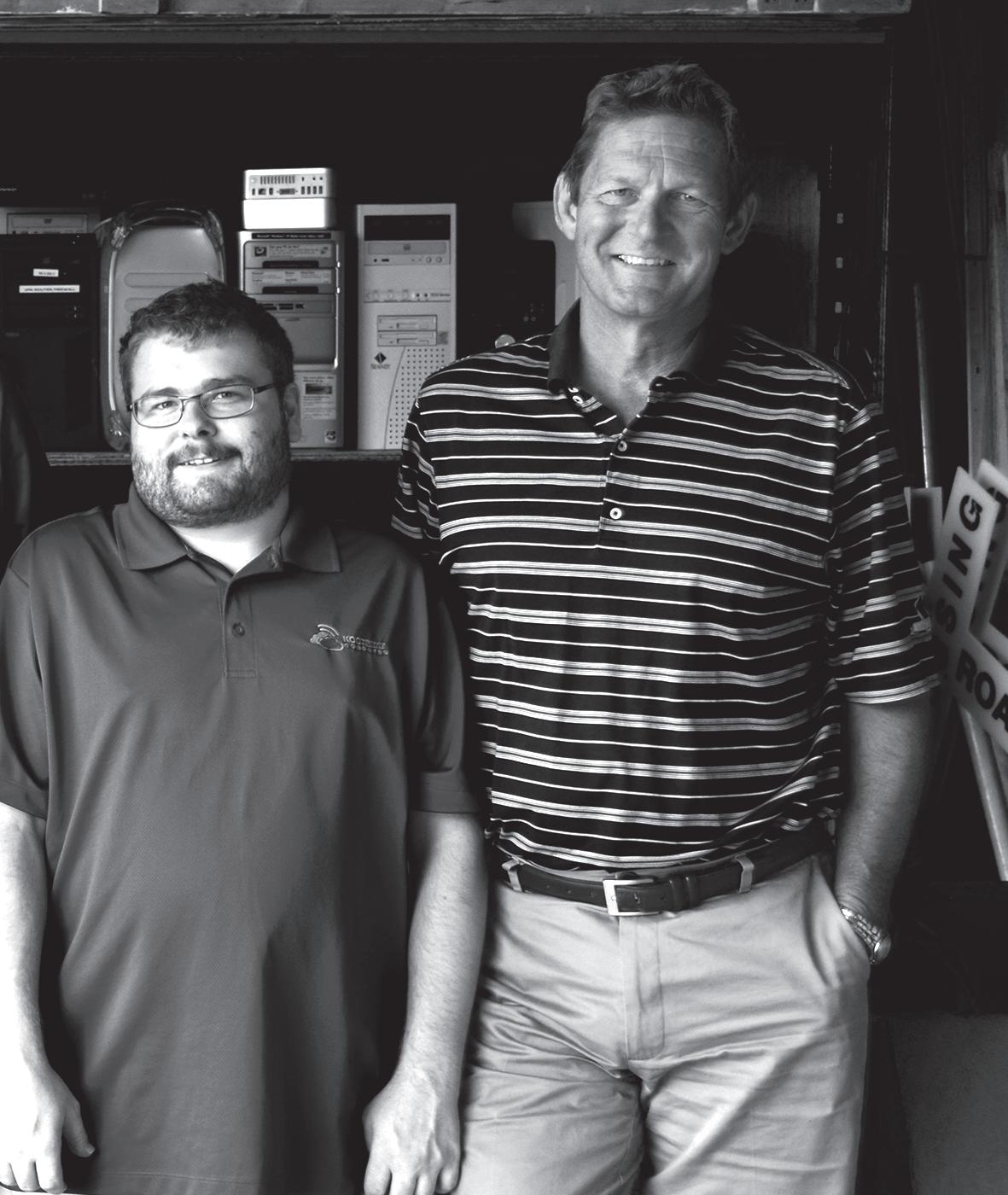
There are over five hundred members of the Chamber of Commerce, so there are many opportunities to find computers for donation to the program. Kootenay Computer is a Microsoft Authorized Refurbisher (MAR), a qualification program that ensures donated computers are fully wiped of previous data, to protect the original user’s security. Once cleaned, fixed, and in working order, the computers go out to their new homes.
An important player with the program is Shawn, a young, talented computer technician who happily tackles a hearty workload under Sebastiaan’s guidance. Not long ago, Shawn, in his early 20s, was shy – and now he cheerfully meanders the hallways, chatting with business owners and engaging with the public, all while having the space to let his admirable talent as a computer technician shine.
Aside from just helping community members thrive and supporting families in meeting their needs, the Kootenay Computer donation program has another big advantage: conservation. When old computer hardware is taken to the
electronics recycling depot, it’s broken down to its base components and recycled. The program offers a great alternative to this process, as the used equipment is repurposed and given a second life, all while helping environmental conservation efforts.
The goal is to refurbish and distribute fifty computers a year, and so far the program is on track to greatly exceed this goal. But there are always additional and unmet needs: members of the public and business community are welcome to donate any surplus computer equipment they have. To do so, simply contact the Cranbrook Chamber of Commerce.
For David Hull at the Chamber, the goals don’t just revolve around business success. He is someone who is committed to the health and vibrancy of the community, ensuring that all its members are supported. Because, he aptly explains to me, a good place to live, work, and play, is a great place to do business.