STUDY TIPS
and COMIC STRIP on Page 9/10! The SECRET LIFE of On Page 4! SOCRATES CANCELLED on Page 8! Mr Renshaw...



and COMIC STRIP on Page 9/10! The SECRET LIFE of On Page 4! SOCRATES CANCELLED on Page 8! Mr Renshaw...
Much
Since moving to London in 2016, I’ve meticulously upheld a pedantic tradition: every year, on the first weekend of December, I rewatch “How the Grinch Stole Christmas”(2000) And this year is no different Once again, as the festive lights are lit on Regents Street, I feel beckoned to watch this broad appeal family entertainment, with its garish colours and messy cinematography And once again, I’ve had to grapple with the question of why on earth I’m so drawn to it
It's not a refined movie by any means: every aspect of the film is gaudy, in-your-face and designed to sell something even the Grinch himself holds a cynical view of the Whos’ over-consumerism And still, there is this inexplicable pull which draws us ever closer to planting ourselves on the sofa with a hot chocolate in hand and pressing play
At the heart of it, I think this comes from director Ron Howard’s use of irony and contrast, which gives the movie an absurd, hyperbolic tone whilst simultaneously allowing its true message of hope and Christmas joy to ring out louder than ever
In “How the Grinch Stole Christmas”we see the world through the Grinch’s eyes: it even feels as though he’s directed the film himself, molding our view to align with his own
Everything the audience sees is through his lens of cynicism, dotted with sarcasm and self- deprecating commentary We become so comfortably accustomed to his pessimistic view that the sheer optimism of the Whos is rendered into something unnerving and, quite frankly, intolerable This not only makes the film deeply comedic, but it also exposes the fundamental flaw of Whoville’s society: its superficiality all on Page 6!


The Whos claim to be devoted to their community even as they actively cast out one of their own; their startling over-consumerism and self-absorption, much like their energy usage, surges to absurd heights at Christmas time; their cult-like obsession with the holiday leads them to spend the entire year preparing for the Whobilation and near-threaten people with exile if they do not attend it the list goes on Additionally, the use of vivid and contrasting combinations of colours/shapes in the world of the film (set, costumes, etc )
are all designed to attract attention and contrast with the Grinch’s comparatively grey world-view further exacerbating our perception of the Who’s over-consumerism I think that this is what truly makes the film so appealing What the audience sees is made to align so closely with what the Grinch sees that everything seems that much more absurd; that much more exaggerated and that much more funny
Of course, there is also Jim Carrey’s amazing and dedicated performance as the Grinch: he perfectly balances the comedic, energetic side of his character and his sour cynicism with his deep seated resentment and trauma, making the final message all the more impactful His performance allows the movie’s interplay between psychological perspective and comedic allure to shine

The more poignant moments of the film, such as the Grinch’s evident childhood trauma and Cindy-Lou Who’s generous, naive and loving spirit, save the movie from becoming a one-dimensional parody These elements instead bring out its final message of redemption and unity In the end, the pessimism of the Grinch is undermined by the true spirit of Christmas The gaudy and glaring personality of this film spins its magic, shining the spotlight on the hopeful ending and making it a truly cathartic movie at heart Every time I watch it, as I’m sure many people would agree, I get this strange feeling of nostalgia for the world of Whoville despite never having lived in it myself And as the credits roll, the final line always echoes in my mind:
Maybe Christmas, he thought, doesn't come from a store Maybe Christmas perhaps means a little bit more
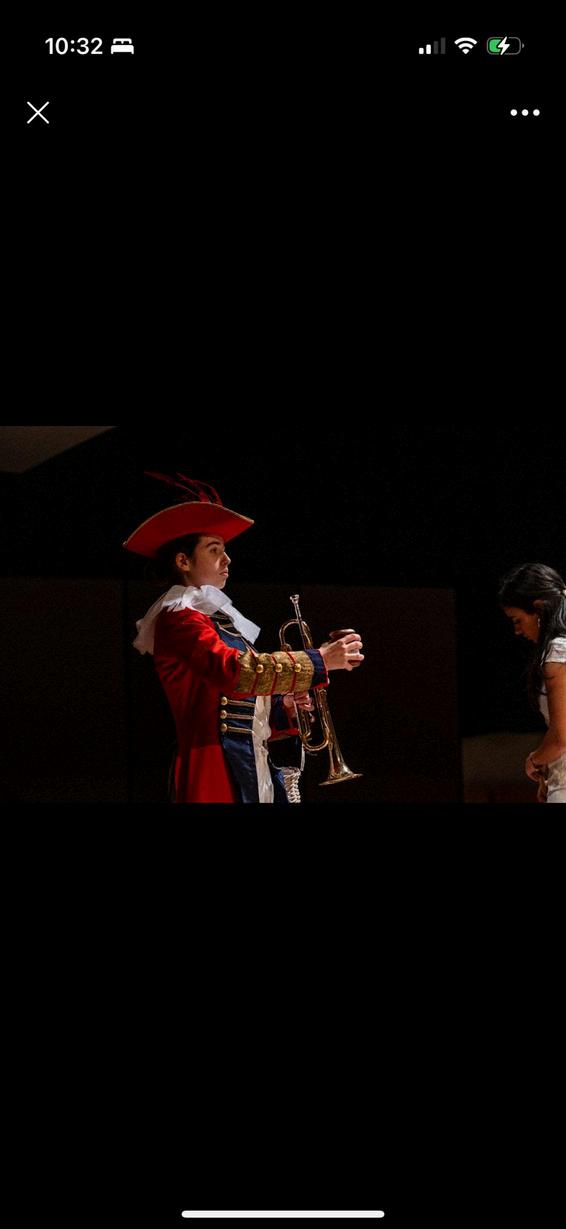
The Godolphin Drama Captains strike again, coming into land with an impressive and alluring rendition of the Glove Thief A thief, the glove that started it all and, most importantly, royal drama - what more could you possibly want? After having seen this play, I can decidedly and informingly say that, wow, is our school talented The background actors were phenomenal. The main actors, incredible The stage; simple yet perfect All round, an amazing play
Writing for the newspaper, I sat on the edge of my seat, pen poised, as a sense of importance flooded my rapidly expanding head Wishing for something critical, some pointer to give (as a first-time review writer always does), I found my notepad stagnantly empty except for the humorous quotes I had scribbled down in order to throw in as anecdotes (and therefore demonstrate my deep niche-ness and appreciation for the play) #Georgewasnotabitcharmed One word: marmalade (You had to be there to get it)
From the electric introduction of Rose to the emotional portrayal of Elizabeth, everyone was able to gain a clear picture of who these characters truly were What particularly stood out to me was the incredible performance of Elizabeth by Sofia Gallardo Genest: revered and daring as she was, she was also emotional and caring and Sofia portrayed this depth perfectly
Additionally, Thomas - wow Amazing; unlike other plays I have previously seen, here I found myself actively cracking a laugh Phaedra Mazaraki, you outstand me Fantastic performance yet again
On 16 November I found myself in Chiswick just in time for lunch, and decided to stop by its infamous Cheese Market My mum had been there a few times and had always commented on its strangely comforting atmosphere (especially with the nearing Christmas season), but I’d never had the chance to join her
The stall which stood out to me the most was Grate&Grill, with its promise of a “GOURMET GRILLED CHEESE” written in emboldened letters at the top of the tent As the clock neared 13:30, the crowd of people huddled around the stall began to grow, and I decided to see what all the fuss was about
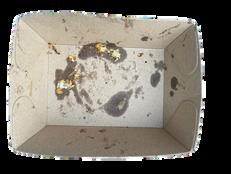
Looking for something simple and signature, I ordered “The Classic” for £9 50, which contained a four-cheese mix, Dijon mustard and caramelised onions I waited for around 5 minutes as they made my sandwich, allowing me to see the whole process: they used a press on top of the sandwiches to make them flat and crunchy on the outside, whilst still allowing the cheese to melt on the inside When I received The Classic, this was the first thing I noticed: it had a very rustic, crunchy and crispy appearance and, of course, an amazing smell Much to Goldilocks’ approval, the sandwich was given to me neither too hot nor too cold, but simply just right It was served in a cardboard takeaway box with its two halves stacked on top of each other, a definite nod to the authentic grilled cheese
The flavours were balanced, though on the whole it was a little on the salty side
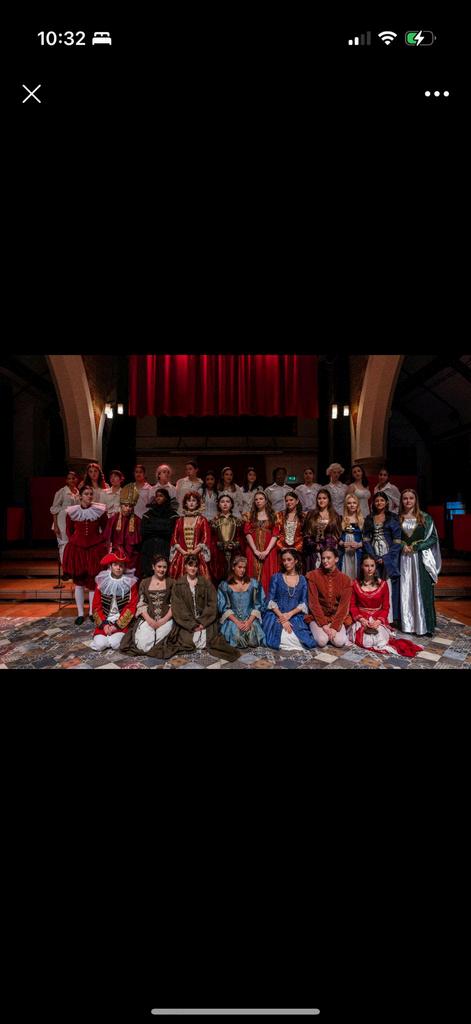
You can tell the amount of thought, time and dedication the Glove Thief had taken, and I am so proud of the crew Putting together a play like this one is an absolute challenge, but the Drama Captains succeeded with flying colours
If I have to use the word phenomenal one more time, this is simply the time to use it because, wow, this play was phenomenal Really well done
And dare I mention the costumes? The extravagance, the detail - I need Bess’s dress These costumes made me feel as if I had really experienced the royal world of the 16th century, and is also making me consider a radically new fashion statement Two words: medieval hose
Thankfully, the Dijon mustard was not too overpowering, instead complementing the rich and buttery cheese flavour very well As the sweetness of the caramelised onions became more and more apparent, The Classic began living up to its “Gourmet” name.
In terms of the cheese, I would say it didn't have a particularly distinct flavour, which could be both its saving grace and detriment However, I personally thought this was actually quite a good thing, as using a stronger cheese flavour might have made it too heavy According to Jacky, one of the owners of Grate&Grill who was at the stall:
“We use grated mozzarella, cheddar, Red Leicester and an additional intensely flavoured cheese like Comté, Parmesan or Gruyere ”
This four-cheese mix, she says, allows for better melting and for a more balanced taste, making Grate&Grill approachable even for those who don't often go for the more bold flavours The grilled cheese was created using artisan sourdough, so the texture was, as mentioned, perfectly crunchy on the outside whilst keeping the cheese in the middle soft and stringy, where two textures created a multifaceted experience
Therefore, the next time a school production is advertised around G&L, I urge you to go watch it; it was an amazing experience and I truly recommend On that note, may we all give the proper recognition deserved of the often overlooked tech team (we see you), the incredible actors and the phenomenal directors And, in order to finish off this brief reference, I have finally decided on one criticism I have for the play - nothing like leaving it to the last sentence Without further ado, the conjurer was undeniably robbed Whilst the lyricism of Singular Path was, undoubtedly, fantastic, the conjurer did not deserve such a harsh score; I for one adored the performance Justice for conjurer Eleven points for you
However, I will admit that where there is good, there is also bad The bottom side of the sandwich was burnt and so admittedly a bit unpleasant to eat Additionally, the pricing most definitely could have also been lower, though that is not to say I regret my meal choice Given the record speed in which that sandwich was devoured, I can definitely say that it was a most successful meal
Overall, I would give Grate&Grill a 9/10 rating, and would heavily recommend checking them out. Chiswick Cheese Market calls them...

“the best sizzling grilled cheese sandwiches made with artisan sourdough bread to order” - who am I to argue with the facts?
Chiswick Cheese Market happens every 3rd Sunday of the month, from 9:30 to 15:00 in the Old Market Place on Chiswick High Road, and is the UK’s only specialist cheese market So if you find yourself itching for a Gourmet Grilled Cheese on 21 December to set the festive scene, you’ll know just where to look
We all know that everything at present once had a past - including schools But have you ever wondered about our own?
Godolphin and Latymer is a school with a rich history; it has always had empowered, motivated, (and, of course) fun-loving girls Us dolphins have always relished in traditions, partaking in one activity or another that pushed an already-full school life into an overflowing one Lessons, school bells, lunches - these formed the foundation of a dolphin’s life and, despite the ever-widening chasm of time yawning between us and those girls from a different era, some of the ideas they had to brighten up their school lives are not unlike our own
This is a travel through the ages, delving into the inspiring way the Dolphins before us have stayed in contact with each other and discovering the activities they partook in This process was both fascinating and surprising - read on to see if you agree
Dolphins visit and interact with members of their pods - and apparently so do we!
*Some information referenced here has been taken from Christmas cards written to members of our team as Year 7 students by unnamed members of The Old Dolphins’ Association (ODA)
In this day and age, indubitably, remaining in contact has become as easy as the swipe of a finger across a screen (or so to speak) though it wasn’t always this way
Our iPads, phones and laptops give us an invaluable means of contact - but in 1949, the letter I received said that they had just invented the wheel hub motor (electric motors for bicycles and cars as opposed to internal combustion ) Despite this, a member of the ODA is still in touch with her best friend - if you thought your friendships were long-lasting, they managed to stay friends for 72 years!
After the girls had left school, the headmistress, Dame Joyce Bishop, also made inspiring attempts to stay in contact with them and follow up on how they were doing After just under a century later, how incredible is it that values cherished by Old Dolphins have remained in our school today? Fostering a welcoming community and bridging the gap between our years with the House Family system are examples of how we are continuing to do just that


We all know that everything at present once had a past - including schools But have you ever wondered about our own?
Godolphin and Latymer is a Highlights of the school year
With both our own Christmas Bazaar and House Talent Show looming around the festive corner, I thought it might be interesting to investigate if Old Dolphins had anything similar and I was not disappointed!
In 1913, A Christmas Bazaar was hosted at Godolphin and Latymer to “raise money to provide an organ for the school ” This involved selling “attractive and inexpensive”
Christmas presents, resulting in the procurement of the substantial sum of £377, contributing towards the new organ unveiled just the following year At the time, this could have paid a “skilled tradesman” wages for around “1142 days”- well done to our fellow Dolphins!
The allimportant school spirit was also tied tight with yet another tradition, one that has remained in the memory of the old dolphins that had attended until 1956 From 1908 and continuous until 1956 (exception of 1914-1918), staff plays reigned supreme as the anticipated event of the year Such as the 1923 ‘Alice Through the Looking Glass’ where a certain Miss Mitchell was recorded as having played the part of Alice
Efforts to continue the education of this wartime generation faced innumerable challenges, from staffing to space to resources The influx of children from densely populated cities into rural areas meant that schools were unable to cope with the sheer number of students
Double or triple shifts were taken in an effort to control class sizes: for example, local children used the classrooms in the morning, and evacuees in the afternoon Still, it was not enough
Churches, barns, bars, and warehouses were set up as makeshift classrooms, and in the warmer months some lessons simply took place in the open air

"In some cases, for several weeks, teachers and children would gather at some agreed-upon location and simply wander the country roads through the fields and woods until a place was found for them," recalled Berwick Sayers, a teacher from a province in the south of England
Staffing was yet another challenge: many teachers were away in military or civil defence roles, leading to a lack of them Where possible, authorities recruited retired teachers as well as local civilians
Kindertransport to England In 1944 at sixteen years old, she completed her schooling At the same time, the school's only mathematics teacher resigned, and she was asked to teach maths, in part due to the fact that she had earned a distinction on her Cambridge University School Certificate exam
It was in the midst of war that she found she enjoyed teaching, and despite plenty of challenges to her education, Walters went on to become both an accomplished mathematician and a venerated professor Despite the upheaval, what endures from these accounts is not only the scale of disruption but the remarkable resilience of the children who lived through it Their stories remind us of the transformative power of education and its rich tradition which we must carry forward in hopes of building an equal and just future
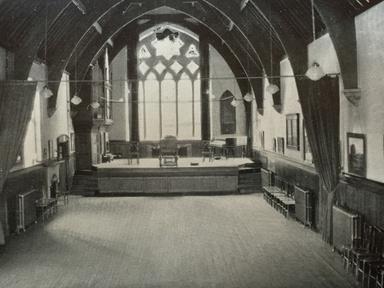
The impression of a lively school given here is not so unexpected given some old dolphins’ equally lively memories of girls ‘full of vim and enthusiasm’ and more specifically, a ‘snowball fight in the mistresses’ tennis court circa 1909’, although comments such as having to wear ‘dreadful stiff white straw hats’ were bound to exist in tandem
An interesting thought : What is the highlight of your school year at Godolphin? For girls who went here in the 1950s, apparently, it was the annual ‘Skipping Competition!’
Drawing a parallel with our House Talent Show, it is apparent that all of us - from the 20th century to the 21st - had exciting events to look forward to
Yet, although we now enjoy science labs, sports halls and auditoriums, this was not the case for a generation of Old Dolphins not so long ago During the Second World War, over a million children were evacuated from towns and cities, this including pupils from Godolphin and Latymer
Very few children received a full time education, let alone a quality one
Interestingly, school curricula in wartime also underwent changes Values of patriotism were emphasised in classrooms and the hours spent for the physical training of students, studying first aid and protection against air and chemical attacks increased significantly Schools also began to teach history and geography in increased depth
However, in Nazi-occupied territories of Eastern Europe, education changed even more drastically “There should be no universities for the non-German population of Eastern Europe. A four-year public school is enough for them. The goal of education in this folk school was to be a simple counting, at most up to 500, the ability to put a signature, the conviction that Godʼ s commandment is to obey the Germans, to be honest, diligent and obedient,” wrote the head of the SS Heinrich Himmler in 1940
However, amid various struggles, personal stories of adaptation and resilience emerge, as they so often do throughout the darkest periods of history One such story is that of Marion Walter (1928 – 2021), who was an internationally-known mathematics educator and professor of mathematics at the University of Oregon, the Marion Walter Thereon being so obviously named after her Born in Berlin, Germany, in 1928 Walter and her sister Ellen fled Nazi Germany in 1939 on a
As I am sure you have earnestly read, our very own schoolGodolphin and Latymer has a grandiose history worth its weight in gold From events like the Christmas Bazaar, that lifted our spirits then and are lifting them now, to extraordinary, commendable efforts to keep our school open during the War, the next time a friend or relative wonders about Godolphin’s history, I hope you know what to say!
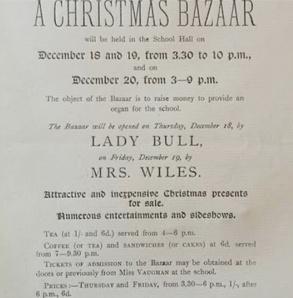
1913 invite to the godolphin bazaar, on Saturday we celebrated its anniversary of more than a century
Nostalgia

Snowflakes falling on my coat, Hot chocolate warming my throat, Lights are glittering, red and green, Life outside is so serene, Trees are up, decorated and neat, Cookies baking, house smells sweet, The presents are under the tree, Waiting for the morning glee, Wish this feeling lasted all year, Christmas magic is finally here!

Aphra Jikiemi-Pearson

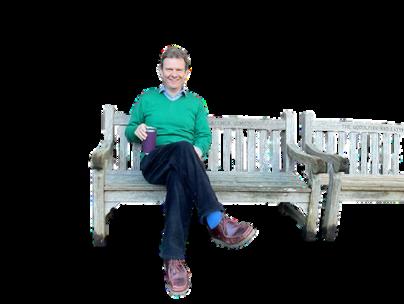
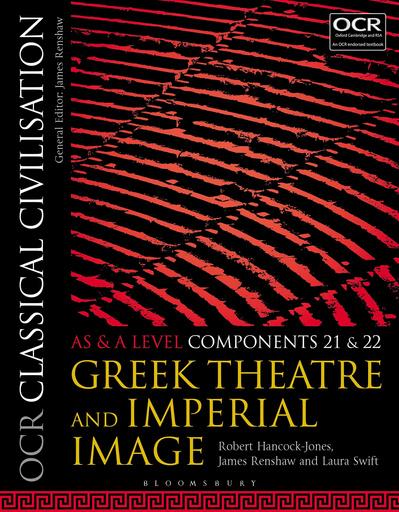
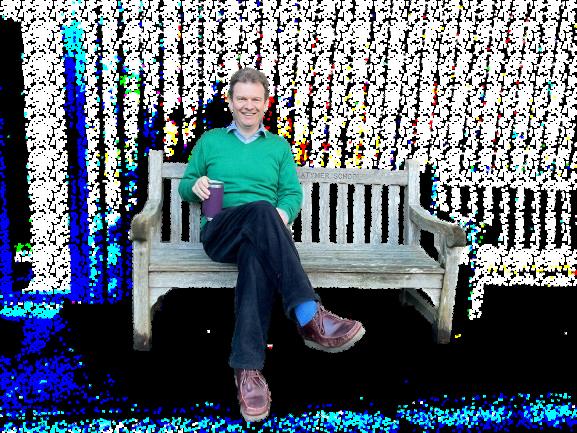
After what had felt like a wild goose chase around the school, from the EPQ office to MG, I finally tracked down Mr Renshaw for this article Where was he? His usual haunt of the chairs in the library, overlooking the courtyard as he works diligently at his laptop In the midst of the busy Tuesday lunchtime library, I had the chance to ask Mr Renshaw some questions about his life, and we covered everything from Soviet leaders, to Winnie the Pooh, to cricket in Brisbane If you haven’t met him, Mr Renshaw teaches Classics, and I was lucky enough to be taught Classical Civilisation GCSE by him last year He can often be found in those library chairs, or on his complicated desk chair in the EPQ office, and he is leaving Godolphin after Christmas So, let us begin starting at whatever point you will


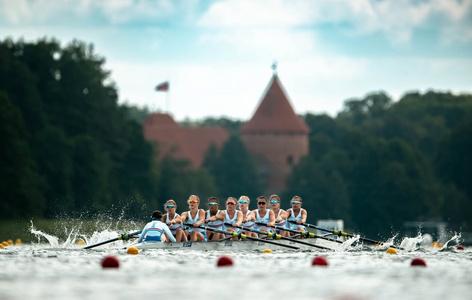
Lara Bone’s rowing career began at fourteen, where she fell victim to the contagious “herd” mentality, joining alongside her friends; Yet, unlike most, she discovered a passion that stuck
Lara started off as a carefree J14, unaware of how the once entrapping allure of rowing, blissfully splashing around in the water with friends, would soon turn into a full-blown obsession Despite the sport’s rigorous demands that may scare off the faint-hearted, Lara learned to thrive – with her success projected by the support of her family, friends and coaches, transforming her into an athletic dynamo, bolstering her triumphs on Team GB
For all student athletes out there, it may come as no surprise that the balancing of sport alongside studies is the most challenging obstacle to overcome Lara learned that the best way to rise above this was through the learnt skills of prioritisation, developing this balance the hard way, towards the end of year 11 (So, no stress for those in lower school –there’s still plenty of time!)
Typical day in the Lara’s LifeWednesday Edition:
Lara’s typical Wednesday kicks off with morning hockey training, followed by 4 lessons, an afternoon rowing session for an hour and a half and an evening of relaxation This serves as a reminder to all Dolphins struggling to balance their priorities – If Lara can take time to relax and recover, so can you!
One of Lara’s remarkable feats was getting through the GB rowing trials
All she knew going forward was a vague idea of where she ranked compared to her competitors in the finals – making it a taxing mental game that required huge amounts of self-confidence for success Following her success in the trials, she was placed with a group of 8 unfamiliar girls, whom she had never met before, as they prepared to race at the world championships together
The secret to their unison and eventual triumph, winning at the world championships, hinged on the 2 week preparation camp prior to the race, aligning their mindset and common goals Though age restrictions restrict Lara from trialing for GB again this year, she remains highly aspirational, with her future goals entailing: 1 Embarking on a new journey to university and 2 Applying for U23 GB trials Despite Lara’s ever growing dominance in her sport, fond memories of her early days still linger
One of these memories is the first GB trial she ever attended, sitting in a single by herself, alongside her peers all equally unprepared
Yet, through her uncertainties and doubt, she ultimately gained an extraordinary place in team GB, every step taken in her journey shaping the incredible athlete she is today
Lara’s Top Tips for Aspiring Athletes: Finding a network of support through your friends, family and coaches
Communicating with others
Listening to your body and prioritising yourself
Trust the experts around you (aka your coaches)!
The boisterous chatter of Godolphin girls fills the Sixth Form Classroom as we cast pitying glances at a lone class plant, valiantly struggling as it attempts to endure yet another school year Every week, a passionate group of Year 11s to Sixth Formers (if you aren’t in this category, fear not: there are plenty of opportunities for you too!) comes together to brainstorm ideas, organise events, and ensure that the plant does not dramatically collapse to the floor, like Macbeth after being slightly too ambitious
‘Why does sustainability even matter?” you may ask Especially in a world where conversations on sustainability are so globally centred, it is so easy to assume that our own efforts are negligible.
However, the truth is that meaningful change often begins on a smaller scale!
I asked the leaders of the committee why they felt that sustainability matters, and they explained: ‘It is vital that everyone understands the importance of sustainability growing up, as doing so can help build easy habits It’s also such a versatile concept, and there are so many ways in which it can be incorporated into any type of career ’ The Sustainability Committee is the perfect place for you to develop skills like leadership, project management, and collaboration
Over the past few years, they’ve hosted a myriad of activities, from Climate Cafés (yes, there’s food), assemblies, and of course, the iconic recent House Sustainability Quiz And the star of the show: the second hand clothing sale, which is held during Fast Fashion Free February! Calling it popular doesn’t do it justice; every year, a determined stream of students rush in like pirates on a perilous quest for treasure
Within minutes, the room is filled with laughter, competition, and triumphant cries of ‘WAIT THAT’S MY SIZE?!’ Honestly, it’s one of this school’s proudest achievements to date.
However, sometimes, it can be a challenge As the leaders expressed, ‘Our biggest challenge is being able to implement impactful changes, as there are many different people we have to go through to approve actions’
But that is simply just part of the thrill: seeing an idea transform from a suggestion in a random Friday meeting to a roaring success makes it all worthwhile
Looking ahead, our long term mission is to create a net-zero plan, a feat so ambitious it could rival Macbeth himself But sometimes, it is the tiny, seemingly trivial, things that have the greatest impacts Our leaders suggest a simple, one-click switch to the Ecosia search engine, which donates 80% of its profits from search ads to reforestation projects
For all those lower schoolers who’ve been waiting patiently for their turn, here it is! If you have a burning passion for the environment, the Lower School Sustainability Club is an excellent opportunity for you to gain more knowledge, exchange ideas, and be creative Here, we’ve held debates full of life, designed posters so aesthetic that they could have their own gallery, and there’s even been a full on escape room who wouldn’t love that? And, before you ask, yes, there are sweets: both a treat and a necessary bribe for those who are trying to convince their friends to come along
So, the next time Friday lunchtime comes around and you’re wandering aimlessly down the corridor, do consider popping by the Sixth Form Classroom to join the Sustainability Committee (or, if you’re in the Lower School, Monday lunchtime in MG8)
Whether you’d like to debate, chat, unleash your inner artist, or finally do something to rescue that forlorn plant, there is something for you!
Christmas Inexplicably scratchy jumpers; the annual rewatch of the entire Harry Potter series; lengthy rumination about what gift to buy for any relative over the age of 60 (seriously, what do I get for my grandma?) and outrageous portions of dessert The superior holiday I can unequivocally state that anyone who prefers Halloween needs imminent help (the counsellors’ emails will be available below) All jokes aside, Christmas is the ideal opportunity to spend time with loved ones, appreciate how fortunate we all are and spread positivity throughout our community It is therefore a much needed beacon of hope in the trenches of a miserable British winter Our ancestors evidently agreed that we all need a little pick me up when the year approaches its close, as midwinter festivities have been marked for over 2000 years Despite all of this, consensus has shown that recently Christmas has started to lose some of its magic for a lot of us Whether this is due to the fact that I am surrounded by miserable, Quizlet-bound Year 11’s or because Oxford street has had the same Christmas lights for the last 1000 years is unclear So, in a desperate effort to find that glittering veil of pure joy again, I have decided to embark on a journey through the past to discover what traditions need to be making a comeback this year, and which traditions best remain in the Christmas-themed history lesson

The tradition of hanging a Christmas tree upside-down is said to have originated in Central and Eastern Europe, and quite frankly, the thought of this alone is inducing anxiety that almost parallels the sheer terror I feel anytime I walk into a Physics lesson The concept of this seems quite sweet and fairytale like, but the logistics of this are horrifying If we were to adopt this at home, how, exactly, do you attach an entire Christmas tree to your ceiling? Last time I checked, they are rather heavy and pretty inconveniently shaped There is also the issue of baubles, and somehow finding a method that allows them to defy gravity, which, seeing as Physics is not my forte, I doubt I will be the one to come up with a solution Furthermore, implementing one of these monsters at school would be a whole other issue; I can already see the stack of paperwork on Mr Carroll’s desk All in all, I’m seeing a whole lot of health hazards and not awfully many benefits, so I’ll be glad to have my presents under the tree this year, the sensible tree that is firmly placed on the ground, not a tree cosplaying as Elphaba
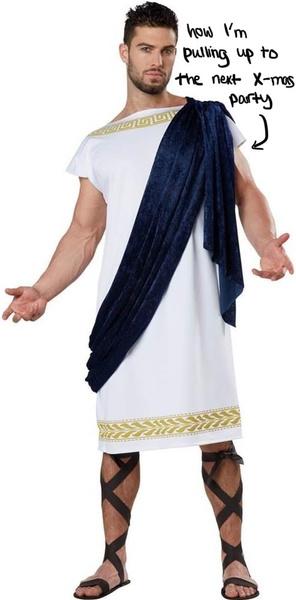
The Saturnalia was effectively the ancient Roman equivalent of Christmas; it was celebrated from the 17th to the 23rd of December and was held in honour of the Roman god Saturn (the god of agriculture, wealth and abundance ) The Romans well and truly knew how to throw a great party, and I am all in favour of bringing this back; I am also in favour of bringing back the toga, I think it’s a wonderful fashion statement, well worth the inconvenience The Saturnalia was celebrated with an immense feast, gifts and festive decorations, much like Christmas today, but most notably there was a ceremonial role reversal, where a slave became a master, and a master a slave for a day I think that a modern rendition of this would be rather enjoyable, making the teachers students and vice versa - I take dibs on being Dr Ramsey The festival obviously had some more questionable aspects - like practically everything the ancient Romans did - however, I think that with a few tweaks this festival would be a roaring success, particularly amongst our Godolphin community
All in all, the process of writing this article has made me simultaneously glad my Christmas is the way it is, but also incredibly jealous of some select, lucky people from the past Nevertheless, even if my proposal for an astronomical Roman-style Christmas feast at lunch is rejected, I will not be deterred from my mission to make this Christmas the best one yet, because we all truly deserve it Except for anyone who pushes in the lunch queue May you get maths questions and physics Educakes for Christmas
I fear this historic tradition needs no elaboration, we have all heard the threat of receiving a meagre lump of coal if we find ourselves on Santa’s infamous naughty list, and I believe that this tradition is abominable It is not the idea of giving a didactic gift that I have an issue with, because I am a firm believer that everyone who pushes in line at lunch deserves no presents at all, but it is in fact the meaningless and detrimental nature of coal that I have a qualm with Evidently this tradition was popularised before coal became a scarce and rapidly dwindling resource, and anyone who continues to implement this activity in their Christmas festivities clearly does not attend sustainability committee (rather conveniently, a little birdie told me you could find out more about that esteemed society somewhere in this paper ) Furthermore, coal feels so morally nugatory, if you really want to terrify me into making my way onto the nice list, a maths question would do the trick
~ the good, the bad and the very, very ugly

As someone who (miraculously) got straight 9s, people often ask how I scraped through Year 11 alive The secret? I acted like exams weren’t happening Counterintuitive, I know Trust me, this didn’t start by choice I used to sprint home to revise for hours, until my mum would march in and physically extract me from my piles of notes Incredibly annoying at the time, but actually life-saving later On the night of Maths GCSE, I was at a Burberry event Before Chemistry Paper 1, I was in the cinema, watching Karate Kid: Legends while panicking about “lost” study hours; yet those breaks helped the most Overloading your brain stalls learning; strategic detachment doesn’t So take proper breaks, then revise with intention Unexpected? Yeah Effective? Definitely
Want to find out more? Guess you’ll have to head to the website to read on
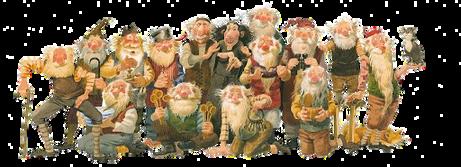
Whilst this tradition is not technically historic, a remains popular in Iceland today, instead of Sa Iceland has 13 mischievous trolls called Yule Lads w visit children in the days leading up to Christm leaving gifts in shoes Need I expand on how wonde is? Why have a single gift provider, who expl cent elves, when you can have 13 Yule Lads w a striking resemblance to the BFG? (Fear o evidence has been dutifully provided )

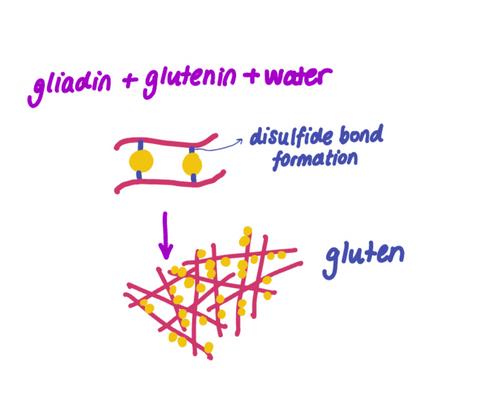
( g ) the strings and the beads, the stronger the gluten network formed. But, wait, it gets better Ever noticed there are different types of flour – allpurpose, cake and bread flour? It seems complicated, but really it’s a case of how much protein is found in the flour Cake flour has low gluten (as you don’t want your cake to be overly chewy), whereas bread flour has a high gluten content (as you want chewy bread, I should hope!) Allpurpose flour, most commonly used in baking, is our “Ghost of Christmas Present”of the bunch: the middle one, with just the right amount of gluten to be chewy but not too chewy
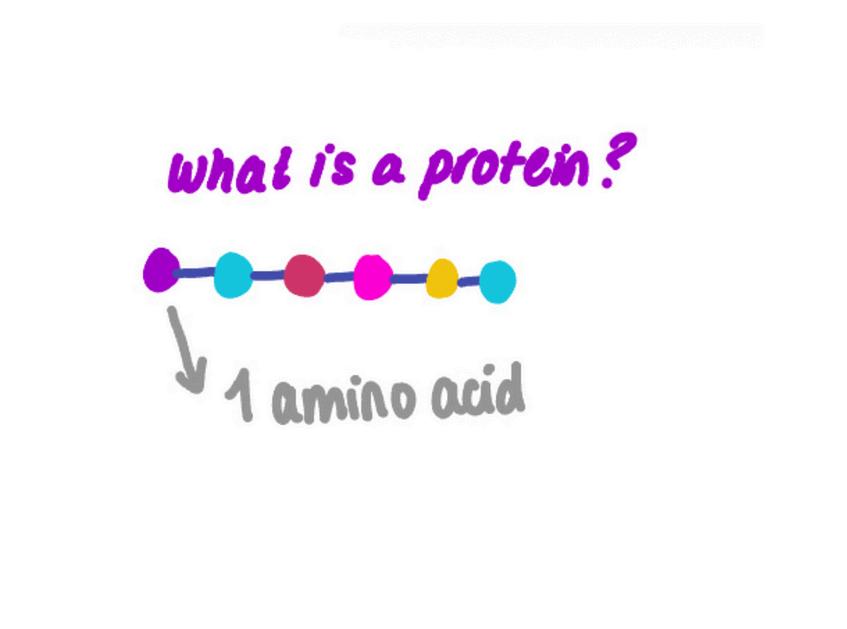
But the play has only just begunbecause butter has walked onstage Or rather, slipped, after being softened to room temperature Butter is a triglyceride (*collective IB Biology groan*) in its solid state, essentially fat They have a complex structure, made up of a glycerol molecule attached to three fatty acid chains


Don’t forget this merry Christmas season to spread love, Christmas cheer, and tell tales about hygroscopic sugars and triglycerides around the fire And, make some gingerbread cookies - they are good enough to make even Scrooge’s heart warm Well, only if they are Sally’s cookies Obviously
Nevertheless, it is key to our wonderful creation, as butter is a multitalented actor, basically our Tom Cruise Great actor, versatile, and, lest I forget, good lookin’ Spices are largely soluble in fats, causing the release of a much stronger flavour of the spice, key for a GINGERbread cookie Butter also coats solid flour particles, allowing them to slide past each other more easily, and therefore allowing the cookie to spread when being baked.
Ah sugar, I nearly firgot the sugar (peak Christmas puns coming your way)! Sugar, in this recipe, is found as dark brown sugar and molasses. Not only is it the most important ingredient because, well, cookies are supposed to be…sweet, but also because of its role in the structure of the cookie. Sugar acts as a tenderiser – it takes water away from other molecules in the batter that need water in order to coagulate and form the cookie’s structure – therefore, the batter has more time to rise before solidifying
Why use molasses, you ask? A very elftastic question, reader (god, I sound like a walking dad joke) Molasses has a very high fructose level, making it hygro- scopic This means that it

has a very strong ability to hold onto wat -er The refore ,less water evaporates ,making the cookie moister and chewier than if you were to use white sugar And there you have it, your very own science-backed gingerbread cookie A round of Santa-plause please, for the Godolphin bakers!
Imagine Socrates with a TikTok or Instagram account Would he blow up our phones and become the next viral sensation? Get cancelled? Or would he never be recognised?
We scroll through thousands of images, videos and comments every week without having learnt anything about the world around us except what next item to invest our hard-earned finances in But, that’s not really our fault; these platforms are programmed to keep us trapped in echo chambers However, this wasn’t the case in Ancient Greece
Athens in 450 BC was not just a city, but also a buzzing political microcosm where citizens themselves voted on laws in a ‘direct democracy’ It was a place in which debate and philosophy were a part of everyday life, where emphasis was placed on winning the argument, regardless of who was right or wrong The agora (the public meeting place where these exchanges unfolded), was the ancient equivalent of a comments section, and Socrates had all the hype Transforming philosophy from a dusty science to a way of understanding our own minds, he encouraged ordinary people to question their beliefs in a way in which we still use today, gaining fame by forcing the rich and the powerful to admit the dichotomy of their actions Charging no fees, unlike the other philosophers at that time, he cemented his reputation, through teaching the virtue of knowledge and questioning the ethics of how we live our lives
Fast forward 3000 years and we have our own political microcosm (unsuspecting and unacknowledged for its impact on the world): social media
Politics exists in the way groups negotiate power, truth, and influence, which means there really isn’t that much of a difference between the agora of old and TikToksimply, a perceived one
So how would Socrates cope if he was suddenly thrust into the turbulent world of content creation? The beauty of the agora was that no one could ignore him or his hard-hitting questioning; the public were forced to interact with him in a way that just wouldn’t exist on an online platform Whilst Athens rewarded the slow, logical, construction of arguments, Socrates would find himself so deeply buried beneath fit checks, TikTok dances and deep fakes, that we would never have the chance to shine Our online world acts in a way so hyper-mobile that it is therefore in no way on par with the slow-acting, deep reflection that the Ancient Greeks so desired
And even if some grossly repurposed clip of one of his lectures suddenly pushed him into the spotlight, Socrates would never stay trending for long Rather than follow the rules of a system that rewarded him with representation, he would rather expose the hypocrisy of those in power So what would he do if he went viral? He’d attack the system itself, criticising Instagram for making people act unauthentically, and challenging the influencers who feed off of it Taken out of context, he’d be labeled as a troll who put others down, instead of an ancient self-help guru Instantly shut down and cancelled for his frank comments, you have to wonder: would he ever have transformed the landscape of philosophy if born in the modern age?
Ironically, he definitely would not have made the same impact he did in Athens today, even with access to the whole world
And yet whether Socrates would survive social media isn’t particularly the point: it’s whether we would recognise his wisdom amidst a pile of addictive content It’s whether we would force ourselves to see the imperfect truths of our lives, or lose them to mindless scrolling To quote our beloved guru, ‘the unexamined life was one not worth living ’ But in a world built on speed, concealment, perfectionism, and snap judgements
Would we even let him ask his first question?
And so, do YOU think Socrates would get cancelled? Let us know using this link!



By: Yasmin Elam Nasser
“iPhone 17, the entire contents of a Sephora, anti-ageing cream, a jet pack, all of Gru's minions, Gru, Vector, the moon.”

“1. Taylor swift 2. A private concert (Taylor) 3. An autograph (Taylor) 4. All her signed vinyls 5 Anything relating to Taylor swift” As someone who has decidedly sworn off Taylor Swift, I have to politely give this wish a 0/10 Perhaps, you could play Folklore and Evermore (I think that’s the one), wrap your cardigan really tight, play with your black dog, and go to the lakes? Just some suggestions in case Taylor doesn't magically sing you a lullaby on boxing day

Sooo much to unpack here, yet again Although it’s slightly concerning that someone under the age of 18 is asking for anti-ageing cream, you’ve slightly redeemed yourself with the jetpack I somewhat respect the Despicable Me mention; not sure what you’re planning to do with the minions but maybe go to a Y7 form instead? They can be pretty loyal and often speak in an incomprehensible language


“A top hat to wear on several different occasions” Now this might just be my favourite The whimsy The grandeur Absolute cinema No notes
So I hear you need boy advice Well, never fear, the master of navigating the male species is here to help First things first, you DO NOT need a boyfriend (we’re strong, independent young women here, come on ) It is simply a desire - a very misguided, but unfortunately relatable desire We’ve all found ourselves hoping that a ridiculously intelligent, funny, chivalrous and alarmingly fine boy will manifest in front of us and drop to his knees whilst proclaiming his undying love for us, but the harsh truth is that teenage boys suck Whilst that is most certainly a generalisation, (I’m sure there are a few diamonds in the rough) the vast majority of boys are far more fascinated by your bra size than your brains However, if you do manage to discover one of the rare diamonds amongst the masses - in which case I am extremely envious - then the best advice I can give you is to be yourself I know it’s corny, but it’s the truth Don’t pretend to like football just because Marcus does (been there, done that, and it gets rather awkward rather quickly), don’t dye your hair just because Tom likes blondes, don’t play dumb so that Alex can mansplain politics to you If people like a version of you that isn’t really you, then they don’t really like you at all And that’s ok Not everyone is going to be your cup of tea and you won’t be everyone else’s either To conclude, you don’t need a boyfriend, but you might need a girls day out - I know I certainly do
Hi everyone! My name is Arianna, and I’m in Lower Sixth I first had the idea to start a paper because I wanted to create a space that strengthens our school community a forum where we can celebrate and appreciate everything that makes Godolphin special I’m so excited to share this issue with you Our team has been working incredibly hard, and we hope you enjoy it!
Hey Dolphins, my name is Andrea and I’m in year 11 This newspaper primarily serves to raise student voices, ensuring that various views and opinions are heard in our community Through this platform, we hope to give students an opportunity to explore their passions and share them with the student body Have fun reading and stay tuned for more!
Janani Anand
Lucy Bingham
Sienna Blatt
Chloe Crowther
Vittoria Di Rienzo
Yasmin Elam Nasser
Olivia Fancelli
Julieta Harte
Aphra Jikiemi-Pearson
Nayeon Kang
Phaedra Mazaraki
Milana Rysbayeva
Karishma Shori
Sarah Silva
Rose Taor
Arya Thaker
Jiyen Melody Hsieh
– Ms Lough
Hi Dolphins! My name is Amabelle and I, too, am in Year 11 Creating the G&L Times has been an absolutely amazing experience and, despite the blood, sweat and tears put into this issue, it has been completely worth it I hope that our newspaper can really connect and bridge together the different elements of our school, and I am so grateful for everyone who has picked it up and read it I really hope that you guys enjoyed it; there’s so much more to come, so stay tuned! :)