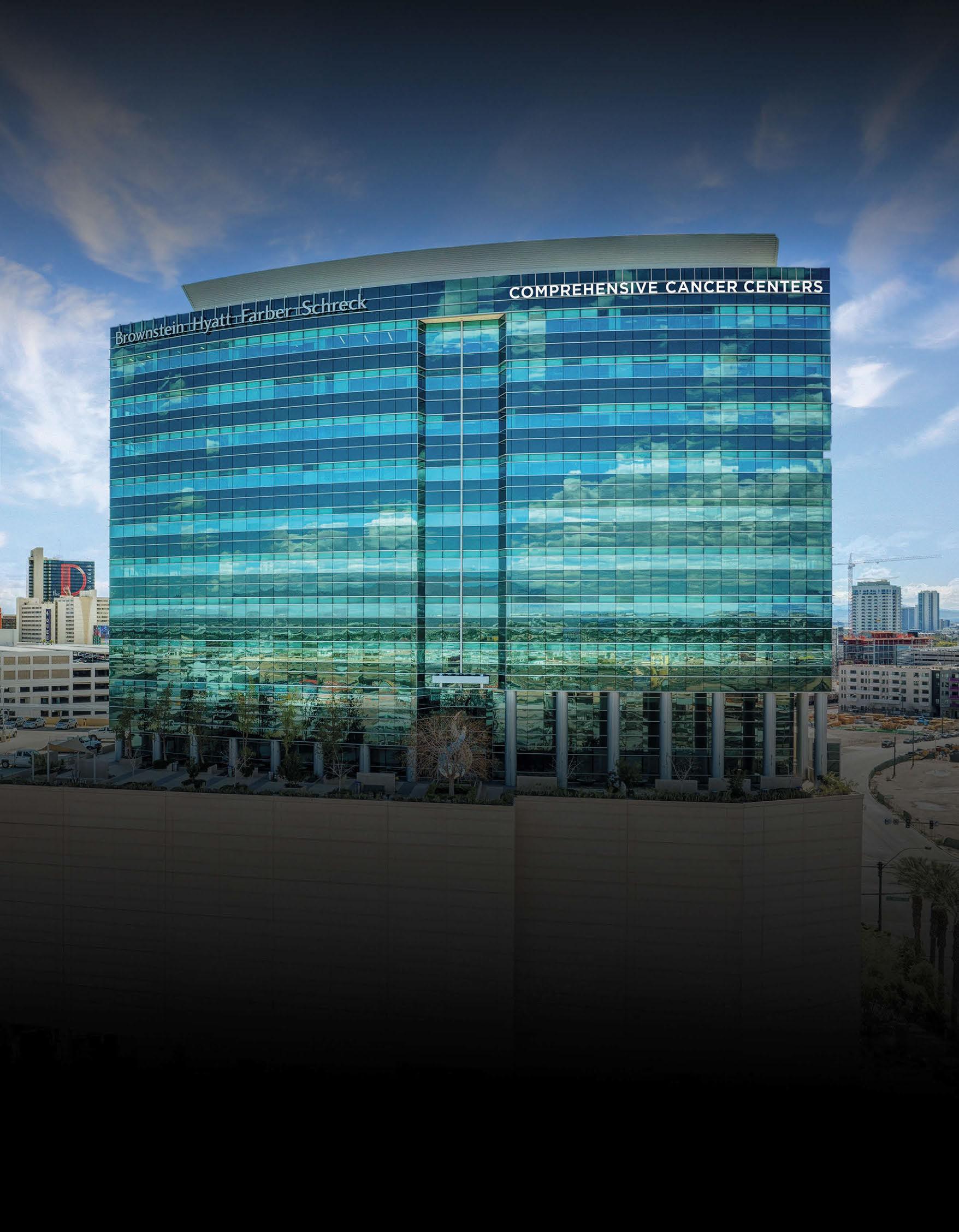
When treatment matters, time matters. At Oncology Las Vegas, patients often move from referral to treatment in days, not weeks.
Using advanced technology like Ethos™ adaptive radiation, we’re able to plan and deliver personalized care in fewer appointments. For some patients, precise radiopharmaceutical treatments—including Xofigo®, Pluvicto® and Lutathera®—offer additional options close to home.
You don’t have to leave Las Vegas to receive leading cancer care. We’re here, ready, and focused on you.

Associate Publisher and Special Publications Editor ALEX HAASE
Managing Editor/News DAVE MONDT
Staff Writers GRACE DA ROCHA, HILLARY DAVIS, KATIE ANN MCCARVER
Copy Editor ABRAHAM KOBYLANSKI
Staff Photographers CHRISTOPHER DEVARGAS, STEVE MARCUS, WADE VANDERVORT
Publisher of Digital Media KATIE HORTON
Senior Advertising Manager MIKE MALL, ADAIR MILNE, SUE SRAN
Account Executives LAUREN JOHNSON, MELINA TAYLOR
Web Content Specialist CLAYT KEEFER
Vice President of Manufacturing MARIA BLONDEAUX
Production Director PAUL HUNTSBERRY
Production Manager BLUE UYEDA
Multimedia Production Designer MARISSA MAHERAS
Senior Traffic Coordinator DENISE ARANCIBIA
Traffic Coordinator KIMBERLY CHANG
Fulfillment Operations Coordinator CASANDRA PIERCE
Events Director SAMANTHA LAMB
Events Manager HANNAH ANTER
Events Coordinator APRIL MARTINEZ
Event Sales Coordinator YAZMINE VALMONTE
CEO , Publisher & Editor BRIAN GREENSPUN
Chief Operating Officer ROBERT CAUTHORN
Managing Editor RAY BREWER
VEGAS INC
P.O. BOX 94018
LAS VEGAS, NEVADA 89193 | 702.990.2550 Scan the QR code to
www.oncologylasvegas.com
When I meet with physicians, nurses, educators and hospital administrators across Southern Nevada, I get to hear about the work happening behind the scenes of our healthcare community, from research and milestones to patient success stories and plans for what comes next. There is much to celebrate, and our Health Care Headliners issue gives us a chance to recognize some of the people helping move health care forward in Southern Nevada.
This year’s Headliners represent many corners of the industry, but they share a common purpose of improving lives, strengthening care and helping our community meet the needs of today while preparing for the future. Together, their achievements reflect a more complete vision of care in Southern Nevada. They are advancing cancer treatments that keep patients closer to home, educating young people to make healthier choices, making medicine and dental care more accessible to uninsured and underserved residents, and building networks that mentor and support a growing community of physicians. We’re proud to highlight their work and share their stories.
improve access, strengthen coordination and train future providers to recognize oral health as an essential part of overall health.
You’ll also read about Crew Cortez, a child with hypoplastic left heart syndrome. This is a congenital heart defect where the left side of a baby’s heart is underdeveloped and too small to pump blood to the rest of the body, which leads to a series of complex and challenging surgeries. Dr. Sunjay Kaushal, a pediatric cardiothoracic surgeon part of Cortez’s care team, is leading groundbreaking research aimed at improving outcomes for babies born with the condition. Throughout the rest of the issue, you’ll gain insight into how adequate sleep may improve overall health, why your face heals faster than the rest of your body, and the ways state and hospital leadership can curb burnout among registered nurses.
We are grateful, as always, to the healthcare professionals who lend their voices to this publication. The insight and innovation you share enrich these pages, and your dedication to advocacy and service continues to make a meaningful impact in our community.
In addition to our Headliners, this issue highlights other programs and people who are addressing critical needs in our community. Among them, University Medical Center continues to invest in the future of healthcare in Las Vegas through its partnership with College of Southern Nevada. Since 1999, the two institutions have collaborated to provide thousands of students with hands-on clinical experiences before they graduate.
Another educational institution, Roseman University, is bridging the gap between dentistry and medicine. Its new Thorne Clinic brings oral health, primary care, student training and shared health records under one roof. The model is designed to
Congratulations as well to this year’s Health Care Headliners. You have earned this recognition, and we are proud to highlight your achievements. Thank you for the care and commitment you bring to those you serve.
Sincerely,

Alex Haase Associate Publisher and Editor of Special Publications
Southern Hills Hospital completed Nevada’s first FDA-approved minimally invasive repair for complex aortic aneurysms. The catheter-based procedure uses small groin incisions, replacing traditional open chest surgery that requires large incisions and extended recovery. The operation can be completed in under three hours, with many patients discharged within two days. Hospital officials said the approach reduces hospital stays and speeds recovery compared with procedures that often require weeks of hospitalization and months of healing.
Sunrise Children’s Hospital added Lenhanh Tran, MD, as Nevada’s only fellowship-trained pediatric ear, nose and throat specialist, expanding access to pediatric ENT care in Las Vegas. Tran also began leading Sunrise Ear, Nose & Throat Specialists, a new outpatient clinic serving children and adults. Hospital officials said families previously had to leave Nevada for that level of pediatric specialty care.

UNLV hosted its annual Interprofessional Education Day, bringing together health sciences students and faculty to explore teamwork and collaboration in rural health care settings. Students addressed real barriers including geographic dispersion, limited specialists and sole provider positions while learning to distinguish multidisciplinary from interprofessional approaches. The workshop challenged students to leverage rural advantages like smaller teams and necessity-driven collaboration while creating strategies to transition from siloed to integrated care delivery.
08 Contributed columns: Medical professionals share their insights
14 Exploring the impact of sleep on your health and how to improve it
18 Vegas Inc honors the Valley’s 2026 Health Care Headliners
38 UMC and CSN partnership trains next generation of professionals
45
Roseman University’s Thorne Clinic is reshaping integrated care
48
News and updates from the Las Vegas medical community








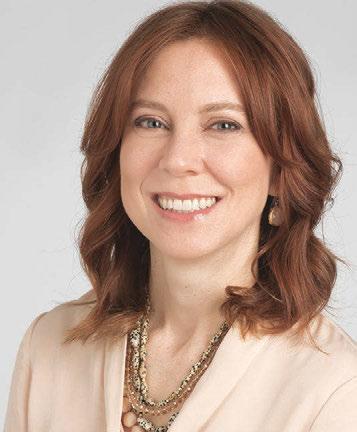
Darling, DO, MPH , is a preventive medicine physician at Cleveland Clinic Nevada
BY SANDRA DARLING, DO, MPH
For decades, Alzheimer’s disease has been treated as a universal condition, but science tells a different story: It is a women’s health crisis, disproportionately affecting women as patients and caregivers.
According to the Alzheimer’s Association, nearly two-thirds of Americans living with Alzheimer’s are women. Additionally, women disproportionately shoulder caregiving responsibilities for loved ones with dementia. Biology, stress exposure, hormonal transitions and caregiving roles increase risk, yet women have historically been underrepresented in research.
A 2025 report in Nature Medicine projects that dementia cases in the U.S. will double by 2060, meaning up to 10 million women across the country could potentially face Alzheimer’s disease.
Motivated by findings in The Lancet Commission suggesting that up to 45% of global dementia cases might be preventable, journalist and advocate Maria Shriver partnered with Camille and Larry Ruvo, co-founders of Cleveland Clinic Lou Ruvo Center for Brain Health, to create a resource that empowers women to take control of their brain health and reduce their long-term risk. They founded the Women’s Alzheimer’s Movement Prevention and Research Center at Cleveland Clinic.
Cleveland Clinic is the first organization to focus exclusively on gender-based differences in Alzheimer’s risk with the goal of reducing those risks. The WAM Prevention and Research Center is the first clinic in the world to combine prevention-focused care with women-specif-
ic Alzheimer’s research. Its mission is simple: women deserve answers tailored to their biology and lived experience.
Since opening in 2020, the center’s seed grants have generated more than $83 million in subsequent National Institutes of Health and foundation funding. These investments have helped uncover how hormones, immune function, stress and lifestyle factors influence women’s brains over time. In its first six years, the center has completed more than 1,600 patient visits from women in 31 states. More than 60% of its patients participate in research, contributing to dozens of scientific publications.
Women are also more likely to become caregivers for someone living with Alzheimer’s. The emotional, physical and financial toll of caregiving often goes unrecognized, and WAM Prevention and Research Center aims to reframe caregiving as a public health priority. Through national advocates and community-based initiatives, the movement is elevating awareness, expanding access to resources and encouraging policies that support caregivers.
The most hopeful message emerging from the center’s work is that many dementia cases, including Alzheimer’s, may be preventable through lifestyle changes. By advancing gender-based research, expanding prevention-focused care, and empowering women with knowledge and resources, the center is helping shift Alzheimer’s from an inevitable diagnosis to one where women can take actionable steps to reduce their risk.
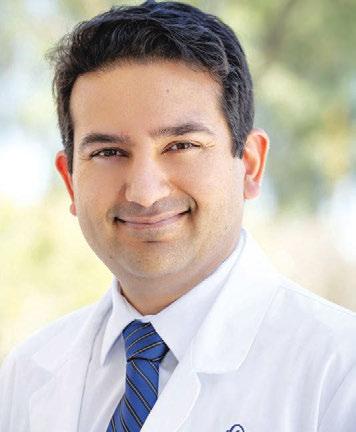
BY VISHISHT MEHTA, MD, FCCP, DAABIP, ATSF
Lung cancer causes approximately 1 in 5 cancer deaths in the U.S., according to the American Cancer Society. Further, the American Lung Association estimates that someone in the U.S. is diagnosed with lung cancer every two minutes, and 361 people lose their battle with the disease each day.
Despite lung cancer being one of the deadliest cancers, only 13% of people eligible for screening receive it. This is far fewer than the 69% screened for colorectal cancer and 76% for breast cancer, according to the National Cancer Institute.
While lung cancer risk factors include radon, air pollution and secondhand smoke, smoking remains the leading cause. Because screening is based on smoking history rather than genetics, stigma sometimes leads patients to delay or avoid it.
Low screening rates mean lung cancer is often diagnosed at later stages, when survival is least likely. When found early, the disease is far more treatable. According to the ALA, the five-year survival rate is 64% when detected early, compared with just 9% in later stages.
Low screening rates mean lung cancer is often diagnosed at later stages, when survival is least likely. According to the ALA, the five-year survival rate is 64% when detected early, compared with just 9% in later stages.
tive Services Task Force, Comprehensive Cancer Centers offers lung cancer screenings for highrisk groups: adults aged 50 to 80 with a smoking history of 20 or more pack years. That includes those who are still smoking or who quit within the past 15 years. A pack year is defined as smoking 20 cigarettes per day for one year. Individuals with additional risk factors such as radon exposure, prolonged work in a chemical-heavy environment, or a family history of lung cancer or a related disease, may also have elevated risk, but are not part of the above guidelines.
Recognizing the critical need for earlier detection, medical experts and cancer organizations have supported legislation to expand access to lung cancer screening. This bipartisan effort aims to reduce barriers such as cost and awareness, paving the way for broader insurance coverage and improved health outcomes.
There are also misconceptions about the screening process. Lung cancer screening is a quick, low-dose CT scan of the lungs. Patients simply lie down while images are taken. This noninvasive procedure can detect cancer earlier and improve chances of survival.
In alignment with the United States Preven-
As a result, in May 2025, Nevada enacted SB387, mandating that certain health insurance plans must cover lung cancer screenings for high-risk individuals. Furthermore, any necessary diagnostic services resulting from a positive screening are covered without cost-sharing. This new legislation brings lung cancer screening coverage in line with breast cancer screenings.
Early detection through lung cancer screening significantly improves survival rates and can lead to broader treatment options. The benefits of identifying cancer at a more treatable stage outweigh any concerns related to screenings.
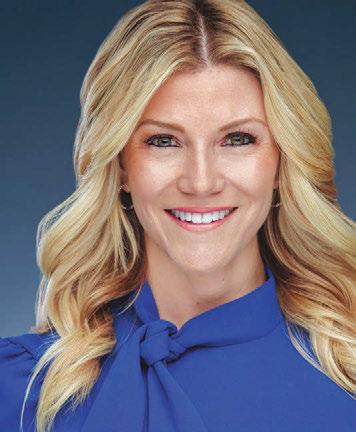
BY CASSANDRA JONES
Afamily’s first days with a newborn are typically filled with quiet moments—counting fingers and toes, imagining first birthdays and dreaming about the future. For Belle Cortez and her newborn son Crew, those early days were spent bedside in the cardiac intensive care unit at Sunrise Children’s Hospital.
Crew was born with hypoplastic left heart syndrome, one of the most complex and life-threatening congenital heart defects. In babies with HLHS, the left side of the heart is underdeveloped, leaving it unable to pump oxygen-rich blood to the body without a series of lifesaving surgeries and constant medical support.
For 18 months, Crew endured multiple surgeries and eventually, a heart transplant. During this time, he remained hospitalized but on March 3, he finally went home.
Crew’s journey reflects both resilience and the level of pediatric cardiac expertise available in Las Vegas. It is also part of a broader story that extends beyond the ICU and into the future of pediatric heart innovation. At Sunrise Children’s Hospital, pediatric heart surgeon Sunjay Kaushal, MD, is leading groundbreaking research aimed at improving outcomes for babies born with HLHS.
hospital stays, serious complications and ongoing uncertainty.
Kaushal’s research explores a new frontier: using a baby’s own heart-derived stem cells to support and strengthen the heart during surgery.
In a recently completed Phase 1 clinical trial, Kaushal and fellow surgeons safely collected a small piece of heart tissue during a baby’s first operation. From that sample, cardiac progenitor cells were grown and later injected back into the child’s heart during subsequent surgery.
Surgeons safely collected a small piece of heart tissue during a baby’s first operation. From that sample, cardiac progenitor cells were grown and later injected back into the child’s heart during subsequent surgery.
The goal is both innovative and patient-centered: to help fragile hearts recover more effectively, reduce complications and ultimately shorten the time families spend in the hospital.
“The results were encouraging,” Kaushal said. “While the study was designed primarily to evaluate safety, it demonstrated that this approach is very feasible. Even more compelling, babies who received the therapy experienced fewer serious cardiac events, significantly fewer hospital days and improvements in heart function and quality of life. A larger study is needed to demonstrate the true efficacy of this potential therapy.”
Even with modern surgical advances, HLHS remains challenging. Babies typically undergo a series of open-heart surgeries within the first weeks and years of life. Many face prolonged
The next phase of Kaushal’s HLHS clinical trial is expected to take place at Sunrise Children’s Hospital within the next year, further positioning Las Vegas as a growing center for pediatric cardiac research. This phase will focus on optimizing treatment approaches and improving outcomes for babies born with HLHS.
BY CATHERINE CHUNG, PH.D., RN
When nurses are stretched too thin, their health suffers and so does patient care. Nearly two-thirds of nurses report burnout, according to the American Nurses Association, and Nevada faces a shortage of roughly 5,000 registered nurses, a gap expected to grow as the population increases.
To ensure high-quality care and a sustainable workforce, steps must be taken to combat burnout.
Nevada has worked hard to expand nursing education programs to bolster our workforce needs. However, there are still not enough graduates hired. New graduates face stiff competition for limited positions, and most nursing roles require experience. Many leave Nevada to begin their career and may ultimately establish permanent roots elsewhere.
Demand for new graduate nurse residency programs far exceeds available slots. These programs offer frequent education in-service sessions and a more structured job orientation process than being hired straight into a registered nursing position. These programs require funding and institutional support, but they improve retention, making them a worthwhile long-term investment.
Institutions that use part-time nurses to cover meal breaks report fewer issues with burnout and improved patient safety. This allows the nurse to truly step away from their patients
to eat, use the restroom and recharge. Having this dedicated, uninterrupted time is crucial to nurses’ well-being. While these breaks are required by law, the pull of a patient in need may shave off valuable minutes during that break.
It also provides a meaningful opportunity for nurses nearing retirement to continue contributing in a part-time capacity, passing on their hard-earned knowledge while maintaining a more flexible schedule. Part-time meal break nurses serve to retain our most experienced nurses in a part-time capacity a bit longer before retirement.
Beyond staffing, key drivers of nurse burnout include leadership and workplace culture. The following steps can help create a more supportive environment:
n Develop cultures of safety that find the root cause of patient care errors.
n Communicate with your nurses clearly and often. Explain the reasoning behind workflow changes.
n Examine the demands placed on nurses: Is the nurse truly the best professional to do that task? Or are they simply the easiest to assign the task to?
n Have nurses from multiple areas give feedback on the electronic health record. The amount of time nurses spend charting is a significant part of their shift.
Nurse staffing is more than a line item in the budget. Nurses have been ranked the most trusted profession for honesty and ethics in the U.S. for 24 consecutive years, according to Gallup. Improving staffing and reducing burnout are essential to delivering safe, effective patient care.
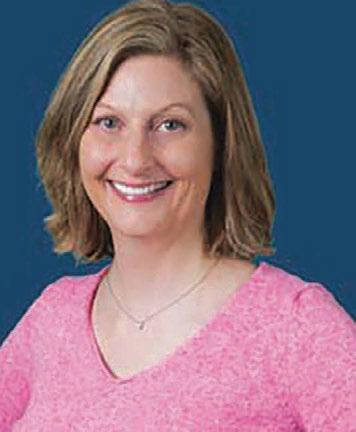
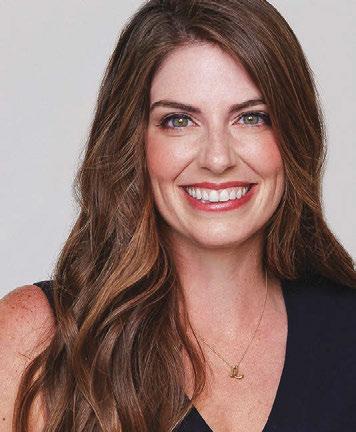
Mason, MD , is Founder and Board-Certified Plastic Surgeon of La Femme Plastic Surgery
BY RACHEL MASON, MD
Scarring is a common concern for patients considering surgery. For decades, surgeons have observed that facial skin tends to heal with finer, less noticeable scars than other areas of the body. Recent Stanford Medicine research helps explain why, identifying biological differences in facial skin that influence wound healing and scar formation. These findings reinforce principles surgeons have long relied on and help explain why scar outcomes vary by anatomy.
One reason facial wounds tend to scar less visibly is blood supply. The face has one of the richest vascular networks in the body, delivering oxygen and nutrients that support tissue repair. Strong circulation promotes efficient healing and reduces the inflammatory response that can lead to thick or raised scars. Skin structure also plays an important role. Facial skin is typically thinner and more elastic than skin on the back, chest and shoulders. Those areas experience greater tension when the skin is closed after surgery, and tension is a primary driver of more noticeable scarring.
The cells responsible for healing also behave differently depending on location. Research shows that fibroblasts, which produce collagen during wound repair, appear to function differently in facial skin compared with other parts of the body. This may help explain why facial scars often remain flatter and less fibrotic over time.
These differences influence surgical planning. Surgeons study natural lines of facial movement and place incisions where scars can
blend into existing contours or creases. In procedures like blepharoplasty or facelifts, incisions are often hidden within natural folds or along the hairline. These scars become difficult to detect.
The same principles used in facial surgery also apply to body procedures. Techniques like layered closures and careful tension management help minimize strain across an incision, which can improve scar quality on areas like the breast or abdomen. But favorable healing biology does not eliminate the need for precise surgical technique. Meticulous tissue handling, layered closure and minimizing tension across the incision are critical to achieving optimal results. Even in areas that heal well, poor technique can lead to more visible scarring.
Many patients assume scars are determined entirely by the surgeon, but healing is influenced by many factors. Genetics, skin type, age and overall health all affect how scars develop. The chest, shoulders and upper back are more susceptible to hypertrophic or keloid scarring due to the mechanical stress placed on the skin during daily movement. This reinforces the need for individualized surgical planning. The same incision that heals well on the face may behave differently on the torso or extremities.
A consultation should include discussing scar placement, how scars evolve over time and what patients can do to support healing. For many, scars continue to improve for up to a year after surgery. Sun protection, silicone treatments and other post-operative strategies support scar maturation. The goal is not to eliminate scars entirely, but to place them where they heal as inconspicuously as possible.
BY ARIANN CHELLI
According to the Centers for Disease Control and Prevention, the U.S. saw a historic 27% drop in overdose deaths in 2024. However, Nevada is experiencing a different trend. The Southern Nevada Health District reports that in Clark County, overdose fatalities increased 112% between 2018 and 2024, and methamphetamine-related deaths rose from 348 in 2023 to 448 in 2024. These figures reflect a rapidly evolving stimulant crisis that is outpacing current policies and clinical tools.
Nevada has long been an outlier when it comes to stimulants, currently ranking sixth nationally for methamphetamine use. Stimulants account for more than half of all primary drug offenses. The underlying causes are highly specific to Southern Nevada. We have a 24/7 economy in Las Vegas where workers face sustained pressure to remain productive during long and irregular shifts, and stimulants often become the perceived solution to the exhaustion. Further, our climate adds a biological layer of risk. SNHD reports that nearly 56% of local heat-related deaths involve substances. Meth interferes with the body’s ability to regulate temperature, making it increasingly dangerous in a hot climate.
The real challenge providers are facing on the ground is the lack of parity. If a patient walks into a clinic with an opioid use disorder, there are effective FDA-approved medications to help them stabilize. But for meth there’s no consensus among effective medications or detox protocols.
At Desert Hope Treatment Center, we see the fallout of this gap daily. Meth withdrawal goes
beyond fatigue or irritability—it’s a significant neurological disruption and a dopamine depletion that leaves patients in a state of severe anhedonia (a total inability to feel pleasure) that can persist for months. Talk therapy alone is often insufficient for patients experiencing prolonged fatigue, insomnia and depression.
To bridge this gap, we’ve shifted our model toward a more integrated, long-term approach. At Desert Hope, our mission is to provide a continuum of care that acknowledges the prolonged neurological recovery that methamphetamine withdrawal requires. The program has expanded its use of contingency management (providing tangible rewards), which is among the most effective evidence-based approaches for stimulant use disorder.
But we also must stop treating meth in a vacuum. Polysubstance deaths in our county jumped 97% in just three years between 2020 and 2023, according to SNHD. We must be aggressive about screening for co-occurring disorders commonly associated with stimulant misuse, like ADHD, PTSD and depression, or treatment efforts will remain incomplete.
To bend the curve in Southern Nevada, we need to make key changes.
We need standardized protocols for managing stimulant withdrawal. We need to invest in pharmacological research, including continued study of treatments such as naltrexone and bupropion that have shown early promise. Lastly, policy support is crucial. We need recognition from healthcare executives and policymakers that stimulant use disorder requires the same level of medical resources and insurance parity as opioid or alcohol use disorders.
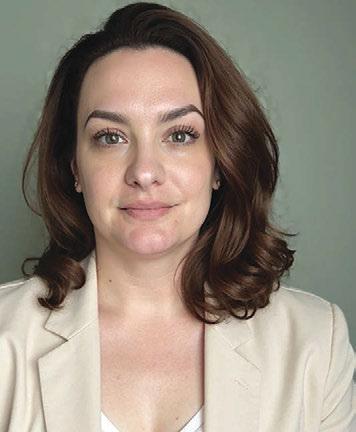

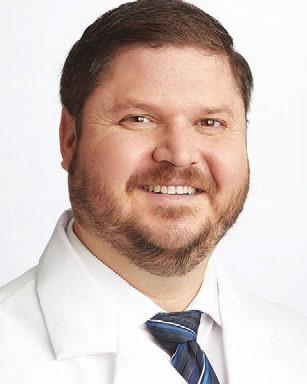
Andrew Stanton, DO, is a Family Medicine Physician
BY ANDREW STANTON, DO
For some people, staying up late or skimping on sleep is part of their lifestyle, but research suggests that decreased sleep may have significant consequences for our health. This is especially concerning for Las Vegans, given the number of locals who work nights. The Centers for Disease Control and Prevention recommends that adults between 18 and 60 years old should get seven or more hours of sleep each night. However, the duration of sleep is not the whole story. The quality of sleep is also important. Signs of poor sleep include not feeling rested after waking, waking up during the night, or having trouble falling asleep. Practicing better sleep habits or receiving diagnosis and treatment for sleep disorder are some ways to improve quality of sleep.
When you sleep, your body repairs itself. Most adults need at least seven hours of sleep per night, yet more than 1 in 3 U.S. adults do not meet that recommendation.
The National Sleep Foundation offers these recommendations to help promote better sleep:
1. Be sure to get natural daylight exposure.
2. Practice relaxation techniques such as meditation or deep breathing.
3. Make sleep a priority, including short naps if needed for an added boost of alertness to your day.
4. For daylight saving time, begin to slowly adjust your schedule one week prior to the time change.

Not getting enough sleep may have long-term implications, such as increased risk of high blood pressure, Type 2 diabetes and obesity.
Obesity: Not getting enough sleep may lead to weight gain and difficulty losing weight. This is especially true for children and adolescents, who need more sleep than adults. According to the CDC, lack of sleep can affect the part of the brain that controls hunger.
Type 2 diabetes: Diabetes is a disease that causes sugar to build up in your blood, potentially damaging your blood vessels. Some studies have shown that improving sleep may help improve blood sugar control.
High blood pressure: During normal sleep, blood pressure goes down. Having sleep issues may mean your blood pressure stays higher for longer. High blood pressure is one of the leading causes of heart disease and stroke.
Heart health: A recent study published in the Journal of the American Heart Association found that so-called “night owls” have poorer overall cardiac health. Researchers noted that night owls were associated with a 79% higher prevalence of poorer heart health than intermediate sleep types.
Additional tips to optimize your sleep include: Move your body: Staying physically active is a great way to encourage your body to fall asleep better at night.
Consistent sleep routines: Develop a consistent routine that is focused around going to bed and waking up at the same time every day.
Avoid artificial light: Avoid screens in the bedroom, including televisions, smartphones or laptops, and protect against artificial light by using a blue light filter when possible.
Practice good sleep hygiene: Ensure you have a dark, comfortable and cool space to sleep in at night.

There are several major sleep disorders that can affect sleep and sometimes overall health.
Insomnia: Insomnia symptoms can show up as excessive daytime sleepiness and affect your ability to function properly the next day. Chronic insomnia can increase the risk of diabetes, cancer, high blood pressure and coronary heart disease.
Sleep apnea: Although there are other symptoms, snoring at night may be a key sign of sleep apnea. Other symptoms include daytime sleepiness and not feeling well rested upon awakening. With sleep apnea, breathing stops and restarts repeatedly during sleep. There are many causes of sleep apnea, and treatment is generally recommended based on underlying issues. Sleep apnea can be very serious, as it may obstruct air flow through nasal passages, which can lead to significant health complications.
Restless legs syndrome: This disorder refers to an uncomfortable sensation in a person’s lower legs that can feel like “creeping,” or cause aches and pains throughout the leg. The sensation can make it hard to fall asleep because it is often relieved by moving the leg through kicking or walking.
Narcolepsy: This condition is characterized by excessive daytime sleepiness and muscle weakness that can occur in sometimes unusual circumstances, such as during walking or physical activity. In narcolepsy, muscle weakness may be brought on by strong emotions, including surprise.
If you are experiencing any of these disorder symptoms, reach out to your doctor. Receiving a proper diagnosis can help you get proper treatment.
If you’re having trouble sleeping, it’s important to talk with your healthcare provider or doctor— especially if you’re experiencing persistent sleep disturbances or if serious issues related to sleep arise, such as obstruction of your breathing during sleep. In addition to diagnosing a sleep disorder, your doctor may ask questions to help uncover any underlying conditions that could cause sleep issues.
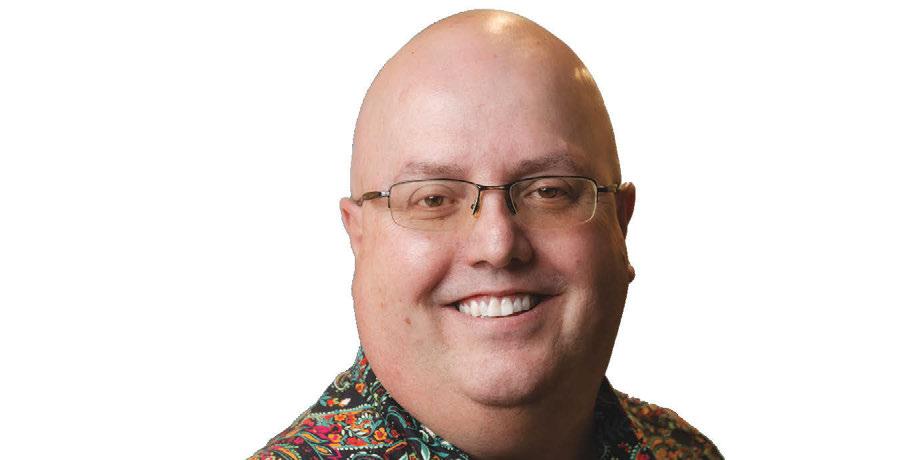

Congratulations to Brian Greenlee, RN, MSN, our Vegas Inc. 2026 Healthcare Headliners Management & Administration honoree.
As Executive Director of Southwest Medical Hospice & Optum Palliative care, Brian has spent most of his life in service, transforming access to meaningful end-of-life care. With more than 30 years in the healthcare industry, he leads with clarity, humility, and a profound generosity of spirit. For Brian, compassion and guidance are a way of life, defining his dedication to gifting those in need with the dignity and support they need in the moments that matter most.
Vegas Inc’s Health Care Headliners recognizes the medical professionals whose work strengthens healthcare in Southern Nevada. Physicians, researchers, educators and administrators alike are helping meet the community’s most urgent health care needs while working to ensure quality care remains accessible for years to come.
Family medicine physician
Vegas Direct Primary Care
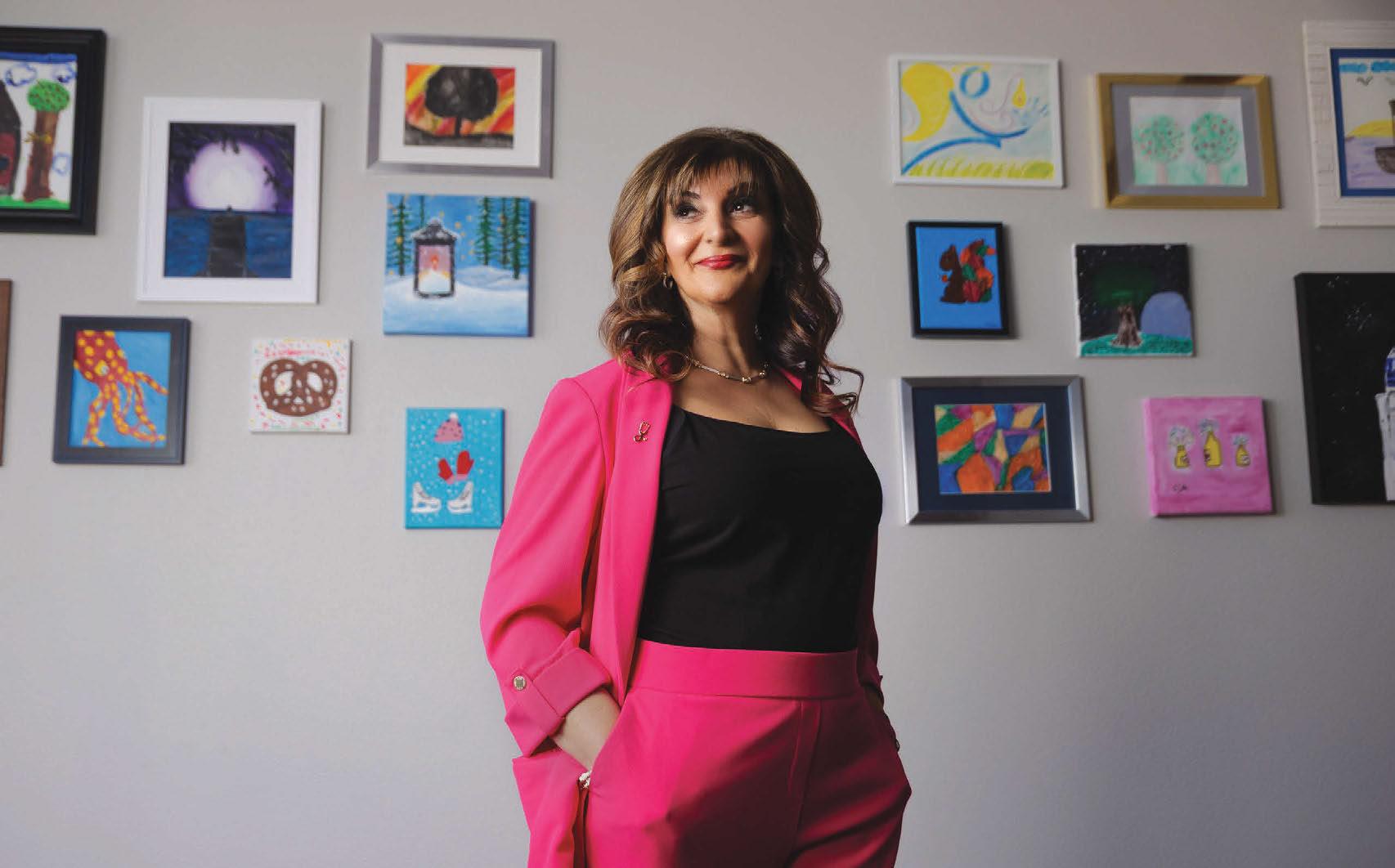
ti Hakimi has built her work around the idea that healthcare should be personal, accessible and rooted in the community. Through service, mentorship and advocacy, she has carried that philosophy well beyond her own primary care practice.
Across Southern Nevada, Hakimi has invested in the people and networks that shape the region’s medical community. She founded Fierce Female Physicians of Las Vegas, a group of more than 50 women physicians that creates space for mentorship, support and collaboration. In a market still working to attract and retain physicians, the group creates a professional network where women physi-
cians can find mentorship, support and connection.
At Volunteers in Medicine Southern Nevada, Hakimi cares for geriatric patients, many of whom face financial, language and access barriers. She also mentors UNLV pre-med students and serves on the board of Candlelighters Childhood Cancer Foundation of Nevada, extending her support to both future physicians and families facing serious illness.
Hakimi’s outreach extends into the wider community as well. She has given wellness talks for organizations such as Dress for Success, Women United, St. Jude’s Ranch and the Nevada SBA, using those settings to make health information feel more accessible and useful outside the exam room.
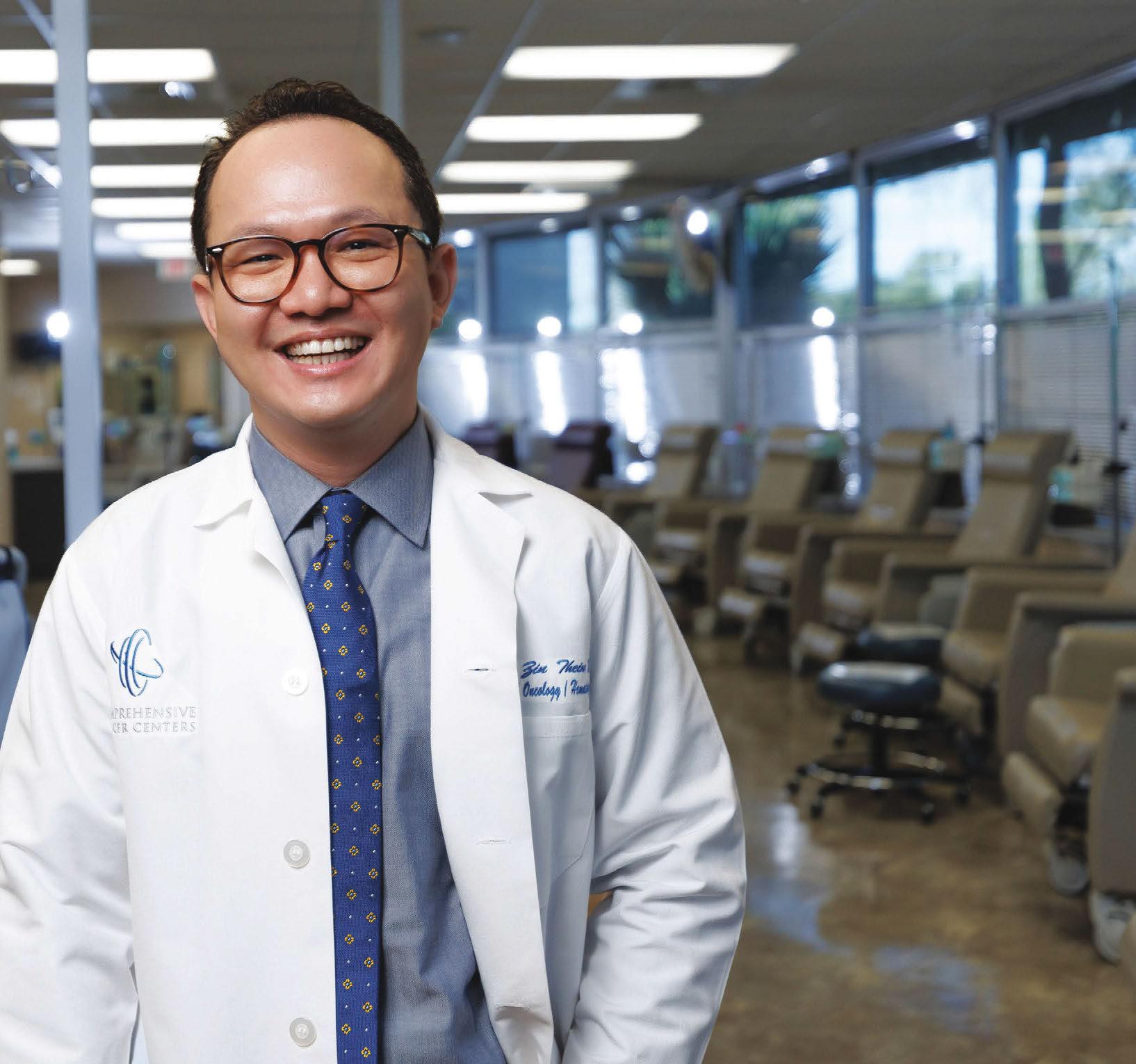
or patients facing complex cancers, Kyaw Thein is helping open the door to newer and more targeted treatment options. At Comprehensive Cancer Centers of Nevada, he has focused on bringing advanced clinical trials, biomarker-driven treatment strategies and early-phase drug development into patient care.
Medical oncologist and hematologist, Comprehensive Cancer Centers of Nevada
Thein has served as principal investigator or co-principal investigator on more than 30 clinical trials, helping oversee the quality and safety of interventional studies in the region. He has also published more than 65 peer-reviewed articles, delivered more than 150 oral and poster presentations at major international meetings, and helped expand access to Phase 1 “first in human” trials that are often available only at major academic centers.
Teaching and clinical leadership have become another major part of Thein’s work. He serves as division chief of hematology and medical oncology at Sunrise Hospital, teaches at Touro University Nevada and UNLV’s Kirk Kerkorian School of Medicine, and helps lead the UNLV Head and Neck Cancer Tumor Board. That work gives students, residents and fellows closer exposure to a fast-evolving field that needs more specialists. In a field that depends on both innovation and expertise, Thein is helping strengthen the local foundation for advanced cancer care.
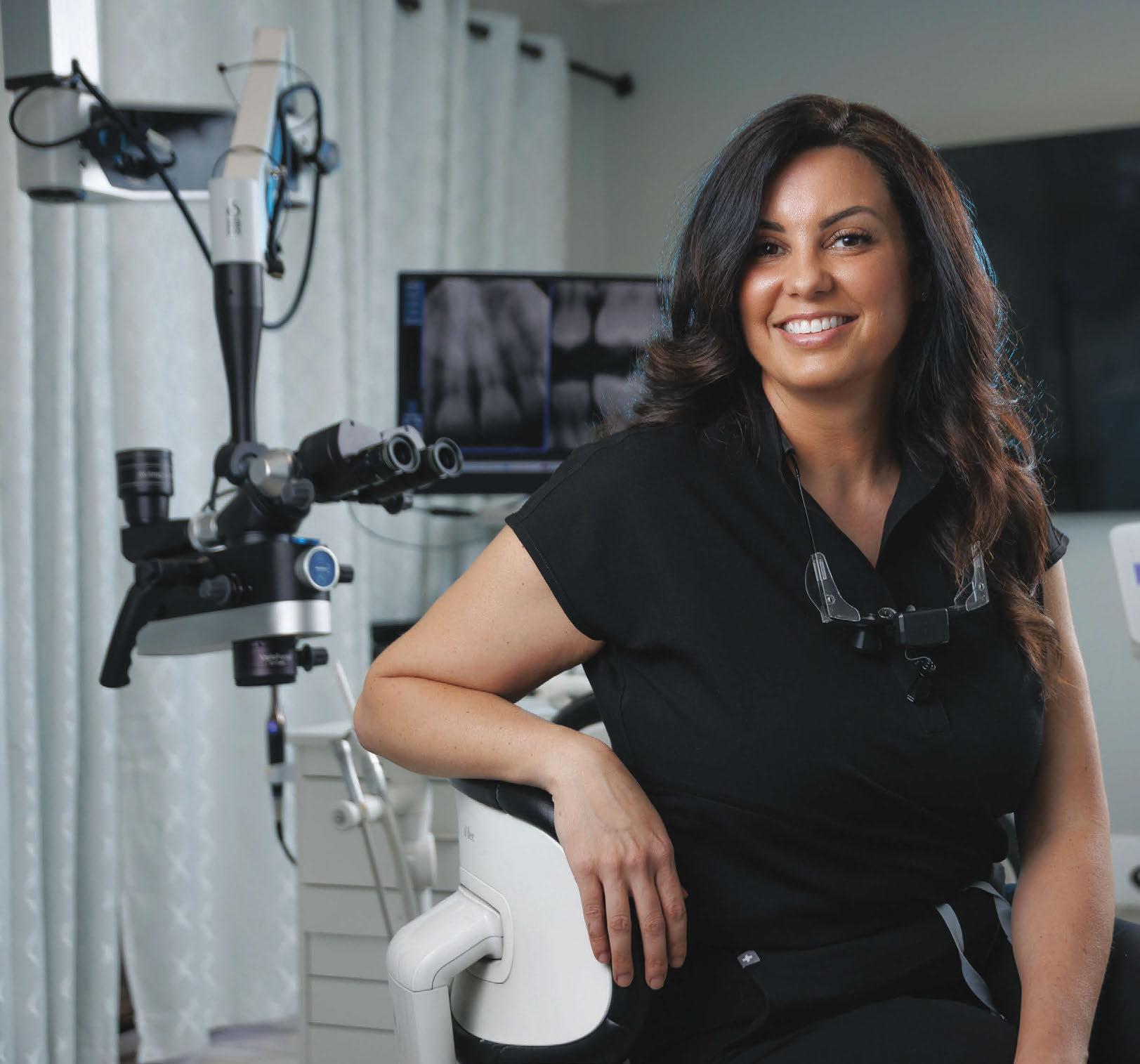
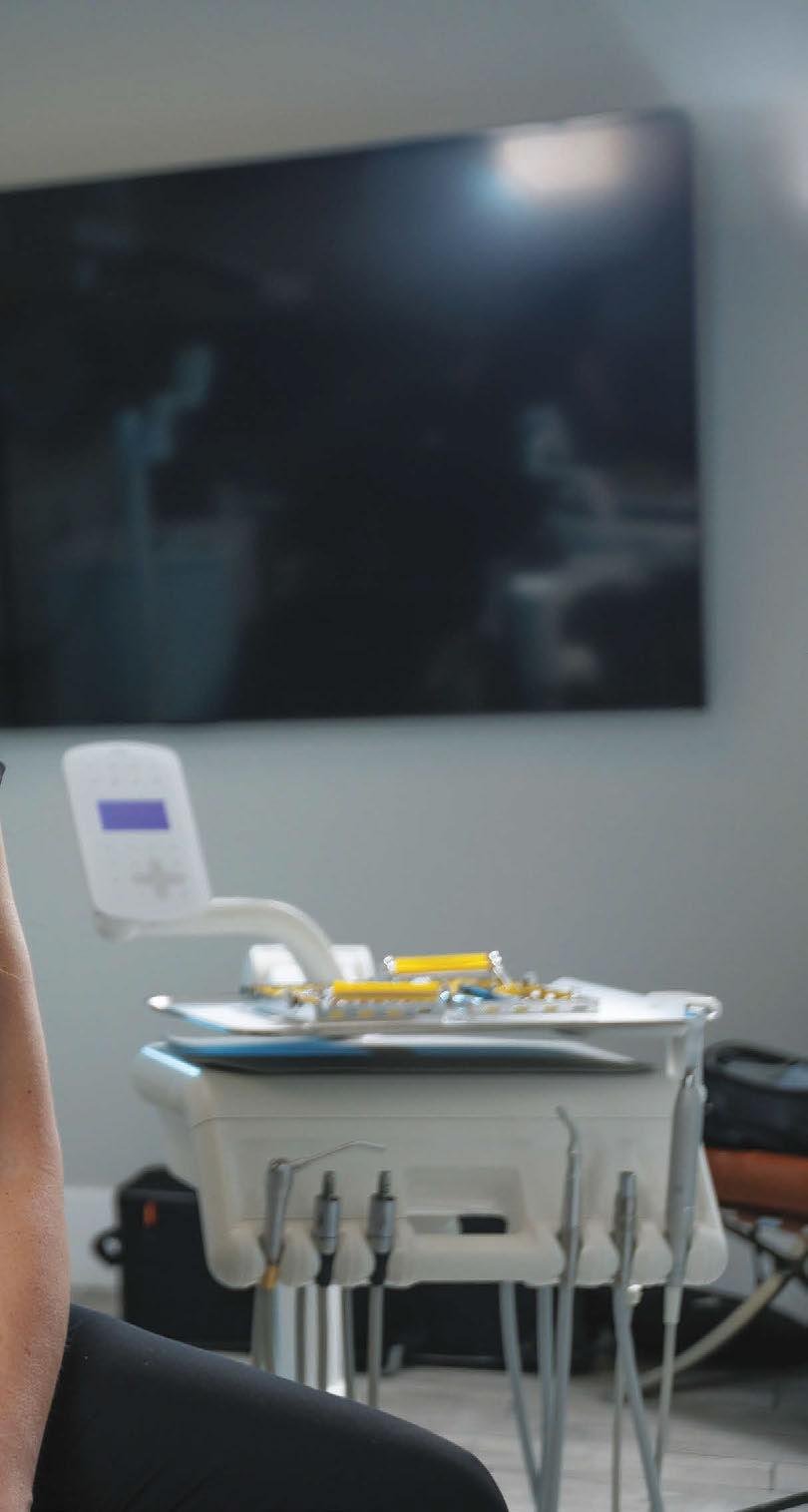
essica Woods’ background as a registered dental hygienist has been one part of a broader career focused on public health, policy and access to care.
Through Dental Hygiene Direct, Woods has helped bring preventive services to students across Southern Nevada, making it easier to identify disease early and reduce barriers to routine care. She also helped establish a low-cost dental clinic for uninsured adults, broadening that same focus on access beyond pediatric care and into the wider community.
Founder, Dental Hygiene Direct
Woods’ influence reaches into policy as well. She played a key role in legislative efforts to expand the scope of practice for dental hygienists and dental assistants in Nevada, a change aimed at easing workforce shortages and improving access to routine care. The effort reflects a broader approach that combines clinical expertise, public health strategy and policy to strengthen care delivery statewide.
In addition to her clinical and policy achievements, Woods also works through Executive RDH, her leadership and consulting platform. She uses it to speak, consult and mentor on prevention, workforce sustainability and oral health’s role in overall well-being.
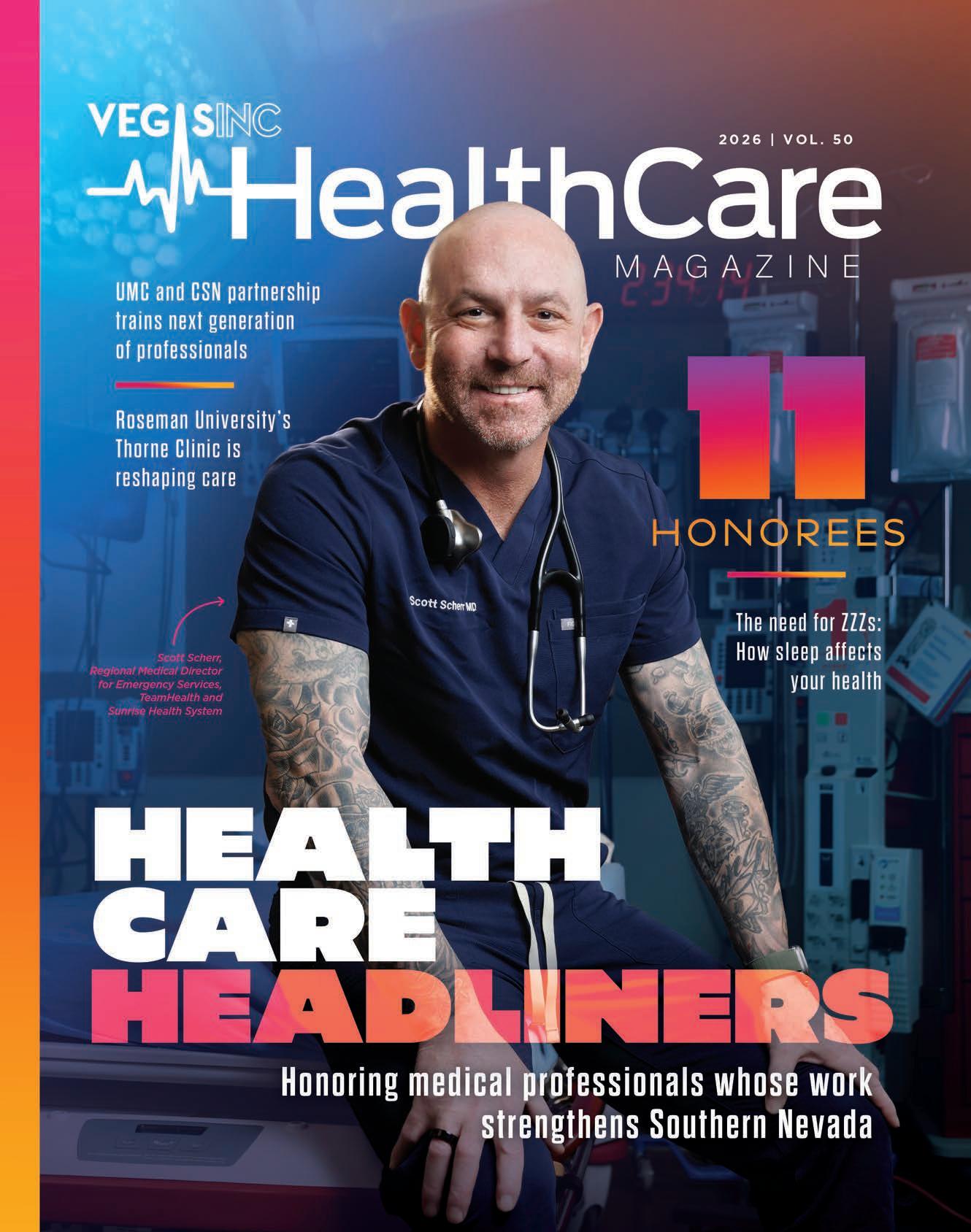
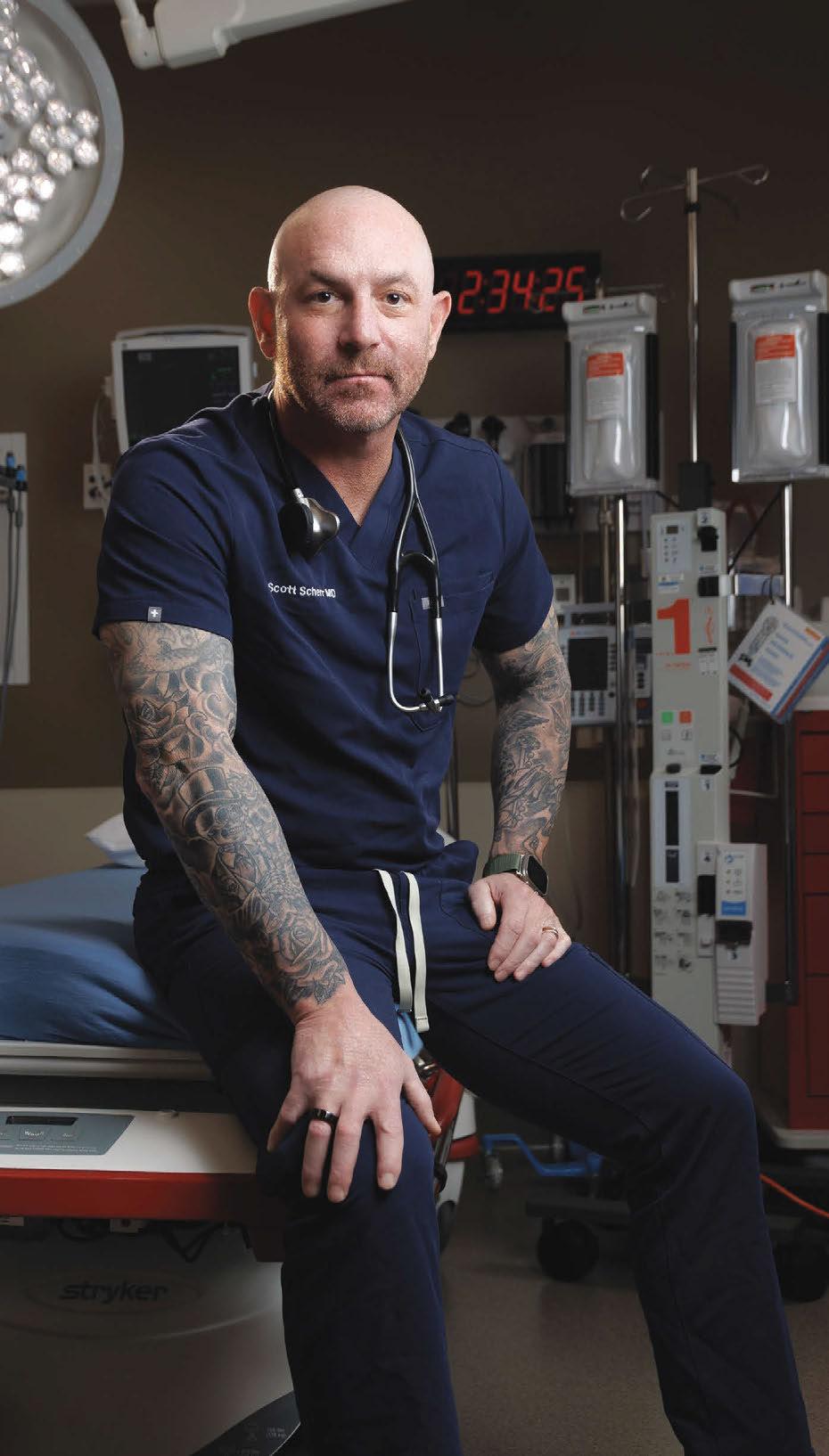
cott Scherr is energized by the fast decisions, close teamwork and high stakes that define emergency medicine. As a regional medical director, he oversees emergency and hospital medicine programs responsible for more than 500,000 patient encounters annually while helping support the clinicians and systems behind acute care.
Regional Medical Director for Emergency Services, TeamHealth and Sunrise Health System
In Las Vegas, that work has included oversight of seven freestanding emergency departments in the Sunrise Health System, bringing 24/7 care, imaging and lab services closer to patients in high-growth and underserved areas.
Scherr also partners with hospital executives, facility leaders and frontline clinicians to improve quality, strengthen patient experience, support recruitment and retention, and build teams that can perform under pressure.
The city saw that pressure at its worst on October 1, 2017. Scherr rushed in from home to help as Sunrise Hospital received more than 250 patients in just two hours after the Route 91 Harvest shooting. He was one of more than 100 physicians who responded that night, joining nurses, EMS professionals and hospital teams in one of the largest emergency responses Las Vegas has ever faced.
Scherr continues to mentor clinicians, support emergency departments and help strengthen disaster readiness, with the same focus on making sure acute care teams are ready when patients need them most.
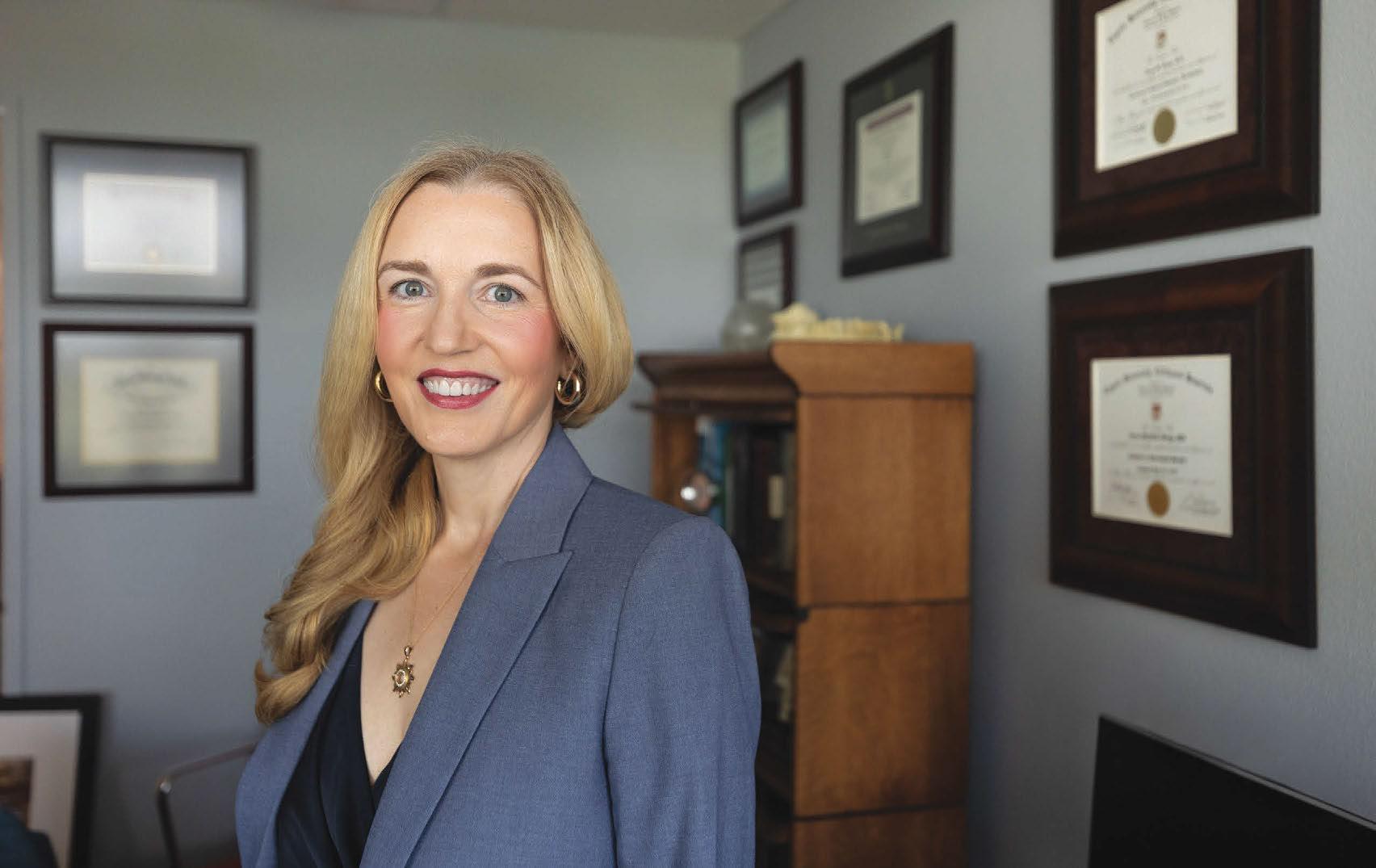
or children in Nevada who need neurosurgical care, Taryn Bragg fills a role no one else in the state does. She is the only full-time, board-certified pediatric neurosurgeon practicing in Nevada, caring for children with conditions ranging from hydrocephalus to brain tumors and complex spinal disorders.
Pediatric Neurosurgeon, University of Utah/ Intermountain Health
Since arriving in Las Vegas in 2020, Bragg has worked to improve response times, standardize protocols and strengthen coordination for children with serious neurosurgical conditions. She was instrumental in Sunrise Children’s Hospital attaining Level II pediatric trauma status, a major step in expand-
ing care for critically ill and injured children.
Bragg’s work on pediatric brain abscess cases after the COVID-19 pandemic drew international attention. After noticing an unusual rise in cases in Las Vegas, she reported the trend locally and helped bring broader scrutiny to it. That effort contributed to the Centers for Disease Control and Prevention reopening its investigation, confirming the increase was part of a larger national pattern.
Within education, Bragg works closely with residents and medical students, lectures nationally, and launched the first pediatric neurosurgery rotations for UNLV medical students in 2026. She has also educated police, child advocates and clinical teams on trauma care and child abuse recognition.
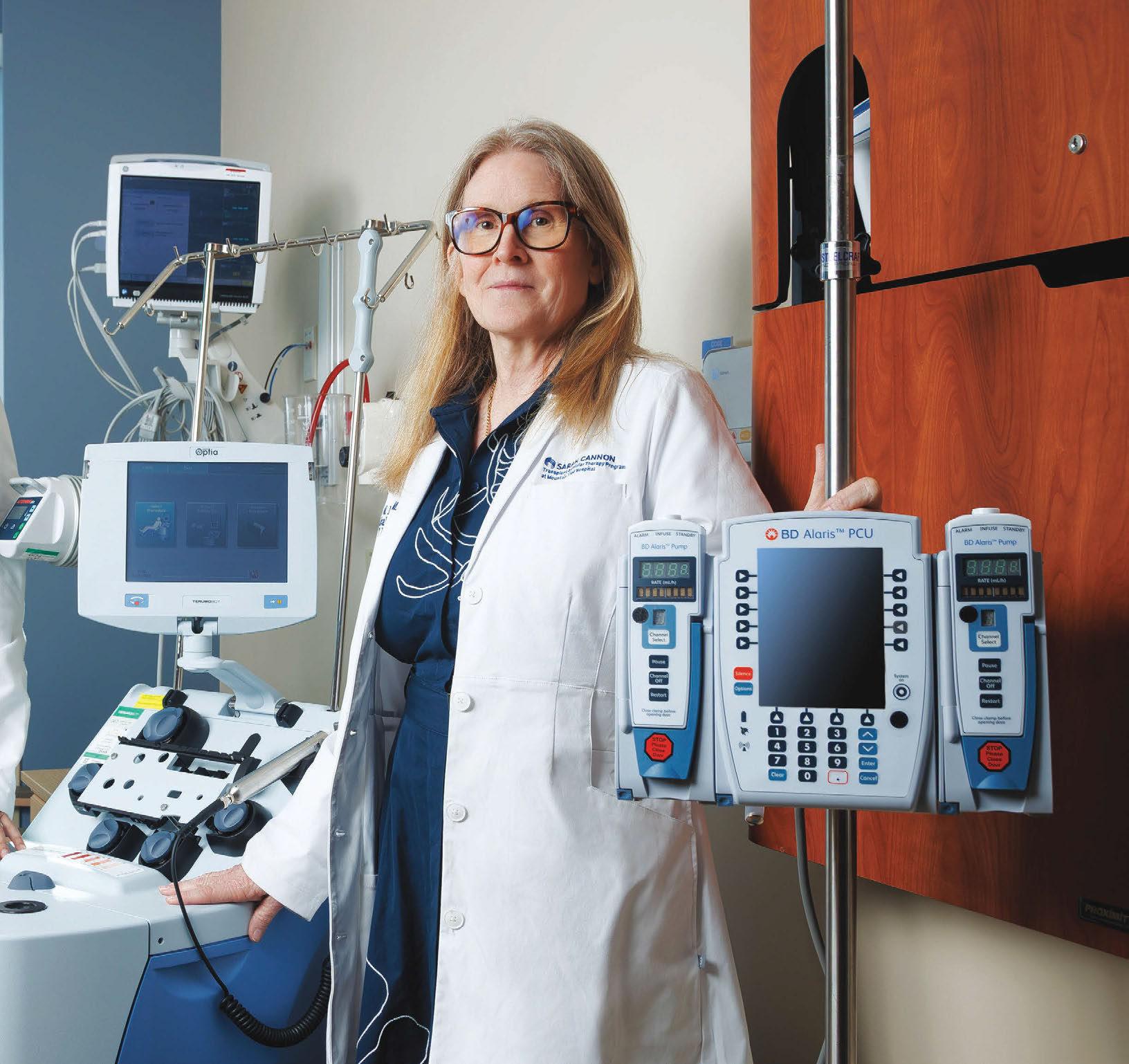
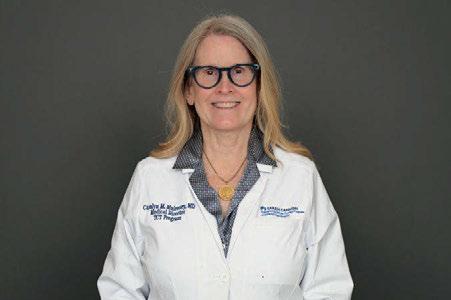
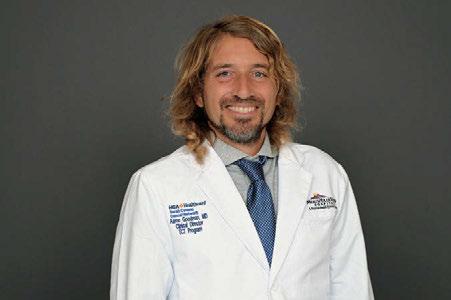
or Southern Nevadans facing complex blood cancers, advanced treatment is now closer to home because of Carolyn Mulroney and Aaron Goodman. At MountainView Hospital’s Sarah Cannon Transplant and Cellular Therapy Program, the duo helped build Nevada’s first allogeneic transplant and CAR-T program, giving patients access to highly specialized care that once required out-of-state travel.
Sarah Cannon Transplant and Cellular Therapy
That work has quickly changed the landscape for cancer care in the state.
In January, the program completed its 100th stem cell transplant, a milestone that signals both strong demand and rapid growth. The center now offers a full continuum of care for blood cancer patients, backed by a dedicated day hospital and nurse navigation program designed to support patients through treatment.
Mulroney and Goodman have been central to that progress. Mulroney, the program’s medical director, has helped lead the rollout of allogeneic transplant and engineered T-cell therapy in Nevada. Goodman, the clinical director, has brought deep expertise in transplant and rare blood cancers, along with a national research and guideline-writing record.
Together, they have expanded what is possible for cancer care in Southern Nevada, and their work is helping more patients stay in their community while receiving some of the most complex cancer care available.
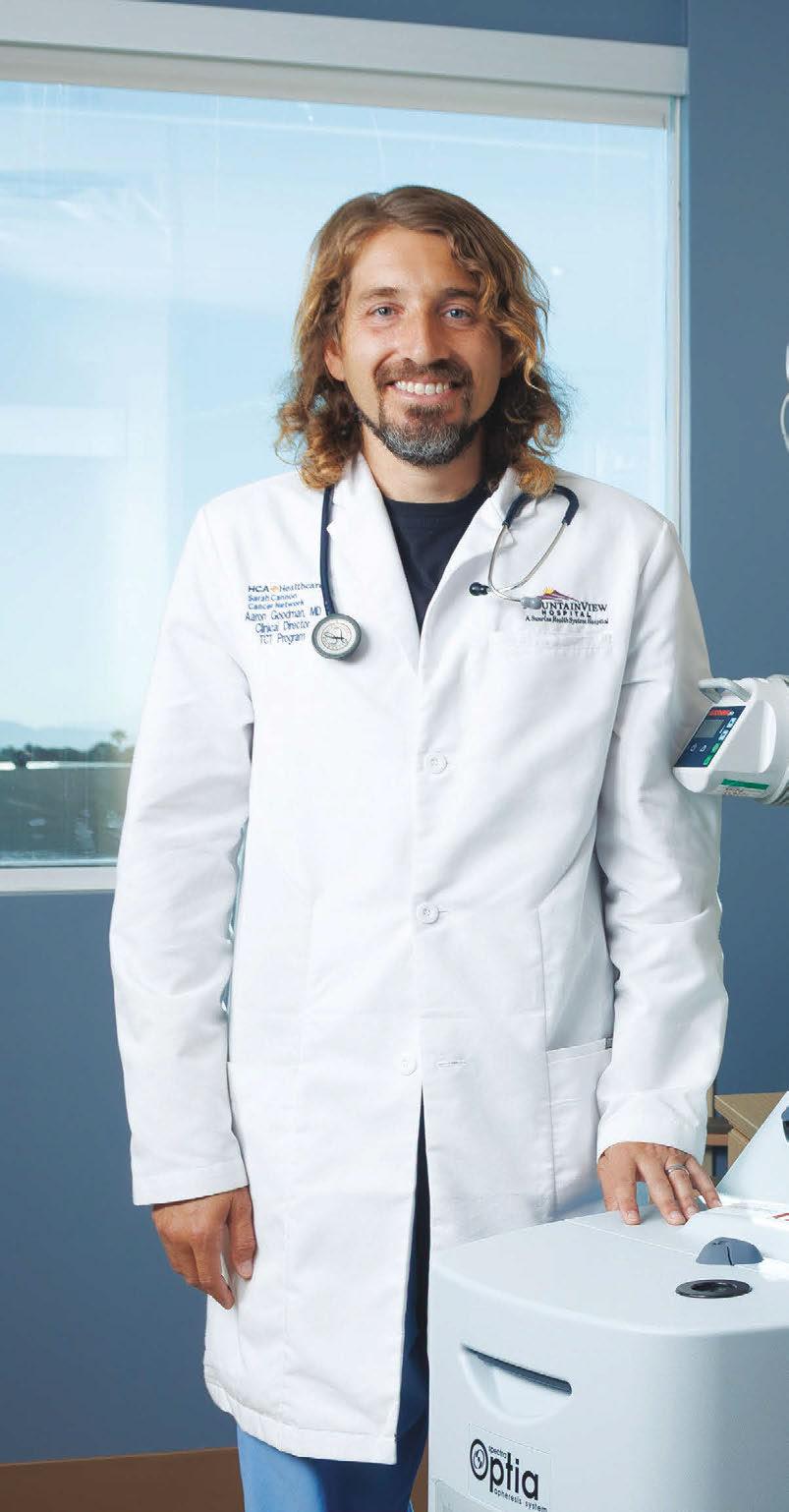
Aaron Goodman, MD, Clinical Director
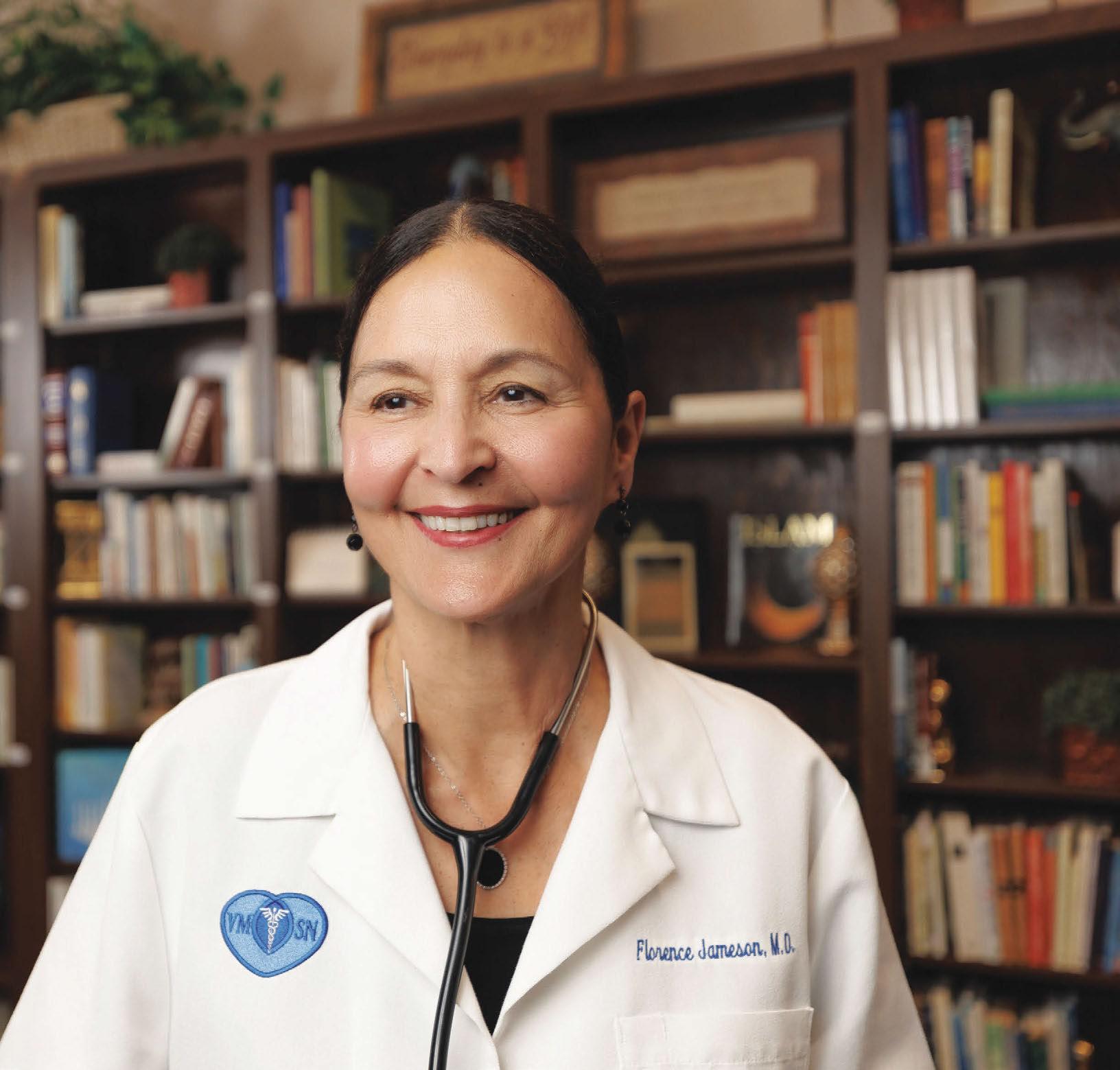
ong before she founded a clinic, Florence Jameson, saw what compassionate care could mean when her own family needed help and could not pay for it. That experience would guide her in building a model of care for uninsured and underserved Nevadans as a physician and founder of Volunteers in Medicine of Southern Nevada.
For more than 15 years, Volunteers in Medicine has delivered nearly 100,000 medical visits, dispensed more than $41 million in medications, and provided more than $54 million in medical and dental care at no cost to patients. Under Jameson’s leadership, the organization has grown to include the 13,000-square-foot Ruffin Family Clinic and support from more than 500 volunteer medical professionals.
Jameson’s work has never stopped at one unmet need. Last year, Volunteers in Medicine served 100 obstetrics patients, many with high-risk pregnancies, through its maternity clinic. Earlier in her career, Jameson also established the first free medical clinic for incarcerated girls at the Clark County Juvenile Justice Center.
Jameson is also the founder of the Tree of Life Dispensary that has become part of a broader community impact. By pledging up to 70% of its profits to local charities and underserved populations, it has helped generate more than $1 million in charitable contributions to local nonprofits.

hildren and families across Southern Nevada have encountered healthier habits in practical, approachable ways because of Crystal Momii’s work. Through University of Nevada, Reno Extension, she has spent more than two decades making nutrition education engaging and accessible in Title I schools and community settings.
Program officer, University of Nevada, Reno Extension
In classrooms, cafeterias and school-based programs, Momii has turned nutrition education into something students can see, taste and practice. Her work has included nutrition lessons, school lunchroom initiatives and farmers market activities that introduce fruits and vegetables in a memorable, low-pressure way.
Student outcomes show the impact. In 2025, among thousands of students who participated in the Pick A Better Snack program, 60% to 95% reported improvements in eating habits, reduced sugary drink intake and physical activity. Her leadership in programs tied to Chefs for Kids and smarter lunchroom strategies has also helped increase food consumption, improve participation, reduce waste in local schools and strengthen everyday nutrition education for young students.
Where food insecurity and diet-related health concerns remain pressing issues, Momii’s work stands out for its consistency and reach. She is helping children make healthier choices early and giving schools stronger tools to support lifelong health.

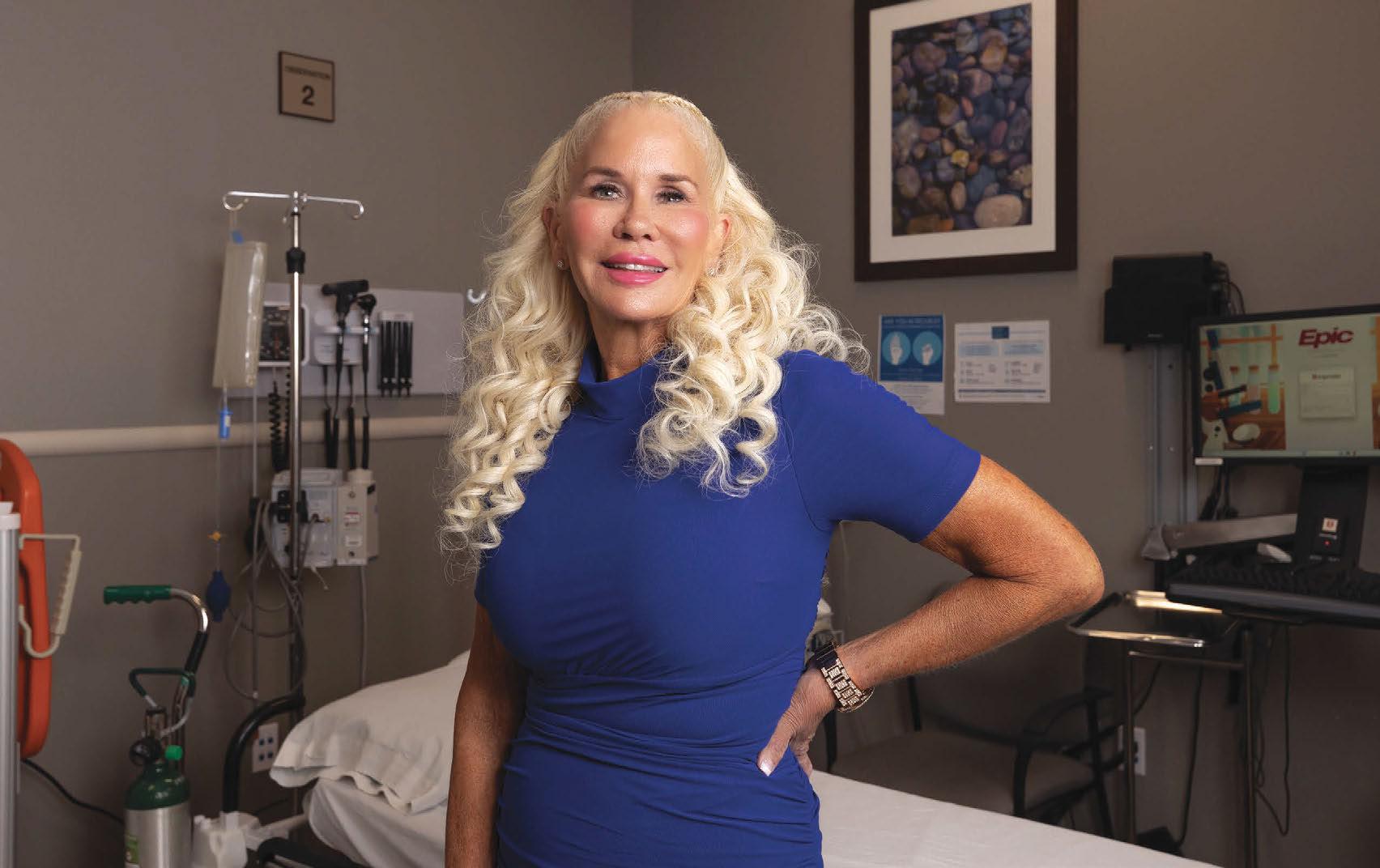
atty Scott draws upon decades of experience in nursing and health care leadership to foster a culture of collaboration and clinical excellence at University Medical Center. Working alongside nurses, physicians, CNAs and clinical leaders, she has helped make patient safety a more consistent part of daily practice.
Quality, Patient Safety and Regulatory Officer, University Medical Center
Scott’s work has supported strategies that reduce unintended complications and injuries, including stronger training and new processes aimed at preventing patient falls. She has also worked with UMC’s nursing division to support new strategies aimed at improving nursing quality, includ-
ing training, infection-reduction task forces and new care processes.
Some of UMC’s biggest advances have come under Scott’s leadership. She played a prominent role in strengthening the hospital’s stroke program that earned certification as a Comprehensive Stroke Center in 2025. She also helped support the development of new practice groups and care models across the system, building workflows that made growth possible without losing focus on safety or coordination.
What stands out in Scott’s work is that it never drifts far from the bedside. Even in a leadership role, she has continued to build systems around the realities nurses and patients face every day, helping make safer, more consistent care part of UMC’s culture.
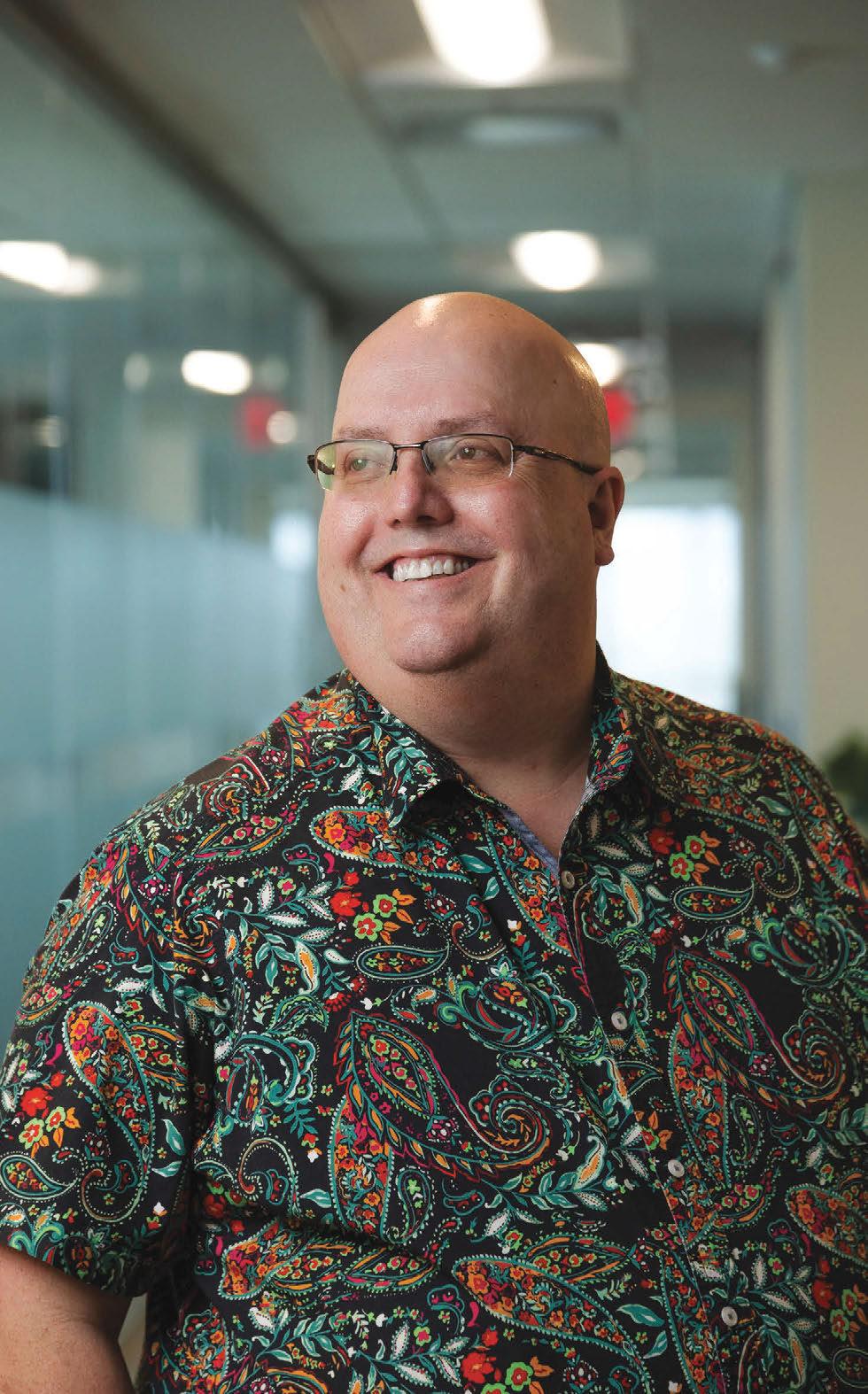
rian Greenlee is helping reshape how Southern Nevada thinks about hospice and palliative care. As executive director of Southwest Medical Hospice and Optum Palliative Care, he leads services for more than 170 hospice patients and more than 800 palliative care patients.
Executive director, Southwest Medical Associates Hospice and Optum Palliative Care
Under Greenlee’s leadership, the program has grown while maintaining high standards. In 2025, Southwest Medical Hospice increased patient census by 22%, earned a zero-deficiency clinical survey from the Centers for Medicare and Medicaid Services, and ranked in the top 20% of hospices nationally based on caregiver and family surveys.
During this time, the hospice moved into a new building, adopted a new electronic medical record and adjusted to new Medicare regulations, all while continuing to deliver high-level care. Greenlee’s focus on supporting clinicians and educating families has helped make hospice and palliative care more accessible in a part of the system that patients often misunderstand or reach too late.
In Southern Nevada, where end-of-life care can be difficult to navigate, Greenlee’s leadership stands out for its steadiness and practical impact. He is helping more patients and families find comfort, dignity and support during difficult moments.


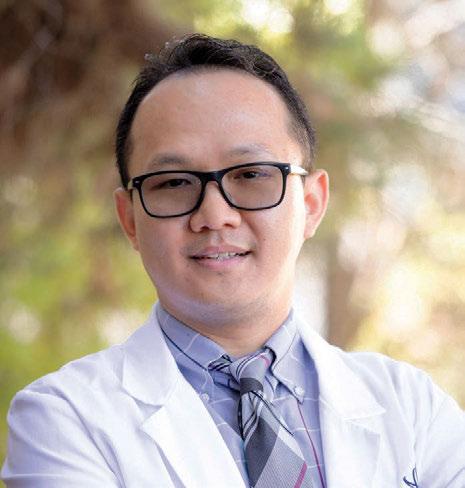

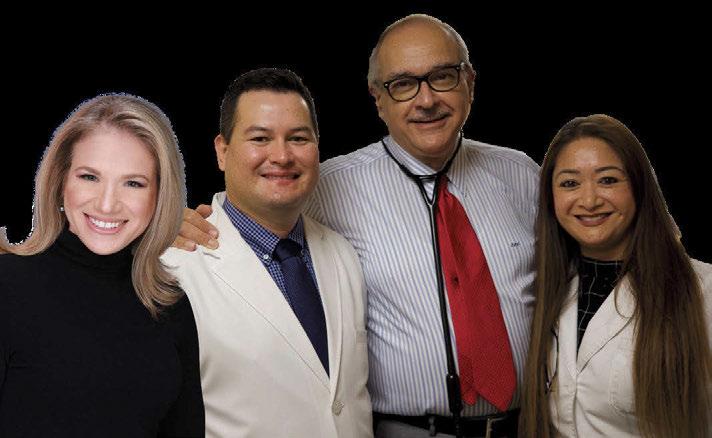
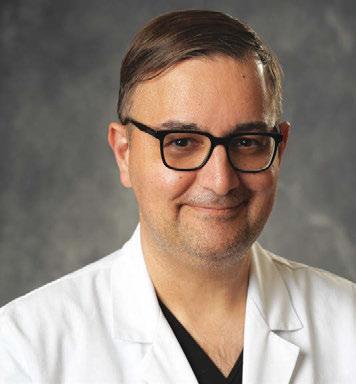
Dustin Boyer, MD, is a board-certified radiation oncologist with more than 30 years of experience providing advanced, patient-centered cancer care. A retired colonel in the United States Army, he spent decades in military medicine, serving as clinic chief at multiple Army medical centers and earning recognition as a “Best of the Best” Army Specialty Care Provider. Dr. Boyer earned his medical degree from the Uniformed Services University of the Health Sciences and completed residency training in radiation oncology through the combined program of the National Institutes of Health, National Cancer Institute and National Capital Consortium. He treats a range of cancers, including lung, breast, prostate, brain, colorectal, head and neck, pediatric, lymphoma and gynecologic malignancies, with an emphasis on precise, personalized care. He is committed to helping patients feel informed and supported throughout treatment.
2851 N. Tenaya Way, Ste. 100 Las Vegas, NV 89128 702-243-3340
52 N. Pecos Road Henderson, NV 89074 702-990-4761
oncologylasvegas.com
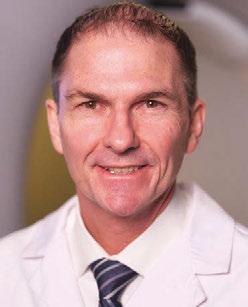
Guy Jones, MD, is a board-certified radiation oncologist and Medical Director of Oncology Nevada. He studied at Washington State University and earned his MD from Rutgers University, then completed his internship at Sacred Heart Medical Center in Spokane. He completed residency and fellowship training in radiation oncology at the National Cancer Institute in Bethesda, Maryland.
Dr. Jones has been in practice for over 10 years and specializes in the treatment of breast, head and neck, lung, and gynecologic cancers. He also treats select benign conditions, including Dupuytren’s contracture, arthritis, bursitis and plantar fasciitis.
Dr. Jones has earned distinction as both an American Brachytherapy Society Scholar and a Howard Hughes Medical Institute Research Scholar. In addition to caring for patients, he is passionate about teaching, research and mentorship.
Outside of work, he enjoys running, cycling, rock climbing, fishing, hiking and football.
2851 N. Tenaya Way, Ste. 100 Las Vegas, NV 89128
702-243-3340
52 N. Pecos Road Henderson, NV 89074 702-990-4761 oncologylasvegas.com
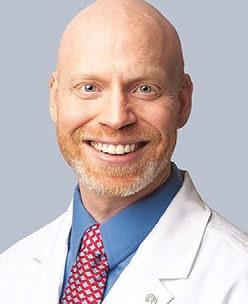
Nathan Jones, DO, earned a BS in applied physics from the University of Utah and completed medical school at A.T. Still University as a U.S. Army health professions scholarship recipient. He served as a field surgeon with the Army’s 4th Infantry Division and later practiced at Walter Reed National Military Medical Center and San Antonio Military Medical Center, where he served as Deputy Clinic Chief.
After completing military service, he joined the Herbert Herman Cancer Center at University of Michigan Health–Sparrow, serving as Chief of Radiation Therapy.
Dr. Jones is board certified by the American Board of Radiology and has expertise in advanced radiation therapies. He treats multiple cancer types, including lung, prostate and other genitourinary, breast, brain, head and neck, and gynecologic malignancies.
Outside the clinic, he enjoys family time, music, running, hiking, biking and community involvement.
2851 N. Tenaya Way, Ste. 100 Las Vegas, NV 89128 702-243-3340
52 N. Pecos Road Henderson, NV 89074 702-990-4761 oncologylasvegas.com
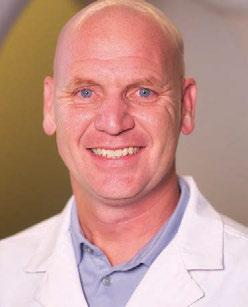
Anna Kasper earned her BA in Community Health and Education from Seattle Central College and completed her physician assistant training at the University of Washington MEDEX PA Program, where she received a Master of Physician Assistant Studies. She is board certified by the National Commission on Certification of Physician Assistants.
A native Washingtonian, Kasper moved to Nevada after being drawn to all the area has to offer. She began her medical career more than 15 years ago as an emergency services technician in Tacoma, Washington, and later worked as a medical assistant in an orthopedic practice in Seattle. After completing her training, Anna went on to practice as a physician assistant in radiation oncology.
In her free time, she is an avid sports fan who enjoys the outdoors, music, travel and spending time with family.
2851 N. Tenaya Way, Ste. 100 Las Vegas, NV 89128
702-243-3340
52 N. Pecos Road Henderson, NV 89074
702-990-4761
oncologylasvegas.com
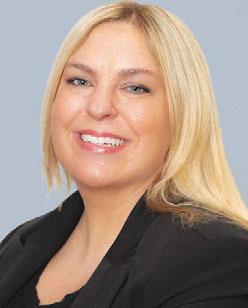
Peter Licata, DO, is the Medical Director of Osteodox, a physician-owned and -operated, patientcentered primary care practice serving the Las Vegas community.
Specializing in family medicine, Dr. Licata focuses on preventive care, chronic disease management and whole-person health for patients of all ages. His approach emphasizes accessibility, continuity of care and building strong relationships with patients to support long-term wellness. Osteodox offers a full range of services, including Medicarefocused care, quick care visits, in-office lab testing, and diagnostic imaging such as X-ray and ultrasound.
The practice also provides women’s health services, immigration physicals and DOT/ CDL exams, delivering comprehensive care in one convenient location.
Dr. Licata and staff are committed to helping patients take a proactive role in their health through personalized, efficient and compassionate medical care.
OSTEODOX
2901 W. Sahara Ave, Ste. 3A, Las Vegas, NV 89102 702-362-2500 www.osteodoxlv.com
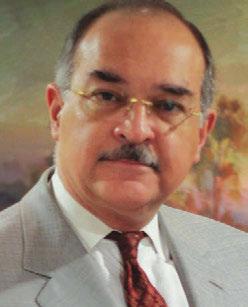
Shereef Takla, MD, is a radiologist specializing in women’s imaging, with a focus on early breast cancer detection and precise, patient-centered diagnostics. He chose radiology for its central role in patient care, helping surgeons, oncologists and other specialists make informed decisions and map effective treatment plans.
In his work, Dr. Takla emphasizes both technical accuracy and compassionate communication. He values the patient-facing aspects of women’s imaging and strives to explain complex findings with clarity, transparency and care.
Dr. Takla joins Steinberg Diagnostic this May for its reputation as a leading radiology group in the region and its commitment to diagnostic excellence, efficient care and high clinical standards. Through his practice, he hopes to improve health outcomes in the Las Vegas Valley by providing trusted subspecialty-level imaging and supporting patients during vulnerable moments in their care.
Serving 12 locations throughout the Valley 702-732-6000 sdmi-lv.com
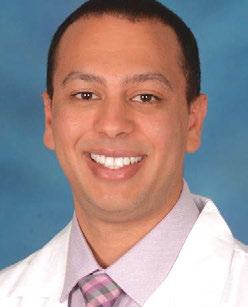
Julpohng “JP” Vilai, MD, is a boardcertified pediatrician and associate professor of clinical sciences at Roseman University College of Medicine, where he serves as pediatrics clerkship director and medical director for Roseman Medical Group.
Since joining Roseman in 2023, he has helped expand RMG to offer care across the full lifespan.
Dr. Vilai’s clinical interests include infectious disease, behavioral and mental health, telehealth, transplantation medicine, and care for unhoused, underserved and LGBTQIA+ populations. He works closely with Shannon West Homeless Youth Center and serves as vice president of the Nevada Chapter of the American Academy of Pediatrics.
A member of the Gold Humanism Honor Society, he has received educator and mentor honors from UNLV’s Pediatrics Residency Program, along with Nevada Business Magazine’s 2025 Healthcare Heroes Humanitarian award.
Dr. Vilai is passionate about improving health outcomes in his hometown of Las Vegas through valuebased, humanistic care.
ROSEMAN MEDICAL GROUP
5380 S. Rainbow Blvd. Ste. 120 Las Vegas, NV 89118
702-463-4040
rosemanmedicalgroup.com
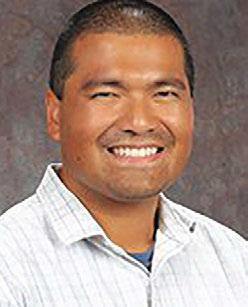

Karen Rubel is the President of Chapters Health West and interim Executive Director of Nathan Adelson Hospice
BY KAREN RUBEL
Nevada is experiencing one of the most dramatic shifts in hospice care compared with anywhere else in the country. In just over a decade, the state has seen an explosion in the number of hospice providers, from 22 statewide in 2009 to more than 253 today. Clark County alone now has more than 225 certified hospices, many of them newly established. This rapid expansion reflects a growing recognition of end‑of‑life care needs, but it also sheds light on the problems and challenges faced by families who must navigate an increas ingly crowded and uneven landscape.
The growth of the industry is not the problem. Choice can empower families and competition can drive innovation. But when expansion happens faster than oversight, it can result in instability, inconsistent quality and confusion for patients at their most vulnerable moments. National reporting has already highlighted concerns about fraud, waste and abuse in states experiencing similar surges, including California, prompting federal regulators to increase scrutiny of new hospice providers.
That scrutiny is now accelerating and gaining attention on the federal level. Mehmet Oz, admin istrator of the Centers for Medicare & Medicaid Services, launched a rapid response listening tour, visiting states identified as hot spots for hospice fraud and abuse. Nevada is at the top of the list. His visit to Nathan Adelson Hospice this year underscores the seriousness of the issue and the need for swift, coordinated action. Joined by frontline experts, advocates and state leaders who confront these challenges daily, his visit was aimed to ensure that federal reforms are informed by the real‑world experiences of those caring for patients and families.
For families, all of this means the responsibil
ity of choosing a hospice, already an emotionally heavy decision, has become even more complex.
The rise in new providers has created a wide spectrum of hospice quality across Nevada. Long‑established, mission‑driven organizations continue to deliver comprehensive, compassion ate care grounded in decades of experience. But alongside them are newer agencies that may lack the staffing, clinical depth or organizational sta bility required to support patients with complex needs.
When a hospice is under‑resourced or poor ly managed, families may encounter delayed services, inconsistent communication, limited access to interdisciplinary care teams, or gaps in after‑hours support. These breakdowns don’t just create frustration—they can undermine a patient’s comfort, dignity and sense of security during the final stage of life.
Nevada lawmakers are taking action to address the vulnerabilities exposed by the state’s rapid hospice expansion. Assembly Bill 161, introduced in the 2025 legislative session, is a significant step toward tightening oversight and improving transparency. The bill aims to curb fraudulent or unethical practices by strengthening licensing requirements, increasing state review of new providers, and ensuring that hospices demon strate adequate staffing, clinical competency and financial stability before opening their doors. AB 161 also seeks to improve data reporting and accountability measures so regulators can more quickly identify patterns of abuse or noncompli ance. In a market where growth has far outpaced regulation, AB 161 is an important step toward

restoring balance and safeguarding the integrity of hospice services statewide.
In a crowded market, families can protect themselves by asking the right questions and looking for clear indicators of quality.
n Longevity and reputation: How long has the hospice served the community? What do local clinicians say?
n Accreditation and certifications: Is the provider accredited by a national body such as the Joint Commission?
n Interdisciplinary team depth: Does the hospice offer robust nursing, social work, spiritual care, family support and bereavement services?
n Medical expertise: Are the hospice phy sicians certified in hospice and palliative care medicine?
n 24/7 availability: Can a nurse visit at any hour, including nights and weekends?
n Transparent communication: Are care plans clearly explained? Are families included in decision‑making?
Families should also be overly cautious of providers that appear overnight, offer vague answers or pressure them into enrollment.
Advocacy begins with information. Families should feel empowered to interview multiple hospices, request quality data and speak with staff before making a decision. They can also lean on other trusted healthcare profession als and community organizations who have firsthand experience or partnerships with local providers.
Most importantly, families should remember that hospice is not a service or product. It is a relationship built on trust, compassion and clin ical excellence. In a rapidly changing landscape, steady and experienced partners matter more than ever.
As Nevada continues to refine oversight and strengthen standards, the goal must remain clear: ensuring that every patient receives the dignified, compassionate end of‑life care they deserve. Families navigating this journey should not have to do it alone, and with the right guid ance and protocols, they won’t have to.
Emily
Antuna is the Public Relations Coordinator at University Medical Center
BY EMILY ANTUNA
As Southern Nevada’s population and economy continue to expand, a strong healthcare workforce is vital to meet the growing needs of our community. Training the next generation of healthcare professionals is an important statewide effort, and one innovative partnership is providing an expanding pipeline of homegrown talent.
Since 1999, the Engelstad School of Health Sciences at College of Southern Nevada and University Medical Center have collaborated to provide thousands of students with hands-on clinical experiences before they graduate. The goal is to expose students to what life is like outside of the classroom.
“It was eye opening,” said Victoria Ornelas, a fourth-year student in CSN’s Cardiorespiratory Science Program. Ornelas grew up in Las Vegas and found her calling in medicine while supporting her brother through severe asthma.
Janice Glasper, dean of CSN’s Englestad School of Health Sciences, said the school is made up of students from all backgrounds, ages and income levels. Many students are local and want to stay in Southern Nevada.
“I’m proud of our programs. We provide our students with a quality education in their hometown thanks to our incredible faculty and our advanced training equipment,” Glasper said.
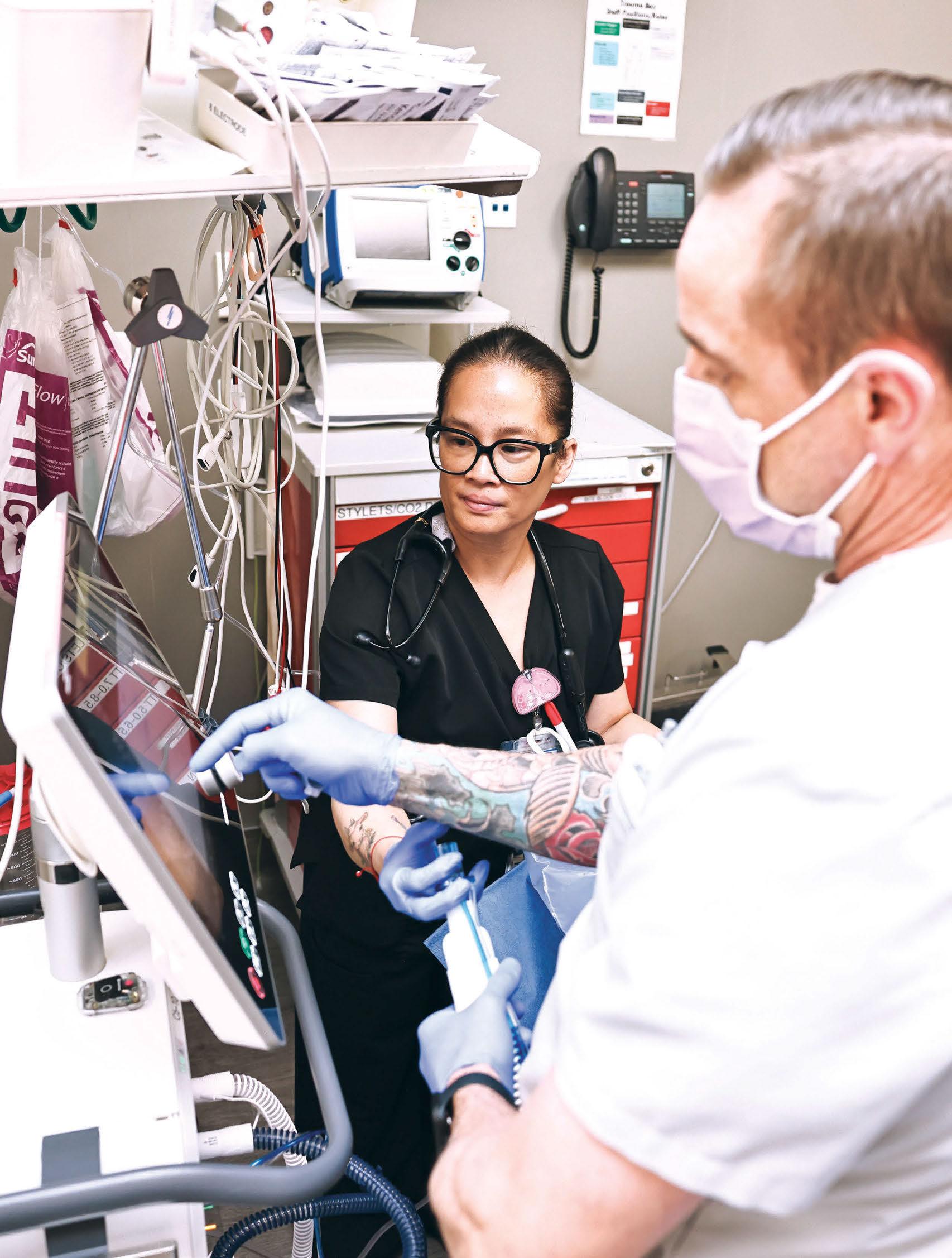
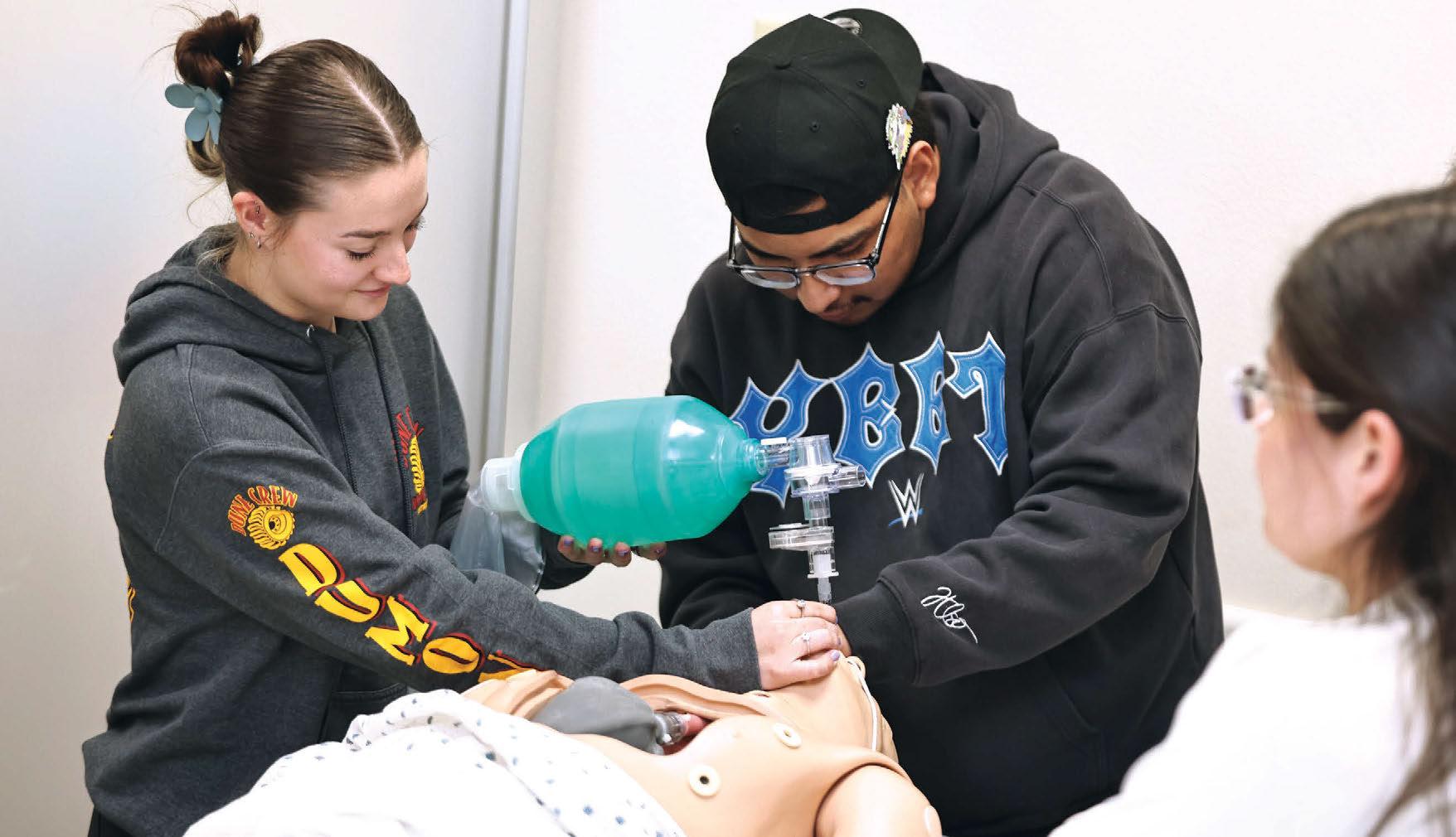
The advanced equipment includes CSN’s Cardiorespiratory Simulation Lab. Program Director Tracy Sherman leads hundreds of students through simulations each year using a specialized robotic patient on which students can practice various procedures, including breathing treatments, intubation and even blood draws.
“WHEN PEOPLE HEAR ABOUT SHORTAGES IN HEALTH CARE, PHYSICIANS ARE USUALLY THE FIRST GROUP MENTIONED, BUT THE INDUSTRY IS MULTIDISCIPLINARY.”
— Noel Madic, Clinical Director for Education Services at UMC
With her graduation on the horizon, Ornelas jumped at the chance to do a clinical rotation at UMC’s Level I Trauma Center. “The experience was invaluable. It helped me improve my critical thinking skills and taught me how to be fast on my feet and work with a team,” she said.
From nursing to laboratory sciences, CSN offers a wide variety of degree and certification programs for students looking to start or grow their careers in healthcare.
“We can put students into very complex situations and help them perform their way out without any potential harm to patients,” Sherman said.
According to Sherman, when it comes to hands-on clinical experiences for students, there is no comparison to UMC. “UMC runs the gamut of patient care. Our students have access to a wide range of patients from premature babies all the way to geriatrics, from trauma to anything in between,” Sherman said.
Both Sherman and Glasper agreed that while state-of-the-art simulation can prepare students for many scenarios, interactions with real patients at UMC become some of the most formative teaching moments.
Continued on page 42
Courtesy photo
Continued from page 40
“We encourage our learners to demonstrate not just sympathy, but empathy as well. That’s hard to do with a robot,” Glasper said.
In 2025, UMC provided hands-on training to 419 CSN students through clinical rotations in a variety of key programs, including nursing, paramedic/EMT, cardiorespiratory, clinical laboratory and other disciplines. Noel Madic, clinical director for education services at UMC, said partnerships with institutions like CSN help address shortages of healthcare workers in Nevada.
“When people hear about shortages in healthcare, physicians are usually the first group mentioned, but the industry is multidisciplinary,” Madic said. “There are many different people involved in one patient’s care, and it’s important that we focus on growing every discipline while working with partners like CSN to identify where there may be additional needs in the future.”
Madic said students who do clinical rotations at UMC are often hired shortly after graduation. “We find CSN graduates have a much shorter orientation time,
primarily because this is where they learned. It creates a better overall experience for our patients,” Madic said.
“I was really excited when I got the call,” said Mark Britton, respiratory care practitioner at UMC. Britton was hired not long after his graduation from CSN in 2023. During his clinical rotations, he was trained by 2006 CSN graduate Maribel Thiel, an advanced respiratory care practitioner at UMC. Britton said he’s now come full circle, training his own CSN students from time to time.
“Working in trauma, anything can come through those doors, so you need to be prepared.” Britton said.
“I try to instill the same guiding principles that Maribel taught me.”
As she nears her graduation, Ornelas said learning from former students at UMC like Mark Britton and Maribel Thiel was inspiring.
“We put a lot of blood, sweat and tears into this program, so seeing former students end up at such a well-respected facility drives excitement in me,” she said. “I hope I can make a difference for patients like they do in the future.”
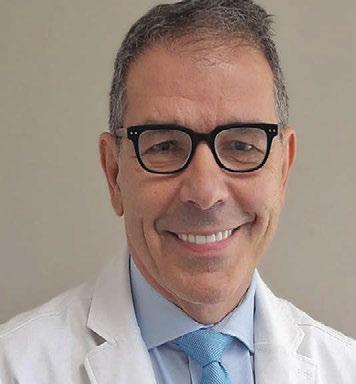
Victor Grigoriev, MD , is a Urogynecologist at Las Vegas Urology
BY VICTOR GRIGORIEV, MD
Many women experience bladder issues, whether it is overactive bladder, stress urinary incontinence or pelvic organ prolapse. These disruptive conditions are often dismissed as a normal part of aging, but they are highly treatable. Advances in urogynecology are helping physicians better understand these disorders and offer therapies that restore comfort, confidence and quality of life.
Over the past decade, physicians have gained a better understanding of how the nervous system and hormones influence urinary function. The bladder is not simply a storage tank. It communicates constantly with the brain and spinal cord. As the bladder fills, signals travel to the brain that create the urge to urinate. The brain and spinal cord then coordinate whether the bladder contracts to empty or suppresses that signal until it is convenient.
When this communication system does not function properly, bladder problems can develop. Aging, menopause and childbirth can all affect this system. Neurologic conditions such as stroke, Parkinson’s disease, back injury, multiple sclerosis, neuropathy and diabetes can also disrupt these signals.
A better understanding of the nervous system’s role in bladder function has led to several treatment options.
n Medications designed for the bladder. Newer medications such as mirabegron and vibegron work on bladder receptors to relax overactive bladder muscles.
n Botox injections. By blocking overactive
nerve signals, Botox can relax the bladder muscle and help restore control over urgency.
n Neuromodulation devices. Systems such as Medtronic InterStim use gentle electrical impulses to retrain the nerves that regulate bladder function, improving communication between the bladder, brain and spinal cord.
n Dietary changes. Avoid spicy foods, limit sugar and reduce caffeine, which can irritate the bladder.
n Pelvic floor exercises. Regular pelvic floor exercises can strengthen the muscles that support bladder control.
n Hormones. Working with a physician to maintain healthy levels of estrogen and testosterone can support bladder function and overall well-being.
Surgical advances have improved outcomes for bladder and prolapse conditions. Robotic systems allow surgeons to view pelvic anatomy in high definition and perform precise repairs through small incisions, which can reduce discomfort and recovery time for many patients.
For those whose symptoms stem from nerve dysfunction, neuromodulation implants placed under local anesthesia in the hip or lower leg can help restore bladder nerve function in many cases. Another minimally invasive option, urethral bulking agents, uses gel-like materials injected during a brief office procedure to reduce activity-related incontinence. Although bladder problems are common, modern treatments are expanding the options available to women. With the right diagnosis and care, many patients can regain comfort, confidence and control.

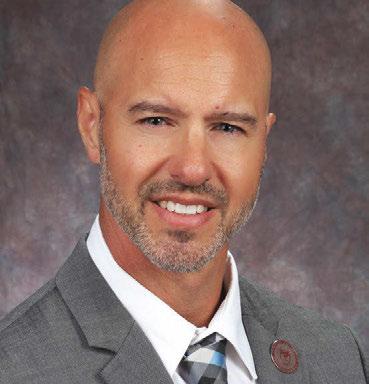
Jason Roth is Vice President for Communications and Partnerships at Roseman University of Health Sciences
BY JASON ROTH
The mouth has long been treated separately from the rest of the body, requiring a different appointment, waiting room, record system and bill. Today, research increasingly points to the link between oral health and overall health: Gum disease is connected to cardiovascular disease, and systemic conditions like HIV and diabetes often show their earliest signs in the mouth. The new Thorne Clinic for Integrative Oral Health and Primary Care at Roseman University of Health Sciences in Henderson was created to close the gap between dentistry and medicine.
Made possible through a philanthropic investment by PDS Health, the 12,000-square-foot, 35-chair teaching clinic brings together oral health, primary care and health sciences education under one roof. Alongside Roseman’s existing dental and orthodontic clinics, the Henderson campus now encompasses 62 chairs and 17,300 square feet of clinical space, with capacity for up to 50,000 patient visits annually once fully utilized.
“This partnership with PDS Health underscores the power of innovation and collaboration in advancing oral health and primary care,” said Frank Licari, DDS, dean of Roseman University College of Dental Medicine.
PDS Health Founder and CEO Stephen Thorne IV sees the facility as more than a training site. “Roseman University is creating a space where students experience how oral health and medicine work together in clinical care,” he said. “Learning in an integrated setting prepares them to think differently, work more collaboratively and deliver better outcomes for the patients they will serve.”
Central to the clinic’s integrated model is Epic, the electronic health records platform used by major hospitals and health systems nationwide. PDS Health was the first dental support organization in the country to fully deploy Epic across its supported
practices, and the infrastructure now extends to how Roseman’s dental students learn and deliver care.
Rather than juggling separate dental and medical records, Roseman’s students and faculty work within a single unified EHR. A patient’s oral health history sits alongside their systemic data, such as cardiovascular conditions, diabetes markers and medications. This enables earlier identification of health risks and holistic treatment planning.
“By expanding our clinical training capacity and introducing Epic into our clinical education environment, we’re preparing future dentists to deliver truly integrated, patient-centered care,” Licari said.
The Thorne Clinic’s diagnostic capabilities are equally forward-looking, thanks to a $631,000 educational equipment grant from DEXIS, a global leader in AI-powered dental imaging. The grant equipped the clinic with intraoral scanners, cone beam computed tomography systems, sensors and portable X-ray units, all of which streamline workflows and sharpen diagnostic precision in ways traditional equipment cannot.
“The students who train at the Thorne Clinic won’t just be learning dentistry, they’ll be mastering the tools and technologies that define the future of oral health care,” said Robert Befidi, president of DEXIS.
In January, seven dental students enrolled in Roseman University College of Dental Medicine’s Doctor of Dental Medicine program at the South Jordan, Utah, campus, relocated to Henderson to provide faculty-supervised patient care while completing their training. The number of students training at the Thorne Clinic is expected to grow and reach full capacity in the upcoming years.
Paired with a Roseman Medical Group primary care clinic opening adjacent to the Thorne Clinic in the coming months, Roseman’s Henderson campus is becoming a hub for integrated health care while training a pipeline of healthcare professionals prepared for a collaborative, technology-driven future.
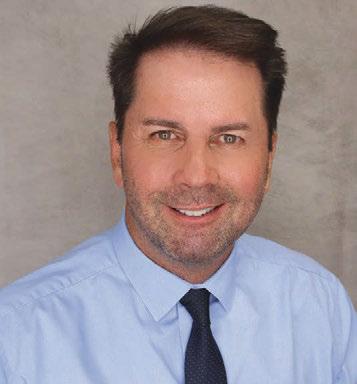
Paul Joncich is the Manager of Media Relations at UNLV’s Kirk Kerkorian School of Medicine.
Ovunc Bardakcioglu, MD, FACS , is the colon and rectal surgery chief at the Kirk Kerkorian School of Medicine at UNLV.
BY PAUL JONCICH
Actor James Van Der Beek’s death at age 48 is a sad reminder that colorectal cancer is now the leading cause of cancer-related death among young adults. Once considered primarily a disease of older age, CRC is rising at an alarming rate in people under 50 years old. Ovunc Bardakcioglu, MD, explains how to understand and manage risk.
Are you personally seeing evidence of an increase in colorectal cancer among younger patients?
Yes, unfortunately, on a routine basis in my own practice and as a director of the rectal cancer program and tumor board.
When was the last time you diagnosed a young patient?
The last patient I diagnosed—I did a biopsy on a rectal mass—was in his 30s. Everyone in the operating room had the same comment: “Wow, he’s so young.”
How often do you see this?
Over the last couple of months, I would say every other week. Right now, we are seeing patients starting in their 20s, 30s and 40s, well below the age for screening recommendations, which is 45. They are referred to me after displaying symptoms, typically rectal bleeding or change in bowel habits, or maybe abdominal pain and discomfort which persists for more than a couple of days. Interestingly, many of them are referred for hemorrhoids. The second set are patients who have already had their colorectal cancer diagnosis through a colonoscopy performed by a gastroenterologist.
How is colorectal cancer diagnosed?
Typically, with a colonoscopy, a 30- to 60-minute outpatient procedure allowing a gastroenterologist or colorectal surgeon to examine the large intestine, including the rectum, while the patient is under sedation. If any polyps are found, they can be removed during the procedure, and most are not cancerous. Colonoscopies as screening tools are recommended for everyone starting at age 45 or to investigate symptoms at any age.
Does the physician shortage in Nevada play a role in the number of colorectal cancer cases here?
I would say yes because there is a shortage of gastroenterologists performing colonoscopies. I hear routinely that there are wait times for screening tests up to three to four months in the Valley. And the other aspect is just a general shortage of primary care providers like general practitioners and emergency room physicians who would typically see signs of trouble as a first contact.
Is it logical to assume that the mortality rate for CRC is higher in Southern Nevada?
Yes, the mortality rate is higher compared to the national average and neighboring states, due to diagnoses in later stages. This is a result of the provider shortage, lack of insurance coverage and a mix of early symptoms not being taken seriously by either the patient or the provider. There is also some evidence that in younger patients, the cancers themselves might be more aggressive, meaning the progression from stage to stage is increased in younger patients.
What is the reason for that?
It is being debated right now and there is
research underway looking at that exact question. But as a clinician, it makes me more wary looking at any early diagnosis. Now, when I see younger patients who are referred to me with rectal bleeding, I immediately pursue a colonoscopy.
What are the risk factors?
Unfortunately, there is not a single risk factor that causes colorectal cancer, but some lifestyle habits may increase the risk. For example, certain dietary habits like eating red meat and processed meats, or processed food in general, increase the risk. Obesity and a sedentary lifestyle add to the risk. There is also recent evidence that even a small amount of alcohol can raise the general cancer risk, so I think all these add up.
Interestingly enough, the stories we see in the media about younger celebrities dying—some of them are the very picture of health. They exercise, eat well, and have access to excellent medical care, yet they still get sick. This is quite concerning.
Do all of your patients have the classic risk factors for colorectal cancer?
This is not something we typically keep track of because, as clinicians, we don’t go back and count all the risk factors. By the time they’re diagnosed, we’re moving quickly and looking at treatment options. But generally speaking, I do see a variety of risk factors being present in most of my patients.
just colorectal cancer but many cancers. At the same time, it is so hard to avoid ultra processed foods in the United States.
Do you find that younger patients are hesitant to get a colonoscopy due to anxiety about the procedure?
I think it’s more of the “oh, I’m fine,” mentality. They think, I’m young, I don’t have pain or any other health issues. The mindset is not to pursue early testing.
What’s new in colonoscopy prep?
The volume of liquid you’re asked to drink has decreased. The traditional bowel prep was about a gallon, which for most, is just too much, but now there are low-volume options. There’s also a prescription bowel prep that comes in pill form.
Traditionally, we would look towards genetic risk factors. In other words, does it run in the family? But my gut feeling, and I think research might go in this direction, is that we are looking at environmental factors.
Do most people come to see you after experiencing symptoms at home?
For most young patients, it is the symptoms that start the process. Symptoms include abdominal pain, bloated stomach, blood in the stool, constipation or diarrhea, and unexplained weight loss.
Are the symptoms the same for young people and older adults?
Pretty much.
What do you attribute to the increase in younger people being diagnosed with colorectal cancer?
Traditionally, we would look toward genetic risk factors. In other words, does it run in the family? But my gut feeling, and I think research might go in this direction, is that we are looking at environmental factors. From the water we drink, to the foods we eat, and the amount of chemicals and processes in our food industry. I think all of this might contribute to not
What do you think of mail-in tests that allow you to collect a stool sample at home, seal it in a provided container, and send it to a lab?
Those are screening tools and they have some usefulness. But if somebody has symptoms, we wouldn’t necessarily use a mail-in test. Physicians can provide simple blood-based testing to look for anemia in their clinic. But ultimately, it is really the colonoscopies with biopsies that will diagnose cancer.
Have there been any advancements in the fight against colorectal cancer in Southern Nevada?
I have initiated and developed, as the program director, the rectal cancer program of excellence with one of our hospital partners, Sunrise Hospital and Medical Center, and recently achieved national accreditation as a Surgical Quality Partner from the American College of Surgeons. This means that the program meets stringent national quality of care standards, on par with the most advanced hospital systems in the world.
An important component is the coordination of care. Because rectal cancer is treated by multiple specialists, we bring together surgeons, oncologists, radiation oncologists, pathologists and radiologists to facilitate rapid diagnosis and treatment. I’m very proud of this accreditation because it’s a first for Nevada and requires us to use proven protocols that only the best medical centers in the world provide. It also highlights how we, as part of UNLV Health, partner with community facilities and community physicians to raise quality of care.
Clark County partnered with University Medical Center and the Las Vegas Metropolitan Police Department on a safety outreach campaign as e-bike and e-scooter injuries surge. UMC reports a 400% increase in related injuries over three years, with nearly 200 patients treated in 2025. The effort included a public service announcement, safety flyers and reminders about helmet use, speed limits and local regulations.
led expansion projects and service line growth at Los Robles.
University Medical Center of Southern Nevada became the first hospital in the state to achieve Magnet recognition from the American Nurses Credentialing Center, the highest national honor for nursing excellence. The designation placed UMC among a select group of U.S. hospitals recognized for nursing standards and patient care. Magnet status is associated with higher patient satisfaction, lower mortality rates and improved nurse retention.
Las Vegas Justice Court received an $84,500 state grant from the Nevada Department of Public Safety’s Office of Traffic Safety for its 2026 DUI Treatment Court program, which serves repeat misdemeanor DUI offenders. The grant will help continue treatment, monitoring and supervision services. About 70 participants enrolled last year, with a reported retention rate of 96%.
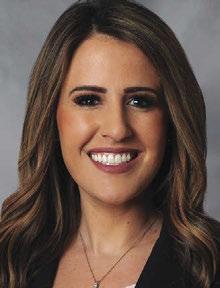
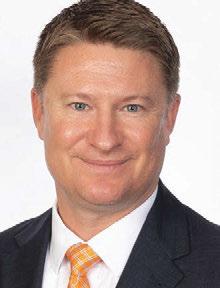
HCA Healthcare ’s Far West Division named Alexis Mussi CEO of MountainView Hospital in Las Vegas and Nicholas Johnson CEO of Southern Hills Hospital . Mussi previously led Southern Hills, where she oversaw its expansion from 134 to 331 beds, major capital projects and specialty growth. Johnson, who had served as chief operating officer at Los Robles Hospital and Medical Center in California since 2023, succeeded her at Southern Hills. A former surgical technologist and registered nurse, he advanced through hospital leadership roles and
Southern Hills Hospital added two advanced surgical robotic systems, including a multi-arm robot for spine surgery and another robot for urology, gynecologic, thoracic and general procedures. The hospital said the additions expanded its robotic surgery capabilities across multiple specialties and brought its total fleet to 10 surgical robots, including four spine systems.
Las Vegas Recovery Hospital opened in Henderson as Southern Nevada’s first specialized acute care hospital dedicated to patients with substance use disorders and complex medical conditions. The 68-bed facility, located on the campus of Dignity Health St. Rose Dominican’s Rose de Lima Hospital , provides integrated medical and addiction treatment. It is operated by Lion Health System
Cleveland Clinic Nevada donated $50,000 to the Just One Project to support food distribution efforts in Southern Nevada. The gift will help provide more than 21,000 meals to families, seniors and youths. Nearly 500,000 Nevadans lack consistent access to nutritious food, a factor linked to higher risks of chronic illness.
Newsweek and Statista ranked Dignity Health St. Rose Dominican – San Martin Hospital No. 1 in Nevada on the 2026 America’s Best In-State Hospitals list. Dignity Health St. Rose Dominican – Siena Hospital ranked third statewide, based on quality metrics, reputation, patient experience and outcomes data.
Valley Hospital , part of the Valley Health System , MountainView Hospital and Southern Hills Hospital and Medical Center , operated by Sunrise Health System , earned “A” hospital safety grades from the Leapfrog Group . The biannual ratings assess
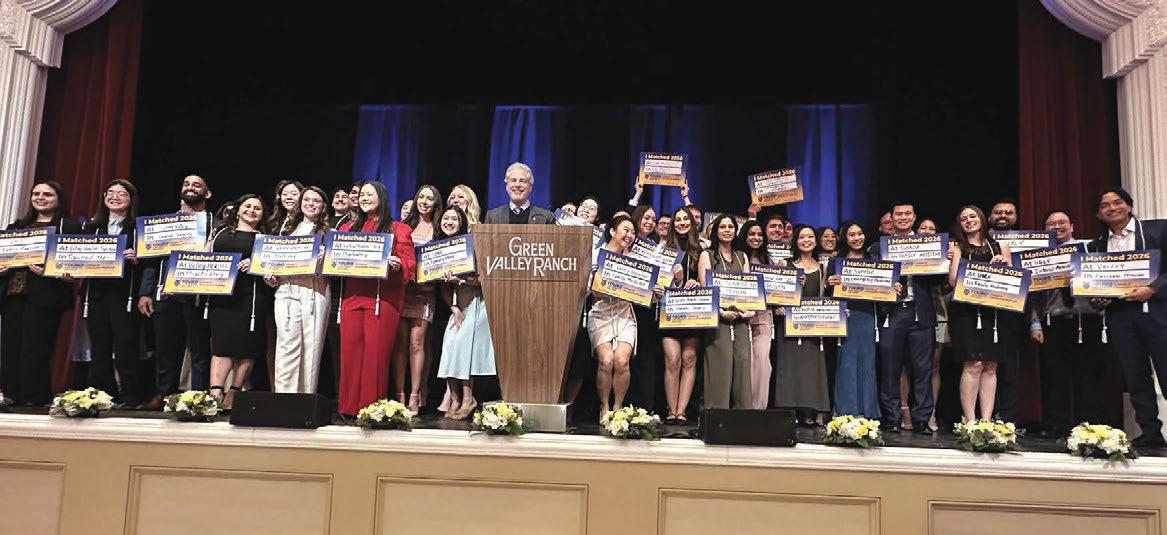
A record number of Touro University Nevada medical graduates chose to stay in Nevada for residency programs, with 72 of 172 remaining in the state. Most matched in Southern Nevada. The total was up from 55 graduates who stayed in Nevada the year before.
hospitals on measures of preventable errors, injuries and infections.
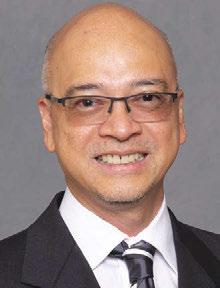
Nevada Heart & Vascular Center added Grant Abitria as an advanced practice registered nurse. Abitria brings more than 30 years of cardiology nursing experience, including more than two decades in Las Vegas. He has worked in advanced cardiovascular procedures such as cardiac catheterization, pacemaker implantation and balloon pump support.
EMPOWERED , a program of Roseman University College of Medicine , received a $50,000 grant from Molina Healthcare of Nevada to launch an in-home recovery program for pregnant and postpartum people with substance use disorders. The one-year pilot in Las Vegas is expected to serve 30 households. Interdisciplinary teams will provide screening, care coordination and links to community resources during home visits. The funding will support equipment, training and outreach.
Spirit Halloween ’s Spirit of Children program gave UMC Children’s Hospital more than $230,000, the largest donation the program has made to the hospital. The funds support child life services, including play activities, comfort items and noninvasive pain management tools. Donations were raised through local Spirit Halloween stores and online. Since 2010, the program has contributed nearly $1.7 million to the hospital.
Comprehensive Cancer Centers named Samantha Barnes director of public relations and government affairs. She previously spent seven years at Carrara Nevada , where she worked on healthcare policy and helped advance legislation licensing genetic counselors in Nevada. Barnes holds a business management degree from UNLV
SilverSummit Healthplan reported early results from its Project Accelerate program, which aimed to speed breast cancer diagnosis and treatment. The initiative reduced the time from positive biopsy to treatment from 66 days to 17 days and shortened biopsy wait times for high-risk patients from more than 100 days to nine days. Since launch, the program served 661 patients and identified 35
Continued on page 50
A student-led research team at UNLV developed synthetic, CBD-like compounds derived from caraway seeds that reduced seizures in preclinical testing. The THC-free therapies avoided the sedative and adverse brain effects associated with long-term benzodiazepine use. Researchers said the compounds show promise for treating childhood seizure disorders that are often resistant to available drugs.
cancer cases. It coordinated imaging, biopsies and specialist referrals to reduce delays in care.
Intermountain Health acquired Steinberg Diagnostic Medical Imaging , the outpatient radiology imaging company with 12 locations across the Las Vegas Valley. The acquisition adds imaging centers to Intermountain’s growing healthcare services in Southern Nevada.
Roseman University of Health Sciences launched Roseman Bioventures , a 120,000-square-foot life science incubator on its Summerlin campus in Las Vegas. The facility will provide lab space, research infrastructure and business support to startups and emerging companies. The initiative aimed to accelerate commercialization of life science technologies and expand Southern Nevada’s biotech sector.
Dignity Health
St. Rose Dominican awarded $404,000 in community health improvement grants to 11 Southern Nevada nonprofit organizations. Recipients included Catholic Charities of Southern Nevada, the Just One Project and Candlelighters Childhood Cancer Foundation of Nevada. The funding supports programs addressing community health needs, particularly for underserved populations.
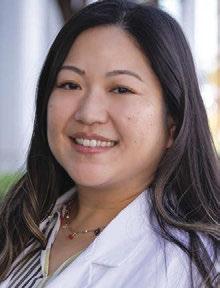
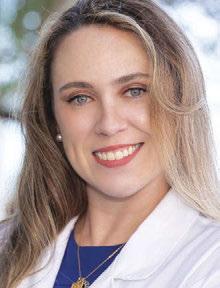
Comprehensive Cancer Centers added two breast surgical oncologists, Diana Hung , DO, and Gabriela Doyle , MD, to its Southern Nevada team. Both physicians are now seeing patients at the group’s breast surgery office. Hung previously served as a chief resident at Sunrise Health , while Doyle completed her training at UNLV and a fellowship at Columbia University .
Upbeat Health , a local independent multispecialty practice, added same-day and next-day appointments and mobile wound care services. The move aims to address primary care shortages and reduce delays that often push patients to emergency rooms for nonemergency needs.
Fitness on The Lawn has returned to Downtown Summerlin . The free weekly series meets on Tuesdays at 7 p.m. through Sept. 29 and features yoga, fitness and HIIT classes led by TruFusion Summerlin , Pure Barre , Lululemon and Nike . All levels are welcome.
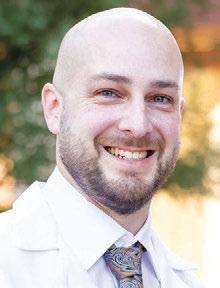
Sunrise Hospital and Medical Center received accreditation from the American College of Surgeons ’ National Accreditation Program for Rectal Cancer, becoming the only hospital in Southern Nevada with the designation. The accreditation recognizes compliance with national standards for multidisciplinary rectal cancer care and treatment.
Comprehensive Cancer Centers of Nevada added three medical oncologists and hematologists to its Southern Nevada team: Jaren Lerner , MD, Shahid Malik , MD and K. Saad Jahangir , MD. Lerner joined the Southwest location, Malik the Central Valley site and Jahangir the Summerlin area.
There’s a health screening for that.
One in nine people age 65 and older has Alzheimer’s dementia. Luckily, a free brain and memory health screening may help you understand more about your risk. Get tested for higher levels of the pTau protein, which can be an early indicator of increased risk of developing Alzheimer’s –potentially decades before any symptoms become apparent.
Check Your Eligibility & Sign Up
Participants must be 55+ No cost. No insurance needed.
Care Access, Las Vegas
3090 S Durango Dr #200E, Las Vegas, NV
Tuesday - Saturday 9:00am - 4:00pm 351-888-1223

AlzRisk.com
Roseman Medical Group’s dedicated team of providers offer comprehensive, patient-centered family medicine for every stage of life, including pediatrics, preventive services, acute outpatient care, and chronic disease management.
RMG SERVICES
• Preventive Care & Wellness
• Acute Illness
• Chronic Disease Management
• Health Maintenance
• Diagnostic Services
• Referrals
• Telemedicine Services
WE OFFER
• Same-day & next-day appointments
• Spanish-speaking physicians
• LabCorp located in the RMG medical building; CPL & Quest laboratories located near RMG FOR APPOINTMENTS
Call 702-463-4040
CLINIC HOURS
Monday – Friday, 8 am – 5 pm 5380 S Rainbow Blvd, Suite 120, Las Vegas, NV 89118 rosemanmedicalgroup.com @rosemanmedicalgroup COMPREHENSIVE CARE FOR PATIENTS OF