Tracking Past and Future Global Temperatures to Predict Future Heatwaves
More often than not, the world is facing frighteningly high temperatures known as heatwaves. This phenomenon is affecting the environment and human health alike. While it is true that there are natural factors responsible for temperature variations, the actions committed by humans are making the issue more serious.
To fully comprehend the gravity of the situation, it is important to look at the relationship between past and future global temperatures, and the role played by humans in escalating this crisis.
What is Causing Heatwaves to be More Extreme?
Greenhouse gases such as CO2, especially from burning fossil fuels, are the culprits of these constantly increasing temperatures. The type of weather events that regions are facing now always lead to more extreme events such as heatwaves. The risk of severe and prolonged heatwaves becomes more substantial as the average temperature goes up.
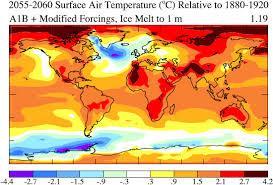
The past and future global temperatures show an unexplained increase. Heatwaves are calculated to become even more harsh and problematic. The worst can only be avoided if proper steps are taken now to mitigate these changes.
Urbanization Along with the Heat Island Effect
The phenomenon known as the urban heat island effect puts urban settlements at heightened risk of extreme temperatures. Unlike natural vegetation, which has a lower heat retention capability, cities constructed out of steel, concrete, and asphalt tend to absorb more heat than they can dissipate setting the stage for rural geographical locations to be hotter by several degrees.
As human populations grow and more land is developed for cities, this effect will only worsen. Cities contribute to global temperatures with additional urban heat island effects, leading to higher urban temperature estimates and greater heatwave frequency. The combination of climate change and urban sprawl could make cities unbearably hot during summer months, putting more strain on power grids, public health, and water resources.

Agricultural Practices and Deforestation: The New Landscaping
Activities carried out by humans such as agriculture and deforestation greatly add to planetary temperature changes as well. Deforestation is the most concerning as it contributes to fewer trees absorbing CO2, with more of it being trapped within the atmosphere. Besides farming or deforestation, vital carbon sinks are lost and a multitude of local ecosystems become disrupted causing drastic shifts in the weather patterns.
Methane and nitrous oxide are both potent greenhouse gases born from livestock and agriculture. These gases exacerbate global warming, contributing to the rising past and future global temperatures
The Role of Energy Use and Fossil Fuels
Energy generation from fossil fuels, such as coal, oil, and natural gas, is also a blueprint behind climate change. The burning of these fuels emits an enormous volume of CO2 which leads to an overall increase in the Earth’s temperature. As world countries continue burning fossil fuels to produce energy, particularly in industrialized nations, global warming is becoming graver with an increase in the number and intensity of heat waves.
Fossil fuels are the main source of energy for transportation, industrial processes, and even household power usage. With the growth of these sectors, they introduce additional amounts of greenhouse gas pollution into the atmosphere which worsens the warming situation. We now have to deal with more extreme and longer heatwaves, especially in already hot regions.
What Could Help Us Limit the Severity of Future Heatwaves?
Although human activity is the primary cause of magnifying heat waves, the good news is, that many steps can be taken to lessen their power. Moving toward a clean energy economy, such as wind or solar, is one way to lower the level of greenhouse gases in the atmosphere. Financing sustainable agricultural projects as well as reforestation will assist in reversing carbon sinks.
Encouraging vegetation in cities alongside better city planning will help fight against the urban heat island effect.
Wrapping Up!
To conclude, recognising how human behaviour exacerbates future heat waves is key to making informed decisions that will protect our planet. By identifying the roles that industries, urbanization, and agriculture play in altering global temperatures, we can initiate changes in our actions and policies to foster a more sustainable future.
To stay informed on climate change and global warming issues, visit So What Global Warming for insights and data-driven solutions to help mitigate the effects of climate change.
Contact us
Phone no:- 7816987176
Website:- https://www.globalwarming-sowhat.com/
Address:- Brookfield, Massachusetts, United States, 01506
Email:- gene.fry@rcn.com
THANK YOU