



Over the past several decades, worldwide demand for energy has evolved in very tangible ways. Global energy demand is increasing as population, industrialization and urbanization grow rapidly in emerging economies. China now tops total energy use after years of growth of almost 9.8 percent a year, followed by India at over 6 percent. Meanwhile, countries like the US, Germany and the UK have flat or declining consumption thanks to efficiency gains. These countervailing tendencies illustrate that greater economic output need not come with proportionate increases in energy consumption. This article provides datainformed actionable steps that impact world
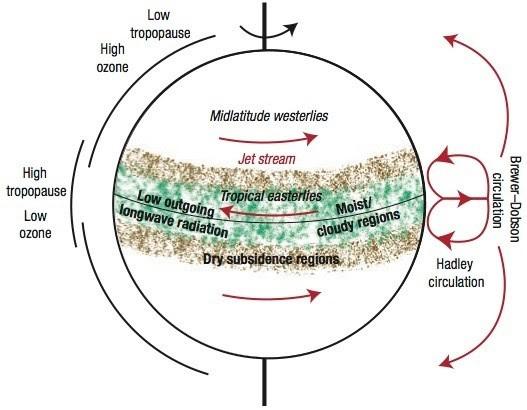
World energy consumption shifted sharply over the past decade. China moved ahead of the United States in the mid-2010 period. Its energy use grew by 9.8 percent each year across ten years, while use in the United States fell by 0.4 percent per year. India followed with an annual growth of 6.1 percent. Saudi Arabia reached 5.7 percent. Thailand, Turkey, and Iran grew by nearly 5 percent. These numbers reflect industrial growth, rising incomes, and expanding infrastructure.

The United States, Germany, the United Kingdom, and Canada show flat trends. This signals mature systems that focus on efficiency, better buildings, cleaner grids, and smarter transport. World energy consumption does not rise evenly across regions.
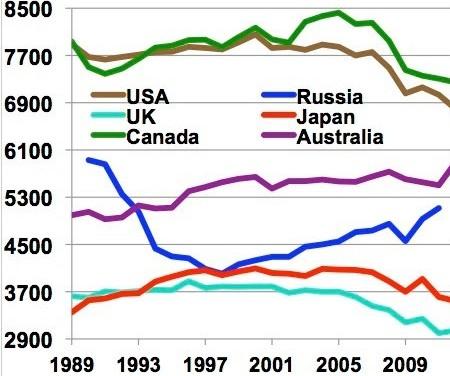
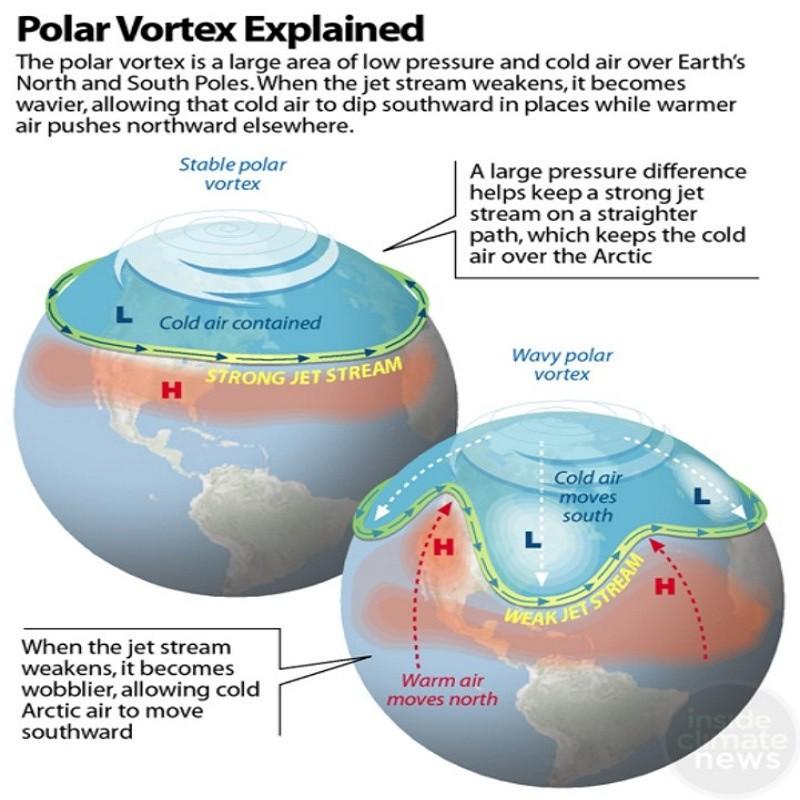
Reducing only energy use can bog down economies. Efficiency means growing using less resources. Iran, South Korea and Brazil lagged behind as a result of weaker efficiency increases. World energy consumption responds better to smarter use than forced cuts.
Per person energy use grew fastest in China at 4.8 percent each year. South Korea followed at 4.5 percent. Iran reached 3.9 percent. India recorded 2.5 percent. These rises link closely to urban living and rising access to appliances.
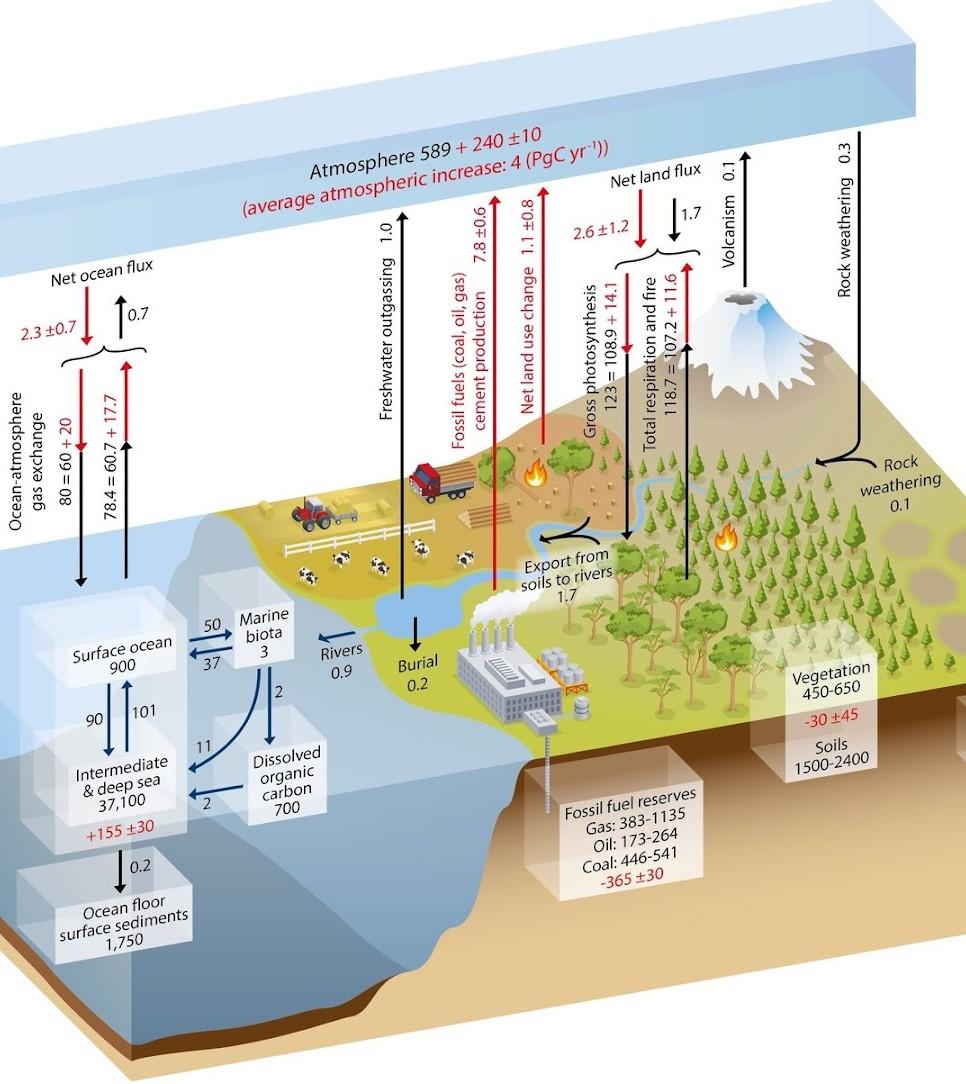

Germany and the United Kingdom reduced per person use by 0.8 percent each year. The United States cut 0.6 percent. Canada reduced 0.4 percent. Urban design, electric transport, and firm standards played a strong role.
Key Takeaway: policy sets direction, lifestyle scales impact across society and shapes world energy consumption patterns.

To meet targets, China must reduce carbon per unit of energy by at least 4 percent each year across eleven years. India already cut energy use by close to 22 percent, meaning major changes in carbon intensity were not required. World energy consumption links tightly with climate goals through efficiency progress.
Buying renewables directs demand to cleaner grids. Rooftop solar panels reduce dependence on the centralized supply and reduce peak demand.
Energy consumption across the world is the core of economic development and climate action. Various indicators reveal different patterns. Developing economies point to the composition of economic development, while mature economies highlight the importance of efficiency.
Commitments to policy point to the targets that need implementation, while efficient systems are the key to achievement. The benefits of clean electricity, technology, and transportation are obvious. Individual contributions are the key to extending the market to policy shifts. Nevertheless, world energy consumption can point the way to future development through efficiency and the use of electricity. For deeper context and research-backed insights on climate trends and global energy use, So What? Global Warming serves as a practical online library focused on real climate data and solutions.






https://www.globalwarmingsowhat.com/ gene.fry@rcn.com

https://www.globalwarming-sowhat.com/