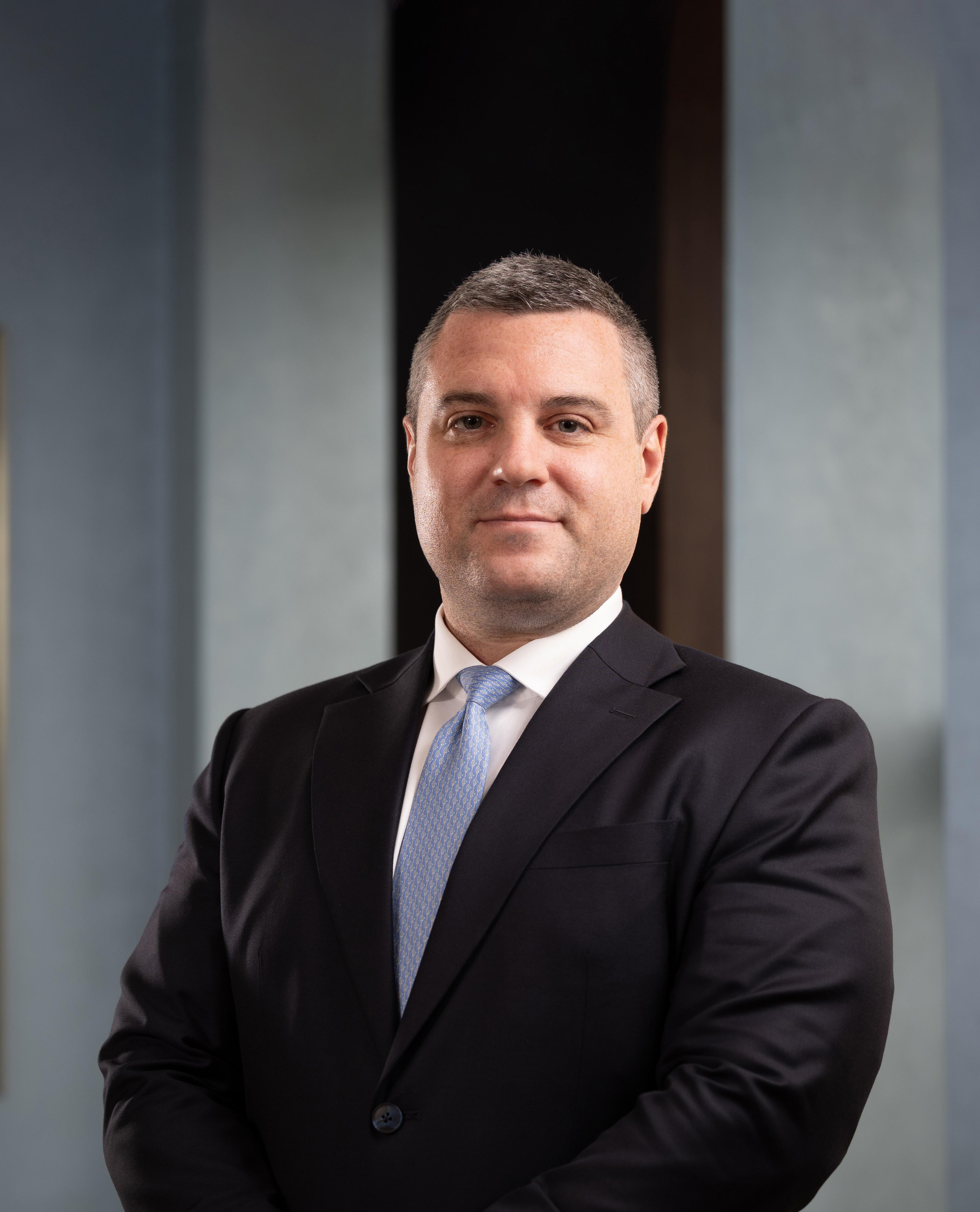
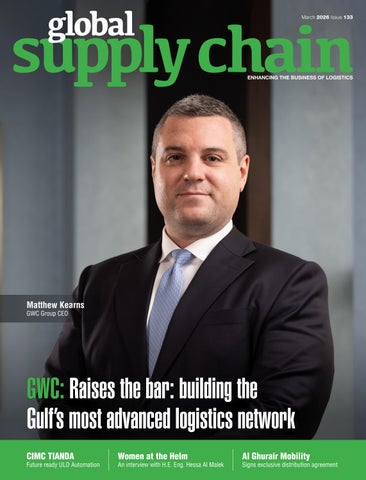
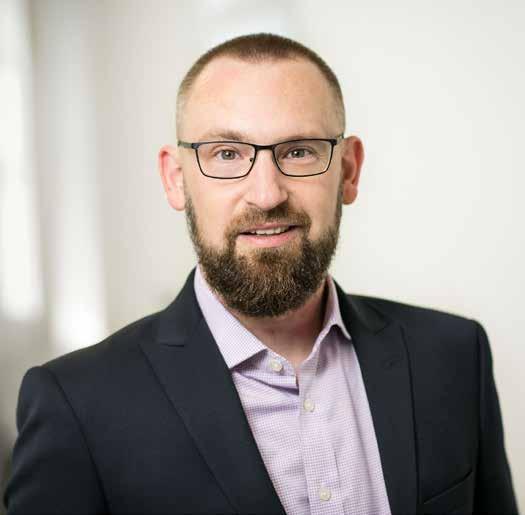
Matthew Kearns


Full offering
- Full range vehicles with the most advanced technologies
- Highly customized product driven by market needs and optimized Total Cost of Ownership
High capillarity of aftersales
- Repair and Maintenance contracts and competitive warranty conditions
- Origin 100% IVECO Parts and a widespread network coverage

European technology
- High quality complete line-up in terms of tonnage, power, torque, safety, ergonomics
- High performance and robust trucks for extreme Off-road conditions
Customer centricity
- Comfort, ergonomics and the latest safety technology to make on board easier
- Driver Style Evaluation tool on Heavy ON-road range and optimized vehicle design to improve customer profitability
Revolutionizing B2B Road Freight Solutions Across The Middle East.
EFFICIENCY RELIABILITY TRANSPARENCY
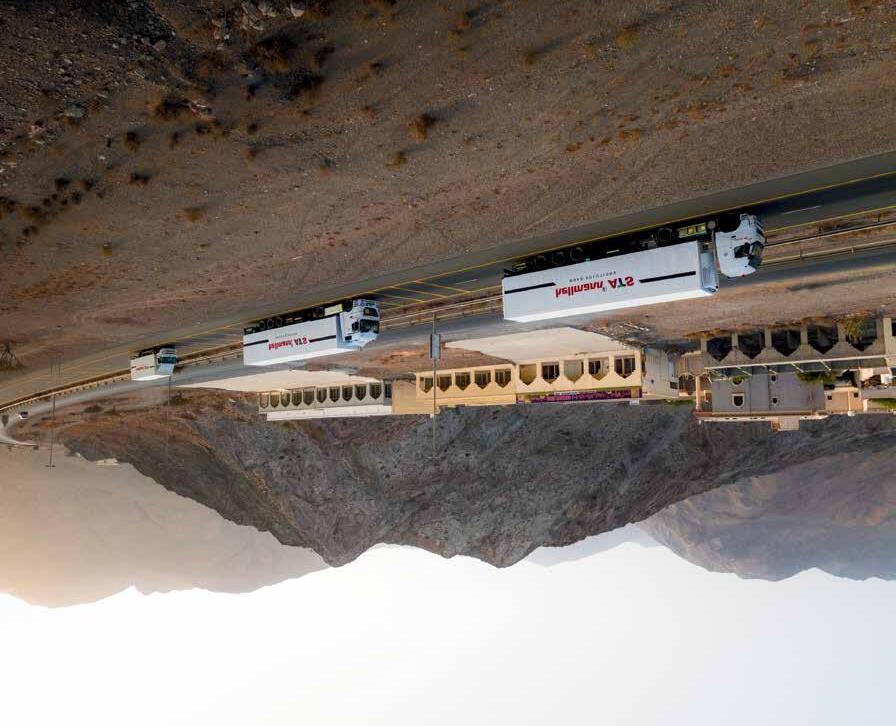







Pioneering Market Leadership in the GCC Road Networ k
Pioneering Market Leadership in the GCC Road Networ k
Pioneering Market Leadership in the GCC Road Networ k

THINKING AHEAD - MOVING FORWARD LET'S DO BUSINESS!
THINKING AHEAD - MOVING FORWARD LET'S DO BUSINESS!
THINKING AHEAD - MOVING FORWARD LET'S DO BUSINESS!
SIGNATURE MEDIA FZ LLE
P. O. Box 49784, Dubai, UAE
Tel: 04 3795678
Email: info@signaturemediame.com
Exclusive Sales Agent Signature Media LLC
P.O. Box 49784, Dubai, UAE
Publisher: Jason Verhoven jason@signaturemediame.com
Editor: Abigail Mathias abigail@signaturemediame.com
Art Director: Johnson Machado johnson@signaturemediame.com

Printed and Distributed by Masar Printing and Publishing L.L.C., Part of Dubai Media Incorporated Dubai, UAE
Contributor’s opinions do not necessarily reflect those of the publisher or editor and while every precaution has been taken to ensure that the information contained in this magazine is accurate and timely, no liability is accepted by them for errors or omissions, however caused. Articles and information contained in this publication are the copyright of Signature Media FZ LLE & SIGNATURE MEDIA LLC and cannot be reproduced in any form without written permission.
The logistics sector entered 2026 with a sense of momentum that’s hard to ignore. Across the industry, long established players and emerging innovators are reshaping how cargo moves, how supply chains collaborate, and by what means the region positions itself in a rapidly shifting global landscape.
United Cargo’s century of experience is a reminder that longevity in this industry comes only to those willing to evolve. That same spirit of reinvention is evident in Qatar Airways Cargo’s ramp digitalisation initiative, a move that signals how operational precision is becoming just as important as fleet strength.
Innovation is not confined to the skies. CIMC TIANDA’s push to redefine ULD transport automation shows how ground operations are entering a new era of efficiency. Meanwhile, DHL Industrial Projects continues to demonstrate how large scale logistics can anchor regional development, especially as infrastructure ambitions expand across the Middle East.
This month also highlights the power of people and partnerships. The first gathering of Supply Chain Professionals in 2026 underscores the growing need for shared expertise in a world where disruptions are now the norm. Women at the helm—exemplified by H.E. Eng. Hessa Al Malek—are shaping the sector with a leadership style that is both strategic and future focused.
Trade remains a central pillar of regional growth. From Breakbulk Middle East celebrating a decade of excellence to Australia’s Minister Jarvis advancing Western Australia’s agrifood and investment agenda, the message is clear: global connectivity is strengthening, not slowing. We also have the latest news from the world of logistics.
Wishing you a pleasant read.
Abigail Mathias Editor
abigail@signaturemediame.com www.globalsupplychainme.com

YOUR
FOR AIR CARGO HANDLING AUTOMATION

In a region defined by bold investments and rapid economic transformation, GWC has emerged as one of the Gulf’s most quietly influential forces. Its impact is felt across every sector that depends on the seamless movement of goods, ideas, and—now—culture. Under the leadership of CEO Mathew Kearns, the company is reshaping what logistics can mean for a diversified economy, positioning Qatar and the wider GCC at the centre of global trade and cultural exchange.
The company’s latest venture—a partnership with QC+ to build the region’s largest full‑service fine art storage and logistics hub—signals a strategic shift with far‑reaching implications.
GSC: GWC and QC+ recently announced plans to develop the region’s largest full-service, world-class storage and logistics hub for fine art in Doha. Can you tell us more about this and the impact it has had in the country?
Mathew Kearns: This is a defining project for the region’s cultural economy.
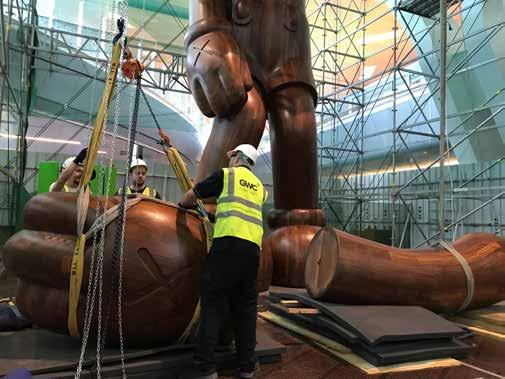
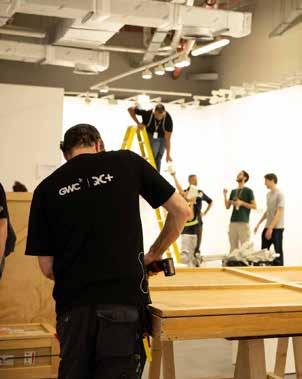
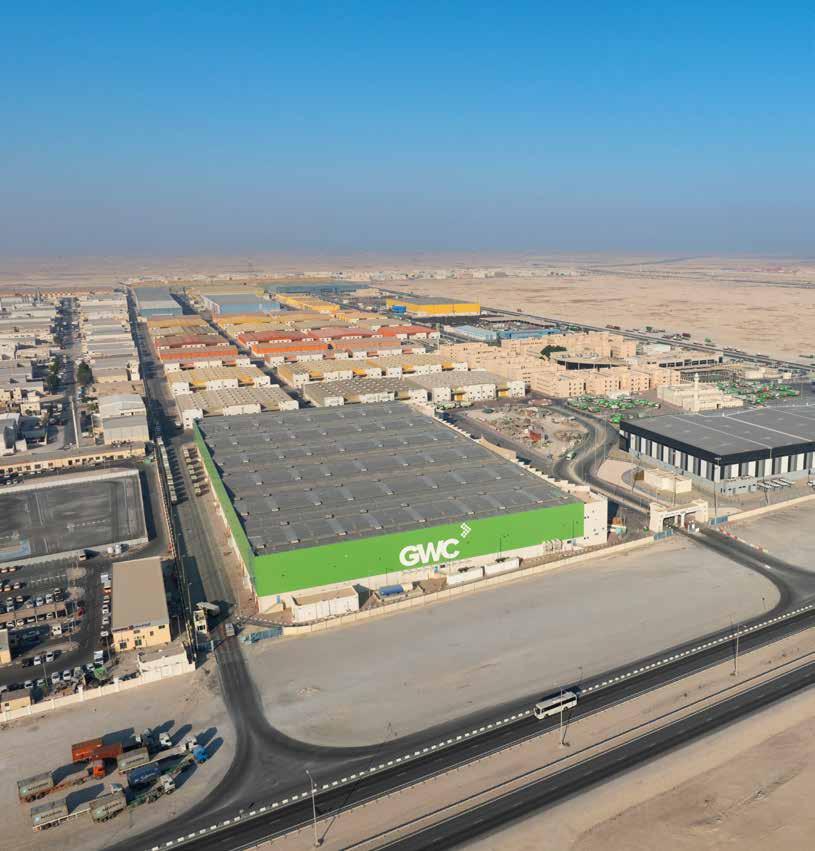
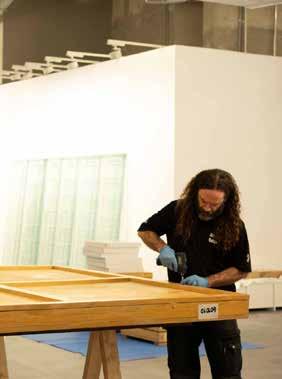
GWC has built specialised fine art logistics capabilities over more than 15 years, operating to internationally recognised standards and becoming the first company in the Middle East accredited by ICEFAT. Through our partnership with QC+, we are developing the largest full service fine art storage and logistics hub in the region, located in the Ras Bufontas Free Zone in Doha.
The facility provides museum grade preservation, secure storage, conservation laboratories, private and shared areas, viewing rooms, and custom bonded handling. It integrates advanced physical infrastructure with digital systems to ensure precision, transparency, and control.
Our role as Official Logistics Partner of Art Basel Qatar 2026 demonstrated these capabilities in practice. The inaugural edition of Art Basel in the MENASA region brought 87 galleries from 31 countries and territories to Doha. Delivering that scale of cultural infrastructure reinforced the region’s position in global cultural commerce.
This investment strengthens the ecosystem for artists, galleries, and institutions across the GCC and supports diversification by treating culture as a serious economic sector.
“Our role as Official Logistics Partner of Art Basel Qatar 2026 brought 87 galleries from 31 countries and territories to Doha. Strengthning the ecosystem for artists, galleries, and institutions across the GCC and supports diversification by treating culture as a serious economic sector.”

“Our strategic investment in Quivo extended our presence into Europe and the United States, enabling regional brands to scale internationally and global brands to access the GCC more efficiently. This strengthens two-way trade flows between the GCC, Europe, and North America.”
GSC: How would you describe GWC’s long-term vision for the region, and what makes this market strategically important?
MK: Our long term vision is to build a connected and resilient logistics ecosystem that integrates world class physical infrastructure with digital capability.
The region sits at the crossroads of global trade routes, supported by advanced ports, airports, and free zones. As supply chains become more complex, scalable and interoperable platforms become essential.
In our view, logistics is not the backbone of economic growth. It is the engine. Our role is to enable regional brands and enterprises to scale across borders and participate confidently in global trade.
GSC: Where do you see the biggest growth opportunities, and how is GWC positioning itself to capture them?
MK: We see growth across cross border trade, e commerce logistics, and specialised high value sectors.
Cross border trade remains central. As GCC economies integrate further, trade flows across the region are strengthening, while global corridors continue to shift.
Our strategic investment in Quivo extended our presence into Europe and the United States, enabling regional brands to scale internationally and global brands to access the GCC more efficiently. This strengthens two way trade flows between the GCC, Europe, and North America.
We focus on building interoperable platforms that allow businesses to expand without recreating infrastructure each time they enter a new market.
Specialised sectors such as fine art logistics also present structural opportunities where trust and internationally recognised standards are critical.
GSC: Can you describe the scale and structure of your regional network –warehousing, distribution, last-mile, and specialised logistics?
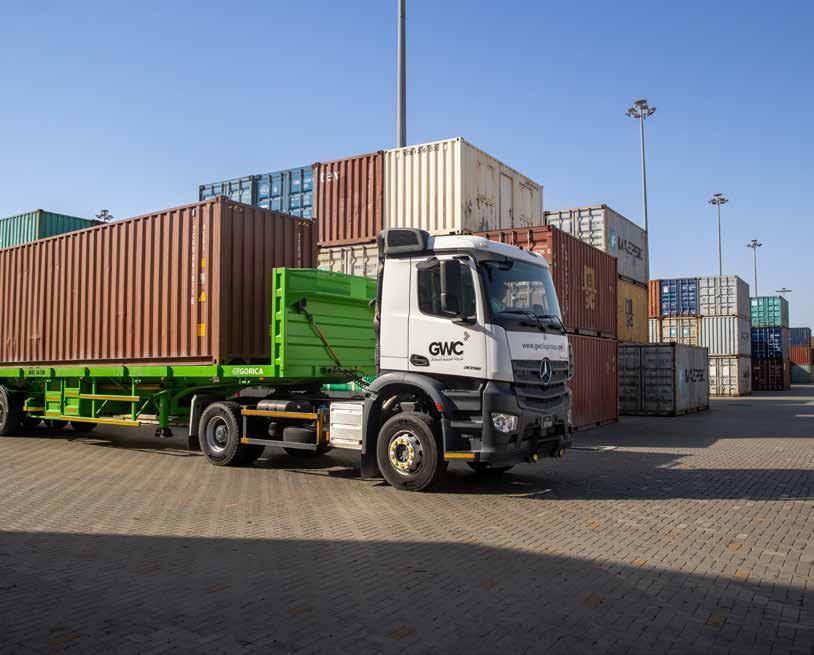
MK: GWC operates a comprehensive logistics network spanning warehousing, distribution, freight forwarding, transportation, last mile delivery, and specialised logistics services.
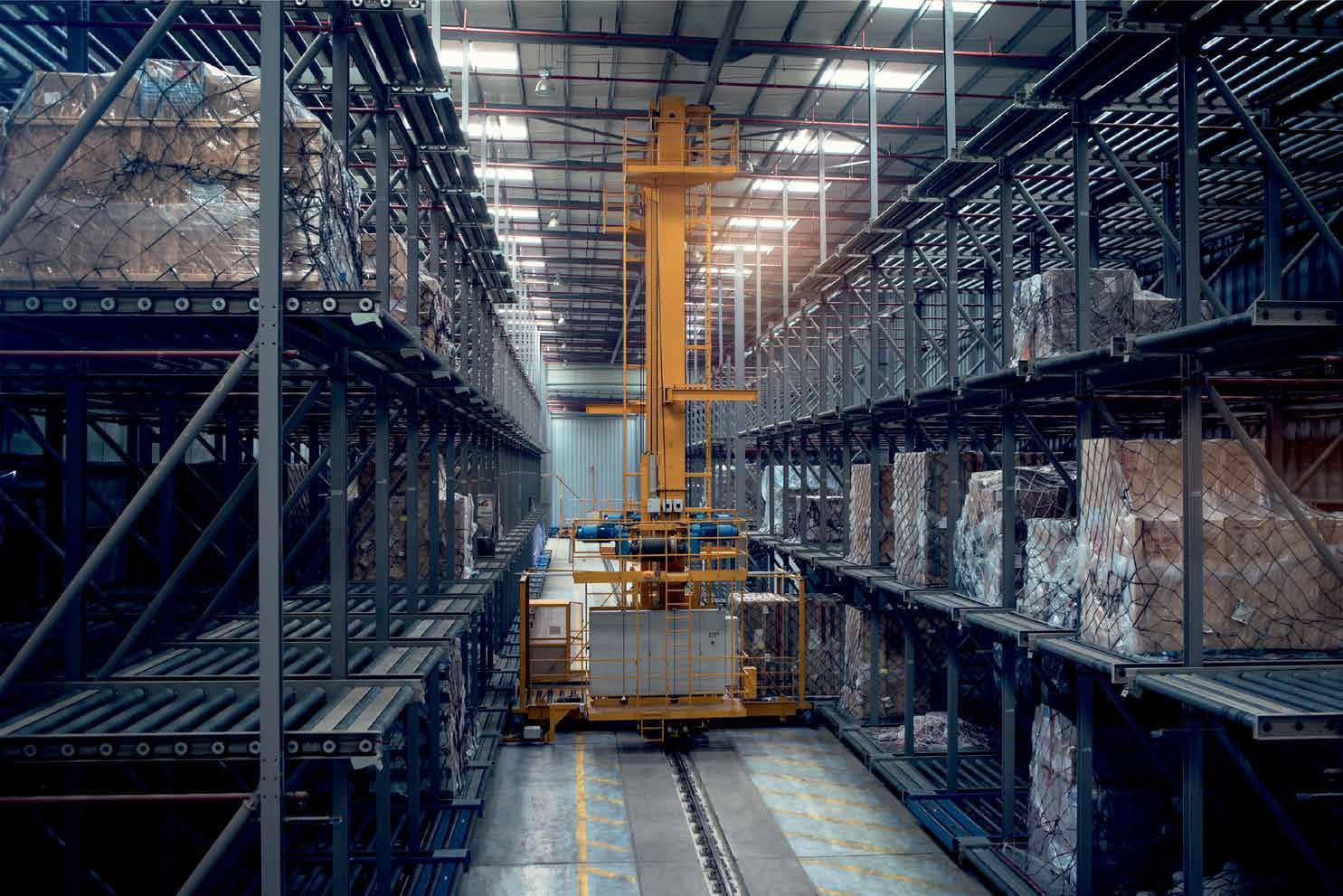
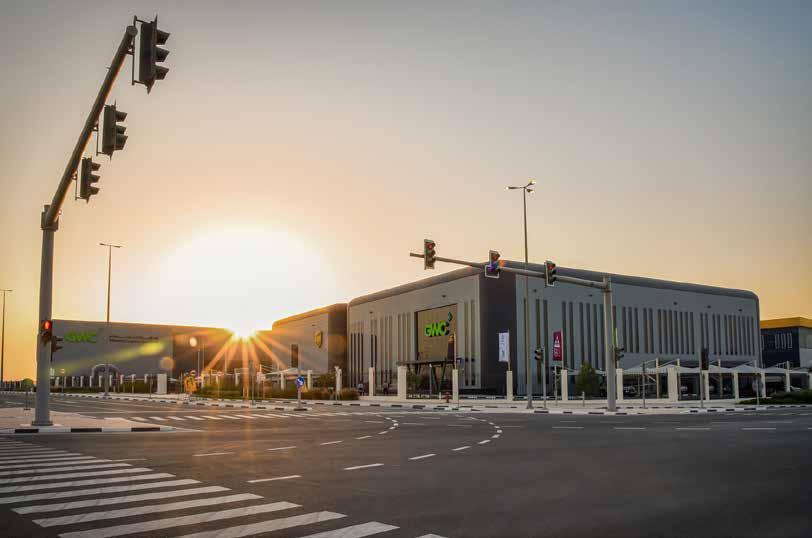
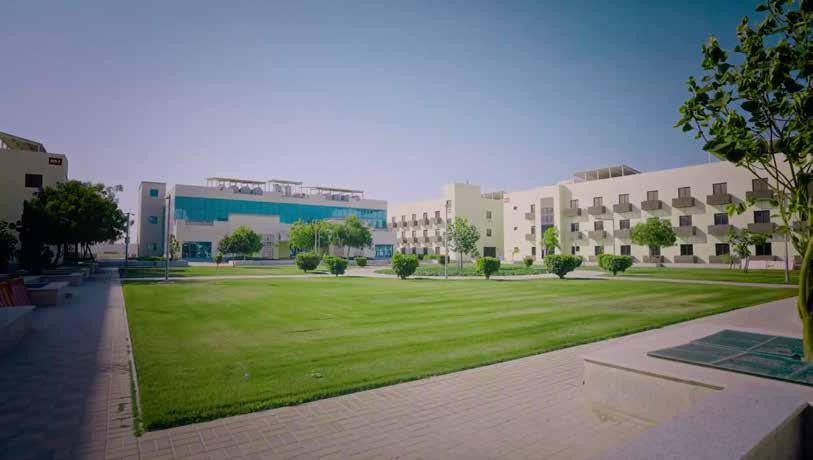
We manage more than four million square metres of logistics capacity across strategically located hubs in the GCC, supported by growing connectivity into Europe and the United States.
What differentiates our model is how these capabilities are brought together through an integrated platform that connects assets, systems, and services. This enables consistency across markets while supporting clients with varying levels of complexity.
Our structure allows us to deliver scalable solutions across the region, facilitate cross border trading, and maintain high standards of operational efficiency and reliability.
GSC: How does GWC ensure operational resilience in a region known for rapid development and shifting geopolitical dynamics?
MK: Operational resilience is embedded in our strategy. We maintain diversified connectivity across markets, disciplined capital allocation, and strong international partnerships. Our presence across the GCC, Europe, and the United States strengthens our ability to adapt to changing trade patterns.
Global tensions continue to reshape trade flows. The GCC’s position as a stable corridor between major markets has become increasingly important. Our objective is to provide reliability and confidence regardless of external volatility.
Gulf’s logistics industry needs to do heavy lifting for the environment
The Gulf is undergoing a major transformation, driven by ambitious national visions focused on diversification, competitiveness, and long term prosperity. At the heart of this shift is the logistics sector — the backbone of regional trade and supply chain connectivity across land, air, and sea.
With the GCC logistics market projected to exceed $100 billion by 2030, its role is expanding beyond economic growth. It is becoming central to the region’s sustainability ambitions. Countries such as Qatar, Saudi Arabia, the UAE, and Oman are embedding environmental priorities into national strategies, advancing renewable energy, low emission growth, and responsible resource management.
This is a defining moment. Globally, logistics accounts for nearly 10% of greenhouse gas emissions. The sector must now align operational efficiency with environmental responsibility. That means investing in green infrastructure, low
emission transport, circular supply chains, and smart warehousing.
Solar energy presents a powerful opportunity in a region rich in sunlight. Combined with fleet electrification, EV charging infrastructure, and route optimization technologies, companies can significantly reduce Scope 1 and Scope 2 emissions. AI and IoT enabled systems can further enhance efficiency through smarter inventory and routing decisions.
Waste and water management are equally critical. Reusable packaging, pallet recycling, composting, sewage treatment, and reclaimed water systems can reduce landfill use and ease pressure on scarce water resources.
Sustainability is also good business. Clients and investors increasingly demand responsible practices. Logistics companies that lead will strengthen resilience, attract green financing, enhance reputation, and gain competitive advantage.
“Over 162,000 cubic metres of treated wastewater was recycled, reducing water consumption by 6% year on year. Over 2,200 tons of waste were recycled in 2024, aligned with a target to cut waste by 20% by 2030.”
GSC: What role does technology play in GWC’s operations, and where are you investing most heavily?
MK: Technology is a fundamental enabler of our growth. We are transforming our asset base into an integrated logistics platform that combines physical infrastructure with digital capability. Our focus is on interoperability, ensuring data, processes, and services connect seamlessly across the organisation.
We are investing in system integration, AI assisted planning, workflow automation, and data visibility tools. These investments strengthen operational consistency and support efficient scaling across markets. The goal is clear. Keep complexity inside the system and keep the customer experience simple.
GSC: How is GWC leveraging automation, AI, or data analytics to improve efficiency or customer experience?
MK: Technology and talent are central to our strategy. We have a strategic partnership with Qatar Research, Development and
Innovation institutions to develop applied AI solutions across all facets of the business. We also collaborate with Apify to translate data into actionable intelligence that supports cross border trade and digital commerce.
Innovation also comes from within. We run quarterly awards for the best AI solution across the company, with employees from 15 cities submitting and competing. Many improvements originate from teams solving real operational challenges.
Technology supports performance, but culture sustains it.
GSC: What measurable progress has the company made toward reducing emissions, optimising energy use, or adopting greener supply-chain practices?
MK: Sustainability is embedded across our operations.
In 2025, GWC was recognised among the top ten in the transport and logistics category on Forbes Middle East’s Sustainability Leaders list.
We achieved a 3 percent reduction in
company controlled emissions. More than 162,000 cubic metres of treated wastewater were recycled, reducing water consumption by 6 percent year on year. Over 2,200 tons of waste were recycled in 2024, aligned with a target to cut waste by 20 percent by 2030. These initiatives reflect a disciplined approach to embedding sustainability into operational performance.
GSC: What skills are most in demand in the logistics sector today, and how is GWC developing or attracting that talent?
MK: The sector increasingly requires operational excellence, digital capability, data literacy, and specialised expertise. At GWC, we combine deep logistics experience with the skills required to operate integrated, technology enabled platforms across multiple markets. Beyond technical capability, mindset matters. We prioritise curiosity, adaptability, and a genuine willingness to learn. In a fast evolving industry, the commitment to continuous improvement is what enables long term success.
Global aviation continues to play a central role in enabling connectivity, commerce, and cultural exchange. With international travel now stabilised again following the pandemic, the industry has entered a new phase defined not by recovery, but by deliberate, long-term evolution.
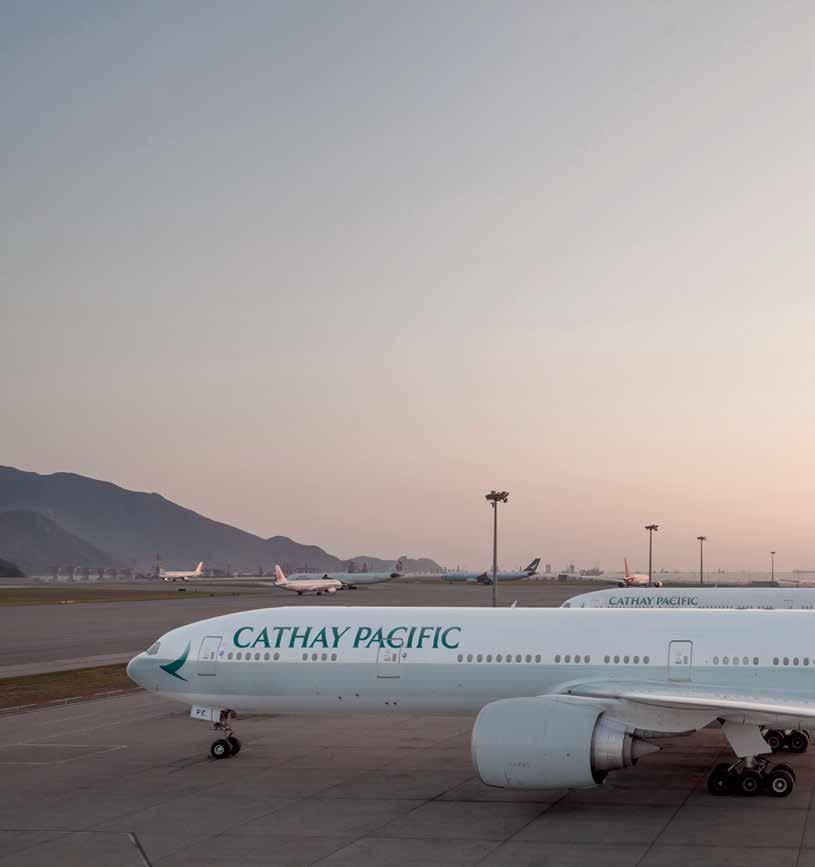
For international carriers, the focus today is on strengthening resilient networks, responding to shifting passenger behaviours, and managing operations across regions with greater precision. Rather than a return to prepandemic norms, airlines are adapting to a more nuanced travel environment shaped by changing preferences, evolving trade flows, and higher expectations of reliability and service quality.
Passenger demand has evolved across markets, reflecting aviation’s enduring importance in global mobility. For airlines such as Cathay Pacific, the priority remains maintaining strong, dependable connectivity across Asia, the Middle East, and long-haul destinations, while delivering consistency, service excellence, and operational resilience.
As travel patterns become more dynamic, airlines are managing increasingly complex operations that require flexibility and foresight.
The core motivations for travel remain unchanged. Historically, aviation demand has consistently outpaced global economic growth, and long-term fundamentals
continue to support steady expansion. Rising incomes in parts of Asia and a sustained appetite for leisure travel continue to underpin demand across generations. What has changed is how and when people choose to travel. Social media, digital platforms, and greater access to information have made travel more spontaneous and route-specific. As a result, connectivity, convenience, and ease of travel now play a larger role in decision-making than sheer network scale.
In response, airlines are refining capacity deployment and schedules to better align with emerging travel patterns. Success in the coming years will be defined less by blanket growth and more by the ability to anticipate demand shifts and adjust networks with agility.
Business travel has returned in a more focused and purpose-driven form, while leisure travel continues to show strong momentum across Asia and the Middle East. Across both segments, expectations around seamless, flexible journeys remain consistent. Digitalisation continues to play a central role in meeting these expectations. Investment in technology across booking
platforms, airport processes, and onboard services is essential to delivering a smooth, reliable customer experience while reducing friction throughout the journey.
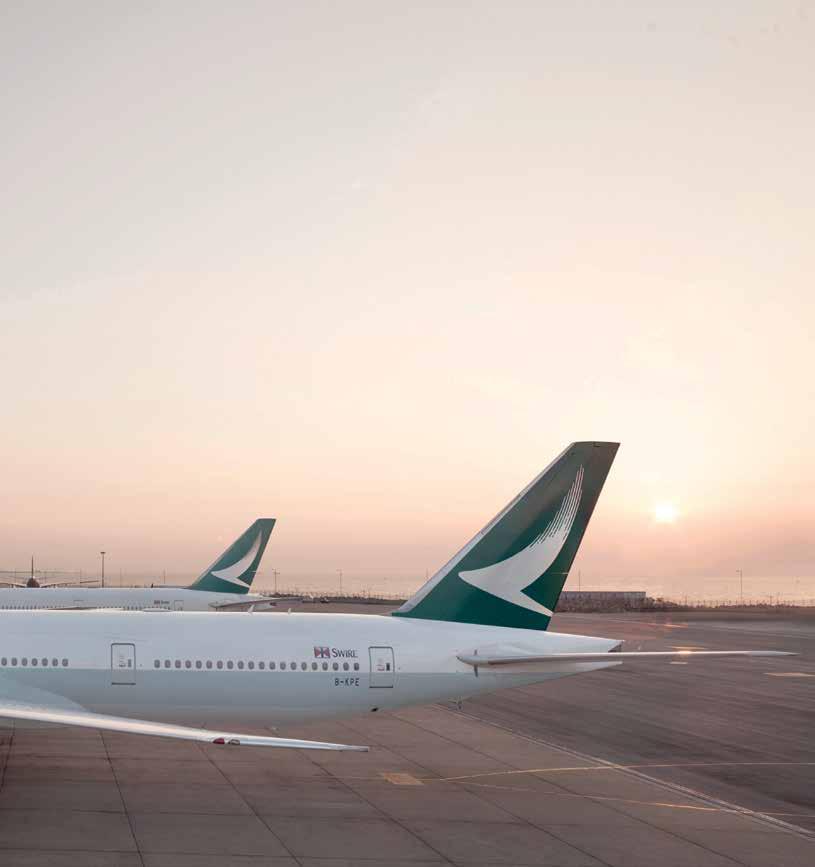
The aviation sector is operating in an environment shaped by changing trade relationships, evolving passenger needs, and ongoing operational constraints. In this context, success depends on adaptability, coordination, and realistic, well-sequenced growth strategies.
Airlines that perform well will be those that focus on reliability, manage capacity thoughtfully, and invest selectively in partnerships and systems that enhance long-term value.
The question ahead is not whether air travel will continue to grow, but how effectively airlines navigate change while maintaining trust, consistency, and connectivity. As conditions evolve, the next phase of global aviation will be defined by expansion yes, but also by the quality and resilience of that growth.
By Abhijit Abhyankar, Regional Head of Customer Travel and Lifestyle for South Asia, the Middle East, and Africa
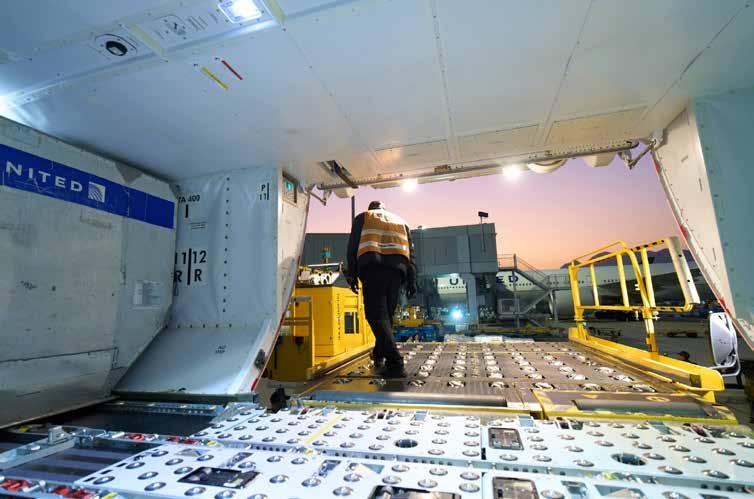
For more than a century, United’s story has been inseparable from the story of aviation itself. What began as an ambitious experiment in connecting people across distances has gradually expanded into something equally transformative: connecting businesses, communities, and economies through the movement of goods. United Cargo’s history is not simply a timeline of aircraft and routes; it is a reflection of how global trade, technology, and customer expectations have evolved alongside the airline industry. In the earliest days of commercial flight, cargo was not yet a standalone business. Mail sacks, small parcels, and essential supplies shared space with pioneering passengers aboard aircraft that were modest by today’s standards. Yet even then, the seeds of a cargo operation were being planted. Transporting mail in a reliable operation requires discipline, scheduling precision, and resilience - principles that
would later define modern cargo logistics.
As aviation matured through the mid20th century, so did the role of air freight. Aircraft grew larger, networks expanded, and industries began to recognize the unmatched speed advantage of flying goods. United Cargo’s capabilities developed in parallel with these shifts. What had once been supplementary became strategic. High-value shipments, urgent components, medical supplies, and perishable products increasingly relied on air transport, reshaping how companies designed their supply chains.
The jet age marked a decisive turning point. With the introduction of longrange jet aircraft, capacity and reliability improved dramatically. Cargo was no longer constrained by the limitations of early propeller planes. Intercontinental trade accelerated, and United’s global network enabled shipments to traverse continents in hours rather than weeks. This
era established air cargo as a critical pillar of globalization, supporting industries from pharmaceuticals to fashion and everything in between.
Throughout the following decades, United Cargo adapted to a world defined by growing complexity. Just-in-time manufacturing, lean inventory strategies, and globalized production models increased dependence on predictable, highspeed logistics. Customers no longer viewed cargo providers solely as transporters but as partners in maintaining business continuity. Reliability, visibility, and service consistency became as important as speed.
Technological progress reshaped the cargo experience yet again. Digital booking tools, data analytics, and automation transformed how shipments were planned and managed. United Cargo embraced these innovations, recognizing that customers required transparency and control across increasingly sophisticated
supply chains. The shift from paper-based processes to integrated digital platforms represented more than modernization. It redefined efficiency, accuracy, and customer engagement.
At the same time, the United Cargo portfolio diversified. Beyond general freight, specialized products emerged to address distinct customer needs: temperature-sensitive pharmaceuticals, time-critical shipments, valuable goods, and oversized cargo. Each category demanded tailored handling standards, infrastructure investment, and operational expertise.
United Cargo’s evolution reflected a broader industry realization that not all shipments are created equal, and that service differentiation drives value.
Resilience became a defining theme of recent history. Global disruptions, market volatility, and shifting trade flows tested the adaptability of airlines worldwide. United Cargo’s ability to respond - adjusting capacity, optimizing routes, and supporting critical
supply chains - highlighted the strategic importance of air freight. During periods of uncertainty, United Cargo operations played a vital role in maintaining the movement of essential goods, from medical equipment to e-commerce shipments.
Sustainability now shapes the next chapter. As the aviation industry advances toward lower-emission operations, United Cargo is an integral part of that journey. Customers increasingly seek partners aligned with environmental goals, while airlines invest in fleet modernization, operational efficiencies, and sustainable aviation fuel initiatives. United Cargo’s history demonstrates a consistent pattern: evolving in response to the priorities of the world it serves.
Yet beyond aircraft, infrastructure, and technology, the enduring constant has been purpose. United Cargo connects more than origin and destination; it connects people to opportunity, patients to medicine, businesses to markets, and
communities to resources. Looking back across a century, the trajectory is clear. What began as mail and parcels aboard early flights in 1926 has now developed into a sophisticated global logistics operation that supports modern commerce. Each era has introduced new challenges; larger networks, higher customer expectations, digital transformation, operational disruptions, and sustainability imperatives — and each era has demanded reinvention.
United Cargo’s legacy is therefore not defined solely by longevity but by continuous adaptation. It is a history of embracing change rather than resisting it, of transforming operational capabilities to match the evolving rhythm of global trade. As aviation enters its next century, that same mindset, grounded in reliability, innovation, and partnership, continues to guide the journey forward.
Because while aircraft may carry freight, cargo ultimately carries progress. And progress, like flight itself, is always in motion.
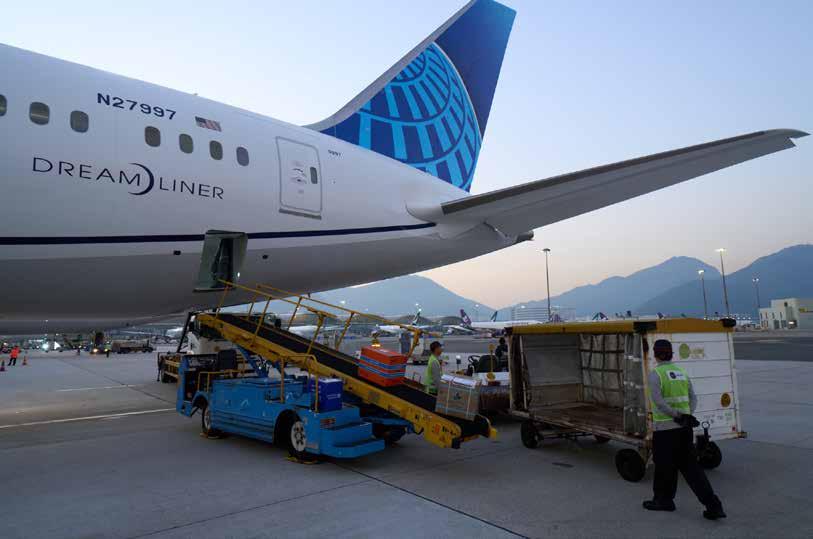
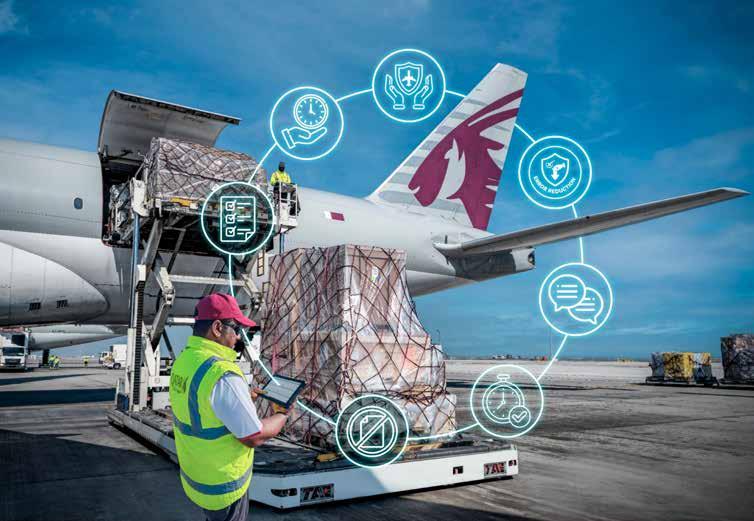
Qatar Airways Cargo, part of the Qatar Airways Group, has proudly announced the launch of its Ramp Digitalisation Programme, a transformative initiative aimed at creating a seamless, transparent, and paperless ramp environment. This milestone reflects the air cargo carrier’s unwavering commitment to safety, efficiency, digitilisation, innovation, and operational excellence across global ground handling operations.
At the heart of this programme is Ramp Offload and Load Supervision (ROLS), a cutting-edge ramp digitalisation tool designed to replace traditional paper-based loading instruction reports, with a fully digital ramp workflow that enhances ULD verification, ensures 100% reconciliation, and enables real-time data transmission to Load Control. With ROLS, ramp agents can execute loading and offloading tasks with increased
accuracy, reduced paperwork, and improved turnaround efficiency, ultimately enhancing the flight handling process and transforming freighter ground handling.
“As the world’s leading air cargo carrier, we believe that digital transformation is not just a strategic priority - it is a core mindset guiding how we lead innovation in the Cargo industry,” said Mark Drusch, Chief Officer Cargo. “The Ramp Digitalisation Programme is a key step in supporting Qatar Airways’ broader vision of digitising every touchpoint of our operations and is a major step toward our vision of a fully connected, paperless cargo experience.”
Key highlights of the Ramp Digitalisation Programme include:
• Cutting-edge digital tool replacing traditional paper-based loading instruction reports
• Real-time loading confirmations and instant status updates to help minimise delays
• Digital reconciliation of ULDs ensuring 100% verification
• SLA monitoring and compliance, reinforcing a commitment to safe operations
• QR code-based scanning capability
• Tail tipping prevention
• Enhanced visibility on ramp operations ROLS lays the foundation for future innovations, such as QR-coded ULDs and aircraft position scanning using handheld devices, and is part of a number of Qatar Airways Cargo’s broader Digital Cargo Vision initiatives, including enhancements in e-Bookings, paperless shipments, and automated warehouse solutions.
“Our goal is simple: we are committed to leveraging technology to enhance customer satisfaction, safety, and operational precision, delivering higher reliability, speed, and visibility, making every step of your cargo journey smoother, faster, and more secure,” concluded Drusch.
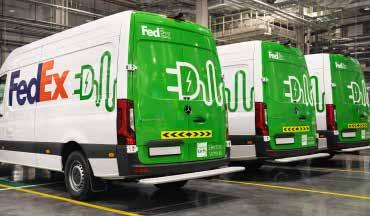
New electric vehicles advance the UAE’s Net Zero vision and strengthen FedEx last-mile operation
FedEx Express Corporation (FedEx), has just introduced 14 Mercedes-Benz eSprinter electric vehicles (EVs) into its pickup and delivery fleet in the United Arab Emirates (UAE). This makes the UAE the first FedEx market in the Middle East to introduce this model of van.
The EVs support daily routes across the Emirates and offer up to three-ton load capacity with an estimated range of up to 380 kilometers on a full charge. Collectively, the new EVs are estimated to help avoid around 148 metric tons of CO₂ emissions per year .
FedEx is taking a phased approach towards a fully electric global pickup and delivery fleet by 2040. This EV fleet expansion in the UAE strengthens progress toward zero-tailpipe emissions in last-mile operations and reflects how the country is becoming an early mover for future deployments across the region.
“FedEx is committed to building a smarter, more efficient network for our customers,” stated Taarek Hinedi, vice president operations and planning & engineering at FedEx Middle East, Indian
Subcontinent and Africa. “Electric vehicles are proving their value across our global operations, and expanding our fleet in the UAE gives us a tangible opportunity to reduce last-mile emissions while supporting reliable delivery performance with the sustained growth of e-commerce. This move reinforces the UAE’s Net Zero by 2050 strategic initiative and brings us closer to our goal of achieving carbon-neutral operations by 2040.”
“Mercedes-Benz Vans is proud to collaborate with FedEx on this deployment in the UAE, marking another step forward for electric last-mile logistics in the region,” said Serkan Sarikaya, Head of Vans Middle East and Africa at Mercedes-Benz. “The eSprinter was engineered for demanding commercial operations, combining robust payload capability, reliable range, and advanced safety features. Its custom-built deployment for FedEx demonstrates how electric vans can be seamlessly integrated into high-intensity delivery networks, supporting operational efficiency while advancing the UAE’s Net Zero ambitions. This initiative sets a clear benchmark for
scalable, sustainable logistics across the Middle East.”
In addition to vehicle electrification, FedEx continues to explore innovative solutions to enhance the sustainability of its operations, including the company’s vision of integrating renewable energy and enhancing facility efficiency. The FedEx hub at Dubai World Central (DWC) Airport was built to comply with Dubai Municipality Green Standards, which aim to improve building performance by reducing the consumption of energy, water, and materials. The facility includes a building management system for energy efficiency, electric charging stations for FedEx and employee vehicles, and will also feature solar power panels in the near future.
FedEx also introduced a cloud-based carbon emissions reporting tool, FedEx® Sustainability Insights, giving customers access to historical emissions information on eligible shipments within the FedEx network. FedEx customers can use the data to help make more informed decisions on their future shipping strategy to help reduce their impact on the environment.




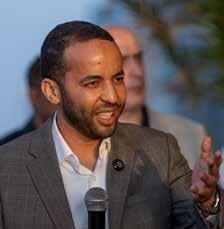
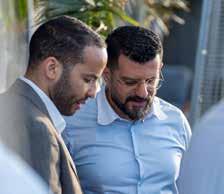

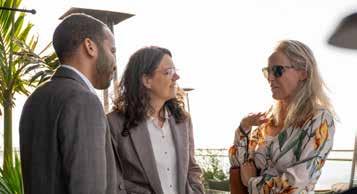
The SCP Club Exclusive Networking Event was held at Attiko Dubai Marina. It entailed a memorable late afternoon filled with inspiring conversations and meaningful new connections. Global Supply Chain takes you behind the scenes and fills you in on what transpired.
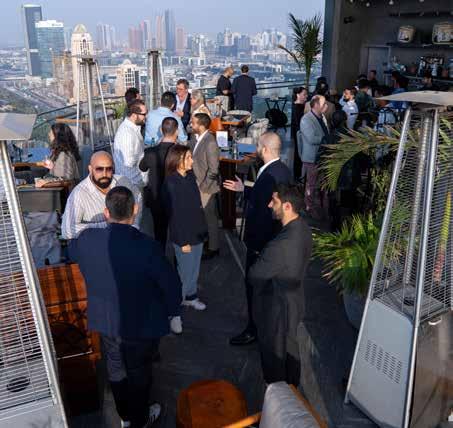

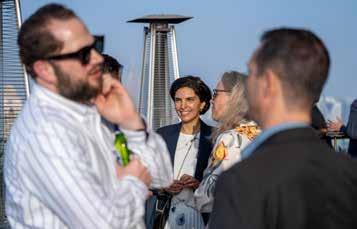


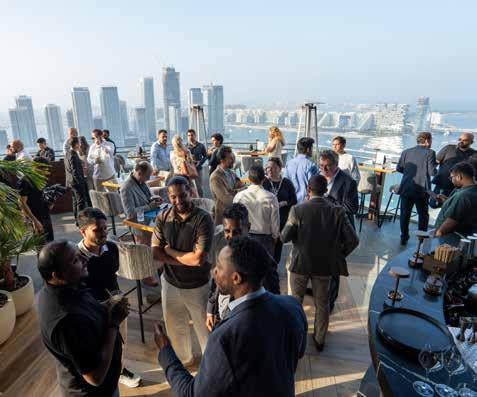
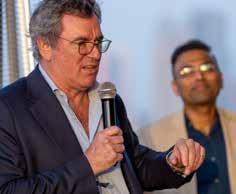

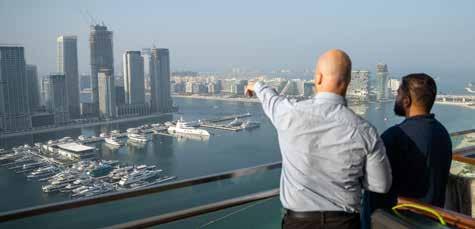
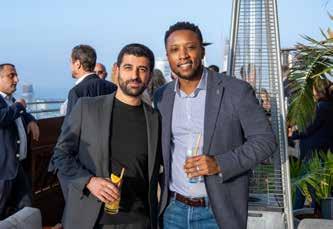
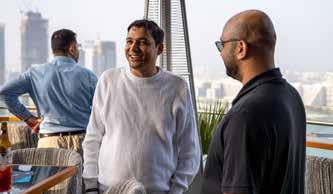

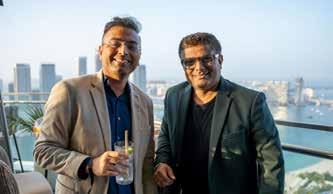

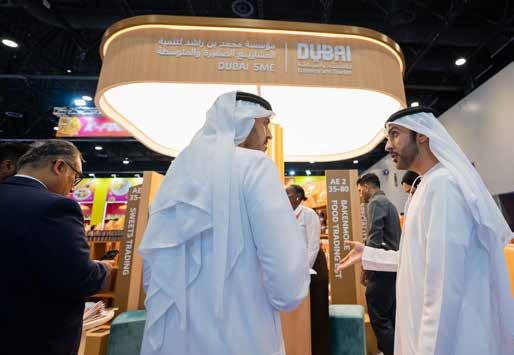
As Dubai sharpens its focus on building a globally competitive SME ecosystem, Gulfood continues to play a pivotal role in connecting homegrown brands with international buyers and distributors. Speaking to Global Supply Chain Magazine, Hessa Al Sayegh , Senior Manager, Dubai SME outlines how Dubai SME leverages the exhibition to fast track market access, enhance export capabilities, and position Emirati businesses for long term global growth.
Global Supply Chain: How does Gulfood strengthen the global visibility and competitiveness of Dubai’s SME community?
Hessa Al Sayegh: Dubai SME, a part of the Dubai Department of Economy and Tourism (DET), tasted yet another year of success at Gulfood, the world’s largest annual food and beverage trade exhibition, which has evolved from a visibility platform into a revenue-generating engine for Dubai’s export-ready SMEs. The consolidation of all country pavilions at Expo City Dubai during the recently concluded edition of Gulfood represented a fundamental shift in how we enable market access, creating concentrated buyer engagement that accelerates deal-making and shortens the path from introduction to commercial partnership. Through our participation within the UAE Pavilion, export-ready Emirati businesses were positioned directly in front of international buyers, distributors, multinational companies, and government and trade delegations.
Beyond visibility, the UAE Pavilion was curated as a national showcase to bring Emirati brands to life through immersive storytelling and hospitality-led engagement. This enabled buyers to connect directly with founders, understand the value behind the product, and move quickly into meaningful commercial discussions. This depth of engagement is what transforms visibility into sustained competitiveness within global supply chains.
With SMEs representing 95% of Dubai’s private sector, their ability to compete internationally directly impacts our economic diversification goals under the Dubai Economic Agenda, D33. Gulfood
Hessa Al Sayegh, Senior Manager, Dubai SME at Gulfood 2026
continues to provide the concentrated international exposure that accelerates this transition, connecting businesses valued for quality and innovation with buyers seeking exactly those attributes.
GSC: What specific opportunities at Gulfood help SMEs accelerate export readiness and market expansion?
Hessa Al Sayegh: Export readiness isn’t just about having a product. It’s about

understanding buyer requirements, navigating logistics, managing compliance, and delivering at scale. Gulfood compresses what would typically be months of market research and relationship-building into focused, high-value interactions.
This year’s venue consolidation at Expo City Dubai created unprecedented efficiency, allowing buyers and sellers to engage in a concentrated environment designed for optimised business
performance. For SMEs, this translated into easier access to senior decisionmakers, more focused conversations, and faster progression from introductions to commercial outcomes. Hosting the event at Expo City Dubai also further reinforced the emirate’s global position as an innovationled trade hub, building on the international legacy of Expo 2020 while enabling more productive cross-border engagement.
Beyond the exhibition floor, participating SMEs gained insights into international quality standards, packaging requirements, certification processes, and distribution models. This knowledge is critical for sustained export success. Many of our Dubai SME members are already leveraging learnings from previous editions, having used Gulfood to identify target markets, refine product positioning, and establish distribution partnerships that continue generating revenue long after the event concludes.
GSC: In what ways does participation in Gulfood support Dubai’s broader SME development and diversification agenda?
Hessa Al Sayegh: A key factor in shaping Dubai’s economic future will be our ability to transform domestic innovation into cross-border revenue. Gulfood is a critical accelerator in this transformation, demonstrating that Dubai-based SMEs can compete on quality, innovation, and scalability against established international players. Dubai SME’s participation in Gulfood for the 10th consecutive year reflects a long-term commitment to enabling SMEs to compete beyond domestic and regional markets. Our continuous participation at Gulfood reflects institutional commitment to building export capacity systematically. Each year, we refine our approach based on previous outcomes, improving selection criteria, strengthening pre-event preparation, and enhancing post-event support.
Platforms such as Gulfood allow us to connect Emirati businesses with global demand, while supporting our wider ambition to scale Emirati entrepreneurship and embed SMEs more deeply into international trade ecosystems. This aligns directly with the ambition of the Dubai
Economic Agenda, D33 to double the size of Dubai’s economy by 2033, with a key priority being to expand foreign trade through 400 additional cities on our trade map. SMEs are central to this expansion. We’re working to facilitate 8,000 new Emirati businesses by 2033, raising our total supported enterprises from 19,000 to 27,000. For these businesses to contribute meaningfully to economic growth, they must access markets beyond our borders, enabling SMEs to evolve from domestic suppliers into internationally competitive exporters.
GSC: Which key sectors within the Dubai SME ecosystem were represented in this year’s delegation to Gulfood, and why were they prioritised?
Hessa Al Sayegh: Dubai SME’s delegation to Gulfood 2026 comprised 10 export-ready businesses representing a diverse range of food and beverage subsectors. These included catering, bakery, and Emirati honey and hive products, alongside sustainable specialty food and beverage, bubble tea supply, coffee retail solutions, FMCG, and date production and trading.
Sector selection for Gulfood reflected both market intelligence and strategic positioning. These businesses were prioritised based on their scalability, export
readiness, and strong alignment with global demand for high-quality, valueadded, sustainably produced, and culturally authentic food products.
Selection criteria also emphasised operational maturity. These businesses have demonstrated consistent quality, production capacity, and willingness to adapt to international requirements. They’re export-ready enterprises positioned to convert Gulfood exposure into sustained international revenue.
GSC: How does the composition of the delegation reflect emerging trends in the food, beverage and agritech landscape?
Hessa Al Sayegh: Global food and beverage markets are being reshaped by three converging trends: demand for transparency and traceability, a shift toward premium offerings driven by health and sustainability concerns, and consumer preference for products with authentic cultural narratives. Our delegation composition directly reflected these dynamics. From Emirati honey and date products to speciality food and scalable retail concepts, the participating SMEs demonstrated how local heritage can be combined with modern production, branding, and distribution models.
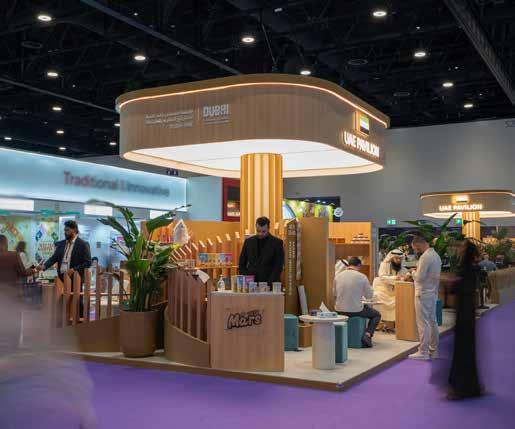
Take our date producers. They’re not simply selling commodities; they’re offering premium, traceable products with strong cultural narratives that resonate in both traditional and emerging markets. Another example is our honey and hive product businesses offering complete traceability from hive to shelf, meeting stringent international quality standards while preserving traditional production knowledge. Similarly, our sustainable speciality businesses are positioned at the intersection of health consciousness and environmental responsibility, trends driving purchasing decisions across developed economies.
This approach mirrors how the UAE Pavilion itself has been designed, blending culture, innovation, and international market relevance, while highlighting areas where Emirati SMEs are increasingly competitive on a global stage.
GSC: How is Dubai SME supporting participating companies in adopting digital trade tools to enhance crossborder growth?
Hessa Al Sayegh: While Gulfood creates market exposure, sustaining that exposure requires digital infrastructure. A buyer conversation at the exhibition must translate into ongoing commercial
relationship, which increasingly means digital ordering capabilities, online visibility, and integrated fulfilment.
Dubai Traders, an initiative launched under the Dubai Economic Agenda, D33, provides exactly this infrastructure.
Since September 2024, the programme has onboarded more than 2,600 new e-commerce sellers through strategic partnerships with leading B2C platforms, noon and Amazon.
Dubai Traders provides end-to-end onboarding support, including licensing facilitation, advertising credits, prioritised product placement, fulfilment adoption, and dedicated account management. This integrated support lowers barriers to entry into major online marketplaces and enables SMEs to scale digitally alongside their physical export efforts.
Dubai Traders recently expanded its scope to B2B and wholesale markets platforms through a partnership with Tradeling, the MENA region’s largest B2B digital ecosystem, specifically addressing the needs of manufacturers, distributors, and institutional buyers.
GSC: What role does e-commerce enablement play in helping SMEs scale internationally through platforms showcased at Gulfood?
Hessa Al Sayegh: E-commerce plays a critical role in extending the impact of Gulfood well beyond the duration of the event. Through Dubai Traders, SMEs are able to convert market exposure into sustained export revenue by accessing global customers through digital channels.
For Gulfood participants, this means conversations that begin at Expo City can seamlessly transition into digital channels. An international buyer impressed by product quality can immediately access ongoing purchasing through established marketplaces.
The programme has already delivered strong results, with sellers expanding product ranges, increasing SKU volumes, and achieving rapid growth in online sales. This dual approach, combining physical trade engagement with digital infrastructure, ensures that SMEs are equipped to scale internationally with confidence and resilience.
GSC: How can insights gained at Gulfood translate into long-term innovation and growth for participating SMEs?
Hessa Al Sayegh: Gulfood provides SMEs with global market insights, buyer expectations, and evolving supply-chain requirements. The relationships formed at the event often translate into sustained commercial partnerships when supported by Dubai SME’s broader ecosystem of advisory services, digital enablement, and market-access programmes.
To achieve our D33 goals of the D33 Agenda, we need to convert domestic entrepreneurial energy into export competitiveness systematically. Every Gulfood participant who successfully scales internationally validates our approach and demonstrates what’s possible when government support, private sector partnership, and entrepreneurial ambition align toward shared economic outcomes. This integrated and collaborative approach positions Gulfood not just as a trade event, but as a gateway and launchpad for Emirati SMEs to build lasting international partnerships and compete confidently on the global stage.
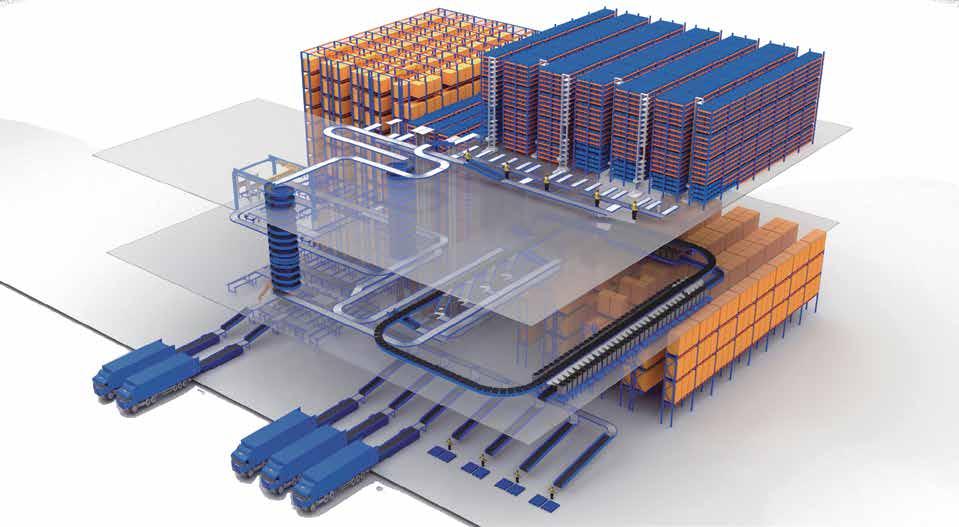
CIMC TIANDA is redefining ULD transport automation for air cargo terminals—replacing rigid conveyor routes and forklift-dependent handling with an intelligent ULD AGV system.
The Middle East is rapidly strengthening its position as a central logistics gateway connecting Asia, Europe, and Africa. But as cargo volumes rise, terminals face a clear challenge: how to increase throughput while controlling labour costs, maintaining safety compliance, and staying operationally flexible.
CIMC TIANDA’s ULD AGV (Unit Load Device Automated Guided Vehicle) and forklift AGV replaces operator-dependent transfers and rigid conveyor routes with autonomous, software-driven ULD transport—built for scalable cargo operations.
Manual ULD transport is a major bottleneck in cargo terminal efficiency. Heavy reliance on forklift driving leads to manpower shortages, shift variability, and peakhour congestion. Furthermore, IATA ULD Regulations recommend forklifts primarily for empty ULDs or slave-pallet movements; using them for loaded ULD transport is not only inefficient but increases operational risk.
CIMC TIANDA’s ULD AGV solves this by replacing manual forklift transfers with autonomous, controlled movement. By shifting repetitive tasks to automated execution, terminals can eliminate labor dependency, improve traffic discipline, and ensure consistent ULD protection while maintaining full compliance and stable 24/7 performance.
Many terminals operate under changing cargo profiles, phased expansions, and retrofit constraints. In these environments, fixed conveyor systems can become restrictive and costly to modify.
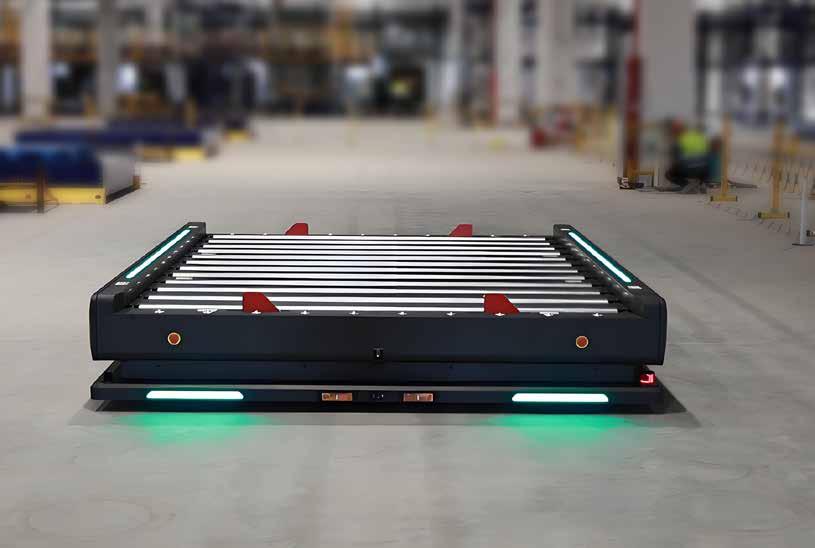
A ULD AGV creates a software-driven transport layer that moves ULDs pointto-point across the terminal. This allows operators to:
• automate transport without long conveyor installations
• adjust routes and priorities through software
• expand capacity by adding AGVs rather than rebuilding infrastructure
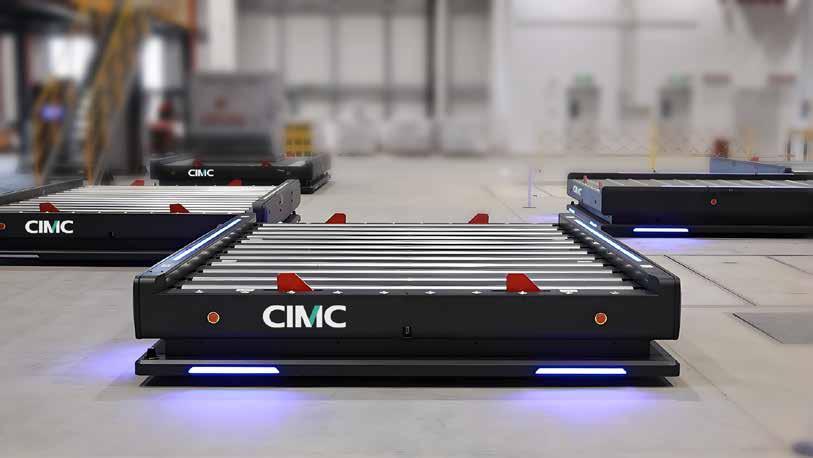
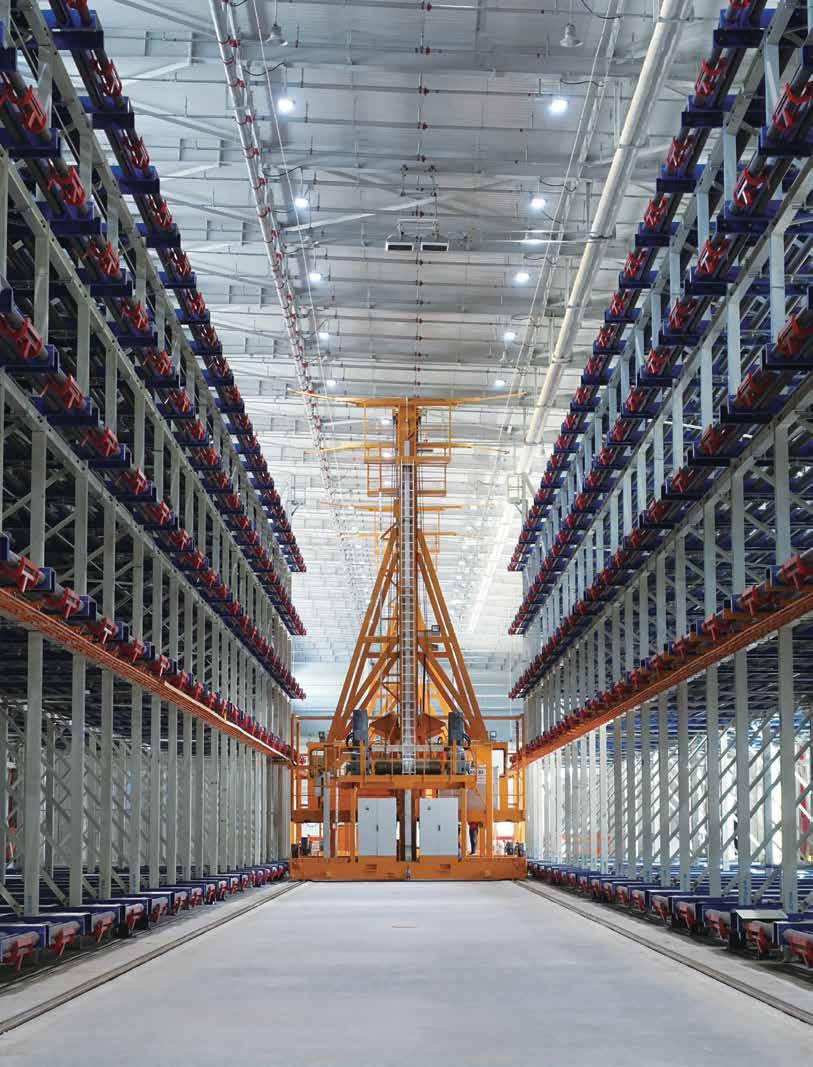
Engineered with advanced safety logic, our ULD AGVs employ sensor-based protection to ensure controlled movement and safe stopping behavior. By reducing manual towing variability and congestion, the system helps lower collision risk, reduce ULD damage, and support safer working zones in busy cargo terminal environments.
ULD AGV is no longer an experimental concept. It is a mature, field-proven solution delivering measurable value in real cargo terminal operations.
CIMC TIANDA has successfully deployed ULD AGV systems at Hangzhou Xiaoshan Int’l Airport (HGH / ZSHC), supporting daily ULD transport in a demanding, real-world cargo terminal environment. In addition, a ULD AGV system deployment is currently underway at Guangzhou Baiyun Int’l Airport (CAN / ZGGG), further expanding the solution’s footprint in major air cargo hubs.
These projects demonstrate the long-term practicality of ULD AGVs as an automation foundation—improving efficiency, easing labor pressure, and strengthening operational safety without the need for fixed conveyor routes.
For cargo terminals seeking to modernize ULD movement, CIMC TIANDA ULD AGV delivers a clear set of advantages:
• labor-saving ULD transport automation
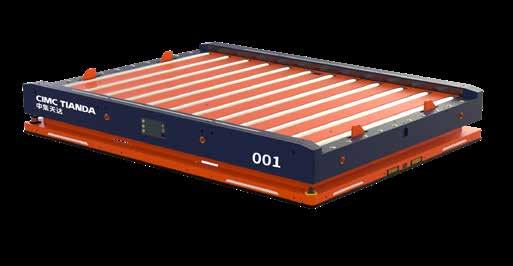
• flexible routing without fixed conveyors scalable throughput through fleet expansion
improved safety and reduced ULD damage risk
software-driven control and operational visibility
As air cargo continues to evolve, ULD AGV is becoming a cornerstone of nextgeneration air cargo terminal solutions—and CIMC TIANDA is ready to deliver it at scale.

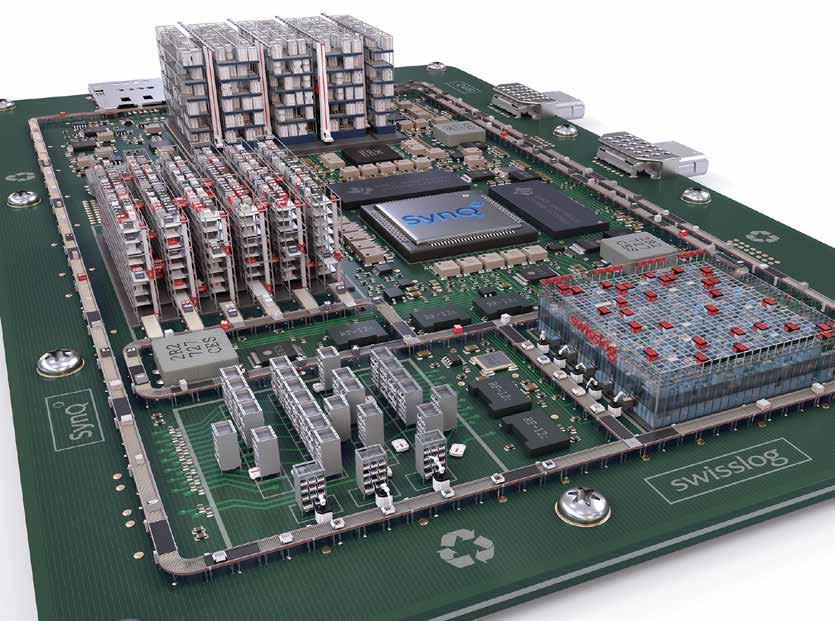
Our SynQ software delivers data-driven intelligence that empowers your business by synchronizing the performance of your people, processes and machines. The result is a level of efficiency and performance you never thought possible.
swisslog.com
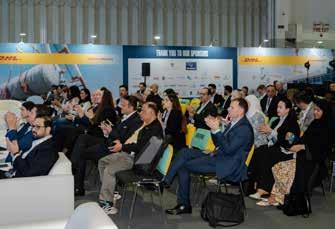

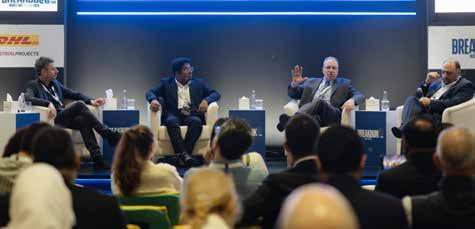

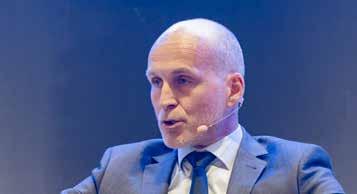
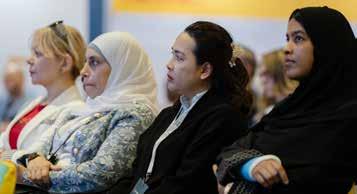
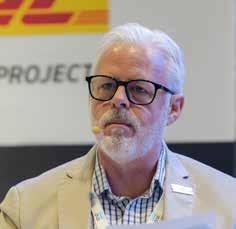
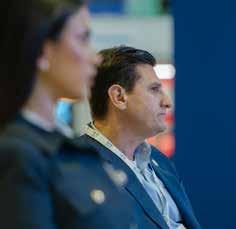
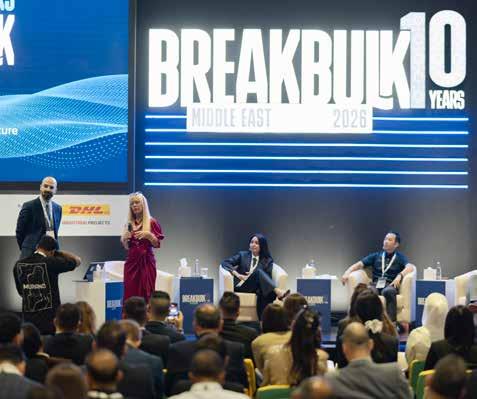
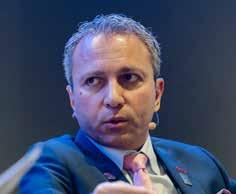
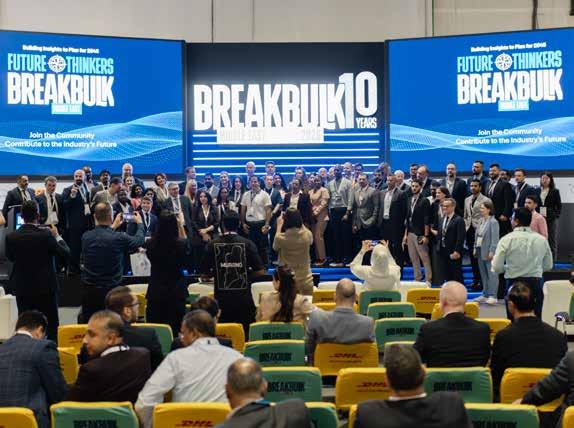
Breakbulk Middle East 2026 was a resounding success. The event marked its 10th anniversary, and looks ahead to a new decade of connecting the region’s mega projects.
Global Supply Chain Magazine was at the heart of the discussions with our Editor moderating a talk on the Middle East Global Rail Revolution. A discussion on Women in Logistics, Breaking Barriers, Building Careers was moderated by Goods2load CEO Jessica Panigari. There was also a number of Women in Breakbulk sessions.
We take you behind the scenes at some of the most thought provoking moments of the two-day conference.


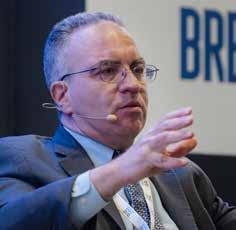
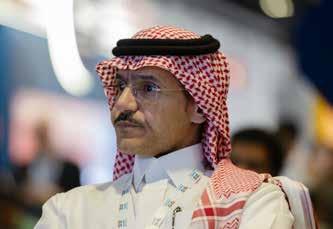
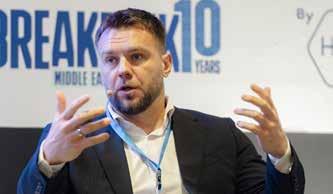
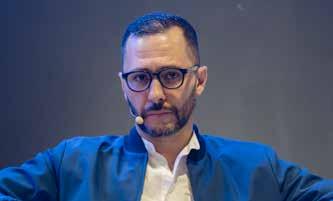

“We call on women to step forward with confidence and claim their space. Seek mentors, build meaningful networks, and never underestimate your power to make a difference. Challenges will exist, but resilience and belief can transform them into milestones. The future of maritime needs women at leadership positions, shaping decisions, driving progress, and proving that leadership has no gender—only vision, purpose, and impact.”
– H.E. Eng. Hessa Al Malek, Advisor to the Minister for Maritime Affairs at the UAE Ministry of Energy and Infrastructure.
Advisor to the Minister for Maritime Affairs at the UAE Ministry of Energy and Infrastructure, on innovation, inclusion, and the UAE’s maritime vision
In a sector long defined by tradition, the UAE is rewriting the narrative— embracing innovation, championing sustainability, and opening doors for women to lead at the highest levels. Few voices embody this shift more powerfully than H.E. Eng. Hessa Al Malek, Advisor to the Minister for Maritime Affairs at the UAE Ministry of Energy and Infrastructure. In this exclusive interview, she discusses the UAE’s bold maritime strategy, the nation’s push toward green fuels and autonomous technologies, and the growing momentum behind gender inclusion.
Abigail Mathias: What strategic priorities are shaping the UAE’s position as a global maritime hub today?
H.E. Eng. Hessa Al Malek: The UAE has firmly established itself as a global maritime hub, supported by up-to-date legislations, advanced infrastructure, world-class ports, and seamless multimodal connectivity. Our national fleet carrying capacity is 125,000 tons and receives over 33,000 vessels annually with different carrying capacity, reflecting international confidence in our logistics ecosystem.
Logistics is a key driver of our economic growth, contributing AED 136.7 billion today, with a target to exceed AED 200 billion within the next four years. We continue to invest in innovation, digital platforms, and sustainable transport solutions to accelerate trade and reduce costs.
Globally, the UAE operates more than 164 ports across 78 countries, underscoring our commitment to strengthening global supply chains and advancing long-term partnerships. Innovation, digitalisation, and sustainability are key priorities shaping the sector’s future. The UAE is investing in smart maritime
platforms, advanced digital services, and decarbonization initiatives aligned with its Net Zero 2050 goals. Through leadership in global standards, green shipping, and maritime technology, the UAE aims to be not only a regional hub, but a global reference point for efficient, sustainable, and futureready maritime operations.
As we look ahead, the future of the maritime sector will be shaped by efficiency, sustainability, and collaboration. The UAE remains committed to working with partners worldwide to build a more resilient, greener, and connected global logistics ecosystem that enables major projects, drives economic growth, and creates lasting value for generations to come.
AM: How can the UAE accelerate the adoption of green fuels such as methanol, ammonia, or hydrogen within its maritime infrastructure?
H.E.: The UAE can accelerate adoption of green maritime fuels such as methanol, ammonia, and hydrogen by building supportive infrastructure, fostering collaboration, and reinforcing policy frameworks that drive the energy transition across the sector. In this context, we joined forces with leading local, regional, and international research centers to develop and scale sustainable fuel technologies and solutions within the maritime ecosystem.
To make the maritime sector more sustainable and achieve our decarbonisation targets, strategic national and international partnerships, participation in global platforms such as the Global Ports Hydrogen Coalition, and alignment with the UAE’s broader hydrogen and net-zero strategies to accelerate deployment of low-carbon fuels are essential. By connecting ports,
fuel producers, shipping companies and policymakers, the UAE can build bunkering infrastructure for green fuels, standardize regulations, and encourage investment in new fuel supply chains, enabling wider use of methanol, ammonia, and hydrogen-based fuels in maritime operations.
AM: How is the UAE preparing for the rise of autonomous vessels and AI driven maritime navigation?
H.E.: The UAE is proactively preparing for the rise of autonomous vessels and AIdriven maritime navigation by embedding innovation, digital transformation, and strategic collaboration at the heart of its maritime agenda. This includes engaging in discussions and partnerships on the future of autonomous shipping, where the UAE’s authorities work with international experts, technology providers and stakeholders to explore how artificial intelligence and automation can enhance operational efficiency, safety, and environmental performance across maritime operations — including both ship systems and port logistics.
In practice, this strategic drive is reflected in industry initiatives such as the development of AI-enabled remotely operated vessels, which use advanced control systems and satellite connectivity to operate without crew onboard, improve safety, reduce emissions, and optimize navigation and logistics. For example, the Ministry of Energy and Infrastructure alongside its partners are engaged in developing and operating a prototype of such autonomous vessels, signaling concrete steps toward integrating autonomous and AI technologies into the UAE’s maritime infrastructure.
AM: The maritime sector has historically been male dominated. What progress have you seen in the region regarding gender inclusion, and what barriers still need to be addressed?
H.E.: There is a significant progress in gender inclusion within the UAE’s maritime sector, where women are increasingly visible across technical, administrative, and leadership roles. Emirati women have demonstrated competence and leadership, contributing to the nation’s competitiveness and standing in global maritime affairs,
and the UAE actively supports these strides through participation in initiatives such as the International Day for Women in Maritime and the Women in Maritime Awards established with the IMO to recognize outstanding female contributions.
To support this progress, the UAE has launched targeted initiatives like ‘She of Caliber’, aimed at empowering women with access to maritime education, professional training, and career development opportunities, while promoting a supportive legislative and institutional environment that encourages female participation and leadership. Moreover, the growing reliance on smart applications and digital transformation in the maritime sector aligns well with women’s skills and capabilities, particularly in areas requiring precision, analysis, and innovation. This shift creates broader and more flexible opportunities for women to contribute, lead, and thrive in the future of the industry.
However, barriers remain, including perceptions about maritime as a male field, under-representation in certain technical and senior positions, and the ongoing need to create role models and mentorship pathways that can further inspire and support women entering and advancing in the sector.
AM: What advice would you give to women aspiring to leadership positions in maritime and logistics?
H.E.: We wish for women to be inspired and to see the maritime and logistics sector not as a barrier, but as a vast horizon of opportunity. We encourage aspiring leaders to trust their potential, invest deeply in knowledge, and remain bold in the face of change. In a sector being reshaped by innovation, sustainability, and global connectivity, we believe women bring perspectives that are not only valuable, but essential. Leadership is built through curiosity, courage, and a commitment to excellence, regardless of how unconventional the path may seem.
We call on women to step forward with confidence and claim their space. Seek mentors, build meaningful networks, and never underestimate your power to make a difference. Challenges will exist, but resilience and belief can transform them into milestones. Our message is clear: the future of maritime needs women at leadership positions, shaping decisions, driving progress, and proving that leadership has no gender— only vision, purpose, and impact.
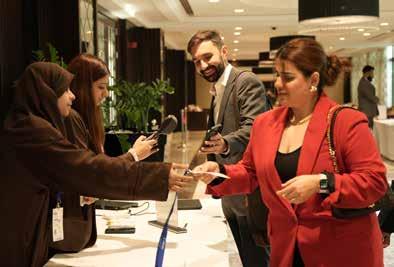
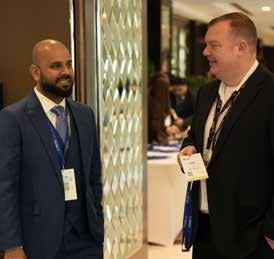
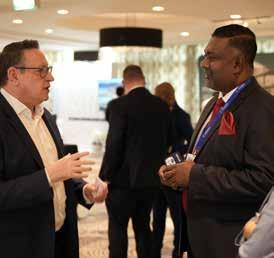
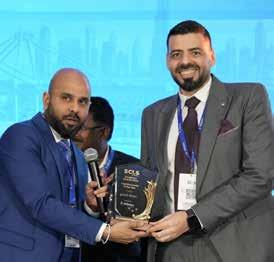
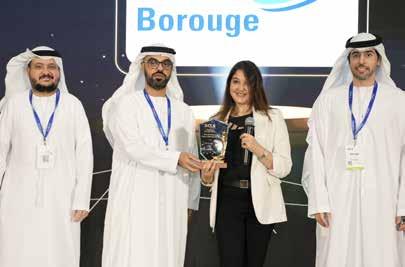
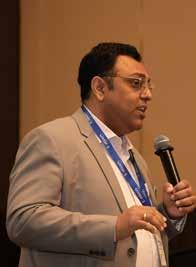
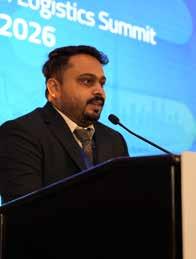
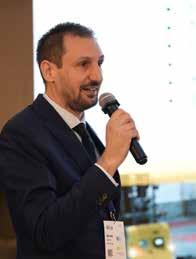
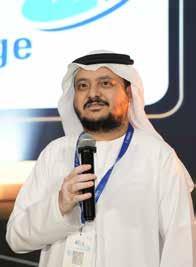
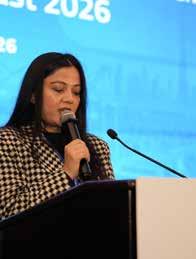
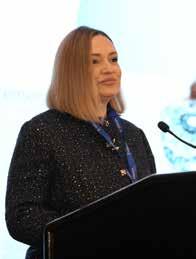
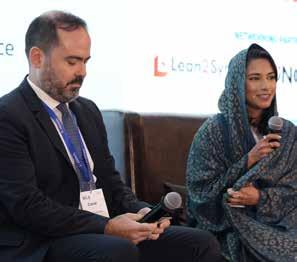
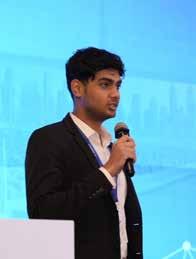
The 3rd Annual Supply Chain & Logistics Summit Middle East was held in Dubai on 3rd and 4th February 2026.
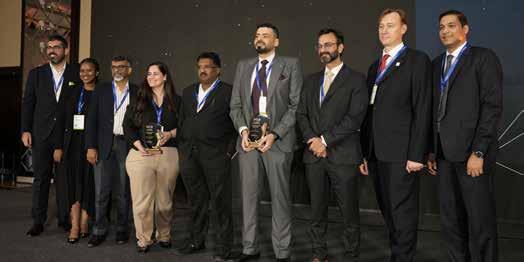
This year’s summit focused n how AI moves supply chains from reactive operations to intelligent systems, with a delivery model designed to function under real operational constraints. The event also introduced the brand new SCLS Excellence Awards, celebrating excellence across procurement, logistics, warehousing, digital innovation, and more.
The event was held at the Mövenpick Grand Al Bustan in Dubai, offering highlevel dialogues, real-world case studies, and invaluable executive networking opportunities. The summit is designed for C-suite executives and featured exclusive panels, immersive workshops, and deeper business matchmaking. We take you behind the scenes.


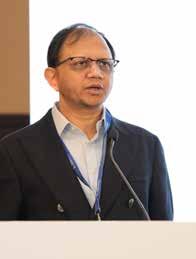
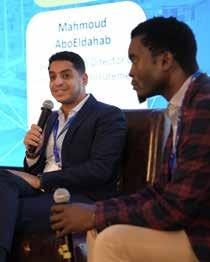
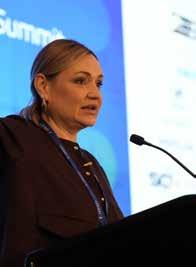

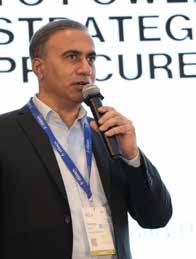

DHL’s Industrial Projects division is rapidly becoming a defining force in the Middle East’s evolving heavy industry landscape. With complex project forwarding demands rising across energy, infrastructure, and new energy sectors, the company is stepping in with unmatched global reach and local precision. At the forefront of this momentum is Peter Dudas, Vice President at DHL Global Forwarding and Head of Industrial Projects for the Middle East and Africa. His insights reveal how DHL is shaping the region’s industrial future—one project and one strategic partnership at a time.
Global Supply Chain: How important was it for DHL to bring industrial projects to the Breakbulk Middle East arena?
Peter Dudas: Breakbulk Middle East is a firmly set date in our event calendar. This is the one and only industry gatherings, specifically for project forwarding and the heavy shipping industry in the Middle East. And it has seen monumental growth, and I think I can announce that we have just agreed to exhibit next year as well. And as you can see, we are also main stage sponsors.
GSC: Please give us an insight into how industrial projects operate.
PD: DHL’s Industrial Projects is a specialised division within DHL Global Forwarding— the freight forwarding arm of the DHL Group. We operate in over 200 countries and territories worldwide, focusing on meeting the unique logistical needs of industrial clients. Our work spans from supporting daily operations to managing the transportation of heavy materials and equipment to industrial construction sites.
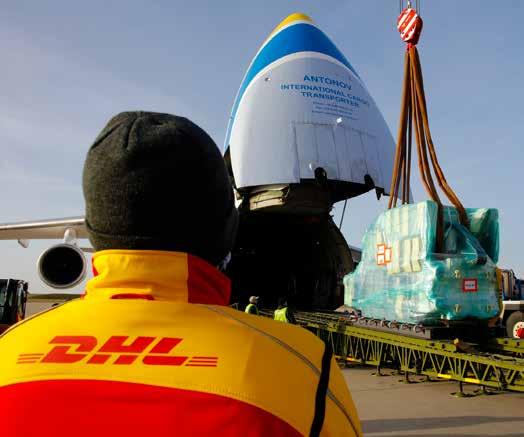
The Middle East is a key region for us. In recent years, in addition to large direct state investments we’ve seen a surge in foreign direct investment across several countries, which is driving rapid economic growth and the development of new manufacturing and industrial capacities. We’re eager to play a role in these large-scale projects, helping to build the infrastructure and industrial base that are shaping the future of the region.
GSC: How big is the environmental impact of the logistics operations of these projects?
PD: We’re supporting, several projects in Abu Dhabi alone where we have diverted container traffic from Khalifa Park to the job site. We have also delivered a number of individual drugs, over the recently established Etihad Rail. So instead of putting the material on a truck and then delivering it up to three, four, 500 kilometres, with all the pollution that an individual truck entails. We were able to load up to 100 containers at one time on a train from the port and take it to some of the railway terminals with marginal residual carbon emissions, of course, train is pulling 200, 300 containers at the time. with only one waggon having to operate and burn fossils. I’m sure more of
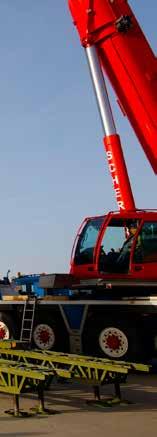
these can be planned. We’re investigating whether we can do the same thing with allocating more cargo. We are deeply interested and invested in the developing railway infrastructure into GCC, and beyond and there are several projects. Also outside of the Middle East region, in South Africa, where, for example, we’re working on establishing our working on helping customers establish mining operations, where the project also involves the creation of a railway connection to minimise the environmental impact involved with the transportation.
GSC: Which particular region is in focus for industrial projects?
PD: In the Middle East and Africa, DHL Industrial Projects takes a sector-specific approach, tailoring our services to meet the unique needs of various industries. Some of the most prominent sectors we serve include oil and gas, mining, renewables, and new energy projects.
The rising demand for data centres is a new trend we have noticed. As artificial intelligence becomes increasingly integrated into our daily lives, the need for advanced data infrastructure is growing rapidly. This shift is driving new
opportunities in logistics as we help facilitate the construction and expansion of these critical facilities.
GSC: When it comes to sustainable practices, how does DHL incorporate it into its operations?
PD: For us sustainability isn’t just a catch phrase. It’s a core part of our strategy and long-term vision. We’ve made it a priority at every level, and as part of our Environmental, Social, and Governance (ESG) commitment, we’ve linked executive compensation directly to achieving our ESG goals. One of the key initiatives we offer is our GoGreen product portfolio. This program gives our customers access to a range of innovative solutions to reduce their carbon footprint across their supply chains. Whether it’s through sustainable aviation fuel, marine fuel, or other eco-friendly logistics options, we’re helping businesses lower their environmental impact across air and ocean freight.
In the UAE, we’ve equipped all our warehouses with solar panels, allowing us to generate carbon-free electricity to power our operations. It’s just one of the many steps we’re taking to lead the way in sustainable logistics and contribute to a greener future.

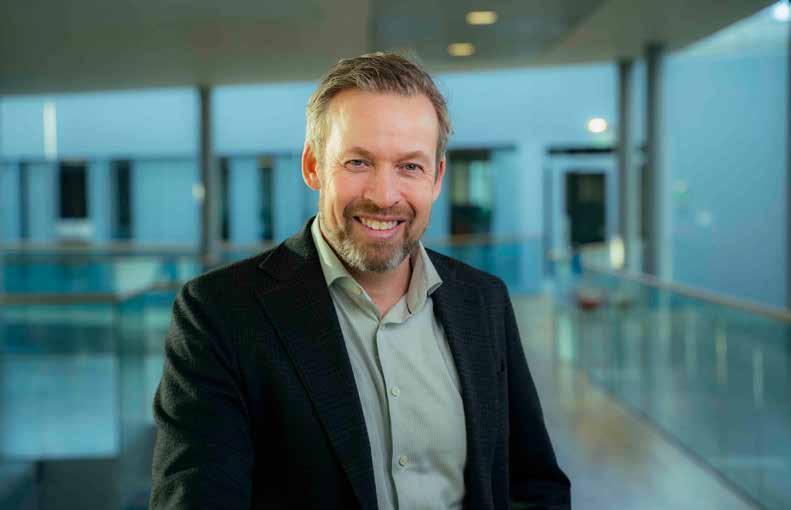
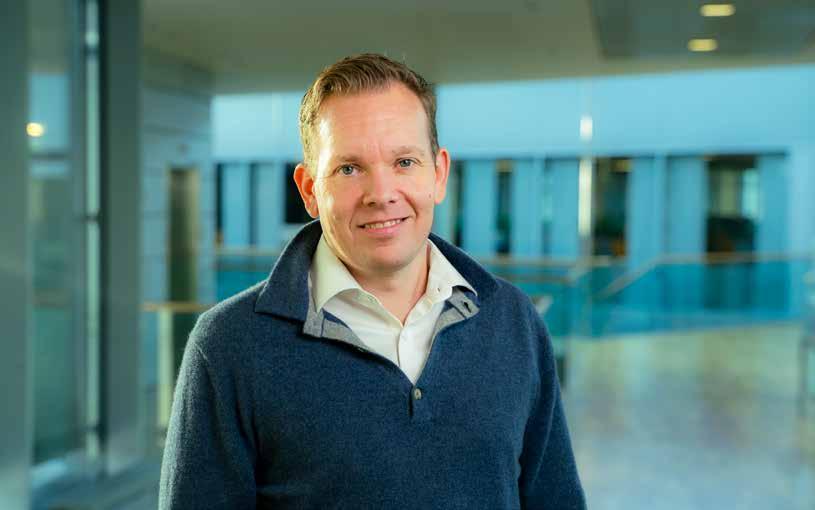
Ernst Meyer
CEO Torvald Klaveness
Shipping is an industry defined by global scale yet constrained by deeply rooted inefficiencies. As competition intensifies — particularly in fast moving hubs like the Middle East — the divide between transactional players and true orchestrators is widening. Rising carbon, fuel, and capital costs are now making trading efficiency more powerful than regulation alone. Unlocking progress will require a shift from isolated optimisation to shared data, shared accountability, and decisions made with a wider lens.
We speak to Ernst Meyer, CEO Torvald Klaveness and Michael Jørgensen, EVP, Klaveness Dry Bulk for greater insight on the matter.
GSC: Many industry leaders argue that misaligned incentives between owners and charterers are quietly eroding value. Do you see this as one of shipping’s biggest structural inefficiencies, and how would you fix it?
Ernst Meyer: Yes. I think it’s one of the most fundamental and least acknowledged inefficiencies in shipping. Owners optimise in dollars per day, charterers in dollars per ton. Both are rational, but they sit on different economic clocks. The result is friction: waiting time, sub-optimal speed decisions, unnecessary ballast, and value leakage that no one explicitly owns.
You don’t fix this with better contracts alone. You fix it by changing how decisions
are made earlier, with shared data, and with tools that allow both sides to see the same trade-offs at the same time. When incentives are aligned around system outcomes rather than point outcomes, you don’t need to force cooperation; it becomes the economically rational choice.
GSC: Ernst Meyer has highlighted that cultural and commercial inefficiencies are especially visible in major hubs like the Middle East. What distinguishes the hubs that will win as global competition intensifies?
Ernst: The hubs that win will be those that move from being transactional to orchestrators. That means faster
decision-making, higher tolerance for transparency, and the ability to coordinate across multiple actors - ports, cargo owners, operators, and regulators.
Winning hubs won’t just compete on location or scale. They’ll compete on how well they reduce friction: fewer surprises, faster recovery when plans change, and clearer alignment between commercial and operational reality. Culture matters here. Openness to data sharing, trust, and speed of execution will increasingly separate leaders from laggards.
Michael Jørgensen: So, what that means to me, is that we must move from branding inefficiencies as “commercial upsides or secrets” and encourage a culture were enabling others to succeed becomes natural.
GSC: Michael Jørgensen says bulker operators are stuck in a cycle of razorthin margins and volume chasing. Do you think this short-ter m mindset is preventing the industry from unlocking real efficiency gains?
Michael: No doubt that the chase for
volume with a constant inflow of the “next” operator creates an unhealthy environment where actual client discovery and collaboration is secondary to that of chasing the volume and growth. Over the years operators have seen multiple boom and bust cycles, and with volatility as the only constant we will continue to see investments into such setups, but unfortunately for most purely driven with a mindset of chasing that 1 or 2 good years, rather than a real reason for being.
GSC: Waiting time remains one of shipping’s most expensive and environmentally damaging inefficiencies. Why has theindustry tolerated this for so long, and what would it take to break the cycle?
Ernst: Because waiting time has been treated as someone else’s problem. It’s fragmented across contracts, ports, weather, cargo readiness, and market timing. No single actor sees the full cost economic or environmental. So the system tolerates it. Breaking the cycle requires two things: 1) visibility - understanding waiting not as bad luck, but as a predictable outcome of misaligned decisions.
2) shared accountability - when waiting time shows up clearly in both cost and emissions, and when decisions upstream are informed by that reality, behavior changes surprisingly fast.
Michael: It’s also worth noting that often freight, even with some waiting accounted for, remains a relatively small cost compared to the commodity, which means many industrials still prefer an early vessel with waiting over that of having delivery delayed or empty berths which for shippers could mean major loss of profits (on the commodity).
GSC: As regulatory pressure accelerates, do you believe trading efficiency could become a more powerful lever for progress than regulation itself?
Ernst: Yes, regulation sets the floor, but trading efficiency sets the pace. Regulation forces compliance. Trading efficiency creates economic motivation. When carbon, fuel, and capital costs rise, better decisions become more valuable than better hardware alone.
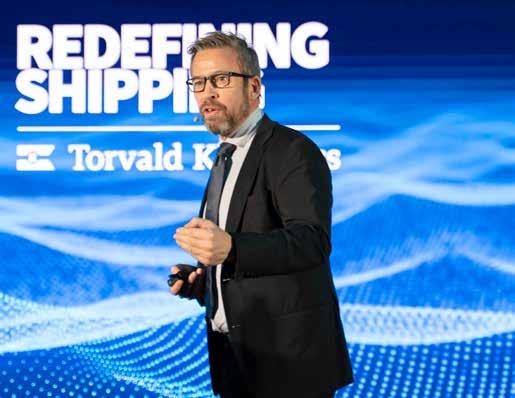
“The hubs that win will be those that move from being transactional to orchestrators. That means faster decision-making, higher tolerance for transparency, and the ability to coordinate across multiple actors - ports, cargo owners, operators, and regulators.” – Ernst
In many cases, the fastest emissions reductions don’t come from new technology, but from better timing, better matching, and fewer wasted miles. Trading efficiency allows companies to reduce cost and emissions simultaneously and that’s far more powerful than compliance driven by penalties alone.
GSC: What role should operators play in realigning incentives across the value chain so that efficiency, profitability, and emissions reduction reinforce each other rather than compete?
Ernst: Operators are uniquely positioned as translators between worlds. They understand physical reality, commercial pressure, and increasingly the data that connects the two. That gives them responsibility and an opportunity to design decision frameworks where trade-offs are explicit and shared. The role isn’t to dominate the value chain, but to enable better coordination: helping cargo owners, owners, and ports make choices that improve total outcomes rather than shifting cost or risk downstream.
Michael: Very much agree, but a major shift in mindset needs to happen accross the value chain. The fact remains that most industrials will chase the last USD 0.10pmt transporter and shipowners the last USD 100pd over that engaging with real value discussions both in terms of their topline but also in terms of securing the right ship at the right time.
GSC: Digital transparency and data driven decision making are often cited as solutions, yet adoption remains uneven. What’s holding the industry back from embracing these tools at scale?
Ernst: It’s less about technology and more about behavior. Transparency challenges existing power structures, legacy practices, and sometimes comfortable ambiguity. Many organizations worry about losing flexibility or exposing weaknesses.
The irony is that transparency doesn’t remove optionality. It makes optionality visible. Adoption accelerates when digital tools are framed not as control mechanisms, but as decision support that helps people make better calls in uncertain environments.
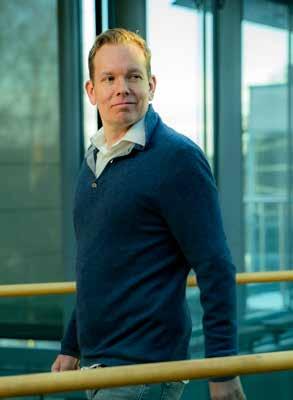
Michael: As a practical example, most operators are now starting to build their own database of readily available data to create opportunities for their teams whether operationally or commercially to make better decisions. The same data output that supposedly will make our industry more efficient is now being structured repeatedly, a result of an industry lack of ability to democratize and share data.
In Klaveness we have created the Market Manager platform where we seek to go against the stream, we encourage sharing of ideas, tools and data, as putting the right companies – even competitors – in the same room creates a more viable solution.
GSC: If you could change one entrenched behavior in global shipping that would unlock the most commercial and environmental value, what would it be — and why?
Ernst: I would change the habit of optimising decisions in isolation. Shipping has learned to be very good at point efficiency (one ship, one voyage, one fixture). The next leap comes from asking a different question: Is this decision good for the system this voyage belongs to?
The single shift from point thinking to system thinking unlocks better economics, lower emissions, and more resilient supply chains. Not through grand redesigns, but through thousands of slightly better decisions, made with a wider lens.
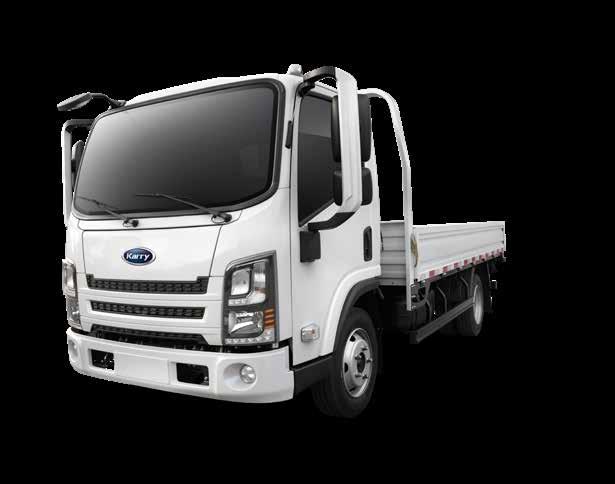
Al Ghurair Mobility has signed an exclusive distribution agreement with Chery Group to introduce Karry, Chery’s global light commercial vehicle brand, to the United Arab Emirates (UAE).
This agreement further strengthens the strategic partnership between Al Ghurair Mobility and Chery Group, building on their earlier collaboration to distribute RELY, Chery’s global pickup brand, in the UAE. Extending the collaboration with Chery Group reflects the deepening relationship and mutual trust between the two companies, and further enhances Al Ghurair Mobility’s ability to support the country’s rapidly growing logistics and transport sectors. Together, Al Ghurair Mobility and Chery Group reaffirm their commitment to developing a diversified, future-ready commercial mobility portfolio aligned with the evolving needs of the regional market.
This agreement also marks a significant milestone as the UAE becomes a key strategic market for Karry’s regional expansion. Specialising in light commercial vehicles including vans, mini trucks and logisticsfocused mobility solutions, Karry is designed to support the evolving needs of businesses operating across last-mile delivery, logistics, construction and urban mobility.
“This partnership underscores our long-term commitment to advancing commercial mobility in the UAE,” said John Iossifidis, Group Chief Executive Officer of Al Ghurair. “Expanding our collaboration with Chery Group to include Karry enhances our ability to support the country’s rapidly growing logistics and transport sectors.”
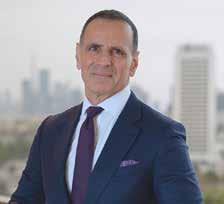
Oscar Rivoli, Chief Executive Officer, Motors, Al Ghurair Mobility, said: “Karry brings a compelling proposition to the UAE’s commercial vehicle landscape. Its product range is purpose-built for realworld business use, with a strong focus on reliability, efficiency and total cost of ownership. Together with RELY, Karry allows us to address a broader spectrum of commercial mobility requirements across fleets, SMEs and specialised operators.”
She Cairong, President of Chery Commercial Vehicle International, said: “The expansion of our partnership with Al Ghurair to include Karry reflects our shared vision for long-term growth in the UAE and wider region. Building on the introduction of RELY, Karry strengthens our commercial vehicle offering with versatile and intelligent solutions designed to meet the evolving demands of modern businesses.”
As part of Chery Group’s commercial vehicle portfolio, Karry integrates proven engineering, intelligent design and flexible configurations to meet a wide range of commercial applications. With the UAE as a strategic entry point, the brand is positioned to support regional demand for efficient, scalable and future-ready commercial mobility solutions.
• Allison Transmission-powered trucks secured nine of the top ten positions in the world’s toughest rally.
• Covering around 8,000 km, the fully automatic transmissions once again demonstrated their proven reliability and performance in one of the world’s toughest environments.
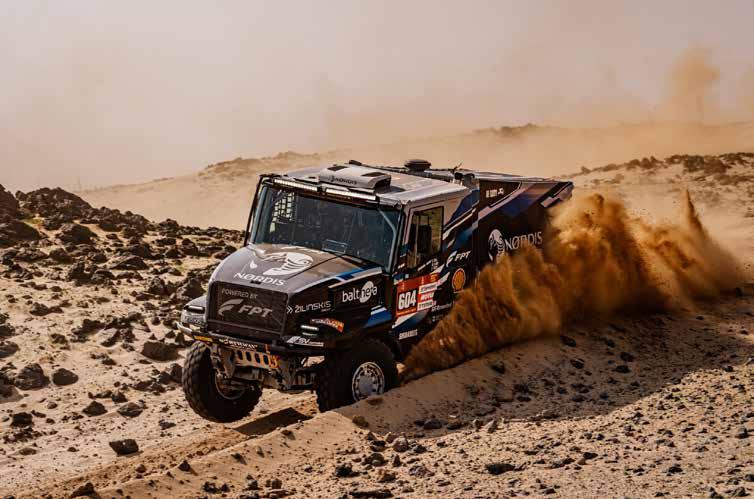
Allison Transmission-powered trucks once again dominated the Dakar Rally in Saudi Arabia, as Team De Rooy secured a one-two finish in this year’s Truck category. Held from January 3 to 17, the 2026 rally route covered approximately 8,000 km in total, with around 5,000 km of timed special stages.
With the trucks competing across the Kingdom’s vast deserts and rugged terrain, the rally tested endurance, precision, and consistency at the highest level, allowing Allison’s transmissions to once again demonstrate their proven reliability and performance in one of the toughest motorsport environments in the world.
Emphasising Allison’s leadership in
high-performance transmission systems, nine of the top ten finishing trucks in the Truck category were powered by Allison fully automatic transmissions, including both vehicles fielded by Team De Rooy. This dominant presence at the top of the leaderboard highlights Allison’s continued role as the drivetrain of choice for elite rally teams.
Team De Rooy competed with two Iveco Powerstar trucks equipped with Allison 4000 Series™ fully automatic transmissions. Built for demanding, heavy-duty applications, the transmissions delivered uninterrupted power, smooth shifting, and precise control across deep sand dunes, rocky tracks, and long-distance desert stages. This consistent performance enabled the team to maintain competitive pace throughout the two-week rally while minimising mechanical stress and driver fatigue.
At the heart of this success is Allison’s Continuous Power Technology™, which eliminates power interruption during gear changes and ensures smooth, uninterrupted torque delivery to the wheels. In rally raid competition, this translates
into improved traction, enhanced vehicle control, and reduced physical and mental fatigue, and represents critical advantages in multi-stage endurance racing.
“The Dakar Rally is one of the world’s toughest motorsport competitions, pushing competitors across some of the most demanding off-road terrain in the Middle East, where success depends on absolute trust in their equipment,” said Berk Gönenç, Sales director, Türkiye, Middle East and CIS: “Allison once again proved its reliability and performance, giving drivers the confidence to push hard in the most challenging conditions.”
Allison’s strong performance at Dakar 2026 highlights its relevance to real-world operations in Saudi Arabia and across the Middle East, where vehicles regularly operate in extreme heat, sand, and remote environments. From construction and logistics to oil and gas and public transportation, Allison transmissions are trusted by regional operators who rely on proven durability, reliability, and long-term performance in some of the toughest driving conditions in the world.
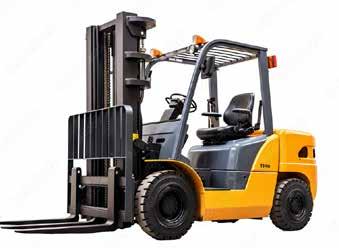
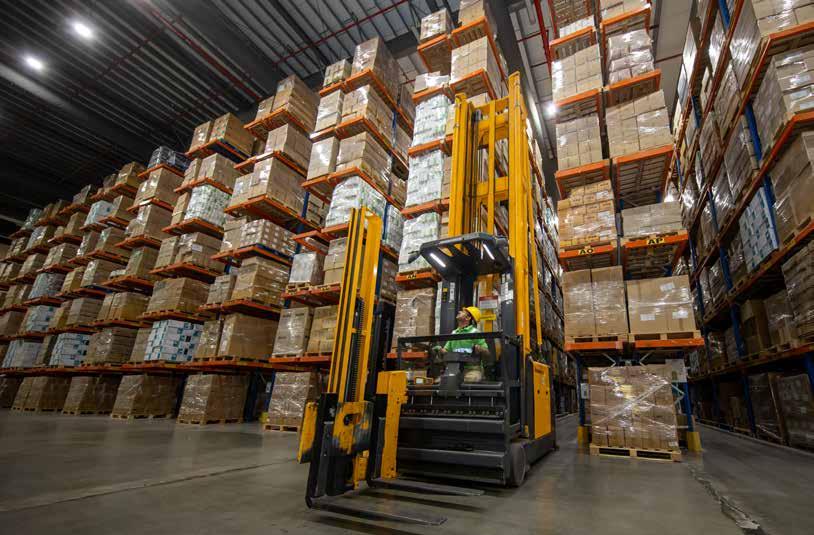
In the fast paced world of logistics, where every minute of downtime ripples through supply chains, the humble forklift plays a starring role. These machines lift, move, and position the goods that keep warehouses productive and customers satisfied. Yet despite their importance, forklift maintenance is often treated as a background task—something to address only when a breakdown forces the issue. In reality, proactive maintenance is one of the most cost effective strategies a logistics operation can adopt.
Forklifts are powerful pieces of equipment, and even minor mechanical issues can escalate into major safety hazards. Worn brakes, leaking hydraulics, or malfunctioning steering systems can put operators and nearby workers at risk. Regular inspections ensure that these problems are caught early, long before they compromise safety.
Daily pre operation checks—often required by regulation—are the first line of defense. Operators should verify fluid levels, test the horn and lights, inspect forks for cracks, and confirm that tires are in good condition. These quick assessments not only protect workers but also build a culture of accountability and awareness on the warehouse floor.
Forklifts are like any other heavy-duty machinery, they occasionally require some TLC. And if you’re in charge of general forklift maintenance, that responsibility is not one to take lightly.
Whether you’re responsible for daily checks or managing long-term maintenance plans, staying informed about protocols, OSHA requirements, and cost-saving strategies is crucial.
We hope to guide you through the maintenance protocols to keep your forklifts in top shape, ensuring they remain efficient, productive, and safe. Additionally, we will share money-saving tips along the way.
Performing regular maintenance yields crucial benefits for your forklift operations. Longer service life, better productivity, money savings, safety priority and higher resale value.
Does the forklift have a less-than-stellar history? Do service records show the same issue(s) appearing frequently? Do forklift operators regularly complain about it?
If the truck is faulty, it will need more frequent maintenance. You will want to keep an eye on its known problems and keep them at bay.
If a forklift runs more often, it will require more frequent service. This is crucial for material handling operations that run their lifts across multiple shifts.
Also, lift trucks with higher hours require more frequent servicing.
But be careful: There will come a point at which the lift becomes too expensive to continue repairing. This is referred to as the forklift’s “useful life.” And it means you are financially better off buying another one.
If your forklift operates in a dirty environment, be sure to wash it with soap and water. Dirt and debris can lead to problems like tire binding, mast damage, and electrical issues.
While maintenance is important, what’s equally necessary is looking out to replace a particularly old piece of equipment which could cause hazardous situations.
Unplanned downtime is the enemy of efficiency. A forklift that suddenly fails can halt an entire workflow, delay shipments, and force managers into costly last minute adjustments. Preventive maintenance flips the script by scheduling service before issues arise.
This includes routine tasks such as:
• Changing engine oil and hydraulic fluids
• Replacing filters
• Inspecting and adjusting chains
• Checking battery health on electric models
• Lubricating moving components
By following manufacturer recommended service intervals, logistics teams can extend equipment lifespan and avoid the expensive domino effect of emergency repairs.
It’s tempting to delay maintenance when budgets tighten, but the numbers rarely support that choice. A small leak in a hydraulic line, for example, may cost little to fix early on. Left unattended, it can lead to pump failure, contamination, or even a full system replacement—multiplying the cost many times over.
Well maintained forklifts also consume less energy. Electric units with healthy batteries run longer between charges, while internal combustion models burn fuel more efficiently when engines are properly tuned. Over the course of a year, these savings add up.
Modern logistics operations increasingly rely on telematics to monitor forklift performance in real time. Sensors can track usage hours, battery cycles, impacts, and even operator behavior. This data allows maintenance teams to shift from fixed schedules to condition-based servicing—addressing wear and tear exactly when needed.











Western Australia is making an assertive push into the Gulf, and Minister Jackie Jarvis MLC, Minister for Agriculture and Food; Fisheries; Forestry; Small Business; and the Mid West, is positioning the state as a powerhouse partner for the UAE. With WA exporting nearly all the food it produces, Jarvis is championing premium fresh produce while inviting deeper investment across agriculture, energy and advanced industry. Her mission is clear: strengthen supply chain integration, expand market access and forge long term partnerships that support both Western Australia’s growth ambitions and the UAE’s food security priorities.
GSC: What is the primary mission of your visit to the UAE, and what key outcomes are you hoping to achieve for Western Australia during this engagement?
Hon Jackie Jarvis MLC: We are here to promote Western Australia’s food products, particularly our fresh produce. Western Australia covers one-third of Australia’s landmass but has a population of only three million people. Despite our small population, we produce a significant amount of food, with around 90% of it exported.
While we already have strong trade links with the UAE, we are looking to expand our export markets further, particularly for red meat such as beef and lamb, as well as fresh produce. We are proud of the fact that many of the carrots in the UAE already come from Western Australia. We are also promoting our apples, potatoes, berries including strawberries and blueberries and premium seafood products such as Western rock lobster and octopus. This
visit is fundamentally about strengthening partnerships and promoting high-quality, fresh food products.
GSC: Beyond agrifood, the UAE is a major investor globally. How do you see opportunities for increased UAE investment into Western Australia’s broader economy?
Hon JJ: Western Australia has a long history of welcoming international investment. Our mining and resources sectors, in particular, have significant global participation.
We are also advancing green steel initiatives and renewable energy projects, creating new opportunities for collaboration. In agriculture, we are accustomed to foreign investment in farmland and agribusiness. For UAE businesses seeking to strengthen food security, there are opportunities to invest across the entire supply chain, from farm ownership to meat processing and export infrastructure. The potential is substantial across multiple sectors.
GSC: Food security is a national priority for the UAE. How can Western Australia support the UAE’s long-term food security goals beyond traditional export models?
Hon JJ: Western Australia can support the UAE through deeper supply chain integration. This could include joint ventures or direct investment in farmland, as foreign ownership of agricultural land is permitted in our state.
Given our strong export focus, foreign investment in agriculture is well established and accepted. We have examples of large cattle stations owned by international investors who also operate meat processing facilities, demonstrating vertically integrated
business models that could be replicated for Gulf partners. These models offer long-term stability and control over supply chains, directly contributing to food security.
GSC: How important are governmentled inbound and outbound trade missions in building trust and accelerating commercial outcomes with UAE partners?
Hon JJ: Government-led trade missions play an important role in strengthening relationships and opening doors for businesses. As a ministerial delegation, our presence helps facilitate introductions and build trust at a higher level.
The meetings we’ve had in the UAE have been extremely positive, and it has been a privilege to bring Western Australian businesses along. These engagements help accelerate commercial conversations and deepen long-term partnerships.
GSC: What role does Western Australia’s regulatory framework and biosecurity standards play in maintaining confidence among UAE importers and authorities?
Hon JJ: Western Australia is internationally recognised for producing safe, high-quality food. Our red meat products have some of the longest shelf life globally due to strict processing standards. All our meat processors are Halal certified, ensuring compliance with UAE requirements.
We also maintain strong cold-chain logistics, enabling products to reach markets quickly, just 11 hours by air from Perth to the UAE. For example, lobster harvested one day can be on a plate in Dubai the next.
Importantly, Australia is the only continent that has not experienced high
“We maintain strong cold-chain logistics, enabling products to reach in just 11 hours by air from Perth to the UAE. A lobster harvested one day can be on a plate in Dubai the next.”
pathogenic avian influenza. We are also free from foot-and-mouth disease and many other pests and diseases, largely due to our geographic isolation. This biosecurity strength enhances the food security and reliability we can offer international partners.
GSC: As global supply chains face increasing pressure, how is Western Australia strengthening resilience and reliability for international partners like the UAE?
Hon JJ: Direct flight connectivity plays a vital role in supply chain efficiency. Additionally, Western Australia’s position in the Southern Hemisphere allows us to supply counter-seasonal produce, complementing northern hemisphere markets.
Our vast landmass spans diverse climatic zones from tropical conditions in the north to Mediterranean climates in the south, enabling us to grow a wide variety of products year-round. With the right investment, this diversity supports resilience and consistent supply for global partners.
GSC: Looking ahead, how do you envision the Western Australia–UAE relationship evolving over the next five to ten years?
Hon JJ: Western Australia already enjoys a strong relationship with the UAE, which is among our top export markets. As the UAE continues to grow its population and strengthen its food security strategy, we see significant opportunities to expand our partnership further.
We are committed to supporting the UAE’s future needs by providing reliable, high-quality food products and strengthening long-term economic collaboration.

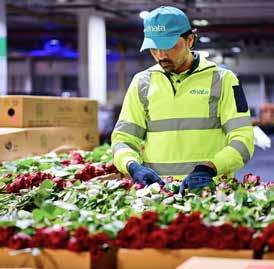
n dnata, a leading global air and travel services provider, has handled 227,530 kilograms of flowers in just five days at its dedicated facility at the Dubai Flower Centre (DFC), marking a significant surge in volumes ahead of Valentine’s Day.
Between 7–11 February 2026, dnata processed 274 shipments comprising more than 18,700 boxes of flowers, representing a significant uplift to a typical
• dnata manages seasonal surge at Dubai Flower Centre facility
• Dedicated perishables facility ensures seamless handling of time-sensitive cargo
• Red roses lead demand alongside hydrangeas, chrysanthemums and orchids
operating period. Operations peaked on 10 February, when the team handled 59,800 kilograms in a single day – more than double normal daily volumes.
The majority of inbound shipments originated from key flower-exporting markets including Columbia, Ecuador, Ethiopia, Kenya and the Netherlands. While hydrangeas, chrysanthemums and orchids featured prominently among inbound varieties, red roses remained the dominant trend, accounting for the largest share of seasonal demand.
dnata’s purpose-built perishables facility at the Dubai Flower Centre spans approximately 3,500 square metres and is equipped with advanced temperaturecontrolled zones, rapid airside transfer corridors, and specialised material handling systems designed to safeguard
time- and temperature-sensitive cargo.
The site has the capacity to process up to 400,000 kilograms of perishables per day, supported by a team of more than 50 trained cargo professionals operating around the clock during peak periods.
Guillaume Crozier, dnata’s Chief Cargo Officer, said: “Valentine’s Day is one of the busiest periods of the year for flower logistics. Our team works closely with airline partners, exporters, freight forwarders, shippers and consignees to ensure shipments move swiftly and efficiently through Dubai, maintaining the highest standards of care for perishables.”
Dubai continues to serve as a strategic transit point for global flower flows, connecting growers in Africa, Europe and Asia with markets across the Middle East and beyond.

n Valentine’s Day represents one of the most demanding logistics peaks of the year for the global flower industry, and CargoLand by LGG was once again fully mobilised to ensure seamless flows during this critical period.
Each year, hundreds of tonnes of fresh flowers arrive within a matter of days, requiring flawless coordination, strict temperature control and absolute reliability. At this scale, speed, temperature control and coordination make all the difference. Built around a cargo-first, 24/7 operational model, CargoLand by LGG has established itself as a leading European gateway for time-critical perishables, with flowers accounting for
nearly 20% of total annual cargo volumes. This year, 13,850 tonnes of flowers were handled during the four-week Valentine’s campaign, supported by 45 additional charter flights on top of regular scheduled operations, demonstrating the platform’s scalability during extreme peaks.
Preparation for Valentine’s Day starts well in advance and is rooted in a strong community approach. All stakeholders across the flower ecosystem such as ground handlers, freight forwarders, trucking companies, airlines and public authorities are brought together to anticipate volumes, staffing needs and regulatory changes, including updated phytosanitary procedures and new regulatory requirements supported by the AFSCA-FAVV (Belgian Federal Agency for the Safety of the Food Chain). By communicating early and planning for potential overflow, CargoLand by LGG ensures that sufficient human and technical resources are in place to absorb peak demand without disruption.
During the Valentine’s season, the majority of flowers handled at CargoLand
by LGG originate from Kenya, Ecuador, Colombia, Ethiopia, as well as key Latin American gateways such as Quito and Bogota, supported by dense airline connectivity and close coordination with GSAs, brokers and forwarders. Fast airsideto-warehouse transfers and dedicated cold-chain infrastructure play a decisive role in protecting flower quality, with ULDcompatible cold rooms maintained at 2–8°C and contingency capacity available at all times. This focus on integrity is essential, as individual flower shipments can represent values of up to USD 1 million.
“Flowers are far more than a commodity, they carry value, emotion and trust,” says Frédéric Brun, Head of Commercial Cargo & Logistics at CargoLand by LGG. “Every shipment deserves absolute care. We thank AFSCA-FAVV and the customs authorities for their unwavering 24/7 support during this peak. Through anticipation, close cooperation and robust cold-chain and digital processes, we ensure speed, reliability and peace of mind for growers, exporters and buyers worldwide on Valentine’s Day and beyond.”
n Global GSA Group and Alaska Airlines have signed a General Sales & Service Agent (GSSA) partnership ahead of the airline’s late April launch of direct ItalyUS flights from Rome-Fiumicino to its Seattle hub. The experienced GSSA will secure and develop the airline’s cargo business out of Italy, which seeks to position Seattle as a key air gateway to North America and beyond.
This partnership with Global GSA Group, one of Europe’s leading GSSAs, supports the carrier’s drive for enhanced cargo capability across transatlantic and transpacific markets and helps it excel in the freight market.
From late April onwards, daily Boeing 787-9 flights will offer the Italian freight forwarding community connections via Seattle to over 100 destinations across the U.S., Asia Pacific, South Pacific and Latin America. Global GSA Group will take on commercial responsibility for the sale of cargo capacity on these flights. The new service opens up opportunities for the transport of key commodities such as aircraft spare parts,
high fashion and accessories, foodstuffs, pharmaceuticals or machine parts.
“At Global GSA Group, we enjoy a very close cooperation with our Italian forwarders and will ensure that we maximise the benefit of this new cargo connection both for the community and Alaska Airlines,” says Aytekin Saray, Chief Executive Officer of Global GSA Group. “Rome-Seattle is a particularly attractive routing as it offers an additional, direct service into the Pacific Northwest and beyond, for the great variety of high value, special goods that Italy exports and Global GSA Group are experts in dealing with. We are proud to call Alaska Airlines our newest partner and customer.”
“Alaska Airlines and Hawaiian Airlines are two carriers with tremendous histories – more than nine decades apiece – placing them at the forefront of commercial aviation,” says Ian Morgan, Alaska Airlines Vice President of Cargo. “Now we’re creating a brand-new carrier with that legacy of almost 200 years of history. We are building the foundation for future growth, and our global expansion out of Seattle is leading the way.”
Cargo plays a significant role as a key revenue diversifier in the carrier’s strategy. Alaska Airlines is expanding its cargo transit business via its Seattle hub, particularly to Asia, and through its European expansion plans.
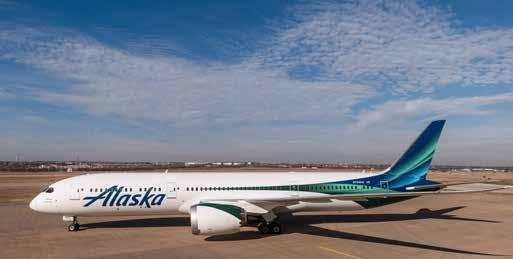
n Royal Air Maroc Cargo, the cargo arm of Morocco’s national carrier, celebrates over 45 years of service in the U.S. market, which it entered in 1979 with the Casablanca–New York (JFK) route.
Today, Royal Air Maroc Cargo’s U.S. operations account for nearly 90 percent of its transatlantic volumes, diplomatic shipments, and traditional Moroccan crafts. The airline’s gateway distribution across the U.S. is led by JFK (65%), followed by Miami (10%) and Washington Dulles (25%).
From its Casablanca hub (CMN), Royal Air Maroc Cargo offers swift and competitive connections not only to Morocco but to over 30 African destinations, as well as Europe, Turkey, and Brazil. Casablanca’s strategic location and optimized transfer process shorten lead times by up to 24 hours compared to European or Gulf hubs. Nearly 10% of shipments to the U.S. originate from West Africa, highlighting the hub’s capacity to connect Africa with the United States. Beyond steady volumes of perishables, pharmaceuticals, and industrial products, we regularly transport emblematic shipments
such as handcrafted Moroccan “zellige” from Casablanca destined to hotels or private U.S. residences, showcasing the airline’s capability in handling bespoke, high-value cargo with cultural sensitivity.
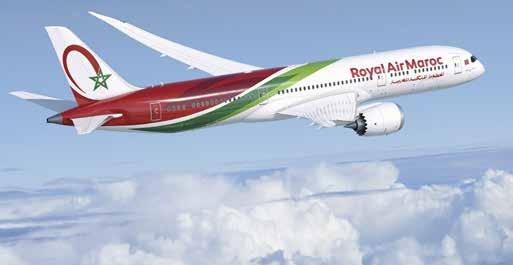
In the United States, Globe Air Cargo, part of the ECS Group, represents Royal Air Maroc Cargo, handling commercial promotion, sales, efficient handling, and providing real-time tracking and customer support. The airline’s digital transformation includes active partnerships with cargo.one and CargoAi, enabling 24/7 online booking and shipment visibility. Fleet operations combine Boeing 787 Dreamliners’ bellyhold capacity, a Boeing 767 freighter and
numerous B737, efficiently serving an 82-destination global network.
“Royal Air Maroc Cargo has proudly connected the United States with Morocco and Africa for over 45 years,” said Rita Chraibi, Vice-President Cargo at Royal Air Maroc. “Our growth reflects the trust of our customers and Casablanca’s pivotal role as a global hub. Looking ahead, we are studying expansion to Los Angeles (LAX) to enhance our North American footprint and focusing on strategic segments such as perishables and GDP-compliant pharmaceuticals. As we plan to quadruple our fleet by 2037, our U.S. operations will remain central in linking North America, Africa, and the world”.
n GEODIS, a global logistics provider, is deploying a tailored European multimodal solution to support MND in delivering equipment for the four-season development of the Chimgan resort in Uzbekistan. Starting in March 2026, equipment to construct the ski resort will be sent from several European sites. GEODIS will employ a multimodal routing to deliver the consignments to the resort’s location in the heart of the Tchatkal mountains.
GEODIS provides logistics support to MND, a French industrial group specializing in cable mobility, snowmaking systems, mountain safety and thrill leisure infrastructures, which is supplying the key equipment to the future Chimgan tourist resort, located northeast of
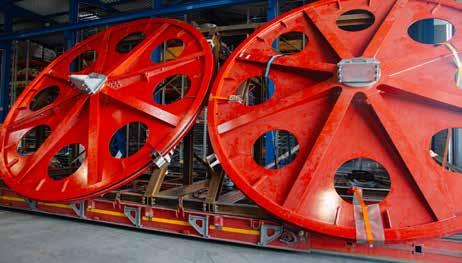
Tashkent. GEODIS is continuing its support of the project having already managed 92 shipments for over the past year, including 4 exceptional convoys, to Uzbekistan, delivering cable lifts and infrastructure. The European Road Network line of business’ partnership with MND continues with this new phase of supply shipments scheduled to commence in March 2026.
The equipment to be transported includes chairlifts, gondolas, an alpine coaster, ziplines, and other installations for ski resort development and will assist in the strategic project aimed at establishing a major mountain tourism destination, set to become
one of Central Asia’s leading leisure hubs.
In the context of significant geopolitical constraints, which excludes any transit through Russia or Iran, the GEODIS teams have designed an alternative, reliable and optimized logistics solution. This combines road and sea transport using tautliner semitrailers, ensuring that transshipment of goods between loading and unloading is necessary. The equipment will be shipped from several European sites via the ports of Sète (France) and Trieste (Italy), then transported by ship via Turkey and the Caspian Sea to Uzbekistan. The average journey duration will be between 30 and 45 days.
n Versatile International has advised on the licensing and development of the largest Riyadh Yellow Limestone quarry in Saudi Arabia. The newly licensed quarry will enhance stone procurement and logistics for large destination-scale developments, reducing transportation costs and supporting local employment
Versatile International, the Middle East’s first fully integrated, specialist stone project management consultancy, has advised on the licensing and development of the largest Riyadh Yellow Limestone quarry in Saudi Arabia, working collaboratively with a key client and locally established partners.
Located outside of Riyadh, the quarry has been licensed by the Ministry of Industry and Mineral Resources and is positioned to supply significant volumes of Riyadh Yellow Limestone for use across regional developments. The quarry will ensure a reliable supply of the traditional building material, helping to mitigate procurement risk, reduce transportation distances and costs, and support program certainty across

multiple project phases.
The quarry will exclusively supply Riyadh Yellow Limestone, a material deeply rooted in the Kingdom’s architectural heritage and is valued for its authenticity, aesthetic character, and long-term durability. The Riyadh Yellow Limestone can be used for a wide range of applications, including foundational plinths, curbs, gutters, façade cladding, and paving across assets such as public spaces, heritage centres, luxury hotels, libraries, museums, and residential complexes, which could potentially be procured from the newly licensed quarry.
Marco Fahd, Group Chairman and CEO of Versatile International, remarked; “This milestone is another major advancement for the Kingdom’s construction industry, and we are proud to have advised on the quarry’s certification and governance, establishing a clear benchmark for excellence in domain. Versatile’s specialist technical expertise, spanning stone resource assessment, licensing, extraction planning, processing design and logistics integration, has ensured robust controls, predictable material performance and operational efficiency for the future of the quarry.
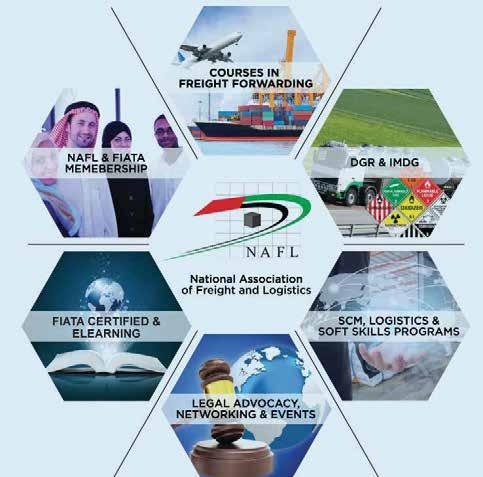
+ The FIATA member certificate
+ Use of the Fiata logo
+ Entr y in the FIATA members directory & networking events
+ Advertising in the FIATA members directory, review and information (FIATA e-Flash)
+ Special Rates for FIATA publication and articles
+ Access to secretariat›s assistance
+ FIATA arbitration code
+ Use of FIATA documents
+ FIATA worldwide member connectivity
+ Talent Connect Worldwide, E-Learning


+ Discountes rates in participating in global and regional conferences
+ Asssistance in case of legal advocacy
+ Discounts for cargo/logistic events and exhibition stands
+ Discount training for NAFL members
+ Training/Certification for regional/international courses
+ Insurance at discounted rates (cargo/liability/medical)
+ Complimentary internship, Skill upgrade and Mentoring & Innovation ideas
+ Discounted supplier rates for industry products

Directorate General of Customs, has officially implemented a significant reorganisation of the timeframes permitted for goods to remain in customs yards, warehouses, and departments. This strategic move aims to accelerate the flow of trade and enhance the operational efficiency of the Sultanate’s logistical hubs.
Under the new regulations, goods imported via sea ports and land border crossings have seen their maximum storage duration halved, dropping from 180 days to 90 days. Similarly, the deadline for air freight consignments has been reduced from 90 days to 45 days. Furthermore, the period allowed for abandoned or unclaimed goods has been tightened, with the previous 90-day window now restricted to 60 days.

n Oldendorff Carriers will continue to provide dedicated and efficient bulkshipping services for EMSTEEL’s raw material imports, under the new agreement, ensuring safe, reliable and responsible maritime logistics
EMSTEEL Group and Oldendorff Carriers have signed a new long-term freight agreement covering the import of EMSTEEL’s key raw materials to the UAE.
Under the renewed agreement, Oldendorff Carriers will continue to provide dedicated and efficient bulk-shipping services for EMSTEEL’s raw material imports, ensuring safe, reliable and responsible maritime logistics.
The agreement builds on more than 20 years of close collaboration between EMSTEEL and Oldendorff Carriers, reinforcing a partnership that has played a key role in supporting EMSTEEL’s industrial growth and supply chain reliability.
Structured as a five-year agreement with a total indicative value of approximately AED600 million over the contract term, the agreement reflects the scale and strategic importance of the partnership.
Under the agreement, Oldendorff Carriers supports the transportation of approximately
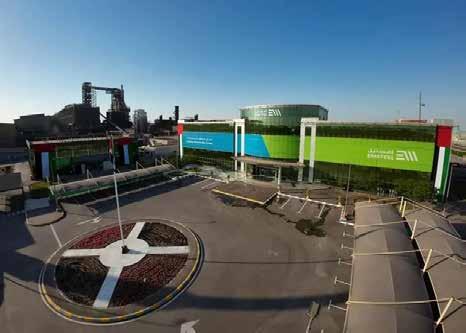
5.2 million tonnes annually of iron ore pellets (IOP) from multiple sources, serving as a critical logistical link between EMSTEEL and its IOP suppliers, and enabling seamless coordination, reliable deliveries, and strong collaboration across the supply chain.
“This long-term agreement with Oldendorff Carriers reaffirms our commitment to working with trusted partners who share our values of reliability and performance,” said Eng. Saeed Ghumran Al Remeithi, Group CEO of EMSTEEL.
He added that the agreement ensures the
steady and efficient flow of EMSTEEL’s raw materials, supporting its ability to produce the steel that underpins the region’s infrastructure, industrial development, and sustainable growth.
Patrick Hutchins, CEO of Oldendorff Carriers, said, “We are proud to continue this long-standing partnership with EMSTEEL.
The collaboration between our teams over the years has been built on trust and transparency, and we look forward to further strengthening our cooperation in the years ahead.”

The pressure on bus fleets to save fuel, reduce emissions and reduce whole life costs is relentless. So, why delay the benefits of the new Allison T 2100 xFE ™ transmission, with Fuel Sense ® 2.0 software, until your vehicles are replaced? Our xFE upgrade programme is now live, offering fleets a mid-lifecycle switch with proven fuel consumption improvements of 7.13%-16%. To learn more, and join fleets such as First Bus, please contact one of our Allison Authorized channel partners Mitchell Powersystems or Powertrain Products.


n Medlog, a leading global provider of logistics and supply chain solutions, has officially opened Medlog 1, a state-of-theart integrated logistics park in Dammam, Saudi Arabia. Spanning more than 100,000 sq m and offering an annual handling capacity of over 300,000 TEUs, the new facility is designed to strengthen the reach of both global and local customers across the kingdom.
The logistics park will create more than 400 direct and indirect job opportunities.
“With the launch of this industryleading facility, we are making a significant contribution to the Kingdom’s multimodal transportation ecosystem. By linking King Abdulaziz Port and the east to Saudi Arabia’s central and western regions, this facility strengthens inland freight connectivity,” said Hisham Al Ansari, President of Medlog Saudi Arabia.
“Medlog 1, part of Medlog’s broader commitment to Vision 2030 ambitions, will not only expand international access and service efficiency for our customers but also boost economic diversification and generate employment,” he stated.
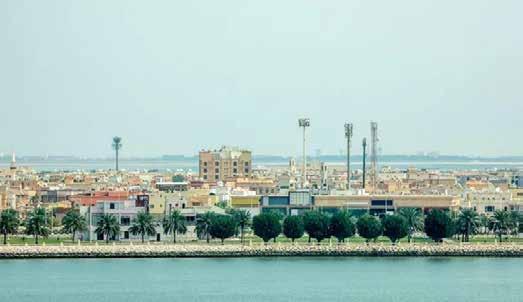
Medlog 1, a state-of-the-art logistics park, offers a comprehensive approach to container, general cargo, and bulk storage and handling, serving both local and international customers.
The park provides high quality, integrated logistics services, including container handling, storage, eco-friendly cleaning, repair, port shuttling, and inventory management, along with reefer and ISO/ flexi tank services such as cleaning, repair, inspection, and food-grade tanker support.
It will also adopt advanced technologies such as GPS-enabled trucking and contribute to a safer port environment
through the use of alternative energy.
Strategically located near Jubail Industrial City and major urban centers, Medlog 1 integrates road, rail and port links, as well as value-added services like cross-docking, packaging, and labeling, supported by logistics management offices. The facility is set to optimize logistics efficiency, enhance market access, and support re-export operations.
“Medlog 1 demonstrates Medlog’s commitment to the Kingdom, strengthening infrastructure and expanding access to international markets in alignment with Vision 2030,” remarked Giuseppe Prudente, Chairman of Medlog.
n The Saudi Ports Authority (Mawani) granted a unified licence to international shipping line Global Shipping Line (PIL), officially recognising it as an authorised foreign investor to operate maritime agencies in the Kingdom’s ports.
The licence is issued in accordance with the regulations outlined in the Maritime Agency Services, reflecting Mawani’s commitment to enhancing the efficiency of the maritime sector and improving the quality of operational services provided at ports. It aims to attract global expertise and facilitate knowledge transfer within the Kingdom, aligning with international best practices in the maritime transport industry, said a Saudi Press Agency report.
The initiative is part of Mawani’s ongoing efforts to develop the maritime business environment, enable international companies to invest in the Saudi market, and increase competitiveness within the maritime sector. PIL, which operates from its

The
with the National Transport and Logistics Strategy, while attracting more international shipping lines. It reinforces Saudi Arabia’s role as a key link among three continents.

n Dubai Customs welcomed an official delegation from New Zealand led by Christine Stevenson, Chief Executive Comptroller; Chair of the Border Executive Board, in a visit aimed at deepening bilateral ties and supporting Dubai’s long-term strategic vision.
The delegation was received by His Excellency Dr. Abdulla Busenad, Director General of Dubai Customs. The meeting underscored both sides’ shared commitment to expanding international partnerships that reinforce Dubai’s position as a leading global hub for trade and logistics.
Talks focused on opportunities for closer collaboration in customs operations, including future partnerships to modernize institutional systems, streamline procedures, and adopt international best practices in border and customs management. These efforts align with the objectives of the Dubai Economic Agenda (D33),
n ALeading aircraft charter specialist, Air Charter Service, has announced the opening of its 41st office and first in Belgium, as it opened its doors in Brussels earlier this week. Alexandre Busila, ACS’s Regional Director of the Francophone market, commented: “We have long planned to open an office in Brussels, as it is such a pivotal city in Europe, due to its central geographic location and its two busy airports. It is a global political centre, with several regional and world head offices of multinationals as well as being home to the headquarters of Eurocontrol, the EU and NATO. “We have been working closely with Belgian clients for the past four decades and have some long-standing customers in the country – having an office here will mean that we can serve them even better, as well as helping us to win more business.
We have brought in an experienced team to the new office and will be looking to we build on that team in the coming months. “This is an exciting development for ACS, as we move into our 21st country.”
Air Charter Service is a global aircraft
which seeks to enhance national competitiveness, accelerate the growth of foreign trade, and attract highquality investments.
The two sides also explored ways to exchange expertise and knowledge while strengthening institutional links. Several joint initiatives were reviewed to improve coordination and communication between relevant authorities in both countries and to help build a flexible, secure trade ecosystem capable of meeting future demands.
The visit highlights Dubai Customs’ ongoing commitment to advancing the UAE’s global leadership by expanding its international network of partnerships and strengthening cooperation with peer entities worldwide—facilitating smoother trade flows, safeguarding borders, and promoting an advanced Emirati model for customs and logistics excellence on the global stage.
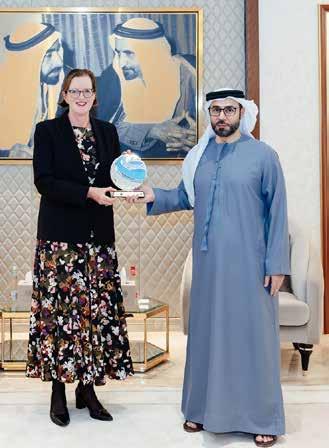
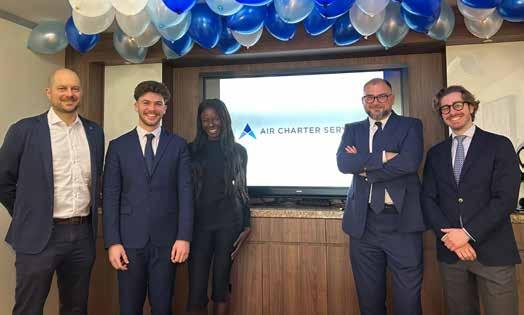
charter broker with 41 offices worldwide, spanning all six major continents and we offer private jet, commercial airliner and cargo aircraft charters, as well as onboard courier solutions. We arrange over 35,000
flights annually with revenue of more than one billion dollars for the past five years. We were formed in 1990 by Chris and Tina Leach in the basement of their house, and we now employ more than 750 staff worldwide.

MARCH 2026 25 26
Yas Island, Abu Dhabi
Over 32 million events annually requiring structured logistics Sustained 5.8%–6.5% CAGR, highlighting global stability and scalability Support a $1.5T worldwide events ecosystem
More than 250 million tonnes of event-related freight moved yearly

n A year of disciplined execution and purposeful progress, advancing GWC’s transformation into an interconnected, technology-enabled logistics platformAcquisition of Quivo and expansion into three continents shaped GWC’s yearInteroperability at scale, applied technology, and embedded sustainability reinforce GWC’s role in supporting Qatar’s position as a regional and global logistics hub February Gulf Warehousing Company Q.P.S.C. (GWC), one of the region’s leading logistics providers, held its Annual General Meeting on Sunday 15th Feb 2026 at the company’s Ras Bufontas Free Zone location in Doha, providing shareholders with an opportunity to reflect on the company’s performance
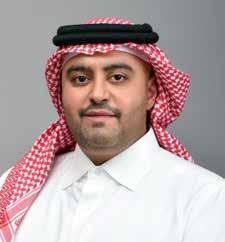
in 2025 and its strategic direction for the period ahead.
The AGM was chaired by GWC Chairman, Sheikh Mohammed Bin Hamad Bin Jassim Bin Jaber Al Thani and was attended by representatives of GWC’s external auditors, representatives of the Ministry of Commerce and Industry, and the company’s shareholders. The AGM approved all its agenda items, which included the distribution of cash dividends amounting to QAR 0.10 per share, representing 10% of the nominal value of the share. It also ratified the Board of Directors’ report on the company’s activities and financial position for the fiscal year ended 31 December 2025, approved the audited financials,

Sheikh
profit and loss statement, and the external auditor’s report, discharged the members of the Board of Directors from liability and approved their remuneration, endorsed the corporate governance report including related party transaction policy, and appointed PwC as the company’s external auditor for the year 2026.
The meeting followed a year marked by GWC’s transformation into a more connected, technology-enabled logistics platform, designed to support increasingly complex regional and global flows. GWC continued to strengthen its operational resilience, scalability, and adaptability against a backdrop of evolving supply chains and geopolitical uncertainty.
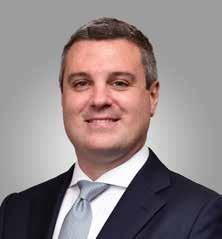
Mr.
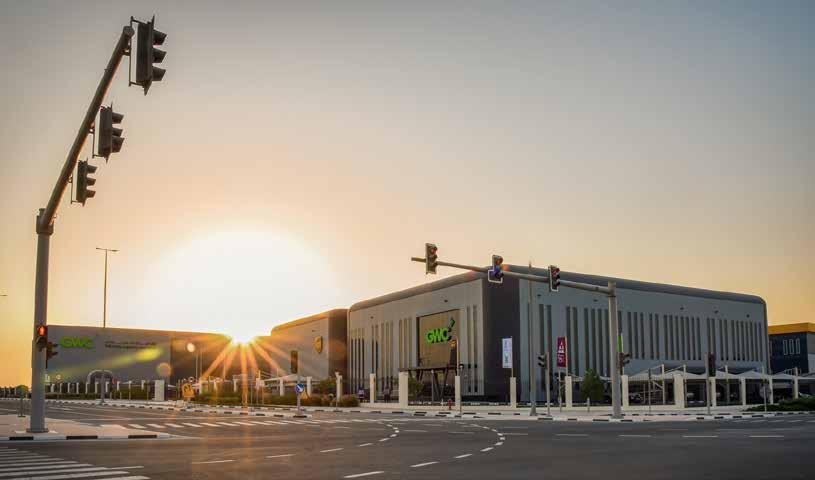
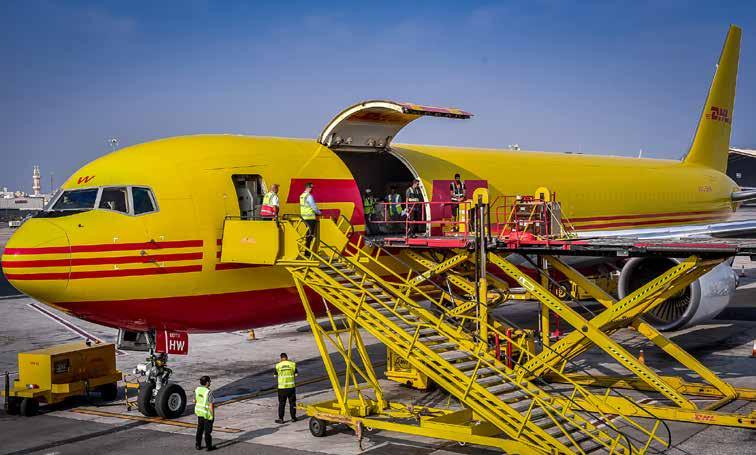
n DHL Express and LODD Autonomous have signed MoU to start working together on how LODD’s unmanned Hili aircraft could be integrated into DHL’s express delivery network. Image Courtesy: DHL Express
DHL Express and LODD Autonomous have signed a Memorandum of Understanding (MoU) to start working together on how LODD’s unmanned Hili aircraft could be integrated into DHL’s express delivery network. As the next step, both teams will begin operational workshops to identify priority routes and use cases for unmanned cargo delivery.
“As the global leader in international express delivery, speed and reliability are essential to maintaining our strong market position. In fast-growing regions like the UAE, where road congestion poses new challenges, innovations such as LODD’s unmanned Hili aircraft present a sustainable way forward to meet the rising demand effectively,” said Bachi Spiga, VP Network Operations Middle East and North Africa, DHL Express.
“Partnering with DHL Express reflects the UAE’s ambition to lead the world in advanced air mobility and smart logistics,” said Rashid Al Manai, CEO of LODD.
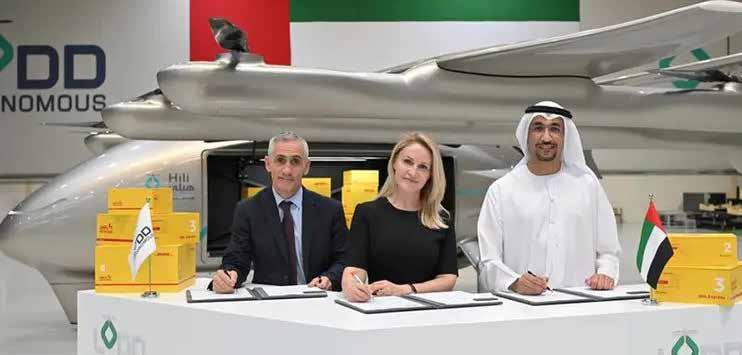
“Designed and developed in the UAE, the Hili unmanned aircraft is purpose-built for the region’s operational demands, from urban density to long-distance connectivity. This collaboration positions the UAE at the forefront of autonomous cargo operations and supports the nation’s vision for innovative, future-ready infrastructure. Through joint operational workshops, we will focus on route definition, payload optimization, turnaround times, and system interoperability to ensure safe, reliable, and scalable deployment.”
Founded in 2023, LODD Autonomous is a UAE-based pioneer in advanced air mobility, committed to transforming cargo logistics through next-generation autonomous systems. Hili is the flagship solution for lastand middle-mile delivery. The unmanned aircraft has a maximum payload of 250 kg and the ability to carry two Euro pallets. The aircraft features vertical take-off and landing (VTOL) capability, a range of 700 km (+30 min reserve), and a maximum cruise altitude of 14,000 ft, enabling efficient operations even in challenging environments.

What do you do to keep yourself fit?
I wish I could say I am ultra-disciplined, but my husband and I are big foodies! So, to eat well, we try to earn it; gym at least four times a week. When schedules get tight, we swap it for a quick morning walk together in Bangalore’s beautiful Cubbon Park. Honestly, fitness keeps me centred as much as it keeps me healthy.
AM: What time do you break for lunch?
GN: It depends on how meetings line up, but it’s typically between 1–2 pm. I enjoy sitting down with my team and sharing a meal with some light banter, it’s a great reset in the middle of a busy day.
AM: Around what time of day do you wrap up work at the office?
GN: Logistics never really sleeps! That said, I make a conscious effort for myself and my team to wind up by 6 pm so we don’t run on overdrive.
AM: How do you unwind in the evening?
GN: An ideal evening is simple -- reading a book, playing with my son, and a quiet dinner with my husband. He’s a big BBQ enthusiast, so some evenings turn into hosting friends or family, which makes it even more special.
AM: When and to which location is your next holiday?
Partner and Managing Director at ECL Shipping India Pvt. Ltd. ECL is a Japanese breakbulk line with over five decades of experience serving the global breakbulk industry. As their Indian partner, she leads the operations and chartering activities across the country. Nair’s role focuses on delivering reliable, tailored breakbulk logistics solutions and building strong relationships with customers and global partners. Our Editor finds out more about how she navigates opportunities.
Abigail Mathias: What’s your typical day like?
GN: My day starts with my most important role, mom to a 6-year-old. School drop-off followed by some strength training keeps my energy high and it’s cheaper than therapy!
Work begins by touching base with colleagues in Singapore since their day starts earlier than ours. Then it’s into problemsolving, quick team huddles, and staying in sync across departments. The second half is for industry insights and networking. I try to wrap up in time most days to be home for bedtime stories, still the best meeting of the day.
AM: Are you a coffee or tea person?
If so, how many cups a day?
GN: I wouldn’t call myself a big coffee or tea person, I am usually sipping water. But I do enjoy a cup of coffee before my morning workout. But on slower, indulgent days, nothing beats a good hot masala chai.
GN: Our annual holiday is a family ritual; we believe exposure to global cultures is one of the best educations we can give our son. I have always loved Japanese culture, so we are thinking Japan in 2026.
AM: What advice would you’d give other business professionals juggling time?
GN: You can’t do it all alone, and you shouldn’t have to. Plan, lean on your team, and share ownership. Empower your team to be partners in problem-solving. And remind yourself to be truly present, whether that’s in a meeting room or at home.
AM: When do you catch up on world/business events?
GN: Staying informed is part of our fast-moving industry. There’s no fixed time, I make it a point to speak with peers and keep up with business-focused e-magazines and news regularly.
AM: What attracted you to the logistics industry?
GN: The dynamic nature of industry attracted me, no two days are the same. It’s an industry that keeps you thinking, solving, and learning constantly, and I enjoy that challenge.
AM: What do you hope to achieve in the logistics arena in the next five years?
AM: To me and our association Global Supply Chain Magazine is…
GN: It is a great platform to showcase our work to a wide audience while also learning from peers and gaining industry insights.
GN: I would love to see more young women step into decision-making, leadership roles and choose logistics as a career. I also hope to see meaningful AI-led advancements that make processes more seamless and efficient across the industry.