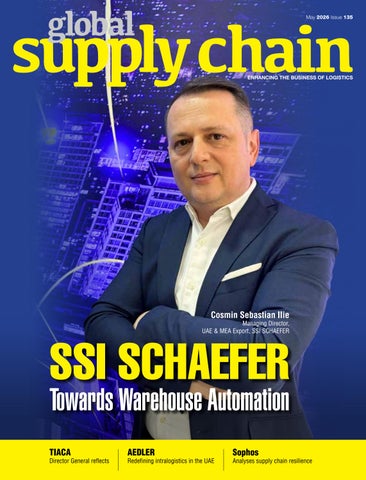
Cosmin Sebastian Ilie Managing Director, UAE & MEA Export, SSI SCHAEFER
SSI SCHAEFER Towards Warehouse Automation


TIACA
Director General reflects AEDLER Redefining intralogistics in the UAE
Sophos Analyses supply chain resilience


















Drive the road of change.



Full offering








- Full range vehicles with the most advanced technologies
- Highly customized product driven by market needs and optimized Total Cost of Ownership
High capillarity of aftersales




European technology

- High quality complete line-up in terms of tonnage, power, torque, safety, ergonomics
- High performance and robust trucks for extreme Off-road conditions




- Repair and Maintenance contracts and competitive warranty conditions
- Origin 100% IVECO Parts and a widespread network coverage


Customer centricity




- Comfort, ergonomics and the latest safety technology to make on board easier
- Driver Style Evaluation tool on Heavy ON-road range and optimized vehicle design to improve customer profitability





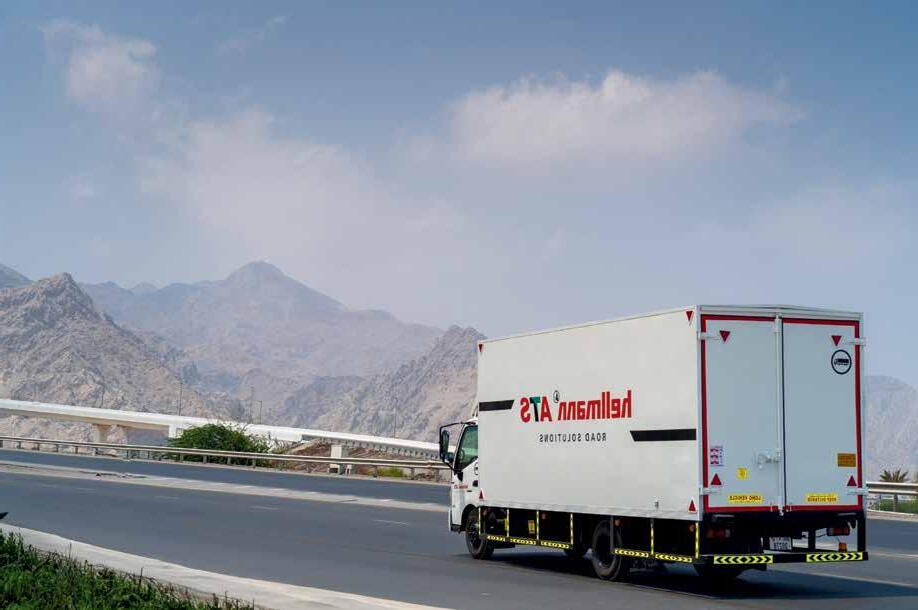



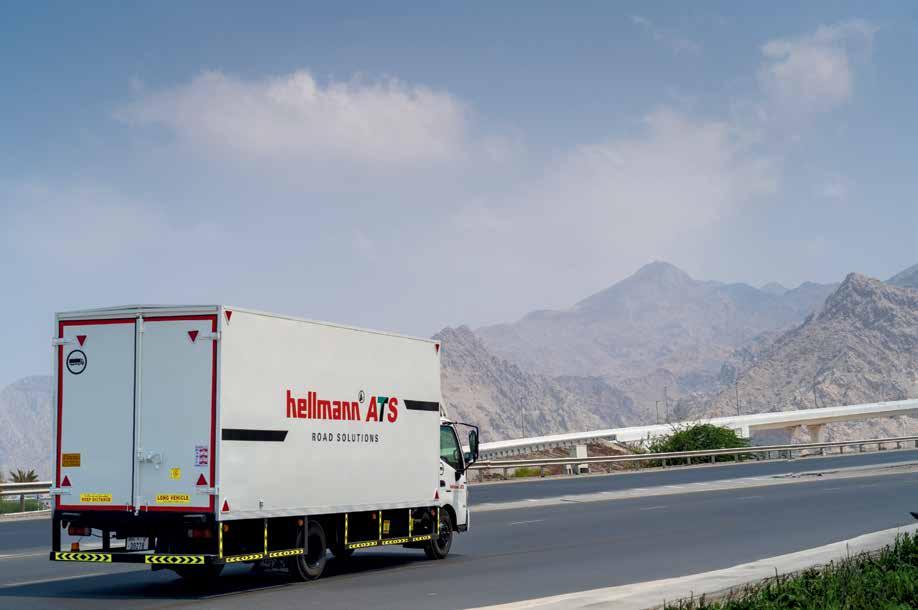


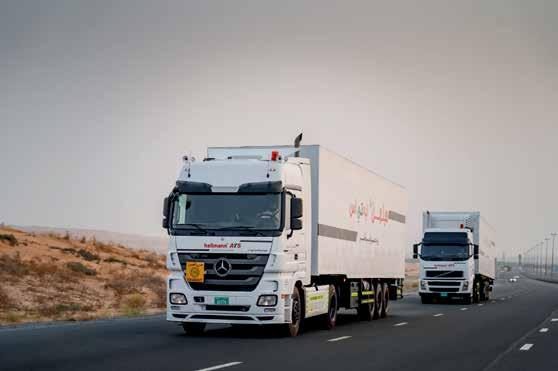
Reliable Roadfreight & Bonded Land Bridge Solutions Across the GCC
Driving regional port‑to‑port trade from the UAE.

FTL Cross‑Border Trucking B2B Cargo Handling
Request Logistics Services
All Commodities Covered
SIGNATURE MEDIA FZ LLE
P. O. Box 49784, Dubai, UAE
Tel: 04 3795678
Email: info@signaturemediame.com
Exclusive Sales Agent Signature Media LLC
P.O. Box 49784, Dubai, UAE
Publisher: Jason Verhoven jason@signaturemediame.com
Editor: Abigail Mathias abigail@signaturemediame.com
Art Director: Johnson Machado johnson@signaturemediame.com

“The five years that I have had the pleasure of serving as TIACA’s Director General have seen some of the most impactful events that have challenged our industry. But times of adversity bring out the best the air cargo industry has in terms of resilience, innovation, adaptability and perseverance to support the global economy and global communities,” says Glyn Hughes the outgoing Director General of TIACA. A familiar face at all international air cargo events, his impact on the organisation has been immense. We’ve been fortunate to work closely with some extraordinary personalities such as him in this industry.
Printed and Distributed by Masar Printing and Publishing L.L.C., Part of Dubai Media Incorporated Dubai, UAE
Contributor’s opinions do not necessarily reflect those of the publisher or editor and while every precaution has been taken to ensure that the information contained in this magazine is accurate and timely, no liability is accepted by them for errors or omissions, however caused. Articles and information contained in this publication are the copyright of Signature Media FZ LLE & SIGNATURE MEDIA LLC and cannot be reproduced in any form without written permission.
The SSI Schaefer cover story highlights how warehouse automation is key. This issue brings you a range of opinions from the industry and one on supply chain resilience. A special mention is made of the UN’s World Food Programme which is relentlessly working for a worthy cause in these trying times.
Logistics is no longer the quiet engine of global commerce— it’s the centre field where efficiency, resilience, and innovation collide. As supply chains stretch across continents and consumer expectations tighten, the industry faces a defining moment. Will we cling to legacy systems that buckle under pressure, or embrace data driven agility that turns disruption into advantage? The winners won’t be the biggest players, but the boldest—the ones willing to rethink everything from warehouse workflows to last mile strategy. The future is moving fast. Are we?
Wishing you a pleasant read.
Abigail Mathias Editor
abigail@signaturemediame.com www.globalsupplychainme.com

YOUR
FOR AIR CARGO HANDLING AUTOMATION

Making the Transition Towards Warehouse Automation

Supply chains globally are increasingly complex and unpredictable. Ongoing disruptions due to geopolitical tensions are impacting business operations. In the short to mediumterm, companies are likely to experience higher costs, longer lead times, labor shortages, and leaner inventories.
A phased approach to warehouse automation, supported by the right software steps up resilience, efficiency, and cost control. Be it semi-automated or fully automated, automation delivers a faster return on investment while keeping businesses competitive.
Starting automation today will futureproof warehouse operations and achieve operational excellence as the business environment evolves.
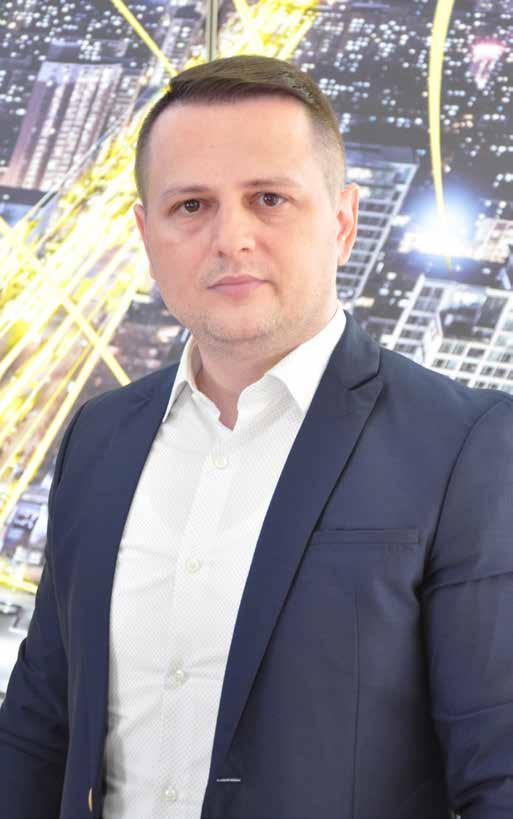
Cosmin Sebastian Ilie, Managing Director, UAE & MEA Export, SSI SCHAEFER
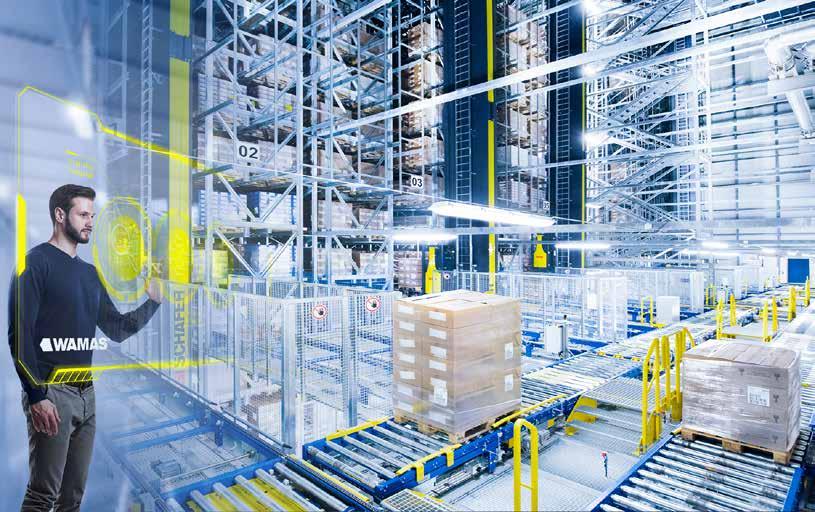
“Starting automation today will future-proof warehouse operations and achieve operational excellence as the business environment evolves.”
Manual Warehouses Have Their Limitations
Intralogistics has come a long way since the days of floor stacking. Pallet racking systems are the cornerstone of warehouses today. But an entirely manual set-up may not be the most effective use of resources for many businesses. This is especially so in a time where customers’ expectations are on the rise with many warehouses handling a wide range of SKUs and a greater volume of orders.
While capital expenditure may be lower, a manual warehouse operation using conventional shelving and pallet racking systems will result in decreased productivity and increased costs.
Since the processes are labor-intensive, there is an increased risk of errors, which in turn lead to longer delivery times, and a higher rate of returns. For the business, that translates to lower customer satisfaction and in turn, customer attrition risk.
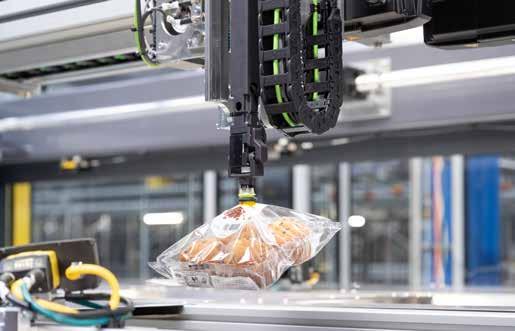
Take the example of picking. Manual picking operates on a person-to-goods concept. The picker manually retrieves the good by walking or driving the forklift to the storage location. Less experienced workers
may not be familiar with the picking routes within the warehouse. When a warehouse is full, the goods may be placed elsewhere, and it will take a longer time to search and retrieve the good.
Automation Enhances Material Flow Efficiency
“Automation helps save time, enhance efficiency, and sparing staff from backbreaking heavy lifts. It reduces the incidence of warehouse injuries and downtime.”
Automation makes day-to-day operations more efficient, reliable, and transparent. This is particularly the case with routine processes. Companies can save time and money while improving speed and accuracy.
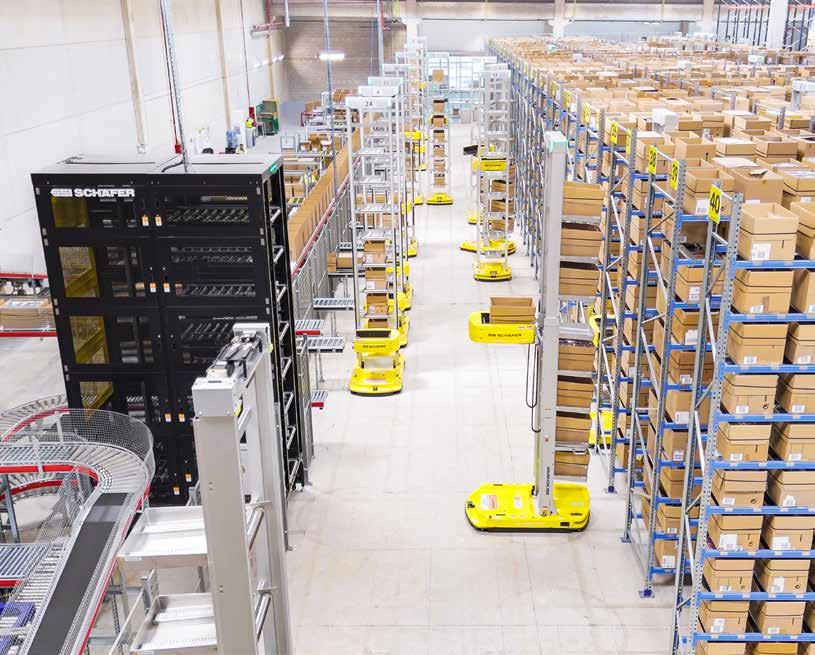
Another benefit of automation is the ability to store more goods within the same floor area. That’s because automated systems maximize utilization by making use of every corner of the warehouse. And vertical space can be leveraged, increasing storage capacity significantly without expanding the floor area. Whether it’s a fully automated high bay warehouse or semi automated solutions such as vertical lift modules and mobile robots, automation enables a tremendous boost in storage density.
While its commonly perceived automation means losing control of the material flow process, the reverse is true. Businesses have greater control over their entire operations.
For example, manual, repetitive tasks such as picking and sorting can be controlled by robotics and software. Using solutions like the WAMAS Software Suite offer the operator real-time visibility of the entire material flow, identify actionable insights, and mitigate the risk of equipment downtime. They can also search for the goods through the system rather than finding it manually.
The benefit? Save time, enhance efficiency, and sparing staff from back-breaking heavy lifts. It reduces the incidence of warehouse injuries and downtime.
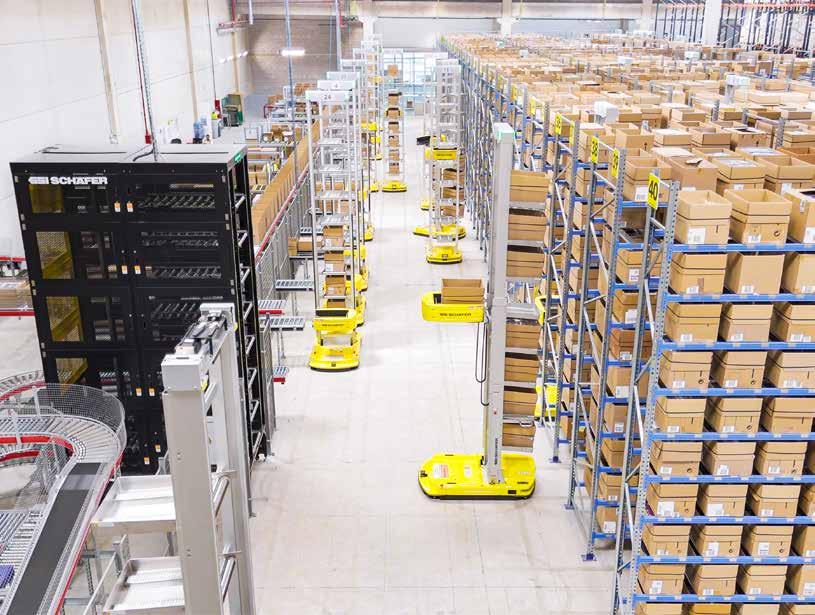
Desigual boosts turnover by deploying SSI SCHAEFER RackBot Systems within existing warehouse space.
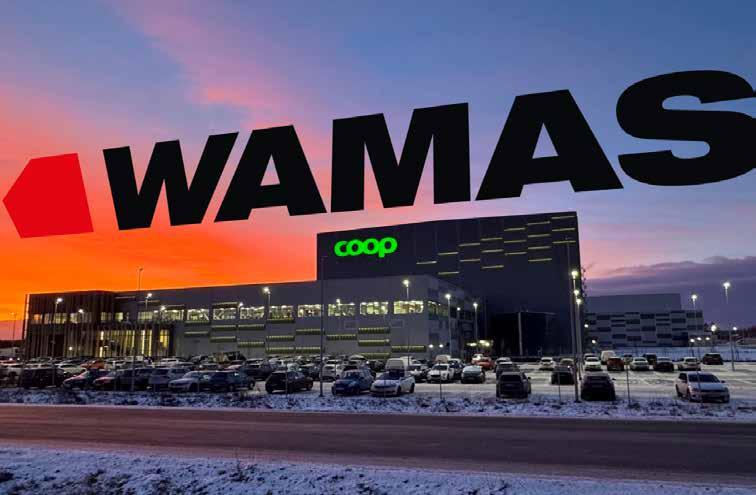
Coop Sweden utilizes SSI SCHAEFER’s highly automated, end-to-end intralogistics solutions to enhance warehouse efficiency.
Automation is Not Always Capital Intensive
A common misconception about automation is the system’s complexity and capital investment it requires. Depending on the business requirements and budget, semi-automated solutions can be introduced into the ecosystem without significant modification to existing infrastructure. Modular and scalable solutions such as vertical lift modules, autonomous mobile robots, and mobile racking system enable companies to attain performance improvements.
And automation is only complete when used together with a versatile warehouse software suite. It enables companies to have greater visibility over their inventory, plan the fastest routes, and allocate resources effectively.
In the case of Spanish clothing brand Desigual, the planning and installation of SSI SCHAEFER “plug & play” RackBot Systems solution within its existing premises took just seven months. With 25 RackBots in place, Desigual can achieve a turnover of 30,000 units per day in a two-shift operation. This demonstrates how semi-automated solutions can go live quickly without substantial disruption.
Achieve Further with Fully Automated Solutions
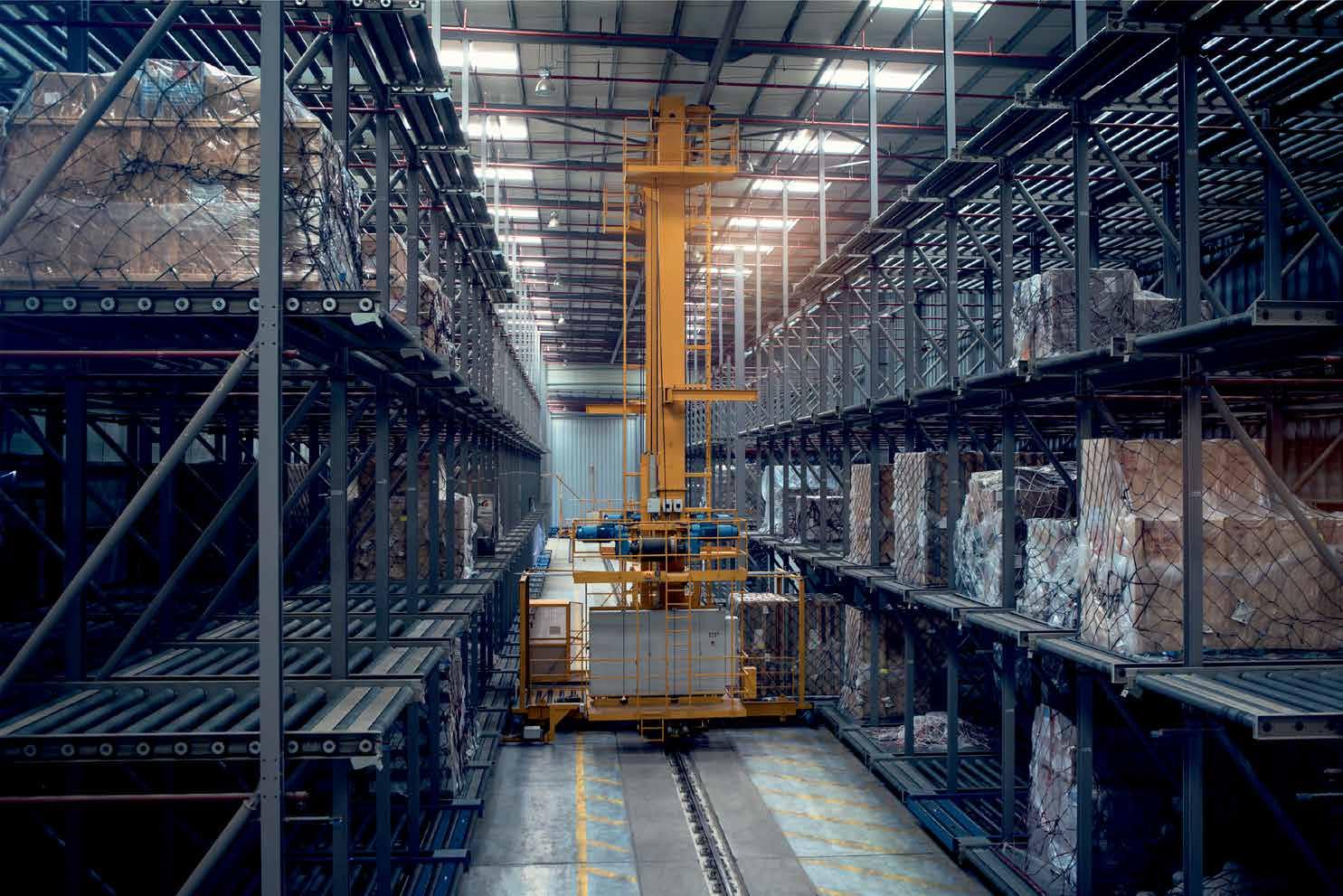
For businesses who require goods to be moving constantly and meet customers’ increasing demands, fully automated solutions are the perfect system for them to accelerate warehouse efficiency. Given their scalability, solutions, such as automated storage and retrieval systems and shuttle systems, are designed to maximize storage density, achieve high throughput, and handle a high number of SKUs.
The initial capital expenditure may be high, but they can attain a higher return on investment in the long run. It enables them to reduce labor, energy consumption, and operational costs, making it a sustainable operation.
Supermarket chain Coop Sweden’s highly automated distribution center is an example of advanced intralogistics in practice. Supplying over 800 stores across the country, the warehouse uses the SSI Case Picking System to handle over 600,000 units daily at peak times. Through utilizing SSI SCHAEFER’s solutions for its entire material flow process, they can process goods faster and reduce energy consumption.
Starting the Warehouse Automation Journey
Today’s innovations have reduced the barriers to entry to automation. With careful planning, companies can gradually plan their transition to warehouse automation. Determine the equipment required, develop the initial design concept and select the solution according to your plans and budget. This way, you can decide between modernization of the existing plant and building a new warehouse.
Future-proofing your warehouse may not always start with a fully automated intralogistics solution. Increases in demand can be difficult to forecast and plans may change. Depending on your company’s direction, semi-automated solutions may be more suitable as they are modular and scalable.
It’s crucial to select the right partner for your automation journey. The intralogistics solutions provider can advise you what solution best meets your warehousing needs. At SSI SCHAEFER, we provide tailormade solutions for companies and walking with our customers at every stage of the system’s lifecycle.
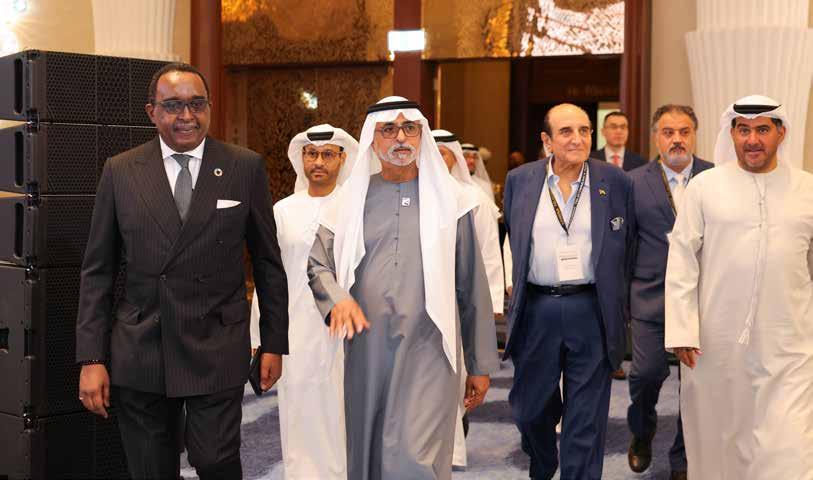
Nahyan bin Mubarak inaugurates the SAMENA telecommunications council leaders’ summit 2026
H.E. Sheikh Nahyan bin Mubarak Al Nahyan, Minister of Tolerance & Coexistence, inaugurated the SAMENA Telecommunications Council Leaders’ Summit 2026, held at Atlantis The Palm in Dubai, under the theme: “Intelligent Networks for Sovereign and Sustainable Futures.” The summit convened at a sensitive time in the region, bringing together a distinguished group of leaders and decision-makers from the telecommunications, technology, policy, and investment sectors, underscoring the importance of continued dialogue, coordination, and strengthened partnerships across the industry.
The summit was held in strategic collaboration with Huawei and under the principal patronage of the Telecommunications and Digital Government Regulatory Authority (TDRA), reflecting the UAE’s continued leadership in advancing a stable, forward-looking digital ecosystem. The event witnessed broad participation, both in person and virtually, from key stakeholders across the digital
landscape, reaffirming the UAE’s position as a trusted hub for industrial cooperation and strategic dialogue.
H.E. Sheikh Nahyan bin Mubarak Al Nahyan delivered a keynote address at the opening of the summit, where he said: “It gives me great pleasure to join you on this important occasion. I would like to begin by extending my warmest congratulations to the SAMENA Council on the occasion of its 20th anniversary. Over the past two decades, the Council has played a constructive role in shaping dialogue, fostering cooperation, and advancing strategic thinking across our region. During these years, I have come to know the SAMENA Council as an organisation that embraces creativity, innovation, and forward-thinking, with a strong ability to adapt, while maintaining a deep commitment to regional development and global connectivity. Twenty years may not be a long time in the life of some institutions, but in the life of the digital economy, it represents multiple generations. When SAMENA was founded,
broadband was a luxury, smartphones did not exist as we know them today, and the idea that artificial intelligence would one day be central to national economic strategies seemed closer to science fiction.
The Council’s success and its growing relevance year after year reflect the clarity of its vision and its ability to evolve without losing its core purpose. I commend your significant contributions to shaping the digital and economic landscape of our region and express my appreciation for your steadfast commitment to our shared vision of an inclusive and sustainable digital economic future.”
He added: “It is fitting that your annual meeting is being held here in Dubai, a city that serves as a key nexus for trade and investment flows across SAMENA markets. This year’s meeting takes place at a time of heightened tensions and conflicts in the region. While this undoubtedly presents a challenge, the United Arab Emirates has never approached challenges with hesitation. We face them from a position of strength, built on firm foundations
established with great care and exceptional vision over more than five decades. These foundations continue to be strengthened under the leadership of His Highness Sheikh Mohamed bin Zayed Al Nahyan, President of the UAE, with the strong support of His Highness Sheikh Mohammed bin Rashid Al Maktoum, Vice President, Prime Minister, and Ruler of Dubai, and through the wisdom and dedication of our people, both citizens and residents. Regardless of the pressures or challenges, the UAE will remain steady, capable, and forwardlooking. We will continue to protect our nation and preserve peace. Under the guidance of His Highness the President, the UAE is committed to pursuing a path that safeguards lives and reduces violence. With his wise and visionary leadership, we will meet challenges with confidence, discipline, and determination. This is the strength of the UAE. This is its resilience. Our vision is clear, our leadership is wise, our people are committed to the values of peace and justice, and our institutions are built on strong principles and traditions. Accordingly, the UAE will continue to work for peace and prosperity, both domestically and internationally, with determination and dedication.”
“The theme of this summit is both timely and highly relevant. ‘Intelligent Networks for Sovereign and Sustainable Futures’ reflects the reality that our digital future is inseparable from our economic future, our security, and our humanity. This theme addresses critical issues such as data centers, cybersecurity, and the regulation of technology companies. Above all, it concerns the ability of nations—and indeed regions— to make free, secure, lawful, and strategic decisions regarding their digital systems. It emphasises the importance of ensuring that countries retain control over the digital foundations of their economic and social life, with the power to decide, the capacity to act, and the strength to endure. Naturally, the discussion around digital sovereignty and sustainability is shaped by regional considerations, prevailing political and legal environments, strategic realities, and global developments. No country can, or should, aim for complete digital self-sufficiency. Our world is interconnected, and our prosperity depends on cooperation, investment,
“The theme of this summit is both timely and highly relevant. ‘Intelligent Networks for Sovereign and Sustainable Futures’ reflects the reality that our digital future is inseparable from our economic future, our security, and our humanity.”
openness, and exchange,” he added.
He also noted that: “Digital sovereignty and sustainability are of critical importance to the SAMENA region. It is a region defined by strategic geography, ambitious digital transformation, advanced infrastructure, energy systems, logistics corridors, financial flows, smart cities, and growing investments in artificial intelligence. It is also home to dynamic populations and governments committed to building a brighter future. This presents tremendous opportunities, but also significant responsibilities. These responsibilities require that digital sovereignty be understood in practical terms, supported by appropriate policies and regulations, and strengthened through regional cooperation and coordination.”
He said: “This brings me to the current tensions in our region. In times of conflict, the digital domain becomes part of the battlefield, potentially targeted to create disruption, fear, and economic instability. It is therefore essential that digital infrastructure remains resilient and capable of serving the needs of the nation and its people under all circumstances. In the UAE, we have embraced digital transformation with clarity and confidence. We have invested in digital government, AI-powered public services, strategic infrastructure, and future-ready governance. We encourage innovation, welcome global partnerships, and recognise the importance of effective regulation and long-term strategic planning.”
“Allow me to conclude by emphasising that the future of digital sovereignty and sustainability in our region must be built on four key principles: First, resilience — our infrastructure must be secure, redundant, and prepared for disruption. Second, trust — individuals, businesses, and governments must have confidence in the legality, reliability, and governance of their digital systems. Third, partnership — no country can succeed alone, and responsible regional
and international cooperation remains essential. Fourth, wisdom — technology policy must serve people and protect dignity, stability, prosperity, and peace. I once again congratulate the SAMENA Council on twenty years of distinguished service, leadership, and regional contribution. This anniversary is not only a celebration of past achievements but also an opportunity to look ahead and shape the next chapter with purpose and courage. I wish you continued success,” he concluded.
The summit witnessed strong participation from telecom operators, regulators, global technology providers, and international organisations. Partners contributed specialised sessions addressing key industry transformations, including the evolution of advanced 5G technologies, the integration of artificial intelligence into networks and industrial systems, and the emergence of new connectivity models combining terrestrial and non-terrestrial networks.
Discussions highlighted the increasing complexity of the operating environment for telecom operators, driven by the rapid growth in demand for data and digital services, rising investment requirements, evolving regulatory frameworks, and the need for sustainable revenue models.
Artificial intelligence featured prominently, with sessions examining its transition from experimentation to realworld deployment, alongside governance, accountability, and alignment with national priorities. The concept of “sovereign AI” was also highlighted as a practical framework to balance innovation with regulatory sovereignty.
The summit concluded by reaffirming the SAMENA Council’s pivotal role as a platform uniting public and private sectors, fostering partnerships, supporting innovation, and ensuring that technological advancements translate into tangible economic and societal value.
Executive management changes at Turkish Airlines
The national flag carrier appoints Prof. Murat Seker as Chairman of the Board of Directors, and Ahmet Olmustur as Chief Executive Officer
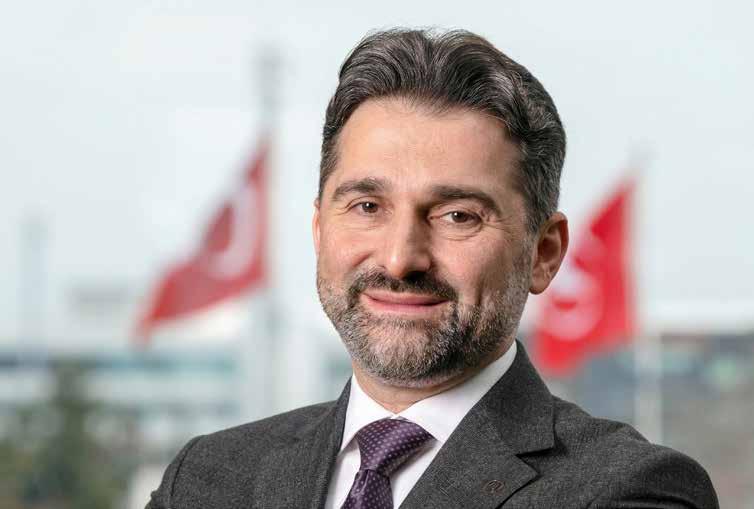
Turkish Airlines has implemented changes in its executive management structure. In line with the airline’s corporate objectives, new appointments have resulted on the Board of Directors and the CEO position.
Prof. Murat Şeker, who has served for many years in critical roles such as finance, treasury, and investor relations positions as Chief Financial Officer (CFO) at the national flag carrier, has been appointed as Chairman
of the Board of Directors and the Executive Committee of Turkish Airlines.
He earned his undergraduate degree in Industrial Engineering from Marmara University in 2000, received his Master’s Degree in Economics from Sabancı University and his PhD in Economics from the University of Minnesota. Continuing his career with key roles in the international arena, Prof. Şeker participated in various operational projects and was responsible for the production
of policy reports and academic studies on innovation, entrepreneurship, international trade, and growth in developing countries during his tenure as an Economist at the World Bank from 2008 to 2013.
Between 2013 and 2016, Prof. Şeker worked at Ziraat Bank as Senior Vice President of Financial Institutions and Investor Relations Department where he was responsible for international funding, managing the relationship with all financial

institutions and investors. During this period, Prof. Şeker also served as Board Member of Ziraat Investment, Ziraat Private Pension and Ziraat Insurance subsidiaries.
Prof. Şeker was assigned as the Chief Financial Officer of Turkish Airlines in July 2016, where he was responsible from financing, treasury operations, accounting, procurement and investor relations. He has served as Member of the Board and the Executive Committee of Turkish Airlines from March 2021. He also serves as a Board Member of Turkish Technic and SunExpress.
Prof. Şeker has been a member of the Financial Advisory Council established by the International Air Transport Association (IATA) since 2024 and has served as its Chair since 2025. This council advises the IATA Board of Directors and all related bodies on policy issues related to financial sector services.
Being actively engaged in academic field, Prof. Şeker lectured as part-time instructor at Boğaziçi University from 2015 to 2018 and received Professorship title in December 2025.
As part of this executive management change at Turkish Airlines, Ahmet Olmuştur, who has been responsible for the company’s
strategic sales and marketing operations for many years as Chief Commercial Officer (CCO), has been appointed as Chief Executive Officer (CEO) of Turkish Airlines.
Born in Istanbul in 1980, Ahmet Olmuştur completed his undergraduate studies in Business Administration at Marmara University and received his MBA through an international program conducted in collaboration with Long Island University (New York), European Business School (London), and Pôle Universitaire Léonard de Vinci (Paris).
Ahmet Olmuştur’s career journey began in 2000 as a part-time employee at Turkish Airlines Call centre. Building on his experience at one of the airline’s key contact points, he has achieved exemplary success, culminating in his rise to the executive management position at the national flag carrier.
Having begun his professional career with a part-time position at Turkish Airlines Call centre in 2000, he continued his career at the airline as a Flight Analyst in the Directorate of Revenue Management. In the following years, Mr. Olmuştur held various critical positions within the same department,
including Manager of Global Distribution Systems, Manager of Revenue Management and Pricing, and Senior Vice President of Revenue Management.
Since 2014, Ahmet Olmuştur served as Chief Marketing and Sales Officer, and since 2024 he has led the company’s commercial operations as Chief Commercial Officer.
Throughout his career, Mr. Olmuştur has made significant contributions in many strategic areas at Turkish Airlines; including route network planning, revenue management and pricing strategies, sales and marketing operations, customer experience, and the Miles&Smiles loyalty program. Simultaneously, he serves as a Board Member and Audit Committee Member of SunExpress, Board Member of Turkish Technic, and a member of the IATA Distribution Advisory Council.
Furthermore, he actively participates in important institutions such as the Prof. Fuat Sezgin Research Foundation for the History of Islamic Science, the Turkish Golf Federation, the Tourism Development and Education Foundation, and the Turkish National Olympic Committee.
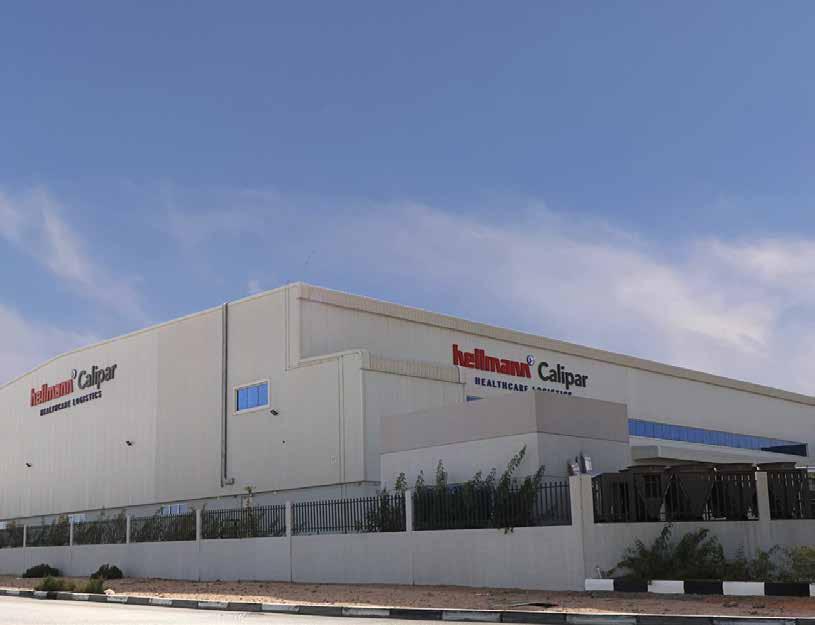
Dubai South welcomes new distribution facility by Hellmann Calipar Healthcare Logistics
Dubai South, the largest single-urban master development focused on aviation, logistics and real estate, has welcomed a new distribution facility by Hellmann Calipar Healthcare Logistics (HCHL) at its Logistics District. With this addition, Hellmann expands its presence to five distribution centres in the UAE, further strengthening one of the most comprehensive dedicated healthcare logistics networks in the Middle East.
The opening is Hellmann´s response to the growing demand for resilient healthcare supply chains, as regulatory requirements become increasingly complex and the handling of temperaturesensitive medical products requires greater precision and transparency across the entire logistics chain.
The new facility at Dubai South’s Logistics District increases HCHL´s warehouse capacity while expanding customer-specific value-added services and storage solutions. It is designed to meet key market requirements, including the compliant management of time and temperature-sensitive healthcare products, secure handling of hazardous goods, end-
to-end digital transparency, and efficient last-mile distribution.
Mohsen Ahmad, CEO of the Logistics District at Dubai South, said: “We are pleased to welcome another facility by Hellmann Calipar Healthcare Logistics to Dubai South. The expansion reflects the growing demand for specialised healthcare logistics solutions in the region and reinforces the Logistics District’s role as a key platform for global supply chains. Our integrated infrastructure, strategic location and multimodal connectivity continue to support international companies in strengthening their regional operations and delivering essential products efficiently and reliably.”
Lee I’Ons, Regional CEO IMEA, Hellmann Worldwide Logistics, said: “With our fifth healthcare location in the UAE, we are not only increasing capacity, but further enhancing our responsiveness, scalability, and regulatory assurance for our customers. This expansion reflects our continued commitment to the UAE and its strategic role as a leading regional and global hub for healthcare and logistics. By investing in this capability, we are actively supporting the UAE’s long-term vision while strengthening
Hellmann Calipar Healthcare Logistics’ regional network and expanding our ability to support complex, global healthcare supply chains.”
The new healthcare facility, built in accordance with national and international safety and environmental standards, features a dedicated chamber for hazardous goods and is equipped with solar technology in line with Hellmann’s sustainability goals. The expansion integrates advanced infrastructure, quality management systems aligned with international GDP standards, and enhanced security protocols to ensure product integrity from origin to patient.
Representing the pinnacle of logistical innovation encapsulated within a premier infrastructure network, Dubai South’s Logistics District offers premier services and operations as well as uninterrupted access to Jebel Ali Port via a bonded logistics corridor. The district comprises multiple zones, which have direct access to the cargo terminals at Al Maktoum International Airport; EZDubai, a fully dedicated e-commerce free zone; and a Contract Logistics Zone.
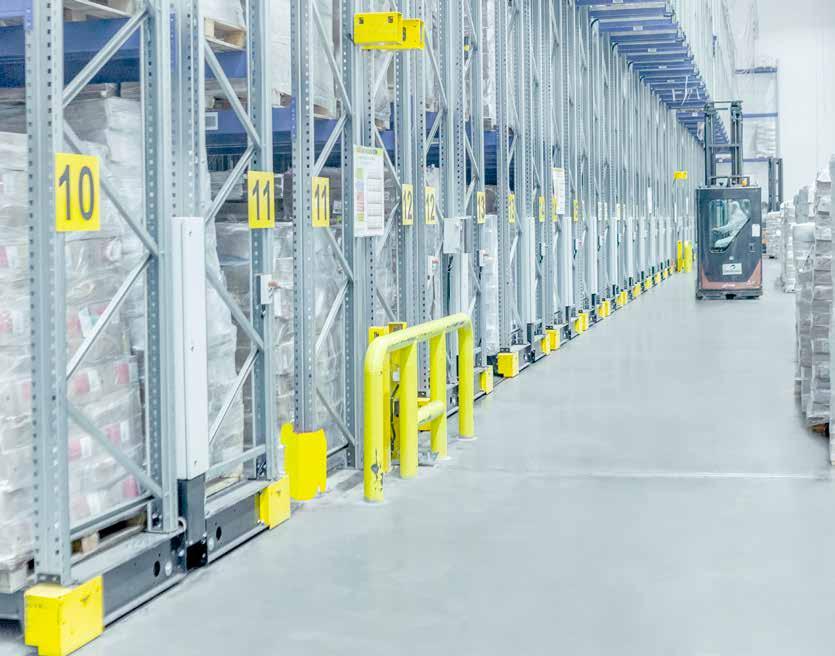
Temperature-sensitive products demand more than storage. They require special care and attention. SSI SCHAEFER makes sure they get it, every second, across every footprint.
Safeguard

Air Cargo Demand up 11.2% in February 2026
The International Air Transport Association (IATA) released data for February 2026 global air cargo markets showing:
• Total demand, measured in cargo tonne-kilometers (CTK), rose by 11.2% compared to February 2025 levels (+11.6% for international operations).
• Capacity, measured in available cargo tonne-kilometers (ACTK), increased by 8.5% compared to February 2025 (+9.8% for international operations).
“Air cargo demand grew 11.2% in February. Even considering the boost that February received from the movement of goods ahead of Lunar New Year, the month showed strong growth. The outbreak of war in the Middle East at the end of the month, however, makes it difficult to see how full-year performance will unfold. Sharply rising fuel costs, fuel scarcity in parts of the world, and the severe disruption to key cargo hubs in the Gulf are major shifts. While air cargo has repeatedly proven its resilience in the face of disruption, an early resolution of the war along with a normalization of fuel supply and costs would be in everybody’s interest,” said Willie Walsh, IATA’s Director General.
Several factors in the operating environment should be noted:
• The global goods trade grew by 5.2% year-on-year in January.
• Jet fuel prices rose 1.2% year-onyear in February, while a widening Brent–jet fuel crack spread highlighted continued volatility in refining margins.
• Global manufacturing sentiment strengthened in February, with the Purchasing Managers’ Index (PMI) rising to 53.1, remaining above the 50-point expansion threshold. The PMI for new export orders rose to 51.4, above the growth threshold and the highest level since July 2021, indicating positive conditions for air cargo demand.
February regional performance
Asia-Pacific airlines saw a 13.6% year-on-year growth in air cargo demand in February. Capacity increased by 10.1% year-on-year.
North American carriers saw a 9.4% year-on-year increase in air cargo demand in February. Capacity increased by 5.3% year-on-year.
European carriers saw a 6.9% year-on-year increase in demand for air cargo in February. Capacity increased 6.1% year-on-year.
Middle Eastern carriers saw a 16.5% year-on-year increase in demand for air cargo in February. Capacity increased by 13.5% year-on-year.
Latin American and Caribbean carriers saw a 0.7% year-on-year increase in demand for air cargo in February, the weakest performance of all regions. Capacity increased by 4.5% year-on-year.
African airlines saw a 21.0% year-on-year increase in demand for air cargo in February, the strongest rise of all regions. Capacity increased by 17.3% year-on-year.
Trade Lane Growth
Air freight volumes in February 2026 increased across all major trade corridors.
Air cargo market in detail - February 2026




FedEx launches import tool to simplify and accelerate imports into Saudi Arabia
Digital solutions support import efficiency as the Kingdom advances trade diversification
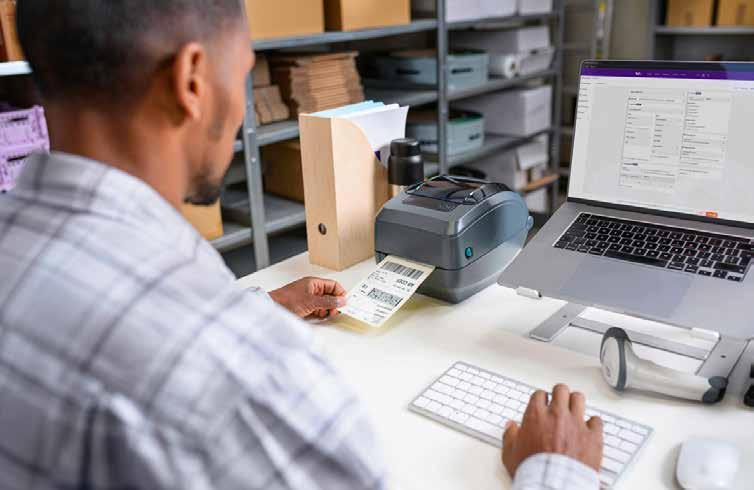
Federal Express Corporation (FedEx), the world’s largest express transportation company, has launched the FedEx Import Tool (FiT) in Saudi Arabia. The digital solution helps businesses of all sizes manage the growing import volume into the Kingdom more efficiently and with greater control.
FiT, with its integration of advanced technology and user-focused design, is set to transform the import process, enhancing efficiency, helping customers adhere to regulatory compliance requirements, and improving the overall end-to-end shipment journey. The solution supports imports across all shipment sizes, from lightweight packages to palletized freight. Key features of this comprehensive, single-window platform include:
· A unified self-service platform to streamline the shipping process by centralizing document management and
shipment tracking.
· A dashboard for greater visibility into every stage of the import shipments.
· Proactive notifications to expedite the clearance process and minimize delays.
· A direct payment feature for paying customs duties and taxes online.
· Round-the-clock monitoring allows shippers and importers to track their shipments up to 90 days after pickup.
“As Saudi Arabia solidifies its role as a leading global trade hub, the ability to move imports efficiently and compliantly is a key competitive differentiator,” said Nitin Tatiwala, vice president Marketing, Customer Experience, and Air Network for FedEx Middle East, Indian Subcontinent and Africa. “FiT reflects how we are using digital intelligence to support that ambition, helping businesses navigate import requirements with greater certainty, enhanced visibility, and faster, seamless
customs clearance, in line with the Kingdom’s trade facilitation and economic diversification goals.”
In October 2025, the Kingdom’s merchandise imports increased by 4% yearon-year to SAR 80.1 billion, with China, the United States, and the United Arab Emirates, ranking as the top three source markets1.
As Saudi Arabia’s import activity continues to diversify across industrial, healthcare, and consumer sectors, businesses are managing higher shipment volumes alongside more detailed regulatory and documentation requirements.
The launch of FiT in Saudi Arabia builds on the company’s bolstered presence in the Kingdom, with FedEx directly managing pickup, delivery, and customs clearance operations. The tool aligns with Saudi Arabia’s Vision 2030 by enabling more efficient and transparent import processes as trade volumes continue to grow.

ECS GR O UP LOVES CARGOT ECH ,
because
strong networks need smart tools.
‘My 5-year journey as TIACA’s Director General’
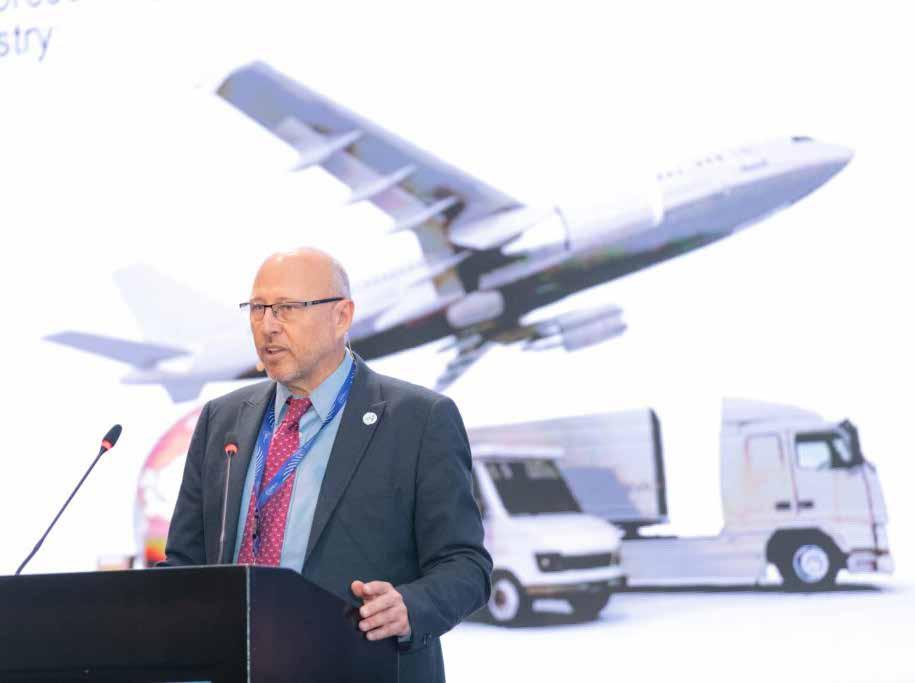
As the Director General of TIACA (The International Air Cargo Association), Glyn Hughes reflects on his tenure. He offers a candid look at the milestones, challenges, and transformative moments that have shaped the association’s recent journey. This exclusive captures not only the progress made across the air cargo industry but also the collective spirit that drove meaningful change. It serves as both a personal reflection and a forward looking message, highlighting the importance of collaboration, innovation, and resilience in an evolving global landscape.
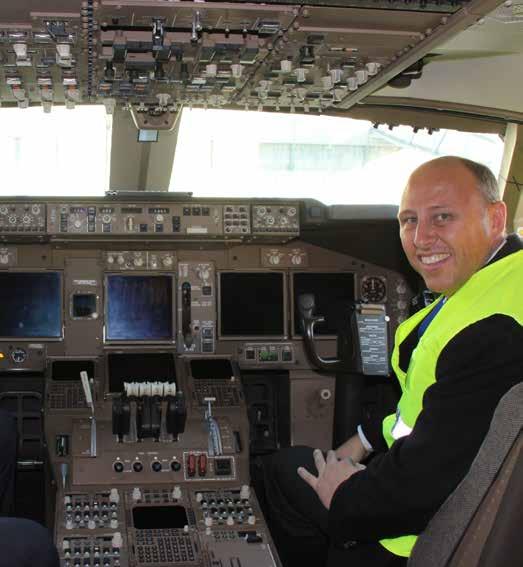
The five years that I have had the pleasure of serving as TIACA’s Director General have seen some of the most impactful events that have challenged our industry. But times of adversity bring out the best the air cargo industry has in terms of resilience, innovation, adaptability and perseverance to support the global economy and global communities.
I started my tenure during Covid, when the world was dealing with grounded passenger networks and a rising need for PPE and subsequently vaccines to be moved across the globe.
As we came out of the pandemic, we saw economic resurgence and a growth spurt in e-commerce demand, which was barely on the radar pre-Covid, and now accounts for about 25% of total air cargo volumes.
As trade grew a new challenge struck, Russia invaded Ukraine in Feb 2022, and many states responded with the issuance of sanctions on Russian businesses and individuals. In response, the Kremlin banned carriers registered in those states from using its airspace. This added significant extra flight time from Asia, particularly China to Europe.
In some cases, carriers needed to introduce middle corridor technical stops. Overall, we have till this day a two-tier situation for Asia to Europe air cargo supply chains. Carriers with Russian overflight authority being able to offer quicker and
less costly operations. Whereas those with whom authority was revoked are also now having to deal with Middle East challenges.
Then in November 2023, we saw a major impact on maritime shipping lanes when ships passing through the Red Sea on route to the Suez Canal came under attack. This effectively closed the shortest route from Asia to Europe and forced ships to sail an extra 14 days around Africa, adding additional cost as well as time to the journey. The immediate effect was for air cargo to be called upon for urgent shipments, such as medicines which were in short supply.
Throughout 2024, e-commerce
continued to grow, driving up overall demand for air cargo, the chip and semiconductor sector also grew quite rapidly as the world began to realise the power and potential of AI. Against this demand growth was limited growth in capacity, which challenged the industry to find that equilibrium point.
As we entered 2025, the world waited with bated breath as the new US Administration set about rewriting trade relationships, using tariffs to address trade imbalances and political differences. In addition, the US de minimis threshold of USD 800.00, which was a level below which imported goods were exempt from duties
and taxes, was removed.
“TIACA has spoken on behalf of the entire air cargo community, calling for supportive legislation, an understanding of the value that air cargo brings and the call for enhanced focus on people, technology and innovation as the key enablers of successful responses to global shocks to the system.”
In early 2026, the US Supreme court ruled that any tariffs introduced under The International Emergency Economic Powers Act (IEEPA) of 1977 were beyond the scope of that act and therefore had to be withdrawn. The ACT authorises the U.S. President to declare a national emergency and regulate or block international commerce, financial transactions, or assets in response to an unusual, foreign-sourced threat to U.S. national security, foreign policy, or the economy. The US CBP is now faced with refunding nearly USD 200 billion. Subsequently, the President has used other powers to introduce a different set of tariffs,
but with a limited time applicability. With geopolitics, conflict zones, and difficult trading conditions offering a challenging outlook for 2026, the world took yet another turn on Feb 28th as the USA and Israel launched a campaign to address a perceived threat from Iran.
Iran in return launched counterstrikes against other gulf states, Israel and US military bases. Additionally, Iran closed the strait of Hormuz which is shares with Oman. A limited number of ships have been able to pass freely, whilst 20 others have been attacked. Over 20% of the world’s oil supply passes through the strait and this blockage has seen global energy costs spike once
again. Jet kerosene has risen nearly 100%. Through these five years of challenges, TIACA has spoken on behalf of the entire air cargo community, calling for supportive legislation, an understanding of the value that air cargo brings and the call for enhanced focus on people, technology and innovation as the key enablers of successful responses to global shocks to the system.
It’s been a pleasure to have worked with TIACA during these difficult times and I’m certain the association will go from strength to strength, as it lives up to its’ mantra of “by the industry for the industry”.
By Glyn Hughes, Director General, TIACA
Redefining intralogistics in the UAE
In today’s fast-evolving supply chain landscape, efficiency, scalability, and smart automation are no longer optional - they are essential. As companies across the UAE strive to meet increasing customer expectations and manage complex logistics operations, the demand for advanced intralogistics solutions has never been greater. Addressing this need, AEDLER Logistik Solutions has partnered with Kardex to bring cutting-edge Automated Storage and Retrieval Solutions (ASRS) to the region.
This strategic partnership marks a significant step forward in transforming warehouse operations in the UAE, combining AEDLER’s regional expertise with Kardex’s worldwide recognised automation technologies.
Reshaping warehouse productivity through automation
AEDLER Logistik Solutions is a renowned expert in the design and implementation of state-of-the-art automated storage and retrieval systems. With a deep understanding of regional logistics challenges and operational demands, AEDLER plays a critical role in enabling businesses to modernise their logistics facilities. Through its partnership with Kardex, AEDLER delivers highly efficient, scalable, and intelligent solutions tailored to industries ranging from manufacturing and retail to healthcare and e-commerce. Together, the two companies are redefining how organisations store, manage, and retrieve goods—enhancing productivity while reducing operational complexity.
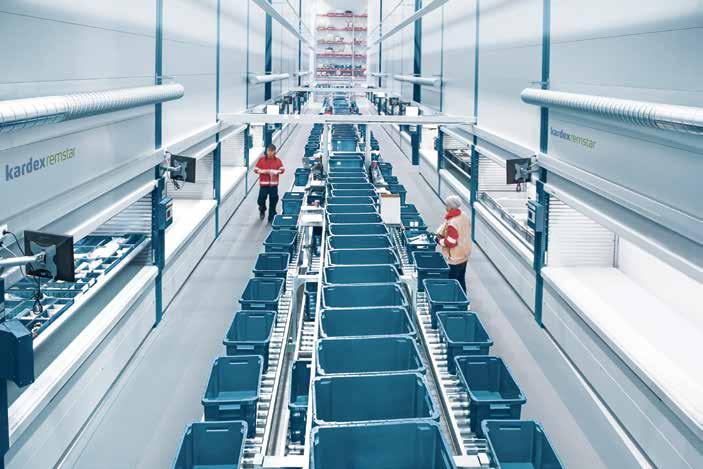
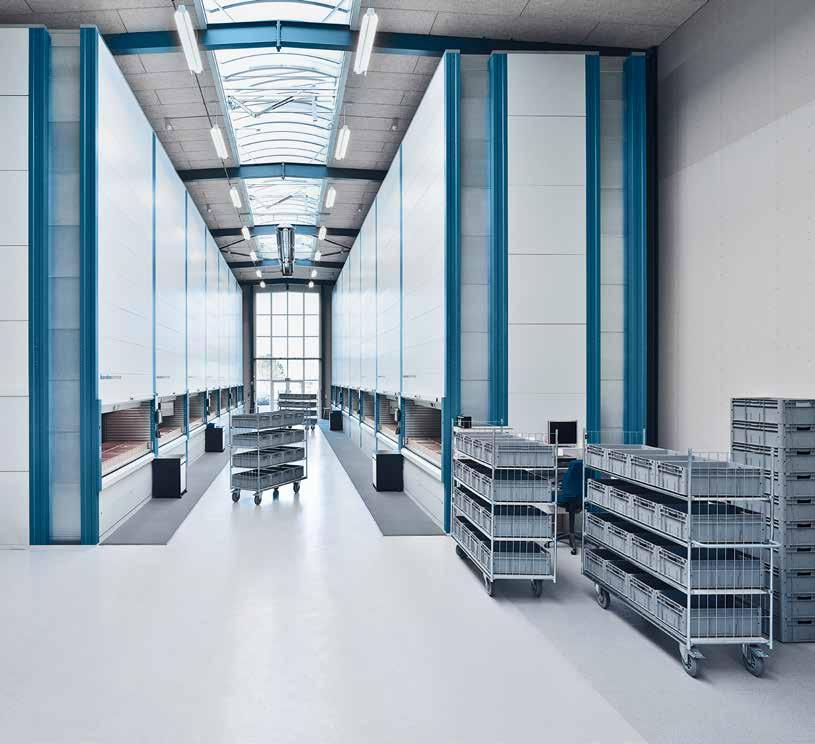
VLM & VCM systems
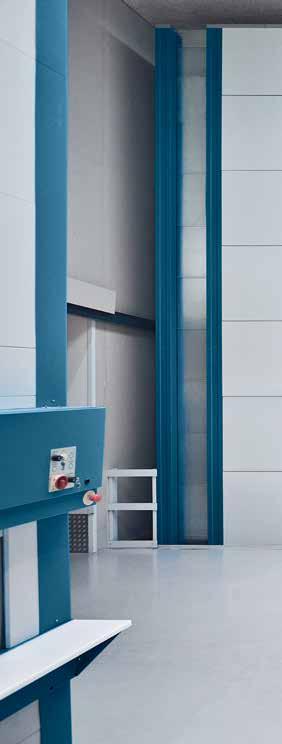
At the core of this partnership are two powerful technologies: Vertical Lift Modules (VLM) and Vertical Carousel Modules (VCM). These systems are designed to maximise storage density, streamline workflows, and significantly improve operational performance. VLMs feature an enclosed shelf-based storage system designed to increase capacity in a more compact footprint. Operating on the goods-toperson principle, these systems not only increase productivity, but also simplify operation and reduce employee training requirements. VCMs are perfectly suited for goods with a high picking frequency and uniform sized inventory. Using the paternoster principle, they provide quick and precise access to stored goods. VCMs are ideal for frequently accessed goods as they convey the carrier to the access opening via the shortest possible path. By leveraging vertical space, both systems enable companies to expand storage capacity without increasing their physical footprint, converting unused space into
high-density storage zones. The result is a more structured, efficient, and scalable storage that enhances productivity and inventory accuracy. This benefit is particularly valuable in high-cost real estate markets like the UAE, where efficient space utilisation directly translates into cost optimisation.
Seamless integration of smart automation solutions
A key differentiator of the AEDLER–Kardex partnership is the seamless integration of automation technologies in existing warehouses. AEDLER provides end-toend support from consultation and system design to installation and ongoing optimisation, ensuring minimal disruption and maximum return on investment. By combining state-of-the-art systems with intelligent software solutions, customers gain access to fully connected intralogistics systems that integrate with Warehouse Management Systems (WMS) and Enterprise Resource Planning (ERP) platforms.
As the UAE continues to strengthen its position as a global logistics and trade hub, the adoption of advanced intralogistics solutions will play a critical role in sustaining growth and competitiveness. The partnership between AEDLER Logistik Solutions and Kardex represents a powerful synergy of innovation and expertise. Together, they are revolutionising automated storage and retrieval solutions in the UAE, enabling businesses to unlock new levels of efficiency, accuracy, and performance. Through the deployment of Vertical Lift Modules and Vertical Carousel Modules, companies can optimise space utilisation, increase throughput, and significantly enhance supply chain operations.
https://www.als.aero/asrs-automated-storage.php

Make cyber resilience the strongest link in your supply chain
Emerging technologies, and specifically Artificial intelligence, have become a core component of modern cyber conflict enabling cyberattacks to be conducted at a higher volume, tempo and level of sophistication than ever before. The region has seen a steady increase in cyber activity, reflecting the evolving global and geopolitical landscape.
This is not merely an issue of volume, but a reflection of how modern cyber risk manifests. As organisations expand their digital footprint and become more reliant on interconnected partners, cyber exposure is no longer confined within organisational boundaries. Risk now moves fluidly across suppliers, platforms and third-party providers, often exploiting the least visible point in the supply chain.
In practical terms, this means cyber risk is now a leadership issue, rather than a purely technological one. Boards and executive teams must take ownership of how cyber risk is governed, understood and managed across their organisation’s entire network of partners and suppliers.
Regardless of industry, organisations should operate under the assumption that disruption is inevitable, constantly pushing to embed resilience across every part of their networks through rigorous oversight, scenario planning and cross-
entity coordination. Since every sector is now a potential target, these proactive measures can mean the difference between mitigating a successful intrusion and being overwhelmed by one.
A rising rate of risk spillover
Across multiple industries we are seeing these multi-front supply chain cyberattacks deliver increasing disruption and damage. This brings to light how structural gaps can easily appear within large organisations that rely on a widespread network of suppliers, vendors and other third parties. Access points have increased to enable smoother supply chain management, but identity governance and intrusion detection efforts simply haven’t kept pace.
It’s this systemic exposure that creates space for supply-chain-level cyberattacks. A single vulnerability opens the door to significant disruption that extends well beyond the initial point of entry.
Defend at the ecosystem level
In 2026, the prospect of stopping every single attempted breach is becoming increasingly slim. Ecosystem-level defence requires three crucial components:
Containment: Strong identity controls, multi-factor authentication and zero trust principles are essential to limit how far

By Anand Balasubramanian, Partner and Head of Risk & Compliance Advisory, Grant Thornton UAE
an attacker can “move” across the digital infrastructure of your entire supply chain.
Visibility: Decision-makers need a clear, risk-based view of critical assets, dependencies and potential points of failure, including those introduced by third parties and cloud environments.
Responsiveness: Incident response must be treated as an ecosystem capability. Plans need to extend beyond your organisation, with clearly defined roles, escalation paths and tested recovery strategies developed by internal teams coordinating with external partners.
The priority businesses should focus on is aligning controls, governance and incident response across the full ecosystem, rather than managing them in isolation. We’re seeing a clear shift – organisations that treat cyber risk as an ecosystem issue are responding faster and limiting disruption more effectively.
The UAE’s current threat environment is a real-time test of organisational resilience. The scale and persistence of attacks underline that this is not a hypothetical risk, but an operational reality.
For business leaders, the question is no longer whether their organisation is secure in isolation, but whether their entire ecosystem can withstand disruption. That requires stronger collaboration with partners, clearer accountability at board level, and a willingness to invest in resilience beyond organisational boundaries.
Organisations that act now will strengthen their ability to contain and recover from inevitable incidents. Those that fail to do so risk learning that their most critical vulnerabilities sit not internally, but across the interconnected networks that support their business.
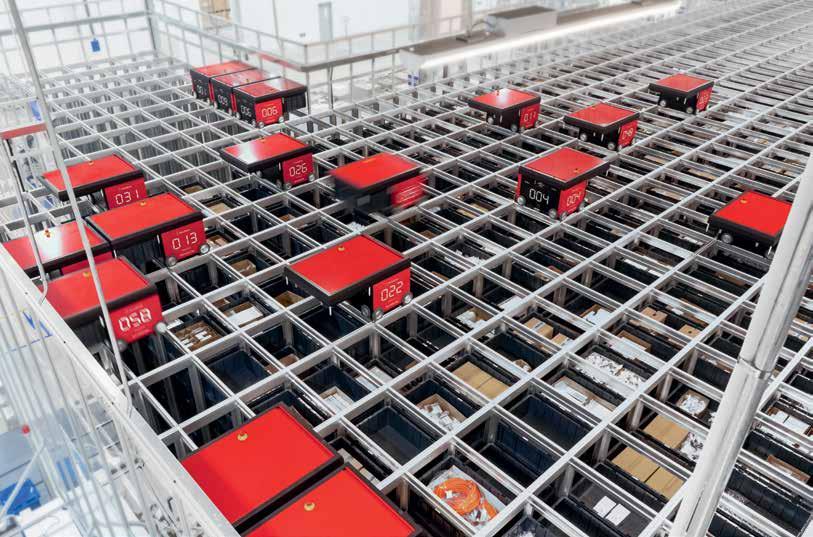
Future-proofing cold chain operations through smarter warehouse design
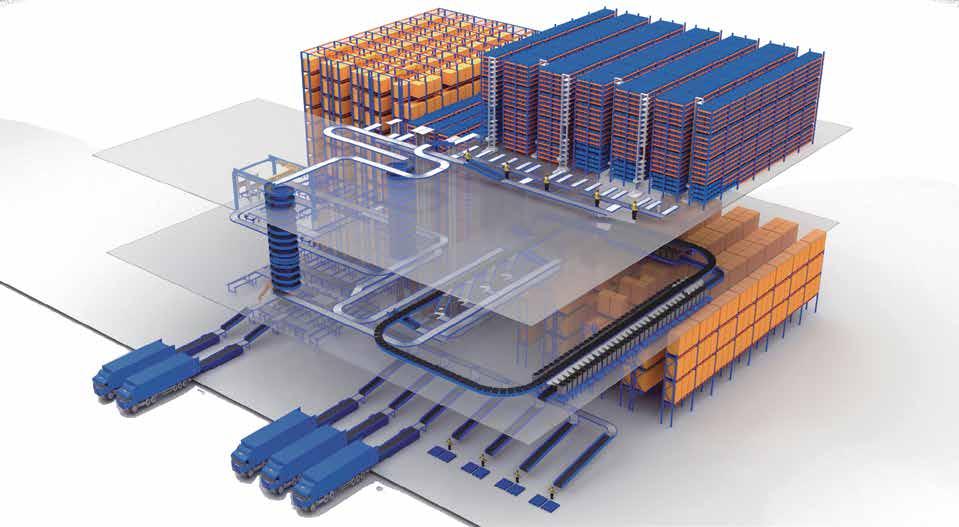
Cold chain logistics has become one of the most demanding areas in modern supply chains. Food, pharmaceuticals, and other temperature-sensitive goods now move faster, through more channels, and under tighter quality expectations than before. At the same time, operators are dealing with labour shortages, rising energy costs, and greater pressure to use space more efficiently. In that environment, cold storage can no lon ger be treated as a standard warehouse with refrigeration added later. The strongest facilities are now built around the alignment of building design, automation, software, and energy management. When these elements are planned together, operators can improve throughput, protect product quality, reduce human exposure to harsh environments, and control operating costs more effectively over time.
Engineered for low temperatures
One of the biggest shifts in cold storage is the move away from low-rise, labour-heavy facilities toward taller, denser, automated environments. Conventional warehouse footprints create a larger roof and floor area that increases thermal load. In cold and deep-freeze operations, this directly raises refrigeration demand. By contrast, high-bay automated storage allows operators to store more inventory vertically while reducing the amount of space that must be cooled. This can reduce the building footprint to roughly one-third of a conventional facility.
This design change has a direct impact on energy performance. A warehouse built to take full advantage of vertical automation can reduce overall building energy consumption by around 20%, while cutting refrigeration power draw by 10 to 15%. This is
significant in a sector where energy is often the second-largest operating expense after labour. The automation provider, warehouse operator, and building designer need to work together early because the best results come from shaping the facility around the flow of goods, temperature requirements, and storage density from day one.
Safer through automation
Automation in cold storage is essential because the operating environment is so demanding for people. Freezer facilities place limits on how long workers can remain in cold zones, which affects productivity, labour planning, and retention. These sites also tend to see higher turnover and greater safety concerns than many ambient warehouses. Robotic pallet handling, automated storage and retrieval systems, conveyor transport, and goods-to-person picking help reduce the need for manual work in those conditions.
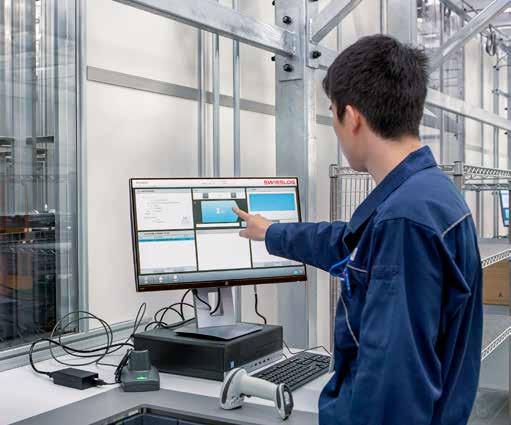
Every unnecessary door opening, manual handoff, or delay introduces risk. In frozen food and pharmaceutical supply chains, even small temperature deviations can affect quality, shelf life, and compliance. Automated systems help reduce these interruptions by moving products through controlled environments to ensure goods are better protected and fewer avoidable losses, which currently costs the sector US$35 billion annually.
One system, many temperatures
The ability to support multiple temperature zones within one automated system is particularly relevant for food distribution, where ambient, chilled, and frozen products need to move through the same fulfilment flow. Traditionally, that required separate storage environments and more complex internal handling. New multi-temperature automation models are changing that.
Swisslog’s recent tri-temperature project in France with La Réserve des Saveurs is a strong example. The facility was designed to handle dry, fresh, and frozen products in one closely connected automated setup, with all operations managed through a unified software environment. The result was better storage density, faster order preparation, and a lower carbon footprint with different product categories coordinated in one flow instead of being split across disconnected systems.
That principle is very relevant across the Middle East, where grocery, foodservice, and temperature-sensitive distribution networks are growing more complex. A multi-temperature system allows businesses to simplify facility design, reduce duplicate infrastructure, and create more agile fulfilment models. It is also a strong fit for urban supply chains where real estate costs are high and flexibility is valuable.
Built for reliability
Temperature-controlled AS/RS environments demand careful engineering because low temperatures affect both materials and mechanical performance. Thermal contraction can create misalignment, increase wear, and place stress on components if these issues are not addressed in the design phase. Strong insulation is equally critical, since poor insulation can cause temperature fluctuation, increase energy consumption, and add strain on equipment.
This is why future-proofing a cold chain facility is not simply a matter of adding robotics. It requires temperature-adaptive equipment, robust insulation, suitable material selection, and continuous monitoring. Sensors and connected maintenance tools help teams detect performance issues early and maintain stable operating conditions across different zones.
Software is the final layer that brings these assets together. A mod-
ular platform that connects warehouse management, equipment control, and business systems gives operators much better visibility across the site. When software is unified, teams can optimise storage strategies, monitor temperature performance, manage throughput, and adapt more quickly to shifting order profiles.
Cold chain operations are under pressure to do more with less space, less labour exposure, and tighter control over energy use. The answer is a design approach that connects warehouse form, automation, software, and energy strategy into one operating model to handle higher throughput, more diverse product flows, and stricter cold chain requirements.
By Rami Younes, General Manager of Swisslog Middle East

Impact of ongoing disruptions on supply chains and daily operations
Adecade ago, supply chain conversations in foodservice were largely tactical. The focus was simple: ‘When will it arrive?’ Today, across the GCC, that question has evolved into something far more strategic. ‘How do you keep kitchens running when conditions shift overnight, and how do you continue delivering when certainty is no longer guaranteed?’
The shift is not theoretical. Global container shipping continues to operate with meaningful unpredictability. SeaIntelligence reported global schedule reliability at 62.4% in January 2026, with the average delay for late vessel arrivals at 5.17 days. When a significant share of shipments is delayed, the impact moves quickly beyond logistics. Businesses are forced to hold more buffer, make faster decisions, and operate with a higher level of coordination across every stage.
At the same time, cost volatility is becoming a defining factor. The Drewry’s World Container Index, recently recorded a 5% increase, reaching $2,279 per 40 foot container in the week of 26 March 2026, continuing an upward trend during the ongoing conflict. For import dependent markets, including much of the Middle East, these fluctuations translate directly into changes in landed cost, working capital, and pricing discipline. Even small shifts at a global level can have a measurable impact on how businesses plan locally.
Delays also carry a broader economic weight. Research shows that a 100 hour shipping delay can raise consumer inflation by about 0.5% at its five month peak, reinforcing the idea that supply chain reliability is no longer just an operational concern, but an economic input into pricing and demand.
The Strait of Hormuz remains one of the most important energy corridors in the world, with an average of 20 million
barrels of crude oil passing through it each day, accounting for roughly 25% of global seaborne oil trade. Any uncertainty around its stability quickly feeds into freight and fuel costs. Even without direct disruption, perceived risk alone is enough to influence market behaviour, which in turn affects manufacturers, distributors, and operators on the ground.
For those operating within the foodservice equipment space, disruption tends to surface in three areas at once. Transport becomes less predictable, input costs fluctuate, and customers themselves face greater uncertainty when planning new openings, refurbishments, or ongoing operations.
What has changed most is not the existence of these challenges, but how companies respond to them. Planning cycles have extended, coordination has become tighter, and decision making has become more dynamic. While production at source may remain stable, delivery timelines are increasingly shaped by external logistics, requiring a more flexible and proactive approach.
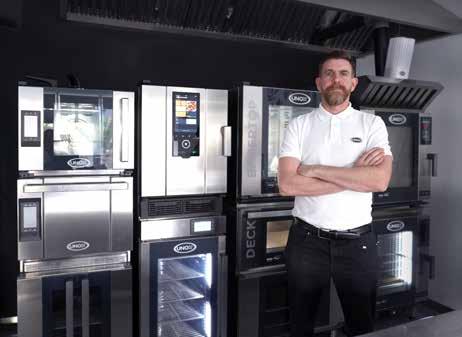
There is no single solution to this environment. Instead, resilience is built through a combination of measures. Greater emphasis is being placed on regional stockholding, more responsive inventory planning, and closer alignment with partners across the supply chain. For example, at UNOX Middle East we have adopted hybrid supply models that combine production from Italy with strategically positioned stock in Jebel Ali, allowing them to improve responsiveness while reducing exposure to disruption.
At the same time, there is a noticeable
shift in how demand behaves. In parts of the hotel sector, immediate demand can slow during periods of uncertainty, yet project pipelines often remain active, particularly where developments are already approved and budgeted. In contrast, quick service formats in residential and retail areas tend to remain more stable. For supply chains, this distinction matters. Procurement decisions are being shaped as much by confidence and timing as they are by cost.
Technology is playing a quieter but equally important role. Better visibility across demand patterns, forecasting, and operations allows businesses to make faster and more informed decisions. On the service side, connected equipment is helping operators plan maintenance more effectively, reducing downtime in an environment where replacement cycles may take longer. Across the region, there is also a growing emphasis on reliability and after sales support, reflecting a broader shift in what customers value when continuity is at stake.
For operators, procurement leaders, and decision makers, the implication is clear. Resilience is no longer a backend consideration, it is part of the product itself. This means taking a closer look at critical dependencies, building regional buffers where they matter most, and investing in visibility across the supply chain.
Supply chain disruption may remain part of the landscape, but continuity is still a choice. The businesses that navigate this environment best will be the ones that design for it, rather than react to it.
By James Russell, Director of Sales, UNOX Middle East
The supply chain, a recurring breaking point in the Information System
For years, cybersecurity has been approached as a technical issue: protecting systems, hardening infrastructure, securing data. Today, this vision is no longer enough. Recent supply chain attacks have demonstrated that cyber risk has changed in nature: it is now largely outsourced, carried by technology providers over which companies have only limited control.
Organisations with a modern information system depend on dozens, sometimes hundreds, of service providers (SaaS vendors, cloud providers, integrators, open-source libraries, etc.). This dependency has made the digital supply chain a priority attack vector, but also a blind spot in IT governance.
When dependency becomes vulnerability
Attackers quickly understood the value of this model: compromising a strategic supplier is often more effective than directly attacking a well-protected company. When a compromise is identified at a high-privilege SaaS vendor, an IT tool, an identity platform, or a security or monitoring solution, customer organisations find themselves in a critical situation of dependence. They cannot fix the breach itself or have complete visibility into the incident and must rely entirely on the vendor’s response capability.
Cyber risk then ceases to be an internal protection problem and becomes a risk of operational dependence, with direct impacts on service availability and business continuity. However, third-party risk management is still largely based on formal mechanisms, such as questionnaires, audits, or certifications, which assess compliance more than actual resilience. This documentbased approach struggles to measure what really matters in a crisis, such as the speed of detection, the quality of communication and the effectiveness of the response.
A recent example in Europe is a perfect example of this: in June 2025, German logistics solutions provider Gebrüder Weiss IT fell victim to a ransomware
“In
the coming years, supply chain resilience could become a strategic criterion for competitiveness. Thus, companies that can finely map their dependencies, assess the real level of risk and actively collaborate with mature suppliers will have a decisive advantage.
attack that disrupted its cloud platforms used by hundreds of companies across Europe, including in the automotive and pharmaceutical sectors. Even if sensitive data was not directly exposed, the temporary shutdown of systems caused production and delivery delays, demonstrating that the level of privilege and operational access can generate a much greater impact than simply exposing data.
This discrepancy is reinforced by poor qualifications of critical suppliers. Many organisations continue to classify their partners according to the sensitivity of the data processed, when the determining factor is often the level of access and privileges granted. A vendor with extensive rights to IT systems can be at much greater risk than a vendor handling sensitive but poorly integrated data. Software supply chains, especially open source, also illustrate this complexity: the risk does not come from the open nature of the code, but from the rapid and insufficiently controlled integration of critical dependencies. Added to this is the rise of AI-augmented social engineering (targeted phishing, deepfakes, voice attacks, etc.) which makes it possible to effectively target high-privilege accounts, including with suppliers. In this context, the most mature organisations are no longer looking for the total absence of vulnerabilities, but for partners who can react quickly, be transparent and improve after an incident.
”
Towards collective responsibility and strategic cybersecurity
As information systems become more interconnected, cybersecurity is moving from being an individual benefit to a collective responsibility. Companies have a key role to play in using their purchasing power to foster secure models by default, demand transparency, and reject business practices that make security an option.
The supply chain will continue to be a prime target for cyberattackers. The difference will be between organisations that will continue to manage this risk as an administrative exercise, and those that have understood that it is above all a structuring business issue for modern IT. In the coming years, supply chain resilience could become a strategic criterion for competitiveness.
Thus, companies that can finely map their dependencies, assess the real level of risk and actively collaborate with mature suppliers will have a decisive advantage. Evolving regulations, the adoption of partner extended Zero Trust approaches, and the intelligent integration of AI into incident detection and response will offer new levers to turn this risk into an operational and business advantage, rather than a systemic vulnerability.
By Harish Chib, Vice President Emerging Markets, Middle East & Africa, Sophos
GCC Pharma warehouse automation and robotics
A 20 year evolution and the next decade of intelligent growth
Over the past two decades, the Gulf Cooperation Council (GCC) has undergone a profound transformation in both its pharmaceutical sector and logistics infrastructure. From a largely import-dependent ecosystem with basic warehousing capabilities, the region is rapidly evolving into a hightech, automation-driven pharmaceutical logistics hub. At the centre of this shift lies warehouse automation—particularly robotics and Automated Storage & Retrieval Systems (ASRS)—which are becoming mission-critical for ensuring efficiency, compliance, and scalability.
The
last 20 years: From manual logistics to smart infrastructure
In the early 2000s, pharmaceutical supply chains across the GCC were relatively fragmented. Warehousing operations were heavily manual, with limited integration of digital systems. Storage was often palletbased, inventory visibility was low, and
compliance with global Good Distribution Practice (GDP) standards was inconsistent. However, several structural changes accelerated transformation:
1. Rising Healthcare Demand
Rapid population growth, urbanisation, and increasing prevalence of chronic diseases significantly boosted pharmaceutical consumption. Today, healthcare logistics is one of the fastestgrowing segments in GCC supply chains, driven by rising patient demand and government healthcare investments.
2. Government-Led Industrialisation
Countries such as Saudi Arabia and the UAE introduced long-term strategies (e.g., Vision 2030) to localise pharmaceutical manufacturing. This led to:
• Increased pharma production facilities
• Expansion of distribution centers
• Higher demand for compliant storage and logistics systems
3. Emergence of Cold Chain Logistics
The shift toward biologics, vaccines, and specialty medicines created a need for temperature-controlled storage (0°C to -80°C). This fundamentally changed warehouse design requirements,
pushing operators toward precisioncontrolled, automated environments.
4. Early Automation Adoption (2010–2020)
By the 2010s, leading logistics providers began introducing:
• Conveyor systems
• Basic Warehouse Management Systems (WMS)
• Semi-automated picking
Yet, full-scale robotics and ASRS adoption remained limited due to high capital costs and low regional maturity.
The present: Acceleration of automation in GCC pharma logistics
Today, the GCC is entering a new phase— defined by rapid automation adoption across warehousing and distribution. Market Growth Snapshot
• GCC warehouse automation market: ~$1.09B (2023) to $3.1B by 2030
• CAGR: ~16% growth rate driven by e-commerce, manufacturing, and healthcare demand
• Pharma logistics market: ~7% CAGR (2023–2028)
Key Drivers of Automation in Pharma
1. Compliance & Traceability
Pharmaceutical products require strict adherence to GDP standards, serialisation, and batch traceability. Automated systems significantly reduce human error and ensure audit readiness.
2. Cold Chain Precision
Automation ensures stable temperature zones, reduced door openings, and minimised handling—critical for biologics and vaccines.
3. Labour Constraints & Cost Pressures
Labour costs in the GCC have risen significantly, making automation economically viable. Automated systems can reduce labour costs by up to 40% and improve efficiency by 30%+.
4. Throughput & Accuracy Requirements
Modern pharma supply chains demand near-perfect accuracy (up to 99.9%) and rapid fulfillment, which manual systems cannot sustain.
5. Space Optimisation
Urban logistics hubs in Dubai, Riyadh, and Doha require high-density storage— driving adoption of vertical ASRS systems.
Umer Saleem VP Sales & BD, Middle East & Africa

How HWArobotics ASRS systems enable GCC pharma growth
As the GCC pharma ecosystem evolves, advanced ASRS solutions—such as those offered by HWArobotics—are uniquely positioned to support this growth.
The next 10 years:
Fully autonomous pharma warehouses
Looking ahead to 2035, the GCC pharmaceutical logistics sector is poised for a major leap toward fully autonomous, AI-driven warehouses.
1. Rise of Smart Pharma Distribution Hubs
Mega logistics zones will integrate:
• Robotics
• AI-driven inventory optimisation
• Real-time supply chain visibility Automation will become standard, not optional.
2. Expansion of Local Pharma Manufacturing
As governments push for selfsufficiency, more regional production facilities will emerge—each requiring advanced automated warehousing.
3. Dominance of ASRS & Robotics
ASRS is already the leading automation technology in the GCC due to its ability to:
• Maximise storage density
• Improve throughput
• Reduce manual intervention
4. AI & Predictive Supply Chains
Integration of AI will enable:
• Demand forecasting
• Predictive maintenance
• Autonomous decision-making
AI alone is expected to contribute $320B to the Middle East economy by 2030, further accelerating adoption.
5. Cold Chain Automation Boom
Pharma logistics will increasingly rely on:
• Ultra-low temperature ASRS
• Robotics in controlled environments
• Automated quality monitoring systems
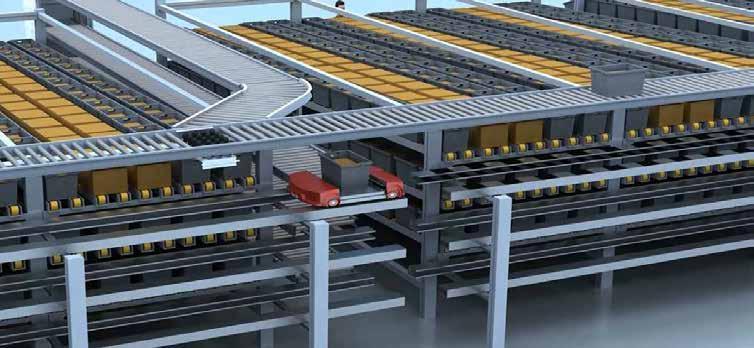
1. High-Density, SpaceOptimised Storage
HWArobotics ASRS systems enable vertical storage, allowing pharmaceutical warehouses to:
• Increase storage capacity by up to 2–3x
• Reduce real estate costs in premium logistics zones
• Support SKU proliferation from growing pharma portfolios
2. Precision & Compliance
ASRS ensures:
• Full batch traceability
• FIFO/FEFO inventory management
• Reduced human contact (critical for contamination-sensitive products)
This is particularly important for biologics and vaccines, where handling errors can result in significant financial loss.
3. Cold Chain Integration
HWArobotics systems can be deployed in:
• Chilled (2–8°C)
• Frozen (-20°C)
• Ultra-cold environments
Automation minimises temperature excursions, ensuring product integrity throughout storage and retrieval.
4. Scalability for Growing Markets
With modular architecture, HWArobotics ASRS solutions allow:
• Phased investment
• Expansion aligned with demand growth
• Flexibility for evolving pharma supply chains
5. Labour Reduction & Operational Efficiency
By automating storage and retrieval:
• Labour dependency is reduced significantly
• Throughput increases
• Error rates drop
This directly supports GCC operators facing
labour shortages and rising wage structures.
6. Integration with Digital Ecosystems
HWArobotics systems integrate with:
• WMS / ERP platforms
• Serialisation systems
• AI analytics tools
This creates a fully connected, datadriven pharma warehouse.
Strategic Outlook: A defining decade ahead
The convergence of healthcare demand, government policy, and logistics innovation is positioning the GCC as a global pharmaceutical hub. Warehouse automation—particularly ASRS and robotics—will be the backbone of this transformation. Key takeaways for industry leaders:
• Automation is no longer optional— it is a competitive necessity
• Pharma logistics will outpace general warehousing in growth
• Cold chain + robotics will define next-generation facilities
• Early adopters of ASRS will achieve significant cost and efficiency advantages
Conclusion
The GCC pharmaceutical logistics sector has evolved from manual, fragmented operations into a rapidly modernising, technology-driven ecosystem. Over the next decade, the transition toward fully automated, intelligent warehouses will accelerate—driven by demand for precision, compliance, and scalability.
HWArobotics ASRS systems are not just a technology upgrade—they are a strategic enabler. By delivering high-density storage, operational efficiency, and regulatory compliance, they position pharmaceutical companies and logistics providers to thrive in a future defined by automation. In a region aiming to lead global healthcare supply chains, the question is no longer whether to automate— but how fast companies can deploy the right systems to stay ahead.
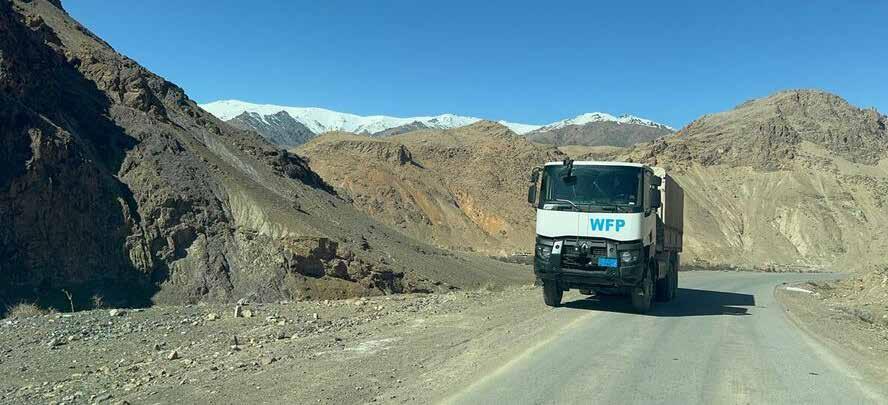
UN: WFP navigates turbulent waters to tackle hunger
As the Middle East conflict threatens vital maritime channels and ports, sending food, fuel, fertilizer and other key prices soaring, The World Food Programme Shipping Chief, Henrik Hansen explains how it is working 24/7 to reduce rising costs and transit times, and find creative transportation workarounds to reach millions of vulnerable people.
Can you give us a snapshot of the challenges in shipping food aid today?
From my perspective, we’re facing the most disruptive period in global shipping since the COVID-19 pandemic and the (2023) Red Sea crisis. Multiple trade routes are affected simultaneously, which is slowing deliveries, pushing up costs, and making shipping schedules far less reliable.
A major factor is the effective closure of the Strait of Hormuz, the only maritime gateway for all ports inside the Persian Gulf. Cargo is now diverted or delayed in ports like Salalah in Oman, or Colombo, Sri Lanka. Gulf ports that previously served as transshipment hubs are disrupted. Many vessels are also avoiding the Bab elMandeb Strait (a strategic Red Sea corridor) for precautionary reasons, rerouting instead around the Cape of Good Hope. Additionally, carriers are introducing steep surcharges for containers and freights, including war-risk premiums on top of already elevated freight rates.
Unpredictability is our biggest issue. Vessel
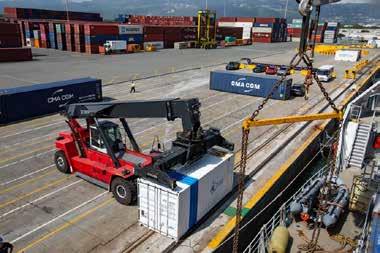
schedules change at short notice, WFP cargo gets delayed or stuck in transshipment hubs, and costs keep rising. Despite this, we’re adapting: finding new land corridors, adjusting routing strategies, and working around bottlenecks to keep food assistance moving to the people who need it.
What does this all mean for hungry people?
The impact goes well beyond disrupted shipping routes and rising freight rates. Prices across the entire supply chain feed into higher operational expenses – reducing how much food WFP can buy, ship and deliver. The result is simple but devastating; we can’t reach as many people with either food or cash-based interventions. Those we do reach may get smaller rations, or may buy less food at markets because of rising prices.
Communities already facing severe food insecurity are hardest hit by global shipping disruptions thousands of kilometres away. That’s what keeps me up at night.
Which countries are most affected?
To be honest, the impact is global. That said Sudan, where the supply chain was already
extremely fragile, faces among the most immediate impacts. With many vessels now avoiding Bab el-Mandeb Strait, alternative routes can add weeks to travel times and significantly increase costs. We’re seeing similar transport disruptions for some of our other operations in East and Southern Africa, including the Democratic Republic of the Congo, Kenya and Ethiopia. Like Sudan, they all rely heavily on long maritime supply chains from Asia and the Gulf Region.
West Africa is also feeling the strain. Ports like Dakar (Senegal), Tema (Ghana) and Abidjan (Côte d’Ivoire) are all experiencing longer lead times because of delayed shipments from Asia and the Middle East. This affects our ability to preposition food ahead of lean seasons and reduces predictability for some of the most foodinsecure countries in the Sahel.
For Asian countries like Afghanistan and Myanmar, delays in global shipping flows are slowing down imports of both humanitarian aid and essential commodities. Those wider market disruptions are reducing local availability and quickly increasing the prices of staples – which directly affects the people we serve.
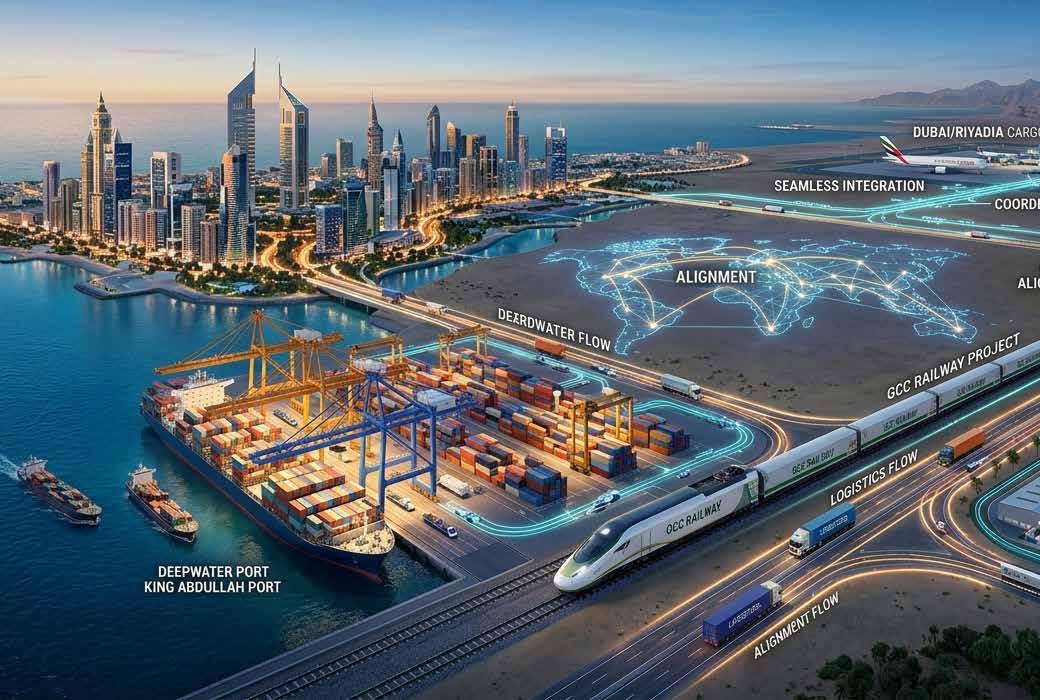
From Assets to Alignment: Why multimodal coordination is the Gulf’s next logistics advantage
After a decade
of infrastructure expansion, the next test for
the Gulf will be whether ports, rail, roads, and borders can work together seamlessly across cities and across the Gulf Region.
Over the past decade, transport infrastructure across the Gulf has been defined by scale. Ports have expanded, airports have grown into global freight gateways, logistics zones have multiplied, and long-haul rail corridors are finally taking shape. Dubai and Riyadh stand out as anchor nodes in this transformation. Dubai has long benefited from tight integration across ports, free zones, and aviation, while Riyadh is scaling rapidly to reposition the Kingdom at the centre of regional and global trade flows.
The Gulf’s next logistics advantage will not come from building more assets. It will come from making the assets already
built function as one regional system.
The region has proven its ability to deliver world class ports, airports, rail corridors, and logistics zones. The risk now is assuming that scale guarantees performance, when competitiveness will be decided by the region’s ability to integrate these assets across borders and authorities into a single, predictable flow. Without coordinated operations, even the most impressive infrastructure cannot deliver the resilience that global supply chains now require.
Demand is rising as well. The regional freight and logistics market is estimated at USD 86.3 billion in 2026, up from USD 81.3 billion in 2025, and is projected to reach USD 116.1 billion by 2031, reflecting growth
of just over 6 percent annually.
The challenge facing logistics leaders now is achieving integration and ensuring that these assets operate as one connected system. That shift is clearest in rail. The planned GCC Railway Project is expected to span more than 2,100 kilometres, linking all six member states and connecting directly with ports and logistics hubs across the region. The ambition is clear: create a backbone capable of supporting regional freight movement at scale.
What remains unresolved is execution. The question is whether the network will function as an integrated logistics system, rather than a series of parallel national projects.
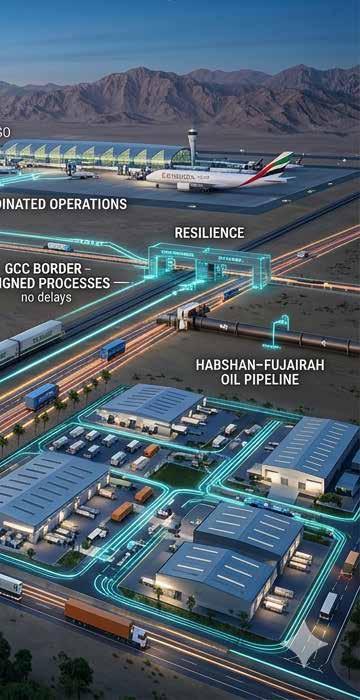
Where multimodal systems actually fail
In practice, multimodal logistics rarely break down because of poor engineering; they fail at the interfaces.
Ports, railways, roads, and airports are often planned and operated on different timelines, under different authorities, and against different performance metrics. Ports optimize data, rail for scheduled capacity, and roads for peak urban demand. Each objective makes sense in isolation, but logistics performance depends on how well those systems connect.
This is where delays tend to accumulate. Terminals experience longer dwell times; operating hours between modes fail to align, inland transfer points become congested, and last mile networks struggle to absorb freight surges. None of these issues make headlines, yet together they determine whether supply chains continue to flow or seize under pressure. Across the Gulf, median import consolidated dwell time at ports or multimodal facilities averages around three days in the United
Arab Emirates, Qatar and Saudi Arabia, and closer to five to six days in Bahrain, time that directly affects cost, reliability and end to end transit performance.
Rail illustrates this tension clearly. Longhaul freight rail can transform regional logistics, but only if terminals, road access, customs processes, and warehousing are aligned around flow. When rail is treated as a standalone asset rather than part of an end-to-end system, utilization suffers. Logistics operators then revert to less efficient modes.
The GCC as a connected logistics network
The Gulf’s next logistics advantage won’t be determined by cities, it will be determined by systems. Trade flows don’t stop at national borders, and supply chains are increasingly shaped by volatility. Rerouting, time sensitivity, and resilience now matter as much as speed and cost that makes regional coordination critical. Alignment on customs processes, border procedures, data standards, and operating models is just as important as physical connectivity. Without it, even the most advanced infrastructure struggles to deliver consistent performance.
A parallel sits outside traditional transport networks. The 360-kilometer Habshan–Fujairah oil pipeline was conceived to bypass the Strait of Hormuz at a time when access through strategic chokepoints has come under greater strain from geopolitical tension and energy market volatility.
Rather than scale for its own sake, the point was optionality: the ability to reroute critical flows when constraints tighten. By shifting export capacity away from a single point of risk, the pipeline embeds resilience into the system itself. Multimodal logistics faces the same test. The biggest gains come when networks are designed around continuity under stress, not only efficiency in stable conditions.
Assets built, now optimise the flow
As the Gulf enters this coordination phase, the focus must shift from building assets to engineering flow. That requires a more operational lens on infrastructure planning, one that prioritizes transfer points, interfaces, and recovery, not just headline capacity.
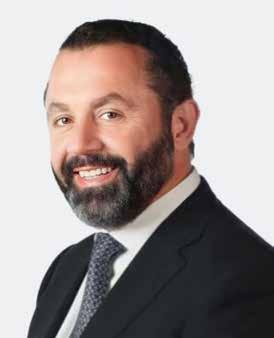
By Belal Deiranieh, Senior Vice President, Transportation, AtkinsRéalis
Several principles matter. First, sequencing must replace siloed delivery, so ports, rail terminals, roads, and logistics zones come online with shared assumptions about timing and handover. Second, systems need to reflect operational reality, including degraded conditions and fast recovery, because networks designed only for peak demand tend to fail under disruption. Third, digital coordination must be built into day-to-day decision-making to spot bottlenecks early, rebalance capacity, and reroute before disruption of cascades. Finally, coordination needs governance: shared performance metrics across agencies and operators, so the system is optimized for flow, not just individual asset performance.
The moment has come for the Gulf to shift from expansion to integration. Additional infrastructure will add less value than systems that can recover quickly, maintain continuity under stress, and move goods predictably across national boundaries. Governments, regulators, and operators need shared metrics, unified operating models, and digital coordination that elevates the system over individual assets. The region’s infrastructure story is already strong. The next chapter is about influence. The region that can keep supply chains moving when global routes tighten will shape how trade is designed. The bold takeaway is clear: the region’s economic influence will be increasingly shaped by how well its logistics systems work together, not by how many assets it builds.
Google Gemini Generated Image
AI can’t foresee supply chain shocks, yet it can ready firms for them
As energy and commodity networks grow more interconnected, the shift in risk management is not toward predicting the next disruption, but toward using new tools to simulate system stress and uncover hidden weak links.
In energy and commodity markets, a seductive idea is taking hold: that with enough artificial intelligence, enough data and enough computing power, companies will be able to predict disruption before it happens.
That is highly unlikely.
Energy and commodities are increasingly shaped by weather, war, infrastructure bottlenecks and political intervention. The next shock will rarely arrive in a form that can be predicted accurately. Supply chains in these sectors rely on physical assets, multiple tiers and interconnected networks that are often opaque. A refinery outage, an export curbs regime or a transmission failure does not stay neatly contained. It cascades through inventories, pricing, power availability and end-demand.
What matters is not clairvoyance, but preparedness: the ability to test how disruption might spread and spot hidden vulnerabilities before they fail.
The current tensions around the Strait of Hormuz make the point better than any management theory. Hormuz is an energy chokepoint: in 2023 it handled about 20.9mn barrels a day, equivalent to roughly 20% of global petroleum liquids consumption, while about one-fifth of global LNG trade also passed through it.
But this is not only an energy story. Disruption there can also restrict Sulphur and other industrial inputs, affecting fertilizers and semiconductor supply chains. Modern systemic risk rarely stays in one market; it spills across sectors, geographies and time horizons.
Today, two AI-driven capabilities matter more than prediction ever will: simulation and discovery.
Simulation AI might not tell executives what will be disrupted next Tuesday, but it can expose how stress might
travel if something breaks. In energy and commodity markets, disruptions do not remain confined to one supplier, asset or route. They leap across transport systems, inventories, regulation, substitution options and customer demand. AI-assisted simulation can help firms stress-test those interactions faster and at greater scale than traditional scenario planning. It can reveal where contingency plans are too tidy, where substitution assumptions collapse in practice and where a manageable outage in one corner of the system becomes a broader commercial problem elsewhere.
Used well, that is valuable. Used badly, it becomes another source of false confidence.
The danger is not that companies will model too little. It is that they will trust elegant models too much. Physical systems are unruly. Assets do not fail evenly. Grid
constraints do not disappear because a dashboard assumes flexibility. Political authorities can override commercial logic overnight. And what looks substitutable in a spreadsheet often proves impossible on the ground. AI can make simulation faster and broader. But organisations still need experts to ensure models are built on realistic assumptions.
The second capability is discovery: the ability to find weak links before disruption exposes them.
This remains a structural problem in both energy and commodity supply chains. Visibility fades precisely where exposure becomes hardest to assess. In commodity networks, opacity comes from fragmented sourcing, intermediated trading relationships and outsourced logistics. In energy systems, it comes from interdependent infrastructure, grid
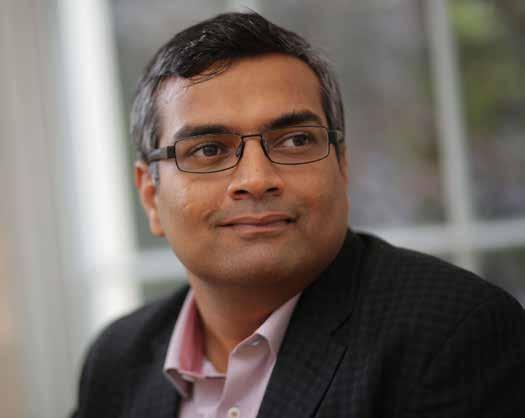
constraints, regulatory fragmentation and the distance between generation and enduse. Different structure, same weakness: the most consequential vulnerability often sits beyond the routine line of sight of any single company.
Hormuz again is a good example. The weak link is not just the obvious tanker route everyone already watches. It is the hidden dependence behind it: the processor relying on Gulf feedstocks, the fertilizer producer counting on Sulphur flows, and the chip supply chain dependent on chemicals and helium. In crises like this, businesses often discover too late that the real bottleneck was not where they thought it was.
AI can improve discovery in a way it cannot reliably improve prediction. It can connect fragmented datasets, surface concentrations, detect anomalies and expose dependencies firms did not realise they had.
This carries an awkward implication for capital allocation. In asset-heavy sectors, boards remain most comfortable funding visible hardware: transmission lines, storage, pipelines and shipping capacity. All of that matters. But resilience increasingly also depends on less tangible investments:
About the Authors
Nitish Jain is Associate Professor of Management Science and Operations at London Business School. His research focuses on global supply chains and the use of data-driven methods to improve operational performance. He has coauthored multiple case studies on AI innovation exploring how firms move from experimentation to enterprise-scale AI capability.
Pedro Amorim is a Professor at University of Porto and Partner at LTPlabs, with extensive experience bridging academia and practice in analytics and AI. He supports organisations in turning data into better decisions, with particular expertise in operations, supply chain management, and applied artificial intelligence. Alongside his academic work, he advises companies on how to create measurable business impact through advanced analytics.
data integration, operational intelligence, simulation tools, and, above all, people capable of challenging model outputs before they harden into false confidence.
Physical systems cannot be managed intelligently through physical investment alone. Some of the most important resilience spending now sits in the “soft” layer of the business: the analytical, organisational and decision-making capabilities that allow companies to understand how their physical assets behave under stress.
In the buzz around analytics and AI, the companies that do best will be those that use new tools for what they are actually good at: simulating how shocks might spread and discovering weak links before they snap.
The old risks are still here. What has changed is the speed, complexity and interconnectedness with which they travel.
The winners will not be the groups that pretend uncertainty can be predicted away. They will be the ones that prepare for it better.
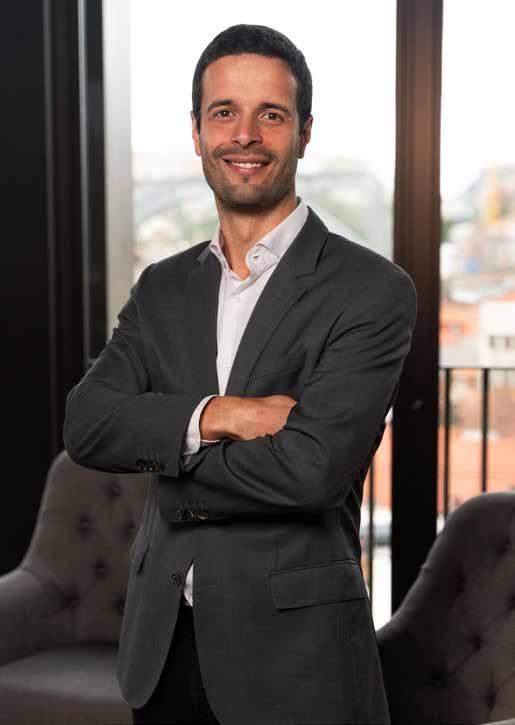
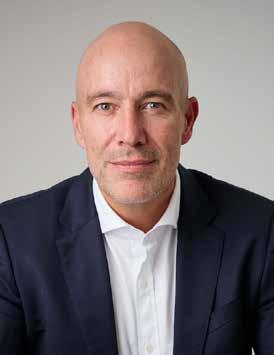
The reality on the ground is more complicated. Despite the influx of capital, the operational infrastructure needed to deliver these projects is struggling to keep pace. Our research, conducted with Infralogic and surveying 150 senior executives across government agencies, developers and transaction advisories, exposes a worrying execution gap. Only 37% globally described their most recent infrastructure procurement process as very efficient, dropping to 24% in Asia-Pacific, where renewable investment is growing fastest.
In our view, infrastructure procurement is a critical function that determines whether billion-dollar projects succeed or stall. For modern renewable energy projects that require coordinating generation with transmission and storage, managing multiple contractors across extended timelines and navigating complex stakeholder environments, a strong procurement process is non-negotiable.
Digital and transparency trap
Many organisations think they’ve digitised infrastructure procurement, but most have actually built a “Frankenstack” of disconnected tools. While 91% use purpose-built software, they juggle an average of 3 to 4 systems, rising to 3.8 in EMEA. Even more concerning: 55% still rely on email for sensitive bidder correspondence. Think about
Infrastructure procurement is key to scaling renewable energy
By Justin Smith, Managing Director, Ansarada
The renewable energy sector is booming. Global investment surged 49% in 2025 to nearly US$500 billion, with EMEA commanding US$202.7 billion, according to our 2026 Renewable Energy Infrastructure Outlook Report. In the Middle East, investment in renewable energy projects rose 28%, reaching US$12.9 billion. On paper, the energy transition looks unstoppable.
that for a moment. Billion-dollar infrastructure tenders are being managed through a combination of SharePoint folders, project management boards and Gmail. When critical documents live across fragmented platforms, version control breaks down and audit trails disappear. That’s a time bomb waiting to go off.
The consequences go beyond slow processes. While 95% of respondents believe their infrastructure procurement is transparent internally, 43% admit it lacks clarity for external parties like unsuccessful bidders, regulators and financiers.
The pressure is intensifying
These weaknesses collide with growing delivery pressures. Supply chain disruption remains a key constraint, with some grid components facing lead times of up to three years. Financing conditions have also become more complex as interest rates and broader macroeconomic uncertainty continue to influence investment decisions.
In some cases, projects move forward before due diligence processes are fully complete, often reflecting pressure to secure capacity or maintain development timelines. This can introduce additional complexity later, particularly where project scope, financing structures or technical requirements need to be revisited.
The Middle East offers a blueprint for what is possible. Sovereign-backed projects are delivered holistically, building renewables and transmission in parallel rather
than sequentially. Regulatory certainty, integrated pipelines and rapid supply chain mobilisation show that procurement done right accelerates delivery at scale. The region demonstrates that when procurement is treated as mission-critical infrastructure, even highly complex projects can succeed.
What needs to happen
The question is not whether capital exists; it is whether infrastructure procurement processes can actually deliver what is promised. Money is flowing toward large-scale and integrated projects, but execution depends on treating procurement as critical infrastructure rather than administrative overhead.
Establishing unified digital environments before going to market, with proper version control, structured communication, transparent evaluation and complete audit trails, is essential. The Middle East shows one pathway through regulatory frameworks and sovereign-backed capital. Asia shows another way through rapid government-supported deployment. Both require the same foundation – a fundamentally sound procurement process.
As renewable deployment continues to accelerate, businesses that view procurement as a strategic enabler will be better positioned to manage complexity and deliver projects efficiently. Strengthening infrastructure procurement processes presents an opportunity to improve collaboration, reduce risk and support the next phase of renewable energy growth across the region.
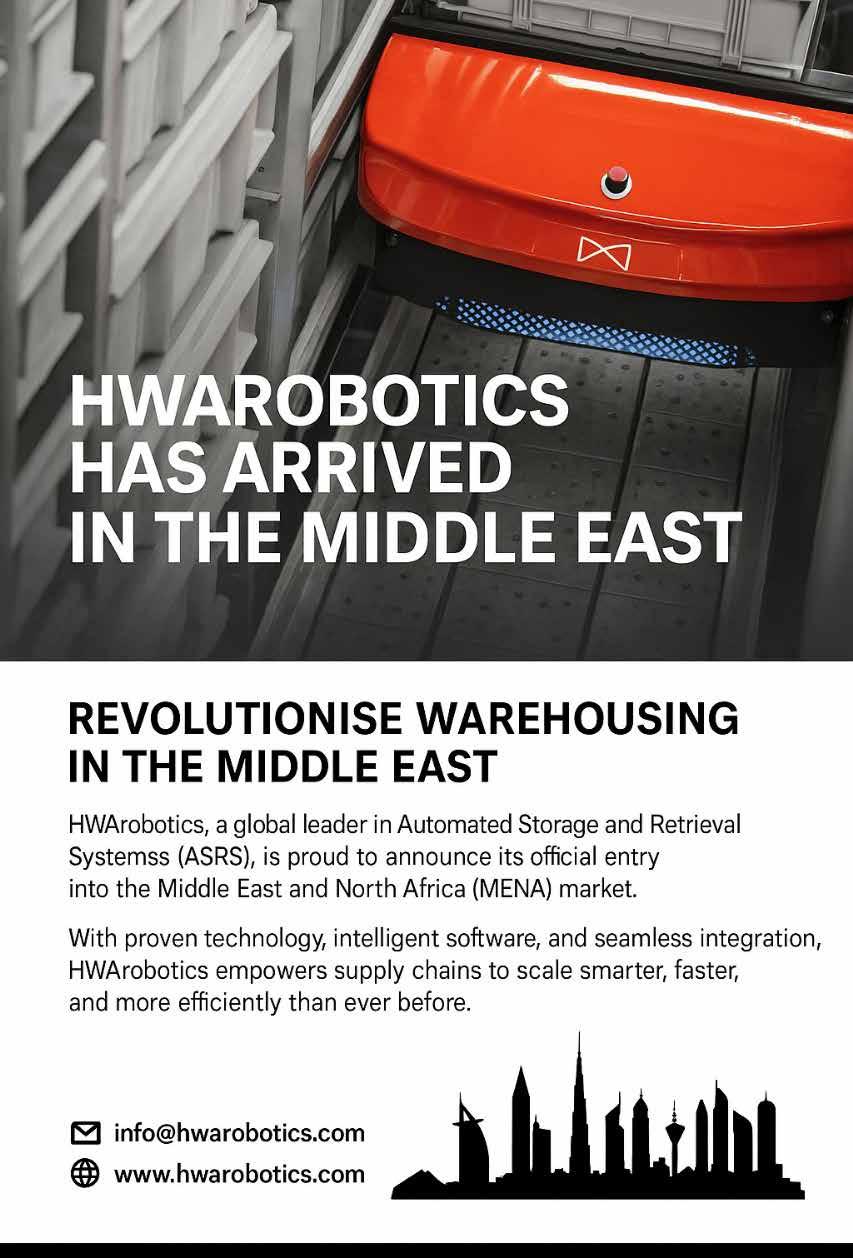
Why clients rely on air charter brokers: Expertise beyond the flight

Charter aviation is often chosen for reasons such as privacy, timesaving, and luxury – not only when scheduled travel becomes impractical.
In these moments, clients are not simply booking an aircraft; they are seeking confidence that every aspect of the journey will be handled correctly from the outset.
For many organisations across both established and emerging markets- where clients increasingly recognise the value
brokers provide – the solution lies not in dealing directly with a single provider, but in working with an experienced air charter broker. Brokers play a critical, though often unseen, role by coordinating the entire journey and ensuring that every element of a charter flight stands up to operational and regulatory scrutiny.
“Charter aviation is about far more than flying from A to B,” says Claudia Krajhanzl, Vice President of Passenger Charters for
IMEA at Chapman Freeborn. “It requires a deep understanding of regulations, operational realities, and risk management, and passenger safety, especially when flights involve multiple jurisdictions or time critical missions.”
Navigating complexity in the charter journey
While charter flights can appear straightforward from the outside, each
mission is built on a complex framework of approvals and decisions. Aircraft availability must align with route permissions, crew duty limitations, airport capabilities, insurance coverage, and local operating rules – many of which vary significantly from one country to another.
Air charter brokers exist to manage this complexity on behalf of the client. Acting as an independent coordinator, brokers translate a client’s requirements into a viable flight solution, identify suitable operators and aircraft, and oversee the process from initial planning through to completion.
“Our role is to look beyond availability and price,” Krajhanzl explains. “We assess whether a solution is operationally realistic, compliant with local regulations, and appropriate for the specific mission. That oversight is what helps prevent issues later on.”
Compliance as a foundation, not a formality
One of the key areas where established brokers differentiate themselves is compliance. In charter aviation, compliance is not a box ticking exercise – it is the foundation that protects clients, operators, and passengers alike.
Before a flight is confirmed, brokers carry out thorough due diligence on potential operators. This typically includes verifying Air Operator Certificates (AOCs), reviewing insurance coverage, assessing operational approvals, assessing the airline’s financial stability, and confirming that flights will be conducted under the correct commercial framework. In regions where regulatory oversight may be inconsistent or evolving, this process becomes even more critical.
“Regulated charter operations require constant attention to detail,” says Krajhanzl. “Experienced brokers understand how regulations are applied in practice, not just in theory, and ensure that every flight is set up correctly from the outset.”
This structured approach helps clients avoid risks associated with non compliant or improperly authorised flights – risks that can arise when working with newly established or unregulated intermediaries. Rather than promoting shortcuts, brokers provide stability and accountability in an industry where the consequences of oversight can be significant.
“Charter aviation is about far more than flying from A to B. “It requires a deep understanding of regulations, operational realities, and risk management, and passenger safety, especially when flights involve multiple jurisdictions or time critical missions.”
Claudia Krajhanzl
Vice President
of Passenger Charters for IMEA at Chapman Freeborn
Value beyond the headline price
Price is often the most visible element of a charter discussion, but it represents only part of the value an experienced broker brings. Access, flexibility, and informed guidance often prove far more important over the course of a mission.
Brokers maintain extensive global networks of operators and aircraft types, enabling them to source practical solutions quickly and adapt when circumstances change. If an aircraft becomes unavailable due to maintenance, brokers can draw on alternative options without disrupting the wider operation.
Equally important is advisory support. Brokers help clients understand trade offs between aircraft types, routes, and timelines, ensuring expectations are aligned with operational realities.
“A well planned charter is rarely transactional,” Krajhanzl notes. “Clients benefit most when they have a partner who can explain the options clearly and guide decisions based on experience, not assumptions.”
Supporting operators through coordination
Brokers and operators are not competitors within the charter ecosystem – they play complementary roles. Operators provide the aircraft, crews, and technical expertise required to conduct flights safely and efficiently. Brokers, in turn, support operators by delivering demand, managing client communication, and coordinating the broader framework around each flight,
while applying their own technical expertise – including deep aviation knowledge, regulatory understanding, and operational coordination – to ensure each solution is robust, compliant, and operationally sound. By acting as a single point of contact, brokers help ensure that information flows smoothly between clients, operators, ground handlers, fuel suppliers, and where required, relevant authorities. This coordination is particularly valuable for multi sector flights or destinations with limited infrastructure.
“When expectations, constraints, and responsibilities are clear from the beginning, operations tend to run far more smoothly,” says Krajhanzl. “That clarity benefits everyone involved.”
Rethinking the role of the broker
In some markets, brokers are still perceived as intermediaries focused primarily on margin. In reality, their long term value lies in expertise, continuity, and trust.
Established brokers invest in compliance processes, market intelligence, and long term relationships with both clients and operators. Their value often becomes most apparent when circumstances change or challenges arise – moments when experience, adaptability, and problem solving are essential.
“Ultimately, a broker’s role is about accountability,” Krajhanzl concludes. “Clients rely on us to deliver compliant, reliable solutions, particularly in complex markets. That long term commitment is what builds confidence and lasting partnerships in charter aviation.”
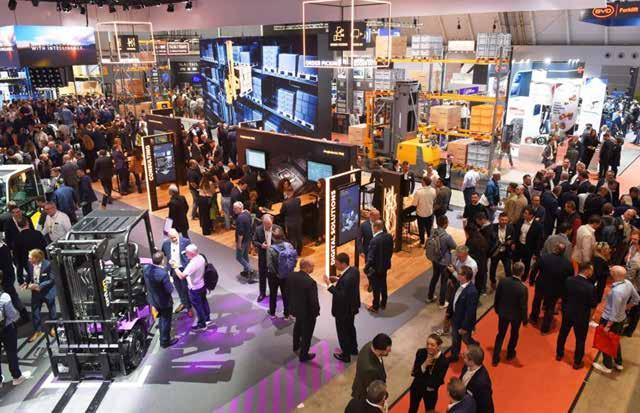
LogiMAT 2026 sees record number of visitors and exhibitors
Arecord number of exhibitors and visitors attended this year’s LogiMAT event in Stuttgart recently where there were more than 120 product launches for both the global or European markets.
With the theme of “Passion for difference - discover the details”, LogiMAT 2026 covered 68,969sqm of exhibition space across the 10 fully-booked halls at the Messe Stuttgart convention centre, organisers EUROEXPO explain.
There were 1,671 exhibitors from 46
countries, with 296 of these presenting at the event for the first time. The percentage of exhibitors from outside of Germany increased to 37% (up from 35.9% in 2025).
The number of visitors across the three days was 69,856; an increase of 4,137 on 2025 and higher than the previous record of 67,420 in 2024.
Materials handling and warehouse technology were the leading product groups exhibited (38.2%) at the event, according to exhibitor responses, with software for simulation, warehousing systems, and
inventory management second (37.1%). Industrial trucks and accessories were third in product groups (34.8%); information and communications technology (30.2%) was fourth; and automated guided vehicles and autonomous mobile robots (28.2%) rounded out the top five.
“Given the challenging economic conditions around the world, we didn’t dare hope that LogiMAT 2026 would scale new heights across the board,” says exhibition director Michael Ruchty.
“It seems that the market has come to realise the wisdom of investing counter-cyclically during times of crisis, and LogiMAT has always offered a comprehensive overview of the latest innovations and state-of-the-art solutions.
“Given the show’s status as a bellwether of trends and the industry as a whole, these new record figures serve as a testament to the industry’s resilience and a vote of confidence in difficult times.”
Organisers EUROEXPO state humanoid robotics continues to be one of the emerging trends of the event, with “several exhibitors show[ing] off their initial developments not only as eye-catchers but also in intralogistics settings”, while Fraunhofer IML presented a recent study on humanoid robotics.
ZPMC receives large order from Sri Lankan port group
Sri Lanka’s Hambantota International Port Group (HIPG) has signed a deal worth USD108 million for new container handling equipment under the first stage of the port’s phase two container terminal development.
Under the deal, HIPG will acquire 16 rubber-tyre gantry cranes, 40 trailers and six quay cranes from Chinese materials handling equipment maker, Shanghai Zhenhua Heavy Industries (ZPMC).
The agreement marks a major expansion of HIPG’s container terminal capacity “amid growing demand for alternative logistics hubs as global shipping patterns continue to shift, particularly due to geo-political tensions in the Middle East”.
Hambantota International Port is 10 nautical miles from the main East–West shipping route, positioning it, HIPG states, as a reliable and efficient option for shipping
lines seeking minimal deviation and operational stability.
H E Qi Zhenhong, Ambassador of the People’s Republic of China to Sri Lanka, says the agreement “marks another important achievement in deepening bilateral cooperation in the port sector and advancing high-quality belt and road cooperation”.
The port recorded strong growth for 2025, handling 8.24 million tonnes of cargo, up from 3 million in 2024.
Sri Lankan Minister of Ports and Shipping, Anura Karunathilaka, says the agreement strengthens co-operations between Sri Lanka and China while reinforcing Hambantota Port as “a flagship example of mutually beneficial partnership”.
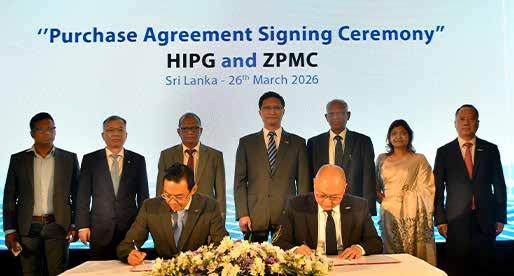
Our SynQ software delivers data-driven intelligence that empowers your business by synchronizing the performance of your people, processes and machines. The result is a level of efficiency and performance you never thought possible.
swisslog.com
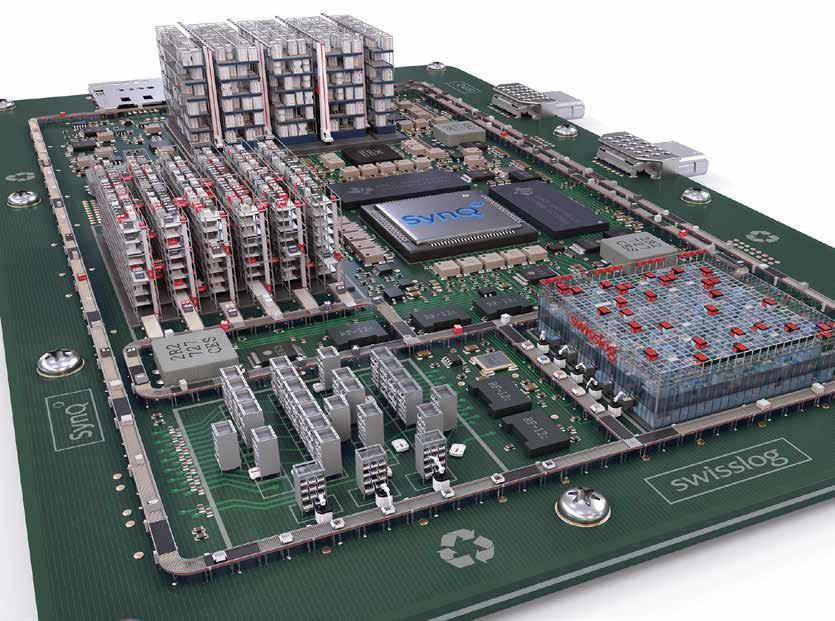
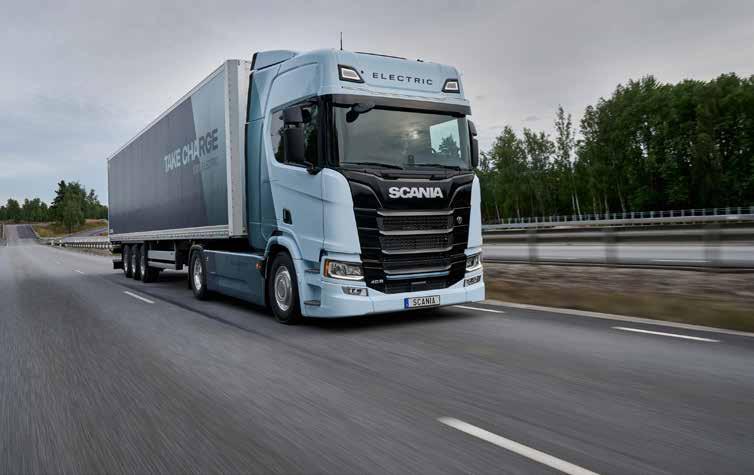
Scania expands Services 360 portfolio to include electric and used vehicles
Introduction of dedicated offering for new electric trucks covers whole range of needs including batteries, while different levels of repair, maintenance and productivity coverage are now available for second-hand combustion engine vehicles.
Scania’s successful Services 360 portfolio is expanding, to take in both electric and used vehicles.
The extension of the hugely popular service offering reflects the continuing growth in sales for both new battery-electric vehicles and used combustion engine trucks, and underlines Scania’s commitment to customer profitability for all types of businesses.
Services 360, which was first introduced in 2024, is based on a foundation of smart Flexible Maintenance planning and a suite of digital tools and services. It offers a range of different packages that are tailored to all types of operations, no matter the size or scale of fleet or type of powertrains.
Now, Scania has made Services 360 available for customers with used vehicles. In recognition of this more price-sensitive segment, used vehicle customers can choose from four different packages – Core, Plus, Full and Pro – which offer varying levels of service and maintenance: from the basic Fleet Maintenance and digital monitoring in Core through to the additional Proactive

and Powertrain repairs that come with the Pro package.
Customers who own battery-electric vehicles can access the Full package of Services 360. “We want our batteryelectric truck customers to only focus on maximising the use of their vehicles,” explains Lars Gustafsson, Senior Vice President and Head of Trucks at Scania.
“By offering a single service level –Full – we ensure that every repair, every interaction between systems and every unexpected issue is handled and covered by Scania, giving our electric truck customers all the support they need.”
The expansion of Services 360 comes as Scania continues to make a competitive and customised offering available to more customers.
“We pride ourselves in being close to our customers’ pain points, and extending Services 360 is a way to reach even more transport operators and cover the full ecosystem of needs around their business,” says Gustafsson.
“No matter the type of powertrain, operation or business sector, the underlying goal of Services 360 is to support the customer and make them more profitable and sustainable for the long term.”
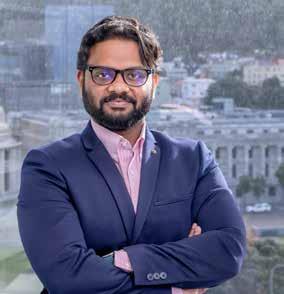
By Dr Lijo John, Assistant Professor, Logistics and Supply Chain at Heriot-Watt University Dubai.
The global supply chain has emerged as the strategic centrepiece of enterprise competitiveness, shaped by geopolitical volatility, digital disruption, and an accelerating imperative for environmental accountability. For practitioners navigating this landscape in 2026 and beyond, the central challenge is not merely adopting new technology, but cultivating organisational intelligence to deploy it meaningfully, at scale, and with purpose.
Artificial Intelligence: From automation to augmentation
Artificial intelligence has crossed a decisive threshold in supply chain management. What began as a tool for automating repetitive processes has evolved into a sophisticated decision-support architecture, capable of processing thousands of variables simultaneously to optimise inventory positioning, demand forecasting, and route planning in real time.
The frontier, however, lies in what industry practitioners are calling “agentic” AI, an autonomous system capable of independently orchestrating routine operational decisions, freeing supply chain professionals to focus on strategic and exception-based judgment. Complementing this, Autonomous Mobile Robots (AMRs) are addressing persistent labour market constraints in warehousing, with some deployments reporting picking efficiency gains of up to 300% . By 2030, fully autonomous warehouses and selfoptimising fulfilment networks are expected to become an operational baseline rather than a differentiator.
From pipelines to ecosystems:
How intelligence, resilience, and responsibility are redefining supply chain strategy
Resilience by design
The disruptions of recent years have fundamentally discredited the Just-inTime paradigm as a universal doctrine. In its place, leading organisations are embracing “Just-in-Case” logic, investing in buffer capacity, supplier diversification, and nearshoring strategies to reduce exposure to geopolitical risk. Yet resilience without visibility is illusory. True operational robustness demands transparency not merely at the first tier, but across the entire supply web, including second- and thirdtier partners whose vulnerabilities can propagate rapidly upstream.
Digital twins and supply chain control towers are the enabling technologies for this ambition. A digital twin offers a virtual replica of the entire supply network, allowing managers to simulate the consequences of port shutdowns, supplier failures, or demand shocks before they materialise, without deploying real capital. Control towers, meanwhile, integrate disparate data streams into a unified operational picture, dissolving the informational silos that historically separated procurement, logistics, and finance. Together, they constitute the infrastructure of proactive rather than reactive supply chain management.
Sustainability: Competitive imperative, not compliance checkbox
Sustainability has matured from a reputational consideration to a structural business requirement. Regulatory pressure from carbon disclosure mandates to forced labour legislation is making audit-ready ESG data a prerequisite for operational continuity. Progressive organisations are going further still, repositioning their supply chains as responsible chains built around the principles of reduce, reuse, and recycle. While IoT-enabled cold chain monitoring is already delivering tangible results, the next frontier involves AI-driven container optimisation to
reduce emissions, electrification of last-mile fleets, and the emergence of circular supply models in which returns, refurbishment, and remanufacturing are embedded as standard operational flows.
Human dimension: capability at the core
Technology does not transform organisations, people do. Despite the pace of digital investment, a significant capability gap persists in the supply chain profession. Technical tool proficiency is increasingly common; what remains scarce is the capacity for critical problem-solving, strategic synthesis, and cross-functional leadership. The supply chain professional of 2026 and beyond must command not only the operational fundamentals but also an expanding portfolio that includes cybersecurity awareness, geopolitical risk assessment, and sustainability governance. Organisations that invest structurally in professional development, through certification pathways, experiential learning, and coaching, consistently outperform those treating talent as a variable cost. In a world where technology is rapidly commoditised, human judgment is the enduring competitive moat.
Toward the intelligent supply ecosystem
By 2030, the linear supply chain will be largely a relic. In its place will stand an intelligent, interconnected digital mesh, a network in which physical flows and digital intelligence are inseparable, and where the capacity to sense, adapt, and anticipate is built into the operational fabric. The organisations that will lead in this environment are those investing today in the convergence of AI-driven insight, radical network transparency, genuine sustainability, and the human capability to translate data into decisions. Supply chain excellence is no longer a functional aspiration. It is a strategic obligation.
n Aerios, a leading developer of software solutions for the air cargo charter industry and a member of CargoTech, announced a new partnership with Berry Aviation, a US-based company operating on-demand domestic cargo services for the automotive market. With the implementation of Aerios’ Carrier App, Berry has replaced legacy technology and significantly improved its quoting speed, accuracy, and operational visibility.
Air cargo charter remains highly reliant on legacy systems and manual workflows, which can create bottlenecks and introduce manual errors, particularly in fast-moving domestic markets where response time directly impacts revenue. By replacing a legacy system with Aerios’ Carrier App, Berry Aviation has seen a dramatic improvement in response times to client requests, as well as improved workload efficiency.
With a fleet of 9 Embraer EMB 120 Brasilia cargo aircraft, the company implemented Aerios’ system to modernise its quoting and commercial functions, replacing a system developed in the early 2000s. Generating quotations from the previous platform was time-consuming, with lengthy manual
Aerios announces Berry Aviation as its next customer for the Carrier App
calculations and limited access to historical data and quotations.
The new system sits directly within Berry Aviation’s charter sales workflow and enables its team to generate quotes significantly faster, reducing response times and increasing customer satisfaction – all crucial elements of working in time-critical environments such as the automotive market. The system also introduces structured data tracking and reporting, allowing management to instantly access insights, including top customers by revenue, conversion rates, and key routes and pricing metrics. This replaces previously manual, time-intensive reporting processes.
Since the introduction of Aerios’ Carrier App, Berry Aviation has seen measurable performance improvements:
Quote response times have been reduced by more than half, from 5–6 minutes to
Dubai South announces support package aligned with UAE economic stability efforts
n The initiative delivers financial relief and flexibility, reinforcing Dubai South’s commitment to a resilient business ecosystem
Dubai South, the largest urban master development focused on aviation, logistics, and real estate, has announced a flexible and support package for its SME community at the Business Park, aimed at supporting its growing base of businesses. The initiative aligns with the government’s ongoing commitment to safeguarding economic stability and enabling businesses across the emirate.
The package introduces a range of measures aimed at providing immediate financial flexibility while strengthening long-term tenant relationships. These include rent-free incentives linked to contract renewals, enhanced flexibility on payment deferrals, and the waiver of minor administrative penalties. Additionally, current rental rates will be maintained for eligible renewals during this period.
around 2 minutes
Duplicate quote requests can now be generated in seconds, compared to several minutes previously
Key pricing metrics are surfaced at the point of quotation, enabling team members to tailor each quote more effectively
“Aerios is honestly a game-changer,” said Chris Alexander, Cargo Sales and Flight Control at Berry Aviation. “We are in the early stages, and it has already reduced the time it takes to provide our customers with quotes by 50%. It is so efficient and easy to use, and the best part is the fact that it can easily be customized to fit our needs.”
In the highly competitive US on-demand market, where speed and consistency determine win rates, the use of Aerios’ Carrier App by both GTA Air and now Berry Aviation signals a broader shift towards modernisation for the market.
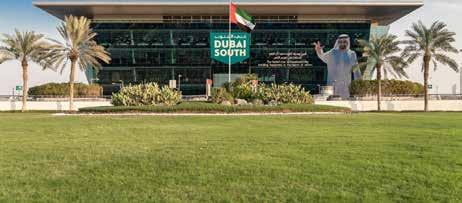
This step reflects Dubai South’s continued focus on enabling a resilient and businessfriendly environment, particularly for SMEs that play a critical role in driving economic growth and innovation across Dubai. The measures will be evaluated and refined on an ongoing basis to ensure continued alignment with evolving market dynamics.
Commenting on the initiative, Nabil Al Kindi, Group CEO of Dubai South, said: “SMEs are at the heart of Dubai’s economic fabric, and supporting their continuity and growth remains a priority. This initiative reflects our commitment to enabling our
business community by providing practical and timely support, while reinforcing a stable environment for long-term success. At Dubai South, we remain focused on delivering value-driven solutions that align with the vision of our wise leadership to sustain economic momentum and further strengthen Dubai’s competitive business landscape.”
Dubai South Business Park continues to attract a diverse range of companies, offering a purpose-built ecosystem with flexible office solutions, integrated services, and a strategic location that enables business growth.
AD Ports Group explores investment in key Romania port
n AD Ports Group, a leading global enabler of trade, industry and logistics solutions, has signed a framework agreement with the National Company Maritime Ports Administration, the administrator of the Port of Constanța in Romania, to explore strategic investment and development opportunities in the Black Sea’s largest port.
The agreement establishes a platform for collaboration across areas of mutual interest, including greenfield and brownfield port development, deployment of advanced digital solutions, and the advancement of sustainability-driven initiatives centred on renewable energy adoption, efficient waste management and emissions reduction, reinforcing long-term resilience and responsible growth.
Captain Mohamed Juma Al Shamisi, Managing Director and Group CEO of AD Ports Group, said: “This agreement provides a framework for dialogue and cooperation with the Port of Constanța, one of the most strategically significant maritime hubs in the Black Sea region. Guided by the vision of our
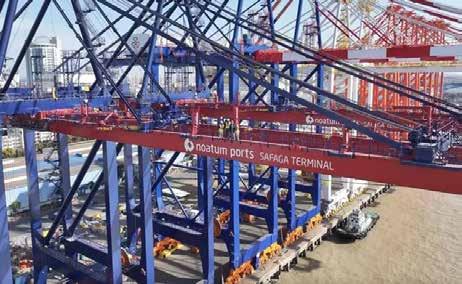
wise leadership in the UAE, we look forward to exploring opportunities that further strengthen the Group’s presence along the Middle Corridor, while supporting our Romanian partners in unlocking sustainable economic growth through enhanced connectivity and trade.’’
Located at the eastern edge of Europe, the Port of Constanța is a major trade gateway on the Black Sea and one of the largest ports in Europe. In 2025, it handled 88 million tonnes of liquid, dry, and general cargo, in addition to 1 million TEUs containers approximately.
Shipment of Austrian timber and its longer new route to Qatar
n Until the Iran war, shipments of Austrian spruce timber to Qatar, where the wood is used to support concrete and make basic frames on construction sites, were a matter of routine.
The standard 2x4, as it is known in the building trade, was typically sourced from Austria in Europe, shipped to Dubai’s Jebel Ali port, transferred to a feeder vessel and delivered to Qatar’s Hamad Port in about 45 days.
It must now be offloaded, trucked overland and reloaded onto new ships, adding thousands of dollars in costs and months to delivery times, as the effective closure of the Strait of Hormuz has caused unprecedented disruption to oil and other trade.
Anything from medicine to basic foodstuff and the 2x4 beams of spruce, referred to as white wood, are caught in the upheaval.
The two-inch (5 cm) by four-inch beams of white wood that come in various lengths are not a strategic resource, but
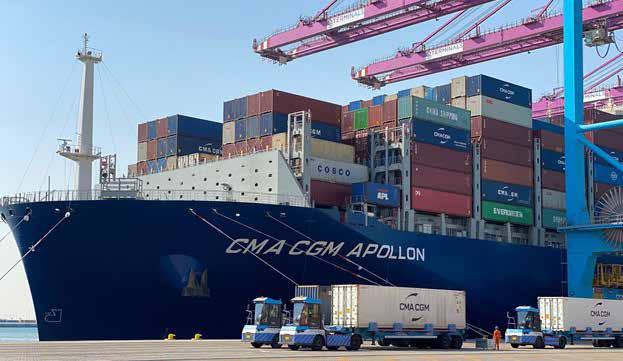
any shortage would slow activity in the construction sector and drive-up costs.
A building materials supplier in Qatar, who shared details with Reuters on condition of anonymity, said that when the U.S.-Israeli airstrikes were launched on Iran on February 28, unleashing a new phase of Middle Eastern conflict, he had 17 containers of white wood on their way.
Each container holds around 2,850 beams of Austrian spruce, worth about 15,000 euros ($17,702).
The cargo left the Croatian port of Rijeka as planned, but instead of sailing to Jebel Ali, was diverted to Khor Fakkan on the UAE’s east coast, avoiding a transit of the Strait of Hormuz that would have been required to reach Jebel Ali.
Quito strengthens its financial foundation with apollo to accelerate global air cargo development
n Quito Group, an international air cargo and logistics company bringing together ECS Group, Global GSA Group, CargoTech, TCE, Mail & More, Healthc’Air and Squair, has successfully completed the refinancing of its €250 million debt while securing a new €70 million investment facility to support the next phase of its development.
From the outset, this operation, carried out with Apollo, reinforces the Group’s financial structure and provides additional flexibility to accelerate strategic projects across its global activities. The transaction reflects continued investor confidence in Quito’s diversified model and long-term growth trajectory.
A strengthened ecosystem across the cargo value chain
Quito has progressively built a unique ecosystem spanning the full spectrum of air cargo expertise. Within the Group, ECS Group, the world’s leading GSSA network, together with Global GSA Group, provides global commercial reach and market development for airlines. These capabilities are complemented by CargoTech, which

n Royal Air Maroc’s cold storage facilities are undergoing renovation after 13 years of service, as well as an expansion of capabilities
Royal Air Maroc Cargo is carrying out extensive renovation and expansion work at its temperature-controlled facilities at Casablanca Mohammed V International Airport (CMN). Once completed, the cargo arm of the nation’s airline will have access to a total of five cold chambers at its main hub. Three import and two export chambers with a combined area of 590 m², will provide different cold storage
develops digital solutions and platforms for the cargo industry, TCE (Total Cargo Expertise), which supports airlines with Total Cargo Management capabilities, Mail & More and Healthc’Air for specialized cargo segments, and Squair for administrative and support services.
This integrated structure enables Quito to combine commercial execution, operational excellence, digital innovation and specialized expertise, creating a coordinated platform capable of supporting airlines and logistics partners across increasingly complex global supply chains.
New investment capacity to support strategic expansion
The new investment facility will allow Quito to pursue initiatives designed to strengthen its long-term competitiveness. Planned investments include infrastructure upgrades, digitalisation projects, operational capabilities and the development of specialized logistics services responding to evolving market needs.
“By reinforcing our financial base, we are giving Quito the means to accelerate the
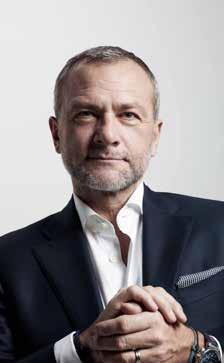
projects that will shape the next stage of our development,” said Adrien Thominet, Chairman of Quito Group. “Our ambition is to continue strengthening the ecosystem we have built, combining commercial reach, technological innovation and operational expertise to support airlines and logistics partners worldwide.”
Royal Air Maroc Cargo meets growing cool chain demand with enhanced facilities
temperatures to cater to the requirements of the region’s large perishables (fresh produce and flowers) industry and growing pharmaceuticals demand.
“Three key factors led to our substantial investment in upgrading the cold storage facilities at Casablanca Airport,” says Mrs Rita Chraibi, VP Cargo at Royal Air Maroc. “Firstly, temperature-controlled facilities should be renovated at least every 15 years. Secondly, our strategic fleet expansion is already seeing a steady increase in volumes through our main hub, and thirdly, we are registering fast logistics growth in pharmaceuticals in Morocco and Africa due to improving healthcare infrastructures and rising demand – a trend which will continue for years to come.”
“Our facilities were new when we moved into them in 2012 and have since successfully undergone many regular maintenance and system calibration checks,” explains M.
Hicham Kharbach, Head of Cargo Operations at Royal Air Maroc. “Yet, it is clear that Royal Air Maroc Cargo needs more and larger storage chambers to continue providing seamless, top-quality service as volumes grow. And as equipment and technology has developed since then, we stand to benefit from improved energy efficiency in our temperature-controlled warehouses, which will soon be alimented by solar energy.”
The new layout, which has grown from an initial four to now five chambers, includes:
• A 2°–8°C import chamber with an area of 240 m²
• A 15°–25°C import chamber with an area of 85 m²
• A negative (Frozen) import chamber with an area of 25 m²
• A 2°–8°C export chamber with an area of 140 m²
• A 15°–25°C export chamber with an area of 100 m²
Relief, but no reset: Blue Yonder comments on MENAT supply chains
n Yahyah Pandor, VP & GM — MENAT, Blue Yonder:
“With the ceasefire now into its second week, there are tentative signs that some immediate pressure on regional and global supply chains may begin to ease. However, backlogs, elevated freight costs, infrastructure disruption, and persistent risk premiums mean any recovery is likely to remain gradual and uneven.
This gives businesses some operational breathing room, but not a return to stability. For shippers, manufacturers, and consumerfacing businesses, the near-term challenge remains managing cost volatility, delays, and planning complexity across supply chains.
Any easing in pricing pressure is therefore likely to move through supply chains slowly rather than all at once.
Companies across MENAT should continue treating this period as a window to strengthen resilience while protecting critical flows, diversifying routing options where possible, and improving their ability to sense and respond to disruption in real time. Resilience optimisation, not just cost optimization, is now critical. Organizations that leverage scenario planning, real-time visibility, and stronger cross-network coordination will be better positioned to respond effectively if volatility persists.”
Cainiao unveils ZeeBot Climbing Robot, doubling storage and retrieval productivity
n Cainiao, a global provider of e-commerce logistics and logistics technology, announced the launch of ZeeBot, its first self-developed rack-climbing warehouse robot, at MODEX 2026 in Atlanta. Cainiao also confirmed that its first warehouse project powered by ZeeBot has been delivered and is now operating in Guangdong, China. Field results show the solution increases storage and retrieval productivity by 100%, with ZeeBot able to climb to the height of a five-level rack in as little as 10 seconds.
The debut marks a milestone in Cainiao’s in-house development of core logistics technology and highlights the industry’s shift from software-enabled, point automation toward AI-driven, end-to-end intelligent operations.
Purpose-built for warehouse environments, ZeeBot is designed to solve a common limitation in automated facilities: horizontal movement and vertical storage are often handled by separate systems, and the handoffs between them can restrict throughput. ZeeBot combines both functions in a single robot. It travels quickly through ultra-narrow aisles on the warehouse floor, then climbs racking to retrieve and put away totes. Coordinated through fleet-level scheduling, the system increases storage density and improves overall flow. It also delivers system-level flexibility—robots are not tied to a fixed aisle and can be dispatched in parallel to

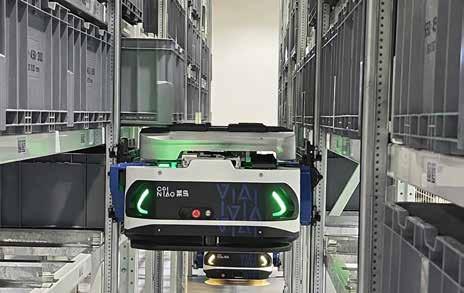
wherever capacity is needed.
“Logistics workflows are long and complex. Traditional automation can deliver major efficiency gains at individual steps, but the end-to-end process is often fragmented, leaving gaps in the automated flow,” said Bi Jianghua, Vice President of Cainiao Group and General Manager of Logistics Technology. “As a key product designed to connect multiple operational links, ZeeBot will help warehouses move beyond point automation to a new phase of AI-scheduled, end-to-end multi-robot collaboration.”
Compared with other automated warehouses, ZeeBot-enabled sites deliver clear advantages: robots can travel at speeds of up to 4 meters per second on the floor and climb to racking up to five stories high in as little as 10 seconds. The solution also increases storage density, improving space utilisation by 40%.
With a modular design that speeds up deployment, it gives warehouses greater flexibility to scale capacity as volumes grow or demand changes.
ZeeBot is now commercially available. More than 100 units are already operating in a crossborder logistics warehouse in Dongguan, Guangdong, supporting a leading global cross-border e-commerce platform.
As one of the world’s largest e-commerce logistics providers, Cainiao operates a global network that provides large-scale, real-world scenarios to test and validate new logistics technologies—speeding up iteration and strengthening reliability in production environments. Building on deployments already underway in China, ZeeBot will next be rolled out to Cainiao’s warehouses in Europe and North America, bringing this proven solution to more customers worldwide.
ACS helps get 36 huskies to sled race start line in Alaska
n Last month, leading aircraft charter specialist, Air Charter Service, helped with the transportation of 36 huskies, along with their handlers, from Oslo, Norway to Anchorage in Alaska, USA to take part in the Iditarod sled race across the state. Dan Morgan-Evans, Group Cargo Director at ACS, commented: “We were approached by a group of Norwegian competitors taking part in Iditarod – ‘The Last Great Race’, a 1,000mile, 10-day, sled race from Anchorage to Nome in Alaska. “Flying so many dogs involved a number of obstacles, including finding an airline that was happy to perform the flight, and that could fly directly without a fuel stop, in order to prevent any added time that the huskies would have to spend in transit. We identified a Boeing B757200F as the ideal aircraft – the payload was less than two tons, as it was just the dogs and their equipment, including dog food, vitamins, harnesses, and camping gear.
“The next challenge was to arrange for the handling agent in Oslo to bring in extra staff, securing an outdoor space for the dogs to stretch their legs before the flight, and ensuring we had all the correct health
UAE-Azerbaijan enter CEPA deal
n The Comprehensive Economic Partnership Agreement (CEPA) between the United Arab Emirates and the Republic of Azerbaijan has officially entered into force, marking a significant advancement in the economic ties between the two nations.
The agreement will accelerate bilateral trade flows, create new opportunities for investments and joint-ventures, and create a raft of opportunities for the UAE’s business community in a high-potential economy in a strategically important region.
By eliminating or reducing tariffs on a majority of goods and services, the CEPA will facilitate greater market access and global reach for exporters in both nations, enhance private-sector collaboration and empower entrepreneurs and SMEs.
Importantly, this is Azerbaijan’s first trade agreement to include a services chapter, and the provisions of the agreement are
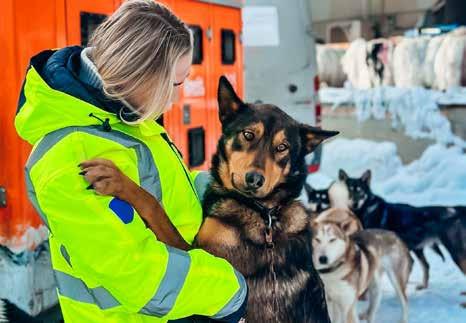
documents to operate (36 passports, 36 rabies certificates, 36 health certificates, and 36 CDC Permits for the US customs). “One of our cargo team flew with the aircraft, the dog handlers and the huskies, to ensure everything went smoothly at both ends –we had secured airside access in Anchorage,
so that the dog handlers could drive up to the aircraft and load the dogs for their short onward journey. “Following the successful race, the dogs flew to Seattle on another charter, this time on a McDonnell Douglas MD-83F, before picking up their ride back to Europe on a scheduled flight.”

expected to create significant opportunities in sectors such as finance, consulting, construction, and professional services.
Dr. Thani bin Ahmed Al Zeyoudi, Minister of Foreign Trade, said, “The UAE-Azerbaijan CEPA marks a transformative moment in bilateral ties, and promises to enhance trade flows, unlock new investment opportunities, and foster increased private sector collaboration across key sectors, particularly in logistics, renewable energy, and advanced manufacturing.”
“Azerbaijan is located at a crucial juncture in North-South trade, and by integrating our economic visions, we can ensure increased resilience and sustainable growth in a rapidly changing global market,” he added.
The UAE is Azerbaijan’s largest Arab trading partner, accounting for 40 percent of its trade with the MENA region. As the leading Arab investor in Azerbaijan, with investments exceeding US$1 billion, the potential for further economic collaboration is substantial.
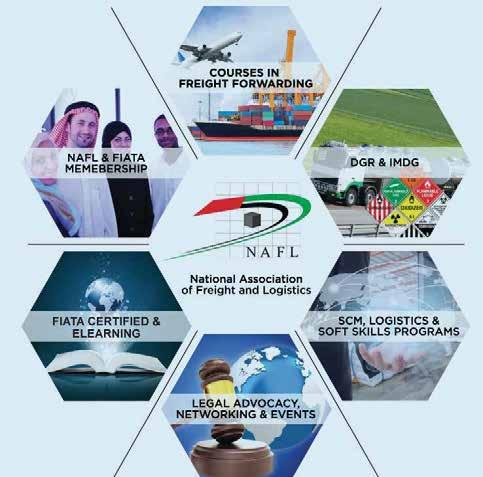
International Benefits:
+ The FIATA member certificate
+ Use of the Fiata logo
+ Entr y in the FIATA members directory & networking events
+ Advertising in the FIATA members directory, review and information (FIATA e-Flash)
+ Special Rates for FIATA publication and articles
+ Access to secretariat›s assistance
+ FIATA arbitration code
+ Use of FIATA documents
+ FIATA worldwide member connectivity
+ Talent Connect Worldwide, E-Learning


+ Discountes rates in participating in global and regional conferences
+ Asssistance in case of legal advocacy
+ Discounts for cargo/logistic events and exhibition stands
+ Discount training for NAFL members
+ Training/Certification for regional/international courses
+ Insurance at discounted rates (cargo/liability/medical)
+ Complimentary internship, Skill upgrade and Mentoring & Innovation ideas
+ Discounted supplier rates for industry products

Oman taps Africa’s supply chains with Botswana energy, mining deals

n Oman has expanded its strategic economic push into Africa through a set of agreements with Botswana covering solar power, fuel storage and mineral exploration, in a move that signals a broader shift in how the Sultanate of Oman is deploying sovereign-backed capital abroad.
The agreements, signed during Botswana President Duma Boko’s visit to Oman, bring together three Omani entities — OQ, OQ Alternative Energy and Minerals Development Oman (MDO) — and place Oman in sectors increasingly seen as central to Africa’s next phase of
growth: energy security, infrastructure and critical minerals. Reuters reported that the deals form part of Botswana’s own drive to diversify beyond diamonds, while Oman is also seeking to broaden its economy beyond oil.
Speaking to the Observer, a specialist in financial markets, urban planning and energy said the significance of the Botswana agreements lies not only in their commercial value, but in what they reveal about Oman’s wider investment posture.
“What we are seeing is a more active Omani role abroad”, he said. “This is no longer just about placing capital. It is about
building positions in strategic sectors that can generate long-term value, strengthen economic diplomacy and extend the reach of Omani operational expertise”.
The clean energy component is among the most prominent. Oman’s Foreign Ministry said OQ Alternative Energy signed a power purchase agreement with Botswana Power Corporation to develop a 500-megawatt solar photovoltaic plant in Maun, integrated with a battery energy storage system. The ministry said the project falls within a wider 3,000-megawatt cooperation framework agreed by the two countries in November 2025.
Digitalisation is key to Oman’s emergence as a logistics hub
n As the logistics sector in the Sultanate of Oman is witnessing continuous development to become one of the main pillars supporting domestic and foreign trade and enhancing the country’s competitiveness at the regional and international levels, the Directorate General of Customs plays a role in this field by developing customs procedures, adopting modern technologies, and raising the efficiency of human resources.
These measures ensure the speed and flexibility of the movement of goods while adhering to international standards for control, inspection, and protection of supply chains, and efforts embody the Sultanate of Oman’s
commitment to advancing the logistics sector in a way that serves the national economy and strengthens its role as an advanced trade and logistics centre.
They also confirm the ability of Omani Customs to keep pace with digital developments and innovation in providing customs services, in line with the requirements of modern global trade.
Digital transformation and enhancing customs efficiency
The efforts of the General Administration of Customs come within a comprehensive strategy to transform customs procedures and operations into an integrated electronic
system, at the forefront of which is the Bayan system.
This system connects 74 government entities and provides more than 490 electronic services to the business community, eliminating the need to visit customs ports.
The system includes pre-clearance services, electronic tax payment, clearance with bank guarantees, temporary import services, and goods splitting, in addition to a risk management system and the latest inspection equipment for detecting prohibited, counterfeit, and restricted goods. These measures have contributed to reducing customs clearance times and achieving record levels in performance indicators.


Kenco recognised partner of GreyOrange
n Kenco Recognized for Innovation and Impact with Inaugural Elite Partner of the Year Award from GreyOrange GreyOrange, a global leader in AIpowered multi-agent warehouse orchestration software, has awarded its inaugural Elite Partner of the Year award to leading third-party logistics (3PL) provider Kenco. The award recognizes Kenco’s commitment to co-innovation in customer deployments across a wide variety of market sectors. David Caines, Chief Operations Officer of Kenco, and Jason Minghini, Kenco’s Senior Vice President of Supply Chain, are both recognized for their strategic insight in uniting future-focused innovation with daily operations excellence. The partnership between Kenco and GreyOrange aims to scale warehouse automation and operational efficiency across Kenco’s facilities. Kenco has deployed GreyOrange’s multi-agent warehouse orchestration platform, GreyMatter, to synchronize people, processes, and robotic systems in complex and continuously
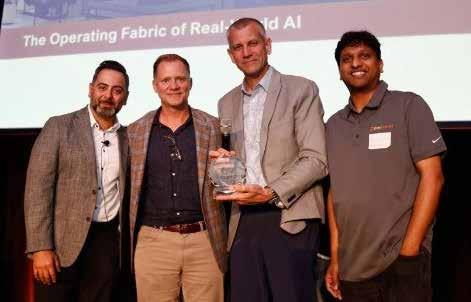
evolving distribution environments.
Beginning with the deployment of Ranger Intralogistics (RIL) robotic agents at one site in 2024, the initiative quickly met expected outcomes and expanded to new sites. With multiple sites having consistently met SLAs and operational KPIs for multiple
quarters, Kenco and GreyOrange made a commitment to deploy a multitude of robotic agents across 20 sites, with a further 50 sites being targeted. The scaled operation will encompass RIL as well as Rack-to-Person (RTP) robotic agents, all integrated with GreyMatter.
J&T Express Q1 parcel volume rises 26.2%, with Southeast Asia growth nearing 80% and other markets doubling
n J&T Express, a global logistics service provider, announced its business update and operating metrics for the first quarter ended March 31, 2026. During the reporting period, the Company’s total parcel volume reached 8.326 billion, up 26.2% year-on-year (“YoY”), with average daily parcel volume reaching 92.5 million. In particular, non-China parcels accounted for 35.1%, representing an increase of 4.3 percentage points on a quarter-on-quarter basis (“QoQ”). Overall business momentum remained strong, with particularly strong performance in Southeast Asia and other markets (excluding China and Southeast Asia). Operating metrics continued to improve, reflecting the Company’s ongoing expansion and solid operational execution across global markets.
As a leading express logistics provider in Southeast Asia, J&T Express maintained its strong growth momentum in the region in the first quarter. Parcel volume

in Southeast Asia rose 79.9% YoY to 2.768 billion, with average daily parcel volume reaching 30.8 million and peak daily volume exceeding 47 million. The strong growth reflected the Company’s continued gains in operating efficiency across the region, as well as deeper cooperation with major e-commerce platforms, rapidly growing market demand and peak-season business growth driven by the Ramadan shopping season. As of March 31, 2026, J&T continued to expand capacity in the region, with its line-haul vehicles in Southeast Asia
increasing to 6,200 vehicles and the number of automated sorting lines rising to 73 from 64, further improving processing efficiency.
In China, J&T Express adapted to industry changes by proactively adjusting its strategy and continued to improve network efficiency and client structure through refined management. In the first quarter, parcel volume in the market reached 5.404 billion, up 8.4% YoY, with average daily parcel volume of 60 million. Growth was close to the industry average and showed a recovery from the previous quarter.

Gallega Global Logistics launches 1 million sqft finished vehicles hub in Jafza to strengthen regional supply chain
n Gallega Global Logistics, a multi-sector integrated logistics service provider and a subsidiary of Ghassan Aboud Holding and EasyLease, announced the launch of a new 1 million square foot secure Finished Vehicles Hub in Jebel Ali Free Zone (Jafza), set to go live in May 2026. The facility is designed to support the growing demand for automotive storage and supply chain resilience across the region, with capacity for up to 6,500 vehicles.
Strategically located to serve regional and international trade flows, the hub offers a comprehensive, end-to-end solution for vehicle logistics. It is particularly suited for vehicles delayed at ports, in transit between cities, or requiring temporary storage before onward distribution.
The Hub features a light Pre-Delivery Inspection (PDI) setup, full CCTV monitoring, 24/7 on-ground security, and an advanced Yard Management System (YMS) that provides VIN-level inventory visibility. This ensures real-time tracking, operational transparency, and optimized hub utilization.
“Our investment in this facility reflects our commitment to growth and to building future-ready supply chain infrastructure,” said Sara Rachid, CEO of Gallega Global Logistics. “We are creating a centralized, secure, and technology-enabled environment that allows our clients to manage their automotive inventory with confidence and flexibility.”
“Our new JAFZA hub represents a major step forward in automotive logistics for the region,” added Kareem Bahgat, General Manager – Automotive Logistics at Gallega Global Logistics. “By combining advanced technology, secure storage, and integrated value-added services, we offer our clients a single, streamlined point of contact for managing vehicle flows. This not only improves efficiency but also provides peace of mind for all stakeholders across the supply chain.”
In addition to storage, the hub offers value-added services such as PDI (predispatch inspection), maintenance support, and loading and lashing of vehicles for container export.
This reduces the need for multiple touchpoints and minimizes significant additional investments by clients.
The hub is further supported by Gallega’s integrated fleet of car carriers and recovery vehicles, enabling seamless inbound and outbound vehicle movements under a single point of contact. This approach reduces complexity and enhances operational efficiency for customers.
Beyond automotive logistics, Gallega Global Logistics continues to expand its broader supply chain capabilities across multiple sectors. The company is actively developing alternative trade routes and cross-border solutions, connecting key regional hubs including Jeddah, Sohar, Salalah, and Aqaba. With smooth transportation links, Gallega is strengthening its ability to move assets efficiently across markets.
With cross-trade capabilities from anywhere to anywhere, Gallega Global Logistics is positioning itself as a flexible and reliable logistics partner for both automotive and non-automotive sectors.
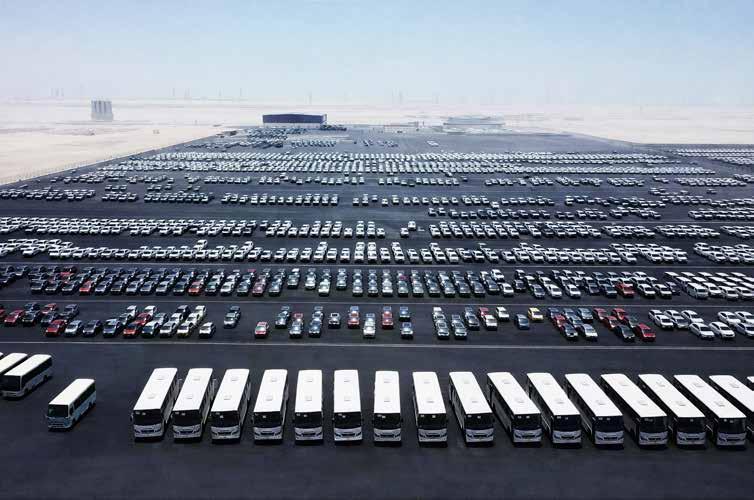
Savoye appoints Hakim Ramadan to lead Middle East expansion amid accelerating logistics growth
· Hakim Ramadan will lead Savoye Middle East’s regional operations and commercial development, while strengthening customer engagement and supporting the company’s growth across the region · The Middle East region’s logistics market is projected to grow at a CAGR of 7.9 per cent through 2028
n Savoye, a leading integrator of automated warehouse solutions and software publisher in the Middle East, has appointed Hakim Ramadan as General Manager of Savoye Middle East. In this role, he will lead Savoye’s regional operations and commercial strategy, with a focus on scaling automation-led intralogistics solutions and deepening customer partnerships across high-growth sectors.
The appointment comes at a pivotal time, as the company continues to experience strong momentum in the region, driven by a rising demand for advanced logistics and supply chain solutions. The Middle East region’s logistics market is projected to grow at a compound annual growth rate (CAGR) of 7.9 per cent through 2028, driven by increasing automation adoption, rapid eCommerce expansion, and significant regional infrastructure investments that are transforming supply chain efficiency.
Massimiliano Fochetti, Chief Sales Officer at Savoye, said: “The Middle East represents a key growth market for Savoye, and Hakim Ramadan’s appointment marks an important step in accelerating our expansion across the region. His proven track record in automation and intralogistics, combined with his deep understanding of regional market dynamics, will enable us to deliver greater value to our customers and further strengthen our leadership position.”
As General Manager of Savoye Middle East, Hakim Ramadan will focus on strengthening regional operations, supporting commercial development, and advancing tailored intralogistics solutions for customers navigating increasingly complex supply chain requirements. His appointment is expected to further reinforce Savoye’s regional leadership and customer responsiveness across the Middle East.
Hakim said: “I am pleased to join Savoye at an important time for the logistics and supply chain sector in the Middle East. The region continues to see growing demand for more agile, efficient and future-ready intralogistics operations, and I look forward to working closely with customers and partners to support that journey with practical, high-impact solutions.”
Hakim brings around three decades of experience in intralogistics, automation and business development. Prior to joining Savoye, he served as Director & Partner at Miebach Consulting in the UAE, where he focused on business development and subject matter expertise. Earlier in his career, he held senior leadership roles at Jungheinrich, including Managing Director of Jungheinrich Lift Truck Middle East and Regional Director for the Middle East & North Africa. He also served as Managing Director of BITO Storage Systems Middle East and Area Manager for the Middle East, North Africa and Turkey. Since expanding into the Middle East market in 2021, Savoye has established a growing footprint in the region by combining automation, software and packaging to deliver tailored intralogistics solutions. With Hakim Ramadan’s appointment, the company is wellpositioned to scale its presence, expand strategic partnerships, and play a leading role in shaping the future of automated intralogistics across the Middle East.
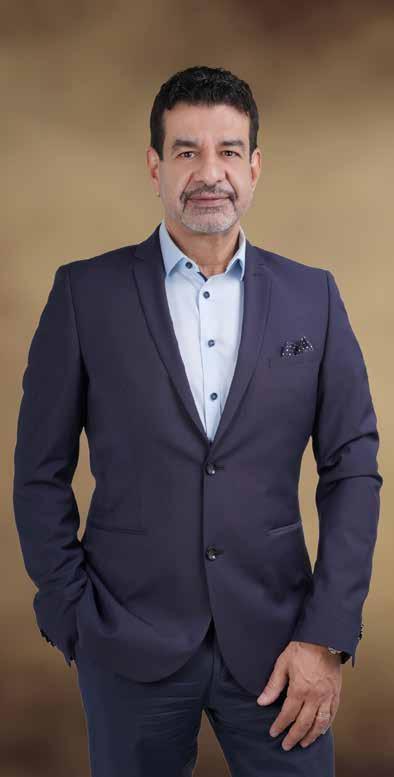
“Be ruthless about prioritisation”
Nivesh Chaudhary is the Co-Founder and Managing Director of ASCELA Management Consultancies, a strategic advisory firm specialising in mobility, supply chain, and infrastructure. Based in Dubai, he leads senior client engagements across the Middle East, Africa, South Asia, and Southeast Asia — working with governments, port authorities, and private sector clients to shape logistics ecosystems and infrastructure strategies. He describes how he manages various responsibilities with our Editor.
Abigail Mathias: What’s your typical day like?
NC: My mornings begin early — scanning industry developments before the day picks up pace. Most of the day is split between client engagements, team check-ins across our four offices, and advancing active projects. I try to protect some thinking time in the afternoon for strategy and writing. Days rarely follow a script, which is honestly part of what makes this work engaging.
AM: Around what time of day do you wrap up work at the office?
NC: Rarely before 7 pm, and often later. Working across time zones — Dubai, India, Europe, Africa — means the working day has natural extensions. I try to be intentional about when I step away.
AM: How do you unwind in the evening?
NC: A good time with my family, especially with my little twins, good food and a genuinely interesting conversation. I read across a wide range of subjects, not just industry material, and that helps me decompress and think differently.
AM: When and to which location is your next holiday?
NC: We’re planning a family trip in the July–August window — somewhere that combines an experience for my young kids with something adventurous. Kenya’s Masai Mara is high on the list.
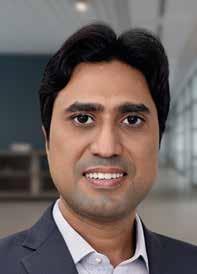
AM: What advice would you give other business professionals juggling time?
NC: Be ruthless about prioritisation — not everything that feels urgent is important. Delegate with genuine trust, and build a team that can operate without you being the bottleneck on everything. And protect some time each day that is genuinely yours — even 30 minutes of clear thinking is worth more than two hours of reactive work.
AM: Are you a coffee or tea person? If so, how many cups a day?
NC: Definitely both — A good coffee to start the morning and karak through the day. If I’m being honest, it’s probably two to three cups combined, though I try to cut off by mid-afternoon.
AM: What do you do to keep yourself fit?
NC: I’m an avid runner, and I try to get a run in most mornings wherever I am in the world. Staying consistent on the road is a discipline in itself — but the physical routine pays back in focus and energy through the day.
AM: What time do you break for lunch?
AM: What made you pursue a career in logistics?
NC: I was drawn to the intersection of infrastructure, trade, and economic development — logistics sits right at that junction. The sector shapes how countries connect, compete, and grow, and I found that working at that level was where I could add the most meaningful value. It has never felt like a conventional career choice, which is probably why it still excites me.
AM: To me and our association Global Supply Chain Magazine is…
AM: When do you catch up on world/business events?
NC: First thing in the morning and late evening. I scan trade publications, policy reports, and a few curated newsletters. I also find that conversations with clients across geographies are often the most useful real-time intelligence.
AM: What do you hope to achieve in the logistics arena in the next five years?
NC: I try to break somewhere between 2:00 and 3:00 pm, though at times it ends up being a working lunch — occupational hazard of my profile.
NC: A publication that takes the industry seriously — and that matters. In a sector often driven by operational pressures, having a platform that elevates strategic thinking and gives a voice to a range of practitioners, is genuinely valuable. I’m glad to be part of it.
NC: I want ASCELA to be the most respected independent advisory voice on logistics and mobility strategy across emerging markets — particularly in the MENA region and South Asia. Beyond the firm, I’d like to contribute meaningfully to shaping the policy environment that allows these markets to build infrastructure that is efficient, sustainable, and equitable.

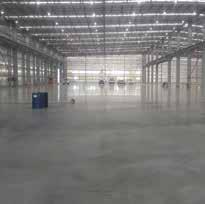

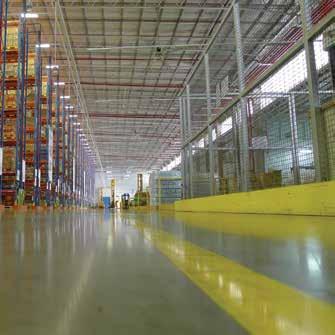
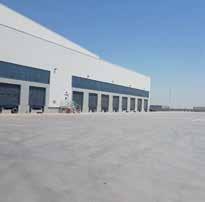
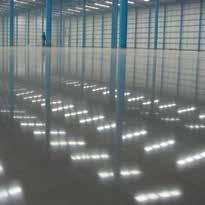
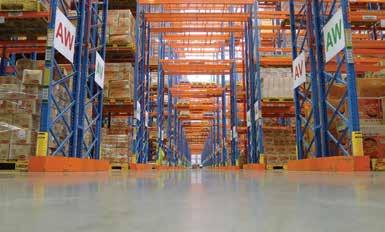

which is why we go beyond borders with our partners to deliver It’s never just an address,