Year ended 31 March 2026
Year ended 31 March 2026
Dear Friends,
The challenges facing our planet are intensifying.
At sea, overfishing, habitat degradation, pollution and rising temperatures place marine ecosystems under severe strain, threatening the livelihoods of the three billion people who depend on the ocean for food and income.
On land, the picture is equally stark. Land use change and climate change are emerging as the most significant threats to terrestrial biodiversity. 75% of the world is dependent on fossil fuel imports, requiring major economic transformation to enable the transition to renewable energy.
And yet, there are signs of progress. The Biodiversity Beyond National Jurisdiction (BBNJ) Agreement or ‘High Seas Treaty’ entered into force in January, the first legal pathway towards protection of international waters.
Last month’s Transition Away Conference in Colombia witnessed 57 countries working together
to advance and accelerate implementation of the Paris Agreement goals. This conference made clear that countries are making some progress towards more sustainable energy systems.
Still, realisation of these and other global commitments remains uneven, and policy momentum has slowed or even reversed.
Against this backdrop, the role of effective, targeted philanthropy has never been more important – as Rory Stewart emphasised at the Global Returns Project’s (GRP’s) event in November.
We are thrilled that GRP has continued to scale our impact at this critical time. In the latest financial year ending 31st March, our community delivered 275% more for our charities than the previous year: a total of over £1.6 million for climate and nature.
In the past year alone, GRP has safeguarded 295,456 acres of rainforest and prevented the release of over 77 million metric
18th May, 2026
tonnes of CO2e through Rainforest Trust. We are restoring over 70,000 native trees in critical ecosystems with Trillion Trees, and supporting Blue Marine Foundation’s efforts to revitalise wetlands in Greece and ban bottom trawling in Scotland.
Further, we helped Global Canopy reveal hundreds of companies’ links to deforestation and also accelerated legal action against serious polluters with ClientEarth. Following its addition to our portfolio, GRP is supporting the Rainforest Alliance’s regenerative agriculture work in Kenya and elsewhere around the world.
This report highlights our charities’ efforts across key regions – combining restoration, protection, data, advocacy and more to achieve real, measurable impact.
Thank you for being part of this important work. Let’s keep up the momentum.

Climate and nature underpin everything in our world. We rely upon them for the basic elements of our very survival: our health, our food and our water. Created in 2015 by the United Nations, the Sustainable Development Goals (SDGs) represent a set of universal goals to meet the urgent environmental, political and economic challenges facing us today. The SDGs are often considered as a ‘pick and mix’ selection: if we satisfy some goals, then we fulfil our duties. In fact, scientists tell us that we should look at them differently.
The Stockholm Resilience Centres’ model below displays how the planet (biosphere) should be seen as the foundation of all other aspirations, and that therefore a small number of SDGs should be understood as foundational. Without addressing the climate and nature crises, we simply cannot address all the other Goals. This is how we think about philanthropy at GRP; all other aspects of a thriving world are contingent on the health of our planet.
When you give through GRP, 100% of your donation goes to our portfolio of charities. We don’t take fees, donors can choose whether or not to cover transaction costs.
We don’t take fees, and will cover any transaction costs – unless donors elect to cover these costs themselves. That means every penny reaches the charities you want to support.
By default, your gift is shared equally across our charities. If you’d rather
focus on one or a few, just let us know, and we’ll take that into account. And if you’d like to connect with those charities personally, we’ll make the introductions. You’ll get their updates, invitations, and a direct relationship –all with the benefits of giving through GRP.
When you give through GRP, you don’t just deliver impact – you also gain insights, access and experiences that bring your impact to life.
Every donor receives impact updates every six months. Larger donors receive personalised annual reporting. And because we reassess our charities twice a year, you can be
confident your support is always going where it’s needed most.
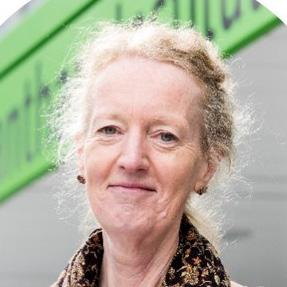
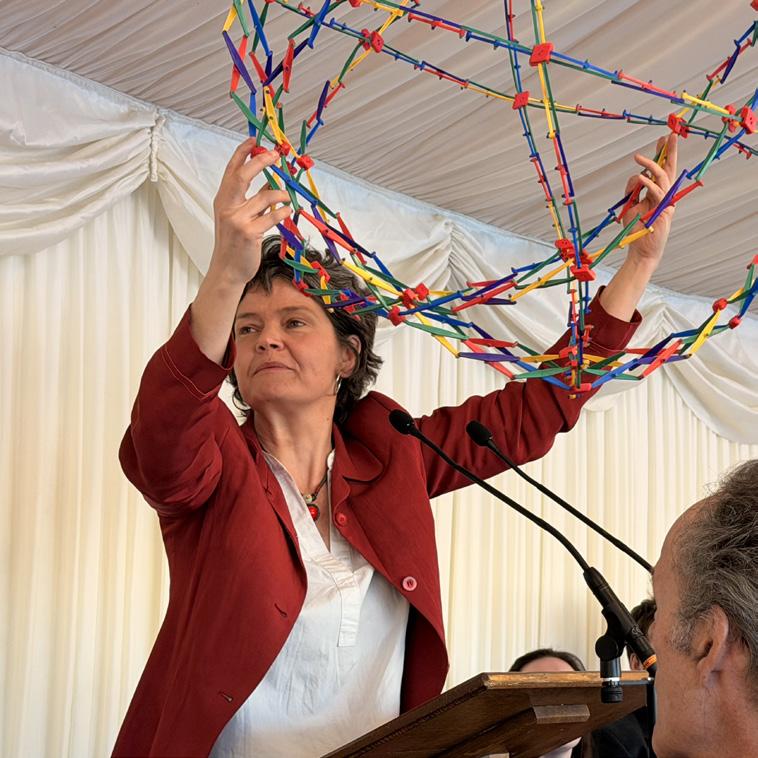
Donors are also invited to exclusive events and talks with global thoughtleaders in climate and nature. Past speakers include the Rt. Hon Rory Stewart OBE, Kate Raworth (left), Lord Zac Goldsmith, Professor Mike Berners-Lee and Jonathon Porritt.
GRP doesn’t only make philanthropy easy – it changes the way philanthropy works. When we meet with companies, financial institutions and major donors, their first question is: “How much have you raised?” Every donation makes that answer stronger. Your gift works twice: it supports urgent solutions today and proves the power of this model to others. Together, our donors help create collective leverage to incentivise more philanthropy for our planet.
Drawing on our Technical Advisory Board of experts in climate, conservation and nature, we have developed a proprietary methodology for selecting and assessing high-impact climate and nature charities.
Advised by our experts, we have mapped out a ‘Total Opportunity Set’ for climate and nature charities – a list of dozens of intervention areas where philanthropy is best positioned to deliver impact. When we add
a charity to our portfolio, we choose the sector (regenerative agriculture, marine conservation, etc.) based on gaps in our current portfolio’s coverage of the Total Opportunity Set.
Protecting and enhancing life below water Advancing climate information and communication
Each section is broken down into more specific actions that relate to that area
Every six months, we map the activities of our current portfolio of charities onto the Total Opportunity Set. We report that ‘coverage’ as a percentage score, which we call Portfolio Diversity. So in addition to helping us find new sectors for consideration, the Total Opportunity Set also helps us report on our portfolio’s existing reach across critical intervention areas.
In this most recent reporting cycle, our Portfolio Diversity increased from 55% to 65%. This accounts for our latest charity, Rainforest Alliance, and their regenerative agriculture activities.
When adding charities to our portfolio, our longlisting and shortlisting processes are overseen by the Technical Advisory Board. Charities must first pass a series of governance and sizing gates to ensure their status as high-impact, low-risk and global organisations.
We then score organisations according to impact, scalability, network, and co-benefits. Only the highest scoring charity per sector is admitted to our portfolio. Then, every six months, we reevaluate our charities using that same proprietary methodology.
52.1
Global Returns Rate
September 2025 –April 2026 ALL
Organisations that start to underperform according to our metrics might be removed and replaced. We also create a holistic score for our portfolio. Our Global Returns Rate (GRR) combines the Portfolio Diversity figure with the performance scores of each charity.
All climate and nature charities globally
+20,000 charities screened to-date
Evaluated by annual revenue, number of employees, years in operation, charitable status, etc.
Best charities scored with proprietary methodology
Assessed by impact, scalability, networks, co-benefits
Further due diligence on operations, audited financial statements, governance policy documents, impact reports, etc.
Highest-scoring charities in six sectors selected for GRP’s portfolio
Re-scored every six months
Replaced if we identify stronger-performing charities
Estimated 1-2 charities added annually
Some of the results that follow reflect the direct impact achieved by GRP donors, while others highlight the wider achievements of our partner charities. We frame our public reporting in this way deliberately, to illustrate the global reach and diversity of projects GRP donors have access to via our model. All contribute to the same mission and are vital in reversing humans’ damage to climate and nature now
Active in: 30 countries

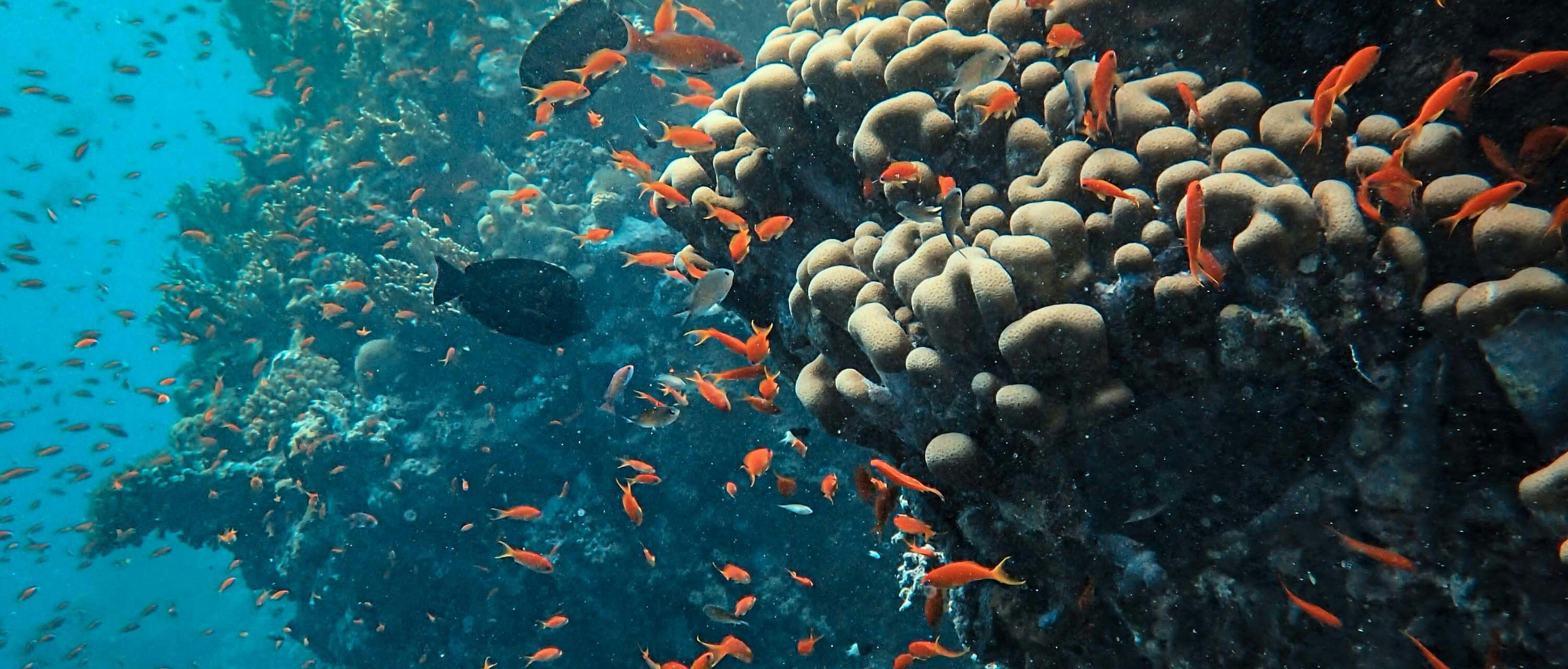
Blue Marine Foundation is a global marine conservation charity that seeks to protect and restore life in the ocean. It continues to pioneer in marine protection and is focused on the effective protection of at least 30 per cent of the ocean by 2030.
446,620 km2 of ocean protected in 2025
101 Marine Protected Areas (MPAs) established, protected or expanded to-date

Active in: 60 countries

ClientEarth uses the law to protect life on earth and to build a future in which people and planet thrive together. They defend nature, hold polluters to account, and push governments towards climate solutions.
30 legal actions launched and 240 active cases in the past year alone
112+ global partners including NGOs, environmental experts, local groups and governments

Active in: 17 countries
Global Canopy targets the market forces destroying nature. They provide innovative open-access data, tools and insights that motivate and enable companies, financial institutions and governments to make better decisions for nature, forests and people.
16,600+ users of ENCORE, which enables thousands of organisations to explore and understand their impacts on nature
1,700+ users of Forest IQ, which provides the finance sector with deforestation data
Active in: 62 countries
The Rainforest Alliance is creating a more sustainable world by using social and market forces to protect nature and improve the lives of farmers and forest communities. GRP funds their regenerative agriculture work which restores ecosystems, strengthens rural livelihoods, and builds climate resilience.
8 million farmers and farm workers supported in embedding regenerative practices
6 million hectares of farmland where regenerative agriculture practices are being adopted
Active in: 50 countries
Active in: 60 countries
Rainforest Trust has protected over 62 million acres of tropical habitat since 1988, in partnership with local organisations and communities. 98% of the forest in their reserves are still intact today, safeguarding billions of tonnes of CO2 equivalents.
9.7 billion tonnes CO2 equivalents stored in protected areas
3,360 critically endangered, endangered and vulnerable species protected
Trillion Trees is a partnership between BirdLife International and WWF, which protects and restores forests for people, nature, and the climate. GRP funds Trillion Trees’s ReForest Fund to grow the right trees in the right places, restoring crucial sites across the world.
1/2 of the way to 2030 target of protecting and restoring 125 million hectares of forest
712,044 total trees planted and routinely monitored by the ReForest Fund alone
ClientEarth Americas is taking legal action against a major American commercial real estate company, arguing it failed to protect workers’ retirement savings from material climate-related financial risks. The case signals to the financial industry that fiduciaries cannot ignore the economic reality of climate change without facing liability. If successful, the case could set an important precedent, forcing a fundamental shift in how risk is managed across the entire $12 trillion US retirement market.

In Argentina’s Atlantic Forest, one of the world’s most biodiverse and threatened ecosystems, Trillion Trees have planted 71,800 native trees across 250 hectares. This restoration connects fragmented habitats, strengthens agroforestry systems and supports local communities. Trillion Trees partner BirdLife International has worked in the region for over 30 years, contributing to the protection and recovery of this vital forest, which plays a critical role in safeguarding biodiversity and sustaining livelihoods.
16,000+
km2 of sea protected through Brazil’s largest MPA with Blue Marine Foundation
In October 2025, Rainforest Trust committed $3 million to support nature conservation in Panama, working closely with the Panamá Natural Fund and local partners. The funding will reinforce privately protected lands, support the creation of new conservation areas and help grow existing ones, with decisions shaped by communities, environmental groups and private sector stakeholders. By aligning with national conservation priorities, this initiative aims to safeguard biodiversity while delivering long-term socio-environmental benefits.
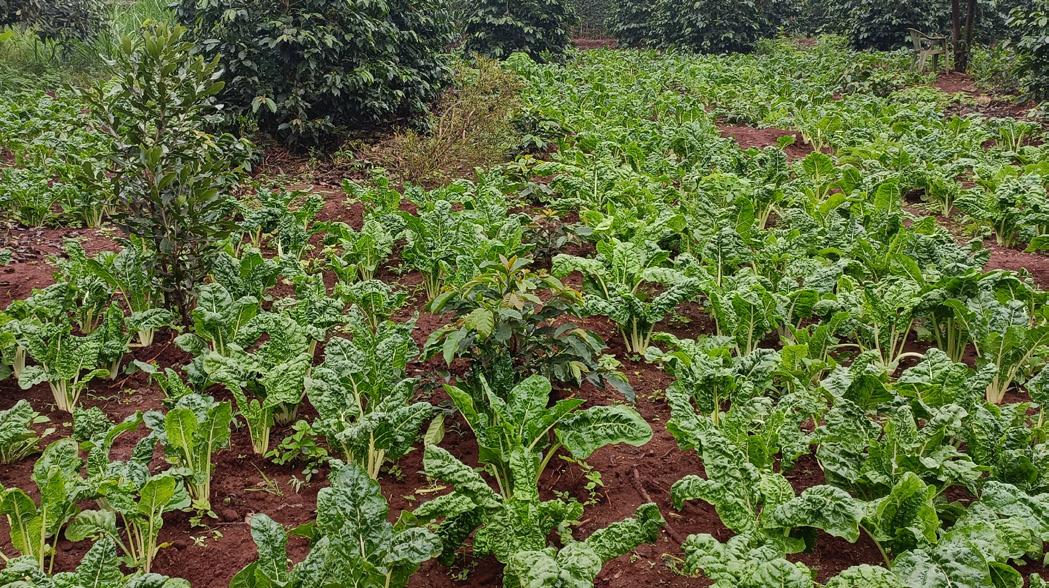
La Cumplida farm in Nicaragua was Rainforest Alliance-certified 20 years ago. Building on existing standards, La Cumplida went further in restoring soil health, enhancing biodiversity and strengthening climate resilience – and became the first farm to achieve Rainforest Alliance’s Regenerative Certification. This farm offers a practical example of Rainforest Alliance’s ambition to move agriculture beyond sustainability towards regeneration, worldwide.
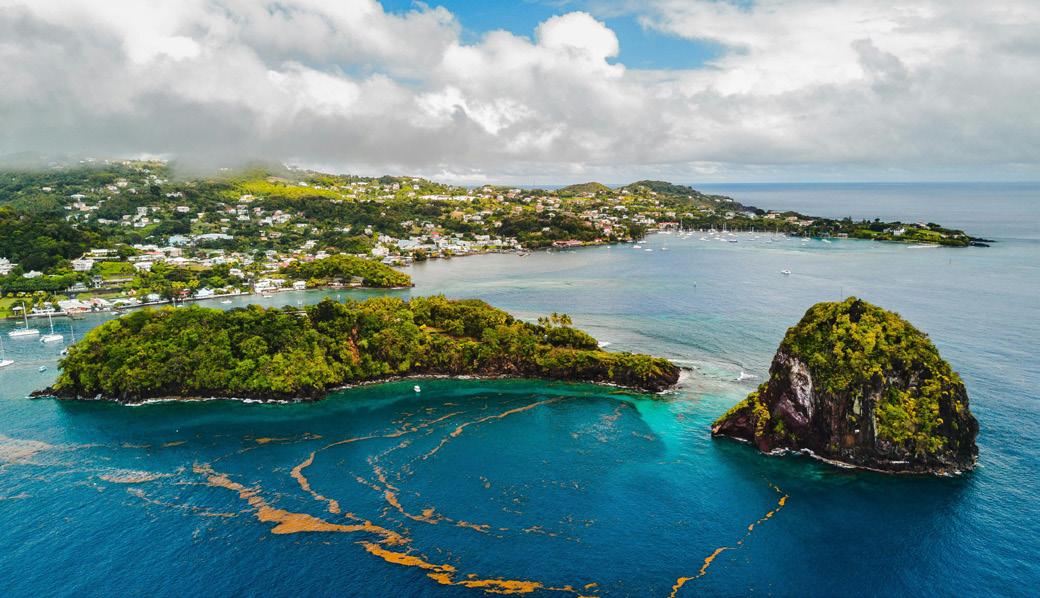
Community-led action to protect marine life in St Vincent and the Grenadines
Blue Marine has spent four years collaborating with partners, fishers, government and local communities in St Vincent and the Grenadines. Building on 80 underwater surveys and extensive species research, fishers have introduced closed seasons and protected nursery areas, while young people are being trained to monitor marine life. In a landmark step, local whalers also agreed to stop hunting orcas, leading to new legal protections and a stronger, community-led approach to ocean conservation.
nature-risk
364,823 acres of forest and wetlands in Central and South America protected by GRP donors through Rainforest Trust
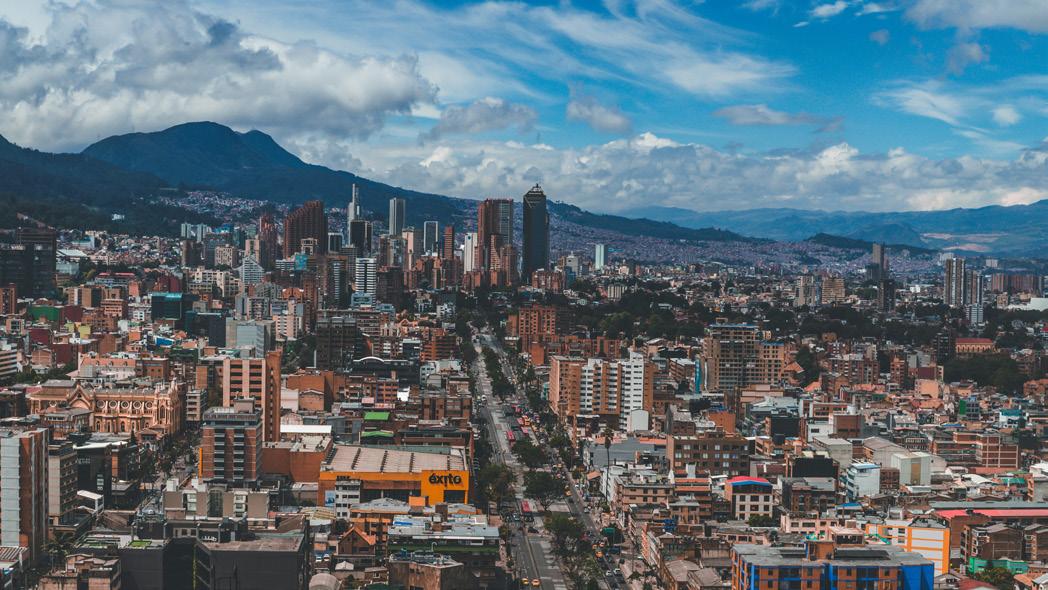
A new case study shows how ENCORE, a tool developed by Global Canopy, UNEP FI and UNEP-WCMC, supported Colombia’s Banco Davivienda to carry out its first-ever nature-risk assessment. Using ENCORE, the bank gained a better understanding of how its financial portfolio depends on and impacts nature, enabling it to better integrate nature into decision-making. By equipping financial institutions with the insights they need to tackle nature-related risks, ENCORE drives sustainable decision-making, which is vital for addressing nature loss.
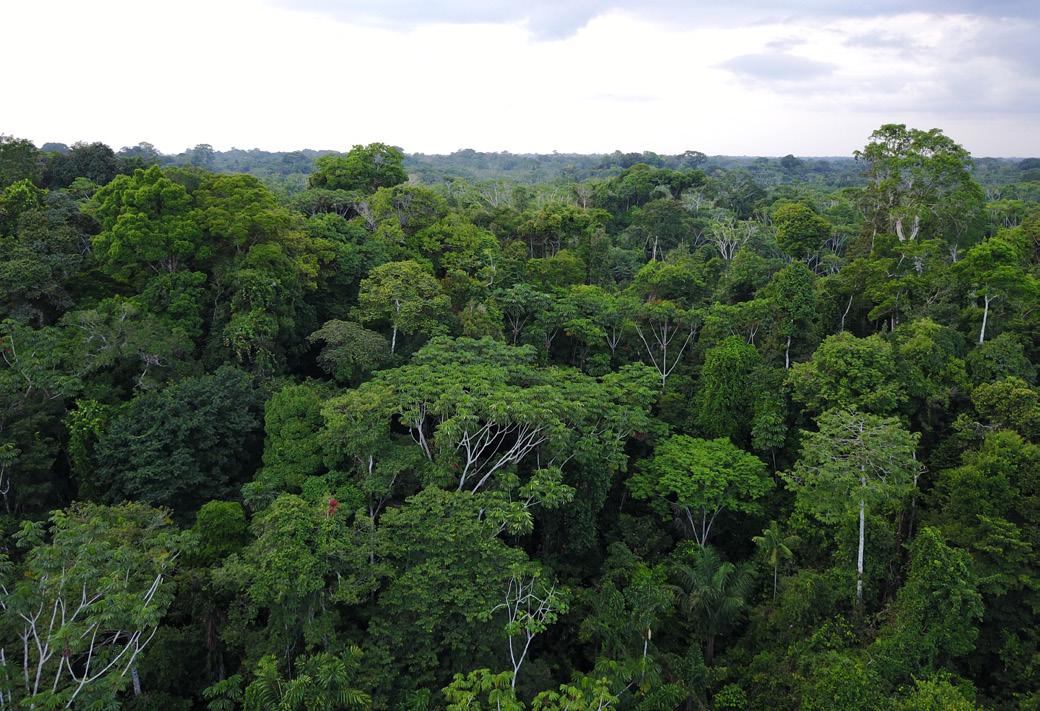
Brazil’s ecosystems are central to global climate regulation and rich in biodiversity, from the Amazonian rainforest to the Atlantic coast.
Yet, persistent pressures like deforestation and slow government action threaten Brazil’s incredible landscapes. Here’s how GRP charities are taking action.
In Brazil, protection of the Amazon rainforest must begin with the communities who have safeguarded these forests for generations. Rainforest Trust is working to support the rights and traditional lifestyles of Indigenous Peoples in Isolation, whose territories represent some of the most intact areas of rainforest remaining in Brazil. These forests are increasingly under threat from land grabbing, illegal logging, mining, and deforestation for cattle ranching. In partnership with the Observatory of the Human Rights of Isolated and Initial Contact Indigenous Peoples (OPI), Rainforest Trust is supporting the legal recognition of three territories spanning 1,643,000 acres of Brazilian Amazon. Once formally designated, these lands will belong to Indigenous communities under Brazilian law, ensuring that only resident Indigenous Peoples can determine land use. Rainforest Trust recognises the importance of local stewardship for the forests of the Brazilian Amazon and beyond. At COP30 in Belém, Rainforest Trust joined a coalition committing $1.8 billion between 2026 and 2030 to the Forest and Land Tenure Pledge, which will strengthen Indigenous land rights, recognising Indigenous Peoples and local communities are central to protecting some of the world’s most biodiverse and climate-critical ecosystems.
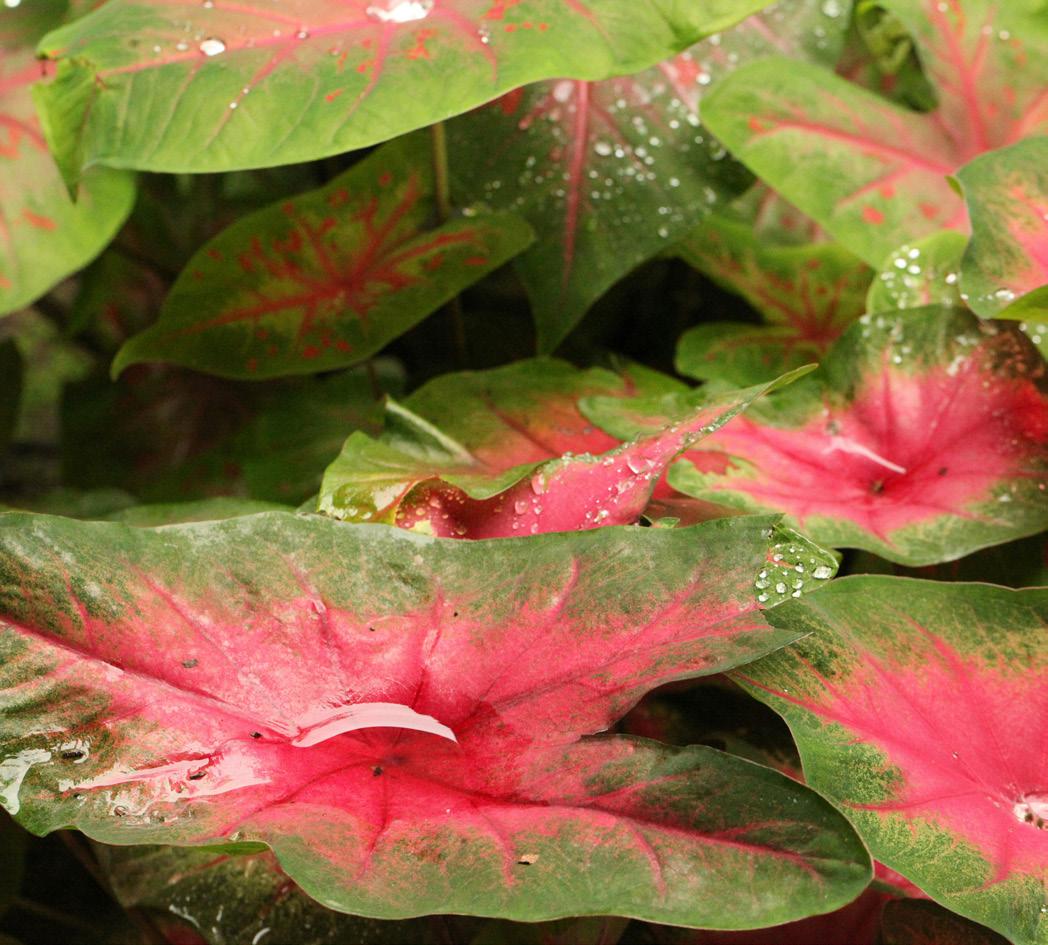
Also at COP30, Global Canopy revealed how the Brazilian Amazon faces mounting pressure from deforestation linked to Brazil’s cattle supply chains. Cattle ranching is one of the leading drivers of deforestation in Brazil and Global Canopy is working with financial institutions to drive system-wide change to lower this risk. Most notably, Global Canopy released a new Portuguese-language Roadmap last year, which sets out the practical steps Brazilian financial institutions can take to address their exposure to deforestation, with a special focus on the cattle sector.

Efforts to protect Brazil’s natural systems extend beyond the rainforest and to Brazil’s coastline. In southern Brazil, after decades of stalled progress and political gridlock, momentum shifted in 2024 when Blue Marine began providing financial and technical support to local partners. As a result of an ambitious media and public-awareness campaign, including highlighting the severe decline of the endemic toninha porpoise, The Albardão Marine National Park and Environmental Protection Area was established this year. This is the largest marine national park in the country, covering more than 16,000 km². The designation of Albardão marks a significant milestone for marine conservation in Brazil and for the organisations that have worked for years to secure its protection.
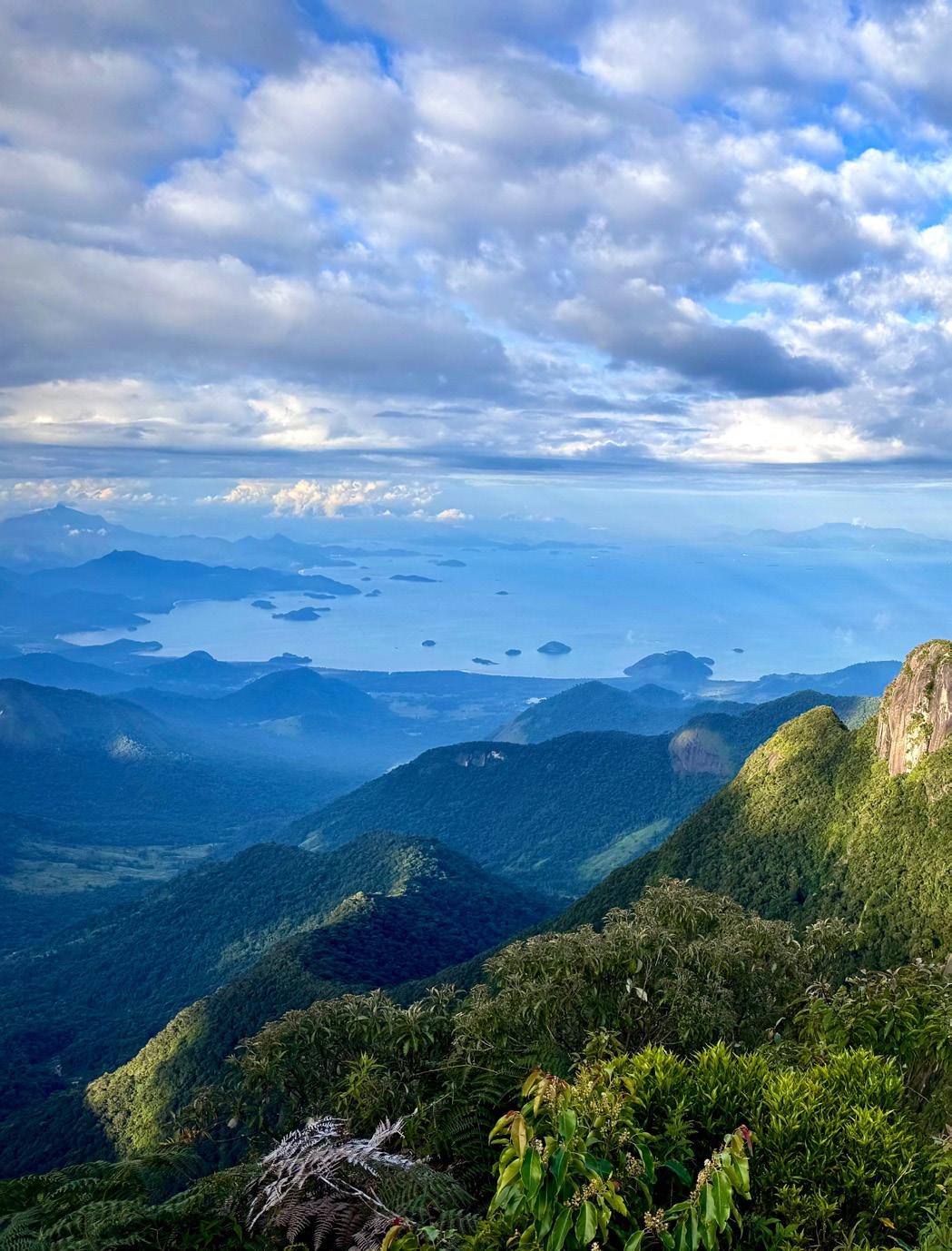
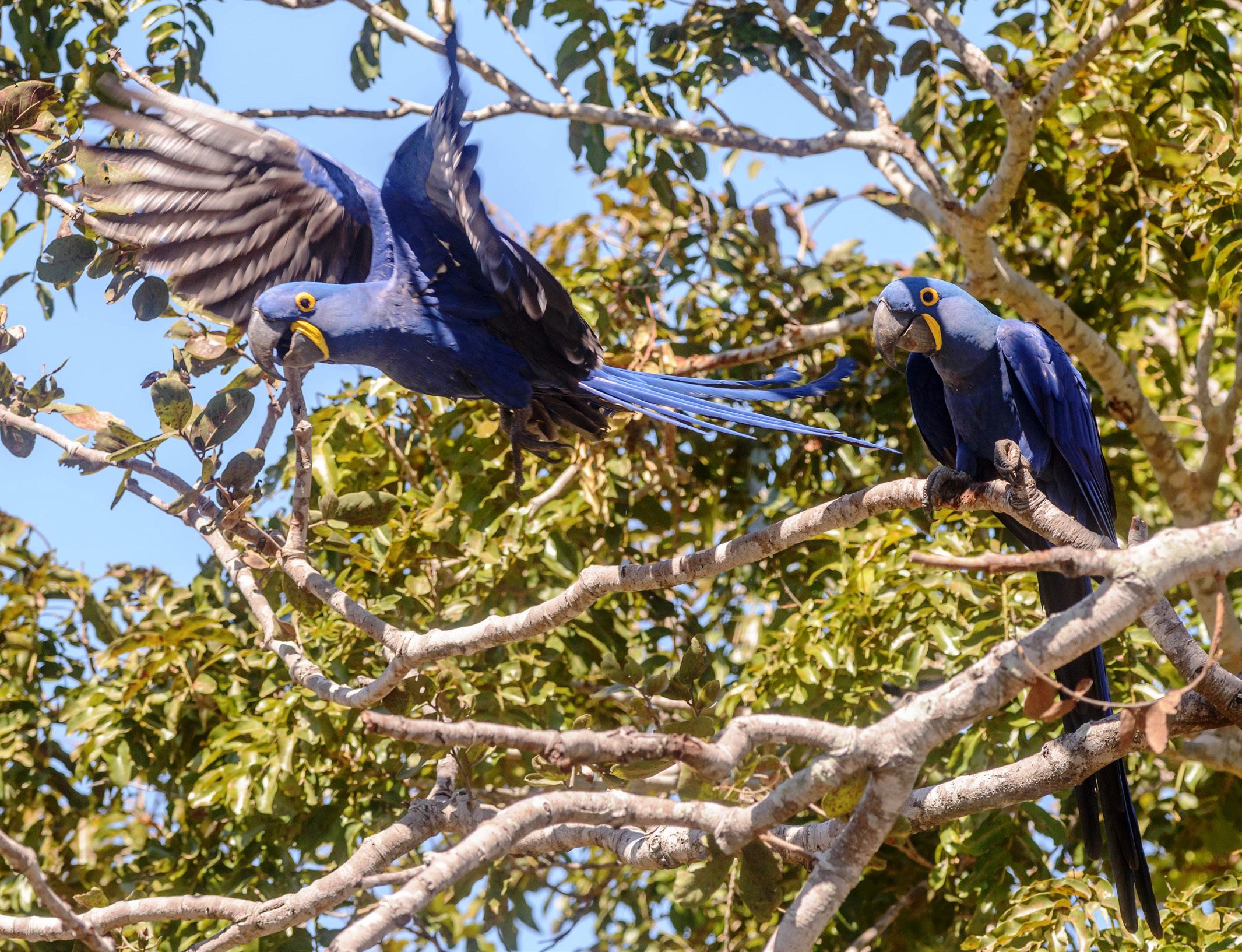
Protecting Brazil’s ecosystems requires coordinated action across local, national and global levels, and GRP’s portfolio is approaching Brazilian conservation across the board. Continued collaboration between local communities, governments and financial actors will be essential to securing long-term conservation outcomes across Brazil’s land and sea.
Earlier this year, Rainforest Alliance co-hosted a London event featuring Peru’s Ambassador to strengthen market access for sustainably produced Peruvian superfoods. This event, coorganised by the UK PACT programme (Partnering for Accelerated Climate Transitions) and the Amazon Regional Fund, aimed to increase access to products that support sustainable livelihoods and forest conservation.
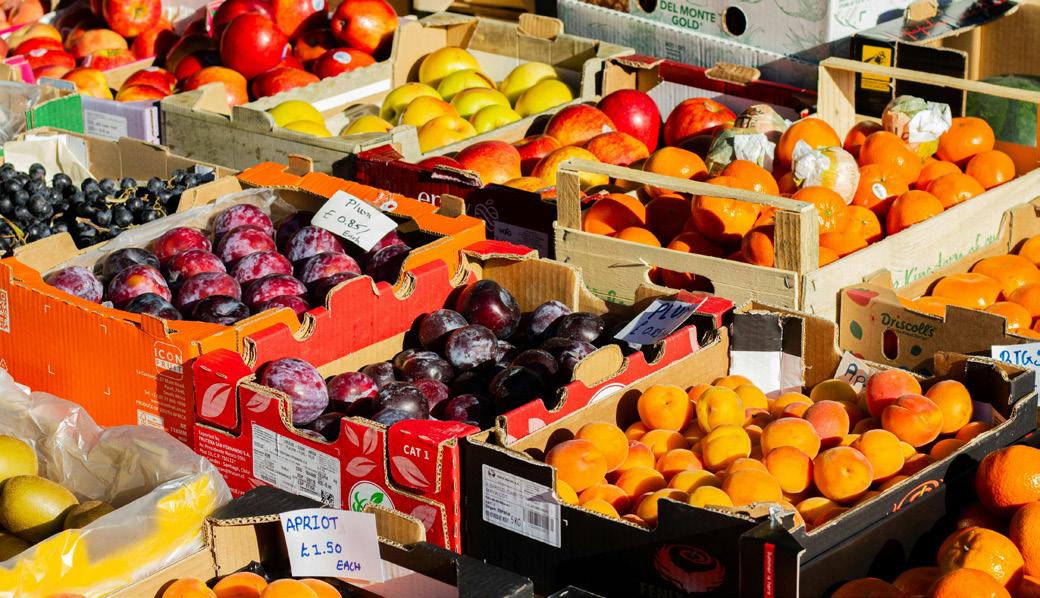
Following years of research, advocacy and community engagement led by Blue Marine, Jersey’s government committed to protecting 21.7% of its waters this year, rising to 23.6% by 2030, with all protected areas closed to mobile gear fishing. The decision safeguards biodiverse habitats including kelp forests and seagrass, and strengthens momentum across the Channel Islands to make progress towards 30x30 targets.
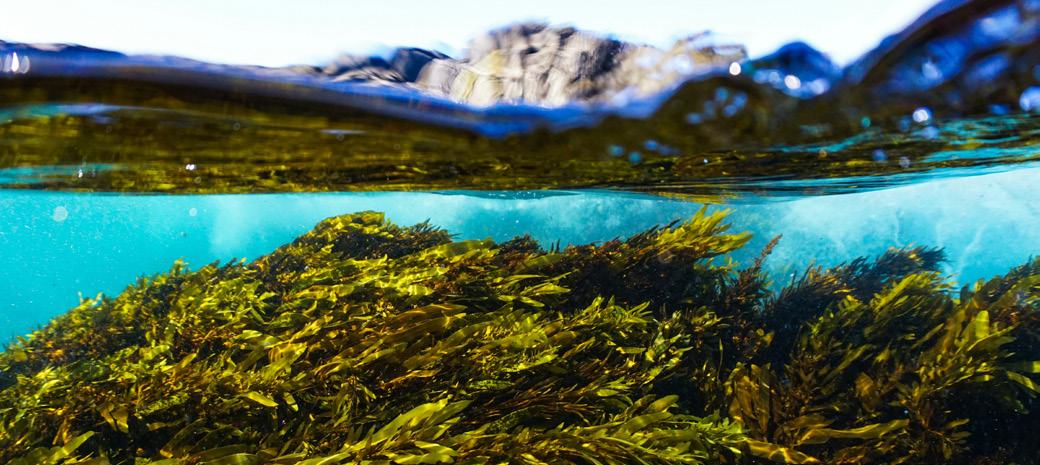
Global Canopy, alongside partners in the NGO Forest Coalition, responded to the UK Government’s consultation on Responsible Business Conduct, calling for clearer legislation to address the UK’s role in driving global deforestation. The response highlights the need for robust due diligence, to ensure that businesses are held accountable for environmental impacts across their supply chains.
60+
climate finance organisations, including Global Canopy, are urging the Bank of England to address climate change and nature loss
legal
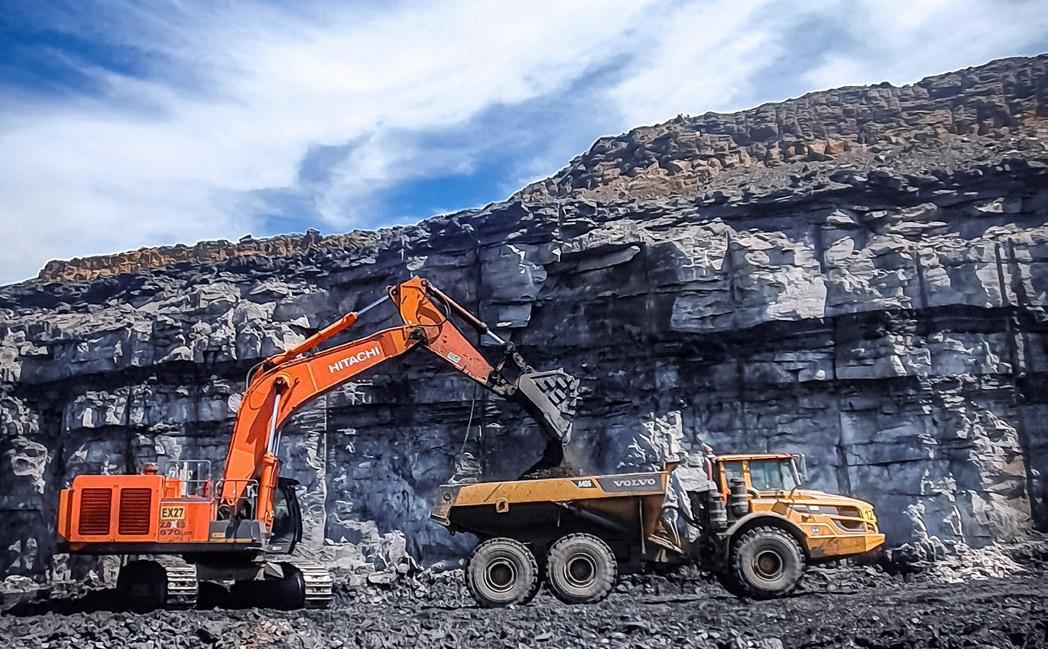
ClientEarth won a landmark case at the European Court of Human Rights, which found that Bulgaria had violated a citizen’s rights by failing to prevent illegal coal mining beneath her home. The ruling confirms that governments can be held accountable when they do not protect people from environmental harm caused by private actors, strengthening legal pathways to challenge inaction and protect both communities and the environment.
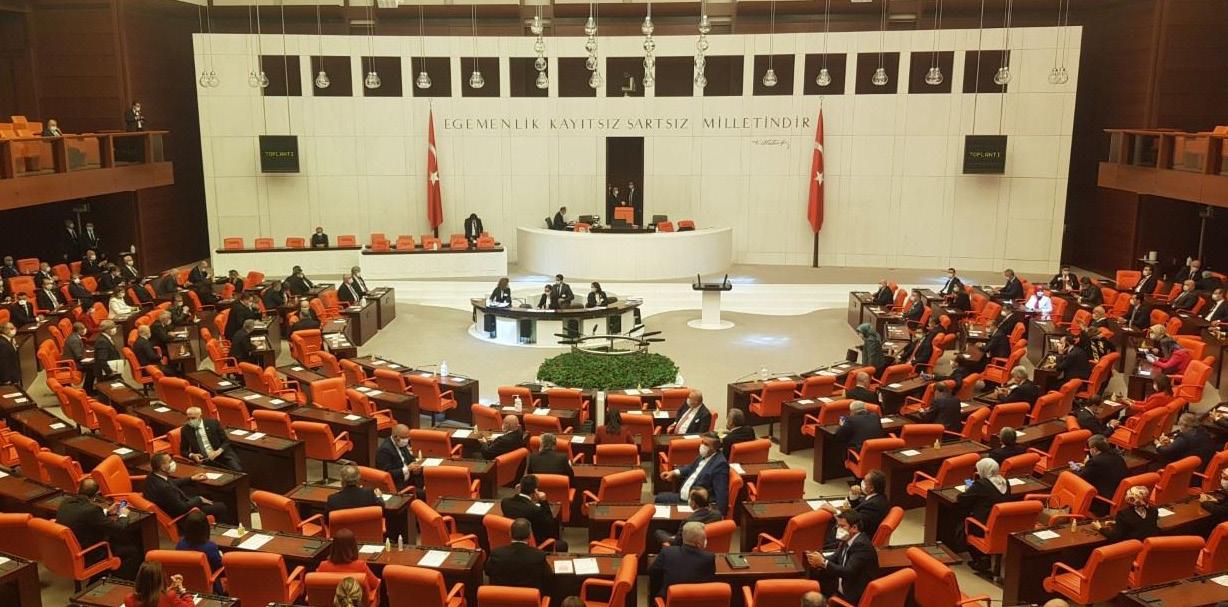
ClientEarth supported the Turkish government to develop and pass its first legally binding framework to implement the Paris Agreement. The new law establishes a foundation for reducing emissions and adapting to climate change, while creating pathways for future climate litigation. As Turkey strengthens its climate policy, this marks an important step towards greater accountability in climate action.
The Dogger Bank is widely known as the nursery of the North Sea. Despite its protected status, pressures like bottom trawling are degrading its fragile seabeds. Two GRP charities are working across borders to protect and restore this marine landscape.
The Dogger Bank is a vast sandbank spanning 2.5 million hectares of waters between the United Kingdom, the Netherlands, Denmark and Germany. It supports rich marine biodiversity, including sensitive seabed habitats that are highly vulnerable to disturbance. Though a formally protected area across borders, the transboundary nature of these waters makes coordinated protection complex and difficult to ensure.
In the English section, bottom trawling was effectively banned in 2023 following sustained advocacy, with Blue Marine playing a key role alongside partners. However, in the Dutch and German sections, this damaging fishing practice has been allowed to continue, undermining the overall ecological integrity of the site.
Blue Marine and ClientEarth are today working to address these gaps through complementary legal, policy and restoration approaches. In March 2026, these organisations and partner NGOs appeared in court against the Dutch Ministry of Agriculture, Fisheries, Food Security and Nature, to challenge the continued use of bottom trawling within Dutch areas of the Dogger Bank protected area.
On 11th May 2026, the case was decided: the District Court of The Hague ruled that Dutch bottom trawlers are no longer allowed to fish without a permit and environmental assessment in the Dutch section of the Dogger Bank protected area, with the court confirming that allowing destructive trawl fishing was contrary to nature protection legislation. As such, the court confirmed that proper regulation of the impact of bottom trawling in MPAs is a government responsibility.
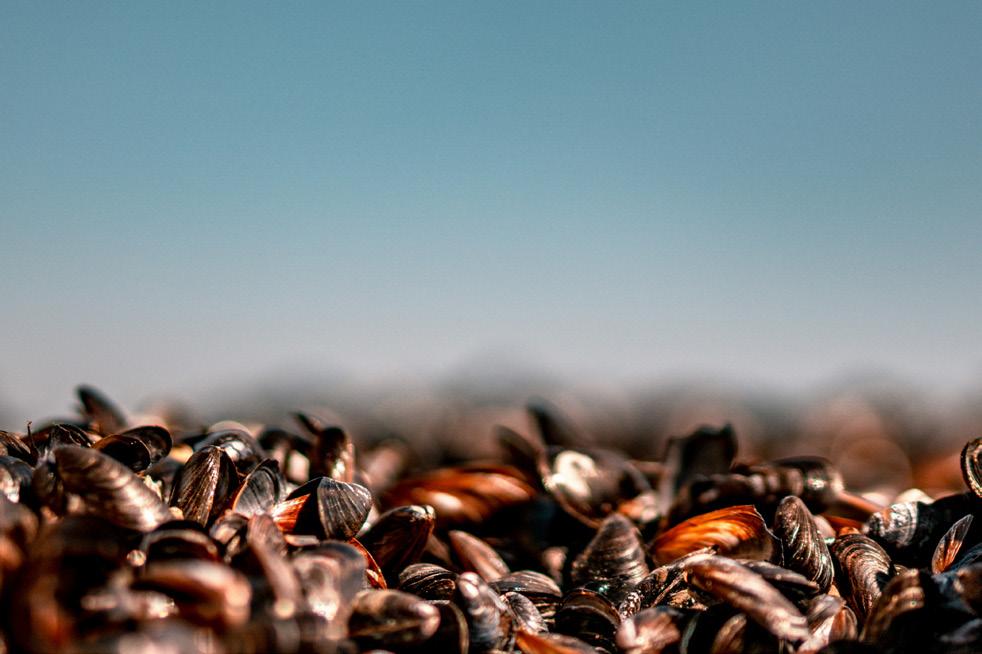
At the same time, Blue Marine and partner Doggerland are working to advance restoration initiatives in degraded areas of the sandbank. This includes work to reintroduce habitat-forming species such as horse mussels, which play a vital role in rebuilding seabed ecosystems. Together, these efforts aim to ensure the long-term protection and recovery of one of Europe’s most significant marine environments.
Ensuring the full protection of the Dogger Bank is critical to safeguarding biodiversity in the North Sea. By combining legal action, advocacy and restoration, Blue Marine, ClientEarth and partners are helping to set a new standard for how MPAs are managed and restored across Europe.

Strengthening climate governance in China
Since 2016, ClientEarth supported the drafting of 16 environmental laws and regulations in China and trained over 1500 judges and prosecutors on litigation for the environment. Last year, ClientEarth provided legal expertise on how China could improve its Emissions Trading Scheme, helping the world’s largest emitter reduce pollution faster.

Seagrass meadow protection increasing in
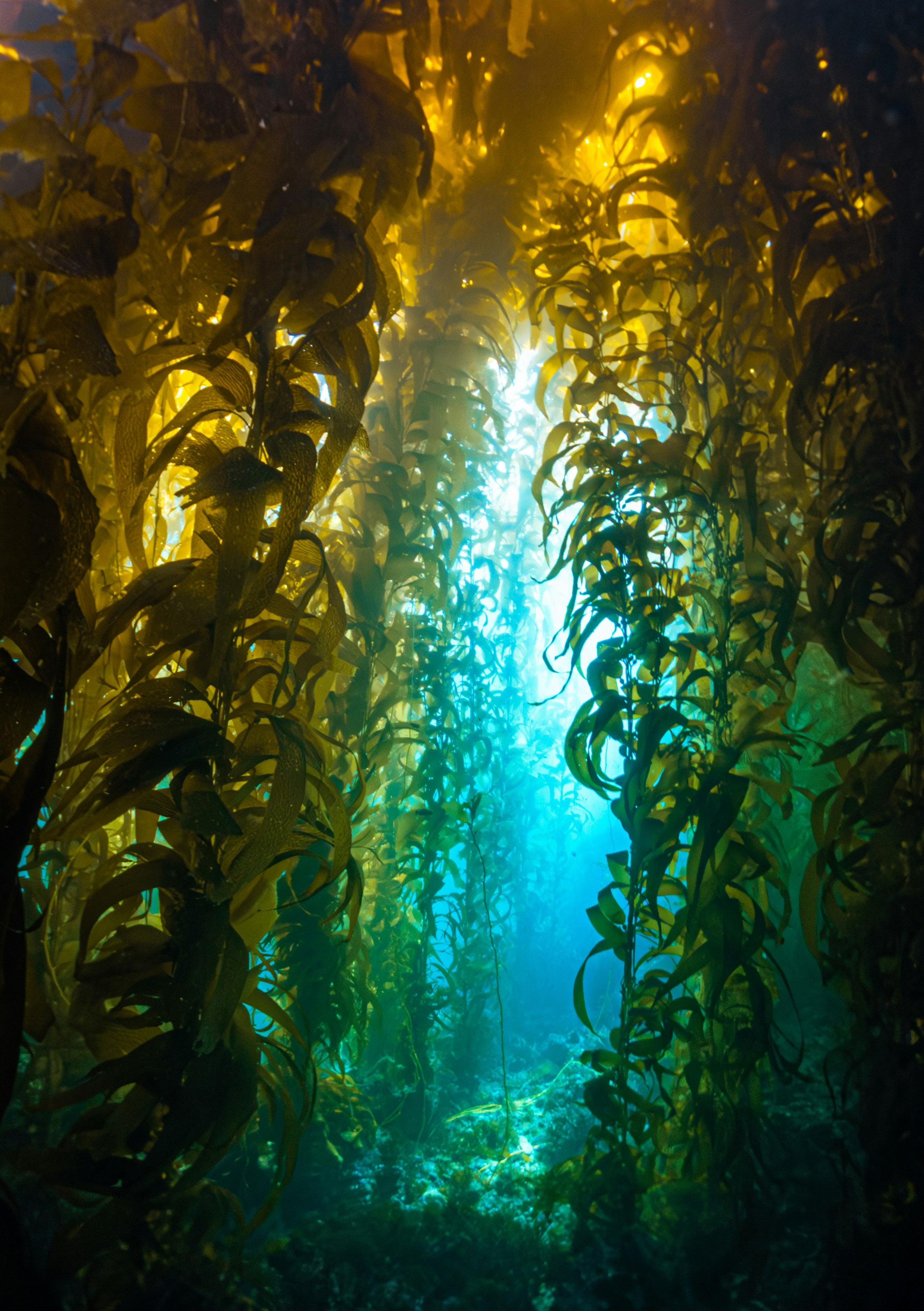
Since 2019, Blue Marine has been championing the Seagrass Industry Leaders Project, which promotes the ecological value of seagrass meadows to resorts and communities. In the past six months, the total number of resorts pledging protection increased to 20 – a significant milestone considering the opportunities for sustainable tourism across these islands.
28,594 acres of carbon-rich ecosystems protected through GRP donors’ support of Rainforest Trust, across Asia and Oceania
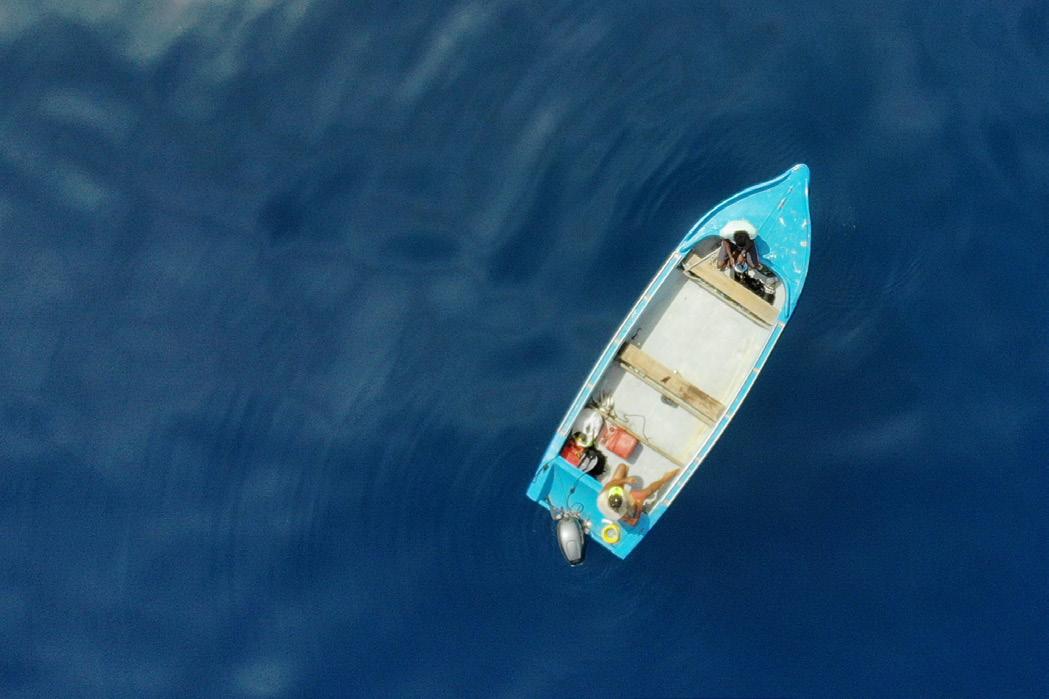
Drifting FADs significantly increase the bycatch of sharks, rays and turtles, pollute marine habitats, contribute to the capture of millions of juvenile tuna, and undermine fish stocks. Blue Marine and partners achieved a landmark victory for Indian Ocean conservation by challenging the European Commission for unlawfully blocking an important fisheries management measure to protect these tropical tuna stocks from drifting FADs – an important step forward for ocean governance.
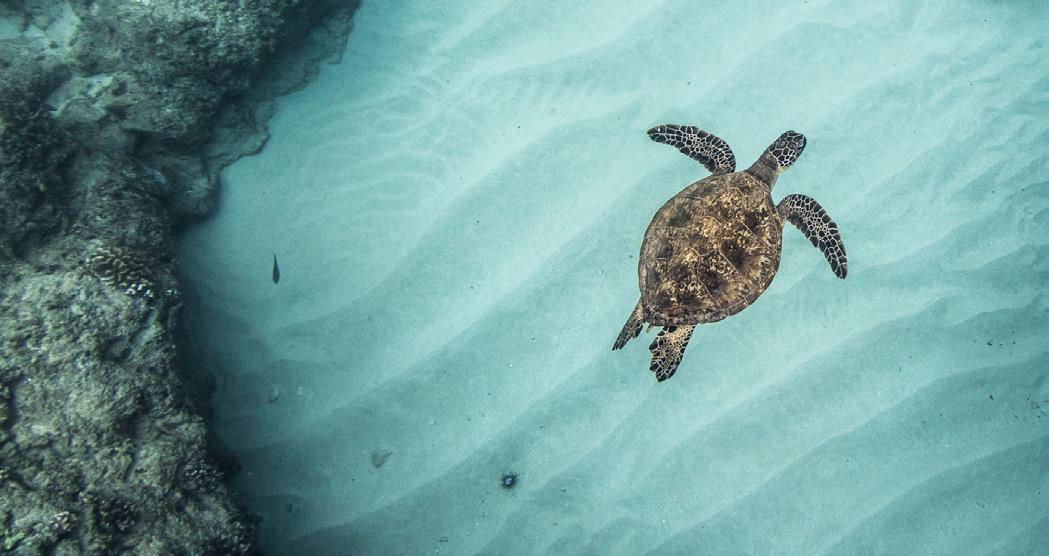
In Laos, Rainforest Trust’s local partner has confirmed the presence of several key species in Xe Sap National Park, a protected area established with support from Global Returns Project donors. Ongoing patrols, camera trapping and ranger training are helping to strengthen protection of this biodiverse forest in the Annamite mountains, supporting the long-term conservation of its wildlife.
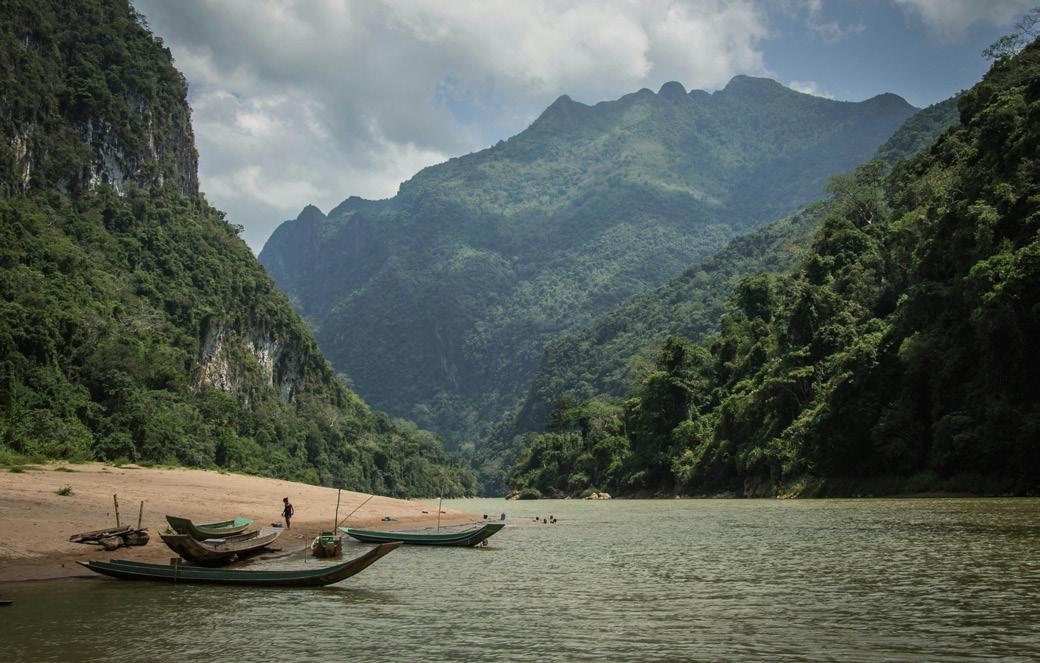
Rainforest Alliance is working with partners in Vietnam to promote IPM, an approach that reduces reliance on pesticides by using natural methods to control pests and diseases. By evaluating current pesticide use, addressing barriers and training farmers, the initiative supports a shift towards more sustainable agriculture, in line with the country’s environmental commitments.
968
trees planted in Indonesia by Trillion Trees in the last six months
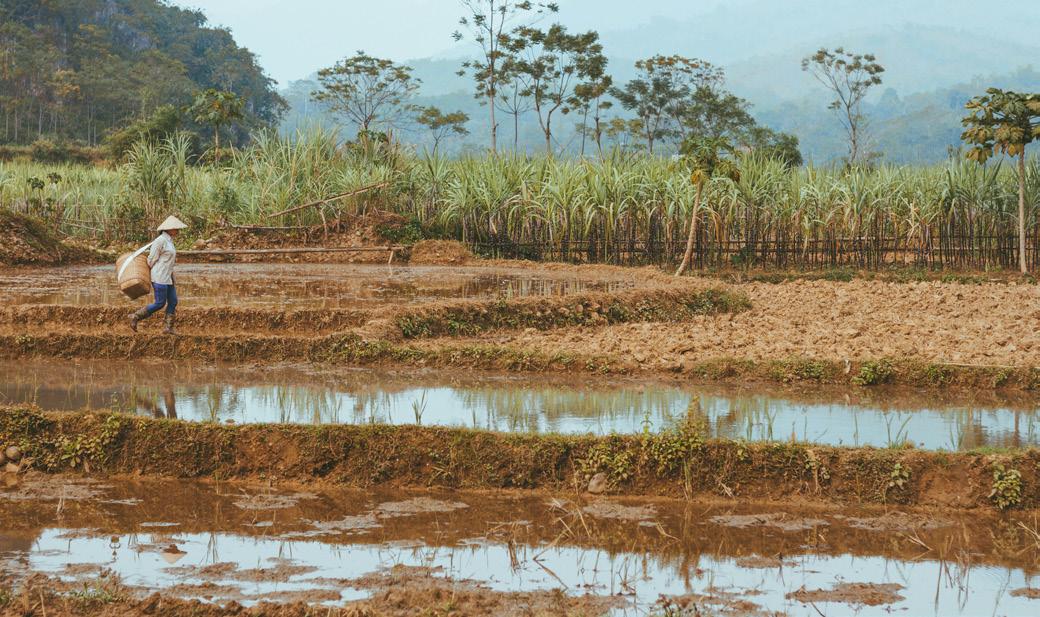
Indonesia is a global epicentre of biodiversity and carbon storage, making it a critical region for climate and nature action. Yet its ecosystems face mounting pressures, underscoring the need for integrated approaches that protect, restore, and sustain its seascapes and landscapes at scale.
In Southwest Indonesia sits the archipelago of Raja Ampat, home to over 67% of known global coral species and containing some of the highest reef fish diversity on Earth. Despite the presence of legally established MPAs around this biodiversity hotspot, lapses in enforcement in recent years have led to a rise in illegal fishing and reef damage from unmanaged tourism.
In response, Blue Marine and partner Raja Ampat SEA Centre launched a multi-stranded initiative to restore effective protection. Ranger teams are being established with local and resort cocrew, youth training programmes are equipping new Papuan divers and coral restoration and monitoring efforts are underway.
This project is poised to demonstrate a scalable model for community-led MPA recovery, both across Indonesia’s archipelagic context, and beyond.
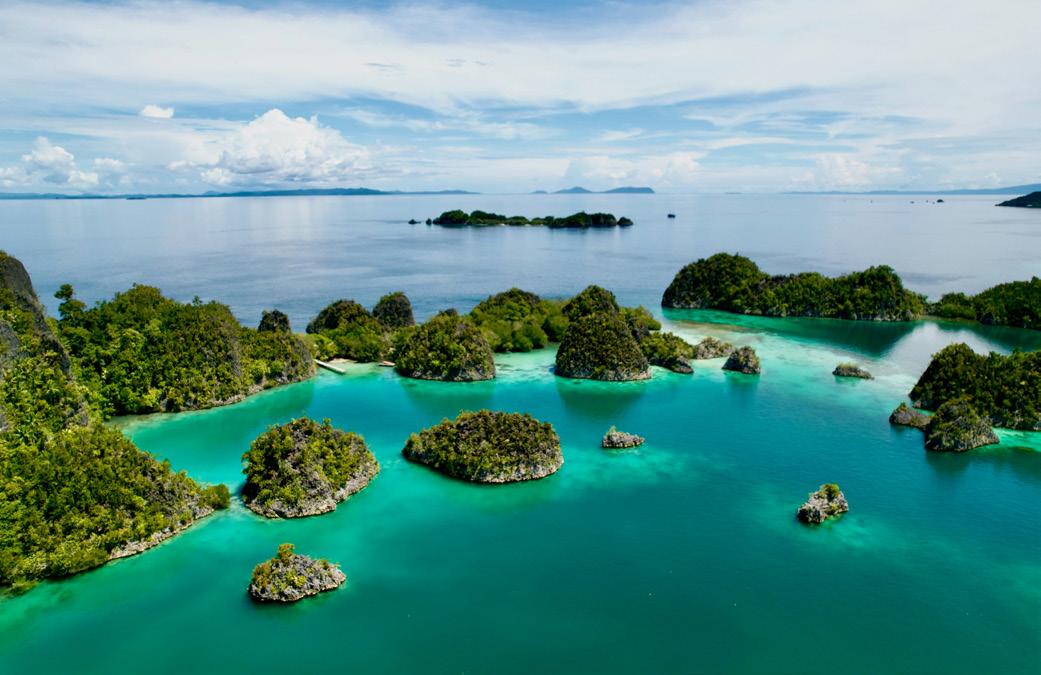
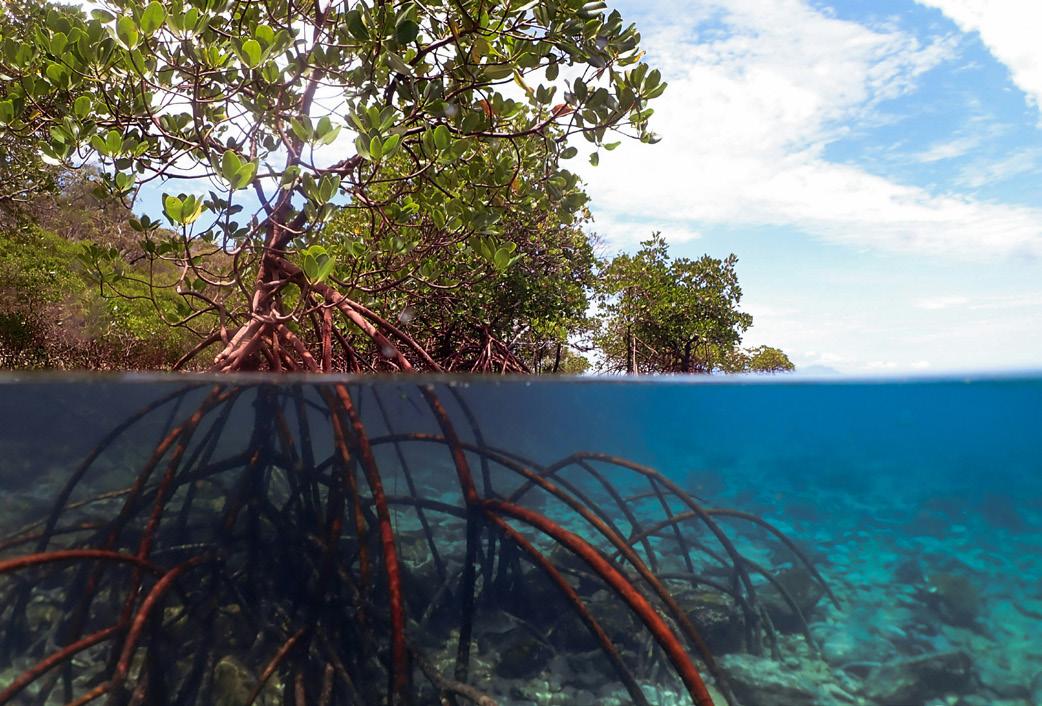
The same principle applies on land: protection is only meaningful if effectively implemented and sustained.
On the Indonesian island of New Guinea rests the vast, carbon-rich biodiversity hotspot known as the ‘Crown Jewel of Papua’, which encompasses 13 distinct rainforest ecosystems – from high mountains to mangroves to savannahs.
In this region, logging, mining and oil palm plantations are driving deforestation at a dangerous pace. Rainforest Trust is working in partnership with local NGO EcoNusa to support the government of Indonesia’s social forestry program and establish 120,000 acres as Customary Forests in the West and Southwest Papua provinces. Rainforest Trust builds highly effective partnerships to ensure sustainable longterm protection with a 98% success rate globally.
In a country as ecologically diverse as Indonesia, protection alone is not enough: degraded landscapes must also be restored. That’s where Trillion Trees comes in – they are regrowing forests in Indonesia’s Mbeliling Landscape and to-date have planted over 24,600 native trees in the region. Trillion Trees’s projects depend on local knowledge and involvement, and restoration in Mbeliling has supported the livelihoods and lifestyles of 484 people to-date.
From strengthening MPA enforcement, to demanding accountability for deforestation –GRP’s portfolio illustrate that durable protection for Indonesia’s biodiversity and nature require a collaborative approach.
Alongside on-the-ground efforts, systemic change is essential to protect Indonesia’s incredible biodiversity and ecosystems. Global Canopy’s work to improve transparency on deforestation in this region is a key part of the solution. Data published in December by Trase, a supply chain initiative co-led by Global Canopy, reveals that deforestation for wood pulp in Indonesia fell by 55% in 2024, the first decline after a year-on-year increase since 2021. While this is a positive step, pulp production remains one of the largest drivers of deforestation in the country. By identifying deforestation hotspots and other trends, Trase’s data helps inform critical sourcing decisions needed to make supply chains more sustainable.
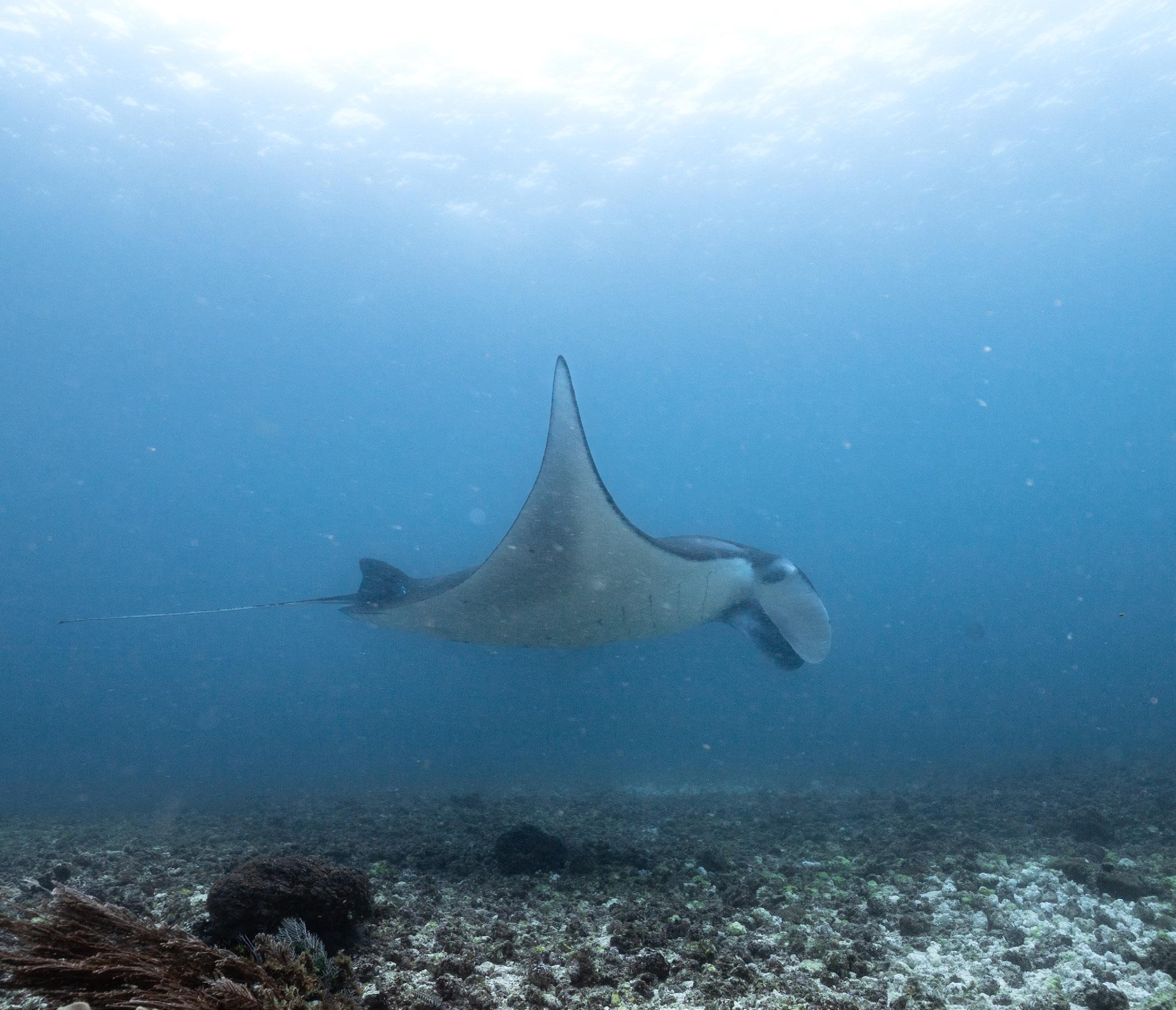
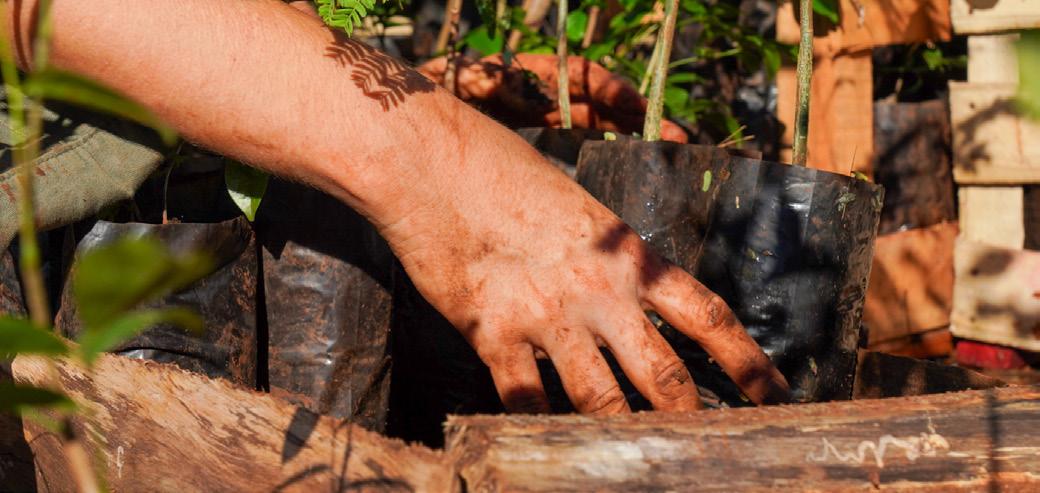
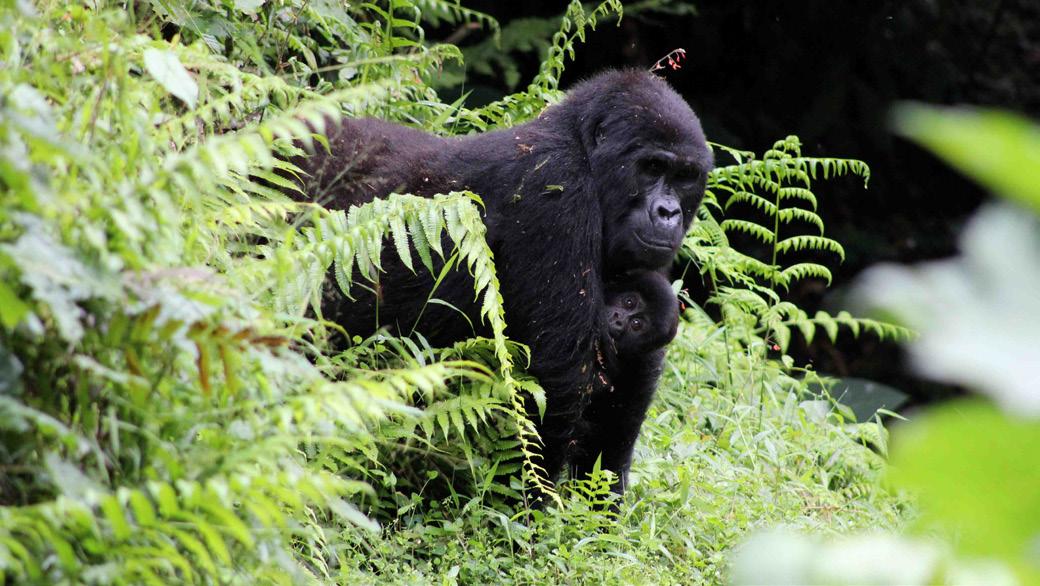
In Uganda, Trillion Trees is working with communities to plant 4,053 agroforestry trees around the outside of Bwindi Impenetrable National Park, a key habitat for endangered mountain gorillas. The initiative supports local livelihoods, reduces pressure on the forest by providing alternative sources of fuel, food and income, and helps protect biodiversity in the park.
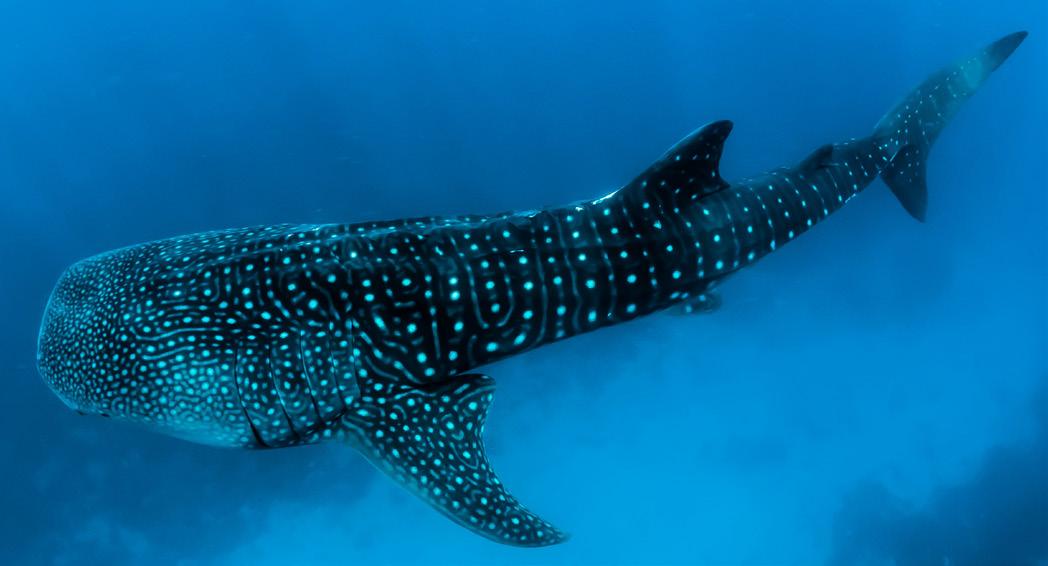
In São Tomé and Príncipe, Blue Marine’s efforts to monitor and protect whale sharks are strengthening national conservation capacity and informing policy. Data collected with local partners have supported the inclusion of whale sharks as a protected species in draft marine and fisheries legislation. Community outreach has reached over 3,000 fishers, while tagging and monitoring programmes have recorded more than 80 sightings of whale sharks and over 100 observations of other sharks, improving understanding of these vulnerable species.
threatened and endangered species are protected within Rainforest Trust projects in Africa
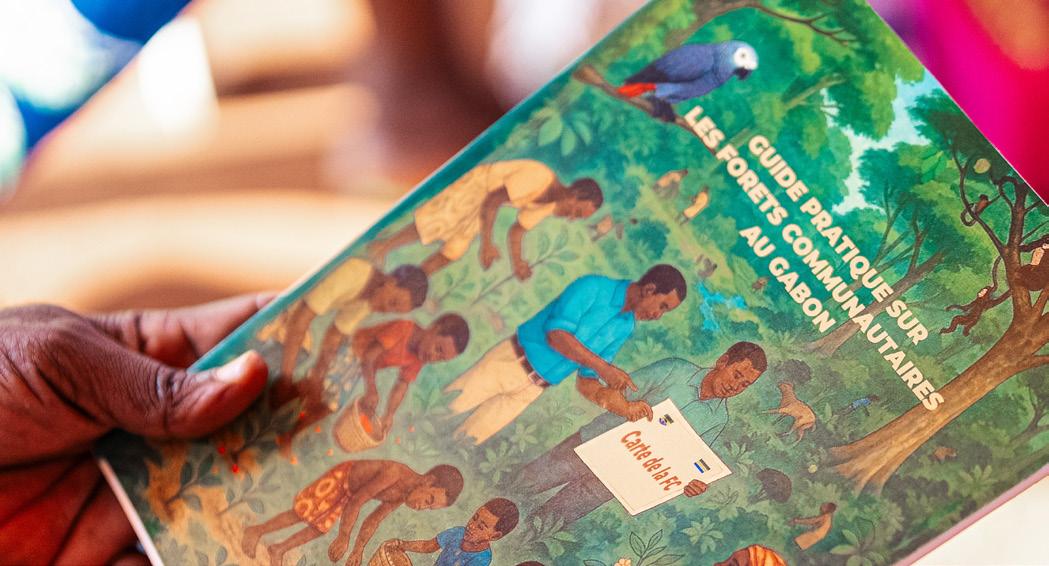
In Gabon, ClientEarth is working with partners to develop accessible forest management materials to help support sustainable forestry. Last year, ClientEarth published and distributed a guide that raises awareness among local communities on the concepts and tools of managing Community Forests – thereby supporting more equitable and sustainable forest governance.
coffee farmers supported by GRP donors in Kenya through
In the Usambara Mountains of Tanzania, 125,265 trees are being monitored by Trillion Trees to ensure restoration sites are flourishing. These forests are home to much of the country’s biodiversity and are critical for water supply, but are threatened by land clearing for agriculture. Through a partnership between WWF Tanzania and local partners, including eight primary schools, this forest restoration project considers the importance of education and advocacy alongside long-term project maintenance.
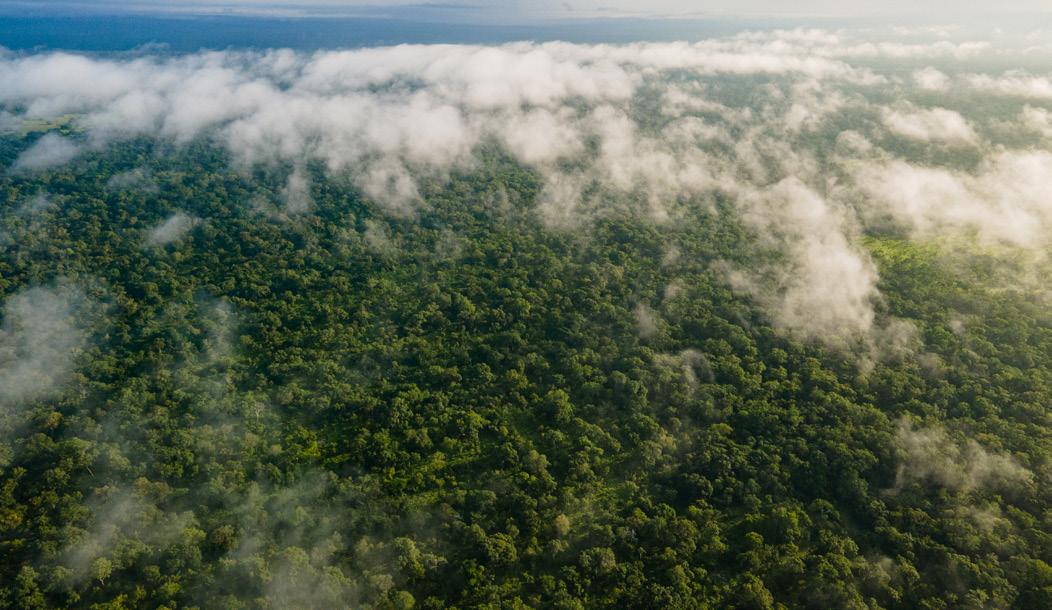
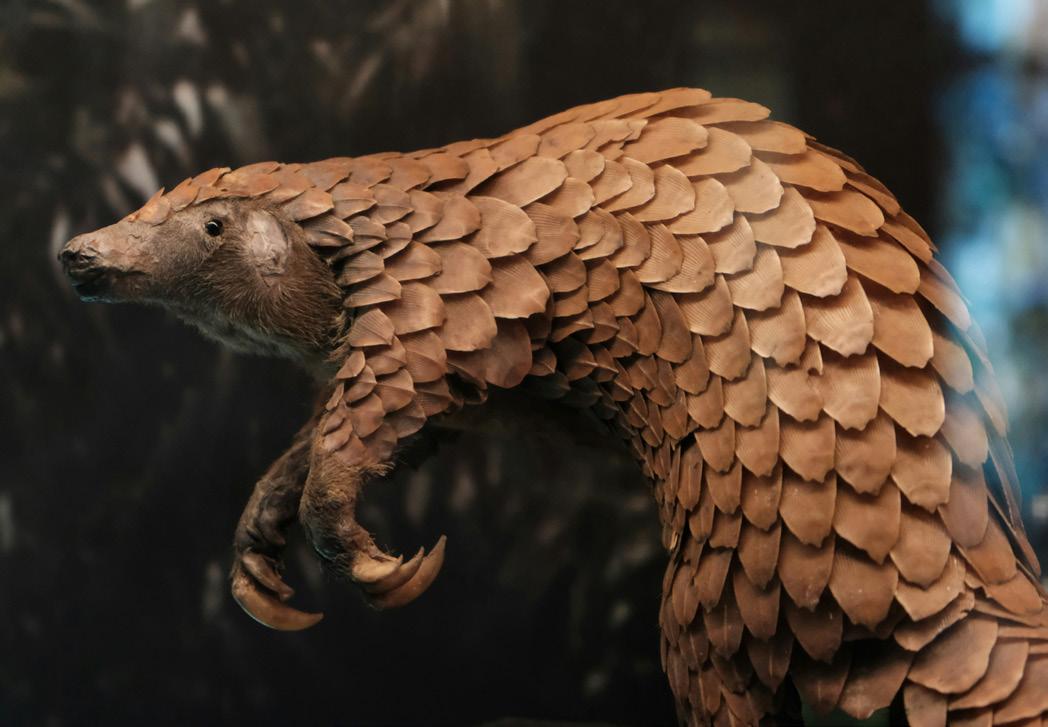
In the Democratic Republic of Congo, Rainforest Trust is supporting the protection of 740,000 acres of lowland forest through the establishment of 13 Community Forest Concessions. By securing land tenure and management rights for Indigenous Peoples and local communities, the initiative helps safeguard critical habitat for endangered species including bonobos, giant ground pangolins and golden-bellied mangabeys, while strengthening long-term forest stewardship.
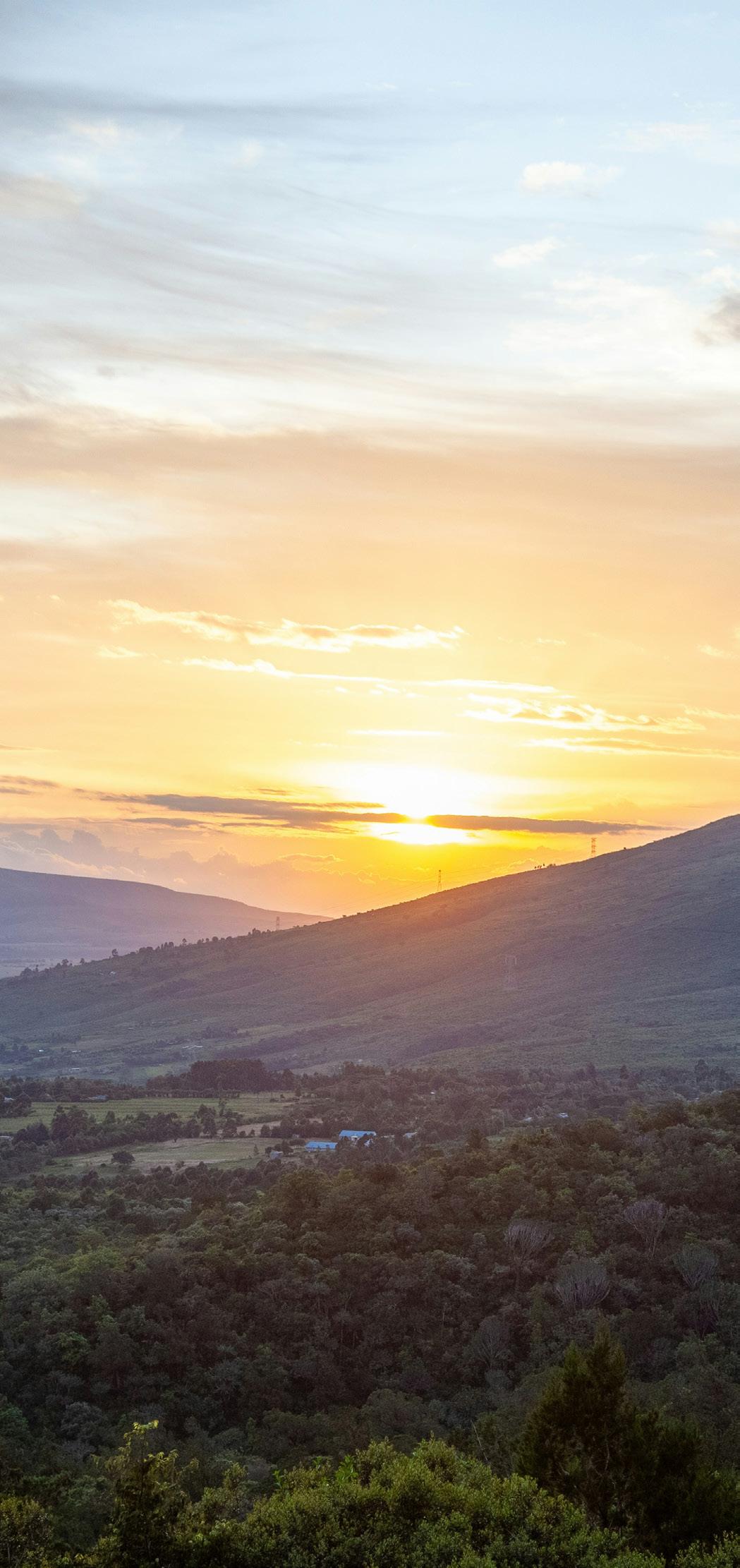
From the forested slopes of Mount Kenya to the highland forests of the Rift Valley, Kenya’s landscapes are critical for biodiversity, water security and rural livelihoods. GRP’s portfolio is working with communities and farmers to build resilient, sustainable land-use systems across these ecosystems.
Kenya’s landscapes are vital for biodiversity, water security and rural livelihoods. However, pressures from deforestation, land degradation and climate change continue to threaten both Kenya’s ecosystems and the communities that depend on them. That’s why GRP’s portfolio is involved on the ground, working with local people to build sustainable and productive systems.
In Kenya’s Rift Valley, the Kaptagat Forest forms part of a critical water tower that supports local communities and downstream ecosystems. Through the Trillion Trees partnership, WWF Kenya is working with Community Forest Associations (CFAs) in the Kipkabus forest to restore degraded areas and strengthen community-led forest management.
Five CFAs have led restoration efforts across their local areas, contributing to the planning and delivery of the ninth Kaptagat Tree Planting Edition last year. These efforts are supported by ongoing monitoring, with seedling survival rates reaching 96%, reflecting strong local stewardship and effective restoration practices. By combining tree planting with community engagement and longterm management, the initiative supports both ecosystem recovery and sustainable livelihoods in the region.
In the forested landscapes surrounding Mount Kenya, Rainforest Alliance is supporting coffee farmers to adopt regenerative agriculture practices that restore soil health, improve biodiversity and strengthen climate resilience. Through training and the implementation of several demonstration farms, the programme is building local capacity that will scale these practices across the country’s farming communities.
Rainforest Alliance is implementing this approach at scale in Kenya, by working closely with cooperatives, lead farmers and local stakeholders to introduce regenerative principles and align them with certification programmes.
Early efforts have focused on building awareness, establishing demonstration sites and engaging key actors across the value chain. As the programme develops, it aims to support improved yields, more efficient water use and more resilient livelihoods for farming communities.

Together, these initiatives demonstrate how integrated approaches across forests and farms can strengthen both ecosystem health and community resilience. Continued collaboration with local partners will be key to scaling both of these approaches and securing long-term sustainability across Kenyan landscapes.
We host in-person events that bring together our supporters, prospective supporters, charity partners, ambassadors and leading voices in climate and nature, together helping to build momentum behind our work.
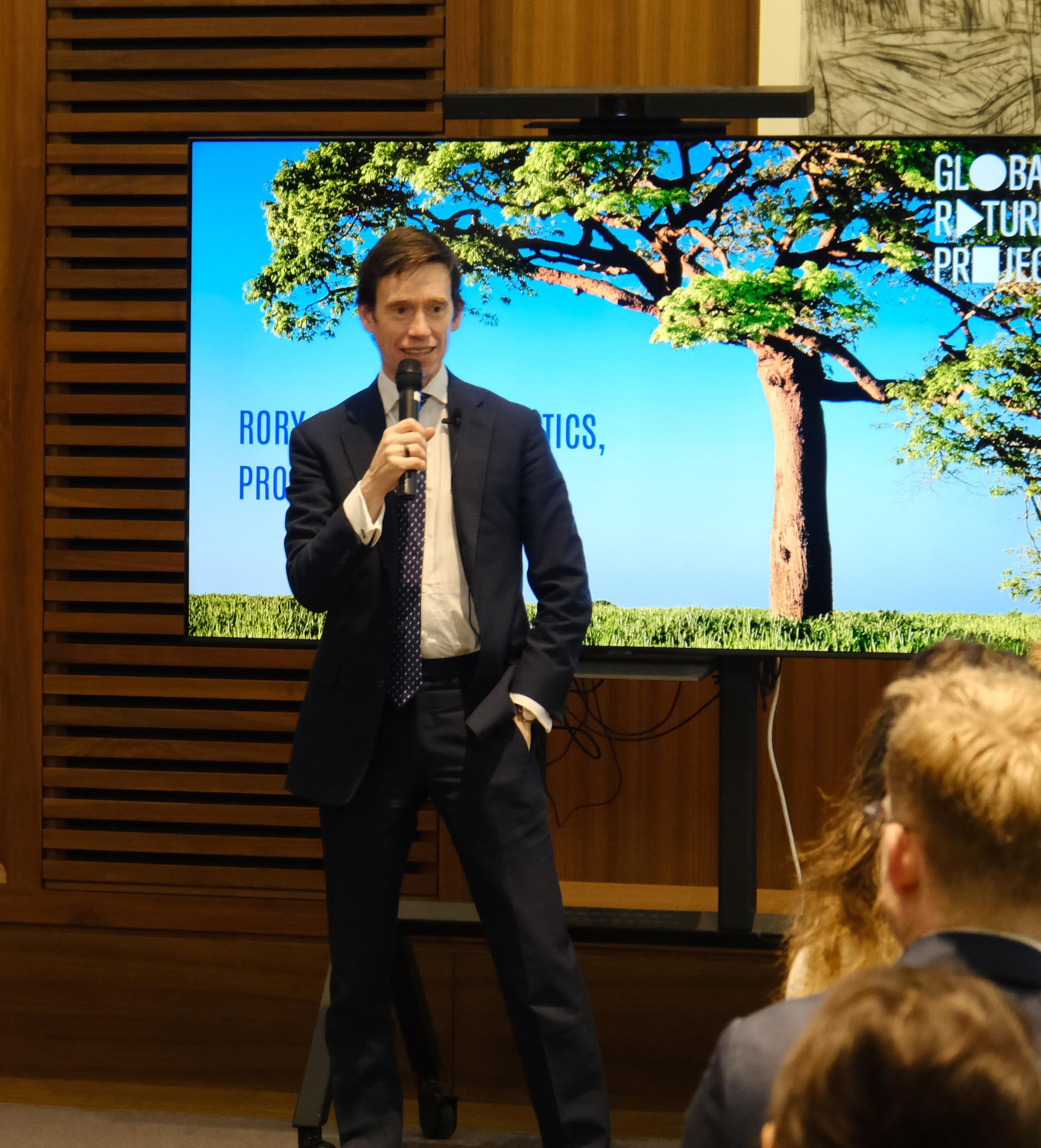
Rory
Stewart praised the Global Returns Project’s charity partners as
“...UNBELIEVABLY WELL-FOCUSED AND EFFECTIVE ORGANISATIONS THAT REALLY KNOW HOW TO ACHIEVE CHANGE”
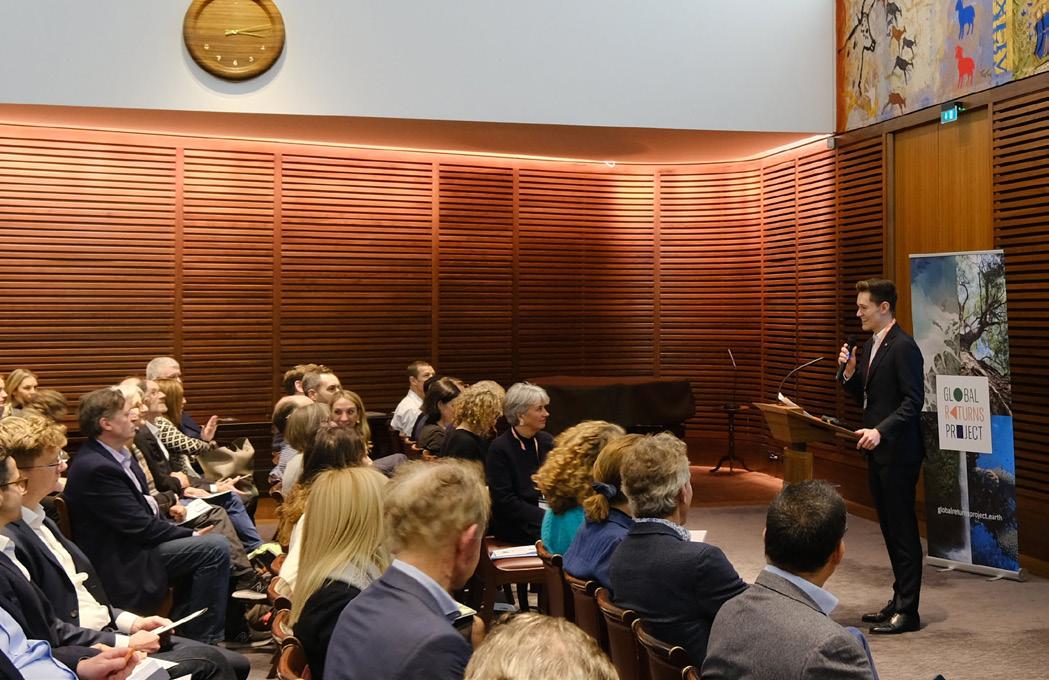
November 2025
Hosted at the Leathersellers’ Hall, this event brought together leading voices across policy, philanthropy, and environmental action to explore how political systems can drive climate progress.
Rory Stewart (left) opened with a keynote on the urgency of coordinated action across environmental, political, and economic systems, highlighting the vital role individuals can play by supporting high-impact solutions.
A panel featuring Professor Tim Lenton, Laura Clarke OBE (CEO, ClientEarth), and Clare Brook (CEO, Blue Marine Foundation) followed, examining the risks of climate tipping points and the role of legal, financial, and philanthropic approaches in accelerating solutions. Discussions highlighted how targeted support for high-impact organisations delivers meaningful progress across areas from marine protection to climate litigation.
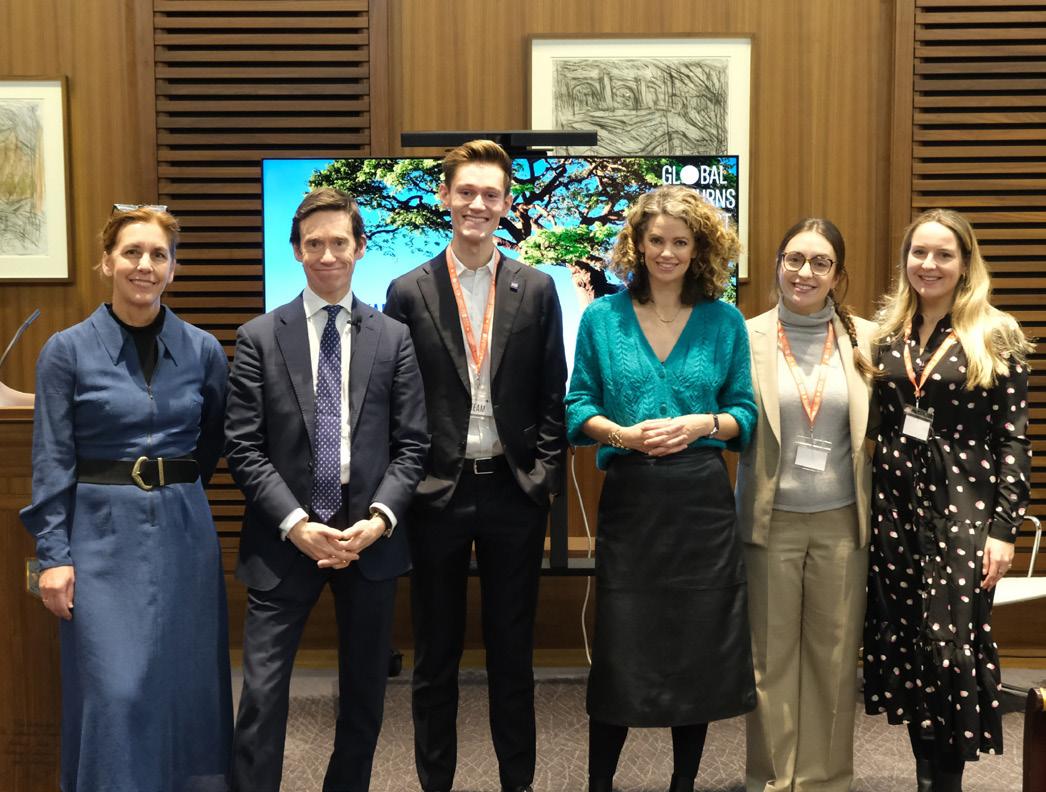
March 2026
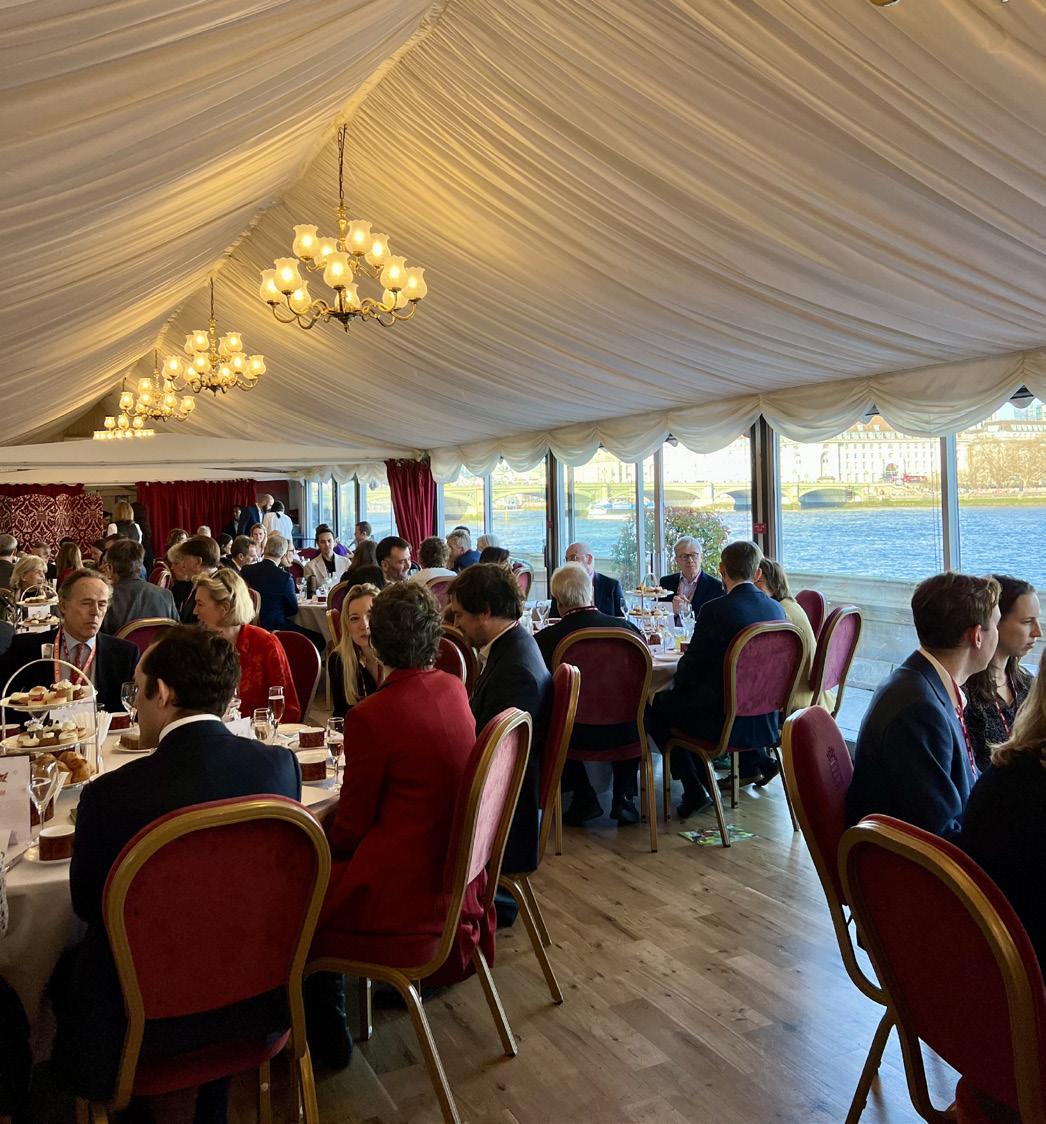
Hosted by Lord Zac Goldsmith at the House of Lords, this immersive event brought supporters together to experience the natural world through sound. Guests were invited on a live audio journey by sound recordist George Vlad, featuring recordings from ecosystems around the globe, from Iceland’s Vatnajökull glacier to the rainforests of Papua New Guinea.
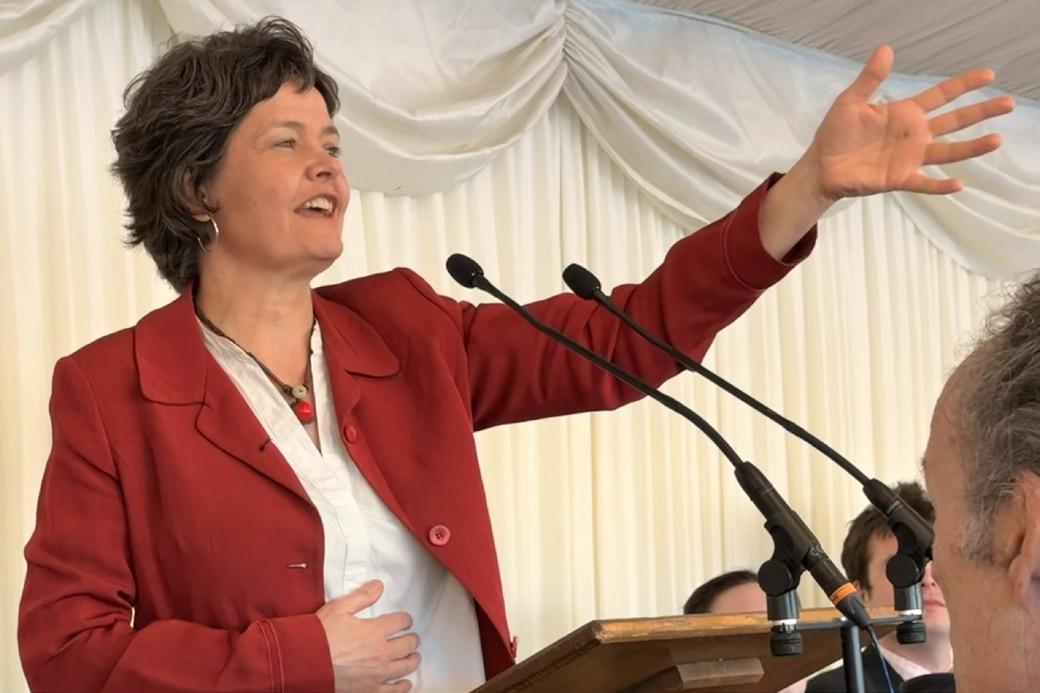
The afternoon concluded with a reflection from world-renowned economist Kate Raworth (below), who explored how her Doughnut Economics framework aligns societal needs and wellbeing within the planet’s limits.
info@globalreturnsproject.earth 020 3488 5985
The Global Returns Project is a UK charity that helps you give to powerful charities protecting our planet –without fees or deductions. With experts on our team, we’ve researched thousands of charities.
We look for the fastest paths to global impact for a huge array of the planet’s biggest problems. We re-assess our charities every six months and produce these detailed impact reports for every donor.