



BY RAYE MOCIOIU
Long before she became a global superstar, Shania Twain was a child navigating poverty in rural Ontario. Much of her childhood revolved around keeping up appearances so that no one would know that her family life was far from perfect. In between days of going to school hungry, with no lunch packed, and days where hunger would drive her to skip school altogether, she made a vow that if she made it someday, she would make sure to find a way to give back to kids like her so they would have access to the support that she so desperately needed as a child.
“I remember what it was like to grow up hungry—it made my school years so difficult,” she shared. “Food insecurity is a very sad reality that can negatively impact a child's learning and mental wellness. I made a promise to myself a very long time ago that someday I would support others who were facing the same barriers I did as a child. A child's dignity is so important.”
With more than 100 million albums sold worldwide, five Grammy awards, and a catalogue of songs that have become part of the soundtrack of countless lives, Twain has spent much of her career making good on that promise.
When she launched the Shania Twain Foundation in 2010, the goal was to help children and families facing poverty through programs focused on food security, education, mental wellness, and essential community services, all based out of schools full of children like her.
But a lot can change in 15 years—for one thing, food insecurity rates have climbed tremendously across Canada and the United States. An estimated 9.8 million Canadians, including 2.4 million children, experience food insecurity. As the scale of the issue climbs, so too does the Foundation’s approach. The only thing that hasn’t changed is Twain’s commitment to her childhood promise.
One Tour, One Million Meals
In summer 2025, Twain brought that promise on tour.
As she performed in cities across North America, the Shania Twain Foundation made direct donations to food banks and food rescue organizations in every community on the tour, providing the equivalent of one million meals across both small towns and big cities.
"Food insecurity is such a critical issue for so many families, and rising costs are just making things harder. Supporting food banks and food rescue helps make sure local communities are ready to offer support. When things get tough, I don't want anyone to be left behind."
In Canada, the Foundation partnered with Second Harvest to help rescue and deliver food for hundreds of thousands of meals in Calgary, Moose Jaw, Québec City, Ottawa, and Toronto. Additional support went to the West Prince Caring Cupboard in Prince Edward Island, extending the impact to communities facing food insecurity across the province.
In the United States, the Foundation worked with venues to identify local food banks in each tour stop, supporting organizations in Montana, New York, Maine, New Hampshire, Pennsylvania, and Florida. Each performance was connected to a local food program, directly impacting

have to choose between paying a bill or buying food,” she explained.
For families living paycheque to paycheque, that choice is all too familiar. A rent payment. A hydro bill. Groceries. When resources are stretched thin, something has to give.
“What’s even better is that I’ll often hear of a family that is back on their feet and donating at the very food bank that
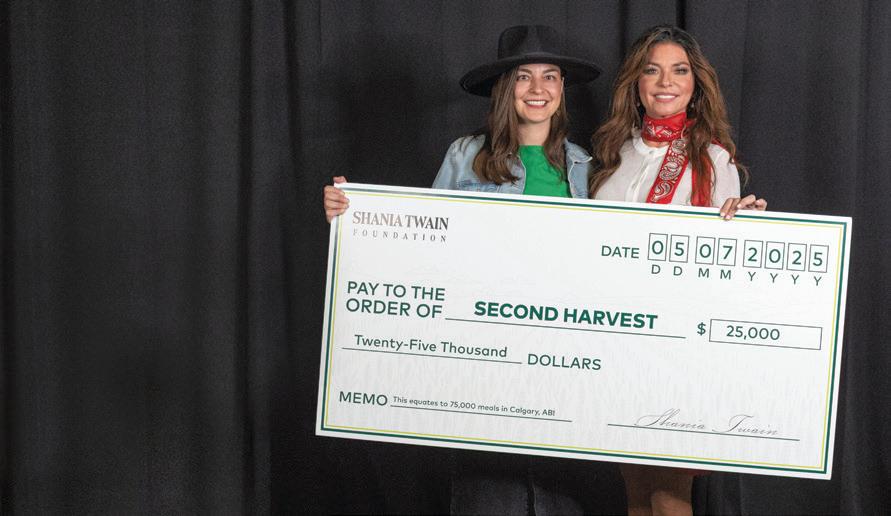
surprised even Twain.
"Forty-six and a half per cent of all food in Canada is wasted," she said. "Almost 42 per cent of this food could be redirected and put on tables instead of in landfill."
Last year alone, Second Harvest rescued more than 95 million pounds of food and supported 6.8 million people through a network of thousands of nonprofit partners.
Twain also serves as an ambassador for Second Harvest and recently joined 100 public figures participating in the organization's national Race to Rescue campaign, an ambitious effort aimed at funding one million rescued meals in just 100 hours.
"What I look for in a partner is impact," she explained. "Partnering with a national organization like Second Harvest ensures that our donations go a lot further. When they asked me to join Race to Rescue, I didn’t have to think about it. I’ve seen what they do. They take perfectly good food that would end up in a landfill and get it to people who need it.”
Sometimes, creating change means supporting the systems that make food rescue possible. That was the case in Winnipeg, where the Shania Twain Foundation provided funding for a refrigerated storage container during a period of heightened need following Manitoba's devastating wildfires.
At first glance, a refrigerated container may not seem particularly exciting, but
Not every Foundation initiative begins with a truck, a warehouse, or a food bank. Some begin in a garden—and this newest initiative is the most colourful one yet.
This year, Twain’s name took root in a new way with the debut of the Shania Twain™ rose, a hybrid tea rose developed in collaboration with Rosen Tantau, the renowned German rose breeder, and April & Ashley, a U.S.-based luxury rose grower. The rose, personally selected by Twain, features pink-and-yellow blooms, a light fruity fragrance, and strong performance across several growing regions. More importantly, a portion of every sale supports the Shania Twain Foundation.
“We were introduced to Rosen Tantau, a rose breeder in Germany,” she said. “I worked with them to select the rose, and they took it from there. It is about a twoyear process to breed the plant to ensure it will grow and flourish in different regions. Now it’s here, and it’s a beautiful rose.”
Having a rose named in her honour is meaningful on its own. Having it connected to the Foundation makes it even more special.
“As a rose grower myself, it is an honour to have a rose with my name,” she said. “And that it gives back to the charity is just wonderful.”
Even as Twain prepares for a busy season of performances overseas, including appearances in London and Ireland, the Foundation's work continues to grow.




Serving on your condominium board means making decisions that affect hundreds of people, often with limited time and increasing complexity. It is not an easy role.
The right condominium management partner can make all the difference. But today, boards are often told they have to choose. A large company with scale, systems, and resources. Or a local company that understands your community.
At FirstService Residential, you do not have to choose. You get both.
FirstService Corporation was founded in Canada in 1989 and remains headquartered in Toronto today. That Canadian foundation still shapes how we operate. It shows up in how we partner with boards, how we support communities, and how we approach service, with accountability, transparency, and a genuine commitment to doing things the right way.
At the same time, we have grown into a leading property management organization with the scale, structure, and expertise to support communities of all sizes and complexities.
For your board, that means you benefit from a company with deep Canadian roots and the strength of a larger organization behind it.
While our scale matters, our service is always local.
Your condominium manager is supported by a full team based right here in Alberta, including regional directors, vice presidents, administrative professionals, and accounting specialists. This local structure ensures your community has access to responsive, knowledgeable support from people who understand your neighbourhood, your residents, and the unique dynamics of condominium living in Calgary, Edmonton, and beyond.
Many of our associates are also active in the condominium industry, participating in organizations like CCI North and South Alberta chapters and staying closely connected to the issues shaping our sector.
We do not just work in these communities. We live in them, too.
In addition to local expertise, your board benefits from the resources and infrastructure that come with a larger, well-established organization. That includes:
• Proven processes and operational consistency
• Access to industry insights and best practices
• Scalable support for complex projects and challenges
• Investment in tools, systems,
and ongoing training
• Resident support tools like RSS and HODA for quick day-today answers
It also means your manager is never operating alone. They are backed by a wider network of professionals who can step in with guidance, escalate issues when needed, and help your board make informed decisions with confidence.
For board members, this combination removes uncertainty. You have both day-to-day support and long-term strategic backing.
Strong communities start with strong boards.
That is why we believe our role goes beyond day-to-day management. We are here to help board members feel informed, prepared, and confident in their decisions.
We offer ongoing educational opportunities designed specifically for condominium boards, covering topics such as:
• Budget planning and financial management
• Insurance trends and risk management
• Understanding new legislation (like Bill 30 essentials for boards)
These sessions provide practical insights and clear guidance, helping board members build knowledge over time and make decisions that support the longterm success of their community.
Being Canadian is not just where we started. It is reflected in how we show up.
It means being approachable, accountable, and genuinely helpful. It means giving back to the communities we serve and supporting causes that matter.
For us, it is about more than managing properties. It is about contributing to stronger communities.
When you bring all of this together, the value becomes clear.
You get a partner with deep local knowledge and relationships.
You get the strength, structure, and resources of a larger organization.
You get consistency, support, and the ability to scale when your community needs it.
Most importantly, you get a team that understands that no two communities are the same and that your board deserves a partner who can adapt, guide, and support you every step of the way.
There is a lot of noise in the market today about what boards should expect from their management partner. Many are led to believe they have to choose between two very different options. On one hand, there are large companies with scale, systems, and resources. On the other hand, smaller local firms know the community and
provide a more personal approach. It is often framed as a trade-off between resources and relationships, or structure and flexibility.
At FirstService Residential, we see it differently. You should not have to choose between scale and service. The strongest partnerships deliver both. Our focus is simple. Deliver consistent service, strong local support, and the resources communities need to operate with confidence.
“We take great pride in supporting condominium boards and communities across Alberta,” said Chris Churchill, President, FirstService Residential Western Canada. “What sets us apart is our ability to combine local insight with the strength and resources of a larger organization. We understand the communities we serve because we are part of them, and we have the depth of expertise boards need to navigate an increasingly complex environment with confidence.”
Do not be surprised if you see a familiar FirstService Residential face at your local park, weekend farmers' market, or favourite neighbourhood restaurant. Because we are not just your management partner.
We are your neighbours.
Find out how your community can benefit from the new approach to condominium management.
Learn more at bit.ly/26AB_LetsTalk-Condos

Canadians are being invited to take a step—literally—toward a more hopeful future. This fall, the Jane Goodall Institute of Canada will launch the first-ever national “Hike for Hope,” a country-wide event designed to reconnect people with nature while carrying forward the legacy of Jane Goodall. Set to take place on October 3 and 4, 2026, the Hike for Hope is open to everyone, from seasoned hikers to those just looking for an excuse to spend more time outdoors. It’s also completely flexible; participants can choose their own route, pace, and distance, from hiking mountain trails, strolling through conservation areas, or even exploring a neighbourhood park. The goal, along with physical activity, is meaningful engagement with the environment, so how you do it is entirely up to you. This initiative comes at a time when many are looking for ways to get involved in environmental action. Dr. Jane Goodall, in one of her final recorded messages to Canadians, shared publicly for the first time this Earth Day, encouraged people to join the movement, reminding them that “each step is a gentle reminder that each one of us matters and has a role to play.” Bella Lam, Chief Executive Officer of the Jane Goodall Institute of Canada, said the event offers an accessible, action-oriented way for Canadians to honour Dr. Goodall’s legacy while contributing to urgent environmental work.
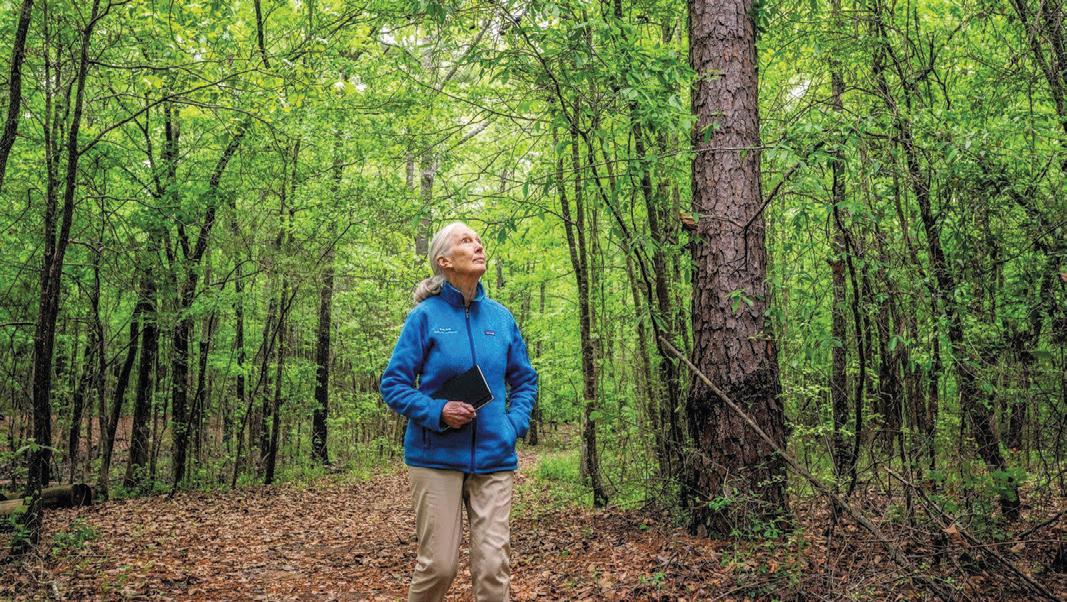
"Like so many Canadians, I've been inspired by Jane. I can still hear her voice, urging us to 'do our bit' to protect the one planet we all call home," said Lam.
"Jane's passing, at a time when our world is facing unprecedented threats due to climate change and biodiversity loss, makes it more urgent than ever for us to continue her life's work. I am taking part in the Jane Goodall Hike for Hope because it's a great way to be active while connecting with nature, and a meaningful way to 'do my bit.'"
Funds raised through the hike will directly support the Institute’s initiatives, both globally and at home. This includes community-led conservation projects across Africa, care for
rescued chimpanzees, and youthled environmental programs in Canada. Participation in the Hike for Hope is intentionally barrierfree. There is no registration fee, no minimum fundraising requirement, and no single “right way” to take part. Individuals can sign up on their own, join an existing team, or create one with friends, family, or colleagues. While fundraising is encouraged, the emphasis remains on inclusivity and engagement rather than obligation.
To help participants prepare, the event is supported by several founding sponsors, including G Adventures, GoodLife Fitness, Sinking Ship Entertainment, and VIA Rail. Each brings something unique to the
experience. Registered hikers will receive an “Adventure Package” from G Adventures with practical tips on everything from trail preparation to hiking with children, along with guidance on eco-friendly practices like “leave no trace.”
Meanwhile, GoodLife Fitness is offering participants a complimentary seven-day pass to help them build strength and stamina ahead of the event. Additional rewards and incentives are expected to roll out in the months leading up to the hike, adding an extra layer of motivation for those looking to set and achieve fundraising goals.
The Jane Goodall Institute of Canada will also recognize participants’ efforts through
a range of milestone rewards. These include digital badges, commemorative items like water bottles and hats, and special recognition for top fundraisers.
Environmental challenges can often feel overwhelming, and initiatives like these offer people a way to get involved and make a difference. That’s why the Hike for Hope is being positioned as an annual tradition, one that reflects Dr. Goodall’s lifelong belief in the power of individual action. Her work consistently emphasized that meaningful change does not come from grand gestures alone, but from the accumulation of small, intentional steps taken by many people. By encouraging people to step outside, connect with nature, and contribute in ways that feel personal and achievable, the Hike for Hope reframes environmental action as hopeful rather than daunting. As more people seek balance in an increasingly digital world, experiences that combine wellness, community, and purpose are gaining traction. The Hike for Hope taps into that desire, offering a chance to unplug, move, and contribute to the world around us. You don’t have to travel far or do something extraordinary to make a difference. Sometimes, it starts with a walk in your local park, a trail through the woods, or a shared moment outdoors with others. As Dr. Goodall said, every step counts.
(SOURCE: The
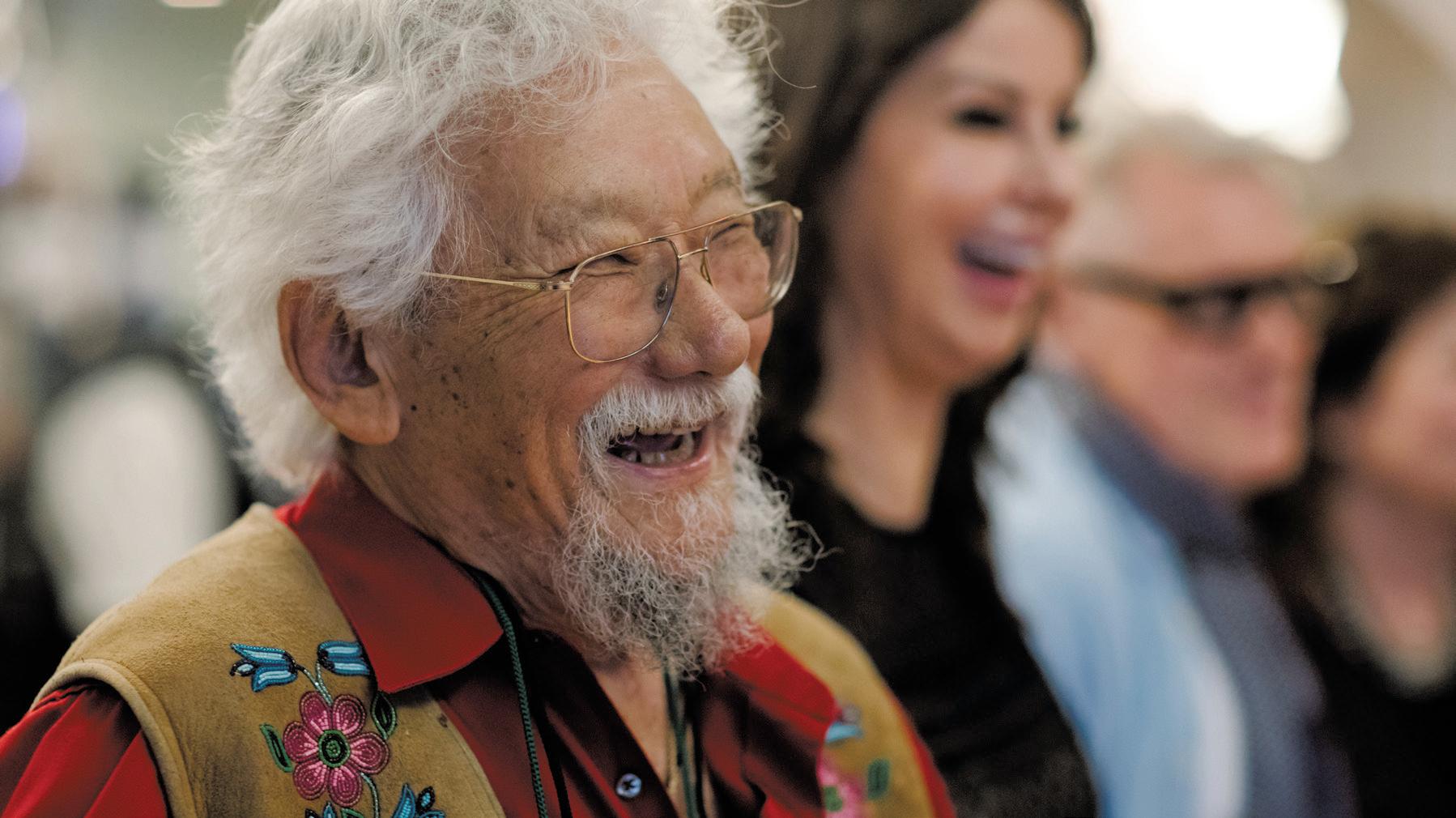

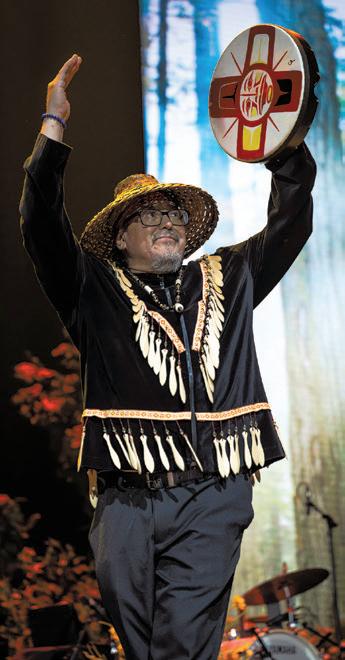
For many Canadians, awardwinning geneticist David Suzuki was their first introduction to environmental science. For many more, he was the first scientist who made environmental issues understandable. Over the last 50 years, Suzuki has become a household name—familiar on-screen as the host of CBC’s The Nature of Things and widely recognized as a world leader in sustainable ecology.
With 30+ honorary degrees from universities across the globe, numerous awards for his work, including a UNESCO prize for science and a United Nations Environment Program medal, and a long list of book, movie, and TV awards, Suzuki has built a 90-year legacy of education and action. How does such a storied and beloved figure celebrate his 90th birthday? With a climate benefit, of course.
A STAR-STUDDED CELEBRATION WITH A PURPOSE
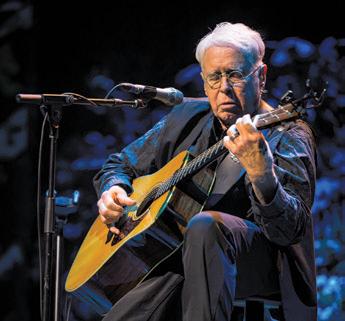
At Vancouver's Queen Elizabeth Theatre, nearly 2,400 gathered for Legacy: A Celebration of David Suzuki at 90, in concert with Vancity, an evening that brought together musicians, environmental leaders, Indigenous voices, activists, and longtime friends to honour one of Canada's most influential environmental champions. The event was emceed by Canadian broadcaster and producer George Stroumboulopoulos, with performances by artists including Neil Young, Sarah McLachlan, Bruce Cockburn, Chantal
Kreviazuk, and William Prince, alongside appearances from Jane Fonda, Al Gore, Rick Hansen, and others. But as Suzuki himself reminded attendees, the evening was never really about him.
"I'm honoured to get all this attention," he said. "But what's most important to me, now more than ever, is safeguarding Earth."
Throughout the evening, speakers reflected on Suzuki's lifelong message that all life is interconnected and that protecting nature requires collective action. Indigenous leaders honoured his decades of allyship, while environmental advocates emphasized the need for communities to come together to address today's ecological challenges. Effective, sustainable change happens when real people get involved, taking action to safeguard the communities they live in, to inspire others to do the same in communities across the country, and on a larger scale, around the world.
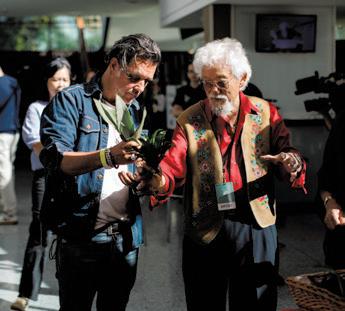
With this in mind, as Suzuki enters his 10th decade of climate activism, an important project enters its second—one that inspires both individual action and community togetherness. Launched by the David Suzuki Foundation in 2017, in partnership with Cascades, the Butterflyway Project is a citizen-led initiative that helps people create habitat for bees, butterflies, and other pollinators where they live. Since the program's launch, more than 2,000 trained Butterflyway Rangers have started working in hundreds of communities,
planting more than 132,000 native wildflowers and grasses, establishing over 7,600 habitat gardens, and creating 157 official Butterflyways—connected networks of pollinator-friendly gardens that provide food and shelter for insects struggling against habitat loss, climate change, and pesticide use. Native plants support significantly more pollinators than many ornamental species, while connected habitat corridors help wildlife navigate increasingly fragmented urban landscapes. Butterflyway Rangers work with neighbours, schools, municipalities, and community groups to restore habitat one garden at a time. They organize planting projects, host workshops, share native plants, and inspire others to reconnect with nature. So, on top of being a way to care for the world around us, it’s also a way to connect with those who live there with us. Neighbours who may never have spoken find themselves exchanging seeds and gardening tips, children learn about local ecosystems, and residents come together to transform unused spaces into pollinator habitats. Suddenly, we start to see how small actions add up to lasting change.
A LEGACY TAKING ROOT
At 90 years old, Suzuki carries with him a career studded with awards, books, broadcasts, and more, but his greatest legacy may just be the millions of people throughout Canada and the world whom he’s inspired to take action for
future of our planet. And across Canada, that
is
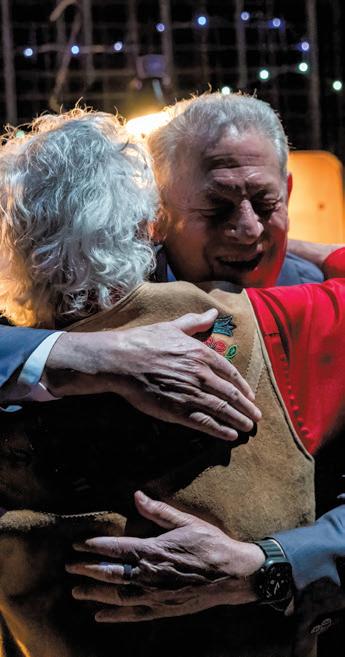
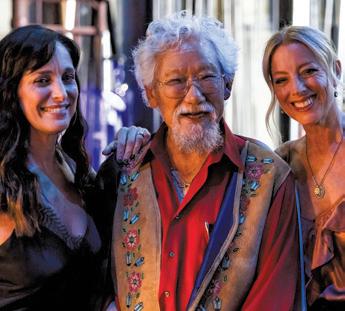
taking root.
For many Calgarians, homeownership is evolving. Buyers are looking for homes that offer comfort, value, and connection, without the demands that can come with a larger detached property. Black Birch Heights responds to that shift with a thoughtful condominium opportunity for purchasers who want to plan ahead, invest wisely, and settle into a home that supports how they live today.
Located in Taza Park, a master-planned community neighbouring southwest Calgary, Black Birch Heights offers a new condo option in a highly desirable setting. The project is positioned next to the Weaselhead, with pathways connecting to the Glenmore Reservoir, giving residents access to nature, recreation and everyday convenience in one location.
Whether someone is entering the market for the first time, rightsizing from a larger home or considering a property with long-term potential, condominium living continues to appeal to a wide range of buyers. Black Birch Heights is designed for those who want a well-planned home, a convenient location, and the freedom to spend less time on upkeep and more time enjoying the community around them.
The collection includes floorplans ranging from one-bedroom, one-bath homes to larger two-bedroom, two-bath plus den options. This variety allows purchasers to choose a home that fits their lifestyle, whether they need an efficient first home, space to work from home, room for guests, or a more comfortable right-sized layout. Professionally curated interiors add a sense of luxury to everyday living, with finishes chosen to feel modern, polished, and welcoming.
At a time when affordability and lifestyle are top of mind, condos offer an attractive alternative for buyers who want to move with confidence. For first-time buyers, purchasing a condo can be a practical way to step into ownership while building equity. For rightsizers, it can mean simplifying daily routines without compromising comfort. For investors, it can represent an

opportunity to secure a well-located property in a market where efficient homes continue to draw interest from renters and future buyers.
Real estate has long been viewed as a meaningful part of a balanced financial plan, and Black Birch Heights presents a timely opportunity for buyers thinking beyond the immediate move. Condominiums can be especially appealing because they often offer a lower-maintenance ownership model, making them attractive to homeowners and investors.
For purchasers looking at longterm value, the appeal lies in more than the home itself. Black Birch Heights is located within Taza Park, a growing master-planned community designed to support future connection, amenities, and everyday livability. Its location neighbouring established southwest Calgary adds to its appeal, offering purchasers the benefit of a new community setting while staying close to familiar services, routes, and recreation.
A desirable condo community can also offer flexibility over time. A buyer may choose to live in the home now, hold it as part of a future investment strategy or consider it as an option for family members entering the housing market. While every buyer should review their own financial goals
and speak with trusted advisors, the value of a well-located condo is clear. It offers a practical way to own property while staying connected to the amenities and conveniences people use every day.
Black Birch Heights is also well-suited to those who value predictability. Condominium living can reduce exterior maintenance and seasonal responsibilities, a major benefit for busy professionals, frequent travellers, retirees, and anyone who would rather spend weekends enjoying their time.
One advantage of buying a new condo is the ability to plan. Instead of reacting quickly to a resale market, purchasers can take time to consider what they need, what they value, and how they want their next home to function. Black Birch Heights gives buyers the chance to look ahead and make thoughtful decisions about their future.
Planning a move is about more than choosing a floorplan. It is about imagining daily life. How much space is needed? Is a lockand-leave lifestyle important? Is proximity to work, family, recreation or shopping a priority? Would a new home help create a simpler routine? At Black Birch Heights, buyers can consider layouts ranging from practical one-bedroom homes to spacious two-bedroom, two-bath plus den residences.
For first-time buyers, planning early can create a smoother path into homeownership. Understanding mortgage options, deposit requirements, monthly costs, and possession timelines allows purchasers to move forward with greater confidence. For rightsizers, early planning can provide time to prepare an existing home for sale, sort through belongings, and transition into a more streamlined way of living. For investors, it allows time to evaluate rental potential, market conditions, and long-term strategy.
A new condo purchase is not simply a transaction. It is a chance to make a measured decision that aligns with personal goals, financial priorities, and lifestyle expectations. With professionally curated interiors and a location connected to both nature and southwest Calgary, Black Birch Heights offers buyers an opportunity to plan their next move with purpose.
Location remains one of the most important factors in any real estate decision, and Black Birch Heights is positioned to appeal to buyers who want convenience without giving up a sense of home. Today’s homeowners are looking for communities that make daily routines easier. Access to major routes, shopping, services, parks, pathways, and recreation can all influence how a home feels day to day.
Black Birch Heights is located next to the Weaselhead, with pathways connecting to the Glenmore Reservoir. That connection to nature gives residents a meaningful lifestyle advantage, with opportunities to walk, bike, and enjoy nearby outdoor spaces while staying close to the conveniences of southwest Calgary.
As part of Taza Park, Black Birch Heights also benefits from being located within a master-planned community with a long-term vision for growth, connection, and amenities. For buyers who value both natural surroundings and urban convenience, the setting offers a strong balance.
A strong location supports both lifestyle and long-term desirability. Buyers want to know they can get where they need to go, enjoy the surrounding community, and feel connected to the places that matter most. For investors, location can be equally important, as renters often prioritize convenience, accessibility, and neighbourhood amenities.
Black Birch Heights offers the kind of ownership opportunity many Calgary buyers are seeking: a home that feels attainable, practical, and future-focused. It brings together the ease of condo living, the potential of real estate ownership, luxury interiors, and the appeal of a community designed for modern life.
For those considering their next step, Black Birch Heights is worth a closer look. Whether the goal is a first home, a lower-maintenance property, or a long-term investment opportunity, these condos offer a compelling way to move forward with purpose.
In a changing housing market, thoughtful opportunities stand out. Black Birch Heights is one of them, offering buyers the chance to invest in their future, plan their move, and enjoy a home designed for the way Calgarians live now, in a location connected to nature, southwest Calgary, and the growing vision of Taza Park.
Find out more at BlackBirchHeights.ca



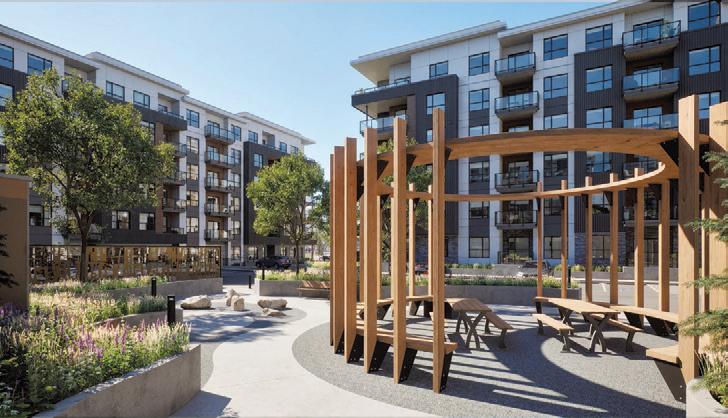


For Project Forest, planting trees has never been only about trees. It is about restoring land, rebuilding biodiversity, strengthening community connections, and creating spaces where people can reconnect with nature, culture, and one another. In 2026, that mission reached two meaningful milestones in Alberta: the planting of Project Forest’s millionth tree at Blackfoot Crossing Historical Park on Siksika Nation, and the announcement of the
Keyera Legacy Forest, a 95-acre restoration project in Alberta’s Industrial Heartland. Together, the two projects tell a larger story about what is possible when conservation, community leadership, industry, and longterm environmental stewardship come together.
Earlier this spring, Project Forest celebrated the planting of its
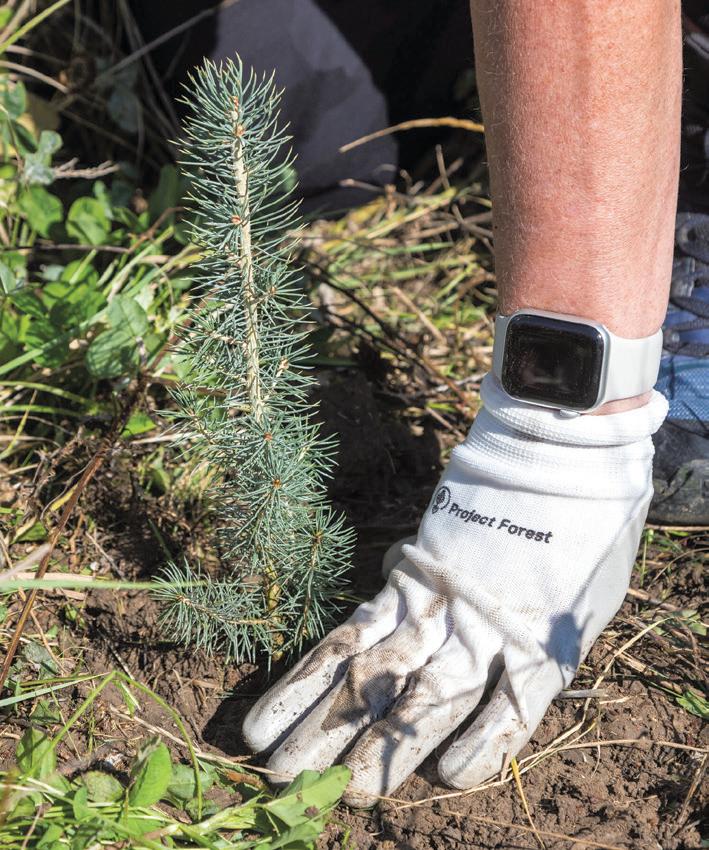
one millionth tree at Blackfoot Crossing Historical Park, marking five years of community-driven restoration work across Canada. The Alberta-based non-profit partners with conservation groups, First Nations, municipalities, and funding partners to rewild unused and ecologically degraded land. Its work has taken root in places such as Doig River First Nation, Wagner Natural Area, Swan River First Nation, and Siksika Nation, home to Project Forest’s largest project to date. What began as a way to gift nature back to communities through unused land has grown into something deeper. Through its partnerships with Indigenous communities, Project Forest has helped support spaces where people can connect with nature, tradition, and each other. At the May celebration, Siksika Nation members, partners, community leaders, and Project Forest gathered for a community BBQ, seedling giveaway, and ceremonial tree planting. For Siksika Nation, the partnership has helped support reforestation efforts across its lands while addressing what Dale Springchief, Special Projects Coordinator for Siksika Nation Land Management, described as a nature deficit within the community. “Our collaboration with Project Forest is vital in addressing the nature deficit within our community,” Springchief said. “The annual seedling giveaways are a highlight for the Nation, serving as a meaningful step toward healing and strengthening Siksika Nation’s relationship with Canada.”
While Project Forest celebrated what has already been planted, another major initiative pointed toward what is still to come. In January, Project Forest announced a partnership with Keyera and Strathcona County to establish the Keyera Legacy Forest, a permanent 95-acre forest restoration project northeast of Fort Saskatchewan. Located within Alberta’s Industrial Heartland, the project will restore ecologically degraded land impacted by a 2009 wildfire, where areas did not naturally regenerate. Reforestation activities will begin on August 11, 2026 with the groundbreaking ceremony in Strathcona County. Both the public and media are invited to attend, email info@projectforest.ca for details.
More than 40,000 native trees and shrubs are scheduled for planting throughout the Keyera Legacy Forest. Once established, the forest will include six different species, supporting biodiversity and strengthening ecosystem resilience for generations to come. Strathcona County will use a Conservation Easement to ensure the forest remains a permanent feature, creating what Project Forest describes as a “green island” within designated industrial land. “The Keyera Legacy Forest reflects how we think about our role as an industrial operator,” said Keyera President and CEO Dean Setoguchi. The project demonstrates how responsible industry and ecological restoration can coexist while creating lasting benefits for nearby communities.
For Strathcona County, the project supports broader environmental goals while helping restore local ecosystems. “Together, we are restoring biodiversity within Strathcona County’s portion of the Heartland area,” said Mayor Rod Frank. “This work directly supports the County’s Environmental Framework and our efforts to sustain and protect the health of our residents and local environment.” Keyera’s Diamond Willow partnership with Project Forest makes the initiative possible, supporting restoration that will preserve natural landscapes while contributing to the well-being of surrounding communities.
From Blackfoot Crossing Historical Park to Alberta’s Industrial Heartland, Project Forest’s work is rooted in the belief that restoration can be both practical and profound. A forest can become a place of memory, learning, healing, and renewal. With one million trees and plants already rooted across Canada, and more than 40,000 native trees and shrubs set to be planted through the Keyera Legacy Forest, Project Forest’s next chapter is already taking shape. One community, one funding partner, and one forest at a time, the organization is helping grow a greener future— one that will continue to stand for generations.
(Source: Project Forest)
For 40 years, Alberta Dreams has been helping children facing severe chronic and life-threatening medical conditions experience moments of joy, hope, and inspiration. What began in 1986 as The Rainbow Society of Alberta has evolved into Alberta Dreams, but the mission remains the same: creating meaningful once-in-a-lifetime Dream experiences that bring light during some of life's most difficult challenges.
A LEGACY ROOTED IN RESILIENCE
Over the past four decades, thousands of Alberta children and families have been impacted through Dreams designed to celebrate courage, resilience, and hope. From meeting heroes and exploring magical destinations to creating unforgettable family experiences closer to home, every Dream reminds children and families that they are not defined by their diagnosis.
As Alberta Dreams celebrates its 40th Anniversary in 2026,

the organization is reflecting on a remarkable legacy while looking toward the future. The transition from The Rainbow Society of Alberta to Alberta Dreams represented more than a name change; it was an opportunity to build on a strong foundation while creating a modern identity that reflects the Dreams, aspirations, and possibilities of the children and families served across the province. Today, Alberta Dreams continues to serve children from communities large and small throughout Alberta. Every Dream is made

possible through the generosity of donors, sponsors, volunteers, and community partners who believe in the power of hope.
AHEAD
The 40th Anniversary year will feature several exciting initiatives, including the Kicks for Dreams soccer fundraiser, a special 40th Anniversary Celebration featuring a renowned Alberta musical guest, and opportunities for Albertans to help create life-changing experiences for deserving children.
While Alberta Dreams is proud
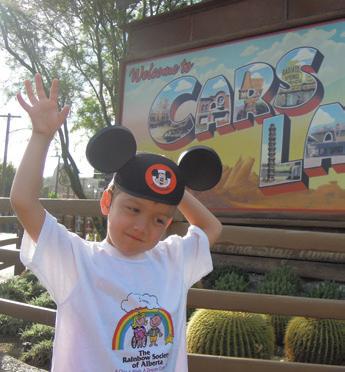
of its history, many children are still waiting for Dreams. Families, healthcare professionals, social workers, and community partners are encouraged to learn more about referral opportunities available through Alberta Dreams. Whether through a donation, sponsorship, volunteering, attending an event, or referring a child, every Albertan can become a DREAM MAKER and be part of the next chapter in this incredible story.
Forty years ago, a Dream began. Today, thousands of Dreams
later, Alberta Dreams continues to inspire hope, create joy, and remind children and families that anything is possible.
Join us as we celebrate 40 years of Dreams and help us create the next 40.
LEARN MORE Visit AlbertaDreams.ca to:
• Refer a child Purchase tickets for Kicks for Dreams
• Learn about our 40th Anniversary Celebration Become a sponsor or community partner
• Donate and help create the next Dream Because every child deserves the chance to Dream.



RAYE MOCIOIU
T he modern news cycle moves fast—so fast that even the most urgent global crises can begin to feel distant, reduced to headlines and statistics. But behind every emergency are individual lives: parents, students, artists, and families working to hold onto dignity amid uncertainty. When the world starts to feel far away, sometimes the most powerful response is to move closer.
For decades, George Stroumboulopoulos has built his career on doing exactly that: getting closer to stories, to people, and increasingly, to the front lines of global humanitarian work. As one of the most active Goodwill Ambassadors for the World Food Programme (wfp.org), the renowned Canadian broadcaster has shifted from documenting crises to standing within them, using his platform to spotlight hunger, resilience, and the human realities too often lost behind the news cycle.
In conversation with Global Heroes, Stroumboulopoulos reflects on what he’s witnessed in the field, from flood-ravaged communities in Pakistan to classrooms in Syria, what it means to move from observer to participant, and why the world must continue to see people as more than just headlines in a world competing for attention.
Global Heroes: You’ve spent years telling stories, but your relationship with WFP began when you chose to step directly into humanitarian work. What first drew you to the organization, and what made you say yes at that moment in your life?
George Stroumboulopoulos (GS): Early in my career, I only had opportunities to tell stories from the outside looking in, and for a long time, that felt fine. It felt useful. You try to reflect something honestly and hope it lands. But after a while, I realized there was a gap between witnessing and actually being part of the response. I didn’t want to just talk about crises anymore. I wanted to understand what it looks like to work with them every day. Not everyone has the opportunity to do this, but I was lucky enough to. And that luck was compounded by and with the people I worked with and for at the time. We shared values, and collectively we committed to the approach. This is key. I am surrounded by people with incredible hearts and minds, and we all look for meaningful ways to serve.
What drew me to WFP was the straightforward nature of the work. Food isn’t symbolic. People either have it or they don’t. And once you strip away the politics, opinions, and noise, that reality is hard to argue with. Saying yes didn’t feel dramatic or idealistic.
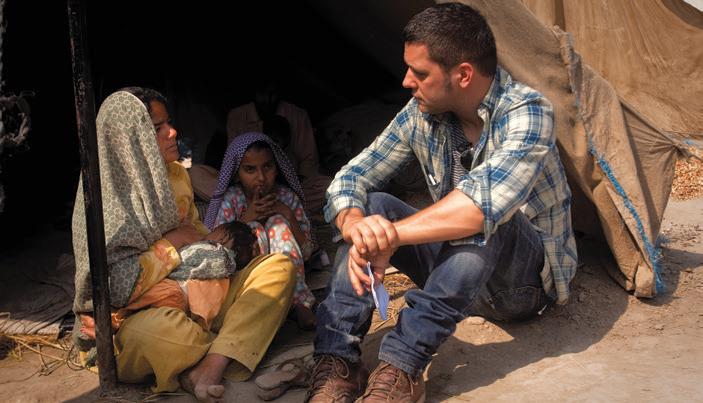
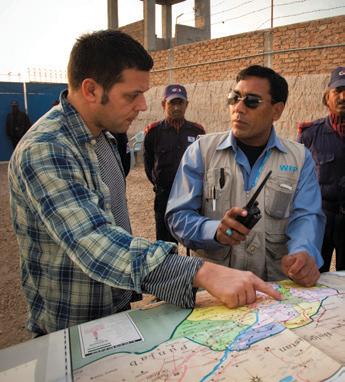

It felt practical. Like, this is something that works, and if I had the chance to support it in a real way, then I should.
We’ve heard you describe WFP as an agile, fieldfocused agency. What sets it apart from others, and did it change your perspective on the UN?
GS: Most of us only see disasters through the media—floods, earthquakes, conflicts—and it can feel overwhelming and distant. But on the ground with WFP, you see people working together to deliver emergency aid to those who need it most or to help communities rebuild. It’s practical, and it’s deeply human. Before becoming a Goodwill Ambassador for WFP, I witnessed the organization in action in Darfur, and it genuinely shifted how I see the UN. It showed me that beyond the speeches and bureaucracy, the UN can be agile, field-focused, and lifesaving. At its best, it’s about people in need and our shared responsibility to show up for one another.
Let’s talk about your experiences in Syria. There’s a tendency for the world to reduce the country to conflict statistics and political headlines. What did you see on the ground that contradicts the way Syrians are usually portrayed?
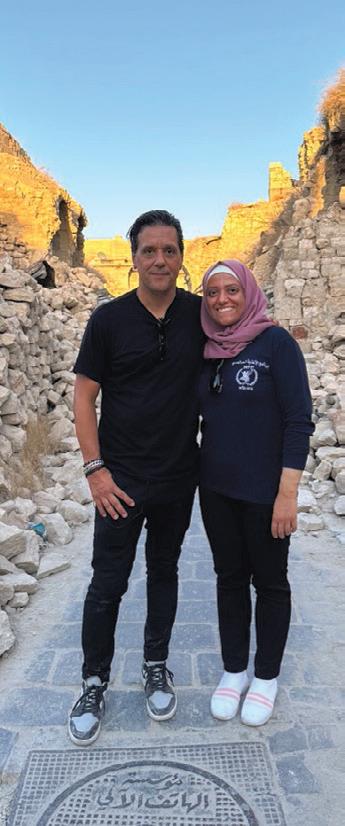

GS: What struck me immediately was how incomplete the Western narrative is. Often, the world rushes to reduce people and places like Syria to rubble, numbers, and despair. On the ground, I saw humour, pride, creativity, and generational resilience. Surviving, adapting, and living require so much, but it never seemed to come at the expense of kindness and generosity. Certainly, the damage caused by conflict is there; to me, the most powerful stories weren’t the kinds you’d find in headlines. They were quiet: parents making impossible choices, teenagers dreaming about music and art, families finding ways to celebrate small joys amid uncertainty. All very important reminders that the framing of a crisis needs to stand up to rigour. In most cases, these are not abstract emergencies, but millions of individual lives unfolding under extraordinary pressure. The expression that comes from that pressure is so real. I came across a mother who was a judo champion and a young man drumming his heavy metal blast beats in his Damascus apartment. That, in particular, brought me joy. Metal is a universal fuel for expression, and it revealed something essential about Syrian culture: it’s alive, complex, and deeply human. Creativity doesn’t disappear in war… it adapts.
You met Zuha, a World Food Programme associate, at a pivotal point in her life. Once a recipient of food assistance, she’s now part of the organization delivering it. What stood out to you about her sense of purpose, and why do stories like hers matter?
GS: Meeting Zuha was especially powerful. Her sense of purpose was unmistakable. She understood the impact of food assistance not in theory, but in her body. To see her move from receiving support to becoming a WFP staff member and being part of the system that provides it was extraordinary. Stories like hers matter because they dismantle the idea of aid as a oneway transaction. They show that when people are supported with dignity, they don’t just survive, they contribute and lead. I will be forever grateful that so many people let us shine a light on their lives.
Children in war-torn regions have grown up knowing little else but crisis. Food and shelter make a tangible difference in their lives, but investing in education builds their futures. How has prolonged disruption affected their access to education?
GS: Prolonged disruption has been devastating to education. Schools close, reopen, close again. These are little children we are talking about. Hunger makes learning nearly impossible. When you’re worried about your next
meal, reading doesn’t stand a chance. Investing in education alongside food and shelter is how you prevent an entire generation from being locked out of their future. Without serious intervention and ultimately protection, the damage of conflict stretches far beyond the present.
In Aleppo, I watched the WFP school feeding programs unfold— from supplies delivered to meals made to children receiving what, for some, was their only substantial meal all day. These programs reach millions globally, doing more than just filling stomachs; they're filling minds and futures, providing the foundation for education and growth. It's incredible how something so simple can be so transformative: a meal that improves health and concentration and creates the conditions where education can actually take root.
You’re widely recognized as one of WFP’s most active ambassadors.
What drives you to stay so deeply involved?
GS: Modern life delivers an avalanche of crises competing for attention. When that happens, hunger is at risk of becoming background noise. But hunger is never just about food. It’s about health, education, stability, and peace. When hunger is ignored, everything else unravels. Keeping it in public consciousness isn’t about charity; it’s about justice, and it is solvable. Letting it fade from view is a choice we can’t afford to make. What keeps me involved is knowing that this isn’t theoretical. The impact is immediate and measurable. People eat. Kids show up to school. Families get a little breathing room. Once you’ve met people whose lives hinge on something as basic as a meal, you stop asking whether the work still matters. You already know it does. Staying involved feels like the natural response to that knowledge.
Many Canadians support WFP but may not fully understand the realworld impact of their contributions. How would you describe the journey of that support and the difference it makes?
GS: Canadians' contributions travel farther than they might imagine. That support becomes meals in classrooms, stability for families, time and space for people to breathe and plan beyond survival. It’s not generosity in the void; it’s concrete impact. Canadians have spent significant energy of late exploring what it means to be who we are. I have always believed that part of our identity lies in how we show up for others, and I have seen evidence of Canadian values all over the world. Crisis doesn’t erase humanity; it reveals it. What they want isn’t pity, it’s the chance to live with dignity. That is something we can all play a part in.




Across Alberta, First Nations are navigating some of the most complex land stewardship challenges in generations. Communities are balancing environmental protection, emergency preparedness, economic development, land-use planning, Additions to Reserve, industry engagement, policy development, and the growing demand for Nation-led decision-making.
At the same time, many Nations are carrying out this work with small teams, limited capacity, and growing responsibilities.
The question is no longer whether these challenges exist.
The question is whether Nations have the tools, training, relationships, and support systems needed to meet them.
That is where TALSAA is focused.
The Treaty & Aboriginal Land Stewards Association of Alberta (TALSAA) is entering a new chapter—one focused on building practical capacity for the future.
We believe the future of land
stewardship is not built through isolated training events or disconnected resources. It is built through strong relationships, shared knowledge, practical tools, and systems that help Nations move work forward long after a workshop ends.
Today, TALSAA is building a model that connects all these pieces and responds directly to the priorities Nations are identifying for themselves.
We are expanding training opportunities in the areas Nations have told us matter most, including emergency preparedness, Additions to Reserve (ATR), environmental stewardship, land use planning, governance, and industry engagement.
But training is only the beginning.
Our vision is to create a growing learning ecosystem that gives Nations access to practical resources, toolkits, templates, recordings, expert networks, and ongoing support. Every training opportunity should leave behind something useful. Every
partnership should create new tools. Every conversation should strengthen the network of people carrying this work across Alberta.
This work also extends beyond provincial borders.
As Alberta’s Regional Lands Association, TALSAA works alongside the National Aboriginal Lands Managers Association (NALMA) and Regional Lands Associations across Canada to strengthen land management capacity nationwide. Together, we share knowledge, develop resources, support professional growth, and help ensure that Nations have access to the expertise and relationships they need to succeed.
These partnerships matter because no single organization can meet every need on its own.
The challenges facing Nations today require collaboration between land managers, Knowledge Keepers, technical experts, planners, emergency management professionals, environmental specialists, educators, governments, and industry partners. The strongest solutions emerge when these perspectives come together effectively.
That is why TALSAA is actively
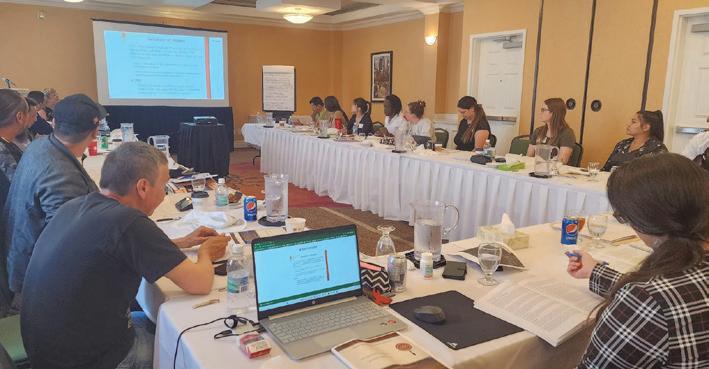
building partnerships across Alberta and Canada.
A PLACE WHERE KNOWLEDGE COMES TOGETHER
Our goal is not to become experts in everything.
Our goal is to become the place where people, knowledge, tools, and opportunities come together.
A place where Nations can find practical support.
A place where partnerships become action.
A place where learning turns into capacity.
And a place where future generations inherit stronger systems,
stronger relationships, and stronger stewardship.
At its heart, this work is about more than programs and projects.
It is about ensuring that Nations have the capacity to care for their lands, protect their interests, and make informed decisions for future generations.
The future of land stewardship will be built through relationships, shared learning, and practical action.
TALSAA is proud to help build that future.
Because no Nation should have to carry the work alone.
Learn more at talsaa.ca
Many Albertans already know how important the arts are to our quality of life. But now, a new report is describing how the arts impact our economy. And the effect is bigger than you might imagine…
The report is called Arts Impact Alberta 2025: Ripple Effects from the Arts Sector. It was written by
the internationally recognized audit and accounting firm KPMG and commissioned by the Alberta Foundation for the Arts (AFA).
As a public agency of Alberta’s government, the AFA funds artists and arts organizations, and works to develop the arts sector.
Arts Impact Alberta 2025
paints a compelling picture of how investing in the arts creates real jobs, generates revenue, strengthens communities, and contributes to the province’s prosperity.
Alberta’s arts sector is a powerful economic force. According to the report, the arts represent a $2.4 billion economic engine, which shows that public investment in creativity delivers measurable returns.
A major investment made by the AFA is support for arts organizations through annual grants.
Every $1 invested by the AFA in these grants generates a direct economic return of $1.76. The impact grows even further through these organizations’ spending: every $1 expended by the AFA’s clients generates $22.53 in total economic activity.
When people attend a performance, visit a gallery, take part in a festival, or support a local arts program, that activity reaches far beyond the event itself.
It supports workers, venues, suppliers, local businesses, tourism, hospitality, and the broader economy. That’s the ripple effect of the arts sector.
REAL JOBS FOR ALBERTANS
Public investment in the arts also supports meaningful employment. The sector sustains an annual average of 930 fulltime and 3,300 part-time employees. For every $1 million spent by AFA operating clients, 195 full-time equivalent jobs are created.
Behind every production, exhibition, class, and festival are artists, technicians, administrators, educators, designers, performers, production teams, and many others whose work helps bring creative experiences to life.
ARTS FOR EVERY COMMUNITY
Between 2018 and 2024, AFA funding reached 488 organizations across 102 Alberta communities. Together, these organizations helped produce an average
of 20,245 arts events each year, bringing creativity into communities large and small. With paid attendance at AFA-supported events accounting for 62.3 per cent of Alberta’s total population, the arts are clearly not a niche interest. They are part of everyday life in Alberta.
MORE THAN AN ECONOMIC RETURN
The value of the arts is not only measured in dollars. Each year, 38,619 volunteers dedicate their time to AFA-funded arts organizations and events, reflecting the civic pride and community spirit that creativity inspires.
The arts help people gather, participate, learn, celebrate culture, and feel connected to the place they call home. Public investment in the arts makes Alberta a better place to live, work, and create.
Learn more about the Alberta Foundation for the Arts and download the full Arts Impact Alberta 2025 report at affta.ab.ca




HOLLY CAMBRUZZI
When Jillian Harris was named Retail Council of Canada’s Independent Retail Ambassador of the Year this spring, the recognition was more than a career milestone. It was also a reflection of what many Canadians have come to value more deeply in recent years: businesses that build community and use their success to lift others.
That is the story at the heart of The Jilly Box.
A BRAND BUILT ON MORE THAN BUZZ
What began as a quarterly subscription box featuring lifestyle, beauty, home, and wellness products has grown into something much bigger: a launchpad for small brands and a business model rooted in generosity. Based in the Okanagan, The Jilly Box has become a prominent example of independent retail growth in Canada. More than that, it has built a following around the idea that shopping can also reflect a wider set of values.
At the centre of that success is Jillian Harris, TV personality, entrepreneur, designer, and co-founder of The Jilly Box. Over the years, she has built a loyal following through design, storytelling, and an approachable sense of style, but what is most notable is how deliberately she has used that reach. Rather than turning attention into just another lifestyle brand, she has helped shape a

"At a time when independent entrepreneurs are navigating one of the most challenging market environments in recent memory, she has used her platform and her business to actively open doors for them. That kind of leadership is exactly what [Retail Council of Canada’s Independent Retail Ambassador of the Year] was created to recognize."
— Kim Furlong, President and CEO of Retail Council of Canada
company with a clear community focus from the outset.
For many small brands, getting in front of the right customers remains one of the biggest challenges in retail. Through its seasonal boxes and year-round marketplace, The Jilly Box gives those businesses visibility, credibility, and direct access to an engaged customer base. Many of the brands featured are Canadian-owned, and the
company has made a point of highlighting women-owned, BIPOC-owned, 2SLGBTQIA+owned, and other historically underrepresented businesses. In its 2025 impact reporting, The Jilly Box said 77 per cent of the brands it worked with were women-owned, while 29 per cent of the products included in the box or sold as add-ons were made in Canada.
GIVING BACK AS PART OF THE MODEL
But supporting small businesses is only one part of the company’s
wider impact. As of 2025, The Jilly Box committed $40,000 from each seasonal box to charitable causes, with total giving last year reaching nearly $200,000 through those contributions and other initiatives. Those donations supported organizations including the Central Okanagan Food Bank, the Kelowna Women’s Shelter, Mamas for Mamas, BC Cancer, and the Indian Residential School Survivors Society. The team also logged more than 109 volunteer hours and awarded a scholarship
to support a BIPOC student at Okanagan College.
The company has also tried to align its operations with those same values. The company is B Corp-certified, pays a living wage in its region, and has worked to reduce packaging waste, including transitioning to a box that uses significantly less material than before. These are not flashy decisions, but they are meaningful ones, and they speak to the values at the core of The Jilly Box.
That is part of what makes this award feel so fitting.
In honouring Harris, the Retail Council of Canada is recognizing a founder who has built commercial success while creating real opportunities for small brands and meaningful support for community causes. For British Columbia, The Jilly Box is a homegrown example of what purposeful growth can look like in practice.
The Independent Retail Ambassador of the Year Award is presented by the Retail Council of Canada as part of its annual Excellence in Retailing Awards. It honours an independent retailer whose vision, business leadership, and community impact stand out on the national stage. Retail Council of Canada is the country’s leading retail association, representing businesses of all sizes across communities nationwide.
Did you know that most Canadian police agencies, including the Canadian Armed Forces, have no dedicated funding to support their canine officers after retirement?
Despite years spent protecting communities, retired police and military service dogs often leave active duty without a financial safety net. Public agencies must prioritize operational budgets, and while working dogs receive exceptional care during their service, support for their retirement is rarely included.
That’s where Ned’s Wish steps in. As Canada’s only national organization dedicated to supporting retired police and military service dogs, Ned’s Wish provides financial assistance for medical care and retirement needs, helping ensure these canine heroes enjoy the quality of life they’ve earned. Since its inception, Ned’s Wish has registered more than 281 retired service dogs and provided over $700,000 in financial support for their care. Because the charity is 100 per cent volunteer-run, every donor dollar goes directly toward helping these four-legged heroes live out their retirement in comfort and dignity.
Police and military dogs typically have work-focused lives from puppyhood, with careers that span six to nine years. When they retire, often due to age or health issues, the toll of their service stays with them. Veterinary care can be expensive, which is why Ned’s Wish provides critical support for these dogs once they hang up their badges. Ned's Wish has been honoured to support over 77 retired Alberta police dogs, whose medical expenses have exceeded $257,201.42.

PSD KITZEL – A WARRIOR WHO FOUND PEACE
One of the remarkable dogs supported by Ned’s Wish is RCMP Police Service Dog Kitzel, Regimental #1100. Born in 2017, Kitzel began serving alongside Cst. Reid when he was just eight months old, forming an extraordinary partnership that carried them from Halifax, Nova Scotia, to Red Deer, Alberta. Kitzel’s career was marked by courage, endurance, and sacrifice.
He tracked suspects through extreme conditions, including a 12-kilometre pursuit through fields, swamps, and woods in -40°C weather. His service came at a cost. Over the course of his career, Kitzel sustained multiple stab wounds, a bout of GDV, and chronic back issues.
Now retired, Kitzel enjoys a peaceful life at home with his family and his best friend, Charlie the Pomsky. Still a protector at heart, he keeps watch at the door, but he is just as happy relaxing with all four paws in the air or pretending to be a lap dog. Kitzel is a warrior who found his well-deserved peace.

PSD DAG – A HERO OF THE CALGARY POLICE SERVICE
Another retired K9 supported through the program is Police Service Dog Dag, Regimental #2015, of the Calgary Police Service, whose medical costs have exceeded $15,000.
After graduating from police training, Dag served and protected residents of Calgary and also assisted RCMP detachments surrounding
the city. Over his career, he helped locate and arrest approximately 100 suspects, including dangerous offenders breaking into homes while residents were still inside.
Dag also faced a serious health crisis after what is believed to have been a work-related injury. After tracking and inhaling a foxtail, he developed a major chest infection that caused respiratory distress and required immediate life-saving surgery. Thanks to Ned’s Wish, Dag received the care he needed, made a full recovery, and enjoyed the retirement he had earned.
K9 HEROES IN ALBERTA
While medical care remains a core focus, Ned’s Wish also helps retired service dogs transition safely into civilian life.
At Axel’s House, a planned decompression and rehoming sanctuary in Alberta named in memory of Calgary Police Service Dog Axel, Ned’s Wish provides short-term boarding, medical care, behavioural assessments, and adoption support, creating a safe, structured path from service to retirement.
To date, the organization has contributed over $80,000 toward
rehoming supports, including safe housing, fencing, transportation, food, enrichment, and training, ensuring retired K9s receive the care and stability they need.
One of Axel’s House’s first success stories is Jaxx, a retired service dog whose transition to civilian life became more than his family could safely manage. Through no fault of his own or his family’s, Jaxx struggled to understand retirement and developed behavioural challenges that placed both him and those around him at risk.
With Axel’s House, Jaxx was given the safe environment, trained support, and time to decompress that he needed. After 18 months with Ned’s Wish, he received the dedicated care required to transition safely into retirement and find his new home—a powerful reminder that even heroes need help learning how to rest.
As the demand for police K9 units continues to grow across Canada, more dogs are entering service and eventually retirement. They save our lives—now it’s time to return the favour.
Learn more and donate at nedswish.com

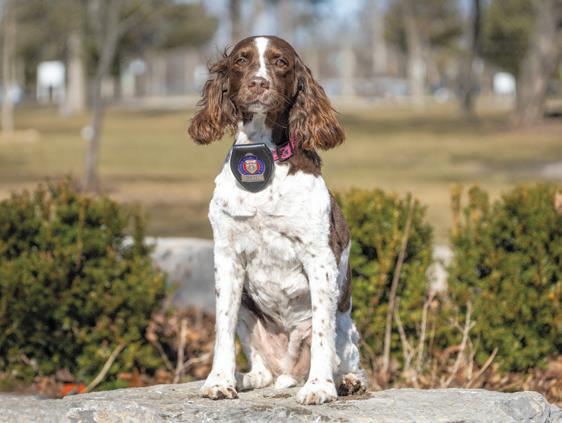
After years of loyal service protecting our country and communities, police and military dogs often face retirement with significant medical needs. Ned’s Wish helps ensure these




Travelling with purpose means more than seeing new places; it’s about celebrating local culture, supporting communities, and ensuring we leave little more than footprints behind. As more countries step up their efforts to protect and preserve their natural environments, the focus has shifted toward safeguarding landscapes for both locals and visitors, as well as the wild inhabitants who call them home.
At its heart, travel is not only good for the planet when done responsibly, but also deeply nourishing for the soul, offering perspective, connection, and renewal.
What if we told you that two of Alberta’s most unique and jaw-dropping provincial parks are in one place?
The place: Lac La Biche Region, a mere 2.5 hours northeast of Edmonton and yet a world away from the big city. The parks: Sir Winston Churchill and Lakeland.
ISLAND ADVENTURES IN SIR WINSTON CHURCHILL PROVINCIAL PARK
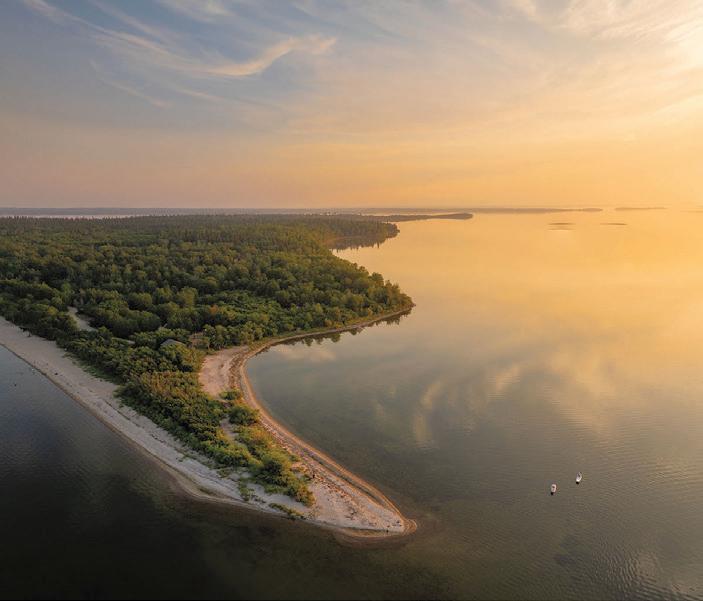
Let’s start with the “small” one. Sir Winston Churchill Provincial Park sprawls across seven islands in a huge lake, protecting old-growth forests that haven’t seen a wildfire in centuries. Hikers will feel awed and humbled by the trees looming like cathedral pillars over the trails. Birdwatchers can spot literally hundreds of avian species during spring and summer, including pelicans and birds of prey. Those in search of relaxation can choose between three sandy beaches, and
Here are some of those places, along with a few of our favourite things to do and see when you visit.
stay in the campground, a cabin, or even a glamorous tipi with a million-dollar view of the lake. And before you think ‘I don’t have a boat so I can’t get there,’ don’t worry—you can drive right to the park’s two largest islands on a paved causeway.
A TRUE BOREAL BACKCOUNTRY EXPERIENCE
And now for the big one. Lakeland Provincial Park and the neighbouring Lakeland Provincial Recreation Area protect a combined 590 square kilometres of boreal forest wilderness, including 11 major lakes. Campers and anglers flock to Pinehurst Lake and Touchwood Lake, but true adventurers who want to experience the boreal backcountry like never before have their eyes on a different prize: the Lakeland Canoe Circuit.
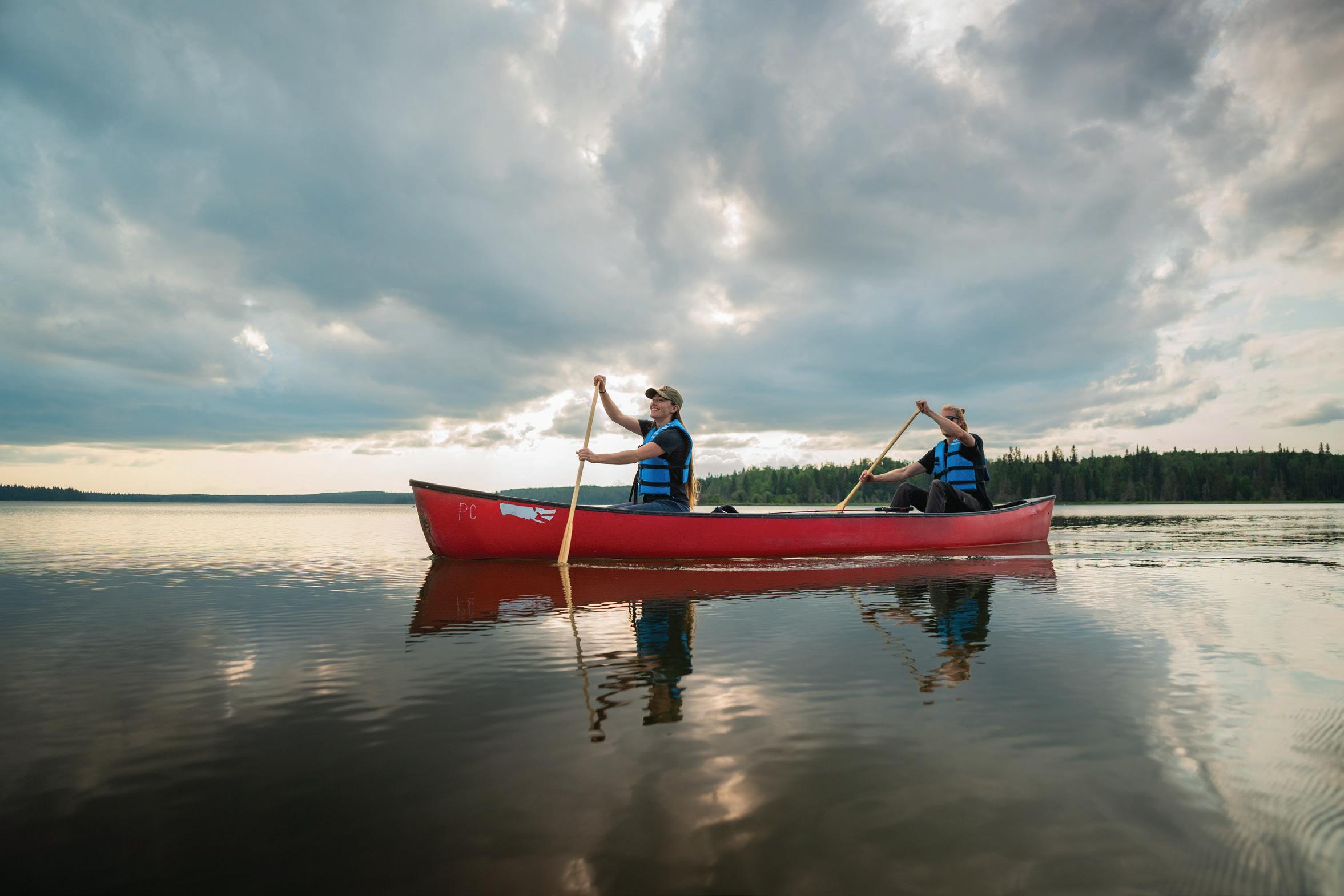
PADDLE ALBERTA’S
the northern waters on Alberta’s only backcountry paddling loop. The full flatwater circuit takes paddlers on a three-day, 40-kilometre journey across Jackson, Kinnaird, Blackett and
and specially made canoe carts turn portaging into a pleasant walk in the woods.
WHERE MOTHER NATURE TAKES THE LEAD
life are far away, and Mother Nature reigns supreme. You’re as likely to spot beavers, bald eagles, deer, herons, or moose as other people some days, especially if you visit midweek. You’ll fall asleep to the sound of frogs chirping and loons calling, so if that iconic line about the “stupid Canadian wolf bird” in Heated Rivalry inspired you, here’s your chance to sit around a campfire and listen to the otherworldly melody. The area is also black bear habitat, so travellers must act accordingly and practice responsible leave-no-trace camping for everyone’s benefit.
PLAN YOUR LAC LA BICHE REGION ADVENTURE
Ready to trade city noise for sandy beaches, old-growth forest, island trails, and backcountry lakes? For more information about both Sir Winston Churchill Provincial Park and the Lakeland Canoe Circuit, visit laclabicheregion.com or . We look forward to your visit, and Mother Nature looks forward to having you as a roommate for a short while.

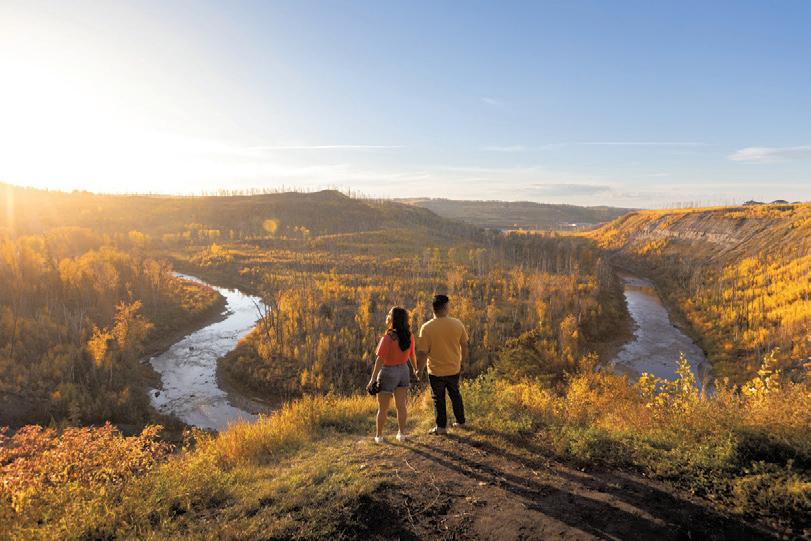
Wander through boreal forest, paddle northern waters, experience vibrant cultural traditions, and discover a region filled with stories, flavours, and unforgettable views.
Fort McMurray Wood Buffalo is more than a destination. It’s an experience.
When summer stretches across northern Alberta, Fort McMurray Wood Buffalo comes alive. The days feel long and golden, patios fill, trails and waterways invite exploration, and the calendar makes it easy to turn a visit into a story worth sharing. As July unfolds and fall waits on the horizon, this is a destination shaped by adventure, local dining, culture, and relaxing escapes.

TASTE YOUR WAY THROUGH YMM
Food is one of the easiest ways to get to know Fort McMurray Wood Buffalo. Local favorites range from bison burgers and comforting diner classics to polished dining rooms serving dishes inspired by regions around the world. Ask a resident where to go, and you’ll likely leave with a list long enough for a return trip.
This summer, that culinary energy takes centre stage at the ninth-annual Fort McMurray Food Festival, presented by RE/MAX Connect. Taste of YMM Eats runs July 17 to August 31, inviting diners to try participating restaurants, discover custom menus, and vote for their top picks. The YMM Pub Crawl continues the fun on July 18 and returns October 24, pairing local nightlife with handcrafted brews, signature cocktails, and memorable bites.
OUTDOORS, ON THE WATER, AND UNDER THE SKY
Fort McMurray Wood Buffalo’s wild side is never far away. Spend a warm afternoon paddling at
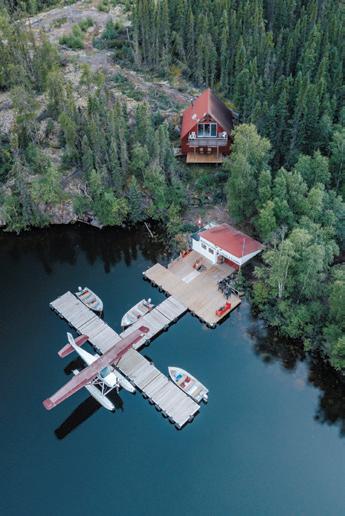
Gregoire Lake, Maqua Lake, or the Snye, head out on a jet boat tour along the region’s rivers, or explore more than 135 kilometres of maintained Birchwood Trails. Golfers can take advantage of long northern evenings at Fort McMurray Golf Club, Miskanaw Golf Club, Rotary Links Golf, or Vista Ridge Golf Course, each with its own view of the boreal landscape. As late summer softens into fall, forests turn gold, mornings

grow crisp, and the region becomes a photographer’s dream. It is also a beautiful time to look toward Wood Buffalo National Park, Canada’s largest national park, where bison, salt plains, remote landscapes, and dark skies create a trip that feels truly northern.
CULTURE, COMMUNITY, AND FALL FUN
Between its theatres, museums, galleries, festivals, and community
gatherings, Fort McMurray Wood Buffalo has a cultural calendar as memorable as its outdoor spaces. Explore local history, stop by the Oil Sands Discovery Centre, or visit the Kirschner Family Community Art Gallery at MacDonald Island Park. Live performances at Keyano Theatre and the Suncor Energy Centre for the Performing Arts keep entertainment close at hand year-round.
The season also brings events that celebrate the region’s diversity and community spirit, from Métis cultural celebrations and Indigenous gatherings to local favourites built around food, music, and gathering together.
Whether you’re here for a weekend, a family getaway, or one more round of summer adventure before the season changes, Fort McMurray Wood Buffalo offers more than you might expect.
Start planning your trip today at fmwb.ca Adventures await.
As summer approaches and Canadians begin mapping out vacation plans, the return of the Canada Strong Pass signals more than seasonal travel; it reflects a broader effort to make exploring the country more accessible at a time when affordability remains top of mind.
From June 19 to September 7, 2026, the federal initiative opens the door to experiences across the country, offering free admission and reduced costs for parks, museums, rail travel, and cultural institutions. There is no physical pass to carry or digital code to scan—only the invitation to show up and take part.
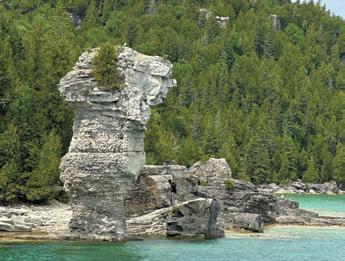
The scope of the program is notable. Entry to all Parks Canada sites will be free, accompanied by a 25 per cent rebate on camping fees. National museums and the Plains of Abraham Museum will waive admission for children 17 and under, while offering a 50 per cent discount to young adults aged 18 to 24. Similar incentives extend to participating provincial and territorial museums and galleries. Rail travel is also addressed: children travel free when accompanied by an adult on VIA Rail, while young adults receive a 25 per cent discount.
The initiative has already shown measurable impact. Data from its 2025 launch found VIA Rail ridership rose by 6.5 per cent, visits to Parks Canada sites climbed by 13 per cent, and museum attendance increased across the board. Those numbers point to a ripple effect: when Canadians travel domestically, they support jobs, local businesses, and cultural institutions.



There is also a quieter narrative embedded within the program—one of national identity and connection. Canada Strong Pass is not simply about discounts, but about rediscovery. It positions the country itself as both a destination and an experience, inviting residents and visitors alike to engage with its landscapes, history, and communities
“We can be proud of Canada and proud to be Canadians. Following its success last year, we are bringing the Canada Strong Pass back to deliver real savings and make it easier for families to experience Canada's parks, museums, railways, and campsites. I encourage everyone to explore Canada this summer and make the most of the Pass,” said The Honourable Marc Miller, Minister of Canadian Identity and Culture and Minister responsible for Official Languages.






Affordability remains central to the message. By reducing financial barriers, the program aims to shift travel decisions inward, toward domestic destinations that might otherwise be overlooked. The emphasis is not just on saving money, but on reshaping how Canadians think about vacationing. At the intersection of affordability and accessibility lies another priority: connection to nature and heritage. National parks, historic sites, and marine conservation areas are positioned not just as attractions, but as spaces where identity is shaped and shared.
The program's success ultimately hinges on participation, and demand is already a consideration. With reservations required for certain activities, such as camping

and rail travel, planning ahead is strongly encouraged. The absence of a formal pass may simplify access, but it also underscores a key reality: the opportunity is open, but not unlimited. By positioning Canada as a destination rich in culture, nature, and experiences, the Canada Strong Pass does more than promote tourism. It makes a case for looking inward, at a country that, as the program suggests, “has everything the world wants.”
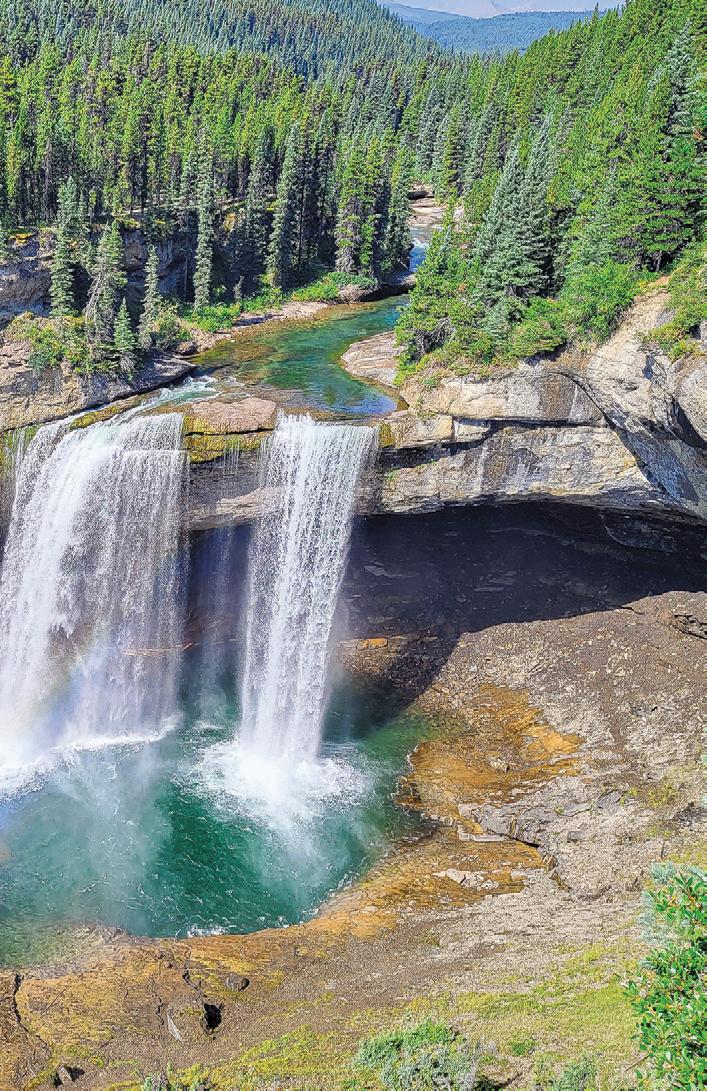
You're driving north. The highway stretches long and straight, framed by boreal forest and big sky. You expected a pit stop, maybe fuel and a coffee. You didn't expect to pull over at Sulphur Gates and find yourself standing at the edge of a dramatic river canyon, the water below fed by Kakwa Falls—Alberta's tallest waterfall—hidden somewhere beyond the trees.
That's what Northwestern Alberta does to you. It surprises you, then it keeps you.
WILD LANDSCAPES
THAT DEFY EXPECTATIONS
The region, anchored by one of Alberta's fastest-growing cities and surrounded by some of the province's most dramatic, underexplored terrain, has long been defined by its industries: oil and gas, agriculture, and forestry.
But what it offers to travellers is something entirely different.
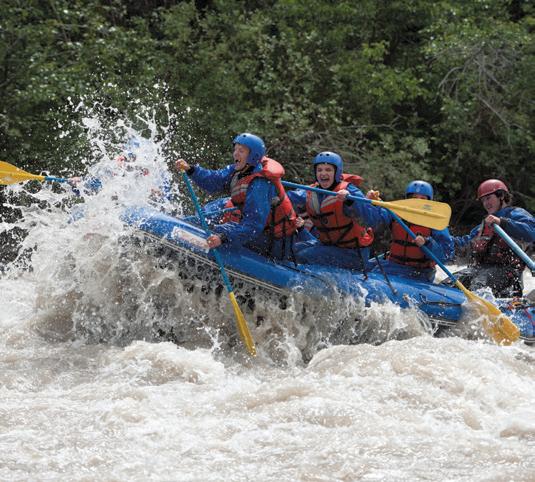
Hike the sculpted badlands of Kleskun Hills Provincial Park in the morning, then spend the afternoon paddling the Peace or Smoky River. In summer, canola fields stretch for miles, glowing an almost neon yellow beneath a wide-open blue sky. The kind of sight that stops you middrive to snap a picture, whether you planned to stop or not. For something with a little more adrenaline, whitewater rafting through the canyon at Grande Cache puts you on a stretch of river that no road or trail can reach. Just you, the current, and the walls of rock closing in on both sides.
DEEP ROOTS AND UNEXPECTED DISCOVERIES
Culture here runs deeper than most expect. Step into the Philip J. Currie Dinosaur Museum and you're walking through one of the world's most significant paleontological
What makes Camrose a great place to visit also makes Camrose a great place to live. Here’s why:
1. OUTSTANDING NATURAL SPACES AND RECREATION FACILITIES
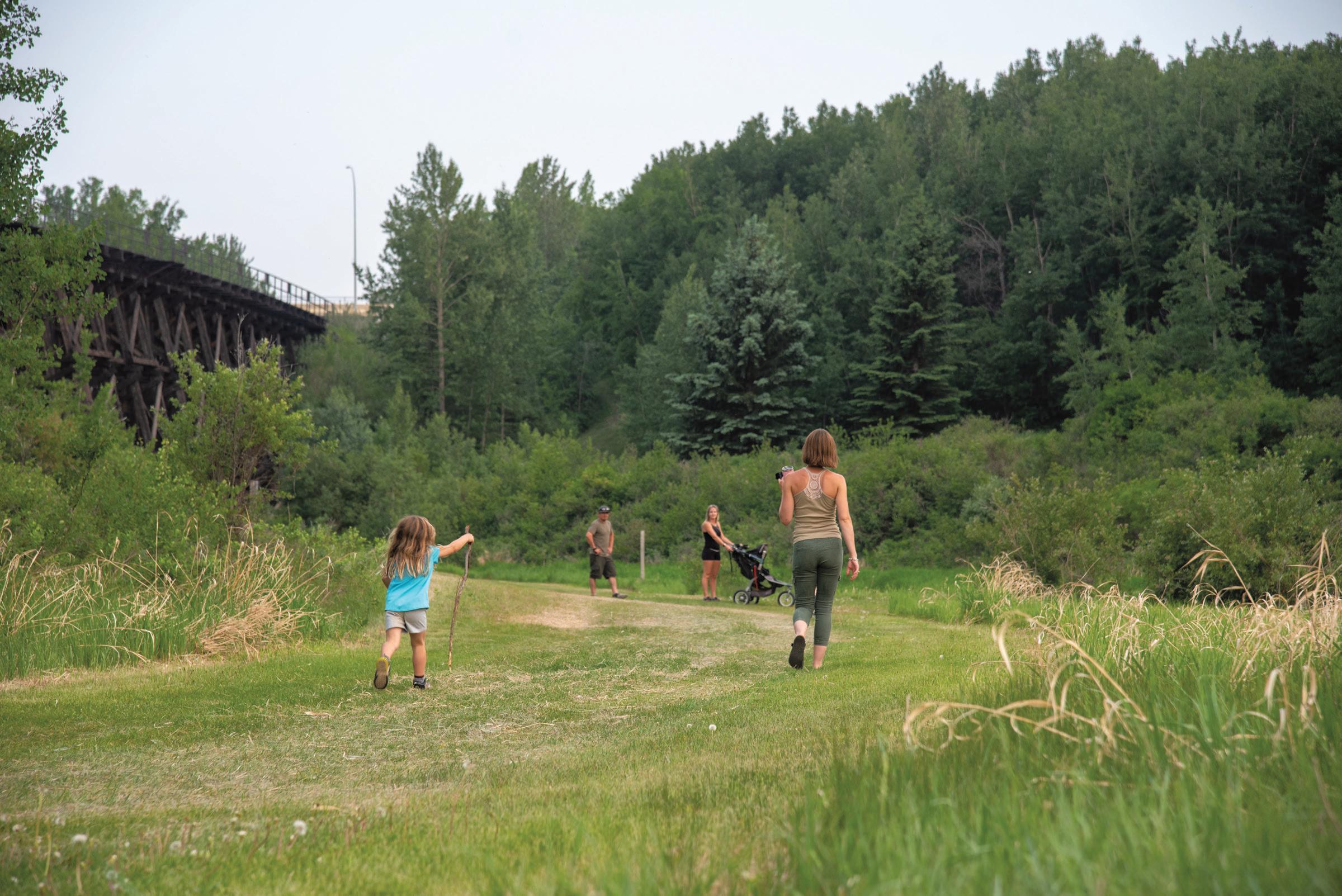
The scenic river valley trails that wind through Camrose are perfect for hiking, biking, and running, offering peaceful views and plenty of fresh air. In winter, the unpaved trails transform into well-maintained cross-country ski routes, while the paved paths are snow-cleared for crisp, invigorating winter walks. Prefer to stay indoors? The Recreation Centre’s skating rinks, indoor walking track, fitness centre, and
discoveries, Pipestone Creek. Located 20km west of Grande Prairie, this region has yielded more Pachyrhinosaurus bones than almost anywhere on Earth. Come summer, the festival calendar fills fast: live music, outdoor markets, and events that bring the whole region together.
The food and drink scene is unpretentious but serious in its quality. Craft breweries and distilleries draw on local agriculture to make something genuinely regional. Farm-to-table isn't a marketing phrase here; it's part of the geography. For road-trippers ready to point north, Northwestern Alberta delivers: uncrowded landscapes, genuine community, and experiences that are easy to get to and hard to forget.
Plan your unexpected adventure at gptourism.ca

services, and education from kindergarten to post-secondary, plus recreation options for all ages; all just minutes away. Instead of long commutes and traffic jams, you get quick trips and more time for the things you love. Camrose has a vibrant downtown with locally owned boutiques and a distinctly friendly, small-city feel. The charming downtown boasts clean streets and an impressive selection of shops, cafes, and services, bookended by two live performance theatres.
3. THE COMMUNITY ATMOSPHERE In Camrose, kindness is part of everyday routine. You'll run
to start your day. Camrose is a welcoming place where it's easy to feel at home.
4. RICH ARTS, CULTURE
SCENE WITH FESTIVALS
YEAR-ROUND
For a city of its size, Camrose packs in a surprising amount of arts and entertainment.
Two live production theatres host an everchanging lineup of performances, giving everyone from local artisans to professional touring companies a place to shine. All year long, the city comes alive with festivals— Big Valley Jamboree (BVJ), the Blues Festival, Jaywalkers Jamboree, Midnight Madness,
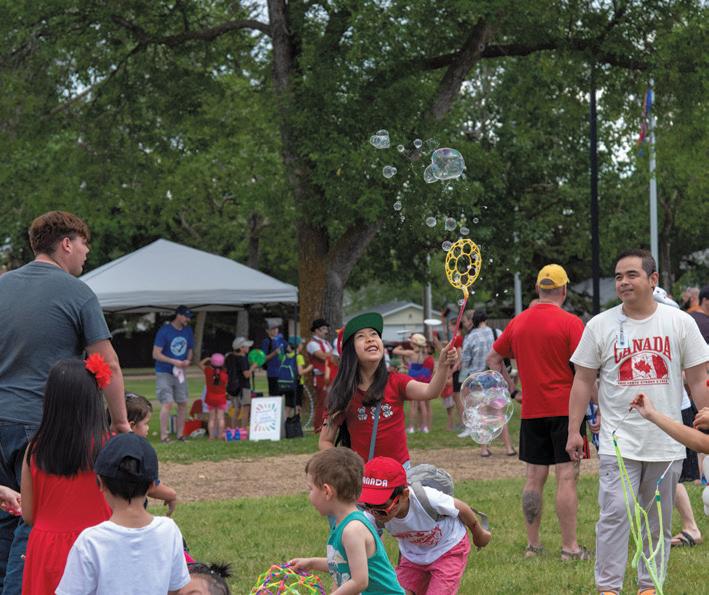
and the Nordly’s Film Festival, just to name a few. From outdoor concerts and late-night shopping to film screenings and street performers, there’s almost always something happening to keep your calendar full.
5. AFFORDABLE REAL ESTATE & LOW COST OF LIVING
Camrose is a rare community where you don’t have to choose between convenience and affordability. The real estate market is stable and attainable, with a variety of home sizes and styles. In 2025, the median single-family home price was $365,000. Camrose is a place where owning or renting feels within reach,




This summer, dinosaurs are taking over TELUS Spark Science Centre, bringing big questions, bigger discoveries, and one very famous T. rex to Calgary.
Dino Summer invites curious minds of all ages into a season of science, spectacle, and discovery at Spark, where immersive galleries, live demonstrations, creative learning spaces, and unexpected experiences come together with the arrival of SUE the T. rex , hands-on fossil activities, a giant-screen documentary, and a full lineup of indoor and outdoor adventures.
Here, a close encounter with SUE becomes the starting point for a full day of exploration, from fossil science and giant-screen storytelling to engineering, skilled trades, digital immersion, outdoor play, and hands-on experiments.
MEET SUE THE T. REX
At the centre of Dino Summer is SUE, the oldest and most complete Tyrannosaurus rex ever discovered. Developed by the Field Museum, the SUE experience brings visitors face-to-face with one of the most legendary fossils in the world.
The exhibition invites guests to step into SUE’s world through full-scale casts, immersive multimedia forests, handson science, and a closer look at the research that continues to reveal new insights about this extraordinary fossil. Visitors will also encounter a Triceratops rival and learn more about how palaeontologists understand life from millions of years ago.
For families, dinosaur fans, lifelong learners, and anyone who remembers being fascinated by fossils as a child, SUE offers more than a photo-worthy moment. The exhibition shows how science is always evolving. Fossils may be ancient, but the questions they raise are very much alive: How did these animals move? What did they eat? How did they grow? What can their bones tell us about the world they lived in?
By connecting striking visual
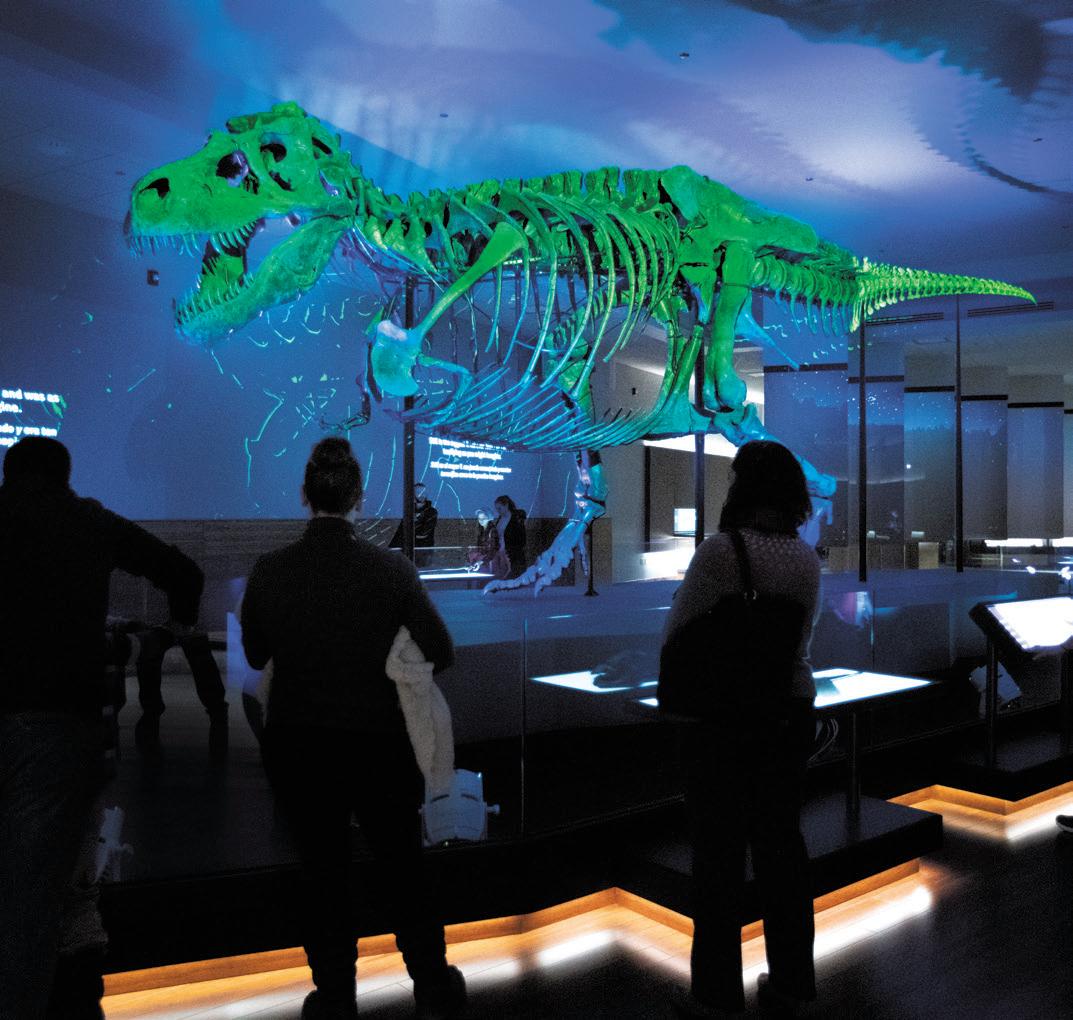
scale with meaningful learning, SUE makes palaeontology feel exciting and accessible. It is a reminder that science is not simply about what we already know. It is about the discoveries still waiting to be made. SUE is included with general admission and Spark Membership, making it an easy centrepiece for a summer day out.
HANDS-ON SCIENCE FOR EVERY AGE
The dinosaur adventure continues in the Infinity Dome, where the T.REX film brings cutting-edge fossil research to the giant screen. This 42-minute documentary experience explores the latest discoveries and scientific questions surrounding Tyrannosaurus rex , adding cinematic scale to the science behind one of the most iconic
creatures
The
film is an add-on ticket. Proceeds support handson science programming.
Beyond the headline experiences, guests will find opportunities to touch, build, test, wonder, and play. In Steven’s Lab, visitors can cast their own fossil keepsake, while the Brainasium Outdoor Park invites young explorers to dig for real specimens like palaeontologists in the dinosaur dig pit. With a 63-foot slide, saucer swings, and a playground built around the science of the developing brain, Brainasium gives kids room to climb, run, experiment, and learn through movement. Daily live science shows and demonstrations add even more energy to the day. From fossil encounters to palaeontologyinspired programming, Spark’s live science guides transform
complex ideas into moments that feel fun, surprising, and easy to understand.
Dino Summer also connects with the many other experiences that make Spark a year-round destination. In the BLUprint Experience, visitors can explore the science of skilled trades, from welding to carpentry. On Wednesdays, guests can even help bring the past into the present by contributing to a wooden dinosaur build. For a different kind of sensory experience, the Digital Immersion Gallery invites visitors into a vivid digital realm where colour, energy, and sound shift all around them. For younger guests, the Creative Kids Museum remains Calgary’s dedicated world of wonder for children ages zero to eight, offering an engaging
space designed especially for little learners.
MORE THAN DINOSAURS Dinosaurs may be the beginning of the story, but they are not the end. Spark is also home to RO5iE, Canada’s first robot roller coaster, where technology and adrenaline come together for an unforgettable ride. Visitors can also explore VR experiences, Pixelarius, and Birdly, stop by the Spark Store, or make a day of it with Dino Eats & Treats at the Spark Eatery and Astronaut Ice Cream café, featuring nine planetary flavours.
For adults looking for a night out with a science twist, Spark After Dark: Space Cowboys takes place July 10. This 18+ evening invites guests to saddle up for a night of science and cosmic wonder, complete with a space cowboy dress code. Together, these experiences reflect what Spark does best: creating a place where learning feels alive. Since 1967, the science centre has invited Calgarians and visitors to ask bigger questions, try new things, and see the world a little differently. As a registered educational charity, TELUS Spark continues to make science engaging, playful, and meaningful for people of all ages.
This summer, that mission comes roaring to life. Whether you are planning a family outing, a date night, a day with friends, or a return visit with your Spark Membership, Dino Summer offers a season full of discovery.
Dino Summer runs June 27 to September 1, 2026, with SUE the T. rex continuing through November 29, 2026.
Come for the dinosaurs. Stay for the science.
Learn more at sparkscience.ca/dino-summer
SUE: The T. rex Experience was organized by the Field Museum and is part of the Griffin Dinosaur Experience, made possible by the generous support of the Kenneth C. Griffin Charitable Fund.





A roadside icon.

growing community. A place where opportunity still feels within reach.


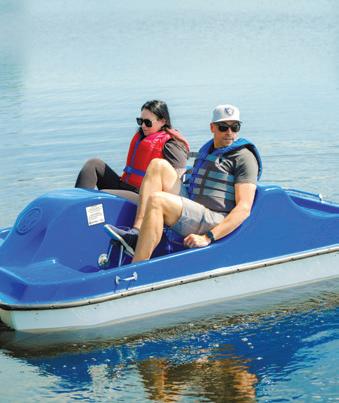
Nestled in a province renowned for majestic landscapes and rich wildlife, the Alberta Professional Outfitters Society (APOS) stands as a quietly powerful force for conservation. While APOS represents Alberta’s regulated outfitting industry, contributing an estimated $327 million annually to Alberta’s GDP, its influence extends far beyond tourism. APOS has become a champion for wildlife science, rural community support, and ethical stewardship across the province.
At the core of APOS’s mission is a dedication to evidence-based wildlife management. The organization invests in research that equips biologists, land managers, and policymakers to better understand Alberta’s ecosystems. Its contributions span studies on mule deer migration, urban coyote behaviour, feral horse populations, and innovative grizzly bear hazing using drones.
These projects are practical in nature and directly inform provincial wildlife decisions. Alberta’s regulated hunting system channels licence revenue into conservation,
so APOS’s work ensures that every harvested animal supports healthier, more resilient wildlife populations.
APOS is a respected voice at provincial wildlife advisory tables, helping shape regulations and management plans. The society supports habitat enhancement projects across Alberta, including waterfowl nesting structures, antelope-friendly fencing, prescribed burns, and grassland restoration.
These efforts underscore a basic truth: healthy wildlife depends on healthy habitat. APOS’s investments in conservation safeguard landscapes that sustain both wildlife and the communities that rely on them.
RURAL ALBERTA
Behind every outfitter is a family, a small business, and a rural community. With more than 550 outfitters and 1,600 licensed guides, APOS represents thousands of Albertans whose livelihoods are tied to the land.
APOS supports its members with
training, professional standards, and advocacy, but its influence reaches further. Outfitters donate meat to food programs, support First Nations communities, and contribute to local initiatives, from school fundraisers to emergency response efforts. APOS also invests in education, offering scholarships, youth programs, and partnerships with Alberta’s post-secondary institutions, including the Wildlife Analytics Lab and Lethbridge Polytechnic.
Among APOS’s most meaningful contributions is its Community Investment Fund, which provides $100,000 annually for rural projects managed by outfitters in their home regions. The fund supports rodeo grounds, 4-H clubs, youth sports, church programs, Indigenous food banks, and predator management programs that help ranchers protect livestock.
In many small towns, APOS funding fills gaps that would otherwise leave community programs struggling to survive.
APOS operates under rigorous


governance, including an elected Board of Directors, Carver model policy governance, and a robust Code of Ethics. Conservation funds are audited, publicly reported, and overseen by multi-stakeholder committees. Mandatory bonding, insurance, and membership requirements ensure Alberta’s outfitting industry upholds high standards.
APOS may be rooted in hunting, but its legacy is broader: thriving wildlife, resilient rural communities, and a conservation model blending science, stewardship, and accountability. Across Alberta, APOS demonstrates what it means to give back to the land, to its people, and to the province’s wild future.
APOS is a conservation partner in the Origins Foundation’s global Helix Program and is among the world’s leading outfitters, benefiting people, communities, and wildlife.
Find out more about APOS and its Helix Program Certification: theoriginsfoundation.org/ alberta-professionaloutfitters-society/

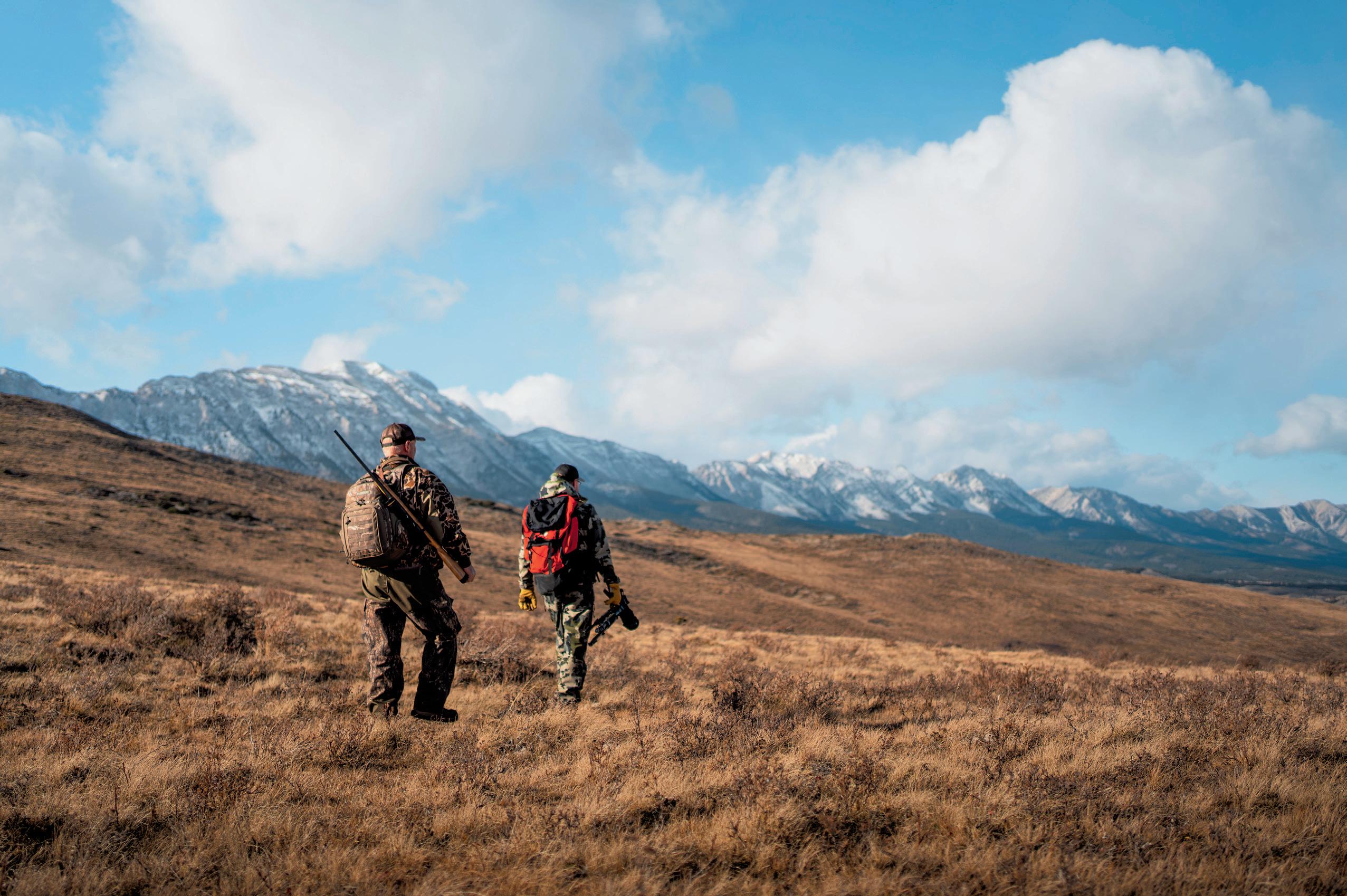


RAYE
MOCIOIU
There’s a different way of travelling waiting for you out east, just 15 minutes from Old Québec. This is Wendake, home of the Wendat Nation, where immersive cultural experiences, contemporary Indigenous art, and unforgettable cuisine come together to bring tradition into the present. Here, you are invited to discover and connect with Indigenous culture firsthand.
One of the safest places to visit in Canada, Wendake sits within the Québec census metropolitan area, where the Crime Severity Index is well below the national average. In Wendake, both French and English are commonly spoken, and guided tours are available in either language. This makes it easy to explore in the language you’re most comfortable with.
In Wendake, the journey begins the way many teachings do: with a circle, a fire, and a story. Tourism is rooted in participation, whether you’re listening to stories by the fire, paddling ancestral waters, or crafting alongside an artisan. It’s all about connecting with Indigenous culture, and there are countless ways to immerse yourself.
WHERE LAND IS
TEACHER
In Wendake, the land is not only scenery, but it is also a storyteller. Guided tours, offered year-round, bring visitors through longhouses, smokehouses, sweat lodges, and forest paths while sharing teachings
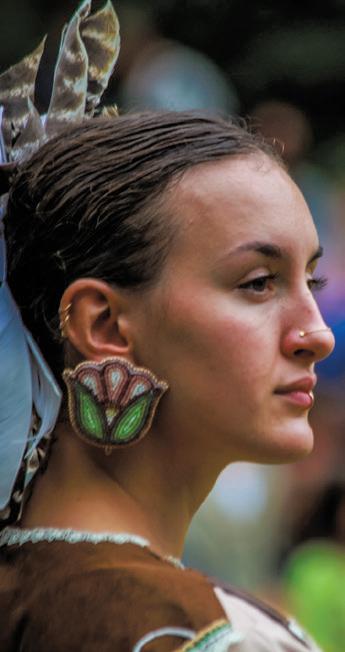
about traditional food preservation, purification practices, transportation, and spiritual life. Seasonal experiences, such as canoeing in summer and snowshoeing in winter, allow guests to engage with the territory as the Wendat have for centuries. But one of the most exciting, one-of-a-kind experiences comes alive at night.
Onhwa’ Lumina brings light to the darkness—literally. At night, Onhwa’ Lumina transforms the scenery into a journey of light, sound, and storytelling. Along a 1.2-kilometre path, visitors are guided through founding myths, ancestral rhythms, and visions of the future, creating an experience rooted in ceremony and reflection
that deepens your understanding of Wendake's spiritual traditions. Between experiences, Wendake encourages you to slow down. Walk along the Saint-Charles River Linear Park. Pause at Kabir Kouba Falls, where water, history, and industry once converged. Cycle the Corridor des Cheminots, which now links communities rather than dividing them. Paddle ancestral waters by canoe or rabaska, guided by those who know every bend of the river. For even deeper immersion, an overnight in the Ekionkiestha’ National Longhouse forges an unforgettable link to the past. Built of wood and bark, and warmed by fire, the longhouse symbolizes family, welcome, and the collective life of Iroquoian peoples.
HANDS THAT REMEMBER: CRAFT, ART, & TRANSMISSION
Wendake’s most popular activities share a common thread: they’re meant to immerse visitors at their own pace through participation. Wendake’s artisans and artists carry cultural memory in their hands and impart it to visitors through participatory workshops. These workshops invite guests to learn by doing, all while hearing the teachings behind each form.
One standout is the Talking Stick craft workshop, where you create a talking stick, traditionally used in councils to regulate speaking time and encourage respectful dialogue. As you craft your own, an artisan explains its significance.
It’s a keepsake with meaning, and for many visitors, an unexpectedly useful tool to bring home.
Then there’s the Myths and Legends experience, held inside the Ekionkiestha’s longhouse, where storytellers share creation stories and enduring legends around the fire. The Huron-Wendat Museum offers guided tours through its permanent exhibition, “Wendat Endi’, We the Wendat,” showcasing cultural guardians, core values, resilience, and continuity. There are also discovery tours around town, workshops, and even an audio guide available in multiple languages (including English and French).
But it’s how you are welcomed that makes the experience all the more authentic. Storytellers, dancers, and artists ensure culture remains alive and current, while drummers, dance troupes, and myth keepers breathe new life into teachings once shared only at the family fire.
If your timing is right, you’ll even get to take part in Pow Wow season and experience the feeling of being welcomed into a circle. Wendake’s International Pow Wow is a vibrant cultural gathering that draws dancers, drummers, artisans, and visitors from across North America. Pow Wow dances (Traditional, Grass, Fancy, Shawl, Jingle Dress, Smoke Dance) are acts of storytelling in motion, offered with pride and openness to showcase the living culture that continues to thrive today.
Another meaningful way to experience Wendake’s living traditions is through La Hutte de Médecine Étoilée (The Starry Medicine Hut), a welcoming wellness and cultural space rooted in First Nations teachings. Designed as a space for reconnection open to both visitors and community, the Hut brings together guided yoga with hands-on cultural workshops. Visitors can take part in weekly drop-in yoga classes, with varying difficulties from yin to vinyasa, including accessible chair yoga, balanced hatha sessions, and specialized practices inspired by the medicine wheel and lunar cycles. While physical movement is the focus, these classes encourage participants to slow down, breathe deeply, and reconnect with themselves in a calm, supportive environment. Alongside wellness programming, the Hut offers a wide range of creative workshops that invite participants to learn by doing. From drum making and beading to crafting medicine bags and sweetgrass braids, each experience is both tactile and meaningful. All activities are guided by teachings that honour the cultural significance behind every object.
Whether you’re there to relax, create, or learn, the experience is simple and genuine. Like Wendake itself, it’s about connection both to self and to ancestral culture. Come with curiosity. Leave with connection.
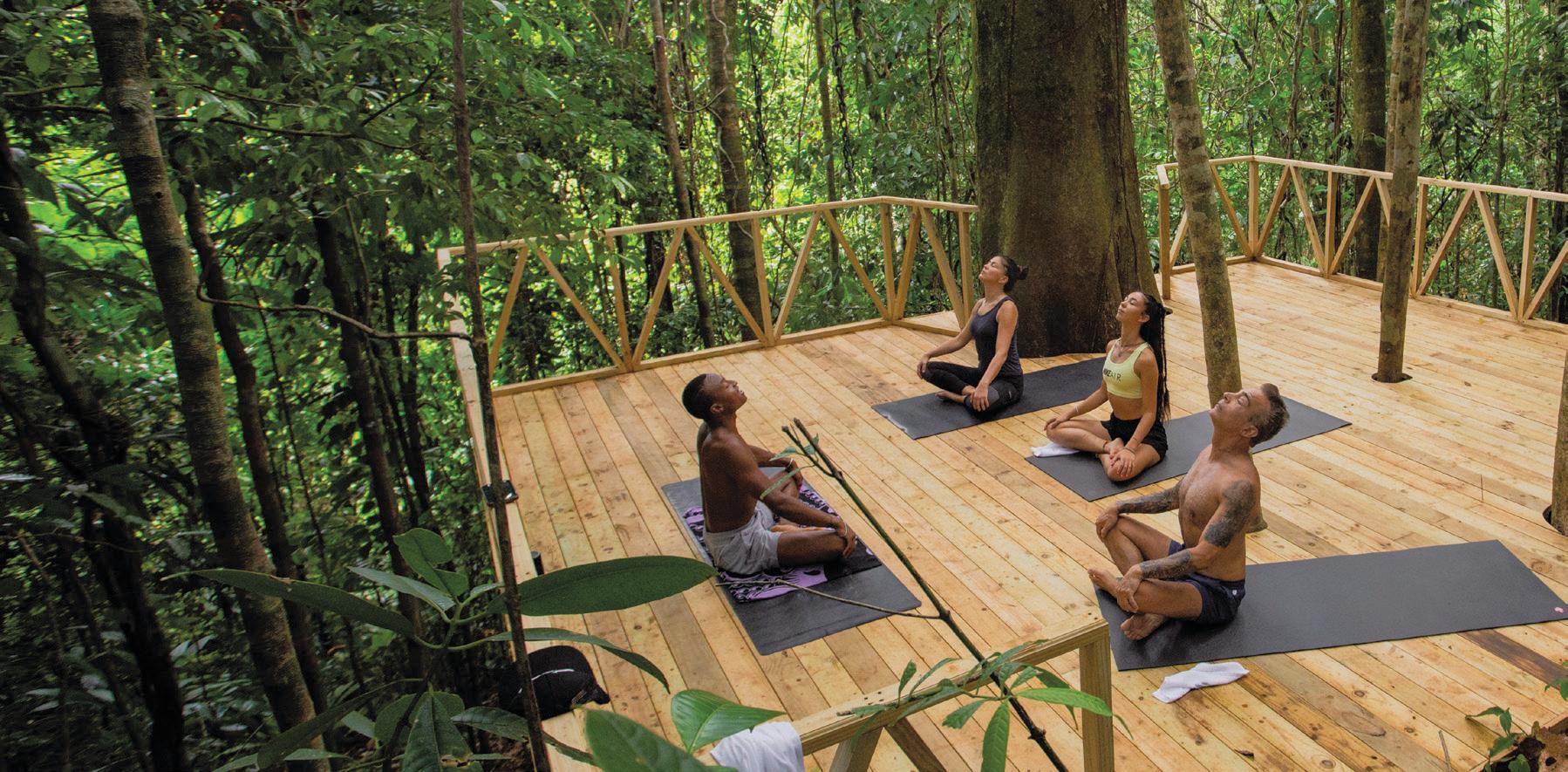
When much of your day is shaped by screens and speed, time to disconnect feels like a luxury. Soul Community Planet (SCP) Hotels is inviting travellers to do precisely that: disconnect and step back into the restorative wild, where screens are just for documenting memories.
Founded in Laguna Beach, California, SCP Hotels prioritizes clean, energy-efficient, low-waste accommodations as much as it does wellness. This winter, SCP Hotels unveiled Wild Wellness, a brand-wide evolution of its wellness programming that harnesses the “science of awe.”
"True vitality is rooted in the wild; we find our most authentic sense of well-being when we reconnect with nature—from the power of the ocean and the symbiotic intelligence of the fungi kingdom to the breathing silence of the rainforest," said Pam Cruse, CMO and Cofounder of SCP Hotels. "Wild Wellness reflects our belief that nature is the most effective therapist, and that meaningful restoration happens when we create space to truly disconnect and be present."
Research shows that immersive experiences in nature can reduce stress, enhance emotional resilience, and support longterm wellbeing. By introducing Wild Wellness to SCP properties across Costa Rica, California, Colorado, Hawaii, and Oregon, the group is using science to its advantage, reimagining hospitality as a gateway to disconnection from stress and reconnection with the planet, the community, and oneself.

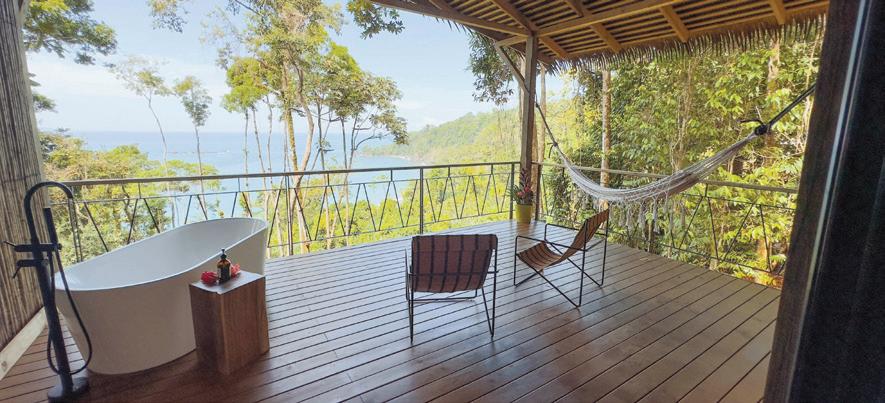
An initiative like this calls for custom experiences—a one-size-fits-all wellness program wouldn’t achieve the science of awe, at least not to its fullest potential. Instead, Wild Wellness is grounded in place-based experiences, each inspired by the ecosystems surrounding SCP’s properties.
For example, at Corcovado Wilderness Lodge by SCP Hotels on Costa Rica’s Osa Peninsula, often described as the most biologically intense place on Earth, guests can take part in a Sonic Re-Wilding experience to explore how rainforest soundscapes support nervous-system regulation. A Whale Bioacoustics Expedition pairs travellers with a naturalist to listen to and study the underwater calls of whales, and a Sacred Tree and Illumination Ceremony offers a sunrise or sunset ritual high in the treetops.
On the Southern California coast, Laguna Surf Lodge by SCP Hotels and SCP Seven4One Hotel tap into the healing rhythms of the Pacific. The Pacific Pulse Reset combines guided cold-water plunges, designed to build resilience and regulate the nervous system. Early risers can join the Epic Dawn Patrol, a sunrise surf experience inspired by Blue Mind therapy, the calming psychological effects of water.
Further north, SCP Mendocino Inn & Farm and SCP Mendocino Coast Lodge invite guests into the forest’s hidden intelligence through Mycelial Mind, a guided mushroom foraging and identification experience exploring the interconnected world of fungi. Plus, enjoy farm-to-table Blue Mind Dining and private Shinrin-Yoku (forest

bathing) sessions among ancient redwoods. On Oregon’s central coast, the Celestial and Cacao Journey at Salishan Coastal Lodge by SCP Hotels takes guests on a hike through old-growth spruce forests. Afterwards, enjoy chef-curated picnics overlooking Siletz Bay, and participate in monthly cacao and intention-setting ceremonies aligned with the lunar cycle.
DESIGNED FOR DEEP REST
Deep rest requires more than fresh air and green landscapes. The Wild Wellness method extends into the very spaces where guests sleep and unwind, bringing a day of reconnection with nature to a calming, disconnected-from-screens close.
SCP’s Peaceful Rooms are designed as screen-free sanctuaries that minimize digital distractions and blue-light exposure to promote deeper rest. These rooms feature sound machines, essential oil diffusers, calming pillow sprays, yoga mats, meditation pillows, air-purification systems, and curated reading. Japa Health, a personalized health optimization platform focused on circadian rhythm, mitochondrial health, and environmental alignment, provides access to tools designed to deepen your connection to natural forces such as light, water, rhythm, and breath.
With Wild Wellness, SCP Hotels is pushing beyond traditional spa menus and fitness programs—the kind of relaxation that looks good—to reframe travel as an opportunity for awe, restoration, and meaningful reconnection with the natural world—the kind of travel that feels good.
(SOURCE:
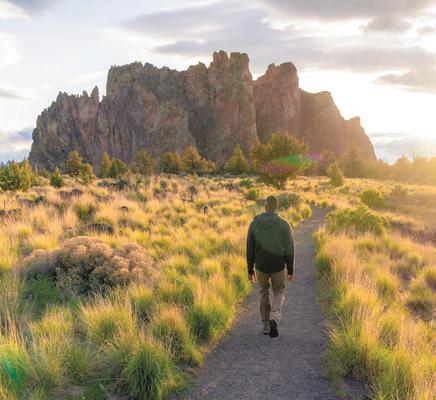

For 30 years, Expo Latino Festival has brought the colour, rhythm, flavour, and spirit of Latin America to the heart of Calgary. This summer, the beloved festival returns to Prince’s Island Park from August 14 to 16, 2026, for a milestone anniversary celebration filled with music, dance, food, art, and cultural connection.
Recognized as Western Canada’s largest Latin festival, Expo Latino has become a signature summer event, welcoming thousands of people each year to celebrate the richness and diversity of Latin American culture. Presented by the Hispanic Arts Society, the festival continues to create space for community, inclusion, and joyful cultural exchange.
This year’s 30th anniversary edition will feature more than 350 artists, including international performers, Latin-Canadian musicians, folkloric groups, dance academies, DJs, visual artists, artisans, and cultural representatives from across the Hispanic world.
The celebration begins Friday,
August 14, with Neri Villanueva y su Norteño Band, and Tejano Queen Forever, a tribute to Selena Quintanilla travelling from Dallas, Texas. Audiences can expect an energetic and heartfelt celebration of Selena’s greatest hits, honouring the legacy of the Queen of Tejano music. Friday night will also bring “Cumbia Madness,” a lively showcase of one of Latin America’s most beloved musical genres.
On Saturday, August 15, festivalgoers can look forward to a high-energy performance by Magic Juan, the Dominican-American artist and former member of Proyecto Uno, whose global hits helped shape the Latin urban movement. The evening will also feature the Son Romero Orchestra from Edmonton, adding a powerful live Latin sound to the weekend.
In a special moment of remembrance, musicians and singers from Toronto, Calgary, and Edmonton will unite to honour salsa pioneer Willie Colón, celebrating a legacy that helped shape generations of Latin music lovers.
Sunday, August 16, will continue the celebration with UNOTOPIC, the Guatemalan-Canadian singer-
songwriter known for blending Latin rhythms, R&B, and contemporary urban sounds. The day will also include internationally acclaimed flamenco dancer Fiona Malena, and a grand finale from legendary salsa artist Enrique Barrios, who will perform a tribute to Daiquirí and a Best of Salsa tribute with musicians from Alberta.
A CULTURAL
JOURNEY THROUGH
LATIN AMERICA
Expo Latino offers a full cultural experience. Folkloric groups will represent Latin American countries through traditional music, costumes, and dance, while local and visiting dance academies will bring salsa, bachata, reggaeton, merengue, and more to the festival throughout the weekend.
Beyond the main stage, one of the festival’s most meaningful initiatives is the Circle of Cultures, formerly known as the Latin American Cultural Pavilions. This growing experience invites visitors to explore the traditions, art, food, music, and heritage of Latin American and Hispanic countries. This year, the Dominican Republic

joins the Circle of Cultures as the newest pavilion, alongside countries including Bolivia, Chile, El Salvador, Nicaragua, Brazil, Colombia, Venezuela, Mexico, and Peru. The festival also includes a Kids Zone with inflatables and art activities. Entry is free for kids 12 and under.
CELEBRATING CONNECTION
BEYOND BORDERS
Expo Latino’s Guest Country initiative also returns, encouraging intercultural dialogue beyond Latin America. This year, in collaboration with Indigenous communities within Treaty 7 Territory in Alberta, we will proudly showcase visual artists,
dancers, cultural ambassadors, and an Elder as part of one of the festival’s most meaningful cultural exchange initiatives.
As Expo Latino celebrates 30 years, it continues to strengthen Calgary’s reputation as a destination for multicultural celebration, artistic exchange, and community connection.
JOIN THE CELEBRATION
Experience three unforgettable days of music, culture, food, dance, and community at Expo Latino Festival, August 14 to 16, 2026, at Prince’s Island Park in Calgary.
Tickets are available now at expolatino.com
RAYE MOCIOIU
From business trips to leisurely adventures, travel has become an integral part of our lives, and the impact of our journeys extends beyond the memories we create. Responsible travellers leave nothing behind except footprints, but savvy travellers keep
an additional footprint in mind as they embark on their adventures: the carbon footprint. Travel leaves behind a sizeable footprint, and as climate change becomes an increasing concern each year, there is a need for solutions that go beyond the norm. While recycling and conservation play key roles in caring for our
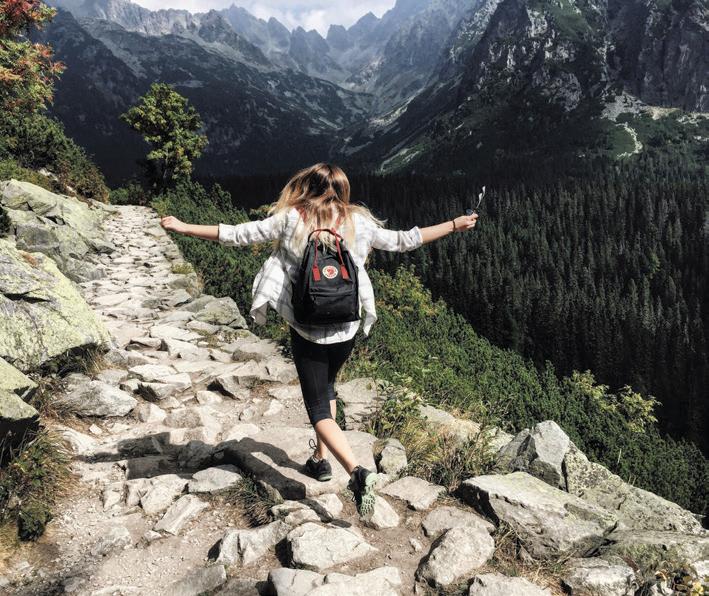
planet, there is an even more effective way to mitigate our carbon footprint: balancing our impact through carbon offsets—a vital tool for mitigating the environmental impact of our voyages.
WHAT
A carbon offset is a measurable action designed to counterbalance the release of carbon dioxide into the atmosphere due to human activities. Whether it's industrial operations or our daily commute, carbon offsets are a remedy, measured in metric tonnes of carbon dioxide equivalents (mTCO₂e). The idea is to reduce, avoid, or sequester emissions elsewhere to compensate for those generated during our journeys.
"Carbon offset" and "carbon credit" are often used interchangeably. While a carbon credit represents the removal of one tonne of carbon from the atmosphere, the term "carbon offset" is commonly associated with the action taken to achieve this reduction. This reduction is crucial not only in the compliance market, where
companies can make an impact by adapting and lowering their emissions, but also in the voluntary market, where individuals, organizations, and everyday heroes can proactively offset their carbon footprint.
WHY IS IT IMPORTANT?
The reality is that every human has a carbon footprint. Our daily activities contribute to releasing carbon emissions into the atmosphere, creating an ecological debt that demands attention. From the energy we consume to how we travel, our actions play a role in the rising carbon pollution that has disrupted the planet's natural carbon cycle.
The consequences of our escalating carbon emissions are becoming more noticeable, with temperatures soaring to unprecedented levels. Carbon offsets offer a solution that seems small but makes a big change. By taking conscious steps to reduce, offset, and sequester emissions, we can contribute to a significant positive change for our planet.
The road to a sustainable future involves individual responsibility and collective action. We can curb our carbon footprint by making mindful choices in our daily lives. Reducing reliance on red meat, reconsidering our commuting habits, and being mindful of energy consumption are all steps in the right direction. Still, it’s possible to make an even more significant impact. Planting trees, for example, is an easy way to impact your carbon footprint. In addition, organizations like TenTree, Cool Effect, and Less, among others, offer online carbon offset calculators, accessible ways to see how much your travels will impact your carbon footprint, and even allow visitors to donate the amount to finance worthy carbon projects, from reforestation efforts to conservation initiatives.
As travellers, we have the power to explore the world responsibly. From reconsidering our travel habits and consumption patterns to supporting sustainable practices, every effort counts.
Where can you go that has all the adventure of the Canadian Rockies with the comfort, convenience, and authentic community feel of a welcoming mountain town? The answer is just 15 minutes from the gates of Jasper National Park: the Hinton Northern Rockies.
Whether you're planning a family getaway, a cycling adventure, a corporate retreat, or a road trip through Western Canada, you’ll want to make Hinton your basecamp. From wildlife viewing and scenic trails to helicopter tours, horseback riding, mountain biking, shopping, and dining, there are endless ways to fill your days.
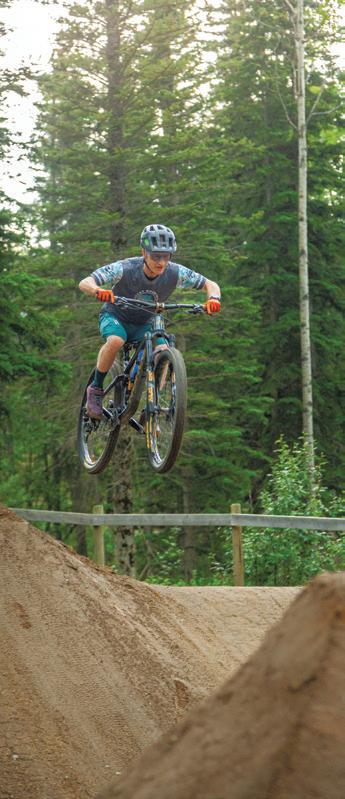
ADVENTURE STARTS HERE
The Beaver Boardwalk is the perfect place to start. One of Hinton's most beloved attractions, this is the world's longest freshwater boardwalk. Stretching more than three kilometres through wetlands surrounding Maxwell Lake, it’s a family-friendly destination that offers visitors a chance to experience the region's natural beauty up close.
Mountain biking enthusiasts won't want to miss the Hinton Bike Park, one of Alberta's largest free-access bike parks. Featuring pump tracks, skills areas, flow trails, and dirt jumps for all ability levels, the park connects to more than 30 kilometres of surrounding trails. Visitors can also book a guided ride with Rocky Mountain Ride Guides. Looking for a different perspective? Jasper Hinton Air offers helicopter tours over the Canadian Rockies, while Adrenaline Quad Rentals takes visitors into the Brule Sand Dunes. Old Entrance Summer Trail Rides offers guided
horseback excursions through the Athabasca River Valley.
Not every adventure needs to be adrenaline-filled. Located within William A. Switzer Provincial Park, Kelley's Bathtub is an easy 3.7-kilometre loop with views across Jarvis Lake toward the Rocky Mountains and opportunities for wildlife viewing.
STAY, GATHER, AND MAKE YOURSELF AT HOME
Part of what makes Hinton unique is its strong sense of community. In the Green Square, visitors will find delicious food trucks like Las Tres Marias and Funky Monkey, with a beautiful park and tables to enjoy your summer picnic. Hinton's Valley District offers retro treats at the Soda Shoppe inside King Drug and authentic Mexican cuisine at Rojo Marrón. Of course, every great adventure needs a comfortable place to end the day. Whether you're travelling solo, with family, or with a larger group, Hinton offers accommodations for every style of stay, with hotels, inns, cabins, and camping options that provide convenient access to local attractions. Find Your Next Basecamp: Hinton Northern Rockies is Yours to Explore. www.hintonrockies.com @hintonnorthernrockies Hinton Northern Rockies
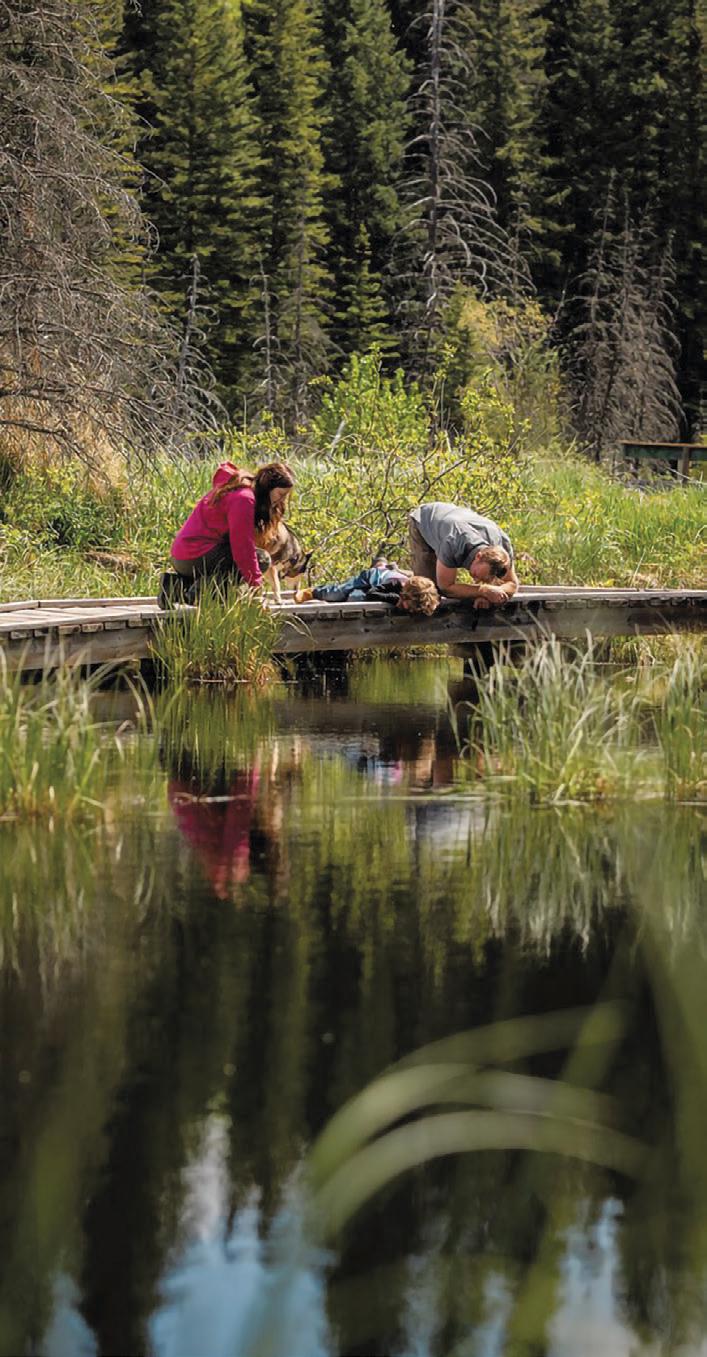

Food is a powerful driver of positive change, from plant-based innovation to sustainable nutrition. Around the world, food heroes are working to reduce hunger, cut waste, and build fairer food systems. Farmers are central to this effort, producing the food that sustains communities while protecting land, water, and biodiversity. Their work supports global food security and strengthens rural economies.
Celebrity chefs also play an important role by promoting sustainable ingredients, inspiring healthier diets, and using their platforms to support hunger relief. They elevate culinary arts while celebrating cultural heritage through diverse cuisines that connect people across borders.
Together, farmers, chefs, and innovators are shaping a future where food is healthier, more accessible, and more sustainable for all.
HOLLY CAMBRUZZI
Some of the best goodnews stories begin with an ambitious question. In the case of Vancouver-based Maia Farms, that question was how to create sustainable, nutrientrich food for space. When the Canadian Space Agency and NASA launched the Deep Space Food Challenge, a competition focused on feeding astronauts on long-duration missions, Maia responded by developing a mycelium-based protein system designed for extreme environments—and went on to win. That alone would make for an exciting Canadian innovation story. But what makes Maia Farms especially compelling is what happened next. Rather than keeping that breakthrough in the realm of future missions and faraway possibilities, the team brought it back to Earth, where it is already being used to help address some of the biggest food challenges facing communities today.

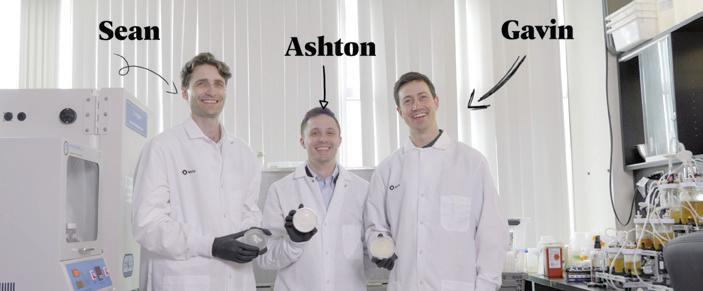
Founded by a farmer, an engineer, and a neuroscientist, Maia Farms brings together agricultural insight, technical precision, and scientific curiosity in service of a more resilient food system. The company transforms agricultural by-products into high-protein ingredients using mushroom biomass fermentation. Its products are made from oyster mushroom mycelium and peas, resulting in a shelf-stable ingredient that is rich in protein, versatile to cook with, and designed to deliver the texture and satisfaction people want from a centre-of-the-plate meal. That philosophy is visible in the way Maia approaches food itself.


The team understood early that many consumers may be open to alternatives to conventional meat, but only if the eating experience delivers. Taste and texture matter. So does affordability. Maia’s answer has been to develop ingredients that absorb flavour beautifully, hold up in a wide range of dishes, and offer real culinary flexibility. The promise here is not abstract. It is food innovation designed to meet people where they are—on grocery shelves, in commercial kitchens, and at family tables.
That bigger vision is also reflected in Maia Farms’ ongoing partnership with the Greater Vancouver Food

Bank, a collaboration centred on expanding access to nutritious, sustainable food across the region. As food insecurity continues to affect more households, Maia Farms has been working with the GVFB to help increase access to nutritious, sustainable food across the region.
Its Maia FORM™ ingredient is 66 per cent protein, shelf-stable, and easy to cook in many cuisines, making it a useful option for food bank programs trying to stretch resources while still providing healthy, appetizing meals. Because it does not require refrigeration to ship, it also offers advantages for reaching remote communities. The significance of that work comes into even sharper focus at a time when demand for food support has climbed so sharply.
The Greater Vancouver Food Bank now supports more than 16,000 people each week, with children and seniors making up a significant share of those served. In that context, Maia’s contribution speaks to something larger than product development alone: the possibility of using food

technology to widen access to nourishment, dignity, and choice. BRINGING THE FUTURE TO THE TABLE
The momentum around Maia Farms continues to build.
In January, the company announced the close of an oversubscribed $3.75 million seed round, bringing total funding secured in 2025 to more than $6.5 million. That support will help Maia expand production, grow its team, and deepen partnerships with food manufacturers. The company’s work has also earned recognition from programs including FoodTech 500 and the 2025 World Plant-Based Innovation Awards.
What began as a challenge rooted in space has become something much more grounded: a way of thinking about food that is imaginative, practical, and full of possibility. In that sense, Maia Farms is not only looking ahead, but helping show how a better food future can begin right where we are.

Chef Karen McAthy
rich, savoury and beautifully caramelized. It is also a simple example of how this made-inCanada innovation can move from food science to everyday cooking. Ingredients
• 2 cups Maia Farms Form™ Strips (maiafarms.com)
• 2 tbsp sesame oil • ½ cup
1 tbsp neutral oil, if needed
• Cooked white rice, for serving
• Vinegared cucumbers and fresh cilantro, for garnish
Cook’s note: Maia Farms’
HOMEMADE BULGOGI
SAUCE (OPTIONAL): Combine rice wine, dark and light soy sauce, grated apple, black pepper, ginger, garlic, and a small pinch of sugar. Whisk together and set aside.
Directions
1 Heat the pan: Place a large skillet over medium heat. Add sesame oil and allow it to shimmer.
2 Add Maia Form™ Strips: Toss in the dry strips—no prehydration needed. Stir gently to coat in oil. Heating them in oil first helps the fat
Form™
penetrate and prevents a spongy texture while enhancing flavour absorption.
3 Add sauce: Pour in the bulgogi sauce mixture. Stir to coat evenly.
4 Simmer: Bring the sauce to a gentle boil, then reduce heat and simmer for 30–35 minutes. Stir occasionally until the sauce thickens and the strips are deeply glazed.
5 Taste and adjust: Check flavour and texture as it cooks. Add a splash of water if needed.
6 Serve: Spoon over rice and garnish with vinegared cucumbers and fresh cilantro.
deliver an incredible meat-like texture and rich
beautifully in
and
The key is simplicity—no prehydration needed. Just toss, simmer, and enjoy. High in protein and fibre, this dish is proof that plant-based eating can be bold, flavourful, and effortless.
For many Canadians, especially those living in cities, farms may not be top of mind. We eat the food they produce every day, and many of us commute past their fields, but farms play a bigger role in our day-to-day lives than you might expect. They do far more than supply what ends up on our plates. Farm operators help power the economy, support jobs across multiple sectors, contribute to sustainability, and strengthen the communities around them.
A DAILY ROLE WITH NATIONAL REACH
The most immediate role farms play is in keeping Canadians fed. A steady supply of fresh, nutritious food begins with the people who grow, raise, and harvest it. But the influence of agriculture reaches far beyond local fields and farm gates.
Canada is one of the largest food exporters in the world. In 2024, the country shipped more than $100 billion in agricultural and food products abroad. Canadian legumes help feed households around the globe, with staples such as lentils, peas, and beans in demand internationally. Canola, itself a Canadian invention, is also a major commodity, with its seeds, oil, and meal all finding markets beyond our borders. Agriculture is not simply a rural concern; it is a major economic force with global reach.
That impact also extends into employment. According to Agriculture and Agri-Food Canada, agriculture provides around one in nine jobs in this country. Those jobs are not limited to people working directly on farms. The sector is tied to shipping and

logistics, packaging, processing, marketing, grocery businesses, and the many supply chains that support those operations. When people think about agriculture only in terms of fields and barns, they miss the much larger web of work connected to it.
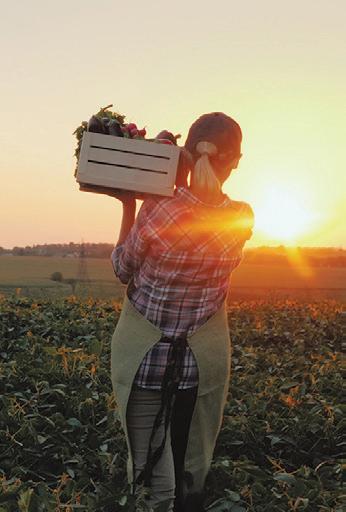
Farms also help shape the life and culture of the communities around them. Local farms bring people together through farmers’ markets, harvest festivals, farm stands, and other seasonal events that offer quality produce alongside local arts, crafts, and small-batch goods. In that sense, farms are not only producers; they are also gathering places and community anchors.
They also play an important role in environmental responsibility. Farm operators across Canada are helping drive sustainability by developing new practices that reduce waste, lower emissions, and lessen environmental impacts. That work is often practical rather than flashy, but it matters. Agriculture is deeply connected to the land, and the choices made on farms today help shape how resilient that land will be in the future.
A clearer picture of this
work comes from the Census of Agriculture, which offers a snapshot of the sector from coast to coast to coast every five years. The data helps the agriculture sector and policymakers make informed decisions and better understand changing needs across the country. While most Canadians will never fill out that questionnaire themselves, the information it provides plays a meaningful role in shaping the future of farming in Canada.
Support for farmers does not have to be complicated. In many cases, it begins with curiosity.
Learning more about where food comes from is one of the simplest ways to build appreciation for agriculture. It takes an enormous amount of labour, knowledge, and coordination to bring farm products to market.
Producers operate in networks
that stretch between communities and industries, and understanding those realities can help Canadians become more informed consumers and stronger advocates for the agricultural community
Buying directly from farms or farmers’ markets is another meaningful step. Depending on the season, Canadians can find produce, fresh-laid eggs, homemade jams, baked goods, candles, and even cider or craft beer. These purchases do more than fill a basket. They help support local producers, keep dollars circulating in the community, and build a more direct connection between consumers and the people who grow their food. Some farms also offer local farm basket programs, giving households a sustainable and cost-effective way to buy from nearby producers. There is also value in encouraging children to explore agriculture through local programs and hands-on learning. Giving kids direct exposure to farms, crops, and livestock can help make the food they eat feel more real and help them grow up understanding its true value. A stronger relationship with agriculture often begins early. Canadian farms are woven into everyday life in ways that are easy to overlook. They feed households, create jobs, sustain communities, and support a sector that touches nearly every part of the country. The more Canadians understand that role, the easier it becomes to recognize farming not as something distant, but as something essential.
Ingredients
This hearty meal combines juicy T-bone steaks with a tangy potato salad. The steak marinade infuses flavour, while the salad balances creamy dressing with zesty pickled jalapeños. Prepare the marinade and pickled peppers ahead of time to streamline cooking. For best results, let the steaks rest before slicing and serving alongside the room-temperature potato salad. SERVES: 4 • COOKING TIME: 45 MINUTES • TOTAL CALORIES: 975
finely chopped

STEAK
• 4 T-bone steaks, 8–10 oz each
STEAK MARINADE
• ½ cup soy sauce
• ⅓ cup olive oil ¼ cup balsamic vinegar
• 2 tbsp Dijon mustard
• 2 tbsp Worcestershire sauce
• 1 garlic clove, grated
STEAK
1 Lay steaks in a single layer in a shallow dish. Spoon marinade over to cover both sides, and let sit at room temperature for 30 minutes.
2 Preheat grill to medium-high.
3 When ready to serve, remove steaks from marinade, discarding marinade, and barbecue, turning occasionally, about 4 minutes per
SUMMER POTATO SALAD
• 2 lb tri-coloured mini potatoes, halved
4 eggs
• 1 tbsp olive oil
• 1 tbsp butter
• 2 white onions, thinly sliced 2 tbsp thyme leaves
• ⅓ cup chopped dill
• ⅓ cup mayonnaise
• 2 dill pickles, thinly sliced 1 tbsp pickled jalapeño peppers,
Directions
MARINADE
1 Stir all ingredients together. Pour into an airtight container, refrigerate, and use within 2 weeks.
POTATO SALAD
1 Place potatoes in a large pot of cold salted water, bring to a boil over medium-high heat, then reduce to low and simmer until potatoes are fork-tender, about 15 minutes.
• 1 tbsp pickled jalapeño liquid Black pepper, to taste
PICKLED JALAPEÑO PEPPERS
(MAKES 1 CUP)
1 cup jalapeño peppers, thinly sliced
• ¼ cup granulated sugar
• ¼ cup white wine vinegar
• ¼ cup water 1 tsp salt
low heat, heat oil and melt butter. Add onions and thyme and cook, stirring occasionally, until onions are golden brown, about 15 minutes. Transfer onions to a plate and let cool slightly.
4 In a large bowl, stir together dill, mayonnaise, pickles, pickled jalapeños, pickled jalapeño liquid, and salt. Gently fold in potatoes, onions, and eggs. Season to taste with black
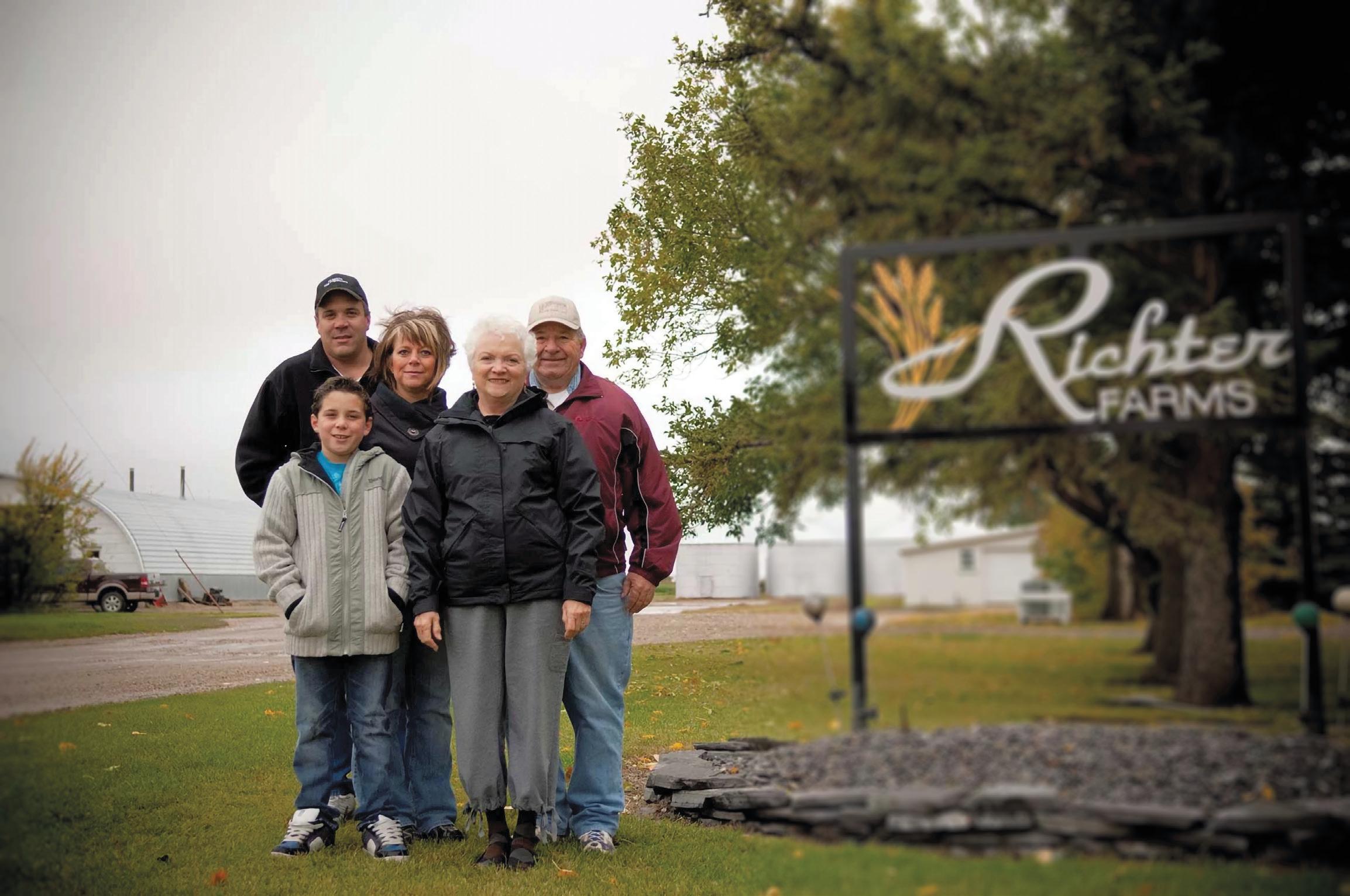

RAYE
MOCIOIU
Around the world and across every culture, food is a vessel for connection. Award-winning chefs and home cooks alike echo this sentiment as they weave in traditions, culture, and personal storytelling through their meals. Haudenosaunee chef Tawnya Brant is no different.
Known for her deeply personal approach to food and her commitment to Indigenous food sovereignty, Chef Brant’s story is as much about the evolution of a chef as it is about the meals she creates.
Chef Brant says her journey into the world of food began in childhood. More specifically, it started at home, in Six Nations of the Grand River, where food was a product of working with the land; grown, harvested, hunted, and shared.
Raised in a household without electricity or running water, Chef Brant learned early what it meant to work with the land. Summers were spent tending to gardens; winters required resilience and resourcefulness. These experiences laid the foundation for a culinary philosophy grounded in respect for ingredients and an understanding of where food truly comes from.
By the time she was 12, Chef Brant had already stepped into the restaurant world, working at a local café in Ohswé:ken. What started as a job quickly became an apprenticeship of sorts. Drawn to the kitchen, she spent as much time as possible learning from cooks, asking questions, observing techniques, and finding her place behind the line.
Her formal training at Fleming College in culinary management added structure, but like many chefs, her real education came through experience. A decade spent opening

restaurants across southern Ontario, western New York, and Manitoulin Island honed her technical skills and adaptability, exposing her to the industry's fast-paced demands. But when she became a mother, she decided that her career needed a shift.
Seeking a more grounded life for her children, she returned to Six Nations and founded Yawekon Foods, a catering business rooted in Haudenosaunee flavours and traditions. The name itself means “it tastes good” in Mohawk, a simple promise that weaves in her culture.
Here, Chef Brant began to fully integrate her culinary training with her cultural knowledge. Ingredients are often sourced locally, many grown in family gardens or connected to the Mohawk Seedkeepers Garden she helps nurture. This is the beauty of her work: dishes carry elements of memory, tradition, and place. That’s also why her show, One Dish One Spoon, is so beloved.
One Dish One Spoon follows Chef Brant on her journey to strengthen food security and support local economies in her home community. Season 2 premiered May 4 on Aboriginal Peoples Television Network (APTN), and on APTN+ on May 27, with the Kanien'kéha-language version to air in the fall on APTN Languages. Season 2 takes us beyond the kitchen and deeper into Chef Brant’s culinary identity, the experiences that shaped it, and what it takes to sustain a food enterprise—particularly one that prioritizes local sourcing, cultural responsibility, and community impact.
The show doesn’t shy away from the challenges, particularly that centuries of colonization have disrupted traditional food systems. With the support of family, fellow seed keepers, farmers, agricultural experts, historians, and a few colourful personalities, Chef Brant demonstrates how community is key to reclaiming and sustaining Indigenous food sovereignty.
TAWNYA BRANT’S BLUEBERRY SWEETGRASS VINAIGRETTE RECIPE
“The best way to add more Indigenous plants to your diet is learning what is edible in your own backyard,” said Chef Brant. “There is nothing simpler and more refreshing than a summer salad. This dressing will give any salad a burst of summer memories.”
Ingredients
• 2 cups Blueberries (fresh or frozen)
• ½ cup Pure Maple Syrup
2 tbsp Sweetgrass
• ½ cup Apple Cider vinegar
• ½ cup Sunflower oil
Directions
1 Place blueberries and sweetgrass in a pan and bring to a boil. Let simmer on low for 5 minutes. Turn off and set aside to come to room temperature.
2 At this point, berries can be strained, or the sweetgrass pulled out, and the whole berries can be used in the dressing.
3 Put blueberries in blender and blend for 10 seconds.
4 Place the rest of the ingredients in a blender and blend for 30 seconds.
5 Refrigerate any unused dressing. This dressing can be used for up to one week.
Chef’s Note: If you are lucky enough to have maple vinegar, you can replace the apple cider vinegar and use only half the amount of maple syrup (1/4 cup maple syrup).
AN IRRESISTIBLE SUMMER CHARCUTERIE BOARD
Summer gatherings are all about relaxed entertaining, great conversation, and food that invites everyone to dig in. A beautifully arranged charcuterie board delivers all three, creat ing a stunning centrepiece that feels effortlessly elegant.
The secret to a memorable summer charcuterie board is restraint. Instead of piling on endless ingredients, choose a handful of exceptional items that complement one another and allow their flavours to shine. A few carefully selected European specialties can instant ly elevate the experience, adding authenticity, quality, and character to every bite.
For a classic combination, pair Prosciutto di Parma PDO with Grana Padano PDO cheese. The delicate, melt-in-your-mouth richness of the prosciutto contrasts beautiful ly with the cheese’s nutty, savoury notes, creating a foundation that is both simple and sophisticated. From there, add vibrant seasonal fruit for sweetness, briny olives for a burst of flavour, and crisp breadsticks for satisfying crunch. The result is a fresh, colourful spread that captures the essence of summer.
Here's an example of how these ingredients come together to create an elegant summer spread.
PROSCIUTTO DI PARMA AND GRANA PADANO CHARCUTERIE BOARD
PREP TIME: 20 MINUTES • MAKES: 4 – 6 SERVINGS
Ingredients
• 10-12 thin slices Prosciutto di Parma
• 5-7 oz (150 – 200 g) Grana Padano, cut into shards or chunks 1/2 cup (125 ml) cured olives or caper berries
• 2 cups (500 ml) fresh seasonal fruit
Directions
1 Assemble each ingredient onto a wooden board, slate or platter.
2 Add the olives or caper berries, fresh seasonal fruit, and grissini around them.
3 Share with friends and family.


THE PERFECT SUMMER BOWL
This summer, bring a taste of Europe to your table with this vibrant, flavour-packed bowl. Filled with seasonal vegetables and hearty cannellini beans, it delivers the perfect balance of freshness, nourishment, and satisfying texture. A generous finishing touch of Grana Padano PDO cheese adds rich, savoury depth, elevating every bite. Simple to prepare and bursting with seasonal goodness, it's a wholesome dish that's light enough for warm-weather dining while still feeling wonderfully satisfying.
SAUTÉED RICE BOWL WITH SPRING VEGETABLES, CANNELLINI BEANS AND GRANA PADANO
TIME: 15 MINUTES • COOK TIME: 25 MINUTES • MAKES: 4 SERVINGS
Boil the rice in plenty of salted water until al dente, about 14 to 16 minutes, drain and set aside in a bowl with a drizzle of olive oil. In a large wok, brown the chopped shallot with 2 tbsp (30 ml) of olive oil. Add the green beans and sauté for a few minutes, until they start to soften. Then add the carrots and continue sautéing over high heat for a few minutes. Add the cannellini beans, season to taste with salt and pepper, and cook over a high heat for a few minutes.
2 Add the rice, sauté over high heat for a few minutes, then add the spinach.
3 Serve the rice
with a

It’s the era of online gaming, and the Alberta iGaming Corporation (AiGC) is making sure that our communities win every time.
On July 13, Alberta will take a major step toward modernizing online gaming with the launch of a competitive, regulated iGaming market designed to put player protection and community benefit at the forefront. The face of gaming is changing, and as the rules change, AiGC wants to keep Albertans in the know.
Operating at arm’s length from
Albertans love online gaming, but an estimated 70 per cent of online gaming activity in the province currently takes place on unregulated websites operating outside Alberta’s oversight. While these sites may appear legitimate, they are not subject to Alberta’s regulatory requirements or consumer protection standards—which means they don’t have Albertans’ best interests in mind.
The launch of Alberta’s reg -
able to identify approved operators through official AiGC branding displayed on participating websites and advertising materials.
“Today, you have to take the word of operators that their games are fair,” Keene continued. “Under the requirements of AGLC and the AiGC, operators—both for digital and live dealer-operated games—must submit to rigorous auditing and compliance testing by an accredited testing facility to demonstrate that they offer consistent
accountable. All regulated operators will be required to provide tools and resources that help players stay in control, including options to set limits, access educational materials, and use self-exclusion programs when needed. Responsible gambling and mental health tools will be available on the AiGC’s website, and registered operators must also offer these on their websites and in their marketing.
The goal isn't to encourage more gambling. Instead, it's to create a safer environment for
the province’s general revenue fund. When Albertans use unregulated sites, much of the revenue generated leaves the province. Under the new framework, a portion of the revenues earned through regulated operators will remain in Alberta, supporting programs, services, and initiatives that benefit communities across the province, like filling potholes, building hospitals, and supporting services that Albertans rely on. AiGC's mandate also includes ensuring that regulat-