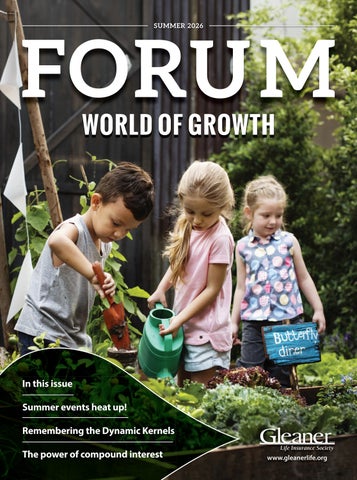
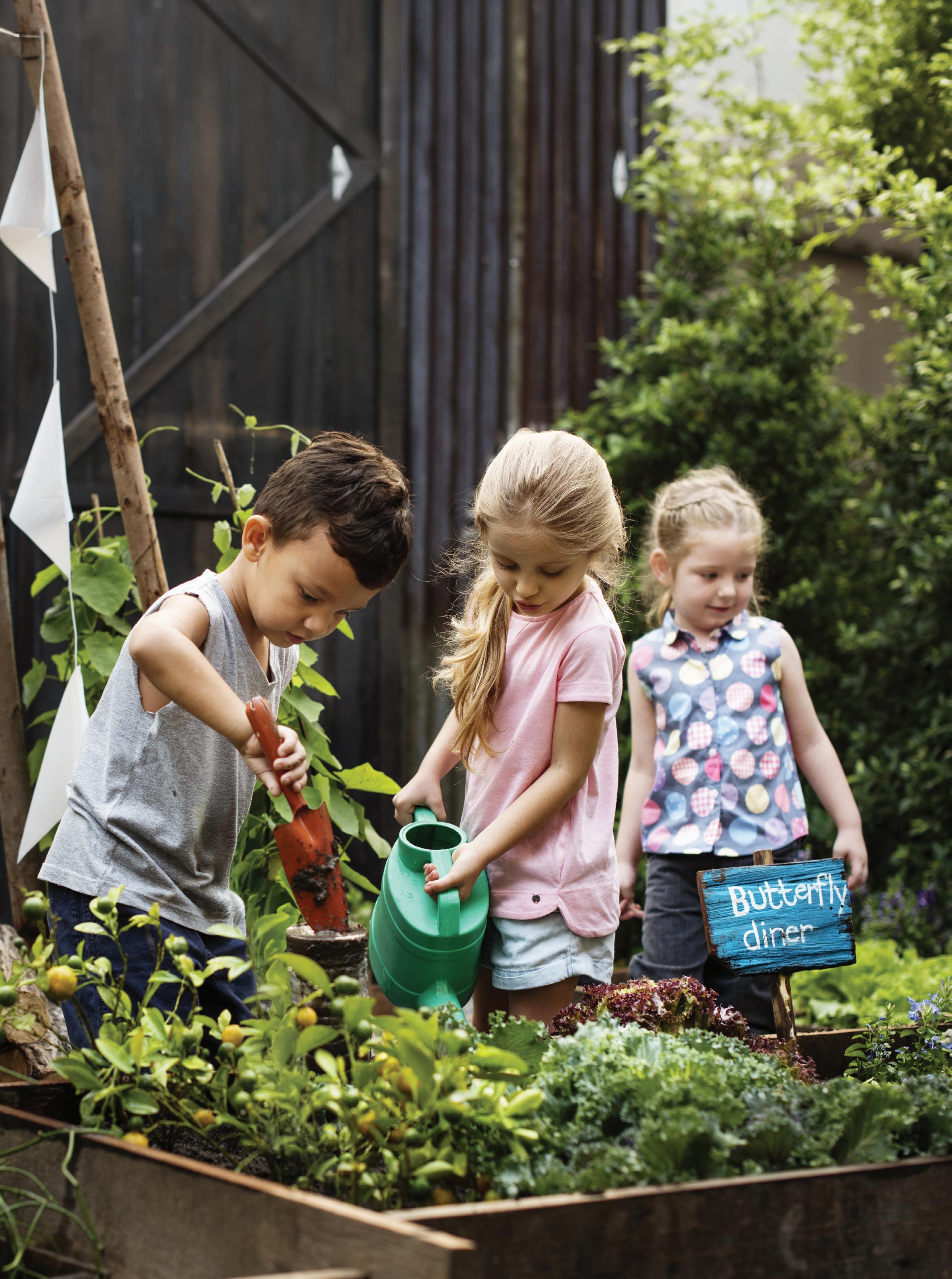
Be like wild owers and spread out, seed, and nurture. That’s how people, groups and communities can bear good fruit and pass on their legacies.
8 | Remembering the Dynamic Kernels harvest Eighty years ago this August, the nation saw a closing lesson in growth, stewardship and the power of tithing.
18 | Compounding is a Strategic Advantage Time, consistency, and compounding are powerful factors that maximize long-term nancial growth.
IN THIS ISSUE
1 | 50- and 75-year members Celebrating member milestones.
2 | Thoughts from the president Honoring America with faith and service.
3 | Memorable activities ahead Enjoy Green eld Village and Kalahari.
6 | Gleaner awards 111 scholarships
The 2026 winners are noti ed, and 2027’s window opens Dec. 1.
7 | Ask Gleaner Agents Answers to common questions.
16 | Cancer isn’t just an older person’s disease Rise in earlier cases calls for earlier screenings.
Get m e online!
We have more stories, more photos and great information in our digital version of this edition online at www.gleanerlife.org/forum
28 | Benny’s Page Check out American facts and contest winners. 4 8 14
20 | Hear the State of the Society
This year’s presentation will be Sept. 13.
21 | Matt Taylor named Gleaner COO Expanded role after strong rst year.
22 | Arbors in Action Gleaner service groups start a busy year.
26 | Andrea’s Page We could learn from our pets.
27 | Gleaner recipe Mint chocolate bread pudding.
FO R U M
National Officers
Todd M. Warner
President and CEO
Kaylene S. Armstrong, FLMI
Vice President,Chief Financial and Investment O cer – Secretary and Treasurer
Senior Officers
Matt Taylor Chief Operating O cer
D. Arell Chapman, CRISC, FLMI
Vice President, Chief Information and Compliance O cer
Officers
Amy Hawken, FLMI, ACS
Assistant Vice President, Member Services
Judy Lawrence, FLMI, ACS
Assistant Vice President, IT Development and Processing
Dawn Osborn, AALU, ALMI, ARA, ACS
Assistant Vice President, New Business and Chief Underwriter
Adrian, Michigan 49221-7894 p 517.263.2244 or 800.992.1894 f 517.265.7745
www.gleanerlife.org forum@gleanerlife.org
Hours
Monday - Friday: 8 a.m. - 4:45 p.m. Eastern time
Forum Magazine is produced quarterly at Gleaner’s Home O ce by Dustin Everden, Andy Garno, Mark Lenz and Julie Tison.
For questions regarding this publication, please email forum@gleanerlife.org.
yr.
Florida
Ruth Ann Boyd, River Ranch
Ronald Martin, Bushnell
Illinois
Susan B. Biesenthal, Bartlett
Dennis F. Follman, Sycamore
Chad Arlo Grob, Bon eld
Kerrie M. Minuth, Coal City
Frank E. Thompson, Seneca
Indiana
Dawn Elaine Cass, Osceola
Erin Anastasia Hine, Franklin
Kentucky
Je rey S. Wood, Nicholasville
Michigan
Sheryl Gaunt, East Jordan
Patricia Ann Plaxton, Breckenridge
Lee E. Prak, Dowagiac
Marilyn J. Prak, Dowagiac
David Gerald Vallance, Bellaire
Oklahoma
Mary A. Freiburger, Tulsa
Utah
Pamela Stuart, Layton
Texas
Laura L. Massow, Arlington
Do you enjoy searching for Gleaner’s wheat stalk? It’s hidden in every issue of Forum Magazine. Having di culty nding the wheat stalk in this issue? Look on Page 26 for the answer.
Arkansas
Judith A. Parks, West Memphis
Arizona
Georgia A. Jones, Glendale
Florida
William E. Prater, Wauchula
Illinois
Jacquelyn Bourey, Decatur
Leroy J. Lissy, Braceville
Hugh L. McBroom, Gridley
David L. Sanders, Donovan
Indiana
James Allen Carr, Kewanna
Joy Annette Hoke, Auburn
Kansas
Deborah Miller, Overland Park
Michigan
Jacqueline Epker, Reading
Charles Guiter, Centreville
Michele A. Lind, Saugatuck
Sandra J. Martin, Midland
Kathryn E. McDonald, Ithaca
John K. Sibley, Dowagiac
Dwight Stephenson, Scotts
Diane Sue Summers, Saginaw
Missouri
Cletus E. Watson, Linn Creek
Ohio
John F. Hale, Mount Orab
Paul A. Lacumsky, Oak Harbor
Patricia K. Randall, Westerville
Janet D. Reynolds, Wauseon
Washington
Ronald M. Ellis, Shelton
Wisconsin
William A. Shepherd, Green Bay
Forum Magazine is made from soy-based ink products and is recyclable.
Make a small impact on conservation by recycling this publication or passing it on to a friend.
oughts from the President
Dear Fellow Members of the Gleaner Family,
As we celebrate the summer season, we are reminded of the many blessings we enjoy as Americans and as members of the Gleaner Life Insurance Society. is year is particularly meaningful as our nation commemorates the 250th anniversary of the United States of America. For two and a half centuries, Americans have demonstrated resilience, generosity, faith, and a commitment to serving others, values that have also guided Gleaner throughout our history.
Our nation’s anniversary provides an opportunity to re ect on the freedoms we enjoy and the responsibilities that come with them. Strong communities are built when people are willing to serve their neighbors, invest in future generations, and leave things better than they found them. ose same principles are at the heart of Gleaner’s mission.
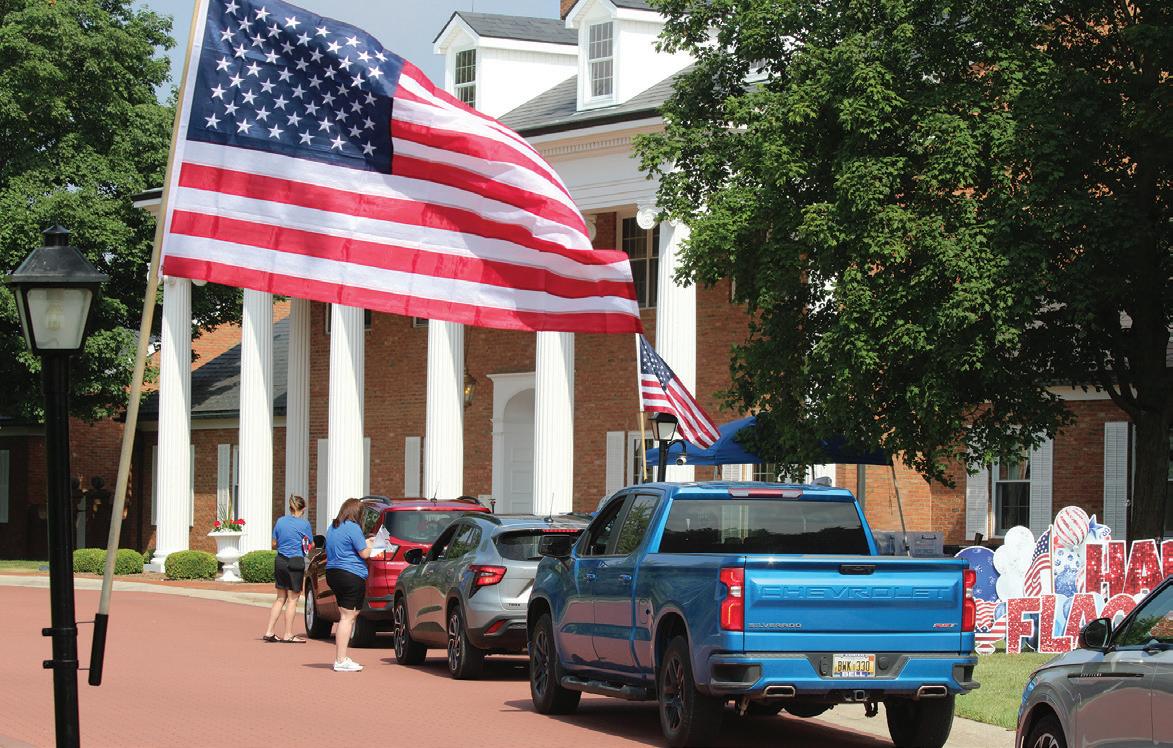
is summer, we were proud to continue one of our favorite traditions: the Gleaner Flag Day Exchange in Lenawee County, Michigan. Community members were invited to exchange worn and weathered American ags for new ones, ensuring that our nation’s symbol continues to be displayed with honor and respect. Retired ags are collected and properly retired through established ceremonial procedures, re ecting the reverence they deserve. What began as a community service project has become a cherished tradition, one that reminds us that patriotism is expressed not only in words, but in how we honor our nation, serve our communities, and care for the symbols that unite us.
Across the country, Gleaner members continue to make a di erence in their communities. rough arbor activities, volunteer projects, scholarships, community grants, and countless acts of kindness, you are living out the values that have de ned this Society for more than a century. e impact of Gleaner is not measured only by insurance protection and nancial security, but also by the lives touched through service and generosity.
While we remain focused on the future, there is much to be excited about. We continue to execute our strategic plan, strengthen relationships with advisors and members, and analyze new products and services that will help position Gleaner for long-term success. Our goal remains simple: to build a strong Society that serves members well today while preserving opportunities for future generations.
As we gather with family and friends this summer, let us give thanks for the blessings God has bestowed upon our nation, our communities, and our Society. We pray for His continued guidance as we work together to protect families, strengthen communities, and carry forward the mission entrusted to us.
ank you for all you do to make Gleaner a special place.
Fraternally,
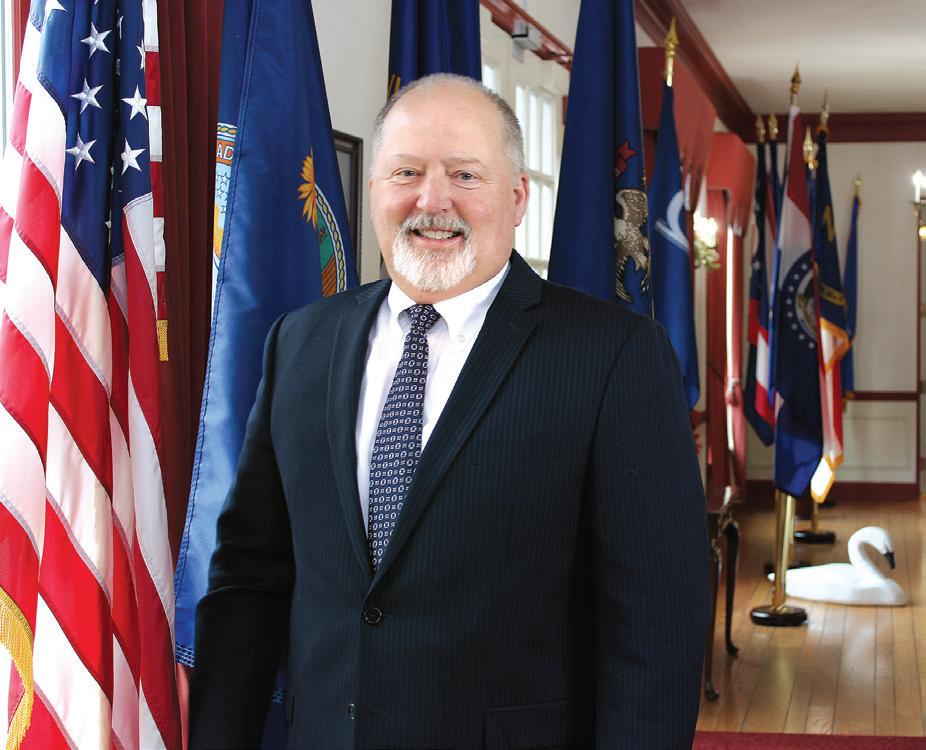
Todd M. Warner President and CEO
Family favorites coming up soon
Gleaner members can still register for two Midwest top-choice events at Greenfield Village and Kalahari.
19 SEP 6-8 NOV
Share the experience of riding in a restored Model T or a real steam locomotive, or enjoy all of the fun activities at the Midwest’s largest indoor water park resort. Gleaner members can plan to delight in these and more during the second half of 2026.
Greenfield Village | Dearborn, Michigan
Sept. 19 | Register by Aug. 17
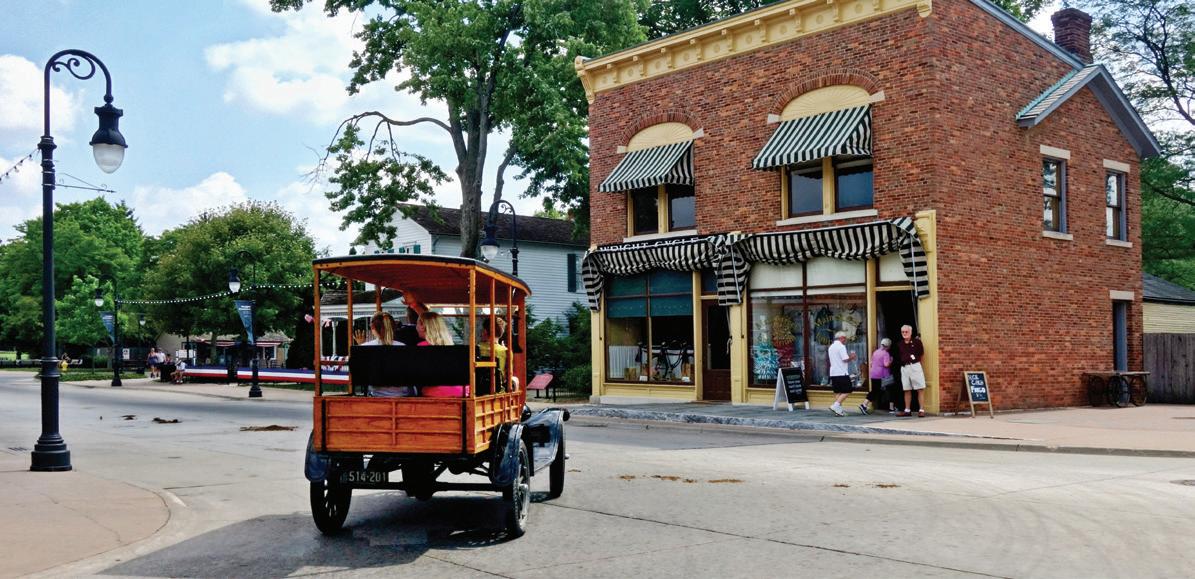
Celebrate the United States’ 250th summer at one of America’s most comprehensive “living history” parks. Created by Henry Ford, the open-air village encompasses 300 years of American ingenuity:
• Activities: Ride in historic vehicles, observe farming, see artisans create pottery, glass and metal items with 18th and 19th century techniques, and shop.
• Buildings: Explore the actual workshops used by omas Edison, Henry Ford and the Wright brothers. Walk through the homes of Robert Frost and Noah Webster, and see the building where Abraham Lincoln served as a lawyer.
• Context: Unlike era-speci c parks, Green eld Village celebrates a wide variety of American highlights, all with period-attired presenters.
Tickets are $35 each, and members can purchase up to eight tickets to share the day with friends and family. In addition to admission, each ticket includes parking and a lunch bu et. Don’t wait because the registration deadline is Aug. 17. Visit www.gleanerlife.org/familydays to register.
Safari to Kalahari | Sandusky, Ohio
Nov. 6-8 | Register by Oct. 5
Society members can register for a great family weekend at Kalahari for the same price as last year! Take advantage of numerous indoor water park activities, several di erent room packages, four water park passes (extra passes can be purchased separately), signature shops and restaurants, and a free Saturday morning bu et breakfast.
Room options include a microwave, refrigerator, co ee maker, access to the Fitness Center and more. Packages include:
• Double Queen — 2 queen beds, patio/balcony
• Double Queen Sofa — 2 queen beds and a full-size sleeper sofa
e cost is $195 per night, and there is a minimum two-night stay. Check details and register at www.gleanerlife.org/kalahari.
Wo��d of G��w�
Expanding, seeding, and raising up new generations makes communities fruitful.
Are you a wild ower or a potted plant? Potted plants can be stable and beautiful but, without outside help, they eventually decline and wither. Are you and your groups growing outside the box, seeking the light, producing good fruit, and scattering seeds that pop up in unexpected places?
Imitating wild ower growth can be good for groups as well as their communities. In central Michigan’s Gratiot County, Kaitlyn Fish not only stepped up to help lead Ithaca Arbor (MI), she did it while working two jobs and preparing for her wedding this year.
“Becoming arbor president was not something that I had mapped out in my future once I joined the arbor,” said Kaitlyn, whose mother had a Gleaner background and suggested it would be a good patch for her to grow. “She saw how much I loved giving back while in high school through Leadership & Service class and National Honor Society, and encouraged me to become a Gleaner member.”
With her and other leaders including Kim Hodge and Linda Farr, Ithaca Arbor is tackling projects such as delivering 125 Easter baskets to local children served by Child Advocacy. Basket contents included stu ed toys, candy, coloring books, and other items. “ is is a newer project that we did before, but never through Child Advocacy — and never the quantity that we did this year,” said Rose Peck, a longtime leader with Ithaca and, before that, at Harmony Arbor.
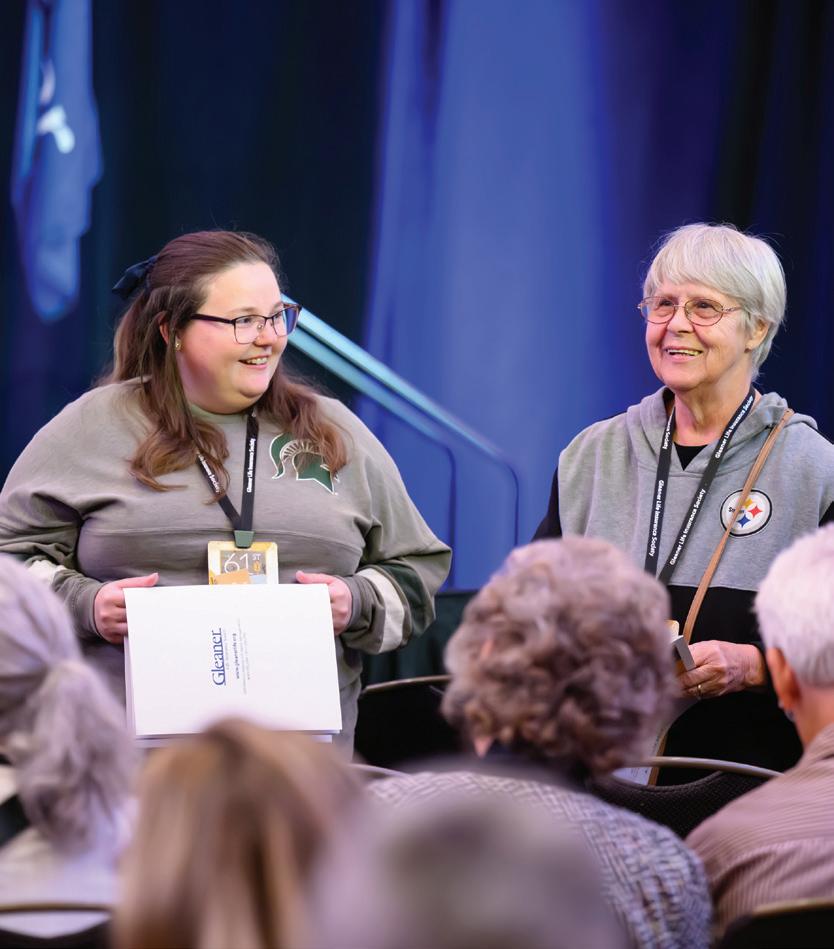
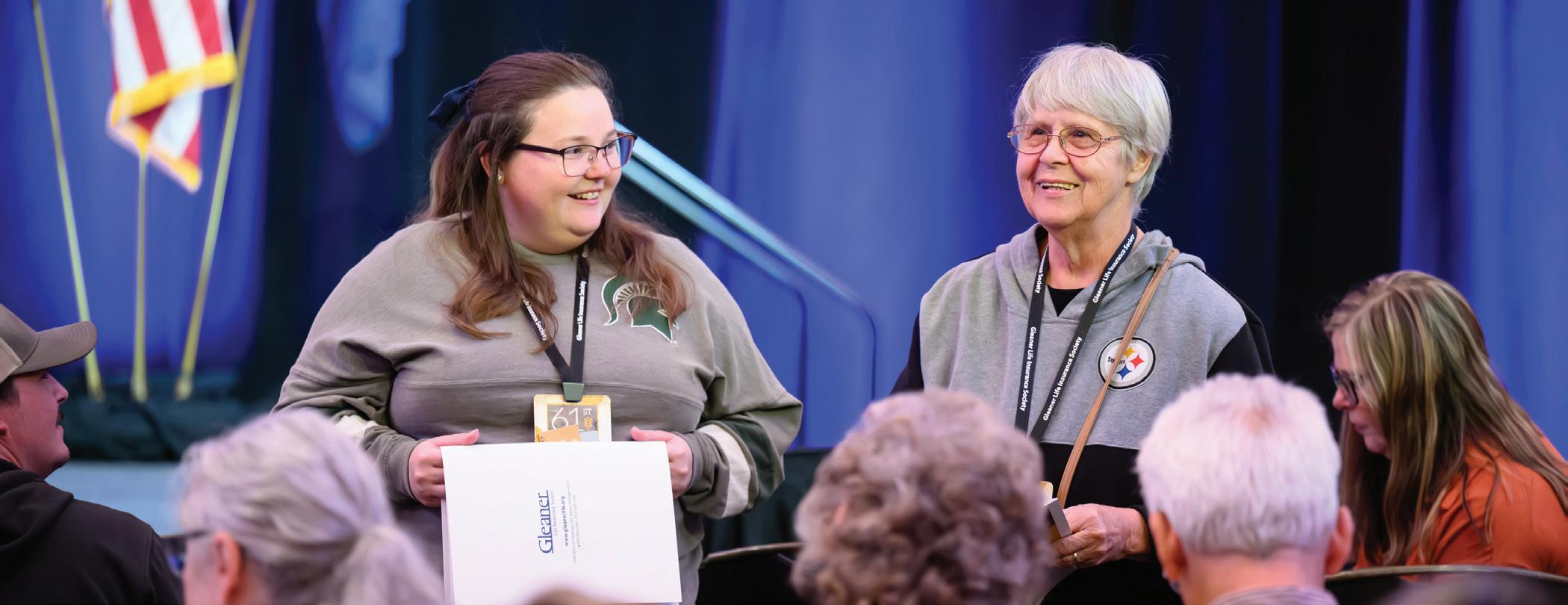
Kaitlyn Fish of Ithaca Arbor (MI) and Leona VanHorn of Harmony Arbor (MI) participated at the 2025 Convention.
Another example of growth can be found around Dayton, Ohio, where Miami Valley Arbor (OH) took root just three years ago and now supports teachers, provides scholarships, and participates in the National Night Out. Secretary/Treasurer Braylan Black told how members like Arbor President Mack Cole and Vice President Jay McClellan helped the arbor take o .
“Mack and Jay's connections with various charitable groups, churches, and higher-ups at a local school district opened many doors for impacts and activities,” Black noted. “I don't think that our co ee truck impacts would have been possible without Mack knowing the principal due to his kids going there. Mary and Sonny Lynch’s church has also been a wonderful place for our bingo impacts. Additionally, our golf impact is almost entirely run by Mack due to his relationship with a local course and knowing a massive number of golfers. If we had tried to start this without him, we would've ended up with one or two scholarships the rst year and likely not done it again after.” Just like wild owers, perennial projects eventually build their roots and cover areas where before only one-time projects popped up.
is type of networking and “cross-pollination” also builds adaptability and diversity as members cooperate with other groups and causes they care about. “I think people are amazed at the way we have reached out to surrounding communities,” Braylan said, “and o ered our assistance with projects, monetary donations, and our golf outing which has now provided over a dozen $1,000 scholarships from the proceeds.” Two examples
that Ithaca Arbor handles are May Day Baskets and the Veterans Day celebration. “Both of these events allow us to give back to individuals who have given so much to our community,” Kaitlyn said.
Including people of di erent ages is another sign of healthy growth. “Our group has become like a family,” said Miami Valley’s Mary Lynch. “We can talk about things to each other. We can make decisions about our activities and events together. I think it is like anything else. You have to make the time to do voluntary work. My husband and I are retired, but we still keep very busy. Taking the time to be present at these events to help others has been very rewarding for us.”
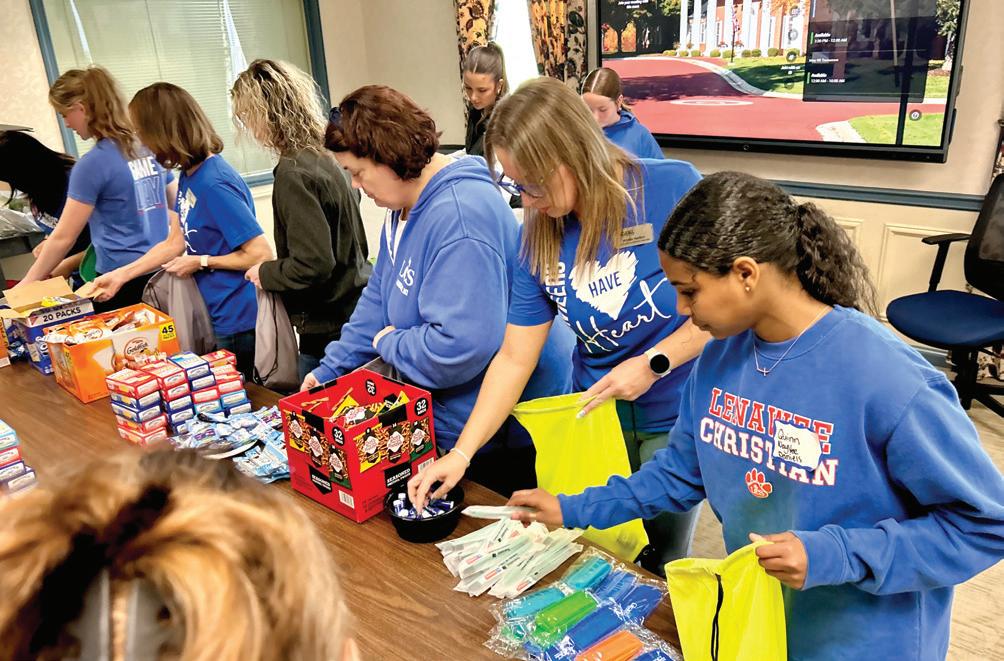
One idea for involving teens came from Legacy Arbor (MI), which partnered with students from a nearby school to pack dozens of personal care kits for distribution at a homeless shelter. It was part of a day-long collaboration with the students. “Partnering with our neighbors at Lenawee Christian Schools gave us an important rst step in strengthening the connection between youth and our established arbors,” Gleaner Community Engagement Manager Jessica Vasher explained. Ithaca Arbor has coordinated its own packing events, car washes, and more with church youth groups and other studentvolunteer associations, helping them raise money for trips, camps and other activities.
Another way to nurture growth is to give credit and encouragement, such as with the Community Volunteer Recognition (CVR) award. Rose and Kaitlyn both noted that receiving a CVR helps make people aware of good things that arbors do. “ at
Legacy Arbor (MI) partnered with students from Lenawee Christian School to pack personal care kits for a homeless shelter.
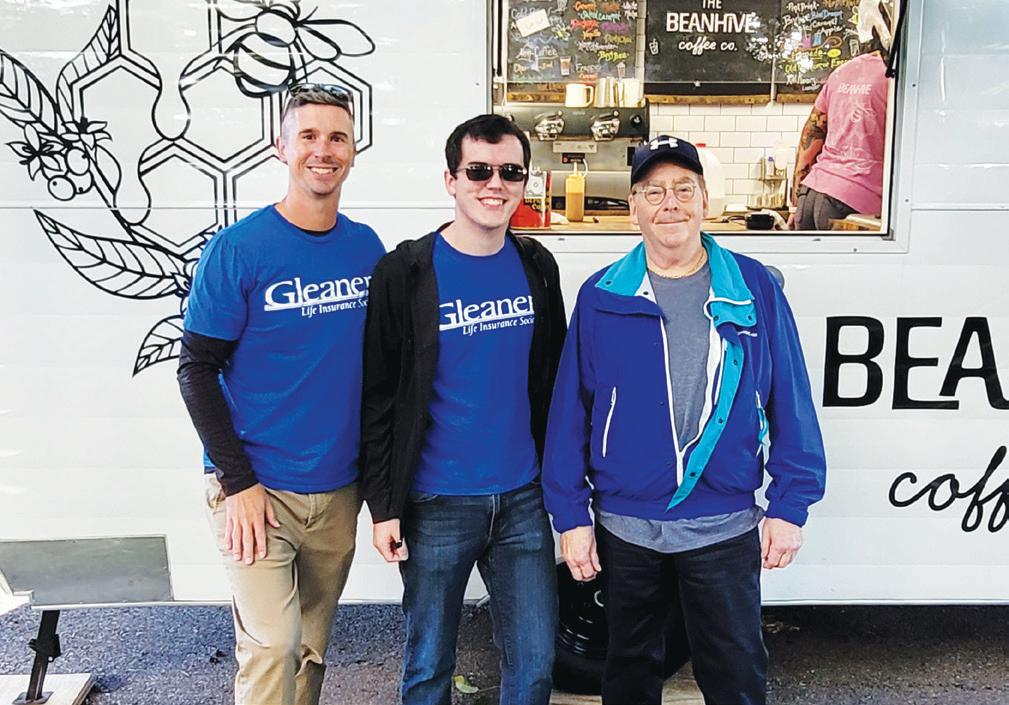
Miami Valley Arbor (OH) members Mack Cole, Braylan Black and Jay McClellan with a co ee truck the arbor sponsored.
was when I joined the arbors and became involved,” said Rose, who shares nearly two decades of arbor experiences. “We always try to honor at least one youth individual when we do our CVR program in the fall,” Kaitlyn added.
Growing can also mean taking on new roles and developing as individuals. “Communication skills are the biggest thing for me,” Braylan noted. “I already had enough leadership experience from my time in Boy Scouts, but I have always struggled with communication. is position has done a lot to help me open up and get better at communicating with a group. I suspect many of our members have experienced something similar over the few years we've been a group.” For Kaitlyn in Ithaca, problem solving and making sure everyone has an opportunity to give their input have been new ways to develop.
Using newer tools such as social media also helps individuals and groups reach out and keep growing. “Members will post pictures of the activities that we take part in, making it easy for community members to see what we are about,” Kaitlyn explained. Braylan added that Gleaner Life’s Community Engagement Department has helped. “Advice on how to run things and activities to do has been invaluable, and that has led to us getting a couple extra members.” To learn more about how Community Engagement can assist you or your arbor, contact them at 800.992.1894 or communityengagement@gleanerlife.org
People — and their organizations — are said to be either growing or dying. Adapting and passing the
torch is an alternative to declining and fading away. Henry Ford, featured elsewhere in this edition, warned a century ago that focusing solely on production and not thinking about the future was fatal, but “businesses that grow by development and improvement do not die.” People and groups that think ahead, cultivate, and nurture new leaders can keep renewing and spreading.
“I enjoy the whole thing, and doing what we do with the people in the community and who we reach out to," Rose added. "I enjoy reaching out. I don’t want to be a couch potato.”
Gleaner awards 111 scholarships for 2026
e Gleaner Life Insurance Society Scholarship Foundation presented 111 scholarships in May for bene t members to pursue their education dreams. It was the largest number of scholarships awarded in more than a decade. Each recipient will receive a one-time award of $2,500 — bringing the total given by the Gleaner Life Insurance Society Scholarship Foundation to nearly $5 million since 1980.
Gleaner’s Class of 2026 recipients will be studying across America, in states ranging from Arizona to
Pennsylvania, and from Wisconsin to Texas. All of the winners will be listed in fall’s edition of Forum Magazine. Gleaner scholarships are one of many bene ts helping our next generation grow, which will bene t all of us long into the future.
Applications for 2027 scholarships will be available online Dec. 1, 2026, and must be completed by Feb. 1, 2027. To learn more about the requirements, or to view the full list of 2026 winners, go to www.gleanerlife.org/scholarships
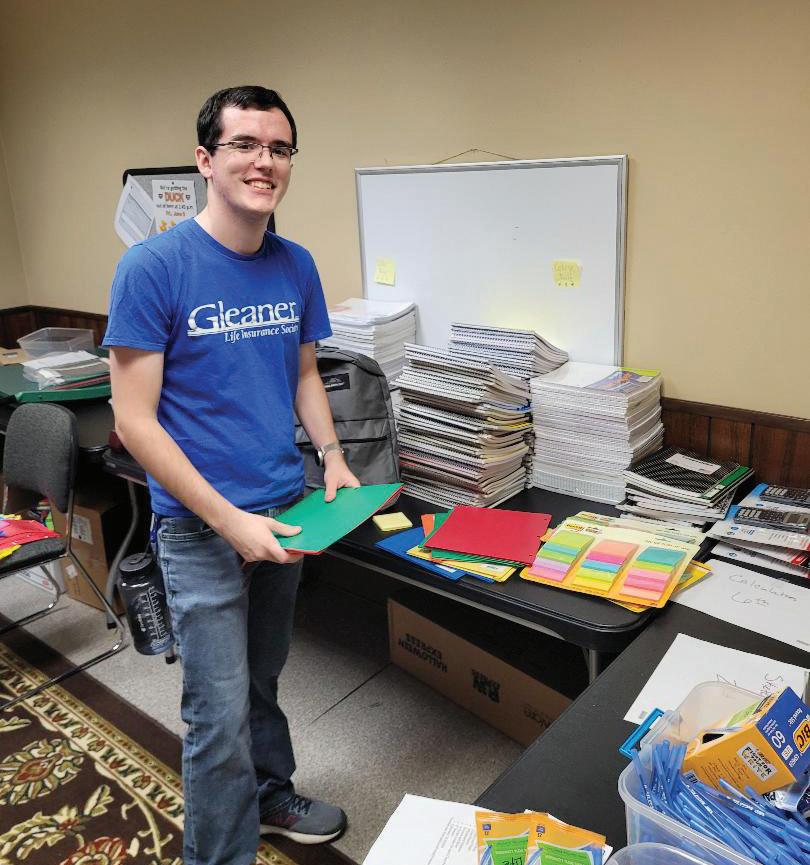
Braylan Black was pictured helping Miami Valley Arbor (OH) at its rst impact event, packing bookbags with school supplies for local students.
ASK GLEANER AGENTS
Beyond an employer-sponsored 401(k), what else can an individual do to strengthen their retirement plan?
“A 401(k) is a great foundation, but a strong retirement plan usually includes a mix of savings and investment strategies. In addition to IRAs, people often use brokerage accounts, mutual funds, ETFs, real estate, health savings accounts, and variable annuities to grow and diversify their wealth. Many also incorporate options that provide more stability and dependable income as they approach retirement, so their plan isn’t entirely dependent on market performance.”
Eric D. Wiedyk AIF®
e Taylor Agency Adrian, Michigan
“While a 401(k) is a valuable tool for building retirement savings, true nancial security requires access to money throughout life — not just in retirement. Many families struggle because their savings are locked away, forcing them to rely on costly borrowing when unexpected events, emergencies, or opportunities arise. Taking advantage of an employer’s 401(k) match is smart, but additional savings may be more e ective outside restrictive retirement plans. When people save for the future, they typically want strong returns, low risk, safety, guarantees, favorable taxation, and access to their funds. While few nancial products provide all these bene ts, properly designed cash value life insurance can complement other strategies by o ering
tax-deferred growth and exible access to cash through policy loans or withdrawals when structured correctly. Solutions like Gleaner’s Strategic Choice Index Universal Life aim to help individuals grow and access their money with greater control and tax advantages throughout their lifetime.”
Donn L. George George Financial Zelionople, Pennsylvania
“Depending on your age, it can be wise to prioritize Roth IRAs to help reduce future tax exposure. Traditional IRAs are subject to required minimum distributions starting at age 73, which can increase taxable income in retirement. Additionally, relying heavily on tax-deferred accounts may impact Medicare costs, including IRMAA (Income-Related Monthly Adjustment Amount) surcharges. Diversifying with other options — such as indexed universal life insurance or certain annuities — can provide more tax exibility by spreading out when taxes are paid. Ultimately, it’s important not to concentrate all your assets in a single type of account.”
Daniel J. Zeiger Zeiger Financial Lansing, Michigan
Gleaner agents strive to help members find the financial solutions that best fit their goals. If you have specific questions, reach out to your Gleaner agent listed on the back of this publication or call 800.992.1894 and let us connect you with an agent in your area.
Wheat project tested stewardship 80 years ago
Eighty years ago this summer, a grain miller from Michigan wrapped up his demonstration of a biblical promise about wheat, tithing, and growth. His practical, six-year project transformed 360 kernels of wheat into roughly 55 billion kernels, and captured national attention.
e man was Perry Hayden of Tecumseh. His “Dynamic Kernels” project had begun in 1940 with one cubic inch of wheat kernels. After six years of planting — minus one-tenth given each year as a church tithe — the nal harvest produced 72,150 bushels of wheat. e nal tithe of bushels helped feed starving European refugees in the wake of World War II.
Hayden’s project was turned into a 1947 book, “God is My Landlord,” written by Raymond John Je reys. A lm about the project included an introduction by perhaps the most famous Gleaner member ever, Eddie Rickenbacker.
On Aug. 1, 1946, the biblical wheat project concluded with a celebration and ceremonial public harvest at the Lenawee County Fairgrounds in Adrian, Michigan — less than ve miles from today’s Gleaner Life Home
O ce. Many people, including Gleaner Tecumseh Arbor President Linda Hewlett, who grew up near some of the farms involved, remember stories of the project.
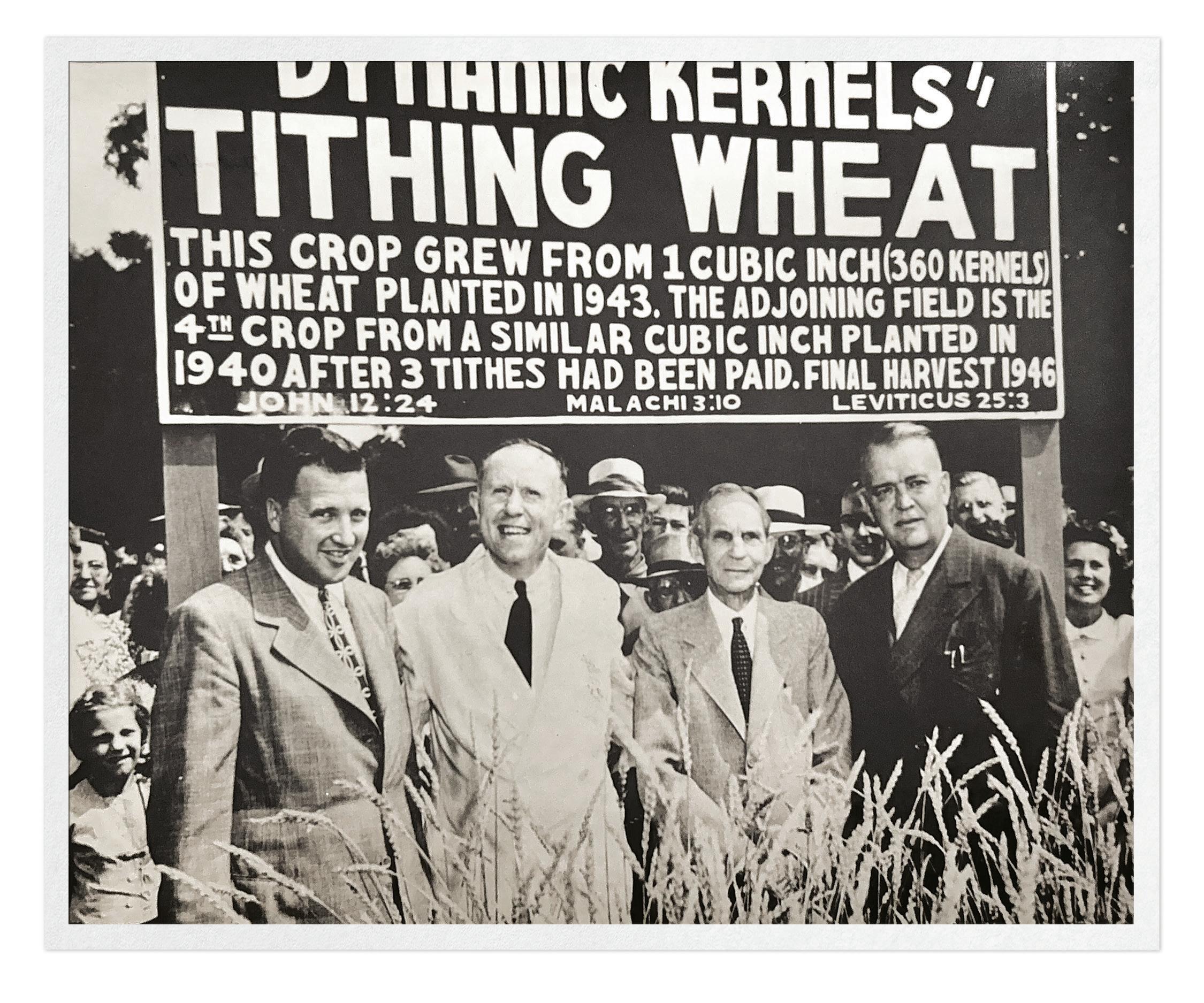
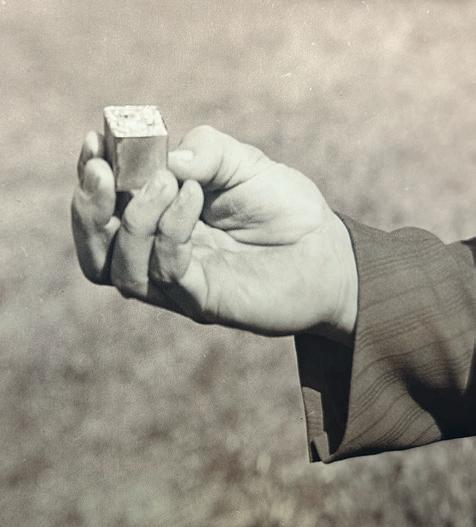
Above: Pictured under a sign during the fourth harvest of the Dynamic Kernels were (from left) Henry Ford II, project founder Perry Hayden, Henry Ford, and Michigan Gov. Harry Kelly. (Tecumseh Area Historical Museum); Opposite page: One cubic inch of wheat, shown in 1944. (Lenawee County Historical Society)
Hayden was inspired by a Sept. 22, 1940, sermon he and his family heard in the Tecumseh Friends Church. A visiting college student preached on John 12:24’s lesson by Jesus that a kernel of wheat is alone unless it’s planted and dies, “but if it dies, it brings forth much fruit.” As a third-generation grain miller, Hayden immediately wondered how much it would produce. “When the preacher talked about wheat, he was talking directly to me about my own business,” Hayden recalled. Local wheat planting was underway. “I’m going to plant a kernel of wheat,” Hayden said, “and see what happens.”
Just outside Tecumseh, automobile industrialist Henry Ford owned nearly 10,000 acres of farmland. Hayden shared his idea with Ford’s farmland manager, Edgar J. Clark. Clark suggested planting a larger amount, like a cubic inch of kernels, in case something happened to the one grain. A teacher at a local Edison Institute school (also operated by Ford), made a metal container measuring one inch on each side. When lled with Bald Rock soft red winter wheat, it contained exactly 360 kernels, the same number as the degrees in a complete circle.
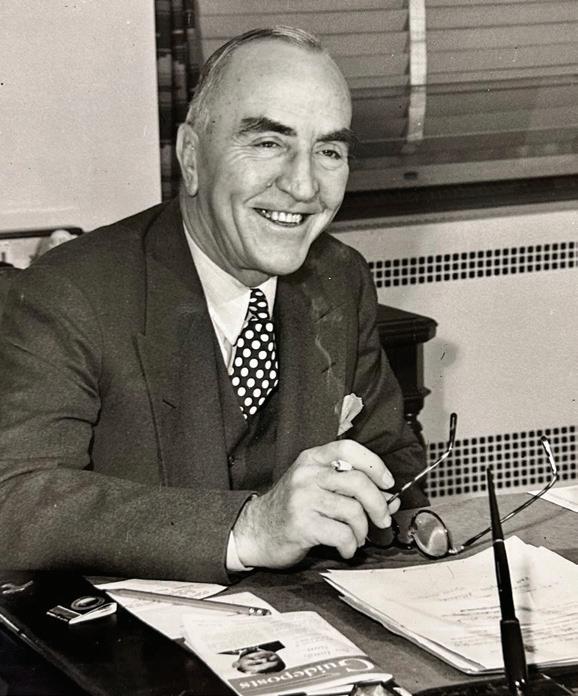
Eddie Rickenbacker was president of Eastern Air Lines in 1951 when he sent a letter and photo to Gleaner Life for a feature about him as a Gleaner member. He helped introduce the lm version of “God is My Landlord.”
Gleaner Eddie Rickenbacker endorsed Dynamic Kernels
Eddie Rickenbacker was probably the most famous Gleaner member during the 1940s — or any era — and his endorsement of Perry Hayden’s Dynamic Kernels vision was a testament to its practicality. Rickenbacker became a Gleaner member in 1940, long after becoming famous. He was born to Swiss immigrant parents in Columbus, Ohio. From a young age, Rickenbacker demonstrated mechanical skills. He became a race car mechanic and then a driver (he helped drive to 11th place in the rst-ever Indianapolis 500 race). In World War I, he enlisted as a ghter pilot and became a squadron commander and America’s top ace. “Captain Eddie,” as he was known after the war, started an automotive company and helped introduce four-wheel brakes. In the 1930s he bought Eastern Air Lines and over the next 20 years made it a major airline. He narrowly escaped death many times, attributing that to God having further work for him to accomplish.
Rickenbacker made the following remarks in the 1947 “God is My Landlord” lm:
On Sept. 26, 1940, Hayden’s son Billy and 11 other boys from the Ford school planted the kernels in 12 rows in “the world’s smallest wheat eld,” measuring four feet by eight feet. Old timers doubted anything would grow in the clay but, enclosed by fencing, the wheat did turn into a small crop. It was cut with a sickle, heads clipped o
{“Ever since that day long ago when man was inspired to plant that rst grain of wheat, and began the cultivation of the soil, wheat has been man’s sta of life in his journey up through the centuries. e biblical wheat demonstration begun by Perry Hayden in Michigan back in 1940 has impressed all thinking Americans. is demonstration has shown the capacity of the good earth to meet man’s needs and produce the large tithe, if man will only help himself by planning, by planting, and by prayer. Today, Americans are giving their tithes and more toward feeding hungry people as our grain is going to every corner of the Earth. If it is God’s will and purpose that this great country of ours is to help answer the prayer, ‘Give us this day our daily bread,’ then we should be humbly grateful for this privilege that is ours.”
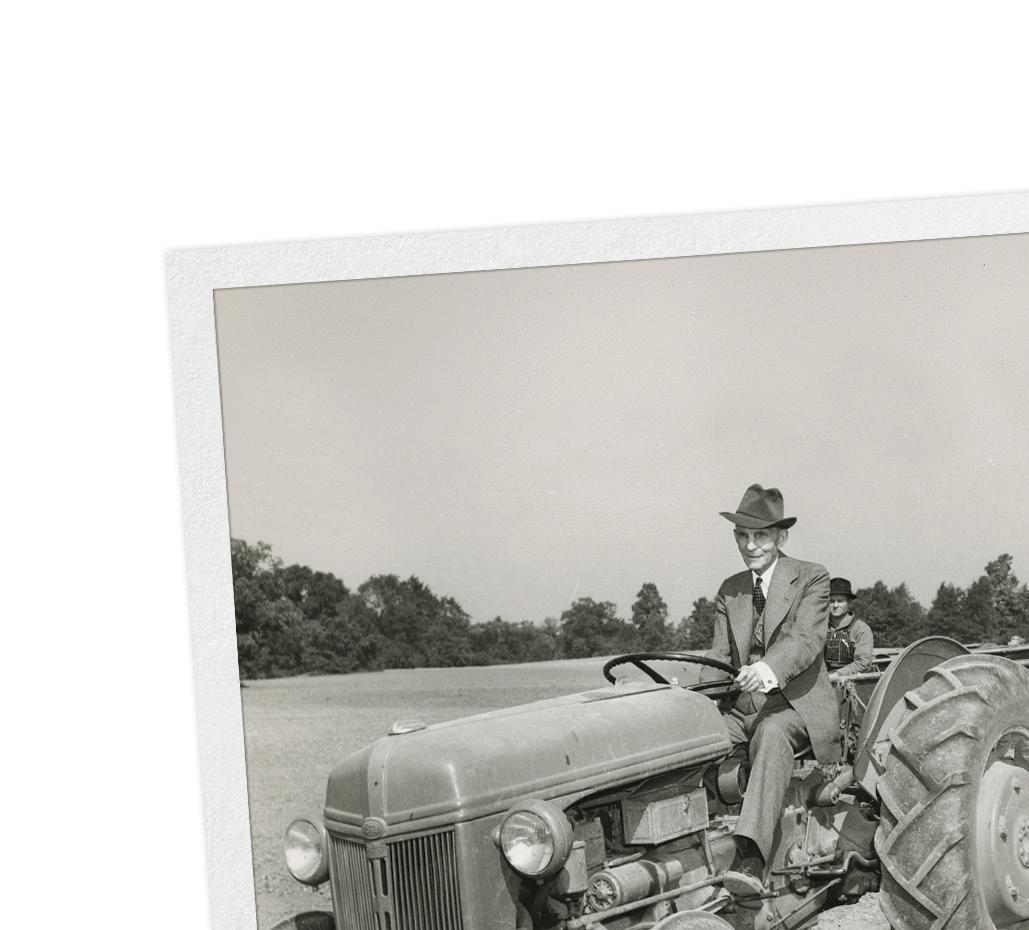
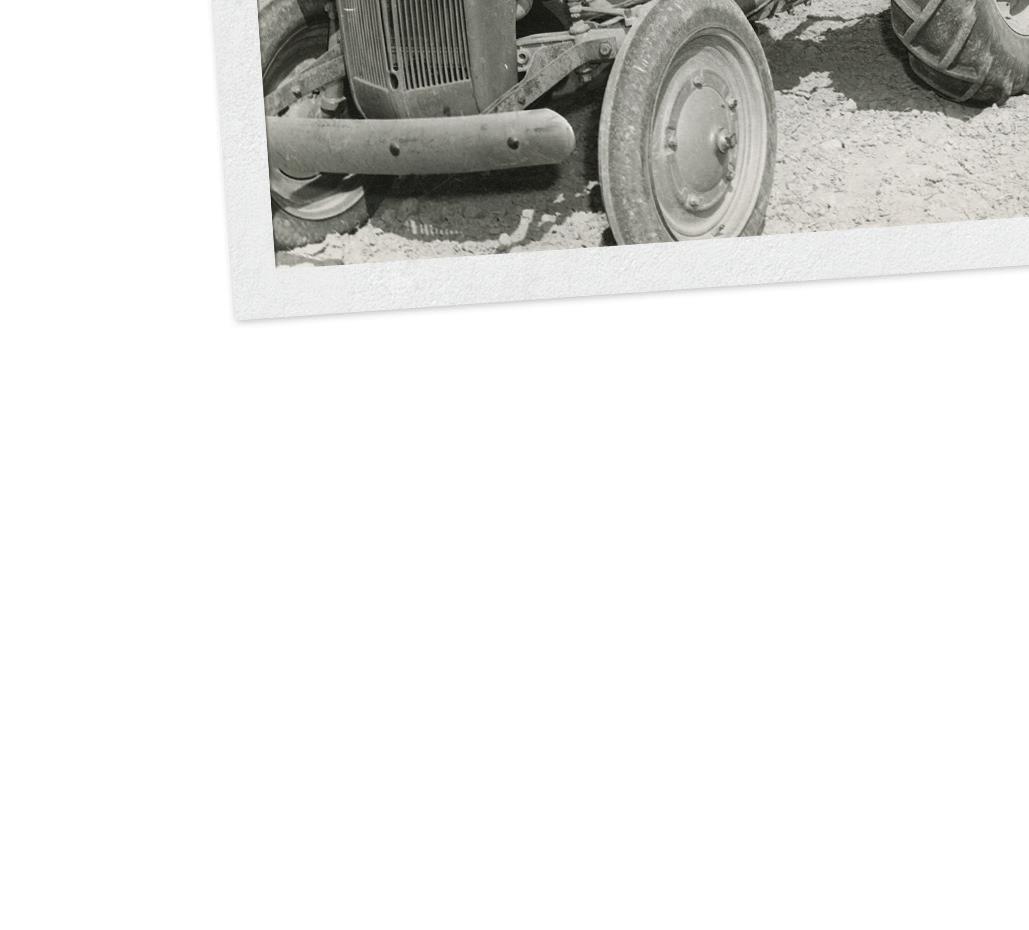
Henry Ford drives the lead tractor, a Ford-Ferguson Model 9N, helping plant the fth crop in September 1944 in Macon Township, Michigan. (Image from the Collections of e Henry Ford)
with scissors, hung in a our sack on the back porch to dry, and then threshed with a “carpet beater” in the Hayden kitchen, with family members using their lung power to separate the wheat from the cha . ey counted 18,000 kernels, a 50-fold increase. On a bushel-per-acre basis, it equated to 100 bushels per acre, more than ve times the state average that year of 18 bushels per acre.
Despite the Great Depression and near-failures of his mill, Hayden was a careful tither, giving one-tenth of his personal and company’s income to God. He believed the biblical promise in Malachi 3:10 about stewardship, nancial giving, and trust. e verse calls for believers to bring their tithes into the storehouse to meet the needs of God’s house, inviting them to do so and see whether He will open the “windows of heaven” and pour down an overwhelming blessing. Hayden calculated the rst year’s tithe to be ve cubic inches, which he milled and gave to his church’s pastor, who ate it for breakfast. Hayden quipped that the rst tithe “was very religious and went directly into the ministry.”
Hayden speaking in 1944. (Lenawee County Historical Society)
e second year’s crop went into a 24- by 60-foot plot with 44 rows. Although World War II now dominated attention, about 200 townspeople gathered to watch the July 4 harvest using vintage farm cradles. Despite worries of ooding, nearby construction and birds, 1942’s yield proved even greater than the rst harvest: 2,448 cubic inches (70 lbs.), a 54.4-fold increase.
Hayden also observed another sabbatical instruction in Leviticus 25-27 (sometimes described as a “landlord agreement”) from God to his people before they entered the Promised Land: sow and gather crops for six years, then stop and let the land rest for the seventh year.
Now called Dynamic Kernels (for the Greek word in the Bible often translated “power”), the project’s third crop was planted on nearly an acre. It drew the interest of Henry Ford, “to whose thrifty imagination the lot-from-a-little scheme had strong appeal,” Time magazine reported. Ford wanted to furnish future farmland, which would be needed as the project grew. e third harvest included an old, horse-drawn reaper. Rain caught the harvest before it could be bound and shocked, however, and birds threatened to eat it. Combined with a poor season across southern Michigan, the crop measured only 957 pounds, a 15-fold gain.
e fourth planting in 1943 drew national attention. When ready for harvest in 1944, more than 2,000 people came to the 14-acre site. Scores of dignitaries attended included Michigan Gov. Harry F. Kelly. Ford helped harvest with a self-raking reaper he had used as a boy. ere was a cradling contest with old timers, and a
Perry
“Gleaners Contest” with a set of dishes awarded by the Ohio China Company to the woman who could gather the most fallen heads of wheat. In all, more than 379 bushels were gathered, with a yield of 27.1 bushels per acre — eight bushels more per acre than averaged statewide.
Ford helped sow the fth year’s crop of 321 bushels on about 230 acres south of the village of Macon, where he had a replica mill built. Di erences developed, however, as Ford wanted money from the nal future harvest to be used for a school, chapel and workshop in Tecumseh, while Hayden’s Dynamic Kernels Foundation committed to giving it to Christian work to “bind up the wounds of war.” Ford became ill and, before July’s harvest, e Ford Motor Company completely withdrew from the project, citing post-war reconversion needs. e fth harvest weighed 5,555.5 bushels, and Hayden took that as an encouraging sign not to give up.
e nal year shifted from the famous to 270 individual farmers who purchased and planted 5,000 bushels of wheat, steeply discounted as the planting season’s last possible days ticked away. Farmers signed agreements promising tithes to 175 of their local churches, representing 30 di erent denominations. Some wheat was planted as far north as Clayton George’s farm in Vassar, Michigan. Out west in Fort Wayne, Indiana, John Summers took 10 bushels. In Napoleon, Ohio, farmers R.G. and Jennie Watkins each planted nine bushels. William Uckele of Bliss eld (who later founded Uckele Health and Nutrition) heard rumors some bags included the weed “vetch” but he went ahead and planted them anyhow. Another farmer was William Hartley of Hudson, Michigan. He took 21 bushels of Bald Rock Seed Wheat at the bargain price of $1 per bushel, and
tithed to Sacred Heart Church. Many of the farmers have distant Gleaner relatives today, such as Jim Hartley (a third cousin once removed from William Hartley).
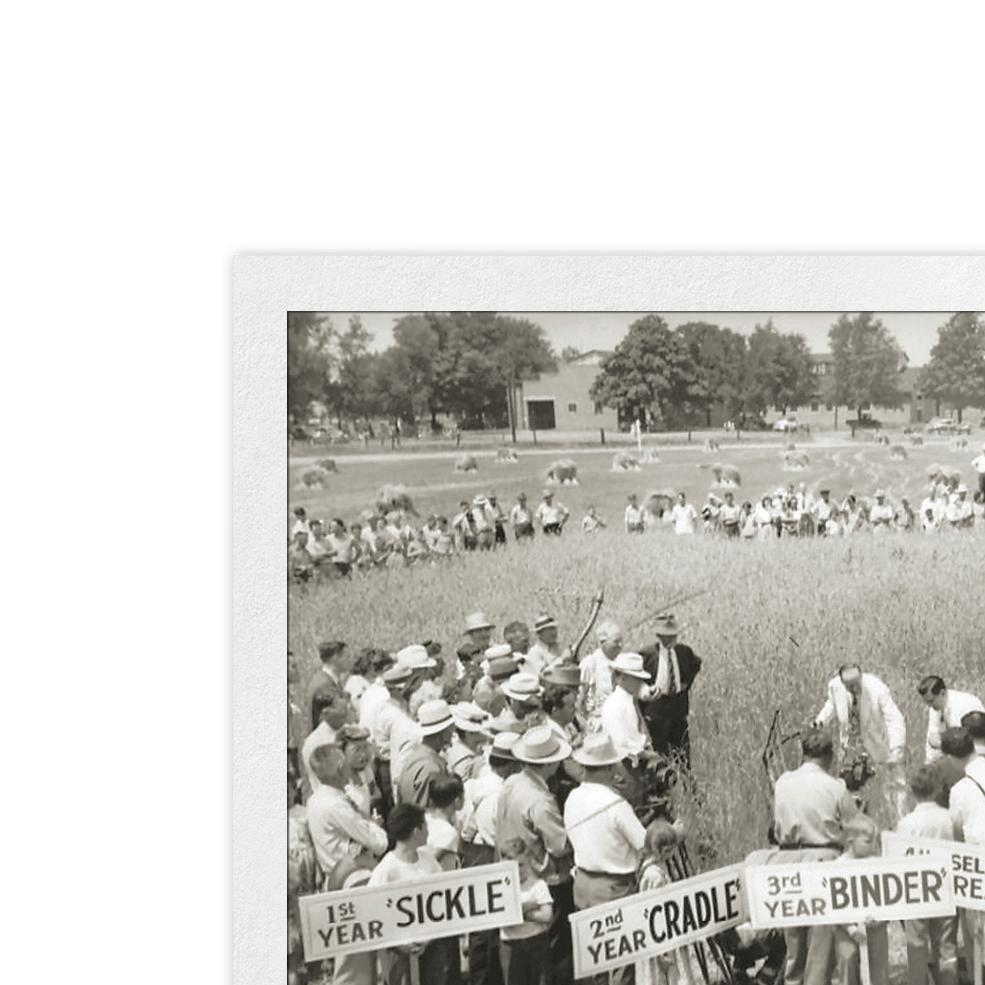
e nal 1946 harvest covered plots totaling 2,666 acres, including an area at the fairgrounds, and produced 72,150 bushels. e city of Adrian hosted a “Biblical Wheat Day” celebration. After a parade to the fairgrounds, a small eld of biblical wheat was cut using six historical reaping methods including a hand sickle, cradle scythe, and vintage reaper. Steam engines, a diesel engine and a Jeep were used to power threshers and stone mills to grind the our. A helicopter — a new type of commercial transportation in 1946 — ew 100 pounds of the our to Toledo’s Lakeside Biscuit Co. ere it was baked into 10,000 complimentary graham crackers, which were own back to Adrian later in the afternoon. 4-H girls gave out the crackers to “feed the multitude.”
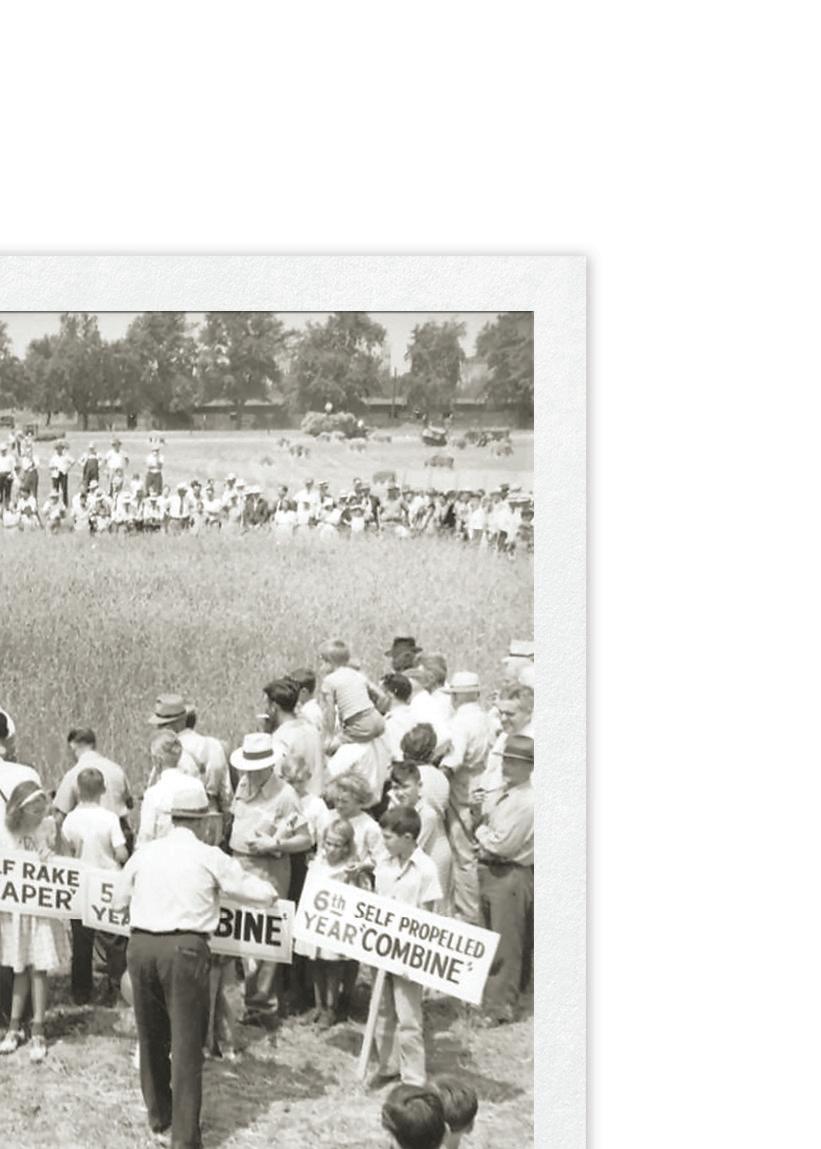
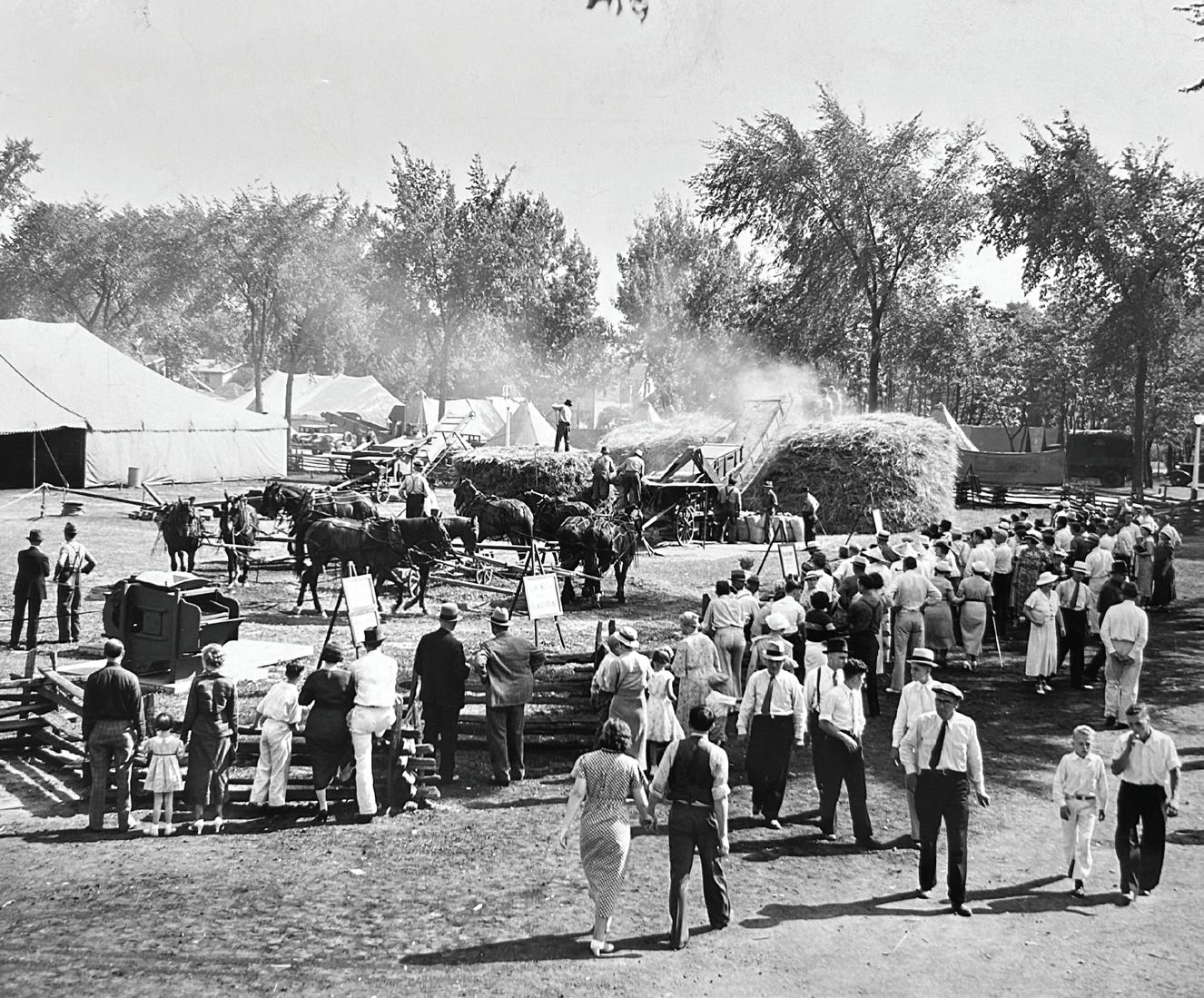
Spectators in Adrian, Michigan, watch a harvest of the sixth season’s ceremonial eld at the Lenawee County Fairgrounds on Aug. 1, 1946, with signs showing di erent harvesting methods used in each of the six years. e majority of the harvesting had already taken place in the elds of individual local farmers. (John E. Mariner photo for Religious News Service)
Je reys’ book reported that Henry Ford, shortly before he died, said, “ e tithing lessons that I helped to teach to the world at Tecumseh, Michigan, eclipse any of my other accomplishments.” Hayden spent the nal years of his life speaking to vast audiences and sowing the idea. He noted that Lenawee County’s average yield would produce a 15-fold annual gain with no tithe removed, multiplying to a sixth-year total of 5,297 bushels. e biblical project produced 13 times that much, despite tithing each year! And it all grew from a single, cubic inch of wheat.
View more photos in the extended version online at www.gleanerlife.org/forum.
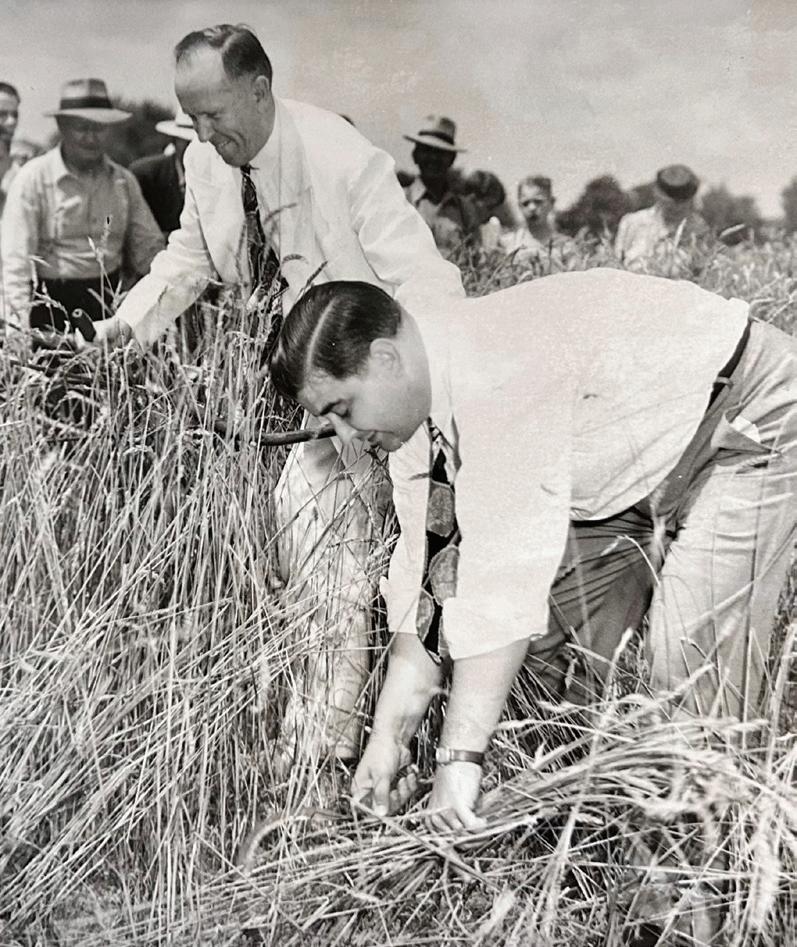
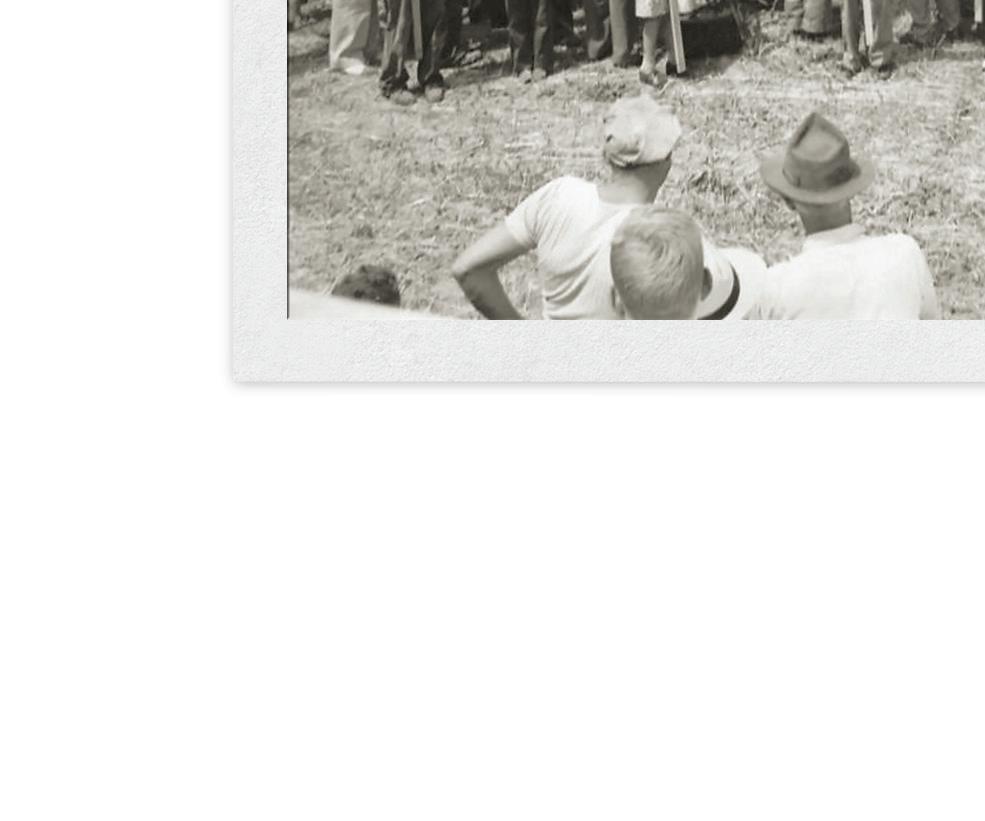
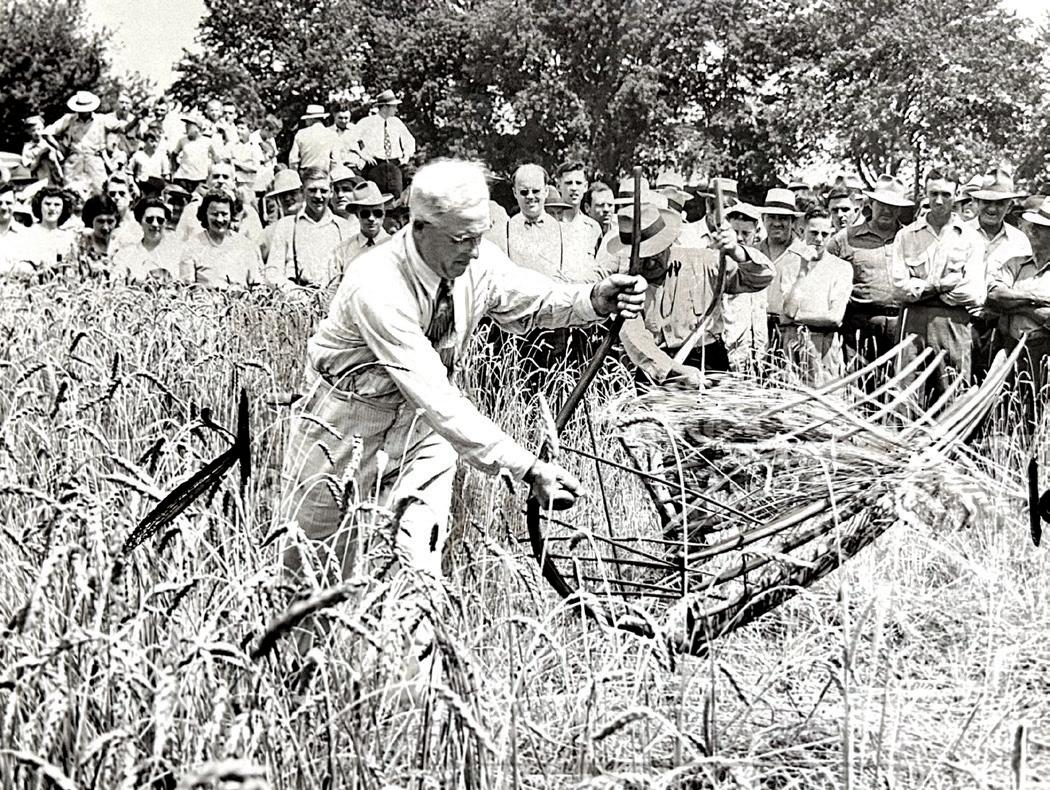
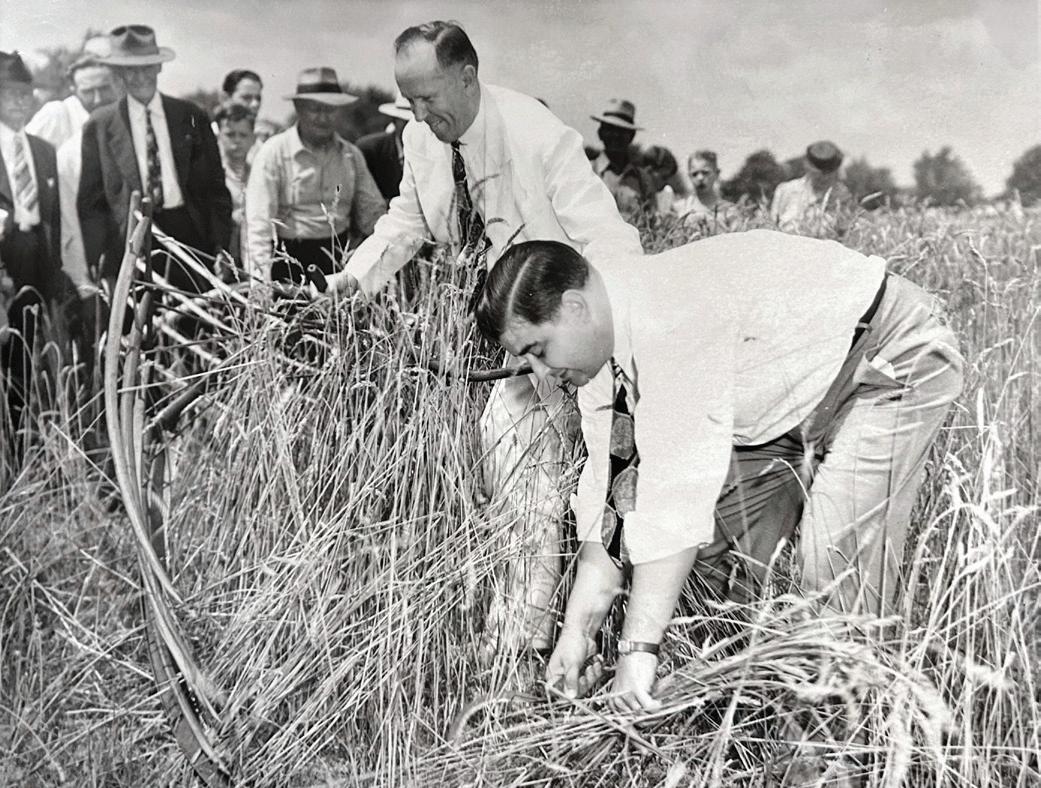
Top left to right: B.F. Allen, 61, of Cement City, Michigan, demonstrates his cradling technique at the 1946 harvest. He had won the cradling contest for his age class at the 1944 harvest. (Detroit Times photo); Perry Hayden, left, used a cradle while the Rev. Clifton Robinson of the Cleveland Bible College used a sickle to cut a swath at the 1946 harvest. Hayden’s project was inspired by a sermon that Robinson had given in 1940 about tithing. (Detroit Times photo)
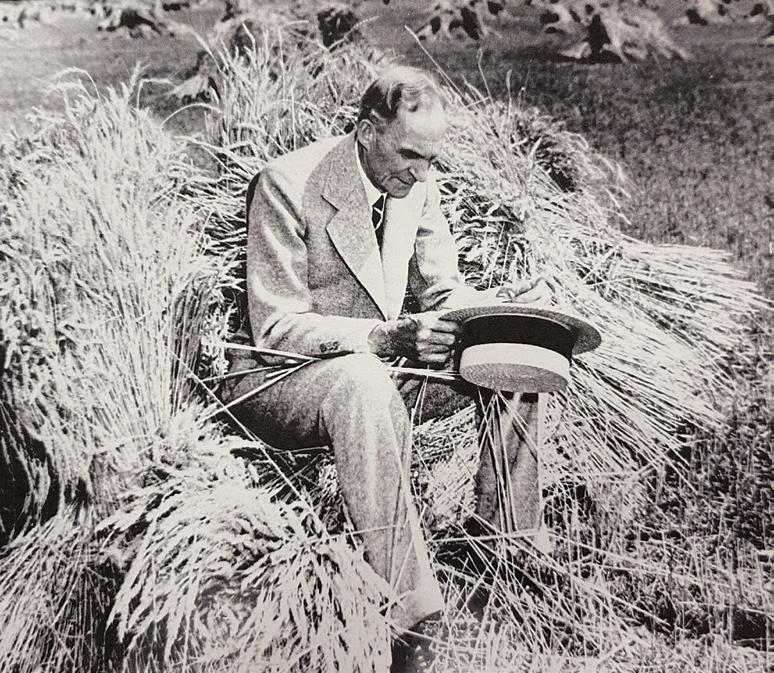
Second row: Henry Ford, the world’s wealthiest industrialist during the 1940s, sits on sheaves of wheat at the Dynamic Kernels’ fourth harvest in 1944. (Tecumseh Area Historical Museum); Some of those attending the 1944 harvest watch an old Birdsell “clover huller” thresh and separate the wheat using circular “sweeps” powered by 10 horses. (Detroit Times photo)
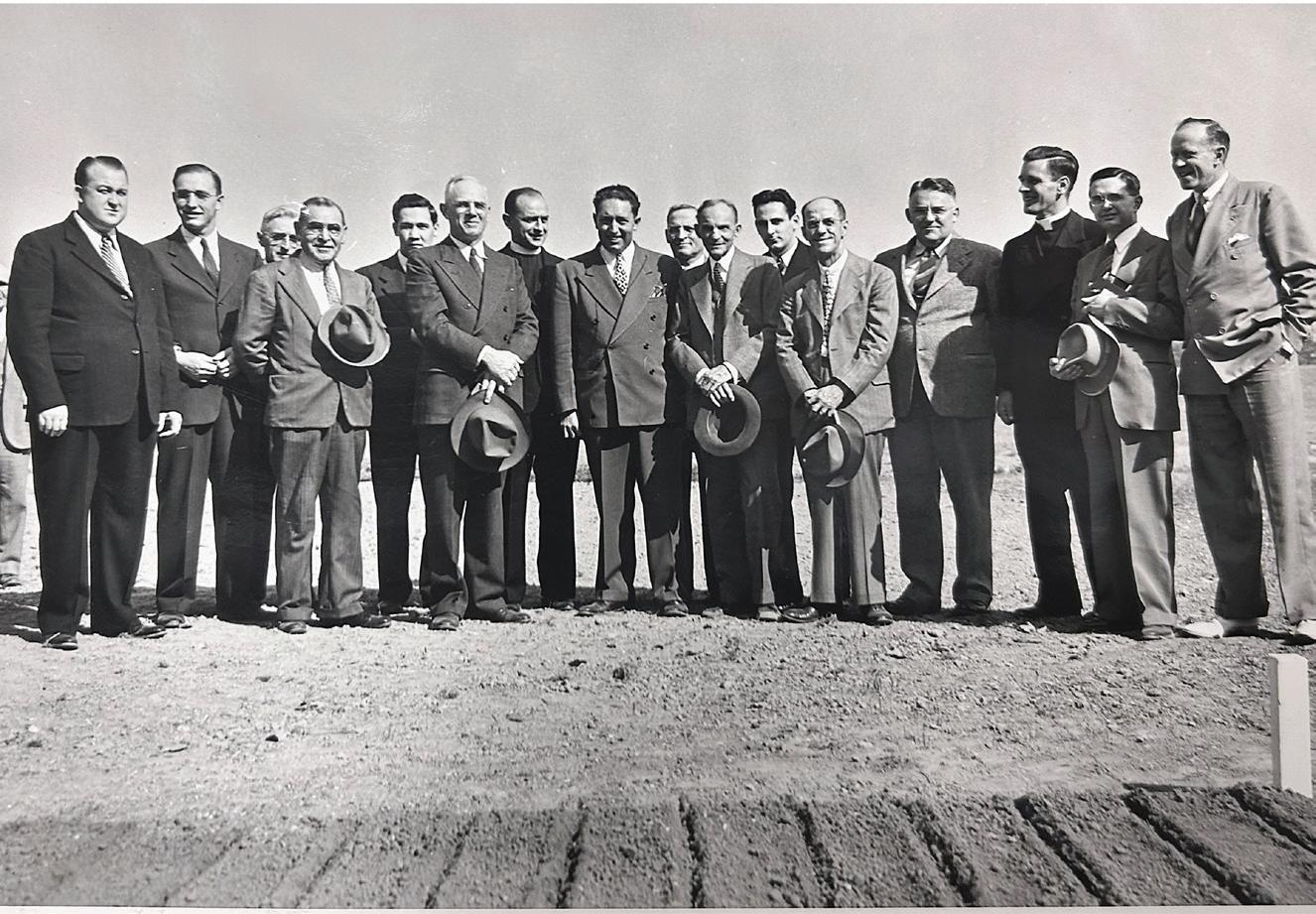
Bottom: e September 1944 fth planting included a group of local church pastors who helped plant a replica of Hayden’s rst wheat plot. Also in the group were author Edward Faulkner, Henry Ford and Perry Hayden. (Lenawee County Historical Society)
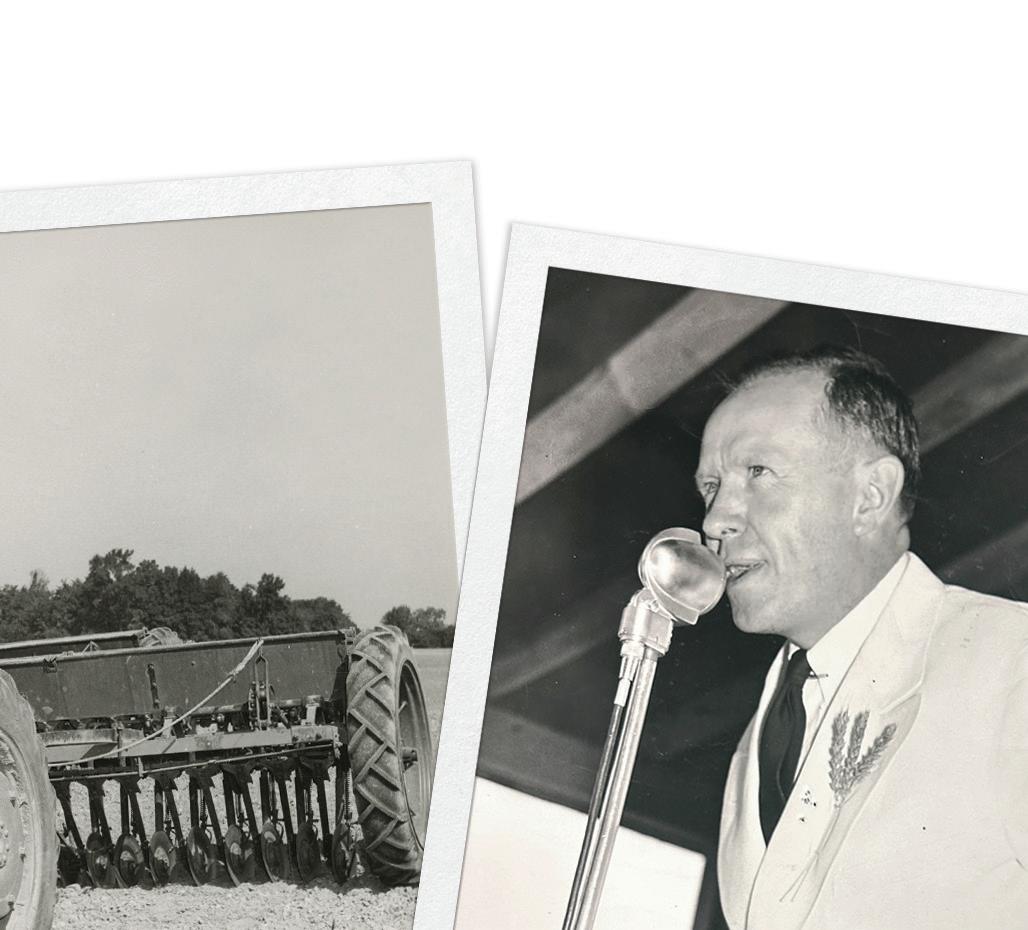
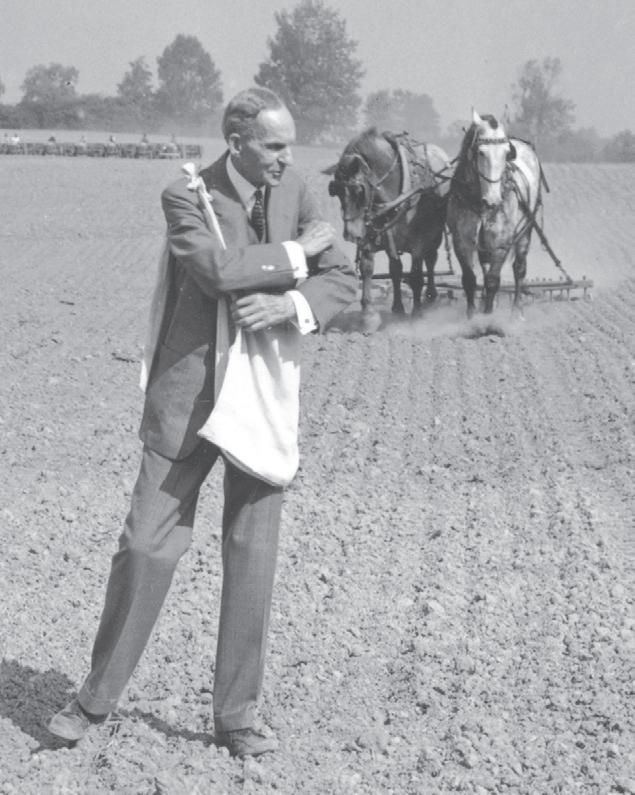
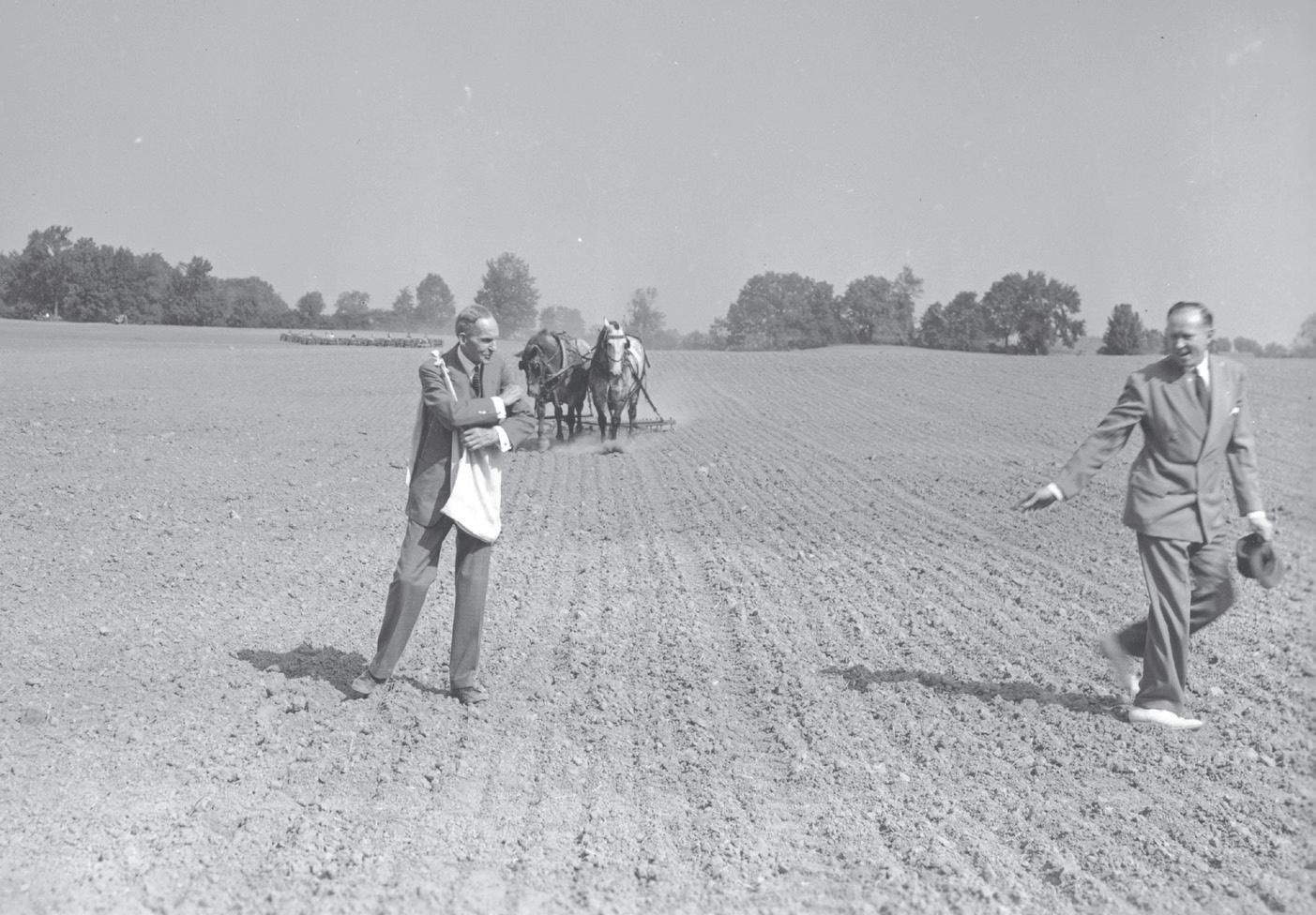
Planting in 1944 for the fth season in Macon Township, Michigan, Henry Ford spreads wheat kernels from a seed bag slung over his shoulder, just as he had done when growing up on a farm. Perry Hayden is on the right, and an antique horse-drawn seed drill is behind Ford. e eld was prepared with disc harrows instead of plowing, a no-till technique that had been recently advocated by Edward Faulkner in his book “Plowman’s Folly.” In the distance are lines of modern tractors and trucks to handle most of the planting. (Image from the Collections of e Henry Ford)
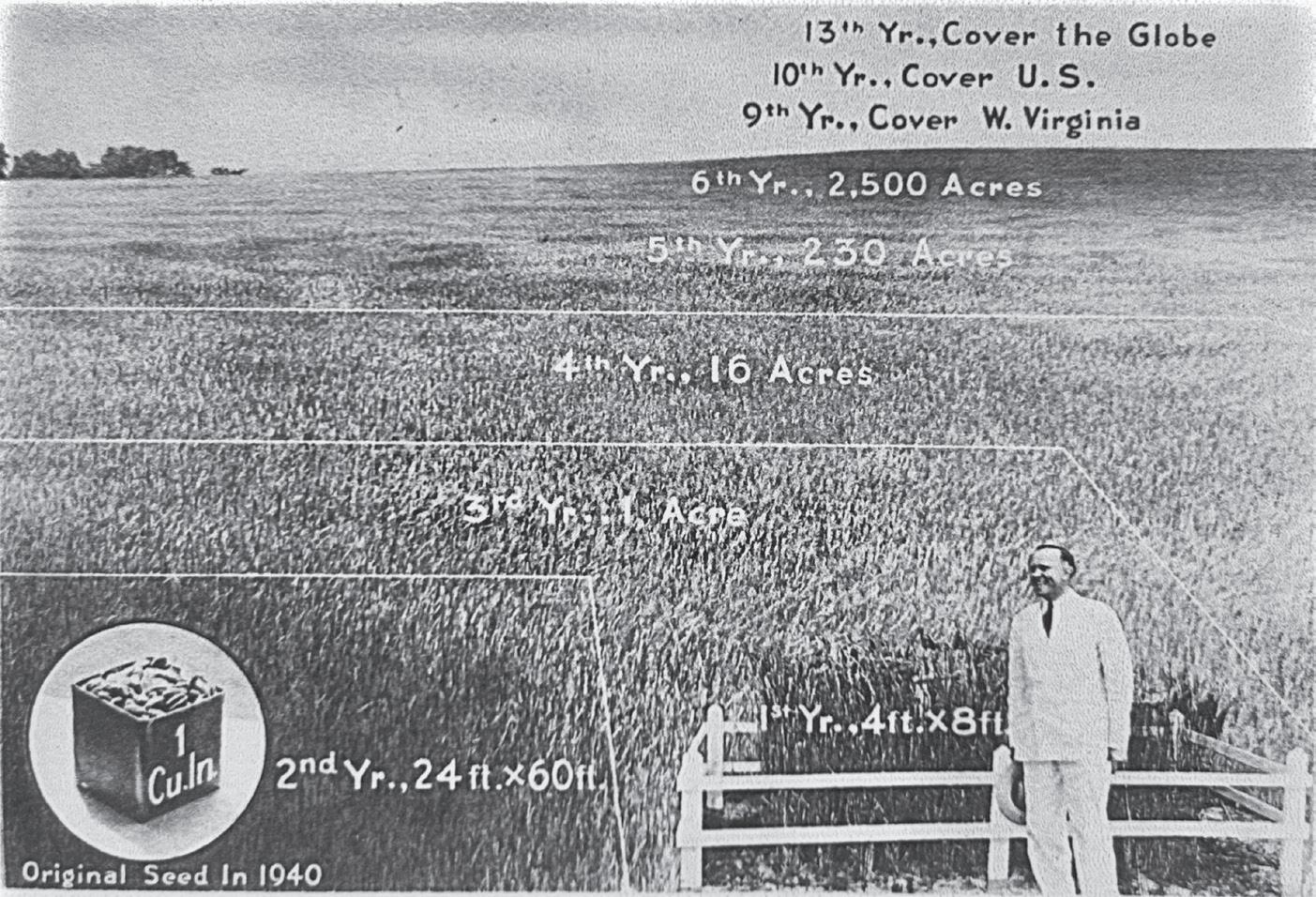
Right: is diagram showed the exponential growth of Perry Hayden’s biblical wheat project. He stopped after six years. Had it continued to 10 years, it would have required farmland equal to the size of the United States. (Tecumseh Area Historical Museum)
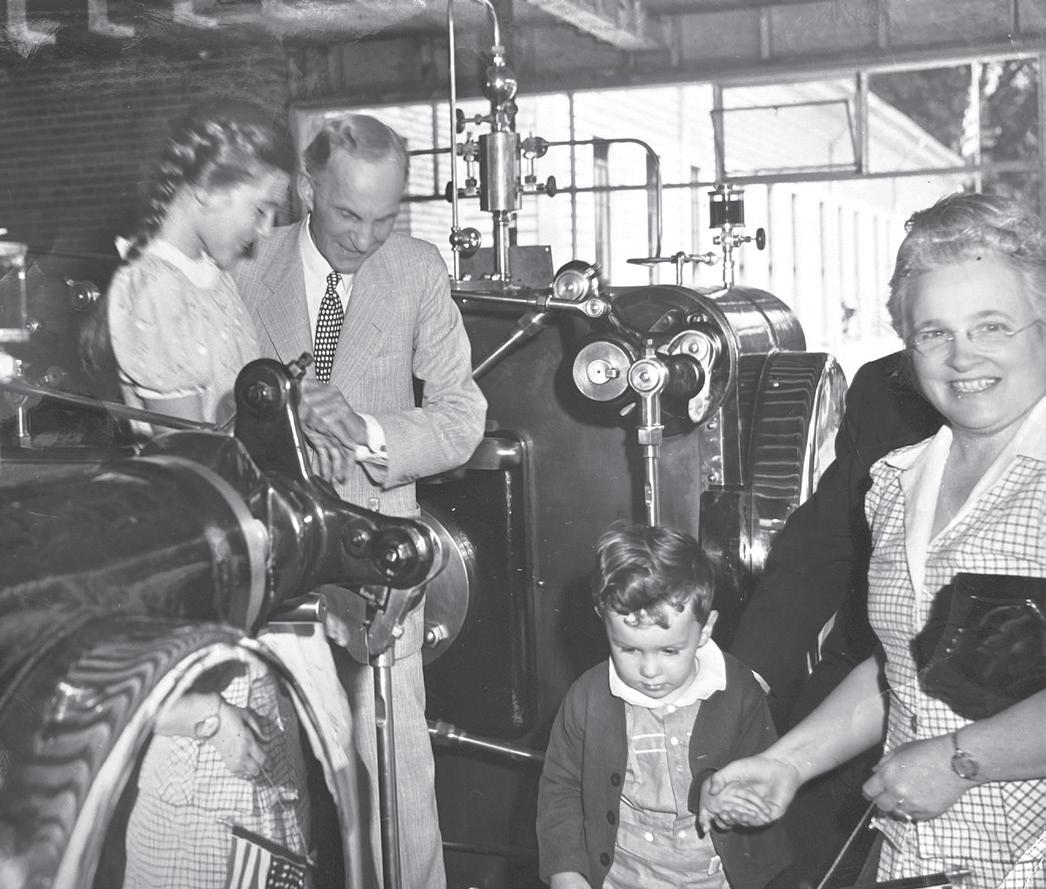
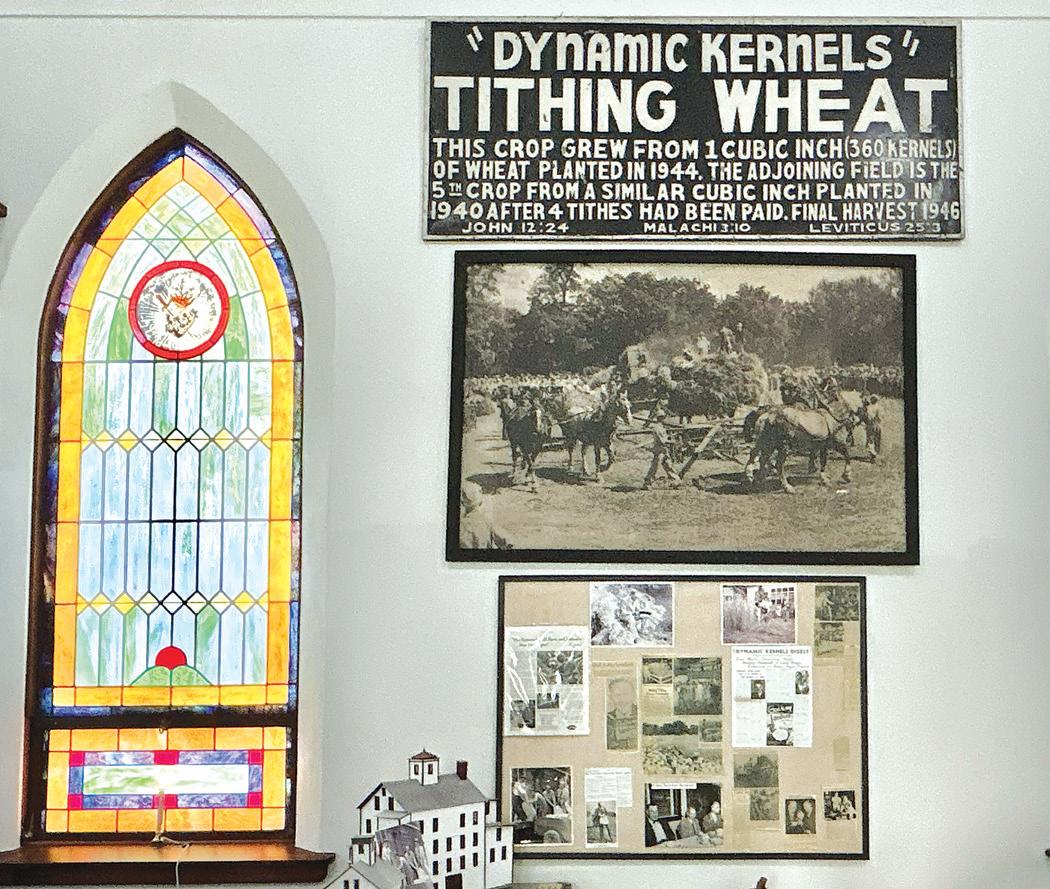
Bottom row: Henry Ford gives Elizabeth Hayden and the Hayden children a tour of one of his mills. (Tecumseh Area Historical Museum); Artifacts from the Hayden mills and Dynamic Kernels project, including the sign at the fourth harvest, are displayed at the Tecumseh Area Historical Museum.
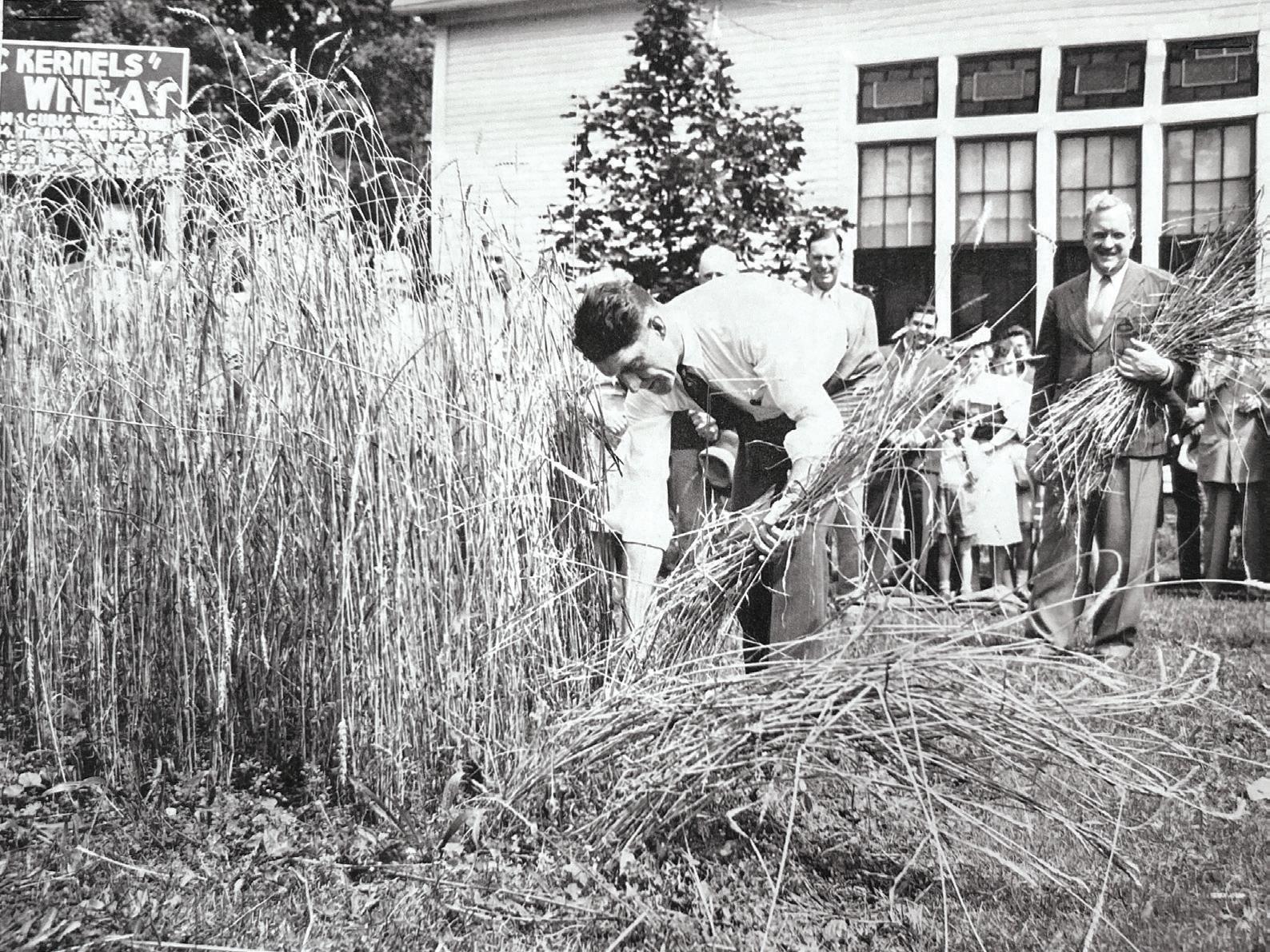
Using a hand sickle as during biblical days, an unidenti ed man cuts stalks of wheat during the fourth harvest in 1944. (Tecumseh Area Historial Museum)
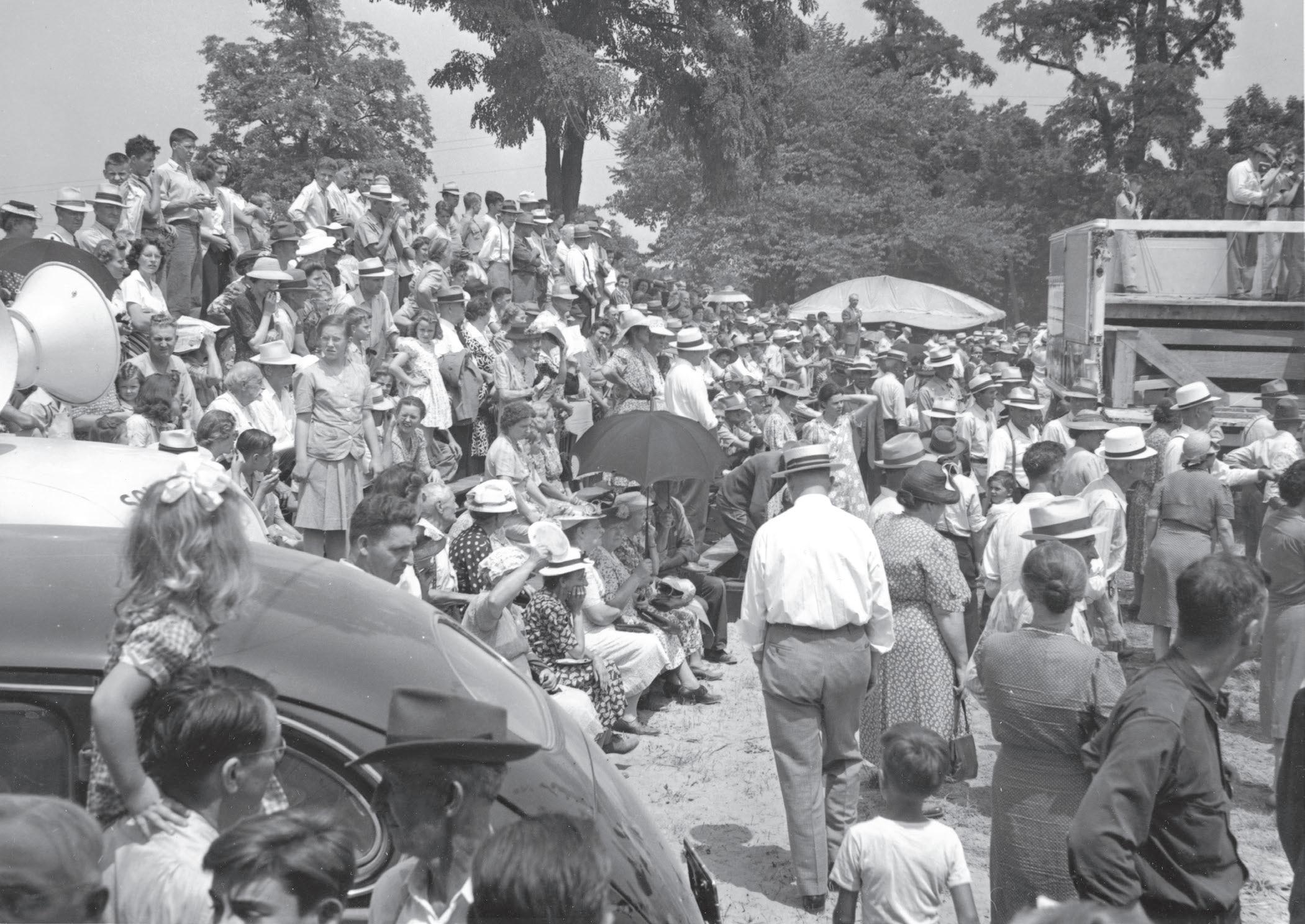
Waiting for Henry Ford to speak, part of the crowd of more than 2,000 people are shown at the 1944 harvest. (Image from the Collections of e Henry Ford)
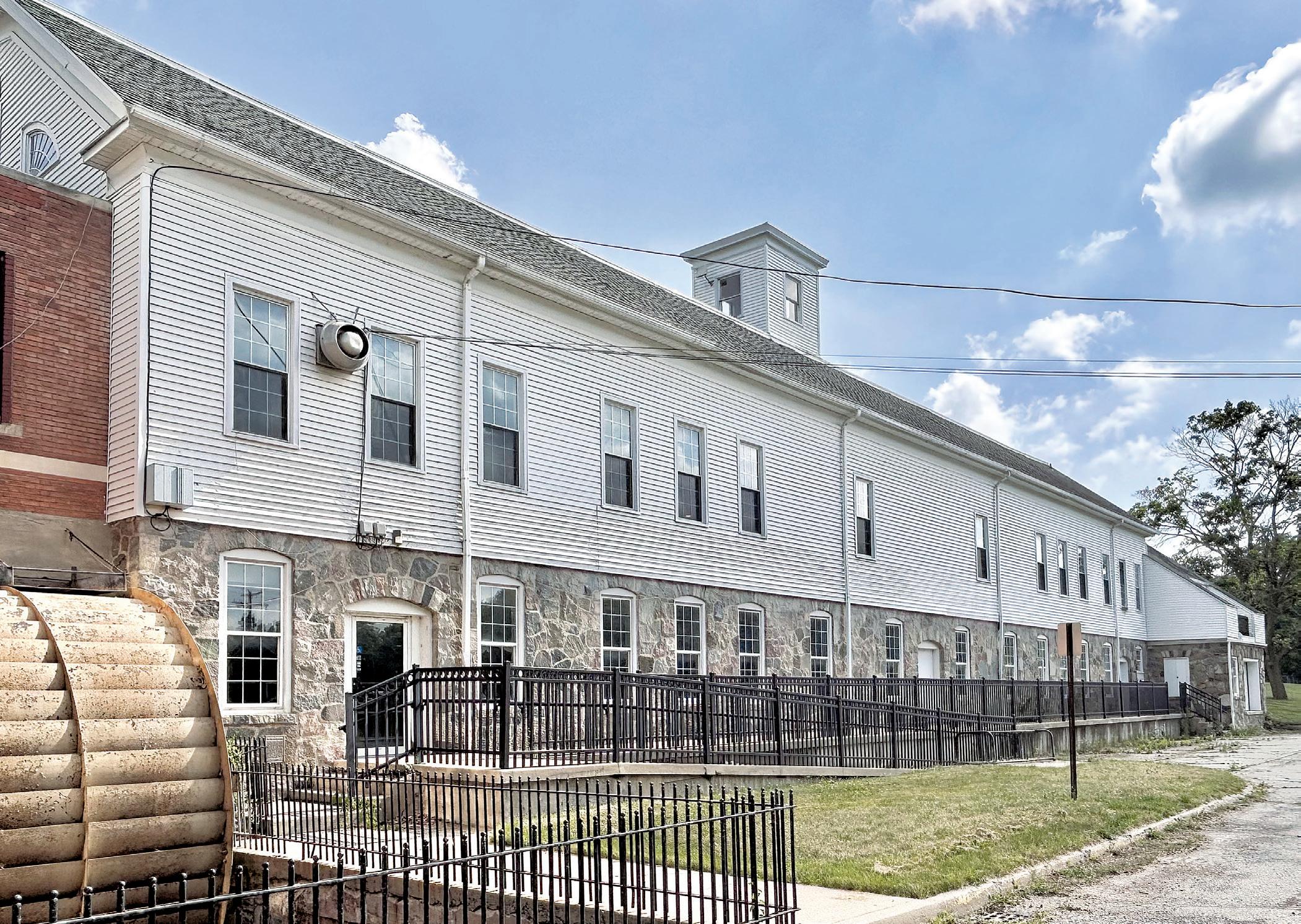
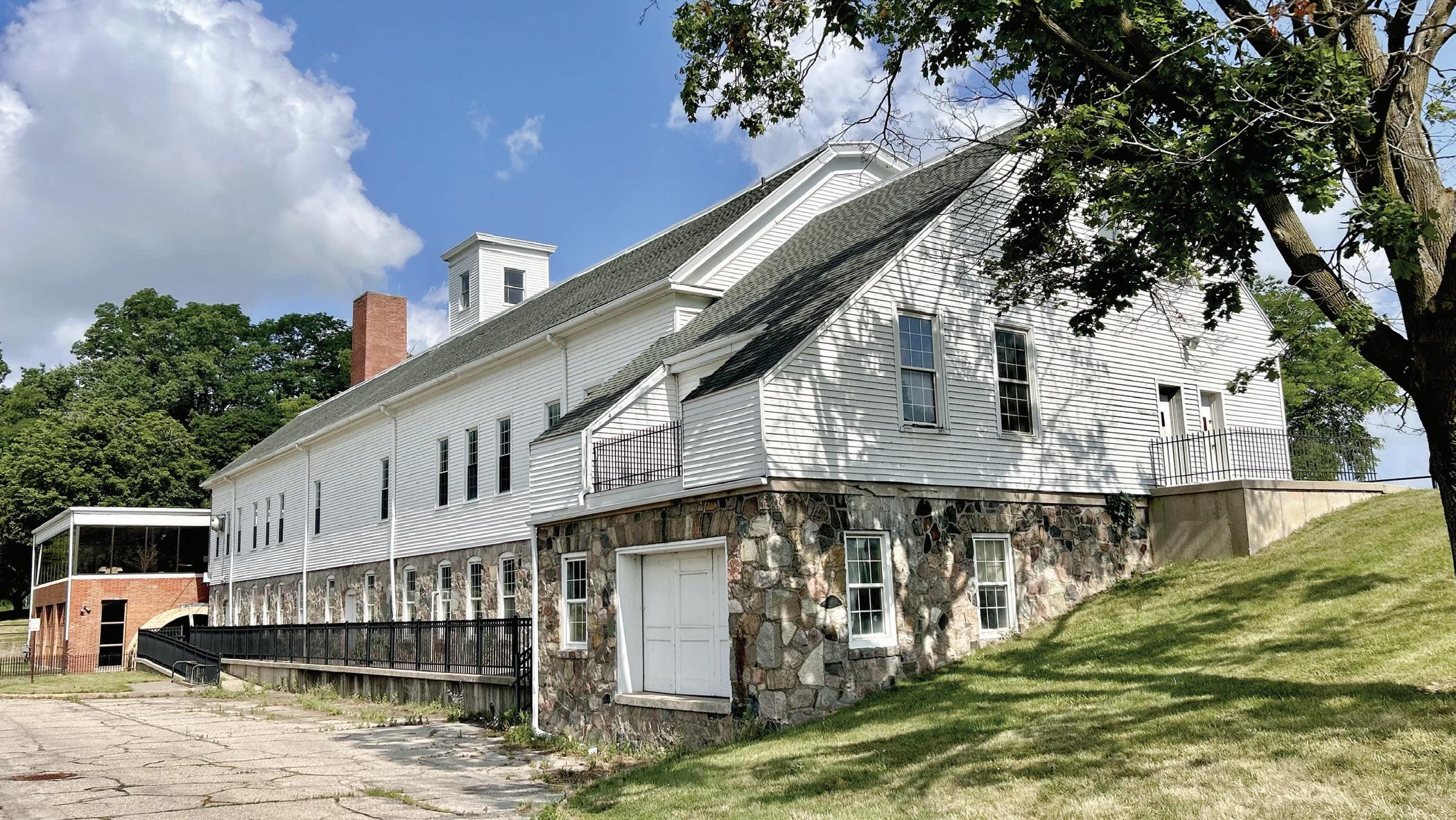
e Hayden-Ford Mill stands on the east edge of Tecumseh, Michigan. It had been sold by Hayden Flour Mill in 1935 to Henry Ford, who had it rebuilt to resemble the original 1800s mill on the site. e rst three wheat crops were planted nearby, and the fourth crop was planted about half a mile to the east.
CANCER ISN’T JUST AN OLDER PERSON’S DISEASE
Earlier screenings recommended as cancer rates grow among younger individuals
By Robyn Smith Gleaner Life Insurance Society Medical Director
For decades, cancer screening focused primarily on older adults. Today, however, healthcare professionals are seeing a rise in certain cancers among younger individuals, particularly those under age 50.
e most notable increase has been in colorectal (colon and rectal) cancer, but rising rates have also been observed in breast, pancreatic, kidney, and uterine cancers. ere is not a single clear cause. “If there was, researchers would have found it,” says Dr. Mendelsohn of Memorial Sloan Kettering Cancer Center. “Instead, there are likely several causes.” Possible contributors include environmental exposures, obesity, dietary changes, and sedentary lifestyles.
Colorectal cancer is getting the most attention. “ is is not a blip,” explains Andrea Cercek, MD, gastrointestinal oncologist and Co-Director of e Center for Young Onset Colorectal and Gastrointestinal Cancer. “ e more data we gather, the clearer this becomes.” Once seen mainly in older adults, it is now rising in people under 65 while declining in those over 65 and has become a leading cause of death in adults under age 50.
Why Screening Matters
One of the most powerful tools in the ght against cancer is early detection. Screening can identify cancer before symptoms appear and, in some cases, detect precancerous changes that can be treated before cancer develops.
As a result of increasing colorectal cancer rates in younger adults, screening guidelines now recommend that average-risk individuals begin colon cancer screening at age 45 rather than at age 50.
For people with higher risk (family history, genetic conditions, or certain diseases) screening should start earlier.
Know the Warning Signs
Regardless of age, it's important to talk with a healthcare provider if you experience:
• Changes in bowel habits (constipation or diarrhea)
• Blood in the stool or rectal bleeding
• Unexplained weight loss
• Persistent abdominal pain
• Ongoing fatigue
Take Charge of Your Health
While cancer remains more common with advancing age, younger adults should not ignore potential symptoms or delay recommended screenings. Staying informed, maintaining a healthy lifestyle, and following screening guidelines can help improve outcomes through earlier detection and treatment.
Cancer screening saves lives. Know your risk factors, understand the recommended screening schedule, and don’t assume you’re “too young” to be a ected.
Compounding is a Strategic Advantage
Time, consistency, and compounding use the snowball e ect to generate tremendous gains.
“Money makes money. And the money that money makes, makes money.” — Benjamin Franklin, in his 1748 essay “Advice to a Young Tradesman, Written by an Old One”
e power of compound interest over time was understood long before America gained independence, and Gleaner farmers knew that bene cial growth required being “thoughtful for the future.”
Still, each generation’s “young tradesmen” must discover for themselves the mathematical power of compound earnings — or the negative costs tied to compound borrowing:
• Savings (or debt) can grow exponentially as interest is applied to both the principal and previously earned interest.
• e sooner we start, the sooner time creates the “snowball e ect” in which the curve grows steeper, showing that interest is exceeding the amounts originally contributed (or borrowed).
• is is how small, consistent amounts can add up to millions of dollars — often more than bigger amounts contributed later.
Here is a basic example. ree people save the same amount ($1,000 per month for 10 years), and all three earn a 7.5% annual interest rate. “Mary” starts at age 25 and stops at age 35. “James” begins at 35. “Patricia” waits to save until she’s 45. All three contributed the same amount ($120,000) but, due to the power of compounding, their totals at age 65 are much di erent. Mary’s fund grows to $1.57 million. James has about half that at $760,000. Patricia, meanwhile, ends up with $369,000, just 23% of what Mary earned. How was Mary’s total more than four times larger? Time and compound interest.
The Power of Compounding
ese principles are part of the power behind Gleaner Life’s new Strategic Advantage Indexed Annuity. is 10-year indexed annuity can meet a variety of challenges, but it especially helps younger savers develop a retirement fund and leverage the growth of the market. Savers have their choice of allocating funds between a xed account paying competitive interest rates and an indexed account linked to the performance of the S&P 500.* Account values of less than $25,000 are in a 65% participation rate band, while larger accounts participate at 75% of the return of the index. e indexed account’s guaranteed oor rate is 0.00%, so — even in a steep market decline — owners are protected from market-related losses. (Starting in year two, a 1.5% annual fee is assessed on the indexed account only.)
Compounding Comparison
$1,600,000
$1,120,000
$800,000
$400,000
$0
25 35 45 Age 55 65 Mary James Patricia
Each contributed $1,000 per month for 10 years at 7.5% interest, and then stopped contributing.
Strategic Advantage accounts can be opened with as little as $1,000 (or $100 per month with a preauthorized electronic fund transfer). Based on S&P 500 results over the past 10 years, the 65% band would have averaged a 10.53% annual return, while the 75% band would have returned 12.12% per year.** Members can withdraw up to 10% each certi cate year without incurring a surrender charge starting in certi cate year two. Gleaner provides several educational and medical waivers (college, hospital, nursing home costs, etc.) When ready, an annuity allows you the possibility to turn the certi cate into a settlement option, a steady stream of income, including an option for guaranteed income for life.
Farmers also recognize another fact: If you don’t plant in the spring, you can’t harvest in the fall. Time and math are unyielding. Unlike school, we can’t cram seasons of growth into the nal few weeks before the harvesters begin. However, we can still take steps to improve our future nancial gains. e best time to capitalize on compound interest may have been 20 years ago — but the next-best time is now. Make sure your loved ones know about the advantages that time and compound interest provide.
To learn more about Strategic Advantage, contact your Gleaner agent listed on the back of this publication. If you don’t have a Gleaner agent, call 800.992.1894.
* e “S&P 500®” is a product of S&P Dow Jones Indices LLC or its a liates (“SPDJI”), and has been licensed for use by Gleaner Life Insurance Society (“Gleaner Life”). S&P®, S&P 500®, US 500, e 500, iBoxx®, ¡Trax®, and CDX® are trademarks of S&P Global, Inc. or its a liates (“S&P”); Dow Jones® is a registered trademark of Dow Jones Trademark Holdings LLC (“Dow Jones”); and these trademarks have been licensed for use by SPDJI and sublicensed for certain purposes by Gleaner Life. is indexed annuity certi cate (the “Certi cate”) is not sponsored, endorsed, sold or promoted by SPDJI, Dow Jones, S&P, their respective a liates and none of such parties make any representation regarding the advisability of investing in such products) nor do they have any liability for any errors, omissions, or interruptions of the S&P 500®.
Read full disclosure at www.gleanerlife.org/strategicadvantage
Strategic Advantage Indexed Annuity Form No. ICC25IFPDA10 with state-speci c variations.
**Past performance is not indicative or a guarantee of future performance.
Leadership rooted in service: Matt Taylor named COO
For Matt Taylor, leadership in the insurance industry has always been about more than products and performance metrics — it’s about helping people create security for the future and building relationships that last.
at philosophy has guided Taylor throughout his 25-year career and now into his new role as Chief Operating O cer (COO) for Gleaner Life Insurance Society. Gleaner recently promoted Taylor from Vice President and National Sales Director to COO, where he will oversee Sales, Marketing, New Business, Underwriting, Member Services, IT and Compliance.
“ is is a strategic step forward for Gleaner,” said President and CEO Todd Warner. “By aligning these key functions under Matt’s leadership, we are strengthening collaboration, enhancing decisionmaking, and positioning the organization to build on the strong momentum we’ve achieved — especially the impressive sales results delivered in the rst quarter.”
Taylor joined Gleaner Life in 2025, bringing extensive experience across multiple areas of the insurance industry. His background includes sales leadership, agency development, and operations, but he says Gleaner’s missiondriven culture is what drew him to the organization.
“As a 131-year-old fraternal organization, our mission has always gone beyond nancial products,” Taylor said. “We’re here to serve our members, support our independent agents, and invest in our employees. e Gleaner Life team plays an important role in helping people make con dent decisions that provide longterm nancial security.”
Warner said Taylor’s rst year with Gleaner demonstrated not only strong sales leadership, but also a collaborative approach that aligns with the organization’s long-term vision.
“Matt understands both the business side of the industry and the importance of building strong relationships,” Warner said. “His leadership style and industry experience make him well-positioned to help guide Gleaner into the future.”
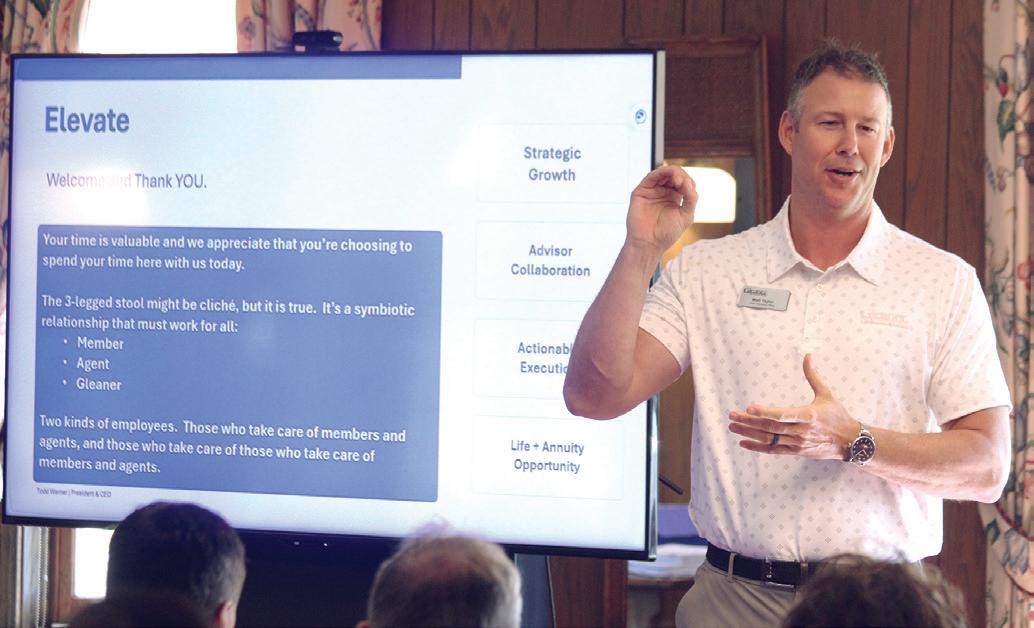
at collaborative approach was evident in May as Gleaner hosted agents at its inaugural Elevate
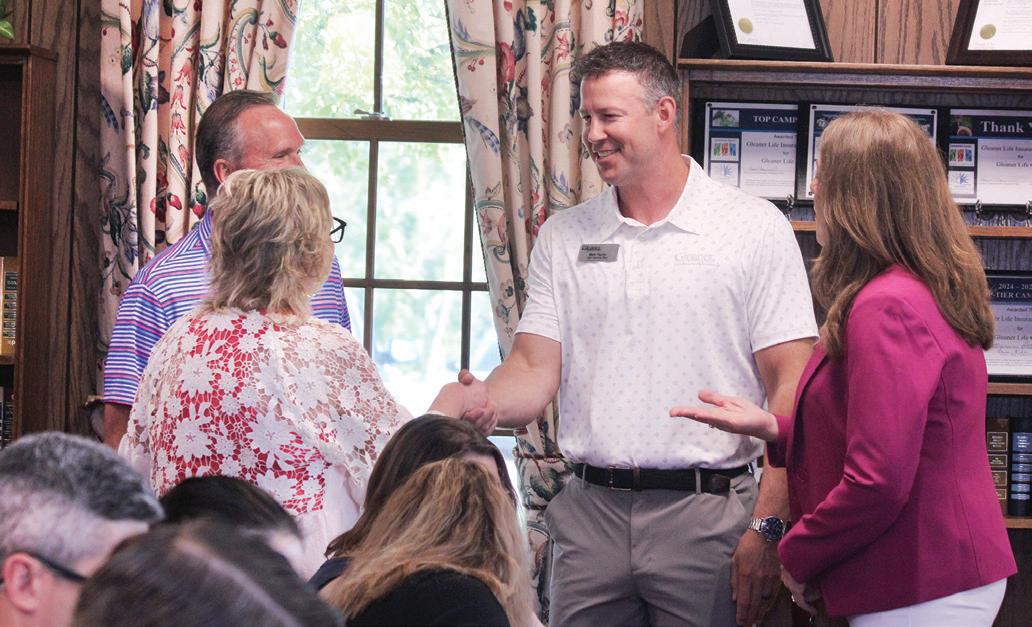
Matt Taylor helped guide 50 participants through Gleaner’s rst Elevate Conference in May at the Gleaner Home O ce. e two-day conference followed his promotion in April to Gleaner’s COO position.
Building up members, independent agents, communities and Gleaner’s employees are ways that Gleaner is growing to meet a new generation of challenges and opportunities.
Conference. Agents and advisors gathered at the Home O ce to learn from one another, strengthen relationships, and share ideas designed to elevate agency success throughout 2026 and beyond.
For Taylor, the future of Gleaner is rooted in continuing to strengthen connections with agents, members, employees, and communities. As he steps into the COO role, he remains focused on fostering collaboration, encouraging innovation, and helping Gleaner continue to grow while staying true to its mission.
“At the end of the day, this business is about people,” Taylor said. “When we work together and keep service at the center of what we do, we have an opportunity to make a meaningful di erence in the lives of those we serve.”
Adrian Arbor (MI) members treated nursing home residents to bingo games, prizes and gift bags, and homemade Valentine’s Day cards made by member Jean P ster. Valentine cookies and juice also were served. Some of the arbor members also went to the rooms and delivered treats to residents who were unable to attend the bingo sessions.
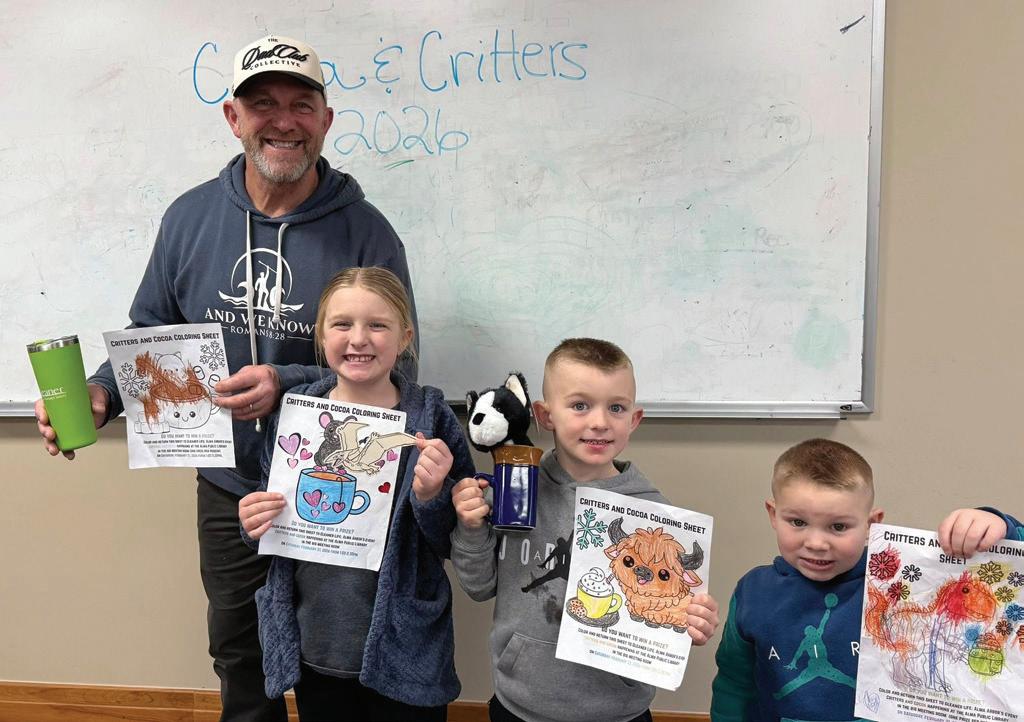
Alma Arbor (MI) hosted a successful Cocoa and Critters project on Feb. 21 at the Alma Public Library. Children and families were invited to come in for hot cocoa, tea, co ee and cookies. Kids were able to build critters, color and receive prizes, including Gleaner mugs.
Capital Arbor (MI) conducted two projects within just a few weeks. Members visited the Baldwin House assisted living center where Carol Frazier performed wonderful piano tunes for 45 minutes. Members provided items and listened to residents, the oldest of whom was 102. A few weeks later, members packed and distributed 100 personal needs bags to guests at Advent House, a shelter that serves meals every day to homeless people in Lansing.
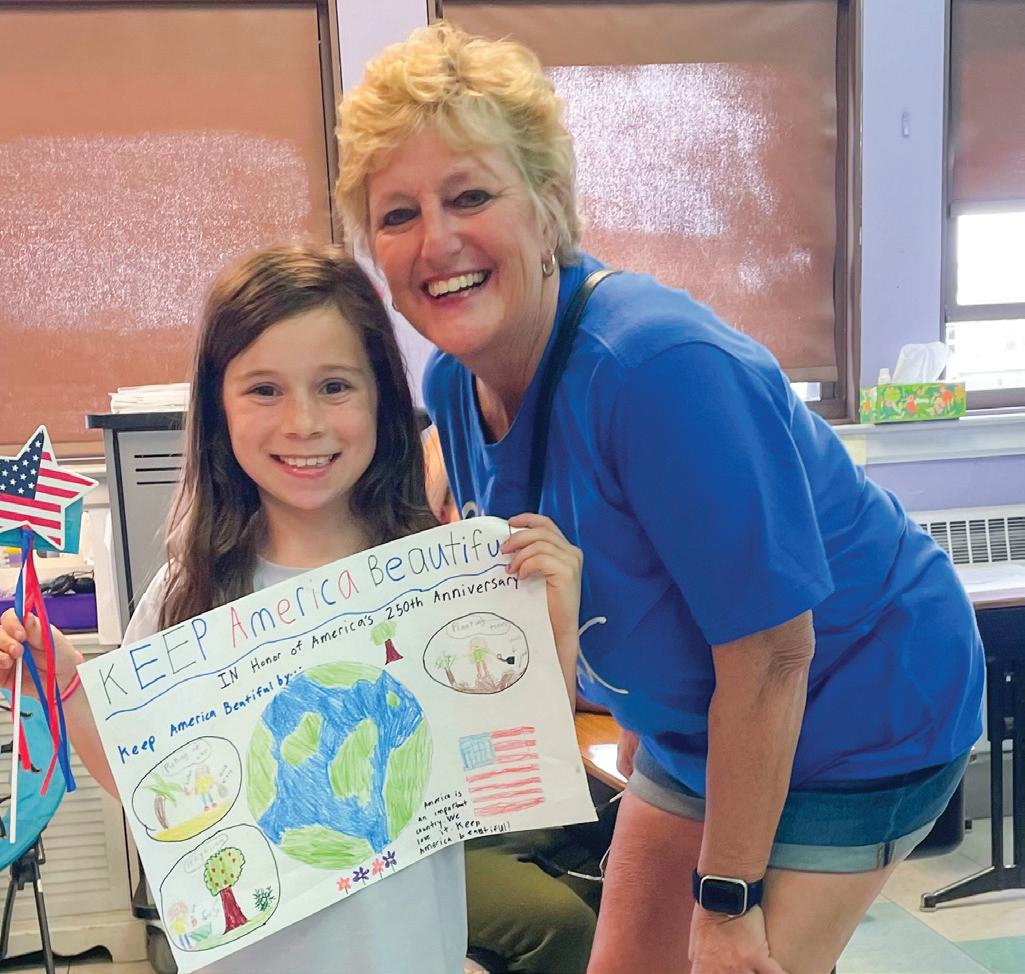
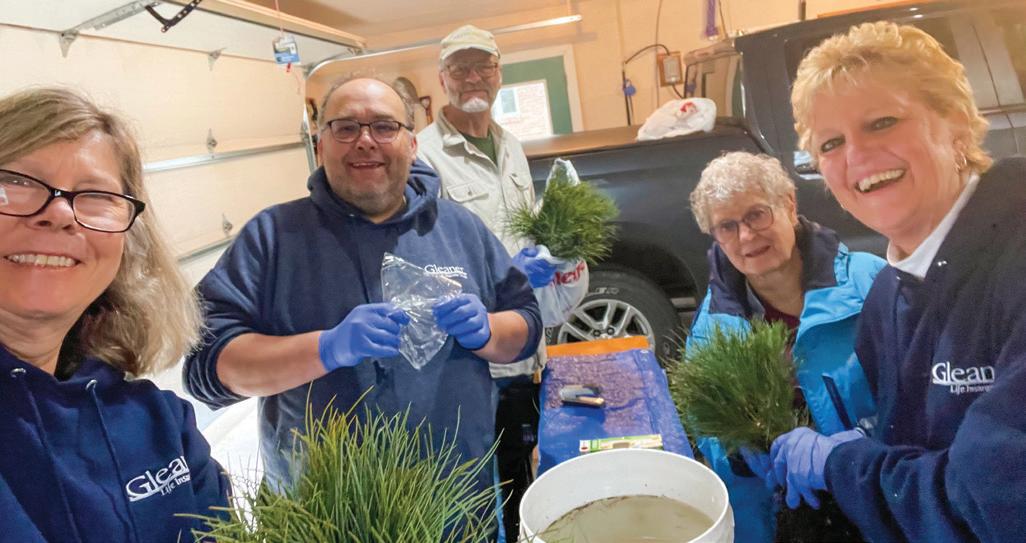
Caro Arbor (MI) completed its Earth Day/Arbor Day project as members wrapped 125 white pine tree seedlings. ese were distributed to third graders at Schall Elementary. e arbor also sponsored a poster contest to honor the theme of “Keep America Beautiful for America’s 250th.” Two winners from each class received DQ gift cards.
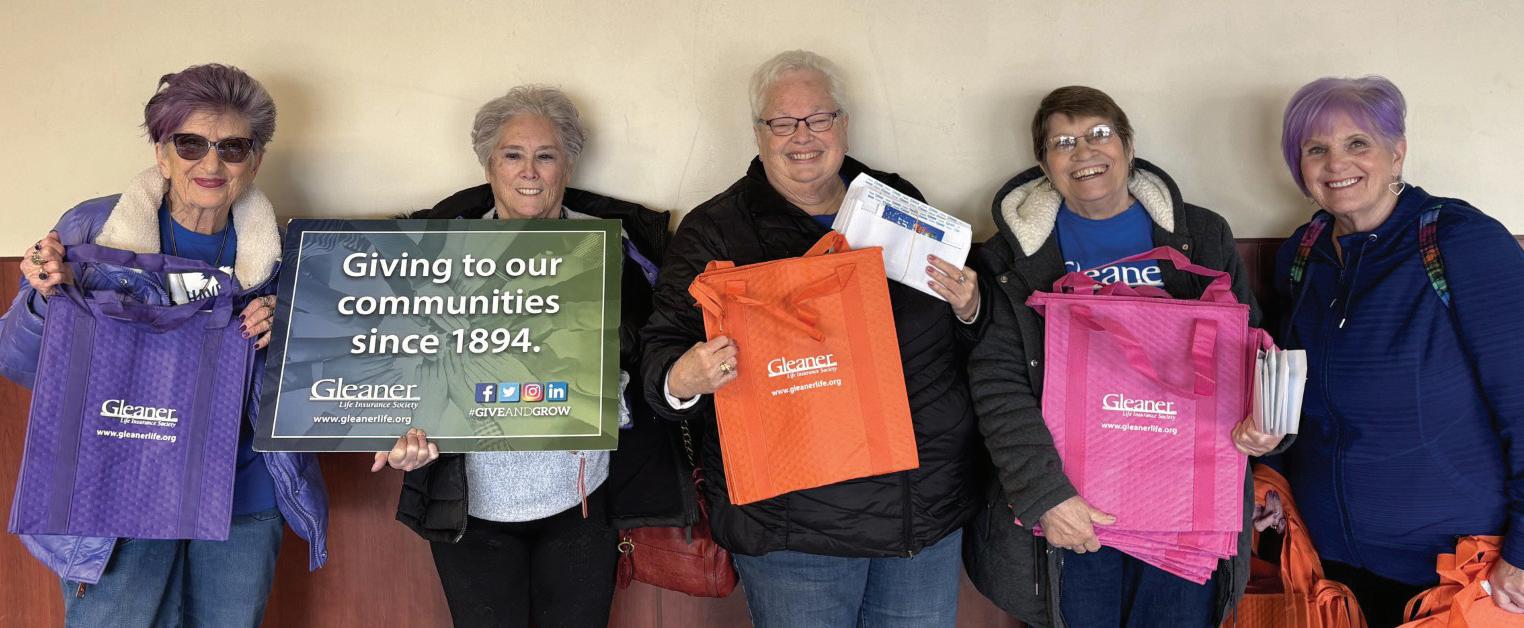
Center Township Arbor (IN) put its calling to serve others into action with a random acts of kindness project. ey handed out Gleaner insulated bags containing $25 Kroger gift cards, pamphlets, a card, and a magnet at the Kroger grocery store. ey also donated $100 to Northern Indiana Food Bank in honor of an arbor member turning age 99.
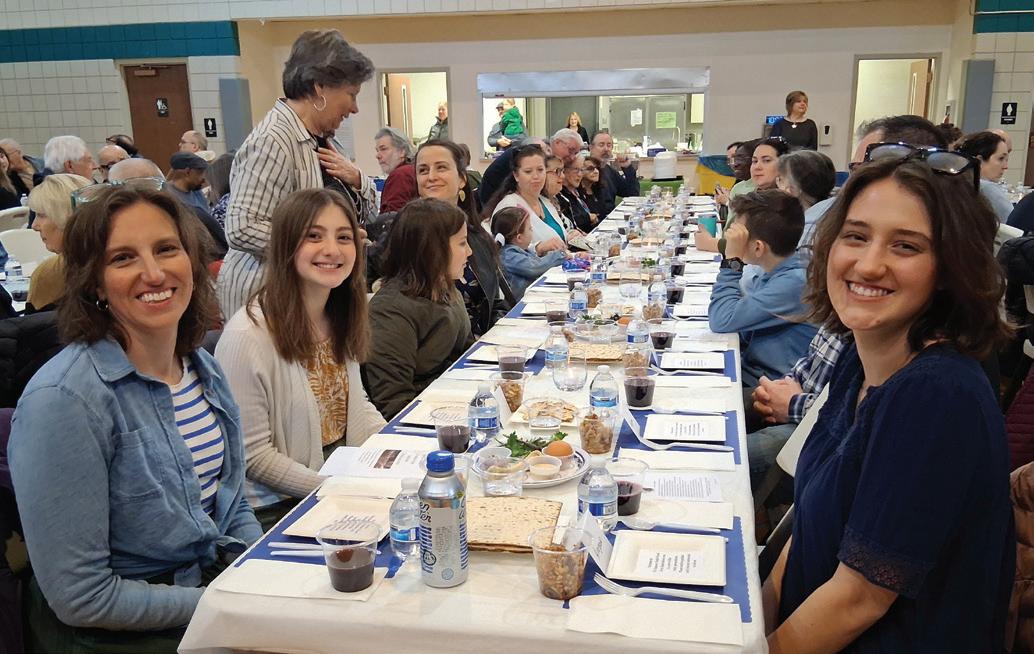
Champion Arbor (MI) members prepared food items, set up and hosted a Passover Seder meal in March. Called “Christ in the Passover,” the amazingly successful meal drew 141 people.
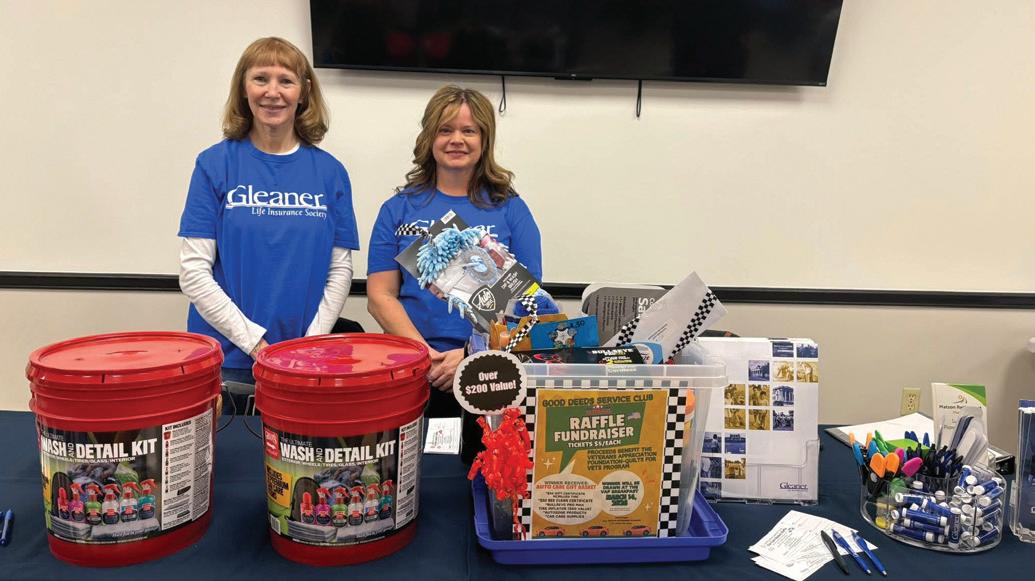
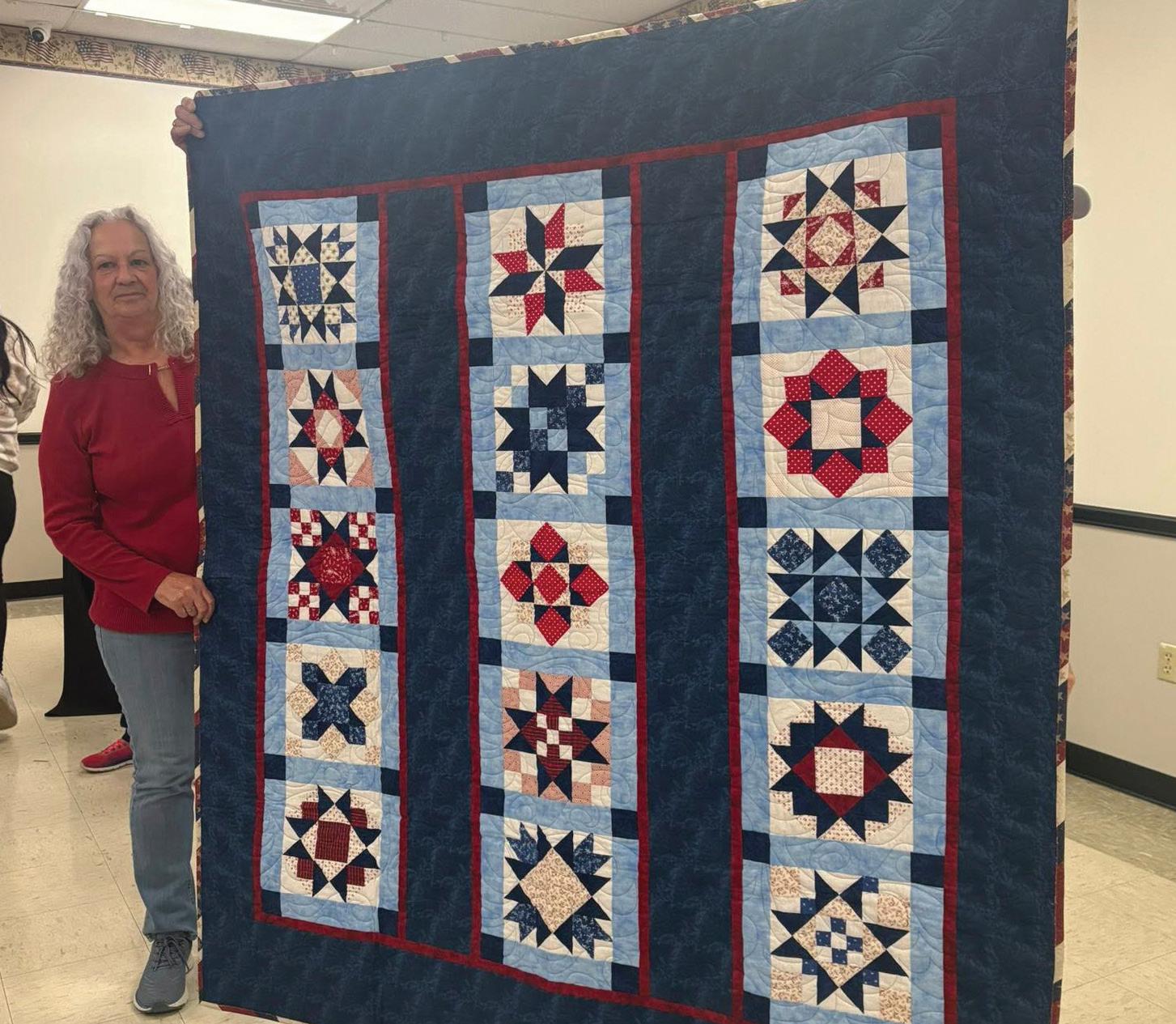
Good Deeds Arbor (OH) coordinated a “car care gift basket” drawing prize to bene t the Veterans Appreciation Foundation in Zanesville, Ohio. Proceeds went to a group within the foundation that makes custom quilts for veterans that show their favorite colors, hobbies, family, etc. Proceeds pay for supplies. Four to ve quilts are presented monthly at the VFW Veterans Breakfasts.
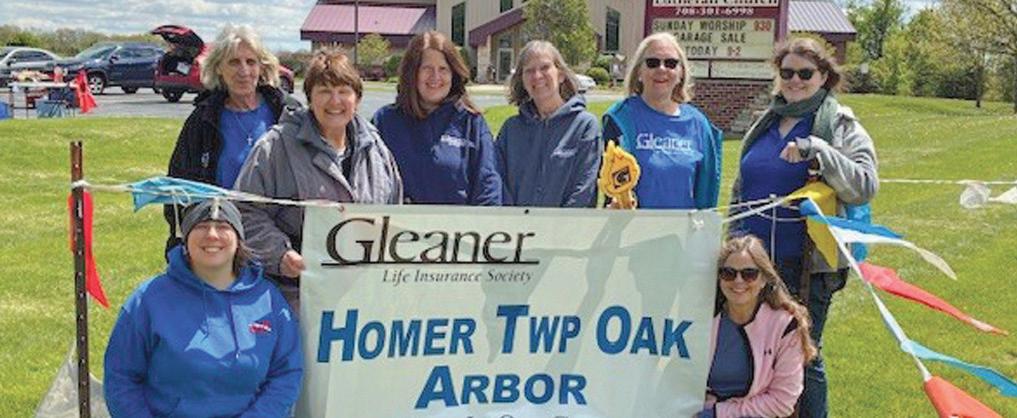
Homer Twp. Oak Arbor (IL) sponsored a thrift sale at a local church parking lot, featuring 15 vendors and about 100 shoppers. e arbor sta ed a table with Gleaner information available. e May 2 event was a positive rst-time event despite slightly chilly weather.
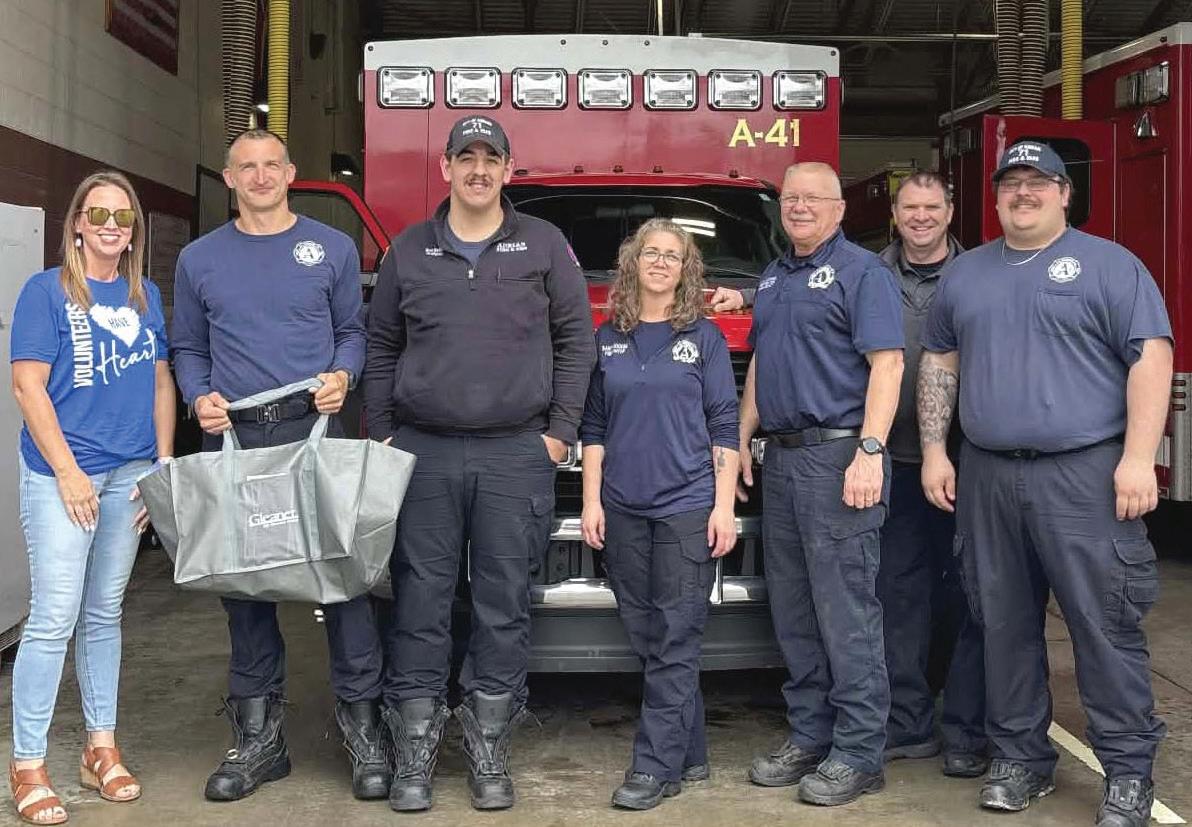
Legacy Arbor (MI) assembled 50 “comfort kits” for local rst responder agencies to have on hand to give children displaced or a ected by emergencies. e arbor purchased eece blankets, small stu ed animals, and dget toys for each bag, to which they tied a note with a comforting message. Boxes with bags were delivered to six local emergency agencies.
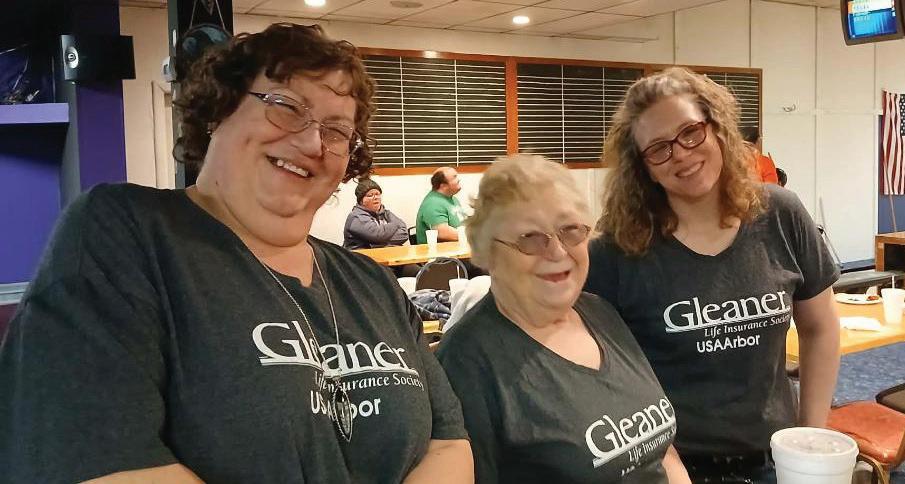
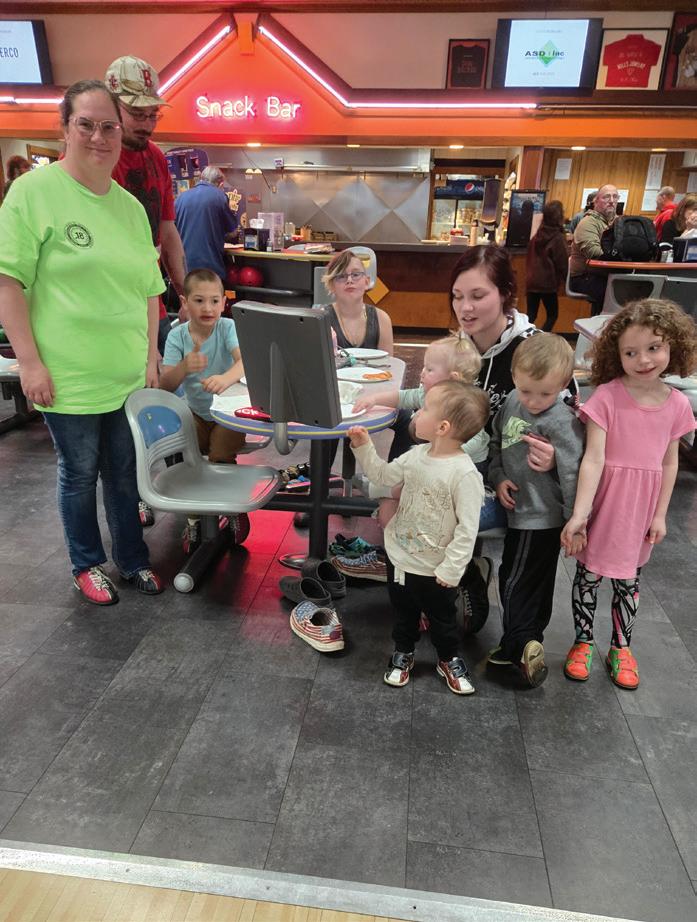
USA Arbor (MI) held a bowling event that drew 66 people, including younger children who bowled on one lane using a ramp. In addition to paying for the alleys, shoes, and balls, the arbor provided a taco bar and unlimited pop re lls.
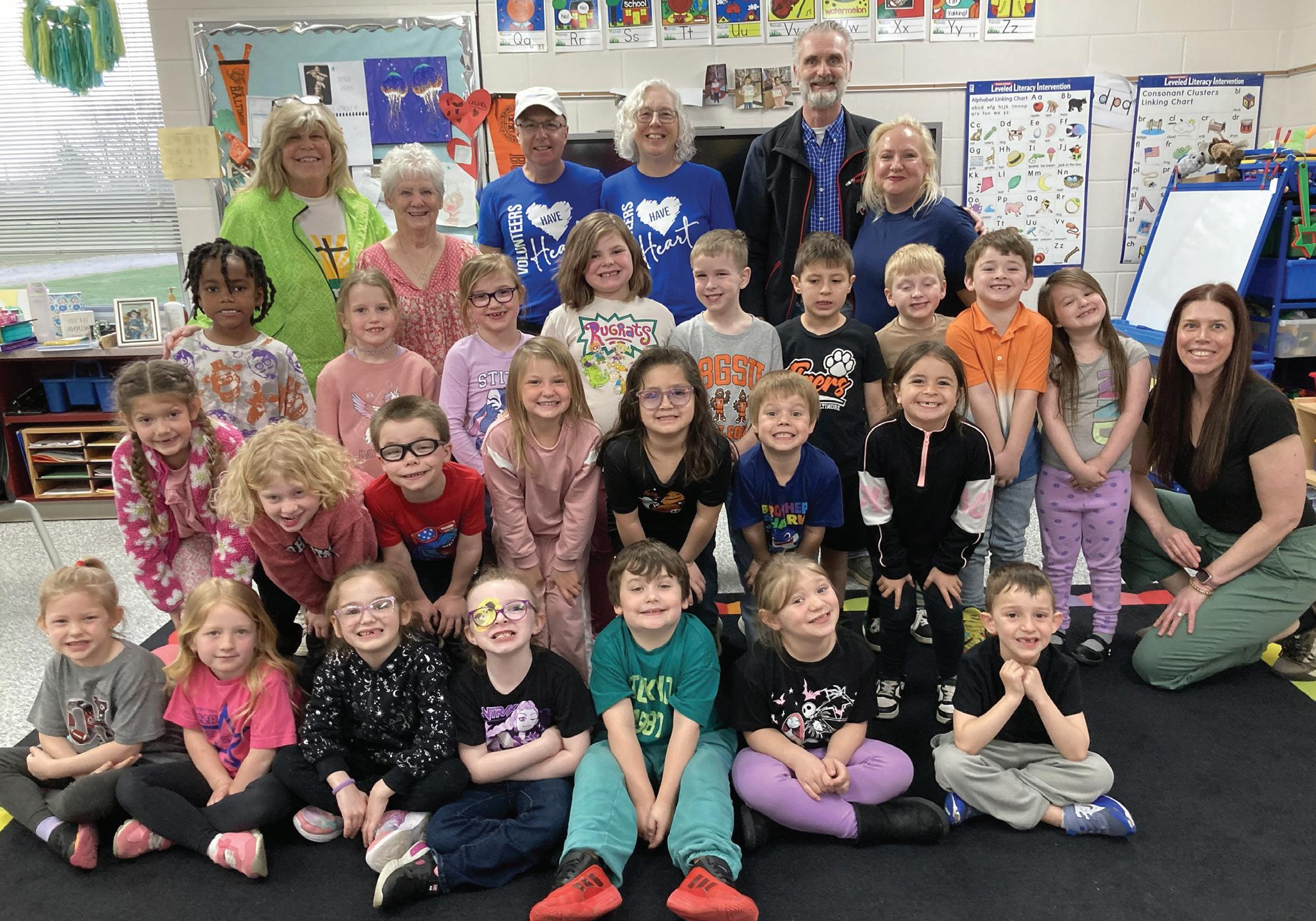
North Baltimore Arbor (OH) participated in the annual Bingo event for kindergarten classes at Powell Elementary School. Six arbor members assisted teachers and helpers with about 50 students as they checked their bingo cards, handed out prizes to winners, and provided drinks and cookies at the end of the event.
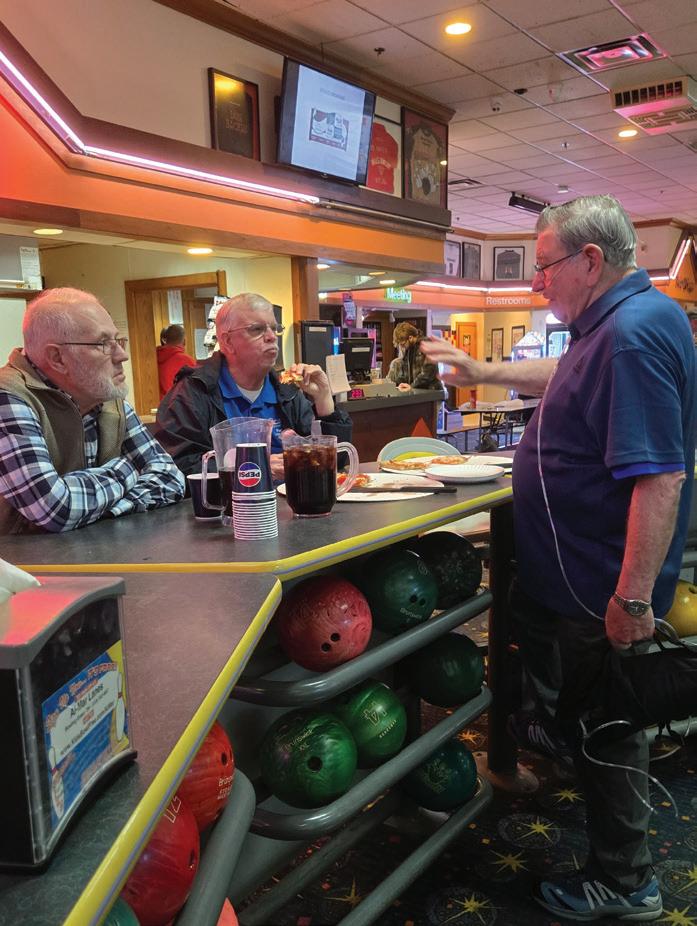
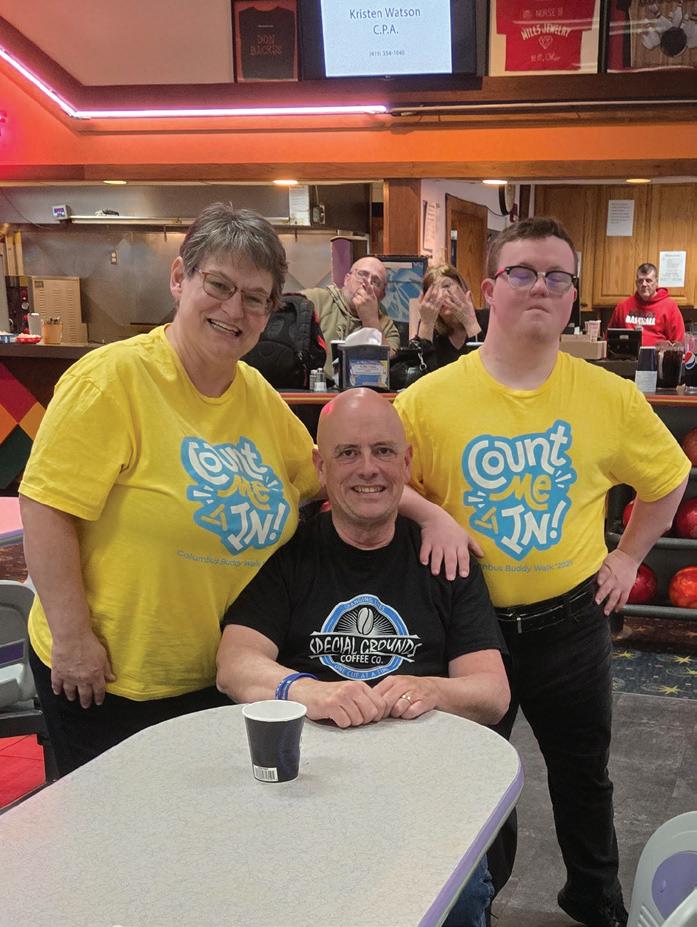
Portage Center Arbor (OH) set up a Sunday afternoon of free bowling, pizza, pop, and cookies for those involved with the developmental disability community in Wood County, Ohio. ere were multi-generational families, and one bowler in a wheelchair. Bowling alley employees provided helpful assistance. Caregivers and transporters also were welcome.
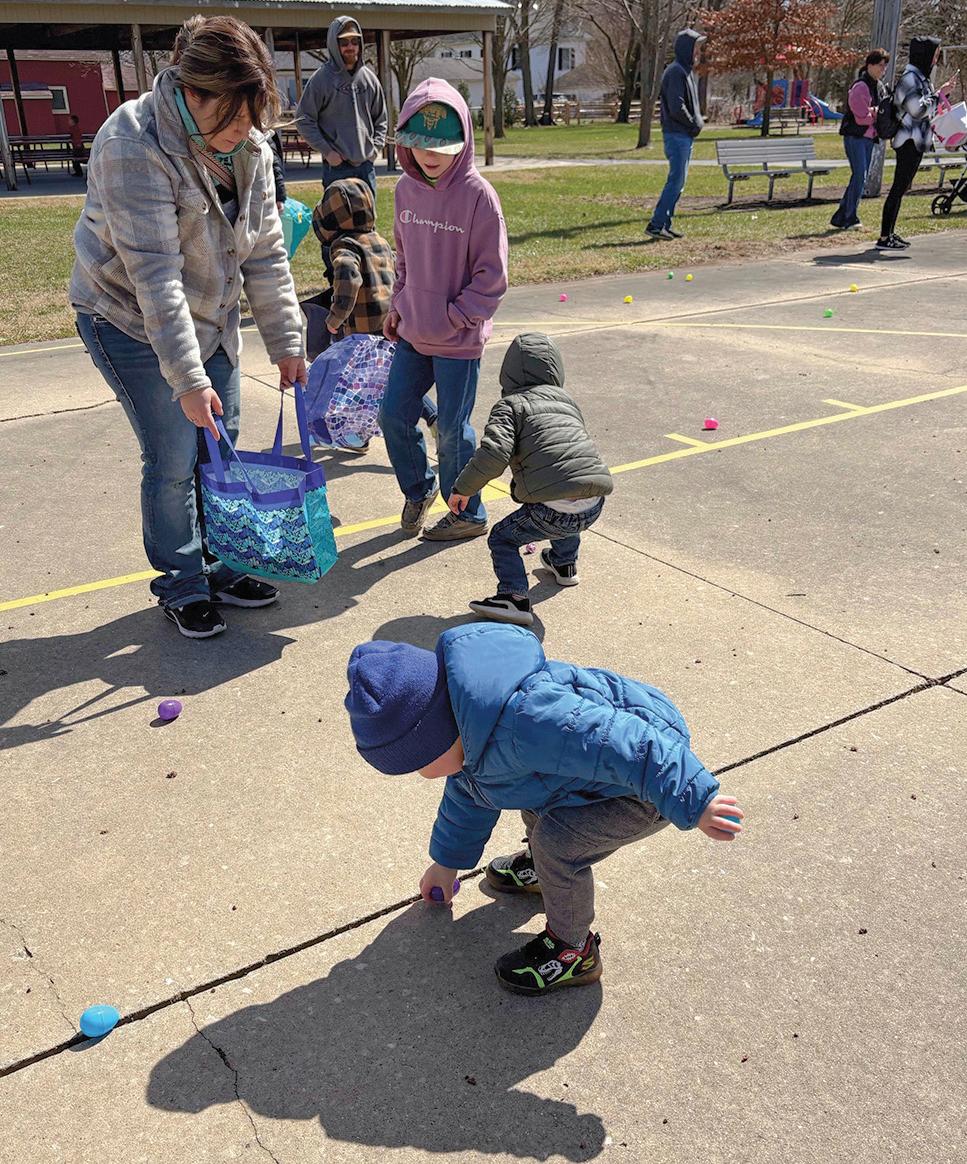
South Fair eld Arbor (OH) braved cold and blustery weather as it assisted putting on the community Easter Egg Hunt. Local youth groups, including the Boy Scouts and Honor Society members, volunteered to ll 4,000 plastic eggs. irty eggs contained numbers that matched prizes — toys or Easter baskets full of goodies. e Easter Bunny appeared for pictures and to start the hunt in three di erent areas for each of three age groups: 0-3 years, 4-7, and 8-10.
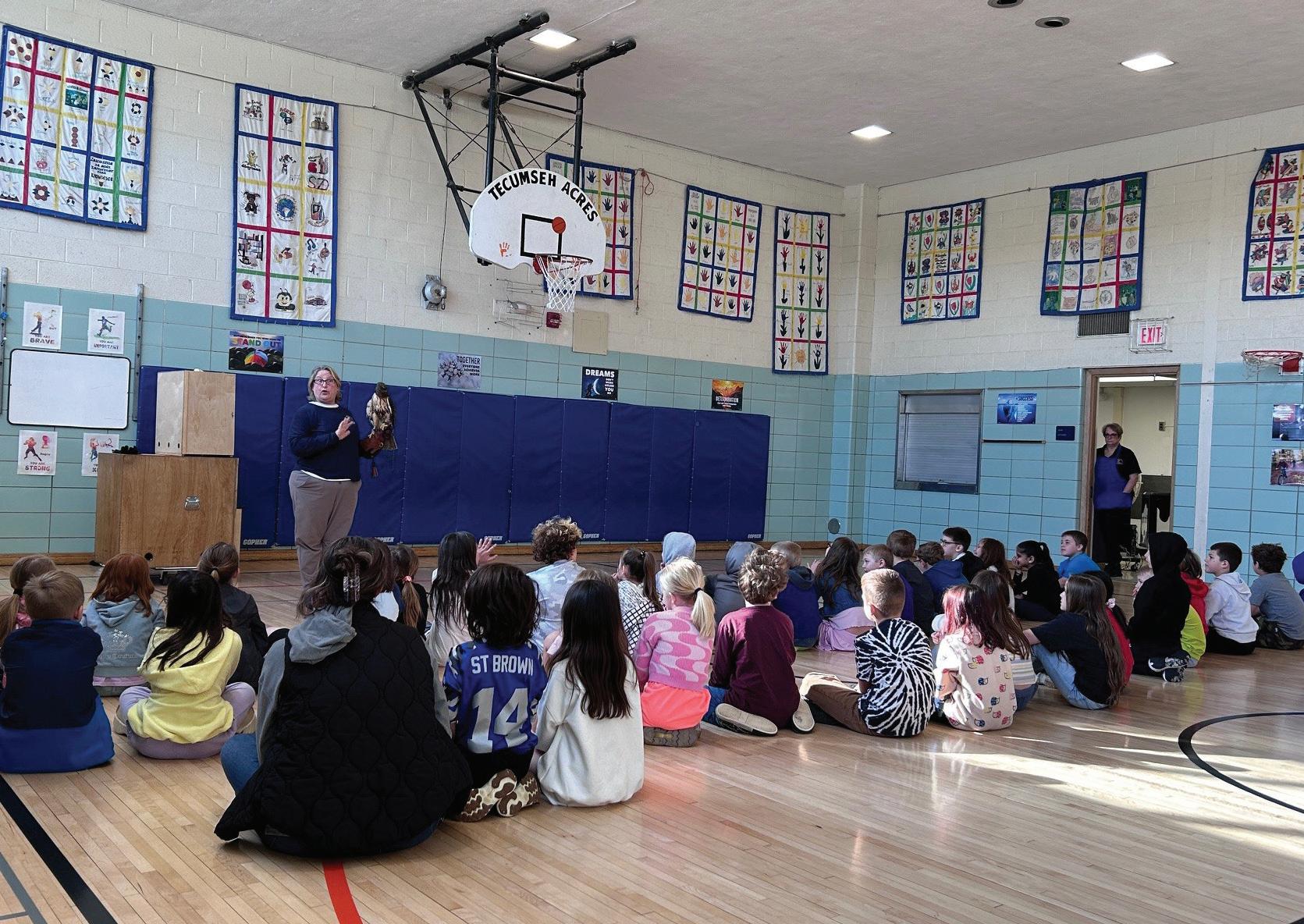
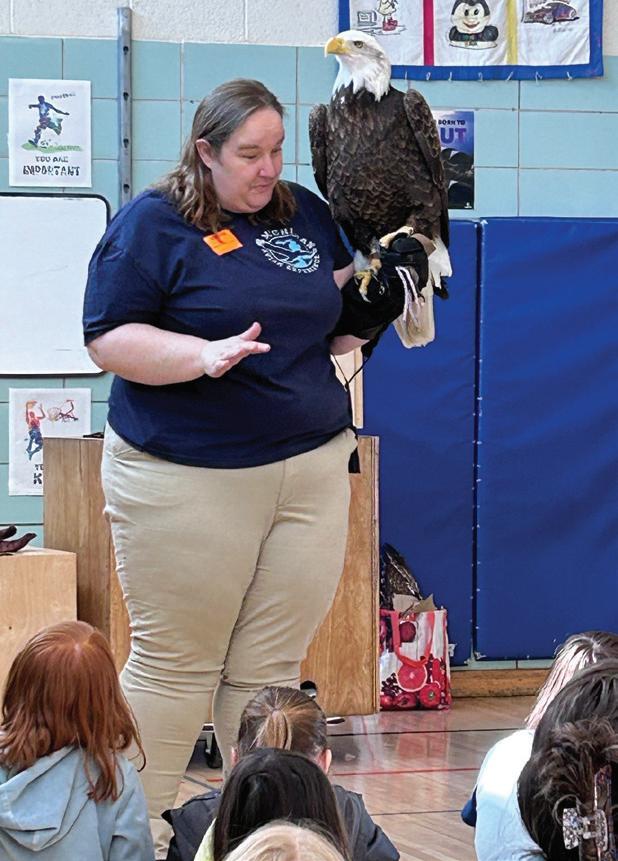
Tecumseh Arbor (MI) hosted the Michigan Avian Experience at Tecumseh Acres Elementary School for the second graders. Two separate one-hour presentations were given, with roughly 50 students and four teachers attending each presentation. Arbor members also were there, and reported the students truly enjoyed seeing the birds.
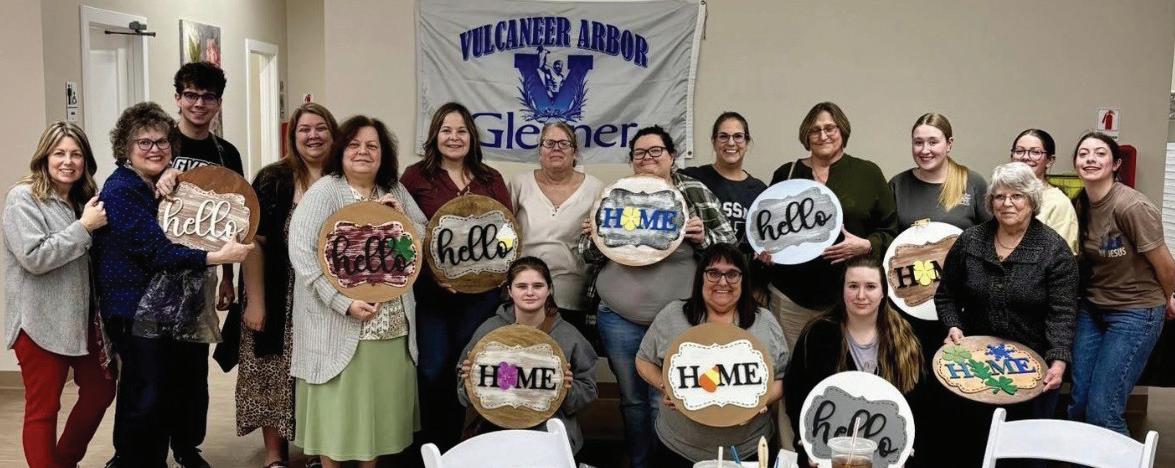
Vulcaneer Arbor (MI) completed two great projects, starting with a community crafting workshop. Working in the township hall, 26 people made door hangers with interchangeable seasonal symbols. Snacks and Gleaner information also was provided. e arbor also organized an April 25 cleanup of veterans’ gravestones. Members, friends and Boy Scouts received a cleaning kit and instructions before being divided up into sections for the cleaning to begin. e cemetery project was cold and wet work, but members said it was one of their best activities. ey plan to make it an annual event with hope of cleaning all 780 veterans’ graves in the cemetery.
Mill Creek Arbor (IN) hosted its annual Veterans Appreciation Luncheon to remember those who served in the Vietnam War. Veterans were invited at no cost, with a small charge for non-veterans. e luncheon raised $50 and the arbor donated $500, all of which was given to the American Legion.
Di erent by Design
One of my favorite things about our dogs is watching what happens at the end of the day.
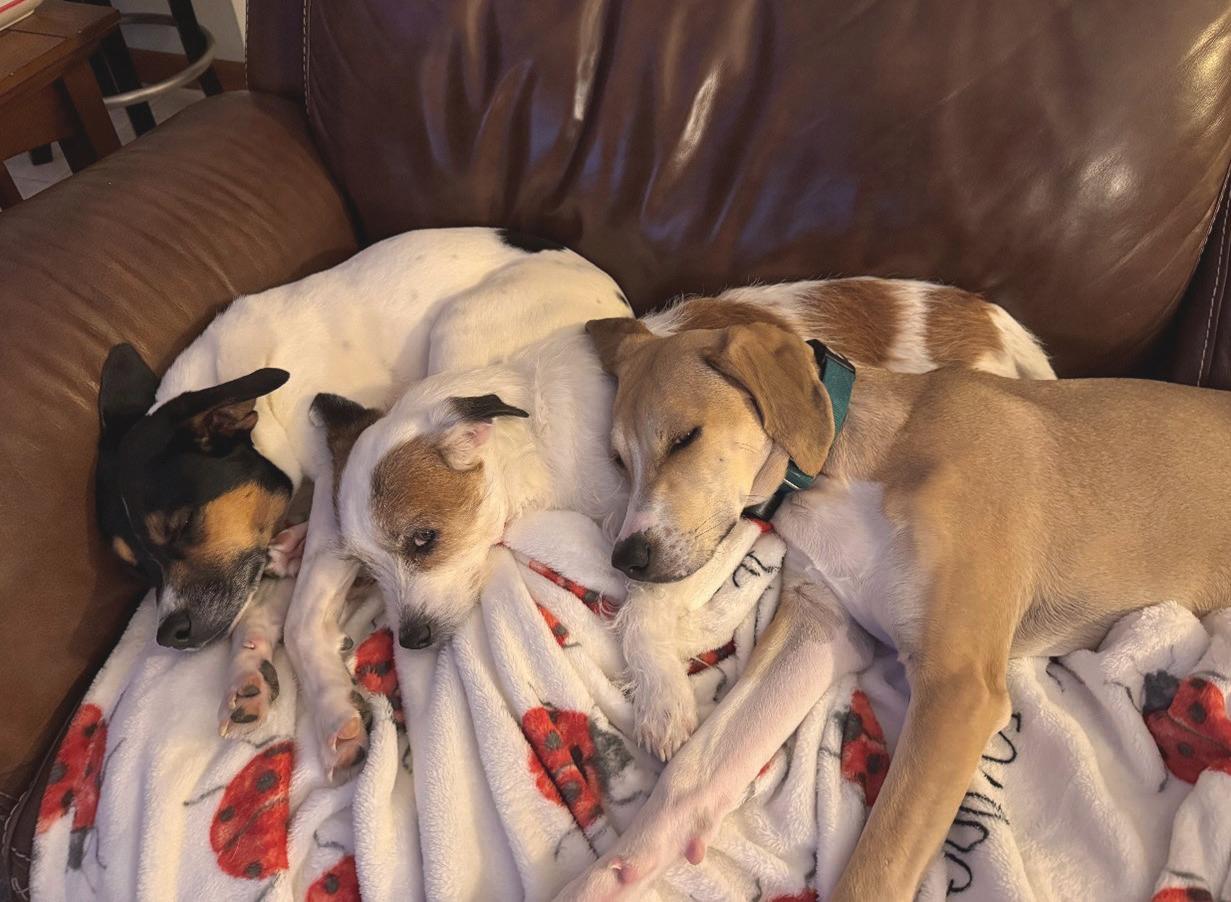
After hours of running, exploring, supervising, chasing, napping, and generally doing whatever it is dogs do, they almost always end up in the same place. Curled together on the couch. Sharing a blanket. Using each other as pillows. Looking perfectly content.
It’s surprising when you consider how di erent they are.
Yet somehow it works.
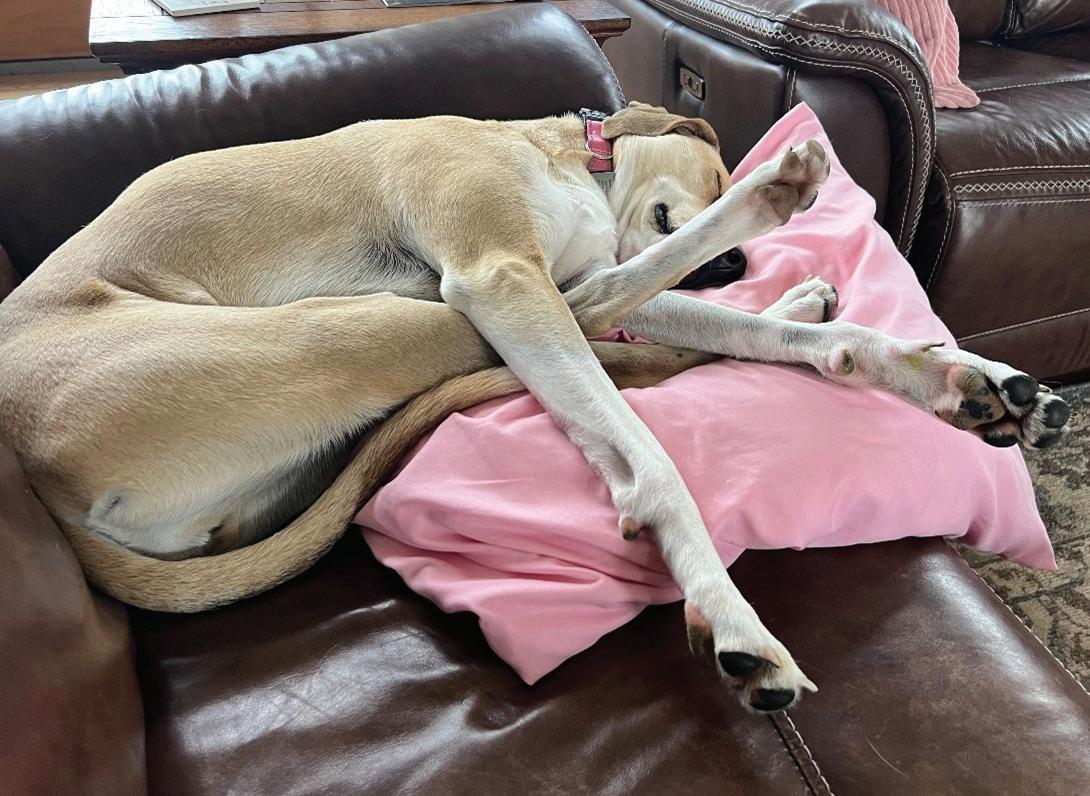
Mabel often treats her siblings like play toys and continues to try to gure out what to do with all of her legs. Betty tolerates far more of Mabel’s puppy energy than she probably should. Chuck, despite projecting the image of a disinterested gentleman who has risen above such nonsense, routinely allows himself to become part of the pile.
Watching them has reminded me that relationships don’t require us to be alike. In fact, some of the strongest connections are built between those who see the world very di erently.
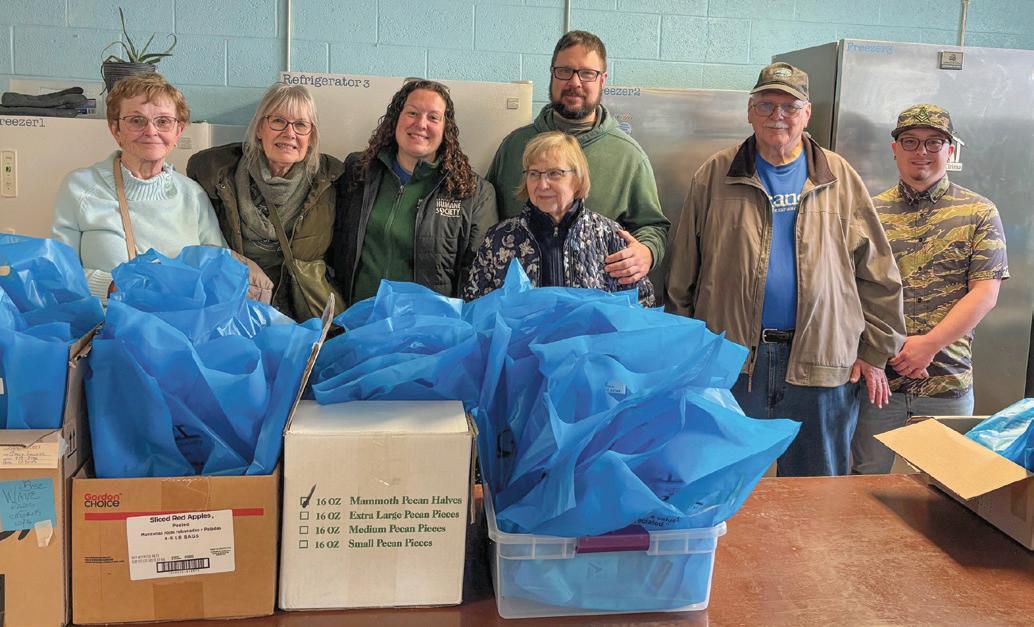
I see the same thing while volunteering at the Lenawee Humane Society. Every animal arrives with a di erent story. Some are con dent. Some are shy. Some have experienced hardship. Some simply need a fresh start. What they all have in common is the desire to belong.
e same is true for people.
Families, friendships, communities, and organizations are strongest when di erent personalities, experiences, and talents come together with a shared sense of care and purpose. We don’t have to think alike to support one another. We don’t have to be the same to belong.
As we move into another season, I’m grateful for that reminder. It comes from three rescue dogs who spend much of their day proving how di erent they are and every evening proving how much they care for one another.
Life would be much less interesting if we were all the same.
And considerably less comfortable if we didn’t occasionally make room for someone else on the couch.
Andrea Warner Wife of President and CEO Todd Warner
Did you nd the wheat stalk?
In this issue of Forum Magazine, the wheat stalk is hidden on Page 25.
INGREDIENTS:
• 1 loaf French bread, cubed
• 10 oz. mint chocolate morsels
• 1 cup sugar
• ½ cup cocoa
• 3 cups milk
• 6 eggs
• ½ tsp. salt
• 2 tsp. vanilla
• Hershey’s chocolate syrup
DIRECTIONS:
1. Butter a 9x13 pan. Add bread cubes and 1 cup chocolate.
2. Heat remaining chocolate, sugar, cocoa, and 1 ½ cups milk until smooth.
3. Whisk in remaining milk, eggs, salt, and vanilla.
4. Pour over bread and let sit 30 minutes.
5. Bake at 325°F for 45–50 minutes.
6. Cool slightly, drizzle with warm Hershey’s chocolate syrup, and serve with whipped cream or ice cream.
Mint Chocolate Bread Pudding Recipe
Hey, Kids!
I hope you’re having an awesome summer! It’s a great season for swimming, riding bikes, eating ice cream, having backyard cookouts, and spending time with family and friends. One of my favorite parts of summer is celebrating our amazing country and all the freedoms we enjoy!
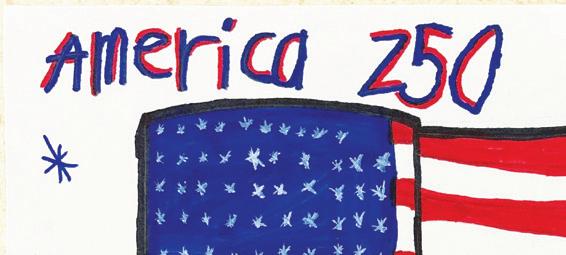
Did you know America is celebrating 250 years as a nation this year? at’s a BIG birthday! From famous landmarks to important symbols, there’s so much to learn and celebrate about the United States.
See how many of these fun facts you know by lling in the blanks below!
1. America became a country in the year ____.
2. ere were originally _________ colonies.
3. e bald __________ is America’s national bird.
4. e cracked __________ Bell is a symbol of freedom.
5. e American ag has __________ stars today.
6. e president lives in the __________ House.
7. __________ Rushmore shows four presidents carved into a mountain.
8. America purchased __________ from Russia.
9. “ e Star-Spangled Banner” is America’s national __________.
10. Yellowstone was America’s rst national __________.
How many did you get right? America has so many amazing people, places, and stories to discover!
Take care!
BENNY
e Benevolent Lion
Did you know,
I host a Birthday club for our members ages 0-11? Visit www.gleanerlife.org/birthdayclub to sign up!
10. park
9.
White; 7. Mount; 8. Alaska;
anthem;
Thank you
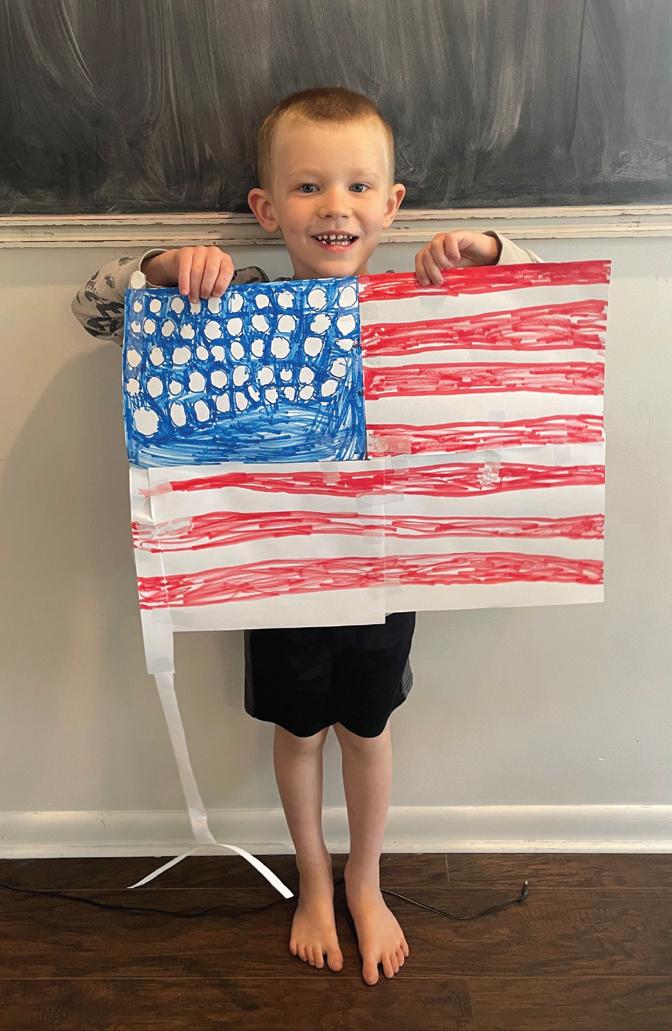
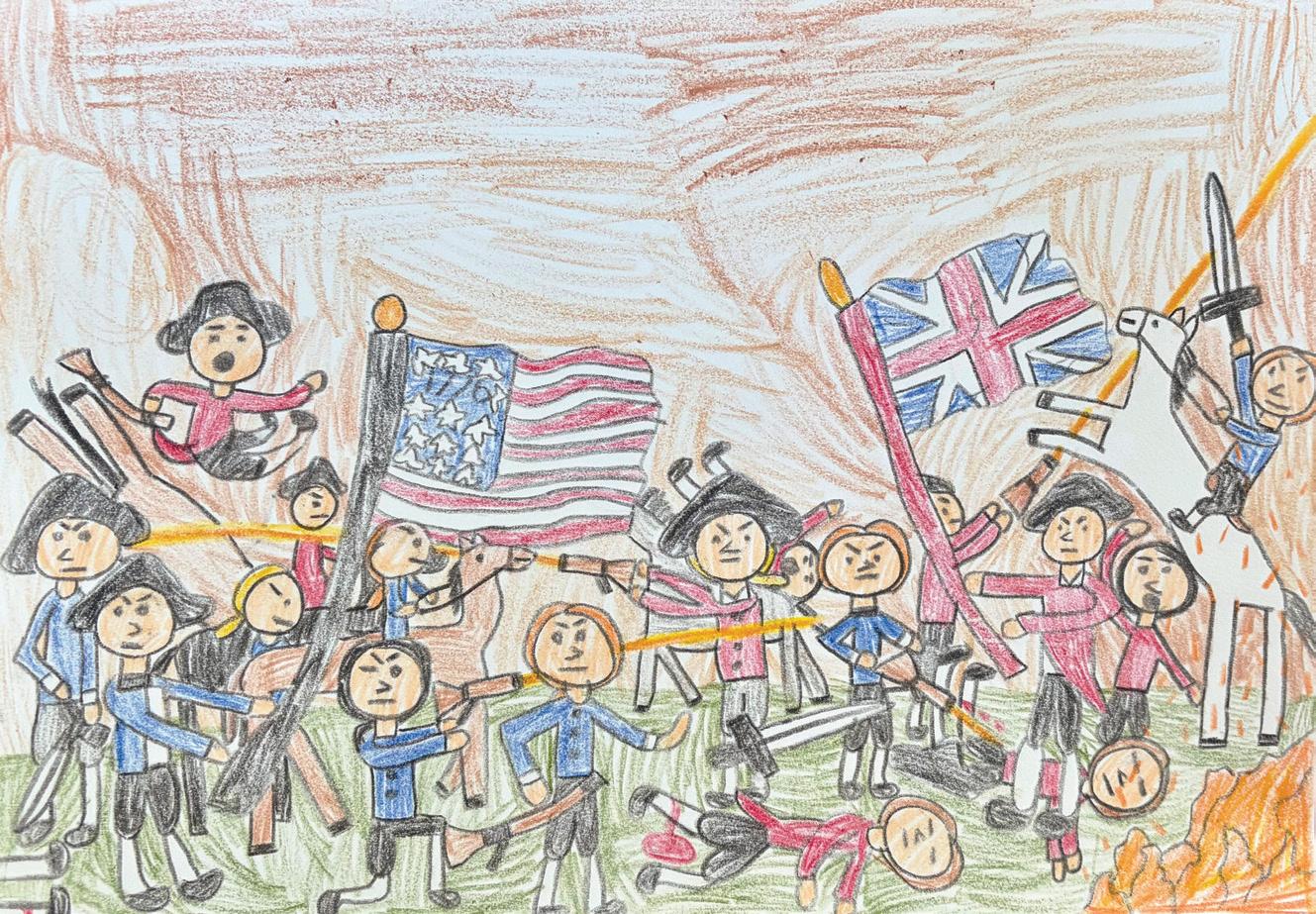
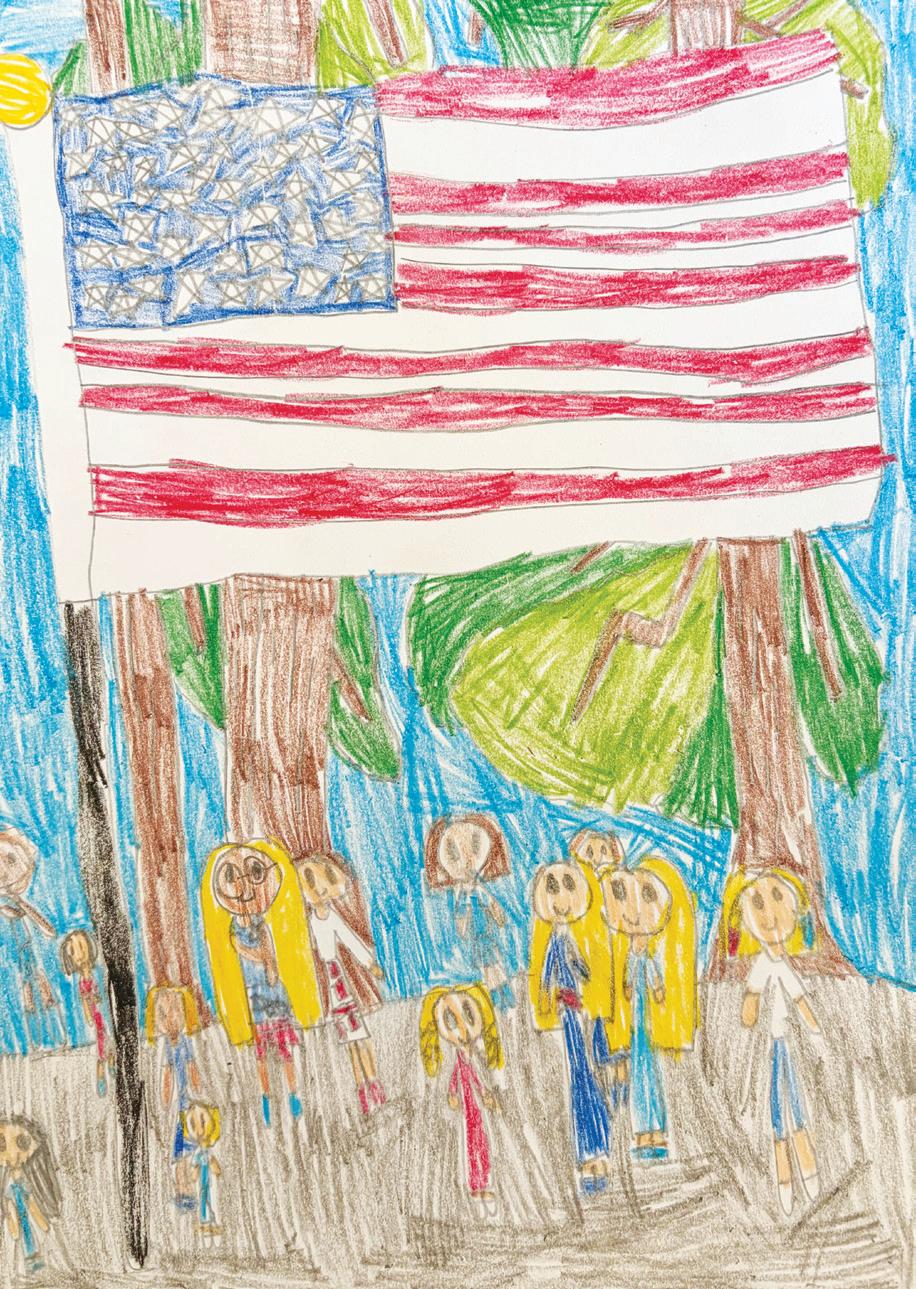
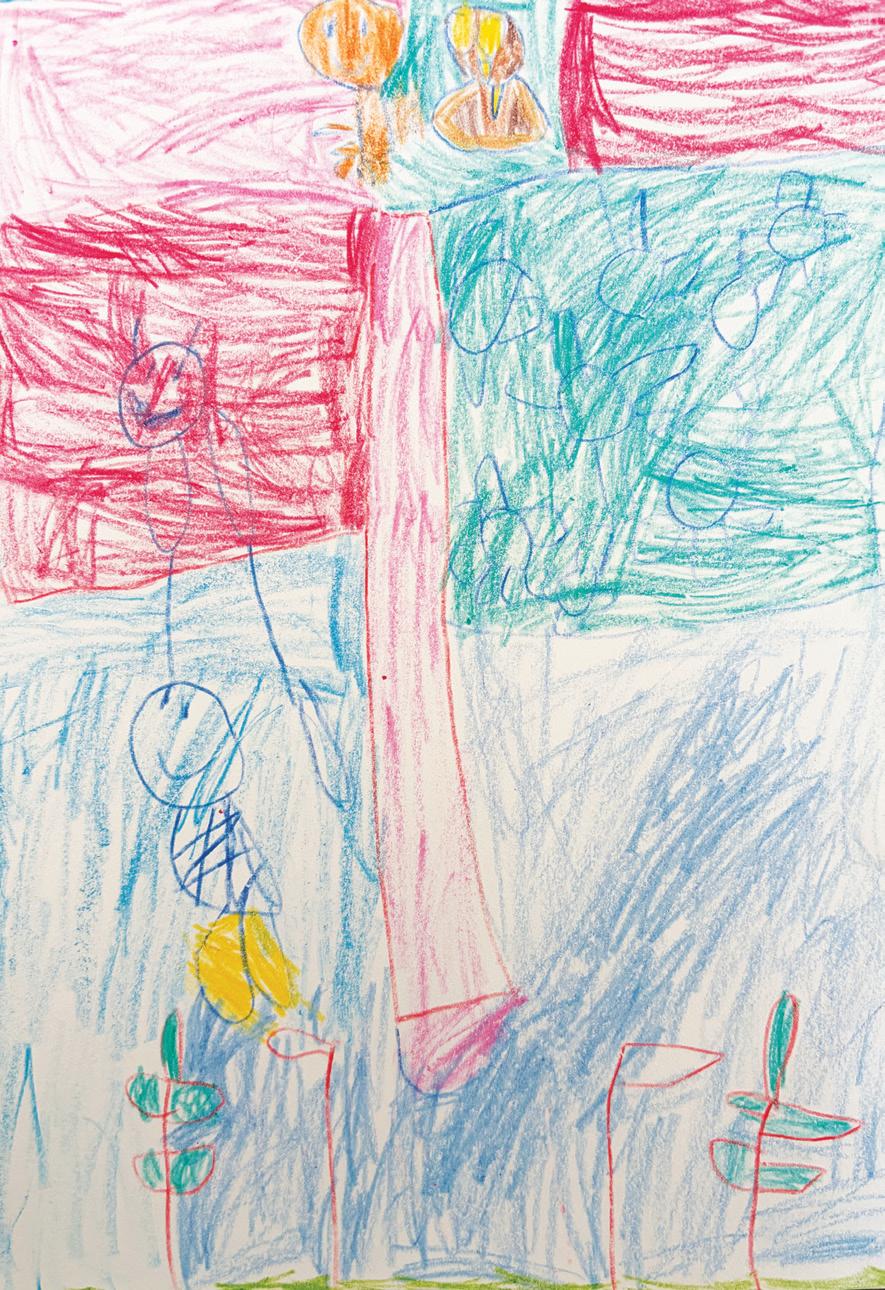
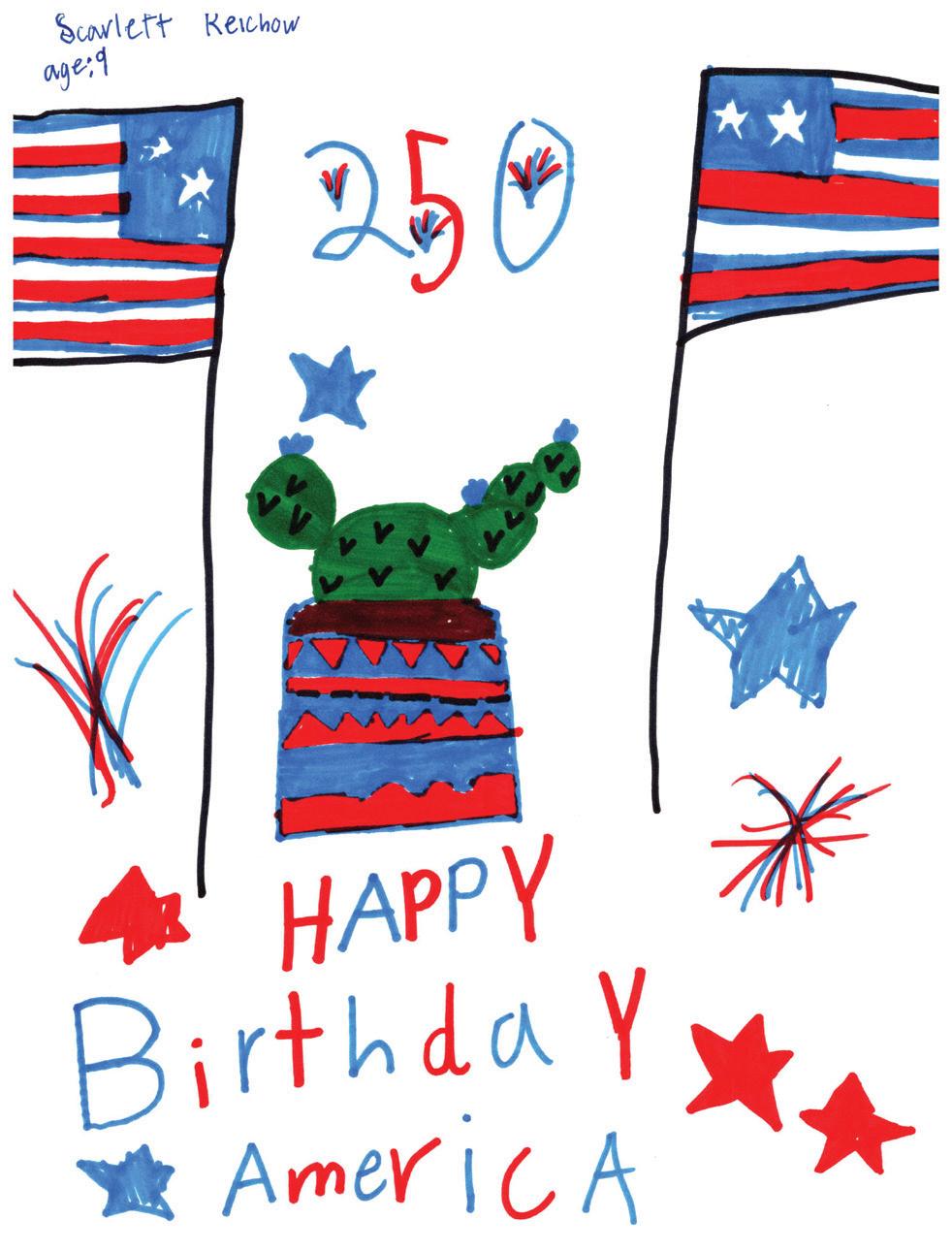
to everyone who participated in Benny’s Patriotic Drawing Contest. Luke M. took top honors with his eagle artwork, while Lydia D. was named honorary winner for her battle scene. See more artwork entries at www.gleanerlife.org/forum.
First
place
Luke M., 10, first place.
Elijah B., 6
Lydia D., 10, honorary winner.
Zebulun K.
Azariah B., 4
Landyn D., 4
Lyle D., 7
Eli M., 8
Emma M., 7
Everlee V., 5
Noah M., 8
Scarlett R., 9
One in four adult Americans say their household would feel the nancial impact of the death of the primary wage earner in one month or less.* Why risk it? Gleaner Life Insurance Society o ers life insurance options to help individuals secure coverage that aligns with their budget and nancial protection goals. Options include:
• Term Life Insurance
• Indexed Universal Life Insurance
• Whole Life Insurance Contact the agent listed above for more information or visit www.gleanerlife.org to get started.