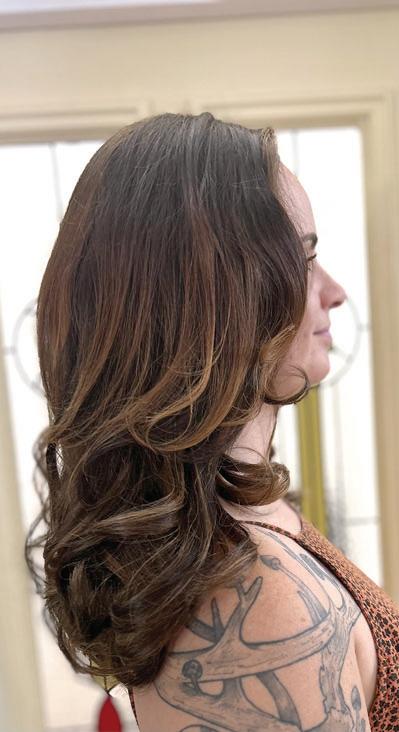

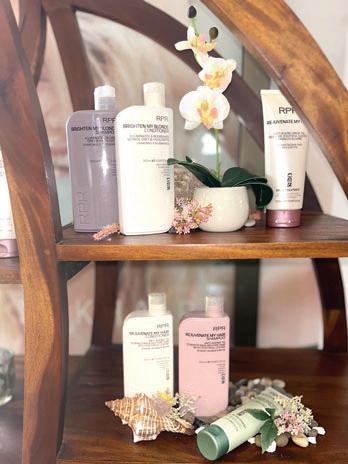
AS the first hints of autumn begin to cool the air, local Beerwah hairdresser, Jenna from The Edge Salon, is encouraging clients to prepare their hair for the change of season. After months of summer heat, hair can often feel dry, frizzy and difficult to manage. Salon stylist Jenna says the key to restoring shine and softness is rehydration. She recommends intensive hair treatment masks and deluxe leave-in treatments
to nourish strands and calm post-summer frizz.
Regular maintenance is equally important. “A trim every six to eight weeks helps prevent split or broken ends and keeps hair looking healthy,” Jenna said. “Beautiful, strong hair is always the result of consistent care.”
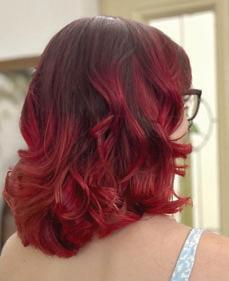
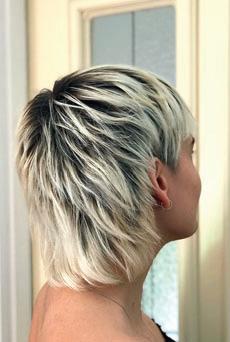
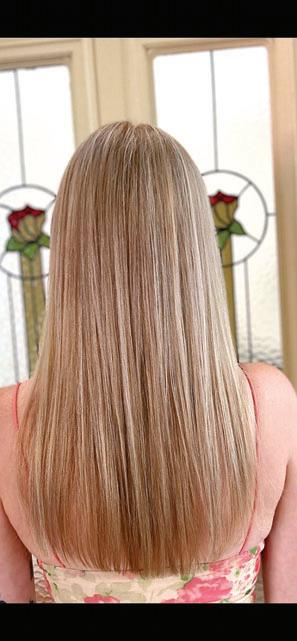
Autumn also offers the perfect opportunity to refresh a look. Face-framing layers with soft honeyblonde tips are becoming popular as the weather
cools, while deeper seasonal tones such as chestnut and rich browns are emerging as key colour trends.
To complement the softer seasonal palette, Jenna also suggests a deluxe eye makeover to enhance natural features and balance the gradual fading of summer skin tones.
At The Edge, clients receive personalised styling designed to suit their individual hair type, face shape, complexion and
lifestyle. With autumn on the horizon, the salon team says now is the ideal time to book a consultation and step into the new season with healthy, refreshed hair.
By Sophie Andrews, Associate Professor and Lead, Healthy Brain Ageing Research Program, Thompson Institute
WE’VE all experienced it. You walk into a room and suddenly forget why you’re there. You freeze during an exam and cannot recall an answer you studied the night before. Or someone asks you a question and your mind goes completely blank. These moments can feel frustrating or stressful. But
researchers say occasional “mind blanking” is actually a normal part of how the brain works.
Psychologists have long known our thoughts usually flow in a stream of consciousness. Sometimes our attention is focused. At other times our mind wanders.
But researchers estimate that roughly 15 percent of the time our thoughts may disappear entirely. During these moments, people report having no thoughts at all, a phenomenon
known as mind blanking. This might occur during an exam when answers vanish from memory, or when you walk into a room and forget your purpose. It can also occur when we are not consciously thinking about anything. Someone might ask you a question and you realise you had “zoned out”. Some people experience this more often than others. Those with attention deficit hyperactivity disorder (ADHD) or anxiety report mind blanking more frequently. It is also more
common when people are sleep deprived, after intense physical exercise, or in certain neurological conditions such as Lewy body dementia. Researchers believe the phenomenon is linked to a system in the brain called the executive attention network. This network helps us stay alert, focus on tasks and retrieve memories. It works with areas in the frontal and parietal parts of the brain that support planning, decision making and processing
sensory information. A brain chemical called noradrenaline plays a key role in keeping this system alert and ready for action.
If this attention network is disrupted, the brain may struggle to focus or retrieve memories, resulting in a brief mental blank.
Sleep deprivation is one common cause. When people are extremely tired, parts of the brain can briefly enter a sleep-like state even while the person remains awake.
High stress can also
trigger mind blanking. Anxiety increases noradrenaline levels and activates the body’s fight or flight response, shifting attention toward immediate threats rather than recalling stored information.
Distraction or multitasking can contribute as well, because memories that were never properly stored are harder to retrieve.
Experts recommend seeing a GP if mind blanking becomes more common, starts suddenly, or interferes with daily activities.


regular, open conversations with boys and young men about harmful messages circulating online in communities known as the “manosphere”.
Australia’s eSafety Commissioner has released an Online Safety Advisory to help families understand the appeal and risks of these online spaces, where influencers often promote rigid ideas about masculinity.
The issue has drawn renewed attention following the release of the Netflix documentary Inside the Manosphere by Louis Theroux.
eSafety Commissioner
Julie Inman Grant said the popularity of these online communities partly comes from the promises made to young men.
“What makes the manosphere so appealing
physically, sexually and financially,” Ms Inman Grant said.
“This is a very potent and alluring promise, especially when someone is dealing with the ordinary turbulence and insecurities of adolescence.”
She said some influencers promote harmful stereotypes, portraying women as manipulative or less deserving of respect while encouraging boys to suppress emotions seen as feminine.
Ms Inman Grant said parents should aim to stay engaged rather than alarmed.
“Overwhelmingly, boys and young men are critical, savvy and resilient online users, but these negative gendered narratives are seeping into mainstream platforms and conversations,” she said.
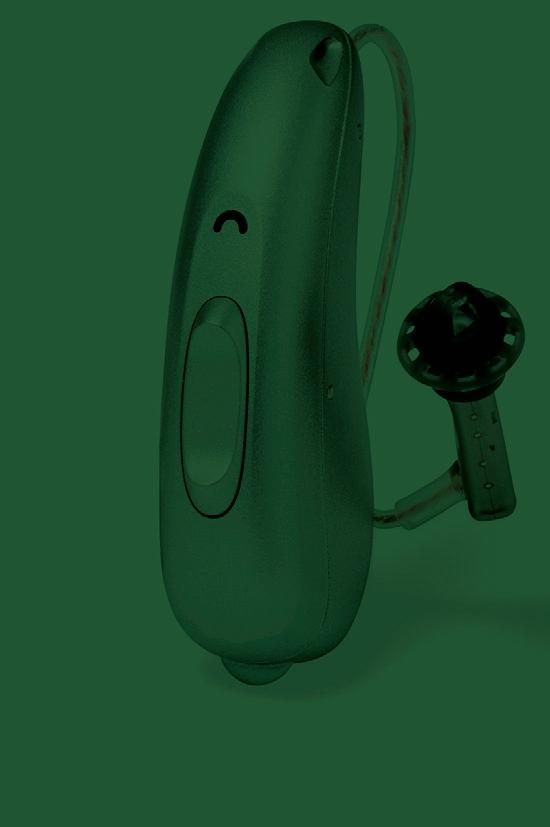
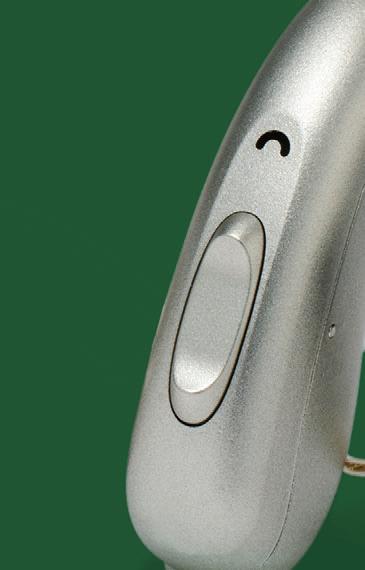


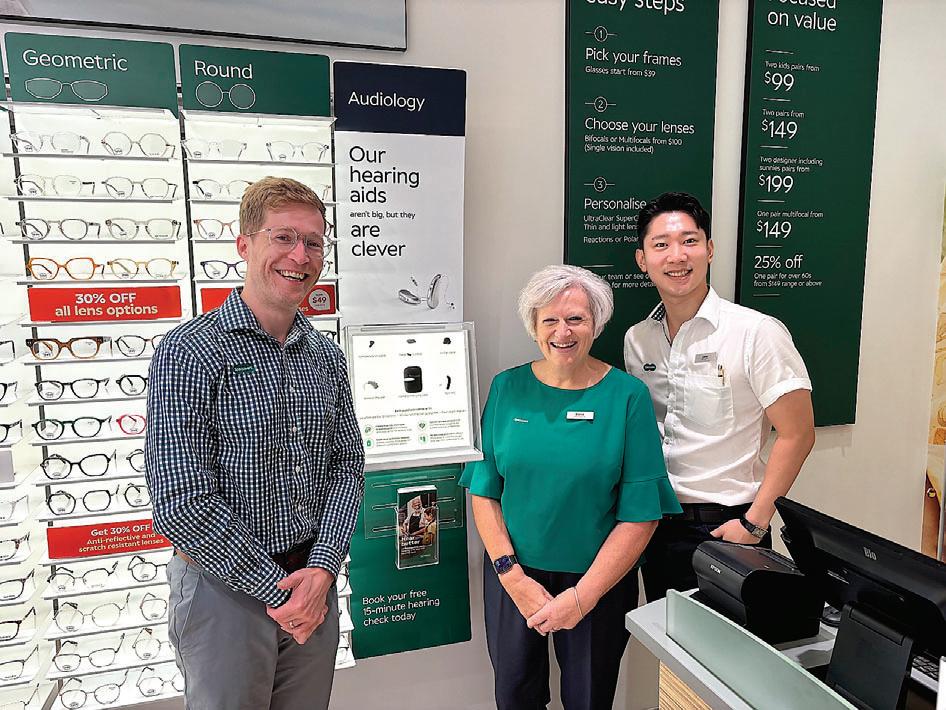
SPECSAVERS Beerwah Village is proud to expand its health services with the growth of audiology in-store, led by Specsavers Audiology Partner, Lex Peel.
Lex joined Specsavers Audiology Beerwah in August last year and brings six years of experience supporting customers cross Townsville, regional Queensland and now the Sunshine Coast. Lex has worked with people experiencing all degrees of hearing loss and is passionate about helping locals stay connected to the conversations and moments that matter most.
“I love being able to offer personalised hearing care close to home,” Lex said. “With limited audiology services in Beerwah, it’s important that our community has access to high quality support without needing to travel further afield.”
Lex is highly experienced with the Hearing Services Program (HSP), which provides eligible people
eligible customers and affordable hearing aids to everyone else,” Lex says.
Specsavers Audiology
educating locals about their entitlements under the HSP.
“I am so excited to be a Specsavers Audiology Partner, because it allows me to offer fully subsidised hearing aids to our HSP-
hearing assessments for HSP-eligible Australians*, and comprehensive hearing assessments for only $49 for privately-funded customers. The store has already seen strong community interest
from people seeking accessible, high-quality hearing care and the latest hearing technology.
Specsavers Audiology has also partnered with health fund nib, giving nib members an additional 5% off any out-of-pocket costs for Specsavers Advance hearing aids and the ability to submit health fund claims in-store via HICAPS. As a preferred provider, nib members can also access their full rebate at Specsavers, rather than only a percentage
Specsavers Beerwah Partners Jake Oh and Claire Cordwell are thrilled to welcome Lex to the team as they continue to grow their business while supporting the local community.
*Conditions apply under the Australian Government Hearing Services Program. #Conditions apply. See in store for details.





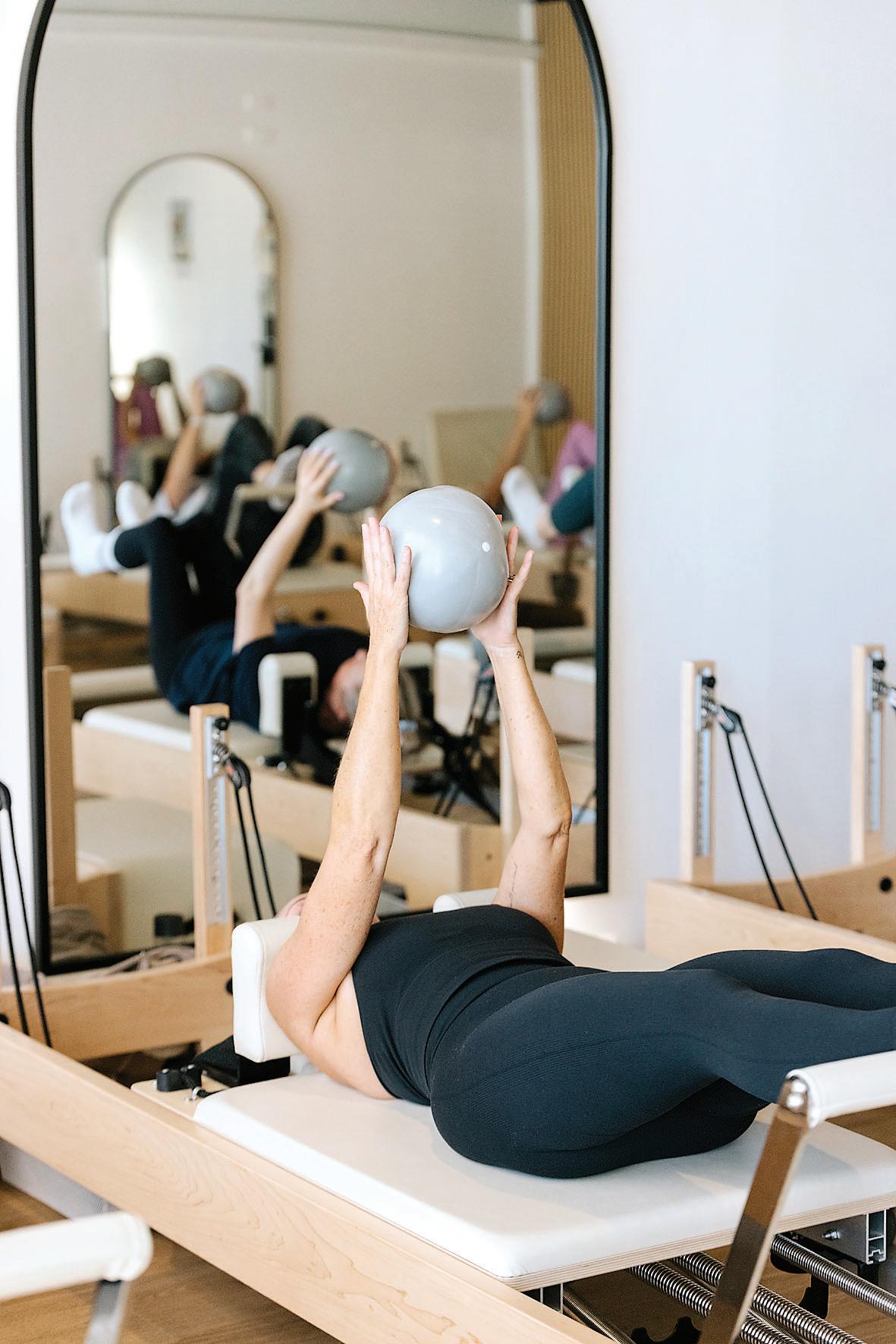
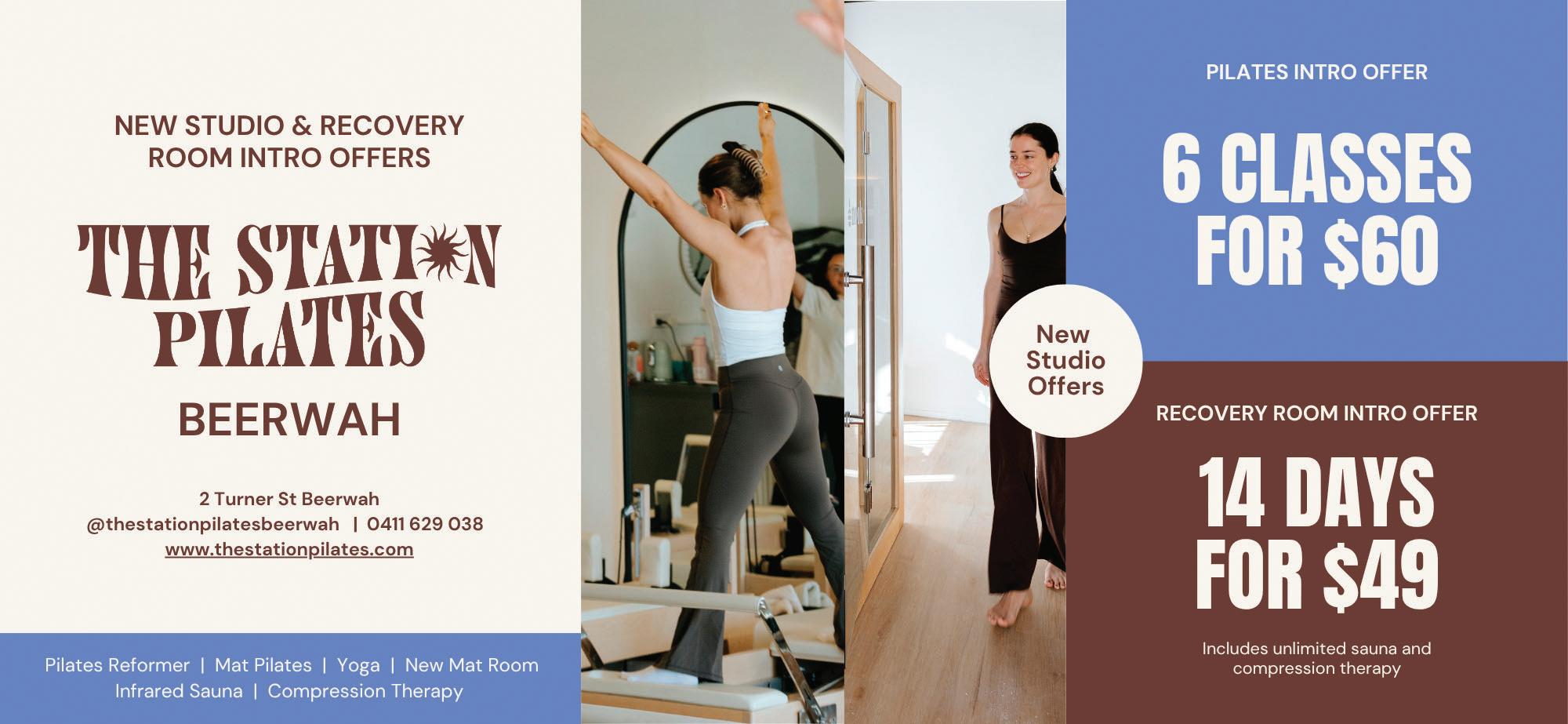
IN a world that constantly demands we move faster, do more and achieve more, the idea of slowing down can feel unfamiliar. Yet the pause offers something valuable: perspective. And perspective, as many in the wellness industry argue, helps people move with purpose.
At The Station Pilates, the philosophy is simple. Movement should be intentional. In Pilates and yoga studios, instructors often speak about breath, transitions and exercises having meaning. The aim
is not to rush through a class or simply tick off repetitions, but to understand how the body moves and how the mind connects to it.
Life, of course, mirrors that pattern. Busy calendars, crowded schedules and constant digital demands can push people into momentum without reflection. Days blur into tasks completed rather than choices made.

Method:
¼
¼
1
¾
1
1
2
1
½
½
1
¼ cup slivered almonds
COMBINE chopped dates, water and baking soda in a small bowl and let sit for 5 minutes to soften dates.
MIX oats, flour, baking powder and cinnamon in a medium bowl. In a separate bowl whisk oil, egg, vanilla, brown sugar and mashed banana.
ADD wet ingredients to dry, stirring until combined.
FOLD in carrots, dates (do not drain) and almonds.
CHILL mixture for 30 minutes in fridge.




and line two baking trays with baking paper. ROLL 16 balls out of the dough and place on baking trays then flatten with a fork.
BAKE for 10-15 minutes or until golden brown.
Ingredients:
6 eggs
Splash of milk
Purposeful movement looks different. It is slower, more controlled and more connected.
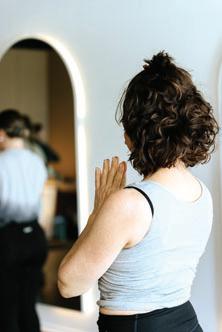
Advocates say that when people move with purpose they tend to listen more closely to their bodies. Strength develops gradually, balance improves and the risk of burnout declines.
That thinking underpins the approach at The Station Pilates. Classes are designed to support daily
life rather than exhaust it.
A reformer session might challenge muscles and focus. A yoga class may ground participants after a demanding week. Stretch or yin sessions give the nervous system space to soften.
The message is simple: every body deserves to move, and to move well.
This month the studio is inviting locals to consider a simple question. Are you moving with momentum, or with purpose?
Intro 6 classes $60 visit
www.thestationpilates.com
Salt and pepper, to taste
Optional extra flavourings: chilli flakes/Italian herbs/ Moroccan seasoning, to taste
½ cup lean ham, chopped (about 100g)
1 cup cheese, grated
1 small onion, finely diced
1 small carrot or zucchini, grated
12 cherry tomatoes, halved
Method:
PREHEAT oven to 180°C
and line a 12-hole muffin pan with baking paper or use aluminium baking cups.
WHISK eggs in a medium bowl then season with salt and pepper and other herbs and spices (optional).

ADD a splash of milk.
MIX in the ham, most of the cheese (reserve a little bit to sprinkle on top), onion and grated vegetable.
DIVIDE the mixture evenly then top each muffin with two cherry tomato halves. SPRINKLE the remaining cheese on top of the muffins.
BAKE for 15-20 minutes, or until the tops are light golden and muffins are set.










”









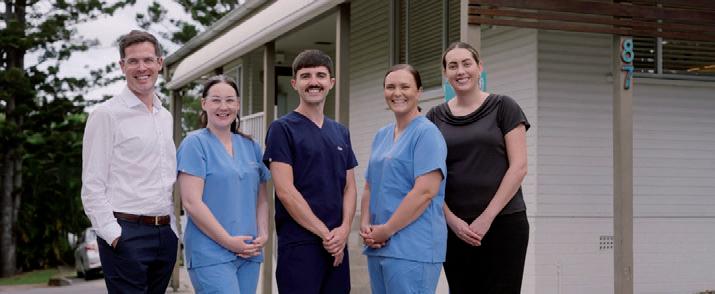
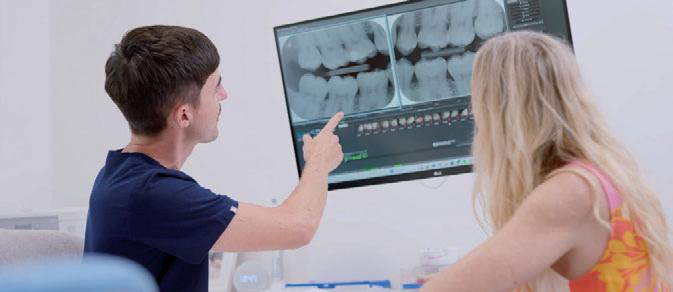
We will dedicate time to understand your dental goals, provide a comprehensive examination in a

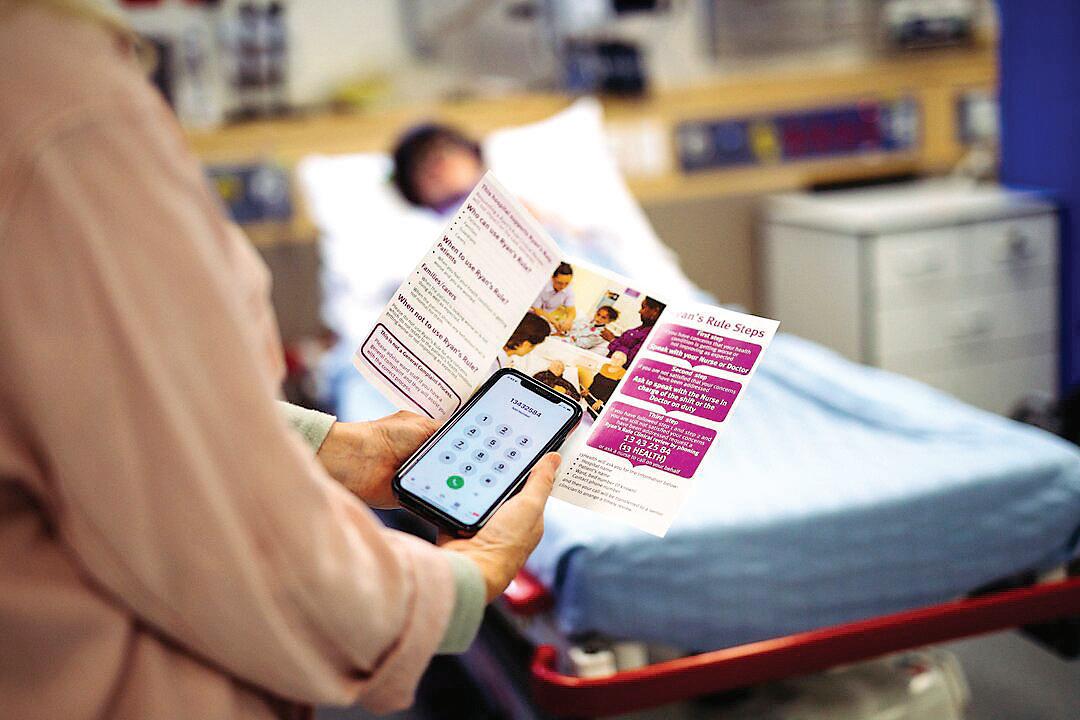
NO matter your age or condition, every Queenslander has the right to ask for help.
Ryan’s Rule ensures patients, families and carers have a clear pathway to raise concerns if someone’s condition in hospital is deteriorating or not improving as expected.
Ryan’s Rule follows a simple three-step process. First, patients, families or carers should discuss their concerns with the treating doctor or nurse. If they still feel worried
Edwin
Dr Tawhid Hassanien
after that conversation, the second step is to speak with the nurse in charge of the shift. If concerns remain unresolved, step three allows them to call 13 HEALTH and request a Ryan’s Rule. This triggers a clinical review of the patient’s treatment. The rule was introduced in 2013 following the tragic death of Ryan Saunders. Ryan died in 2007 from an undiagnosed streptococcal infection that developed into toxic shock syndrome. His parents believed
their concerns were not fully heard as his condition worsened.
In response, Queensland Health committed to creating a clear escalation process to help prevent similar tragedies.
Today Ryan’s Rule is regarded as a leading patient safety initiative and has been used more than 17,000 times across Queensland public hospitals, empowering patients and families to speak up when it matters most.
CONFUSING language used in clothing and textile marketing is misleading consumers and hiding the true environmental impact of what they buy, according to an RMIT University expert.
Dr Rebecca Van Amber, a senior lecturer in fashion and textiles at RMIT, says shoppers are increasingly expected to make responsible purchasing decisions while navigating vague claims and greenwashing.
“Everyday consumers are being asked to make
responsible choices in a landscape saturated with vague claims, greenwashing and unsubstantiated health benefits,” she said.
Dr Van Amber said Australian clothing labels are no longer legally required to list fibre content, with brands only required to provide care instructions.
This lack of transparency can allow misleading descriptions. For example, the term “silky” may suggest a natural luxury fibre such as silk, but the
same feel can be created using synthetic materials like polyester or chemically processed fabrics such as viscose or rayon.
“This type of language is extremely misleading to consumers and can be construed as greenwashing,” she said.
Dr Van Amber argues clearer labelling would help shoppers make informed decisions about sustainability, including whether fabrics are derived from fossil fuels, forests or produced using exploitative labour practices.




Dr Sachi Basnayake
Dr Prasanth Sagayanathan
Dr Amlah Najmudeen