Back to school resilience boost
AS families across Australia prepare for a new school year, Triple P – Positive Parenting Program experts say three simple conversations can help children feel confident and prepared, whether they are excited, nervous or somewhere in between.
With rising bullying and school-related anxiety contributing to declining attendance and poorer academic outcomes, Triple P International Country Director Carol MarkieDadds says strengthening children’s social, emotional and academic wellbeing has never been more important.
anxiety.
“School presents a mix of positive and challenging experiences, but parents and carers are in the box seat to support and shape
Grattan Institute data shows about 40 per cent of Australian students - more than 1.2 million children miss at least one day of school every fortnight.
In nine out of 10 cases of school attendance difficulties, mental health concerns such as anxiety or depression are involved, with 92 per cent of children showing clinically significant
use positive parenting strategies can have a real and lasting impact on their children’s mental health and wellbeing.”
Whether children are returning to school or starting for the first time, three key conversations can support success in and out of the classroom.
The first is fostering a positive attitude towards school by speaking optimistically about the opportunities the year



may bring, including learning new skills, strengthening friendships and discovering individual strengths. Genuine positivity from parents uences how children experience school.


The second is encouraging open and honest communication. Parents and carers should create a safe, judgmentfree space where children can share concerns about schoolwork, friendships or unkind behaviour. Listening carefully and validating feelings helps children feel


The third conversation focuses on establishing consistent routines. Talking through daily schedules, including getting ready for school, after-school activities, homework and bedtime, gives children predictability and security during periods of transition.


“Family discussions don’t need to be formal or lengthy,” Ms Markie-Dadds said.


Learning For Living












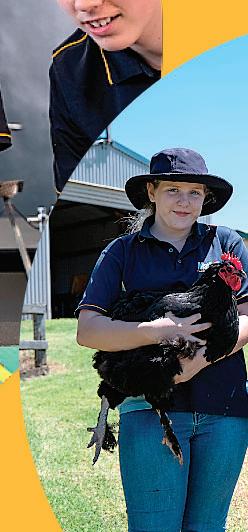
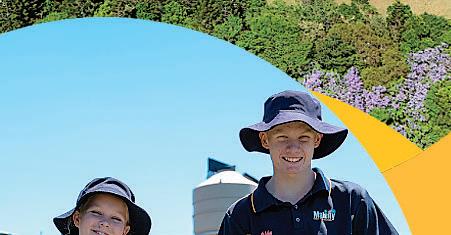
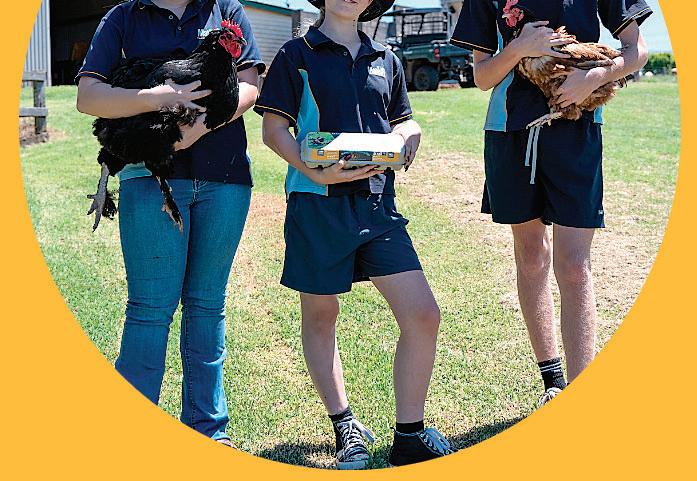
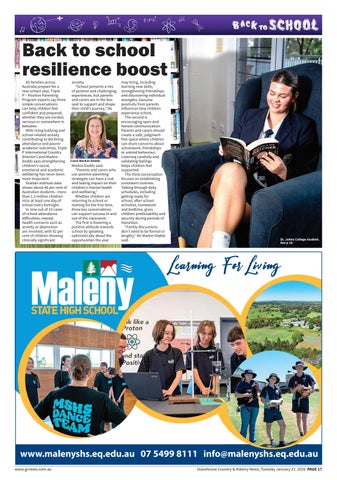
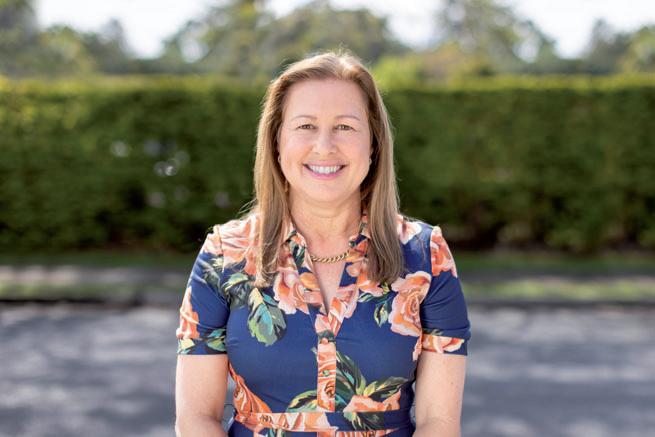
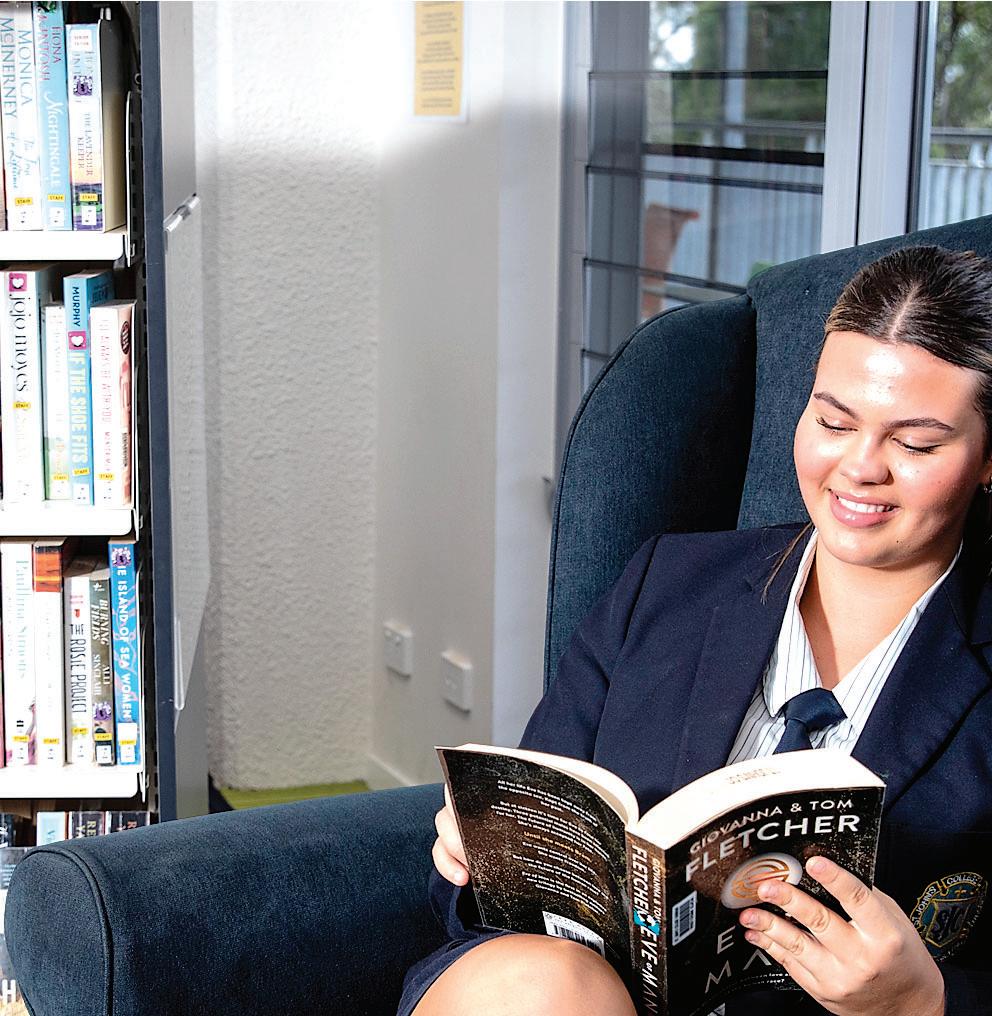
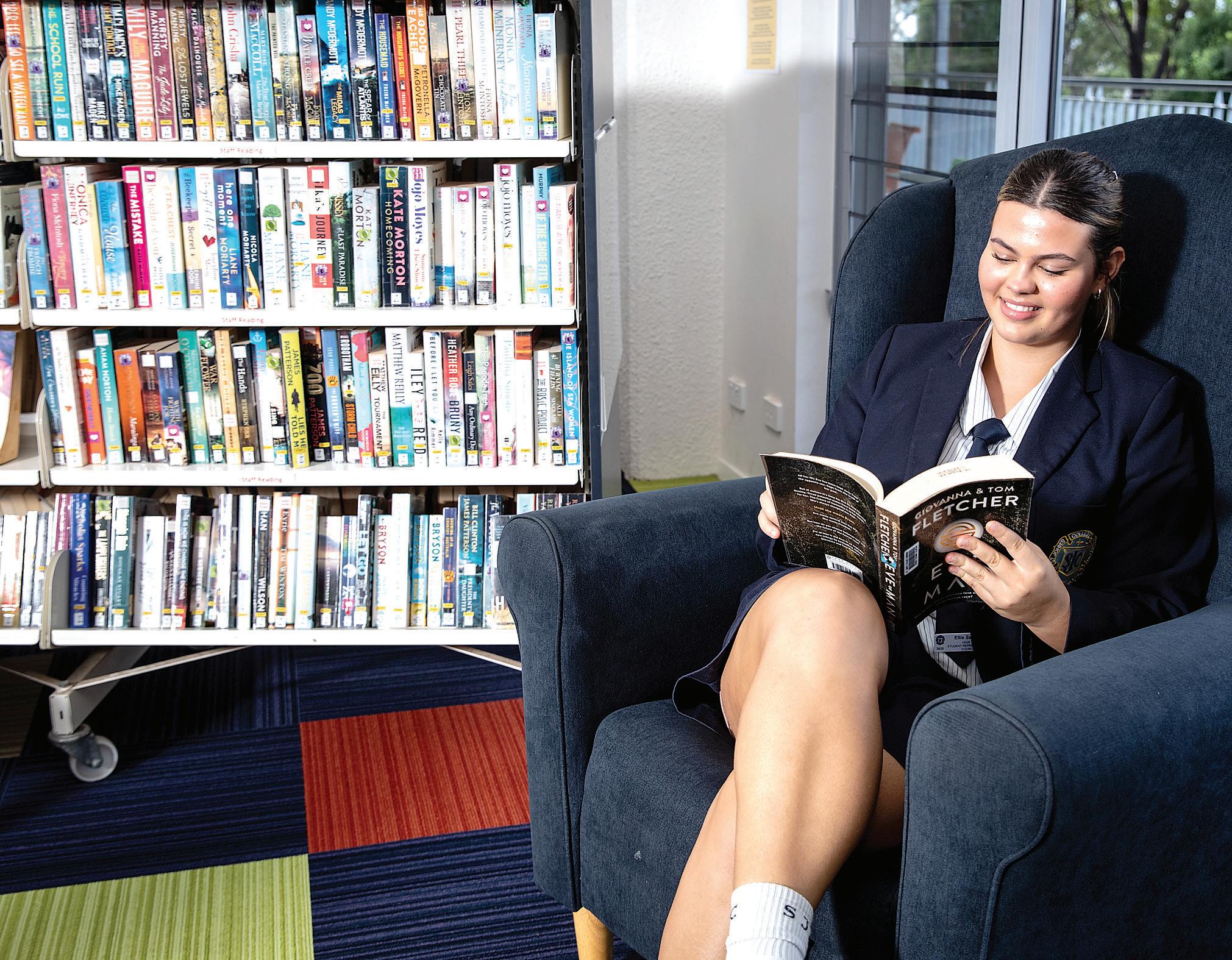
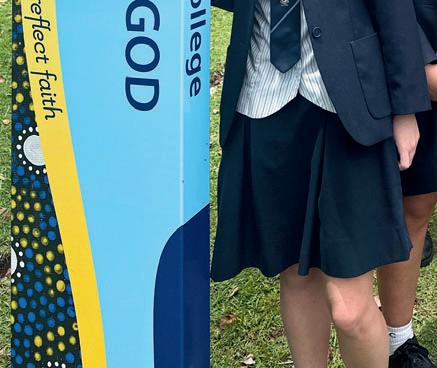
St. Johns College student. See p 18
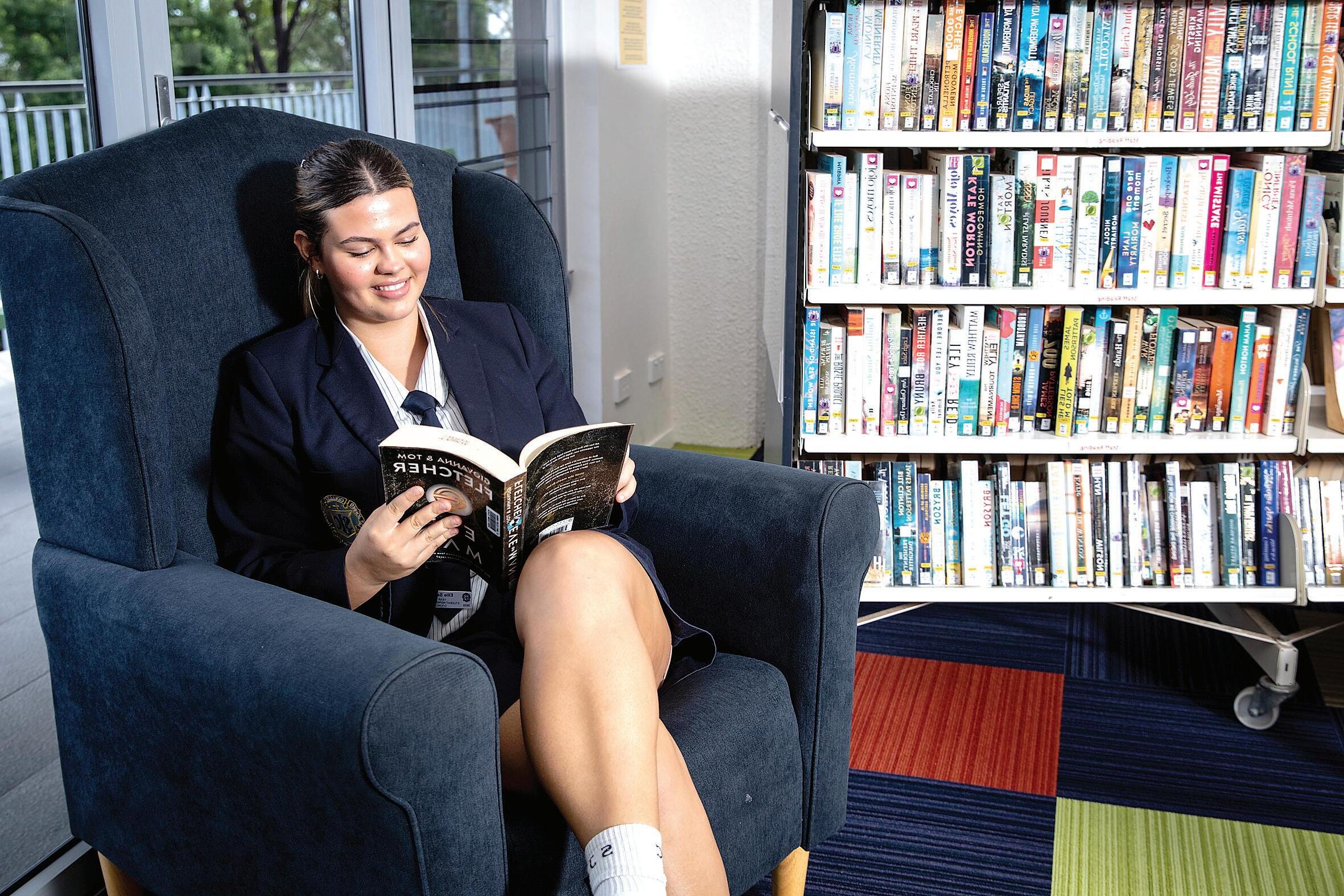
Carol Markie-Dadds.
Outstanding results for the Flinders class of 2025
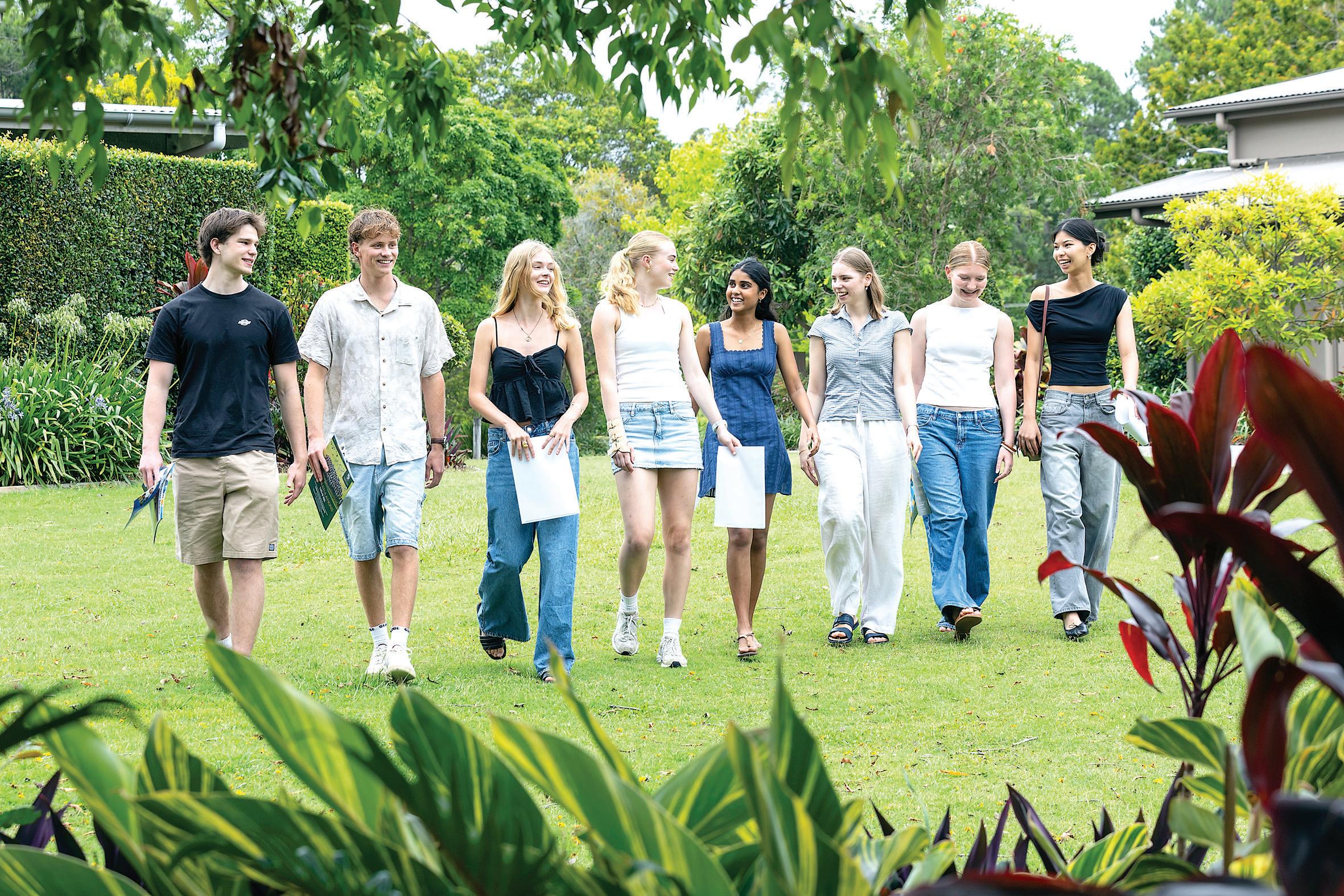
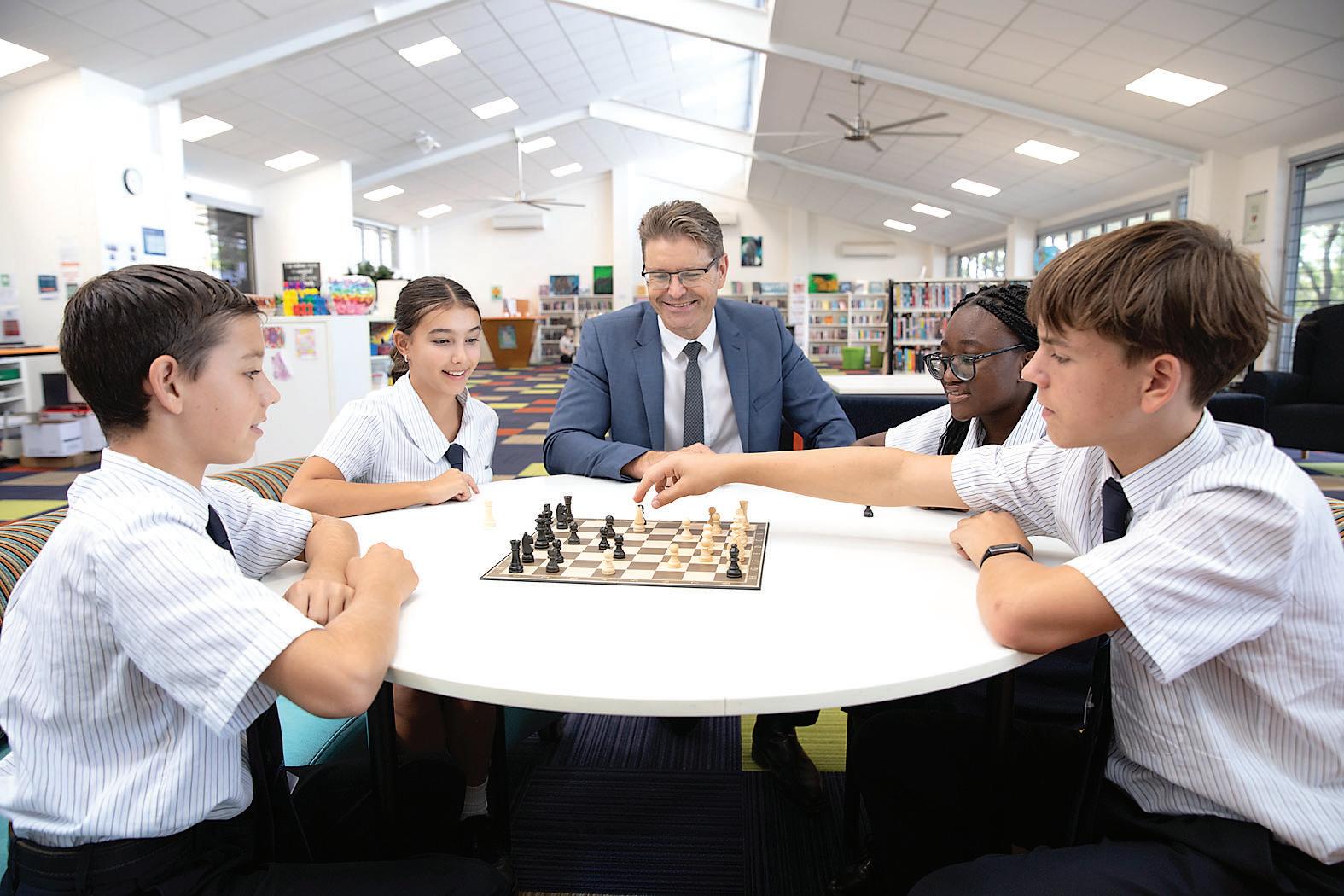
St John’s College
2026 promises to be an exciting and purposeful year at St John’s College, as we continue to grow, innovate and strengthen the community that makes our school so special.
With a current enrolment of approximately 950 students, St John’s remains a vibrant learning environment where every student is known, supported and encouraged to reach
In the coming years, St John’s College will continue to build on its strong academic foundations while
offering rich opportunities across sport, the arts, leadership and service.
Our commitment to nurturing the whole person remains central, ensuring students develop confidence, resilience and a strong sense of belonging.
Enrolments are now open for Year 7 in 2029 and 2030.
Interviews for year 7, 2028 will be completed early term 2, 2026.
Families are encouraged to engage early in the enrolment process to experience firsthand the welcoming spirit and high
standards that define St John’s College. What truly sets St John’s apart is its strong and connected community. Students, staff and families work together in partnership, united by shared values and a commitment to excellence. From the classroom to the sporting field, and co-curricular activities, students are supported to discover their strengths and pursue their aspirations.
We welcome you to join St John’s College today and shape your child’s tomorrow.





Flinders 2025 graduates on ATAR day.
Growing minds with local care
GUPPY’S Early Learning Centre Beerwah offers a safe, nurturing, and supportive environment for Early Learning and Long Daycare, conveniently located at 8–10 Greber Road, Beerwah. Our vision is to deliver Exceptional Childcare through Personalised Service, built on a foundation of respect for children, families, and educators.
We’re excited to welcome new families to Guppy’s ELC Beerwah in 2026, with places available across all age groups.
Now is the perfect time to secure your child’s position and join our nurturing community. Our team is here to support you through the enrolment process, answer your questions, and help you find the best care for your family. Contact our Centre to book a tour or discuss your 2026 enrolment needs.
Our programs cater to children aged 6 weeks to school age and are tailored to meet each child’s individual needs. Educators adapt learning experiences each year, focusing on
sustainability, recycling, natural playscapes, and a balance of indoor and outdoor play. We also have a qualified Early Childhood Teacher who supports children as they prepare for school.
At Guppy’s, we value cultural diversity and work closely with community leaders to introduce inclusive learning experiences that celebrate different cultures and traditions.
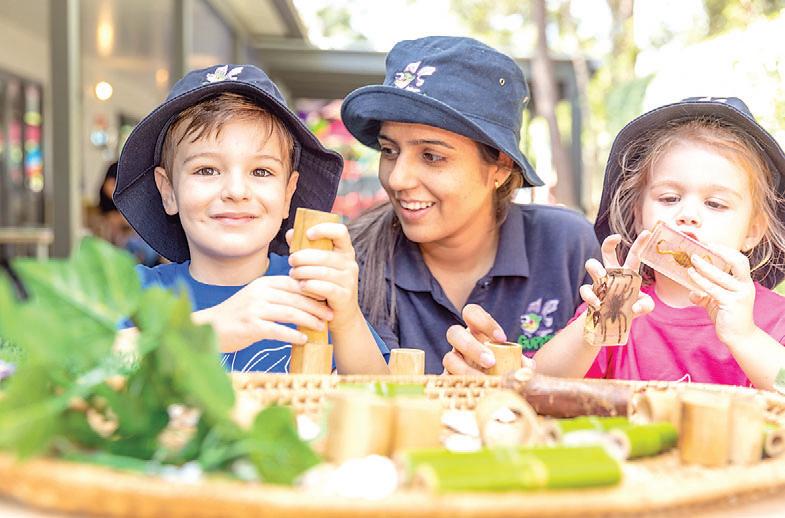







Play-based learning is at the heart of what we do, helping children build confidence and develop fine and gross motor skills through activities such as sensory play, creative exploration, and environmental discovery. Our centre is home to dedicated educators, engaging experiences, and a welcoming environment where children enjoy learning and making new friends.














Brighter futures at Beerwah SHS
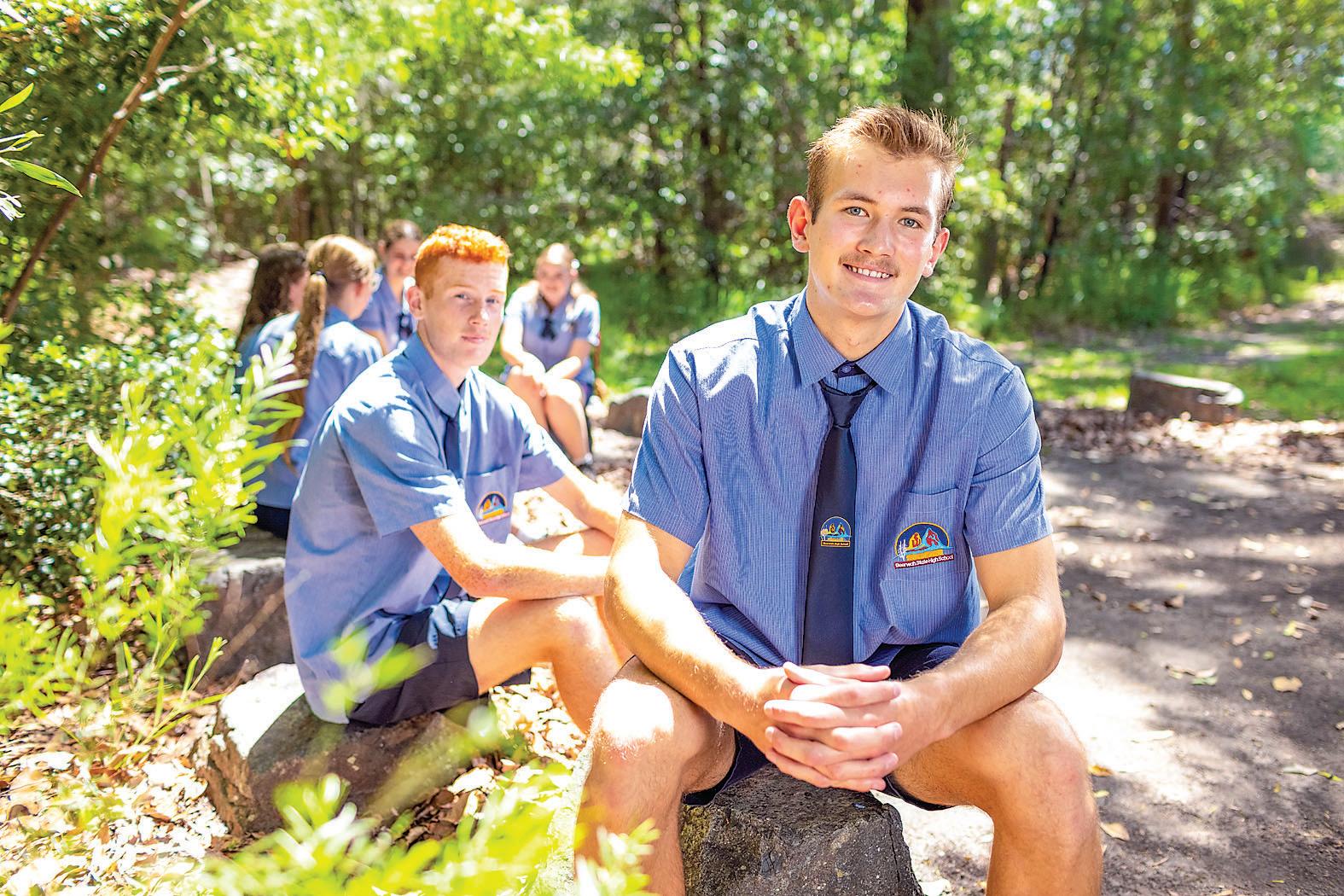
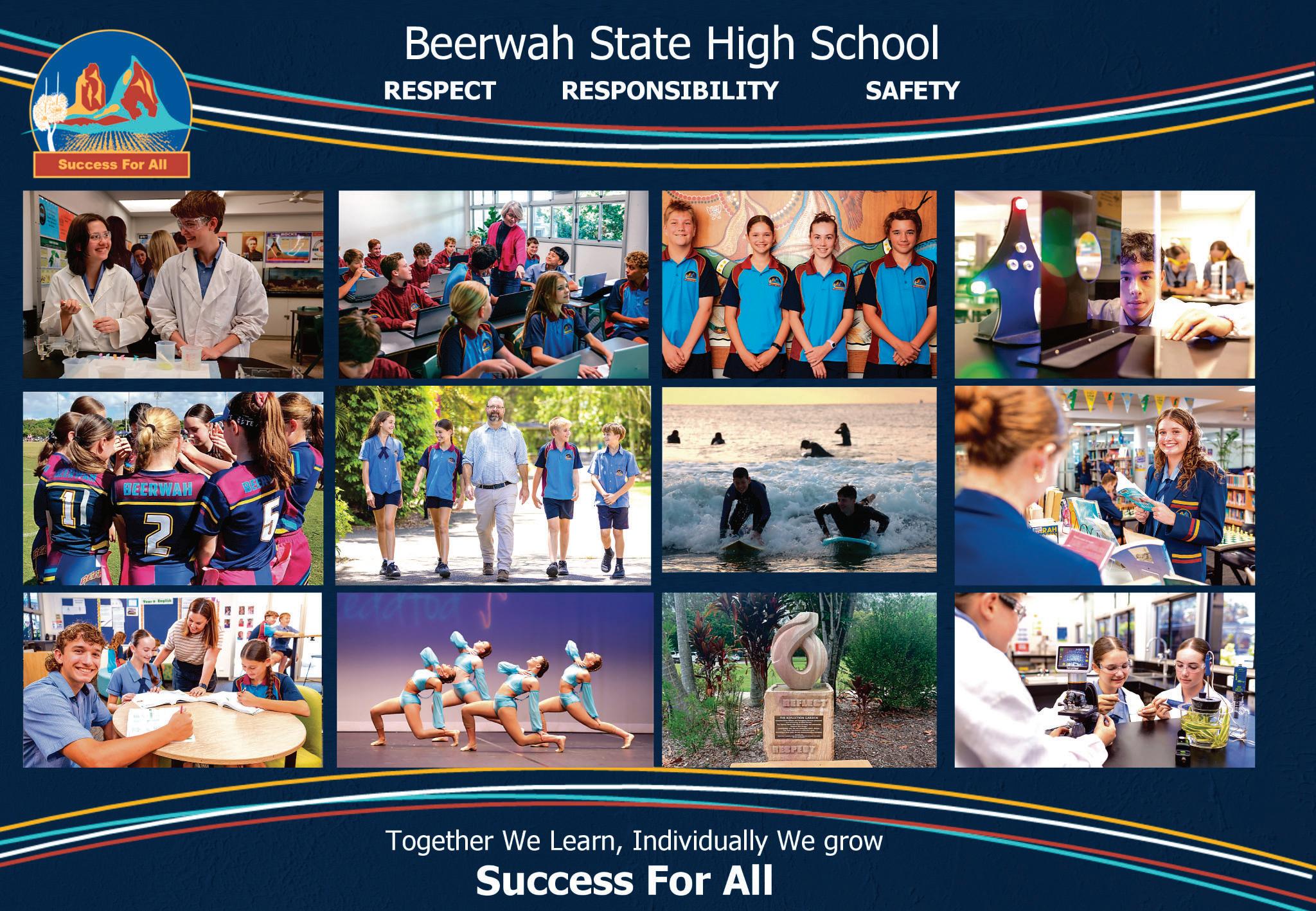
BEERWAH State High School is proudly committed to delivering a highquality, inclusive public education where individually we grow, together we learn, and success is achieved for all. Guided by our 2024–2027 Strategic Plan and aligned with the Queensland Government’s Brighter Futures education strategy, our focus remains fi excellence in teaching and learning, strong student engagement
and a deep sense of belonging for every student. In 2026, Beerwah SHS continues to strengthen curriculum alignment, formative assessment and academic case management to ensure students experience consistent, high-quality learning across all year levels. Teachers work collaboratively to monitor progress, provide timely and targeted feedback, and support students to set meaningful learning goals that build both
Discover a kindergarten where curiosity thrives
CHOOSING the right early care or kindergarten is one of the most important decisions families make.
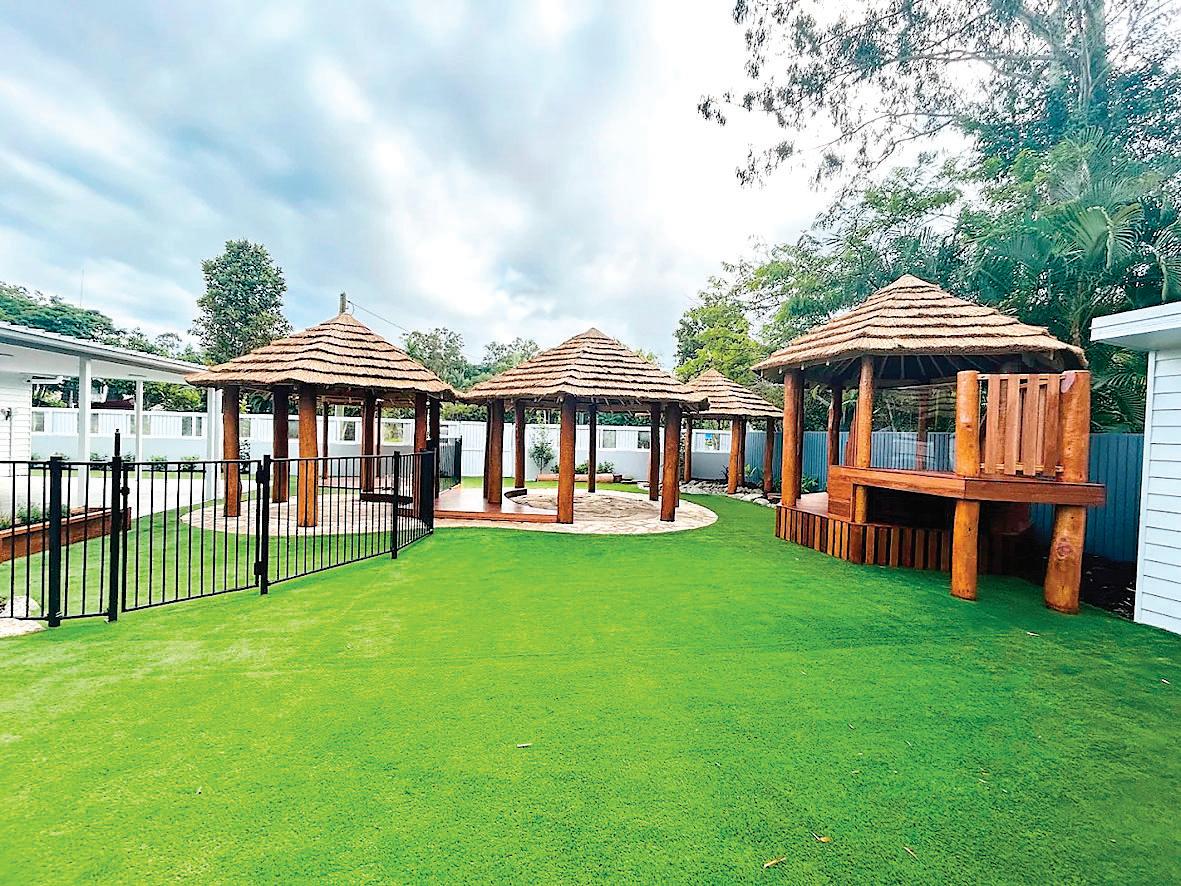
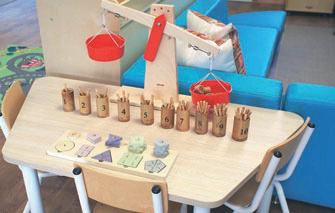
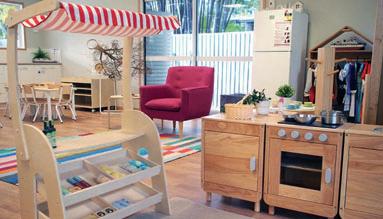
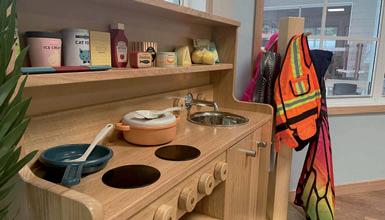
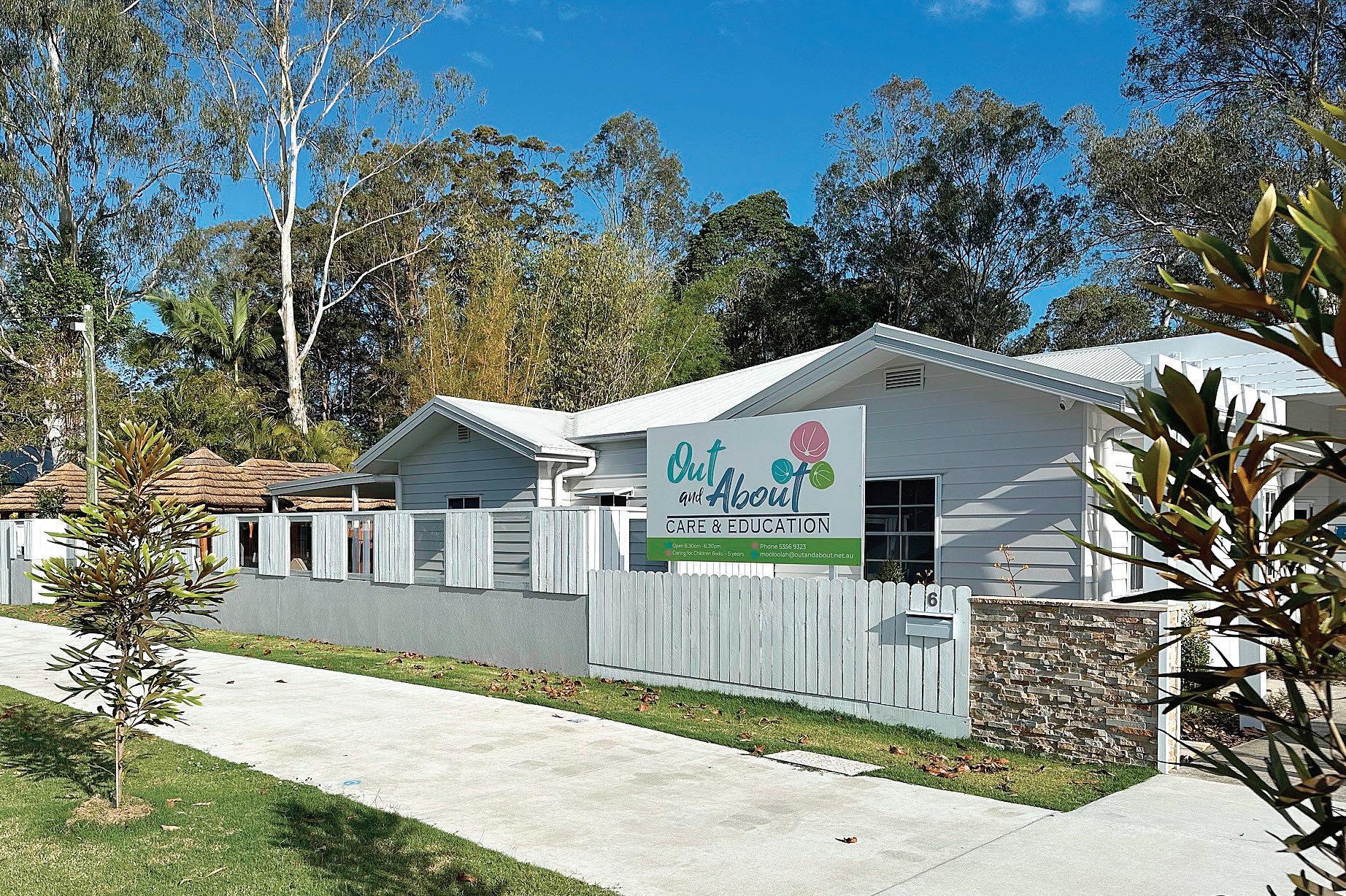
At Out & About Care & Education, our kindergarten program is thoughtfully designed to nurture confident, capable, and curious learners through a balance of play-based learning, exploration, and intentional teaching. What sets our program apart is our team of highly
qualified, passionate educators and a rich learning environment filled with hands-on experiences. Our teachers and educators take the time to truly know each child—their interests, strengths, and needs—creating a safe and supportive space where children feel confident to explore, experiment, and grow. Through meaningful learning experiences, children develop
strong foundations in communication, problemsolving, resilience, and social confidence.
Learning comes alive through a variety of exciting incursions that engage children’s natural curiosity. Council sustainability programs introduce children to caring for the environment through hands-on, age-appropriate experiences. The muchloved Henny Penny Chicken
supported by evidence-based engagement strategies and student leadership opportunities, we foster a safe, supportive environment where students feel valued, confident and empowered to contribute positively to their school community.
Beerwah State High School is proud to be part of the Glasshouse Coalition of Schools. We work in close partnership with families, local organisations and community groups to
self-expression, and confidence—while having lots of fun.
and numeracy, social and emotional development, independence, and a
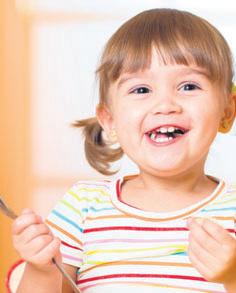
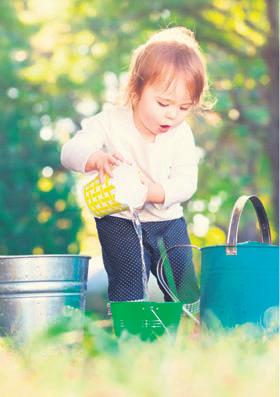
adventure with us at Out & About Care & Education. Phone 5356 9323.




























Triple excitement
BEERWAH State School
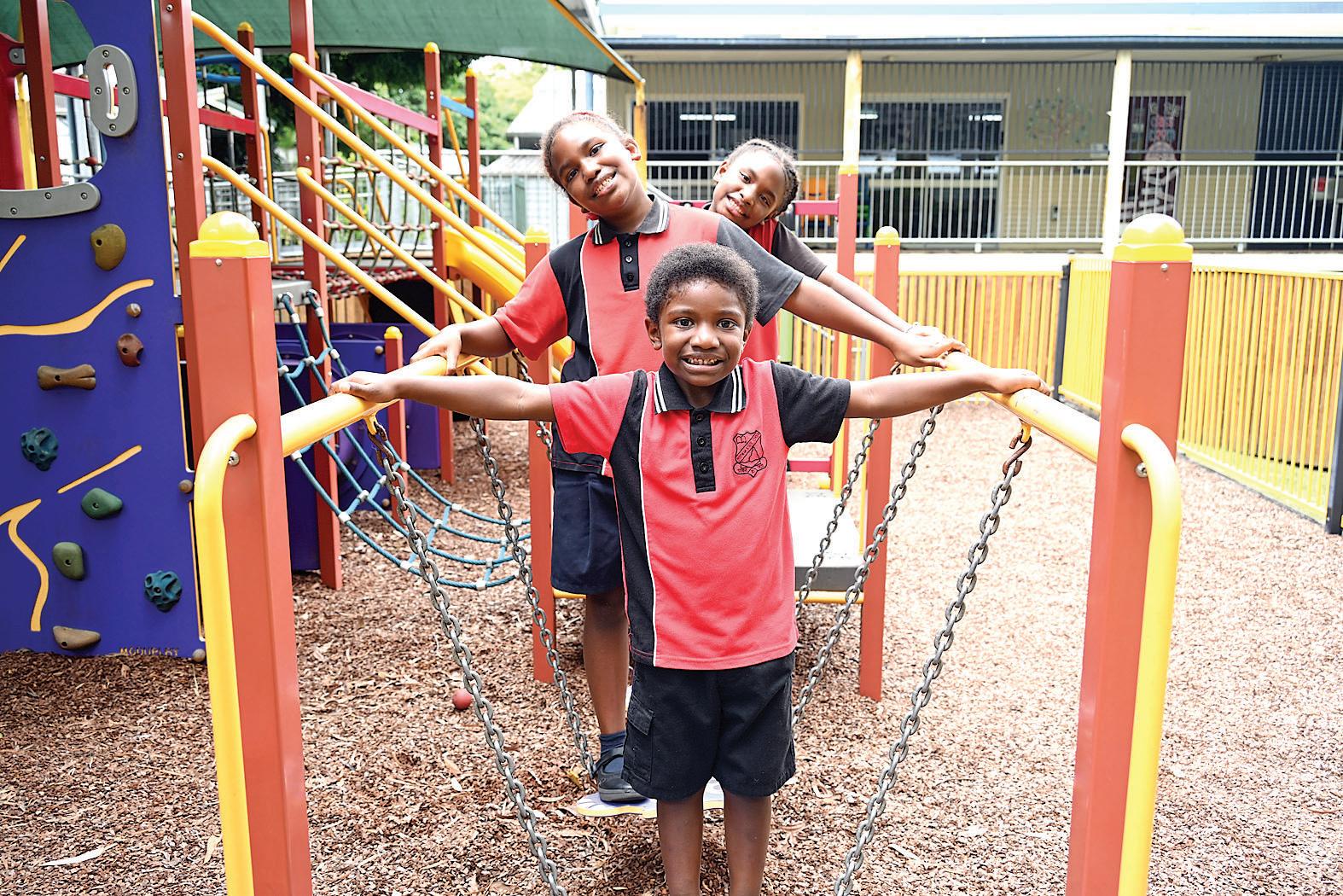
is welcoming the new academic year with triple the excitement, as Grade 5 twins Eva and Ellie Manata stride back into class alongside their little brother Elijah, who is starting Prep.
The close-knit siblings are thrilled to be sharing the campus together.
Eva and Ellie, now about to commence Grade 5, say their favourite subjects are maths and English, and they both love playing with friends at break times.
As some of the older students at the school,
role models for younger children, including Elijah.
Elijah, proudly wearing his new uniform, is full of enthusiasm about his very first day of school.
While he’s still discovering his favourite parts of classroom life, he already has big dreams for the future.
When asked what he wants to be when he grows up, Elijah says he would like to become a doctor.
As the Manata siblings get ready to walk through the school gates together, Beerwah State School is gearing up for a year of
Future ready grads
By Maleny State High
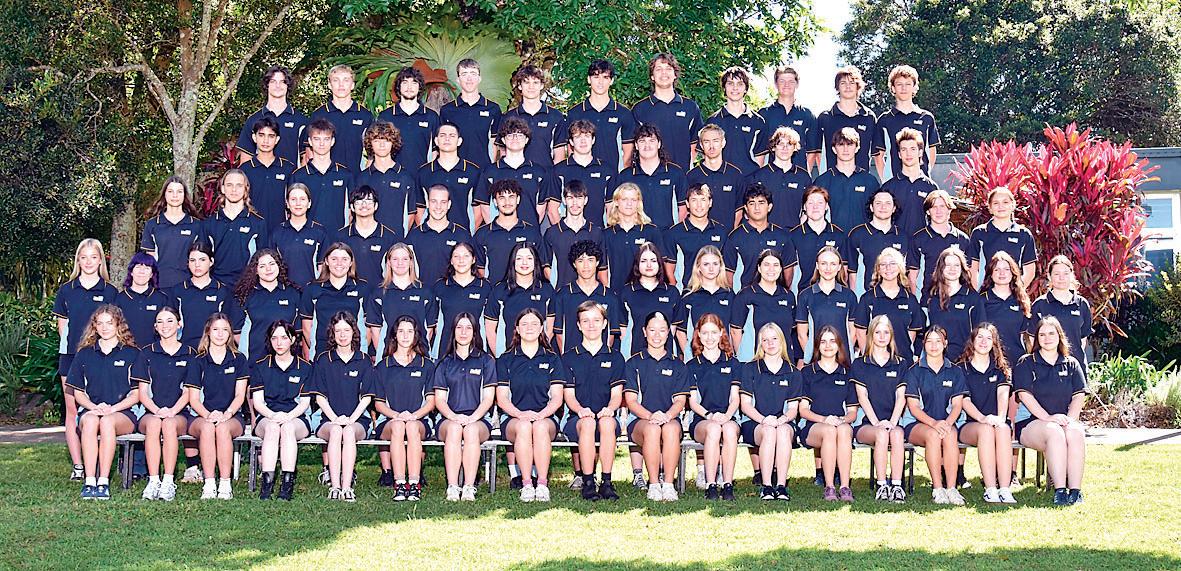
OUR Principal, Ms Deb Stewart, congratulates our 2025 graduates who again excelled academically by achieving 100% QCE
A large percentage cate III or higher in their course ers of early acceptance into various universities, or completed school-based traineeships.
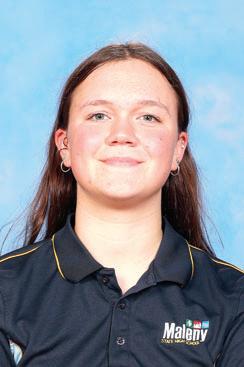
A special mention also to Jik Brinkman, our Dux of 2025 with the highest ATAR
As we look forward to
the new school year, our school warmly welcomes new families to our vibrant, inclusive and high-achieving school community. Choosing the right school is one of the most important decisions families make, and we are proud to offer an environment where every student is known, valued and supported to thrive.
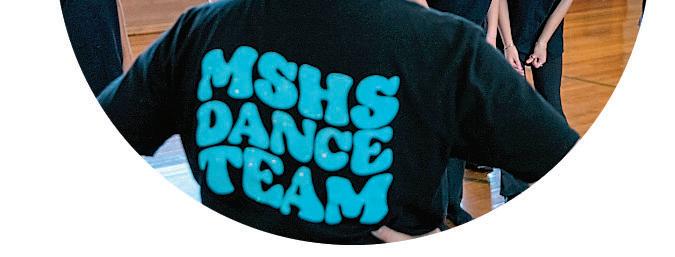
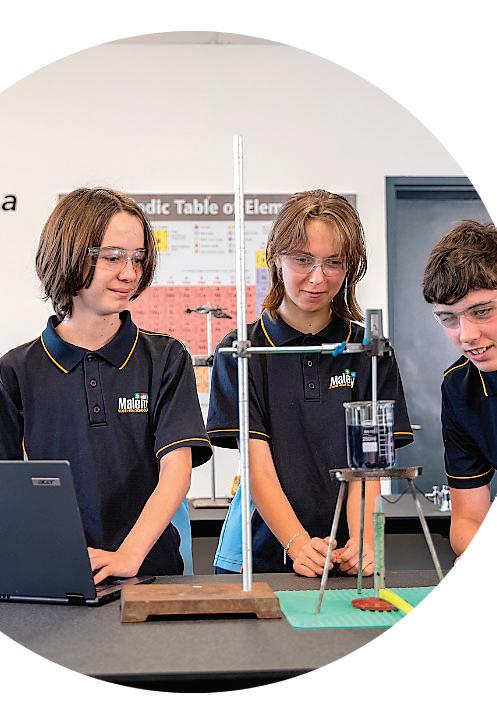
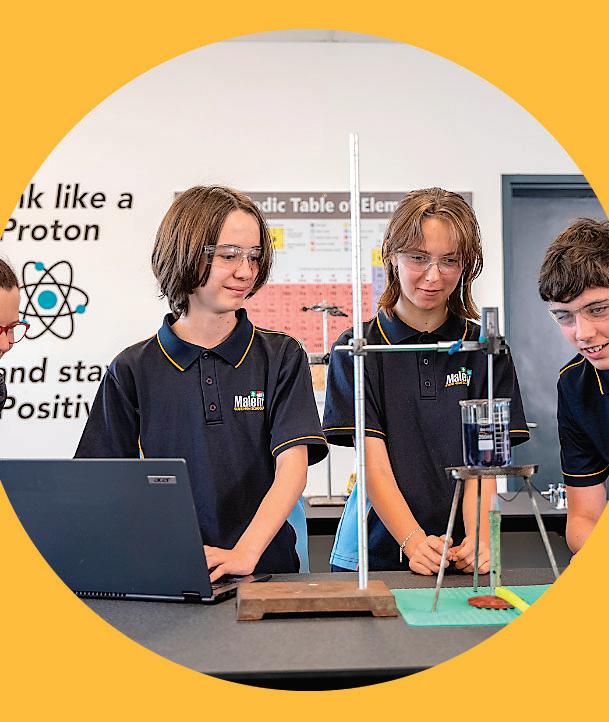
At Maleny SHS, learning goes beyond the classroom. We combine strong
academic programs with rich co-curricular opportunities, ensuring students have every chance to explore their interests, develop confidence, and discover their potential. Whether through our specialist programs, leadership pathways, sports performing arts, Altitude and MEX programs or wellbeing supports, we are committed to nurturing well-rounded, resilient
young people equipped for a rapidly changing future. Our staff are passionate educators who bring expertise, creativity and care to their classes, our students demonstrate pride, kindness and determination, and our families play a vital role as partners in learning. Together, we create a community where success is celebrated, challenges are supported, and every achievement matters.
As we prepare for 2026, we encourage interested families to contact our administration for enrolment information.
2025 year 12 graduates. Inset: Jik Brinkman.
Elijah, Eva and Ellie Manata. Photo: Sonia Isaacs.