
THE GISBORNE ECHO
Voice of the People | September 2025 | Edition 3

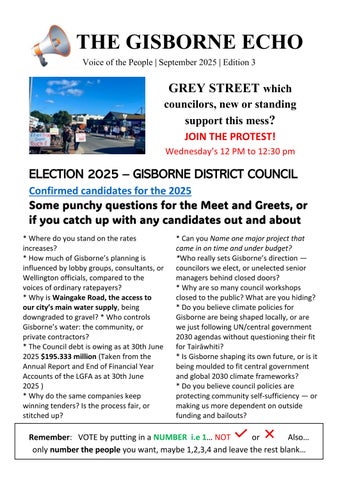
GREY STREET which councilors, new or standing support this mess?
JOIN THE PROTEST!
Wednesday’s 12 PM to 12:30 pm
ELECTION 2025 – GISBORNE DISTRICT COUNCIL
Confirmed
candidates for the 2025
* Where do you stand on the rates increases?
* How much of Gisborne’s planning is influenced by lobby groups, consultants, or Wellington officials, compared to the voices of ordinary ratepayers?
* Why is Waingake Road, the access to our city’s main water supply, being downgraded to gravel? * Who controls Gisborne’s water: the community, or private contractors?
* The Council debt is owing as at 30th June 2025 $195.333 million (Taken from the Annual Report and End of Financial Year Accounts of the LGFA as at 30th June 2025 )
* Why do the same companies keep winning tenders? Is the process fair, or stitched up?
* Can you Name one major project that came in on time and under budget?
*Who really sets Gisborne’s direction councilors we elect, or unelected senior managers behind closed doors?
* Why are so many council workshops closed to the public? What are you hiding?
* Do you believe climate policies for Gisborne are being shaped locally, or are we just following UN/central government 2030 agendas without questioning their fit for Tairāwhiti?
* Is Gisborne shaping its own future, or is it being moulded to fit central government and global 2030 climate frameworks?
* Do you believe council policies are protecting community self-sufficiency or making us more dependent on outside funding and bailouts?
Remember: VOTE by putting in a NUMBER i.e 1… NOT or Also… only number the people you want, maybe 1,2,3,4 and leave the rest blank…
Are We Being Taxed Into Poverty?
There is a growing outcry in Gisborne as rates soar and council debt spirals out of control. Many residents are frustrated that money is being poured into questionable projects while urgent infrastructure and basic services continue to be neglected.
One of the most controversial examples is the Grey Street “Streets for People” trial. Former councillor Tony Robinson initially questioned the project but later called it “a great idea,” urging residents to “soldier on” with it despite opposition. Yet, locals have described the changes as a “diabolical mess,” “less safe,” and even a “fiasco.” Protesters have pointed to hazards created by the new layout such as illegal U-turns and
narrowed lanes—while calling on the council to instead “fix our potholes.”
Across the district, council spending appears out of control. In playgrounds, perfectly sound equipment has been ripped out and replaced, sometimes with wooden structures that may deteriorate into safety hazards over time.
Nationwide, calls have been growing to cap council rates. Surely the same logic should apply to ballooning council debt?
The Taxpayers’ Union is campaigning across the country for accountability through its Ratepayer Protection Pledge, which it describes as “drawing a line in the sand between those mayoral and council
candidates committed to standing with ratepayers and those who are not.”
The pledge asks every candidate to commit to:
*Opposing any measures that push rates, levies, and council charges beyond inflation and population growth.
*Supporting real transparency by publicly disclosing all council expenditure (*“armchair audit” and “open data”).
*Opposing unelected appointments to council committees with spending and regulatory powers.
With local elections happening now, the question remains: Have Gisborne residents had enough—and will they demand real change?
Remember – if you don’t VOTE YOU CAN’T COMPLAIN!!
The Fluoride Question: Why Is It Still
in Our Water?
Fluoride is an extremely toxic substance, yet for decades it has been promoted as “good for teeth.” The evidence supporting this claim is weak, while evidence of harm is extensive and growing.
Fluoride has long been linked to dental fluorosis, brittle bones, thyroid issues and other health problems. More recently, studies have connected fluoride exposure to reduced IQ and behavioural issues in children. In September 2024, a U.S. federal court ruled that water fluoridation at current levels poses an “unreasonable risk” of lowering children’s intelligence. Health agencies have always known fluoride should not be swallowed. Fluoride toothpaste in New Zealand carries warnings advising against use by young children, and in the United States since 1997, all toothpaste tubes have been required to carry the label: “Keep out of reach of children under 6 years of age. If more than used for brushing is accidentally swallowed, get medical help or contact a Poison Control Centre right away.”
Only about 4% of the world’s population receives fluoridated water, with numbers steadily declining. The United States accounts for more than half of that total, yet even there, entire states such as Utah and most recently Florida, have rejected the practice.
In New Zealand, one of the most qualified voices on the issue was the late Dr John Colquhoun. A dental surgeon and Auckland’s former Principal Dental Officer, Dr Colquhoun began as a strong supporter of fluoridation and even promoted it as a city councillor. However, after extensive international research, he reversed his position and in 1997 published Why I Changed My Mind About Water Fluoridation. He later expressed regret at having once promoted it.
Fluoride Free NZ continues to highlight research and historical evidence challenging the safety of fluoridation. Their website, https://fluoridefree.org.nz/ contains a wealth of resources including Dr Colquhoun’s influential work.
The question remains: in light of mounting scientific and legal evidence, why do New Zealand officials still insist on adding fluoride to our drinking water?
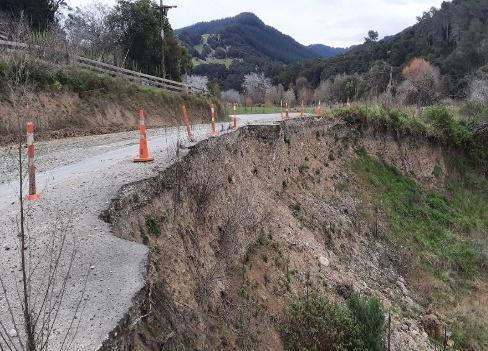
Would you drive on this!!??
12.20 kms up Waimata Valley Road.
Did you know?
• The region of Te
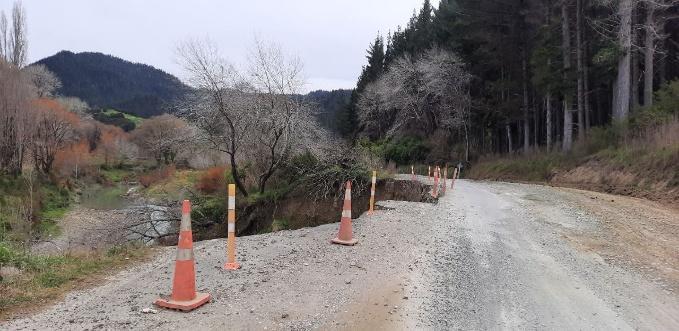
Cyclone Gabrielle devastated parts of the North Island in February 2023 , including Gisborne. This event caused some of the road damage you see in these photos. Continued lack of addressing this serious slip has just exacerbated the problem. It's been over 2 years and no sign of any work …. And does not seem to be listed on the Road to recovery
Tairāwhiti covers about 8,351 square kilometres, which is around 3% of New Zealand’s land area.
• Gisborne District Council estimates $1.1 billion in damage from Cyclone Gabrielle and other events including $725 million for roads and $150 million just for woody debris cleanup.
• GDC Road / Recovery Works (“Road to Recovery”) Gisborne District Council Phase 4 (343 sites) began in Oct2024; as of July 2025, 246 of those are done. Work includes roads, slips & dropouts repairs.
• The Council’s forecasts in its Annual Plan 2025–26 indicate that forecast debt will increase from NZD 220 million to NZD 227 million under recovery plans. NZ Herald
• For 2025/26, rates increases will be about 9.95%. Gisborne District Council
• The Gisborne District Council 2025/26 Annual Report states there are 22464 rateable units (and 1462 non rateable) Gisborne District Council
• The walking & cycling network is set to grow: one of the major projects is extending the shared path along the Taruheru River from Mitre10 to the Botanical Gardens. The Council budget is around $3.3 million for this, with an application for approx. $750 000 from NZTA
• Gisborne council held 55 workshops without telling the public?? Where is the transparency??
• Some councillors have attended less than 70% of meetings/workshops leading to suggestions for rule changes (standing orders) regarding attendance expectations and accountability. Scoop+1 – SO VOTE WISELY – we need REPRESENTATIVES that work for the community – not just clipping the ticket… and doing NOTHING!