
















My name My Leaders and helpers
My Unit
The date I joined Guides
My Patrol
Girl Guides Australia Suite 201 (level 2) 55 Holt Street
Surry Hills NSW 2010 girlguides.org.au
Copyright © Girl Guides Australia 2026
This work is copyright. Apart from any use as permitted under the Copyright Act 1968, no part of this publication may be reproduced, stored in a retrieval system, or transmitted in any form or by any means without written permission by the copyright holder.
First published in Australia in 2025
Remember: Girl Guides always wants you to be safe. If you are doing any activities for these badges or challenges outside of a supervised Girl Guide activity, you MUST have permission from your parent or guardian. Parents and guardians can obtain more information at https:// www.guidelinesforgirlguides.org.au/ wp-content/uploads/2021/09/GuidanceNote-Supervision-of-Youth-Members-forParents-Guardians.pdf
This resource contains most of the challenges and badges that you may like to work on as a Girl Guide. The badges are designed for you to challenge yourself to improve your knowledge and skills in many different areas.
Explore a Challenge badges have set activity ideas to guide you. There are 11 challenge areas for you to investigate such as Outdoors, World and Friendship.
Each area will provide you with a set of challenges to choose from. These badges are a great way for you to start earning badges as challenge ideas have been provided to help you.
Create a Challenge badges are flexible and allow you to design challenges to suit your own needs and interests. Use the Australian Guide Program Process to create your own challenge badges.
Discover a challenge badges have set activities according to age/ability. These relate to the Elements of the Australian Guide Program and are also set out in Handbooks 1-5. These are also set to challenge you in your Guiding journey and are more based on age and/ or ability.
Achieve a Challenge badges are competency-based badges designed to recognise the skills and abilities of individual Girl Guides. There are 13 different Achieve a Challenge areas and three levels of ability within each. The three levels are known as Trefoil 1, 2 and 3, the latter only being available to Guides 13+ years, with some only available once a Girl Guide is 14 years.
Girl Guides always wants you to be safe. If you are doing any activities for these badges or challenges outside of a supervised Girl Guide activity, you MUST have permission from your parent or guardian. Parents/guardians can obtain more information at https://www. guidelinesforgirlguides.org.au/wp-content/ uploads/2021/09/Guidance-Note-Supervisionof-Youth-Members-for-Parents-Guardians.pdf
Service is one of the seven fundamental areas of the Australian Guide Program. Giving Service means that you do something useful to help others. The Service that you give could be to your family, school, Girl Guides or the community. Three Service Flash badges have been designed for you to earn at different ages and require different levels of service.
During your time as a Girl Guide, you may participate in many Girl Guide events and Service activities. The Guide Action badge is recognition for those girls who are active in Guiding and contribute in many ways. To earn the Guide Action badge you must complete the syllabus within one calendar year. There is a different colour badge to earn each year—these will rotate on a fouryear cycle.
Girl Guides have always been passionate about Australian history, and this badge concentrates on the themes around ANZAC Day and Remembrance Day.
To earn this, you must complete the syllabus within one calendar year. There is a different colour badge to earn each year—these will rotate on a four-year cycle.
Another area Girl Guides are passionate about is the environment. Each year there is opportunity to support Clean Up Australia in your local area and community.
Look to register your Patrol or Unit, undertake the clean up and report back to earn this badge.
The Australian Guide Program is a nonformal education program of relevant, exciting, accessible and learner-led opportunities.
The real focus is on the process. It is not what you do, but how you do it that really matters.
There are lots of opportunities for you to plan your own activities and challenges. With your Patrol and your Unit Leaders you can brainstorm all sorts of amazing ideas and activities, help with the planning, have great fun and then try another idea.
Everything that Girl Guides do is related to the four elements of the Australian Guide Program, and activities are based on the seven fundamentals.
The elements form a tree within the symbol:
Growing fit, healthy and strong.
PEOPLE
Developing friendships, sharing, caring and understanding others.
Learning skills that will help you through life.
Being a Girl Guide is about gaining personal growth through challenging yourself as an individual.
Everything that Girl Guides do is related to the four elements of the Australian Guide Program and activities are based on the fundamentals. The fundamentals are the words written underneath the symbol.
A Girl Guide:
• tries to keep the PROMISE AND LAW
• explores the OUTDOORS and respects the environment
• gives SERVICE to others
• is part of GUIDING around the WORLD
• builds on GUIDING TRADITIONS
• develops LEADERSHIP SKILLS
• participates as a member of a PATROL.
For Girl Guides, a challenge is a goal or aim that you set for yourself and carry out to the best of your ability. A challenge can be one big project or it may be 3 or 4 smaller activities. A challenge is very individual and may be different for everyone.
Sometimes you may not reach the outcome you were aiming for, but you will still know that you did your personal best. Reflect on your completed challenges and share your thoughts with your Patrol or Unit. It is important that you have done your best, challenged your thinking and extended your ability. Ensure you share what adjustments you may have made for yourself along your journey, as this is your journey and your pathway to learning.
A challenge can be:
• finding out more about something you have not done before
When Sir Robert Baden-Powell, the Founder of Girl Guides and Boy Scouts, talked about looking wide, he wasn’t suggesting that we should look through telescopes or binoculars to see better. He was telling us that we should always look for new ideas and different ways of doing things and keep our minds open to adventure and challenge.
• discovering a better way to do something you have done before
• having a go at doing something you dislike or find difficult
• trying to improve or add to the skills you have
• doing your personal best
• your journey – no one else’s.
Badges, certificates and Awards are just a few of the many ways that you can choose to challenge yourself in Girl
You might select these challenges to do in your own time or as an extra part of an activity. Remember, badges are only a small part of being a Girl Guide and there are a lot more opportunities to have fun and enjoy!
What is even more important than getting the badge or certificate is knowing within yourself that you have tried your best and learned something new. All challenges can be used as stepping-stones to the Awards – see the Awards book
Look at all the challenges that you could try.
Choose which one you would like to try first.
Work out what you will need to do, whom you could use for help, where you might find further information and how you will present your challenge to others.
Undertake your challenge, have fun and do your best.
Reflect on how you went and whether this was a challenge to you. Did you learn something new? Share your challenge with others. Consider the responses and decide whether you may need to work on something a little more to make sure that it is a real challenge to you.
You can earn as many badges as you like and you can also earn the same badge more than once as you get older and your skills develop, by completing new or more difficult challenges.
Remember to challenge yourself and do your best to reach your fullest potential.
Consider these personal outcomes as you challenge yourself:
• Be confident
• Respect and feel part of nature
• Form meaningful connections with all
• Have integrity and make choices based on your values
• Feel connected with something bigger than yourself
• Care about the world and know how you can make a difference
• Be curious and creative
• Be prepared to adapt to change.
• The AGP process as indicated earlier
• The Girl Guide and Girl Scout Method:
◊ Learning in small groups
◊ Learning by doing
◊ Connecting with my world
◊ Connecting with others
◊ My path my pace.
To support you in your lifelong journey through Guiding, we need brave, youth-driven and girl-centred spaces for you to succeed!
And while you learn, check if your experiences are:
• Relevant
• Exciting
• Accessible
• Learner-led.
Junior BP, BP and the Queen’s Guide Awards – all available in the Awards Book.
Create, Achieve, Explore and Discover a Challenge badges are available in the Badge Book and Handbooks 1-5.
These opportunities allow positive recognition, give lots of flexibility and allow you to follow your own journey while offering you your own choice.
Before you begin a challenge, you need to discuss your ideas with your Unit Leader and the Girl Guides in your Patrol or Unit. You need to tell them about the challenges that you have set for yourself and how you plan to do the badge.
When you have completed your challenges, you will need to reflect if you have done your best and challenged yourself. This is called Self Assessment. You will then share with your Patrol or Unit how you went with your challenge. This is called Peer Assessment and your Unit Leaders will help you with this.
You could talk to them about:
• The best part of the challenge
• What you learnt from doing the challenge
• How you planned to achieve your challenge
• The most difficult part of the challenge or anything that you would do differently next time
• You will also need to decide if this was really a challenge for you or if you should work on something a little more.
The Girl Guides and Unit Leaders in your Unit may then ask you questions about your challenge. They may ask you questions such as:
• Was the activity a real challenge for you?
• Was it fun and enjoyable?
• Did you do your best?
• Did you achieve what you set out to do?
If you and the Girl Guides are happy that the activity was a challenge for you and that you did your best to achieve it, then they will recommend that you receive your badge. Please note - you may need a qualified assessor/ person to assist with the Achieve a Challenge badges, as they are competency-based.
There are 11 challenge areas for you to investigate alone or with your Unit or Patrol:
• Advocacy
• Arts
• Be Prepared
• Faith Awareness
• Friendship
• Guiding
• Health and Fitness
• Life Skills
• Outdoors
• Science and Technology
• World
Each area has a list of set challenges for you to choose from. You get to choose four different activities from the list – one of which you may make up yourself. Use the AGP Process to discover, decide, plan, do and evaluate these challenges by yourself or with your Unit/Patrol. If you have chosen to do the challenges with others you might all then plan a group reward that relates to the challenge. For example, a Patrol could complete the Science and Technology challenge and, as a reward, plan an outing to a planetarium.
No matter where or how you work on your Challenges, flexibility is the key. You may attend a Unit that meets face to face or you may attend online. You may even experience Guiding in a different way!
The Girl Recognition System is available to all Guides of all ages and abilities. Sometimes it will be necessary to adapt or adjust activities to suit your needs. Make sure you speak to your peers and Unit Leaders so you can challenge yourself to the best of your ability.
This is your journey to a lifelong pathway of learning!
{ Invite a woman from an advocacy organisation/group to speak with your Patrol/Unit on local social or environmental issues
• community group, international organisation, development worker, educator
{ Find out what life is like for a girl in a different part of the world to you and plan and carry out an activity with your Patrol or Unit
• websites, game, pen pal, connections
{ Find out about International Day of the Girl or International Women’s Day and share what you have learned in an interesting way with your Patrol or Unit
• culture, education, food, family, housing, health, future, history
{ Research what projects Girl Guides or Girl Scouts from another country are doing to help assist those in need
• Mutual Aid, natural disasters, women’s health, environment, life skills, government
{ Organise an activity to help your Unit practise speaking out
• debate, rally or march, art show, fete, display, online, virtual
Date Started
{ Share the story of an inspirational woman or group who has helped change the world
• song, game, dance, craft, play, online presentation
{ Explore the WAGGGS definition of advocacy and present in an interesting way to your Patrol or Unit
• websites, poster, song, game, skit, discussion
{ Find out about organisations that help people to overcome adversity and what assistance they offer
• projects, sponsorship, donations, campaigns, medical
{ Explore distinct types of decisionmakers and invite one to speak to your Unit about how they make important decisions with their community in mind
• access, invite guest, campaigns, awareness
{ Explore some local issues and come up with some simple actions you can do to help make your world a better place. Take action on one of these ideas
• Learn, project, speak out, talk to someone
{ Create your own challenge to widen your understanding of advocacy
• My own challenge will be to…
Date Completed
{ Promote Girl Guides in a fun or interesting way
• media, advertisement, play, poster, interview, skit
{ Listen to different musical styles and music from other cultures. Share your favourites
• online, compilation, presentation
{ With a group of Girl Guides, help create a skit or play and perform it for others
• puppet show, music, mime, concert, fairy tale, talent show
{ Try a new craft and share your skills with your Patrol
• woodwork, plaster, plastic, wool, glass, wire, needlework, fibre, textiles
{ Be a storyteller and tell a story to others in an interesting way
• library, write, imagination, culture, record, vlog
Date Started
{ Design some artwork, try new techniques to you and share with others
• celebrations, painting, cultural, structures, build
{ Learn some Girl Guiding songs or create novel words to a familiar tune
• campfire, song book, choir
{ Take part in a concert, musical or dance show and share with your Unit
• activity, music, talent, practice
{ Try some drama or trust games with your Unit
• games, activity, plan, guest, instructions
{ Plan your own challenge to widen your understanding of the arts
• My own challenge will be to…
Date Completed
Choose four challenges and mark the circle as you finish each one.
{ Make a simple useful emergency kit for home or Girl Guides
• first aid, emergency contacts, survival information, money, communication
{ Extend your knowledge of first aid and practise on others
• first aid course, virtual, teacher or trainer, books, visitor
{ Create an emergency and evacuation plan for your home or Girl Guide meeting place
• fire brigade, police, state, and local emergency services
{ Know how light a match, a candle and a cooking source
• matches, gas, candle, water, outdoor cooking, fire danger periods
{ Find out the safety requirements in your Girl Guide meeting place
• fire drill, safe use of power, household appliances, first aid kit, smoke detectors
{ Explore and share your bush survival skills with your Patrol or Unit
• compass, sun, food supplies, shelter, water collection, first aid
{ Make up a game for your Unit to play, encouraging quick thinking in an emergency
• wide game, game show, commando course, time trial, online
{ Check out and share your knowledge of the Emergency Services in your local area
• police, fire brigade, ambulance, emergency response
{ Find out and talk with your Patrol about personal safety programs
• Neighbourhood Watch, selfdefence, virtual
{ Create your own challenge to widen your understanding of being prepared
• My own challenge will be to…
Date Started Date Completed
{ Find out what it means to have a spiritual belief and share your thoughts with a friend
• activity, presentation, discussion
{ Share a creation story from a different culture with others
• read it aloud, storytelling, play, art, online, virtual
{ Visit a place of worship different from your own and share your experiences with your Patrol
• church, temple, mosque, shrine, chapel, quiet space, meeting place
{ Take part in or plan a Guides’ Own at an event
• songs, poems, short stories, readings, drama, music
{ Explore and show your understanding of the Girl Guide Promise and Guide Law
• discussion, interview, skit, play, wide game, game, debate

{ Show ways you are thankful for the things and people in your life
• pictorial, photographic, good deed
{ Learn about other people’s beliefs in your local area and discuss what is similar with someone
• discuss, draw, design, present
{ Plan or take part in a meaningful community service activity in your local area
• crèche, food van, Op shops, community kitchen
{ Invite someone from another country to visit your Unit and learn something about their beliefs, culture, and lifestyle
• invite, guest, activity, game
{ Plan your own challenge to develop your beliefs further
• My own challenge will be to…
Date Started Date Completed
{ Invite a friend to share in a Guiding experience with you
• ‘Bring a Friend’, camp, cooking, outdoor activity
{ Do a good turn for someone special without them knowing
• parent, Girl Guide Leader, friend, relative, teacher
{ Help to run a fun activity with your Patrol
• party, picnic, theme night, outing
{ Create a gift for a special friend and share with them
• friendship bracelet, picture, online design, photograph
{ Make and communicate with a new Girl Guide friend
• internet, state Girl Guide event, pen pal
{ Entertain a group of friends in a fun way
• concert, puppet show, campfire skit, musical, game
{ Help to plan and run an event for your family
• surprise party, outing, holiday, reunion
{ Spend quality time with someone you haven’t seen for a long time and share what you did with your Patrol
• online, virtually, visit, holiday
{ Try a new hobby, relax, go on an outing or pamper yourself
• swimming, massage, visit the park, walk
{ Create your own challenge to widen your understanding of friendship
• My own challenge will be to…
Date Started Date Completed
Choose four challenges and mark the circle as you finish each one.
{ Explore and share an aspect of Girl Guiding history with others
• play, game, timeline, poem, story, display, puppet show
{ Plan or take part in a Girl Guiding event with your Patrol or Unit
• World Thinking Day, ANZAC Day activity, District activity, local camp
{ Find out about the WAGGGS World Centres and reflect on what you learn
• Unit activity, game, poster, online
{ Share an interesting aspect of the life of Lord or Lady Baden-Powell
• puppet show, role play, interview, write a story, presentation
{ Create and run an activity from one of the World Regions for your Unit
• game, wide game, cooking, craft, WAGGGS website
{ Find out about WAGGGS and present your findings in an interesting way
• World Conference, Region, resource packs
{ Learn and share a Girl Guiding skill that is new to you and involve your Patrol
• compass, tracking, outdoor cooking, campfires, colour party, tie knots
{ Explore how Guides work in your local area, Region and State and share what you have discovered
• discussion, poster, interview, create a game
{ As a Patrol or Unit, communicate with a Girl Guide Unit from another Region or State
• Unit email, social media, letter, postcard
{ Plan your own challenge to widen your understanding of Girl Guiding in Australia
• My own challenge will be to…
Date Started Date Completed
Choose four challenges and mark the circle as you finish each one.
{ With your Patrol, plan or take part in a fitness activity
• obstacle course, fitness instructor, exercise diary, gym
{ Try a new sport or activity and share what you have discovered with your Patrol or Unit
• equipment, rules, competitions
{ Discover how to prevent and treat basic sports injuries
• first aid course, sports coach, teachers
{ Find out and share the importance of personal hygiene and staying healthy. Plan and carry out a relevant activity with your Patrol.
• hair, body, nutrition, pandemic
{ Find out about the importance of healthy eating and lifestyles
• family, Unit camp, cook, display, poster
{ Challenge yourself to try something new and share what you learnt with your Patrol
• obstacle course, high/low ropes, public speaking, climbing
{ Make a collection of games and introduce a new active game to your Unit
• fun, educational, fitness, obstacle, skills
{ Find out and share the health services and support agencies available in your local area
• poster, presentation, discussion, promotion
{ Plan your own challenge to widen your understanding of health and fitness.
• My own challenge will be to…
Choose four challenges and mark the circle as you finish each one.
{ Understand and show how to operate basic household appliances in your home
• kitchen, laundry, study, garden
{ Learn to use a new tool safely and make something useful. Ensure appropriate protective clothing is worn
• gardening, software, engraver, hammer, screwdriver, mechanical tools
{ Maintain a mode of transport and discuss the necessary safety requirements
• play, game, online, play, presentation
{ Explore some career options that interest you and share with your Patrol or Unit
• guest speaker, work experience, careers expo, further education
Date Started
{ Understand what your carbon footprint is and work on a plan to reduce it
• research, websites, STEM, activity
{ Design and share something useful in a new way to you
• clothing, machinery, tools, software
{ Grow some vegetables and use them to prepare a meal
• BBQ, vegan, herbs, salad, flavours
{ Investigate personal finances and show what you have discovered
• budget, saving, money, personal finance
{ Check out the contents of your wardrobe and see what you can do to improve it
• recycle, shops, catalogues, sew, mend, swap
{ Plan your own challenge to widen your understanding of your life skills
• My own challenge will be to…
Date Completed
Choose four challenges and mark the circle as you finish each one.
{ Enjoy an activity on, in or near water with family or with your Unit and discuss the risks involved
• kayak, canoe, sail, swim, beach games, row, lifesaving
{ Take part in a camp with your Patrol, Unit or school
• indoor, outdoor, menu, kit lists, fun activities, overnight hike, wide game
{ Share something you have cooked using an alternative method of outdoor cooking
• heat bead oven, open fire, buddy burner, camp oven, solar cooking
{ Use rope and/or wood in an adventure-based activity or make a useful camp gadget
• tripod, shoe rack, ladder, clothesline, table, bridge, obstacle course
{ Plan or take part in an activity on land, and discuss the risks involved
• discussions, activity, plan, process, safety
Date Started
{ Share a new experience with your Unit on an original activity on wheels and discuss the risks involved
• wheelchair, e-bike, skateboard, roller blades, Segway, scooter
{ Understand how to look after the land or country where you live. Consider traditional and modern ways to protect the land
• machinery, planting, cropping, animal welfare
{ Invite an expert from your community to discuss outdoor skills
• police force, fire service, park ranger, sport and recreation
{ Plan or take part in an activity to help your local environment
• Clean up Australia, tree planting, citizen science projects
{ Plan your own challenge to widen your understanding of the outdoors
• My own challenge will be to…
Date Completed
Choose four challenges and mark the circle as you finish each one.
{ Improve your digital skills and report to your Patrol on the importance of staying safe while online
• internet, newsletter, devices, apps, coding
{ Check out different communication methods available to you. Safely connect with friends
• braille, sign languages, UHF radios, semaphore, e-mail, letter, phone
{ Design and build something powered by air, electricity or water. Share with your Unit or Patrol
• batteries, windmill, water rocket, drone, plane, simple circuit
{ Promote Girl Guiding in your community using digital equipment
• camera, video, website, social media
{ Explore the sky and find the Southern Cross. Research and share navigation practices of First Nations people and modern techniques used
• stars, constellations, planetarium, telescope, space travel
Date Started
{ Investigate and record weather patterns in your local area, consider your local envoronment
• weather map or chart, rain gauge, thermometer, cloud formations
{ Do a rubbish audit at home or at Girl Guides and carry out a plan to reduce your waste
• plan, research, count, options
{ Research, compare and share alternative energy sources
• internet, visit, research, STEM
{ Reuse materials to construct a useful item
• household item, clothing, furniture
{ Explore and share different careers in STEM and share what you are interested in
• explore, activities, project, interest, visit
{ Create your own challenge to widen your understanding of science and technology
• My own challenge will be to…
Date Completed
{ Create a map of your local area and test it out with your Patrol
• sketch map, model, papier mâché, electronic, GPS
{ Find out about an endangered animal, bird, plant or insect and share what you have learnt
• poster, video, news report, social media, collage, discussion
{ Take part in a discussion about peace and what that might mean to you and others. Consider the history of Australia while you research
• discuss, origami, peace, world, Australia, conflicts
{ Participate in a community activity with your Patrol or Unit
• community, international, neighbourhood, elderly
{ Find out about the lifestyle of another country in the Asia Pacific Region. Share your knowledge with others
• food, festival, tradition, dance, game, music, craft
Date Started
{ Find out what it might be like to be a refugee new to a country. Consider and share what they may need, what they may have been through and need to learn
• discuss, learn something of their language, share stories of their life and childhood
{ Explore at least two cultures that are new to you and try some different activities or celebrations
• games, dance, culture, food
{ Plan an adventure to another part of the world or Australia and share with your Patrol
• leaflets, travel agency materials, poster, itinerary, costs
{ Check out the WAGGGS World Centres and share what you learn with your Patrol
• posters, maps, model, photos, someone who has been there
{ Create your own challenge to widen your understanding of the world
• my own challenge will be to
Date Completed
This is the chance for you to write your own challenges in an area of interest or where you would like to find out more.
There are over 30 different options in this area, which will cover almost any challenge that you can imagine. There is also a blank badge for you to make up your very own badge which no one else has even thought of!
Use the Australian Guide Program process to create your own challenge.
• DISCOVER: The illustration at the top of the page is the badge design. You can use it as a starting point for ideas. You can then use the 'ideas to consider' to find more ideas or explore some other ideas that you may think of.
• DECIDE: Use the action words to help you choose your challenge. You could decide to do one very big challenge or several small challenges.
• PLAN: Use the space in the middle of the page to write your ideas down. Discuss your challenge/s with someone else - your Leader, Patrol Leader or perhaps a parent. Write their name in as a person who will support you. Write the date that you started, to remind you to keep going.
• DO: Do your best and enjoy working through your challenge/s.
• EVALUATE: Share your challenge/s with others and check out whether this was a challenge to you.
These challenges can be undertaken whatever your age. You will be able to achieve the same badge again, but remember you could choose something else to reward personal achievement. What other recognition could you receive? There is room at the back of the book to record these challenges.
Of course, you could also create a challenge with your Patrol or group.
IDEAS TO CONSIDER
people • environment • health • wellbeing • LGBTQI+ • gender equality
poverty • Sustainable Development Goals • local issues • education community service
ACTIONS TO TAKE take action • raise awareness • promote • show • visit • communicate educate • stand up • speak out
My Challenges will be to:
I shared my ideas with:
Date Started
Date Completed
IDEAS TO CONSIDER
weather • clouds • storms • environment • wind • technology • kites
drones • air pressure • renewable energy • climate change
ACTIONS TO TAKE make • participate • construct • experiment • demonstrate • create • discover
My Challenges will be to:
I shared my ideas with:
Date Started Date Completed
IDEAS TO CONSIDER
painting • lighting • performance • drama • dance • music • backstage
culture • theatre • live show • comedians • writing • graphics • costumes careers • digital art
ACTIONS TO TAKE
invite • discover • present • make • show • create • inspire • plan • participate
My Challenges will be to:
I shared my ideas with:
Date Started
Date Completed
IDEAS TO CONSIDER
country • cultures • climate • languages • landmarks • family • history
First Nations • stories • flora and fauna • events
ACTIONS TO TAKE
learn • enjoy • celebrate • respect • share • understand • make • present
My Challenges will be to:
I shared my ideas with:
Date Started Date Completed
IDEAS TO CONSIDER
write • read • audio • illustrate • publish • blog • journal • cultural stories imagination • Book Week • advertising • library • technology • podcasts
ACTIONS TO TAKE
share • create • learn • present • make • research • discover • visit • invite
My Challenges will be to:
I shared my ideas with:
Date Started
Date Completed
IDEAS TO CONSIDER
candle making • faith • ceremony • self-reflection • fire safety • cultures
warmth • emergencies • events • heritage • symbols • birthdays
ACTIONS TO TAKE
organise • perform • invite • make • give • observe • explore • learn • respect
My Challenges will be to:
I shared my ideas with:
Date Started
Date Completed
IDEAS TO CONSIDER
senses • sign languages • sound • games • listening • waves • radio medical technology • music • language • environmental sounds • talking
ACTIONS TO TAKE
celebrate • listen • understand • imagine • discuss • plan • communicate • present
My Challenges will be to:
I shared my ideas with:
Date Started Date Completed
IDEAS TO CONSIDER
climate change • careers • Sustainable Development Goals • insects
conservation • ecology • sustainability • recycling • water • animals plants • community impact
ACTIONS TO TAKE
collect • discover • make • advocate • create • change • teach • explore
My Challenges will be to:
I shared my ideas with:
Date Started Date Completed
IDEAS TO CONSIDER
observation • health • vision • codes • patterns • braille • assistance animals • eye colour • art • superpowers • medical technology • animals
ACTIONS TO TAKE
create • share • use • observe • present • organise • make • achieve • try
My Challenges will be to:
I shared my ideas with:
Date Started Date Completed
IDEAS TO CONSIDER
prints • exercise • run • walk • massage • prosthetics • health • toes climbing • tickle • physio • shoes • careers • technology • journey
ACTIONS TO TAKE
learn • measure • find out • challenge • explore • play • create • take part
My Challenges will be to:
I shared my ideas with:
Date Started
Date Completed
IDEAS TO CONSIDER
Emergency Services • customs • campfire • cooking • evacuation
Be Prepared • songs • emergency • bushfires • safety • heating
ACTIONS TO TAKE
demonstrate • lead • take part • try • attend • observe • learn • invite
My Challenges will be to:
I shared my ideas with:
Date Started Date Completed
IDEAS TO CONSIDER
stretching • fitness routine • outdoors • team sport • rules • drills
obstacle course • physical fitness • challenges • healthy balance
heart rate
ACTIONS TO TAKE
invite • try • explore • achieve • develop • play • teach • monitor • attend
My Challenges will be to:
I shared my ideas with:
Date Started Date Completed
IDEAS TO CONSIDER
recipes • party • healthy eating • occasional foods • cooking
bush tucker • sustainability • farming • diverse cultures • intolerances games • meals
ACTIONS TO TAKE
create • cook • share • explore • demonstrate • present • prepare • play • discover • grow
My Challenges will be to:
I shared my ideas with:
Date Started
Date Completed
IDEAS TO CONSIDER
clothes • music • friendships • careers • equality • singing • family diversity • resilience • children • leadership • confidence • technology hobbies • awareness • sisters
ACTIONS TO TAKE
share • celebrate • discuss • organise • play • invite • explore • discover • perform
My Challenges will be to:
I shared my ideas with:
Date Started
Date Completed
IDEAS TO CONSIDER
action • presentations • art • construction • sewing • decorating
friendship • service • painting • handcraft • sign language communication • tools • hygiene • games
ACTIONS TO TAKE
design • learn • visit • create • explore • make • decorate • build
My Challenges will be to:
I shared my ideas with:
Date Started
Date Completed
IDEAS TO CONSIDER
family • care • cooking • budgeting • maintenance • building tools
gardening • event planning • cleaning • recycling • shelter
ACTIONS TO TAKE
make • design • explore • try • learn • fix • achieve • create • teach
My Challenges will be to:
I shared my ideas with:
Date Started Date Completed
IDEAS TO CONSIDER
coins • measuring • technology • codes • number systems • counting games • careers • mathematics • calendars • astrology
ACTIONS TO TAKE collect • play • calculate • plan • understand • learn • present • share
My Challenges will be to:
I shared my ideas with:
Date Started Date Completed
IDEAS TO CONSIDER
cultures • diversity • lifestyle • inventors • careers • religion • customs events • festivals • refugees • language • world Guiding
ACTIONS TO TAKE
invite • show • plan • play • share • respect • teach • learn • demonstrate • try • make
My Challenges will be to:
I shared my ideas with:
Date Started Date Completed
IDEAS TO CONSIDER
grooming • feeding • care • vet • water • exercise • careers • training
housing • games • therapy • family
ACTIONS TO TAKE
care • invite • train • visit • explore • create • play • show • discover • present • teach
My Challenges will be to:
I shared my ideas with:
Date Started Date Completed
IDEAS TO CONSIDER
gardens • cultural practices • native flowers • seeds • biomes • careers
identification • 'Leave No Trace' • parks • growing food • vegetarian bush tucker • crops • trees
ACTIONS TO TAKE
grow • investigate • show • care • teach • visit • experience • discover • explore • make
My Challenges will be to:
I shared my ideas with:
Date Started Date Completed
IDEAS TO CONSIDER
climbing • water activities • safety • knots • caving • ropes course team challenges • camp gadgets • ladders • engineering • crafts
ACTIONS TO TAKE build • construct • make • create • try • share • learn
My Challenges will be to:
I shared my ideas with:
Date Started Date Completed
IDEAS TO CONSIDER
gifts • textiles • safety • card making • collage • embroidery • jewellery shearing • hairdressing • upcycling
ACTIONS TO TAKE make • create • share • display • recycle • show • teach • try • explore
My Challenges will be to:
I shared my ideas with:
Date Started
Date Completed
IDEAS TO CONSIDER
sun • moon • technology • universe • travel • games • astronomy
exploration • stars • communication • careers • night sky • eclipse personal space • brave space
ACTIONS TO TAKE
arrange • visit • build • investigate • explore • look • learn • create • imagine • discover
My Challenges will be to:
I shared my ideas with:
Date Started
Date Completed
IDEAS TO CONSIDER safety • devices • coding • graphics • gaming • websites • apps • careers • AI • travel • medical equipment • machinery • communications robotics • accessibility
ACTIONS TO TAKE communicate • share • make • create • try • visit • invent • discover • design • teach develop
My Challenges will be to:
I shared my ideas with:
Date Started
Date Completed
IDEAS TO CONSIDER
camping gadgets • events • circus • sleepover • shelter • under the stars festivals • medieval • cooking • safety • flags • competitions
ACTIONS TO TAKE
construct • make • plan • learn • teach • demonstrate • practice • challenge • organise
My Challenges will be to:
I shared my ideas with:
Date Started Date Completed
IDEAS TO CONSIDER
clocks • travel zones • solstice • engineering • history • family tree • age birthdays • development • technology • games • time management
ACTIONS TO TAKE investigate • play • share • create • explore • present • discover • make
My Challenges will be to:
I shared my ideas with:
Date Started Date Completed
IDEAS TO CONSIDER
water activities • pond • beach • safety • outdoors • ecology • animal life
natural disasters • swimming • games • security • conservation • science
ACTIONS TO TAKE
discover • explore • create • try • plan • share • visit • invite • take • part • observe
My Challenges will be to:
I shared my ideas with:
Date Started
Date Completed
IDEAS TO CONSIDER
meditation • movement • activity • nutrition • fun • pilates • yoga
mental and physical health • feeling great • emotions • self-awareness
ACTIONS TO TAKE
attend • try • explore • experience • teach • achieve • inspire • share
My Challenges will be to:
I shared my ideas with:
Date Started Date Completed
IDEAS TO CONSIDER
transport • road rules • engineering • wheelchairs • bikes • tools • fun
travel • maintenance • safety • games • technology • history
ACTIONS TO TAKE
discover • attend • try • visit • play • explore • organise • take part • share • create build • use
My Challenges will be to:
I shared my ideas with:
Date Started
Date Completed
IDEAS TO CONSIDER
caring • native animals • tracks and trails • climate change • wildlife life cycles • support • hiking • conservation parks • endangered animals
ACTIONS TO TAKE
explore • invite • present • observe • investigate • follow • discover • visit • help
My Challenges will be to:
I shared my ideas with:
Date Started Date Completed
IDEAS TO CONSIDER
WAGGGS • customs • social issues • United Nations • travel climate change • hunger • oceans • nature • peace • countries technology • inventions • history • world issues
ACTIONS TO TAKE
discover • present • celebrate • enjoy • learn • teach • explore • visit • invite
My Challenges will be to:
I shared my ideas with:
Date Started Date Completed
IDEAS TO CONSIDER
technology • culture • science • people • life skills • engineering • leadership
rural industries • social issues • health • photography • innovation
ACTIONS TO TAKE
create • think • imagine • believe • present • invent • inspire • make • try • teach • dream
My Challenges will be to:
I shared my ideas with:
Date Started Date Completed
These challenges are designed to recognise the skills and abilities of the individual. Completing each challenge will show that you have reached a set of skills in your chosen area. Assessment is to be carried out by an adult with equivalent or greater knowledge in the skill area. This could be a qualified Unit Leader with the appropriate qualification or skills in your chosen area.
You can choose from 13 different Achieve a Challenge areas:
• Adventure
• Advocacy
• Arts
• Boating
• Camping
• Emergency
• Leadership
• Life Skills
• Outdoors
• Safety
• Sport
• Technology
• World Guiding
TREFOIL 1
Trefoil 1 indicates a beginning skill.
TREFOIL 2
Trefoil 2 shows intermediate skill.
TREFOIL 3
Trefoil 3 recognises advanced skill development.
When you achieve a Trefoil 1, you will be presented with a cloth badge with the name of the skill and one trefoil. When you achieve the next trefoil, you simply add another small trefoil badge.
All of these challenges are for individuals. Trefoils 1 and 2 are not age-related. For example, if you are a young Girl Guide who is very, very good at music, you could achieve a Trefoil 2 in Arts, while an older Girl Guide just learning to play a guitar might achieve a Trefoil 1.
You can cross-credit the things you do at school, at home or with other activities with these challenges. These challenges may also be used towards the Awards in the Awards Book.
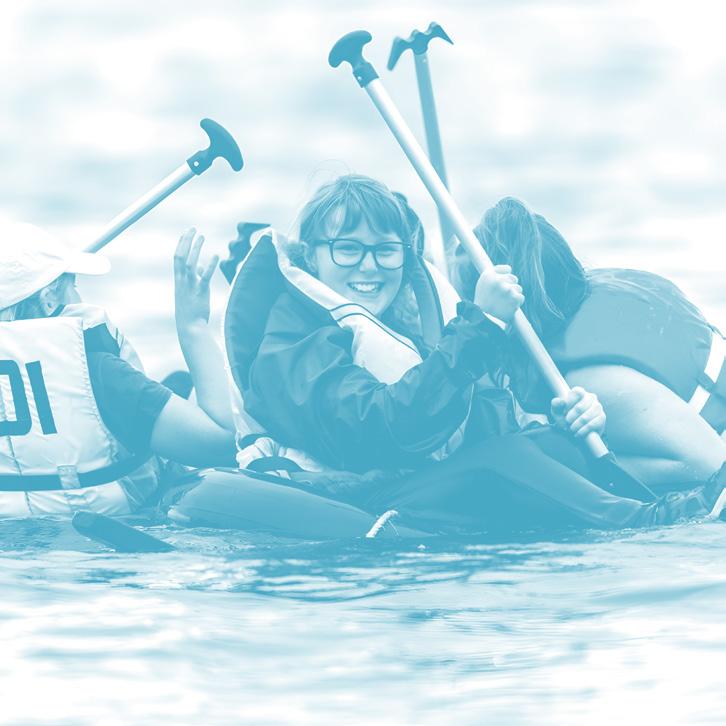
All qualifications gained through the Girl Recognition System are linked where possible with skill-based programs provided by nationally accredited organisations. If this applies it is indicated in the syllabus. Some of these organisations may include:
• Registered Training Organisation
• Royal Life Saving Society of Australia
• Surf Life Saving Association
• Australian Red Cross or other accredited first aid course.
Arrange for a Qualified Leader with knowledge and some experience to assess your skills in part one, or an external person with knowledge and some experience may assist a Qualified Leader in the assessment.
{ Participate in two different adventure-based activities on at least two separate occasions each (the activities may be from the same or different adventure themes).
ADVENTURE-BASED ACTIVITY 1
1ST PARTICIPATION DATE
2ND PARTICIPATION DATE
ADVENTURE-BASED ACTIVITY 2
1ST PARTICIPATION DATE
2ND PARTICIPATION DATE
{ Explain in an interesting way to your Unit or Patrol the safety rules of your chosen activities.

{ Identify what it means to 'Leave No Trace' in your chosen activities. Identify some ways in which impact on the environment can be minimised.
{ Identify the form/s that must be submitted before participating in these activities.
{ Explain in an interesting way to your Unit or Patrol the specialist equipment needed for these activities.
Complete any two of the following activities:
{ Find out about a well-known identity who takes part in one of your chosen activities.
{ Create a presentation poster to advertise an adventure-based activity, including local contacts and venues.
{ Find out about another adventure-based activity that is in a different adventure theme from ones that you have chosen and share this information with your Patrol or Unit.
{ Explain why adventure challenges are important to you by giving some examples.
Date Started Date Completed
Arrange for a qualified adventurebased activity instructor to assess your skills in Part One. Arrange for a Qualified Leader with knowledge and some experience in the chosen activities, or an external person with knowledge and some experience may assist a Qualified Leader to assess your skills.
{ Choose one adventure-based activity and specialise in this area by gaining an entry level qualification in this activity.
ADVENTURE-BASED ACTIVITY
DATE QUALIFICATION GAINED
{ Participate in three different adventure-based activities on at least two separate occasions each. (The activities may be from the same or different adventure themes.)
ADVENTURE-BASED ACTIVITY 1
1ST PARTICIPATION DATE
2ND PARTICIPATION DATE
ADVENTURE-BASED ACTIVITY 2
1ST PARTICIPATION DATE
2ND PARTICIPATION DATE
ADVENTURE-BASED ACTIVITY 3
1ST PARTICIPATION DATE
2ND PARTICIPATION DATE
A list with advice on participating in Adventurebased activities can be found on the Guide Lines website under the section Outdoors > Adventure-Based Activities
{ Explain in an interesting way to your Unit or Patrol the safety rules of your chosen activities.
{ Identify suitable Minimum Impact Code of Ethics what it means to 'Leave No Trace' used in your chosen activities. If there are no known ones, identify some ways in which impact on the environment can be minimised.
{ Identify the form/s that must be submitted before participating in the activities. Explain the process and reasons for advising and seeking approval to participate in adventure-based activities in Guiding.
{ Present in an interesting way to your Unit or Patrol the specialist equipment needed for the activities.
Complete any two of the following activities:
{ Explain why adventure challenges are important to you by giving some examples and describing identities who are experts in the same activities.
{ Find out about an extreme adventure-based activity, which may be linked to your chosen activities. Present your findings to your Patrol or Unit.
{ Select a role model in your chosen activity and research her or his achievements. Find out about the history and development of your adventure-based activity, and present to your Patrol or Unit.
{ Promote your adventure-based activities to others through a poster, brochure presentation or illustrated talk.
Date Started Date Completed
Are you 13 or over? You can start this challenge!
Some Trefoil 3 challenges will be recognised as prior learning (RPL) in Outdoor modules or Leadership qualifications in the Australian Leadership and Qualification Program (ALQP). So, if you decide to become a Leader, talk to your Mentor about recognition of your skills.
An adventure-based activity is one that contains a significant element of risk to those taking part. These challenges may be completed as part of a Guide activity or externally. If completed within Guiding, then Guide policies and general Guide safety rules always apply to all Guide members and are to be strictly observed. Guide policies can be found in the latest edition of Guide Lines on the Girl Guides Australia website. Adventure-based activities are often undertaken in places of environmental, and sometimes cultural, sensitivity. Codes of Ethics developed for such activities should be understood and observed.
Adventure-based themes may include, but are not limited to: air activities, people power, rappelling, water activities (not covered in the Boating Achieve a Challenges), skilled sports, wheeled vehicles. Sailing, power boating, rowing, canoeing/ kayaking can be used for participation in adventurebased activities, but if you wish to gain a qualification in any of these areas, then you must complete the appropriate Boating Achieve a Challenge.
Some adventure-based activities are also sports, e.g. archery and skiing. You may choose to complete either the Adventure or Sports Achieve a Challenge badge.
Adventure-based activities used in Trefoil 3 Adventure may be the same activities used in Trefoils 1 or 2 Adventure, but you need to show that you have gained a higher level of experience, knowledge, and skills.
If you or your Unit Leader have any questions – seek advice from your State Activities personnel.
The first part of the challenge should be assessed by a Qualified Leader with knowledge and some experience in the chosen activities, or an external person with knowledge and some experience may assist a qualified Leader in the assessment. The second part of the challenge should be assessed by a qualified instructor in the chosen activities.
Complete all the following Risk Management clauses:
{ Explain in an interesting way to your Patrol or Unit the safety rules of your chosen adventurebased activities.
{ Identify what form/s must be submitted before participating in these activities with Guides. Explain the process and reasons for advising and seeking approval to participate in adventure-based activities in Guiding. Investigate what adventure-based activities cannot be done as a Guide activity and why.
{ Present in an interesting way to your Patrol or Unit the specialist equipment needed to participate in the activities, and explain how this equipment needs to be stored and maintained.
{ If not included in the qualifications, identify suitable Minimum Impact Codes of Ethics used in your chosen adventurebased activities, such as 'Leave No Trace'. If there are no known ones, identify some ways in which impact on the environment can be minimised.
Now choose only one of the following clauses:
{ Choose one adventure-based activity and specialise in this area by gaining an intermediate level qualification in this activity.
ADVENTURE-BASED ACTIVITY
DATE QUALIFICATION GAINED
{ Choose two adventure-based activities and specialise in these areas by gaining an entry level qualification in both activities.
ADVENTURE-BASED ACTIVITY 1
DATE QUALIFICATION GAINED
ADVENTURE-BASED ACTIVITY 2
DATE QUALIFICATION GAINED
{ Participate in four different adventure-based activities on at least two separate occasions each. (They may be from the same or different adventurebased themes.)
ADVENTURE-BASED ACTIVITY 1
1ST PARTICIPATION DATE
2ND PARTICIPATION DATE
ADVENTURE-BASED ACTIVITY 2
1ST PARTICIPATION DATE
2ND PARTICIPATION DATE
ADVENTURE-BASED ACTIVITY 3
1ST PARTICIPATION DATE
2ND PARTICIPATION DATE
ADVENTURE-BASED ACTIVITY 4
1ST PARTICIPATION DATE
2ND PARTICIPATION DATE
Date Started
Date Completed
When you try to influence a decision maker to take a decision which will help reduce or remove a problem, it is called advocacy.
As part of an advocacy project, you take actions to raise awareness in your community and speak out for change, but the goal is to reach and influence decisionmakers whose decisions can lead to sustainable changes. Decisionmakers are found at many levels from head of households (your parents, grandparents, aunts/ uncles); to head of schools (your Principal or school council); to government or business leaders (your Mayor, MP, or a business owner/CEO).
When Girl Guides reach out to decision makers to propose their suggestion for change, they always do so in a friendly and peaceful manner.
{ Find out the WAGGGS definition of advocacy.
{ Speak to your Patrol on a subject that matters to you (e.g. animals, family, sport, bullying).
{ Find out how decisions are made in your family, school or Unit and who makes the decisions. Share with your Patrol.
Complete any two of the following activities:
{ Make a poster, write a play, or do a presentation about someone who has inspired you to want to build a better world.
{ Find out about how Girl Guides in the UK first began and how the organisation grew over the years into a worldwide movement.
{ Using the AGP process, help to create and run an activity (such as a game, craft, or other activity) to help educate your Patrol on an issue that is important to you.
Date Started Date Completed
{ Create a presentation on the WAGGGS definition of advocacy and share with others.
{ Coordinate an advocacy project which includes bringing together a project community of people from multiple Girl Guide Districts and/or multiple schools who are taking action to influence decision-makers who sit at the level of: head of households (parents, grandparents, aunts/ uncles); head of school (Principal, school council); or local government (Mayor, MP).
Are you 13 or over? You can start this challenge!
{ Research the WAGGGS definition of advocacy and other definitions of advocacy. Create a resource or learning aid to be used with younger Girl Guides to help them understand the term advocacy.
{ Coordinate an advocacy project which includes bringing together a project community of people from multiple Girl Guide Regions and/or multiple schools who are taking action to influence decision-makers who sit at the level of: head of households (parents, grandparents, aunts/ uncles); head of school (Principal, school council); local government (Mayor, MP); or business leaders (business owner, CEO).
Date Started
Date Completed
Date Started
Date Completed
1. Consult your project 'community' to learn which problems/issues concern them.
2. Choose one issue/problem (identified by your project 'community' in step 1) and investigate the causes of that problem. Present what you have learned to members of your project 'community' in an engaging way.
3. Involve members of your project 'community' in a brainstorm to
help identify what change (to a system or the way we do things) you could ask the 'decision makers' you are targeting to make to remove or reduce the problem/issue.
4. Plan and run your advocacy project.
5. Contact Girl Guides Australia to tell them all about the advocacy project you ran and what successes and learnings you had along the way!
Choose an art form and one of the following options.
If your art form has a recognised assessment system, challenge yourself by achieving a level in that system, e.g. music or dance exam. After the assessment share your experience with your peer unit.
If your art form does not have a recognised assessment system, or you do not wish to participate in it, complete Part A and choose 2 clauses from Part B.
{ Participate in at least 1 term of classes of your art form (e.g. dance, singing, musical instruments, art class outside school).
Or…
{ Participate in a group or club of your art form for at least 1 term (e.g. theatre, band, handicrafts, choir).
And…
{ Keep a record to show your commitment and progress over the period you selected from the above to participate in your art form.

Complete any 2 from the following activities:
{ Learn of some famous performers or artists in your chosen art form. Make a poster or something similar to show who they are. Choose one famous performer or artist and learn about their best works. Share this information with your Patrol or Unit.
{ Demonstrate your art form with a performance or display of your creations at your Unit meeting or for a special person.
{ Attend a performance, visit an exhibition, or watch something relevant online of your chosen art form. With your Patrol or Unit, share what you thought and what you learnt.
{ Participate in a school holiday or weekend arts program. This could be for the same art form or a new one.
Date Started Date Completed
Choose an art form and one of the following options.
If your art form has a recognised assessment system, challenge yourself by achieving a level in that system, e.g. music or dance exam. After the assessment share your experience with your peer unit. Note: this should be at a higher level than Arts Trefoil 1.
If your art form does not have a recognised assessment system, or you do not wish to participate in it, complete Part A and choose 3 clauses from Part B.
{ Participate in at least 2 terms of classes of your art form (e.g. dance, singing, musical instruments, art class outside school).
Or…
{ Participate in a group or club of your art form for at least 3 months (e.g. theatre, band, handicrafts, choir).
And…
{ Keep a record to show your commitment and progress over the period you selected from the above to participate in your art form.
Complete any 3 from the following activities:
{ Understand and explain the use and care of any equipment or other necessary items that you use in your art form.
{ Select a role model in your chosen art form and learn about their career and achievements. Share this information with your Unit or Patrol in an interesting way.
{ If you participate in a physical art form (e.g. dance, singing, drama, playing an instrument) learn ways to look after your body to help you perform well. Discuss them with your teacher/instructor.
{ Teach some basic skills of your art form to other Guides. This could be your peers or a group of younger girls.
{ Participate in a performance or exhibition of your art form with your class, group or club.
{ Watch or listen to 3 performances of professional artists in your art form. This can be live or recorded. Explain to others what you liked or disliked and what you learnt. OR view 3 works of professional artists in your art form. This can be in person or online. Explain to others what you liked or disliked and what you learnt.
{ Learn what Performing Arts are available through Guiding and Scouting in your state. Attend a performance of the local Gang Show or Showtime (or similar) and find out how you might be able to participate in future. Report back to your Unit on the performance you saw.
{ Demonstrate your art form with a performance or display of your creations at your Unit meeting.
Date Started Date Completed
Are you 13 or over? You can start this challenge! For the Arts Trefoil 3, gain any external qualification from an RTO in music, drama, dance, singing or another facet of the arts OR complete the following:
Choose an art form and one of the following options.
If your art form has a recognised assessment system, challenge yourself to achieve a level in that system, e.g. music or dance exam. After the assessment share your experience with your Peer Unit. Note: this should be at a higher level than Arts Trefoil 2.
If your art form does not have a recognised assessment system, or you do not wish to participate in it, complete Part A and choose 4 clauses from Part B.
{ Participate in at least 2 terms of classes of your art form (e.g. dance, singing, musical instruments, art class outside school).
Or…
{ Participate in a group or club of your art form for at least 3 months (e.g. theatre, photography, band, woodwork, handicrafts, choir, Gang Show).
Or…
{ Through self-directed learning, online courses or similar, participate regularly in your art form for at least 3 months (e.g. composing, podcasting, movie making, drawing, fashion design, creative writing, cake artistry).
And…
{ Keep a record to show your participation and skill development over the period you selected from the above.
Complete any 3 of the following activities:
{ Explore your art form by learning about current high achievers in this field and share this information with your peers in an interesting way.
{ Explore your art form by learning about historical figures in this field and share this information with your peers in an interesting way.
{ Explore how you might make a career out of your art form and what educational or practical path you might need to follow to be successful. Make a record of what you learnt.
{ Participate in at least one performance or exhibition of your art form.
{ Teach others your art form through a supported and structured system e.g. as a teacher, assistant or tutor appointed within the club or school where you learn your art form.
{ Develop your understanding of related art forms by attending performances or exhibitions and recording your thoughts. Try to push yourself outside your comfort zone a little, e.g. if you do ballet see a cultural dance performance, if you play classical music go to a jazz or rock concert.
{ Learn how to maintain, service or repair equipment you need for your art form or learn a related skill, e.g. sharpen your tools, repair costumes, or service/tune complex instruments.
{ Watch several performances of others in your chosen art form. This could be live or recorded. Try to observe both amateur and professional level performances.
{ If your art form is suitable for digital presence, look to watermark and share it online to a community for that art form (i.e. not social media) and, with the support of a trusted adult, review the feedback e.g. videos, podcasts, photography, creative writing, song writing.
{ Explore an option for expanding your talent beyond the typical path, e.g. if you play in an orchestra, learn about arranging music; if you sing in a choir, learn about conducting; if you make movies, learn about lighting or foley work; if you dance, try choreography. Record your thoughts.
Date Started Date Completed
Complete the compulsory module and choose one area to focus on:
Either ROWING TREFOIL 1 or SAILING TREFOIL 1 or CANOEING / KAYAKING TREFOIL 1
COMPULSORY MODULE
{ Know how to find local water conditions and weather information, including wind direction and speed on the day.
{ Demonstrate the correct wearing of a life jacket and explain why you must wear the correct size of life jacket.
{ Explain the rules of safe boating.
{ Show your assessor suitable clothes for boating activities in summer and winter. Swim 50 metres in shirt, shorts, shoes and life jacket and stay afloat for 3 minutes. Explain to the assessor how to properly care for and store your craft.
{ Know and use the following knots:
• Reef knot
• Sheet bend
• Clove hitch
• Bowline
• Round turn and two half hitches
• Figure of 8.
ROWING TREFOIL 1
{ Complete the compulsory module.
{ Identify the parts of the boat.
{ Demonstrate rowing a dinghy single-handed and with a partner.
{ With an experienced person, demonstrate coming alongside a pontoon, jetty or boat. Show that you can secure your boat so that it can be left.
SAILING TREFOIL 1
{ Complete the compulsory module.
{ Understand the 'rules of the road' for safe sailing.
{ Gain a basic knowledge of boat parts, rigging and sails by assisting an experienced person to rig a boat.
{ Understand the processes involved in the capsize and recovery of a boat.
{ With an experienced person, sail away from a beach or pontoon and return to shore.
{ Under the direction of an experienced person on the boat, sail a course including running, reaching and heave-to.
{ Or complete Start Sailing 1 or Out There Sailing 1 plus the Boating Safety clauses at beginning of Trefoil 1.
{ Complete the compulsory module.
{ Identify the main parts of your craft.
{ Embark by the correct method.
{ Show that you can control your craft, paddling forward and backward, demonstrating an emergency stop, paddle back to the departure point and disembark by the correct method.
{ Capsize your craft and hold onto it and wait for further instructions from your assessor.
Complete the compulsory module and choose one area to focus on:
Either POWERBOAT TREFOIL 2 or ROWING TREFOIL 2 or SAILING TREFOIL 2 or CANOEING / KAYAKING TREFOIL 2
{ Answer questions on general boat safety including entering, moving about in, loading, and leaving, storage and care, and buoyancy.
{ Explain the rules of safe boating.
{ Know how to find local water conditions and weather information, including wind speed and direction.
{ Demonstrate the correct wearing of a life jacket and explain to the assessor why a life jacket is worn and why it is important to wear the correct size.
{ Swim 50 metres in appropriate boating clothes (shirt, shorts, shoes, life jacket) and stay afloat for 3 minutes.
{ Demonstrate how to rescue someone in the water.
{ Know and use the following knots:
• Reef knot
• Sheet bend
• Clove hitch
• Bowline
• Round turn and two half hitches
Date Started
• Figure of 8.
Date Completed
{ Complete the compulsory module.
{ Identify the main parts of your boat.
{ Embark by the correct method and, under direction, seat yourself to balance load.
{ Under the direction of an experienced licensed powerboat operator, steer the craft at low speed (under 4 knots).
{ Assist the operator with flushing the motor (if required) and cleaning the boat after use.
{ Complete the compulsory module.
{ Manage a dinghy single-handed in response to instructions and include getting under way, turning, backing, bringing alongside, and making fast.
{ Row a boat with others.
{ Know the common terms used in connection with rowing boats.
{ Know and demonstrate how to tow and be towed.
Either…
{ Complete the compulsory module.
{ Understand the 'rules of the road' for safe sailing.
{ Identify the commonly used parts of a boat.
{ Rig a boat with assistance.
{ Tie a figure of 8 knot.
{ Perform capsize and recovery drill in shallow water.
{ Participate in single boat towing.
{ Launch and recover boat with assistance.
{ Demonstrate sailing away from and returning to a beach, wharf, or pontoon.
{ Correctly tack and stop the boat.
{ Successfully sail a windward/ broad reach course.
{ Paddle boat around a marked course.
{ Know and correctly use the common terms used in connection with boating, port, starboard, bow, stern, windward/ leeward, right of way.
{ Know the sailing theory of overtaking vessels.
{ Demonstrate a knowledge of wind direction and relative strength using environmental indicators. Or…
{ Complete Start Sailing 2 or Out There Sailing 2 plus the Boating Safety clauses at the beginning of Trefoil 2.
Date Started Date Completed
{ Complete the compulsory module.
{ Swim under a canoe or kayak to surface on the other side.
{ Launch the craft, safely embark and paddle away from the launching point.
{ Demonstrate:
• paddling forwards and backwards
• turning strokes
• coming alongside another craft
• the correct way to disembark from your canoe
• the use of a paddle as a means of support on the water
• an emergency stop
• a clean approach to the launching point
{ Capsize the canoe, bring it ashore with paddles and empty it.
Appropriate State personnel appoint assessors for this Trefoil 3 challenge. An assessor is an experienced adult holding a higher qualification. The Boating Trefoil 3 covers all boating activities and is endorsed for specific craft.
The Boating Trefoil 3 enables Girl Guides to demonstrate the skills essential for safe participation in specific boating activities on undemanding water conditions under supervision of an approved instructor.
Gaining this badge does not allow a Girl Guide to instruct or be responsible for other boating participants at any time.
Complete the compulsory module and choose one area to focus on:
Either CANOEING / KAYAKING / SUP TREFOIL 3 or ROWING TREFOIL 3 or POWERBOAT TREFOIL 3 or SAILING TREFOIL 3
{ Be recommended by her Leader, District Leader, and relevant personnel.
{ Answer questions on the safety rules for boating in Guide Lines.
{ Demonstrate the correct wearing of a life jacket.
{ Swim 50 metres in boating clothing (shirt, shorts, shoes, and life jacket) and stay afloat for three minutes.
{ Gain Emergency - First Aid Trefoil 3.
Or…
{ Demonstrate how to treat injuries or incidents that may occur during a boating activity, including the treatment for shock, bleeding, cuts, fractures, sprains, bites (including snakebite), anaphylaxis, asthma, concussion, fits and eye injuries. Understand the importance of maintaining an effective airway in an unconscious person. After practical instruction by a qualified first aider, demonstrate resuscitation: cardio-pulmonary resuscitation (CPR). NB: CPR must be refreshed annually.
Are you 14 or over? You can start this challenge!
This assessment is carried out on any stretch of outdoor, unheated flat water. It may be undertaken in a canoe, kayak or stand-up paddle board. If you are unsure about the suitability of a particular style of canoe, consult your instructor or assessor. A double kayak must be used solo. When using a canoe, the second paddler must be an unqualified canoeist with some experience. The ability to paddle and perform correct strokes in the front and back of the craft must be demonstrated. Your performance throughout the assessment must be satisfactory.
{ Complete the compulsory module.
{ Dress appropriately for a boating activity and explain the reason for each item.
{ Select, waterproof and stow personal equipment (first aid kit, repair kit, clothing), food and water. Explain why each item was selected.
{ Wear a life jacket correctly. If required, wear a canoe helmet correctly.
{ Demonstrate a simple rescue technique e.g. use of a throwbag/rope/buoyant object or reach rescue with paddle.
{ Respond to and use hand and whistle signals while on the water.
{ Find the rules for safe boating in your State (they will be on a government website).
Note the following:
• Which side of the channel or waterway you should be on
• If two vessels are on a collision course, who gives way and what both vessels do
• How a navigable channel is marked
• The meaning of navigation buoys, beacons and lights.
{ Demonstrate the following knots and explain their use in boating activities:
• Reef knot
• Sheet bend
• Clove hitch
• Round turn & two half hitches
• Bowline
• Figure of 8
• Fisherman’s knot.
{ Embark and disembark in an efficient manner while maintaining stability in a range of situations such as from kneedeep water, deep water, from another craft, from a pontoon or jetty.
{ Manoeuvre the craft in controlled conditions demonstrating effective and technically correct use of appropriate strokes including:
• forward and reverse
• sweeps
• draw / pry (if appropriate)
• bow rudder / cross bow rudder (if appropriate)
• bow draw (if appropriate)
• support strokes
• emergency stops
• coming alongside other craft or the shore.
{ Demonstrate use of rudder if fitted.
{ Demonstrate controlled capsize procedures, manoeuvre capsized craft to shore and empty efficiently (with assistance).
{ Demonstrate controlled capsize procedures, emptying the canoe/ kayak and re-entering from deep-water as the rescue. Assist with the rescue without further capsizes occurring.
{ After the activity, clean and stow canoe/kayak and equipment.
{ Record canoe/kayak/SUP activities in a log.
{ Participate in at least two canoe/ kayak/SUP activities (totalling a minimum of 10 hours' paddling) (this can include your GGA canoe training and paddling over the last 3 years).
{ Discuss the 'Leave No Trace' principles with your Outdoor Skills Assessor as they apply to canoe/kayak/SUP
{ Discuss what steps can be taken to minimise environmental damage to water and landscape due to canoe/kayak/SUP activities.
Or…
{ Hold an appropriate Guide level qualification from Paddle Australia Qualification Scheme (PAQS).
Are you 14 or over? You can start this challenge!
This endorsement is granted only for boating on safe waters and the area must be clearly defined by the assessor. You may take up to three passengers in the boat with you, but you must obtain permission from your Leader when taking passengers.
An approved life jacket must be carried in the boat and worn at the discretion of the assessor.
{ Complete the compulsory module.
{ Manage a dinghy or similar craft in response to instruction to include:
• getting under way
• turning
• backing
• bringing alongside
• making fast.
{ Be able to pull an oar as a member of a boat’s crew.
{ Throw a painter accurately.
{ Know and demonstrate the application of:
• Reef knot
• Sheet bend
• Clove hitch
• Round turn and two half hitches
• Bowline
• Figure of 8.
{ Understand the procedure to prevent accidents and the standard of efficiency and courtesy expected of Guiding members afloat.
If you are 16 or over you can start this challenge, subject to Maritime Authority legislation in your state.
A powerboat qualification applies to boats powered by propulsion machinery of no more than 7.64kW brake-power, and not capable of speed in excess of 10 knots.
{ Complete the compulsory module.
{ Demonstrate suitable methods to secure the powerboat to bank/shore.
{ Be able to bring the boat to shore using either oars or paddle.
{ Demonstrate:
• handling a boat
• getting under way
• manoeuvring a boat to pick up a man overboard
• coming alongside
• making fast
• picking up a mooring
• how to anchor.
{ Know and demonstrate the application of:
• Reef knot
• Sheet bend
• Clove hitch
• Figure of 8
• Round turn and two half-hitches
• Bowline.
{ Have a working knowledge of the international regulations for preventing accidents at sea and safety equipment required. (Details are obtainable from your State Maritime authority.)
{ Be able to check fuel and oil levels and carry out general maintenance of the boat.
{ Understand how to load a boat with stores and how to trim a boat correctly.
{ Understand weather signs to make reasonably accurate forecasts.
Are you 14 or over?
You can start this challenge!
This badge specifies the type of craft used and indicates that you are capable of sailing in a dinghy or catamaran on sheltered waters, without an instructor on board. When holding this challenge, you will be able to show that you are confident in handling a sailing boat in light weather and would be competent to handle an emergency if it occurred. When sailing in any boat other than a single-handed craft, you will need either another qualified person or a person with a full season’s sailing experience with you in the boat. This challenge has been based on the Australian Sailing - Discover Sailing Program. Holders of the AS Better Sailing qualification are exempt from all clauses of this sailing challenge with the exception of the last two clauses.
{ Complete the compulsory module.
{ Select, waterproof and stow personal equipment (first aid kit, repair kit, clothing), food and water. Explain why each item was selected as appropriate for the activity.
{ Demonstrate a simple rescue technique e.g. man overboard procedures, use of a throw-bag/ rope/buoyant object or reach rescue with oar or paddle.
{ Respond to and use voice (hailing), hand signals and signal flags.
{ Find the rules for safe boating in your state. (They will be on a government website.) Note the following:
• Which side of the channel or waterway you should be on
• If two vessels are on a collision course, who gives way and what each vessels does
• How a navigable channel is marked
• The meaning of navigation buoys, beacons, and lights.
{ Demonstrate the following knots and explain their use in boating activities:
• Reef knot
• Figure of 8
• Bowline
• Round turn and two half hitches
• Sheet bend
• Clove hitch.
{ Explain common sailing terms and the names of various parts of the boat, sails and rigging.
{ Rig a sailboat and prepare for launching.
{ Sail away from and return to a leeward and windward shore.
{ Demonstrate basic skills:
• Steering (tiller/rudder control)
• Balance and trim
• Centreboard
• Sail setting and trim
• Reaching
• Running close hauled
• Tacking, going about
• Gybing
• Heave to
• Sailing a triangular course and return to shore
• Emergency stops
• Coming alongside other craft or to shore.
{ Demonstrate controlled capsize procedures, right a capsized boat (with assistance) and recover crew.
{ Prepare a boat for towing in the water and be towed.
{ After the activity, recover, clean, and stow boats and equipment.
{ Record sailing activities in a log.
{ Participate in at least two sailing activities (totalling a minimum of 10 hours' sailing). For each activity make your own record of weather conditions including wind strength, direction, tide changes etc. (the 10 hours can include sailing activities in the last 3 years and GGA Sailing Skills Basic Training).
{ Discover Sailing: Better Sailing or Out there sailing 3 certificates plus the complusory module at the beginning of Boating Trefoil 3 Or…
{ Discuss with your state personnel if you are working towards any RYA International Qualifications or ICC qualifications. Outline your plan and be recognised with an appropriate qualification.
Date Started Date Completed
The general camping Achieve a Challenges refer to indoor and outdoor camping in established campsites.
Trefoil 1 requires camping for 2 nights in an indoor or outdoor campsite.
Trefoil 2 requires camping for 6 nights out of doors.
Trefoil 3 can either be assessed for running an indoor camp or an outdoor camp.
A Guide can choose to be assessed for all three on separate occasions and can display the three Trefoil 3 camping badges on her uniform. Trefoil 1 and 2 can be assessed by any qualified camping leader. Trefoil 3 must be an approved Region or State outdoor assessor, according to your state processes. Your Unit Leader can assist you in contacting the right people to assign an assessor.

{ Camp for at least two nights in an indoor or outdoor Guide camp and work as a member of your Patrol. Reflect with your Patrol how the camp went.
{ Following a kit list, pack your own gear and take care of your own equipment at camp.
{ Assist in cooking a meal outdoors, reflect on what you learnt with this activity.
{ Explain the safety and hygiene rules for campers. Discuss the importance of 'Leave No Trace' in the environment.
{ Know your responsibility in caring for the environment.
{ Learn some basic knots that will assist while at camp such as
• reef knot
• double overhand
• round turn and two half hitches.
{ Share in the responsibility of caring for camp equipment.
Complete any two of the following activities:
{ Be a member of a Colour Party.
{ With friends, perform a song or skit at campfire.
{ Take part in a wide game or nature game.
{ Set and light a fire.
{ Write about your camp for the District newsletter, Unit logbook or similar.
{ Help to plan and attend a Guides Own.
Date Started
Date Completed
{ Camp for at least 6 nights at an outdoor overnight Guide camp/ event. At least 2 nights must be consecutive.
{ Demonstrate how to choose a tent site and pitch, air and strike a tent. Take care of a tent, bedding and equipment at camp.
{ Demonstrate how to carry hot liquids safely in camp. With your Patrol/ Unit, create a personal kit list for camp. Evaluate it after camp. Explain how it may vary for different camps.
{ Discuss and practise hygiene rules at camp.
{ Demonstrate how to store food safely and how to dispose of all waste at camp in an environmentally friendly way.
{ With your Patrol, plan and cook a meal outdoors.
{ Discuss and demonstrate what the expectations or outcomes might be of attending a larger camp event, such as a state camp or national Jamboree.
{ Discuss how to prevent accidents around a campsite. Create a safety checklist and use it at camp.
Complete any two of the following activities:
{ Safely use tools that might be in your camp site, such as a saw or tomahawk.
{ Build and light a campfire that lasts for at least half an hour. Demonstrate how to put it out safely.
{ Demonstrate the use of lashing and make at least one useful gadget.
{ Erect a flagpole using guys and pegs or improvise one on a bush site. Hoist, break and lower the flag with ceremony.
{ Plan and run an outdoor game or a Guides' Own at camp.
Date Started
Date Completed
Appropriate State personnel appoint assessors for this Trefoil 3 Challenge. An assessor is an experienced Leader holding a current equivalent camping module. Assessment is to be held over two nights for a camp and one night for an expedition. The Camping Trefoil 3 is awarded for the specific type of camp held and can be gained for each type of camping.
The Camping Trefoil 3 enables a Guide to demonstrate the essential skills required to run camping activities in a range of specific environments. Upon gaining this badge the Guide may conduct camps for a Patrol or small group of Guides.
{ Be recommended by the Unit Leader and the District Manager.
{ Discuss boating, swimming, adventure-based activities and camping rules as stated in Guide Lines.
{ Discuss and meet the health, first aid and hygiene requirements for the type of camp being undertaken.
{ Submit a first aid kit suitable to the type of camp. Discuss the importance of clear labelling and the separation of medicines for internal use from those for external application.
{ Demonstrate the precautions to take to ensure the safety of campers.
{ Discuss and demonstrate minimal impact camping.
{ Gain Emergency Trefoil 3 – First Aid or an equivalent external qualification from an RTO.
A Guide who holds a recognised camping qualification from an external RTO or organisation may be able to apply for recognition of prior learning.
The holder of a Camping Trefoil 3 requires endorsement every 3 years. The qualification will be endorsed when you have run a camp and submitted a report form.
{ Check and apply local fire restrictions. Discuss fire precautions with the assessor and show you have plans in place for an emergency.
{ Discuss emergency procedures for storm, fire, flood, and extreme weather conditions.
{ Produce a risk assessment including an evacuation plan.
{ Work within a budget.
{ Discuss the expectations and outcomes of attending a larger camp event, such as a state camp or national Jamboree.
{ Produce a balanced menu suitable for the style of camp and demonstrate how you have catered for different tastes, dietary needs and religious requirements.
{ With the other campers, plan a program appropriate to the camp showing a balance of activities including Guiding traditions such as Colours, Guides' Own, campfire, pioneering, wide games and outdoor skills.
{ Demonstrate the Patrol System and the values of the Girl Guide Promise and Law at camp.
{ With the group, evaluate the camp.
If you are 14 or over, you can start this challenge. Find a minimum of four and a maximum of seven other Guides aged between 14 and 17 years to take on your camp.
Candidates and holders of this challenge must have approval of the Unit Leader and District Manager for each camp. A Qualified Leader with the same or higher current Camp Module must be located nearby.
{ Complete the compulsory module.
{ Stay at an approved house, hall, or camping centre.
If you are 14 or over, you can start this challenge. Find a minimum of four and a maximum of seven other Guides aged between 14 and 17 years to take on your camp.
Candidates and holders of this challenge must have approval of the Unit Leader and District Manager for each camp. A Qualified Leader with the same or higher current Camp Module must be located nearby.
{ Complete the compulsory module.
{ Use temporary shelters such as: tent, fly, hutchie, hoochie, swag at an approved campsite with developed facilities such as an ablution block.
{ The candidate should discuss different examples of each of the following, and prepare several demonstrations to show their knowledge in all areas:
• suitable tents
• camp gadgets
• camp cooking methods using open fires, gas, hexi or alternative fuel stoves
• campfire
• lighting
• tools
• flagpole
• repairing, maintaining and storing equipment.
If you are 14 or over, you can start this challenge. Find a minimum of four and a maximum of seven other Guides aged between 14 and 17 years to accompany you on camp.
Candidates and holders of this challenge must have approval of the Unit Leader and District Manager for each camp. A Qualified Leader with the same or higher current Camp Module must be located nearby.
{ Complete the compulsory module.
{ Use temporary shelters such as: tent, fly, hutchie, hoochie and swag at an approved bush campsite.
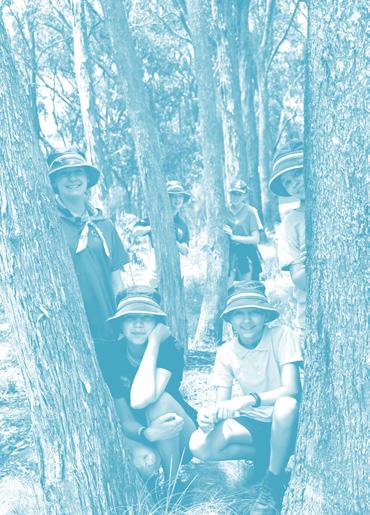
{ The candidate should demonstrate and show knowledge of the following:
• suitable tents or alternative shelters
• improvised gadgets
• camp cooking methods using open fires, gas or hexi or alternative fuel stoves
• lighting
• tools
• portable toilets/pit toilets
• facilities for personal hygiene
• outdoor screening
• suitable practices for storing food and water and ensuring water quality.
Date Started Date Completed
The expedition camping Achieve a challenges refer to building the skills you will need to participate in or eventually run an expedition in a controlled environment. Trefoil 1 is about building navigation skills and applying them in the bush or on the water. Trefoil 2 is about learning the skills of lightweight camping and simple expeditions. Trefoil 3 is about building these skills plus your leadership skills so that you can run an overnight expedition in a controlled environment.
Trefoil 1 can be assessed by any Guide Leader possessing the requisite navigation skills or a community member with such navigation skills (e.g. orienteering coach, bushwalking leader etc.).
Trefoil 2 can be assessed by any Leader holding Conduct an Expedition qualification or an approved expedition leader from another organisation.
Trefoil 3 must be assessed by an approved Region or State outdoor assessor, according to your state processes. Your Unit Leaders can assist you in contacting the right people to assign an assessor.
{ Explore a topographic map. Find out the meaning of contour lines and point out several features on the map from the contour lines. Identify a river, lake or creek on the map.
{ Demonstrate how to orient a map and do this in the area that the map refers to. Find your location on the map and point out some of the local features shown on the map and in real life.
{ Demonstrate how to give a grid reference for a point on the map and learn how to find a point if you are given a grid reference.
{ Demonstrate how to take a bearing on a map.
{ Make a simple route plan for a hike or float plan for a canoe trip.
{ Plan a hiking or canoeing trip (of at least 2 hours), making a route or float plan. Take the trip following your plan. Evaluate how you could improve your plan.
Complete two of the following activities:
{ Make a photographic or sketch record of the plants and animals you encounter on your expedition.
{ Play an outdoor game using grid references or compass bearings.
{ Try geocaching with your Unit or Patrol.
{ Help plan and participate in a Guides' Own in the bush.
{ Find out how to go to the toilet in the bush in a way that cares for the environment and is hygienic.
{ Find out about the local culture within your environment. Be considerate of any local rules.
{ Participate in an overnight expedition or two-night event that involves moving between campsites and carrying your own equipment.
{ Show how to choose a tent site and pitch, air and strike a lightweight tent. Show how to take care of a lightweight tent, bedding and equipment while on camp.
{ With your expedition group, create a personal kit list for the expedition including equipment shared in pairs. Evaluate it after camp. Explain how it may vary for different expeditions.
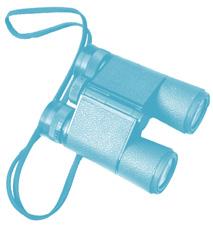
Date Started Date Completed
{ Know how to choose suitable food and safely store it during your expedition. Know and practise environmentally friendly minimisation and disposal of waste during your expedition.
{ Demonstrate safety and hygiene practices for an expedition. Know how to prevent accidents and create a small risk management plan for expeditions.
{ Plan and prepare/cook all your meals for your expedition.
{ Explain how the 'Leave No Trace' principles apply to your expedition and what you could do to apply them.
Complete two of the following activities:
{ Identify at least 5 plants or animals photographed on your expedition.
{ Demonstrate how to pack a balanced backpack with your requirements for the expedition that weighs no more than 1/5 your body weight.
{ Demonstrate how to pack for a canoe expedition using either barrels or heavyweight dry bags. Show how to safely stow your gear in a canoe.
{ Demonstrate packing for a kayak expedition using drybags and safely stowing your gear so that it remains balanced.
{ Prepare a lightweight bush toileting kit and describe the correct procedures for its use.
{ Prepare and discuss the use of a lightweight first aid kit. This can be a commercially available kit that you know how to use. What other items should you pack for use in emergencies?
If you are 14 or over you can start this endorsement. Take with you a minimum of four and a maximum of seven other Guides aged between 14 and 17 years, at least three of whom have previously participated in this type of camp. This challenge will be specific to the mode of transport. Candidates and holders of this challenge must have approval from the relevant Leader(s) for each camp and a Leader of Youth with a current equivalent or higher camping qualification must be able to be readily summoned.
{ Complete the compulsory module.
{ Use lightweight equipment for overnight shelter while participating in hikes in the approved area in easy or tracked terrain. Other modes of transport may include canoe, bike, horse, or camel. A person with appropriate expertise/qualifications should be responsible for the mode of transport.
{ Identify and select personal equipment for the expedition appropriate to the mode of transport and the environment in which the expedition is to be conducted.
Date Started
{ Discuss with your assessor the added challenges of administering first aid on an expedition and how you can meet those challenges.
Date Completed
{ Demonstrate appropriate packing of equipment, including ratio of pack weight to body size, weather proofing, load distribution and adjustment of load. If another mode of transport is chosen, demonstrate appropriate packing of equipment, weight, and distribution of load for transport and weather/ immersion proofing for your chosen mode of transport.
{ Select and plan food and water requirements suitable for the environment in which you are travelling. Make sure your means of cooking complies with requirements of the area that you are travelling through. Know the fire regulations for the area in which you are travelling at the time of year in which you are travelling.
{ Demonstrate competency in the use of topographic maps, compass and navigation in the bush along an established track or waterway and the ability to locate yourself on the map at regular intervals.
{ Prepare a suitable route plan with your group and lodge the plan with the relevant Guiding and external authorities/personnel. The route plan should include evacuation points, planned rest and camping locations and anticipated timing on the track. Prepare permission paperwork for your expedition and submit with your risk assessment and evacuation plan to the relevant Guiding authorities using your state's procedures.
• Apply navigation skills to follow the route plan.
• Show appropriate appreciation for the culture, landforms, flora and fauna of the environment in which your expedition is to travel.
• Keep notes of your journey as you travel to assist you in backtracking should you become geographically embarrassed.
• Demonstrate appropriate minimal impact camping skills and adherence to the 'Leave No Trace' principles.
• Show competency in the chosen mode of travel (hiking, paddling etc.).
Date Started Date Completed
Complete all the activities in the first part of your Trefoil 1 Emergency Challenge. Mark each one to keep track as you go.
{ Understand why it is important to call for adult assistance in an emergency. Show that you can reassure an injured person and make them comfortable.
{ Know how to contact the Emergency Services (000) Ambulance, Police, Fire, and what information is required when you call.
{ Make a fire plan of your home or Girl Guide meeting place and arrange a fire drill. Locate the nearest fire extinguisher, fire hose, fire blanket and water supply.
{ Be able to use a phone to deliver a message. Be able to take a message over the phone.
{ Discuss ways to prevent accidents at home, at school and at sport.
{ Demonstrate first aid treatment for:
• severe bleeding
• a nosebleed
• a superficial burn
• snake bite and spider bite
• an unconscious person
• sunburn
• a small cut or graze
• clothing on fire.
Complete any two of the following activities:
{ Visit one of your local Emergency Services stations, or similar. Invite someone from your choice of Emergency Services and discover something about their work. Share your experiences with others in your Unit.
{ Show what to do at home if there is a power failure.
{ Demonstrate how to throw a lifeline successfully.
{ Make a list of emergency phone numbers or download the appropriate emergency apps that you might need, for example; a doctor, Poisons Information Centre, Health Direct, Kids Helpline, Lifeline, Headspace. Create a resource that will help you at home or at Girl Guides.
Date Started Date Completed
Complete all the activities in the first part of your Trefoil 2 Emergency Challenge. Mark each one to keep track as you go.
{ Discuss and where possible demonstrate:
• accident prevention
• the definition of first aid
• the importance of personal cleanliness and hygiene
• privacy
• reassurance
• safety
• the importance of not moving a seriously injured person.
{ Know how to contact the Emergency Services (000) and what information to give. Show how to use a public phone and mobile phone.
{ Discuss your understanding of what to do in the event of the following events: becoming lost, bush fire, kitchen fire, traffic accident, lightning strike, flood.
{ Create an emergency kit, ready to be used at home for any emergency. Consider what needs to be added to this kit.
{ Make a fire plan of your home or Girl Guide meeting place and arrange a fire drill so that all procedures are clear.
{ Make a small personal first aid kit to take on a hike or an outdoor activity.
{ Demonstrate first aid treatment for:
• severe bleeding
• a seizure
• clothing on fire
• snake bite and spider bite
• bruising
• severe chest pain
• nosebleed
• small burns
• something in the eye
• sprained joint.
Complete any two of the following activities:
{ Help to a run a wide game involving emergency skills for a Unit meeting or camp activity.
{ Demonstrate what to do if you are in difficulty in the water e.g. river, ocean, swimming pool.
{ Visit your local Emergency Service and learn how to use fire extinguishers and fire blankets appropriately. Find out which extinguisher should be used for each type of fire.
{ Demonstrate how to safely rescue a person in difficulty in the water without entering the water yourself.
Date Started Date Completed
Are you 13 or over?
You can start these challenges!
Choose one area to focus on:
Either EMERGENCY ACTION or EMERGENCY SERVICES or FIRST AID or LIFE SAVING
EMERGENCY ACTION
{ Create an emergency kit suitable for evacuation and give reasons for items chosen and their use.
{ Invite someone to your Unit meeting who can show you some self-defence strategies. Ensure your peers are included.
{ Know the precautions to be taken to avoid being lost, and what to do if lost in various scenarios.
{ Find direction by natural/ traditional means such as the sun, moon, stars, or vegetation.
{ Demonstrate how to obtain and treat water in the outdoors to ensure it is safe to drink.
{ Show how to keep warm without a fire and devise a shelter for use overnight.
{ Select suitable foods for an emergency ration pack for two meals, one of which is to be hot. Cook this meal using only matches to light the fire. Research and discuss alternative ways to heat food that do not involve flames.
{ Identify ways you can maintain a high standard of personal hygiene in various environments. Discuss their environmental impacts.
{ Demonstrate basic first aid skills for the following:
• severe external bleeding
• burns
• wounds
• fractures • shock
• eye injuries
• snake bite
• heat exhaustion
• hypo/hyperthermia.
{ Know how to obtain a Personal Life Beacon. Know how, why and when to use it.
{ With your Unit practise how to cope with at least 3 emergency situations. Create a decision tree for one of your scenarios.
{ Research and discuss ways you may be able to assist communities in times of disaster or emergencies. Provide practical assistance where possible.
Hold a recognised qualification from any volunteer emergency service that is RTO compliant OR complete all the following:
{ Learn and be able to use the phonetic alphabet used by many emergency service agencies in Australia. Create and run an activity to teach others the phonetic alphabet.
{ Demonstrate how to call the emergency services and be able to advise the correct details. Plan and run an activity that will teach others the correct process.
{ Visit and take an active part in an activity with an emergency service of your choice.
{ Demonstrate firefighting practices using the correct fire extinguishers for several types of fires. Know what other alternative methods can be used in varying environments.
{ Use technology to promote an aspect of accident prevention or emergency skills.
{ Either demonstrate how to rescue a person in difficulty in the water without entering the water yourself or gain a Dry Rescue qualification.
{ Organise and facilitate a program for a Unit covering various aspects of accident prevention. The program should include games, skills and activities. This may be used in a Unit or group other than your own.
{ Research what support is available to emergency volunteers while operating in an emergency, or after an emergency. Share with others what you learn.
{ Understand the equipment used by different emergency service organisations and learn to operate them safely.
{ Know how to prepare a house for the passing of a bush or grass fire. Understand the precautions to be taken when lighting any fire in Australia.
{ Demonstrate how to direct traffic safely away from an accident scene. Consider various scenarios these directions will suit.
{ Hold an appropriate qualification from an externally recognised RTO first aid provider in your state.
{ Hold a qualification from the Royal Life Saving Society, Surf Life Saving Australia, or an externally recognised RTO in your state. Minimum requirement is the Bronze Medallion.
Date Started Date Completed
{ Understand what a Patrol is and how it operates in your Unit. Discuss what you think are good leadership skills.
{ Using the Girl Recognition System (badge system), discover what you and your Patrol are interested in exploring. Decide, plan and carry out a challenge together.
{ Assist with leading a game in your Unit and reflect how that went with your Patrol.
{ Assist with planning a Unit activity or service project
{ Use the AGP process to help plan two activities of your choice with your Patrol or Unit.
{ Find and use some resources that may assist your Patrol or Unit to run an activity.
Complete any two of the following activities:
{ Discuss with your Patrol what it means to be a team member. Give examples of how you are a good member of a team you belong to such as sport team, orchestra, Patrol, club member.
{ Take responsibility for introducing and/or helping a new member to the Unit to make friends and learn about Girl Guiding.
{ Help to assist with the planning of two different Girl Guide activities with your Unit.
{ Perform a skit, song, or mime with other Girl Guides.
Date Started Date Completed
Are you 10 or over?
You can start this challenge!
{ Reflect and discuss how well the Patrol System is working in the Unit. Focus on what is working well and what might be improved.
{ Discuss how you need to adapt a Patrol activity to be more inclusive (for all abilities, diversities, genders, cultures); as well as plan for changes in the weather and access to resources.
{ Discuss the importance of effective communication with others. Plan and run a game or activity for your Patrol or Unit that helps other Girl Guides develop skills such as listening, speaking and resilience.
{ Discuss some of the reasons why games are such an important part of Girl Guiding. Teach a new game to your Patrol or Unit and evaluate your efforts.
{ Using the AGP Process, facilitate a Patrol or the Unit to plan, carry out and evaluate two activities relating to two of the AGP Fundamentals.
{ Show you understand the GGA Girl Recognition System (the formal name for our badges) and:
• Help a Girl Guide or your Patrol to set and complete a challenge from any part of the Girl Recognition System.
• Help with the process for self and peer assessment for a challenge a Girl Guide or Patrol has completed.
{ Collect resources for Patrol or Unit activities. Choose two of these activities with your Patrol and together plan, carry out and evaluate the chosen activities.
Complete any two of the following activities:
{ Visit a local Council meeting, school youth council or Unit in Council. Discuss with your Patrol or Unit what you observed in terms of leadership, communication and representation.
{ Participate in a workshop or event focussed on learning new leadership skills for you.
{ Make a collection of quotes about leadership. Discuss with your Unit how these quotes demonstrate aspects of leadership and how you can apply them yourself.
{ Run a short campfire, drama activity or game session of at least 30 minutes in length and evaluate your efforts.
{ Volunteer in a Girl Guide Unit with most members younger than you for at least four months.
{ Discuss how you need to adapt your activity to be more inclusive (for all abilities, diversities, genders, cultures) as well as plan for changes in the weather and access to resources.
{ Reflect and discuss how well the Patrol System is working in the Unit. Focus on what is working well and what might be improved.
{ Discuss the importance of effective communication with others. Help to plan a game or activity for a Patrol or Unit that helps Girl Guides to develop skills like listening, speaking and resilience.
{ Discuss some of the reasons why games are such an important part of Girl Guiding. Teach a new game to the Patrol or Unit and reflect with the Unit Leader on what you learnt.
{ Using the AGP Process, help a Patrol or the Unit to plan, carry out and evaluate two activities relating to two of the AGP Fundamentals.
{ Discuss methods of decision making in the Unit and help Guides to use these when deciding activities and in the planning process.
{ Show you understand the GGA Girl Recognition System (the formal name for our badges) and:
• Help a Girl Guide to set and complete a challenge from any part of the Recognition System.
• Help with the process for self and peer assessment for a challenge a Girl Guide has completed.
{ Assist a Patrol or Unit to collect resources and activities. Assist the Guides to choose two of these activities. Help them to plan, carry out and evaluate the chosen activities.
Complete any two of the following activities:
{ Participate in a workshop or event focussed on learning new leadership skills.
{ Teach a game, song or activity that is new to the group with which you are working and reflect on your success with the Unit Leader.
{ Using the AGP process, assist a Patrol or Unit to run a short campfire, drama activity or game session of at least 30 minutes in length and reflect with the Leader how things went with your plans.
Date Started Date Completed
Are you 14 or over?
You can start this challenge!
Complete Part A (compulsory) and one stream in Part B for this Trefoil 3.
{ Think about the way people speak to each other or communicate within a group and answer the questions below:
• Is the language appropriate?
• Is the language online appropriate?
• Is the language inclusive to all cultures and genders?
• Is the Unit open and welcoming to girls of all cultures and ethnicity?
{ Reflect on how your behaviour sets the standard of inclusion in your group.
{ Observe youth decision-making or planning time within your group and another group of similar ages. Discuss the differences and similarities of how plans and decisions are made between the two.
{ Conduct an informal risk assessment for your group's regular activities. If your group does not use a standard Risk Assessment process, then use the three questions:
• What are you doing? (activity)
• What can go wrong? (identifying the hazard and assessing the risk)
• What can we do to make it safe? (controlling the risk)
Discuss the results with an adult in your group.
{ Explore the Girl Guides Australia Child Safe Child Friendly Framework or the equivalent framework for the community group you volunteer with. Discuss with a Leader how you can follow and implement this in your environment.
{ Identify a suitable activity that encourages the understanding of the values of the organisation you are working with and run this activity with the younger members. Reflect on how you went with an adult in the organisation.
{ Assist a Patrol or group to plan, carry out and evaluate their chosen activity.
{ Participate in an appropriate workshop or a weekend event focussed on extending your leadership skills.
Complete the following activities if you are working in a Junior Leader role:
{ Work with a Unit of younger Girl Guides in the role of a Junior Leader for at least six months.
{ Access a Guiding website (e.g. Girl Guides Australia, World Association of Girl Guides and Girl Scouts, state website).
• Find an age-appropriate resource suitable for your Unit.
• Use the resource to run an activity in your Unit.
• Reflect on how this activity went with the Unit Leader and discuss how she finds new ideas for activities.
{ Using the AGP process, assist a Girl Guide to set and complete a challenge from any part of the Girl Recognition System.
• Facilitate self and peer assessment for a challenge a Girl Guide has completed.
{ Learn about women in leadership and discuss the issues that interest you the most. Consider reading a book, searching YouTube or another platform.
{ Using the AGP Process, assist members of your Unit to plan, carry out and evaluate a ceremony, celebration or other special event.
{ Research WAGGGS resources and teach your Unit something you have found.
Complete the following activities if you are working with members younger than you in an organisation other than Girl Guiding.
{ Work in a youth leadership role in another organisation for at least six months.
{ Access the internet.
• Find an age-appropriate resource suitable for your Unit.
• Use the resource to run an activity in your Unit.
• Reflect on how this activity went with the Unit Leader and discuss how she finds new ideas for activities.
{ Help a youth member to plan and complete a challenge from the appropriate badge or recognition system. Assist in the assessment process as appropriate.
{ Learn about women in leadership and discuss the issues that interest you the most. Consider reading a book, searching YouTube or another platform.
{ Assist members of your group to plan, carry out and evaluate a ceremony, celebration or another special event.
{ Research available resources and teach your group something you have found.
Complete the following if you are looking to extend your personal skills in leadership.
{ Access a website that discusses leadership skills.
• Find an age-appropriate resource suitable for you to undertake.
• Use the resource to run an activity in your Unit.
• Reflect on how this activity went with the Unit Leader.
{ Take on an appropriate leadership role within your Unit/ District/ Region e.g. Chairperson, Secretary for at least 6 months or School Council or similar.
{ Learn about women in leadership and discuss the issues that interest you the most. Consider reading a book, searching YouTube or another platform.
{ Learn about different aspect of leaderships e.g. styles, WAGGGS Leadership mindsets, WAGGGGS Growing and Learning, behaviours. Demonstrate what you learn to your Patrol or Unit.
Date Started Date Completed
{ Prepare a healthy salad and learn various ways to cook eggs.
{ Learn to dress yourself in the right type of clothing for the weather and occasion. Discuss what it means to look after yourself, including taking a shower, washing your hair, and brushing your teeth regularly.
{ Show how to do the following in a safe way: wash/dry and put away dishes; handle sharp objects such as knives and scissors; strike a match and light a candle.
{ Learn how to make your bed. Make it every day for 2 weeks.
{ Assist around your home by helping to sweep/dust and vacuum.
{ Know the road rules and demonstrate your knowledge as a pedestrian or road user.
Complete any two of the following activities:
{ Find better ways to improve the recycling of waste in your home or Girl Guide meeting place.
{ Improve your digital skills and report to your Patrol on the importance of staying safe while online.
{ Grow at least two kinds of vegetables and maintain the plants until harvest. Use the vegetables in a meal for a family.
{ Discuss how to behave and be safe while in the company of others and while using public transport.
Date Started Date Completed
{ Demonstrate the following:
• hand sewing a button onto a suitable garment
• washing clothing according to fabric type
• removal of stains
• ironing a school uniform or shirt.
{ Discuss how to behave and be safe while in the company of others and while using public transport.
{ Cook 3 healthy meals for your family.
{ Show that you can use the following tools and keep them well maintained:
• hammer
• screwdriver
• saw
• measuring tape
• drill
• other tools that you might use regularly at home or on your property.
{ Demonstrate the use of the gas and electrical appliances in your home. Discuss the safety rules in using these items. Know how to contact the Emergency Services and the information to give should an emergency arise.
{ Create some SMART goals for the next 3 months. Share your goals with a person of your choice. Follow your plan allowing flexibility for change if necessary.
{ Demonstrate basic plumbing skills such as changing a tap washer, unblocking drains or toilets.
Complete any two of the following activities:
{ Grow suitable herbs, vegetables or a crop where appropriate and use some in a dish you cook.
{ Learn a sign language and teach your Patrol or Unit to communicate using this communication skill.
{ Invite someone to your Unit to teach some selfdefence strategies.
{ Read the book Barefoot Kids to learn how to save and make sound decisions around money. Share some strategies with your Unit.
{ Improve your digital skills and your online presence. Complete the current WAGGGS Surf Smart badge or find an additional course to assist you if this is already completed.
Date Started Date Completed
Are you 13 or over?
You can start this challenge!
{ Know the road rules and demonstrate your knowledge as a pedestrian or road user.
{ Discuss the importance of health and hygiene in food preparation and serving, household cleaning, laundry, and personal cleanliness.
{ Improve your digital skills and your online presence. Complete the current WAGGGS Surf Smart badge or if already complete, complete a further course on cyber security.
{ Sharpen a knife, change a tap washer, unblock a sink. Show the correct use of nails and screws, change fly screen door/ window mesh wire, prepare and paint outdoor furniture.
{ Understand and show the importance of security at home, your property, and personal safety while travelling.
{ Draw up a budget based on your present income, living expenses and forward planning (such as car purchase, lifestyle, or holiday plans). Work to your planned budget for at least two months, keep records and then evaluate your performance and, if necessary, adjust your plan.
{ Create some SMART goals for the next three months. Share your goals with a person of your choice. Follow your plan allowing flexibility for change if necessary.
Complete any two of the following activities:
{ Maintain a vehicle / machinery or equipment that you use regularly and share your knowledge with someone else.
{ Work or help regularly through a crop season or with the care of stock e.g. cattle, sheep, pigs for at least two months. Maintain a list of the skills you gain over this time and share with your peers.
{ Cook a balanced meal for a person with specific dietary needs (e.g. gluten free, vegetarian, diabetic).
{ Gain your Learner or Provisional Drivers Licence.
{ Read the book The Barefoot Investor and discuss what practices you will undertake to become more money-conscious.
Date Started Date Completed
{ Conduct a waste audit at home, school or Girl Guides and identify how you can reduce, reuse and recycle the waste produced. Discuss how you could act on what you found.
{ Check your taps at home, school or Girl Guides for leaks or damage and tell someone who can repair it. Discuss how to save water and why it is important.
{ Visit a national or conservation park, nature reserve or wildlife centre. Find out the traditional owners of the land and something interesting about the park. Share with your Patrol what you saw and learnt.
{ Participate in a local environmental campaign.
{ Participate in a Clean Up Australia event.

Complete any two of the following activities:
{ Go on a bushwalk, learn how you can look after our bush or reserve areas.
{ Photograph or draw a selection of native flowers or trees in your area and see if you can identify some of them.
{ Plant a vegetable garden and care for it.
{ Make your own paper using scrap paper collected from school, home or Girl Guides.
{ Visit the Nature Play website, find and complete the 51 things to do before you are 12 list.
{ Take part in a tree-planting project.
Date Started Date Completed
{ Prepare a list of items that you would need for a day in the bush.
{ With your Unit or Patrol learn about the 'Leave No Trace' principles and participate in an environmental activity outdoors.
{ Build a small fire and cook something to share with someone else. Demonstrate safe fire procedures.
{ With your Patrol or Unit choose an outdoor activity and prepare a safety plan for the activity, e.g.
• knowing what to do in case of fire, accidents and if you became lost
• knowing emergency phone numbers.
{ With your Unit or Patrol participate in an outdoor adventurebased activity.
Complete any two of the following activities:
{ Participate in an activity that requires the use of a compass to find eight compass points.
{ Demonstrate the use of at least two different knots to make a useful object.
{ Take part in an outdoor wide game.
{ Sit quietly in the outdoors for 30 minutes and record what you see, hear, and feel.
{ Take part in an outdoor water or air activity.
{ Learn some tracking signs and follow a trail through bushland.
{ Play an active role in protecting an endangered species.
Date Started Date Completed
{ Attend several walks/ hikes equivalent to 4 hours' duration.
{ Pack a bag for your walk. Discuss what will go in this and why. Don't forget clothing, food and water.
{ Discuss how to select a walk/hike suited to your abilities.
{ Explain what is needed in your personal first aid kit and why.
{ Discuss the safety precautions before you walk alone or with a group.
{ Know and discuss the rules of walking, include 'Leave No Trace', staying on a path or track, what to do in an emergency, and personal protection.
Complete any two of the following activities:
{ Demonstrate you can use a compass, map or GPS to find basic directions.
{ Show you know what clothing will be best to walk in for a hike.
{ Demonstrate how to keep sun-safe.
{ Show where to find the latest weather conditions for where you may be going on a walk.
{ Plan and run an activity for your Patrol or Unit from any of the WAGGGS environmental resources.
{ Research and share with your Patrol the reasons for recycling bottles, paper, cardboard, plastics, aluminium and steel. Discuss the reasons for recycling.
{ Investigate the concept of upcycling. Discuss what it is and make a useful item from upcycled materials.
{ Survey the conservation needs around your meeting place or local area and present it to your Unit. Undertake environmental action in this local area such as a litter clean up, weeding or planting event.
{ Audit the waste produced at Girl Guides over a month. Investigate how your Unit could become waste free. Put your ideas into action.
{ Make a list of places you can recycle different items and find out what happens to them.
{ Take part in a Clean Up Australia event.
Date Started
Date Completed
Complete any two of the following activities:
{ Identify ten ways we can contribute to a waste-free world.
{ Create your own worm farm.
{ Participate in Plastic Free July® or another community-driven campaign.
{ Investigate the concept of 'take only photos, leave nothing but footprints'. Discuss what this means to you.
{ Conduct a solar panel experiment to find out how solar panels could be used to…
{ Take part in an environmental activity that will benefit your community.
{ Participate in a nature restoration in your area over a period of two months so you can see the changes.
{ Find out what happens with leftover food from restaurants and shops at the end of the day. Explore other organisations that may benefit from this food and discover what they can do with it.
{ Pack a suitable kit for a day in the bush, including emergency equipment. Take this kit with your Patrol or Unit on a bush walk.
{ Build a small fire and cook a wellbalanced meal for yourself and your Patrol.
{ Demonstrate safe fire procedures, including site preparation and clearing away.
{ Determine the conservation needs around your meeting place or local area and share this with your Unit. Undertake environmental action to address some of these needs.
{ Spend a day with your Unit or Patrol in the outdoors and participate in an adventurebased activity.
Date Started Date Completed
Complete any two of the following activities:
{ Take part in an orienteering or geocaching activity with a group.
{ Build a structure using ropes and lashings such as a bridge, raft, ladder or ballista.
{ With your Patrol, plan an outdoor wide game and play it with your Unit.
{ Choose a natural area such as the beach, bush or wetlands. Identify at least four examples of each of the following groups: plants, vertebrates and invertebrates.
{ Try a new adventure-based activity, such as rock climbing, boating, archery, abseiling, flying or something you would really like to explore outdoors.
{ Plan and do an activity for your Patrol or Unit to protect and advocate for an endangered species.
{ Attend several hikes equivalent to 8 hours.
{ Show how you can find out the latest weather information for the area where you will be walking.
{ Show you have prepared for longer hikes by advising an appropriate adult of your hike details including location and timings.
{ Know and discuss the rules of walking, include 'Leave No Trace', staying on a path or track, what to do in an emergency, and personal protection.
{ Explain the safety precautions you should take on any hike, discuss the risks and how you will be prepared.
{ Explain and list the essential equipment needed for a hike and why you have included each item.
{ Help to plan and prepare a hike for you and your Patrol. Consider risks, emergencies, food and water, navigation for your route, equipment and location.
{ Describe how you would select a suitable walk/hike for the abilities of your group, including how to use the Australian Walking Track Grading System.
Date Started
Date Completed
Complete any two of the following activities:
{ Visit an outdoor store or have someone speak to you about the correct footwear needed for walking/hiking.
{ Be aware of the communications devices used on a bushwalk and explain their uses. Discuss the risks involved in bushwalking.
{ Discuss the importance of building up strength and fitness for walking.
{ Discover First Nations or other cultural history of the area/s you may be walking. Share with the group walking with you.
{ Describe why it's important to walk together as a group and know what to do if you get lost.
{ Show your understanding about pack weight according to fitness and body weight.
{ Describe different communication devices/methods when hiking and the advantages/ disadvantages of each (e.g. limitations of mobile phones).
You need to be 14 years or over before you can start several of the Outdoor challenges. It is your responsibility to check with your Unit Leaders to confirm the minimum age requirement.
Complete all the clauses for one of the following options OR gain an external qualification from an RTO in your chosen skill area such as abseiling, orienteering, rock climbing, horse riding or other.
Date Started
Date Completed
Are you 14 or over?
You can start this challenge!
{ Compile a collection of pictures showing at least 5 different forms of aircraft.
{ Briefly describe the forces that act on an aircraft in flight.
{ Explain the importance of the following in aviation. Create a game to demonstrate the use of one of them. Play it with your Unit.
• the 24-hour clock
• Universal Coordinated Time (UTC)
• the phonetic alphabet.
{ Know and understand the following technical terms related to aircraft: fuselage, propeller, ailerons, flaps, wings, rudder, elevator, horizontal stabiliser, vertical stabiliser, attitude indicator, heading indicator, altimeter, airspeed indicator, turn and bank indicator, vertical speed indicator.
{ Know and understand how to read the weather
• Name the types of clouds and their associated weather
• Identify features on a synoptic chart and explain their significance.
{ Record the weather conditions in your local area for one week and relate it to the synoptic weather charts.
{ Name the government organisation that regulates air safety in Australia. Find out what services it provides and how it promotes aviation safety.
Complete any two of the following activities:
{ Take a flight in a light aircraft, glider or helicopter. Draft a report about the experience including the safety requirements.
{ Obtain an aeronautical navigation chart. Measure the distance and direction between two airports. List five symbols used and find them on the chart.
{ Visit one of the following and compile a presentation of what you saw:
• an airport
• an aviation museum
• an air show.
{ Research a career in aviation other than pilot. Explain why this profession plays a significant role in air safety. Interview a person with this occupation.
{ Tell the story to a group in an interesting way of a female Australian pilot who has made a significant contribution to aviation. Compile a list of organisations that promote female participation in aviation.
{ Research the procedure required to learn to fly an aircraft. Contact or visit a flying school and find out the costs involved.
Date Started Date Completed
Are you 13 or over?
You can start this challenge!
The Assessor should be an adult who is an experienced camper and campfire leader.
{ Make a collection of resources suitable for use in planning campfire programs.
{ Attend at least three campfires (preferably led by different people) and discuss what you learnt.
{ Know the regulations pertaining to the lighting of fires and demonstrate how to select a suitable area to build and light a campfire. (Please check regulations in your LGA.)
{ Build a campfire that lights easily and burns for at least 30 minutes with the minimum of smoke and attention, for example a council fire.
{ Plan and run a campfire that demonstrates knowledge of program structure. Consider including songs, skits, yells, ceremonies, magic, games, and other items that reflect the progression of the campfire program.
{ Discuss your knowledge of campfire etiquette and include it in your program.
Date Started Date Completed
Are you 13 or over?
You can start this challenge!
{ In your outdoor activities and in your home environment, find and show practical ways in which you can create a better, greener world.
{ Research the 'State of Environment Report'. Choose one area that interests you and determine how Australia is currently going. Share with your Peer Unit how the state of this environmental aspect has improved or deteriorated since the last report. Determine ways that you as an individual can help make a change.
{ Research ways to reduce fast fashion. Share your findings with your Unit and what you can do to help reduce the problem. What can be done to help clothes ending up in landfill?
{ Undertake a WAGGGS environmental program and run the activities with your Peer Unit.
{ Investigate the concept of renewable energy and what it means to be carbon neutral. Present to your Peer Unit.
Complete any two of the following activities:
{ Take part in an active conservation campaign. This could be undertaken with a recognised conservation association, or it could be a local community or Girl Guide project such as combating erosion, eradicating noxious weeds, the establishment of national parks and other reserve, disposal of garbage, sewerage and industrial waste.
{ Report on a particular environmental issue in your own area, including services available in the state to give advice and assistance, and the state laws relevant to the situation. Describe the long-range effect that it would have, and the means which could be taken to overcome or avert it.
{ Research a country or community member that is living waste free. Incorporate some of their concepts into your own daily life.
{ Consider a local environmental issue you are passionate about that has community concern. Determine what you can do to have your voice heard and drive change.
{ Understand the term 'ecological balance'. Give some examples of interdependence among plants and/or animals observed under natural conditions, if possible, in your local area.
Date Started Date Completed
Are you 14 or over?
You can start this challenge!
Plan and lead a day hike up to six hours' duration (no overnight component expected) and be an active member for other hikes up to twelve hours.
{ Plan and go on a day hike for up to six hours' duration taking into consideration equipment needed, planning the route, and navigation. Show correct navigation skills and communications devices and teach others how to operate these. Discuss how to select an appropriate route for your group.
{ Organise extra equipment needed for a group in addition to personal equipment, including an appropriate first aid kit.
{ Write a risk assessment plan for your hike taking into consideration the hazards and harm from the hazard to people, environment, weather, equipment.
{ Advise an appropriate adult of your hike details including location and timings.
{ Discuss where to get correct information for your hike e.g. Guide Lines, activity manual, weather, communications, public land managers/walking track managers, maps, walking/ hiking books.
{ Discuss how to look after group safety. Be an active member of the group.
{ Complete an appropriate first aid qualification through a recognised RTO e.g. Provide First Aid or equivalent.
{ Recognise changing environmental conditions and act accordingly.
{ Demonstrate how to develop a route plan using a topographic map.
{ Discuss what to do if you get lost and how to minimise the risk of getting lost.
Date Started Date Completed
{ Discuss how to contact the Emergency Services and what information you need to give to the operator.
{ Know and discuss what dangers there are when using electricity and gas services in your home. Explain where the mains are at your house and how to turn them on/off.
{ Demonstrate where and how to walk safely on a kerb, available crossing, one-way street, where there is no crossing and when crossing near stationary vehicles.
{ Improve your digital skills and report to your Patrol on the importance of staying safe while online.
{ Know and explain what dangers there could be in, around or near water environments.
{ Discuss with your Patrol or Unit how to keep safe when you are going to and from school.
Complete any two of the following activities:
{ Demonstrate how to keep safe in your school grounds, in a park, or your own backyard.
{ Discuss the importance of wearing protective clothing and show the equipment you need for activities you enjoy.

{ Show how you would do the following:
• place and remove a saucepan of warm water on the stove safely
• safely strike a match, light a candle, and put the matches away
• handle sharp objects such as scissors and knives and how to store these safely
• store medicines and chemicals safely at home or your Girl Guide meeting place.
{ Make a poster or sign to show how you could make your home or Girl Guide meeting place safer.
{ Demonstrate how to wear a life jacket correctly. Discuss how to stay safe in, near or on water, for example swimming pools, the beach, dams, rivers and water holes.
Date Started Date Completed
{ Discuss how to contact the Emergency Services in your area and give accurate and detailed directions to a nominated place. Discuss which services to contact in different situations, such as fire, storm or other weather events.
{ Identify the hazards present in and around your Girl Guide meeting place and show how to make this safe for you and others, especially younger children and those who are less mobile.
{ Improve your digital skills and report to your Patrol on the importance of staying safe while online.
{ Discuss how to store and dispose of domestic and garden chemicals safely and how to dispose of unwanted chemicals and medicines.
{ Discuss how and why you would need to contact the Poisons Information Line.
{ Discuss how to be safe in the following situations:
• when you are home alone
• when you are out with your friends without an adult.
{ Learn to use a hammer and screwdriver correctly with the correct nails and screws. Know the appropriate clothing and PPE to use.
Choose any two of the following activities:
{ Understand and know how to:
• identify rips in the ocean
• stay safe around flooded water ways and show how to signal for help in water
• carry out simple repairs to a bicycle such as mend a puncture and adjust a chain
• Show how use a step ladder correctly and teach others in your Patrol.
{ Investigate products available to make the home safer for children or for those less able. Present your findings in an interesting way.
{ Learn proper manual handling techniques e.g. lifting, pulling, and pushing tasks.
{ Correctly fit a life jacket for yourself and swim 25 metres. Safely climb out of the water.
{ With your Patrol or a group of friends, use your choice of media to illustrate an aspect of accident prevention.
Date Started Date Completed
The Safety Trefoil 3 can be cross credited with qualifications from a relevant Work Health & Safety RTO for example as part of a VET or TAFE course.
Are you 14 or over?
You can start this challenge!
{ Discuss with your peers issues of personal safety relating to social activities, including socialising online, drinking, driving, drugs, web and device safety.
{ Improve your digital skills and report to your Unit on the importance of staying safe while online. Create an activity to teach what you have learnt.
{ Know how food may be contaminated in the home in both an indoor and outdoor situation. Discuss ways this may be prevented. Undertake an online food safety course.
{ Assess the fire hazards around your home or Girl Guide meeting place and devise an evacuation plan to use in case of emergency. Practise this with your family or at Girl Guides.
{ Invite someone to Girl Guides who can show you some self-defence strategies. Ensure your peers are included.
{ Identify the parts of the electrical mains panel, gas meter and water meter for your home or Girl Guide meeting place and know how to contact the supply company in an emergency.
Complete any two of the following activities:
{ Conduct a fire hazard reduction program for your home, including cleaning gutters and removing debris and identify any other fire risk. Rectify what you think is a risk.
{ Demonstrate the safe storage of garden or farm chemicals along with equipment such as tools or machinery.
{ Discuss ways to prevent accidents at home, at school and at Girl Guides. Create and run an activity regarding room scenarios for others to address potential hazards.
{ Complete the current WAGGGS Surf Smart badge.
{ Create a property checklist for home or Girl Guides to ensure the buildings are well maintained and that you are prepared for any potential emergencies.
Date Started Date Completed
{ Learn the rules of your chosen sport and discuss these with your Patrol.
{ Discuss the importance of warming up and doing stretches before and after you play any sport.
{ Be an active member of your club or team sport for at least three months. If yours is not a club or team sport, demonstrate your involvement and progress in your sport over at least three months.
{ Know how to look after the gear and equipment used in your sport. Discuss the meaning of 'fair play' and being a 'good sport'.

Complete any two of the following activities:
{ Visit a sports shop to discover the clothing, safety gear and equipment available for your chosen sport.
{ Attend or view a sporting event at a higher level than you play. Share what you learnt from this experience.
{ Explain why you enjoy practising your sport. Make a presentation to help to advertise your sport. Include local contacts and venues.
{ Discuss you know how to look after yourself – think about diet, hygiene, warming up.
Date Started Date Completed
{ Know and understand the rules and safety guidelines of your chosen sport.
{ Be an active member of your club or team sport for an extended three months. If yours is not a club or team sport, demonstrate your involvement and progress in your sport over at least another three months.
{ Demonstrate how and why you 'warm up' and 'warm down' for your chosen sport.
{ Demonstrate and discuss your regular commitment to your sport over a full season and explain how your skills have improved.
{ Understand and explain the use and care of equipment and clothing used for your sport.
{ Demonstrate and explain what it means to be a 'good sport'.
{ Develop a plan to work towards a higher level or goal in your chosen sport.
Complete any two of the following activities:
{ Discuss the advantages and benefits you have gained from participating in your chosen sport.
{ Take part in a competition/ tournament/challenge or meet for your chosen sport.
{ Find out what type of competitions and tournaments are connected to your sport. Discover if you can compete locally/across states, nationally or internationally.
{ Find out about at least one professional female athlete in your sport and creatively share your findings.
Date Started Date Completed
Are you 13 or over?
You can start this challenge!
{ Demonstrate your understanding and knowledge of the rules and safety requirements of your chosen sport.
{ Know skills for emergency first aid and practise measures to prevent injury in your sport including care of equipment and the correct clothing requirements.
{ Demonstrate a commitment to your sport over at least two full seasons or at least six months.
{ Discuss how you are mastering the skills of your sport including your progress in physical and mental wellbeing.
{ Broaden your interest by coaching, teaching, umpiring, or helping a younger group or individuals to appreciate your chosen sport.
{ Develop a code of behaviour for players and spectators involved in your chosen sport and share this with others.
Complete any three of the following activities:
{ Research careers in your chosen sport and share with your Patrol.
{ Develop an overall fitness plan for your sport, including pre-season activities. Map your progress for at least three months.
{ Discuss the importance of nutrition and diet in achieving your personal best performance level.
{ Explore other sport activities you may be interested and run an activity with your Unit or a group of younger Guides. Discuss the benefits and implications of exercise and fitness.
{ Learn the history of your sport. Research where and when it originated and what has changed about the sport since then.
Date Started Date Completed
{ Discuss how to keep safe when online. Learn to keep your details safe. Investigate the current WAGGGS Surf Smart program.
{ Learn to create a QR code or another identifiable mark that leads to online information. Share what you have learnt.
{ Learn to fly a drone, operate a robot, or explore some technology new to you.
{ Create a game where you measure how high you can jump, how far you can hop, or how far you can throw a ball. Compare your results with others.
{ With your Patrol, using items of your choice, build a simple tower. How strong and high can it be? Compare with other Patrols.
{ Check your Girl Guide meeting place for e-waste and find out where to recycle each item appropriately.

Complete any two of the following activities:
{ With your Patrol, use the AGP process to decide on and take part in a citizen science activity such as backyard birdwatch or meteor counting.
{ With your Unit make slime using different ingredients. Discover the best recipe and compare with others.
{ Visit a zoo, planetarium, vet, hospital or science lab to explore and learn something new.
{ Participate in either JOTA/JOTI or take part in an activity using handheld radios.
{ Challenge other Girl Guides to make the biggest detergent bubble.
{ Invent or construct something that is new to you.
Date Started Date Completed
{ Ensure your details are safe while online, learn about online safety by researching WAGGGS programs or other suitable programs and share with your Unit.
{ Using a coding program, create a simple game and play it with your Patrol.
{ Learn to play Sudoku or another numbers game and learn the history behind it.
{ Create and challenge your Patrol to build a structure out of any material e.g. Lego, bricks, recycled materials, straws.
{ As a Patrol or as an individual, plan and carry out a sciencebased project. Share your findings with your Unit.
{ Learn to use a software program that is new to you e.g. graphics or desktop publishing software.
{ Choose a piece of specialised equipment like a telescope or an electronics kit. Discover how it was developed and how it is used. Create an activity that shows many of its features.
{ Undertake a field trip to a geological site, lake or similar in your area. Learn something about the area and share your findings.
Complete any two of the following activities:
{ Plan and carry out an activity that assists the understanding of recycling, upcycling or reduction methods.
{ Take apart an old appliance or machine and put it back together successfully. What have you learnt about the way this works? Share with your Patrol.
{ Discover how a hovercraft or helicopter works and share your findings in an interesting way.
{ Plan and run a Patrol activity using technology that is new to you.
{ Using the AGP process, plan and carry out a Patrol technology challenge. Reflect together what you have learnt.
{ Research two female Australian scientists or technologists and share your findings. Make a game or model that helps to explain scientific ideas.
{ Challenge your Patrol to a paper plane competition. Explore the best design for the type of outcome you are looking for.
{ Design and create something that is a challenge to you.
Date Started Date Completed
Are you 13 or over? You can start this challenge! For the Technology Trefoil 3, gain any external qualification from an RTO in science, engineering, computing or other science or technology area OR complete the following:
{ Teach your Patrol/ Peer Unit about the necessary online safety procedures and know why it is important. Consider your digital footprint and complete the current WAGGGS Surf Smart program.
{ Devise a way of designing a cheap temporary shelter for those in need.
{ Create an app or build a website for a task or an interest you have.
{ Build your own robot or program and share with your Unit.
{ Research different methods used in the recycling of everyday waste and present your findings to your peers.
{ Research a historic data breach and share the impacts these breaches have on people. Discuss with your Peer Unit.
Complete any two of the following activities:
{ Plan and carry out a citizen science project on an interesting and meaningful topic to you. Present to your Unit.
{ Build an item with a gear mechanism to show your engineering skills, e.g. clock, bike, car, truck.
{ Discover how medical technology has changed over the last 10 years and compare to today. Discuss your findings and present them to your Unit.
{ Learn to navigate by traditional methods e.g. stars, plants, landmarks. Compare to the technology methods of today. Challenge your peers to create a navigation course using traditional methods.
{ Attend a science and technology seminar, course or workshop in a subject you are interested in.
{ Investigate and explore science and technology careers and share your findings with your Unit.
{ Investigate the aerodynamics of a plane, helicopter, wind turbine or hot air balloon and visit a place that uses air power. Share what you have learnt.
{ Design, build and produce some form of technology you haven’t tried before.
{ Research an aspect of any science or technology area that interests you and share with your peers.
Date Started Date Completed
{ Demonstrate that you know what WAGGGS stands for and who can become a member.
{ Name the WAGGGS Regions. Know which Region Australia belongs to, and name one country from each of the other Regions.
{ Learn a game or song from another WAGGGS member country and teach it to your Patrol or Unit.
{ Show you know the Symbols of the Movement and share with your Patrol in an interesting way.
{ Locate the WAGGGS World Centres on a map and share an interesting aspect of each Centre with your Patrol or Unit.
{ Create an activity about one of the WAGGGS World Centres to share with your Patrol or Unit.


Complete any two of the following activities:
{ Learn the World Song and sing it with your Patrol or Unit.
{ Participate in World Thinking Day or International Day of the Girl.
{ Learn and share a craft from a WAGGGS member country.
{ Participate in JOTA/JOTI and share your experience with others.
{ Identify and discuss the Symbols of the Movement and identify the components of the World Flag.
{ Help to plan and take part in an activity with your Patrol to learn about the United Nations Convention on the Rights of the Child.
{ Visit the WAGGGS World Centre websites. Pick one of the events you think would be most exciting to participate in and share with your Unit why you chose this one.
{ Plan a trip (real or imaginary) to the World Centre of your choice and outline what activities you could expect to do at that Centre.
{ Learn a song from one of the World Centres and teach it to your Patrol or Unit.
{ Explore the UN YUNGA Badges and share what you learn from completing one.
{ Over a one-month period, research significant world events or issues that affect girls around the world. Discuss with your Patrol or Unit.
{ Investigate connecting with another Girl Guide Unit within Australia or in another country.
Complete any two of the following activities:
{ Hold an international night to explore culture, food and cooking from another country in a WAGGGS Region.
{ Plan and participate in World Thinking Day, Harmony Day or International Day of the Girl with your Unit, District or Region.
{ Research and organise for your Patrol or Unit to take part in a Guiding service project or activity to assist another country.
{ Participate in JOTA/JOTI.
{ Investigate how you can earn your radio licence.
{ Start a Girl Guide podcast/blog/ YouTube/vlog.
Date Started Date Completed
Choose one area to focus on:
Either ASIA PACIFIC or GLOBAL ENVIRONMENTALIST or WORLD TRAVELLER
{ Explore the Asia Pacific Regional Committee within WAGGGS and find out what the Committee does, and who is on the current Committee.
{ Connect with Guides from a country in the Pacific Islands and share information about each country. Consider:
• some key or identifying features or aspects of the culture
• significance and similarity of languages
• social and environmental issues in this country
• gender equality/ status, professional and educational opportunities.
{ Explore Sangam, the World Centre in the Asia Pacific Region.
• learn about the programs that Sangam has to offer
• research a local community group that Sangam currently works with and find a way to contribute to their wish list
• explore the ways you can volunteer at Sangam
• plan and run a ‘Discover India‘ event with a group larger than your Unit.
{ Know the requirements for Australian citizenship for someone not born in Australia. Discover the steps that are taken to become an Australian citizen. Have a go at the online practice test to become a citizen.
{ Plan and complete one of the YUNGA Challenge Badges, include your Unit in the activities you undertake.
{ Take part in a live or online WAGGGS event held at Sangam or through the Asia Pacific Region. Run an activity with your Unit to show what you have learnt from your experience.
{ Organise a training and/or workshop to explore two of the Sustainable Development Goals for your Unit, young people in your school or community. Invite someone to speak to the group on the subjects you choose.
{ Investigate major weather phenomena that have occurred around the world and how these may be affected by climate change. Present your findings to a group in an interactive way.
{ Understand the term ‘global environment’. Discover how climate change affects this and what this might mean for your local area. Present to your Peer Unit what you have discovered.
{ Organise a wide game or activity for any group to help them understand the implications of rising sea levels for a country under threat.
{ Explore what the Helen Storrow Seminar is and its aims and objectives/ outcomes. Either apply to attend or arrange a previous participant to speak to your Unit about their project.
{ Explore the YUNGA Challenge Badges, or one of the WAGGGS resources.
{ Think global act local. Organise two of the following activities with other Girl Guides. At least one of these activities should be carried out over a one-month period.
• develop a recycling program
• community clean up
• plant trees to re-establish an area of cleared land with native vegetation
• adopt a stream or roadside and keep it clear of rubbish
• help a local group weed local bushland
• monitor water quality and biodiversity of a stream/wetland
• grow organic vegetables, fruit, and/or herbs
• develop a worm farm or garden compost.
{ Choose a country you would like to visit, or if you have applied for overseas travel and have been accepted to travel overseas with Girl Guides, learn more of where you are going and expectations. Research and maintain evidence of the following:
• list the clothing you will need to take. You will need to consider culture, weather, or location. Identify the current Australian Guide International Contingent Uniform and when you would wear it.
• discuss how you will remain healthy while travelling, what you need to be aware of regarding immunisations/ prescriptions, and what you will need for your wellbeing while away.
• research opportunities for financial assistance both within Guiding and through external organisations or funds.
• Discuss appropriate behaviour while travelling overseas. You will need to be aware of your attitude, your manners and how to work with your team to ensure you represent yourself and your country appropriately.
• Investigate the SMART Traveller website. Find out what you might need to do before travelling. This might include Visa applications, passport applications and any other appropriate documents necessary for travelling overseas.
• Demonstrate an understanding of international and local time zones. Be prepared to learn to cope with jet lag.
• It is important to ensure the safety of Australia, find out what quarantine rules are in place for Australia, and why Australia has rules in place. Know what to expect at Customs of the country/ countries you are visiting.
• Across the world many different experiences can occur, investigate insurance cover, and have a clear understanding what your cover is for.
• Participate fully with the contingent preparations and while travelling and after the event. What does it mean to represent your country overseas?
• Reflect on your experiences and how these have impacted on your international understanding, leadership, teamwork. Share with your peers in an interesting way.
• Report back on your travel to your supporters in an interesting way.
Date Started Date Completed
The Discover a Challenges are designed to extend your understanding of the Australian Guide Program and act as a stepping stone to other badges and awards.
You are able to cross-credit any of these challenges into any of the badges and awards.
The Discover a Challenge has ten levels, which are named after Australian gemstones.
Each level has four sections based on the Elements of the Australian Guide Program:
• Physical
• Practical
• People
• Self
You need to complete ten challenges to earn the badge – two challenges from each of the categories above and then another two challenges from any category.
To complete the Black Opal Discover a Challenge, you will need to complete one challenge from the Girl Guiding section as well as two from each Element – one from Part A and one from Part B.
Share with your Unit or Patrol what you think you might do before you start and once completed, reflect how you went and share with your Patrol or Unit.
Minimum start age 5
Tick the challenges you are doing
Physical
{ Taste a new fruit or vegetable. Tell your Patrol or Unit what you thought.
Turquoise is a beautiful gemstone that can be sky blue, blue-green or even yellow-green in colour
Date Completed
{ Go for a walk in a park. What do you see? What do you hear? What do you smell? Write it down or draw pictures to share with your Unit.
{ Practise throwing and catching balls of different sizes. Do this at least three times in one week.
{ Draw a picture about safety at home or at Guides. Share with your Unit.
People
{ Bring a friend to a Girl Guide meeting.
{ Do three Good Turns in a week.
{ Play a game or activity from another country.
{ Join in team games at Girl Guides.
{ Go to an activity or event that includes Guides from other Units.
Practical
{ Make a picture out of natural materials, such as leaves, bark or sand.
{ Make something with glue and scissors.
{ Know how to clean a cut and put on a band-aid. OR
{ Thread beads or buttons or weave paper strips or wool to make a craft item.
{ Tell your Leader how you care and share with other people.
{ Learn to help at home. Do one of these every day for a week: set the table for a meal, pack up your toys or put your dirty clothes in the washing basket.
Self
{ Tell your Unit or Patrol something interesting about yourself. OR
{ Know your full name, your parents/ carers names and your address
{ Play a game that shows you know how to be a good friend.
Tick the challenges you are doing
Self Cont.
{ Remember and pass on a short message.
{ Make a card or small gift to say 'Thank You' to an adult who is important to you. Share with your unit what you did and how it made you feel.
Minimum start age 6
Tick the challenges you are doing
Physical
Date Completed
Australian topaz stones are usually clear, pale yellow or pale blue.
{ Find and name two plants and two birds at your home, school or Girl Guide meeting place. Draw pictures of them and share with your Unit.
{ Drink water instead of cordial or soft drink for one week.
{ Make a list of the Unit’s safety rules. Practise an evacuation drill with your Unit.
{ Find out how many times you can skip with a single rope without stopping. How many more times can you do it after practising for a week?
People
{ Make a promise to yourself or a family member and do your best to keep it for one week.
{ Think of one Good Turn you can do for someone at home. Do your best to do it daily for one week.
{ Find out about World Thinking Day by joining in a Thinking Day activity.
{ Help to organise a game or activity that every member of your Patrol or Unit can take part in.
Practical
{ Show how you can tie knots by making a mobile, bracelet or pom pom.
{ Know how to call ‘000’ (triple zero). With your Leader, practise answering some of the questions you might be asked in an emergency.
{ Wipe a table and sweep the floors for one week at home. OR
{ Help to sort the recycling from the family rubbish for one week.
Date Completed
Tick the challenges you are doing
Practical Cont.
{ Play Kim’s Game.
{ Make a gift or card for someone.
Self
{ Know your full name, your parents’/ carers’ names and your home phone number. OR
{ Tell your Unit or Patrol something interesting about yourself.
{ For one week, do your best to smile when you feel like complaining. Tell your Unit how you did this and how it made you feel.
{ Greet a visitor to your Unit and look after them at the meeting.
{ Find out why it is important for all children to be able to read. Share your findings with your Unit.
Minimum start age 7
AMETHYST CHALLENGE
Tick the challenges you are doing
Physical
Date Completed
Amethysts are rich purple gemstones. Some of these challenges will also assist you with earning your Junior BP Award.
Date Completed
{ For one week, keep a diary of the fruits and vegetables you eat. You could use pictures and words in your diary.
{ Participate in an advocacy project about the environment.
{ OR Earn Plants or Water Create a Challenge badge.
{ Go for a short hike with your Unit. OR
{ Have a go at a challenging outdoor activity you have not tried before.
{ Learn how to treat a nosebleed and other bleeding. OR
{ Visit a Police, Fire or Ambulance station and find out what happens there.
People
{ Help to plan a Guides’ Own. OR Take part in a Promise and Law activity.
{ Do a Good Turn for someone outside your immediate family. OR
{ Earn Service Flash 1.
Tick the challenges you are doing
People Cont.
{ Participate in a game or activity about the WAGGGS World Centres.
{ Help plan your Unit program.
{ Promote Guides in your community. For example, put up a poster in your school or local library.
Practical
{ Pack for a sleepover or camp and attend it.
{ Play a game using basic knotting skills. OR
{ Apply an arm sling using a reef knot.
{ Play a basic compass game or join in a compass activity.
{ Show how to tie your shoelaces. OR
{ Plant seedlings and care for them. OR
{ Show how to light a candle safely using matches.
{ Make a musical instrument and play it for your Girl Guide friends.
Self
{ Participate in Unit decisions, for example, program planning. OR
{ Know your full name, address and phone number.
{ Attend meetings regularly for five weeks and wear your uniform correctly. OR
{ Participate in a service or community activity.
{ Lead a favourite game with your Patrol or Unit.
{ Invent a game or make a toy out of natural materials. Try out your game/toy with your Girl Guide friends.

Minimum start age 8
Tick the challenges you are doing
Physical
{ Help to prepare a meal for your family. OR
Garnets are usually deep red to purple but can be found in every colour. Some of these challenges will also assist you with earning your Junior BP Award.
Date Completed
{ Find out about healthy eating portions and make a poster for your home fridge.
{ Participate in an environmental activity, such as a tree planting day, Clean Up Australia Day or Frog Watch.
{ Learn a new skill or improve an old skill that involves a ball, a rope or a hoop. Use your skill in a game with your Patrol or Unit.
{ Learn how to cross the road safely on foot and on your bike. Also learn three other important road rules. OR
{ Know how to travel safely when using private or public transport.
People
{ Make a game or activity that explores one or more parts of the Guide Law.
{ For four weeks, do a helpful job that your Guide Leader has chosen for you. OR
{ Make a list of people in the community who help other people.
{ Know what WAGGGS stands for and name three member countries. Find out more about Girl Guides/ Girl Scouts in each of these countries.
{ Organise and run a game that every member of your Patrol can play.
{ Participate in a state, territory or national challenge or badge.
Practical
{ Find out how to send a simple message using morse code, phonetic alphabet, semaphore or sign language.
{ Make a hot drink and sandwich (or similar). OR
{ Sew on a button or a badge.
{ Tie a round turn and two half hitches and a clove hitch. Know what they are used for. OR
{ Show how you would treat a simple burn.
{ Make something you can wear.
Tick the challenges you are doing
Practical Cont.
{ Help plan a Guides’ Own or campfire. OR
{ Participate in a campfire. The campfire could be held at a camp or during your Unit meeting.
Self
{ Think about one of your talents and show it to your Patrol.
{ Help to choose and plan a special Guiding event, such as a Promise Ceremony or Guides’ Own.
{ Organise and run a short activity that includes every member of your Patrol.
{ Spend the whole day without playing with any of your toys, watching TV or playing on the computer. Tell your Unit what you did instead.
Minimum start age 9
Tick the challenges you are doing
Physical
Date Completed
Agate often has beautiful swirls of blue, red or orange. Some of these challenges will also assist you with earning your Junior BP Award.
Date Completed
{ Help to plan a menu for your next special event, for example, a sleepover or camp. Make sure that your menu provides a healthy, balanced diet.
{ Make a presentation about your state or national flower, animal and bird emblems.
{ Make up a new game that includes running and jumping. Teach it to your Unit or Patrol. OR
{ Plan and go on a nature walk, taking an adult with you. Know the safety rules, including what to do if you get lost.
{ Find out about online safety and what you can do to stay safe when using the internet.
People
{ Help a younger Girl Guide with one of her challenges.
{ Make up a game about the Symbols of the Movement to play with your Patrol.
Tick the challenges you are doing
People Cont.
{ Learn a new skill and show how it can be used to help others.
{ Learn a game or activity from another WAGGGS Member Organisation and play it with your Unit or Patrol.
{ Go to an event or activity with at least one other Girl Guide Unit (not including your usual weekly meeting).
Practical
{ Learn basic tracking signs and lay a trail for others to follow.
{ Make a personal first aid kit and discuss with your Patrol how you would use the supplies. OR
{ Teach a younger Girl Guide one of the knots you have learnt.
{ Learn how to make your bed with clean sheets. OR
{ Cook a new recipe and show basic kitchen safety.
{ Learn and then teach your Unit an action song. OR
{ Participate in a Wide Game.
Self
{ Know the names of your Unit Leader, Unit, District and Region.
{ Discuss what the Promise means to you with your Leader.
{ Help a younger Girl Guide put the Promise and Law into action.
{ Choose an endangered animal species and find out what is being done to help protect it.
Minimum start age 10
Tick the challenges you are doing
Physical
Date Completed
The common colours for Australian zircons are clear, champagne and orange-red. Some of these challenges will also assist you with earning your BP Award.
{ Learn about fire safety and how to light stoves, buddy burners and small fires. OR
{ Make a fire evacuation plan for your home or Guide hall.
Date Completed
Tick the challenges you are doing
{ Try a new fitness activity with your Unit; for example, bike riding, horse riding, tenpin bowling or ice skating. OR
{ Earn Wellbeing or Food Create a Challenge badges. OR
{ Plan a healthy menu for a Unit camp or sleepover.
{ With your Patrol, plan and carry out an environmental service project. OR
{ Look at how much water you use during Girl Guiding activities, including at your regular meetings and weekend activities. What can you do to reduce the amount? Can some of this water be reused? Make some suggestions to your Unit Leader.
{ Achieve the Outdoors Explore a Challenge badge. OR
{ Set yourself a seven-day health challenge which includes a balanced diet and exercise. Evaluate your progress at the end.
{ With your Patrol, make up a skit, play, song, poster or poem that describes Guiding to other people. OR
{ In Patrol time, participate in friendship games or activities.
{ Find out about a charity or service organisation. Share what you have learnt with your Patrol or Unit. OR
{ Earn Service Flash 2.
{ Attend a District, Region or State event. OR
{ Identify an issue in your community and take action.
{ Help a new Girl Guide learn the Girl Guide Promise and help her to plan her Promise Ceremony. OR
{ Plan and carry out a Promise and Law activity for your Patrol.
{ Find out about JOTA/JOTI and, if possible, take part in an event or activity. OR
{ Participate in a WAGGGS project, Sustainable Development Goal (SDG) challenge or World Thinking Day fundraiser or event.
{ Pitch and strike a tent. OR
{ Participate in an adventure outdoor activity. OR
{ Participate in tree planting.
{ Tie a packer’s knot and learn how to make a bedroll. OR
{ Know how to treat a person who has fainted and how to place the person in the recovery position.
Date Completed
Tick the challenges you are doing
Practical Cont.
{ Cook one dish using an oven or stove. OR
{ Do a backyard task at home, for example, weeding or cleaning patio furniture.
{ Participate in a Colour Party. OR
{ Participate in a campfire.
{ Make an item using beads.
Self
{ Teach your Patrol or Unit a new song, yell or other campfire activity.
{ Choose five items that have a special meaning to you and show them to your Patrol or Unit. OR
{ Share one of your talents or skills with your Patrol.
{ Identify which part of the Law helps you most to put the Promise into action. OR
{ Contribute to a service or community activity.
{ Share an activity with your Patrol to help them become more aware of people with special needs.
Jade
Minimum start age 11
Tick the challenges you are doing
Physical
{ Set yourself a health or fitness challenge and keep it for three weeks.
Date Completed
The jade found in Australia is called nephrite. This is generally green, sometimes white , yellow or black. Some of these challenges will also assist you with earning your BP Award.
Date Completed
{ Participate in a Unit meeting with one hand behind your back for the whole meeting. Discuss with your Unit the difficulties you encountered.
{ Take part in Clean Up Australia Day or a similar event and take note of the rubbish you are collecting. OR
{ Present to your Patrol or Unit how rubbish affects the environment.
Tick the challenges you are doing
{ Show your Patrol or Unit how to stay safe when riding a bike. OR
{ With your Patrol, practise how to cope in an emergency situation. Demonstrate how you would deal with this situation and consider what else you could do.
People
{ Collect thoughts, sayings, songs or prayers that could be used at a Guides’ Own. OR
{ Put together some ‘What if’ situations that demonstrate the Promise and Law in action. Use them in a game or panel discussion with another Patrol.
{ Choose a favourite Girl Guiding activity and consider how it could be adapted for a person with special needs.
{ Find out about Girl Guides/Girl Scouts in another country. Share this information with members of your Patrol or Unit by running a game or activity.
{ With your Patrol, identify and carry out a service activity.
{ Try some team initiative challenges.
Practical
{ Take part in planning part of a camp, for example, the menu, Guides’ Own or campfire. OR
{ With your Patrol, plan and lead a campfire. The campfire could be held at a camp or during your Unit meeting.
{ Make a camp gadget using at least two knots. OR
{ Learn how to apply a sling, splint support and ankle compression bandage.
{ Show that you can make your bed and keep your room tidy for a month. OR
{ Cook a dish outdoors and discuss safety issues with your Leader.
{ Plan and run Patrol time for a meeting.
{ Make a friendship bracelet.
Self
{ Choose three songs or poems that are special to you and explain why to your Patrol.
{ With your Leader, discuss what ‘do your best’ means to you.
{ Plan and create a Unit resource, such as a prayer book, games book or campfire book.
Date Completed
Tick the challenges you are doing
Self Cont.
{ Exchange a peace message with a Girl Guide or Girl Scout living in another country. OR
{ Choose a developing country and find out about education for a girl your age. Share these differences with your Unit.
Minimum start age is 12
Tick the challenges you are doing
Physical
{ Organise a pamper night at Guides. OR
{ Organise a Unit debate about the pros and cons of healthy living. OR
{ Invite a health professional to talk to your Unit about an aspect of health.
Date Completed
Australia’s sapphires are usually blue, but they can be found in green, yellow, orange, purple and pink. Some of these challenges will also assist you with earning your BP Award.
Date Completed
{ Identify how your Guiding activities, including camping, affect the environment and what you can do to reduce the impact.
{ For your Patrol or Unit, plan an activity that highlights the challenges people with a disability may face. OR
{ Take part in a Unit hike. OR
{ Earn the Outdoors Explore a Challenge or Achieve a Challenge badge.
{ Earn the Emergency Achieve a Challenge badge.
People
{ Participate in a World Guiding activity or event. OR
{ Participate in Post Box.
{ Run a debate in your Unit about the Guide Promise and Law. OR
{ With your Patrol, organise and run an activity about the Girl Guide Law.
{ Participate in a local, state or national service activity.
{ As a Patrol member, take part in some trust games. OR
{ Debate the best way a Girl Guide Unit could run, for example, are Patrols better than other ways?
Tick the challenges you are doing
{ Find a way to promote Guiding to the wider community and try this with your Patrol. OR
{ Invite members of your community/service groups to visit your Unit to talk to the Guides about what they do.
{ Join in an outdoor night activity. OR
{ Participate in a Patrol camp.
{ Make a Patrol flag and put up a camp flagpole. Take part in a Colour Party to raise your flag. OR
{ Know how infection is spread and explain the importance of, and demonstrate, correct hand-washing techniques.
{ Wash, iron and care for five items of clothing made from different fabrics. OR
{ Know the safety implications for different types of light globes and change a light globe safely.
{ Participate in activities about the history of Guiding. OR
{ Participate in a hike or walk using a map, compass or GPS.
{ Make a useful item out of wood.
{ Find out the cost of a takeaway meal you enjoy and compare what you could buy at the supermarket for the same amount of money.
{ Research other faiths and share your findings with your Patrol.
{ Support other members of your Patrol or Unit with activities they run. OR
{ Represent your Patrol at meetings and report back to your Patrol.
{ Find out about the life of a person with special needs who has challenged themself. Share what you have learnt with your Patrol. OR
{ Give a short talk to your Patrol about a local aid agency or charity.
Minimum start age is 13
Tick the challenges you are doing
Physical
Australia produces champagne coloured and pink/red coloured diamonds. Some of these challenges will also assist you with earning your BP Award.
{ Find out about the immunisations given to children in Australia. What diseases do they aim to prevent?
{ Plan a full-day activity, including menu, activities, environmental impact and risk management plan. Ask your Leader to explain these to you.
{ Challenge yourself to increase the number of steps you take in one day. You could use a pedometer to count your steps.
{ Investigate two ways to improve your personal safety and share these with your Patrol.
People
{ Organise others to help you plan and hold a Guides’ Own at a special place you have found. OR
{ Attend a place of worship other than your own.
{ With your Patrol, identify and take part in a service project. Carry this out with your Unit. OR
{ Earn Service Flash 3.
{ Find out about another religion, belief or culture and share this with your Unit. OR
{ Use an international theme to plan a day activity or camp program.
{ Plan and then take part in an outing with your Patrol. Report back to your Unit about how it went.
{ Visit a Unit with older girls or find out about Lone Guides and share this with your Unit or Patrol.
Practical
{ Participate in an adventure activity that you have not done before or participate at a higher level activity, e.g. canoeing, rock climbing, horse riding.
{ Know how to deal with an emergency. Show how to position an unconscious person. Show how to treat a snake bite. OR
{ With your Patrol, build and use a pioneering structure, such as a chariot, ladder, bridge, swing or ballista. Make sure that you use the correct knots and ropes.
Date Completed
Tick the challenges you are doing
{ Prepare and cook a two-course meal for your family. OR
{ Assist with home maintenance tasks, such as washing windows, mowing lawns or gardening.
{ Help to plan and run a Wide Game.
{ With your Patrol, make a selection of garments from recycled materials and parade these for your Unit.
{ Draw up a budget of your weekly expenses and identify two ways that you could save money.
{ Investigate the life of a woman who has lived by the spirit of the Promise and Law. You may read about her activities or see her in a film or interview. Give a presentation to your Unit. OR
{ Discuss what spirituality means to you with your Leader.
{ Organise others to help you plan and hold a problem-solving activity night.
{ Find out about a local issue. Share what you have learnt about how this issue affects you, your family or your community. Share this with your Unit or Patrol. OR
{ Learn about e-waste – electronic equipment – and what facilities exist to recycle electronic materials in your community. Share this with your Unit or Patrol.
Date Completed

Minimum start age 14
The opal is Australia's official national gemstone and the most famous is the black opal.
You will need to complete one challenge from the Girl Guiding section as well as two challenges from each Element, one from Part A and one from Part B.
Leaders can assess these challenges. However, if the challenges are being credited
Tick the challenges you are doing
Girl Guiding – Complete one challenge
towards other badges or awards, they must be assessed as required by these badges or awards. Where the challenge requires involvement or reporting back to your Unit, this implies your Peer Unit as defined in the Peer Assessment section in the Australian Guide Program chapter.
You can complete the Black Opal more than once if you challenge yourself further and complete different challenges each time.
{ Research a specific topic about the history of the Girl Guiding Movement or a person who has made a significant contribution to Girl Guiding. Share your findings in an interesting way with a group of your choice.
{ Research a current WAGGGS project or program and share the information with your Unit. You could use an international, regional or Girl Guides Australia project or program. Find a way to promote, help, support or participate in it.
{ Organise, plan and carry out a fundraising event for a charity of your choice. Find out more about the charity and either plan a visit to the organisation or arrange for a representative of the charity to visit your Unit.
{ Organise, plan and carry out a fundraising event for the WAGGGS World Thinking Day Fund or other WAGGGSrelated fund. Find out more about how this fund is used.
Date Completed
Tick the challenges you are doing
Date Completed
Physical – Complete one challenge from Part A and one challenge from Part B
{ Develop a plan to exercise for at least 30 minutes, three times a week. Follow this plan for a month.
{ Keep a food diary for a week. Identify any issues with your diet and create a plan to improve it. Follow this plan for a month.
{ Develop a skin-care routine, including sun protection, and follow it for a month.
{ In a sport or physical activity in which you are already active, challenge yourself to join a new team or improve your level, class or personal best.
{ Participate in a new sport or activity for one month and present your experiences to your Unit.
{ Visit a supermarket and compare the packaging, contents and price of at least four different products. Look for information on serving size, presence of vitamins and minerals, fat content, etc. What goals or recommendations could you make from your findings? Write a food review.
{ Over a week, write down the times and situations when you feel stressed, as well as how your body reacts and your other feelings. At the end of the week, review your log. Are there other ways you could handle the situations?
{ Learn meditation or another form of relaxation and practise it regularly for a month.
{ Try crosswords, Sudoku, chess or an online brain training game you haven’t tried before. Challenge yourself to improve.
{ Research how diet, including vitamin intake, affects on general health, brain function and hormone balance. Share this information with your Unit.
{ Read a novel you have never read before and discuss it with your Unit. If you read a lot, then challenge yourself to read from a different genre.
{ Participate in an advocacy/community service project involved with health issues and present your outcomes to your Unit.
{ Plan a night at Girl Guides where an instructor visits or the Unit attends a session of yoga, aerobics, dance, etc.
{ If you are musical, create some relaxation music and share it with your Unit.
Tick the challenges you are doing
People – Complete one challenge from Part A and one challenge from Part B
{ Find out what social inclusion is and what the Australian and your state governments are doing about it. Identify the areas of social disadvantage in your state. Find out about some of the programs in place to improve these areas and share them with your Unit.
{ Research the effects of using drugs and alcohol. Consider the perception of drinking and drug use in Australian society. With your Unit and a Leader, share what you have learnt. Discuss strategies to assist you in coping with peer pressure to drink or take drugs.
{ Identify the agencies in your local area that exist to assist youth with the issues given below. Choose one of these agencies and collect information about it. Find out what they do, how to contact them and how they help:
• homelessness
refugees • bullying • domestic/family violence • mental health
{ Learn about advocacy and what it means. Identify a cause you would like to advocate for and find a way to support this cause.
{ Research activities or games involving communication skills and participate in some of them with your Unit. Afterwards, debrief about what you learnt and discuss how you can use good communication skills in other areas of your life.
{ Visit a childcare centre, crèche, early learning centre or kindergarten and spend at least two hours with the children. Visit a nursing home or aged-care centre for at least two hours, or assist with a Meals on Wheels delivery. Discuss the issues related to caring for the very young and elderly with your Unit and Leader.
{ Invite a person with special needs or a carer of a person with special needs or a special needs advocate to talk to your Unit about living with special needs and how you, as individuals, can be more supportive and accepting of people with special needs.
{ Take an online test about learning styles or multiple intelligences, for example, a VAK test. Identify your preferred learning style and think about how you can use this knowledge to learn better. Educate yourself about the other learning styles and then teach a basic skill or task to your Unit incorporating any three learning styles, e.g. visual, auditory and kinaesthetic.
Tick the challenges you are doing
{ Privacy is a big issue with legal implications. What are the implications of reading another person’s mail, diary or email; using mobile phones in public; or sharing information about yourself online? Find out how to protect your own privacy and why it’s important. Find out what is legal and why. You may like to invite a police officer or lawyer to your Unit to discuss this issue further.
{ Research the history and culture of the First Nations people connected to the land you live on, including the specific language groups. Find out what the Reconciliation Australia theme is for this year and what a Reconciliation Action Plan (RAP) is.
Practical – Complete one challenge from Part A and one challenge from Part B
{ Compare traditional and modern styles of camping. Once you have completed all of the sections below, discuss the differences, both positive and negative, with an experienced outdoor leader and your Peer Unit:
• Pitch, brail, strike and pack a canvas tent. Pitch, strike and pack a modern tent.
• Cook a two-course meal over an open fire ( being aware of local fire regulations) and cook a two-course meal with a gas, Trangia or alternative fuel stove.
• Prepare a traditional bedroll. Compare the bedroll to modern sleeping gear, including self-inflating mattresses, swags and extreme-temperature sleeping bags.
• Follow a trail using a map and compass. Use a handheld GPS to reach a predetermined destination.
{ Personal camping. Demonstrate the following skills:
• With no more than two helpers, pitch a tent in the dark or blindfolded.
• Erect a camp flagpole with only one helper.
• Know your local fire regulations and what you can do if you are caught in a bushfire. Know where to find the dates for local fire restrictions. Discuss basic bushfire safety.
• Light a fire that stays lit for at least 30 minutes and is hot enough to boil water (being aware of local fire regulations).
• Demonstrate appropriate packing of a backpack, including ratio of pack weight to body size, weatherproofing, load distribution and adjustment of load.
• Be able to find a direction by natural means, such as the sun, moon, stars or vegetation.
• Participate in an overnight lightweight hike and help develop a risk management plan for this activity.
Tick the challenges you are doing
{ Environment:
• What does conservation mean to you? Choose three lifestyle changes you can make to conserve energy, water, resources, etc. Adopt them for a month and perhaps as ongoing changes to your lifestyle. Evaluate how you went.
{ Take part in an active conservation campaign, such as revegetation, combating erosion, protecting an endangered species or eradicating noxious weeds, or an activity with an organisation which has a partnership with Girl Guides Australia. This could be undertaken in cooperation with a State organisation dealing with soil erosion, forestry, etc. or with a recognised conservation association, or it could be a local community or Girl Guide project.
{ Budget for a household for six months. Know which bills you need to pay (insurance, gas, electricity, water, rates, mortgage or rent, phone) and how to read an electricity, gas and water meter. How much money is needed?
{ Demonstrate that you understand the importance of health and hygiene in food preparation and service.
{ Prepare a balanced menu for your family for a week, taking into account what you already have at home. Then prepare a shopping list for that menu.
{ Know and interpret a 24-hour clock and how to read transport and pricing schedules for different transport options. Plan a trip around Australia using five different modes of transport.
{ Build a piece of furniture or reupholster an old piece.
{ Learn how to clean the kitchen, bathroom and other general living areas in a house, using non-toxic cleaning methods.
{ Demonstrate how to safely change a light globe. Identify a circuit breaker, fuse and/or safety switch for your home or meeting place. Investigate ways to reduce water usage in your home. Implement those that you can. Discuss with your Unit what you did or would like to have done.
{ Discuss with your parent(s) all the housework they do each week. Take on responsibility for a significant proportion of these tasks for one week.
{ Cook dinner for your family at least once a week for five weeks. Try at least one new recipe during this time.
Tick the challenges you are doing
{ Learn some basic maintenance skills. Know the names of simple tools and how they are used. Service your bike.
{ Demonstrate how to care for your own clothes, including ironing and simple mending techniques. Know how to wash clothes and to remove the following stains:
grease
blood
mud
ink
tomato sauce
{ Hold a position in your Unit-in-Council, e.g. Secretary or Treasurer.
{ Gain a Learner Driver or Provisional Driver Licence.
{ Prepare and present a five-minute speech describing something you are passionate about.
{ Invite a travel agent to speak to your Unit or visit a travel agency or an online travel site to learn what services they offer. Using this information, plan your dream holiday or ‘gap year’.
{ Investigate a number of career choices that interest you. Explore the subject choices you will need to make at school to lead you to these jobs. Discuss them with an adult you trust.
{ Choose three forms of technology; for example, computers, email, internet, digital camera, wearable devices, mobile phones, and show another person how to use them. Discuss with your Unit the advantages of changing technology and some of the related problems.
{ Research a book or website about personality types. If possible, take an online test to determine the basic characteristics of your personality.
{ Investigate how consumer products are purchased via the methods given below. Discuss the pros and cons of each with your Unit:
• After-Pay
• personal loan
Tick the challenges you are doing
{ Compare and contrast two religions, one of which may be your own, in order to explore your own beliefs. Find out more about a religion that is not your own. Visit a place of worship and learn about their special celebrations and religious practices and beliefs. Compare these to your own beliefs and share your thoughts with your Unit or Leader.
{ From a recipe book, cook a dish you have never cooked before and share it with your family or Unit.
{ Make an item of clothing for yourself or someone else to wear.
{ Try a new craft – origami, scrapbooking, flower arranging, cake decorating, etc. – and show a finished item to your Unit.
{ Try a new art form – sculpture, painting, graphic design, dance, drama, movie making – and show your finished piece to your Unit.
{ Choreograph a new dance, write a song or stand-up routine, or learn a new piece of music, and perform it for your Unit.
{ Join Gang Show or another performance group – orchestra, band, dance troupe, choir, etc. –and invite your Unit to a performance.
{ Express yourself in writing – write an article or short story and submit it for publication with an appropriate newspaper, magazine, website or journal, or become a regular contributor to an approved and age-appropriate online forum.
{ In a craft, hobby or art in which you are already active, challenge yourself to improve to a new grade, level, class or personal best.
Date Completed
One of the seven fundamental areas of the Australian Guide Program is service. Service Flash challenges must be above and beyond what is normally done or expected at home or school.
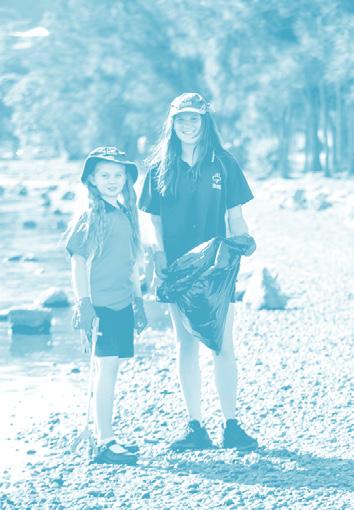
Service given for Service Flash 2 and 3 must be above and beyond service given for previous challenges. The service given for these challenges can be crosscredited to the Junior BP, BP and Queen’s Guide Awards. The service given for each level may include up to three different types of service. The badges will only be available in cloth, and can be worn on the sash, with each badge sitting next to the previous (if gained) with no gaps between the badges.
Use the tables on the following pages to record your service. Ask an adult to whom you are providing the service to sign the table for your records. Once you have achieved the required number of hours of service, share with your Patrol or Unit and reflect on your achievements so that you can receive recognition.
Date Service Provided
Date Commenced
To be started at a minimum age of 7 years. A minimum of nine hours of regular service over three months (approximately 40 minutes per week) to be given. This can include service to your family and/or school.
Length of Time Given
Date Completed
Total Hours
Signature

Date Service Provided
Date Commenced
To be started at a minimum age of 9 years. A minimum of fifteen hours of regular service over three months (approximately 1¼ hours per week) to be given. This can include service to your immediate and extended family, school and Girl Guiding.
Length of Time Given Signature
Date Completed
Total Hours

Date Service Provided
Date Commenced
To be started at a minimum age of 12 years. A minimum of twentyone hours of regular service over three months (approximately 1¾ hours per week) to be given. This can include service to your immediate and extended family, school, Girl Guiding and the community.
Length of Time Given Signature
Date Completed
Total Hours
During your time as a Girl Guide, you may achieve one Action badge per year. Each calendar year there is a different colour badge available for you to earn.
Use the table provided to record the date that you achieve each part of the badge.
Challenge
Record the date that you started this badge
When you have completed the activities, you may receive and wear the badge for the remainder of the calendar year.
To earn the Action badge you must complete the following syllabus within one calendar year:
Be a financial Youth Member of Girl Guides in your State or Territory
Attend regular Unit meetings
Participate in 3 Girl Guiding related activities or events other than regular Unit meeting days/nights. For example:
{ World Thinking Day
{ International Day of the Girl
{ District activity (record name of event)
{ Unit camp
{ Region event or camp (record name of event)
{ State Guide event or camp (record name of event)
{ JOTA / JOTI
{ Your choice (record name of event)
Participate in 2 service activities. For example:
{ ANZAC Day
{ Clean Up Australia Day Campaign
{ Unit service project (record name of project)
{ District service project (record name of project)
{ State service project (record name of project)
{ Fundraising for a charity organisation (record organisation name)
{ Your choice.
Record the date that you completed this badge. Well done!
Remember this is your learning journey, your pathway to a lifetime of experiences and adventure.
Check out the Awards in the Awards Book. Perhaps look to challenge yourself with the Junior BP Award, BP Award or Queen's Guide Award.
Look to see if you might be interested in the Focus Certificates or even the Commonwealth Award.
We hope you enjoyed the challenges in this book. Any time you want to, you can drop us a line to tell us what you liked or didn’t like about these badges or any other part of the Girl Recognition System.
Did it challenge you to achieve a higher standard in something you enjoy, or was it a bit too easy or too hard?
Were you able to explore unfamiliar and exciting things or did you find the activities fairly dull and everyday?
Did you, your Patrol or your Unit create any great challenges? We’d love to know what you thought — after all, it’s your program!
Please send all your comments to: Girl Guides Australia guides@girlguides.org.au
This book has been designed at A5 size, making it perfect for booklet-printing onto A4 paper.
Printing a multipage document as a booklet is possible with a program like Adobe Acrobat Reader, which arranges two pages per sheet. After collating and folding the double-sided sheets, you'll have a booklet with the pages in the right order.
To print out your Badge Book, follow these steps:
1 Open the PDF in Adobe Acrobat Reader. Select Print this file from the upper right.
2 Select which pages you want in the booklet in the Pages to Print section.
3 Select Booklet from the Page Sizing & Handling section.
4 In the Booklet subset dropdown list, select Both sides to print both sides of the paper.
5 Leave the numbers in the Sheets from boxes as they are. Acrobat determines which sheets must be printed to accommodate the print job.
6 Choose Left from the Binding drop-down list.


7 Select Auto-rotate pages within each sheet to rotate each page automatically for the best fit in the printable area.
8 Select Print.


For a detailed look into booklet printing go to:
https://helpx.adobe.com/au/ acrobat/kb/print-bookletsacrobat-reader.html