Global Pantry
Explore a World of Ingredients | Korea
SPOTLIGHT ON: KOREA
Korean-style restaurants grew by roughly 10% year-over-year in 2025, making Korean cuisine one of the fastest-expanding global food trends in the U.S. The production of fermented foods like kimchi is up 27% over the past four years at over 2,000 tons annually, which is a significant jump.
The numbers don’t lie, and Korean food continues to gain momentum across foodservice and retail due to:
• Increased consumer familiarity driven by global pop culture (K-food, K-BBQ, Korean fried chicken)
• Demand for bold, spicy, and fermented flavors
• Growing interest in “food as medicine” and gut health, where fermented foods like kimchi play a central role
• Versatility across formats, from bowls to street food
Koreanflavorsarenolongerniche;they’repopular,craveable, andexpected.
CHEF
SPOTLIGHT
EXECUTIVE CHEF
JOHN ROQUE
UCI Hospital–Irvine

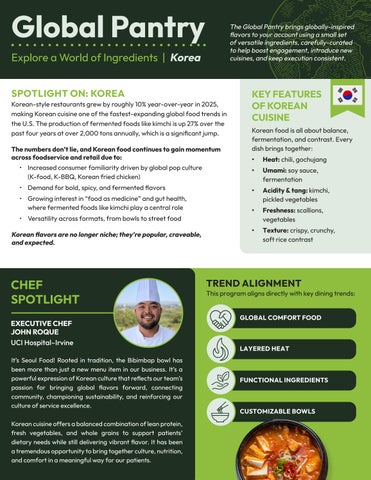
It’s Seoul Food! Rooted in tradition, the Bibimbap bowl has been more than just a new menu item in our business. It’s a powerful expression of Korean culture that reflects our team’s passion for bringing global flavors forward, connecting community, championing sustainability, and reinforcing our culture of service excellence.
Korean cuisine offers a balanced combination of lean protein, fresh vegetables, and whole grains to support patients’ dietary needs while still delivering vibrant flavor. It has been a tremendous opportunity to bring together culture, nutrition, and comfort in a meaningful way for our patients.
The Global Pantry brings globally-inspired flavors to your account using a small set of versatile ingredients, carefully-curated to help boost engagement, introduce new cuisines, and keep execution consistent.
KEY FEATURES OF KOREAN CUISINE
Korean food is all about balance, fermentation, and contrast. Every dish brings together:
• Heat: chili, gochujang
• Umami: soy sauce, fermentation
• Acidity & tang: kimchi, pickled vegetables
• Freshness: scallions, vegetables
• Texture: crispy, crunchy, soft rice contrast
TREND ALIGNMENT
This program aligns directly with key dining trends:
GLOBAL COMFORT FOOD
LAYERED HEAT
FUNCTIONAL INGREDIENTS
CUSTOMIZABLE BOWLS
CORE BUILDING BLOCKS
Every activation should use at least 2–3 of these elements:
GOCHUJANG (sauce)
Spicy, slightly sweet chili paste
Uses: sauces, marinades, glazes
SHORT-GRAIN RICE (grain)
Sticky rice base
Uses: Base for bowls, fried rice, composed plates
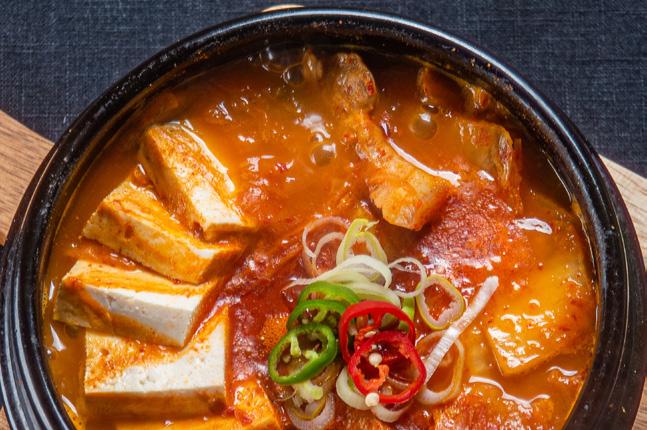
KIMCHI (fermented)
Tangy, spicy, and bold umami flavor
Uses: fried rice, bowls, sides, and toppings
SESAME SEEDS (dried)
Nutty crunch and finish
Uses: garnish for texture and authenticity
SUPPORTING INGREDIENTS
Bok Choy
Carrots
Chicken
Five Spice
Fried Egg
Garlic
Ginger
Glass Noodles
Mushrooms
Mustard Powder
Napa Cabbage
Pork
Scallions
Spinach
Tofu
Yellow Onions
TRAIN YOUR TEAM
Ensure frontline teams understand the featured flavors, ingredients, and talking points so they can confidently communicate the experience to guests.
Q: WHAT IS GOCHUJANG?
A: fermented chili paste
Q: WHAT IS KIMCHI?
A: fermented cabbage with chili and garlic
Q: HOW IS CHILI OIL USED?
A: finishing and flavor boost
Q: WHAT ARE THE KEY FLAVOR PROFILES?
A: spicy, tangy, savory, slightly sweet
SOY SAUCE (umami)
Salty, savory base flavor
Uses: seasoning, marinades, balance
DOENJANG (richness)
Earthy, funky, like a more rustic miso
Uses: deepen broths and supports plant forward recipes
GOCHUGARU (spice)
Korean chili flakes
Uses: adds smoky complexity to kimchi and seasoning blends
PERILLA LEAVES (herb)
Minty, unique fresh herb
Uses: noodles, salads, freshness
FEATURED RECIPE
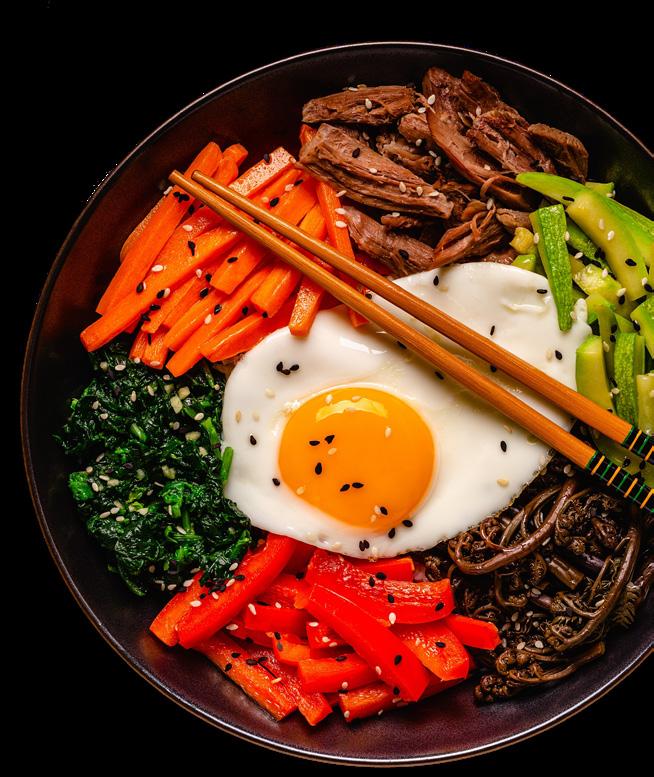
Bibimbap Rice Bowl (86473.11) + Bulgogi Beef (82203.1)
A Korean rice bowl built on balance and variety. Steamed rice is topped with vegetables, a protein, a fried egg, and spicy chili paste, then mixed together for bold flavor in every bite.
PURCHASING
To support global menu innovation, teams should first review their broadline catalogue to identify existing options before partnering with approved specialty vendors and leveraging Morrison’s procurement and culinary resources. For guidance on sourcing and product availability, connect with your CEC and procurement team to identify solutions that align with your menu needs.