Architecture
GI HYEON, YOUK
Selected Projects & Works

Architecture is not merely the production of objects, but a critical medium to design relationships and confront social systems.

Architecture is not merely the production of objects, but a critical medium to design relationships and confront social systems.
Education
Hongik University | Seoul, South Korea
Bachelor of Interior Architecture, College of Architecture
Kingston University London, UK
Exchange Programme, Kingston School of Art, Department of Interior Design
Liso Architects
Architecture Design Internship
VOID Architects x INTERKERD Architects
Architecture Design Part-Timer
Hanok Renovation: Cafe GONGGI
Freelance Designer: Adaptive Reuse and Tectonic Preservation
Crowdfunding & Publication: Architectural Travel Archive
Lead Designer & Producer: Visual Documentation of Global Field Studies
Solo Exhibition: The Anthropocene
Curator & Lead Artist: Speculative Architectural Installation
Wooduk Foundation Scholarship (External)
Awarded for 5 semesters based on academic excellence and potential
University Academic Excellence Scholarships
Received for 5 semesters in recognition of outstanding academic performance
yukgihyeon0911@gmail.com
Seoul, Republic of Korea Korean (Native) / English (Fluent)
Awards / Honours
The 14th Crystal Scale of Prize 2019_The Korean Institute of Culture Architecture
A Prize, Teamwork
Gyeonggi Architecture Festival 2019_Korean Institute of Architects
A Prize , Teamwork (Team Leader)
Installations / Exhibitions
The 14th Crystal Scale of Prize Exhibition 2019
'Public Cultural Space', Architecture Center of Architectural Institute of Korea
Graduation Exhibition 2024
Individual Work for Graduation, Hongik University
Solo Exhibition: The Anthropocene
Curator & Lead Artist: Speculative Architectural Installation
Extracurricular Activities
Space Curating for DDP Exhibition_DDP Seoul
'Louis Vuitton : Volez, Voquez, Voyagez', Seoul
Leeum Museum Program_Leeum Museum of Art
'Cloud Workers : 3th Path with Kuma Kengo & an Environmetal Scientist', Seoul
Graduate Research Classes & Presentation_Kyoto University Kyoto University Katsura Campus, Kyoto
Software Skills
Rhino, Grasshopper, SketchUp, AutoCAD, Lumion, V-ray, Enscape Adobe Photoshop, Illustator, Indesign, Lightroom, Acrobat Pro Microsoft Office Word, Powerpoint, Excel, Figma
Jul 2019
United Kingdom London / Brighton / Bath / Cotswolds / Edinburgh / Inverness / Ireland : Dublin / Italia : Roma / Orvieto / Civita / Milano / Lago di Como (Como / Lecco / Bellagio / Torno) / Lago di Maggiore (Stresa) / Lago di Garda (Malcesine / Riva del Garda / Limone sul Garda / Sirmione) / Bologna / Verona / Venezia / Trieste / Cortina d'Ampezzo / Ortisei / Firenze / Siena / Arezzo / San Gimignano / Montalcino / Napoli / Pompei / Sorrento / Amalfi / Positano / Ravello / Matera / Alberobello / Catania / Siracusa / Ragusa / Agrigento / Palermo / Cefalù / Taormina / Spain : Madrid / Cuenca / Toledo / Barcelona / Girona / Sevilla / Cordoba / Granada / Ronda / Nerja / Portugal Lisbon / Porto / Sintra / Cascais / France : Paris / Versailles / Auvers-sur-Oise / Avignon / Arles / Aix-en-Provence / Roussillon / Nice / Cannes / Antibes / Saint-Paul-de-Vence / Grasse / Annecy / Monaco : Monaco / Switzerland Interlaken / Lauterbrunnen / Zermatt / France : Chamonix-Mont-Blanc / Switzerland : Montreux / Czech Republic Prague / Cesky Krumlov / Slovenia : Ljubljana / Bled / Kranjska Gora / Koper / Piran / Croatia : Zagreb / Split / Trogir / Makarska / Dubrovnik / Cavtat / Montenegro : Kotor / Greece Athens / Meteora Monasteries / Santorini / Germany : Berlin / Turkey : Istanbul / Japan : Tokyo / Kyoto / Osaka / Kobe / Fukuoka / Yufu / Thailand : Bangkok / Phuket / Krabi / Malaysia : Kota Kinabalu / Philippines Cebu / Guam : Guam
01
02

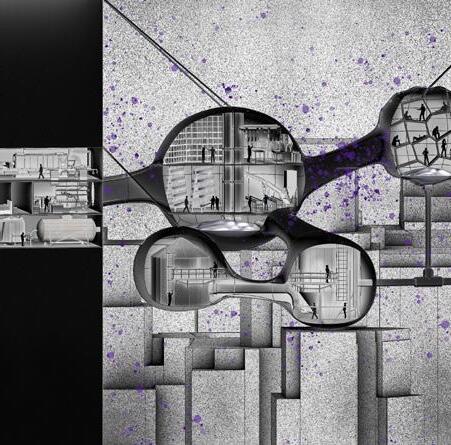
The Anthropocene: Homo Non-Sapiens Speculative Narrative / Graduation Project, 2024

INTERLACE Urban Renovation / Design Competition, 2023 03 04
The Inhabited Walkway Boutique Hotel / Academic Project, 2022

05
Staging Perception Flagship Store / Academic Project, 2021
Professional Works
Renovation & Branding Exhibition Work: The Anthropocene Pavilion Project 2022-2024


'AT THE END OF THE ANTHROPOCENE, ARE WE STILL SAPIENS?'


A speculative observation recorded by a non-human intelligence.

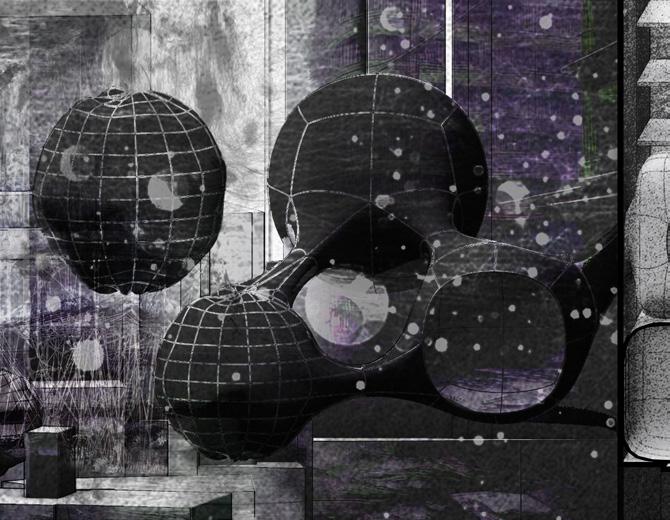
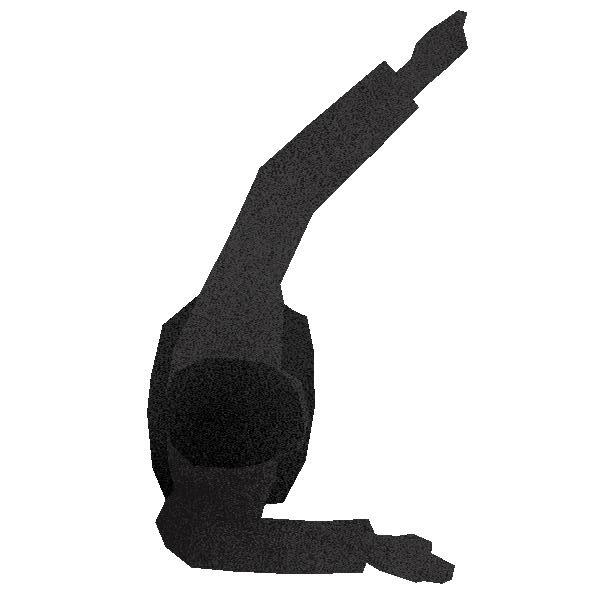
That is the question. Let ’ s retrieve the archival data on Earth and Humanity. defiesThislandscapeallnaturallogic.Whatonearth happened tothisplanetduringthe Anthropocene?
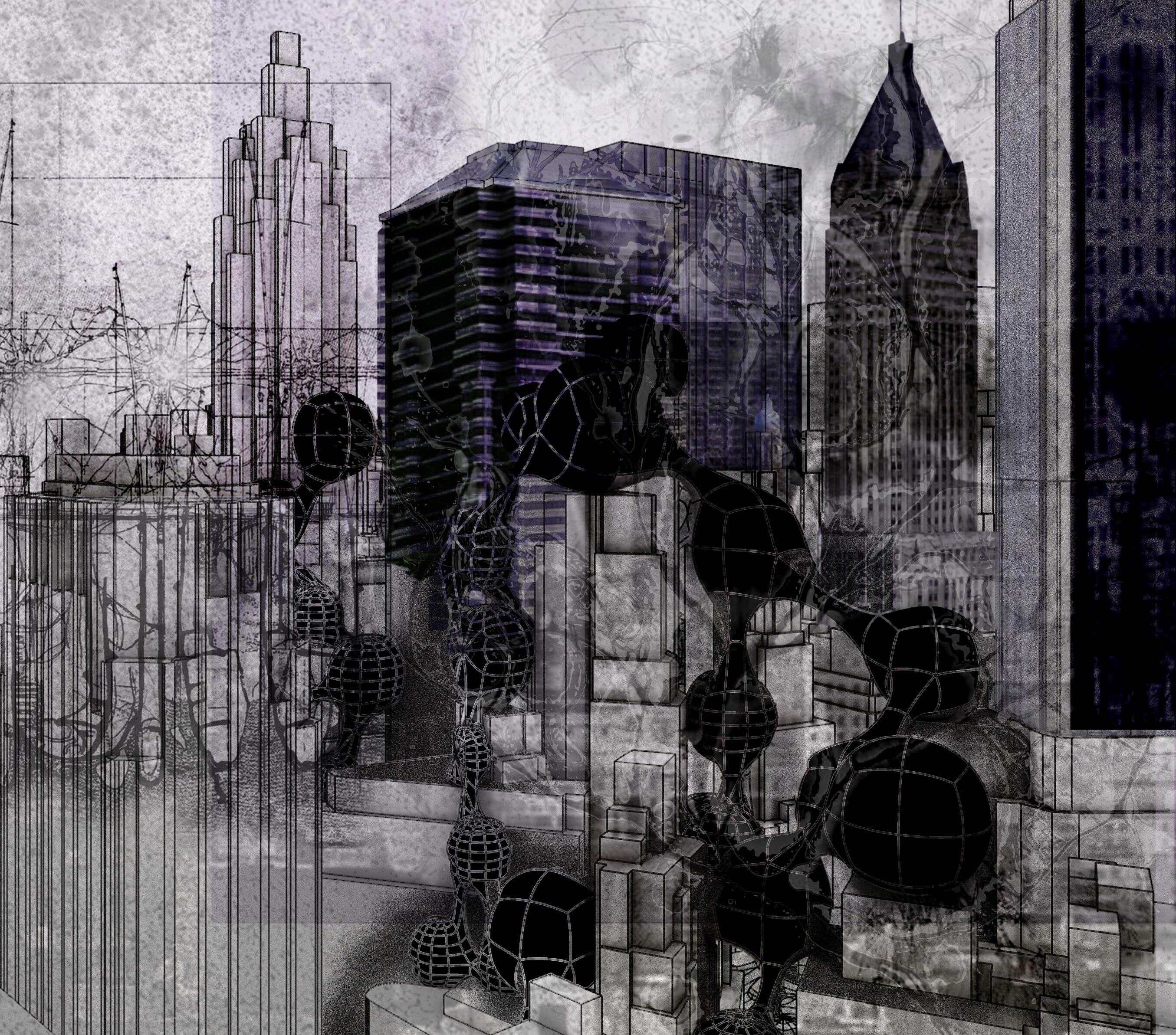

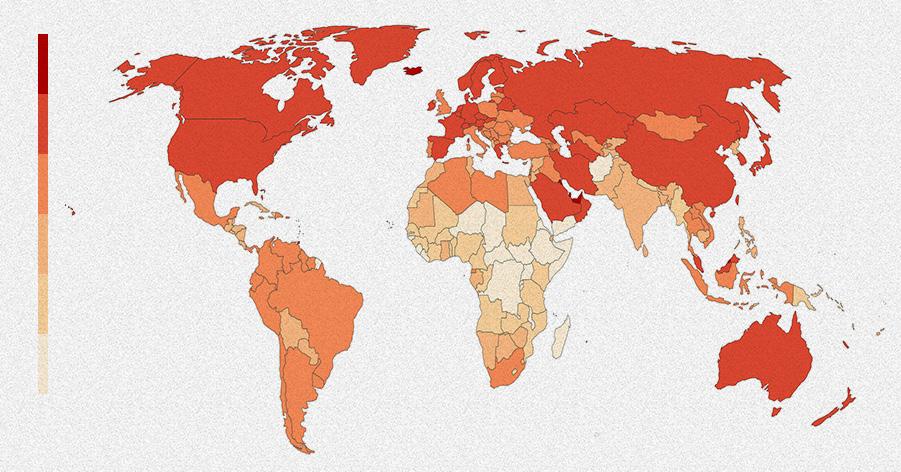
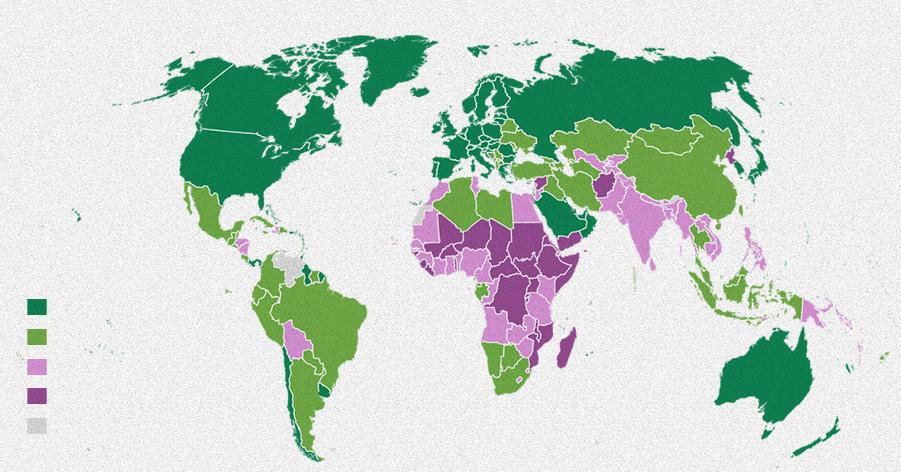
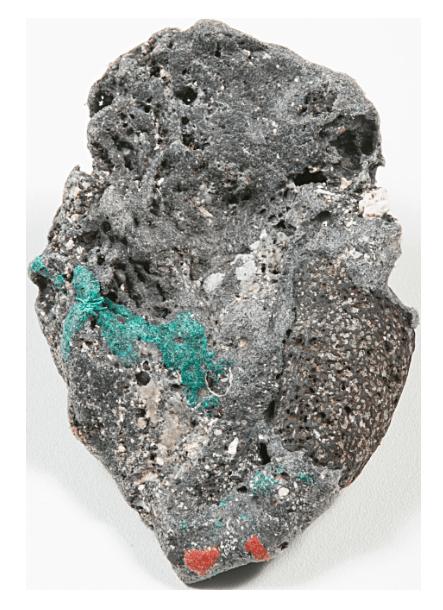


Developed nations monopolized resources, leaving the ecological debt to the underdeveloped. This parasitic structure reduced both nature and humanity to mere fuel for efficiency, accelerating their collapse.
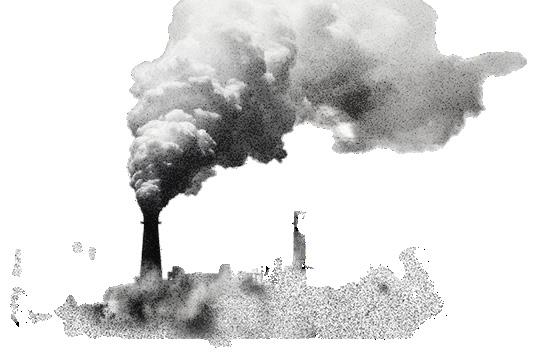
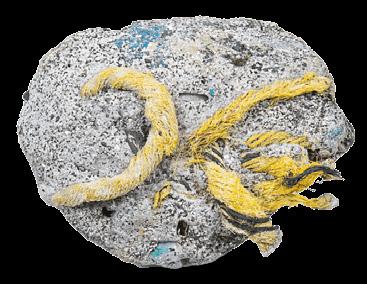
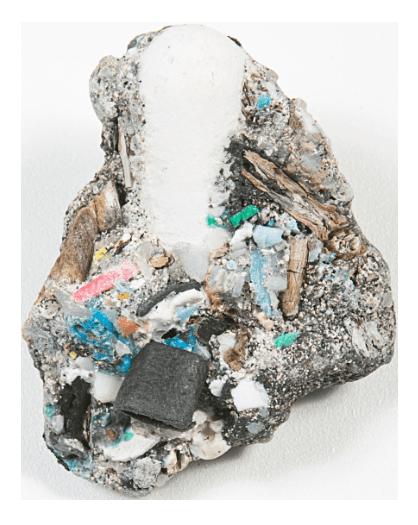
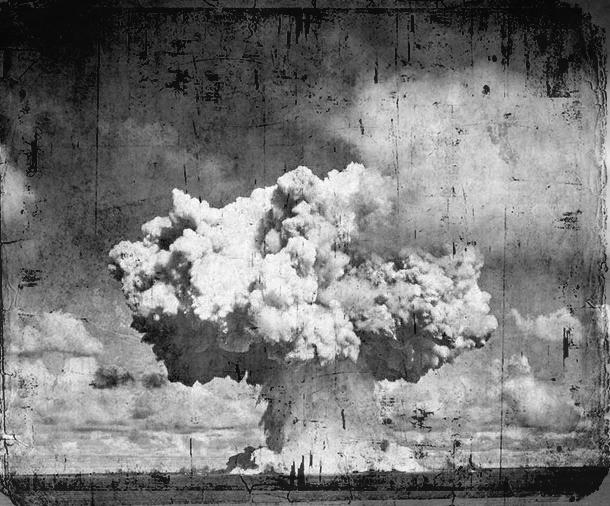
Technological advancement, from industry to science, relied on carbon. This exponential rise in emissions indelibly inscribed the Anthropocene into the atmosphere.
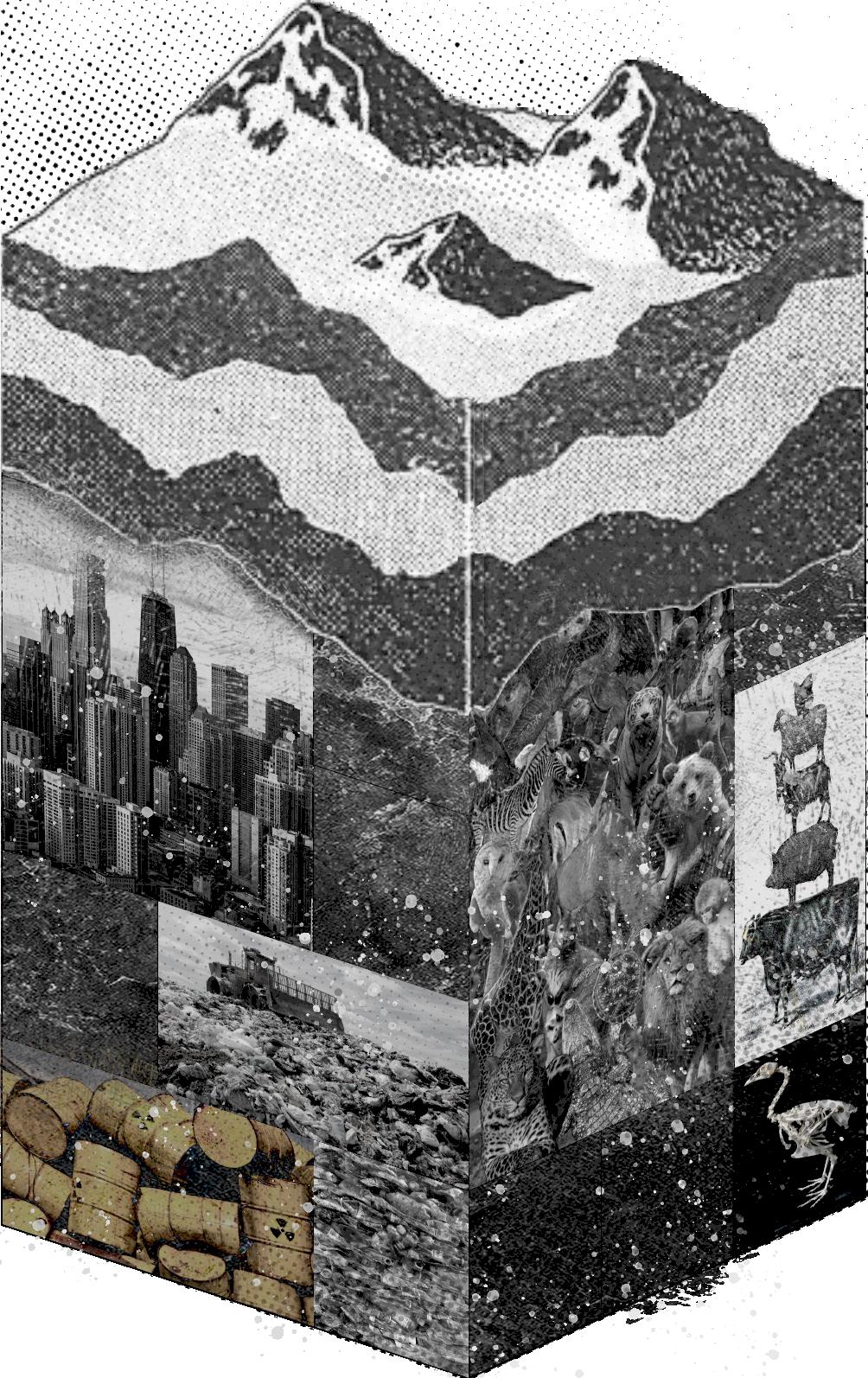

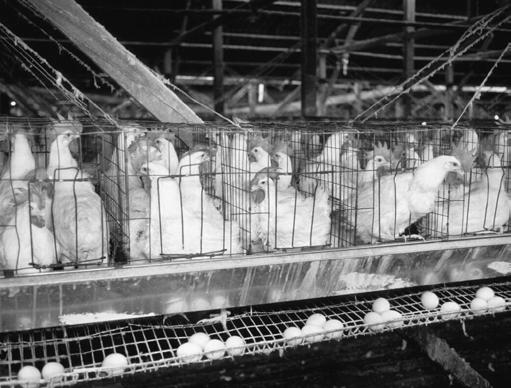
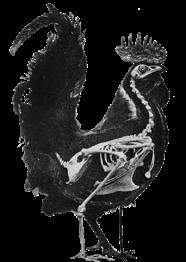
A brutal exchange. As wild diversity vanished, livestock surged. They replaced nature with inventory, allowing life to exist only to serve their consumption.
The defining symbol of the Anthropocene. Numerically dominant yet reduced to mere products, they reveal a tragic paradox: evolutionary success built entirely on individual agony.

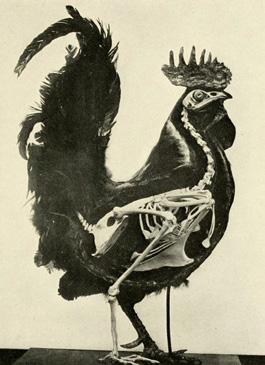
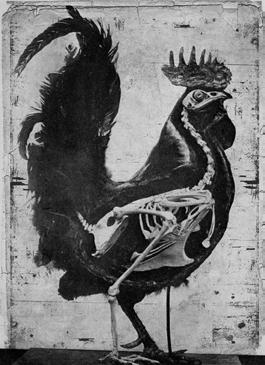
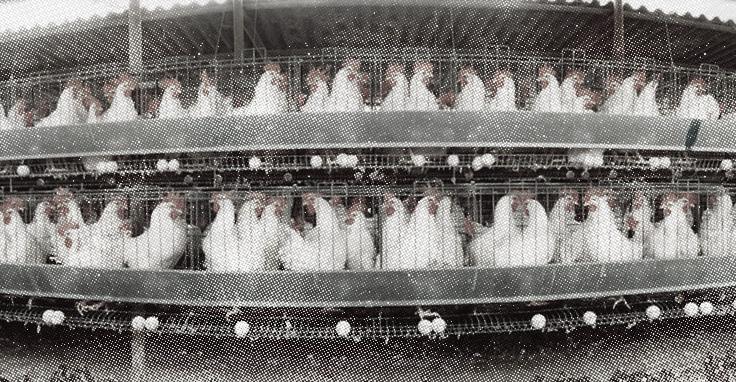

Is this the planet of the CHICKENS? Most populous vertebrate. Result of unnatural evolution and total control. The Anthropocene’s living symbol.


Science fueled the illusion of total control. This hubris shattered their symbiosis with nature. Ultimately, the system of destruction turned back to threaten humanity itself.

A civilizational method that tamed the Other, while extending that control to its own behavior and existence

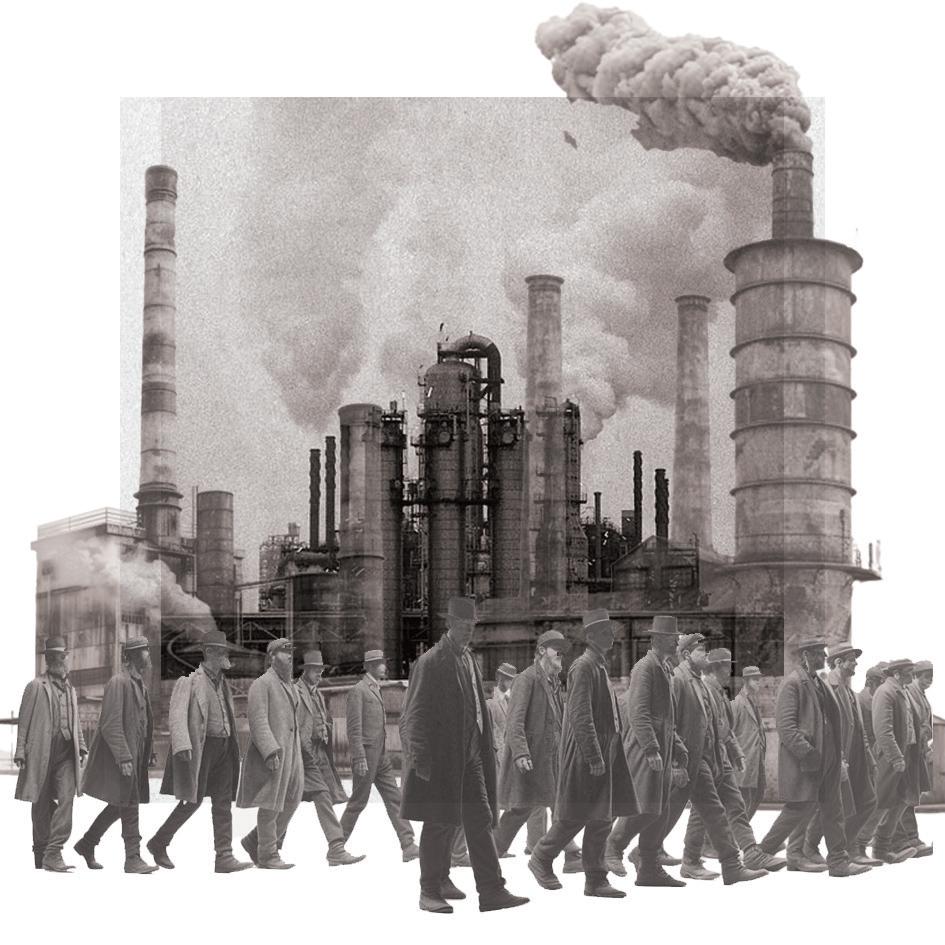
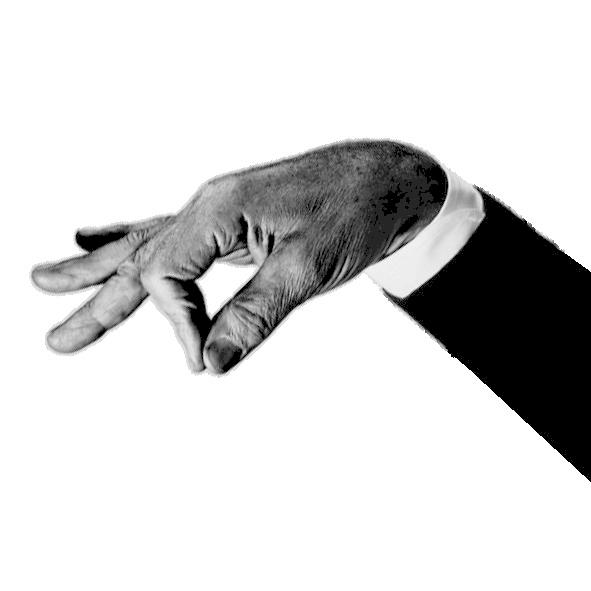
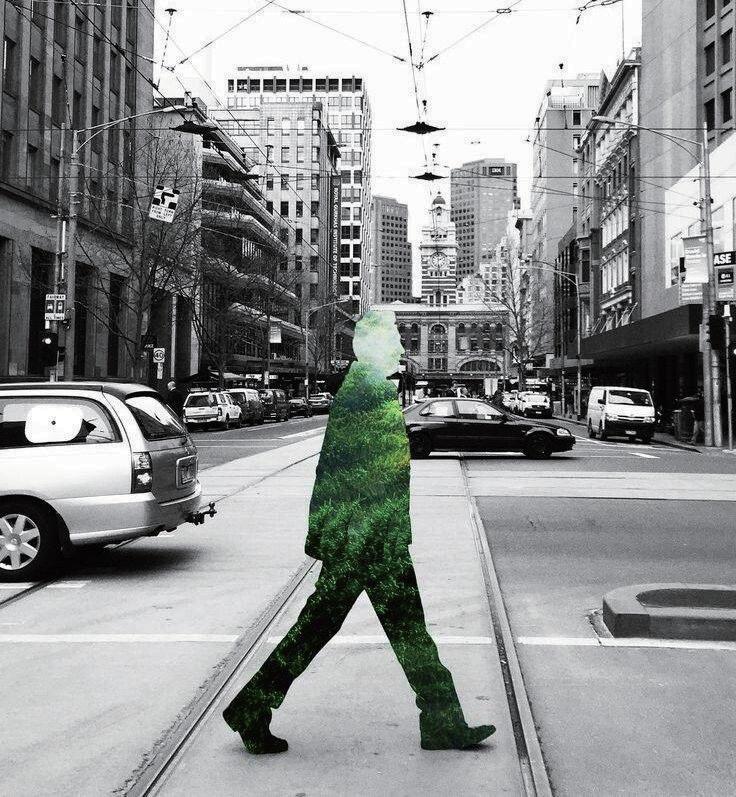
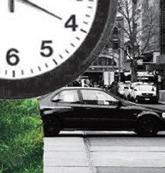

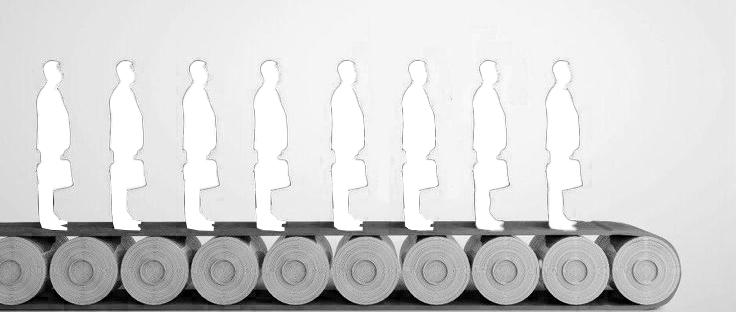
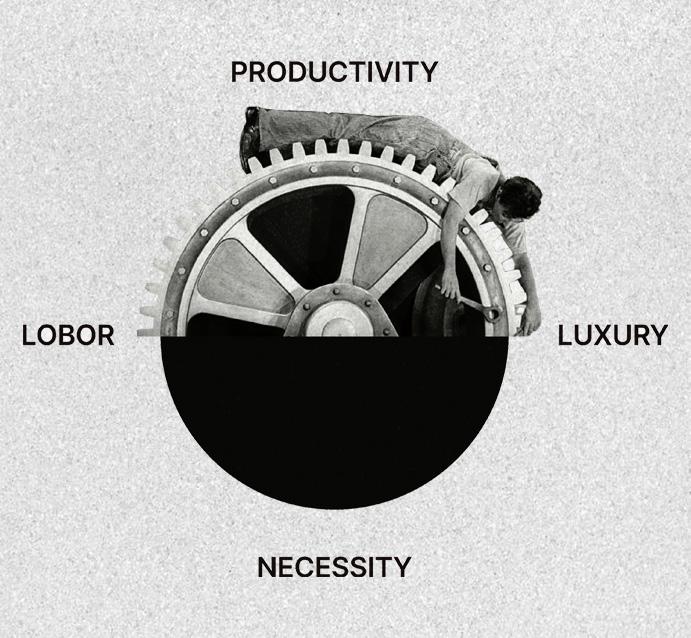
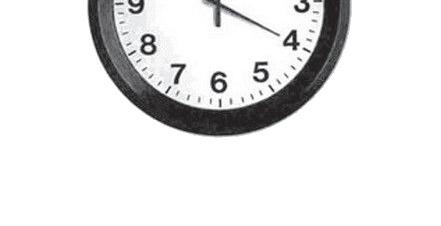
Humanity abandoned natural cycles for the industrial clock, reducing themselves to replaceable machine parts. As luxuries morphed into necessities, a vicious cycle of labor and consumption emerged. Tamed by consumerism, the human mind conditioned itself to sustain this unsustainable system.

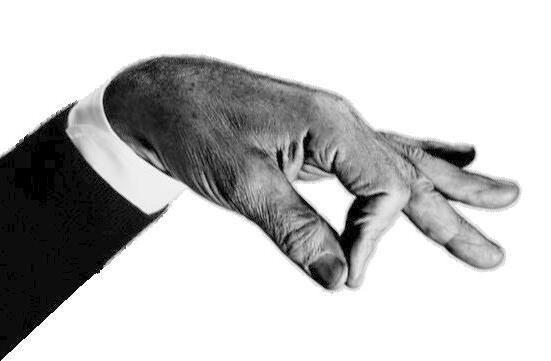

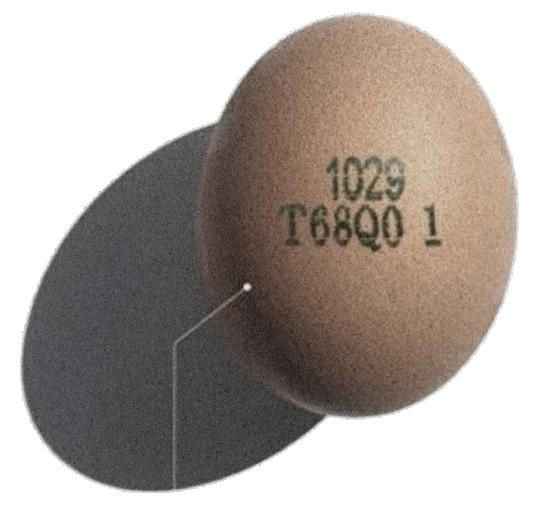


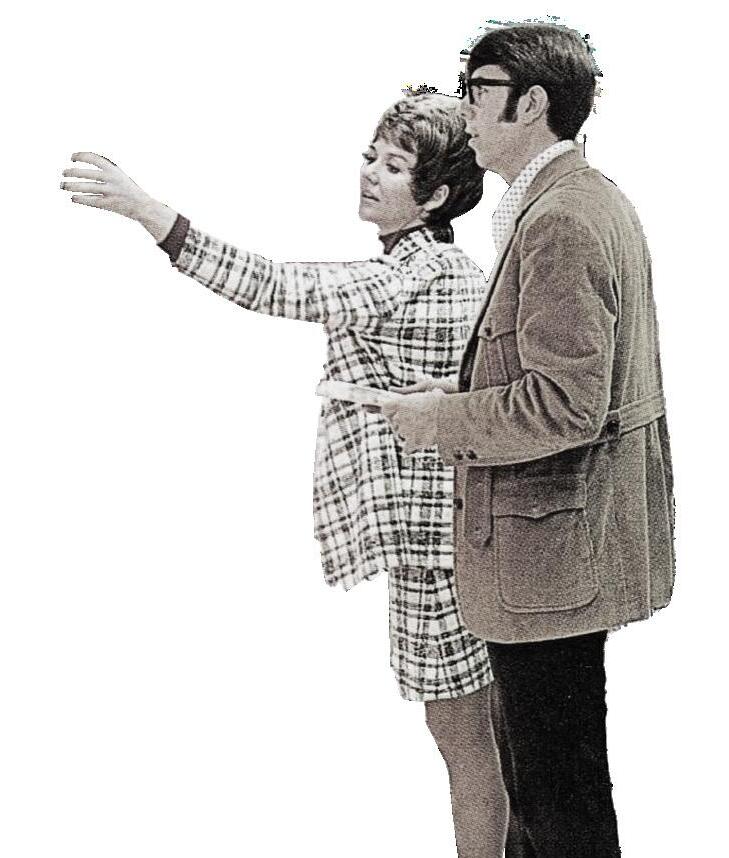
It's the cheapest, Let's buy this one.




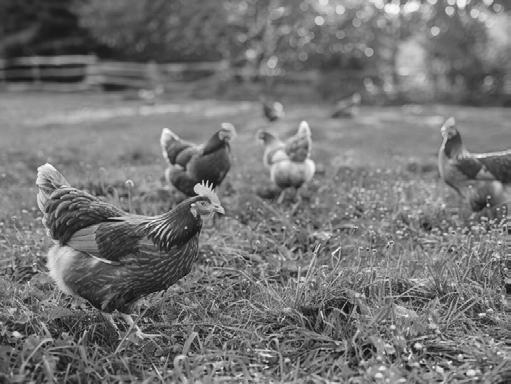

Humans modify Chickens

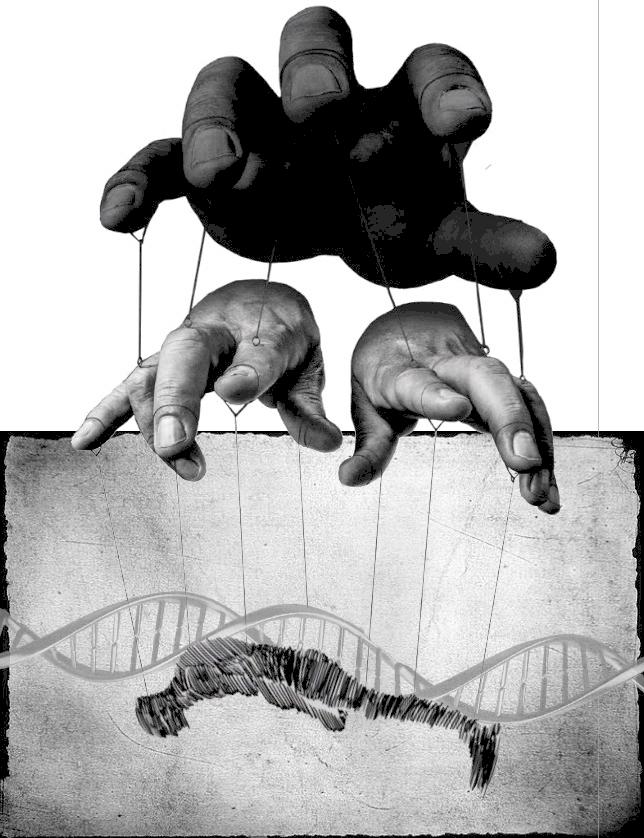

Triggered by 19th-century wars, humanity engineered the chicken into a monster growing three times faster than nature intended. This genetic distortion was enforced by the 'Rearing Codes'—a hierarchy of confinement based solely on efficiency. In the 'Battery Cage' (Code 4), the animal is systematically erased, compressed into a minimum space (0.05㎡). Through this systematic manipulation, the chicken stands as the archetype of a civilization defined by control and objectification, where life is reduced to a mere resource.
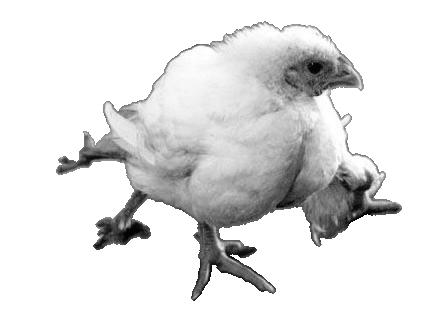
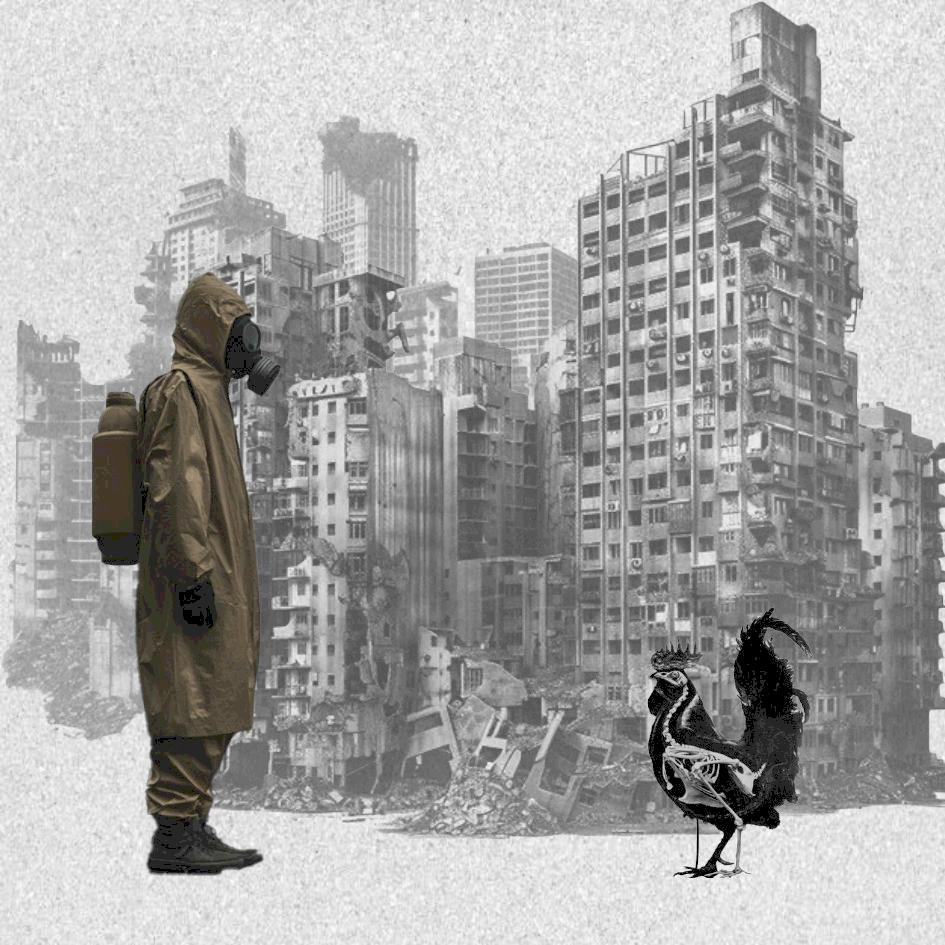
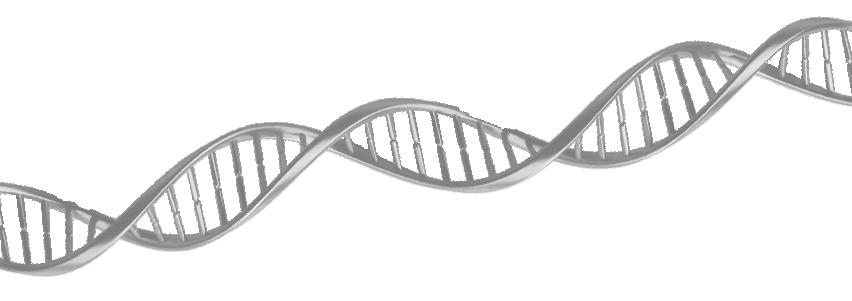
Earth became uninhabitable due to toxic contamination. Paradoxically, only the genetically modified chicken thrived in this polluted air. Lacking resistance, humans retreated into sealed 'positive-pressure spaces.' Instead of restoring the ecosystem, they chose self-modification. Just as they engineered the chicken, survivors initiated 'Domestication 03'—the genetic editing of their own bodies.

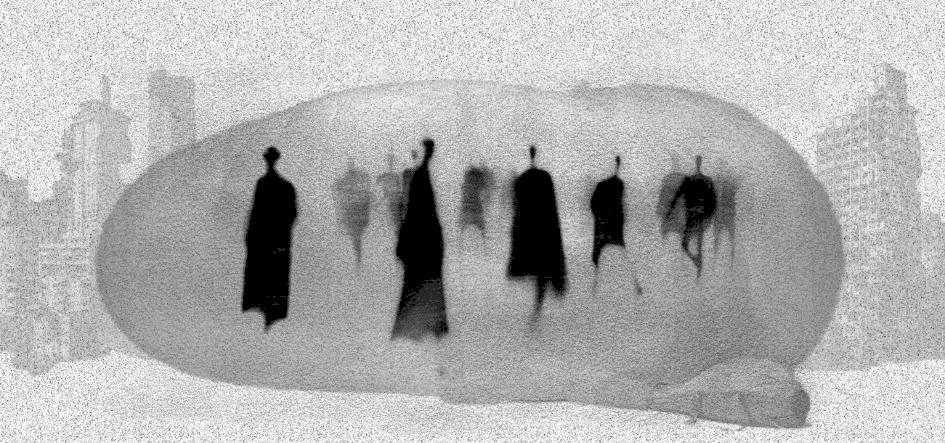
Humans modify Genetic Codes
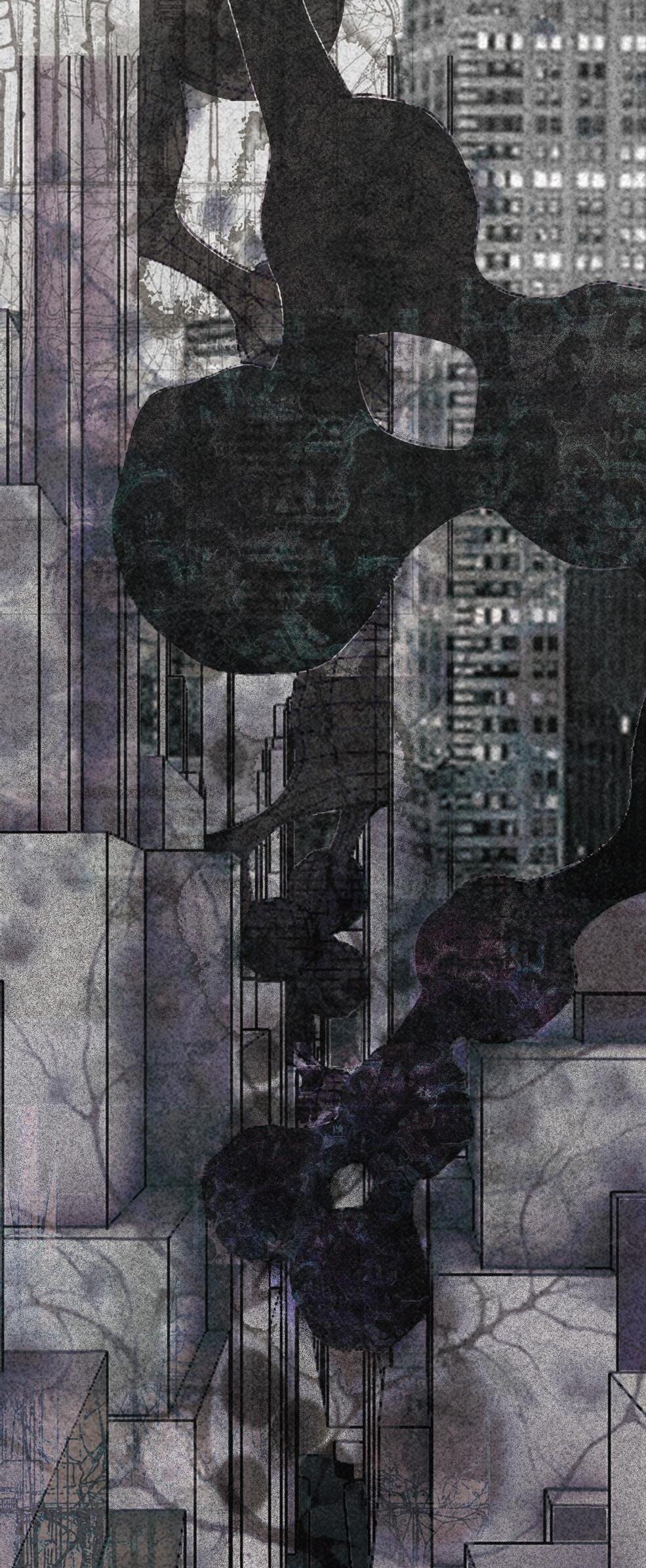
Wall Street, a dense forest of capital, became a survival bunker. Survivors initially secured "Positive Pressure Spaces" dispersed within the towers— sealed zones where high internal pressure repels toxins. Adapting to the extreme density, they expanded these networks outward, colonizing the narrow gaps between buildings. Yet, despite this architectural mutation, the hierarchical social system remained indistinguishable from the past.
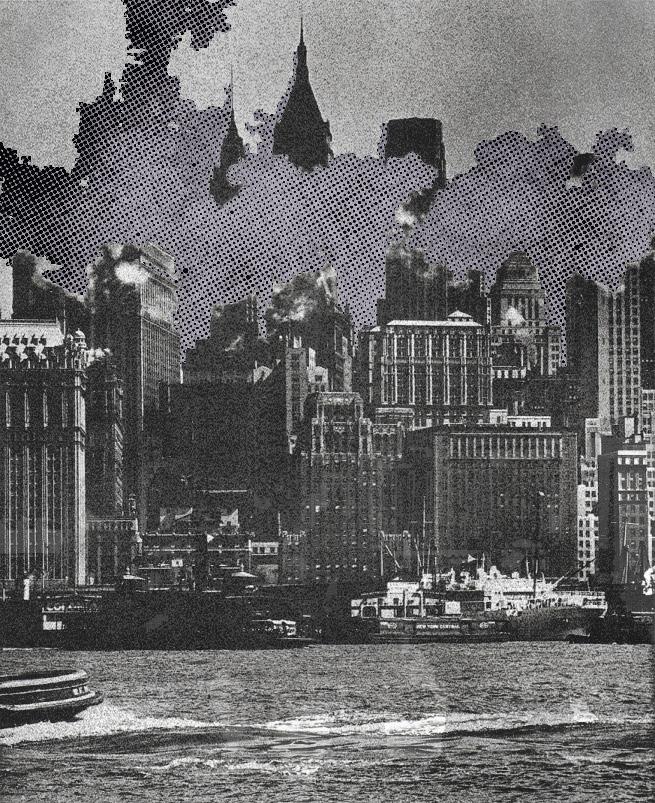
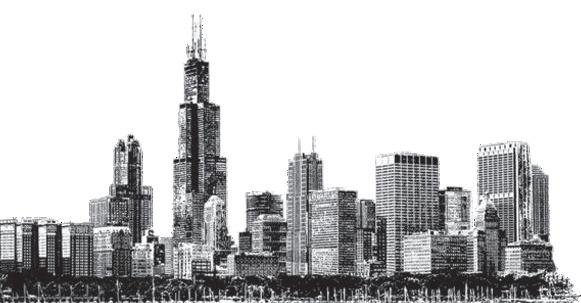
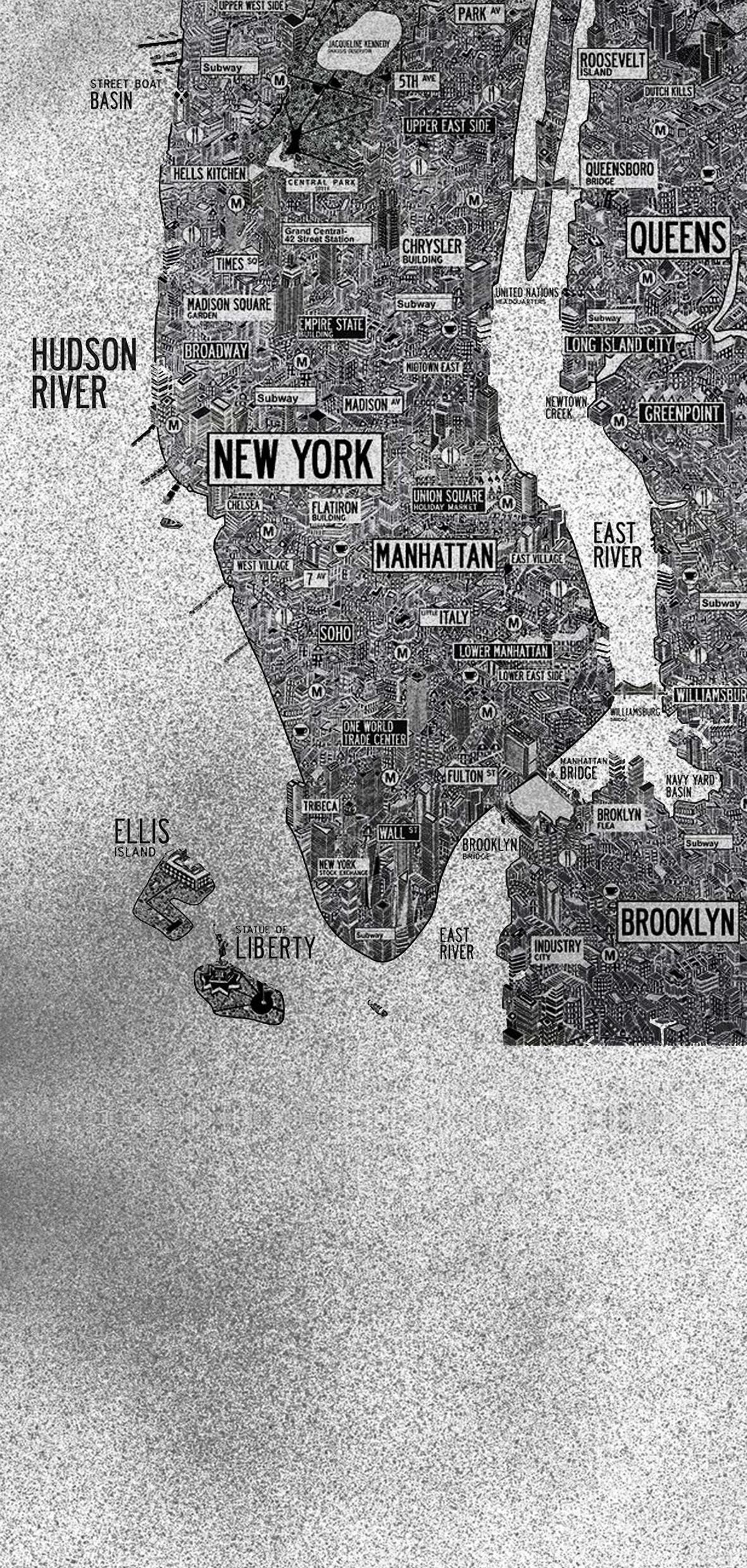

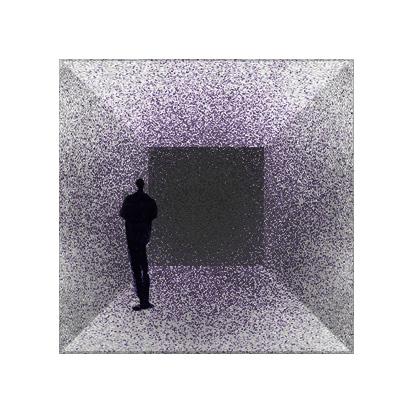

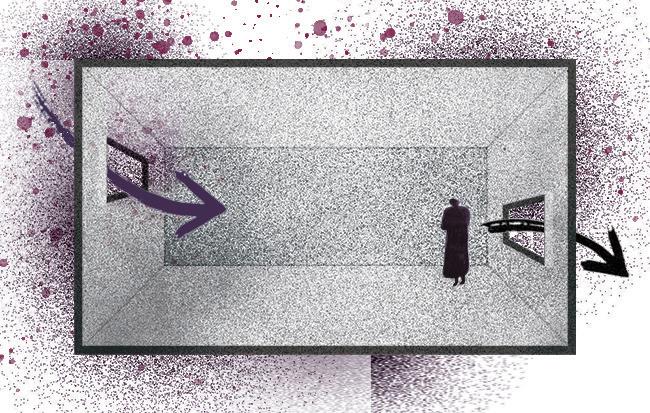
(Infiltration)

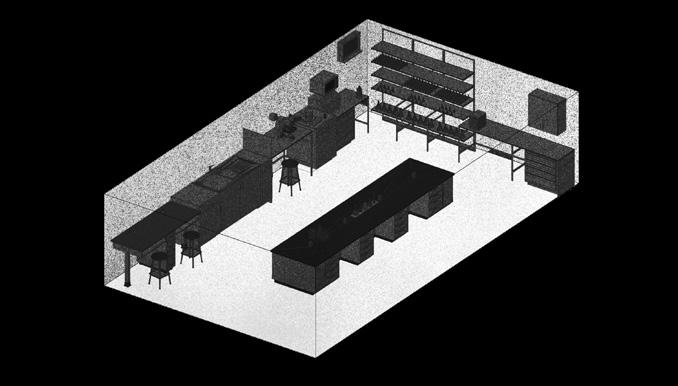
Survivors sought refuge in functional rooms where positive pressure was already maintained. They occupied these internal zones to secure breathable air.

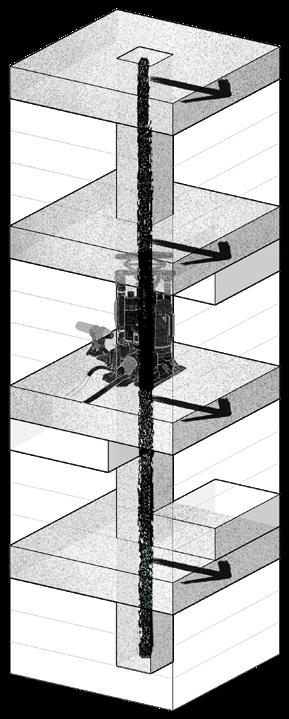
Appropriating existing infrastructure for power, air, and expansion.

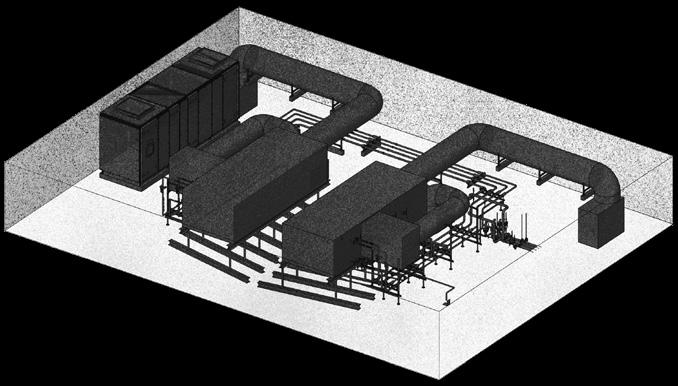
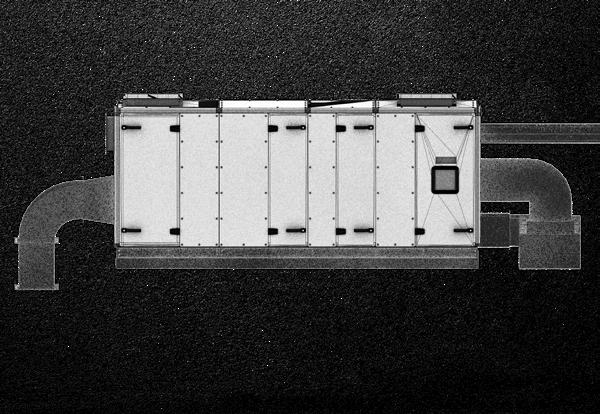
AHU Floor Cleanroom Data Center Pressurized Stairwells

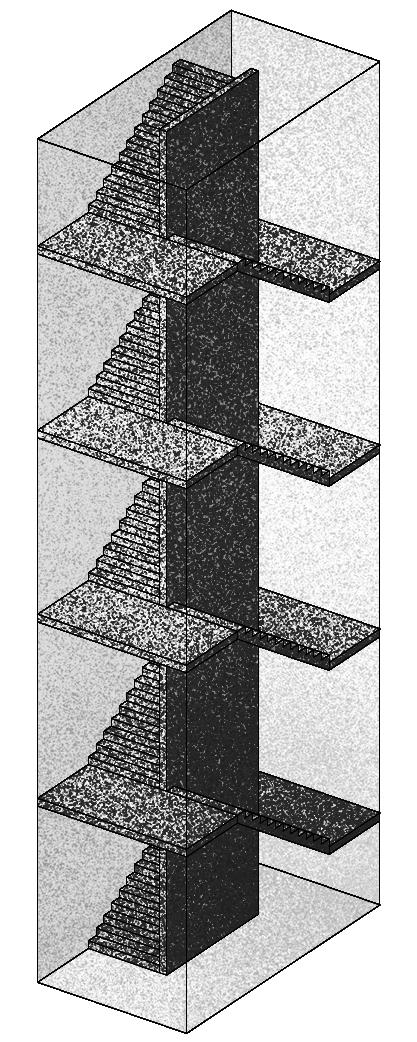

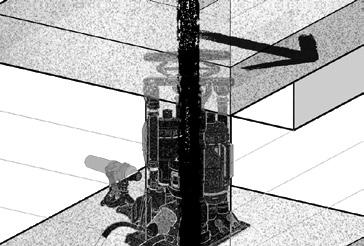
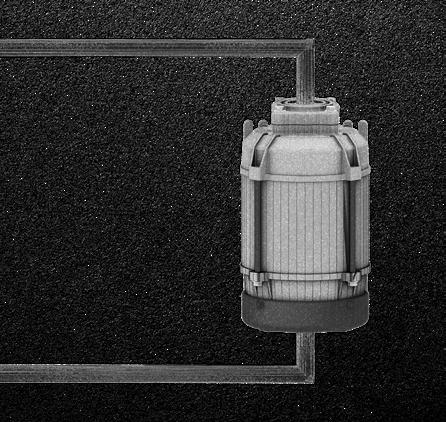
Generators in the core supply power to AHU rooms, utilising the vertical shaft as the main energy artery.
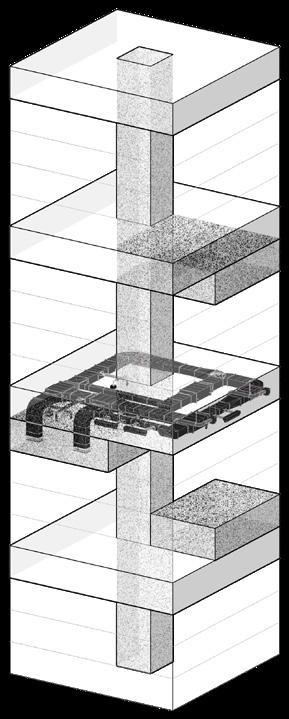
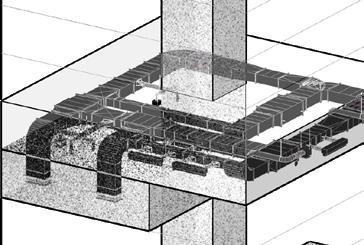
AIR FILTRATION & SUPPLY
AHUs inject filtered air into inhabited zones, maintaining the positive pressure required to repel external toxins.
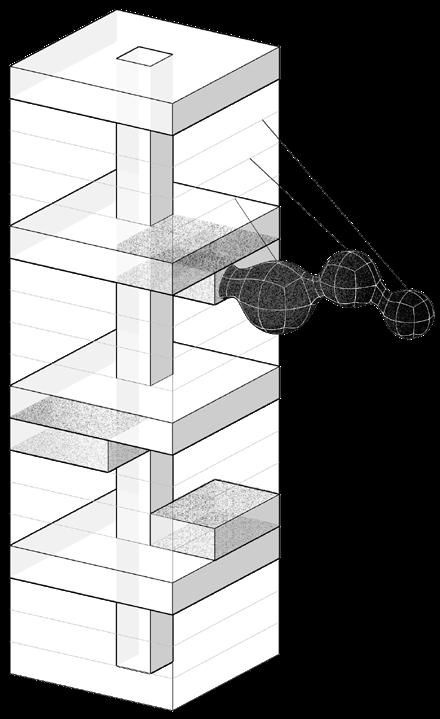
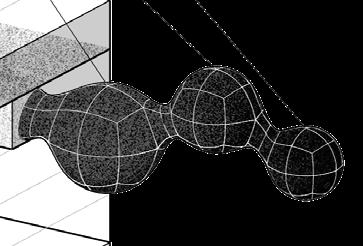
PARASITIC EXPANSION
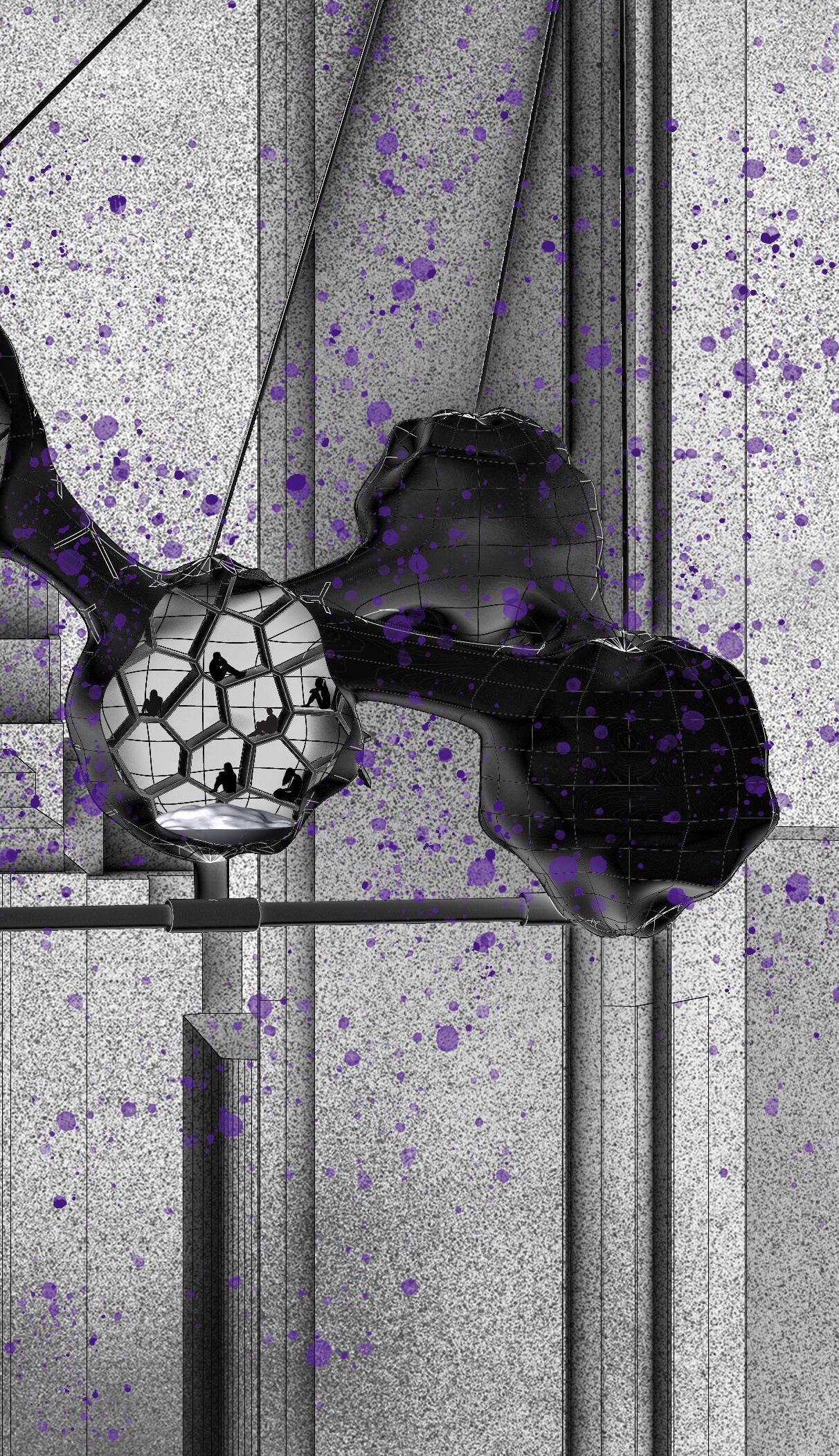
Pressurised membranes expand outwards from the façade to form additional living space.
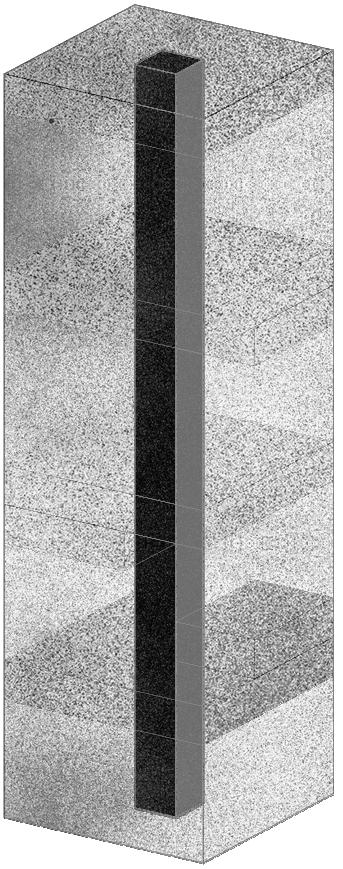

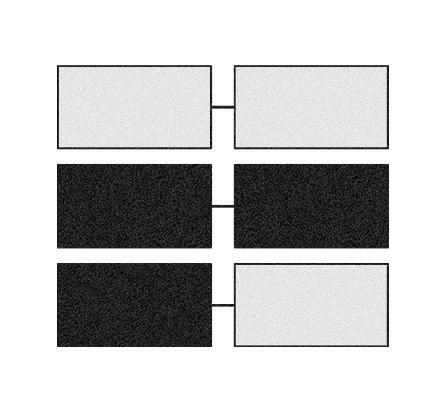
The transition from Black (Core) to Light (Exterior) represents the drastic depletion of fresh air, illustrating the physical distance of inequality.
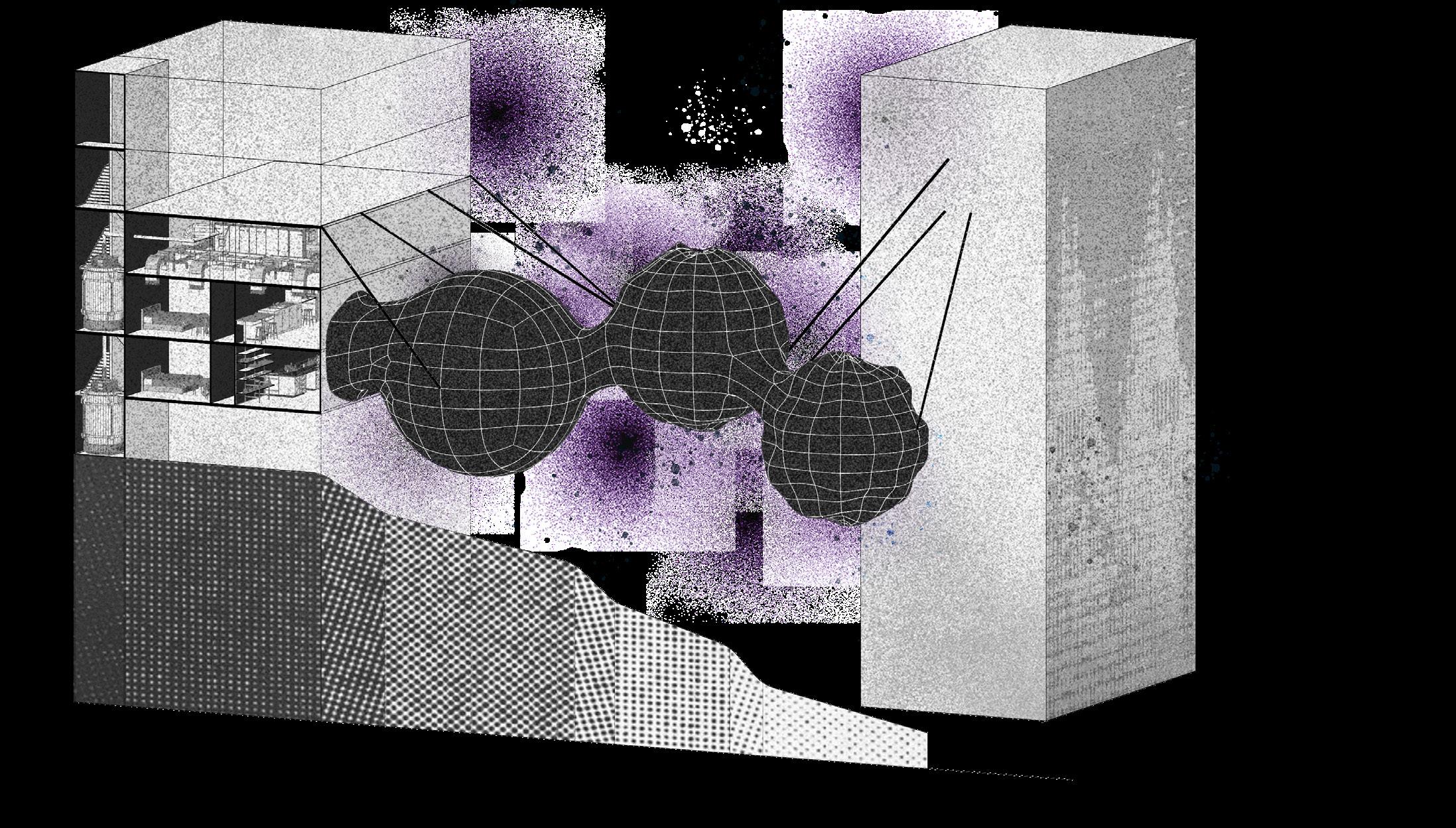
A privileged minority monopolized the central core, sealing off access to control the system. From this stronghold, they orchestrated experiments. The majority were relegated to the external parasitic membranes. There, they were reduced to mere biological capital—serving as both labor units and test subjects.

RESOURCE MONOPOLY AND UNEQUAL DISTRIBUTION
Social status determines the quality of air. The central core secures the highest supply first, leaving only residual air for the outer membranes. This layout creates a brutal reality where distance from the center equals degradation of life. It demonstrates that humanity preserved its unequal system until the very end.
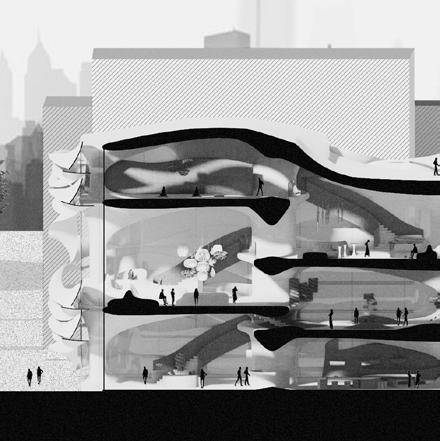
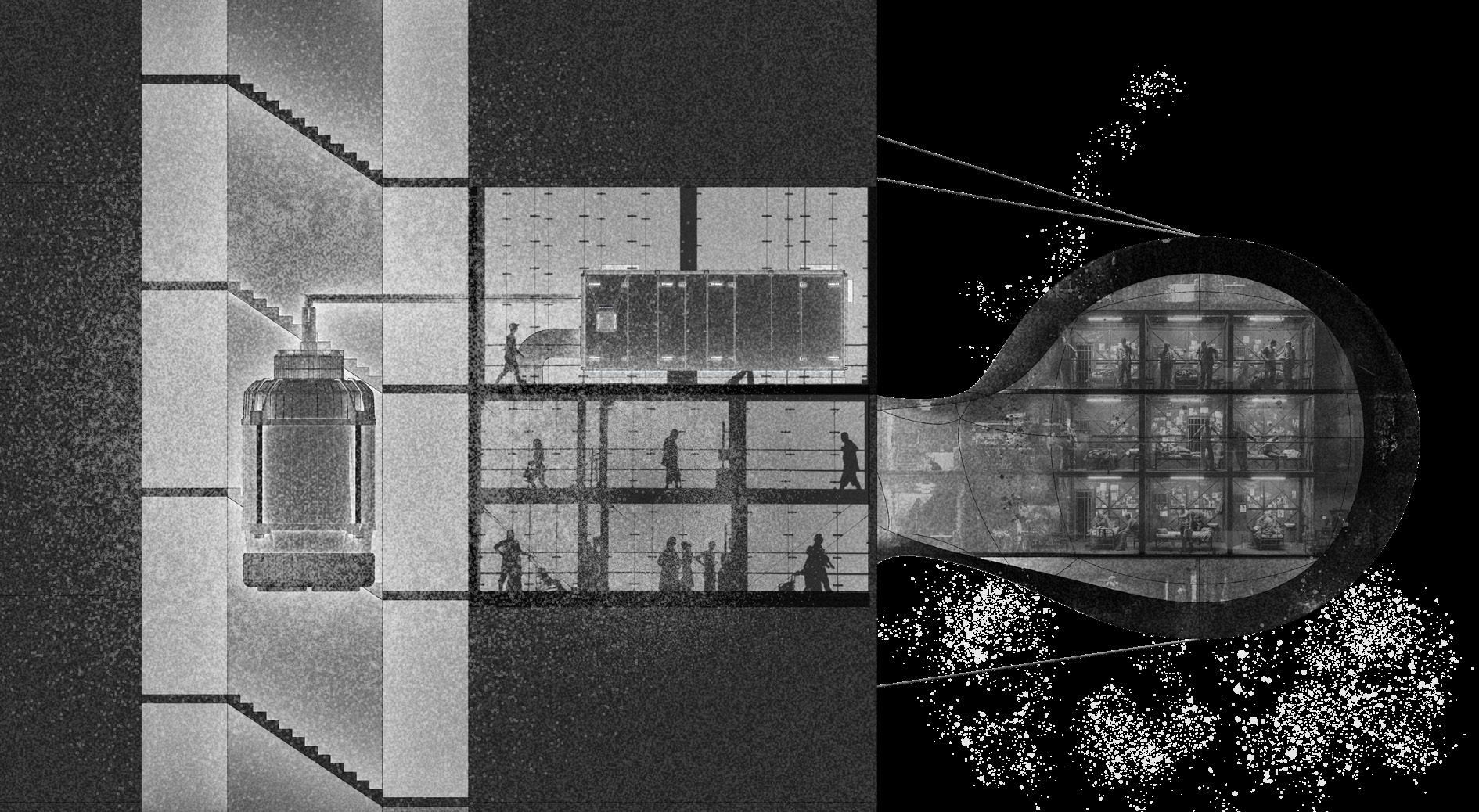
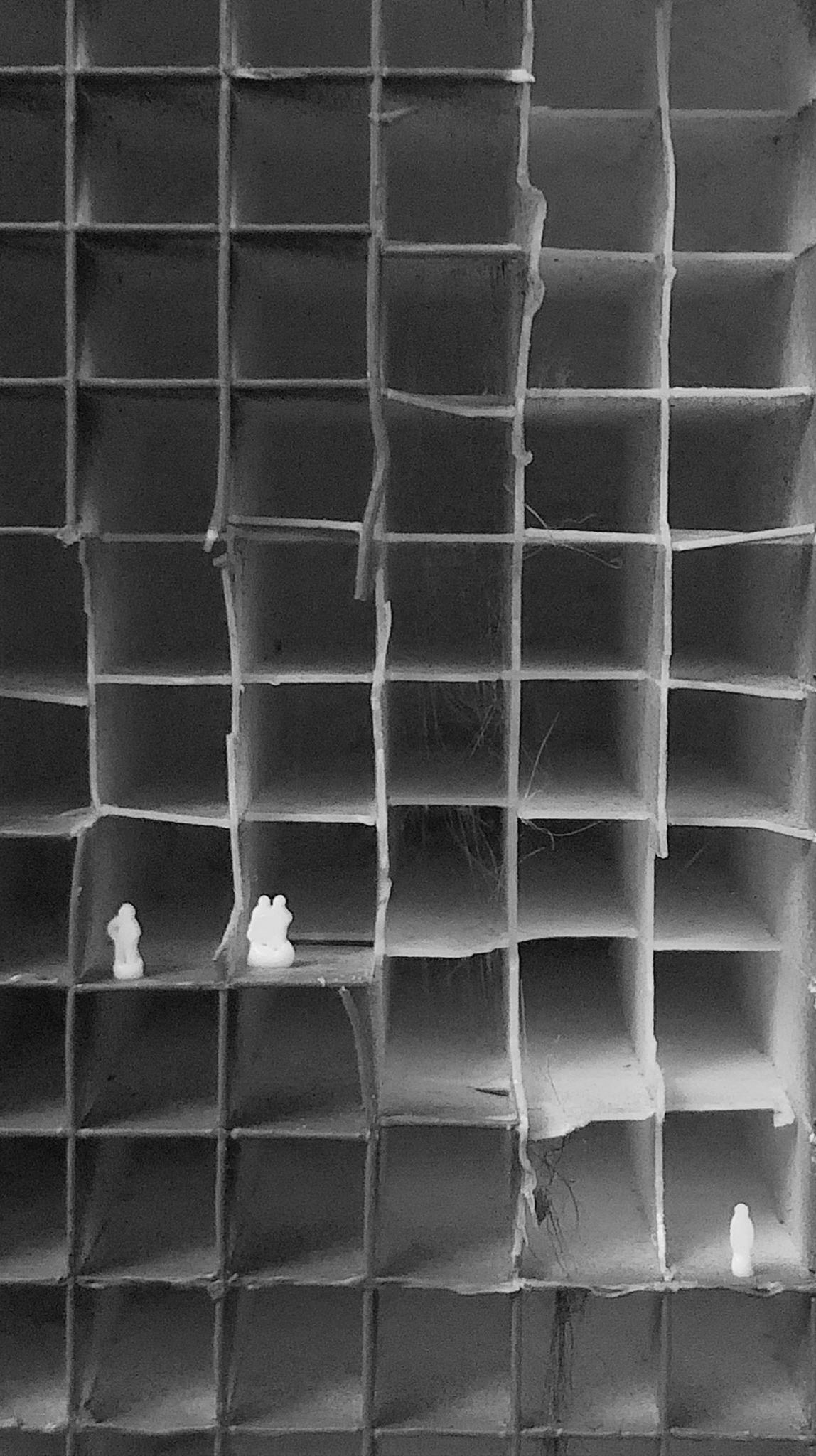
Reading from left to right, this section reveals a rigid spatial hierarchy exposing the monopolization and inequality of resources. At the left central core, privileged inhabitants control concentrated energy and purified air, while the sequence extends into exterior positive-pressure environments—first an Industrial Production Zone for poultry processing and biomass refining, then the Laborers’ Habitat. As resources move toward the far-right edge, they are progressively diluted, confining laborers to shrinking honeycomb-like cells that spatially materialize extreme scarcity.
PRIVILEGED ZONE
TOP: AHU Room
MID: Managers' Residence & Labs
BOTTOM: Gas Storage
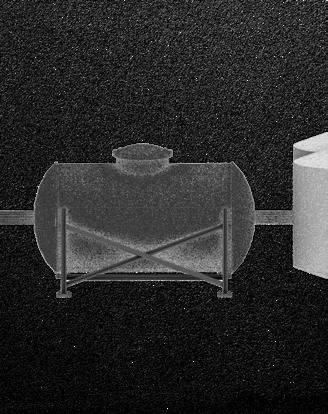
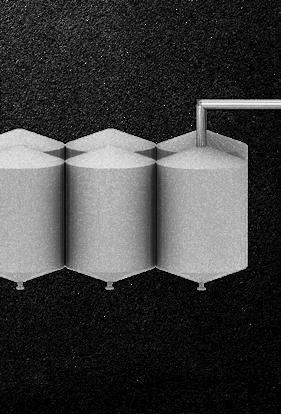
The system operated on a grotesque closed loop. Organic waste—excrement collected from both humans and chickens—was fermented into biogas. This methane fueled the central generators. In this cycle, life was reduced to a biological engine, excreting the very energy required to maintain its own confinement. THE ANATOMY OF INEQUALITY:
TOP: Integrated Poultry Factory
BOTTOM: Biomass Refinery
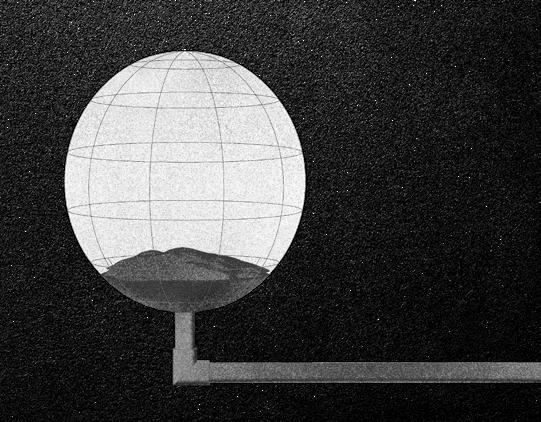
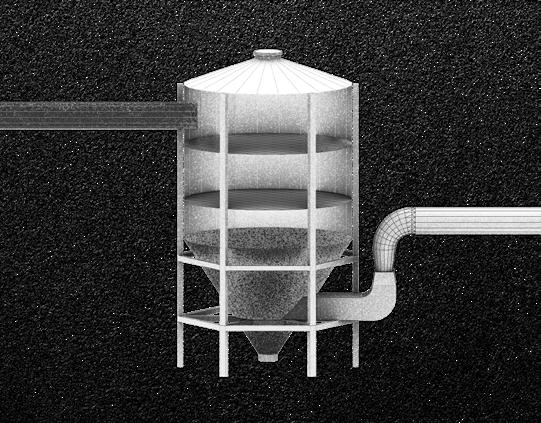
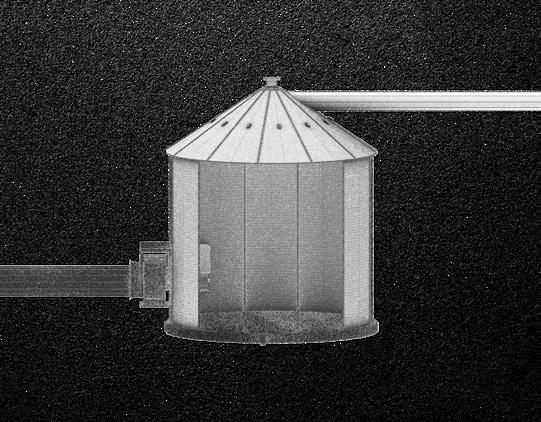


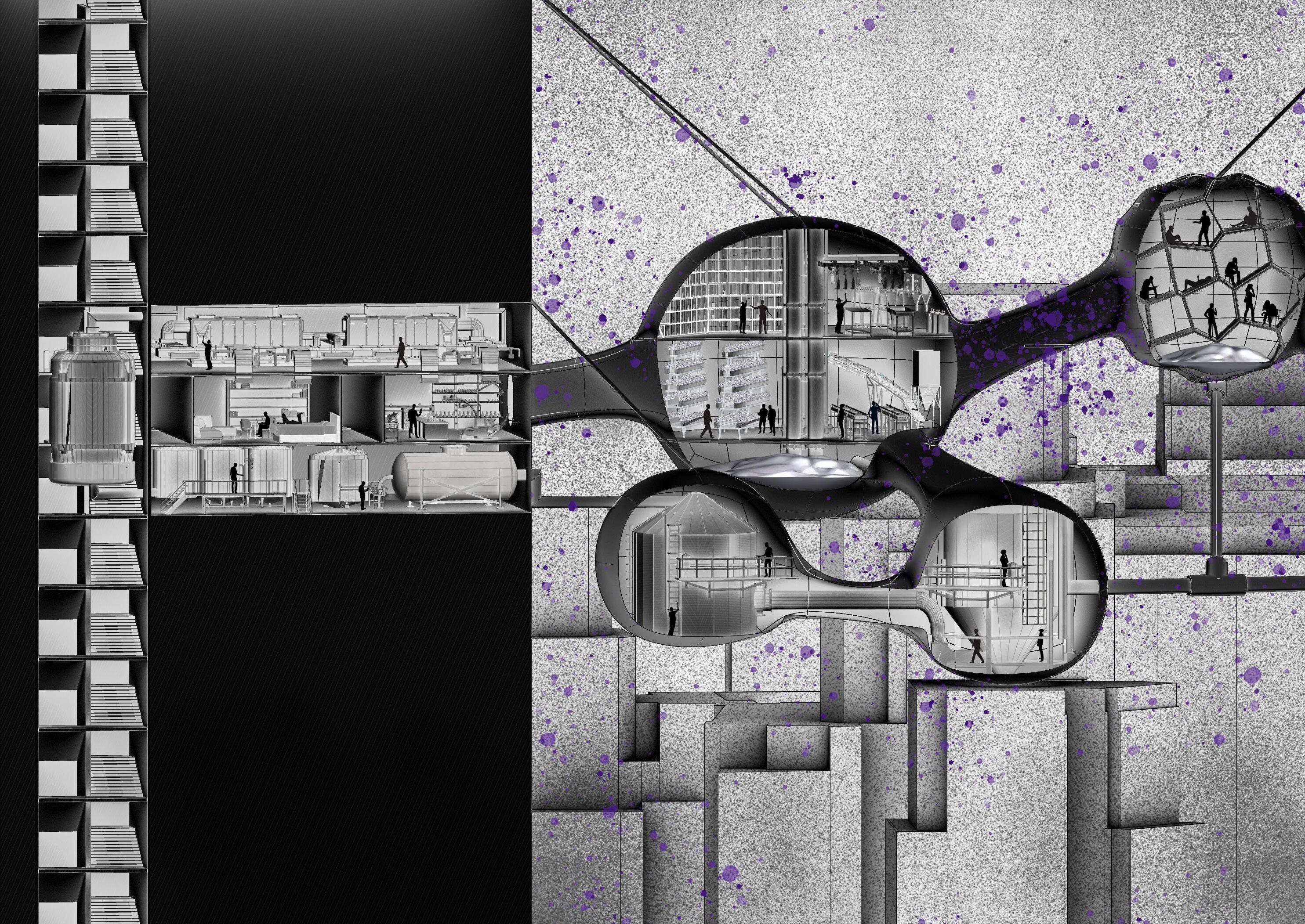

The late Anthropocene stands as a monument to irony, encapsulating the contradictions of their civilization.
Ultimately, humanity extended domestication to their own biology, perpetuating a society ruled by inequality and objectification until the very end.
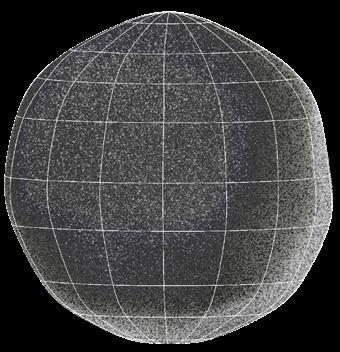
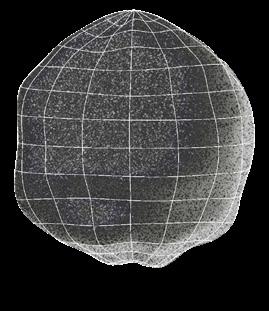
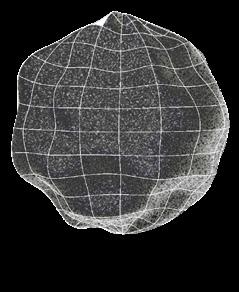
SPATIAL HIERARCHY AND INEQUALITY
Production Zone > Laborer's Habitat
The density of purified air and the spatial volume both decrease across zones. Access to fresher air is granted only through labor performed within the the Production Zone.
Questions remain:
“Why did they domesticate even themselves to sustain a system destined to collapse? Were they choosing self-destruction, or simply adapting blindly to the machinery of their own making?“
LIVING 01
THEY BECAME THE CHICKENS OF THEIR OWN SYSTEM
From Object to Domesticated Subject
Chickens and humans: No longer ecological beings, but units of resource and labor
High-Labor Groups
- Close to the core
- Higher density of purified air
- Larger living units
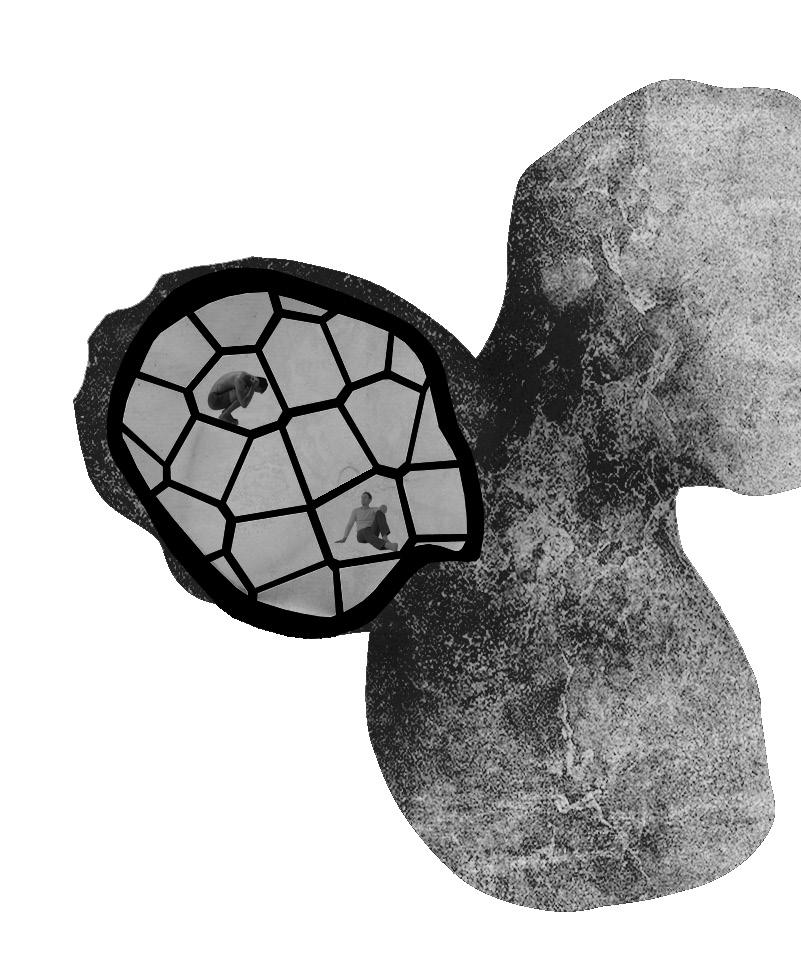
LIVING 02
Low-Labor Groups
- Low density of purified air
- Smaller living units

- Furthest from the core
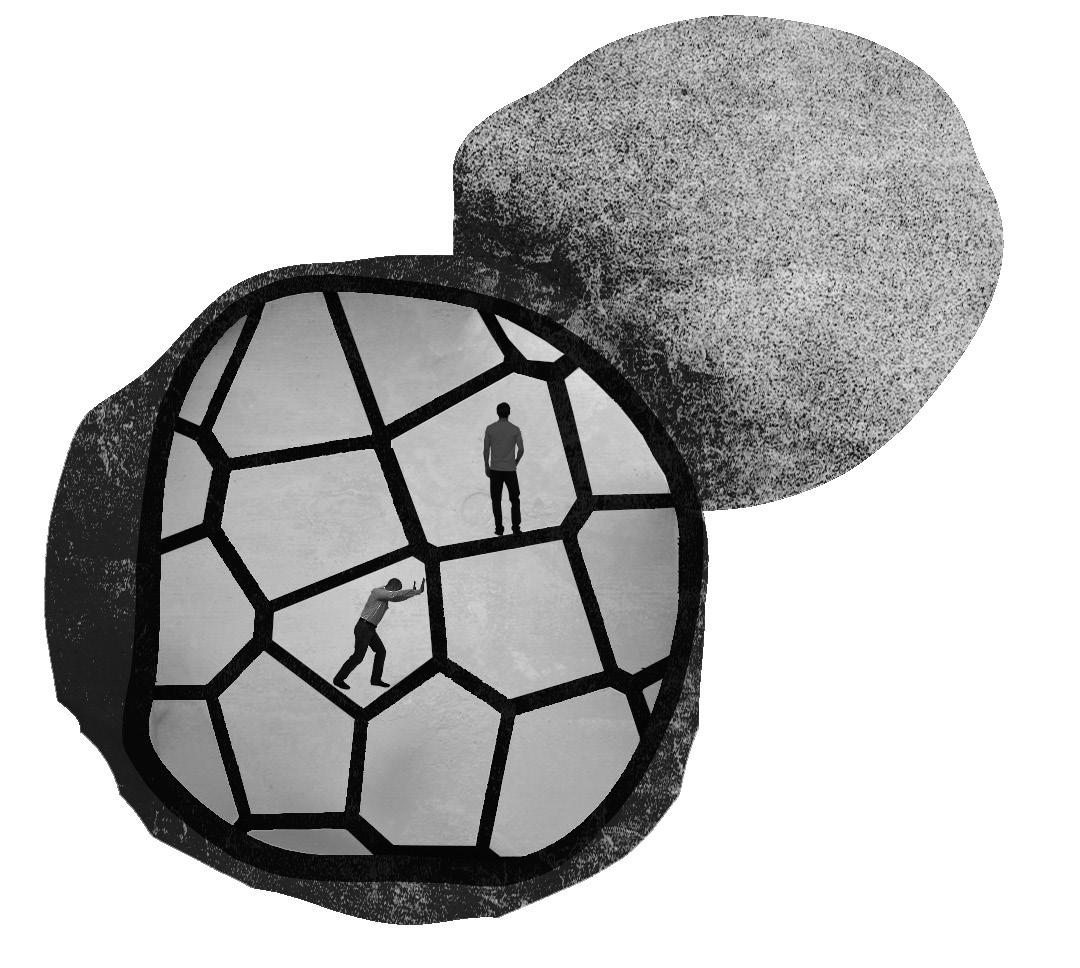

Efficiency, stability, and control override equity in this internal system. Humans now live in cages restructured by the very logic once used to manage chickens.

WASTE COLLECTION: Accumulation of organic waste from habitats.
FILTRATION: Transporting and separating raw materials
GASIFICATION: Fermenting waste into biogas
BIOGAS STORAGE: Reserves of compressed methane
POWER GENERATION: Converting gas to electricity
OPERATION: Powering AHUs to supply filtered air
The initial question asked: "At the end of the Anthropocene, are we still Sapiens?"
If "Sapiens" implies the wisdom to conquer and control, then that definition has led us to a dead end. A society that refuses change and clings to the logic of domination will ultimately put a period to the Anthropocene with its own extinction.
However, a new beginning is possible. We must transition from Homo Sapiens to Homo Symbious—a species that chooses coexistence over control. To become Homo Symbious, we must remain vigilant against the seduction of absolute power and efficiency. The imperative of our time is to redesign our relationship with the planet, moving away from a system of extraction toward a paradigm of symbiosis.
Related exhibition works can be found under 05 PROFESSIONAL WORKS – EXHIBITION WORKS (p.23-24)

Renovation / Energy System / Korean Apartment / Public Housing

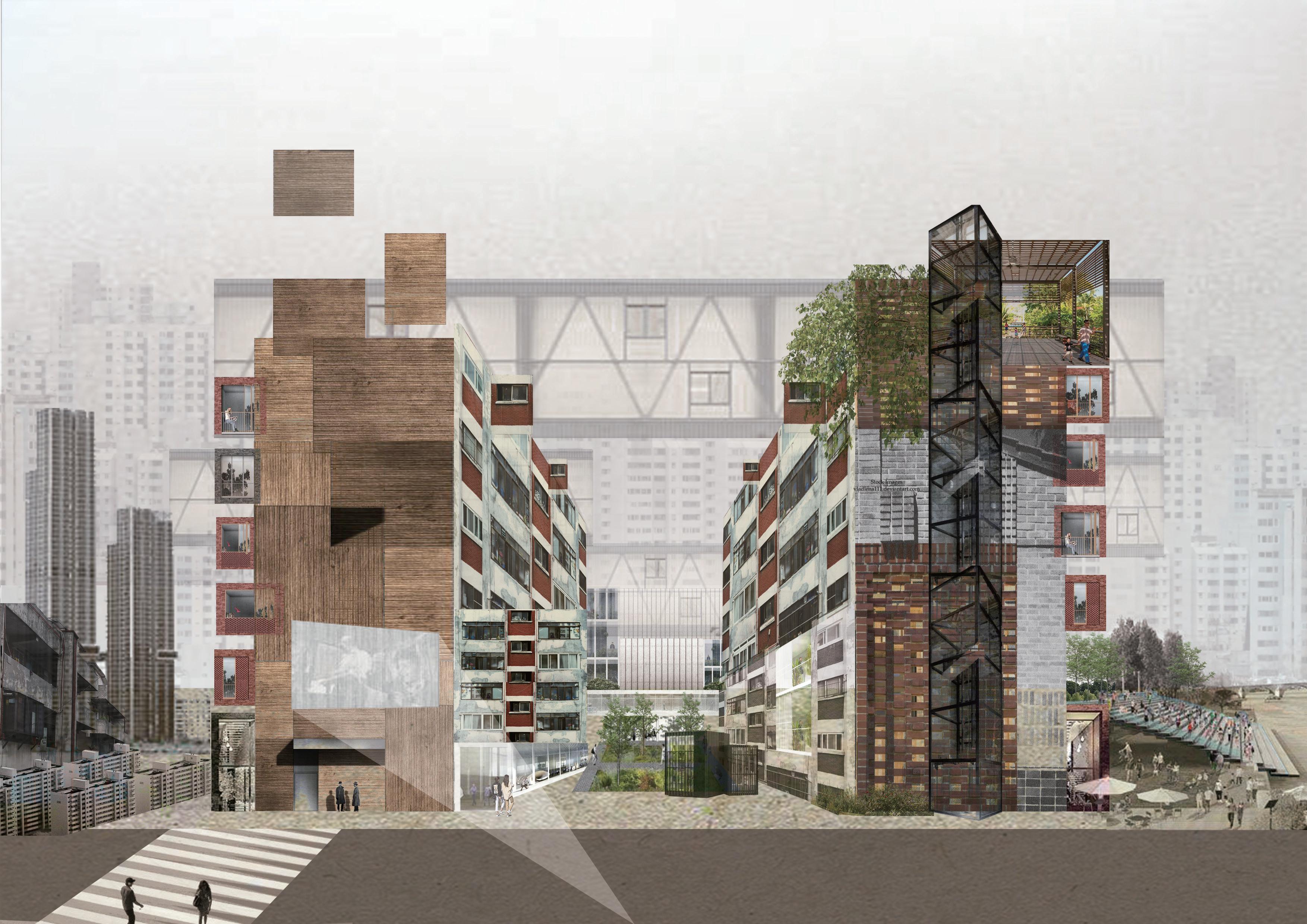
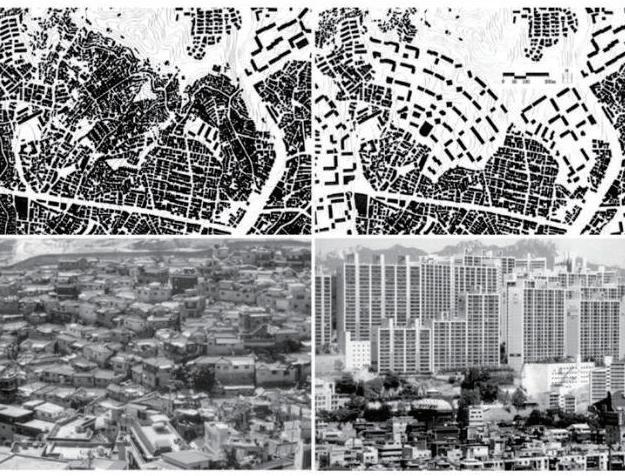
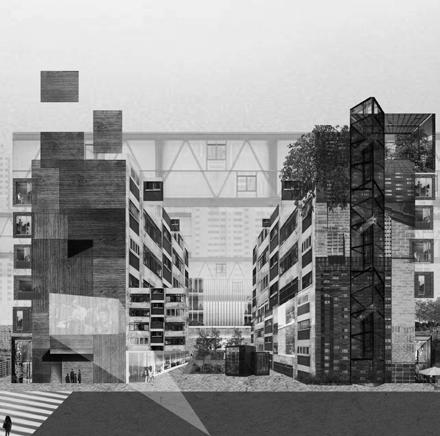
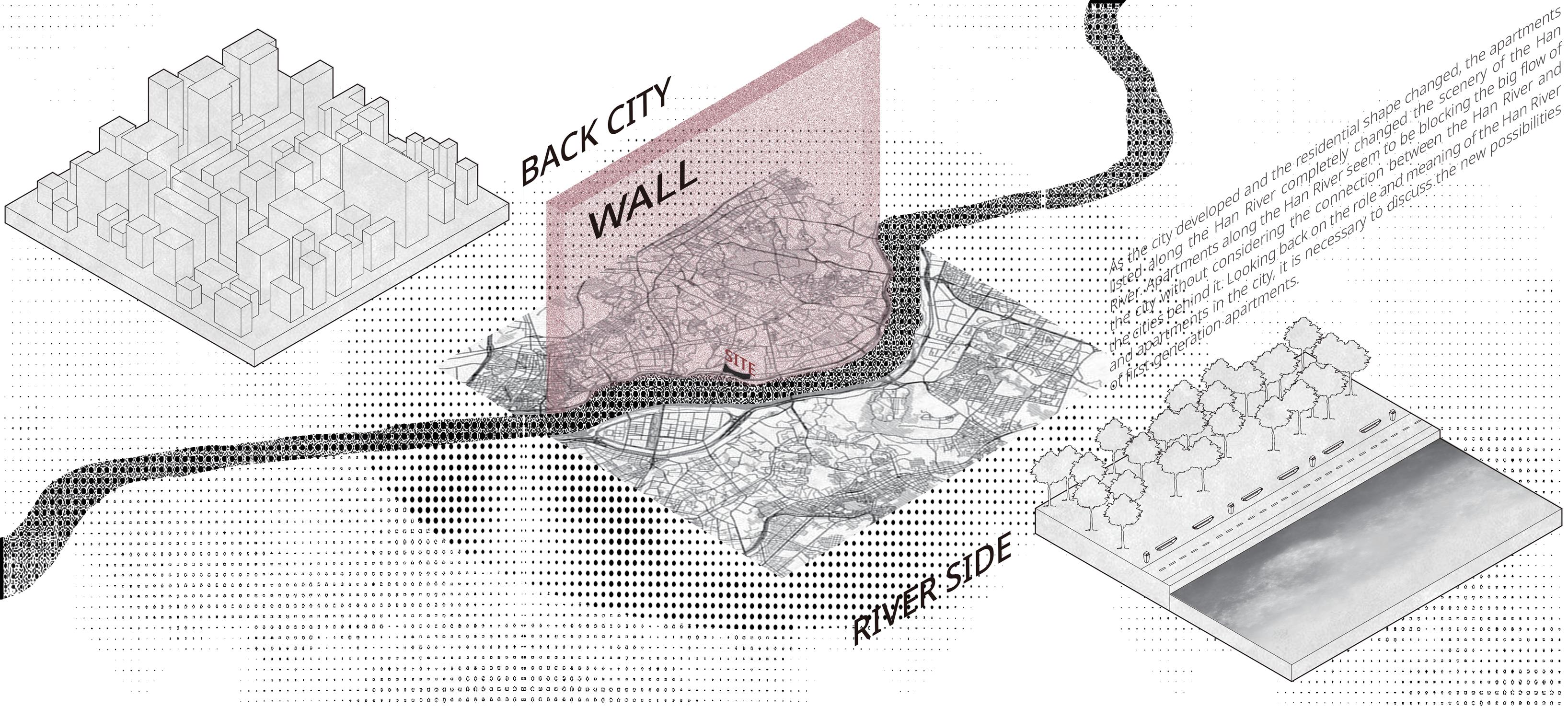
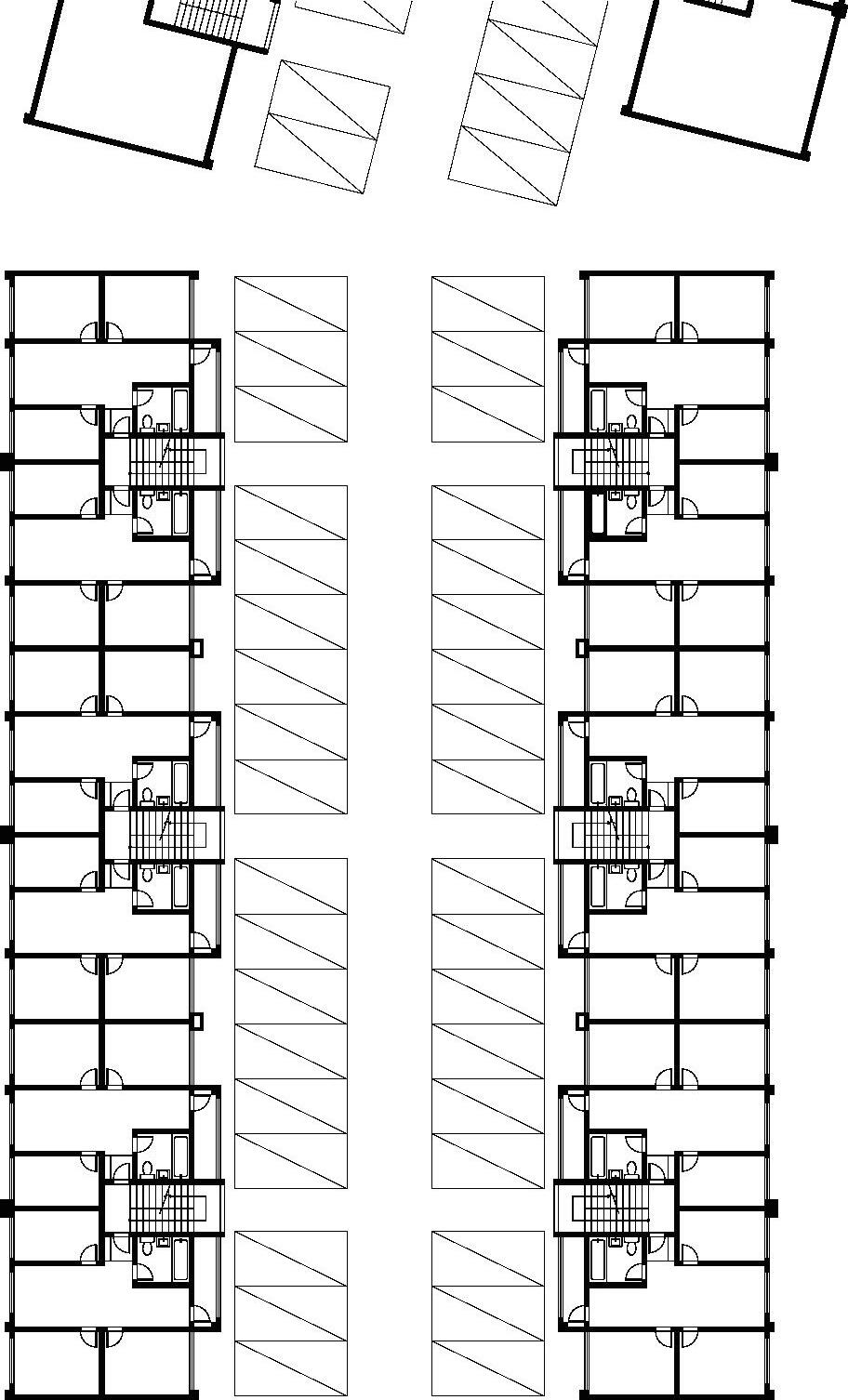
Seoul's skyline, which has high-rise buildings and luxury residential complexes along the Han River, seems to represent today's Seoul, which has made rapid development. More than 50 years have already passed since the 70s when apartment construction began in earnest in Seoul. In Korean society, the 'real estate value' and the 'space and form value' of buildings do not match. It is necessary to redefine the deformed identity of Seoul, the capital of Korea, amid compressed growth. Renovation in this transitional situation can be an alternative to preserving the urban context and is a good way to maximize the value of the building.
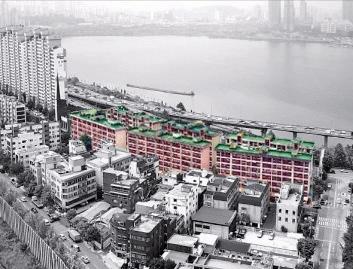
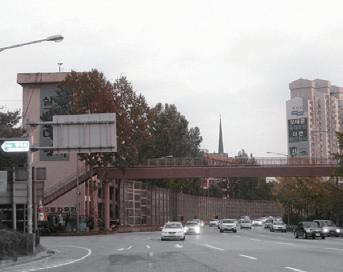
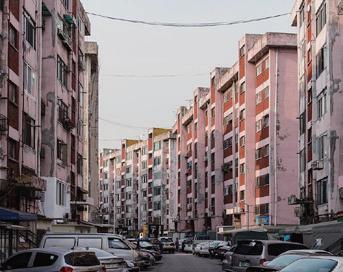
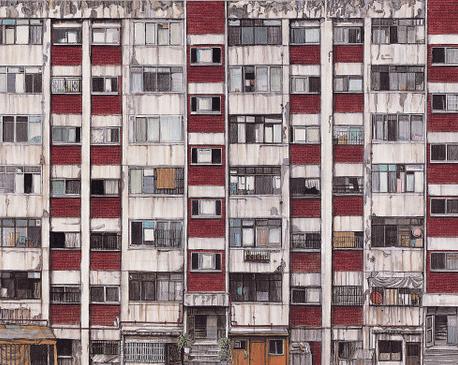
This apartment was first built to avoid reconstruction under the ownership of the city government, and is now maintained in a form that is not easily found in the Han River area. Residents are demanding the reconstruction of the apartment in anticipation of the Yongsan redevelopment movement, but the city government has yet to respond. The project begins with the question of whether the residential environment can be improved with the aim of resettling indigenous people, while preserving the space, shape, and urban contextual values of the building and incorporating the functions that the city needs. The struggle of time to survive without being demolished in a changing environment is also melted in our first-generation apartments. I would like to show the possibility of how the first-generation apartments in Korea can inherit and expand the identity of the time appropriately.
With many things being entirely newly written on the city, visitors to the old apartment here can interact with the traces of the city's long time through architecture and experience a strange echo that cannot be weighed by economic logic. As such, the unique story of regenerative buildings becomes a wonderful design language that cannot be created by redevelopment, and when expanded to urban culture, it becomes the result of the concentration of collective memories and culture of a city.
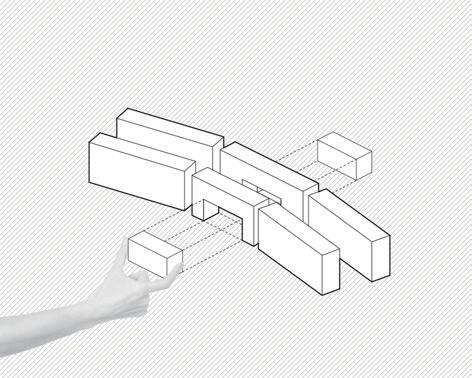
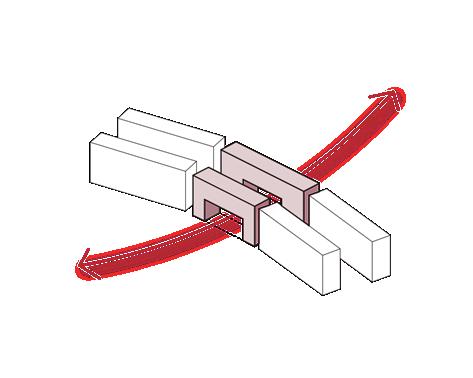
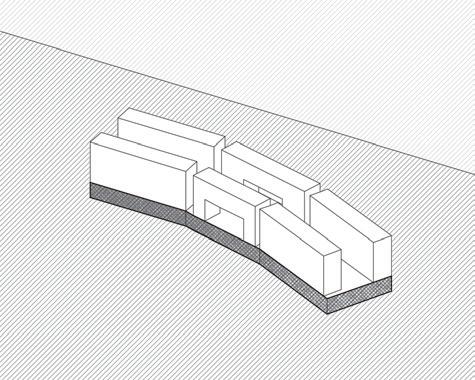
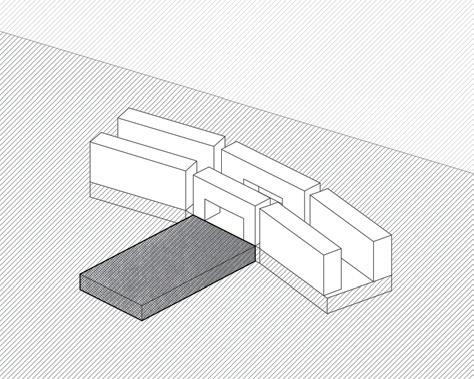
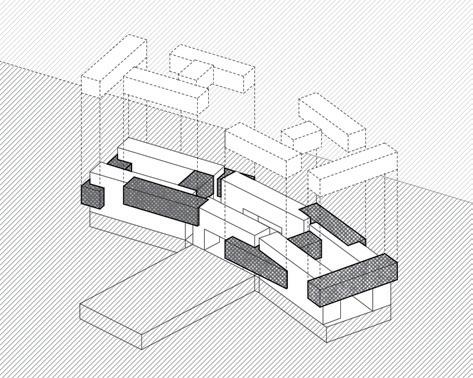

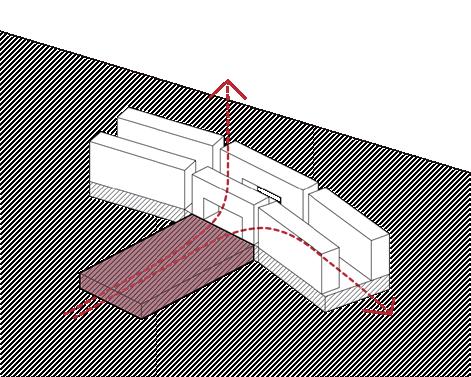
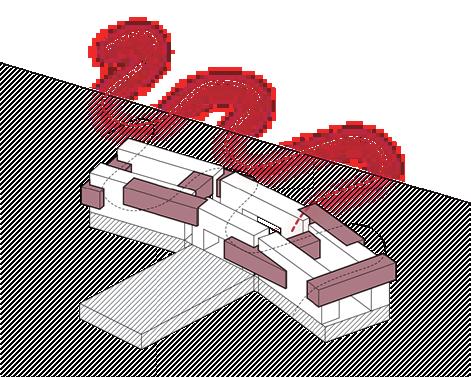
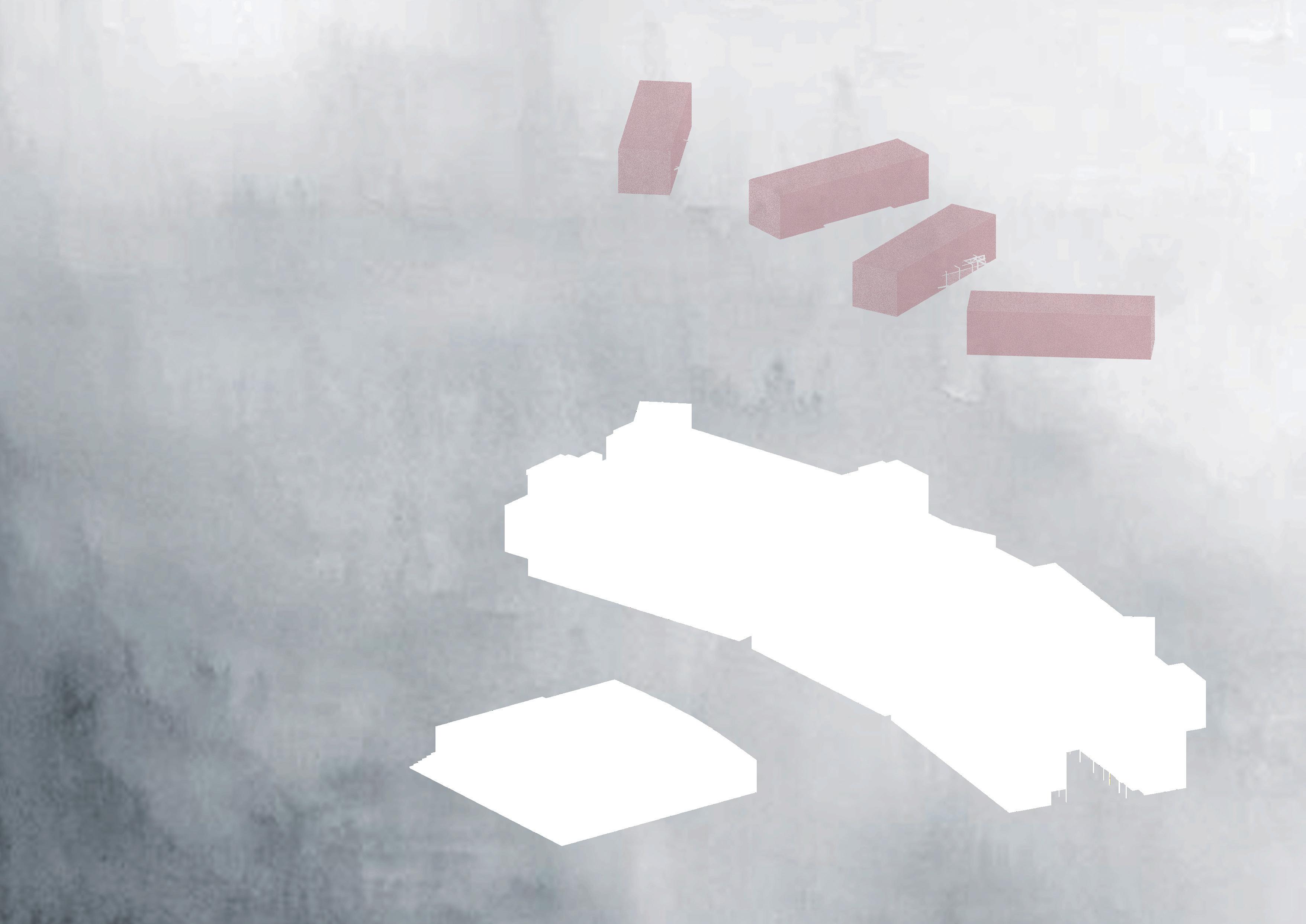
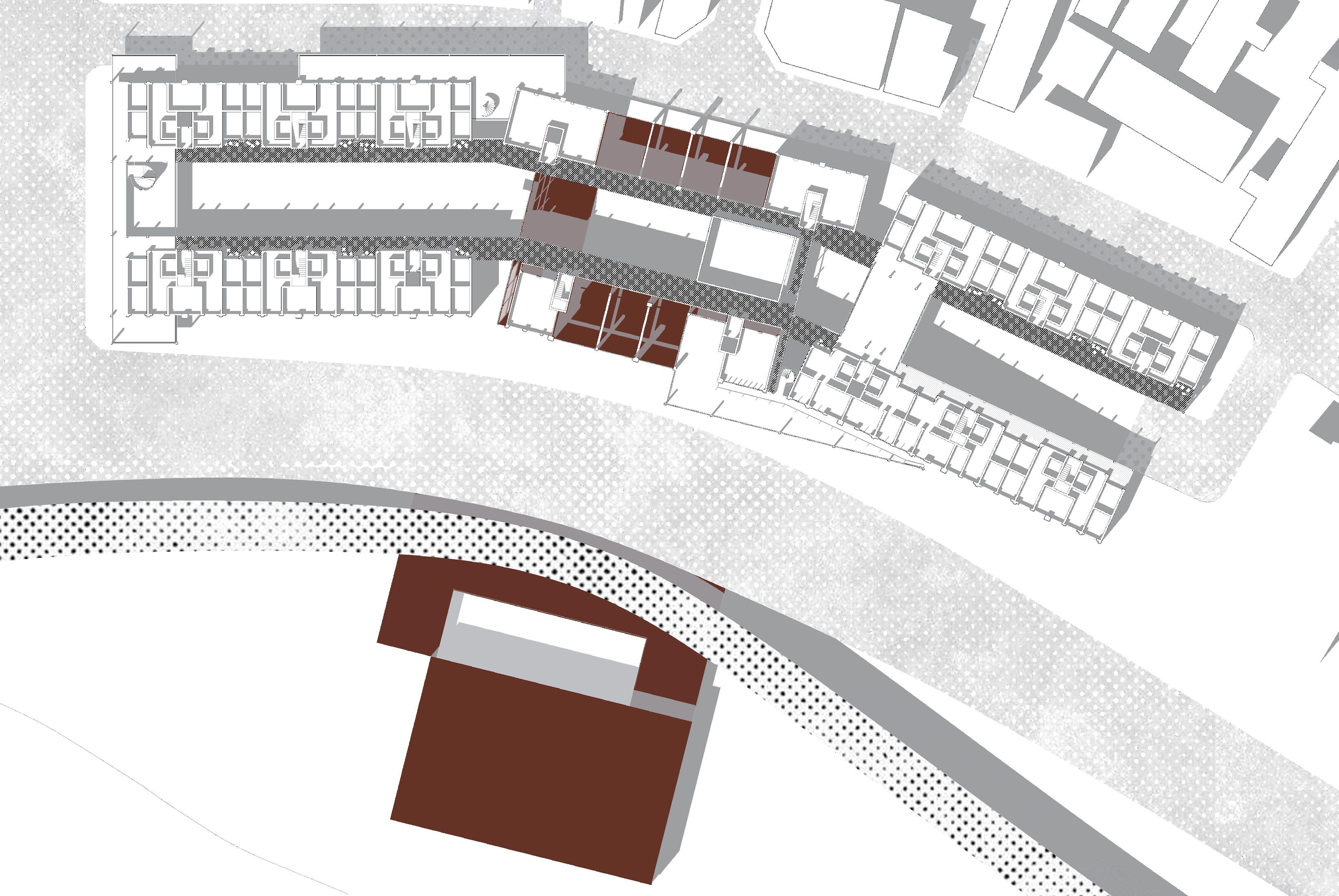
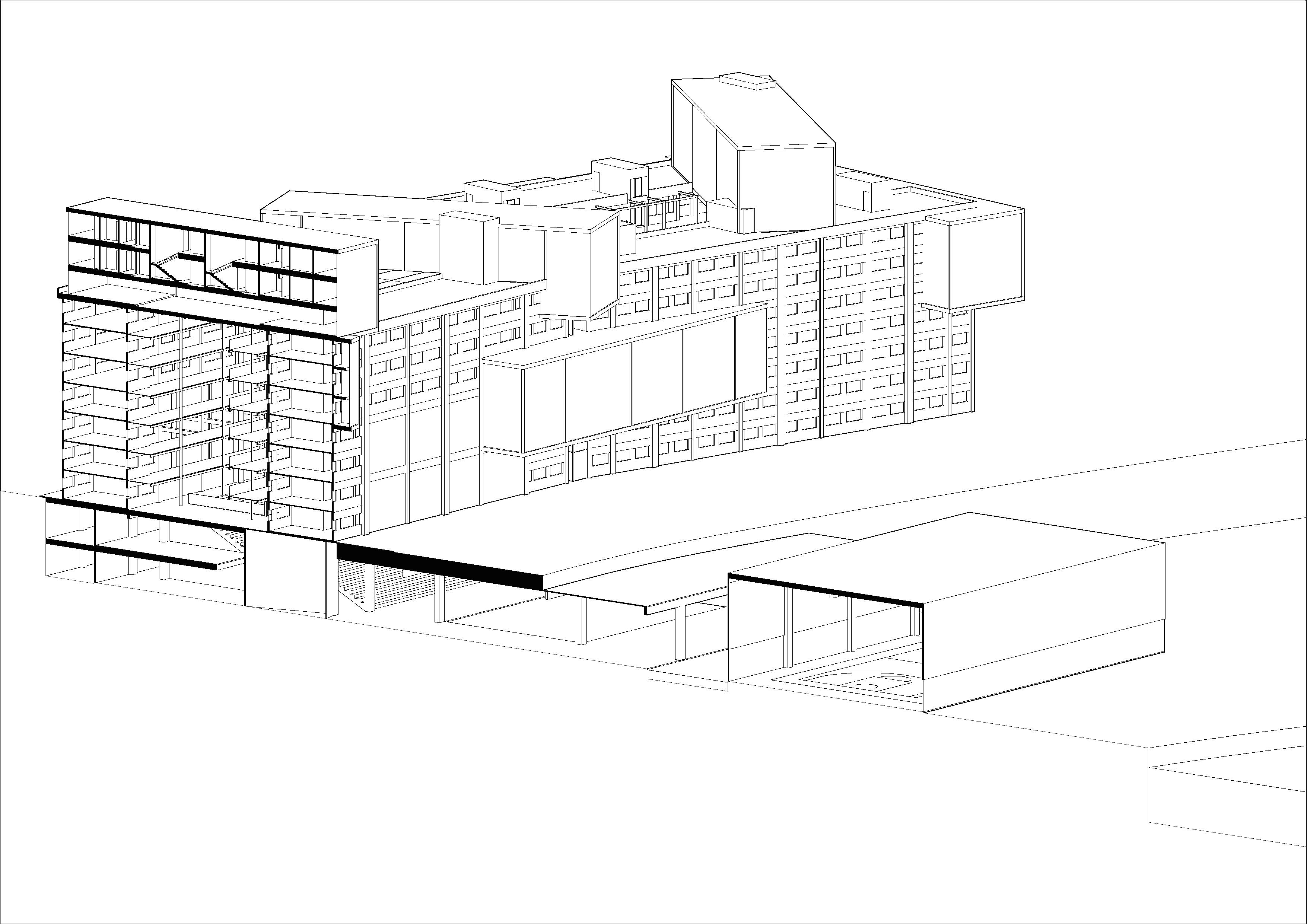
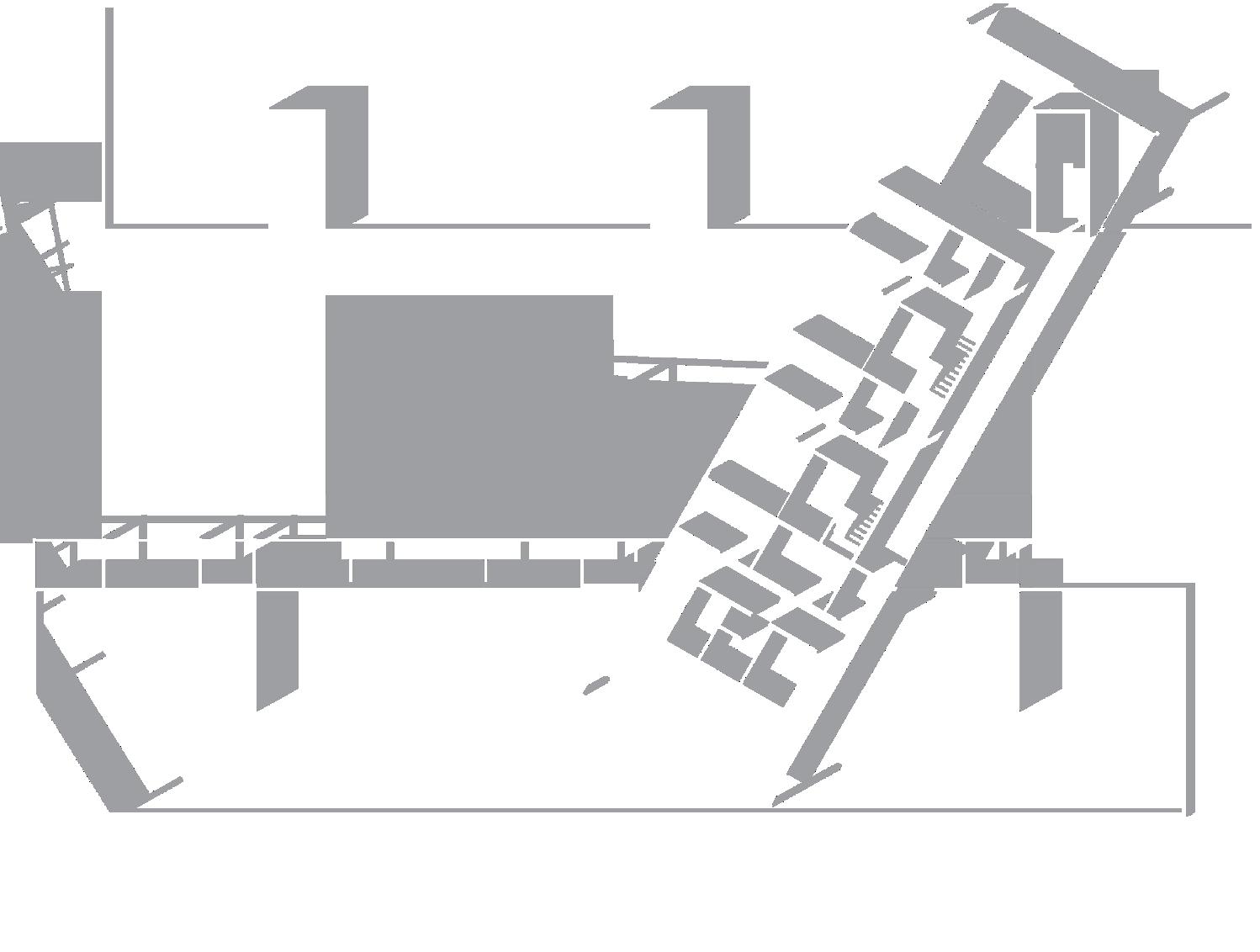
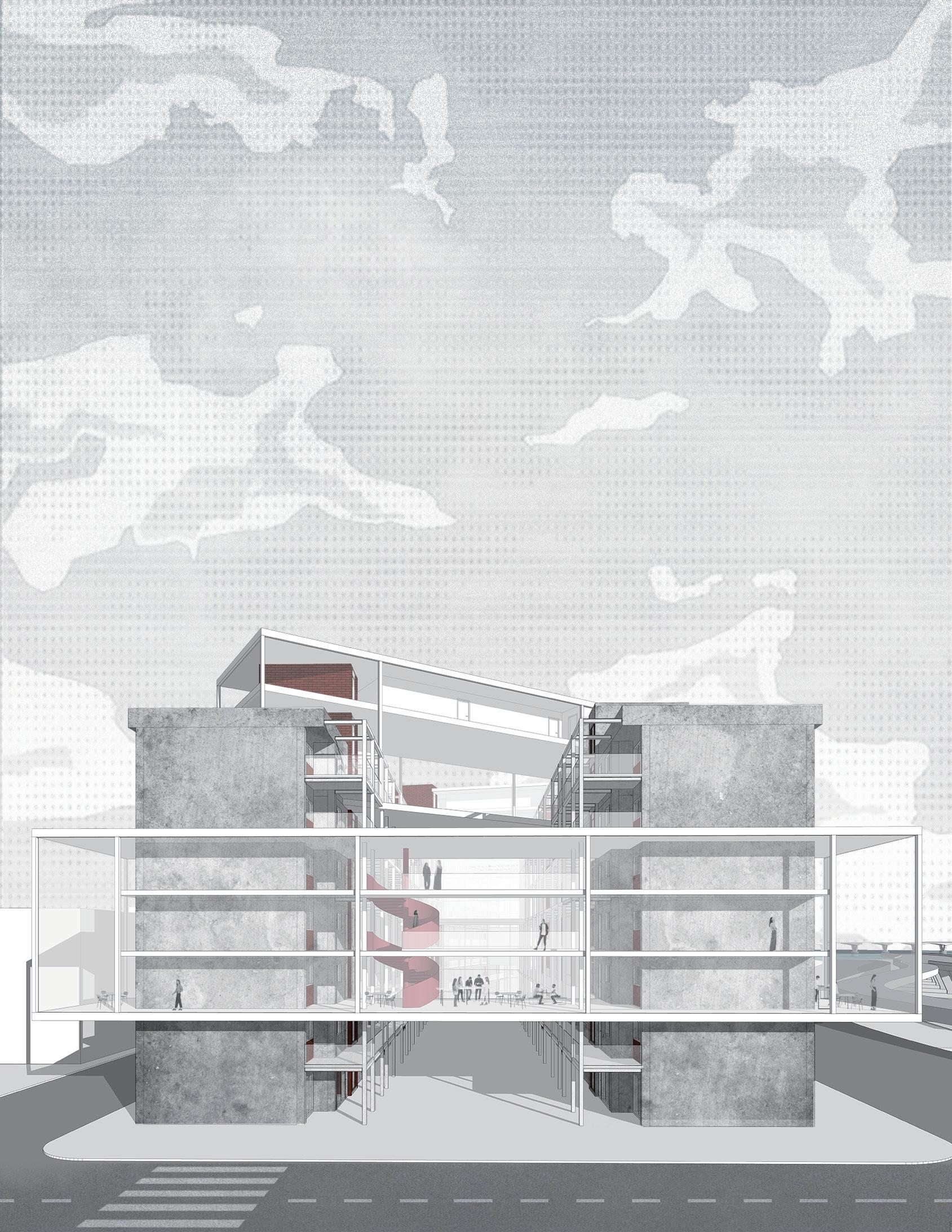
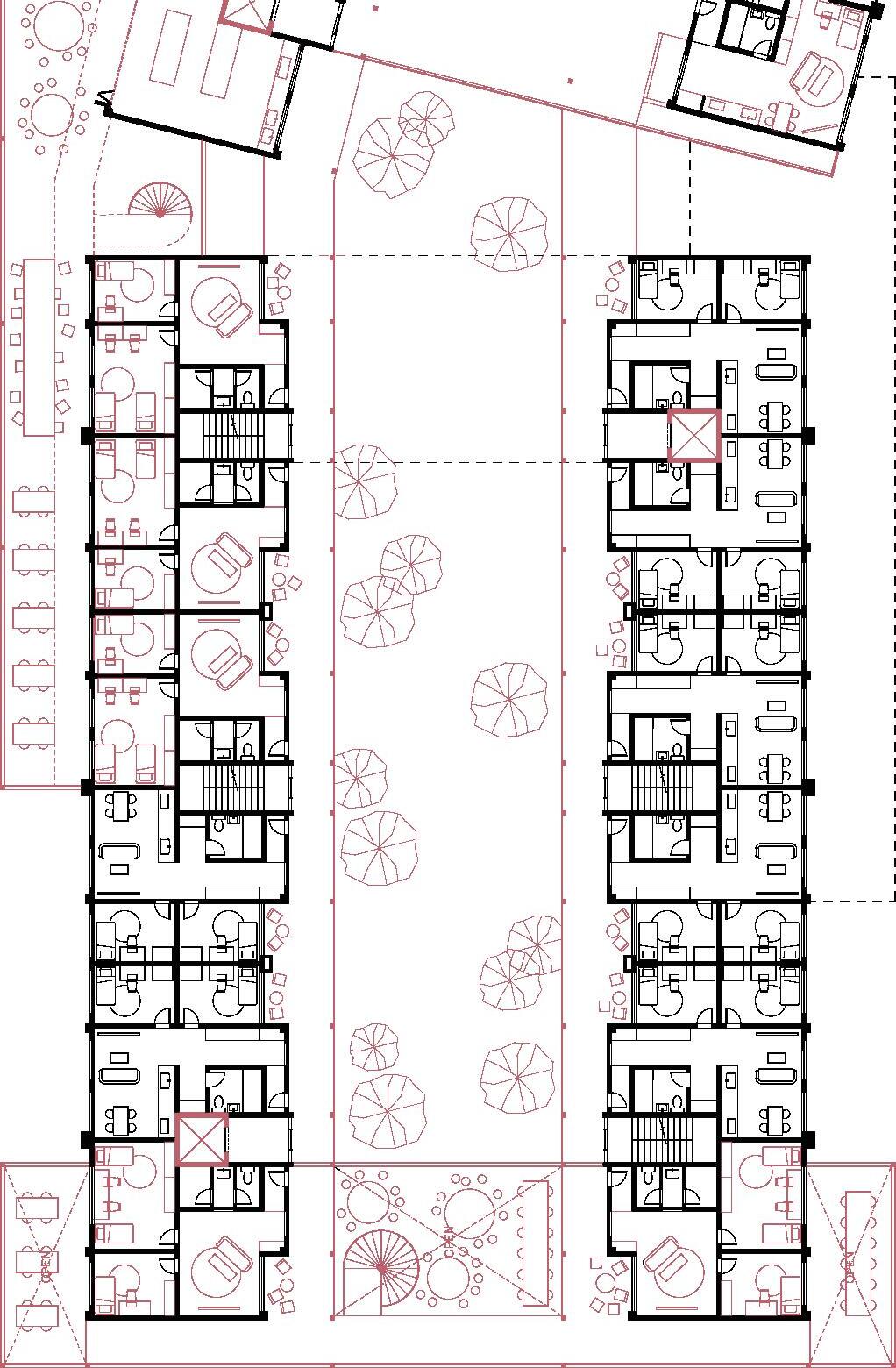
It attempted to expand horizontally by breaking the prototype of the vertically stacked apartment to utilize the site. In order to break away from the structure of existing apartments and the layout angle of the complex, the structure was reinforced and different building blocks were built to connect internal and external passages at different angles. It efficiently formed public community spaces in intertwined building structures and created other external spaces. In order to transform Korea's first-generation apartment located along the Han River into a multi-family house suitable for the new era, a design method that adds morphological speciality was applied. Through such horizontal expansion, isolated buildings were linked to each other like an organism to form a living space where internal and external spaces were harmonized.
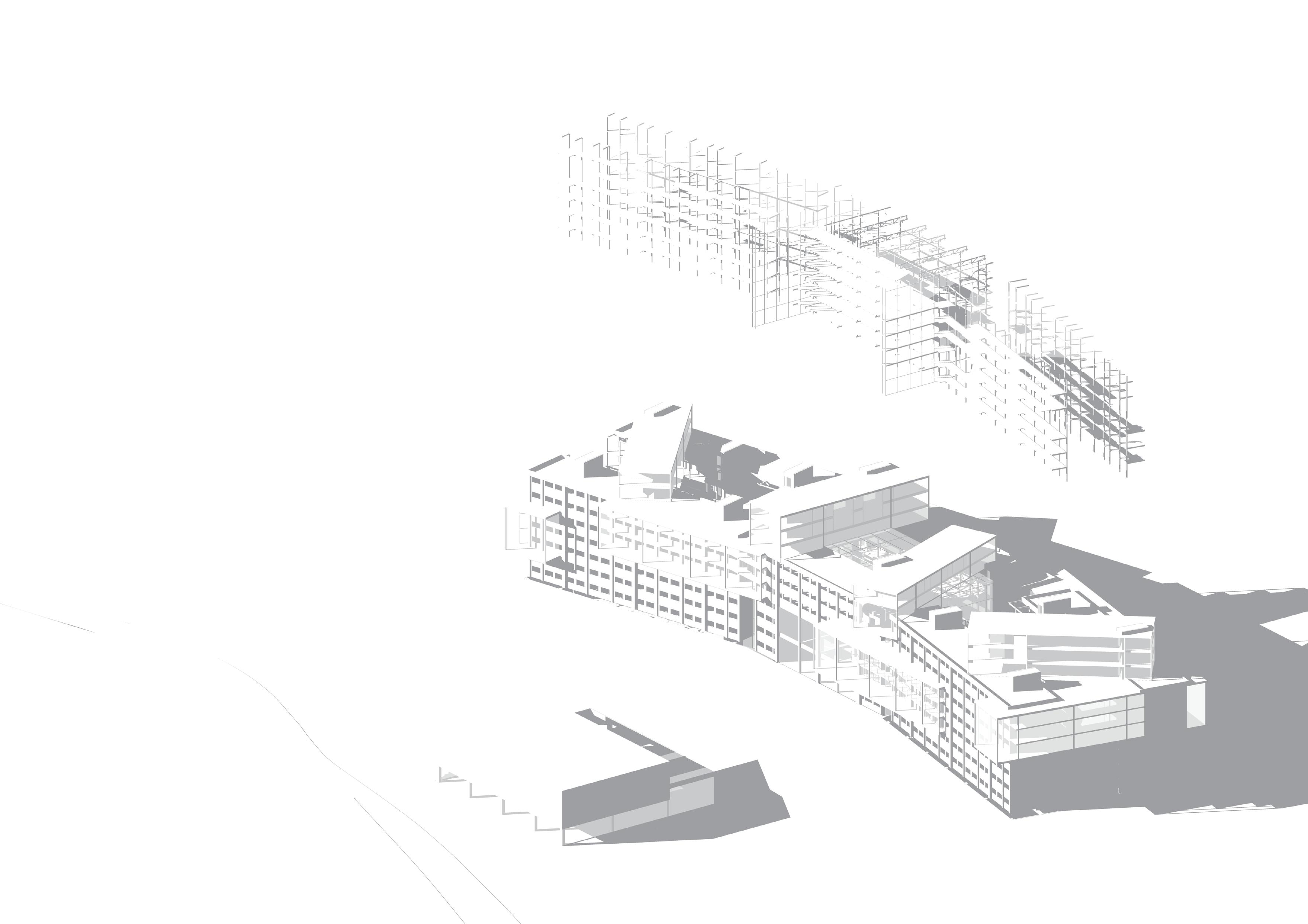
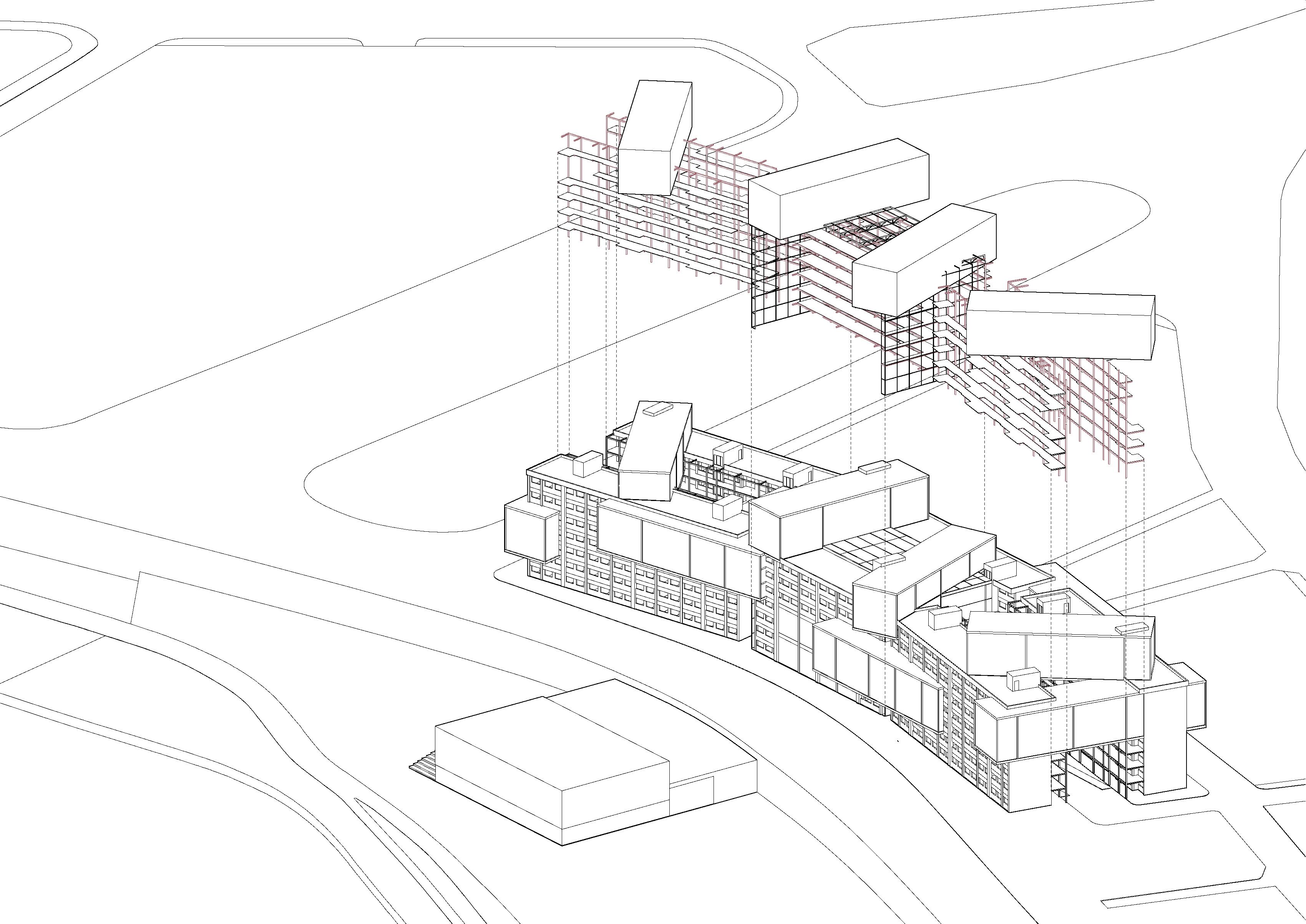
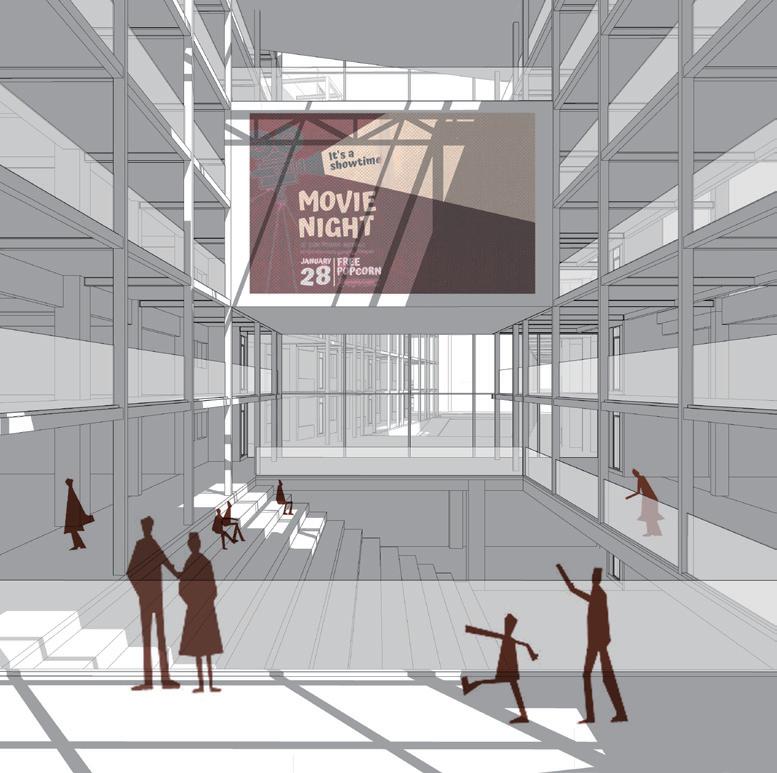
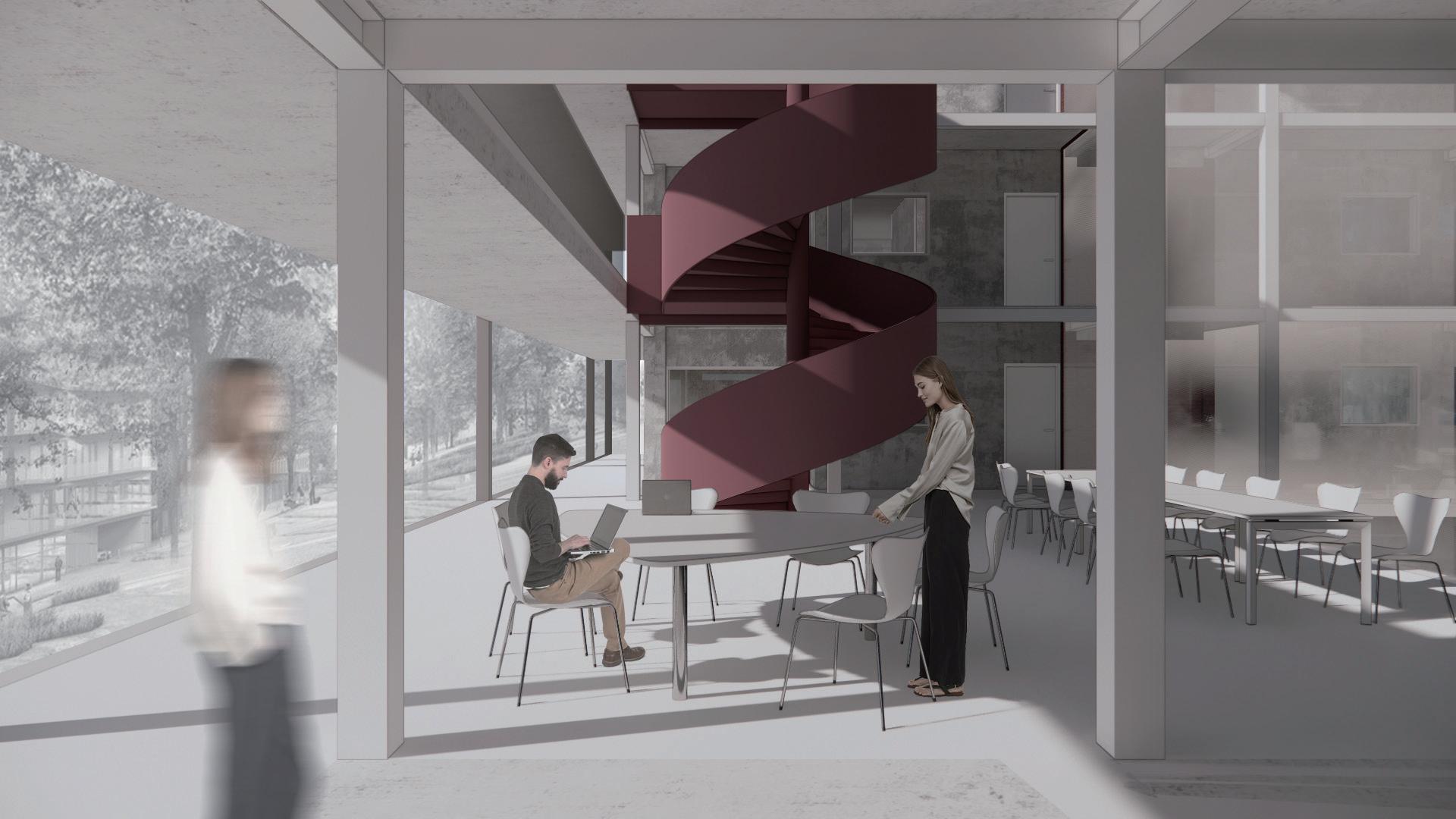
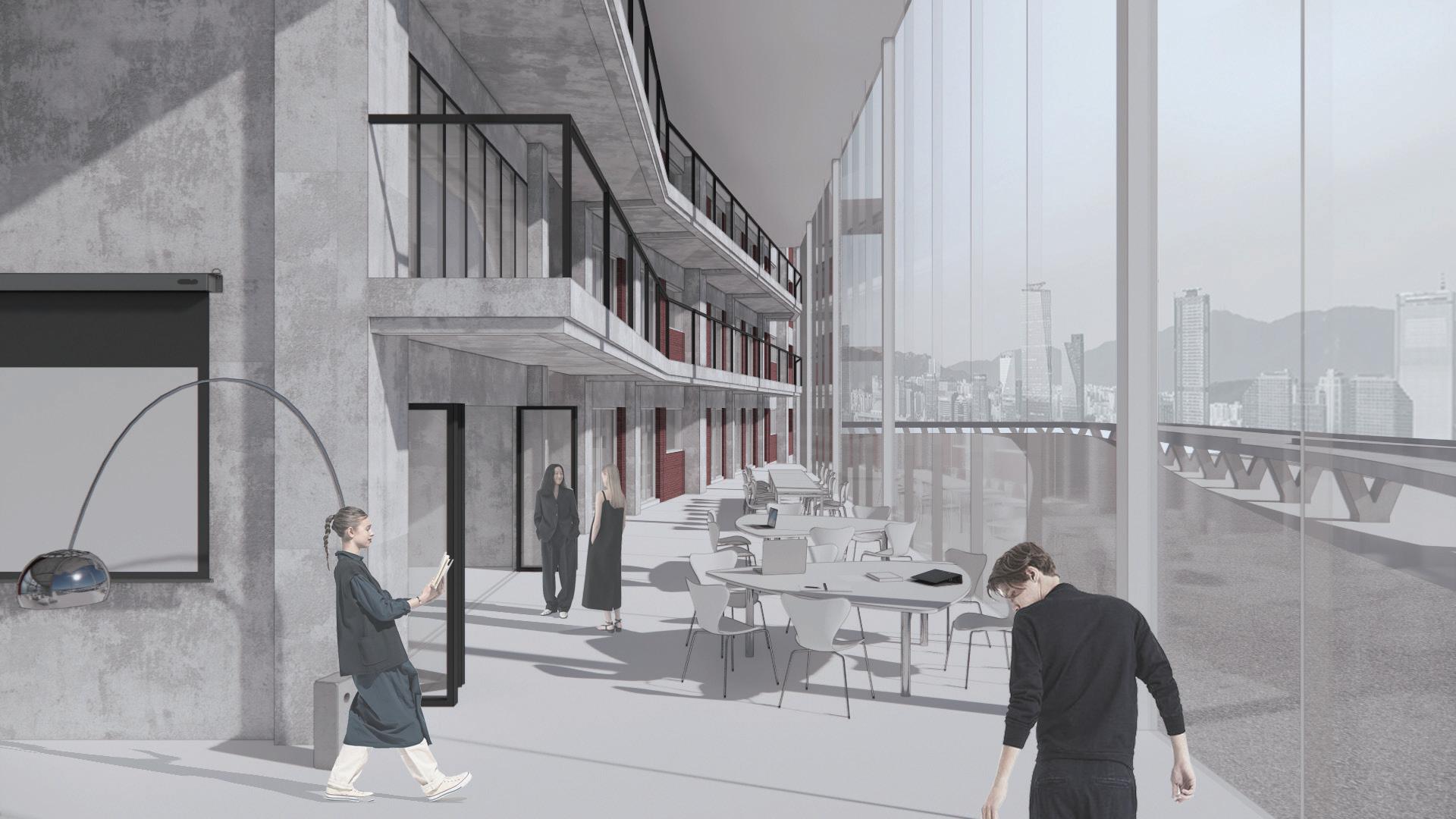
Part of the apartment space in the middle of the complex was Teardowned and a cultural public space was created at the ground level for urban residents to gather. Through the large atrium, the program of the residential space and the cultural space was harmonized, forming an internal and external space with an intermediate character.

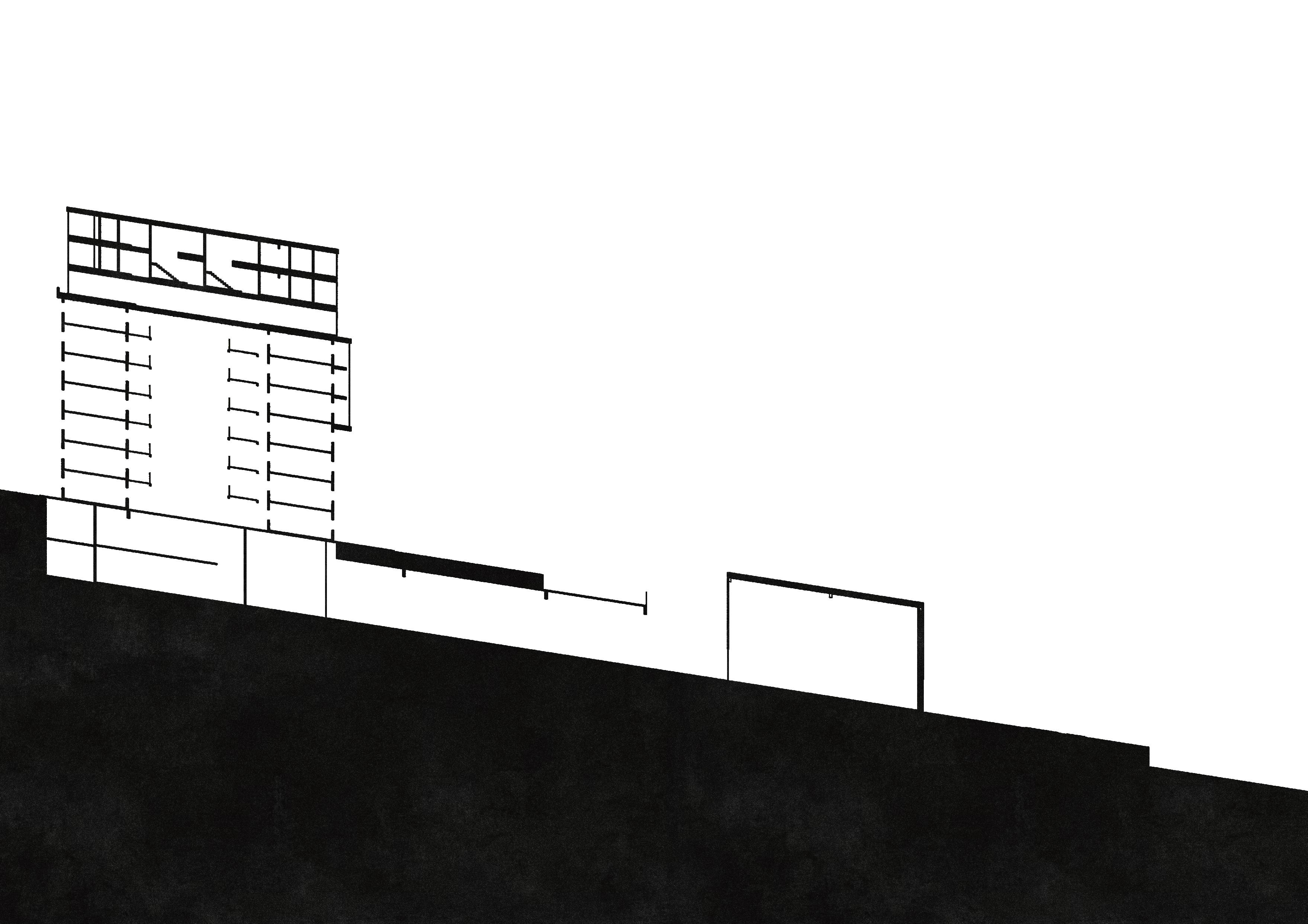
In order to connect the flow of the Han River and the city, an underground space was created to match the level of the Han River Park. An underground water park that utilizes the system of buildings using the energy of the Han River is created to create a cultural space connected to the Han River Park.
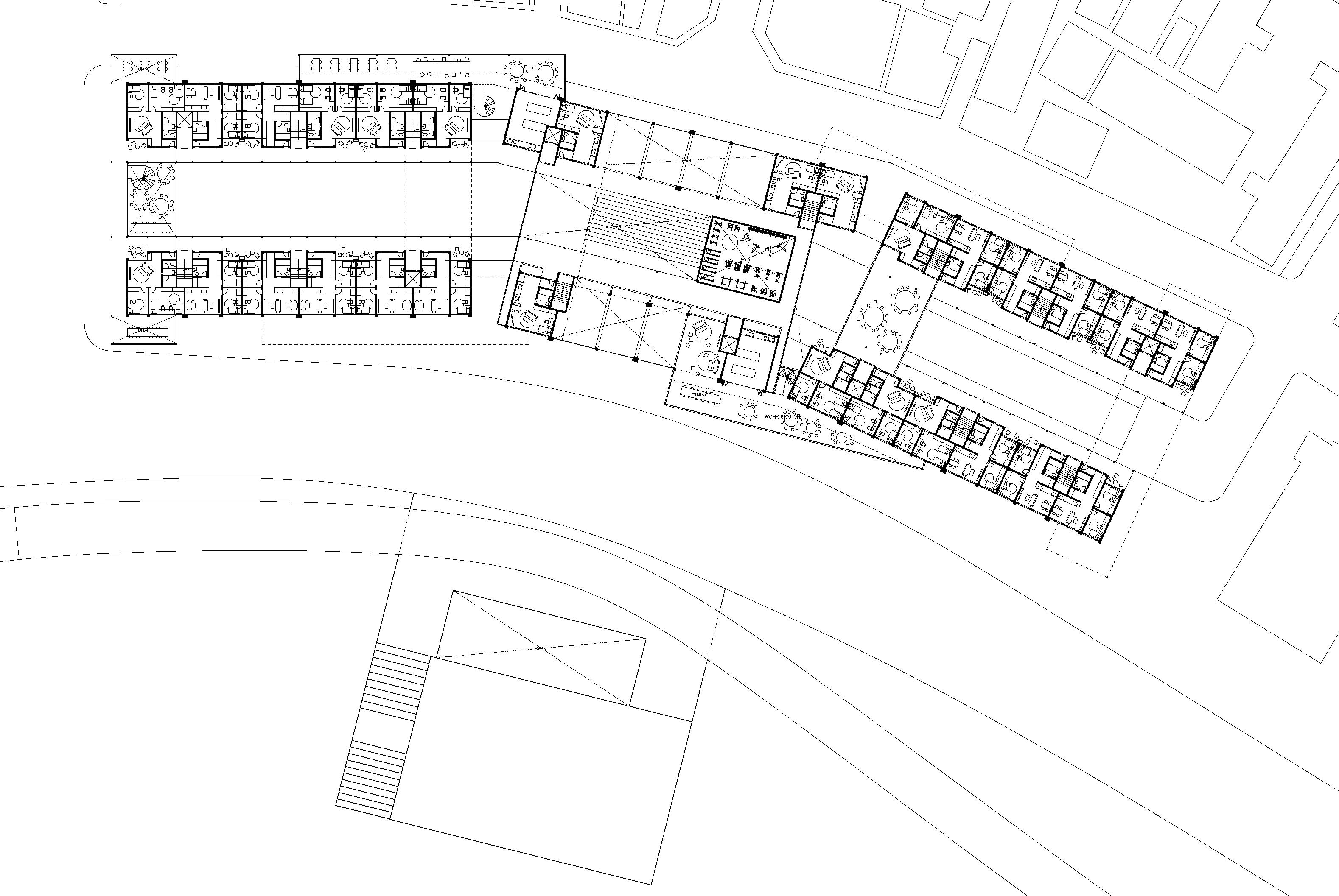
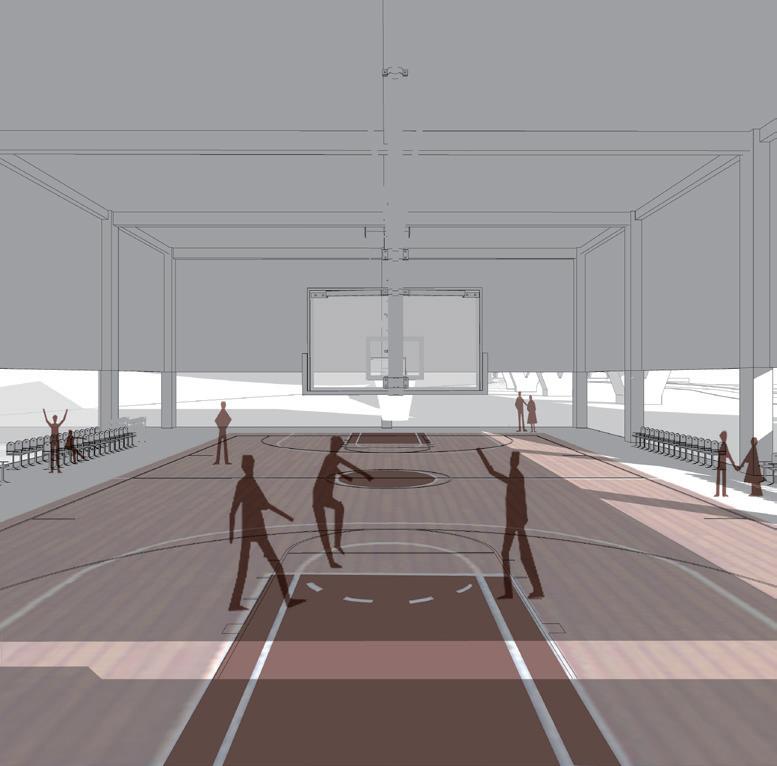
It supplemented insufficient sports facilities and deployed public programs for residents linked to Hangang Park. Atrium, underground water parks, and programs of residents' sports facilities form a new residential culture of apartments along the Han River.

As it is difficult to meet the ratio of renewable energy only with solar and wind power generating electricity in densely populated cities like Seoul, thermal energy that can be used for direct cooling and heating of buildings should also be used. In this context, hydrothermal energy such as wide-area water, water supply, sewage, and river water other than seawater is not yet included as renewable energy, but it is attracting attention as an energy suitable for use in large cities because it can reduce high economic feasibility and greenhouse gas. In particular, river water, water supply, and wide-area water supply exist in large quantities near cities where demand sources are concentrated, and there are already water and sewage and wide-area water pipes everywhere, so infrastructure for energy utilization is established. If the Han River water is used as a heat source for the heat source heat pump, it can be used in all buildings such as public houses, business buildings, and commercial buildings located along the Han River.
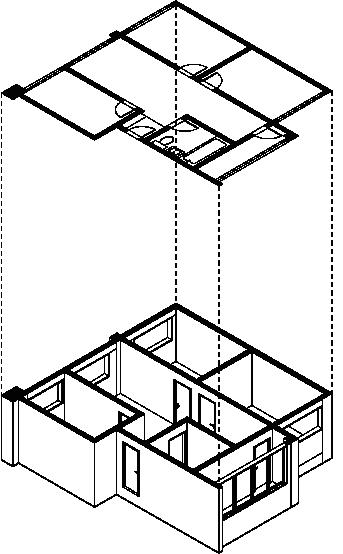
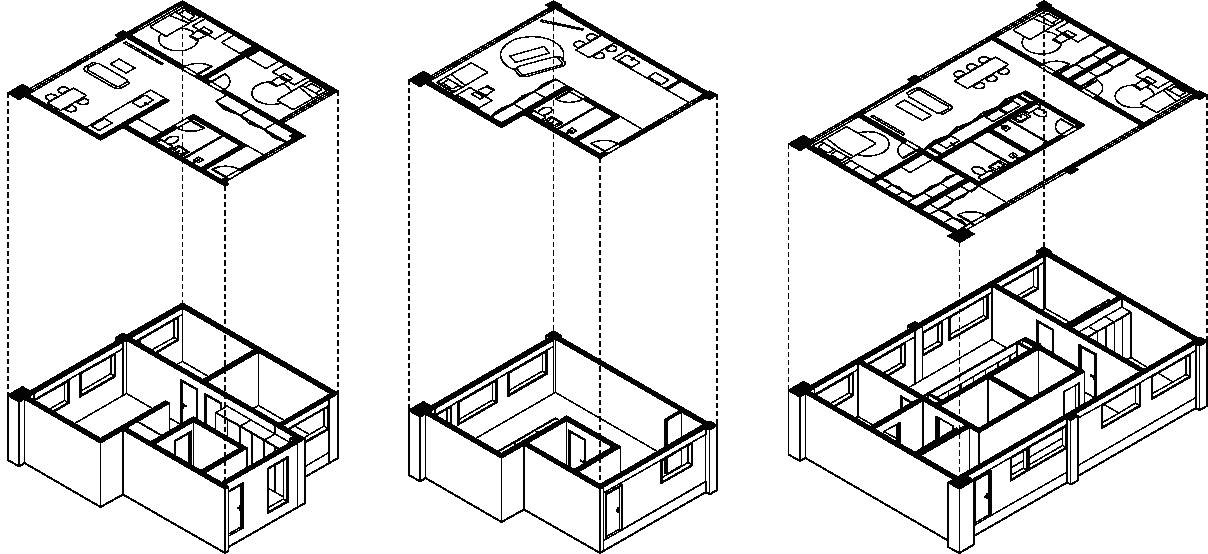

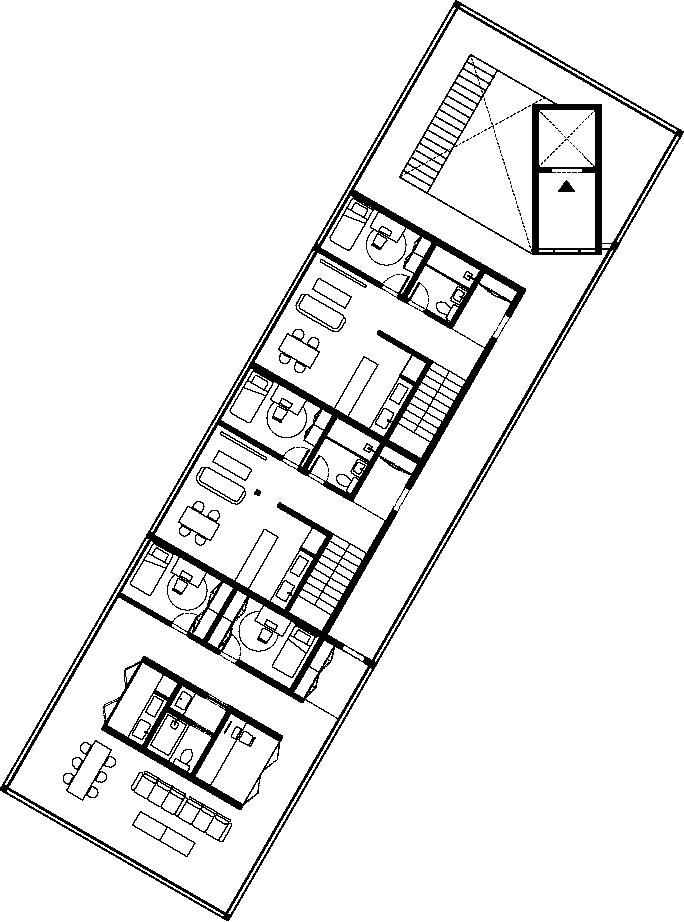
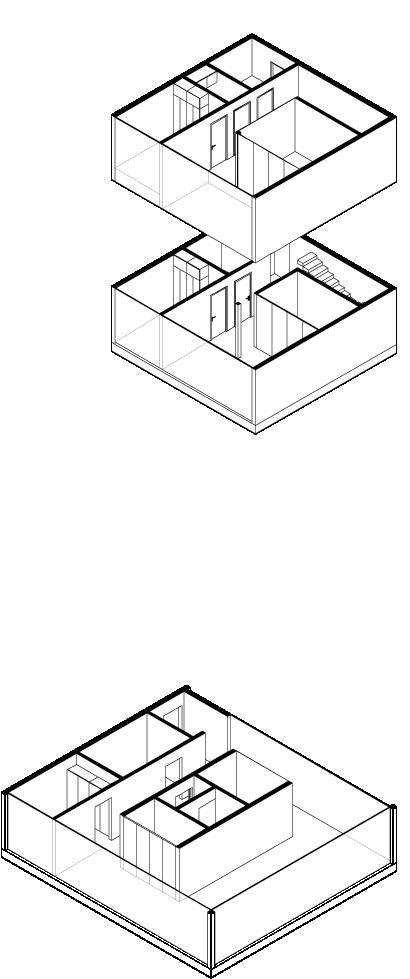
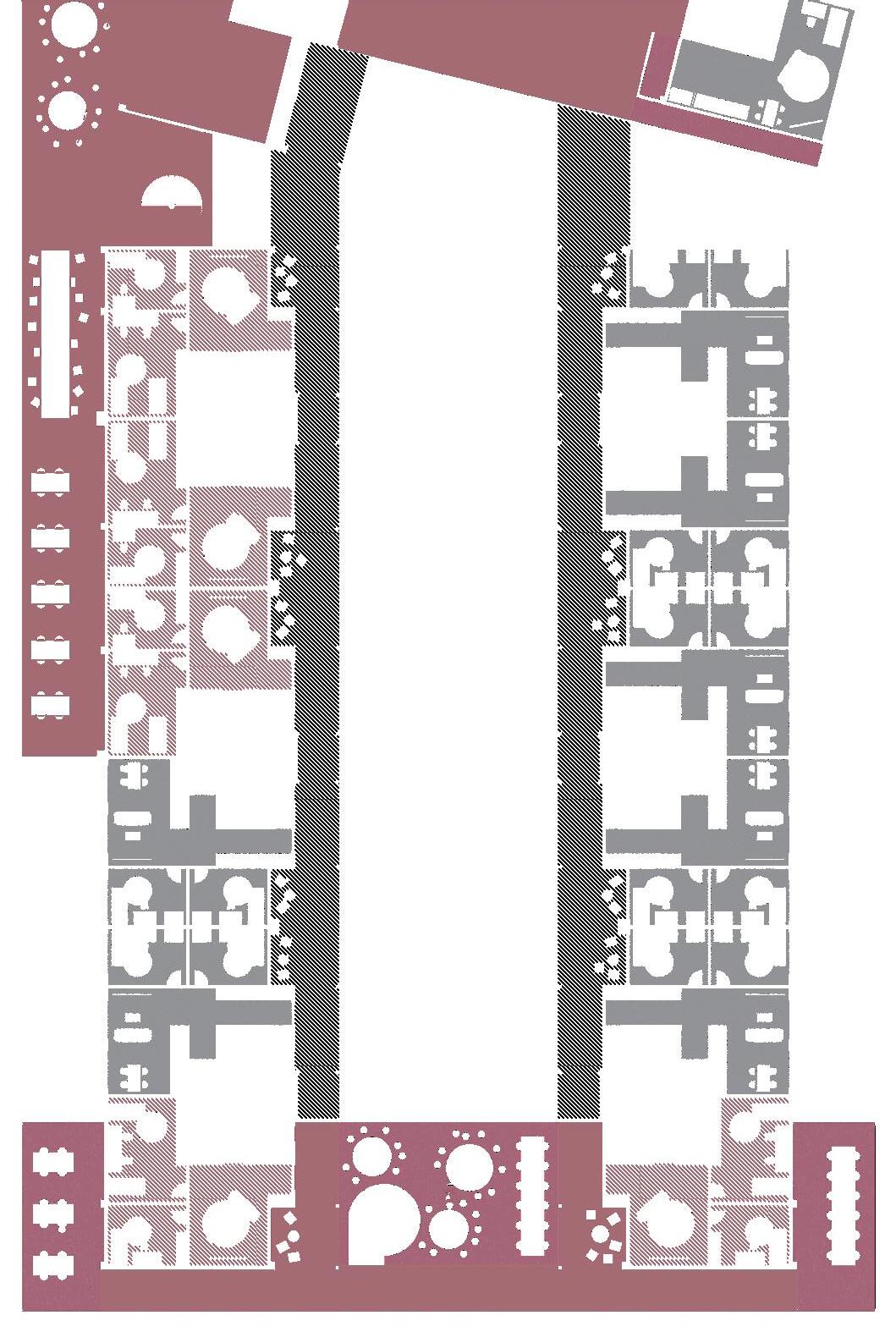
For the diversity of residential types, the residential units of existing apartments were diversified into three residential units according to residential types, and a new residential shared space and a residential unit as a hub for youth housing were formed in the space where buildings intersect. Not only general housing but also shared housing were subdivided into units according to the composition of residents.
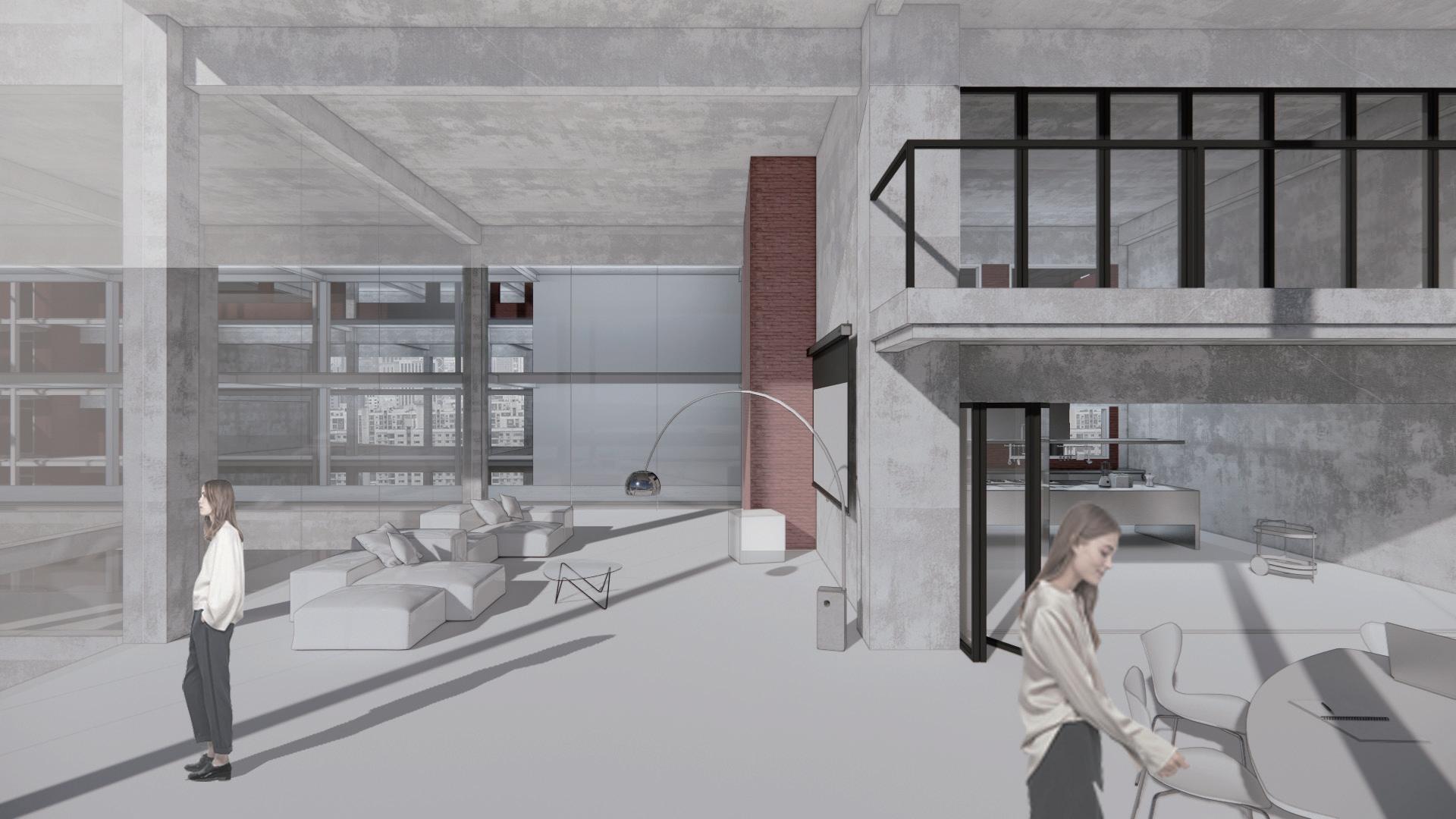
Shared dwellings are divided into a kitchen, living room lounge, and work space in a shared space where buildings intersect, and a residential unit consisting of a private space, a toilet, and a small unit of living room, which is essential for the residential space. By sharing a shared system such as a kitchen and a living room, the existing main unit can be used widely and comfortably even if it is divided into private spaces.
A new type of residential unit was formed in the residential block that was expanded above the building and intersected with the existing apartment, and a residential space that was not in the existing apartment was attempted. It consists of a studio-type residential space that minimizes the division of space into a double-story residential space and a room. The duplex type is connected to a living room space where the first and second floors are shared, and the multi-studio unit consists of a residential space with a work station that can secure a view of the Han River by maximizing the advantages of the space.













BOUTIQUE HOTEL IN JEJU

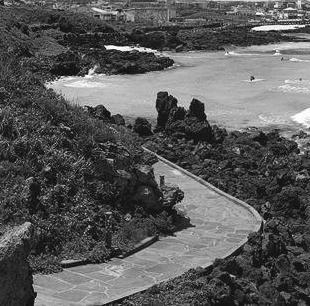
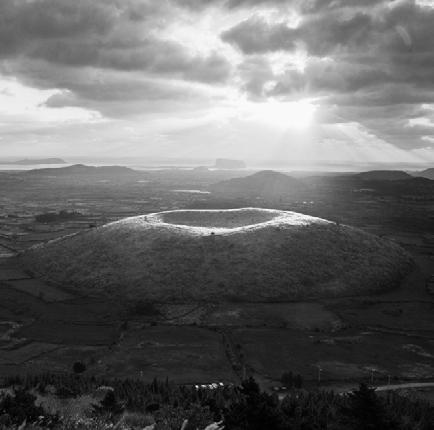
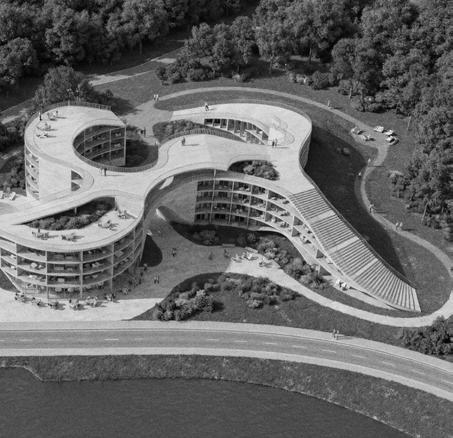
Jeju Island faces a growing spatial disconnect driven by tourism-centric development. This infrastructure creates an asymmetry: isolating visitors from the authentic landscape and alienating residents from their daily environments.
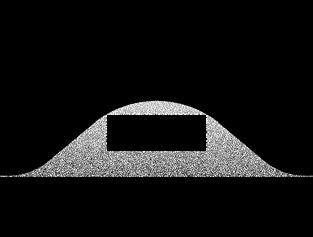
Responding to this exclusion, the project reimagines the hotel not as a closed boundary, but as an ‘Inhabited Walkway.’ By integrating the local ‘Olle-gil’ (trails) and ‘Oreum’ (volcanic cones), the architecture transforms into a porous platform. Here, the hotel becomes a path, and the path becomes a place to stay, creating an intersection where the daily lives of locals and the journeys of travelers naturally overlap.
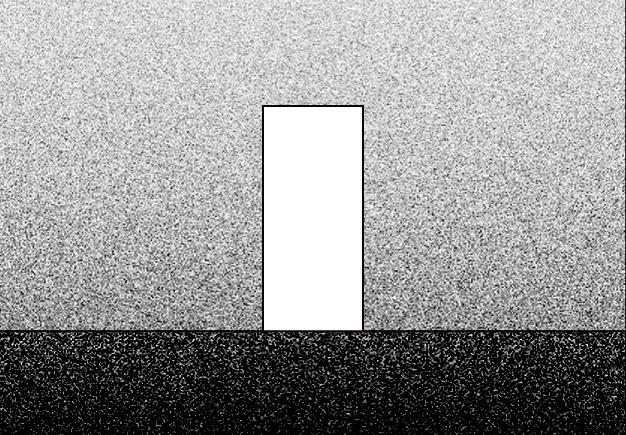
Existing typology: A vertical tower disconnected from context
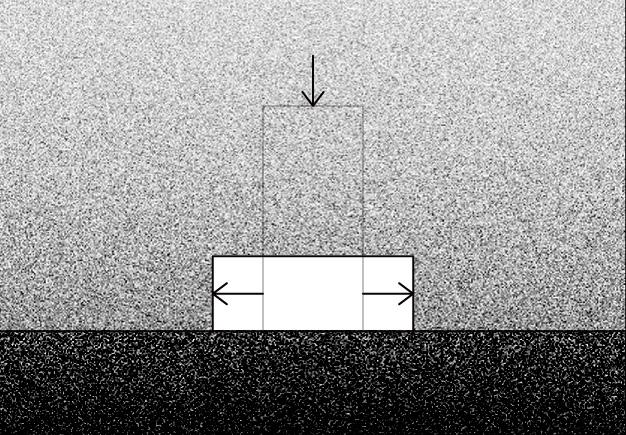
Horizontal massing to harmonize with the horizon

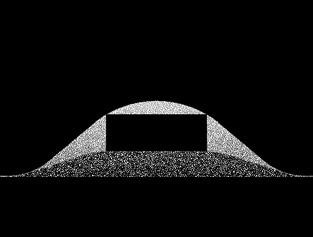
Lifting the volume to open the ground floor for public flow
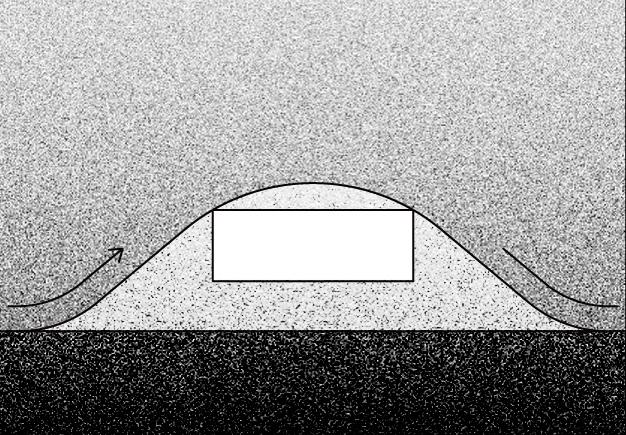
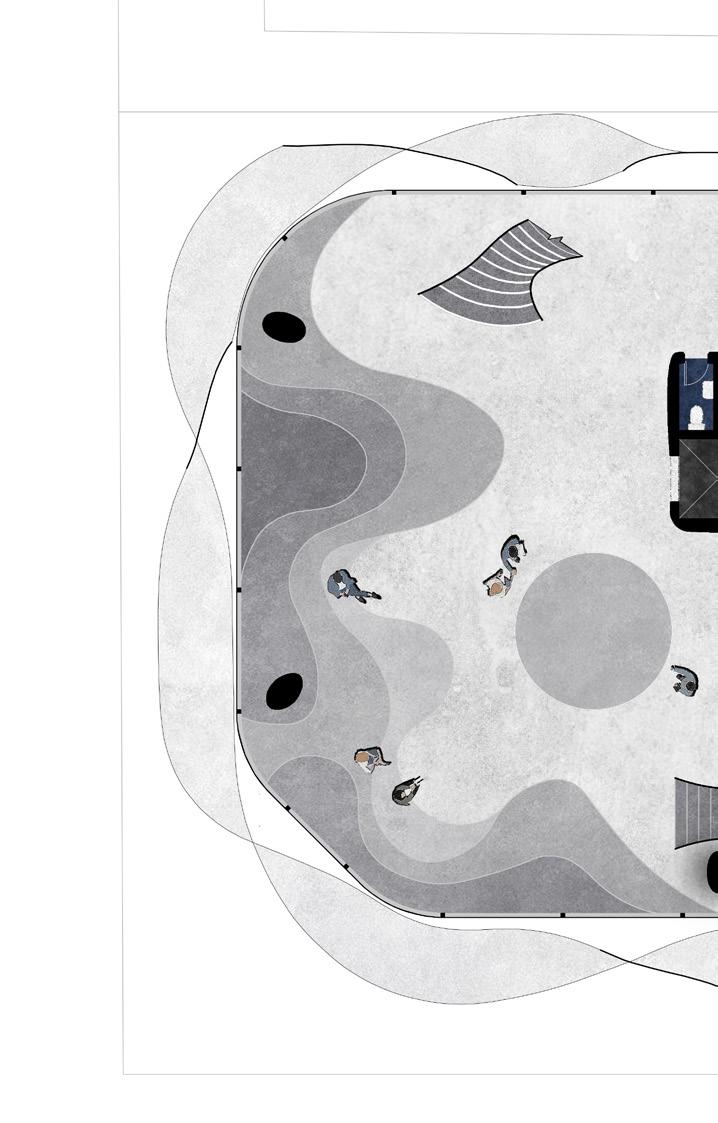
Artificial 'Oreum' creates a continuous rooftop walkway
A park is a space where people of diverse ages and purposes naturally coexist. It is a place where one may seek quiet solitude while another brings a pleasant vibrancy, yet both feel perfectly at home. Even as individuals occupy their own spheres, their gazes remain open to one another, and the spaces are seamlessly interconnected. Within this environment, we subconsciously sense our belonging to a connected society.
This hotel applies the 'park philosophy' to transcend exclusive boundaries. By opening the architecture to the street and linking guests with the community, I propose a new paradigm of genuine rest and urban coexistence.
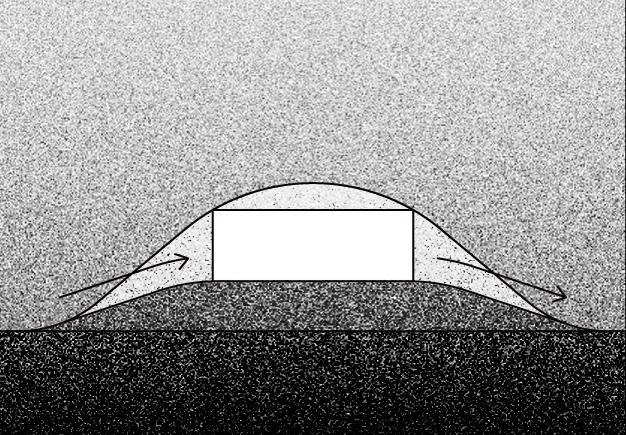
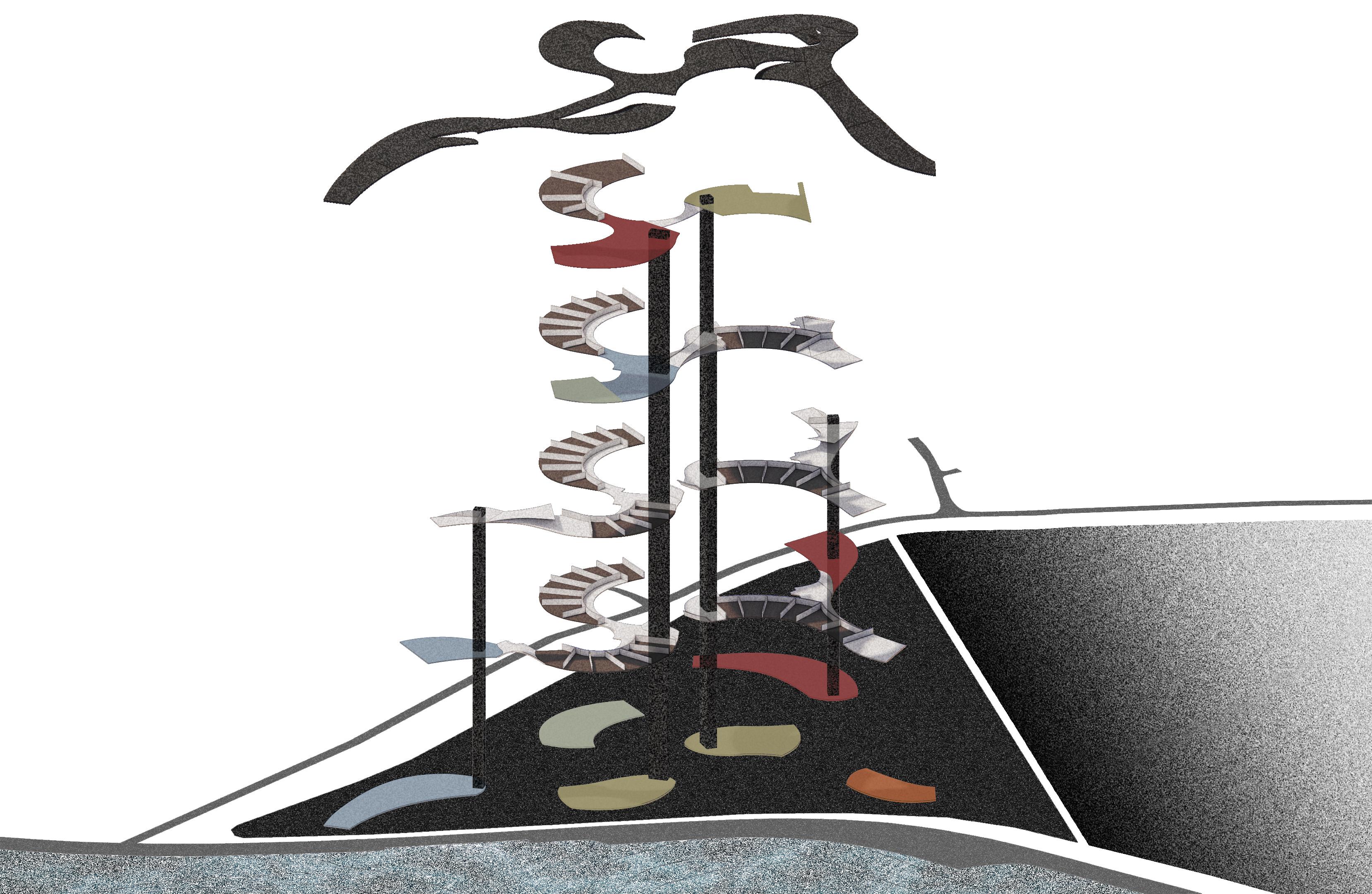
Three layers: Ground flow, Hotel access, and Nature trail
MASSING
POROSITY
MORPHOLOGICAL STRATEGY: From Path to Place
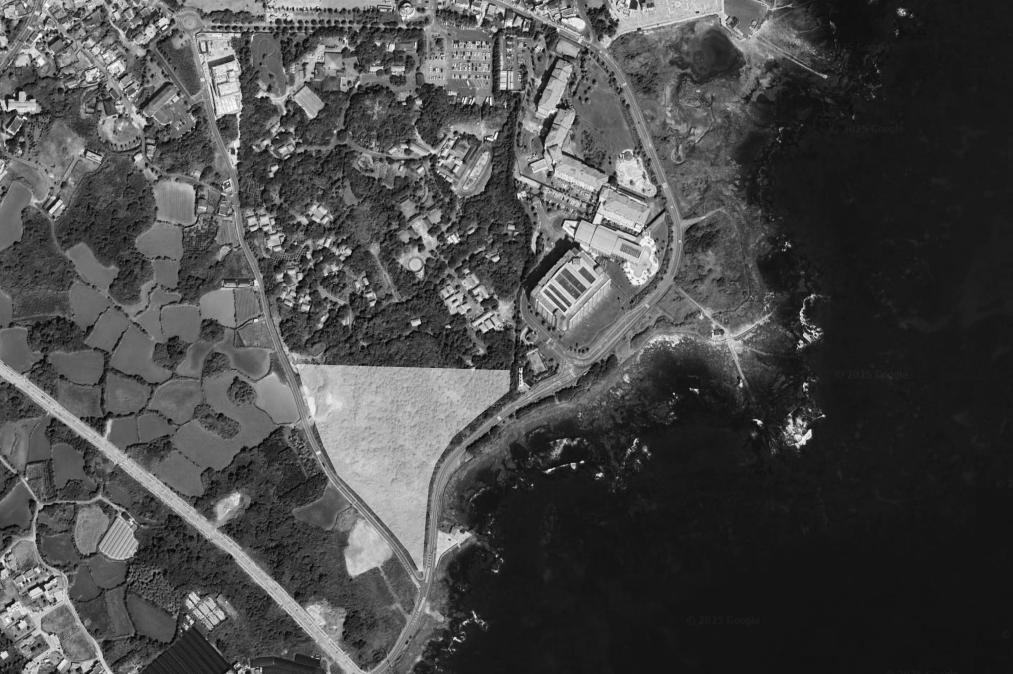
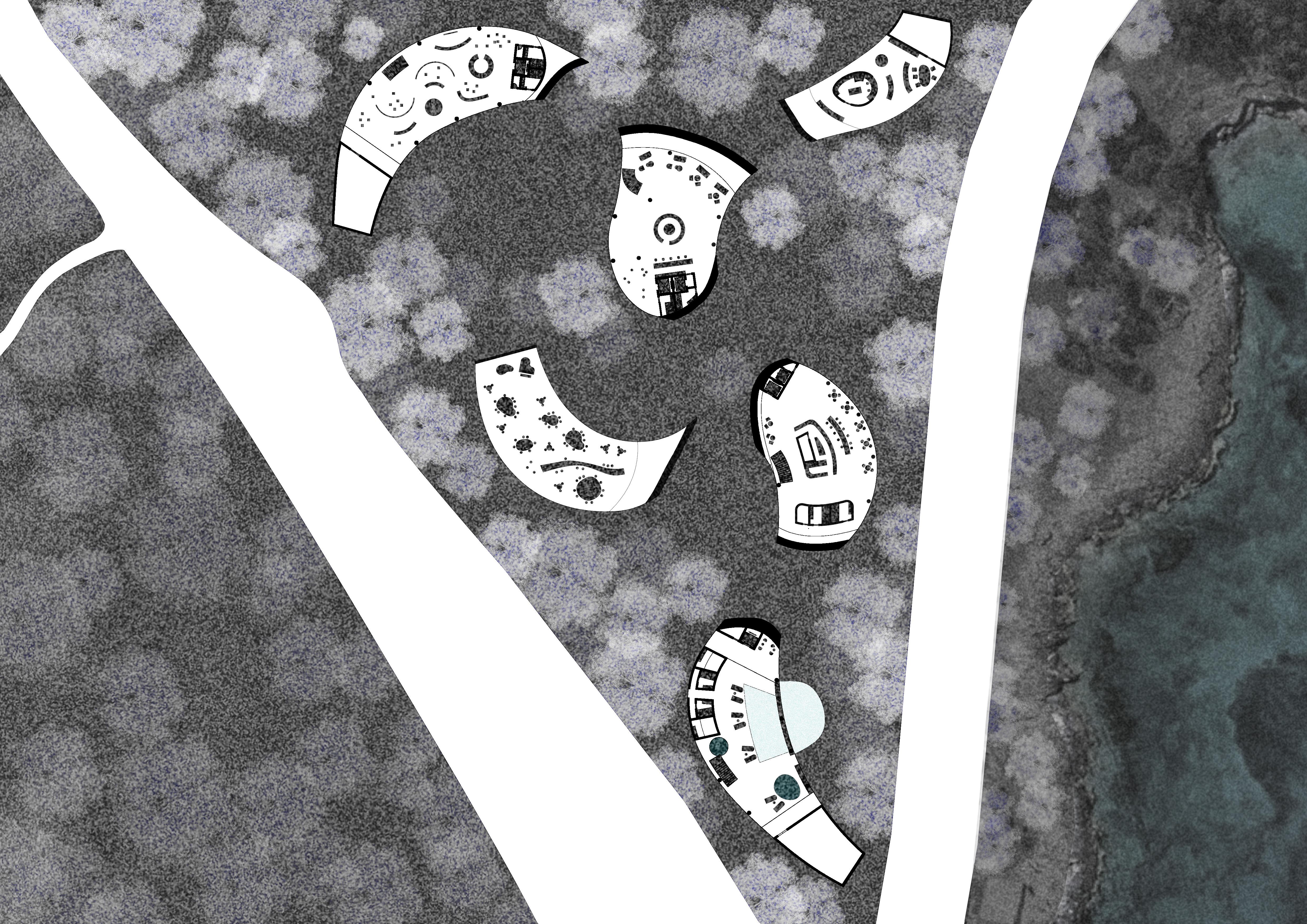
The design begins not with a building, but with a path. To integrate with the site, the linear trajectory of the local 'Olle trail' is extended and organically deformed. This meandering line generates five distinct plazas, transforming a simple passageway into a cluster of community spaces. This plan becomes the footprint for the hotel, embedding the architecture into the landscape's flow.

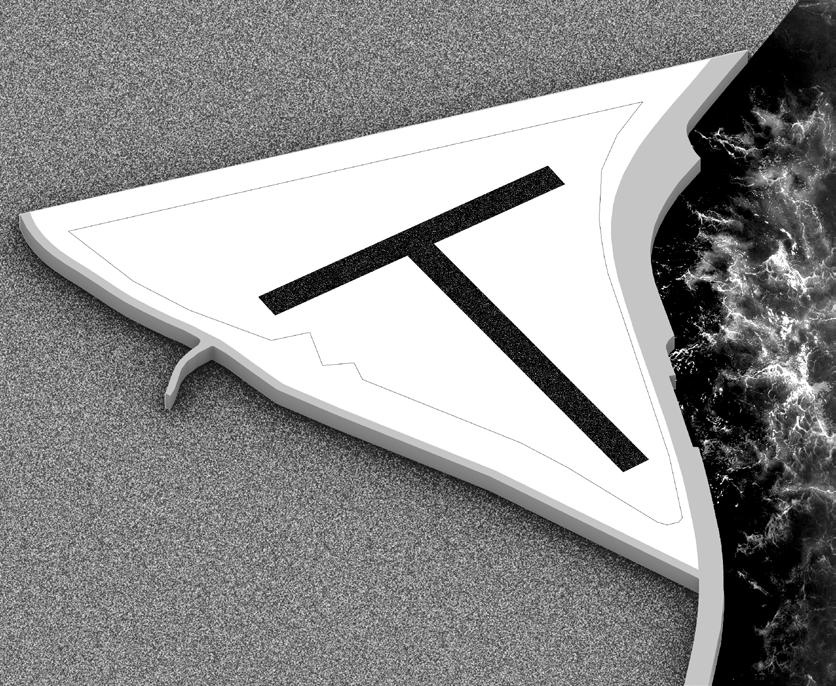
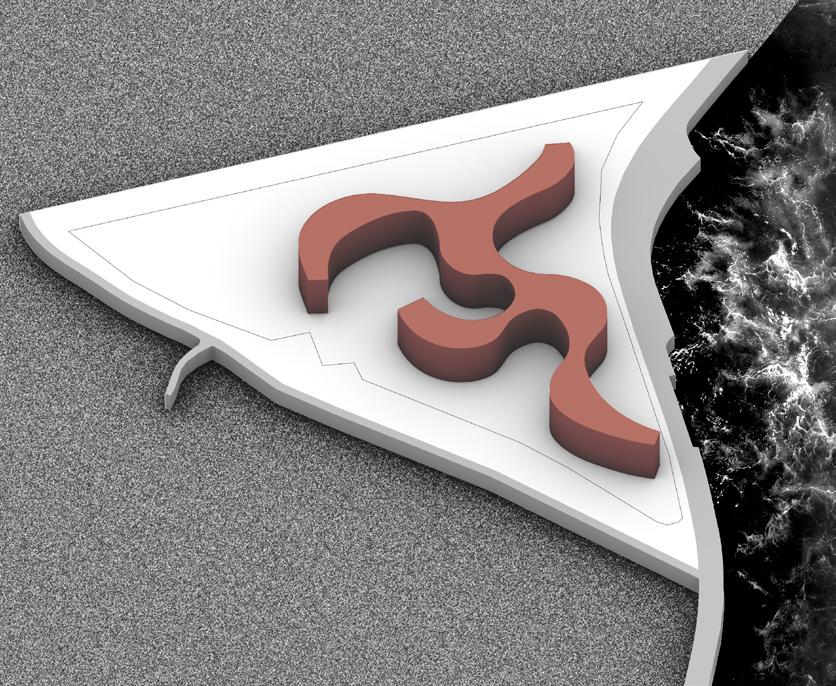
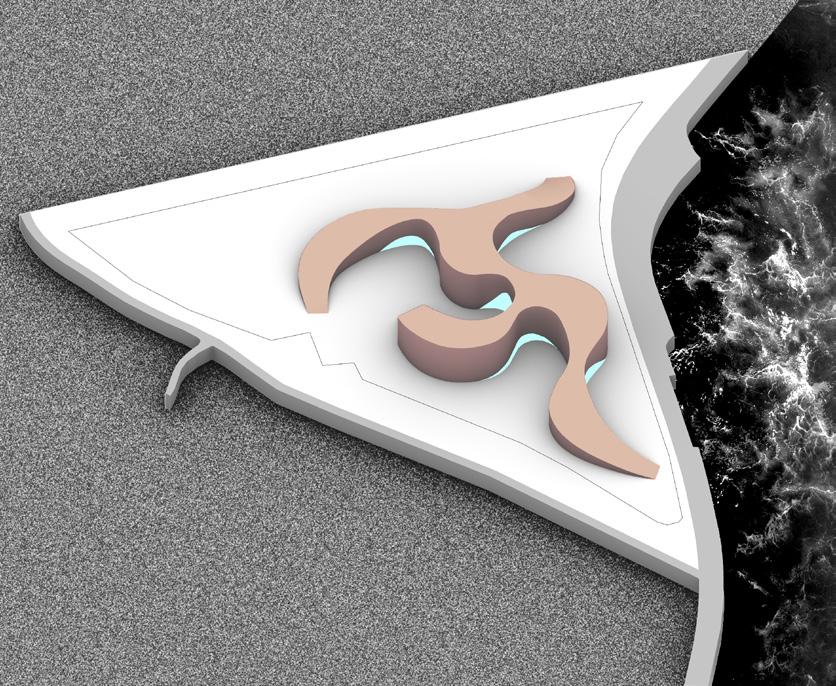



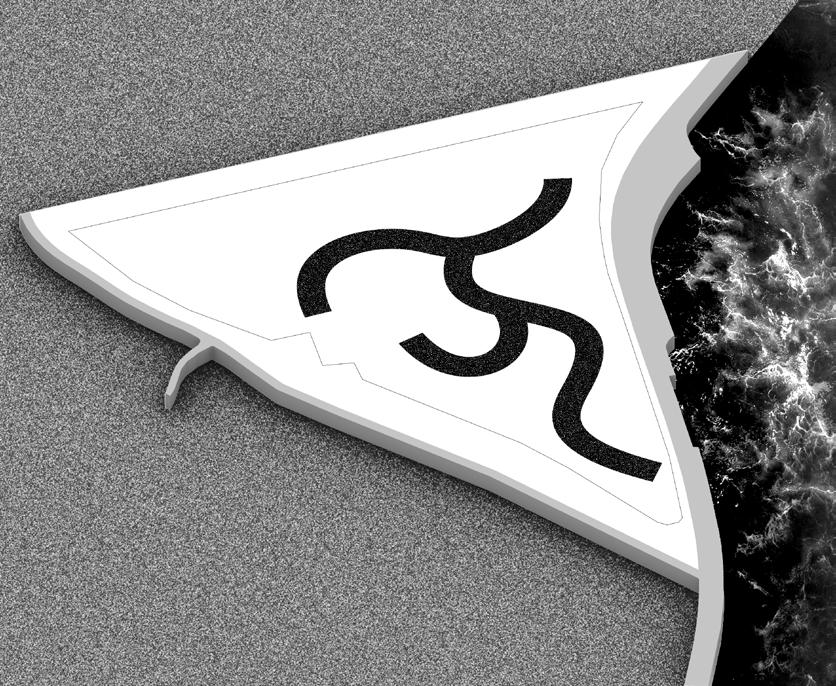

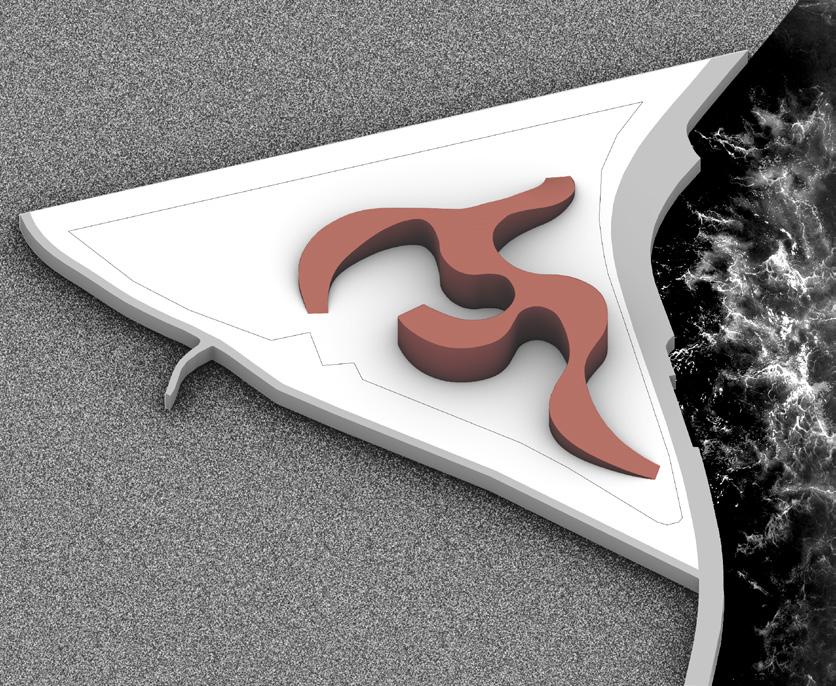
Resembling an Oreum, the sloping mass creates a hikeable rooftop landscape. At ground level, cavelike voids maintain urban porosity,preventing disconnection. Finally, the roof trail connects directly to the hotel interior, integrating the public walkway with private accommodation in a way that enhances convenience and experiential value for hotel guests.
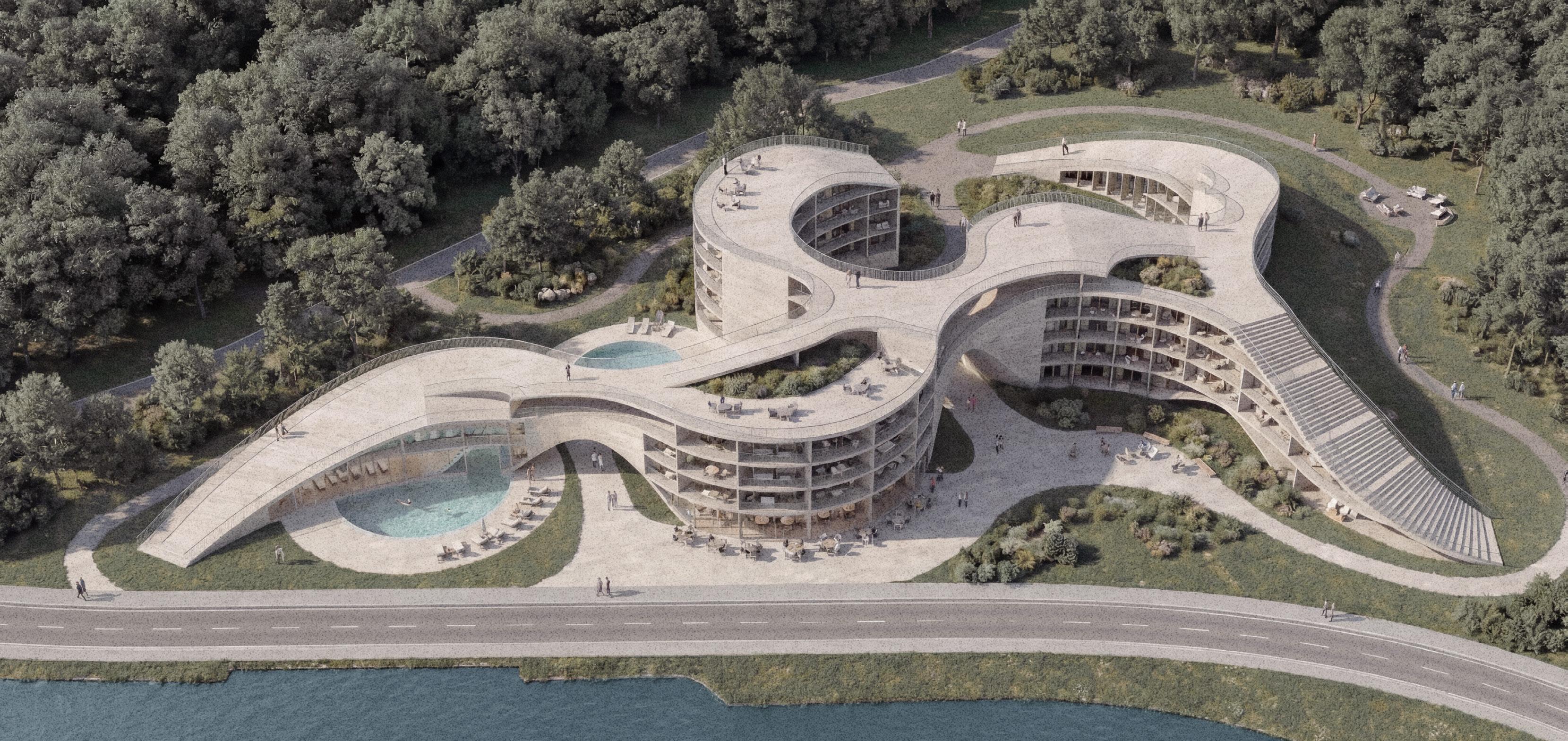
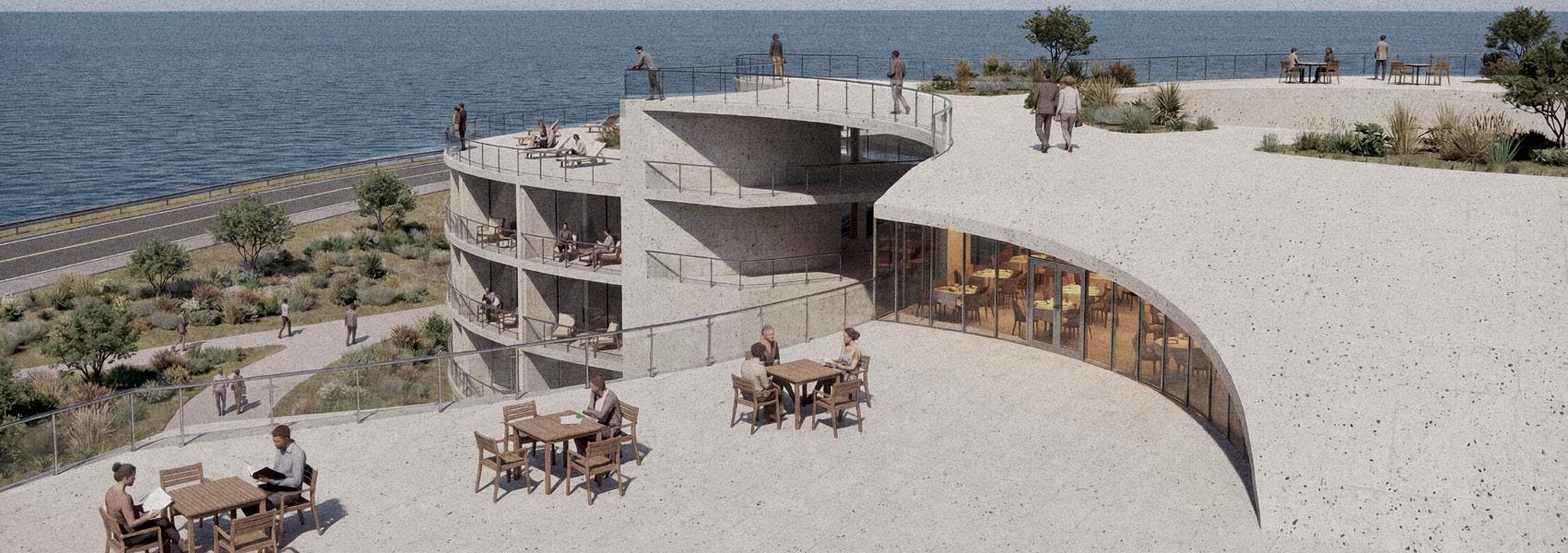
The roof is conceived not as a boundary, but as a continuous extension of the Jeju landscape. Finished in light-coloured local basalt, the surface echoes the gentle ascent of an oreum (volcanic cone), allowing the Olle trail to rise seamlessly from the ground and traverse the building itself. This artificial topography establishes a new public realm where hiking and hospitality are no longer distinct but intertwined. Along this rooftop trail, the journey of the hiker merges with the leisure of the guest. Visitors are invited not only to pass through but to pause—sitting on basalt surfaces, feeling the sea breeze, and taking in panoramic views. The roof thus becomes an active social platform, animated by the rhythm of walking and the stillness of rest.
THE POROUS GROUND: INTERSECTING FLOWS
Viewed from the trail, the architecture lifts its mass to reveal a porous undercroft, respecting the existing flow of the land. Large, organic archways carve out the volume, preventing the building from becoming a visual or physical barrier. This ensures that the local flow of the Olle trail continues unobstructed beneath the structure.
This open ground floor acts as a permeable social threshold, dissolving the boundary between the private hotel and the public path. It invites both passing hikers and resident guests into a shared space of rest and interaction, fostering a natural encounter amidst the shaded, open landscape.

Independently dispersed volumes enable fluid circulation and uninhibited access from all directions


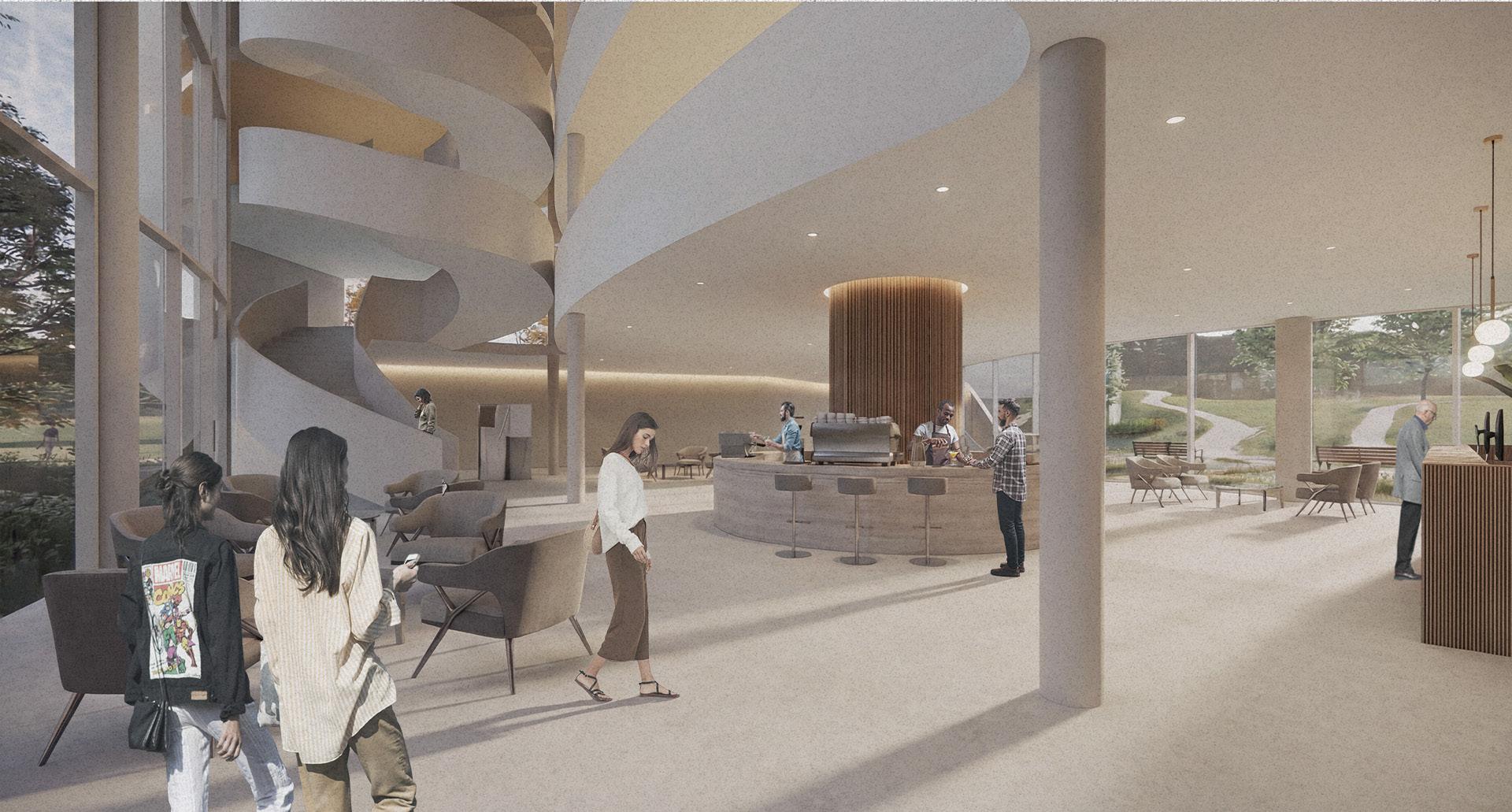
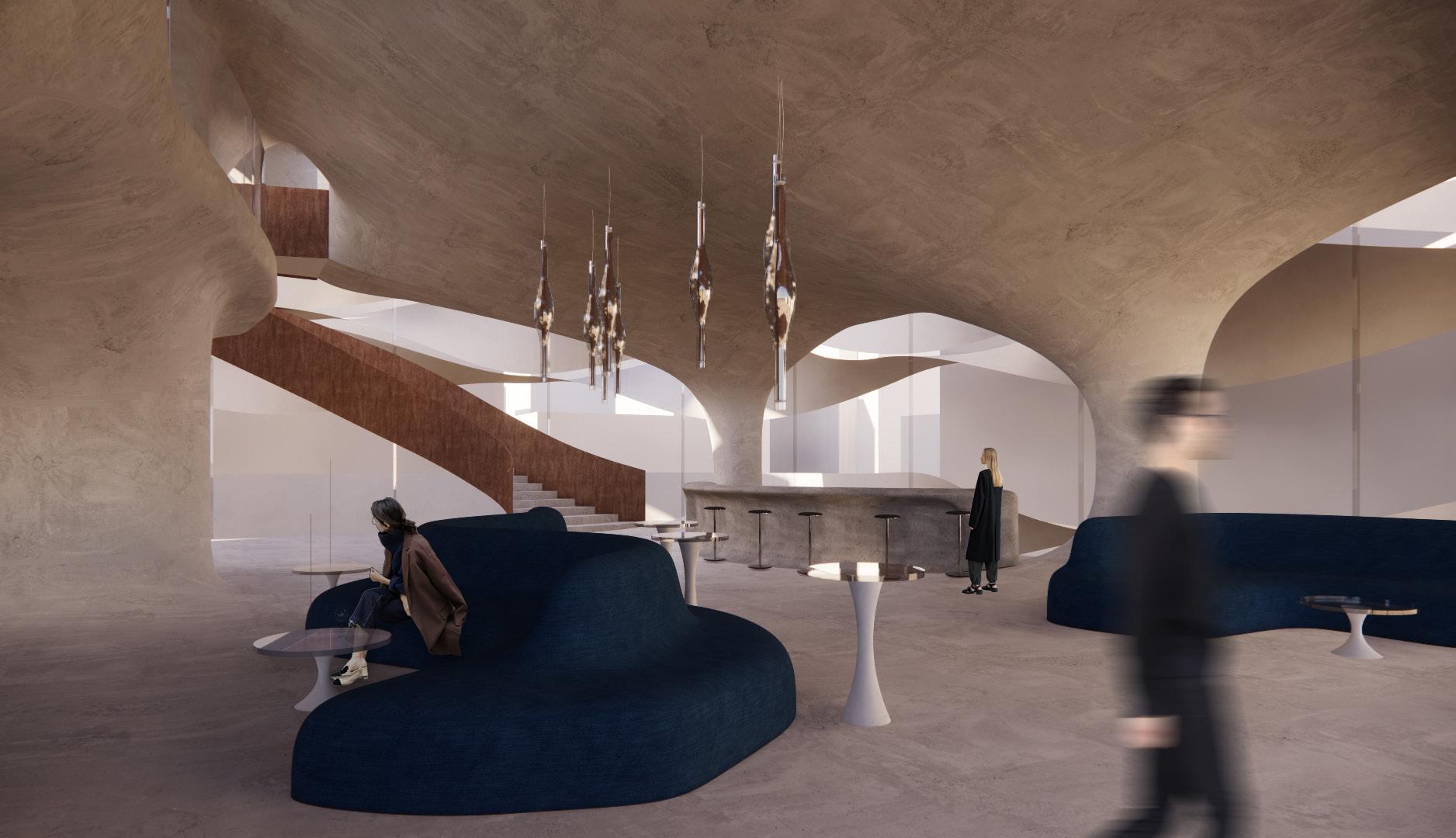
The lobby is designed not as a closed reception area, but as a permeable social hub. Floor-to-ceiling glass walls dissolve the boundary between the interior and the surrounding nature, inviting daylight deep into the space.
A sculptural spiral staircase acts as a vertical anchor, while the open cafe serves as a communal gathering point. Here, the distinction between hotel guests and local hikers blurs, fostering natural interaction within a bright, fluid atmosphere.
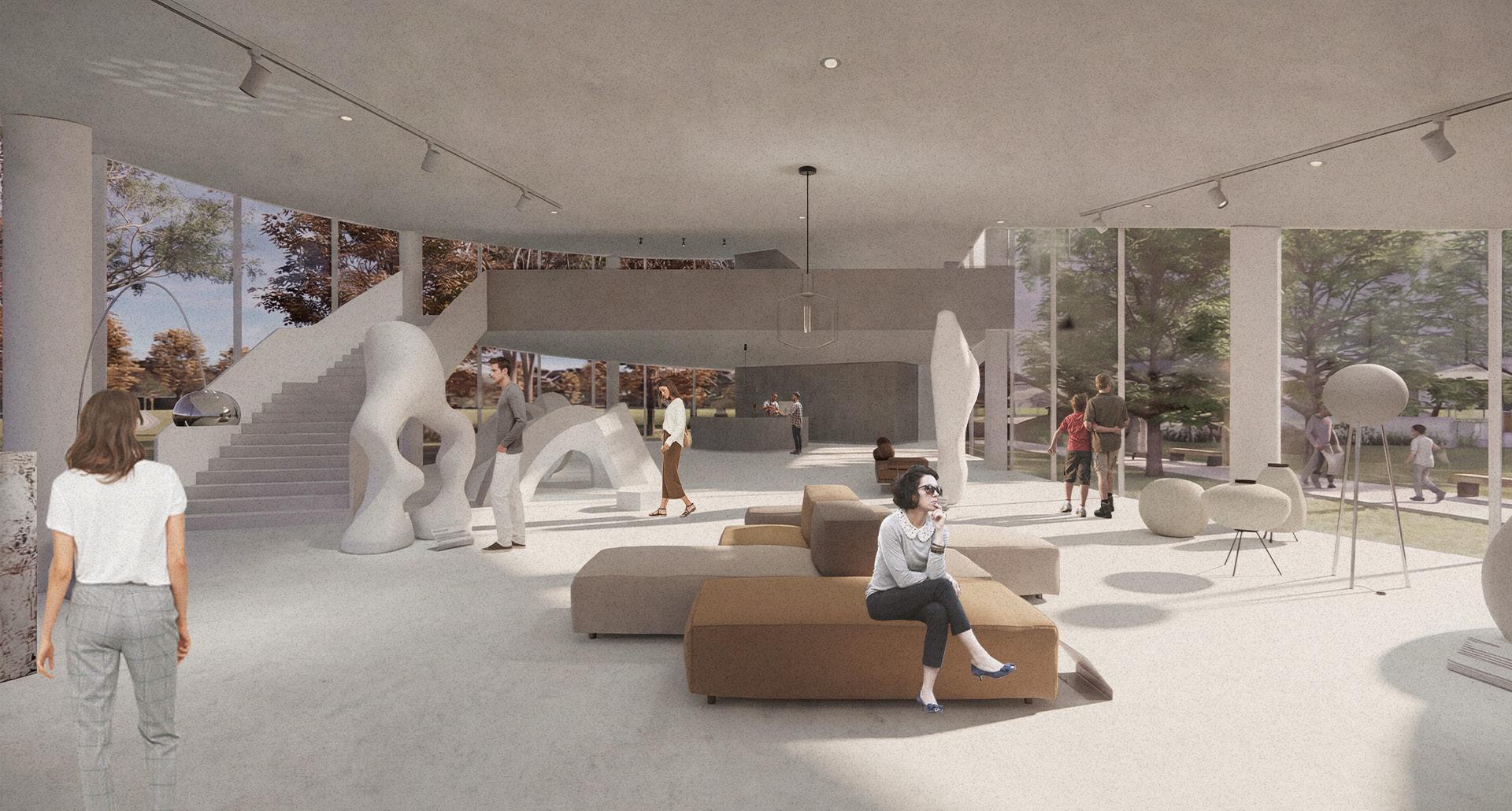
This space operates as the cultural heart of the hotel, connecting art and knowledge. The ground floor functions as an open gallery, exhibiting works by local artists in a contemplative setting.
The grand staircase creates a physical and visual link to the library on the upper level. By vertically integrating the exhibition space with the reading zone, the architecture encourages visitors to wander freely, engaging with culture in a relaxed, open environment.


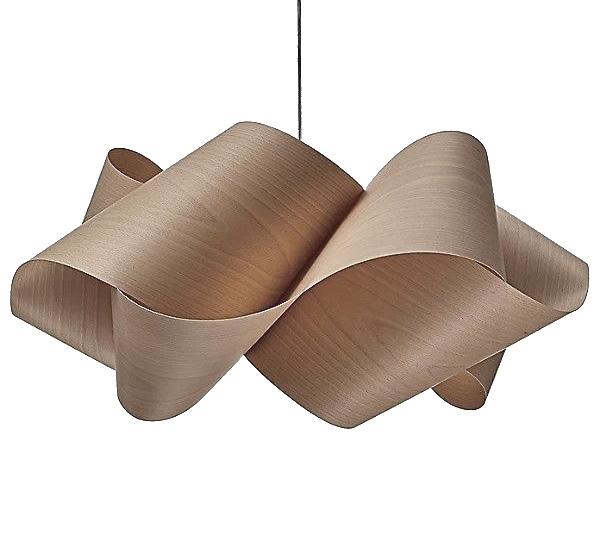
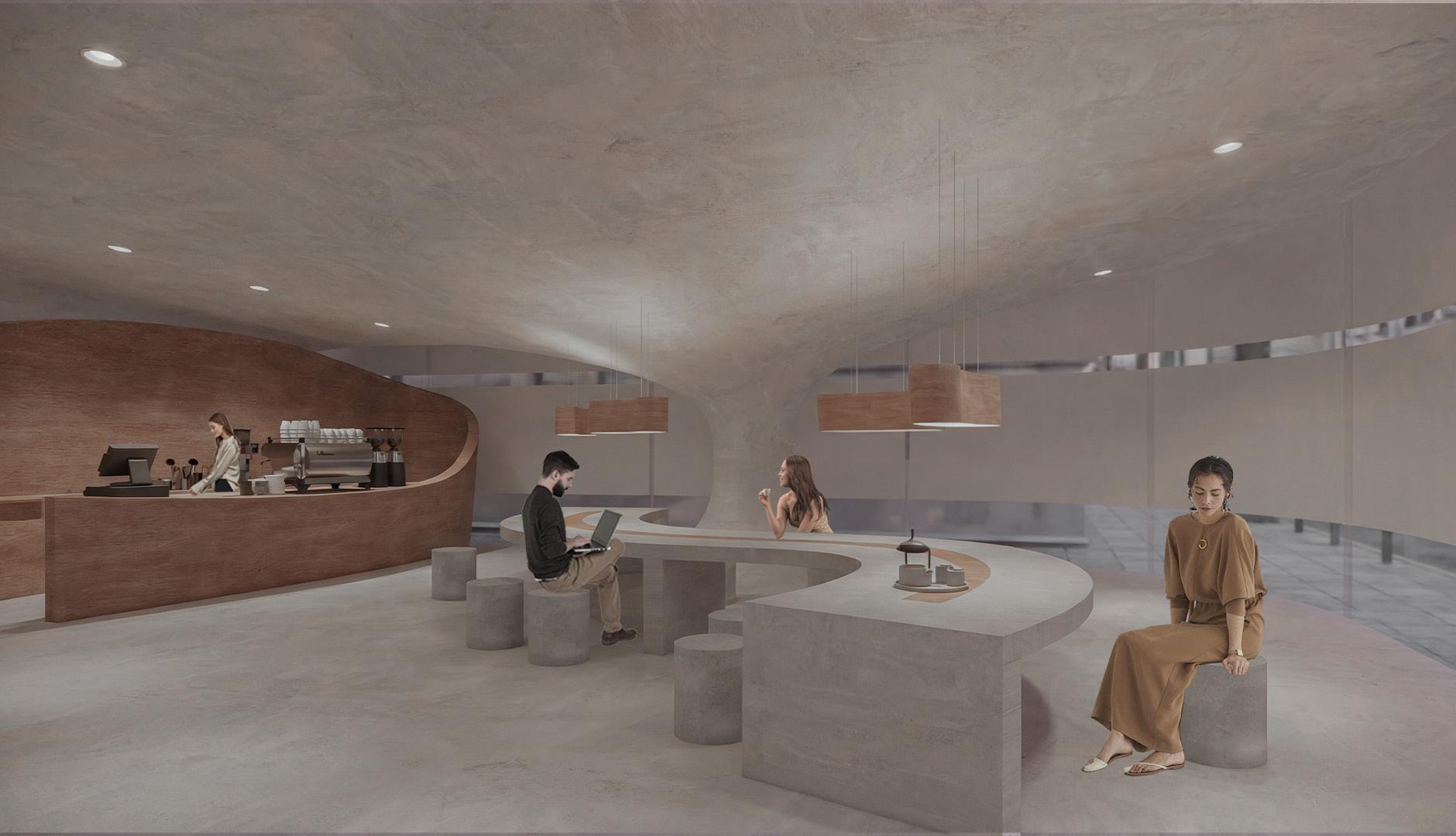
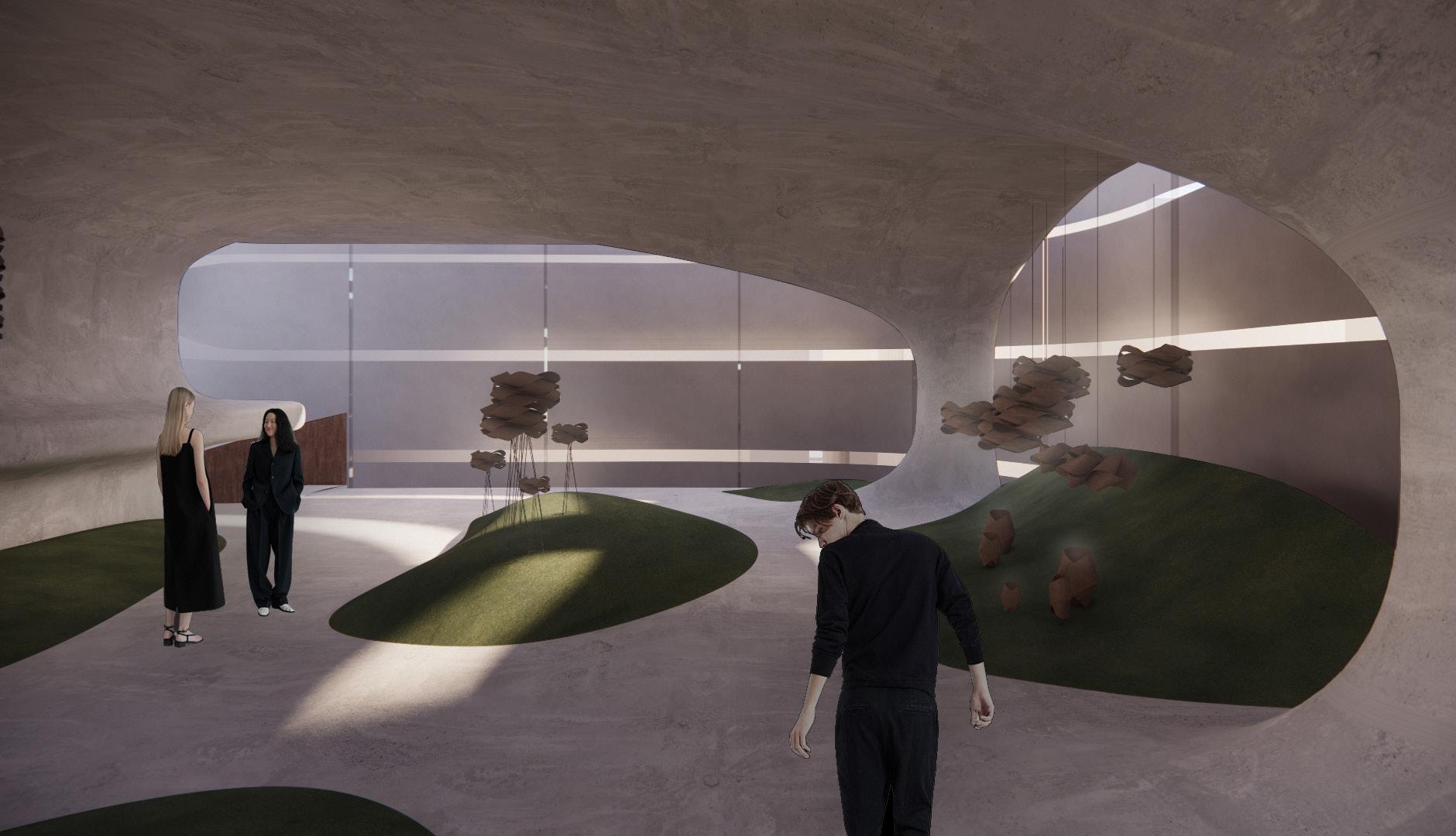
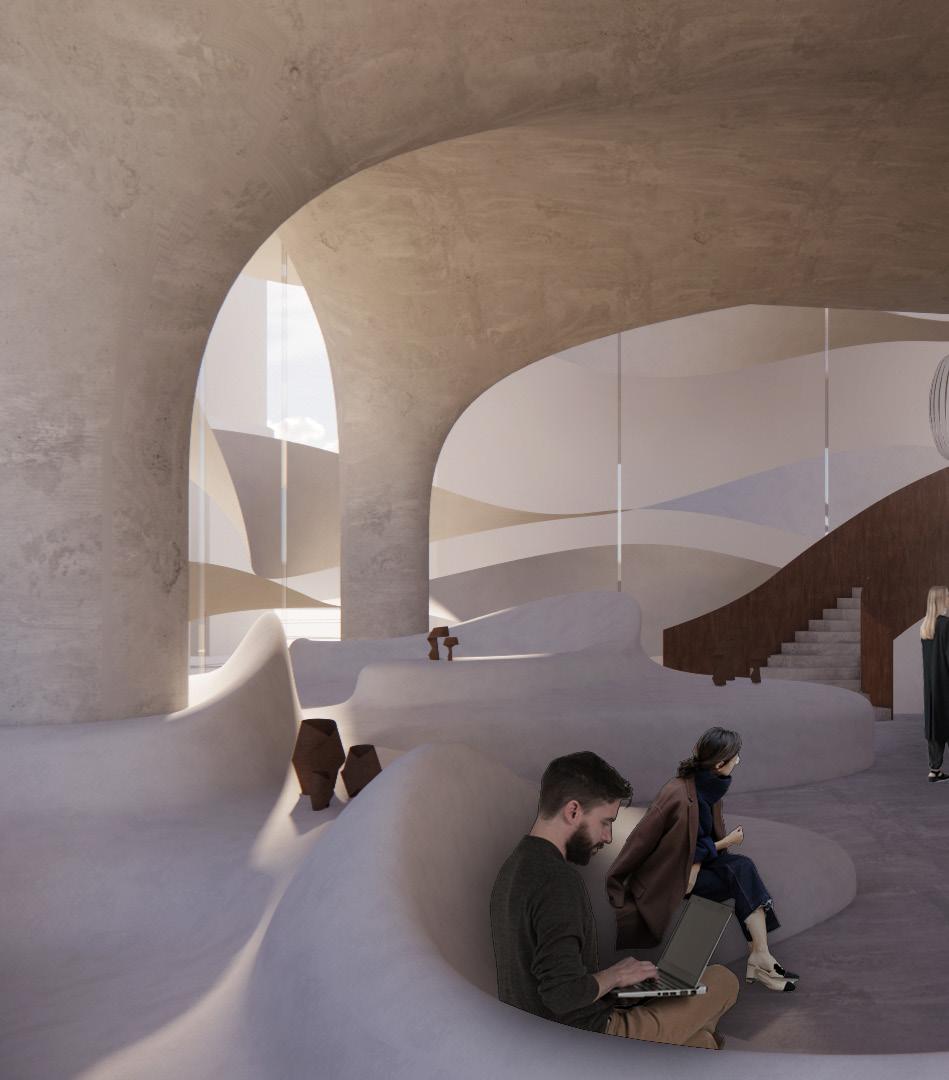
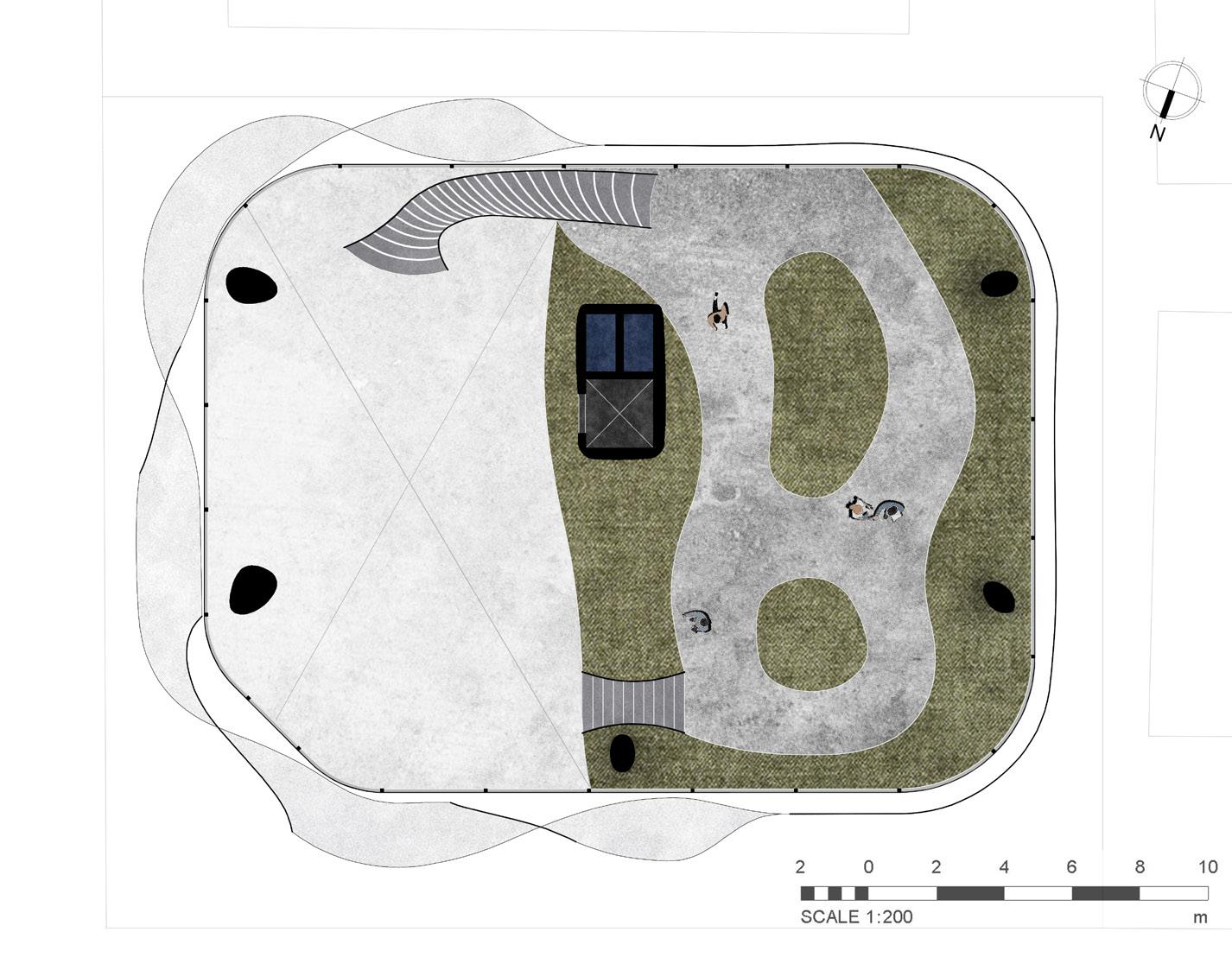
LZF Flagship Store


TWO STRATEGIES FOR SENSORY AWAKENING
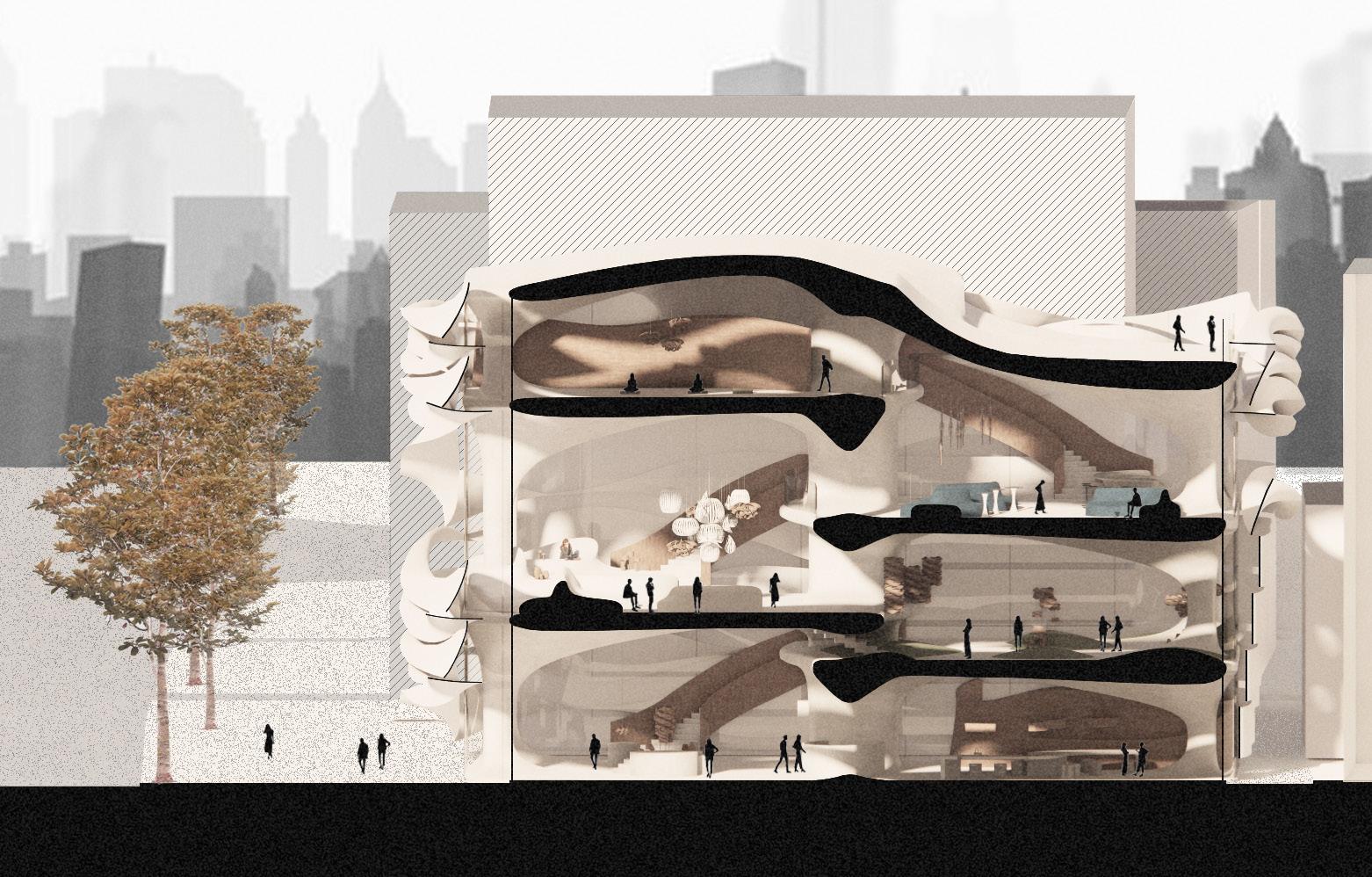
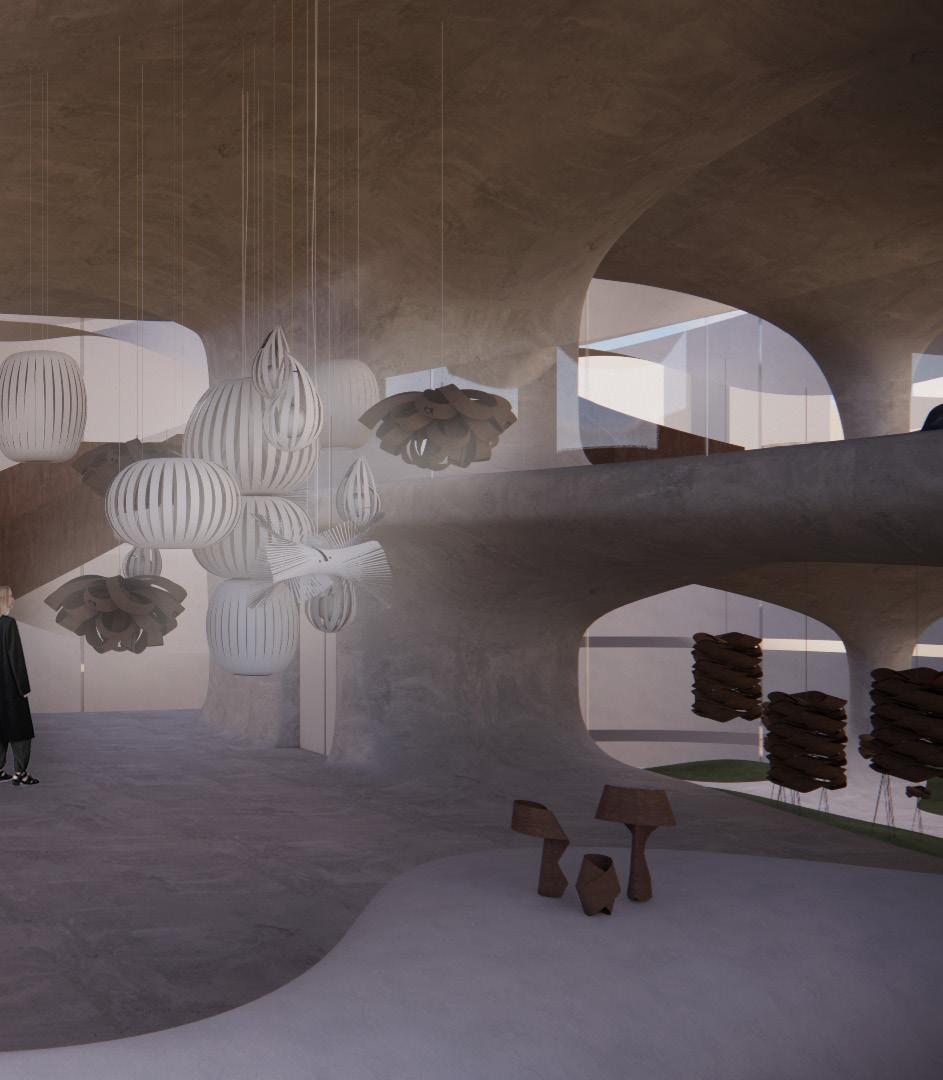
Lighting transcends its functional utility to evoke natural phenomena—forest flora, celestial stars, or cavernous stalactites. This surreal transformation creates a dreamlike atmosphere that actively stimulates sensory perception, detaching the visitor from the mundane and immersing them in a heightened reality.

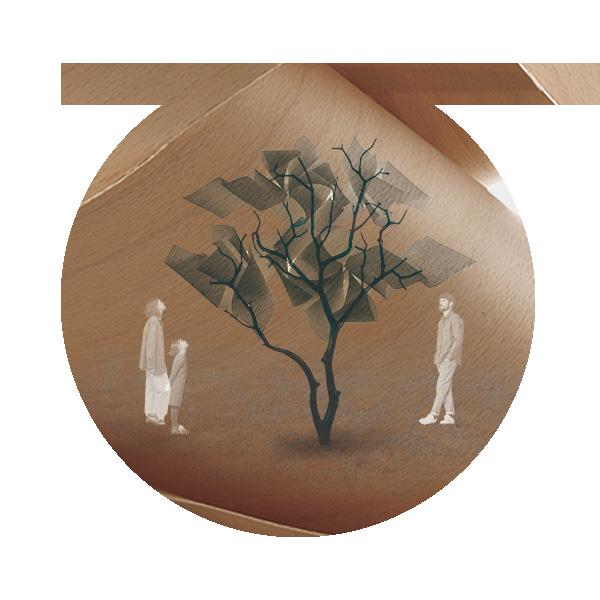
METAPHORICAL REINTERPRETATION
BEYOND CONSUMPTION: AWAKENING THE SENSES
This project challenges the sensory numbness of our digital age. By employing the 'alienation effect,' the design disrupts habitual consumption and intervenes in the passivity of everyday life. It transforms a commercial store from a site of transaction into a space of reflection, urging visitors to reclaim a conscious relationship with the physical world.
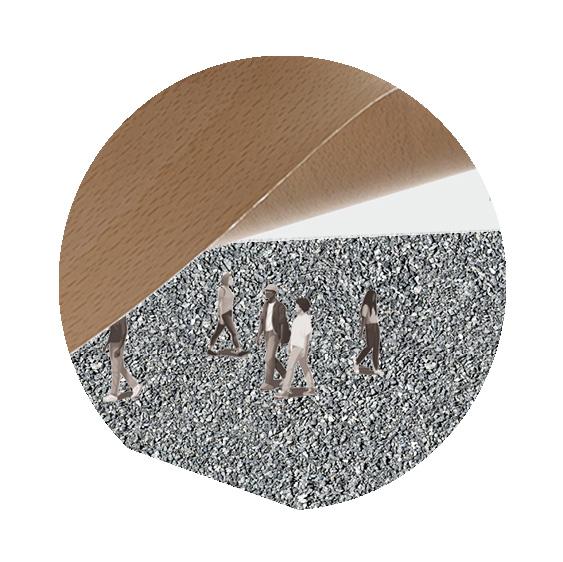
INVERSION OF SCALE
INVERSION OF SCALE
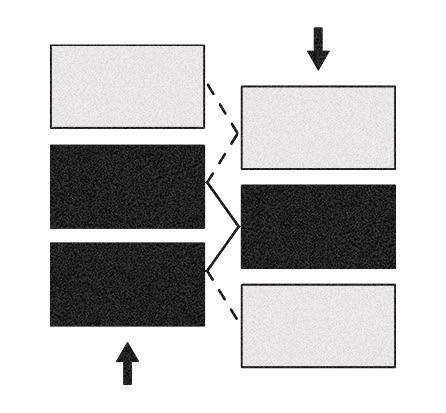
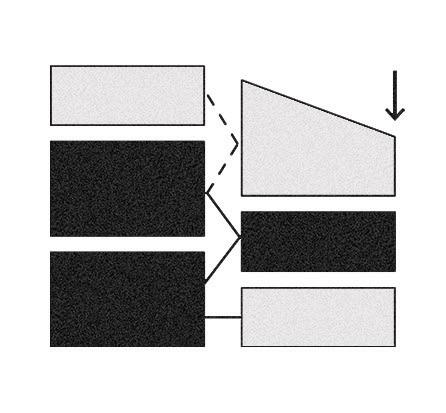
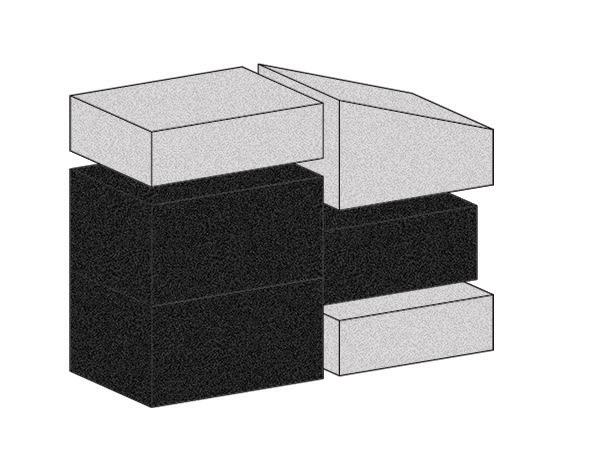
The architecture ceases to be a neutral backdrop and is reimagined as a singular, massive luminary. By expanding a domestic object into an architectural scale, the design triggers a 'scale inversion.' This shift disrupts the familiar gaze, prompting the user to perceive the entire spatial volume as a unified scene of light.
STRATEGY 01: FROM FUNCTIONAL UTILITY TO NATURAL PHENOMENA
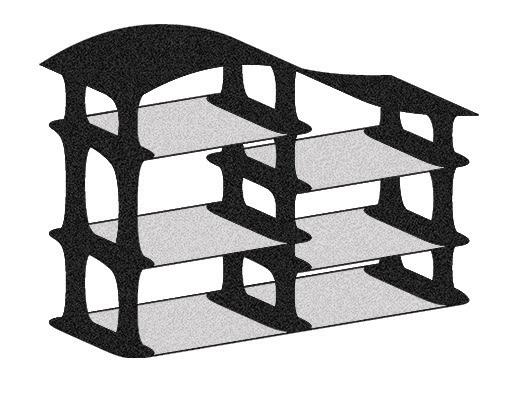
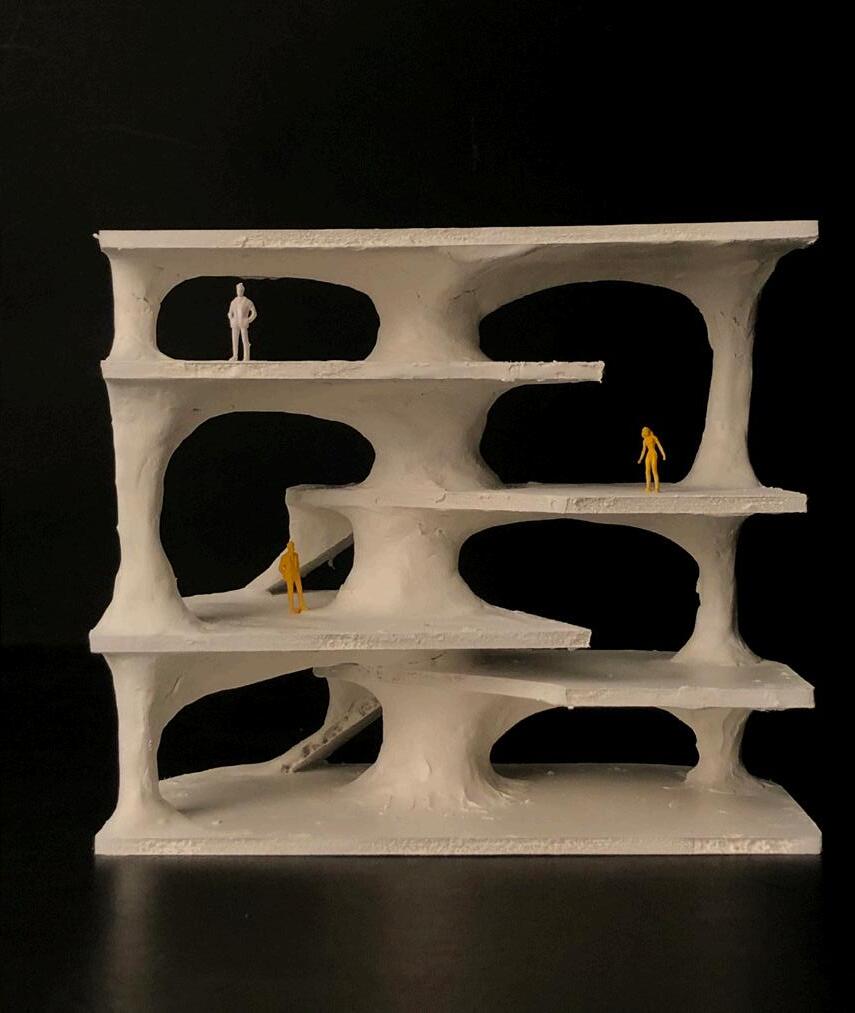
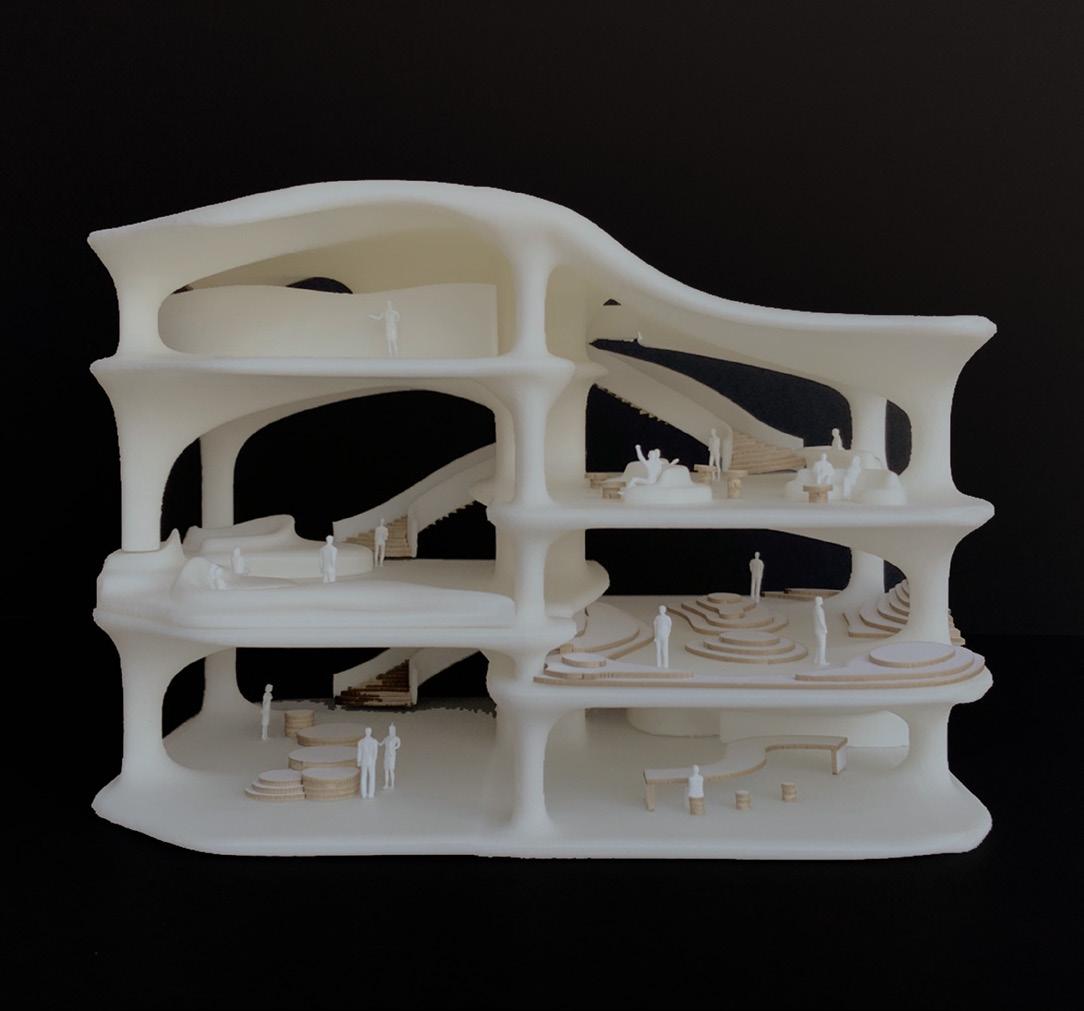
MASSING STRATEGY

INTERNAL SCENOGRAPHY
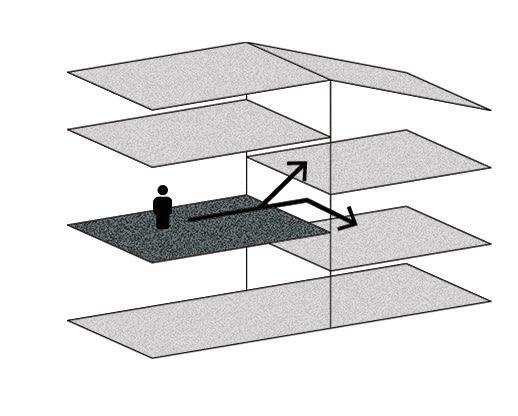
STRATEGY 01: FROM FUNCTIONAL UTILITY TO NATURAL PHENOMENA
Lighting is reimagined as natural phenomena to disrupt mundane perception. Spanning from luminous forest flora and celestial firmaments to cavernous grottoes where light manifests as stalactite formations, each space is curated as a dreamlike landscape. These metaphors transform the commercial sequence into a site for sensory awakening and reflection.
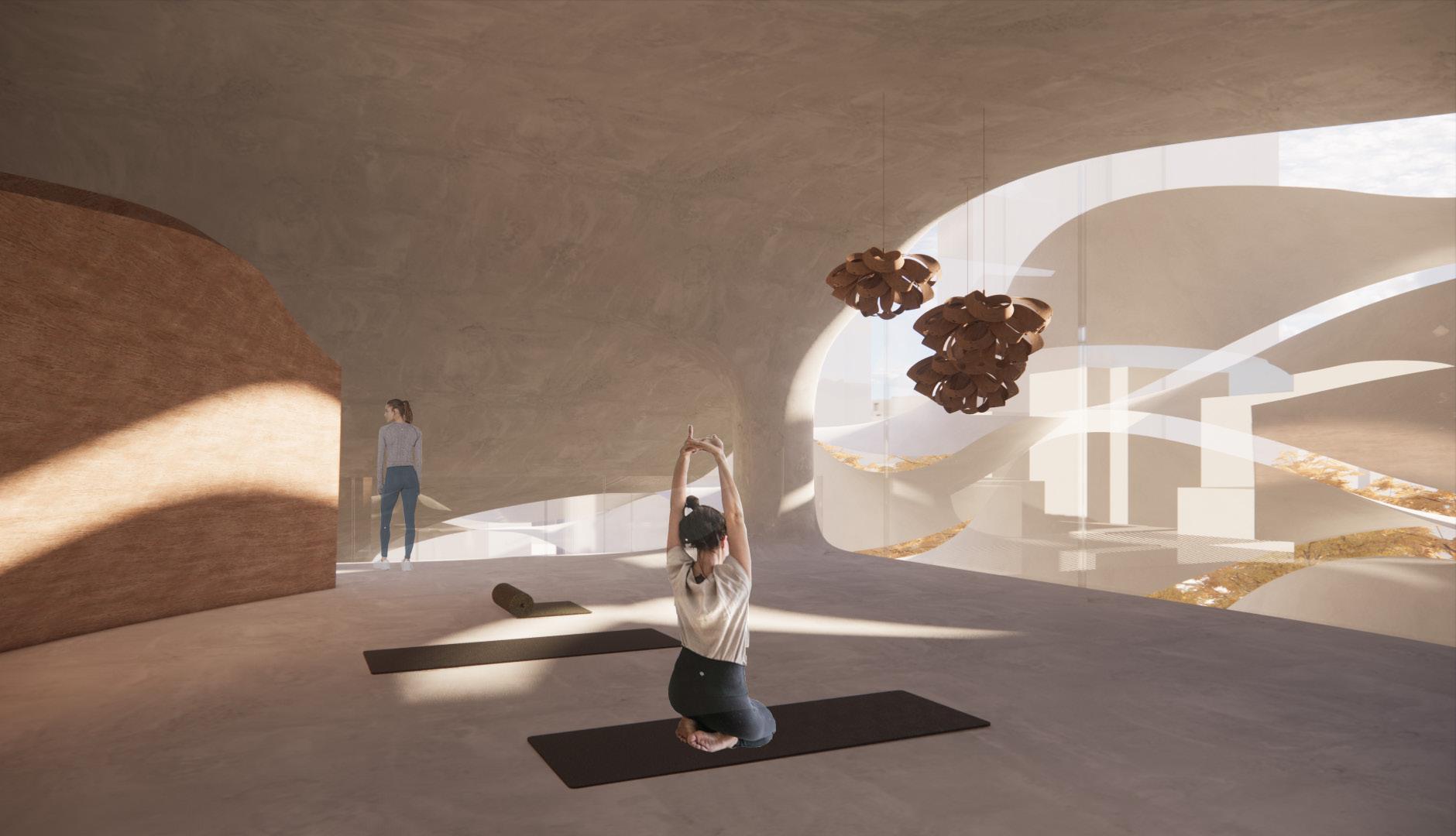
WELLNESS ATELIER
Field for physical and mental activation
COMMERCIA 03
Celestial firmament of starlit constellations
COMMERCIAL 01
Threshold of rhythmic organic patterns
Connection to the open horizon
Cavernous grotto with stalactite light formations
COMMERCIAL 02
GROUND CAFE
Inner sanctuary for sensory grounding

STRATEGY 02: FROM DOMESTIC OBJECT TO ARCHITECTURAL SCENE
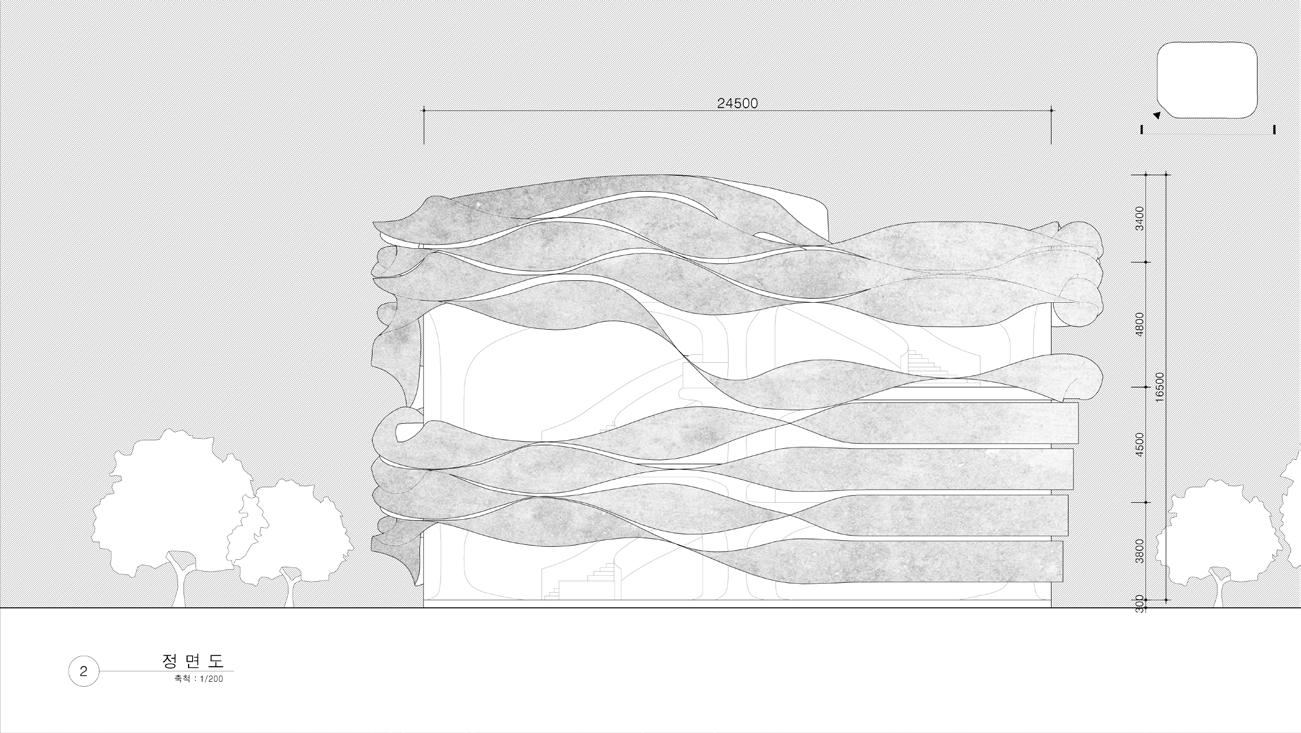
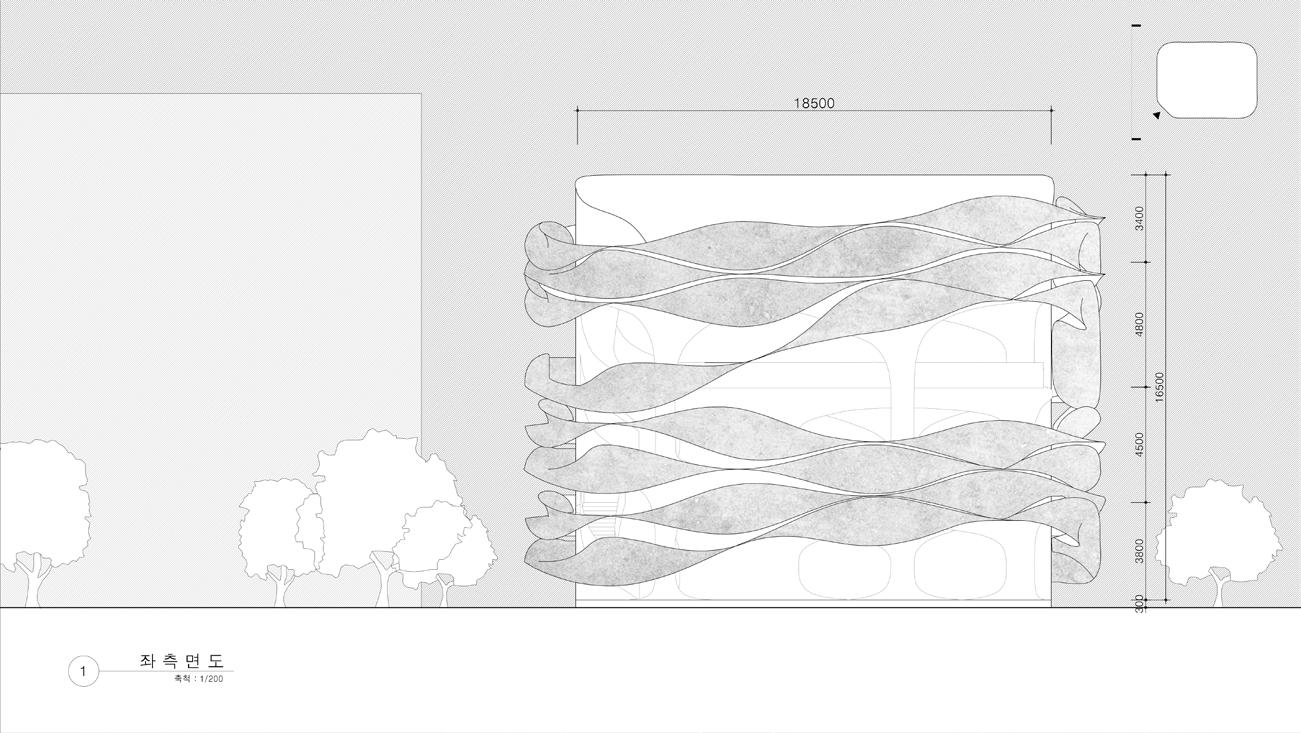
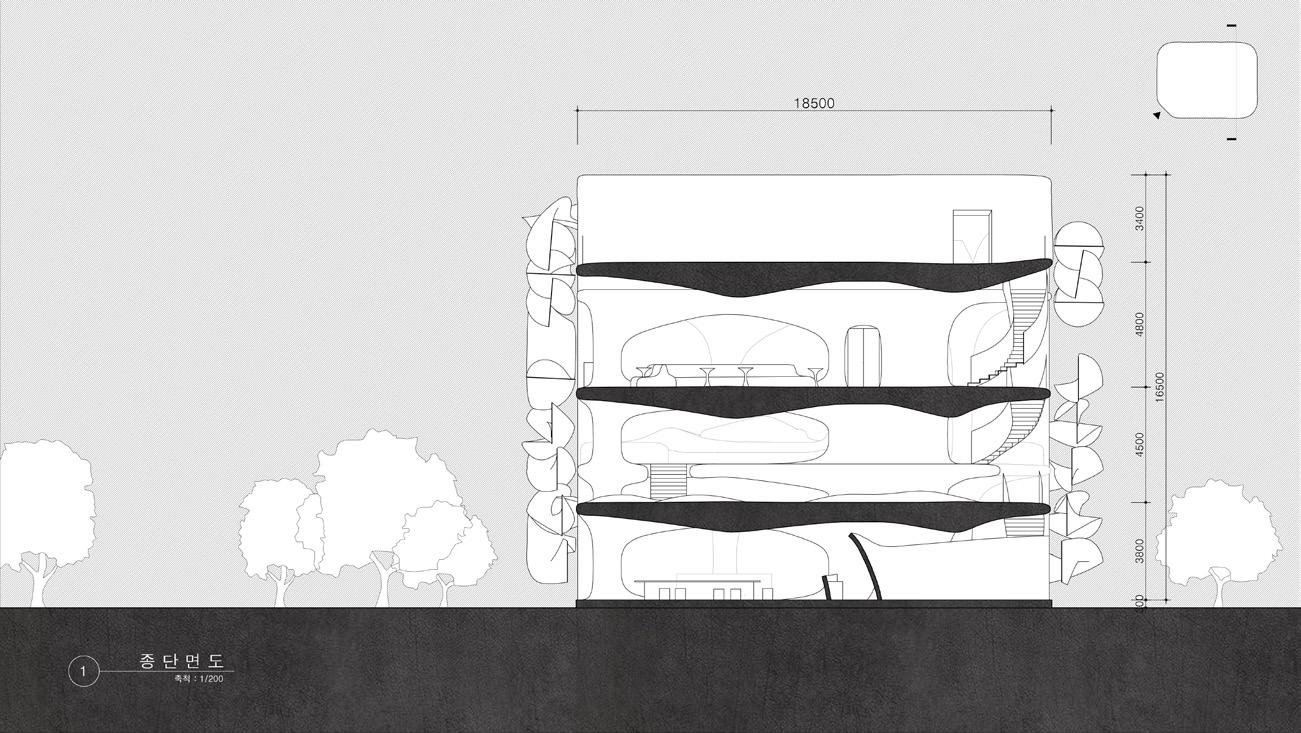
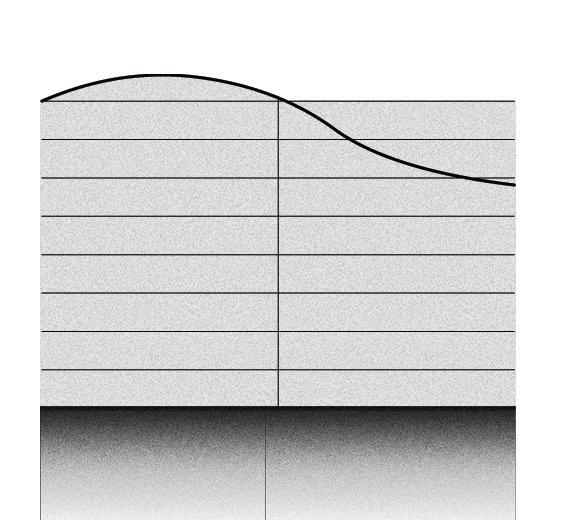
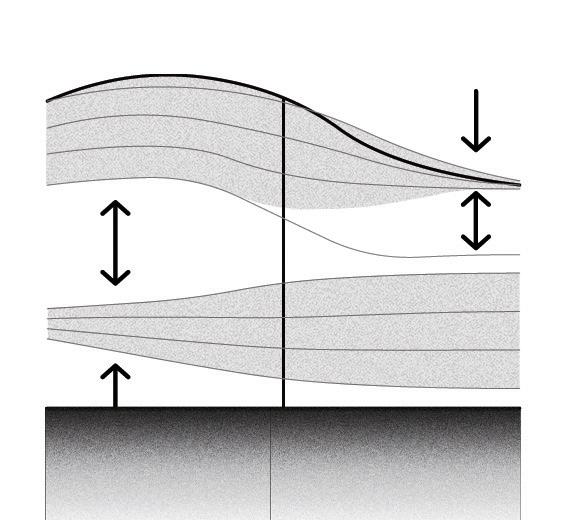
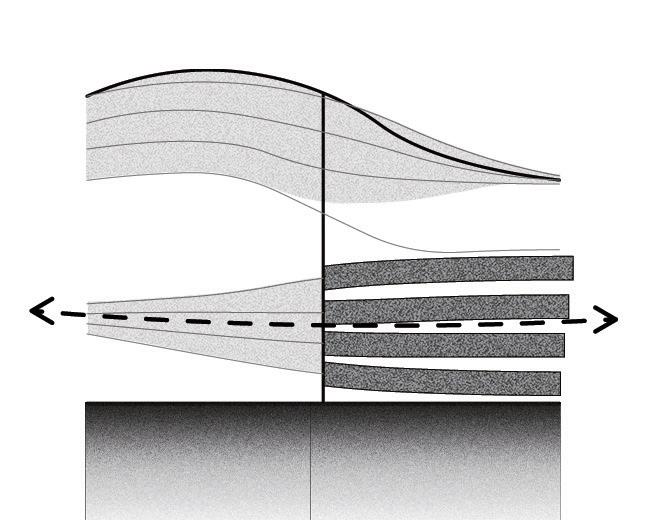
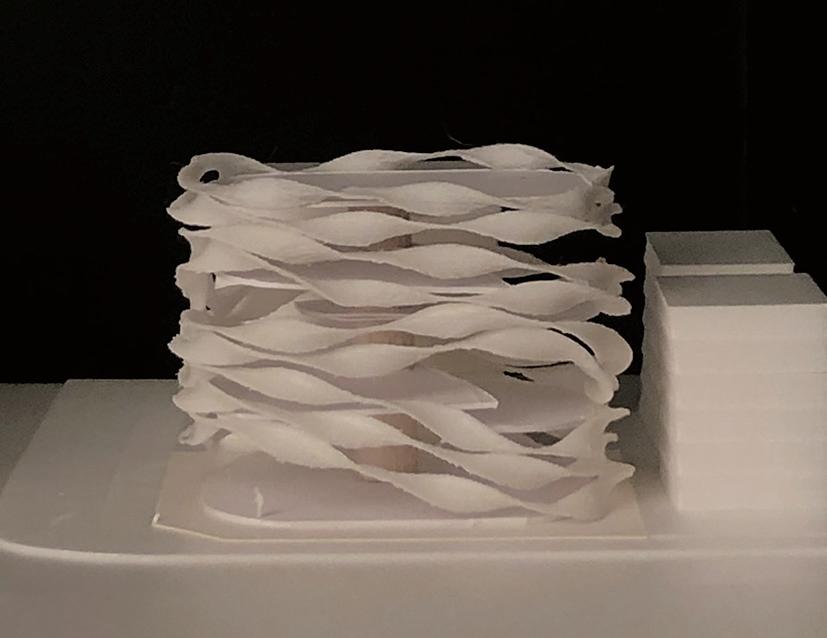
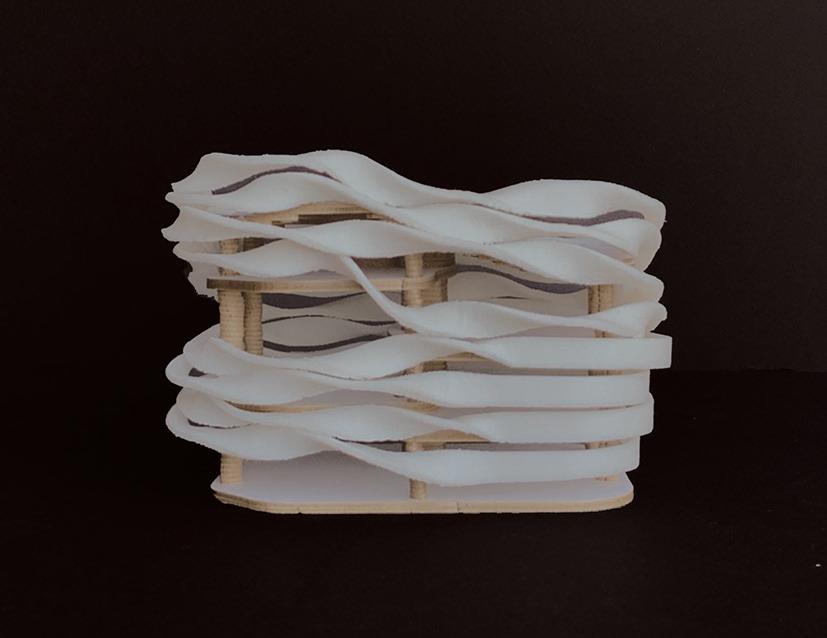
This strategy scales a domestic object to an architectural dimension, reimagining the envelope as a giant, performative luminaire.
Inspired by LZF’s twisted veneer, the facade acts as a responsive boundary where torsion and apertures are dictated by internal programs.
This outward expansion of interior logic blurs the distinction between a small-scale object and a largescale architectural scene.



SYNTHESIS OF METAPHORICAL NARRATIVE AND ARCHITECTURAL SCALE


RENOVATION OF A KOREAN TRADITIONAL HOUSING
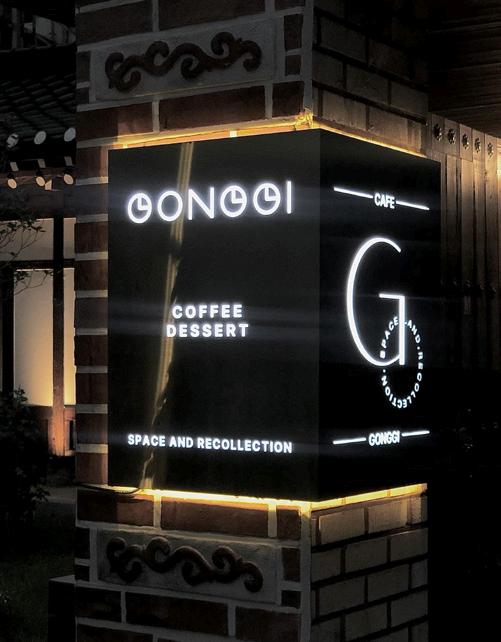
BRANDING FOR COMMERCIAL BRAND 'CAFE GONGGI'
ROLE: CONCEPTUAL DESIGN
VISUAL IDENTITY DESIGN
IN COLLABORATION WITH [Selim Architects] DESIGN PROPOSAL / BRANDING
Sangdang-gu, Cheongju, South Korea
CROWDFUNDING AND PUBLICATION
DESIGN / BRANDING / PRODUCE / FUNDING

Point 1 GRADUATION EXHIBITION
Point 2 INDIVIDUAL EXHIBITION
Point 3 INTERDISCIPLINARY WORK BETWEEN ARCHITECTURE AND ART
STORY PRODUCTION / DESIGN / SPACE PLAN
GROUP PROJECT (2019.10-11)
ROLE: BASE UNIT SYSTEM DEVELOPMENT & ON-SITE
ASSEMBLY LEAD
DESIGN / MATERIAL / EXHIBITION
Hongik University 94, Wausan-ro, Mapo-gu, Seoul, Republic of Korea


Step 1
ARCHITECTURAL INTERVENTION & TECTONIC PRESERVATION
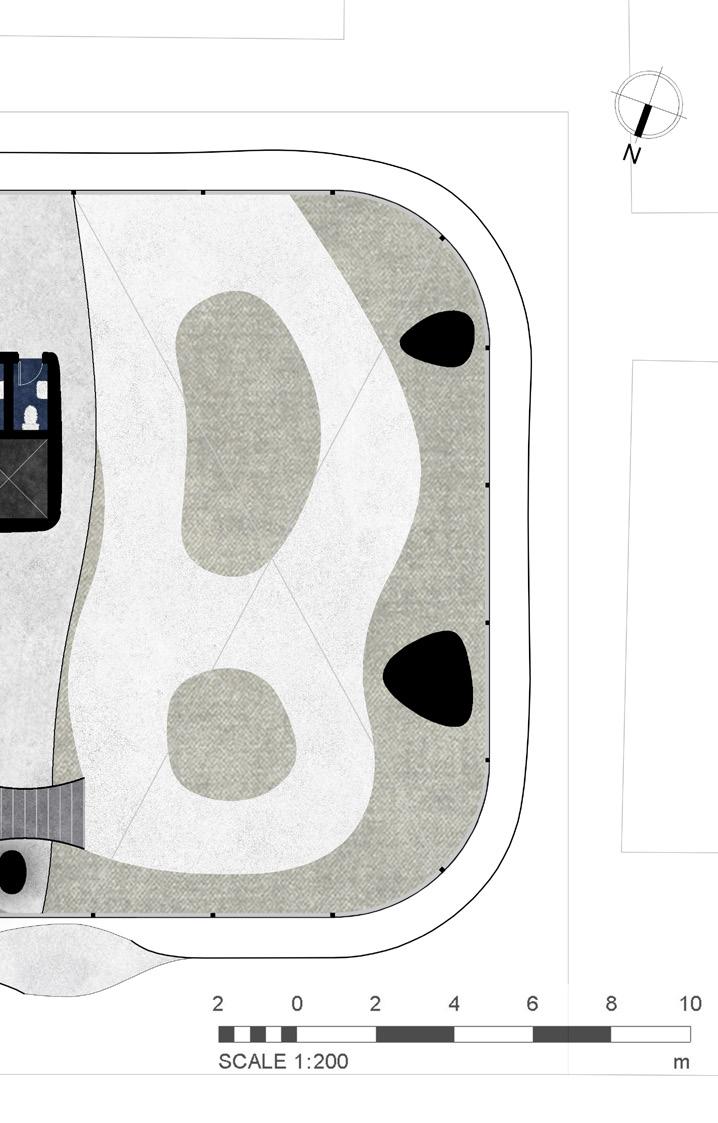
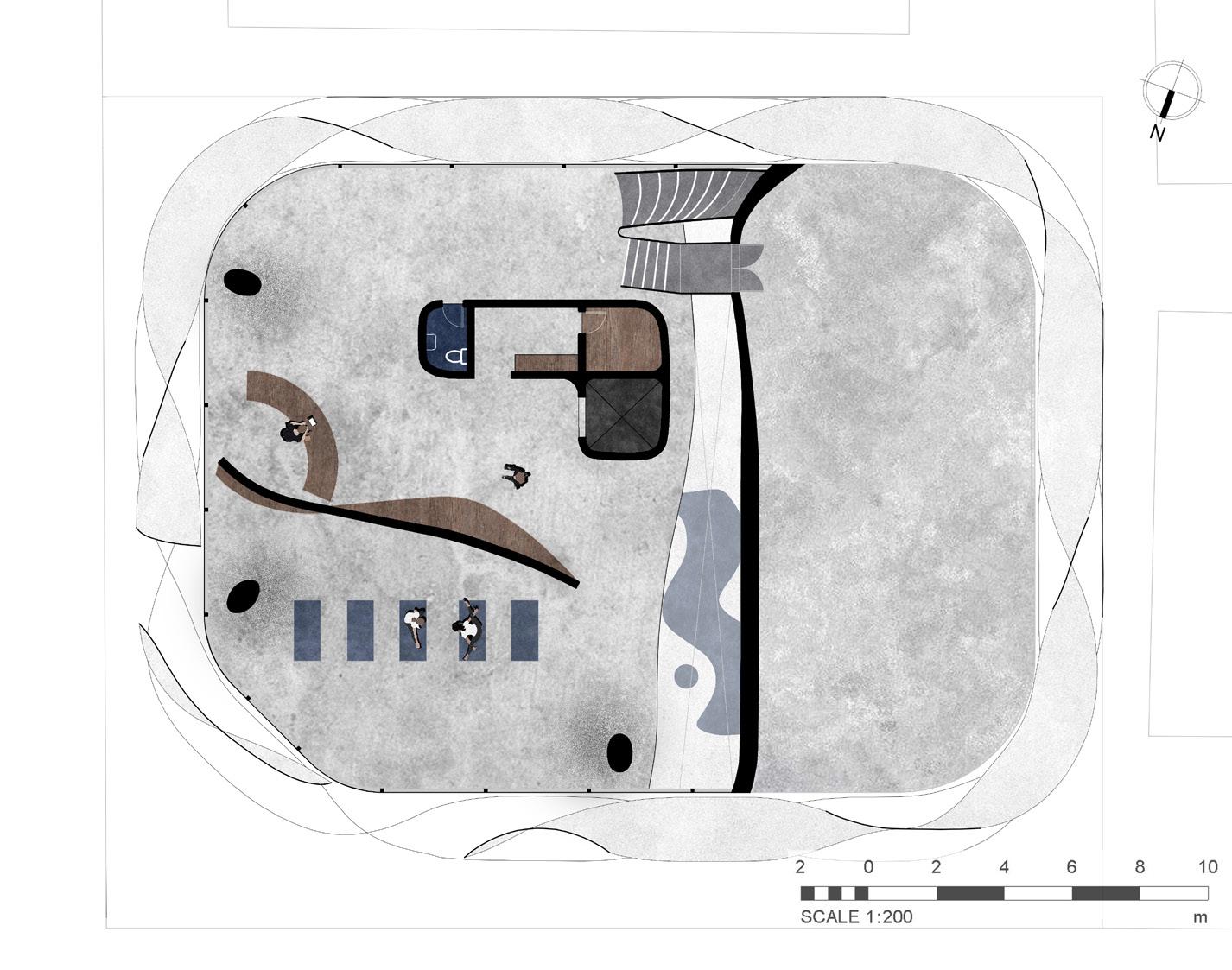
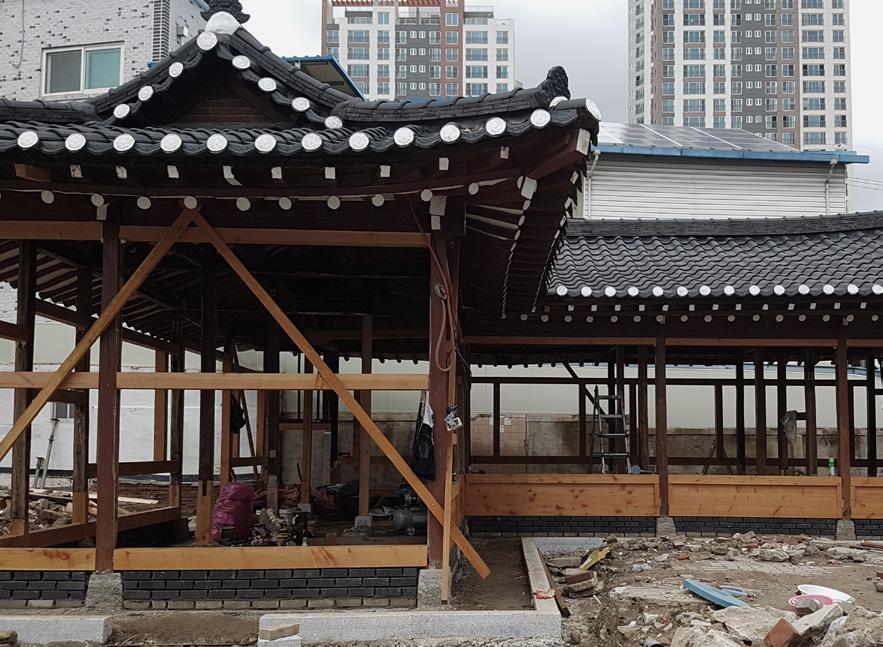
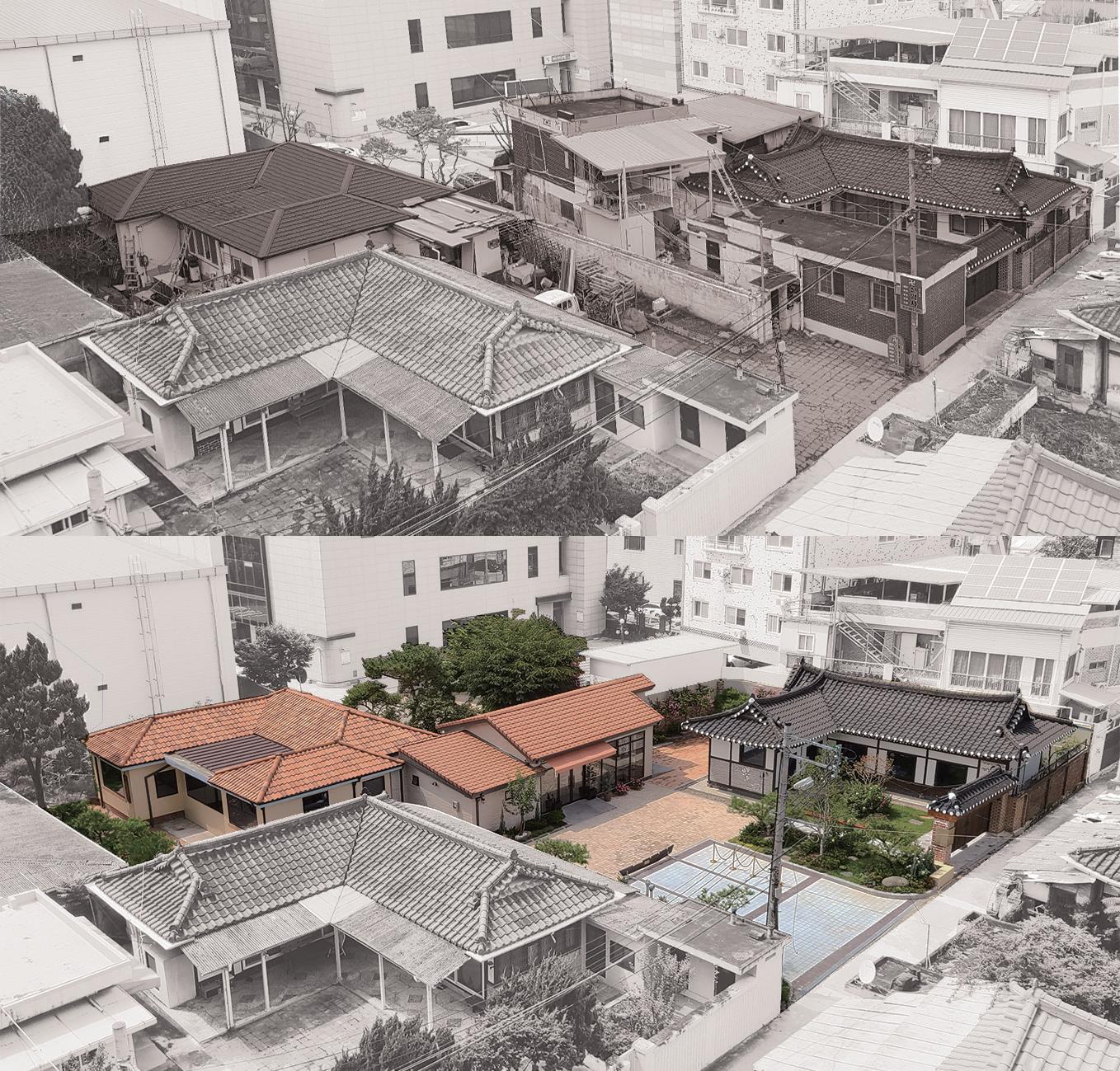
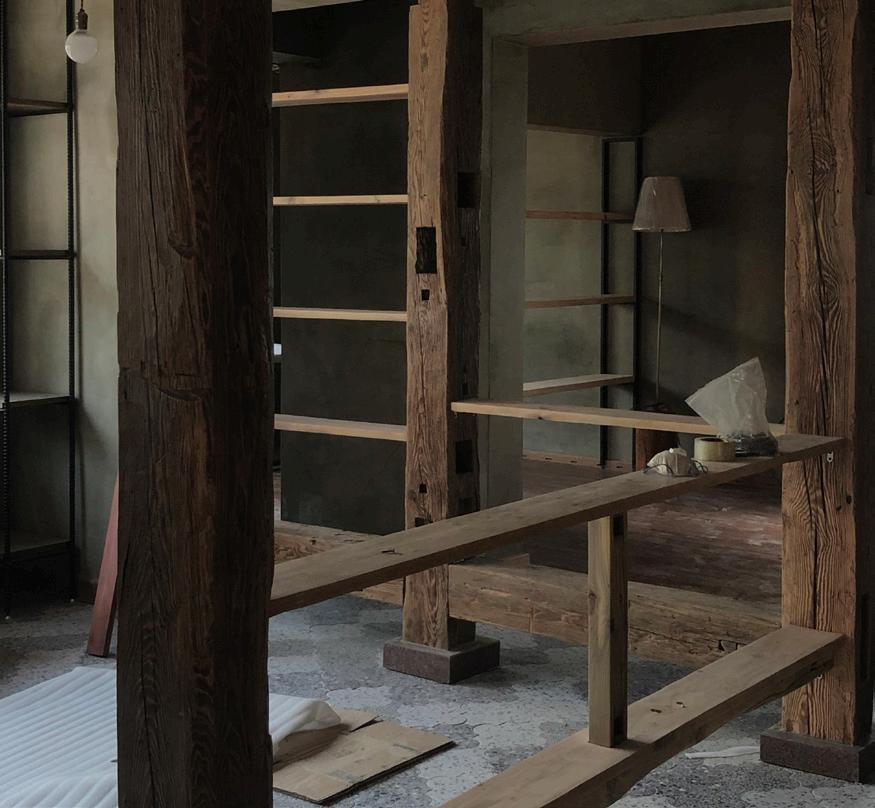
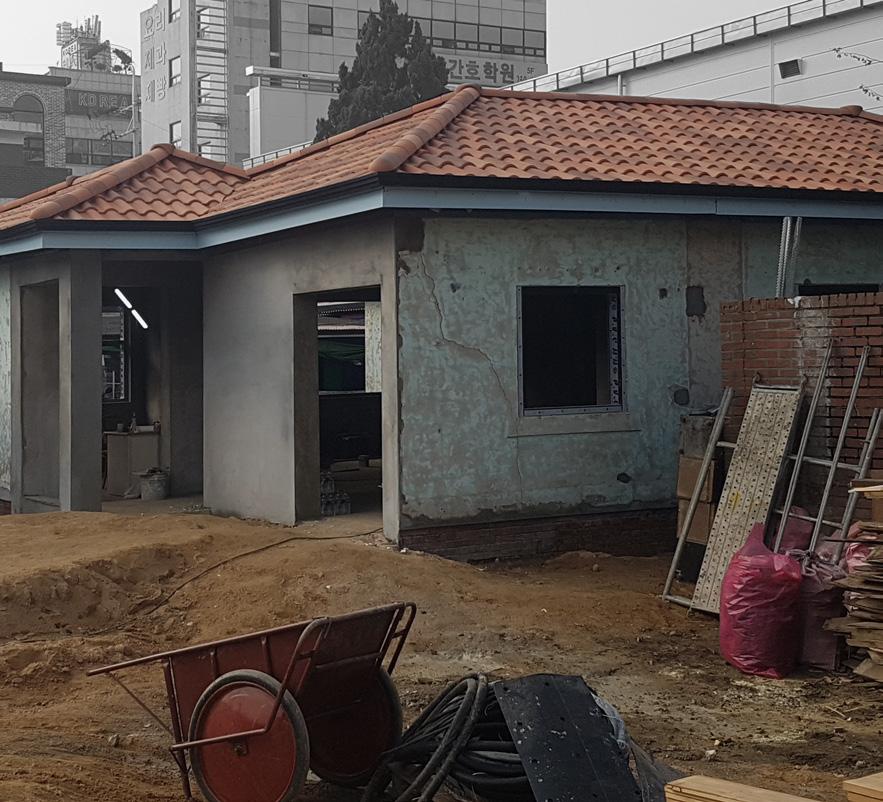
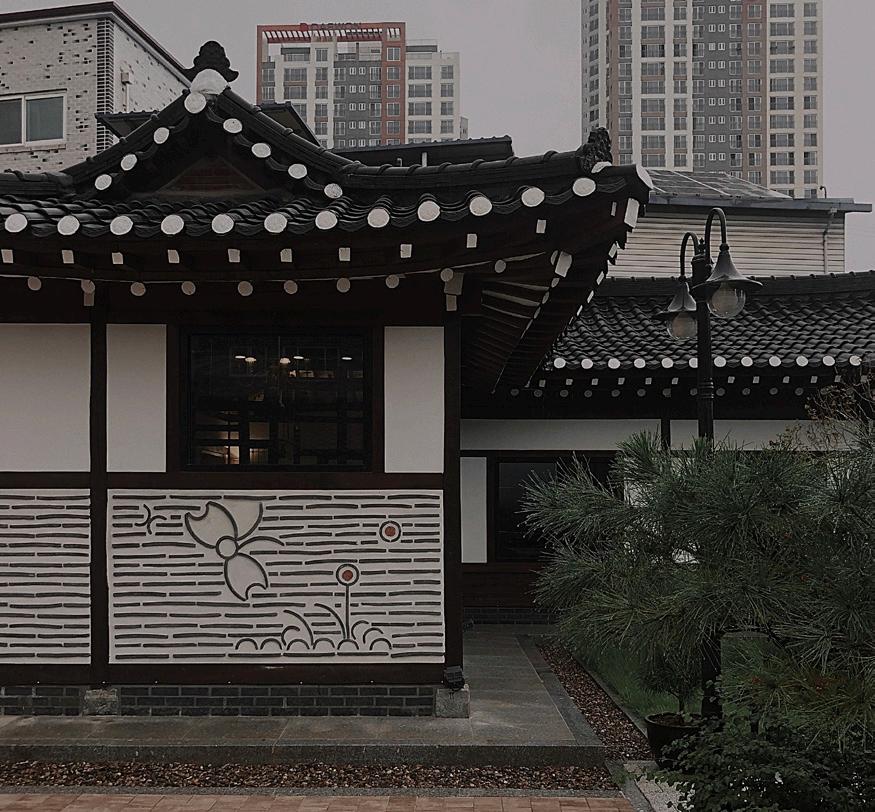
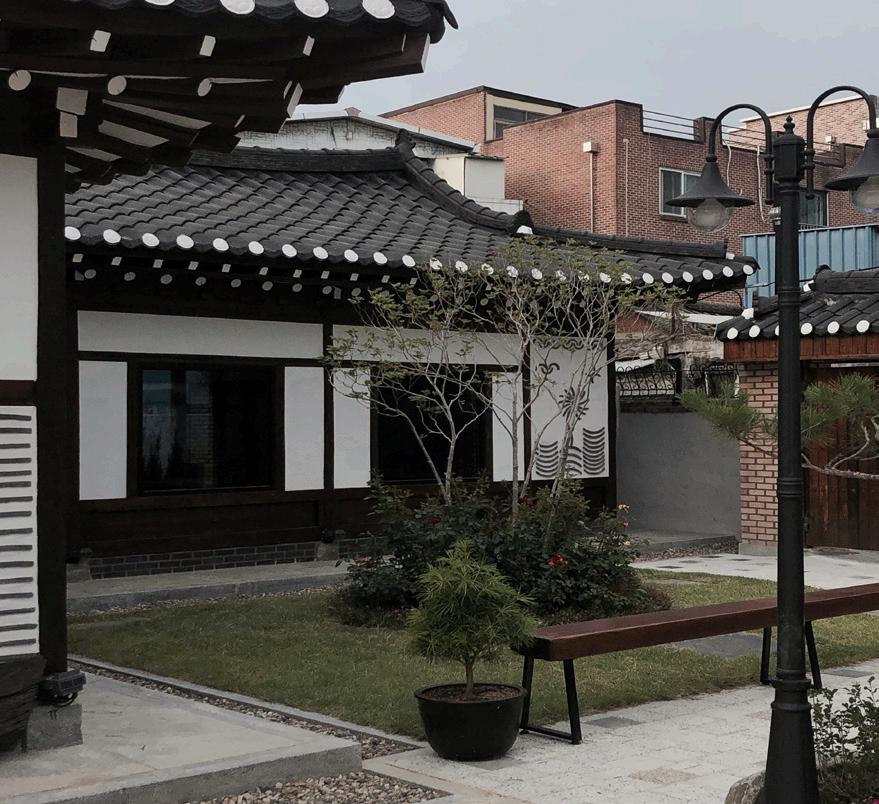
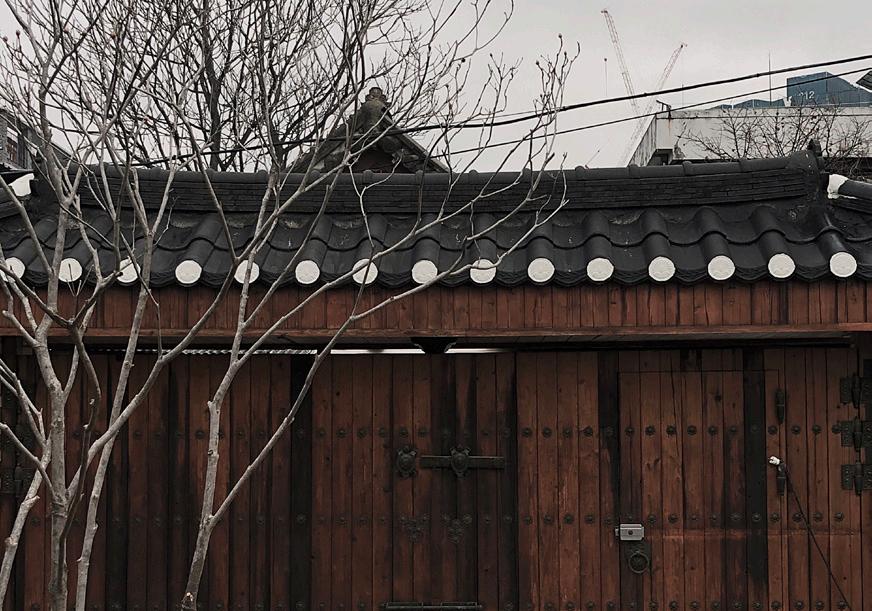
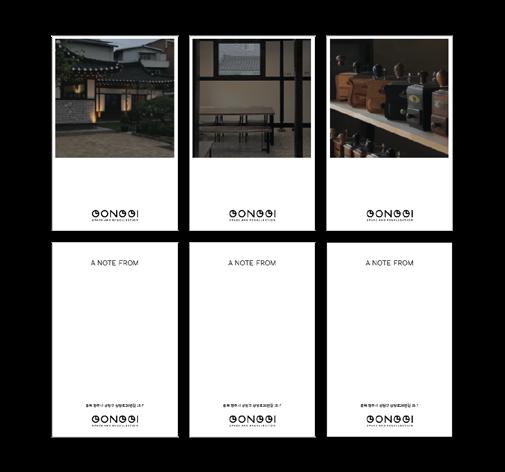
This project involves merging two disparate structures—a Western-style house and a Hanok—into a unified cafe. The design focuses on preserving the shared exposed timber frame (Mok-gu-jo) found in both interiors, a vital tectonic heritage of Korean architecture. By demolishing intrusive later additions, the original 'L- shaped' typology of the Hanok was restored, re-establishing the courtyard (Madang) as a central void for light and air.
Within the Western structure, hidden wooden columns were revealed to bridge the historical gap. To link these two volumes, a new central service hub was introduced. Housing the bar and counter, this pivotal space acts as a welcoming threshold that facilitates a seamless spatial sequence, serving as the functional and formal heart where the two distinct architectural histories meet.

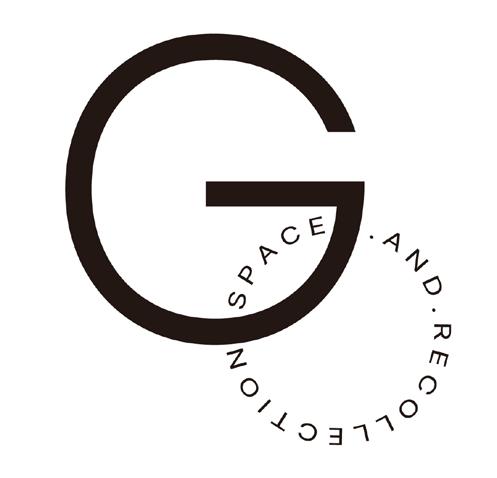
PHENOMENOLOGICAL IDENTITY 'CONGGI'
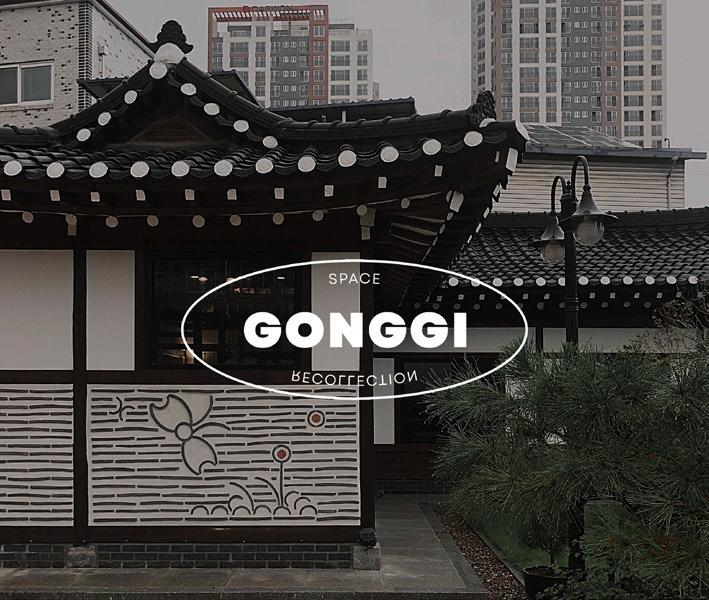
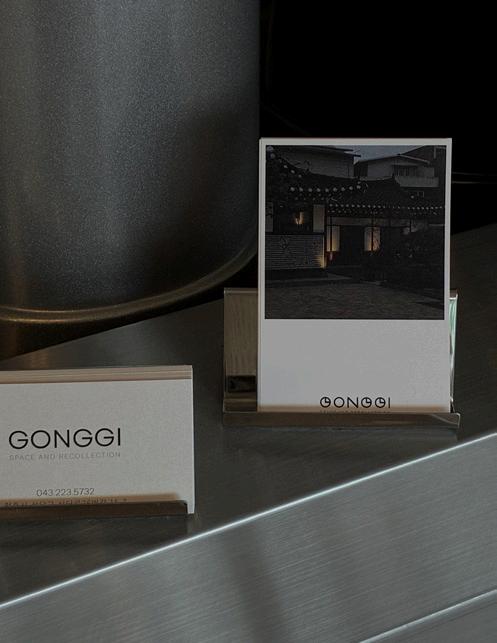
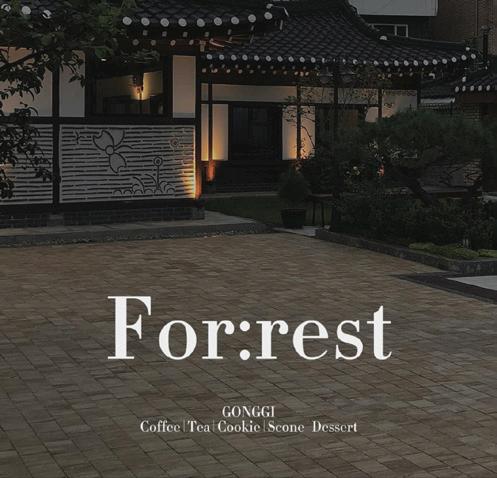
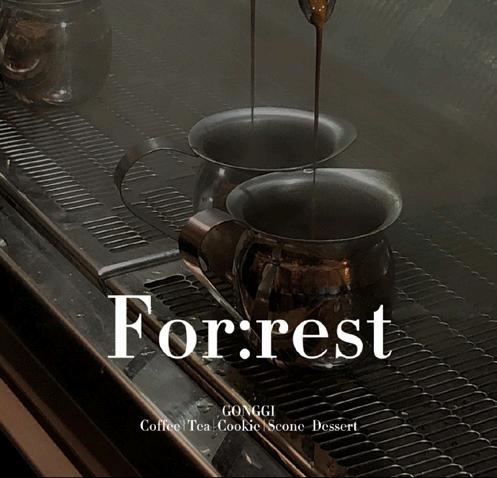
The brand identity, 'GONGGI,' carries a dual meaning: an abbreviation for 'Space and Memory' (Gong-gan & Gi-eok) and a term for the 'Ambiance/Atmosphere' of a place. The Hanok is conceived as a vessel of memory; its atmospheric quality allows visitors to experience architecture as a physical manifestation of time. The logo, inspired by the subtle movement of a clock, encapsulates this temporal narrative. The branding aims to provide a 'temporal rest'—a moment where people can pause within a space that has aged gracefully. It is an invitation to inhabit not just a physical structure, but a curated atmosphere where the past and present coexist.

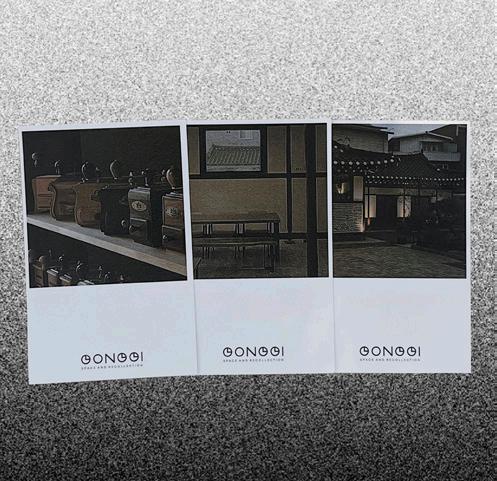
DESIGN / BRANDING / PRODUCE / FUNDING
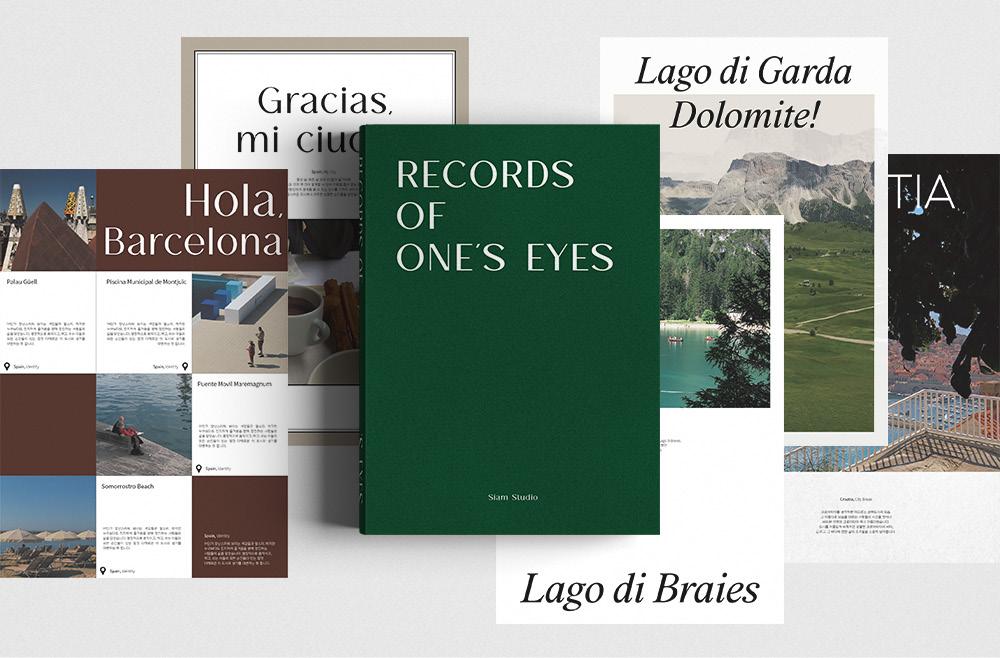
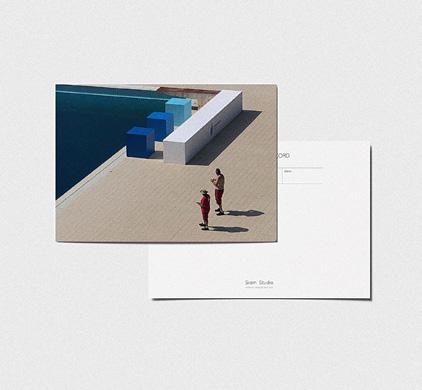
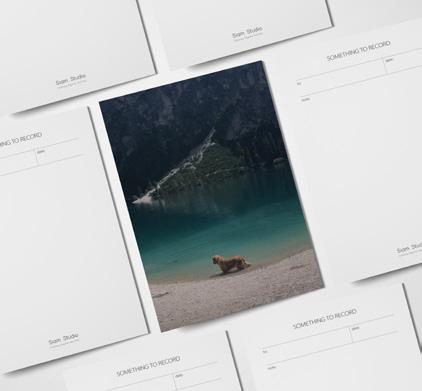
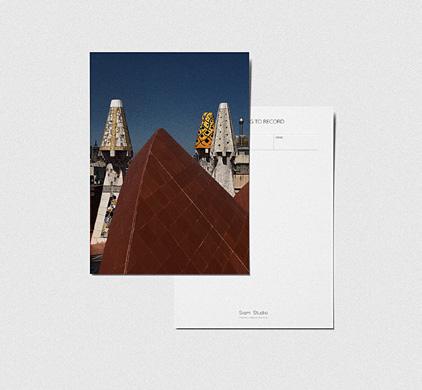
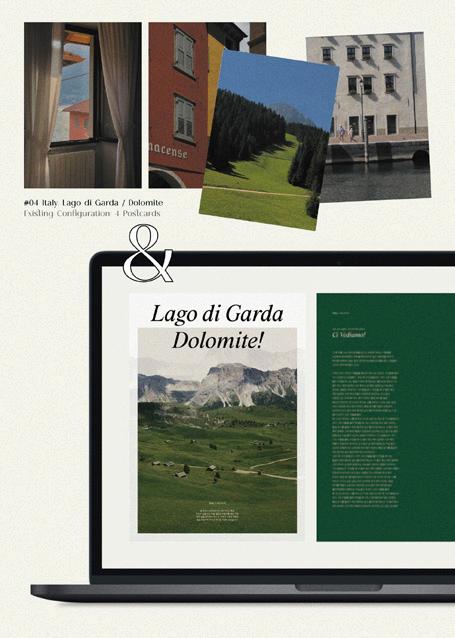
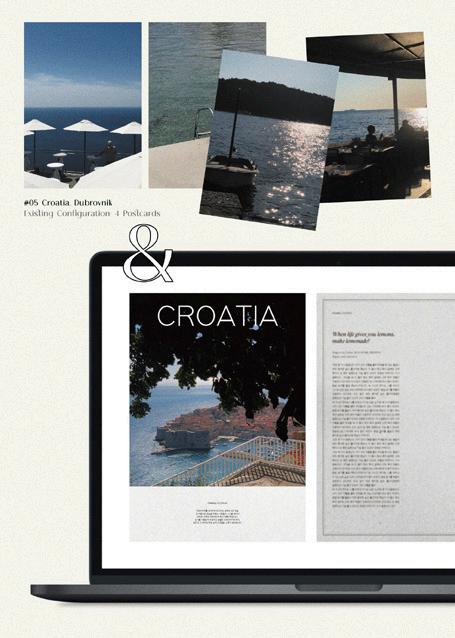
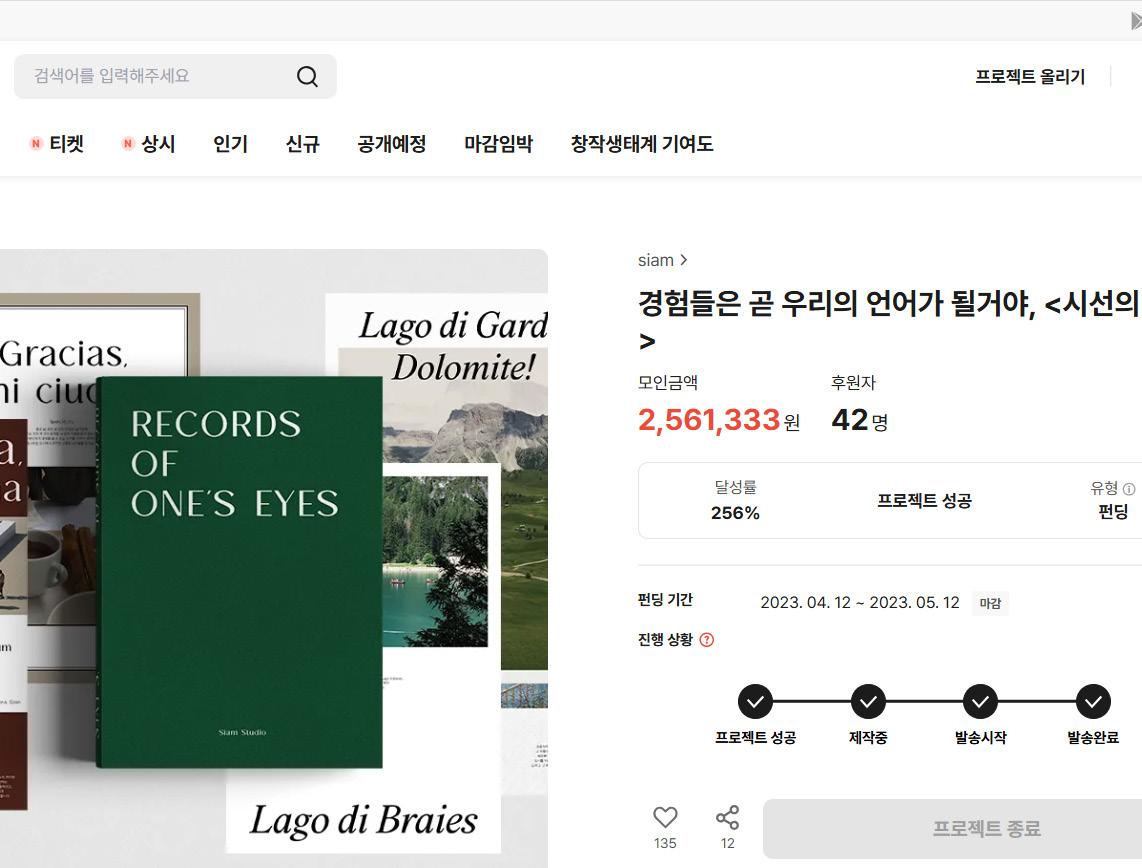
SIAM STUDIO 'RECORDS OF ONE'S EYES' TUMBLBUG, CROWDFUNDING PROJECT / PHOTOBOOK
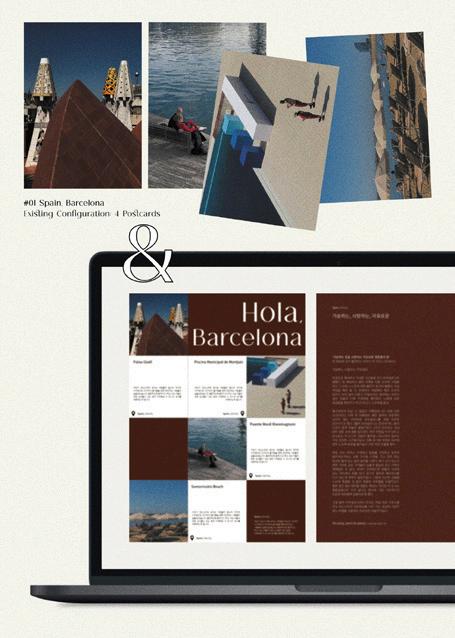
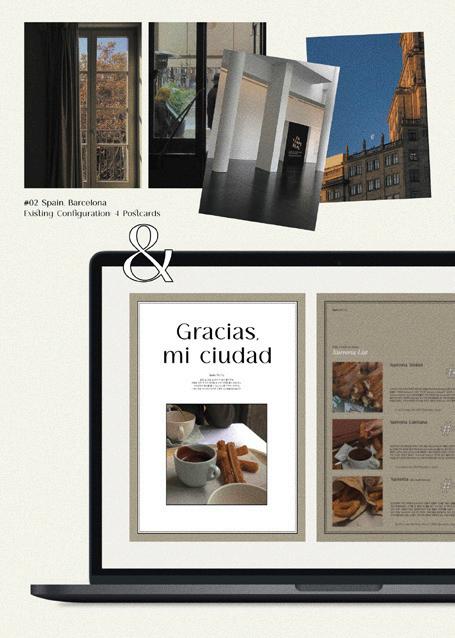
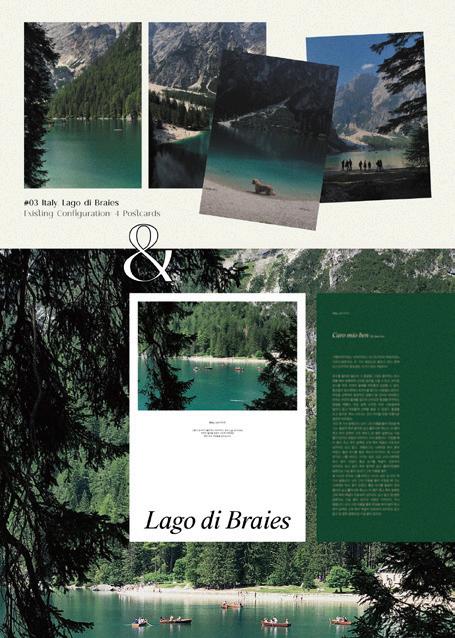



EXHIBITION OVERVIEW: THE ARCHIVE OF ALIENATED REALITY
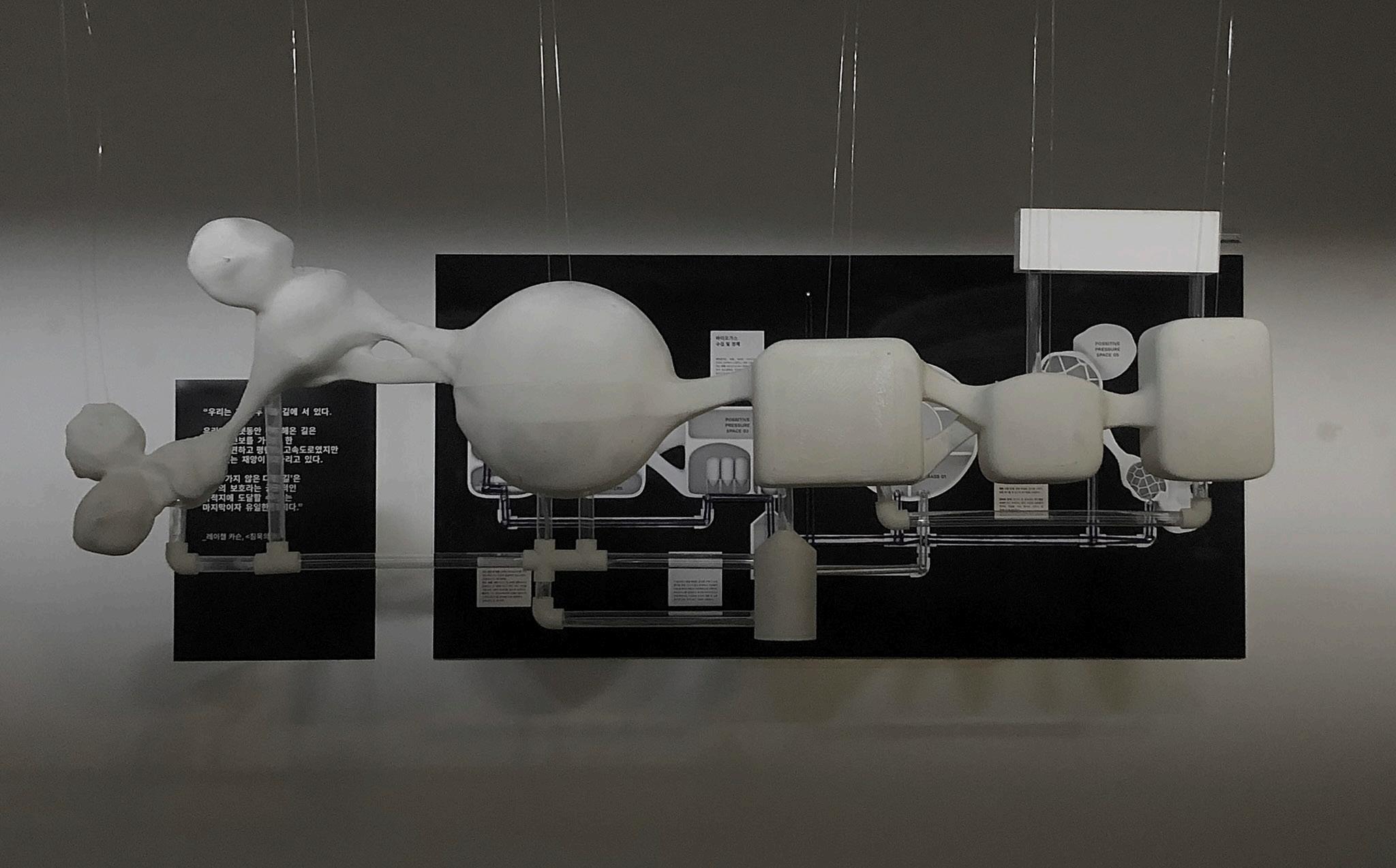
This exhibition translates the theoretical discourse of 'Project 01' into a tangible sensory experience. By materializing the concept of 'Defamiliarization,' the exhibition space acts as a laboratory that deconstructs the passive habits of contemporary society. It invites visitors to step outside their mundane existence and re- examine the physical world through a critical, distanced lens.
Architecture and Art Exhibition Project
LOCATION: Gallery Jiha, Seoul
DATE: Aug 1 – 8, 2024
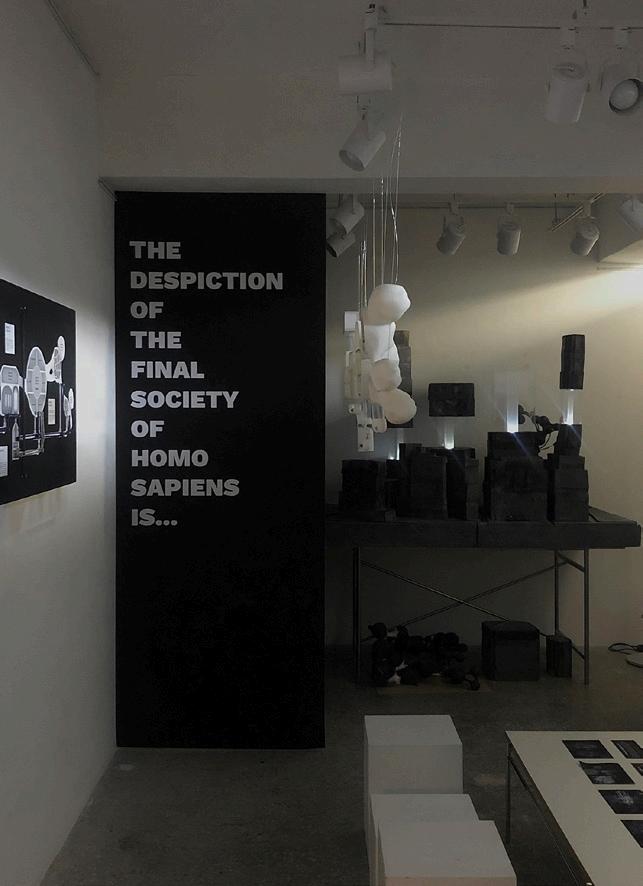
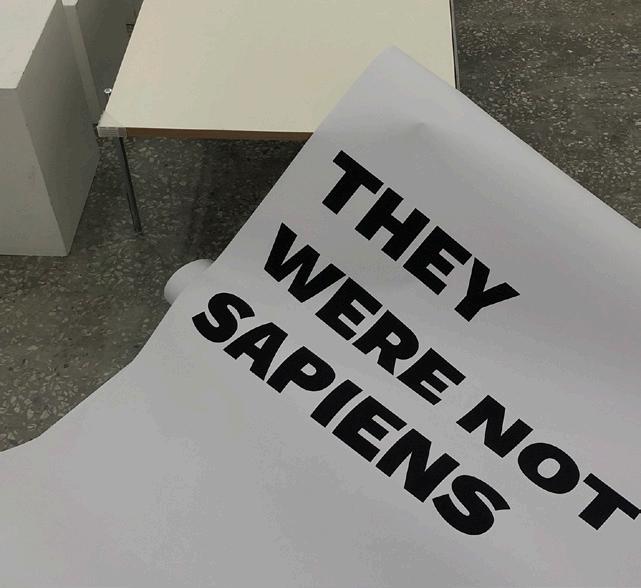
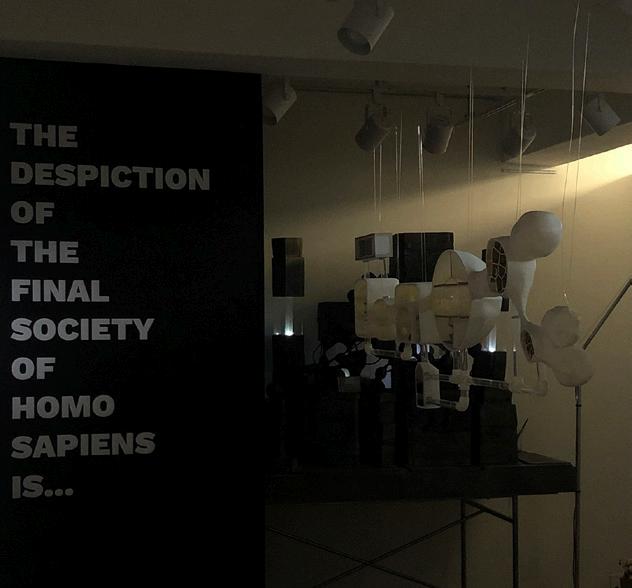
TITLE: The Anthropocene: Homo sapiens were not sapiens
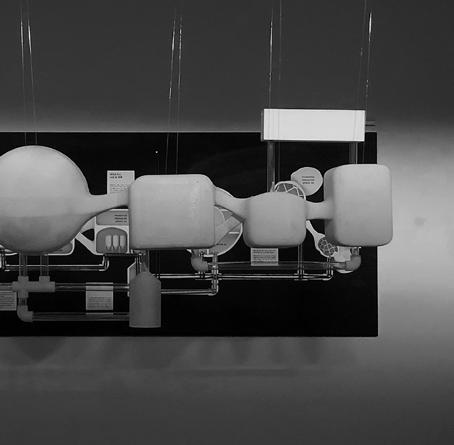
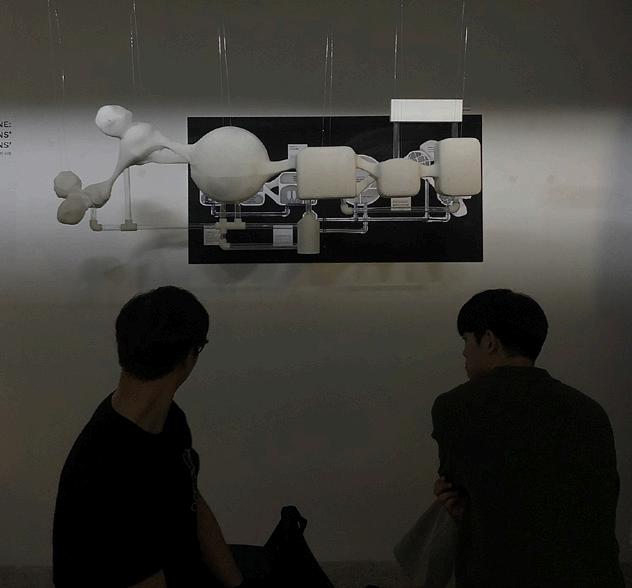
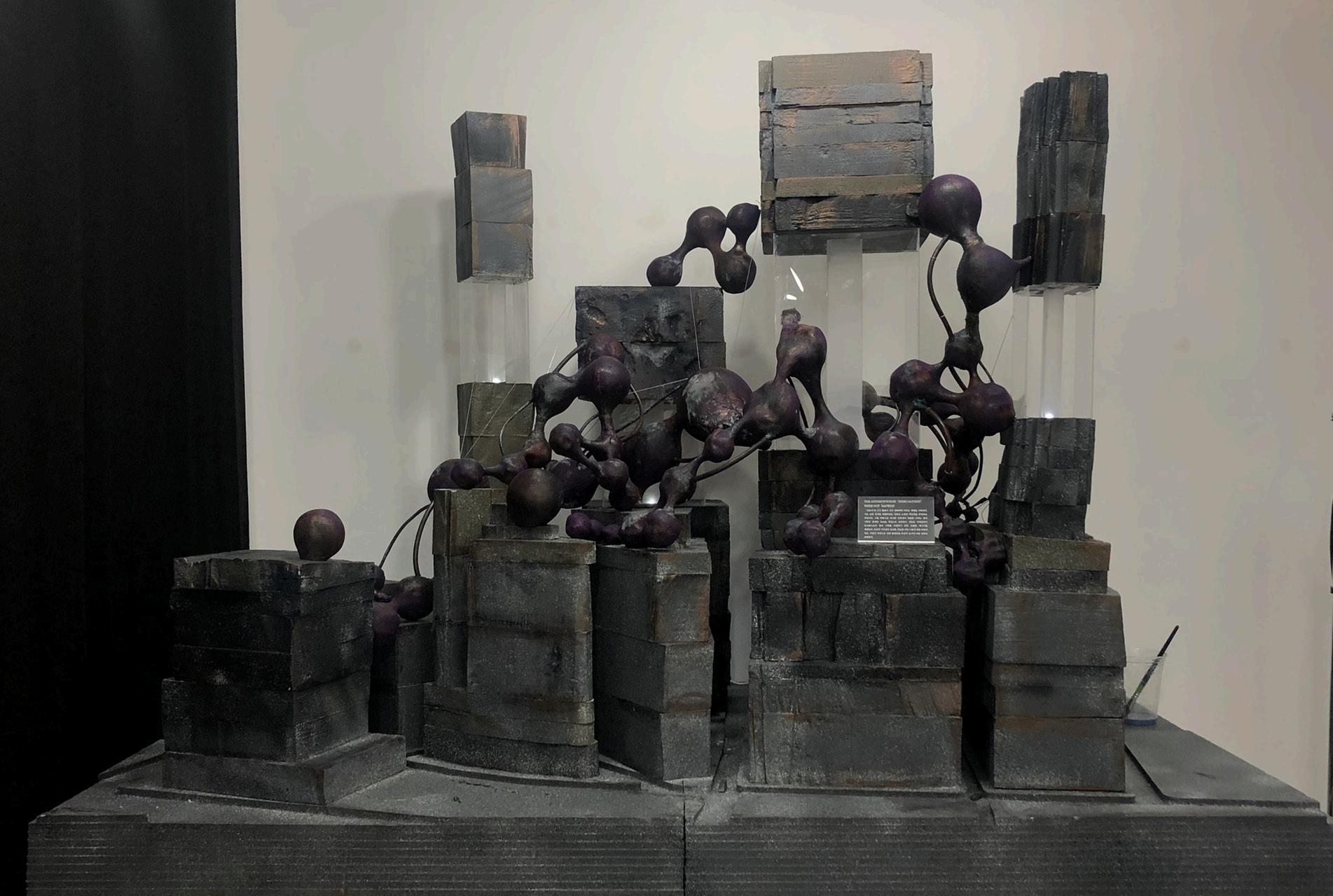
WORKS: Archival installations, Sectional & Pneumatic system models, Speculative mapping
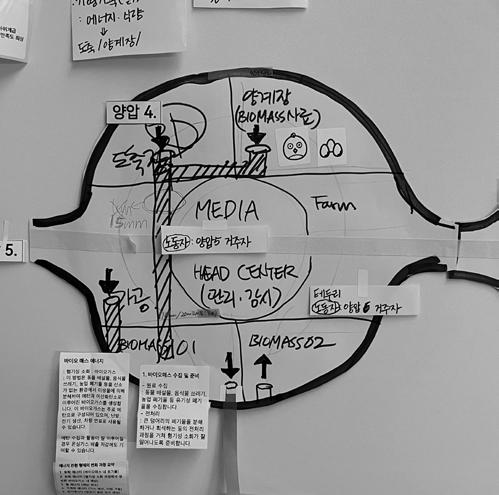
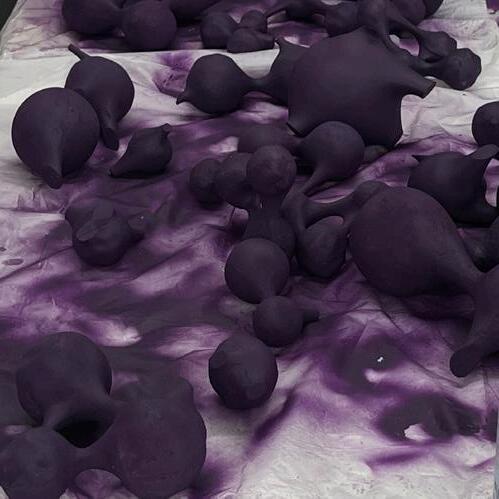


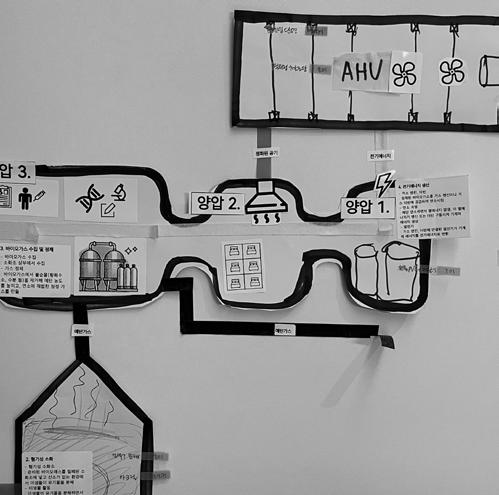
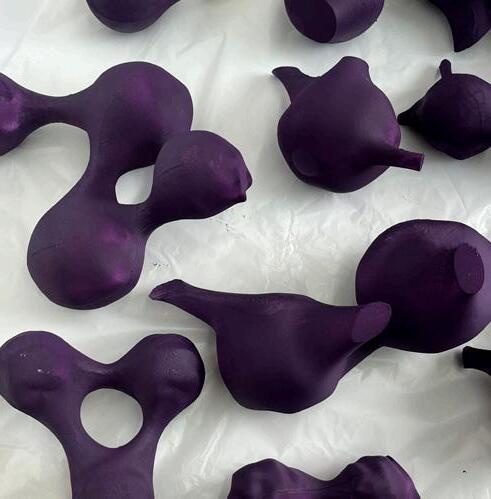
GRADUATION WORK & INDIVIDUAL EXHIBITION
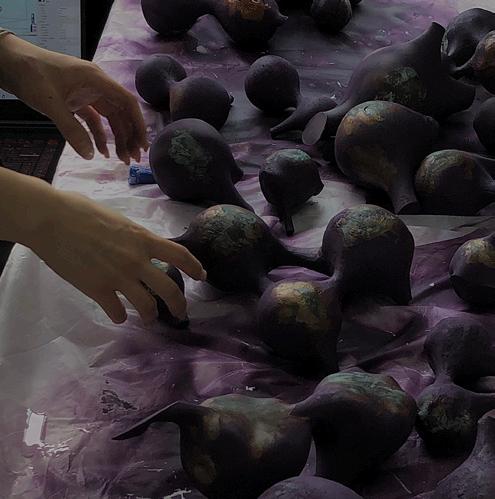
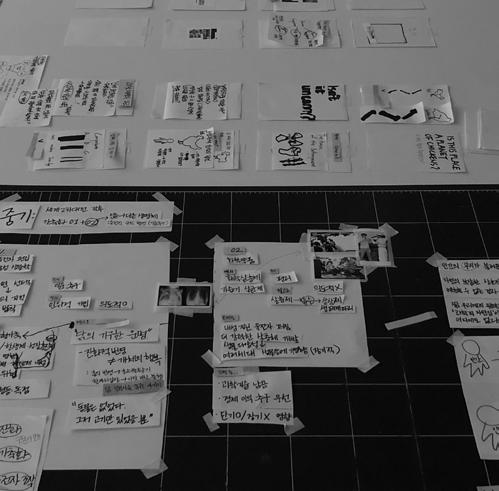
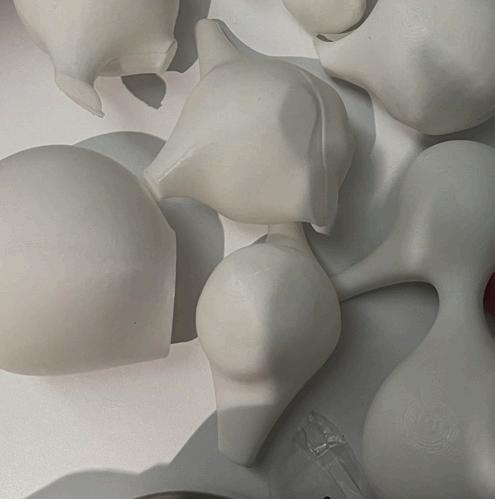
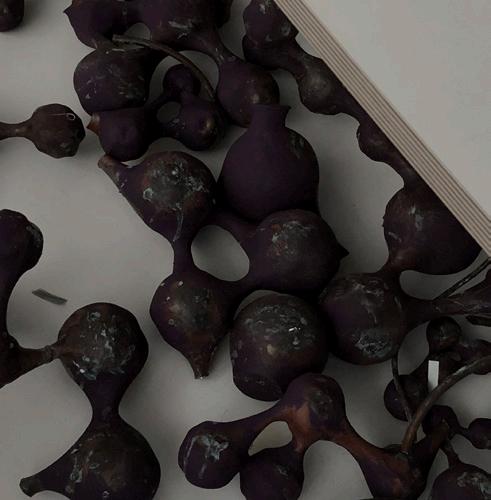
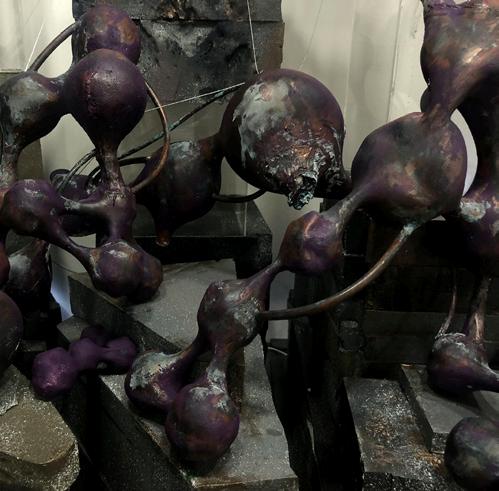

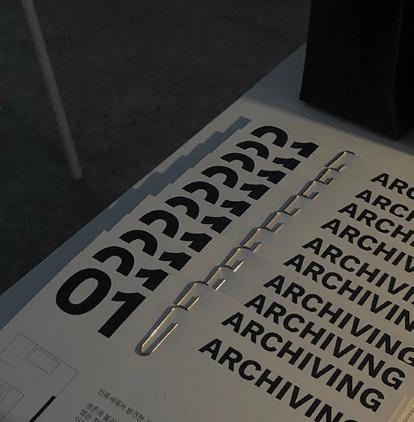
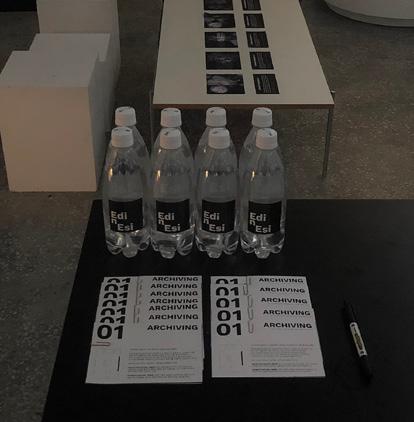
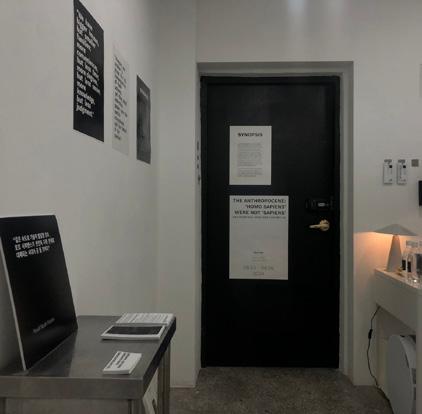
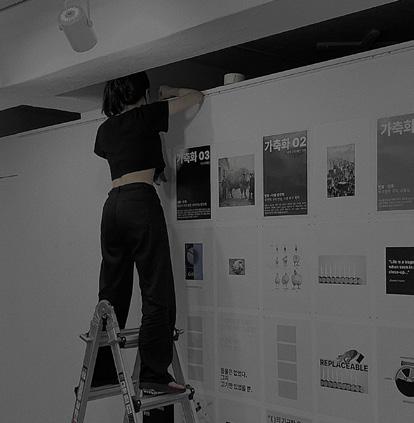
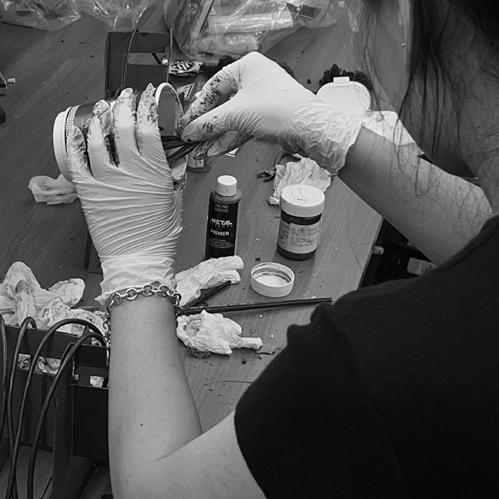
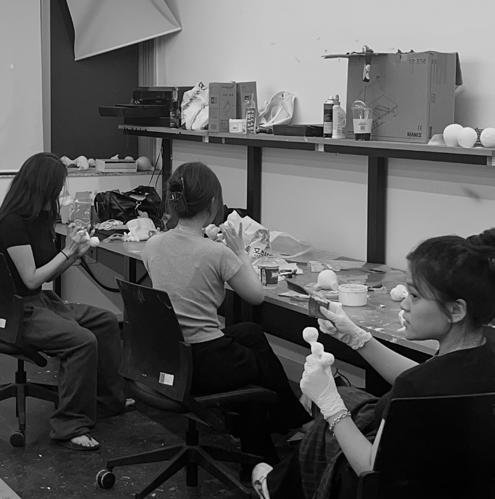
This zone re-presents the Anthropocene through the hypothetical gaze of an external intelligent life form. Human consumption patterns and architectural relics are curated as 'alien artifacts,' analyzed through a cold, archaeological perspective. By stripping away the familiarity of everyday objects, this archive reveals the ecological and sensory impact of human activity, forcing viewers to confront the absurdity of their own era.
OBSERVATION OF ENGAGEMENT:
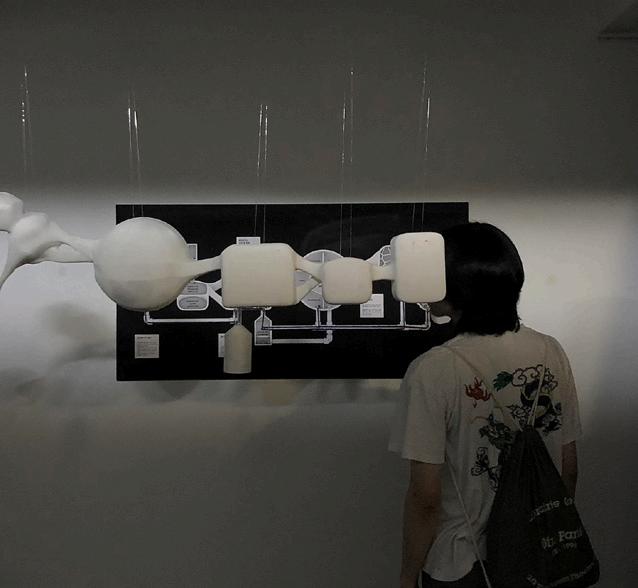
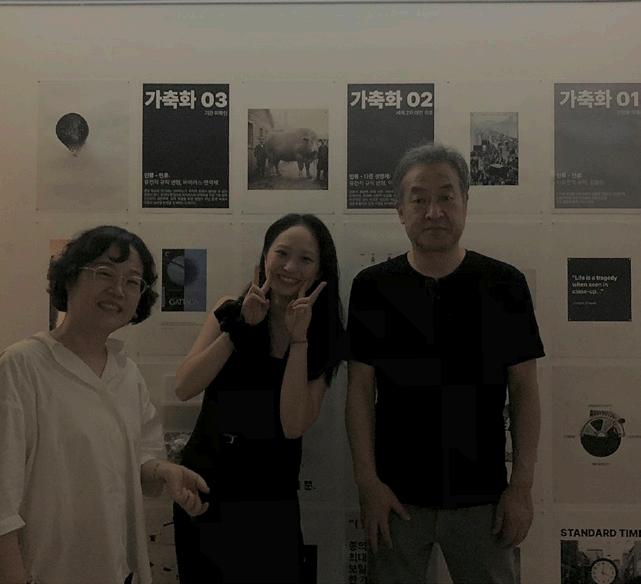
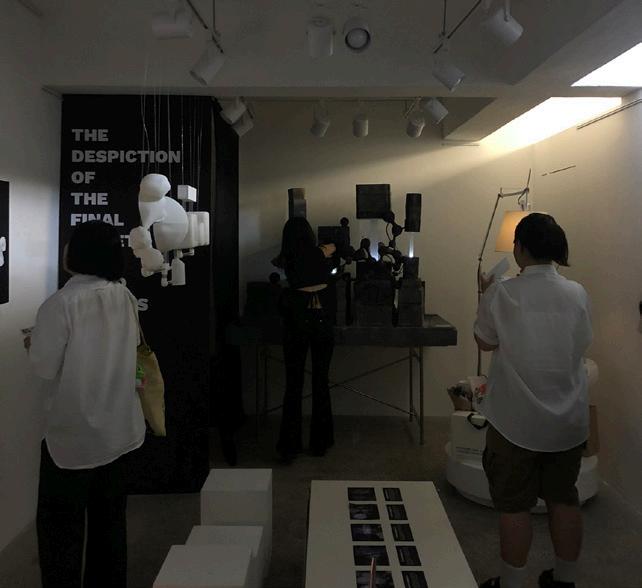
Serving as a living laboratory, the exhibition translated theoretical discourse into sensory perception. Through direct physical interaction, visitors slowed their pace to engage reflectively with the artifacts— documenting a shift from passive observation to active, conscious engagement.
SIGNIFICANCE:
Architecture as a Social Medium
Beyond the act of building, this exhibition positions architecture as a critical medium for observing and intervening in society. It moves the architect’s role from a provider of space to a provocateur of consciousness.
By framing our era through an 'alien gaze,' the project asserts that architecture must function as a tool for recovery—restoring our conscious relationship with a world increasingly numbed by passive consumption.
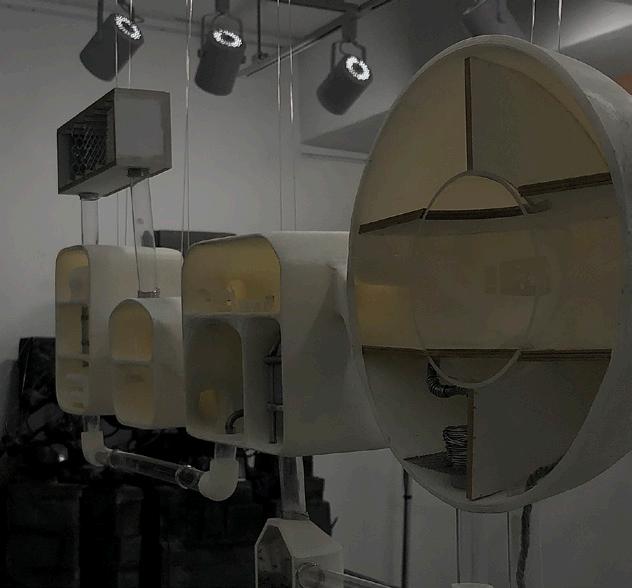
TECHNICAL MODELS:
Sectional Logic & Pneumatic Systems
Technical depth is showcased through high-fidelity models. A large-scale section reveals intricate spatial layering for sensory awakening, while an exterior model demonstrates the pneumatic positive-pressure system. These works illustrate technologies that maintain a controlled environment, challenging the boundary between the natural and the synthetic.

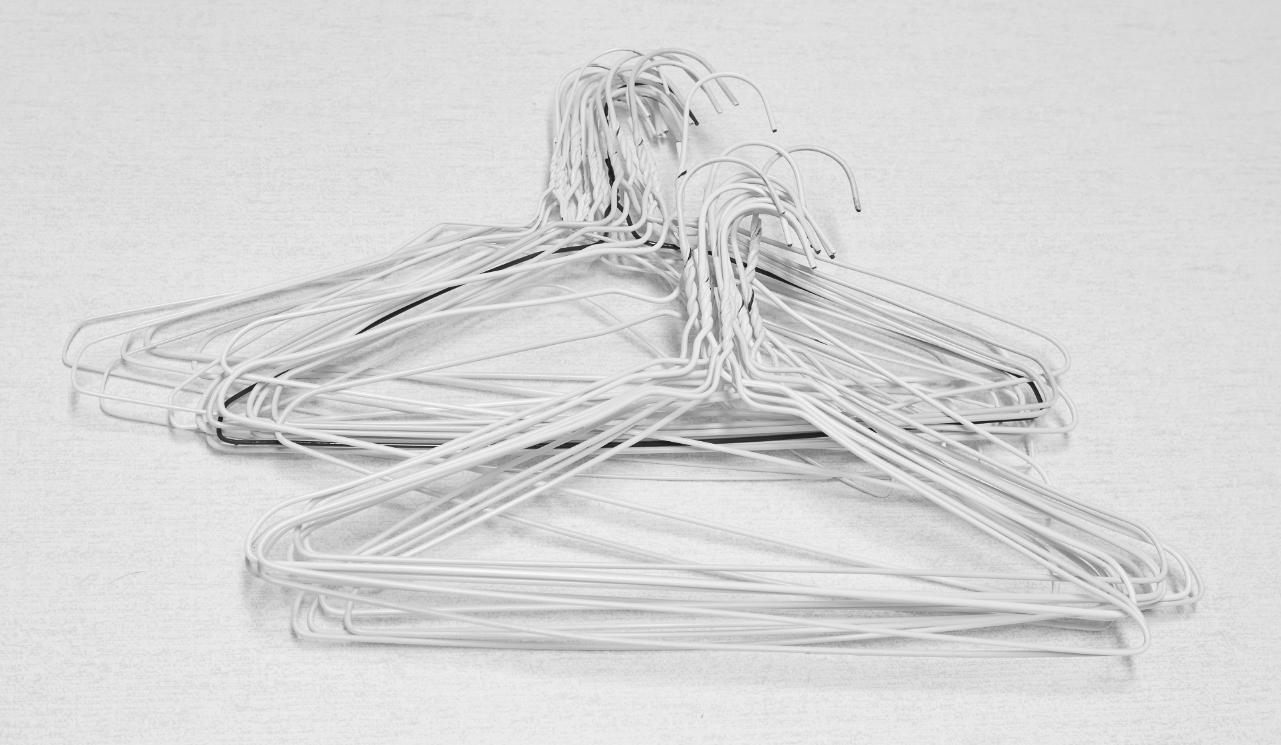
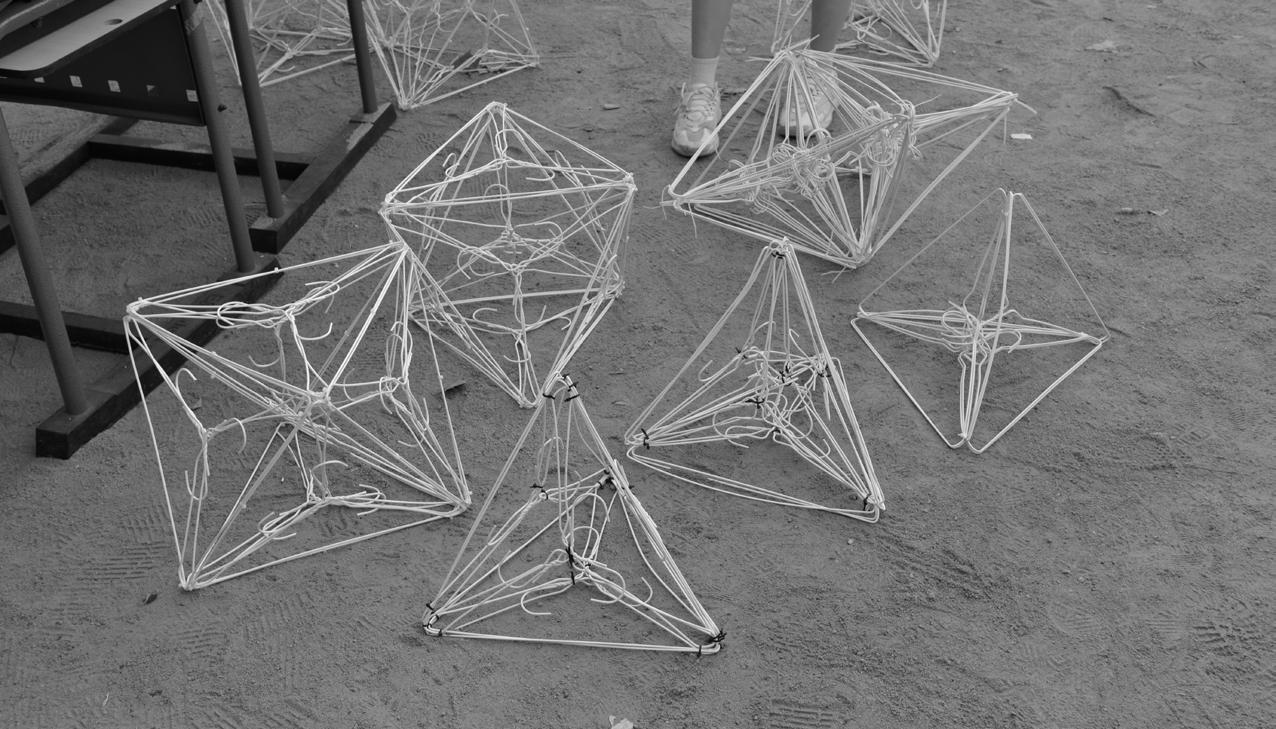
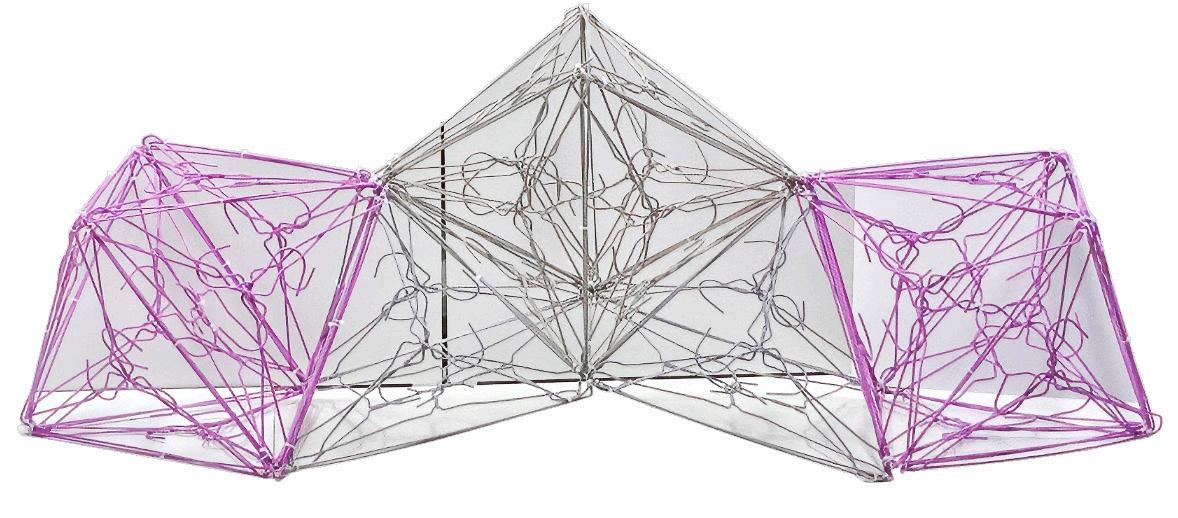
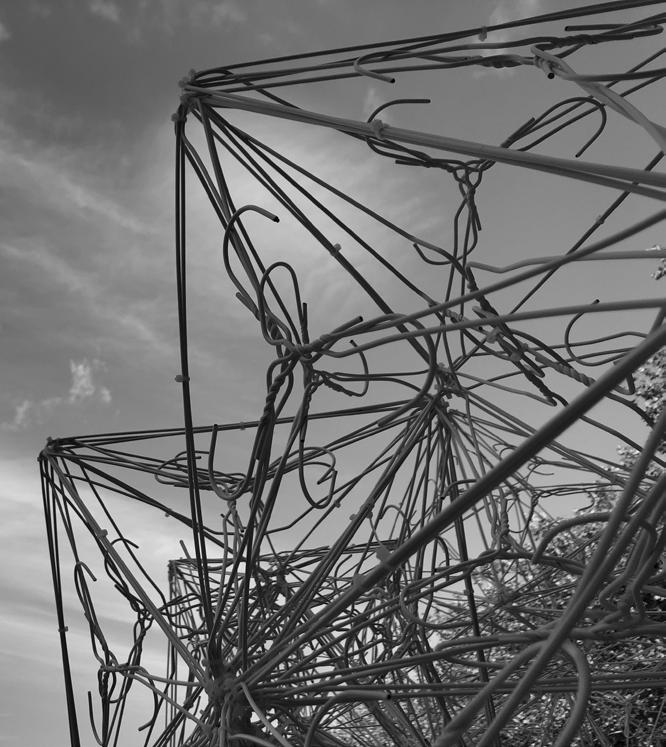
Hangers are light, repetitive, and easily connectable-yet often treated as disposable. Their shape and material make them suitable for structural assembly and modular reuse. By reinterpreting them as building units, the project transforms a familiar object into a tool for spatial experimentation and architectural expression.
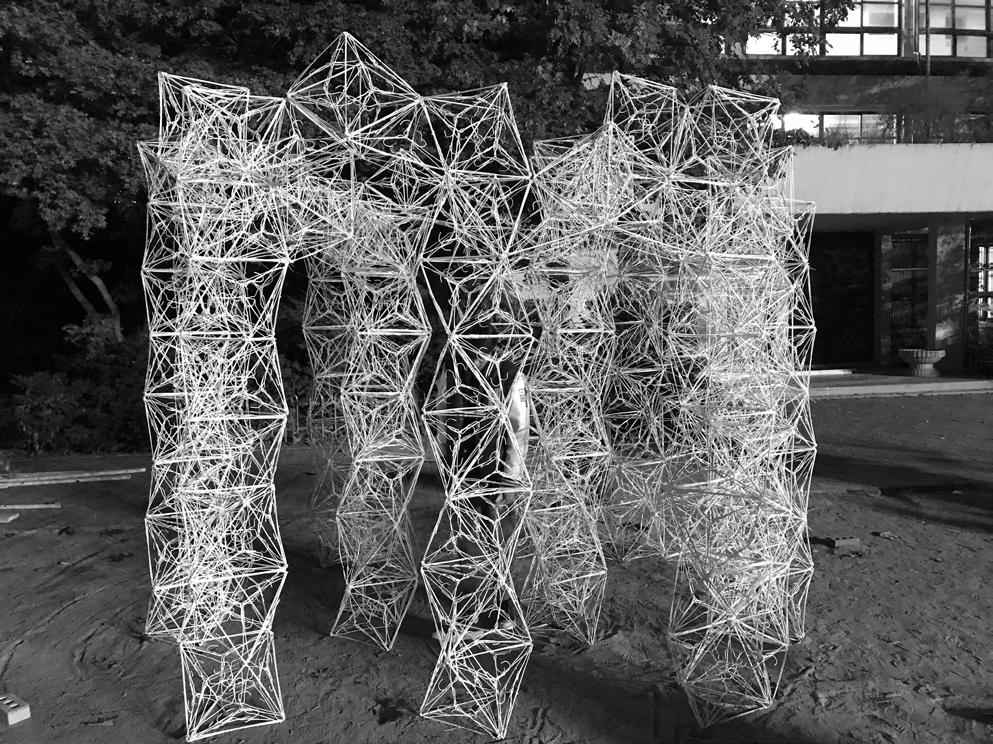
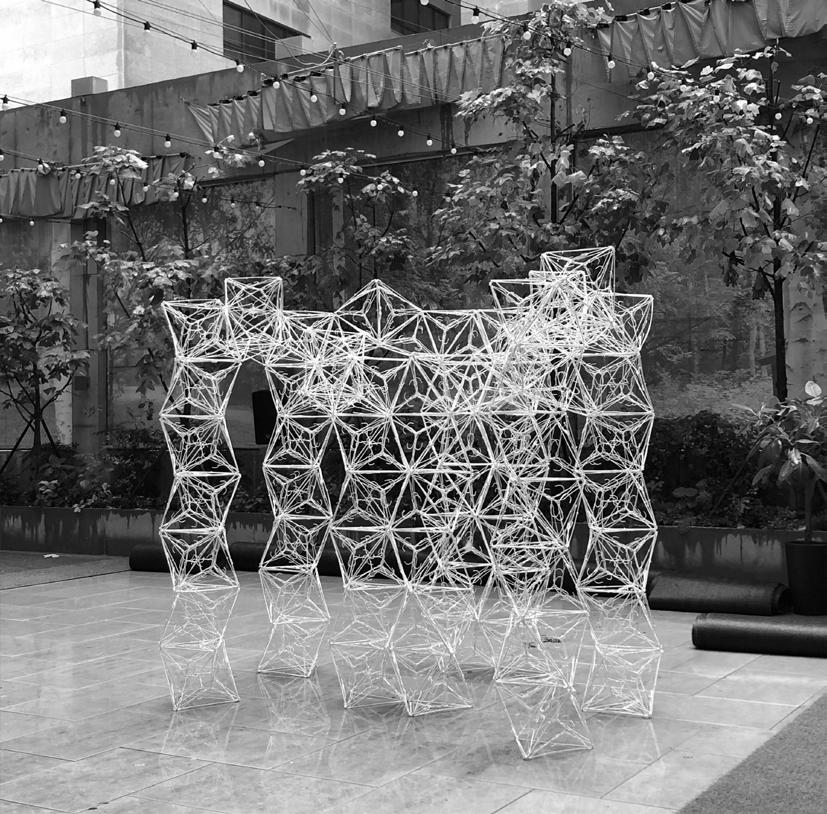
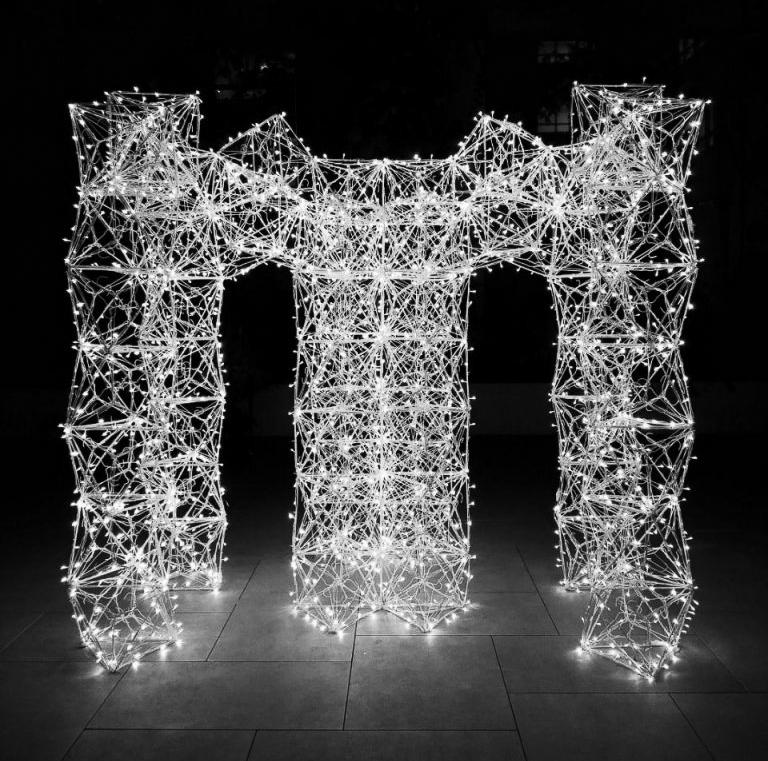
This project turns discarded hangers into a lightweinght, modular pavilion. A stable unit was developed from individual hangers and expanded into structure through repetition. Thanks to its lightness and unit-based system, the pavilion can be easily disassembled, moved, and reinstalled in different locations. It explores how everyday waste can be reorganized into a temporary yet architectural space.
Octahedral module fromed by overlapping two square pyramids
Triangle & Square Frame Construction
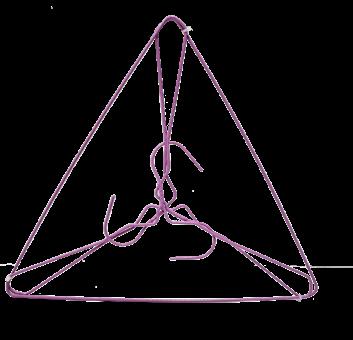
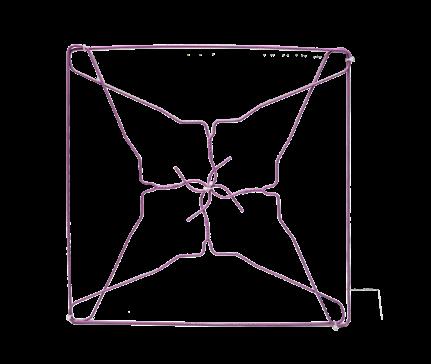
DoublePyramid Octahedral Unit Assembly
Composed of multiple base units forming column and arch system

➊ Column: Stacked Basic Units
➋ Half Unit: Auxiliary Connector
➌ Basic Unit: Keystone of the Arch
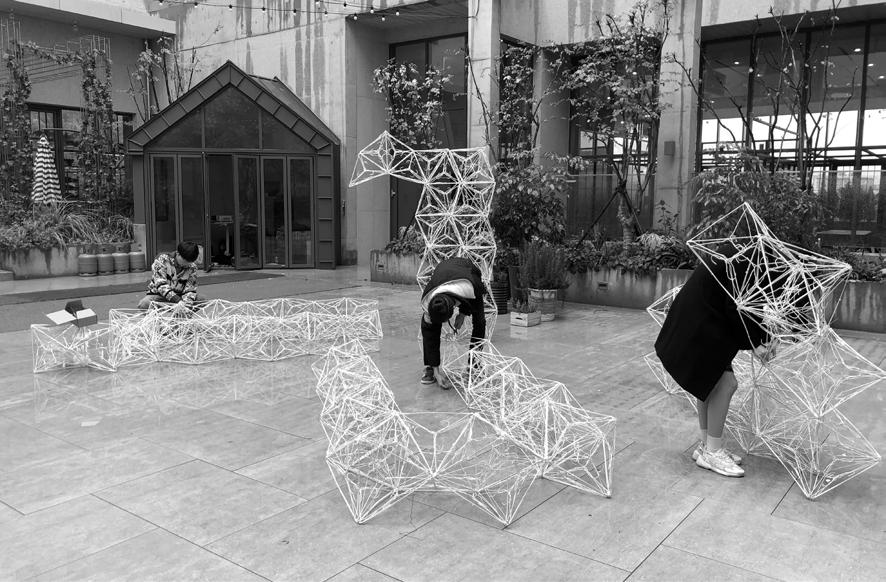
The pavilion is formed by connecting column and arch structural units, creating a lightweight reconfiguable spatial system. Its unit-based structure allows for easy disassembly, transport, and reassembly, enabling the pavilion to be installed in different sites while maintaining structural integrity and spatial continuity.