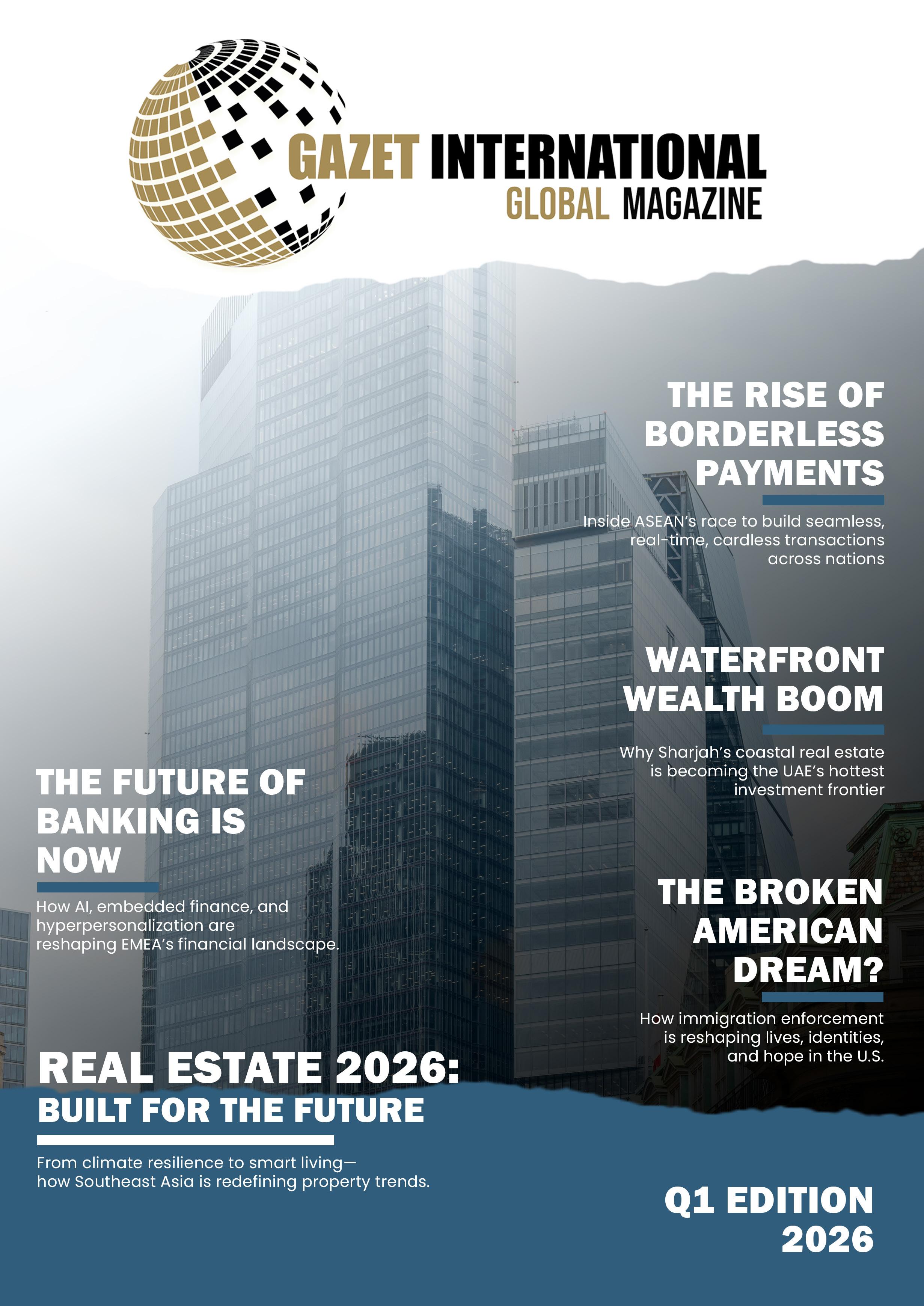
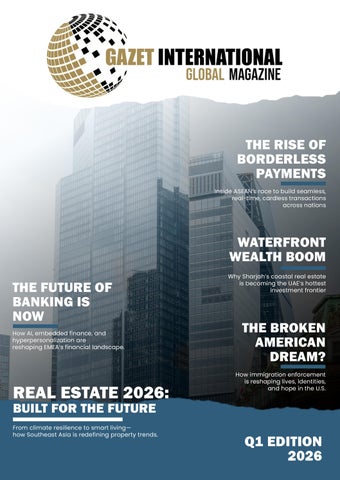

As we step into 2026 with renewed ambition and optimism, the close of the first quarter already reflects the pace at which our world continues to evolve. From shifting financial ecosystems to changing social behaviors, this edition captures the early signals of transformation that are set to define the year ahead.
In this quarter, we bring together a compelling set of narratives curated to inform, question, and inspire. Our contributing writer, Titli Ghosh, explores the future of banking and finance through key discussions on the top technology trends shaping EMEA banking in 2026 and the growing potential of seamless non-card instant payments across ASEAN nations. These insights highlight how innovation continues to redefine financial accessibility and efficiency on a global scale.

On the technology and societal front, this edition takes a deeper look into the psychological impact of online gaming addiction and its influence on the perception of reality, alongside a critical perspective on current affairs through the evolving narrative of the “American Dream”. Complementing these discussions, we also explore shifting lifestyle choices, particularly the growing inclination of Gen Z towards fitness and wellness over conventional social habits.
As we conclude the first quarter of 2026, we remain committed to bringing forward stories that matter— stories that not only reflect change but also encourage meaningful conversations around it.

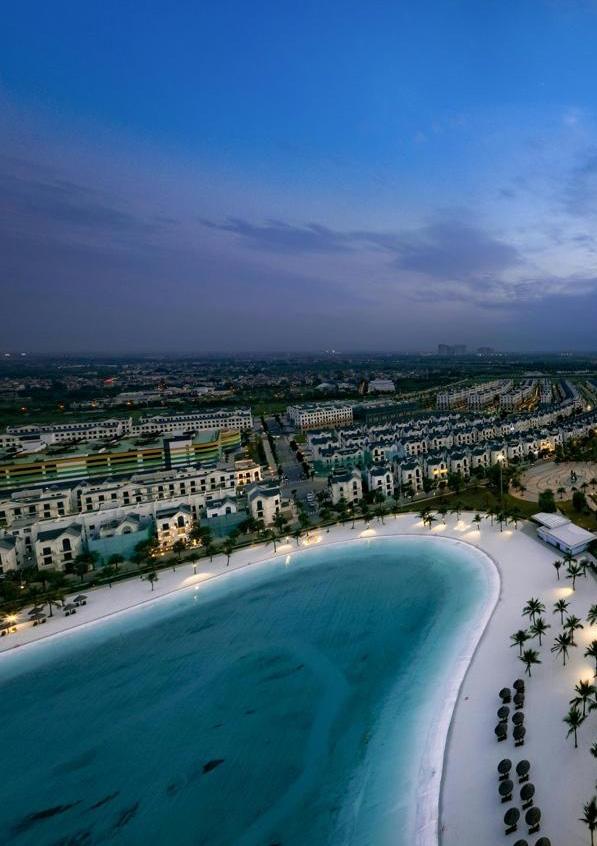
Expanding into real estate, we examine Sharjah’s increasing focus on waterfront developments and what lies ahead for Southeast Asia’s property market in 2026— two regions that continue to attract global attention for their rapid growth and strategic investments.
Shree R Editor in Chief


3 top tech trends in EMEA banking in 2026 How non-card instant payments might become seamless across ASEAN nations Is Sharjah investing more in waterfront properties?
What can the Southeast Asian real estate market expect in 2026?





In 2026, the banking industry in Europe, the Middle East, and Africa (EMEA) is all set for a marked transformation. With the advent of AI on a massive scale across all sectors, including the banking arena, customer expectations are at an all-time high. This calls for a seamless integration of most, if not all, banking operations with embedded technology. It’s not a question of whether or not banks will evolve with the dynamic times but which one will implement technology first and race ahead of the rest. So, here’s our list of the top 3 technology trends in EMEA banking in 2026.

According to a 2025 BCG report, 27% of banks have already embedded AI into their enterprise systems, with a major chunk of it being used in customerfacing operations. What this means for the banking, insurance, and capital market industry is that AI is gradually taking over a lot of the current banking and finance operations and quite rapidly.
A few instances of such implementation will help us comprehend the impact of AI in banking. At Capital One (a major US bank holding company), for instance, AI agents now replicate the organization’s chart and mimic roles in domains such as sales or compliance. This trend is taking over the EMEA banking market too. At Mashreq, one of the oldest banking brands in the UAE, AI is being used extensively for monitoring transactions and has successfully flagged numerous frauds. And AI-integration isn’t just a passing fad. It’s a basic requirement for growth and relevance in the future.
Banking as a Service Enablement (BaaS) and application programming interfaces (APIs) have made the entire banking sphere a digital journey for the
customer, with the actual banking professionals taking on behind-the-scene roles. And this trend is all set to be a key highlight this year. But this shift didn’t happen overnight. Back in 2017, Starling Bank, touted as the first digital bank of Britain, showed the path. They built an in-house, cloud-based banking platform, Engine, that was not just feature-rich but also offered costeffective digital banking services. For customers, it was a seamless variation of the otherwise cumbersome traditional banking experience, with added control.
In the Middle East, the fintech space is being revolutionized by players such as the Saudi Central Bank (SAMA). Since January 2021, SAMA has invested heavily in open banking in the region. The nation also launched an innovative Open Banking Lab in January 2023. The lab was set up to empower Saudi banks and fintech companies to test their open banking platforms before launching them for the general public.
And how does the open banking system transform the banking space? Open banking gives thirdparty providers direct access to the financial data of consumers securely through APIs. It helps customers with complete control over multiple accounts, personal financial management, and payment initiation. At the same time, banking institutions get better clarity on the overall financial health of their consumers, letting them offer tailor-made financial solutions.

In this era of rapid AI-fication of banking services the world over, hyperpersonalization isn’t just limited to the option of tailored banking services. For instance, BNP Paribas, a reputed French multinational banking and finance company, uses hyperpersonalization as a tool to reach out to its varied consumers and provide them tailored services beyond banking. In Poland, BNP Paribas lets its consumers manage their farms through the platform Agronomist. In Belgium, it offers its consumers the platform Hello4entrepreneurs, which is useful in setting up startups and managing them. These life experiences attach consumers with the bank and build long-term connections.
Likewise, British banking and insurance holding brand NatWest has signed up for a 5-year collaboration with Accenture and Amazon Web Services (AWS) to utilize

advanced data analytics and harness the data derived from each customer interaction to offer personalized banking services. Their proactive approach will enable them to reach out to consumers with offers based on their individual needs and preferences before them having to ask for anything.
Banks and financial institutions that are using technology (not limited to AI) to their advantage aren’t just building their customer base. They are engaging with their consumers in meaningful ways and creating life-long and loyal connections. And this trend will eventually rewire the entire banking ecosystem of not just the EMEA region but the entire world.
The future of banking in EMEA belongs to those who seamlessly blend AI, embedded finance, and hyperpersonalization into every customer interaction. “
Back in October 2025, six major Southeast Asian payment networks signed the George Town Accord, which also laid the foundation of Project Next50. So, what exactly is Project Next50? It’s a 50-year plan that will focus on strengthening the cross-border payment system in Southeast Asia.
While Thailand and Singapore have led the race of linking crossborder domestic fast payment infrastructure, with their PromptPay and PayNow systems, other nations of Southeast Asia too are now coming forward with their own digital payment systems to build an inclusive payment ecosystem in the region. So, how are these countries planning to redefine the non-card instant payment system in Southeast Asia? Read on to know more on this.



According to a 2023 World Economic Forum article, the number of people who have bank accounts with a mobile money provider grew from 3% to 60% in Cambodia, from 9% to 62% in Laos, and from 12% to 62% in Indonesia. Additionally, people across ASEAN countries have increasingly started using e-wallets.
Another survey back in 2022 proved how half of the world’s top 10 nations in terms of e-wallet usage were countries from Southeast Asia, namely, Thailand, the Philippines, Vietnam, Indonesia, and Malaysia. And this trend has only become more prominent of late.
Back in 2021, Thailand and Singapore pioneered the cross-border digital payment linkage ecosystem with their PromptPay and PayNow fast payment sys tems. This innovative link lets people engage in lowcost mobile payments using nothing but their phone numbers. Users of the linkage were spared of a 10% payment as charges for such transfers.
Additionally, people would spend days sending money across borders before this solution existed. By mid2022, the linkage had helped over 65,000 monthly crossborder transactions, with an average of $150–200 per transfer. This spelt a new beginning in the international card-less payment sphere in Southeast Asia.
Project Next50 primarily consists of a broader collaboration among six major institutions to form a common and unified digital payment ecosystem.
These institutions in question are Payments Network Malaysia (PayNet) from Malaysia, the Network for Electronic Transfers (NETS) from Singapore, the National Payment Corporation of Vietnam (NAPAS) from Vietnam, BancNet, Incorporated (BancNet, Inc.) from the Philippines, and PT Artajasa Pembayaran Elektronis (Artajasa) and PT Rintis Sejahtera (Rintis) from Indonesia. This ecosystem will cover QR codes, direct account transfers, and e-wallets.
At the MoU signing event, the BancNet CEO, Elmarie S. Reyes, stated that he was happy about the collaborative project and that he believed it would “empower consumers and businesses” alike, with “greater convenience and trust in crossborder transactions.”
NAPAS CEO, Nguyen Quang Minh, stated that with this MoU, he looked forward to better financial inclusion, along with a push toward a marked improvement in areas such as “trade, investment, and tourism” in the Southeast Asian region.
In the years to come, Next50 will focus on setting strict technical and operational standards. Some areas that Next50 can improve on are resolution of disputes and prevention of frauds and scams by ensuring a safe digital payment ecosystem. E-wallet
“ “


Exploring how coastal developments are transforming real estate, lifestyle, and tourism in the emirate.
Waterfront properties are all the rage in real estate these days the world over. They don’t just bank on scenic views but also pivot economic growth. In Sharjah, this trend has seen a marked growth of late, all thanks to its coastline along the Arabian Gulf and the Indian Ocean and its string of lakes and waterways. A panel discussion on Developing Real Estate Projects on Waterfronts held in the city in January 2026 made it evident that investments in

waterfront properties in Sharjah are redefining the real estate dynamics of the UAE. We’ll delve a bit deeper and find out why.
Between 2024 and 2025, Sharjah witnessed over 10 new waterfront projects being started. What boosts the demand for such waterfront projects are definite regulations, competitive pricing, and the
government’s will to contribute. This rising demand has been behind the creation of artificial water bodies such as the Al Qasba canal and the Khalid Lake.
Maryam Island by Eagle Hills is one such beautiful waterfront property. It overlooks the Al Khan Lagoon and the Arabian Gulf. Another serene residential waterfront property is the 50-story Faradis Tower by Tiger Properties. This property too is set along the stunning Al Mamzar Lagoon. Most of such properties
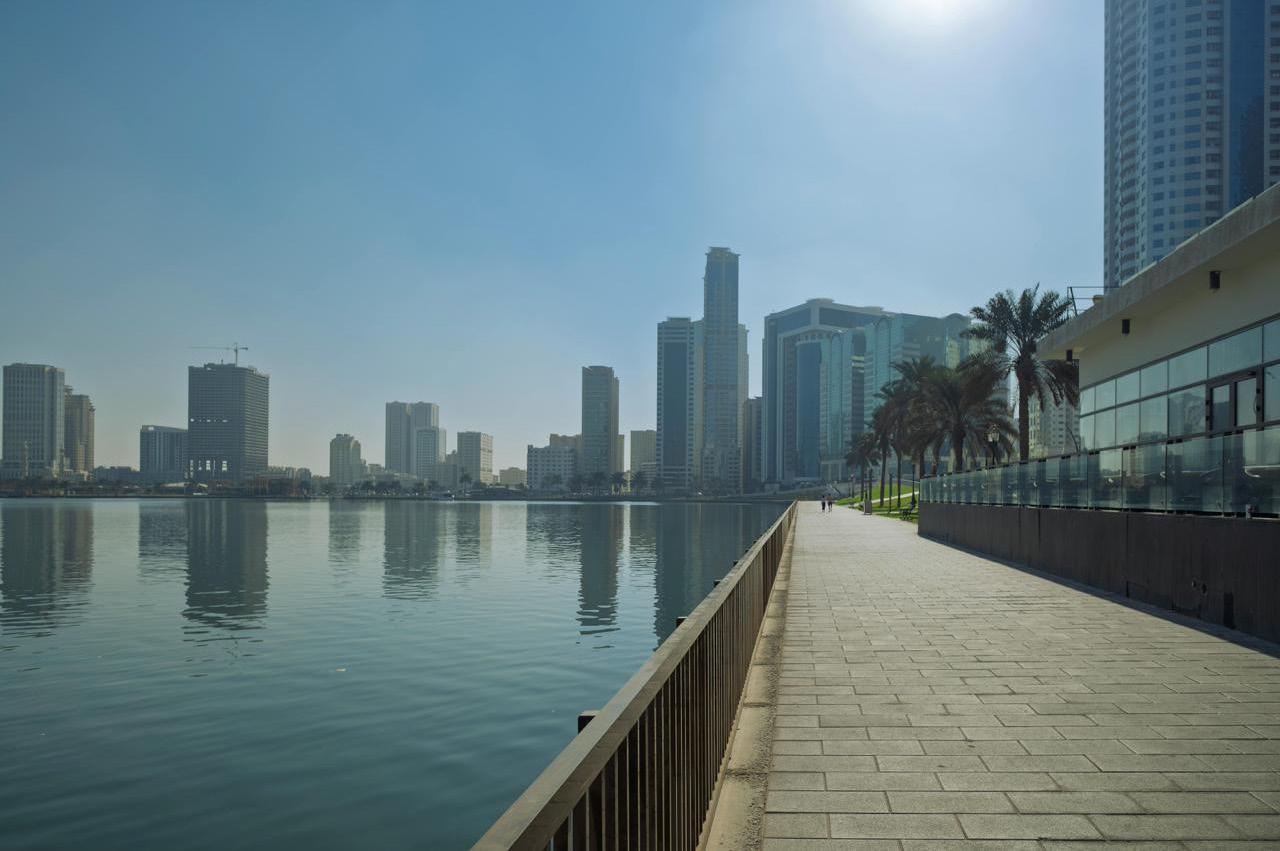
have eye-catching terraces, balconies, kids’ areas, pools, gyms, and supermarkets. This makes them offer both modern living standards and serene and uninterrupted lake and ocean views.
Waterfront properties give a major boost to coastal tourism. The skyhigh vertical towers lining the oceans and lakes of Sharjah aren’t just a treat to the eyes. They offer immense potential for tourism and thus a marked economic boost.
So, how are these water bodies luring tourists? Qasba Canal, for instance, has a lot of dining and cultural attractions. Majaz Waterfront offers recreation zones. Khorfakkan Corniche too offers a full-fledged entertainment zone, while Al Hira Corniche offers lively public spaces and a seafront promenade for tourists and pedestrians. Additionally, such properties promise major development in marine tourism with options such as yachting, cruise experiences, and tourist-centric services such as photography.
Waterfront properties in Sharjah don’t just offer gorgeous views. They enhance quality of life too. People opt for such properties for cleaner, fresher air. These properties offer respite from the bustle of the city center while providing proximity to schools, medical facilities, and malls. People enjoy a balanced, healthy lifestyle, access to beaches and promenades, greenery and landscaped gardens. This aligns with eye-catching layouts, contemporary interiors, and sustainable features these properties offer.
Waterfront properties offer extremely high investment value in the long run. And Sharjah seems to be capitalizing on this. Such properties promise better rental returns and high resale value. This is due to the rarity of such properties and the fact that they require top-notch development and maintenance. Additionally, with a major chunk of people opting for peaceful and green living over bustling city vibes, waterfront properties seem to hold a lot of promise in terms of longterm investments.
And it’s not just us. Even the figures say so. Residential properties within a radius of 1 km of newly constructed waterfront properties have witnessed an average value increase of 15–25% over a period of 5 years. Studies have also proved that commercial real estate around waterfront areas can fetch rents almost 30–50% higher than similar spaces in other locations. This highlights why such properties can yield big returns in the future.


While developing coastal and waterfront properties is significantly important for a boost to the future real-estate economy, there is also enough scope for ecological damage. Fast development along coastal lines can lead to massive disruption of marine ecosystems. So, prevention of large-scale environmental damage and pollution should be a priority for all stakeholders. Environmental and coastal protection laws should be respected and followed. Additionally, real estate developers should be aware of climate change and its repercussions on such projects. Adequate steps should be taken to ensure the properties remain safe in unprecedented situations such as sudden sea-level rise or floods. Overall, there should be a healthy balance between development and sustainability.

Southeast Asia is all set to experience a paradigm shift in the real estate market this year. With countries such as Malaysia and Singapore faring quite well in terms of GDP in 2025, real estate in this part of the world is expected to go through a boom in 2026. And with the advent of AI and data centers, the ever-changing environmental sphere, and the balance between remote/hybrid work and the return-to-office mandate that is slowly creeping in, the Southeast Asian real estate market is bracing for some interesting changes. Let’s look at a few possibilities.
The climate change factor and the growing instances of natural disasters and extreme weather conditions are changing the client expectations in the real estate arena. With the recent floods in Bali that devastated the island nation, people are waking up to how weather-proof housing is the need of the hour.
While the governments of many Southeast Asian nations have pledged to go the green way in many areas, the real estate market too is gearing up to embrace better environmental standards. People are ready to pay more for weather-proof and sustainable arrangements such as better drainage facilities, solar heating, EV charging, energy-saving systems, and elevated properties.
What this also means is that people will slowly move away from flood-prone areas and explore newer and safer areas when it comes to choosing residential or commercial real estate. We can also expect real estate
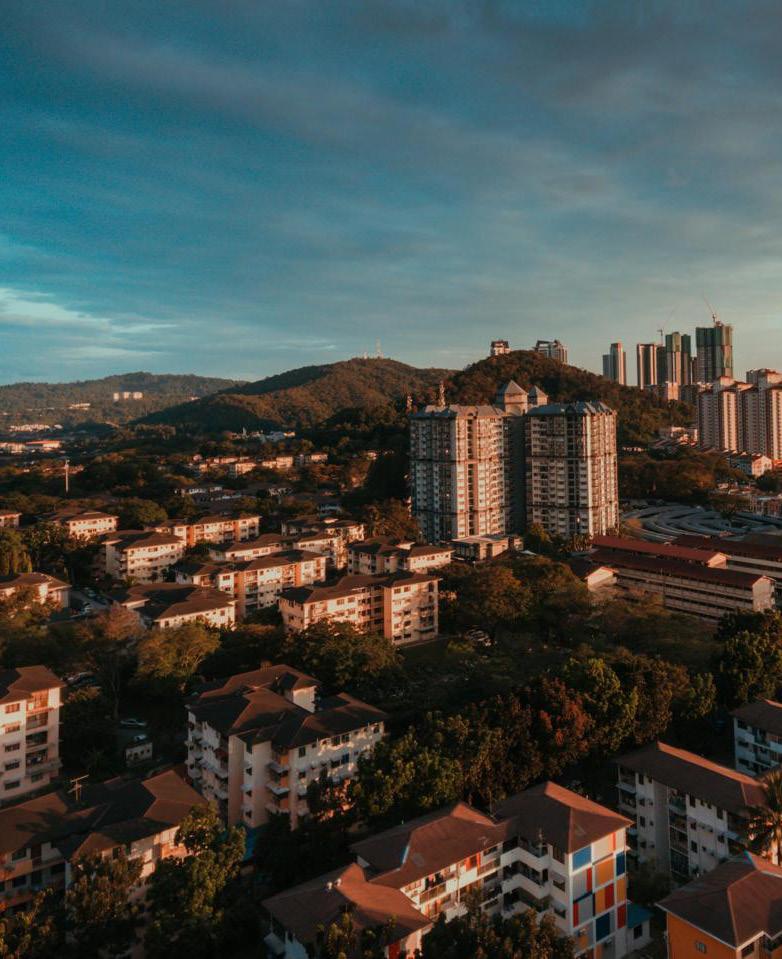

companies adopting sustainable standards such as waste reduction and the use of low-carbon alternatives. Factors such as property maintenance, the possibility of upgrading cooling systems, probable renovation costs in case of earthquakes or other natural disasters will play a major role in real estate decisions this year.
Real estate in Southeast Asia is shifting from location-driven to future-ready— built for resilience, powered by technology “
With the COVID-19 aftermath slowly fading away, most companies have ditched the remote work option and have either gone ahead with hybrid work or have incorporated the return-to-office policy. This will have a direct impact on the real estate market in 2026 too.
People will stress on proximity to office hubs and IT parks when it comes to their choice of residential properties. Ease of access and ample transportation options too will be a major factor when it comes to real estate choices. For instance, Singapore has already witnessed a clear preference for real estate projects close to MRT lines. While tranquility may still attract those who wish to disconnect from the city hustle, connectivity will still be a driving factor when it comes to the choice of residential properties.

Not much needs to be told about artificial intelligence (AI) and data centers. AI will continue to impact all areas of life across the world, including real estate and infrastructure in Southeast Asia. The rapid expansion of data centers will see a rise in the larger logistical framework (warehouses, etc.), research and development (R&D) centers, and IT parks.
What does that mean for Southeast Asian real estate in 2026? There will be a steep rise in demand for commercial properties in and around areas with adequate power capacity, water supply, and cooling facilities. In addition, proper connectivity and accessibility and compliance standards too will drive such real estate decisions.
With automation becoming a key buzzword, real estate too hasn’t been untouched. The year 2026 is expected to witness a rise in smart homes with AIready elements. Apart from housing integrated with technology (smart cameras/surveillance and AIembedded appliances), we can expect flexible stay, co-living options, hybrid-work-ready pods, etc.
However, with so much technological advancement on the horizon, affordability of quality housing can become an issue in Southeast Asia. So, 2026 may also see a rise in rental residential options and smaller modular stay units to cater to the new-age urban population.
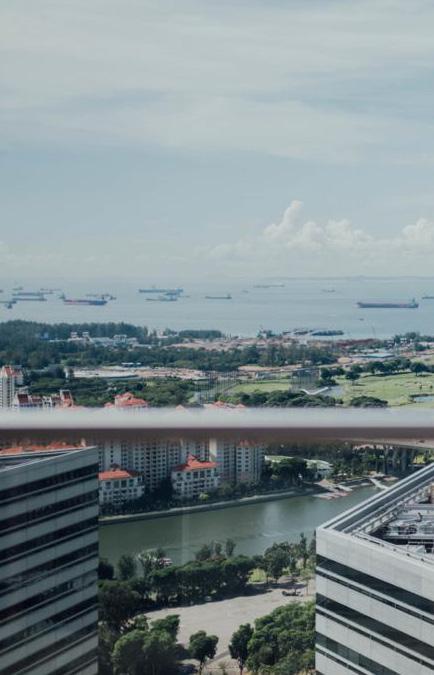
With the rise of AI, smart infrastructure, and data-driven ecosystems, real estate in Southeast Asia is rapidly evolving into a technology-first landscape—where connectivity, automation, and digital readiness define the value of every property. “ “
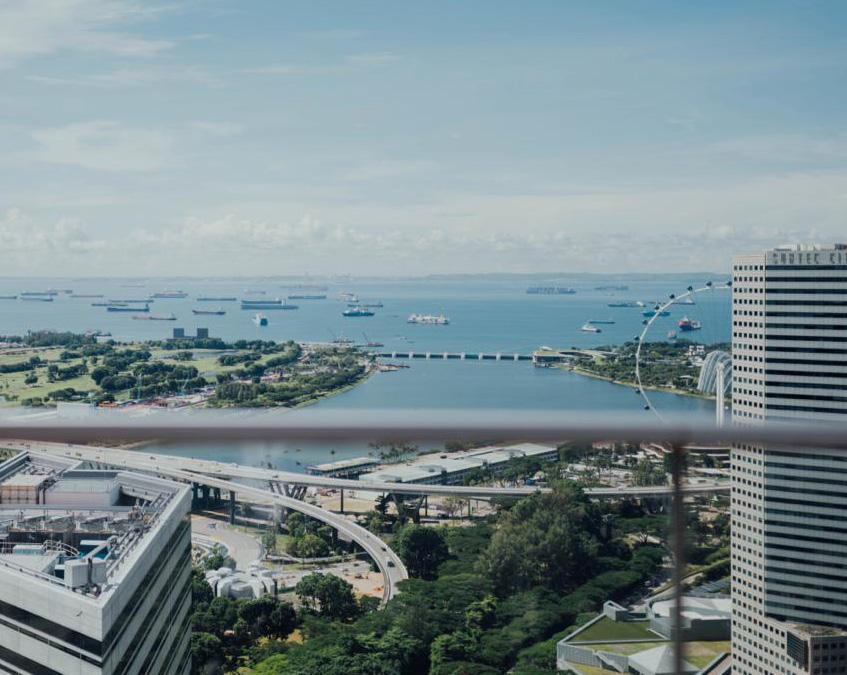

Real estate, the world over, is all set to go through some marked changes, and Southeast Asia is definitely going to lead in that race. Apart from focusing on green and sustainable alternatives in terms of commercial and residential real estate, the region is also expected to rely heavily on disastersafe and technology-driven properties. We hope Southeast Asia shows the world how real estate is done right in this rapidly evolving era.


A deep dive into how online gaming addiction distorts reality, impacting mental health, behavior, and perception in alarming ways.
In early 2026, an incredibly tragic incident sent shockwaves across the world. Three minor sisters from India, aged 16, 14, and 12, committed suicide when their parents restricted their mobile phone use. But what lay deeper was more sinister. Apparently, the sisters were highly addicted to a Korean taskbased online game. The addiction was so severe that the sisters had apparently started believing that they were Korean princesses.
This incident made a lot of us take note of the sheer danger of such games. It also made us aware of the fact that online game addiction can lead people to create their own versions of reality and stick to their own delusional worlds. But how does a mere game turn people’s worlds upside down? How can people be brainwashed by a non-living entity? Or are there people behind such games who push gamers to their tragic ends? Let’s dive into the world of gaming addiction and find out!
This wasn’t the first time people died because of an online game. A few years back, The Blue Whale Challenge shook the world and made headlines. One of the darkest products of social media, this online game had anonymous organizers, known as “creators,” who urged participants to complete a series of selfharming tasks. These tasks were spread over a period of 50 days and began with simple and harmless ones such as “Watch a scary film.”
However, as soon as the participants got addicted to the game, the challenges turned more dangerous. Such challenges ranged from self-mutilation (“cut a whale on your arm”) to weird stunts (“stand on the ledge of your building”). The game ended with a final challenge that urged the participants to kill themselves. A Novaya Gazeta report stated that around 130 children might have committed suicide as the final challenge of The Blue Whale Game between November 2015 and April 2016. The worst part was that the participants couldn’t stop even if they wanted to. They felt trapped and were at the receiving end of blackmail and cyberbullying by the “creators.”
There are other instances of such madness incited by online games. In 2007, a boy from China who adopted the persona of a fire wizard in the role-playing game World of Warcraft (WoW) ended up burning a batchmate that he had quarreled with.
Likewise, a man played WoW for 36 hours at a stretch and then killed himself by jumping from a building because he wished to meet other WoW gamers in heaven.



There are a few marked psychological, physical, and social symptoms that one should look for if one intends to spot online gaming addiction in a friend, family member, or loved one. The very obvious signs would include the inability to limit online gaming hours.
This could be accompanied by a tendency to forget or avoid regular chores or tasks, or even daily activities such as taking a shower or having a meal, while the person is preoccupied with the game. Such people also tend to suffer from withdrawal symptoms such as irritability when kept away from their devices. Gaming addiction causes sleep disturbances, frequent headaches, and eye strain. The addict could also suffer from acute back or wrist pain due to excessive gaming.
Some of the more obvious signs include neglect of personal hygiene, disinterest in academic or work-related tasks, isolation from friends and family members, loss of interest in other hobbies, and problems in creating and maintaining friendships and relationships. The addicts are so immersed in the game that the real world around them seems unreal and the game becomes their new reality. The best way to deal with such addiction is to help offer the victims access to psychologists and mental health professionals who can diagnose and treat their addiction clinically. Friends and family can also help counsel such addicts before things spiral out of control. Empathy and the will to help can do wonders in such cases.

In The Epic of America by writer and historian James Truslow Adams, the author defines the “American Dream” as “that dream of a land in which life should be better and richer and fuller for everyone.” And that’s how it had been for decades, till Trump’s Immigration and Customs Enforcement (ICE) changed the script.
With the ICE deporting scores of people every other day, what was initially a tool to identify and apprehend illegal or undocumented immigrants has now become a nightmare of sorts for anybody and everybody with even the remotest “immigrant” connection. We’ll take a look at how ICE has shattered the “American Dream” for many and how immigrants, in general, still hope that they will see better days, in spite of ICE.
ICE has become a horror of sorts for most immigrants in the US. Its impact has been so tremendous that traumatised immigrants, even those who have been legally living in the US for decades, now carry their identification documents with them wherever they go. And this horror is shared by thousands of people from all over the world, from South Asia, Southeast Asia, and South and Central America, in particular.
Back in 2025, a Pew Research Center survey proved that Indians were the third-largest group of undocumented immigrants in the US. In February that year, more than 100 illegal immigrants from India were deported to their homeland in shackles. They complained of shabby treatment and the lack of hygiene during their deportation exercise too.
“
For many immigrants, the ‘American Dream’ is being overshadowed by fear, uncertainty, and the threat of deportation.
And if this wasn’t enough, the treatment meted out to Harjit Kaur, an Indian grandmother in her 70s, was equally deplorable. Harjit had moved to California with her two sons in 1991 to escape a political uprising in Punjab. Though still undocumented, she lived and worked in the US without any criminal record for decades. Meanwhile, she made quite a few unsuccessful asylum attempts. While she was asked to report to the US immigration authorities every six months, she was eventually arrested in September 2025. While in detention, Harjit was forced to stay in cramped conditions without a bed for 60-70 hours and slept on the floor despite medical issues. She was eventually deported to India amid a huge uproar.
While ICE had every right to deport an undocumented immigrant like Harjit or hundreds like her, they went terribly wrong because of the inhumane manner in which they did so. But human rights and dignity never seemed to be priorities for ICE authorities. They have been equally brutal to a lot of people from other ethnicities too. In May last year, then-20-year-old freshman at Ellis Prep Academy, Dylan Lopez Contreras, was detained by ICE at a routine immigration hearing and taken to the Moshannon Valley ICE processing center in Pennsylvania.
Dylan, originally from Venezuela, was completing his education, when all of a sudden, he was in the news for being the first New York public school student detained by ICE.
Likewise, one of the most heartwrenching cases of brutality by ICE agents was the case of Alex Pretti. Pretti, a US citizen in his late-30s, was born in Illinois and grew up in Wisconsin. Known for his interest in sports, Pretti later graduated from the University of Minnesota and then worked as a research assistant and an ICU nurse.
In January 2026, Pretti was shot dead by ICE agents in Minneapolis. The most tragic part of this entire case is that Pretti wasn’t an undocumented immigrant, or even an immigrant, at all. He did, however, participate in several protests against the ICE, most notably one against the shooting of 37-year-old mother Renée Nicole Macklin Good in Minneapolis, Minnesota, by an ICE agent.
In Pretti’s case, he was shot dead after trying to film ICE agents with his phone, while they had pushed two people and he came in between them to shield them.
After being pepper-sprayed and being overpowered and wrestled to the ground, Pretti was shot dead by an agent after apparently removing a gun from his holster. Pretti owned the gun legally and did not threaten to use it when he was shot. Following Pretti’s death, huge protests erupted throughout the US.
However, there has been no clear solution to the gross terror that the name ICE brings along with it.
With countless young students and professionals thronging to the US in search of better lives, and countless others crossing borders to escape political turmoil, wars, or poor living conditions in their respective countries, ICE agents cannot treat the issue of undocumented immigrants as a black-or-white case.
There are lives and livelihoods involved. Immigrants all across the country, who now dread the very word “ICE,” believe ICE agents should take into account
the fact that they are dealing with real people, real families, and real stories of struggle.
The idea is to let people live their lives peacefully and to allow them a proper legal relief or path to do so. And with the widespread protests by human rights groups, women’s rights groups, and refugee welfare groups across the world, we hope ICE will employ more humane methods to deal with undocumented immigration in the future.



Back in October 2024, CEO of the UK-based fitness club chain The Gym Group, Will Orr, made some interesting observations and shared them with the audience at a live on-stage interview at the HCM Summit. He stated that young people were increasingly working out and over a third of such people were also looking at gyms as socializing hubs. Gyms, according to him, had already replaced alcohol as a social glue.
He wasn’t the only one who observed this phenomenon. A 2024–2025 report by LSN Global too stated something similar. The LSN survey that the report was based on proved that 37% of the respondents in the age group 18–24 viewed physical exercise as a social activity. The survey also highlighted how 42% of such respondents had made friends at gyms. This shift is so significant that it seems this is on the way to become a fitness movement of sorts.

But why is GenZ increasingly embracing the fitness culture as a habit? Is this just a fad or is there more to this trend? What are the reasons behind this sudden surge of “gym rats”? Let’s dive deeper into this trend and find out!
Going by the records, it seems GenZ is more concerned about their mental health than any other generation. GenZ doesn’t think twice before resigning from toxic jobs or calling out injustice at work. And they are far more efficient than other generations in managing stress and depression. GenZ is perhaps just extending this trend to gyms too. After all, gyms aren’t just about stunning weight-loss transformations and musclebuilding. The endorphins that the body releases after a satisfactory workout session help fix moods and improve mental health. Be it a breakup, the death of a loved one, or a job loss, the gym can help you deal with challenging situations better. A carefully structured gym session is thus a must in an effective self-care routine.
Social media platforms such as Instagram are flooded with reels and tips from fitness influencers and models. One can find everything from diet challenges and workout reels to posture correction tips and wellness routines on such platforms. GenZ, which has grown up consuming digital media, has naturally also been shaped by such content. On top of this is the added peer pressure from friends who keep posting their fitness journeys and gym progress online. Watching a “fat to fit” transformation reel is, after all, a lot more interesting than watching someone flaunt a pub crawl. Even with all the “body positive” influencers around, GenZ does know the difference between “curvy” and “chubby.”
Gone are the days when a beer-chugging contest would be the highlight of your night out with friends. In 2026, coffee raves have replaced reckless alcohol parties. In fact, GenZ seems to have turned the tables and become
proactively health-conscious. A healthy shift toward vegan meals, non-alcoholic drinks, early morning run clubs, and sugar-less diets has been observed. And this sober culture has naturally made people gravitate toward gyms. A healthy and fit physique is the new status symbol and also showcases elite taste.
Who wants to go through endless swipes on dating apps only to end up in soulless situationships and flings? GenZ knows better, and that is evident in how they have made gyms the next Bumble. The only difference is, the gym offers a respite from mechanical digital interactions. People see you as you are, without filters and sweaty, and can interact in person. What’s more? Even if you don’t magically bump into your romantic partner at the gym, you are bound to make some genuine bonds. After all, gyms are communities where one doesn’t have to ask for support during a difficult workout. People help you push your weights, cheer you on while you complete your reps, and even help you with diet plans and fitness tips! Sweating it out with a “gym bro” is definitely more meaningful than “following” someone on Instagram.

AI, lay offs, climate change, wars—the world these days is chaotic and unpredictable. And GenZ perhaps has felt this better than any other generation, because they have practically grown up amid chaos. The gym, amid all this uncertainty, offers some much-needed stability. People who go to the gym don’t just build their physique, they develop discipline. For some, those few hours at the gym offer the only constant in an ever-changing life. Whether you’re counting your reps, tracking your progress, or clicking daily gym selfies to post your gains on social media, it all adds up and contributes to your overall stability.
Final
For most of the GenZ population, the gym isn’t just a place where they get fitter. For some, the gym is therapy. For many, the gym is a healthier version of a pub or a club. A lot of people use it to find their soulmates or make new friends. Most go there to regain some sanity amid chaos. But what is common in all the afoWrementioned cases is the will to make fitness a habit and change one’s life for the better. So, GenZ is perhaps showing us the path to undo all our unhealthy habits and leading us to a better tomorrow!
Gen Z isn’t just choosing fitness over nightlife—they’re redefining what it means to socialize, connect, and unwind. “ “