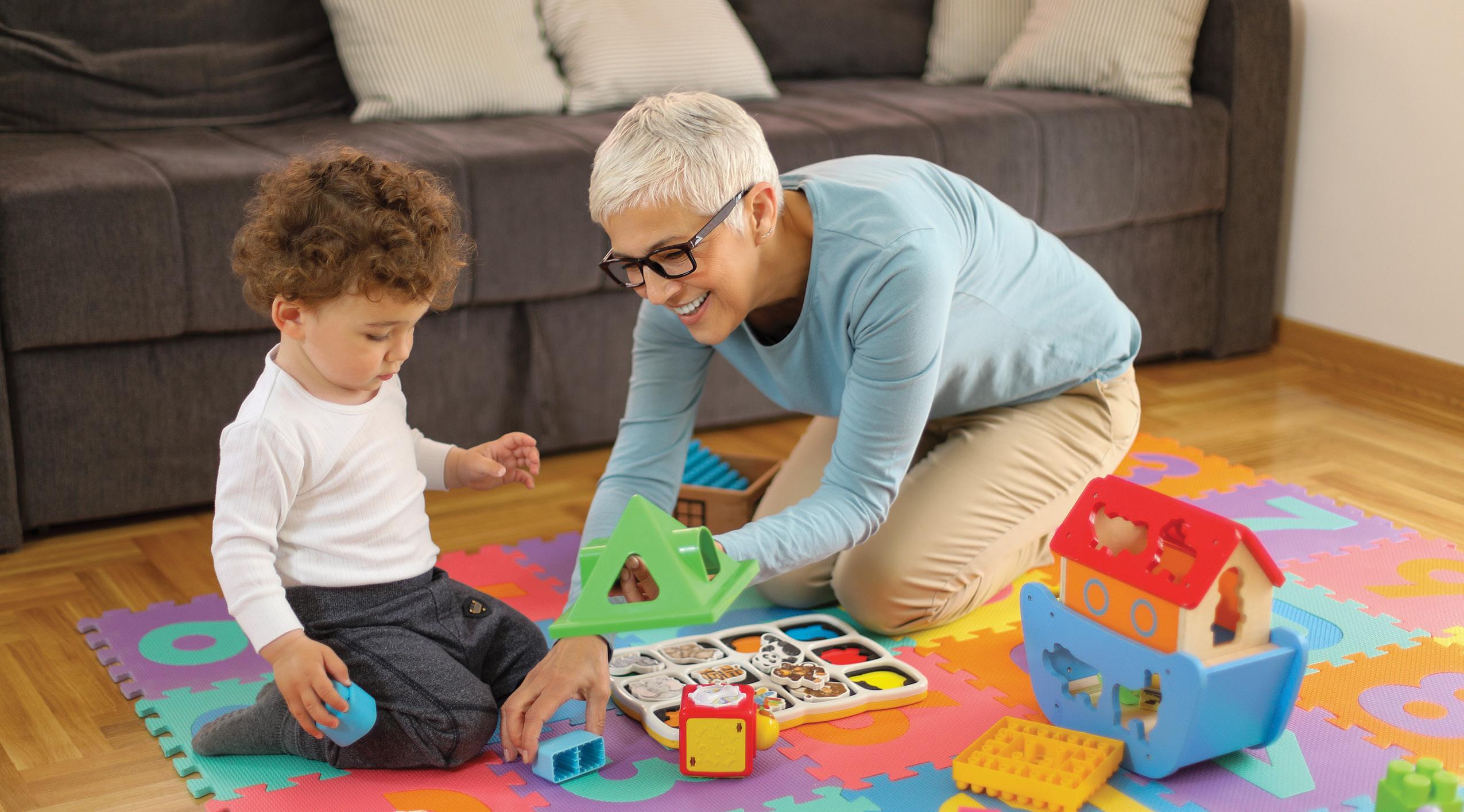

Playing with grandkids is important, but sometimes aches and pains get in the way. Baptist Orthopedics can help you stay active.
We provide personalized care to restore function, alleviate pain or mobility issues and enhance your quality of life. And, Baptist Orthopedics offers easy access with same- and next-day appointments.
Treatment options range from conservative management with physical therapy, bracing, injections and medication to advanced surgical interventions, including minimally invasive and robotic options.
If surgery is needed, our dedicated team will guide you through a rehabilitation plan that fits your lifestyle. Many patients are able to return home the same day of surgery. We will help you regain strength, mobility and confidence at your own pace – getting you back to loving life again.
Two convenient locations:
Baptist Orthopedics – Yulee
851042 US Highway 17
Yulee, FL 32097
Baptist Orthopedics – Nassau (formerly Dovetail Orthopedics) 2416 Lynndale Road, Suite 102 Fernandina Beach, FL 32034
or scan the QR code to learn more.

PUBLISHER & EDITOR-IN-CHIEF
ART DIRECTOR
VICE PRESIDENT OF SALES
ACCOUNT EXECUTIVE
JUNIOR EDITOR
SOCIAL MEDIA INTERN
CONTRIBUTING WRITERS
Nicole Irving
Aníbal Rodríguez
Shane Irving
Bilinda Rountree
Alexandra Burns
Meghan Shepp
Alexandra Burns, Amanda Carreon, Daphne Forhand, Nicole Irving, Lindsey Johnson, Dr. Jennifer Martin, Cole Purvis, Kaelyn Schmidt
MAILING ADDRESS
5745 SW 75th St. Unit 286
Gainesville, FL 32608
PHYSICAL ADDRESS 101 SW 140th Terrace Suite C
Newberry, FL 32669
Amelia Island: 352.478.9079
Gainesville: 352.505.5821
Wellness360Nassau.com Bilinda@IrvingPublications.com
Wellness360 is a registered trademark property of Irving Publications, LLC. All rights reserved. Wellness360 is published by Irving Publications, LLC. © 2026
Irving Publications, LLC reserves the right to edit and/or reject any advertising. Irving Publications, LLC is not responsible for the validity of any claims made by its advertisers. Nothing that appears in Wellness360 Magazine may be reproduced in any way, without written permission. Opinions expressed by Wellness360 Magazine writers are their own and do not necessarily reflect the publisher’s opinion. Wellness360 Magazine will consider all never before published outside editorial submissions. Irving Publications, LLC reserves the right to edit and/or reject all outside editorial submissions and makes no guarantees regarding publication dates.
The information found in Wellness360 Magazine does not constitute individualized medical advice. You must NOT rely on the information in this magazine as an alternative to medical advice from your doctor or other professional health care provider. If you have any specific questions about any medical matter you should consult your doctor or other professional health care provider. If you think you may be suffering from any medical condition you should seek immediate medical attention. You should never delay seeking medical advice, disregard medical advice, or discontinue medical treatment because of information in this publication. Wellness 360 Magazine assumes no responsibility for any circumstances arising out of the use, misuse, interpretation or application of any information supplied within the magazine. Always consult with your doctor for appropriate examinations, treatment, testing and care recommendations. Do not rely on information on in this magazine as a tool for self-diagnosis. You exercise your own judgment when using or purchasing any product highlighted in Wellness360 Magazine. Wellness 360 Magazine assumes no responsibility for errors or omissions in this publication or other documents that are referenced by or linked to this publication.
ADVERTISING
For more information regarding advertising within Wellness360 Magazine, please visit irvingpublications.com, call 352.478.9079 or email Bilinda@IrvingPublications.com.

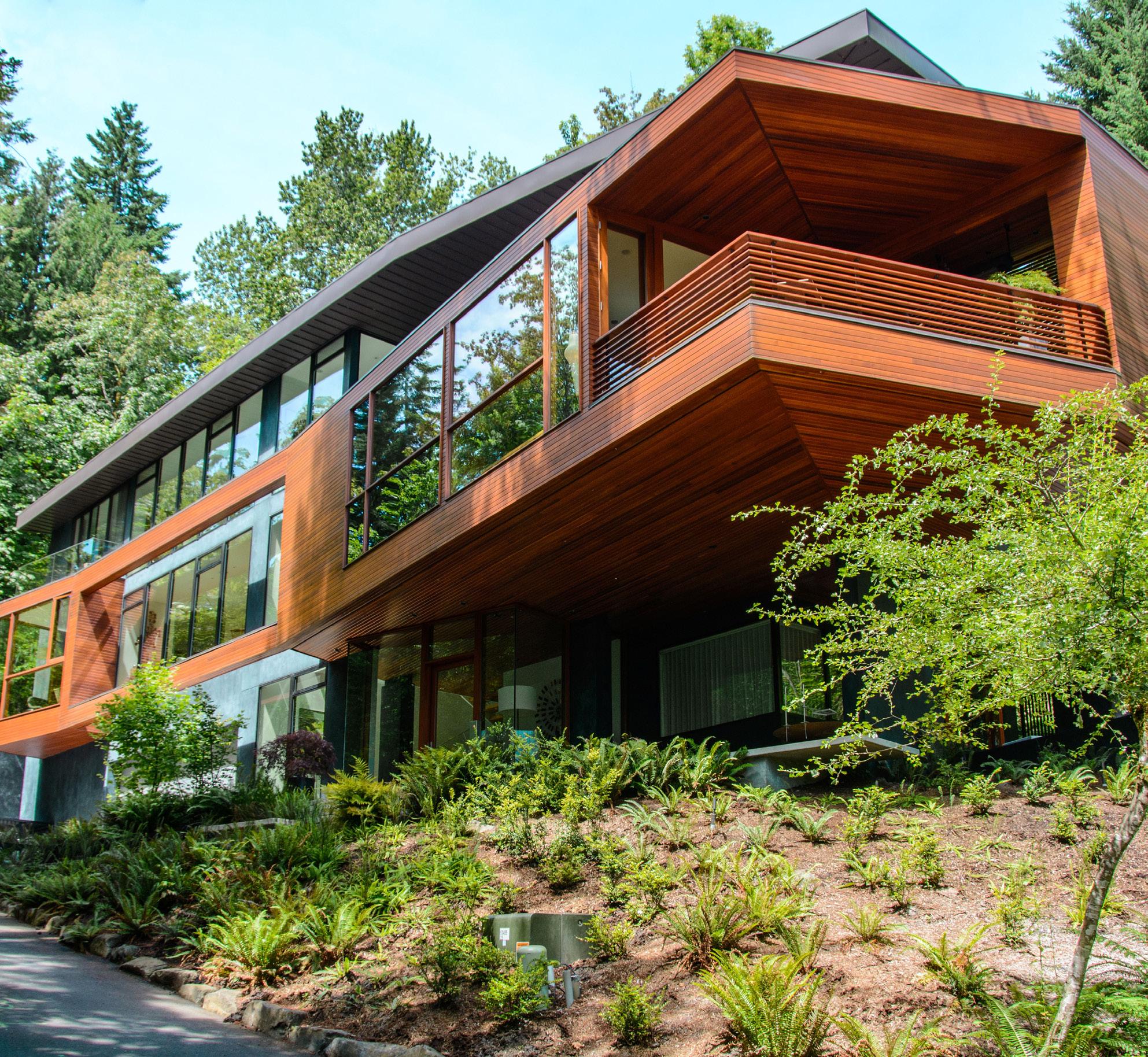
Whether you’re looking for DIY ideas, landscaping inspiration or you just want to revel in the beauty of interior design, here are eight movie homes that will have you redefining the meaning of a “dream home.”
Let our latest home issue be your guide to elevating your living space. This edition is packed with fresh stories that bridge the gap between wellness and home life, offering health and nutrition and home decor tips. We hope our new home issue provides you both inspiration and useful information you may use to turn your house into a true sanctuary.


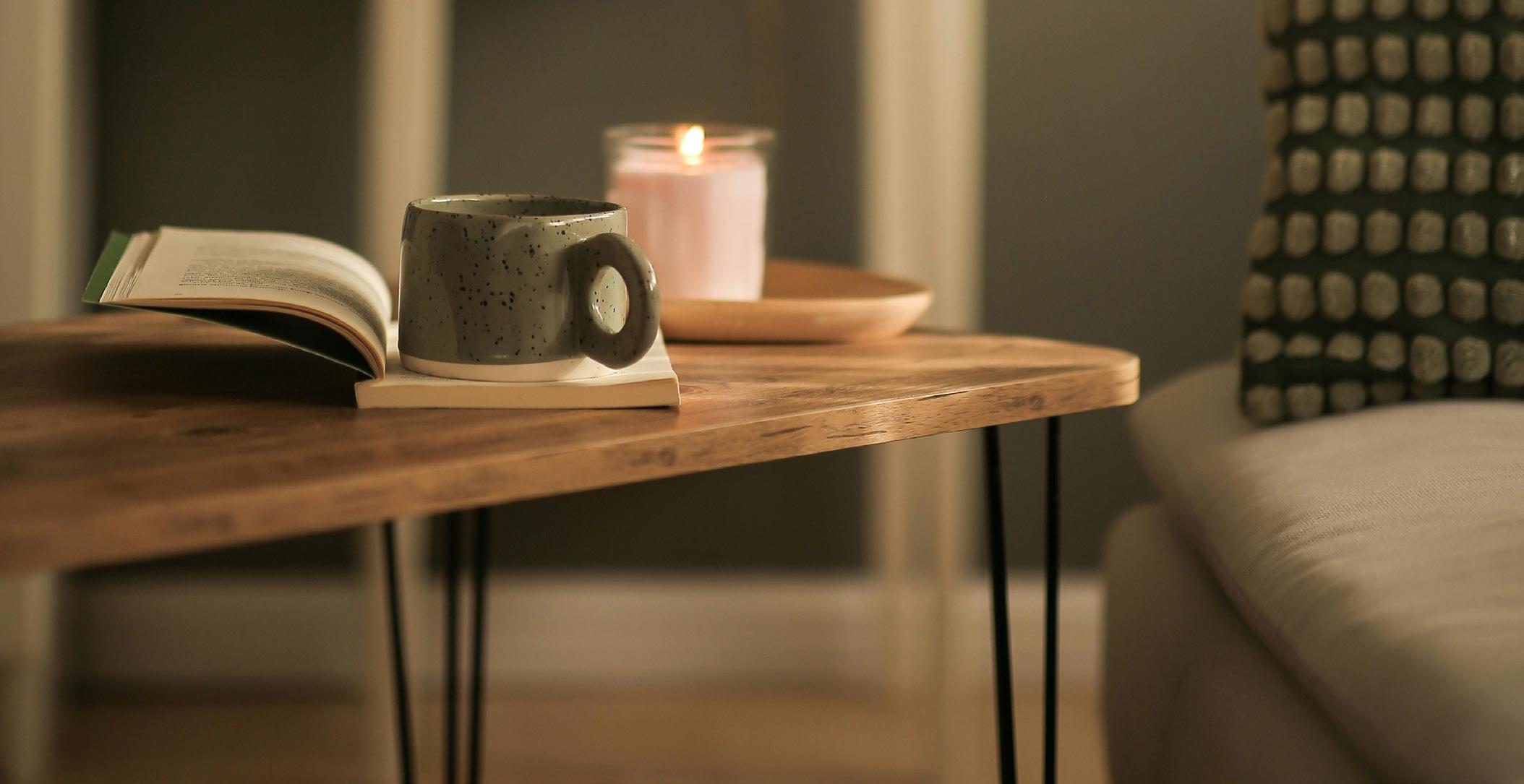
There’s a quiet truth many of us are rediscovering: the heart of wellness doesn’t begin in a doctor’s office, a gym or even a meditation app — it begins at home.
Our living spaces hold incredible power. They are the backdrop to our daily routines, our conversations, our celebrations and even our struggles. The way our homes look and feel can influence our mood, our stress levels, our creativity and our overall sense of balance. When thoughtfully designed, they don’t just shelter us — they support us.
In this issue of Wellness360, we explore how the environments we create directly shape our mental, emotional, and physical well-being. From the colors on our walls to the way we arrange our furniture, every detail contributes to the energy of a space. A cluttered room can quietly increase anxiety, while a wellorganized, intentional space can foster calm and clarity.
We take inspiration from unexpected places — like the iconic homes we’ve fallen in love with on screen. Our feature on eight movie homes that inspire design reminds us that storytelling and space are deeply connected. These cinematic spaces often evoke comfort, nostalgia or aspiration—and there’s something to be learned from each one.
Of course, creating a home that nurtures wellness doesn’t mean perfection. In fact, we dive into ten common decorating mistakes many of us make and how simple shifts can dramatically improve both function and feeling. Sometimes, wellness is less about adding more and more about letting go of what no longer serves us.
You’ll also find ideas for curating meaningful gallery walls — because what we choose to display matters. The images,
memories and art we surround ourselves with can uplift us daily, grounding us in gratitude and connection.
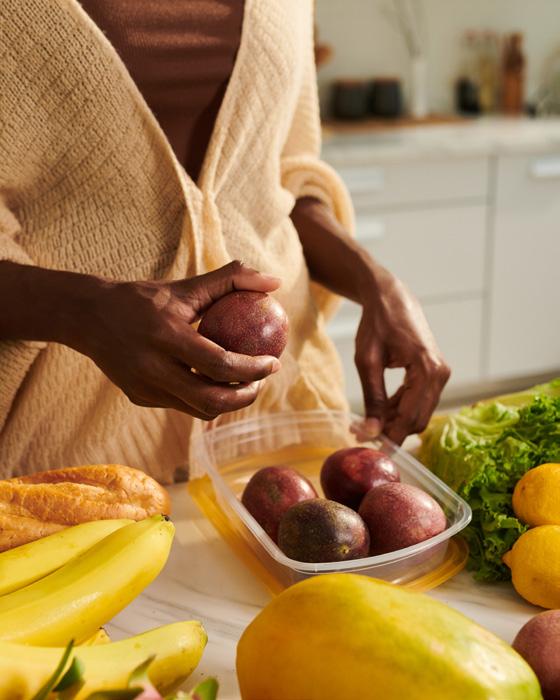
And because wellness extends beyond what we see to how we nourish our bodies, we explore how to stock a “wellness fridge.” Thoughtful choices in our kitchens can support energy, balance and overall health in ways that ripple throughout our lives.
At its core, this issue is a reminder that wellness is not a destination — it’s a daily experience shaped by the spaces we inhabit. Whether you’re redesigning a room or simply rethinking a corner, small, intentional changes can create a home that truly cares for you.
Here in Nassau, we are surrounded by a community that values connection, creativity and well-being. It’s our hope that this issue inspires you to look around your own space with fresh eyes — and to begin creating a home that reflects not just how you live, but how you want to feel.
Because when your home supports you, everything else becomes a little more possible.

Nicole Irving, Publisher, EIC nbirving@irvingpublications.com




BY COLE PURVIS
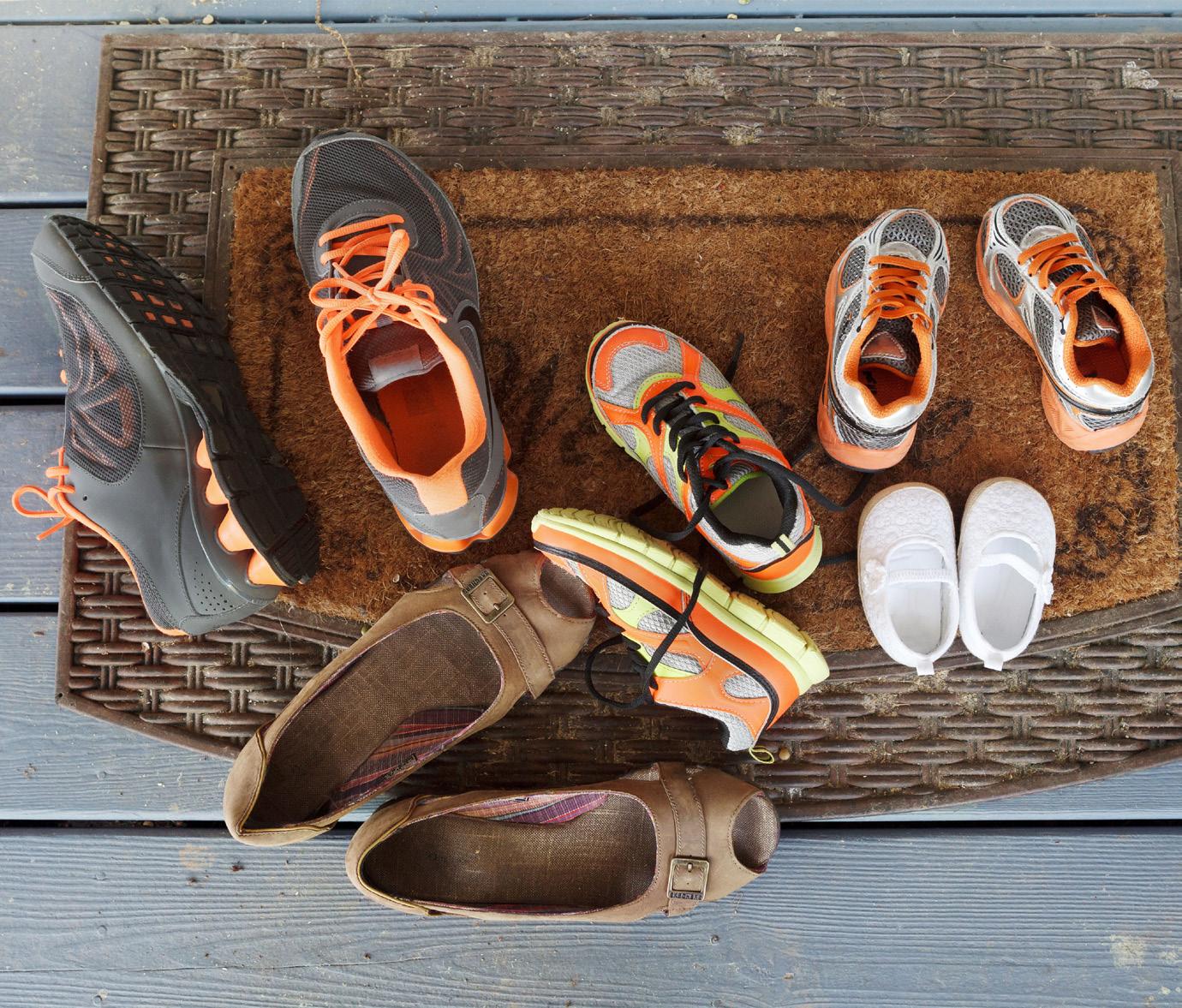
For many people, taking off shoes at the door has long been a cultural norm.
But lately, the idea of a “barefoot home” is gaining attention as more health experts and homeowners recognize what footwear can track indoors and how it may affect overall wellness.
While it may seem like a simple lifestyle preference, going shoe-free inside the home could play a meaningful role in reducing exposure to bacteria, chemicals and environmental toxins.
It turns out shoes are not just carrying dust and dirt. Research has shown they can transport a surprising range of contaminants.
A study conducted by researchers at the University of Arizona found that up to 96% of shoe soles tested positive for coliform

bacteria, which is commonly associated with fecal contamination. Even more concerning, about 27% of shoes carried E. coli, a bacterium that can cause gastrointestinal illness and infections.
Shoes can act as vehicles for microbes picked up from restrooms, sidewalks, public transportation and outdoor surfaces. Once they’ve made their way indoors, those organisms can spread onto carpets, hardwood floors and other frequently touched surfaces.
This is especially important to consider in homes with young children, pets or individuals with compromised immune systems.
Bacteria are not the only concern. Environmental health experts note that shoes can also bring in pesticides, heavy metals and other pollutants.
According to the U.S. Environmental Protection Agency (EPA), leadcontaminated soil and dust can be tracked indoors from outside environments. Over time, these particles can accumulate in household dust and increase exposure risks, particularly for children who spend a lot of time on the floor.
Similarly, lawn treatments and urban pollution residues may be unknowingly carried into living spaces.
Removing shoes at the door can significantly reduce how much of these unwanted materials enter the home.
Indoor air quality and surface cleanliness are increasingly linked to overall wellness. The American Lung Association emphasizes that reducing indoor pollutants is an important step in protecting respiratory health.
Because people spend an estimated 90% of their time indoors, according to the EPA, limiting what enters the home environment becomes even more important.

A shoe-free policy can help minimize dirt buildup, reduce allergens and make routine cleaning more effective.
There may also be physical advantages to going barefoot or wearing supportive indoor footwear. Some podiatrists suggest that allowing feet to move naturally can strengthen small stabilizing muscles and improve balance, though they caution that individuals with foot conditions may still need proper support.
Switching to designated indoor shoes or slippers can provide a compromise between hygiene and comfort.
Adopting a barefoot home does not have to feel rigid or unwelcoming. Experts recommend practical strategies such as placing a shoe rack or bench near the entryway, offering guests comfortable house slippers and using washable rugs to trap remaining debris.
The goal is not perfection, it is reducing unnecessary exposure to what the outside world leaves behind.
While going shoe-free may seem like a small change, it reflects a broader shift toward intentional living and healthier home environments.
In a world where wellness often focuses on diets, workouts and supplements, sometimes the simplest habits — like leaving shoes at the door — can make a meaningful difference.






BY LINDSEY JOHNSON, MS, MCHES, CF-L2

Americans spend approximately 90% of their time indoors, according to the United States Environmental Protection Agency (EPA), yet this space is often overlooked when it comes to promoting good health.
Gases are colorless, odorless, invisible substances that can creep into your home without your awareness. In particular, carbon monoxide and radon are common culprits that can cause illness such as headaches, dizziness and severe poisoning at high levels. Radon has also been shown to cause lung cancer. In Florida, most homeowners test for radon prior to home purchase, but you can have a radon test completed at any time. Installing carbon monoxide detectors inside your home can also help alert you if there is carbon monoxide present.

Mold, dust, pet dander and other allergens are common indoor health concerns. They can cause respiratory irritation, asthma and allergies.

Florida is an ideal climate for mold growth and expansion due to high rainfall and moisture content in the air. Mold spores are present in nearly all indoor and outdoor spaces, according to the Florida Department of Health. The EPA warns that mold can grow as quickly as 24 to 48 hours with even minor moisture exposure, such as a leak or rain intrusion. The key to minimizing health impacts from mold is to maintain proper humidity levels indoors to prevent growth. The Florida Department of Health states that mold can multiply when humidity levels reach 60%, so they recommend keeping indoor humidity at 30% to 50% to prevent growth.
Dust mites and pet dander can also contribute to respiratory irritation. In order to minimize these factors in your home, vacuum and dust regularly, including surfaces where pets frequent. Wash all bedding and pet towels weekly in hot water to reduce allergens.

Clean doesn’t always mean healthy — many household items (including cleaning products) release volatile organic compounds (VOCs) into the air, causing a myriad of symptoms including headaches, respiratory irritation, dizziness and some potential long-term effects. VOCs can also be emitted from furniture, paint, air fresheners and personal care products. According to the EPA, indoor air can contain up to 10 times the level of VOCs found in outdoor air. To minimize these compounds indoors, avoid using synthetic sprays to cover odors and choose lowVOC and fragrance-free products.



Even everyday healthy habits like cooking, cleaning and burning candles and incense can cause indoor air pollution. The EPA states that these activities add particles and gases to indoor air, increasing overall exposure. When cooking, use exhaust fans and proper ventilation, as well as lids, when feasible. While burning candles creates a pleasant ambiance and aroma, limit candle burning to prevent additional indoor air pollution.
Indoor air pollution can be a contributing factor to many short and long-term health concerns. The best way to mitigate exposure is frequent home ventilation — opening windows and doors and letting air circulate throughout the home. Minimizing fragrances and cooking emissions can also help reduce pollution. Testing for hidden toxic gases can help alert you of potential threats. Besides these steps to reduce indoor air pollution, spend more time outdoors — get outside, breathe in some fresh air and soak in the natural elements!








INCREASES THE RATE OF SECONDARY INJURY OR RE-RUPTURE OF INITIAL INJURY

BY LINDSEY JOHNSON, MS, MCHES, CF-L2
Taking time away from fitness can be physically and emotionally challenging — but returning to prior routines can also be difficult, especially if not approached intentionally. Whether due to an injury or just a lapse in consistency, getting back into the swing of things should be planned carefully.
Dr. James Carr, an orthopedic surgeon at the Hospital for Special Surgery, cautions not to return too quickly. In fact, he recommends that your recovery should last twice as long as the time your injury kept you out of commission. Carr advises, “If you were off for a week because of a shoulder injury, plan to take two weeks to get back to where you were before the injury.”
Deconditioning happens fast after an injury. Taking time away from a sport can not only cause a loss of strength but also a loss of coordination, flexibility and endurance. Although this process happens relatively quickly, resuming prior activity at the same levels too soon can cause further problems. Loss of coordination and flexibility can particularly increase risk for further injury. A 2024 review by Wulff et al. found that returning to activity too quickly increases the rate of secondary injury or re-rupture of initial injury, thus causing additional pain, rehabilitation and extended time to return to sport.
The Cleveland Clinic cautions about starting exercise programs too quickly and intensely. Instead it emphasizes starting exercise gradually and avoiding overexertion, as pushing too hard can increase the risk of exercise-induced
rhabdomyolysis. This is also true of higher level athletes who have taken time off to rehab an injury. These athletes often think they can jump back in at their prior weight and intensity, but their bodies are no longer at the pre-injury level of fitness.
Following an injury, the first step is typically resting the affected joint or body part. Rehabilitation exercises start rebuilding strength and range of motion in the injured area with slow progression as tolerated.
Light aerobic activity can often be incorporated next, taking things slower and easier than pre-injury levels. Eventually you can move to more moderate exertion, paying attention to any pain or symptoms and scaling back as needed.
Once full range of motion is achieved, limited sport-specific activity can resume and be monitored for pain and range of motion. During this stage, many athletes will feel tentative and nervous. This period can be extended to help rebuild both strength and confidence in the movements and the intensity of the activity.
The final step in the progression is the full return to sport, resuming activity similar to what you did pre-injury. However, once you fully return to your activity, be advised that it will take time to return to pre-injury levels of strength, speed and endurance, and rushing to this could cause additional injury.
It can be difficult to be sidelined with an injury, but rebuilding and focusing on proper rehabilitation can help you return stronger and with more resilience. Return slower than you want and ensure safety, strength and stability before adding in intensity. Your body will thank you!
If your injury requires medical attention, defer to your provider for specific guidelines for re-entry to sports.









BY NICOLE IRVING
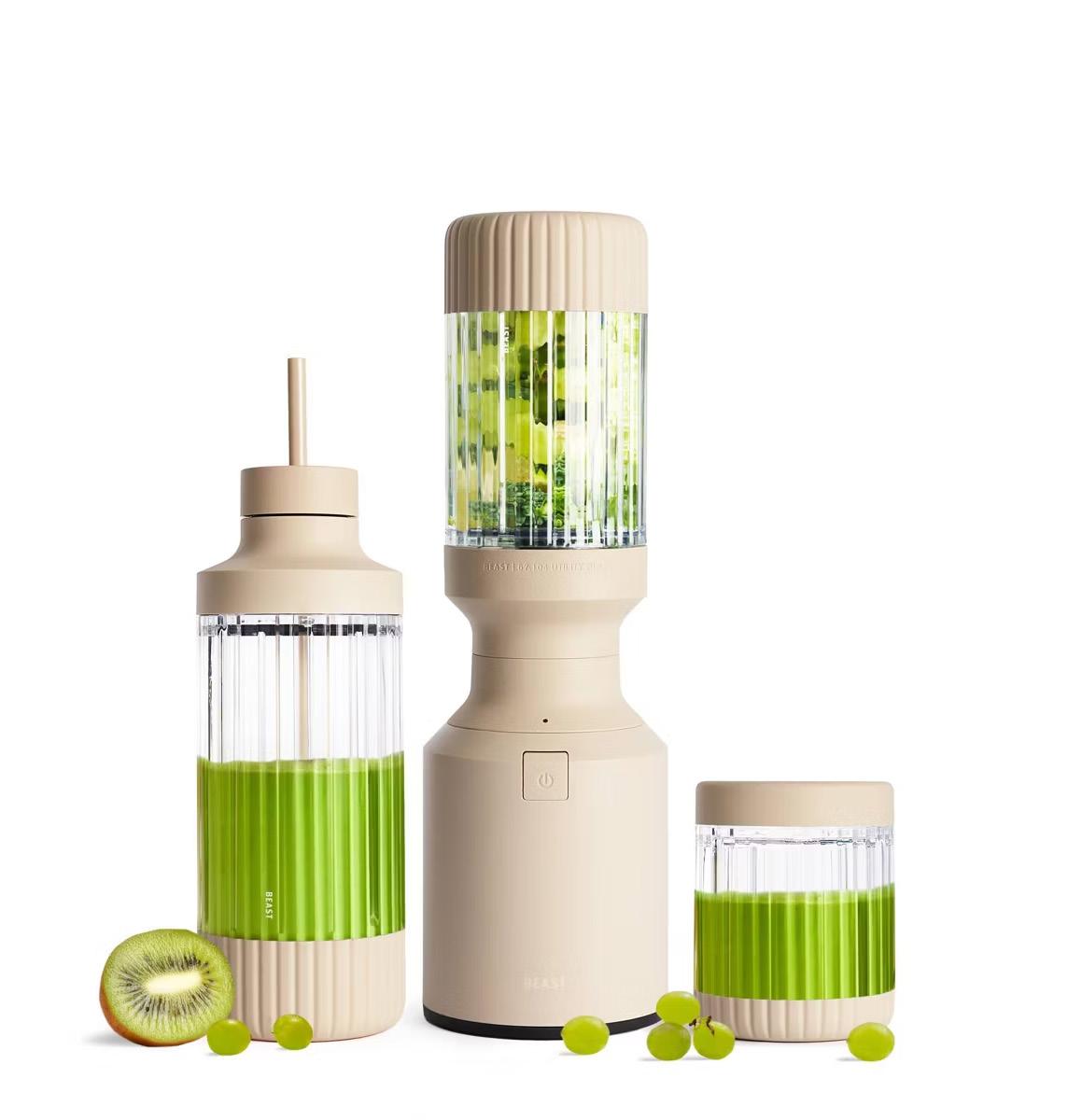
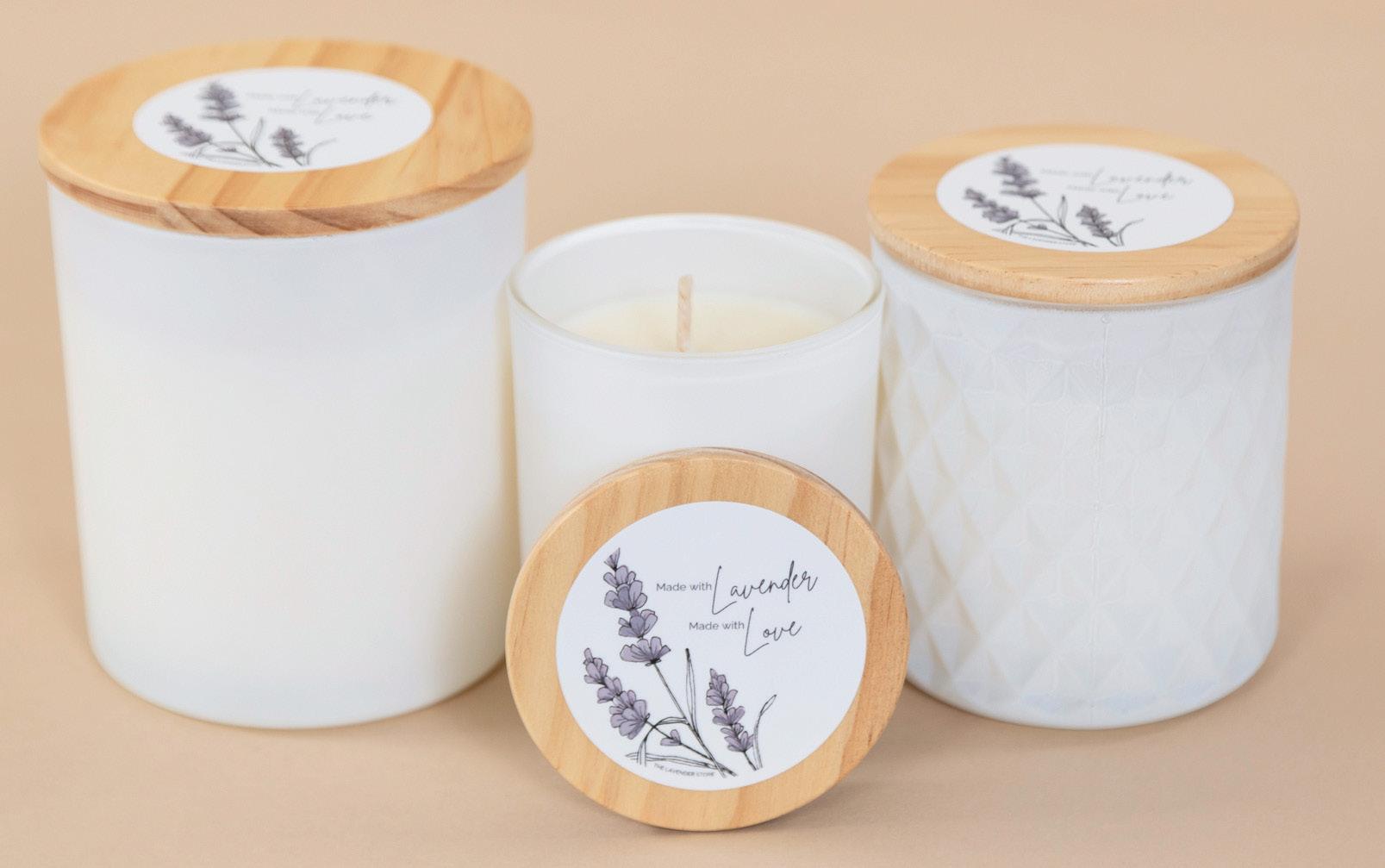
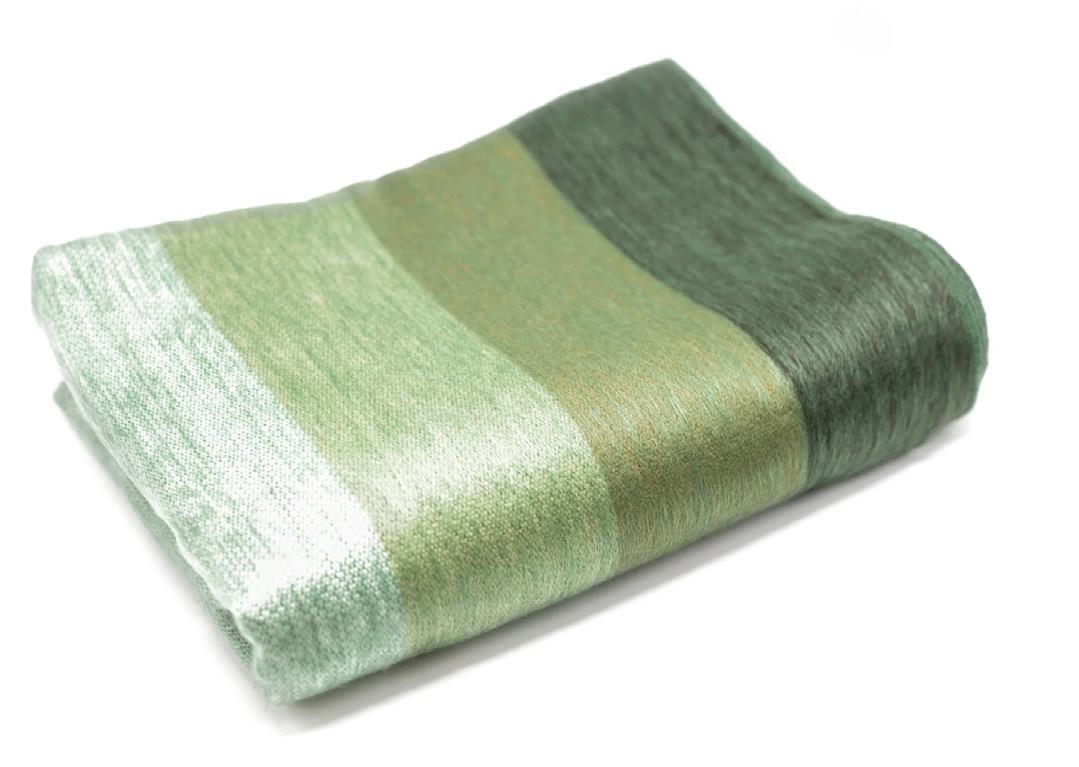
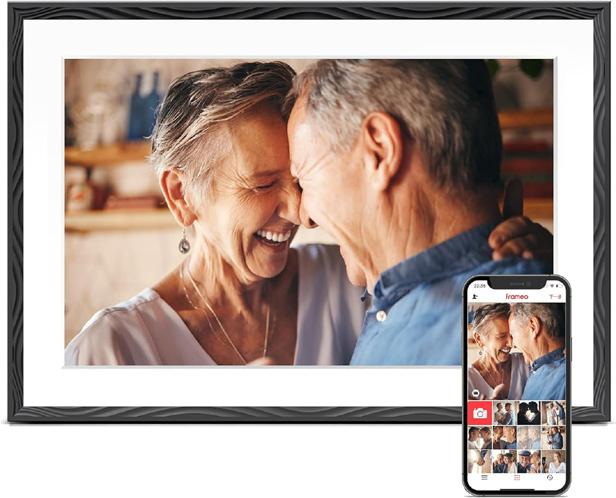
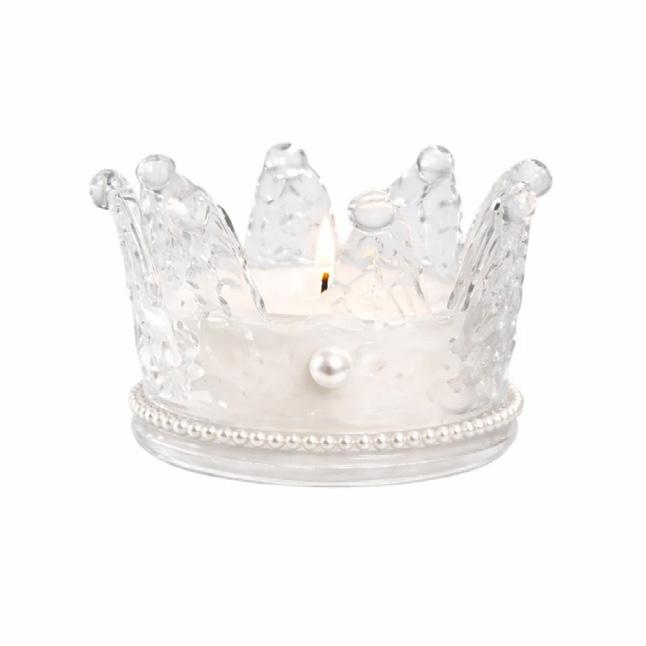
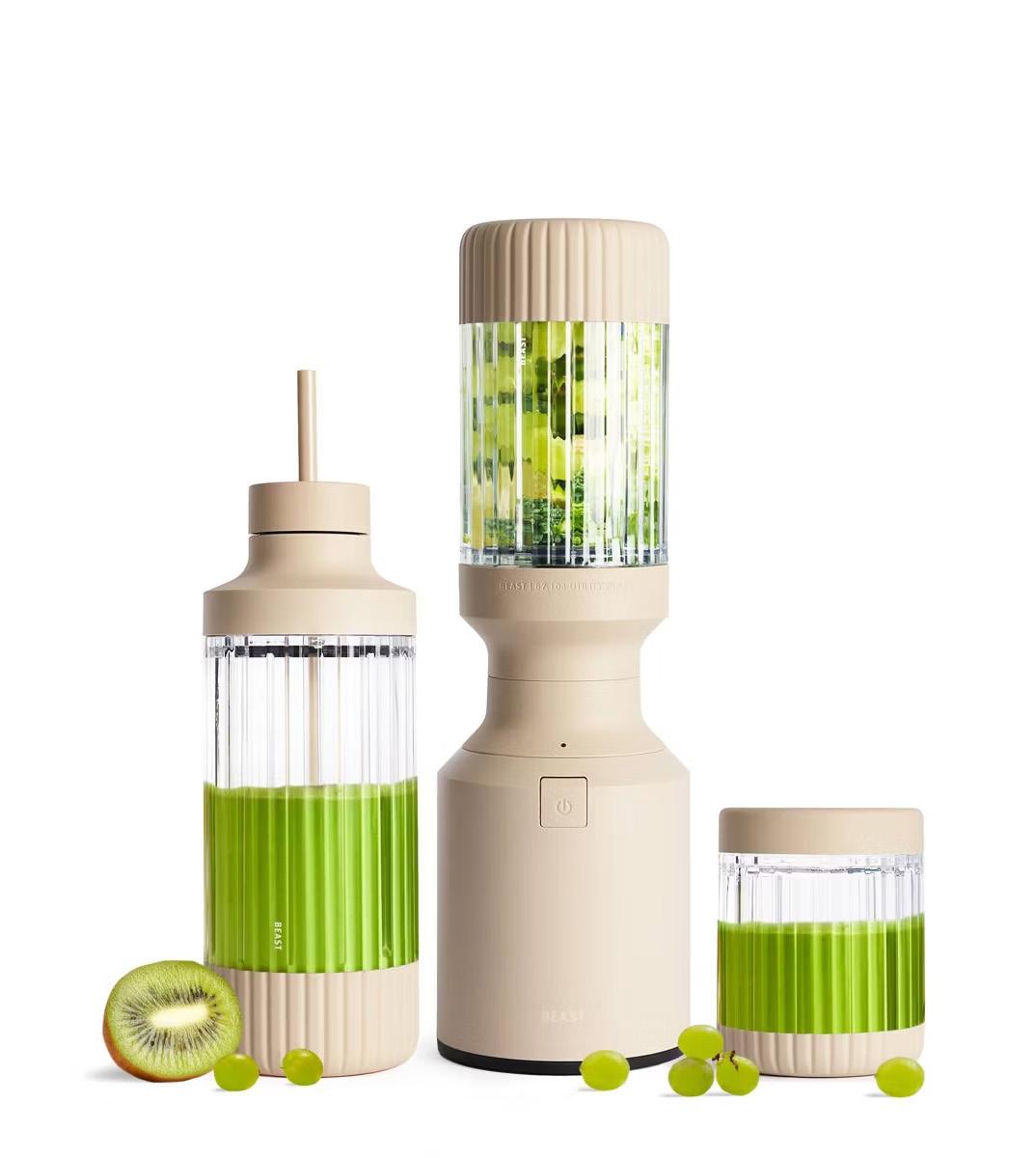
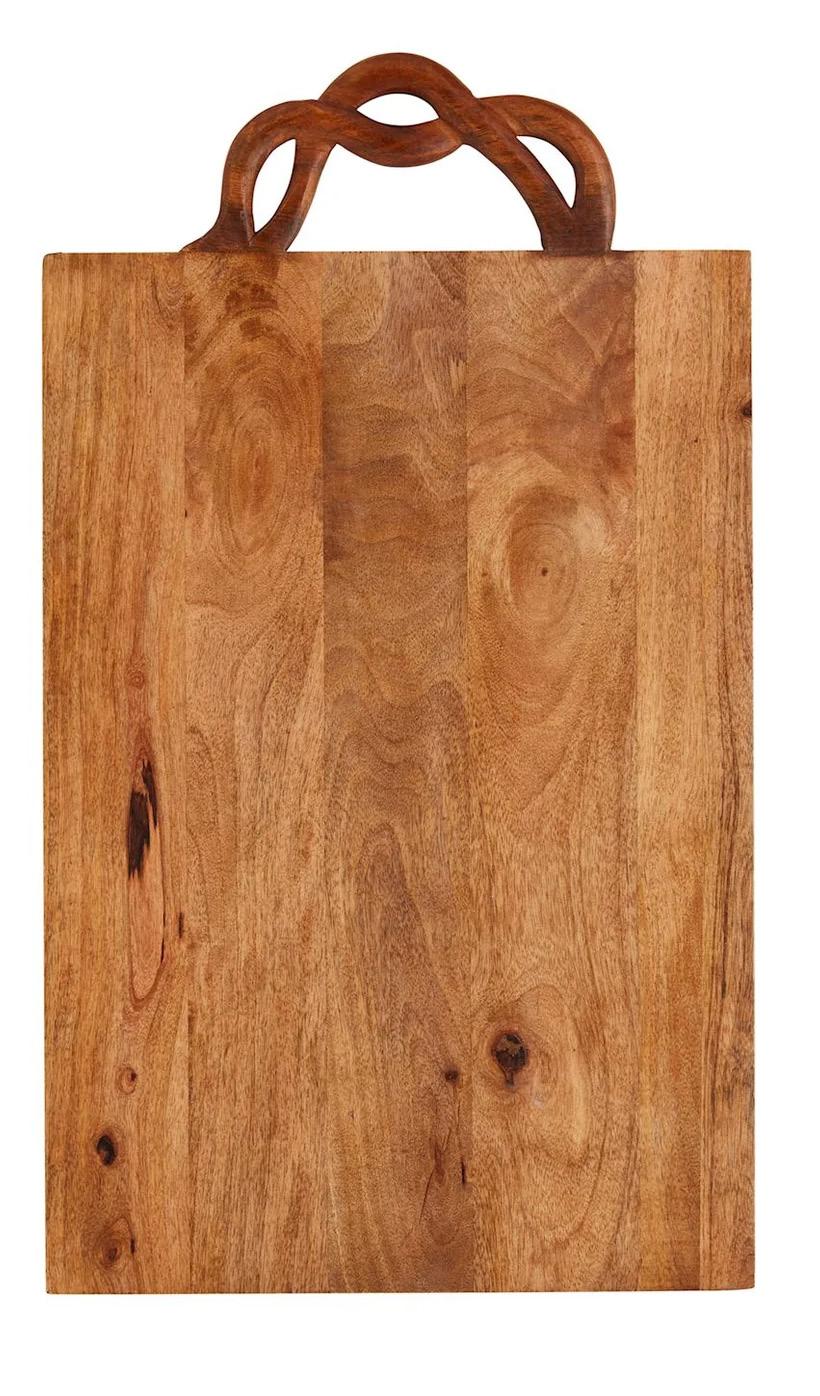
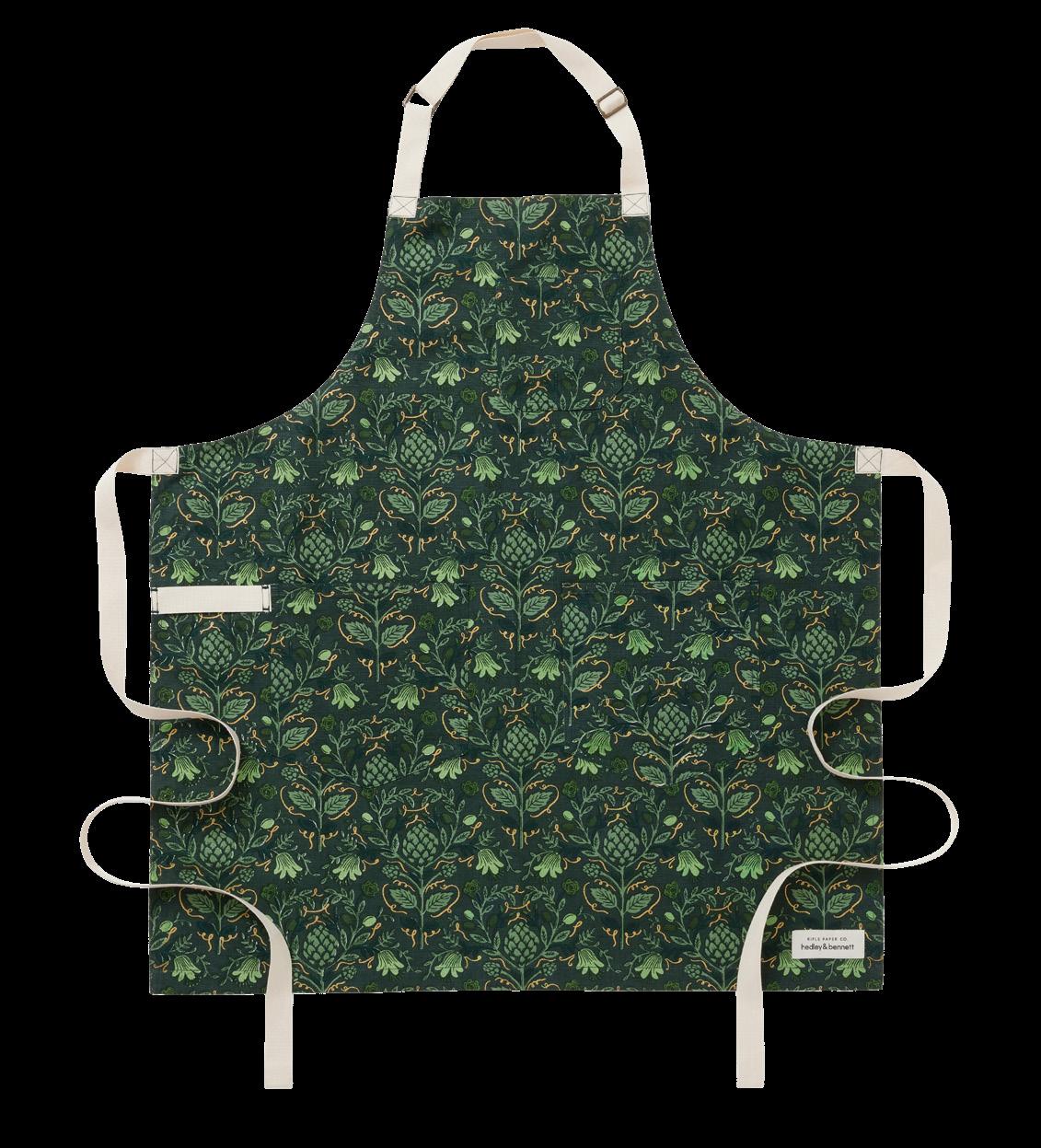
Our home is not just a place to live — it’s our own special place we count on to relax, enjoy life and share memories with loved ones. As we move further into 2026, the best home gifts are those that blend sophisticated design with intelligent functionality, turning daily routines into seamless experiences. We've curated a list of items that focus on both thoughtful innovation and elevate convenience for you or your loved ones.
Purple Nest Design Alpaca Blankets
Starting at $230 purplenestdesign.com





BY ALEXANDRA BURNS
Tangerines have become a staple snack for all ages, cherished for their grab-and-go convenience, vibrant color, budget-friendly price and juicy tenderness. The neon orange fruit tastes similar to a dessert and has even been served coated in dark chocolate or sugar due to its sweet, tangy flavor.
The moist, textured oranges are rich in nutrients, containing about 85% water, 2 grams of fiber, vitamin A, vitamin B, potassium and 25% of your daily recommended intake of vitamin C. Given their nutrient content and antioxidants, tangerines also lead to a range of health benefits, such as improved skin and heart health and cancer-fighting properties due to their anti-inflammatory effects, according to Healthline. Have you ever wondered why most immunity boosters or gummies for the common cold are orange-flavored or shaped? This is because tangerines are rich in folate and vitamin C, which are vital for immune function.

on a baking adventure, consider incorporating tangerines! Easily found at almost any local grocery store for about $4 to $6 for a bag, they might become your new obsession this month.
The tasty snacks are also only about 47 calories each, making them the perfect ball of joy to munch on if in a rush, in need of a quick energy booster or hoping to cut back on unhealthy “boredom” snacking.
The flavor versatility of tangerines, which are considered a version of the mandarin orange, means that they do not always have to be eaten raw. To add an extra layer of flavor to classic dinners and level up a dish, consider adding tangerine juice to salad dressing, maple syrup or honey chicken sauce. Don’t throw out the peels either! They can be shaved with a grater and used as a decorative and savory topping on cocktails and chicken, seafood or salad dishes.
Tangerine has also been commonly used to add texture and bursts of flavor to desserts and drinks. Baked goods like tangerine scones, shortbread, muffins, cakes and cookies offer
The tangerine has an extensive history, existing for over 3,000 years in countries like Japan and China. The fruit entered America in the mid-19th century after it was brought by the Italian Consul to New Orleans. The tangerine then traveled to Florida as a commercial citrus crop, according to an article from Hale Groves.


Home Helpers of Amelia proudly serves Veterans in Nassau County and Northern Duval County, providing trusted, compassionate in-home care.
SERVICES INCLUDED:
• Bathing, dressing, and personal care • Transportation
• Light housekeeping, meal prep, laundry
• Mobility assistance & safety supervision
• Ongoing personal assistance • Companionship
Not a veteran? Not a problem! All services are available for private pay clients too!
Home Helpers of Amelia has become the premier choice for home health care in Nassau County.
• Local, family-owned and operated home care provider located in Fernandina Beach
• Wide range of experience and dedicated staff
• One-on-one care in the comfort of your home
• Immediate start of care available upon request
BY ALEXANDRA BURNS

Juggling nutritious eating with busy schedules — and sugar cravings, an abundance of fast food and tight budgets — can make a consistent, healthy diet feel out of reach. But rethinking what is in your fridge, routinely stocking it with affordable, nutritious staples, can remove the stress from everyday meals and make healthier choices much easier.
Jennifer Rose Parker, a registered and boardcertified dietitian with Nourish Alive Nutrition Counseling, LLC at Arena Counseling and Wellness, said that a fully balanced meal contains all five food groups: grains, proteins, dairy, fruits and vegetables.
While this may at first seem like an overwhelming amount of food to purchase, Parker said it can be made easier by focusing on one item from each list that you enjoy and stocking it in your fridge each week.

Sliced bread, bagels or soft tortillas

All-natural grilled chicken, eggs, tofu or hummus

Milk cheese, yogurt or cottage


Lettuce greens, cucumbers, carrots, celery or bell peppers

Butter or margarine, olives, salad dressing, hot sauce or salsa

To reduce stress and make it easier to quickly cook or grab healthier meals or snacks, Parker also recommends designating a place in the fridge for each food group. This way, you can know exactly where to find each item in a rush before work or when fighting exhaustion.
This can include storing veggies and fruits separately in large drawers; eggs, tofu and cooked chicken in middle shelves; less-used items like butter, jams and olives in shorter shelves; and milks or leftovers on the tallest section of the fridge. The refrigerator door is also an efficient place to store condiments and protein shakes or smoothies that can be eaten with a bagel or apple for breakfast or a quick snack.
To simplify a healthy meal, Parker said to think of three primary factors: carbohydrates, proteins and produce.
The first step is to pick a grain-based food (carb) and pair it with a protein, like chicken, tuna or beef.
“These are foundational for meals and provide the winning combination for blood sugar regulation,” Parker said.
Then, grab a vegetable and a fruit, such as lettuce and tomatoes, to boost gut health, improve immunity and flood your system with antioxidants.
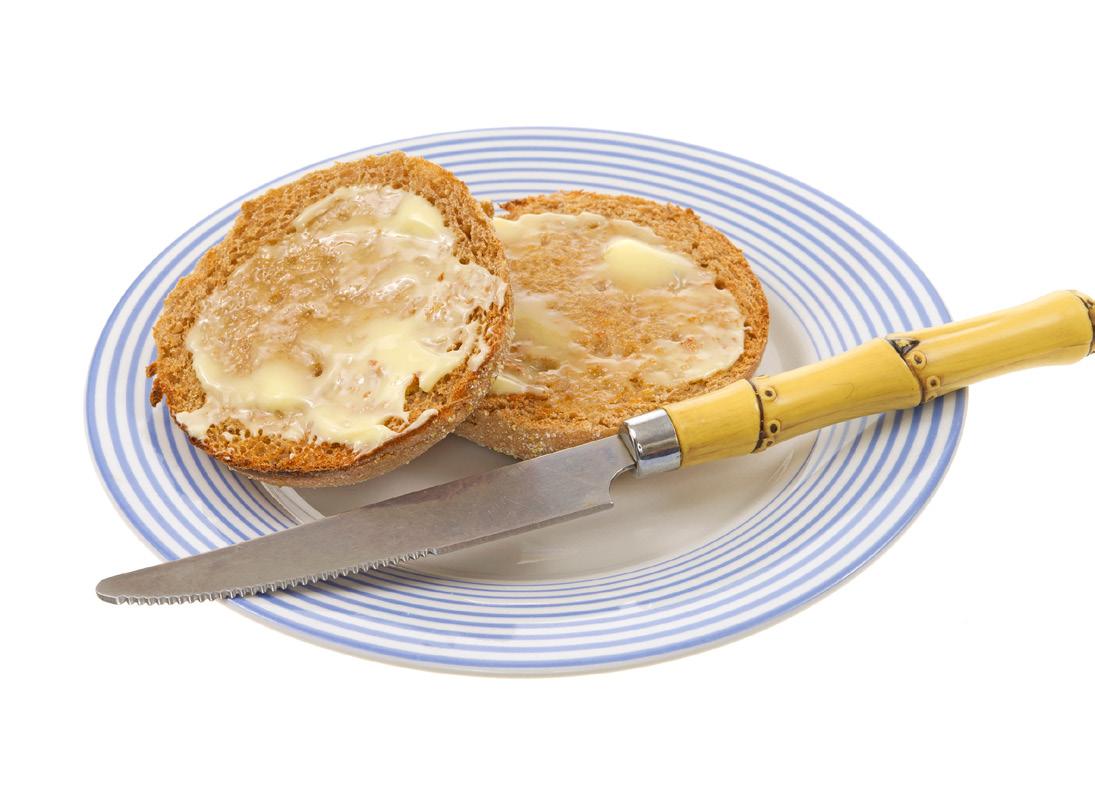
Quick, affordable meals that include groceries you can keep stocked in your fridge or pantry weekly include a tortilla with grilled chicken, cheese, bell peppers and a plum on the side. You can eat this cold if in a rush, or sear it on the stovetop or warm it in the microwave. Another option for a quick breakfast, Parker said, is yogurt and blueberries with a toasted wholewheat English muffin and butter.

Many times, foods are labeled or commonly known as “healthy” but do not provide adequate nutrition. This can promote unhealthy eating habits or lead to an unexpected lack of energy and not feeling "full" enough.
Parker said that items with added sugars or sodium are something grocery shoppers should watch out for and limit when stocking their wellness fridge. These can include unnaturally flavored items like yogurts, juices or plant milks that might be advertised as

Trader Joes offers a high-quality affordable selection of vegetables and fruits.
If you keep an eye out for what goes on sale at Publix, you might find that it often offers great deals to get affordable proteins, snacks and dairy products.
Amazon and Sam's Club are affordable options when ordering bulk non temperature-controlled snacks, like granola bars and oatmeal.
A great place to find inexpensive proteins, like chicken breasts and ground turkey. clean and healthy but actually contain artificial added sweeteners. Most deli meats and some sushi meats also contain high amounts of added sodium, she said.
The next time you make a trip to the grocery store, consider writing on a piece of paper or a notes app each of the five food groups and at least one item from each that you know you enjoy eating. Allow this to guide you as you shop, eventually leading you to have a fridge stocked with the essentials you need to live healthier, happier and longer without the extra stress.


316 Centre Street, Fernandina Beach, FL 32034


BY KAEYLN SCHMIDT OF KAEYLN SCHMIDT DESIGNS
Choosing a CONSISTENT COLOR
PALETTE, similar frame finishes or a unifying theme will provide a COHESIVE THREAD FOR YOUR GALLERY WALL.
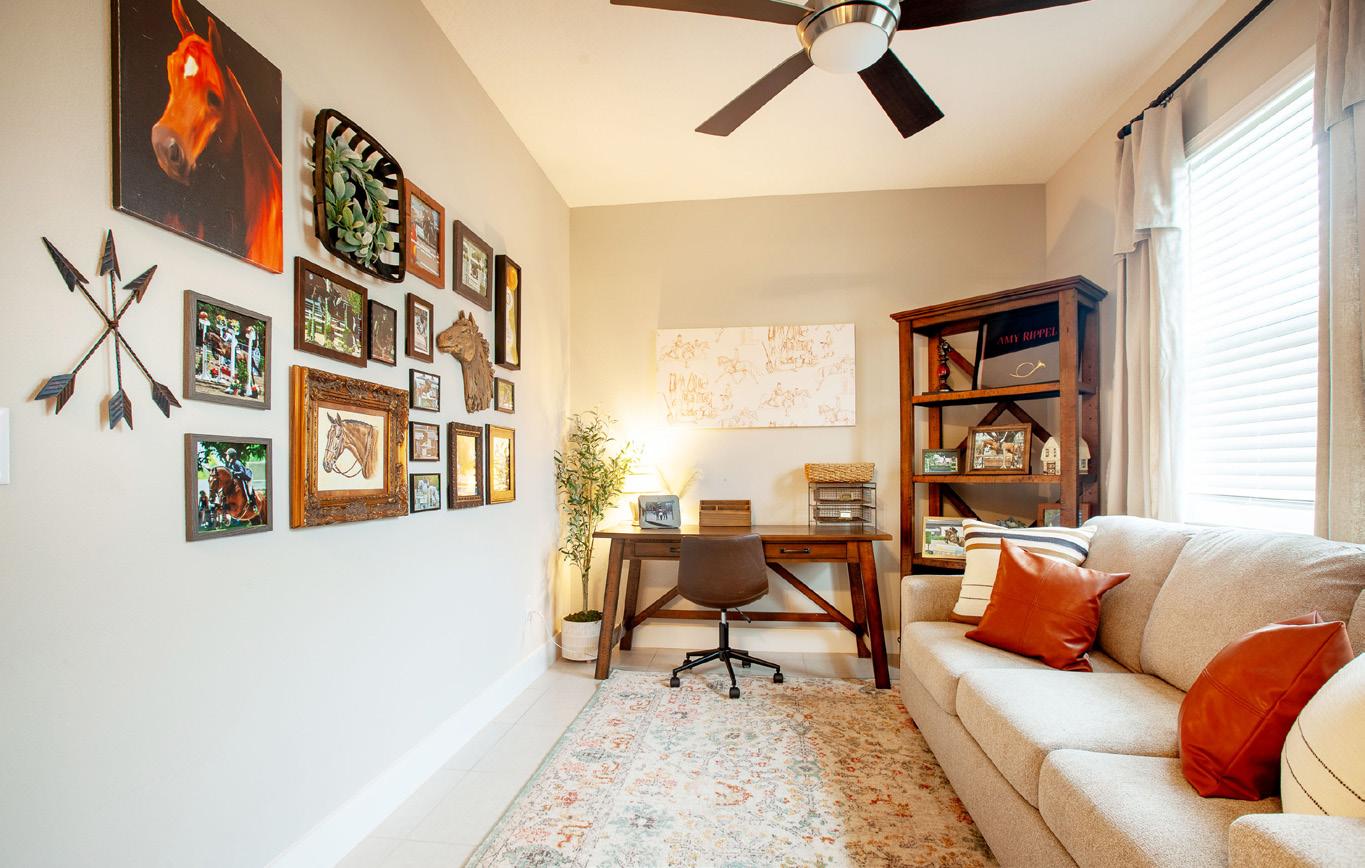
Gallery walls have been trending all over social media lately, and for good reason. They’re one of the most personal, creative ways to transform a blank wall into a true reflection of your style. Whether you’re showcasing artwork, photos or meaningful objects, a well-designed gallery wall can feel curated and intentional rather than cluttered or overwhelming. The key is knowing how to approach it with balance and purpose.
The biggest mistake people make with gallery walls is diving in without a plan. Before you hang anything, decide on the overall feeling you want: clean and minimal, eclectic and bold or classic and symmetrical. Lay everything out on the floor first. This allows you to experiment with spacing, scale and arrangement without committing to nail holes too early. A good rule of thumb is to keep spacing between frames consistent, typically 2 to 3 inches, to create visual calm.
Choose
Gallery walls don’t need to be perfectly matched, but they do need cohesion. This can come from a consistent color palette, similar frame finishes or a unifying theme like travel, family or abstract art. Mixing styles works best when there’s at least one element tying everything together. For example, you might mix photography and illustrations but keep all frames black or wood-toned.
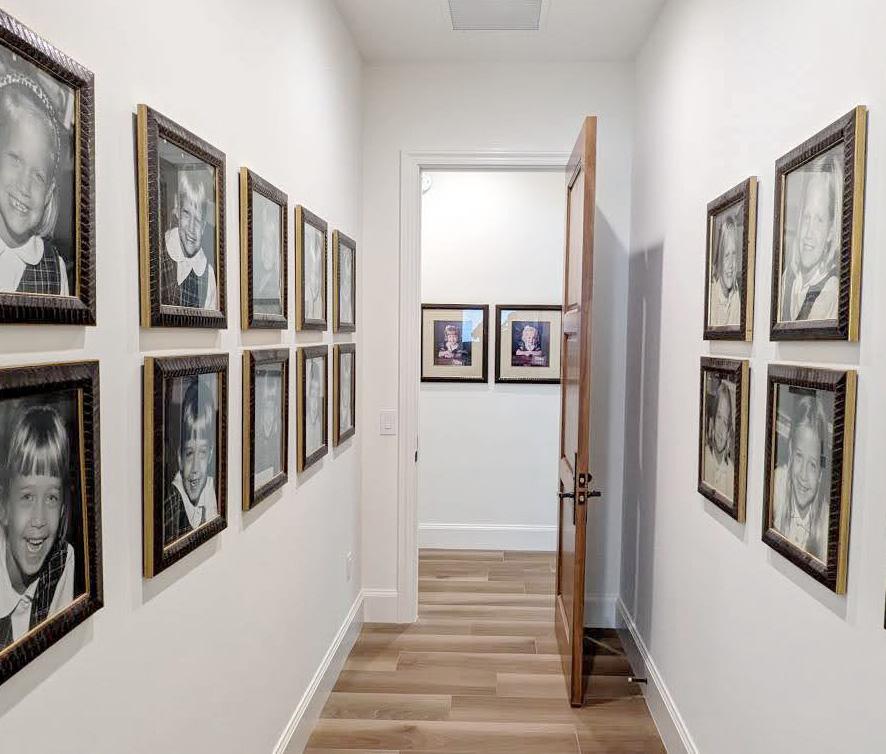
The most compelling gallery walls feature a mix of art types. Combine framed artwork, photography, typography and even threedimensional pieces like small sculptures, textiles or wall-mounted objects. This variety adds texture and keeps the display from feeling flat. When mixing sizes, anchor the wall with one or two larger pieces and build around them, using smaller works to create balance.
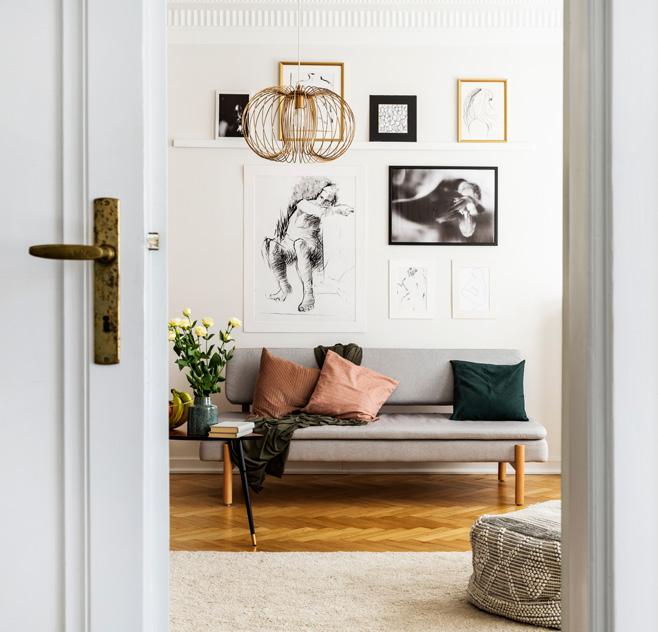
Less is more — even in a gallery wall. You don’t need to fill every inch of wall space. Allow for breathing room around the display so it feels intentional rather than chaotic. If your wall is large, consider breaking it into a defined shape (like a rectangle or oval) rather than letting it sprawl endlessly. Neutral wall colors also help the art stand out without visual overload.
Command strips, picture-hanging hooks and level tools are your best friends. For renters or commitment-shy decorators, removable adhesive hooks allow flexibility. Always measure and level as you go, crooked frames can make even the most beautiful gallery wall feel off.
A gallery wall doesn’t have to be finished all at once. In fact, the best ones grow over time. Swap pieces, add new finds and let your wall evolve as your style does. That’s what makes it truly personal.
When done right, a gallery wall isn’t just décor — It’s a visual story of who you are. Thoughtful planning, balance and a little creativity go a long way in making your gallery wall feel polished, expressive and uniquely you.








BY COLE PURVIS
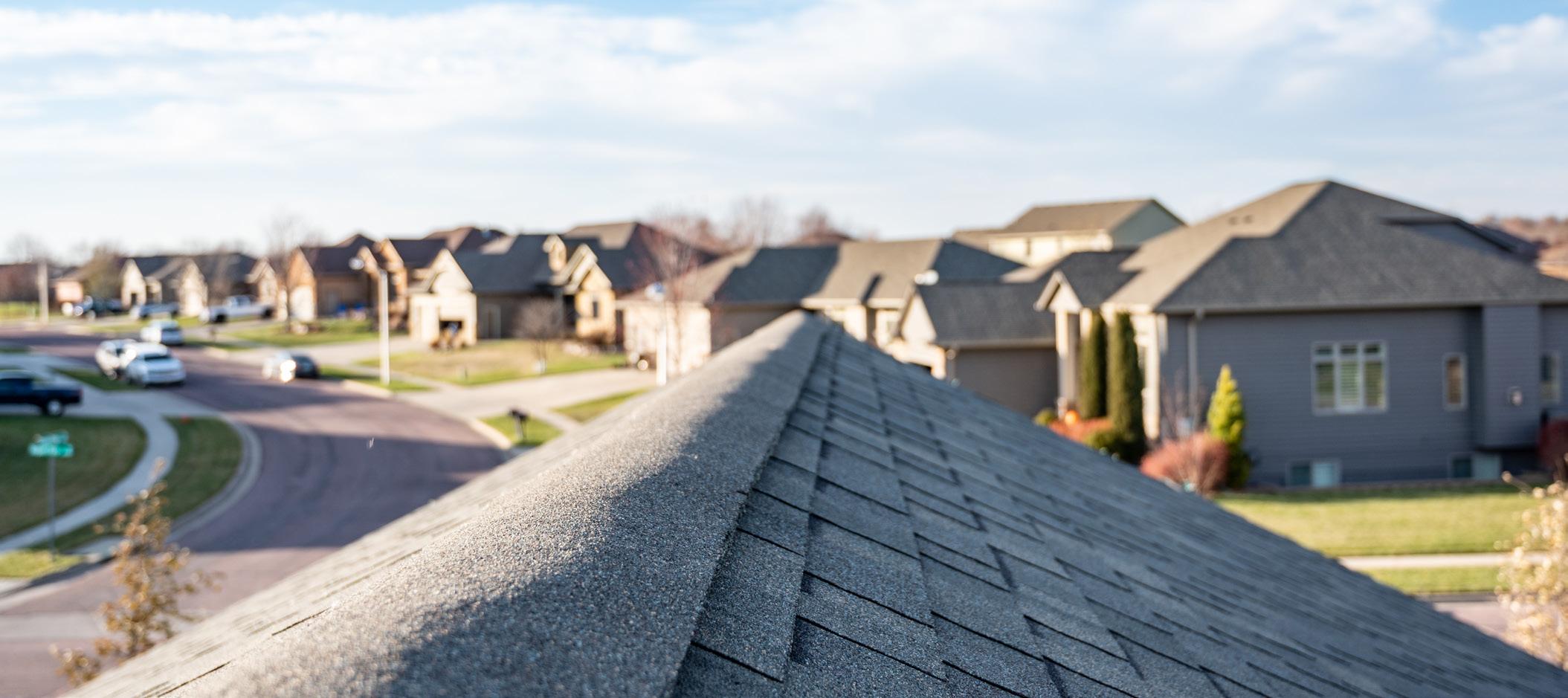
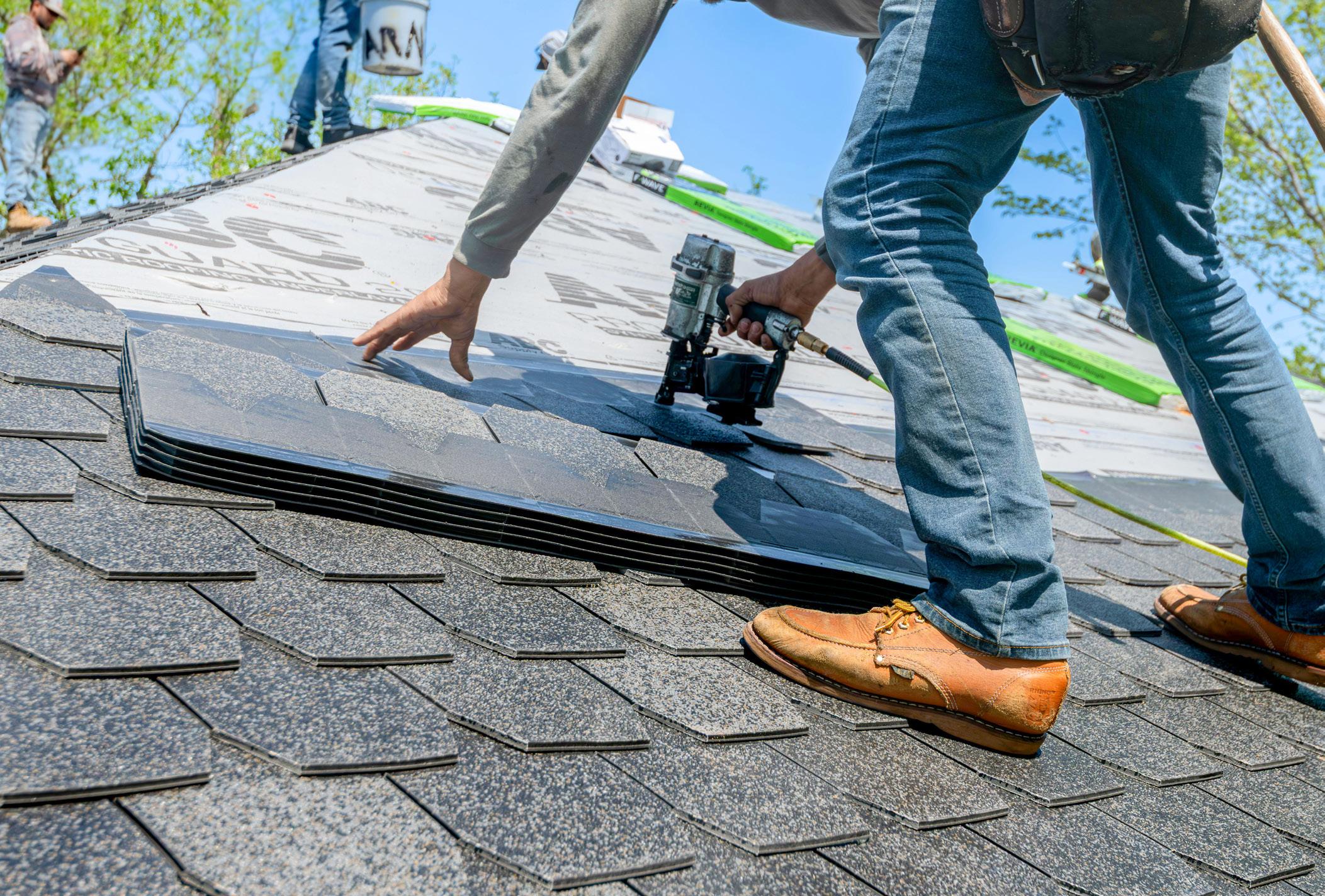
For most homeowners, the roof is easy to forget … until there’s a leak, a storm or an insurance notice that suddenly brings it into focus. But in Florida, where heat, humidity and hurricanes are part of life, your roof is more than just a finishing touch. It’s one of the most important (and oftentimes, expensive) parts of your home.
Understanding what type of roof you have, how long it should last and when it may need replacing can help you avoid costly surprises, especially when insurance is involved.
Not all roofs are created equal, and the material you choose plays a big role in durability and maintenance.
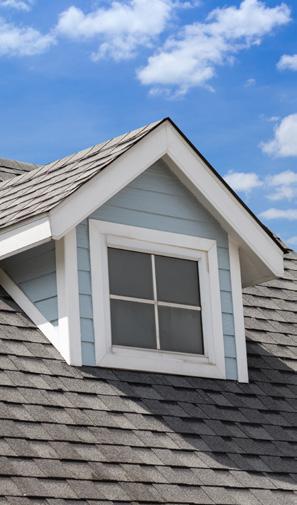
ASPHALT SHINGLES
This is the most common roofing material in the U.S. because it is affordable and relatively easy to install. In Florida’s climate, it typically lasts around 15 to 20 years, depending on weather exposure and maintenance.

This type of roof is often made of clay or concrete and is popular across South Florida. Tile roofs are more durable and can last 30 years or longer, but they come with a higher upfront cost.
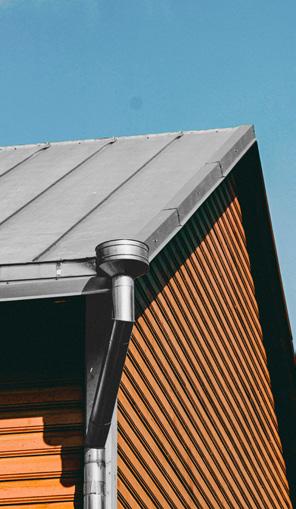
These are gaining popularity for their longevity and storm resistance. According to the Metal Roofing Alliance, properly installed metal roofs can last 40 to 70 years and offer strong protection against wind and rain.
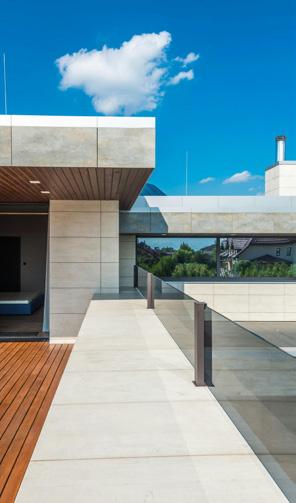
These are often seen on modern homes or townhomes and require specialized materials and regular maintenance to prevent water pooling.

a Roof?
In theory, a roof should be replaced when it reaches the end of its useful life or shows signs of failure. But in Florida, insurance requirements are increasingly influencing that timeline.
“In Florida, many insurance companies require homeowners to replace their shingle roofs every 15 years — even when the roof may still have several years of life remaining,” says Alex Lawrence of Brehm Roofing & Restoration. “One issue with waiting too long to replace your roof is that your insurance company may choose to drop your coverage altogether.”
That means homeowners are often making replacement decisions based not just on condition, but on insurability.
Even if your roof hasn’t hit a specific age, there are signs it may be time to take a closer look.
According to the National Association of Home Builders, common red flags include missing or curling shingles, granules collecting in gutters, water stains on ceilings and visible sagging. After major storms, it’s also important to check for damage that may not be immediately obvious.
Regular inspections, especially in hurricane-prone areas, can help catch small issues before they become major repairs.
Florida’s insurance market has shifted significantly in recent years, with carriers becoming more strict about roof age and condition. Many insurers now limit or deny coverage for older roofs, particularly asphalt shingles, due to the higher risk of storm damage.
That’s why some homeowners are replacing roofs earlier than expected.

Not because the roof has failed, but because coverage depends on it.
Lawrence notes that there are ways to offset some of these costs over time. “We recognize the cost of homeowners insurance continues to increase, so at Brehm Roofing, one of the things we show homeowners is how to reduce their insurance premiums as much as possible,” he says. “We do this by adding a secondary water-resistant barrier — such as seam tape or a peel-and-stick underlayment — before installing new shingles.”
According to the Florida Office of Insurance Regulation, certain upgrades that improve a home’s wind resistance may qualify for insurance discounts, making proactive improvements a strategic decision rather than just a reactive one.
Roof replacement is one of the larger expenses homeowners face, but it doesn’t have to be a surprise. Knowing your roof’s age, understanding your insurance requirements and scheduling inspections can help you plan ahead financially.
In Florida especially, your roof isn’t just about curb appeal, it’s tied directly to your home’s protection and your ability to stay insured.
And while it may not be the most exciting part of homeownership, keeping an eye on what’s over your head can save you from major headaches down the road.


First Love Brewing is a community centric microbrewery that features 20 rotating taps all brewed on site. First Love Brewing also offers artisan pizzas made with their signature dough recipe. Come visit us and join the celebration! WED - FRI 4 - 9 PM • SAT 12 PM - 9 PM • SUN 12 PM - 7 PM 22 South 8th Street | Fernandina Beach | @firstlovebrewing


BY COLE PURVIS
If you’ve lived in an apartment complex, condo building or planned neighborhood, chances are you’ve encountered a homeowners association (HOA). Maybe it meant monthly fees, landscaping standards or notices about parking. For many people, HOAs become a part of daily life long before they fully understand what they are paying for or why these organizations exist in the first place.
At their core, homeowners associations are designed to manage shared spaces and maintain community standards. But their role goes far beyond keeping the grass trimmed or enforcing quiet hours.
According to the Community Associations Institute, more than 74 million Americans live in communities governed by an association — more than 20% of the U.S. population.
These organizations typically form when a residential development includes shared infrastructure or amenities that require ongoing oversight.
This might include private roads, green spaces, building exteriors, fitness centers, security systems or stormwater management. Rather than relying on local governments to maintain these features, responsibility shifts to the association, and ultimately, to residents.
For renters, HOA rules may still apply indirectly through lease agreements. For buyers, membership is usually automatic when purchasing a property within the community.
HOA dues vary widely depending on location, property type and amenities.
In a suburban neighborhood, fees may primarily fund landscaping, lighting and entrance maintenance. In condominium communities, they often cover more extensive costs such as insurance for shared areas, exterior repairs and major building systems.
Financial planning is also a key part of how associations operate. Experts recommend that HOAs maintain reserve funds for long-term projects like roof replacement, pavement resurfacing or elevator modernization. The Foundation for Community Association Research notes that communities with strong reserve planning are generally better positioned to avoid sudden fee increases or one-time special assessments.
This means monthly payments are not just for visible services. They help manage future financial risk.
As housing has become denser and developments more amenity-driven, HOAs have become a standard way to coordinate maintenance and decision-making. The U.S. Department of Housing and Urban Development explains that associations provide a governance framework that helps ensure shared responsibilities are addressed consistently across a community.
They also allow neighborhoods to establish rules intended to preserve property conditions and reduce disputes between residents.
Still, experiences with HOAs can vary widely. Some communities operate smoothly and provide convenience and stability. Others may face challenges related to transparency, rising costs or disagreements over regulations.
Whether renting or owning, understanding how an HOA functions can make a meaningful difference. Reviewing community guidelines, asking about fee structures and paying attention to long-term maintenance planning can offer insight into how well an association is managed.

HOAs are not simply another housing expense. They are systems designed to maintain shared environments, and their effectiveness often depends on informed participation from the people who live there.
For many households, taking time to understand what happens behind the scenes can lead to fewer surprises and a clearer sense of where those monthly dollars are really going.








Magnolia Grace Senior Care has been trusted by families in Nassau County for nearly six years. Veteran-founded and locally owned, we’re proud to be a VA preferred vendor for two years, delivering care that meets the highest standards for veterans and their loved ones.
We hand-select our caregivers interviewed in person, rigorously vetted, and backed by over 100 years of combined experience to ensure your family receives exceptional, consistent care at home. We are dedicated to your plan of care.

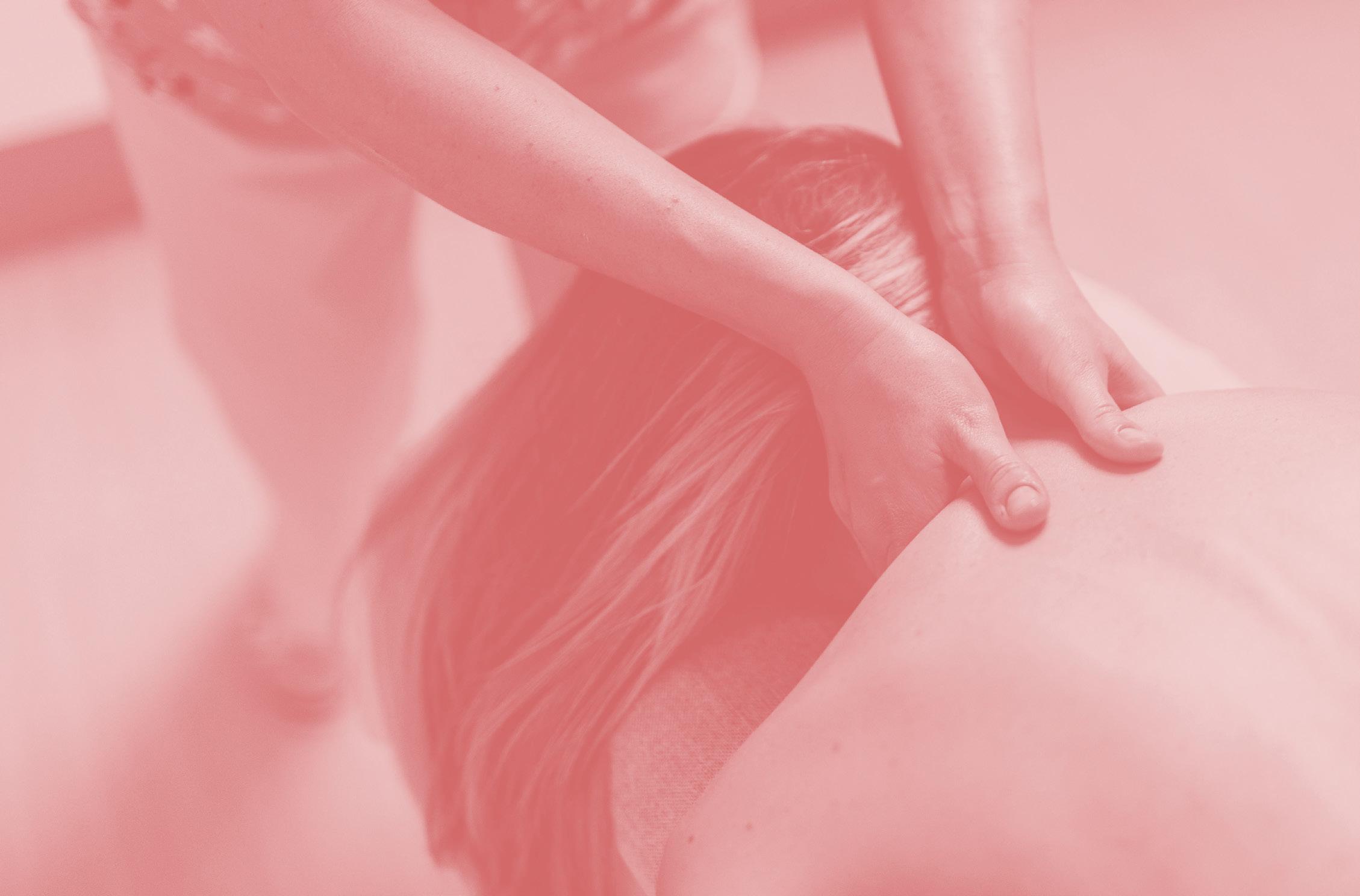
Regular massage supports your body’s natural ability to heal, helping you release built-up tension and restore balance from the inside out.
At Heart-Centered Healing Massage, each session is designed to meet your body where it is ... whether you need focused therapeutic work or space to fully unwind.
Services offered include:
Therapeutic Massage for targeted pain relief
Deep Tissue to release chronic tension
Relaxation Massage to calm the nervous system
Neck, Shoulder & Back Focus Sessions
Customized Sessions tailored to your body’s needs




BY ALEXANDRA BURNS


most enticing part of a movie is the setting. Between the beautiful homes, layouts and decor, it’s easy to find yourself inspired to start a new home design project. Whether you’re looking for DIY ideas, landscaping inspiration or you just want to revel in the beauty of interior design, here are eight movie homes that will have you redefining the meaning of a “dream home.”
1998 “Practical Magic”
Victorian Witch House
Practical Magic’s iconic Victorian home is almost the perfect image of a home for witchy, botanical and whimsical lovers. The four-story house's exterior features a wrap-around porch with pillars and vines, a central tower, a greenhouse, a white picket fence, gingerbread trim, a railed roof platform, white wooden panels and detailed woodwork.
The home also includes a Victorian glasshouse, or greenhouse, attached to the side, allowing natural light to warm its spaces. One of the most beloved aspects of the home is its dedication to greenery, with vines swarming its exterior, wrapped around fences and pillars, white florals peeking out and an abundance of potted and hanging indoor plants. The front yard displays a slightly unkempt appearance, with weeds and flowers sprouting throughout, creating a whimsical, cottagey feeling.
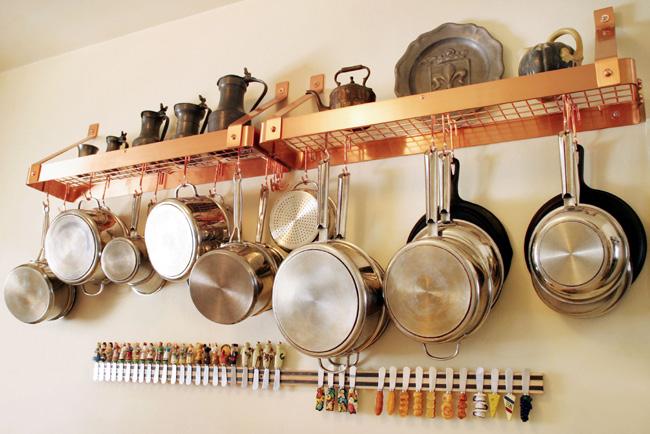
The home’s interior flaunts a warm, maximalist, whimsical-gothic design, with dim yellow lighting, dark wood paneling and crown moldings, a white-tiled kitchen wall, ceiling lamps and copper knick-knacks. Its kitchen aims to maximize comfort, with a mix of whites and clean appliances set against rustic wood, such as a wooden dining table transformed into an island. Floating shelves sit above the kitchen counter with pots and pans, and flowers fill the empty spaces in the room.
So, for those planning how to enhance coziness in their kitchen or outdoor space, consider using this home’s natural, rustic, wooden and warm elements to guide you.


Set in the Tuscan countryside, “Under the Tuscan Sun’s” two-story villa makes you want to either move to Italy or do everything you can to transform your home into an Italian oasis. As the film continues, you watch Sarah, a recently divorced woman who purchased the rundown home on a whim, work with a group of locals to restore it, preserving its history and charm while cleaning and updating it.
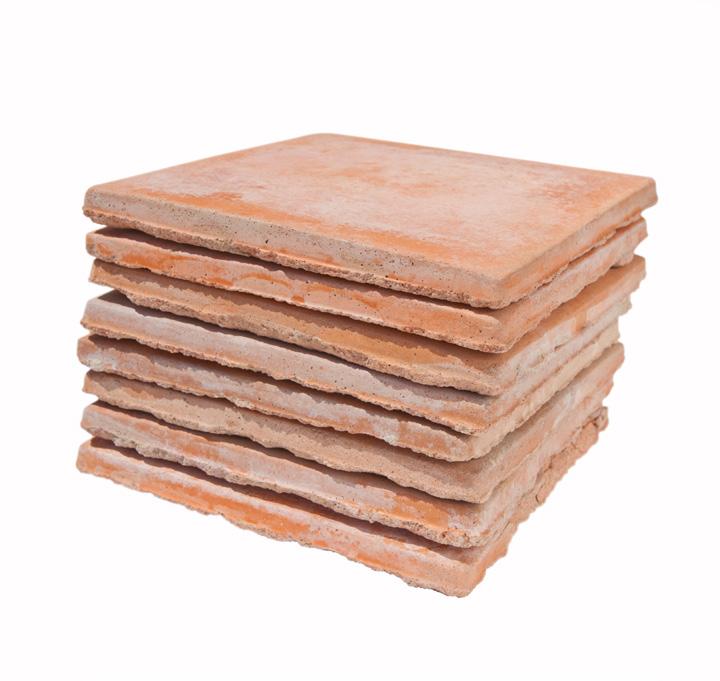
The final product is an absolute beauty. With stone walls, beam ceilings, arched entryways and terracotta floors, the home creates a soothing, historic and cozy living space. The furnishings also feature antiques, with old wooden tables and candlesticks paired with more modern cloth couches. The interior’s tan and sage walls also blend well with its beige and neutral-to-brown decor, with hints of maroon to add color through throws, flowers, rugs and pillows. Sage green also lines the stone archways, creating a nice contrast alongside a muraled dining room.

2009 “Twilight” Cullen House
The Cullen home in “Twilight” has become an iconic home, even influencing many "Twilight" fans to travel to Portland, Oregon, just to get a closer look. This modern,
moody three-story home features black exterior walls with wooden paneling and ceiling-high windows set against the dark forest, highlighting how design can accent the natural outdoors, almost like a painting for your home.
The inside is incredibly simple yet highly modern, with flat and sharp surfaces, warm wooden cabinets,
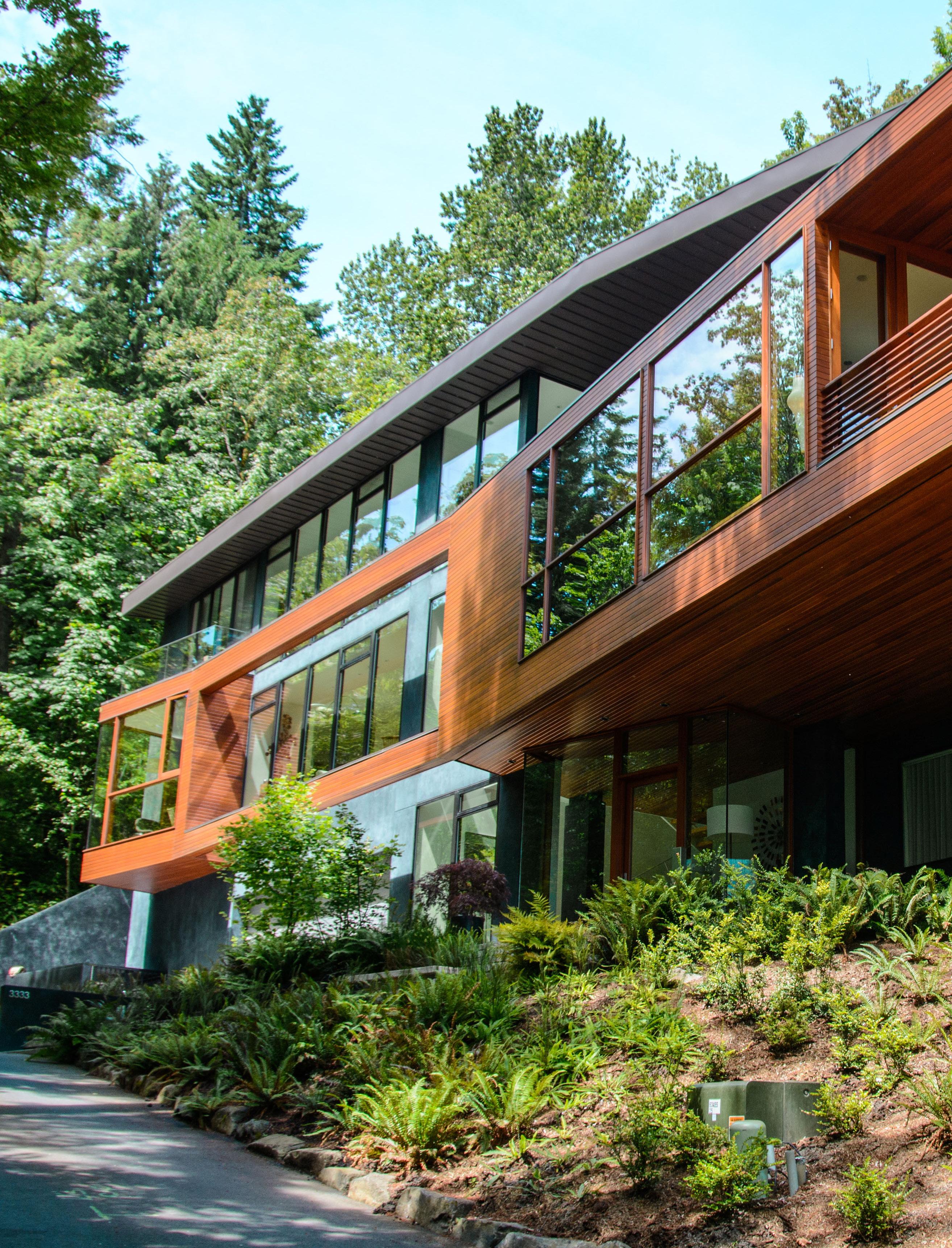
large open spaces and minimal mid-century modern furniture. The interior design showcases how minimalism can create a relaxing, peaceful and beautifully designed home when done correctly, such as by combining warm, neutral tones with small amounts of furniture.
If you happen to be visiting Pasadena, California, you can catch an up-close look at the iconic home used during the filming of the movie “Father of the Bride.”

1991 “Father of the Bride”
The “Father of the Bride” home will make you dream of living in a quiet suburban neighborhood surrounded by trees, rose bushes and a white picket fence. This home is the epitome of a classic cozy neighborhood home. The two-story house features white wood paneling, black shutters and an arched pillar walkway in front of a stone pathway. Dark green vines with sprouting florals are spotted across the white picket fence and hang from the tops of windows, appearing not messy but strategically designed.
The interior features a traditional colonial layout and design, with a large staircase at the entryway, hardwood floors, antique wooden furniture, floral slipcovers and numerous bronze chandeliers. Most notably, the kitchen is the perfect design inspiration for cozy dining enthusiasts, with a large French door entrance from the dining room and a wooden island. It also avoids harsh lighting, with only a small, warm lamp in the corner of the counter and glass cabinets with yellow lights inside to illuminate dishes. Sometimes, the most unconventional lighting can turn a living space into the coziest area for latenight talks and family get-togethers.

2009 “It’s Complicated”
The “It’s Complicated” home features a Spanish-style, one-story ranch with a stone walkway and a large green front yard. Plenty of bushes and vines drape from the windows and hang from the ceiling, offering ample privacy while creating a garden-like oasis.
One of the most beloved aspects of the home is its kitchen, which is highly functional, well-organized and beautiful. Its all-white cabinetry offers a sense of simplicity and cleanliness, helping balance the floating shelves and counters filled with dishes, pots and baking tools. The design highlights how you don’t have to hide everything in your kitchen. By combining functionality with clean and bright features, you can create a calming, visually appealing yet easy-to-use kitchen.

For those fans who don't mind the drive and want to get a more immersive experience, they can get a first-hand look by booking a stay at the
1989 “Steel Magnolias”
The family home in “Steel Magnolias” is the perfect sign that when you have a large home or outdoor space, there's no need to venture elsewhere for events. The threestory brick home offers enough space for an indoor and an outdoor wedding and engagement party, with minimal decorations, such as bows attached to light posts.
The home features white shutters, a white French door and brick pillars that encircle a spacious front porch. If you're considering adding a path to your front yard, you might want to use a similar brick design to create a cozy, comfortable entrance.
So, the next time you plan a large party, remember that your home might be the perfect place!
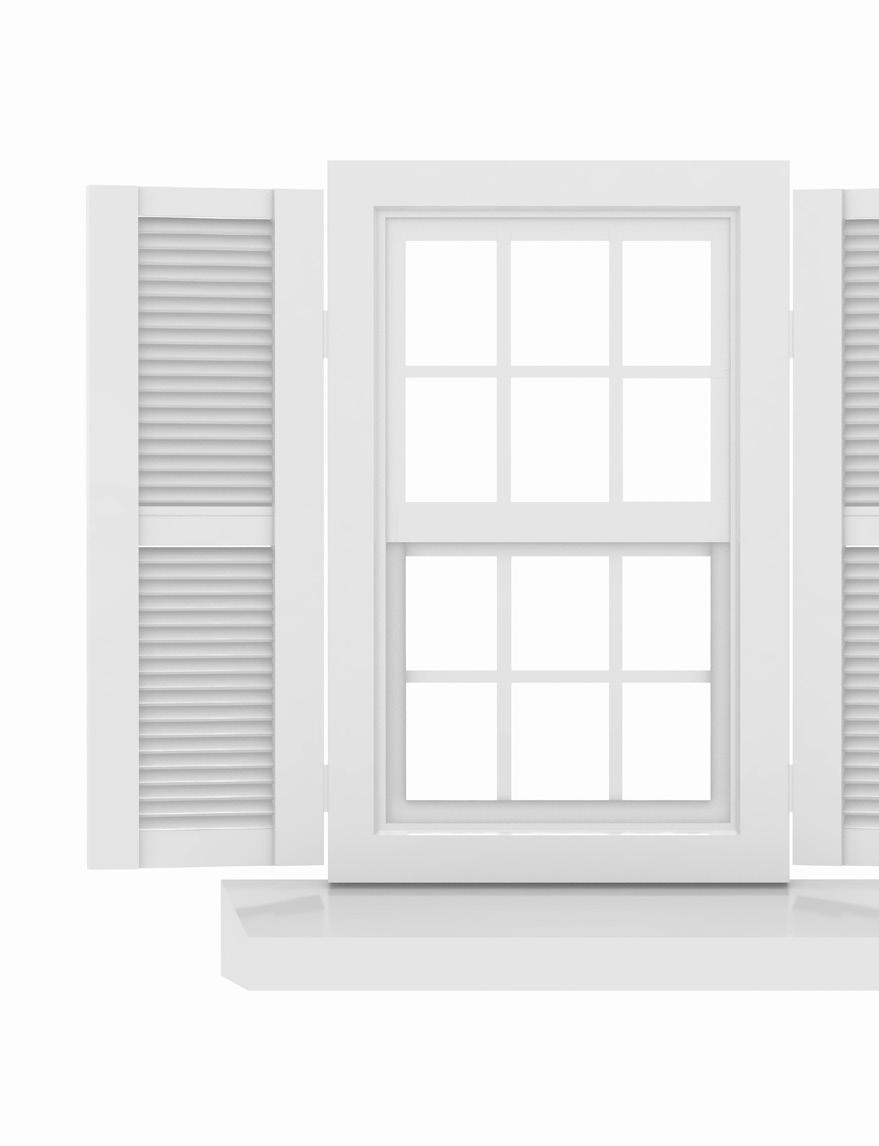
Nothing says colonial charm like classic white window shutters.
Unpainted bricks can warm the exterior of your home and can add a touch of timeless tradition.

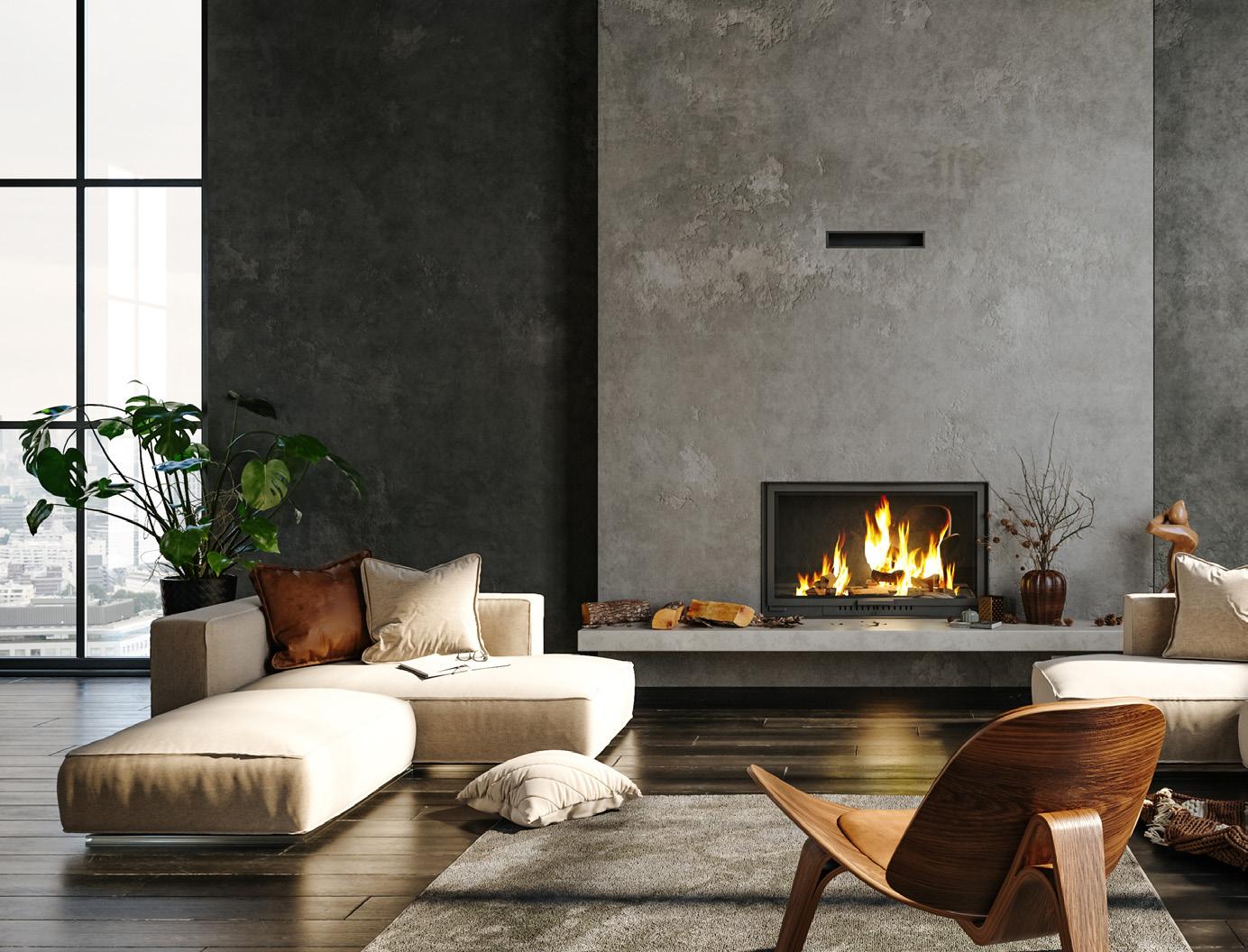
For clean and modern home lovers, the “Parasite” home is for you. This house features a perfectly manicured grass backyard, a warm wooden deck to match the wooden paneling, grey stone walls and large glass windows from floor to ceiling along the entire length of the house.
The interior design also provides an open-concept layout with minimal, modern furniture, circular ceiling lights and most of the light coming from the large windows. It creates a sense of perfection through a lack of clutter, simple furniture and open spaces combined with clean, shiny surfaces, such as marble floors and a glass staircase railing. If you're interested in an ultra-modern, darker look, you might want to check this one out.
“Don't Worry Darling” offers a great example of a home that utilizes natural sunlight for indoor lighting. Set in California, this desert-modern home features floor-to-ceiling glass walls, high ceilings and white walls. But to maintain brightness and an open concept, the decor adds a pop of color with light blue curtains, yellow and ivory pillowcases and warm wooden cabinetry and furniture.
Most notably, it showcases a sunken living room, known during the 1950s as a conversation pit, which is carpeted, creating a contrast with the surrounding shining stone floors. The interior also uses only warm lamps and chandeliers for nighttime lighting.
This interior design is the perfect guide to adding pops of color to your home and taking full advantage of lighting options and windows.

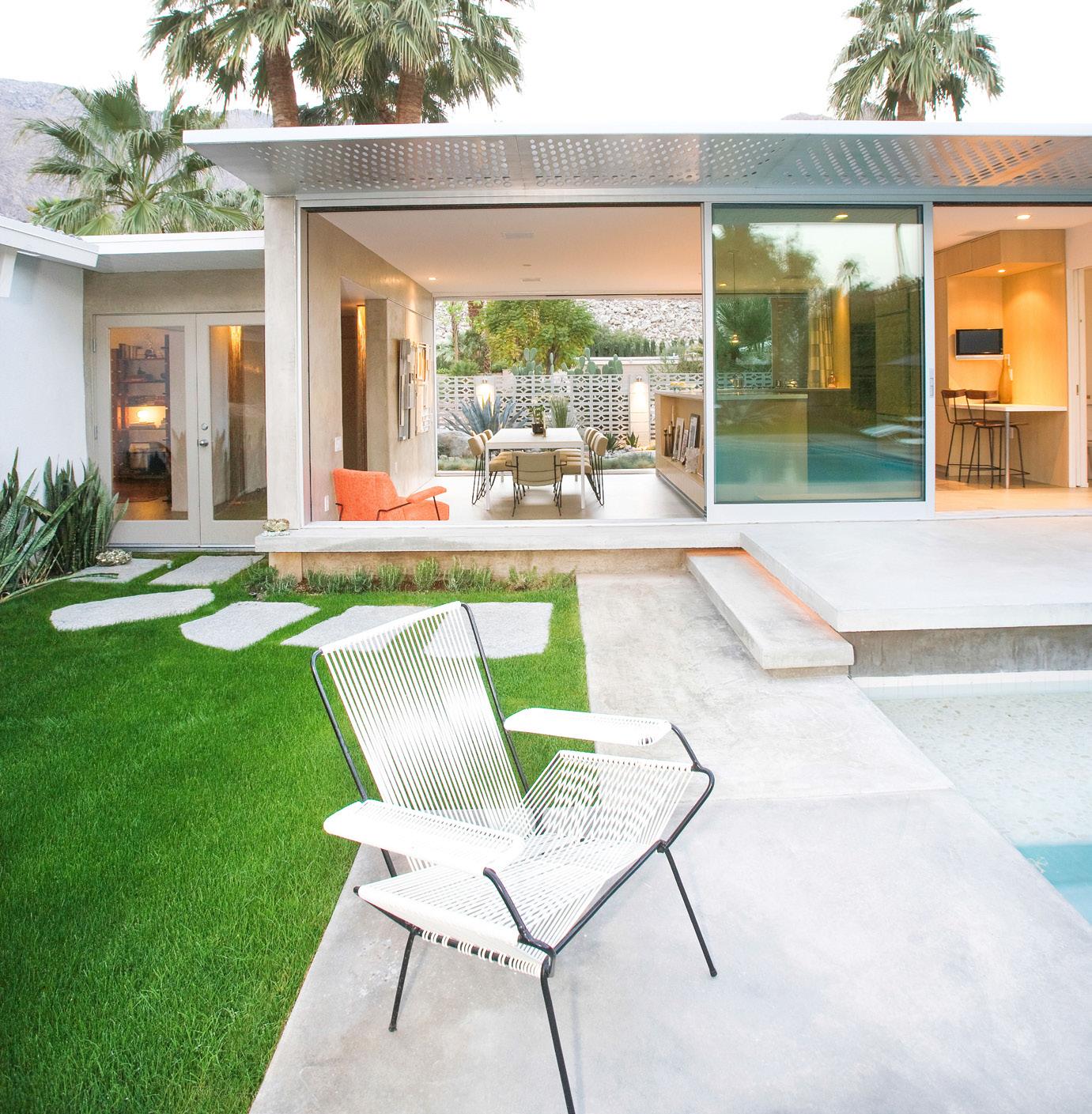

REACH 100% OF FERNANDINA BEACH THROUGH WELLNESS360 MAGAZINE — the go-to guide for living well locally!
• 25,000 Printed EVERY Issue
• 23,500 Mailed to Homes & Businesses
Boost and Balance is proud to be part of the Wellness 360 community! The publication consistently delivers thoughtful, inspiring and educational content and we’re so fortunate to be featured alongside such talented contributors. The magazine cover is always fitting to the content and oh, so beautiful to look at and touch (weird but true- it was the first thing that I admired about it).
Working with Bilinda has been so great! Her guidance, support and personal advice is appreciated and valued. As new business owners, Mike and I have such limited free time outside of the center and we are so excited to connect with other members of the community, and in a way the magazine has actually made it easier for us.
Thankful, Jamie Yarbrough
Let us help you grow your business and build your brand presence in Fernandina Beach’s premier wellness publication.




BY AMANDA CARREON, ROSE WADE INTERIOR DESIGN
Research continues to confirm what designers have known for years — your environment directly affects your mood, your stress levels, your sleep and your sense of calm. A cluttered, disconnected or poorly lit space isn't just an aesthetic problem. It's a wellness problem.
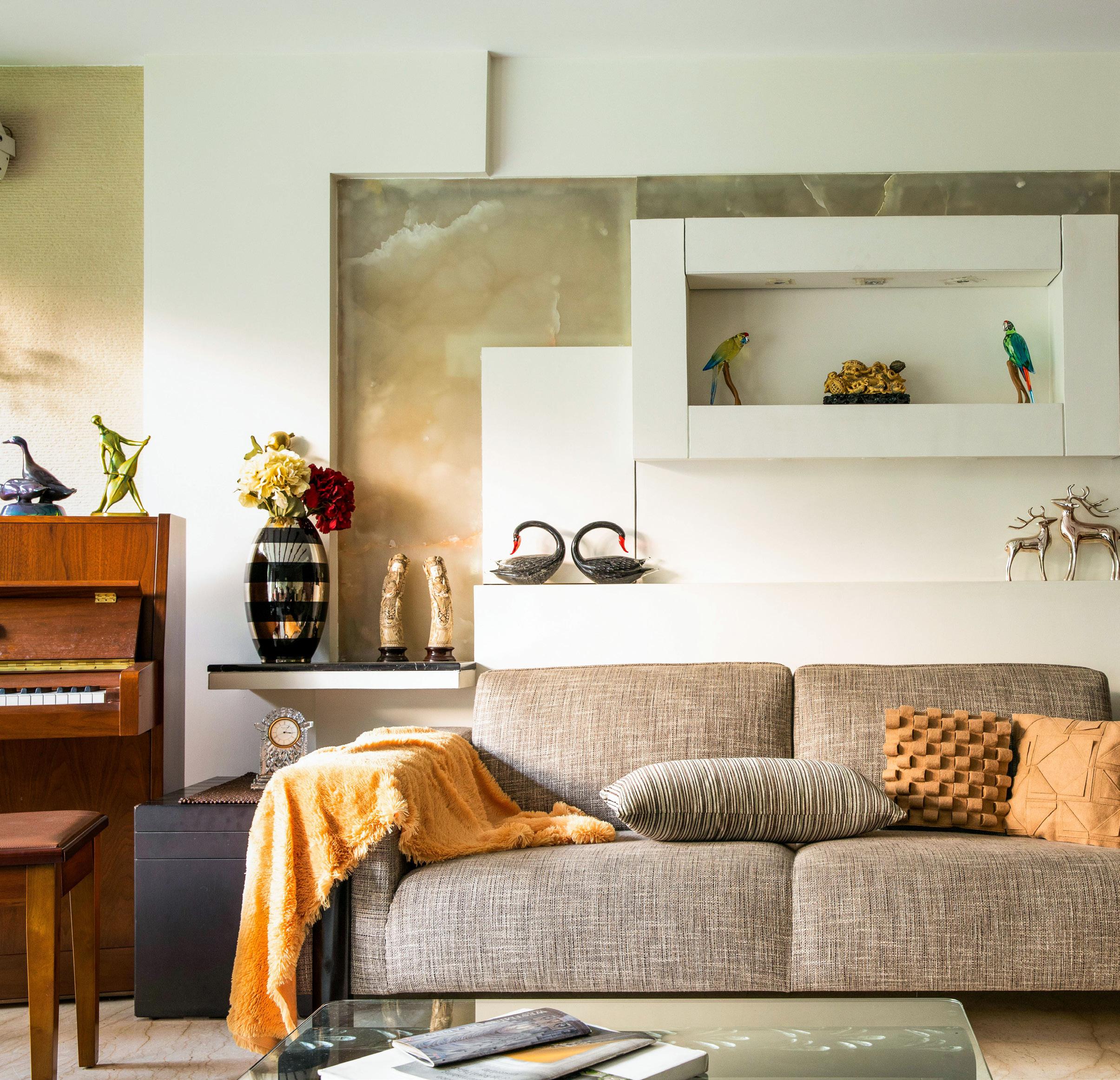
This is why intentional design isn't a luxury. It's a form of self-care.
And yet, I walk into beautiful, expensive homes every week and see the same mistakes over and over again! So think of this as your home design wellness intervention.
Here are the decorating habits you need to leave behind right now!
1.
All-white spaces dominated for years, praised for their brightness, cleanliness and calm. Today, that stark backdrop just feels sterile. A home should feel like you live there. Warm it up with clay tones, soft terracottas and layered textures.
2.
Ignoring Your Lighting
Recessed can lights in every room is not a lighting plan, it's an afterthought. Lighting shapes mood, defines space and elevates every finish in the room. Layer it — ambient, task and accent. Always!
3.
Mass-produced, low-cost pieces are losing their design appeal fast. They read as cheap and soulless, and they pull down everything around them. One well-made sofa beats four forgettable ones.
4.
Matching Everything Perfectly
A perfectly matched room is a room without personality. Mixing materials and finishes (even mixing metal tones) creates a custom, curated look that feels intentional rather than catalog copied. Contrast is what makes a space interesting!
5.
Your home is one cohesive experience. Flow matters. Color palette continuity matters. The transition from your entryway to your living room tells a story … make sure it's a good one.
6.
Skipping the Rug or Sizing it Wrong
Too small, too thin, pushed against the wall? Please, no. A rug anchors a room. If your sofa legs aren't at least partially on it, start over.
7.
Overloading with Trendy Accents
Trends are tools, not instructions. Use them with restraint. Bouclé is one example: a beautiful texture that became so overused it lost its appeal. One statement piece. Not seven.
8.
Flat Walls with Zero Personality
Flat drywall is starting to feel builder-grade, even with a great paint color. Options like limewash, Roman clay, grasscloth and paneling are ways to add depth and warmth to a wall. A beautiful room has texture you can feel.
9.
Designing for Instagram, Not for Your Life
Spaces designed purely for aesthetics tend to fail in real life. Your home should function beautifully and look beautiful. If you can't actually live in it, the design has failed.
10.
Skipping the Designer Because You Think You Don't Need One
Bespoke Design isn't a luxury reserved for the ultra-wealthy. A skilled interior designer doesn't just pick pretty things, they solve problems you didn't know you had before they become expensive ones.
Good design isn't complicated. But it is intentional. Stop decorating by accident and start making decisions with purpose. Your home, and your daily life inside it, will thank you.

BY DR. JENNIFER MARTIN
What is your stress level right now on a scale of zero to 10?
For many, that number is often high! Stress is a cycle in your body. When you perceive a threat, your body triggers a stress response by activating your autonomic nervous system. Daily stressors (e.g. traffic, conflict, deadlines, politics) cause stress, which is physical and emotional reactions to the stressor. Common symptoms of stress include worry, tense muscles, difficulty concentrating, headaches, racing thoughts, restlessness and sleep disturbance.
There are three parts of the stress cycle: activation (perceiving a threat), response (fight, flight, freeze or fawn)
and recovery (returning to calm). We often get stuck in the response phase, which keeps your nervous system in an activated state. Over time, this can result in a variety of mental and physical ailments, such as a weakened immune system, digestive or sleep problems, heart disease and mental health disorders.
Chronic stress that isn’t resolved can lead to burn out, which involves emotional exhaustion, depersonalization and reduced personal accomplishment. Emotional exhaustion occurs when you feel utterly drained of mental and emotional energy. You feel overwhelmed, depleted and like you have nothing left to give. Depersonalization occurs when you feel detached and cynical about your responsibilities at home and work. You create emotional distance from them to cope. Reduced sense of personal accomplishment occurs when it feels the work you are doing is ineffective and nothing is making a difference. You lose confidence in yourself and motivation for your responsibilities. Recognizing burnout is the first step towards restoring your energy and well-being.


You can reduce stress and burnout by helping your nervous system complete the stress cycle. Finishing the stress cycle helps calm your body, even if the stressors around you have resolved. You can mange your stress response, even if you cannot change the stressor. In her book, Burnout: The Secret to Unlocking the Stress Cycle, Dr. Emily Nagosaki describes seven evidence-based ways to reach recovery. These activities communicate to your body that you are safe and allow your nervous system to relax. Try these after a difficult conversation, completed project or your evening commute:
• Physical Activity: Walking, yoga, biking, stretching
• Breathing: Taking slow, deep breaths
• Positive Social Interaction: Compliment a stranger, connect with a friend
• Laughter: Genuine laughter
• Affection: A long, 20-second hug
• Crying: Watch an emotional show
• Creative Expression: Use your imagination and color, sing, write or cook
After trying one or more, rate your stress again. Feeling more relaxed and rejuvenated indicates your nervous system has reset. Doing something every day to complete your stress cycle will help reset your nervous system, protect against burnout and allow you to navigate the world with more ease.
Dr. Martin is a licensed clinical psychologist and founder of Sage Wellness.

BY ALEXANDRA BURNS
I’d consider myself a master of talking to myself — whether I’m playing out movie scenes in my head, staging imaginary arguments to vent out frustration while driving or just working through my day out loud: work, relationships, all of it. And every now and then, it earns me a few strange looks from the driver in the car next to me.
Talking to oneself can serve as a mentally soothing activity, helping you to stay on track with your responsibilities, ease anxiety and frustration and eventually, fall in love with your own personality. But what is the science behind this process, and how can you use it to your advantage?
Everyone has an inner voice. This is that internal monologue that voices your decisions, guides your conscious thoughts and holds your belief systems.
Talking to yourself can include having a conversation with your inner voice, either out loud or silently in your head. Amanda Ashley, a Florida-licensed mental health counselor and the founder of Lit Session Holistic Integrative Wellness Inc., said that talking to oneself is one of the most natural ways to connect with one's thoughts.
“It allows us to check in with our alignment, challenge and validate our beliefs and actually hear ourselves,”
“Talking to yourself is one of the most vulnerable conversations you’ll ever have,” she said. “It requires honesty. But it also builds trust within yourself.”
— Amanda Ashley
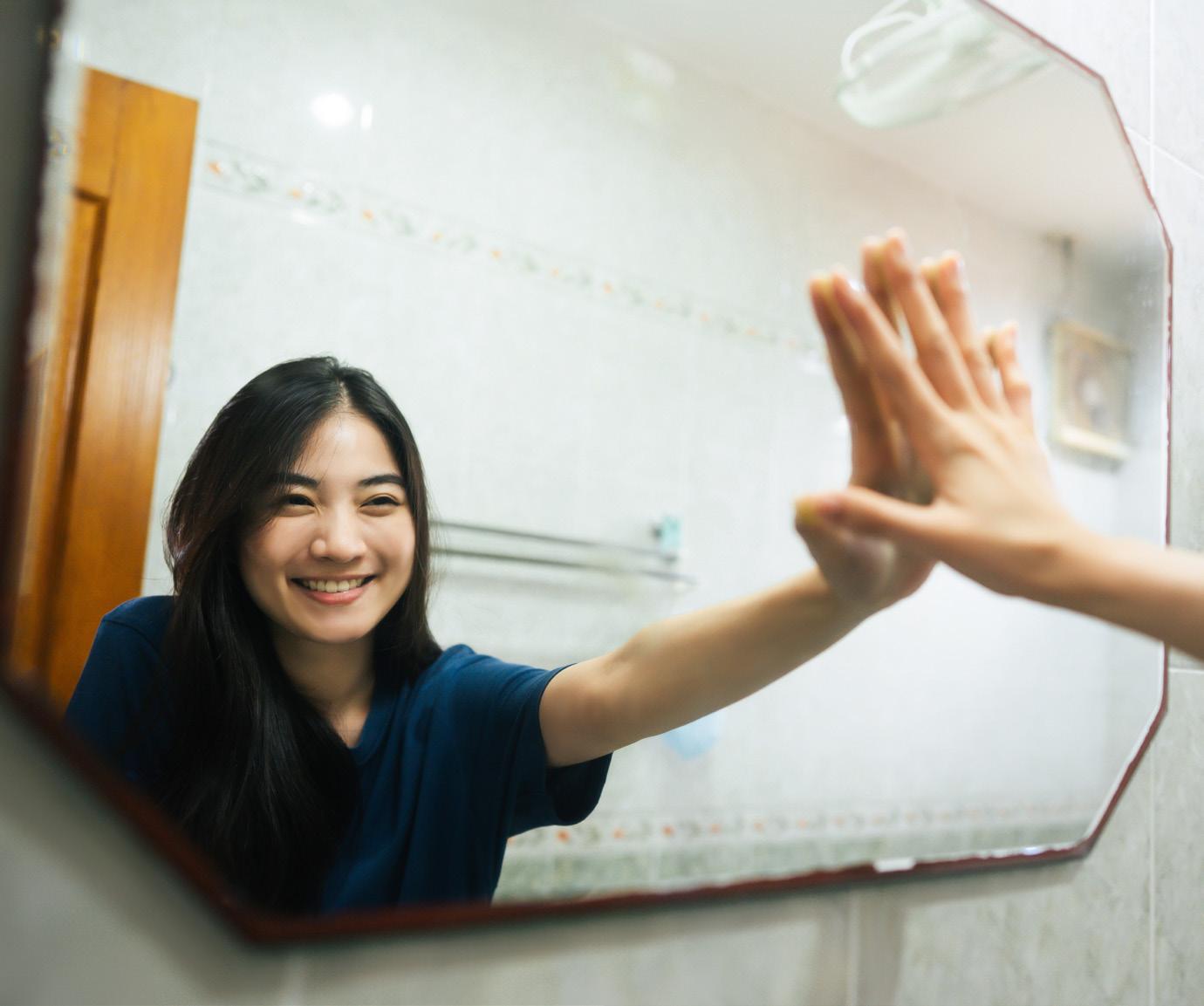
she said. “Spaces like the car or the shower create the perfect environment, there’s privacy, there’s rhythm and your body is often on autopilot.”
During these moments, your mind finally has a quiet, safe space to speak, and it can create a space for many people to truly relax into their own thoughts, except for the occasional appearance of road rage, Ashley said.
Self-talk mirrors and extends the practices used in therapy, where people can process their thoughts, feelings and actions out loud. Ashley said that this behavior is not only normal but also necessary.
“I often say if you can’t talk to yourself, it’s going to be difficult to expect anyone else to truly hear you,” she said.
Talking to oneself and saying things out loud helps an individual take accountability for their thoughts, which in turn helps them shape
behaviors and habits through increased awareness, Ashley said.
“A word spoken is a word felt,” she says. “What stays silent often stays unchallenged.”
This is partly due to an emotional release that occurs when talking to oneself. Mental health struggles like depression, anxiety and general feelings of overwhelm and stress are linked to suppression. Even if you might think you are relaxing, you might not be processing all of the stress or negative feelings you’ve experienced, and maybe even avoiding them.
Addressing these emotions, thoughts and feelings can lead to the sense of a lighter body and less internal pressure — have you ever noticed when you're stressed, your chest feels tight and heavy? This might be a sign that you need to unload. This process can also lead to increased self-awareness and a stronger sense of personal accountability, Ashley said.
“For some, especially those who process differently, speaking out loud can also be a way of seeing themselves
more clearly, not just thinking, but experiencing their thoughts in real time,” she said.
After a period of focusing on spending more time alone, instead of constantly aiming to fill my time with others, I noticed that having conversations with myself, whether making jokes or laughing at something that happened, helped me develop a more positive view of myself and reduce negative self-talk. I began to believe that I was funny and really had something to say that mattered, and I also felt comfortable meeting and speaking to new people.
By talking to yourself — whether it’s having imaginary conversations or discussing what’s bothering you — you can get to know your own mind better. This allows you to become more familiar with what you enjoy talking and thinking about and what you value.
Psychologists also recommend motivational self-talk, which involves verbally listing things you like about yourself, repeating positive phrases like “you’ve got this” or “keep going,” or stating affirmations like “I am safe” when anxious. According to Upper East Side Psychology, this motivational selftalk can build resilience and motivation by helping you uplift and encourage yourself, keeping your energy up during challenging moments.
This is the foundation of the relationship you have with yourself, Ashley said, and it doesn’t necessarily mean ignoring your “shadow." Instead, it means meeting and reflecting on your critical voices, reactive patterns and wounded beliefs.
“Talking to yourself is one of the most vulnerable conversations you’ll ever have,” she said. “It requires honesty. But it also builds trust within yourself … Because those parts [wounded beliefs, negative thoughts and traits, reactive patterns, etc.] are not problems to eliminate but rather parts of a whole to better understand.”
Research also shows that frequently talking to yourself can improve your ability to focus, learn and solve problems.
According to an article from MI Blue Daily, when you recite reminders about your day, key points or instructions, you practice strengthening your ability to concentrate, remember things and not become distracted.
This is also because humans learn through patterns and process with their senses, meaning when you speak out loud, you’re also hearing tone, noticing word choice and feeling the rhythm of your words, Ashley said.
“Your voice carries information: emotion, truth, hesitation, certainty,” she said. Sound makes things real. It makes them evident. It gives your thoughts form. Often, our minds are holding multiple timelines, perspectives and possibilities all at once, so it can feel like a knot.”
Speaking out loud can help to remove this knot and create a sense of clarity, rather than confusion, in your daily life and stress responses. Over time, you might notice that you listen to yourself more honestly or do not fight your own beliefs or thinking as often.
Every day, the average moments are the best times to practice positive
self-talk and unloading, either in your head or out loud.
Ashley said that she encourages people to dedicate at least 10% of their day to themselves in an intentional way, through things like talking to themself in the shower, a solo drive, a morning or evening routine or just standing in the mirror for a few moments.
“It’s about consistency, not perfection … self-talk becomes a habit when self-connection becomes a priority,” she said. “In a world that often feels dysregulated and overstimulating, it becomes our individual responsibility to create internal balance … when we regulate our inner world, we naturally contribute to a more grounded and peaceful outer one.”
Below is a list of ways to start, according to Ashley, especially for those who might struggle with negative or critical inner dialogue.
Soften the negative thoughts that are strict and final, like “I’m not where I should be.” Instead, say things like “I’m not where I should be … but I know where I want to be” or “I’m not where I should be … and I’m taking steps to change that.”
To address repetitive negative thoughts, say things like “says who?” or “so what?”
Practice mirror work, or looking at yourself and “speaking truth out loud.” This helps create a sense of vulnerability, alignment and authenticity, and it builds a healthier relationship with yourself and others.
The next time you feel overwhelmed by work, experience physical tension, sense a loss of connection with yourself or detect an overall lack of confidence, consider trying the above methods to improve your relationship. A more positive, stronger relationship with yourself is the first step to a healthier, well-balanced relationship with your friends and loved ones.
BY DAPHNE FOREHAND
THERE’S SOMETHING REALLY SPECIAL ABOUT A RESTAURANT FINDING A NEW HOME, ESPECIALLY WHEN THAT HOME ALREADY HAS A STORY BEHIND IT. KITCHEN 251 RECENTLY MOVED FROM THE AMELIA ISLAND MARINA INTO THE FORMER BEECH STREET GRILLE SPACE, AND IT FEELS LIKE IT LANDED EXACTLY WHERE IT WAS MEANT TO BE!
KITCHEN 251
Located at: 801 Beech St., Fernandina Beach, FL 32034
If you’ve been to Kitchen 251 before, you probably remember it from the marina. It was smaller, always busy and one of those places you went when you wanted really good seafood without overthinking it.
Now they’re in the William Bell House on Beech Street, built in 1889 by Captain William Bell as a wedding gift for his bride. He and his twin brother were river pilots who played a big role in Fernandina’s early history, and the house has been part of the island ever since.
That history shows up in the space. The wraparound verandas, the scale of the rooms, the details that have been preserved over time. It adds something to the experience that you don’t really think about until you’re sitting there.
The menu is still very much them. Fresh seafood, Southern influence and a mix of staples and daily specials. Some of the specials stay and others rotate depending on what they’re running that day, so it’s always worth checking.
I ordered the mahi with shrimp creole over rice, which is what I usually get, and it’s the

reason I keep coming back. The sauce is rich and full of flavor, with just enough creole heat to give it a little edge without taking over. It soaks into the rice, everything mixes together and before you realize it, you’ve worked your way through most of the plate.
The specials are hard to ignore. On different days you might see a whole lobster or a crawfish boil come out, and it makes it tempting to switch things up.
And then the cheesecakes. They rotate flavors, so it’s never the same lineup twice. I tried the chocolate covered strawberry, but the key lime is still the one I think about. It’s smooth, a little tart and not overly sweet. They’ve also done banana pudding and piña colada, so it’s always worth asking what they have that day.
By the time dessert hits the table, you’re already planning what you’re ordering the next time you come back.

by

The mahi with shrimp creole over rice. Rich, homey, with a little creole kick.

Daphne Forehand is the founder of FloriSocial Marketing and the food-loving voice behind the Amelia Island-based Instagram food blog: @floridabites. What started as sharing her favorite meals on Instagram has grown into a career helping small businesses and restaurants shine online. When she’s not behind the camera or on her laptop, you’ll find her exploring North Florida’s food scene one bite at a time.






Fernandina Beach Market Place
North Seventh Street | 9 a.m. - 1 p.m.
Join your family, neighbors and friends at the farmers market open year-round, rain or shine!
fernandinabeachmarketplace.com
This event happens every Saturday
Fernandina Beach Mid-Week Market Place
Corner of South 14th and Lime Streets
9 a.m. - 1 p.m. fernandinabeachmarketplace.com
This event happens every Wednesday
Wildlight Market Place
123 Tinker Street off Wildlight Ave. 9 a.m. - 1 p.m
Come rain or shine to the Wildlight Market Place. There will be local vendors who bring seasonal produce, artisan foods, fresh baked breads and pastries and other delectable treats. This event happens the first and third Saturday of the month
Ukulele Fun Group
Island Art Association | 7 - 8:30 p.m. islandart.org
Bring your instrument and voice and join in on the fun at the Island Art Association for its free Ukulele Fun Group activity.
This event happens on the first and third Tuesdays of the month
3rd on 3rd
Amelia Island Museum of History 6 p.m. | ameliamuseum.org
Join us at the museum as we host historians, authors and other experts for thought-provoking lectures on local or regional history. Snacks and beverages are available. Admission is free for Museum Members with a suggested donation of $5 for non-members. This event happens every third Friday of the month
Watercolor Classes with Sandra Baker-Hinton
Island Art Association | 12:30 - 3:30 p.m. islandart.org
Sandra offers Watercolor Mondays for all skill levels. 10 students per day. Explore watercolor techniques with a different project each day. Contact Sandra (904) 557-1195 to register and pay.
This event happens on the first and third Tuesdays of the month
Island Art Association Open Studio
Island Art Association | 1 - 5 p.m. islandart.org
Bring your own art project and supplies to the Art Education Center to craft together. Visit the Island Art Association’s website to learn more about weekly arts and family events! $5 fee. This event happens every Tuesday and Thursday
Now through May 2
Zen on the Ron Sapp Egans Creek Greenway (North)
Egans Creek Park | 9 - 10 a.m. keepnassaubeautiful.org/events
Join the City of Fernandina Beach and Keep Nassau Beautiful for a peaceful morning on the Greenway. This walking workshop will lead participants through simple mindfulness, stress management and meditation practices while exploring the beauty of the Ron Sapp Egans Creek Greenway.
This event happens on the first Saturday of the month
Group Run — Game Changers
Running Company
1881 S. 14th St., Suite 5 | 6 p.m. gamechangersrunningcompany.com/ group-runs-events
All paces are welcome at this free group run every Tuesday. This event happens every Tuesday.
Second Saturday Artrageous Artwalk
Island Art Association | 5 - 7 p.m. islandart.org
Participating galleries will remain open for your strolling pleasure. This event happens on the second Saturday of the month
Fernandina Beach Arts Market
508 Centre St. | 9 a.m. - 1 p.m. fernandinabeachartsmarket.com
Take a stroll through historic downtown while shopping for paintings, pottery, apparel and more. This event happens on the second and fourth Saturdays of the month
Fernandina Beach
Photography Club
IAA Art Education Center | 7 p.m. islandart.org
Membership is free to the public! Come join our monthly meetings with a guest speaker and a monthly “Photo Challenge” (show-and-tell) of a theme decided in the previous meeting. This event happens every third Thursday of the month
Island Art Association
Critique Group
Story & Song Bookstore Bistro
Noon - 2 p.m. | islandart.org
An open discussion and critique group led by Leigh Hawkins. All media are welcome. Artists may bring works in progress to receive the group’s support and views. Story & Song’s Bistro offers a breakfast and lunch menu.
This event happens on the last Saturday of every month
“Reading Between the Lines” Book Club
Janice Ancrum Senior Life Center 5:30 - 7 p.m. nassaucountycouncilonaging.org
Our "Reading Between the Lines" Book Club has a brand new schedule for the Spring!
This event happens on the first Wednesday of every month
Acoustic Guitar Music Jam

Story & Song Courtyard
Noon - 2 p.m. storyandsongarts.org/event
Join other guitar players in an acoustic guitar jam. If you’re a beginner or an experienced musician, bring your acoustic guitar and some songs that you want to play, and join other guitar players in a relaxed setting on the patio courtyard. This event happens on the first Sunday of every month
Friday, May 1 - Sunday, May 3
Isle of Eight Flags Shrimp Festival Begins at Central Park Times vary by day and activity shrimpfestival.com
Celebrate the 61st annual Shrimp Festival in Fernandina Beach with waterfront food booths, vendors, arts and crafts, fireworks, kids activities and more.
Saturday, May 2
YMCA Shrimp Run
Begins at Main Beach Park | 8 a.m. shrimpfestival.com/shrimp-run
Choose from a 5K run/walk or a 1 mile youth run as a part of this year’s Shrimp Festival! All proceeds will go towards serving people and families in need in the community by providing swim lessons.

May 5
Wednesday, May 6
Appreciating Art Through Books
Story & Song Art Gallery
2 - 3 p.m.
ameliaisland.com/activities
Join Janet Brendel and Susan Ziel for a discussion of “Portrait of an Artist: Biography of Georgia O’Keeffe” by Laurie Lisle and looking at artists through books, learning about them through stories and biographies.
Thursday May 7 - Sunday May 10, Wednesday May 13 - Friday May 15, Friday May 22 - Sunday May 24
Grease at AMP
Amelia Musical Playhouse
ameliamusicalplayhouse.com
Times vary, but the majority are at 7:30 p.m.
Grease returns to AMP this spring! Jump in Greased Lightning and return to Rydell High for some fun.
Friday, May 8 - Sunday, May 17
2026 Wild Amelia Nature Festival
Main Beach Park Times vary keepnassaubeautiful.org
Celebrate natural Florida with animal exhibits, conservation activities, a children’s area, food, live music and more! Find a full schedule of events and activities on keepnassaubeautiful.org.
Saturday, May 9
Downtown to Dunes
First Love Brewing
8:30 - 10:30 a.m. keepnassaubeautiful.org
Beginning at First Love Brewing, this volunteer cleanup event will help celebrate the beginning of the Wild Amelia Nature Festival. Grab your friends and family for a morning of service and fun! Free T-shirts will be available while supplies last.
Saturday, May 9
Marasco Young Artists’ Concert
Memorial United Methodist Church 5 - 6 p.m.
aicmf.org/event
Celebrate the next generation of talented musicians from Nassau County in this concert featuring local young musicians. This vibrant new concert tradition is in remembrance of the Festival’s former Executive Director, Dr. Joe Marasco.


Sunday, May 10 MOTHER’S DAY
Sunday, May 10
Mother's Day Guided Walk on the Greenway
Ron Sapp Egans Creek Greenway (North) 10 a.m. | keepnassaubeautiful.org
As a part of the Wild Amelia Nature Festival, enjoy a guided walk on the Greenway with a special gift for moms at the end.

Monday, May 25 MEMORIAL DAY
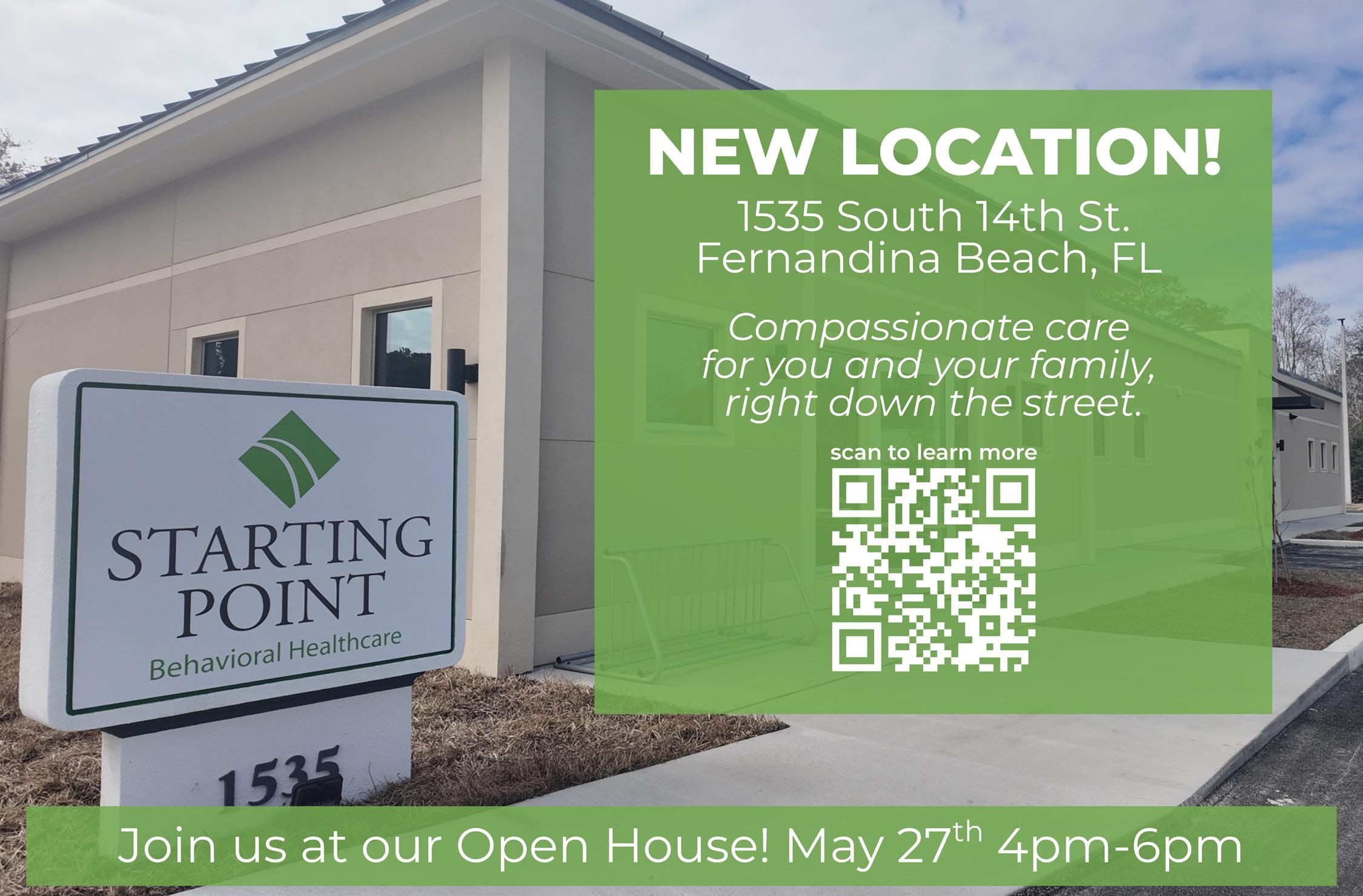
Wednesday, May 27
Starting Point Behavioral Healthcare Open House
1535 S. 14th St., Fernandina Beach 4 - 6 p.m. | spbh.org
Starting Point offers compassionate care for you and your family, right down the street.
Saturday, May 30
The 43rd Fernandina Beach Kingfish Tournament and Fishing Rodeo
Fernandina Harbor Marina
Times vary per event nsfa.profishingtournaments.com
Grab your fishing pole and head out to Fernandina Beach for a fun-filled competition! There will be awards, raffles and food trucks.
Monday, June 1 - Saturday, June 6
Singing Actor Youth Workshop
First Presbyterian Church
Classes and rehearsals June 1 - June 5, 10 a.m. - 1 p.m. & performance June 6 at 11 a.m.
facebook.com/events
An immersive, performance-training experience for ages 10 to 15. Includes voice, acting and audition training + monologue preparation + group singing + music theory and more.
Friday, June 5
2026 Sounds on Centre
Downtown Waterfront Area facebook.com/events
Enjoy a great time with family and friends while listening to live music by the Amelia Blues Band.
Friday, June 5
Nassau County Block Party
Northeast Florida Fairgrounds business.islandchamber.com
This event will celebrate our community's support over the past 4 years. The Block Party will be a free event for all Nassau County residents and will include activities for all ages, food trucks, live music, and a fireworks show at 10 p.m.
Saturday, June 6
5th Annual Health and Safety Expo
First Coast YMCA (Wildlight) 10 a.m. - 2 p.m. business.islandchamber.com
This free event is an opportunity for learning how to have a healthier and safer lifestyle, so you can be the best you can be! Each year, Nassau County students are offered FREE sports physicals, FREE sports EKGs, FREE health screenings and other FREE screenings to all who attend, along with local groups who offer resources to our community.
Wednesday, June 10
Beethoven & Beer
Mocama Beer Company
4:30 and 7:30 p.m. | aicmf.org/event
Raise a glass with the Miró Quartet at our signature casual concert blending masterful Beethoven with a relaxed brewery vibe — the perfect pairing of tradition and fun.

Saturday, June 13
Festival Finale: Miró Quartet and Beth Newdome Fellows
Historic Courthouse
3 - 5 p.m. | aicmf.org/event
A rousing festival close with the Miró Quartet and the rising stars of the Beth Newdome Fellowship program — a celebration of mentorship, musical excellence and community. Immediately following the concert, all attendees are invited to join us for a food-and-wine reception to celebrate the end of our 25th Anniversary Season.
FRIDAY, JUNE 19
Saturday, June 20
2026 Amelia Island International Skate & Surf Festival
The Tigre Island Room at North Second Street
1 - 9 p.m. | ameliaisland.com
Enjoy a day of food trucks, vendors, skate and surf films and the feature film “EL TORO” with a live score performance.


Sunday, June 21 FATHER’S DAY
Sunday, June 21
Amelia Island Dance Series
Woman’s Club of Fernandina Beach 4 - 6:30 p.m. | ameliaisland.com
Join us for live music and dancing. You’ll enjoy over 100 years of music from the 1920s through the present day. Each event features a live six-piece horn section, world-class singers and a variety of dances from ballroom to pop.

Dedicated To Enhancing Economic Vitality While Preserving Our Historic Heritage & Culture.
Downtown Dollars are gift certificates designed to keep it local. They can be redeemed at participating downtown shops, restaurants, and service-based businesses, making them the perfect gift for anyone who loves supporting small businesses and experiencing the best of downtown.
Whether you’re shopping for a birthday, holiday, thank-you, or “just because,” Downtown Dollars let the recipient choose how to shop, dine, and explore, while keeping every dollar right here in our community.
• Supports Locally Owned Businesses
• Keeps Money Circulating In The Downtown District
• Encourages Shopping Small And Discovering New Favorites
• Strengthens Our Local Economy MORE INFO!


0% Interest for up to 60 Months on a qualifying Carrier system. Affordable Comfort New Systems from $88/month with approved credit.



proudly serve the greater Fernandina Beach communities and surrounding areas, delivering unparalleled comfort and excellence in HVAC solutions.
With over 30 years of experience in heating and cooling, we have you covered.
Services Offered:
• Air Conditioning Repair
• Heating System Repairs
• Thermostat Repair and Replacement
• Ductwork Repair and Replacement
Carrier Products Sales & Installation:
• Pool Heating/Chilling Service & Installation
• New AC System Installation/Replacement
• Ductless Systems
• Dehumidification Systems