

arts CULTURE & ISSUE
BEST STRENGTH TRAINING TIPS FOR ARTISTS

TAKE A STROLL THROUGH FLORIDA’S ART AND CULTURAL SCENE
WHY CREATIVE PLAY IS ESSENTIAL FOR YOUR LONGEVITY
ESSENTIAL TIPS FOR AVOIDING CREATIVE BURNOUT
Expert urological care close to home
Two experienced, 5-star rated* urologists. Complete care for men and women.


It’s something no one wants to talk about. But urological conditions can put a damper on living your best life.
BAPTIST HEALTH
Baptist Urology Group has two experienced, 5-star rated urologists ready to get you back to being you.
Margeaux Dennis, DO, the only female urologist in Nassau County, specializes in women’s urologic health, including overactive bladder, incontinence, pelvic organ prolapse, recurrent UTIs and kidney stones. Dr. Dennis is passionate about empowering patients through compassionate, personalized care.
Blaine Kristo, MD, is a board-certified urologist with 18 years of experience treating kidney stones, benign prostatic hyperpliasia (BPH), erectile dysfunction, low testosterone and urinary incontinence. Dr. Kristo combines advanced technology with open, honest communication.
Urological conditions don’t have to hold you back anymore.
Margeaux Dennis, DO Blaine Kristo, MD
PUBLISHER & EDITOR-IN-CHIEF
ART DIRECTOR
VICE PRESIDENT OF SALES
ACCOUNT EXECUTIVE
JUNIOR EDITOR
SOCIAL MEDIA INTERN
CONTRIBUTING WRITERS
Nicole Irving
Aníbal Rodríguez
Shane Irving
Bilinda Rountree
Alexandra Burns
Meghan Shepp
Alexandra Burns, Daphne Forhand, Nicole Irving, Lindsey Johnson, Dr. Jennifer Martin, Reagan Poland, Cole Purvis
MAILING ADDRESS
5745 SW 75th St. Unit 286
Gainesville, FL 32608
PHYSICAL ADDRESS 101 SW 140th Terrace Suite C
Newberry, FL 32669
Amelia Island: 352.478.9079
Gainesville: 352.505.5821
Wellness360Nassau.com Bilinda@IrvingPublications.com
Wellness360 is a registered trademark property of Irving Publications, LLC. All rights reserved. Wellness360 is published by Irving Publications, LLC. © 2026
Irving Publications, LLC reserves the right to edit and/or reject any advertising. Irving Publications, LLC is not responsible for the validity of any claims made by its advertisers. Nothing that appears in Wellness360 Magazine may be reproduced in any way, without written permission. Opinions expressed by Wellness360 Magazine writers are their own and do not necessarily reflect the publisher’s opinion. Wellness360 Magazine will consider all never before published outside editorial submissions. Irving Publications, LLC reserves the right to edit and/or reject all outside editorial submissions and makes no guarantees regarding publication dates.
The information found in Wellness360 Magazine does not constitute individualized medical advice. You must NOT rely on the information in this magazine as an alternative to medical advice from your doctor or other professional health care provider. If you have any specific questions about any medical matter you should consult your doctor or other professional health care provider. If you think you may be suffering from any medical condition you should seek immediate medical attention. You should never delay seeking medical advice, disregard medical advice, or discontinue medical treatment because of information in this publication. Wellness 360 Magazine assumes no responsibility for any circumstances arising out of the use, misuse, interpretation or application of any information supplied within the magazine. Always consult with your doctor for appropriate examinations, treatment, testing and care recommendations. Do not rely on information on in this magazine as a tool for self-diagnosis. You exercise your own judgment when using or purchasing any product highlighted in Wellness360 Magazine. Wellness 360 Magazine assumes no responsibility for errors or omissions in this publication or other documents that are referenced by or linked to this publication.
ADVERTISING
For more information regarding advertising within Wellness360 Magazine, please visit irvingpublications.com, call 352.478.9079 or email Bilinda@IrvingPublications.com.
22


ON THE COVER
Our latest issue dives deep into the vibrant creative spirit of our local community, serving as your curated guide to the sights, sounds and soul of our city’s artistic heart. We’ve dedicated this month’s spotlight to unsung visionaries — the ceramicists, poets and grassroots organizers who turn our shared spaces into living canvases.
feature
38 ARTS & CULTURE DIRECTORY 2026
From historical museums featuring Fernandina Beach's rich culture to art workshops and musical classes, Nassau County is a hub for artistry and Florida history. We feature a list of art galleries, shops, museums and workshops perfect for learning something new or enjoying a weekend outing.





The Intersection of Health and Artistic Expression
In a world that often measures wellness by steps taken, calories counted or hours slept, it can be easy to overlook one of the most powerful forces for human health: the arts. Yet music, visual art, dance, theater, literature and cultural traditions have nourished the human spirit for centuries — long before the term “wellness” entered our vocabulary.
This issue of Wellness360 celebrates the profound role that arts and culture play in our overall well-being. Creative expression is not a luxury or an extra; it is essential. Engaging with the arts can lower stress, improve mood, sharpen cognition and provide a meaningful outlet for emotion. Whether you are painting, singing, attending a performance or simply listening to a favorite piece of music, you are actively supporting your mental and physical health.
Equally important is the way the arts bring us together. In an era marked by digital connection but social isolation, shared cultural experiences create something deeply human: community. Sitting shoulder to shoulder at a concert, applauding at a theater performance, strolling through a gallery or participating in a local festival remind us that we are not alone. We laugh together, reflect together and sometimes heal together.
The arts also give voice to stories that might otherwise go unheard. They help us process grief, celebrate joy, preserve heritage and imagine better futures. For children, they build confidence and creativity. For adults, they offer perspective and renewal. For older generations, they provide memory, dignity and continued purpose. Across every age and background, the arts meet us where we are.
In communities large and small, artists and cultural organizations serve as quiet anchors of resilience. They transform public spaces into places of belonging, spark conversations across differences and remind us that beauty and meaning are not optional — they are sustaining forces.
As you explore this issue, we invite you to reconnect with creativity in your own life. Attend a local performance. Pick up a paintbrush. Join a dance class. Write, sing, sculpt, photograph or simply pause to appreciate the artistry around you. You do not need to be an expert to benefit — you only need to participate.
At Wellness360, we believe true health is holistic. It encompasses body, mind, heart and community. The arts sit at the intersection of all four, offering not only inspiration but restoration. May this issue inspire you to seek out beauty, nurture creativity and remember that caring for your well-being can be as simple — and as profound — as engaging with the arts.

Nicole Irving, Publisher, EIC nbirving@irvingpublications.com




PABLO CASALS

The Anatomy of a Bruise:
Why It Changes Color and What It Means
BY ALEXANDRA BURNS
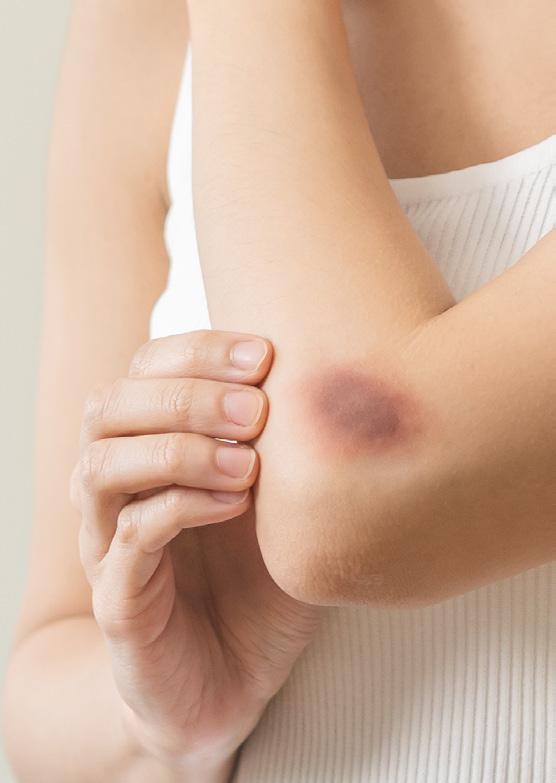
Bruises are quite the pain — literally and physically. They often show up when we can hardly remember how we got them and leave eye-catching blemishes, leading to family and friends saying, “How in the world did you get that?”
Here is what you need to know so that the next time that pesky, purple splotch appears, you’ll understand exactly what’s happening in your body.
What Exactly Is a Bruise?
A bruise, or ecchymosis in medical terms, is defined as skin discoloration caused by damaged, leaking blood vessels under the skin, according to the Cleveland Clinic. These vessels can become injured and burst from various forms of physical trauma, such as knocking your elbow into the kitchen cabinet, kneeling too long on a concrete floor or even tearing a muscle.
There are various severity levels of bruising, each with different pain intensities and healing times, helping to indicate the proper steps to take during the healing process. According to WVU Medicine, these bruises can be ranked similarly to burns:
• First-degree: Minor bruises that do not cause an intense level of swelling, inflammation or pain. You might not remember how you received this bruise since it is from a small impact, like lightly knocking your ankle against the wall or resting your elbows on a hard countertop for an extended period of time.
• Second-degree: Slightly more intense bruises that can lead to increased pain, swelling, tenderness or a darker color. You might experience joint pain if you experienced damage to a joint. Examples include getting struck by a hard object during sports or aggressively running into an item.
• Third-degree: Bruise that will lead to severe pain, discoloration and loss of movement.
Bruise Colors and Stages Explained:
According to Medical News Today, a bruise’s color and healing length can indicate what stage of the recovery process it is in, helping you estimate how much longer it has left and when to visit a doctor, if necessary.
• Red: During the first 24 hours after injury, the damaged capillaries will begin to leak blood, and you might see an inflamed and tender bump begin to form.
• Black, blue, purple or darkened skin: During days one and two following the injury, your bruise will transform into a black, blue or darkened color as the leaking blood runs out of oxygen, as stated in Medical News Today. The third or fourth day might lead to reduced swelling or tenderness.
• Yellow, green, yellowish brown or lightened skin: After five and 10 to 14 days, as the healing process continues and the body breaks down hemoglobin, according to Medical News Today, you will start to see a yellow or greenish color while the bruise fades.
Types of Bruises and Severities:
The average person experiences about 4,000 scrapes, cuts and bruises over his or her lifetime, according to a survey by Talker Research for Curad.
But aside from the typical, everyday under-the-skin bruise, bruises can take other forms, varying in severity, locations and causes:
• Bone contusion: According to UMass Memorial Health, bone bruises occur when the trabeculae, or the bone marrow and fibrous tissue inside the bone, are damaged. This can be caused by sports injuries, vehicle accidents, sprains or falls, and can lead to swelling, pain, soreness, discoloration and stiffness.
• Hematoma: A hematoma is slightly more severe than the average bruise and forms when blood pools into a certain area in the body, as stated by the Cleveland Clinic. According to Mercy Health, hematomas can be caused by car accidents, broken bones, head injuries, gunshot wounds, falls or health conditions like aneurysms, viral infections, medications or fractures. With a hematoma, you will most likely feel warmth, intense swelling, pain, redness and inflammation.
They can often be resolved with at-home care, but if you notice signs of infection, a lack of healing within the following two weeks or other serious health symptoms, the Cleveland Clinic advises visiting a doctor.
• Internal bruising: Occurs on your muscles or organs, usually from an accident or blunt trauma, according to Healthline. Internal bruising can range from treatable bruises, like those to the muscle, or ones that require vital medical care, like lung or kidney bruises.
When Should I Reach Out to a Doctor?
Bruises are typically nothing to worry about. However, if you notice a pattern of consistent and unexplained bruising on your body, it is recommended to reach out to your primary care physician.
According to Medical News Today, though rare, this could indicate health issues such as certain forms of cancers like leukemia, liver problems or bleeding disorders.
Additionally, if you are suffering a bruise from an injury and do not notice improvement within the next two weeks or experience increased swelling, pain or inability to move, reach out to your doctor to rule out any severe injuries like a fracture, hematoma or broken bone.
* Always seek medical care right away if you have questions regarding your bruising.





Getting the Most From Your Vitamins
BY COLE PURVIS
Vitamins are meant to support health, not complicate it. But if you’ve ever stared at a supplement label wondering whether to take it with breakfast, dinner or not at all, you’re not alone. The truth is that when and how you take vitamins can affect how well your body absorbs them and whether you get the benefits you expect.


Fat-Soluble Vitamins Need Food
Vitamins A, D, E and K are known as fat-soluble vitamins. That means they dissolve in fat and are best absorbed when taken with a meal that includes healthy fats. According to the National Institutes of Health Office of Dietary Supplements, taking these vitamins without food can reduce absorption because the body needs dietary fat to process them effectively.
Take these vitamins with meals that include foods like eggs, avocado, nuts, olive oil or dairy.
Water-Soluble Vitamins Are More Flexible
Vitamin C and B-complex vitamins are water-soluble, meaning they dissolve in water and don’t require fat for absorption. Because they aren’t stored in the body long term, consistency matters more than timing.
Many health professionals recommend taking B vitamins in the morning since they support energy metabolism. According to Mayo Clinic experts, some people report mild stomach upset when B vitamins are taken on an empty stomach, so pairing them with food can help if sensitivity is an issue.
Vitamin C can be taken with or without food, although taking it with meals may reduce stomach irritation for some people.
Iron Has Special Rules
Iron is one of the most time-sensitive supplements. The NIH notes that iron is best absorbed on an empty stomach, but that same method can cause nausea or discomfort. Taking iron with vitamin C or vitamin C-rich foods can improve absorption.
However, iron should not be taken with calcium, dairy products, coffee or tea. According to Harvard Health Publishing, calcium and compounds in coffee and tea can significantly reduce iron absorption.

If tolerated, take iron between meals with a glass of water or orange juice. Avoid pairing it with milk or caffeine.
Calcium Competes for Space
Calcium is another supplement that benefits from strategic timing. The NIH explains that calcium carbonate is best absorbed with food, while calcium citrate can be taken with or without food. More importantly, the body absorbs calcium more efficiently in doses of 500 mg or less at a time.

Calcium can interfere with the absorption of iron, magnesium and zinc, so spacing these supplements throughout the day is recommended.
Caffeine Can Interfere
Coffee and tea don’t just affect iron. According to Cleveland Clinic experts, caffeine may reduce absorption of several nutrients, including calcium and magnesium, when consumed too close to supplement intake.

Couple’s Care
A GENERAL RULE: Wait at least 30 to 60 minutes after taking vitamins before having coffee or tea.
Multivitamins and Meals
Most multivitamins contain a mix of fat- and water-soluble nutrients, which is why many labels recommend taking them with food. Johns Hopkins Medicine notes that taking multivitamins with meals can reduce stomach upset and support better overall absorption.
A Final Note
Experts consistently emphasize that more is not better. The NIH warns that excessive intake of certain vitamins, particularly fat-soluble ones, can lead to toxicity. Supplements should support a balanced diet, not replace one.
When in doubt, consistency matters more than perfection. Taking vitamins at the same time each day, with attention to food and spacing, helps your body get the most from them — without turning your routine into a science experiment.
As always, parents should talk with a health care provider before starting new supplements, especially for children or teens.
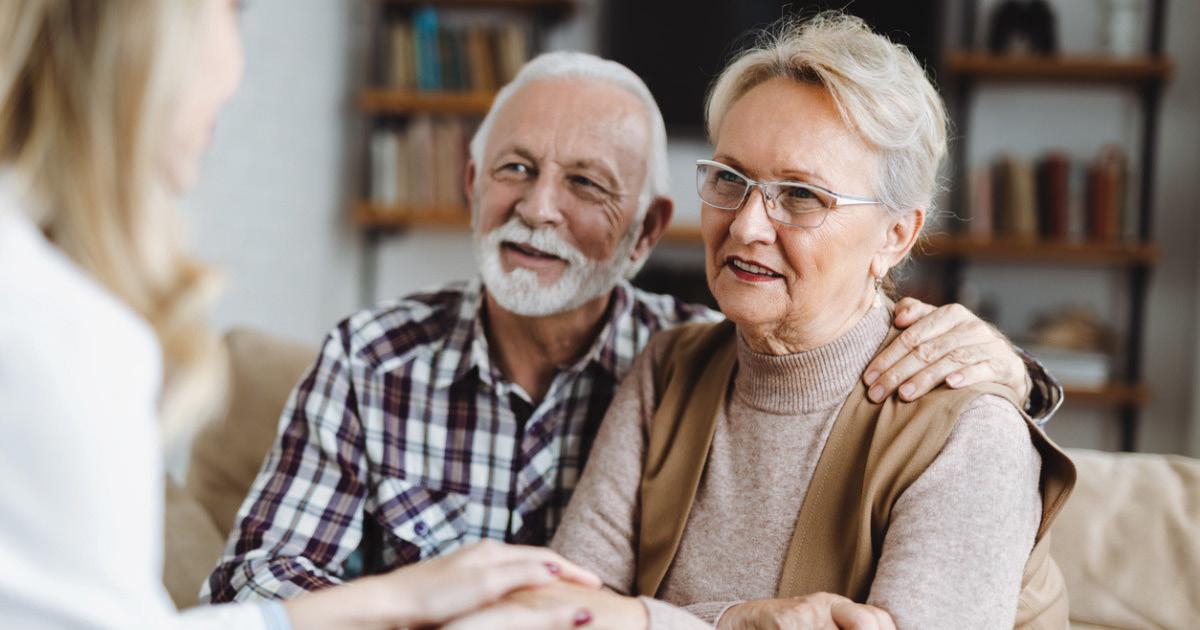
After a lifetime together, don’t separate them now.
Aging in place is not only possible for couples – it’s better for all involved, from well-being to affordability. With Home Helpers® Home Care, both partners receive the personalized one-on-one care they need to stay safe, connected, and cared for together.
Personalized one-on-one care • Improved emotional well-being
Avoid anxiety of unfamiliar places
Reduce risk of depression • Lower long-term cost of care Relieve family caregiver stress • Improved health outcomes

Why Creative Play Is Essential for Lifelong Health
BY COLE PURVIS
When we hear the word “play,” most of us picture children building forts, dressing up or making up wild stories. But research shows that play, especially creative, imaginative play, is not just a childhood luxury. It’s a powerful tool for mental, emotional and even physical health at every stage of life.
From toddlers to teens to adults juggling work and family, creative play supports well-being in ways that science is only beginning to fully appreciate.
Why Play Matters for the Brain
Creative play activates multiple areas of the brain at once. According to the American Academy of Pediatrics, play supports healthy brain development by strengthening executive function skills such as problem-solving, emotional regulation and flexible thinking. When people engage in imaginative or creative activities, the brain practices adapting to new ideas and perspectives, skills that are essential for resilience and learning across the lifespan.
Neuroscience research also suggests that creative play encourages neural connections associated with memory and emotional processing. In children, this helps support language development and social skills. In adults, similar processes are linked to cognitive flexibility and stress reduction.
Emotional Health and Stress Relief
One of the most compelling benefits of creative play is its effect on stress. According to the National Institutes of Health, engaging in enjoyable, creative activities can lower cortisol levels, the hormone associated with stress. Whether that is drawing, music, storytelling, pretend play with kids or even playful problem-solving, these activities give the nervous system a break from constant alertness.
Mental health professionals note that imaginative play also allows for emotional expression in a lowpressure way. For children, this can mean acting out fears or frustrations through stories or role-play. For adults, creative outlets can offer a safe space to process emotions that are difficult to articulate directly.
Play Builds Social Connection
Creative play is rarely just about the activity itself. It often happens in relationships with others. Studies in developmental psychology show that shared imaginative play strengthens social bonds, improves communication and fosters empathy. When people collaborate on stories, games or creative projects, they practice perspectivetaking and cooperation.
The Centers for Disease Control and Prevention emphasizes that strong social connections are a key protective factor for long-term health, linked to lower rates of depression, anxiety and even chronic disease. Play, in many forms, acts as a natural bridge to those connections.
It’s Not Just for Kids
While play is critical for childhood development, adults benefit just as
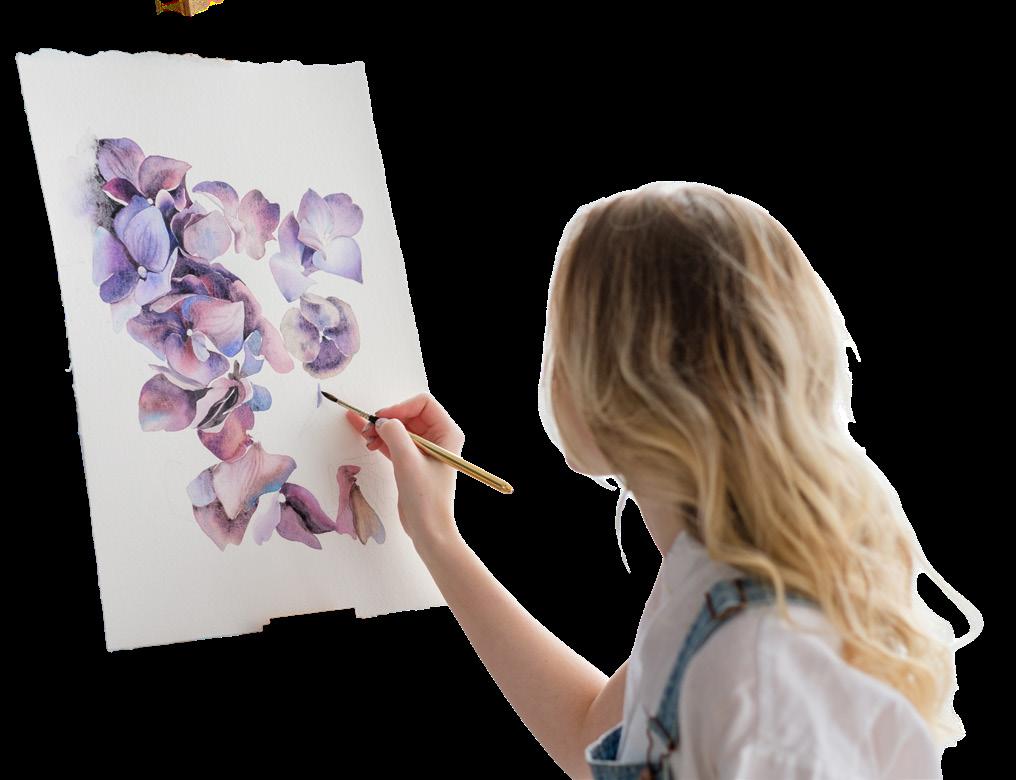
much — even if play looks different. Research published in psychology and aging journals shows that creative engagement in adulthood is associated with improved mood, reduced stress and better overall life satisfaction.
Activities such as creative writing, art, music, improvisation or playful movement have been linked to improved mental health outcomes and a stronger sense of purpose. For older adults, creative play has also been associated with cognitive engagement and emotional well-being.
In other words, play evolves, but its value does not disappear.
Encouraging Creative Play at Home
Supporting creative play doesn’t require elaborate toys or packed schedules. Experts consistently emphasize that unstructured time is often the most powerful ingredient. According to the American Academy of Pediatrics, allowing space for child-led play helps children develop independence and confidence.
For families, this can mean leaving room for boredom, encouraging imagination and participating when invited, without taking over. For adults, it may mean giving yourself permission to engage in creativity without worrying about productivity or outcome.
A Lifelong Wellness Tool
Creative play isn’t about being artistic or imaginative “enough.” It’s about curiosity, expression and connection. Across age groups, research shows that play supports emotional regulation, social bonds, stress management and cognitive health.
In a culture that often prioritizes efficiency over joy, play reminds us that wellness isn’t just about doing more — it’s about engaging fully. At any age, imagination and creativity remain powerful tools for a healthier, more connected life.

Strength Training for Creatives: How Performance Artists Train Their Bodies to Support Long Rehearsals and Performances
BY LINDSEY JOHNSON, MS, MCHES, CF-L2
This is the moment — you finally scored concert tickets to see your favorite musical artist, yet when you get there, you’re more blown away by the performance than you are the singing. How do performance artists train for their shows?
Performance artists such as singers, musicians, comedians, actors and dancers have jobs that are physically demanding. Besides honing their particular skill set, performers must be in good physical shape to withstand the grueling demands of performance. Long rehearsals, complex choreography, vocal demands and hours of standing can be physically and emotionally exhausting.

THE ATHLETICISM OF PERFORMANCE
In order to deliver a high-quality performance, artists train like elite athletes before getting in front of an audience. Performance often demands endurance, stamina, balance, muscular strength and physical and emotional resilience. Artists must train their bodies and minds before spending hours on stage to give an optimal performance.
Take Taylor Swift for instance — her "The Eras Tour" shows lasted around 3.5 hours! During those performances, Swift sings, dances and talks to the audience as well as plays the piano. In order to be prepared, Swift started her physical training six months prior to the start of the tour. Part of her training was to run on the treadmill every day while singing all 45 songs of the performance. She would run at a tempo to match the song she was singing and the entire performance

equaled around 8 miles. If this wasn't enough movement and intensity, there were also portions of the show when she would fly above the stage and execute speedy costume changes between songs.
STRENGTH TRAINING FOR ENHANCED PERFORMANCE
To build strength that supports artistic performance, creatives should focus on core stability and stamina. This will help reduce backache from prolonged periods of standing. It also assists with support and executing complicated movements. Plyometrics and power training helps with explosive moves and complicated routines. Strength training such as squats, deadlifts and shoulder presses can build a foundation of strength and muscular stamina that withstands the demands of performance. Finally, a mobility component helps with agility and staying fluid as well as preventing stiffness.

KEY BENEFITS OF PERFORMANCE STRENGTH TRAINING
ENHANCED ENDURANCE AND STAMINA
By training beforehand, artists can be in peak physical condition in order to finely execute their performance. Instead of worrying about being breathless, they can focus on hitting the right pitch.
IMPROVED MOVEMENT QUALITY
Strength training can prime the body to perform dynamic transitions and quick movements as well as maintain correct posture on stage — who wants to see a slumped comedian?
INJURY PREVENTION
Building strength slowly helps reduce injuries from performing with an untrained body. Having the strength and balance to delicately land a leap or lift a partner off the ground will make those movements safer and more impactful to the audience.
CONFIDENCE AND MENTAL RESILIENCE
A conditioned body helps the artist feel at ease on stage. The physical preparation allows artists to be confident in their performance ability.
Performance artists must not only train their skills but also their bodies for ultimate showcase ability. Not only does strength training help build muscular strength, but it also improves posture, stamina, confidence and reduces the risk of injury.


ginaschmidt.heymannwilliams.com










Workout Personalities: Fitness That Fits Your Energy
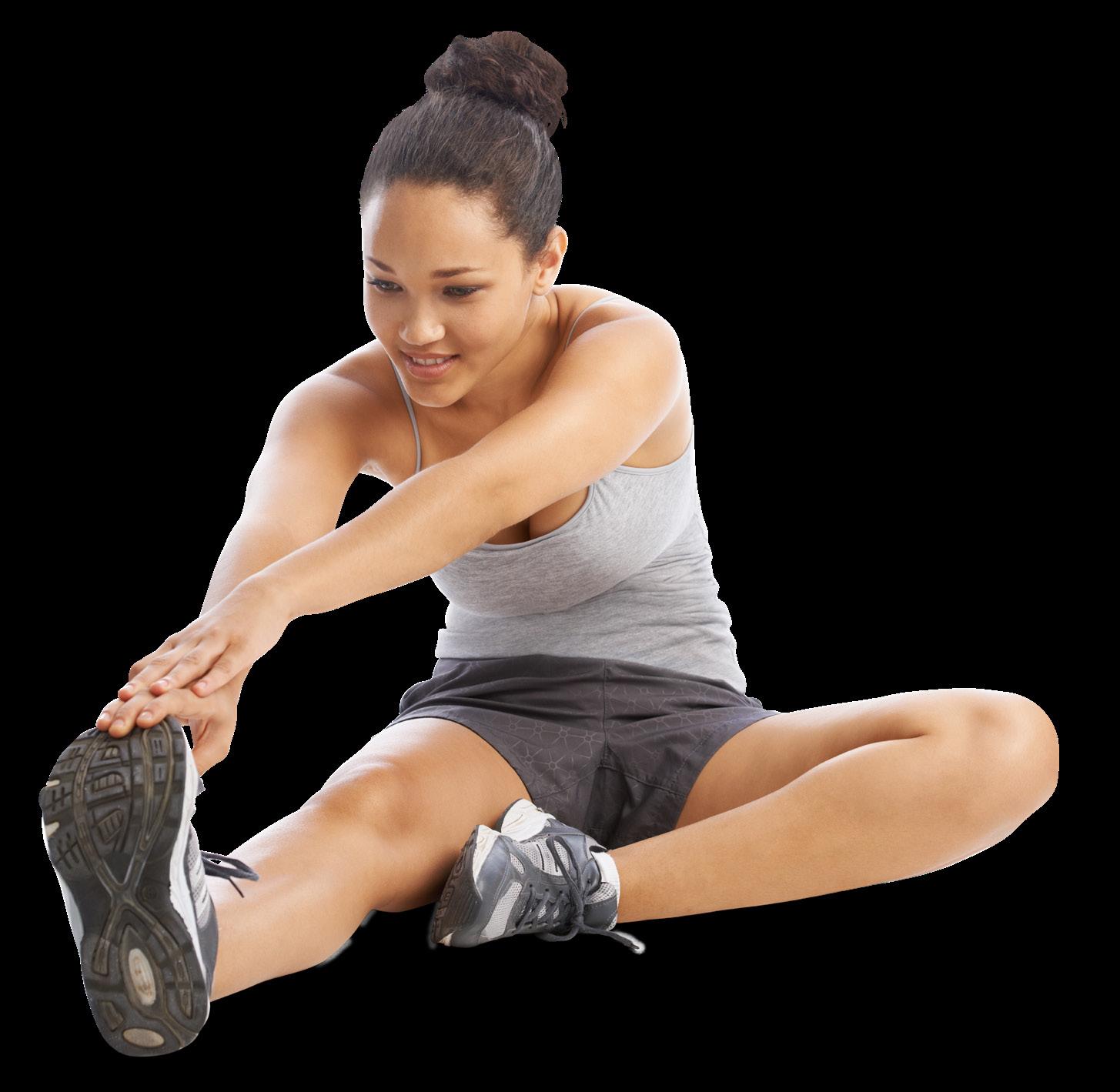
Workouts can be tough, and sometimes it’s difficult to stick to a consistent routine. However, the problem might not be you — it might be your choice of workout.
Fitness isn’t just about physical demands — it’s about matching your individual personality, energy and nervous system needs. Besides the workout itself, the environment in which it’s happening is a major factor on whether or not you’ll stick to it long-term. Finding a workout type that nourishes your innate needs and matches the way you feel that day will improve adherence.
The best workout is the one you’ll do. The worst workout is the one that didn’t happen.
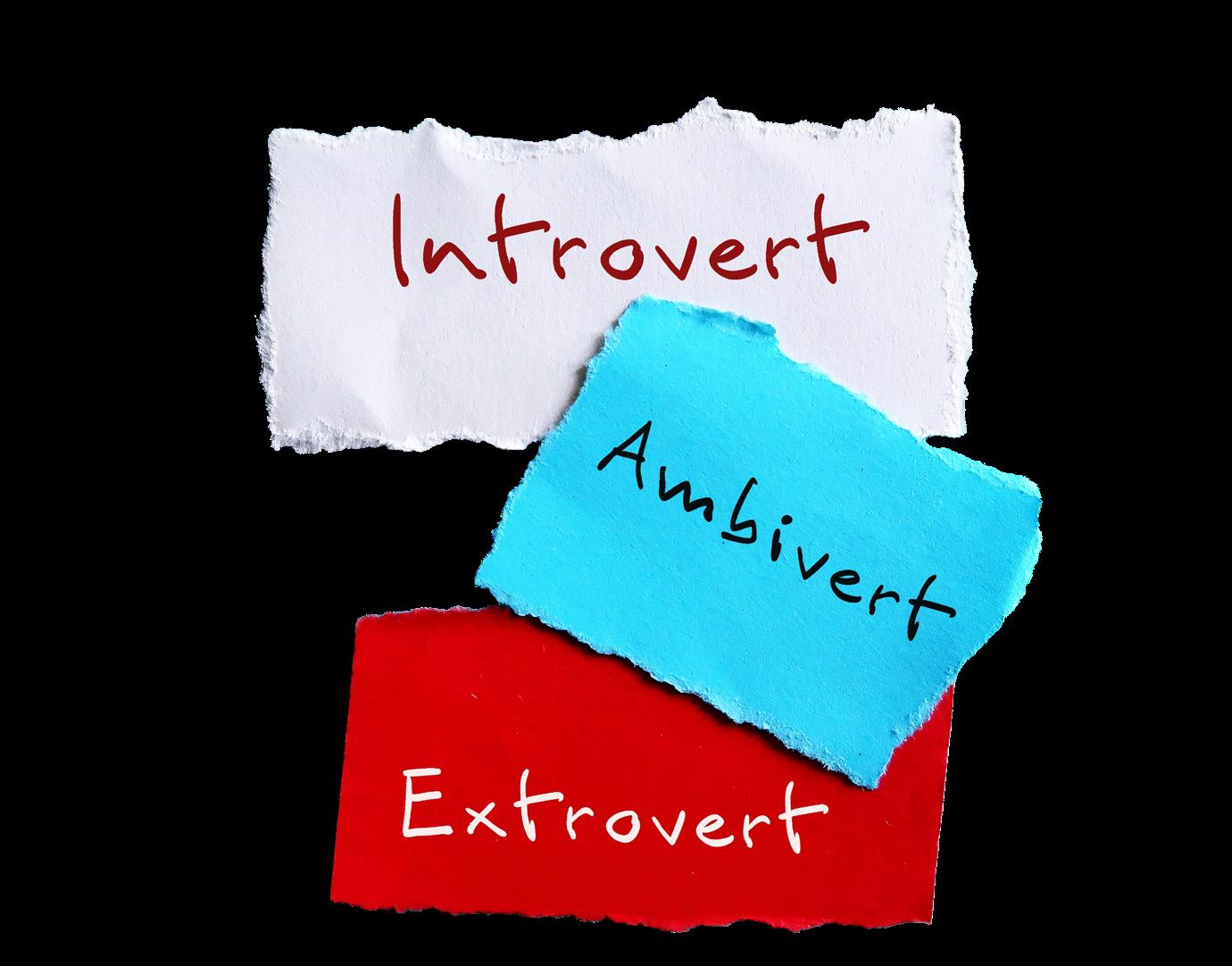
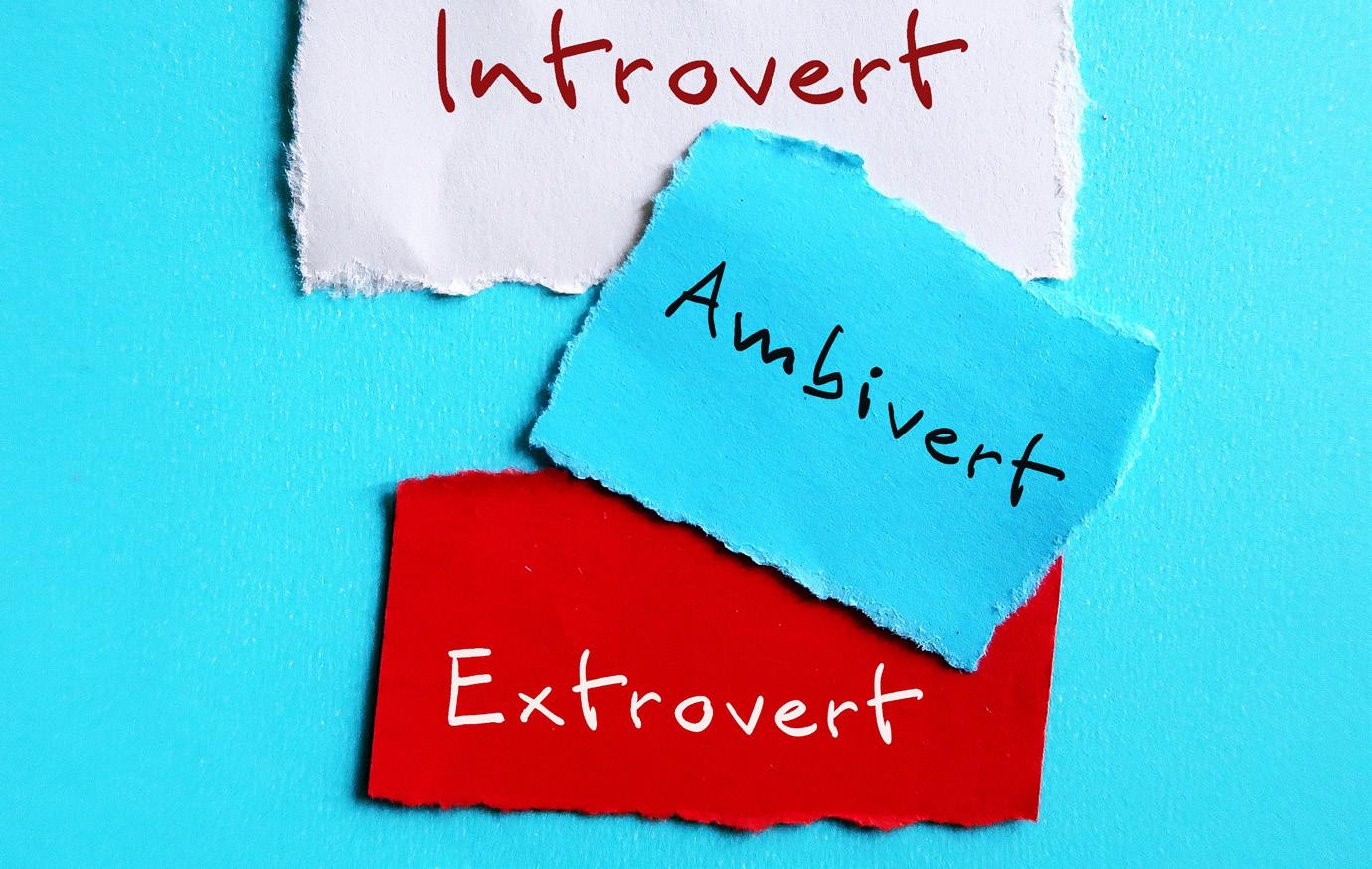
FOR THE INTROVERT: RECHARGING THROUGH FOCUS AND SOLITUDE
Introverts recharge their batteries by time spent alone in quiet reflection. Workouts can be a great time to turn the focus inward and take a step away from the world. Introverts might enjoy
workouts that involve a predictable environment, minimal talking, and practices that feel meditative, introspective or require mental focus.
Good options for introverts: Yoga, solo strength training, swimming, walking, hiking, jogging, pilates, at-home workouts, solo sports
FOR THE EXTROVERT: RECHARGING THROUGH ENERGY AND COMMUNITY
Extroverts recharge through mental stimulation and interacting with other people. They often thrive on novelty, loud music, intensity, competition and accountability. Group settings are a place where extroverts often thrive.
Good options for extroverts: Team sports, CrossFit, running clubs, cycling groups, dance-based workouts, any groupbased fitness classes
FOR THE AMBIVERT: HAVE IT BOTH WAYS
Ambiverts are those who can be comfortable alone and with others and recharge both ways, depending on how they feel that day. They tend to like options and flexibility and a mixture of both structure and freedom. Ambiverts do best when they can adapt their workouts to their mood, schedule or stress level.
Good options for ambiverts:
Personal training, small-group training, hybrid programs (combination of gym and homebased workouts), boutique studio classes
HOW TO FIND THE PERFECT FIT
To assess whether a particular type of workout is working for (or against) you, ask yourself the following questions:
1. Do I leave this workout feeling energized or depleted?
2. Am I more motivated by music and people or quiet and control?
3. Do I dread the environment or just the physical effort?
4. Would I do this even if no one was watching?
Your answers to these questions will help steer you in the right direction to finding a workout that best suits your unique needs. Just because a fitness regimen is trendy doesn’t mean it’s the right fit for you. Play around with different options until you find what works best for you. You don’t have to settle on one workout — the answer could be a combination of multiple types of activities.
WHAT’S YOUR WORKOUT PERSONALITY?
Choose the answer that feels most natural. Don’t overthink it.
1. After a long, stressful day, you’re most likely to crave:
A. Quiet movement that helps you decompress
B. A high-energy class or a workout with friends
C. It depends — sometimes solitude, sometimes company
2. Your ideal workout environment is:
A. Calm, focused and low-stimulus
B. Lively, social and music-driven
C. Structured but flexible
3. Motivation comes easiest when:
A. You feel mentally centered and in control
B. You’re surrounded by energy, encouragement or friendly competition
C. You can switch things up based on your mood
4. If your gym is packed, you’re most likely to:
A. Wish you came at a quieter time
B. Feel more pumped and energized
C. Be fine — as long as you have space to do your thing
5. When you miss a workout, it’s usually because:
A. The environment felt draining
B. You didn’t have anyone to go with
C. Your routine stopped fitting your schedule or energy
RESULTS
Mostly A’s: The Focused Mover (Introvert-Leaning)
You thrive on workouts that feel grounding and self-directed. Quiet strength training, yoga, swimming, walking or at-home routines help you stay consistent and actually enjoy the process.
Mostly B’s: The Social Energizer (Extrovert-Leaning)
You light up in community settings. Group classes, team sports, bootcamps, dance workouts or running clubs keep you motivated and coming back for more.
Mostly C’s: The Adaptive
You’re at your best when you workouts with small-group training, personal sessions or hybrid routines gives you balance

The Crafty Corner
BY NICOLE IRVING
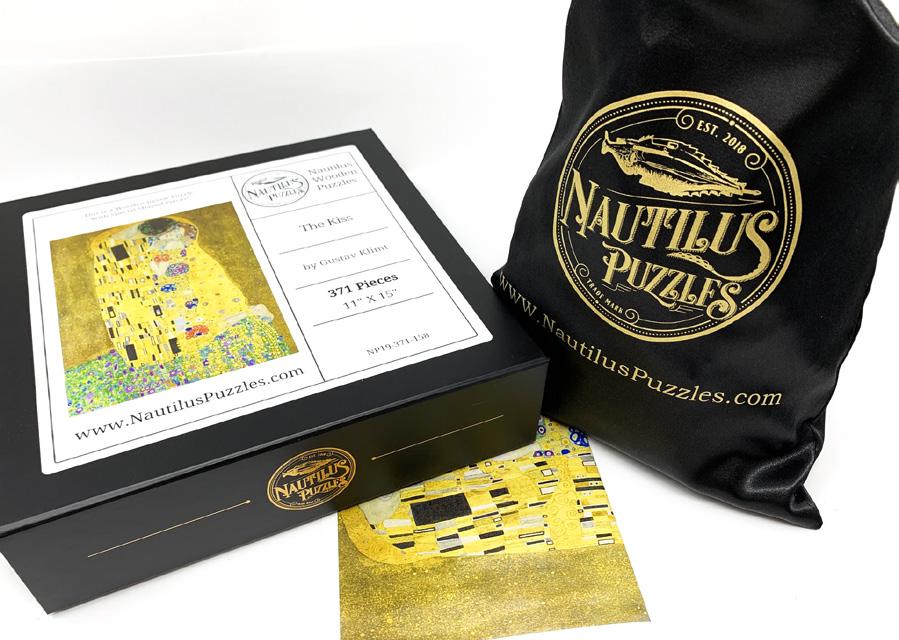
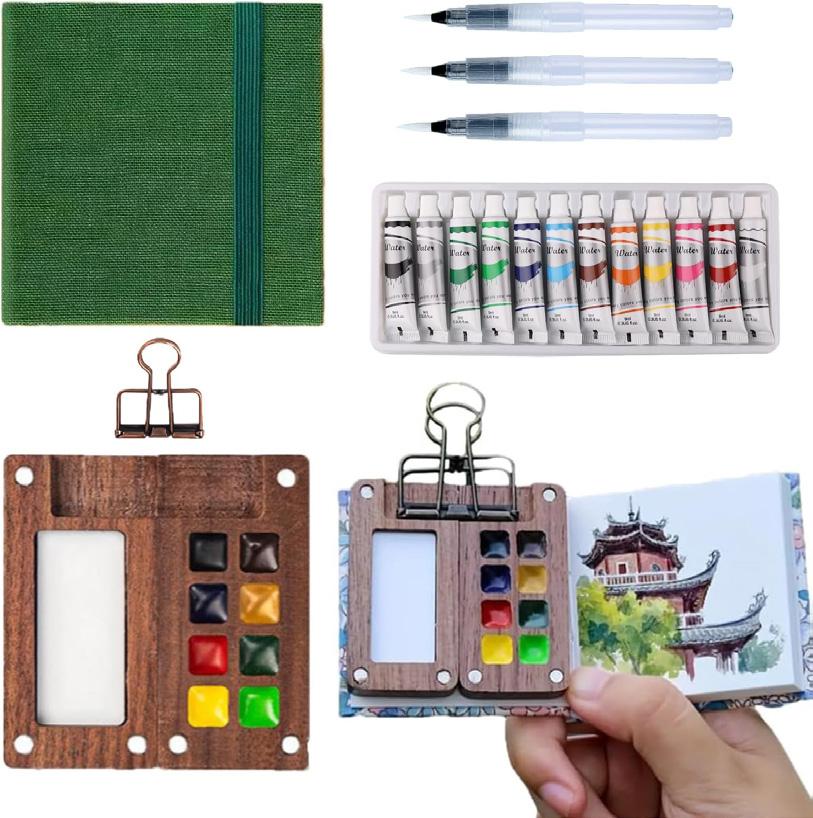
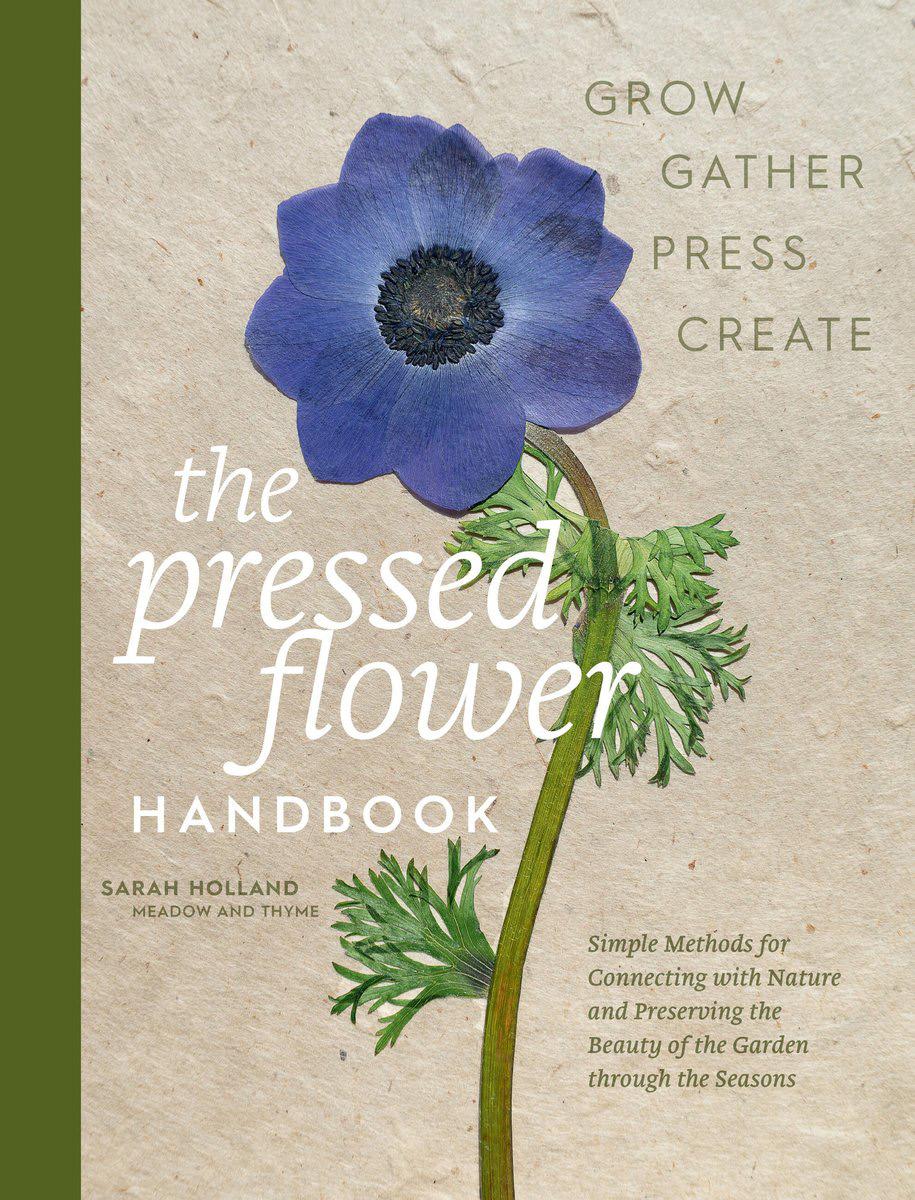
Who doesn’t love engaging in the arts and crafts? Not only does it spark creative thinking and help fine motor skills, but it is also just plain fun! We have gathered some of our top picks to get you started in unleashing your inner artist.
Bonsai Live Chinese Elm Bonsai Tree $46.89 Amazon



Rolife® Garden House DIY Book Nook Shelf Insert Kit
$29.99 | Michael’s
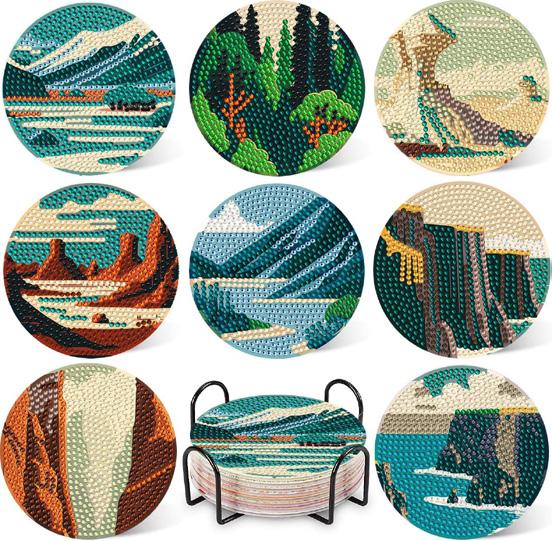
8 Pcs Diamond Art Coasters Kit $12.99 | Amazon
Photos




Lifestyle & Travel
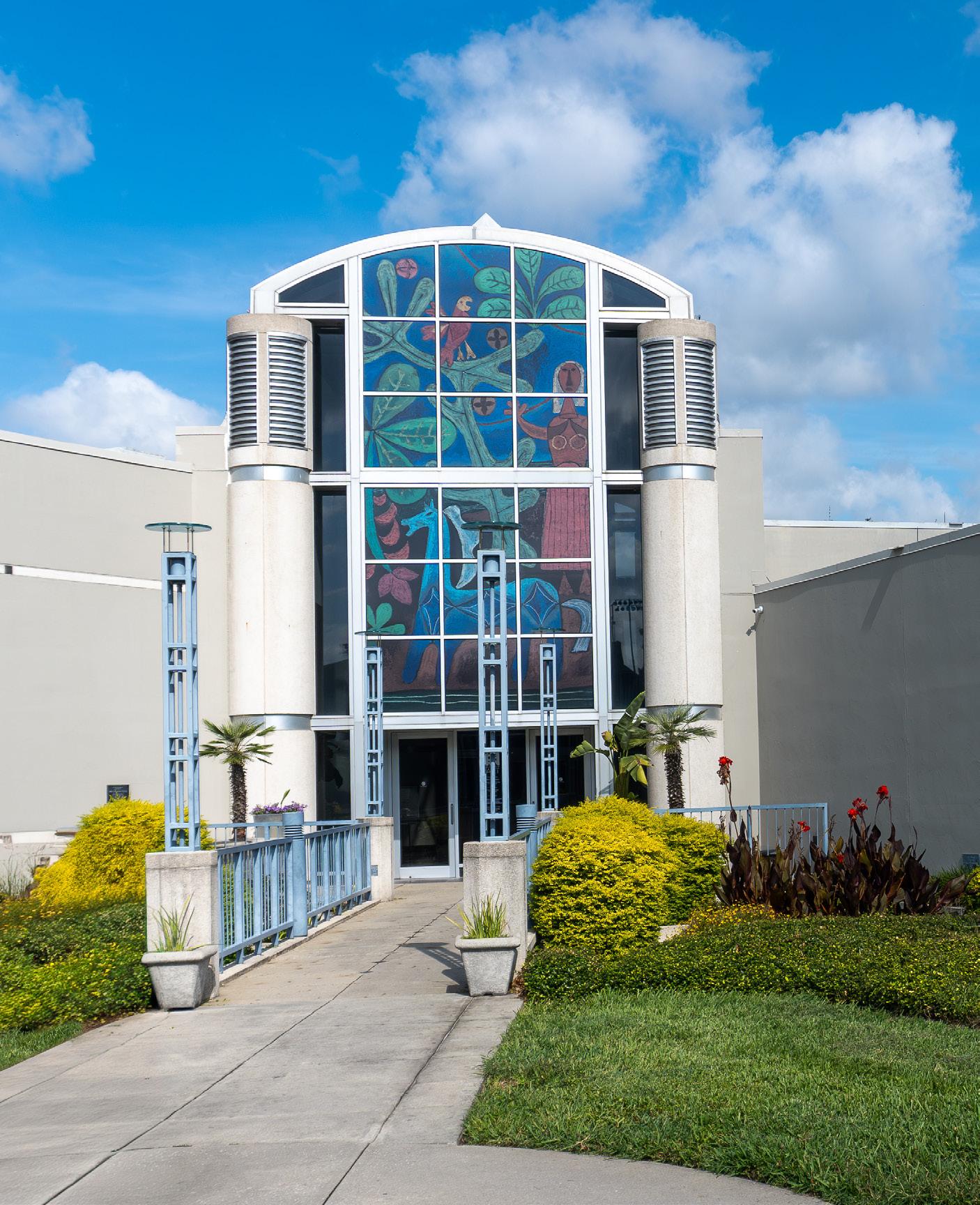
From the Panhandle to the Keys: A Journey Through Florida’s Arts and Cultural Scene
BY ALEXANDRA BURNS
Aside from its scenic beaches and abundant golf courses, Florida is home to a vibrant cultural scene, with galleries and art museums that showcase the Sunshine State’s rich history and creativity. Here is a list of museums and galleries across Florida, perfect for the weekend activity or an afternoon after school gets out:
Harn Museum of Art
3259 Hull Road | Gainesville, FL 32608 harn.ufl.edu
The Harn Museum of Art at the University of Florida features an array of exhibits and collections, such as paintings, pottery, antiques and photography from across the globe. The Harn also offers various events for adults or the whole family, including an Art after Dark event with extended hours, music and refreshments on Thursday evenings.
Hours: Tuesday, Wednesday, Friday & Saturday 10 a.m. - 5 p.m., Thursday 10 a.m. - 9 p.m., Sunday 1 - 5 p.m.
Admission: Free.
Matheson History Museum
513 E. University Ave. | Gainesville, FL 32601 mathesonmuseum.org
The Matheson opened its doors in 1994 and works to preserve and interpret Alachua County's history. The museum offers innovative exhibits and programs in a range of local and Florida history topics, according to its website.
Hours: Wednesday - Saturday 11 a.m. - 4 p.m. Admission: Free, but donations are encouraged.
Norton Museum of Art 1450 S. Dixie Highway West Palm Beach, FL 33401 norton.org
The West Palm Beach Norton Museum of Art was founded in 1941 by industrialist Ralph Hubbard Norton and his wife to display their growing art collection. The museum now holds more than 8,200 European, American, Chinese, contemporary and photographic works, according to the museum’s website.
Hours: Monday, Wednesday, Thursday & Saturday 10 a.m. - 5 p.m., Friday 10 a.m. - 10 p.m., Sunday 11 a.m. - 5 p.m.
Admission: General admission is $18, children 12 and under are free, seniors are $15, students with an ID are $5 and members are free.
Lifestyle & Travel
Henry Morrison Flagler Museum
1 Whitehall Way | Palm Beach, FL 33480 flaglermuseum.org
Immerse yourself in the history of the Gilded Age and Palm Beach at the Flagler Museum! The museum, which is the former home of American industrialist Henry Flagler, offers a view of the extravagant mansion and a series of art exhibitions. Don’t forget to check out Flagler’s restored railcar!
Hours: Tuesday - Saturday 10 a.m. - 5 p.m., Sunday Noon - 5 p.m.
Admission: General admission is $28 for adults, $14 for children aged 6 - 12 and free for members and children ages 5 and under.
GLAZER HALL
70 Royal Poinciana Way Ste. P70 Palm Beach, FL 33480 glazerhall.org | (561) 576-7860
Palm Beach’s GLAZER HALL is a waterfront venue that features shows ranging from music, theater, film, opera, comedy, dance, magic, Broadway, cabaret, jazz, arts education and more. Visit its website to view upcoming shows and events.
Amelia Island Museum of History
233 S. 3rd St. Fernandina Beach, FL 32034 ameliamuseum.org
The Amelia Island Museum of History aims to “preserve, protect and promote the unique history of Amelia Island” for a diverse community. The museum features nine exhibits covering 4,000 years of life on the islands. Enjoy interactive displays, exhibit rooms, walking tours and a children’s section that teaches about the pirate way of life.
Hours: Monday - Saturday 10 a.m. - 4 p.m., Sunday 1 - 4 p.m.
Admission: Admission is $10 for adults aged 18 - 64, $5 for children aged 5 - 17, $8 for seniors, $8 for the military and $5 for students with a valid ID.
Island Art Association Gallery
18 N. 2nd St. | Fernandina Beach, FL 32034 islandart.org
The Island Art Association Gallery is an artist-owned, co-op gallery featuring over 45 local exhibiting artists, according to its website. The gallery’s Art Education Center also offers a variety of weekly and monthly activities, including art and photography classes and workshops for both adults and children.
Hours: Wednesday - Monday 11 a.m. - 5 p.m.
Admission: Free.
Cummer Museum of Art & Gardens
829 Riverside Ave. | Jacksonville, FL 32204 cummermuseum.org
The Cummer Museum of Art & Gardens, founded in 1961, serves as a home for civic leader and art collector Ninah Cummer’s art collection and the former riverfront residence following her death. According to the museum's website, it now holds more than 5,000 works of art and offers access to beautiful, historically significant gardens.
Hours: Tuesday 11 a.m. - 8 p.m., WednesdaySaturday 11 a.m. - 4 p.m., Sunday Noon - 4 p.m.
Admission: Admission is free for members and children aged 5 and under, $20 for adults, $15 for students aged 6 - 17, $15 for the military and $15 for educators. Visit the website to view discounts.
MOCA (Museum Of Contemporary Art) Jacksonville
333 N. Laura St. | Jacksonville, FL 32202
mocajacksonville.unf.edu
Operated as a cultural institute of the University of North Florida, MOCA is a contemporary art museum that features exhibits, collections, educational programs and publications that particularly emphasize creations from 1960 to the present.
Hours: Tuesday - Sunday 11 a.m. - 5 p.m.
Admission: The museum's first floor is free to the public. General admission is $10 for adults, $6 for seniors and youths aged 6 - 17, $6 for college students and free for children aged 5 and under.
Town of Jupiter Community Center Gallery of Art
210 Military Trail
Jupiter, FL 33458
jupiter.fl.us/490/town-of-jupiter-art-gallery
Visit Jupiter’s Community Center Gallery of Art, established in 1993, to celebrate and learn about local and regional artistry. The gallery features new art exhibits displaying fine arts and crafts, sculptures or photography about every two months and art that might be available for purchase.
Hours: Monday - Friday 8 a.m. - 9 p.m., Saturday 8 a.m. - 4 p.m.
Admission: Free.

Jupiter Inlet Lighthouse & Museum
500 Captain Armours Way Jupiter, FL 33469
jupiterlighthouse.org
Jupiter’s Inlet Lighthouse & Museum offers various locations to explore, including its historic lighthouse, working since 1860, and a pioneer house. It also features a museum that presents an exhibit on 5,000 years of Loxahatchee history. The museum is inside the last remaining building of the World War II naval radio station Station J, according to the museum website.
Hours: Tuesday - Sunday 10 a.m. - 4 p.m.
Admission: General admission is $15 for adults, $12 for veterans and seniors, $8 for children aged 6 - 18 and free for members and children aged 5 and under. Visit the website for special prices and discounts.
Lifestyle & Travel
Orange County Regional History Center
65 E. Central Blvd.
Orlando, FL 32801 thehistorycenter.org
The Regional History Center offers a museum inside a historic courthouse, a collection of the Historical Society of Central Florida, a research library, a gift shop and Heritage Square Park. According to its website, the center features permanent and traveling exhibitions, as well as four floors of history spanning 14,000 years across the seven-county Central Florida region.
Hours: Tuesday - Saturday & Monday 10 a.m. - 5 p.m., Sunday Noon - 5 p.m.
Admission: General admission is $10 for adults, $8 for seniors, $7 for students and military, $6 for children aged 5 - 12 and free for children aged 4 and under. Visit the website to see special discounts.


Kennedy Space Center Visitor Complex
Space Commerce Way
Merritt Island, FL 32953 kennedyspacecenter.com
The Kennedy Space Center is a mustsee for those interested in science, technology and exploration. Serving as a Smithsonian Affiliate, the center features the opportunity to see artifacts of NASA’s Mercury, Gemini, Apollo and Space Shuttle Programs through exhibits and attractions.
Hours: Monday - Sunday 9 a.m. - 5 p.m.
Admission: One-day admission starts at $77 for adults aged 12 and up and $67 for children aged 311. Visit the website to see more prices and specials.

The Charles Hosmer Morse Museum of American Art
445 N. Park Ave.
Winter Park, FL 32789 morsemuseum.org
The Charles Hosmer Morse Museum offers a whimsical experience, featuring the world’s most comprehensive collection of Louis Comfort Tiffany’s work, such as jewelry, pottery, paintings, art glass, leaded-glass lamps and windows and Tiffany’s chapel interior from the 1893 World’s Columbian Exposition in Chicago, according to the museum’s website. The museum also displays American art pottery, decorative art and paintings from the late 19th to early 20th century.
Hours: Tuesday - Thursday & Saturday 9:30 a.m. - 4 p.m., Friday 9:30 a.m. - 8 p.m., Sunday 1 - 4 p.m.
Admission: Admission is $8 for adults, $7 for seniors 60 or older, $3 for students and free for children younger than 12. Friday is free from 4 p.m. - 8 p.m.
Orlando Museum of Art
2416 N. Mills Ave. Orlando, FL 32803 omart.org
Orlando’s Museum of Art showcases American, contemporary and international art, with temporary exhibitions displaying a range of artistic achievements and permanent exhibits that feature collections including American, African and ancient American art.
Hours: Tuesday - Friday 10 a.m. - 4 p.m., Saturday & Sunday Noon - 4 p.m.
Admission: Admission is $20 for adults, $12 for seniors, $10 for students, $8 for children aged 6 - 17 and free for children 5 and under. Visit the website to see special deals and prices.
Lifestyle & Travel
Key West Museum of Art & History at the Custom House
281 Front St.
Key West, FL 33040 kwahs.org
Inside a 1891 civic building, this art and history museum serves as a national landmark and the headquarters of the Key West Art & Historical Society. The museum offers two floors of temporary and permanent exhibits that feature centuries of history, art, people and events, according to the website.
Hours: Monday - Sunday 10 a.m. - 5 p.m.
Admission: General admission is $15.50, children aged 6 and under are free and youths aged 7 - 18 are $7.50. Visit the website to see discounts.
Keys History & Discovery Center
82100 Overseas Highway Islamorada, FL 33036 keysdiscovery.com
The Keys History & Discovery Center is dedicated to reflecting the Florida Keys in a “multi-faceted and interactive environment,” with a range of activities, including three aquariums, fishing exhibits, historical exhibits, a theater, library and art gallery.
Hours: Tuesday - Sunday 10 a.m. - 4 p.m.
Admission: General admission is $15. Visit the website to see discounts.
Pérez Art Museum Miami
1103 Biscayne Blvd.
Miami, FL 33132
pamm.org/en
The Pérez Art Museum is a contemporary art museum that features ongoing and temporary exhibits, including paintings, sculptures, architectural elements and more. The museum also offers tours, such as a Black Art Tour, a Pride Tour and tours in Spanish.
Hours: Thursday 11 a.m. - 9 p.m., FridayMonday 11 a.m. - 6 p.m.
Admission: Admission for adults is $18, $14 for youths aged 7 - 18, $14 for seniors and free for military, educators and children aged 6 and under. Visit the website to see more specials.
Wynwood Walls
2516 NW 2nd Ave.
Miami, FL 33127
thewynwoodwalls.com
Wyndwood Walls was created in 2009 and is dedicated to contemporary and street art. It serves as a living canvas and features an indoor contemporary art gallery and outdoor murals.
Hours: Monday - Sunday 10:30 a.m. - 6:30 p.m.
Admission: General admission is $12 for adults, $10 for seniors, $5 for youths aged 6 - 17 and free for children aged 5 and under. Visit the website to see special discounts.
The Bass Museum of Art
2100 Collins Ave.
Miami Beach, FL 33139 thebass.org
The Bass is a contemporary art museum that features international contemporary art and pieces that reflect Miami's character and spirit, according to the museum’s website. The Bass also offers educational programs for all ages.
Hours: Wednesday - Sunday Noon - 5 p.m.
Admission: General admission is $15 and $8 for students, seniors and youths aged 7 - 18. Children 6 and under are free. Visit the website to view other special prices. Free admission is offered monthly on Third Thursdays from 6 - 9 p.m.
Museum of Fine Arts
255 Beach Drive NE
St. Petersburg, FL 33701 mfastpete.org
St. Petersburg’s Museum of Fine Arts offers exhibits spanning 4,000 years, with historical and artistic exhibitions featuring African art, European paintings, American photography and more. The museum also offers public events for the community and students.
Hours: Tuesday - Sunday 10 a.m. - 5 p.m.
Admission: General admission is $24 for adults, $19 for seniors and college students, $12 for youths aged 7 - 17 and free for children aged 6 and under. Visit the website to view special prices.
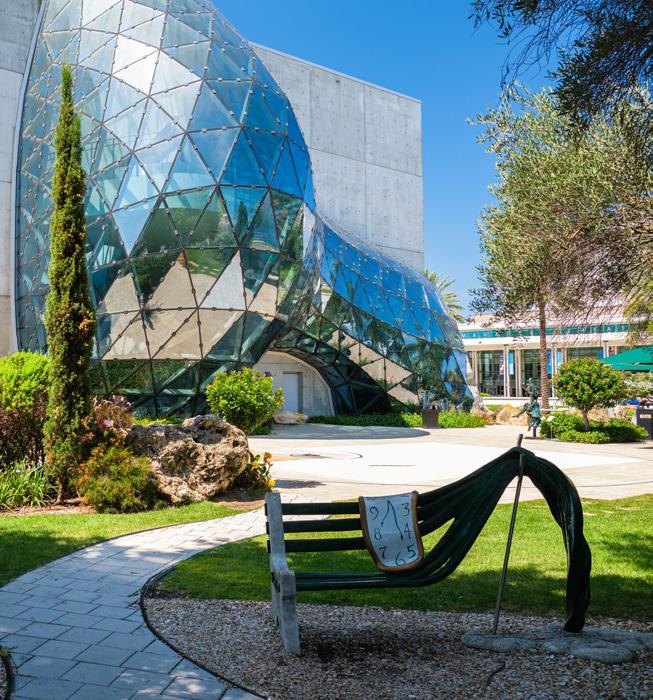
The Dalí Museum
1 Dali Blvd.
St. Petersburg, FL 33701 thedali.org
Tampa’s Dalí Museum features a collection from Spanish artist Salvador Dalí, including avant-garde symbols, visual illusions and melting clocks. The museum also currently features a dome that provides a 360-degree view of Vincent Van Gogh’s masterpieces and technological activities that allow guests to engage with art on their devices.
Hours: Monday - Wednesday & Friday - Sunday 10 a.m. - 6 p.m., Thursday 10 a.m. - 8 p.m.
Admission: General gallery admission for adults is $32. Visit the website to view discounts and special prices.
Tampa Museum of Art
120 W. Gasparilla Plaza Tampa, FL 33602 tampamuseum.org
Established in 1920, Tampa’s Museum of Art features modern and contemporary art, including Greek, Roman and Etruscan art. The museum also offers community activities, such as a figure-drawing study.
Hours: Tuesday - Wednesday & Sunday - Monday & Friday 10 a.m. - 5 p.m., Thursday 10 a.m. - 8 p.m.
Admission: Admission for adults is $25, $15 for adults 65 and older, $15 for military and educators, $5 for K-12 students and free for college students and children 6 and under. Visit the website to see more special prices and discounts.
The Truth About Leftovers
BY AMELIA STUTSMAN
We’ve all had that moment when we look in the fridge for something to eat, sliding the milk aside and rediscovering the leftovers that we had from last week. And then we wondered if they were still edible — or if they might be better off just getting tossed in the trash.
It might happen more often than you think — your leftovers carefully packaged and then discarded without a second thought. The whole situation seems like a guessing game. But maybe it doesn’t have to be.
The Fridge Life of Your Food
According to Mayo Clinic, food can be kept in the fridge for 3 to 4 days, after which, the risk of bacteria growth and food poisoning begins to increase. Frozen leftovers can be kept for a long time, but Mayo Clinic recommends eating them within 3 to 4 months to maximize quality.
While 3 to 4 days is a general standard, best practices can vary based on the ingredients in your leftovers. The most recent edition of the Food and Drug Administration (FDA) Food Code states that prepared food should be eaten or discarded after a maximum of one week from the date of preparation.
Beyond the recommended timeline, the FDA states that bacteria like Salmonella, E. coli and C. botulinum can become a risk and lead to botulism, which can cause paralysis and death. Following best practices for food safety is extremely important and can help ensure the safety of you and your family.
How to Maximize Your Leftovers
According to the U.S. Department of Agriculture (USDA) Food Safety and Inspection Service, leftovers should be stored in the fridge at or below 40 F, but there are additional ways to increase the safety of your leftovers.
• COOK FOOD PROPERLY AT HOME: When cooking, use a thermometer to ensure that red meats reach an internal temperature of 145 F, ground beef reaches a temperature of 160 F and poultry reaches a temperature of 165 F.
• PACKAGE AND STORE FOOD EARLY: The risk of bacteria greatly increases while food is left between 40 F and 140 F. “Within 2 hours of cooking food or after it is removed from an appliance keeping it warm, leftovers must be refrigerated.”
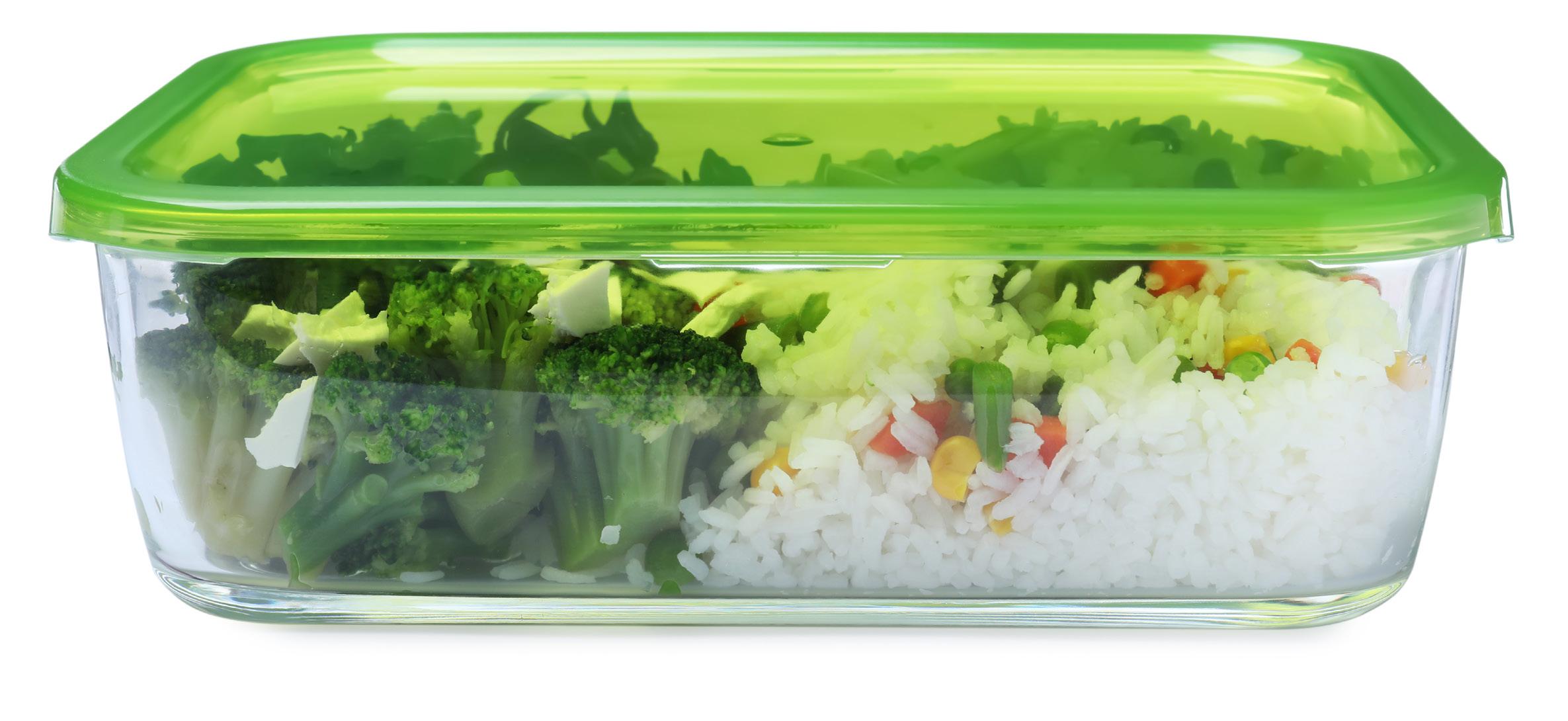
• PACKAGE LEFTOVERS PROPERLY: Ensure leftovers are packaged properly in an airtight bag or container. Hot foods should also be allowed to cool as quickly as possible, so a shallow container is best.
• THAW AND REHEAT FOOD SAFELY: Frozen food should be thawed overnight in the fridge in cold water or in the microwave. Avoid letting it thaw on the counter. Leftovers should be reheated to 165 F and should only be reheated once. Do your best to take out only the food you will eat in one sitting, as multiple heating and cooling cycles can increase risk.


Rethinking Your Leftover Game
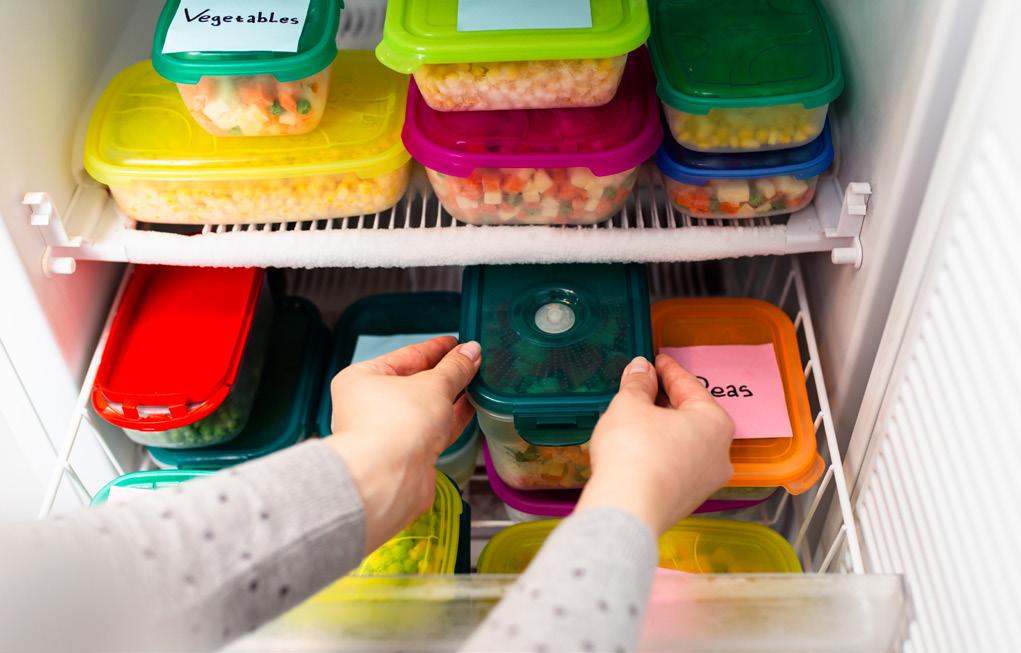
Rethinking the idea of leftovers can help you maintain the integrity of your food and prevent you from having to throw it away. One way is to treat leftovers like meal-prep rather than uneaten food. Portioning food into to-go containers can make the next day’s lunch or dinner that much easier, giving you peace of mind about your schedule and what you’re eating. Silicone ice-cube trays double as a way to prolong the life of your leftovers and help you portion them later. Many brands make trays with larger blocks specifically designed for food. Foods like rice, beans, soup or broth, veggies, pasta sauce, minced garlic and more are great options to freeze in silicone trays and reheat.
Whether you’re already at the top of your leftover game or you learned something new, hopefully this was a good reminder that leftovers are great and don’t have to be something that makes you shudder rather than something to look forward to. Now, get back out there and make something great!
For more specifics, check out the fridge life of your favorite leftovers below!
Raw Sushi: 24 hours
Cooked Meats: 3-4 days
Salad With Dressing: 1-2 days
Pasta/Potato Salad: 3-5 days
Deli Meat: 3-5 days after opening
Shredded/Sliced Cheese: 5-7 days after opening
Pasta: 3-5 days
Cut Fruit: 3-5 days
Rotisserie Chicken: 3-4 days
Cooked Vegetables: 3-4 days
Pasta Sauce: 5-7 days
Broth-Based Soups: 3-4 days
Guacamole: 1-3 days
Pizza: 3-4 days
Burritos/Tacos: 2-3 days










Why Kiwi Deserves a Place in Your Daily Diet
BY REAGAN POLAND
Also known as the Chinese gooseberry, the kiwi is a fresh, green fruit with a brown, fuzzy exterior. Often overlooked, this fruit’s tasty center is packed with nutrients, high in vitamin E and C, fiber, potassium and folate, according to Medical News Today.
These nutrients can also be a form of skin care as they support processes like collagen production, skin elasticity and wound healing. One kiwi contains around 302 mg of potassium, according to Medical News Today. Potassium is essential for hydrated skin, as it helps maintain your body’s fluid balance as an important electrolyte, according to Healthline. The antioxidants found in kiwi can also help remove free radicals in the body, in turn reducing oxidative stress. The fiber content in kiwi helps maintain healthy digestion and stool frequency, per the Cleveland Clinic. The prebiotics within the juicy, green inside can support gut health and provide a regulated microbiome. This fruit can also serve as a natural and effective remedy for mild constipation.
A 2020 review article by the National Library of Medicine of eight studies concluded that kiwifruit consumption may be associated with both direct and indirect anticancer effects. Direct effects may come from reduction in DNA oxidative damage from vitamin C, with indirect effects possibly stemming from increased bowel movements and improved gut health, which can help reduce factors linked with cancer risk.
Kiwi may even improve sleep quality. Small studies on athletes and adults suggest that eating kiwi before bed may increase total sleep time and improve sleep onset, likely due to its natural serotonin and antioxidant content, according to the National Library of Medicine. This makes kiwi a sweet and functional nighttime snack.
Be careful trying kiwi for the first time, as it does contain some known allergens, like actindin, an enzyme that can cause reactions like an itchy throat, swelling or low blood pressure, according to Healthline.
And, while many people scoop out the center, kiwi skin is completely edible and contains even more fiber and antioxidants than the flesh alone. When cleaned properly, eating the skin can further boost digestive benefits.
Kiwi is delicious on its own, but it also pairs well with yogurt, oatmeal, fruit salads, smoothies and chia seed pudding. It also enhances iron absorption when paired with plant-based iron foods like spinach or oats, due to its high vitamin C content,


Fueling Creativity: What Artists, Musicians and Makers Eat to Sustain Long Studio Days
BY ALEXANDRA BURNS
Studio days can make it challenging for artists and creatives to maintain a regular schedule and keep up with the recommended three meals a day. The media often depicts these artists as starving, devoting hours to pure art and creativity and disregarding health necessities such as caloric intake and sleep.
But food is key to a successful day in the studio, allowing creatives’ minds to function and their bodies to move without collapsing from low energy levels.
Why Artists Need to Fuel Up During the Day
Whether it’s dancing, playing an instrument, writing or painting, long days in the studio can make it difficult to remember to eat, let alone to schedule time for a proper meal.
By not eating enough or not including nutritious foods in their daily diet, artists could experience extreme fatigue or energy crashes, making it difficult for creativity to flow and leading to exhaustion before they even return home.
According to an article from Healthline, not eating enough calories during the day can lead to feeling fatigued for most of the day because the necessary amount of energy is not being sustained. The average female needs about 2,000 calories a day, and the male 2,500. However, for artists engaging in intense and extended physical activity, their required caloric intake increases as they are burning more calories than the average individual.
Failure to maintain a nutritious and consistent diet can also lead to decreased cognitive functioning, according to Equip Health, including impaired memory, which can be detrimental to an artist who depends on critical thinking to perform.
Jennifer Rose Parker, a registered and board-certified dietitian with Nourish Alive Nutrition Counseling, LLC at Arena Counseling and Wellness, said that since your body and brain run on glucose, if you’re holding back on eating frequently and balanced, you will most likely experience negative effects on your energy levels and mood.
“Often artists might rely solely on coffee or other stimulant drinks, but it just isn't enough,” she said. “Staying hydrated is another key for stamina too, so don't forget to take water and stretching breaks!”
Small Snacks Throughout the Day to Keep Your Energy Up
By eating small and nutritious snacks throughout the day, artists can maintain their energy levels throughout the workday, helping to prevent intense waves of exhaustion. Miniature protein-packed snacks that are inexpensive and easy to store and munch on in between studio days are the best way to fit in meals that maintain these energy levels and cognitive power.
Parker advised focusing on carbohydrates to help sustain energy or focus during long studio days.
“Think [a] toasted whole wheat English muffin with avocado, egg and tomato,” she recommended. “Or for those looking for something more sweet, try old-fashioned whole oats (uncooked) with pecans, cinnamon, banana and soy milk.”
Esther Thompson, a 15-year-old singer and dancer who has been taking voice lessons for over a year and dances almost every day, said she partakes in about two to three dance classes a day, along with long rehearsals on Saturdays.
Thompson said that she focuses on nutrition for her dance training. This includes never skipping breakfast, which is usually oatmeal or a banana, and highprotein and nutrient-rich lunches like a rice bowl, salad or egg and sourdough sandwich.
“This energizes me for the day,” she said. “We eat a full dinner as a family every night with protein, lots of vegetables.”
Thompson also said she enjoys smoothies with almond milk and coffee frappuccinos as a "pick-me-up" during long studio days.
“I'm pretty good at eating regularly, but I can say there have been some days where I haven't eaten enough due to lack of time, and it definitely impacts my energy,” she said. “I have learned [that] eating wellbalanced meals makes me feel the best, and I'm sure gives me the energy I need to perform in theater or dance.”
Studio Snacks and
Staples:
• Nuts, dried fruit and dark chocolate: “These together (or by themselves) can give a delicious pep of joy and inspiration as you savor the yumminess,” Parker said. She recommended adding a shot of espresso if in need of a midday pick-me-up and stocking your shelf with raisin boxes, dates, figs and cranberries.
• Snack bars and whole grain snacks: “I like bars by Killer Dave's and Nature Valley, but really, so long as they have whole grains and low sugar, it's a good choice,” she said. “Alyssa's Oat Bites are also amazing and give lots of heart-healthy soluble fiber and taste like an oatmeal raisin cookie! For crackers and chips, try Triscuits, blue-corn tortilla chips or seeded crackers.”
• Protein pouches: Parker said that tuna or chicken pouches can last for months without opening and are a good change if you are tired of snack bars.
• Water: “I buy really big containers of water and also have a water filter for when I run out and have to use the sink,” she said.
Other snacks that can be store bought or packed in a plastic container or Ziploc include:
• Protein bars
• Fruit like apple sticks with peanut butter
• Vegetables like carrot sticks with hummus
• Slices of cheese with crackers
• Water bottle with electrolytes, such as Propel or Gatorade packets
• Greek yogurt
• Beef jerky sticks
• Cheese sticks
• Baked potato prepped the night before and wrapped in foil
Simple Lunches:
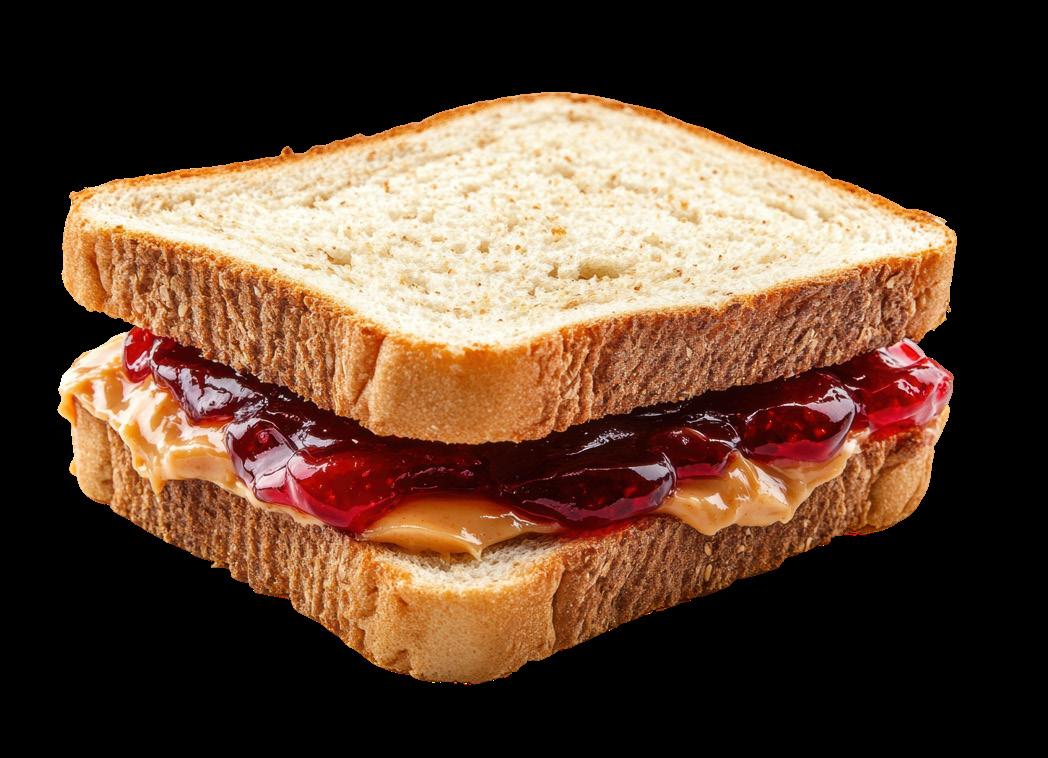
• Peanut butter and jelly: “Especially when you customize and optimize with all-natural nut butters [or] fruit preserves with little sugar added,” Parker recommended. “Or try it with banana and honey. It lasts without refrigeration, and you might only need a few bites at a time to keep you moving but not weigh you down.”
Tuna and crackers: Parker said that tuna or chicken pouches packed in water can be found in different flavors and added to crackers, slices of bread, a bagel or whole corn tortilla chips.
Hard-boiled egg with some cheese or nuts, plus fresh fruit and veggies from the house: “These foods will all be fine for a couple of hours out of the fridge, or if you need it to last longer, put an ice pack in a lunch bag or box,” she said.
Whether you’re heading into a long studio day, a creative stretch at home or an average day in the office, consider making these small adjustments to your lifestyle to help boost your energy levels. You may notice improvements in your mood, sharper critical thinking and less brain fog!
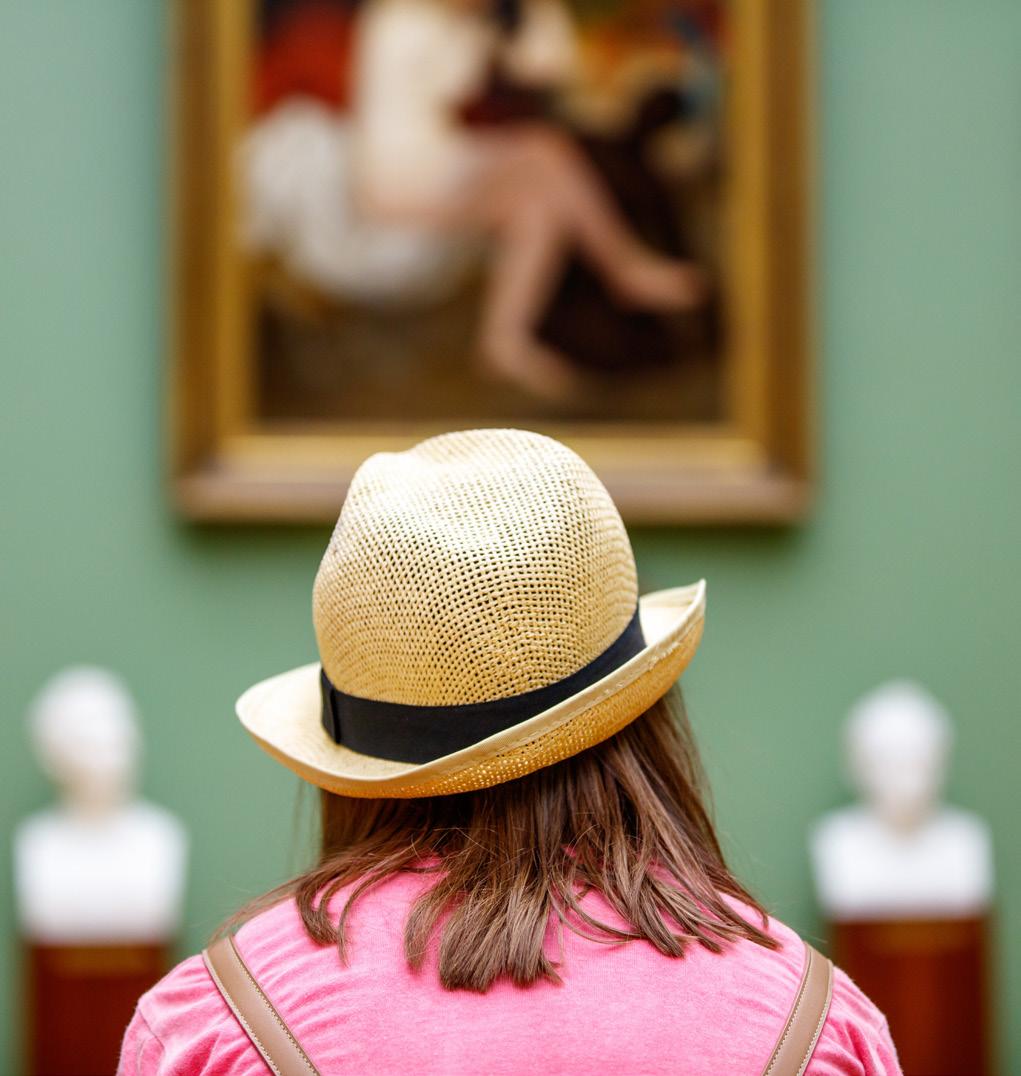
What Museums Can Teach Us About Managing Money
BY ALEXANDRA BURNS
Financial advice is often not the first thing you consider when thinking of a museum. But museums, known for their careful curation of culturally and artistically significant collections, can teach you a few things about managing your wallet and making your finances last.
Museums Don't Chase Trends, and Neither Should
Your Wallet
Museums search for artistic talent, historical and cultural relevance and authenticity. Instead of displaying the newest, shiniest creations of the moment, they often strive for more traditional or emotionally and historically influential pieces, aiming to honor true artists, time periods or styles.
You should treat your wallet similarly, using it as a safe place to store and protect your money.
Trends can be the death of your checking account. The media is constantly creating buzz around mainstream products —
clothing, furniture, house decor, devices, streaming platforms, restaurants and more — and often leads you to develop an addiction or overwhelming urge to not feel “left out.” But this can create an unhealthy cycle for your wallet, leading you to repeatedly buy and then give or throw away outdated trends.
According to Business Insider, it is always recommended to spend less than you earn each month, which may mean cutting out some trendy spending habits.
When purchasing items such as clothing and furniture, consider the next 30 days, but be realistic. No matter how much you want it in that moment, will you want it by the end of the month, when the appeal, flashiness and excitement wear off? Will you have a place to wear that T-shirt, or will that side table you see online be useful in your home? If the answer is no, then that money is most likely better spent elsewhere.
Tips to Safeguard Your Wallet From the Latest Trends:
• ADJUST YOUR MINDSET: After committing to spending less on nonessential items, you may notice that after a couple of months, it becomes much easier to quickly discern what to spend your money on and to avoid distractions when shopping.
• DO I REALLY NEED THAT? When you find yourself circling Target, mindlessly adding items to the cart and expressing how much you’ve always wanted them, take a second before reaching the checkout line to review all the items one last time. Ask yourself, “Do I really,” emphasis on the really, “need this?” The answer is often no, despite how disappointing that might be. Tell yourself that if in two weeks, you still cannot stop thinking about the item, you will then purchase it; however, you will often find yourself forgetting about it.
• WHEN SHOPPING ONLINE OR IN PERSON FOR NON-ESSENTIALS, add the items to your shopping cart or take a picture, and then go home or turn off your computer. WAIT UNTIL THE VERY END OF THE WEEK, AND THEN REVIEW THE ITEMS AGAIN. Oftentimes, you will find that you don’t even want them anymore, which is typically the sign of an urge to follow a trend.
Preservation Is Key
Museums are best known for carefully curating collections of art, including photography, sculpture, models and paintings, spanning from the present to thousands of years ago. The goal is to display and preserve these works of art for years to come by methods like maintaining temperature-controlled environments, performing routine cleaning and using special protective glass.
Think of your savings account like the glass around a museum sculpture — it is there to protect your money and make it last for the future. Just as some art pieces in museums have survived in good condition for hundreds of years, you want to keep your money safe, help it grow and have enough when you need it the most.
For many, it can be challenging to have any cash left after rent, groceries, bills and other necessities. Here are some tips to help you reduce spending and leave room to add money to a savings account:
• Take a look at this month’s credit and debit card statements, viewing each individual charge. Is there anything that can be removed or transitioned to a lower-cost option? Is there a daily café coffee that you can switch to purchasing large bottles of refrigerated, pre-made coffee? Can you cancel a television subscription that you don’t use frequently?
• As annoying as spreadsheets may sound, they really do help. Create a spreadsheet on your computer and color code different themes — rent, utilities, streaming services, phone bill, groceries, restaurants, clothing, activities and more. Refer to your past credit and debit card statements, and label how much money you have spent during the last month on each category. Then, create a new budgeting spreadsheet and, using the 50/30/20 rule, allocate how much you can spend in each category each month. Now, every one to two weeks, review your spending categories to stay on track and remain aware of where you are in each budget category.
Price Is Not Everything
Many museum artifacts, such as the “Mona Lisa,” are not for sale and are intended to be preserved and appreciated by the public. This concept can also be applied to name-brand items.
A high price tag, often on designer items, can be appealing, signaling that it is highly sought after and desirable. The tag may also indicate higher quality, but that is not always the case.
High cost does not always equate to high quality, so you may want to spend extra time researching and reading reviews to identify the best options for specific products. Inexpensive options, such as cookware and makeup, are also available for many name-brand items. Although it might not be the brand you dreamed of at the moment, it will be almost as effective.
As you decide which brands to spend your money on while saving, adopt a long-term mindset. Consider what you want your life to look like in five years and what financial goals you will have to meet to reach that. Small purchases can add up quickly and hinder financial goals.
Similar to how a museum often builds its collections over time, you might have to take a closer look at your budget and purchasing history to grow your savings for future years.





Finding Calm in a World of Constant Headlines
BY DR. JENNIFER MARTIN
Many people are experiencing a persistent sense of unease and stress this year. Even if things in your life are relatively stable, you, your friends or family members may have felt on edge, irritable, heavy, numb or exhausted. One contributing factor is frequent exposure to distressing news. Viewing alarming headlines, images and videos activates your body’s stress response. When you have unlimited access to stories about violence, rapid change and tragedy, it keeps your body in a prolonged state of alert and hypervigilance. These chronic exposures, especially events you have little control over, take a toll on your health. With time, they can become vicarious trauma, a stress response that occurs even when you are not directly involved.
HOW TO CARE FOR YOURSELF
• Schedule News Windows: Plan one or two brief periods each day to check the news or social media. Set a timer so you don’t spend longer than you intended. Avoid scheduling this time immediately upon waking up or right before you go to bed.
• Check In With Yourself: While you are reading or watching, ask yourself: Is this information informing me or inflaming me? If it’s difficult to calm yourself during or after viewing this content, this is a sign to adjust what kind or how much media you’re consuming.
• Filter News Intake: Begin tracking what amount and type of news allows you to stay current without becoming overwhelmed. You may find you prefer to read a summary from a trusted source, rather than watching a graphic video. Mute or unfollow accounts as needed.
• Engage in Feel-Good, Calming Activities: Balance distressing information with activities that are mellow, comforting and make you feel better. This may include coloring, reading, organizing your space, watching the sunset, listening to relaxing music or nature sounds or viewing a comforting or lighthearted show.
• Maintain Community: Feeling isolated worsens stress. Identify a trusted person to speak with about what’s occurring and how it’s affecting you. Focus on sharing your feelings in a way that builds connection. If conversations feel like repetitive venting or leave you feeling worse, shift the discussion towards other meaningful topics.
• Ground Yourself: Support your nervous system through quick calming techniques like remembering a positive memory, moving your body (swaying, stretching), engaging your five senses, square breathing or performing a self-hug. Also utilize in longer term strategies like sleeping 7 hours a night, eating nourishing meals, following a daily routine and spending time in nature.
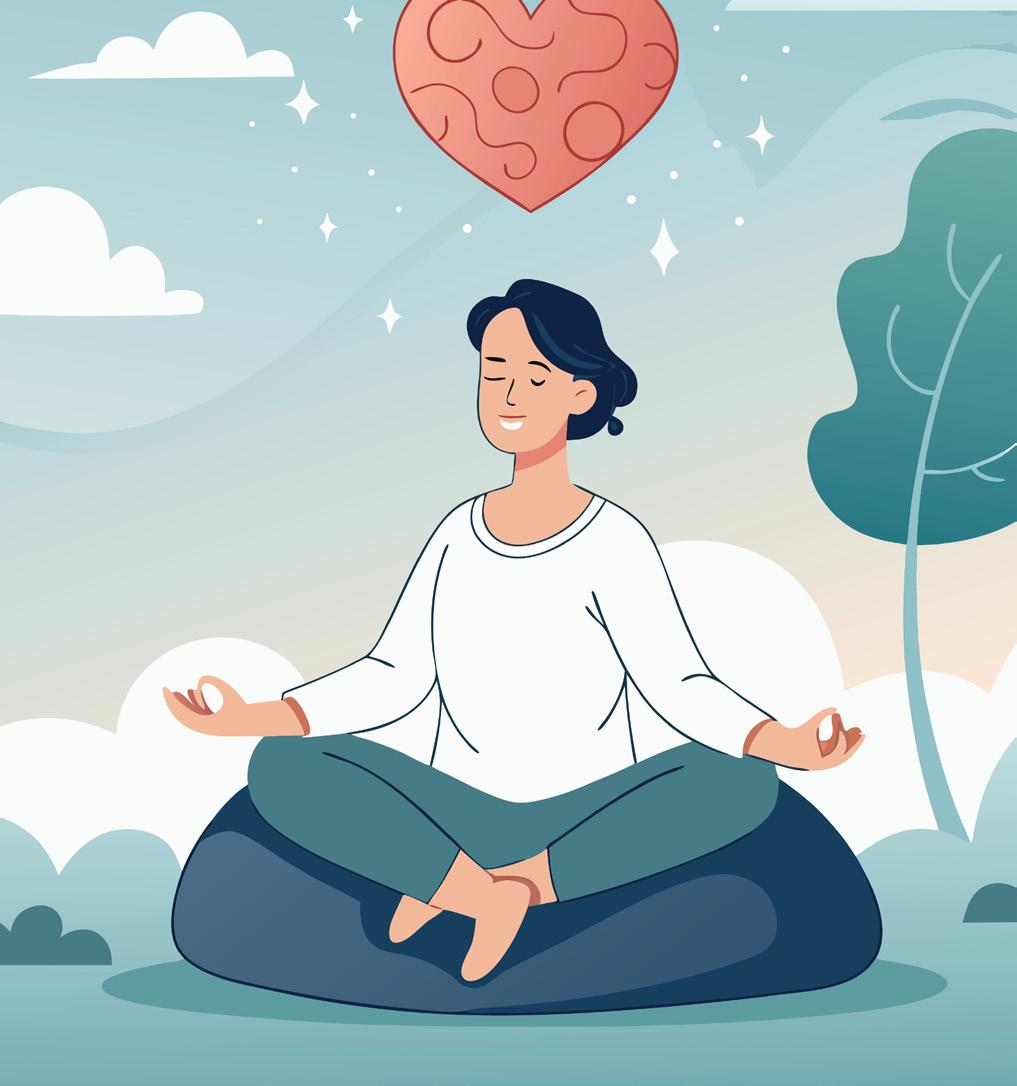
WHAT CAN HAVE AN IMPACT ON YOUR MENTAL AND PHYSICAL HEALTH
• Sleep disturbance
• Sad or low mood
• Increased fear and worry
• Feeling hopeless or helpless
• Heightened stress
• Exhaustion or fatigue
• Difficulty concentrating
• Gastrointestinal problems
• Restlessness
• Irritability or emotional reactivity
• Disconnected or dissociated
When you notice these symptoms, your body is communicating that it needs additional support and care. In times of uncertainty, you can increase your resilience by prioritizing strategies that help you manage distress, regulate your nervous system and adapt with increased steadiness.
Dr. Martin is a licensed clinical psychologist and founder of Sage Wellness.




Adding small activities into your day that bring you joy can lower stress and create a positive mindset. It can help you feel like an improved version of yourself, diving deeper into your creativity.


Burnout and Balance: Essential Mental Health Tools for Creatives
BY ALEXANDRA BURNS
Creative work can be emotionally and physically taxing on artists’ minds and bodies. Writers' or movement block, stage fright, musician’s block — all are often symptoms of burnout or a struggle to balance the creative craft and pressures with the various stresses of daily life.
Here are a few mental health tools to help prevent or manage creative burnout, helping you to develop a balance between your artistic endeavors and goals, personal life and emotional wellbeing.
NUTRITION FUELS YOU
When my therapist told me that if I wanted to feel less overwhelmed or burnt out, I needed to start living a healthier lifestyle, I rolled my eyes.
Eating healthy, getting enough sleep and drinking adequate amounts of water are often the first recommendations for managing stress and burnout, and as challenging as it may be, it's recommended for a reason.
If you are sleep deprived or running on little to no food or water, your mind will begin to wander, you’ll feel exhausted and your body will
struggle to function, leading to increased frustration and an endless, unhealthy cycle.
To prevent or escape a burnout phase, consider taking a week to try out these tips, and see if you notice a difference in your mental health and creative abilities:
Maintain proper water intake: According to Harvard Health, the average recommended daily water intake is about 11.5 cups for females and about 15.5 cups for males. However, this can vary based on the amount of physical activity an individual completes in a day, as well as the water content in his or her food. For those who struggle with remembering to drink water, consider purchasing a large thermos and setting a timer or reminder for every hour.
Eat three meals a day or nutritious snacks throughout the day:
• Snacks such as fruits, cheese, pouched tuna or chicken, Greek yogurt, nuts, beef jerky and deli meats are packed with protein and easy calories.
• It can be challenging to eat a full meal after a long day of work, which can lead to feeling exhausted. Consider meal prepping on your day off or on a scheduled night each week.
Limit screen time before and after you sleep:
• According to the National Sleep Foundation, blue light from screens such as phones, computers and the television can keep you awake at night by hindering the release of melatonin, which your body naturally triggers when the sun goes down. This can make it difficult to get the recommended amount of sleep, which is about 7 hours or more for adults, according to the Mayo Clinic.
• According to the Sleep Health Foundation, poor sleep is one of the biggest contributors to burnout.
• Attempt to go outside to feel and look at the sunlight within the first 30 to 60 minutes after waking. As stated in an article from Oura Ring, this has been shown to increase your alertness, improve sleep and decrease stress levels.
BE MINDFUL OF CRITICISM, BUT DON’T LET IT TAKE OVER YOUR LIFE
Criticism as a creative can feel like the end of the world — you might be left sitting there questioning your future as an artist or whether you’re cut out or talented enough for your field.
One of the most helpful tips a therapist once gave me was to not sit for hours mulling over negative feedback on a creative project. This negative and self-deprecating talk can lead to a lack of motivation, making it difficult to find the energy or creativity to continue on future projects.
My therapist recommended that after receiving negative feedback on a creative project, set a timer for 20 minutes to read it and review your work, focusing that time on feeling the negative emotions, but also thinking about what you can improve on in the future.

Lower stress by taking 30 minutes to 2 hours of respite each evening after work for something that brings you happiness, such as playing video games.
Once that timer goes off, remove the criticism and guilt from your mind. Find a distraction. Start the next project, even if it's a rough draft or form of experimentation. Do something that reminds you of why you love your creative field. The main goal is to move forward and, in a way, forget.
PRACTICE MEDIATION, JOURNALING OR THERAPY
Sometimes all we need is a moment of respite or the chance to reconnect with an activity that brings us joy.
This can include setting an alarm to listen to calming music and take deep breaths for 30 minutes, sitting in silence, writing about your goals or day in a journal, attending therapy, practicing a hobby or planning an exciting activity for the week.
My therapist once mentioned that having one activity each week, usually on the weekend, is typically not enough. She recommended reserving 30 minutes to 2 hours each evening after work for something that brings you happiness, whether it is a craft, watching television, chatting with friends, playing video games or cooking. This can allow you to feel more like yourself and maintain small moments to look forward to each day.
By adding these small activities into your day, you can lower stress levels and adopt a more positive mindset, helping you to feel like an improved version of yourself and dive deeper into your creativity.
ARTS & CULTURE DIRECTORY 2026
NASSAU ——
BY ALEXANDRA BURNS
From historical museums featuring Fernandina Beach's rich culture to art workshops and musical classes, Nassau County is a hub for artistry and Florida history. Here is a list of art galleries, shops, museums and workshops perfect for learning something new or enjoying a weekend outing.
ART GALLERIES AND SHOPS
BLUE DOOR ARTISTS
205 1/2 Centre St. Fernandina Beach, FL 32034 (904) 556-7783
bluedoorartists.wordpress.com
HOURS: Thursday - Monday & Wednesday 11 a.m. - 5 p.m.
CAROL WINNER ART
809 Beech St.
Fernandina Beach, FL 32034 (904) 583-4676
carolwinnerart@gmail.com
HOURS: Friday - Saturday & Monday - Thursday 11 a.m. - 5 p.m.

FRINGE FINE ART GALLERY 809 Beech St.
Fernandina Beach, FL 32034 (904) 326-5015 fringefineartgallery.com
HOURS: Thursday - Saturday & MondayWednesday 11 a.m. - 5 p.m.
ISLAND ART ASSOCIATION GALLERY 18 N. 2nd St. Fernandina Beach, FL 32034 (904) 261-7020 islandart.org
HOURS: Thursday - Monday & Wednesday 11 a.m. - 5 p.m.
PLANTATION ARTISTS GUILD & GALLERY
94 Amelia Village Circle Fernandina Beach, FL 32034 (904) 432-1750 paggart.com
HOURS: Thursday - Monday & Wednesday 11 a.m. - 5 p.m.
SHADY LADIES ART STUDIO 819 S. 8th St. Fernandina Beach, FL 32034 (904) 556-3645 facebook.com
HOURS: Thursday - Friday & Tuesday - Wednesday 11 a.m. - 4 p.m., Saturday 11 a.m. - 2 p.m.
THE ATLANTIC CONTEMPORARY
503 Centre St. Fernandina Beach, FL 32034 (904) 780-0665
theatlanticcontemporary.com
HOURS: Thursday - Friday, Sunday & Wednesday Noon - 5 p.m., Saturday 10 a.m. - 5 p.m.
MUSEUMS
A.L. LEWIS MUSEUM AT AMERICAN BEACH 1600 Julia St. Fernandina Beach, FL 32034 (904) 510-7036 allewismuseum.org
HOURS: Friday - Saturday 10 a.m. - 2 p.m., Sunday 1 - 5 p.m.
PRICE: General admission is $10 for adults and $5 for students.
AMELIA ISLAND MUSEUM OF HISTORY
233 S. 3rd St. Fernandina Beach, FL 32034 (904) 261-7378 ameliamuseum.org
HOURS: Thursday - Saturday & MondayWednesday 10 a.m. - 4 p.m., Sunday 1 - 4 p.m.
PRICE: General Admission is $10 for adults, $5 for children aged 5 - 17, $8 for seniors and military and $5 for students.
FERNANDINA BEACH PINBALL MUSEUM Behind 2106 Sadler Road
Fernandina Beach, FL 32034 (904) 435-8424
HOURS: Saturday - Sunday Noon- 6 p.m.
FERNANDINA FOSSILS & CO.
508 Ash St. Fernandina Beach, FL 32034 (904) 715-0763 fernfoss.com
HOURS: Wednesday - Sunday 11 a.m. - 5 p.m.

FORT CLINCH VISITOR CENTER
2601 Atlantic Ave.
Fernandina Beach, FL 32034 (904) 277-7221
fortclinchvisitorcenter.com
HOURS: Monday - Sunday 9 a.m. - 4:30 p.m.
ART GUILDS AND SOCIETIES
ARTS ALIVE NASSAU – BECAUSE KIDS BELONG IN THE ARTS (904) 310-9243
artsalive.nassau@gmail.com
artsalivenassau.org
ABOUT: Our classes are offered after school at all nine Nassau County Elementary Schools. Children stay at their school while we bring the arts to them, using classroom space provided by the sponsoring schools.
NASSAU COUNCIL OF ARTS AND CULTURE, INC.
Fernandina Beach (815) 579-1677
ncacfl.org
ABOUT: Our nonprofit supports 26+ arts and culture organizations with advocacy, education, financial grants and necessary infrastructure solutions.
MUSIC HALLS, THEATERS AND SHOWS
AMELIA COMMUNITY THEATRE
207 Cedar St.
Fernandina Beach, FL 32034 (904) 261-6749
ameliacommunitytheatre.org
ABOUT: Visit its website to view upcoming artisitc performances and volunteer opportunities.
AMELIA ISLAND CHAMBER MUSIC FESTIVAL
1405 Park Ae. Ste 101 Fernandina Beach, FL 32034 (904) 261-1779
aicmf.org
ABOUT: AICMF presents the world's greatest musical artists in chamber music concerts of classic and alternative genres for diverse audiences.
AMELIA ISLAND OPERA
Fernandina Beach, FL 32035 (904) 556-7342
info@ameliaislandopera.org
ameliaislandopera.org
ABOUT: Visit its website to learn more about upcoming performances and events.
AMELIA MUSICAL PLAYHOUSE
1955 Island Walkway
Fernandina Beach, FL 32034 (904) 277-3455
ameliamusicalplayhouse.com
ABOUT: Amelia Musical Playhouse offers various musicals, plays and revues throughout the year, put on by the community and volunteers.
AMELIA PARK CONCERT PAVILLION
Amelia Park Fernandina Beach, FL 32034
ABOUT: An outdoor concert hall.
BLUE FIRE THEATRE
P.O. Box 814 Yulee, FL 32097 (904) 800-8264
info@bluefiretheatre.org bluefiretheatre.org
ABOUT: A nonprofit organization dedicated to expanding the love of theater in Nassau County.
TIGRE ISLAND ROOM
10 N. 2nd St. Fernandina Beach, FL 32034 (904) 578-3703
tigreislandroom.com
ABOUT: Craft bar and music venue since 1878.
MUSIC AND DANCE CLASSES & ACTIVITIES
AMELIA ISLAND CHAMBER MUSIC FESTIVAL 1405 Park Ave. Ste 101 Fernandina Beach, FL 32034 (904) 261-1779
aicmf.org
HOURS: Monday - Friday 10 a.m. - 2 p.m.
FEATURES: Visit its website to see upcoming master classes and seminars.
AMELIA MUSIC STUDIO
1897 Island Walkway #3A Fernandina Beach, FL 32034 (904) 530-4988
ameliamusicstudio.com
FEATURES: Lessons for all ages and experience levels. Learn woodwinds, brass, strings, piano and voice or rent a rehearsal space.
FLORIDA MUSIC ACADEMY 96249 Cayman Circle Fernandina Beach, FL 32034 (904) 556-7151
floridamusicacademy.com
HOURS: Monday - Sunday 8 a.m. - 8 p.m.
FEATURES: Private and group lessons for drums, piano, guitar, bass, ukelele and voice.
GIA VISELI DANCESPORT
1891 S. 8th St.
Fernandina Beach, FL 32034 (302) 252-8525
giaviselidancesport.com
FEATURES: Private or group lessons for individuals, couples and small groups. Learn salsa, bachata, mambo and other dances!
ROYAL AMELIA DANCE ACADEMY
1897 Island Walkway #4
Fernandina Beach, FL 32034 (904) 624-7240
royalameliadanceacademy.com
FEATURES: A family-centered studio that offers dance, drama and acrobatis classes for every age and skill level.
STORY & SONG CENTER FOR ARTS & CULTURE
1430 Park Ave.
Fernandina Beach, FL 32034 (904) 601-2118
storyandsongarts.org
HOURS: Monday - Saturday 10 a.m. - 5 p.m., Sunday 11 a.m. - 3 p.m.
FEATURES: Offers events like musical performances, featured works by local artists, childhood literacy programs and more.
ART CLASSES AND ACTIVITIES
AMELIA ART STUDIO
26 S. 5th St.
Fernandina Beach, FL 32034 (904) 775-5872
ameliaartstudio.com
FEATURES: Offers workshops and classes for all ages, including ceramics, painting and private lessons.
AMELIA MAKERY
224 N. 2nd St. #1B
Fernandina Beach, FL 32034 (904) 310-9520
ameliamakery.com
FEATURES: An art studio offering pottery painting and glass art experiences for all skill levels and ages.
THE INKWELL ART BAR
1925 S. 14th St. #4
Fernandina Beach, FL 32034 (904) 556-9090
theinkwellamelia.com
FEATURES: A creative bar that features paint nights, live music, private events and local artists.
ISLAND ART ASSOCIATION GALLERY
18 N. 2nd St.
Fernandina Beach, FL 32034 (904) 261-7020
islandart.org
HOURS: Thursday - Monday & Wednesday 11 a.m. - 5 p.m.
FEATURES: Offers art classes, camps and workshops for youth and adults at its art education center. Visit the website to view activities.
PAISLEY GRACE MAKERY
1014 S. 7th St.
Fernandina Beach, FL 32034 (904) 624-0556
paisleygracemakery.com
HOURS: Friday - Saturday & Thursday 11 a.m. - 6 p.m., Tuesday - Wednesday 11 a.m. - 5 p.m.
FEATURES: Offers themed creative events, workshops, craft kits and gifts from the heart!
PLANTATION ARTISTS GUILD & GALLERY
94 Amelia Village Circle Fernandina Beach, FL 32034 (904) 432-1750
paggart.com
HOURS: Thursday - Monday & Wednesday 11 a.m. - 5 p.m.
FEATURES: Offers artistic presentations, field trips, demonstrations and events!
FESTIVALS
AMELIA ISLAND CHAMBER MUSIC FESTIVAL
1405 Park Ave. Ste 101 Fernandina Beach, FL 32034 (904) 261-1779
aicmf.org
ABOUT: AICMF presents the world's greatest musical artists in chamber music concerts of classical and alternative genres for diverse audiences.
AMELIA ISLAND DANCE FESTIVAL (646) 642-3121
info@ameliaislanddancefestival.org ameliaislanddancefestival.org
ABOUT: An annual event that celebrates the diverse world of dance, with an outreach program featuring special events, such as free community dance classes. Amelia Island Dance Festival also offers additional events througout the year.
FERNANDINA BEACH
SONG WRITERS FESTIVAL
fernandinasongwritersfestival@gmail.com fernandinasongwritersfestival.org
ABOUT: An annual nonprofit event that welcomes songwriters from around the world. The foundation also offers music education and scholarship opportunities.
LES DEMERLE AMELIA ISLAND
JAZZ FESTIVAL (904) 504-4772
info@ameliaislandjazzfestival.com ameliaislandjazzfestival.com
ABOUT: An annual week-long festival that celebrates jazz in various styles including swing, bebop, dixieland, big band, latin and contemporary. The festival also offers educational musical programs.

Magnolia Grace Senior Care has been trusted by families in Nassau County for nearly six years. Veteran-founded and locally owned, we’re proud to be a VA preferred vendor for two years, delivering care that meets the highest standards for veterans and their loved ones.
We hand-select our caregivers interviewed in person, rigorously vetted, and backed by over 100 years of combined experience to ensure your family
home. We are dedicated to your plan of care.



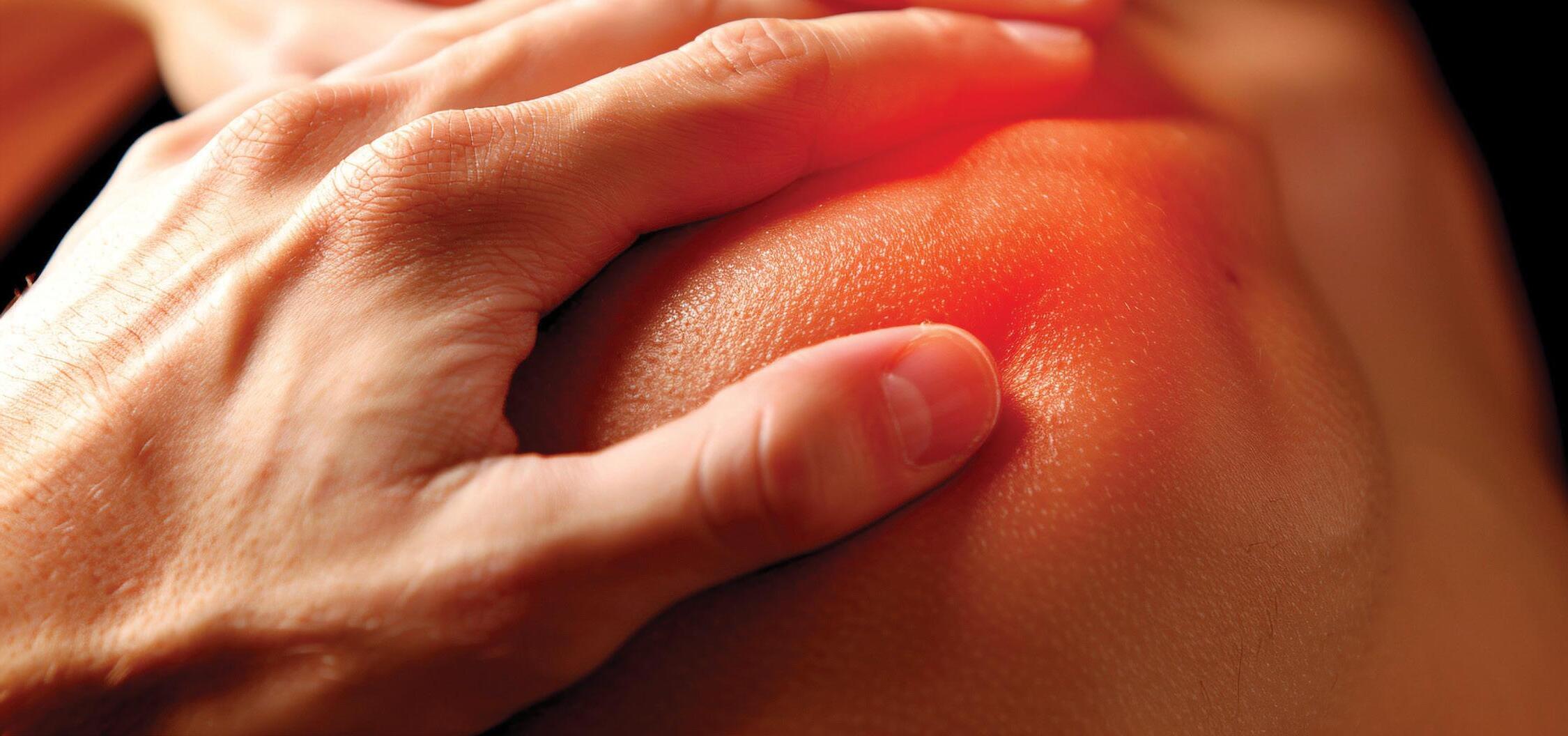
Relieve

Dishing with Daphne
New on the Island
BY DAPHNE FOREHAND
AMELIA ISLAND JUST GOT A NEW ITALIAN SPOT THAT FEELS COZY, NOSTALGIC AND MADE FOR LONG DINNERS WITH FRIENDS. IF YOU’RE IN THE MOOD FOR COMFORT FOOD, WINE AND A PLACE YOU CAN ACTUALLY LINGER, THIS ONE’S FOR YOU.
NONNA MIA
Nonna Mia feels like stepping into someone’s grandma’s house on a Sunday, in the best way. Warm, welcoming and full of that cozy energy that makes you want to stay way longer than planned.
They took over the old verandah space at Omni Amelia Island and completely transformed it. The menu is big, with cocktails, a great wine list and classic Italian dishes that feel home cooked but still elevated.
The sourdough bread basket hits the table first with olive oil and herbs, and it’s dangerous. Pro tip: Order the mussels and clams appetizer right away because the red sauce is rich, slow cooked and absolutely made for dipping.
For dinner, the branzino was crispy and simple in the best way, especially with a side of buttery butter beans. We also ordered the cacio e pepe, and it ended up being my favorite dish of the night. Perfect bucatini noodles coated in a bold, peppery, cheesy sauce that just works. We followed it with the chicken parm — classic and comforting.
And you have to save room for dessert! The Baked Amelia is their fun tableside moment, a baked Alaska-style dessert finished with flames and Grand Marnier.
I’ll say it: I’ve never been a huge Italian food person, but this place fully converted me. Come hungry, come with friends and don’t rush it.

Daphne Forehand is the founder of FloriSocial Marketing and the food-loving voice behind the Amelia Island-based Instagram food blog: @floridabites. What started as sharing her favorite meals on Instagram has grown into a career helping small businesses and restaurants shine online. When she’s not behind the camera or on her laptop, you’ll find her exploring North Florida’s food scene one bite at a time.

THE PARTNERSHIP THAT TURNS VISIBILITY INTO VALUE

REACH 100% OF FERNANDINA BEACH THROUGH WELLNESS360 MAGAZINE — the go-to guide for living well locally!
• 25,000 Printed EVERY Issue
• 23,500 Mailed to Homes & Businesses
“I can’t say enough good things about my experience with my first ad in Wellness360! My daughter and I own a home health agency in Nassau County, and our goal was to increase our exposure to the whole county, since we’re based on the island. Bilinda was so easy to work with, and my investment already netted me my largest new client to date! I’m glad I chose to be included in this publication, and look forward to more new business and visibility for our agency!”
– Pam, Owner of Home Helpers Home Care of Amelia, FL


Let us help you grow your business and build your brand presence in Fernandina Beach’s premier wellness publication.


Calendar
MARCH/APRIL
RECURRING EVENTS
Ukulele Fun Group
7 - 8 p.m. | Island Art Association islandart.org
Bring your instrument and voice and join in on the fun at the Island Art Association for its free Ukulele Fun Group activity.
This event happens on the first and third Tuesdays of the month
Fernandina Beach Market Place
9 a.m. - 1 p.m. | North Seventh Street fernandinabeachmarketplace.com
Join your family, neighbors and friends at the farmers market open year-round, rain or shine!
This event happens every Saturday
Island Art Association Critique Group
Noon - 2 p.m.
Story & Song Bookstore Bistro islandart.org
An open discussion and critique group led by Leigh Hawkins. All media are welcome. Artists may bring works in progress to receive the group’s support and views. Story & Song’s Bistro offers a breakfast and lunch menu.
This event happens on the last Saturday of every month
3rd on 3rd Street
6 p.m.
Amelia Island Museum of History ameliamuseum.org
Join us at the museum as we host historians, authors and other experts for thought-provoking lectures on local or regional history. Snacks and beverages are available. Admission is free for Museum Members with a suggested donation of $5 for non-members.
This event happens every third Friday of the month
Acoustic Guitar Music Jam
Noon - 2 p.m. | Story & Song Courtyard storyandsongarts.org/event
Join other guitar players in an acoustic guitar jam. If you’re a beginner or an experienced musician, bring your acoustic guitar and some songs that you want to play, and join other guitar players in a relaxed setting on the patio courtyard.
This event happens on the first Sunday of every month
Island Art Association Open Studio
1 - 5 p.m. | Island Art Association islandart.org
Bring your own art project and supplies to the Art Education Center to craft together. Visit the Island Art Association’s website to learn more about weekly arts and family events! $5 fee. This event happens every Tuesday and Thursday
Wildlight Market Place
9 a.m. - 1 p.m
123 Tinker Street off Wildlight Ave. Come rain or shine to the Wildlight Market Place. There will be local vendors who bring seasonal produce, artisan foods, fresh baked breads and pastries and other delectable treats. This event happens the first and third Saturday of the month
Artrageous Artwalk
5 - 7 p.m. | Island Art Association islandart.org
Participating galleries will remain open for your strolling pleasure. This event happens on the second Saturday of the month
Fernandina Beach Market Place
Mid-Week Market
9 a.m. - 1 p.m.
Corner of South 14th and Lime Streets fernandinabeachmarketplace.com
This event happens every Wednesday
Zen on the Ron Sapp Egans Creek Greenway (North)
9 - 10 a.m. | Egans Creek Park keepnassaubeautiful.org/events
Join the City of Fernandina Beach and Keep Nassau Beautiful for a peaceful morning on the Greenway. This walking workshop will lead participants through simple mindfulness, stress management and meditation practices while exploring the beauty of the Ron Sapp Egans Creek Greenway. This event happens on the first Saturday of the month
Fernandina Beach Photography Club
7 p.m. | IAA Art Education Center islandart.org
Membership is free to the public! Come join our monthly meetings with a guest speaker and a monthly “Photo Challenge” (show-and-tell) of a theme decided in the previous meeting. This event happens every third Thursday of the month
Now through May 2
Fernandina Beach Arts Market
9 a.m. - 1 p.m. | 506 Centre St. fernandinabeachartsmarket.com
Take a stroll through historic downtown while shopping for paintings, pottery, apparel and more. This event happens on the second and fourth Saturdays of the month
“Reading Between the Lines” Book Club
5:30 - 7 p.m.
Janice Ancrum Senior Life Center nassaucountycouncilonaging.org
Our "Reading Between the Lines" Book Club has a brand new schedule for the Spring!
This event happens on the first Wednesday of every month
Community
Tuesday, March 3
Amelia Island Chamber Music Festival: Orpheus Chamber Orchestra | Marc-André Hamelin
7 - 9 p.m.
First Baptist Church aicmf.org/event/orpheus
The world-renowned Orpheus Chamber Orchestra appears with 11-time GRAMMY-nominated pianist MarcAndré Hamelin at First Baptist Church. The program features orchestrations of beloved works by Beethoven, Liszt and Schubert, as well as Hamelin’s own Passacaglia for piano and strings.
Friday, March 6
Werks Reunion Amelia Island 2026
Check-in opens at 7 a.m.
The Amelia River Club werksreunion.com/amelia.cfm Porsche Club of America (PCA) welcomes all Porsche clubs, owners and enthusiasts to the Tenth Annual Werks Reunion Amelia Island. Join us at the Amelia River Club to see a breathtaking array of Porsches, from rare to current models, and everything in between! $40 per car for onsite spectator parking.
Thursday, March 5 - Sunday, March 8
The Amelia Concours Times vary by day Ritz-Carlton, Amelia Island www.ameliaconcours.com
Founded in 1996, The Amelia is an award-winning motoring event that celebrates the best of motorsports, world-class vehicles, and so much more.
Saturday, March 7
31st Annual Amelia Concours d’Elegance
9:30 a.m. - 4:30 p.m.
The Golf Club of Amelia Island ameliaconcours.com
Join us for the 31st Amelia Concours d’Elegance, featuring more than 250 historically significant vehicles vying for awards and accolades in over 35 car classes.
Saturday, March 7
“The Pianist with the Hair”
5 - 7 p.m. | Story & Song Art Gallery storyandsongarts.org/event
Julian Lawrence Gargiulo, commonly referred to as “Pianist with the Hair” because of his distinctive look, is a renowned classical pianist, composer and humorist who performs all over the world, in prestigious venues from New York’s Carnegie Hall to the Sydney Opera House.
Thursday, March 12
Amelia Island Chamber Music Festival: String Quartet Masterclass with Viano Quartet
2:30 - 4:30 p.m.
Recital Hall at University of North Florida Fine Arts Center Building 45 aicmf.org/event/free-stringsmasterclass-with-the-viano-quartet Recognized as one of the most soughtafter young ensembles performing today, the Viano Quartet is a recipient of the prestigious 2025 Avery Fisher Career Grant and is rapidly earning a place among the finest chamber groups of their generation. (Free)
Thursday, March 12
Amelia Island Chamber Music Festival: Meet the Musician Zuill Bailey
5 - 6:30 p.m.
Story & Song Center for Arts & Culture aicmf.org/event/meet-the-musicianzuill-bailey
Beloved by Festival audiences, Grammy Award–winning cellist Zuill Bailey returns for an engaging evening of stories, insights and music-making memories. (Free)
Thursday, March 12
Step-By-Step Painting Class
4 - 5 p.m. | Hilliard Branch Library nassaureads.com/event
This delightful experience is open to those aged 14 and above. This is a great way to grow your artistic talents, and best of all, it is free to join!
Friday, March 13
Amelia Island Chamber Music Festival: Viano Quartet & Zuill Bailey
7 - 9 p.m.
Amelia Plantation Chapel
aicmf.org/event/viano_bailey
The award-winning Viano Quartet joins festival favorite and GRAMMY Awardwinning cellist Zuill Bailey for a night of chamber music synergy. ($50)

Tuesday,
March 17
SAINT PATRICK'S DAY
Saturday, March 21
Quarterly SipNSnipFundraiser
4 - 7 p.m.
Redbones Dog Bakery & Boutique facebook.com/events
We offer a variety of freshly baked dog treats, healthy dog and cat foods, supplements, boutique items and craft beer to go!
Wednesday, March 25
Cocktails for the Gardens
5 - 8 p.m.
Location is announced when a ticket is purchased givebutter.com/c/gardens26
Benefitting the Gardens of Amelia Keep Nassau Beautiful, this event features an array of goods and services in a silent auction, live music by Hupp & Ray, a photo booth, and curated bites by David’s, beers by First Love Brewing and select wines.
Saturday, March 28
21st Railroad Day Festival and Car Show
9 a.m. - 3 p.m.
West Nassau Museum of History facebook.com/events
This annual fundraising celebration is an all-day event held in and around the historic 1881 Callahan Train Depot and adjoining 1856 Florida Railroad bed. This year’s event will focus on the grand opening of the Smithsonian Institution Exhibit titled Nassau + Food + Culture: What We Each Bring to the Table. Enjoy a classic car show, arts and crafts vendors, food vendors, a kids' area and more!
Saturday, March 28
Volunteer - Free Tree Event
8 a.m. - 2 p.m. keepnassaubeautiful.org/events
We need you to help direct traffic, confirm reservations and load trees in vehicles. Giving away trees to help increase the tree canopy is fun! Wear comfortable shoes. We will provide safety vests, disposable gloves, light snacks and water – bring your reusable water bottle and sunscreen. Shifts are available in Yulee and Callahan. Check out the website for more volunteering opportunities.

Wednesday, April 1Thursday, April 9
PASSOVER BEGINS BEFORE SUNDOWN ON WEDNESDAY, APRIL 1, AND ENDS AFTER NIGHTFALL ON THURSDAY, APRIL 9.
Thursday, April 2
Light Up a Life Gala
5:30 - 9:30 p.m. | The Ritz Carlton fernandinaobserver.org
Come support Take Stock in Children of Nassau County, an organization that supports low-income children in pursuing academics. There will be fine dining, wine and celebration!
Friday, April 3
Sounds on Centre
Downtown Fernandina Beach facebook.com/events
Enjoy a great time with family and friends while you listen to live music featuring the Sean McCarthy Band.
Saturday, April 4
Amelia Island Dance Festival
5 - 6:30 p.m.
Story & Song Bookstore & Bistro ameliaislanddancefestival.org
Experience an engaging evening of dance through a performance and lecture demonstration led by professional artists. This special event blends movement, storytelling and insight into the creative process, offering audiences a deeper look into the art of dance in an intimate setting.
Sunday, April 5
Friday, April 10 - Saturday, April 11
Fernandina Beach
Songwriters Festival
Fernandina Beach fernandinasongwritersfestival.org
Free performances each day at Tigre Island Room and Heymann Williams Office from noon to 5:00 p.m.
Ticketed shows at the Pavilion are at 6:00 p.m. and 9:00 p.m. each day. The Fernandina Beach Songwriters Festival is a curated weekend of intimate performances and storytelling by acclaimed and emerging songwriters, presented by the Fernandina Songwriters Foundation, a nonprofit organization that also supports year-round programs including workshops, retirement concerts and school visits.
Saturday, April 11
Nassau County Household Hazardous Waste Collection – Volunteer
7 a.m. - 12:30 p.m.
Nassau County Road Dept. keepnassaubeautiful.org/events
Volunteers direct traffic and assist residents by unloading vehicles to ensure proper disposal of approved materials.
Saturday, April 11
4th Annual Mini Links Masters — American Mini Golf Alliance
4 - 7 p.m.
Gregor MacGregor’s Mini Links amaminigolf.com/upcomingevents/ mini-links-masters-2026
Thirty-six holes (2 rounds) of individual stroke play, teeing off at 5 p.m. Yes, friends, it’s a late afternoon and evening tournament that will be taking place during the PGA Masters showing on “the big screen.”
Community
Saturday, April 11
Wings & Wheels & Why?
10 a.m. - 2 p.m.
Fernandina Beach Municipal Airport facebook.com/events
Celebrating some of the finest planes and automobiles ever made. 100% of the proceeds fund the scholarships that FoFA awards each year. There will be a DJ, live music, food trucks, raffle items and more.
Thursday, April 16 - Sunday, April 19
10th Annual Fish to Fork
Omni Amelia Island Resort ameliaisland.com/festivals-events/ fish-to-fork
With sweeping views of the Atlantic Ocean and beautiful tree canopies as a backdrop, the weekend will offer an unmatched foodie experience, with true dock-to-dish specialties in a fun and interactive atmosphere. The resort will welcome renowned chefs from around the country to showcase their fishing and culinary skills, leading up to a final chef showdown on Saturday night with a live vote from event guests!
Saturday, April 18
Amelia Island Chamber Music Festival: Family Concert – Just Jazzin’ Around with the Gary Motley Trio
3 - 4:30 p.m.
Maxwell Hall at Memorial United Methodist Church
aicmf.org/event/justjazzinaround
The Gary Motley Trio introduces young audiences to the quintessential American musical art form in this fun, interactive and free performance. Designed for young listeners but perfect for music lovers of all ages!
Saturday, April 18
Sea Turtle Fest
10 a.m. - 4 p.m. | Main Beach Fernandina beachjunki.org/seaturtlefest2026
Come for live music, food, sustainable vendors, educational conservation activities and more!
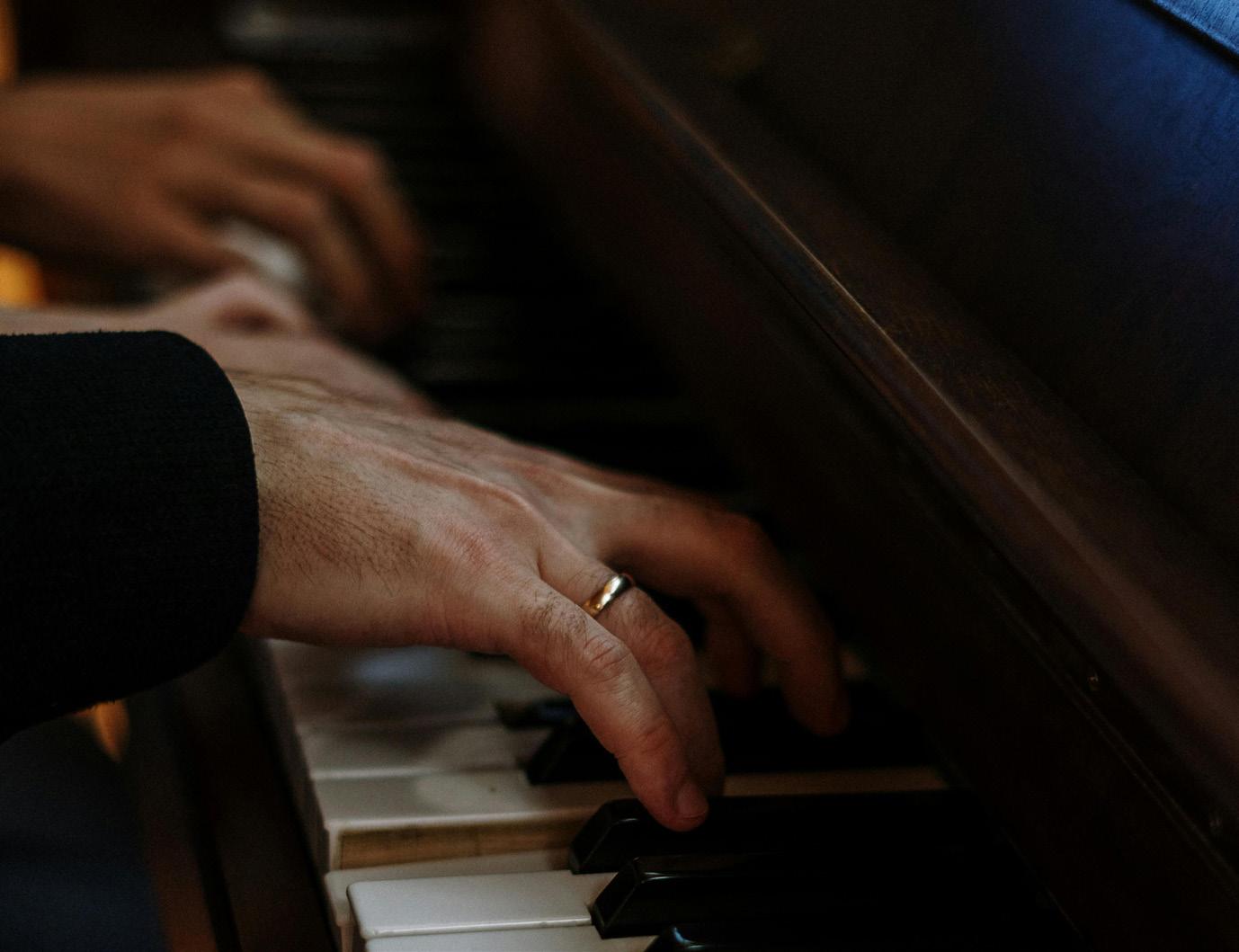
Saturday, April 18
Amina Hope Gala
5:30 - 9 p.m.
The Glass Factory, Jacksonville, FL aminahope.org/event/2026-amina-gala Join us for an elegant night of hope and impact, celebrating our mission to empower young Black girls through education and mentorship.
Saturday, April 18
Volunteer – St. Marys River Cleanup
9 - 11 a.m.
keepnassaubeautiful.org/events/ event/st-marys-river-cleanup-volunteer Join us for the cleanup and then for a volunteer appreciation at White Oak Conservation!
Tuesday, April 21
Amelia Island Chamber Music Festival: Khatia Buniatishvili, piano
7 - 9 p.m.
The Preserve at The Amelia River Club https://aicmf.org/event/buniatishvili
A global sensation, Georgian pianist Khatia Buniatishvili brings her signature intensity and poetic power to Amelia Island for a rare, unforgettable recital. ($75)

Wednesday, April 22
EARTH DAY
Thursday, April 30 - Sunday, May 3
61st Annual Isle of Eight Flags
Shrimp Festival Times vary | Fernandina Beach shrimpfestival.com
Four days packed with a parade, food, music and activities like a kids’ fun zone.
Dedicated To Enhancing Economic Vitality While Preserving Our Historic Heritage & Culture.

Down town One Gift. Endless Local Possibilities.
Downtown Dollars are gift certificates designed to keep it local. They can be redeemed at participating downtown shops, restaurants, and service-based businesses, making them the perfect gift for anyone who loves supporting small businesses and experiencing the best of downtown.
Whether you’re shopping for a birthday, holiday, thank-you, or “just because,” Downtown Dollars let the recipient choose how to shop, dine, and explore, while keeping every dollar right here in our community. Why Downtown Dollars Matter!
• Supports Locally Owned Businesses
• Keeps Money Circulating In The Downtown District
• Encourages Shopping Small And Discovering New Favorites
• Strengthens Our Local Economy
FERNANDINA BEACH MAIN STREET

WHERE COMFORT MEETS EXCELLENCE
0% Interest for up to 60 Months on a qualifying Carrier system. Affordable Comfort New Systems from $88/month with approved credit.


proudly serve the greater Fernandina Beach communities and surrounding areas, delivering unparalleled comfort and excellence in HVAC solutions.
With over 30 years of experience in heating and cooling, we have you covered.
Indoor Air Quality Specialists
Services Offered:
• Air Conditioning Repair
• Heating System Repairs
• Thermostat Repair and Replacement
• Ductwork Repair and Replacement
Carrier Products Sales & Installation:
• Pool Heating/Chilling Service & Installation
• New AC System Installation/Replacement
• Ductless Systems
• Dehumidification Systems