ISSUE
PUBLISHER & EDITOR-IN-CHIEF
ART DIRECTOR
VICE PRESIDENT OF SALES
ACCOUNT EXECUTIVE
JUNIOR EDITOR
SALES INTERN
CONTRIBUTING WRITERS
Nicole Irving
Aníbal Rodríguez
Shane Irving
Elle Lentz
Alexandra Burns
Tre Topping
Alexandra Burns, Nicole Irving, Lindsey Johnson, Dr. Jennifer Martin, Cole Purvis
MAILING ADDRESS
5745 SW 75th St. Unit 286
Gainesville, FL 32608
PHYSICAL ADDRESS 101 SW 140th Terrace Suite C
Newberry, FL 32669
Gainesville Office: 352.505.5821
wellness360magazine.com wellness360@irvingpublications.com
Wellness360 is a registered trademark property of Irving Publications, LLC. All rights reserved. Wellness360 is published by Irving Publications, LLC. © 2026
Irving Publications, LLC reserves the right to edit and/or reject any advertising. Irving Publications, LLC is not responsible for the validity of any claims made by its advertisers. Nothing that appears in Wellness360 Magazine may be reproduced in any way, without written permission. Opinions expressed by Wellness360 Magazine writers are their own and do not necessarily reflect the publisher’s opinion. Wellness360 Magazine will consider all never before published outside editorial submissions. Irving Publications, LLC reserves the right to edit and/ or reject all outside editorial submissions and makes no guarantees regarding publication dates.
The information found in Wellness360 Magazine does not constitute individualized medical advice. You must NOT rely on the information in this magazine as an alternative to medical advice from your doctor or other professional health care provider. If you have any specific questions about any medical matter you should consult your doctor or other professional health care provider. If you think you may be suffering from any medical condition you should seek immediate medical attention. You should never delay seeking medical advice, disregard medical advice, or discontinue medical treatment because of information in this publication. Wellness 360 Magazine assumes no responsibility for any circumstances arising out of the use, misuse, interpretation or application of any information supplied within the magazine. Always consult with your doctor for appropriate examinations, treatment, testing and care recommendations. Do not rely on information on in this magazine as a tool for self-diagnosis. You exercise your own judgment when using or purchasing any product highlighted in Wellness360 Magazine. Wellness 360 Magazine assumes no responsibility for errors or omissions in this publication or other documents that are referenced by or linked to this publication.
ADVERTISING
For more information regarding advertising within Wellness360 Magazine, please visit irvingpublications.com, call 352-505-5821 or email shane@irvingpublications.com.



A Solo Adventure
I am blessed to have done a decent amount of traveling in my 49 years. From snow-capped mountains to glistening sandy beaches and bustling cities to peaceful deserts, my travel passport is well-stocked. Each experience and place holds a special memory for me, especially those taken with others. Adventures like girls' trips to New York City to celebrate birthdays and Key West lobstering excursions with my children became unforgettable moments to last a lifetime. But last year, I took a trip that challenged every ounce of my being — mentally, physically and spiritually. A solo hiking trip to the desert.
For reference, I am not one to do things solo. I like to eat with others, watch movies with others, travel with others, shop with others. I am what you would call an extreme extrovert. Being with people is my happy place. So, when the opportunity presented itself for me to travel alone — to go hiking (an activity I have NEVER done) for four days in Sedona, Arizona (I do not enjoy being hot) — I wasn't too sure I would survive. Hiking, desert, alone … three words I never thought I would utter together. But after weeks of considering, planning and praying, I was committed. I decided to piggyback it with a trip I had already committed to: a trip to California to see my sister and brother. I was already mostly there, so why not?
In preparation for my trip, I did all the things. I researched the area, the hikes, the food. I made countless lists of what I would need and not need. I purchased the gear and booked the tickets. I was prepared on the outside, but with each passing day, I started to panic. I even canceled the plane tickets once. More than my physical safety, of course, I took all the necessary precautions to be safe. I was more concerned about being alone, with ME, for four days.
As you can imagine, Sedona is a place like no other. As someone who has done a bit of traveling, I will admit, this place seriously took my breath away. The red rocks that touch the blue sky are something out of a movie scene. Within one hour of arriving, I was hiking, solo, around a beautiful red rock on a dusty cactuslined path. From that moment, and for the rest of the four days, I challenged myself both physically and mentally to take in every minute. To feel the rocks under my feet, breathe the fresh air, exist quietly and still among the foliage and be present with myself and nature. Fear faded and excitement filled every ounce of my being — a thrill about a new adventure, a new activity, a new place. It was the joy of accomplishing something on my own, being able to say, “I did it” and knowing I succeeded and could do hard things.
I am more excited than ever to go on my next solo hiking adventure and expand my horizons about what I am capable of. The gift of being able to travel, solo or with others, near or far, opens doors to so many wonderful opportunities for personal growth, experiences and connection. I challenge you through the year to explore new places and take in all that adventure has to offer you. I can’t wait to hear about your journeys!

Nicole Irving, Publisher, EIC nbirving@irvingpublications.com

Photo by Nicole Irving




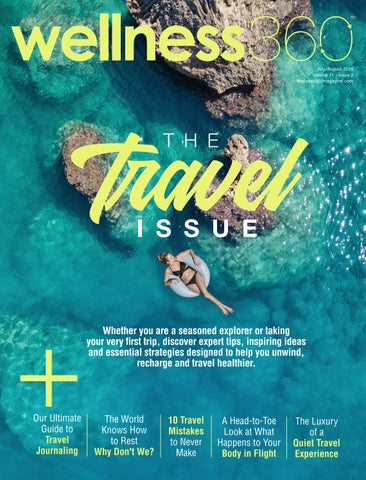
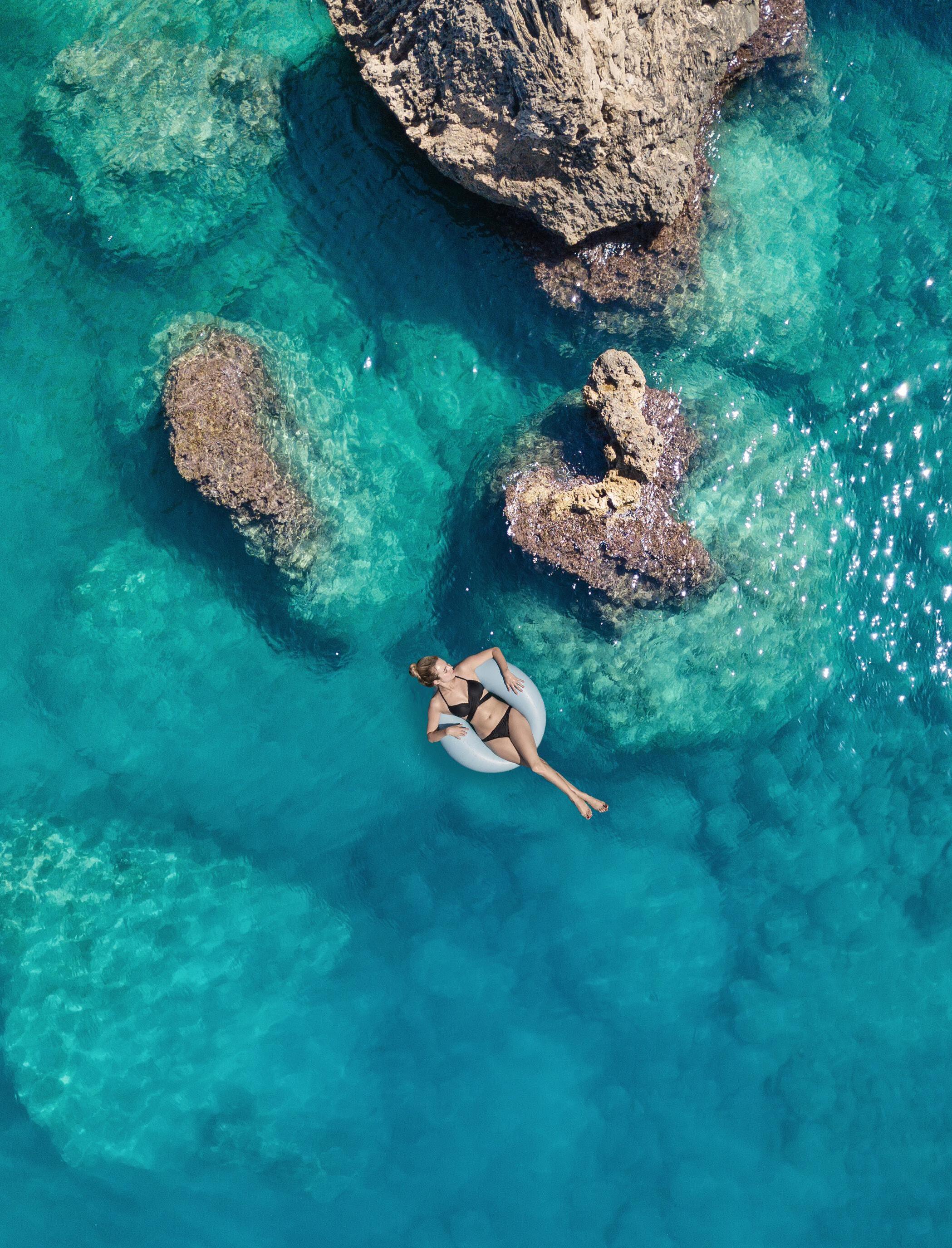
ON THE COVER
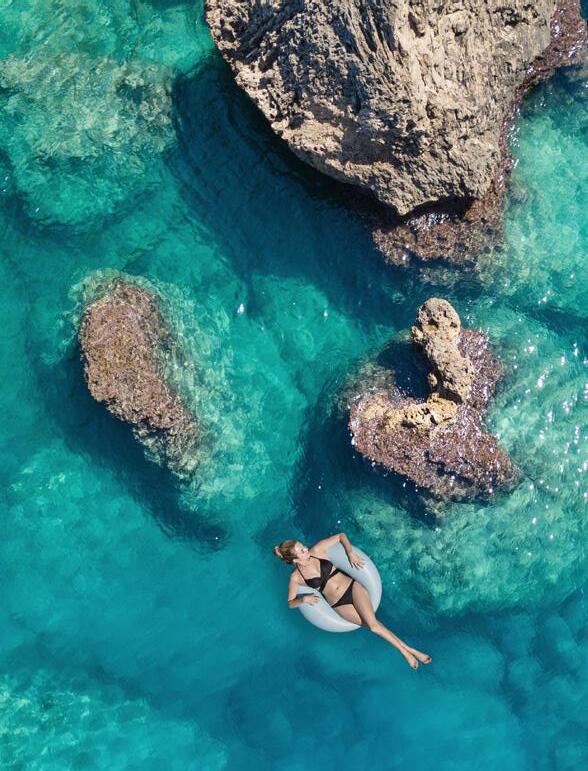
Our latest cover captures the ultimate expression of wellness: a solitary traveler drifting peacefully on crystal-clear turquoise waters, fully immersed in a pristine tropical paradise. This serene scene serves as a visual gateway to this month's deep dive into the healing power of the great escape. Turn the pages to discover how just a few deep breaths of coastal air can physically rejuvenate your body. Then, explore why taking time to travel should no longer be viewed as a luxury, but rather embraced as a vital pillar of your long-term healthcare.
17 The Ultimate Guide to Travel Journaling: Ideas, Inspiration and Creative Techniques
As we head into summer, here is a guide to start your first travel journal, whether you already have upcoming trips to capture or are planning future adventures.
39 Travel Like a Pro: 10 Mistakes to Never Make
Here are some of the biggest travel mistakes to avoid, so that you can travel smarter and safer.



The Science Behind a Sea Breeze: Why the Beach Makes Us Feel Better
BY COLE PURVIS
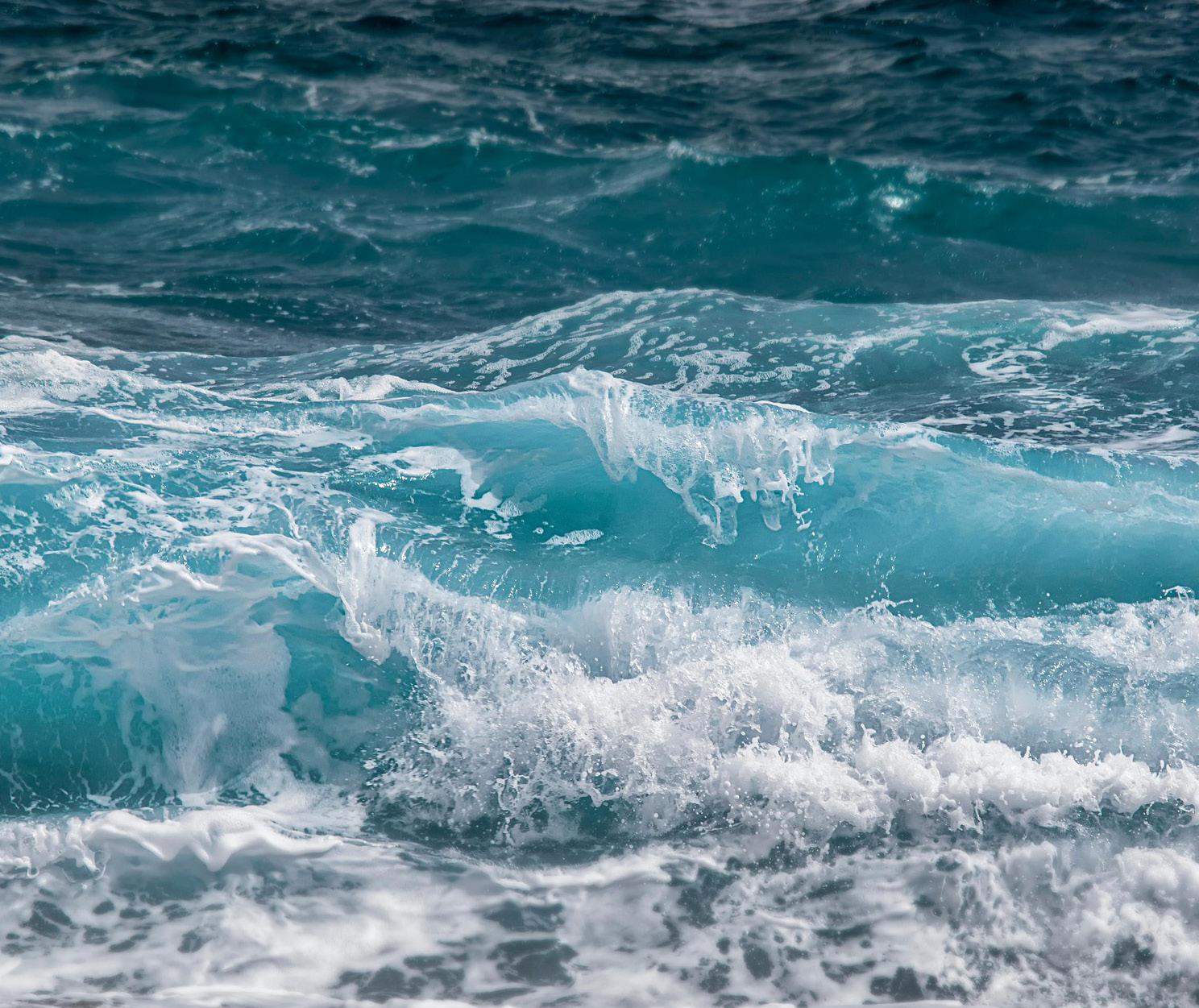
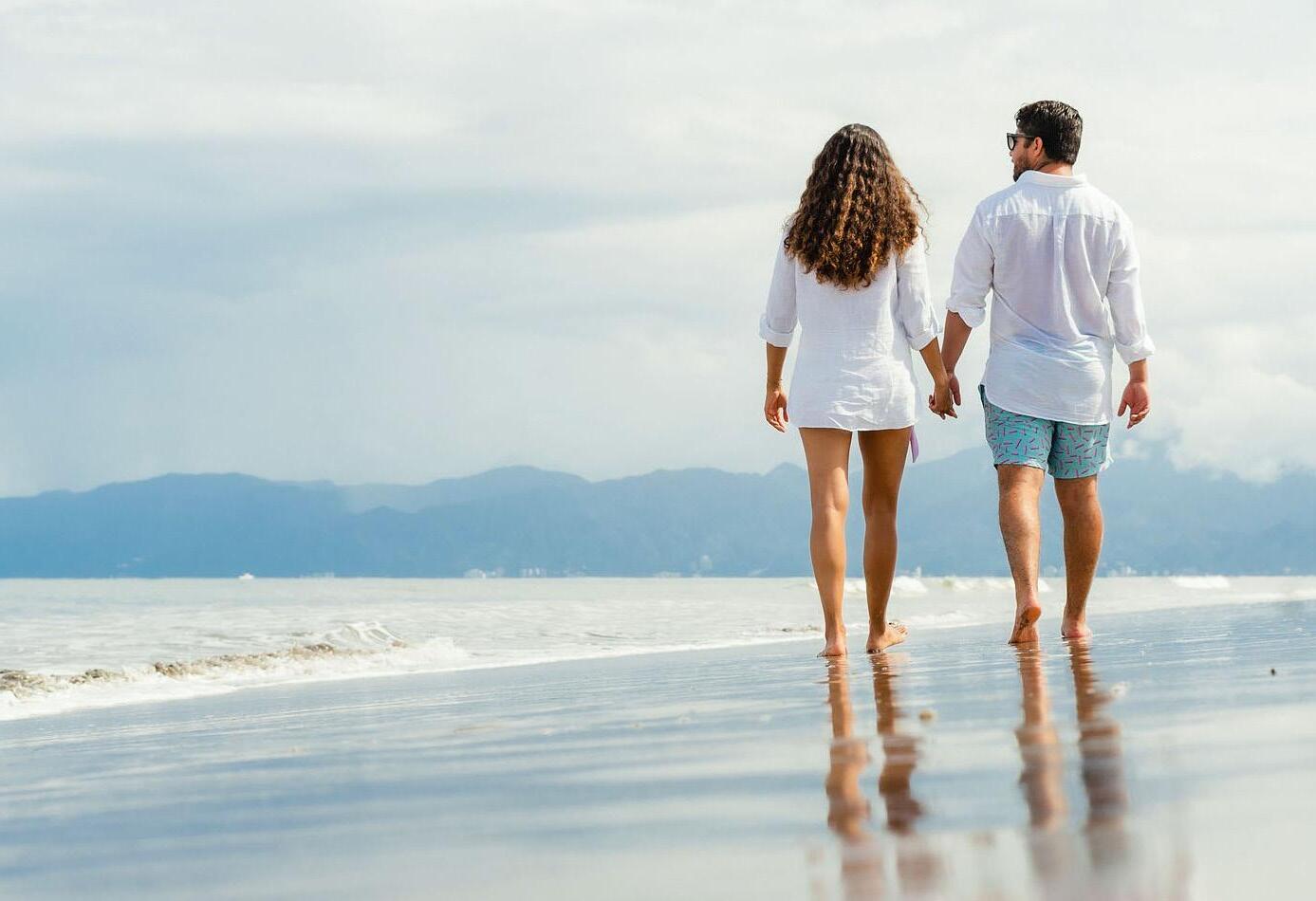
There is a reason so many people feel different near the ocean. The deeper breath. The better sleep. The mental reset that seems to arrive somewhere between hearing the waves and feeling salt in the air.
People have always described the beach as calming or therapeutic almost instinctively. Now, researchers say there may actually be science behind that feeling.
From air quality and sunlight exposure to the neurological effects of water itself, experts continue uncovering why a beach trip can positively impact mood, breathing, stress and overall well-being.
Why Ocean Air Feels Different
One of the biggest factors is simply the air itself.
According to the American Lung Association, ocean air tends to contain fewer pollutants than dense urban environments, particularly away from heavily developed coastlines. Beaches also typically have higher air circulation, which can help disperse airborne irritants and improve perceived air freshness.
Salt in the air may play a role as well. Researchers have studied sea aerosol particles — tiny droplets of seawater carried through the air — for their potential respiratory effects. While ocean air is not a cure for respiratory conditions, some people report easier breathing and less irritation near the coast.
Humidity is also a factor. Dry air can aggravate our nasal passages and airways, while moist ocean air may feel gentler and more comfortable for some individuals.
The Psychology of “Blue Space”
Researchers have a term for environments centered around water: blue spaces.
Studies published in environmental psychology and public health journals have found links between proximity to water and improved mental well-being. According to research supported by the National Institutes of Health, spending time near oceans, lakes or rivers has been associated with lower stress levels and improved mood.
Part of that may come from how the brain responds to natural sensory input.
The rhythmic sound of waves, for example, can activate the parasympathetic nervous system — the body’s “rest and digest” mode associated with relaxation. Experts say repetitive natural sounds may help quiet mental overstimulation and promote a calmer emotional state.
In simpler terms: the ocean gives the brain less chaos to process.
Better Sleep Starts Earlier in the Day
Beach days also tend to include several habits linked to improved sleep.
Exposure to natural sunlight helps regulate circadian rhythms, the body’s internal sleep-wake cycle. According to the Sleep Foundation, sunlight exposure during the day supports melatonin production later at night, helping people fall asleep more naturally.
Physical movement matters too. Walking on sand requires more effort than walking on pavement, increasing muscle engagement and energy expenditure without necessarily feeling like formal exercise.
Then there’s the mental side of it.
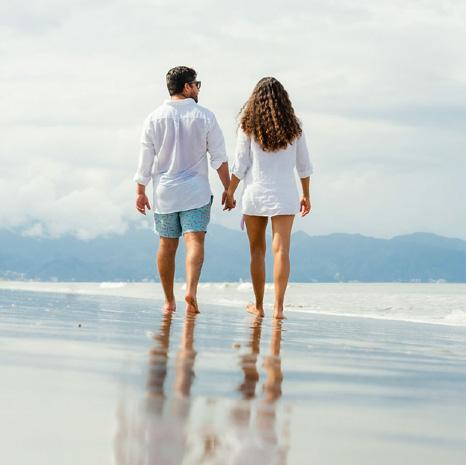
Reduced stress and lower mental stimulation throughout the day can make it easier for the body to transition into restful sleep at night.
Many people think they sleep better at the beach because they are on vacation. Researchers say the environment itself may deserve some credit too.
Mental Clarity and Cognitive Reset
Modern life constantly competes for attention. Notifications, traffic, crowded schedules and screen exposure all place demands on the brain.
Natural environments appear to help counter some of that mental fatigue.
According to researchers in environmental health and cognitive science, time spent in nature may support attention restoration, allowing the brain to recover from prolonged periods of directed focus. Water environments in particular have been associated with mindfulness, reflection and reduced cognitive overload.
That feeling of mental clarity people often describe after sitting near the ocean may not be imaginary.
Why We Keep Returning to the Water
Scientists are still studying the full relationship between coastal environments and human health, but one thing is becoming increasingly clear: Beaches affect more than just our mood “in the moment.”
They encourage movement. They reduce sensory overload. They expose us to sunlight, fresh air and natural soundscapes that modern life often lacks.
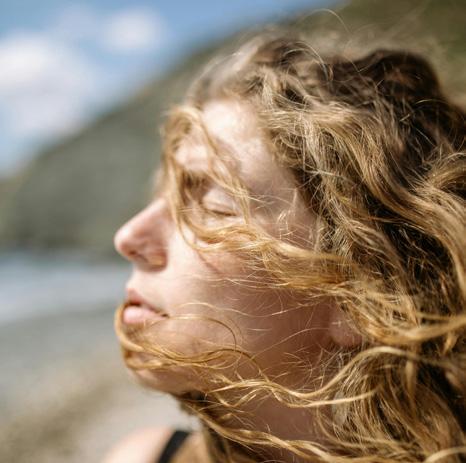





And perhaps most importantly, they slow us down.
No, the ocean is not a prescription. But the next time you feel calmer after a walk on the beach or notice yourself sleeping more deeply after a day by the water, understand this: your body and brain may be responding exactly the way nature intended.
We understand that everyone’s needs and goals are unique, which is why our board-certified plastic surgeons, aesthetic specialists and skin care professionals offer a range of surgical and non-surgical cosmetic procedures to help you look and feel your best. Our aim is to not only improve your appearance but also boost your self-esteem and make you feel confident in your own skin.

TYRONE M.D. AESTHETICS & PLASTIC SURGERY
A Head-to-Toe Look at What Happens to Your Body in Flight
BY LINDSEY JOHNSON, MS, MCHES, CF-L2
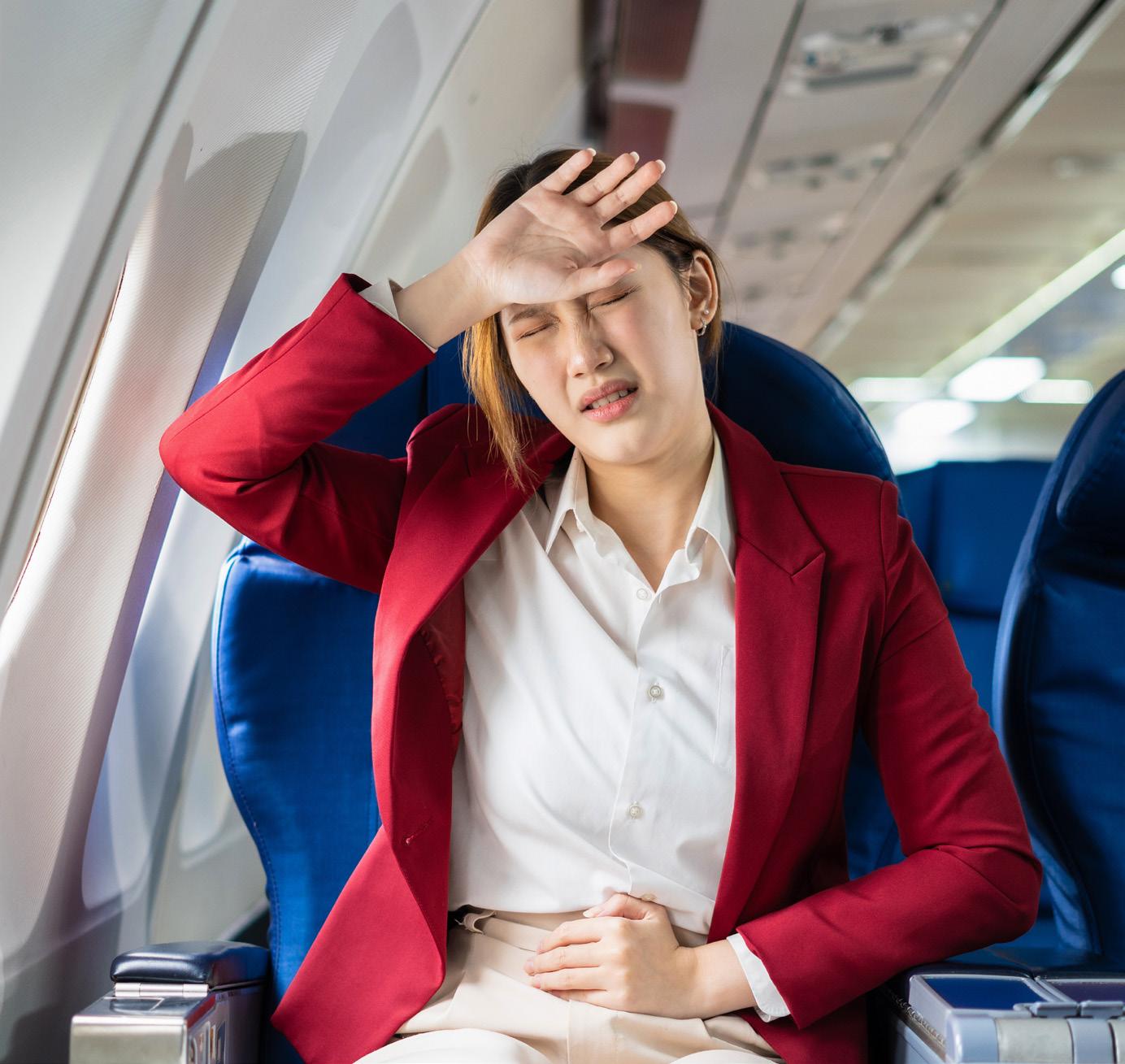
Flying may appear to be a passive activity — after all, you’re sitting still for long periods of time — but your body is actually working overtime to maintain the status quo. There’s a lot happening under the surface while your body is in a mild stress state during travel.
Airplane Air
According to the Cleveland Clinic, commercial aircraft cabins are pressurized to the equivalent of approximately 6,000 to 8,000 feet above sea level, meaning oxygen availability is slightly lower than what the body is accustomed to in Florida. Cabin humidity is also extremely low, often drier than many deserts — a big change from our humid Florida climate. These conditions can cause a multitude of symptoms both during and immediately after flying.
The Brain and Nervous System Effects
Dry cabin conditions, time zone changes, noise and poor posture can cause travelers to feel weary. This can manifest in overall exhaustion, brain fog and jet lag, particularly when the circadian rhythm is disrupted because of time zone changes or interrupted sleep cycles due to flight schedules. To minimize the impact, acclimate to local time zones quickly by establishing a routine eating and sleeping pattern as soon as possible.
Eyes, Nose, Throat and Skin Impacts
Remember that dry air? It can cause mucus membranes to dry out and produce nasal irritation, scratchy throats, dry skin, dry eyes and chapped lips. Load your carry-on with nasal saline spray, chapstick and hand lotion to get ahead of the problem. Consume plenty of liquids to keep the whole system hydrated.
Ear and Sinus Pressure
Rapid pressure changes during takeoff and landing can cause pressure to build in the ears and sinuses, particularly if there is congestion present. This may cause ear popping, muffled hearing, headaches and sinus pressure, particularly if you have any preexisting cold or allergy symptoms. Chewing gum (or snacks), yawning or gentle pressure-equalization techniques can minimize effects.
Lungs on Overtime
The dry cabin air, sitting in a cramped position with rib cage compression and poor posture can cause shallow breathing, lightheadedness, reduced oxygen intake and fatigue. This can be particularly noticeable in those with preexisting lung and/or cardiac conditions. To breathe easier, sit taller than you think you need to in order to fully open up the lungs. Try breathing techniques such as a four-second inhale with a six-second exhale. Walking around during the flight can also help bring extra oxygen into the lungs.
Digestive System Woes
Ever feel bloated and gassy when flying? The lack of movement can slow digestion while the cabin pressure expands intestinal gas. Top this off with dehydration and irregular eating schedules, and your bowels may be a little more sluggish than usual. Get up
mid-flight and move around, and request that extra glass of water during beverage service.
It’s Not Just About Limited Leg Room
Paying for extra leg room may make you more comfortable, but it won’t solve all the potential leg problems. While sitting for prolonged periods, gravity draws blood flow into the legs and feet, which can cause cramping and swelling.
On rare occasions, sitting for long periods can cause deep vein thrombosis (DVT), a blood clot that typically forms in the legs. This can be particularly dangerous if the clot travels to the lungs, causing a pulmonary embolism (PE), a life threatening condition that requires immediate medical attention. Those who are pregnant, take certain hormonal birth control options, smoke, have a history of cancer or have had previous blood clots or circulation disorders are at particular risk.
To help prevent circulation problems, flex the calves while seated, get up and walk around every hour or so and consider wearing compression socks. Stay hydrated and avoid excessive alcohol intake.
Dry as the Desert
The cabin air isn’t the only thing dry on your flight. Your body can quickly become dehydrated due to the conditions. The dehydration can be a contributor to all the symptoms listed above. To combat hydration, drink extra water before, during and after the flight to maintain adequate hydration.
Immune System on Alert
Many travelers report getting sick after airline travel, but the culprit is not usually the air inside the plane. Most commercial aircrafts use HEPA filtration systems within the cabin. However, waiting in lines and crowded areas, sleep deprivation, stress and dry mucus membranes can leave you more susceptible to picking up an unwanted illness. Wipe down tray tables, wash your hands frequently, avoid touching your face, stay hydrated and get plenty of sleep to minimize the chances of bringing home something other than your luggage.
Recovery Is the Name of the Game
Not only is it important to take care of yourself during flight, it’s also critical to allow your body to recover properly. Stretch, walk around, get some gentle exercise, drink plenty of fluids, return to normal sleeping and eating schedules as quickly as possible and use compression or elevation to alleviate leg swelling.
Flying is one of the few modern experiences where nearly every system in the body is affected simultaneously — circulation, hydration, digestion, sleep, immunity and sometimes even mood. Most of the effects are temporary, but understanding what’s happening physiologically can help travelers support their bodies before, during and after long travel days so they can get the most out of their trip.


ALACHUA COUNTY LIBRARY DISTRICT
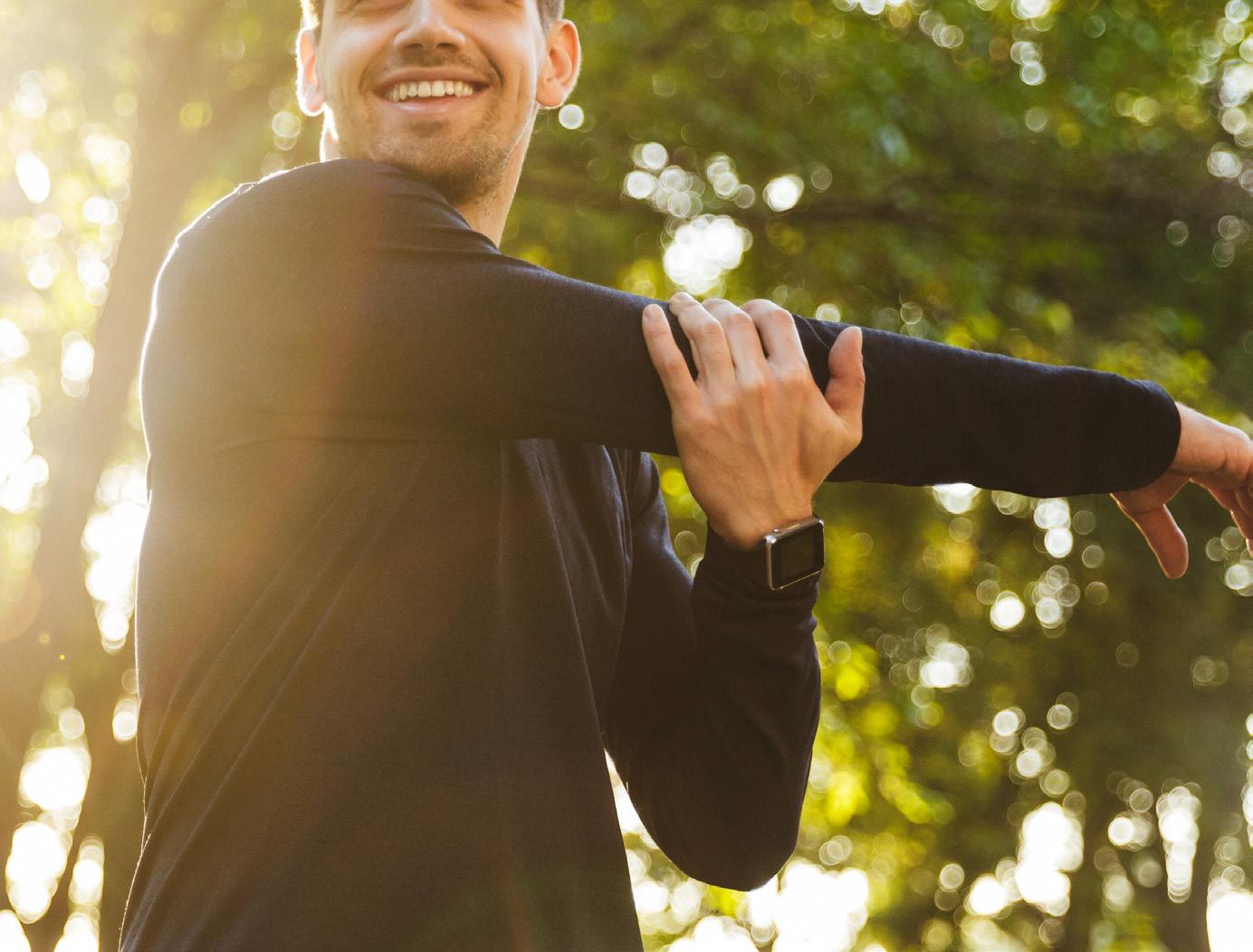
Get Moving: Outdoor Fitness Parks and Spaces in Gainesville
BY ALEXANDRA BURNS
Gym memberships are one option, but for those who prefer the open air or a more independent workout experience, outdoor fitness parks offer a great alternative. Gainesville features several parks equipped with exercise stations and open spaces designed for the perfect workout. Here is a guide to where you can stay active outdoors.
This list was curated by researching the City of Gainesville’s list of parks and features.
Easton Newberry Sports Complex
24880 NW 16th Ave., Newberry
What to Know: The Easton Newberry Sports Complex features over 80 acres of parkland with spaces for various physical activities.
Hours: Daily from 7 a.m. to 10 p.m.
Equipment: Sports and exercise spaces include baseball and softball fields, multi-use fields, basketball courts, beach volleyball courts, a playground, an archery range and walking trails.

Clarence R. Kelly Community Center
1701 NE 8th Ave., Gainesville
What to Know: The Clarence R. Kelly Community Center features outdoor spaces and fields perfect for group or solo workouts.
Hours: Monday to Friday from 9 a.m. to 6 p.m.
Equipment: The center offers a walking trail, community garden, lighted basketball court, event lawn, playground and fitness equipment for adults.
Lincoln Yard Park
2099 SE Eighth Ave., Gainesville
What to Know: The Lincoln Yard Park features a walking trail around a stormwater pond, an adult fitness area and a playground. Dogs on a leash are welcome, and benches are placed throughout the park.
Hours: Daily from dawn to dusk
Equipment: The walking trail is 1/3 mile long. The adult fitness area includes an incline bench, pull-up bar, push-up station and more.
Northside Park
5701 NW 34th Blvd., Gainesville
What to Know: Northside Park features an 18-hole disc golf course, the oldest standing disc golf course in Florida, according to the City of Gainesville. The park also offers a play zone with activities for all ages, like pickleball and tennis courts, table tennis, checkers and chess. Visitors can relax on the outdoor pavilion, which features shaded seating and grills. A walking path leads to outdoor exercise equipment. Dogs on a leash are welcome.
Hours: Daily from dawn to dusk
Equipment: The outdoor exercise equipment is created for seniors, according to the City of Gainesville. The equipment is ergonomic and allows mobility exercises rather than strength training.
Hogtown Creek Headwaters Nature Park & Nature Center
1500 NW 45th Ave., Gainesville
What to Know: The Hogtown Creek Nature Park features a walking trail surrounded by nature, a loop with fitness equipment, a covered picnic area and a playground. Dogs on a leash are welcome, and the spot is perfect for bird watching.
Hours: 7 a.m. to 8 p.m. from March to September
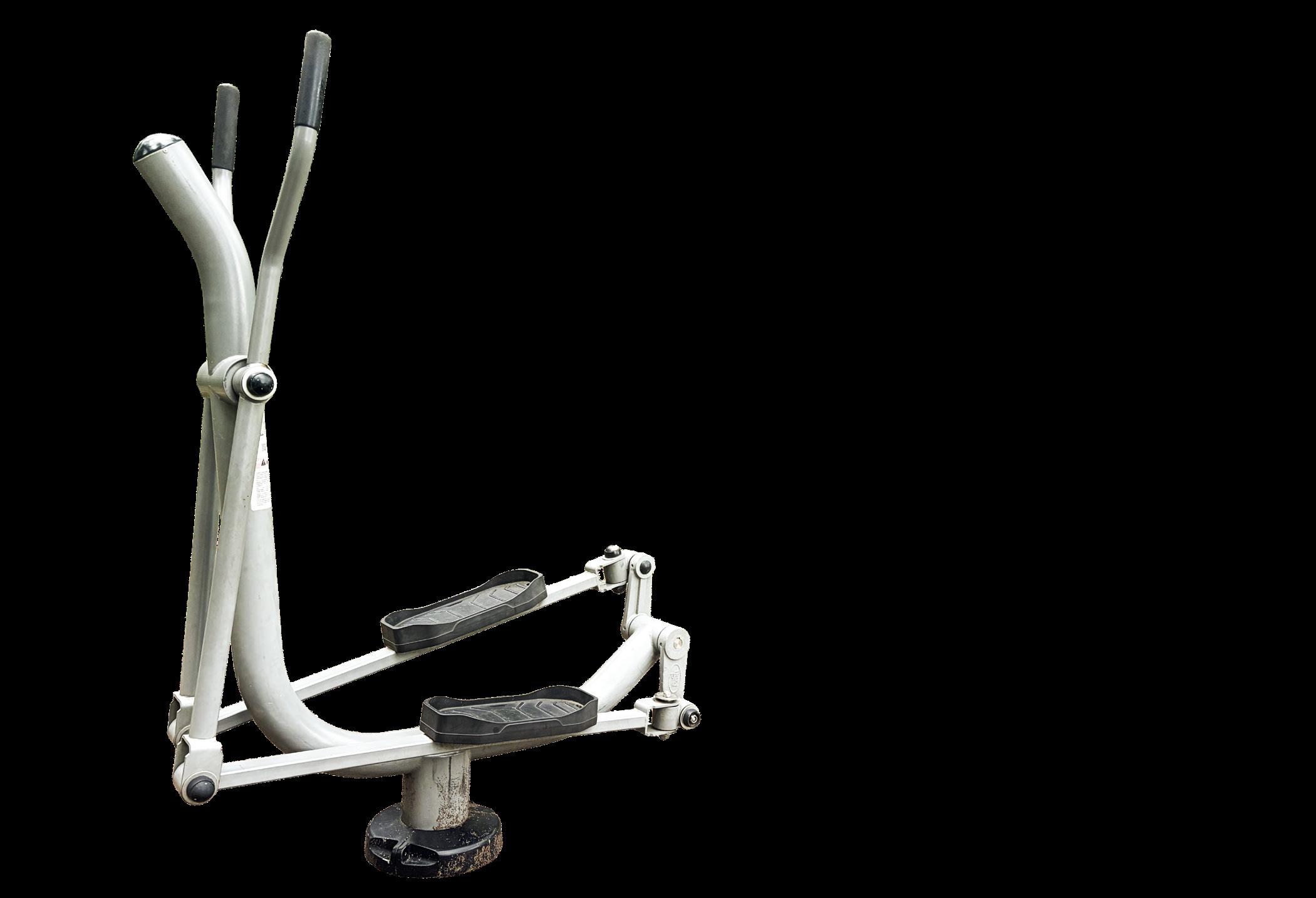
Equipment: The walking trail is half a mile long and offers walkers a view of the woodlands. The fitness loop provides exercise equipment for ages 13 and up, such as an elliptical, pull-up bars and a stationary bike.
Reserve Park
700 NE 11th St., Gainesville
What to Know: Reserve Park offers play equipment for kids, a ninja-styled obstacle course, picnic tables, a shaded pavilion, a community garden and walking trails.
Hours: Daily from dawn to dusk
Equipment: The ninja-style obstacle course features multiple stations, including an A-wall climber, spider walk, wheel bridge, rope climb, angled overhead ladder, jump hang and more. Visitors can exercise through the obstacle course or walk throughout the park’s trails.
Springtree Nature Park
2700 NW 39th Ave., Gainesville
What to Know: This 12-acre nature park features a playground, sports fitness equipment and nature trails through flatwoods and pines. The park is great for observing local wildlife and birds, and dogs on a leash are welcome.
Hours: Daily from dawn to dusk
Equipment: The outdoor fitness equipment includes machines that target upper- and lower-body strength.
T.B. McPherson Recreation Complex
1717 SE 15th St., Gainesville
What to Know: This 12-acr Park features basketball courts, diamond
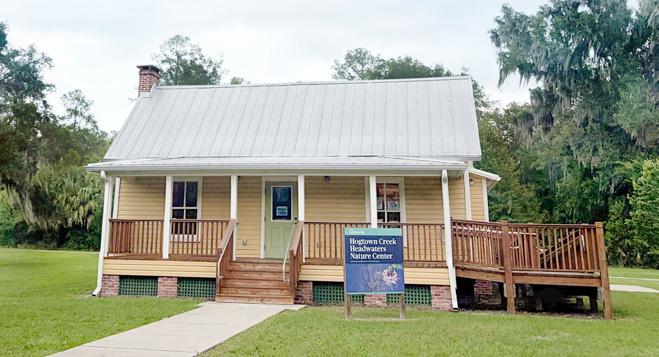
Hogtown Creek Headwaters Nature Park & Nature Center offers a wide variety of facilities for your fitness needs.
fields, tennis courts, a walking trail, a pavilion with picnic tables and a playground. Dogs on a leash are welcome.
Hours: Monday to Saturday from dawn to dusk and Sunday from dawn to 4 p.m.
Equipment: The park’s walking trail offers fitness stations with equipment for sit-ups, push-ups and dip training.
Unity Park
1710 NE 31st Ave., Gainesville
What to Know: Unity Park is an outdoor space with activities for all ages. The park offers basketball courts, a walking trail, playground equipment like swings, picnic tables, a community garden and an outdoor fitness station. Dogs on a leash are welcome.
Hours: Daily from dawn to dusk
Equipment: The park offers fitness stations placed along a walking trail. The equipment focuses on stretching and strength-building bodyweight exercises.




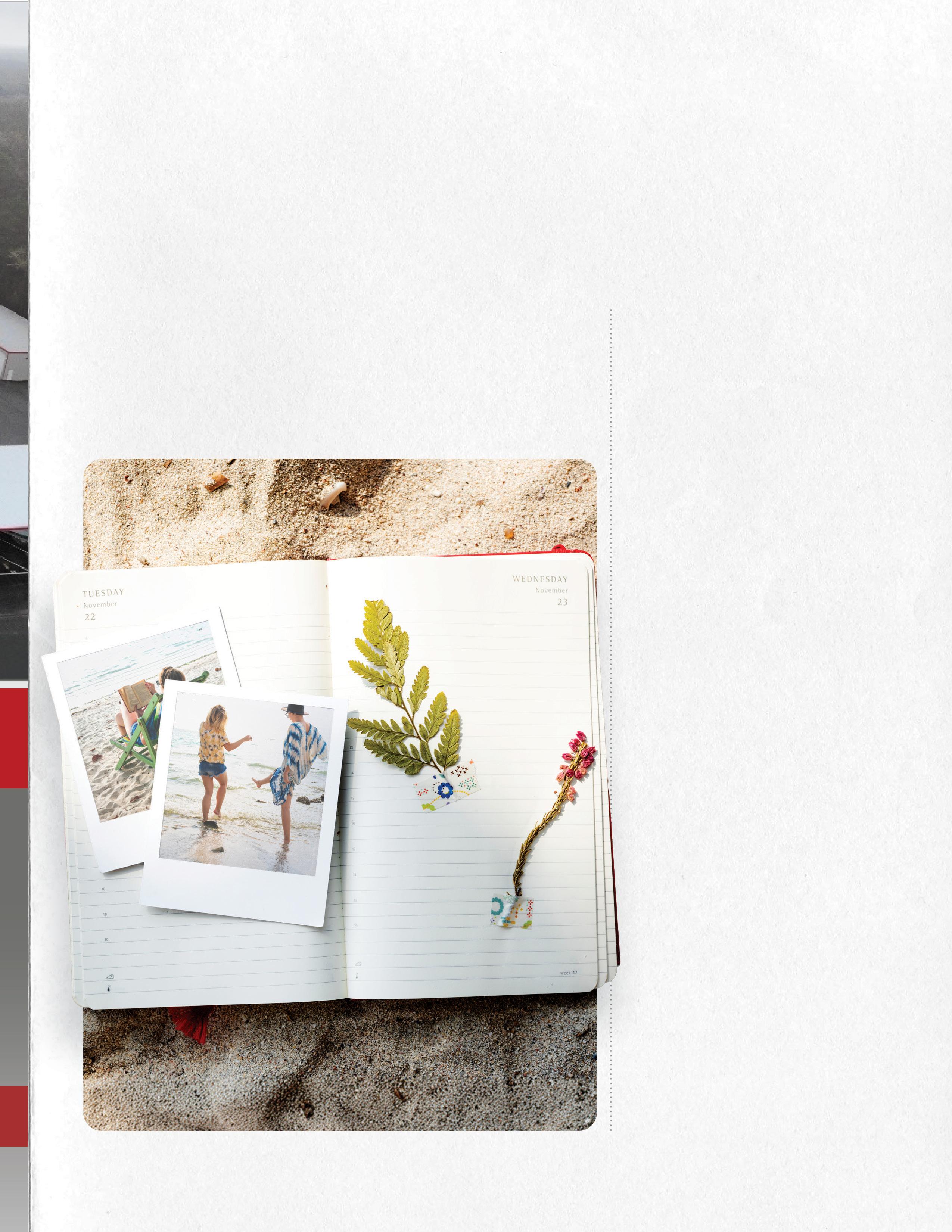
The Ultimate Guide to Travel Journaling: Ideas, Inspiration and Creative Techniques
BY ALEXANDRA BURNS
Travel journaling is the process of documenting your trips — such as experiences, memories and places visited — so you can preserve them as lasting keepsakes and memories.
These journals can be created in either digital or physical form, and customized to whatever extent you choose. As we head into summer, here is a guide to start your first travel journal, whether you already have upcoming trips to capture or are planning future adventures.
How Do I Begin?
To begin travel journaling, first consider what is most relevant to where you are now on your travel journey. Do you currently travel frequently? Do you want to travel more? Have you barely traveled, but have a large list of places you want to visit?
If you do not frequently travel, your best option is most likely to create a journal that focuses on your dream destinations, how to make them possible and your desired locations and activities in each destination.
If you are a frequent traveler or a nostalgic one, consider a journal that focuses more on highlighting the memories, activities, photographs and destinations from your travels, allowing you to update it as you go.
Travel Journals for People Always on the Move
When starting a journal to commemorate your trips, no matter how big or small, think of it as a photo album or memory book. How do you want to remember your trips? Is it through photos, keepsakes like plane tickets, written entries about your favorite experiences, food, maps, lists of all the places you went or a combination of these elements?
You can make it simple or maximalist, with a wide variety of clips, photos and designs. A simple one could just be photos with the date and location, or simple written or typed printed entries. A maximalist one would be a combination of drawings, written entries, keepsakes, photos, locations, stickers, etc., almost like a scrapbook.
The journal will leave you with a wonderful keepsake or coffee-table book, offering something for family and friends to flip through to learn about your travels, or for you to read whenever you want to relive old memories.
One of the most common struggles with travel journaling is not which photos or keepsakes to include, but what to write about. While you do not have to write anything, here are some ideas to get you started.
• Locations: A list of the locations you visited in the destination — either the most memorable or all of them. This can include a map with lines showing your road trip or flight route, or stickers and dots to mark areas visited. A simple written-out list also works, or an entry per city, state or country visited.
• Food: What restaurants did you visit? What were your favorites? What food did you eat? Did you have any top eats?
• Music: Are there any songs you heard while traveling or in the destination that you now associate with the trip or the area’s culture?
• Memorable Experiences: Were there specific activities that you highly enjoyed — such as sailing, going to the beach, zip lining or even just walking around a specific area? Write about what you did and/or why you enjoyed it.
• Stories: Bring out your inner writer. Write a story about one or several of your experiences. Was there a funny, sad, scary or out-of-your-comfort-zone time during your trip? Write about it!
• Day By Day: If you’re struggling with organization, consider just writing about your travels day by day. This can be done while on the trip or after. All of your photos, entries and locations can be organized by each day.
Travel Journals for Aspiring Travelers
For those who hope to travel more, think of your journal as a manifestation and planning book.
Think of the places you have always dreamed of visiting, and brainstorm and research locations. Write these places down, and maybe even rank them.
Write about how you can make it happen. Do you need to spend more hours at work? Do you need to allocate more money from shopping to a travel savings account? Research affordable and safe traveling options — read Reddit threads, find news stories, watch YouTube videos — and write your findings down. Below are some topics to get you started.
• Packing planning list
• Dream destination list
• Restaurant and activity list for specific destinations based on research
• A travel budget with the desired or planned period of time to reach your goal — no matter how far ahead that may be
This can serve as a great starting point not only to have a well-planned trip, but also to boost your motivation to travel. The more time you spend planning it and learning about specific areas, the more effort you will put into preparing financially and making it happen.

Creative Travel Journal Design and Decoration
Don’t be afraid to be creative with your travel journal. This means including drawings, scrapbooking, using colored markers and having fun with the design.
Below are some options for decorative and design materials for your travel journal.
• Multi-color crayons, Sharpies, pens or watercolor paints
• Printed photographs
• Travel memorabilia — transportation tickets, receipts, napkins, leaves, flowers, pebbles, ribbons, etc.
• Stickers or embroidery patches
• Printed logos or images that you cut out and tape or glue to the journal
• Amazon offers a variety of affordable travel journal materials. Look up scrapbooking paper, travel stickers or other supplies to find what suits your interests.
Not only is it a relaxing and creative activity, but it also gives you something to look forward to on future trips as you continue adding to it. It also becomes a meaningful keepsake for you and your family to relive your travels. Remember or plan your travels and showcase your creativity and DIY skills along the way!

For further inspiration for your first travel journal, check out our Pinterest board.



Carambola — more commonly known as a star fruit — gets its name exactly as you would expect: from its natural star-like shape when sliced. The fruit flaunts a light green to golden yellow or orange color, depending on its ripeness. With a waxy skin that offers a layer of crunch and crispiness to its sweet-tart flesh, the star fruit’s flavors have been compared to those of oranges, pears and grapes.
Star fruits are rich in vitamin C and fiber; one medium-sized star fruit contains 3 grams of fiber and 52% of your recommended daily vitamin C intake, according to Healthline. The fruit also contains quercetin, gallic acid and epicatechin, which are plant compounds that offer antioxidant properties and health benefits, with studies showing the compounds reduce the risk of fatty liver disease and high cholesterol in mice.
But one thing most don’t know about this fruit is that it might not be healthy for everyone. According to Healthline, because of star fruit's high oxalate content, people with chronic kidney issues should avoid eating it or drinking its juice. Eating too much can lead to star fruit toxicity, which can cause acute kidney injury or disease.
When enjoyed in the right amounts, star fruits offer a nutritious, flavorful and beautiful addition to desserts, charcuterie boards and fruit spreads, cocktails, entrees and more. Star fruits are commonly used to add bursts of flavor in anything from salads and syrups to grilled proteins, stews
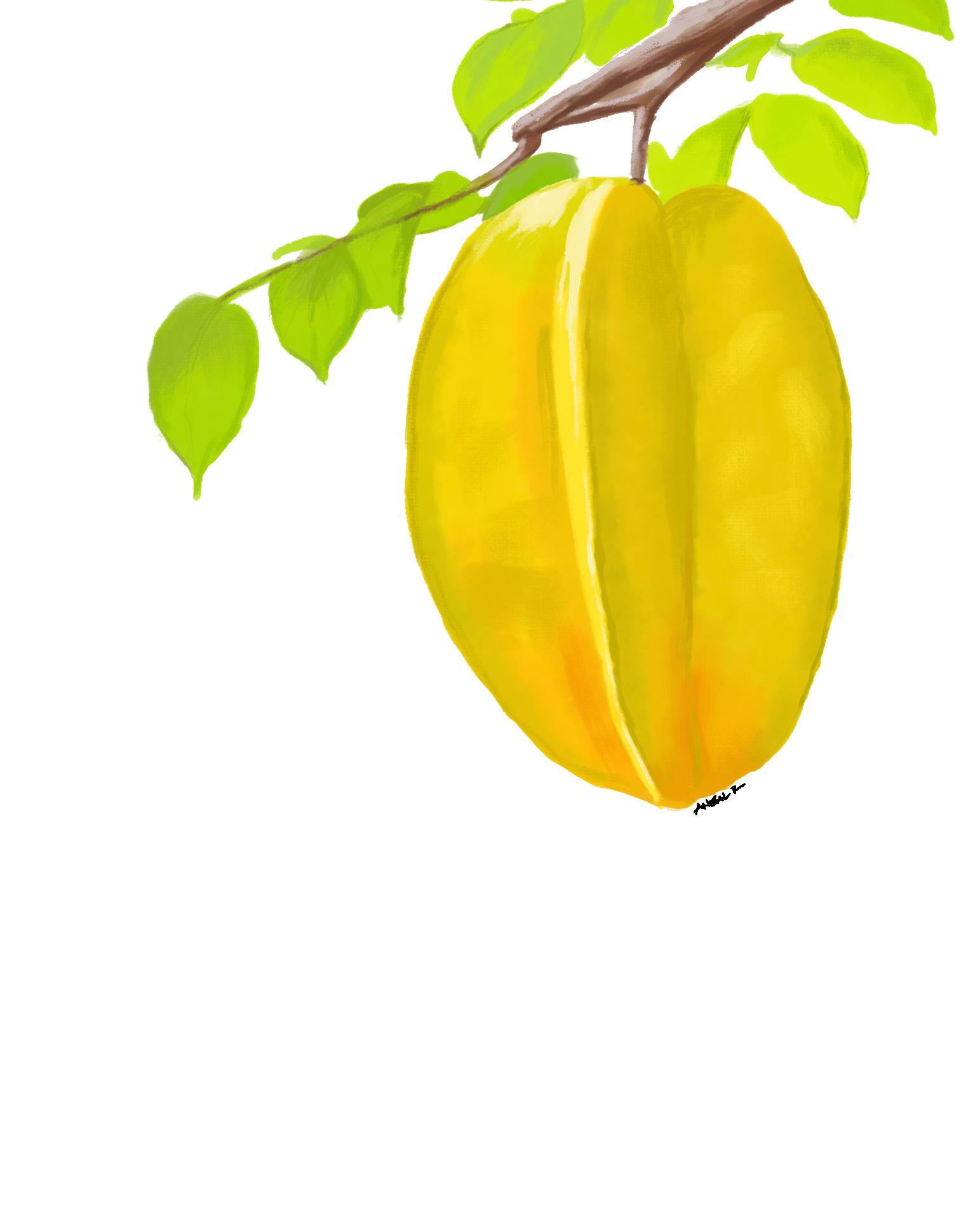
and cocktails. The tangy fruits can be diced and added to salsas, simmered into syrups for toppings or cocktails, eaten with seafood, grilled with pork and chicken, blended into smoothies, pureed or used as a garnish.
Star fruit is often sold at local farmers’ markets and stands and can be ordered online through direct-from-farm shippers. It can also be found at grocery stores like Whole Foods and Publix, but its availability depends on whether it is in season. Star fruits often grow in Florida from June to April and depend on a warm, humid climate. You can easily find them in stores in Florida from June through February for about $2 to $5.
So, the next time you visit the grocery store this summer, consider experimenting with this zesty, refreshing treat. Whether you’re garnishing a cocktail, enjoying it sliced by the pool or grilling it with shrimp for dinner, star fruit will instantly transport you into the summer spirit.





Redeem coupon in-store only at time of purchase. Expires August 31, 2026
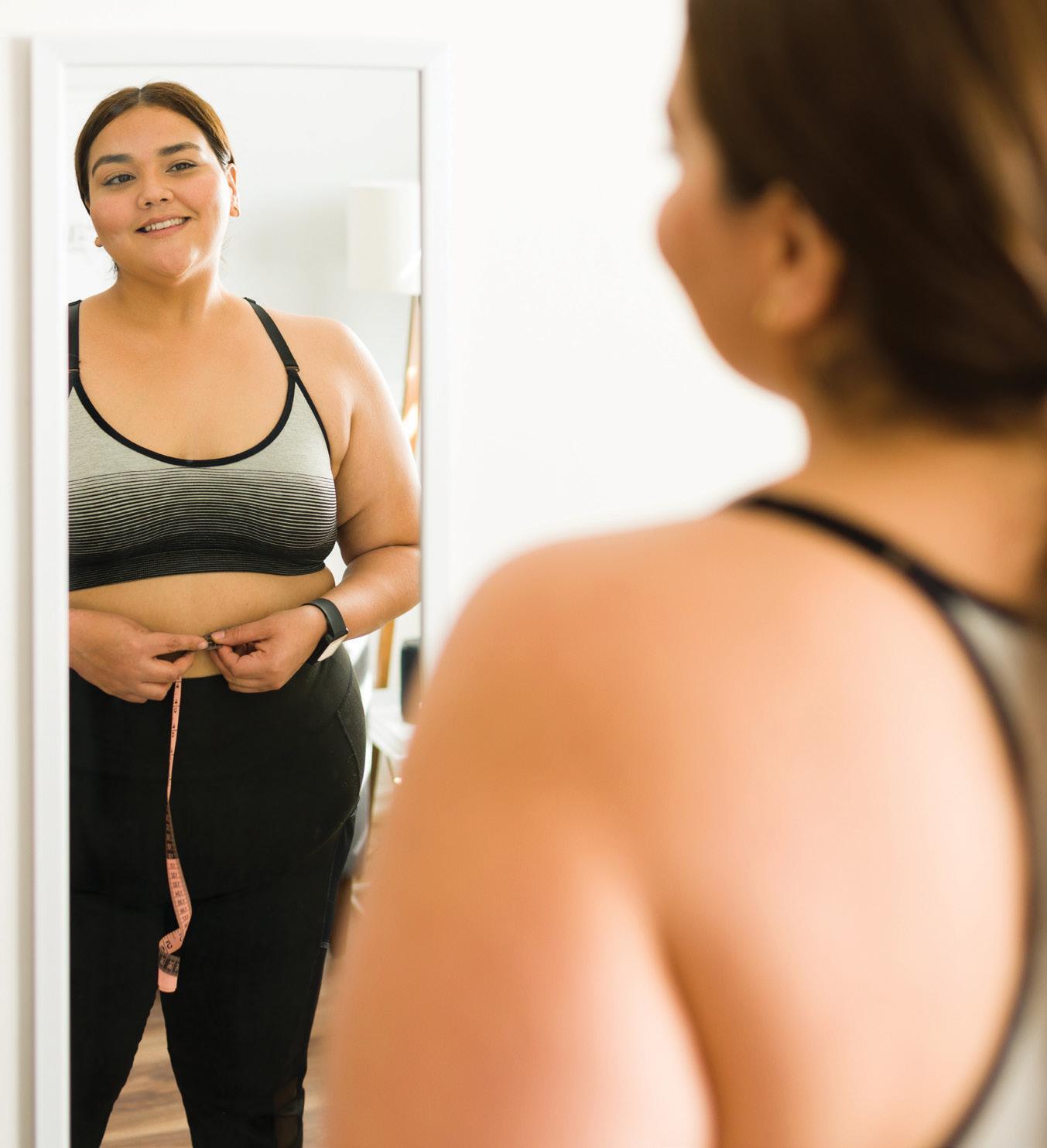

At Curative Medicine, we know how hard it is keeping up with your new year’s resolution. As we embark 2026, we want to be an integral part of your wellness journey by offering: pharmaceutical-grade supplements by our knowledgeable staff, oral peptides, anti-aging skincare products, NAD+, Sermorelin, HRT therapy, weight loss medications, and much more! Because here at Curative Medicine, we know that when you feel better, you live better
Time to Bulk: The Science Behind Fibermaxxing
BY LINDSEY JOHNSON, MS, MCHES, CF-L2
If you’ve spent any time on TikTok lately, you may have seen a wellness trend called “fibermaxxing.” While many social media trends are not scientifically sound, fibermaxxing has some merit.

fiber consumption, some influencers take it to the extreme, recommending more fiber than necessary.
Fiber Is a Nutritional Powerhouse
There are two types of fiber — soluble and insoluble. Soluble fiber dissolves in water and creates a gel within the system that slows digestion and helps you feel full. Insoluble fiber does not break down in water. Instead, it tends to stay intact as it passes through the digestive system, adding bulk to stool and cleaning out the colon, promoting overall digestive health. Fiber aids digestive health by preventing constipation and improving the gut microbiome.
Fiber also helps regulate blood sugar, preventing big spikes after meals. Not only that, fiber is heart healthy with benefits like lowering LDL or “bad” cholesterol, fighting inflammation and controlling blood pressure. Fiber-rich meals also support weight management by promoting satiety, which helps prevent overeating.
The Dietary Guidelines for Americans 2020-2025 reports that adults should consume approximately 14 grams of fiber per every 1,000 calories consumed. For most adults, this is somewhere around 25 to 34 grams per day. After age 50, these numbers
Soluble Fiber Insoluble Fiber vs
Good for Colon Health
Eases and Prevents Constipation
FOOD HIGH IN FIBER
Stay Fuller Longer
Lowers Blood Cholesterol
Improves Blood Sugars
decrease slightly (28 grams for men and 22 grams for women). However, the Mayo Clinic estimates that more than 90% of women and 97% of men don’t consume the recommended daily intake of fiber.
How to Get More Fiber
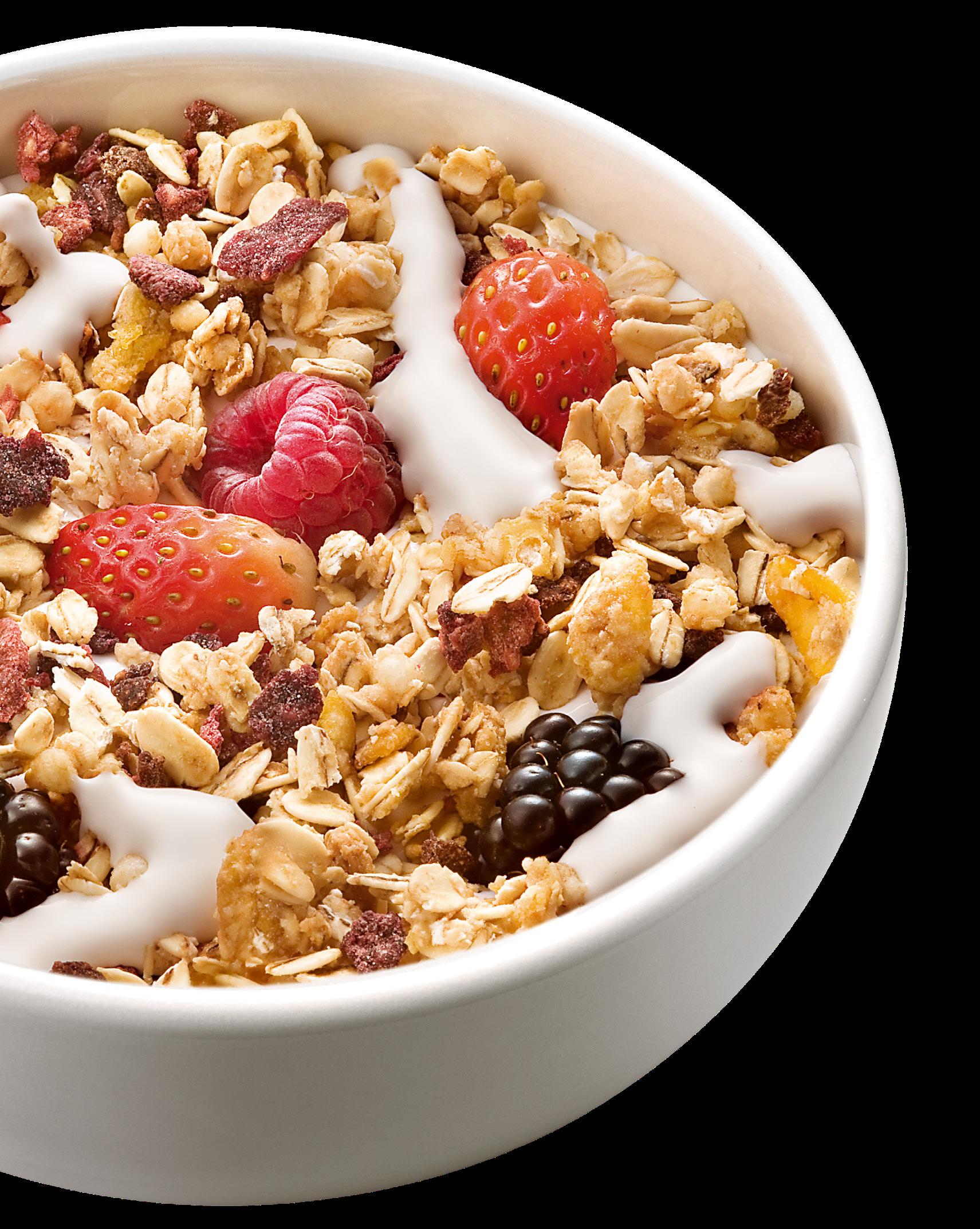
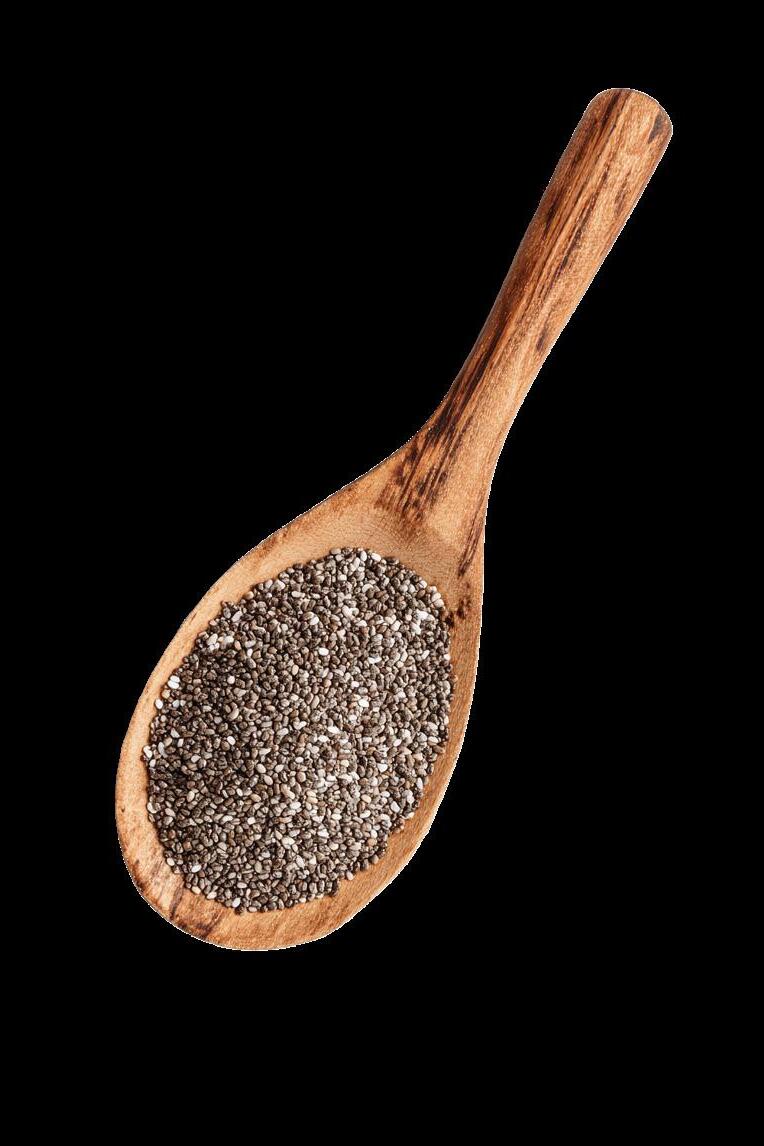
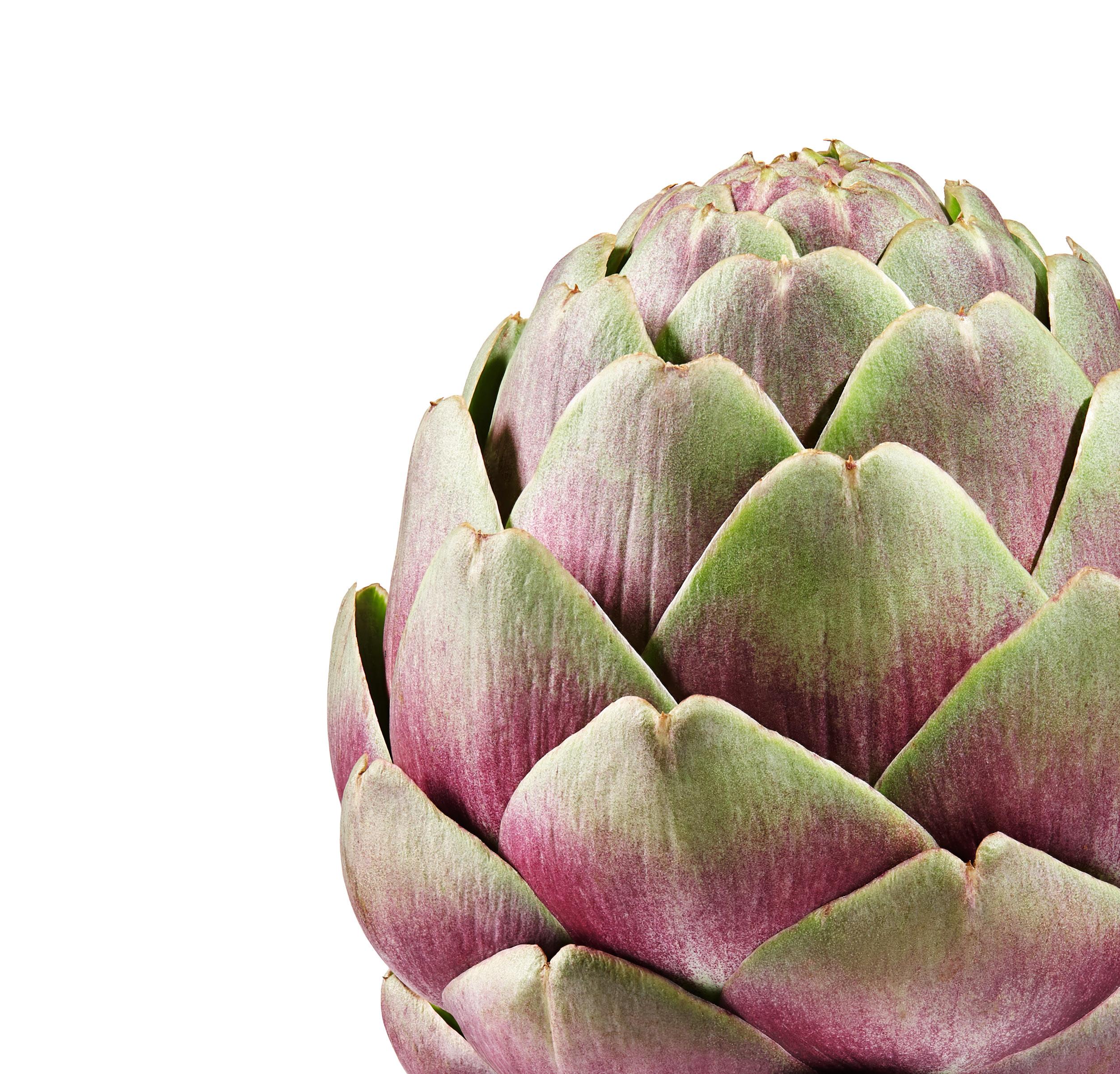
While many nutrition trends focus on eliminating foods, fibermaxxing promotes adding fiber-rich foods to your plate. Great sources of fiber include oats, berries and other fruits, nuts and seeds, whole grains, chia and flax seeds, beans, lentils, leafy greens and other vegetables. There are also many pre-packaged snacks and cereals that are high in fiber. While these can be a decent supplement, fiber that comes directly from natural sources is a healthier overall choice.
Start the day with a bowl of oatmeal with berries. Snack on apple slices and carrot sticks throughout the day. Add seeds to your salad and incorporate fruits and vegetables at every meal. Without getting caught up in the details, you can easily increase fiber in your diet by adding in more plant-based foods throughout the day. As you increase fiber intake, drink extra water throughout the day to help move it through the system.
Proceed with Caution
While experts agree that high fiber diets have a multitude of health benefits, introduce additional fiber to your diet incrementally to avoid digestive issues. Adding too much at once can cause bloating, gas, constipation or digestive distress. Those with a history of certain conditions such as irritable bowel syndrome (IBS), inflammatory bowel disease (IBD), small intestinal bacterial overgrowth (SIBO), crohn’s disease, ulcerative colitis (UC) and others should discuss fiber intake with their providers to ensure proper intake.
Not all wellness trends are worth following, but fibermaxxing in moderation has the potential to improve digestive, heart and overall health.


Falls are the leading cause of fatal and non-fatal injuries among older adults. The
Faster reactions Better coordination Increased confidence with movement Improved stability during walking, turning, and changing direction


The “Healthy” Travel Foods Most Likely to Make You Sick
BY COLE PURVIS
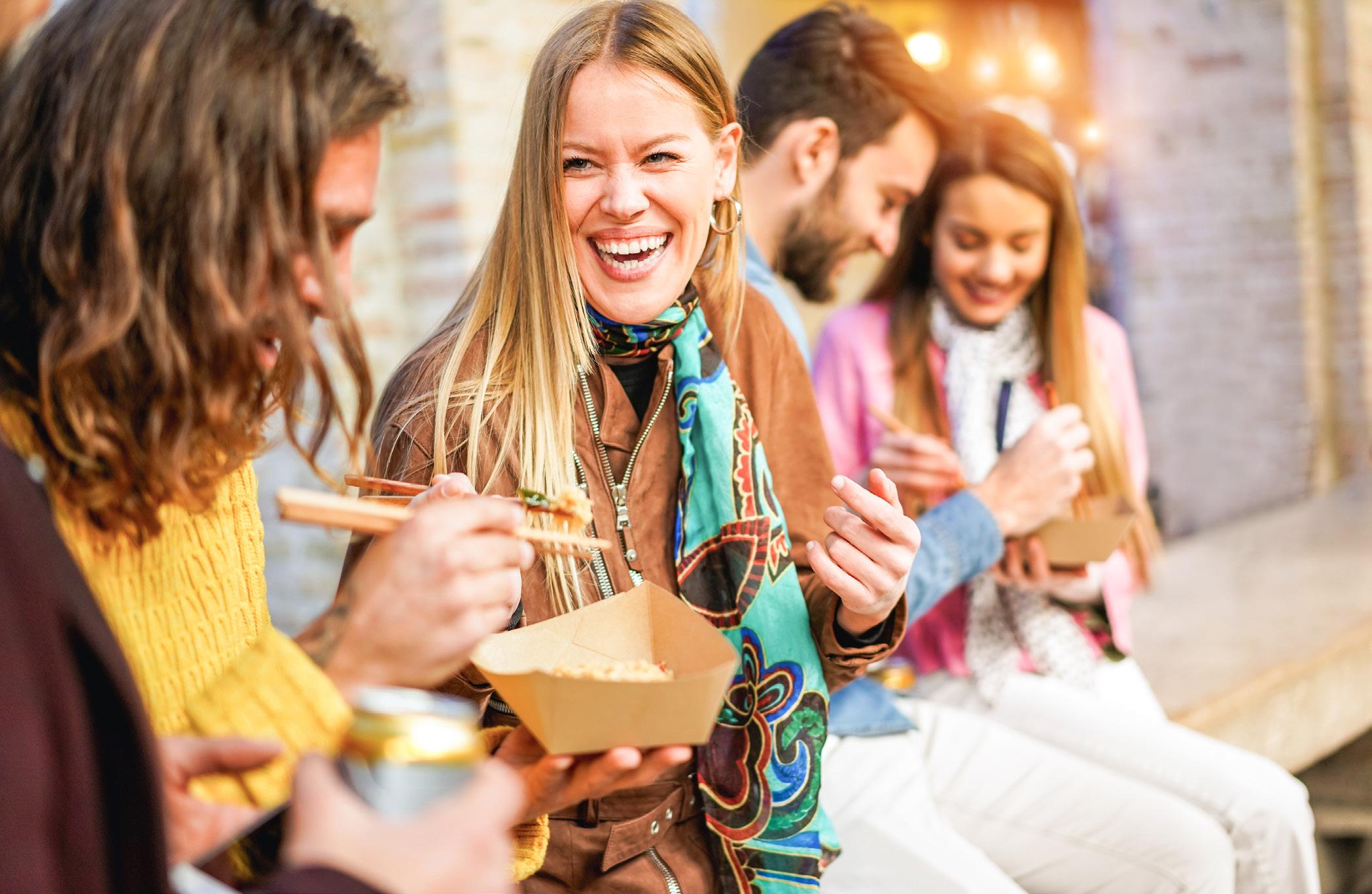
When traveling internationally, plenty of people try to make healthier food choices. Think fresh fruit, salads, smoothies, lightly cooked seafood — what you think sounds like the “safe” option compared with fried or processed foods we see a lot of at home.
Ironically, those choices can sometimes carry the greatest risk.
According to the Centers for Disease Control and Prevention (CDC), food and water contamination remain one of the most common causes of illness among travelers. And in many cases, it is not the obviously risky foods that cause problems — it is the healthy ones tourists aren’t even thinking about.
Here’s where health experts say travelers should be especially cautious.
Raw Produce in Mexico and Tropical Destinations
Fresh fruits and vegetables are often a travel staple in places like Mexico, the Caribbean and parts of Central and South America. But uncooked produce can become contaminated through local water used during washing or irrigation.
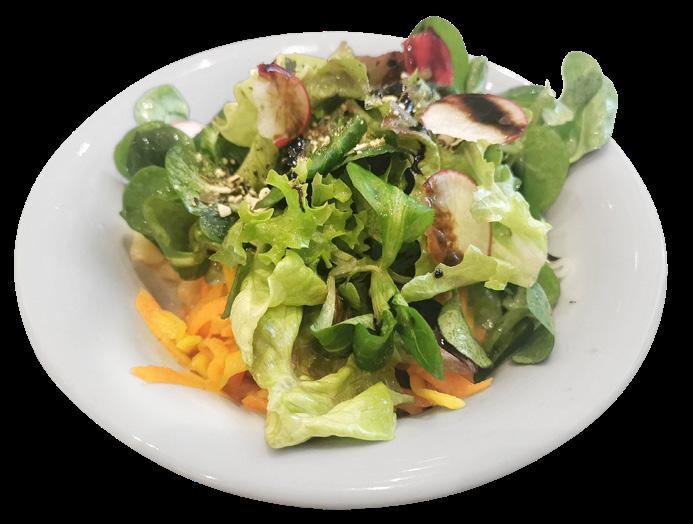
The CDC notes that raw vegetables, leafy salads and pre-cut fruit are common sources of traveler’s diarrhea because bacteria and parasites are not killed by cooking temperatures.
That does not mean avoiding your greens entirely.
Rather, experts recommend sticking to fruits you can peel yourself — such as bananas, oranges or mangos (they have a natural shell) — and avoiding raw garnishes or salads from vendors where water sanitation is uncertain.
Smoothies and Ice in Southeast Asia
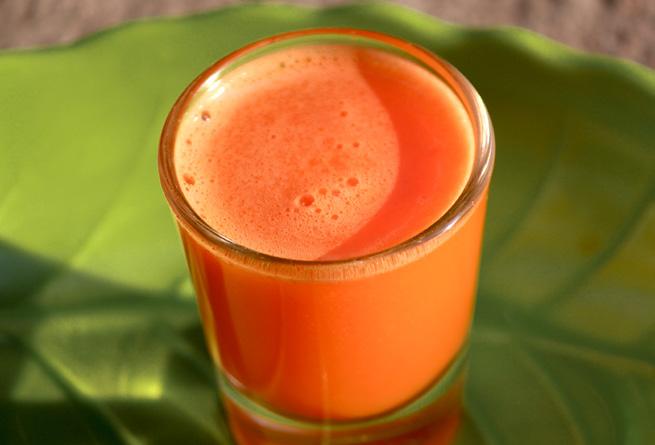
In countries such as Thailand, Vietnam and Indonesia, fruit smoothies are everywhere — especially in touristheavy areas. While the fruit itself may be safe, trouble may lie in the ice.
According to the World Health Organization (WHO), contaminated water remains a major source of gastrointestinal illness worldwide. Ice made from untreated tap water can expose travelers to bacteria, viruses or parasites even when the drink appears fresh and healthy.
The same caution applies to juices diluted with local water.
Raw Seafood in Coastal Europe
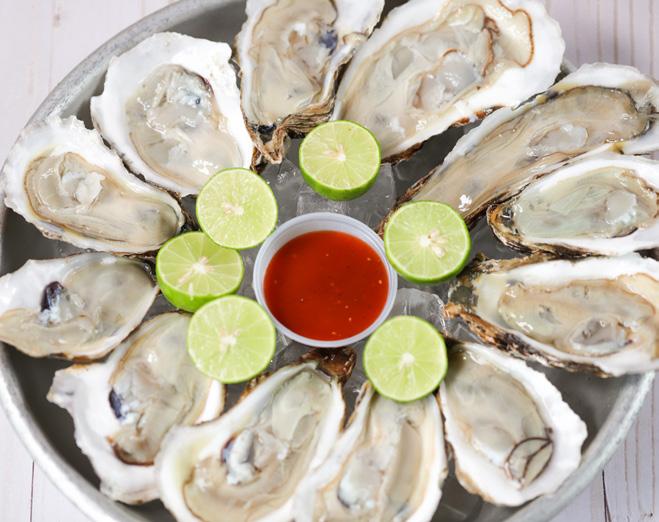
Mediterranean destinations often market fresh oysters, ceviche and raw seafood as luxury experiences. While many restaurants maintain strong safety standards, raw shellfish can still pose risks even in highly developed countries.
The U.S. Food and Drug Administration (FDA) warns that raw oysters and undercooked shellfish may contain harmful bacteria such as Vibrio, particularly during warmer months.
Travelers with weakened immune systems, liver conditions or certain chronic illnesses face elevated risks.
In countries like Spain, Italy or Greece, experts recommend choosing cooked seafood dishes when possible, especially during heat waves or peak summer travel periods.
Unpasteurized Dairy in Europe
Artisanal cheeses and farm-fresh dairy products are part of the appeal in destinations like France, Switzerland and rural Italy. However, the CDC cautions that unpasteurized milk products can carry bacteria including listeria, salmonella and E. coli.
Soft cheeses made from raw milk may pose higher risks for pregnant travelers, older adults and individuals with weakened immune systems.
While food safety standards in Europe are generally high, “natural” does not always mean low-risk.


Buffets and Street Food Anywhere
Contrary to popular belief, food safety risks are not limited to developing countries. Improper food temperature control can happen anywhere — including resorts, cruise ships and tourist districts in Canada or Western Europe.
According to the FDA, foods left sitting in the “danger zone” between 40 F and 140 F allow bacteria to multiply rapidly. Buffet items, outdoor markets and unrefrigerated sauces can become problematic quickly in warm climates.
Travel experts often say the safest hot food is food served while it’s fresh and steaming.
The Goal Isn’t Fear — It’s Awareness
Most international travel meals are perfectly safe, and exploring local cuisine is one of the best parts of traveling. The goal is not to avoid cultural food experiences but to understand where hidden risks exist.
Doctors specializing in travel medicine often recommend a simple rule: “Boil it, cook it, peel it or leave it.”
Paying attention to water quality, food handling and preparation methods can dramatically reduce the chances of spending a dream vacation recovering in a hotel room.







How to Organize and Display Your Travel Souvenirs
BY ALEXANDRA BURNS
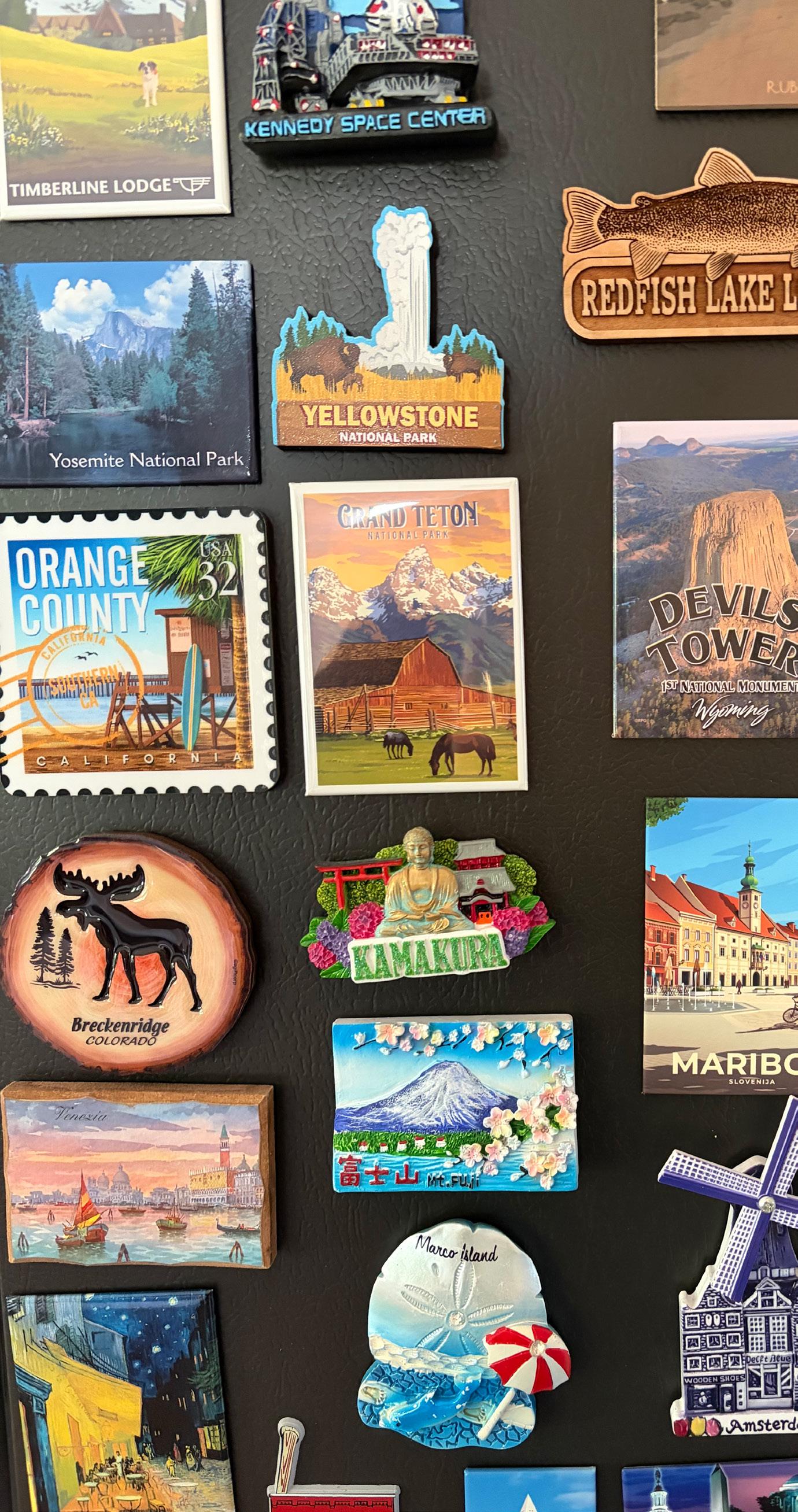
Finding the perfect souvenir when traveling is a wonderful way to bring a piece of a new place home. But too often, these treasures end up buried in drawers, stashed in closets or placed aimlessly throughout the house, creating more clutter than a proud, nostalgic display.
A home should reflect the journeys from a souvenir without the display appearing unorganized or thoughtless. Here is how to elevate and organize your souvenirs.
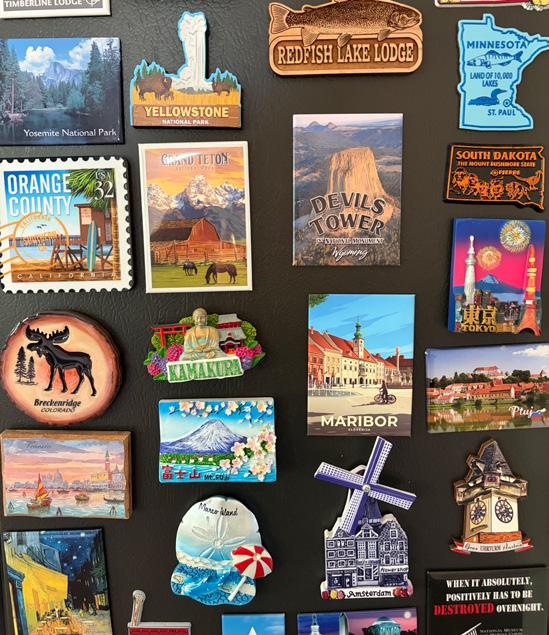
Magnets
Magnets are among the most common souvenirs, with many individuals purchasing one from each place they visit. But managing a large collection of magnets is difficult when combined with standard fridge clutter like photos, reminders and children's artwork.

One classic strategy is to reserve a specific part of the fridge, such as its side wall, for magnets only. This creates a more visually appealing and organized feel.
A wall-mounted magnetic board can also serve as a dedicated display space. This removes the collection from the kitchen entirely, keeping the magnets organized on a decorative, framed panel.
Keychains
Rather than stashing travel keychains in a cabinet, a corkboard offers a creative way to display a growing collection.
For a cohesive touch, choose decorative pins that complement the room's aesthetic. Arranging these pins in precise patterns and placing one keychain on each easily transforms a simple collection into organized wall decor.

Home
Floating Shelves
Floating shelves are the perfect organizational trick for a modern display of travel items.
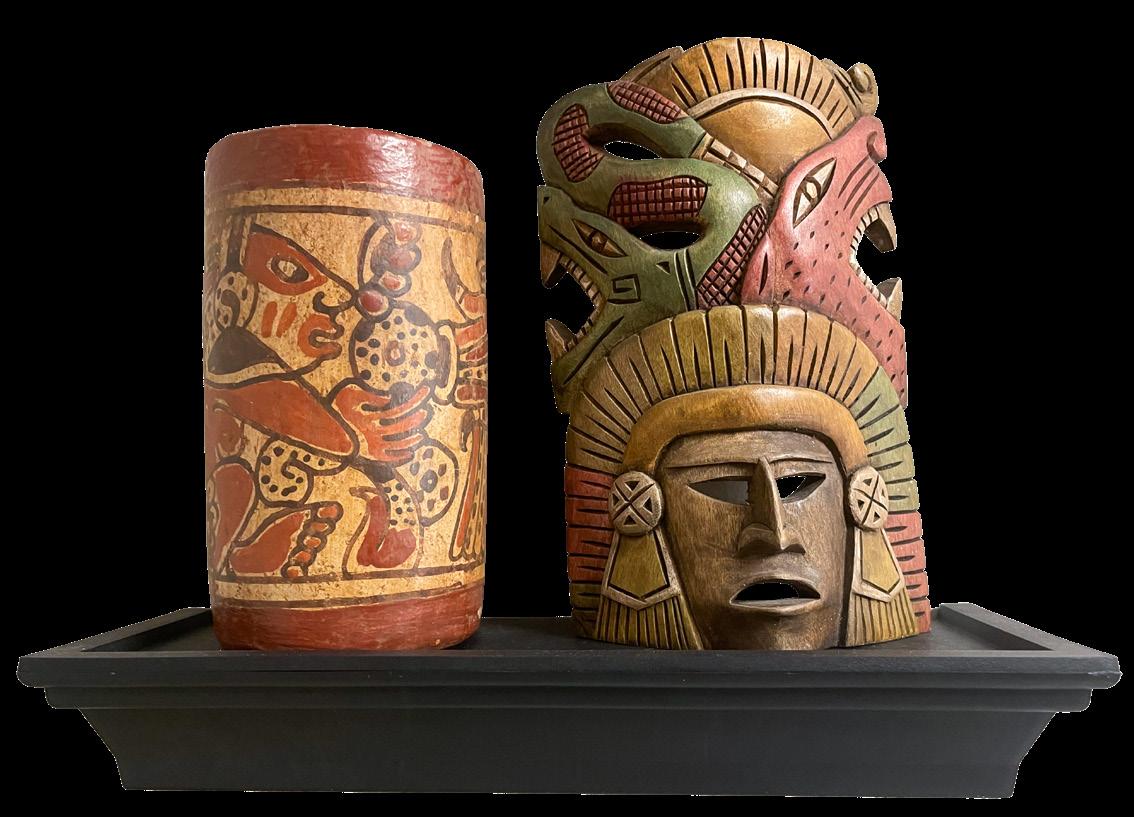
Rather than lining souvenirs up in a straight line on the shelves, group them into clusters of three to create balance. The clusters should contain combinations of textures and heights. This could be a ceramic vase next to a houseplant, or a small sculpture on a pile of travel guides or books.
Gallery Walls
A gallery wall pairs seamlessly with floating shelves, offering a structured way to display flat mementos like maps, tickets and travel photographs alongside three-dimensional objects.
or tape measure to ensure there is an even amount of spacing between the frames.
Travel Book or Scrapbook
Flat travel items like tickets, photo booth images and pressed flowers frequently end up forgotten in desk drawers.
One interior design rule is to stick with frames in a uniform color, such as light oak, to create an organized, cohesive presentation. Make sure to use a ruler
Printing out photos to glue or tape onto the pages, writing down locations and favorite memories and adding tickets

Build confidence
Manage
Rather than lining souvenirs up in a straight line on the shelves, group them into clusters combining different textures and heights, such as pairing a ceramic cup next to a sculpted piece.
or stickers creates a fully customized travel book. The finished scrapbook keeps these precious items safe while serving as a beautiful keepsake for family and friends to look through and remember the trip.
For more ways to display travel souvenirs, check out the inspiration on our Pinterest board.



joseph@cacioppobookkeeping.com
The Travel Cure: Why Your Vacation Fund Is Vital Healthcare
BY ALEXANDRA BURNS
Vacation days might be more valuable than you think, and not just because of memories. From reducing stress and increasing longevity to strengthening relationships and improving heart health, taking genuine time away from the office can be one of the best investments in your health.
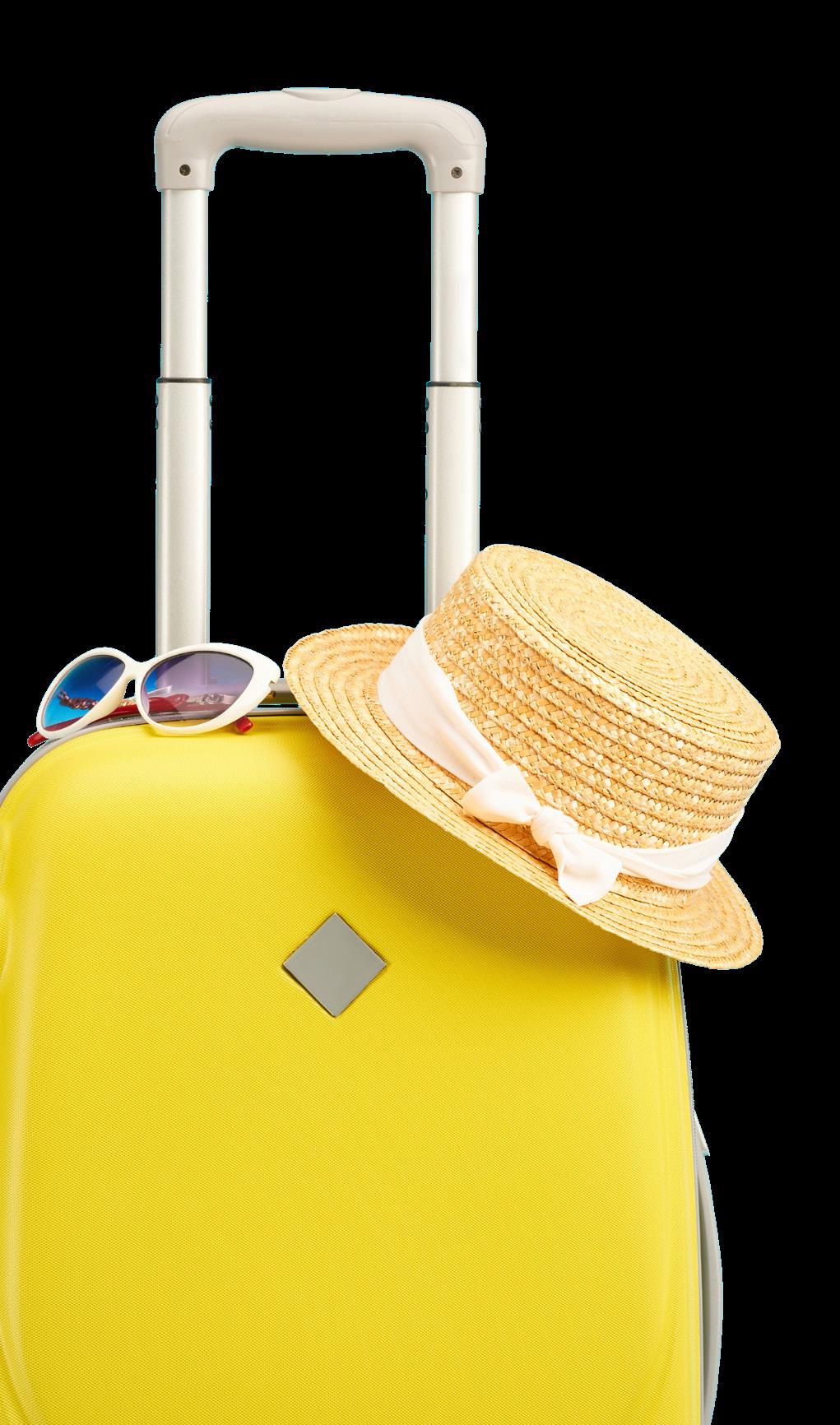
Why We Are Burning Out
The United States is reportedly one of the “busiest” countries, with a culture that thrives on nonstop hustle and bustle and an often work-addicted lifestyle.
While different schedules accommodate different people, studies show that some form of mental health support and rest is necessary for physical and emotional well-being.
According to Amae Health, focusing on a healthy work-life balance, such as taking vacations or time away from the office, can prevent burnout, manage anxiety and stress levels, boost cognitive performance and focus and foster relationships with yourself and others.
Despite the proven benefits, surveys show that 66% of Americans say they don’t have a work-life balance, according to the WorldatWork Total Rewards Association. Reported by the U.S. Bureau of Labor Statistics, Americans have an average of 11 to 15 paid vacation days after their first year on the job, but often take fewer, compared to a 20-day guarantee for Europeans.
Working too hard and avoiding self-care leads to burnout — a state of physical and emotional depletion. Looming financial pressure and overwhelming work hours can also contribute to feeling hopeless, exhausted or as if one has “hit a wall.”
Why Travel Is Medicine
Taking a break from work — meaning fully separating the mind and body from the job — has been scientifically shown to reduce burnout, stress and negative emotions.
According to Allina Health, vacations are linked to reduced risk of heart disease, increased motivation to achieve goals and an overall better quality of life and outlook. By lowering built-up stress, time off traveling or relaxing on vacation can lower inflammation and blood pressure, improving heart health.
Traveling also brings along healthier habits, such as walking, eating cleaner and socially interacting more with others. Humans are social creatures, meaning they need to have these interactions for proper mental health.
Vacations are linked to reduced risk of premature aging and extended lifespans, as time away is associated with reduced stress and lower rates of depression.
Vacations also do more than just offer a break from routine — they can strengthen relationships between families and friends. As stated by Allina Health, research shows that couples who engage in exciting and challenging activities while traveling carry those benefits home, reporting increased intimacy and relationship satisfaction after returning. For siblings, vacation can also help create space for meaningful connections that day-to-day schedules rarely allow.
Rest Is Investment
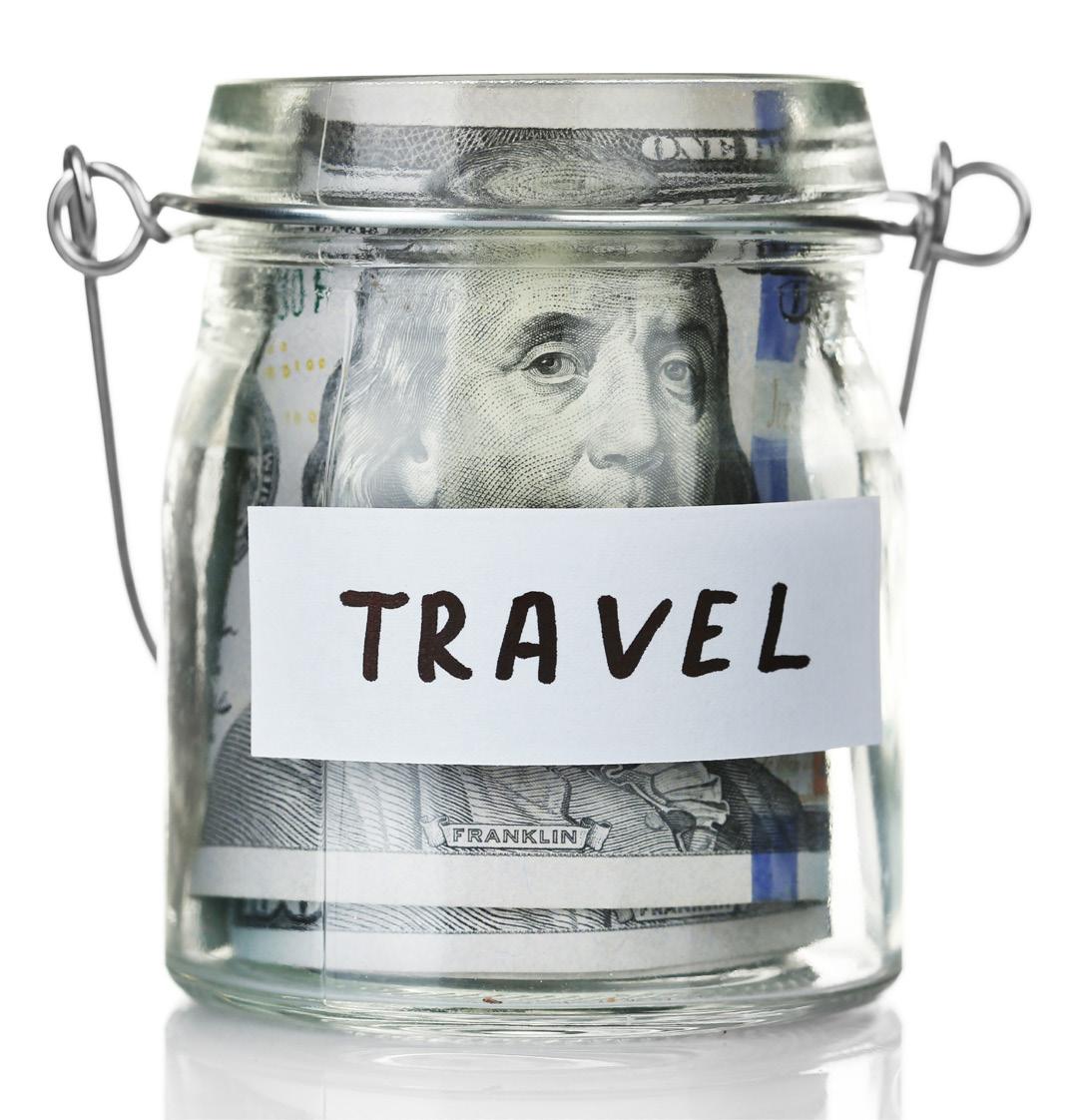
If you start to view traveling or time away from the office as a longterm investment in your health, you might become more dedicated to planning and saving for it.
Adjusting your mindset and treating a travel savings account like a healthcare fund — or “health insurance” — can improve your wellbeing long term. In a way, it is insuring the future of both your physical and mental health.
One thing people can fall victim to is viewing a travel savings account as unimportant, or something to worry about later — but sometimes all it takes is a little motivation to start treating it seriously. Think of it this way: You budget for groceries, gym memberships and doctor’s appointments because they support and maintain your health. Travel deserves to be placed in the same category.
Consistently setting aside money from paychecks, no matter how small the amount is, to a dedicated travel or vacation fund can help you finally make that mental health break happen and also have something to look forward to.
So the next time you sit down to make your budget, consider adding a line for travel, because spending money on a trip has a way of paying you back through long-term health, improved relationships and happiness.
Protect the people and priorities
Life insurance helps protect your loved ones when life takes an unexpected turn. It also gives you the opportunity to leave a lasting impact on the people and causes that matter most to you.
Schedule time to discuss your needs today.
North Central Florida Group 352-226-8000 ncflgroup@thrivent.com connect.thrivent.com/north-central-florida-group AR License 8201374

Not all team members can provide all products, programs and services in all states. This is a solicitation for insurance. A licensed insurance agent/producer may contact you. This contract has exclusions, limitations, and terms under which the benefits may be reduced, or the contract may be discontinued. For costs and complete details of coverage, contact your licensed insurance agent/producer. Thrivent is the marketing name for Thrivent Financial for Lutherans. Insurance products issued by Thrivent. Not available in all states. Licensed agent/producer of Thrivent. Thrivent.com/disclosures.
The World Knows How to Rest — Why Don't We?
What Other Cultures Can Teach Americans About Slowing Down

While Americans tend to focus on hustle culture and packed schedules, many other parts of the world have long embraced the art of slowing down. From midday siestas in Spain to simplistic and non-restrictive dining patterns in the Mediterranean, other cultures have built a tradition of rest, family, connection, health and work-life balance.
MEDITERRANEAN DINING
Originating in ancient Mediterranean coastal communities in the mid-20th century, the Mediterranean diet has become widely popular for its simplicity, tastiness and effectiveness.
What started as a simple diet grounded in natural ingredients that thrived in the area's climate transformed into a lifestyle that researchers now link to increased nutrition and heart health.
The diet revolves around plantbased foods, healthy fats and non-restrictive eating patterns, according to the Cleveland Clinic. Staples of the cuisine include olive oil, which provides healthy fats; grapes;
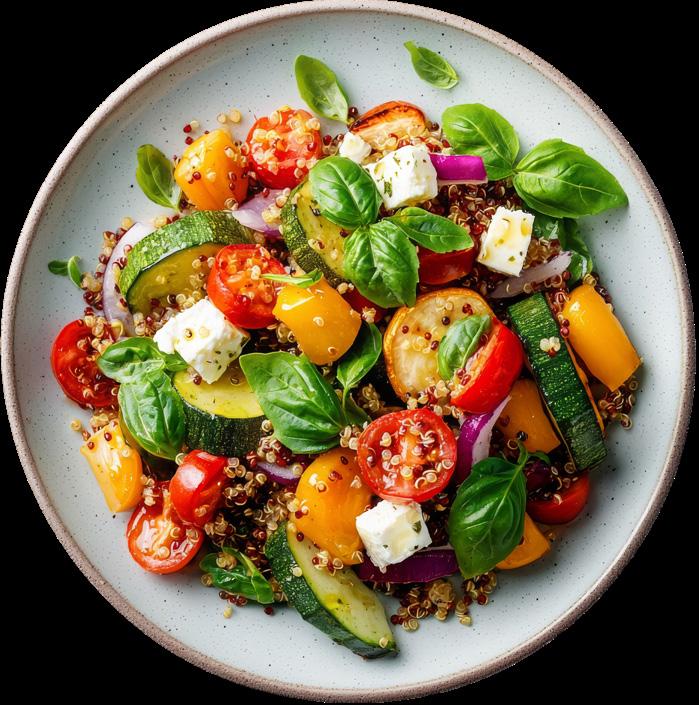
vegetables; fruits; beans; whole grains, such as whole-grain pasta; fish; limited dairy; little to no red meat; and no added sugars.
As stated by the Cleveland Clinic, the Mediterranean diet has been linked to a reduced risk of coronary artery disease; decreased inflammation, blood pressure and cholesterol; healthier blood sugar levels; and a lower risk of certain cancers. The cuisine has also been associated with longer lifespans and a slower rate of age-related brain decline.
EUROPEAN WORK-LIFE BALANCE
For decades, European countries like Austria, France and Italy have treated work-life balance as a cultural requirement — one where work fits around life, not the other way around.
According to an article from the Berkeley Economic Review, the European Union requires businesses to provide a minimum of four weeks of paid vacation to all workers. Some countries offer even more, with the United Kingdom providing 28 days and France offering 30 days.
Many European schedules also focus on a midday break, typically with certain businesses closing during the middle of the day for employees to enjoy a time of rest, relaxation and connection with friends and family over delicious food.
Casey Werner, a 23-year-old University of Florida master’s student, said he experienced a drastic change in his quality of life while living with a host family in Austria at age 16.
“Most days we would all have lunch together, which served as the main meal of each day (back home, dinner was the biggest meal),” he wrote. “This was partially because of Austria’s greater work-life balance, allowing for flexible work and school schedules.”
Werner’s host sisters would arrive home from school for a lunch break, he said, and they would alternate between eating at their home and at a nearby grandparent’s house with their other family members.
European countries also encourage more relaxed workweeks, with employees working fewer hours during the week than Americans do. As stated in the Berkeley Economic Review article, Europeans as a whole place greater value on happiness, safety and health in the workplace.

SPANISH SIESTAS
A siesta, or “nap” in English, is a midday nap or short period of rest during the early afternoon, typically after a midday meal like lunch. The activity is intended to serve as a break from the day — not just to rest your body and refuel, but to step back from the world and embrace the idea that life is meant for living, not just working.
This tradition is widely observed in Spain, with many businesses in cities like Barcelona shutting down during midday for siestas.
According to Barcelona Exclusive Private Tours, siestas are also practiced in areas such as the Philippines, Northern Africa, parts of the Middle East, Argentina and Chile to help unite families and friends and provide a moment of respite.
The midday nap has been reported to increase energy and productivity, reduce stress, improve communication skills and enhance overall happiness and quality of life, according to the Barcelona touring company.
FINNISH SAUNA CULTURE
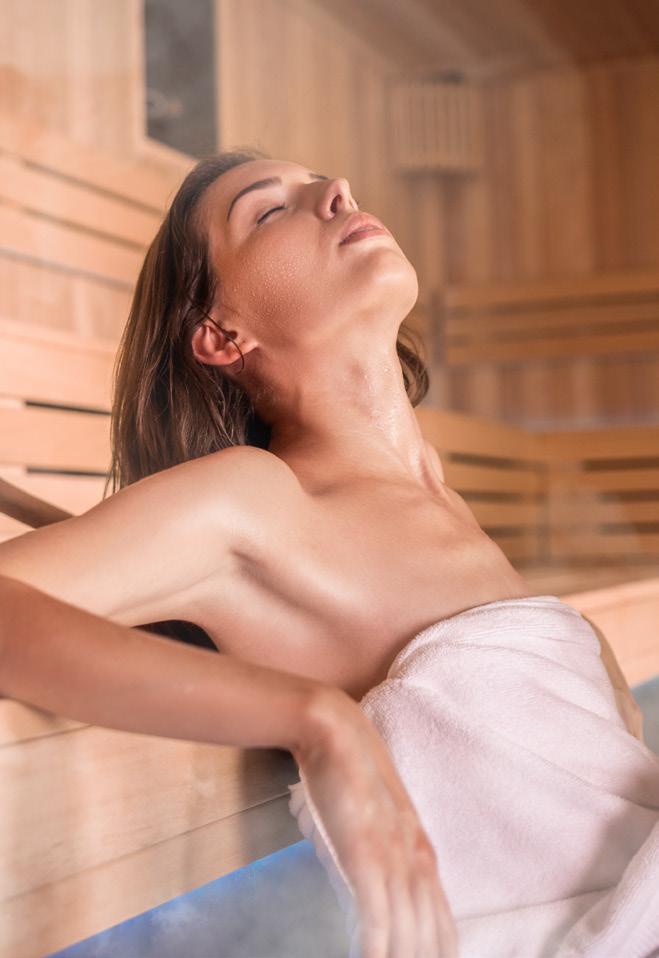
Sauna culture, dating back to about 7000 BCE, has remained an integral part of Nordic culture, offering relaxation and peace to a large portion of the Finnish population.
According to UNESCO Intangible Cultural Heritage, this tradition involves using a sauna in homes or public places, where individuals not only physically wash themselves but also cleanse their bodies and minds, gaining a sense of peace.
Saunas have historically been considered a “sacred space” in many cultures, such as Finnish, Japanese and Native American. The spiritual nature of the heated rooms has coined them with the term “church of nature,” according to UNESCO.
The rooms, which use high heat and low humidity, prompt sweating with wood-fired, electric, smoke or infrared heat sources. In Finland, one common practice is to create steam, or a “spirit,” by pouring water onto hot stones, a practice known as löyly.
According to the National Nordic Museum, there are about 3.3 million saunas in Finland, where they continue to serve as places to relax and reconnect with oneself and spirituality.
JAPANESE FOREST BATHING
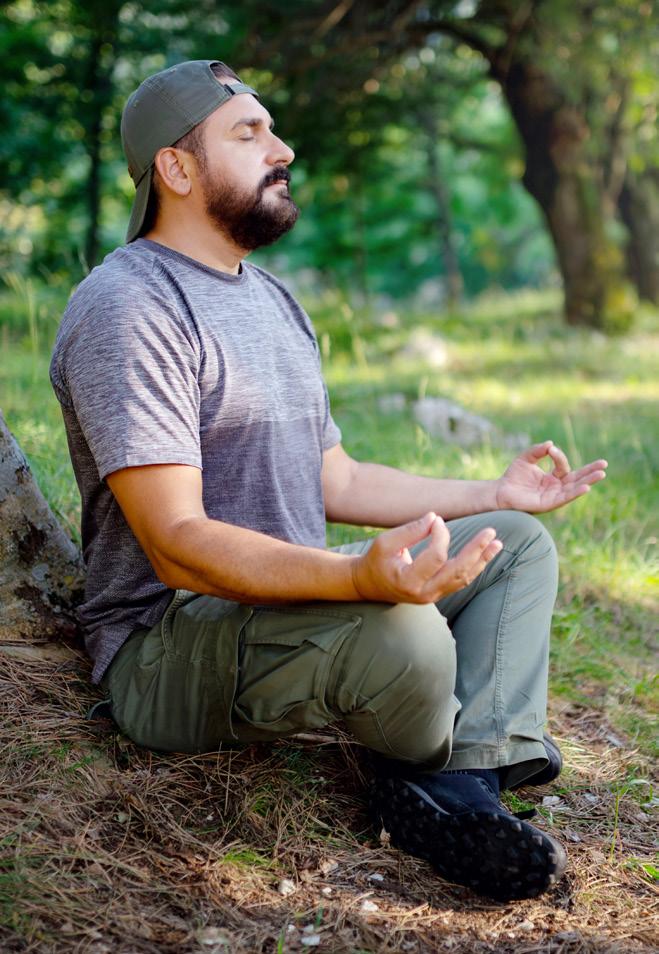
Japanese forest bathing became popular in Japan in the 1980s as the practice of dedicating intentional time in nature, simply being present in the forest and connecting with one's senses.
Known as shinrin yoku, Japanese forest bathing’s main goal is for participants to engage their five senses while observing their surroundings in nature. Japanese people who have participated in it have reported reduced blood pressure, decreased stress, improved mood and focus, increased energy, better sleep and faster recovery from illness, according to the National Forest Foundation.
While the activity is focused on relaxation, it also serves as an unintended physical activity, given the hiking and effort required to enter and travel through the forest.
While ideally done in forests, people across the globe can practice this form of meditation anywhere. The main steps are to put your phone down, choose a destination and focus on your five senses — what do you see, what do you hear in the wind, what do you smell, how does it feel to take deep breaths? All that matters is you and the nature around you.


Six EvidenceBased Ways to Calm Anxiety
BY DR. JENNIFER MARTIN
Calm Your Body
1. MINDFUL MOVEMENT

Stress and anxiety affect both your mind and body.
cortisol and adrenaline, the hormones responsible for your fight-or-flight response. The good news the body or the mind, since the two work in tandem. When you slow down your body, when you shift anxious thought patterns,
more peaceful and relaxed.

Physical movement is an effective way to regulate your nervous system and reduce anxiety. When paired with mindful awareness, movement becomes even more grounding. Rather than mentally replaying your to-do list while you are on a walk or bike ride, try fully engaging with the experience — notice the sounds around you, the rhythm of your breath or the sensation of your moving body.
2. PROGRESSIVE MUSCLE RELAXATION
Anxiety can cause chronic muscle tension. Progressive muscle relaxation involves a sequence of tensing your muscles for 10 seconds and then immediately releasing them. You’ll compare the difference between the tense and relaxed states, which increases your awareness of where and when you’re holding stress in your body and induces a physiological release.
3. LENGTHEN YOUR EXHALE
Deep breathing can calm your body. The key is not simply breathing deeply, but exhaling longer than you inhale, which
activates your body’s relaxation response. Practice inhaling for four seconds, holding for seven and exhaling for eight. Continue for at least three minutes to allow the body time enough time to slow your breathing and heart rate.
Calm Your Mind
1. CHALLENGE YOUR THOUGHTS
Our thoughts are powerful and impact our mood, behavior and physiology. Thoughts are not facts, and it’s helpful to identify which of your thoughts make you feel worse. Next, flip the negative thought to its exact opposite: “I am a failure” becomes “I am not a failure.” Next, find supporting evidence for this new, alternative viewpoint. This exercise helps the brain shift from the worse-case scenario to recognizing that an alternative perspective exists.
2. NAME THE CHAPTER
Label recurring, distressing thoughts as a book chapter title. For example: “The I’m Unlovable Chapter” or “The Something Bad Will Happen Chapter.” When your negative thoughts return, simply notice and name that you’ve entered that chapter again, rather than engaging with the repetitive thoughts themselves.
This creates psychological distance from your thoughts and reduces your tendency to get stuck in them.
3. WORRY TIME
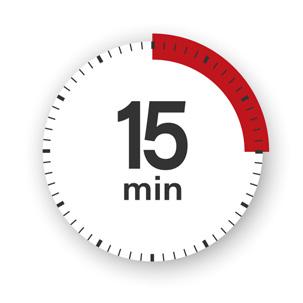
Worrying can last all day if you let it. Instead, set aside a daily 15-minute “worry time” appointment. When intrusive, unhelpful thoughts appear outside of worry time, gently remind yourself: “It’s not worry time, I’ll think about that later,” and redirect your attention to another activity. During worry time, you can think about your stressors, and once the timer goes off, you will shift to a pre-planned activity. With time, you learn you are able to shift your mind’s focus, rather than allowing the worry to dominate your entire day.
Dr. Martin is a licensed psychologist and founder of Sage Wellness. The Sage Wellness team supports the Gainesville community by inspiring healing and well-being through mental health counseling and advocacy.

Gainesville’s Premier Indoor Golf Studio.



Travel Like a Pro:
10 Mistakes to Never Make
BY ALEXANDRA BURNS
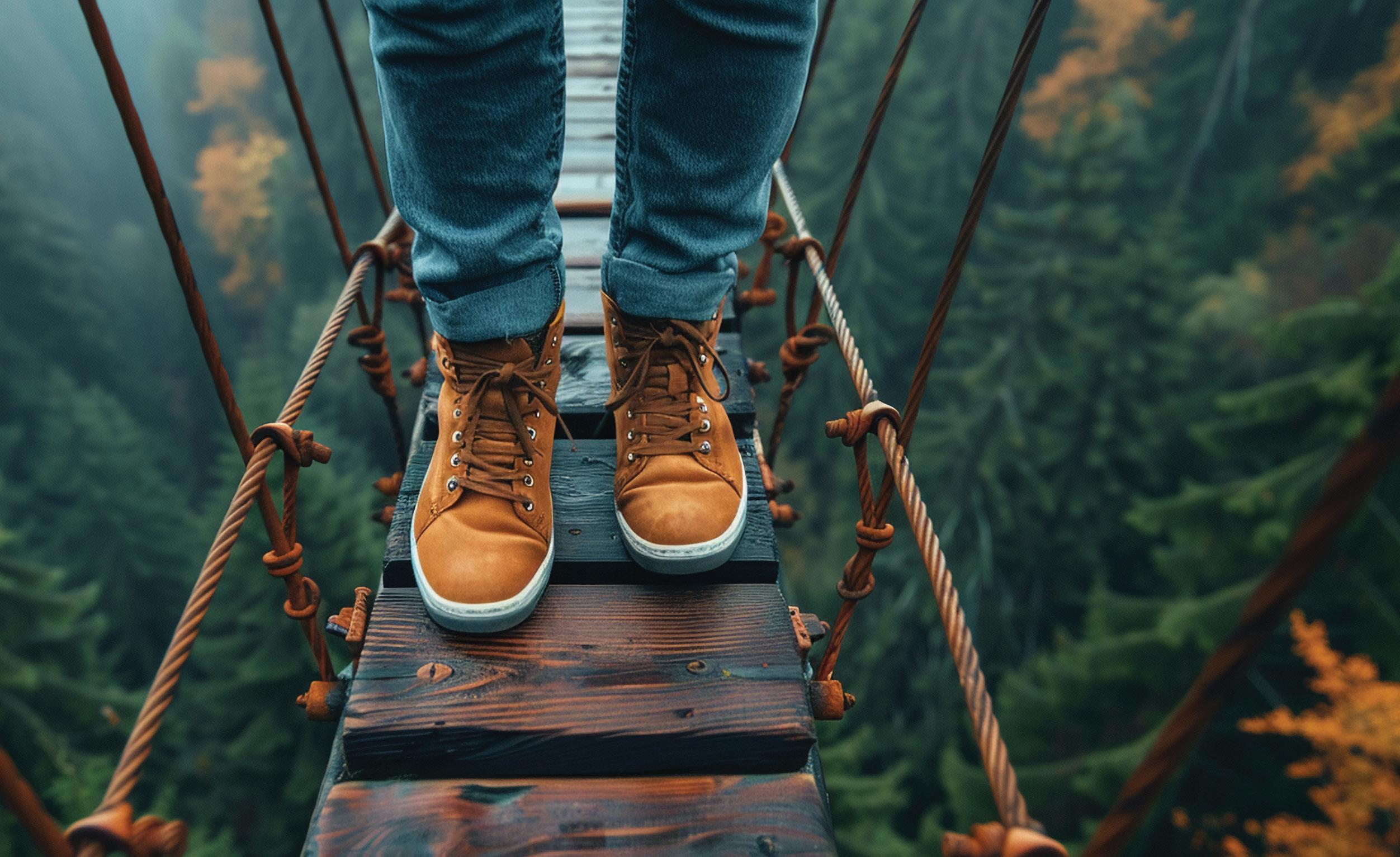
When traveling internationally, conduct thorough research and use travel.state.gov to understand the rules and regulations for specific destinations.

Over the years, I’ve heard numerous stories from friends and family about travel mistakes they made — from traveling to the wrong hotel and forgetting essential medication to ending up in unsafe driving situations.
Most recently, I experienced my first major cross-country road trip. Along the way, I learned a lot — both from my own mistakes and from my travel partner's experiences. So here are some of the biggest travel mistakes to avoid, so that you can travel smarter, safer and like a pro.
1. Driving in the dark during road trips and not adding an extra hour when planning your departure time.
Driving at night during a road trip sounds manageable until you’re actually doing it. When you’re planning your departure time, always give yourself an extra hour or two of leeway.
I know the temptation to squeeze in just a few more hours on the road to get to your destination quicker. Procrastinators like me love to think, “I’ll deal with that later,” when planning the drive earlier in the day. But the possible added stress of driving at night, including fighting exhaustion and possible hazards on the road, is not worth the risk to your safety, car or peace of mind.
On my recent road trip, we miscalculated the correct departure time for our 14hour drive. We ended up having to drive through winding mountain roads in Montana in pitch-black darkness — no cell service, deer and elk spotting the road and three hours of white-knuckle driving. The concentration and exhaustion that racked my body left me stressed and depleted of most of my energy for the rest of the trip.
Arriving safely and actually enjoying your trip is always more important, even if it means stopping at a nearby hotel or splitting your drive up into more days than you originally desired.
2. Not researching the best time to book your flight to save on cost.
According to Forbes, the best time to book flights in the United States is 34 to 86 days before departure. This can save about 25% on the ticket price compared to booking closer to the flight.
If flying internationally, Forbes recommends the opposite for some trips, booking about 18 to 29 days before the departure, which can save you about 17% compared to booking three months in advance.
Midweek departures are also often cheaper than Friday or weekend flights, as Forbes reports.
When planning your trip, research the best times to purchase plane tickets for the specific destination. International flights can vary greatly in timing.
3. Not getting your car serviced before a long road trip. This means rotating or replacing your tires, changing your oil and taking care of any other necessary repairs before you leave. The last thing you want is to be stranded in the middle of nowhere because of a preventable issue with your car.
In the case of a malfunction, not checking your vehicle ahead of time will likely cost far more to tow and repair your car on the road than it would be to fix the problem in advance. This small amount of preparation can save you money, time and even your life.

4. Not being prepared for losing essential medication.
For important medications, talk to your doctor about getting an extra refill or backup supply in case your original prescription is lost during your trip. Keep the medication and its duplicate in separate bags. For example, one in your purse or carry-on and one in your checked bag or suitcase.
That way, if one bag is lost or misplaced, you know exactly where the other medication is. This allows you to fully relax on your trip if you lose an important medication, helping you avoid multiple phone calls, the need to find a pharmacy in your insurance network, etc.
5. Focusing all of your attention on tourist attractions only.
Don't neglect the major tourist attractions, like museums and monuments, but also make time for the quieter, everyday places that reflect the area’s culture.
For example, while visiting Seattle, I stopped to see the Space Needle from the outside, and rather than waiting in line for hours and spending $100 to travel to the top, I took a bus to a beautiful residential neighborhood. This spot had one of the best sunset spots in the city, with a perfect view of the whole city and the Space Needle. I spent no money, avoided wasting time in crowds and experienced an area of Seattle that felt truly authentic.
6. Not double-checking hotel reviews.
Photos and information from the hotel website can make it seem better than it actually is. Check Reddit forums and review websites like Tripadvisor, Booking.com and Google Reviews to gain a good understanding of all the pros, cons and amenities of your desired hotels.
It is better to spend the extra time researching than to be stuck with an uncomfortable or unaccommodating stay.
7. Not researching free transportation options to and from the airport.
Before you spend a large chunk of your money on an Uber to and from the airport, research local transportation options. This includes affordable buses, trains, airport shuttles and subways. Most large cities have a bus or train to and from the airport to areas within walking distance of your hotel.

Try entering your airport and hotel onto Google Maps or Apple Maps to see transportation options and times. This will allow you to see exactly what buses, subways or trains you can take and help you find them.
Also, when booking your hotel, always double-check how far it is from the airport. You do not want to be shocked by a two-hour travel time, which often leads to expensive Ubers, Lyfts or cabs.
8. Not reviewing your required travel documents or reviewing the laws and restrictions of your destination.
This means checking the expiration date of your driver’s license and passport and making sure your passport accurately reflects how you currently look.
When traveling internationally, conduct thorough research and use travel.state.gov to understand the rules and regulations for specific destinations. For example, certain locations require specific vaccines, health codes and attire.
9. Not double-checking the location of your hotel or flight booking.
The last thing you want is for travel day to arrive and notice that you actually booked your flight to Gainesville, Georgia, not Gainesville, Florida.
Reread your hotel and flight bookings at least five times before purchasing to ensure that you did not actually pay for the wrong location due to a simple misread. This can also help you to avoid expensive cancellation or change fees.
10. Not picking the right travel partner(s).
If traveling with friends or family, ensure that you are positive they would make a good travel partner. You do not want to spend a significant amount of money, look forward to relaxing and then feel stressed or annoyed.
Travel partners are also intended to improve your safety when exploring unknown places. You want to be certain that your travel partner will not leave you stranded in a foreign location or in a moment of need. Make sure they have your back, and you have theirs.







Silence Is the New Standard: The Luxury of a Quiet Travel Experience
BY COLE PURVIS
For years, the concept of luxury travel was easy to recognize.
Infinity pools overlooking oceans. Rooftop cocktails. Private beach access. Five-star restaurants with reservations booked months in advance.
Now, increasingly, the most soughtafter travel amenity is something much harder to photograph... silence.
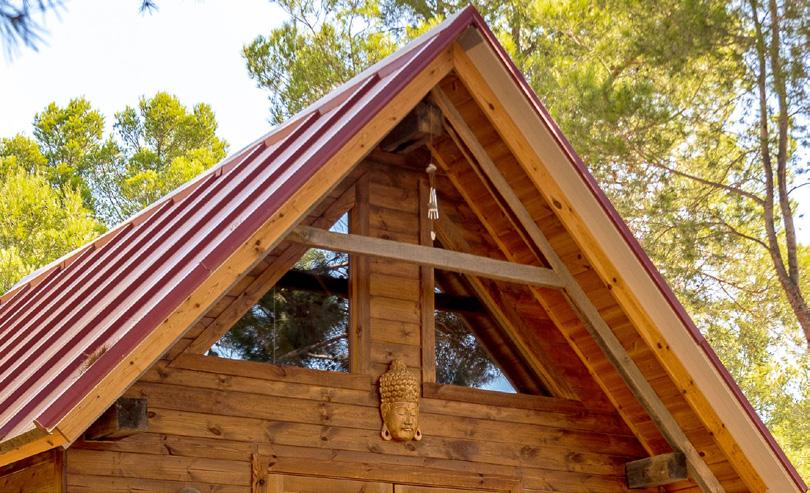
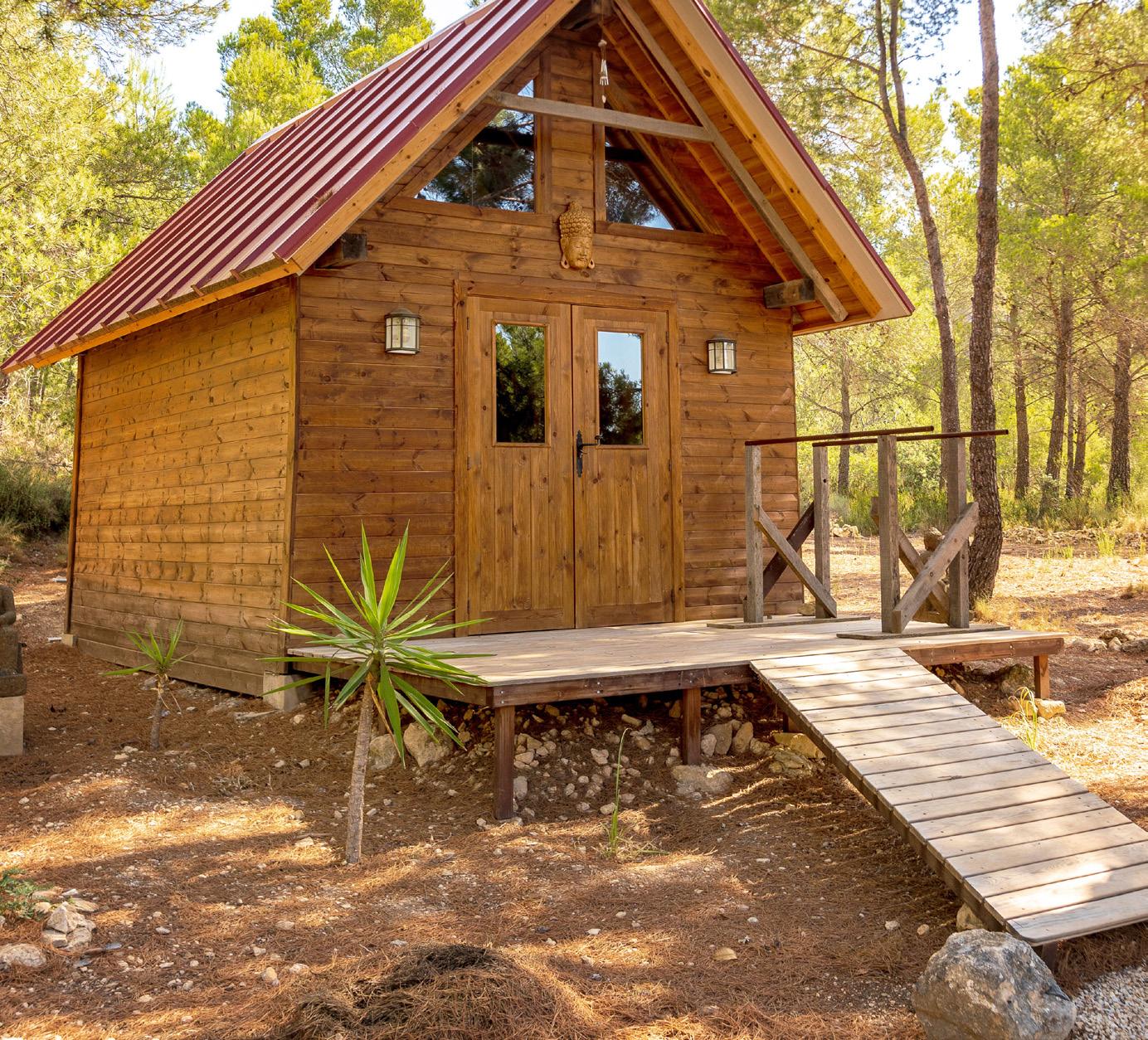
Across the travel industry, quiet is becoming its own form of luxury. Silent retreats, remote cabins, wellness resorts with no-phone policies and off-grid escapes are surging in popularity as travelers look for something many believe modern life no longer naturally provides: mental stillness.
And unlike flashy luxury trends of the past, this one is less about showing off where you went and more about how you felt while you were there.
Welcome to the Burnout Economy
Part of the shift comes from exhaustion.
According to the American Psychological Association’s annual Stress in America report, many adults — to nobody’s surprise — report feeling persistently overwhelmed by work, technology, news cycles and constant digital connection. For a growing number of travelers, vacations packed with itineraries and social-media-worthy moments no longer feel restorative. They feel like another performance.
That exhaustion has fueled rising interest in quieter forms of travel. This concept of wellness tourism continues
to grow globally, according to the Global Wellness Institute. But within that space, travelers are increasingly prioritizing solitude, mindfulness and disconnection over traditional luxury experiences.
In other words, the aspiration is changing.
The new flex is not getting access to everything. It’s escaping it.
The Loud Rise of Quiet Tourism
Travel companies have taken notice.
Silent retreats — once associated mostly with spiritual communities — have become increasingly mainstream.
Many involve days without speaking, limited technology use and structured mindfulness practices. Others simply focus on reducing all external stimulation.
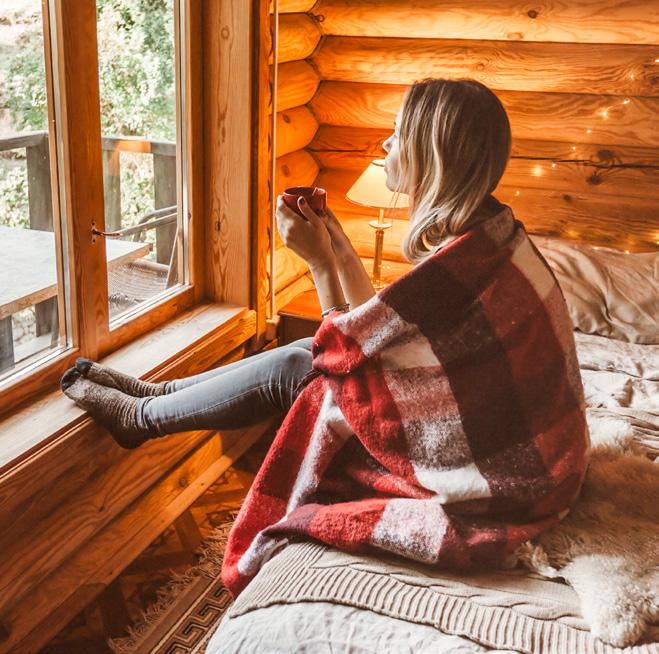
Remote cabin stays have seen similar growth, particularly in areas surrounded by forests, mountains or coastlines where natural sound replaces urban noise. Some luxury resorts now market “digital detox” experiences that encourage guests to surrender phones at check-in or eliminate televisions from rooms entirely.
According to travel trend forecasting from companies like Expedia Group and Booking.com, travelers increasingly cite relaxation, mental wellness and escaping overstimulation as major priorities when planning trips.
Lifestyle & Travel
For some, that means traveling somewhere beautiful. For others, it means traveling somewhere quiet enough to hear themselves think again.
Why Silence Feels So Powerful
There is growing scientific interest in how noise — or the lack of it — affects health.
The World Health Organization (WHO) has linked chronic noise pollution to increased stress, sleep disruption and cardiovascular strain. Constant auditory stimulation can keep the nervous system in a heightened state of alertness, even when people do not consciously notice it.
Silence, meanwhile, appears to have restorative effects.
Research published in the journal Heart found that periods of silence can promote relaxation and reduce tension more effectively than some forms of background music. Other neuroscience studies suggest quiet environments may support memory processing, focus and emotional regulation.
Then there is the psychological effect of removing constant input.
Without notifications, traffic noise or endless content streams competing for attention, many people experience an unfamiliar mental slowing. At first, experts say, that can feel uncomfortable. Eventually, it often becomes calming.
The Status Symbol Shift
Ironically, quiet travel has also become a form of modern status signaling.
Not because silence itself is expensive, but because uninterrupted quiet has become increasingly rare.
Being unreachable for several days now implies something many people struggle to attain: time, boundaries and freedom from constant demands. In a culture built around accessibility and productivity, disconnecting can almost feel rebellious.
Luxury has always reflected scarcity. Once, it was material abundance. Now, increasingly, it is peace.
That shift is especially visible among younger affluent travelers, who often prioritize wellness experiences and emotional reset over traditional extravagance. A minimalist cabin with no Wi-Fi may now carry more appeal than an overcrowded luxury resort.
Not Just for the Wealthy
The idea itself, however, does not require an expensive retreat in the mountains of Scandinavia.
Travel experts note that quiet travel can be surprisingly accessible. A weekend in a small coastal town, a phone-free camping trip or even intentionally choosing slower itineraries can create many of the same psychological benefits.
The point is less about geography and more about intentional absence — fewer alerts, fewer crowds, fewer demands.
Why It Resonates Now
The popularity of quiet travel says something larger about the cultural moment we are living in.
People are not just seeking escape from work. They are seeking escape from stimulation itself. From algorithms. From constant availability. From the pressure to document every experience while it is happening.
Silence offers something increasingly difficult to find in everyday life: space.
Space to think clearly. Space to rest. Space to exist without reacting to something every few seconds.
And that may be why quiet has become the newest form of luxury. Not because it is trendy, but because so many people suddenly realize how badly they miss it.


Ask the Expert
Your Plastic Surgery Questions Answered by Dr. David Mateo
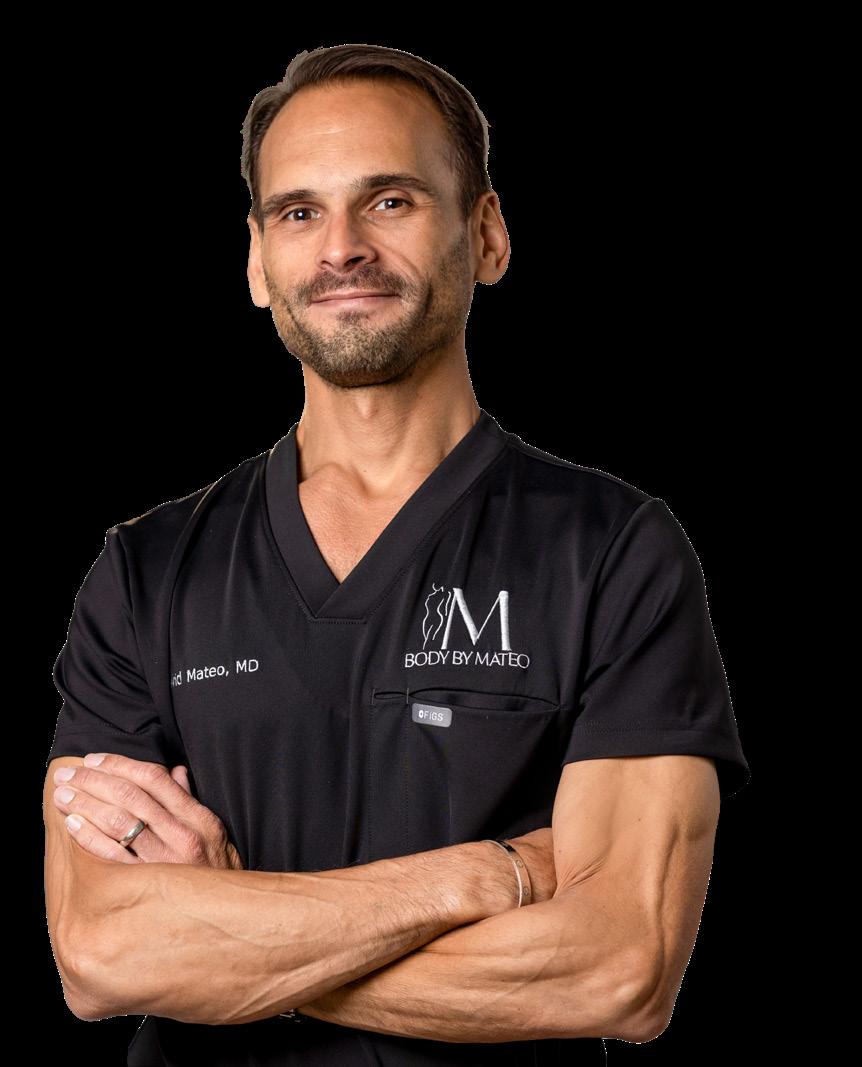
Dr. David Mateo is a board-certified plastic surgeon with seven years of experience helping patients achieve natural, individualized results through advanced surgical and minimally invasive techniques. Known for his compassionate approach and attention to detail, he specializes in body contouring, breast surgery, and regenerative aesthetics. Dr. Mateo is the leading provider in North Florida for Renuvion skin tightening, AlloClae fat injections and Motiva Preserve breast augmentation. Through complimentary consultations and personalized treatment plans, he focuses on delivering results that enhance confidence and quality of life.
What does “Body By Mateo” mean to you and your approach to patient care?
To me, “Body By Mateo” means creating results that are individualized, thoughtful, and built around the person, not the procedure. Patients are not books, so the textbook answer is not always right for everyone. Two people can come in asking for the same procedure and need completely different surgical approaches based on their anatomy, lifestyle, goals, and long-term expectations.
What are the biggest mistakes patients make when researching a plastic surgery office?
One of the biggest mistakes I see is patients not doing enough research. Reviews can be helpful, but they should never be the only factor when choosing a surgeon. I always encourage patients to ask detailed questions and truly research the procedures, surgeons, and facilities they are considering.
It’s also very important to understand the difference between a board-certified plastic surgeon and a cosmetic surgeon. Board certification in plastic surgery requires extensive surgical training and education that directly impacts patient safety and outcomes.
How has plastic surgery evolved over the last decade?
Plastic surgery has become significantly less invasive while producing more natural-looking results with shorter recovery times. Many procedures that once required large incisions and significant downtime can now be approached with technologies that focus on preservation and regeneration in the right patients.
For example, treatments like Renuvion skin tightening and ultrasound-assisted liposuction allow us to tighten skin and improve contour with far less downtime and scarring compared to older skin excision procedures. I’ve been proud
to help lead the adoption of Renuvion in North Central Florida because it gives many patients an option that bridges the gap between non-surgical treatments and more extensive surgery.
We’ve also seen major advancements in regenerative procedures like AlloClae fat injections, which allow us to restore volume using human donor fat and advanced fatprocessing technology for natural enhancement and tissue quality improvement.
What trends in aesthetics do you believe are improving the industry — and which ones give you pause?
The trends I appreciate most are the ones focused on preservation, natural results, and improved recovery for patients. Motiva Preserve breast augmentation is a great example because it prioritizes tissue preservation and allows many patients to recover more comfortably and return to normal activities sooner. Patients today want results that enhance them without looking overdone, and I think that’s a very positive direction for the industry.
What gives me pause are trends driven too heavily by unrealistic beauty standards. Surgery should never be about chasing a filtered image or trying to look like someone else. The best outcomes happen when procedures are tailored to the individual and designed to age well over time.
How do you stay educated and current in such a fast-moving field?
Plastic Surgery is constantly evolving, so continuing education is extremely important to me. I regularly attend advanced training, conferences, and hands-on courses to stay current with emerging techniques and technology. I also work closely with companies developing innovative surgical devices and treatments so I can evaluate what truly benefits patients versus what is simply trending.
Photos by Body by Mateo
My goal is always to provide patients with the safest and most effective options available today, not just repeat the same methods because “that’s how it’s always been done.” Innovation should always serve the patient experience and improve outcomes.
How do you tailor treatments to fit different lifestyles, ages and goals?
Every treatment plan starts with a real conversation. During my complimentary consultations, I spend time learning about a patient’s health history, lifestyle, goals, activity level, recovery expectations, and even emotional readiness for surgery. The procedure has to align for the patient’s entire life, not just the operating room.
For example, a competitive bodybuilder may not be the ideal candidate for an under-the-muscle breast augmentation because constant chest muscle activation can impact longterm implant positioning and animation deformity. Someone with a demanding career or young children at home may need a different surgical timeline or recovery plan than someone with more flexibility.
The best surgical plan is one that aligns with the patient physically, emotionally, and practically.
How do healthy habits impact recovery and long-term outcomes after surgery?
Healthy habits play a major role in both recovery and longterm results. Good nutrition, hydration, regular exercise, quality sleep, and avoiding nicotine all directly affect how the body heals after surgery. Surgery is not meant to replace a healthy lifestyle, it works best as an extension of one. Patients who take care of their overall health tend to recover more smoothly, experience less inflammation, and maintain their results longer. I also believe preparation is part of recovery. Helping patients understand what to expect physically and emotionally before surgery allows them to heal more confidently and comfortably.
What would you say to someone who has considered plastic surgery for years but still feels apprehensive?
I would tell them that it’s completely normal to take your time with a decision like this. Surgery is personal, and patients should never feel rushed. The consultation process is meant to educate and guide, not pressure anyone into moving forward before they are ready.
Often, anxiety comes from fear of the unknown, which is why I prioritize communication and patient education. My goal is to make sure patients fully understand their options, the recovery process, and what is realistically achievable. Sometimes simply having an honest conversation can help someone feel much more comfortable, whether they decide to proceed with surgery or not.


How does plastic surgery intersect with confidence, wellness and quality of life?
Plastic surgery is about much more than appearance to me. Confidence affects wellness in ways people often underestimate, from how someone dresses, to how active they feel, to how comfortable they are socially or professionally.
My goal, and the “Body By Mateo” philosophy, is centered around helping patients feel like the best version of themselves. For some patients, that means restoring their body after pregnancy or major weight loss. Procedures like skin removal after significant weight loss or diastasis repair during a tummy tuck can do far more than improve appearance, they can improve posture, core strength, mobility, exercise tolerance, how clothing fits, and overall physical comfort.
For others, it means correcting something they’ve been selfconscious about for years. When done thoughtfully, plastic surgery can positively impact physical function, emotional wellbeing, confidence, and overall quality of life all at the same time.
What do you think patients deserve more of from their plastic surgeon?
Patients deserve more understanding, compassion, and honesty. Plastic surgery can be a vulnerable experience, and patients should feel supported throughout every stage of the process.
At North Florida Plastic Surgery, I want patients to feel like individuals, not numbers. Listening matters. Education matters. Being accessible matters. Some of the most important conversations happen outside the operating room, when patients are expressing their concerns, discussing personal goals, or navigating recovery.
Technical skill is essential, but trust and communication play a huge part in a positive patient experience.






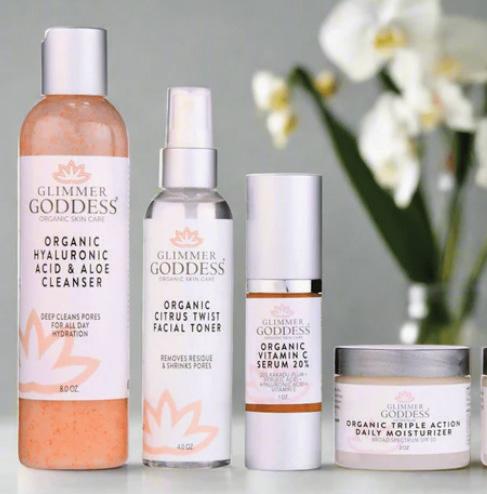

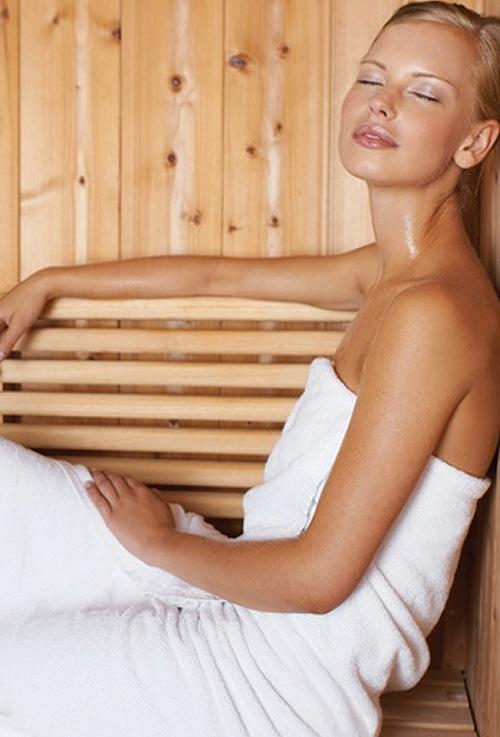




Calendar
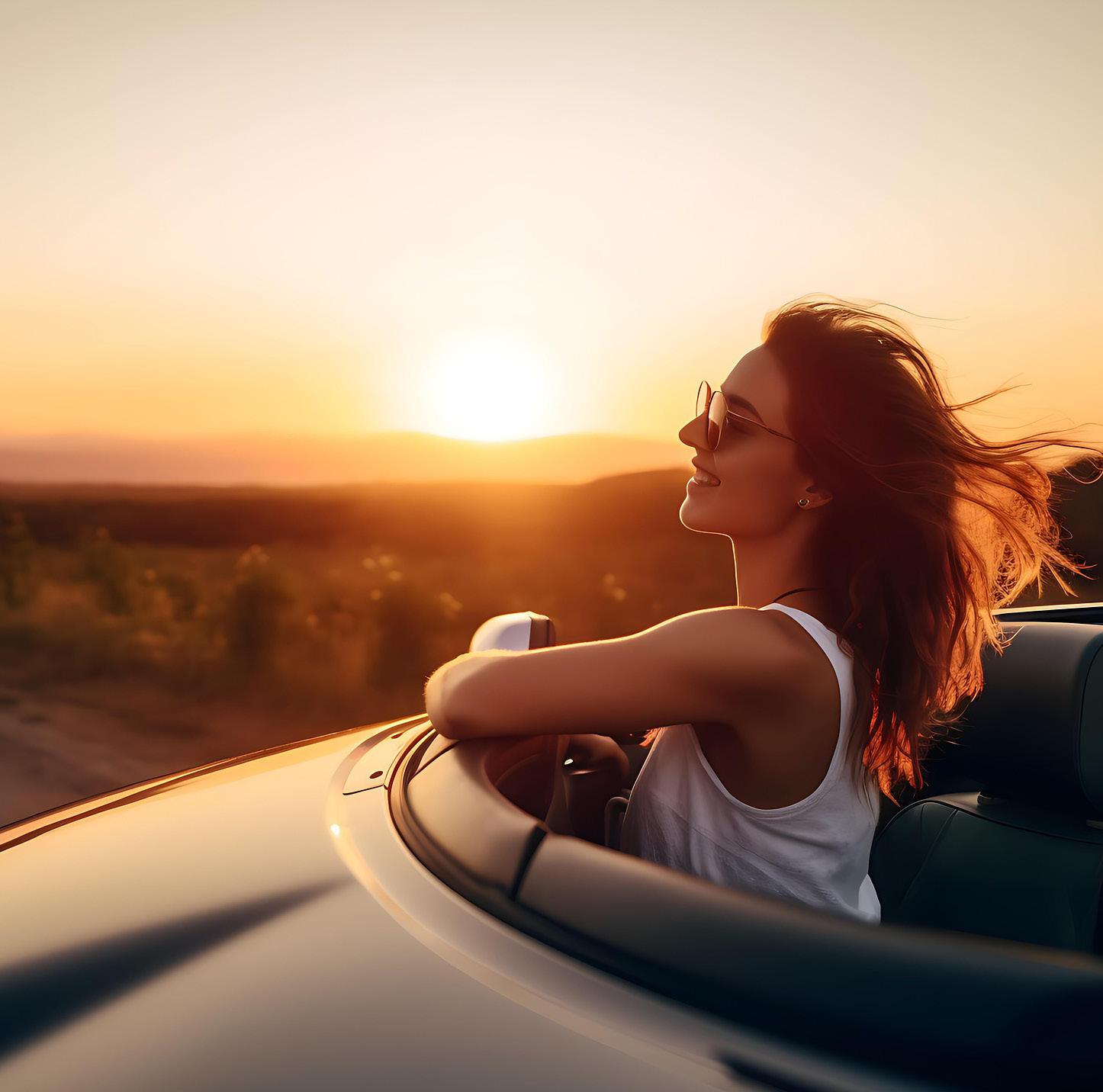
RECURRING EVENTS
Grove Street Farmers’ Market - Free Cypress & Grove Brewing Co. 4 - 7 p.m. grovestreetfarmersmarket.com
This event repeats every Monday.
Haile Farmers’ Market - Free Haile Plantation
8:30 a.m. - Noon hailefarmersmarket.com
This event repeats every Saturday.
Alachua County
Farmers’ Market - Free San Felasco Tech City
8:30 a.m. - Noon 441market.com/index.html
This event repeats every Saturday.
Depot Park Parkrun - Free Depot Park | 7:30 - 9 a.m. parkrun.us/depotpark
A free, weekly community 5k! This event repeats every Saturday.
Ranger-Led Tour at Devil’s Millhopper
Devils Millhopper Geological State Park | 10 - 11 a.m. visitgainesville.com
Learn about Devil’s Millhopper Geological State Park on this ranger-led tour.
This event repeats every Saturday.
Free Fridays Concert Series
Bo Diddley Plaza | 7 - 9 p.m. gainesvillefl.gov
Every Friday, go see amazing free music at Bo Diddley Plaza. This event repeats every Friday.
Jazz on the Green
Celebration Pointe | 7 - 9 p.m. celebrationpointe.com
Sit outdoors and enjoy live music, food and drinks & more.
This event repeats the second Saturday of each month.
Art After Dark - Free Harn Museum | 5 - 9 p.m. harn.ufl.edu
Enjoy the Harn Museum’s extended evening hours with activities, entertainment, refreshments and art exhibits.
This event repeats every Thursday.
Pop Culture Trivia V Pizza + Sidecar | 7 p.m. trivianation.com/trivia-tonight/vpizza-gainesville
Come out for free-to-play trivia and great food!
This event repeats every Wednesday.
Mill Creek Farm Retirement Home for Horses
Mill Creek Farm | 11 a.m. - 3 p.m. millcreekfarm.org
Bring two carrots to pay for your admission to feed retired horses! This event repeats every Saturday.
Gainesville Cars & Coffee at Tioga Tioga Town Center | 9 - 11 a.m. gainesvillecarsandcoffee.com
Local automotive enthusiasts can get together and enjoy a cup of coffee while looking at everyone’s vehicles! All cars are welcome, regardless of whether they are imports, exotics or classics. This event repeats on the first Saturday of every month. (Free)
Friday, July 3
Stars & Stripes Forever Independence Day Celebration 2026
Horseman’s Park | 5 - 9 p.m.
Celebrate Independence Day with a parade and fireworks.
Friday, July 3
Newberry's Independence Day Fireworks Show
Countryway Town Square | 6 p.m. newberryfl.gov
Wear red, white and blue, and enjoy an evening filled with vendors, festive fun and hometown pride. The firework show begins at 9:30 p.m.
Community
Saturday, July 4
INDEPENDENCE DAY
Saturday, July 4
Avalon Park Fourth of July Festival Celebration
Downtown Avalon Park | 5 - 9 p.m.
Participate in a bike parade, 5K, apple pie bake-off and more. The firework show begins at 9 p.m.
Saturday, July 4
48th Annual Jack Gamble Melon Run
1001 NW 34th St. | 8 a.m. - 11 a.m. runsignup.com
This 3-mile run on the rolling hills of the course is hosted by the Florida Track Club. Winners of each age group will receive a watermelon!
Friday, July 10
Tioga Concert Night featuring Trevor Ellis
Tioga Town Center | 7 - 10 p.m. tiogatowncenter.com
Bring your lawn chairs and blankets and enjoy free live music by Trevor Ellis.
Saturday, July 11
Taste of the Caribbean 2nd Annual Food Truck Festival Cypress & Grove Brewing Co. 4 - 8 p.m.
Enjoy Caribbean music, craft beer and authentic island eats from food trucks.
Friday, July 17
Santa Fe Teaching Zoo Teen Summit
Santa Fe College Teaching Zoo 9 a.m. - 3:30 p.m. sfcollege.edu
Learn what it takes to work in the animal care field, connect with professionals and gain real-world insight into careers with wildlife, zoos and conservation organizations. Great for ages 13 - 18.
Friday, July 17 - Sunday, July 19
Gainesville Downtown Foodie World Asian Food Festival Family Fun Depot Park | 3 - 11 p.m. facebook.com/events
Enjoy over 60 Asian food vendors, live music, cultural performances, karaoke, games, family-friendly fun, local vendors and more.
Saturday, July 18
UF/IFAS Family Fishing Day
7922 NW 71st St., Gainesville
8 a.m. - Noon ffgs.ifas.ufl.edu
Enjoy some quality time together at this month’s UF/IFAS Family Fishing Day, themed Melt-Your-Popsicle!
Friday, July 24
Tioga Concert Night featuring Jamie Davis
Tioga Town Center | 7 - 10 p.m. tiogatowncenter.com
Bring your lawn chairs and blankets and enjoy live music by Jamie Davis!
Saturday, July 25 Book Swap
The Repurpose Project | 11 a.m. - 2 p.m. repurposeproject.org
Come exchange books (and puzzles!) and discuss your favorite reads with your fellow community members. Bring in and take home as many new reads as you please! FREE event!
Saturday, August 8 - Sunday, August 9
9th Annual Gainesville Indoor Pickleball Showcase
gainesvillesportscommission.com
Alachua County Sports & Events Center
This event will partner with Touching Hearts at Home, with proceeds benefiting ElderCare of Alachua County — because nothing feels better than playing for a cause! $10 from your registration fee will be donated directly to ElderCare of Alachua County.
Friday, August 14
Tioga Concert Night featuring Steel Kickin
Tioga Town Center | 7 - 10 p.m. tiogatowncenter.com
Bring your lawn chairs and blankets and enjoy live music by Steel Kickin!

Saturday, August 15
Red Shoe Affair
Stephen C. O’Connell Center
6 p.m.
rmhcncf.org/event/red-shoe-affair
The 14th Annual Red Shoe Affair promises to be an extraordinary evening in support of Ronald McDonald House families and in celebration of its new house. The festivities will be packed with a silent and live auction, family stories, exquisite cuisine as well as open bars, dancing and more.
Saturday, August 15
UF/IFAS Family Fishing Day
7922 NW 71st St., Gainesville
8 a.m. - Noon ffgs.ifas.ufl.edu
Enjoy some quality time together at this month’s UF/IFAS Family Fishing Day, themed Back to School Bonanza!
Saturday, August 22
Great Florida Pollinator Census Party
Gainesville Garden Club
10 - 11 a.m.
ggcfl.org/upcomingevents
Here you will count the number of insects landing on your blooming plant for 15 minutes. You will also learn how flowers and insects work together. Fun for the whole family! Wear a hat and bring your specs to see up close. Free entry and parking.